

Reverse Index
Referencing “Confession Reform of A.S. 104”
Every codex entry that links to Confession Reform of A.S. 104. 21 entries.
Return to Confession Reform of A.S. 104

Bedside Runner
Close enough to hear everything, junior enough to bear the blame
The Bedside Runner carries ribbons, wax and forms for terminal confessions. The Bureau of Mercy's entry rank hears everything, seals nothing and supplies the second stool.
Codex Ref. XII.12.02-001
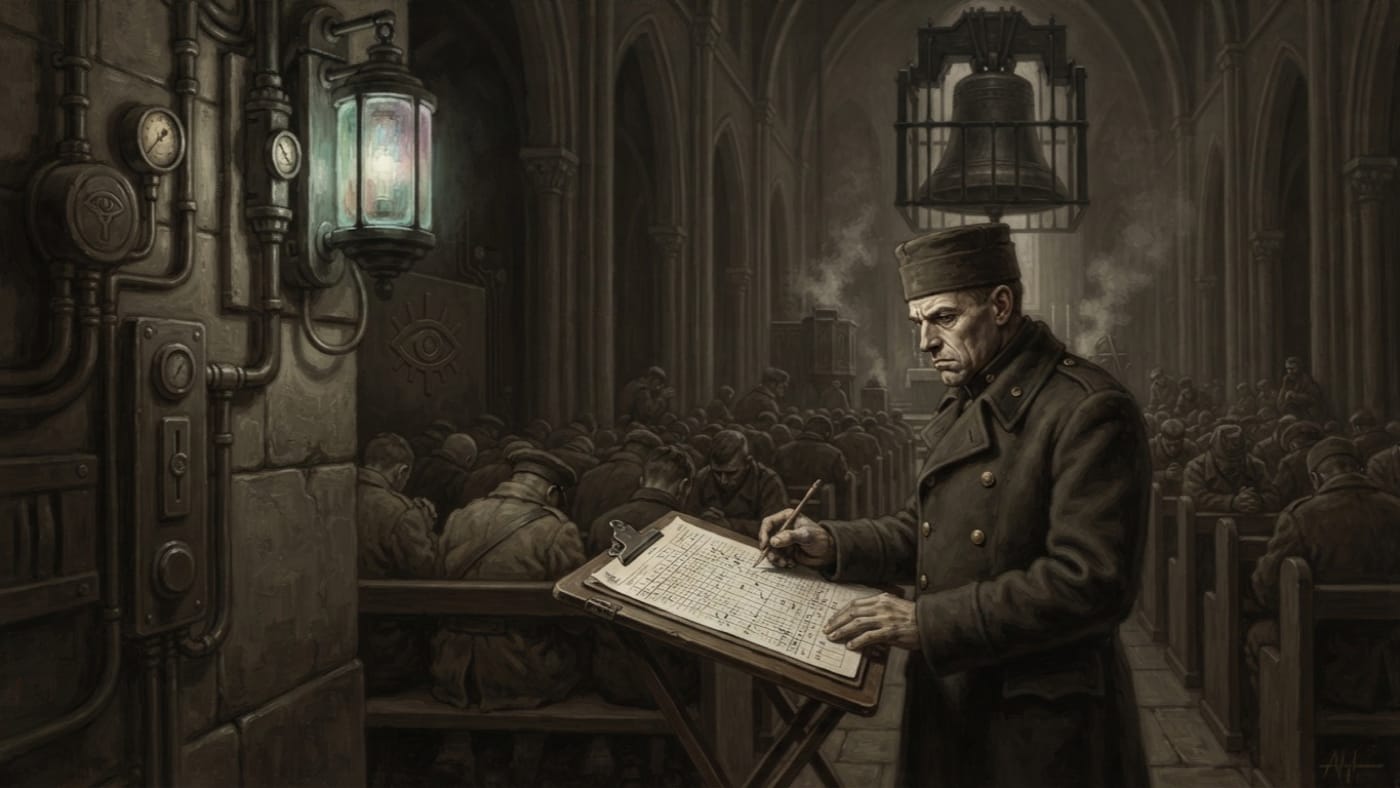
Bell-Pause Chart
Where the amen becomes evidence
Purity's ruled sheet measures the pause where an amen was owed and gives the Auditor a first line for the file. This A.S. 201 survey records current practice; the chart's first issue remains unknown.
Codex Ref. XIII.1.99-226
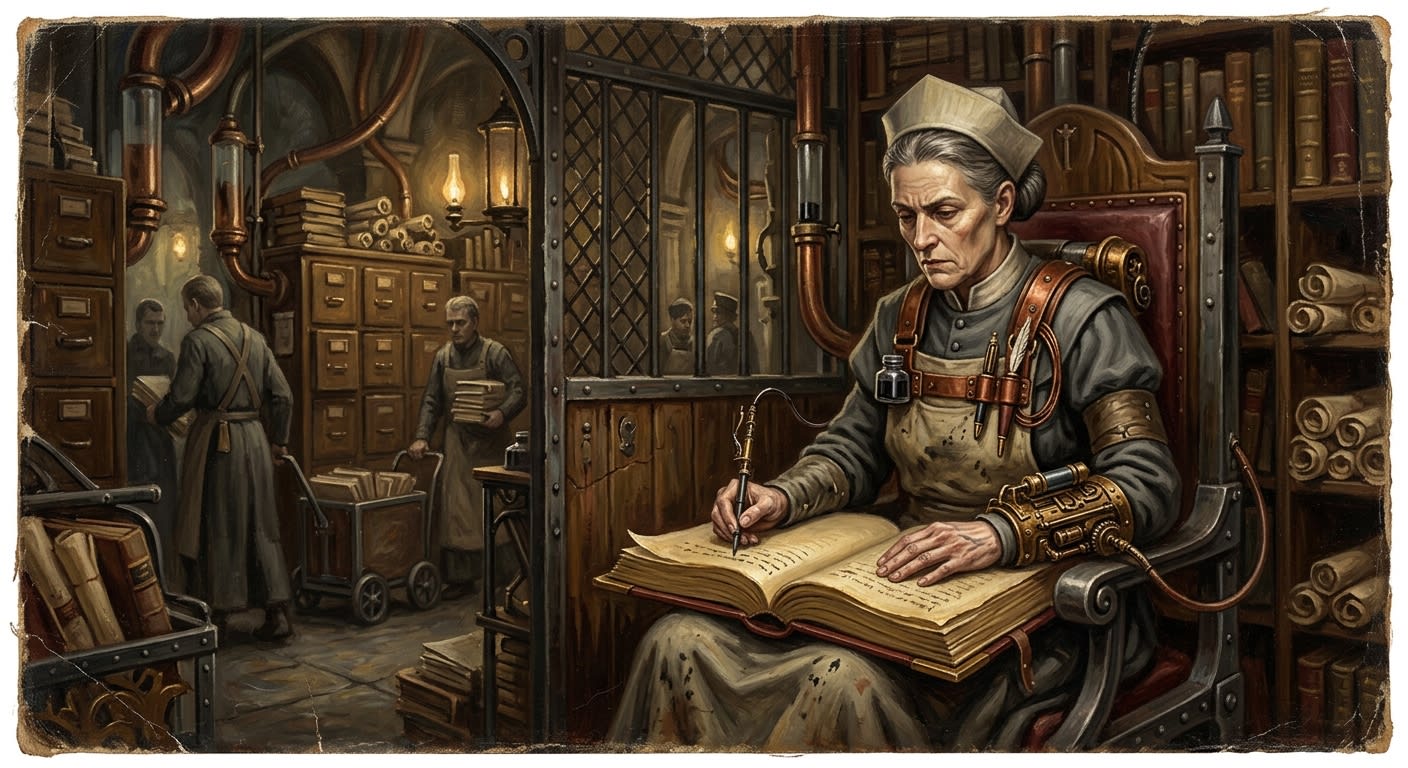
Blessed Vellum-Anna
The quiet quill that made mercy admissible before it made it kind
Blessed Vellum-Anna is the unauthenticated but indispensable patron of Deathbed Confession Harvesters, where last breaths become comfort, evidence, and paperwork.
Codex Ref. III.2.01-106

Booth Proliferation Decree of A.S. 112
One wooden box every three blocks, and Europe called it grace
A.S. 112 Bureau of Rites decree mandating one registered confession booth per three city blocks, turning confession into local, billable, auditable street infrastructure.
Codex Ref. VII.8.10-015
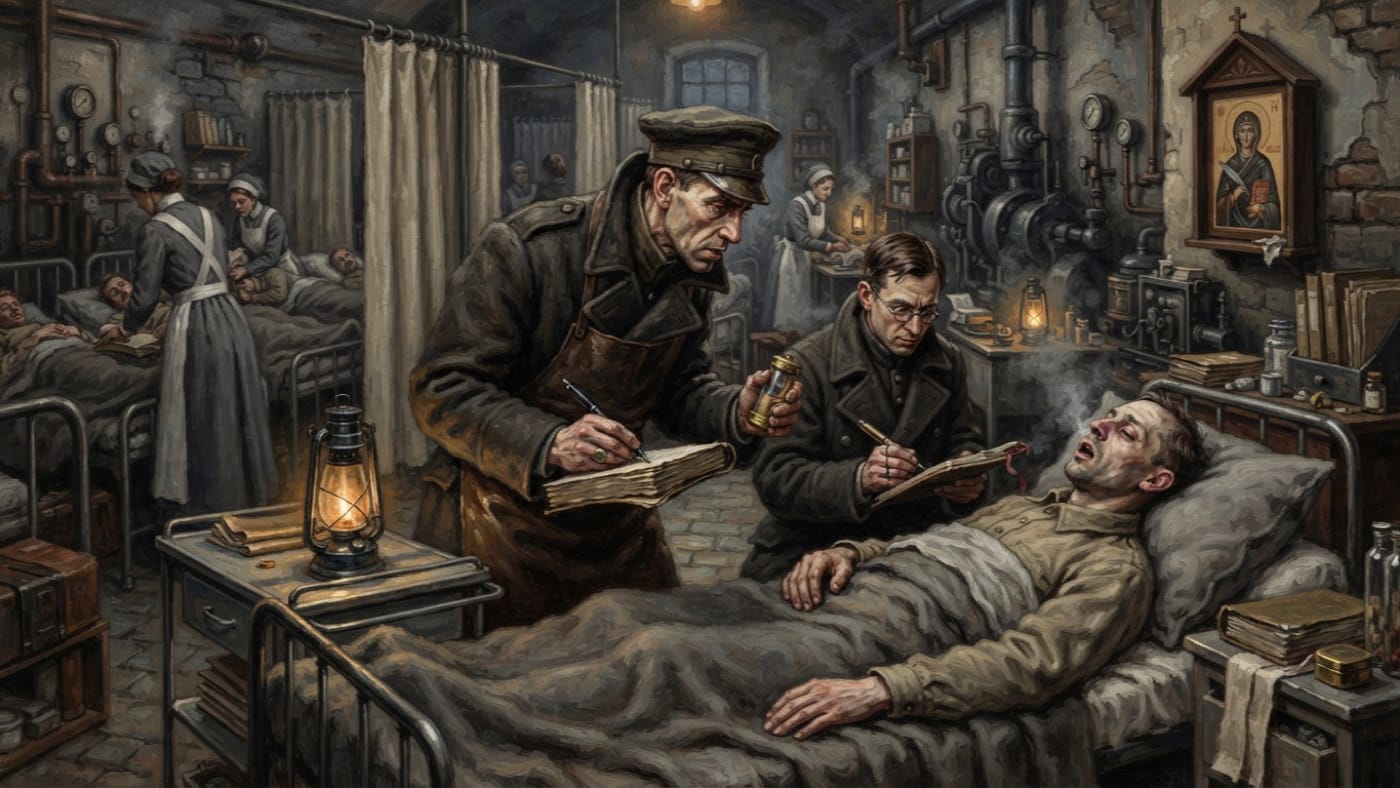
Butchers
Names before breath fails
The Butchers are information-first Deathbed Confession Harvesters, extracting names before comfort under the common seal. Their questions are sharp; their membership is unrecorded.
Codex Ref. XII.12.03-001
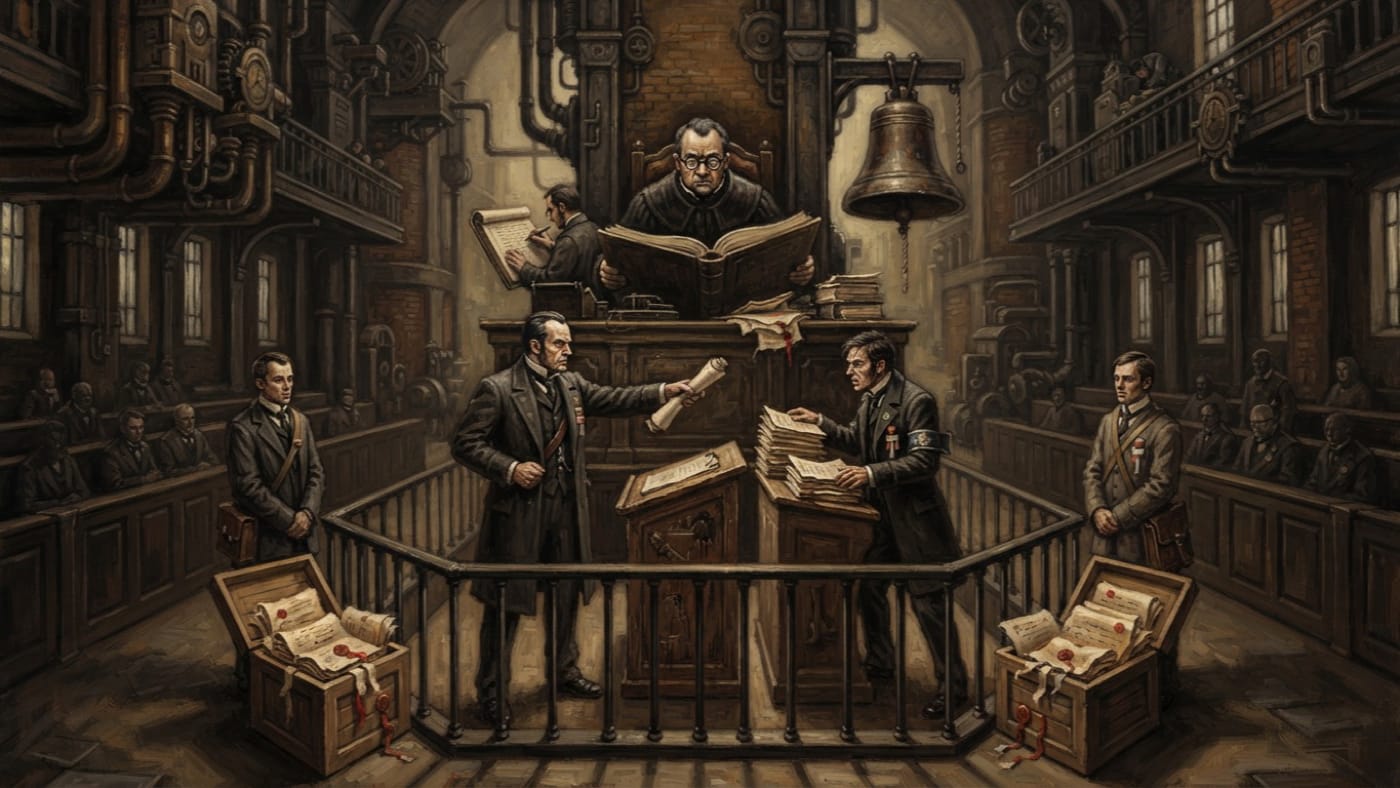
Concordat Annex 14-C
A quarrel given a bell, a verdict given a register
Ratified in A.S. 104, the joint Records-Doctrine Annex made citation duels binding, fixed court procedure and permitted remedies from asset freezes to full erasure. Mercy acquired a bell and a register.
Codex Ref. VII.8.10-104

District Confession Registrar
The clerk hears the sin; the registrar counts the paper
A.S. 201 survey of the senior booth-paper keeper: blank receipts and mercy foils counted apart, district returns reconciled, and irregular kindness made legible to Purity. The registrar counts grace but cannot grant it.
Codex Ref. XII.9.02-001
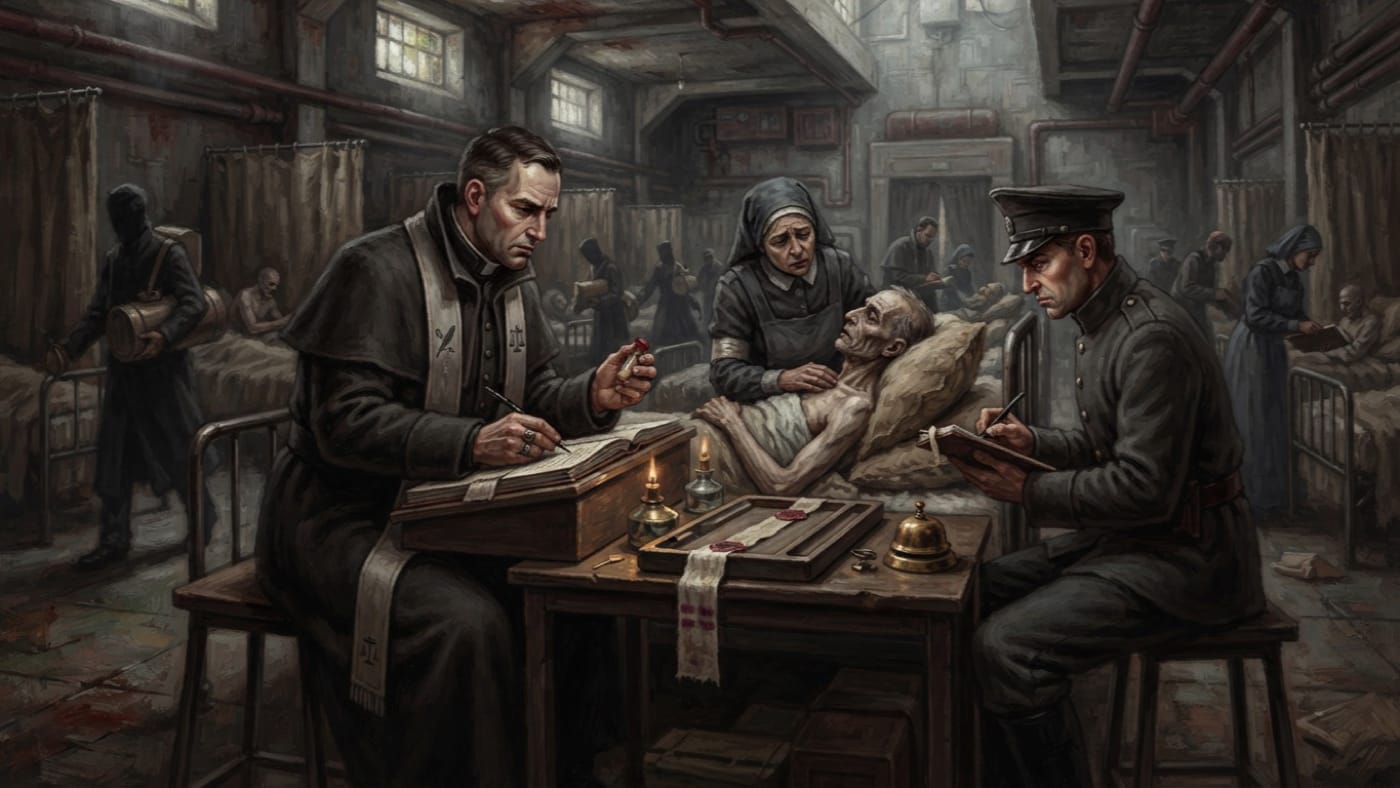
Double-Witness Protocol
Two seals for the truth, two names for the blame
After the A.S. 134 Mercy Ward Purge, terminal confessions require a second official, a countersigned ribbon, a separate bell-time entry and two seals. Mercy now has two names to blame.
Codex Ref. XIII.1.98-134
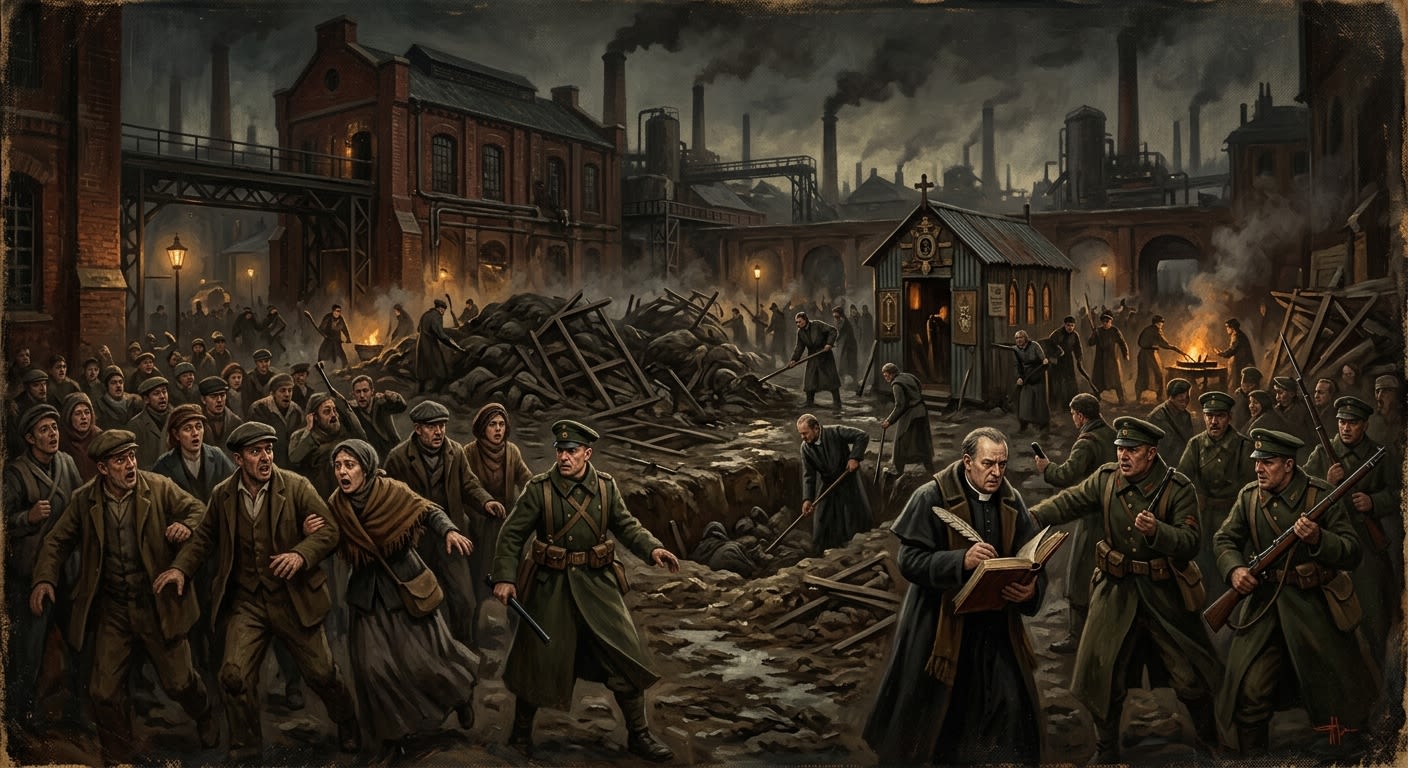
First Ossuary Panic
The dead spoke, and the Synod answered with a form
A.S. 78 Rhine corridor mortuary panic in which overcrowded pits began sounding after dark, forcing burial clearance, tariff-chapels, and the Dead-Goods Tariffer into law.
Codex Ref. VII.4.25-078
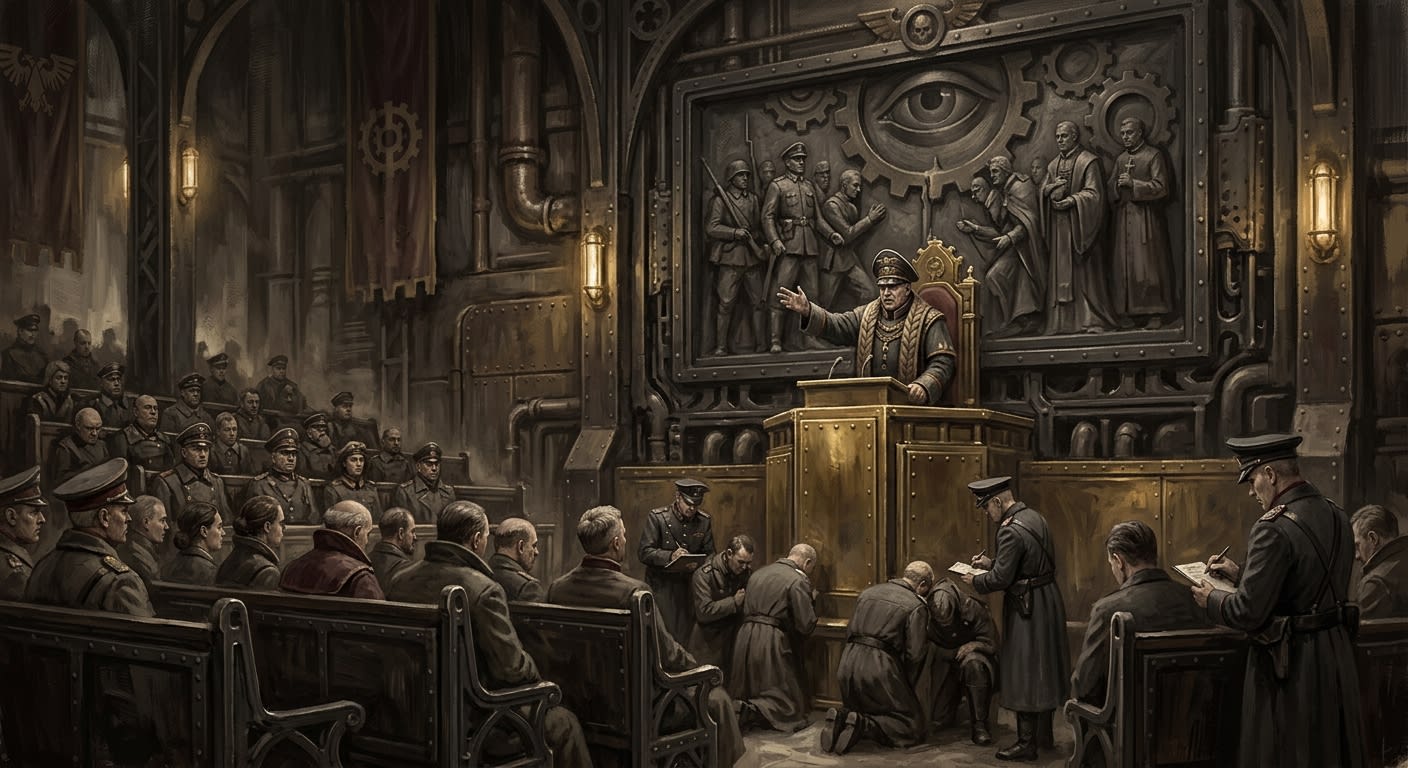
Fourth Doctrinal Congress
Where silence was made to testify against the listener
The Fourth Doctrinal Congress did not end doubt. It converted silence into mortal fault, canonised useful dead, and taught Strasbourg to occupy the Creator's quiet.
Codex Ref. XIII.1.90-104
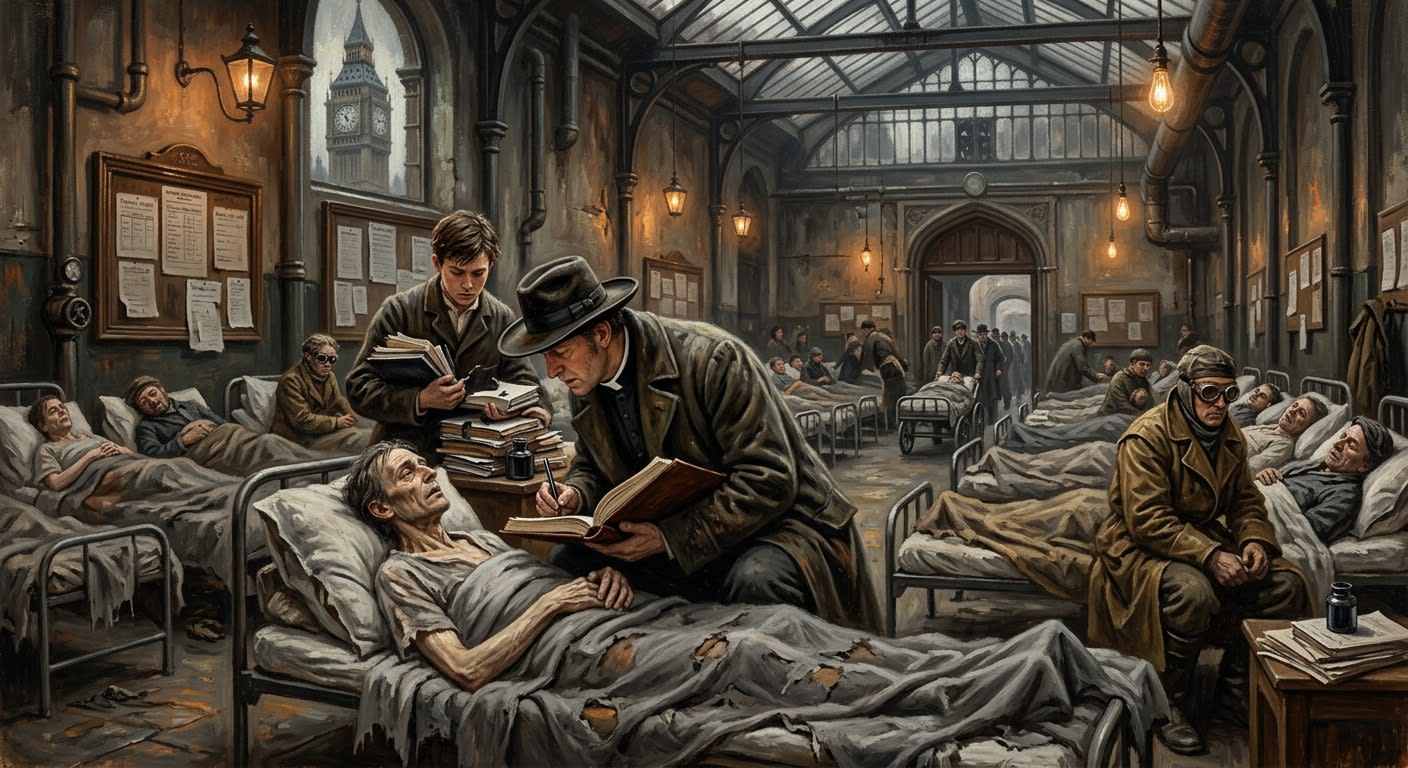
Lull of Names
The plague year when silence became a breach and the bedside became a bureau
The Lull of Names was the A.S. 78 plague-year catastrophe in which deaths in the southern wards outran transcription, birthing Standing Order 22-C and the Deathbed Confession Harvester corps.
Codex Ref. VII.8.10-022
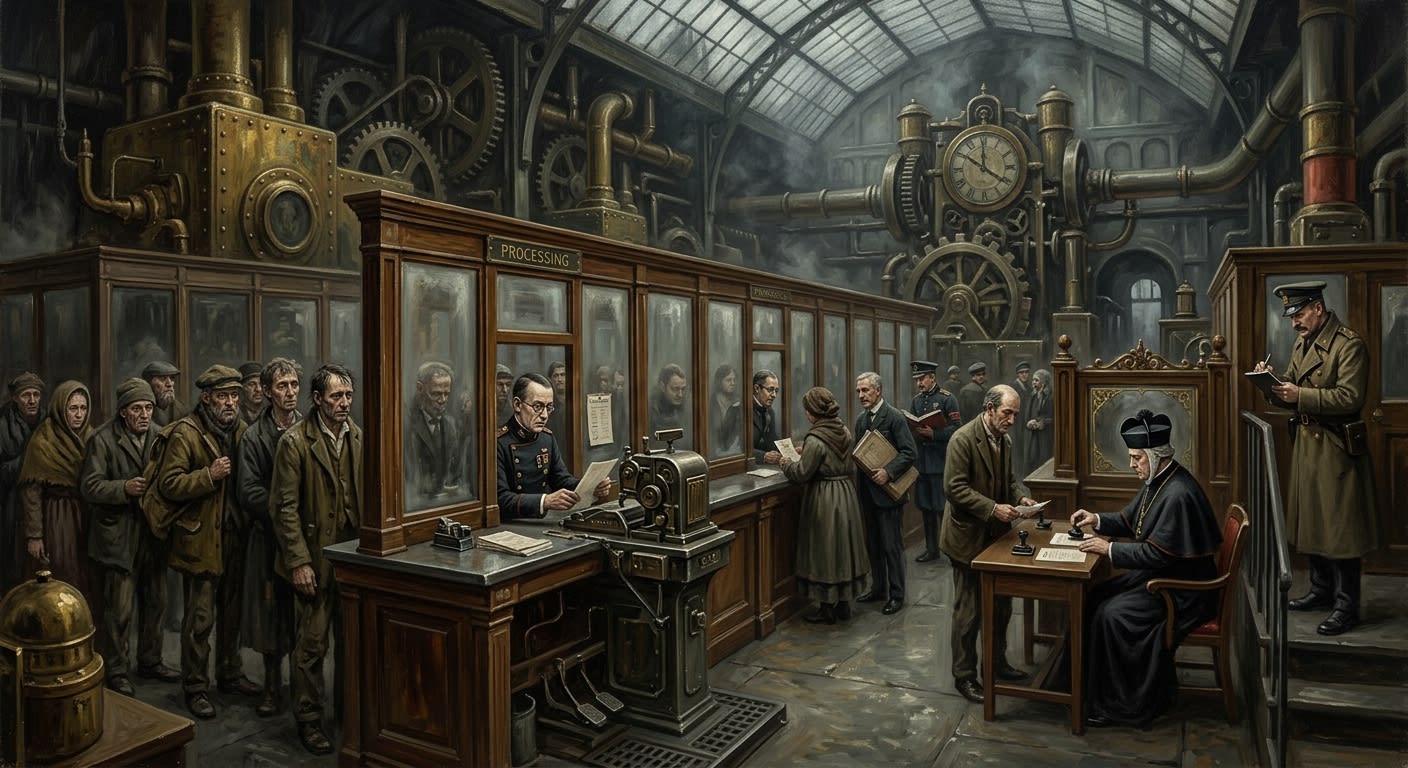
Mercy Rationing Reform of A.S. 134
Processing decides who may survive meanwhile; forgiveness is filed elsewhere
A.S. 134 Bureau of Rites reform, affirmed by Bureau of Doctrine, that restricted mercy stamps to licensed confessors, separated booth processing from forgiveness, and made unauthorised kindness auditable.
Codex Ref. VII.8.10-017
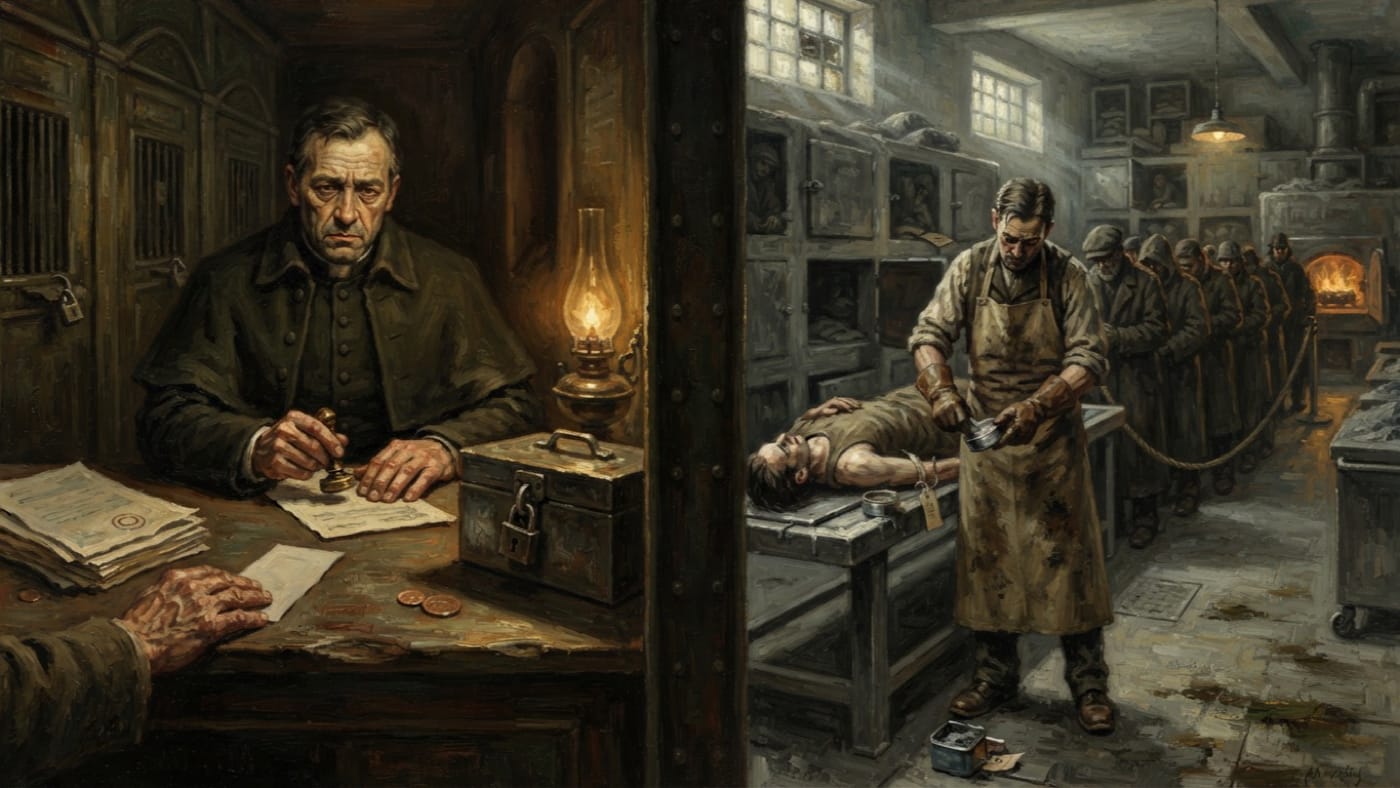
Mercy Stamps
The lawful hand guards grace; the ashen hand moves the queue
Two histories share one name: the confessor's restricted impression and Marrowgate's unofficial ash mark. Drax surveys their A.S. 201 standing, where forgiveness is guarded and speed has a price.
Codex Ref. XIII.1.13-201
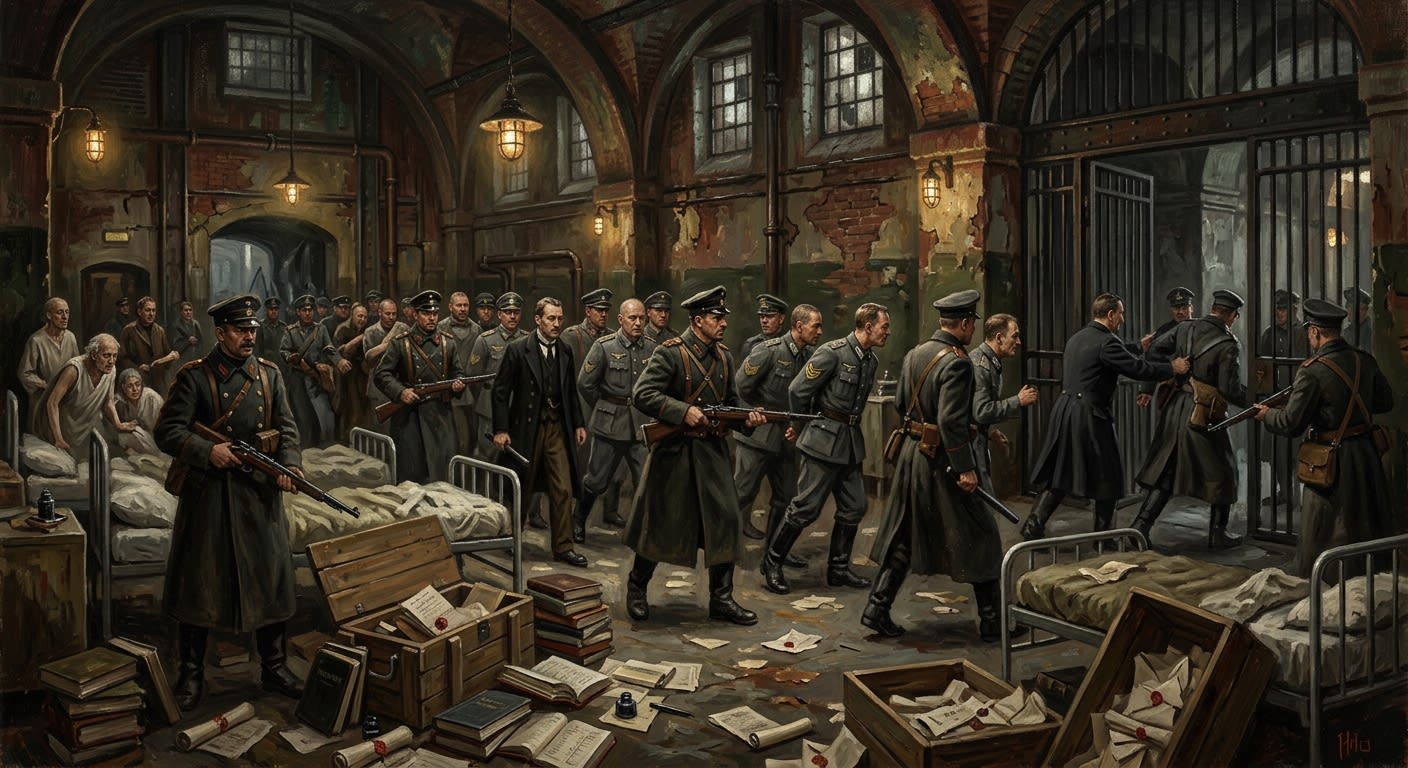
Mercy Ward Purge of A.S. 134
The year last words became contraband unless properly priced by authority
The Mercy Ward Purge of A.S. 134 exposed the sale and alteration of terminal confessions across Rhineland wards.
Codex Ref. VII.8.10-023

Phrase Wheel
The wheel supplies the words; the penitent supplies the pause
The Codex Auditor's aid to approved penance language. The wheel supplies the words; the penitent supplies the pause, and the Bureau records both.
Codex Ref. XIII.1.99-004

Quiet Purges of A.S. 112
The year absence learned to sign the payroll
The A.S. 112 Rhineland removals of 411 teachers, choirmasters, and Street-Vicars proved Purity could correct without spectacle.
Codex Ref. VII.8.10-010
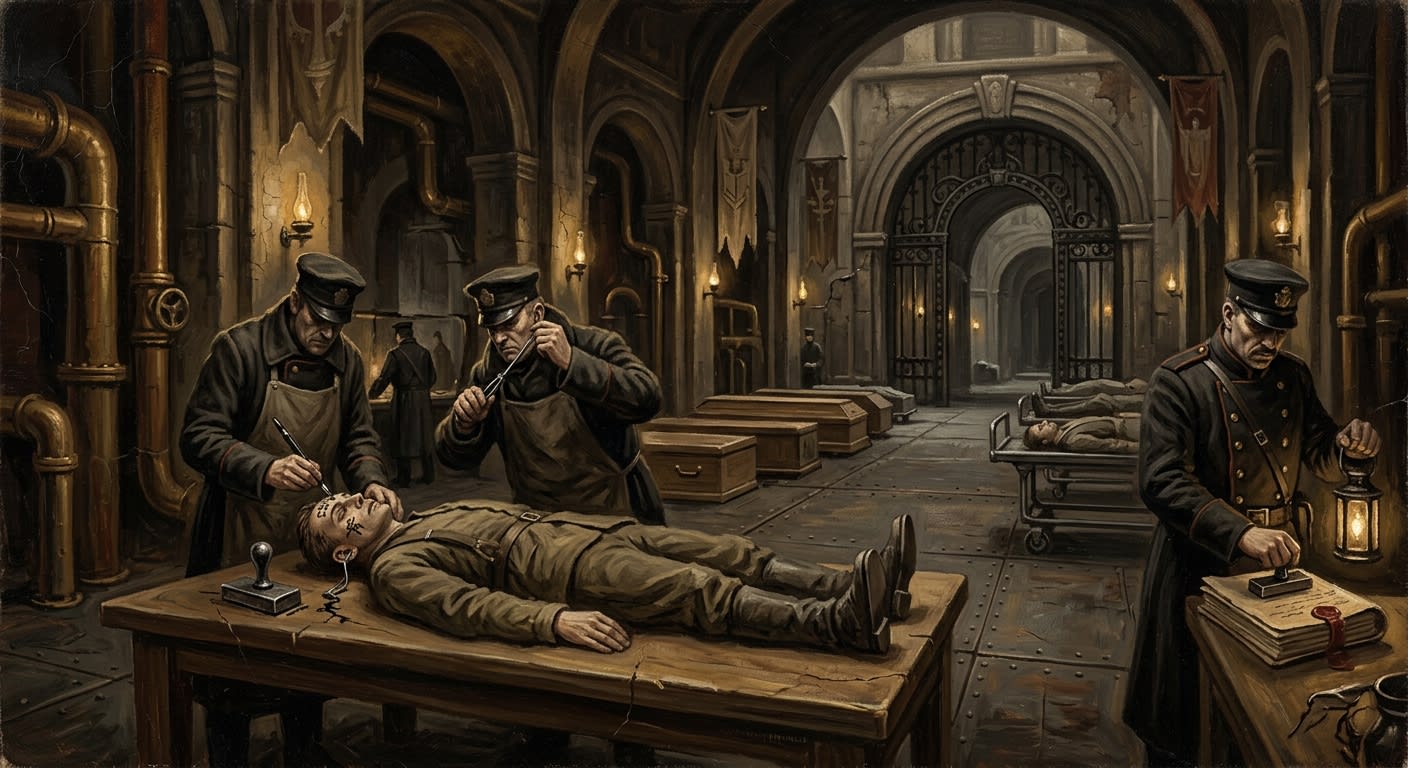
Rite of Passing
No soul departs until the Ledger has improved the death
The Rite of Passing turns death into lawful custody: right ear, last words, body display, black ink, routed remains, and no soul left vulgarly private.
Codex Ref. XIII.1.85-080
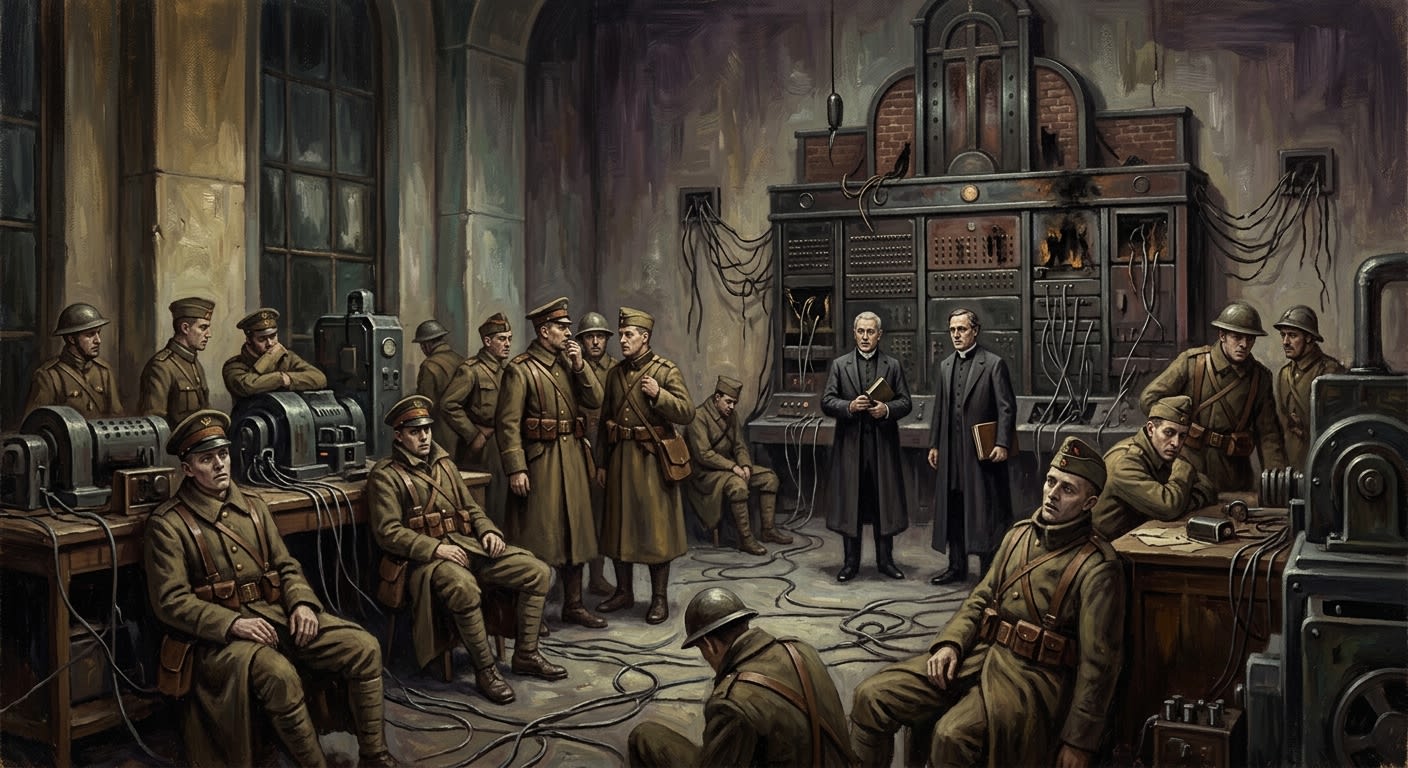
Schism of the Unspoken
The heresy that refused the courtesy of speech
The A.S. 78–83 southern garrison silence that taught the Synod absence could infect, and gave Purity the wound from which Codex Auditors grew.
Codex Ref. VII.8.10-009
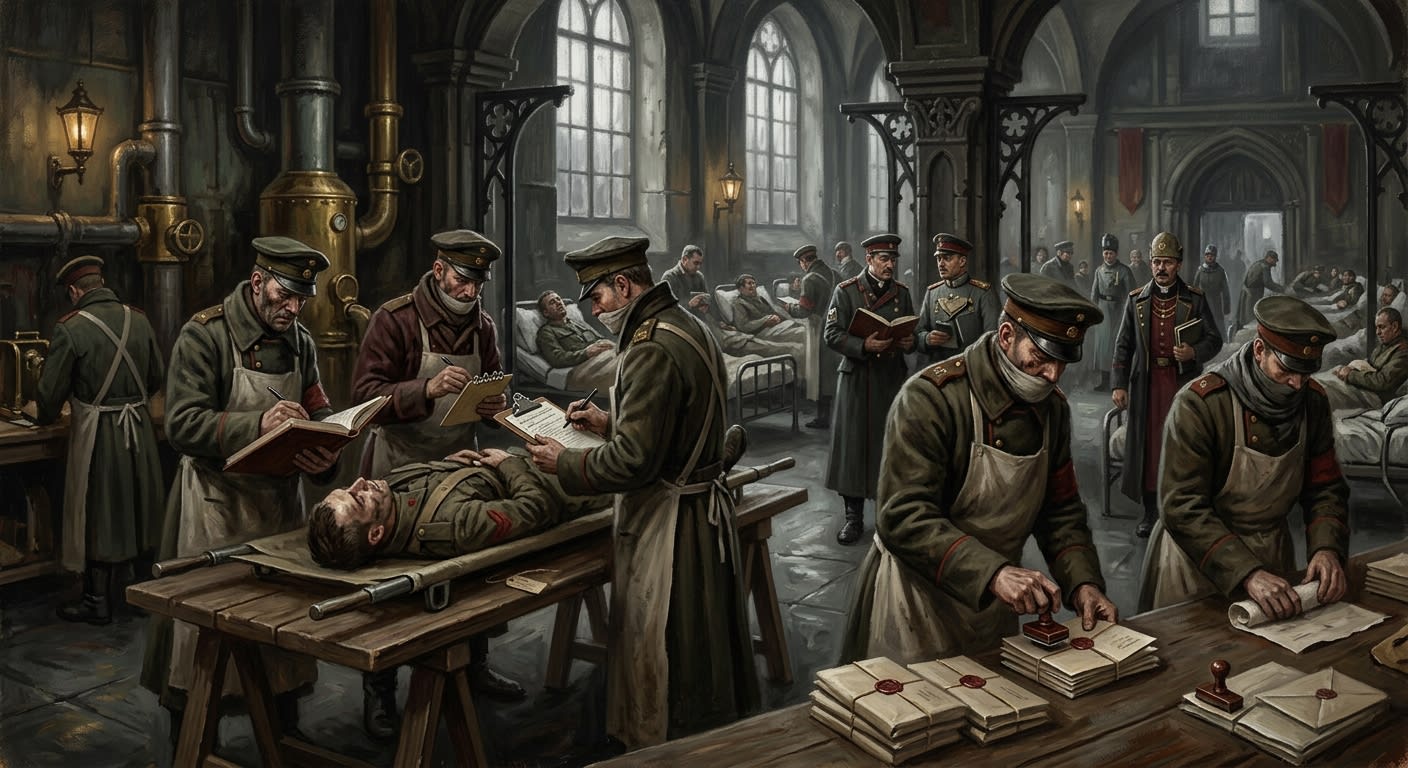
Standing Order 22-C
No last word unfiled, no dying mouth left private
Standing Order 22-C makes the dying useful: names first, comfort second, three copies sealed before the body is allowed to cool.
Codex Ref. XIII.1.98-080

Standing Order 22-D
The law that taught silence to file itself
Standing Order 22-D makes silence legible: the pause before assent, the scar before paperwork, the late answer that becomes evidence.
Codex Ref. XIII.1.99-084
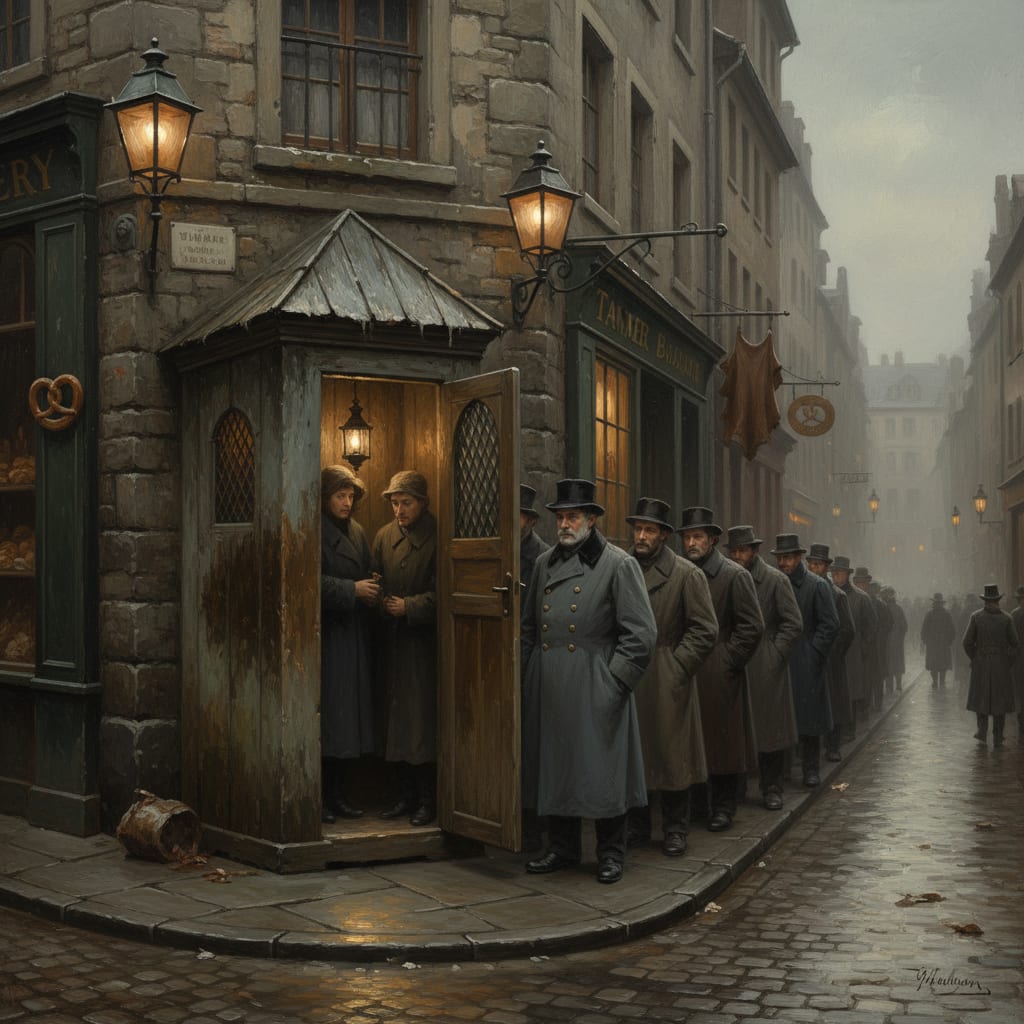
The Confessor-Booth Clerk
The booth does not forgive — but it files. A survey of the twenty-two thousand stamps that keep the Synod clean.
Twenty-two thousand booths; one stamp; no absolution. The Confessor-Booth Clerk processes sin as throughput, files guilt as data, and keeps the Synod's spiritual economy solvent — a contemporary survey by Hieromnemon Valerius Drax, A.S. 201.
Codex Ref. XII.9.01-001