

Reverse Index
Referencing “Blessed Vellum-Anna”
Every codex entry that links to Blessed Vellum-Anna. 9 entries.
Return to Blessed Vellum-Anna
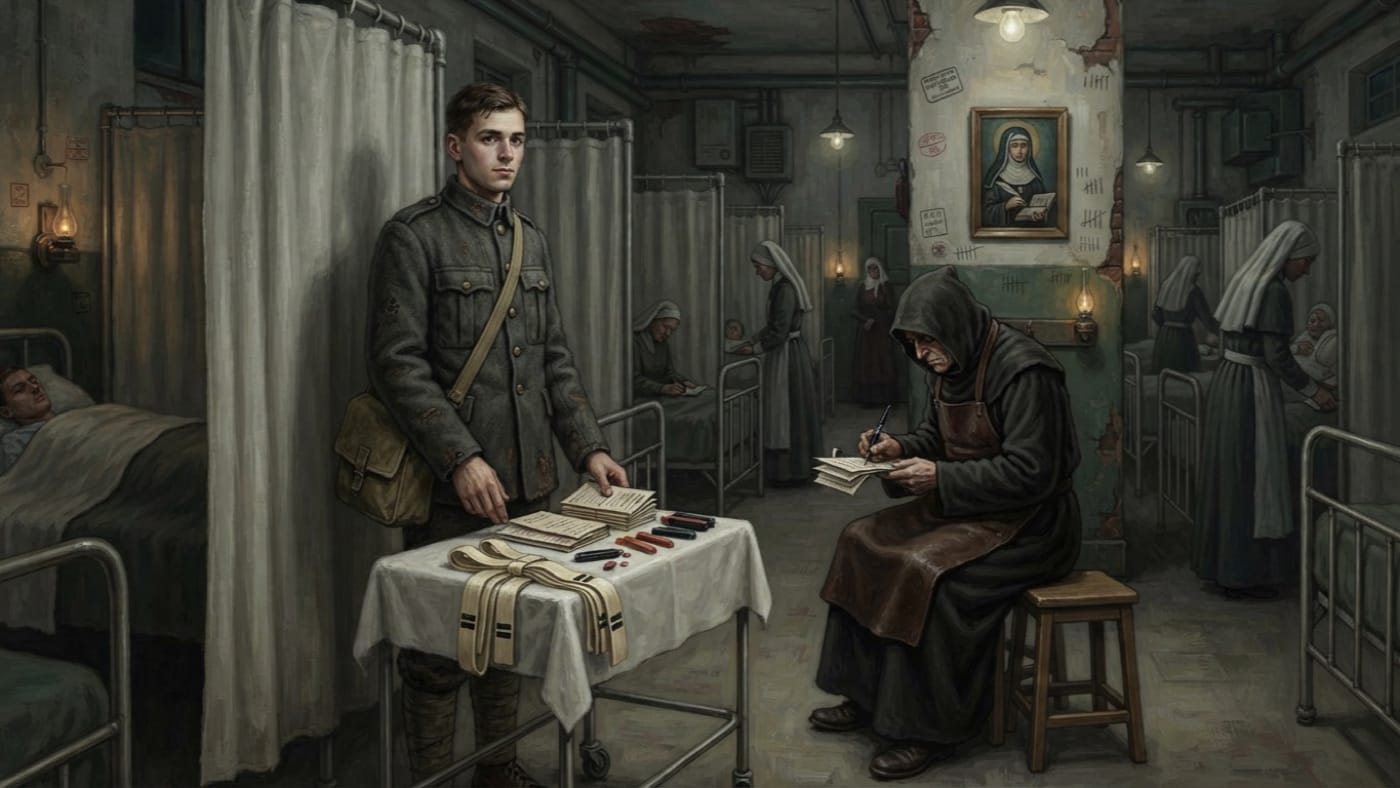
Bedside Runner
Close enough to hear everything, junior enough to bear the blame
The Bedside Runner carries ribbons, wax and forms for terminal confessions. The Bureau of Mercy's entry rank hears everything, seals nothing and supplies the second stool.
Codex Ref. XII.12.02-001
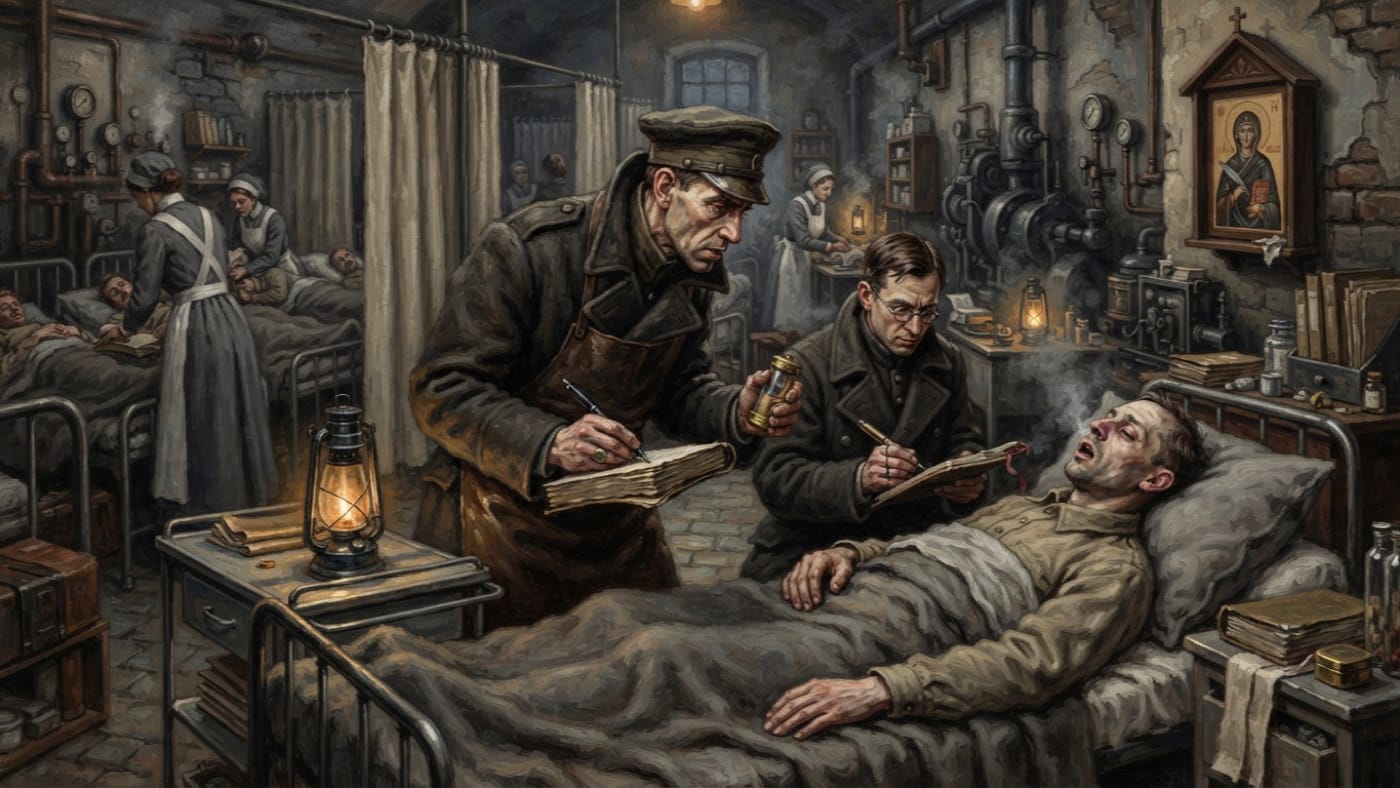
Butchers
Names before breath fails
The Butchers are information-first Deathbed Confession Harvesters, extracting names before comfort under the common seal. Their questions are sharp; their membership is unrecorded.
Codex Ref. XII.12.03-001

Deathbed Confession Harvester
The quill outlasts the patient; the Record outlasts both
Two thousand four hundred scribes posted at the bedsides of the dying, ensuring no death in Synod jurisdiction passes unfiled. The Record does not grieve. The Record does not wait. The Record simply continues.
Codex Ref. XII.12.01-001
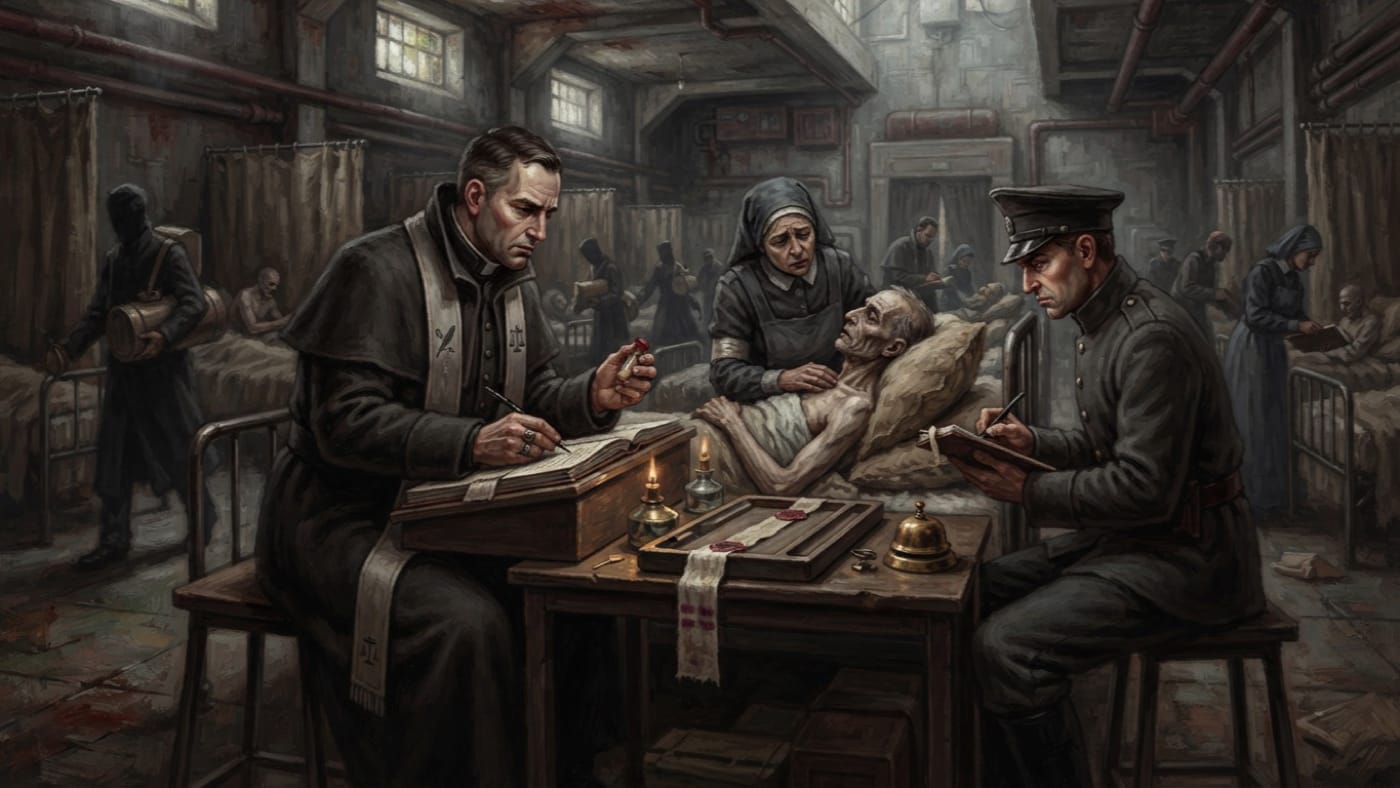
Double-Witness Protocol
Two seals for the truth, two names for the blame
After the A.S. 134 Mercy Ward Purge, terminal confessions require a second official, a countersigned ribbon, a separate bell-time entry and two seals. Mercy now has two names to blame.
Codex Ref. XIII.1.98-134
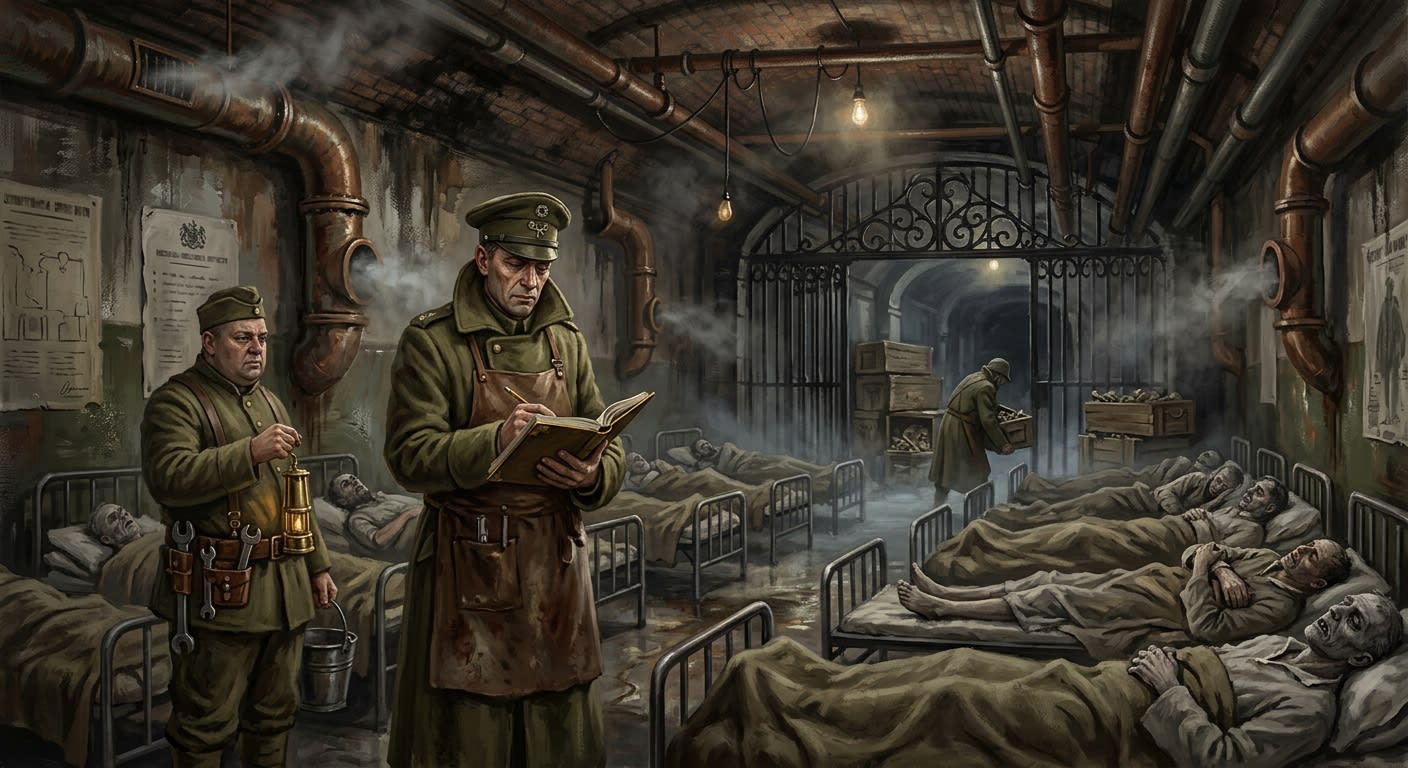
Great Plague of A.S. 78
The year Mercy learned to write before the mouth closed
The Great Plague of A.S. 78 ravaged the southern trench infirmaries and became the Lull of Names, birthing terminal confession mandates, ossuary controls, and threshold doctrine.
Codex Ref. VII.4.20-002
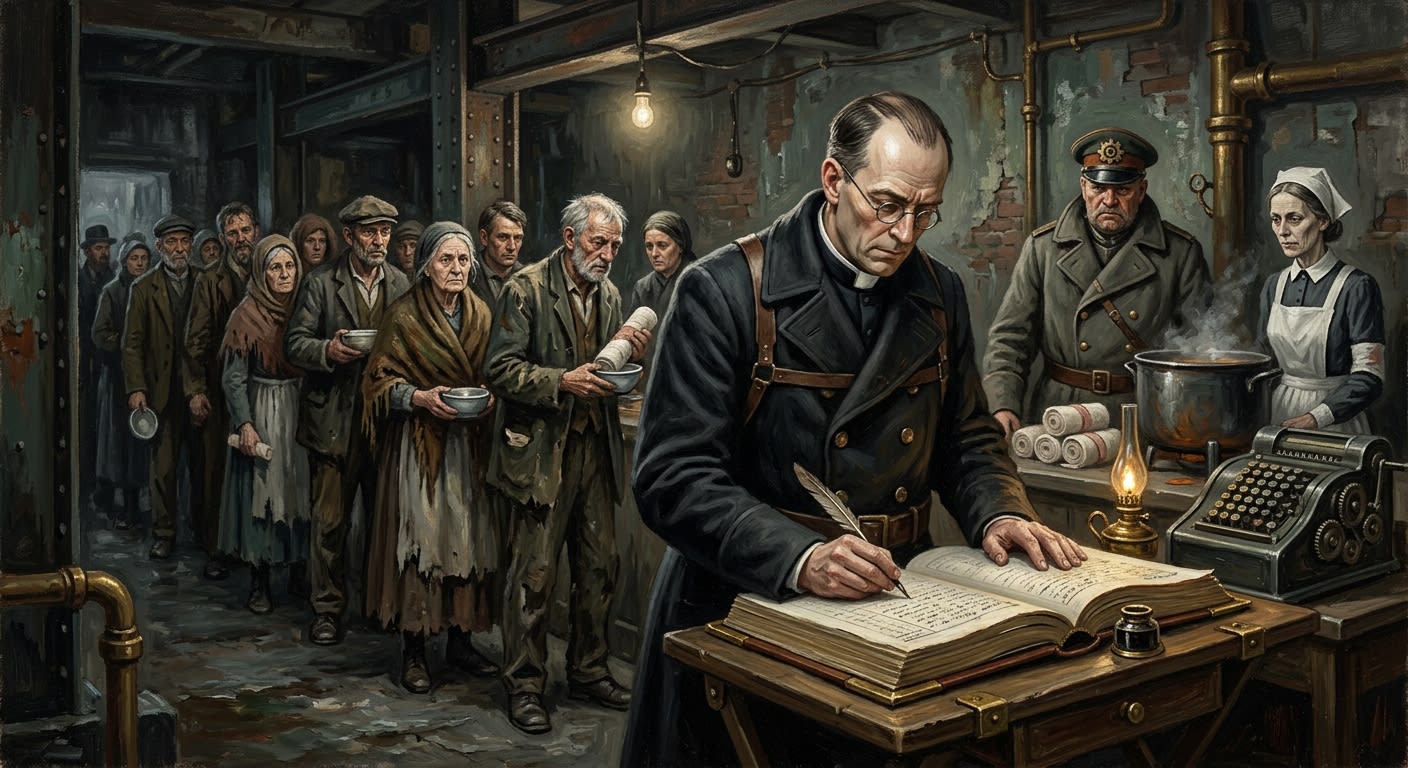
Ledger Laws
Mercy measured by the ladle, sanctioned by the noose
The Ledger Laws made mercy countable after the Broth Riots: every bowl, bandage, draught, confession, death, and useful pity entered the record before it dared call itself compassion.
Codex Ref. XIII.1.89-112
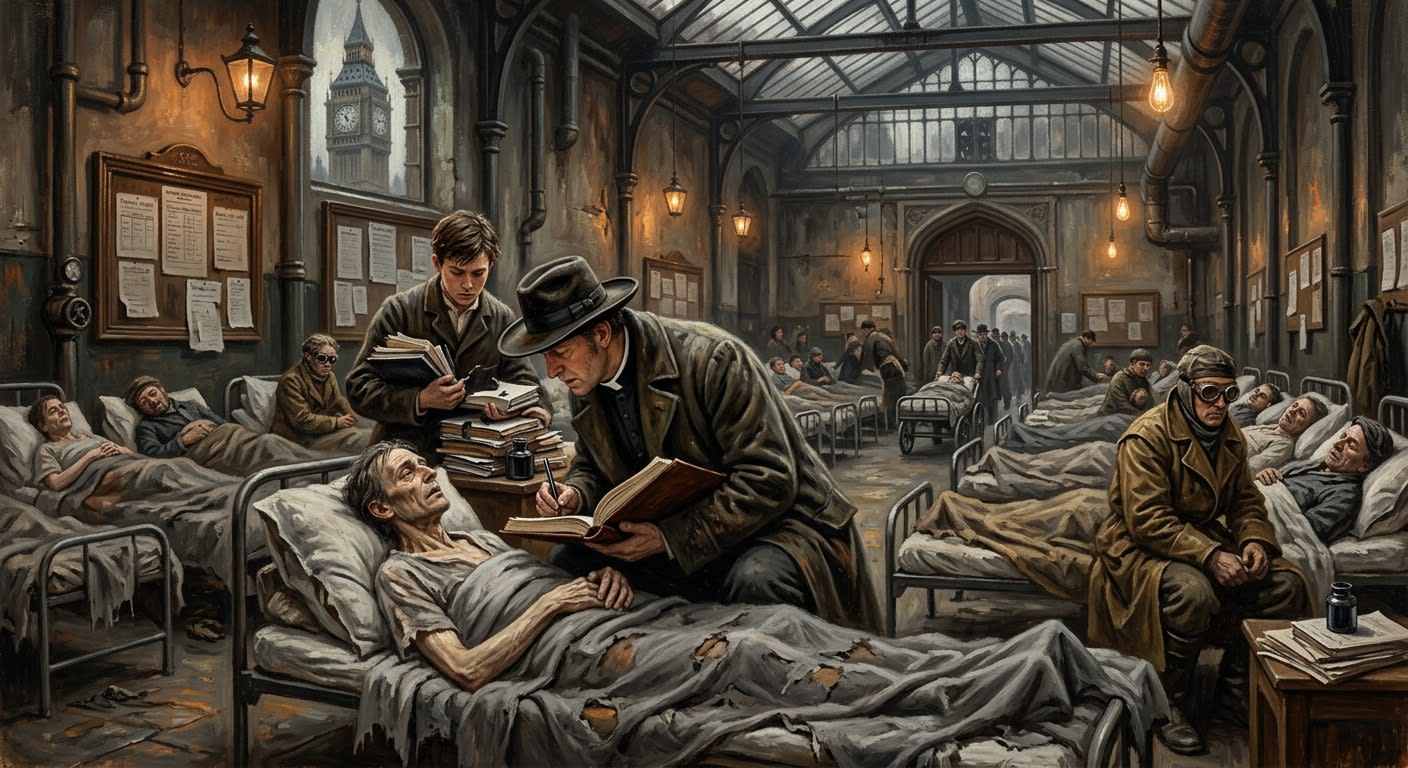
Lull of Names
The plague year when silence became a breach and the bedside became a bureau
The Lull of Names was the A.S. 78 plague-year catastrophe in which deaths in the southern wards outran transcription, birthing Standing Order 22-C and the Deathbed Confession Harvester corps.
Codex Ref. VII.8.10-022
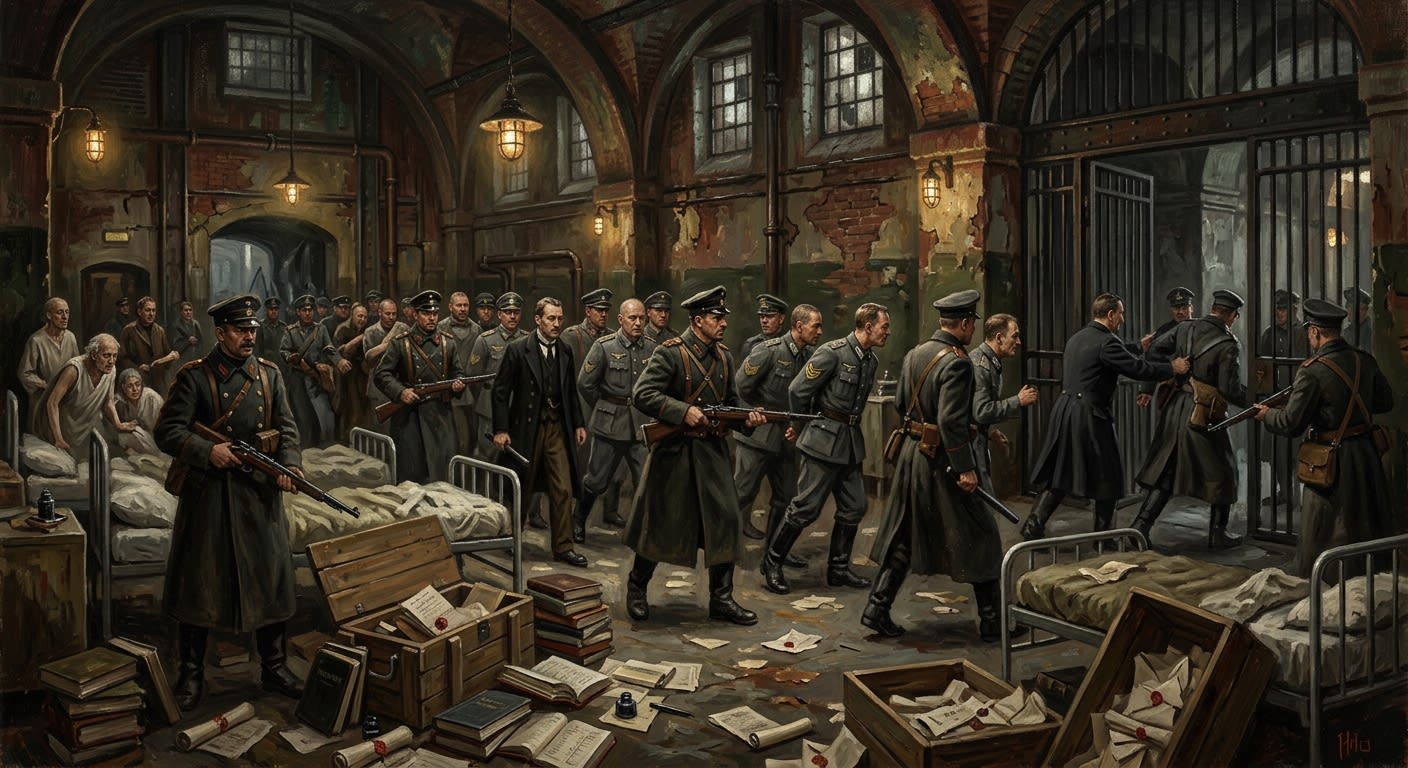
Mercy Ward Purge of A.S. 134
The year last words became contraband unless properly priced by authority
The Mercy Ward Purge of A.S. 134 exposed the sale and alteration of terminal confessions across Rhineland wards.
Codex Ref. VII.8.10-023
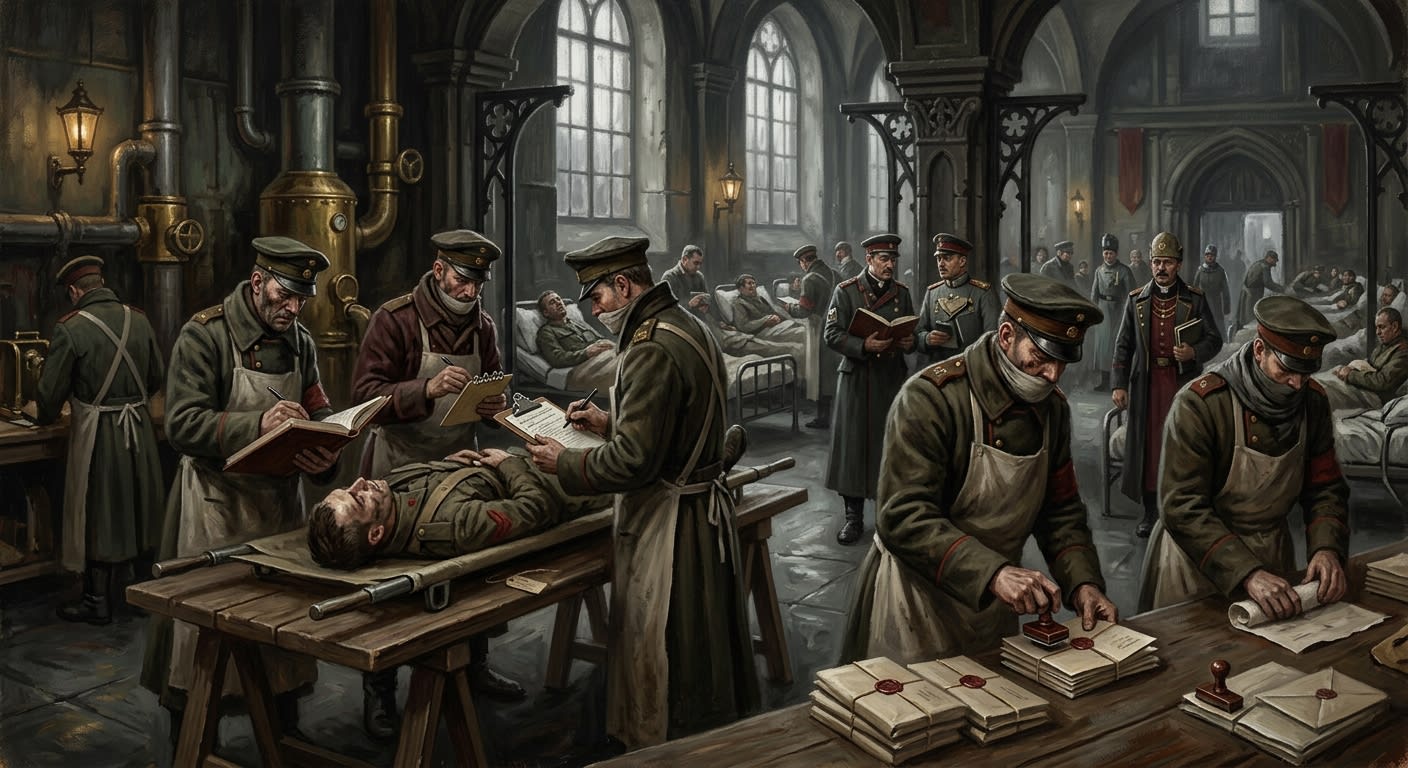
Standing Order 22-C
No last word unfiled, no dying mouth left private
Standing Order 22-C makes the dying useful: names first, comfort second, three copies sealed before the body is allowed to cool.
Codex Ref. XIII.1.98-080