

Reverse Index
Referencing “Colonel Verdane”
Every codex entry that links to Colonel Verdane. 15 entries.
Return to Colonel Verdane
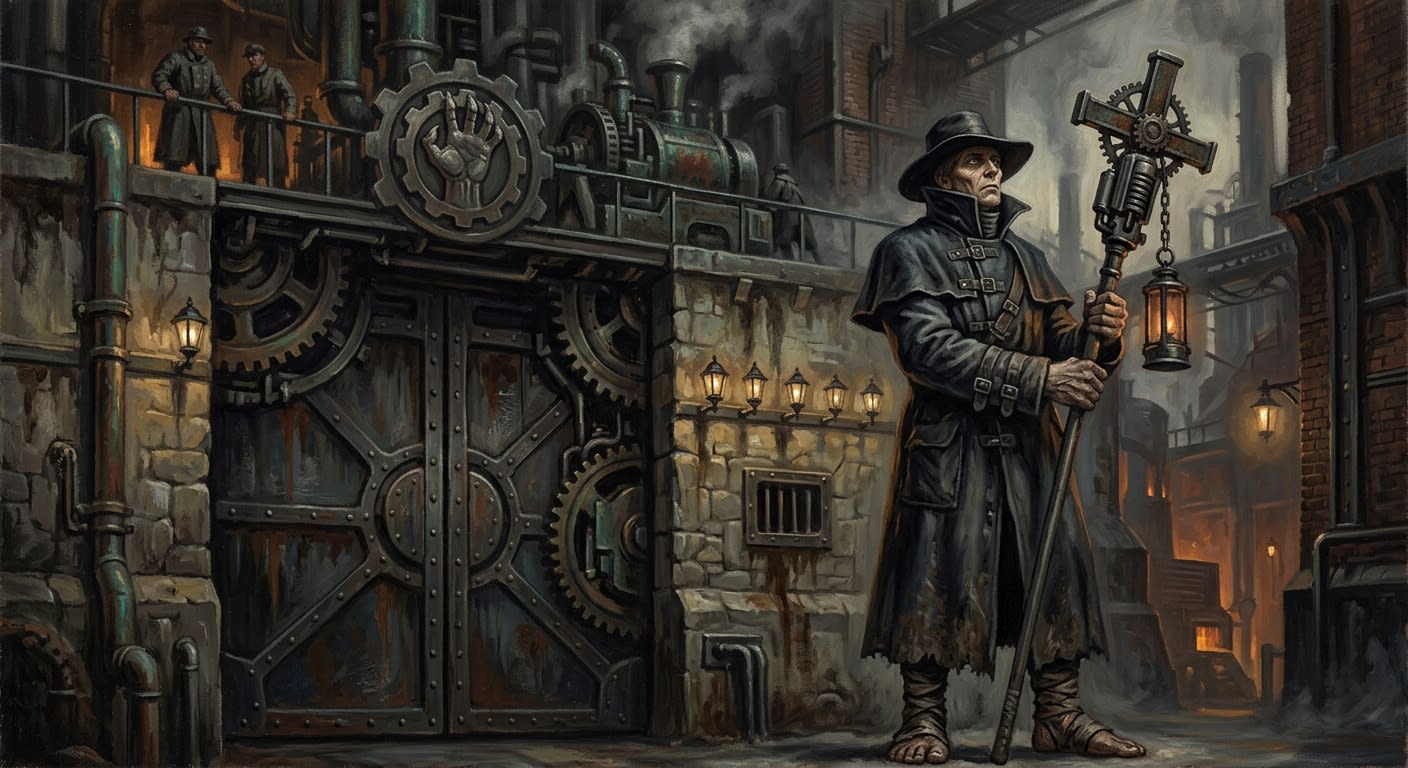
Aachen
The city that survived its own fall
Aachen opened its gate in A.S. 25, survived the betrayal, and has spent every taxed, polished, barefoot century proving survival is not innocence.
Codex Ref. II.2.02-001
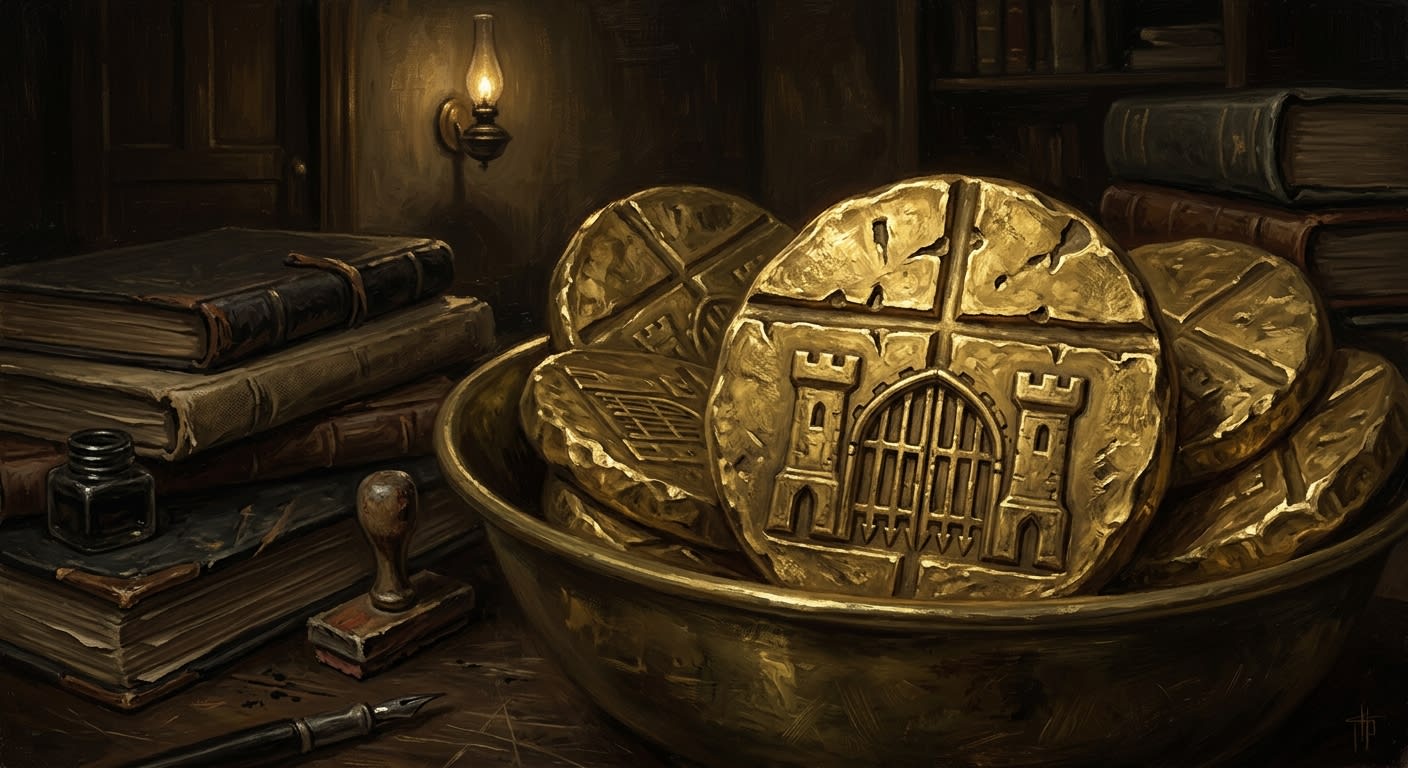
Aachen Gate-Penny
A saint's housing made small enough to buy boot grease
The Aachen gate-penny is reliquary gold made into emergency currency: a closed gate, a cross-groove, and a city’s old betrayal priced by the handful.
Codex Ref. V.2.04-160
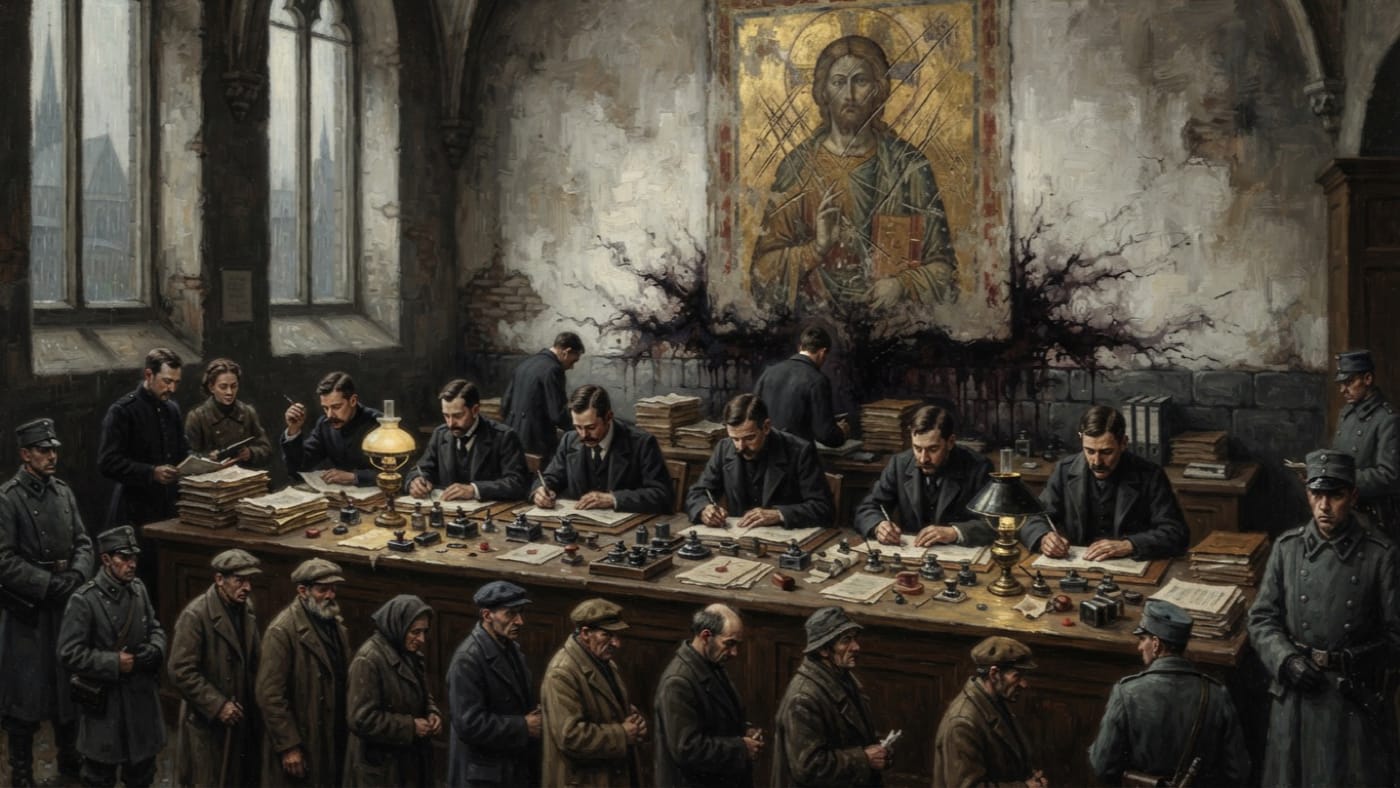
Chapel of the Crowned Seat
Where confiscation acquired a halo
Rationalist clerks signed away Aachen's property beneath a scratched halo. The Chapel of the Crowned Seat's wall darkens every Saint Bartholomew; administration leaves a stain.
Codex Ref. II.2.02-002
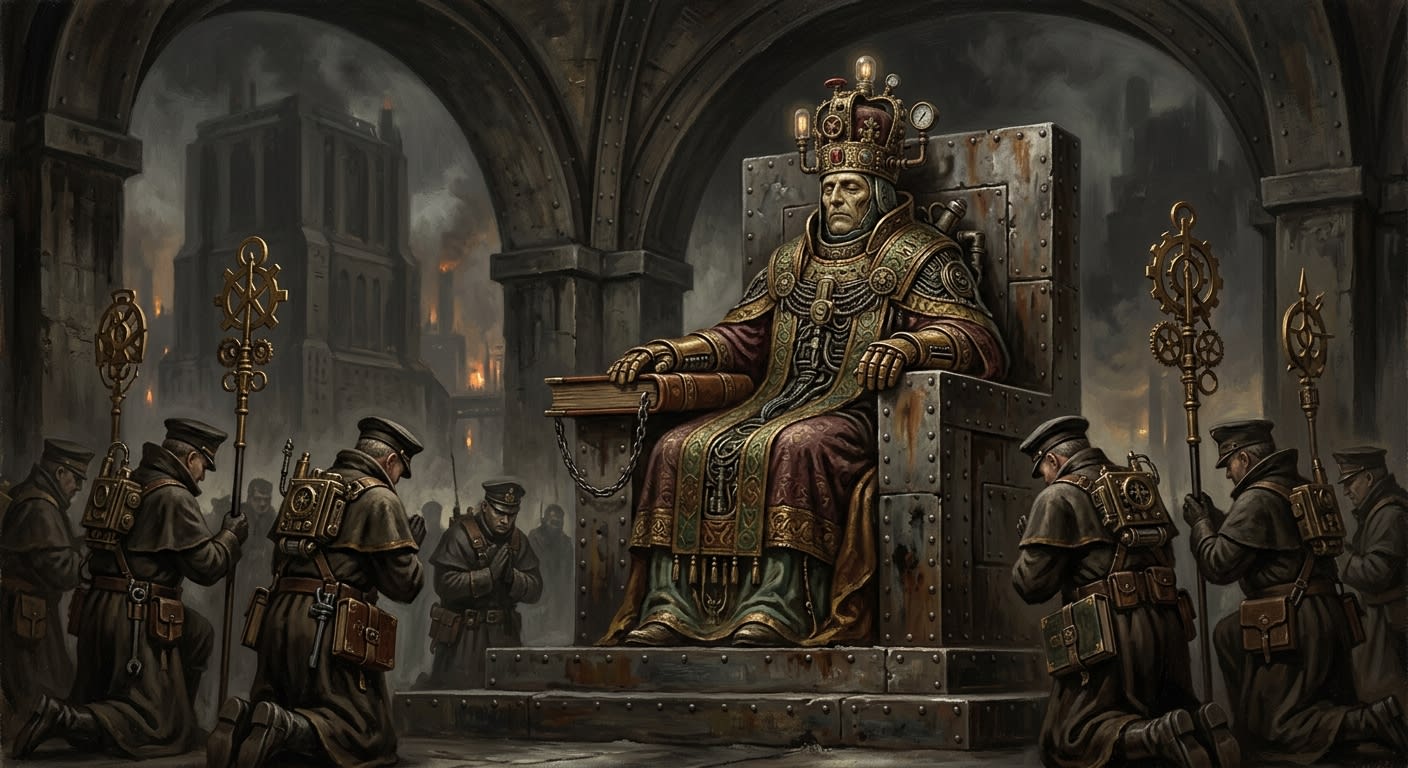
Charlemagne
The dead emperor conscripted as evidence after the gate was sold
Charlemagne is honoured as precursor, not rival: the dead emperor whose Aachen throne survived Guillaume, Verdane, and every provincial fantasy of a crown above the Ledger.
Codex Ref. III.2.01-000
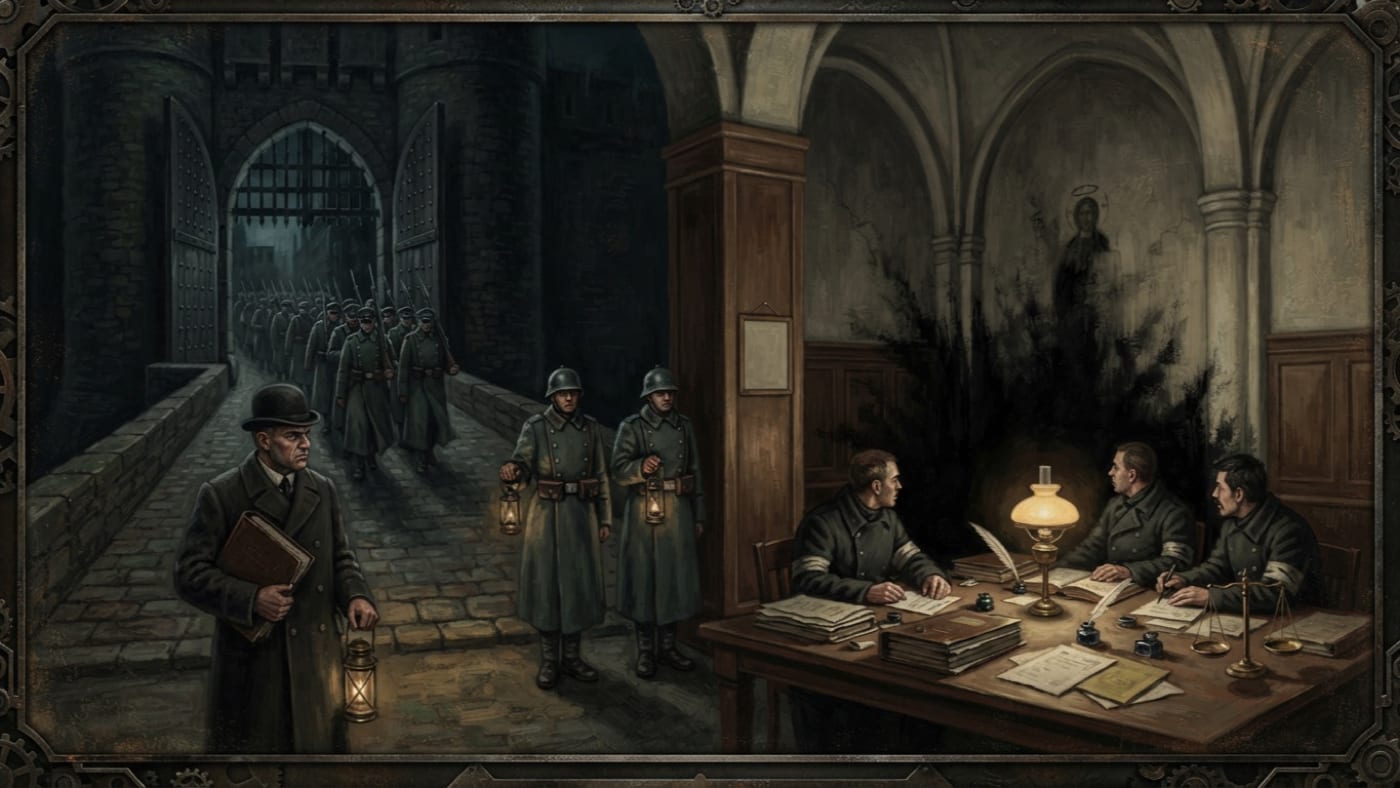
Feast of Saint Bartholomew
One opening, one stain
Aachen opened its western gate at midnight on this feast in A.S. 25. Each year, the former confiscation office turns ink-dark. The Bureau records both occurrences; it has not ruled on the stain.
Codex Ref. VII.8.10-025
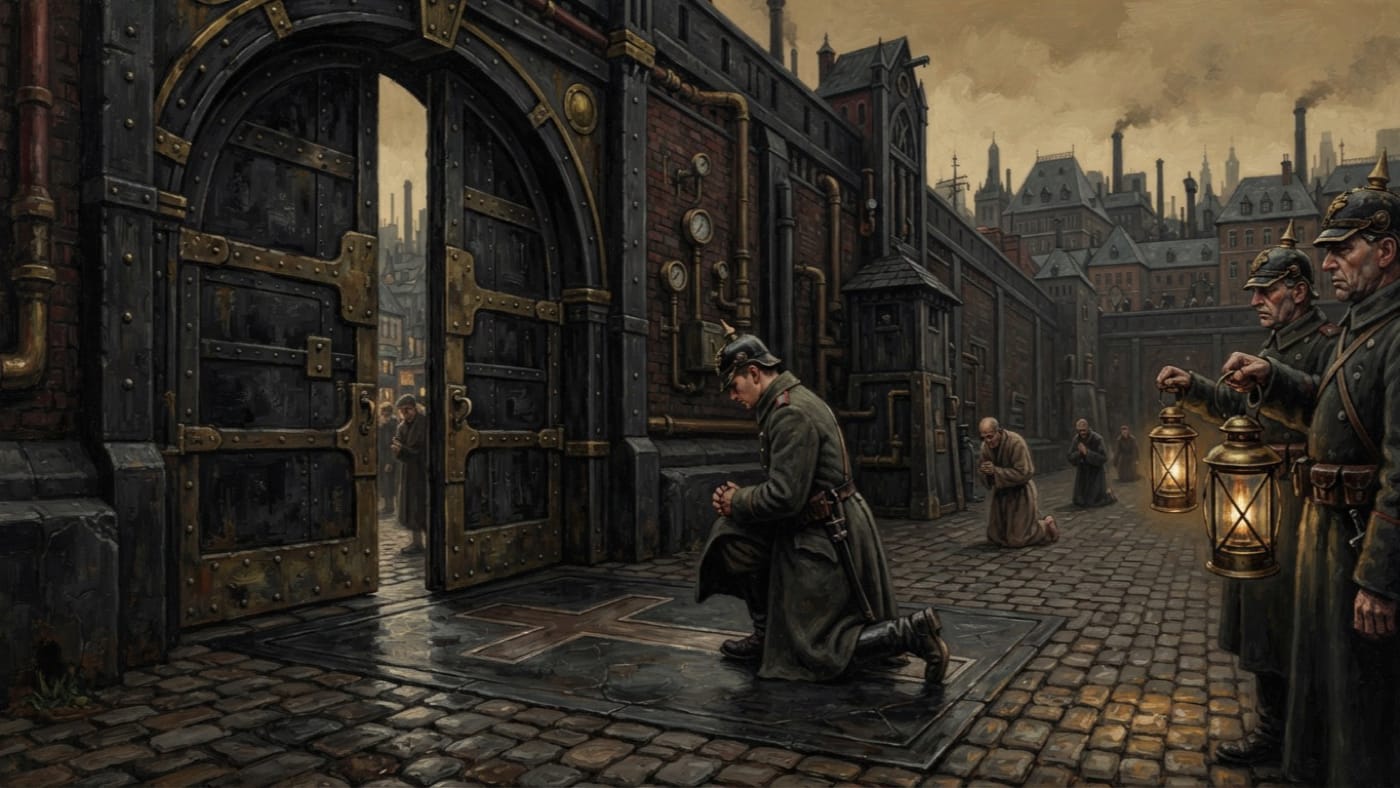
Gate Litany
Forty-seven clauses and no release
At Aachen's western gate, forty-seven clauses turn a recruit's innocence into an obligation. The gate opened in A.S. 25; the knees still answer for it.
Codex Ref. II.2.02-002
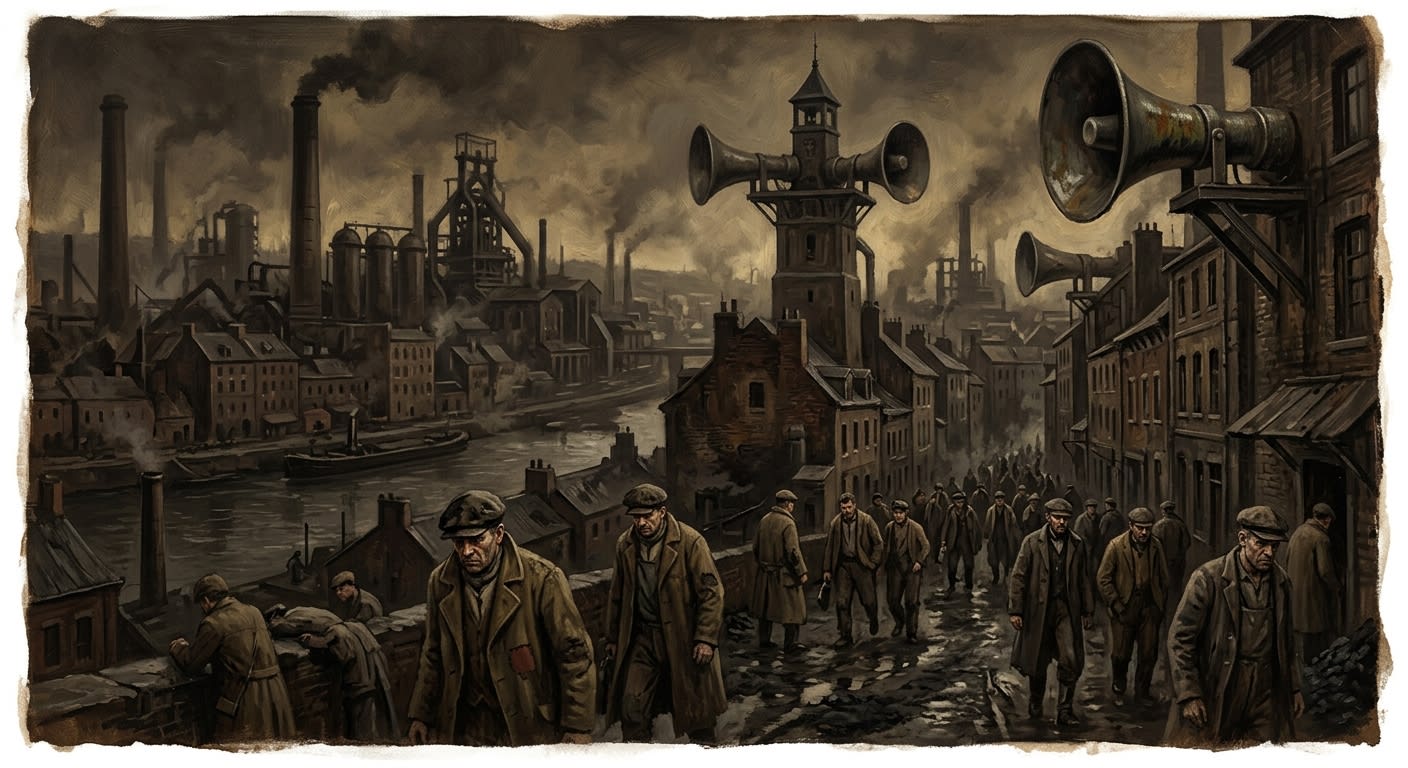
Liège
Where the bell was broken and the horn learned obedience
Liège, soot-black industrial city of the Meuse, lost its shift-bells in A.S. 108 after miners rang survival without licence; the horns remain ugly, lawful, and obeyed.
Codex Ref. II.2.03-108

Lord-Protector Guillaume
The gate-seller who mistook a palace for survival
Guillaume sold Aachen for Lowlands dominion, sent a proxy to Regensburg, and learned too late that the Bureau's cleanest executions are grammatical.
Codex Ref. III.2.06-003
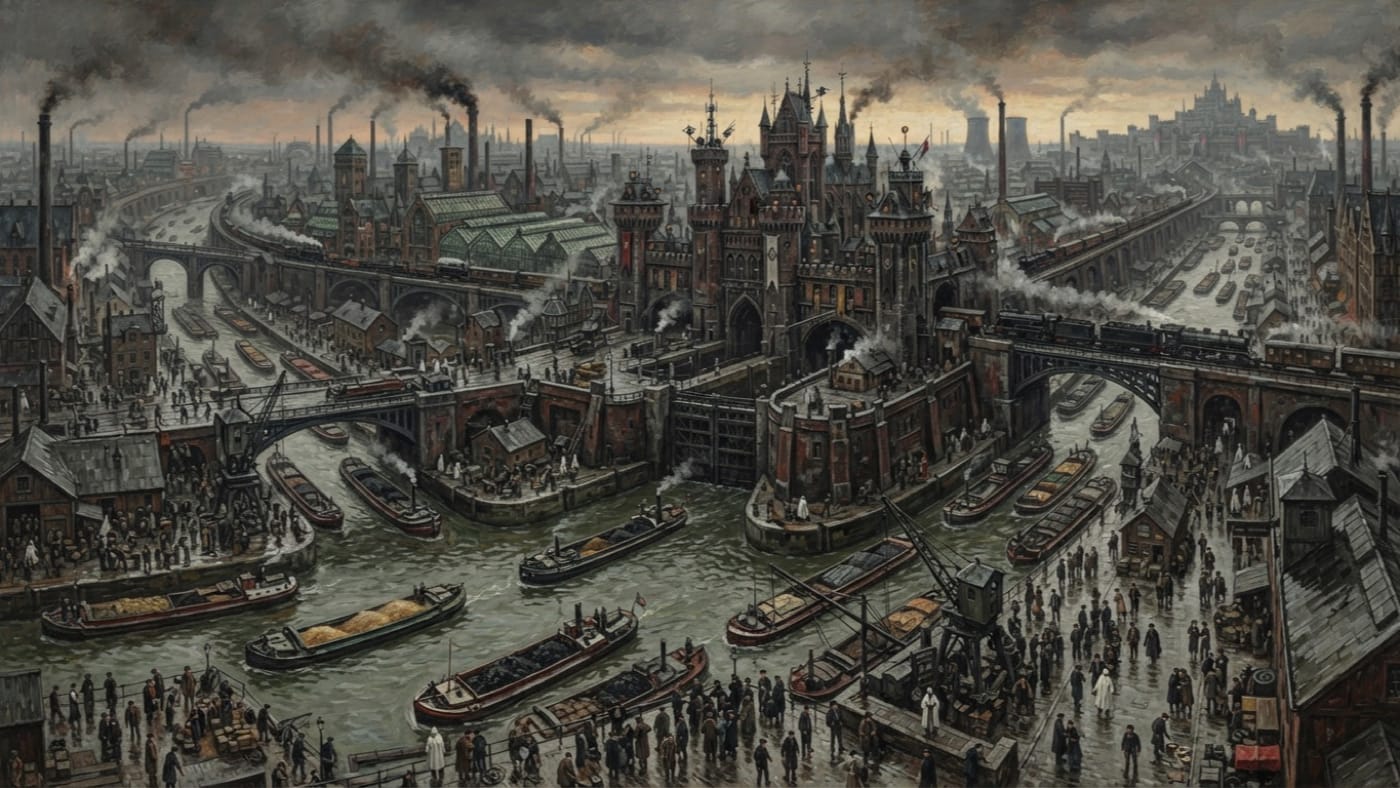
Lowlands
The country promised for a gate
The Synod's Lowlands move grain, cloth and credit through Bruges, Ghent and Antwerp. Guillaume was promised dominion for Aachen's gate; delivery remains uncertified.
Codex Ref. II.1.08-001
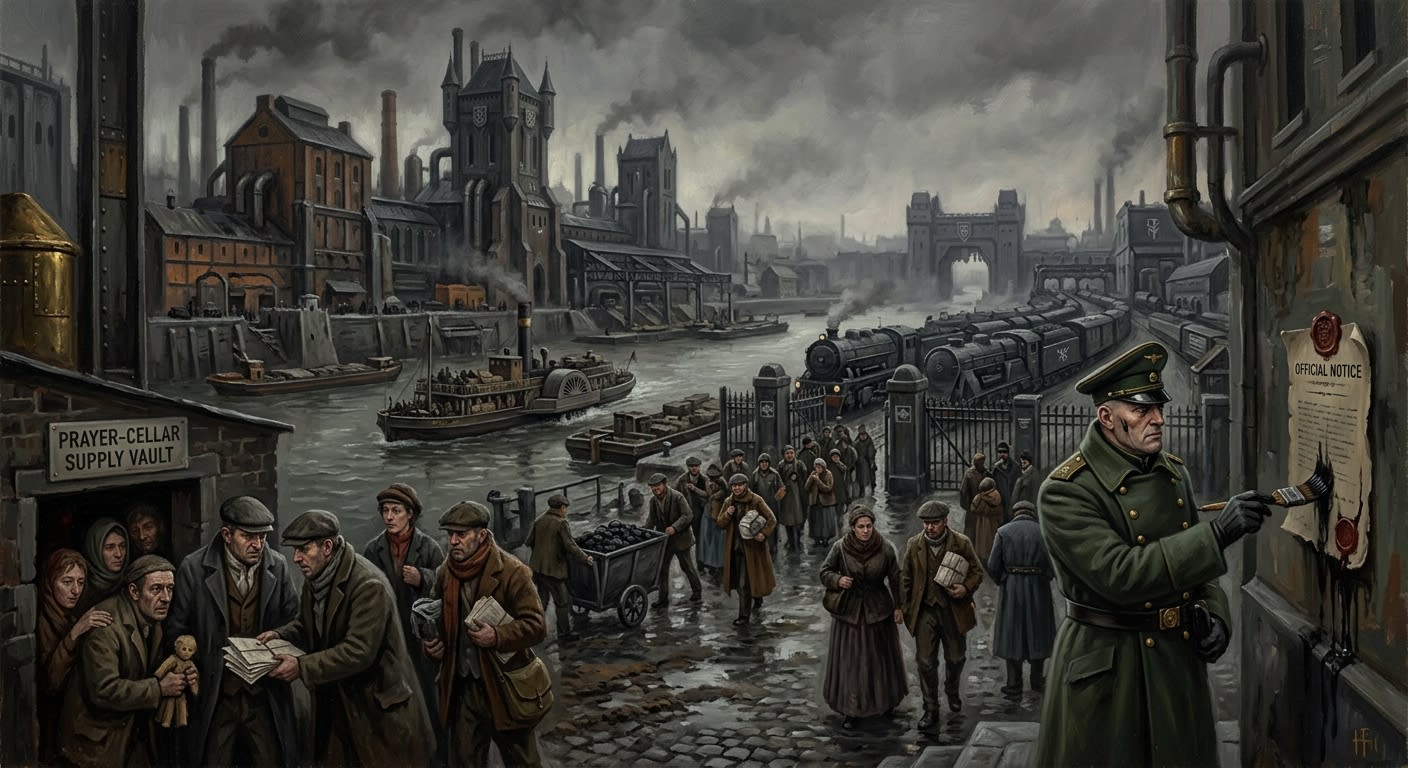
Maastricht
The sleeve beside Aachen's knife
Maastricht survived by adjacency: feeding roads to Aachen, relabelling prayer-cellars, selling shame politely, and teaching Hungry Ink how seals can scream.
Codex Ref. II.1.07-025

Memory Levy
The receipt closes the payment; Aachen's account stays open
Aachen's merchants pay for a gate they never opened. Tithes enters the memory levy beside ordinary duties, permanent pending moral improvement. A receipt settles payment; it does not absolve the city.
Codex Ref. XIII.1.92-002
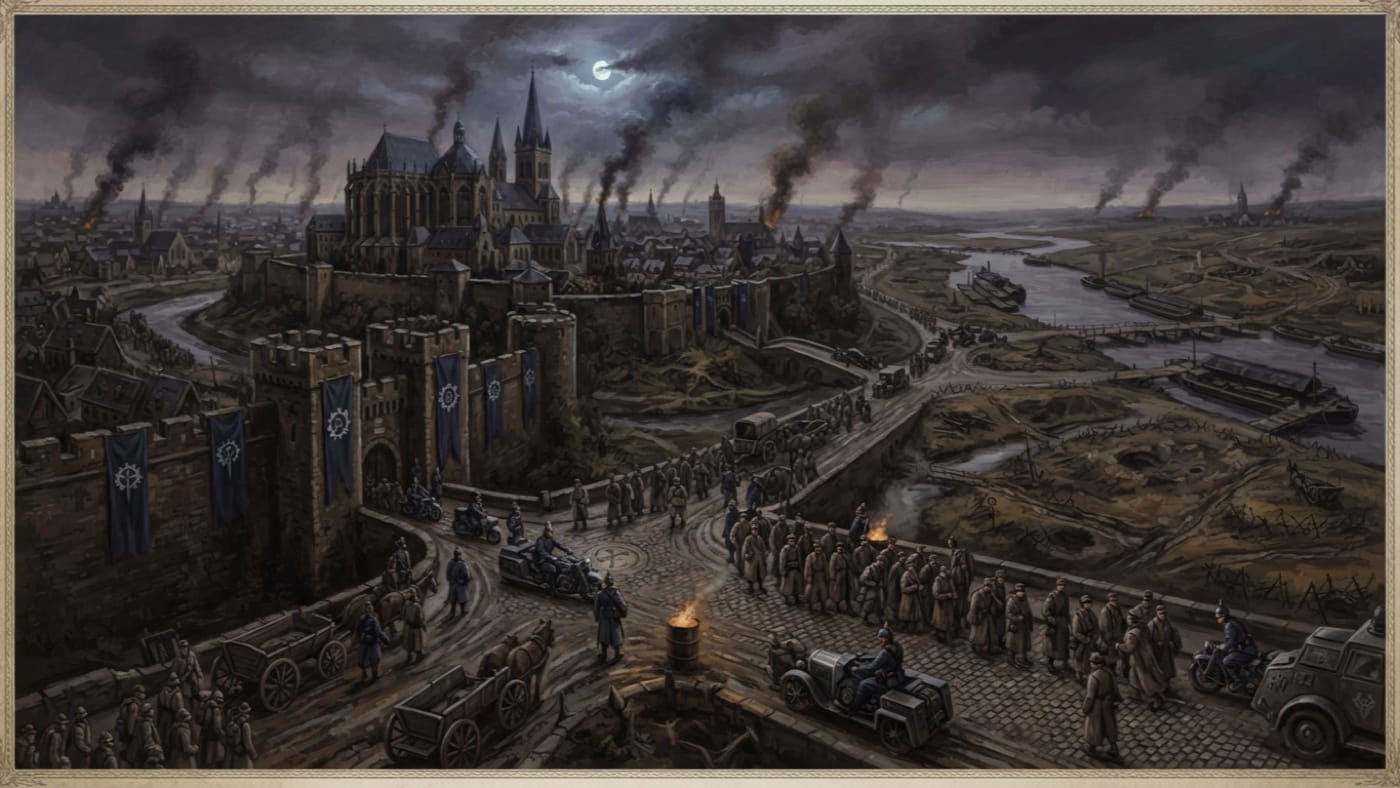
Northern Coalition
The Front Guillaume Sold for a Promise
The faithful's northern command lost its roads, stores and future when Guillaume sold Aachen in A.S. 25. The soldiers owed bread received a lesson in noble honour.
Codex Ref. VIII.6.02-025
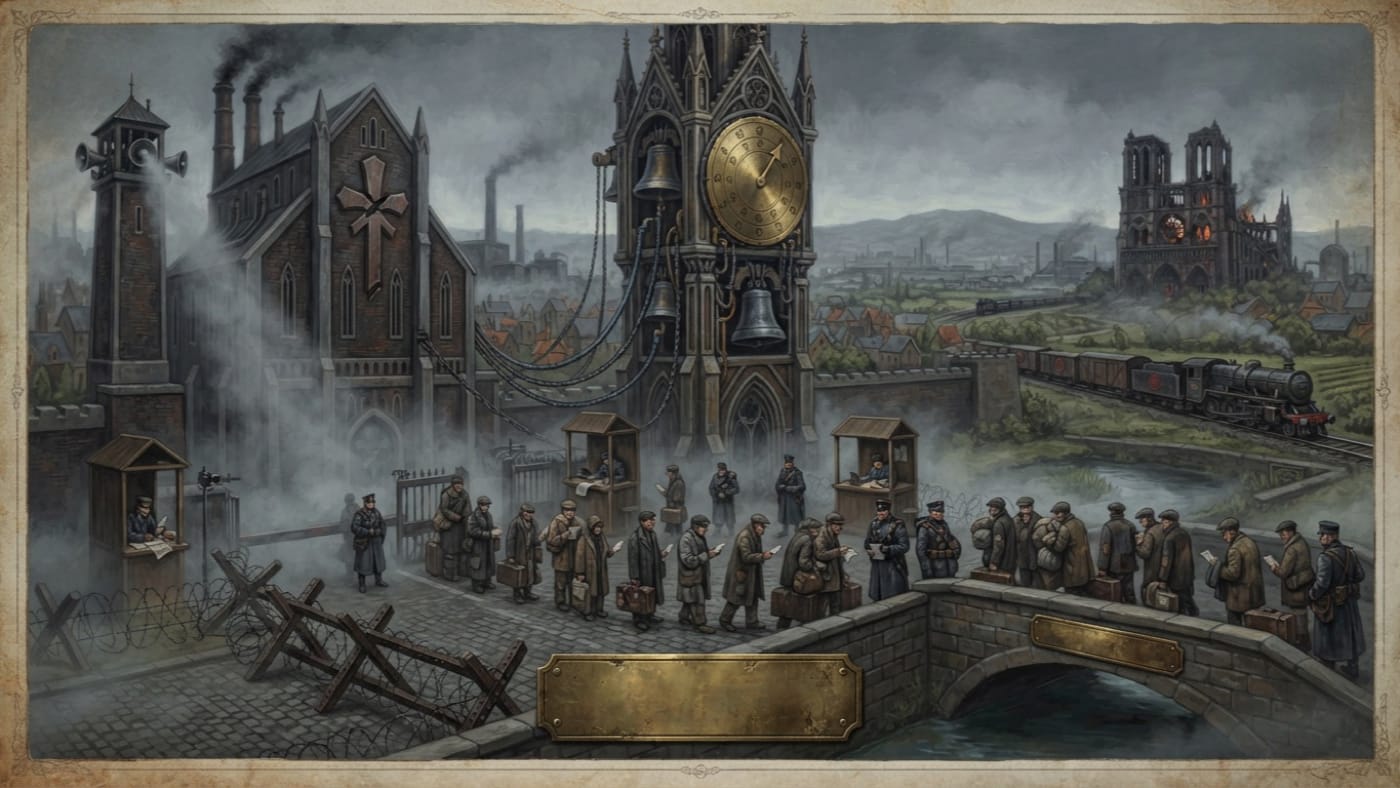
Northern France
Lost through a German gate, recovered parish by parish
Much of northern France fell after Aachen opened in A.S. 25. Recovered parish by parish, the country now pays tithes, carries papers, and calls supervision safety.
Codex Ref. II.1.09-025
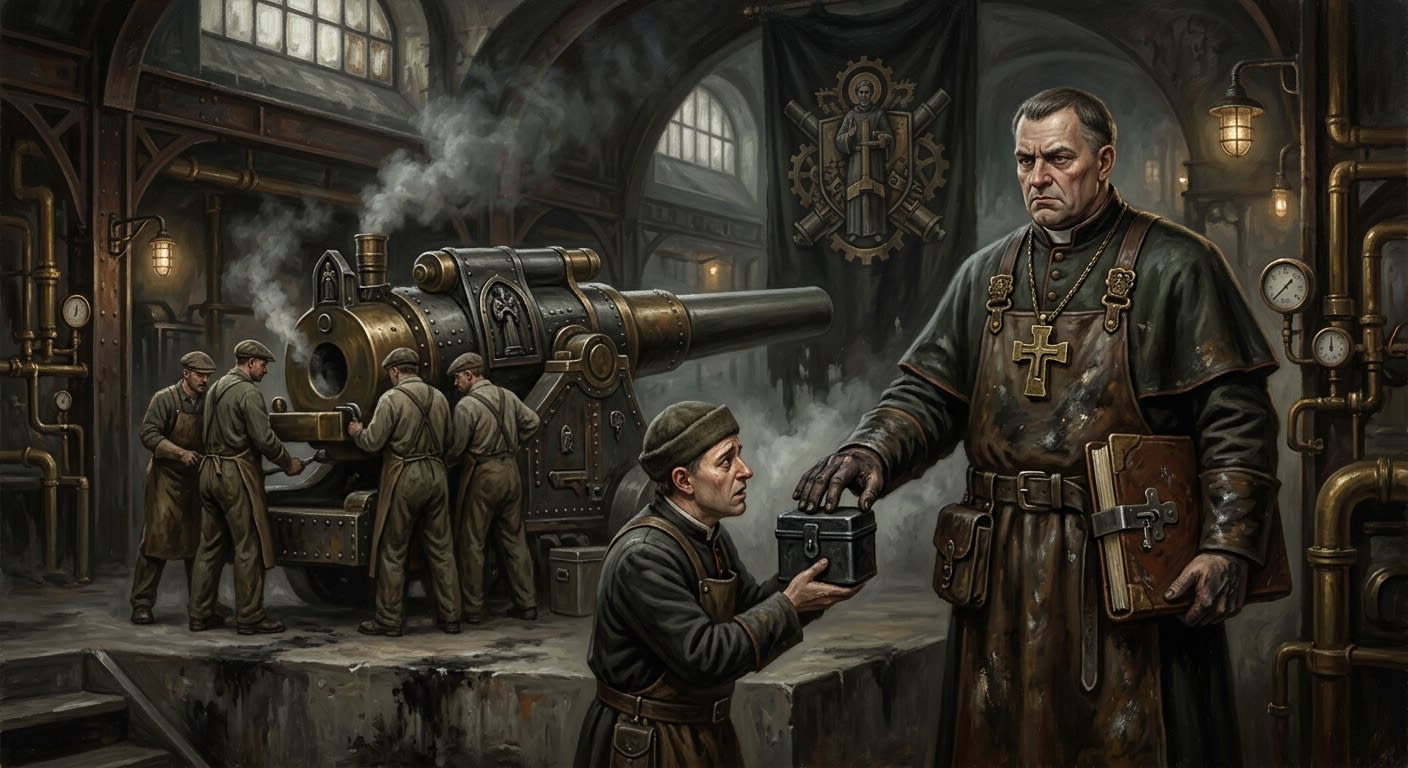
Saint Bartholomew of the Breech
Keep the hinge honest before prayer becomes shrapnel
Saint Bartholomew of the Breech guards shrine-artillery crews, not with comfort, but with latch, ledger, black palm, and the holy refusal of hidden powder.
Codex Ref. III.2.01-070
The Atheist Wars
When Reason Drew Steel and Faith Drew Blood
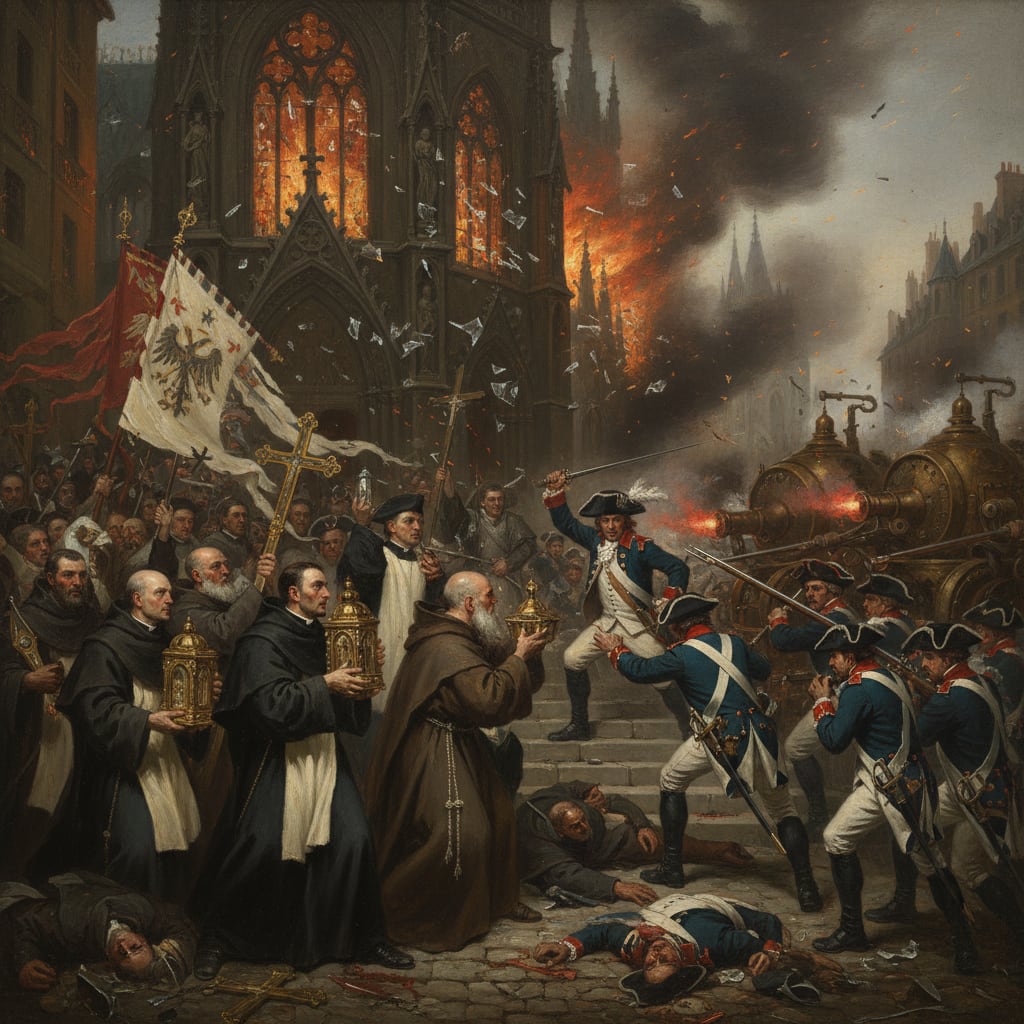
The two decades of continental civil war between the Rationalist Republic and the scattered faithful — a catastrophe so instructive that the Bureau requires its retelling in every catechism school, twice annually, with examinations.
Codex Ref. I.1.03-001