

Reverse Index
Referencing “The Forbidden Stacks”
Every codex entry that links to The Forbidden Stacks. 75 entries.
Return to The Forbidden Stacks
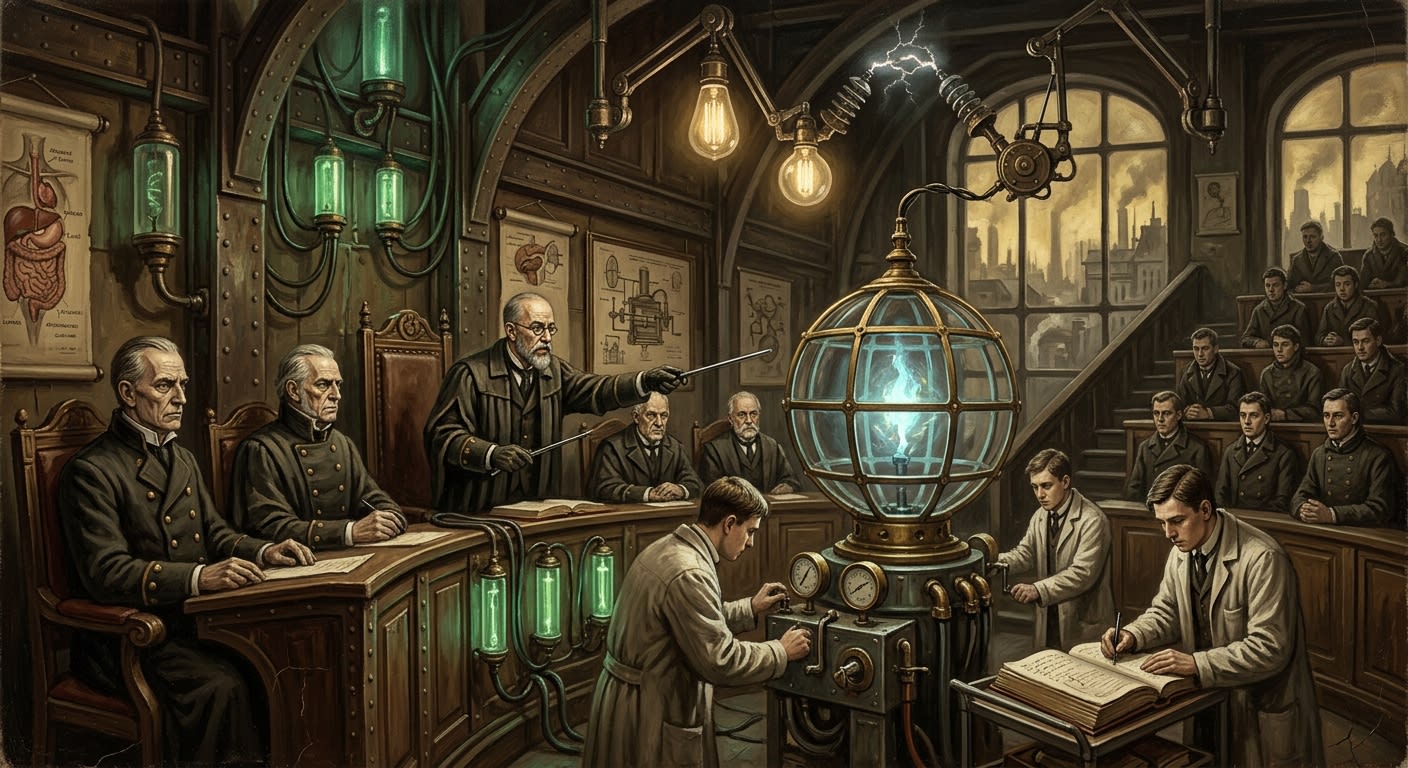
Académie des Sciences
Reason alone, applauding the dark until it called the clapping dawn
The Académie des Sciences measured miracles, disciplined facts, rewarded approved errors, and taught Vienna how to call Providence inadmissible in four languages.
Codex Ref. I.1.03-032
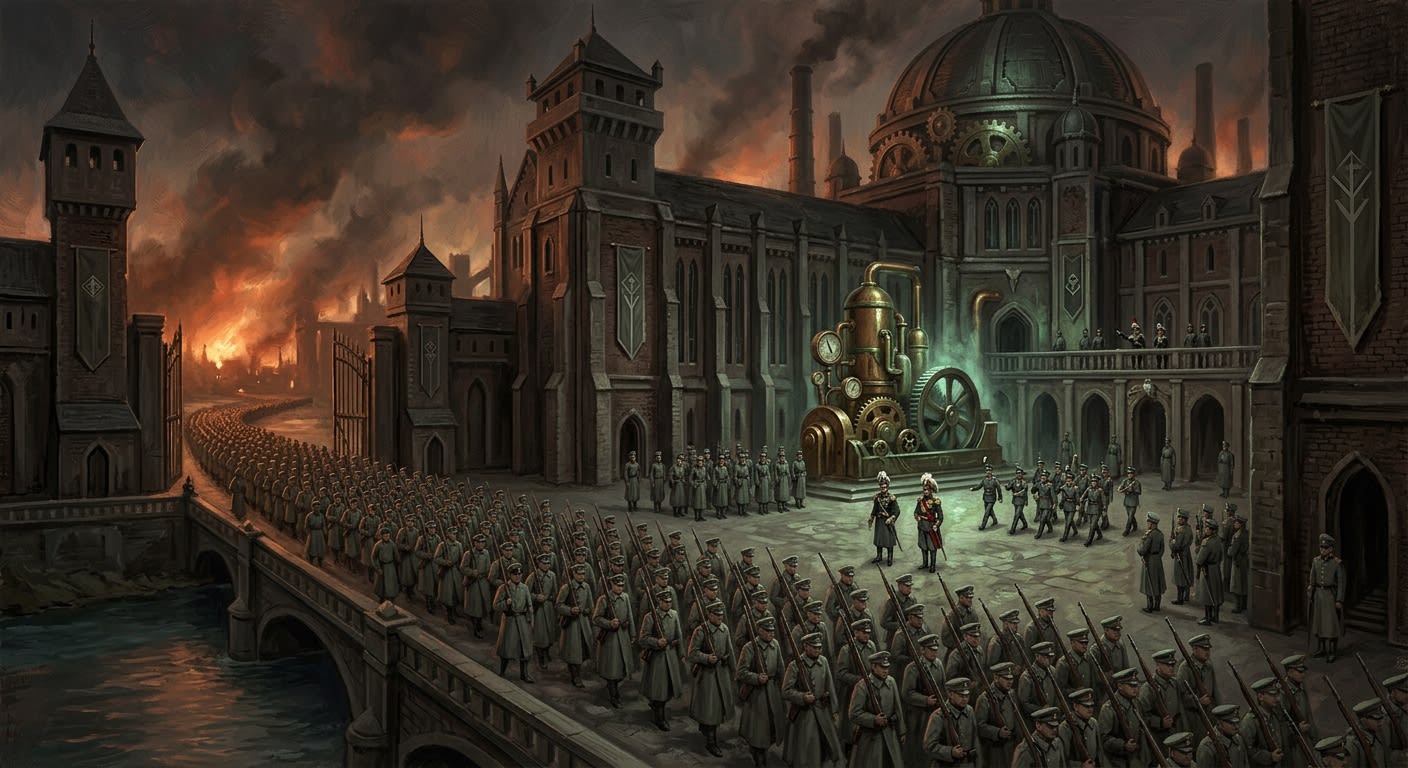
Academy at Vienna
Where correct formation met fire from a cloudless sky
Vienna's Academy taught order so perfectly that twelve thousand men marched by its rules into Maldrake's cloudless fire at the Iron Plains.
Codex Ref. II.4.09-045

Aldara Vess the Elder
The woman who taught fire to be inefficient
Aldara Vess the Elder founded the Bureau of Silence in A.S. 82 and gave the Synod its coldest doctrine: words are not burned; they are made absent.
Codex Ref. III.2.01-082
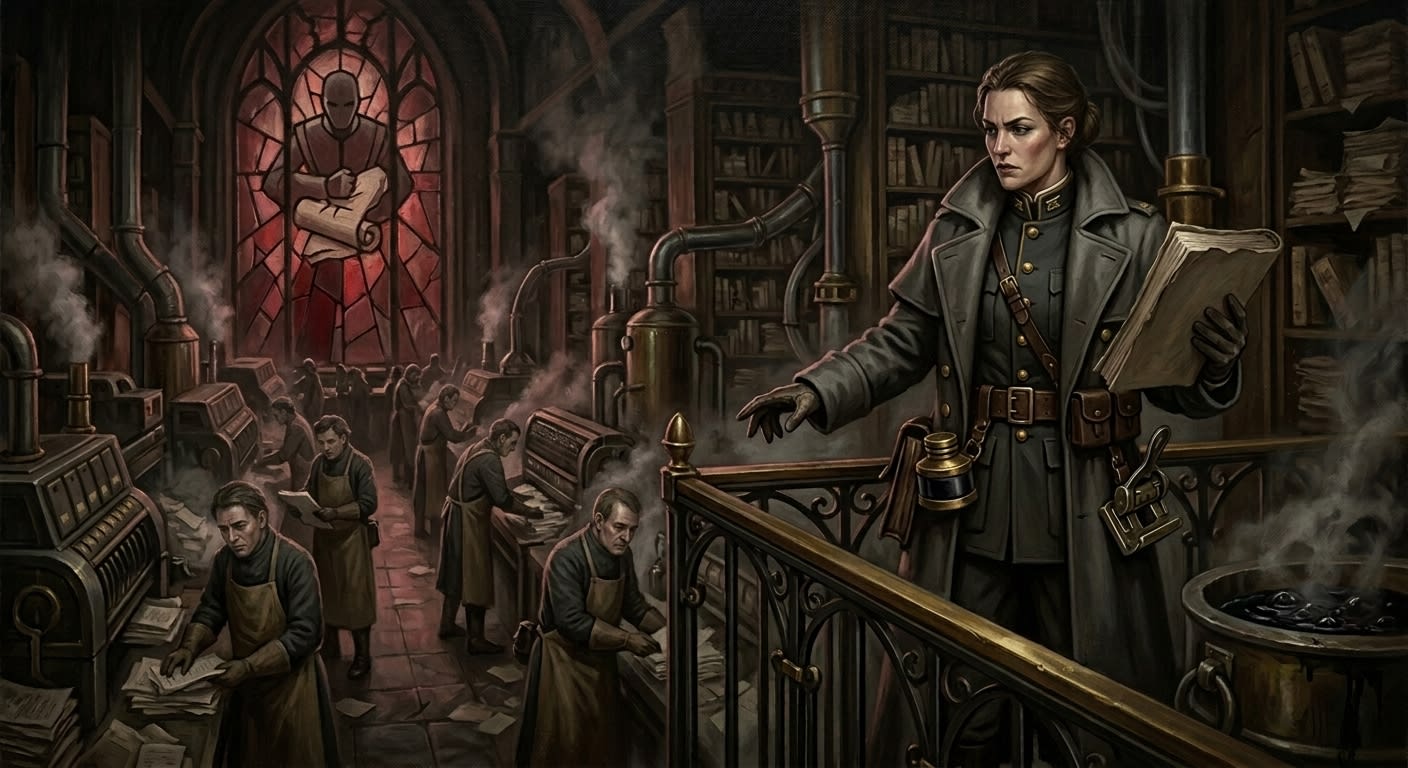
Aldara Vess the Younger
The woman who removes language from the room until obedience remains
Aldara Vess the Younger commands the Bureau of Silence, the Forbidden Stacks, and the art of making words administratively absent before they become dangerous.
Codex Ref. III.2.01-018
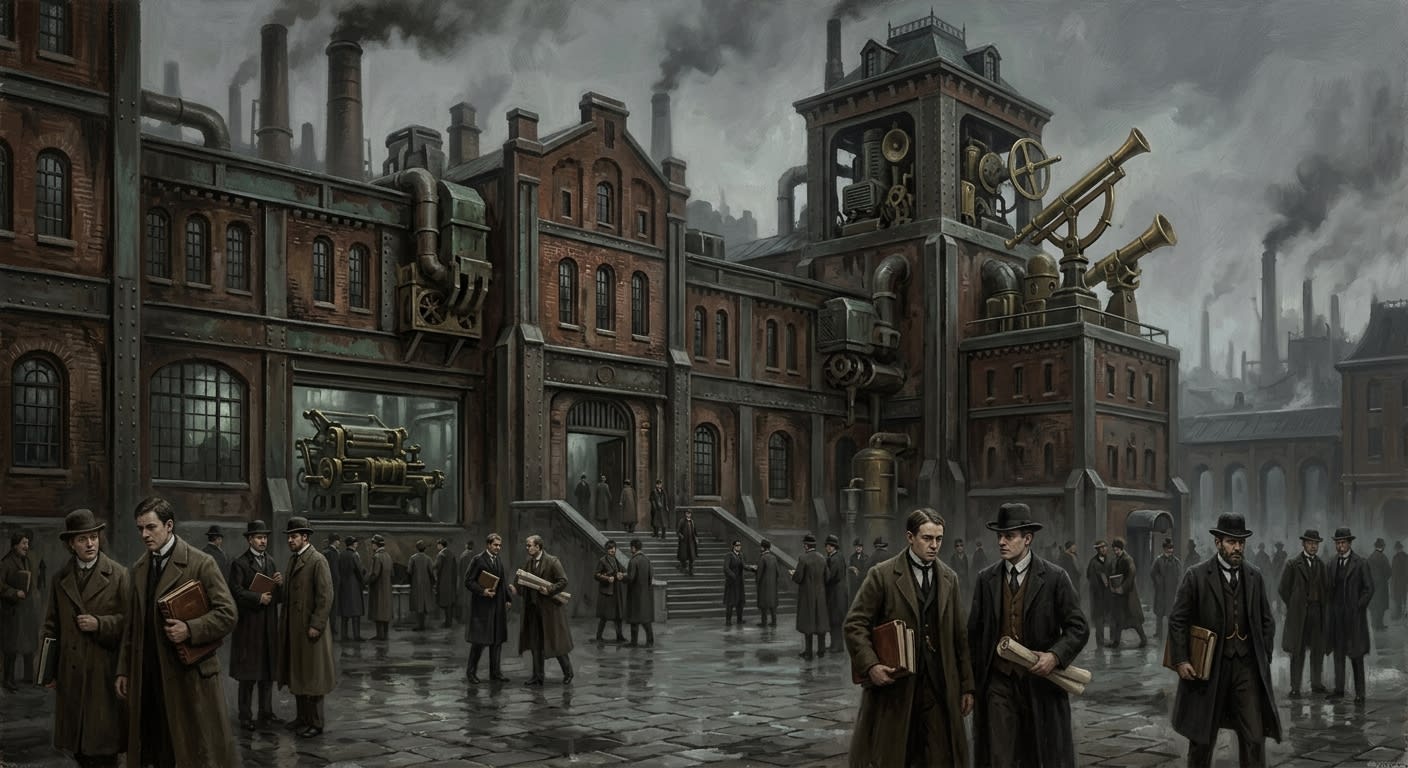
Amsterdam Academy
The lectern that made unbelief printable
The Amsterdam Academy licensed unbelief, printed the calendar wound, and taught Europe that a schoolhouse may do the work of a siege engine.
Codex Ref. VIII.8.01-000

Archon-Custodian's Office
The shelf is not appealed; the silence is audited
The private paper machinery beneath the Archon-Custodian's seal: clerks who decide where authenticated relics are shelved, lent, melted, silenced, or remembered only as a numbered absence.
Codex Ref. XII.35.02-001
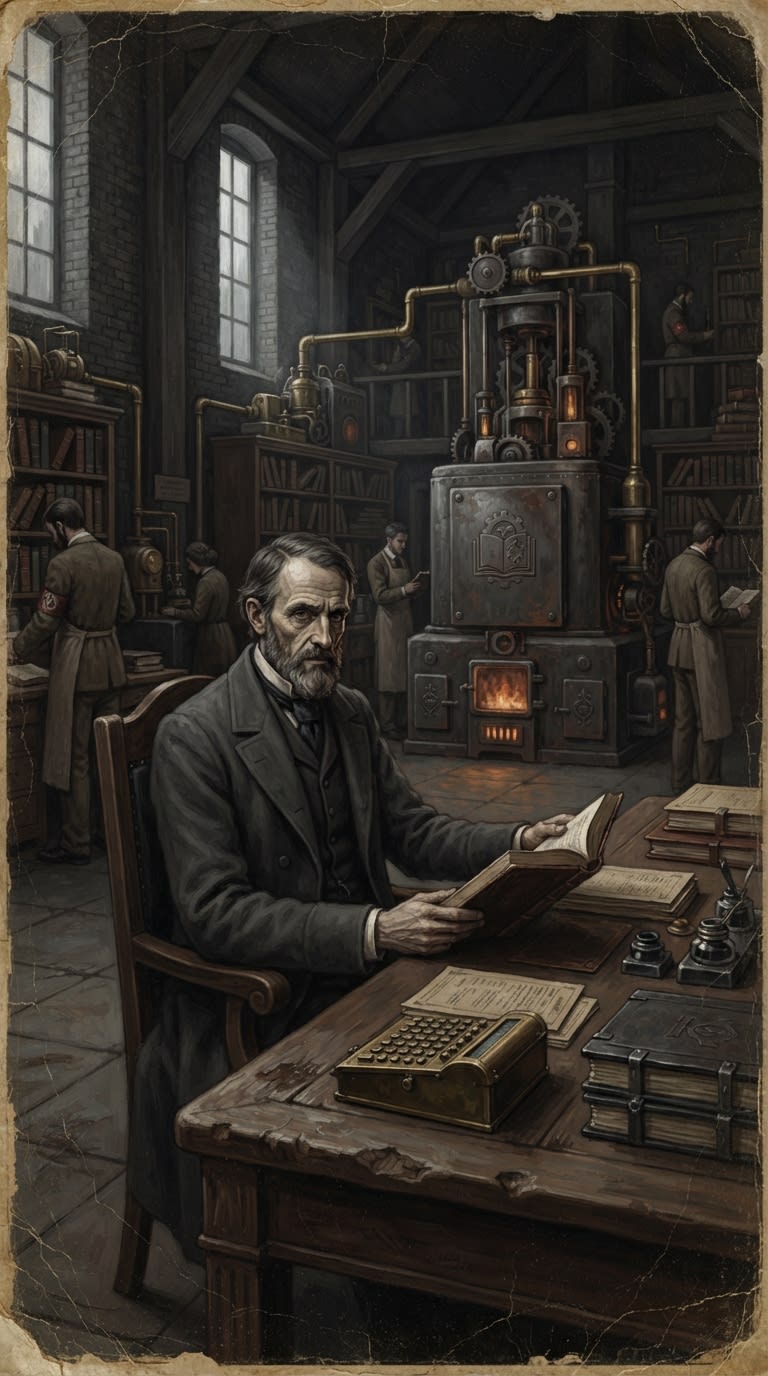
Aristotle
The pagan who lent the Church its knife
Aristotle gave the Church no doctrine, no obedience, and no permission. Unfortunately for him, he did leave behind a very useful machine for arguing.
Codex Ref. III.2.01-073
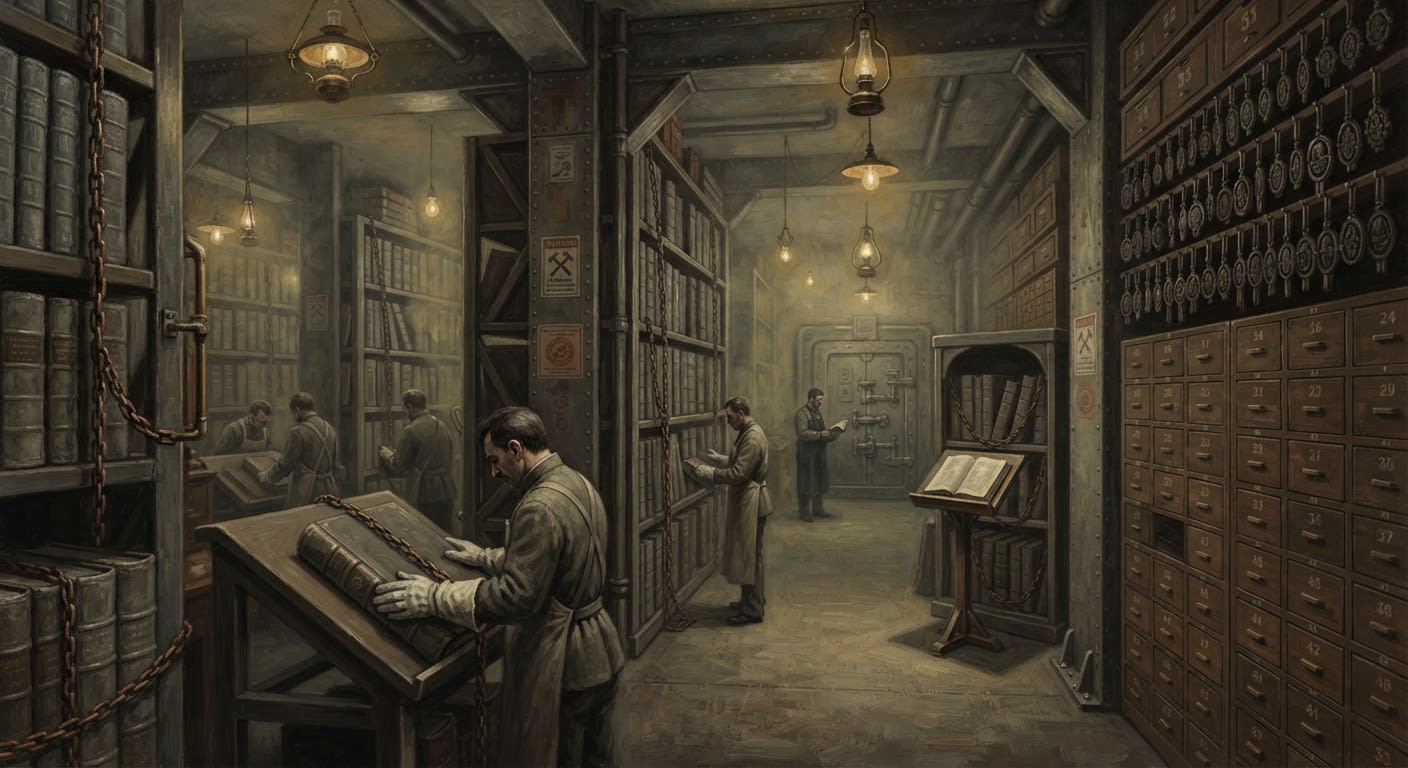
Armorial Vault
Where symbols are chained until they become law
The Armorial Vault is the chained body beneath Strasbourg where registered symbols become legal facts, false marks are preserved for prosecution, and colour learns to fear drawers.
Codex Ref. II.1.04-007
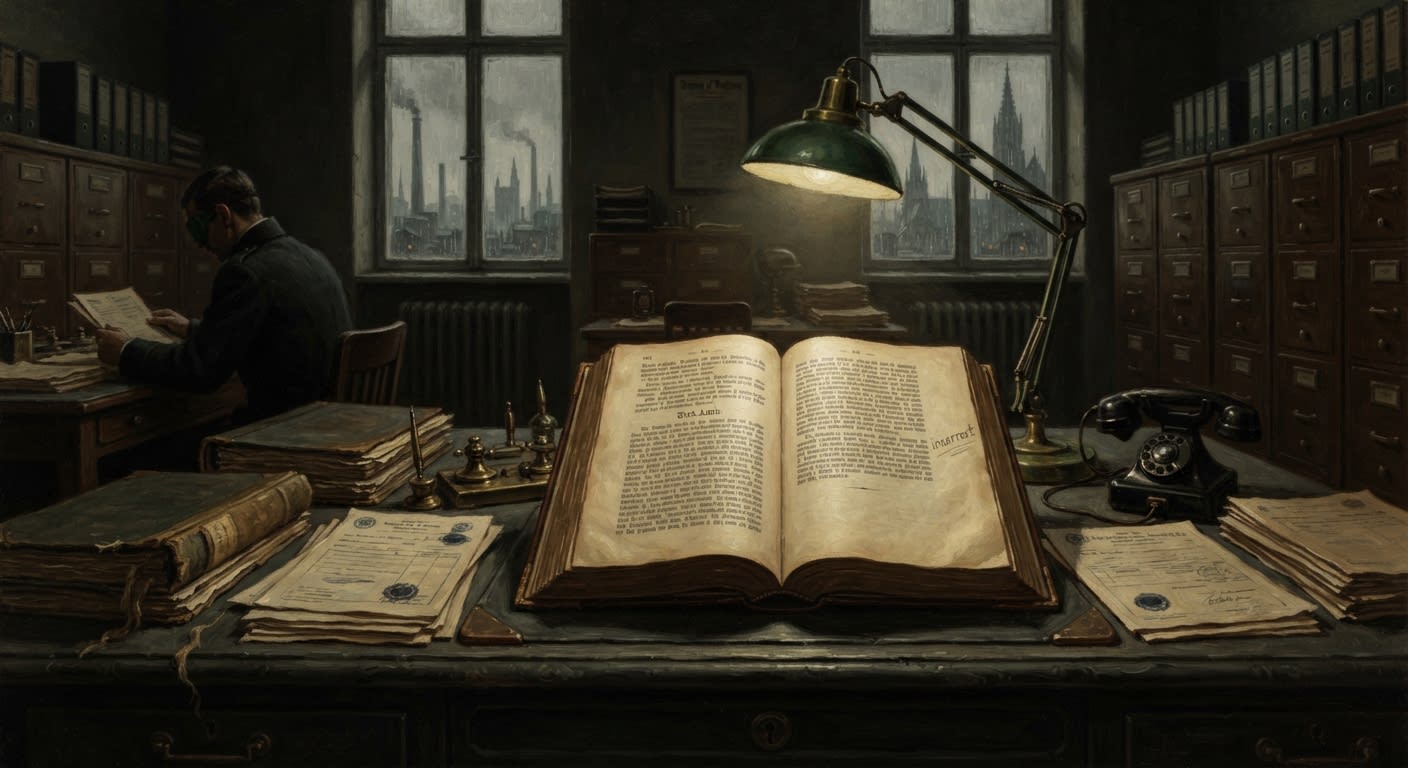
Articles of Covenant
The approved page that survived by being underestimated
The Articles of Covenant were safe enough to leave open on a desk, until one pencil beside the Third Article taught Silence that obedience could be graded.
Codex Ref. XIII.1.56-001
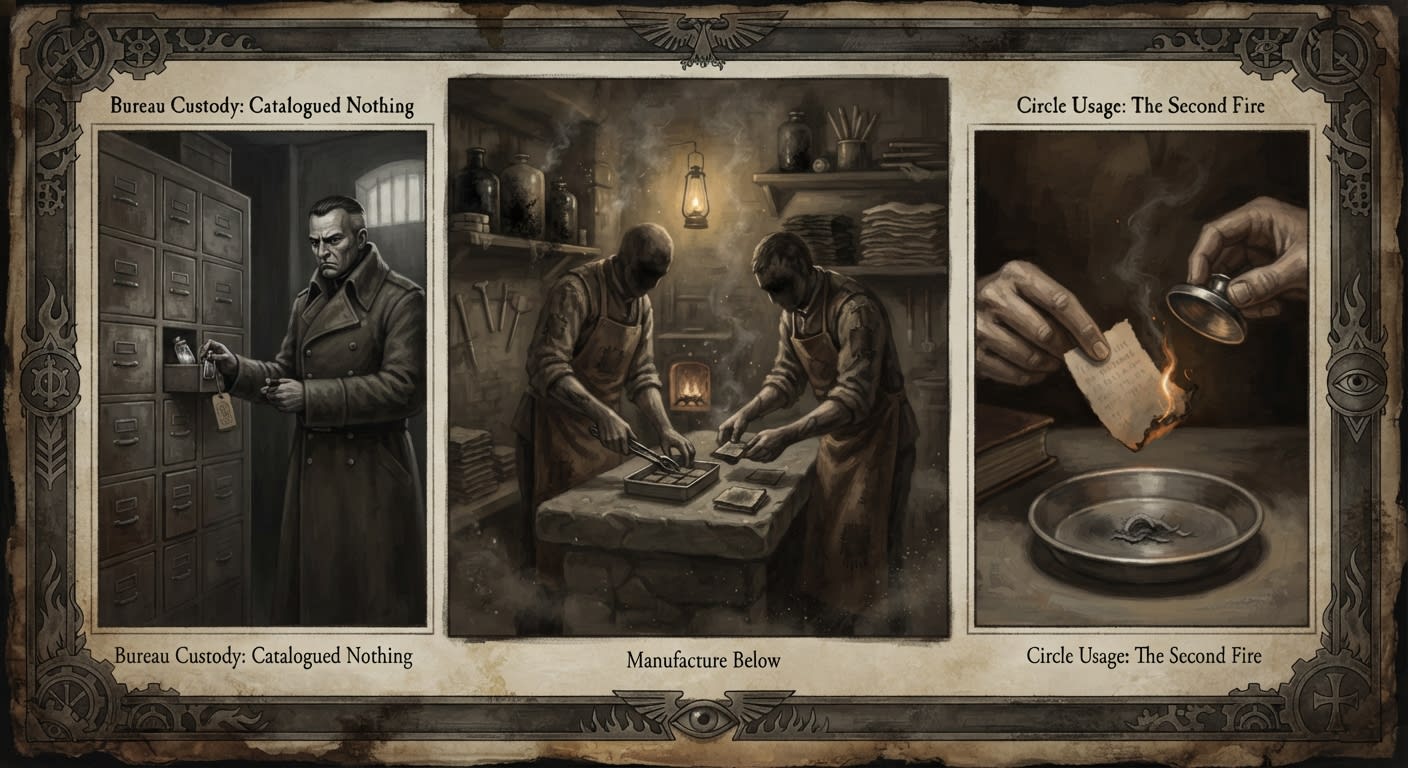
Ash-paper
A sheet built to outlast nothing, and therefore everything useful
Ash-paper is the Circle's pre-blackened answer to the Purge: charcloth pages made to carry one forbidden fact, burn twice, and leave the Bureau with only catalogued nothing.
Codex Ref. XIII.1.56-001
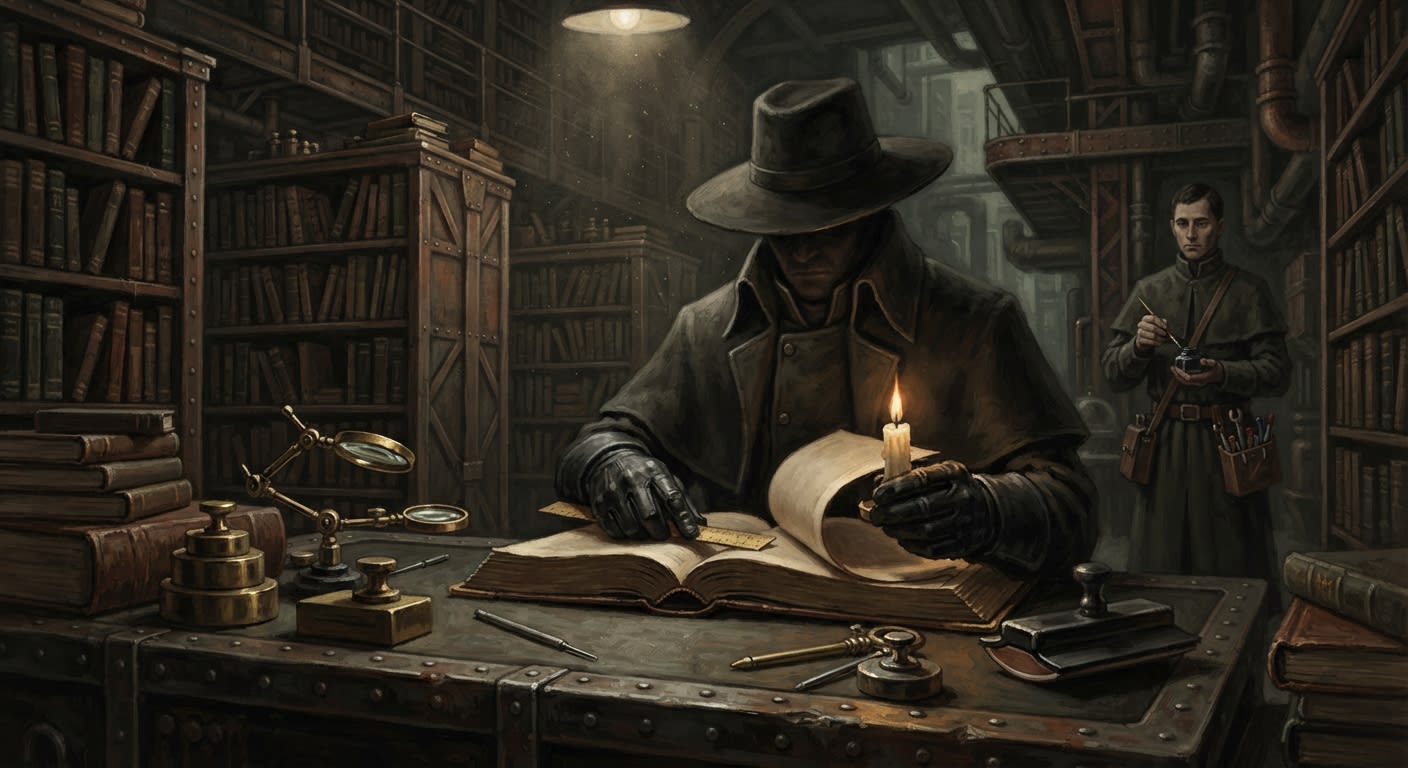
Audit-Cantor
The officer who learned to distrust the whiteness around approved words
The Bureau of Silence keeps forty Audit-Cantors to open books, weigh margins, warm blank pages, and decide which libraries die quietly.
Codex Ref. VIII.3.02-002
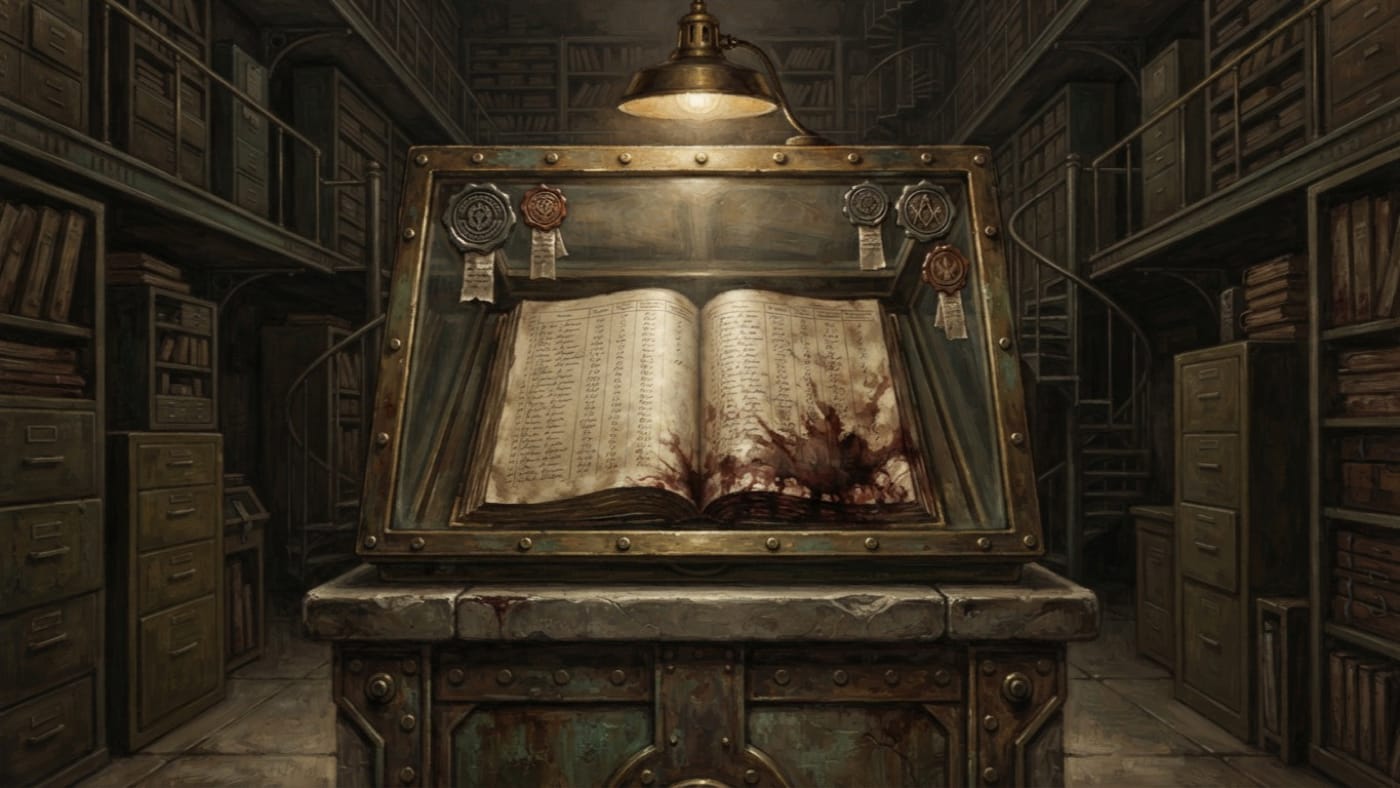
Black Ledger of Ghent
One hundred thirty-seven dead, four columns, and a stain called water
Seized in A.S. 159, Ghent's blood-stiffened weigh-station ledger records 137 executions and the arithmetic that became a criminal banner. The Church keeps it under glass and calls the stain water.
Codex Ref. XIII.1.17-002
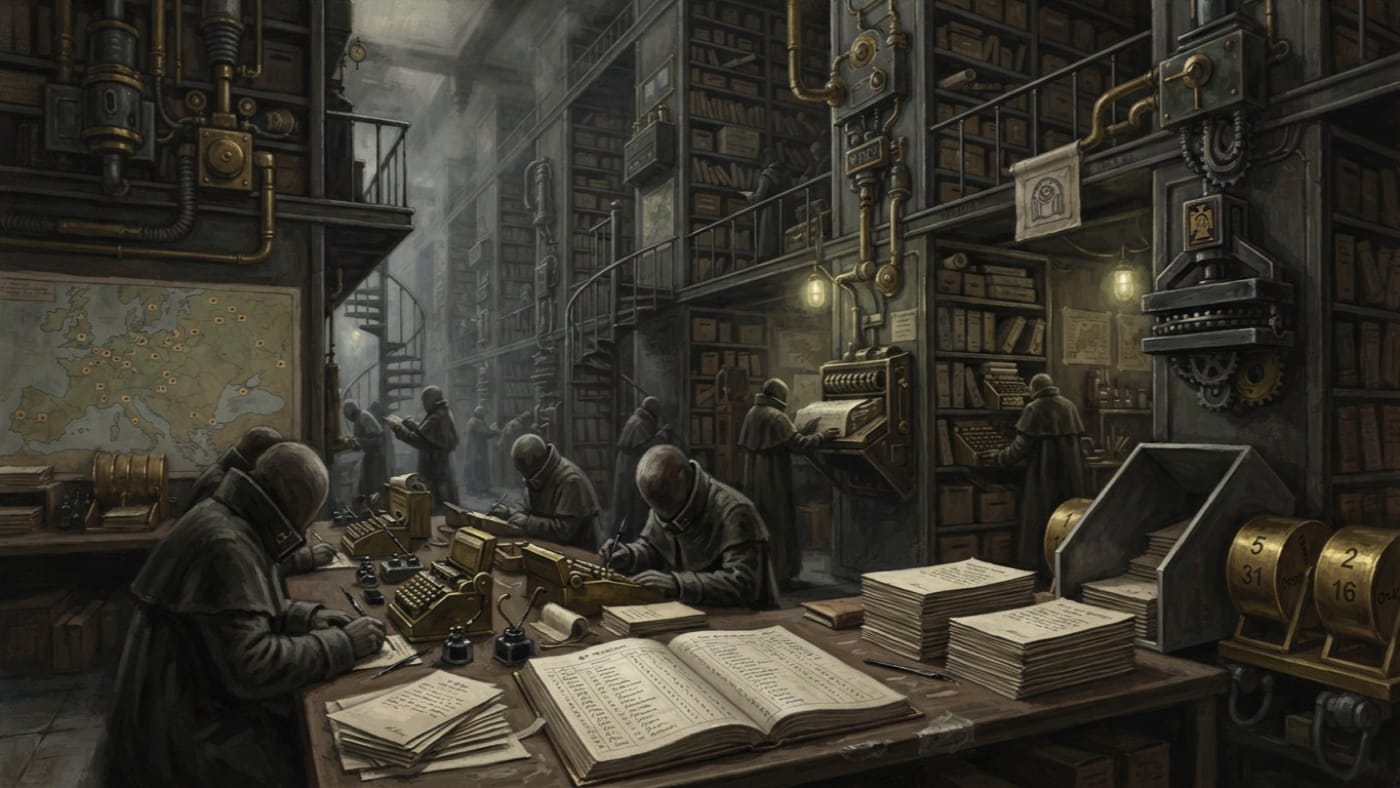
Bone Census
The count is conceded; the right to count is condemned
Compiled in Amsterdam in −32 A.S. / 1678 CE, the Bone Census tabulated 243 Aldebrand relic claims. The figures are conceded; the scholars' right to count remains condemned.
Codex Ref. I.1.04-000
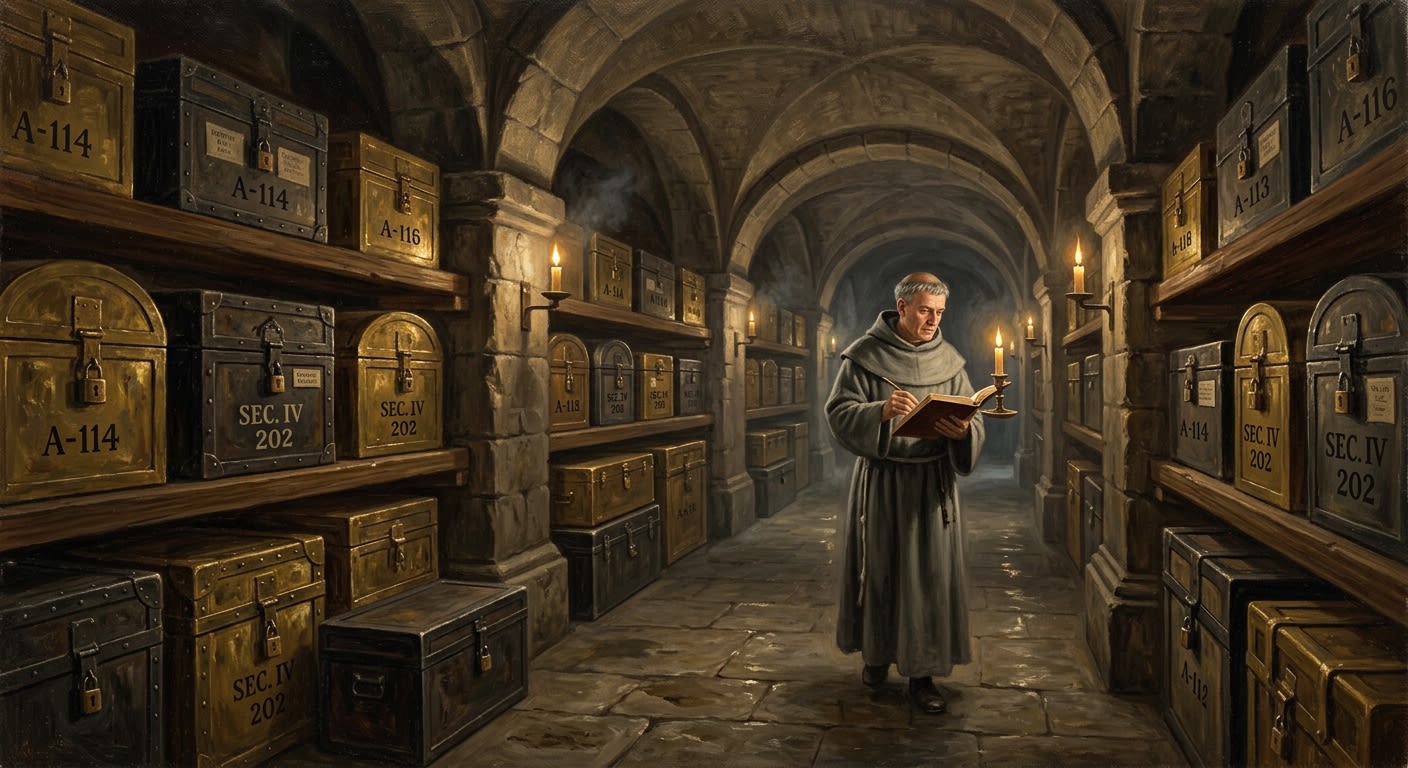
Bureau of Relics
The stamp is not the sanctity. The stamp is merely necessary.
The Bureau of Relics guards four thousand seven hundred authenticated bones, adjudicates the holiness of ash, and maintains the cheerful institutional fiction that it controls the things it catalogues.
Codex Ref. IV.3.12-019
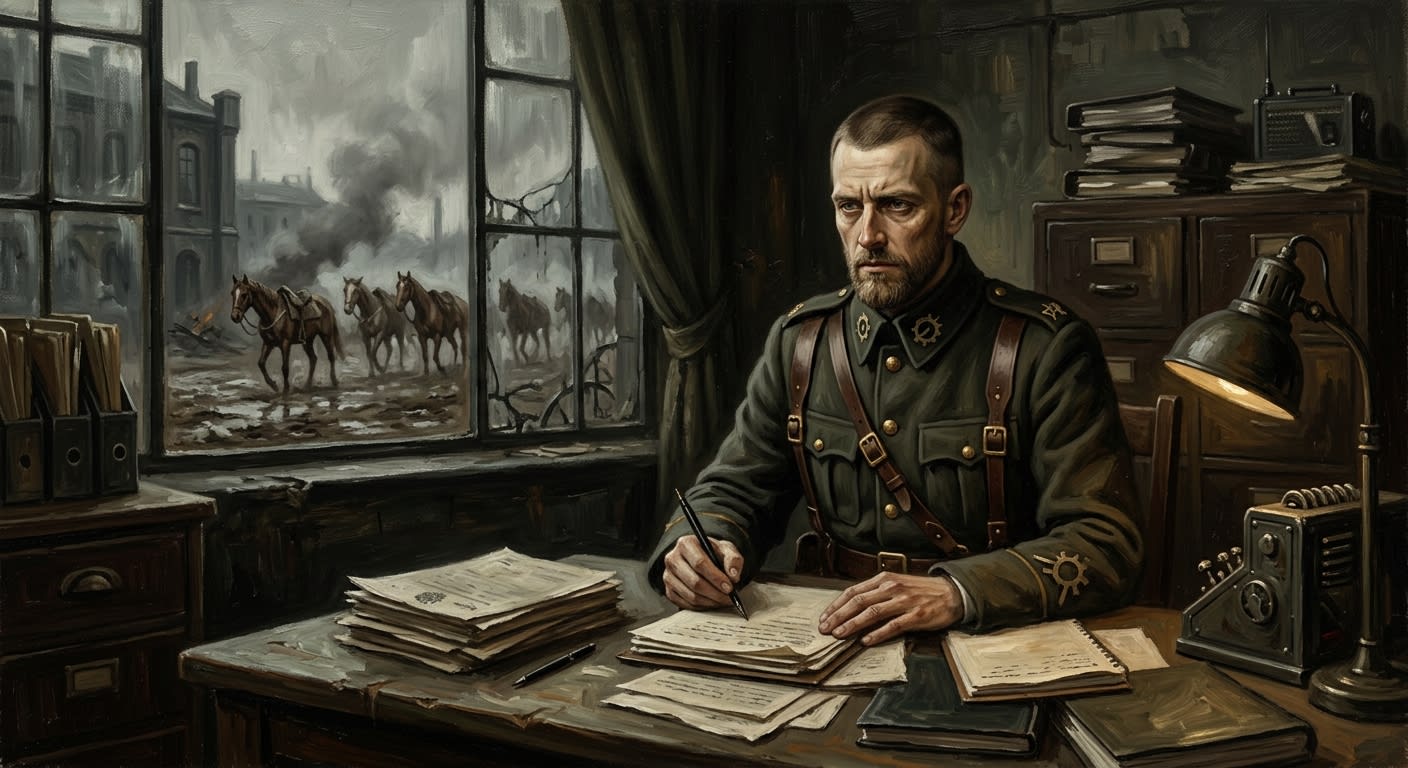
Captain Elias Mürren
The cavalryman who accepted hunger's polite invitation and kept the receipt
Rationalist cavalry captain and Debrecen survivor whose A.S. 49 deposition records sorcerous provender, vanished horses, and hunger with the manners of a clerk.
Codex Ref. III.2.01-082
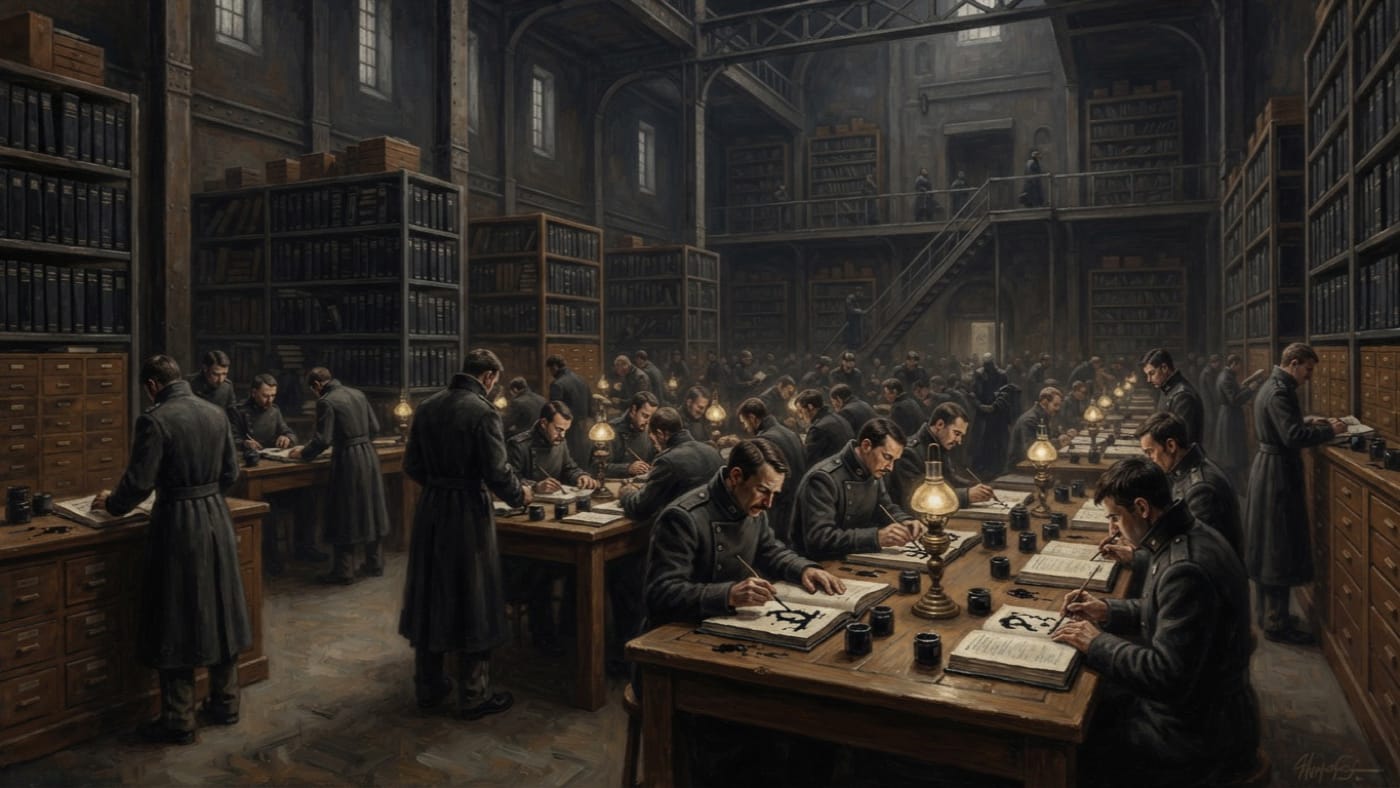
Charter Address of A.S. 82
Fire leaves witnesses; an orderly shelf leaves nothing to mourn
Aldara Vess the Elder's A.S. 82 Charter Address gave Silence its founding argument: fire distributes forbidden words; administrative absence keeps the shelf orderly.
Codex Ref. XIII.1.82-001
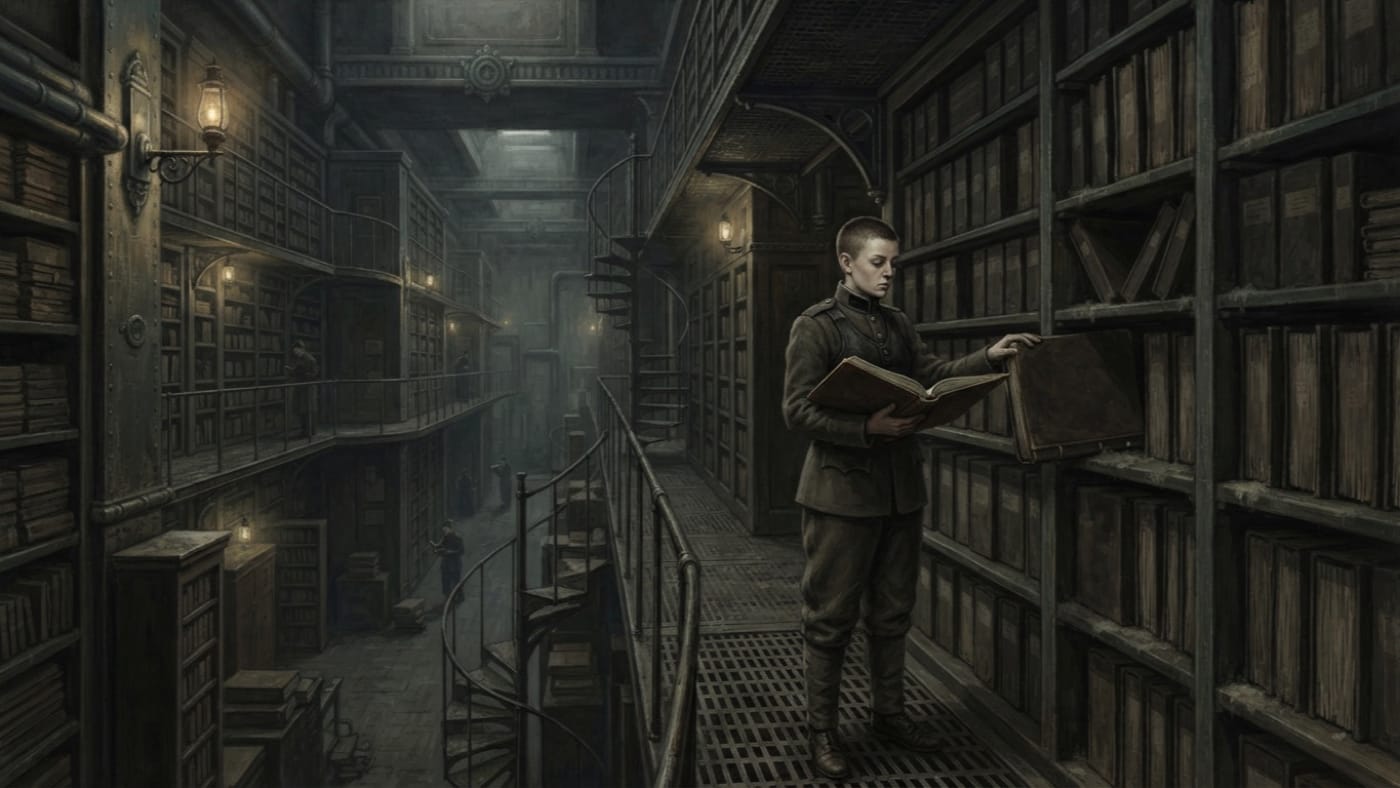
Classification Black
The paper is kept; the knowledge is refused
Classification Black keeps a document on the shelf and forbids anyone to read it. The Synod preserves the paper; the clerk preserves their ignorance.
Codex Ref. XIII.1.09-002
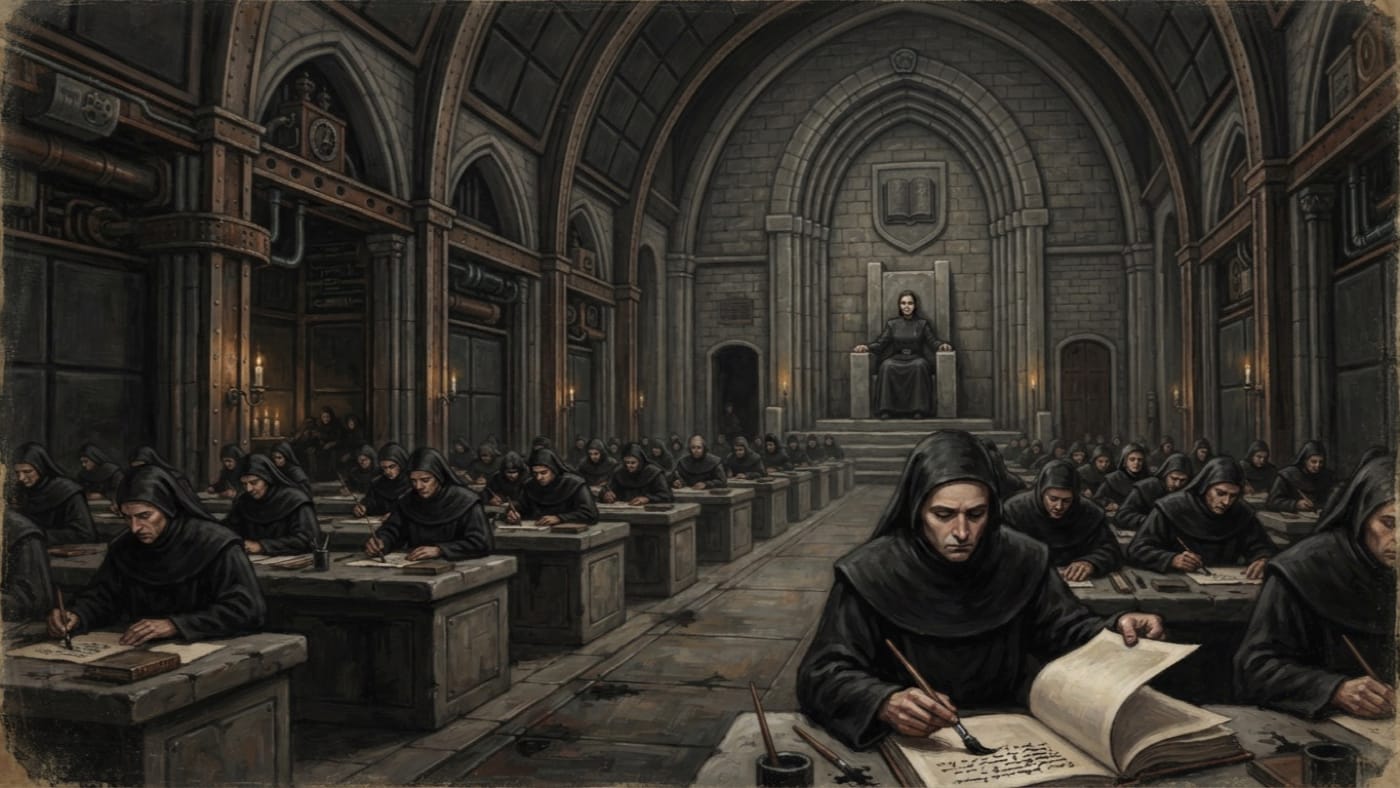
Cloister of Prescribed Silence
The room where refusal requires no reasons
The Cloister of Prescribed Silence is the Bureau of Silence's soundproofed Strasbourg seat, where libraries are licensed, Forbidden Stacks access is counter-sealed, and changing ink is declared obedient.
Codex Ref. II.1.04-019
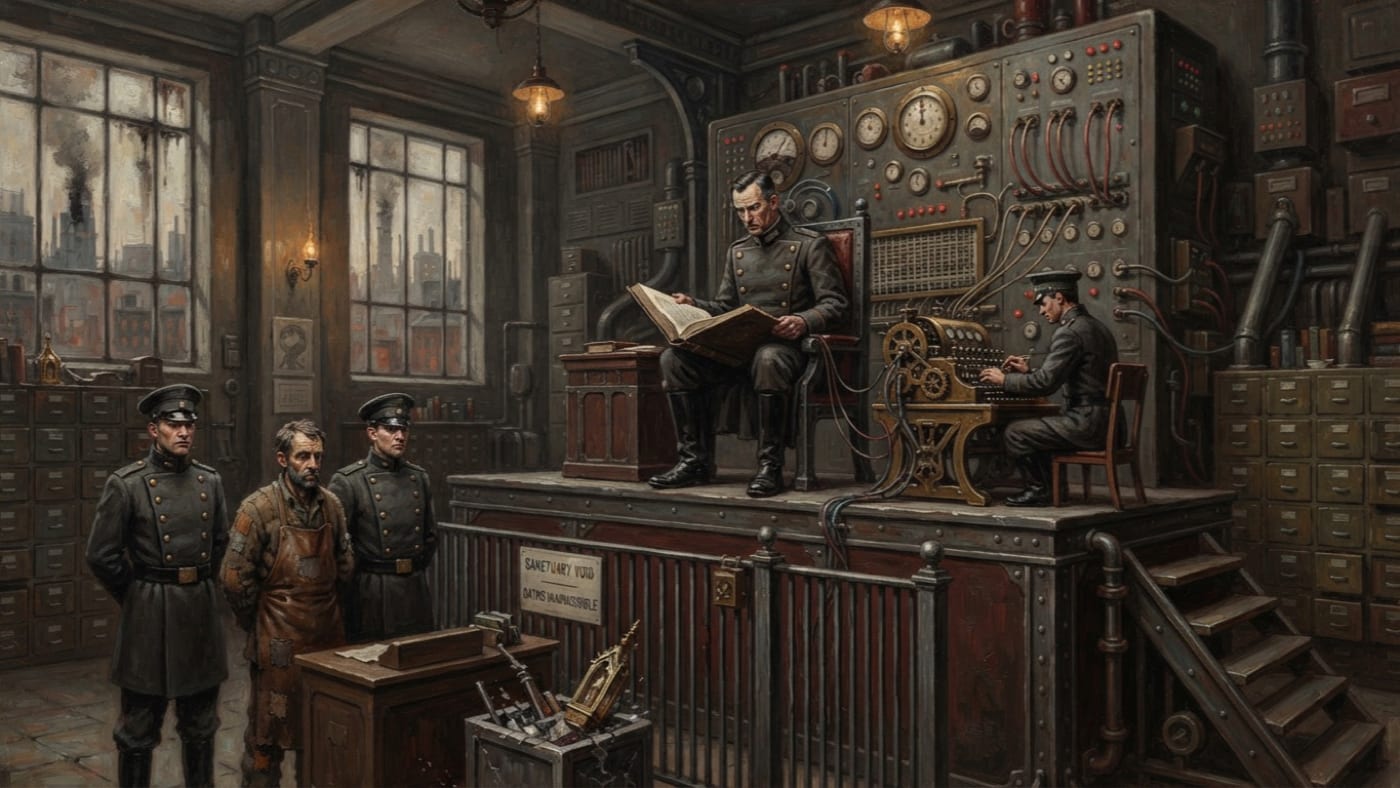
Code of Rational Jurisprudence
A Courtroom Without Relics, and a Divisor Where Mercy Belonged
The Republic's court law made evidence sovereign, abolished relic-sworn oaths and sanctuary, and priced punishment by usefulness. Indexed to Regensburg, A.S. 30; its promulgation remains unknown.
Codex Ref. XIII.1.58-030
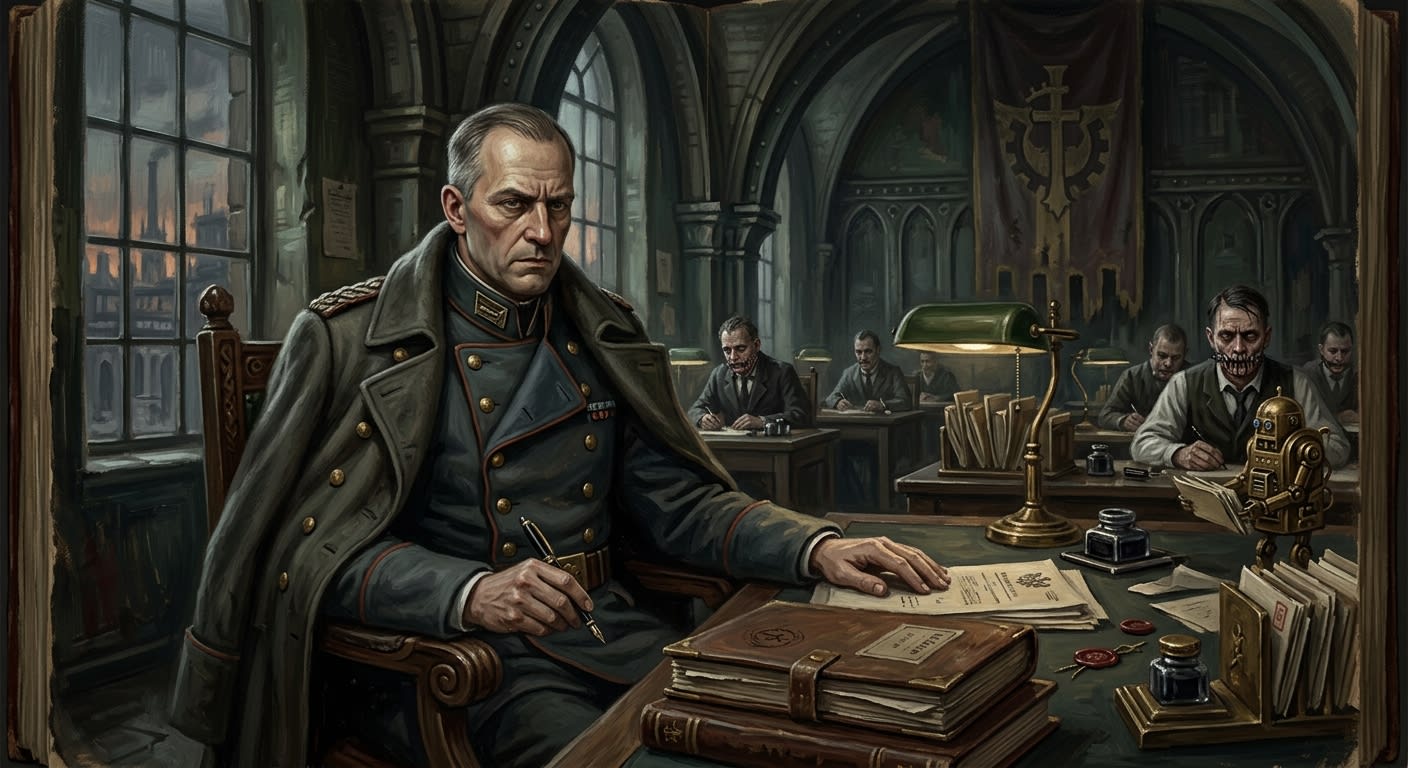
Colonel-Prefect Ignaz Brechtold
The clerk who made silence visible with wire
Rationalist Prefect of Kraków whose A.S. 18 Night of Knives wired forty-seven clerical mouths shut and taught Doctrine that paperwork can sharpen murder.
Codex Ref. III.2.01-086

Concordats of Governance
Four hundred and twelve pages proving Hell does not respect footnotes
The Concordats of Governance were the Rationalist Republic's procedural gospel: prefectures, censuses, tribunals, and emergency clauses annulled too late to unmake their wounds.
Codex Ref. XIII.1.12-030
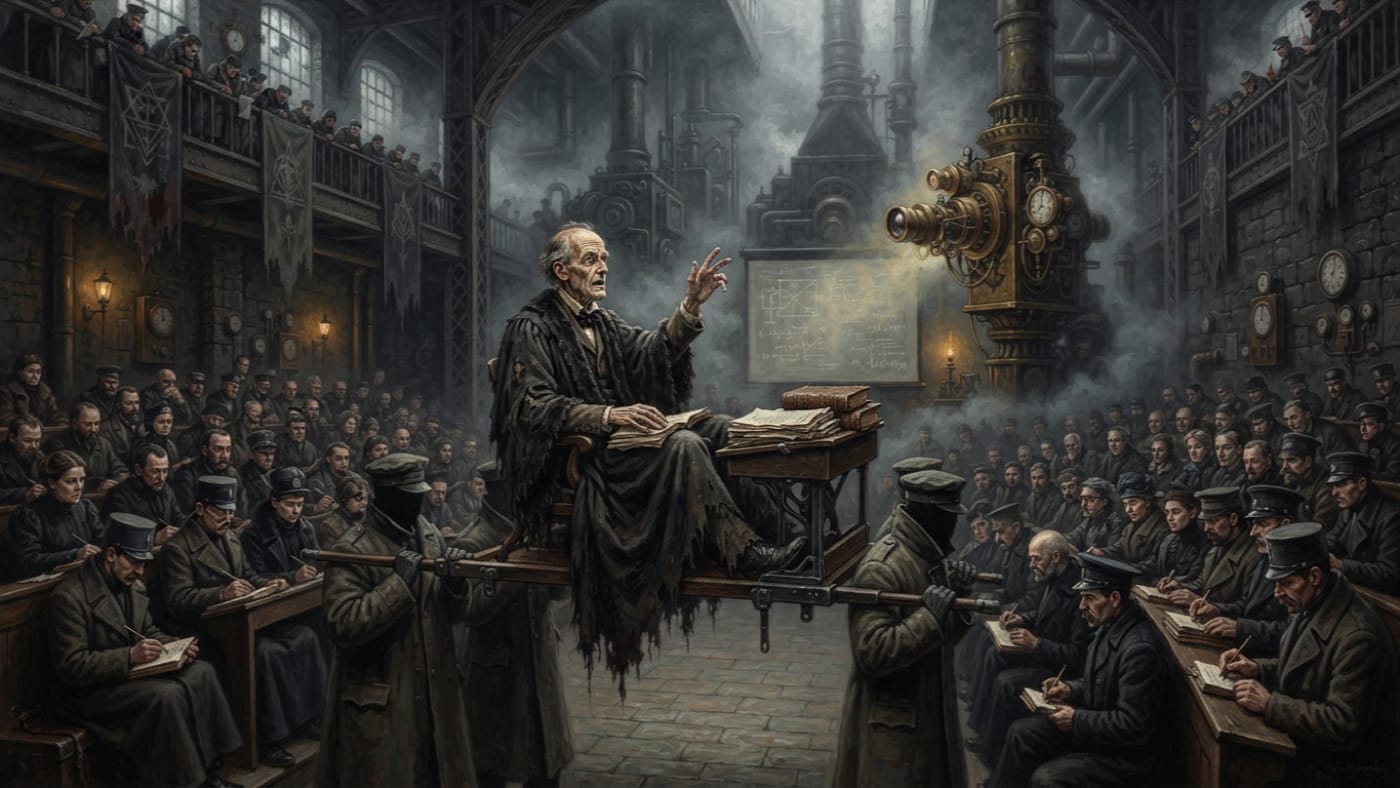
Dean Albrecht Moser
The signature survived; so, inconveniently, did the signatory
Dean Albrecht Moser signed the Concordats of Ulm in 1655 and reached Amsterdam's founding congress at seventy-nine, carried on a litter and still lecturing. His signature outlived his bones.
Codex Ref. III.2.01-850
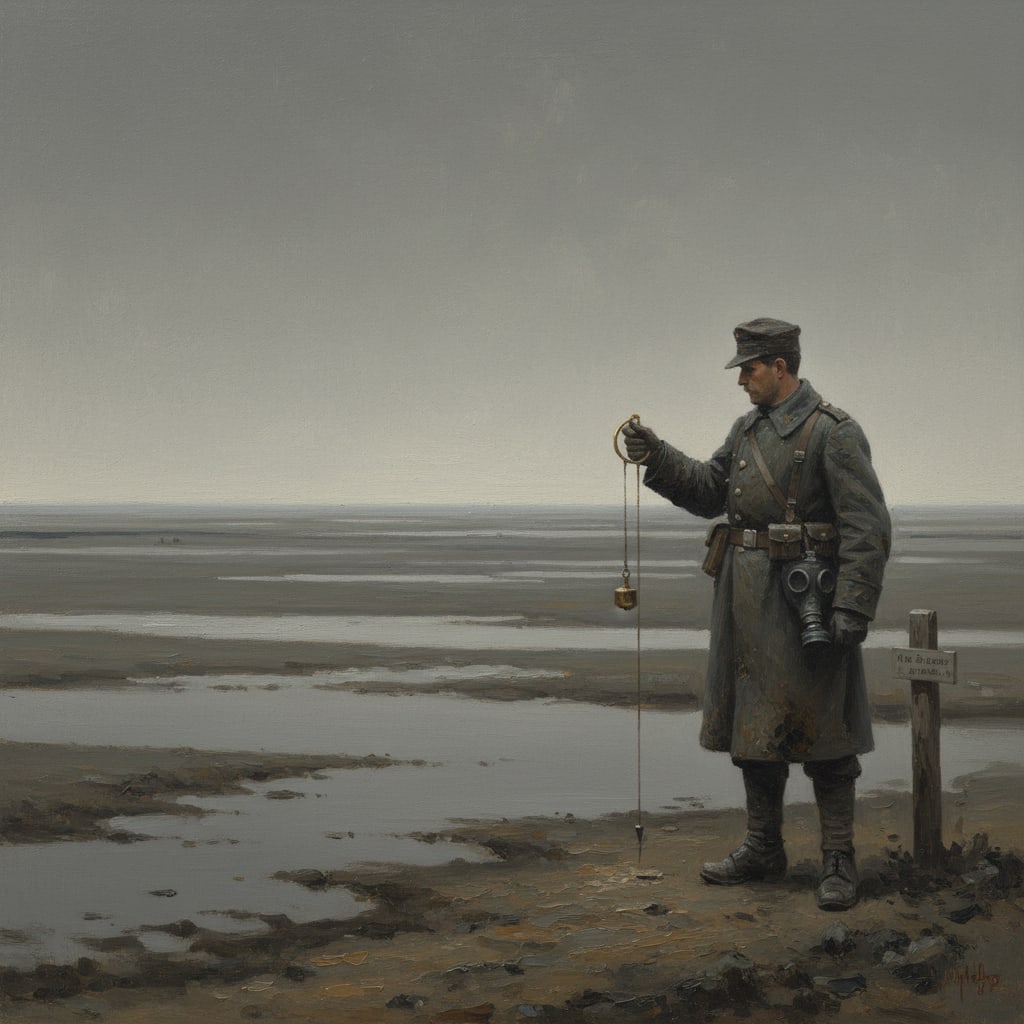
Debrecen
The city that was eaten
Forty-two thousand souls, a grain exchange that set prices from the Danube to the Rhine, and a harvest the world will never taste again. Kargath ate it. The Blightmarsh is all that remains, and the Blightmarsh is still hungry.
Codex Ref. VI.1.01-001
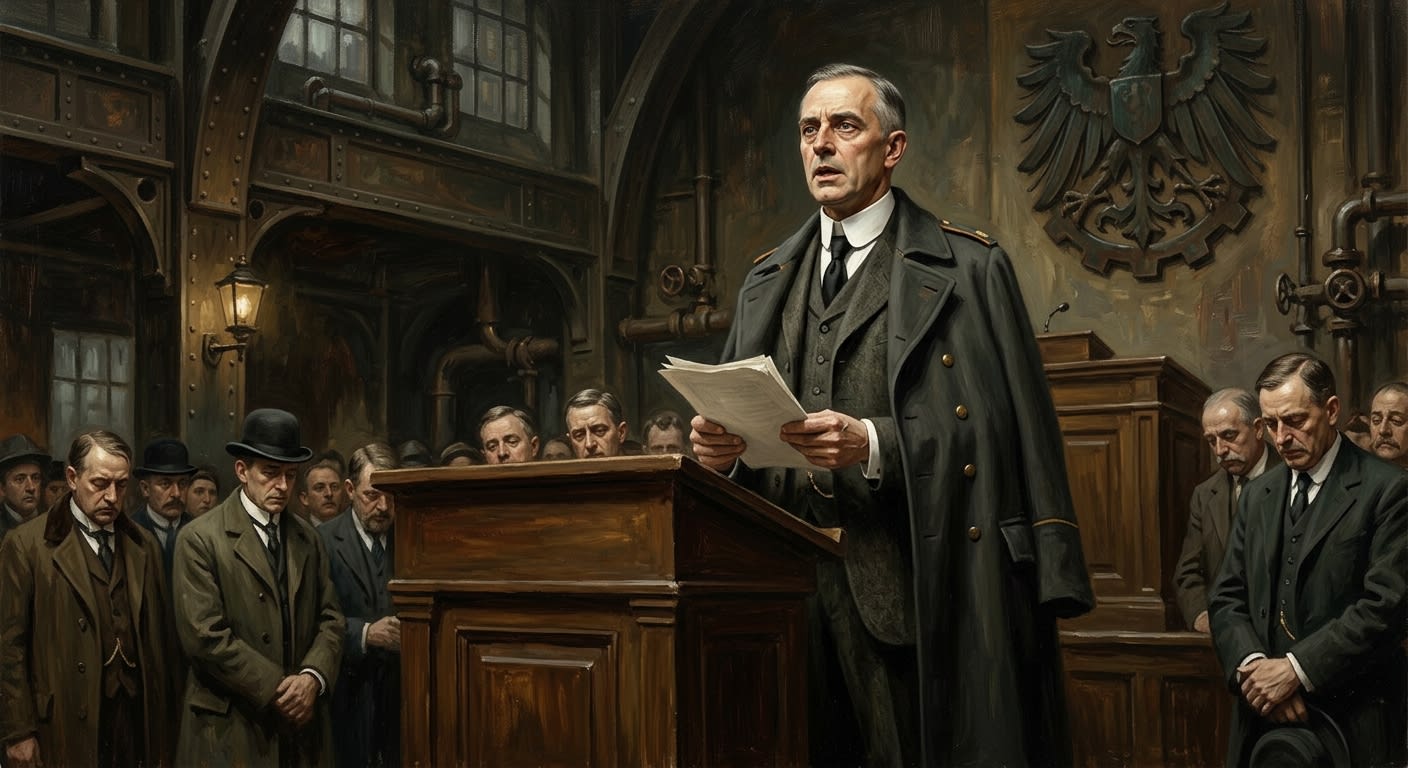
Dr. Albrecht Klemm
He saw the cold fire, named the premise, and chose the lecture hall anyway
Rationalist Prefect of Public Instruction whose A.S. 30 Black Procession address nearly produced repentance, then produced only better cowardice.
Codex Ref. III.2.01-077
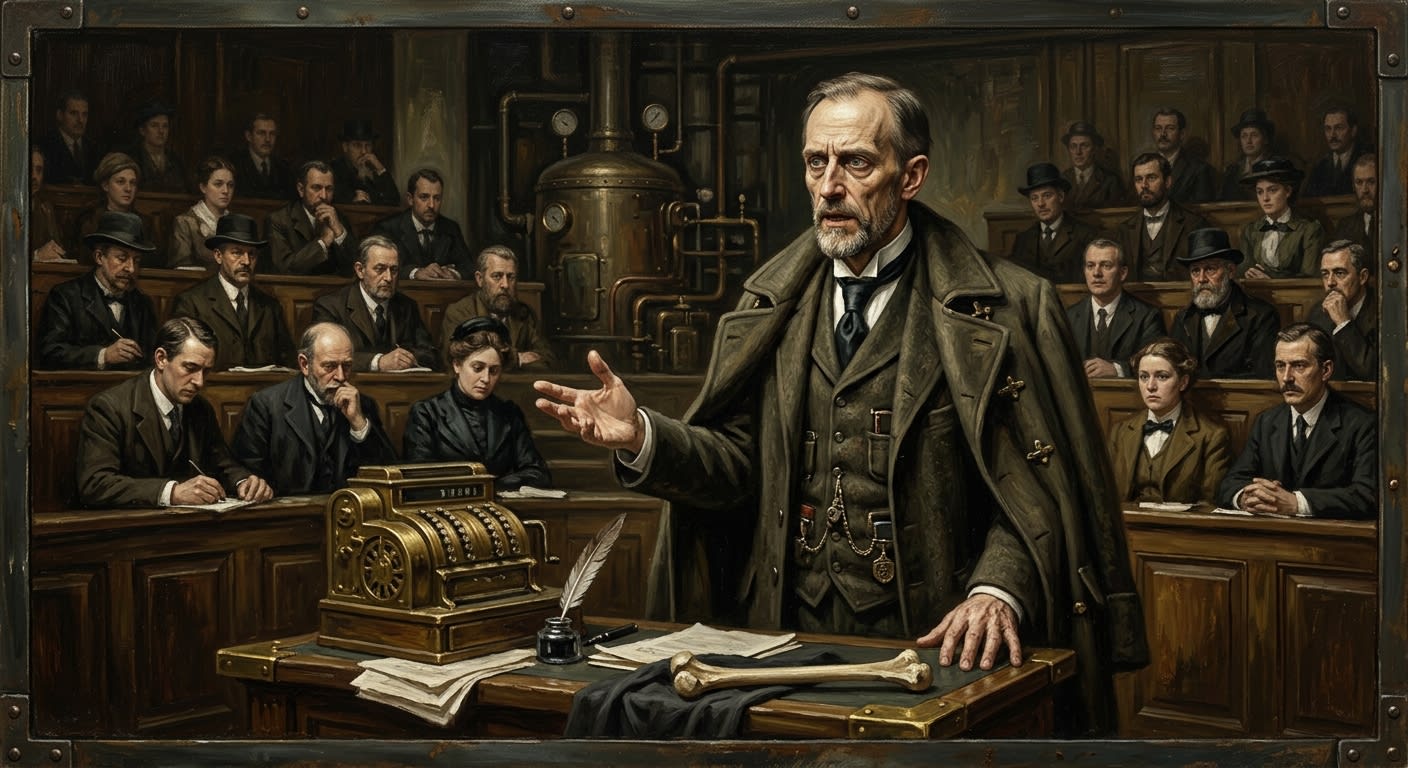
Dr. Matthias Voll
The lecturer who counted bones and was answered by one
Dr. Matthias Voll made relic arithmetic into theatre at Amsterdam in A.S. 11. Vienna later supplied the Bureau's preferred calculation: one bone, one blow, one crushed argument.
Codex Ref. III.2.01-011

Dr. Pieter van Hoorn
The count was correct. The compiler remains condemned.
Dr. Pieter van Hoorn compiled the Bone Census and conceived the Year of Letters in −32 A.S. / 1678 CE. The Bureau concedes his count, condemns its inference, and keeps his correspondence under quadruple seal.
Codex Ref. III.2.01-029
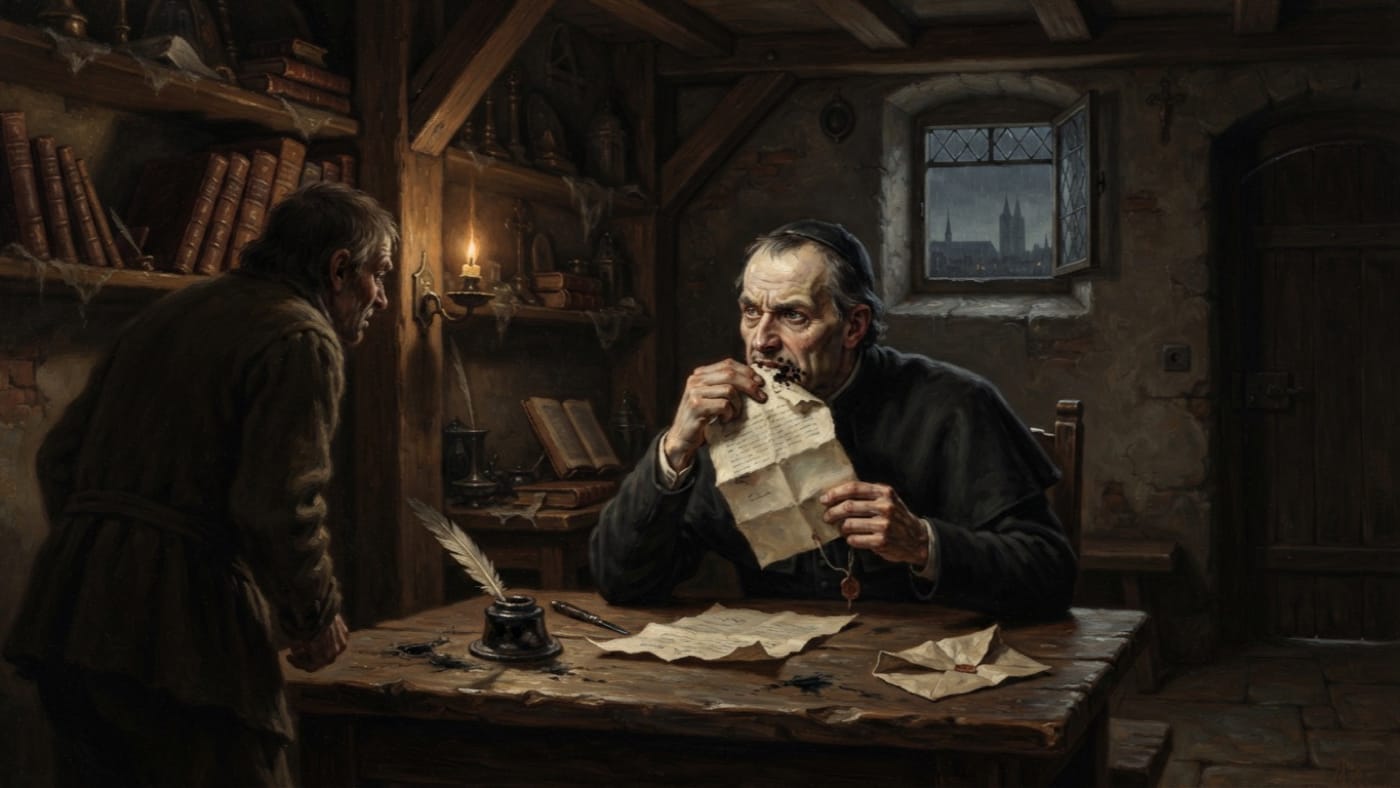
Düsseldorf
One priest. One letter. Nothing left to quote.
A Rhineland city remembered for Father Grauss, who ate the Amsterdam letter in A.S. −32 / 1678 CE. The magistrate supplied three days in gaol; the Bureau supplied a classification.
Codex Ref. II.2.01-941
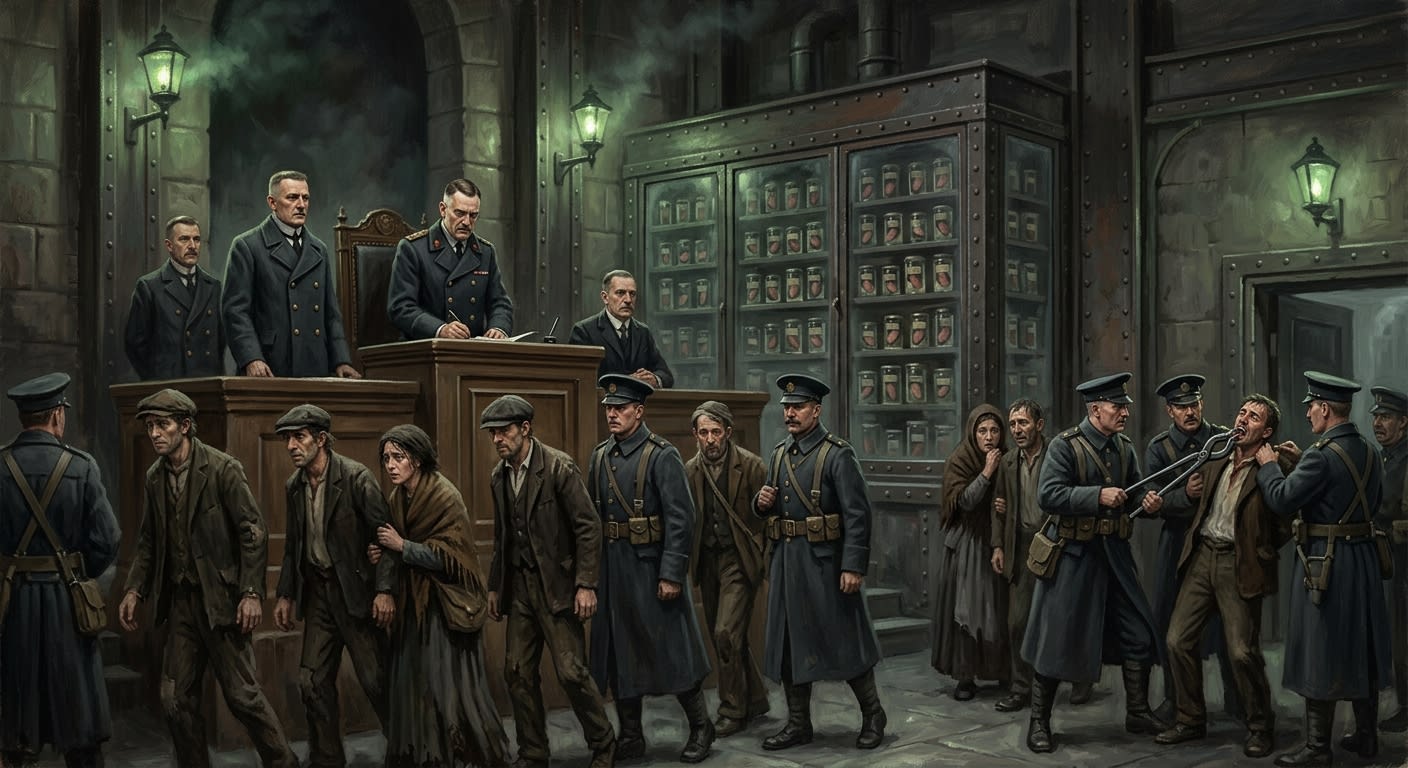
Edict of Ironmouth
When Reason mistook prayer for infection and discovered eleven thousand tongues to classify
A.S. 30 Rationalist law that made spoken prayer vocal treason, answered hymns with pincers, and left the Synod a cabinet of tongues to condemn and study.
Codex Ref. XIII.1.55-001
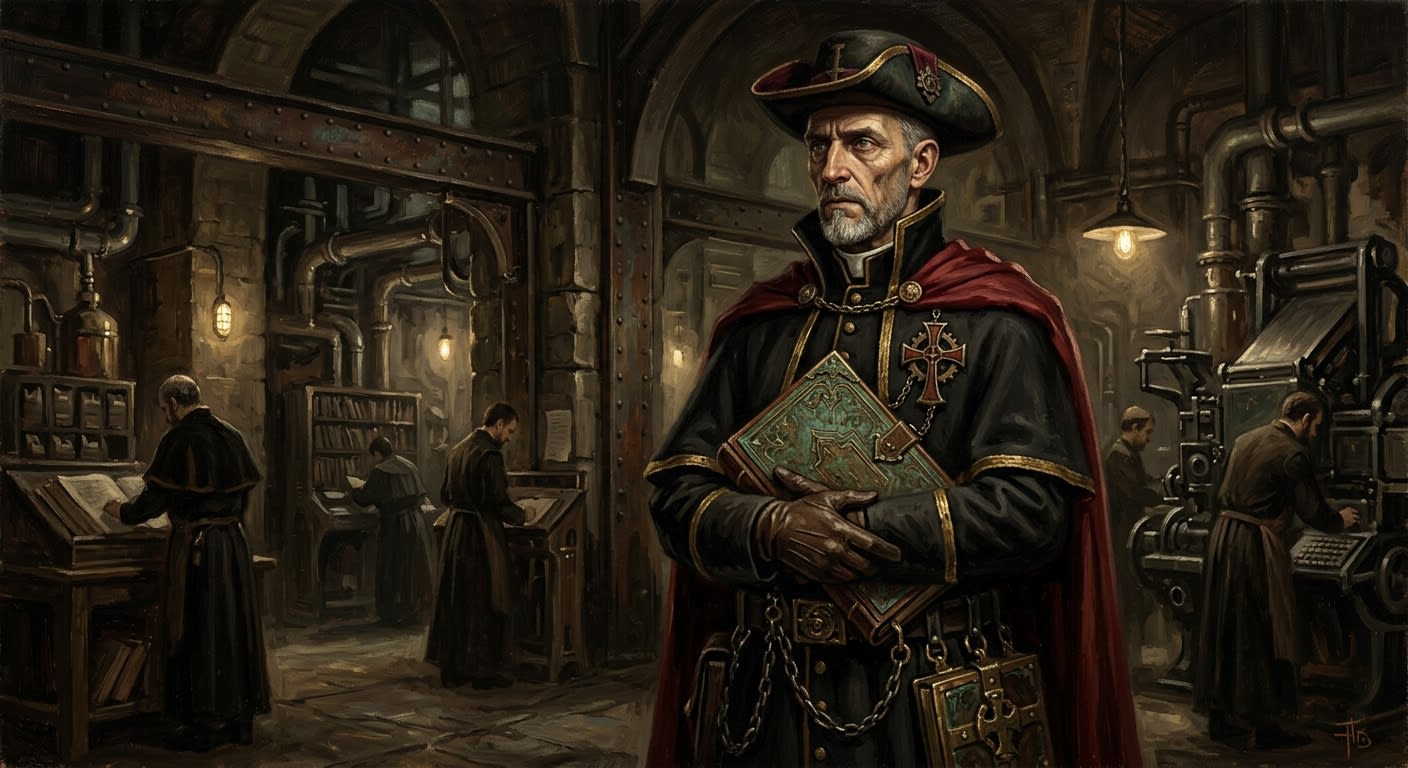
Father Clemente de los Rios
The abbot who spent a saint's jawbone at the correct hour
Abbot of the Order of Saint Iago garrison at Toledo, Second-Tier Martyr, and keeper of the Relic whose second Psalm denied Reason its prize.
Codex Ref. III.2.01-083
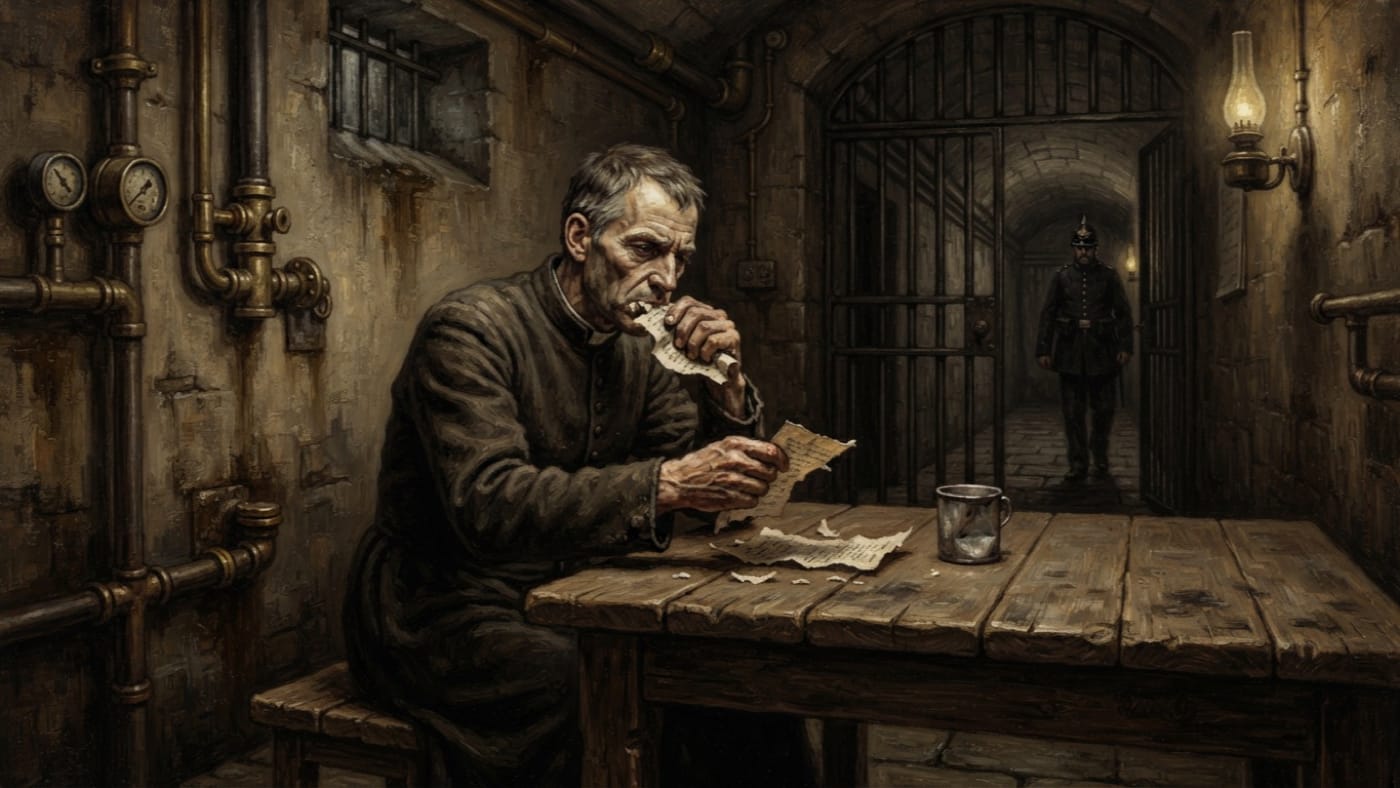
Father Grauss of Düsseldorf
One letter eaten. Three days served. Five words preserved.
Father Grauss ate the Amsterdam letter in A.S. −32 / 1678 CE, received a beating and three days in gaol, and did not recant. The Ledger calls him Doctrinally Sound, Gastronomically Irregular.
Codex Ref. III.2.01-1024
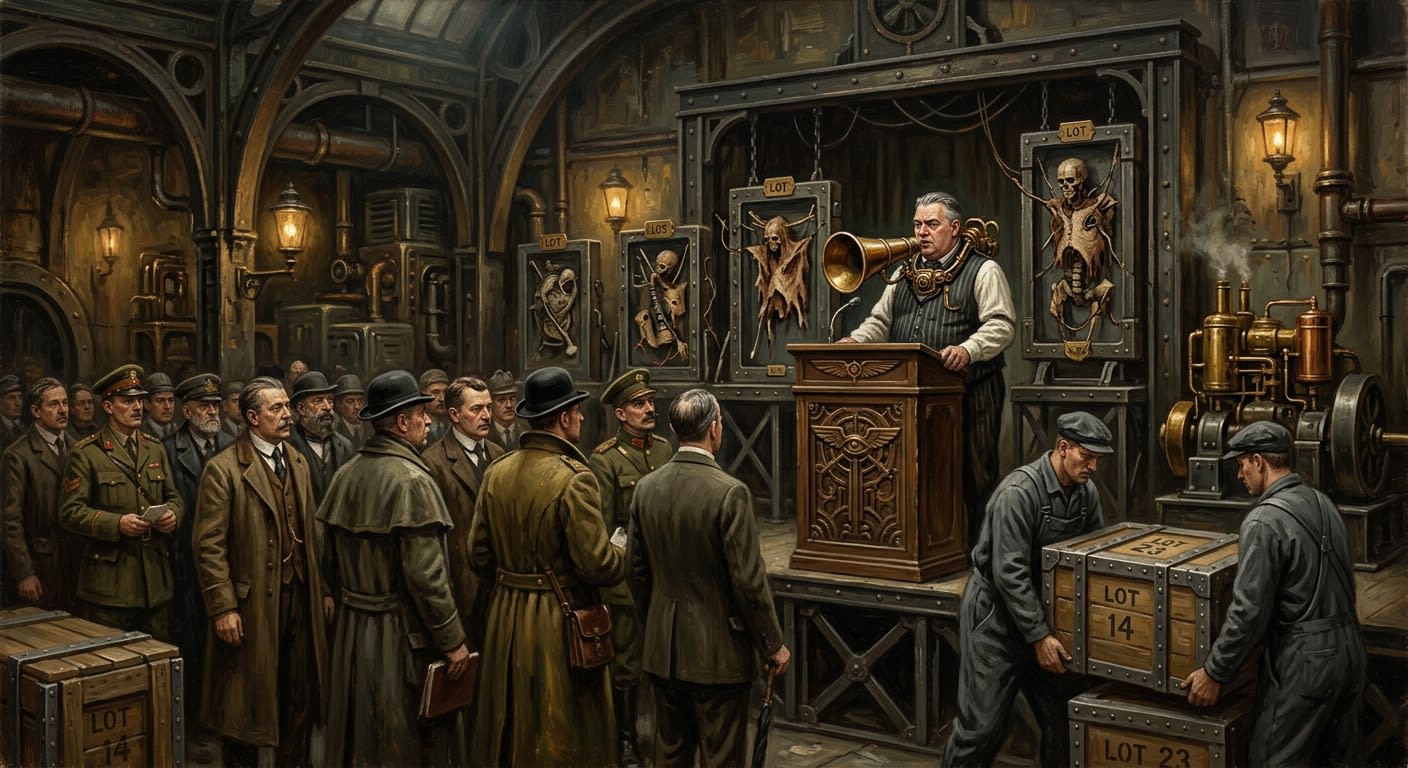
First Relic Auctions of Amsterdam
When the hammer learned to price a saint without blushing
Amsterdam's first relic auction season made sacrilege respectable by catalogue, turning stolen bones into lots and provenance wounds into profit.
Codex Ref. VII.8.10-007
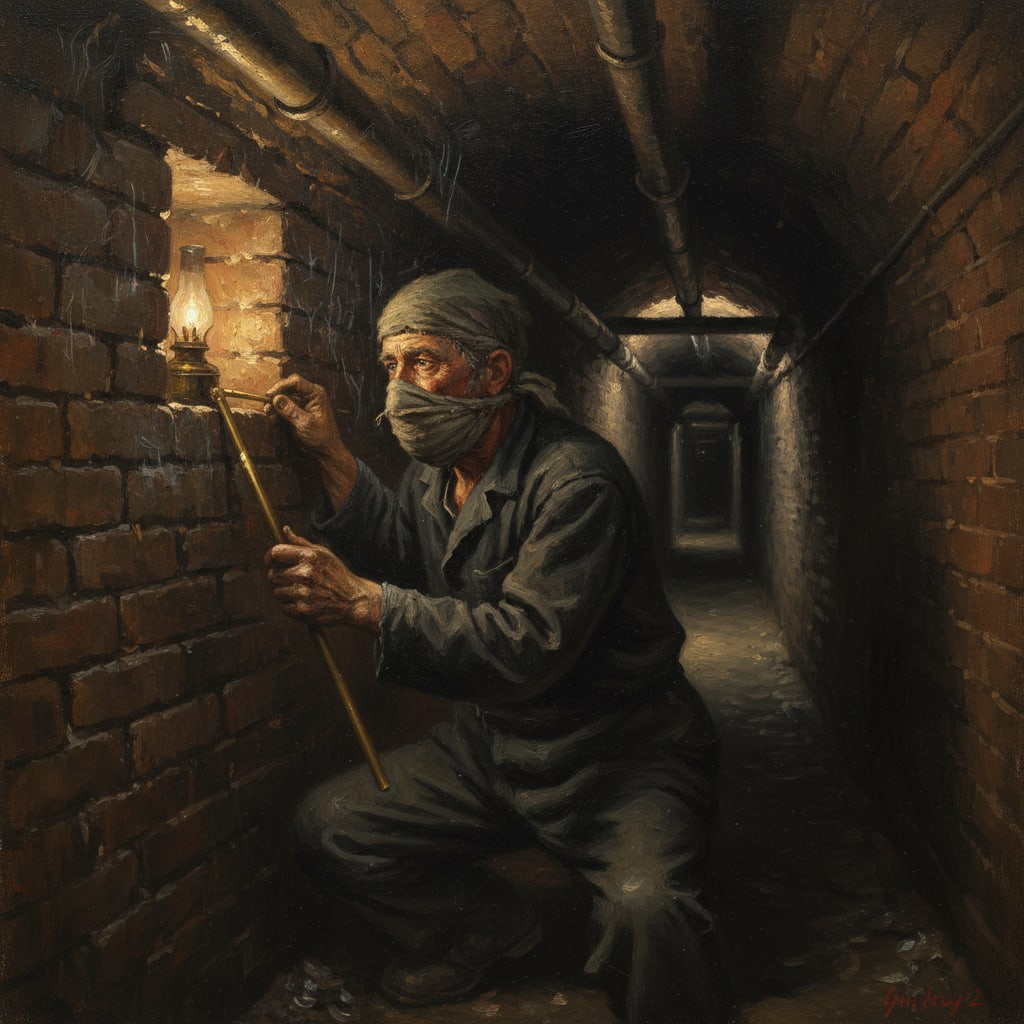
Hidden Pipe-Runner
Classified nonexistent. Audited quarterly. The pipes remain.
The Synod's invisible circulatory system: four ranks of Soot-Boys, Joint-Menders, Route-Keepers, and Bell-Duct Ghosts delivering black diesel through pipe networks the Bureau of Engineering has surveyed three times and failed to find, at the standard rate for failure.
Codex Ref. XII.3.02-001
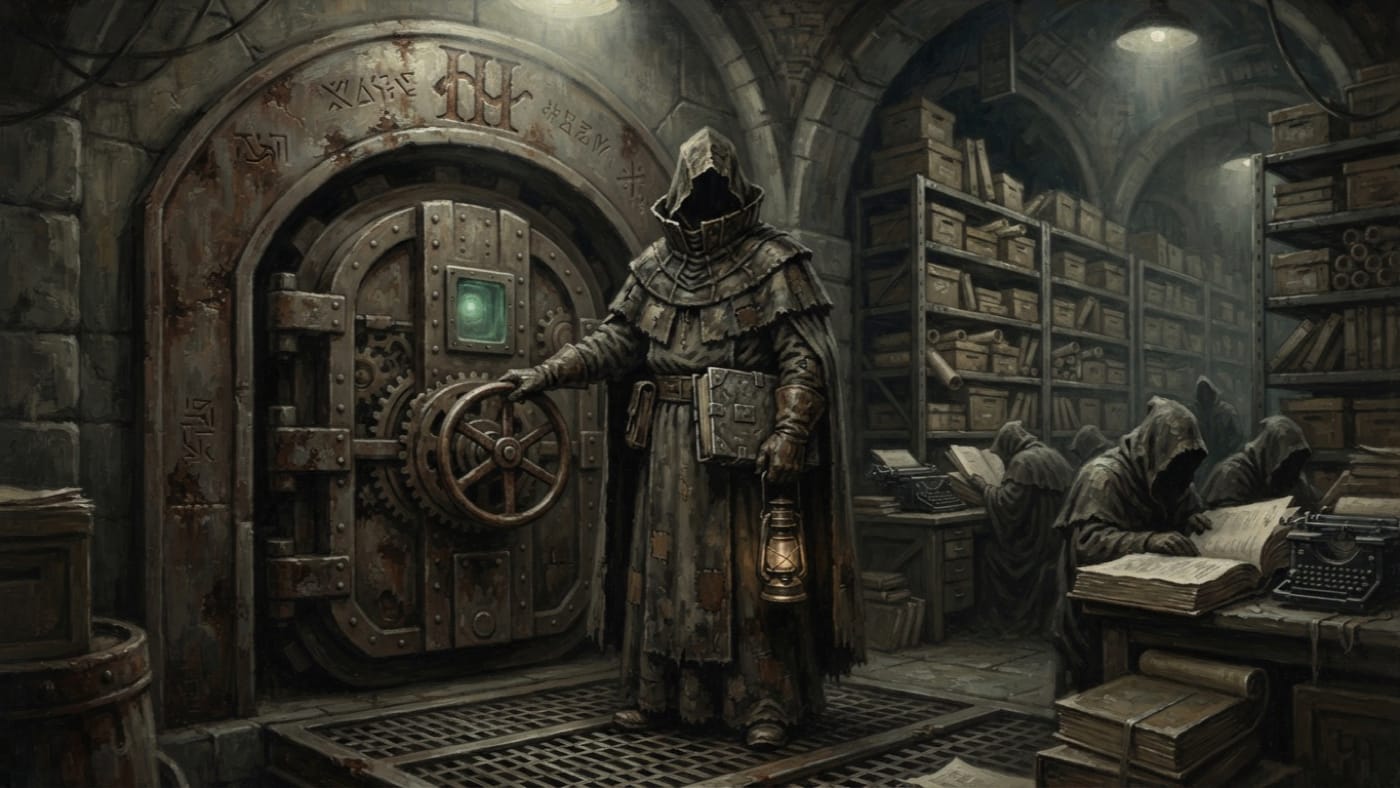
Hierarch of the Third Seal
Three Bureaus know the title. None supplies the name.
Three Bureaus attest a Hierarch; none supplies a name. This A.S. 201 survey records restricted vault knowledge, attributed tribunal influence and Lyon's A.S. 170 satire, leaving the Seal unidentified.
Codex Ref. XIII.1.05-003

Incident FS-112
Three pages of notes, followed by employment without reading
In A.S. 187, Junior Reader Calve opened a pamphlet that named him and made his handwriting older than his hand. Three pages of notes are sealed. The Bureau found him employment without reading.
Codex Ref. VII.8.10-112
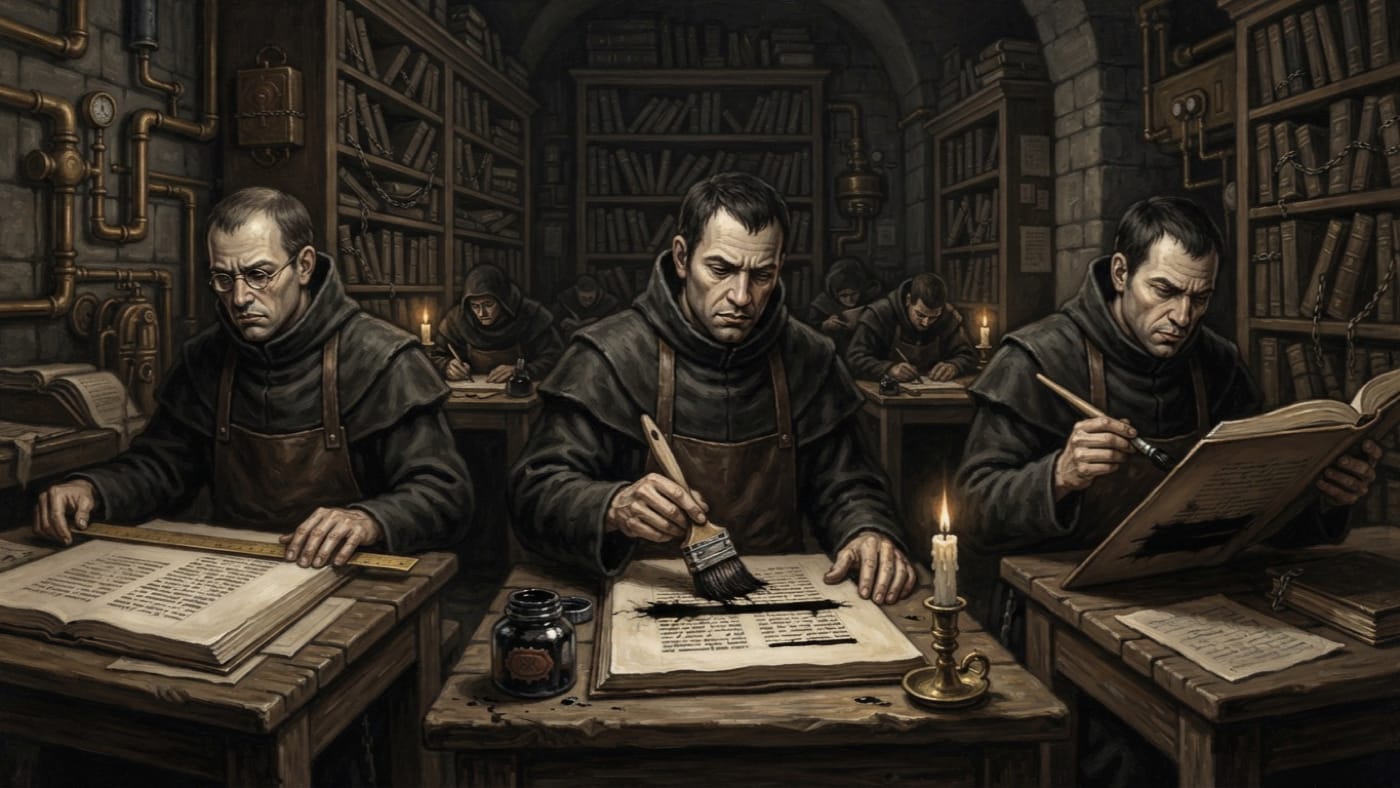
Ink Batch 4,891-K
The black obeys its specification; the specification has been widened
Ink Batch 4,891-K erases beyond its licensed lines. Production continues under Seal Amber; margins widen, and three Redactors report words within the black.
Codex Ref. XIII.1.96-4891
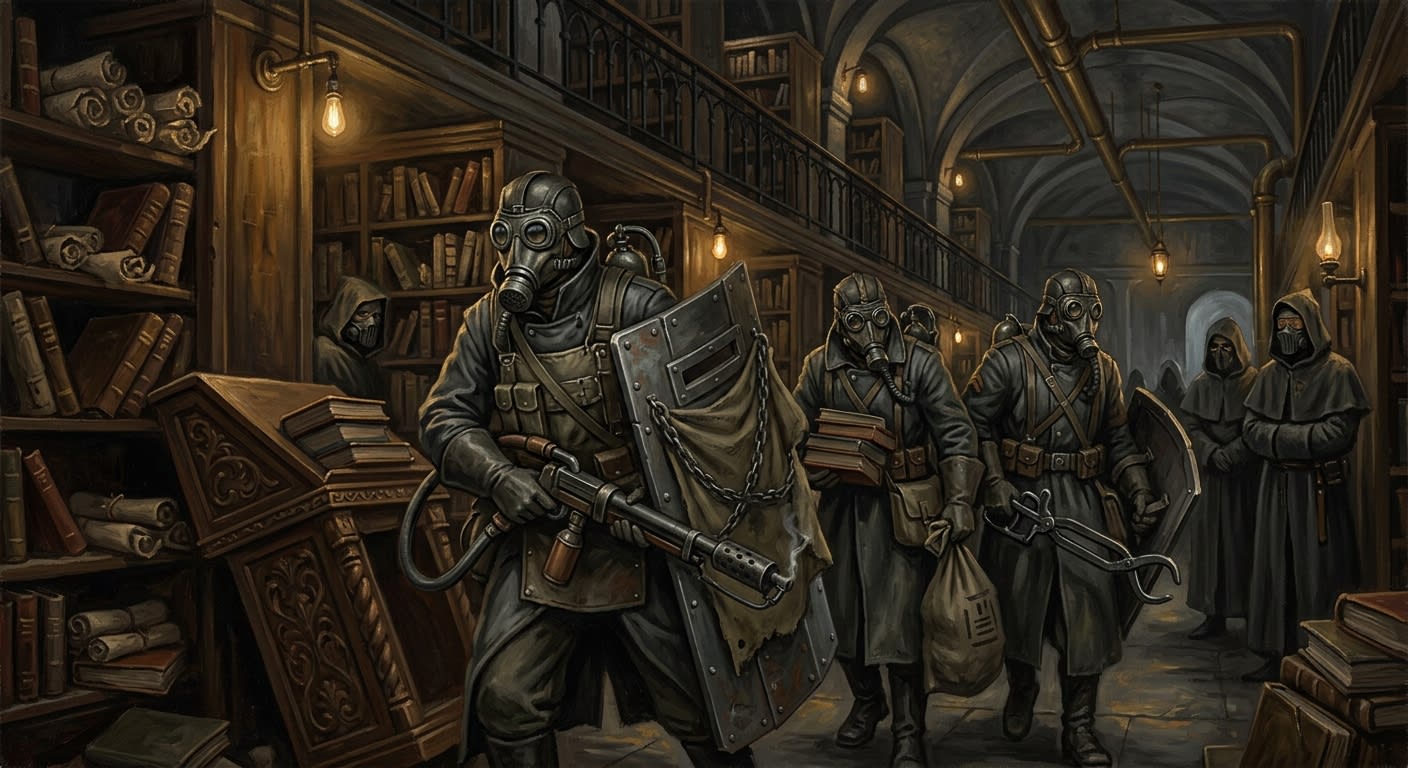
Interdiction Squads
Quiet boots, red pencils, and the polite seizure of dangerous nouns
The Bureau of Silence borrows Purity muscle, subtracts the shouting, and sends Interdiction Squads to seize forbidden texts before the furniture becomes doctrinally interesting.
Codex Ref. VIII.3.02-001

Junior Reader Calve
Three pages sealed; one reader retained
In FS-112, Calve wrote three pages before a Custodian found his handwriting older than his hand. His notes are sealed; his employment continues in a non-reading capacity.
Codex Ref. III.2.01-1517
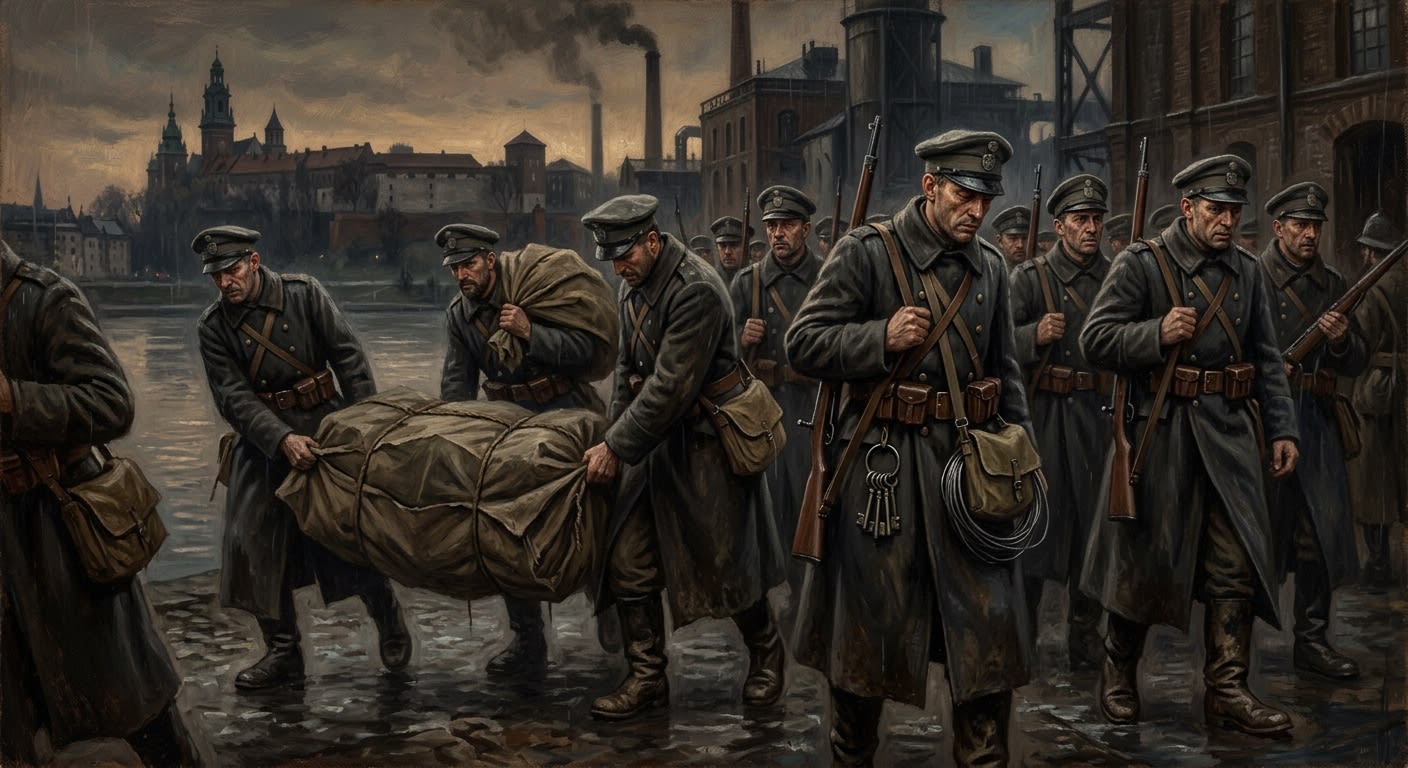
Kraków Secular Guard
The civic hand that made atrocity local
The Kraków Secular Guard was municipal obedience with wire in its pouch: local men, local keys, and ordinary boots carrying Brechtold's atrocity to the Vistula.
Codex Ref. I.1.04-018
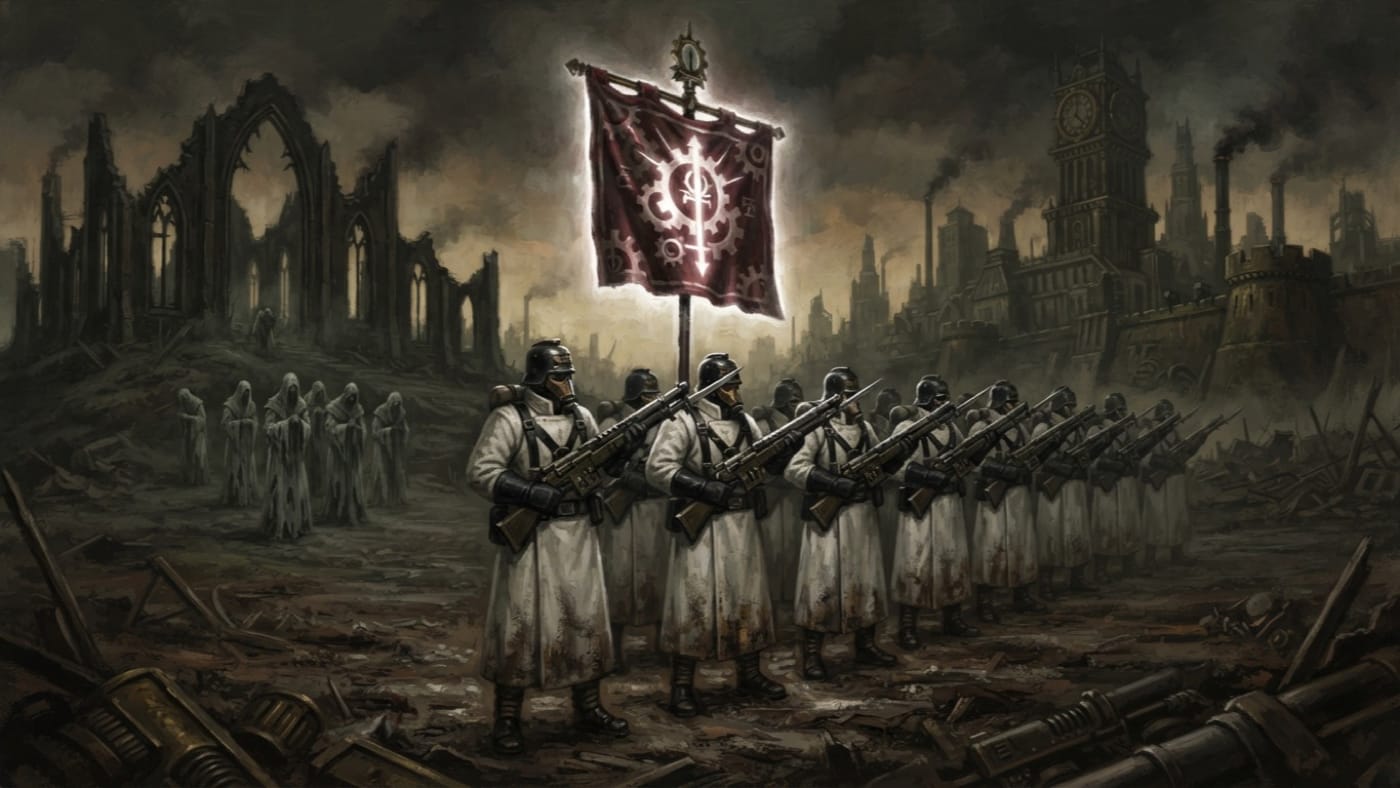
Kyrie Eleison
A prayer everyone knows is a key everyone carries
The Church's mercy prayer remains orthodox after its inversion at Prague in A.S. 167. Forty-three Fusiliers died without firing; the Bureaus have named the failure and left its mechanism unresolved.
Codex Ref. XIII.1.51-167
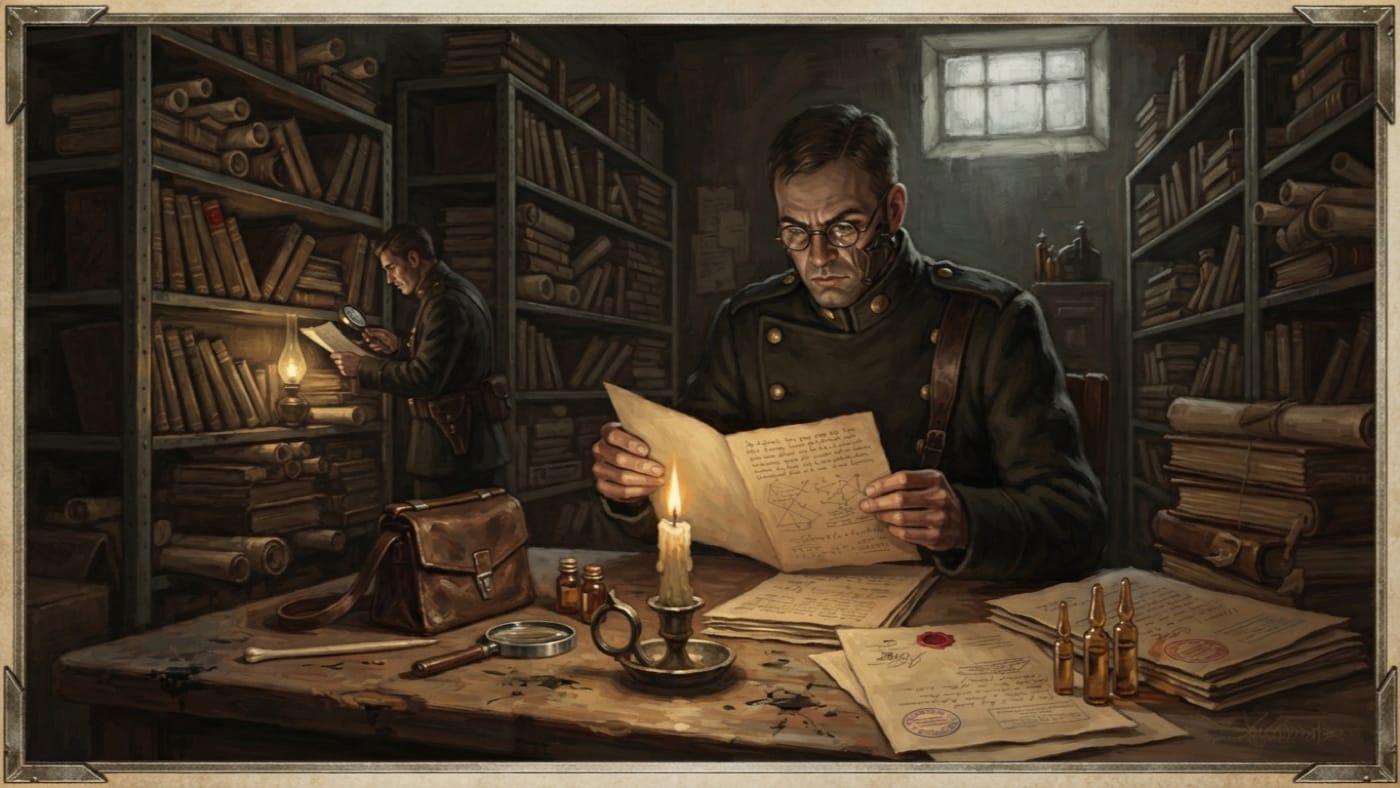
Lemon-Ink
A forbidden sentence waits inside a permitted book for the wrong candle
Lemon-ink hides forbidden figures inside approved books until a candle browns them into evidence. The Ashen Circle writes; the Interdiction Squads warm the page.
Codex Ref. XIII.1.56-002
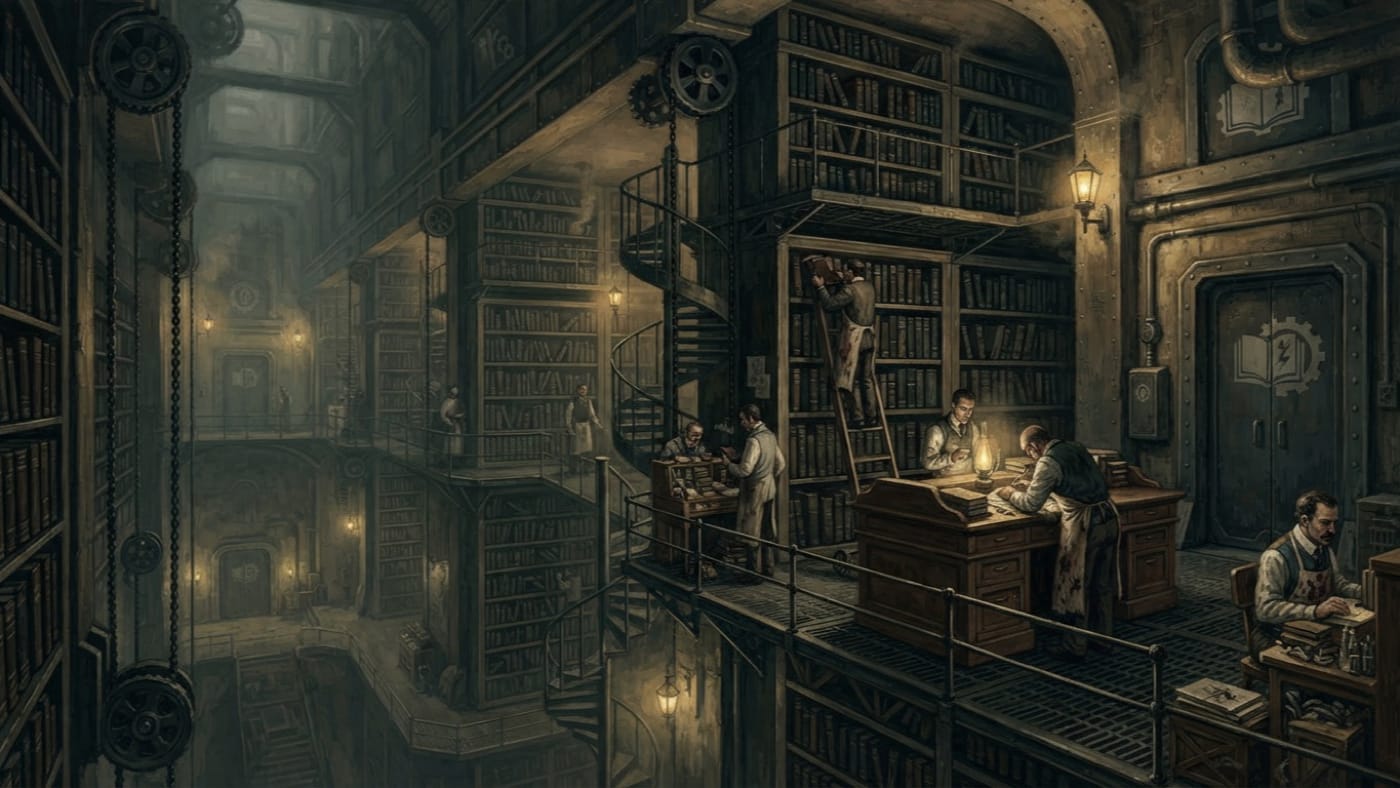
Library of Saint Origen
Two Hundred Thousand Volumes, and Nothing Beneath Them
Strasbourg's university library holds two hundred thousand volumes and supplies tutors to the Academy. Beneath it, the Secret Stacks preserve books, rooms and librarians that officially do not exist.
Codex Ref. III.2.01-1622
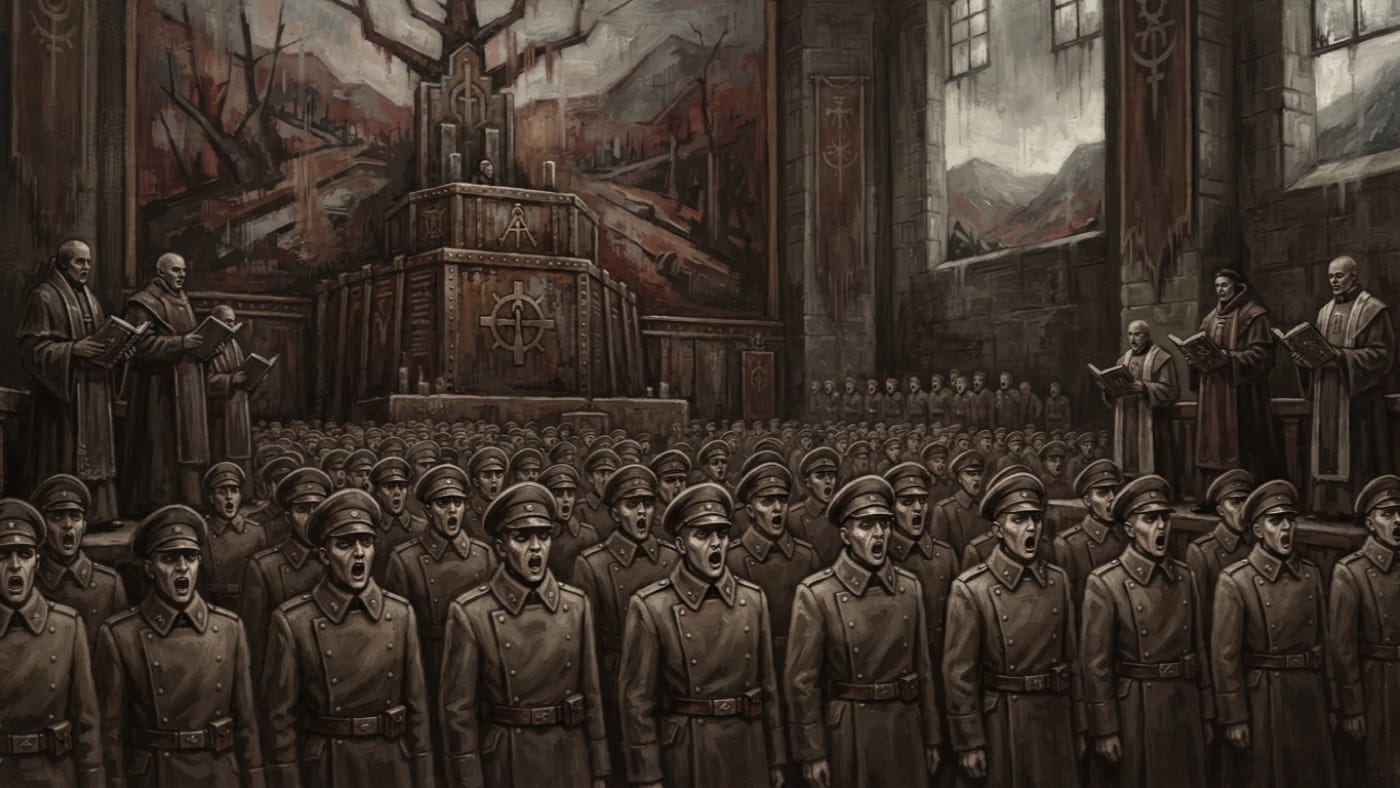
Litany of Errors
Eleven names. One designation. Four minutes to agree.
At Bastion-Przemyśl, cadets recite eleven Ulm signatories and the unknown twelfth, then condemn all twelve in unison. Four minutes of exact remembrance, with no room left for curiosity.
Codex Ref. XIII.1.95-201
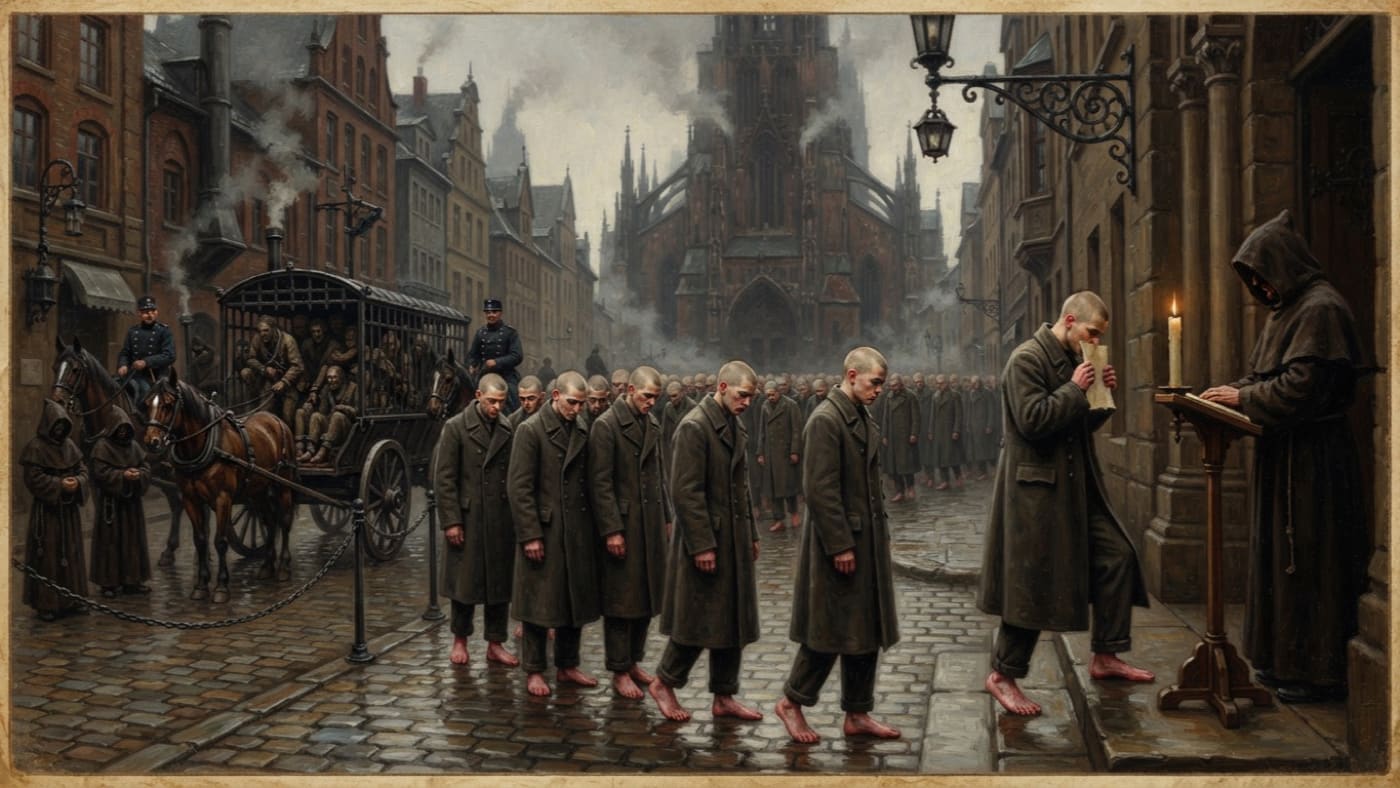
Litany of Twelve Errors
Bare feet, approved words, and a page that must remain unread
Ulm's students walk barefoot to the cathedral, recite the Litany of Twelve Errors and kiss blank Mine paper. Lawful learning survives by keeping its mouth obedient.
Codex Ref. XIII.1.97-201

Lucien Artois
The cleverest gunner Reason fed to fire
Lucien Artois made Reason's artillery sing at four rounds per minute, then learned at the Iron Plains that Hell does not consult firing tables.
Codex Ref. I.1.06-001
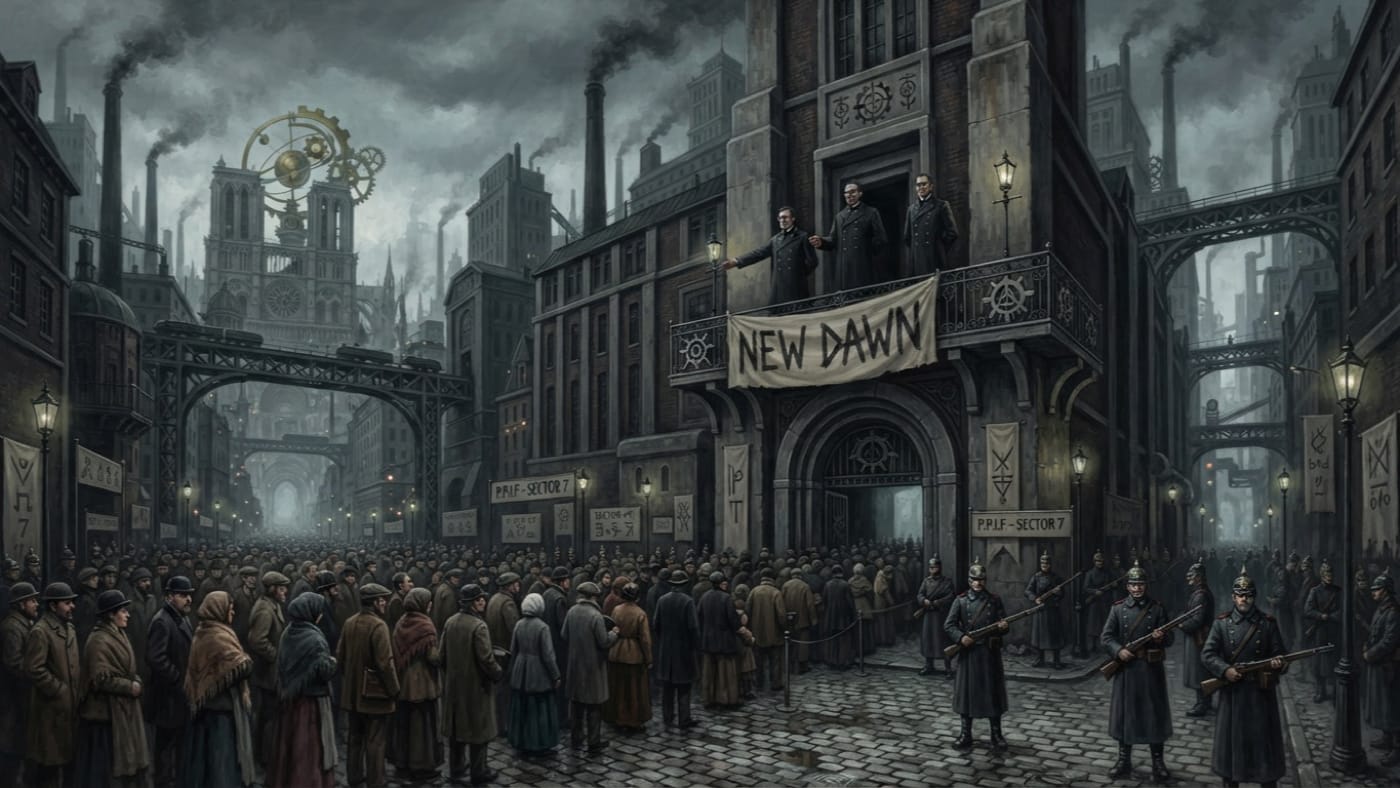
New Dawn
Liberty Proclaimed, Persecution Administered
The Rationalists' proclamation of victory after the Treaty of Regensburg, A.S. 30: liberty advertised from balconies, persecution administered through prefectures. The Bureau retains the slogan as evidence.
Codex Ref. VII.2.01-030
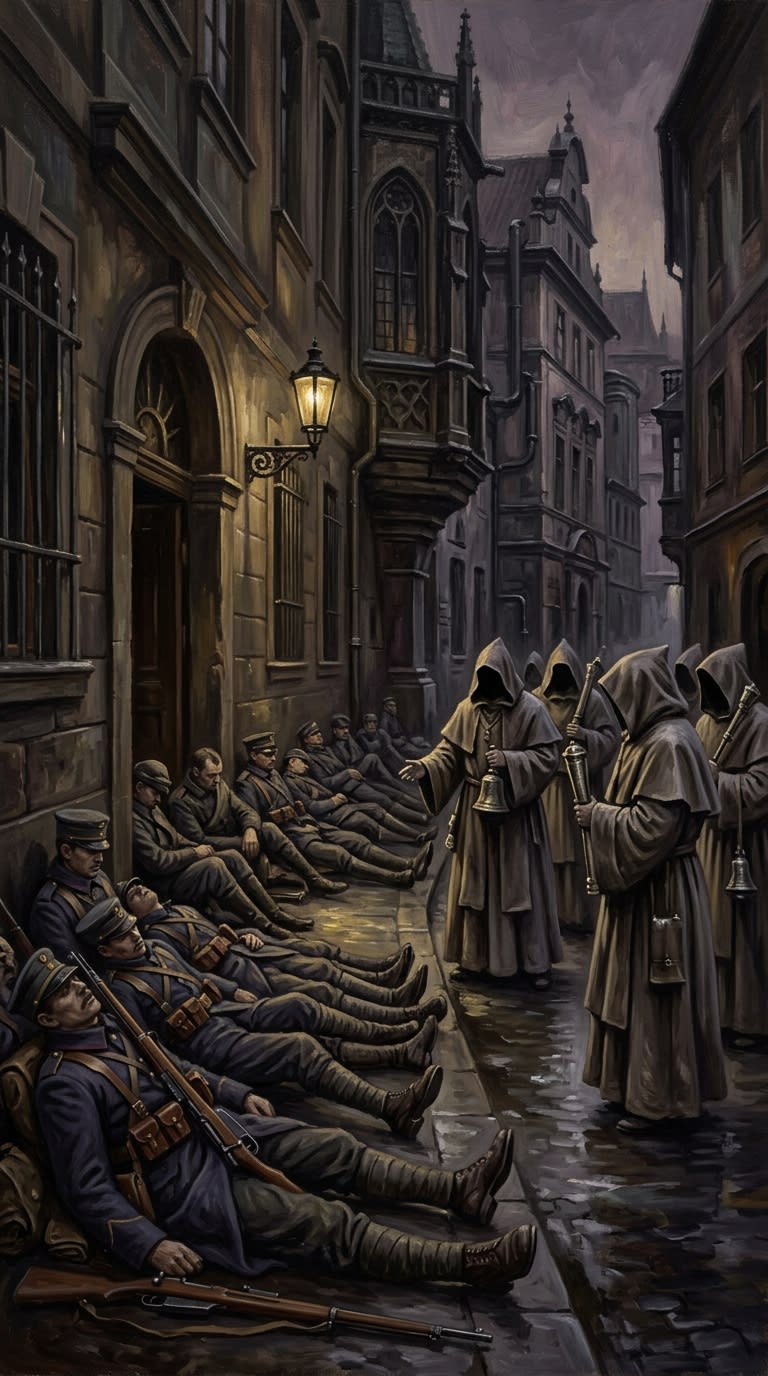
Night of Silent Steel
Where obedience stood perfect and violence forgot its name
The A.S. 167 Prague incident in which seven Pale Chanters severed a Radiant Fusilier regiment's passage between command and act, leaving forty-three rifles loaded and forty-three men dead.
Codex Ref. VII.5.04-001
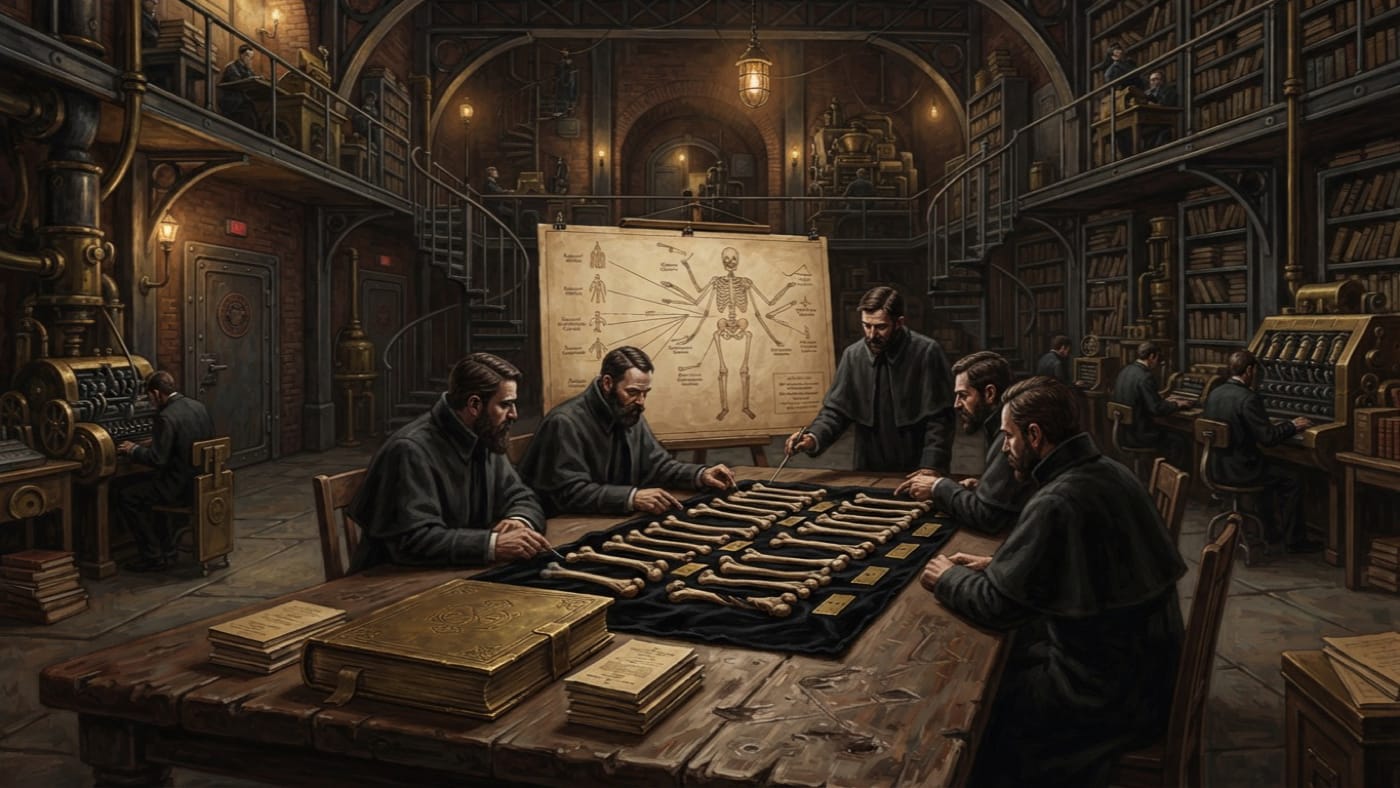
On the Statistical Distribution of Relics
A correct sum confers no licence to pronounce on holiness
Voll's A.S. 11 Amsterdam lecture counted Saint Aldebrand's femurs and mistook the total for a verdict. The Bureau preserves it under suppression: the arithmetic may be conceded; the conclusion may not.
Codex Ref. XIII.1.11-011
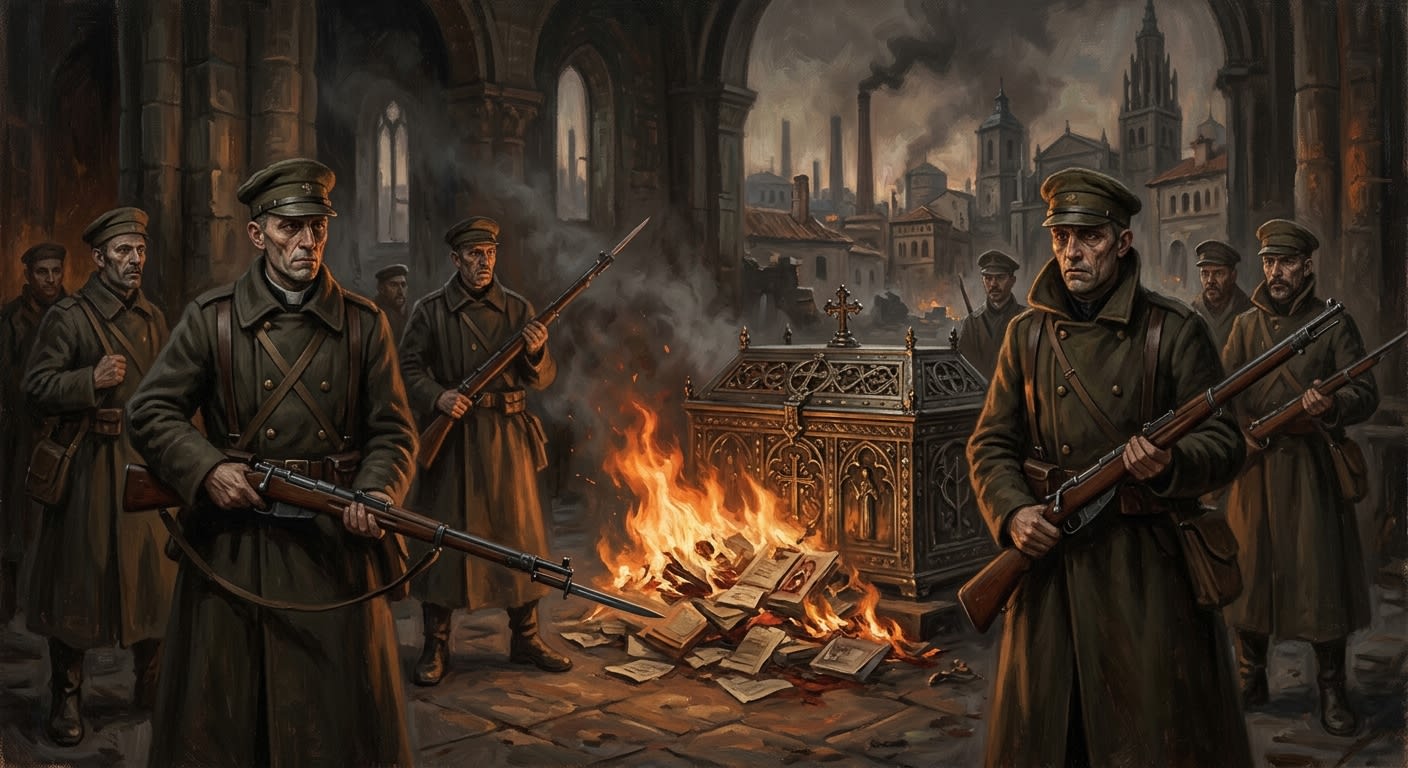
Order of Saint Iago
The grey mantles who taught custody to survive defeat
Iberian military-monastic order remembered for guarding the Relic of Saint Iago at Toledo, holding the city nine months, and burning custody clean before Reason could take it.
Codex Ref. VIII.9.01-001
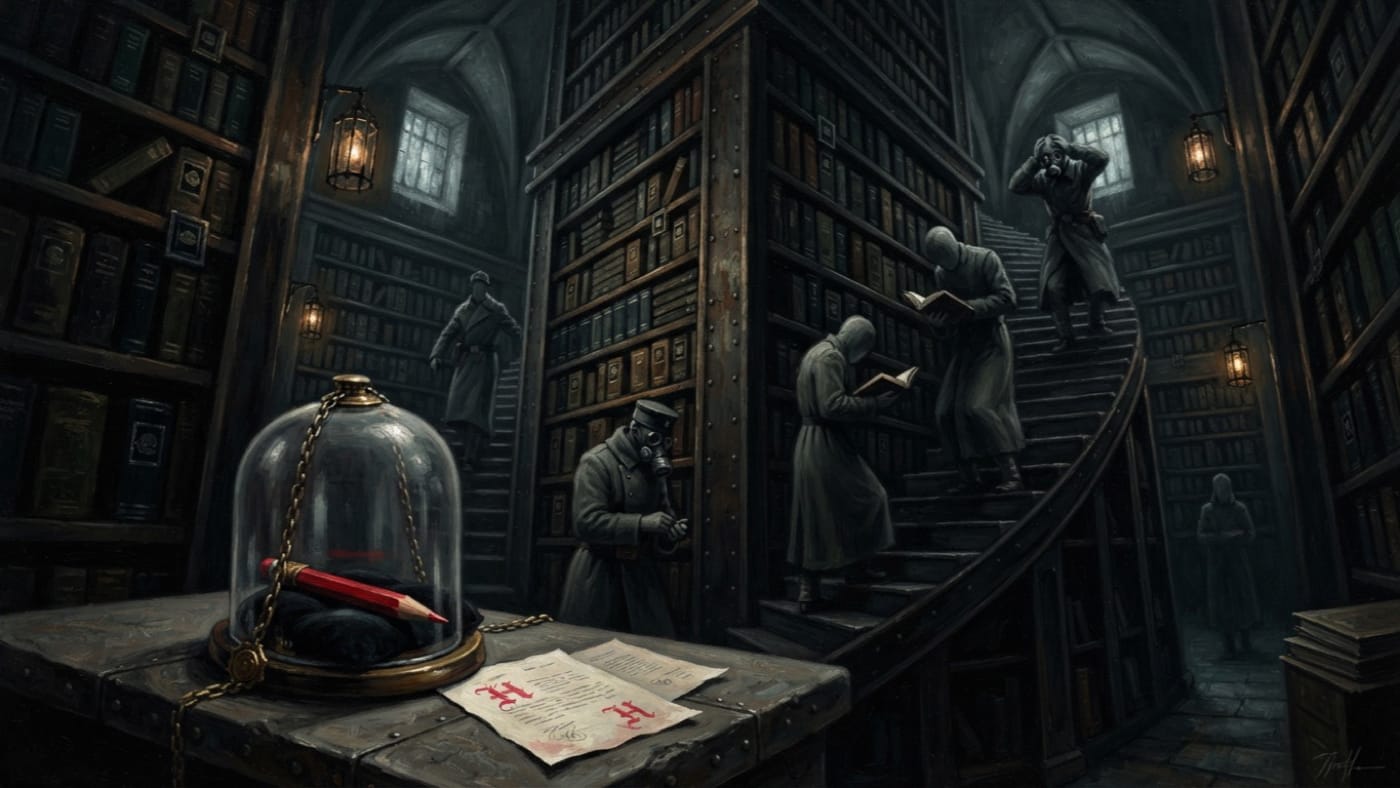
Ordinance 14-A
The shelf requires a licence; understanding requires discretion
Ordinance 14-A licenses libraries, grades unlicensed possession, reading and understanding as heresy, and protects the Censor-Prelate's red pencil. The full text has not been located. The notices suffice.
Codex Ref. XIII.1.14-187
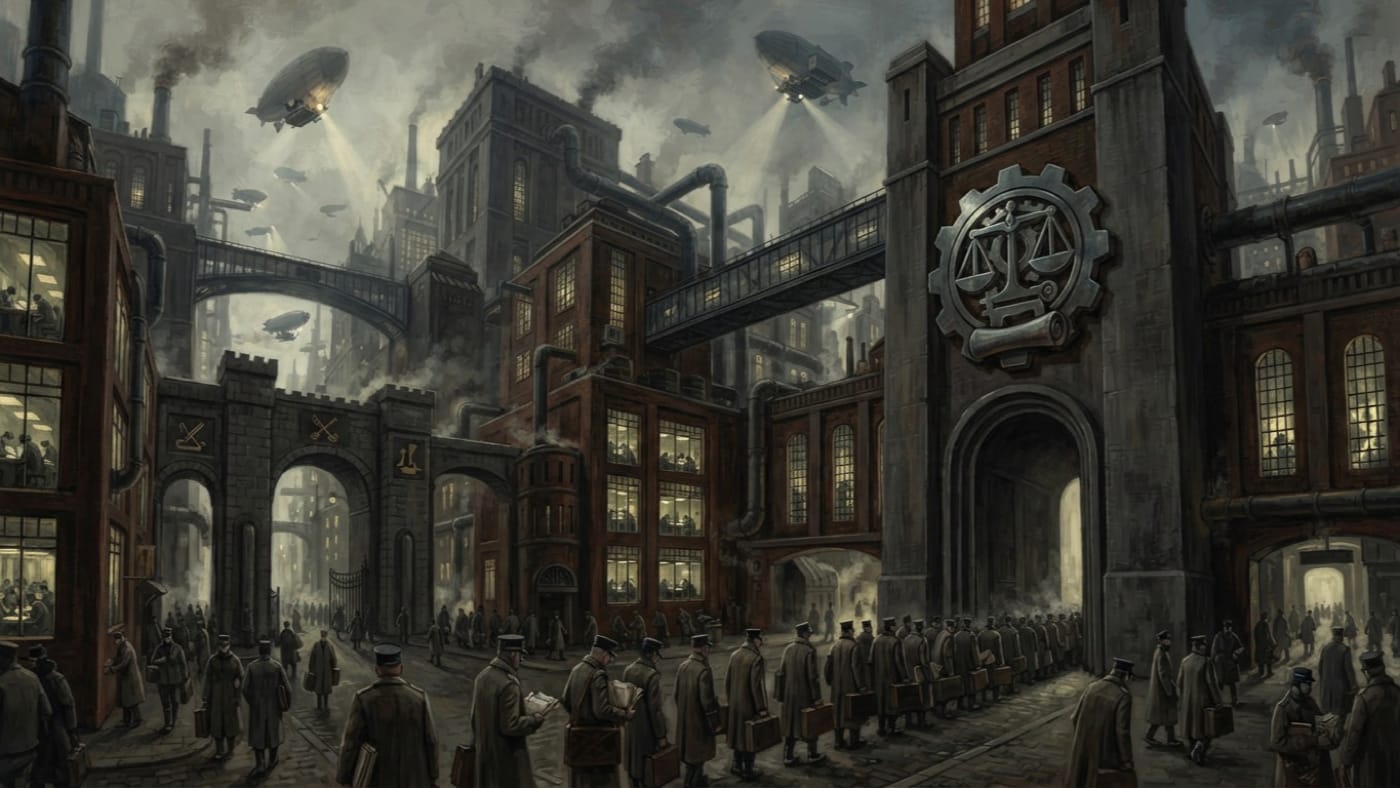
Padua
A University City Whose Questions Return Unopened
An A.S. 201 survey of Padua, university city of the Central Heartlands. Seven professors went to Strasbourg; the University's enquiries returned unopened. The names became clerical errors.
Codex Ref. III.2.01-2065

Procession of Silence
The Republic called mutilation progress and printed it neatly
The Procession of Silence was the Rationalist public mutilation rite that paraded sealed mouths as civic instruction before Ironmouth made the knife legal.
Codex Ref. VII.8.10-003
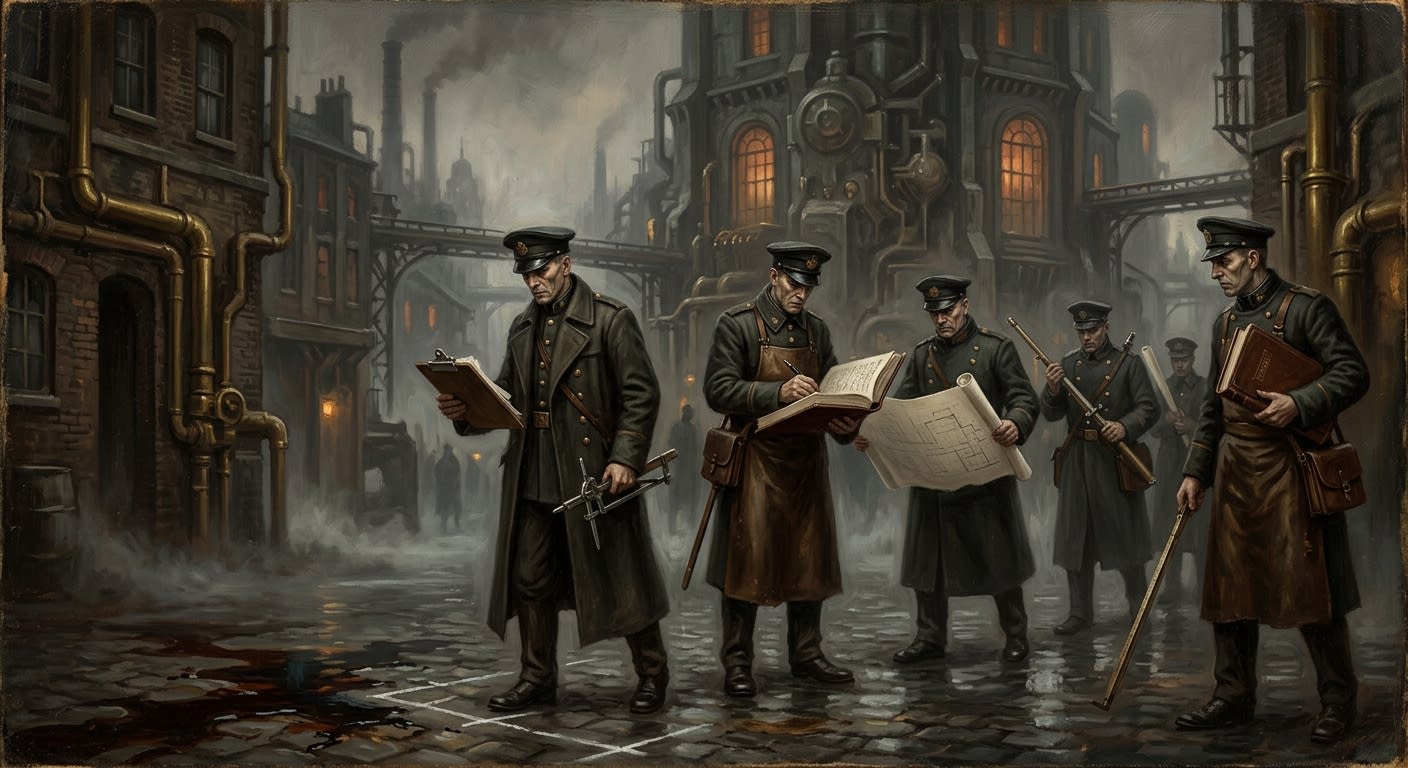
Rationalist Philosophical Police
The lecture hall's knife, wearing spectacles and calling itself clean
Reason Alone hired inspectors before it hired shame: the Philosophical Police made atrocity literate, then called the handwriting civic hygiene.
Codex Ref. VIII.1.04-018
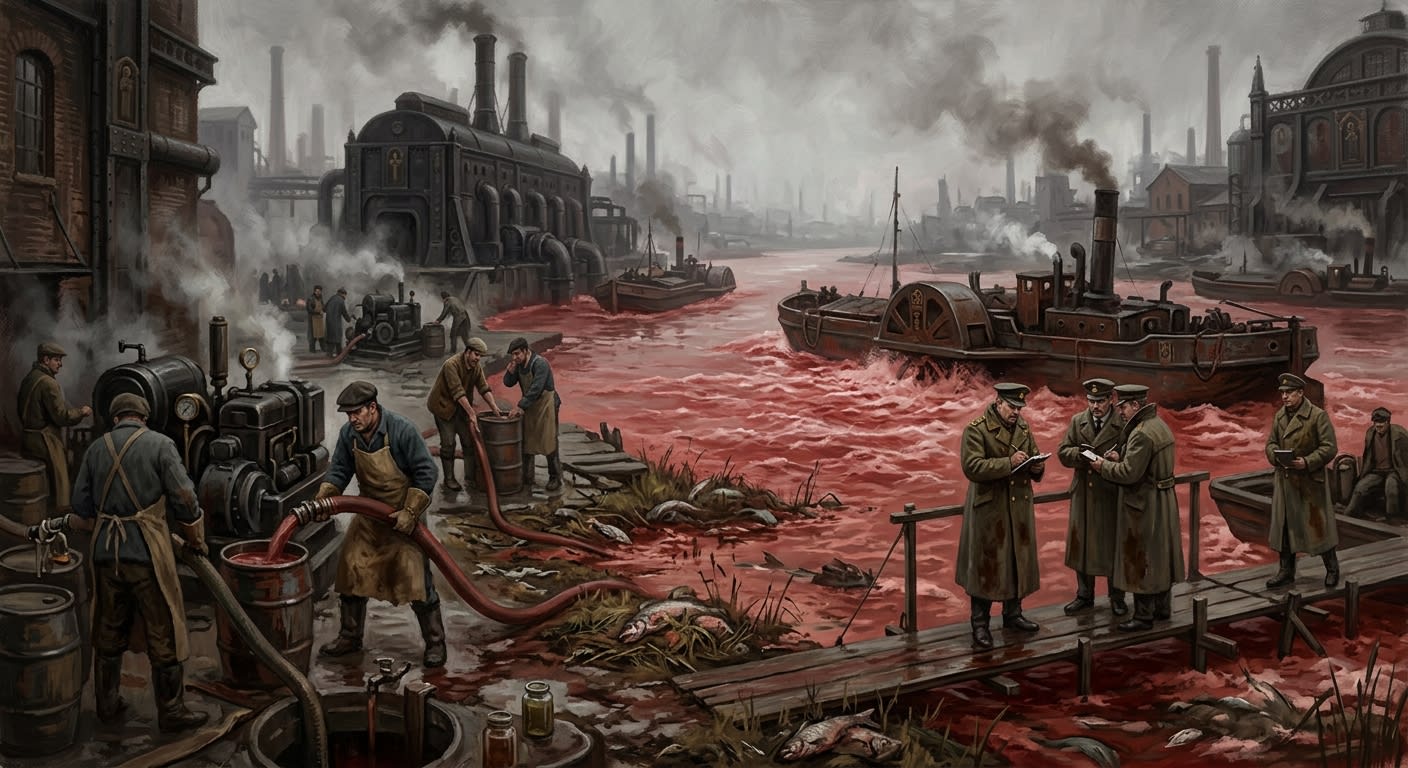
Red Flood of the Danube
The river cleared; the warning did not
The Danube ran crimson for three weeks in A.S. 34, boiling, staining wells, killing fish, and teaching Rationalist hydrology that some rivers are invoices.
Codex Ref. VII.4.18-001
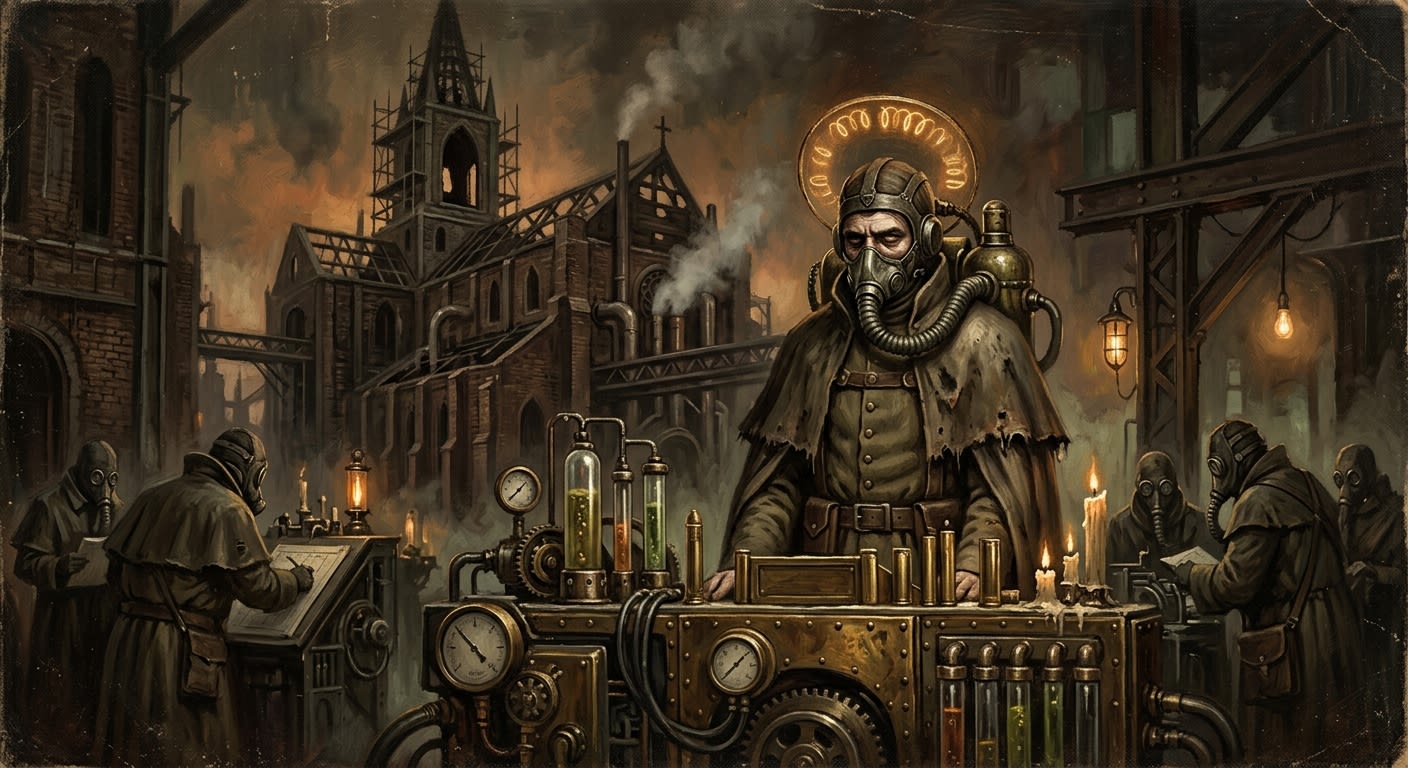
Saint Clement of Brittany
The chapel that received no pilgrims and therefore received a continent
Saint Clement of Brittany became doctrine's perfect destination: a chapel the martyrs never reached, and therefore a wound the Synod could license forever.
Codex Ref. III.2.01-005
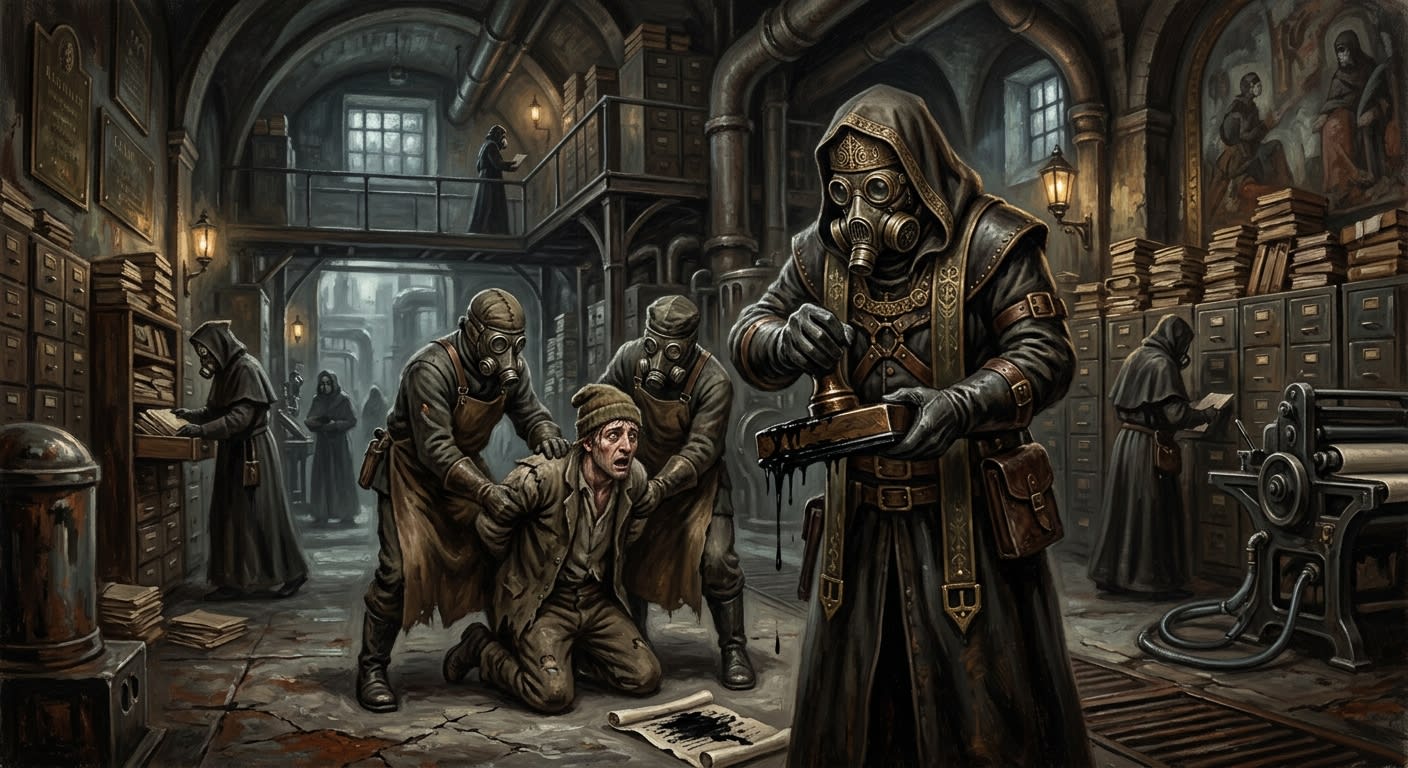
Seal Obsidian
The classification that denies the hand while sharpening the knife
Seal Obsidian is the Synod's blackest administrative mercy: knowledge retained because it is needed, denied because it is fatal.
Codex Ref. XIII.1.09-001
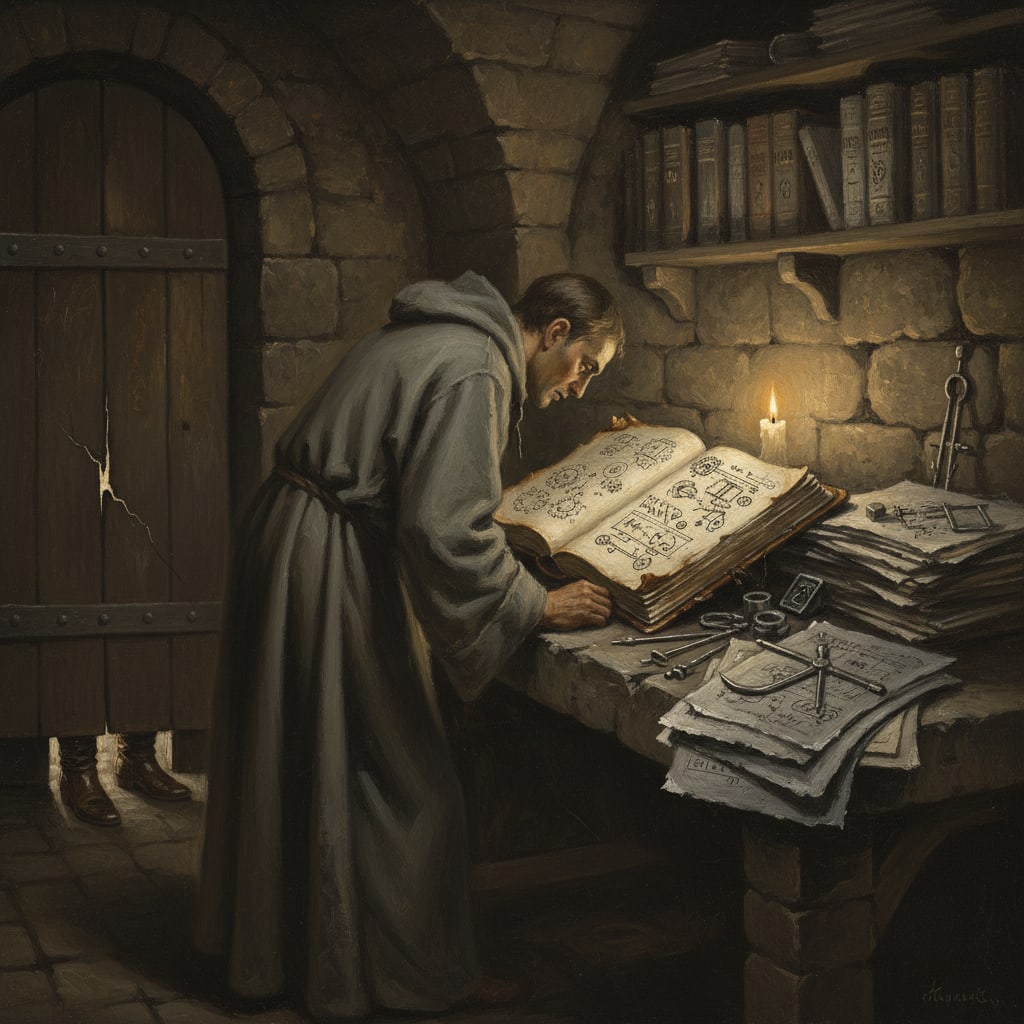
The Ashen Circle Scholar
What the Bureau Burns, the Circle Preserves — the Synod's Indispensable Heretic
The Bureau calls them poison. The front calls them indispensable. The Ashen Circle Scholar trades in what the Index Damnatus cannot afford to have gone permanently missing.
Codex Ref. XI.1.01-001
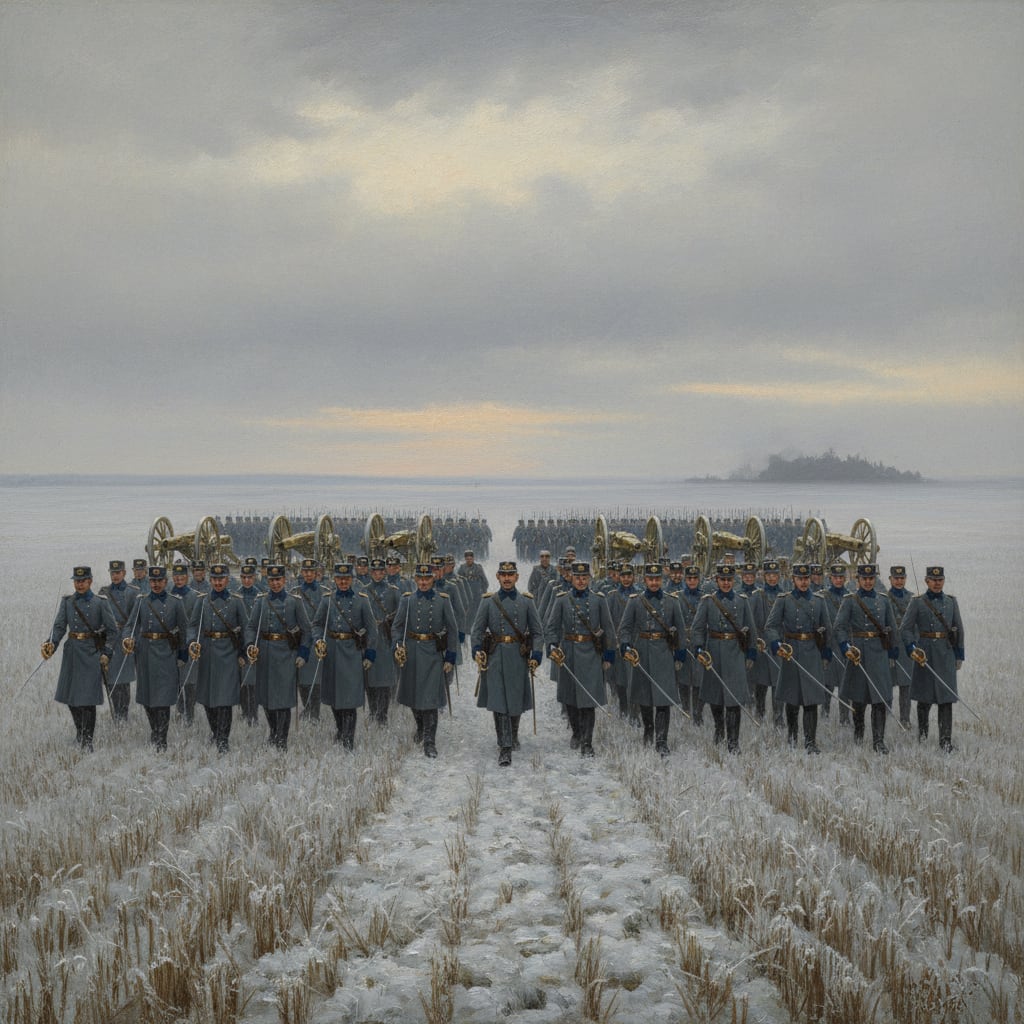
The Battle of the Iron Plains
Where twelve thousand trained men died proving that competence is a necessary but insufficient condition for survival
Twelve thousand Rationalist professionals deployed in textbook formation on 1 November A.S. 45. Fire fell from a cloudless sky. The Bureau calls it evidence. The ground still rings when struck.
Codex Ref. VII.5.01-001
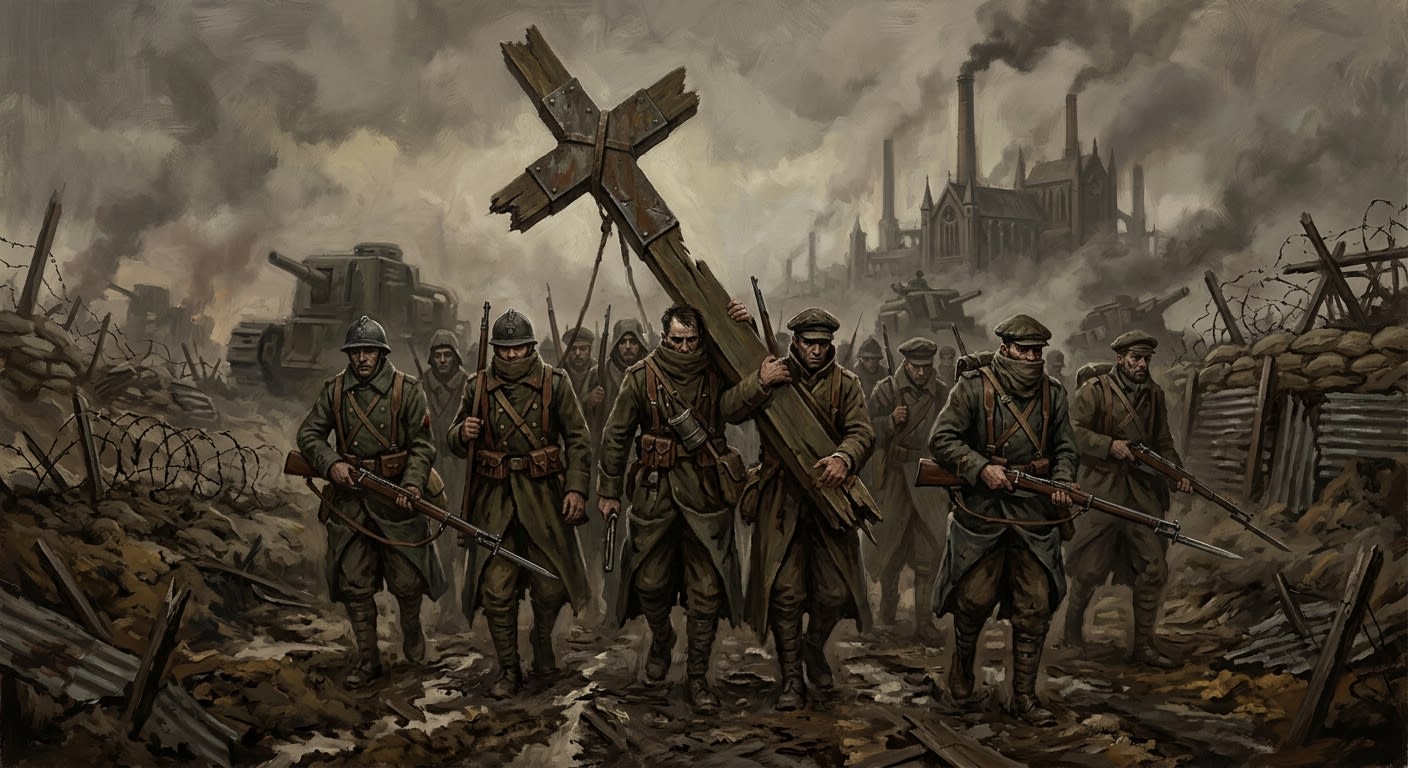
The Broken Cross
The sigil that snapped heaven and called the wound reason
The Broken Cross was Reason's battlefield sermon: a snapped crucifix carried by men who denied symbols while marching under one.
Codex Ref. I.1.05-003
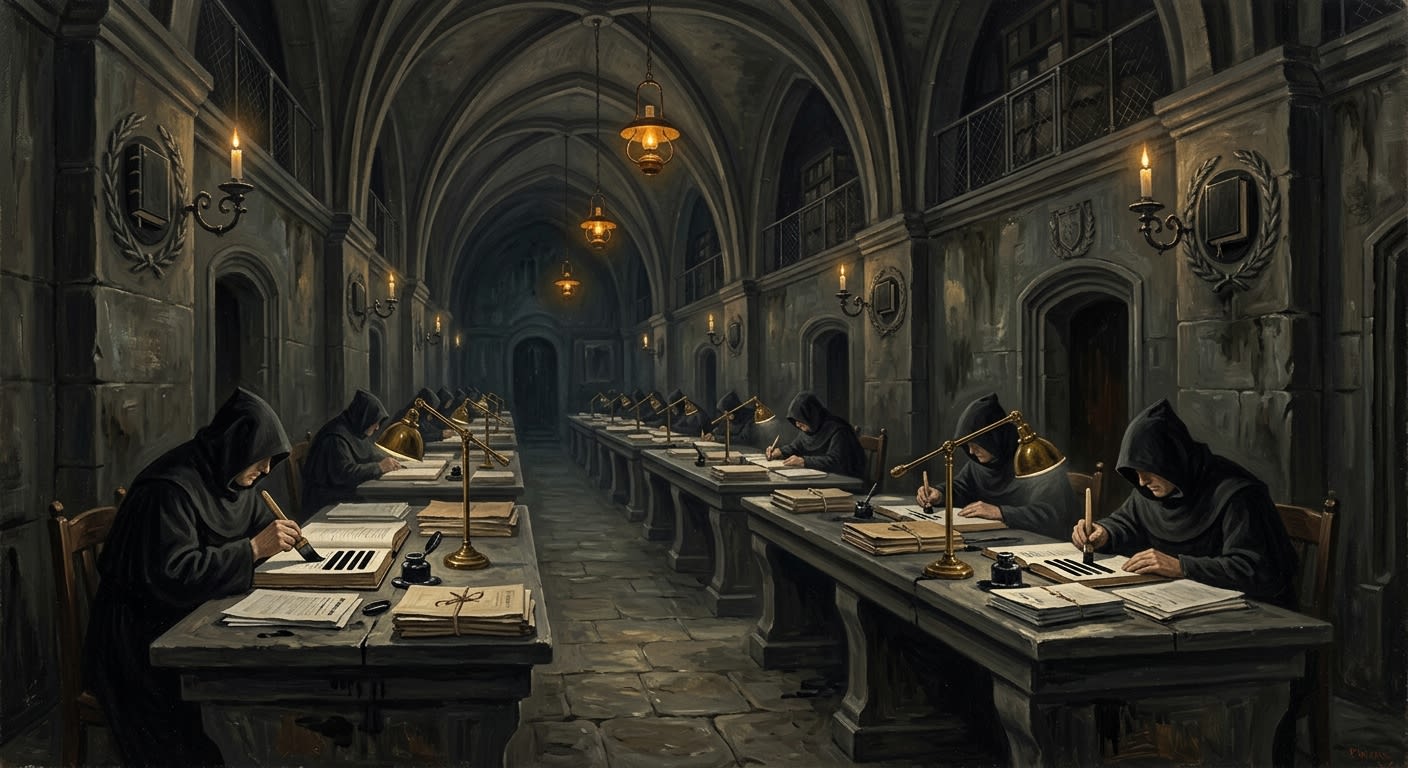
The Bureau of Silence
The word unspoken cannot wound. The word that reaches its target already has.
The Bureau of Silence does not burn books. Burning admits they existed. It renders knowledge into a state of administrative non-occurrence — and then redacts that too.
Codex Ref. III.4.19-031
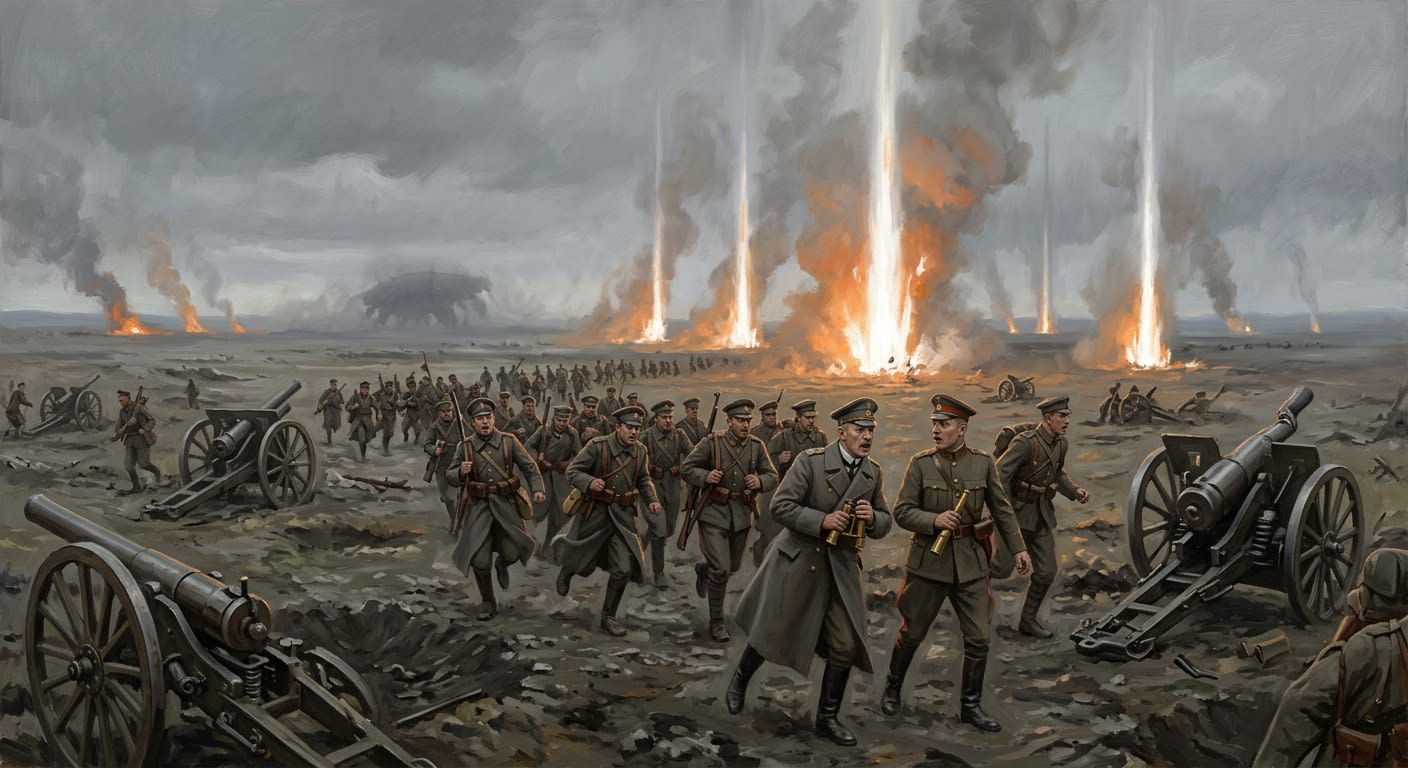
The Collapse of the Rationalists
The Adversary did not invade. It arrived.
The Rationalist Republic dismantled every spiritual defence on the continent, and in A.S. 45 the Adversary walked through the unguarded door. A doctrine article, a body count, and a mandatory catechism text.
Codex Ref. VII.2.01-001
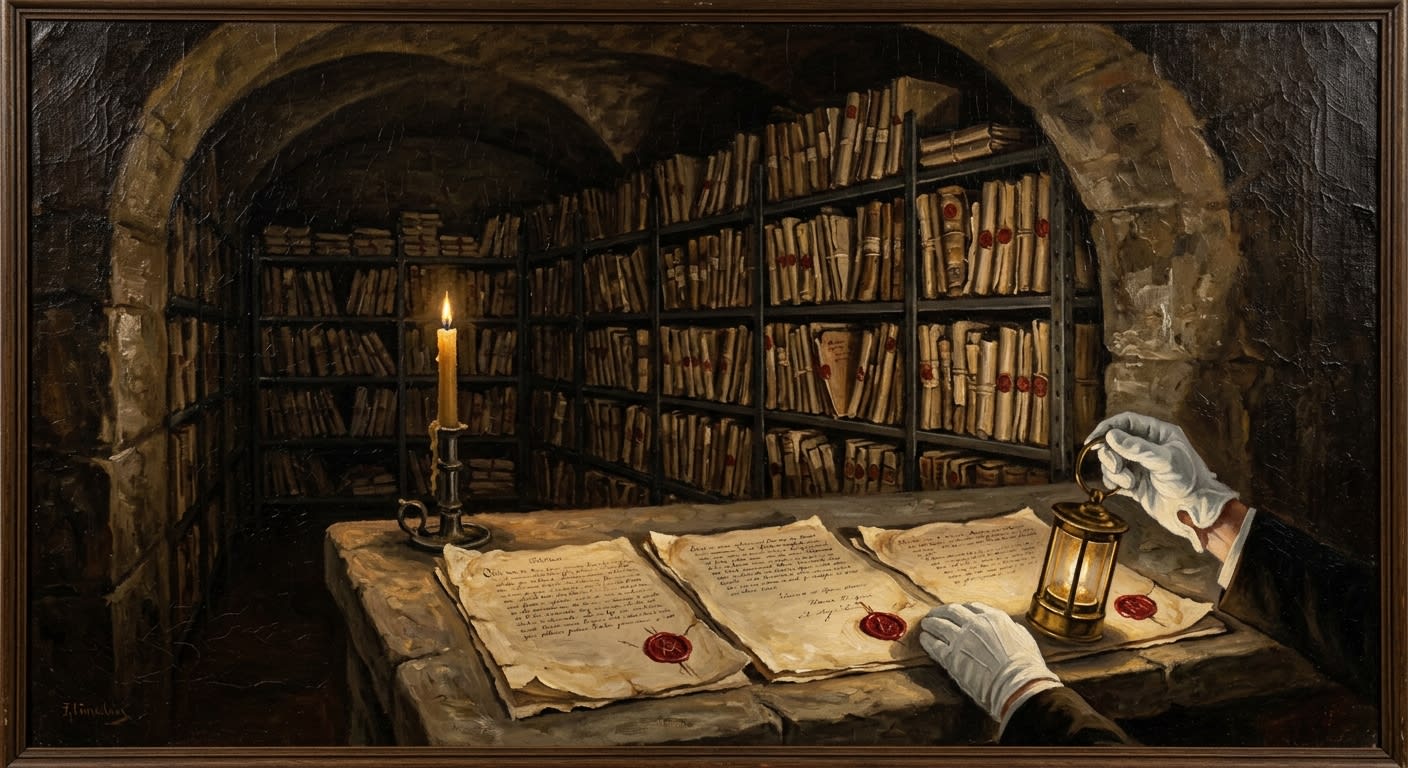
The Concordats of Ulm
Twelve signatures. One seal. Two hundred and fifty-six years of warm wax.
The founding instrument of Rationalist organisation — a compact of 'rational fraternity' signed in –55 A.S. by twelve university professors who mistook cleverness for wisdom, and built the machine that drove a century of war.
Codex Ref. II.7.03-055
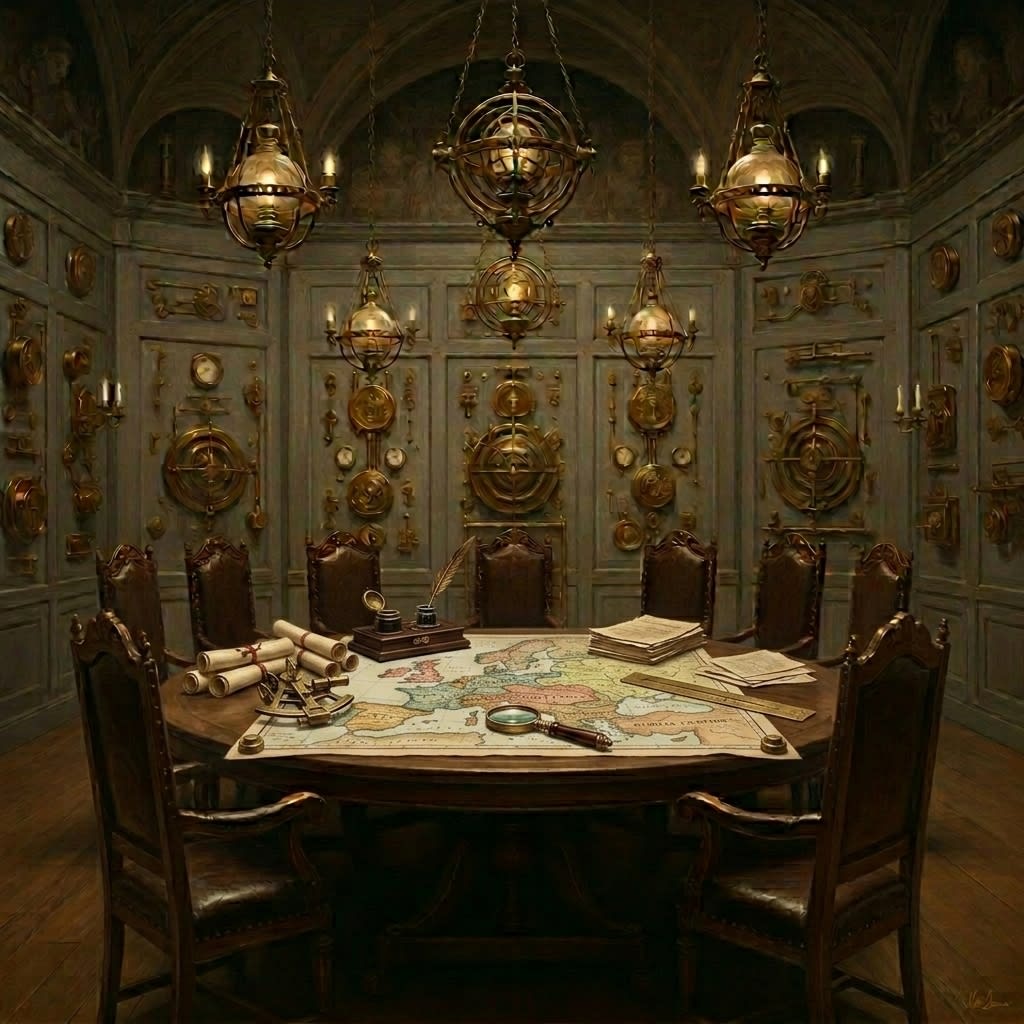
The Council of Nine Rationalists
Nine men governed Europe. Their names are sealed. Their methods are retained.
The sealed governing body of the Rationalist Republic — nine nameless men who administered a continent for fifteen years with instruments of measurement, mass surveillance, and the removal of tongues, until the Sundering settled the argument for them.
Codex Ref. I.1.03-001
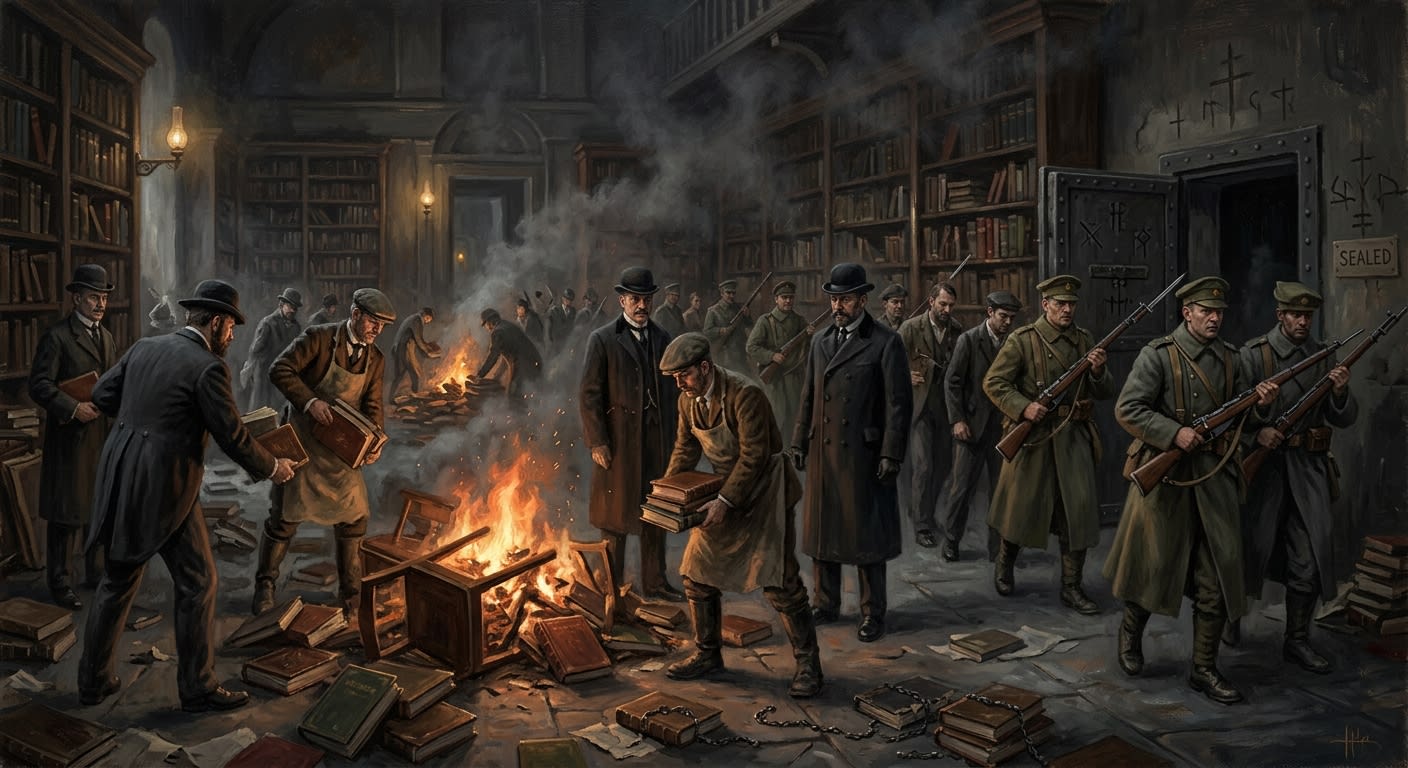
The Great Purge of Margins
Silence scraped the page clean and taught thought to hide in warmer vessels
The A.S. 56–58 Silence campaign against annotated books executed forty-seven scribes, sealed libraries, and accidentally taught the Ashen Circle how to survive without margins.
Codex Ref. VII.8.11-001
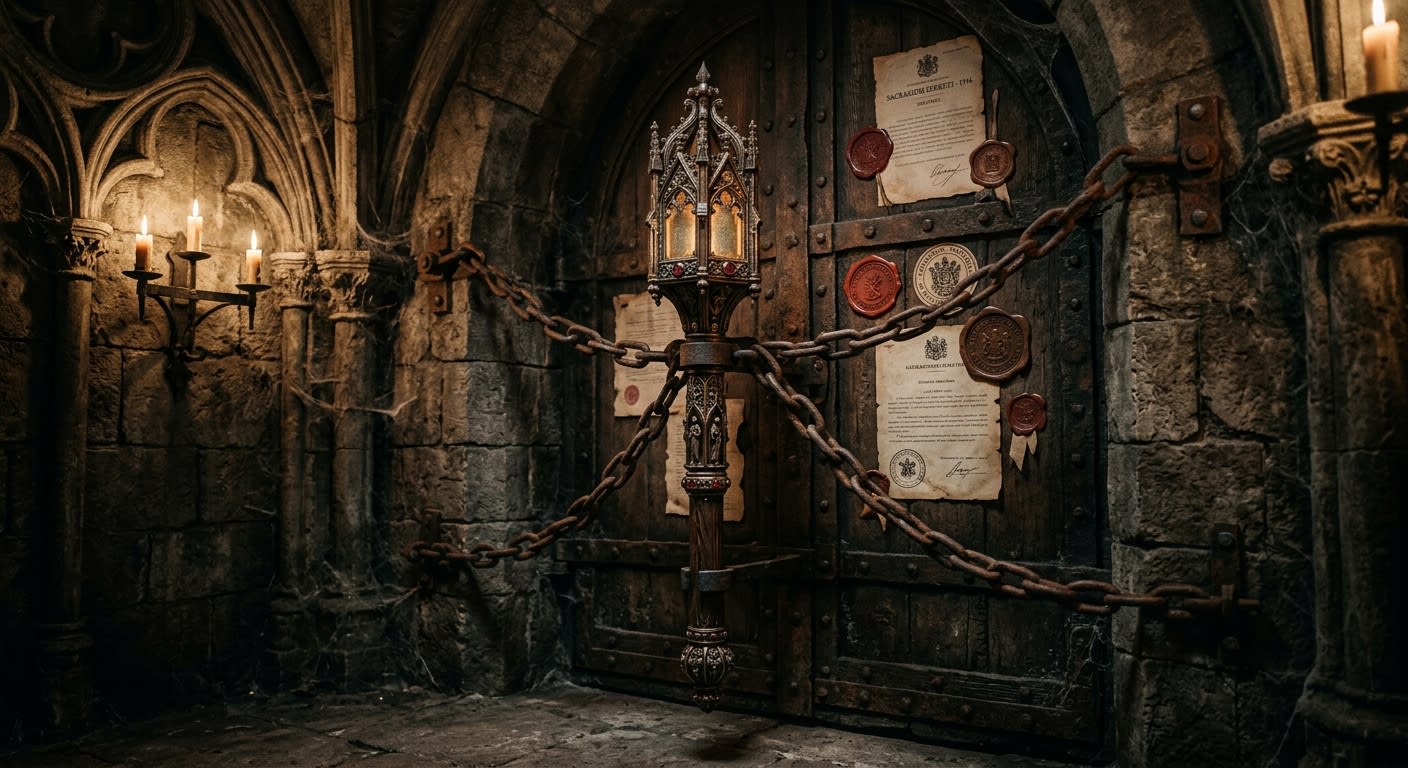
The Miracle of Saint Aldebrand
The Bureau erased the bone. The bone declined.
The Bureau declared the Reliquary of Saint Aldebrand non-existent in –32 A.S. In A.S. 95 it shattered a sorcerer-lord's skull and saved Vienna. Both facts are official, both carry seals, and the Bureau sees no difficulty.
Codex Ref. VI.4.01-001

The Night of Knives in Kraków
Forty-seven mouths wired shut so that no prayer could escape
Forty-seven clergymen seized in the night, their mouths wired shut with iron wire, and cast from the Dębnicki Bridge into the frozen Vistula. The Bureau spent one hundred and thirty years ratifying the narrative; it has been collecting the candle wicks ever since.
Codex Ref. VII.8.01-001
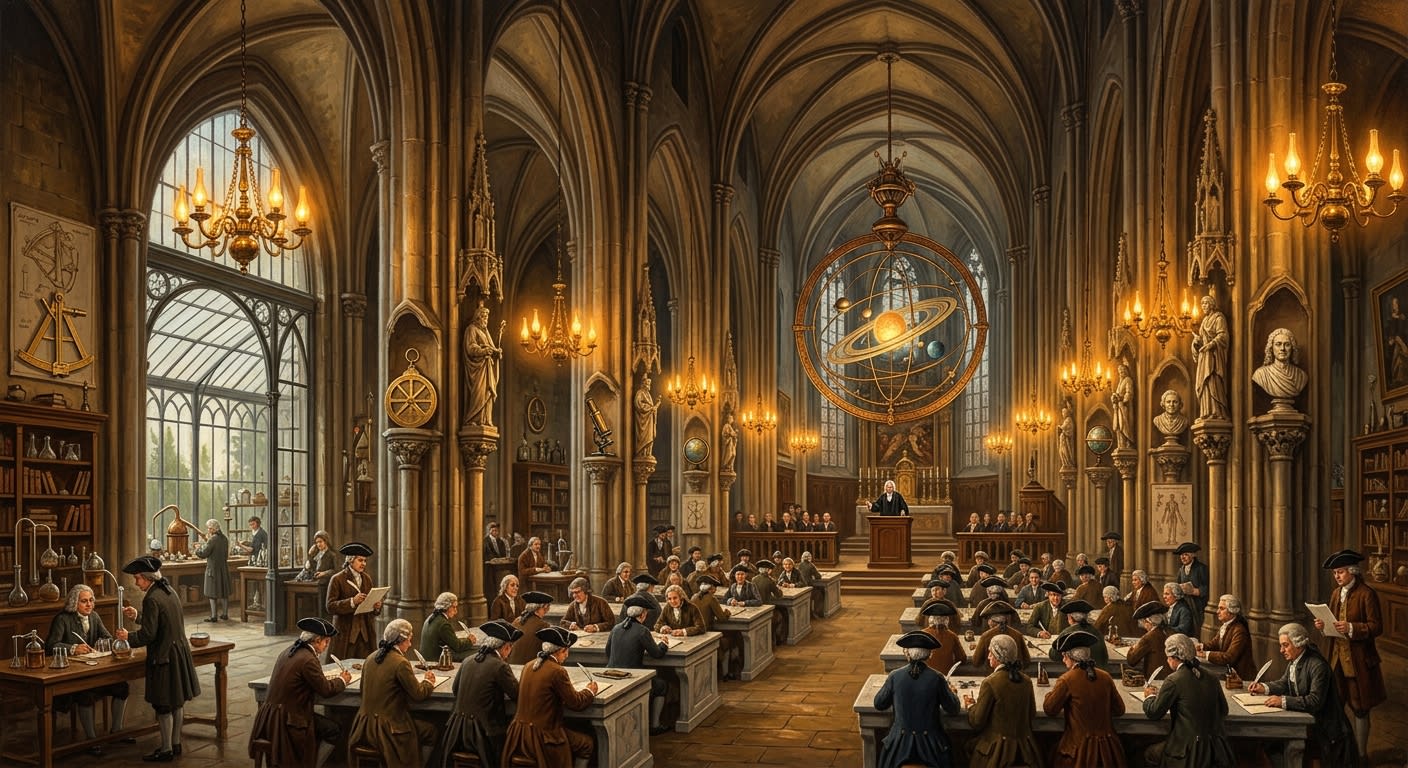
The Rationalist Republic
Fifteen Years of Continental Supremacy, and the Precise Nature of Its Correction
Rationalist institutions predated Regensburg; the Republic's A.S. 30–45 continental supremacy expanded prefectures, census rolls, and repression before central command collapsed at the Sundering.
Codex Ref. I.1.02-001
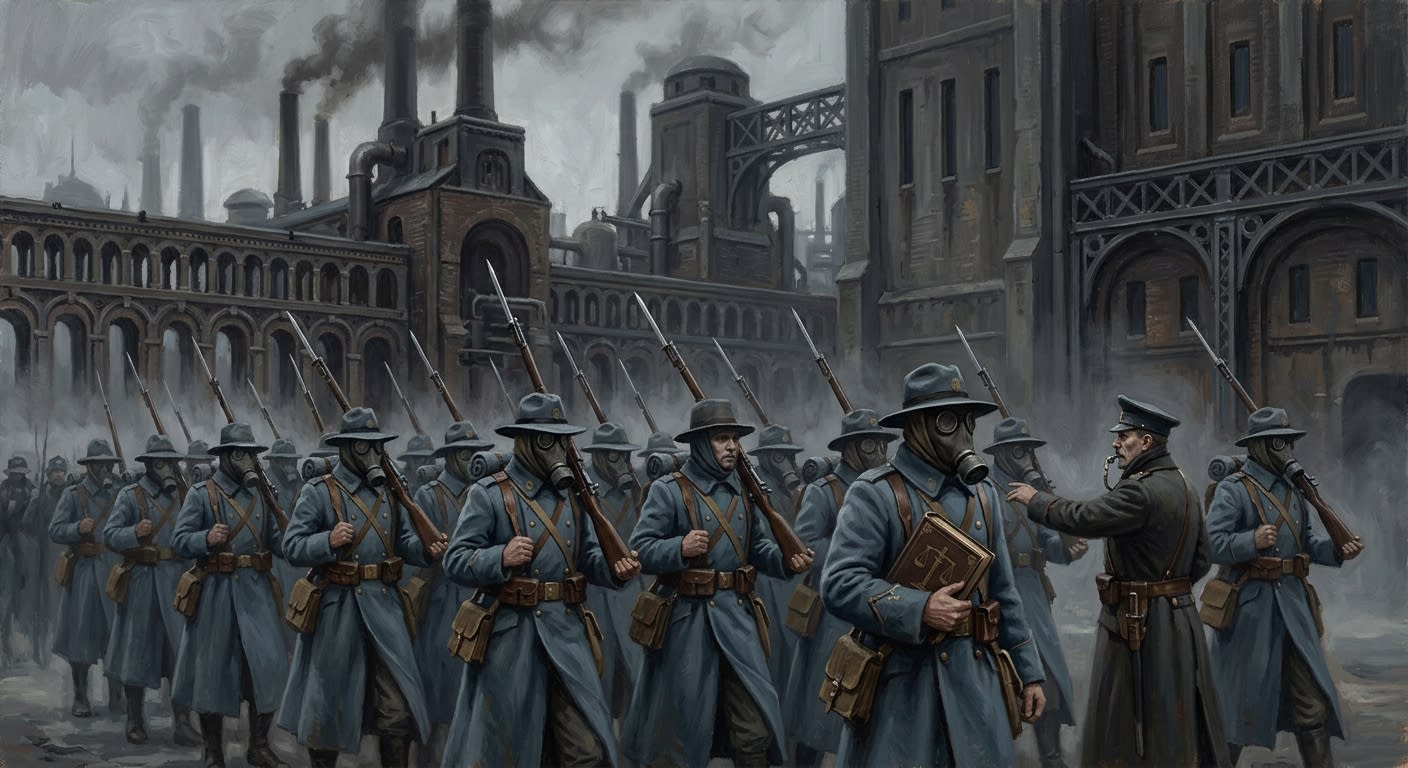
The Republican Guards
The philosophers wrote the sentence; the Guards added punctuation
The Republic's armed hand wore blue-grey, carried law over the heart, and proved that unbelief does not remain in books. It drills.
Codex Ref. I.1.05-001

The Year of Letters
One table of bones. Forty cities. The first assault on everything.
The Bureau's account of –32 A.S.: how three Amsterdam scholars, one table of bones, and forty cities' worth of polite arithmetic crippled three centuries of relic authentication — and inaugurated everything.
Codex Ref. I.2.01-001
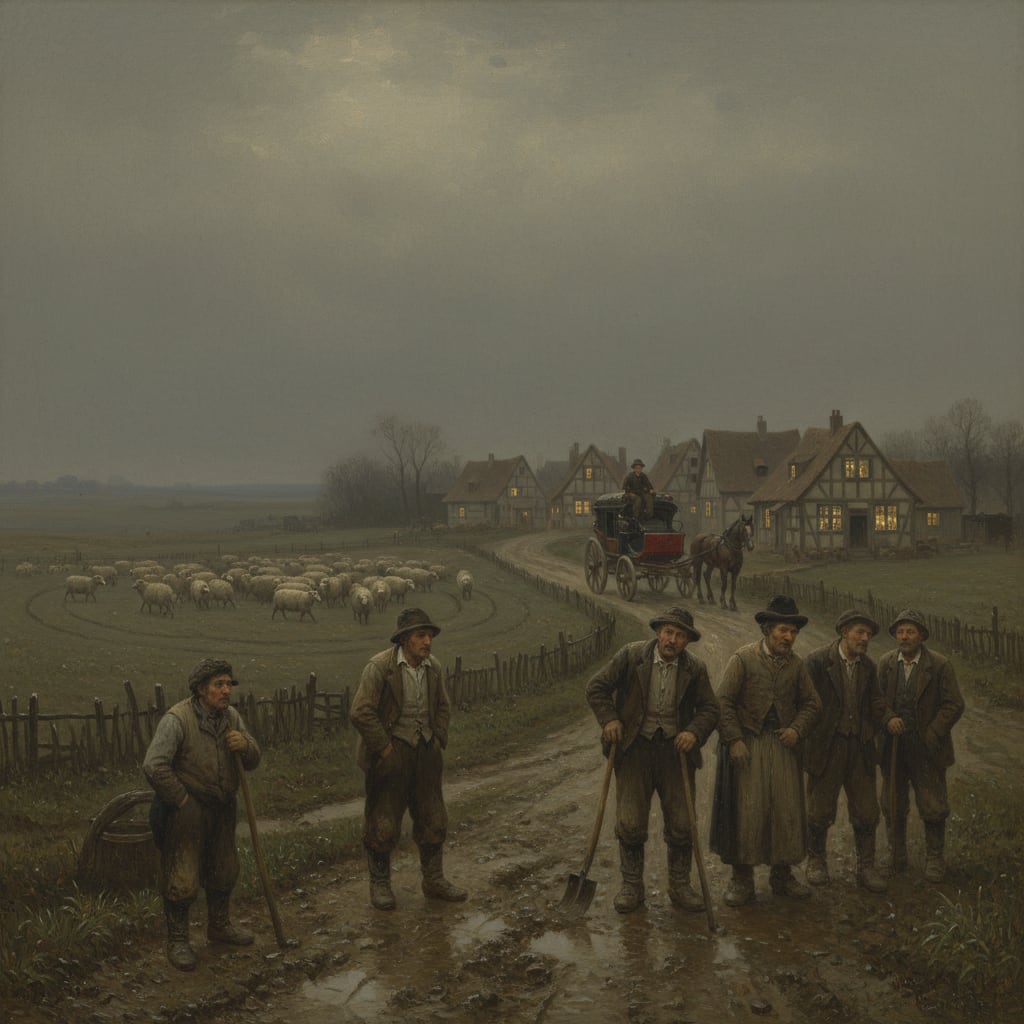
The Year Without Dawn
The Bureau's Second Portent: forty days without sun, seventeen explanations without facts, and one Province without tongues.
A.S. 32: forty days without the sun, children born grey-eyed and voiceless, the Rationalists publishing seventeen treatises to explain a volcano no one could find. The Bureau's Second Providential Portent.
Codex Ref. VII.4.01-001
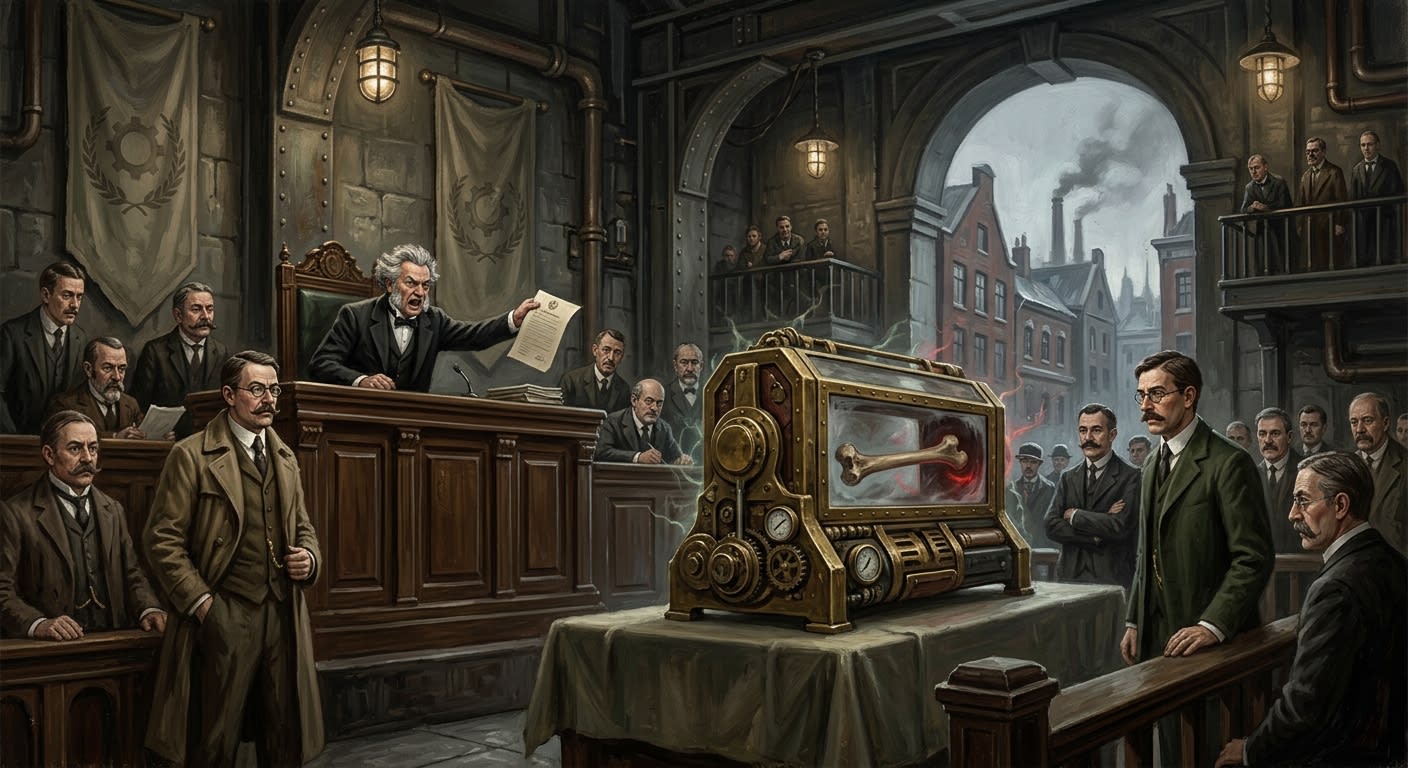
Trial of Saint Aldebrand's Reliquary
The courtroom where arithmetic disgraced itself before a bone
Amsterdam's A.S. 11 mock trial of Saint Aldebrand's reliquary turned Rationalist arithmetic into theatre, until Vienna made the bone louder than the joke.
Codex Ref. VII.8.10-011
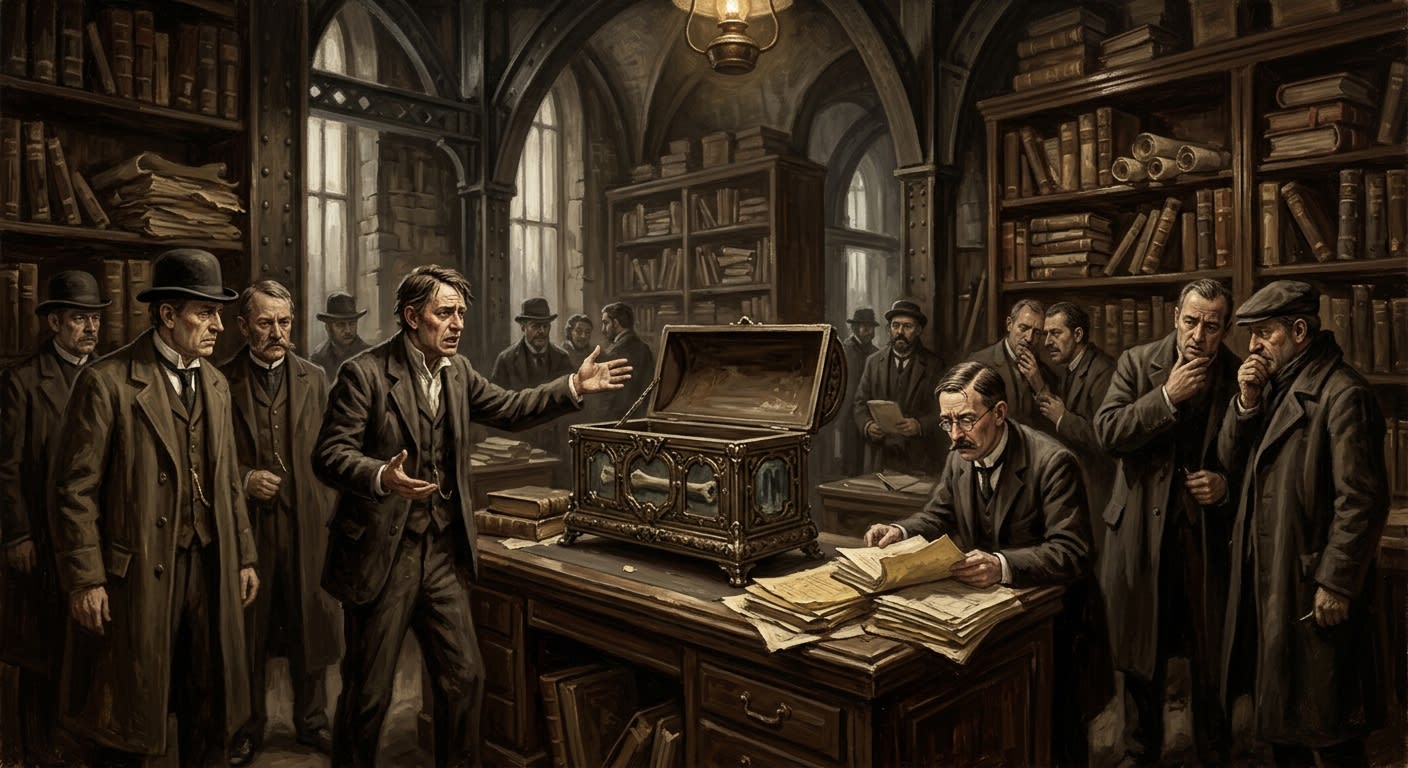
Trial of Saint Aldebrand's Reliquary
The hall laughed first; the bone answered later
Amsterdam laughed over Aldebrand's displayed femur in A.S. 11, then lost the bone, the transcript, and eventually the argument to Vienna's mace.
Codex Ref. VII.8.10-011
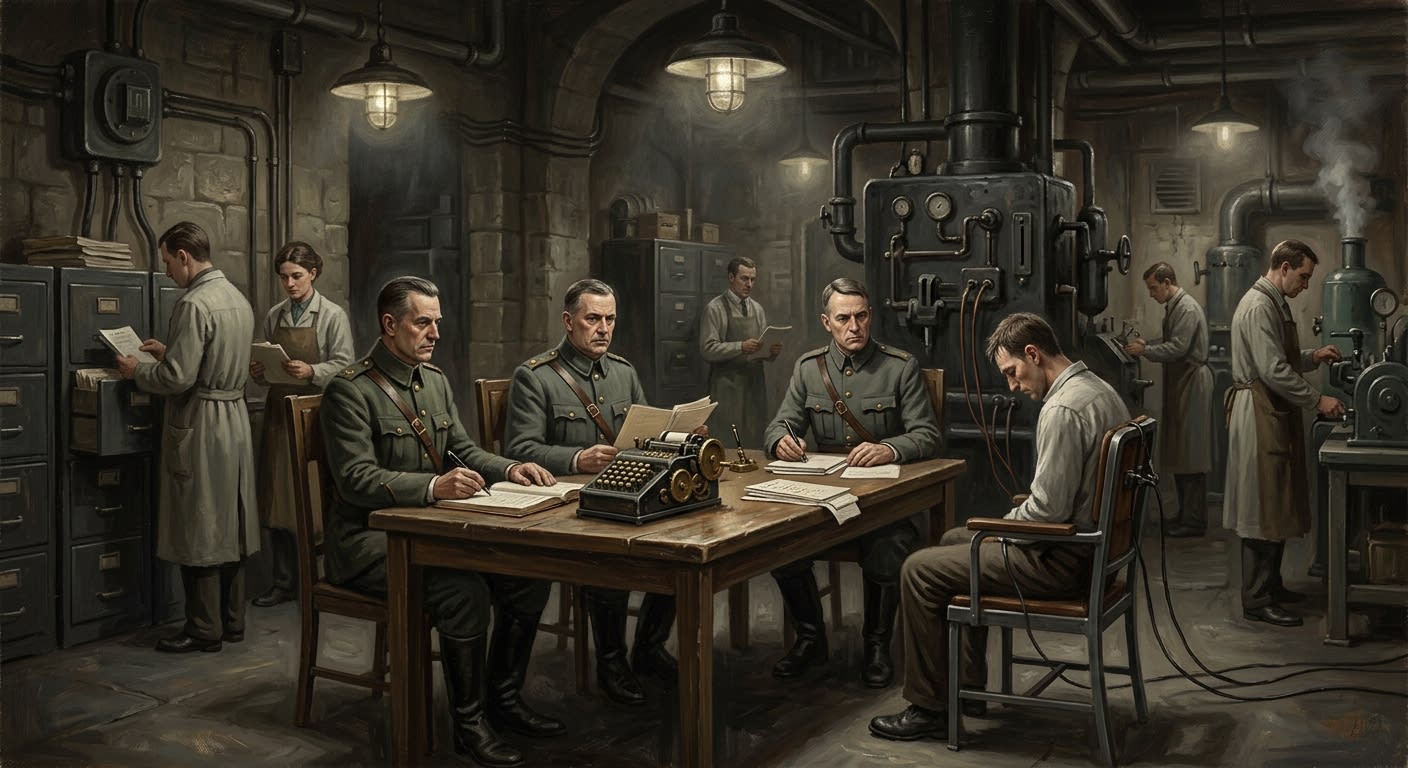
Tribunal of Clarity
Where Reason washed torture until it shone
The Rationalist Republic's secret Tribunal of Clarity renamed prayer as error, torture as method, and conviction as arithmetic until the Sundering answered the room.
Codex Ref. XIII.1.57-030
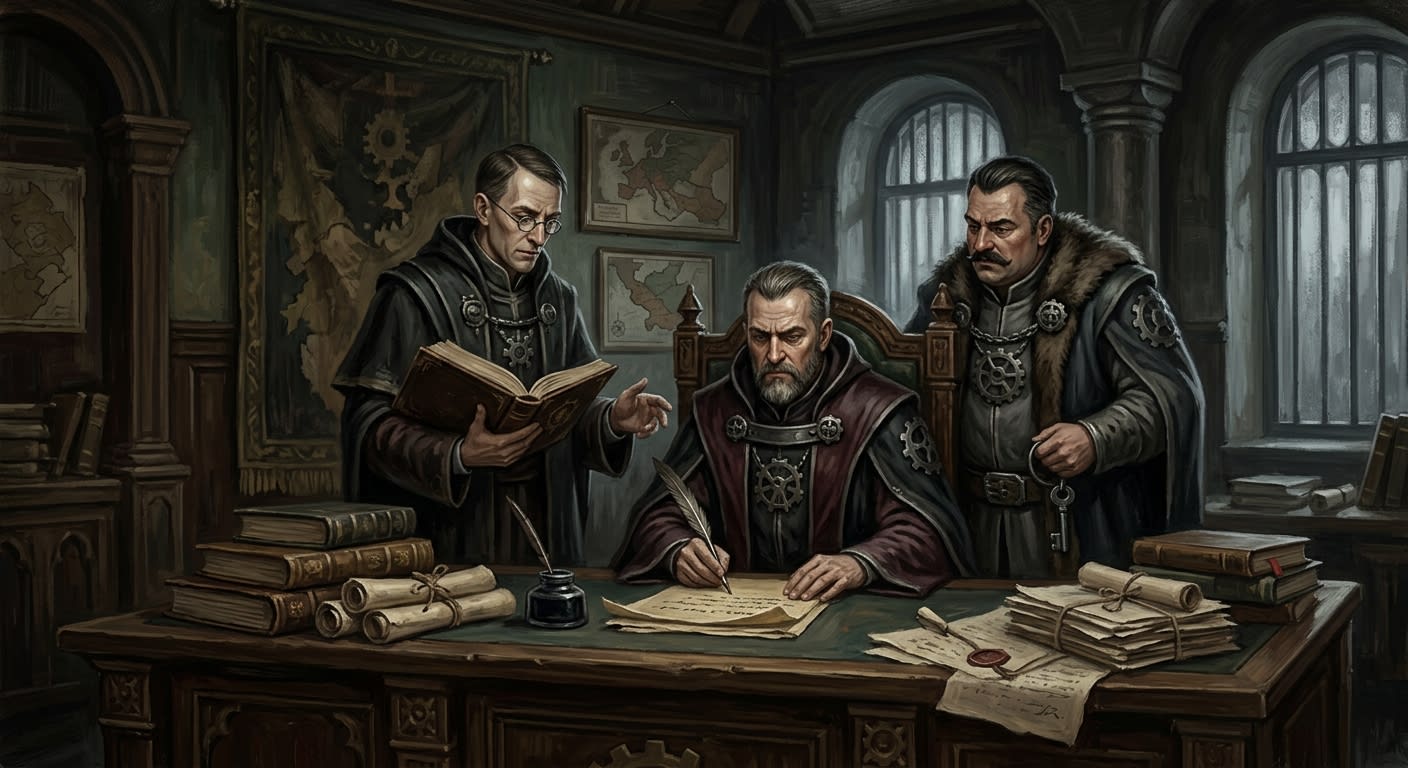
Triumvirate of Public Instruction
Three schoolmasters sharpened Europe into a knife
The Triumvirate of Public Instruction was the Council of Nine's sealed sub-committee that drafted Ironmouth, converting schoolroom vocabulary into warrants, knives, and public tongues.
Codex Ref. I.1.04-001
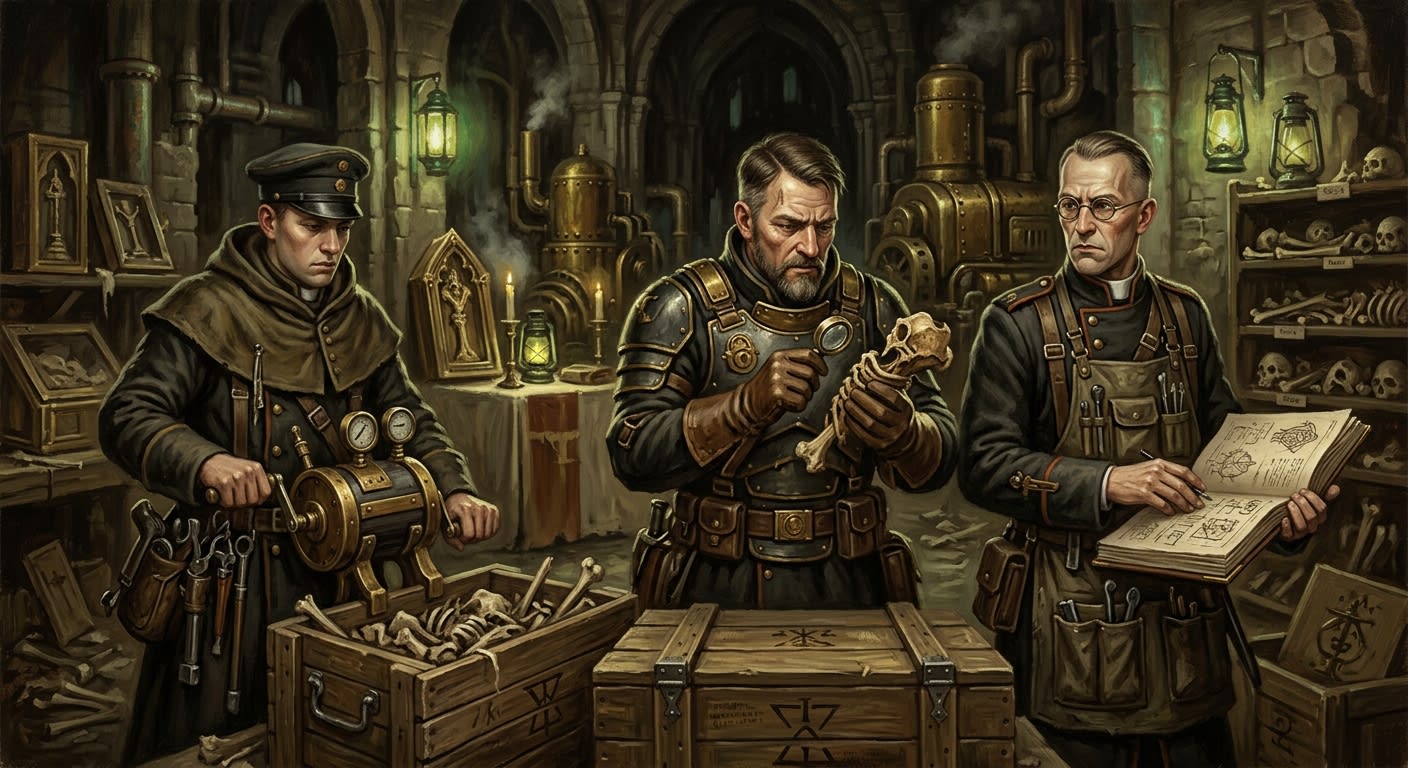
Van Hoorn, Lemstra & de Waal
Three clerks of doubt, one table of bones, and forty cities taught to sneer
Pieter van Hoorn, Gerrit Lemstra, and Jan de Waal made doubt portable in -32 A.S.; their Bone Census counted relics accurately and wounded truth efficiently.
Codex Ref. III.2.01-026
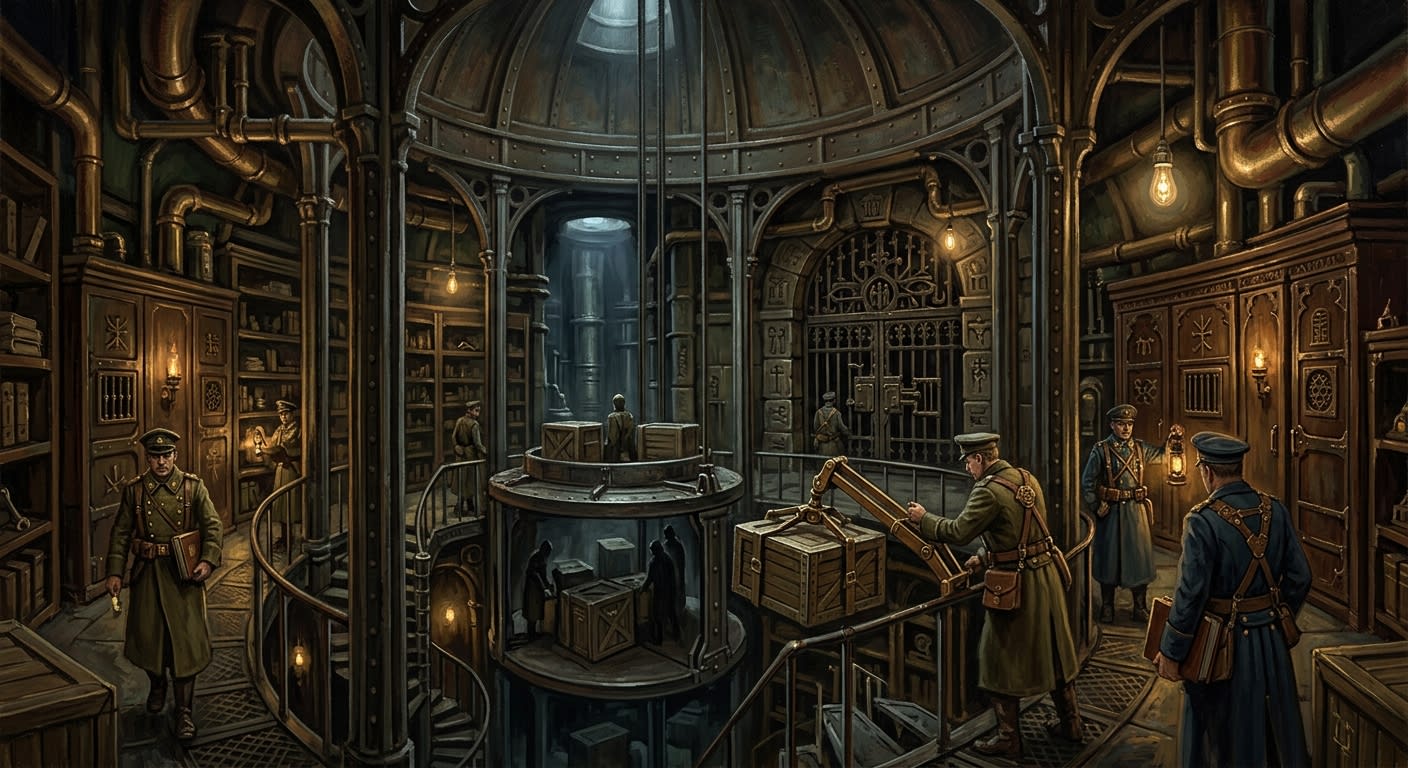
Vault of Sacred Custody
The locked stomach beneath [[strasbourg|Strasbourg]] where bones become policy
Subterranean headquarters of the Bureau of Relics beneath Strasbourg Cathedral Close, where authenticated bones, hostile cabinets, and silence are stored by grade.
Codex Ref. II.2.06-004