

Reverse Index
Referencing “Peregrine Wardens”
Every codex entry that links to Peregrine Wardens. 20 entries.
Return to Peregrine Wardens
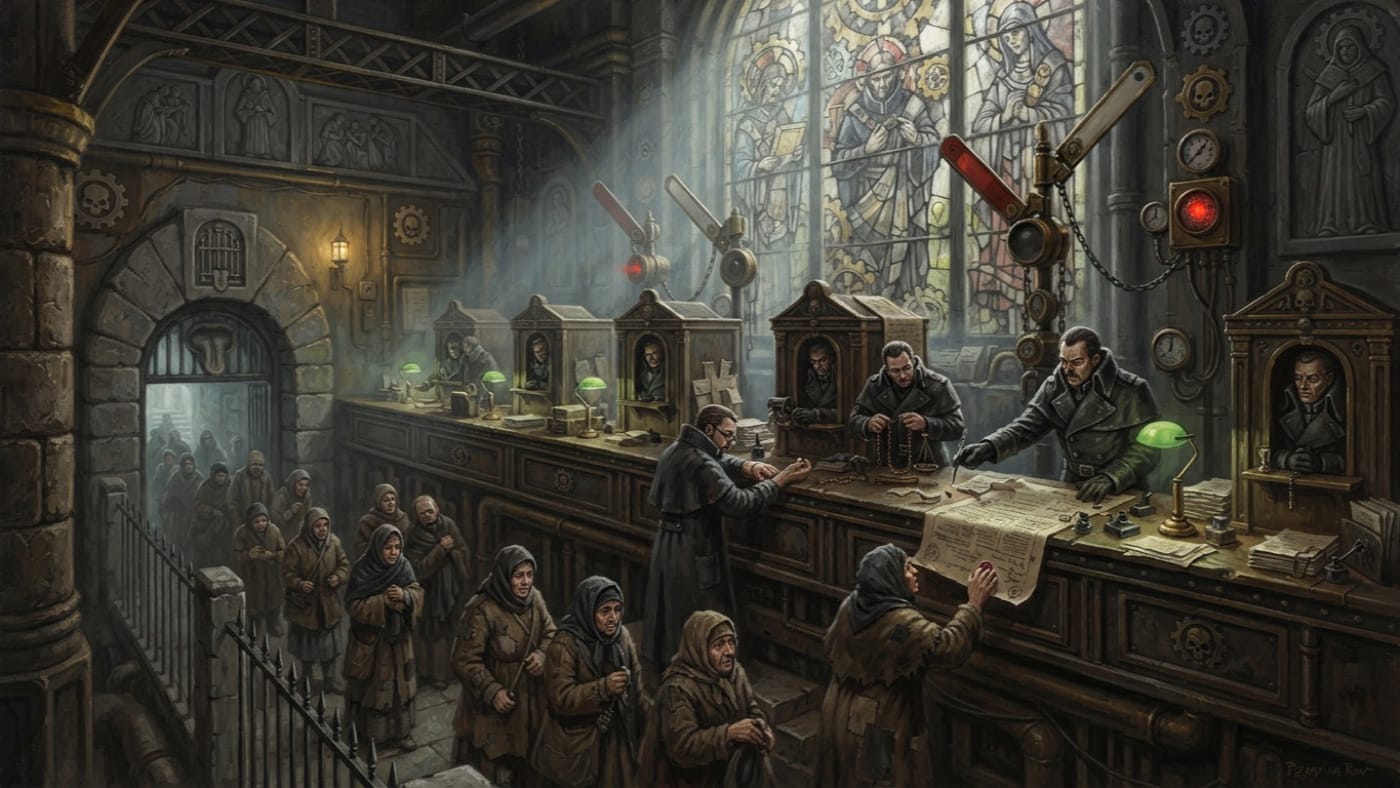
Broker Compact
Safety is sold by the bell; liability disappears by the vowel
Peregrine Row's licensed insurance guild sells canyon passage by the bell-window. Three founding families hold its hereditary seats; escort bonds, creed scores and grief clauses keep protection profitable under continuing Amber review.
Codex Ref. XII.32.01-201
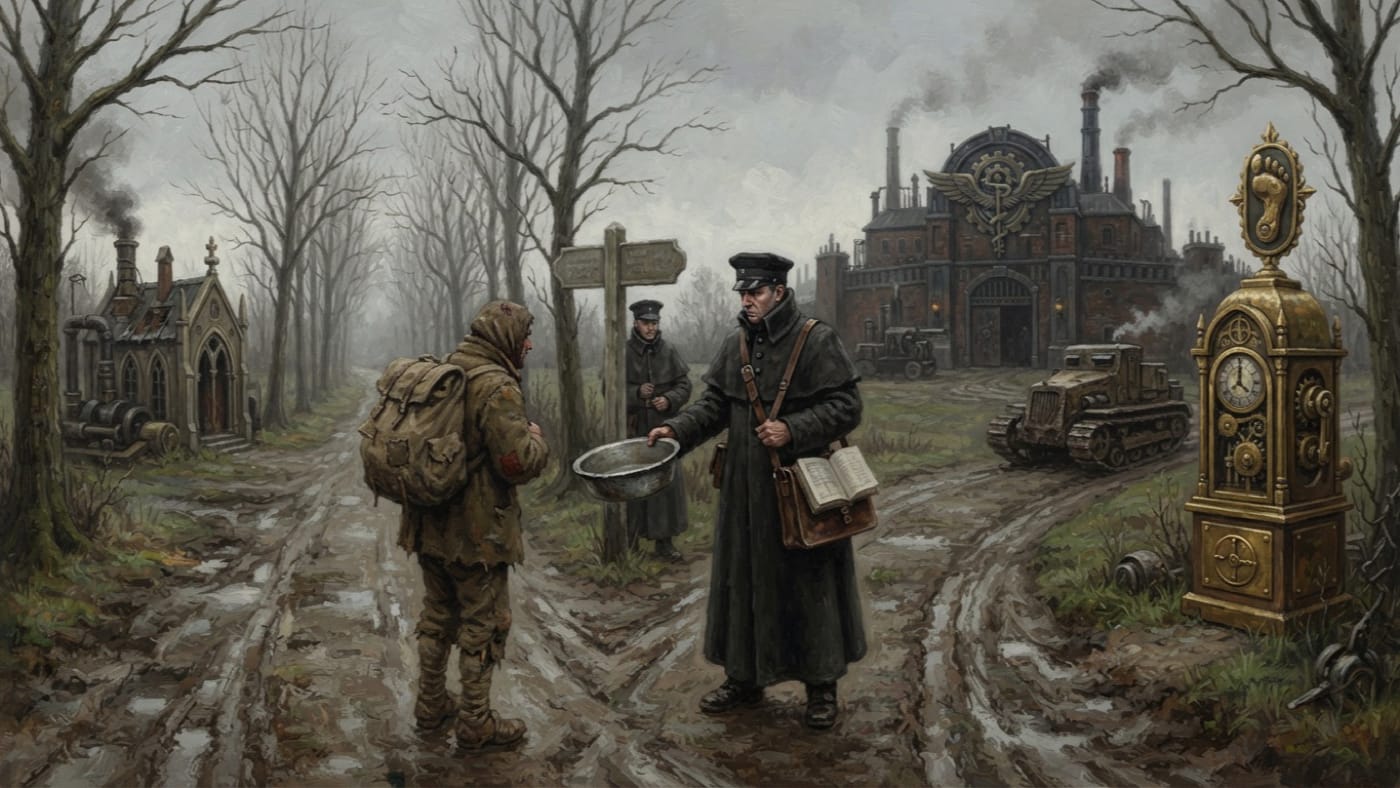
Brotherhood of the Blessed Foot
Flemish feet, private fees, and an audit into penitence
The Brotherhood of the Blessed Foot taxed Flemish pilgrims at crossroads it did not own, selling protection from unnamed threats until litigation, audit and the A.S. 123 Harmonized Routes Edict ended its independent authority.
Codex Ref. XI.5.01-123
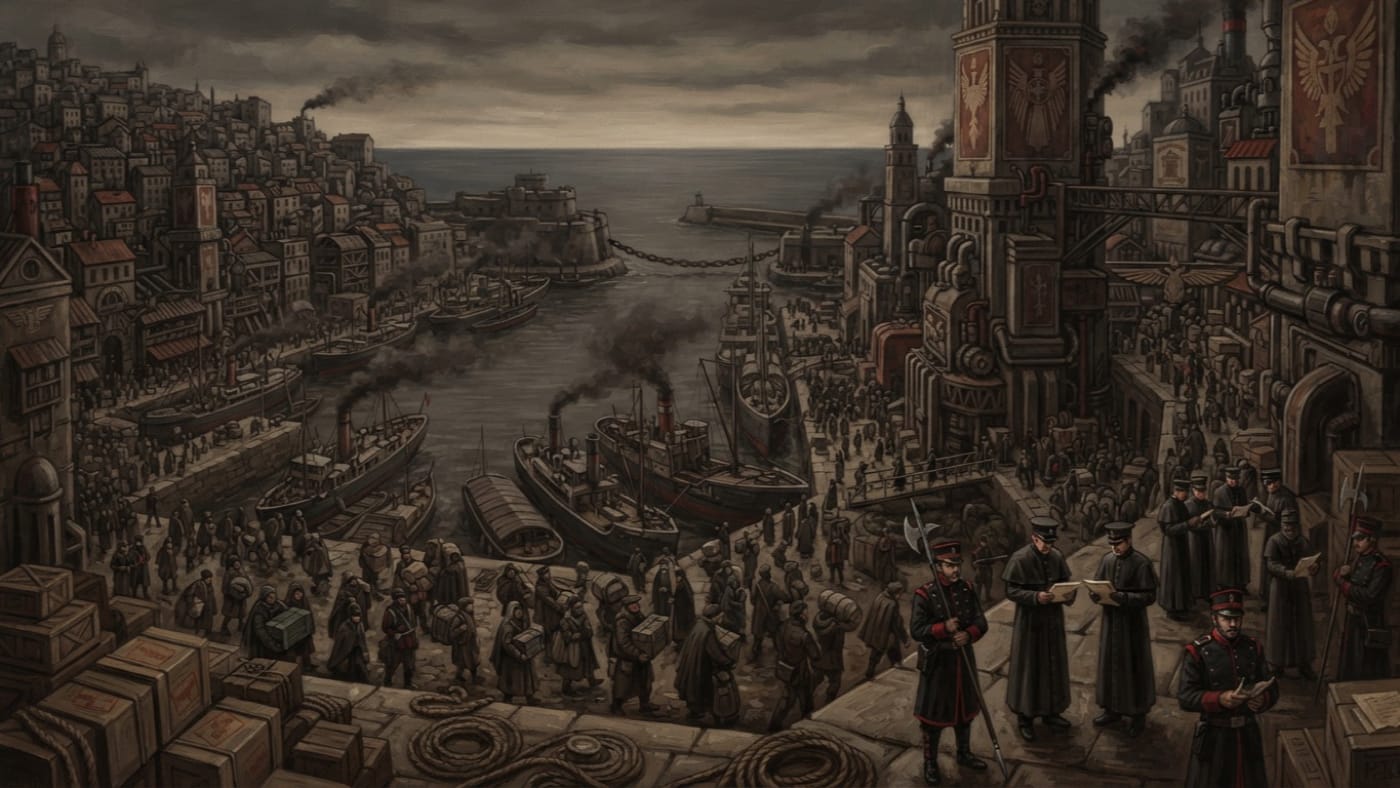
Cádiz
The tide carries pilgrims; the ink keeps them
Cádiz sells Atlantic passage, pilgrim safety, and deniability. Its Peregrine Cartel desk fell in A.S. 193; Pilgrimage kept the registers and the profitable habit of knowing who sailed.
Codex Ref. II.4.09-193
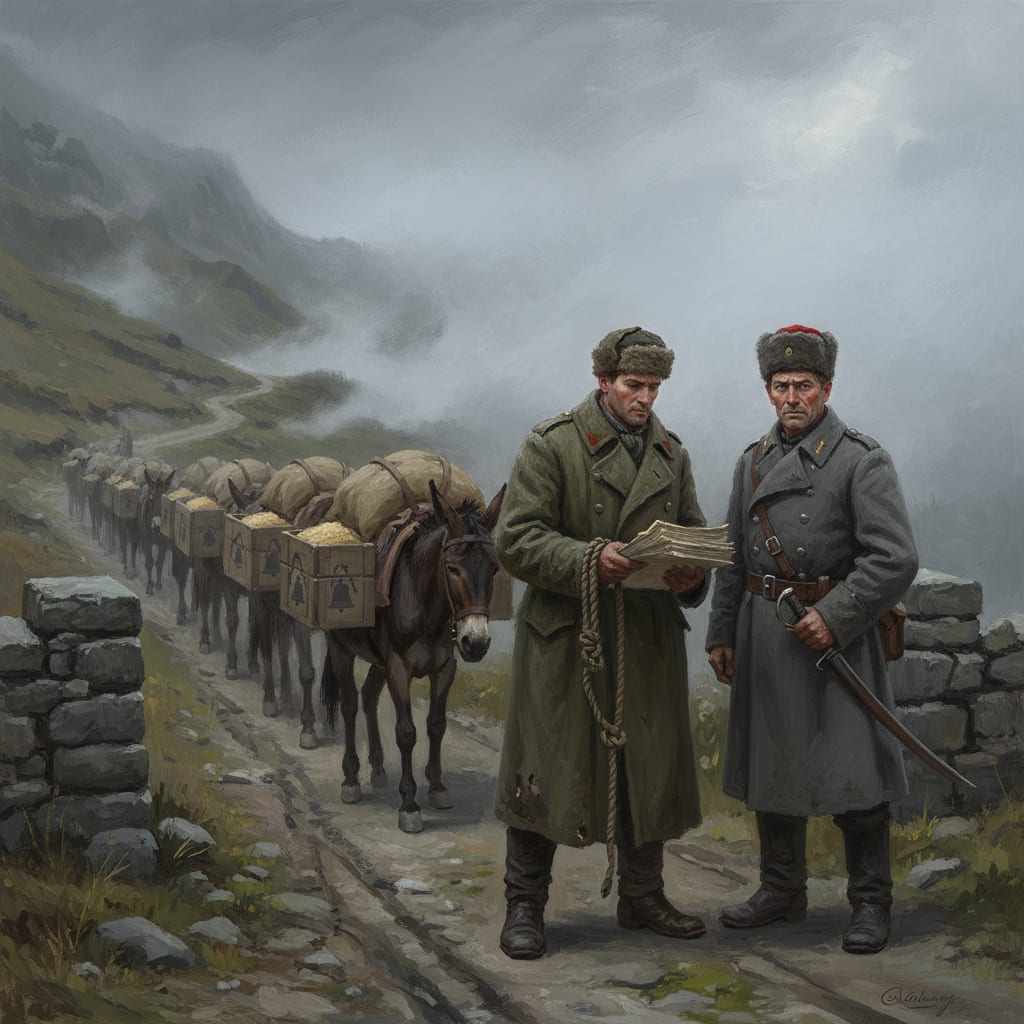
Caravan Factor
The Synod's confession that geography is ungovernable, licensed and taxed accordingly
The Caravan Factor occupies the gap between the Bureau's filed route-plan and the road's actual condition — part cartographer, part accountant, part diplomat, and part criminal, though the Synod prefers not to use the last term in official correspondence.
Codex Ref. XII.6.01-001
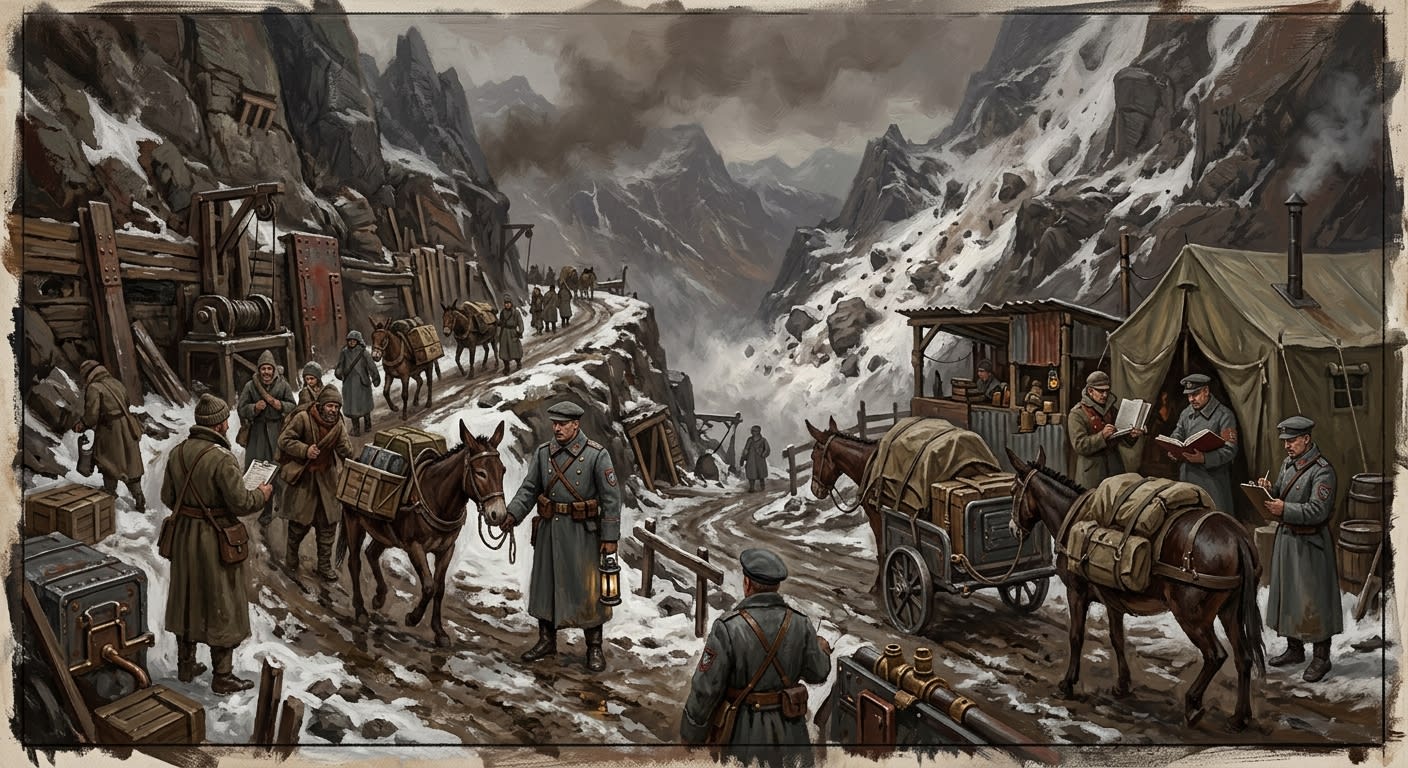
Carpathian Passes
Roads are wounds with toll offices
Licensed mountain wounds of the middle Line, where pilgrims, relics, mules, Wardens, tokens, avalanches, and invoices cross by permission.
Codex Ref. II.4.08-123

Classification Report
The grade is spoken; the objection is filed
The Classification Report turns shrine measurements, receipts and pilgrim counts into a binding grade. Pilgrimage pronounces it; Records preserves it; the parish files its objections beside it.
Codex Ref. XIII.1.51-151
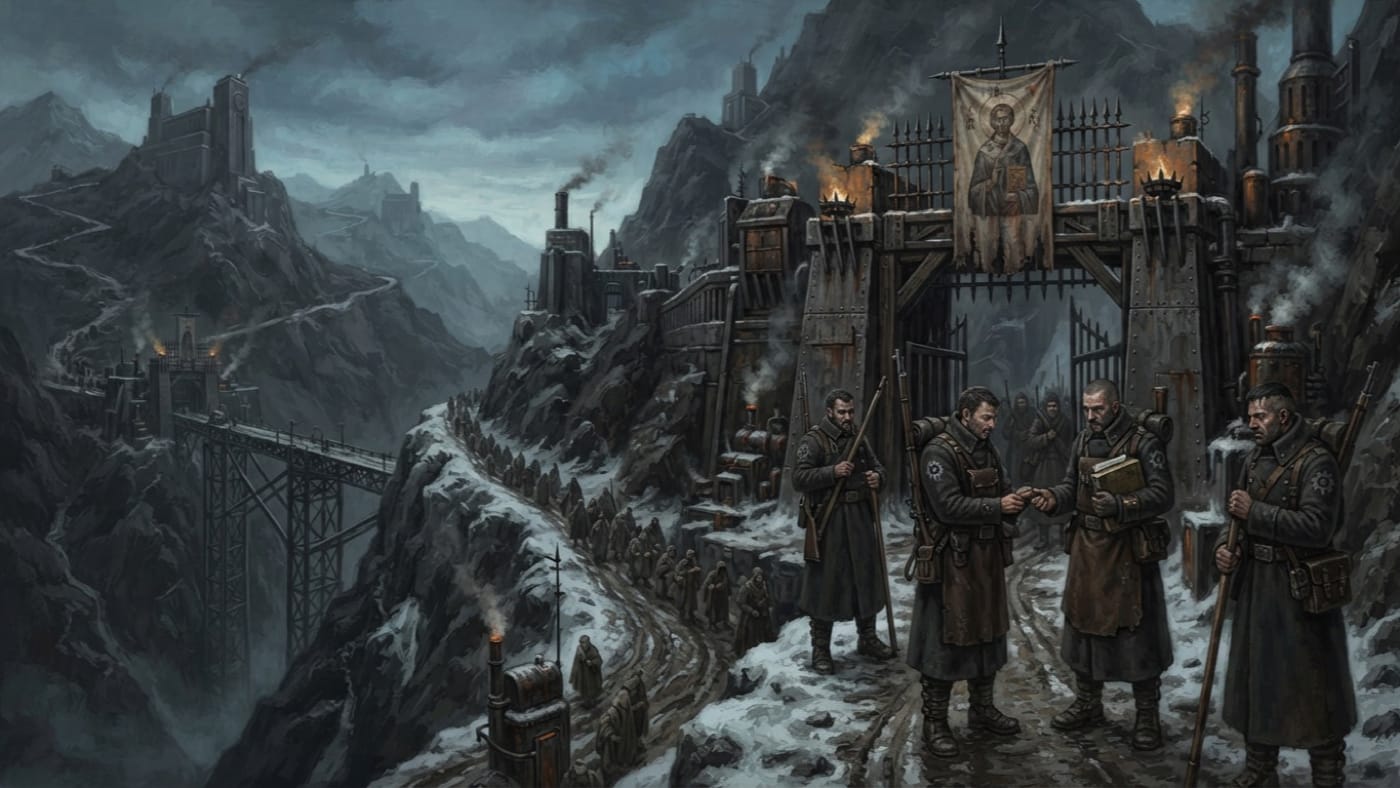
Confraternity of Saint Edras
The saint kept his name. The guild lost the road.
A private pilgrimage guild claiming the Carpathian passes, named among Santiago's rival toll claimants in A.S. 121 and superseded by the Harmonized Routes Edict in A.S. 123. The saint's name outlived its authority.
Codex Ref. XI.5.02-123
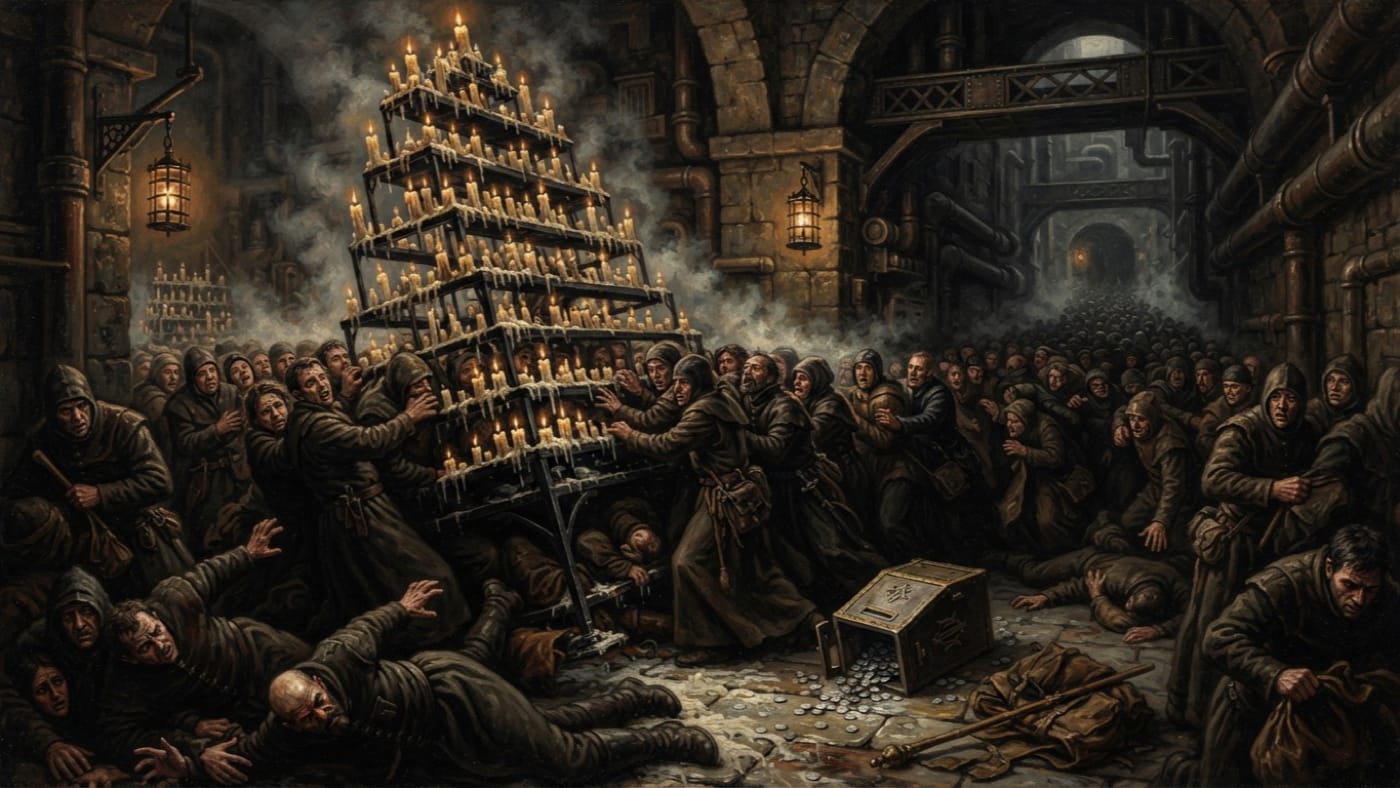
Deutz Candle Riot
Thirty-seven pilgrims taught an advisory to bind
The Deutz Candle Riot of A.S. 151 injured thirty-seven pilgrims and taught shrine committees that an Assessor's downgrade binds at utterance, before the cashbox can object.
Codex Ref. XIII.1.89-151
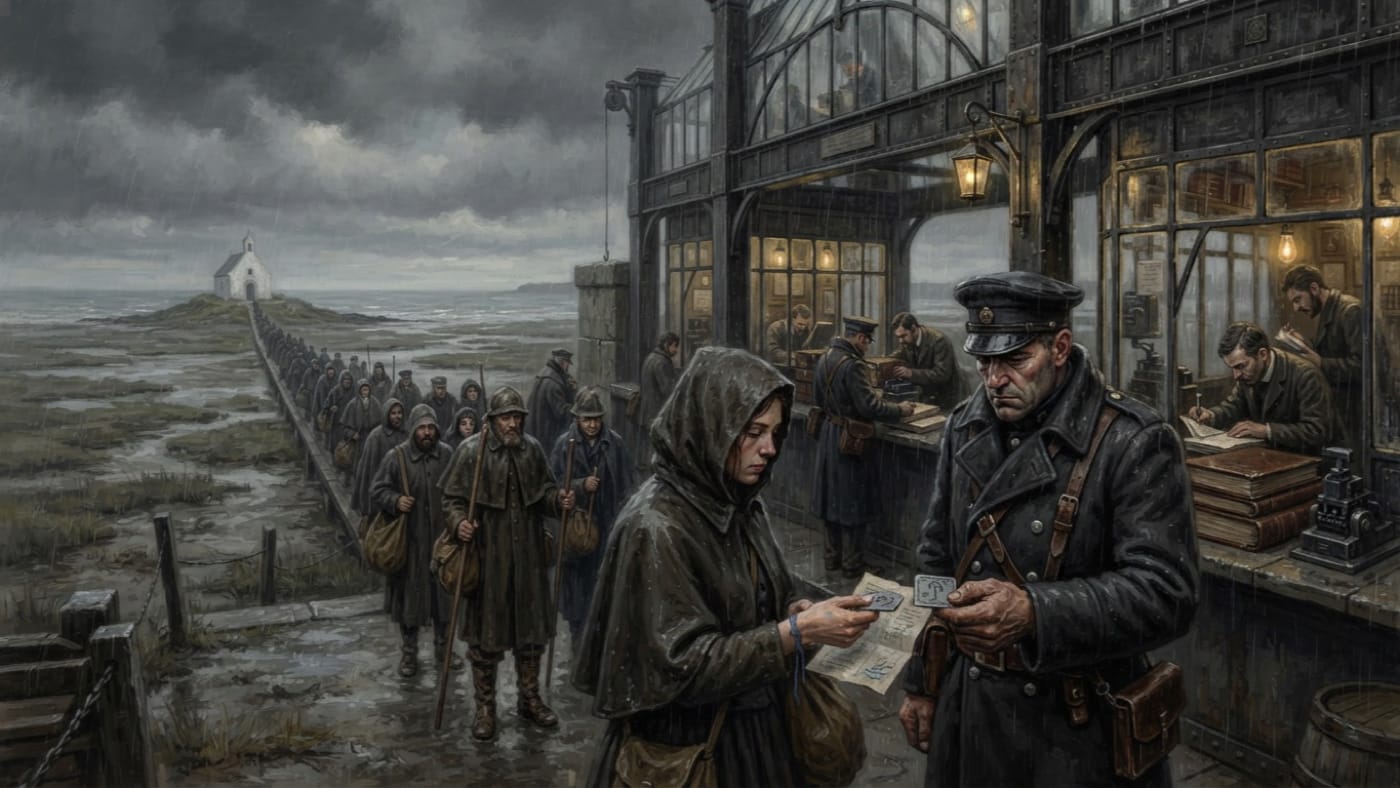
Harmonized Routes
The Bureau licenses the road and leaves arrival to the pilgrim
The Harmonized Routes tables join shrine, road and token under one licence. Pilgrimage certifies the right to set out; arrival remains the pilgrim's problem.
Codex Ref. XIII.1.86-201
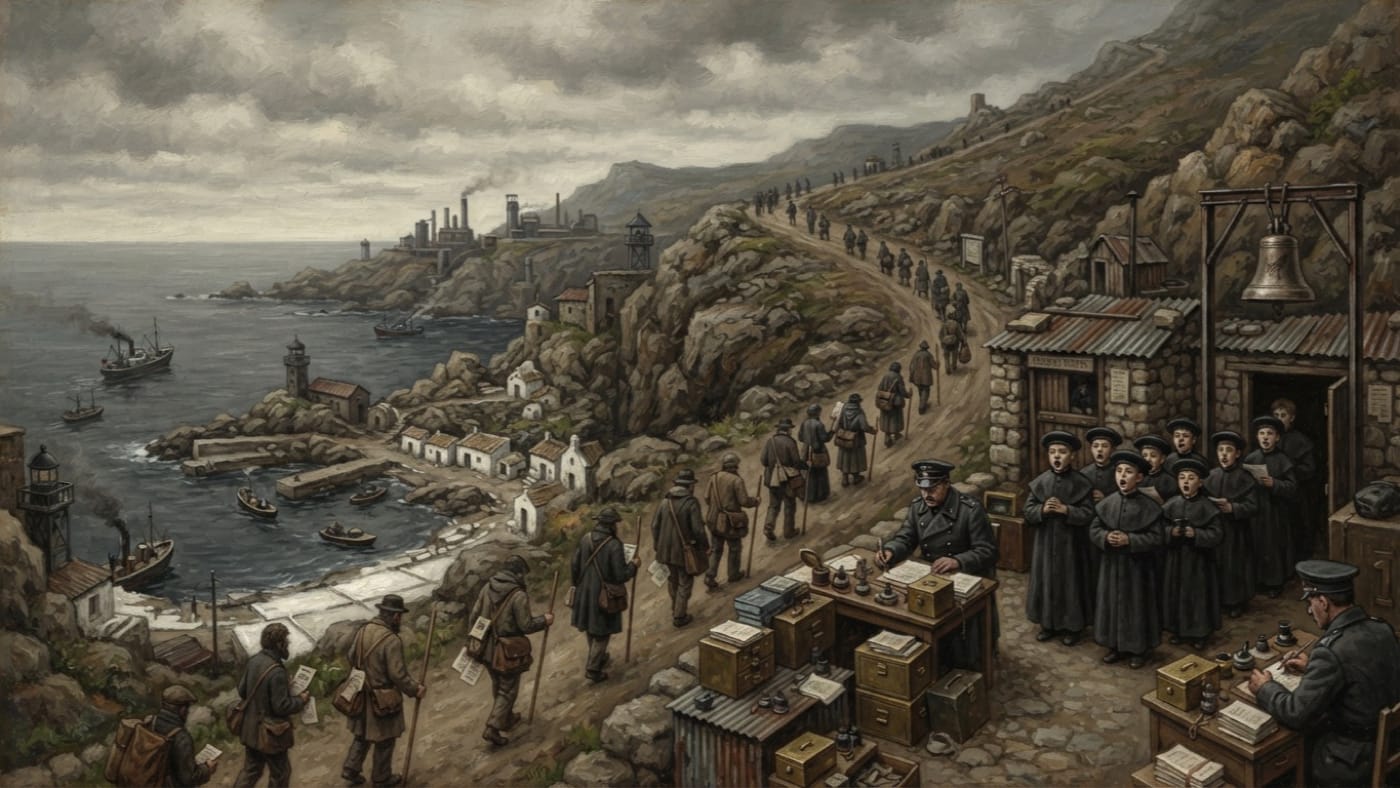
Iberian coast
The roads are safer; the invoices survived
The Iberian coast feeds pilgrims from salt flats, harbours and smugglers' coves onto inland shrine-roads. The A.S. 193 Jubilee dissolved the Peregrine Cartel; Pilgrimage kept its intelligence, its methods and the invoices.
Codex Ref. II.4.01-193

Iberian Intelligence Desk
The racket lost its name; its memory received a cleaner seal
Pilgrimage's Iberian Intelligence Desk received three Peregrine Cartel principals during the A.S. 193 Jubilee dissolution. The racket was extinguished; its useful men found a cleaner seal.
Codex Ref. III.2.07-005
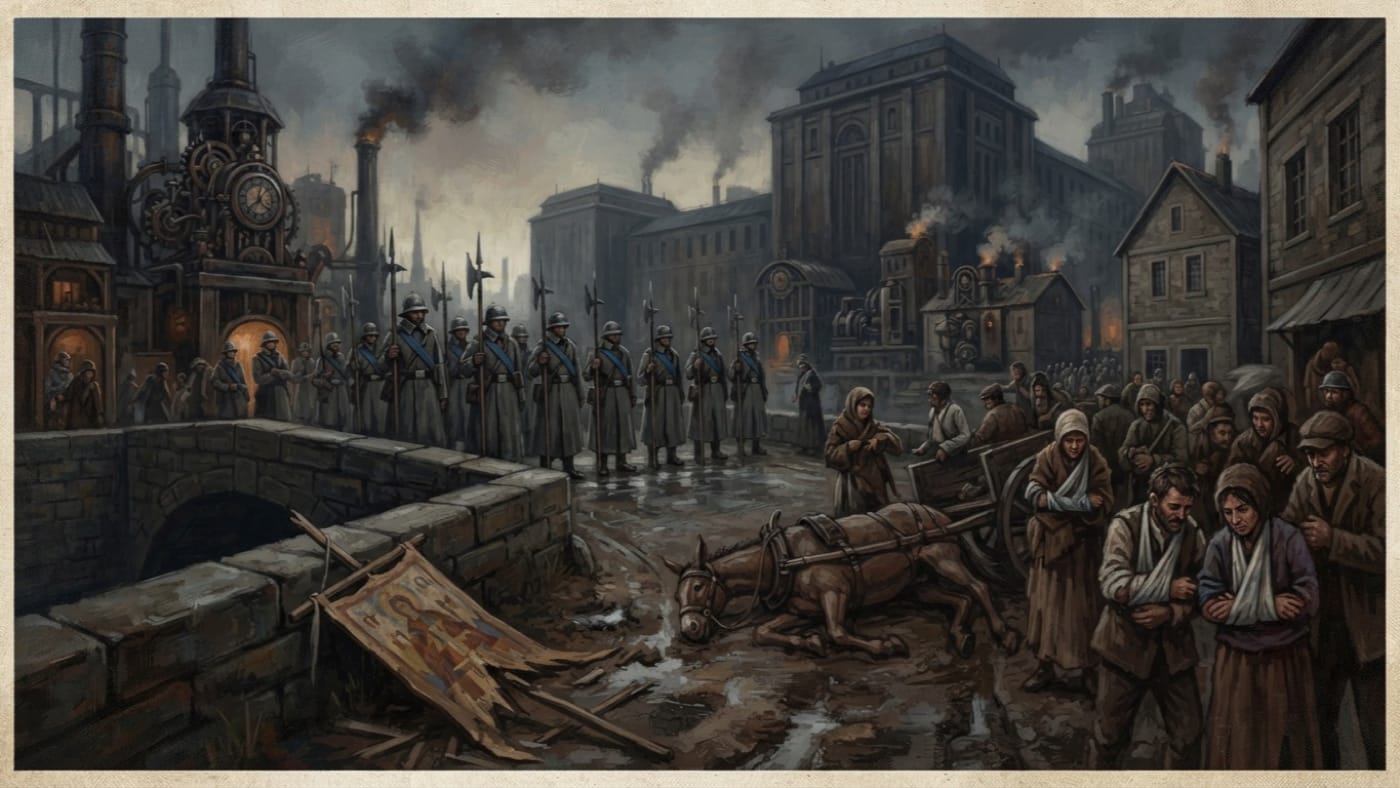
Lyon Road incident
Seven arms, one shrine banner, one mule, and a corrected manual
The A.S. 188 review of the undated Lyon Road incident replaced "pastoral firmness" with "licensed compulsion" after seven arms, one shrine banner and a mule were broken. The mule received no compensation; its owner was fined.
Codex Ref. VII.7.04-188
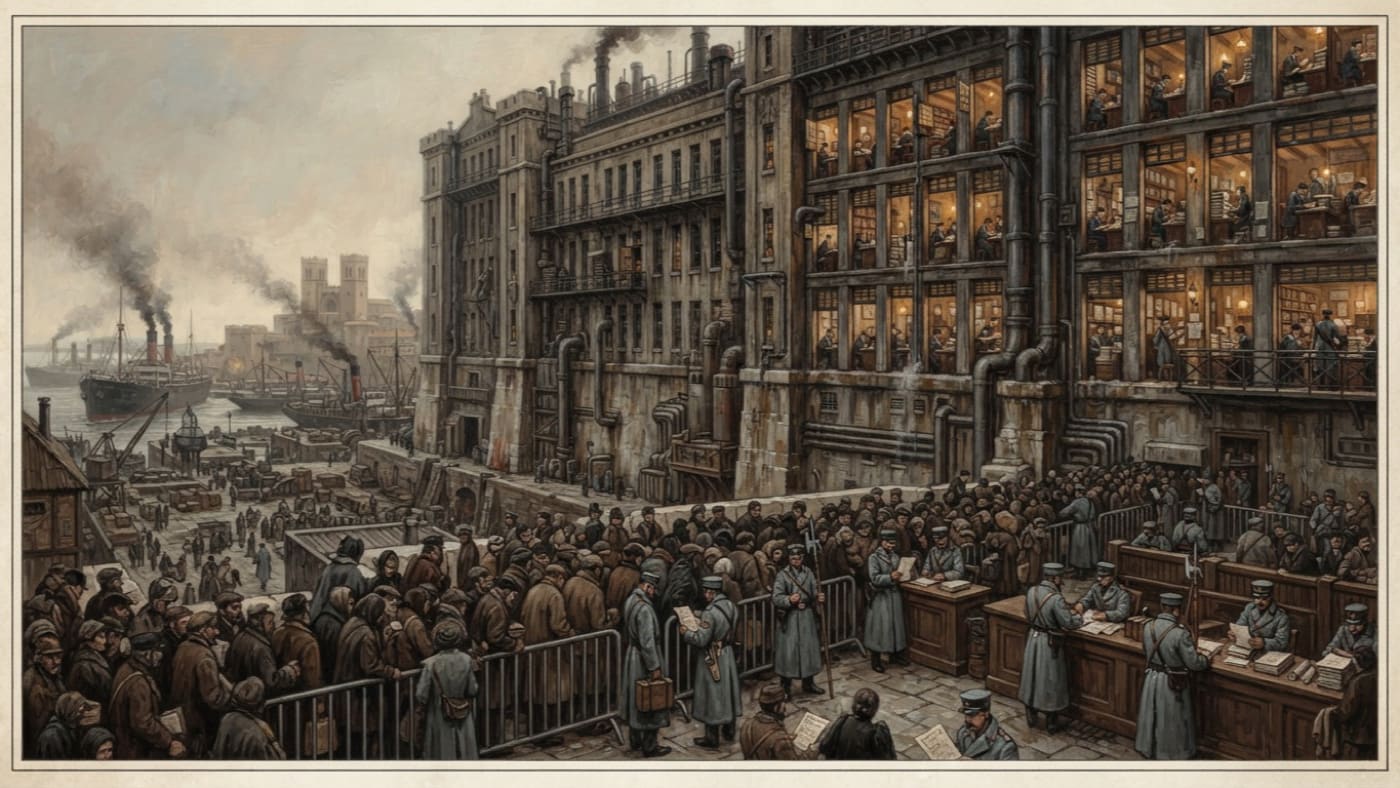
Marseille Southern Headquarters
Four hundred thousand permits, three foundation corrections
Authorised in A.S. 123, Marseille's southern pilgrimage headquarters processes approximately 400,000 embarkation permits yearly above three immured guild-masters. The groaning is classified as structural settlement.
Codex Ref. II.4.09-123
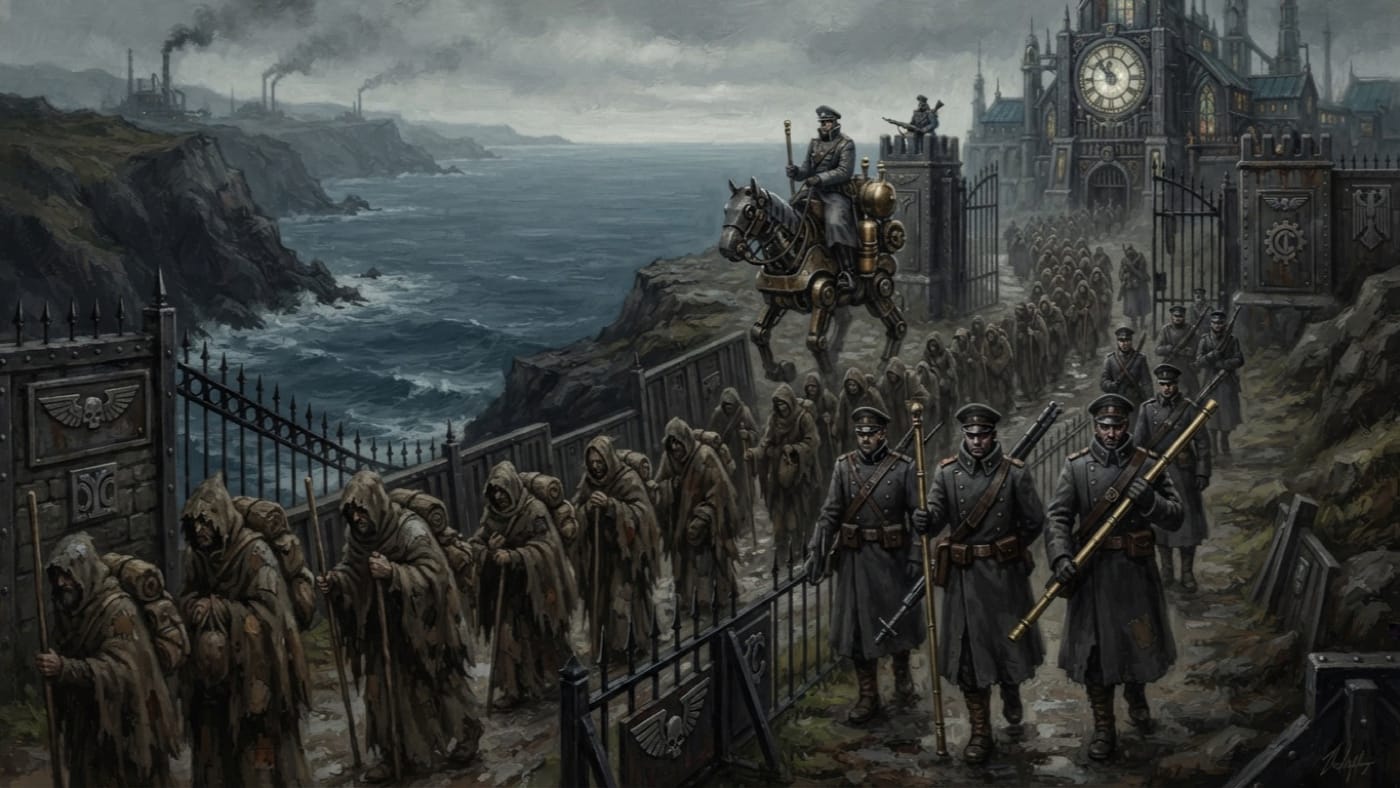
Peregrine Brotherhood
Enough escorts to trouble a prince. No authority after A.S. 123.
The Peregrine Brotherhood controlled Iberian coastal pilgrimage with escorts fit to trouble a prince. Implicated in Santiago's A.S. 121 riots, it lost independent authority under the A.S. 123 Harmonized Routes Edict. The Bureau kept the roads.
Codex Ref. XI.5.03-123
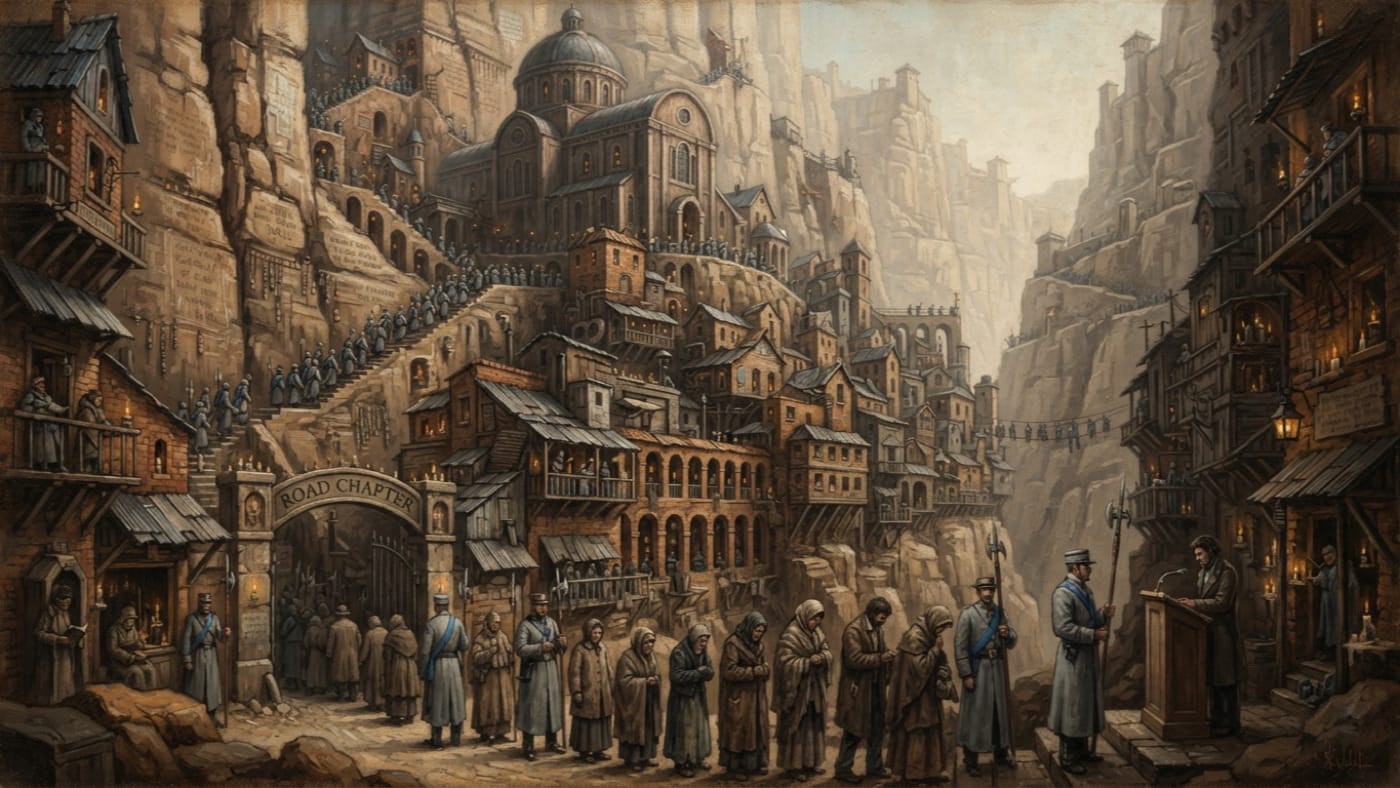
Peregrine Row
Where clean tongues buy passage and the canyon collects the rest
Peregrine Row is a canyon town on the Pilgrim Roads where water, creed-clearance and safe passage carry separate charges. The Wardens train on its cliffs; the brokers turn the canyon's echoes into fees.
Codex Ref. II.1.03-201
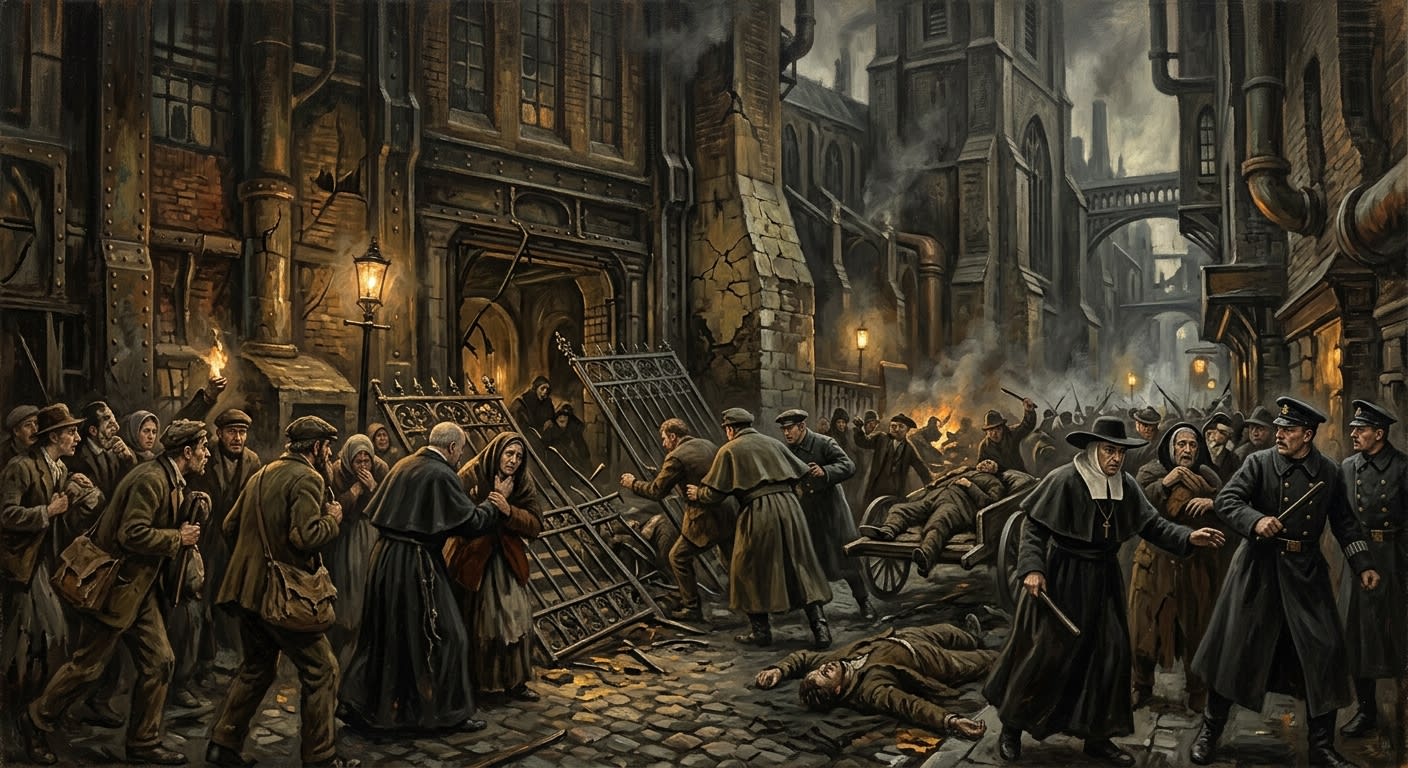
Riots of Santiago
Forty-one dead pilgrims taught Strasbourg that roads prefer owners
The A.S. 121 Riots of Santiago killed forty-one pilgrims, broke a shrine screen, exposed private road-guild predation, and gave Strasbourg the corpse-count it needed.
Codex Ref. VII.8.10-121
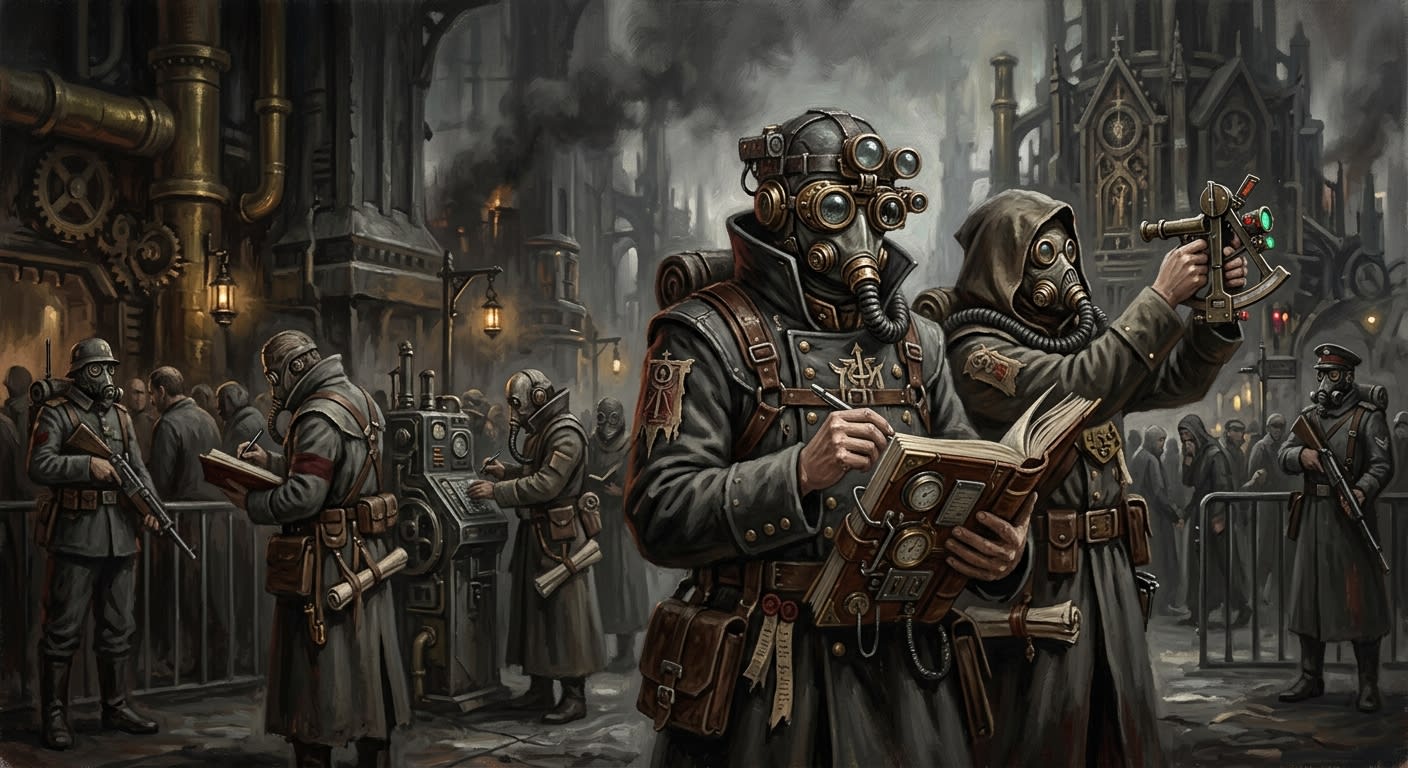
Shrine-Assessors
Holiness walks better after inspection, downgrade, and receipt
Shrine-Assessors are Pilgrimage's senior auditors of sanctity, classifying shrines, measuring traffic, binding relic-house access, and converting local miracles into routes the Bureau can tax, police, and survive.
Codex Ref. VIII.7.05-001
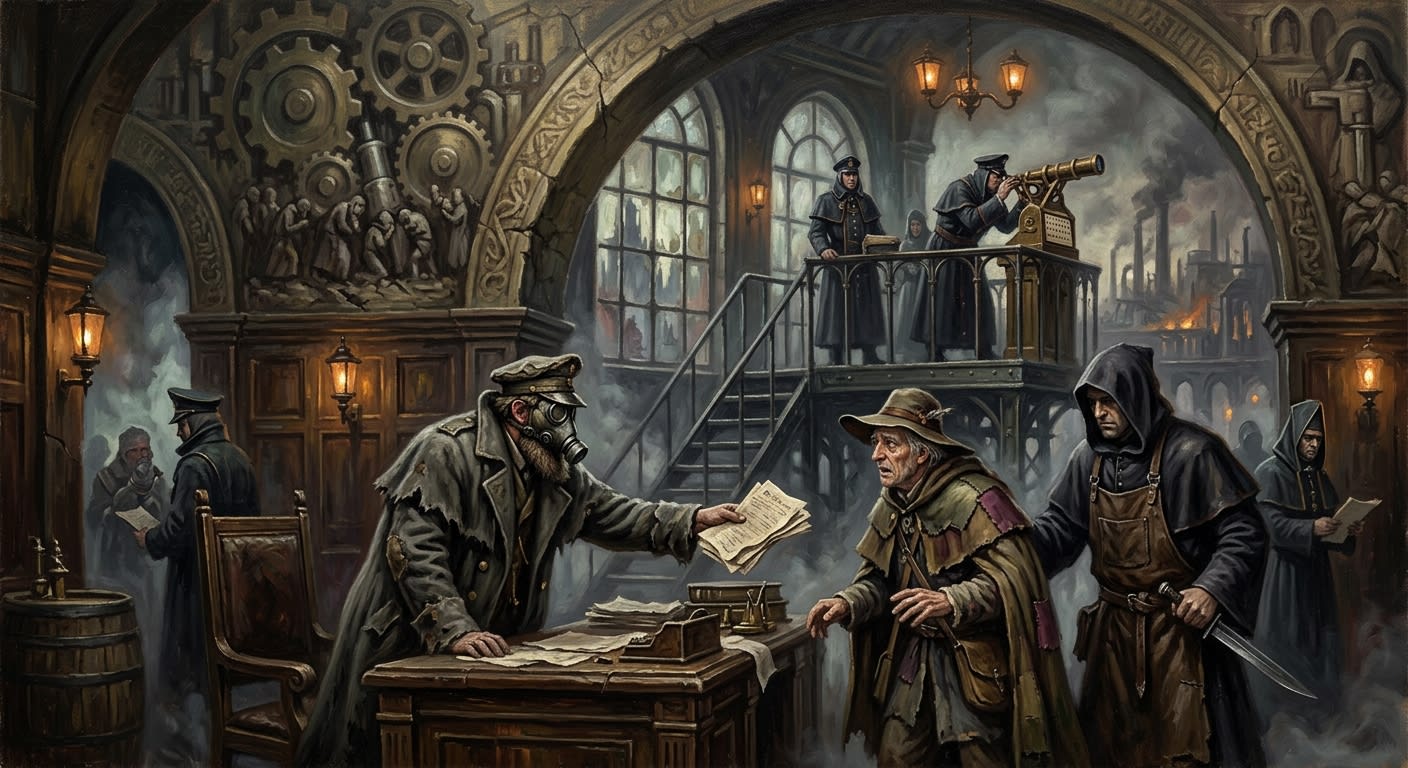
The Peregrine Cartel
A protection racket is merely insurance without liturgical manners
The Peregrine Cartel was an Iberian pilgrim-insurance racket with episcopal cover, choirboy knives, War-adjacent intelligence value, and a profitable terror that Pilgrimage destroyed in A.S. 193 because it was useful enough to absorb.
Codex Ref. XI.5.01-001
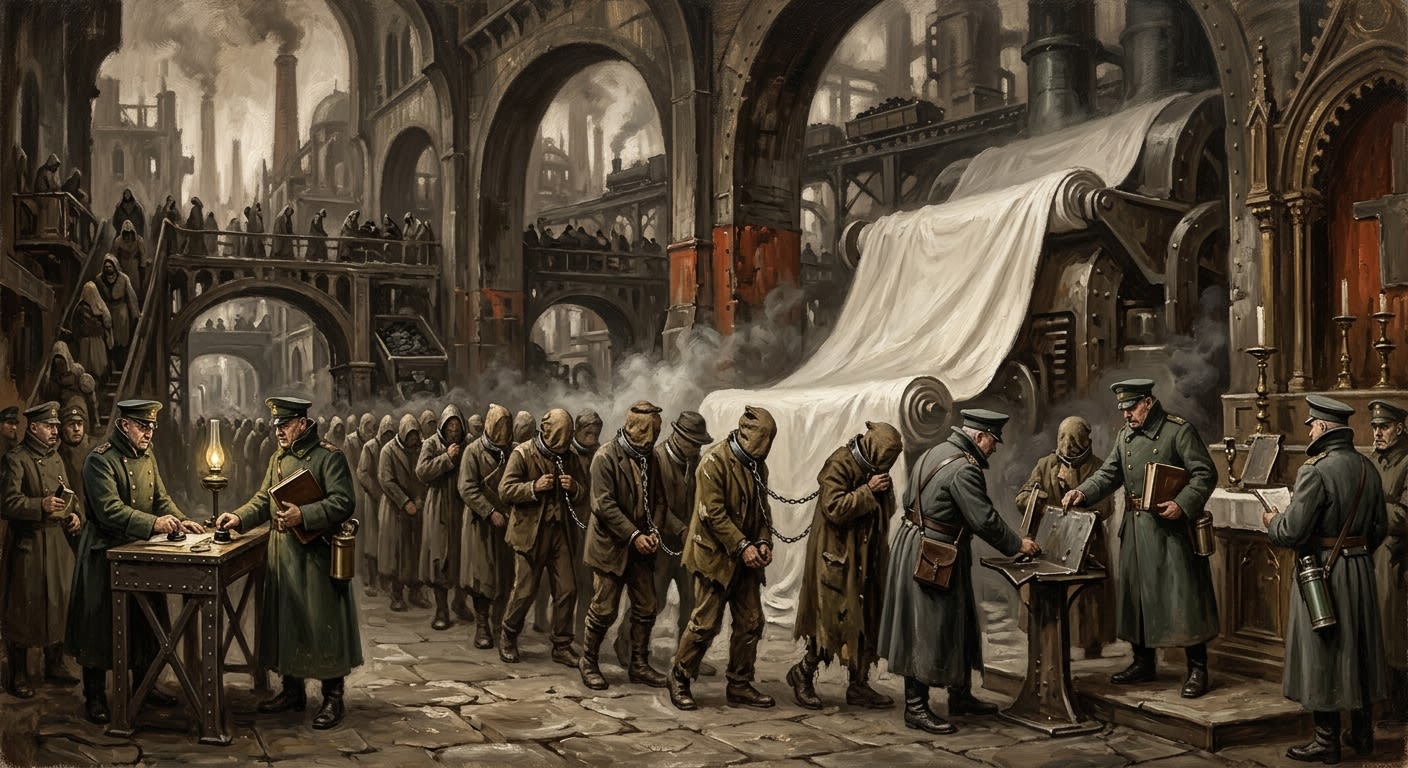
The Peregrine Jubilee
The road renews itself with chains, flags, and profitable terror
The Peregrine Jubilee is Pilgrimage's decennial month of chained penitents, route audits, shrine downgrades, guild dissolutions, confession harvests, and public white cloth laid over very practical terror.
Codex Ref. VII.3.03-001
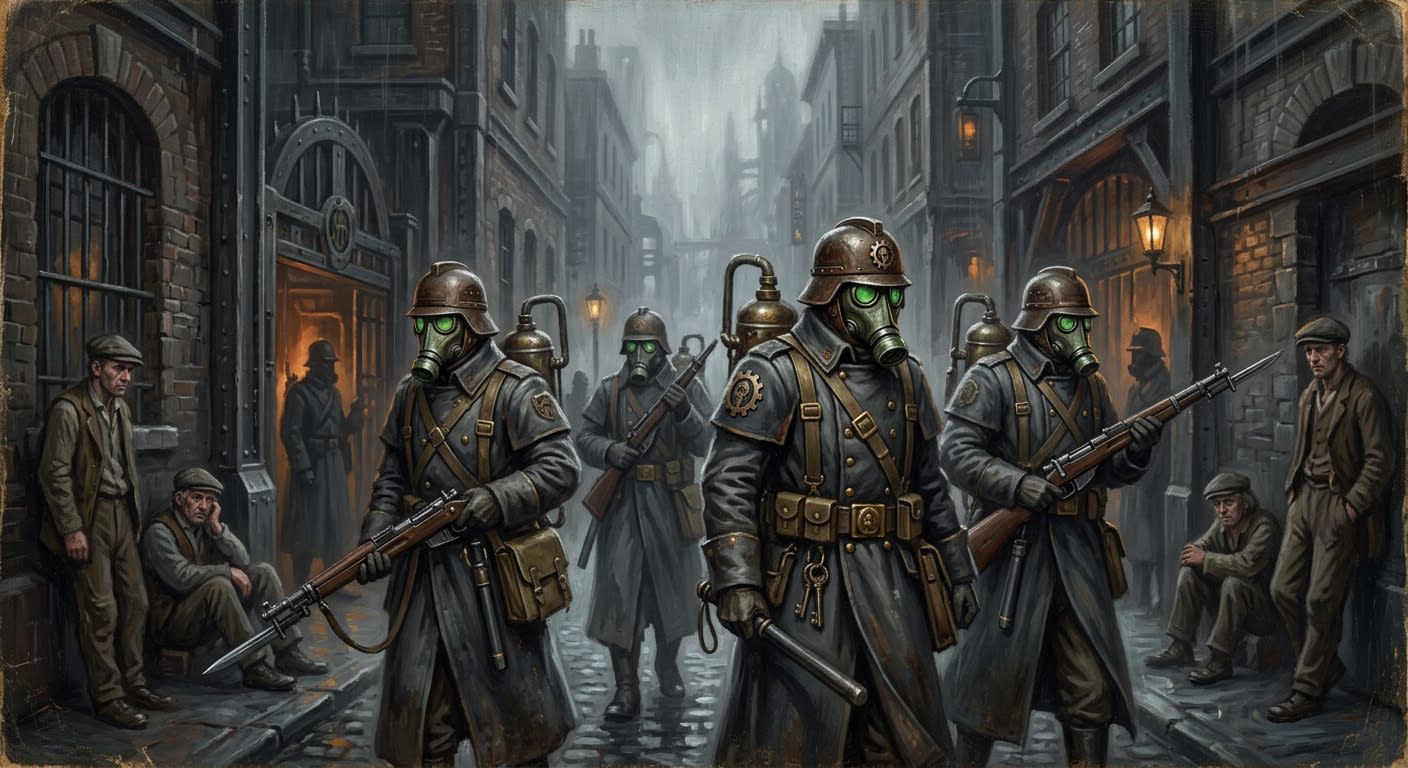
Wardens
The Synod's signature, written in keys and cudgels
Wardens are the Synod's street-level custodians of threshold, ration, gate, shrine, and curfew: resented because they are near, needed because they are near.
Codex Ref. XII.7.02-001