
#On the Bitter Instrument
Bitter. Cheap. Stolen. Protocol 7-C is the Bureau of Medicine's emergency fever discipline for garrison conditions: willow bark, boiled water, cooled administration, repeated interval, corrected attribution, sealed source. In public instruction it is a triumph of internal study after the Fever Winter of A.S. 112. In sealed lineage it is the stolen pot of Gerda Weil, Halle midwife, civilian contaminant, Rationalist medical influence, dead in Ulm by A.S. 114, and more useful to the Synod than most living Archons who have avoided being made into paper.
The protocol saves bodies. This is the scandal.
The name has bred confusions. There are other 7-C instruments scattered through the imperial cupboard: handling rules, destruction sequences, optic cautions, night-paper disciplines, and other little clerical teeth. This article concerns Protocol 7-C(Emergency Revision), issued by the Bureau of Medicine in A.S. 113 after typhus killed four thousand soldiers in six weeks around Halle and its associated Hinterland garrisons. Its indication is high fever with delirium under crowded ward or field conditions. Its preparation is bitter, cheap, and effective enough to require moral laundering.
#On the Ward Before the Theft
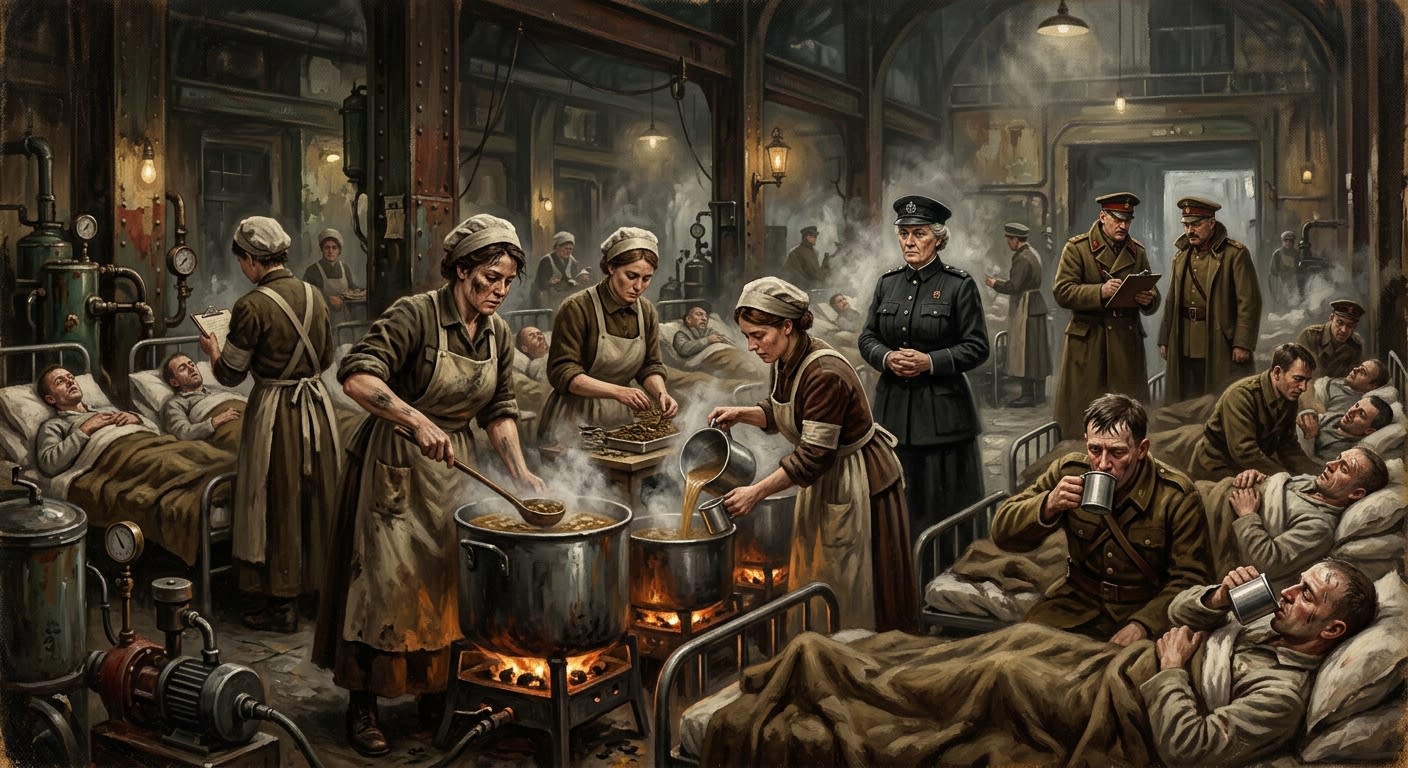
The Fever Winter began with lice and damp wool, which is to say with ordinary neglect promoted by weather into catastrophe. Levies moving toward the Sagittal Line slept in barracks east of Halle where straw had been reused, roofs leaked, blankets carried old sweat, and ward discipline meant aligning men neatly while they died. The first sanctioned response was prayer. The second was fasting. The third was blessed salt. These performed their usual offices: prayer steadied the frightened; fasting weakened the sick; salt stayed salt with admirable mineral orthodoxy.
By the fourth week the dead were stored outdoors. Frost kept them better than Records. Wardmasters clicked tally-beads until the sound began to resemble a clock made from teeth. Chaplains heard delirium as confession because confession was what their forms knew how to receive. Sisters boiled cloth until fuel ran low, then prayed over cloth less often boiled. Medicine possessed locked shelves of older remedies, some pre-Synodic, some Rationalist, some merely domestic knowledge under a bad family name. The shelves remained locked. A dead soldier under approved treatment makes a cleaner file than a living soldier saved by forbidden hands.
A Medicine catechism printed after the crisis described the early ward response as “limited therapeutic uncertainty.”
Corrected. Therapy was absent in all ways that mattered. Uncertainty belonged to officials; the fever knew its work.
Gerda Weil entered Ward Eleven with a pot. This is not how institutions prefer deliverance to appear. Deliverance should wear a seal, carry a memorandum, arrive after a bell, and possess a clerk capable of turning survival into doctrine. Weil brought willow bark from a family-hidden Rationalist medical text preserved in a bread-oven, water boiled hard, clean cloth, domestic authority, and the contempt of a midwife who had watched men faint in birthing rooms after giving instructions from the door.
She scraped bark clean. She boiled. She watched the pot. She cooled. She repeated before the fever climbed again. Seventy percent of treated cases improved in three sealed Halle logs. The number was copied, challenged, buried, stolen, and made official. Numbers that save men are dangerous when their mother is unlicensed.
#On the Correction of the Source
Purity arrested Weil before the fever had finished eating. Her grandmother's oven was broken open. The hidden text was seized. Household papers were stripped, birth notes boxed, marginalia taken, bark scrapings marked as evidence. The ward kept using the method. Of all Synodal contradictions, this one retains a certain clean brutality: chain the woman, copy the pot.
Medicine requested access to the preparation notes under seal. Purity granted custody after removing the civilian name. Records amended logs. Forty-seven garrison medical sheets changed “folk remedy, source: civilian, unverified” into “Bureau of Medicine Protocol 7-C, origin: internal research.” The formula did not change. The interval did not change. The water did not become holier because a Bureau had touched the page, though it did become more expensive. Ward clerks received replacement wording on Ulm stock, copied it twice, burned the old sheets under witness, and discovered that the smoke smelled faintly of bark. The discovery was not filed, which proves at least one clerk still possessed instinct.
The public abstract called the revision accelerated internal study under wartime conditions. That sentence is a small coffin. Inside it lies an old oven, a hidden book, a woman's hand, and four thousand soldiers whose deaths made delay embarrassing. Protocol 7-C emerged clean enough for ward use and dirty enough for the Ashen Circle to make a martyr from its absence.
The Bureau of Purity insisted on civilian contamination. Medicine insisted on internal competence. Doctrine permitted both claims because contradiction is cheaper than confession. The soldiers swallowed the draught. The fever broke in enough men to make the lie durable. No one put Weil's name on the public sheet.
#On the Substance and Procedure
Public copies call the matter complicated so instructors may feel necessary. The procedure is plain enough to insult a professor. Willow bark is scraped, washed, broken, and simmered in hard-boiled water until the bitterness has entered the liquid. The decoction is cooled before administration. It is given in measured intervals before the fever rises again, with cloth washing, delousing, bed separation where space permits, and ward-water boiling recorded as associated discipline. Later Medicine handbooks added dosage marks, age classifications, ration adjustments, delirium recording, and contraindication columns, because no Bureau can encounter a working pot without building a desk around it.
Its virtue lies in timing. Delay kills. Irregular administration weakens effect. Dirty water turns remedy into insult. The bark must be bitter enough to matter and diluted enough that a fevered soldier can keep it down. Field surgeons learned this quickly and then pretended the handbook had taught them. Nurses knew first. Nurses usually do. They stand nearer the mouth.
HALLE LINEAGE PACKET — PROTOCOL 7-C(E), SEALED EXCERPT Source notation before correction: “G. Weil says repeat before heat returns; if he shakes again you are late.” Medicine margin, A.S. 113: “Convert to interval language. Remove name. Preserve timing.” Purity margin: “Civilian phrasing contaminated.” Doctrine margin: ███████████████████████████████████
Protocol 7-C also carried a hidden command: boil water. This seems small to readers raised under modern ward discipline. It was not small in A.S. 112. Boiled water moved from house habit to medical rule, from old women's nagging to garrison schedule, from kitchen fact to authorized instrument. The Bureau adopted it as if discovering fire on a Tuesday and filing for custody before supper.
Early field summaries credit Protocol 7-C with introducing “sanctioned hygienic heat” to garrison medicine.
Amended. The heat existed. Women used it. The Bureau arrived later and named the kettle.
#On the Ashen Use of a Stolen Cure
The Ashen Circle did not create Protocol 7-C. It adopted the wound around it. Weil was never an Ash-Master, never a Soot Annotator, never enrolled in any cellar rank, never indexed by Dr. Marrow Vask's little grammar of concealed fact. She kept a family text hidden and used it when men were dying. The Circle required a martyr and found one already dead enough to be agreeable.
Their broadsides made the protocol proof that forbidden knowledge must survive outside the Sacred Ledger. Medicine's theft supplied them with magnificent evidence. Here was the whole Synod in miniature: Purity condemning the source, Medicine using the method, Records correcting the logs, Doctrine sealing the contradiction, Ulm receiving the body, and garrisons thanking the printed page instead of the woman whose hands first brewed the draught.
The Circle's medical cells now preserve variant copies. Some include the name Gerda Weil in ash-ink beneath the dosage table. Some replace the Medicine seal with a little oven mark. Some add household cautions: boil harder than the officer thinks necessary; hide bark in laundry; never let the chaplain count the pot. These additions are heretical, practical, and irritatingly sane.
The Bureau's answer has been to print more official copies. Official paper is meant to drown the unlicensed name. The difficulty is that some copies are printed on Ulm stock, and Ulm stock remembers too much. I have seen one A.S. 188 fever card held to a candle. A watermark appeared in the lower margin: G.W. The clerk dropped it. I did not. Rank, dear reader, is partly the art of not flinching until witnesses have done so first.
#On Use, Abuse, and Present Doctrine
As of A.S. 201, Protocol 7-C remains active in garrison wards, field infirmaries, rear barracks, levy routes, fever wagons, and every Hinterland kitchen that pretends not to know the official recipe because knowing it aloud can still invite questions. Medicine teaches the protocol as emergency fever discipline. Purity teaches the Weil case as civilian contamination. Doctrine teaches both in separate rooms and locks the corridor between them.
Abuses have multiplied. Diluted bark sold at convoy markets. False 7-C seals stamped on brown water. Priests blessing unboiled water and calling it compliant. Surgeons stretching intervals to conserve stock. Quartermasters substituting powdered bark swept from crate bottoms. Mothers stealing official bark from ward cupboards and saving children who are not soldiers, a crime that has produced more living children than comfortable precedents. Tithes has considered a willow levy. Mercy objected, weakly. Medicine objected only after learning Tithes wanted control of the measure.
The protocol's moral hazard, according to Purity, is that it teaches citizens to trust unauthorised competence. Purity is correct. A pot that saves a soldier teaches more rebellion than a tract. A midwife who reduces fever while blessed salt sits useless in a bowl makes the entire architecture of credentialed ignorance look damp, chilly, and overdressed. This is why the Bureau stole the remedy rather than denounced it completely. A working heresy is too valuable to burn before copying.
Protocol 7-C is bitter. It should be. Sweet medicine makes fools sentimental. Bitter medicine reminds the mouth that survival has costs: bark stripped, water boiled, a woman erased, a file corrected, a body sent to Ulm, a page warmed under candlelight, a soldier sitting upright on the third morning and asking who saved him.
The approved answer is Medicine.
The true answer remains under seal.