

Reverse Index
Referencing “Lombardy”
Every codex entry that links to Lombardy. 15 entries.
Return to Lombardy
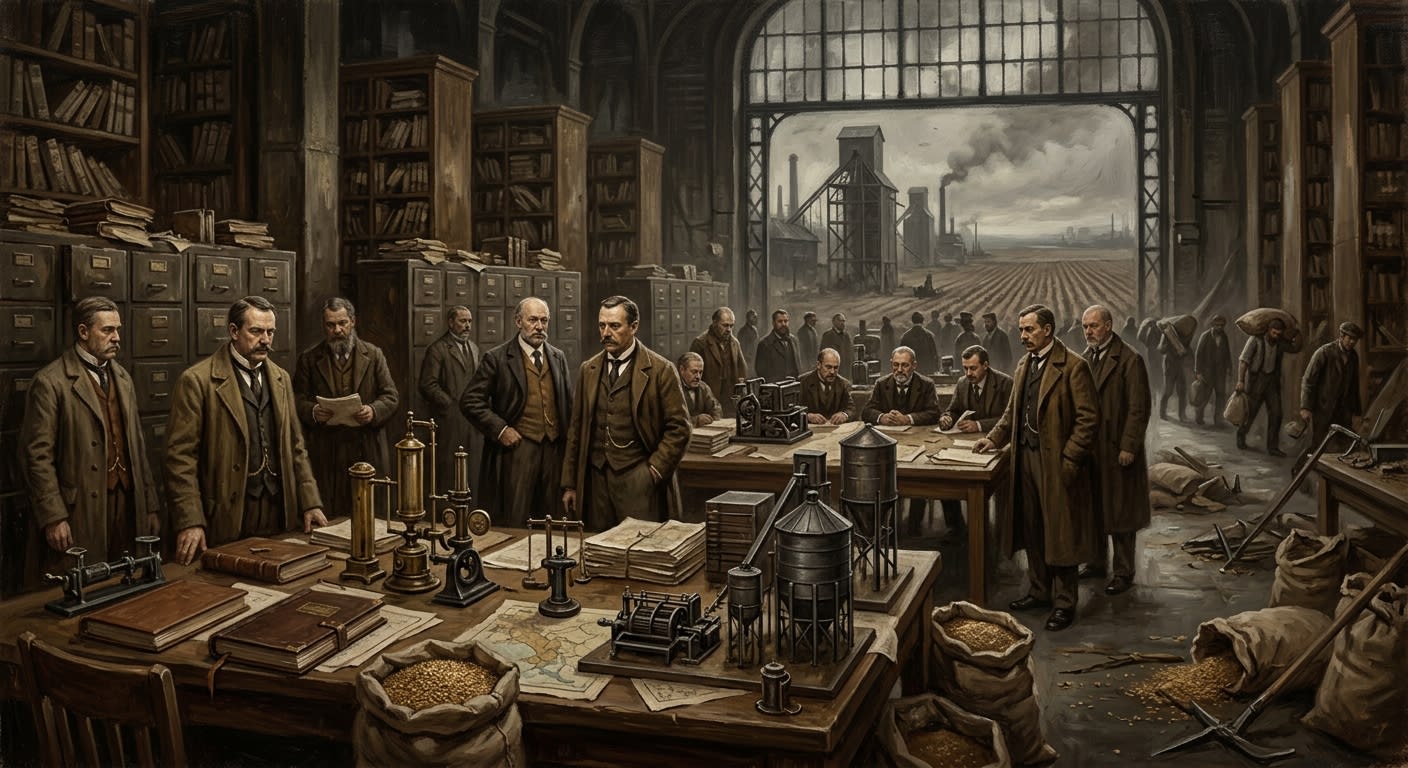
Bureau of Agriculture
The office that owned the wheat, but never the air inside the silo
The dissolved Bureau of Agriculture once governed seed, soil, yield, storage, and famine reports before the Weevil Year let Tithes inherit its grain authority.
Codex Ref. VIII.4.02-001
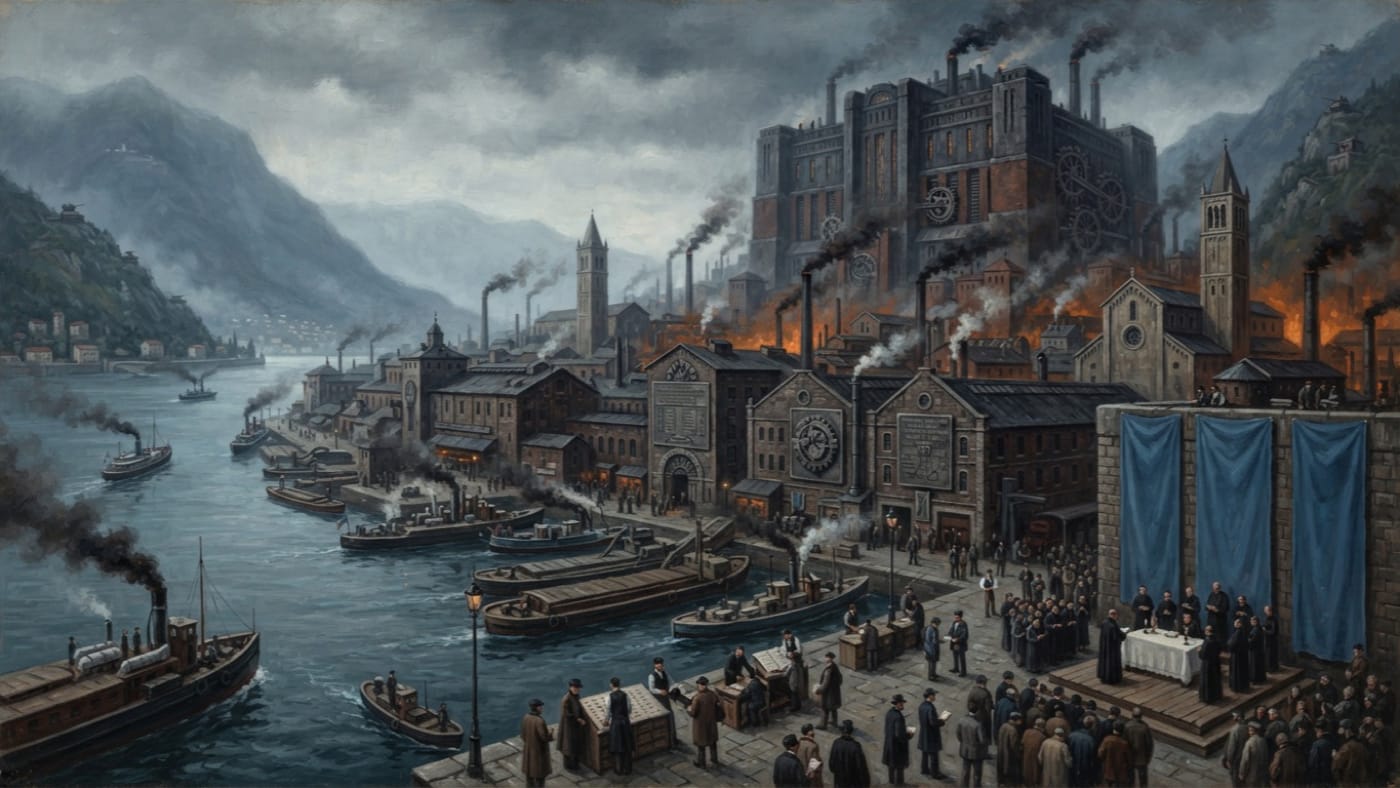
Como
A city that changed its bells and kept its names on the roll
Como put crossed keys on its silk, its warehouses, and its tax office in A.S. 150. In A.S. 201 its trade functions, its bells obey, and its names remain on the roll.
Codex Ref. II.1.08-201
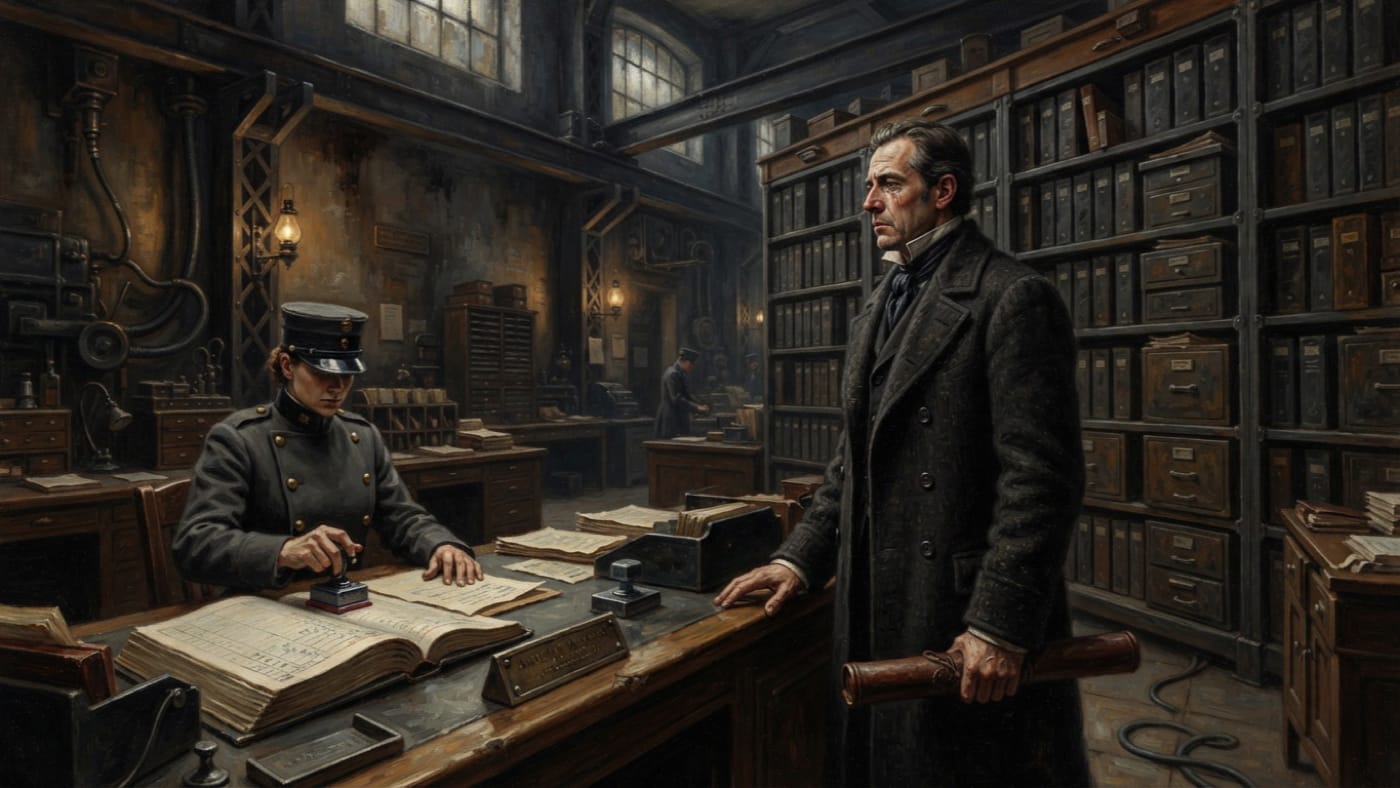
Conte di Sforza
He brought a protest. Strasbourg kept the tears.
The Conte di Sforza came to Strasbourg in A.S. 97 to defend the League of Milan. Its compact was already void; his reported tears were retained as evidence.
Codex Ref. III.2.01-097
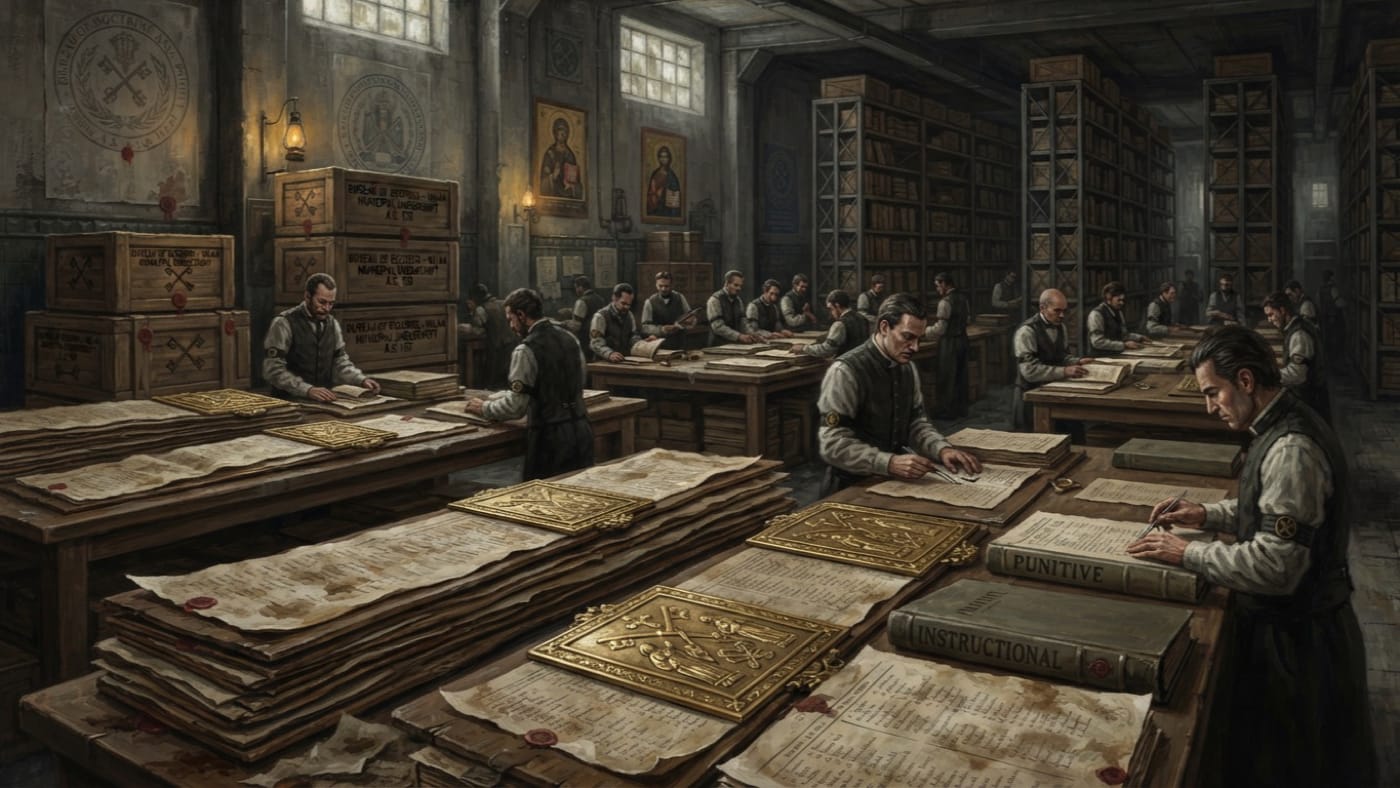
Crossed Keys Roll
Punishment finishes; the register continues
Recovered from twenty-seven soaked crates after the A.S. 150 Lombard revolt, the Crossed Keys Roll preserves names in punitive and instructional registers. Punishment finishes with a man; instruction pursues his grandchildren.
Codex Ref. IV.1.09-150
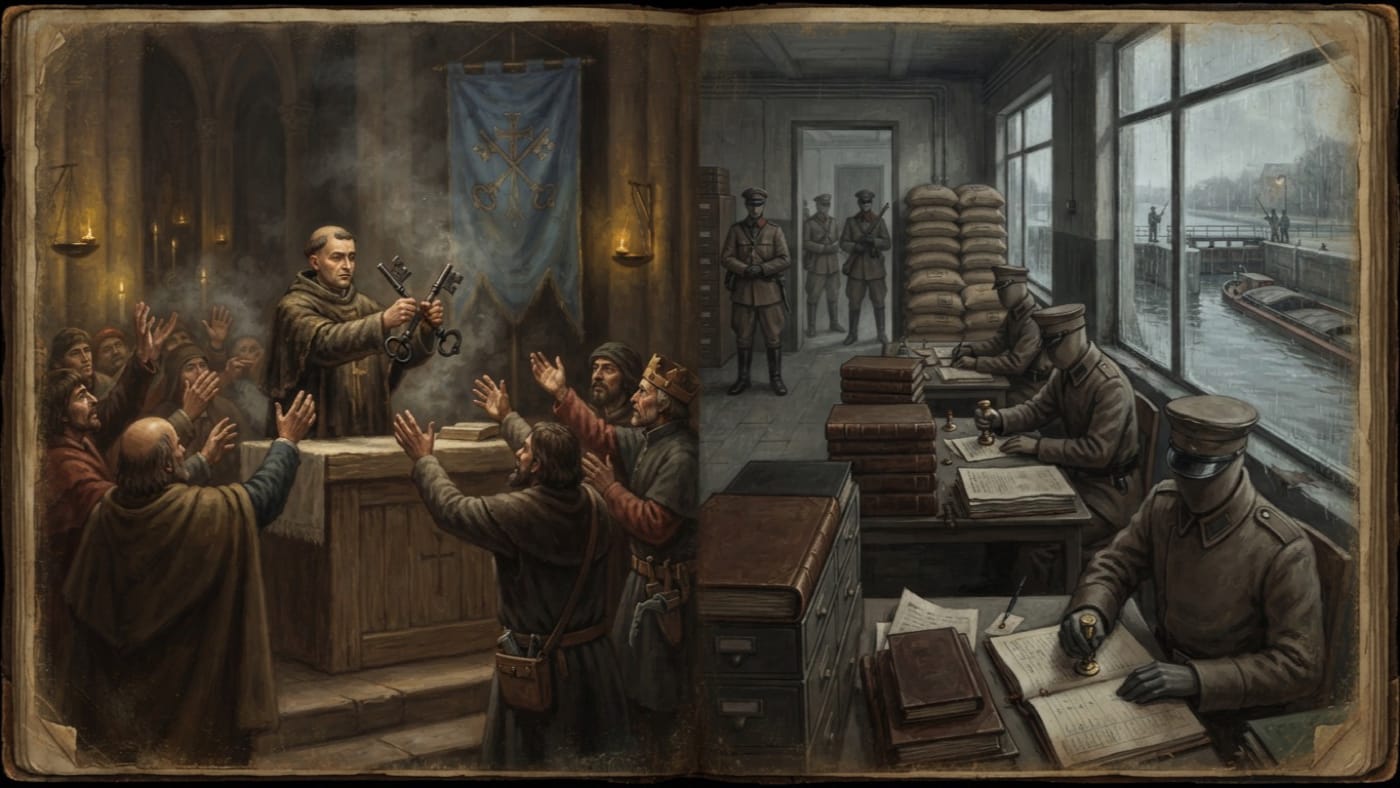
De Clavibus Restitutis
The entrusted hand and the clerk who kept the house
Ambrosius of Como's sermon placed authority in the entrusted hand. Lombardy heard restoration; Strasbourg answered with granaries, names and a river.
Codex Ref. VI.5.02-001
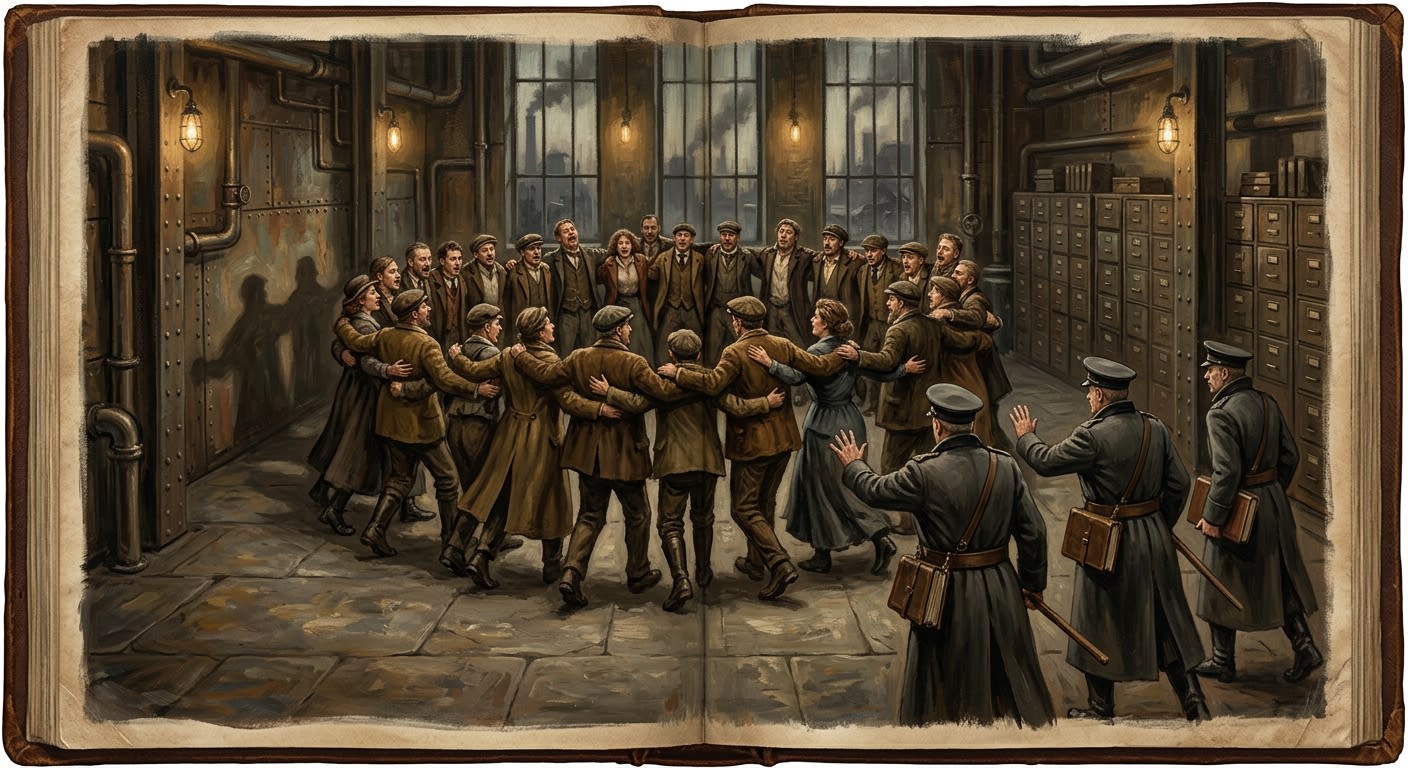
Heresy of Siena
The circle that kept turning after Doctrine entered
The Heresy of Siena began as a harvest dance and became a Bureau problem: a circle of bodies together before any office had authorised joy.
Codex Ref. VII.8.10-141
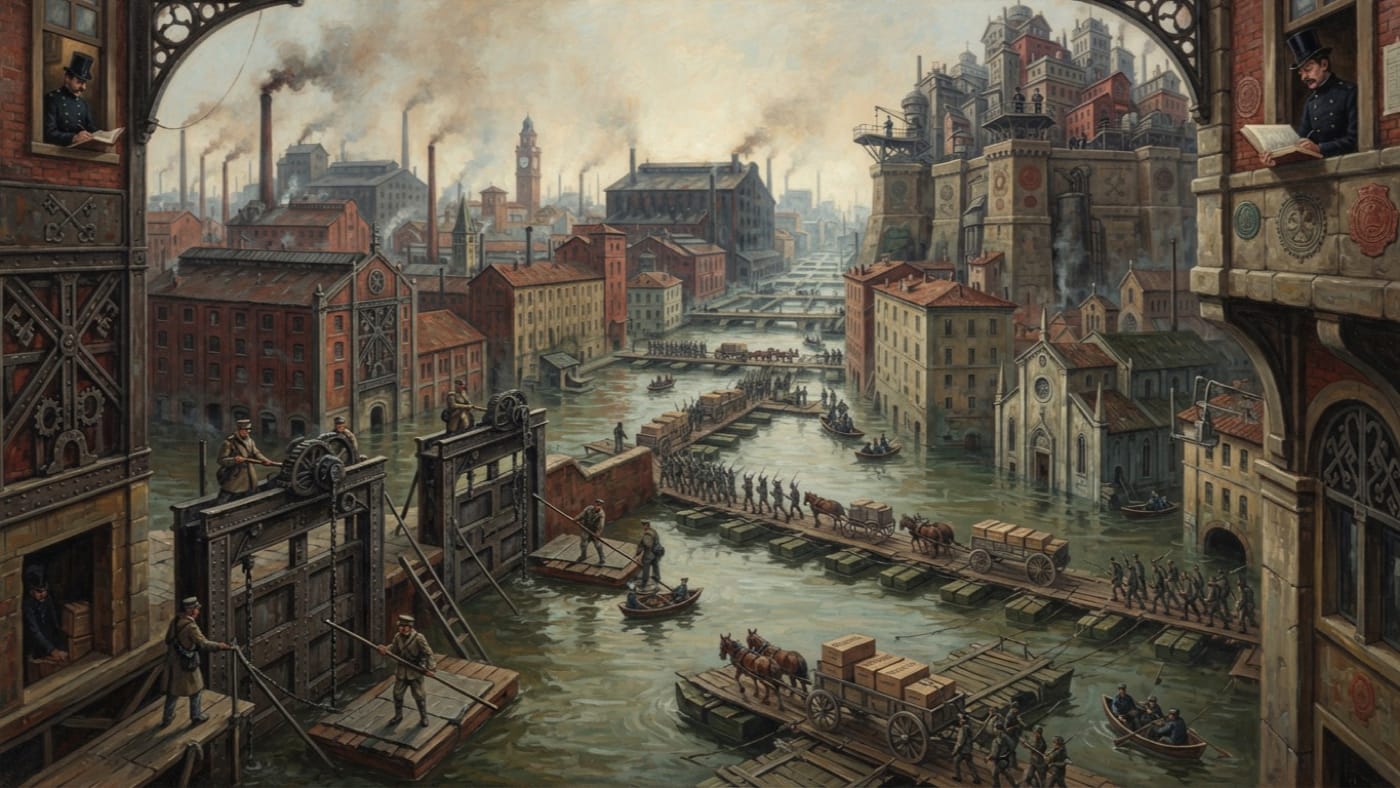
Hydrological Pacification
Water corrects the streets; ink pursues the families
The Bureau of War called Lombardy's A.S. 150 drowning hydrological pacification. Sluices corrected the streets; preserved registers continued the work long after the water withdrew.
Codex Ref. XIII.2.04-150
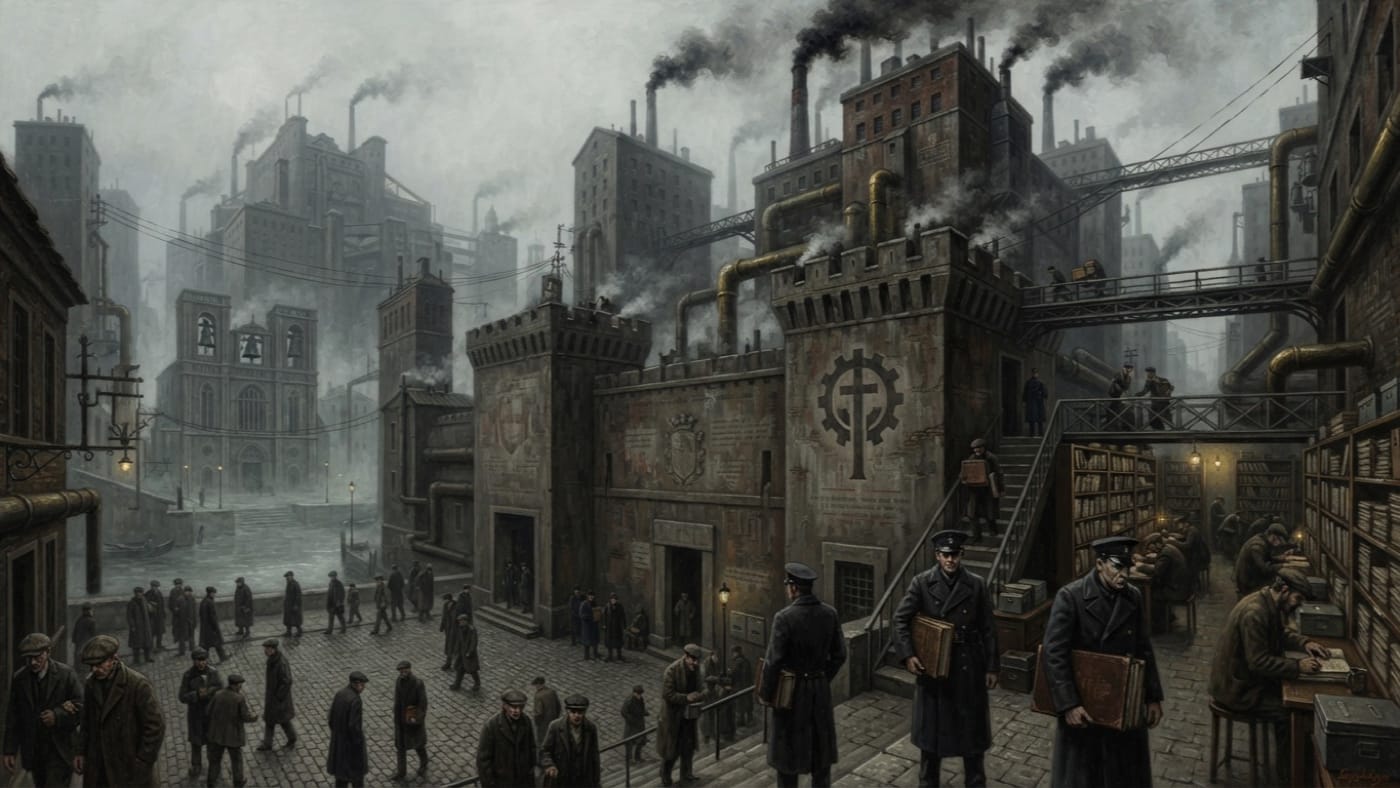
Italian principalities
One filing drawer for a peninsula that never consented to share it
The old Italian jurisdictions, erased by Regensburg in A.S. 30 and inherited piecemeal by the Synod. Their complete roster remains unestablished; their objections remain abundant.
Codex Ref. II.3.09-030
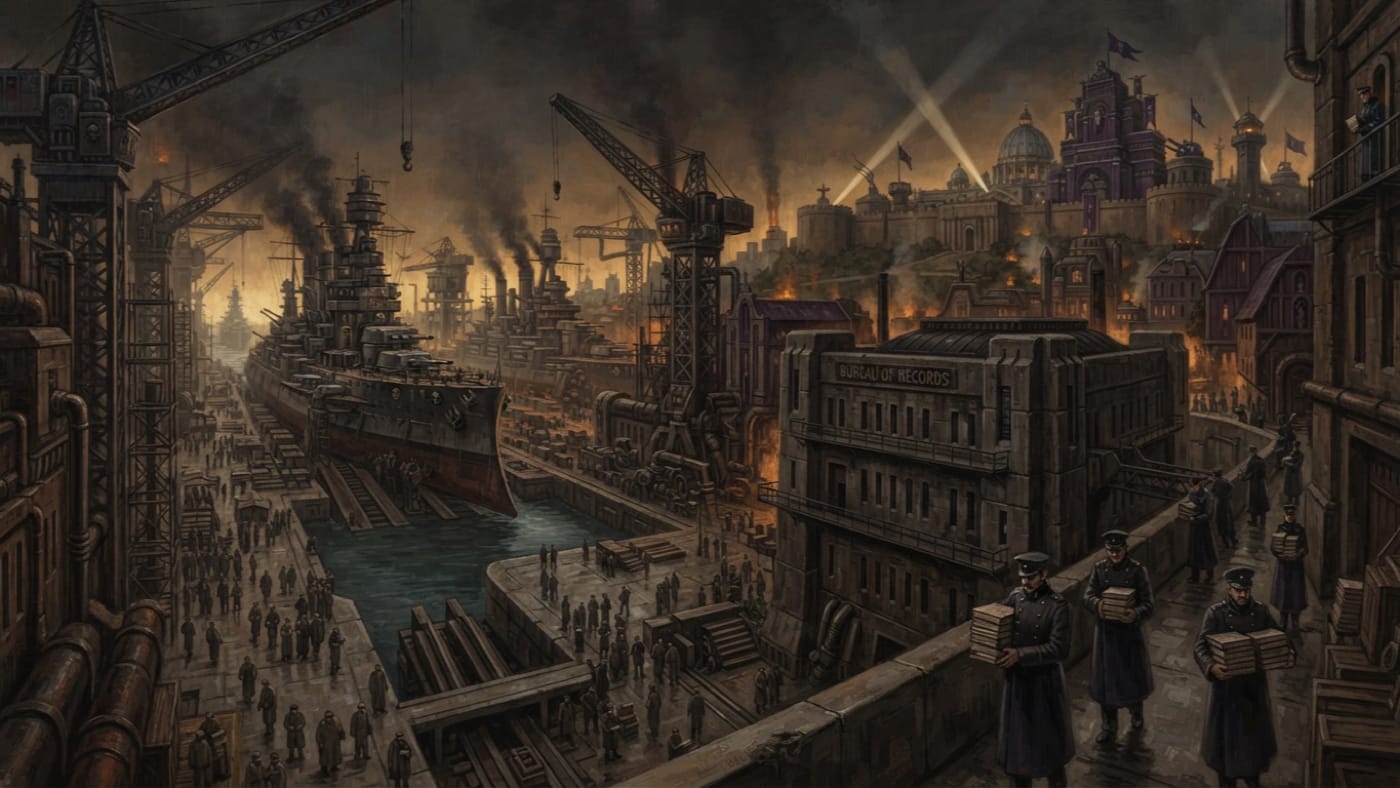
Italy
Inside the tax rolls, outside the founding seal
Italy builds ships, keeps archives and finances Synodal wars without a seal on the Concordat. My A.S. 201 survey finds its territories administered and audited, while Doctrine still anticipates compliance.
Codex Ref. II.3.10-001
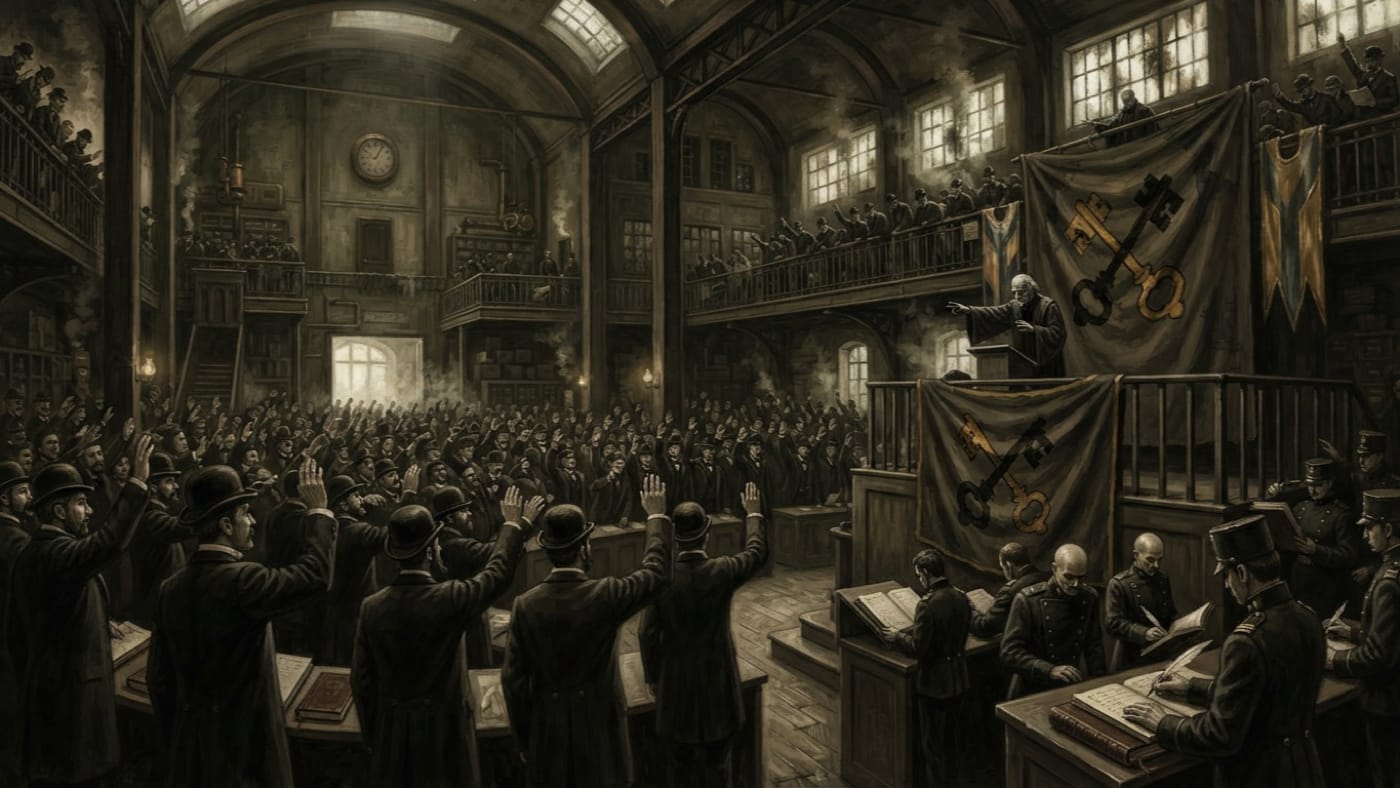
Key-Oath
An allegiance voided, a city entered
In A.S. 150, Milan's city councils swore the Key-Oath to the Coalition of the Crossed Keys and its so-called True Successor of Rome. The oath is void; the names remain useful.
Codex Ref. VII.8.04-002
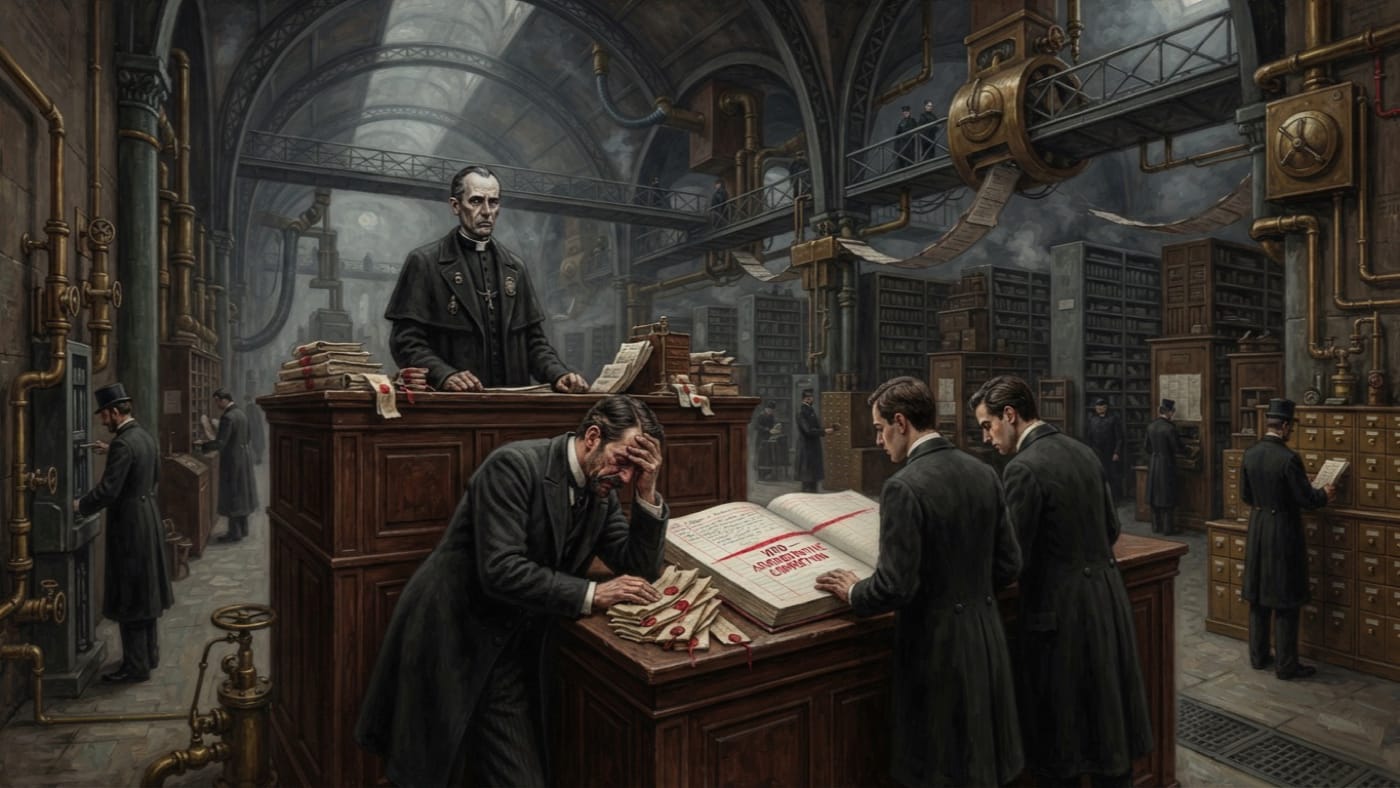
League of Milan
Fourteen cities, five pages, one stamp
Fourteen Lombard cities called their promises an alliance. In A.S. 97, the Bureau of Oaths called them void. The League's founding is uncertain; its annulment is filed.
Codex Ref. VIII.3.01-097
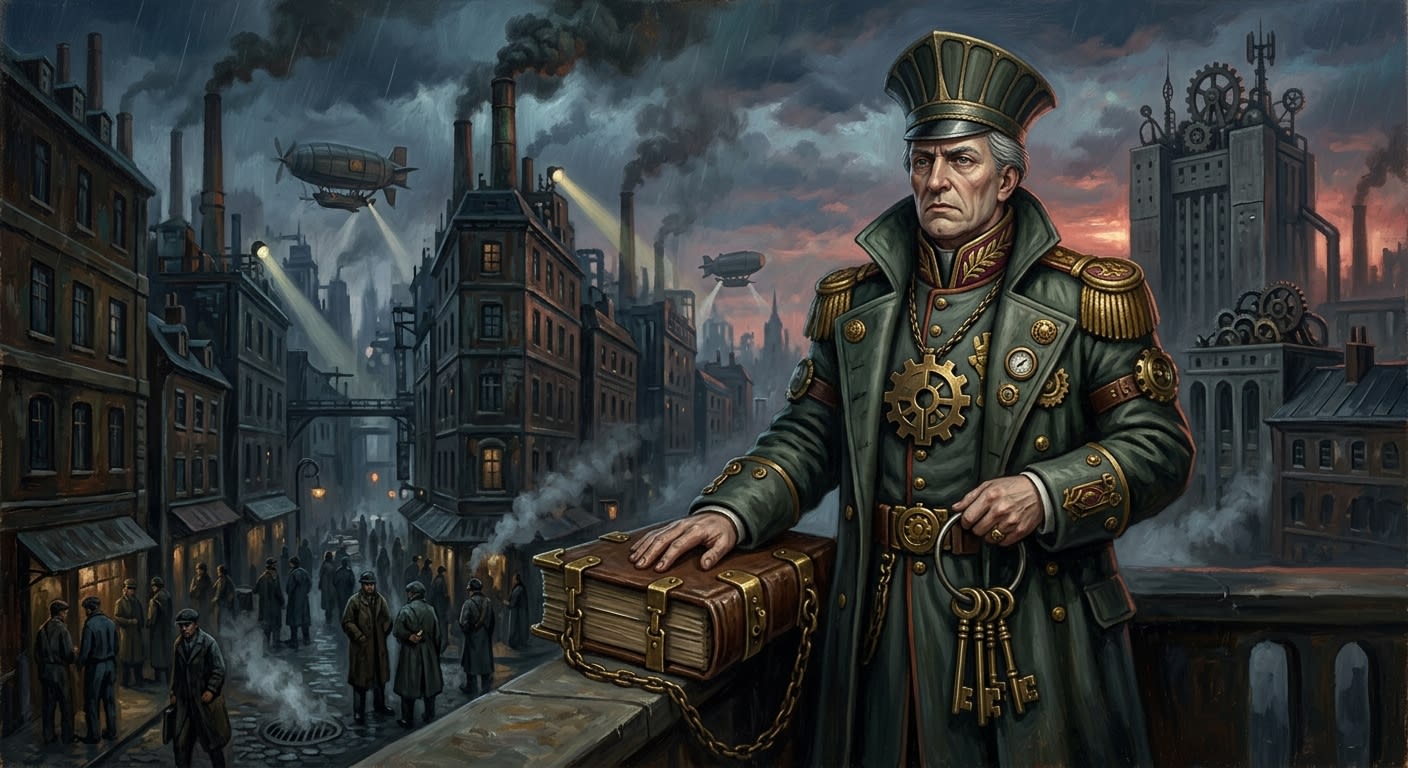
Milan
The city that mistook minutes for sovereignty
Milan is Lombardy's polished mouth: silk, steel, banking paper, guild keys, and the old civic delusion that a beautiful memorandum can outrank Strasbourg.
Codex Ref. II.1.07-150
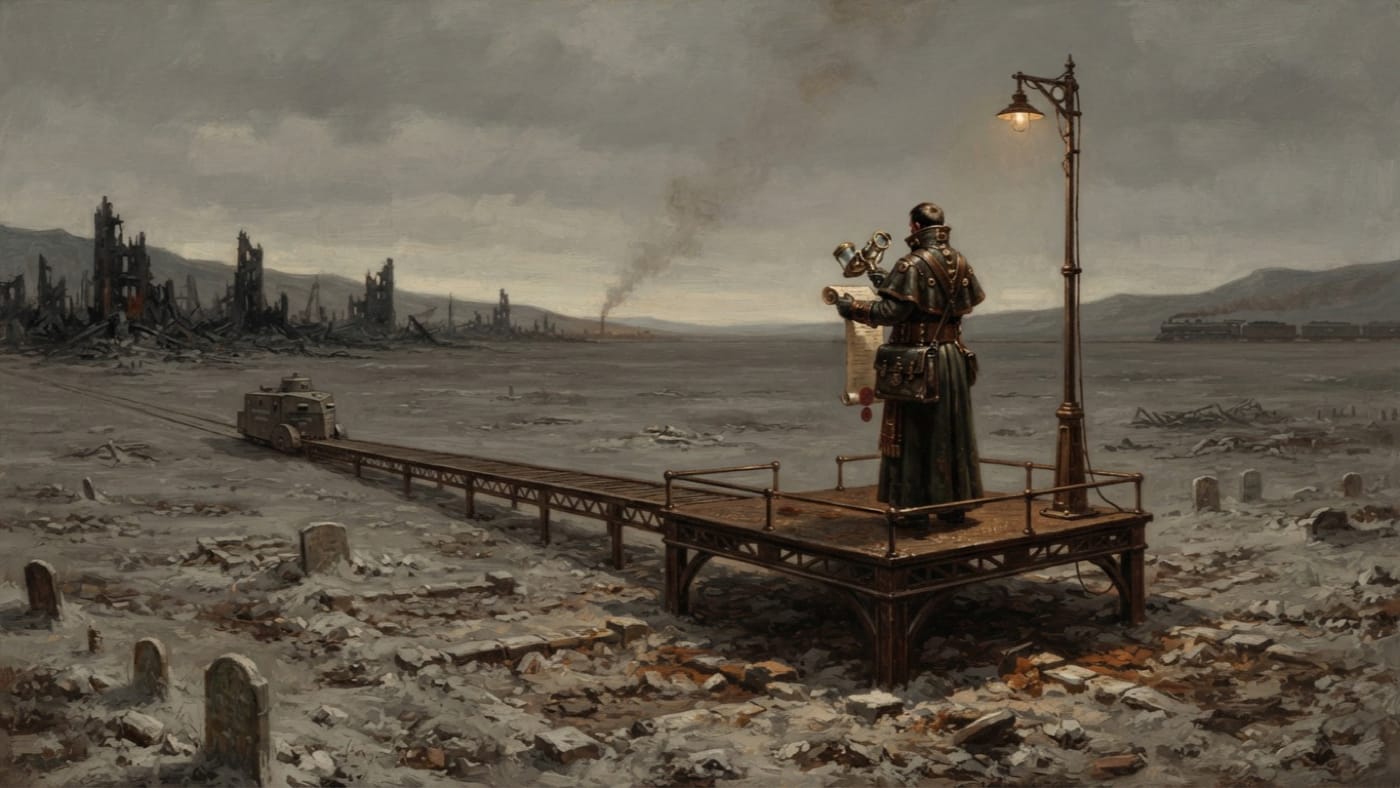
Pavia
The diocese whose stipend outlived its people
Pavia was razed in the Sundering of A.S. 45. Its diocese remains on the rolls, its Bishop-Praetorial paid to issue decrees and inspect an absence.
Codex Ref. II.1.12-045
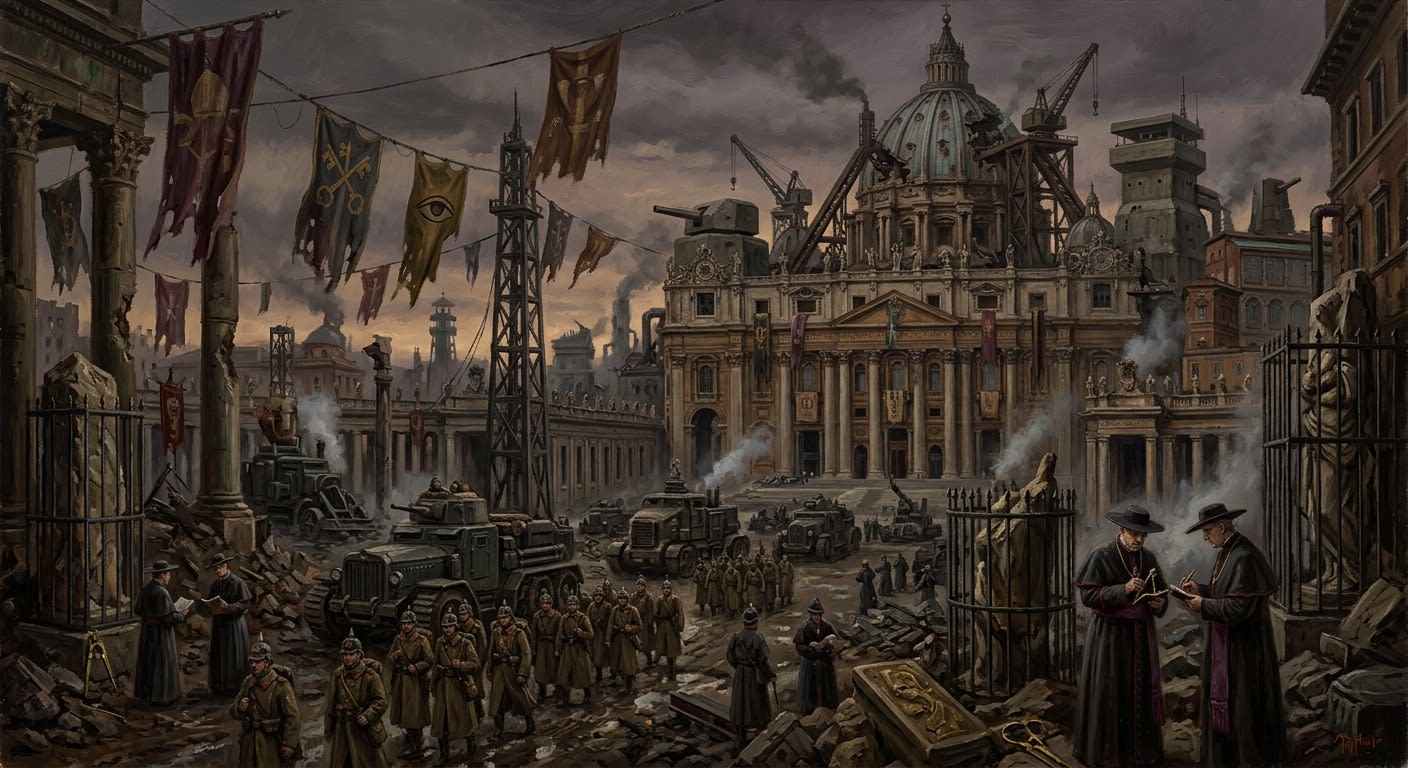
Rome
The old chair, subordinated and still dangerous in pieces
Rome is the Synod-held Old Chair: ruined, supervised, relic-rich, papalist-haunted, and too symbolically useful for Strasbourg to bury cleanly.
Codex Ref. II.1.11-201
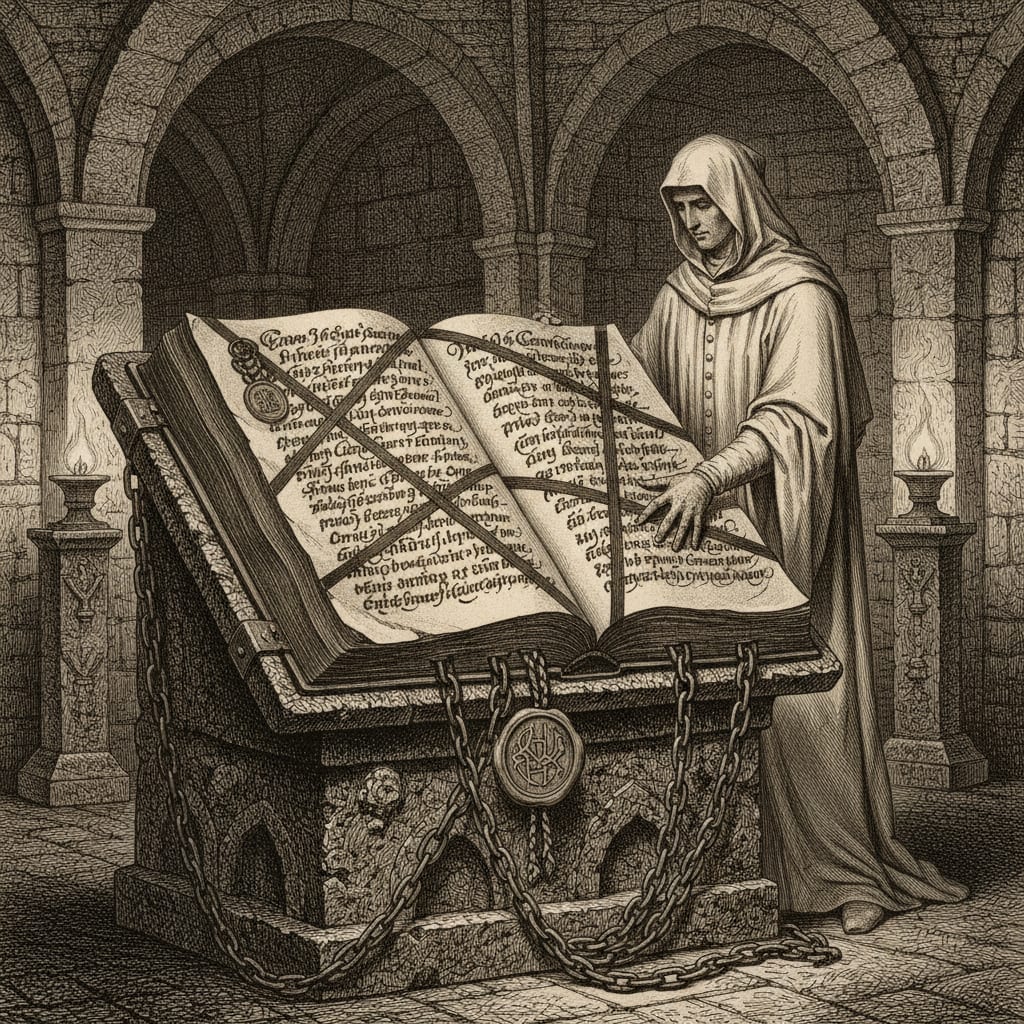
The Index Damnatus
A Catalogue of Forbidden Names, Texts, and Silences
The rolling compendium of everything the Synod has declared unfit for human knowledge — books, names, songs, bloodlines, flavors of incense, and at least one species of moth.
Codex Ref. III.4.09-031