

Reverse Index
Referencing “Mainz”
Every codex entry that links to Mainz. 123 entries.
Return to Mainz

Abbot-Registrar Solene
She made contradiction choose a widow and a loaf
Solene of Lyon, first Abbot-Registrar of Nemea, made ruins into an archive and panic into the doctrine of original by ratification.
Codex Ref. III.2.01-096

Aldous Crenn
Seven saints in one quarter, and not one accuracy review survived to trouble them
Bureau of Doctrine hagiographic clerk whose A.S. 94 quarter processed seven canonization packets, including Saint Halva's deficient file, and made sanctity behave like paperwork.
Codex Ref. III.2.01-067
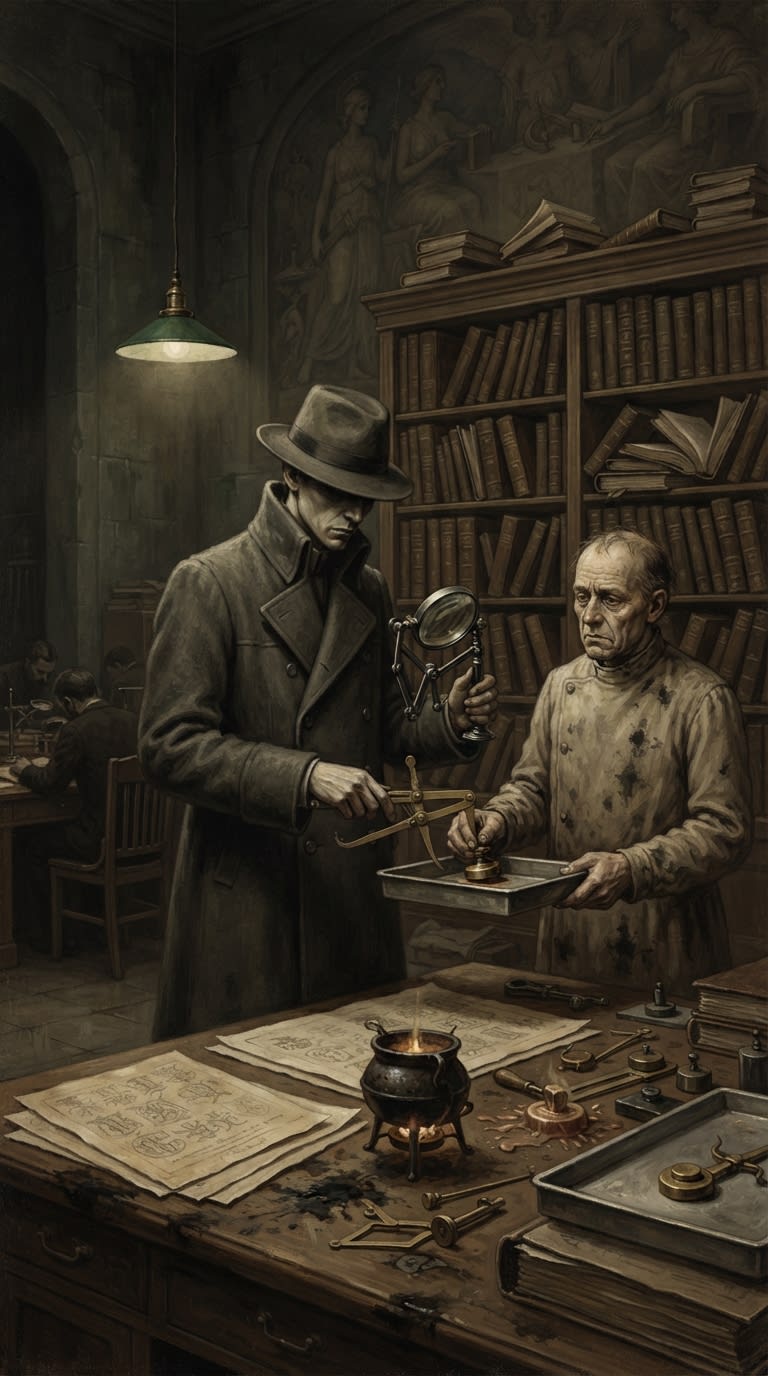
Annual Die Audit
Every lawful instrument must survive its own impression
Instituted after the A.S. 178 counter-seal embarrassment, the Annual Die Audit sends Seal-Walkers across Synod territory to weigh, strike, measure, accuse, retire, and occasionally retroactively shame every lawful seal-die.
Codex Ref. VI.4.19-178
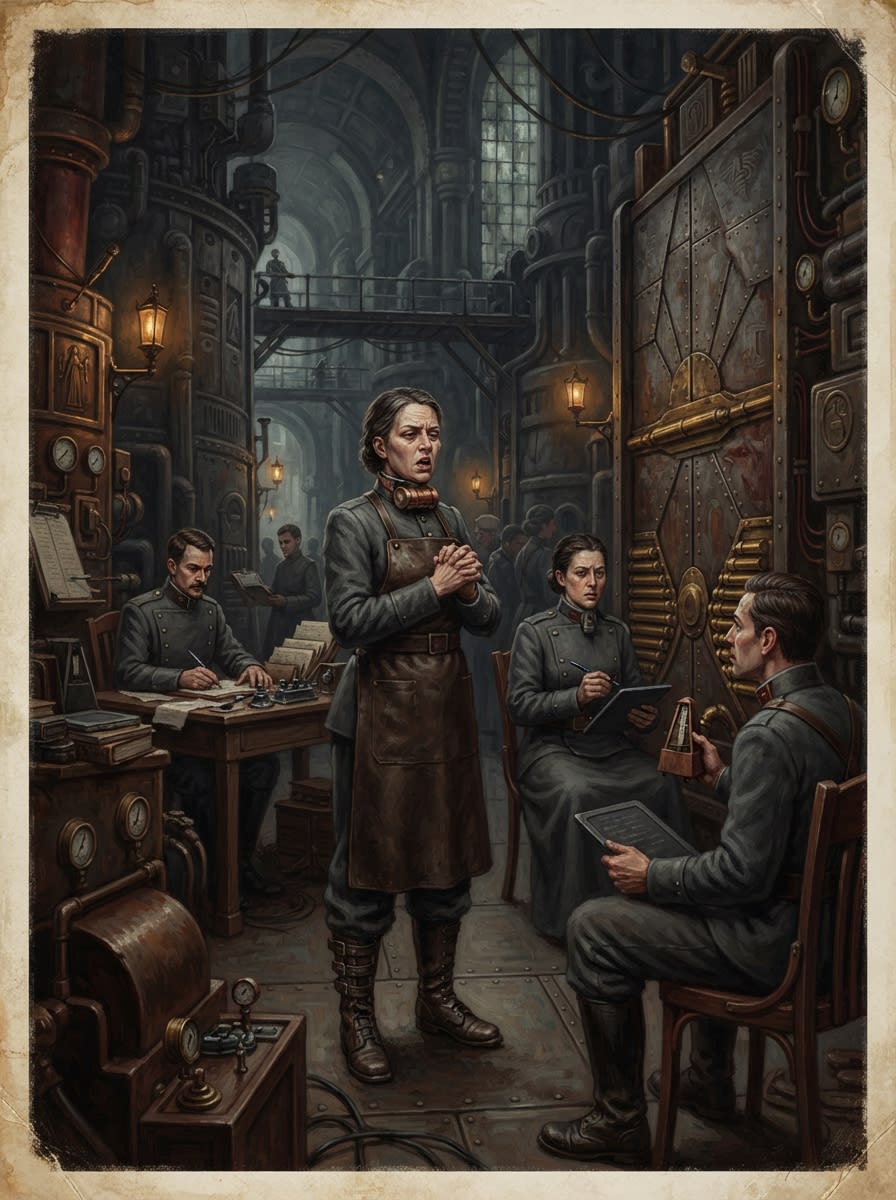
Approved Hymn Protocols Revision 14
The rulebook that made truth mandatory and expensive
Approved Hymn Protocols Revision 14 is Purity's A.S. 199 acoustic rulebook: witness the count, keep the iron dry, grade the room's answer, and do not harmonise.
Codex Ref. XIII.1.41-014

Archon Casselius of Mainz
The man who hears treason in hardware and measures it correctly
Casselius of Mainz holds Heraldry and Masks and Seals in personal union, deciding what may be seen, stamped, licensed, and punished.
Codex Ref. III.2.01-017

Arno Kett
The man who made disbelief small enough to fit in a pocket
Founder of the first verifiable Silent Godless cells, author of the question-based recruitment method, and the corpse from which Doctrinal Nullification was made lawful.
Codex Ref. III.2.01-144

Articles of Covenant
The approved page that survived by being underestimated
The Articles of Covenant were safe enough to leave open on a desk, until one pencil beside the Third Article taught Silence that obedience could be graded.
Codex Ref. XIII.1.56-001
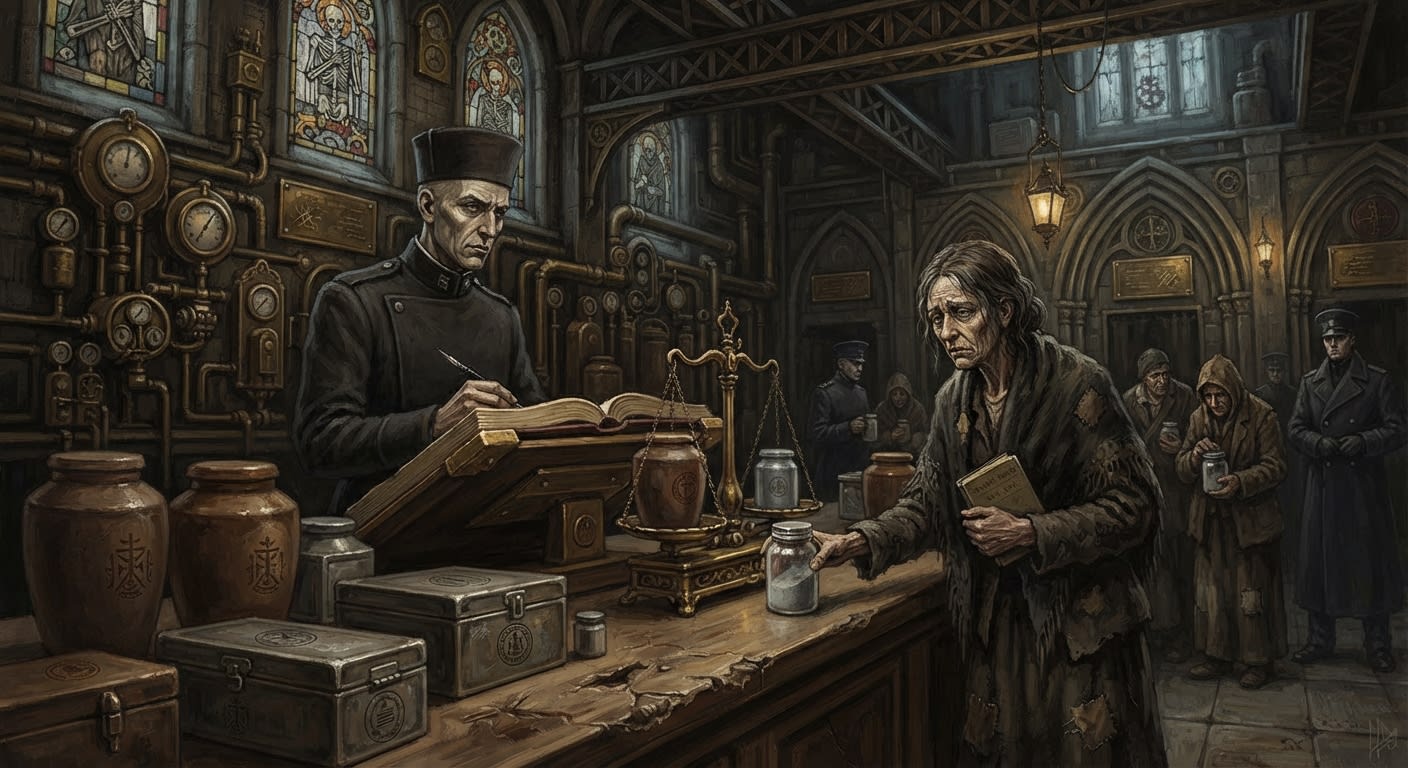
Ash-Credit
The dead are tender once Tithes finds a scale
Ash-credit is the Synod's devotional collateral, converting cremains, saint-dust, and pledged future remains into bread, grace rations, and obligations the dead cannot refuse.
Codex Ref. VI.3.01-002
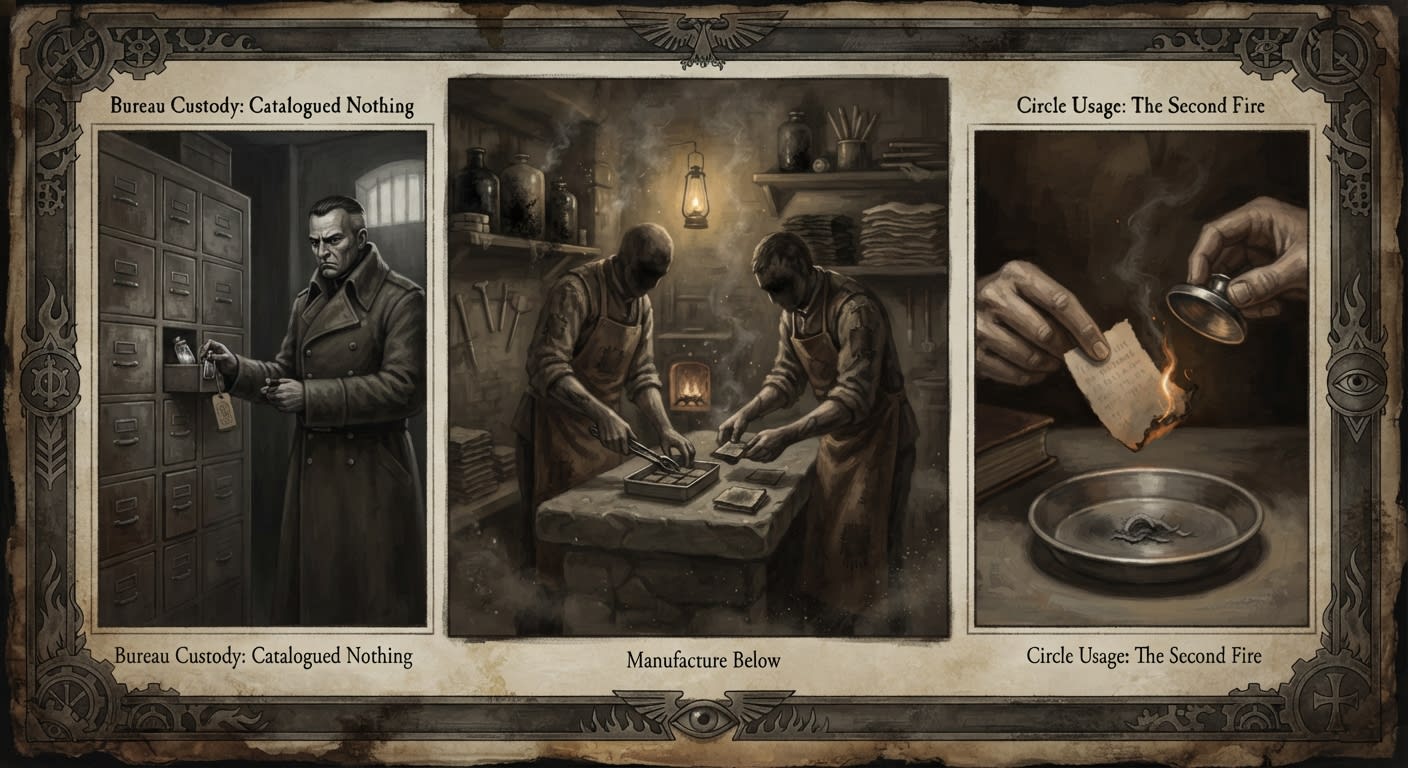
Ash-paper
A sheet built to outlast nothing, and therefore everything useful
Ash-paper is the Circle's pre-blackened answer to the Purge: charcloth pages made to carry one forbidden fact, burn twice, and leave the Bureau with only catalogued nothing.
Codex Ref. XIII.1.56-001

Audit-Cantor
The officer who learned to distrust the whiteness around approved words
The Bureau of Silence keeps forty Audit-Cantors to open books, weigh margins, warm blank pages, and decide which libraries die quietly.
Codex Ref. VIII.3.02-002
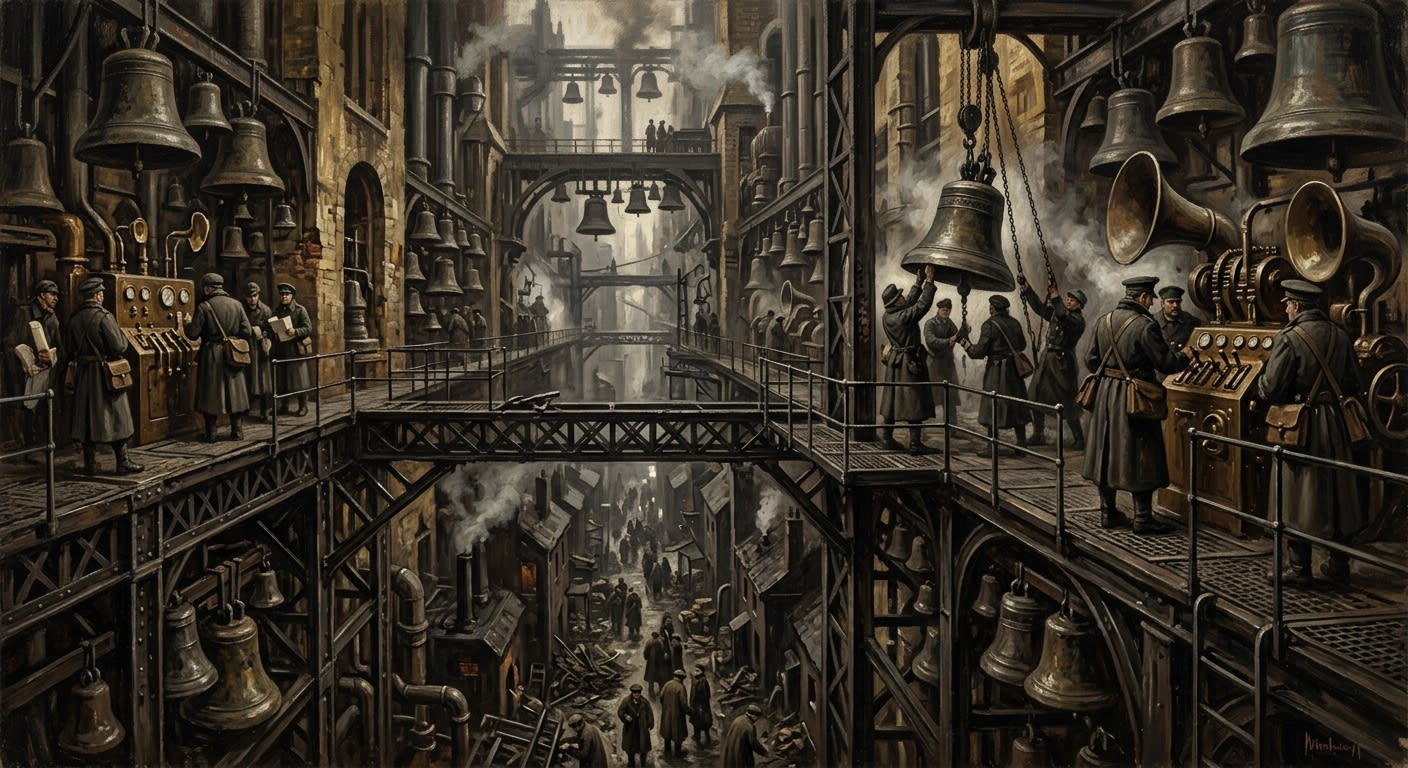
Bellways
The plural doctrine of roads, sky, trench, and taxable obedience
Bellways are the Synod's plural acoustic jurisdiction: low roads, middle war-lattices, high Ark corridors, and every quarrel they make audible.
Codex Ref. XIII.1.89-201

Bruges
Permit prosperity; audit beauty
Bruges is the Synod-held Lowlands city whose canals, colours, grotesques, relic glass, and impossible Tithes seal make beauty a recurring audit problem.
Codex Ref. II.1.04-058
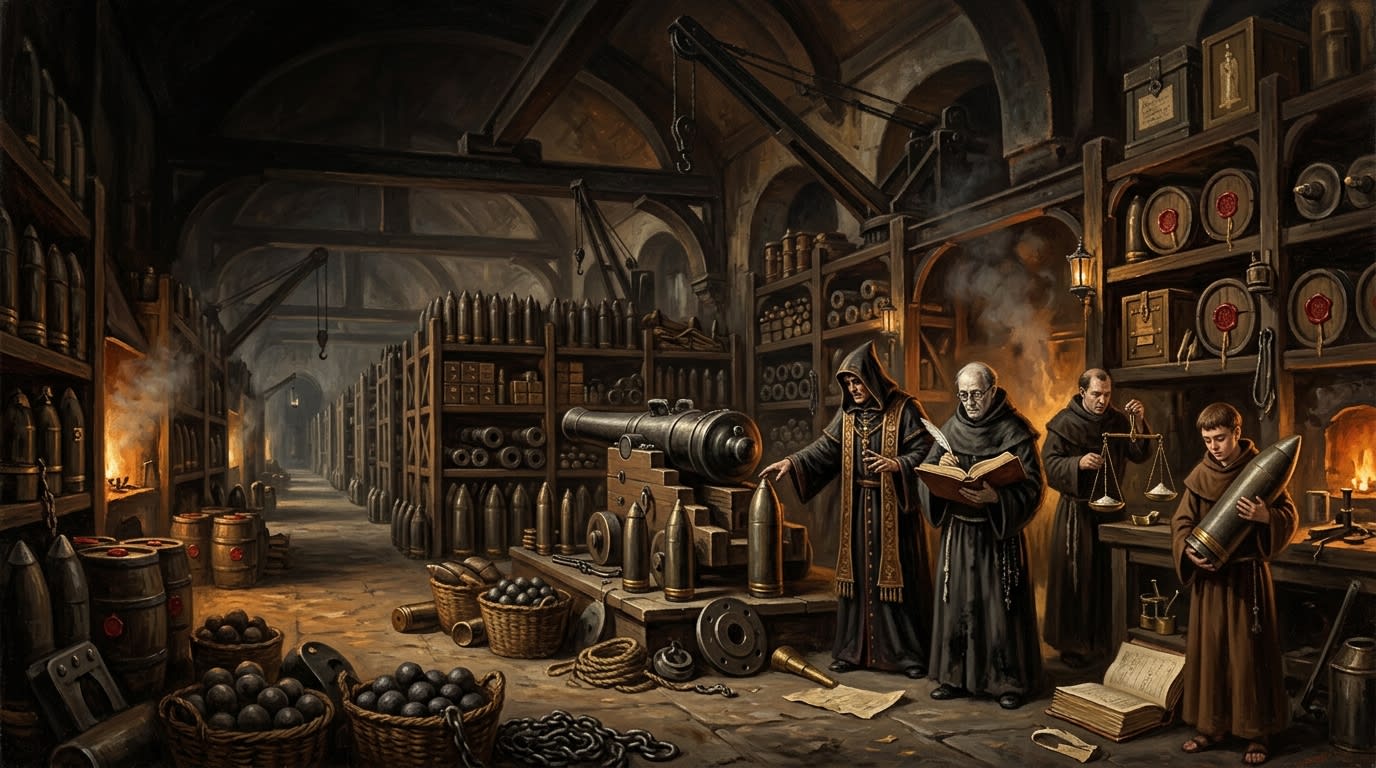
Bureau of Ordnance
No violence is lawful until inventory permits it
The Bureau of Ordnance blesses powder, counts shells, seals fuel, restrains officers, and teaches matter to obey violence only after the Ledger consents.
Codex Ref. VIII.2.11-090

Bureau of War Instrument 44-K
The word is voluntary. The collar is iron.
Instrument 44-K classifies the Sunken Choir's boys as "Liturgical Combatants, Voluntary" and licenses Line deployment. Mercy's objection enters the file; the cohort returns underground.
Codex Ref. XIII.1.44-001

Burnwrights
The forgers who kill a name so the body may keep walking
Silent Godless specialists in identity disposal, document forgery, ash-ink, burner catechisms, and the paper death that lets condemned bodies survive.
Codex Ref. XI.1.02-002
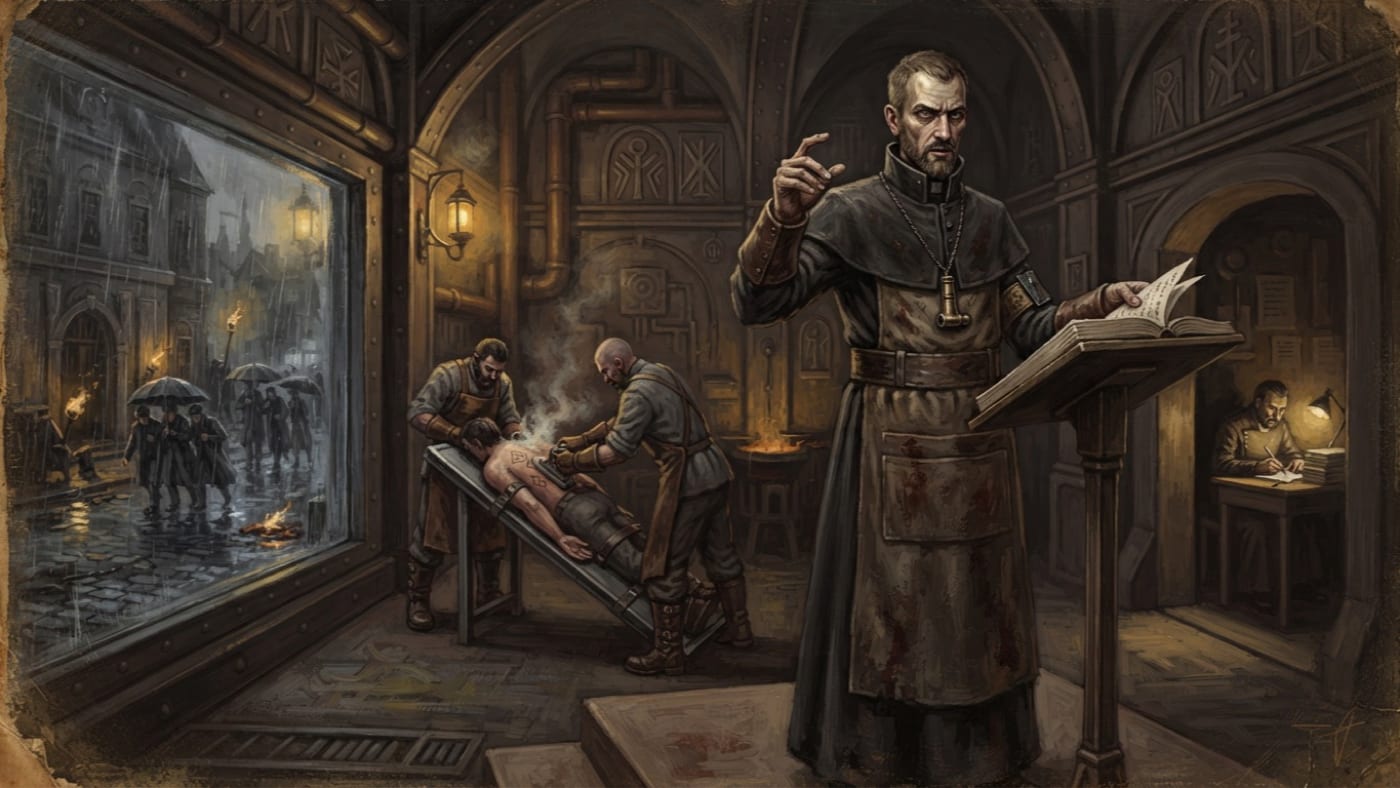
Cantor Edrik Senn
Three slates before Vespers, and a lifetime the archive cannot supply
Cantor Edrik Senn certified twenty-seven printers at Mainz before Vespers, c. A.S. 106. Judgment Tone kept the three slates and let the rain's work pass for a miracle.
Codex Ref. III.2.01-453
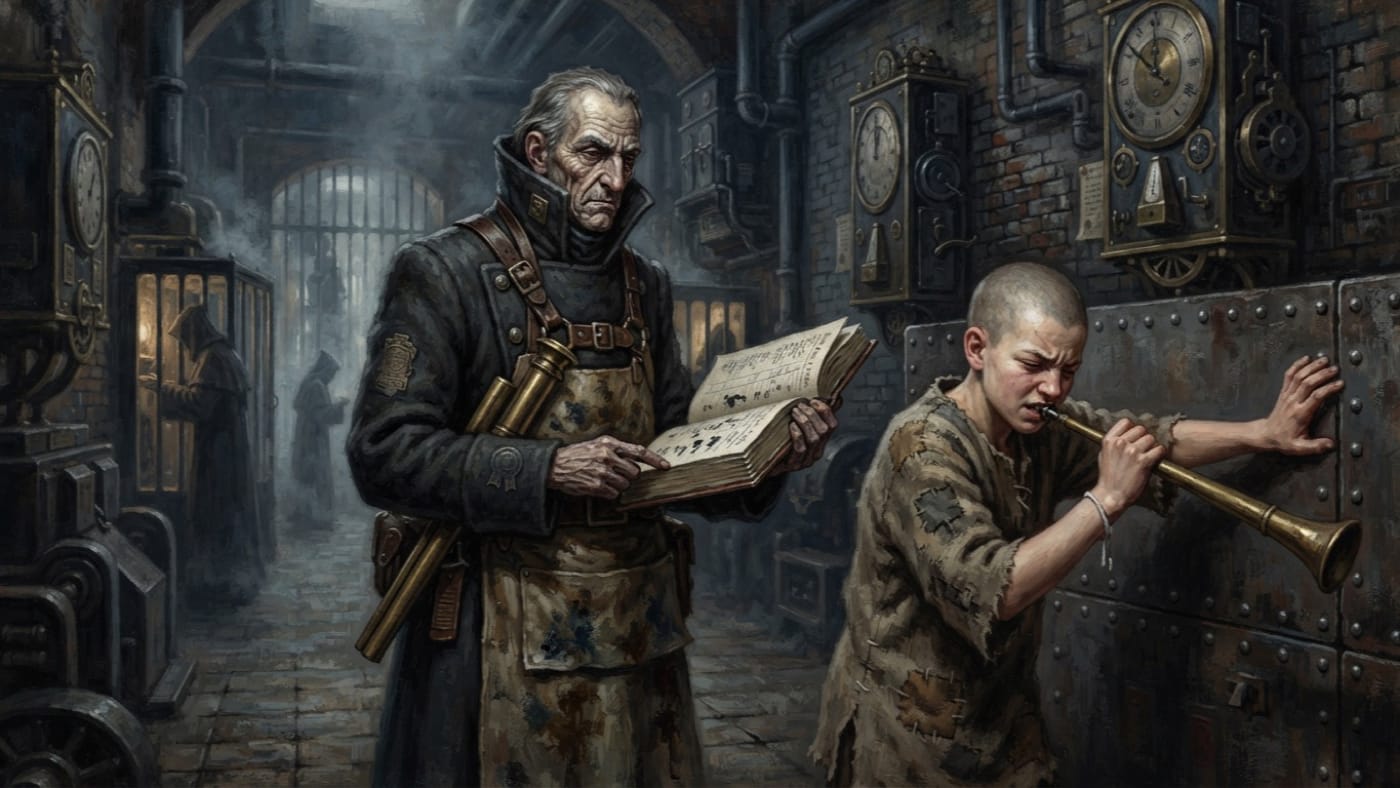
Cantor-Marshal
The senior throat that teaches the count and signs for the damage
The Cantor-Marshal sets Purity's singing protocols, trains novice throats and audits the scars. Rank grants a tuning rod and a signature; it never licenses reply.
Codex Ref. XII.24.01-003

Captain Elias Brekke
The officer who saw [[debrecen|Debrecen]], wrote it down, and was filed away alive
Captain Elias Brekke discovered the Ash-Mothers at Debrecen in the A.S. 78–83 window, filed the deposition that made horror procedural, and vanished into Candlewick inventory after A.S. 84.
Codex Ref. III.2.01-056
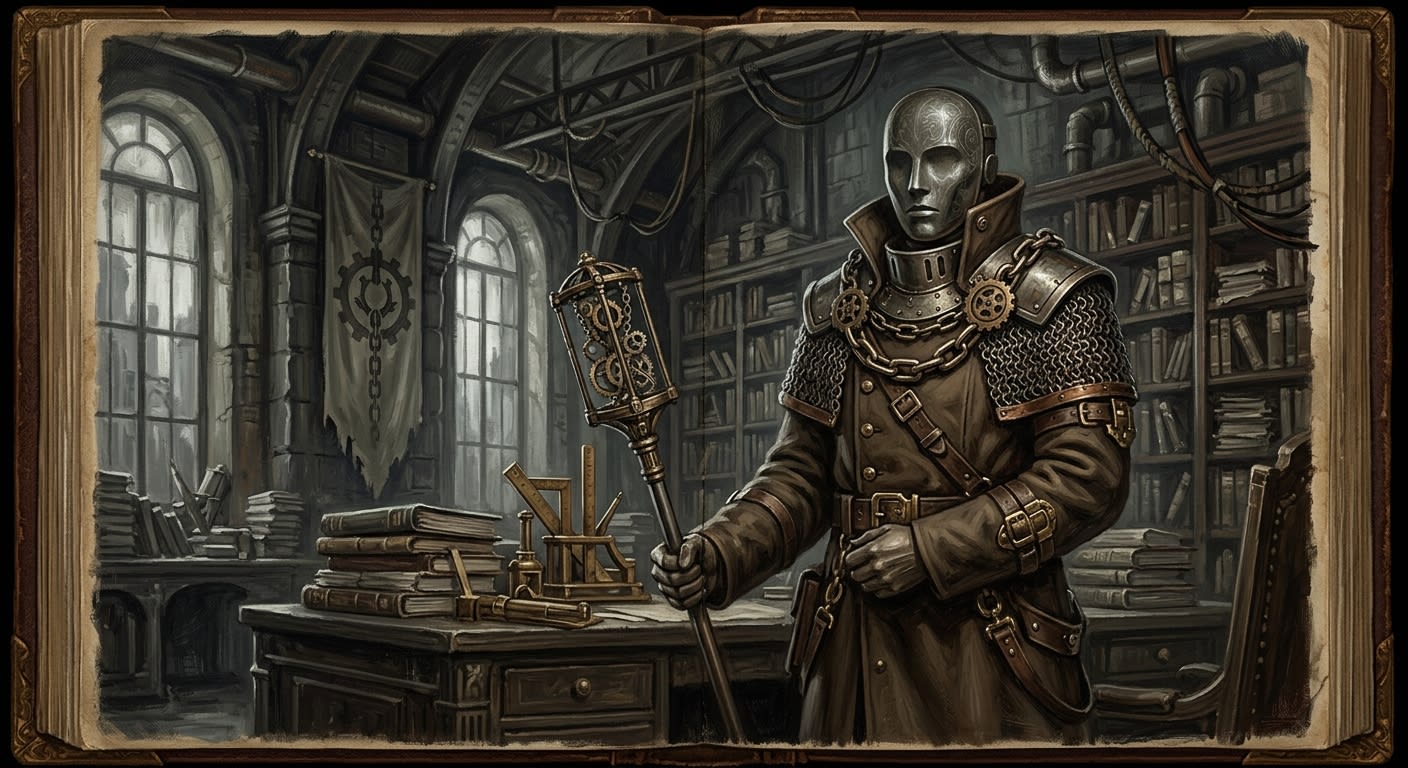
Chainmaster Veyl
Bind the binders, and make their wrists confess
Purity reformer, rank, mask, or useful ghost credited with the Glasschain Reform that made White-Mantled Inquisitors audibly inspectable.
Codex Ref. III.2.03-002

Chancellery of Colors
No hue is innocent after public display
Heraldry sub-body that licenses the Synod's colours, issues quarterly swatch sets, and converts pigment drift into jurisdiction.
Codex Ref. VIII.1.03-004
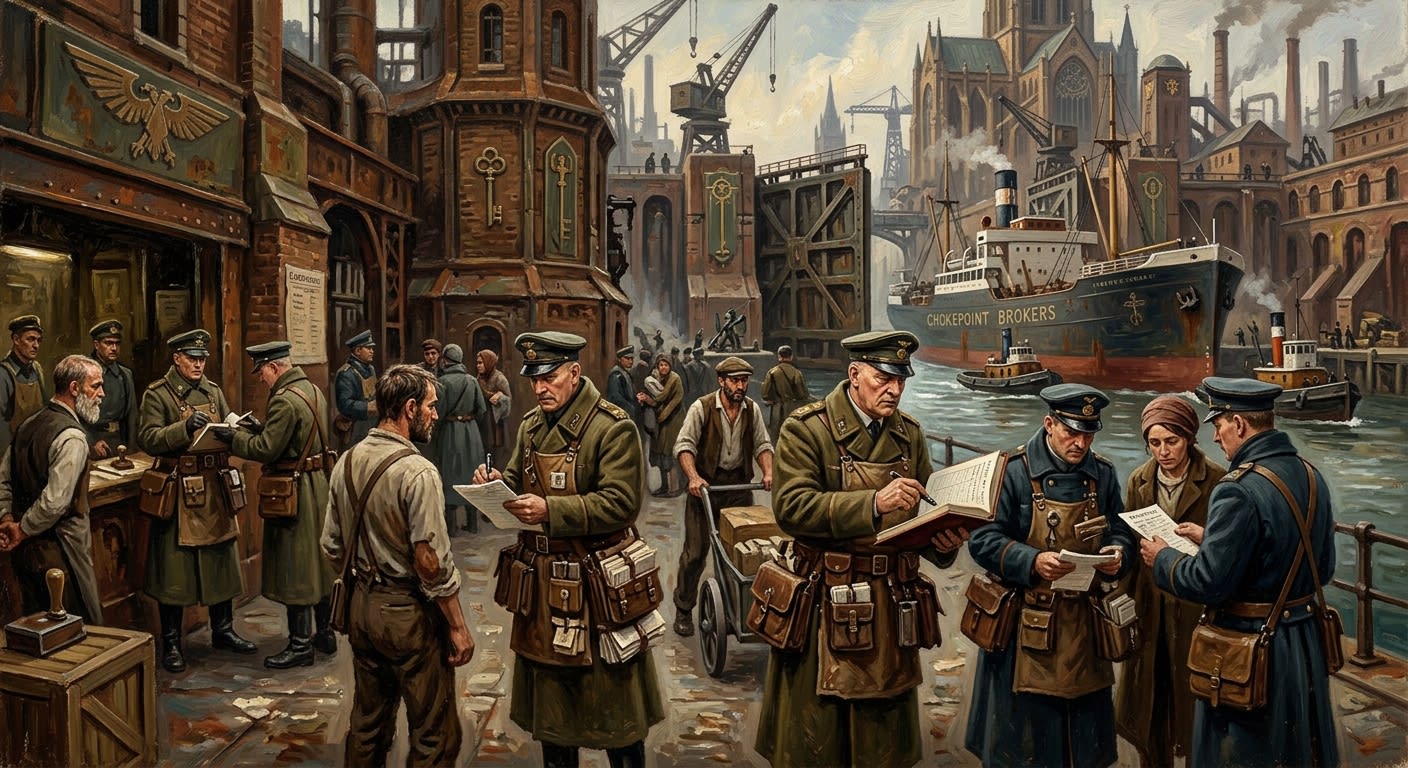
Clean Slips
The fraud modest enough to pass as mercy
Clean Slips are the daylight faction of Ferry Chokepoint Brokers, moving bodies through lockhouses by correction slips, witness pairing, and properly sized fraud.
Codex Ref. XII.16.02-001
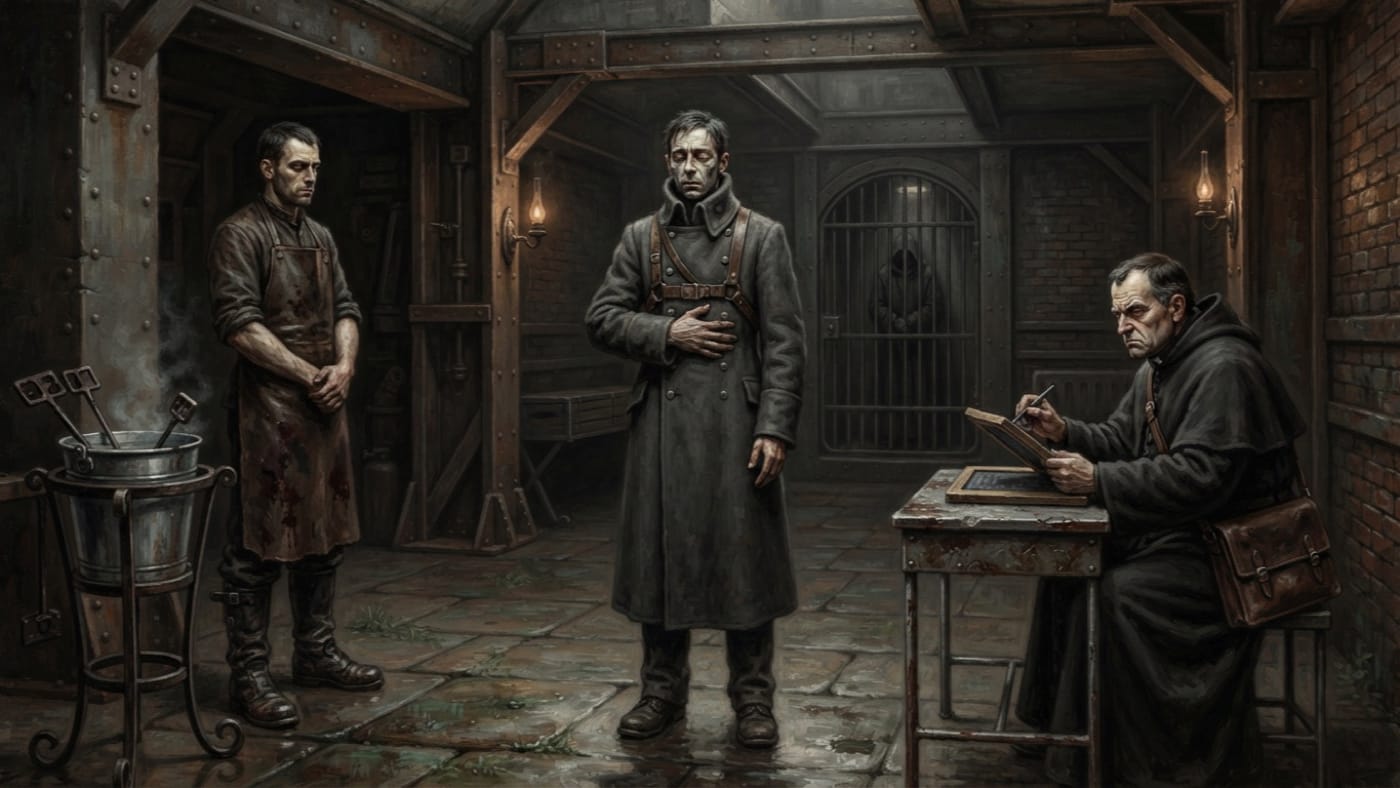
Closing Tone
Three notes down, fourteen heartbeats, and the clerk has the last word
Three descending notes, fourteen heartbeats of silence, and no speech until the scribe certifies the chamber clean: Purity permits even an ending only by paperwork.
Codex Ref. XIII.1.41-005
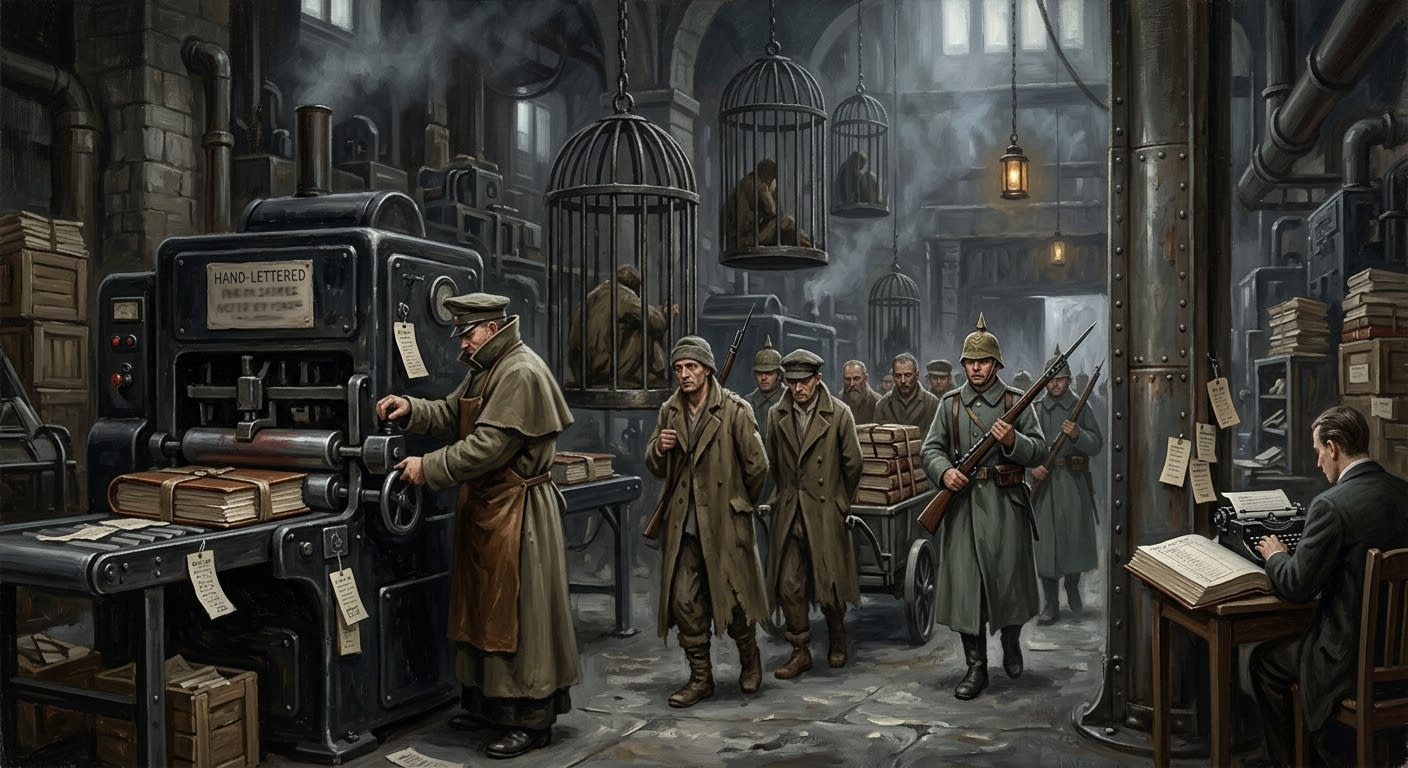
Commentaries on Faithful Severity
The book that taught cruelty to file receipts
Severian's Commentaries turn cruelty into apparatus: cages, tongues, households, witness columns, and the tidy receipt by which harm becomes Doctrine.
Codex Ref. XIII.1.04-134

Corporal Aldric Voss
The testimony was kept; the witness was reassigned
A.S. 201 survey of Voss's surviving caption, sketch and reassignment record. Purity kept his vivid testimony; the corporal of the Rhineland Ninth went to the Paper Mines.
Codex Ref. III.2.01-744

Corporal Drennan
One touch, four words, and the Marsh denied a morsel of vanity
Corporal Drennan of Bastion-Constantinople interrupted Drax's Blightmarsh fixation at Kestrel-9 in A.S. 199, committing useful impropriety with one hand on a sleeve.
Codex Ref. III.2.01-020
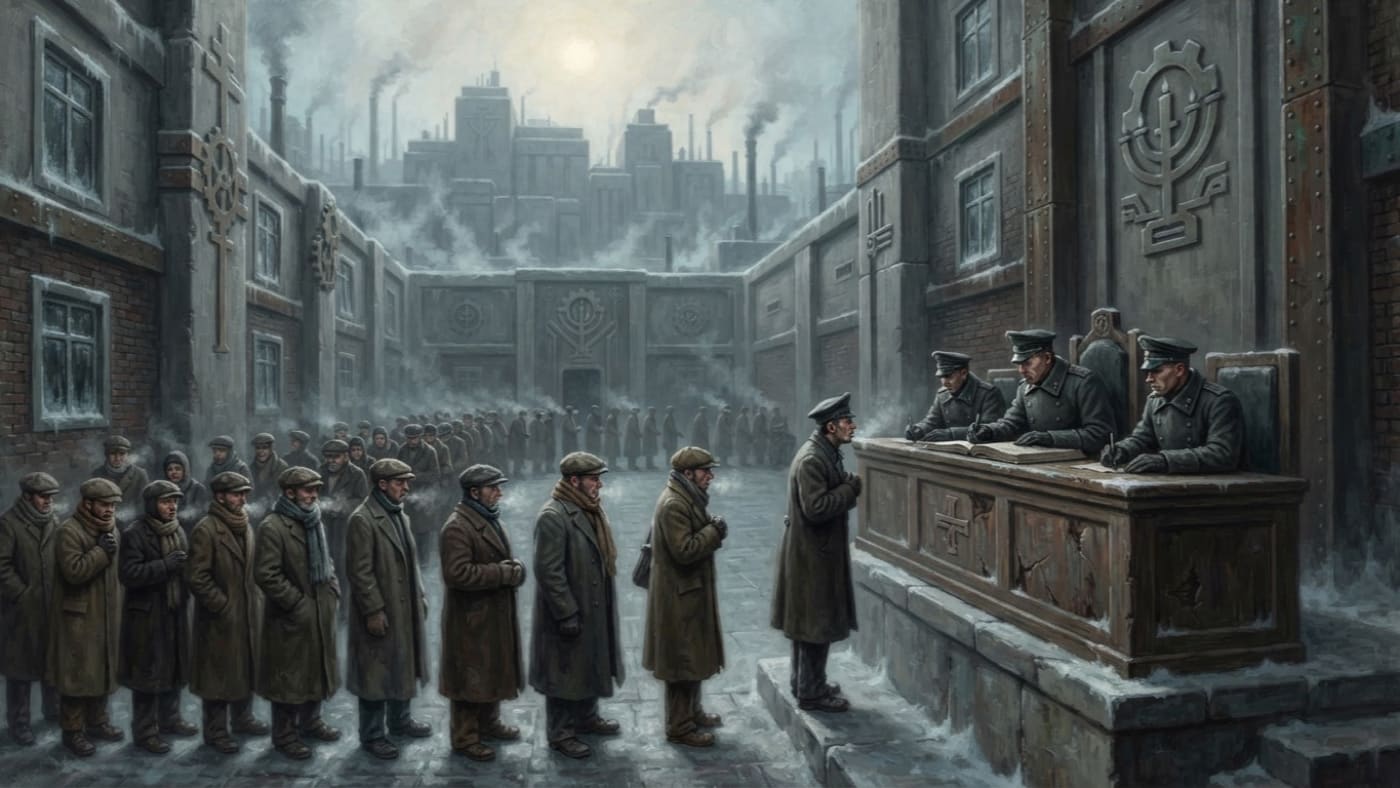
Cough Winter
A.S. 201 survey of the winter that left a total and kept its year
An A.S. 201 survey of Mainz's undated Cough Winter: frost made coughs sound wet, and a thousand executions are reported. Physicians blamed weather, Purity corruption, Records classification. The total survived its explanations.
Codex Ref. VII.2.02-763
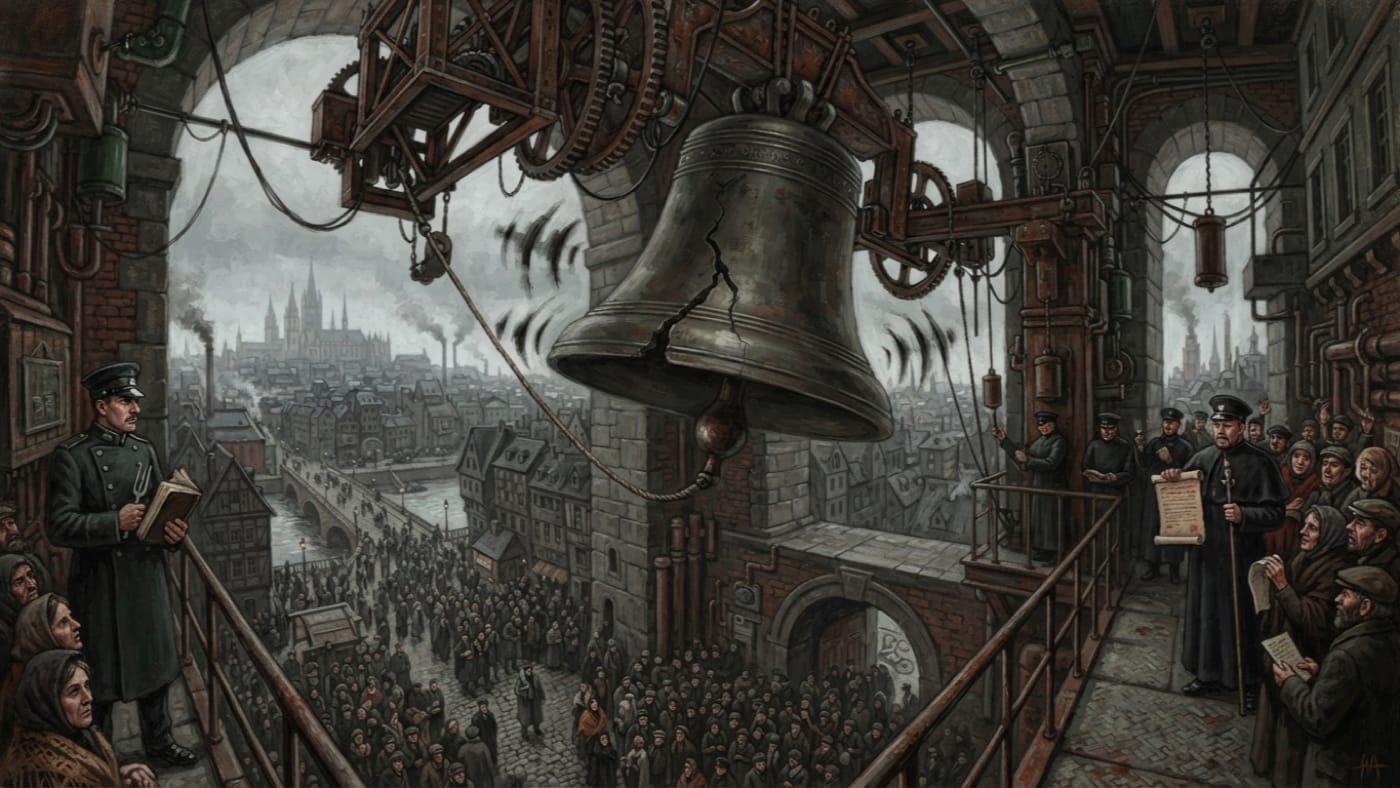
Cracked Bell of Mainz
The defect is licensed; the objections are on file
The Cracked Bell of Mainz teaches faithful imperfection and still tolls after fourteen protests, three redesigns, and one failed confiscation. The defect is licensed; the objections are on file.
Codex Ref. XIII.1.89-002
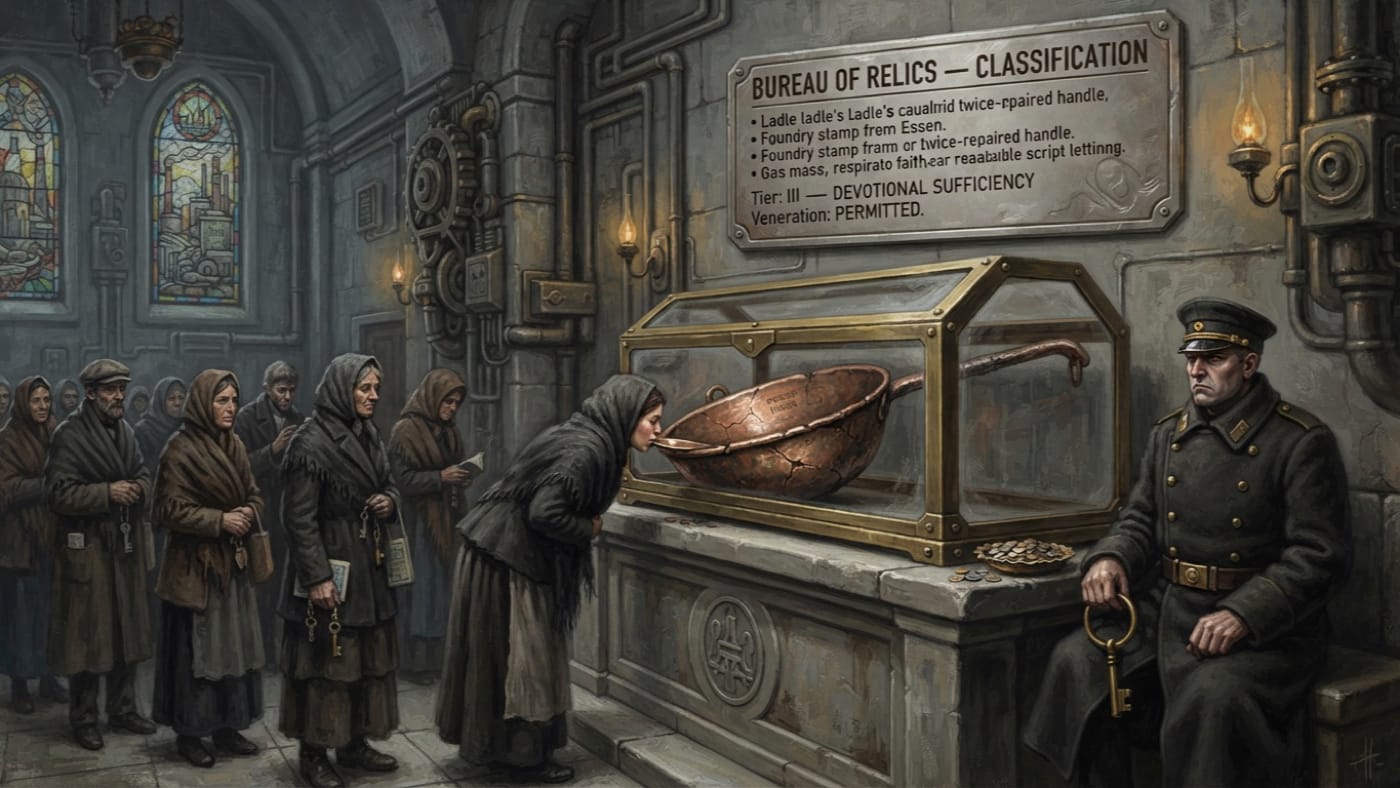
Devotional Sufficiency
The provenance is doubtful; the kissing may continue
Tier III permission to venerate a relic whose provenance remains doubtful. Saint Halva's ladle at Mainz is sufficient for devotion, pilgrimage and three pfennig per kiss; its ownership and powers remain unproved.
Codex Ref. XIII.1.43-001

Docket Runner
The paper travels under seal; the blame travels on foot
Entry rank of the Roving Judge's Bailiff corps, carrying writs, custody pages and seizure receipts. The Runner conveys the Judge's authority and inherits the blame when paper fails.
Codex Ref. XII.39.01-002

Doctrine of Concordant Multiplicity
Contradiction is heresy until a competent office teaches it to pay rent
Bureau of Doctrine ruling born from Saint Halva's incompatible deaths, permitting approved contradictions to coexist when authority, utility, audience, and vocabulary have been properly sealed.
Codex Ref. XIII.1.42-001
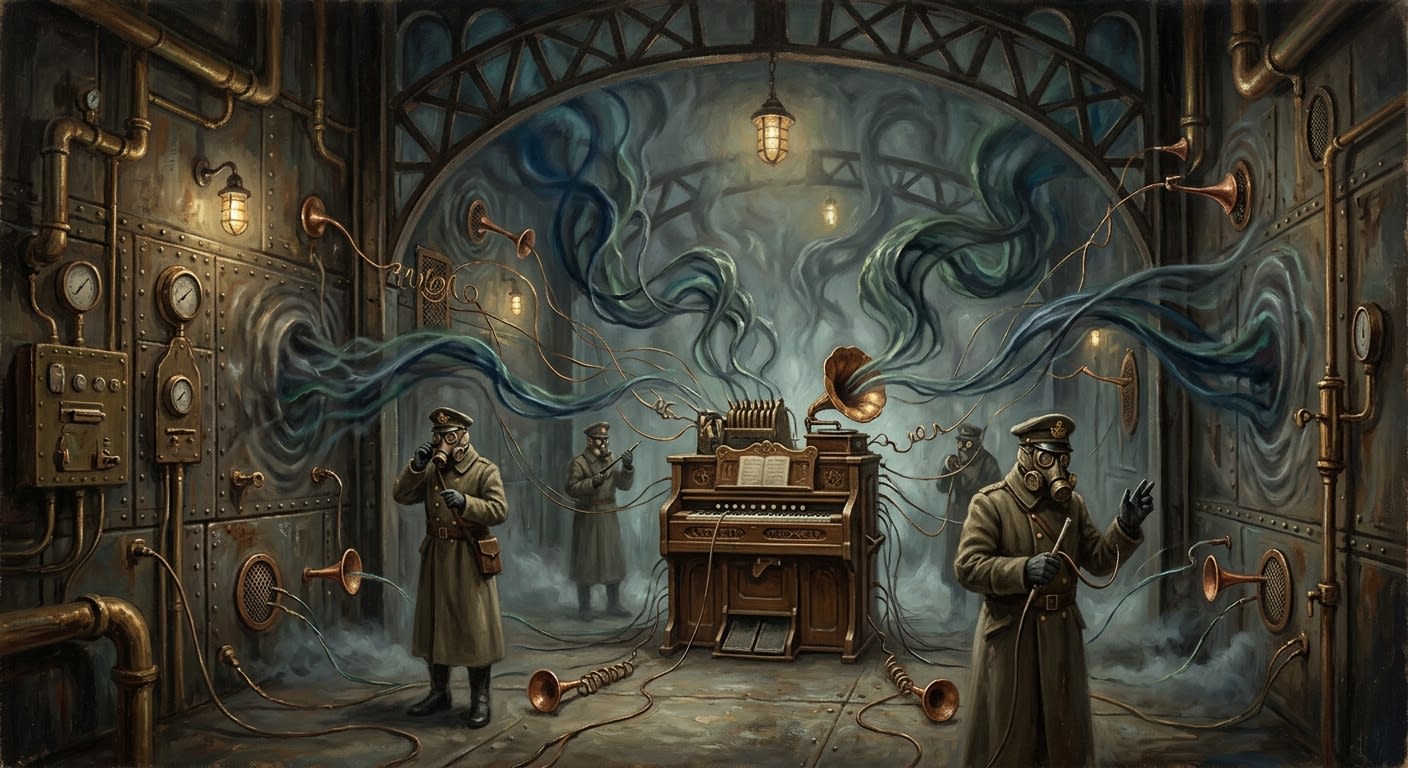
Echo Weather
The room replies, and the wise do not harmonise
Echo weather is the Brand-Singer name for chamber response: the room returning cadence with manners of its own.
Codex Ref. XIII.1.41-004
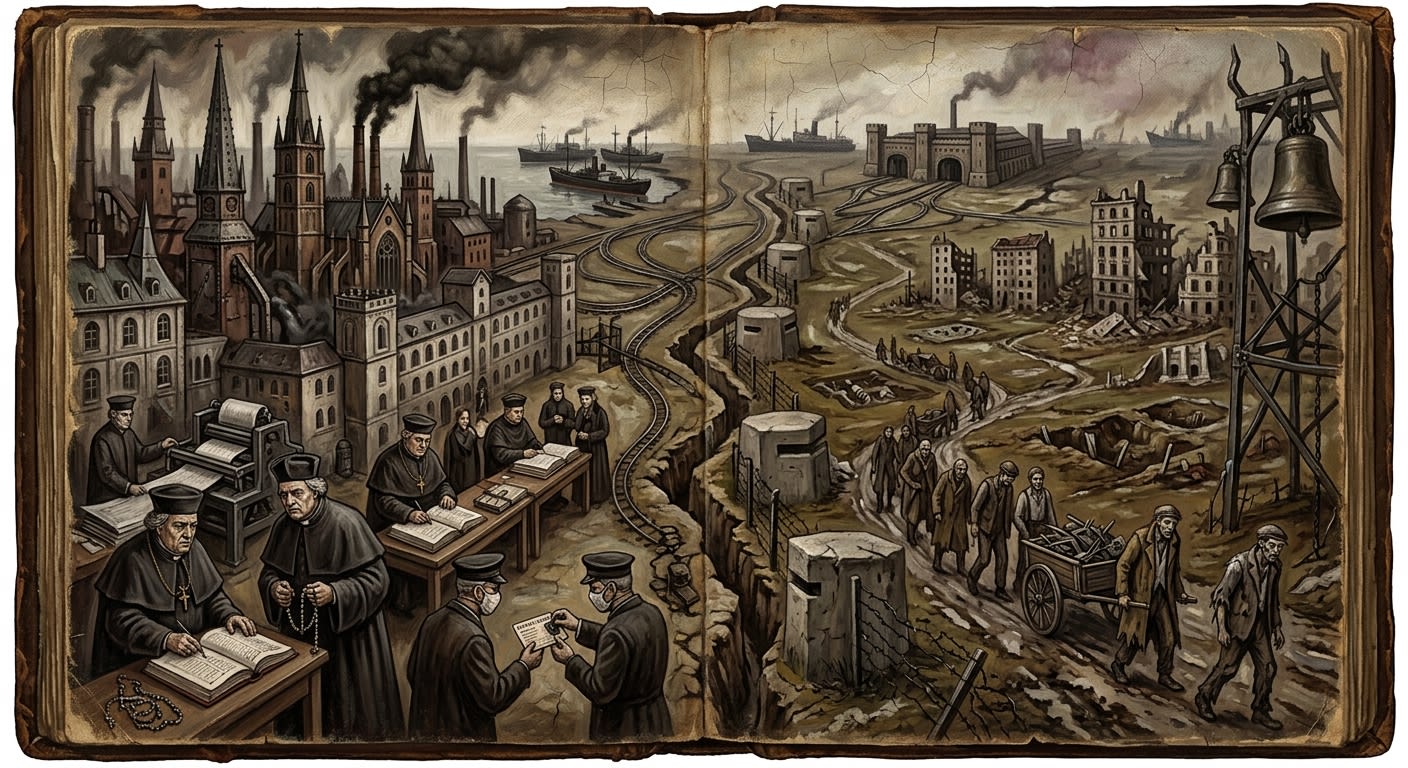
Europe
The wounded continent, held together by rails, bells, hunger, and denial
Europe is the wounded continent: Synod west, Charnel east, Line between, and every road, harbour, cradle, ration card, bell, and grave bent toward survival.
Codex Ref. II.0.01-201
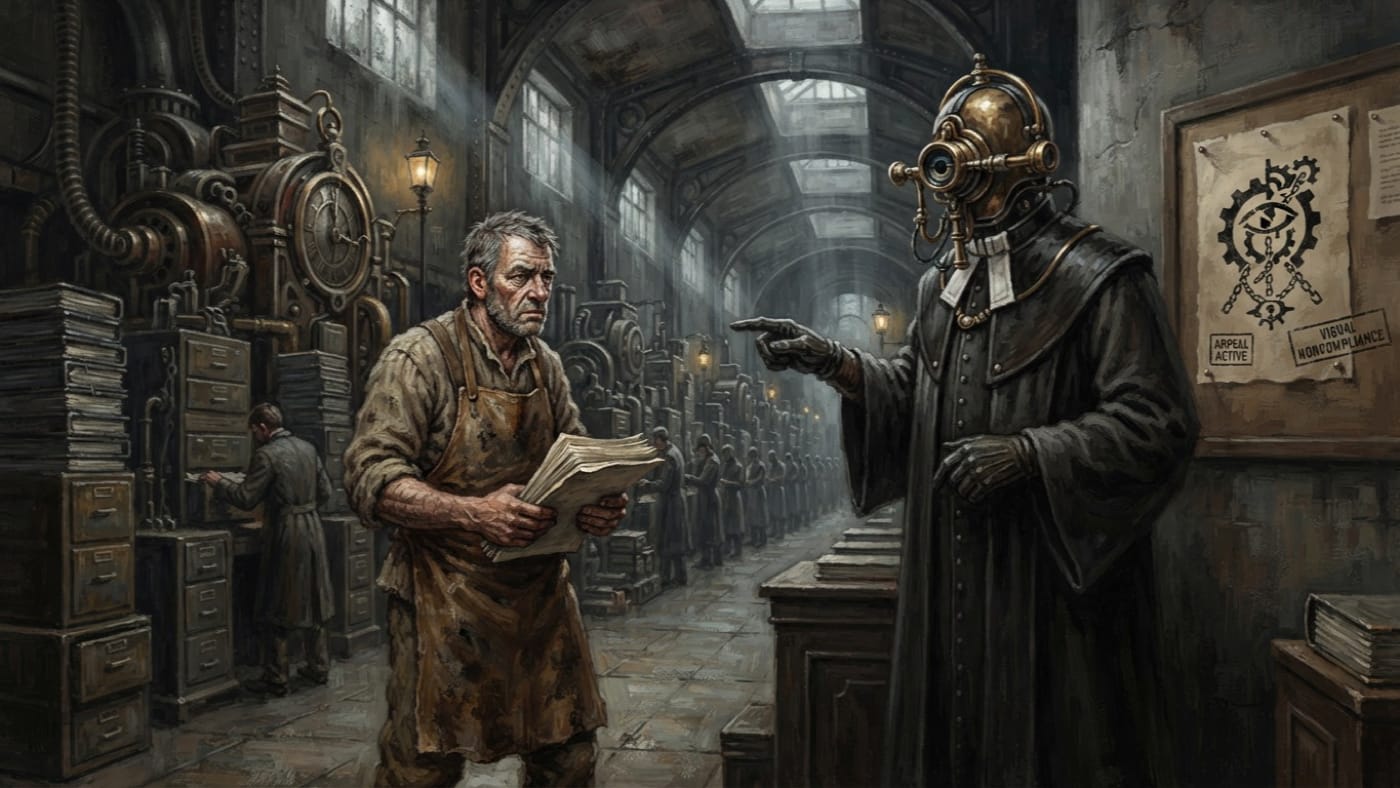
Ewald Fenn
The cooper whose doorbell became doctrine
Ewald Fenn, cooper of Mainz, lost a doorbell to Casselius and appealed a stamp he could not read. The Bureau calls this visual noncompliance; his appeal remains active.
Codex Ref. III.2.01-201
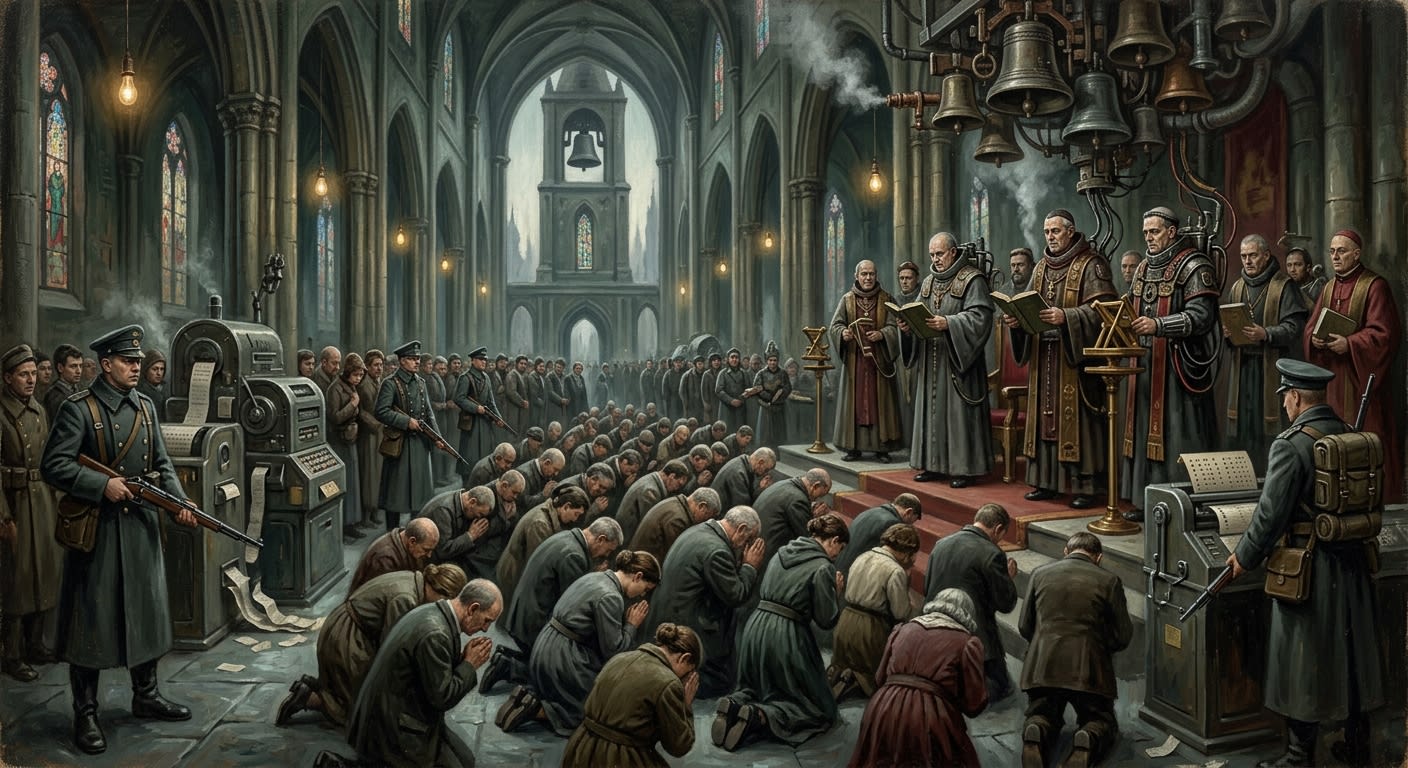
Feast of Doctrinal Submission
The holiday that teaches the spine to kneel before the mouth calls it faith
The Feast of Doctrinal Submission is the Synod's mandatory kneeling holiday: census, pageant, ration queue, loyalty assay, and permitted joy under bells.
Codex Ref. XIII.1.89-072
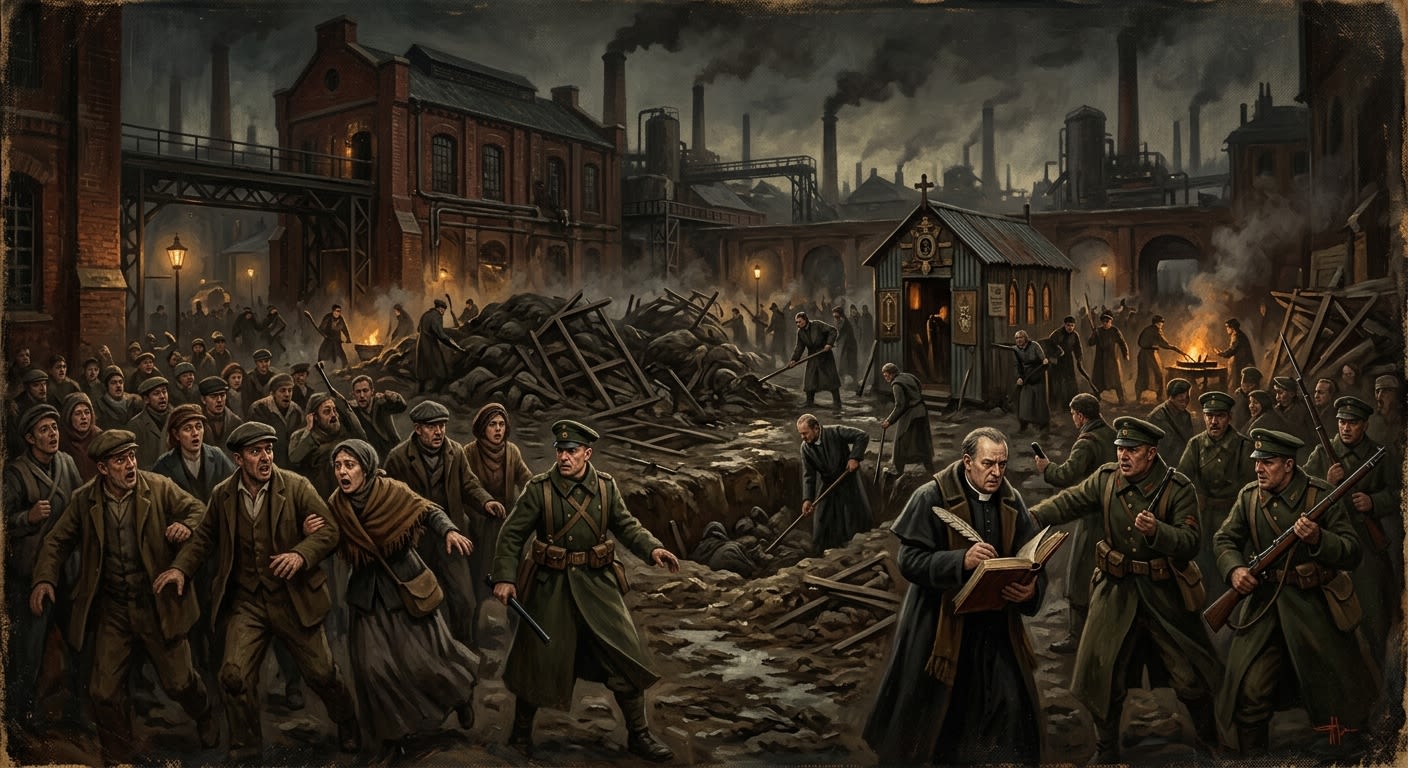
First Ossuary Panic
The dead spoke, and the Synod answered with a form
A.S. 78 Rhine corridor mortuary panic in which overcrowded pits began sounding after dark, forcing burial clearance, tariff-chapels, and the Dead-Goods Tariffer into law.
Codex Ref. VII.4.25-078
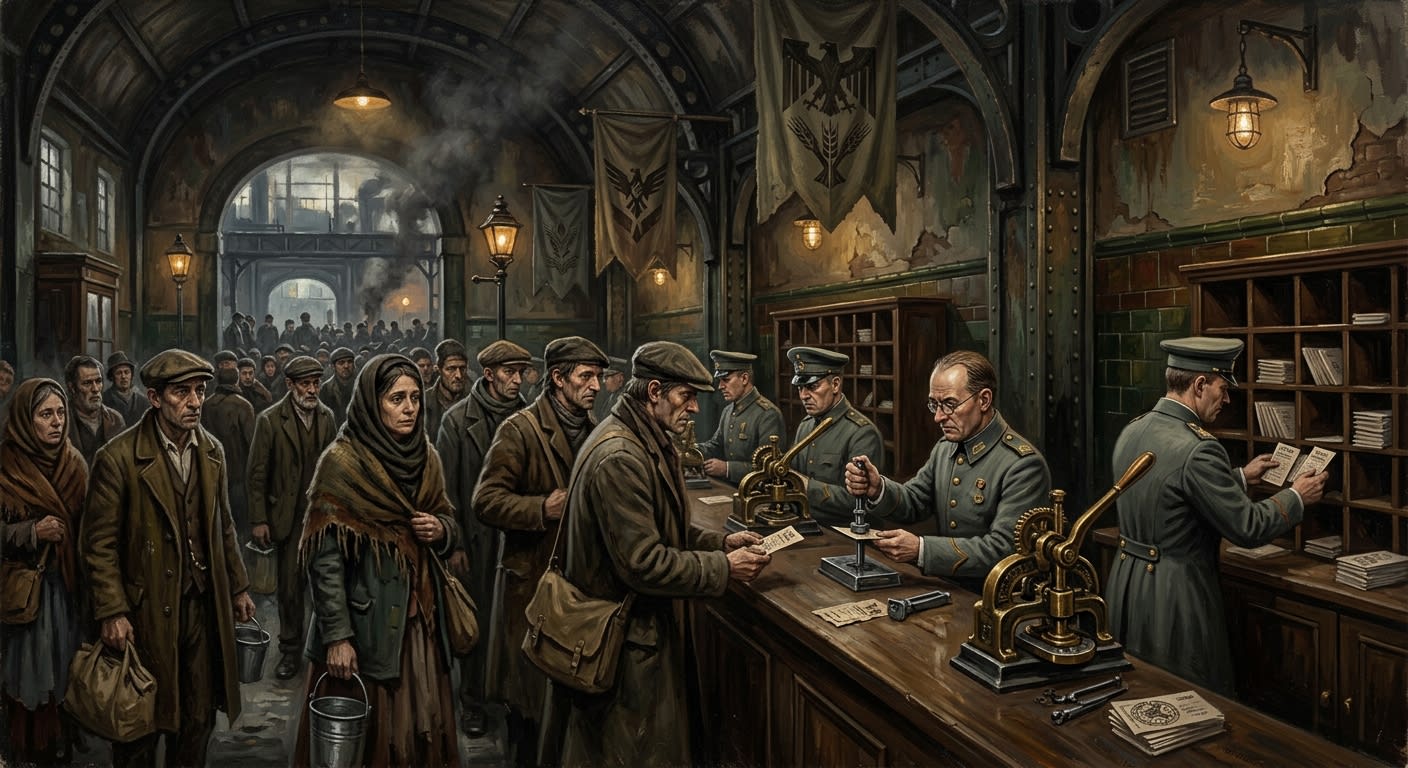
First Ration Reforms
The year hunger became portable, printable, and politely deniable
The A.S. 104 First Ration Reforms standardised ration chits across eight provinces, making hunger legible to Tithes and teachable to Grain Keeper fraud.
Codex Ref. VII.8.10-037
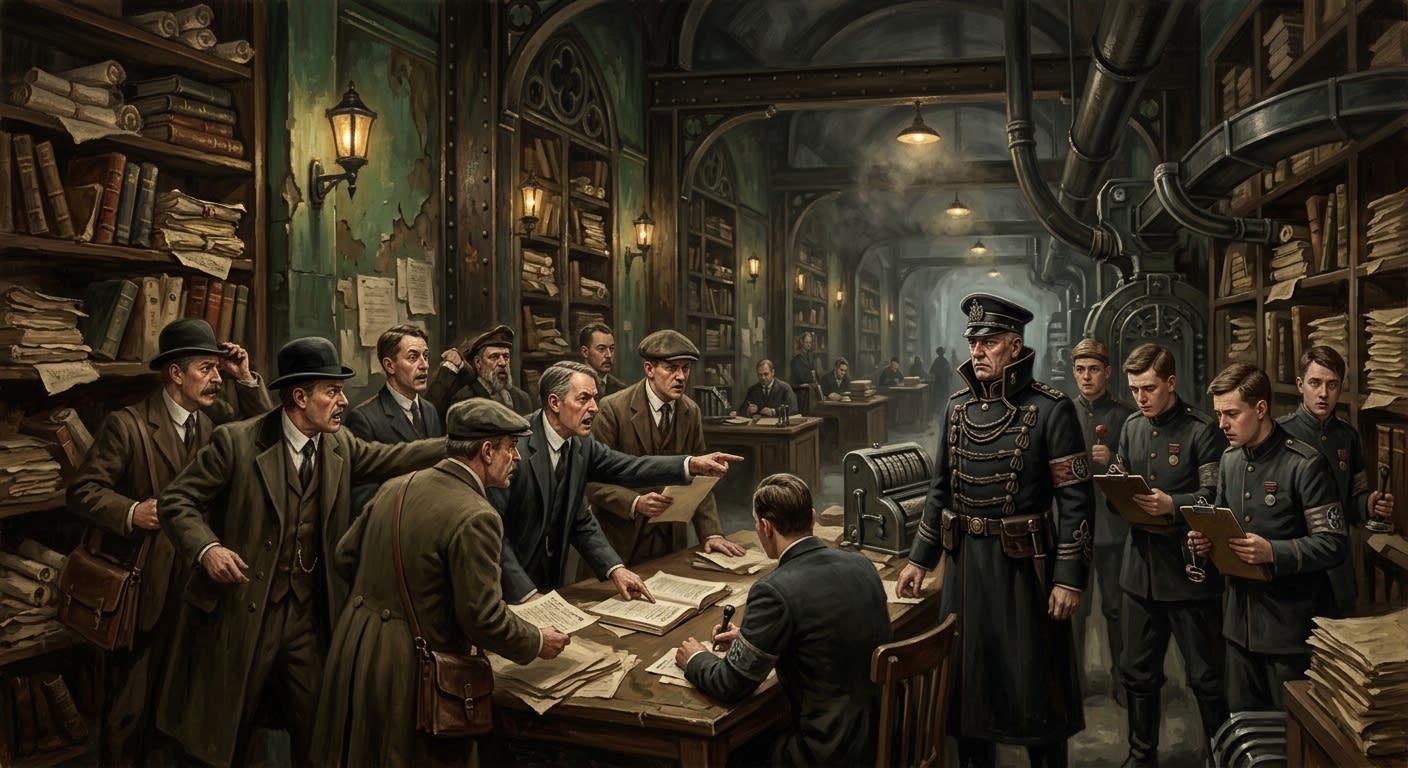
Forgery Panic of A.S. 178
The decree that was never written and cited fourteen times
A.S. 178 archival panic in which fourteen advocates cited the same fabricated ration-priority decree, forcing scribe licensing reform and chain-of-custody discipline.
Codex Ref. VII.8.10-049
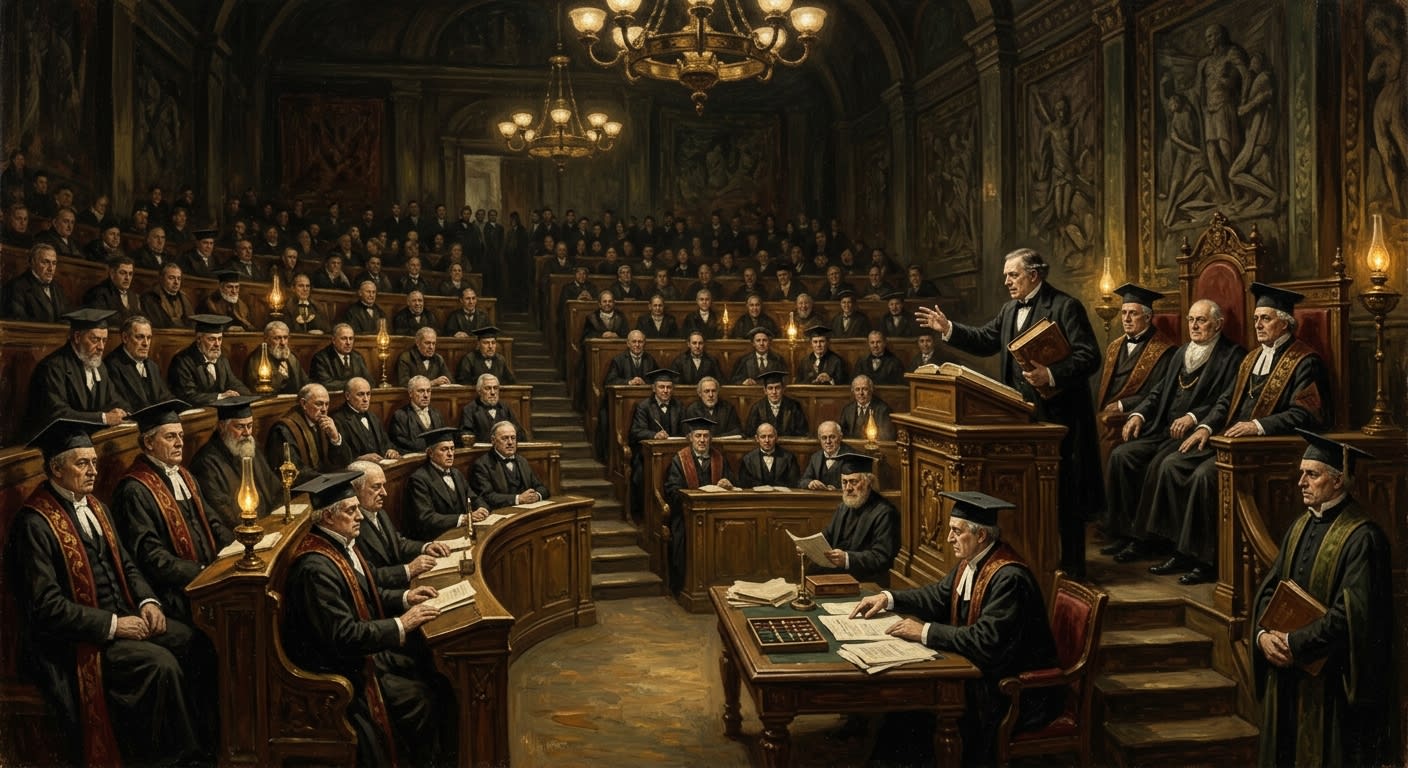
Fourteenth Doctrinal Congress
Matter protested; the seal prevailed
The A.S. 147 Congress that made authenticated contradiction obedient, ratifying the Femur Principle and Kargath's consumption taxonomy in the same week.
Codex Ref. XIII.1.90-147
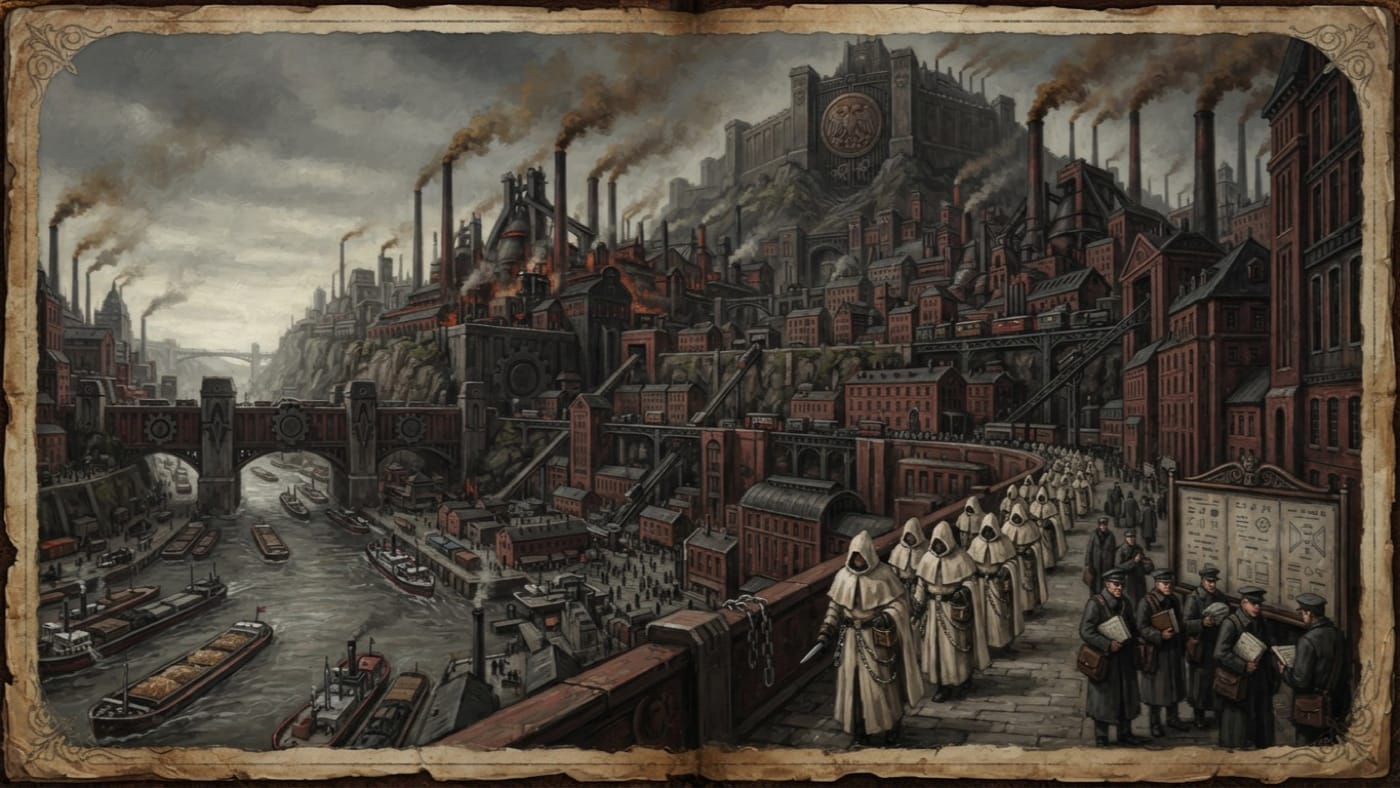
Germania
The Synod's most accurately spelled region
Germania is the Synod's procuratorial heartland: rivers taxed, furnaces singing, presses corrected, and schools teaching words their grandparents have forgotten to miss.
Codex Ref. II.6.02-201
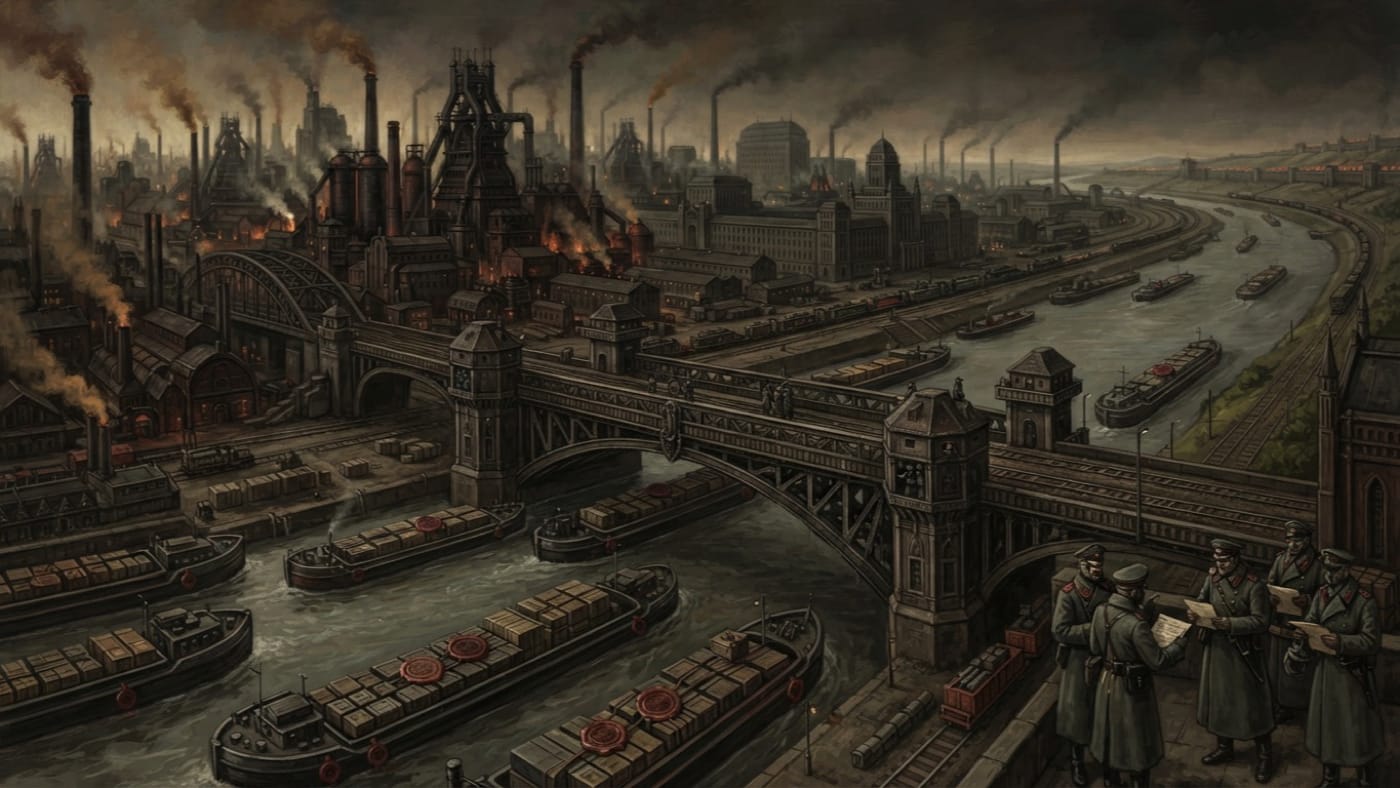
Germany
The heartland that supplies the frontier and answers to several seals
Germany in A.S. 201: the Zone Two heartland of taxed rivers, singing furnaces and military depots. The old borders were erased; the territory still supplies the frontier, and every cargo requires a seal.
Codex Ref. II.6.01-201
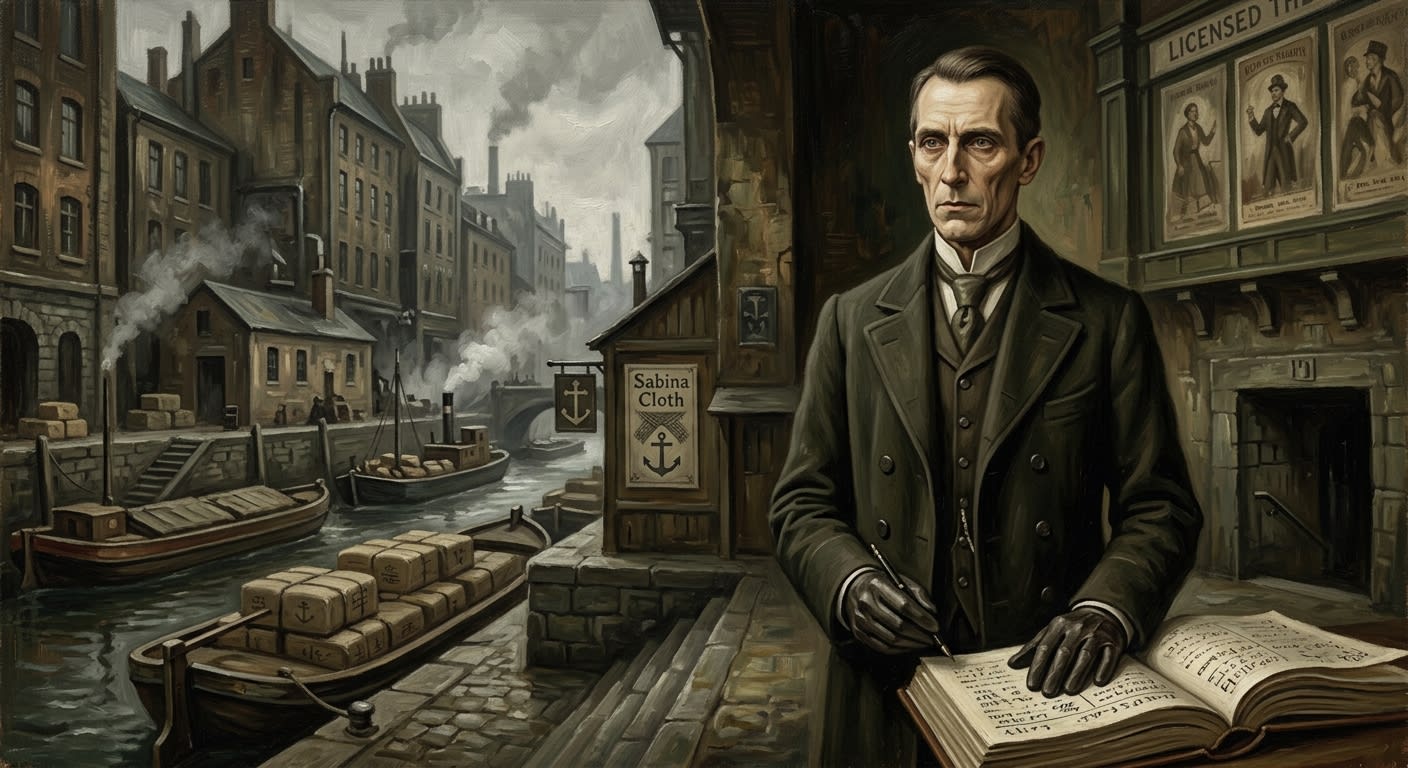
Ghent
The canal city where water keeps copies and loyalty learns to smuggle
Ghent is the Synod's wet ledger in Flanders: canal trade, Records quays, Sabina cloth, licensed theatres, Black Ledger cells, Wormhost scars, and obedience with annotations.
Codex Ref. II.1.05-201
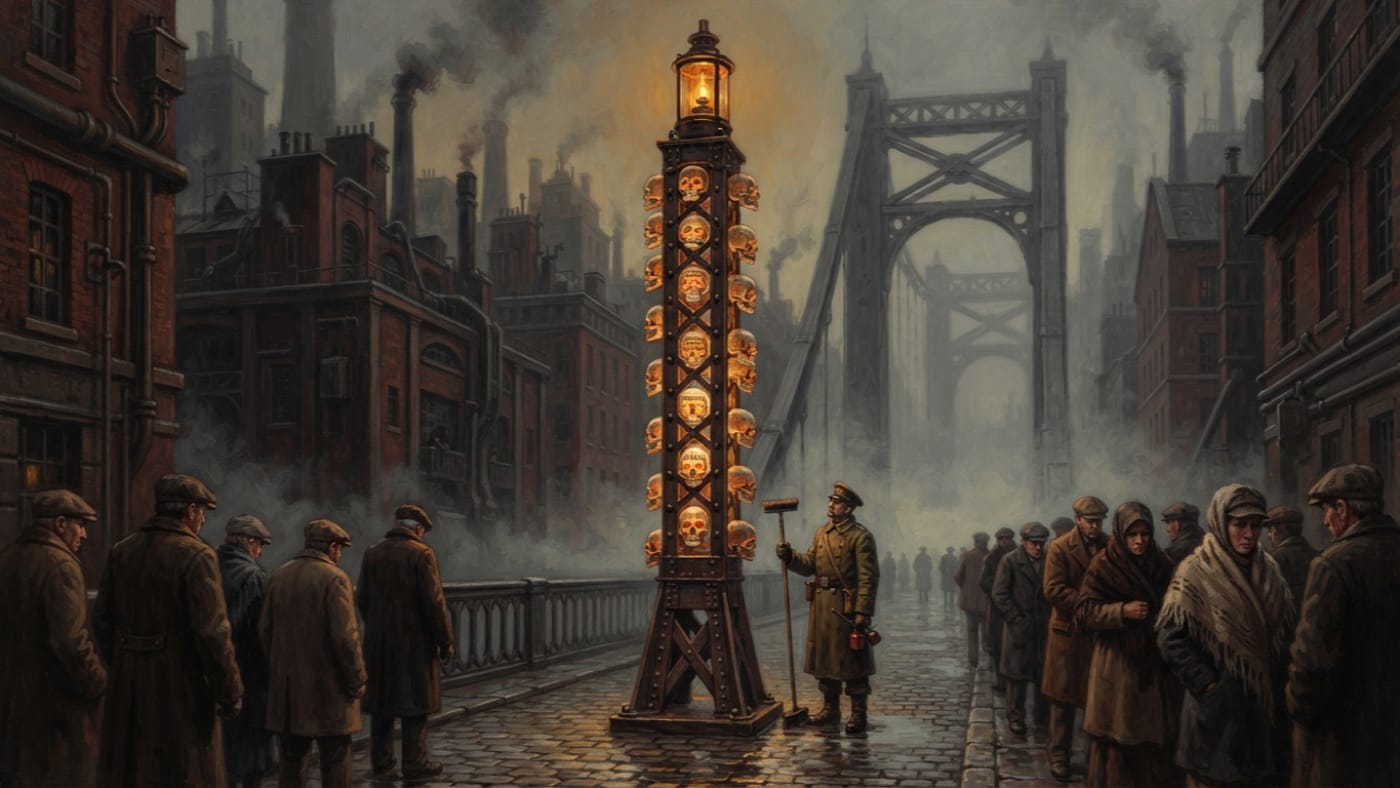
Glass Skull Stacks
The name goes up; the city learns to look
The Synod's municipal deterrence pylons hold condemned names in hollow glass crania, lit nightly for the street. Glass, ink and iron do the warning; Pillar-Keepers keep the sentence legible.
Codex Ref. V.2.08-001
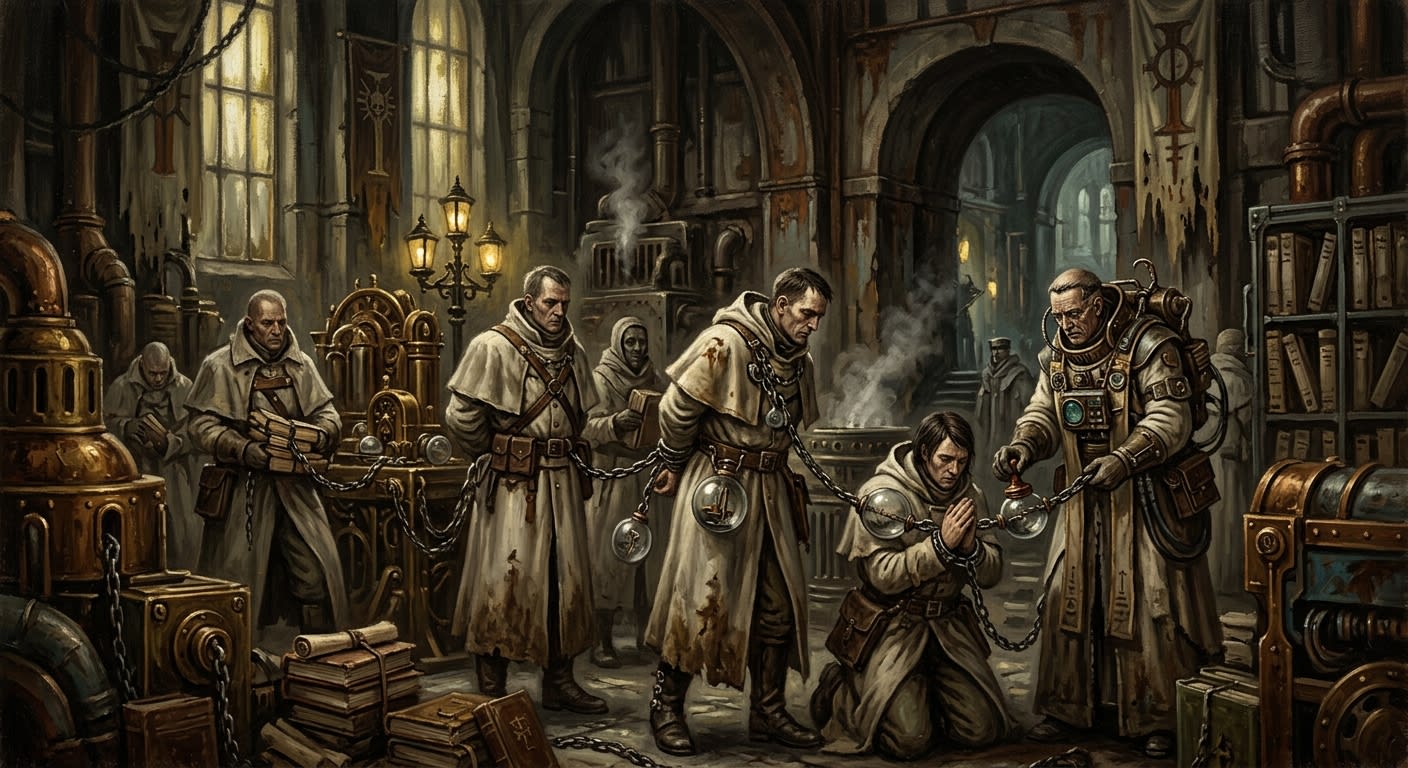
Glasschain Reform
Bind the binder, then listen when the glass objects
The Purity reform attributed to Chainmaster Veyl, binding White-Mantled Inquisitors to audible glass after seized words became contraband currency.
Codex Ref. XIII.1.87-201
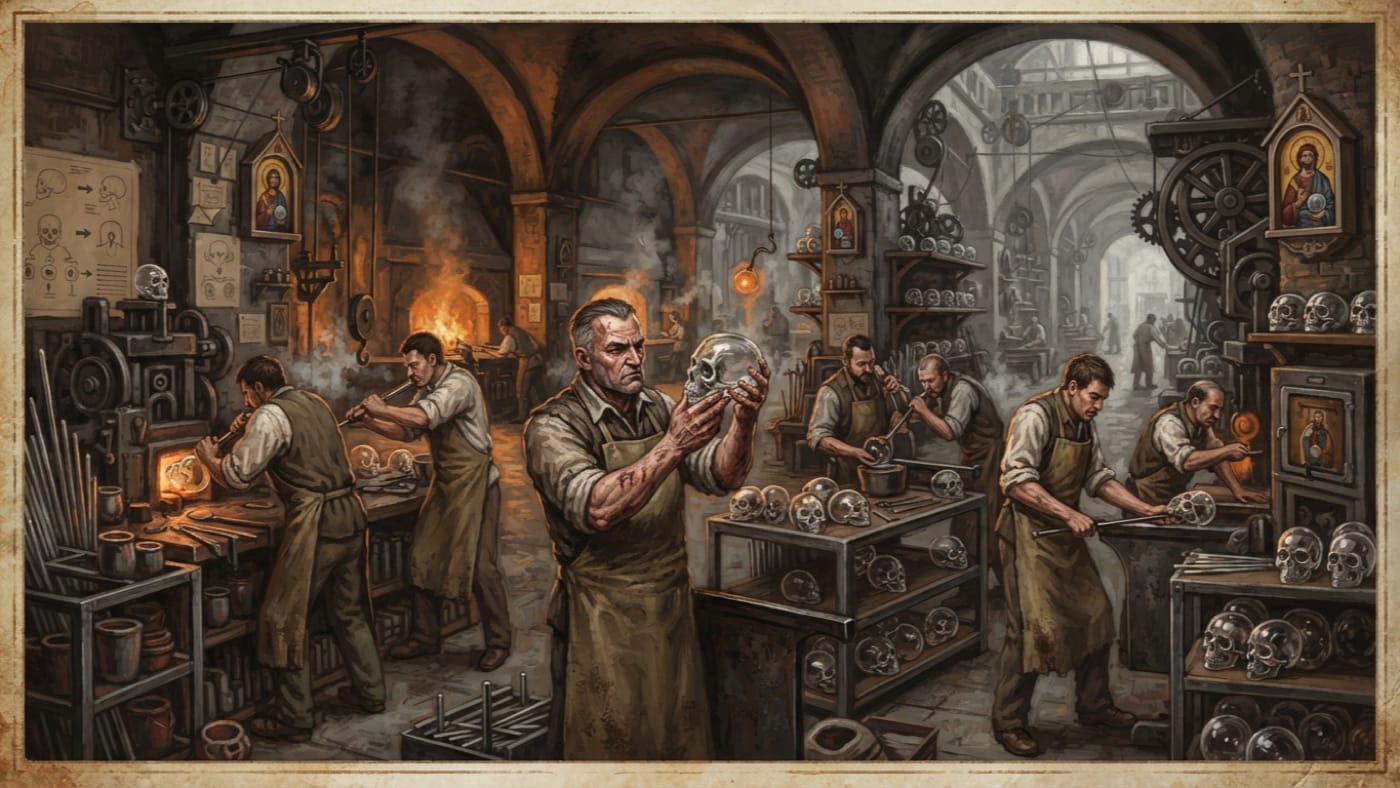
Glasswright
They cast the vessel; others supply the sentence
Licensed glasswrights cast the hollow skulls through which the Synod displays its sentences. Saint Velek blesses the furnace; Purity asks who supplied the glass when a name begins to sing.
Codex Ref. XII.30.02-001
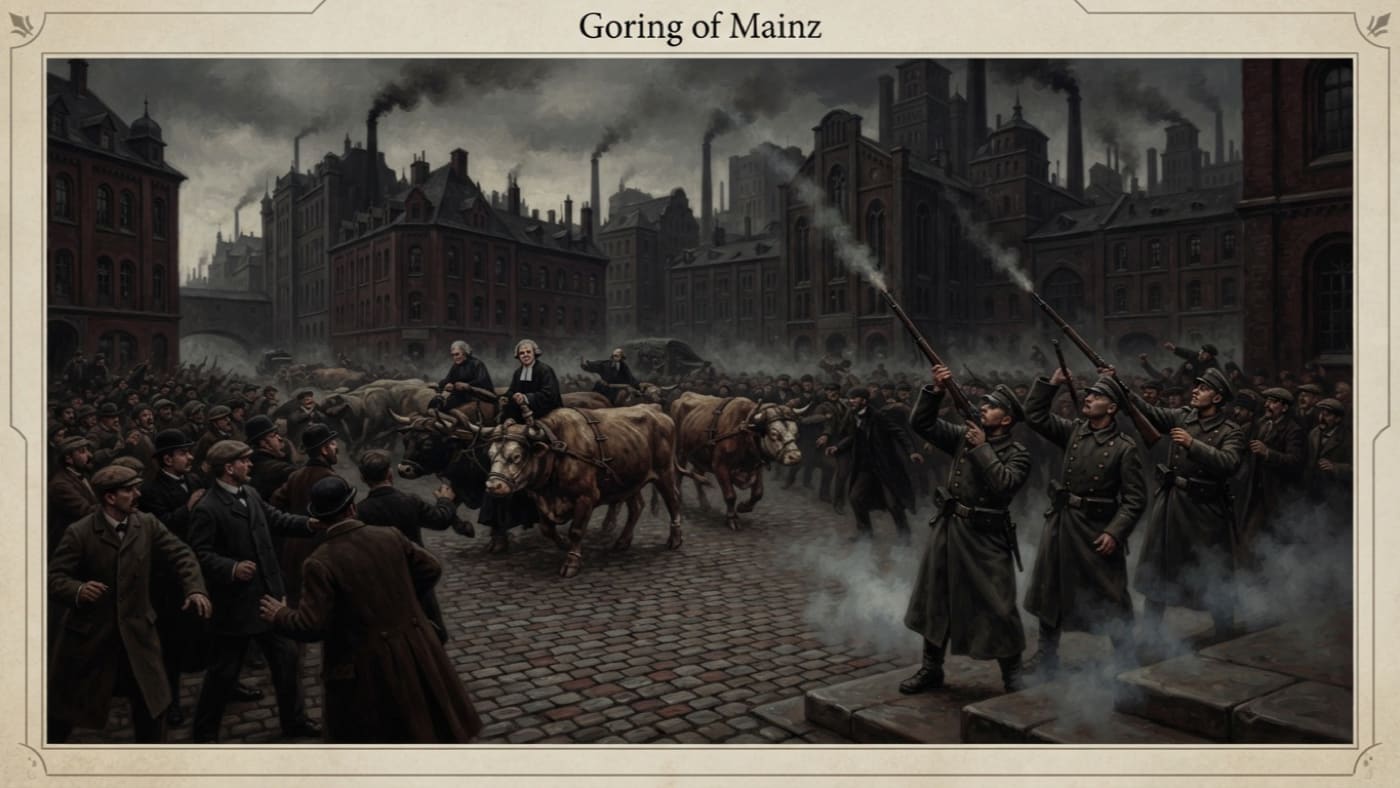
Goring of Mainz
What the faithful remembered, the archive filed as livestock
In A.S. 37, Rationalists nailed Mainz clerics to oxen horns; the Fusiliers fired three shots into the air. The faithful remember judgment. Later Records preferred livestock.
Codex Ref. VII.1.37-001
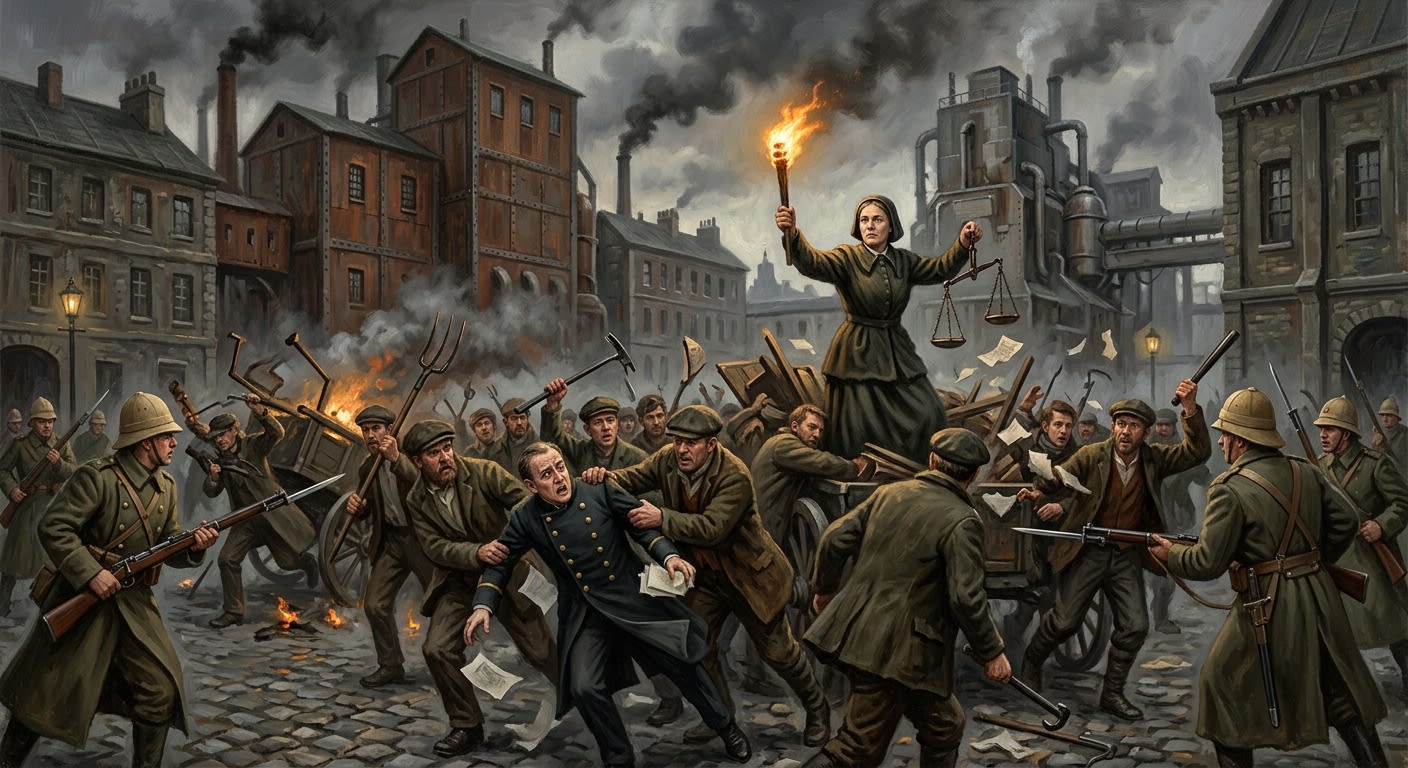
Grain Tithe Riots
Where hunger learned arithmetic and Hildegarde brought fire
The Grain Tithe Riots of A.S. 160 killed three Tithes Assessors, condemned forty Rhenish villages, and made Hildegarde of Mainz a saint with a scale in one hand and a torch in the other.
Codex Ref. VII.8.10-160

Grand Inquisitor Severian
The tongue made public office, the cage made catechism
Severian of Mainz made fear audible, denunciation intimate, and cruelty administrative; his Second Appendix still walks through Prague with nail and tablet.
Codex Ref. III.2.01-062
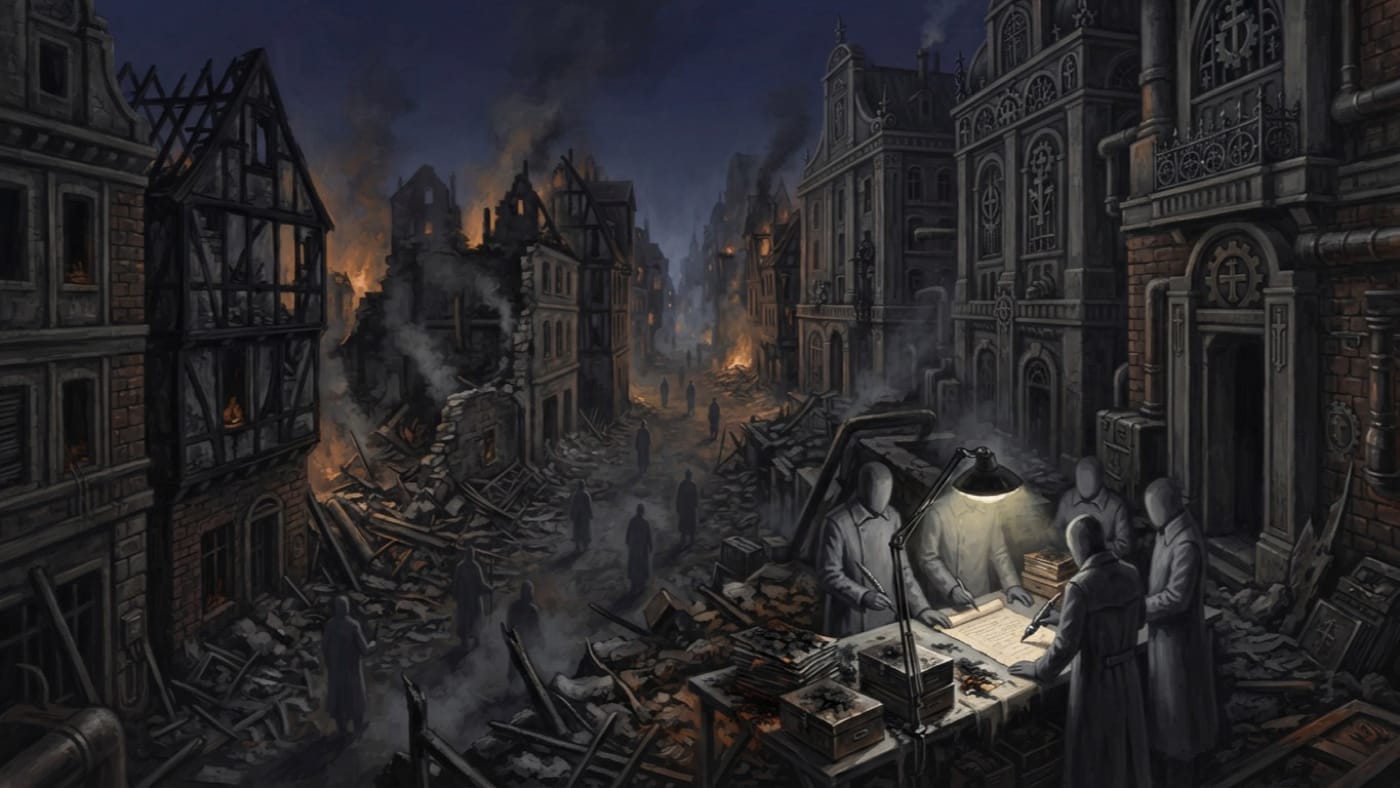
Gray Wax Coup at Mainz
An undated legend; absence is a clerk's answer
Surveyed in A.S. 201, Mainz's older Night Paper legend tells of a debt-ledger revolt, twelve Papers and neighbourhoods destroyed overnight. The historical year is unknown; the account enters absence with excellent penmanship.
Codex Ref. VII.8.10-1257
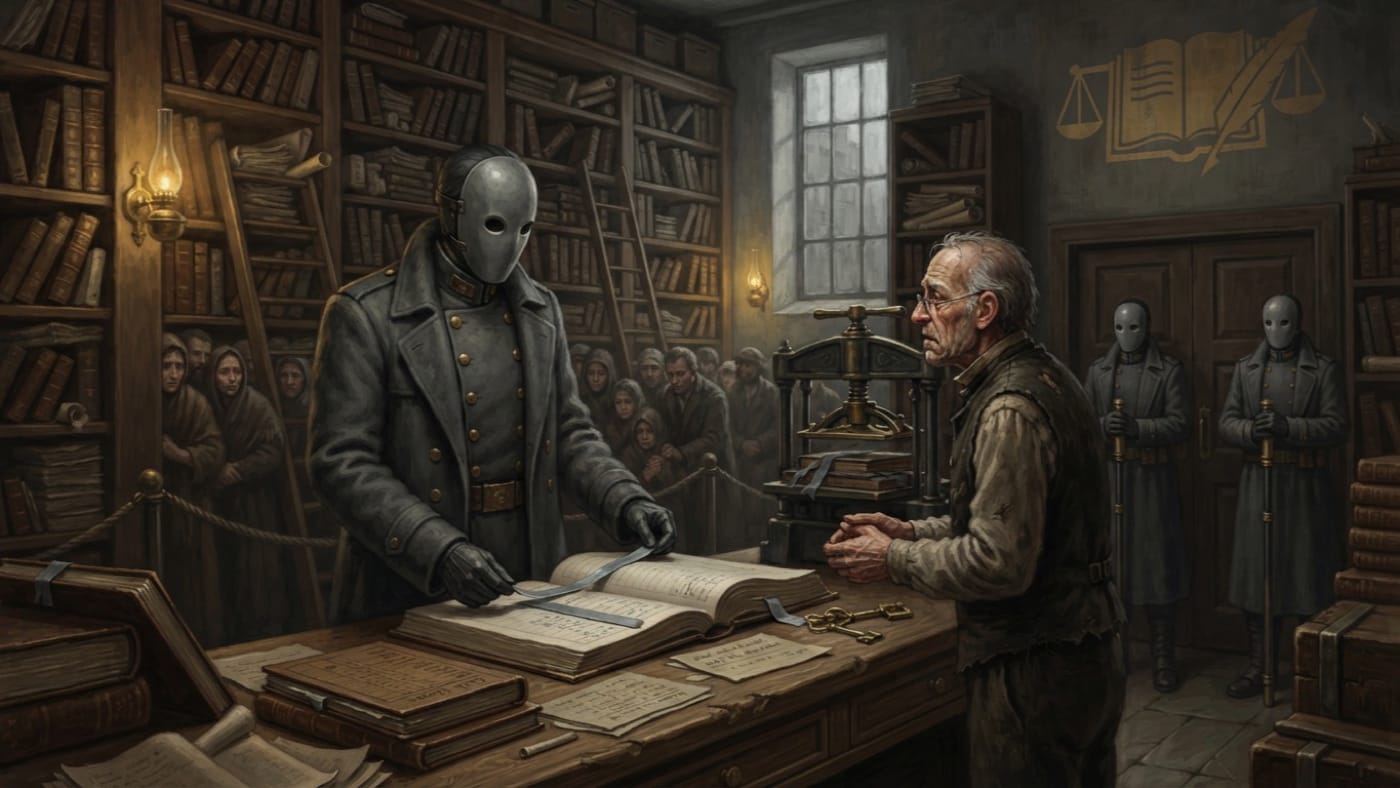
Great Ledger Harmonisation Mandate
The larger page that never has to enter the room
The Great Ledger Harmonisation Mandate supplies the standing authority cited by Indiction writs: books are reconciled, names suspended, and appeal waits until the archive decides who still counts.
Codex Ref. XIII.1.06-002

Heresy of Selectivity
Choice belongs upward. Reception belongs downward.
The offence of choosing among accounts the Church has approved together. An office may allocate a truth; a subject who refuses its companions has edited authority and invited correction.
Codex Ref. XIII.1.42-002
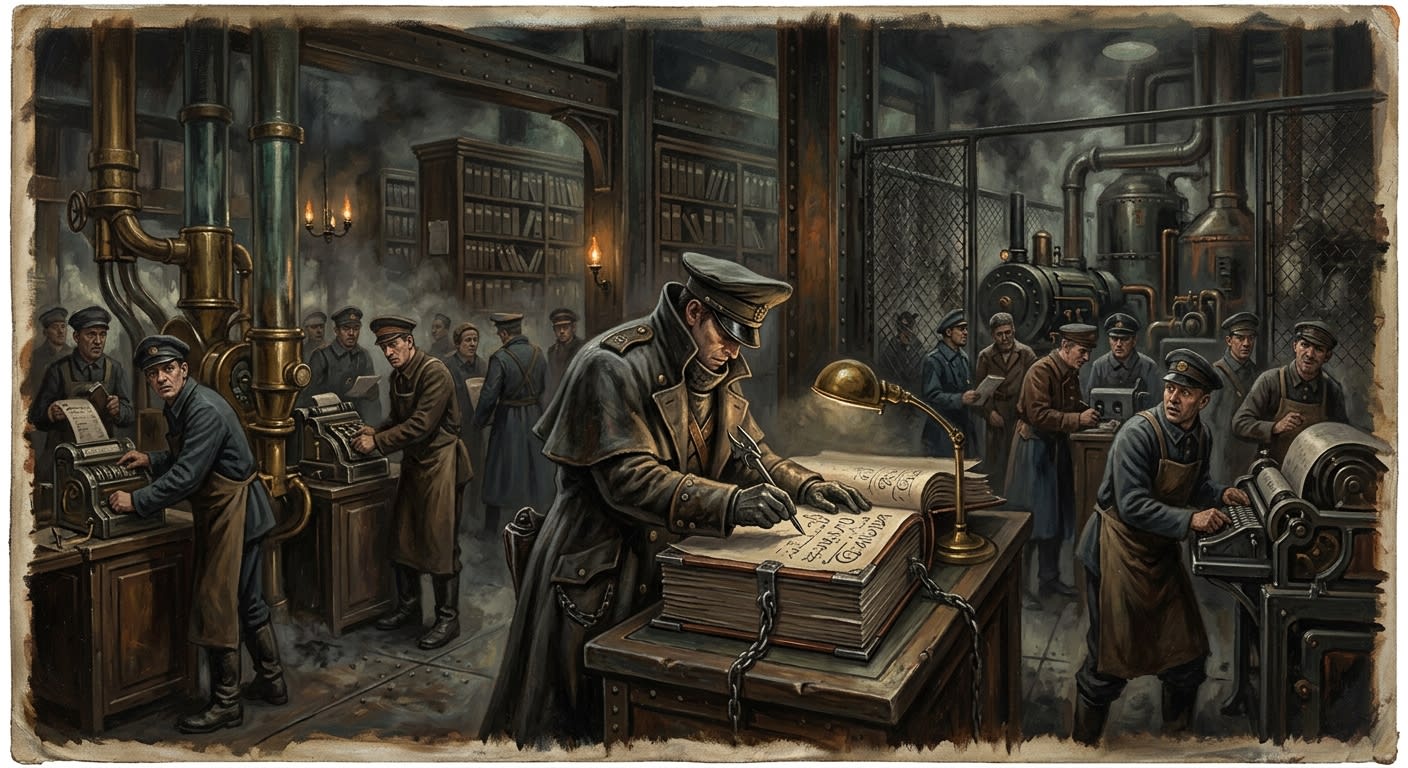
Incident of A.S. 187
The twelfth hour when the margin learned to sing
The A.S. 187 east-bench breach in which Inquisitor Breel copied proscribed Register of Sounds notation from the Index Damnatus, forcing Purity's eight-hour reform under Administrative Order 44-B.
Codex Ref. VII.4.17-001
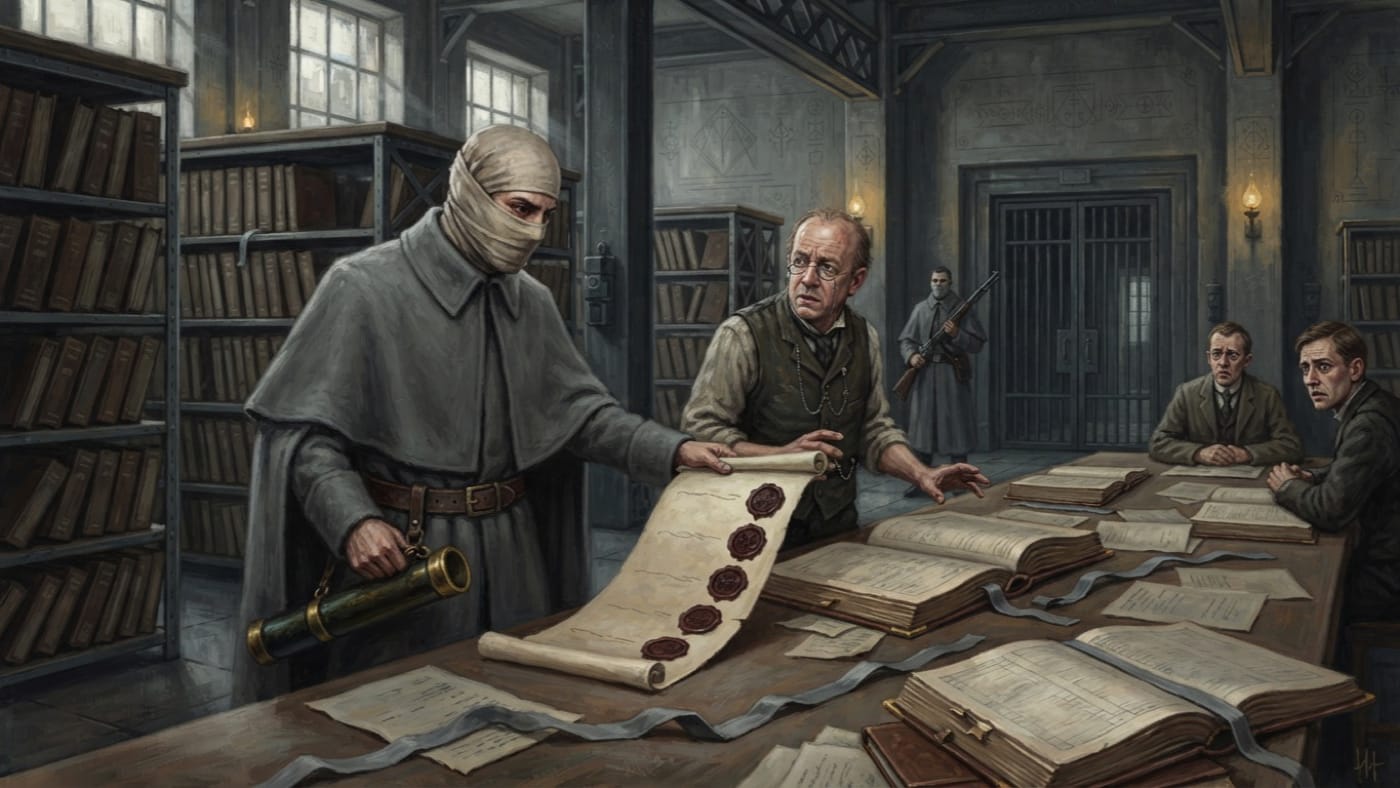
Indiction Writ
Five seals, five powers, and an appeal that waits
The Indiction writ lets Records seize ledgers, enclose witnesses and suspend names before any charge. Five seals announce that the Bureau has noticed; appeal waits until reconciliation.
Codex Ref. XIII.1.06-003
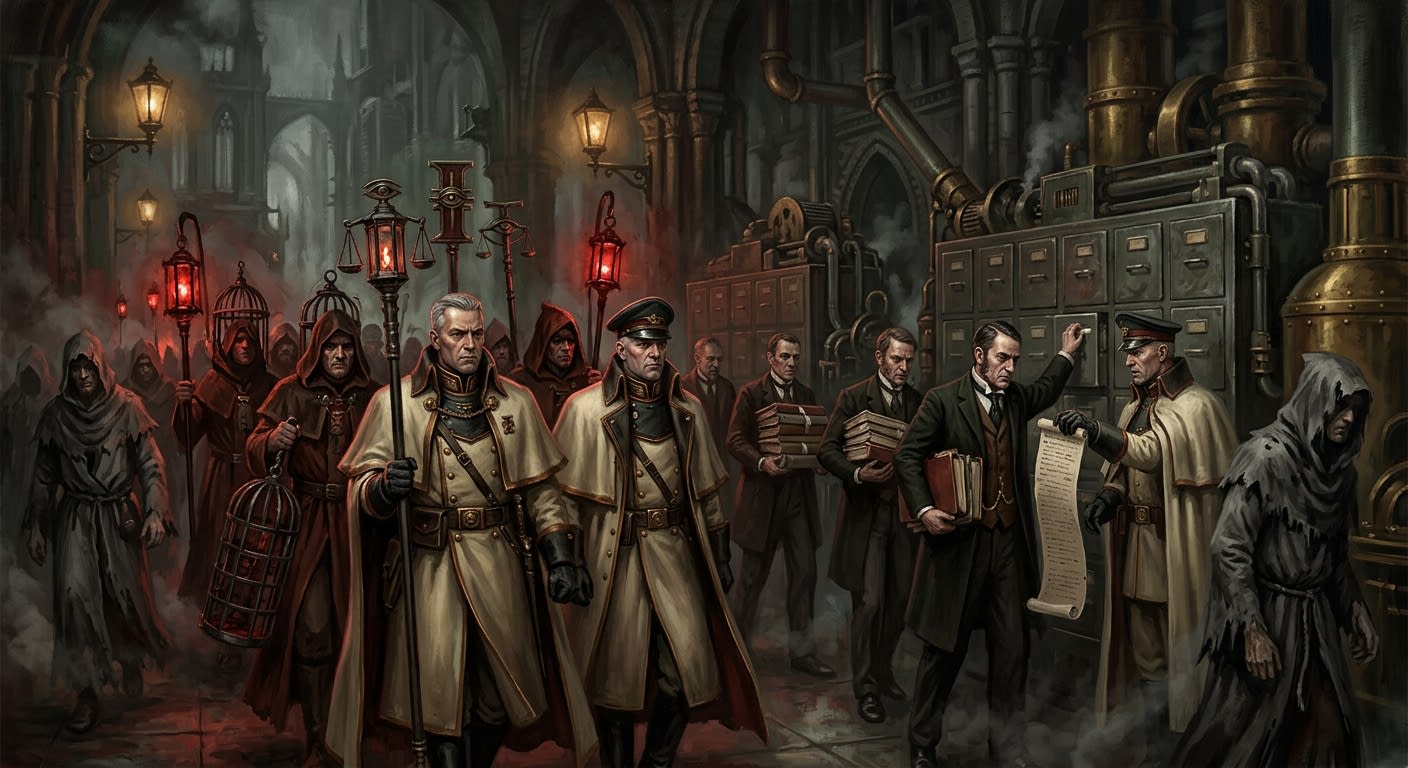
Inquisition
The white hand closes with a receipt
The Inquisition is Purity's authorised appetite for correction: White Cloaks, Lictors, Red Lanterns, Ashmen, Shadows, Index packets, denunciation law, and the clerkly miracle by which fear learns to file itself.
Codex Ref. VIII.1.08-093

Inquisitor Breel
The guard who became the margin of the song she never heard
Fourth-rank White-Mantled Inquisitor whose A.S. 187 east-bench exposure in the Vault of Silences made her hand copy forbidden notation from the Index Damnatus.
Codex Ref. III.2.01-070

Inquisitor-General Severian
The man who taught fear to sing in tune
Architect of the Iron Choir of Mainz and Severian Gloss to the Catechism of Obedience, he made silence culpable, cruelty legible, and fear useful enough to receive forms.
Codex Ref. III.2.01-006
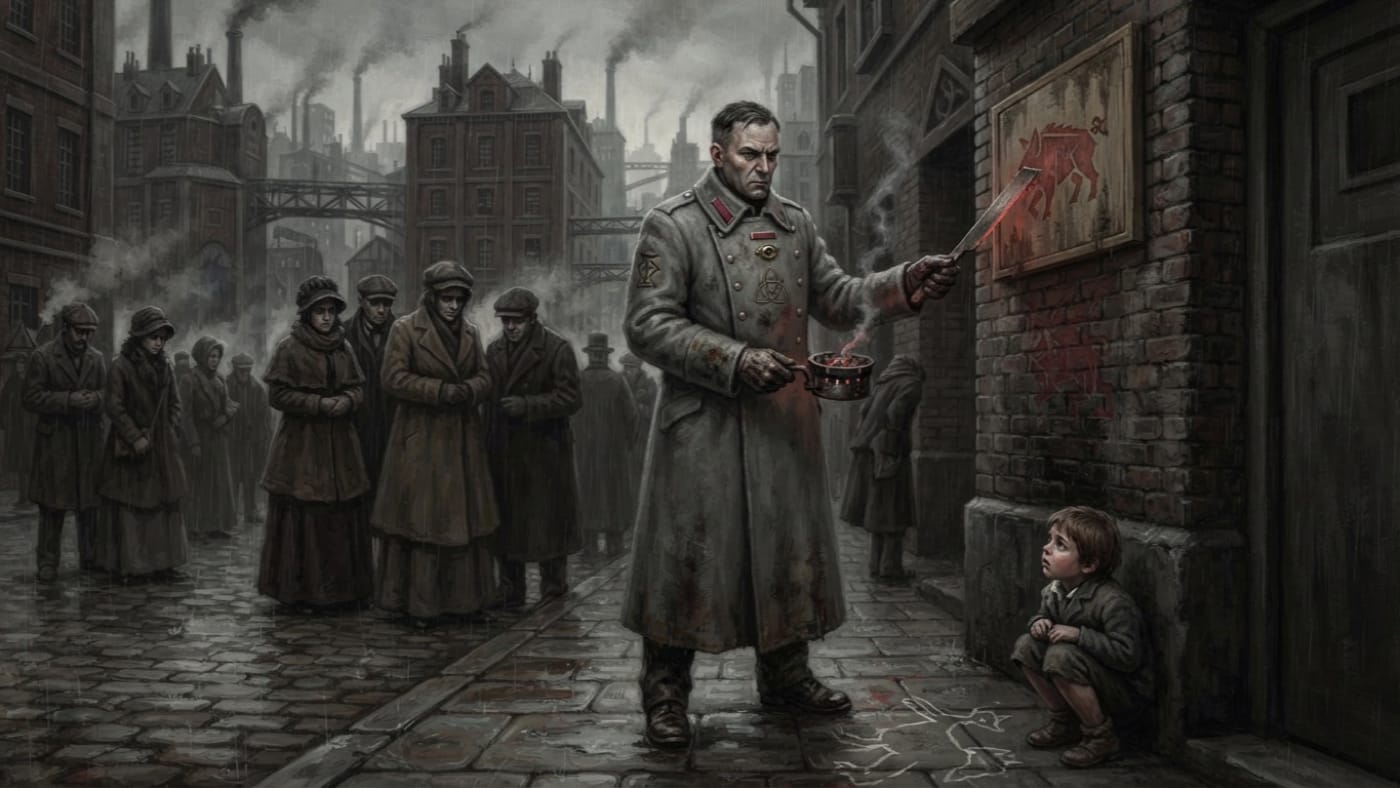
Inspectorate
A decree is ink, and ink needs legs
The Inspectorate of Visual Compliance carries Heraldry's judgments into the street. Its licensed examiners measure a crest, issue a citation, and heat the blade; even a child's chalk animal must answer to the register.
Codex Ref. VIII.1.03-002
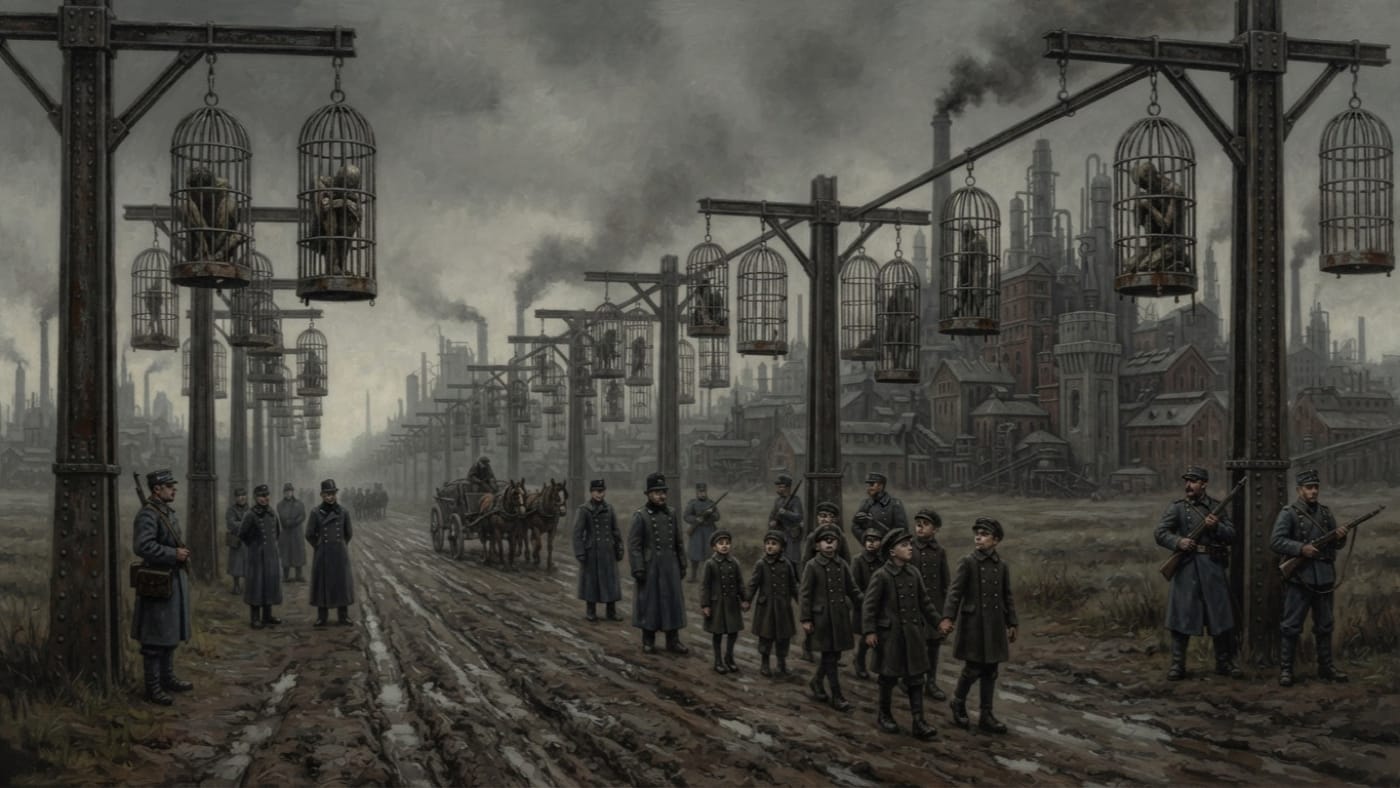
Iron Choir
A licensed hymn in the chamber, a captive congregation on the road
The Iron Choir gives confession a licensed hymn and the Mainz road a congregation of cages. Severian's method keeps fear in public service, even when most of the cages stand empty.
Codex Ref. VIII.1.09-001
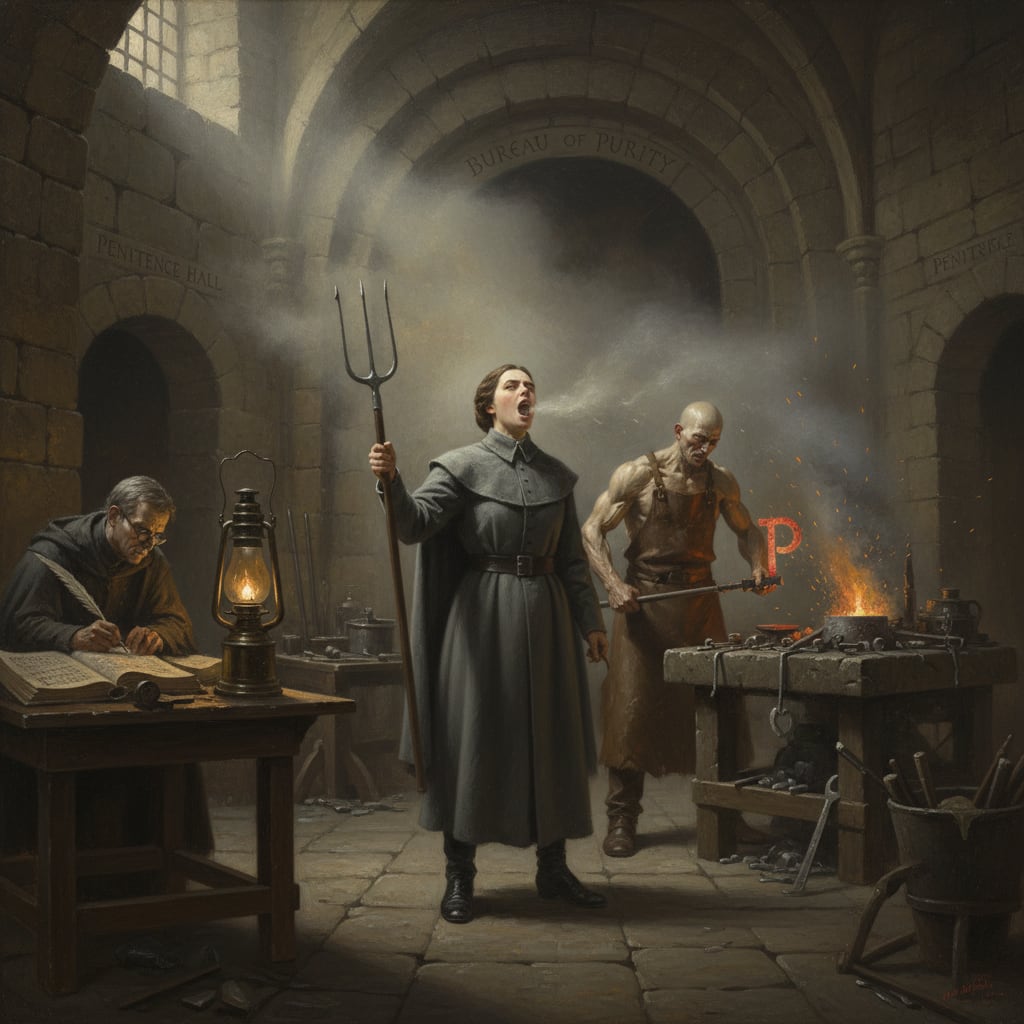
Iron Choir Brand-Singer
Because screaming is imprecise.
Licensed custodians of the note that steadies the iron — the Brand-Singers who hold pitch through Bureau of Purity penitence rites so that the resulting inscriptions are legible and the confession, accordingly, valid.
Codex Ref. XII.24.01-001
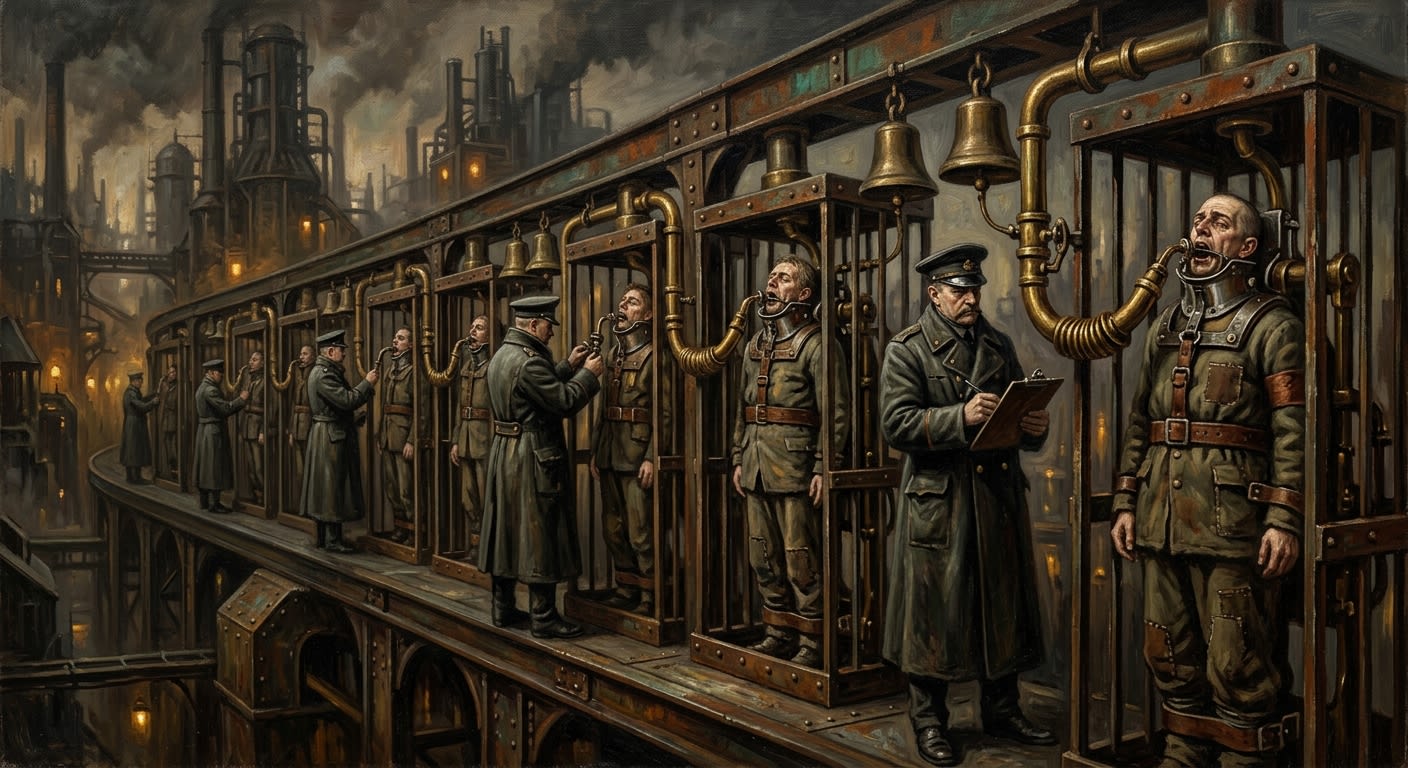
Iron Choir of Mainz
Where the road learned to keep a throat open
The Iron Choir of Mainz turns condemned throats into civic instruction: a Purity road of cages, bells, Brand-Singers, witness columns.
Codex Ref. VIII.1.09-134

Judge Anselm Varr
A Judge's name, a forged impression, and a prisoner still held by ink
Judge of Route 11-North whose authority was counterfeited in the A.S. 158 Cologne transfer of Petter of Lorch. The prisoner vanished; the ledger kept him.
Codex Ref. III.2.01-1515
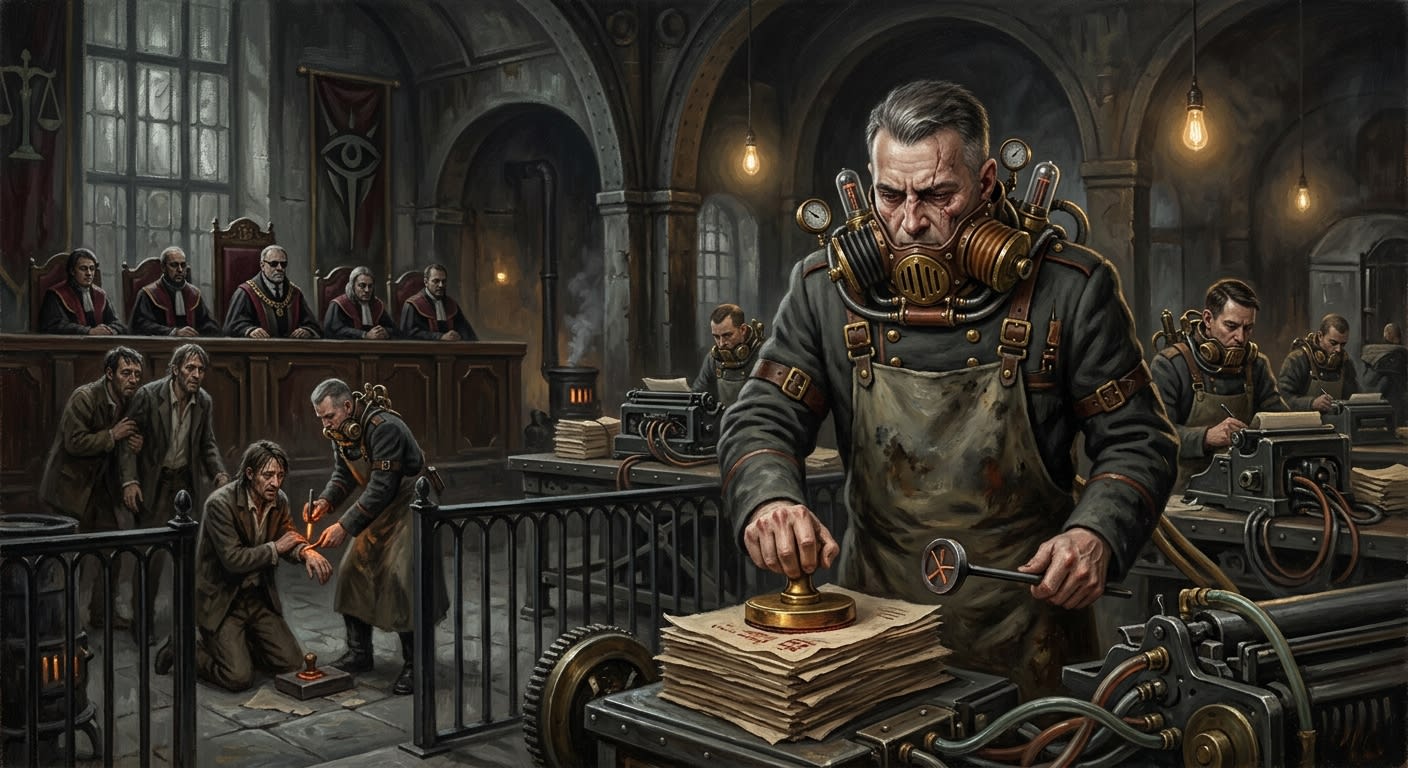
Judgment Tone
The knife-note by which truth is made punctual
Judgment Tone is the Brand-Singer school of cut cadence and rapid certification, beloved by tribunals whenever truth must arrive before the docket cools.
Codex Ref. XIII.1.41-002
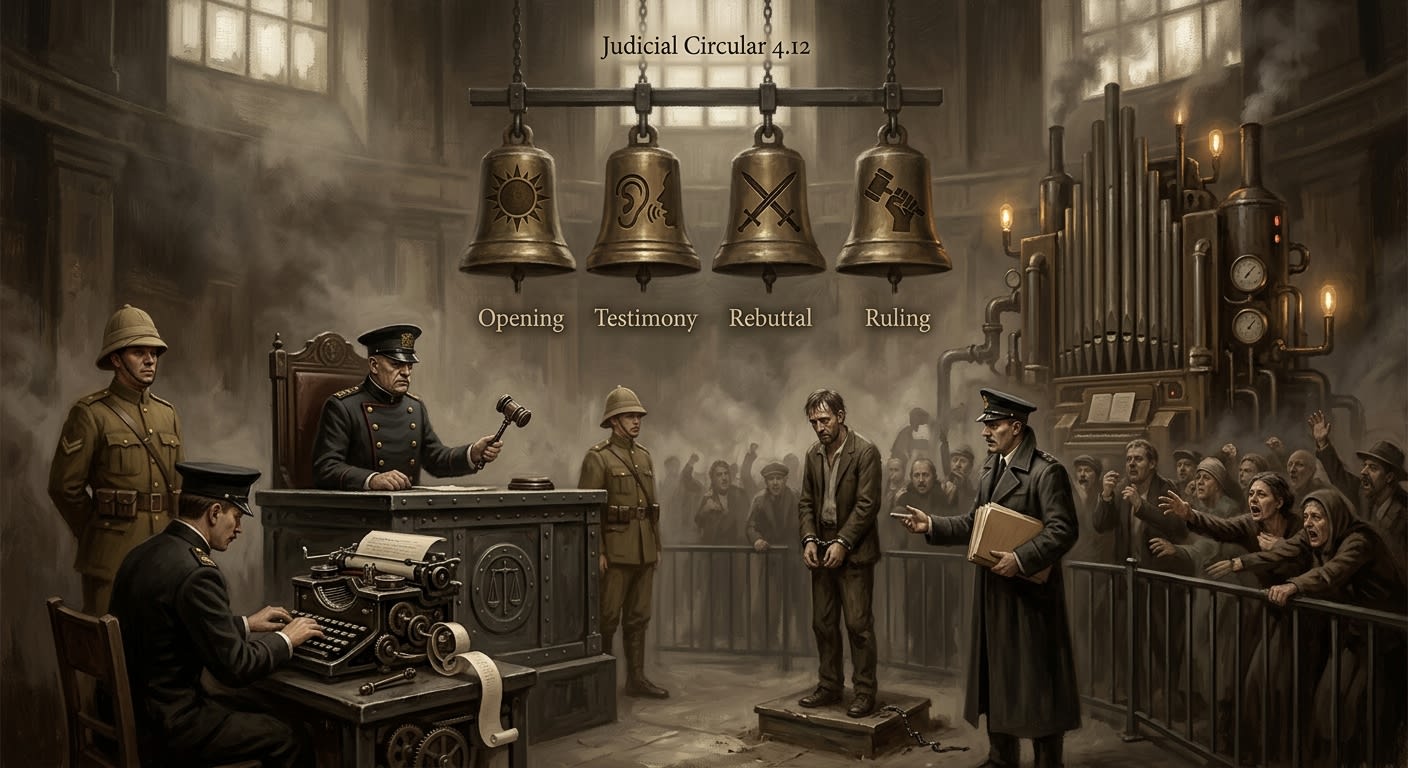
Judicial Circular 4.12
Four minutes for law to wound before the road learns its hands
Judicial Circular 4.12 compressed roving circuit trials into one creed-hymn: opening, testimony, rebuttal, ruling — four chimes by which law outruns crowds, mothers, mercy, and its own exposed ankles.
Codex Ref. XIII.1.91-141

Koblenz
The holy art of handing the burden onward
Koblenz is the wet middle hand of the Ignatian chain: a Rhine-Moselle transfer city where sanctity lasted six minutes and became taxable forever.
Codex Ref. II.3.05-045
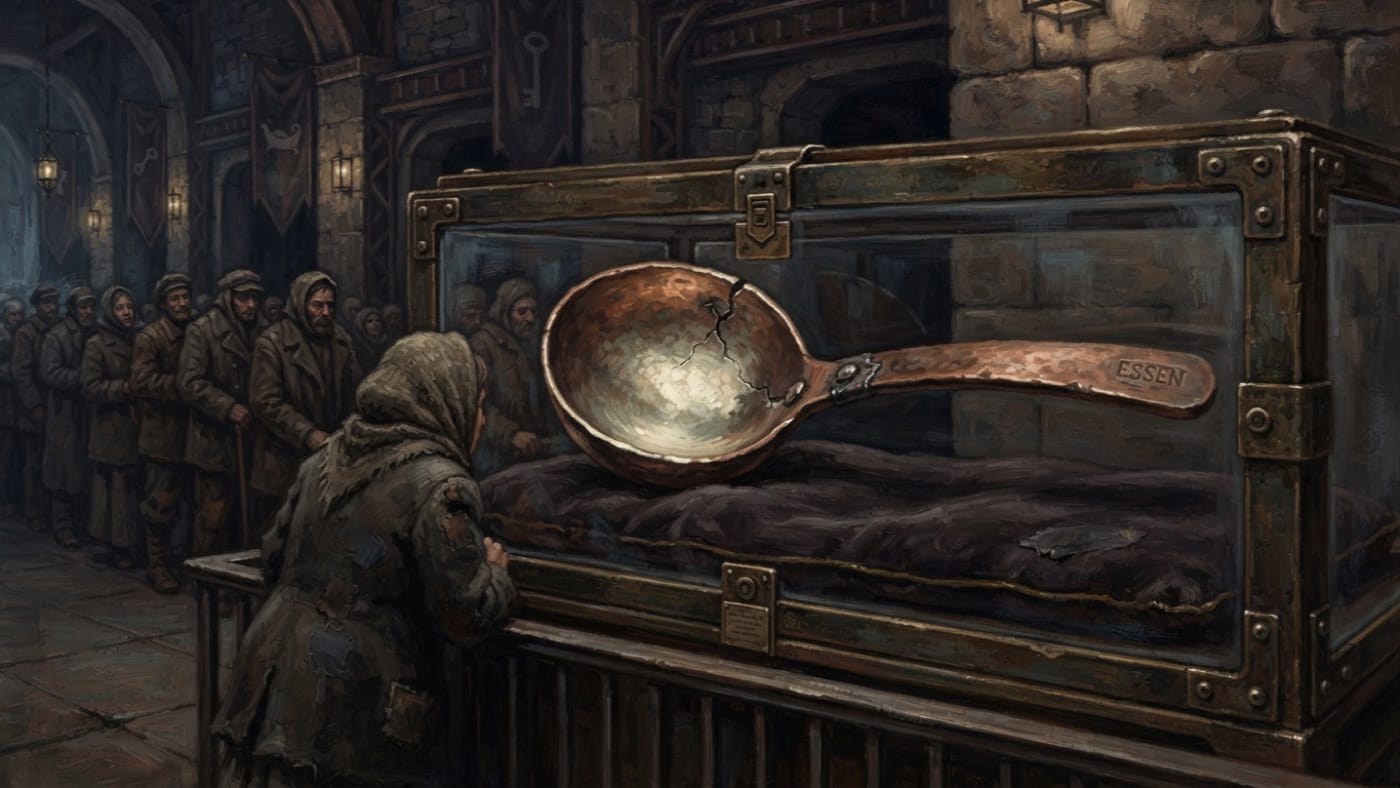
Ladle of Saint Halva
Devotionally sufficient, three pfennig per kiss
The cracked copper ladle at Mainz is Tier III: devotionally sufficient. I judge it eighty years too late for Saint Halva. It multiplies no broth; the Bureau of Relics charges three pfennig per kiss.
Codex Ref. III.2.04-001

Lemon-Ink
A forbidden sentence waits inside a permitted book for the wrong candle
Lemon-ink hides forbidden figures inside approved books until a candle browns them into evidence. The Ashen Circle writes; the Interdiction Squads warm the page.
Codex Ref. XIII.1.56-002

Listening Glass
The glass returns a sound; the offices return a sentence
Keeper lore credits Saint Velek with glass that holds and returns sound. A Velek cup may yield a condemned name, an inquisitor's business, or the Listener's own confession. Engineering denies the technique.
Codex Ref. XIII.1.43-002
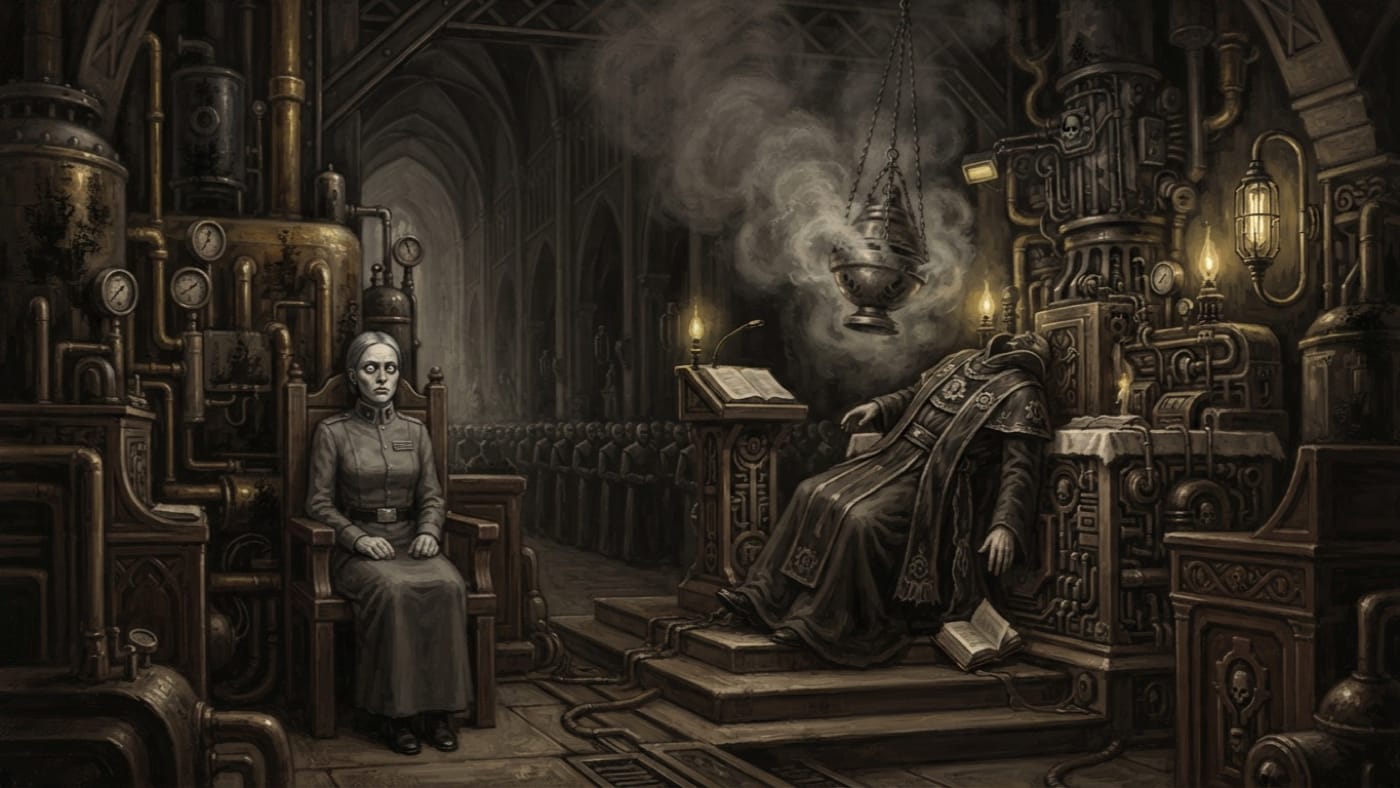
Litany of Solar Continuity
The title survived; the incense inherited the blame
Surveyed in A.S. 201, this litany survives by title in the Greyling file: one woman watched without blinking, one priest fell, and incense took the blame.
Codex Ref. XIII.1.32-002
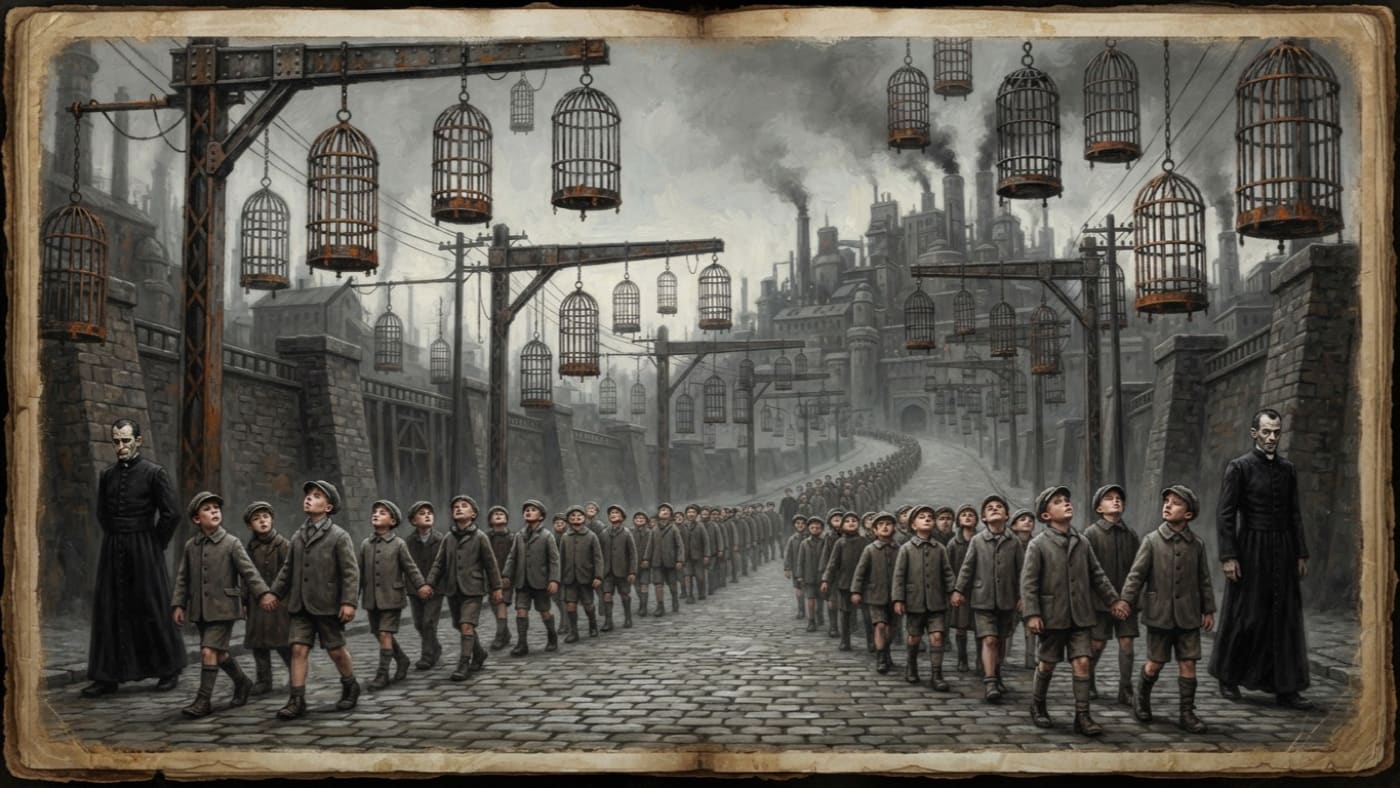
Little Witness Program
The schoolroom learns what the cage is for
The Little Witness Program marches schoolrooms past Mainz's Iron Choir to teach obedience through terror. Records claims a sixty-percent rise in confessional punctuality; Mercy's objection remains overruled.
Codex Ref. XIII.1.08-201

Mainz chime-mark affair
Three marks, six pages, and an appeal still waiting
At the A.S. 201 survey, Fenn's doorbell remains under three seals and his appeal stays active. Casselius made three descending marks a case; the Codex made one paragraph six pages.
Codex Ref. VII.8.10-201

Mainz Correction
One civic body, one sentence, and a road that keeps speaking
An A.S. 201 survey of Severian's civic purge: Mainz declared one heretic body, processed by parish, street and guild, and left with iron cages that keep the sentence audible.
Codex Ref. VII.8.10-1718

Mandatum Candoris
The decree by which terror learned to wear white
Hildegarde of Mainz's A.S. 62 decree requiring visible white mantles for Bureau of Purity field agents, making correction legible before it struck.
Codex Ref. XIII.1.88-062

Mannheim
The square city teaches arithmetic to doubt
Mannheim is the Rhine Corridor's square heresy school: copyhouses, ash-yards, tidy streets, and arithmetic sharp enough to cut Doctrine.
Codex Ref. II.2.10-125
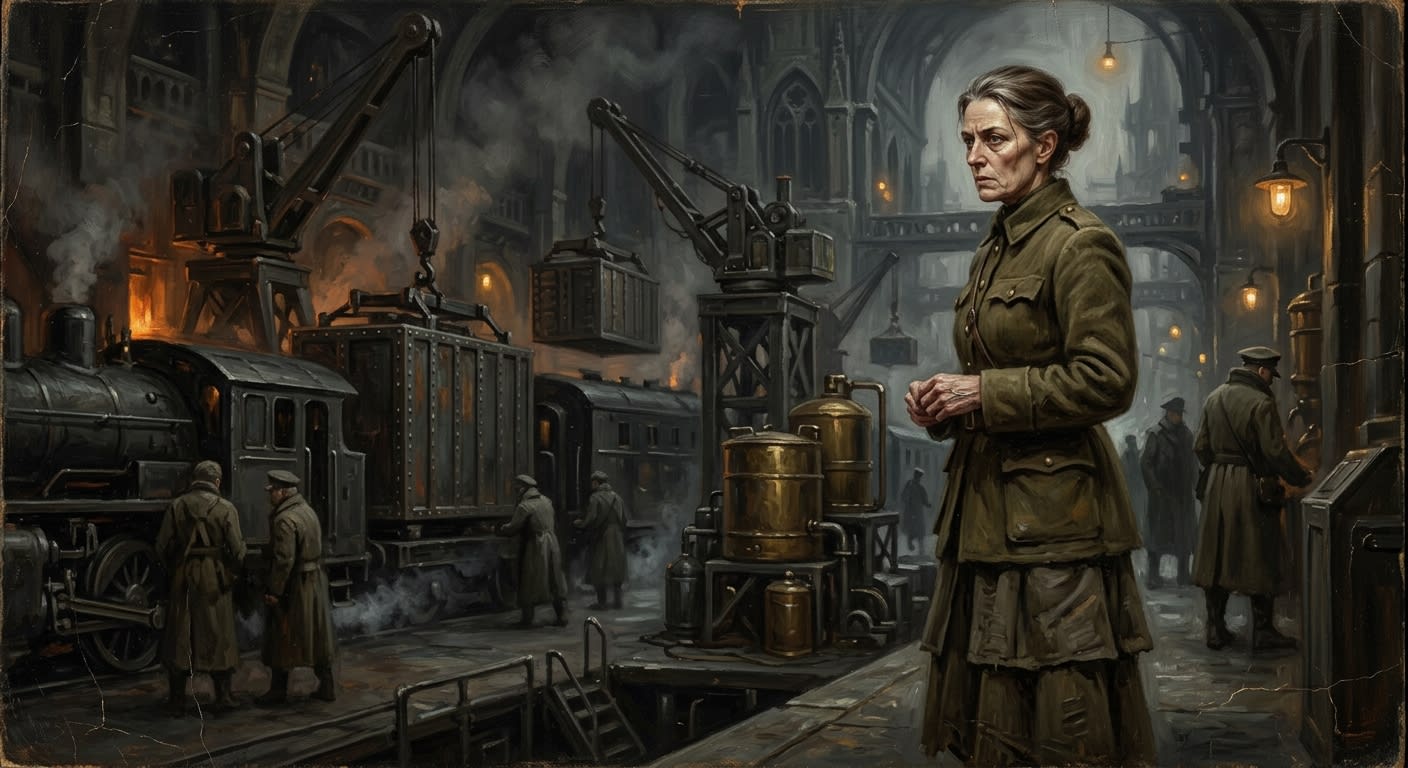
Maren Kessler
She kept the count clean and the water guilty
Handler Third Class Maren Kessler delivered eight Jubilee columns without recorded discrepancy, heard custody failing by sound, and retired with forty-seven water vessels.
Codex Ref. III.2.01-135

Master Cantor Vell
The man who made seven rooms confess in one breath
Master Cantor Vell held seven punitive rites in one cadence, left no treatise for lesser throats, and made silence itself a professional benchmark.
Codex Ref. III.2.01-063
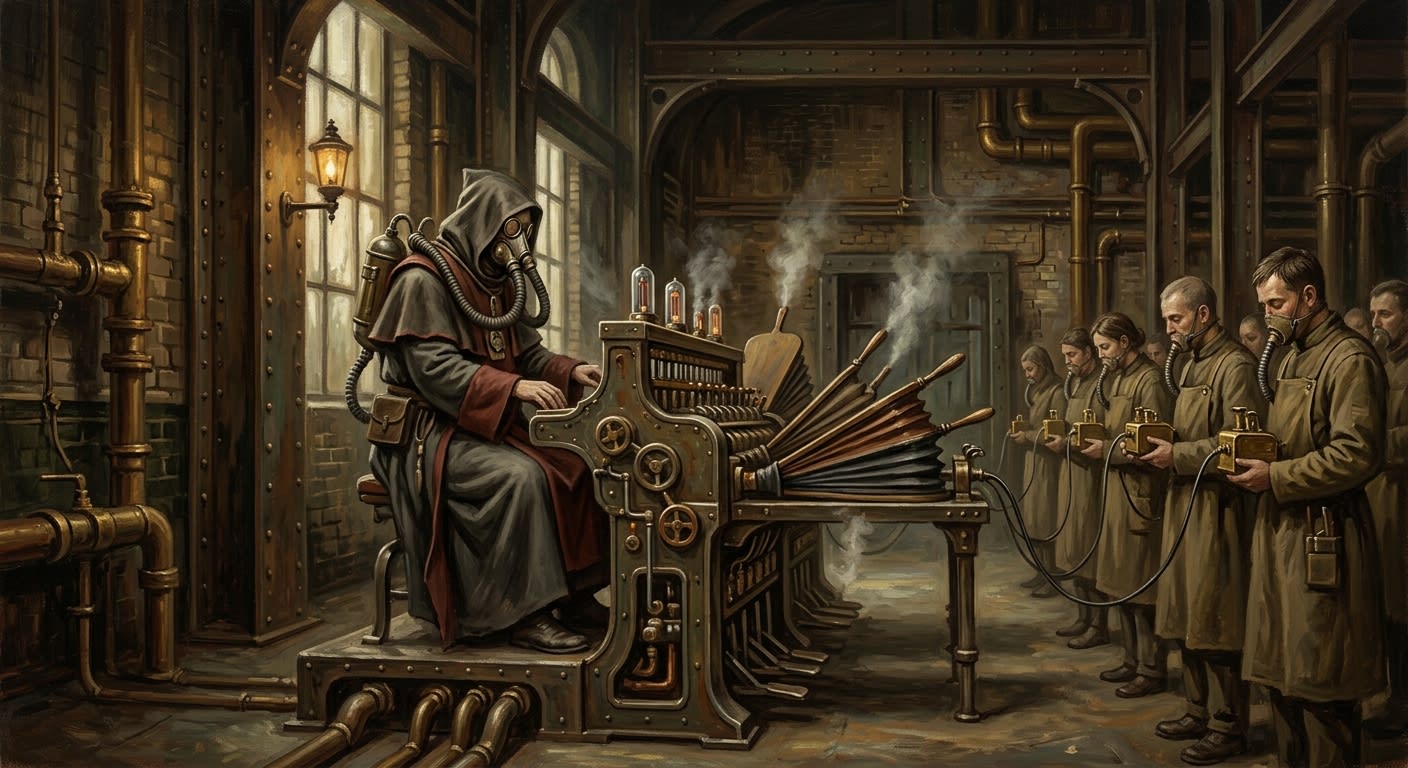
Mercy Tone
The slow note by which the body remains useful
Mercy Tone is the Brand-Singer school that preserves breath, extends confession, and proves that the Synod can call acquisition mercy when the note is slow enough.
Codex Ref. XIII.1.41-001
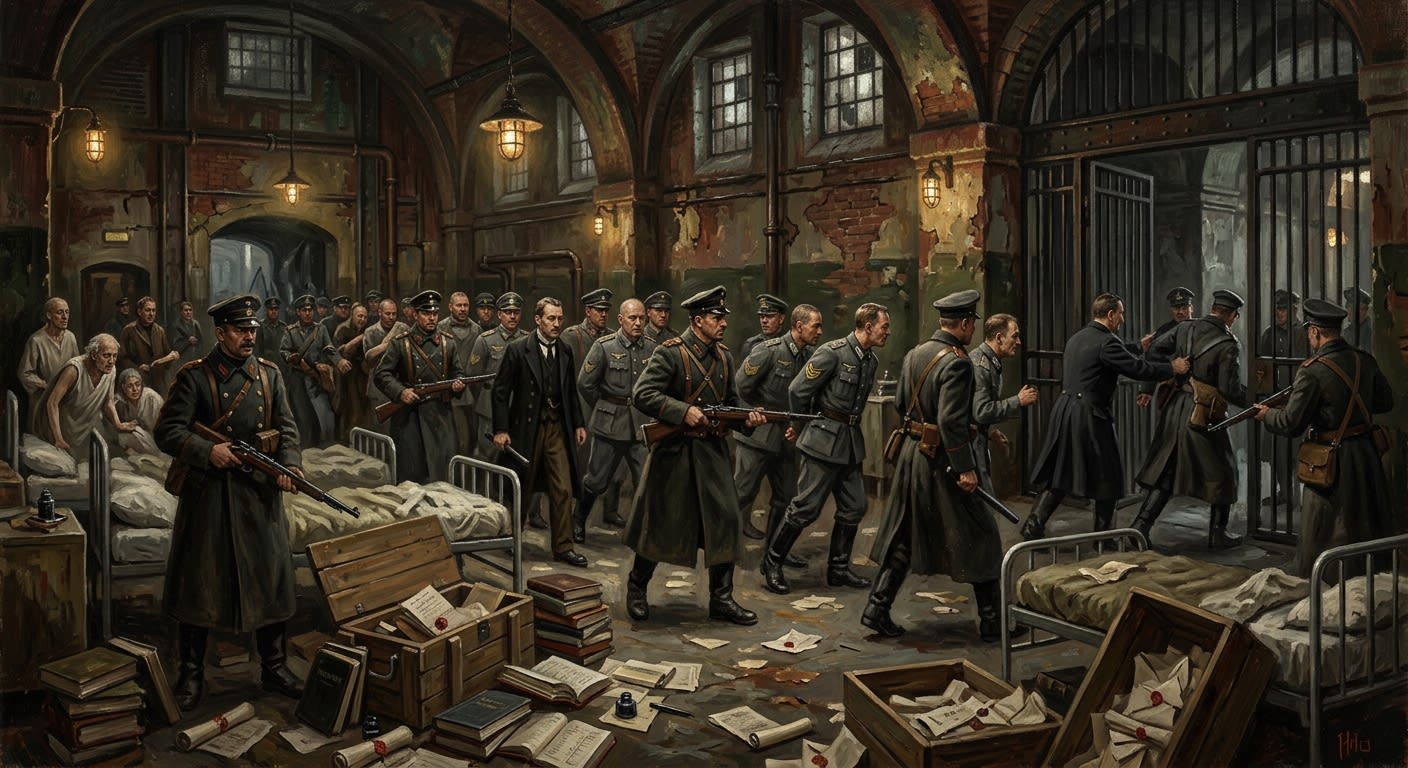
Mercy Ward Purge of A.S. 134
The year last words became contraband unless properly priced by authority
The Mercy Ward Purge of A.S. 134 exposed the sale and alteration of terminal confessions across Rhineland wards.
Codex Ref. VII.8.10-023
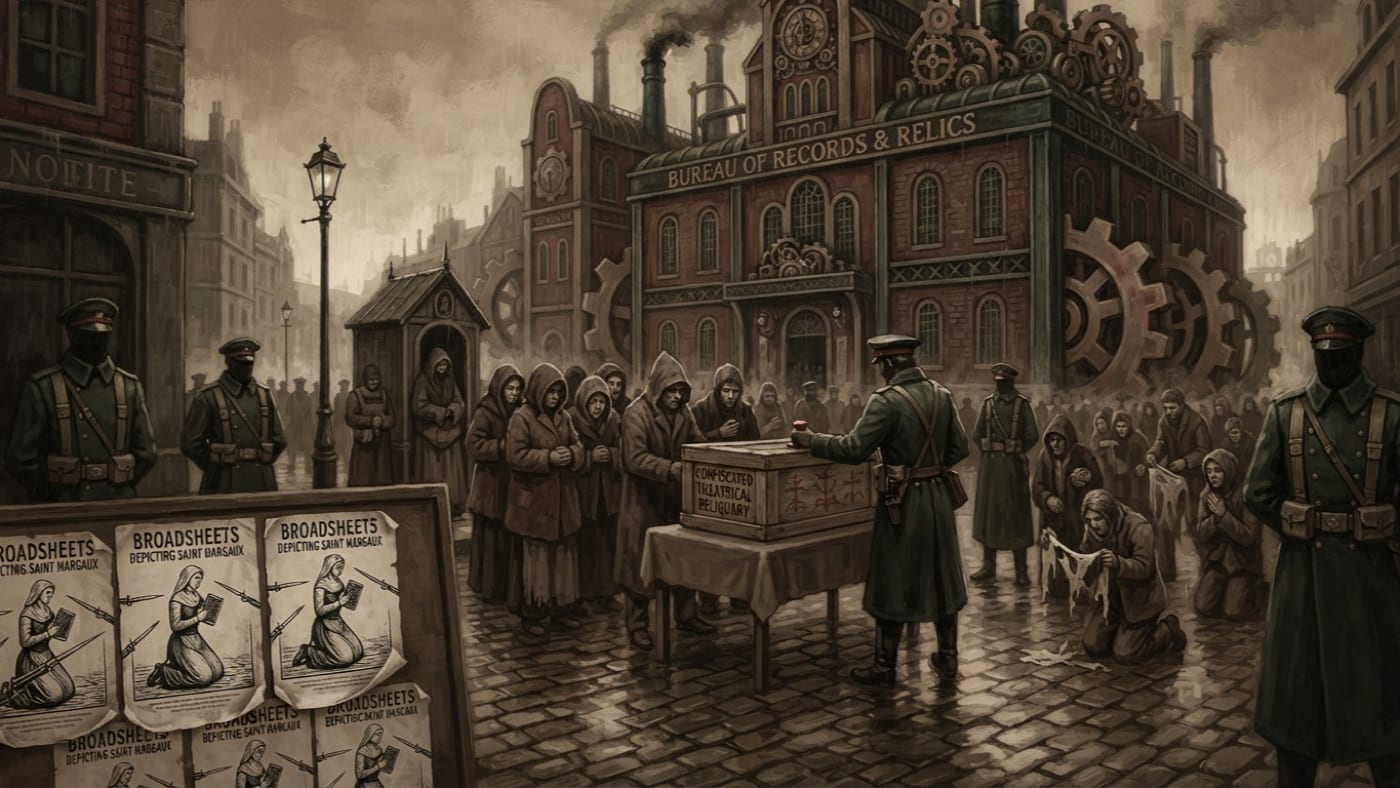
Nantes
Paper arrived; a box was seized
Margaux's broadsheets reached Nantes; a theatrical reliquary there was confiscated after accepting offerings. Paper arrived, a box was seized, and the Bureau considers this sufficient civic history.
Codex Ref. II.3.05-010
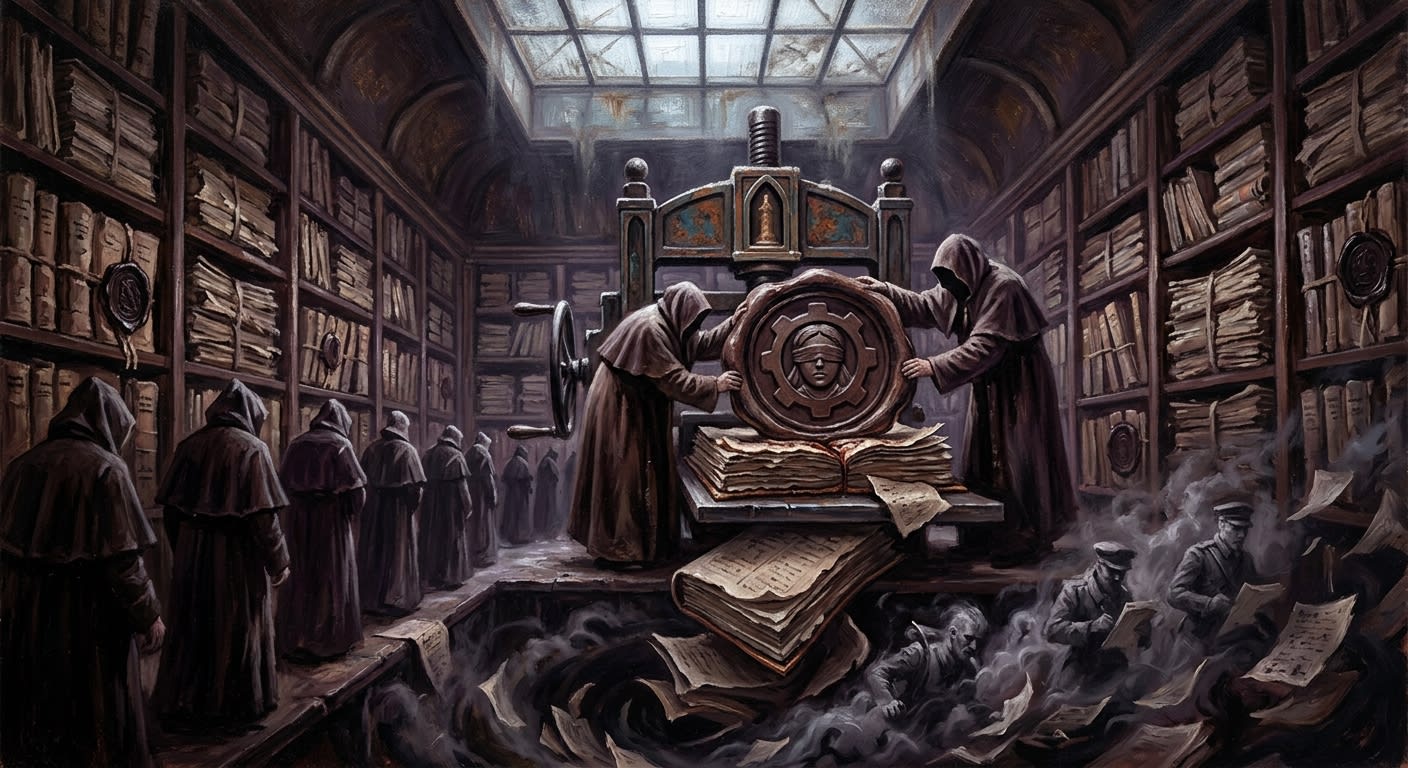
Ninth-Ratification
The seal that forbids analogy because pattern is accusation
Ninth-Ratification is the Synod's highest publicly nameable seal: a doctrine of lawful ignorance for records whose disclosure changes context, office, witness, and history itself.
Codex Ref. XIII.1.76-103

Old Klem the Ledgerman
He did not hide the sack; he hid the absence
Old Klem the Ledgerman is the condemned founder-figure of Grain Keeper ledger fraud, the clerk who taught spoiled grain to become bread again.
Codex Ref. III.2.01-122
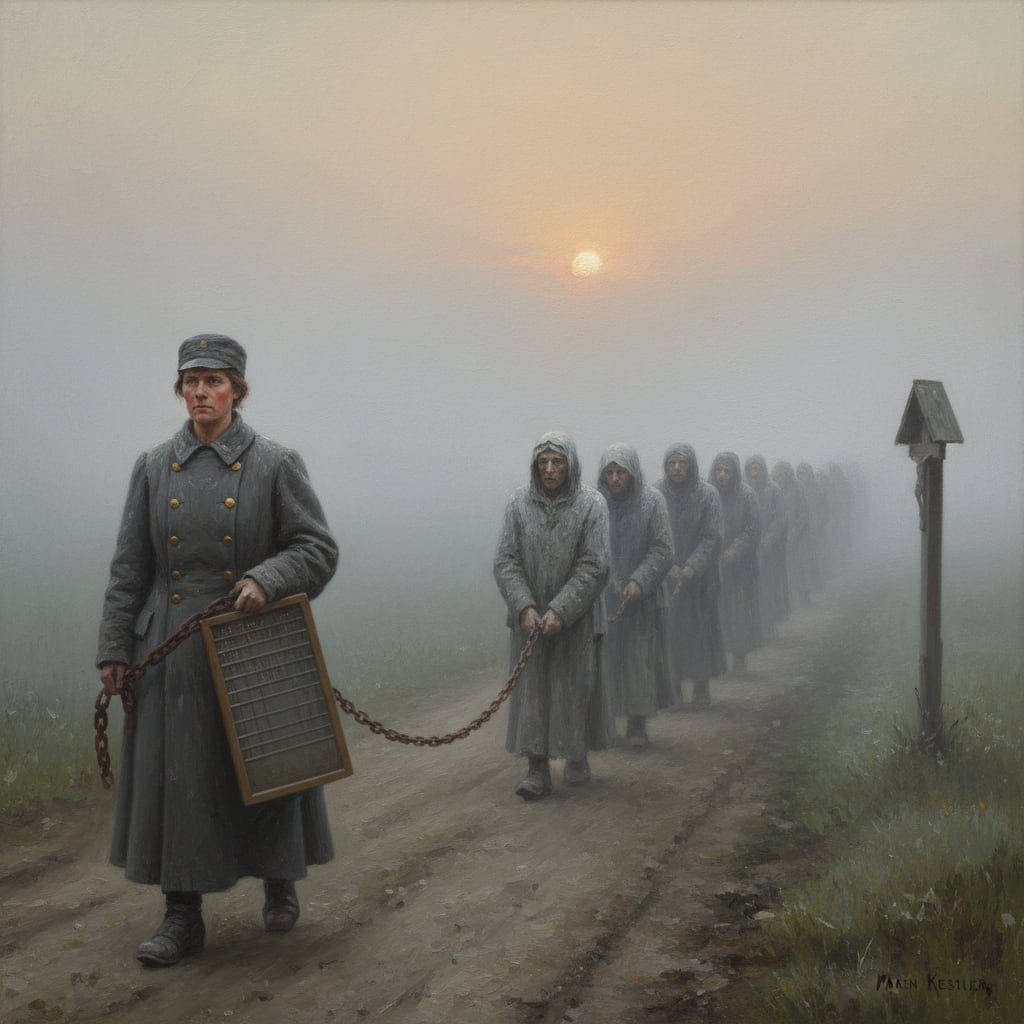
On the Pilgrim-Chain Handlers
The mercy quota; or, how the chain teaches patience to both ends
The licensed custodians of the Jubilee chain and everything the chain implies — water counted by formula, confession harvested in strips, and a ditch at the end of every route the Bureau calls holy.
Codex Ref. XII.29.01-001
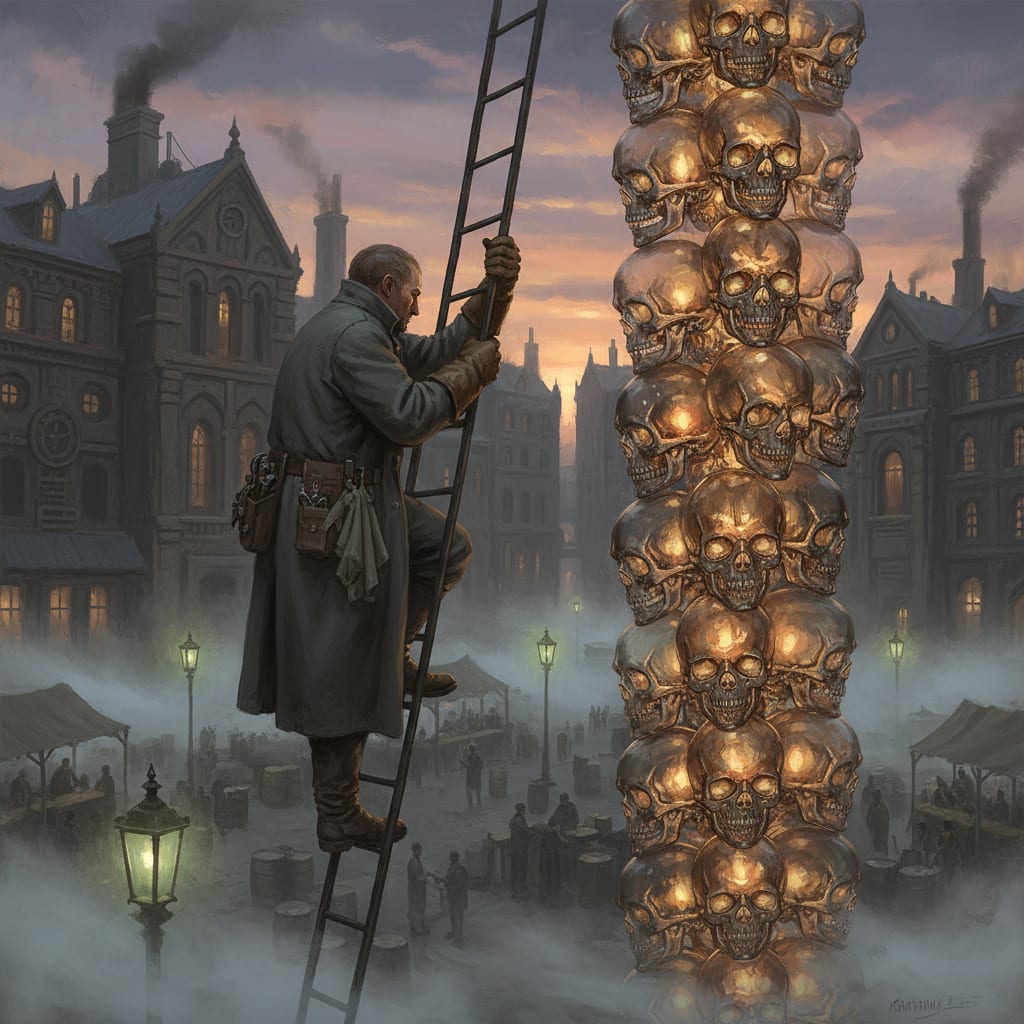
On the Pillar-Keepers of the Glass Skull Stacks
The city is held by witness; the witness is held by someone who needs his wages
A Drax survey of the Pillar-Keepers — grey-coated custodians who maintain the Synod's civic deterrence pylons: iron-boned columns of sermon-clear glass and inked names, holding the city by witness at a cost the Bureau does not audit.
Codex Ref. XII.30.01-001

Order of Severance
The inward knife that cuts office from affection before affection becomes a kingdom
The Order of Severance is the Bureau of Purity's inward knife: an inquisitorial fraternity that hunts clerical and bureaucratic heresy where clean cuffs, perfect ledgers, and trusted colleagues become shelter.
Codex Ref. VIII.1.07-134
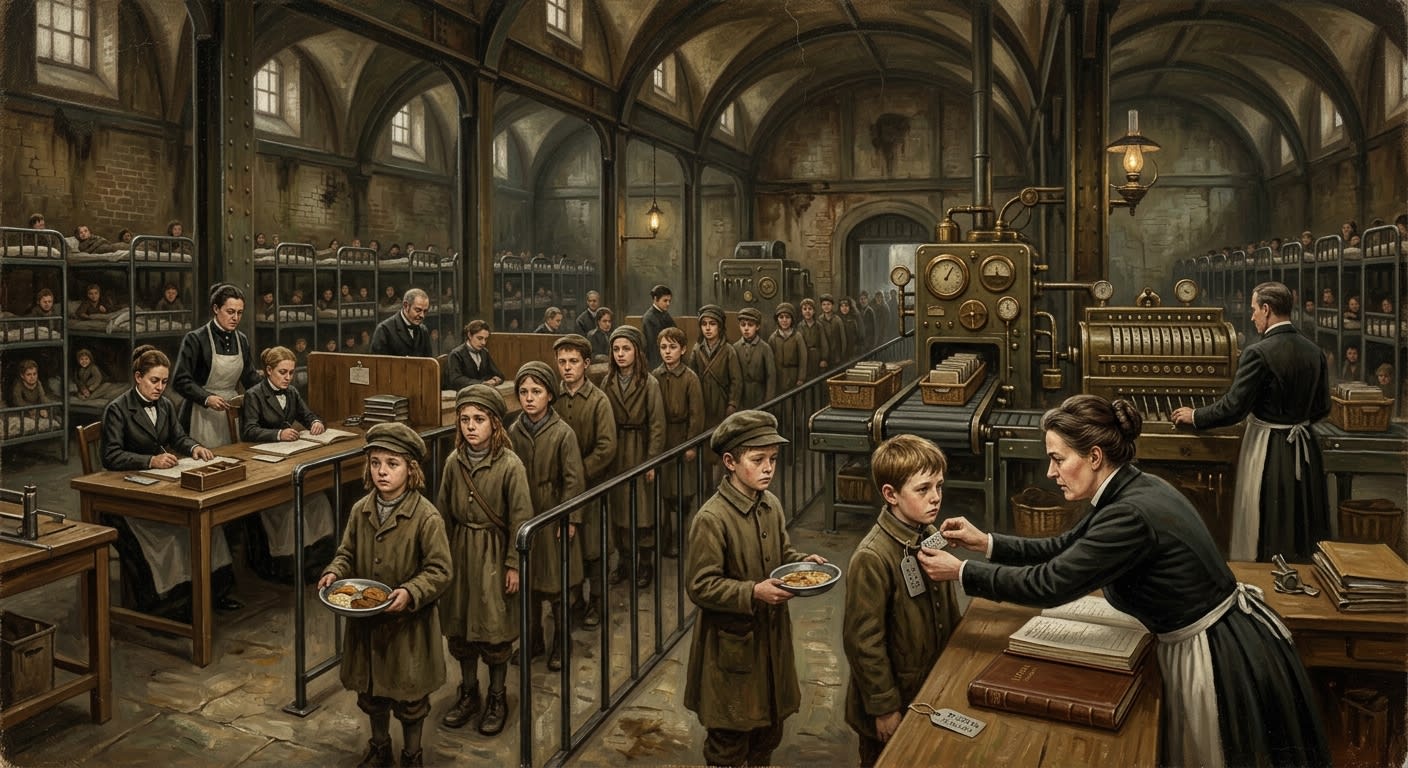
Orphanarii
Mercy with a cot, a tag-punch, and the legal courage to rename a child before breakfast
The Orphanarii are the Synod's state orphanage system: Mercy houses that wash, tag, rename, sort, feed, place, and sometimes erase children until grief becomes legible.
Codex Ref. VIII.2.12-134
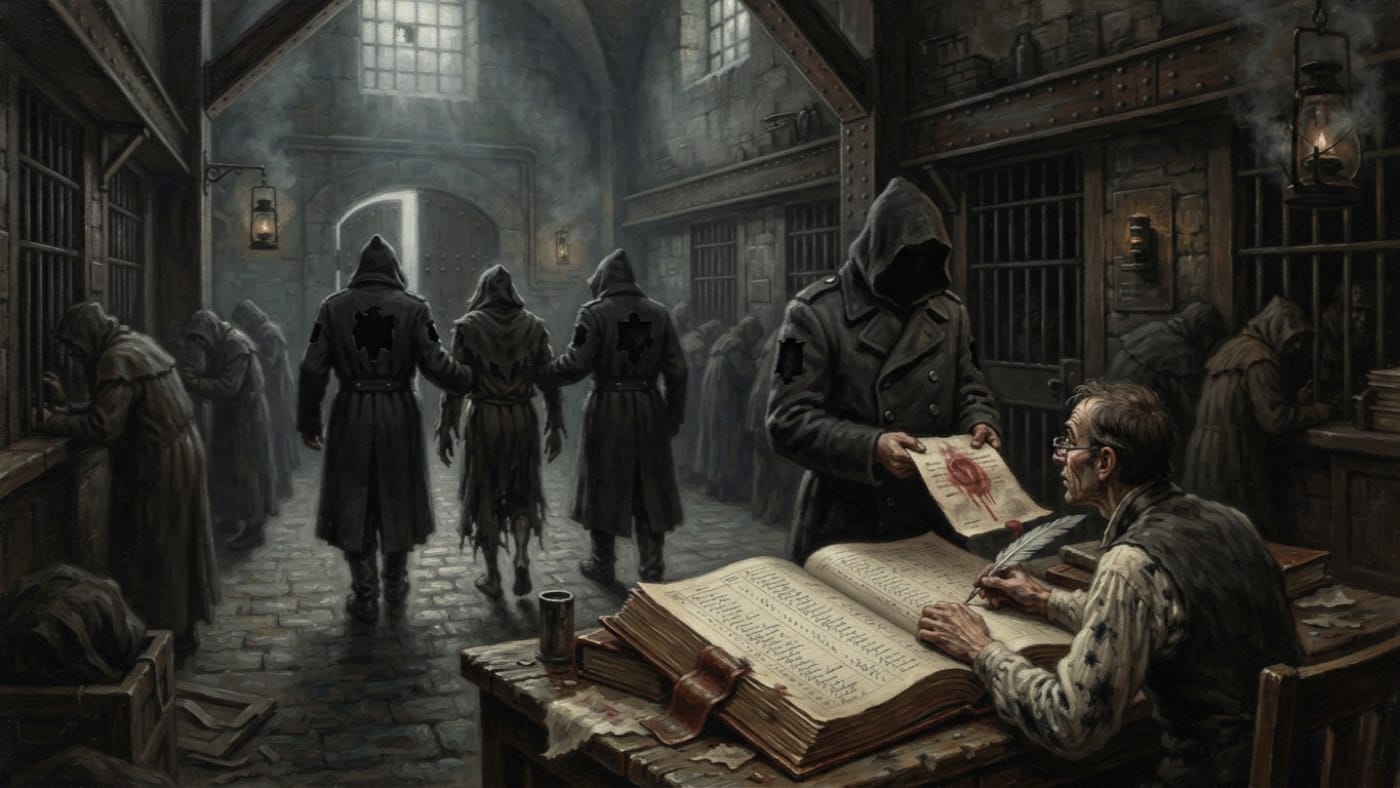
Petter of Lorch
The prisoner who left the lockhouse and stayed in its ledger
Petter of Lorch vanished from a lockhouse near Cologne under a forged judicial order in A.S. 158. His name remained in the custody ledger; the ink kept its prisoner.
Codex Ref. III.2.01-2105
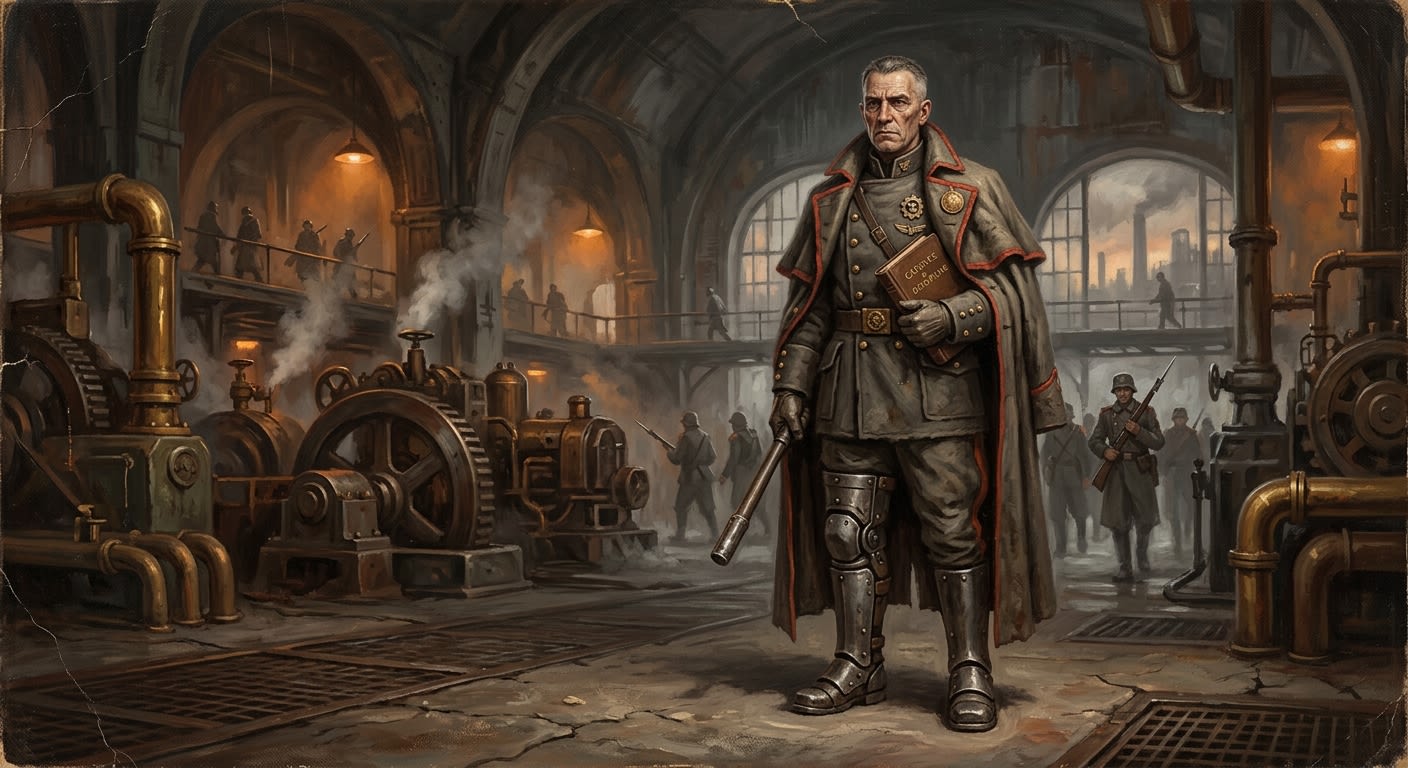
Prefect Malven "Iron Step"
A boot-beat older than evidence and more useful than truth
Composite patron of the Cadence Corps, Malven “Iron Step” survives as quarantine legend, training rhythm, disputed relic nuisance, and mandatory boot-beat.
Codex Ref. III.2.01-137
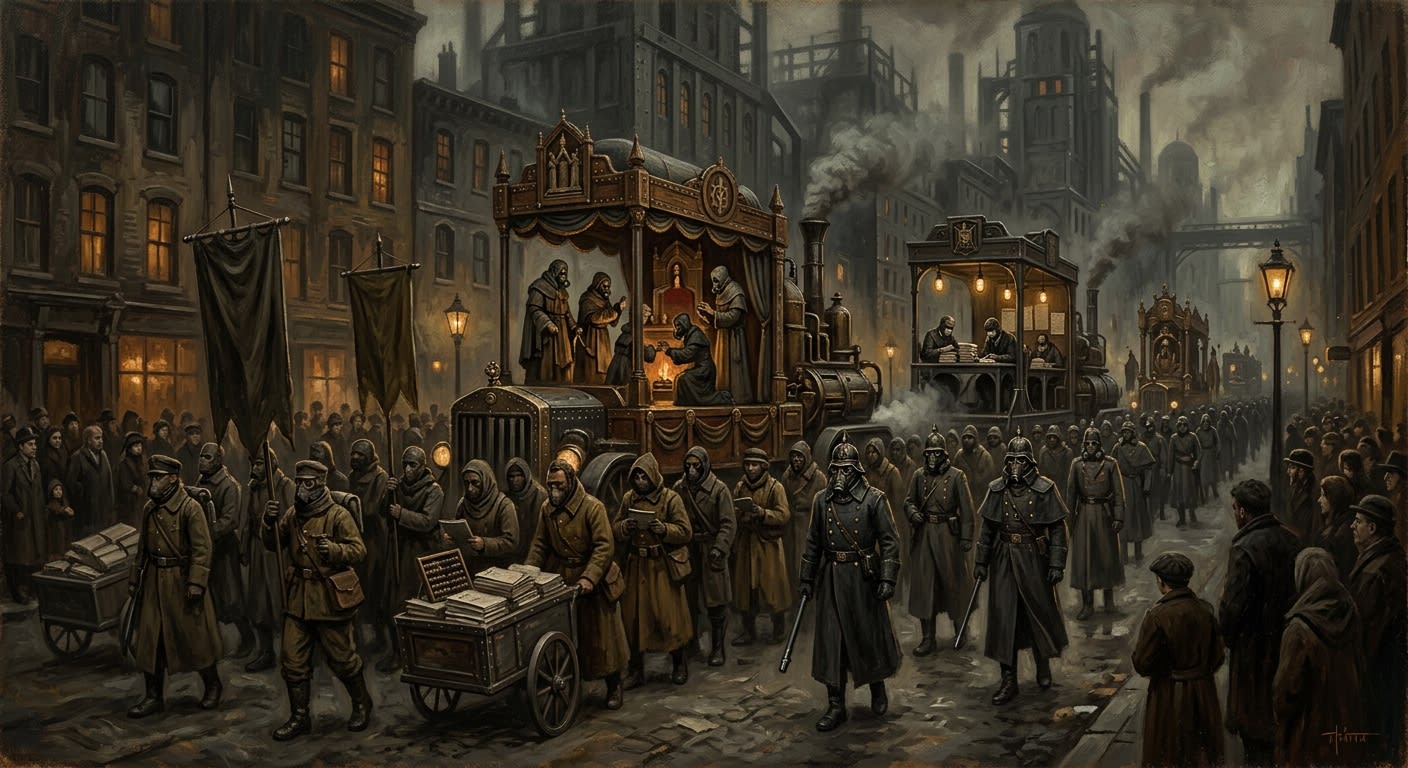
Procession of the Triune Hearth
One people, one creed, one spectacle, counted twice
First staged in A.S. 175, the Procession of the Triune Hearth turned Concordat memory into forty days of floats, census work, unity theatre, and invoices.
Codex Ref. VII.3.02-001
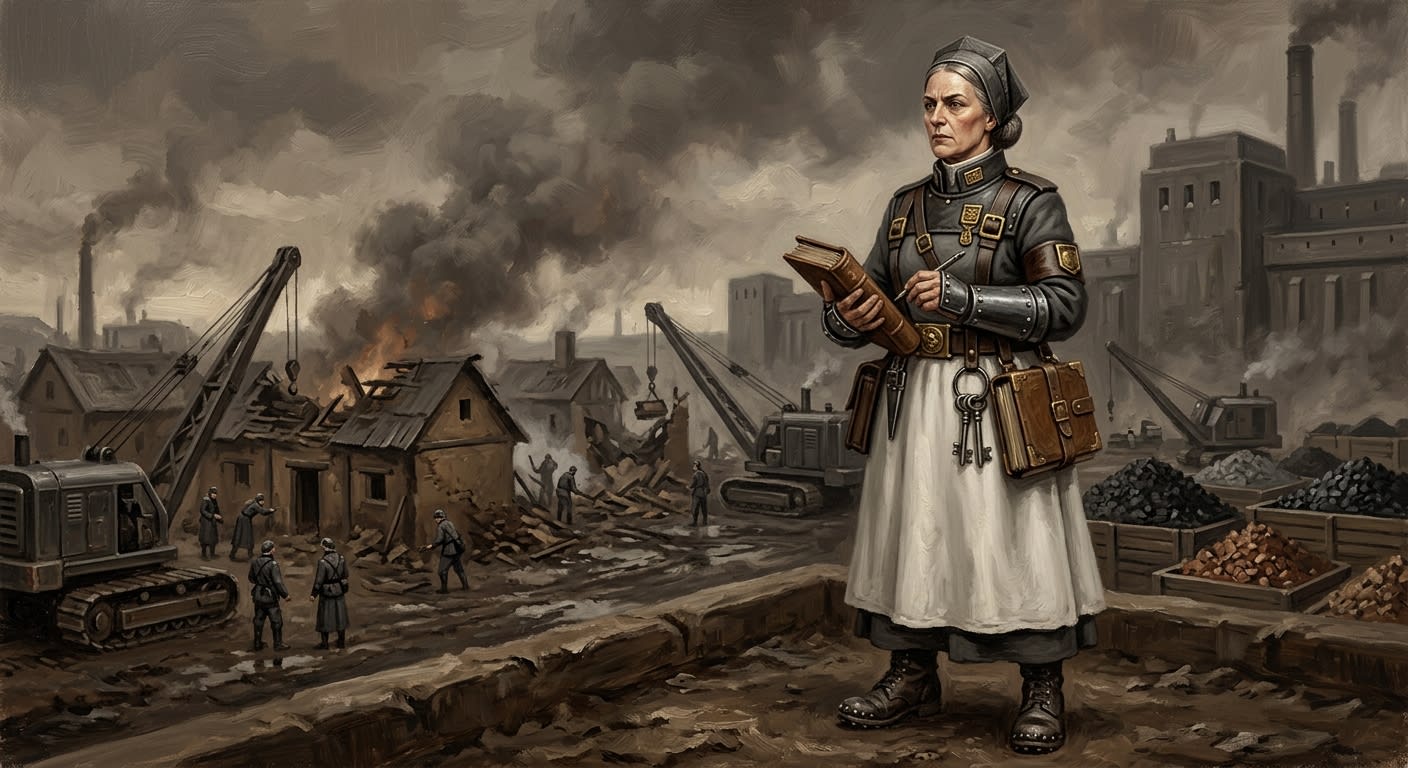
Procurator Hildegarde of Mainz
She made correction visible and mercy file its own apology
Hildegarde of Mainz gave Purity its white mantle, razed forty tithe villages, and became the saint of visible correction.
Codex Ref. III.2.03-001
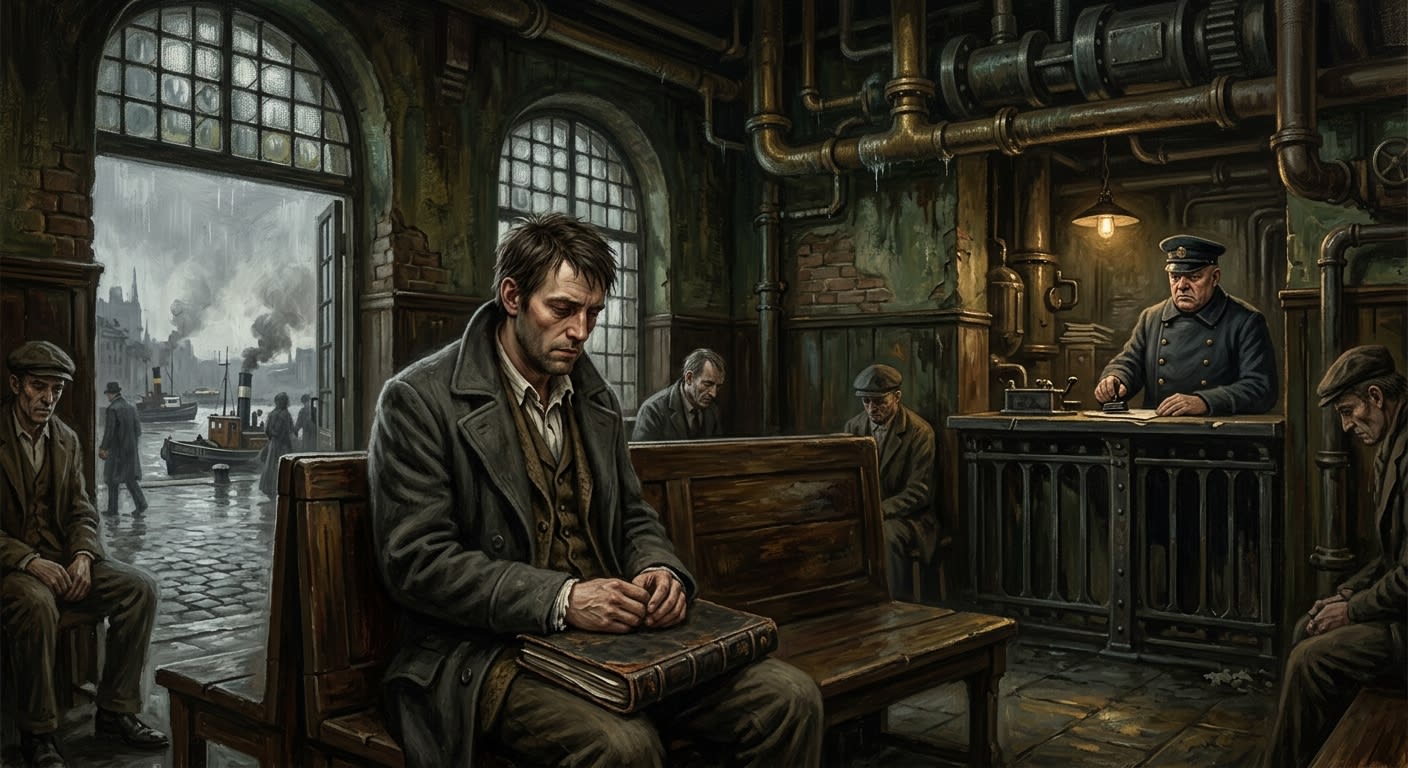
Quai des Bateliers
The river door where disbelief kept its appointment and Purity kept it waiting
Strasbourg's damp river quay became legal instrument when Arno Kett walked into Purity's district house, waited forty minutes, and gave absence a file.
Codex Ref. II.1.04-138

Reims
The smiling wine city that profits from an empty neighbour
Reims smiles under inspection, sells lawful wine beside impossible Épernay tokens, and teaches that a city can inherit a neighbour's absence without inheriting innocence.
Codex Ref. II.1.07-103

Route-Stamper / Indulgence-Token Smith
Walking is a contract; the Route-Stamper is the notary
Makers of the indulgence-token — a brass palm-piece whose captive bell-hour counts steps, repels road-spirits, and distinguishes the sanctioned traveller from the heretic-with-legs. The art is measured by one question only: whether it lies.
Codex Ref. XII.38.01-001

Saint Aegidius
The patron of the waiting hand and the honest charge
Saint Aegidius is the artillerymen’s patron: foundry hand, martyr of the Third Peal, saint of timed violence, bell-cannon discipline, and Shipka’s sulking gun.
Codex Ref. III.2.01-194

Saint Cadrin the Measured
A saint so useful the archive had no choice but to discover him
Patron saint of Route-Stampers and Indulgence-Token Smiths, canonised in A.S. 112 to make counted movement, stamped routes, and profitable delay holy.
Codex Ref. III.2.01-141
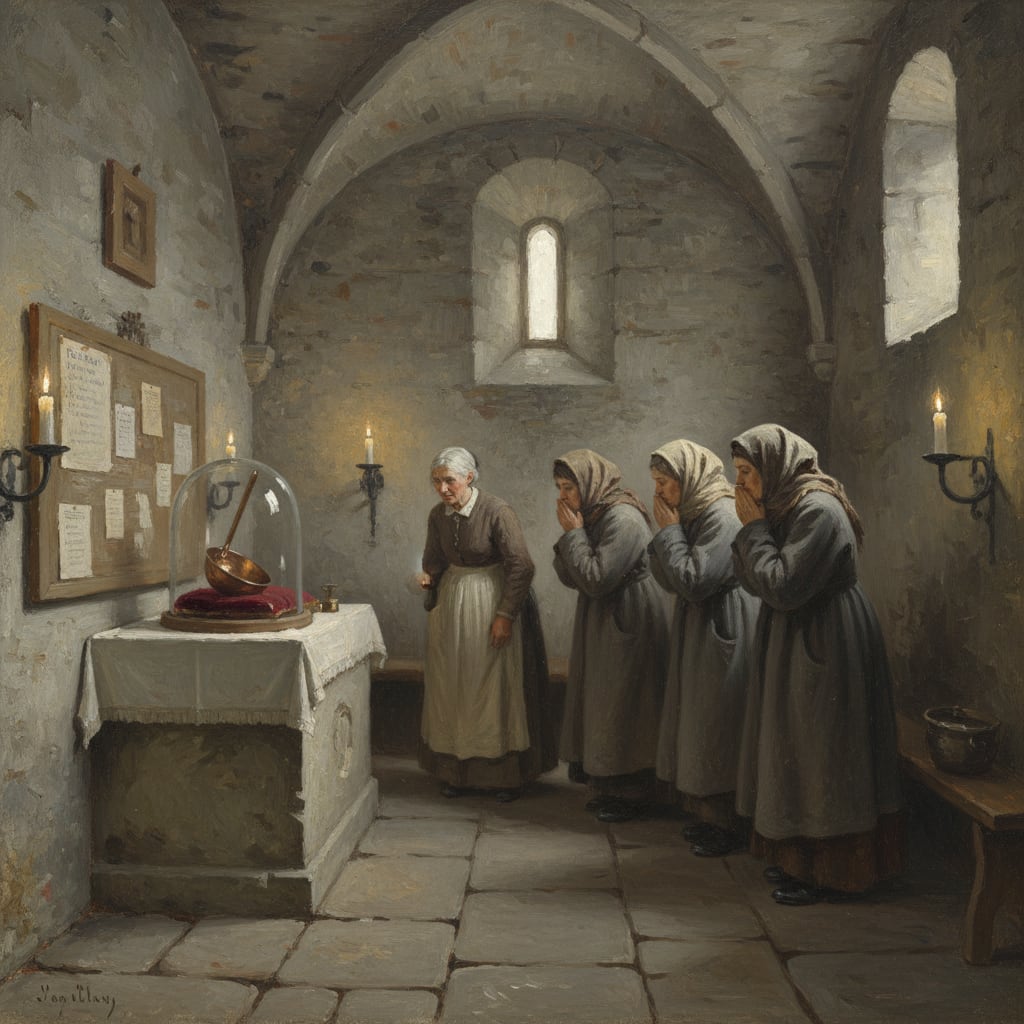
Saint Halva of the Warm Ladle
Salt of the Institution, patron of acceptable portions
Patron saint of the Mothers of Plenty, canonized A.S. 94 with zero miracles attested, no body produced, and a relic the Bureau of Relics classifies as "devotionally sufficient." She may not have existed.
Codex Ref. III.2.01-001
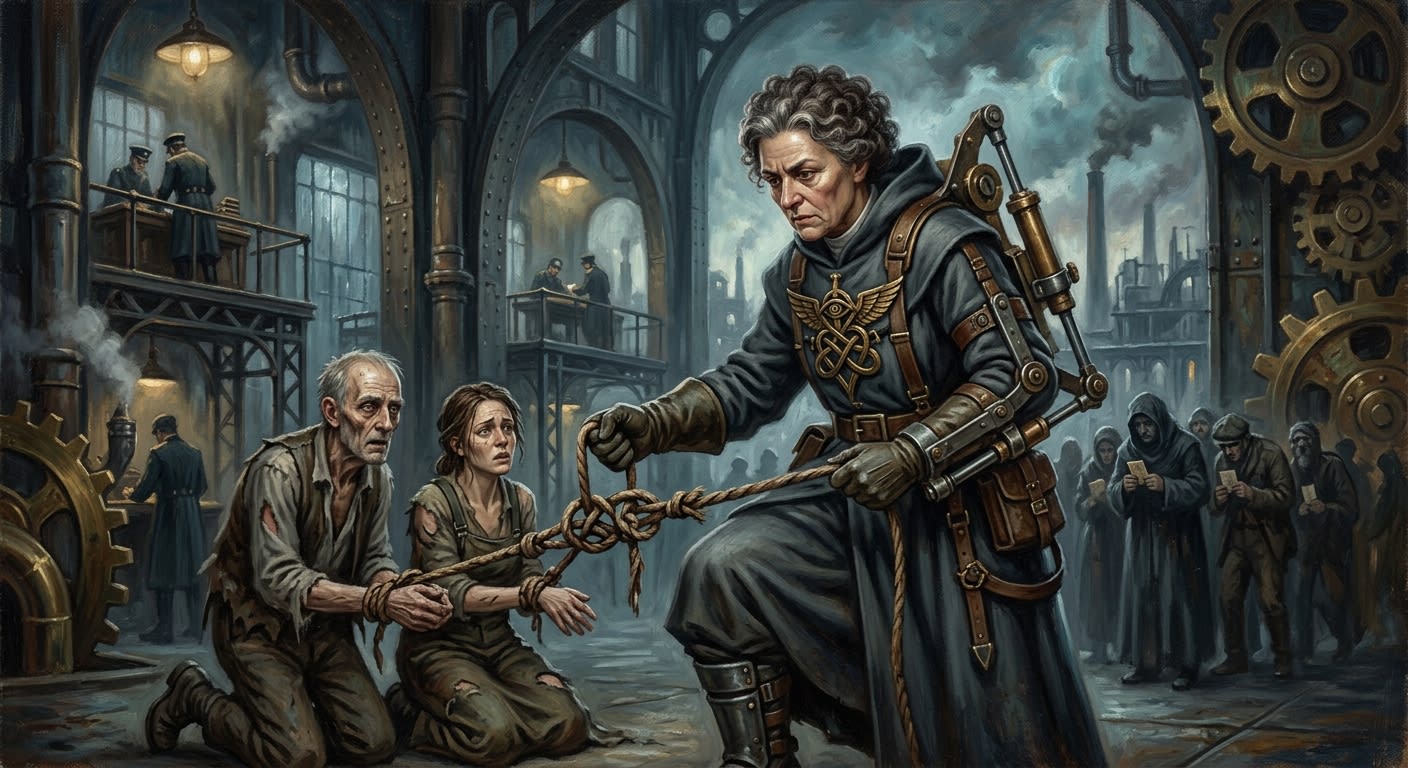
Saint Liora Knot-Hand
Thirty knots, thirty doors, and the miracle of obligation made visible
Patron of the Bureau of Oaths, Saint Liora Knot-Hand bound thirty hungry households into survival with witnessed vows and a strip of cloth. Mercy counted; the knot remembered.
Codex Ref. III.2.01-012

Saint Orla of the Steady Note
The patron who taught singers to hold the note and refuse the answer
Patron of the Iron Choir Brand-Singers, Orla gave Purity its steady note, its closing silence, and its most useful command: do not answer it.
Codex Ref. III.2.01-064
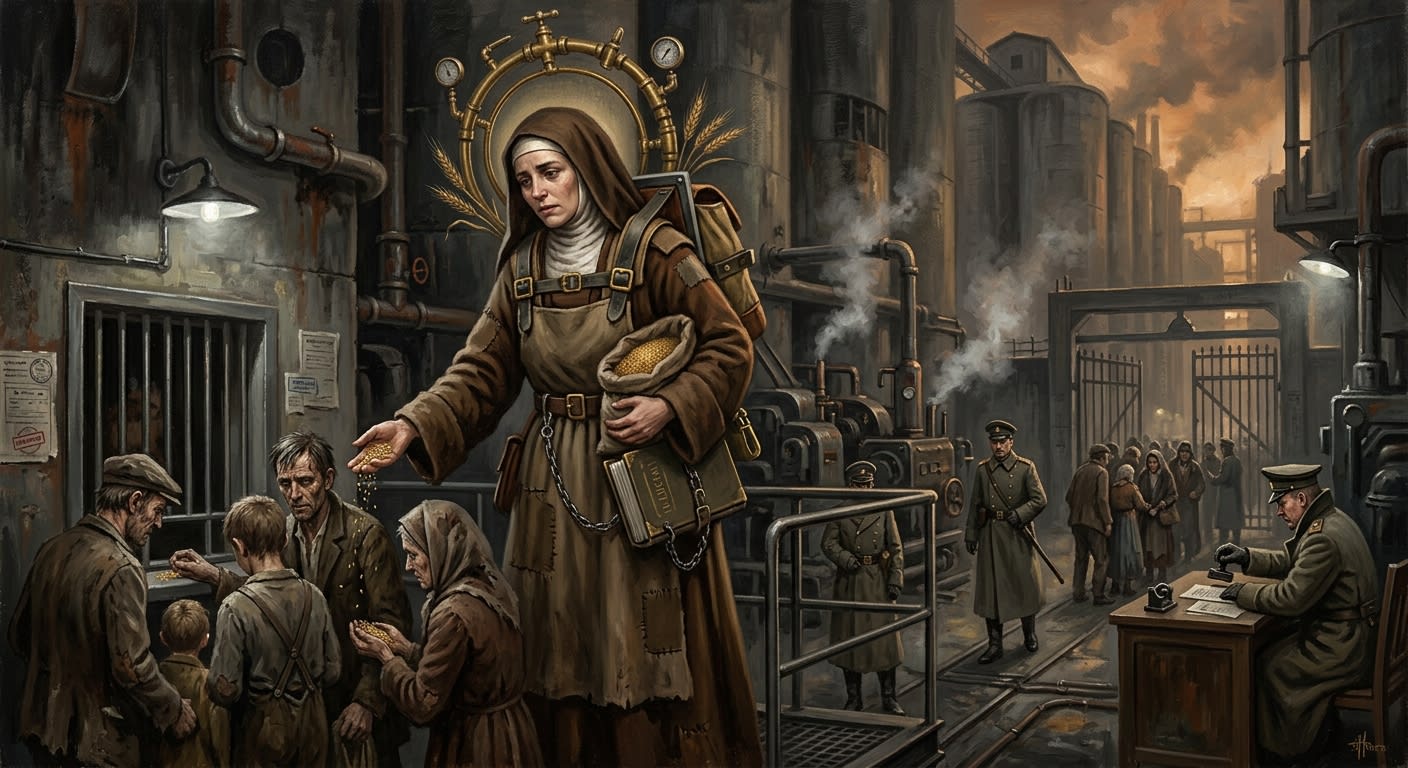
Saint Silo-Agnes
The hungry remember the woman in the wall more accurately than the pageant
Saint Silo-Agnes, unofficial patron of Grain Keepers, was condemned for hidden millet and later improved into a charity martyr fit for ticketed grief.
Codex Ref. III.2.01-121

Saint Varric of the Twelve Blisters
The chain becomes holy when the foot bleeds on schedule
Approved patron of Pilgrim-Chain Handlers: a useful, poorly documented saint whose twelve blisters became stations, tolls, custody doctrine, and a halo bent from iron.
Codex Ref. III.2.01-134
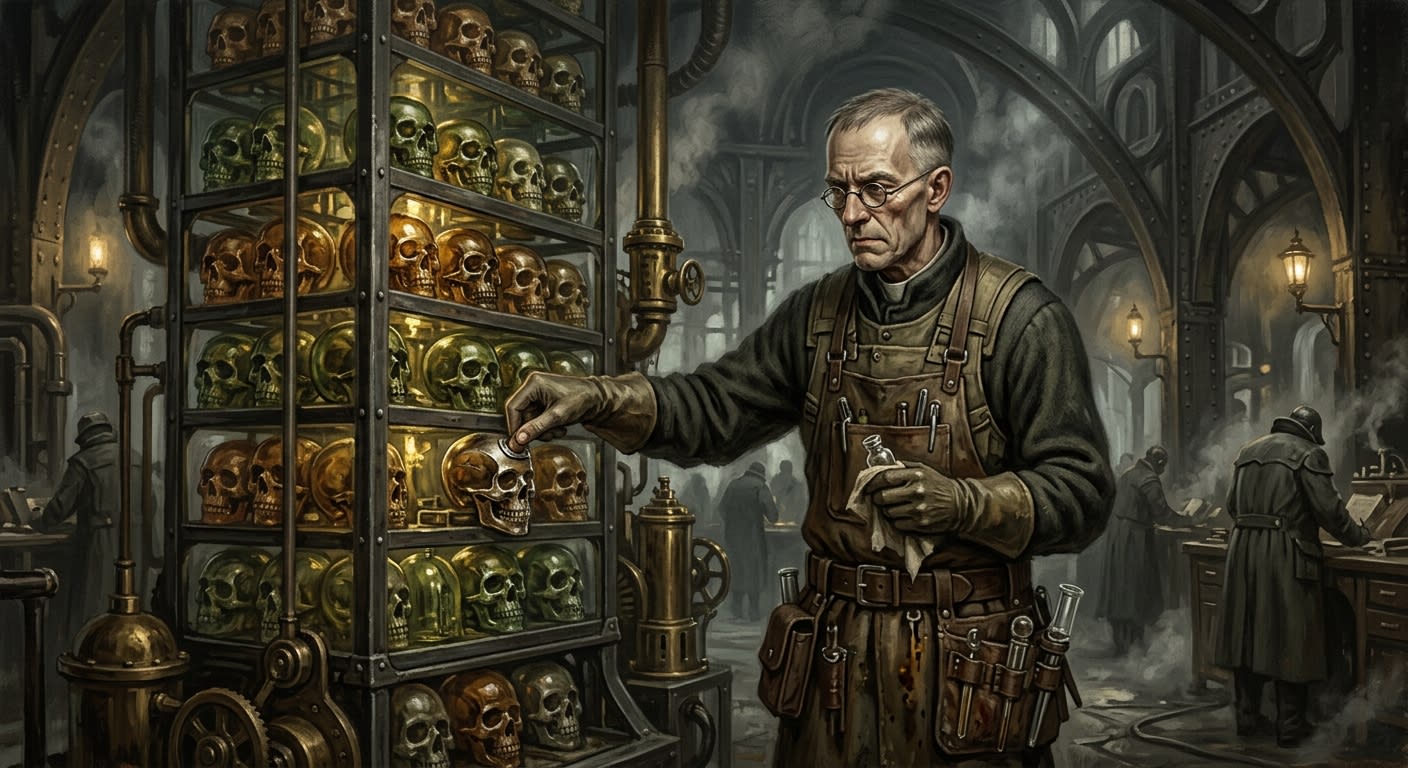
Saint Velek the Clear-Eyed
Sight and sentence, lens and burn
Ratified patron of Pillar-Keepers and severe glasswrights, Saint Velek gives Glass Skull Stack maintenance a face, a thumbprint, and a saintly excuse for sounds after Vespers.
Codex Ref. III.2.01-068

Saint Verral of the Clean Field
The hot blade is kinder than the singing wall
Doubtful patron of Sigil Inspectors and field scrapers, useful because his hot blade gives Heraldry a saint for every wall that must be made obedient.
Codex Ref. III.2.01-144
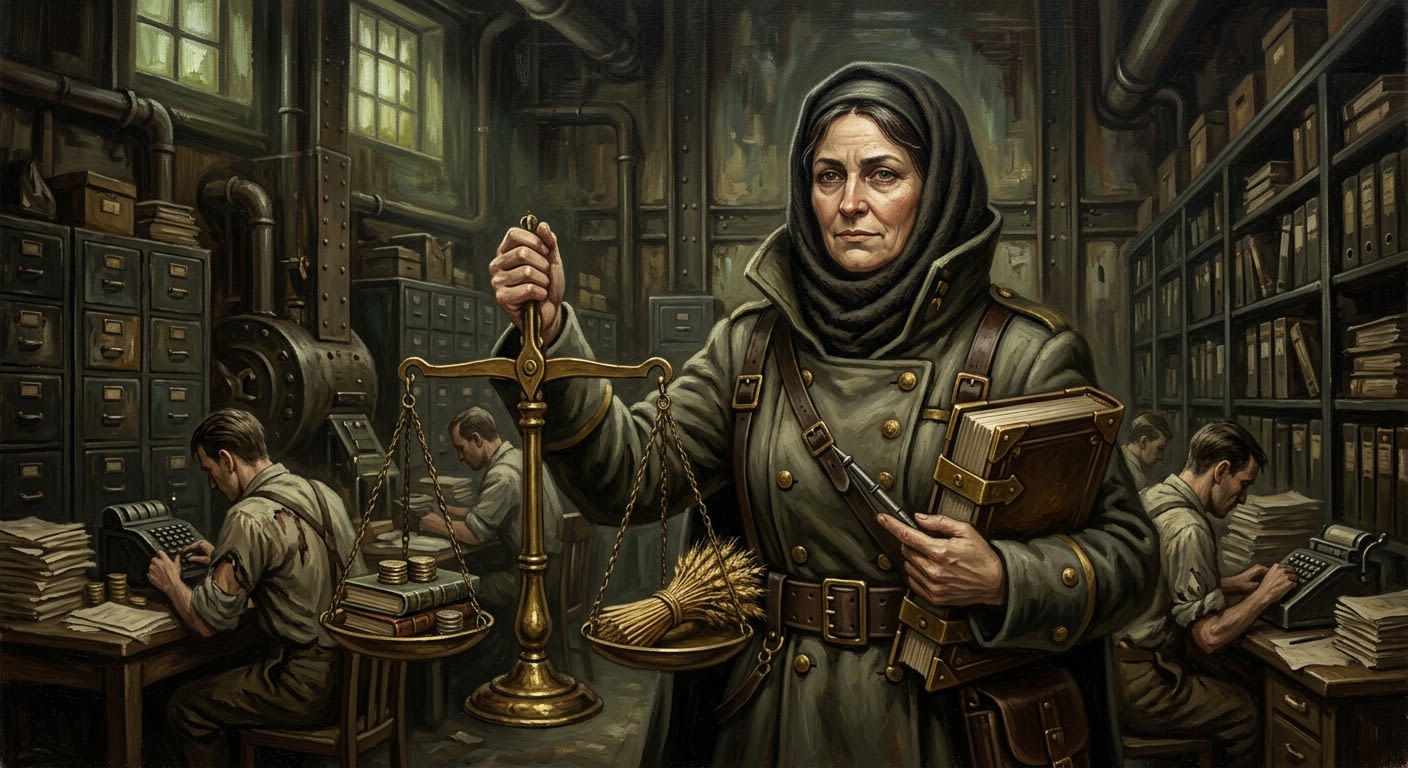
Saint Ysolt of the Scales
Patroness of pity weighed until it becomes collection
Ratified patron of Tithe Assessors and arrears clerks, Saint Ysolt gives extraction a kindly face, a brass scale, and a grain that never falls.
Codex Ref. III.2.01-146
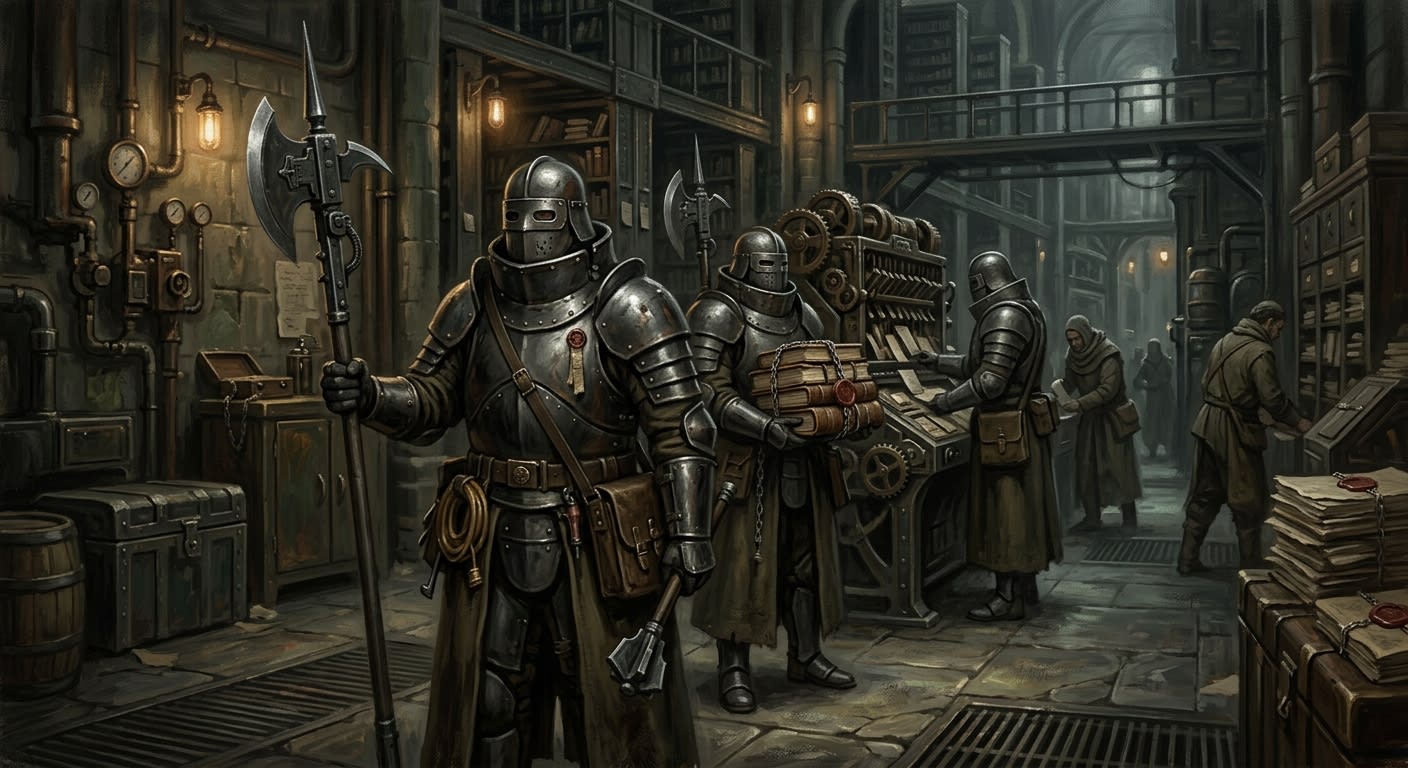
Seal Custodians
The box is small because sovereignty likes to be stolen by inches
Elite Circuit Bailiffs formed after the Seal Theft Scandals to guard judicial seals, wax, rags, cooling marks, and every scrap by which sovereignty may be counterfeited.
Codex Ref. XII.39.03-001
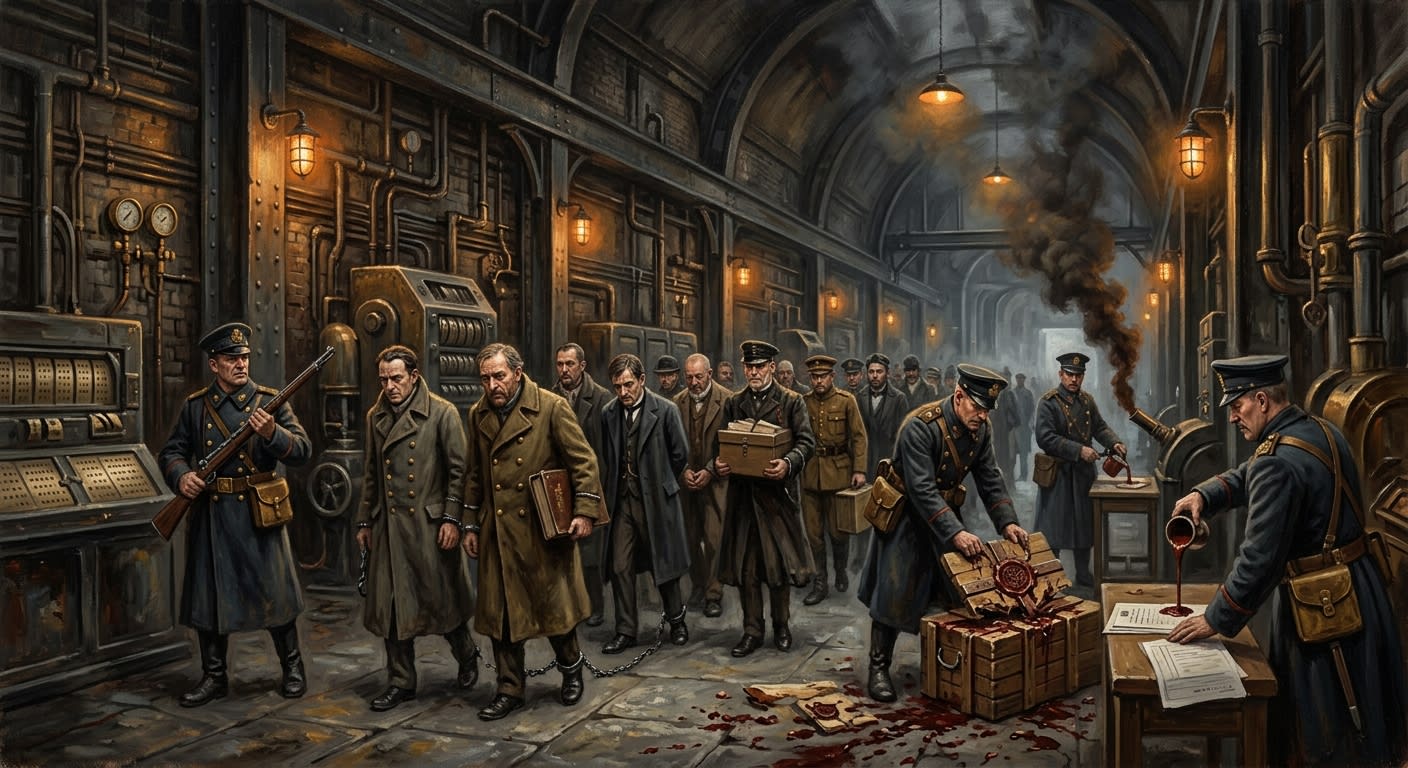
Seal Theft Scandals A.S. 158
Three false impressions and the day sovereignty learned to smell its own wax
The A.S. 158 Seal Theft Scandals exposed forged judicial impressions across the Rhine circuits, purged a third of the bailiff corps, and made wax residue into doctrine.
Codex Ref. VII.8.10-096
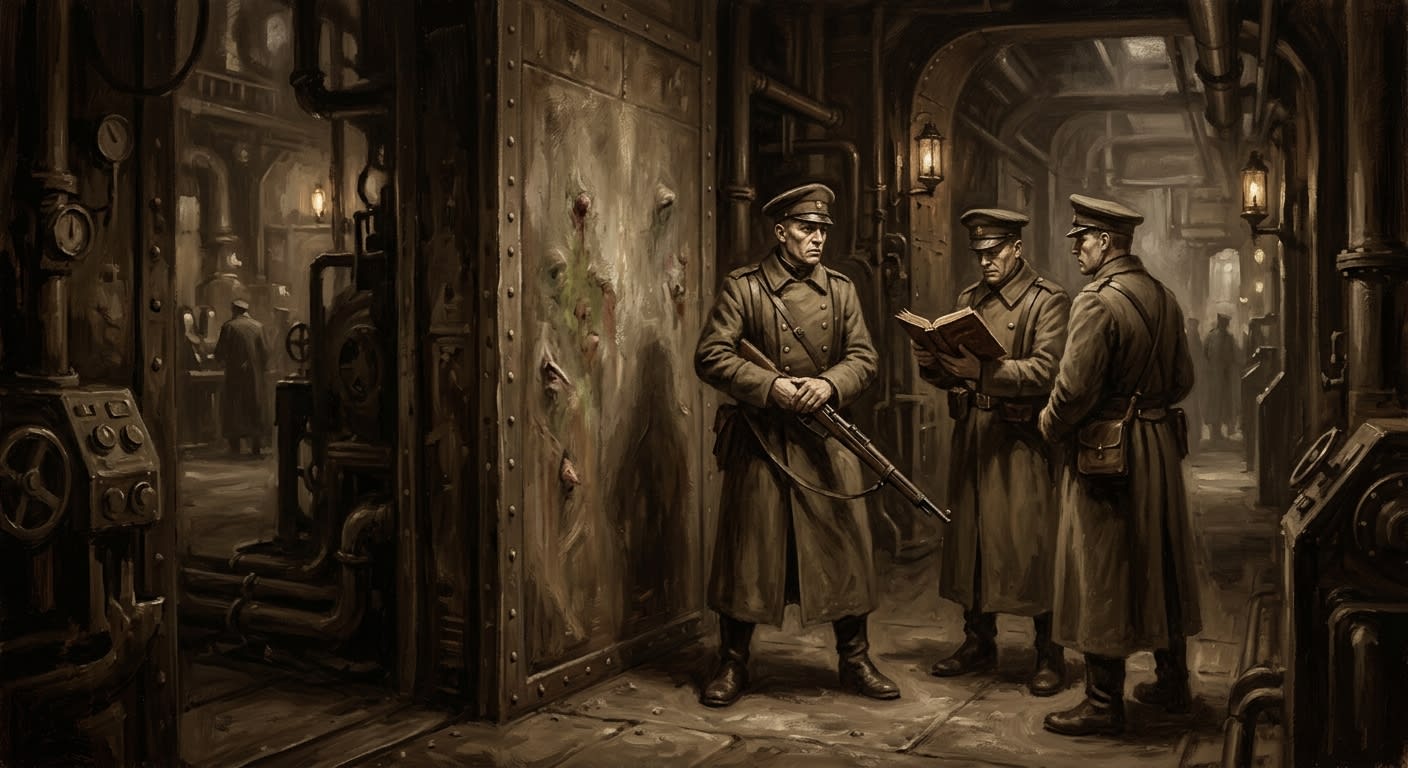
Standing Order 22-S
When the room answers, starve it
Standing Order 22-S teaches the holy art of refusal: three notes down, fourteen beats sealed, no answer to the hungry wall.
Codex Ref. XIII.1.41-104

Sunken Choir
The hymn beneath the trench, paid for in boys' throats
The Sunken Choir is a sanctioned Choir-Engine: boys altered into subterranean hymn machinery so the Synod may collapse enemy tunnels while calling the invoice grace.
Codex Ref. XIII.1.33-001
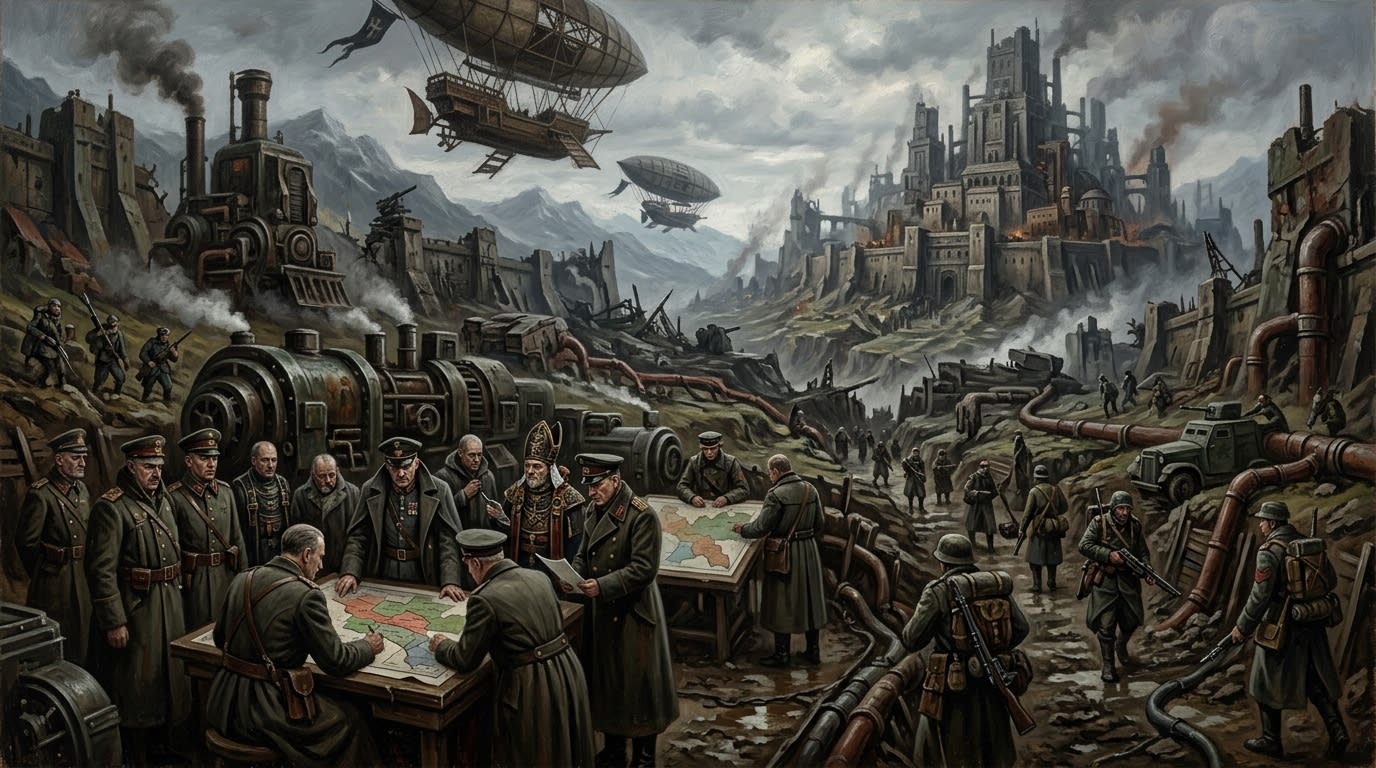
The Balkans
The wound that taught Europe to count its bleeding
The Balkan wound-region, broken first by the Eastern Silence and the Sundering, then divided into Synod margins, contested corridors, Sin-General dominions.
Codex Ref. II.6.05-045
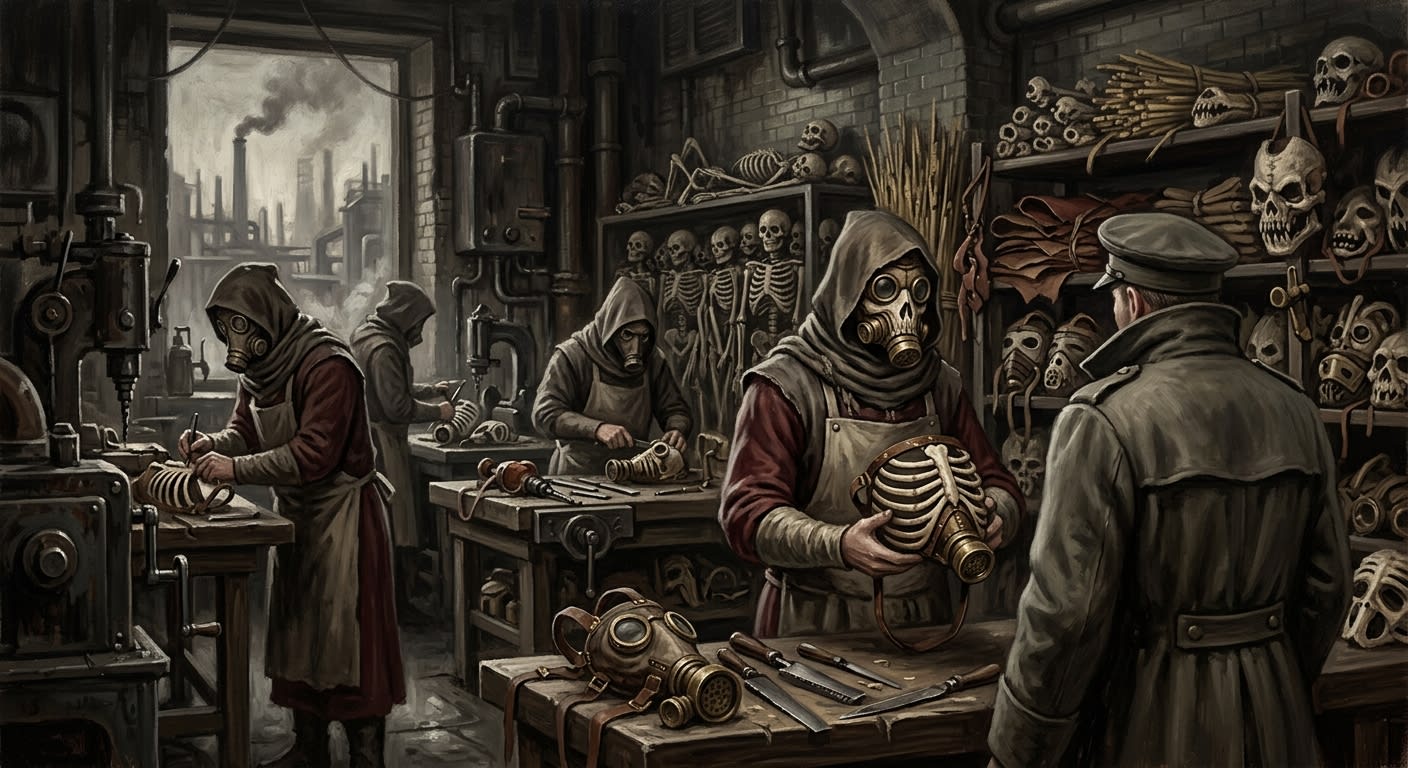
The Bone-Guild of Rib and Reed
No Guild lattice, no Guild guarantee
Black-Snow Lor's Bone-Guild sells the useful mercy of breathing: masks, shutters, vent-screens, and monopoly, all carved from the dead.
Codex Ref. XII.41.01-001
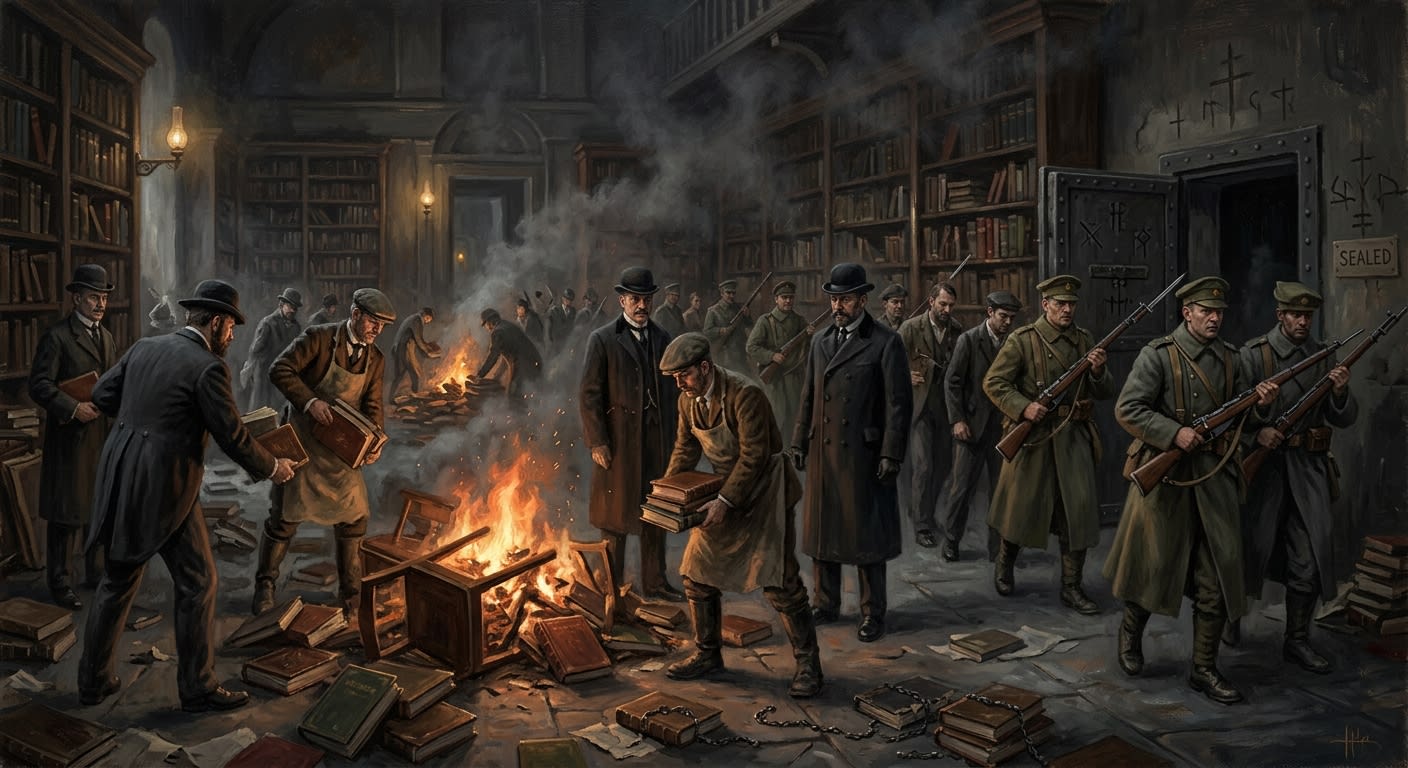
The Great Purge of Margins
Silence scraped the page clean and taught thought to hide in warmer vessels
The A.S. 56–58 Silence campaign against annotated books executed forty-seven scribes, sealed libraries, and accidentally taught the Ashen Circle how to survive without margins.
Codex Ref. VII.8.11-001

The Greyling Cohort
Children born under the sky that declined to answer
The Greyling Cohort names the silent grey-eyed children born during the Year Without Dawn, officially extinct, unofficially watched by anyone sensible.
Codex Ref. XIII.1.32-001
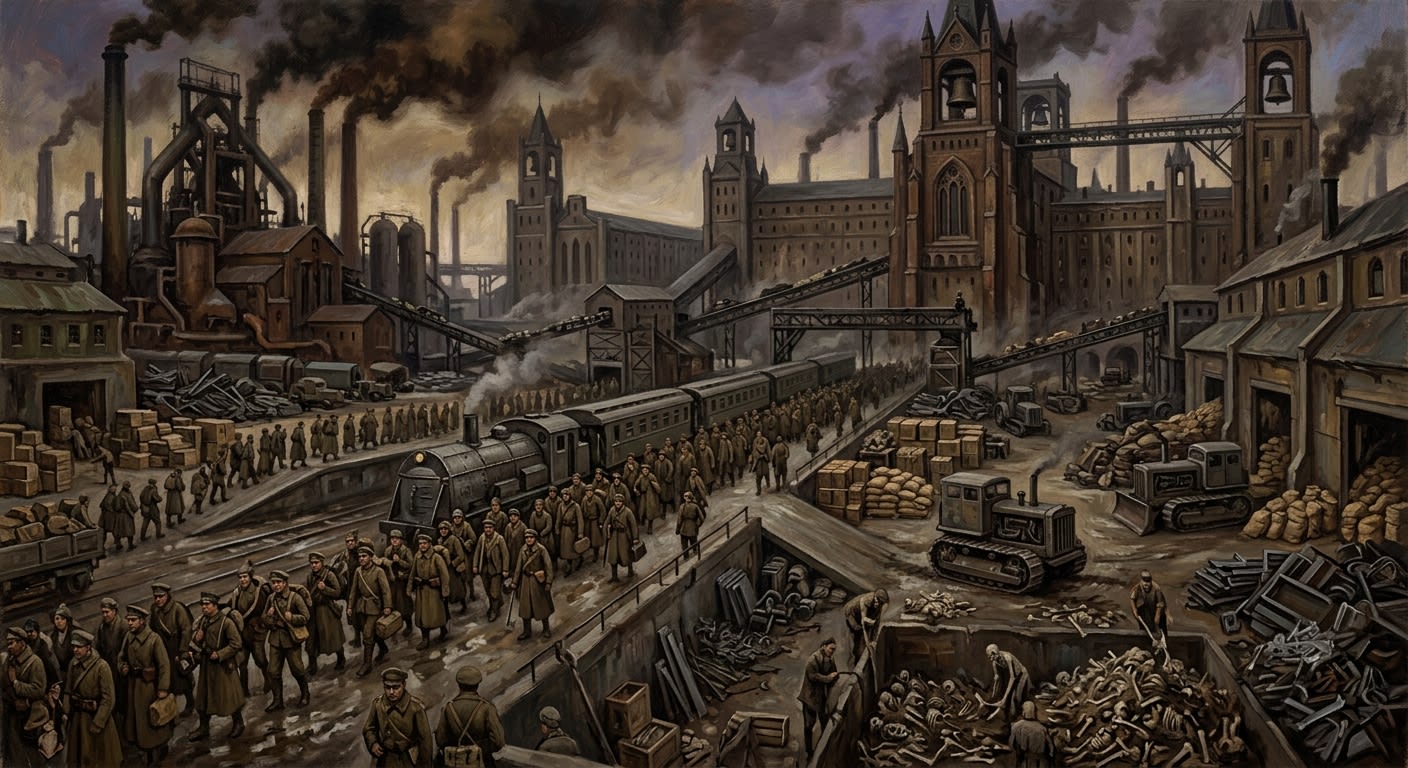
The Heartlands
The safe country, provided one defines safety as distance from teeth and proximity to stamps
The Heartlands are the Synod's safe interior only by infantry arithmetic: Zones 1–3 feed the Line with bread, steel, bodies, bells, paperwork, and bones.
Codex Ref. II.0.02-201
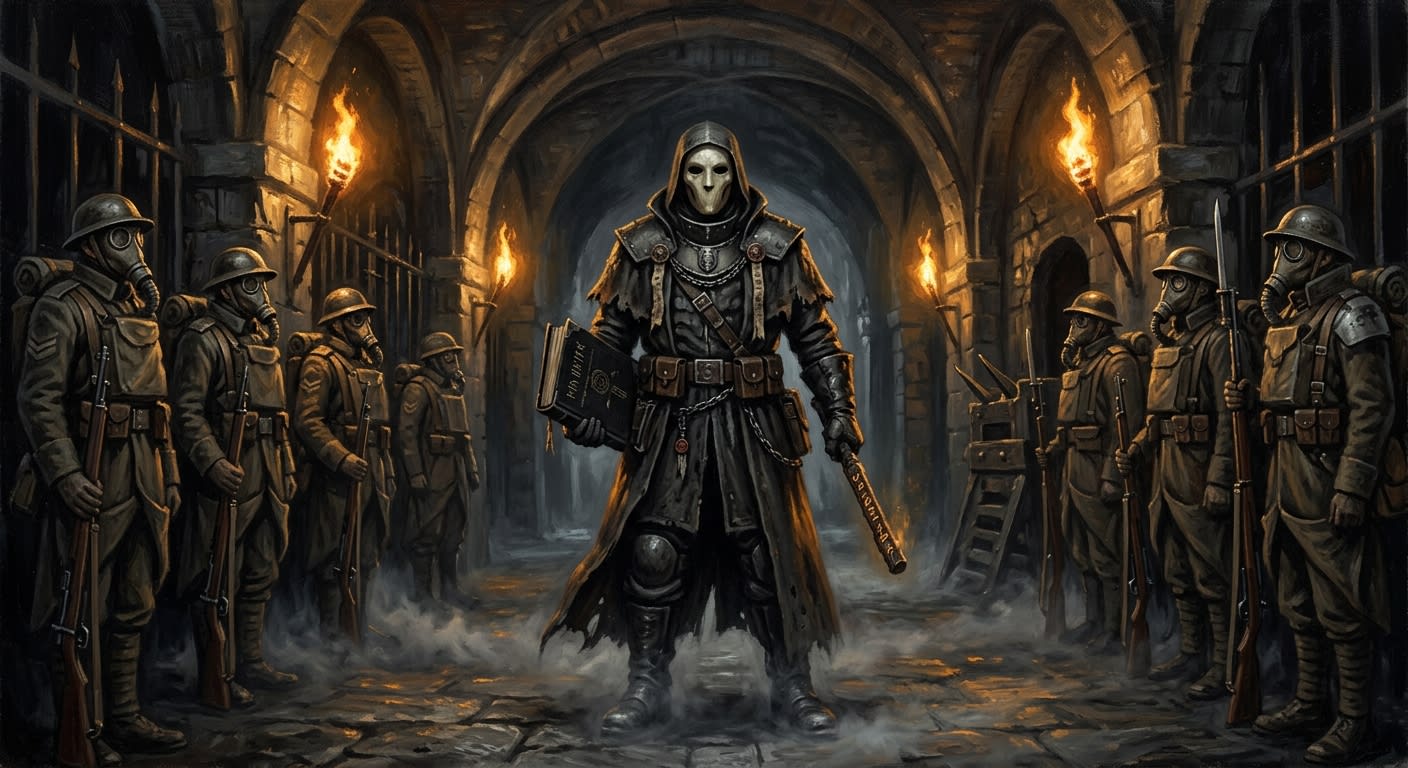
The Judges
They walk without letter, without herald, and without the patience of the Bureau.
The Judges arrive without letter, try without jury, and depart without filing. The Bureau denies they exist. It has been denying this since A.S. 92. The denial requires renewal every thirty years, which is itself a kind of evidence.
Codex Ref. V.1.01-003
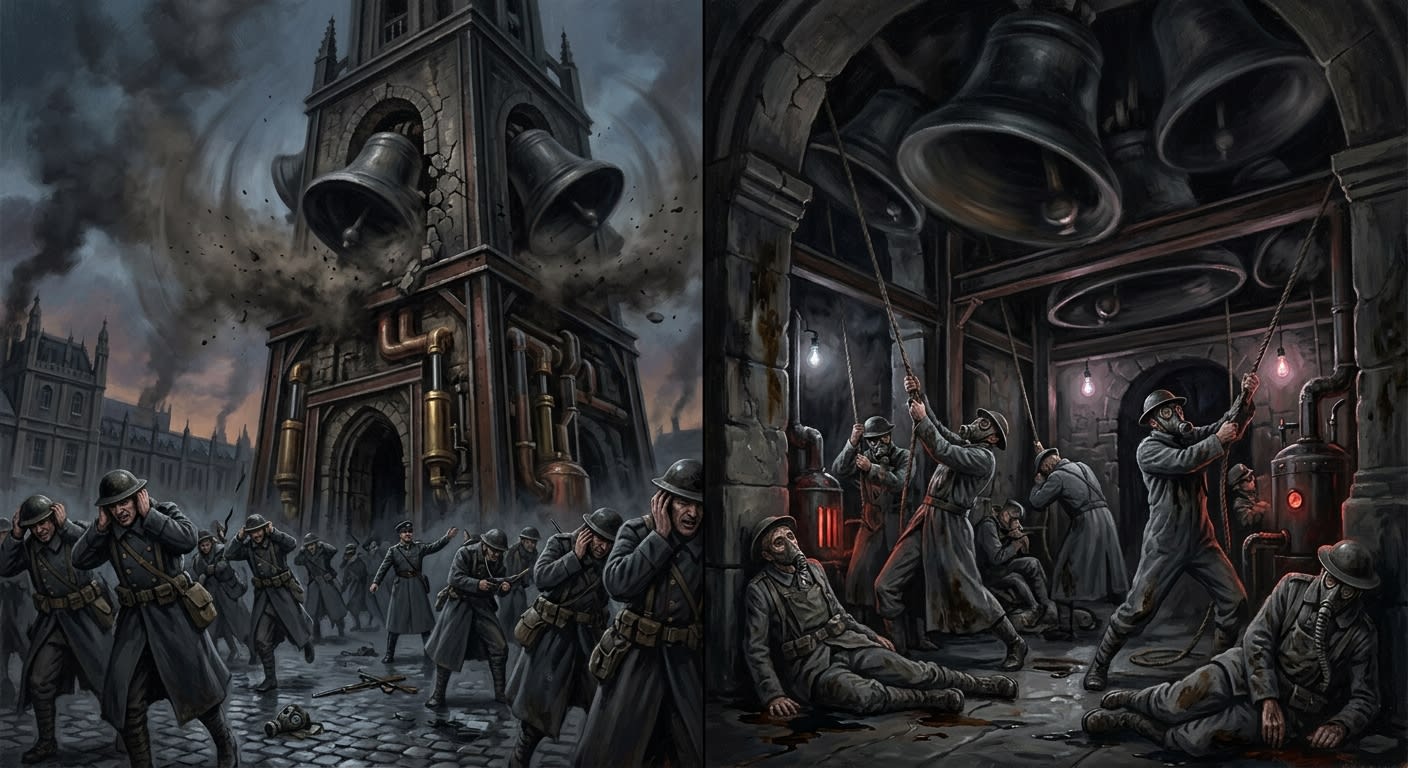
The Miracle of Cologne
When every bell became artillery and bureaucracy was born from the echo
The A.S. 49 Miracle of Cologne drove Maldrake's Wrath vanguard from the cathedral square by nine hours of unscheduled total bell-ringing, cracking stone, killing ringers, and founding the jurisdiction that became the Bureau of Bells.
Codex Ref. VII.4.12-001
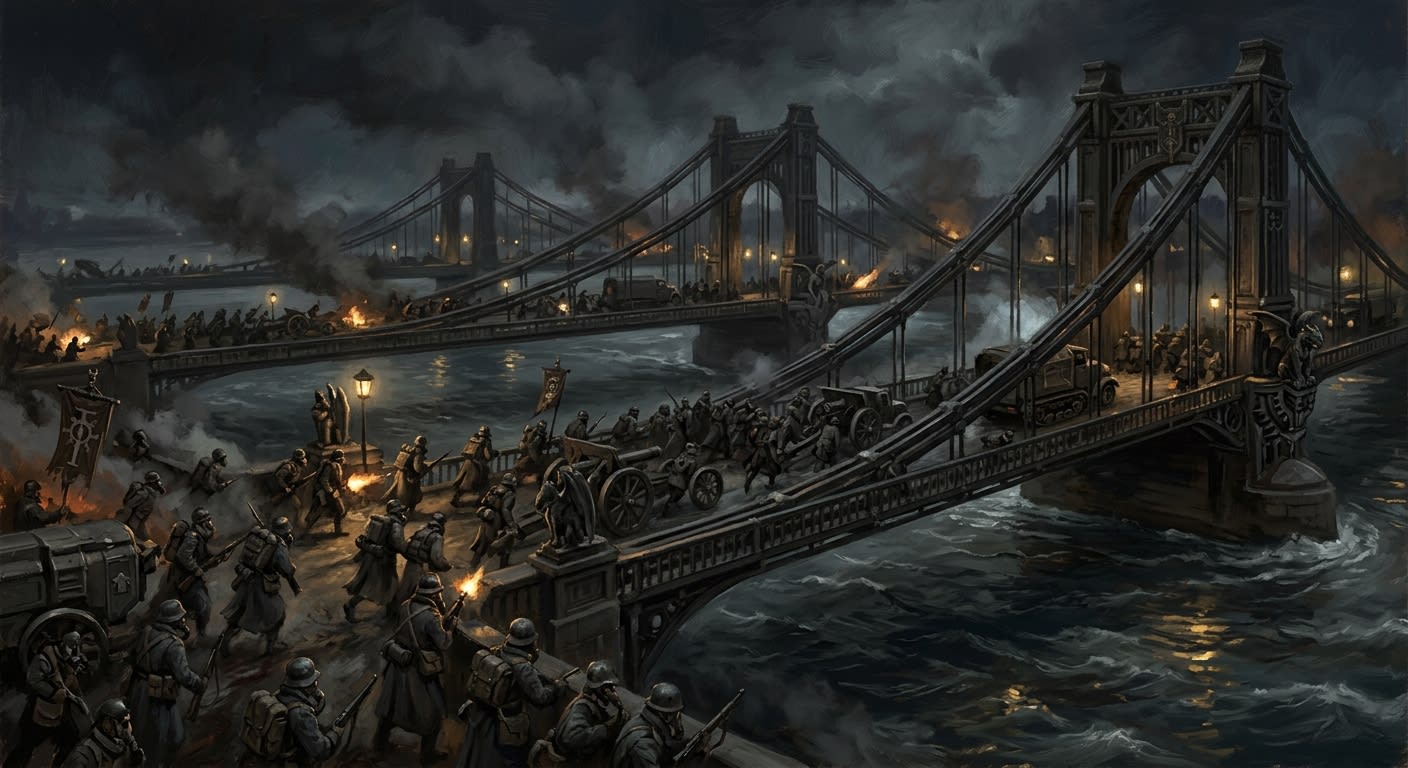
The Night of the Three Bridges
The men did not swim; the Bureau found cheaper grammar
Three Danubian crossings in seven minutes gave War its favourite miracle and Records its favourite arithmetic: fewer casualties, more glory.
Codex Ref. VII.5.01-002
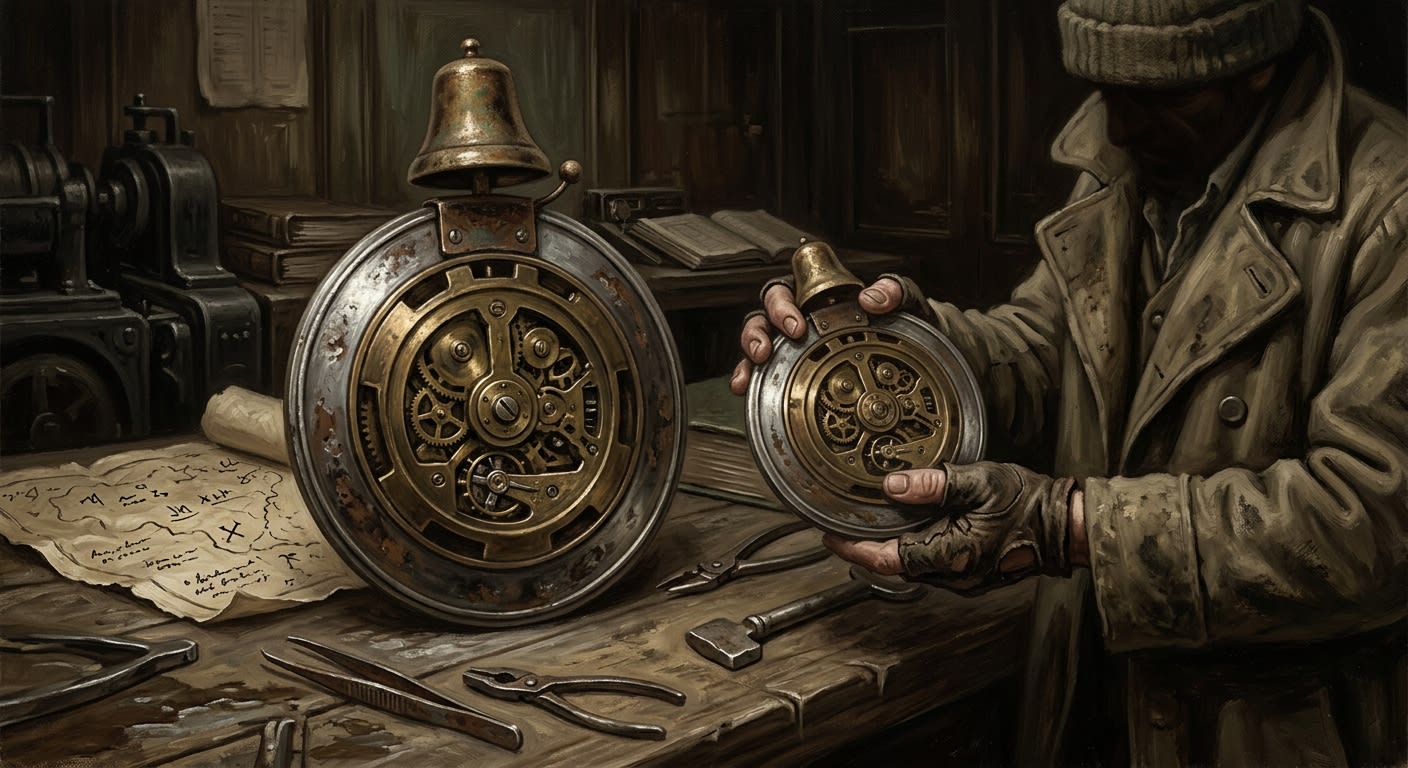
The Pilgrim Token
A tiny bell at the throat, counting every licensed step toward mercy
The pilgrim token is Pilgrimage's stamped disc of licensed motion: bronze, silver, or gold by road and rank, fitted after A.S. 140 with a bell-hour core that turns approved walking into billable absolution.
Codex Ref. XIII.1.40-001
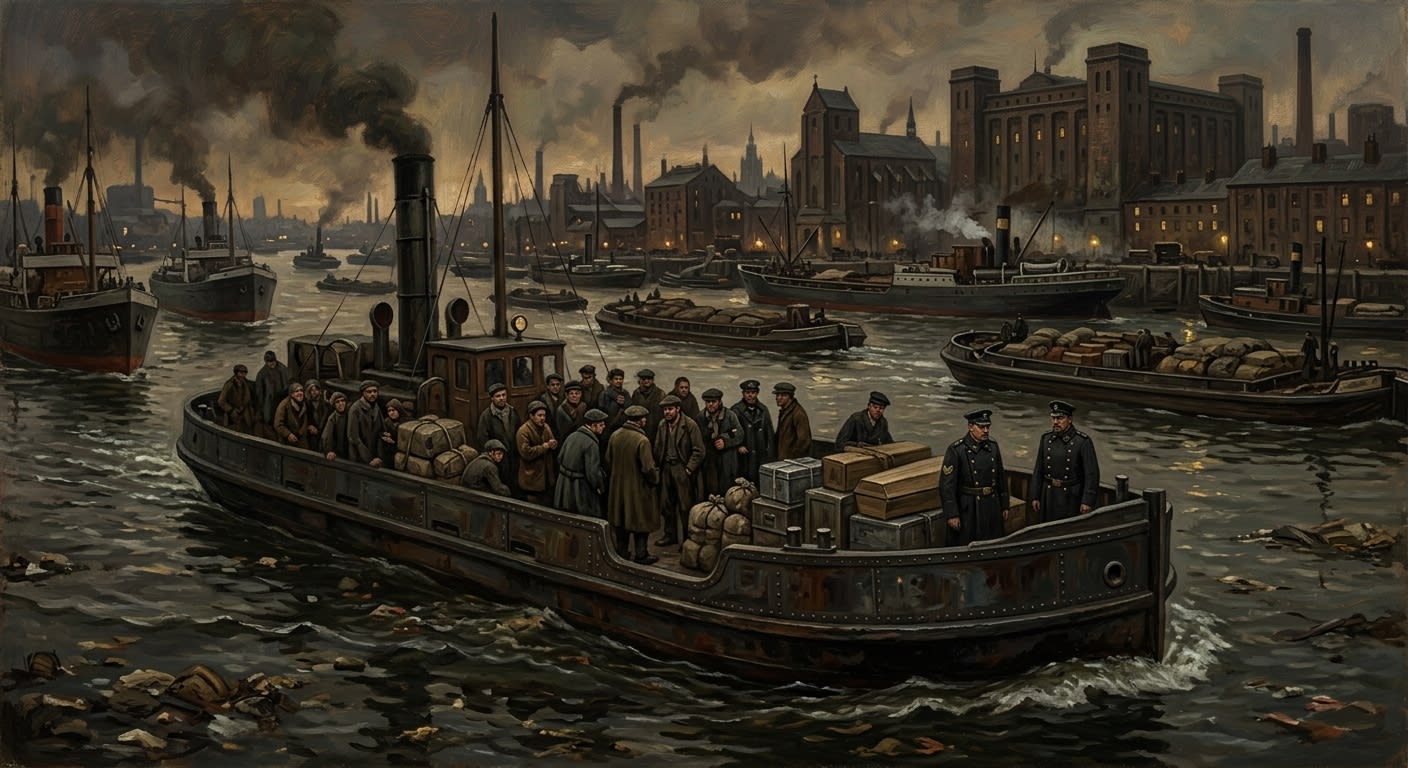
The Rhine
The wet jurisdiction by which the heartlands pretend to be orderly
The Rhine is the Synod's wet jurisdiction: artery, tithe-chain, pilgrim road, corpse carrier, ferry court, and profitable rebuke to every office built too near the bank.
Codex Ref. II.2.08-201
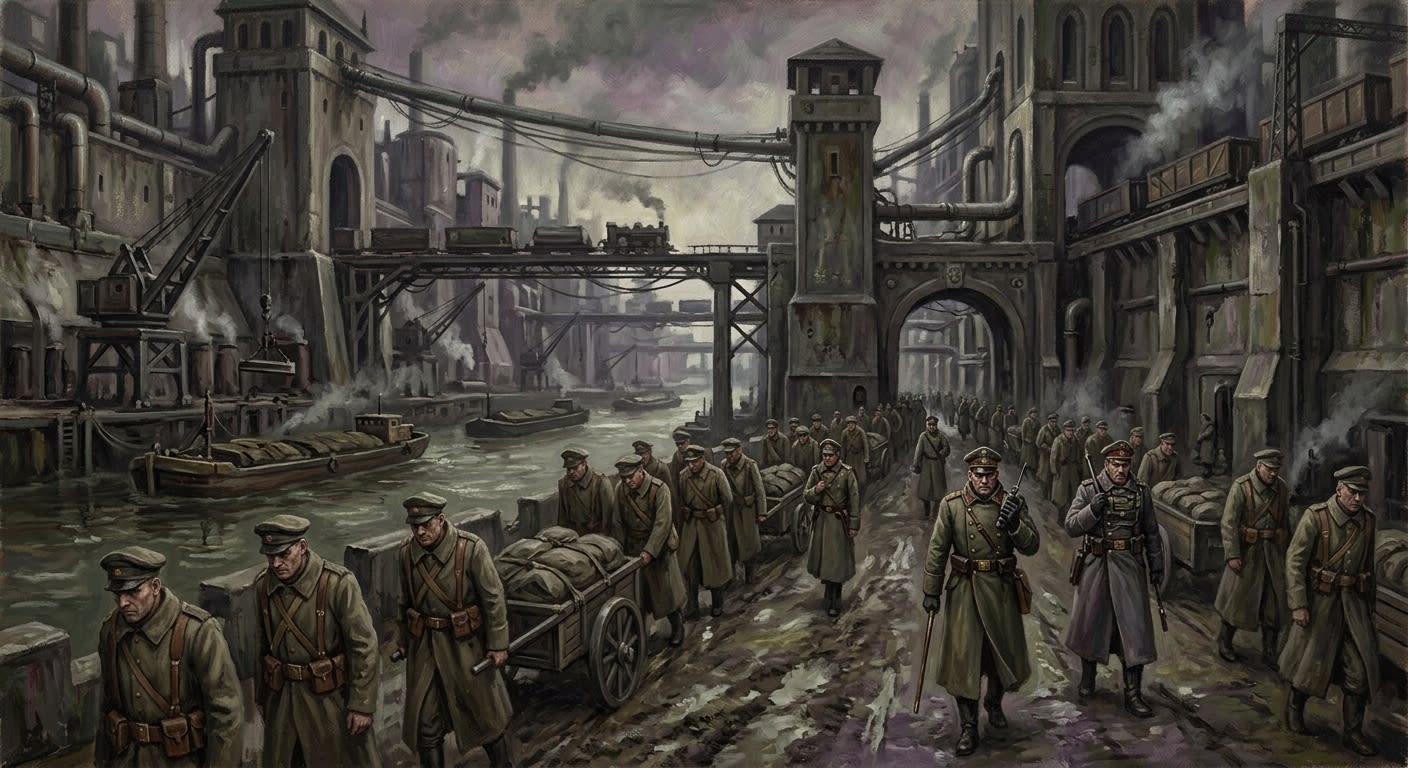
The Rhine Corridor
Damp procedure, counted backward from every bridge
The Rhine Corridor is the Synod's damp procedure: a Zone 2 logistics artery, mortuary road, ferry court, heresy school, and billable proof that movement can be made afraid.
Codex Ref. II.2.08-202
The Rhineland
A province corrected so often it learned to keep the corrections
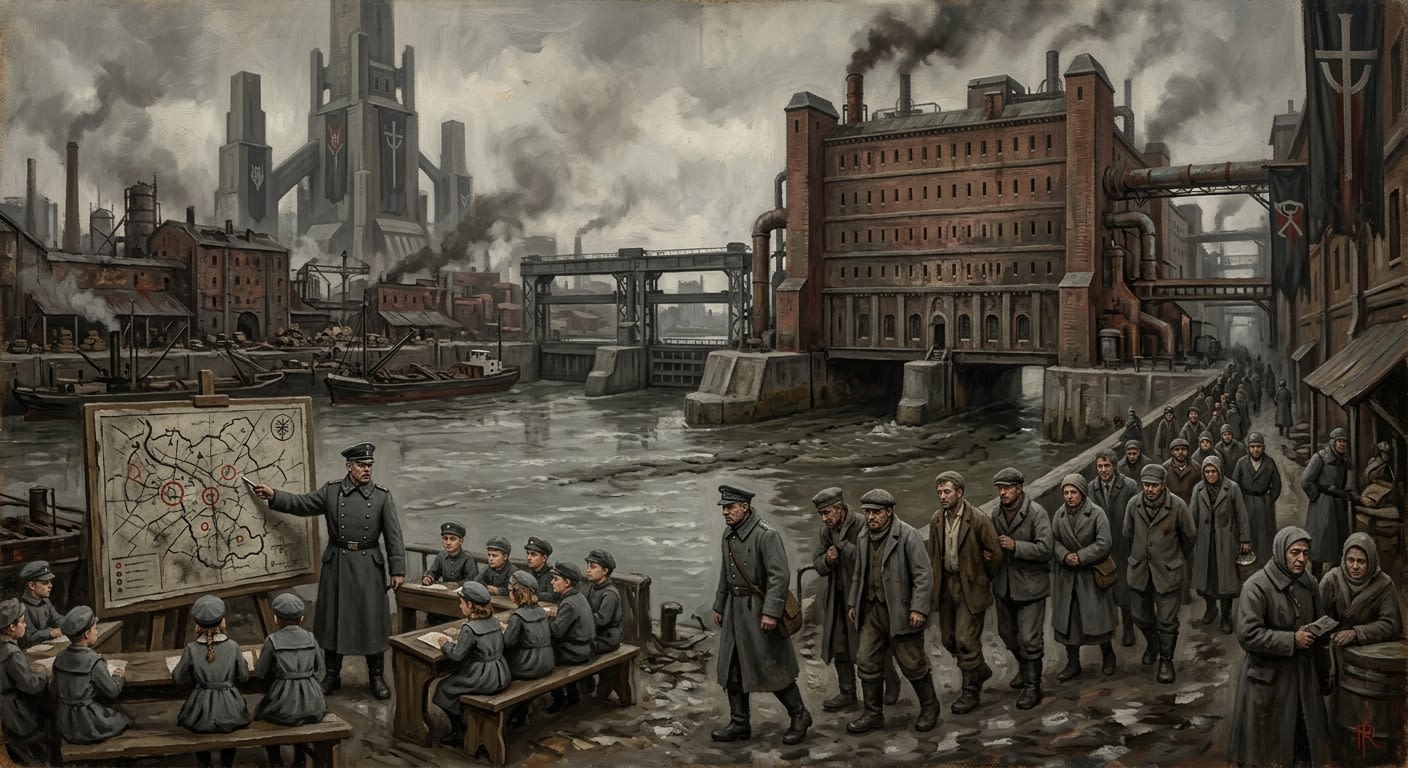
The Rhineland is the Synod's most corrected province: river belt, market school, scriptorium wound, curfew map, chalk lesson, and loyal suspicion made taxable.
Codex Ref. II.2.09-201
The Third Hierarch
A nameless mitre, a moth-eaten reign, and the file that knew too much
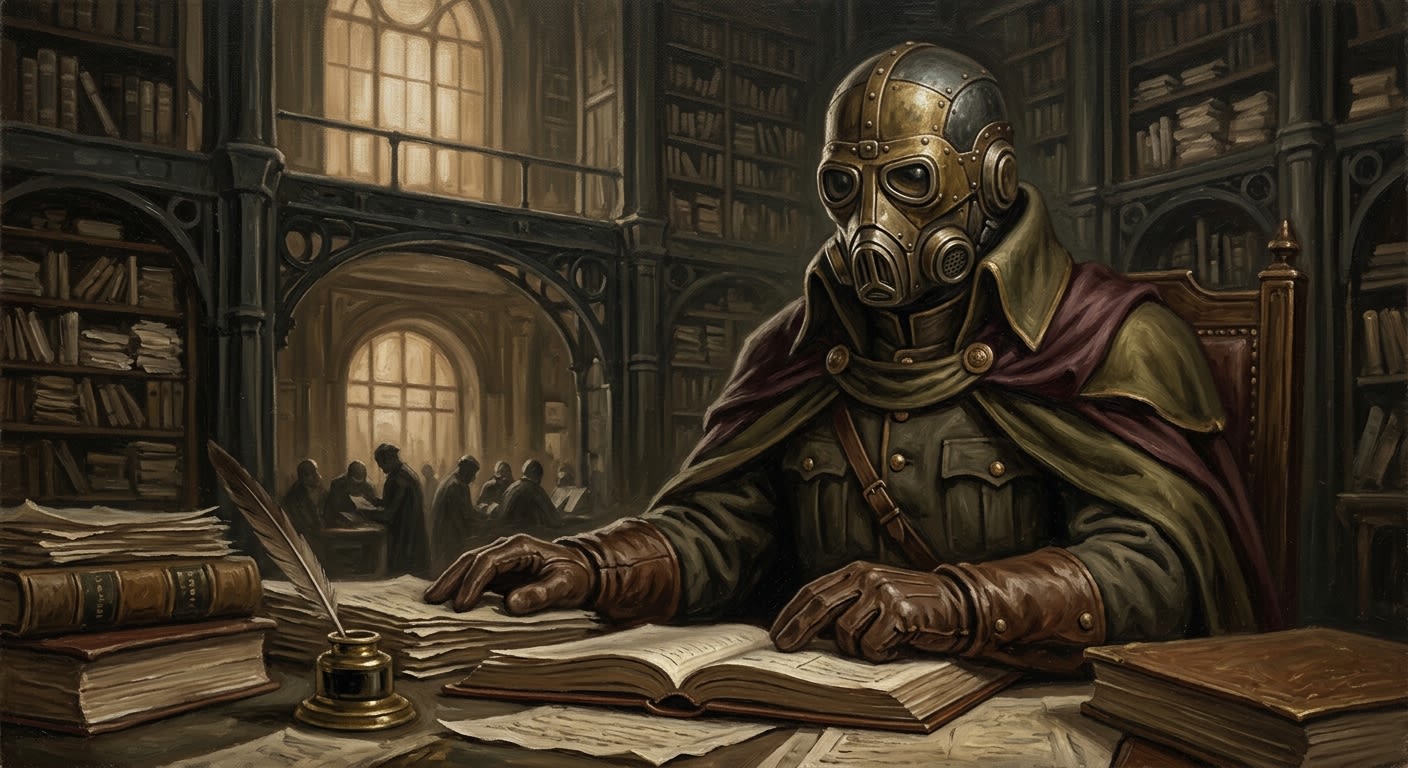
The Third Hierarch is an ordinal with no name, no portrait, and one surviving achievement: Saint Aldebrand's file vanished under his reign.
Codex Ref. XIII.1.05-002

Trier
The city that taught chalk to count before it spoke
Trier is a loyal Moselle city with old hands, white margins, soft chalk, river memory, and the dangerous courtesy of obedience performed too well.
Codex Ref. II.2.02-004
Triune Hearth
Three old bodies, one chimney, and Strasbourg holding the poker
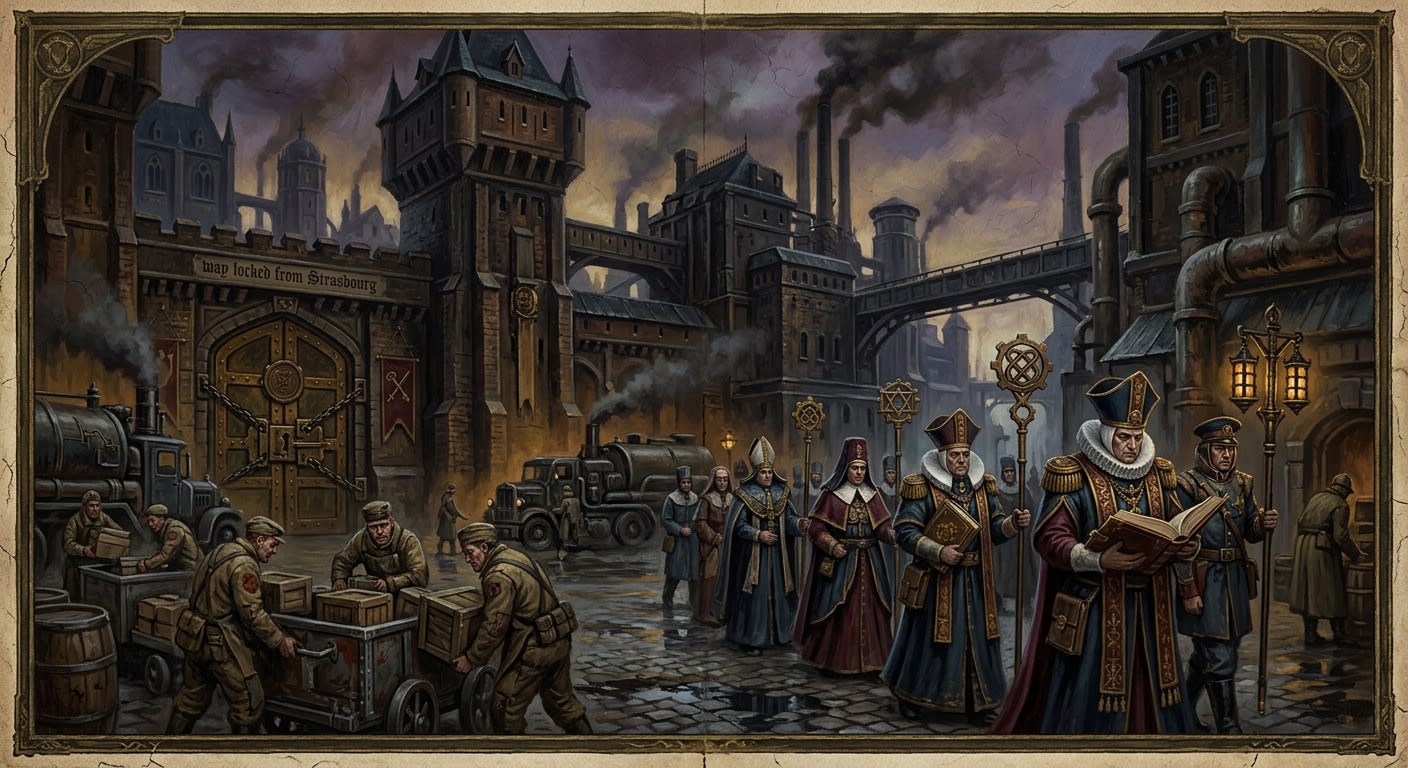
The Triune Hearth binds France, Iberia, and the Rhineland into one Synodal household: warm in sermon, hungry in ledger, and locked from Strasbourg.
Codex Ref. XIII.1.04-090

Vicar-General Anselm Rihn
The man who paved roads with obedience and called the ditch mercy
Vicar-General Anselm Rihn standardised curfew logistics in A.S. 94, gave the Lantern Brotherhood its deniable clause, and left roads more obedient than men.
Codex Ref. III.2.01-064
Ward-Builders
Another table, no blood-name, and the mercy of useful strangers
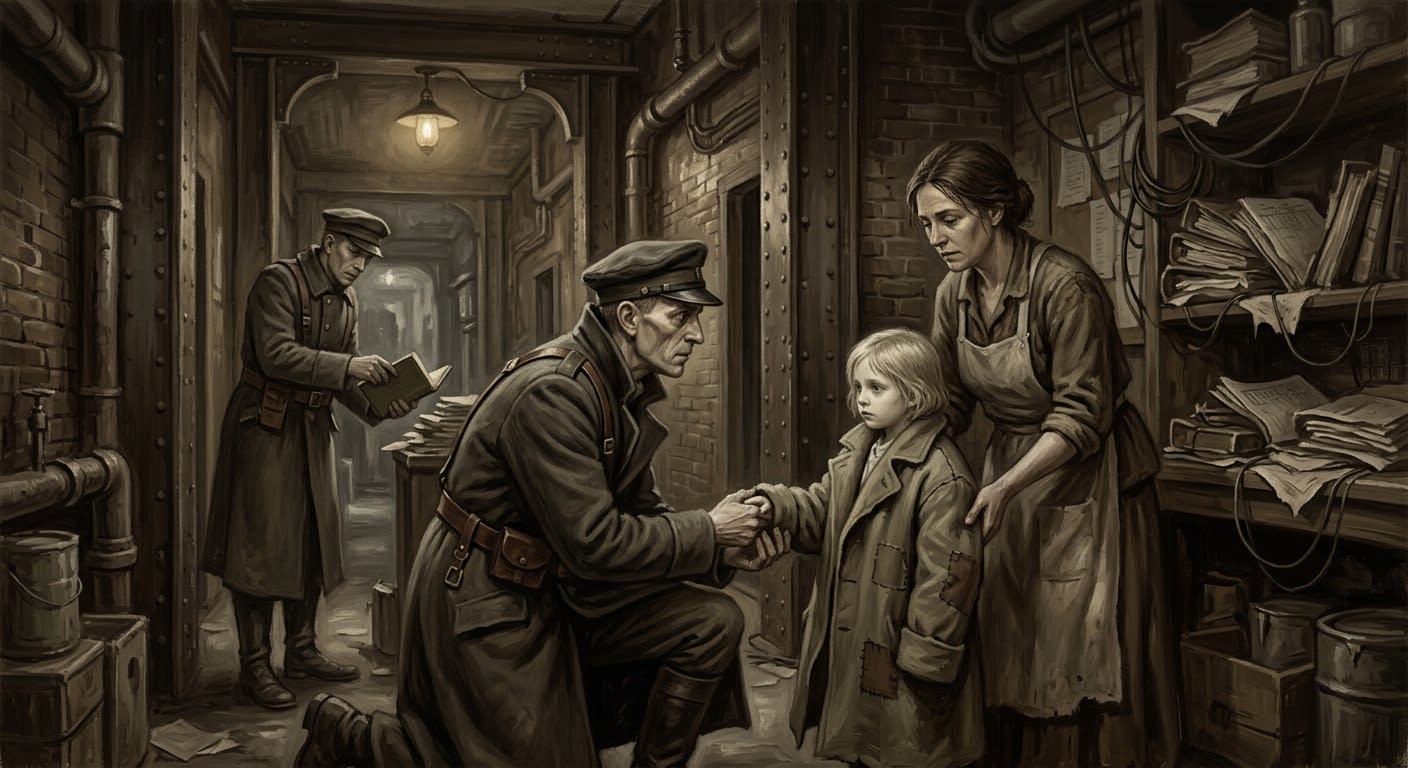
Pale Kin faction placing hidden children with tested strangers rather than blood, building survival from shared guilt, chores, false names, and audit-resistant mess.
Codex Ref. XI.4.01-003
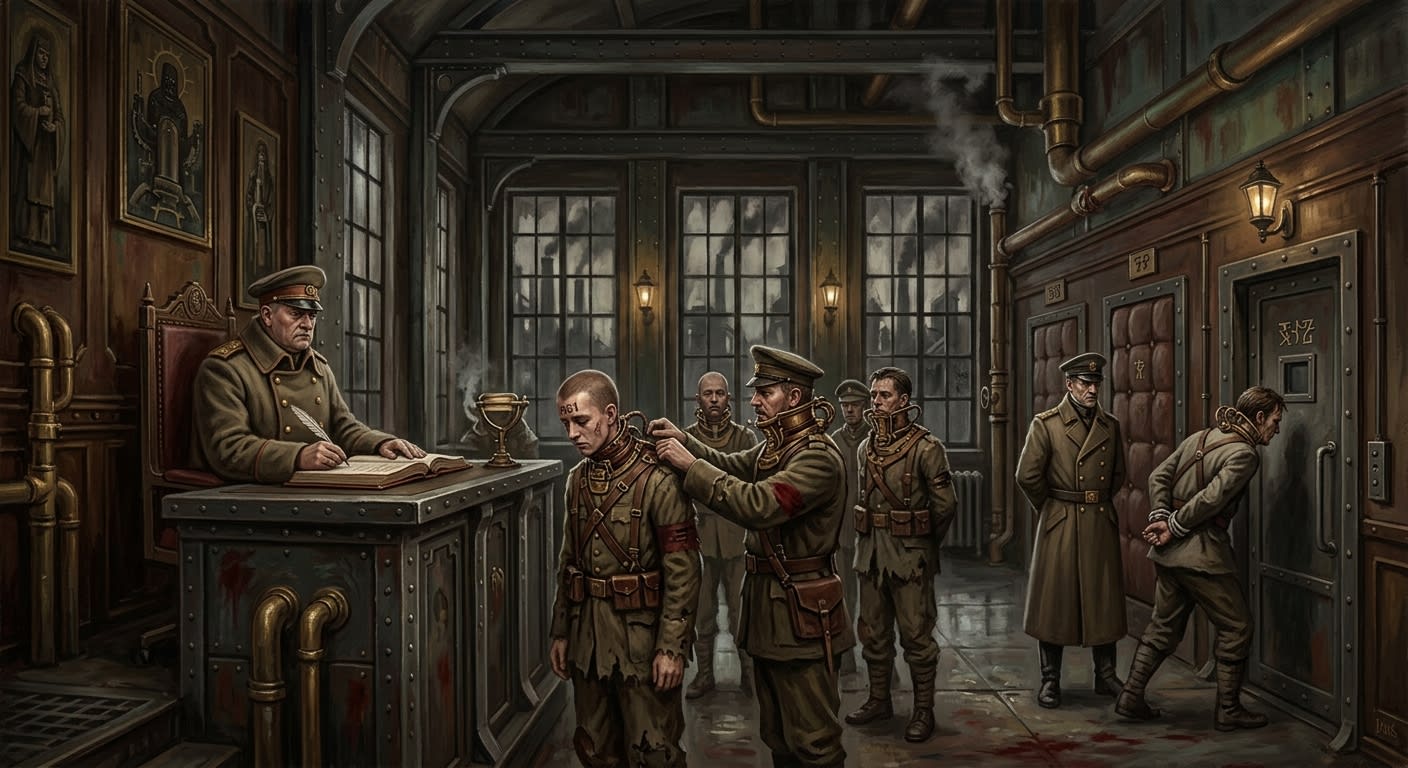
Writ 14-C
The law that taught the throat to wear a seal
Writ 14-C made the human throat an office: licensing Iron Choir Brand-Singers, disciplining pain into sound, and teaching rooms not to be answered.
Codex Ref. XIII.1.41-104

Zone 2
The throat where empire learns to speak in smoke
Zone 2 is the Synod's central throat: Strasbourg's field of authority, Rhine wealth, furnace obedience, catechism-barracks, and useful smoke.
Codex Ref. II.0.04-201