

Reverse Index
Referencing “Cathedral Ships”
Every codex entry that links to Cathedral Ships. 33 entries.
Return to Cathedral Ships
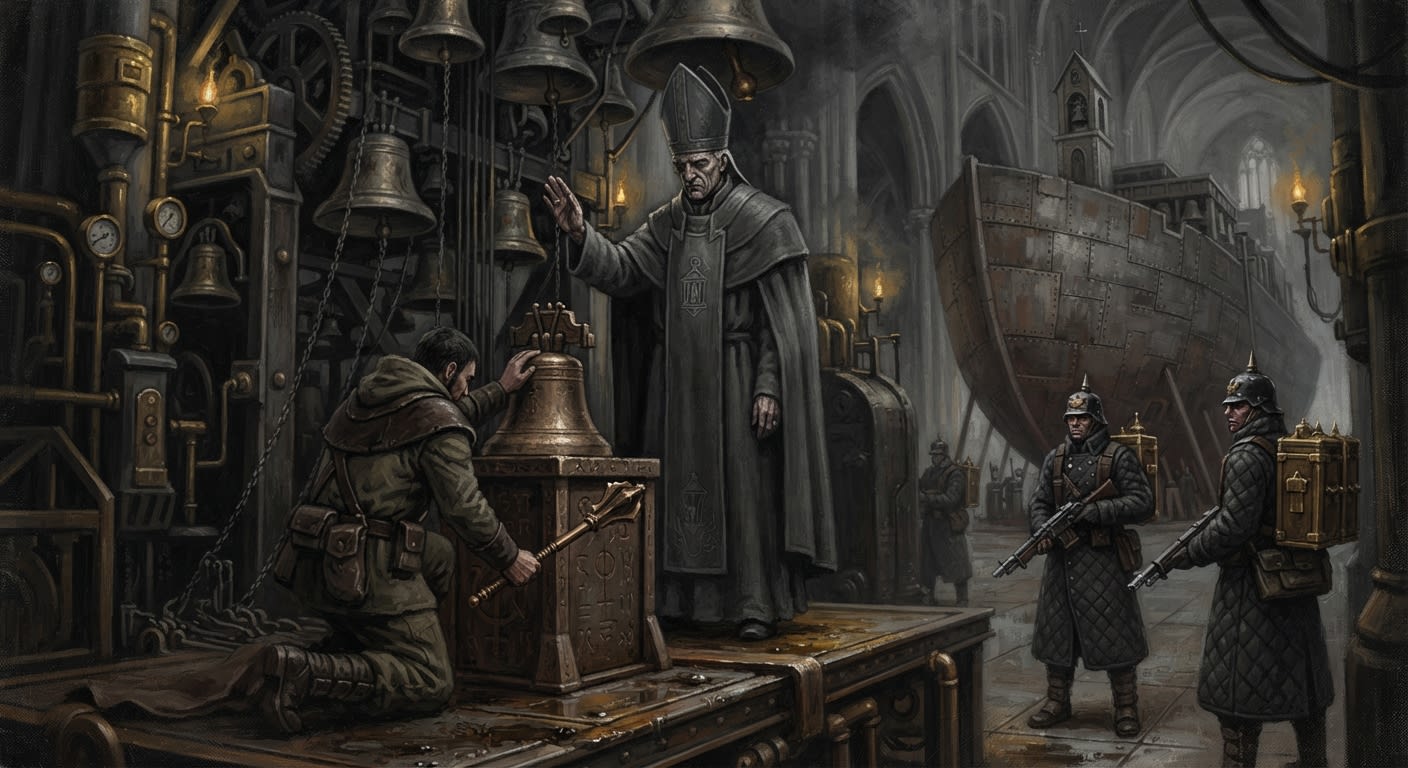
Archbishop of Canterbury
The altar Strasbourg cannot countersign
Canterbury's unnamed Archbishop ordains bell-warriors, guards relics, blesses ships, and proves that an unaudited Christian altar can still make Strasbourg lose sleep.
Codex Ref. III.2.01-025
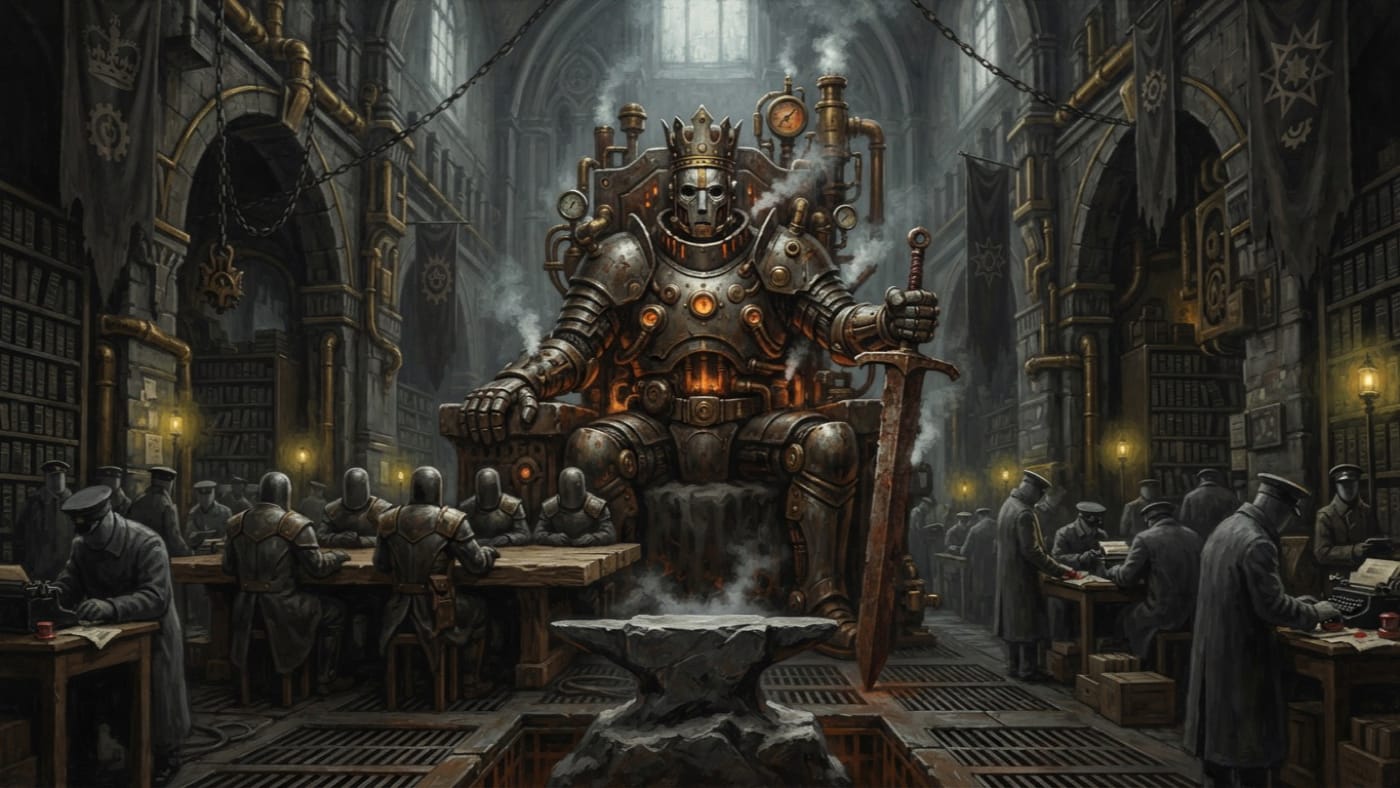
Arthur
The king whose name binds Britain and whose life eludes the Ledger
Arthur sustains Britain's Crown, oaths and Table while eluding every register. King, warlord and saint in British testimony; identity and dates unestablished.
Codex Ref. III.2.01-1518
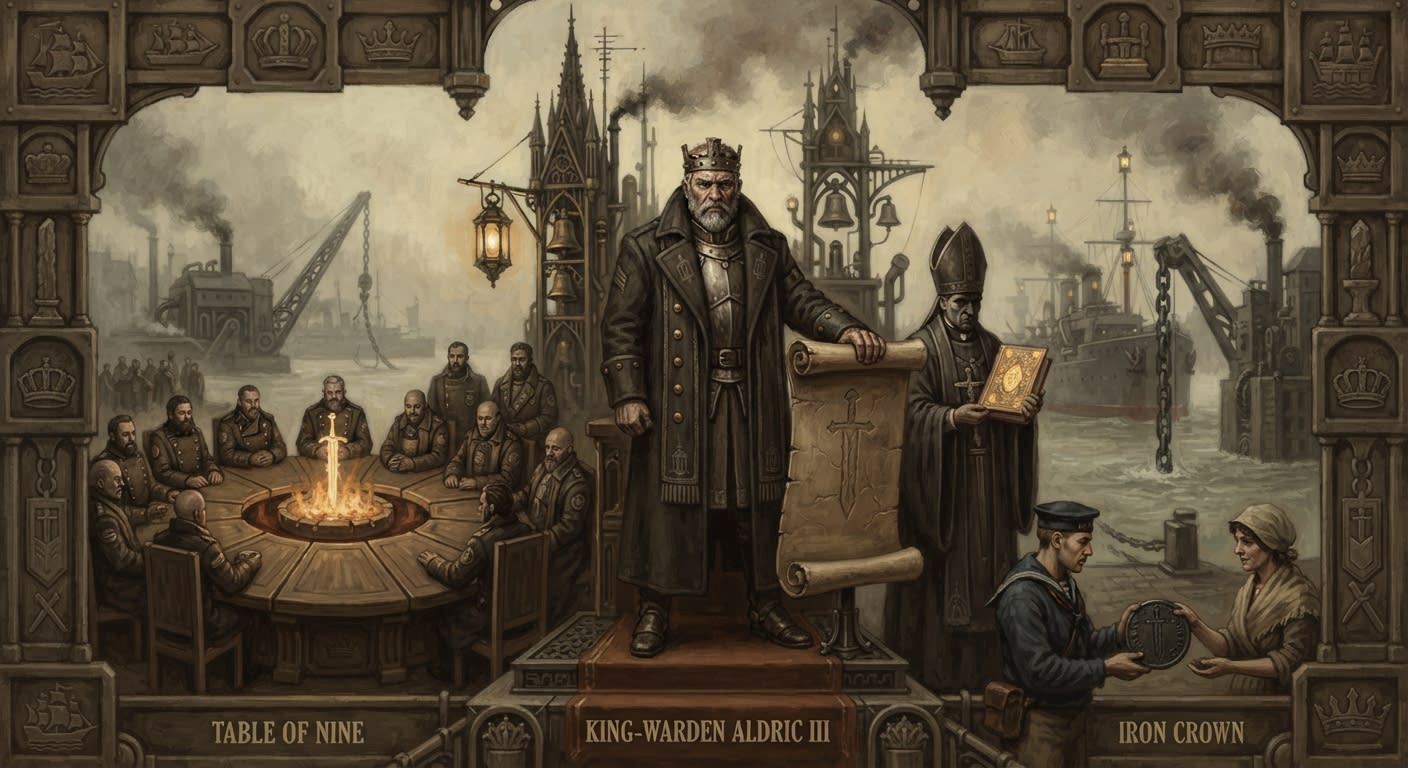
Arthurian legitimacy
The old island claim Strasbourg can deny and still must salute
Arthurian legitimacy is Britain's old answer to Strasbourg: charter, altar, Table, coin and coastline, obeyed too long to be dismissed as mere legend.
Codex Ref. X.1.06-001
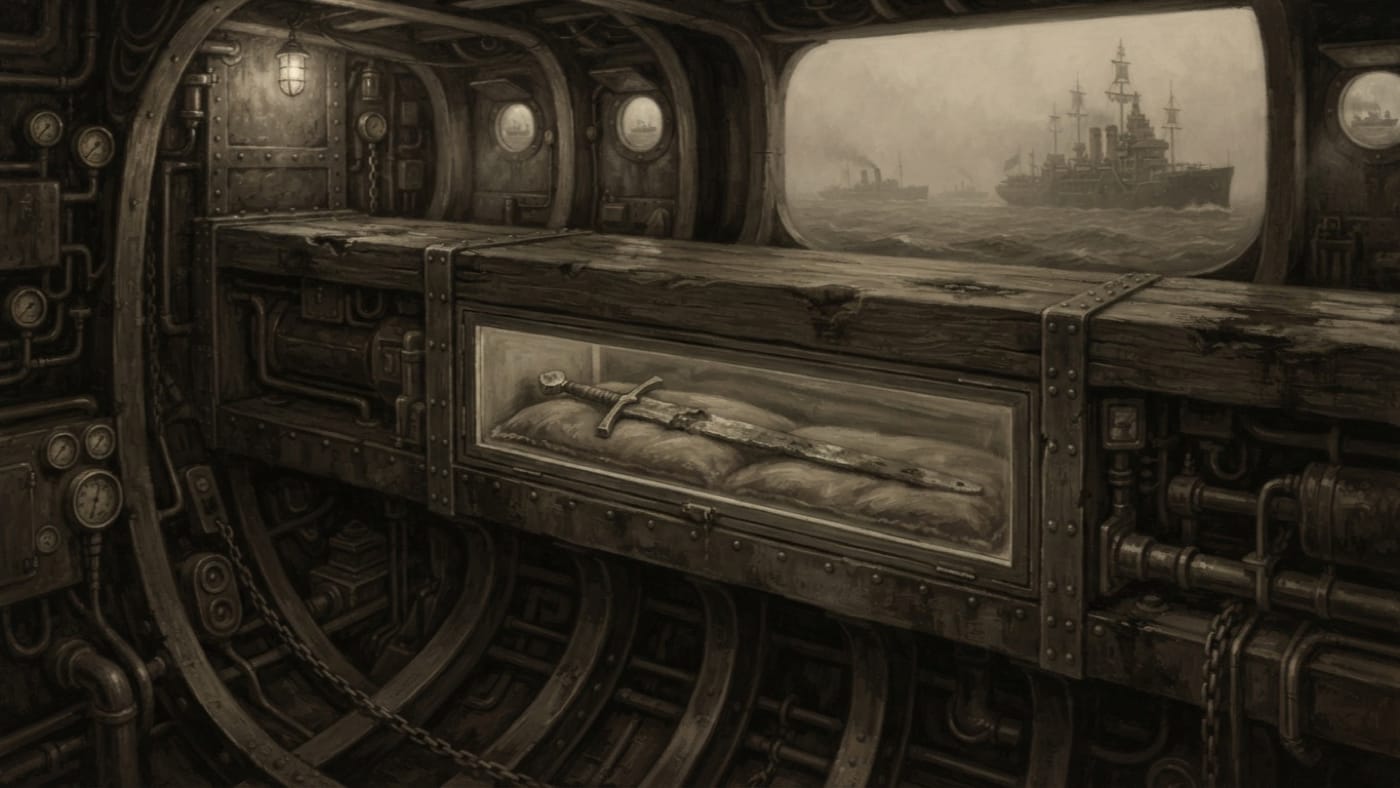
Arthurian saint
One hilt, no named saint, and a keel the Bureau cannot inspect
A sword-hilt linked to an unnamed Arthurian saint lies in an unidentified Cathedral Ship's reliquary keel. Relics withholds recognition; the convoy keeps sailing.
Codex Ref. V.1.03-079
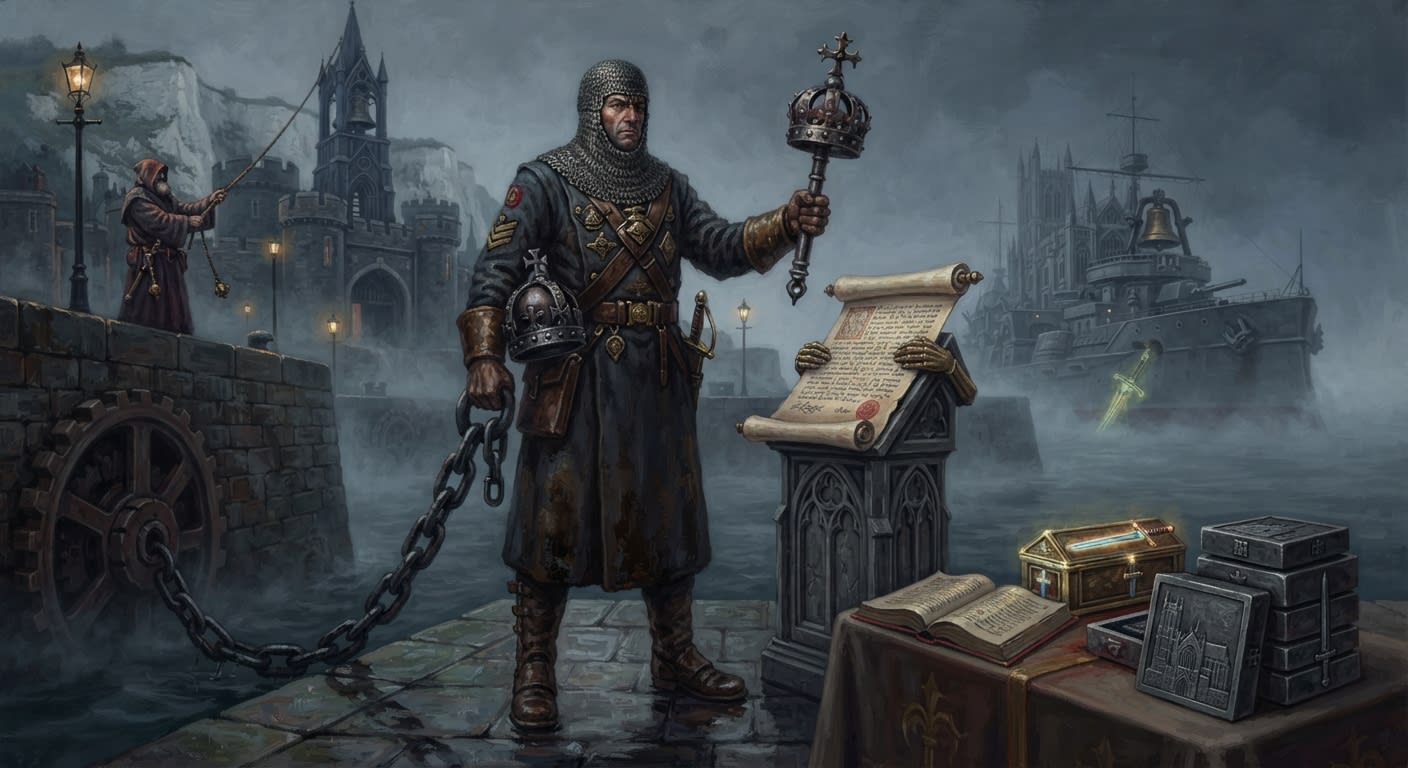
Arthurian Tradition
The myth that keeps the Channel open
The insular oath-machine Strasbourg cannot disprove and Britain does not need proved: Arthur as crown, charter, coin, bell, harbour chain, and naval discipline.
Codex Ref. X.1.01-002
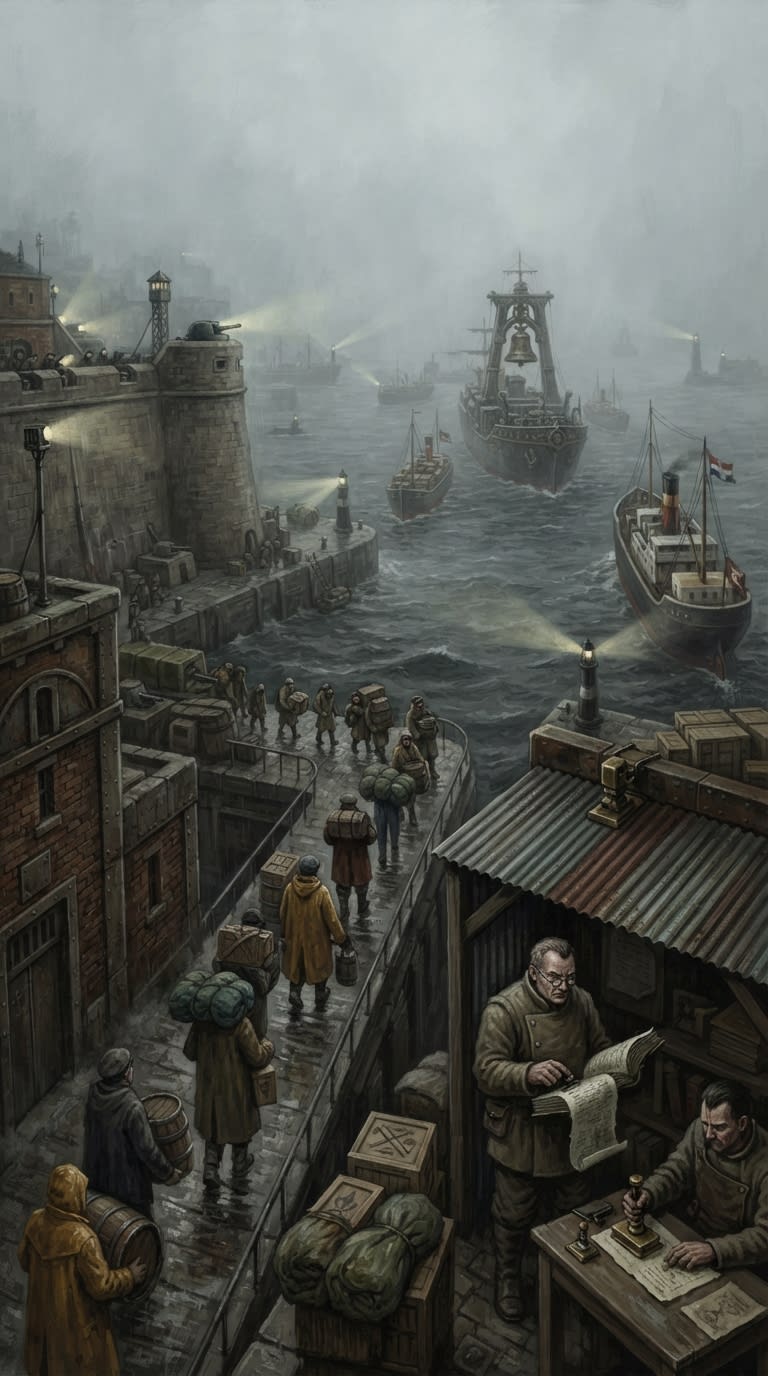
Atlantic
The water at the western end of every Synodal sentence
The Atlantic is the Synod's western water: open, escorted, profitable, watched, and owned by nobody, with Zone 1 harbours feeding the Line through wet ledgers and foreign hulls.
Codex Ref. II.4.09-201
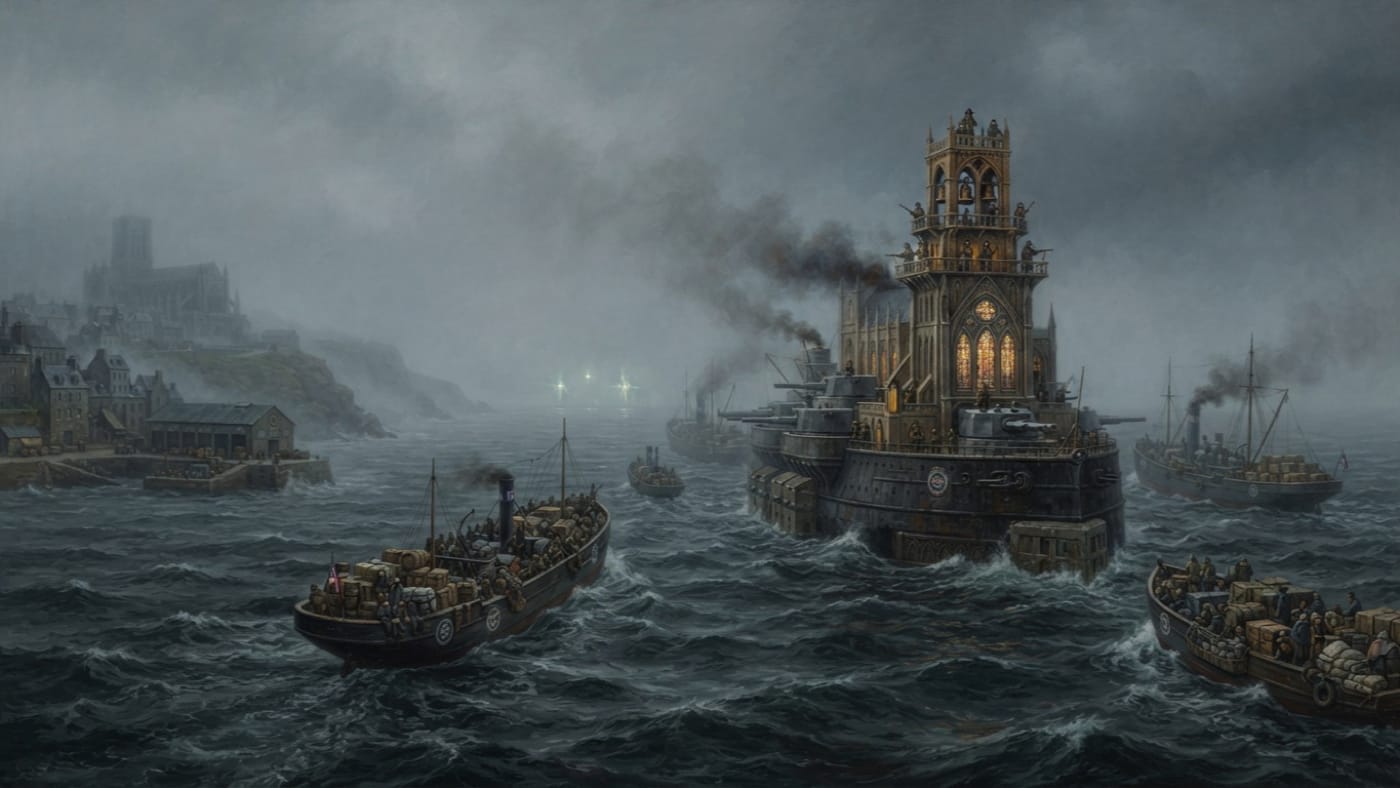
Bay of Biscay
We seal the barrels; the British bring them through
Off the western French and northern Iberian coasts, Biscay carries the Synod's cargo under British escort. The shore bears our seals; the open water has accepted none.
Codex Ref. II.4.09-189

Bureau of Concord
Harmony, filed with teeth
The Bureau of Concord preserves peace by translation, delay, treaty custody, foreign grievance, and the elegant violence of a pending clause.
Codex Ref. VIII.1.05-090
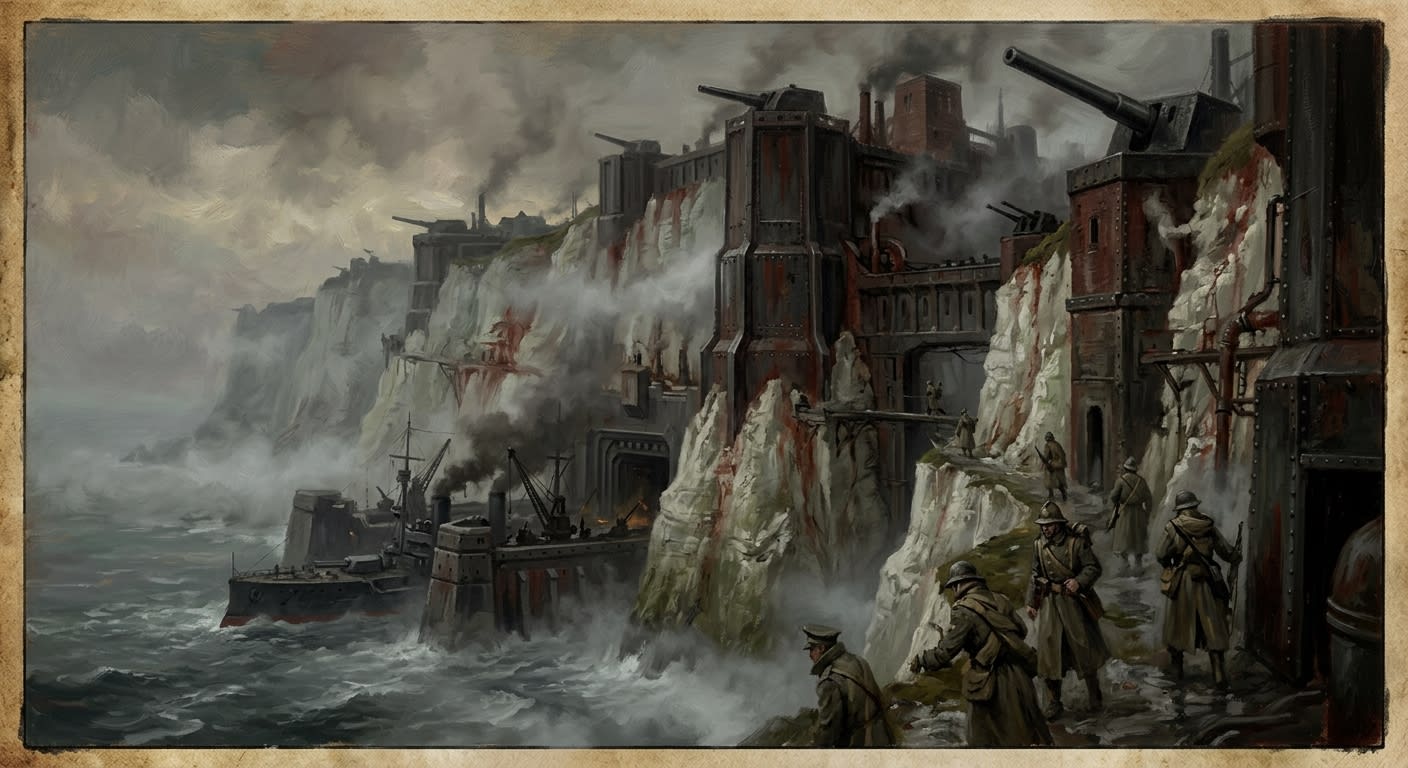
Calais
Read the fog, hold the sea, and pretend the Channel is only water
Calais is the Synod's western coastal tooth: a chalk redoubt where the fog writes names, the sea answers omissions, and every passage is taxed in breath.
Codex Ref. II.4.09-011
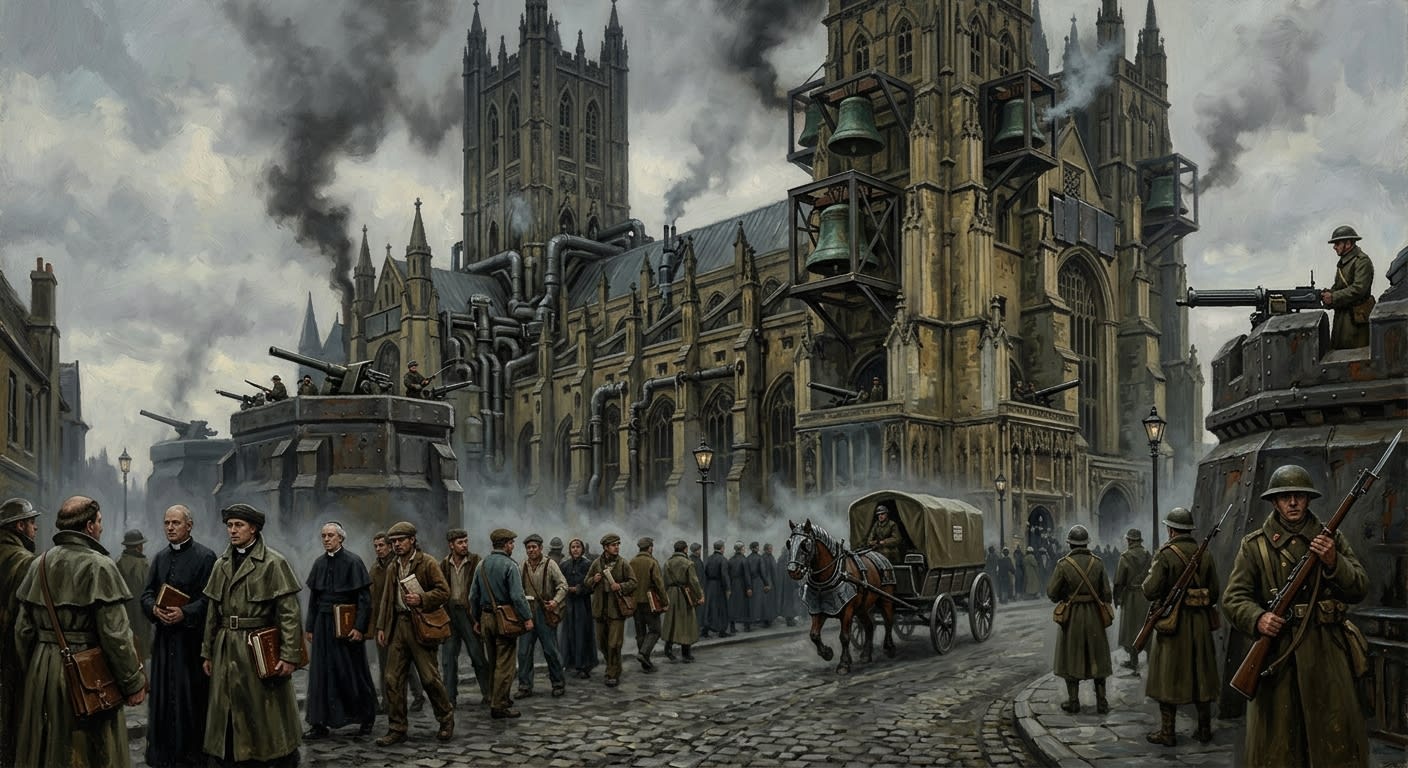
Canterbury
The cathedral that refused to become a bureau
Canterbury is the British Crown's cathedral-seat: old, armed, bell-ridden, unaudited, and infuriatingly functional beyond Strasbourg's forms.
Codex Ref. II.0.01-201
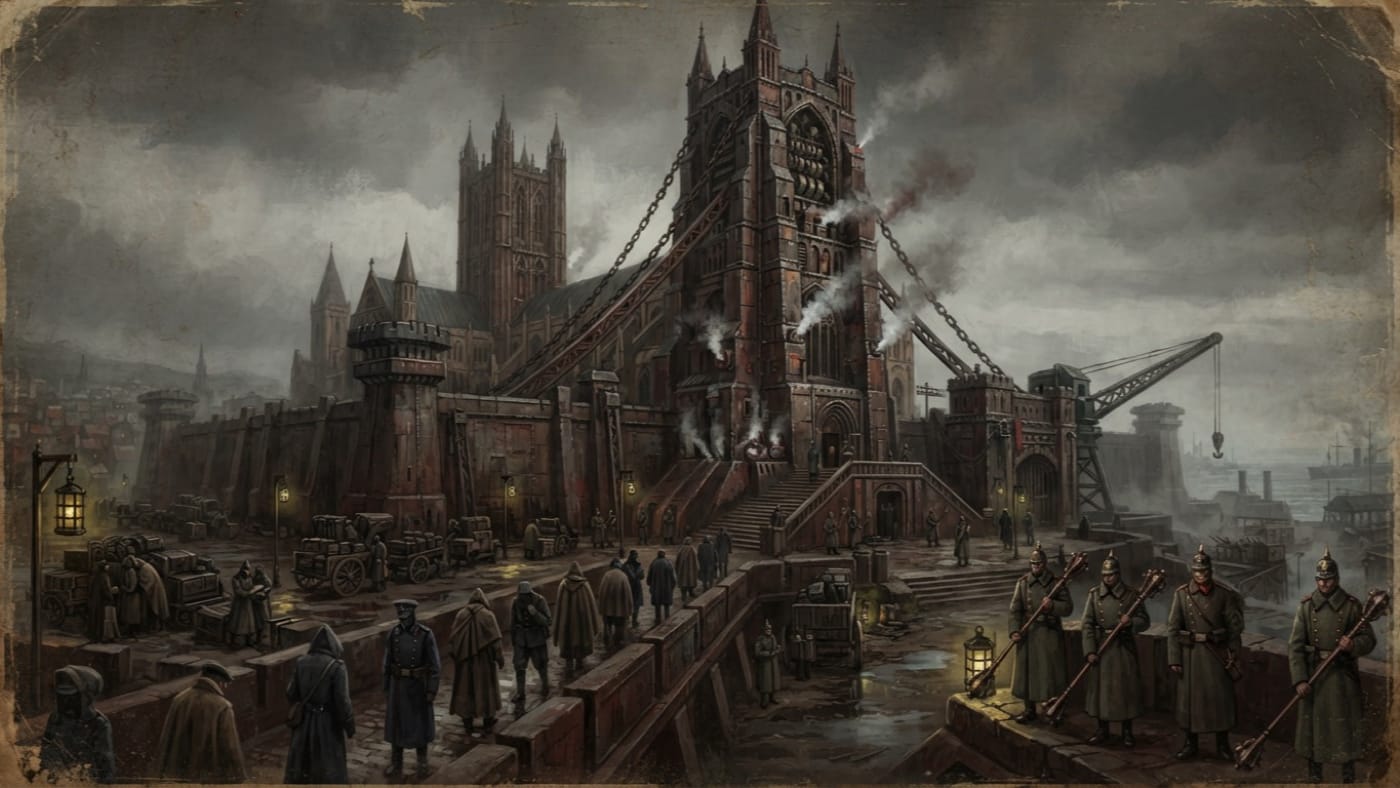
Canterbury Cathedral
Where British bells keep the hours and Strasbourg keeps its distance
Canterbury Cathedral keeps Britain's oaths, relics and bells beneath Crown authority. Its face circulates on Iron Crowns; Strasbourg's authority stops at the rail.
Codex Ref. II.0.02-201
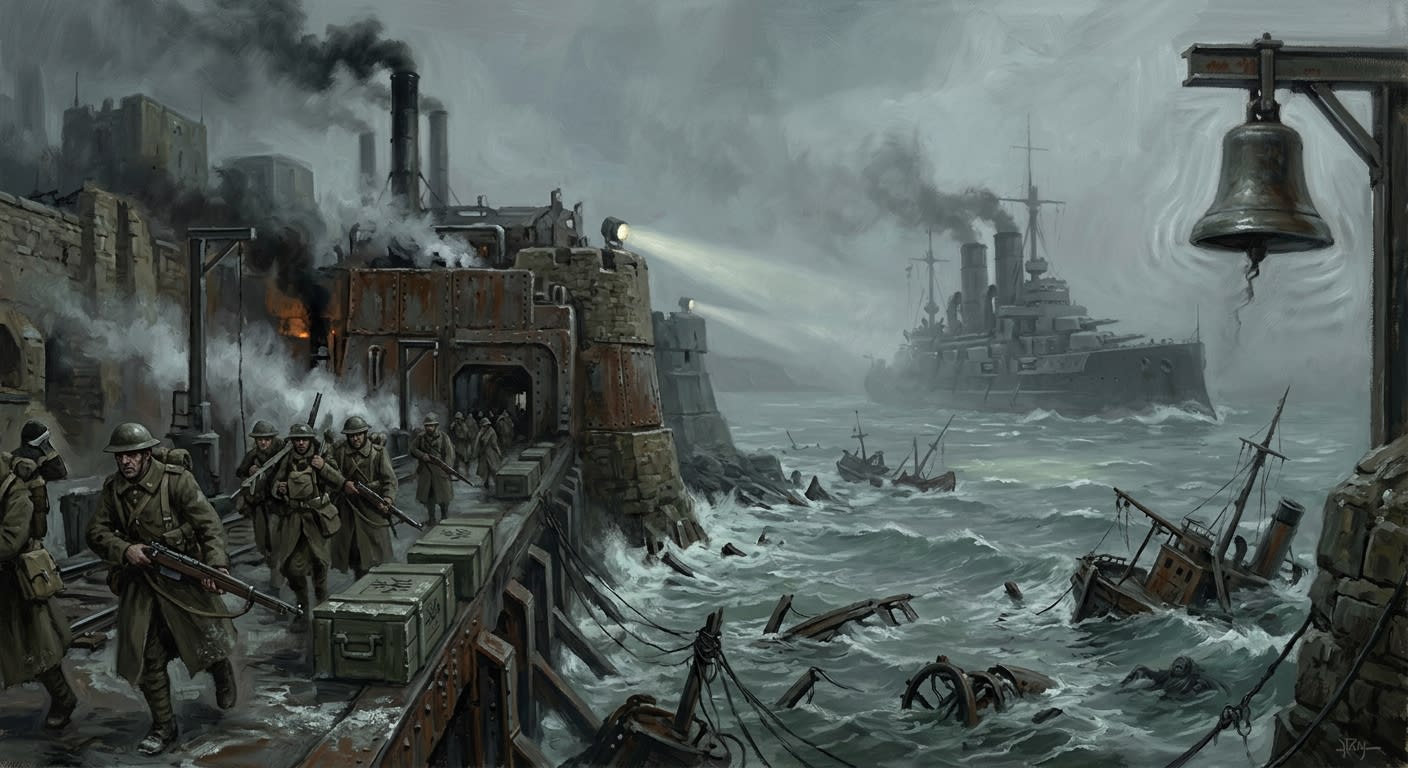
Channel
The water between two prides, and wiser than both
The Channel is the Synod's western salt wound: Calais to Dover, bells to fog, British pride to Synod arithmetic, and drowned things below.
Codex Ref. II.1.04-201

Channel Escort After-Action
The captain called it answered; the fragment declines to explain
A.S. 201 survey of a redacted Channel escort extract: three grain barges reported hearing their names in British bells; the captain called the incident “answered.” Doctrine retains the word without its meaning.
Codex Ref. X.1.03-002

Concord Quarter
Where the Synod receives what it cannot command
Strasbourg's Concord Quarter houses foreign missions and Concord's arbitration rooms. Here the Synod receives what it cannot command, and every objection remains pending.
Codex Ref. II.1.04-007
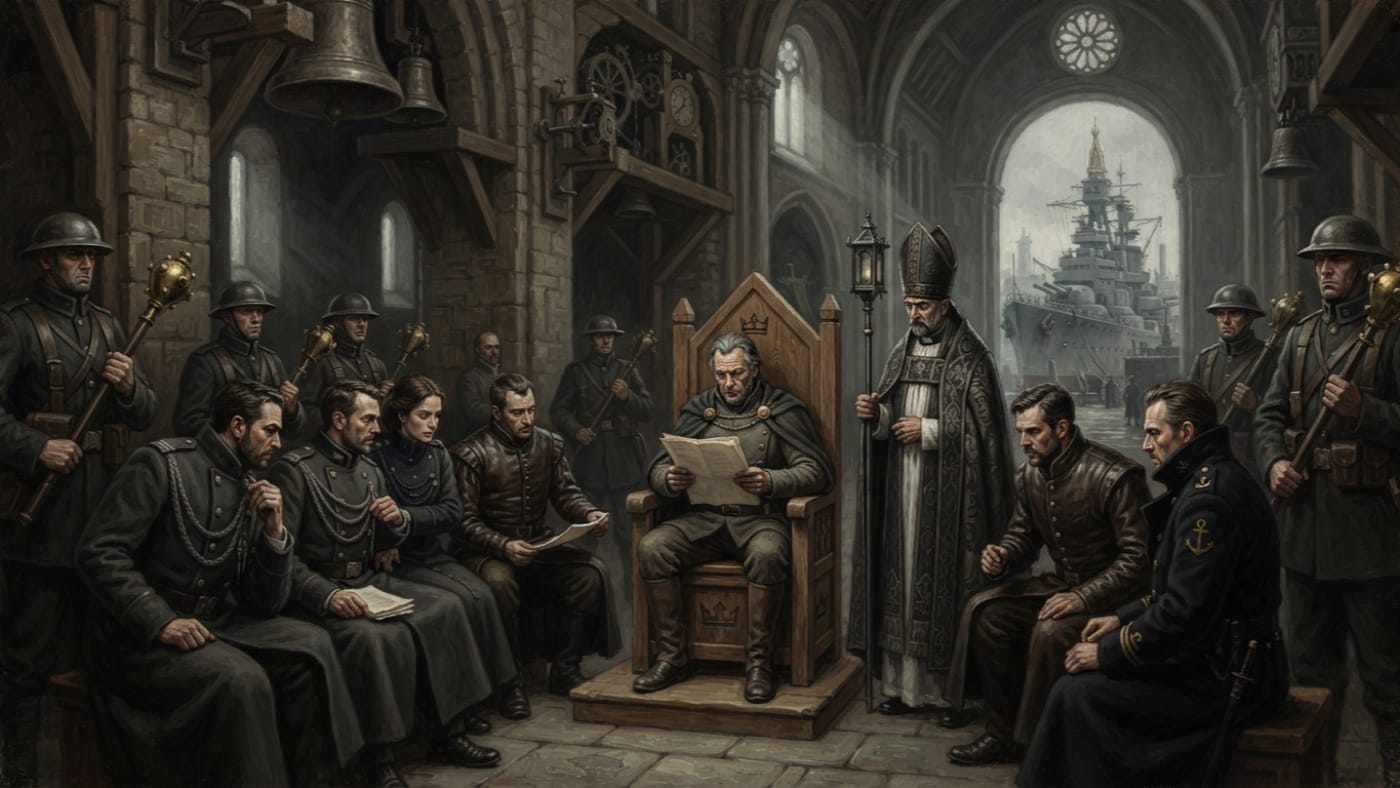
Court of Canterbury
Where every paper is read and no obedience is owed
Canterbury's sovereign court gathers Aldric III, the Table of Nine and the Archbishop around a government that reads Synod papers in full and owes Strasbourg no obedience.
Codex Ref. X.1.02-202
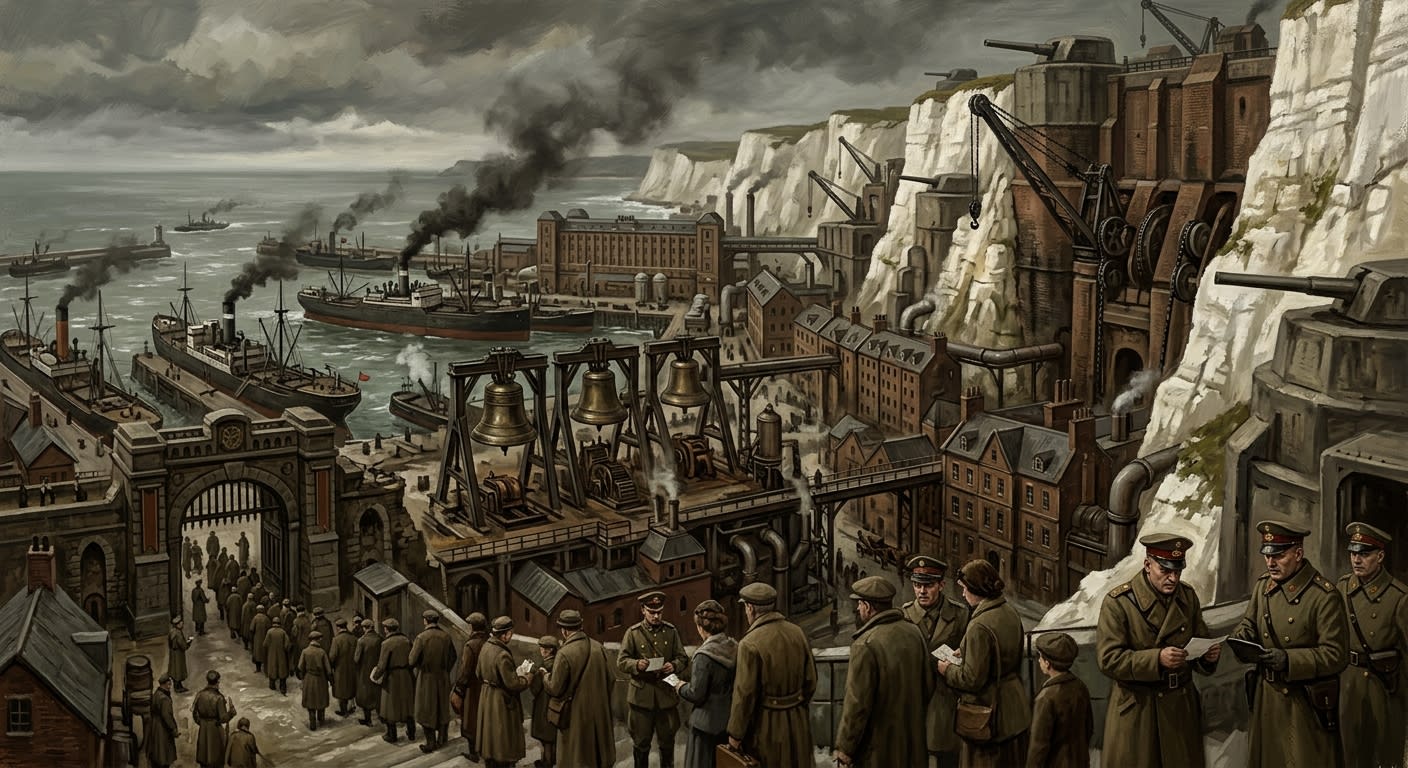
Dover
The white cliff that answers Calais with bells, chains, and refusal
Dover is the British Crown's white-cliff answer to Calais: port, bell-lane, Chainworks throat, pilgrim gate, and polished refusal.
Codex Ref. II.0.09-201
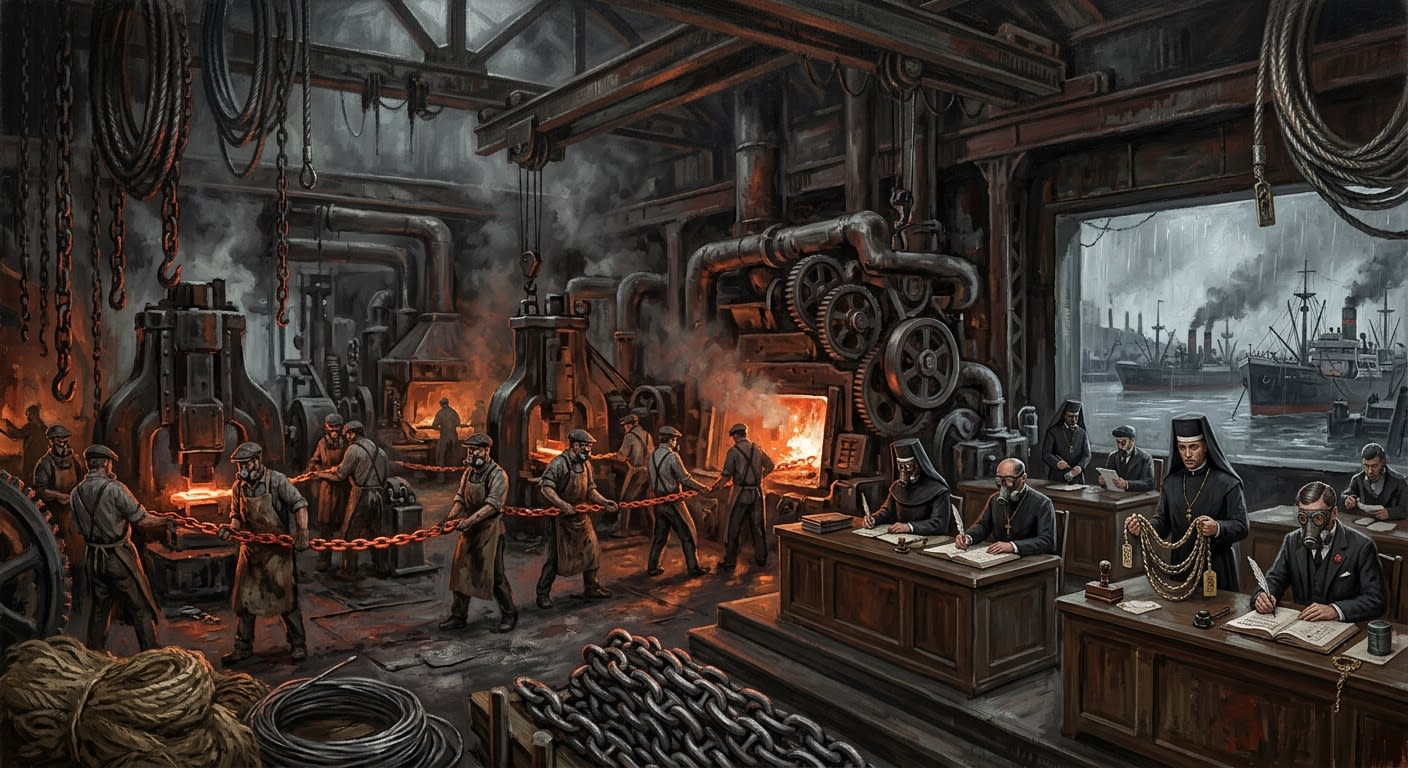
Dover Chainworks
Where British iron crosses the Channel and Synod dignity pays the toll
The Dover Chainworks forge the chains, cordage, and blessed rope that keep British convoys moving and Synod pride properly invoiced.
Codex Ref. II.4.09-009
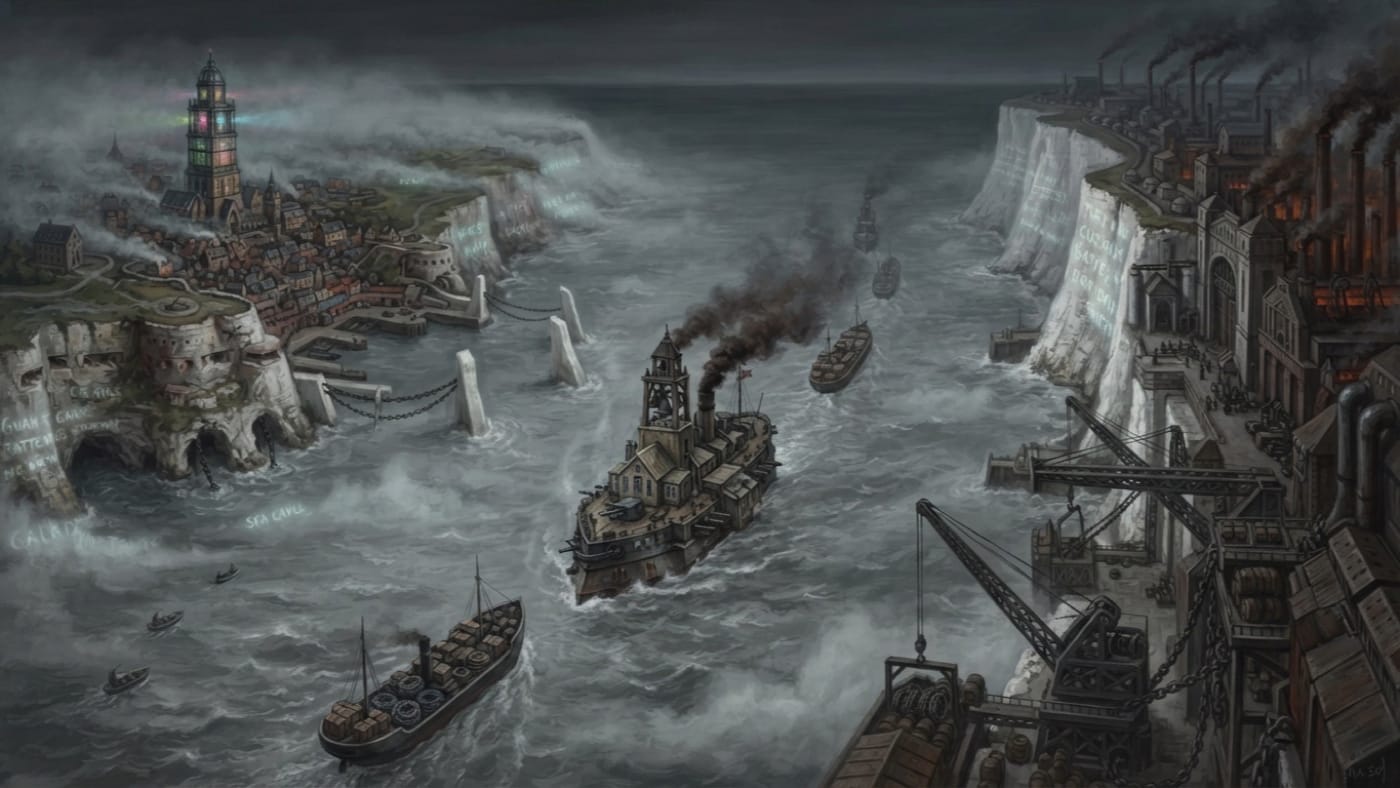
Dover Strait
British bells keep the Synod's grain moving
The Dover Strait carries grain, chain and pilgrims between British Dover and Synod Calais. British bells keep it open; Doctrine keeps requesting diagrams.
Codex Ref. II.1.04-203
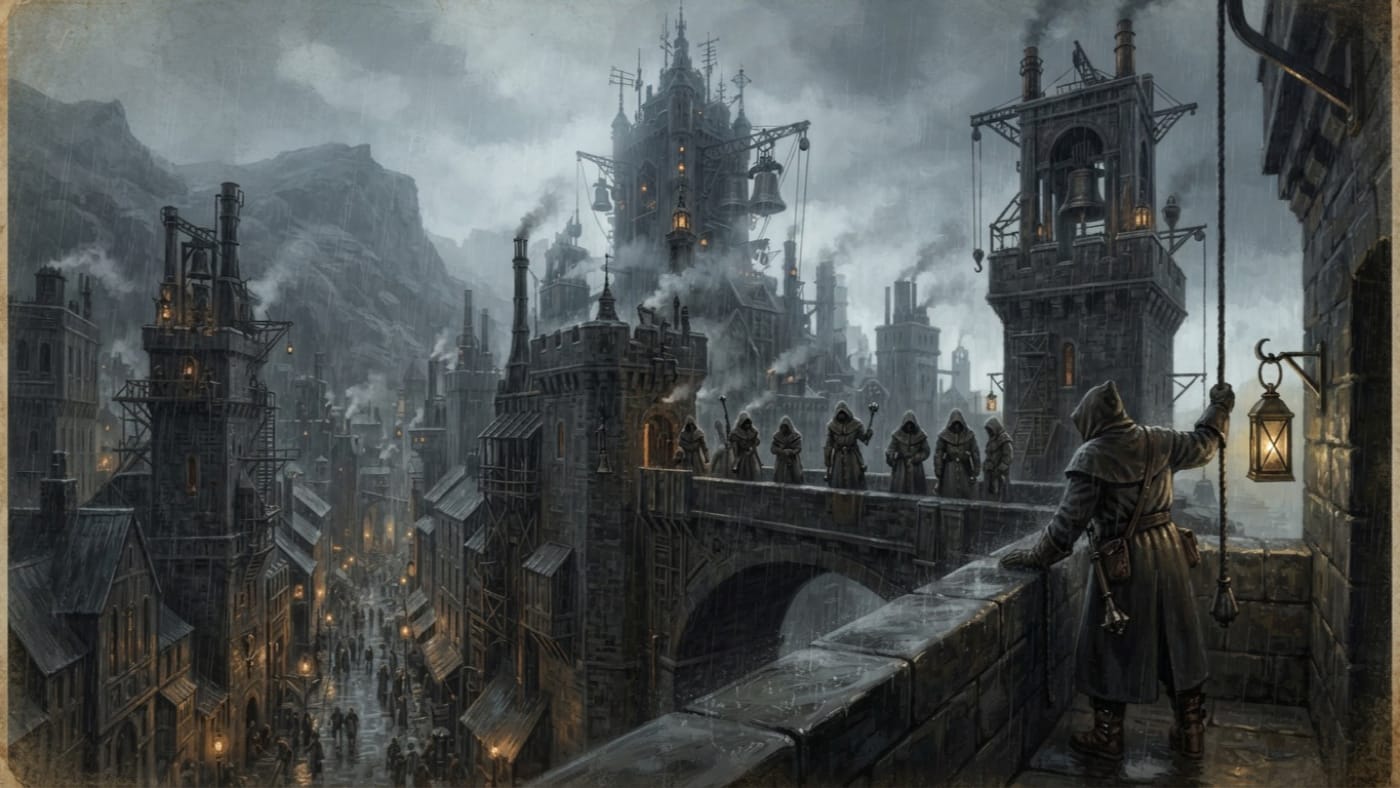
Edinburgh
The northern towers answer stone; Strasbourg receives no reply
Edinburgh answers Britain's northern stones with bells and bronze maces; Strasbourg records the rain, the Lantern Way, and the limits of its jurisdiction.
Codex Ref. II.0.10-201
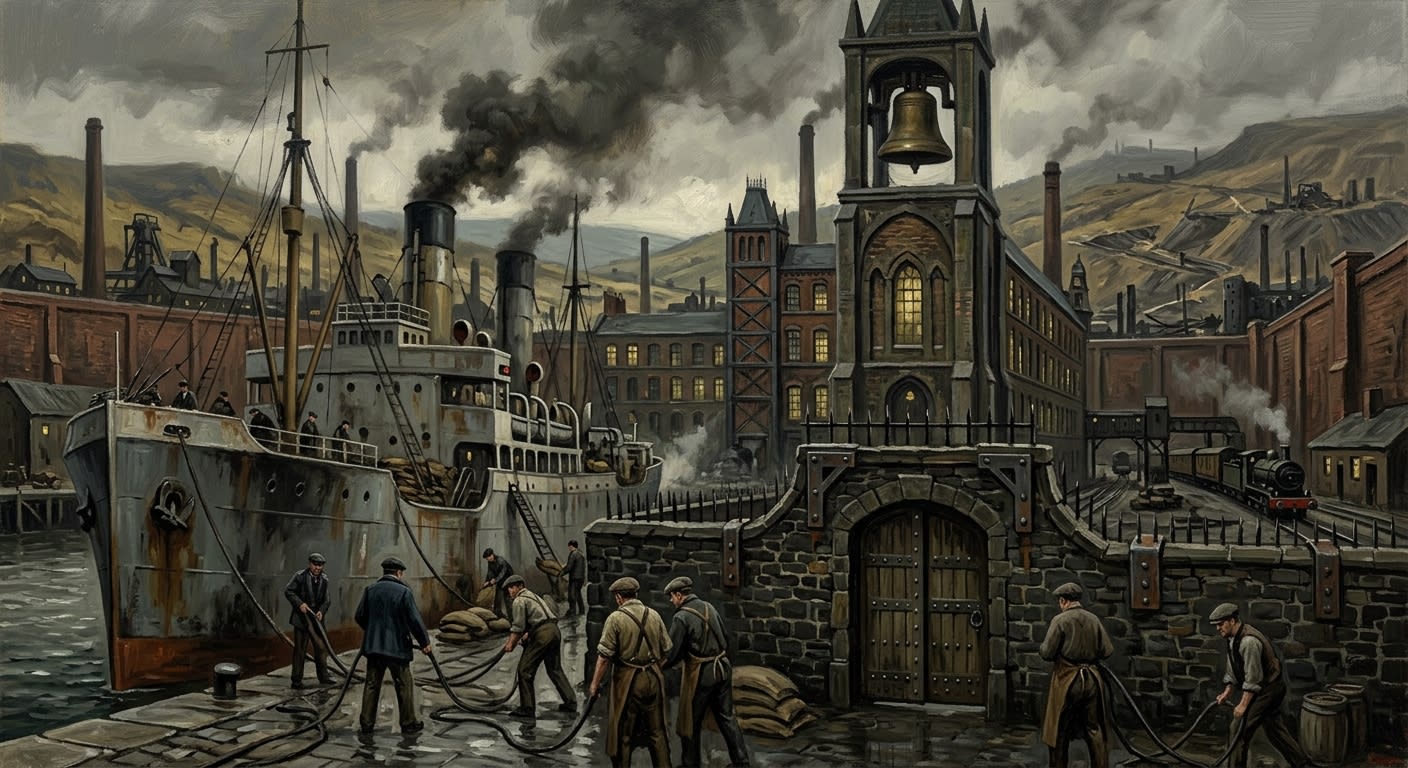
England
The island province that declined the province and kept the invoice
England is the British Crown's southern engine: chalk, bell, harbour, parish wall, and island refusal, useful enough to spare and rude enough to endure.
Codex Ref. X.1.03-201
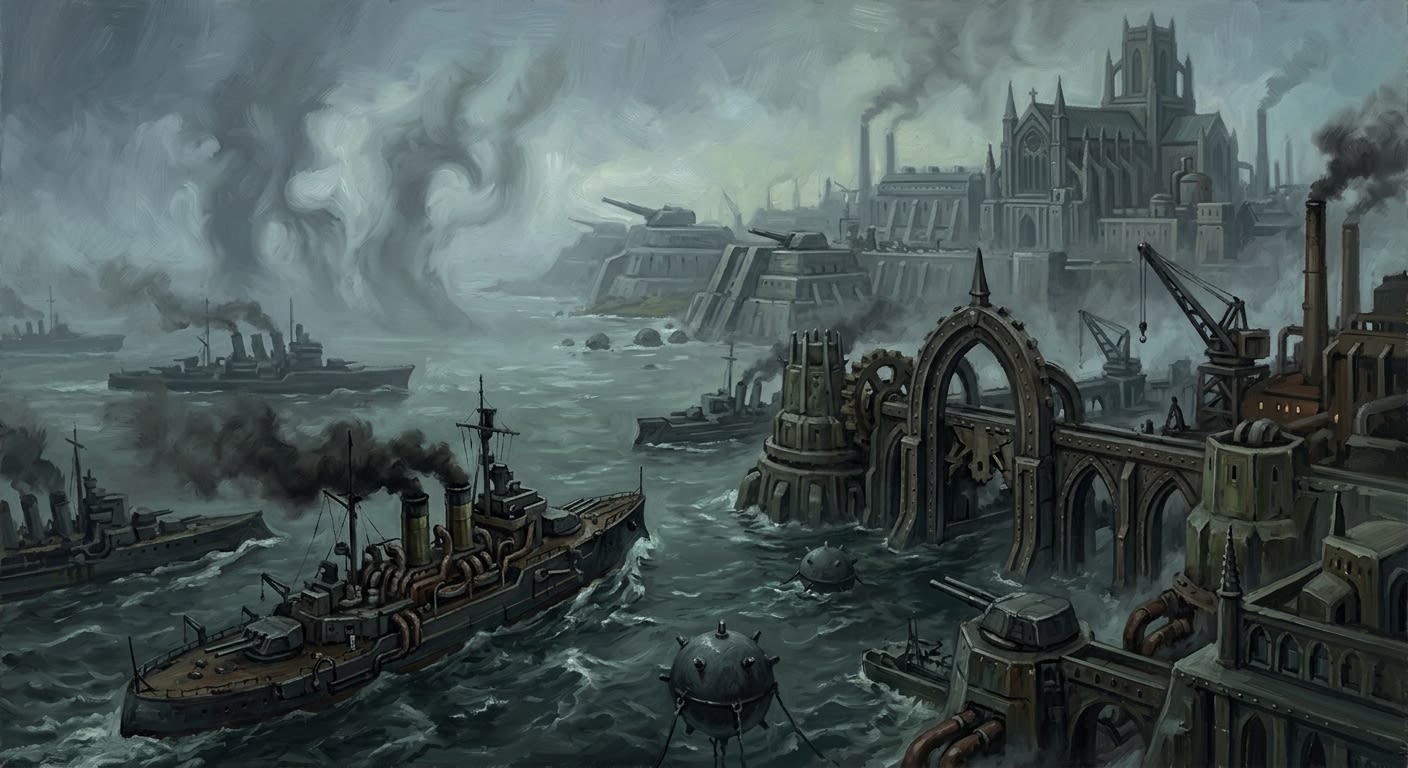
English Channel
The wet treaty between stamped arrogance and ringing arrogance
The English Channel is Calais facing Dover: one day's water in clean weather, a century's insult in politics, and a fog-bank with clerical ambitions.
Codex Ref. II.1.04-202
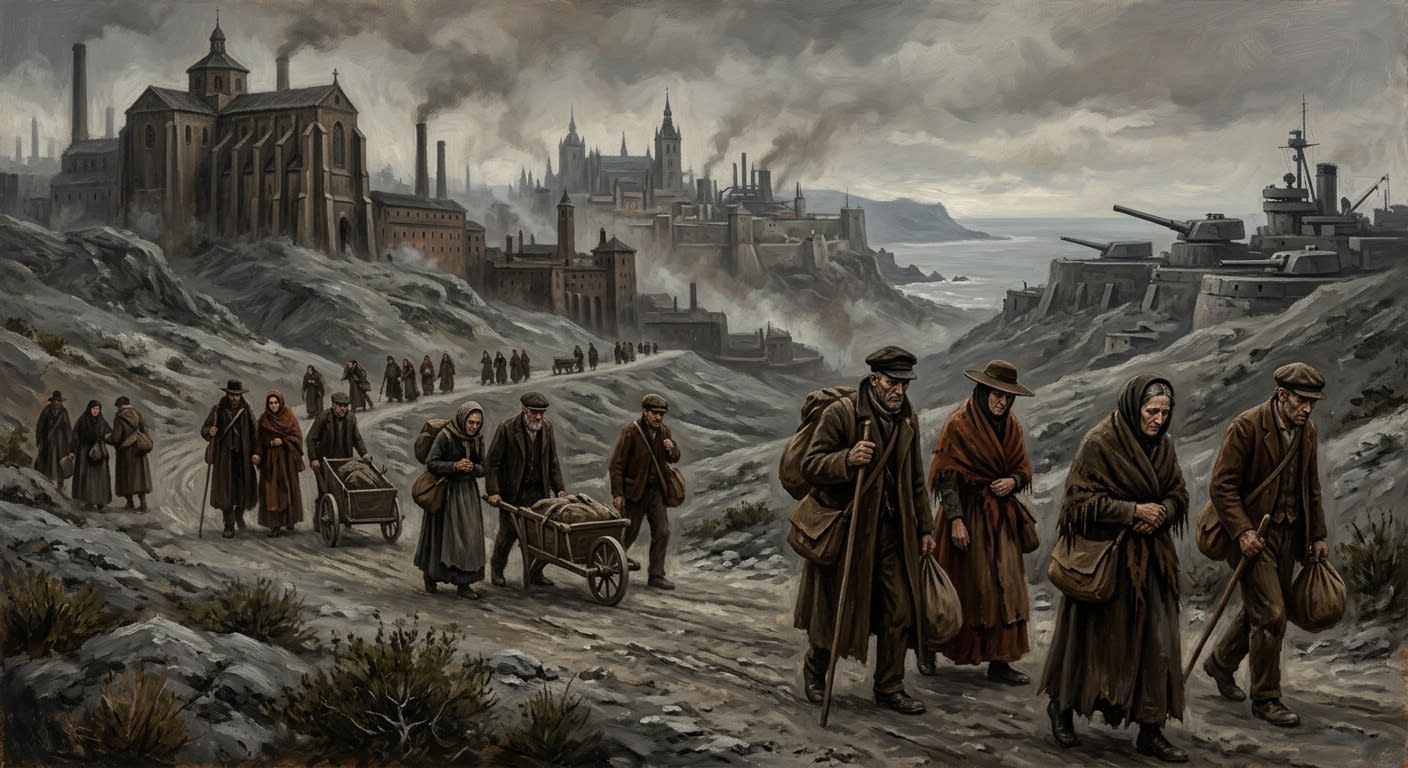
Iberia
The western furnace kneels, pays, murmurs, burns, and remembers
Iberia is the Synod's western furnace: a sealed peninsula of relic ash, late Concordat obedience, Seville mutters, Toledo martyrdom, pilgrimage roads, British guns at Gibraltar, and memory too old to confiscate cleanly.
Codex Ref. II.1.04-090

Iron Crown Currency
The British coin that buys rope, insults Tithes, and refuses to kneel
The Iron Crown is Britain's stubborn iron tender: older than the Synod's Crown of Grace, tolerated at mixed ports, and hated because it works.
Codex Ref. XIII.1.22-001
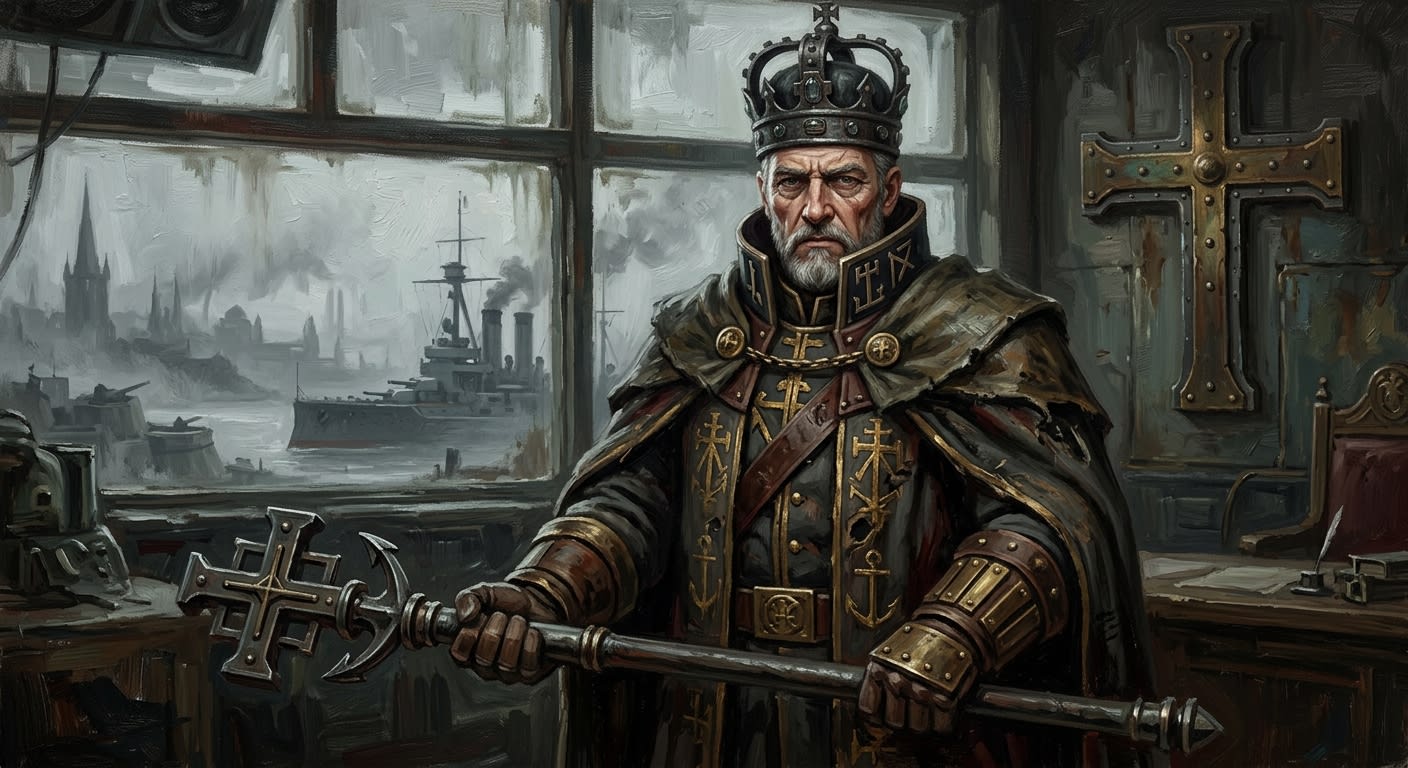
King-Warden Aldric III
The island abbot with a sword, and worse, with ships
Aldric III rules Britain from Canterbury as King-Warden: independent ally, naval necessity, liturgical irritant, and pious stubbornness in a crown.
Codex Ref. III.2.01-022
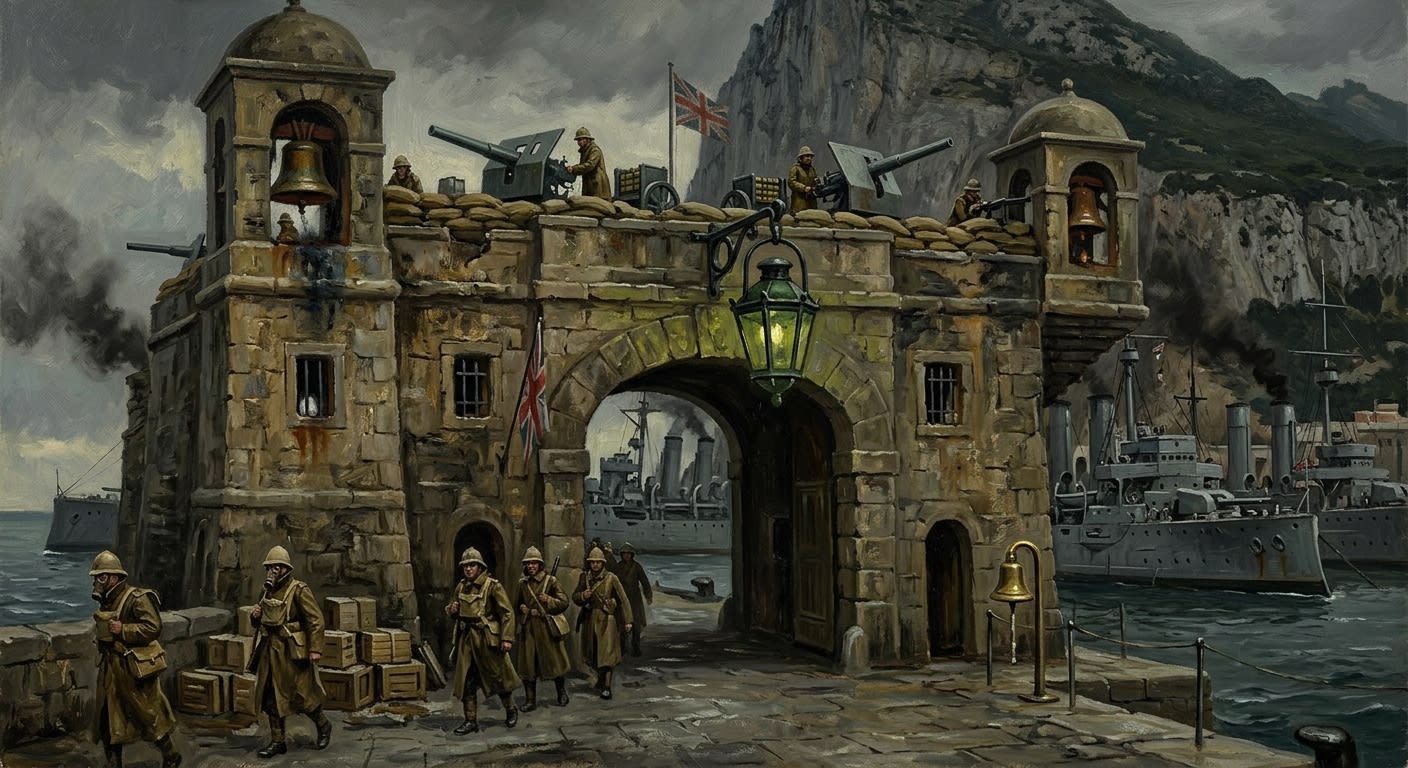
Lantern Gate, Gibraltar
The British fist at the Mediterranean mouth, politely denying it is a hand on our throat
The Lantern Gate at Gibraltar is Britain's southern naval knuckle: bell towers, chapel guns, anti-piracy patrols, and leverage disguised as maritime courtesy.
Codex Ref. II.4.09-010
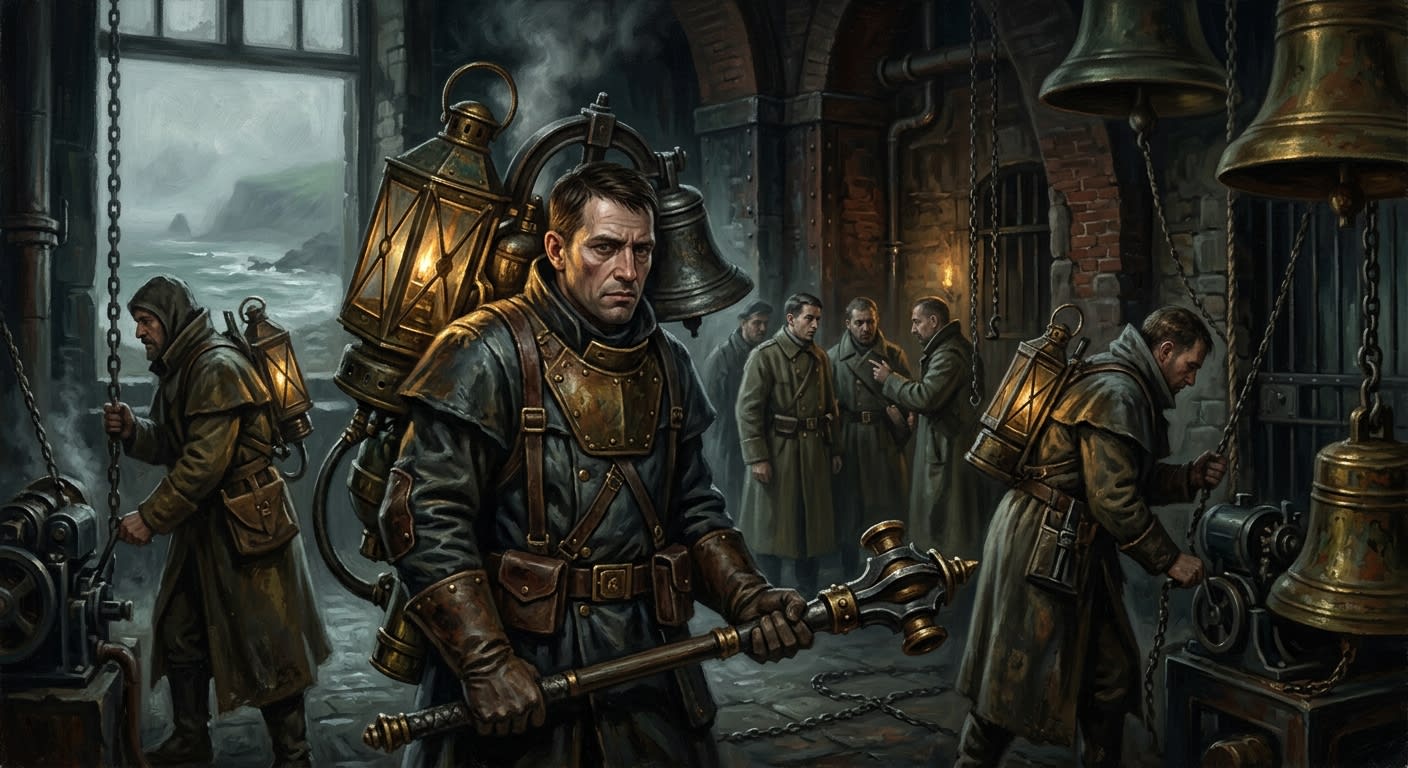
Lantern-Ringers
Britain keeps time with bronze, rope, and legally sanctioned concussion
Britain’s Lantern-Ringers bind bell, mace, parish, and sea into one armed vocation; Strasbourg wants their specifications and receives courtesy instead.
Codex Ref. XII.2.05-001
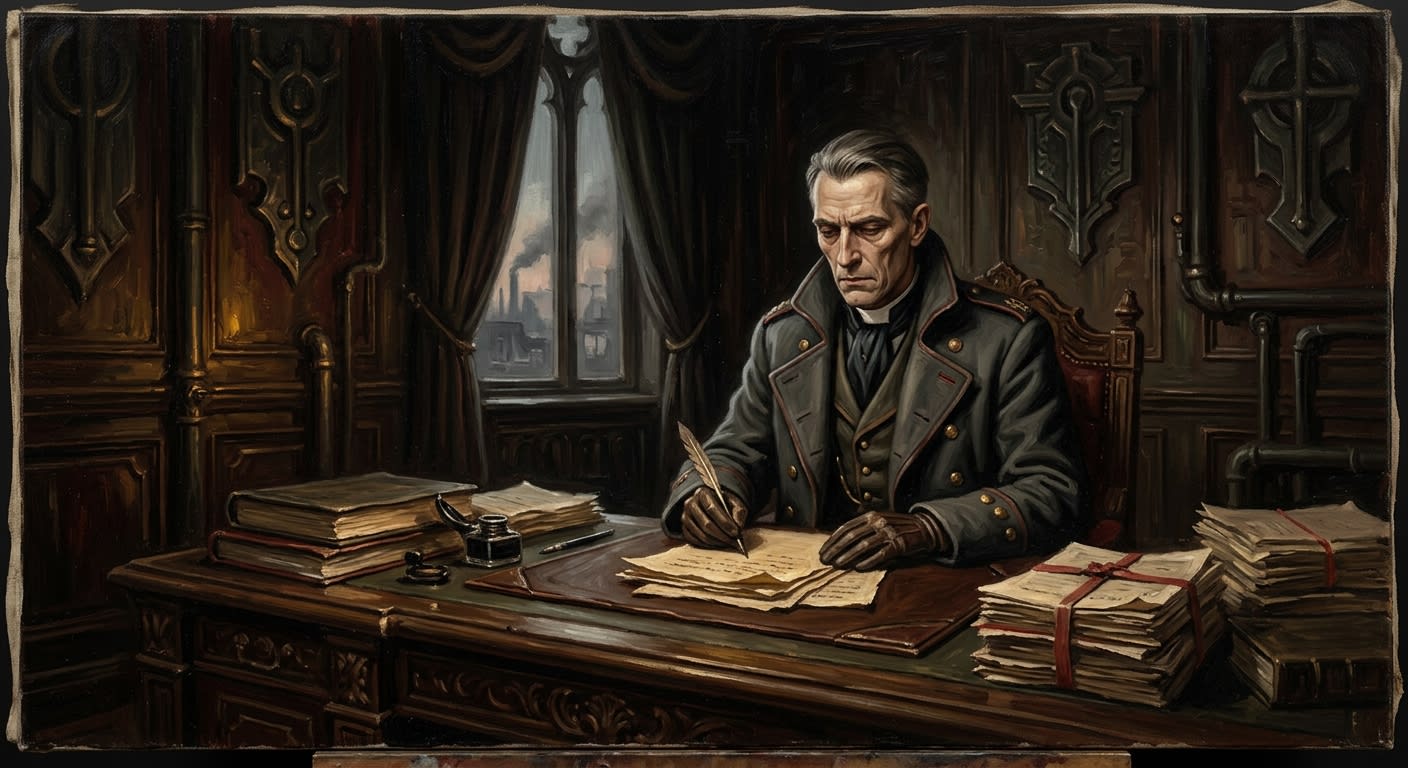
Legate-Prior Mertens
The man who reported Britain accurately, and therefore dangerously
Mertens, Synod ambassador in Canterbury, writes the British Crown plainly enough to make policy bleed through its bandages. Accuracy is his scandal.
Codex Ref. III.2.01-024

Lord-Warden Eccleston
Courtesy sharpened until it can cut a Bureau in half
Eccleston, British ambassador in Strasbourg, receives every Synod memorandum with perfect courtesy and returns obstruction in the shape of proper procedure.
Codex Ref. III.2.01-023
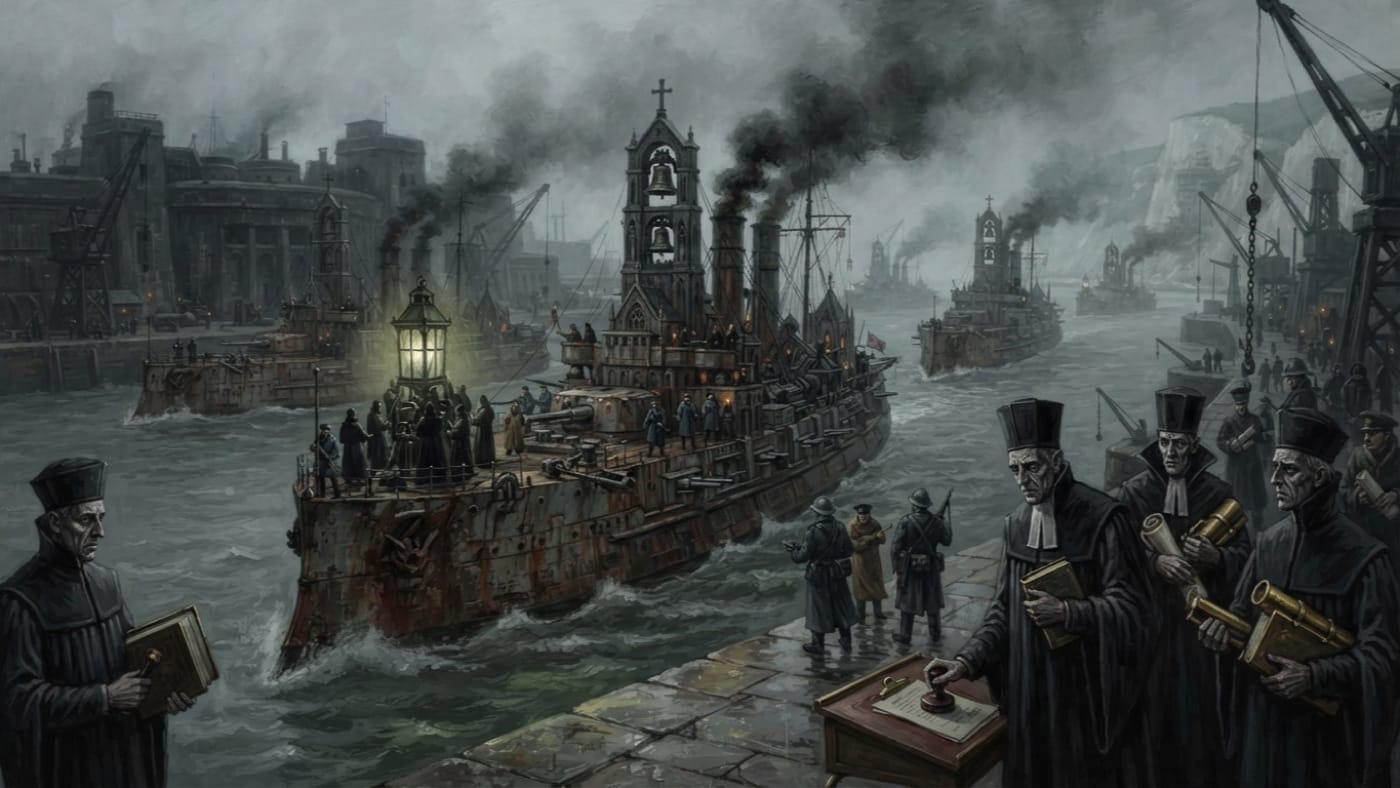
Non-Standard Observance, Diplomatically Accommodated
Every objection retained; every escort accepted
In A.S. 199 Doctrine reclassified the Lantern Way to accommodate the Crown whose ships guarded Synod grain. Every objection survived; so did the convoys.
Codex Ref. X.1.05-199
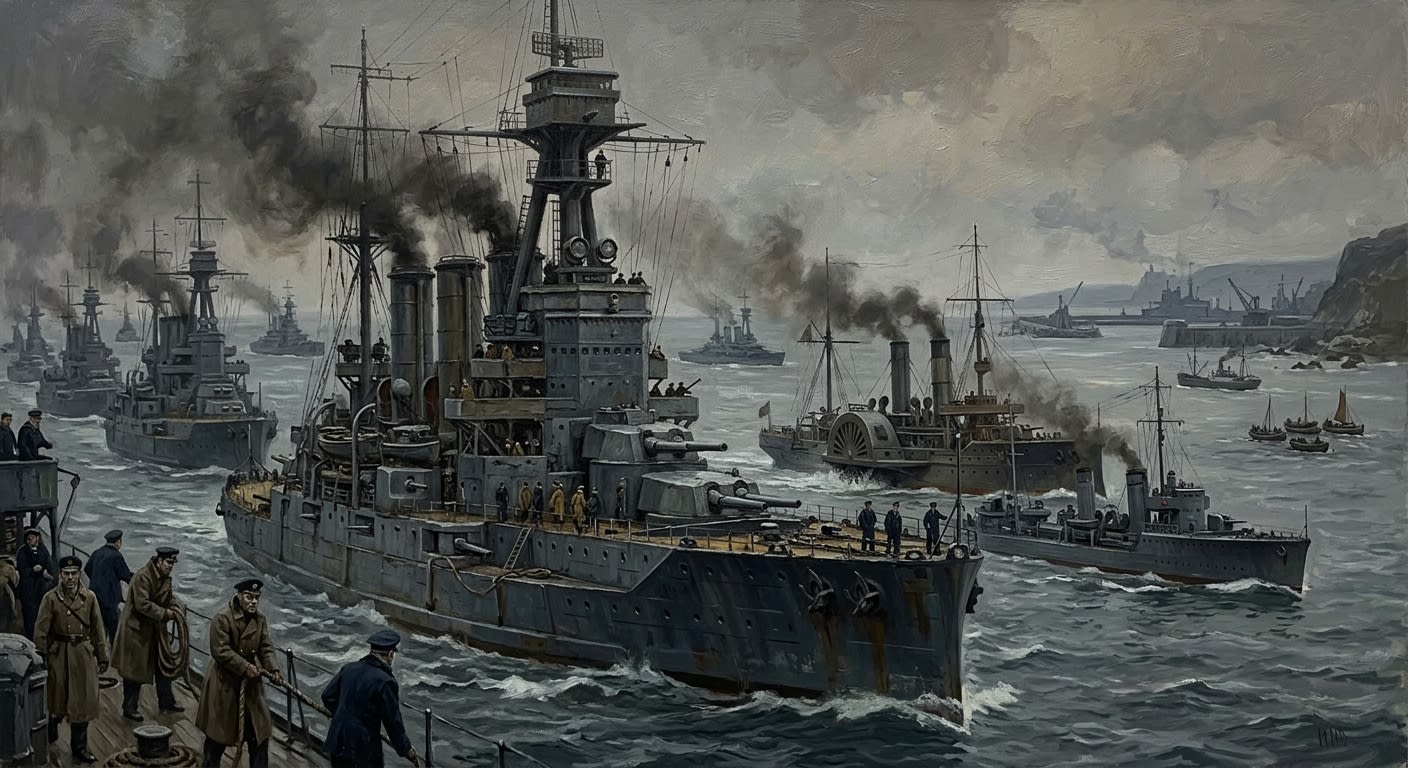
Royal Fleet
The island's parliament of hull, bell, chapel, and gun
Britain's Royal Fleet keeps the Channel, Gibraltar, grain, pilgrims, and Synod pride afloat; Strasbourg counts the hulls and calls dependence cooperation.
Codex Ref. X.1.05-001
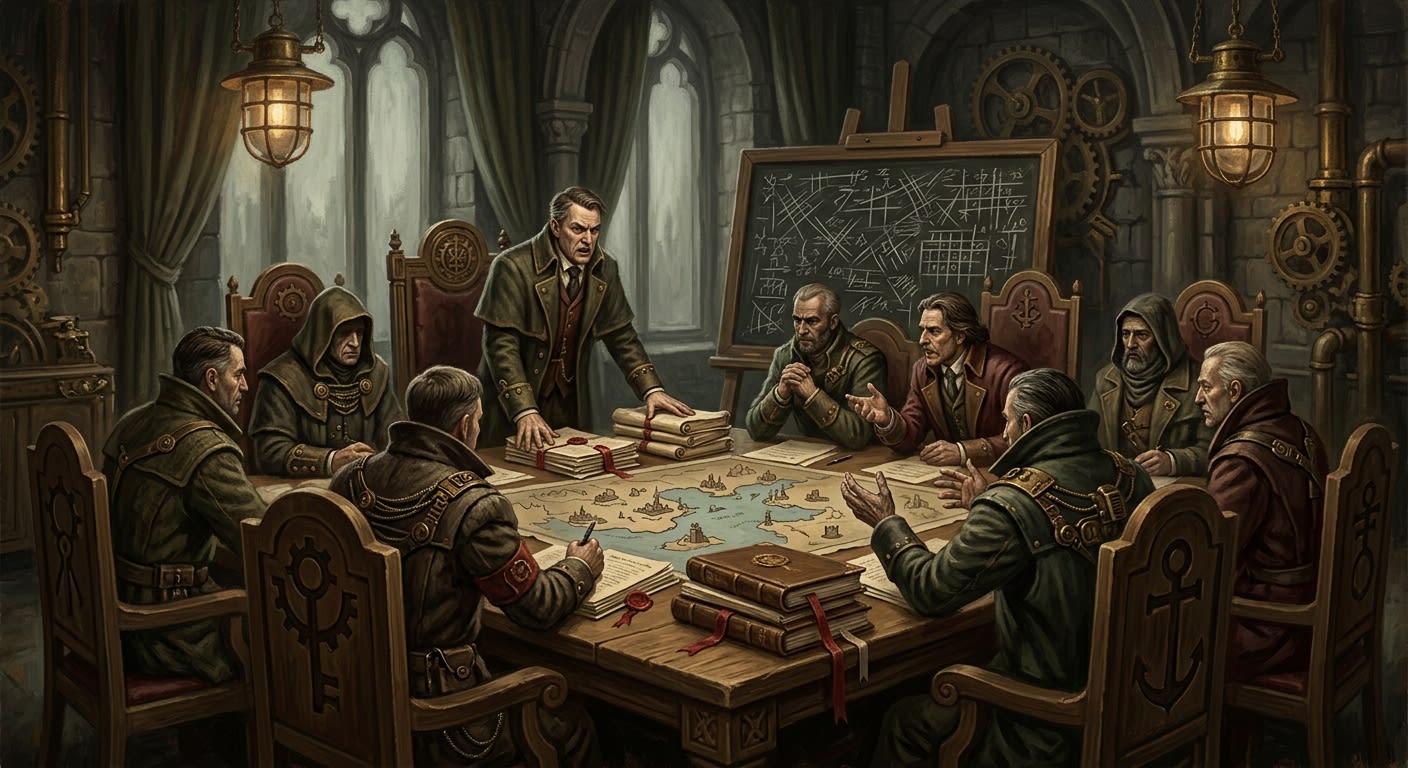
Table of Nine
The oak that refuses inspection and still moves ships
Britain's Table of Nine withholds its charters, argues before Aldric, commands ports and Wardens, and teaches Strasbourg the agony of useful illegibility.
Codex Ref. X.1.02-201
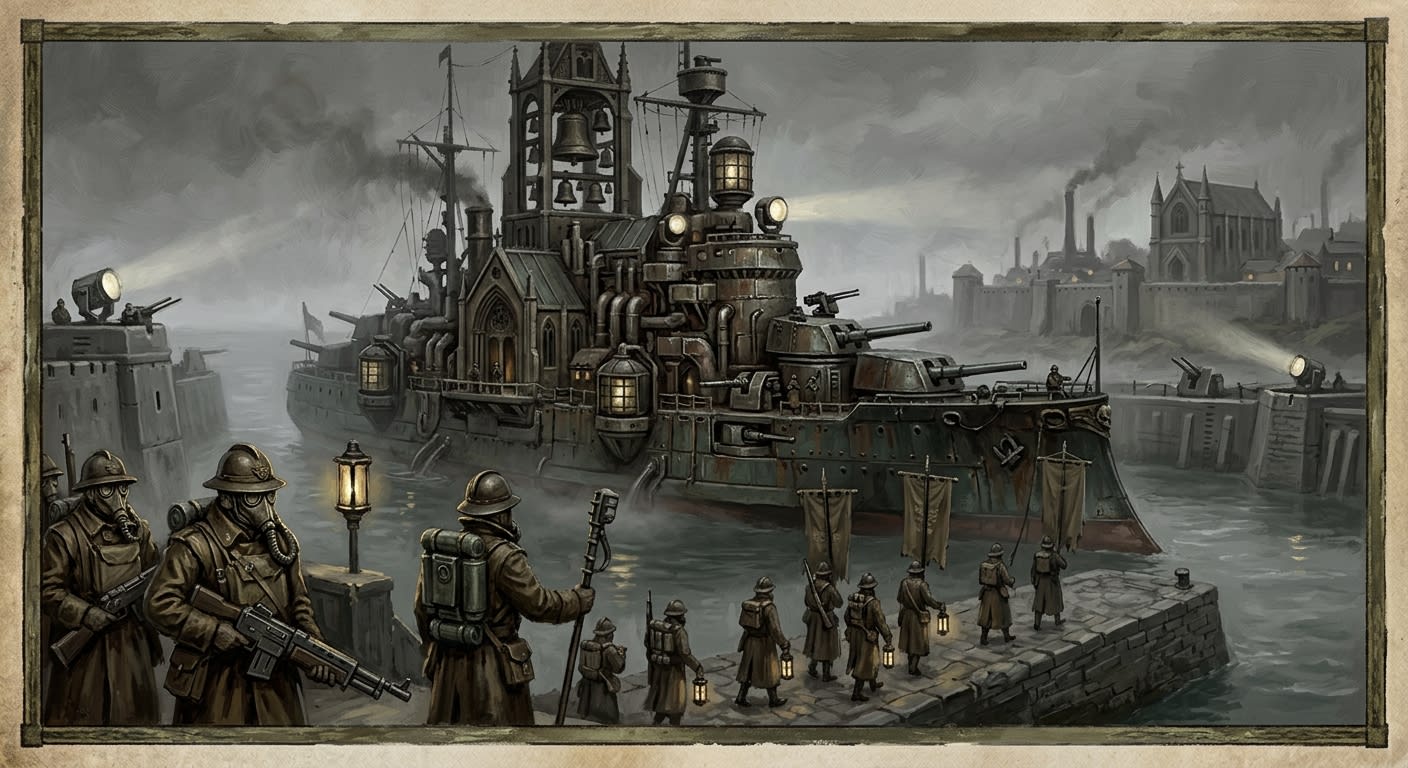
The Lantern Way
Britain's armed faith, ringing without permission and working without forms
Britain's Lantern Way is armed, parochial, naval, and intolerably effective: a faith of bells, Wardens, walling, chapel ships, and local vows.
Codex Ref. X.1.04-001
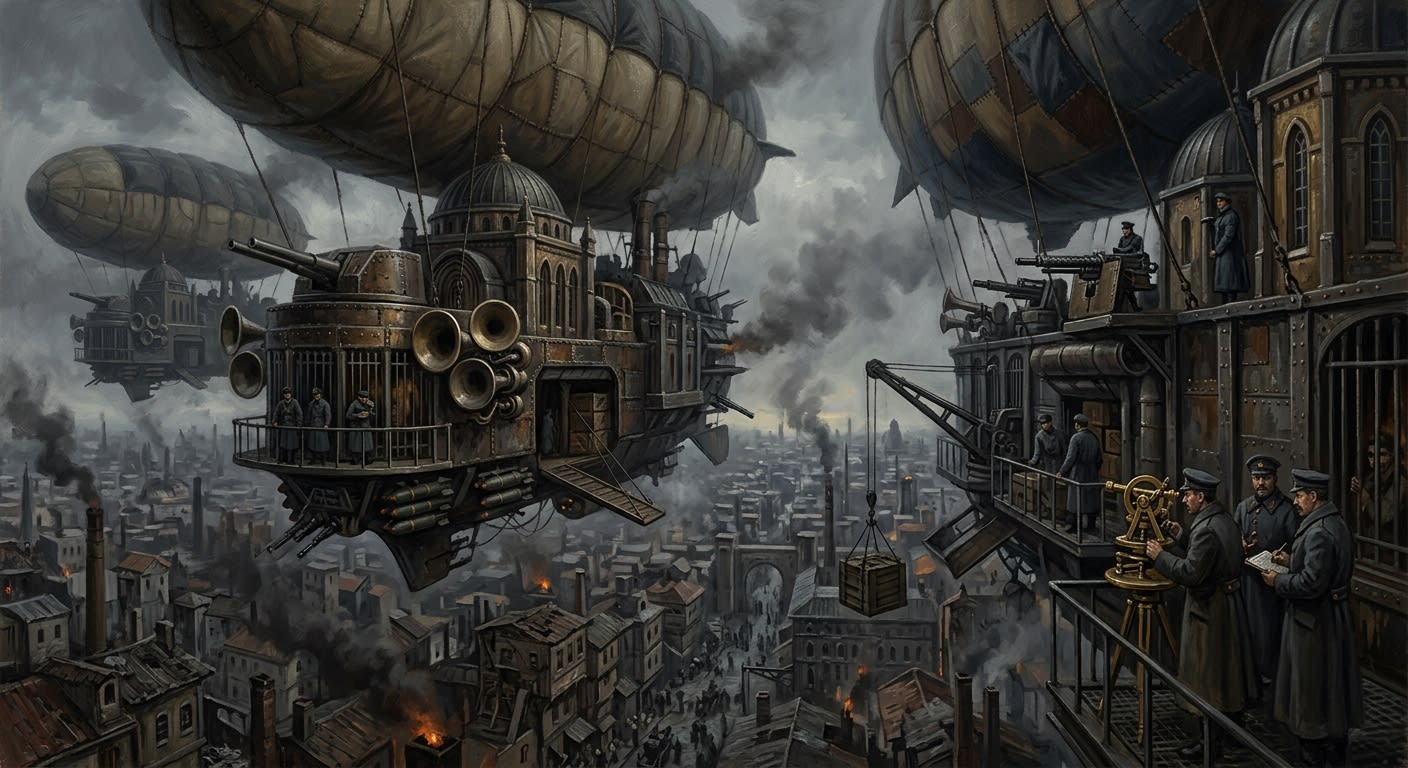
Vigil Arks
The sky hears because the Bureau bolted a chapel to it
Vigil Arks are armed reliquary-dirigibles: chapel, weapon, horn, census, and jurisdiction suspended above Constantinople by gas, relic permission, and fear.
Codex Ref. XIII.1.21-201