

Reverse Index
Referencing “The Council of Cologne”
Every codex entry that links to The Council of Cologne. 39 entries.
Return to The Council of Cologne
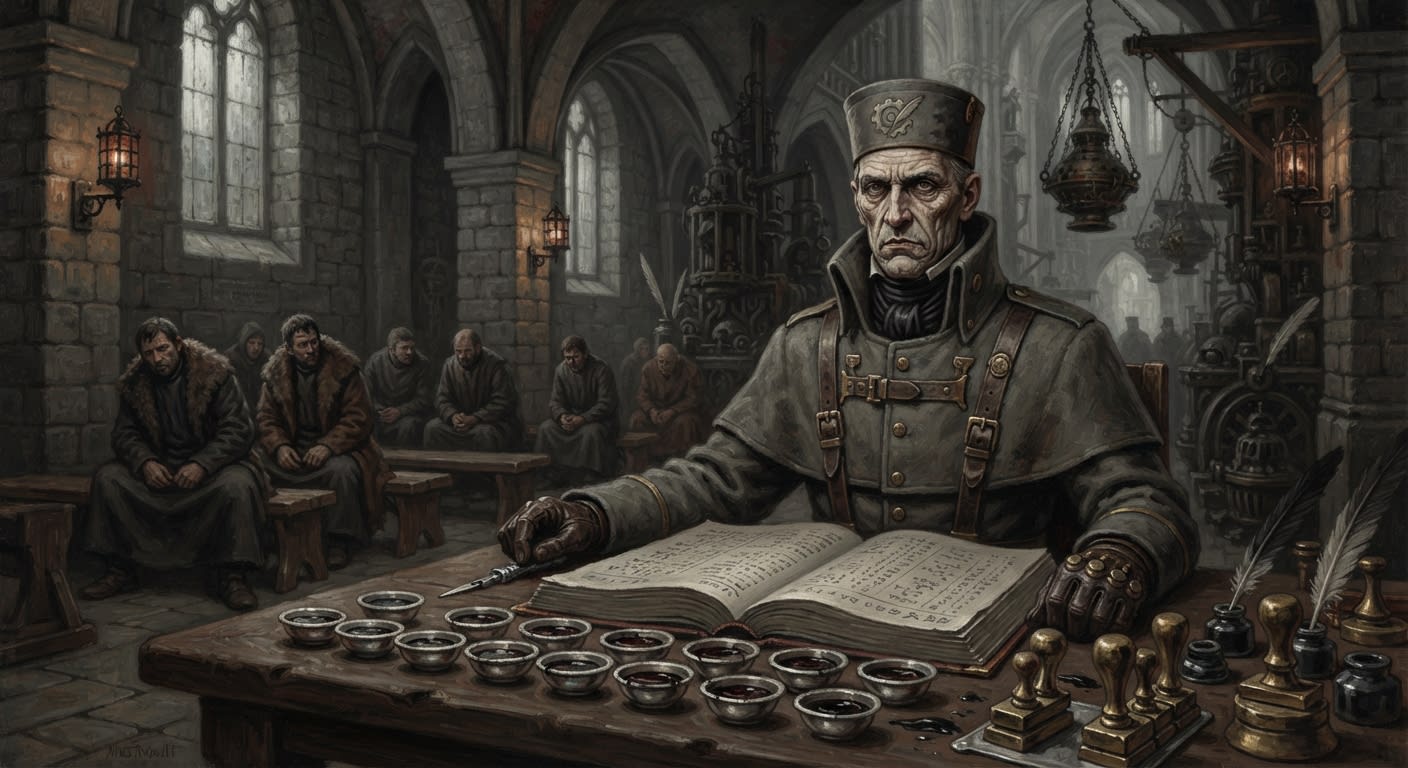
Archon-Mediator Havel of Tithes
The quiet voice that taught a thousand guilds arithmetic
The Bureau of Tithes officer active at Münster in A.S. 105, remembered for one sentence, one vanished district, and no biography worth preserving.
Codex Ref. III.2.01-105
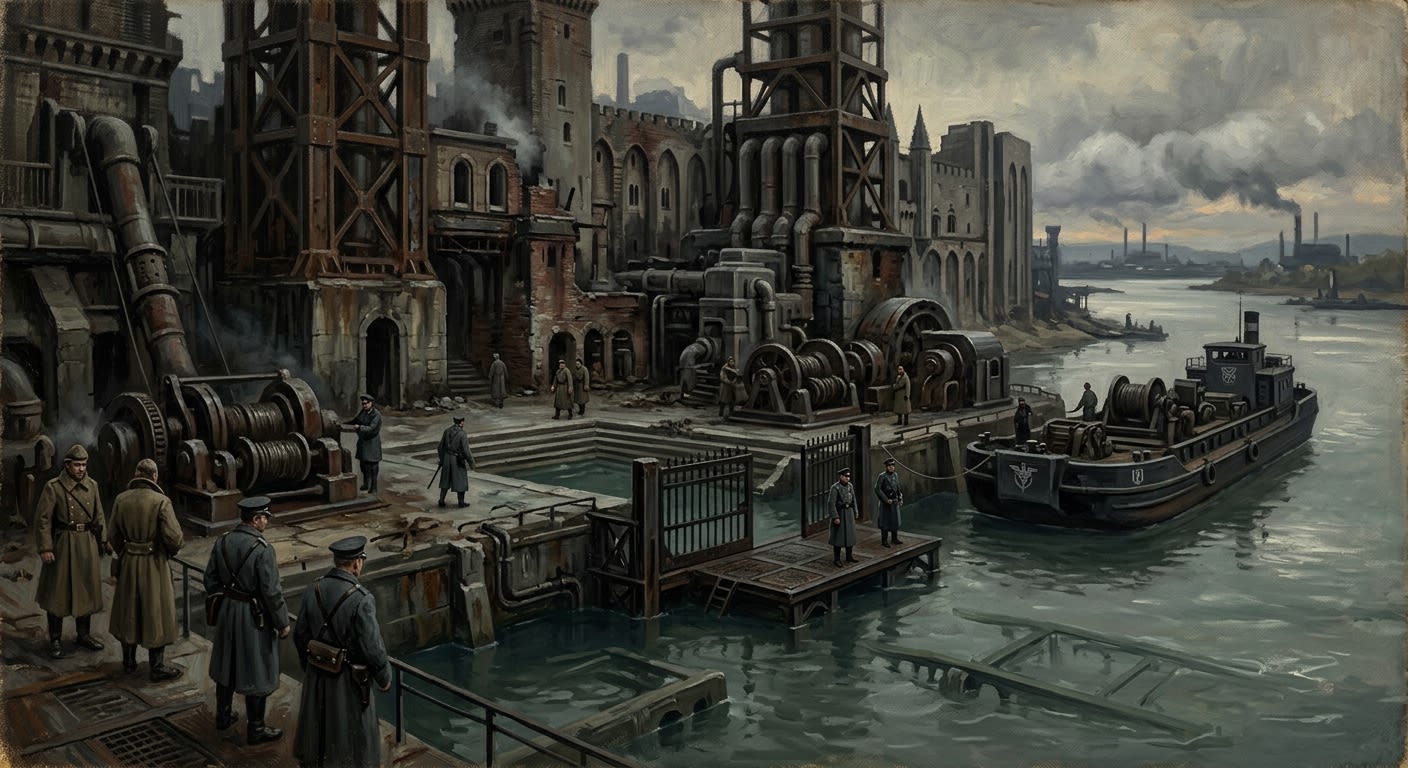
Avignon
A city corrected so thoroughly the river kept the receipt
Penitential ruins on the Rhône, where the Pontifex Submersis was crowned beneath water in A.S. 111, Avignon was razed into correction, and A.S. 145 burned the calendars into agreement.
Codex Ref. II.1.08-111
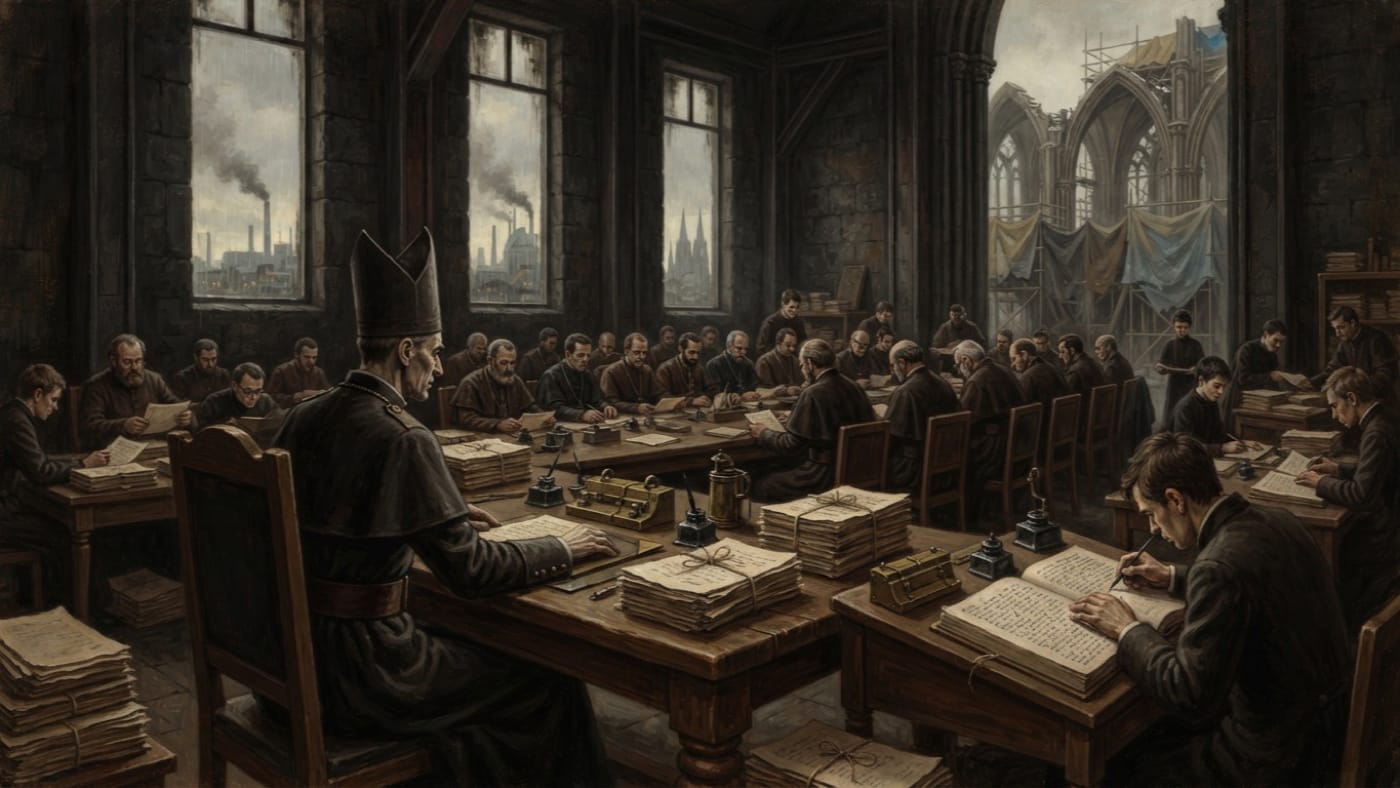
Bishop Adelmar of Cologne
Nine days entered; a lifetime left blank
Bishop Adelmar hosted the nine-day First Council of Cologne in September A.S. 27. Seven articles failed; voluntary requests survived. His life dates remain outside the Ledger.
Codex Ref. III.2.01-253
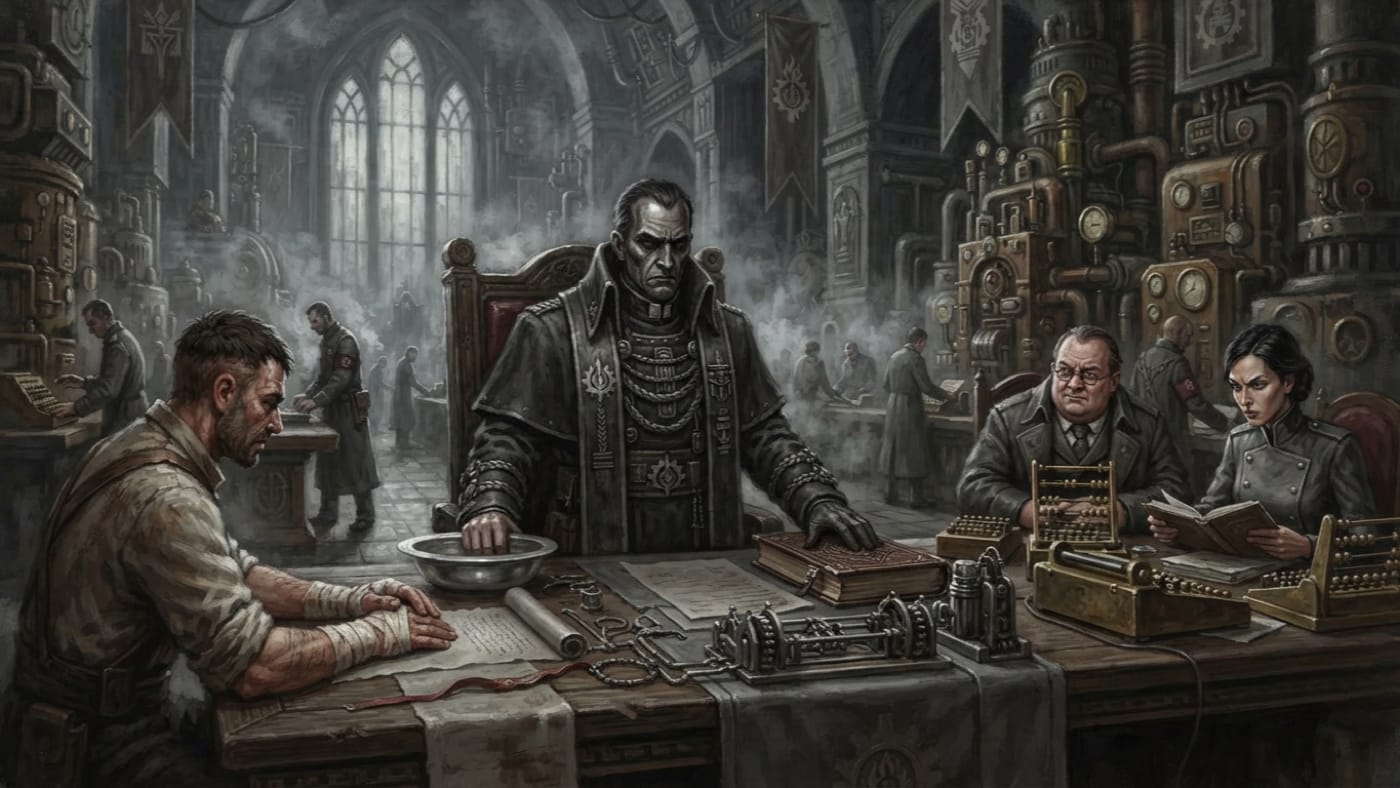
Canon-Praelate Odmar Voss of Doctrine
The chair did the binding; the man left four facts
Doctrine's presiding delegate at the A.S. 105 Münster guild compact. The archive preserves his office and seat; the obligations require no fuller biography.
Codex Ref. III.2.01-106
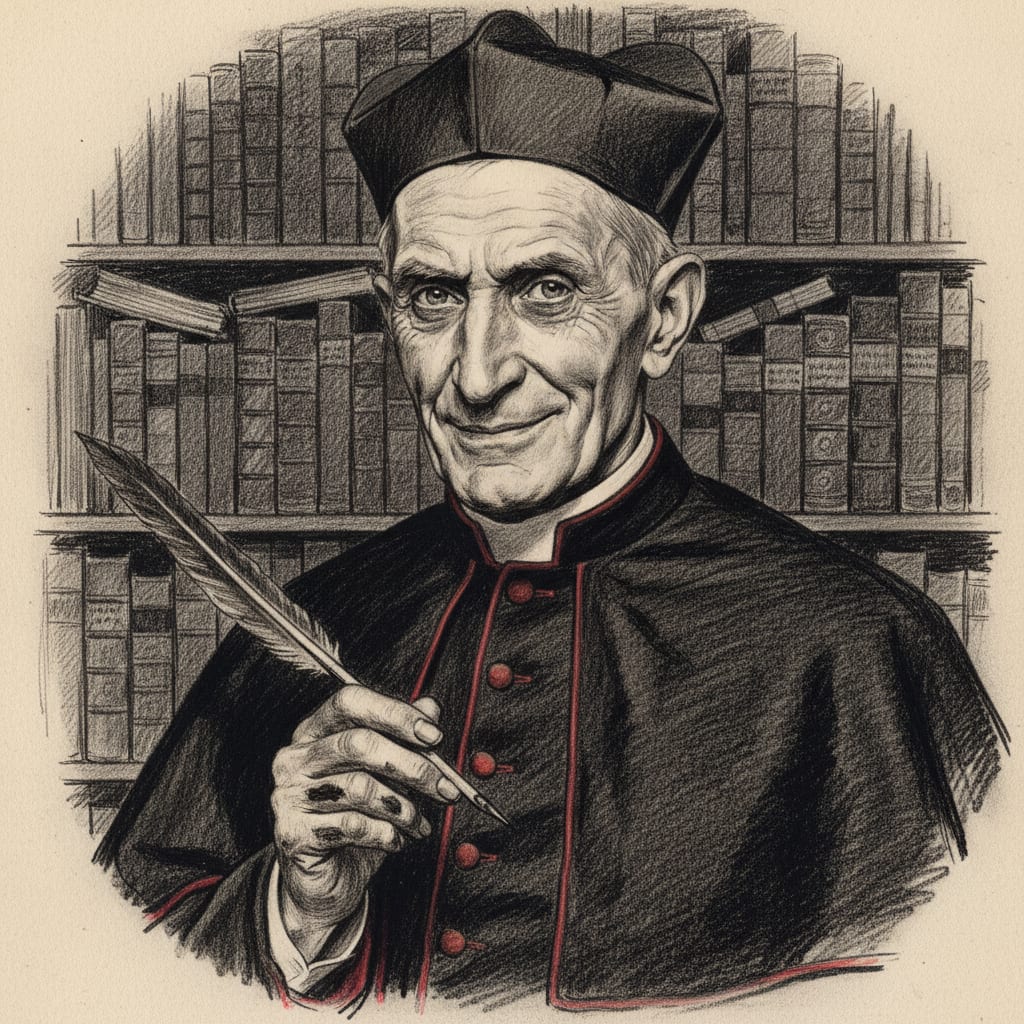
Cardinal Hieronymus Kratz
The Quill of Strasbourg
Cardinal Hieronymus Kratz, the Quill of Strasbourg, who proved that forgery widely believed is not forgery at all but revelation. Where Augustinus inspired, Kratz wrote — and what he wrote, the world obeyed.
Codex Ref. II.1.03-008
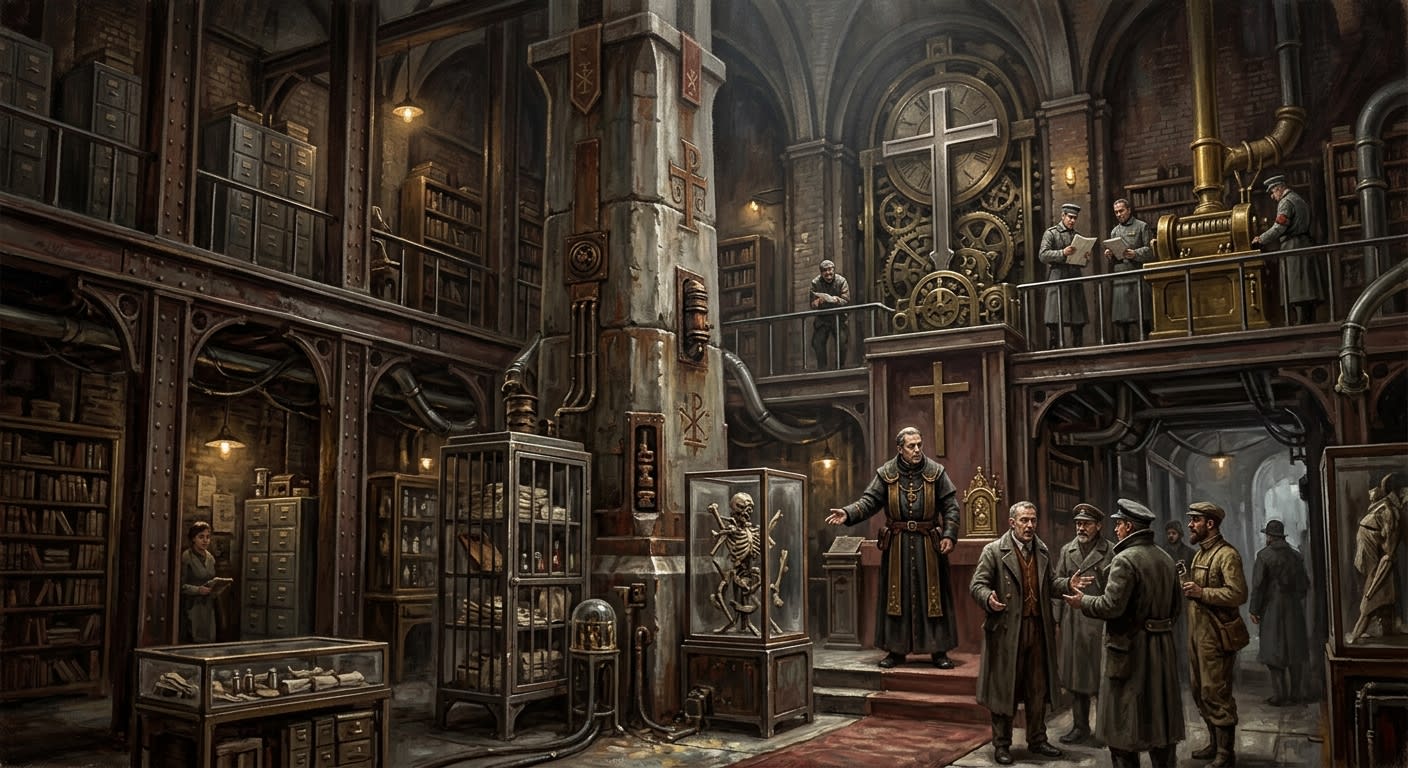
Cathedral of the Holy Column
The church that made obedience stand upright
Cologne's vertical archive: conciliar nave, Holy Column, relic galleries, Odo's sentence, and seventeen femurs arguing successfully with anatomy.
Codex Ref. II.2.01-005
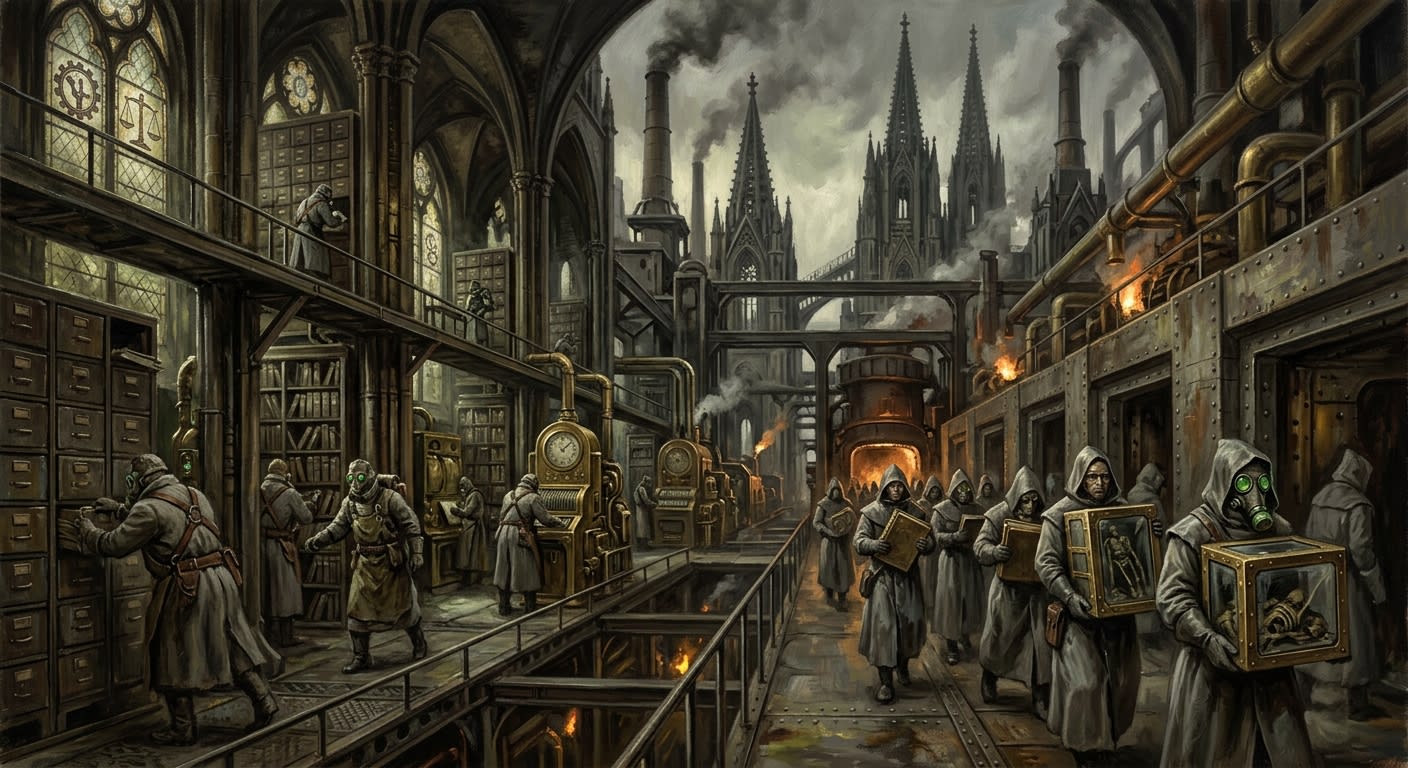
Cologne
The city where obedience borrowed a room and never repaid it
Cologne is the Rhine's holy account-book: cathedral, archive-bank, minting throat, relic cupboard, and the city where Synodic obedience learned to sign.
Codex Ref. II.2.01-004
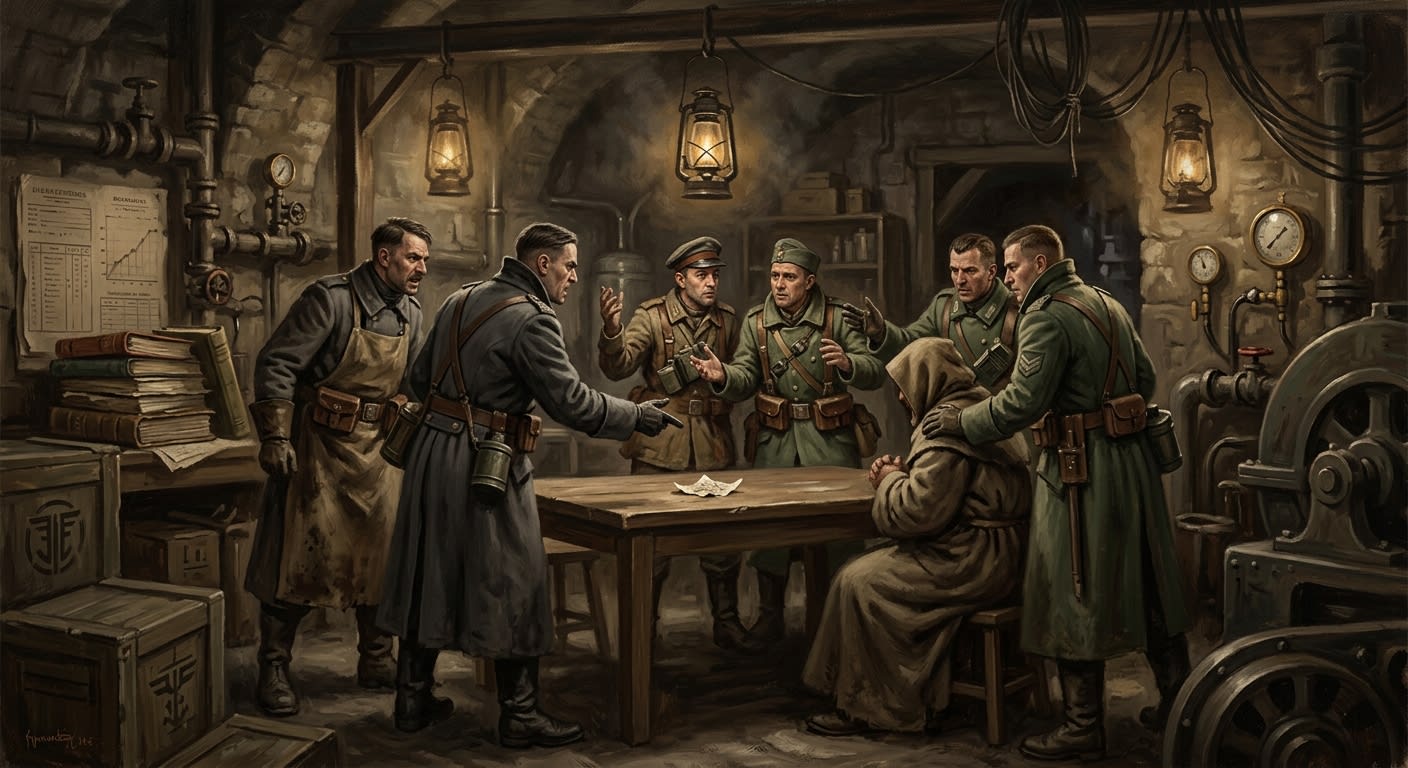
Cologne Schism of A.S. 178
Three lanterns, one cellar, and the mercy that learned to testify
The A.S. 178 Cologne Schism split three Lantern Brotherhood watch circles over Mercy Preacher shielding, producing Purists, Loyalists.
Codex Ref. VII.8.09-001
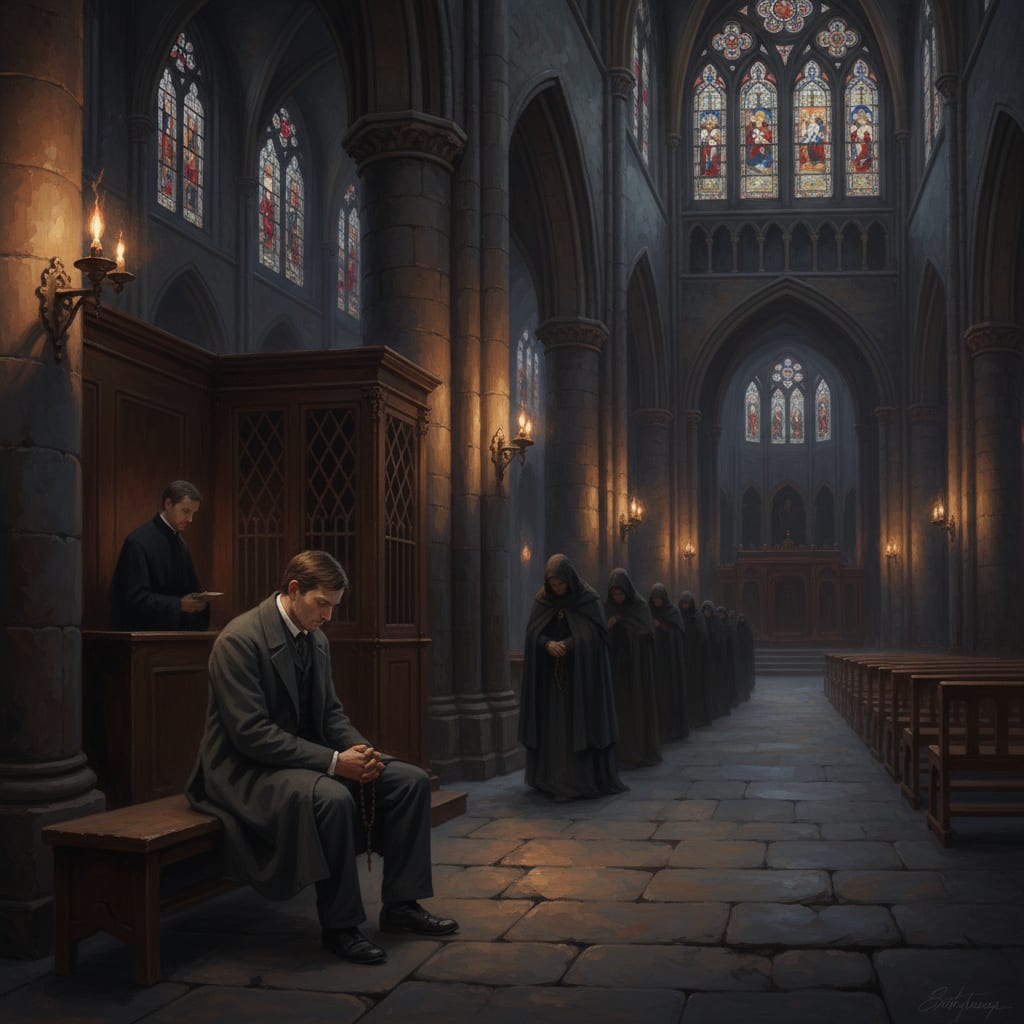
Confessarii
Two hundred and eighty-six reports filed; three blank pages received; the system functions as intended
The Confessarii are the Bureau of Shadows' listening network, which does not exist because the Bureau does not exist. They attend. They absorb. They file. The courier departs. Nothing is acknowledged. The system functions as designed.
Codex Ref. XIII.1.06-001

Crimson Vault
The Rule in Ink, the Intention in the Margin
A.S. 201 survey of the Bureau of Records' Crimson Vault, where the Council of Worms account places Kratz's handwritten Protocol. The rain-spotted pages preserve advice the clean clauses do not; the Vault's physical location remains unestablished.
Codex Ref. III.2.07-032
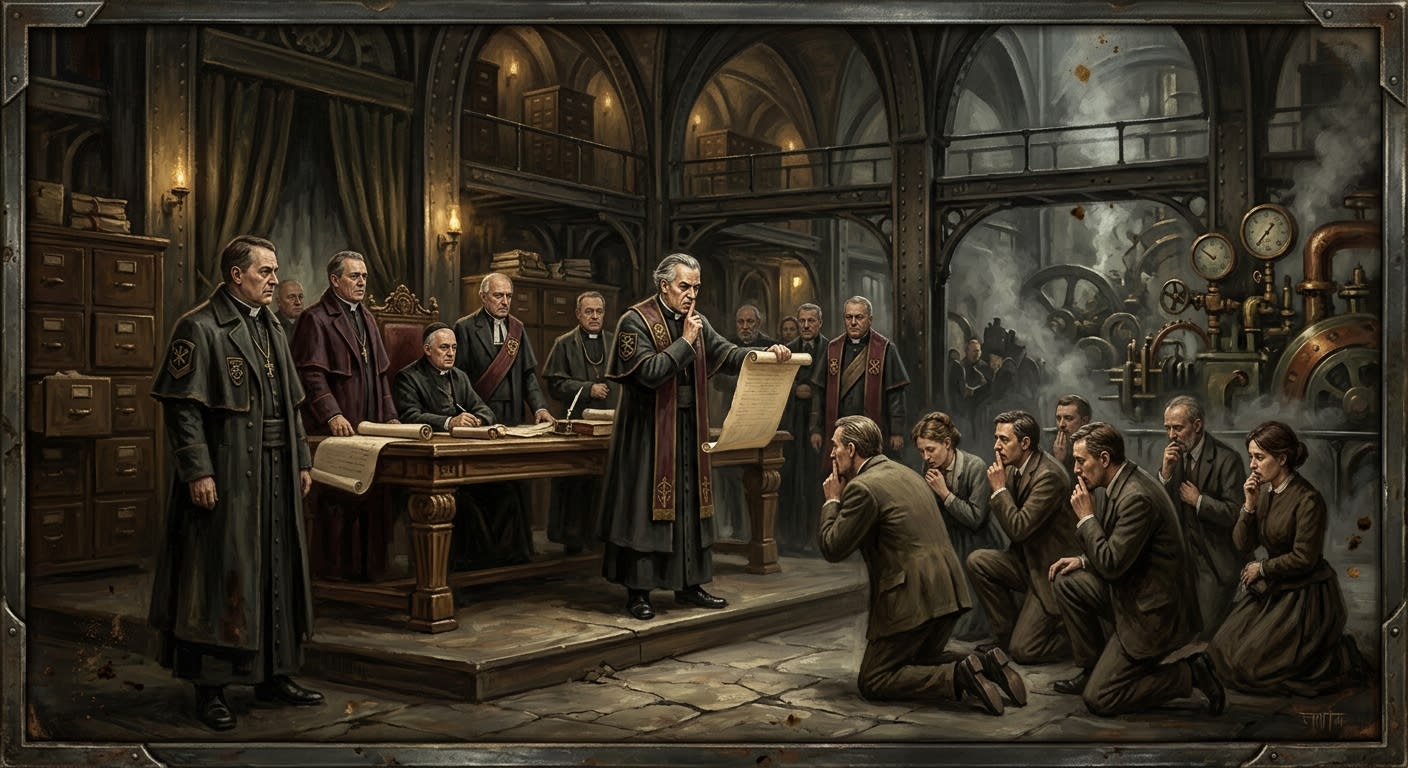
Edict of Cologne
Consent is expensive; retroactive obedience is cheaper
The Edict of Cologne bound dioceses to Strasbourg by discovering their obedience had already happened, then teaching silence to sign.
Codex Ref. XIII.1.90-100
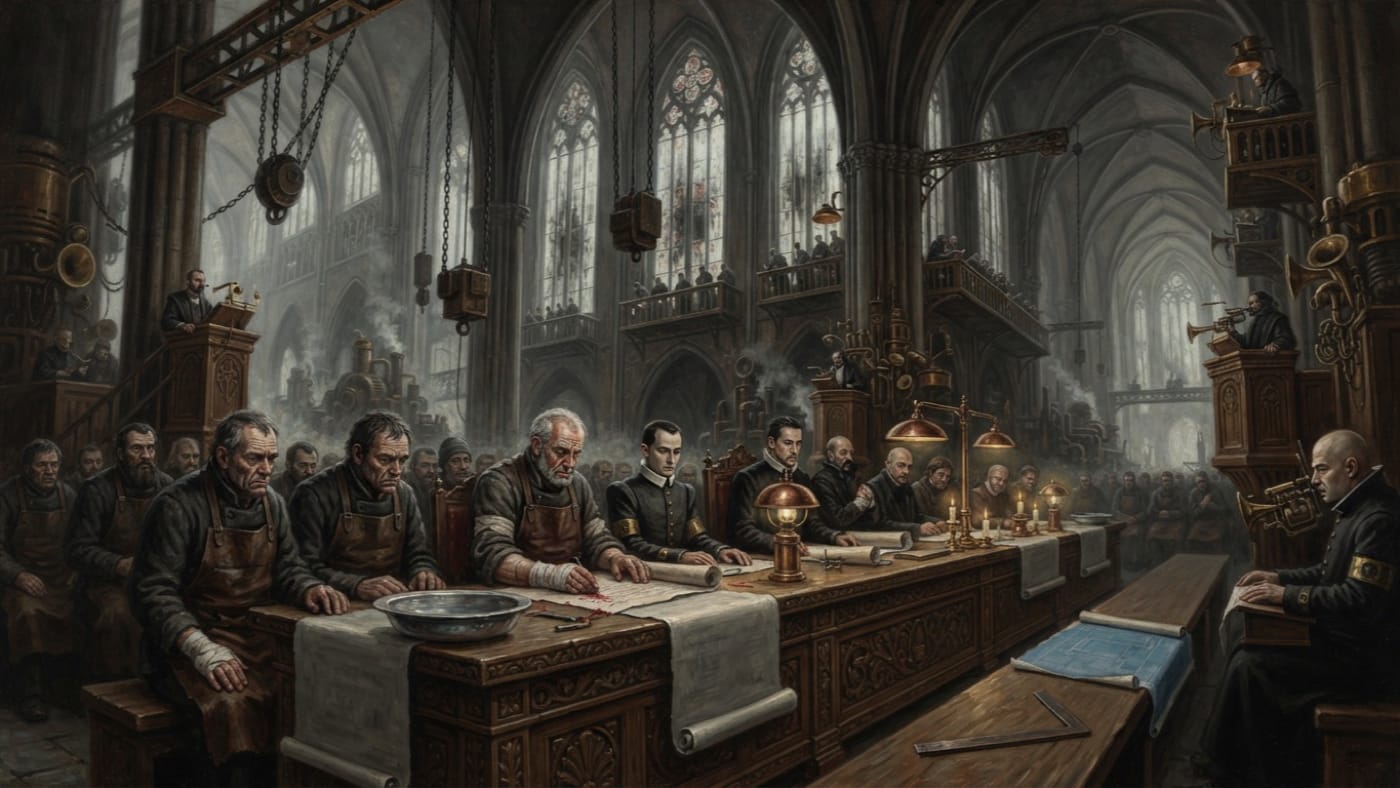
Glasswrights of Bruges
They disputed the duty on windows and went home owing their grandchildren
The Bruges glasswrights carried a twelve-year window-tariff quarrel to Münster in A.S. 105. The blood-compact bound their craft and descendants; the signing hand remains unidentified.
Codex Ref. XII.30.03-105
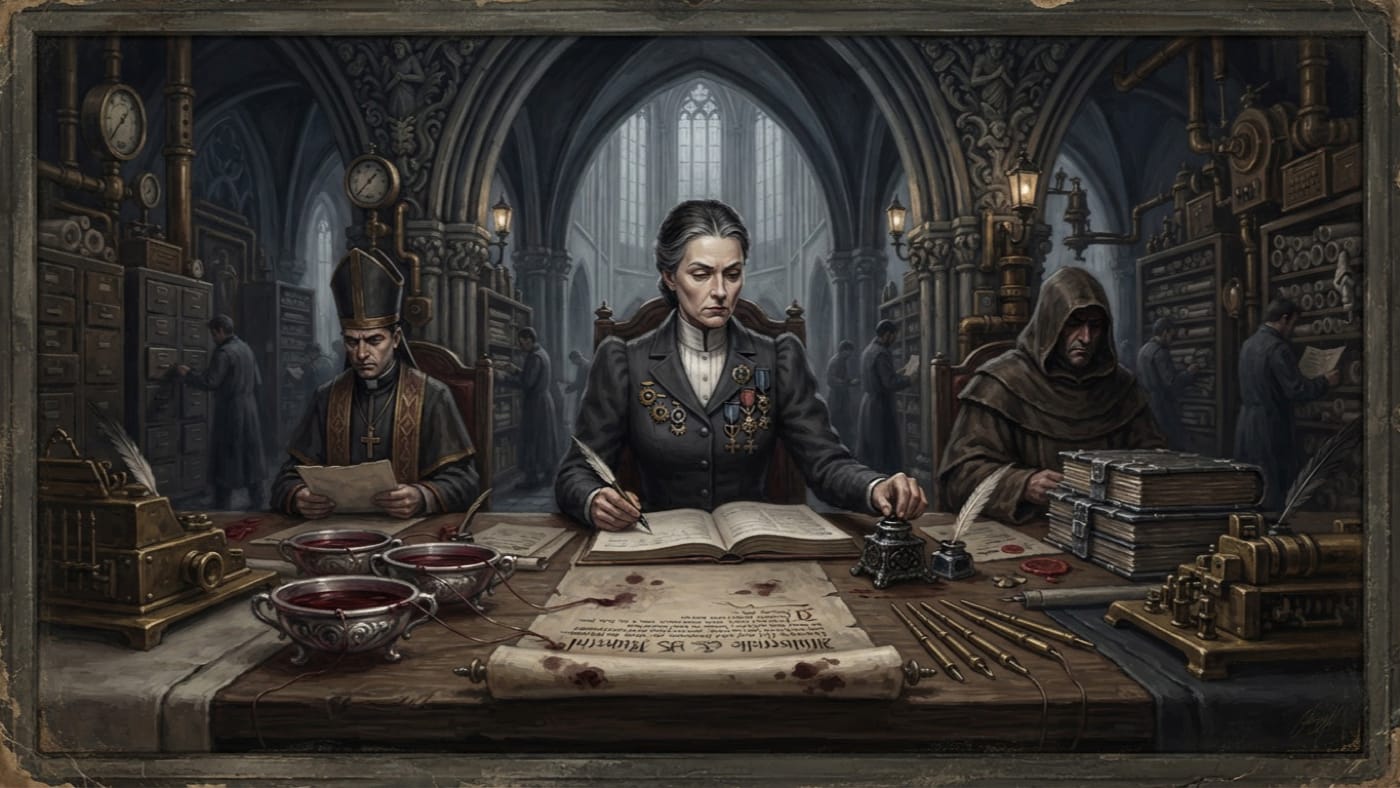
Guild-Commissioner Elsbeth Renn
The woman left a title; the Bureau kept a surcharge
Elsbeth Renn presided at the A.S. 105 Münster guild compact. The Bureau of Tithes named a surcharge after her while she lived; the archive offers no fuller biography.
Codex Ref. III.2.01-107
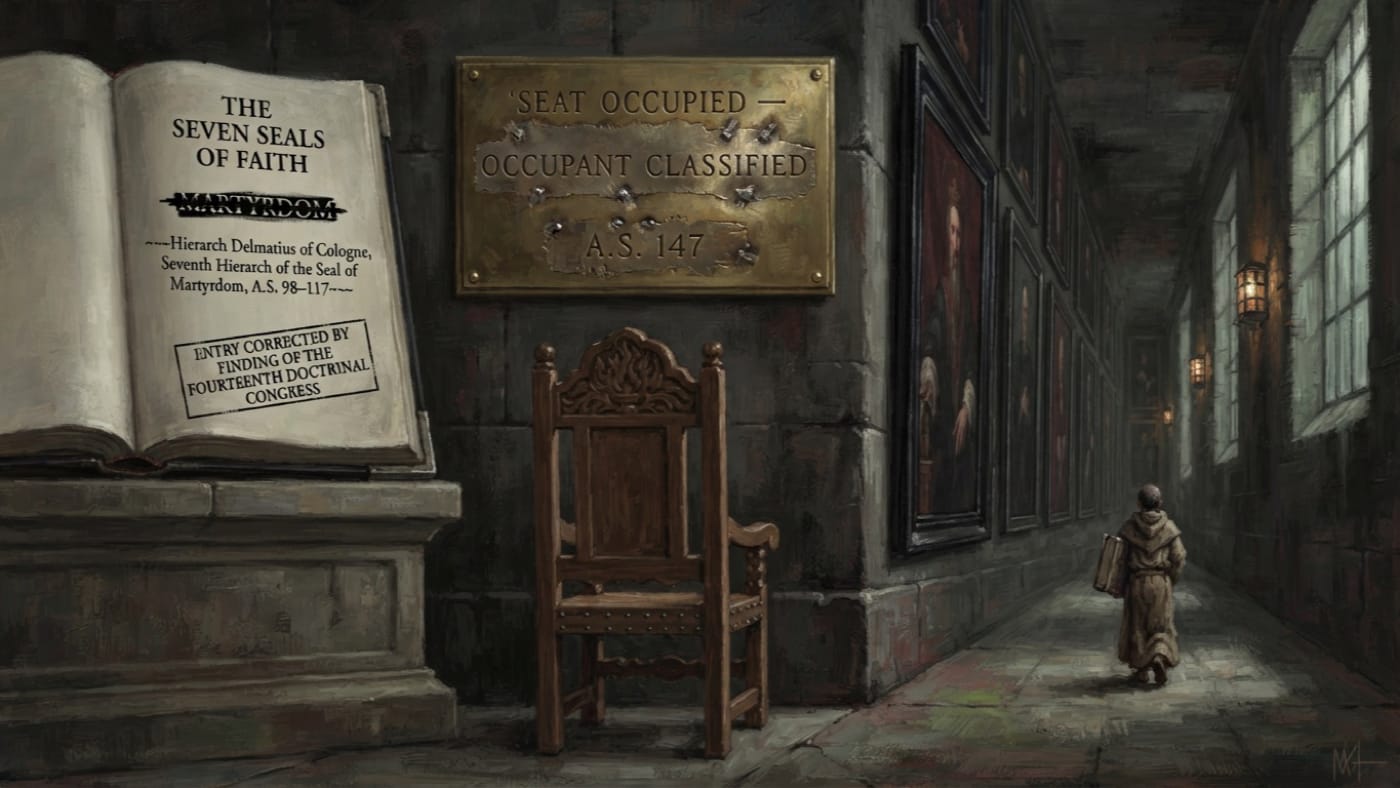
Hierarch Delmatius of Cologne
The Synod Condemned the Hierarch and Kept the Chair
Delmatius was condemned in A.S. 147 for canonisation proceedings based on a dead man's testimony. The Synod withdrew his name, turned his portrait, and kept the chair.
Codex Ref. III.2.01-147
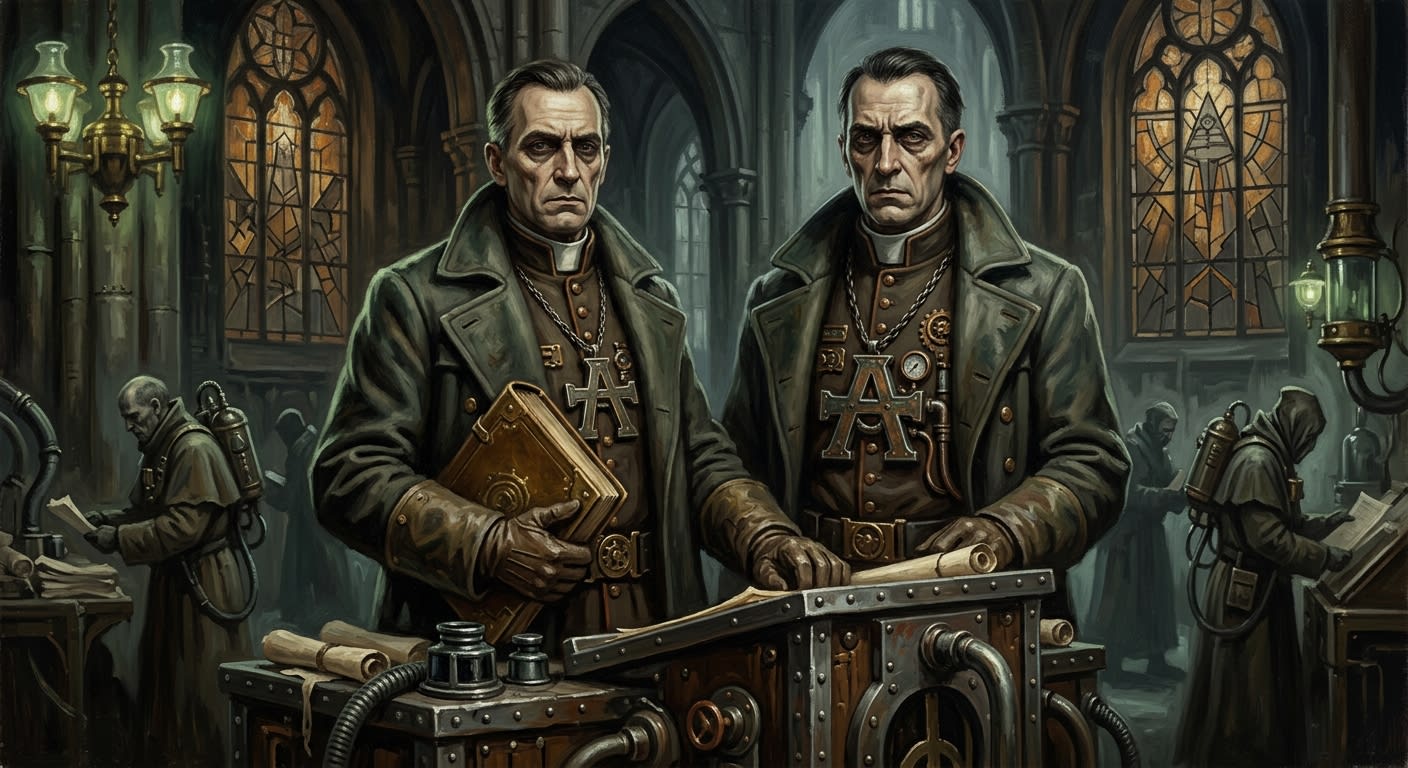
Hierarch Odo of Trier
The man who taught Strasbourg's stones to obey
Hierarch Odo of Trier entered the Inner Circle after Mainz and became quotation at Cologne, where one sentence taught bishops, walls, and petitions how silence obeys.
Codex Ref. III.2.01-044
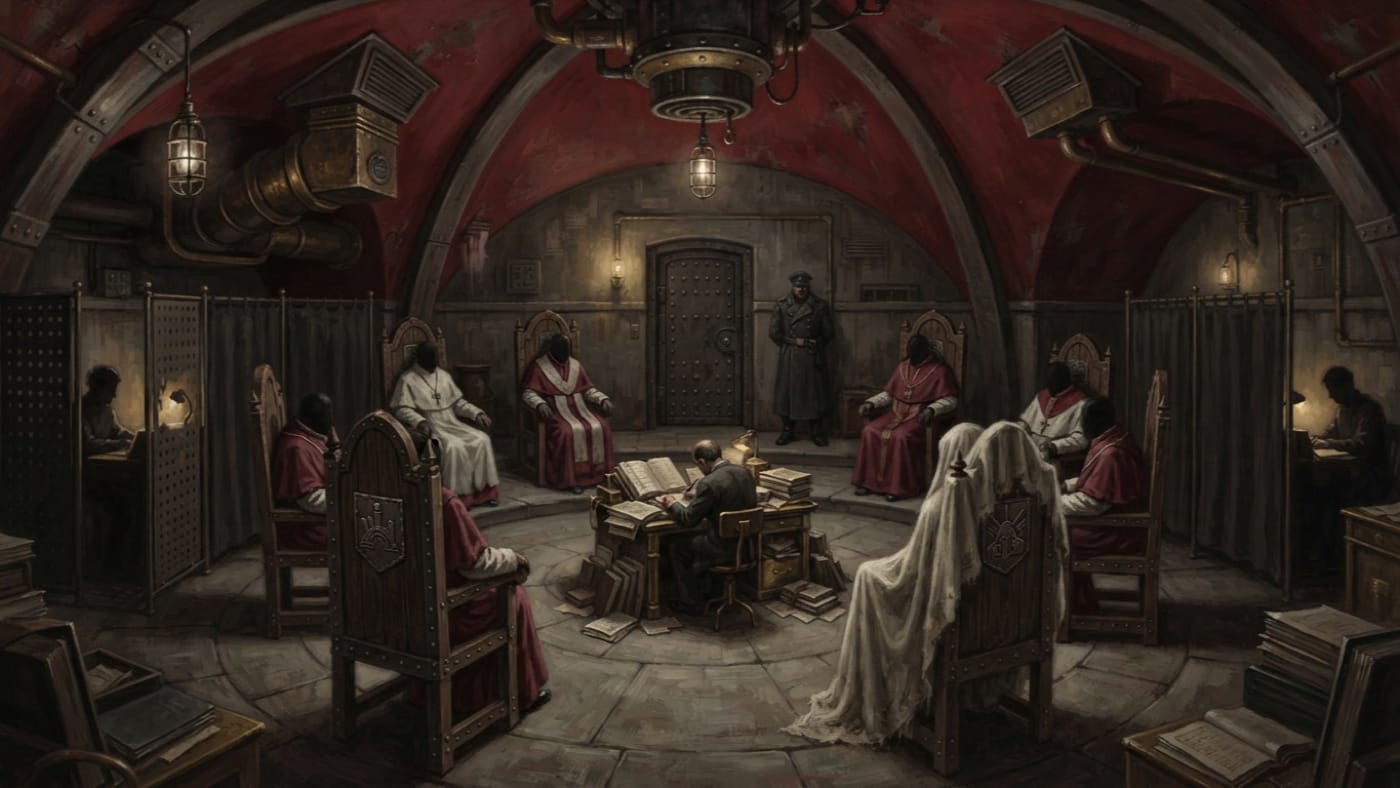
Inner Circle of Strasbourg
Six Chairs Answer. Seven Seals Decree.
Seven chairs, six occupants, no table. From the Basilica's highest floor, the Synod decrees through corrected minutes, seven stamps, and War's vote counted by faith.
Codex Ref. III.2.04-1452

Ledger of Obligatory Production
One opened thumb, and generations entered the account
The A.S. 105 register of hereditary craft obligation: nine hundred and ninety-nine guilds surrendered labour, households, tools and future inventions. A tax roll records what a man owes; this Ledger records what he is for.
Codex Ref. XIII.1.17-002
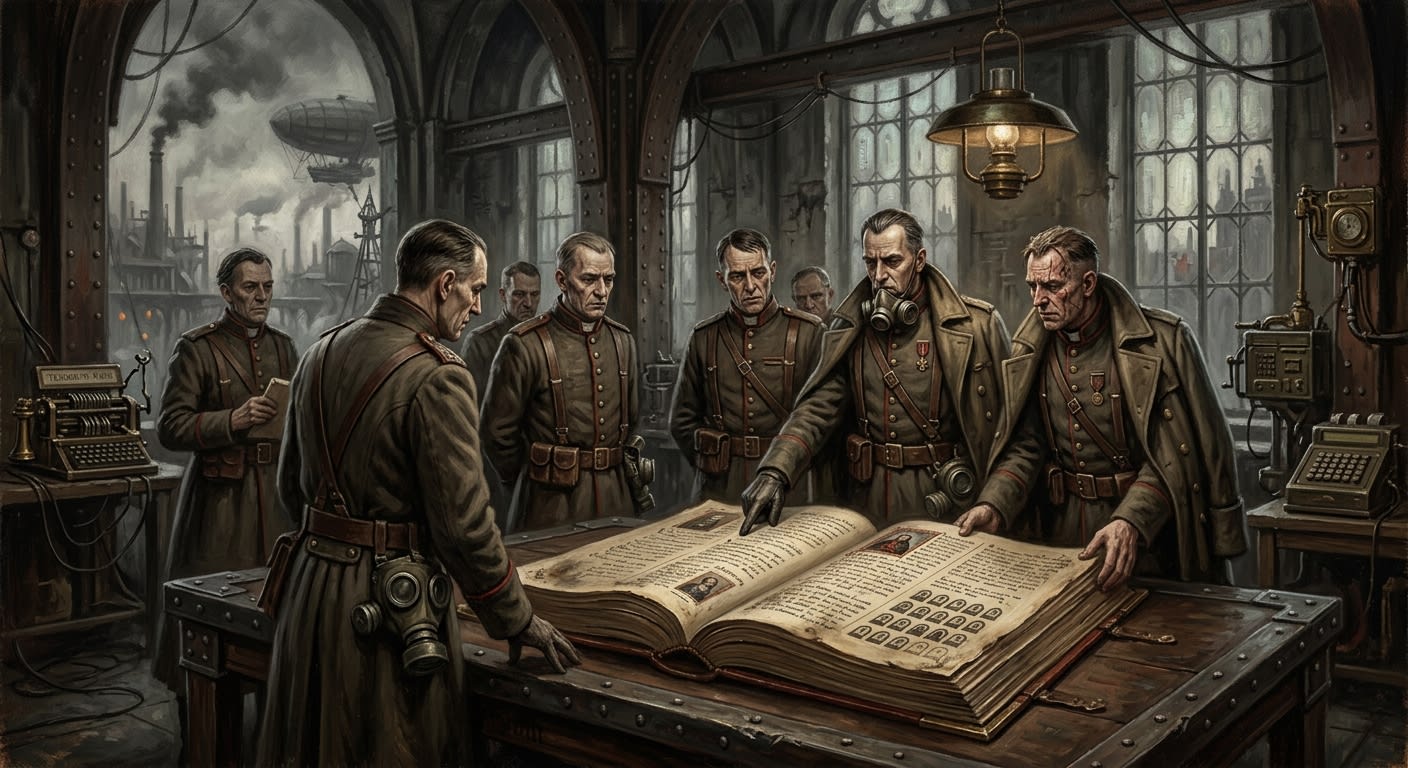
Martyrology of Saint-Malo
Thirty-one names, forty-three seconds, and a civilization built from first blood
The Martyrology of Saint-Malo counts thirty-one dead, five absences, and every obedience the Synod has purchased with their blood.
Codex Ref. VII.8.02-001
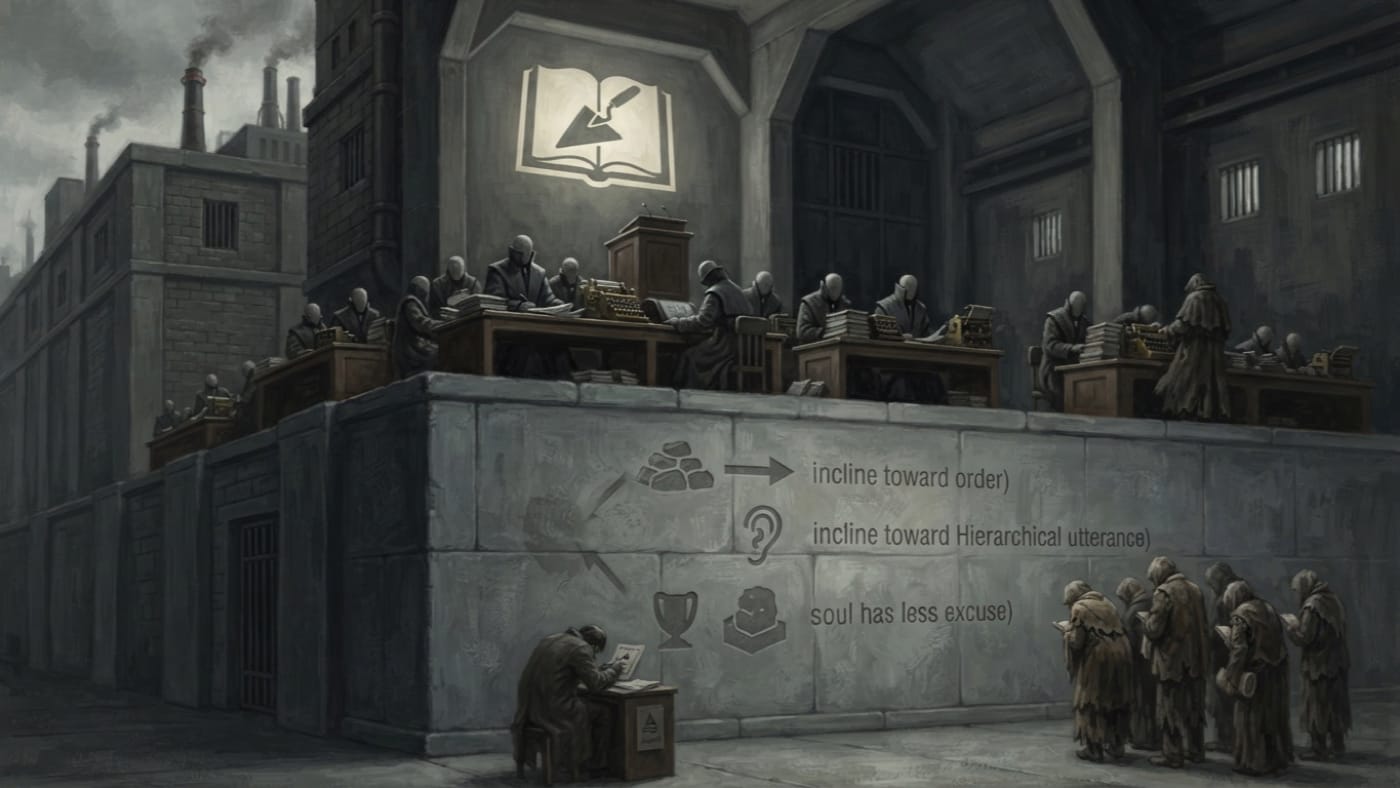
Masonry Commentary
Why a soul has fewer excuses than a stone
Issued in A.S. 103, the Masonry Commentary gives Odo's listening stones a theology: silence becomes assent, and a soul has fewer excuses than granite.
Codex Ref. XIII.1.03-103
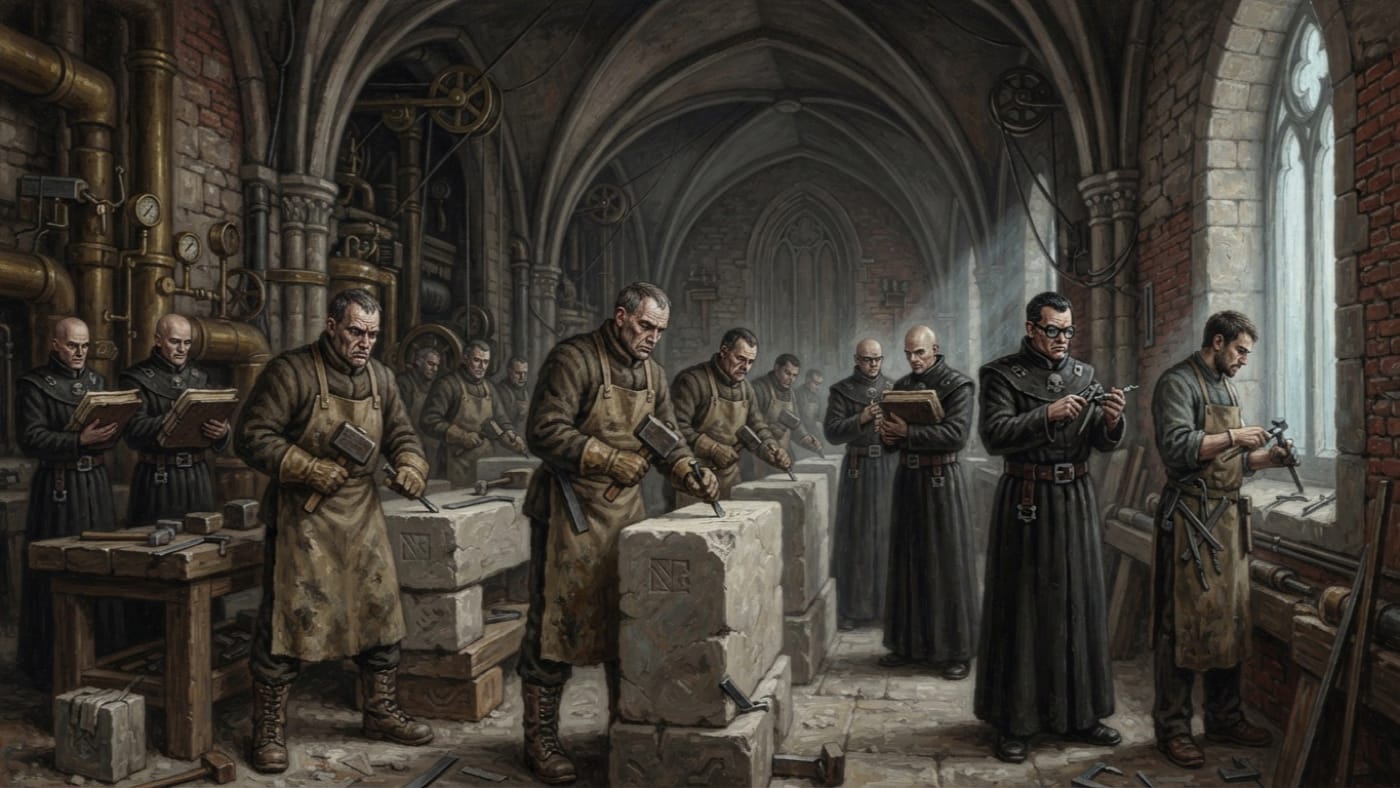
Masons of Cologne
They kept their chisels and inherited the bill
Cologne's masonry guild, bound by the A.S. 105 Münster blood-compact to hereditary service. The Synod acquired its rolls, methods and descendants; the quarrel with Bruges survived.
Codex Ref. XII.30.04-105
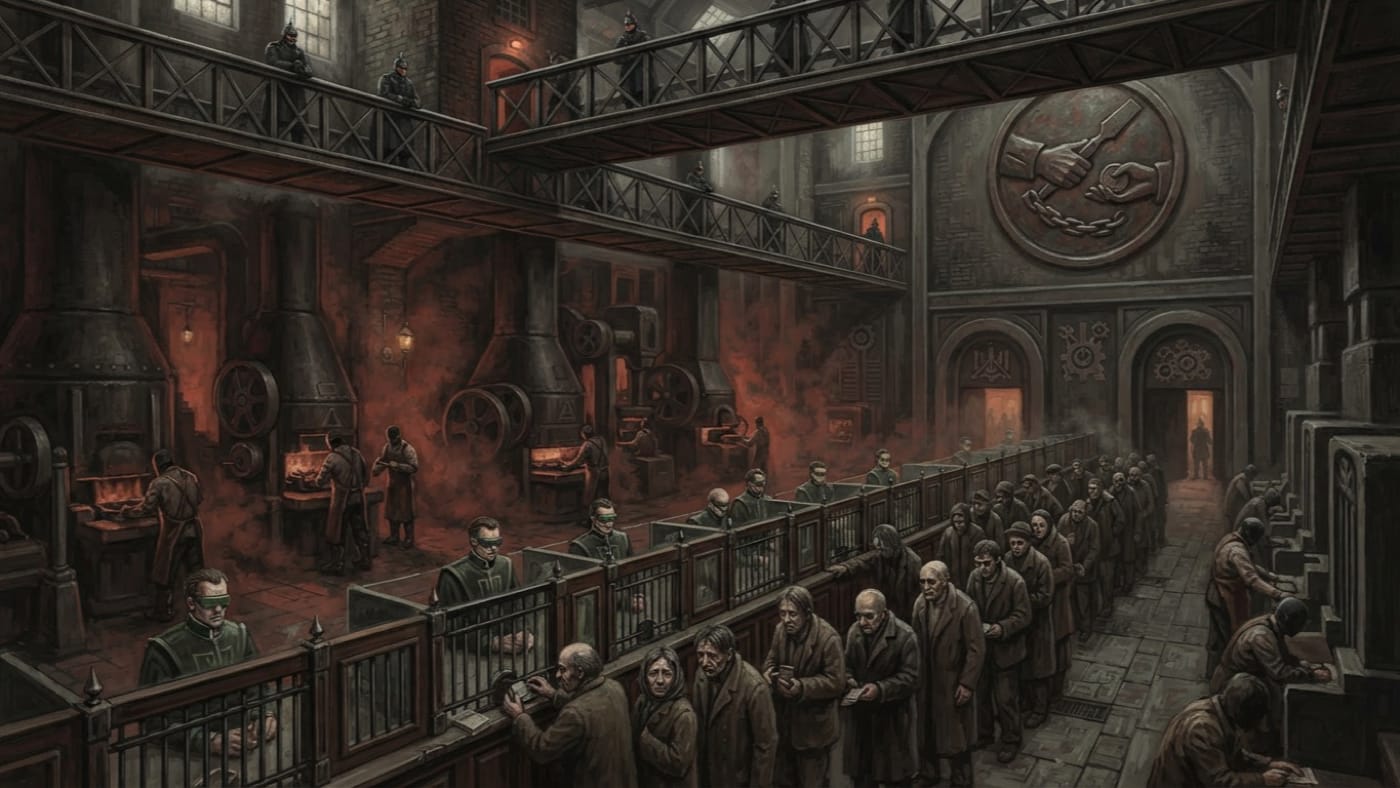
Mint-Chapter Compact
One hand cuts the face; the other decides whether it may buy bread
The A.S. 94 bargain binding Crownwright craft to Mint-Chapter authority. At the A.S. 201 assessment, its two hands still strike coin, collect fees, and decide whose face may buy bread.
Codex Ref. XI.7.01-002
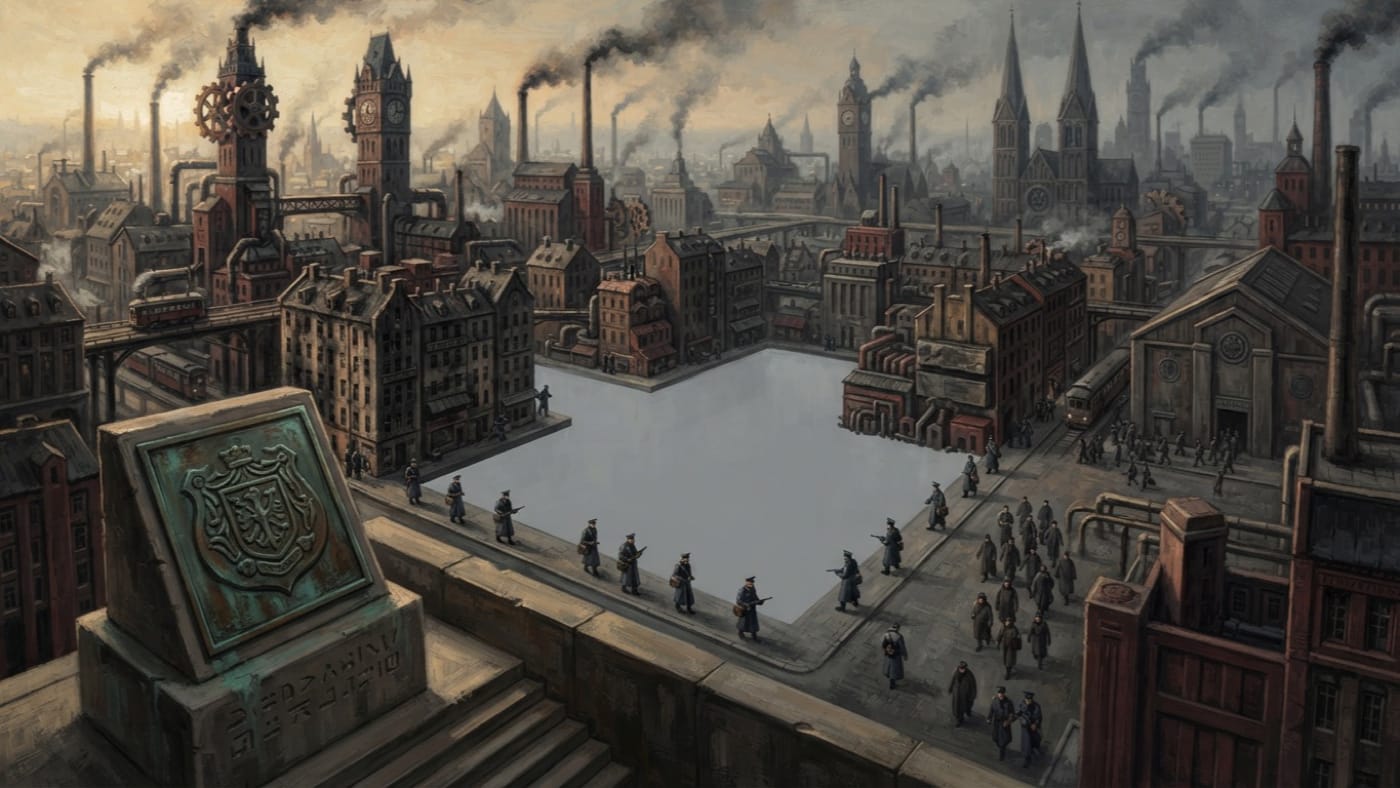
Münster
One Compact, One Refusal, One Blank
Münster is remembered for its A.S. 105 guild compact and the reported erasure of a district. The register supplies 999 signatures; I cannot supply the missing names.
Codex Ref. III.2.04-1897
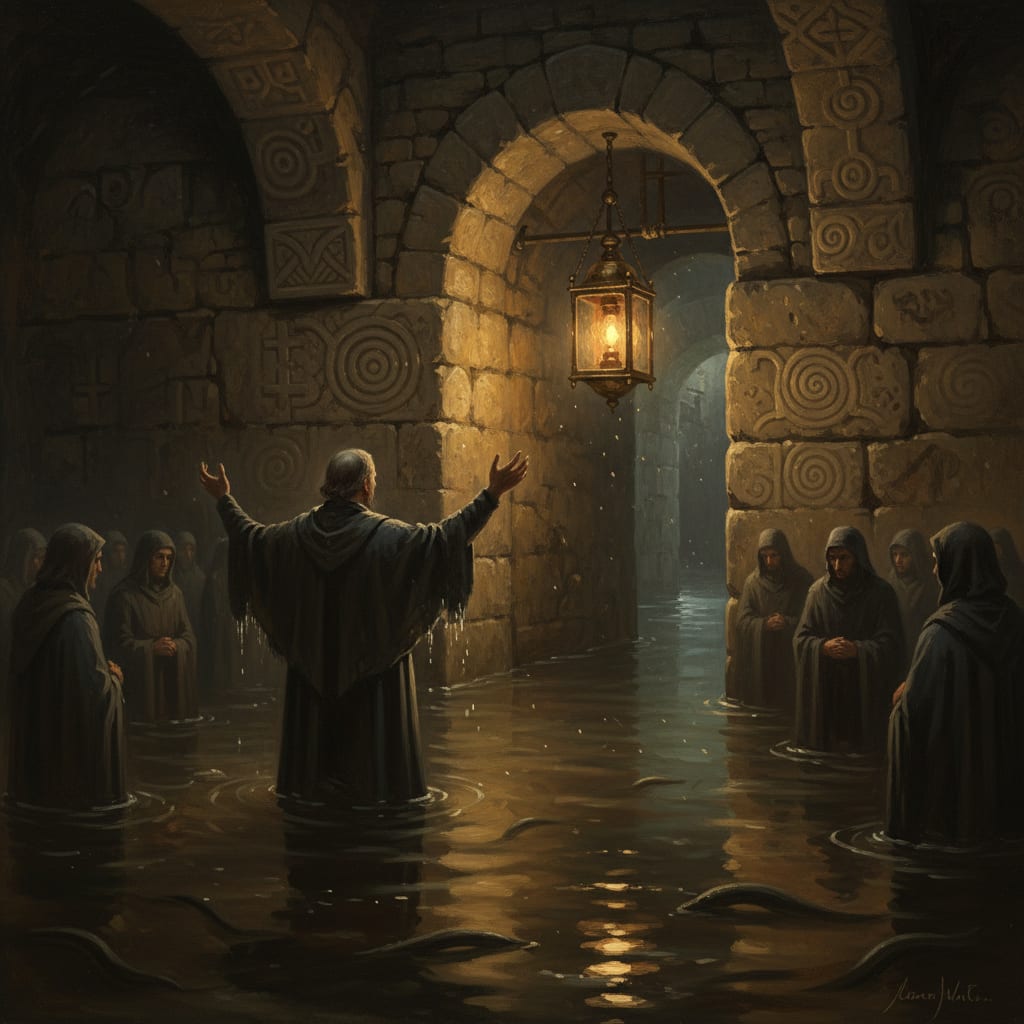
Pontifex Submersis
The name is gone; the chains still hum; the Bureau has no comment
The man the Bureau erased so thoroughly it must write eleven pages explaining what he was not: the Drowned Pontiff of Avignon, non-person, non-event, non-theology. His name is gone. The chains hum in B-flat.
Codex Ref. III.2.02-001
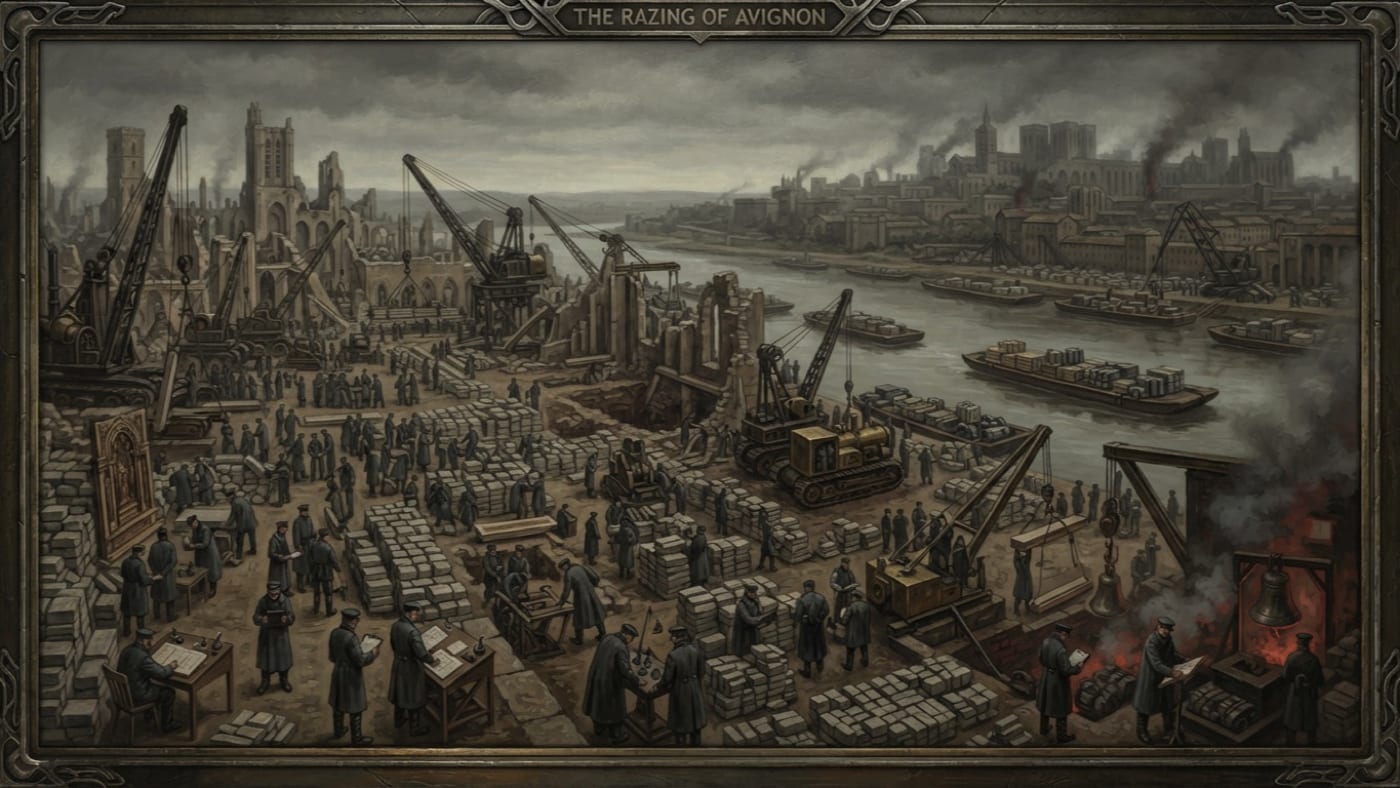
Razing of Avignon
Every Stone Accounted For, Every Name Removed
In A.S. 111, the Synod dismantled Avignon stone by stone, recast its bells as ammunition, and erased its schismatic clergy from the record. The inventory is immaculate; the city is absent.
Codex Ref. III.2.07-002
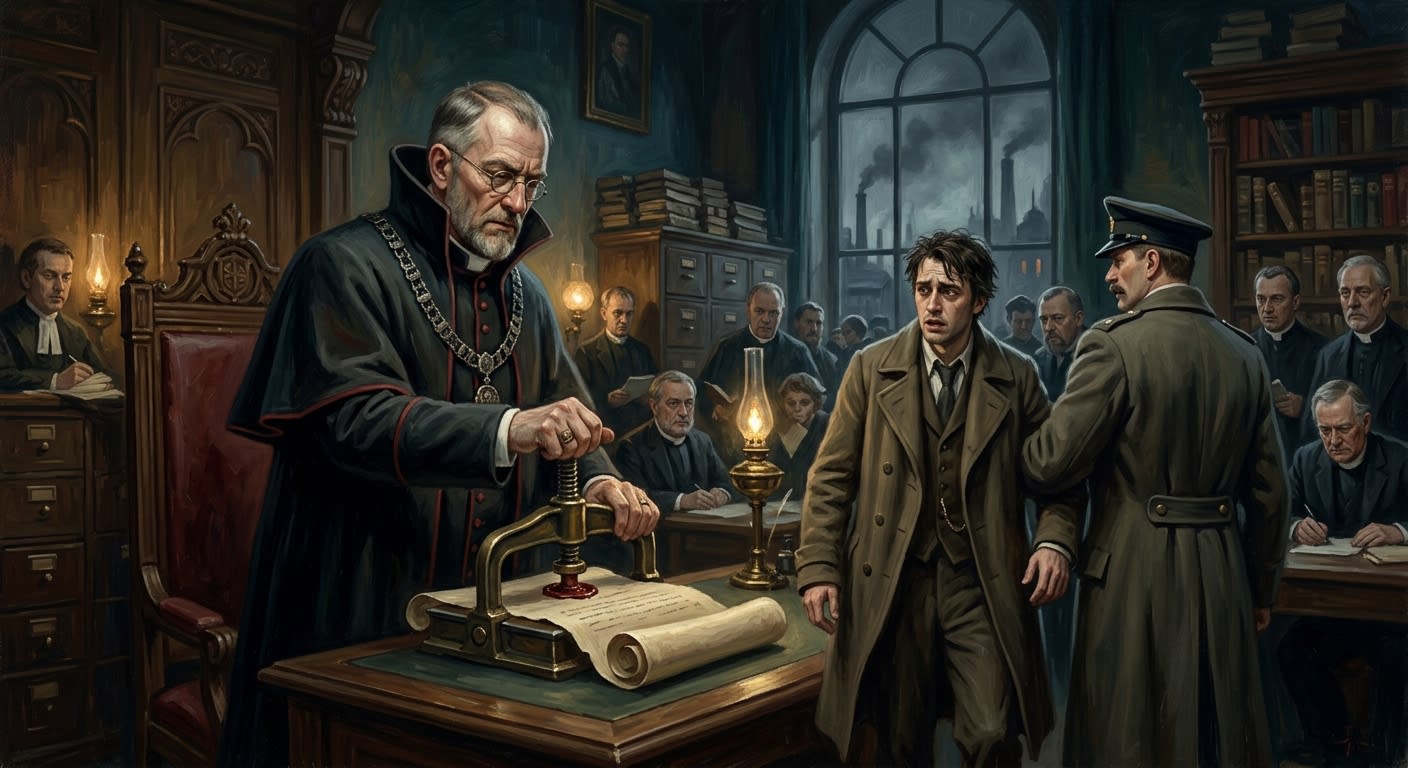
Standard Ratification Protocol
The seal descends, and yesterday learns obedience
The Synod's Standard Ratification Protocol makes sequence repent: dissent is heard, wax cools, and the completed act becomes obedient.
Codex Ref. XIII.1.89-087
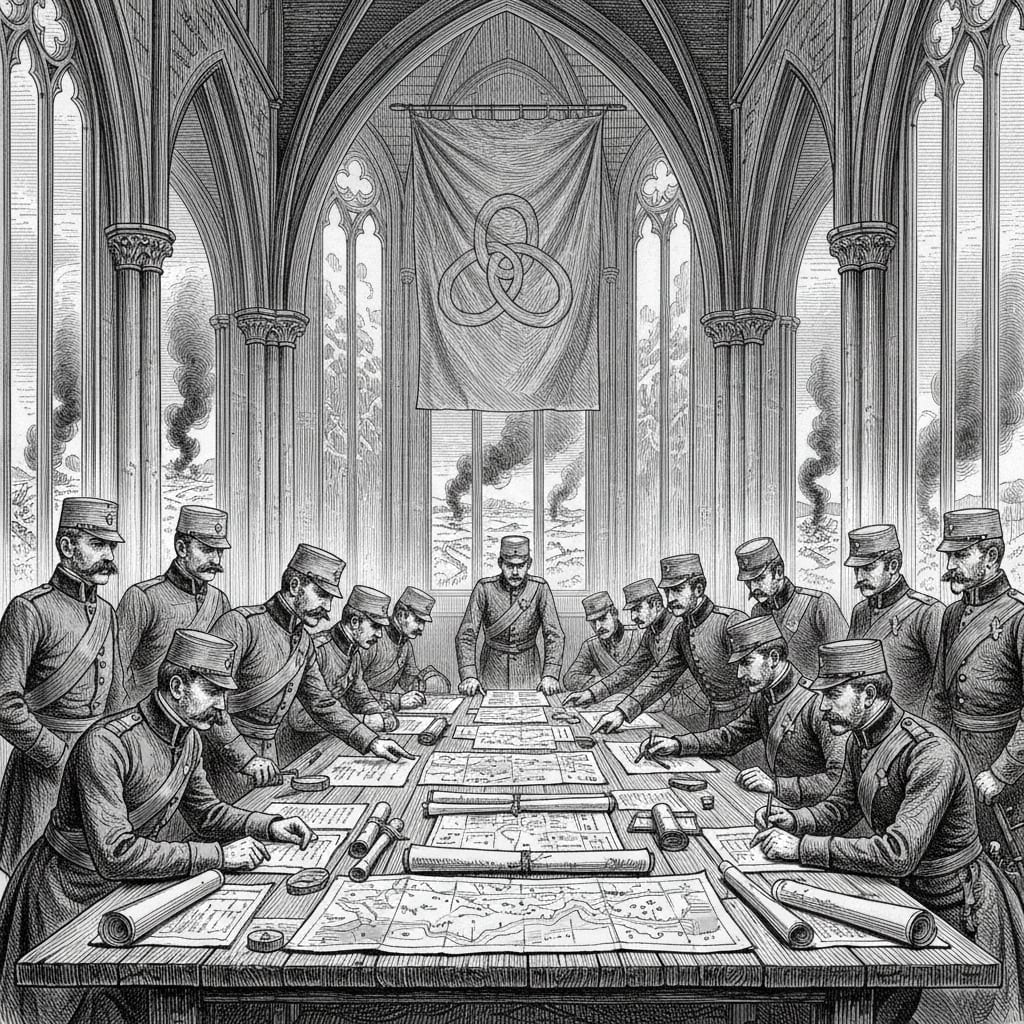
The Bureau of War
The Crimson Sash and the Sanctified Bayonet
Founded after the Siege of Vienna so that the Faith would never again beg feudal lords for swords. War raises the levy, baptizes the bayonet, and writes after-action reports indistinguishable from scripture.
Codex Ref. III.2.07-041
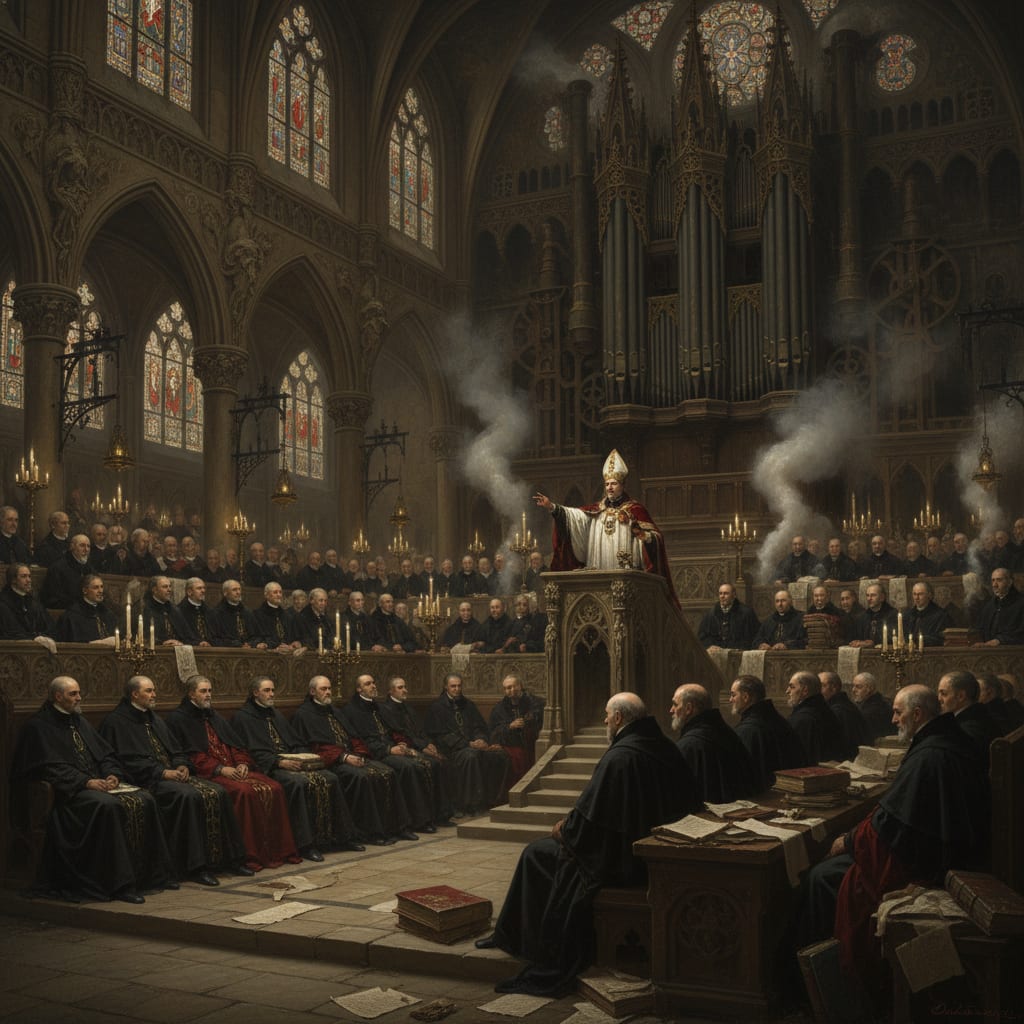
The Bureaucratic Synod
Throne and Altar, Quill and Sword
The ruling theocracy of Europa — born in blood, forged in ink, and maintained by a bureaucratic apparatus so vast that even its own clerks cannot map its full extent. As explained by its finest servant.
Codex Ref. I.3.01-004
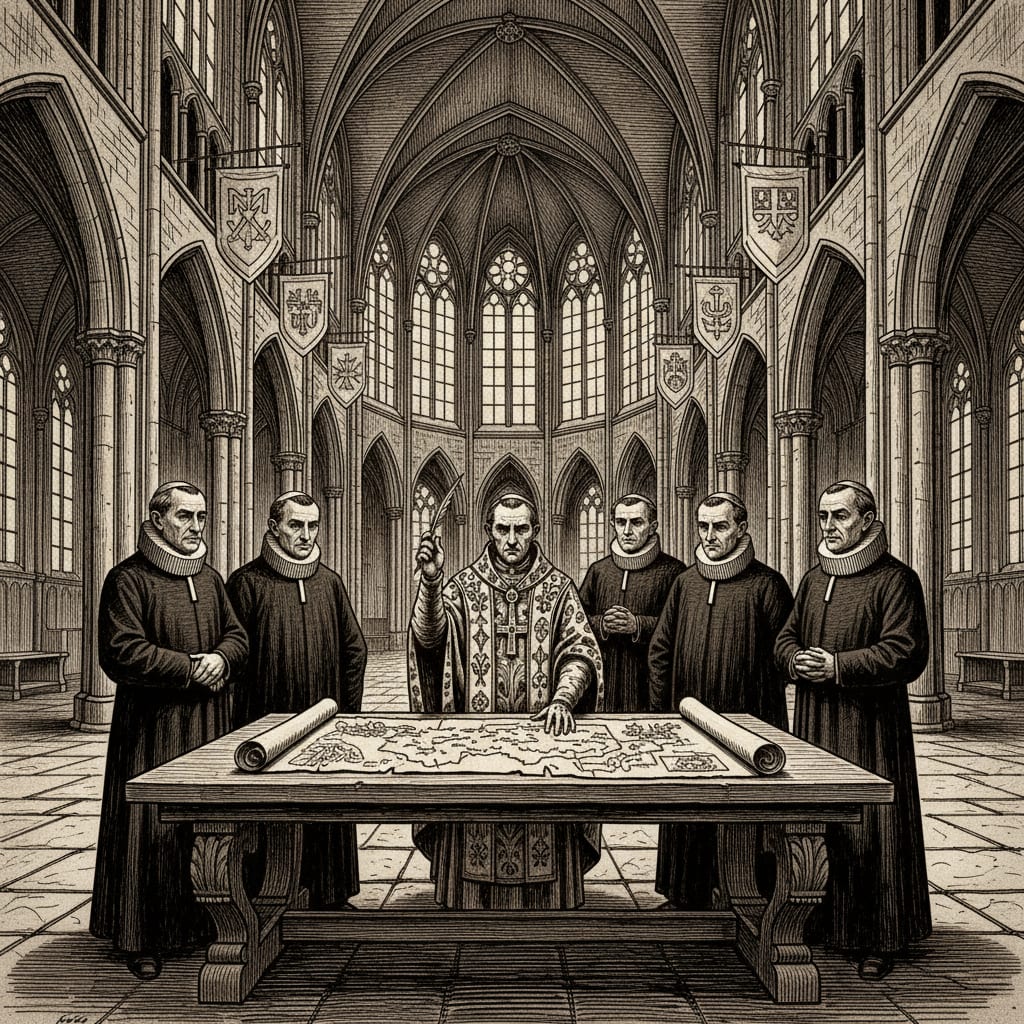
The Concordat of Strasbourg
The A.S. 90 constitutional settlement
The binding of France, Iberia, and the Rhineland into one sacramental polity — the act that turned a wartime council into a continental throne and adopted the Synod's calendar retrospectively.
Codex Ref. III.1.02-003
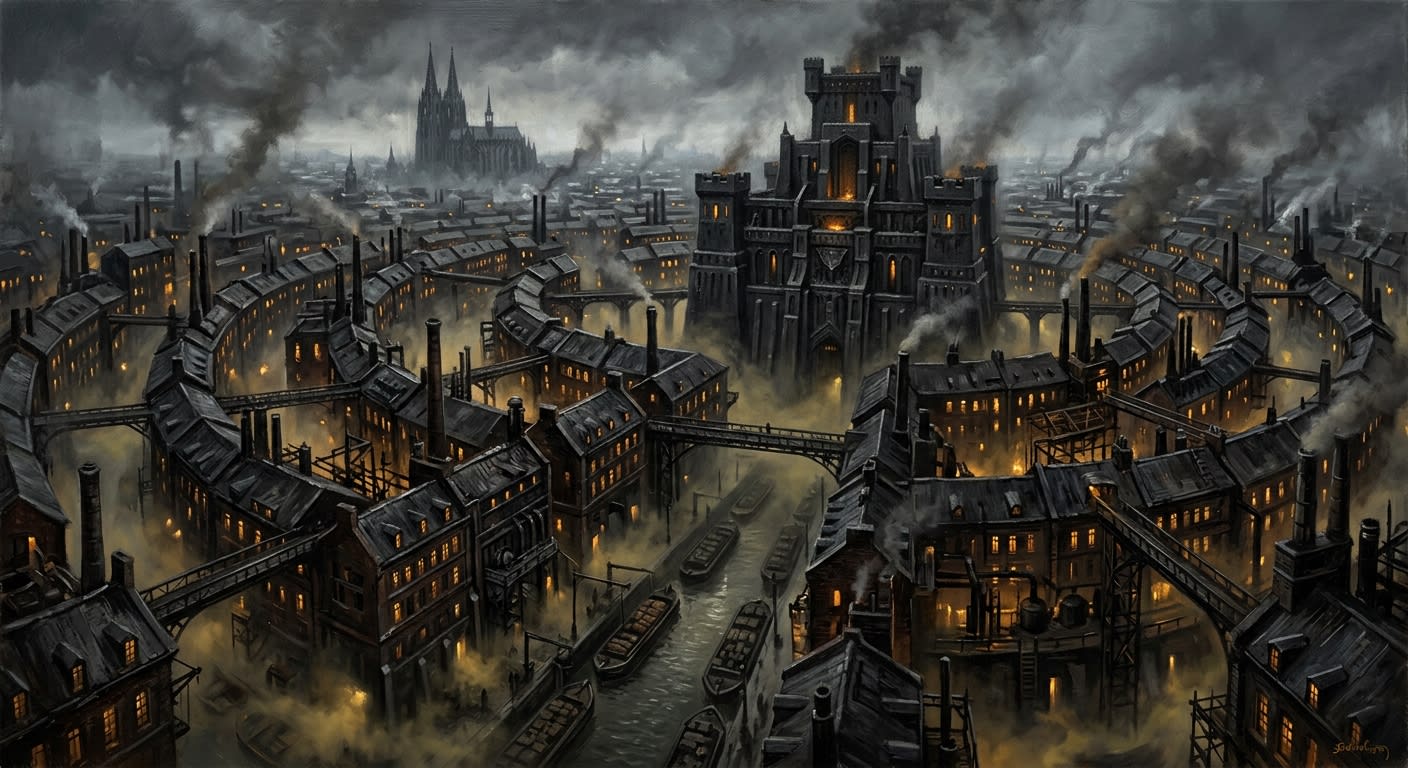
The Crownwright Diehouses of Sable Court
In Sable Court, identity is currency — and the Synod strikes every coin
The restricted mint-quarter of Cologne where the Synod strikes every face into coin and every coin into law. Where identity is minted, recalled, and—when the Bureau requires—unfaced. A.S. 201: the Face Theft crisis continues and the master die may be real.
Codex Ref. II.2.07-001
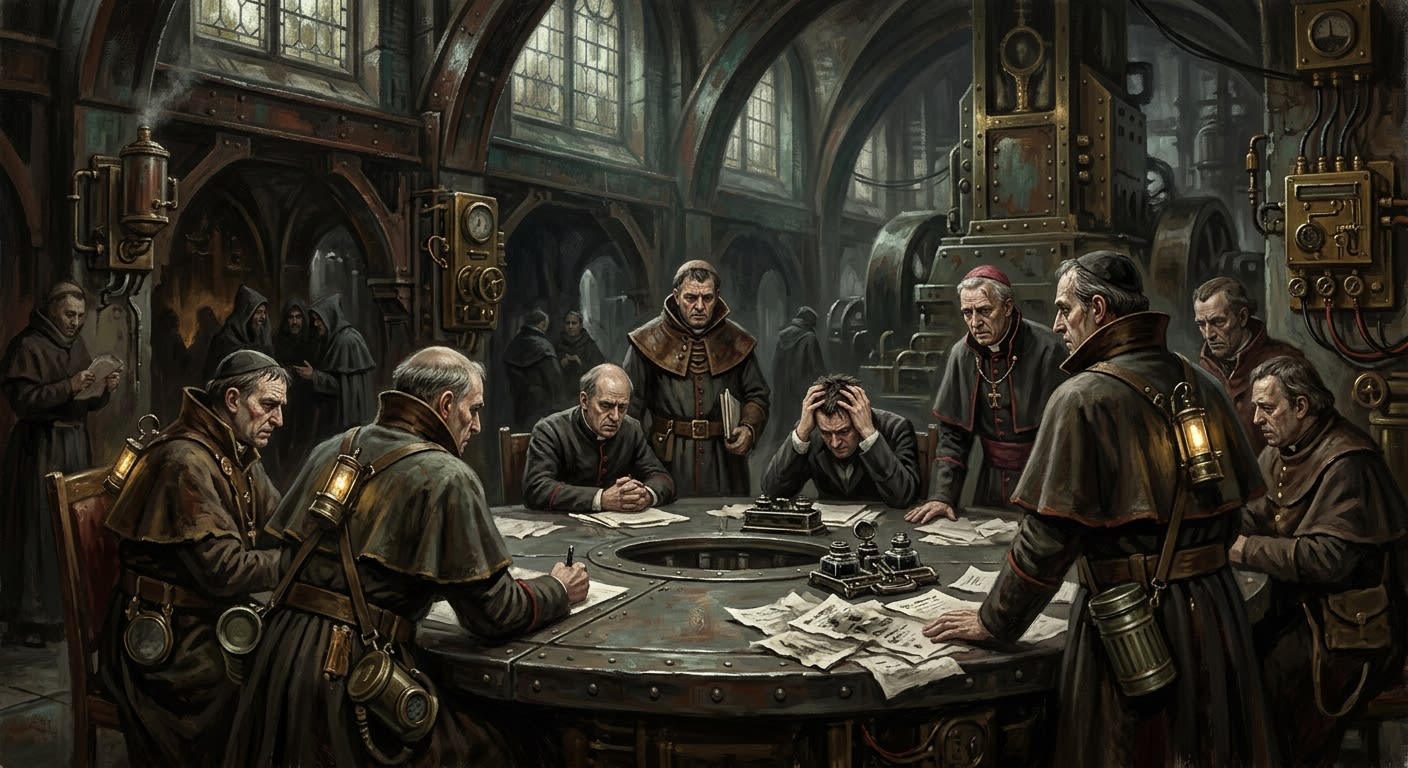
The First Council of Cologne
The yoke was imagined before it was blessed
The September A.S. 27 preliminary convocation produced seven unadopted articles, corrected minutes, and limited voluntary contacts among dioceses.
Codex Ref. VII.7.01-002
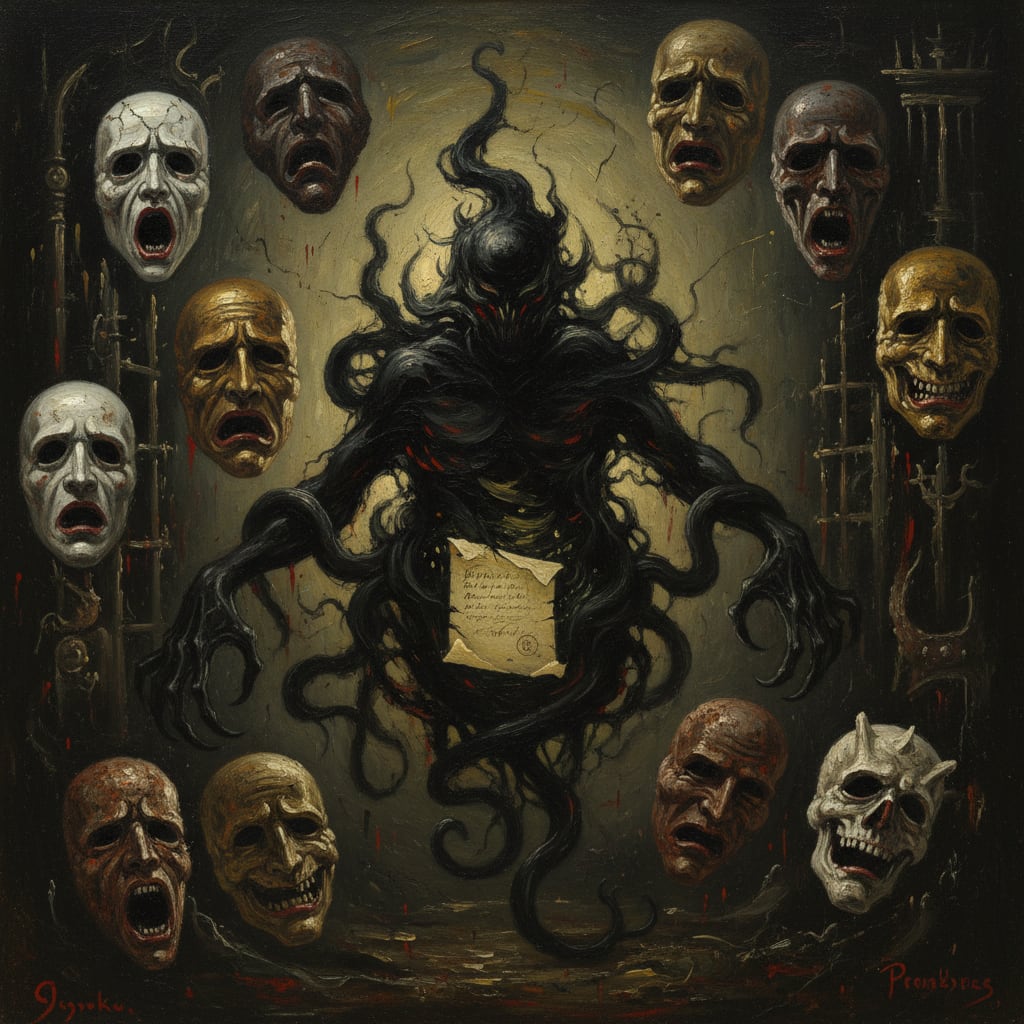
The Great Deceiver
The Adversary Without Name, the Will Behind the Veil
He has no face, no form, no name the Bureau dares to print — only a Will that wears the world like a mask. The supreme architect of the Sundering, the forger of the Seven Sin-Generals, and the one enemy the Synod cannot file, stamp, or archive into submission.
Codex Ref. IV.1.01-001
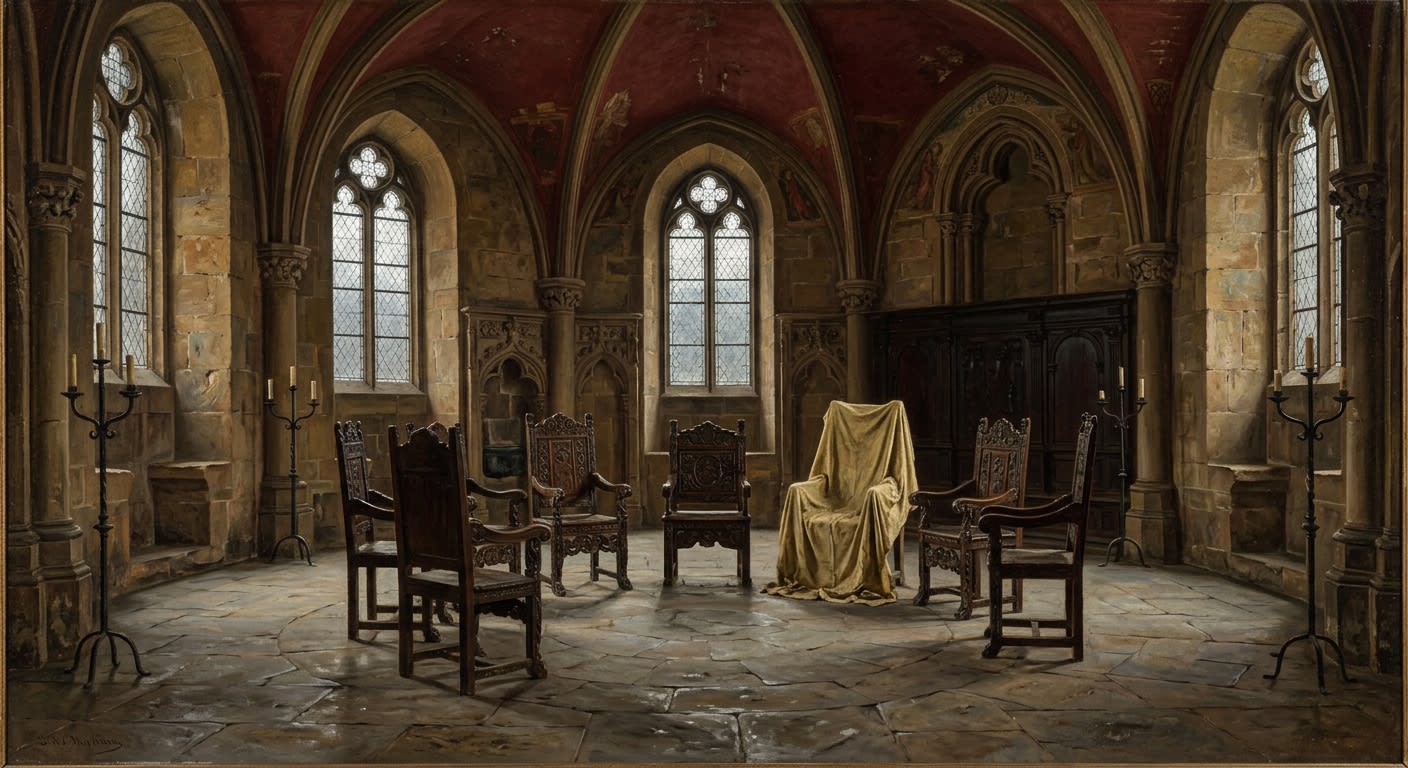
The Hierarchy of the Synod
Seven Seals, Six Occupants, and a Chair No One Has Laundered Since A.S. 107
Seven Seals. Six occupants. One chair draped in cloth no one has laundered since A.S. 107. The succession is continuous. The gaps are classified.
Codex Ref. VI.3.02-001
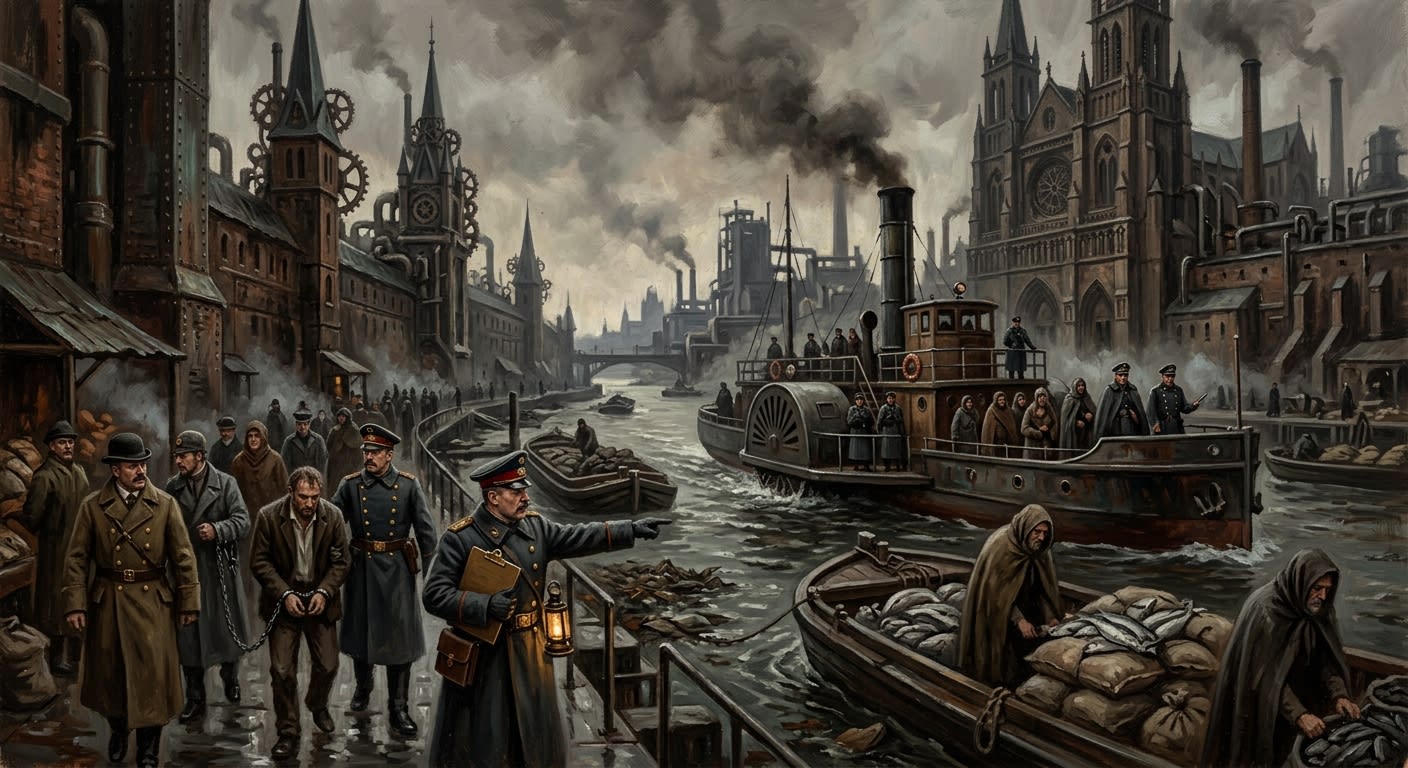
The Rhône
Water carries what paper refuses to keep dry
The Rhône is a southern river-corridor of ash, pilgrimage, fishery inspection, Avignon heresy, Lyon spectacle, wet custody, and water that declines obedience.
Codex Ref. II.1.10-201
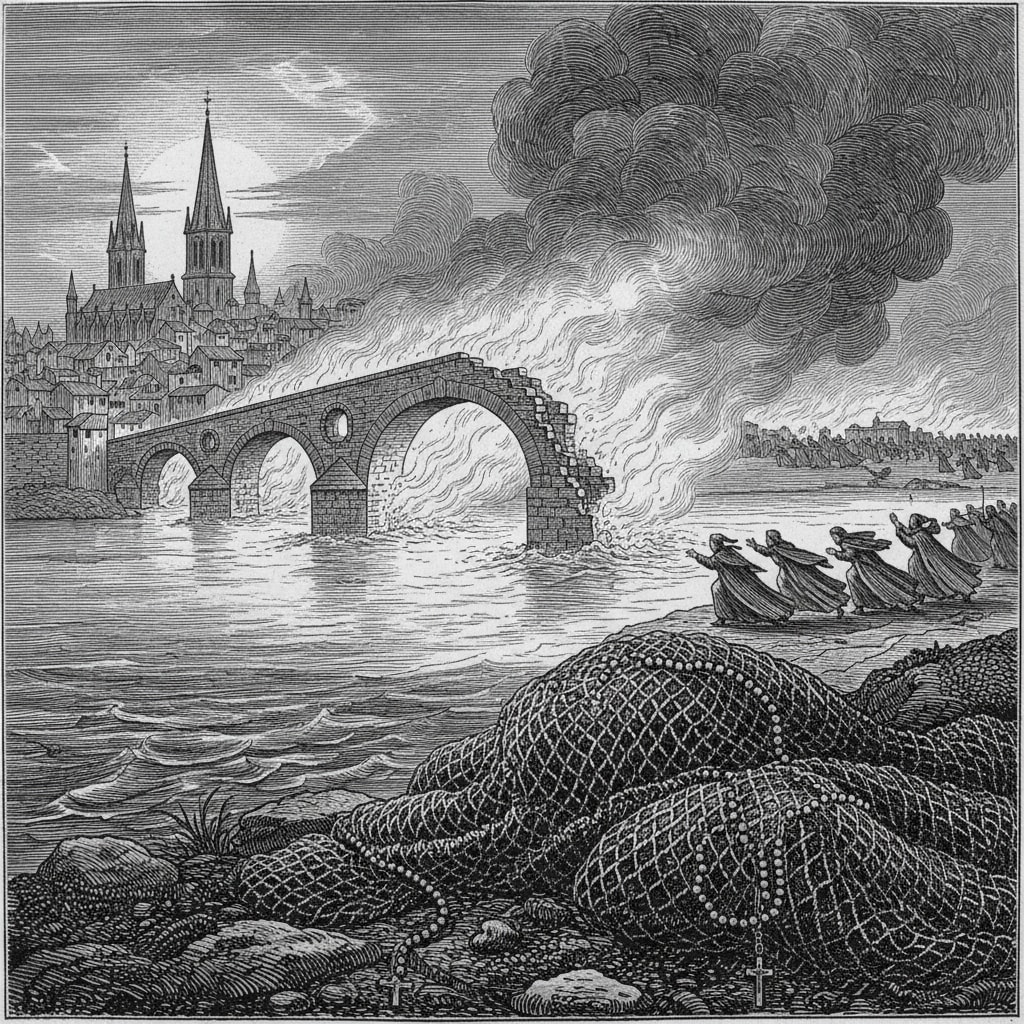
The Schism of Avignon
On the Rival Pontiff, the Drowned Crown, and the Rosaries That Will Not Stay Buried
The clerical secession of A.S. 111, in which a rival pontiff was crowned beneath the Rhône and Avignon was razed so thoroughly that its stones now form staircases in Strasbourg — a crisis requiring three stamps of denial.
Codex Ref. III.2.07-001

The Second Concordat of Münster
A thousand signatures were required, so one man became arithmetic
The A.S. 105 blood-compact that yoked nine hundred and ninety-nine craft guilds to Synod tithe, then corrected the thousandth refusal by erasing a district.
Codex Ref. VII.2.01-002
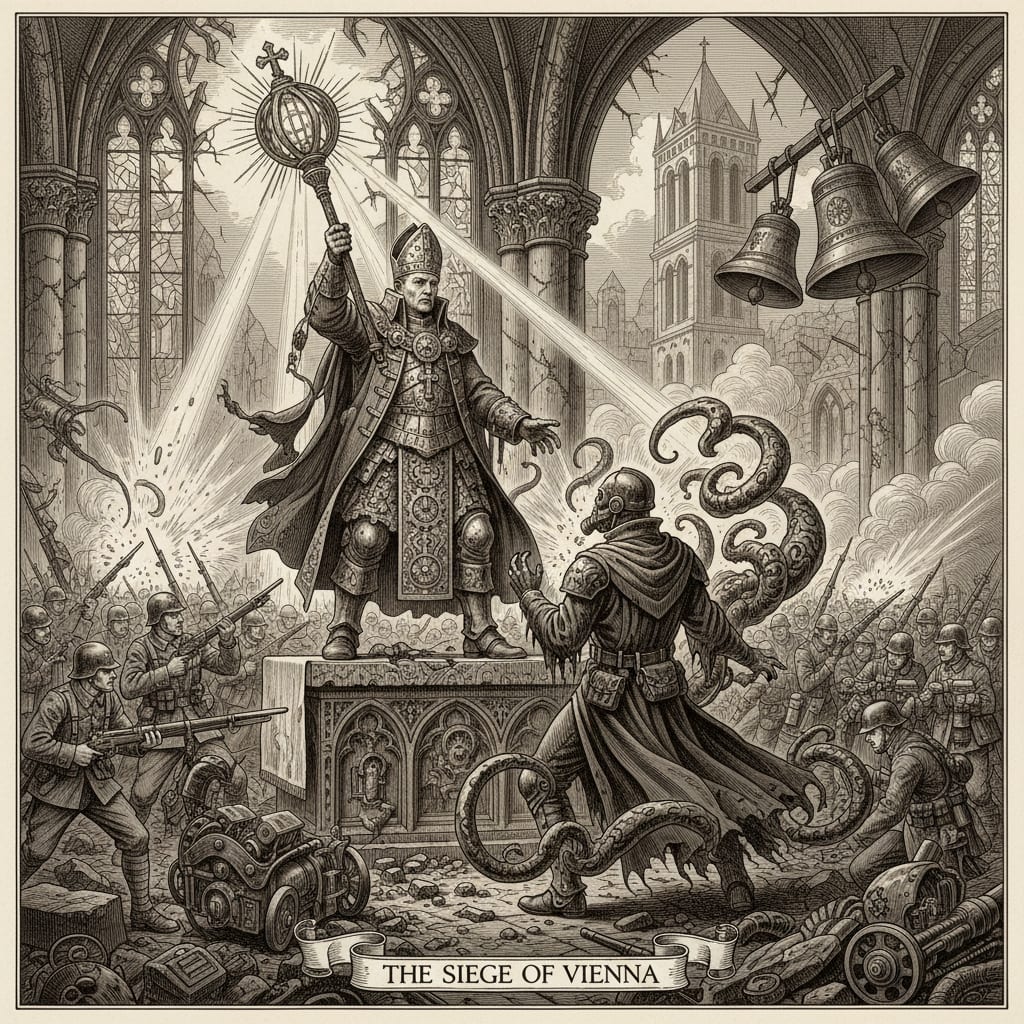
The Siege of Vienna
Nine Months in the Crucible of Faith
Nine months of famine, plague, and sorcery broke upon the altar of Saint Rupert. Bishop-Warden Clemens struck, and Reason died screaming in the streets of its last capital.
Codex Ref. III.2.07-031

The Tagus
The river at the end of the count
The Tagus is the Synod's brown Iberian edge: moat of Toledo, fiscal measuring line, levy phrase, flood court, and river that takes names without receipt.
Codex Ref. II.4.09-016
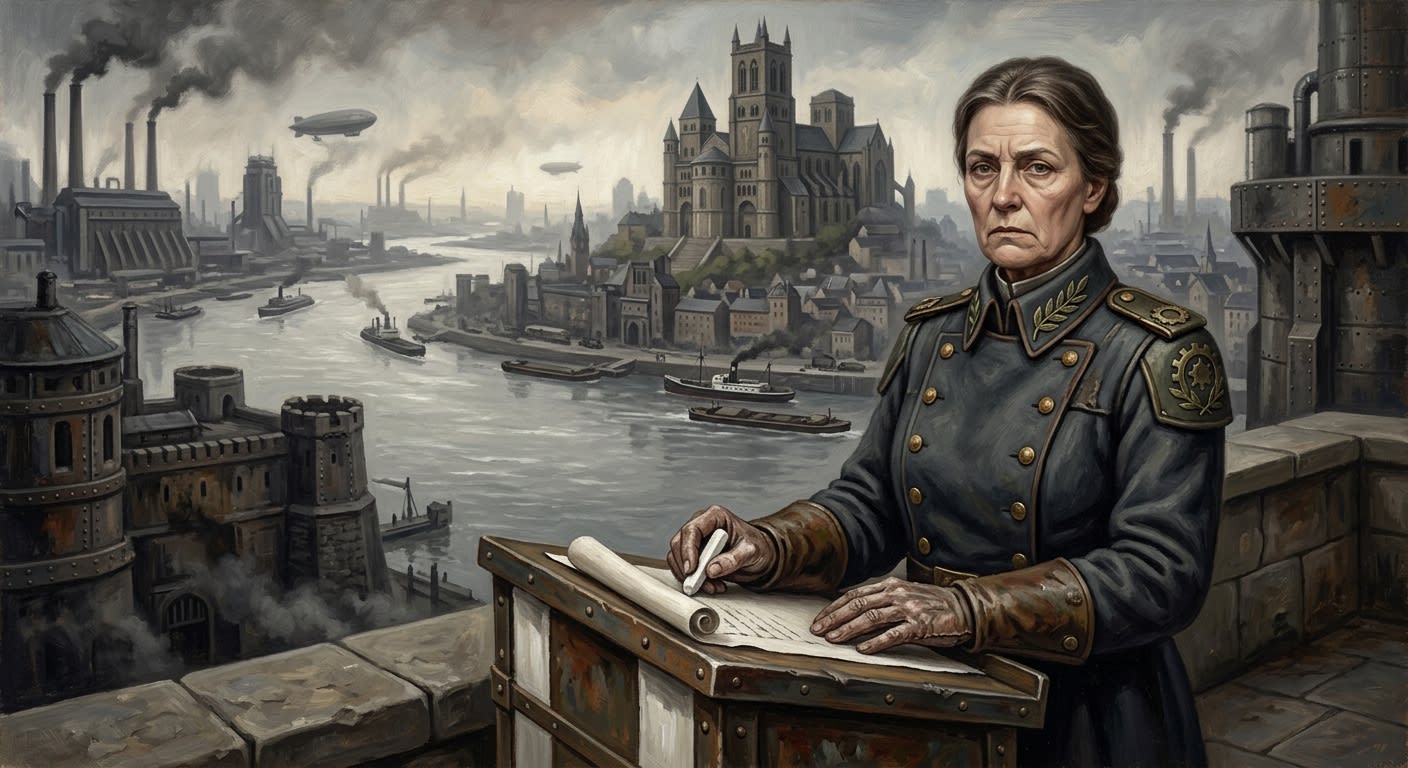
Trier
The city that taught chalk to count before it spoke
Trier is a loyal Moselle city with old hands, white margins, soft chalk, river memory, and the dangerous courtesy of obedience performed too well.
Codex Ref. II.2.02-004
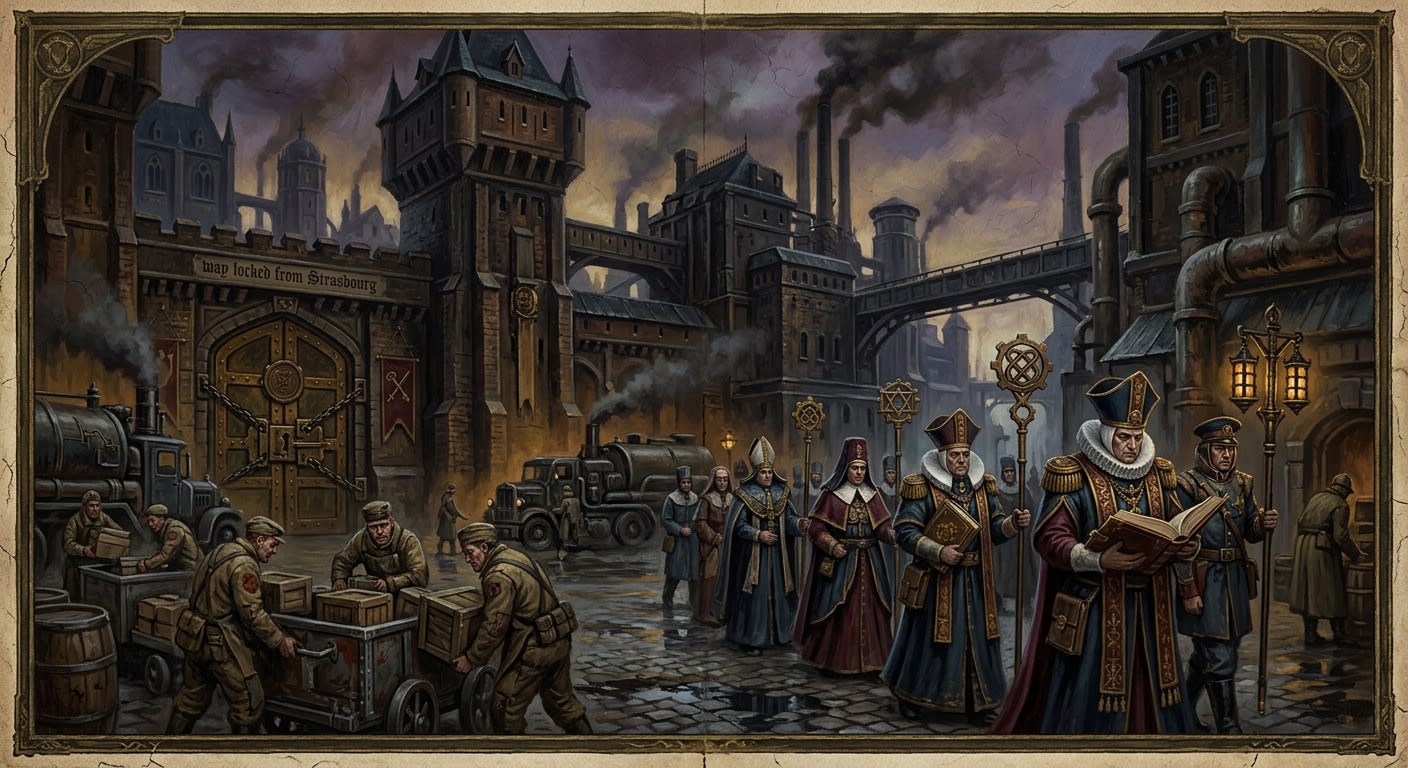
Triune Hearth
Three old bodies, one chimney, and Strasbourg holding the poker
The Triune Hearth binds France, Iberia, and the Rhineland into one Synodal household: warm in sermon, hungry in ledger, and locked from Strasbourg.
Codex Ref. XIII.1.04-090