

Reverse Index
Referencing “Dead-Goods Tariffer”
Every codex entry that links to Dead-Goods Tariffer. 32 entries.
Return to Dead-Goods Tariffer
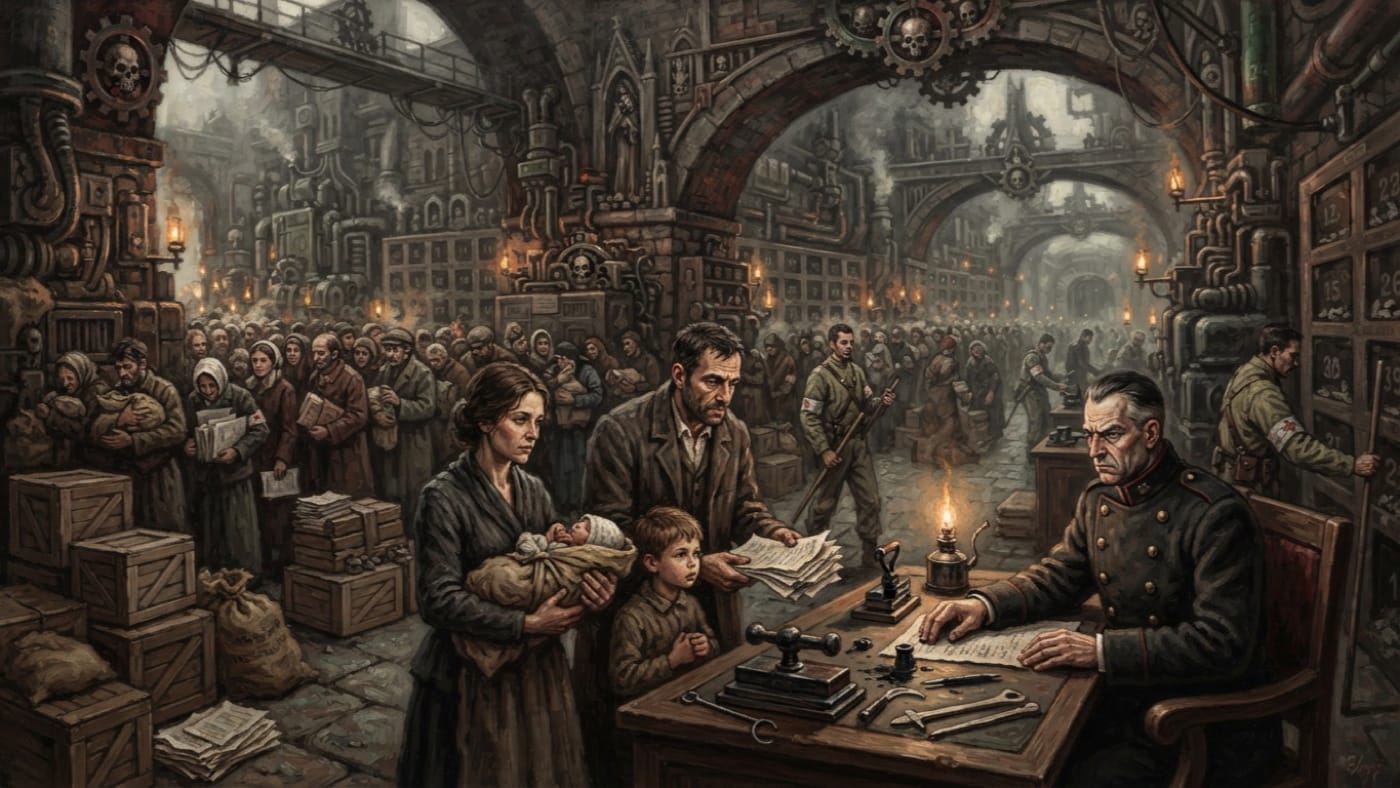
A.S. 78 Joint Classification Mandate
Five categories for the dead, one more queue for the living
The A.S. 78 emergency mandate made the dead controlled goods: five classifications, licensed mortuary clearance, and grief that could finally be billed.
Codex Ref. XIII.1.92-078
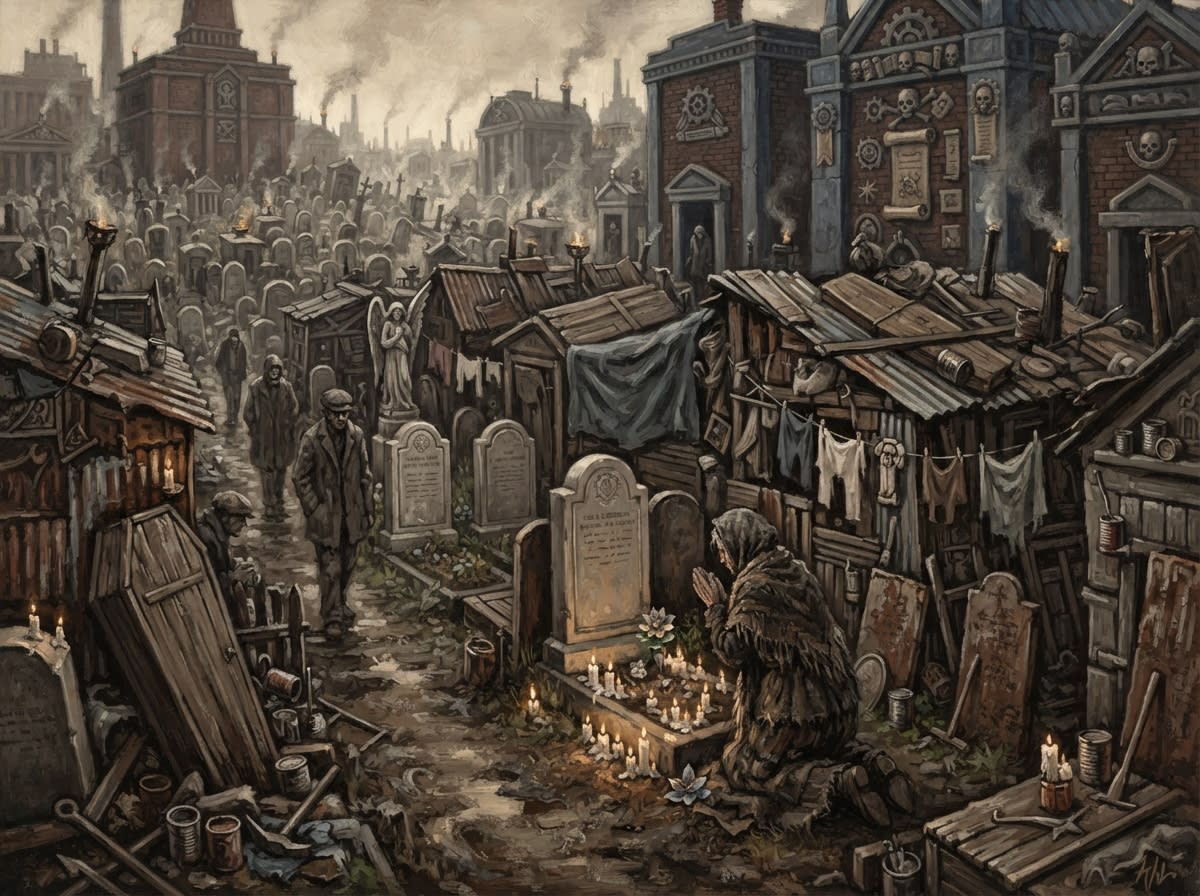
Anchor Graves
Where burial right does the work housing law refuses
Anchor graves are lawful family plots whose burial privileges let grave-field lanes pretend that shacks are caretaker shelters rather than homes.
Codex Ref. XIII.1.78-017
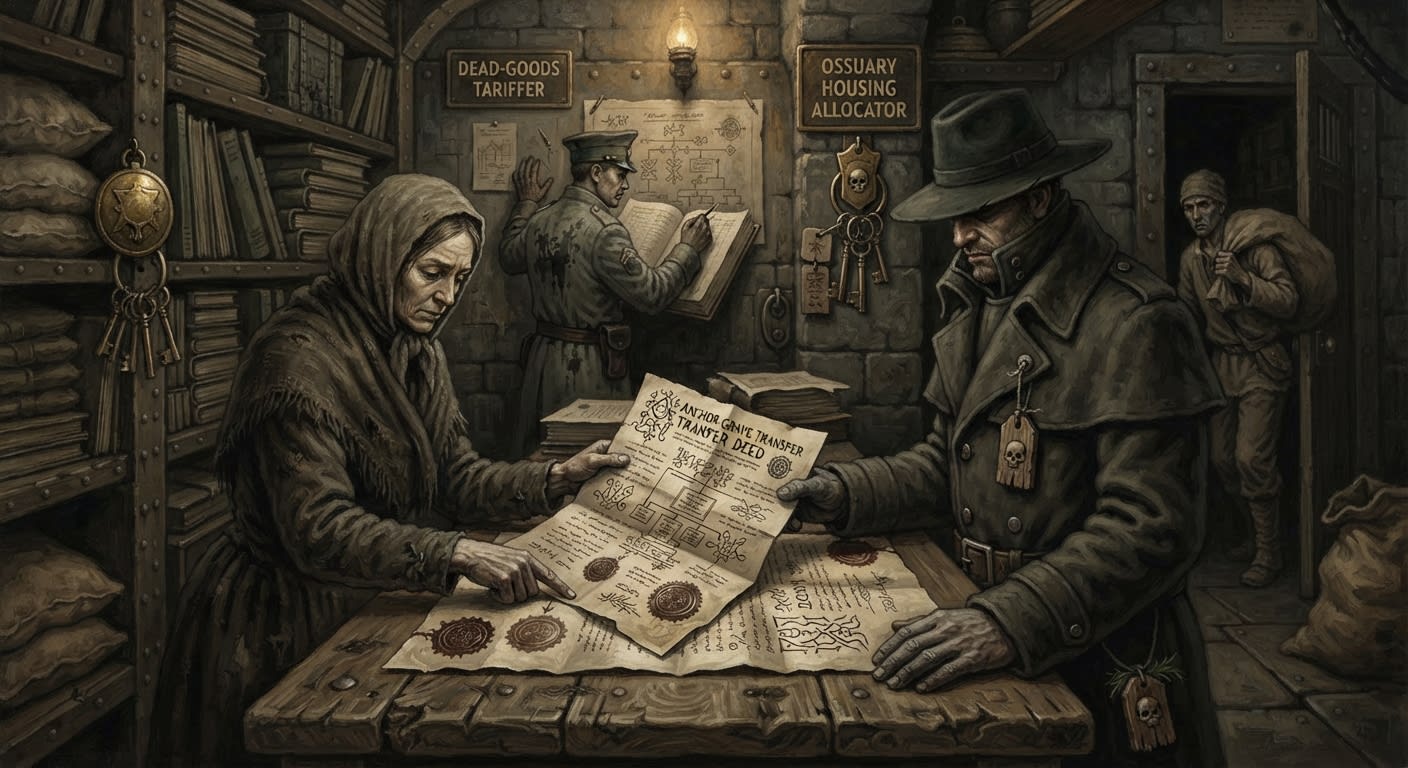
Anchor-Grave Transfer Deed
Where the grave becomes housing because hunger signs neatly
The anchor-grave transfer deed converts a family's burial claim into permitted ossuary presence, teaching grief to become tenancy and tenancy to remain revocable.
Codex Ref. XIII.1.78-178
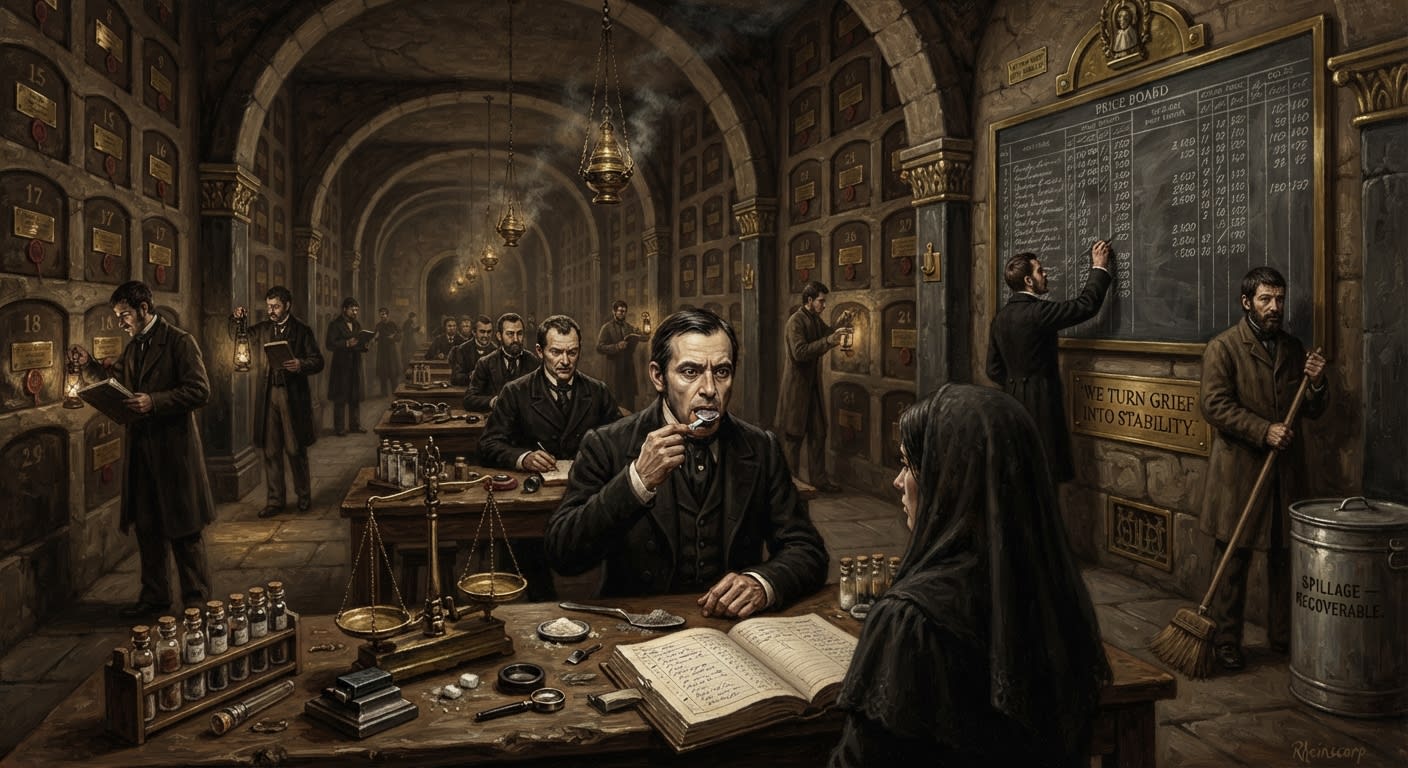
Ash Exchange of Saint Pelagia
Where grief becomes tender and the dead pay interest
Rheinscarp's seventh terrace turns the dead into collateral: cremains vaults, saint-shares, dust futures, and the cheerful arithmetic of Broker-Saintsman Damas Rohe.
Codex Ref. II.2.01-007
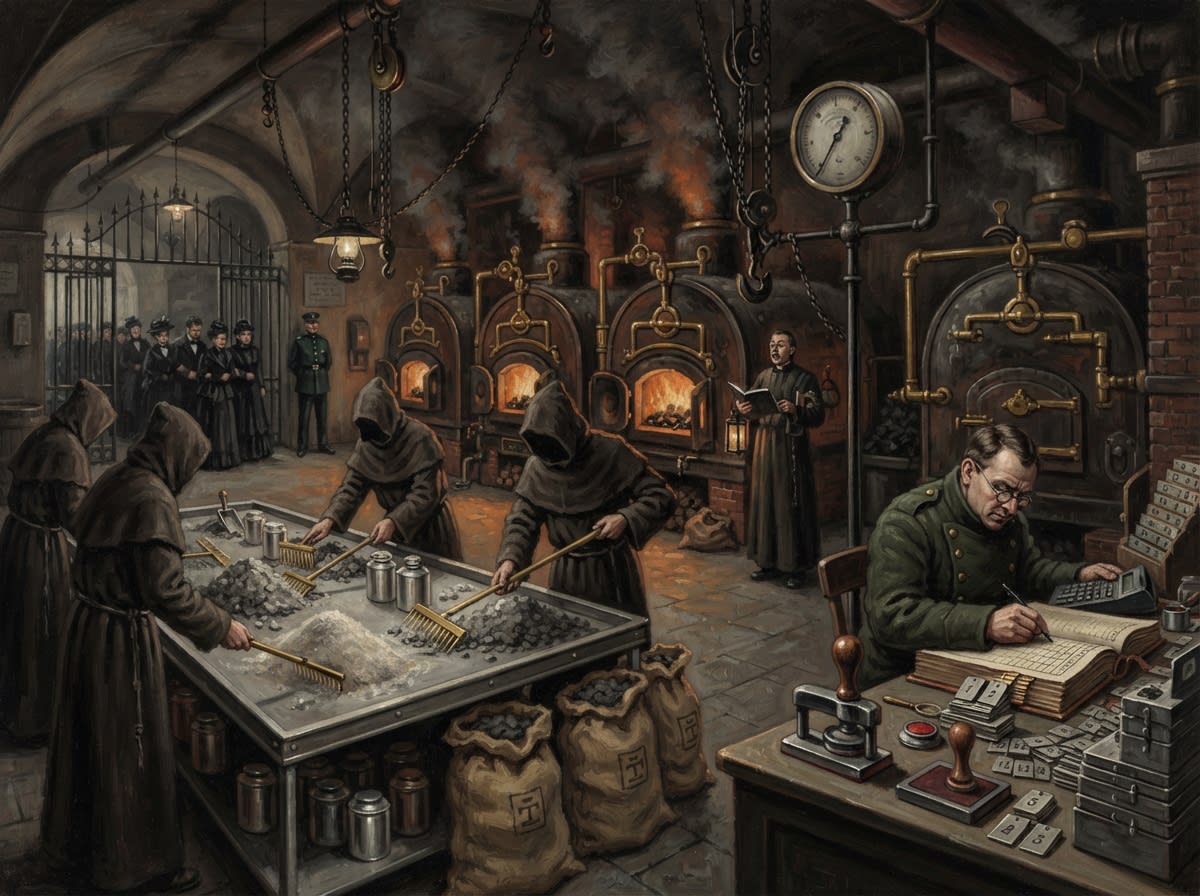
Ashbinders
The dead are sacred, and the receipt is extra
The Ashbinders burn the Synod's dead, sort the ash, sell the comfort, and accidentally perform one of the few procedures that keeps the cemeteries quiet.
Codex Ref. XII.41.01-001
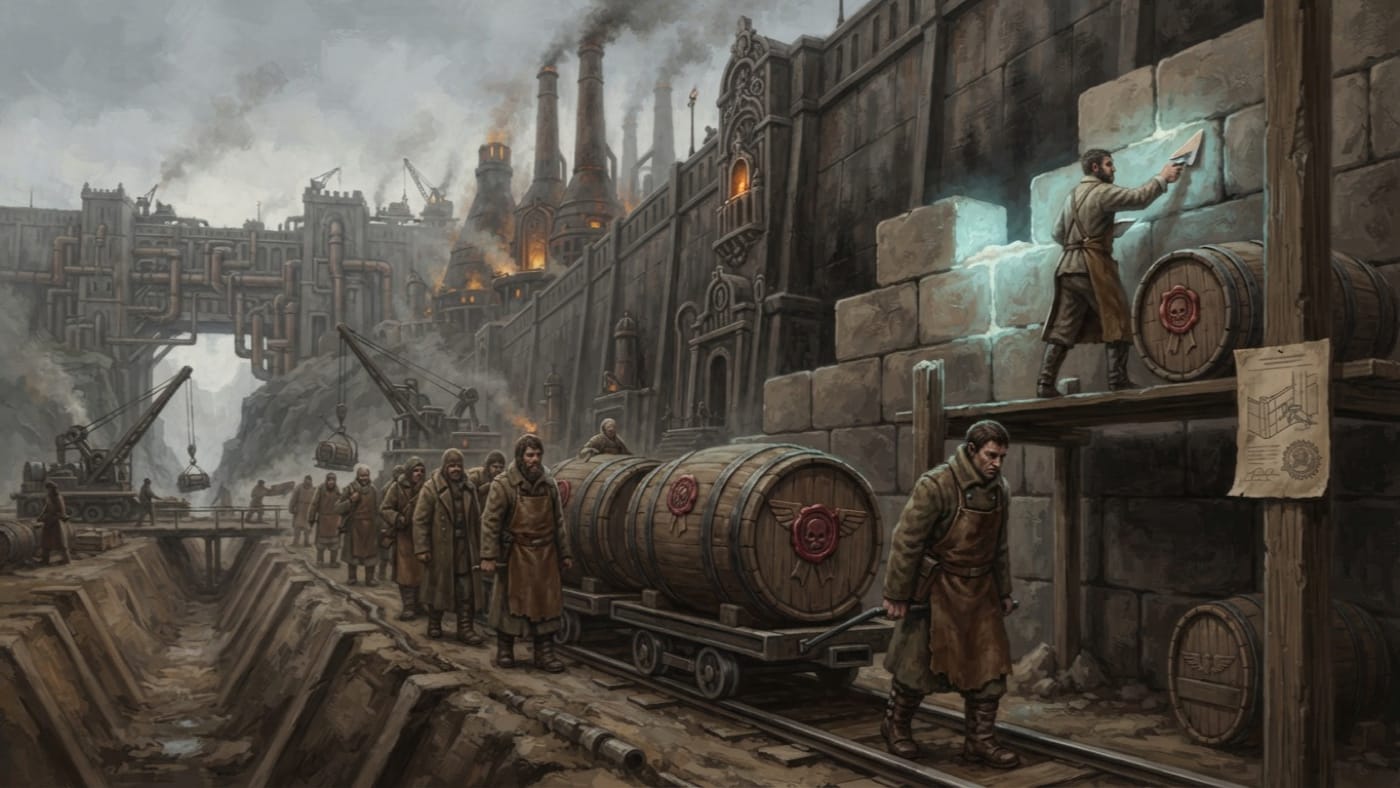
Bone-lime
The saint bears weight; the barrel bears a seal
Sanctified lime rendered from licensed relic fragments and mixed into mortar for the Sagittal Line. The saint bears weight; the barrel bears a seal; the parish receives a notice.
Codex Ref. XIII.1.99-002

Bone-Lime Consortium
The dead supply the material; the living supply the obedience
Marrowgate's informal alliance of kiln foremen, carters, prelates and ash-credit factors turns casualties into lime and civic dependency into power. Its accounts prefer anonymity; the Marrowwind keeps restoring names.
Codex Ref. XII.31.07-201
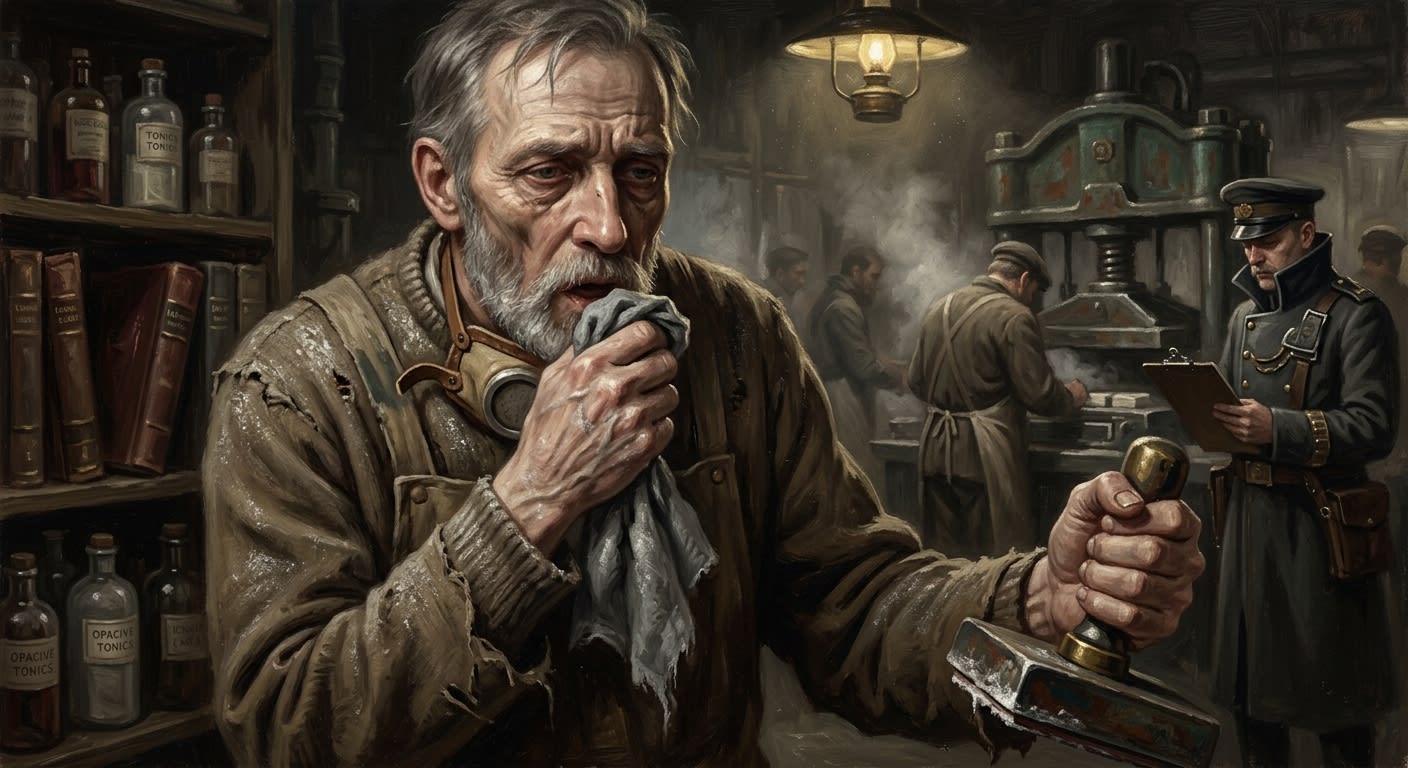
Bone-Lung
The dead enter the chest one opened rack at a time
Progressive marrow-dust sickness of Ritual Bone-Stampers, politely misnamed by Medicine, cheaply classified by Records, and compensated by no one with a soul or budget.
Codex Ref. XIII.1.44-001

Bone-Tag clerks
The corpse needs a name; the living need the clerk's permission
Candle-Sump's Bone-Tag clerks keep names attached to corpses and living papers inside cabinets. In Lower Vire, clerical death needs only a wrong column and a clerk unwilling to correct it.
Codex Ref. XII.34.02-201
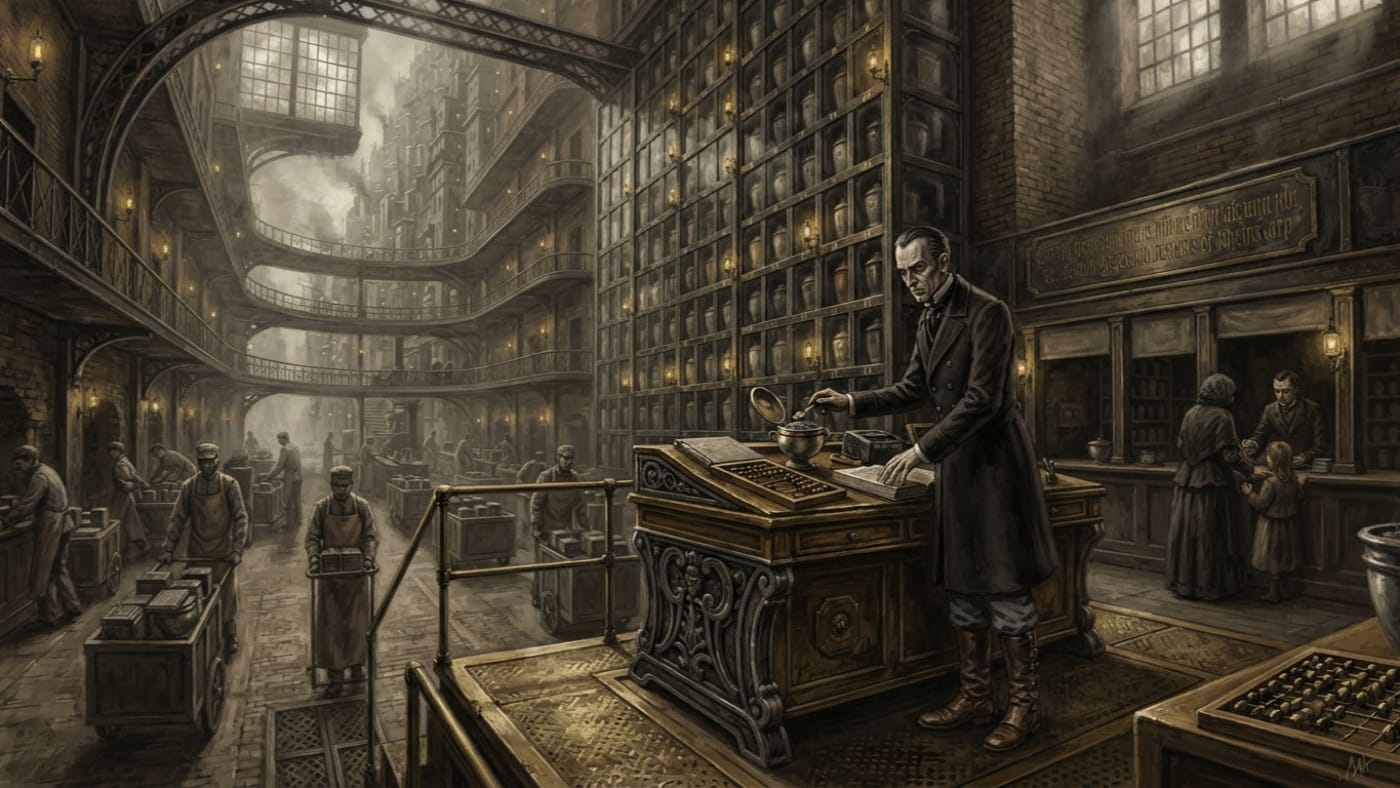
Damas Rohe
Uncle to the brokers, creditor to the dead
Broker-Saintsman Damas Rohe controls Rheinscarp's Ash Exchange, lending grain against future cremains and trading the dead. He holds no Synodal office; his collateral arrives all the same.
Codex Ref. III.2.01-201
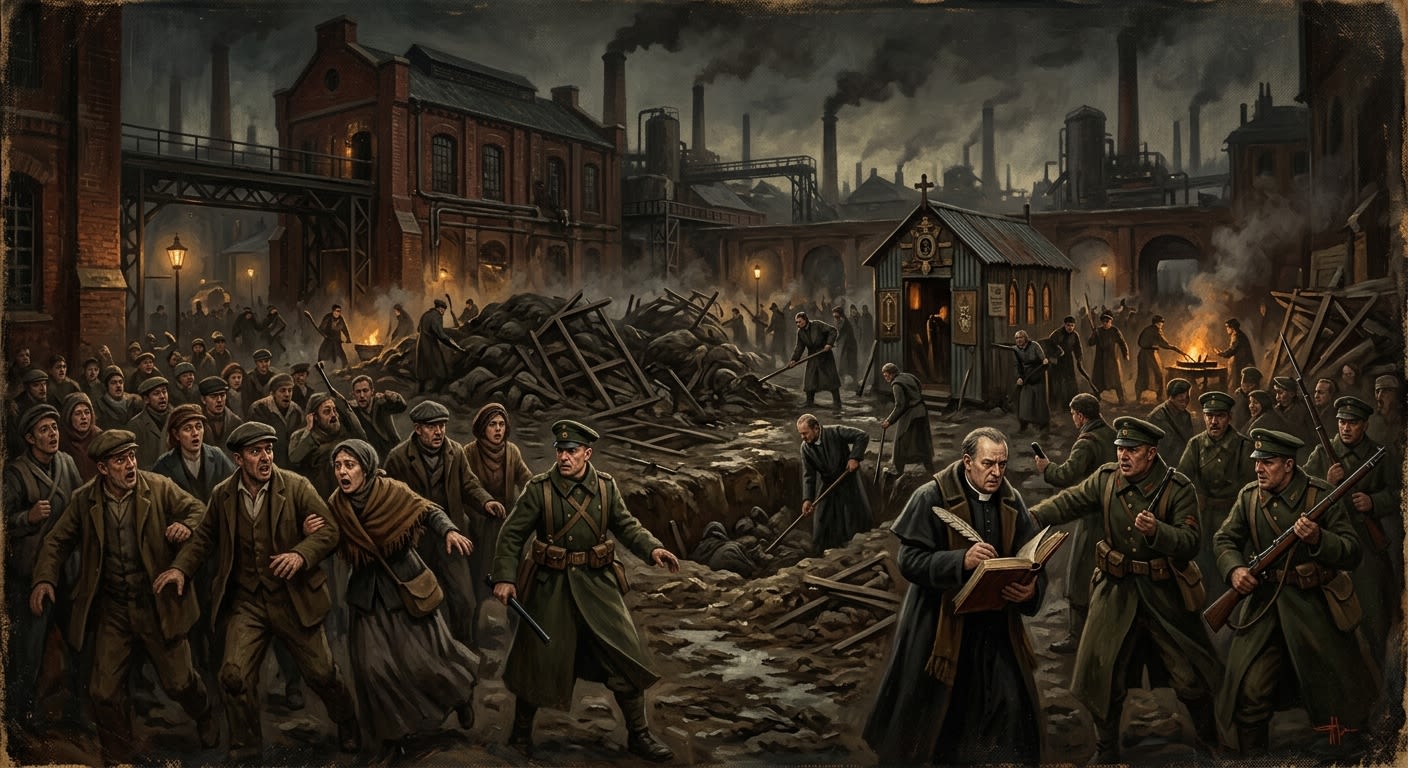
First Ossuary Panic
The dead spoke, and the Synod answered with a form
A.S. 78 Rhine corridor mortuary panic in which overcrowded pits began sounding after dark, forcing burial clearance, tariff-chapels, and the Dead-Goods Tariffer into law.
Codex Ref. VII.4.25-078
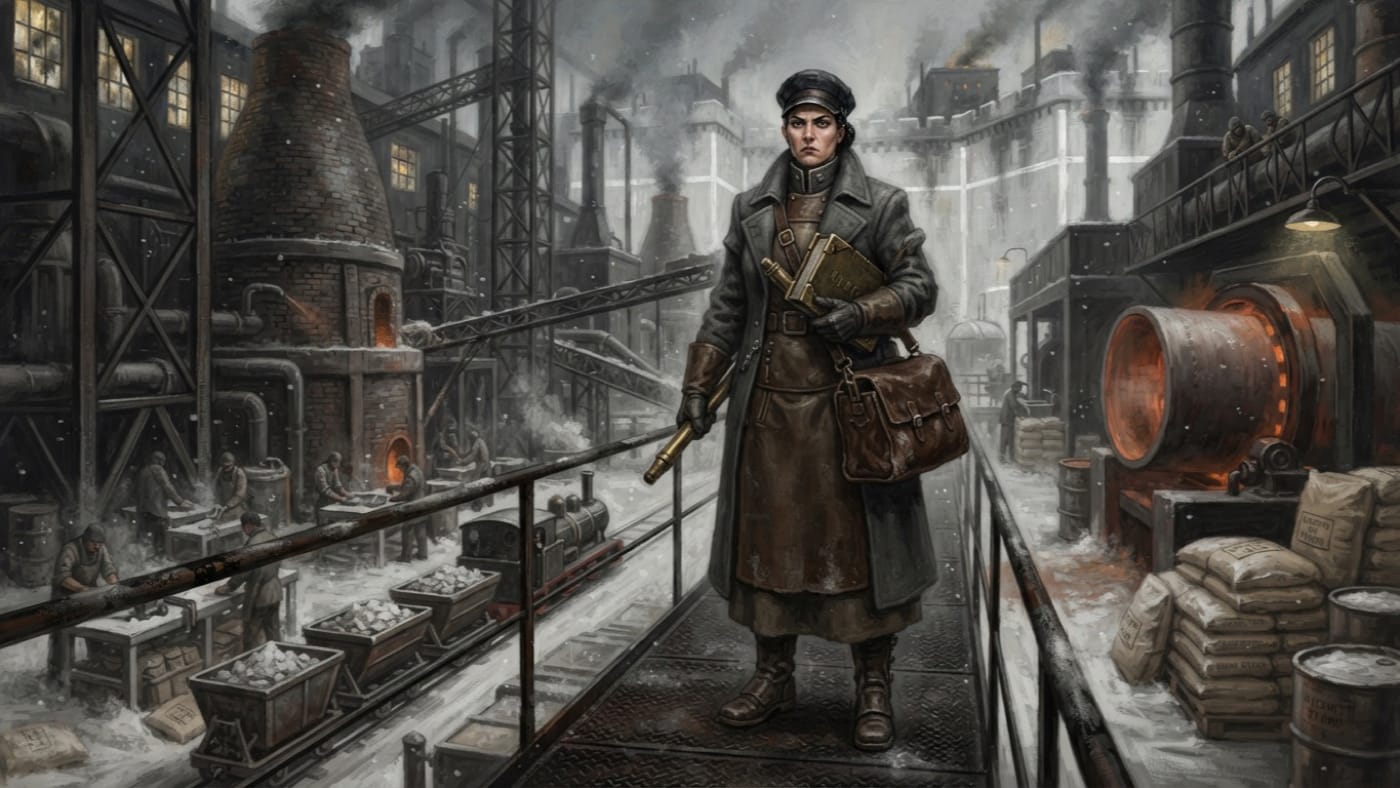
Forewoman Rute
Collector of bone rent in the city she makes washable
Forewoman Rute collects bone rent for Marrowgate's Bone-Lime Consortium. She denies knowing whose remains inhabit the ward walls; the city remains courteous and pays.
Codex Ref. III.3.07-002
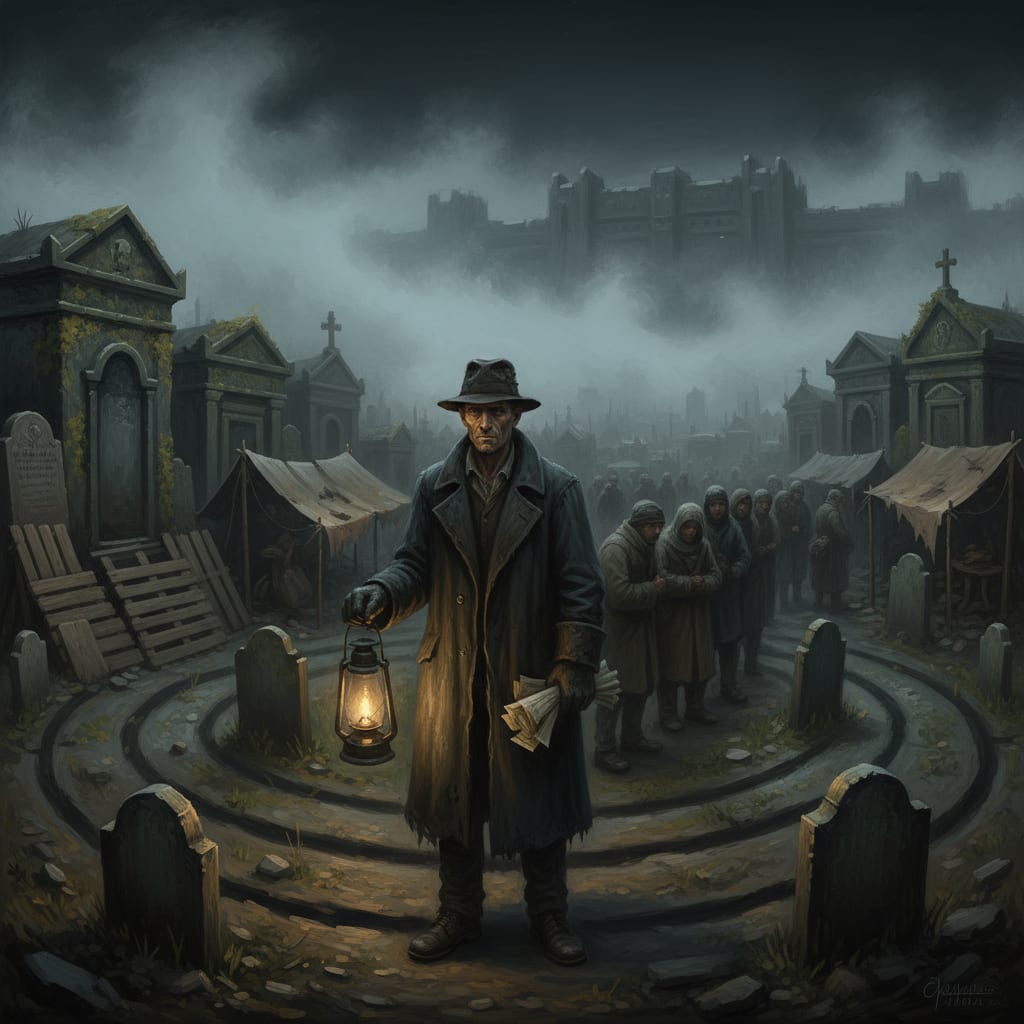
Grave-Field Shanty Broker
Where the Dead Own the Ground and the Broker Owns the Quiet
The officially unacknowledged profession administering forty thousand souls in the consecrated dead-lands the Bureau cannot legally rezone, will not formally notice, and cannot do without.
Codex Ref. XII.21.01-001
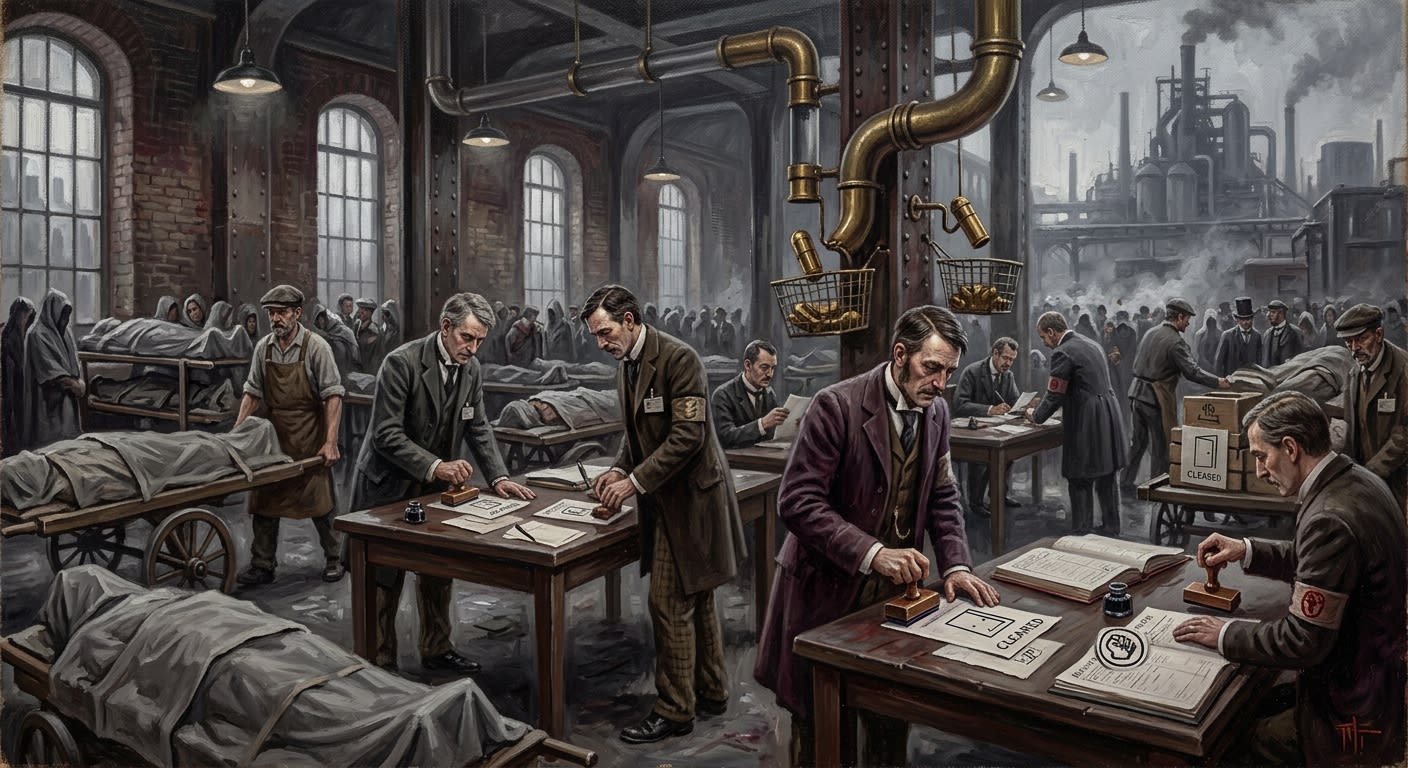
Gray Clearance
The winter mercy that moved bodies faster than names could follow
Gray Clearance was the A.S. 157–158 emergency mortuary protocol that reduced five corpse classifications to CLEARED or HELD, saved the living, and taught grief to pay for speed.
Codex Ref. VII.8.10-021
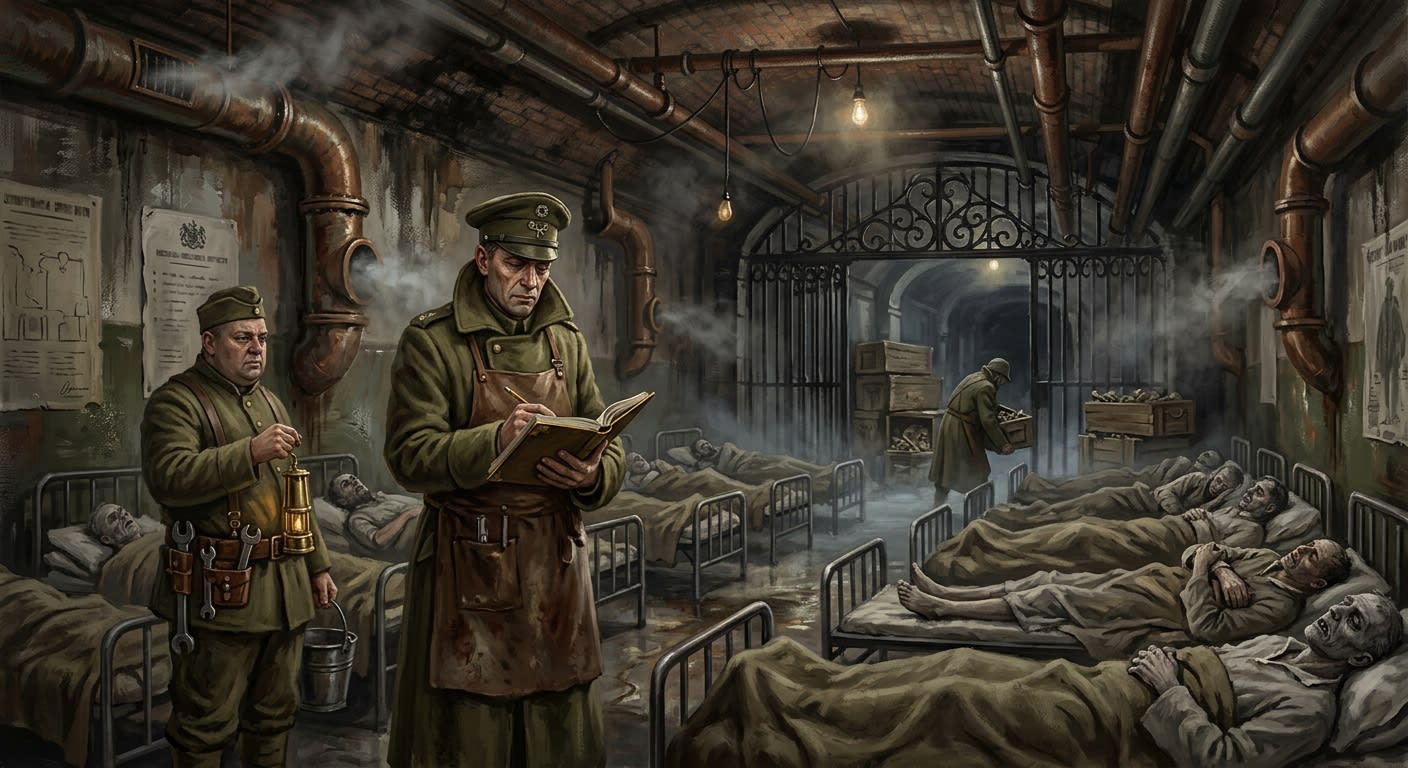
Great Plague of A.S. 78
The year Mercy learned to write before the mouth closed
The Great Plague of A.S. 78 ravaged the southern trench infirmaries and became the Lull of Names, birthing terminal confession mandates, ossuary controls, and threshold doctrine.
Codex Ref. VII.4.20-002
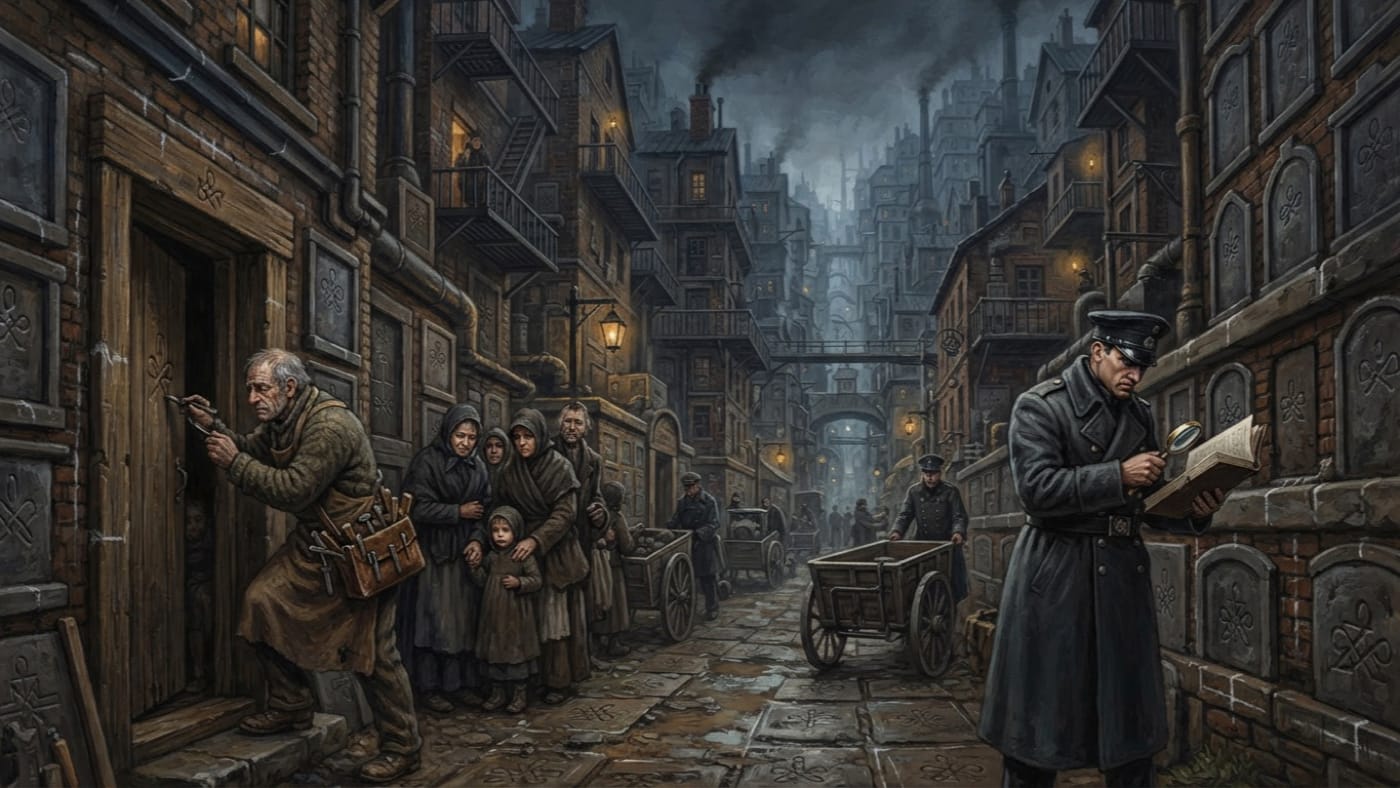
Housing and Burial Codes
A roof and a grave remain yours while the marks agree
The Housing and Burial Codes bind roofs and graves to the same ledger. A valid Triune Knot makes a household legible; a failed mark makes its stone available for confiscation.
Codex Ref. XIII.1.07-014
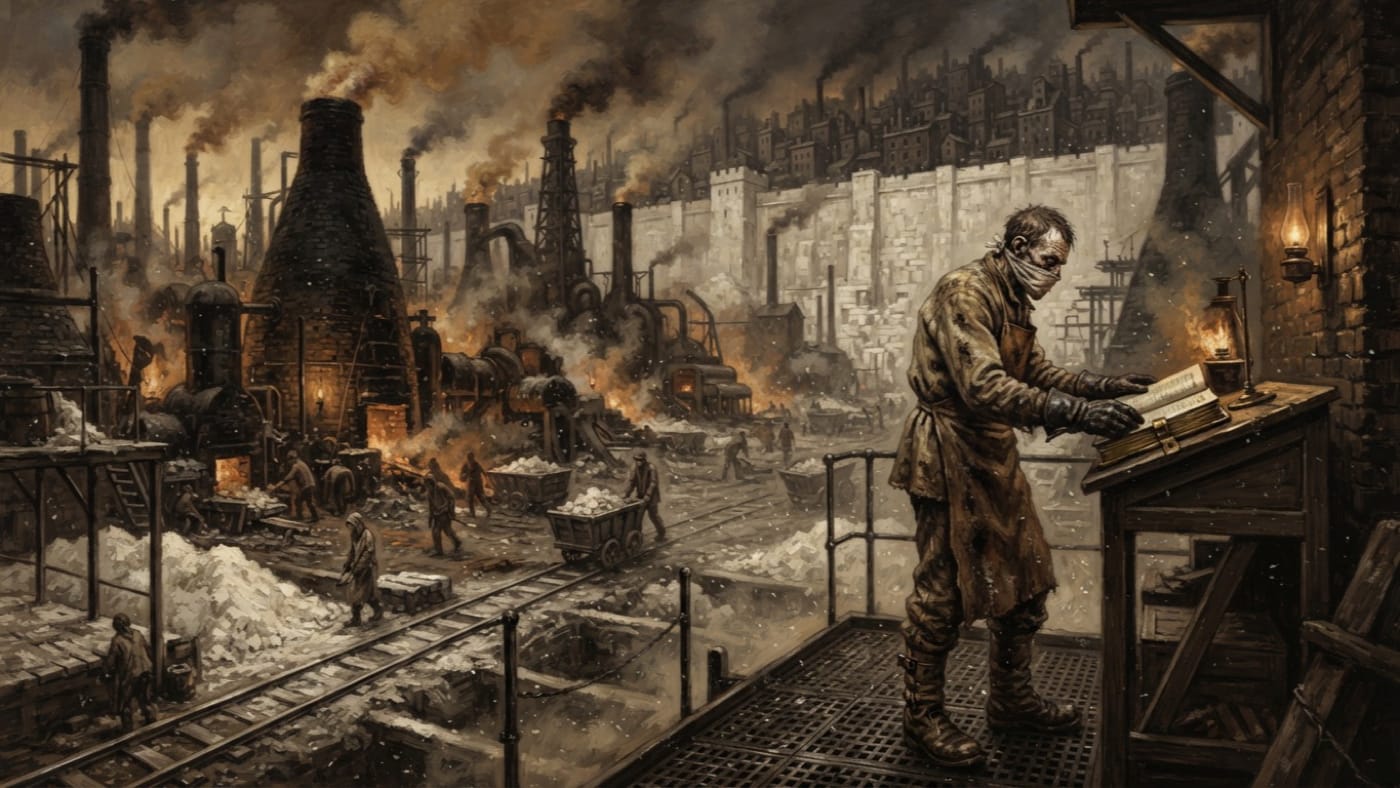
Kilnmaster Hark
The fire schedule stands; the dead keep correcting the ledgers
Kilnmaster Hark keeps Marrowgate's central kilnfield burning, turning cleared remains into walls, roads and white lines. His origins are unfiled; the Marrowwind restores the names his schedule leaves out.
Codex Ref. III.3.07-003
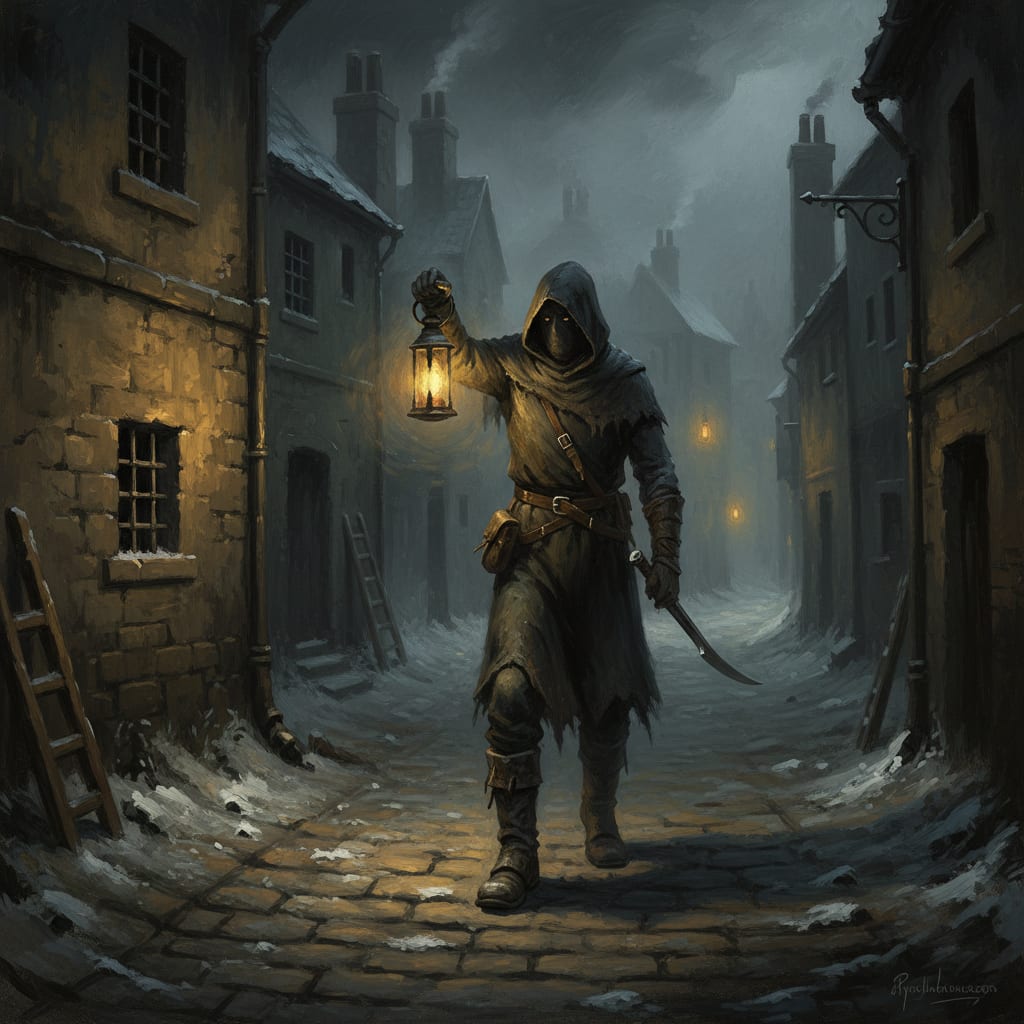
Lantern Brotherhood Vigilante
Eight thousand four hundred tolerated blades, licensed by a subordinate clause — the Synod's night made visible and officially nonexistent.
Eight thousand four hundred tolerated blades in five Watch Circles, licensed by a subordinate clause in a curfew ordinance — the Synod's night made visible and officially nonexistent.
Codex Ref. XII.25.01-001
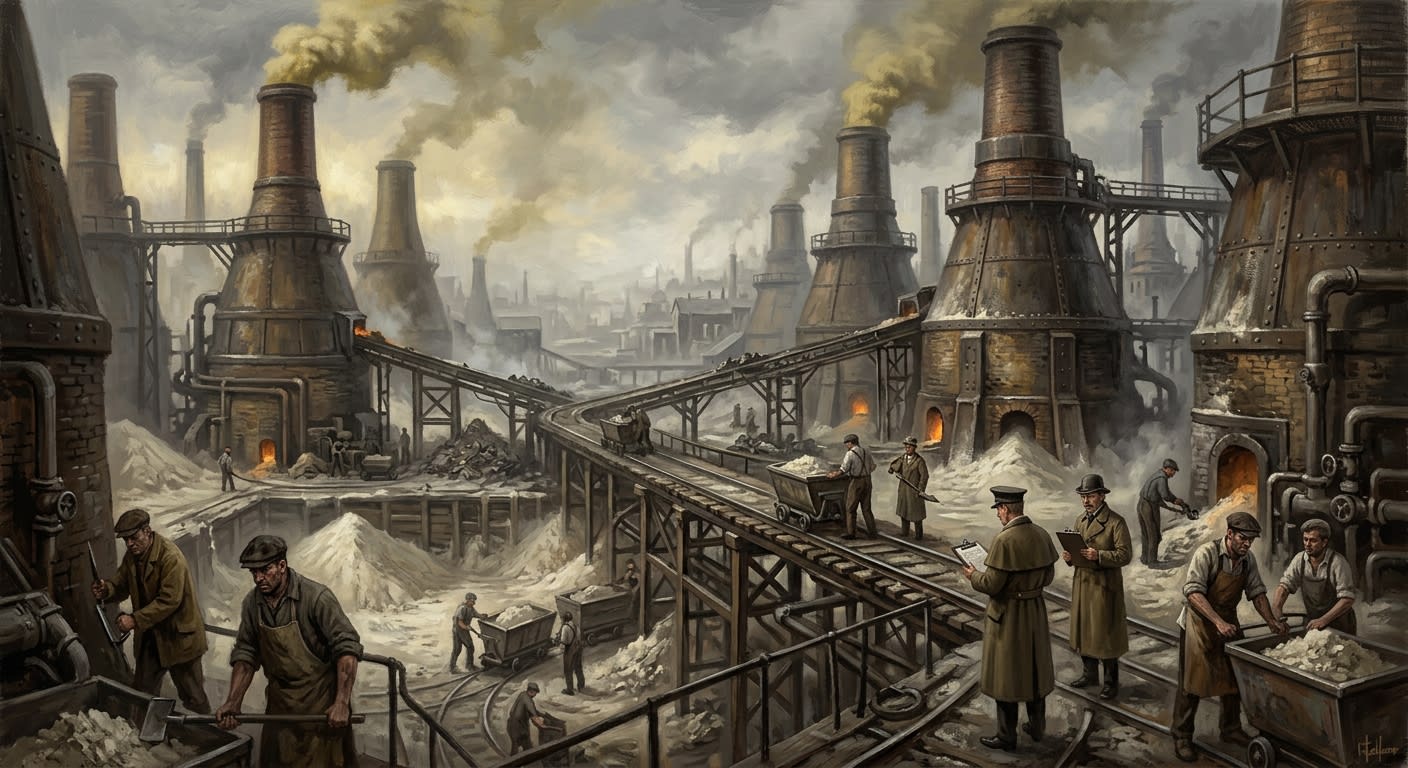
Lime Yards
The white furnaces where Marrowgate distributes its dead into walls, roads, and weather
The Lime Yards of Marrowgate are kilnfields where salvage remains become bone-lime, whitewash, road powder, ash-credit, and, when the Marrowwind rises, witness.
Codex Ref. II.2.06-003
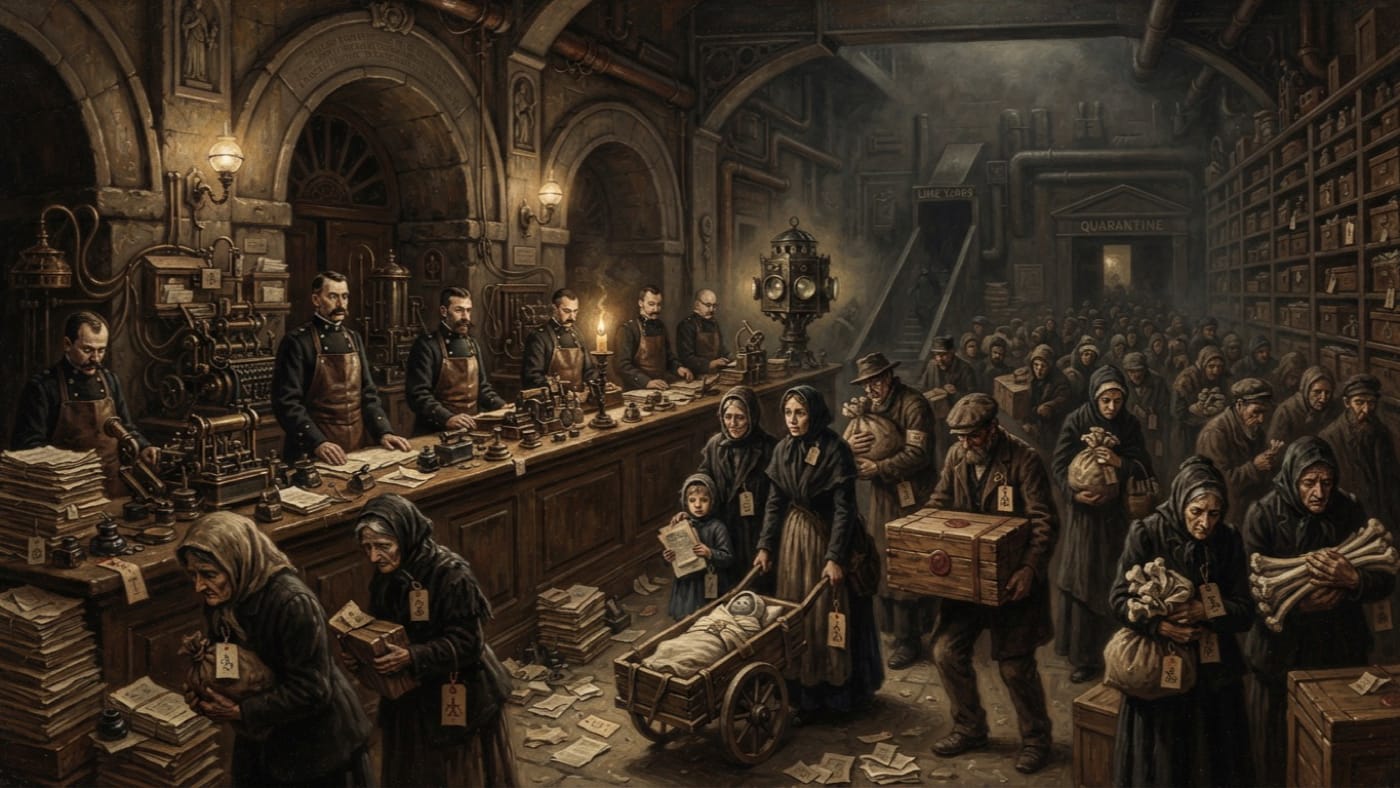
Mandatory Burial Clearance
Grief supplies no exemption
The A.S. 78 mandate placed every corpse, bone and ash sack under stamped clearance. Five classifications govern the dead; grief supplies no exemption.
Codex Ref. XIII.1.91-078
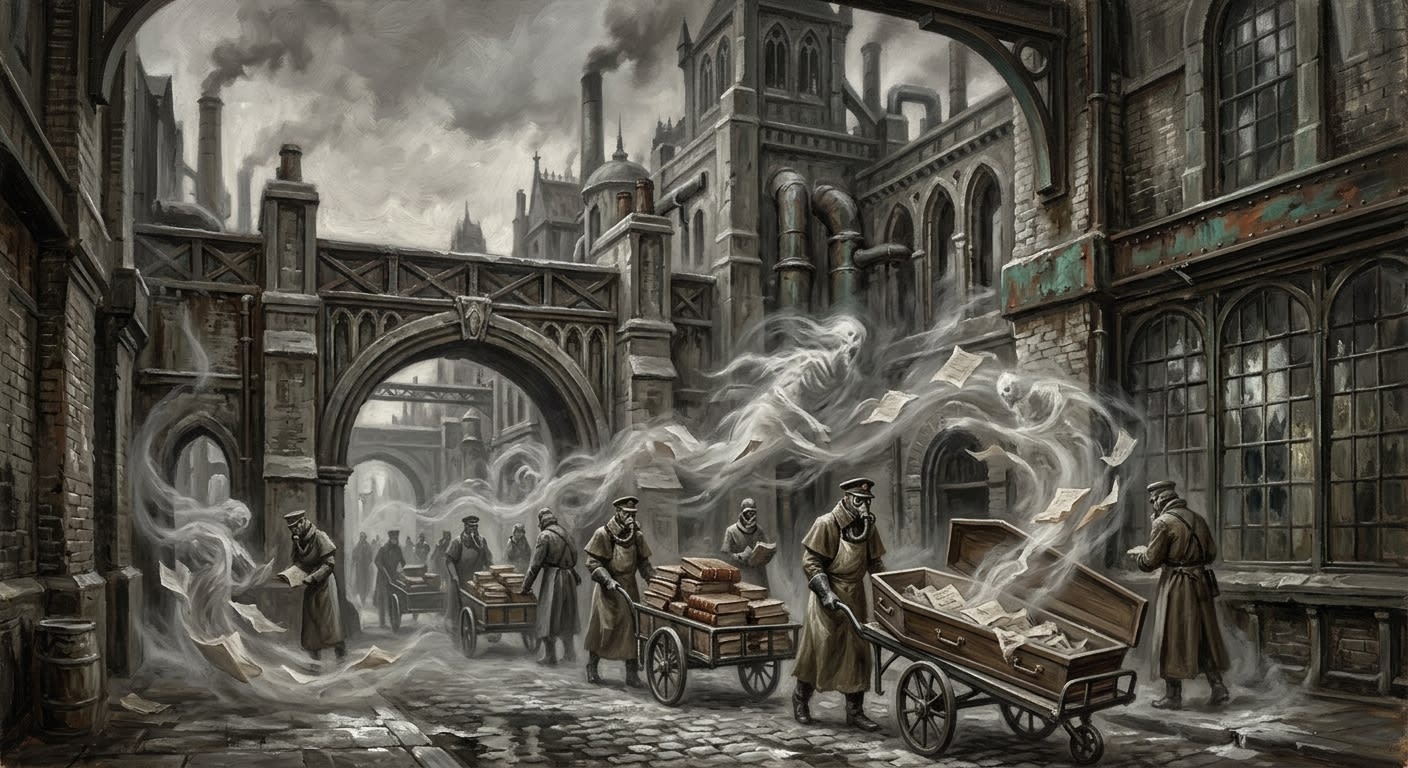
Marrowwind
The dead file amendments in lime and breath
At Marrowgate, chalk wind carries the voices of the dead, corrects fraudulent ledgers, and proves that a corpse with paperwork remains a witness.
Codex Ref. XIII.1.20-001
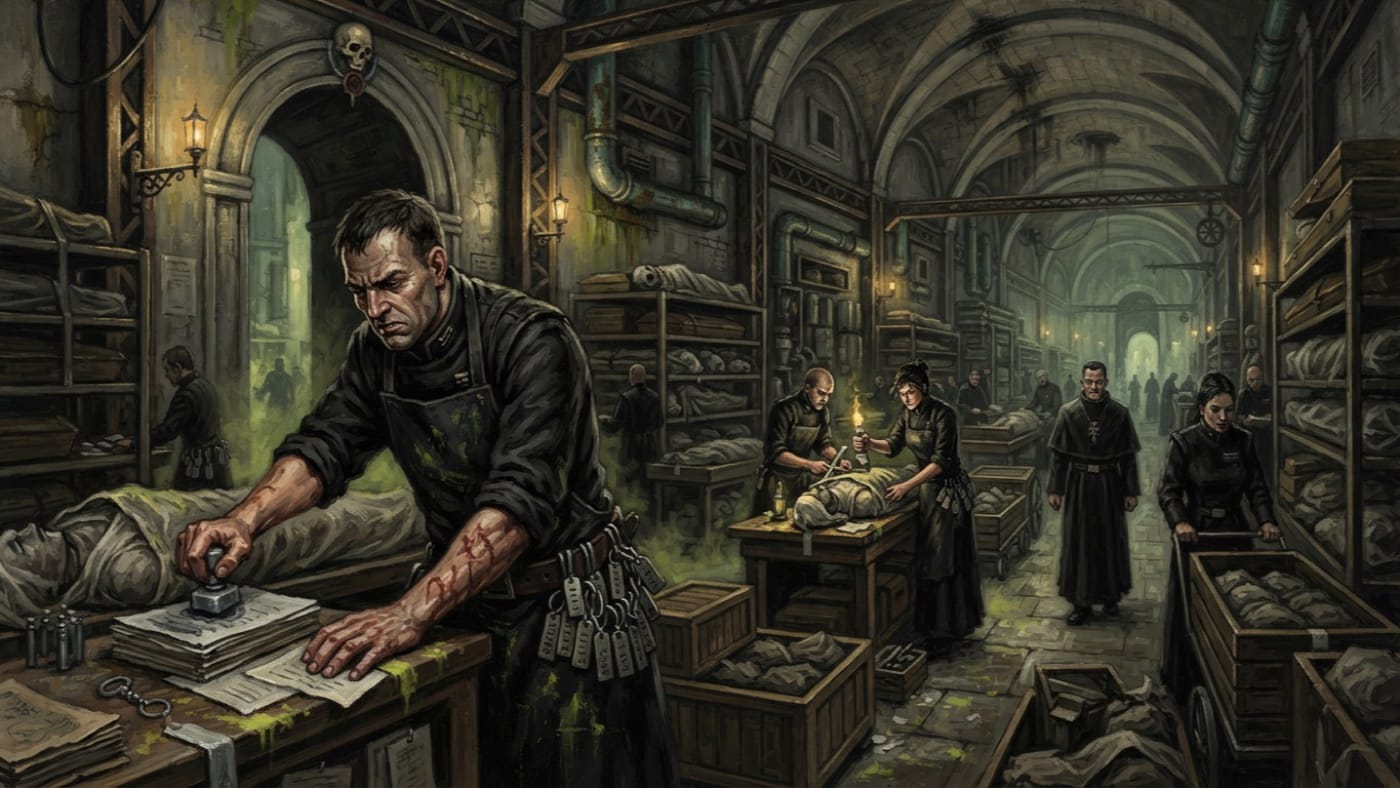
Mercy Stamp clerks
The street cannot wait for the Ledger to finish grieving
Mercy Stamp clerks are Dead-Goods Tariffers who favour speed against street rot. The opinion is permitted; the unofficial clearance has no lawful standing.
Codex Ref. XIII.1.11-201
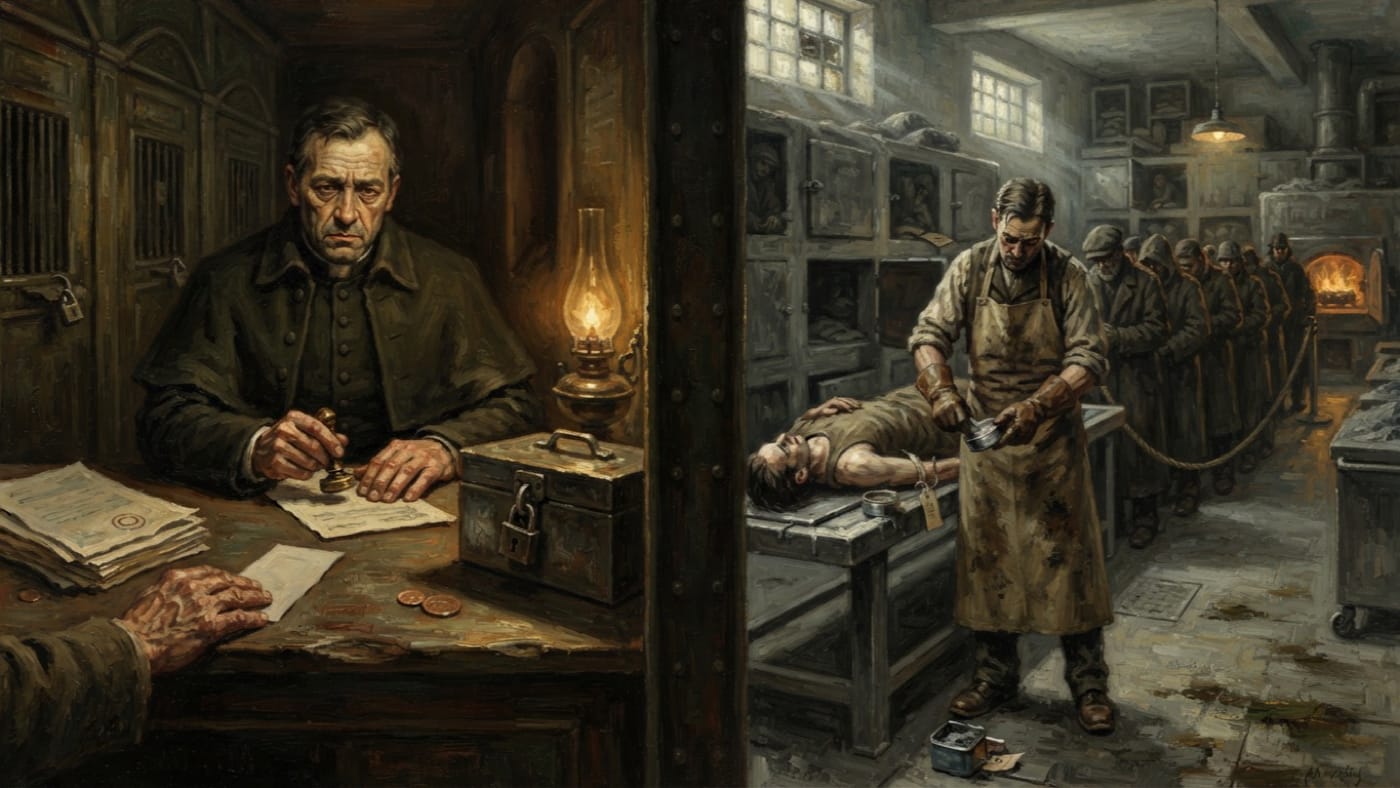
Mercy Stamps
The lawful hand guards grace; the ashen hand moves the queue
Two histories share one name: the confessor's restricted impression and Marrowgate's unofficial ash mark. Drax surveys their A.S. 201 standing, where forgiveness is guarded and speed has a price.
Codex Ref. XIII.1.13-201
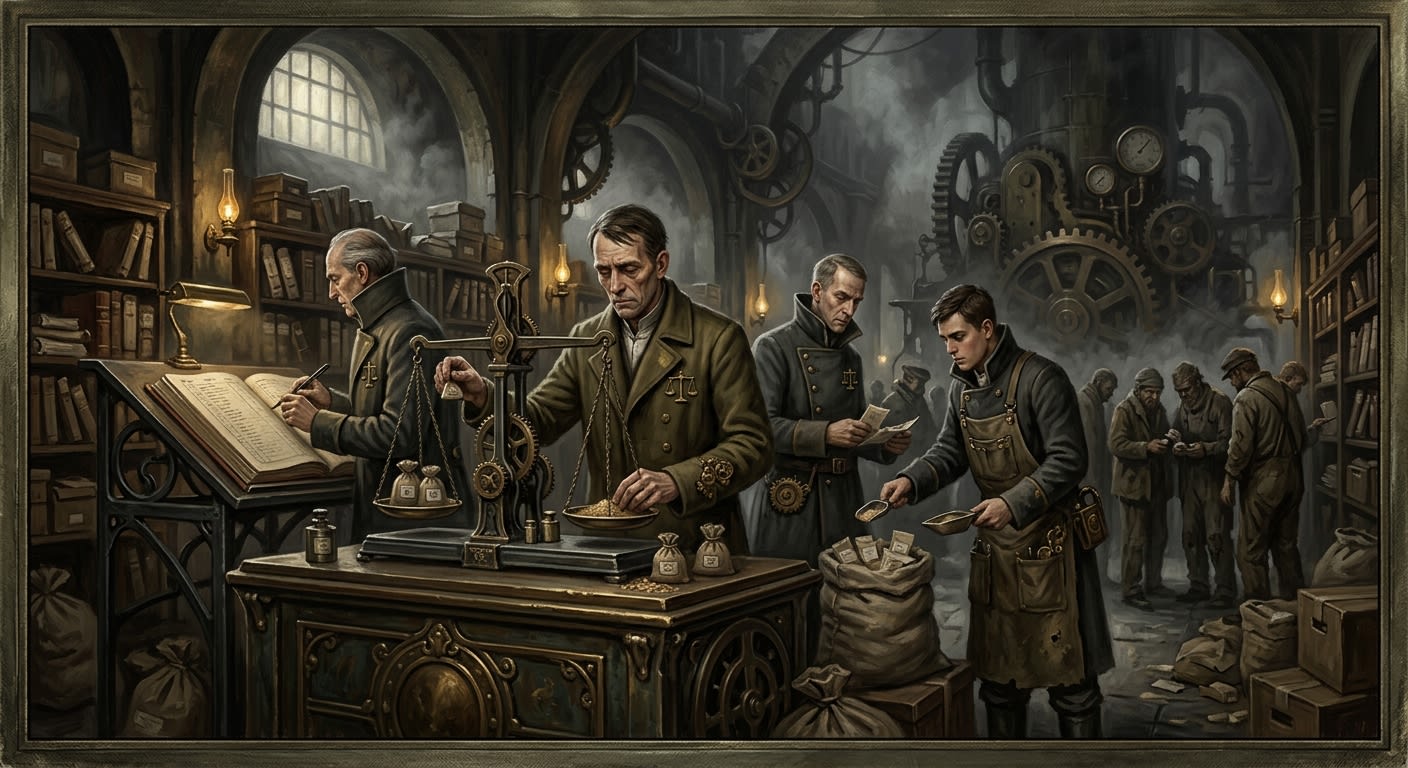
Mercy Weighers
Compassion, when properly hidden, can pass an audit
Internal tariff-chapel faction of Commerce Clerks who shade tariffs, balance ledgers, and keep hunger quiet by committing mercy in ounces.
Codex Ref. XIII.1.60-001
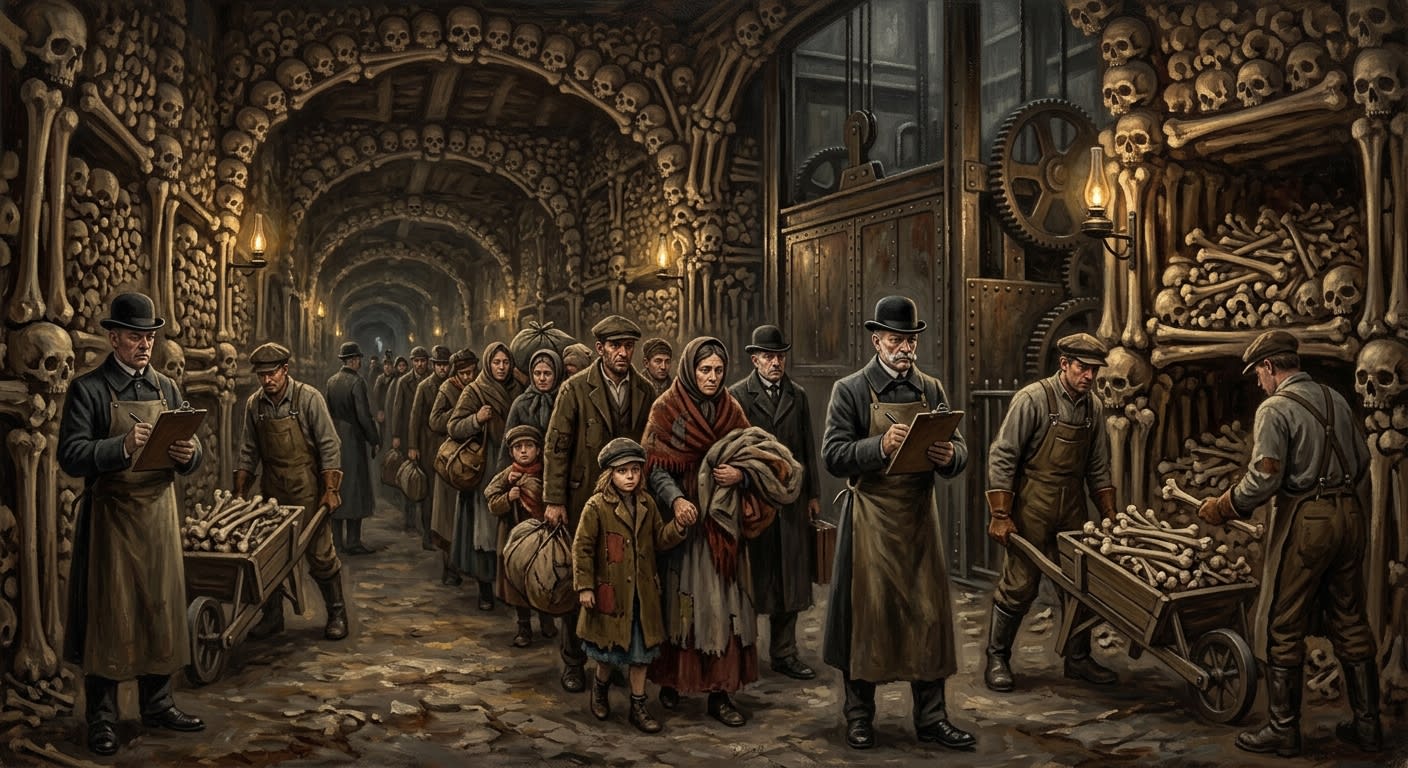
Ossuary Allies
Bring me your dead and I will find room for your living
Ossuary Allies convert grave-field claims into bone-walled tenancy, moving poor families from exposed graveside lanes into ossuary corridors at the price of their dead.
Codex Ref. XII.27.04-001
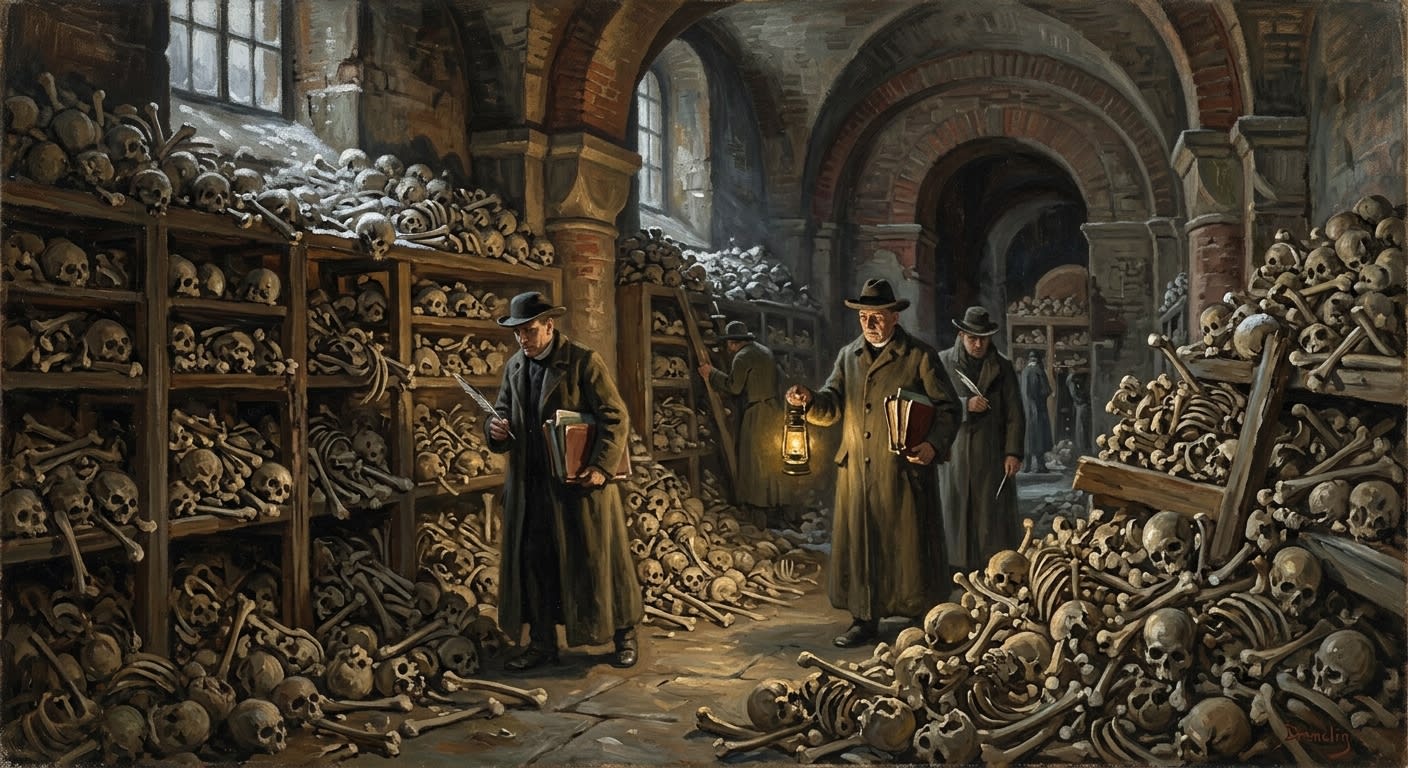
Ossuary Overflow Winters
The season when the dead exceeded the shelves and the wall learned appetite
Three A.S. 73–76 winters of forward ossuary collapse, suppressed ratios, frozen ledgers, and chapel overflow that taught the Synod to prefer sanctified walls to crowded shelves.
Codex Ref. VII.4.25-002
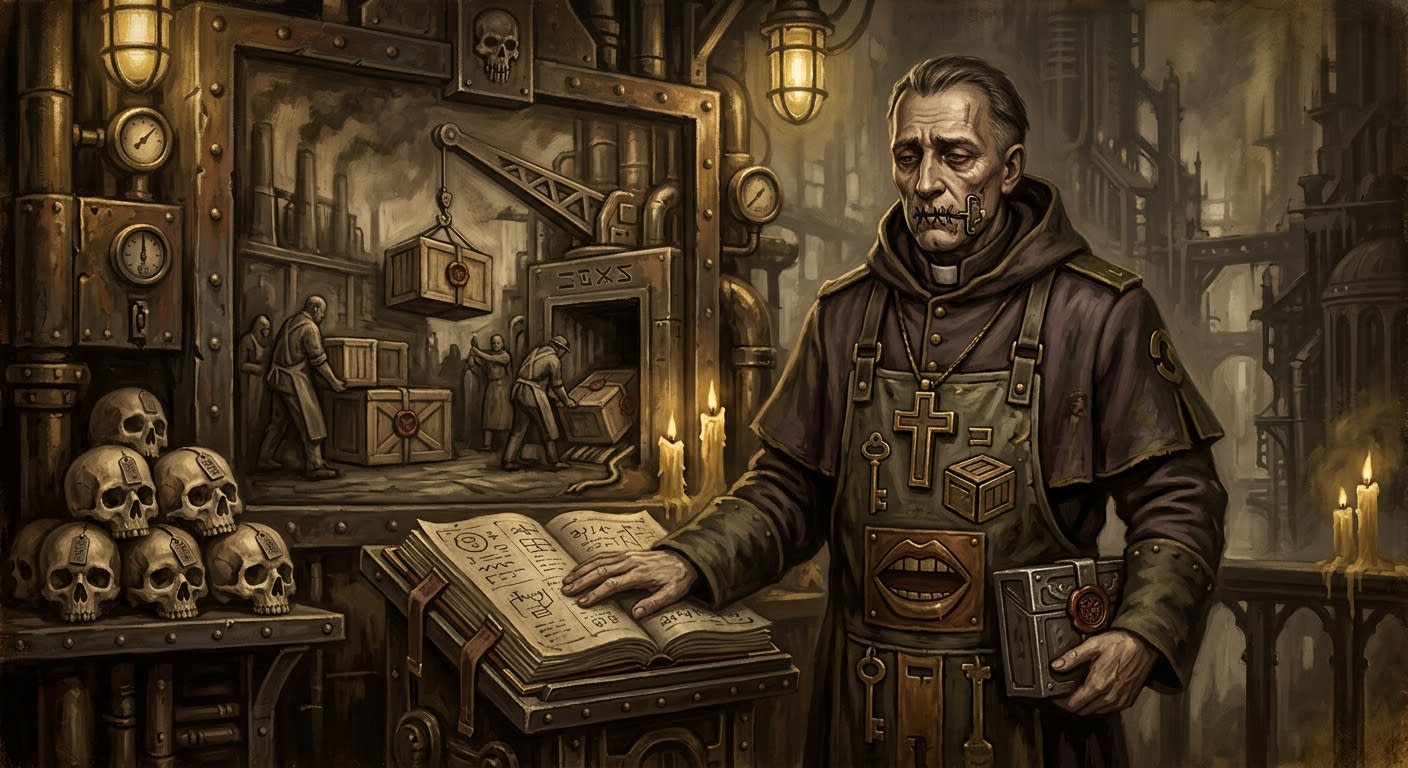
Saint Morin of the Sealed Mouth
Patron of waxed teeth, taxable grief, and the silence that keeps the queue moving
Saint Morin of the Sealed Mouth is the disputed occupational patron of Dead-Goods Tariffers, waxed skulls, intake bays, and the mortuary discipline of making the dead remain quiet.
Codex Ref. III.2.01-105
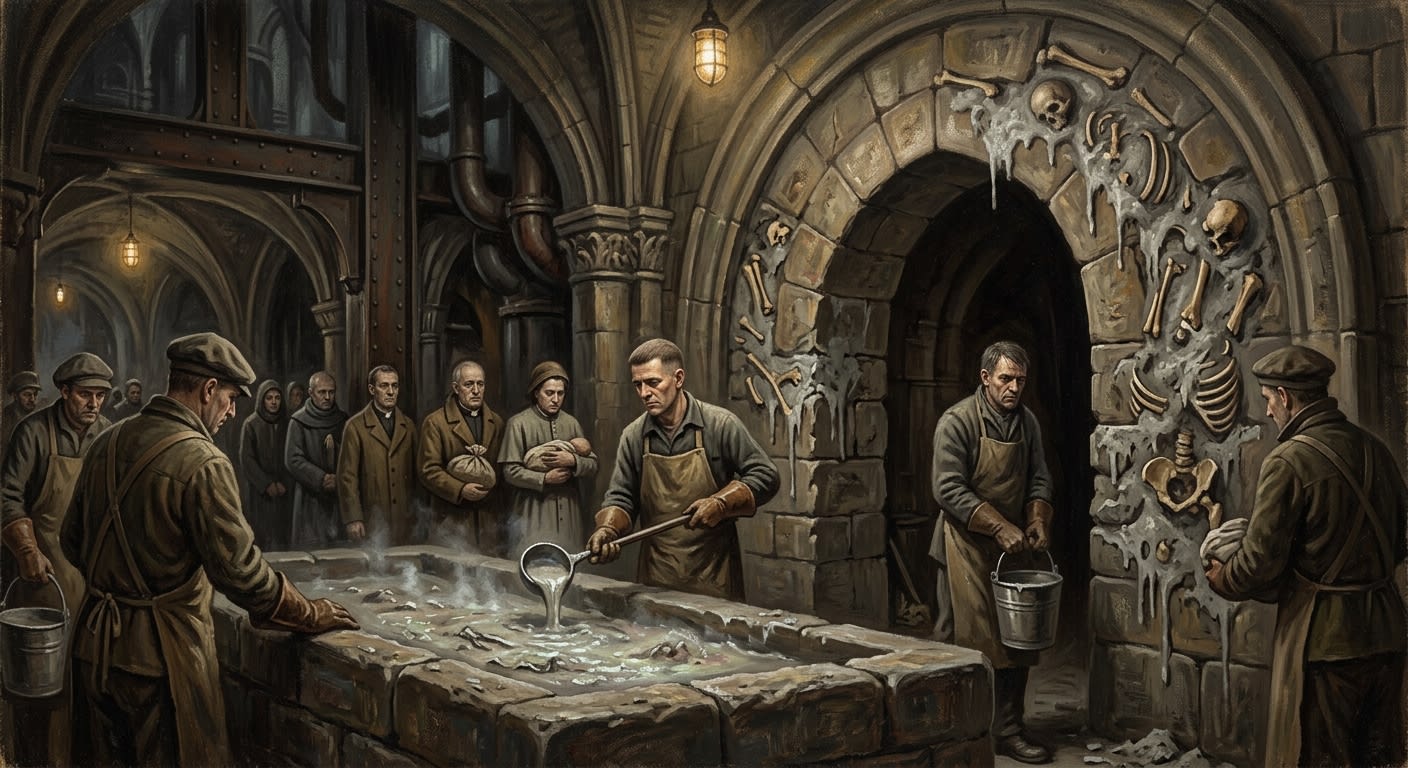
Saint-Bone Melting Acts
Sanctity must bear weight, and the wall has receipts
The A.S. 96 Saint-Bone Melting Acts made surplus holiness structural, teaching relics to become mortar and the faithful to call subtraction a wall.
Codex Ref. XIII.1.91-096
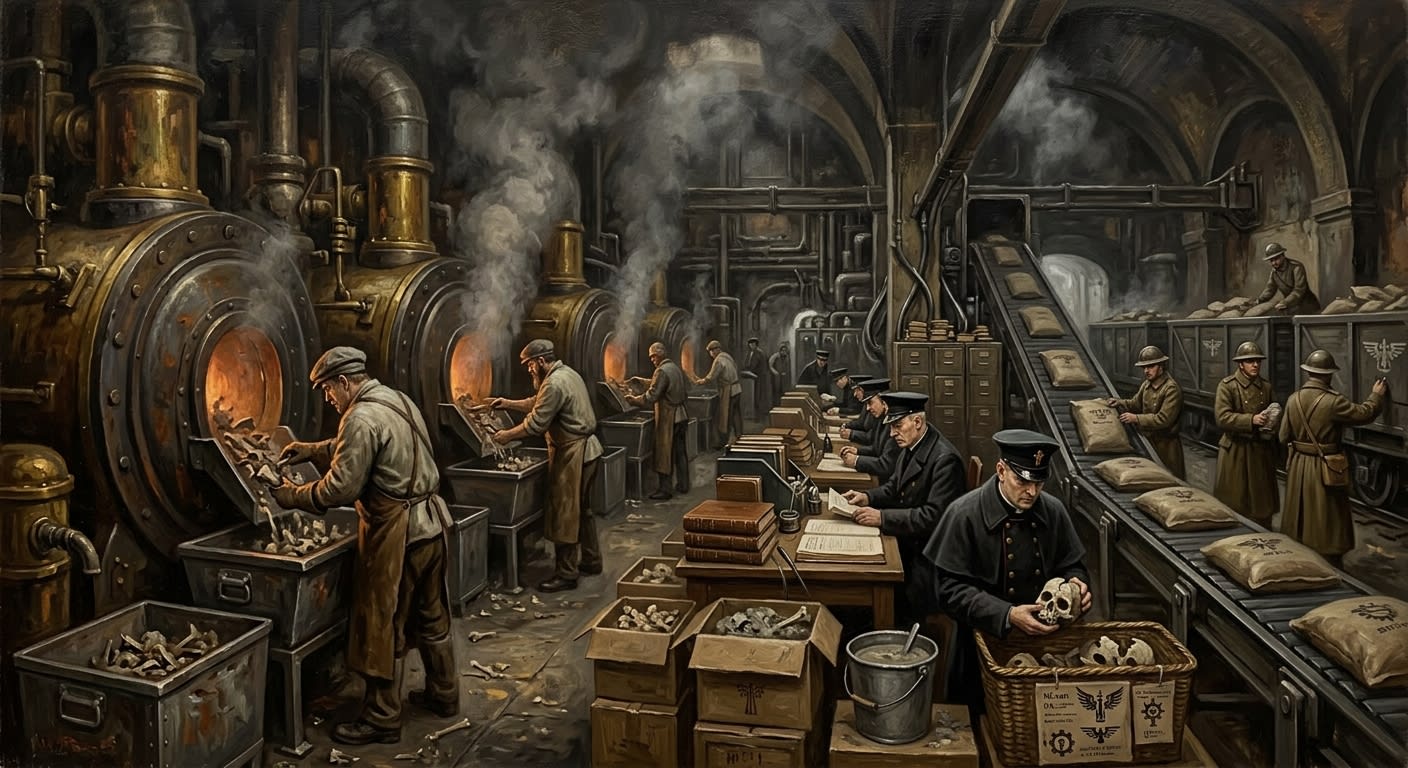
Saint-Bone Melting Acts A.S. 96
The statute that taught saints to bear weight, whether they had consented neatly or not
A.S. 96 legislation that turned surplus, damaged, disputed, duplicated, and unassignable relic fragments into deployable sanctified mortar for the Sagittal Line.
Codex Ref. VII.2.10-096
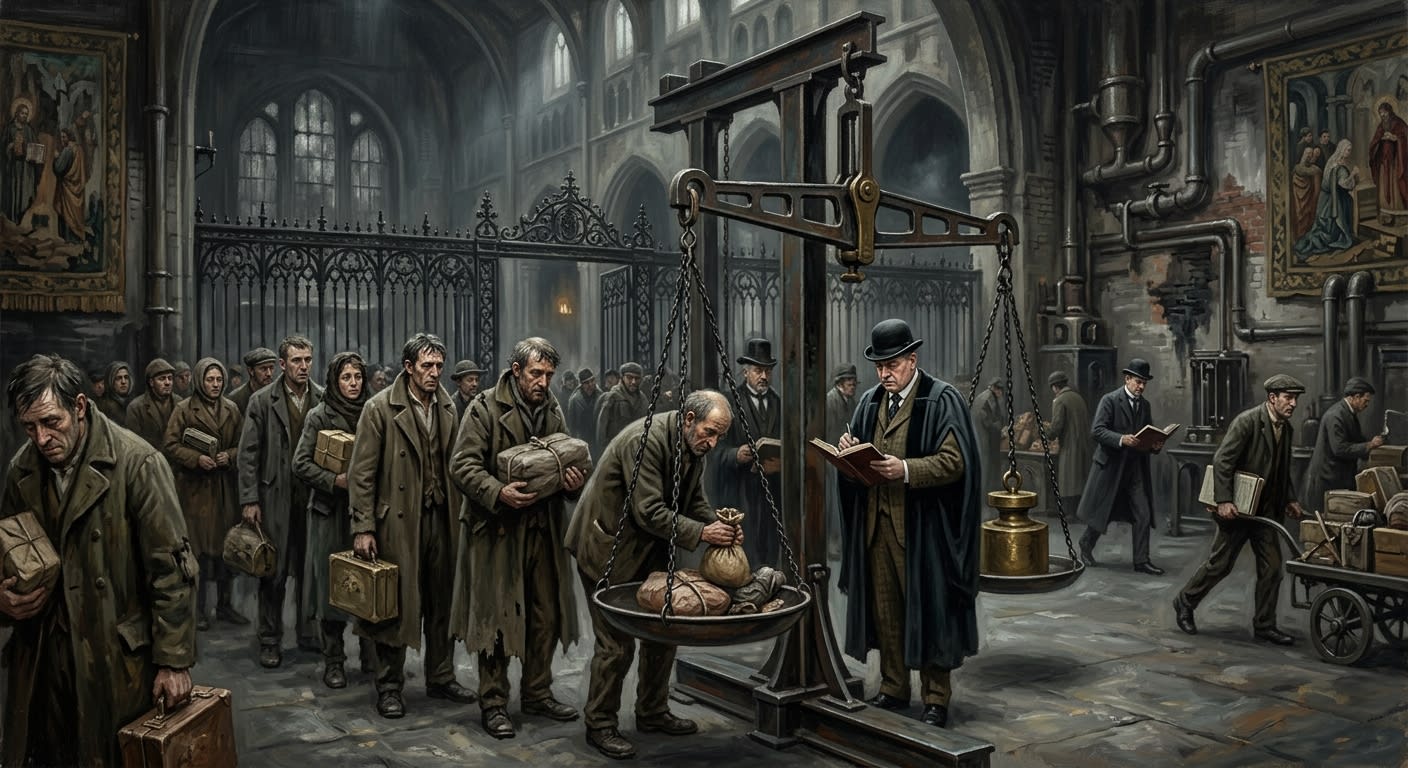
Tariff Chapel
The altar where hunger, bone, freight, and grief learn their lawful weight
The Tariff Chapel is the Synod's sacramental weighing room, born from the A.S. 97 Bread-Scale Uprising and extended to goods, corpses, relics, queues, and taxable desperation.
Codex Ref. XIII.1.67-001

The Rhine Corridor
Damp procedure, counted backward from every bridge
The Rhine Corridor is the Synod's damp procedure: a Zone 2 logistics artery, mortuary road, ferry court, heresy school, and billable proof that movement can be made afraid.
Codex Ref. II.2.08-202
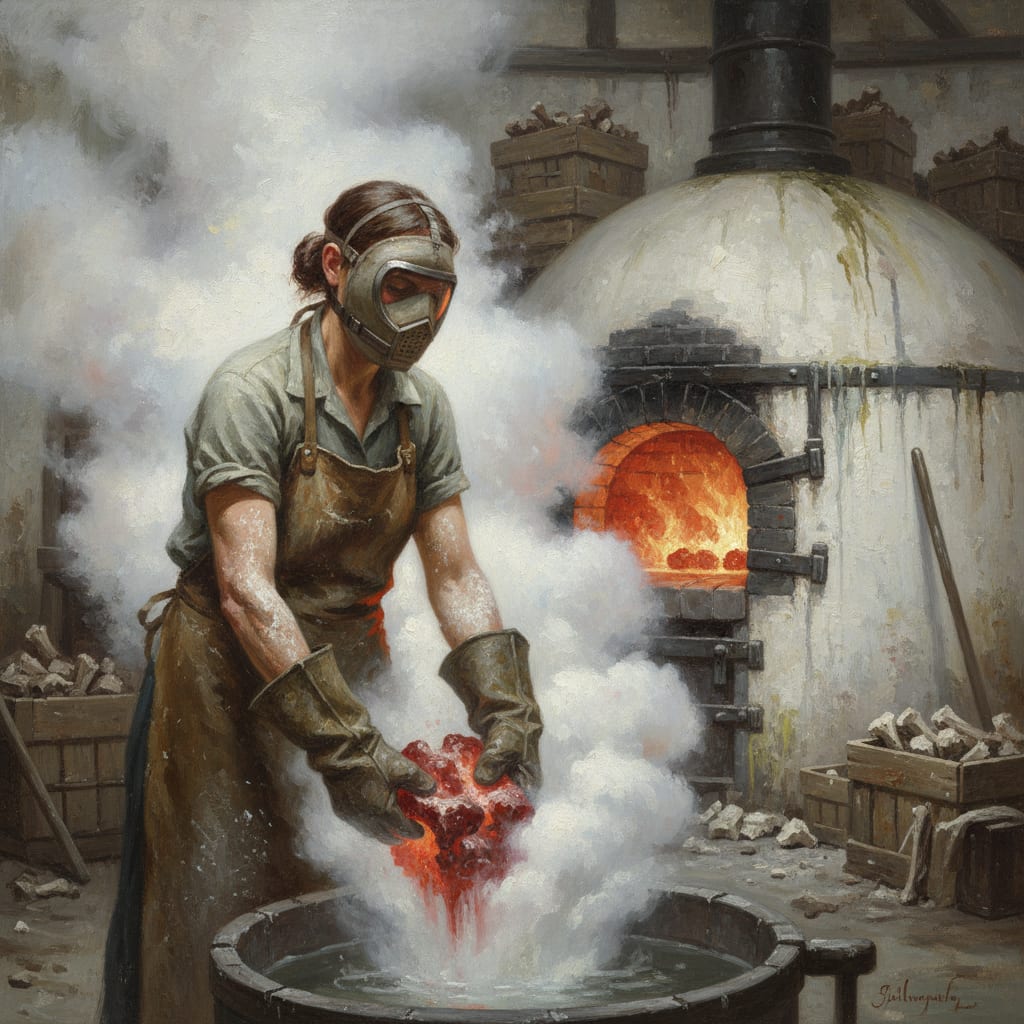
The Saint-Bone Melter
The wall is the only sermon the Enemy has ever been forced to hear
The artisan who feeds the bones of saints to the kiln and receives in return the mortar that holds the Sagittal Line together. The arithmetic is simple and brutal: a femur in a reliquary inspires; a femur in a wall holds.
Codex Ref. XII.40.01-001