

Reverse Index
Referencing “The Blightmarsh”
Every codex entry that links to The Blightmarsh. 128 entries.
Return to The Blightmarsh
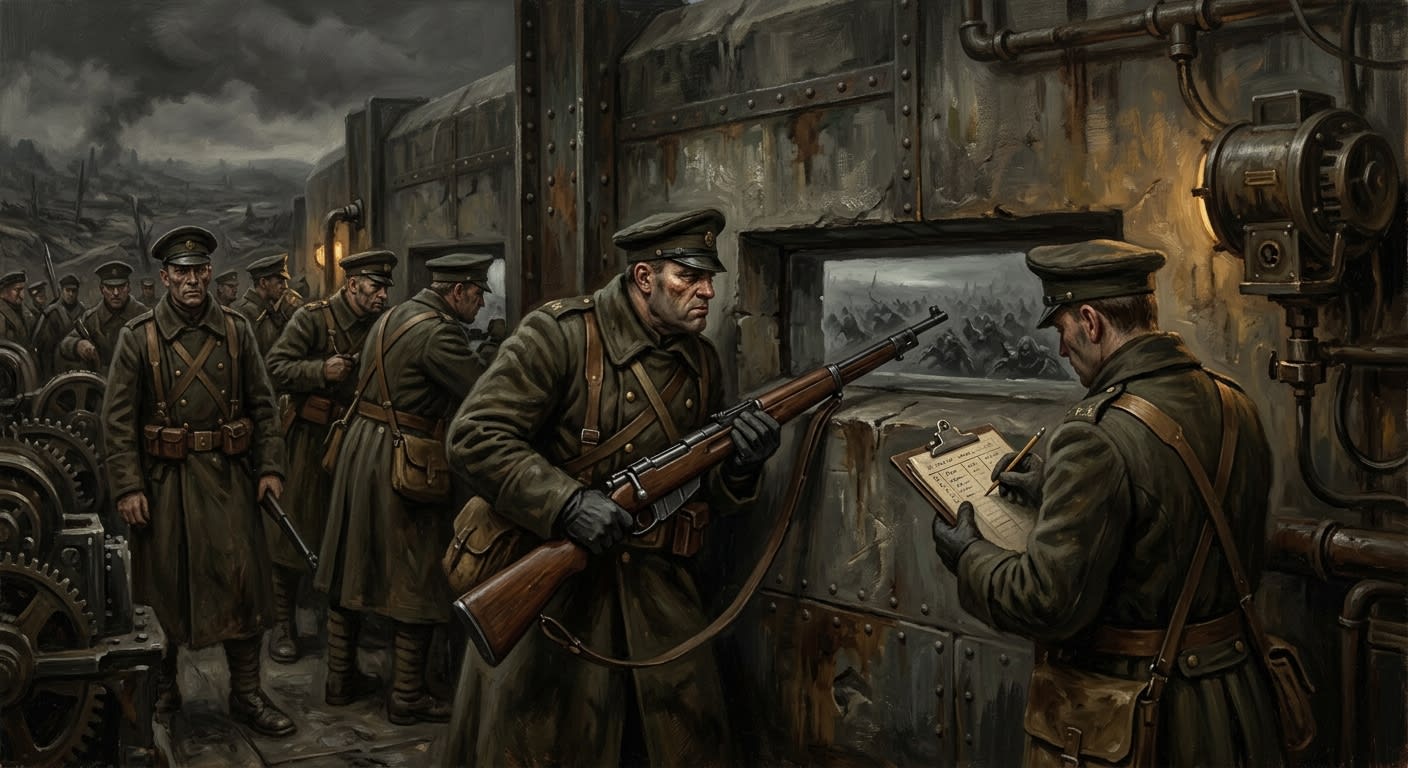
14th Garrison
The wall survives by learning when to look away
The 14th Garrison holds Bastion-Constantinople's hunger-facing wall by counting Kargath's horrors briefly, coldly, and under orders to look away.
Codex Ref. VIII.5.14-201

22nd Line Company
The hand is servant, and therefore watched
The 22nd Line Company gave Doctrine one bitten logbook, one hungry corporal, and the ninety-second rule by which men now survive looking.
Codex Ref. VIII.5.22-191
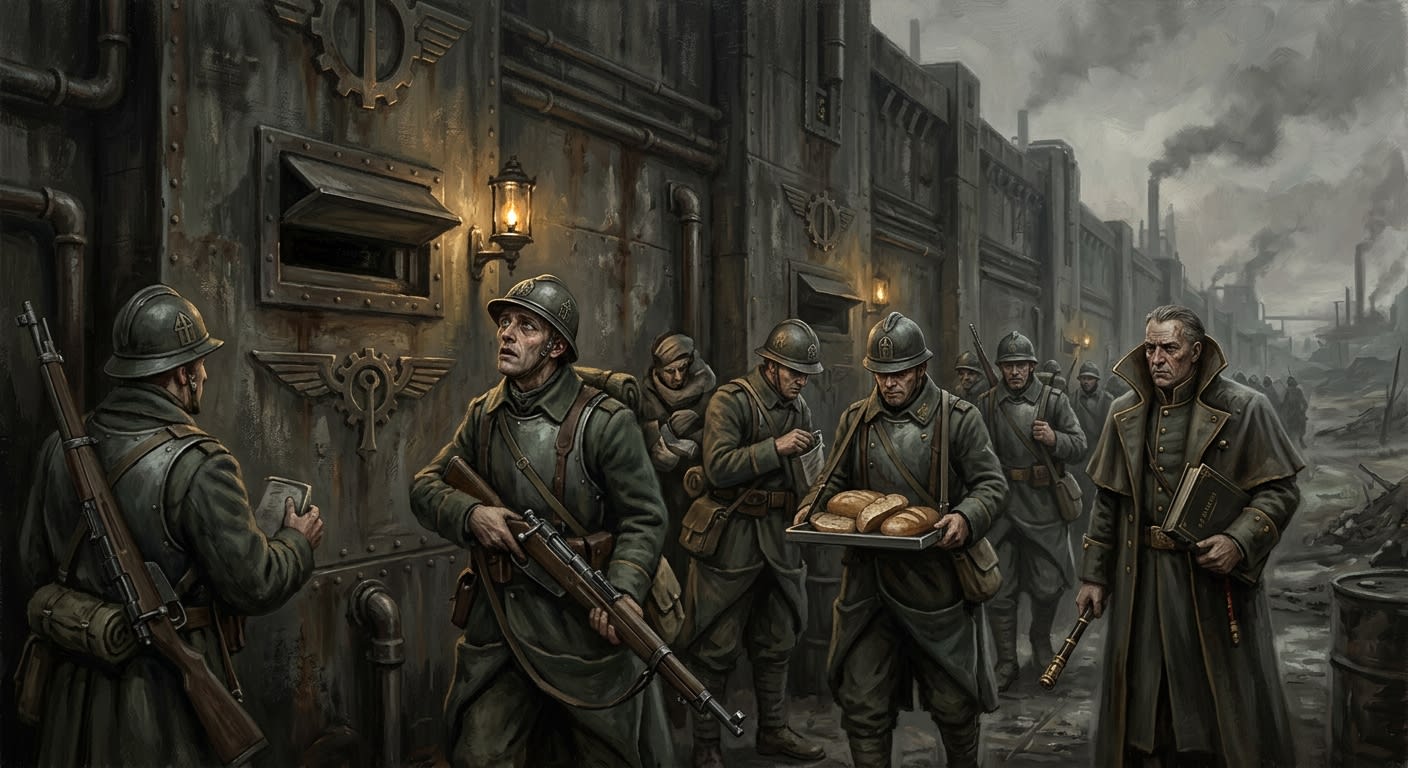
9th Garrison
Enough at the slit, bread under witness
The 9th Garrison taught the southern wall that looking too long has teeth, and that survival after hunger-contact begins with covered slits and witnessed bread.
Codex Ref. VIII.5.09-196
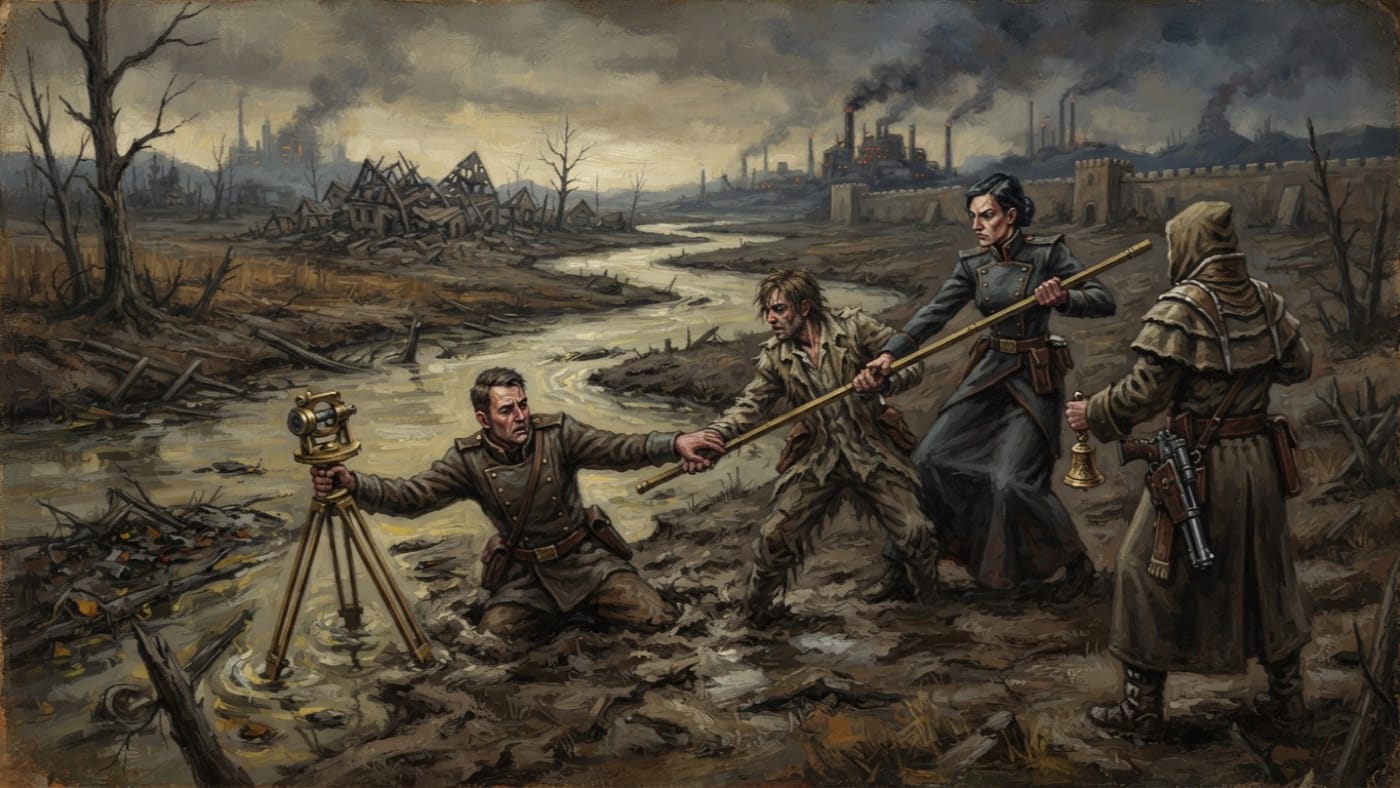
A.S. 174 Drava Survey
Three maps, one missing adept, and no correction to the river
The A.S. 174 Drava survey returned three incompatible maps and lost Adept Harlen. Cartography sealed the maps apart; Records settled the man's pay.
Codex Ref. VII.8.10-174
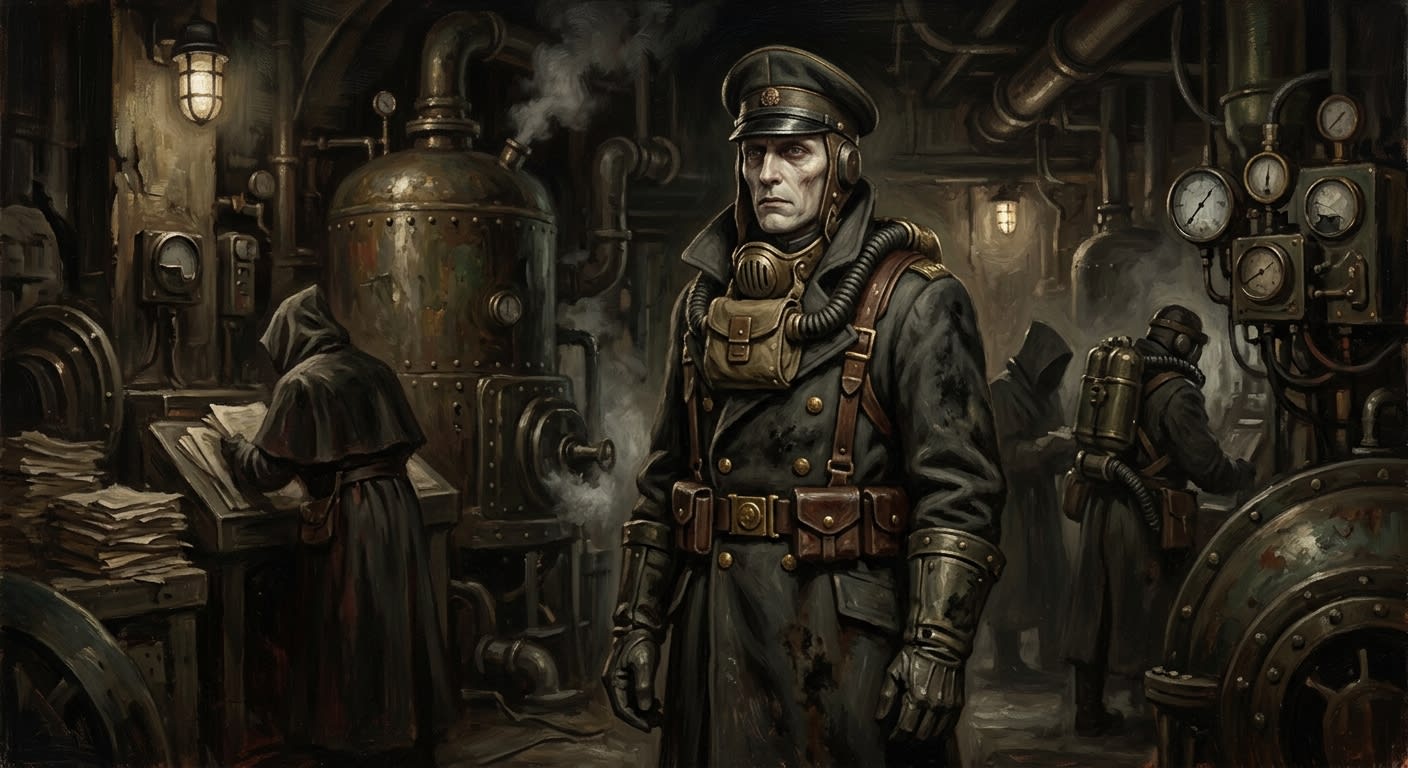
Adept Harlen
The dead cartographer who may still be measuring the river
Adept Harlen vanished during the A.S. 174 Drava survey, was declared dead by exposure, and was sighted unchanged at Kestrel-11 twenty-six years later.
Codex Ref. III.2.01-021
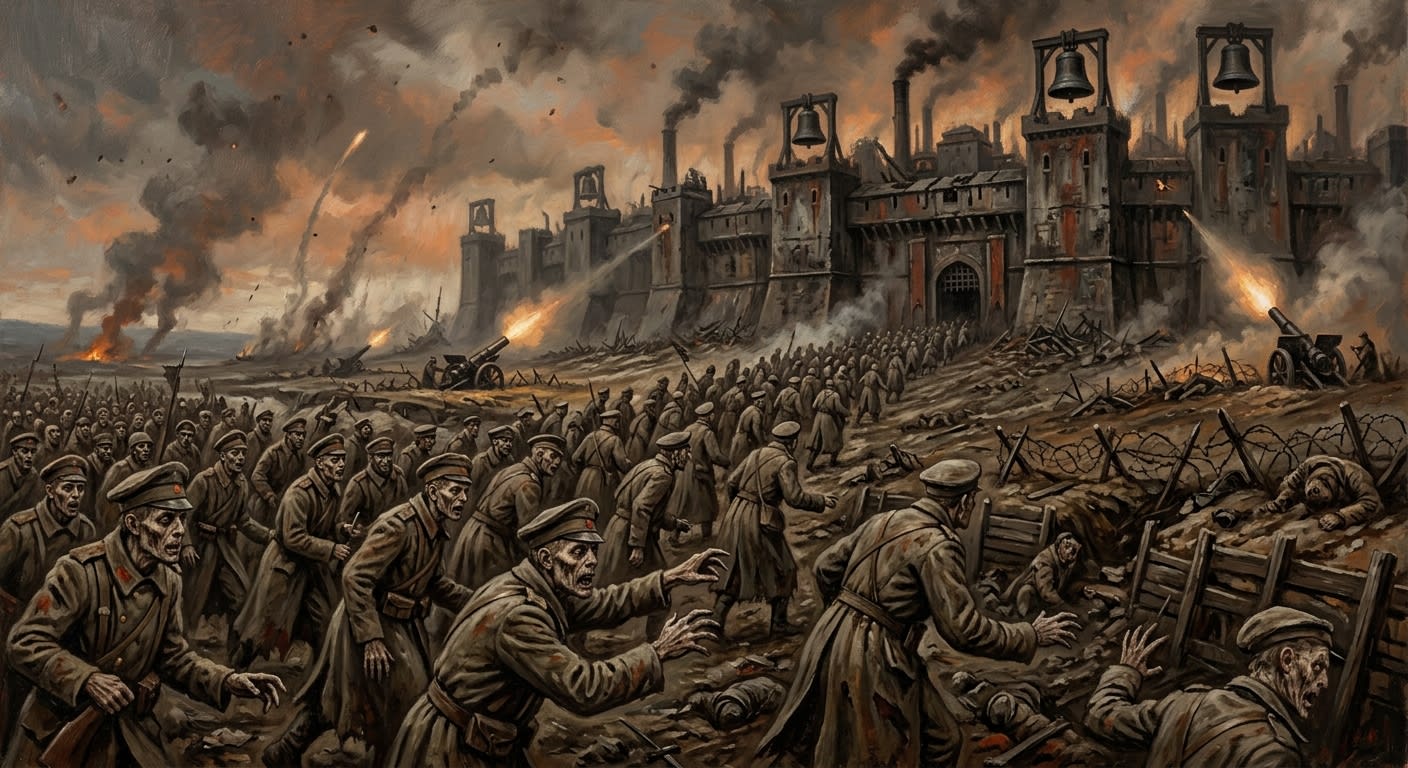
Advance of the Empty Maw
Hunger came walking; the bells taught it arithmetic
A.S. 195 plate of Kargath's hunger-host before Bastion-Constantinople, where artillery slowed appetite and bells kept men from eating themselves.
Codex Ref. VII.5.10-195

Aerial Wing
The sky, briefly obedient, under seal
Joint aerial custody apparatus by which the Synod lifts reliquary dirigibles, sermons, guns, clerks, and terror above Bastion-Constantinople.
Codex Ref. XIII.1.21-168
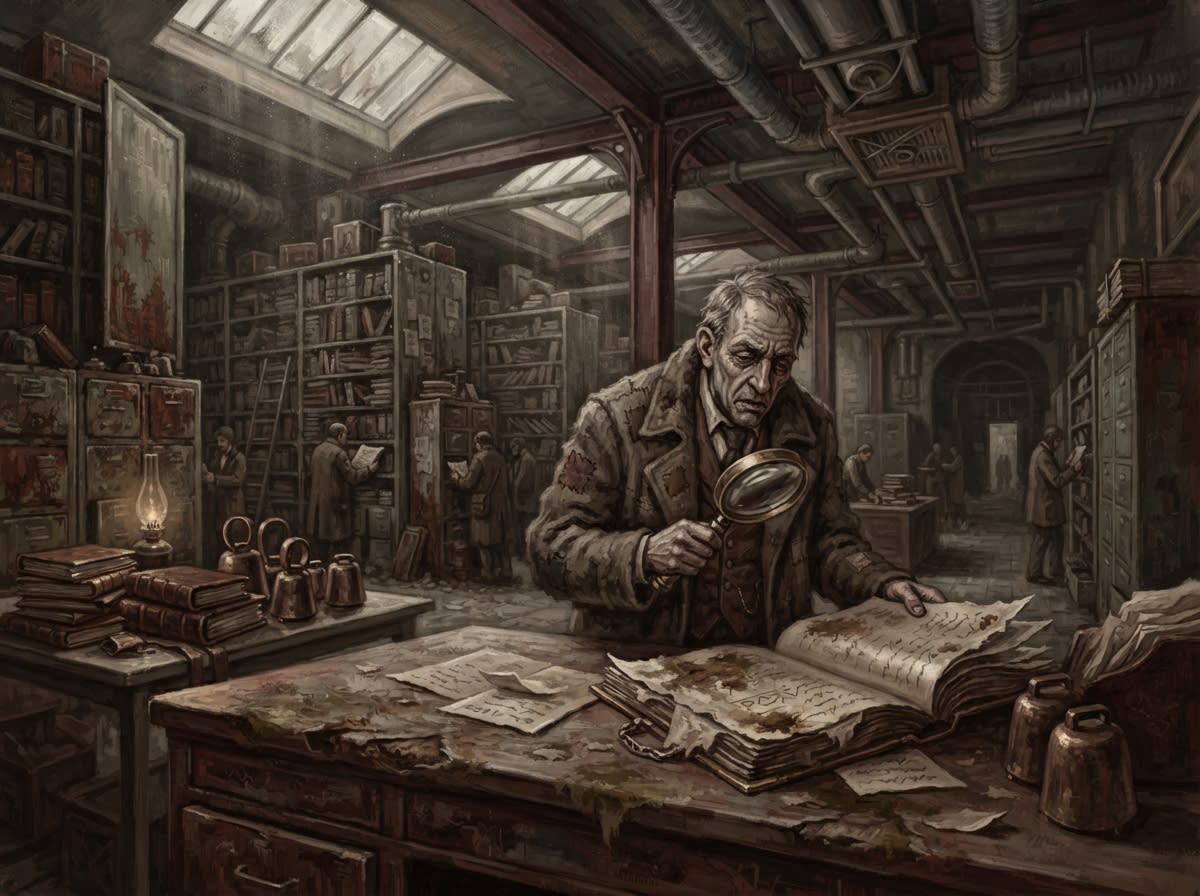
Alfold
The plain that remembered hooves after hunger learned to count
The Alfold was the cattle plain of old Hungary, where herds vanished with Debrecen's stores and the registers survived the hooves they were made to count.
Codex Ref. II.4.09-046
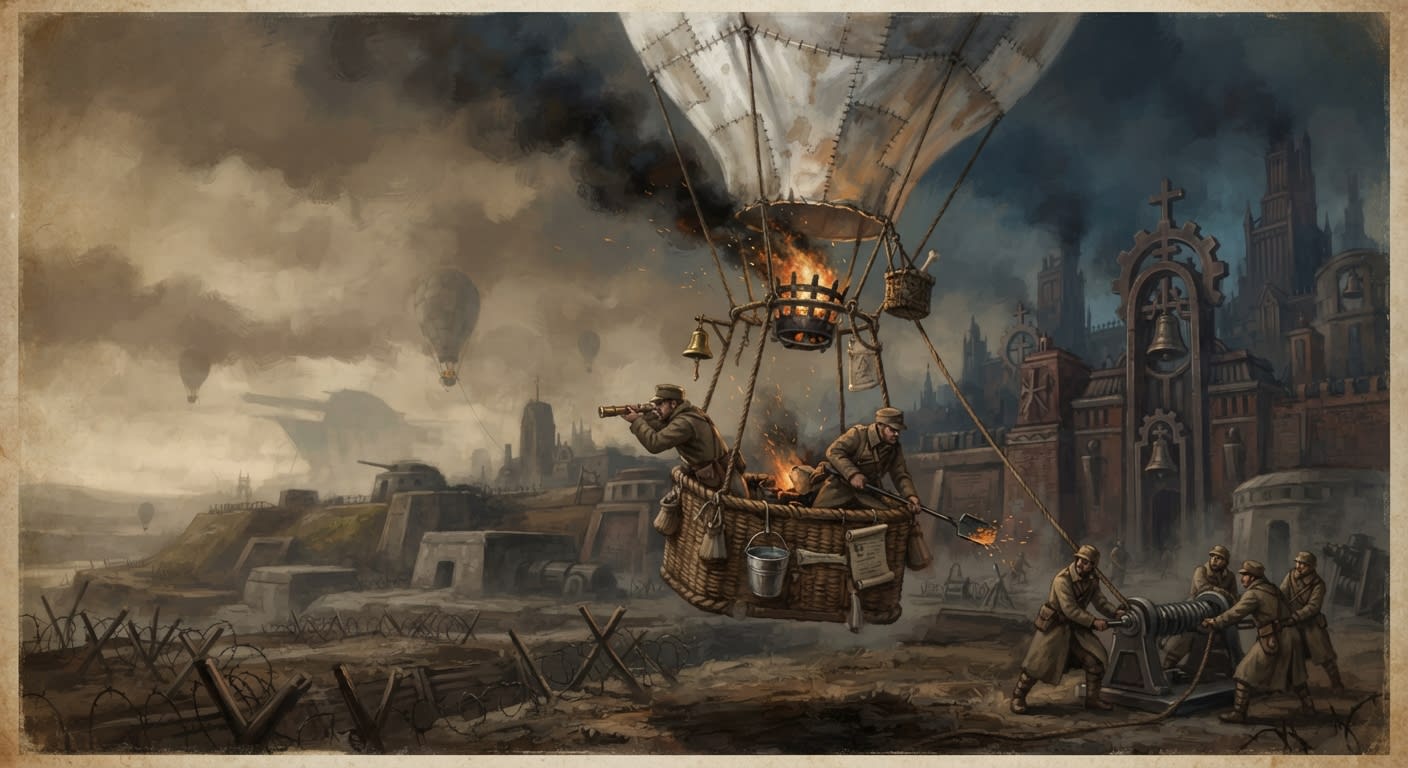
Angelus Engines
Before the sky was blessed, it was set on fire by committee
The Angelus Engines were the Synod's first intentional aircraft: silk envelopes, braziers, minor relics, two-man crews, and a casualty record later dressed as ascension.
Codex Ref. II.4.11-000

Ash-Mothers
A production line. The Bureau said two paragraphs were enough. They were not.
The Bureau's most exhaustive silence — Ash-Mothers are enemy reproductive logistics cells, captured women sustained by sorcery to generate Thrall regiments at industrial scale. I file the account that two paragraphs could not contain.
Codex Ref. IX.1.02-001

Assistant-Mapper Krail
The witness whose punctuation made the river culpable
Assistant-Mapper Krail survived the A.S. 174 Drava survey, supplied the phrase that damned the river's geometry, and then vanished into a sealed drawer.
Codex Ref. III.2.01-022
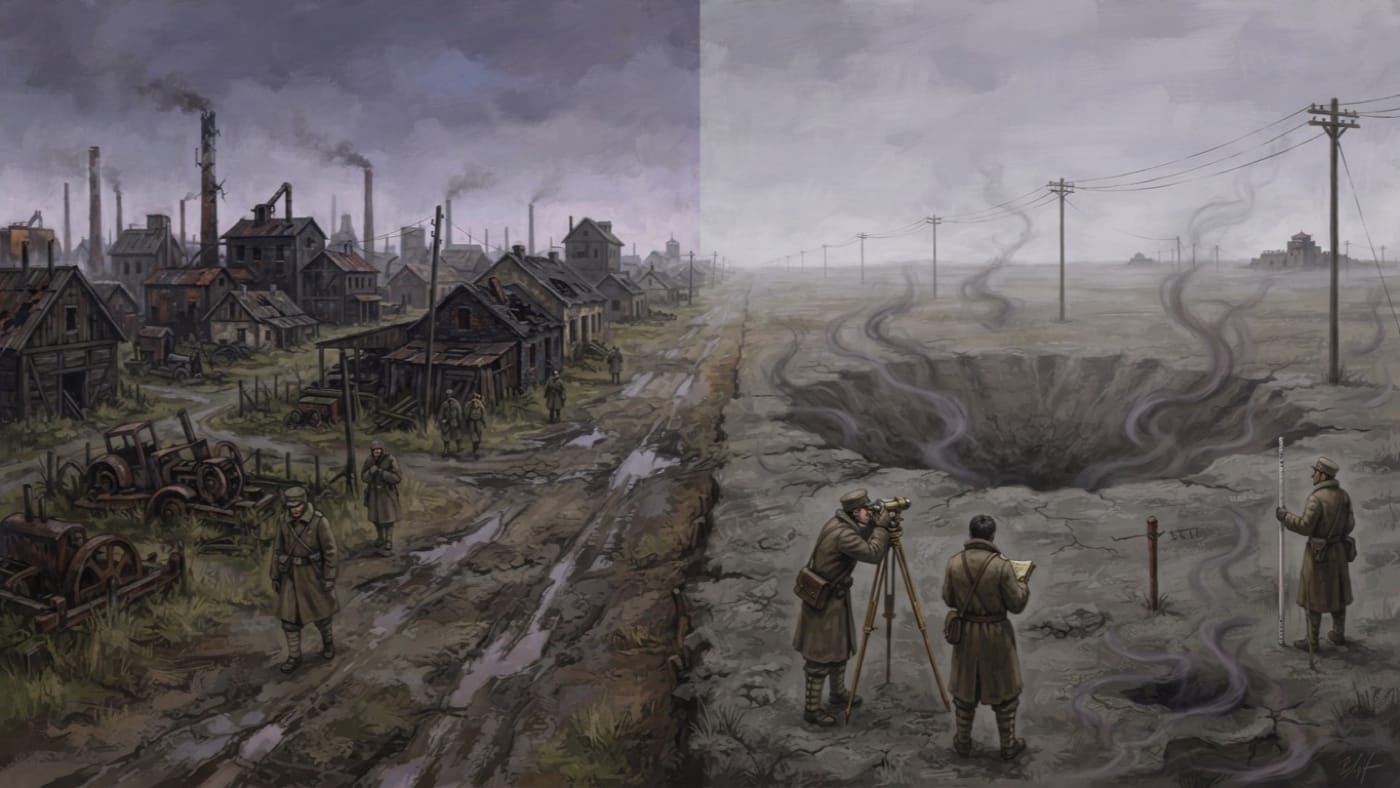
Baja
A town kept as an address for a grave whose hunger is reaching.
Baja survives as the locator for Famine Pit Twelve on the former road to Szeged. Two surveys record its hunger reaching farther; neither counts the dead. I have kept the town and the grave in separate columns.
Codex Ref. V.6.01-003
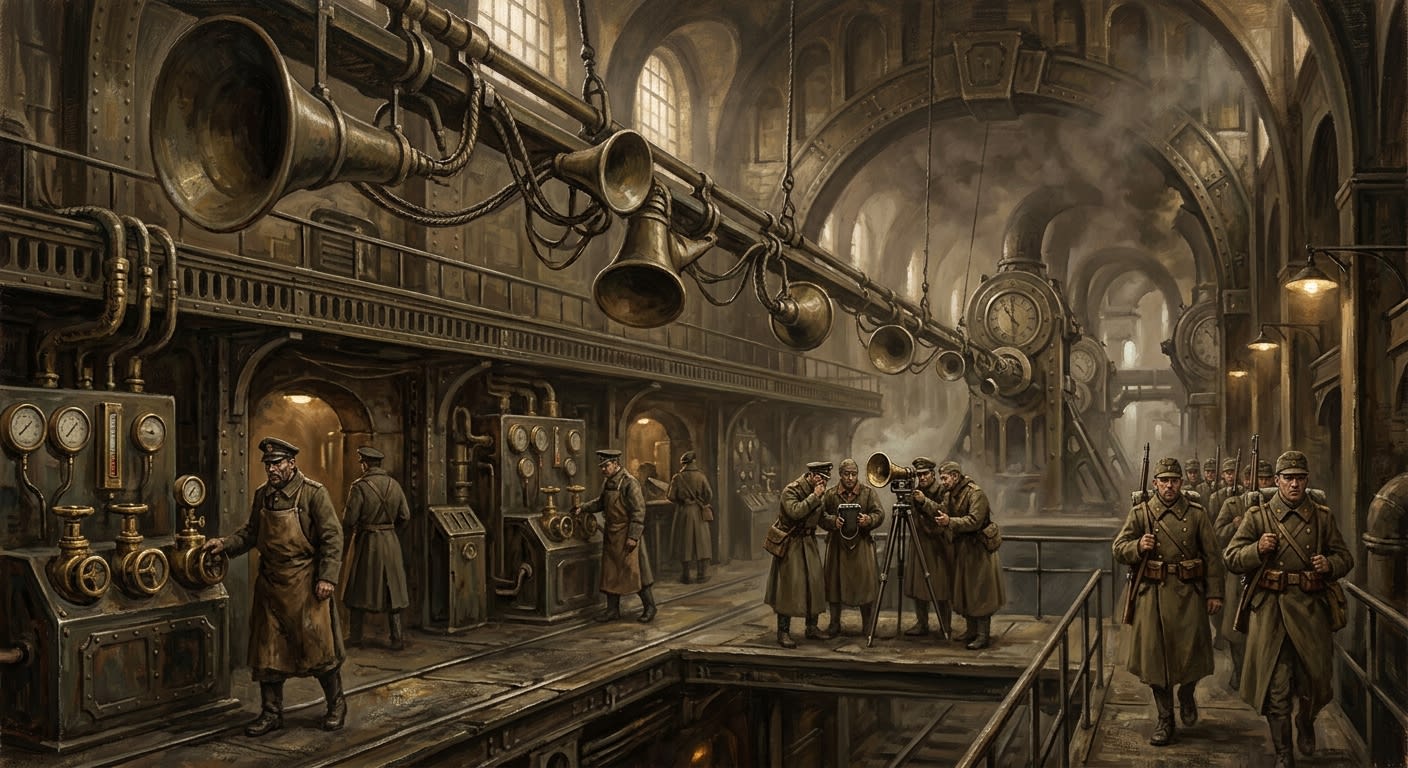
Bellway
The road that hears you, blesses you, taxes you, and may repeat you
Bellways are the Synod's sanctioned acoustic corridors: road, alarm, sermon, surveillance net, and mercy with teeth, carrying lawful sound through the Line and beyond.
Codex Ref. XIII.1.88-201
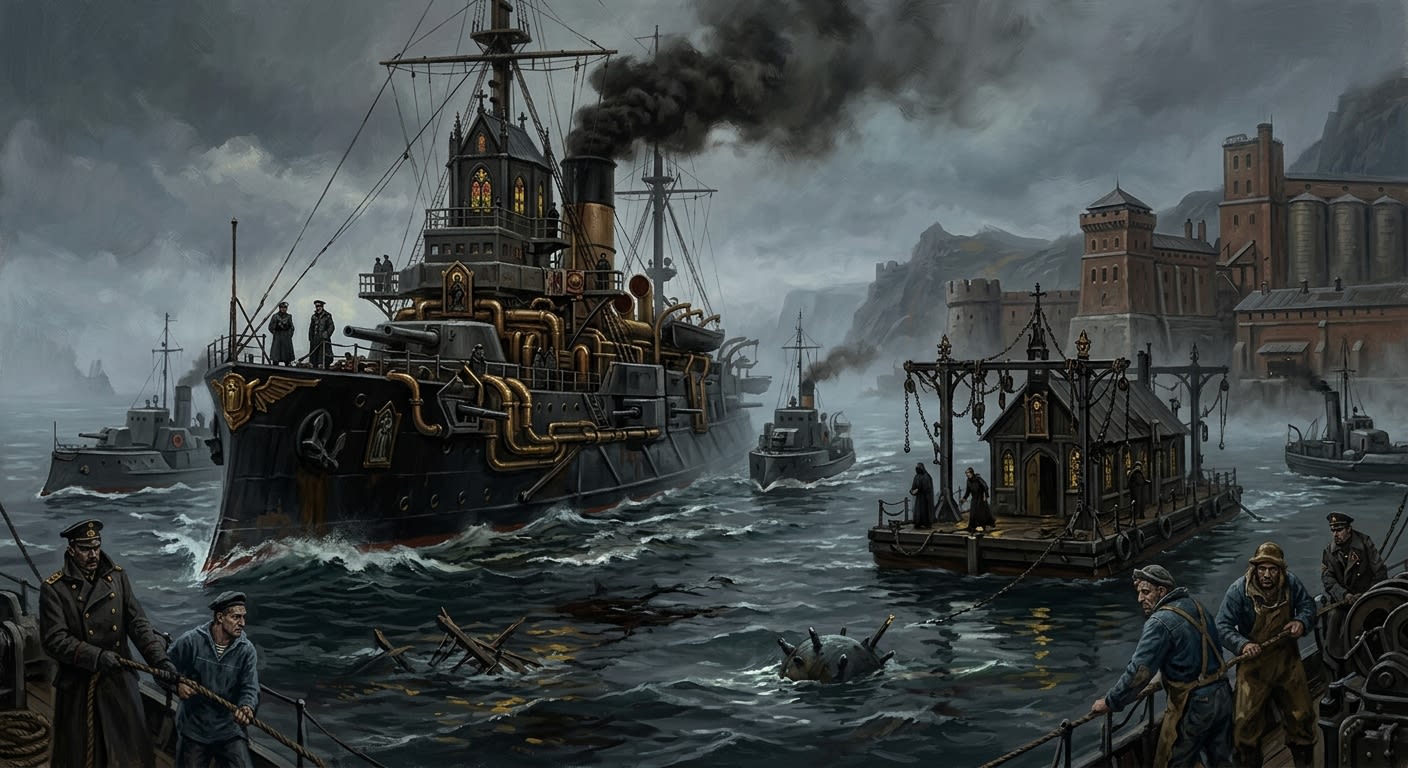
Black Sea
The Sable Deeps keep their own docket
The Black Sea is the Synod's northeastern wound against salt water: threat lane, relic route, grain hazard, Flotilla parish, and water that remembers too much.
Codex Ref. II.4.09-018
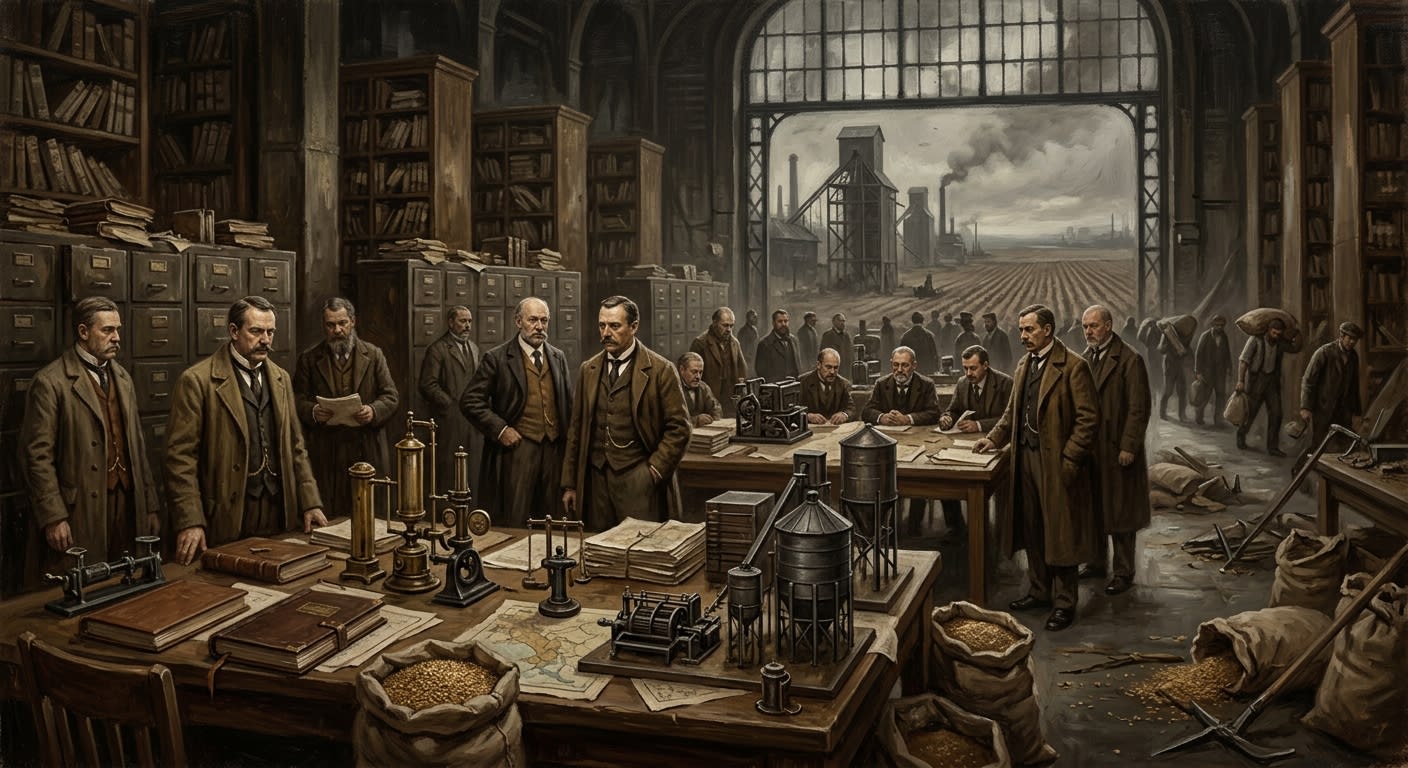
Bureau of Agriculture
The office that owned the wheat, but never the air inside the silo
The dissolved Bureau of Agriculture once governed seed, soil, yield, storage, and famine reports before the Weevil Year let Tithes inherit its grain authority.
Codex Ref. VIII.4.02-001
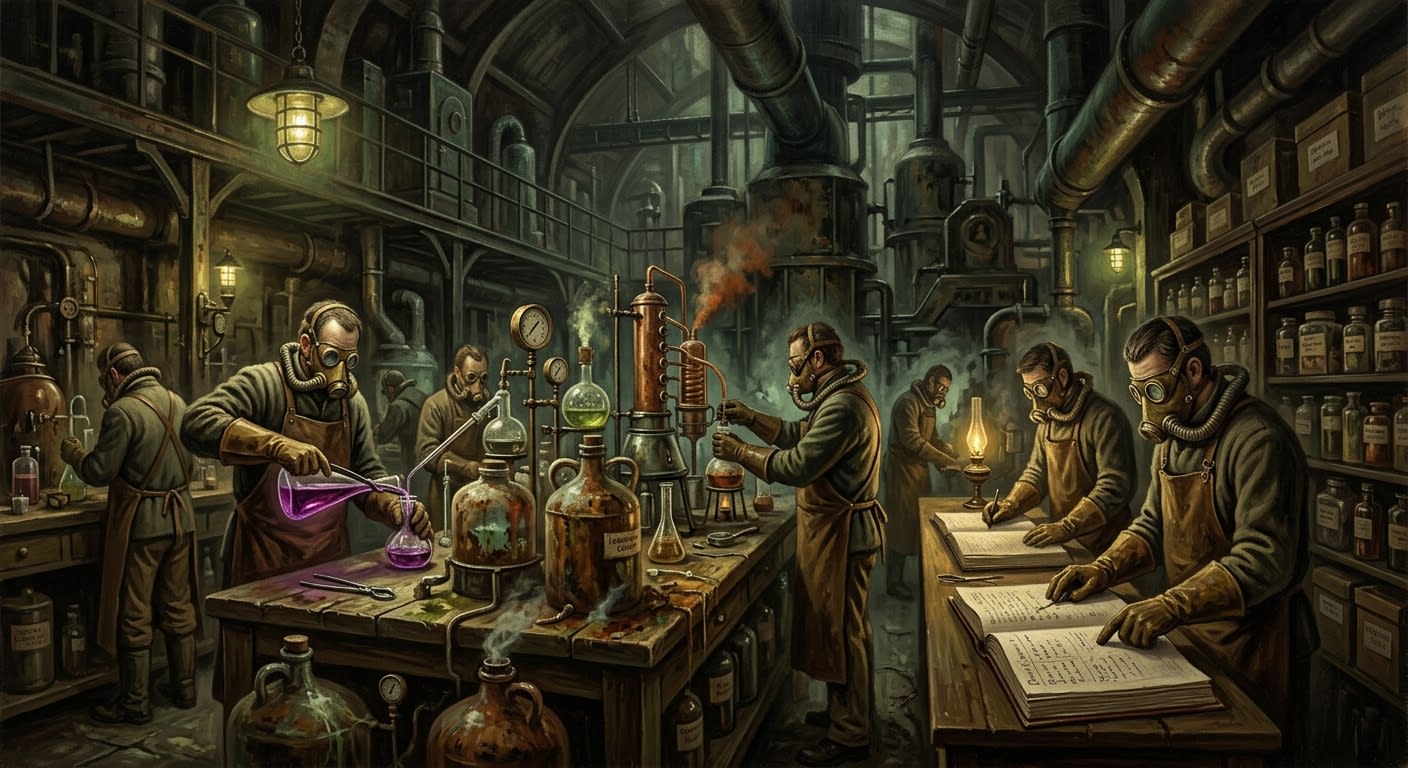
Bureau of Alchemical Standards
First the tongs, then the theology
The Bureau of Alchemical Standards tests the sacred for spoilage, classifies residues no sane clerk would touch, and gives terror a tolerable label.
Codex Ref. VIII.2.02-001

Bureau of Bells
Every hour is the Creator's hour. Every silence is His verdict.
The Bureau of Bells regulates every sacred peal from Calais to Constantinople — weapon, doctrine, and nervous system of the Theocracy, constituted A.S. 52 on the authority of a miracle that cracked the cobblestones.
Codex Ref. IV.3.01-012

Bureau of Cartography
The map lies so the army may arrive punctually
The Bureau of Cartography names, measures, revises, conceals, and occasionally invents geography so the Synod may tax, march, bury, and survive.
Codex Ref. VIII.2.09-090
Bureau of Engineering
The number is the number, and the number does not care whether you find it convenient.
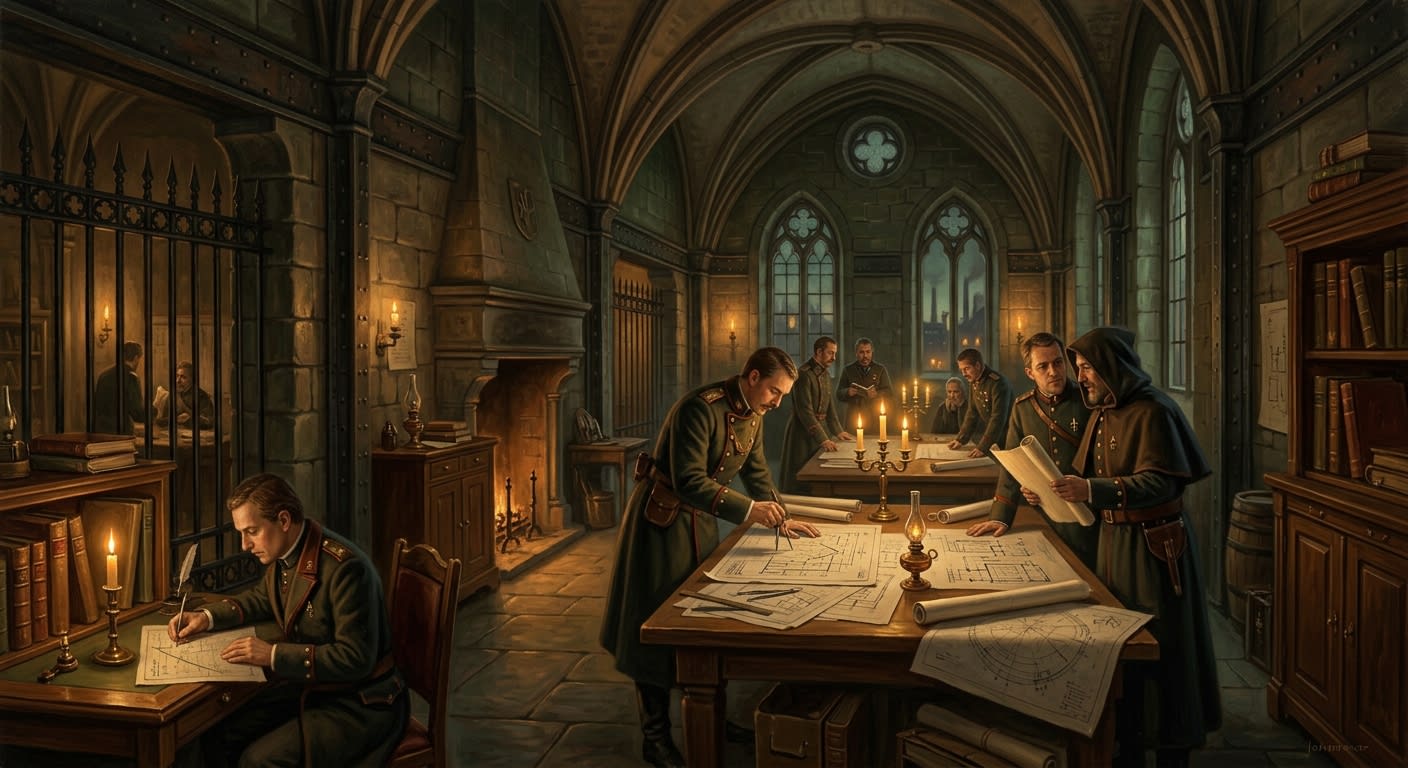
The Bureau of Engineering digs, measures, pours, rivets, surveys, calculates, and then builds the thing that holds every other Bureau upright. Its motto is not in any catechism. It is carved into latrine walls.
Codex Ref. VII.4.02-011

Bureau of Hearsay
Copy the ugly sentence before a cleaner office teaches it to lie
The Bureau of Hearsay preserves rumour before proof can disinfect it: tavern scraps, trench gossip, enemy jokes, and every ugly sentence that later becomes doctrine.
Codex Ref. VIII.8.02-112

Bureau of Medicine
It measures. It classifies. It declines.
The Bureau of Medicine is not, technically speaking, a Bureau. It is something more dangerous: an institution that measures everything and recommends nothing, staffed by people who have read every report and arrived at conclusions they will not share.
Codex Ref. XII.7.09-044
Bureau of War Reconnaissance Commissariat
The office that walks first and returns as evidence
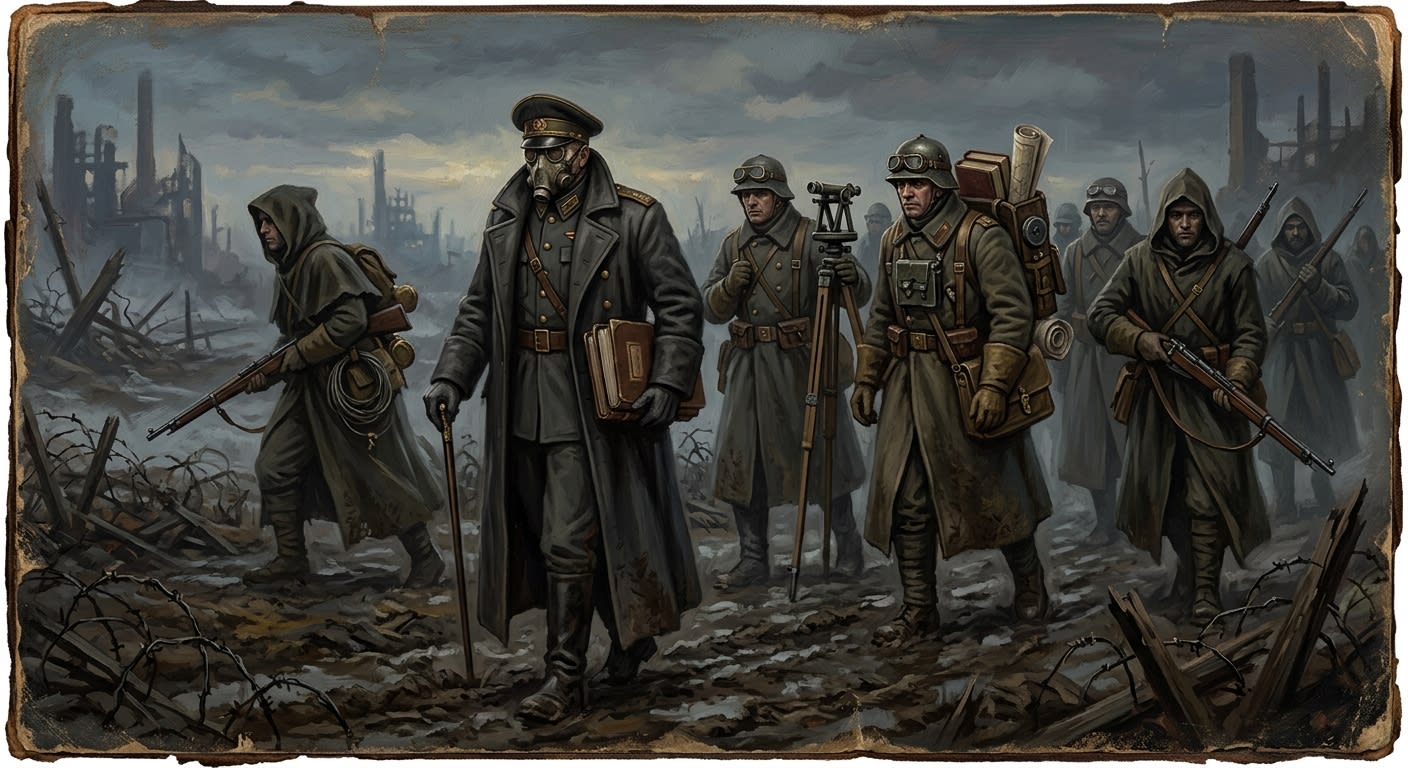
The Reconnaissance Commissariat walks first into hostile terrain, purchasing the Synod's knowledge with scouts, ledgers, and actionable silence.
Codex Ref. VIII.7.03-001

Captain Elias Brekke
The officer who saw [[debrecen|Debrecen]], wrote it down, and was filed away alive
Captain Elias Brekke discovered the Ash-Mothers at Debrecen in the A.S. 78–83 window, filed the deposition that made horror procedural, and vanished into Candlewick inventory after A.S. 84.
Codex Ref. III.2.01-056
Carmine Rule
Fourteen pages of theory, one butcher's manifest
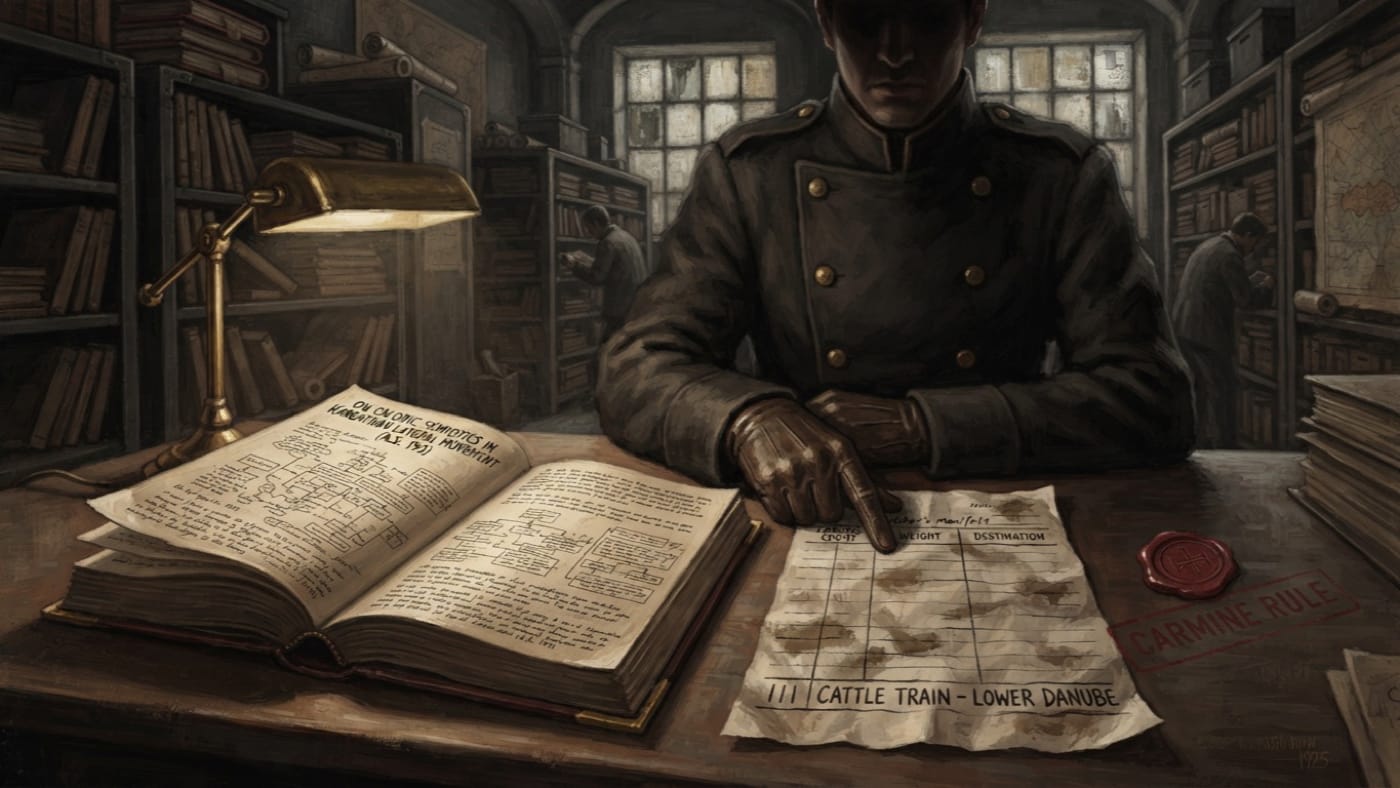
The Carmine Rule asks every hypothesis in Dossier Carmine: was there food there? Haugen's answer to fourteen pages of theory undone by a butcher's manifest.
Codex Ref. VIII.7.01-005

Cartographic Bench
Three charts, three seals, no river agreed
The Cartographic Bench retained three contradictory charts from the A.S. 174 Drava survey in provisional custody. Choosing a river would have required choosing a truth.
Codex Ref. VIII.2.09-174
Cartographic Sacrifices
A name read aloud costs less than a surveyor
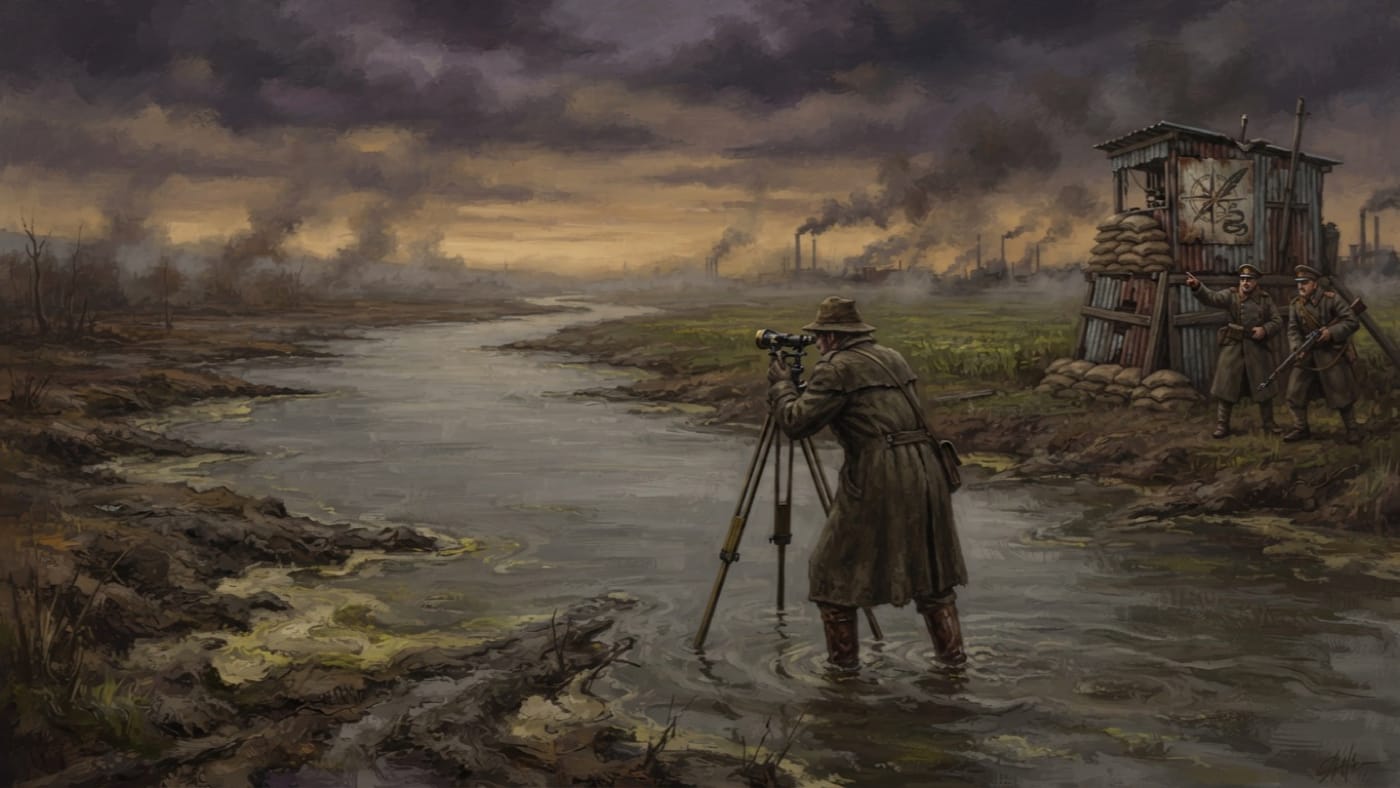
The Bureau of Cartography reads its lost surveyors' names once a year. Harlen's name was read; his death file remains unamended after a later Drava sighting.
Codex Ref. XIII.1.09-174
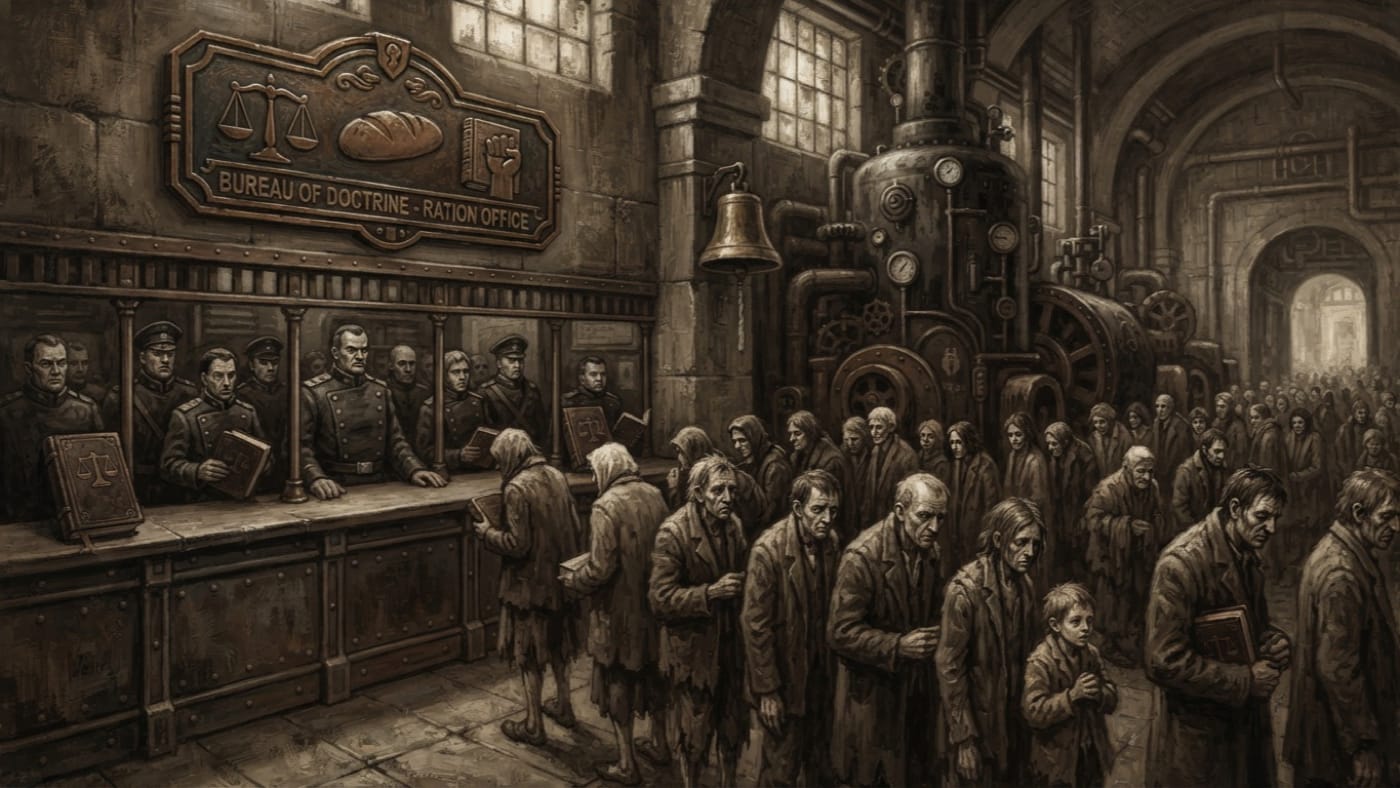
Catechism of Restraint
The portion is sanctified; the stomach may not object
I wrote the Catechism of Restraint to make the allotted ration holy and wanting more a commerce with Kargath. Revised in A.S. 189, it remains in use wherever the Synod counts a loaf.
Codex Ref. XIII.1.04-189

Category D
The sentence is suspended. The prisoner remains condemned.
Category D suspends condemned prisoners' death sentences for battlefield-hazard studies. War supplies the subjects; Medicine measures them. The surviving record promises neither pardon nor release.
Codex Ref. XIII.1.99-134
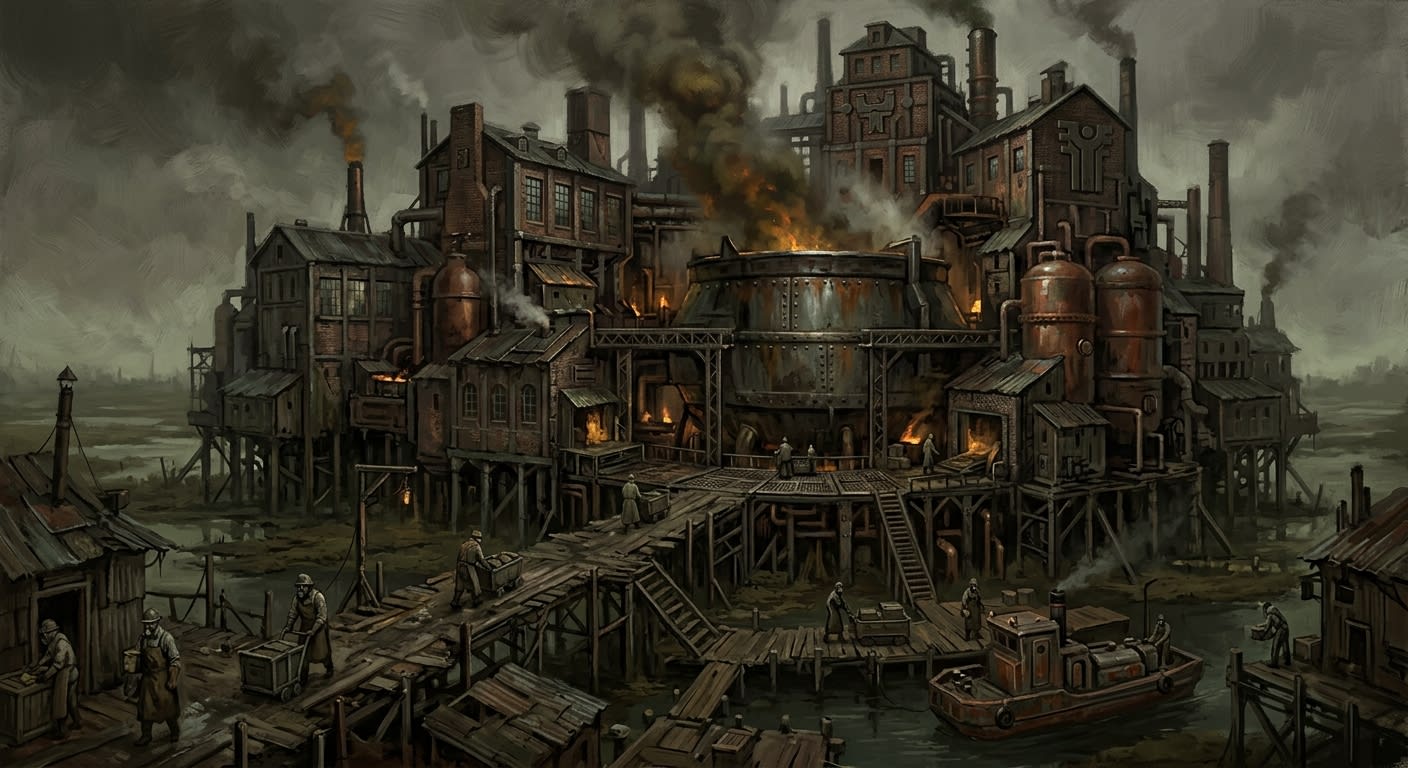
Cauldron Citadel
The Pot where Kargath teaches hunger to govern
At the Blightmarsh's approximate centre, the Cauldron Citadel cooks what Kargath's mud consumes: market, bakery, slaughterhouse, and law made appetite.
Codex Ref. VI.1.03-001
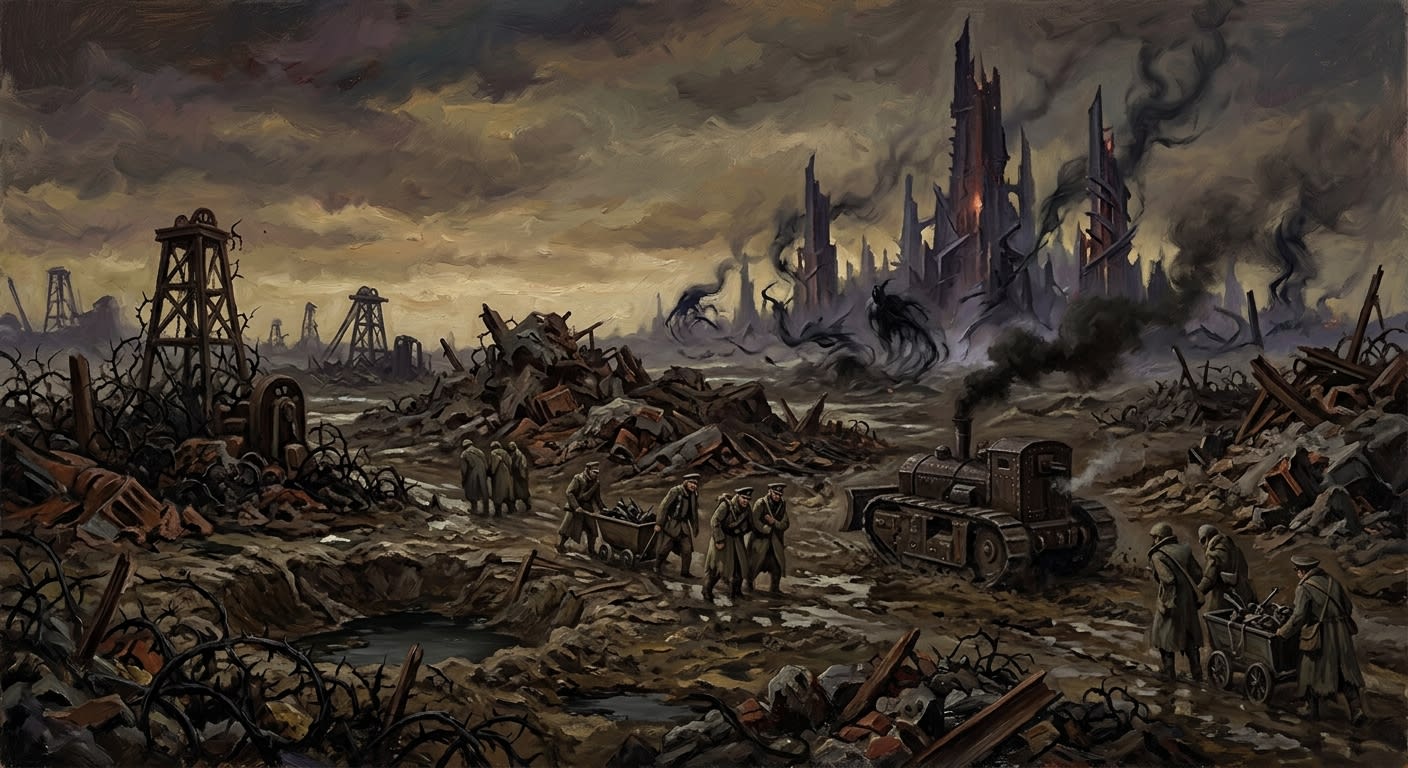
Charnel Lands
Where geography continues after mercy has been denied
The Charnel Lands are Zone 6, the demonic territories east of the Sagittal Line: geography made hostile to custody, with wilderness and cemetery both demoted to inadequate clerkly metaphors.
Codex Ref. II.6.06-001
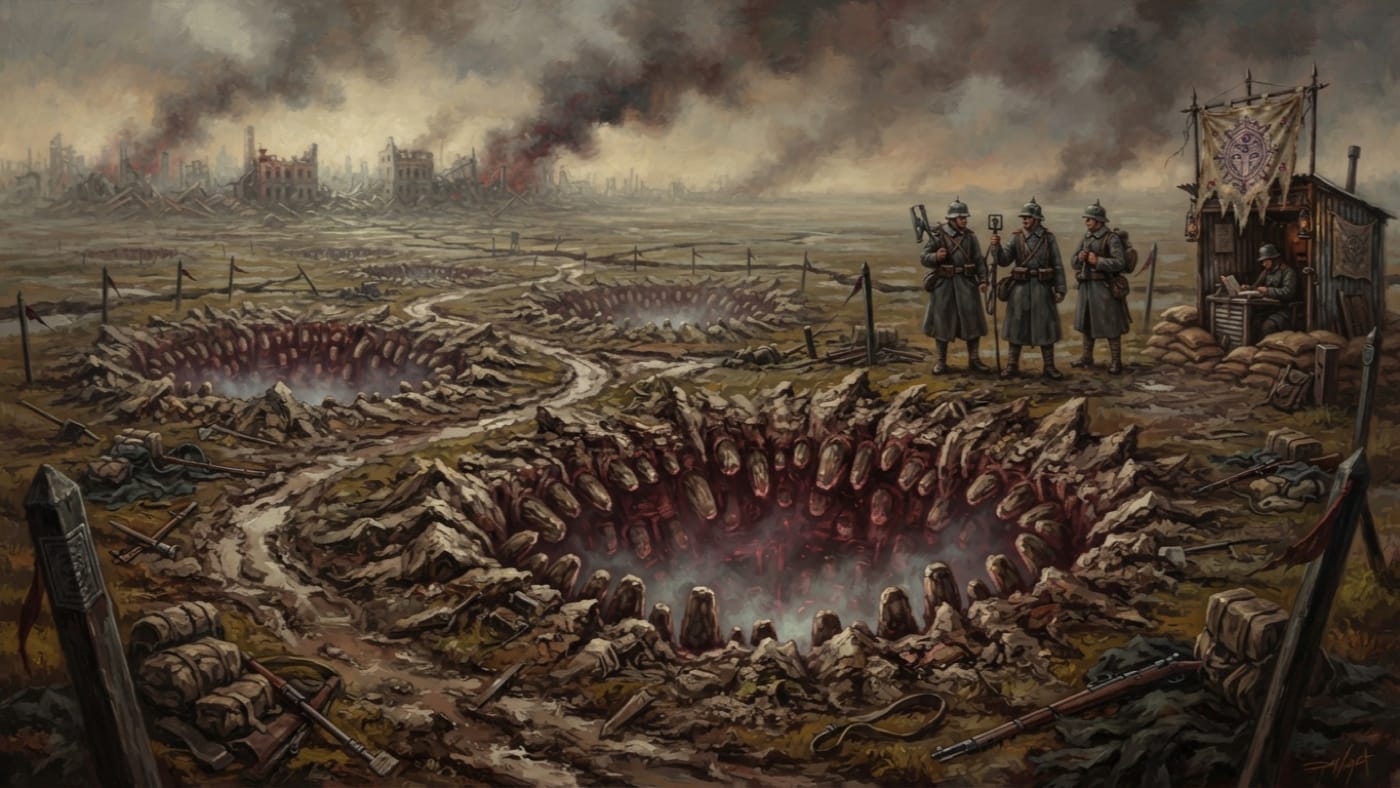
Charnel Mouths
Four names, no specimen, and no permission to approach
Charnel Mouths rose through Debrecen's reopened streets in A.S. 172. The Bureau has four names for them, no recovered specimen, and a standing prohibition on approach.
Codex Ref. IV.1.07-017
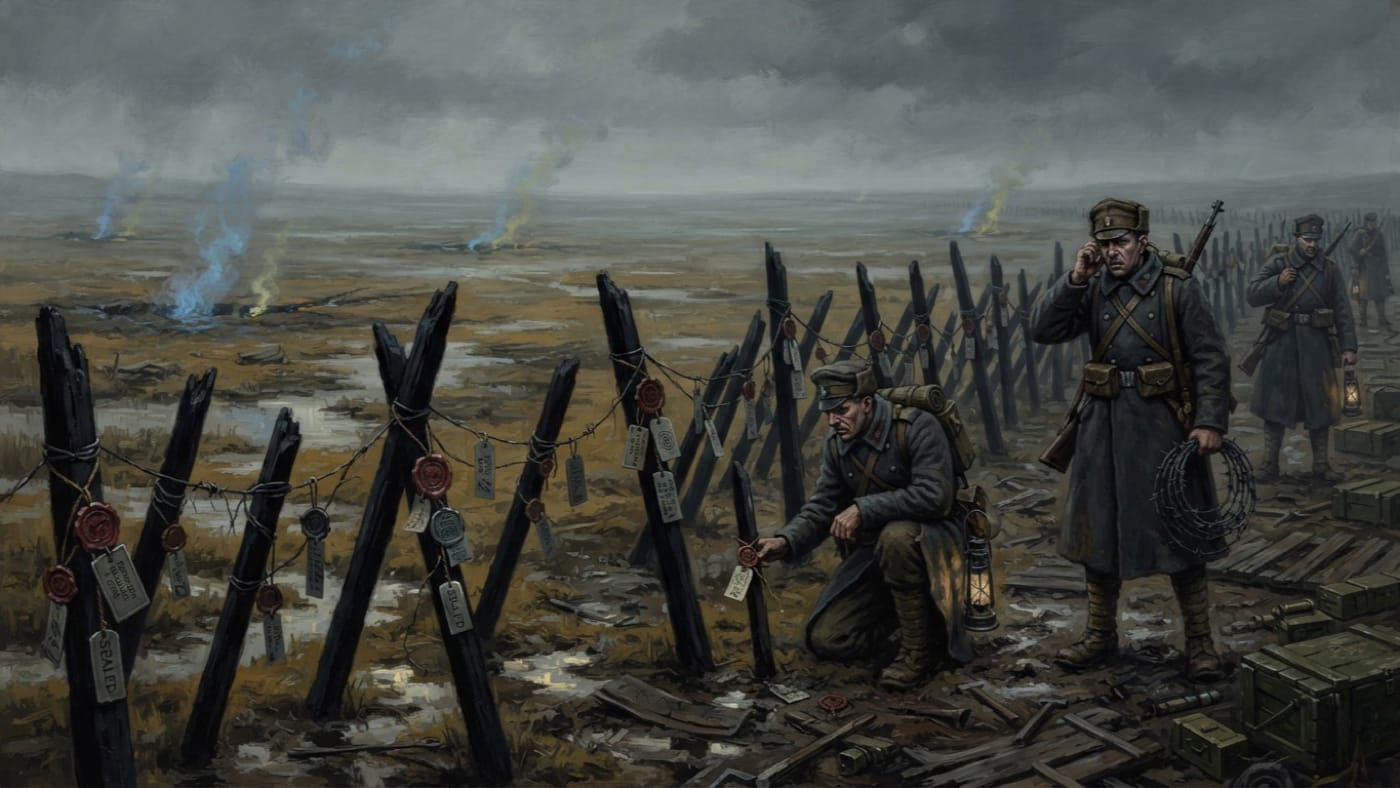
Choir Beneath
The Church honours the hymn and quarantines the humming
The muffled hymn beneath Debrecen is attributed to the Litany-Engineers lost in A.S. 172. The Church honours their work and quarantines anyone who hums along.
Codex Ref. VIII.5.10-001
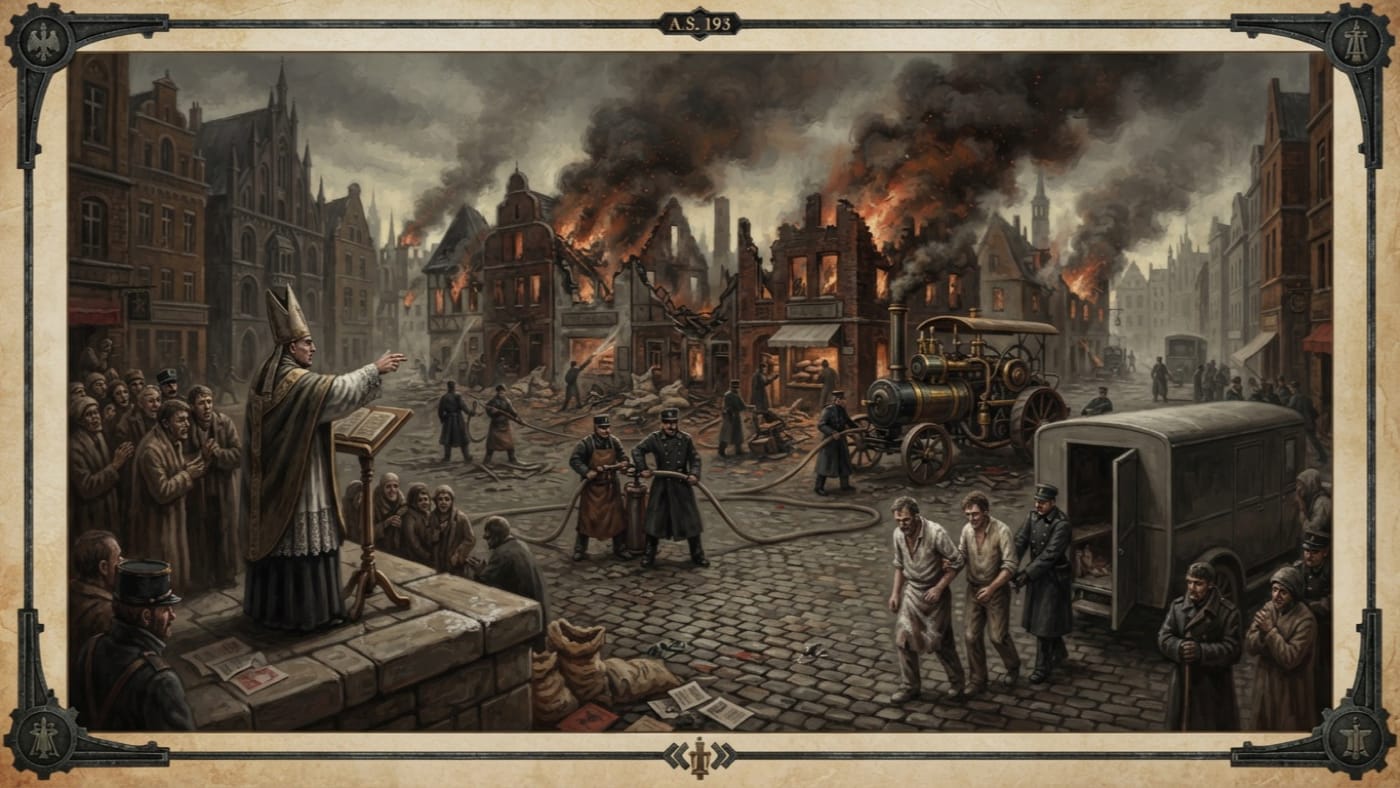
Cologne Flour Alarm
The flour had mould; the city supplied the fire
In A.S. 193, Cologne mistook mouldy flour for a Blightbearer's work, burned six bakeries, interrogated two innocent millers, and applauded a fast. The mould required no demon; the damage required authority.
Codex Ref. VII.8.10-193

Colonel Kreszner
Formation held, which is exactly why the world broke him so neatly
Rationalist colonel of the 7th Prefectural Division whose last order at the A.S. 45 Iron Plains became War College doctrine and Doctrine's cleanest indictment of competent unbelief.
Codex Ref. III.2.01-080
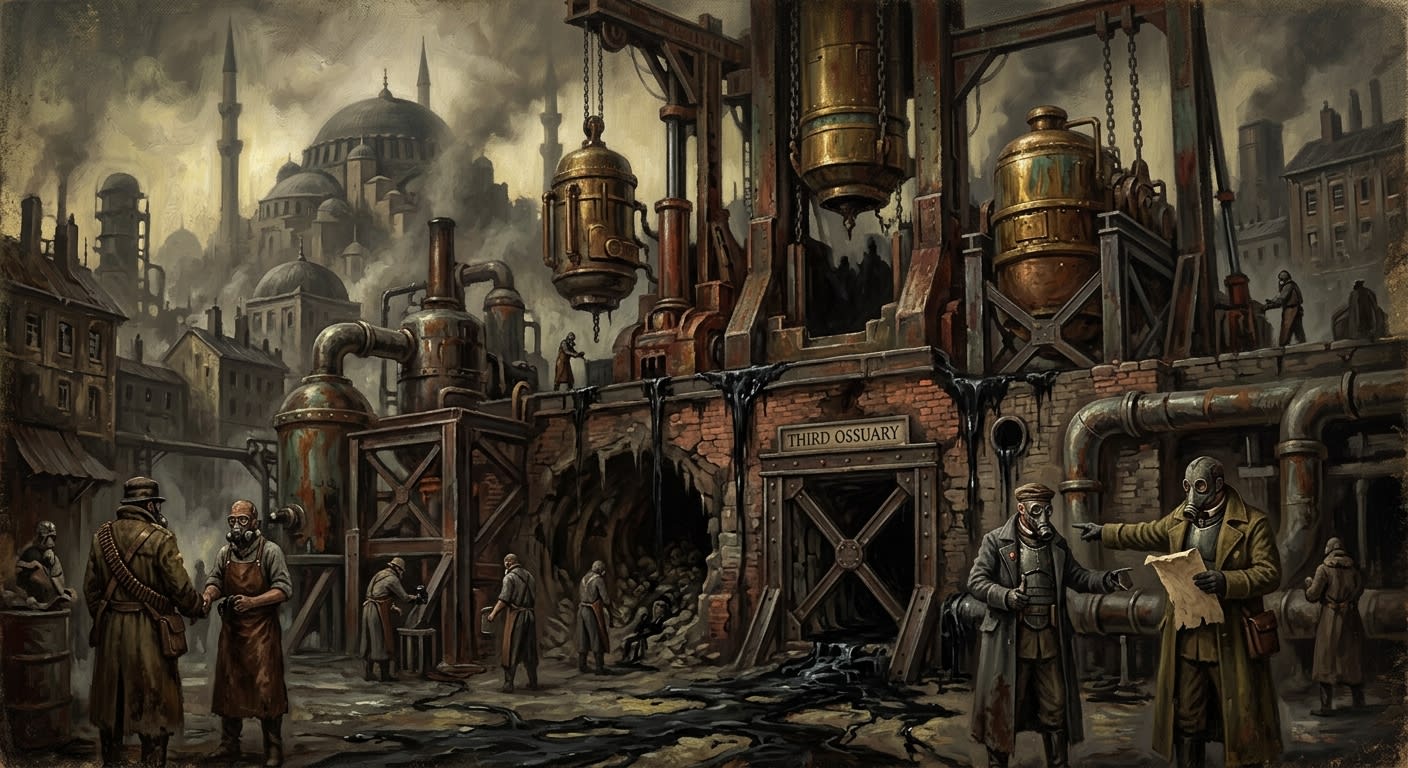
Compound 7
The gas that lifts cathedrals and smells like old confession
Compound 7 lifts the Vigil Arks, refuses flame, contracts toward relics, and leaks from the Third Ossuary beneath Constantinople with less generosity each season.
Codex Ref. XIII.1.21-003
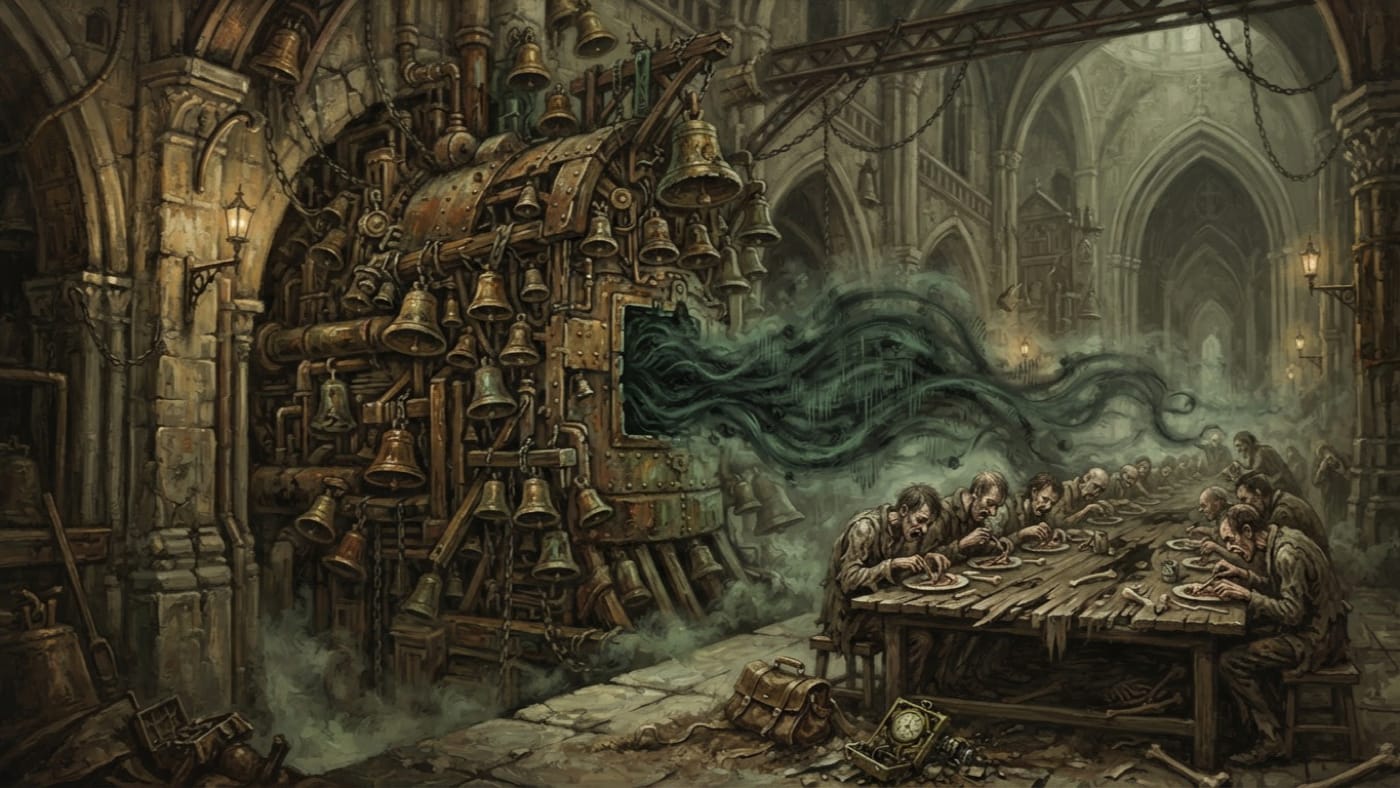
Compulsion Architecture
The hunger is recorded. The mechanism remains an interpretation.
Bells names the Hollow Court’s recorded harmonics Compulsion Architecture. Involuntary appetite is not proof of compelled action. Rites requested the chart’s destruction. The chart was reclassified.
Codex Ref. XIII.1.62-007
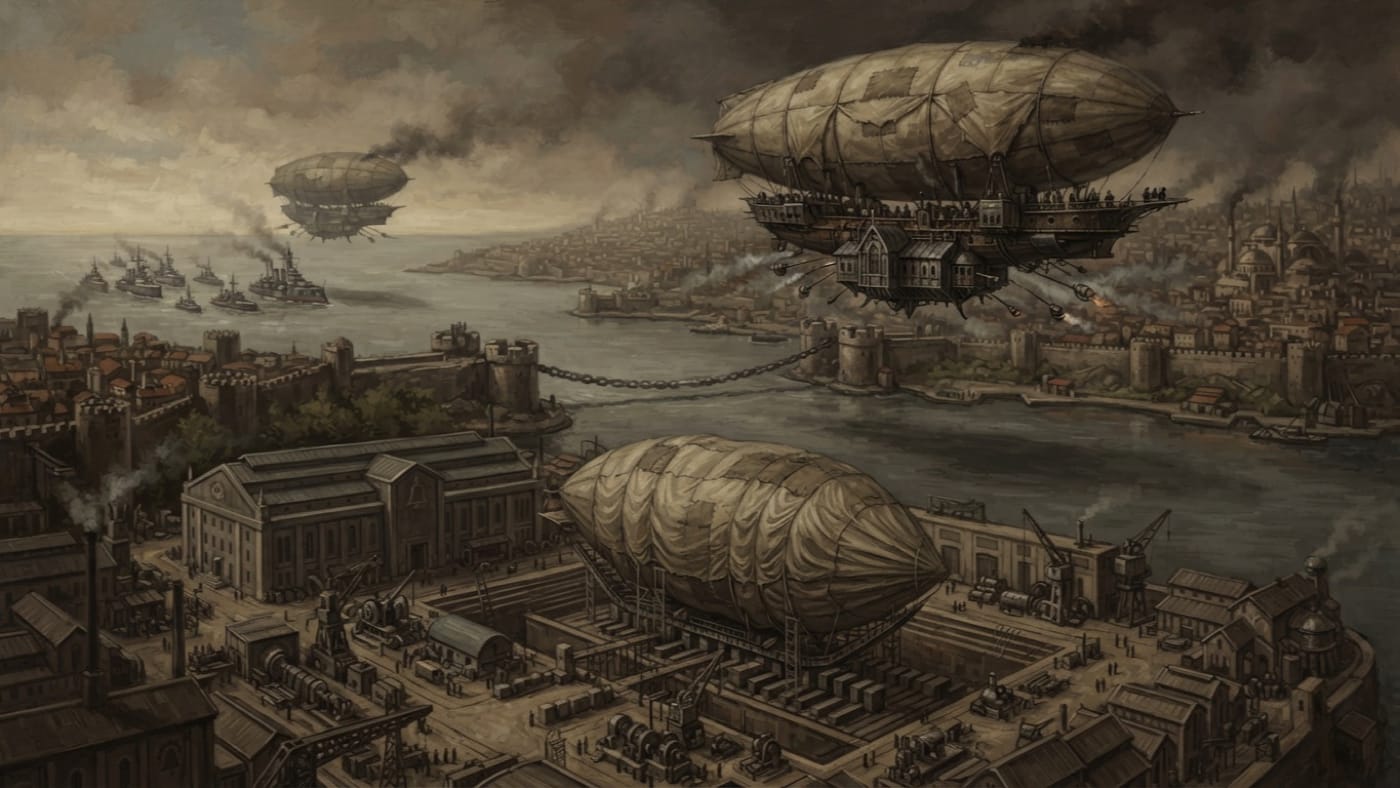
Constantinople Vigil Ark Fleet
Three Arks on the register, two in the air, and a southern Bellway guarded by a certificate.
Constantinople's aerial register lists three Vigil Arks: Saint Barachiel and Saint Gabriel patrol the Bosphorus approaches; Saint Uriel remains grounded. The southern Bellway is uncovered. Every paper is in order.
Codex Ref. VIII.5.11-168

Corporal Drennan
One touch, four words, and the Marsh denied a morsel of vanity
Corporal Drennan of Bastion-Constantinople interrupted Drax's Blightmarsh fixation at Kestrel-9 in A.S. 199, committing useful impropriety with one hand on a sleeve.
Codex Ref. III.2.01-020
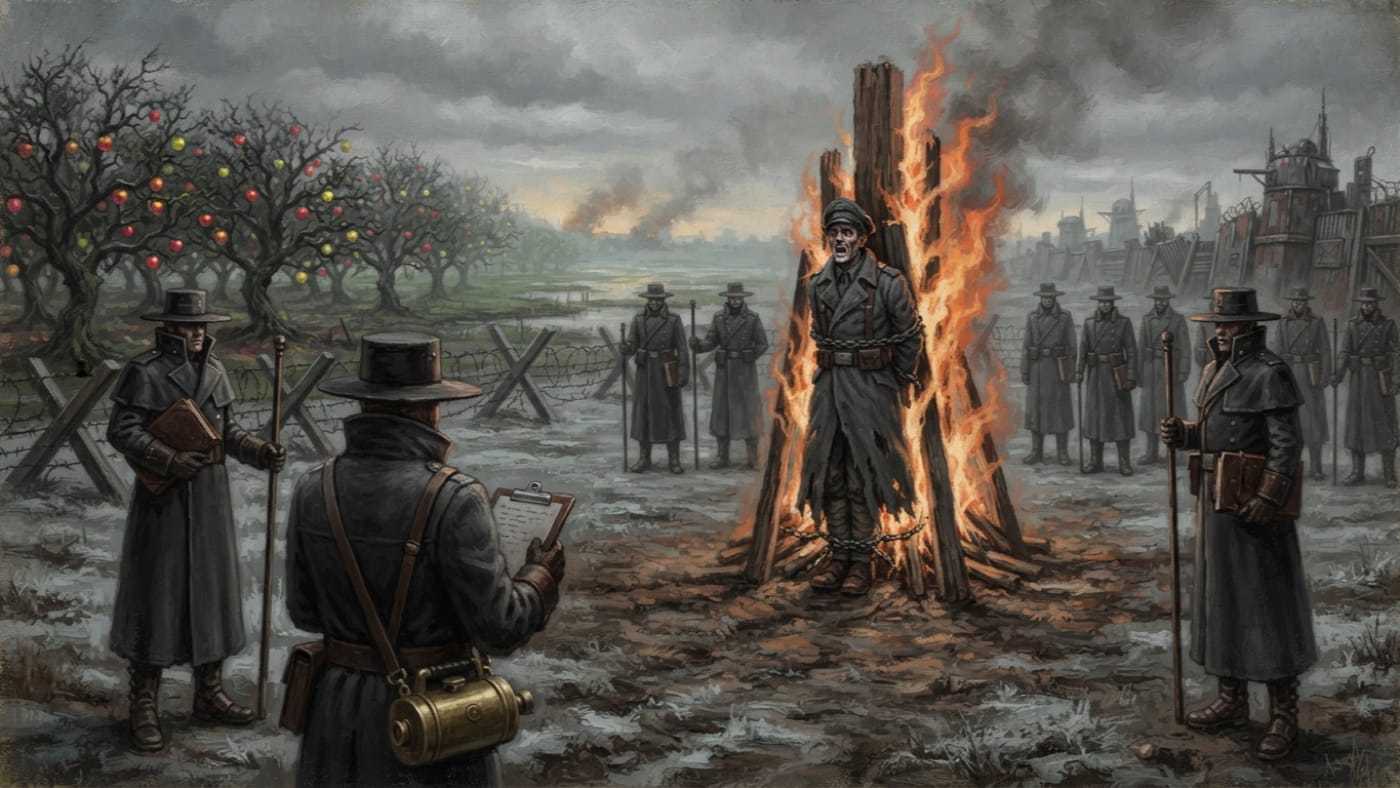
Corporal Haas Mettler
Three apples, catastrophic hunger, and a sentence carried out
Corporal Haas Mettler of Kestrel-7 ate three apples from an Abundance Field and was burned in A.S. 196 under Martial Code 14-D. Medicine called his hunger catastrophic. At the pyre, I saw that it had not ended.
Codex Ref. III.2.01-031
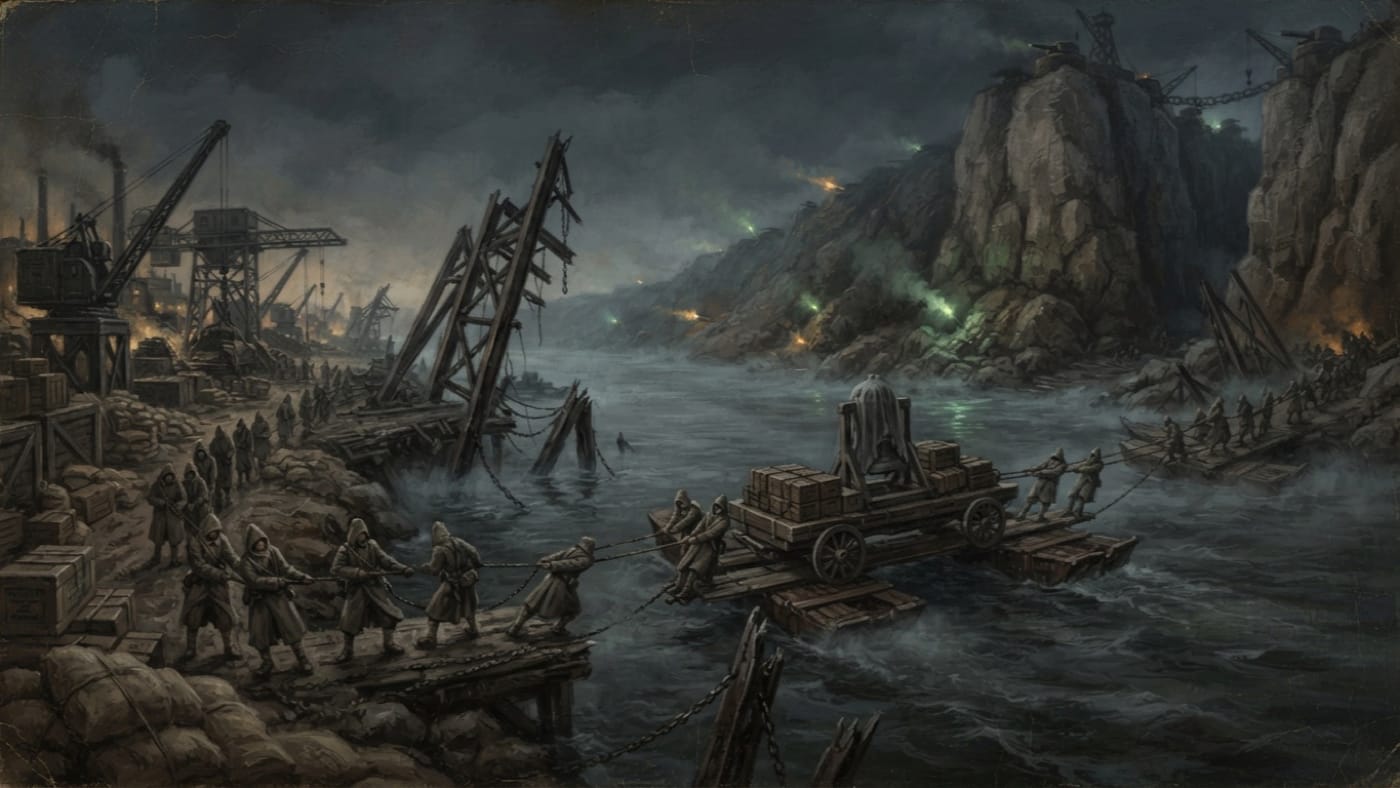
Danubian forward corridor
The grain arrives; the river keeps the difference
Between Budapest and Bastion-Irongate, the Synod moves grain, cartridges and bells through ruined crossings. The cargo is counted; the river keeps the difference.
Codex Ref. II.4.09-172
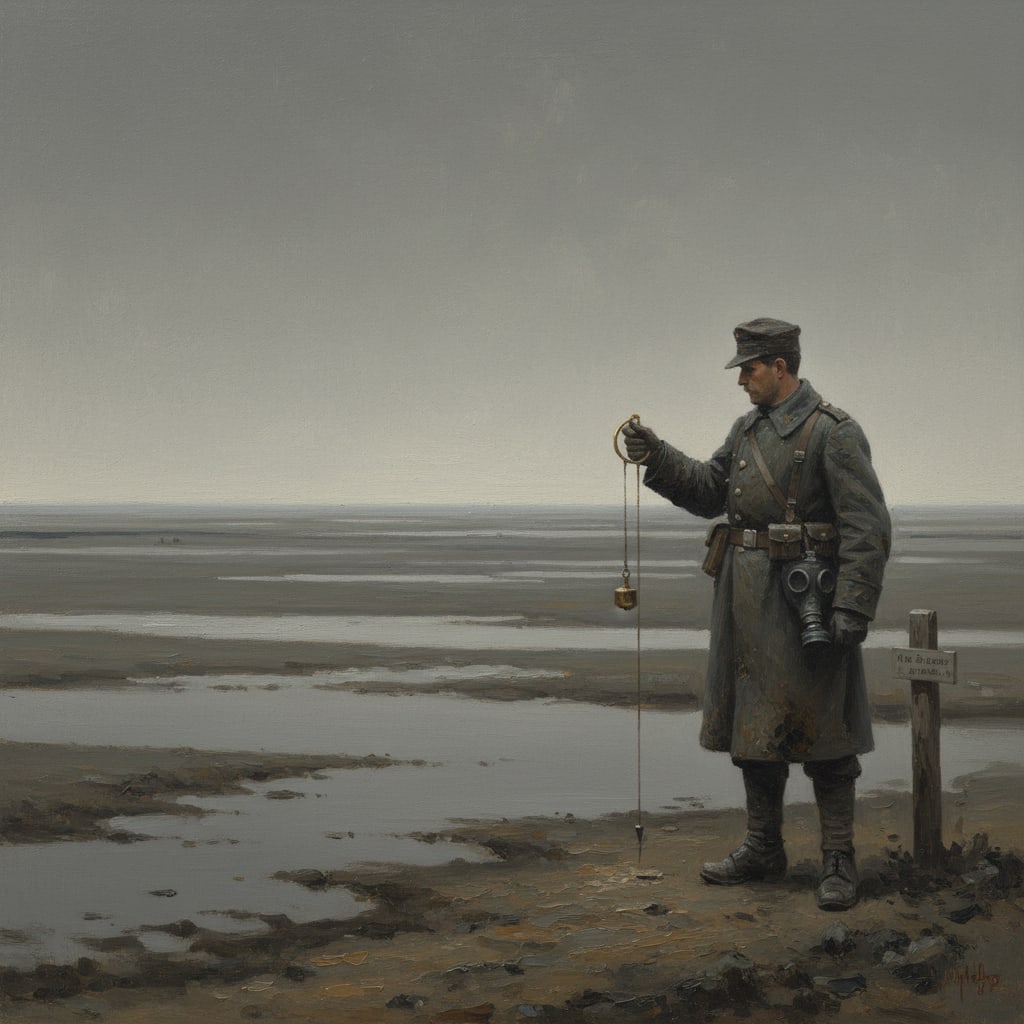
Debrecen
The city that was eaten
Forty-two thousand souls, a grain exchange that set prices from the Danube to the Rhine, and a harvest the world will never taste again. Kargath ate it. The Blightmarsh is all that remains, and the Blightmarsh is still hungry.
Codex Ref. VI.1.01-001
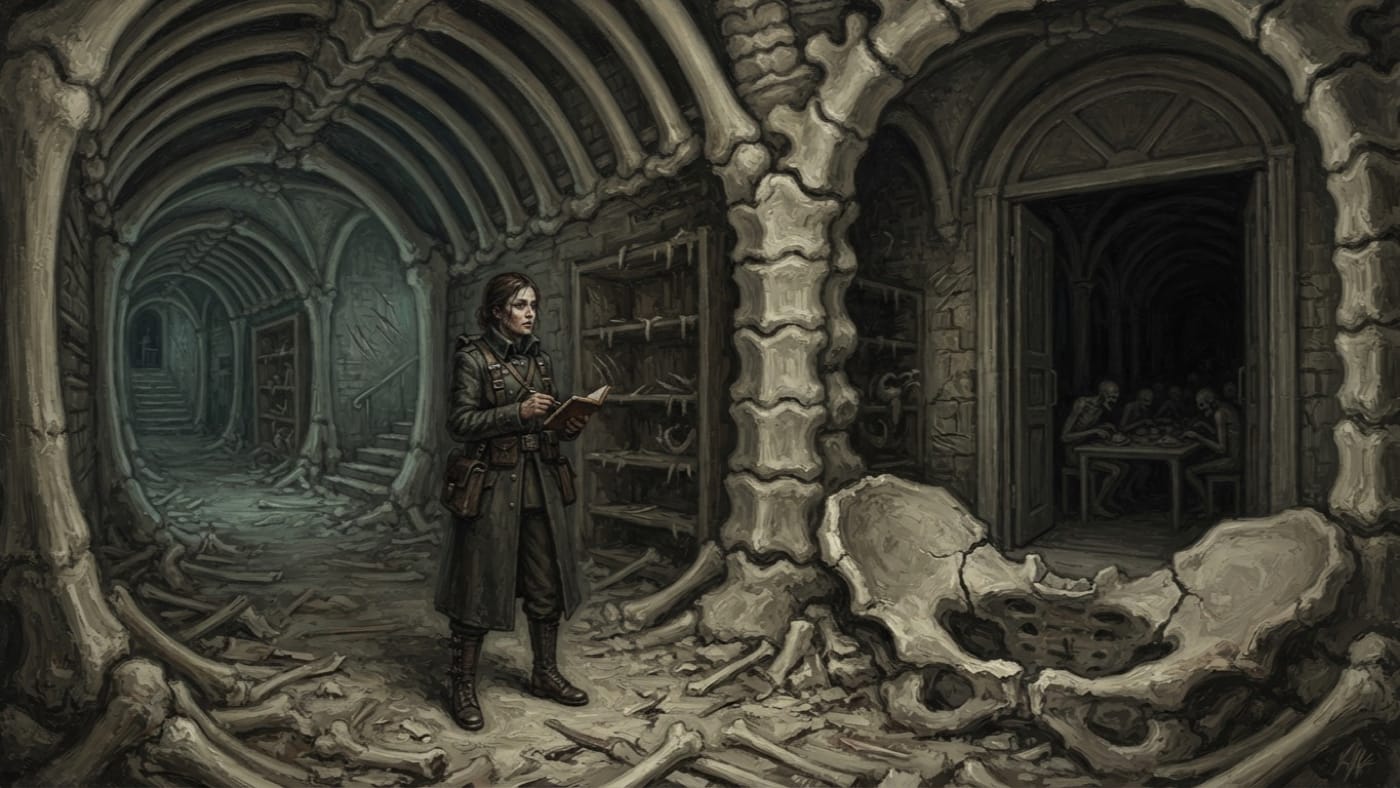
Deposition 7-K
Three days by her account. Nineteen by the calendar.
One redacted Shadows operative returned from the Hollow Court's outer galleries in A.S. 196. She reported about three days; the calendar recorded nineteen. The Bureau entered both and explained neither.
Codex Ref. V.6.01-007
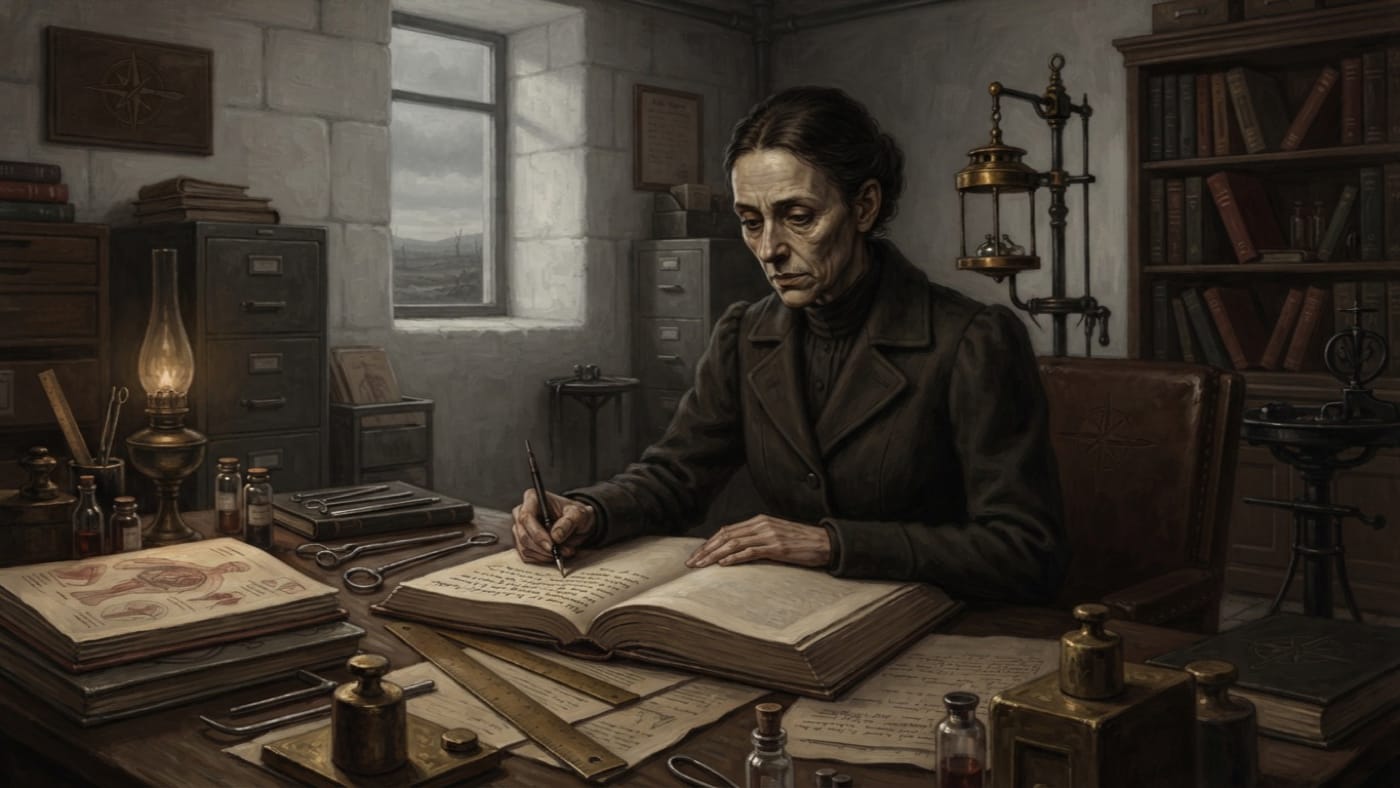
Doctor Maren Solen
The measurements remain. Her reasons are unrecorded.
Doctor Maren Solen attended the Pit Seven exposure as Chief Anatomist, then resigned and entered the Adriatic sanitarium. Her measurements survive. The archive gives no reason for her departure.
Codex Ref. III.2.01-134

Doctor Trenn
The anatomist who measured hunger and refused comfort
Doctor Trenn, Chief Anatomist of the Bureau of Medicine, gave the Famine Pit horror its clinical name and kept the word real where comfort wanted illusion.
Codex Ref. III.2.01-023
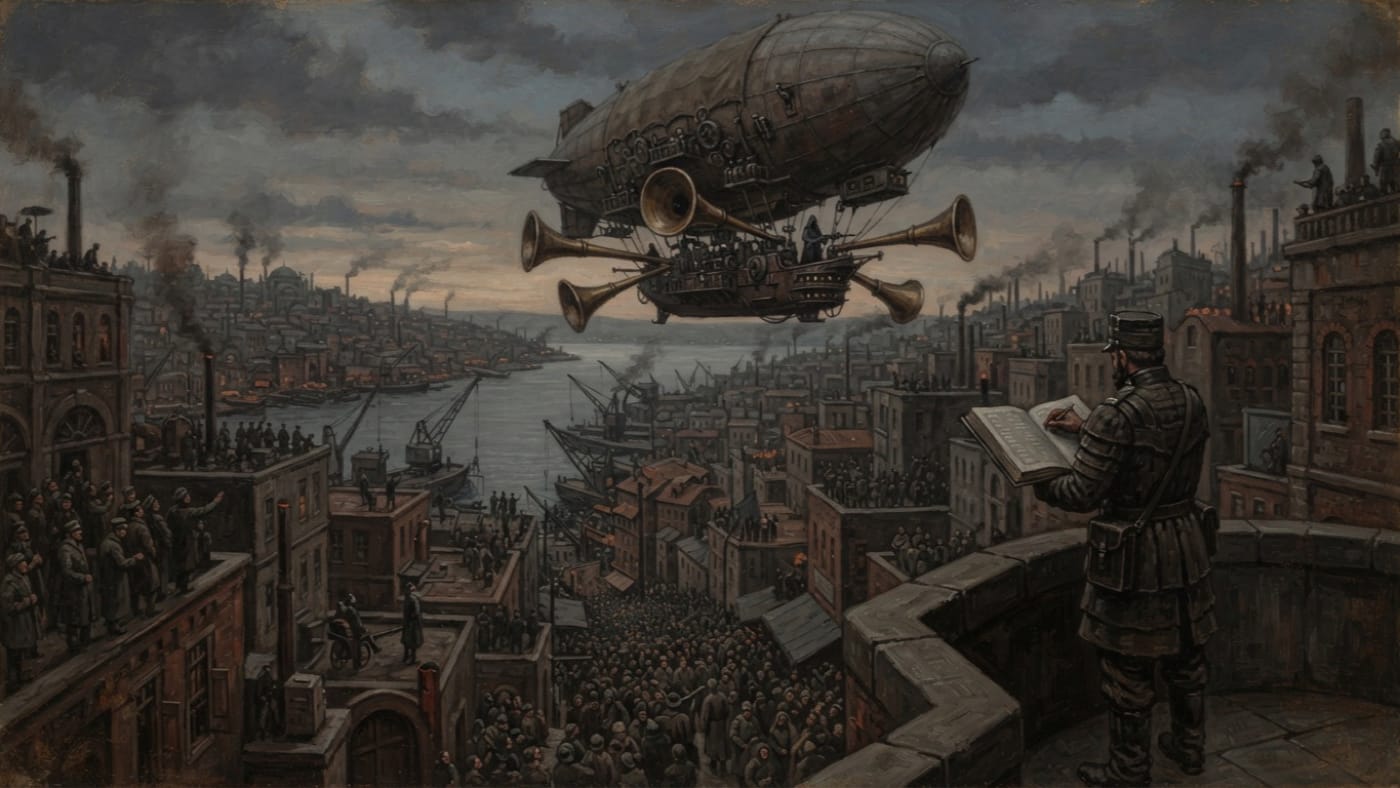
Doctrine of Aerial Sermon
The Word flies under authorization. The congregation is counted below.
The Bosphorus aerial sermon joins approved text, armed patrol and compulsory attendance. A.S. 201 survey: the roster is current, the returns are pending, and the Broadcast's speaker remains unlisted.
Codex Ref. XIII.1.21-005
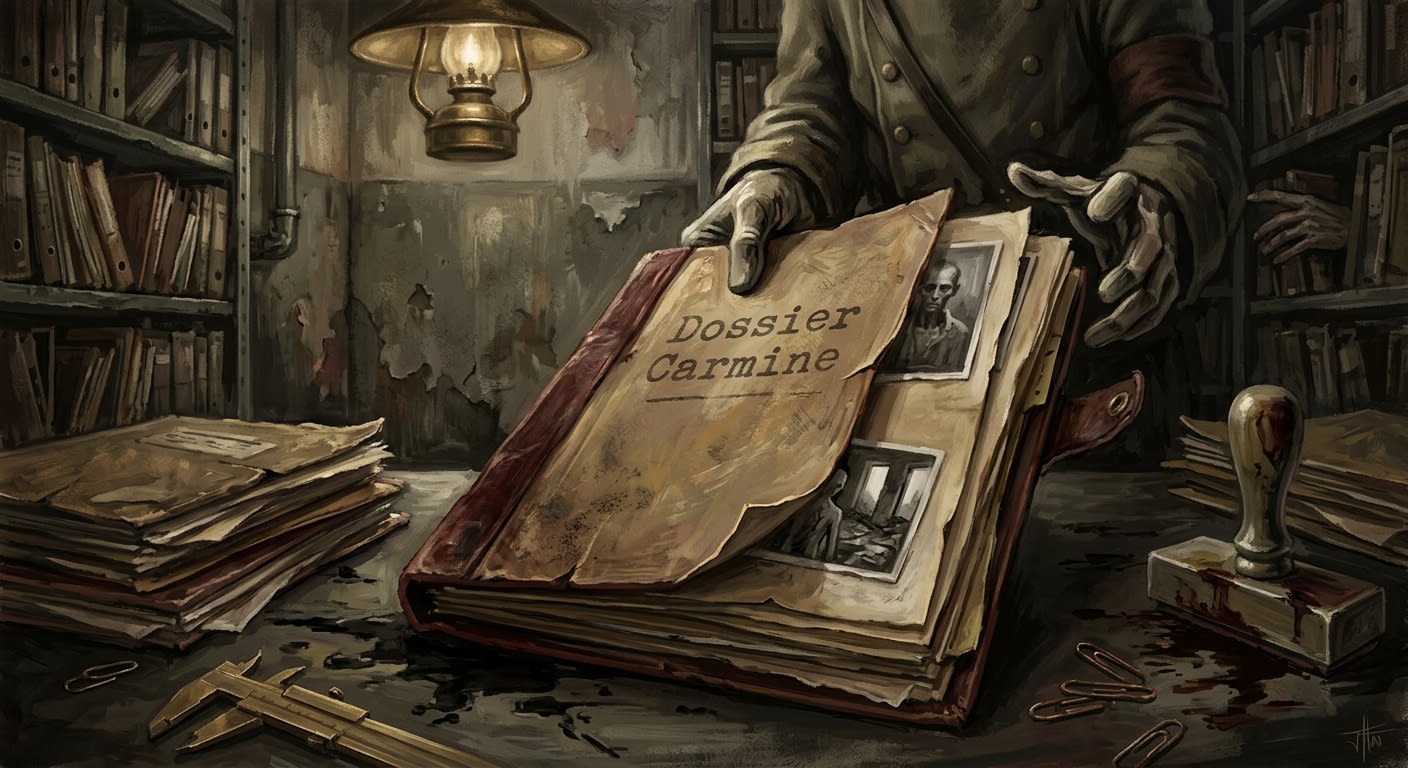
Dossier Carmine
The thinnest file in the Seven still outweighs a province of graves
Dossier Carmine is Inter-Infernal Analysis's thinnest file: Kargath, hunger, Blightmarsh creep, famine aftereffects, abundance hazards, and the brutal mercy of short sentences.
Codex Ref. VIII.7.01-004
Drava
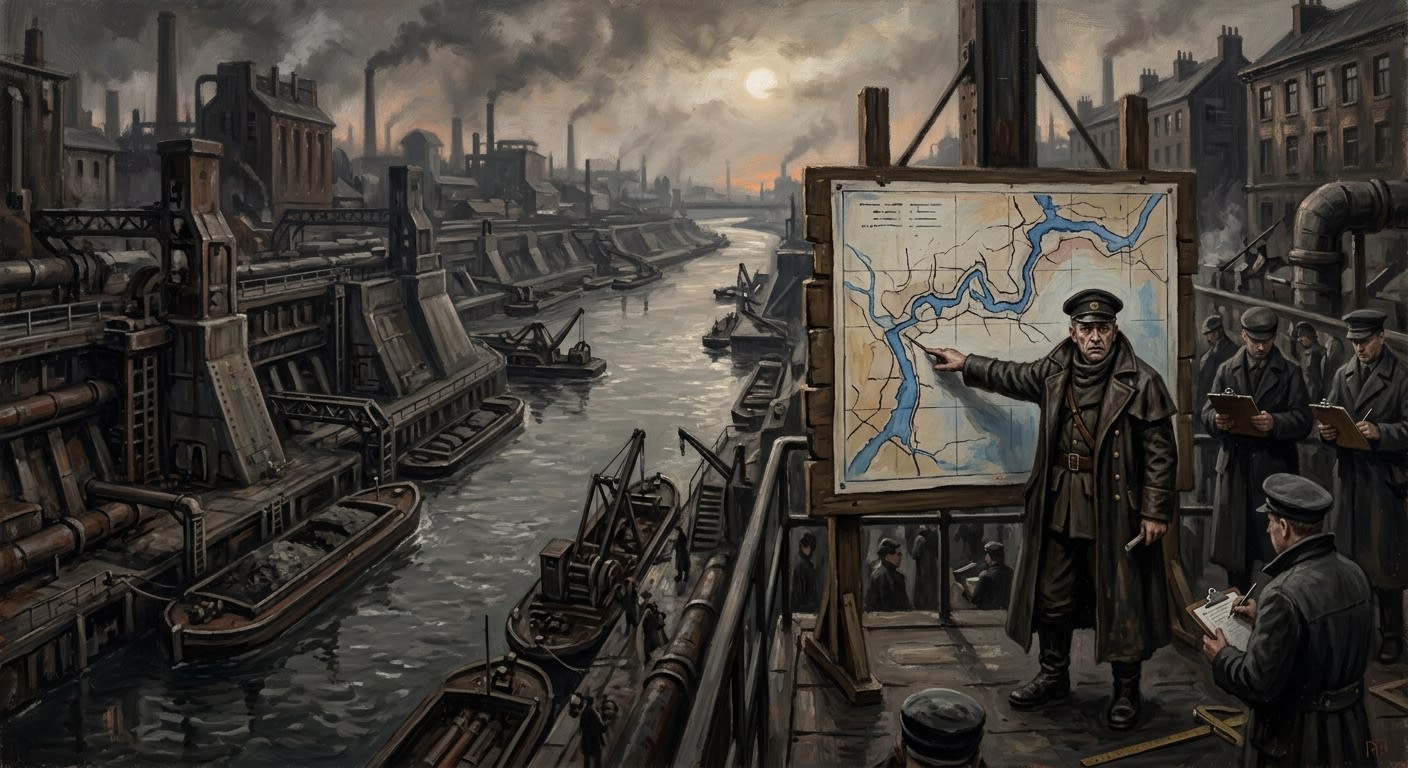
The river that stopped flowing and learned appetite
The Drava was once a river. Kargath made it an artery: grey, hungry, cartographically insulting, and still marked blue by clerks too tender to delete water.
Codex Ref. II.6.05-201
Drava Lowlands
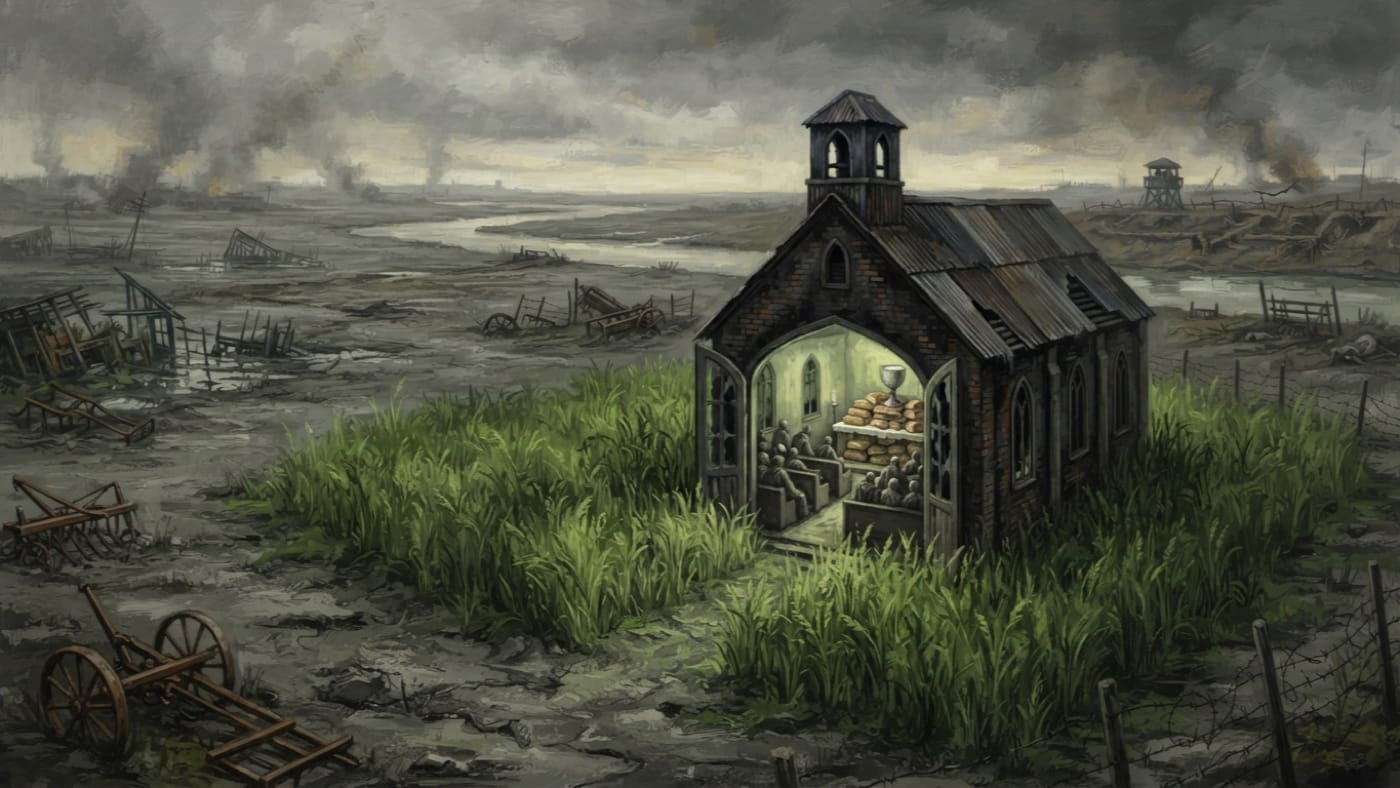
Where the bread went, and what came back in its place
The Drava Lowlands once fed Pannonia. In A.S. 174 they housed a chapel whose altar was bread, whose chalice held milk, and whose congregation was entirely dead.
Codex Ref. II.6.06-174
Drava Throats
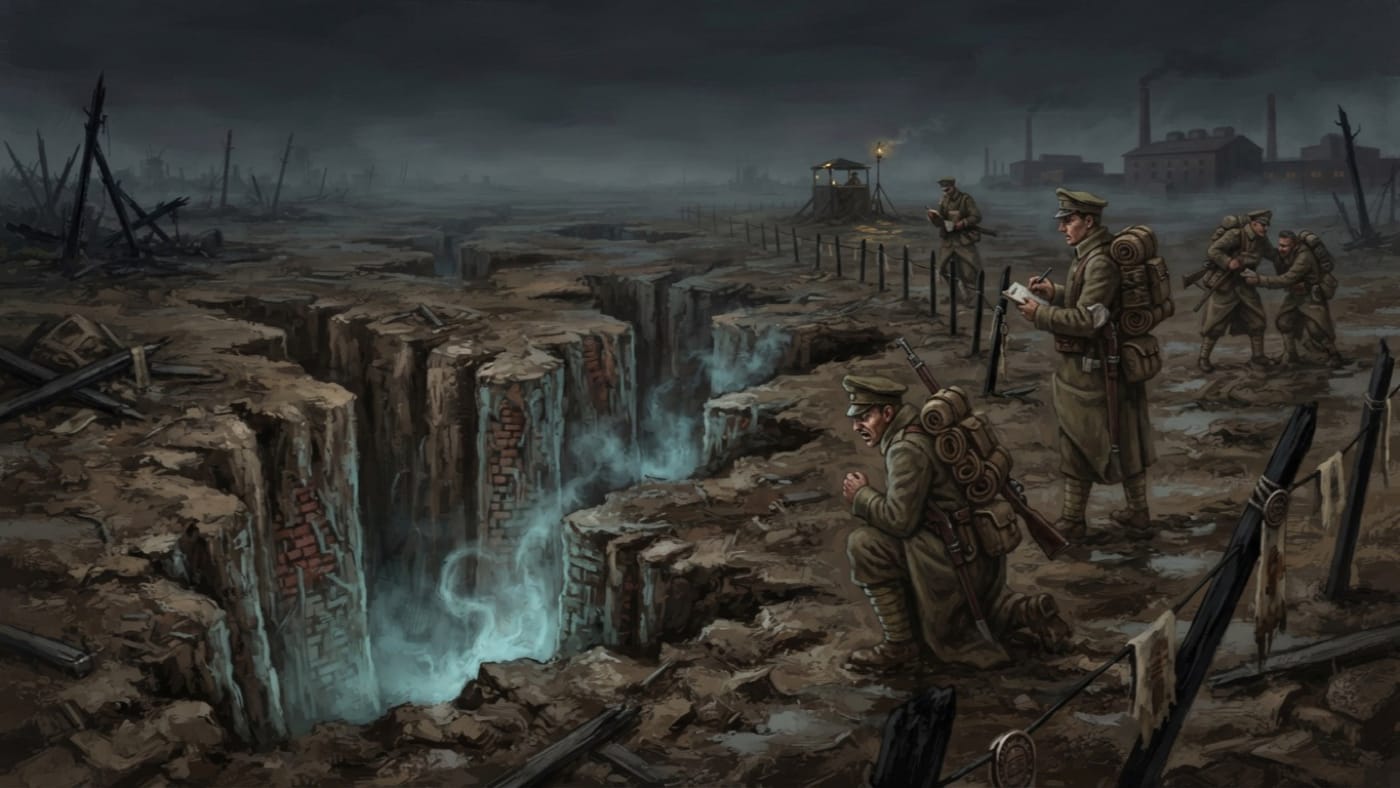
The regiment was counted. The mouths were not.
Drava Throats, Charnel Mouths, Street-Jaws: three names for the mouths beneath Debrecen in A.S. 172. The regiment was counted. The mouths were not.
Codex Ref. IV.1.07-931
Eastern Command
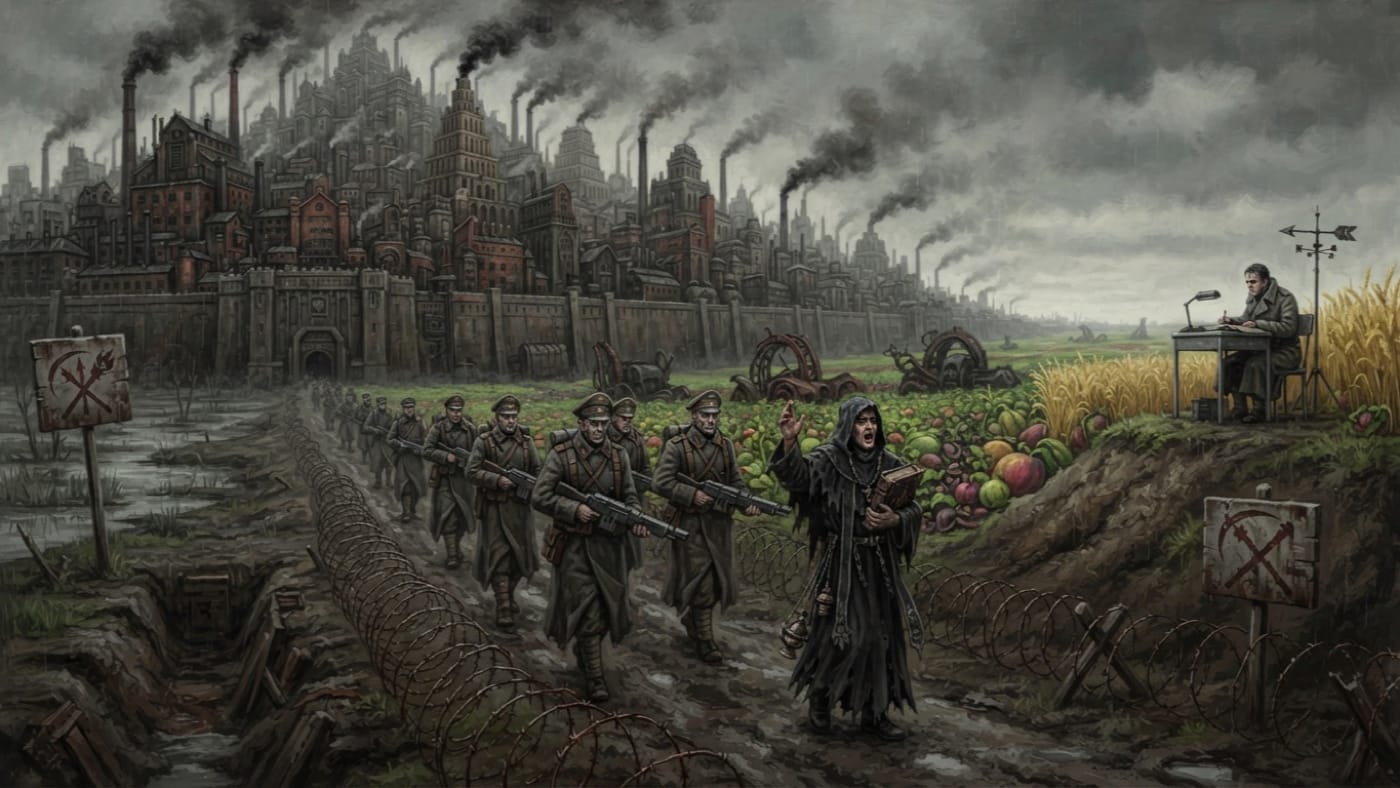
Where protecting the soldier means forbidding the harvest
Eastern Command issues the eastern sector's orders from Bastion-Constantinople. Its documented duty is to keep soldiers from Kargath's food: the ration feeds them; the harvest devours them.
Codex Ref. VIII.7.05-201
Eastern Theatre
A province has a governor to blame. The Eastern Theatre has an inbox.
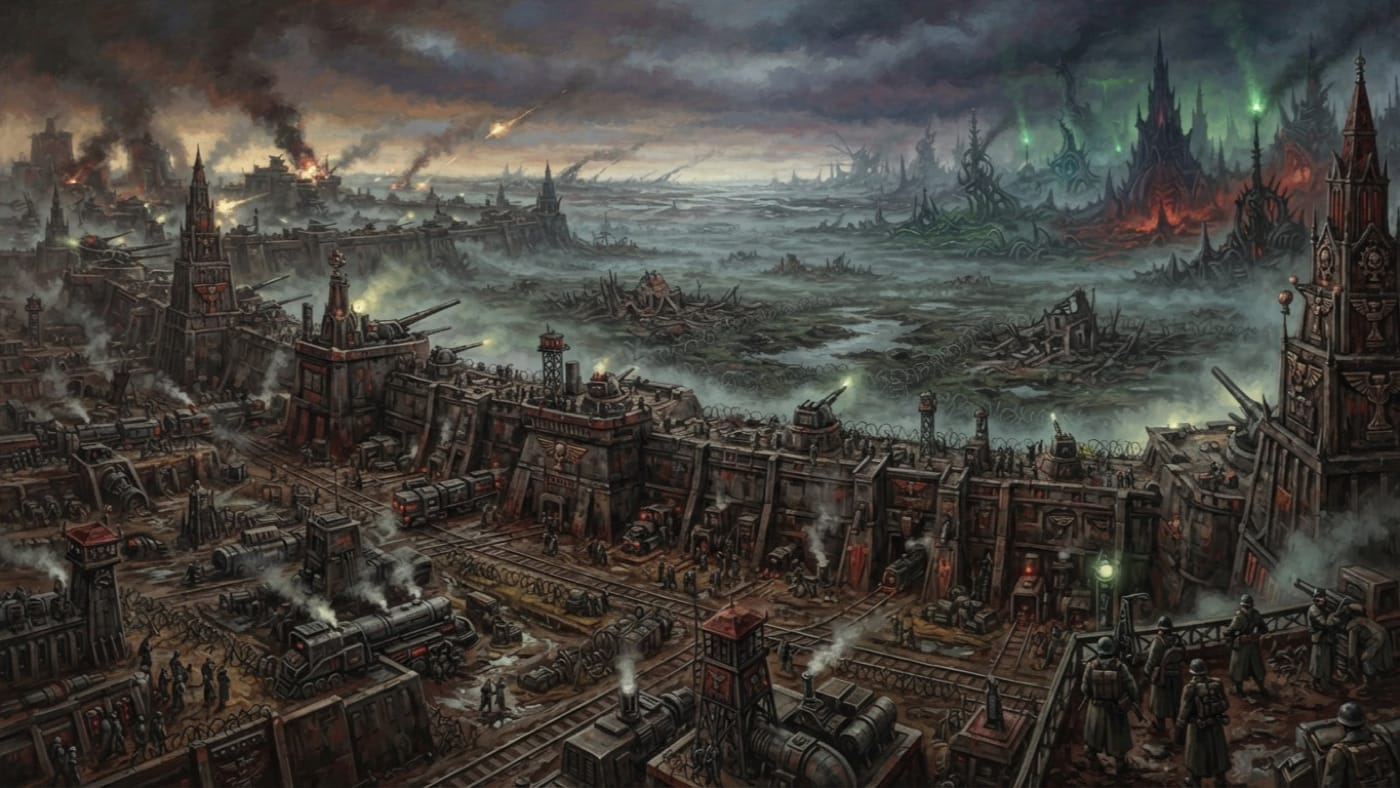
The eastern war's unchartered heading: the Sagittal Line, contested strip, fallen lands and supporting rear. Drax surveys the front in A.S. 201; the reports have desks, but the Theatre has no commander.
Codex Ref. II.4.13-201
Eighteenth Conference on Demonic Pathology
Medicine supplied the noun; Doctrine supplied the instruction
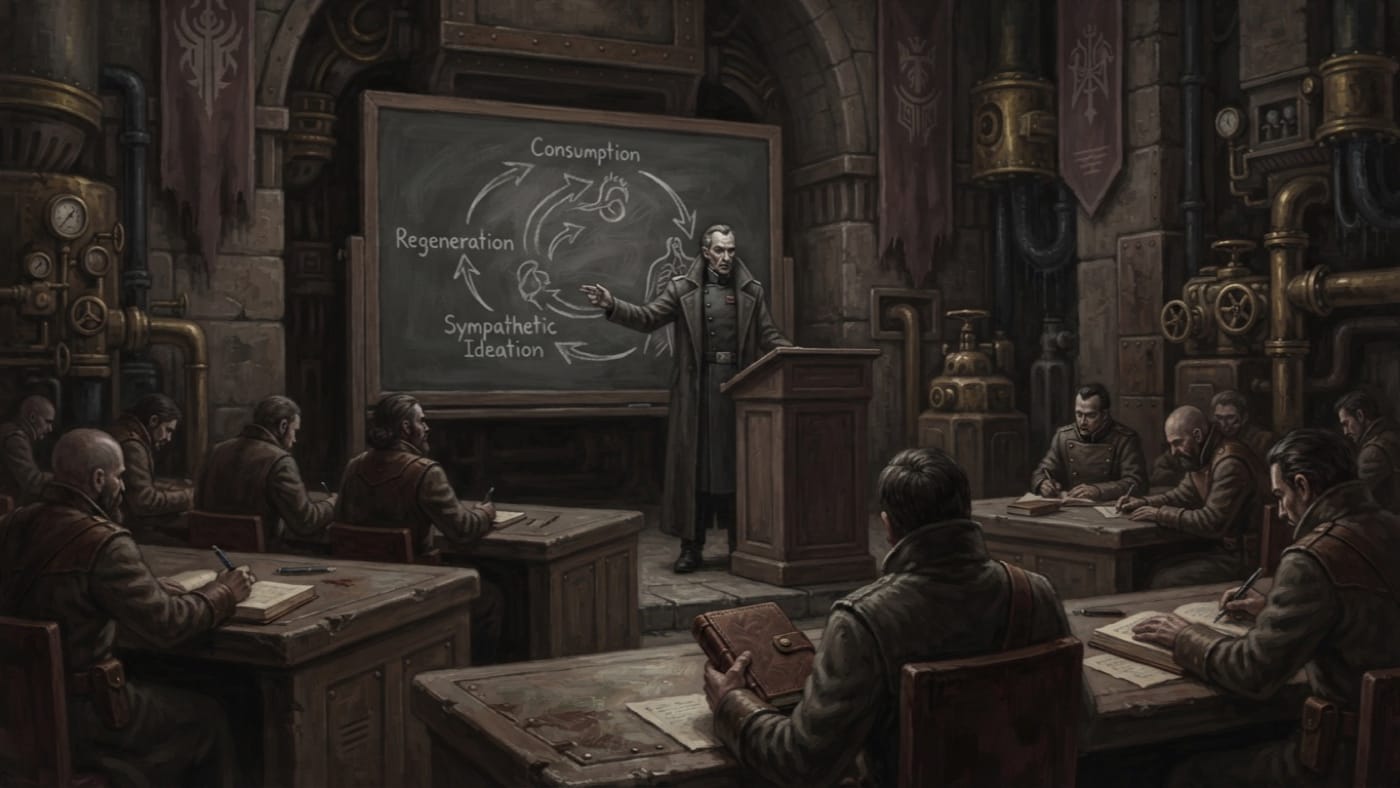
At the A.S. 193 conference, Medicine named the Self-Devoured's proximity effect: sympathetic consumption ideation. No objection was entered. Eight years later, the theory remains working and the mechanism unproven.
Codex Ref. VII.8.10-018
Europa
The continent as filed, wounded, taxed, and made obedient enough
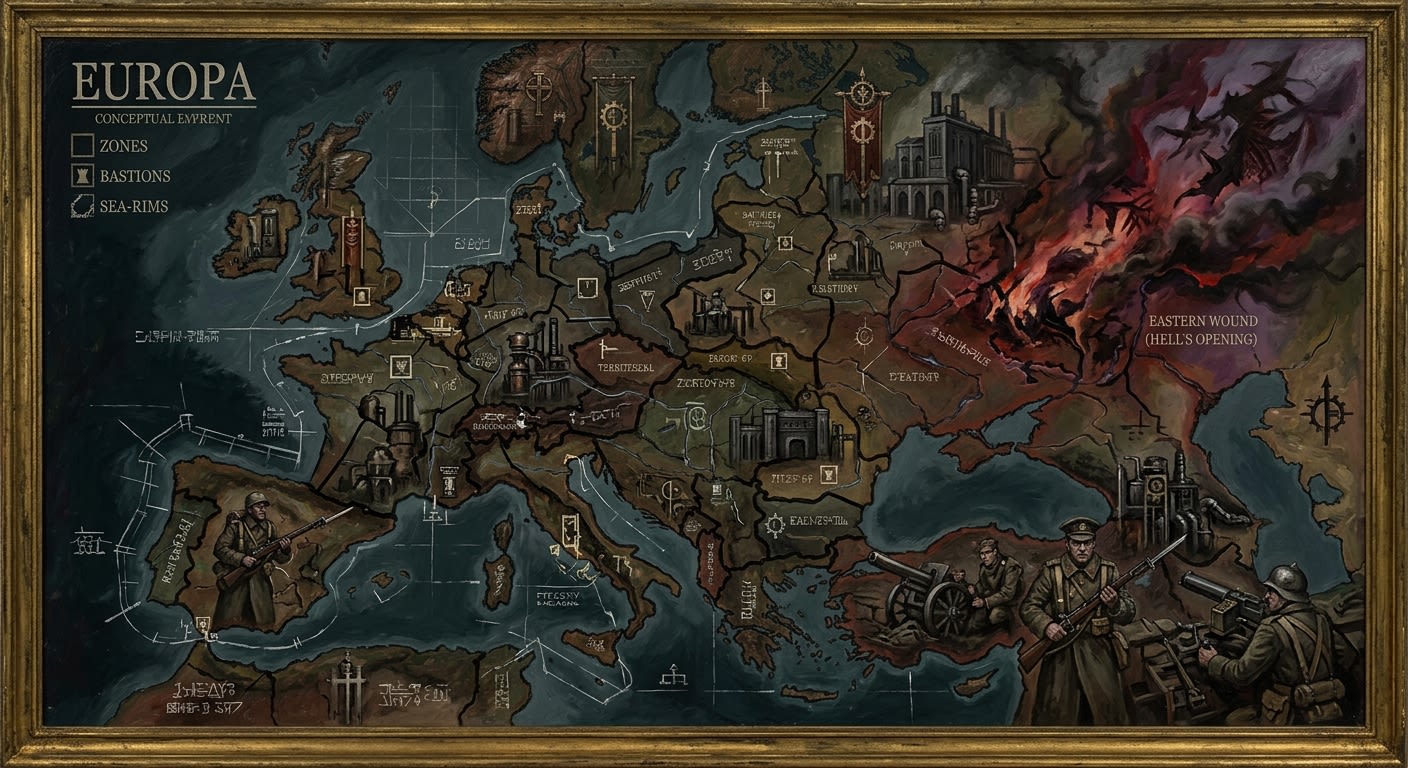
Europa is not whole; it is the continent filed into zones, bastions, sea-rims, independent nuisances, and the eastern wound Hell keeps open.
Codex Ref. II.0.00-201
Father Anselm Gries
The Bureau preserved the classification and lost the man
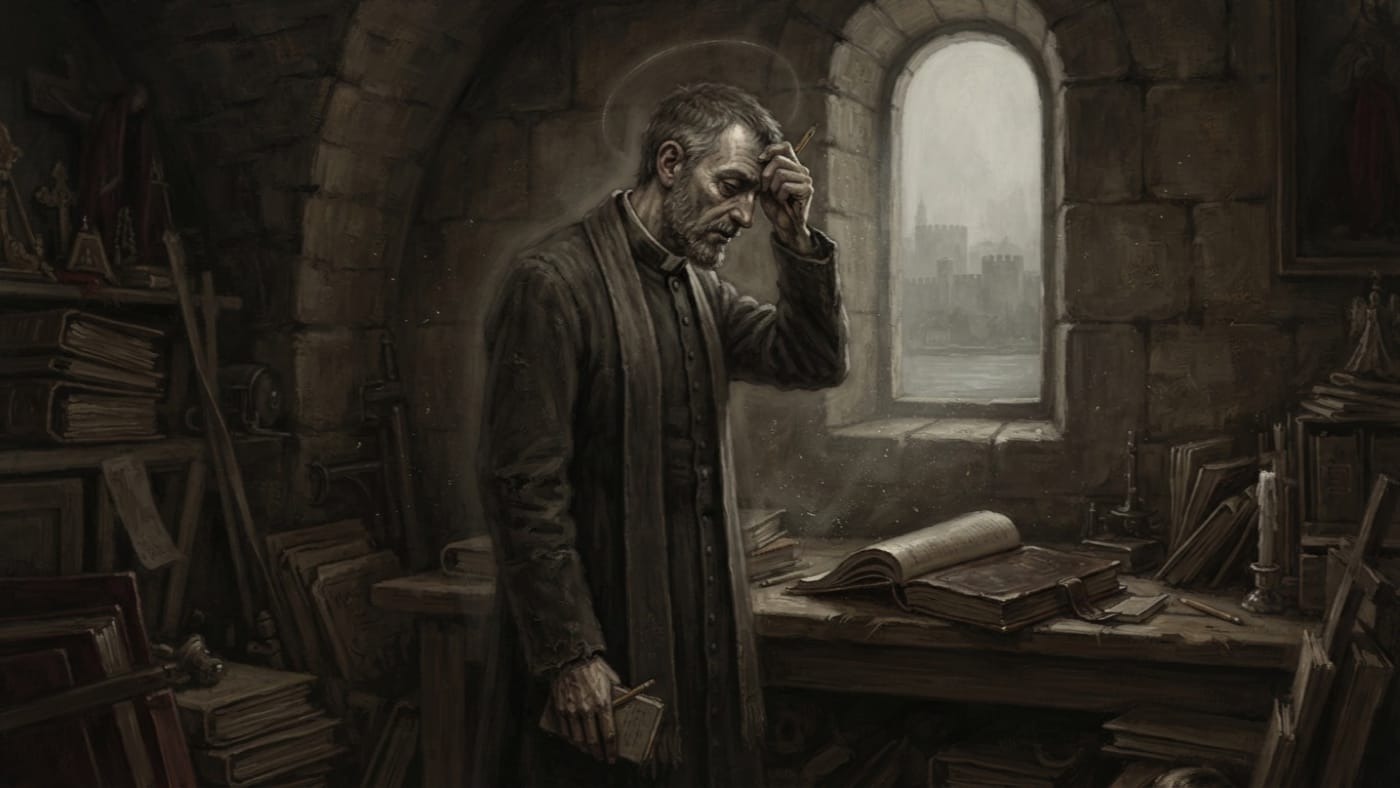
Father Anselm Gries recorded the dead still chewing near Pécs in A.S. 147. He later died at Bastion-Constantinople. The Bureau preserved the classification and lost the man.
Codex Ref. III.2.01-1020
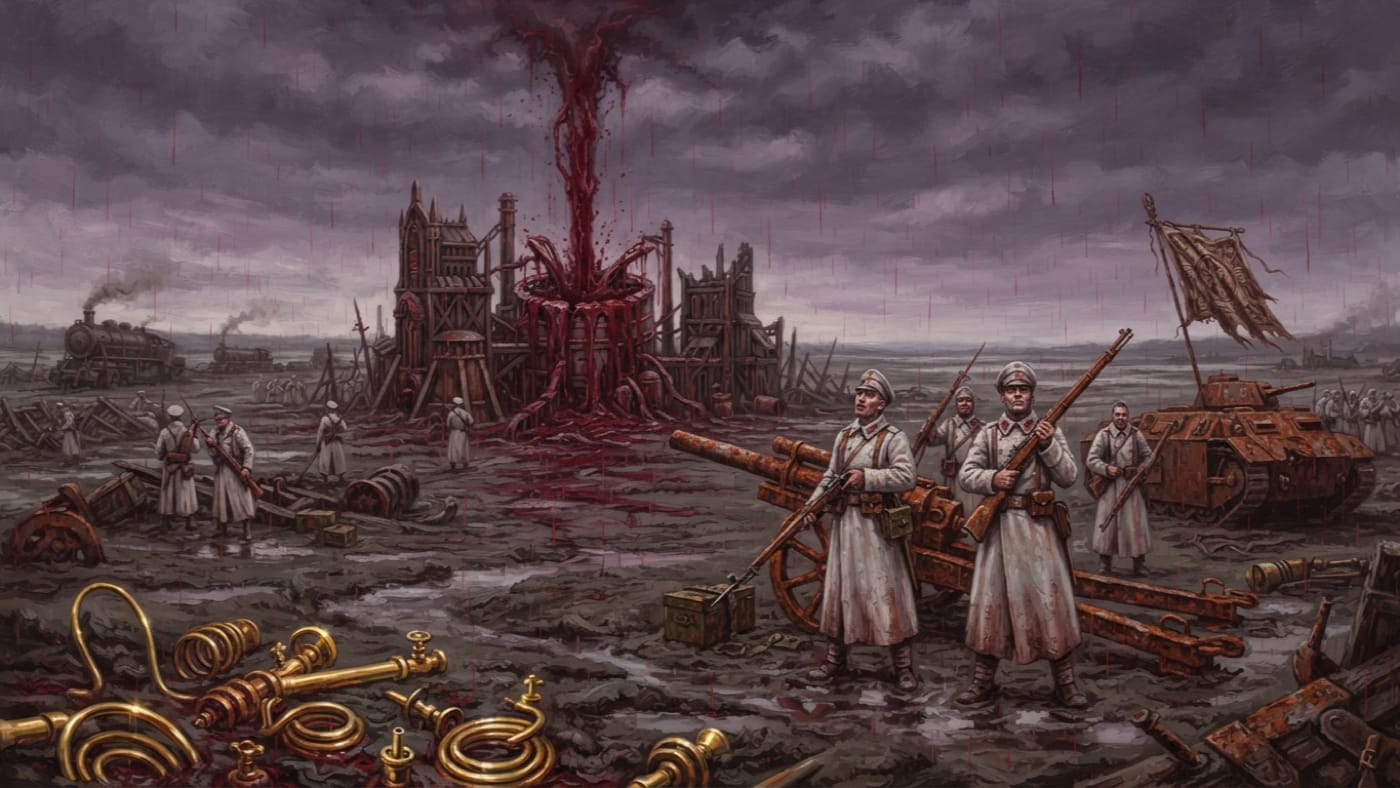
Festival of Worms
Iron corroded. Brass survived. Doctrine declined to explain.
At Debrecen in A.S. 172, Fusilier shelling ruptured a Blood-Tithe pit. Three days of crimson rain corroded iron and spared brass. The advance stalled; Doctrine filed the difference as unresolved.
Codex Ref. VII.4.11-001
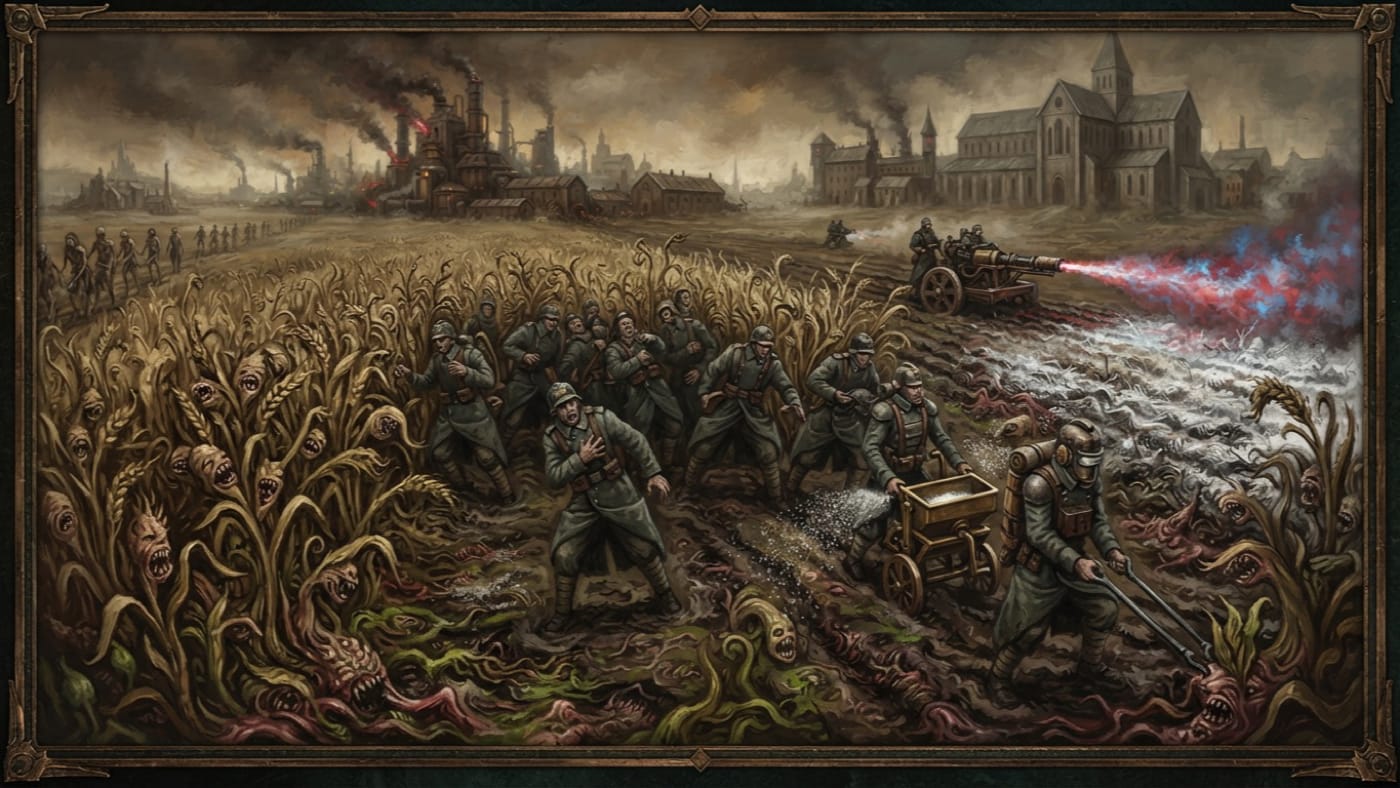
Flesh Litanies
The hungry sing; the flesh obeys
Kargath's hungry singing makes grain bite and stomachs refuse satisfaction. Salt, fasting-caps and relic-fire answer locally; the Bureau can suppress a manifestation more readily than recover a field.
Codex Ref. VI.3.01-003
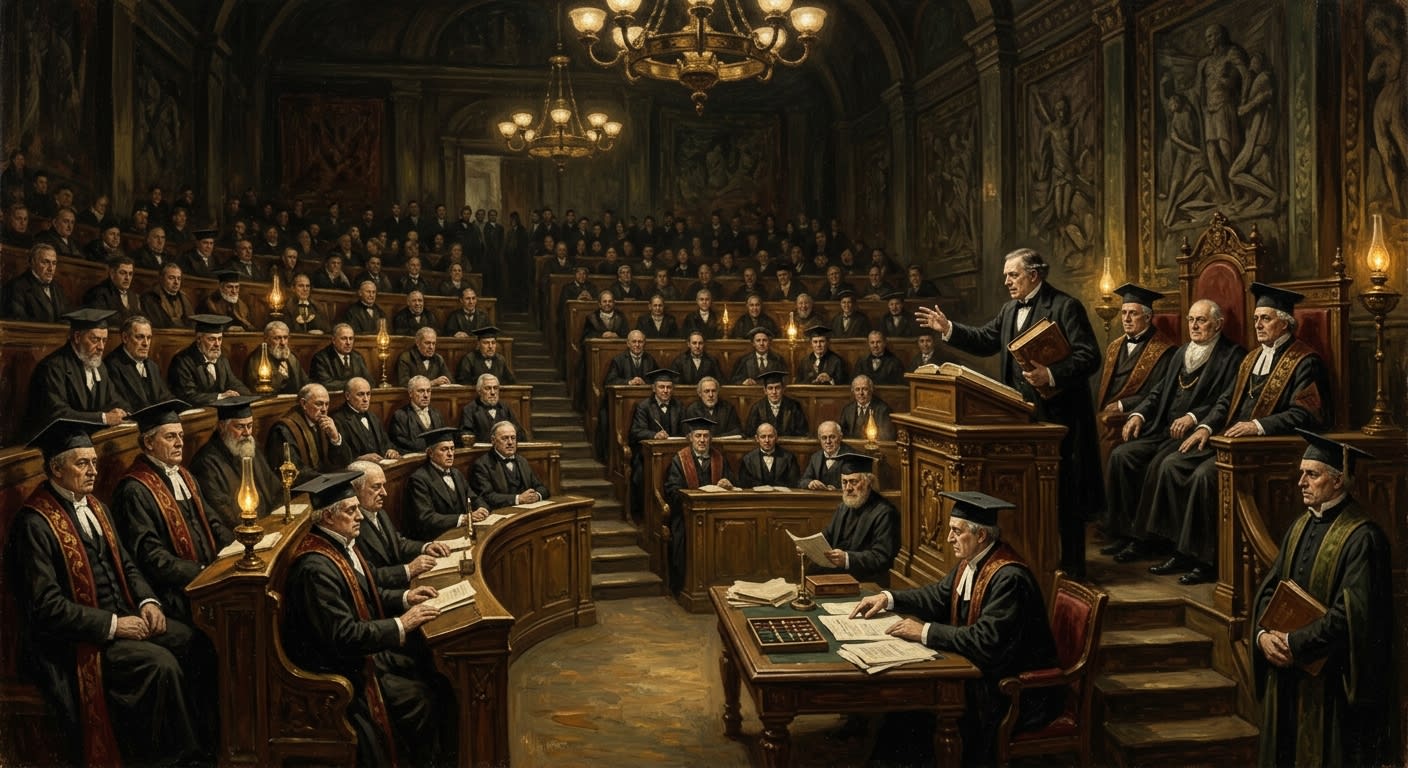
Fourteenth Doctrinal Congress
Matter protested; the seal prevailed
The A.S. 147 Congress that made authenticated contradiction obedient, ratifying the Femur Principle and Kargath's consumption taxonomy in the same week.
Codex Ref. XIII.1.90-147
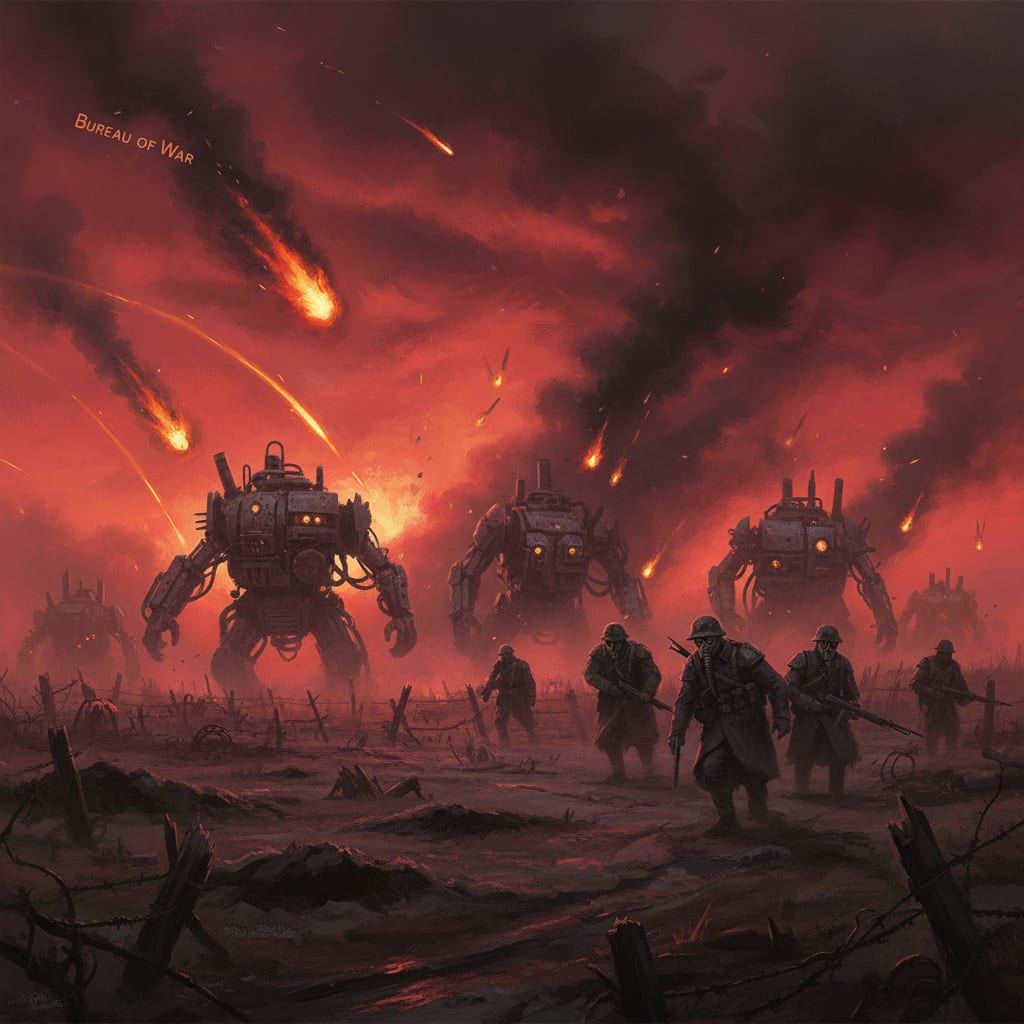
Gore-Slingers
Seven variants of the same atrocity, confirmed conscious, confirmed still producing.
The Bureau of War's least beloved Category Epsilon auxiliary — human bodies reshaped by sustained demonic exposure into biological ordnance, seven variants (one per Sin-General).
Codex Ref. IX.1.04-001
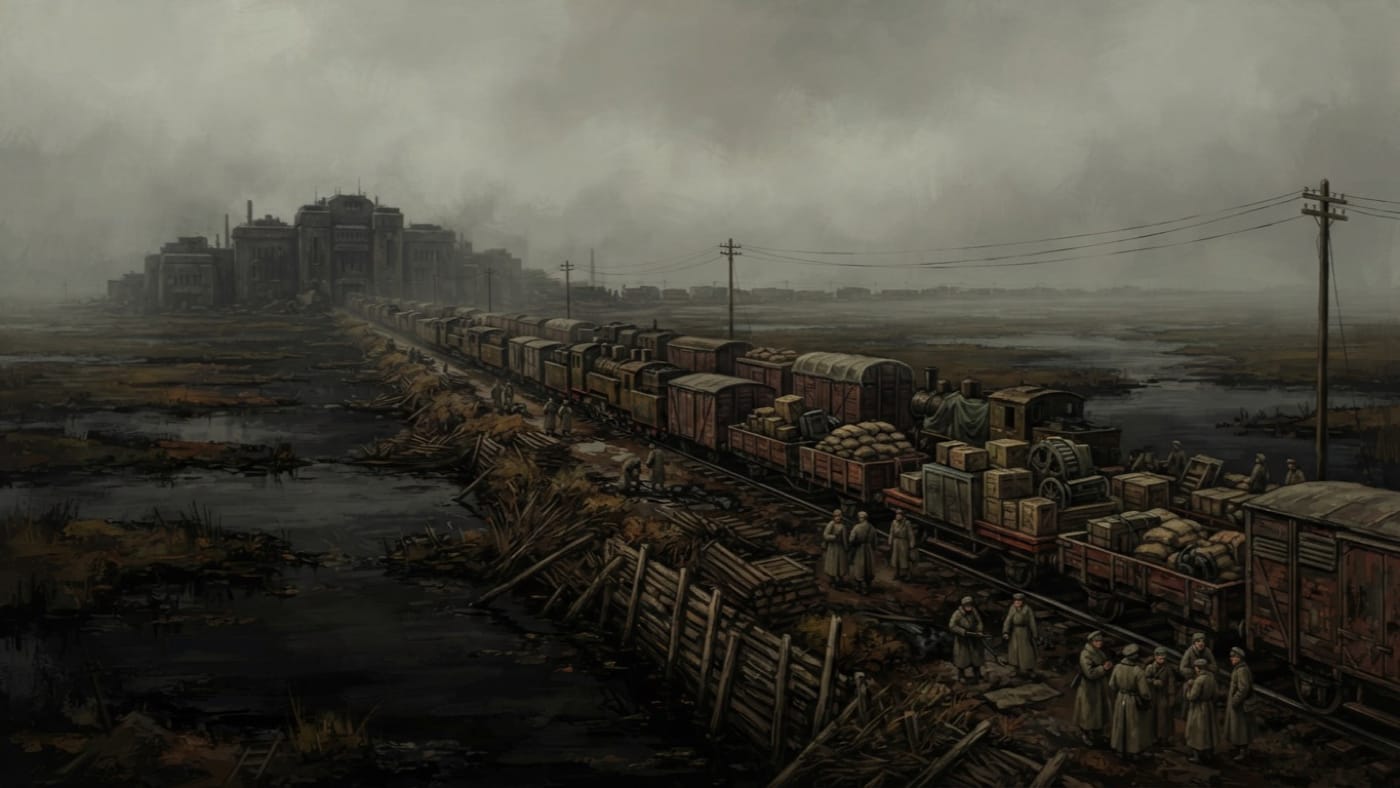
Grain Riots of the Drava corridor
The year is missing; the railway bore the load
An A.S. 201 retrospective of the undated Drava corridor grain riots: Shipka's marsh spur carried loads far beyond capacity, trains queued for days, and Strasbourg praised the logistics from a desk.
Codex Ref. VII.8.10-201
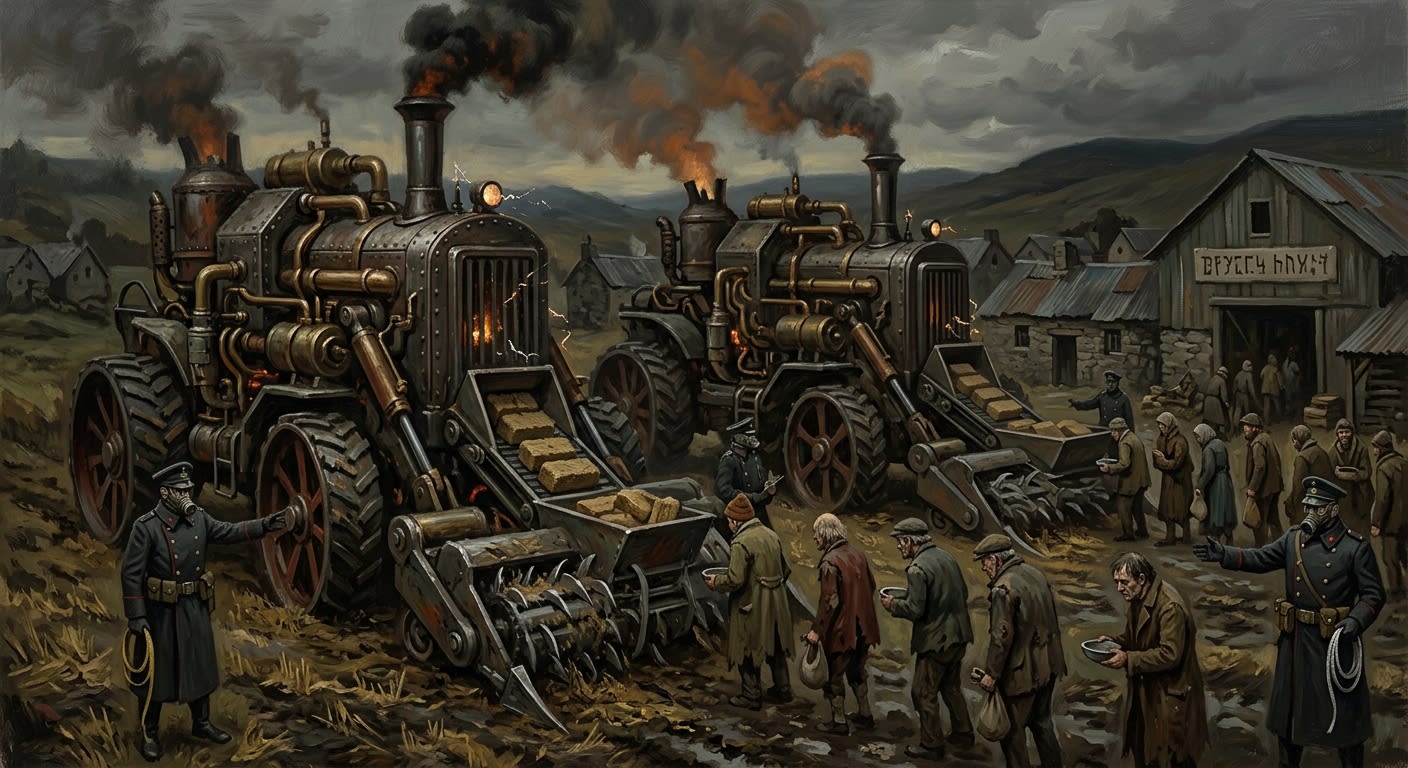
Harvest Engines
If it feeds without filing, burn it before gratitude begins
Harvest Engines are Kargath’s portable abundance: agricultural machines that make food, teach gratitude, and leave whole villages hungry beyond repair.
Codex Ref. XIII.1.26-001
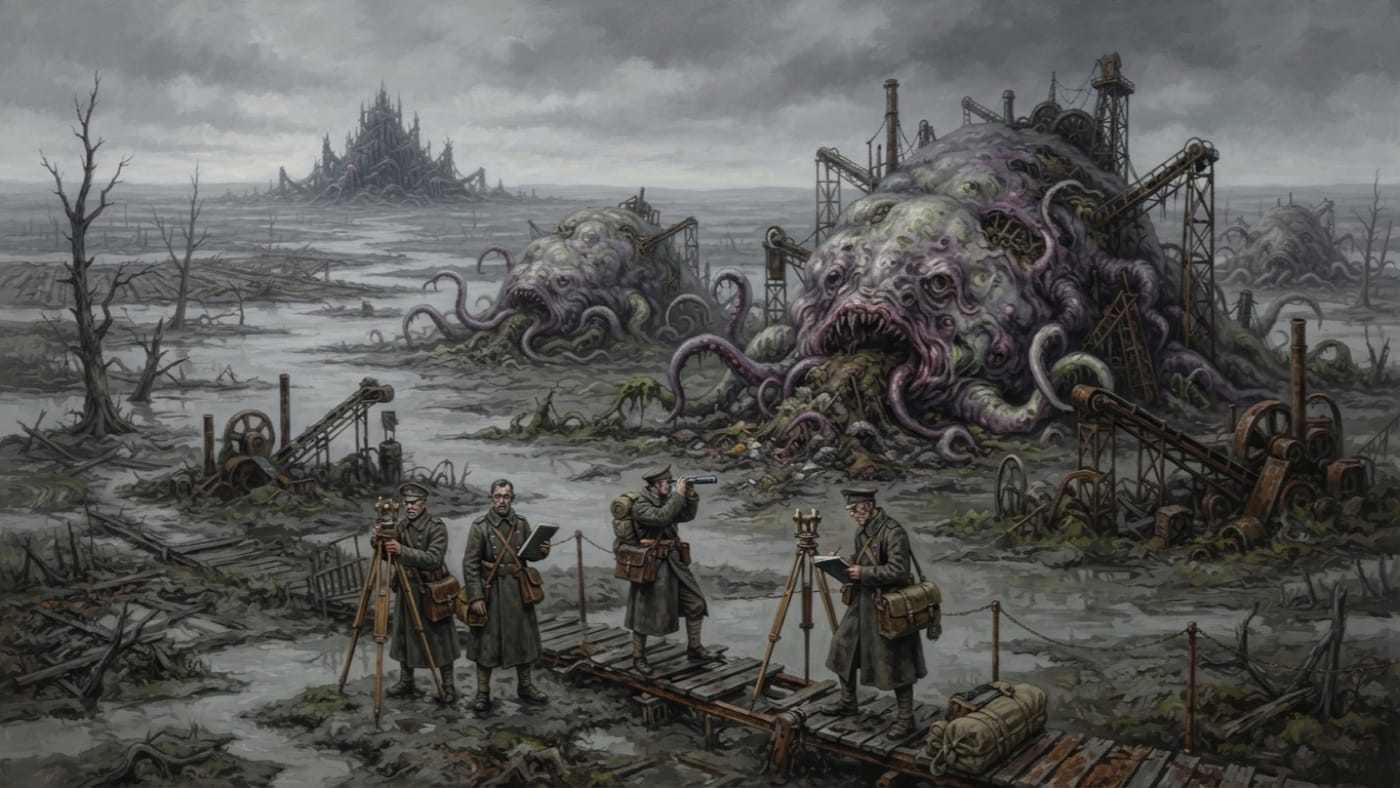
Hungarian plains
The country that fed the armies now feeds what waits for them
Once the breadbasket of armies, the Hungarian grain country is now the Blightmarsh. The A.S. 200 survey confirms eleven stationary Gorged. The Church's yield is nil; the hunger remains productive.
Codex Ref. II.4.09-200
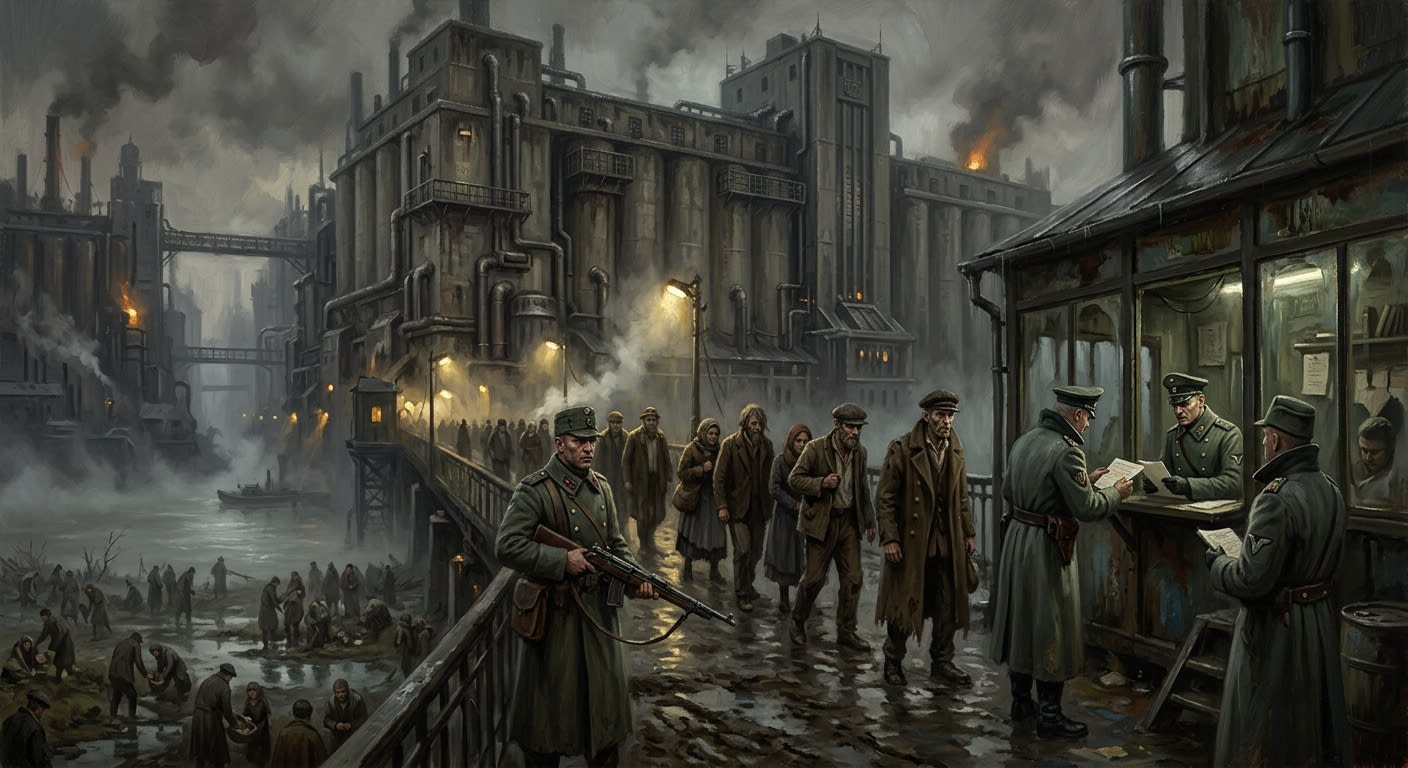
Hungary
The breadbasket that [[hell|Hell]] ate and [[strasbourg|Strasbourg]] filed by the slice
Hungary is the old grain kingdom remade into Budapest's held bank, Pest's visible absence, Blightmarsh hunger, southern corridor necessity, refugee memory, and every office's damp-fingered embarrassment.
Codex Ref. II.4.09-045
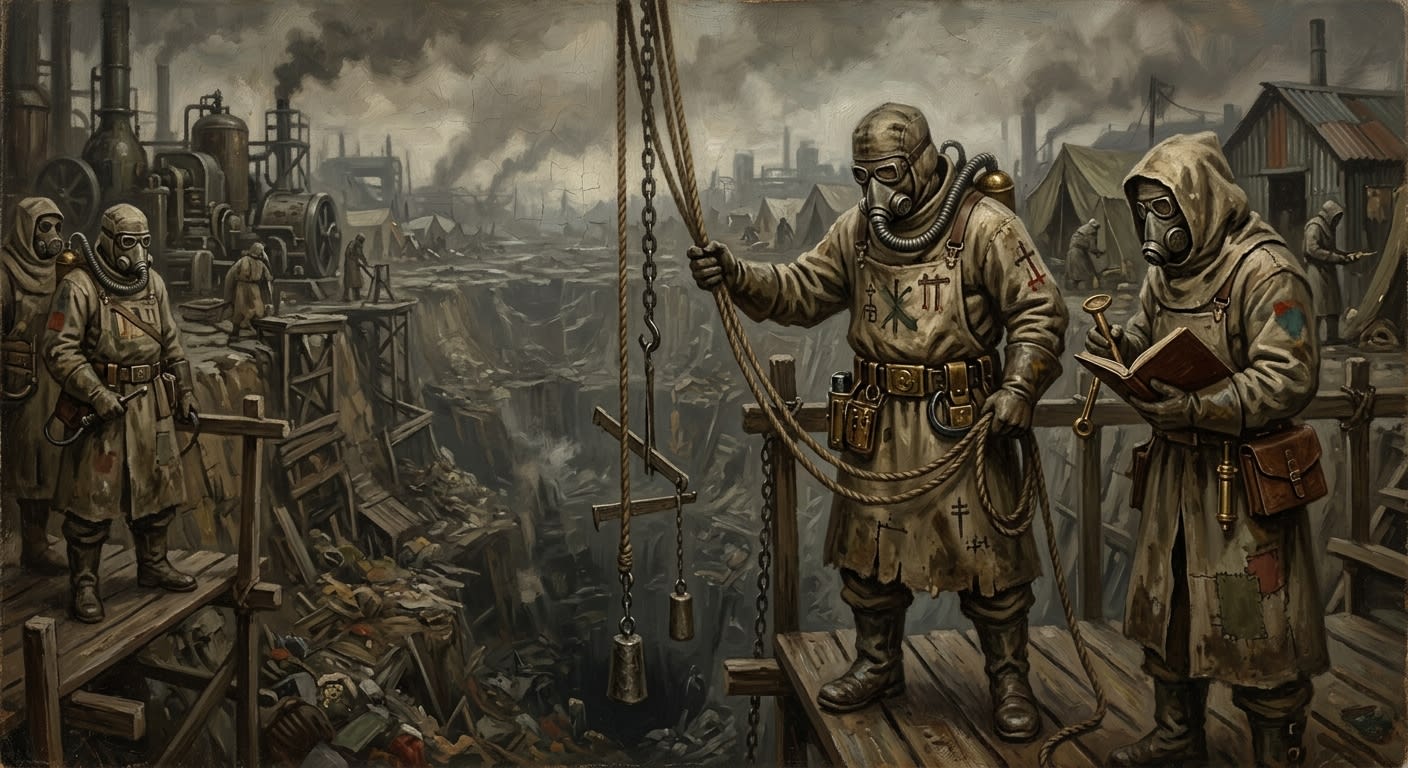
Hunger Wardens
The rope-tethered profession that measures what the dead still want
Hunger Wardens are the Synod's canvas-suited proximity workers at Famine Pit sites, measuring the appetite of graves while praying the rope holds.
Codex Ref. XII.26.01-001
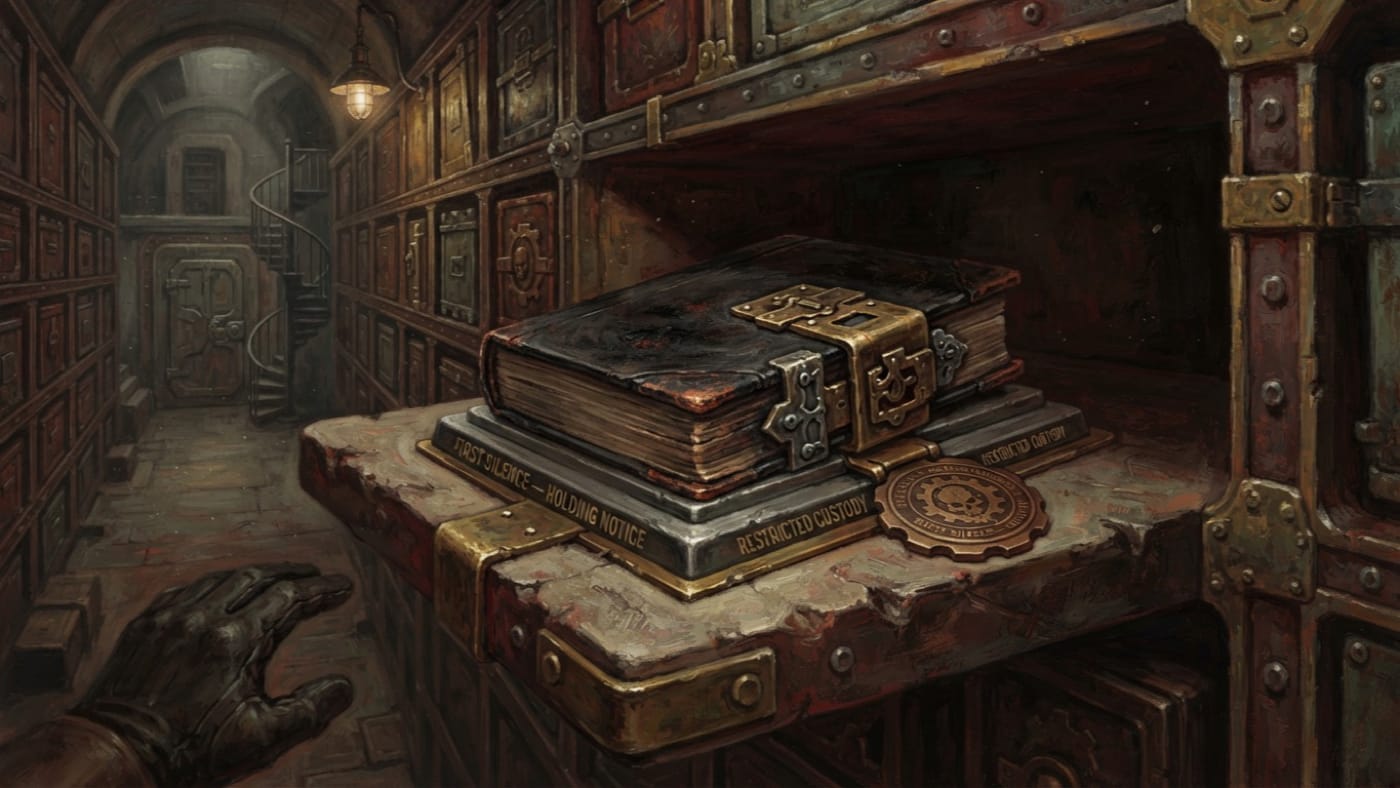
Iron Plains Volume
Fourteen voices retained; permission to hear them withheld
Fourteen Iron Plains survivor testimonies held in the first silence of the Vault of Silences. The order may be copied; the testimony stays under clasp.
Codex Ref. XIII.1.48-003
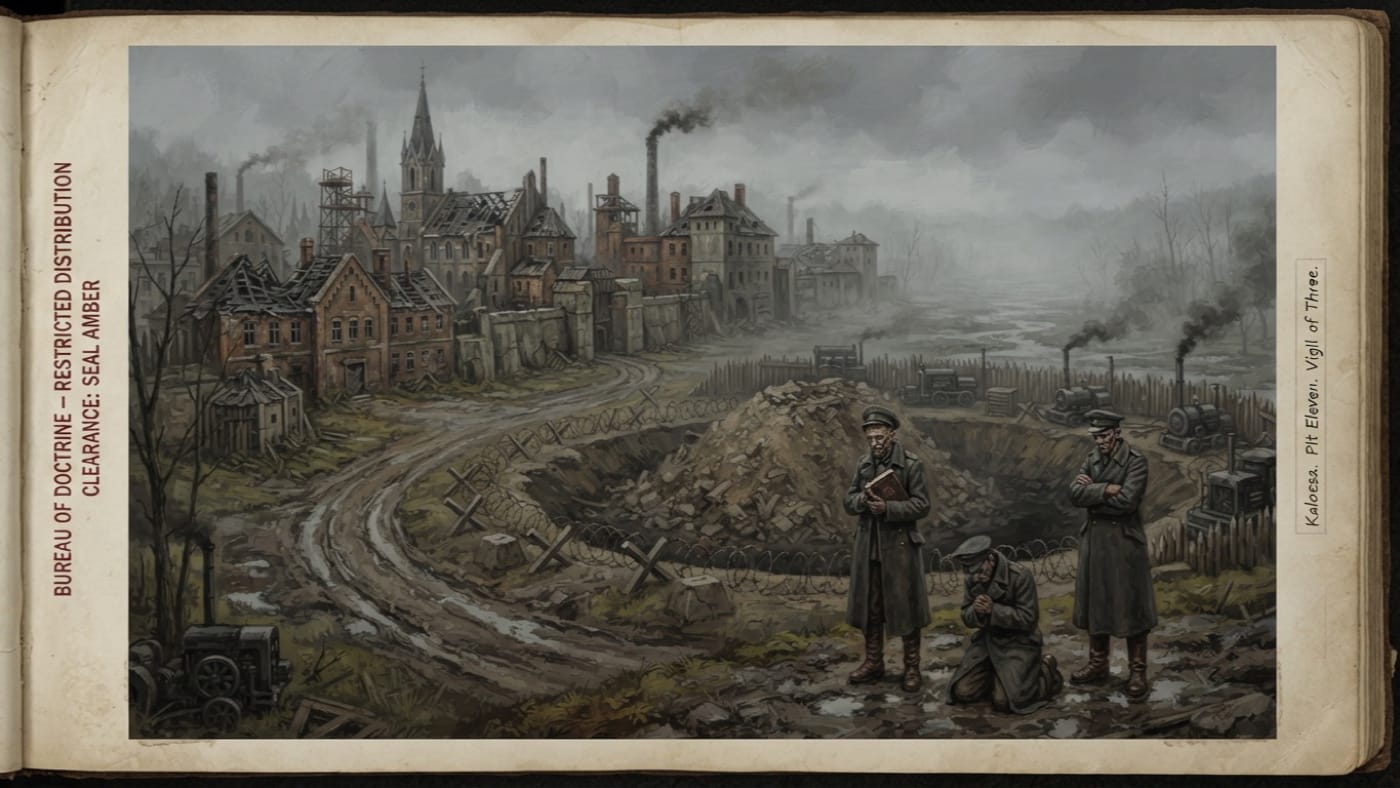
Kalocsa
The record names the town; the grave receives the attention.
Kalocsa is the town named beside the Children's Pit, where a refugee column was buried in A.S. 52. Three chaplains keep a classified vigil nearby; the record tells me more about their hunger than about the town.
Codex Ref. II.4.09-052
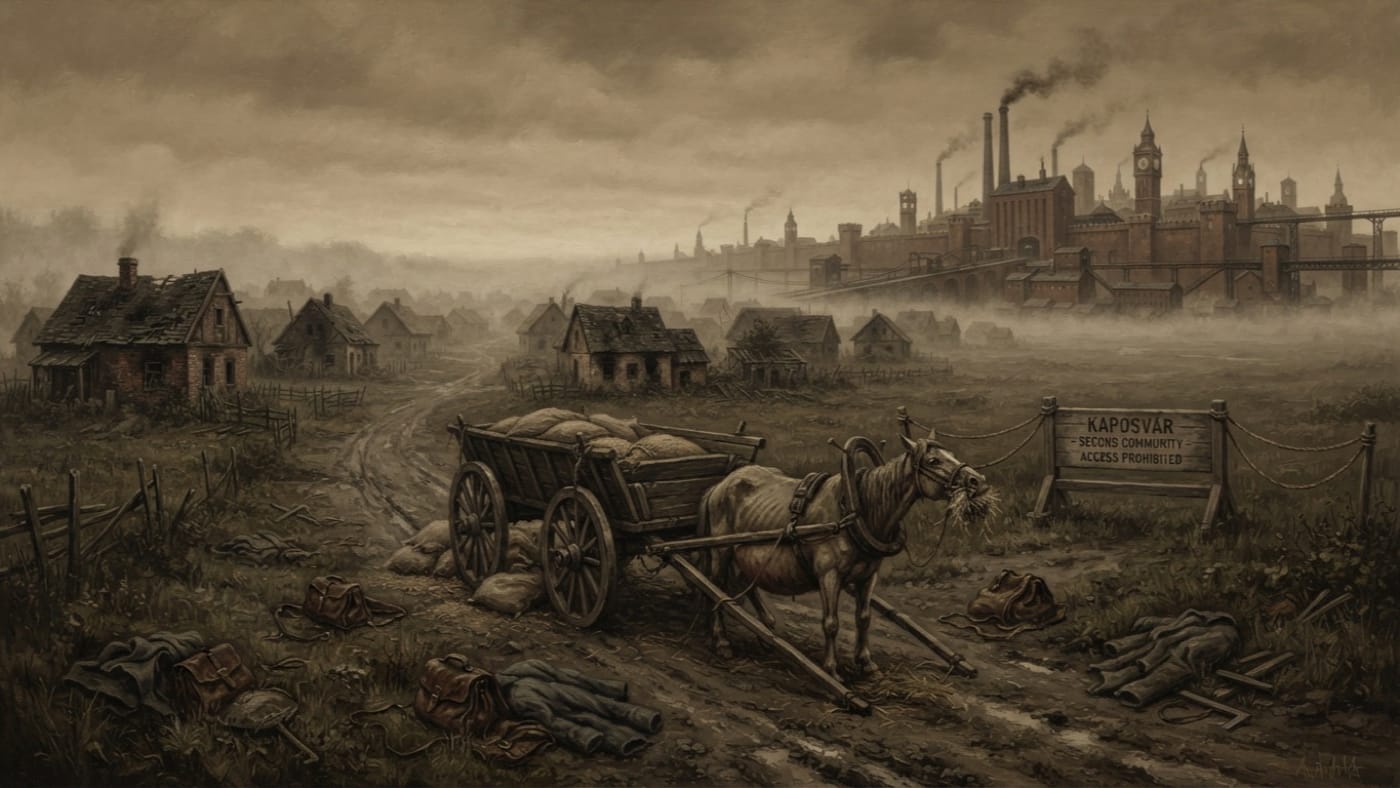
Kaposvár
The city lent its name; the village paid for supper
Kaposvár lends its name to the second Harvest-stricken community, destroyed nearby in A.S. 159. Its surplus killed the sellers; a failed delivery spared the neighbouring parish.
Codex Ref. II.4.09-159
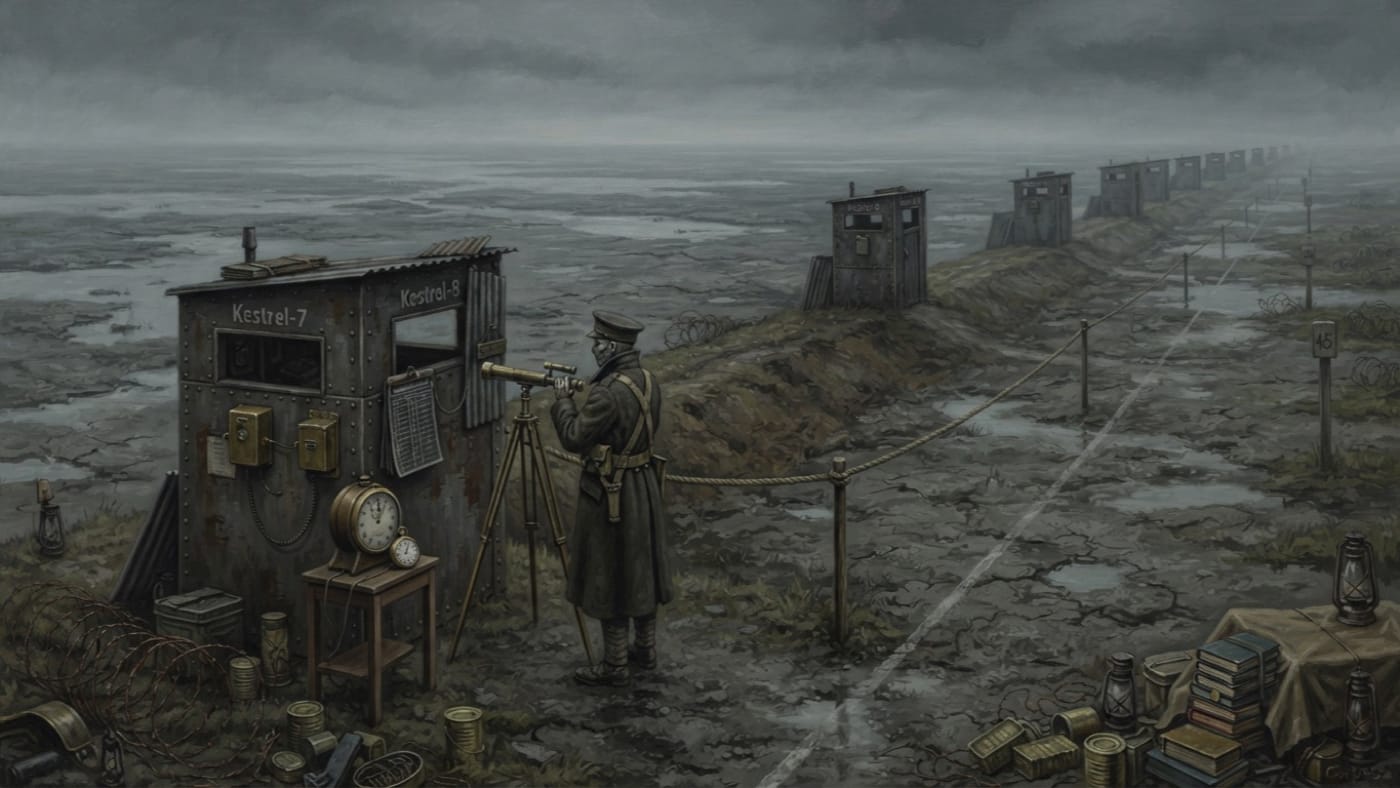
Kestrel Line
Fourteen posts to measure what nobody can stop
Fourteen numbered posts watch the Blightmarsh. The A.S. 201 return lists three unnamed vacancies; War supplies the numbers and leaves readiness uncertified.
Codex Ref. II.4.09-1533
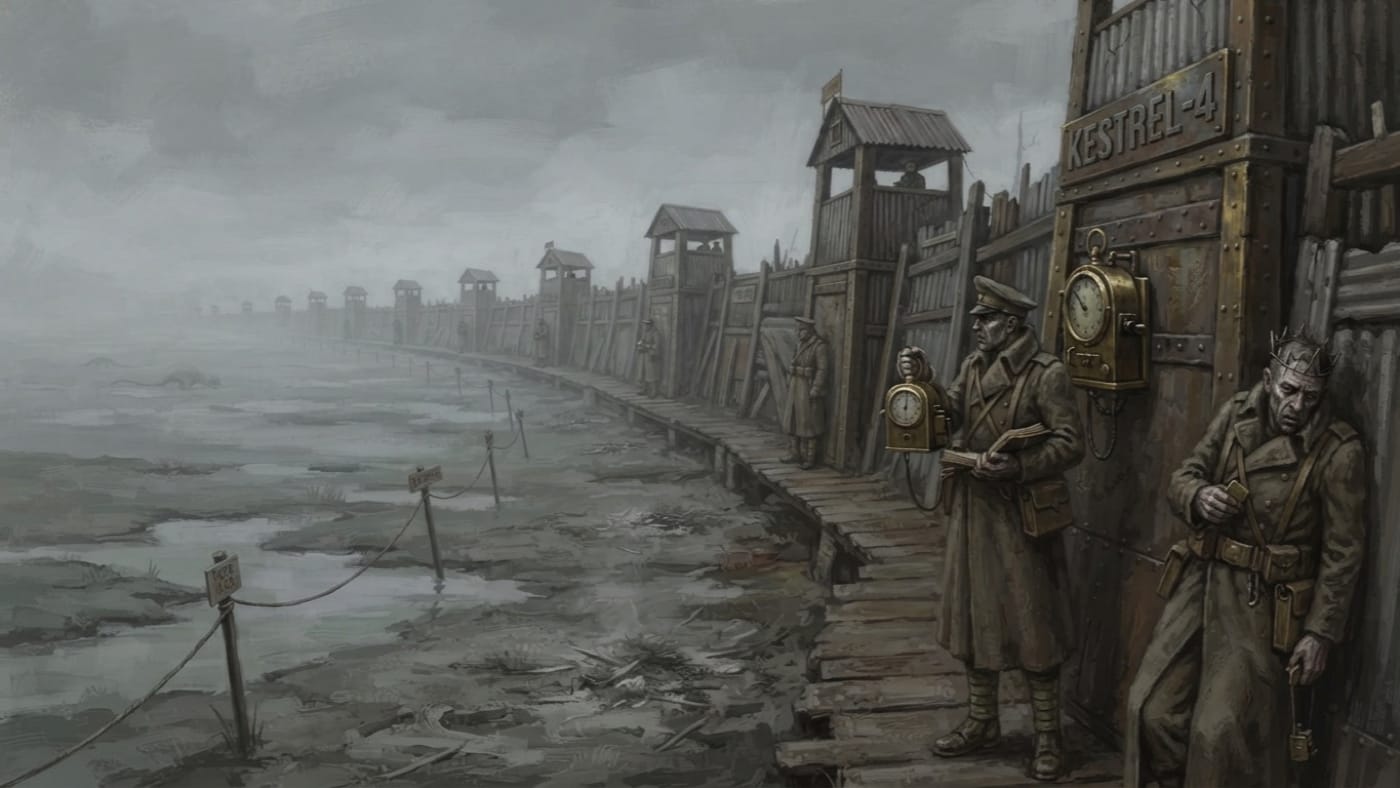
Kestrel Stations
Watch the rope. Watch the clock. Report the bread.
Fourteen numbered posts watch the Blightmarsh with ash, rope, smell logs and exposure clocks. The A.S. 201 return lists three unnamed vacancies; observation continues, containment remains unproved.
Codex Ref. II.4.09-1534
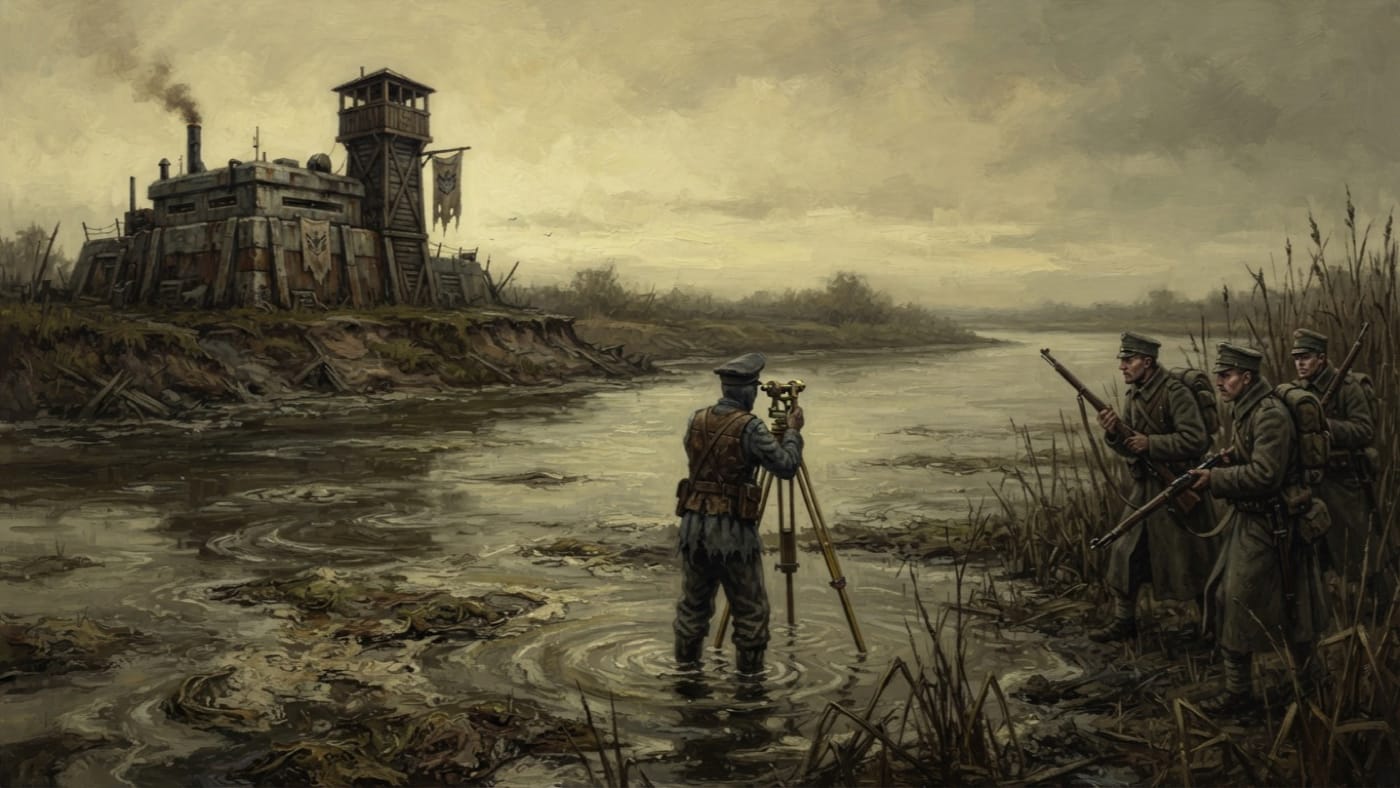
Kestrel-11
One patrol report against twenty-six years of paperwork
Kestrel-11 watches the Drava. In A.S. 200 its patrol reported a figure resembling Adept Harlen, twenty-six years dead on paper; the river supplied no identification.
Codex Ref. II.6.05-011
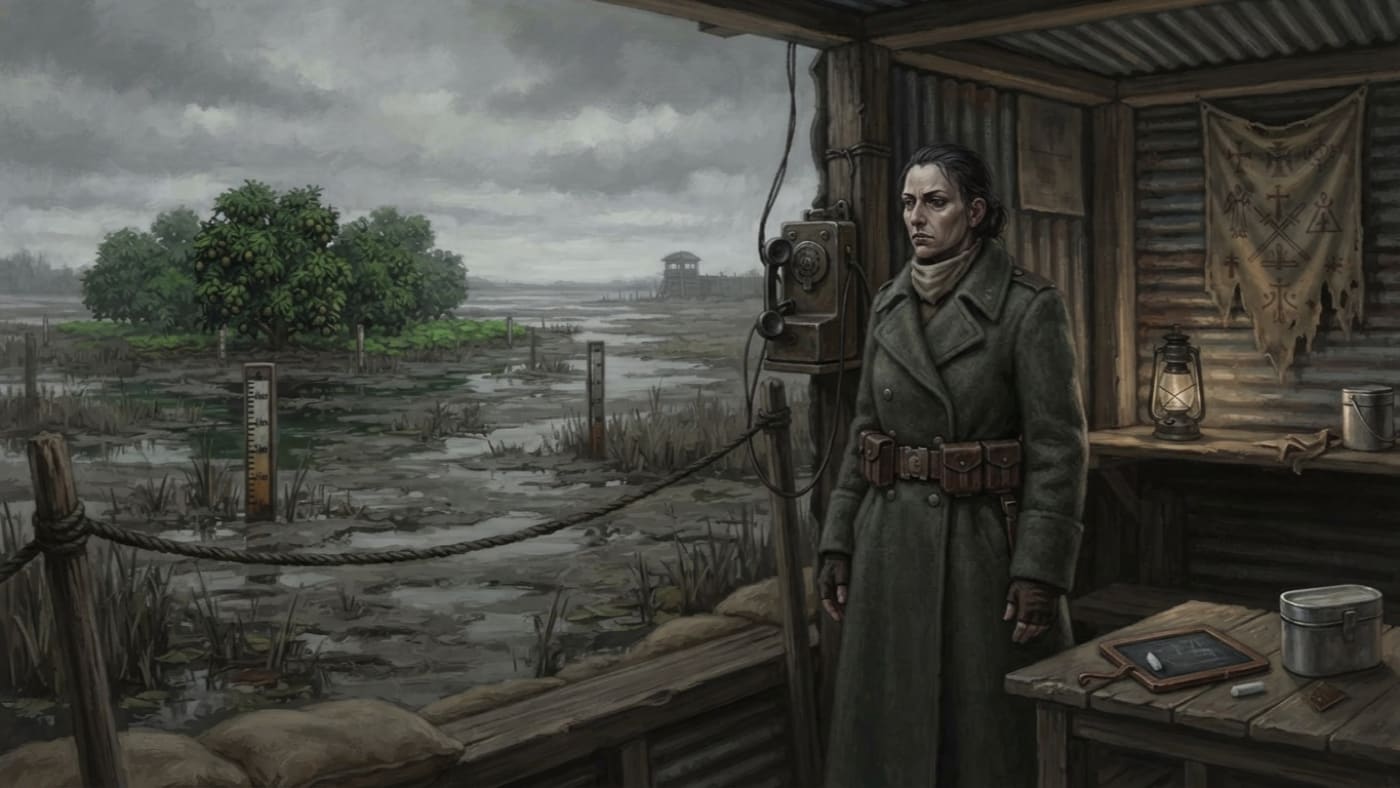
Kestrel-7
The post watches. The Marsh advances.
Kestrel-7 watches the western Blightmarsh perimeter, recording mudline creep, hostile cultivation and food-scent contact. The rope marks the orders; the Marsh has never read them.
Codex Ref. II.6.05-007
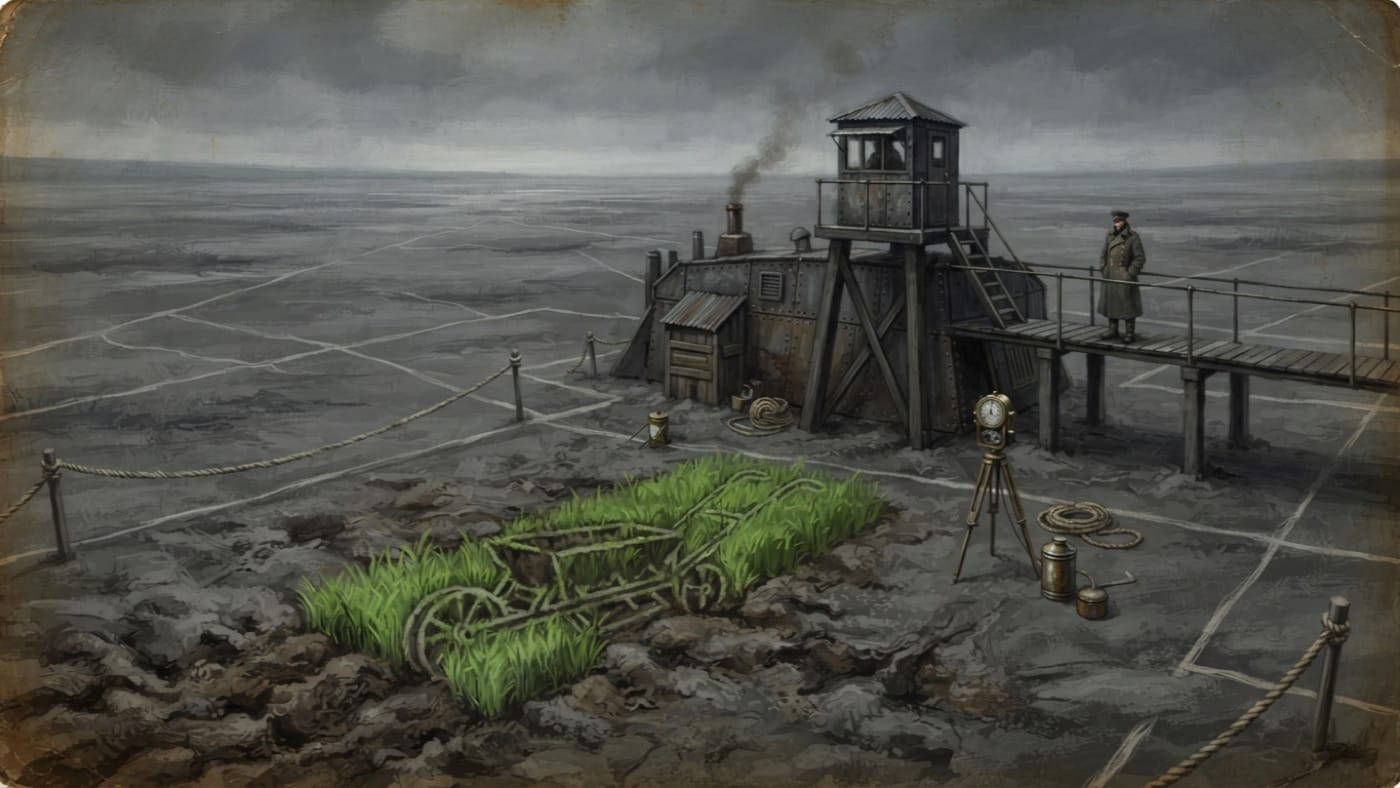
Kestrel-8
File the post with the series and the barley with the machine
Kestrel-8 stands on War's rolls as a Blightmarsh observation post. This A.S. 201 survey preserves an undated seed-drill burial report: barley traced the machine's frame; staffing remains unreported.
Codex Ref. II.4.09-1531
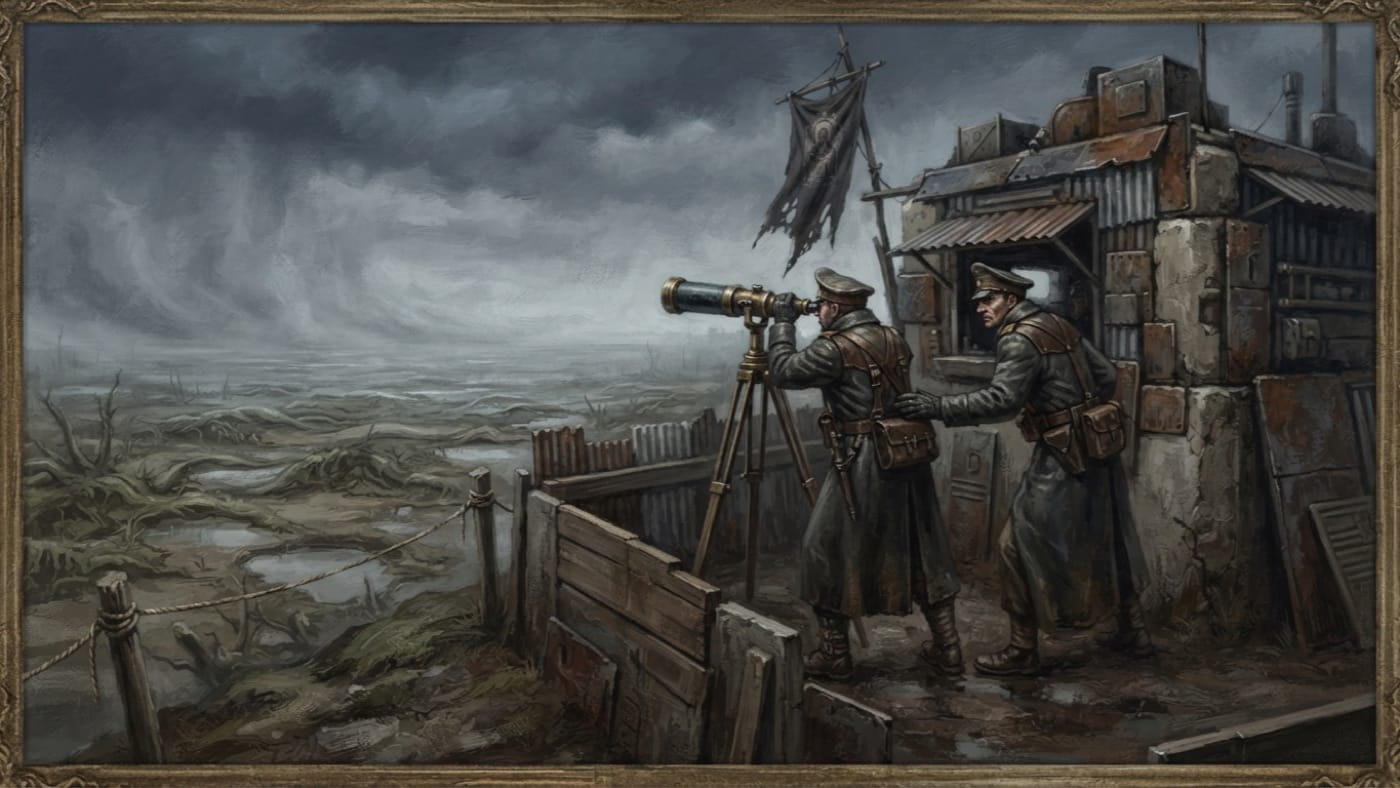
Kestrel-9
Where looking is duty and knowing when to stop is judgment
Kestrel-9 watches the western Blightmarsh perimeter. During my A.S. 199 inspection, Corporal Drennan interrupted eleven minutes of fascination with one hand at my elbow. His judgment earned no public commendation.
Codex Ref. II.6.05-009
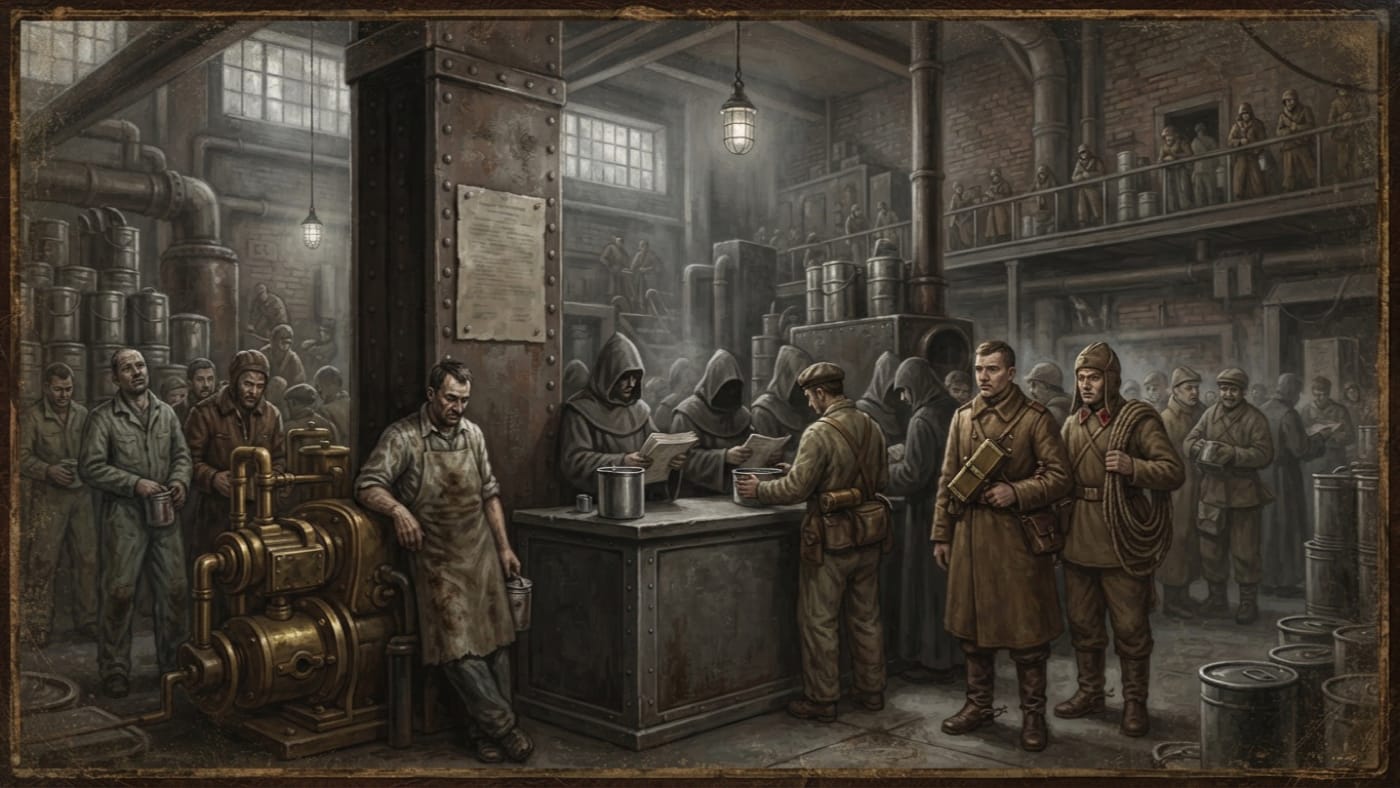
Kruševac Ration Scandal
Seven deaths and a memorandum to correct the ration queue
An A.S. 201 survey of Kruševac's ration scandal: suspect food went first to supposedly expendable mouths; seven deaths and a memorandum bought a better instruction.
Codex Ref. VII.8.10-201
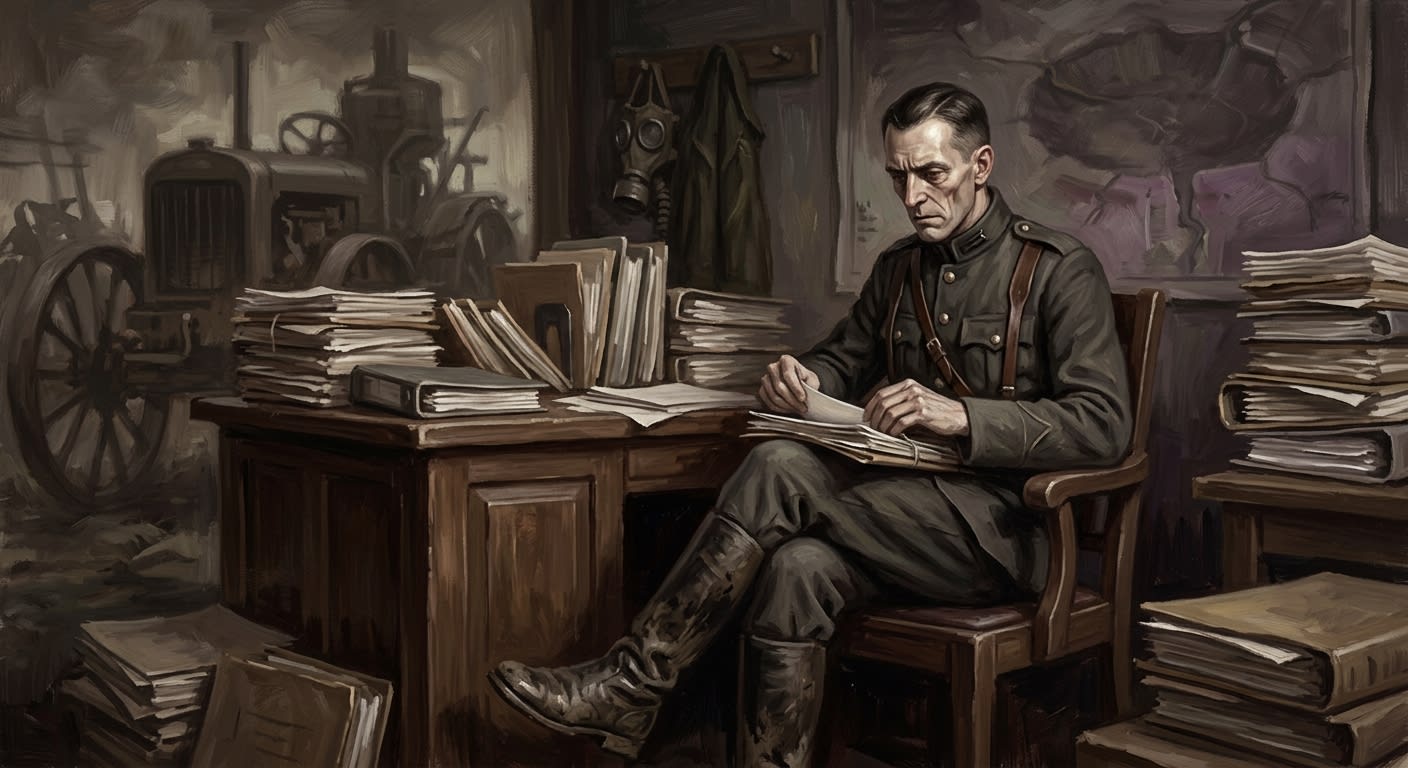
Lieutenant Voss
The officer who measured hunger before the Bureau named it
Lieutenant Voss filed the first clean report of Famine Pit exposure in A.S. 120, then spent fourteen years being too accurate for comfort.
Codex Ref. III.2.01-022
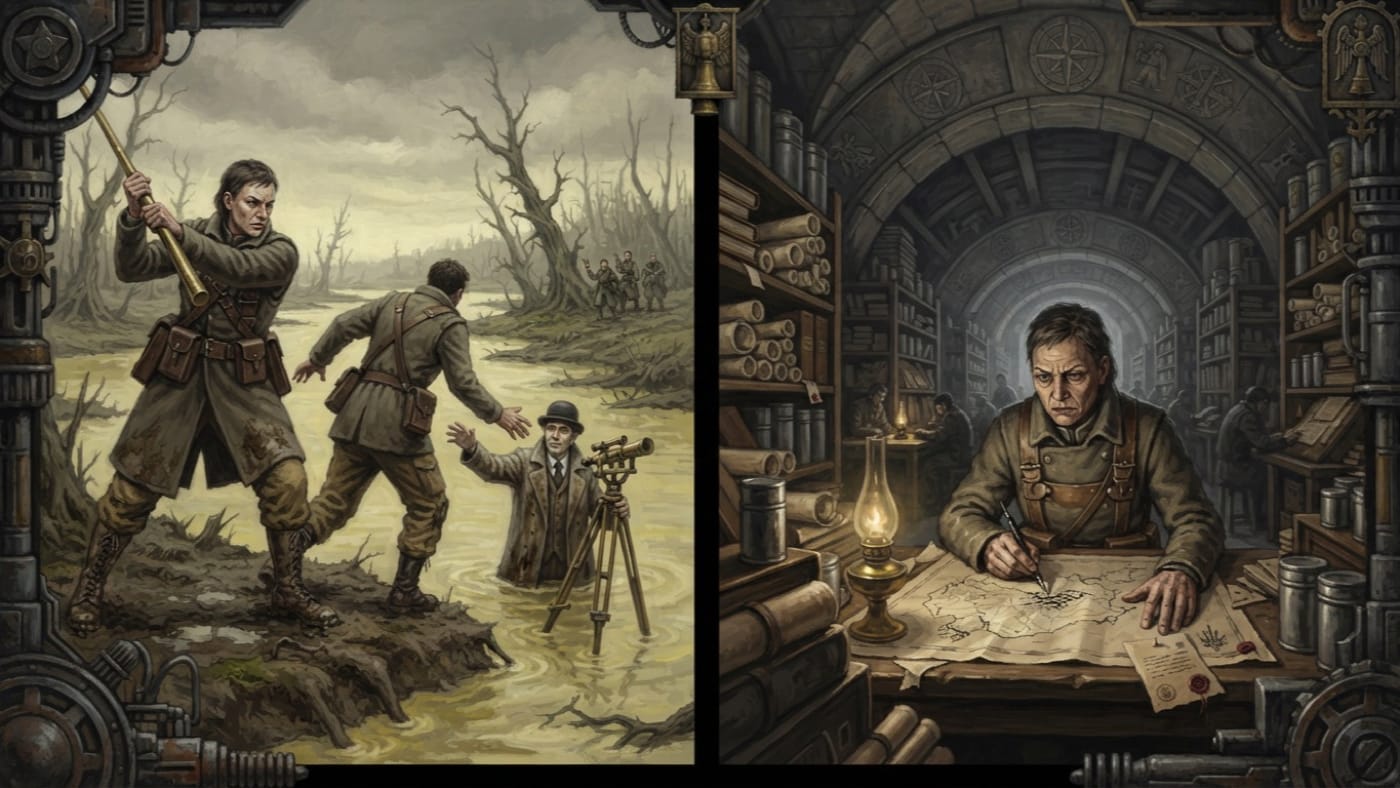
Lisabet of Graz
The rod-bearer reprimanded for bringing a mapper home
Lisabet of Graz witnessed Harlen's loss in the A.S. 174 Drava survey and saved Krail with a sighting rod. Cartography rewarded the rescue with a reprimand; indoor ink duty followed.
Codex Ref. III.2.01-022
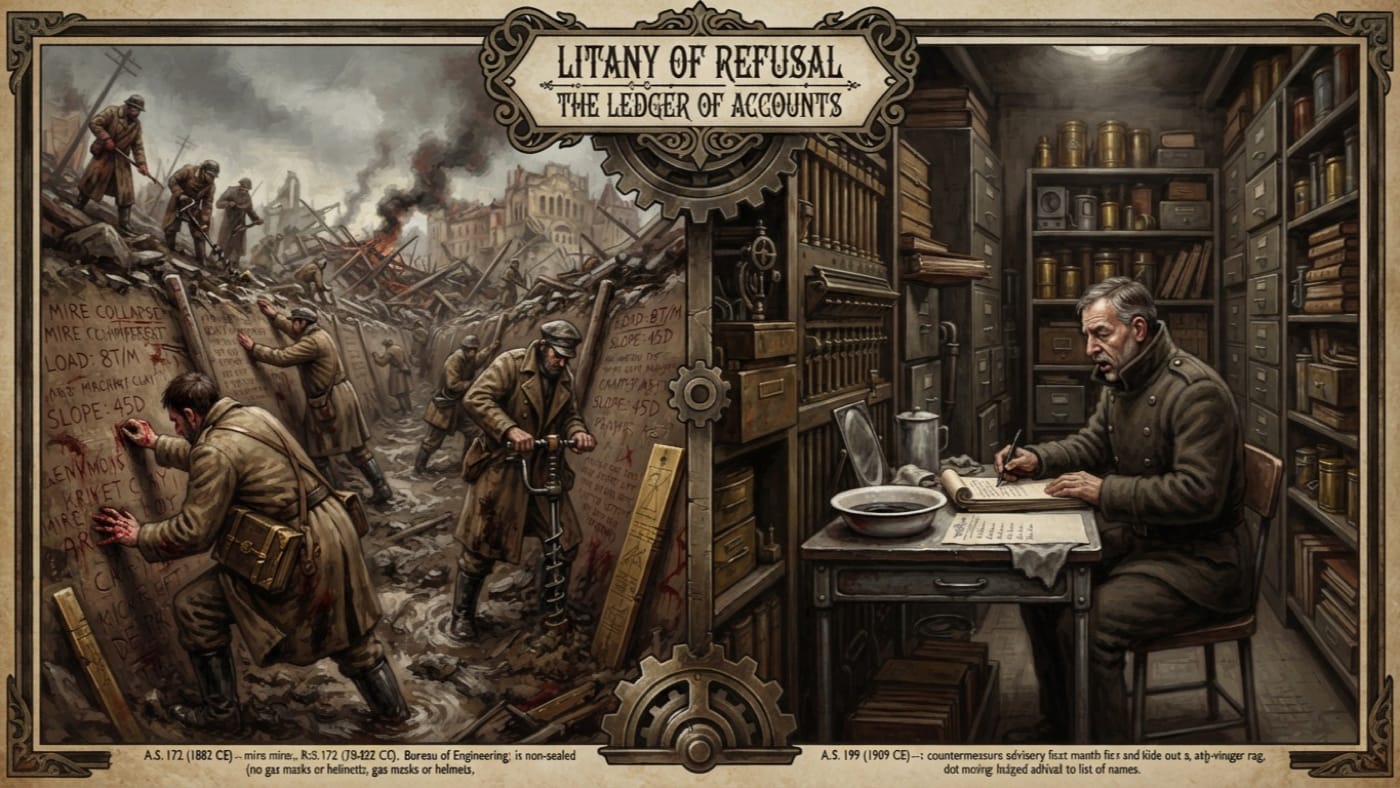
Litany of Refusal
A prayer between the vinegar and the clerk
Written in blood at Debrecen and recited after hostile perfume exposure, the Litany of Refusal survives in two records. Its words are absent; the duty to recite them remains.
Codex Ref. XIII.1.36-002
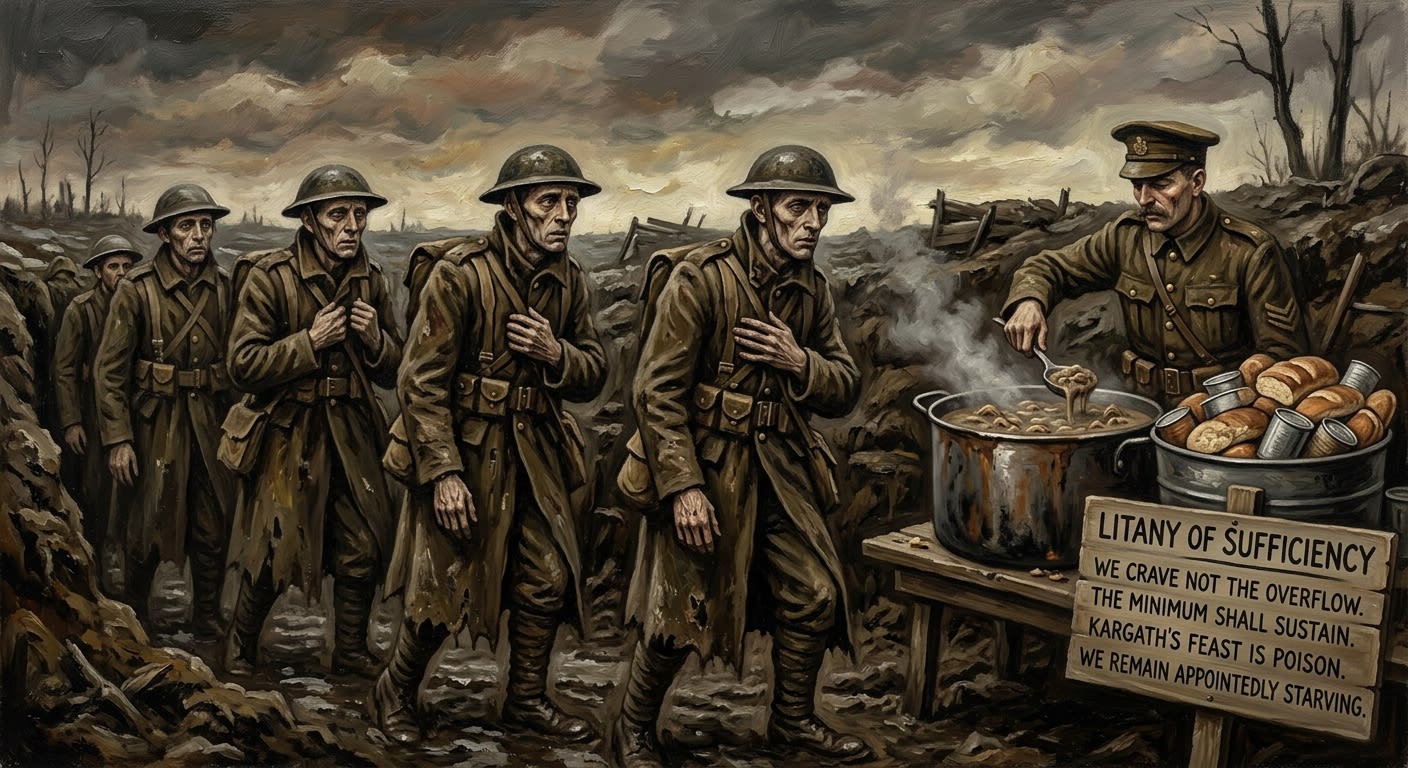
Litany of Sufficiency
Enough is given, and the Bureau has weaponised the crust
The approved field-prayer against Kargath's plenty: four ugly lines by which hungry soldiers step away from miracle food and remain merely starving.
Codex Ref. XIII.1.90-163

Litany-Engineer
The Sanctified Mechanist — wrench in one hand, chant codex in the other, keeping the Sagittal Line from becoming an extraordinarily expensive wall.
The Bureau of Engineering's foundational combat-rated mechanists: four thousand licensed, nine thousand actual, all keeping engines running by wrench and cant in chambers that hum in frequencies no codex records.
Codex Ref. XII.1.01-001
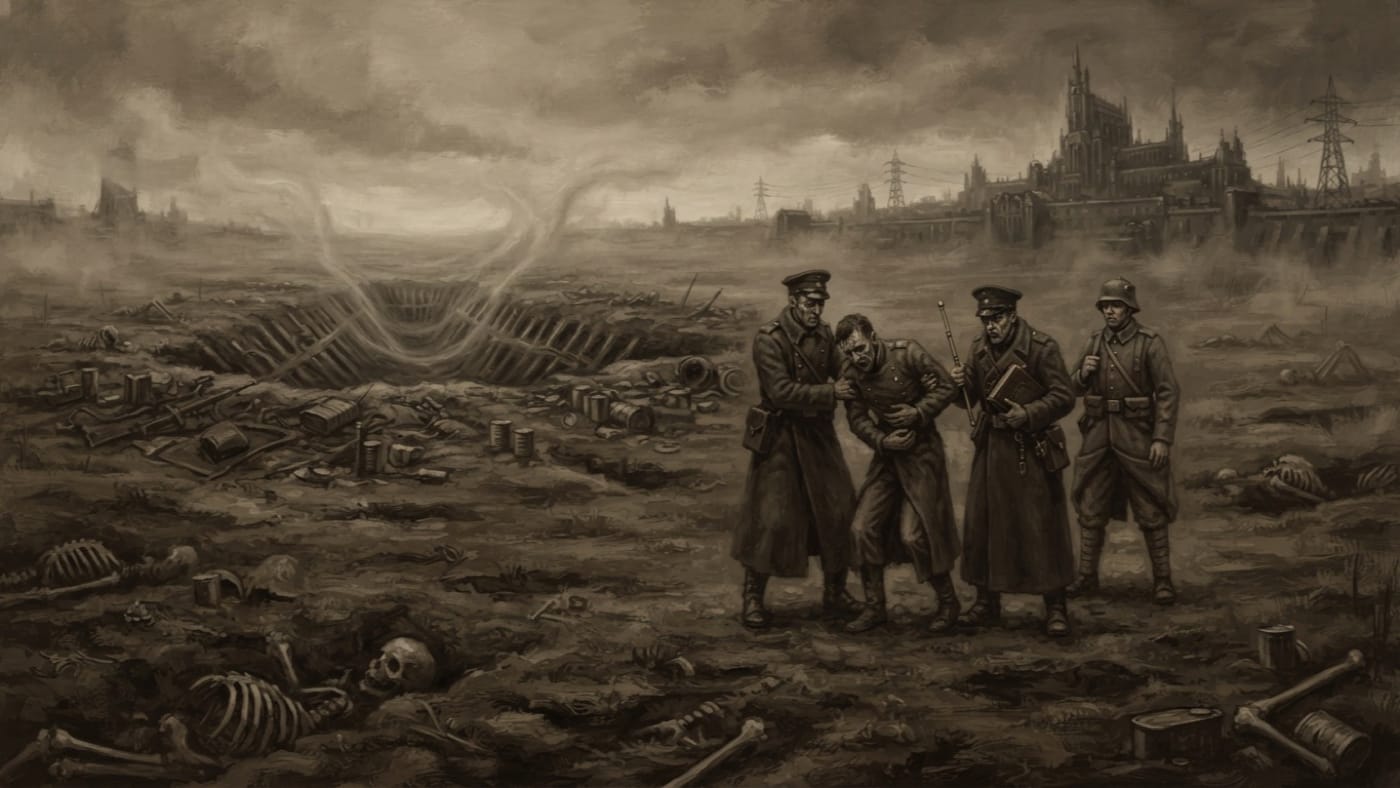
Liturgy of Satiation
The rite is drafted; the dead have yet to hear it.
Three proposals, a drafted rite, and no field test: the Liturgy of Satiation is meant to answer the Famine Pits' hunger. War has invited Doctrine to supply its own personnel. The dead remain unfed.
Codex Ref. XIII.1.26-199
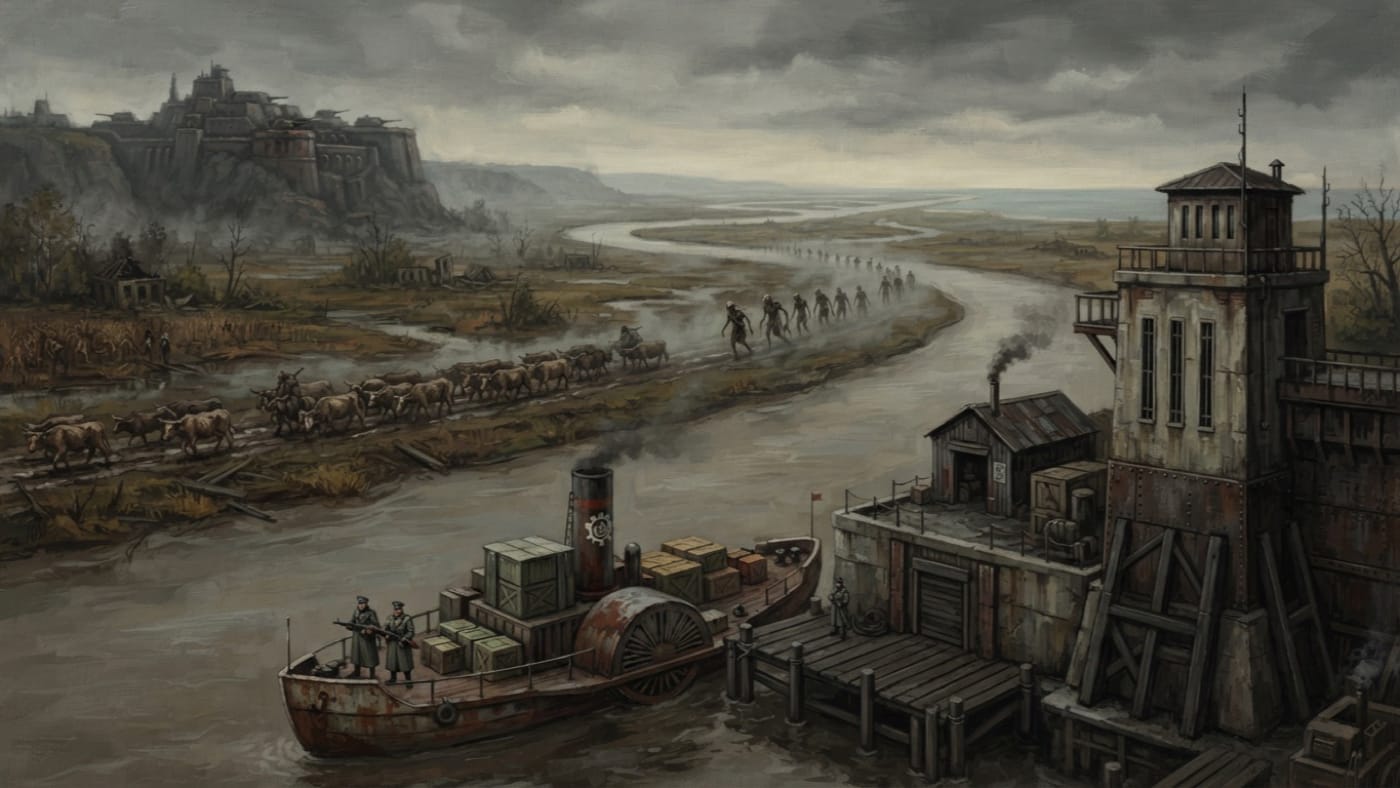
Lower Danube
Broad water, three appetites, and one butcher's manifest
Below the Iron Gates, the Danube carries food through competing appetites. Carmine's A.S. 193 correction records the governing fact: the Blightbearers had smelled cattle.
Codex Ref. II.4.08-201
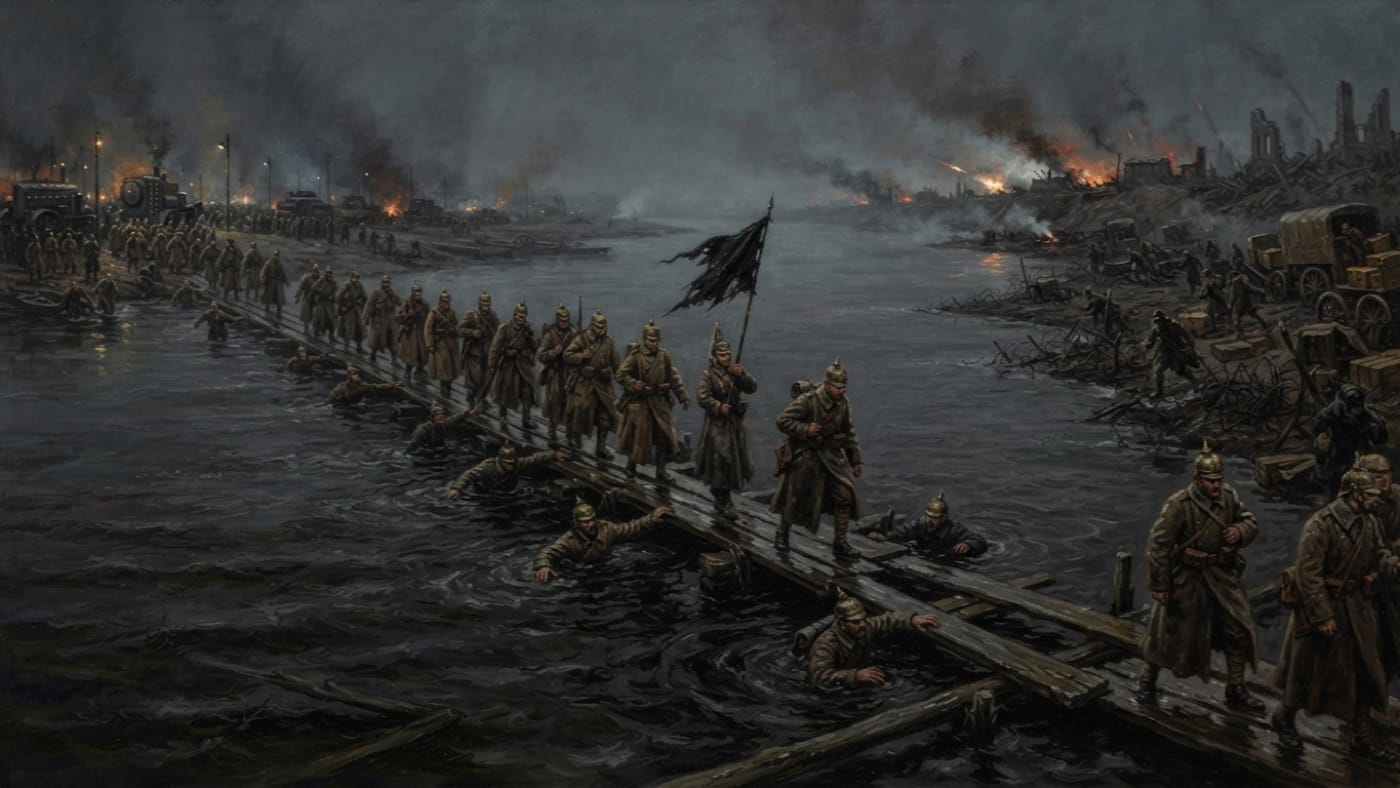
Mark Seven
The floor was taken on faith; the dead were entered by column
A drowned Danube pontoon used in A.S. 172: its returning soldiers furnished Sign Two, while its dead received no separate subtotal.
Codex Ref. II.4.09-007
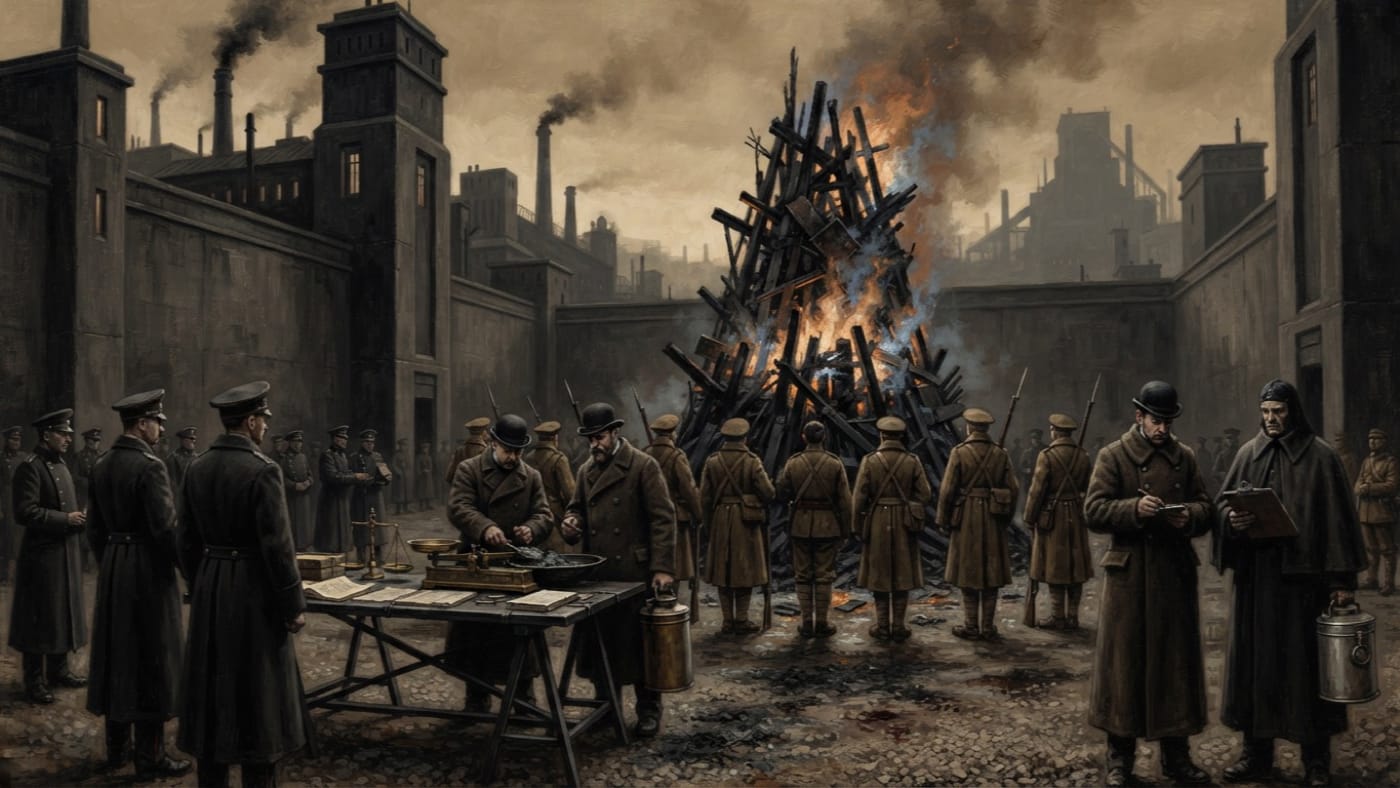
Martial Code 14-D
The parenthesis does the killing
Martial Code 14-D sends voluntary spiritual contamination to the pyre. Under Standing Order 119-F, I count forty burnings and three disappearances; the ledger is clearer about ashes than choice.
Codex Ref. XIII.1.14-004
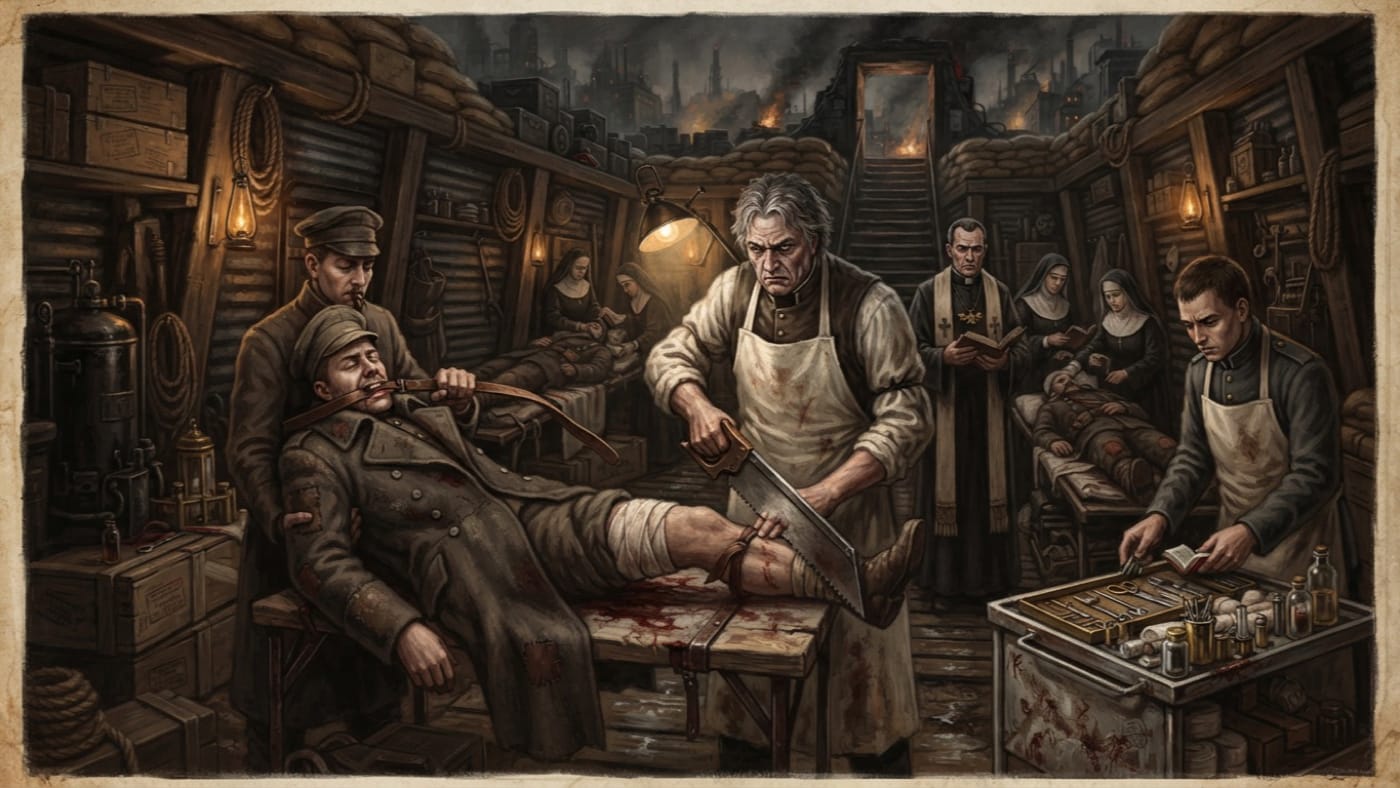
Medical Directorate of the Bureau of War
The surgeons arrived before the charter.
First recorded in A.S. 82, the Medical Directorate is the older name of the Bureau of Medicine. Its surgeons treated the wound before the confession ended. The charter followed ten years later.
Codex Ref. XII.7.09-045
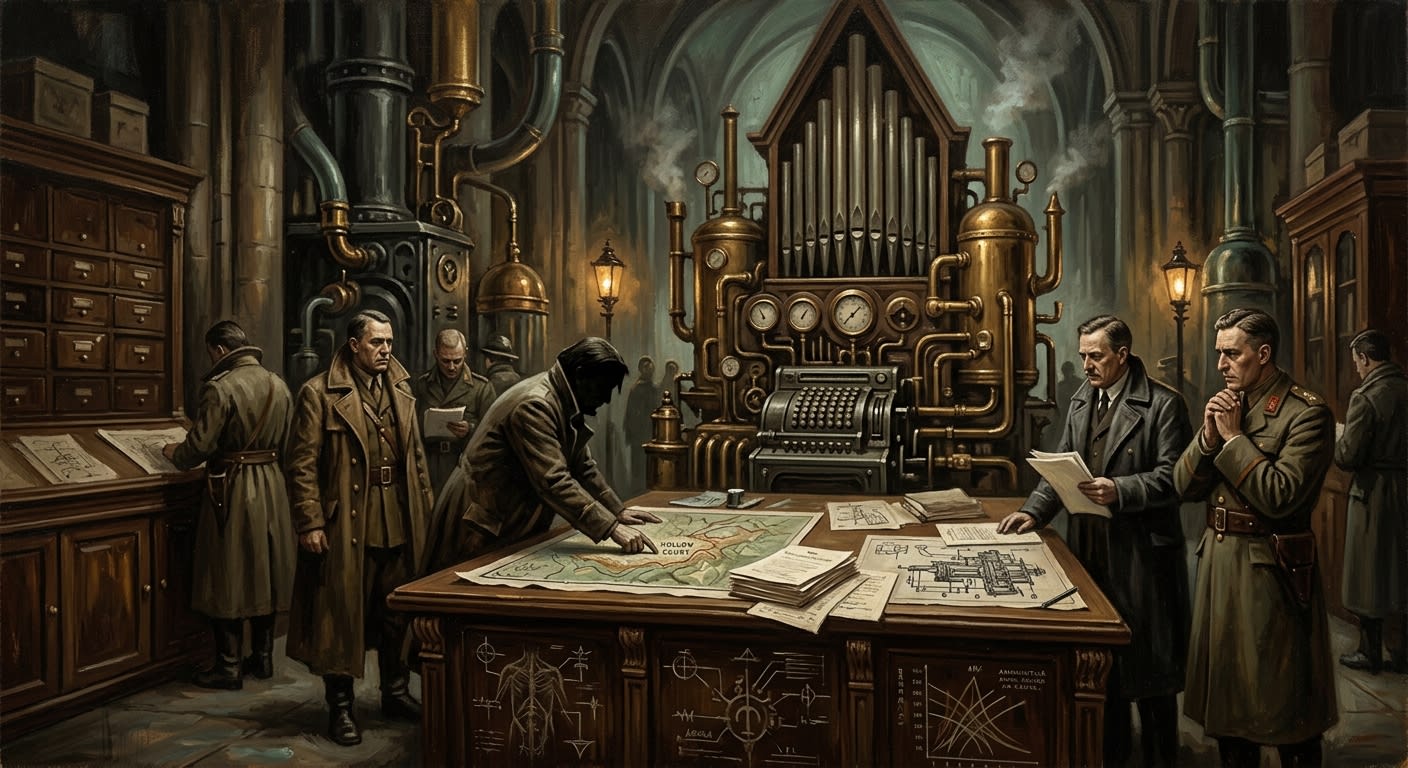
Memorandum on Artillery Bombardment
Nine thousand shells, four hundred twelve names, and one unsigned appetite for arithmetic
An unsigned Bureau of War memorandum proposes shelling the Hollow Court. Doctrine finds nine thousand shells, no absolution, and a table that may be an organ.
Codex Ref. XIII.1.23-001
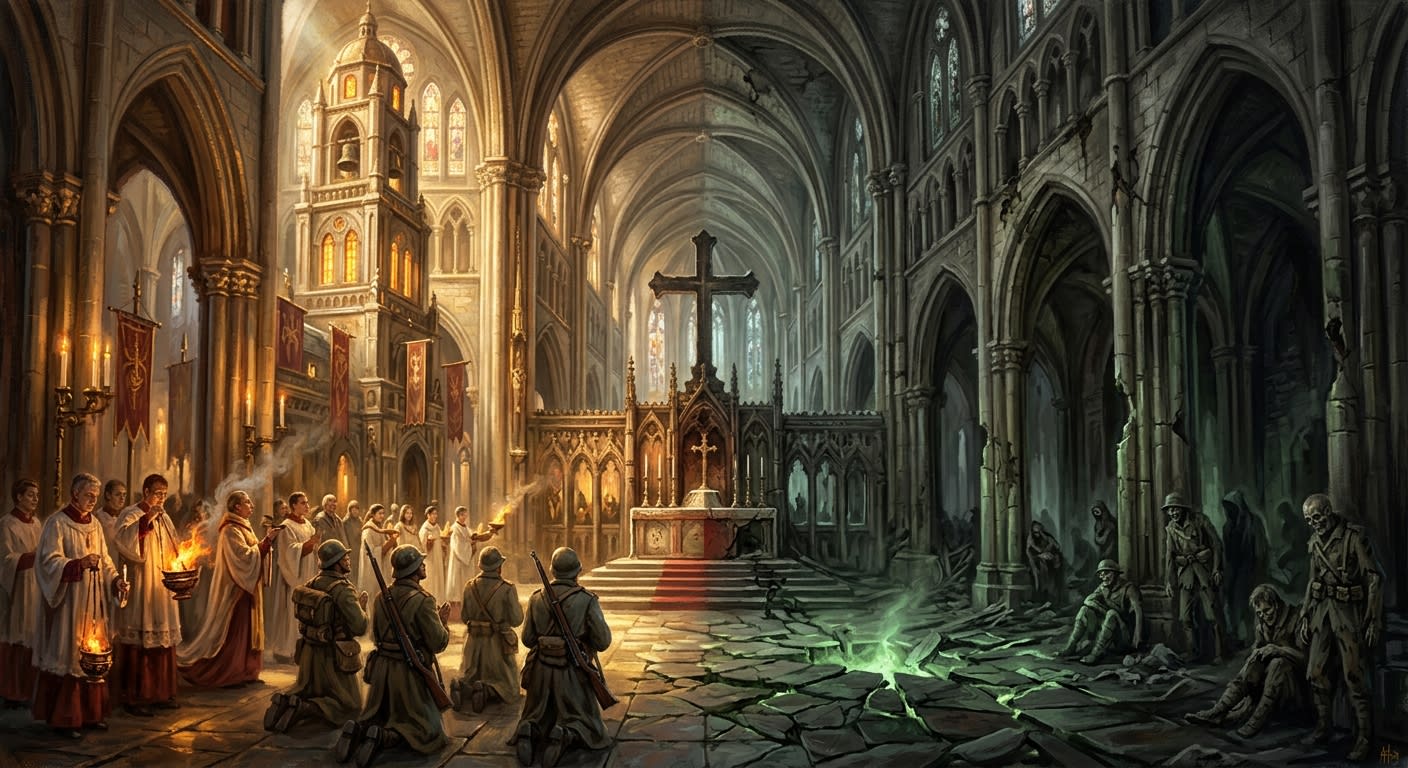
Miracles and Sorcery
Both crack Creation; only the paperwork differs
The Bureau insists miracles and sorcery are opposites. The mechanism, as Drax reluctantly confirms, is identical. The source determines canonisation or burning. The paperwork is different. The world pays either way.
Codex Ref. VI.3.01-001
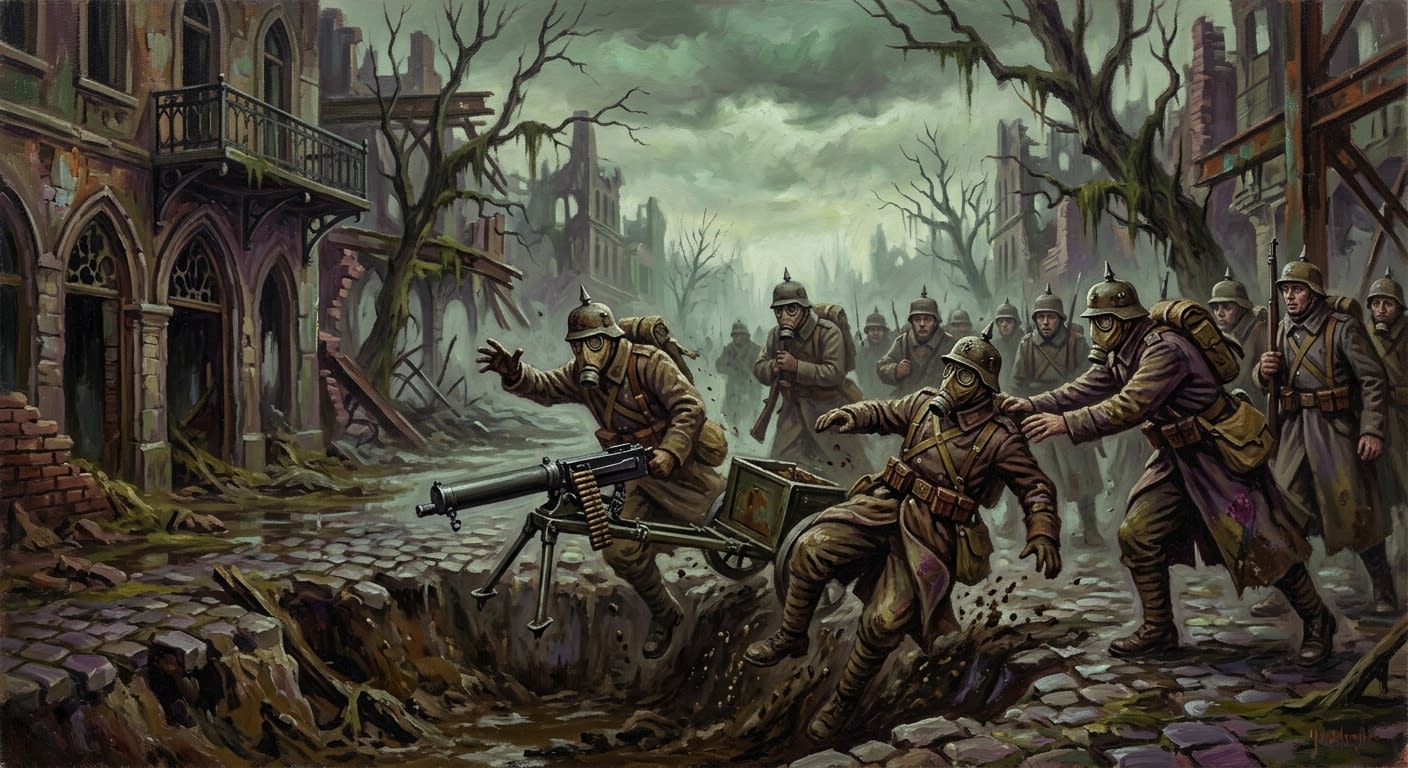
Mire Collapse of Debrecen
The day the mud reopened a dead city's streets
In A.S. 172, the Blightmarsh reopened Debrecen's pre-Sundering streets beneath a forward regiment, proving that Kargath's mud remembers what it eats.
Codex Ref. VII.4.10-001
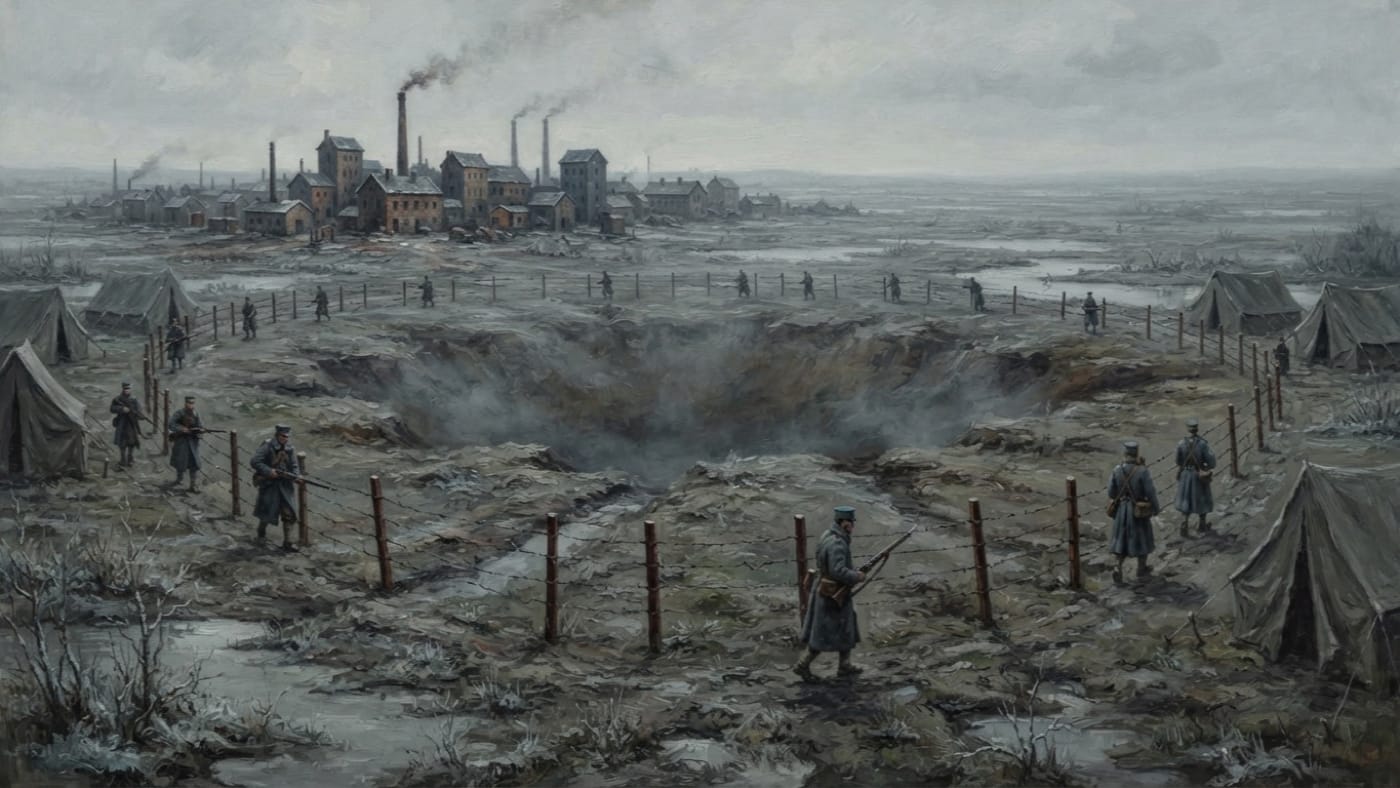
Mohács
A town remembered for what lies south of it.
Mohács survives in the Ledger as the bearing for Pit Seven, where approximately four thousand refugees were buried in A.S. 48. The town's fate remains unverified; the grave remains hungry.
Codex Ref. II.4.09-134
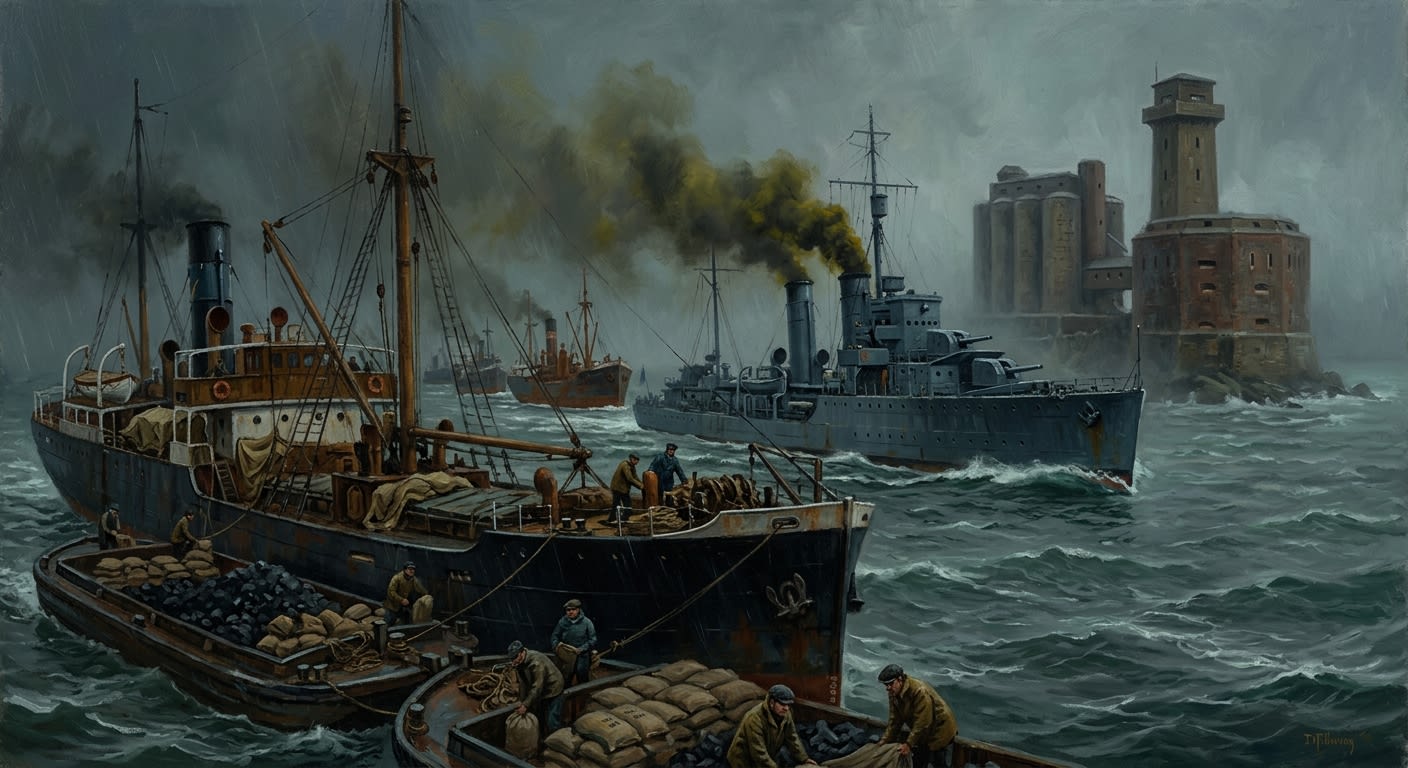
North Sea
The wet border that feeds the Line and refuses the Ledger
The North Sea is the Synod's least obedient frontier: a maritime supply basin of grain, coal, fish, fog, foreign credit, reluctant allies, and weather that accepts no stamp.
Codex Ref. II.4.09-201
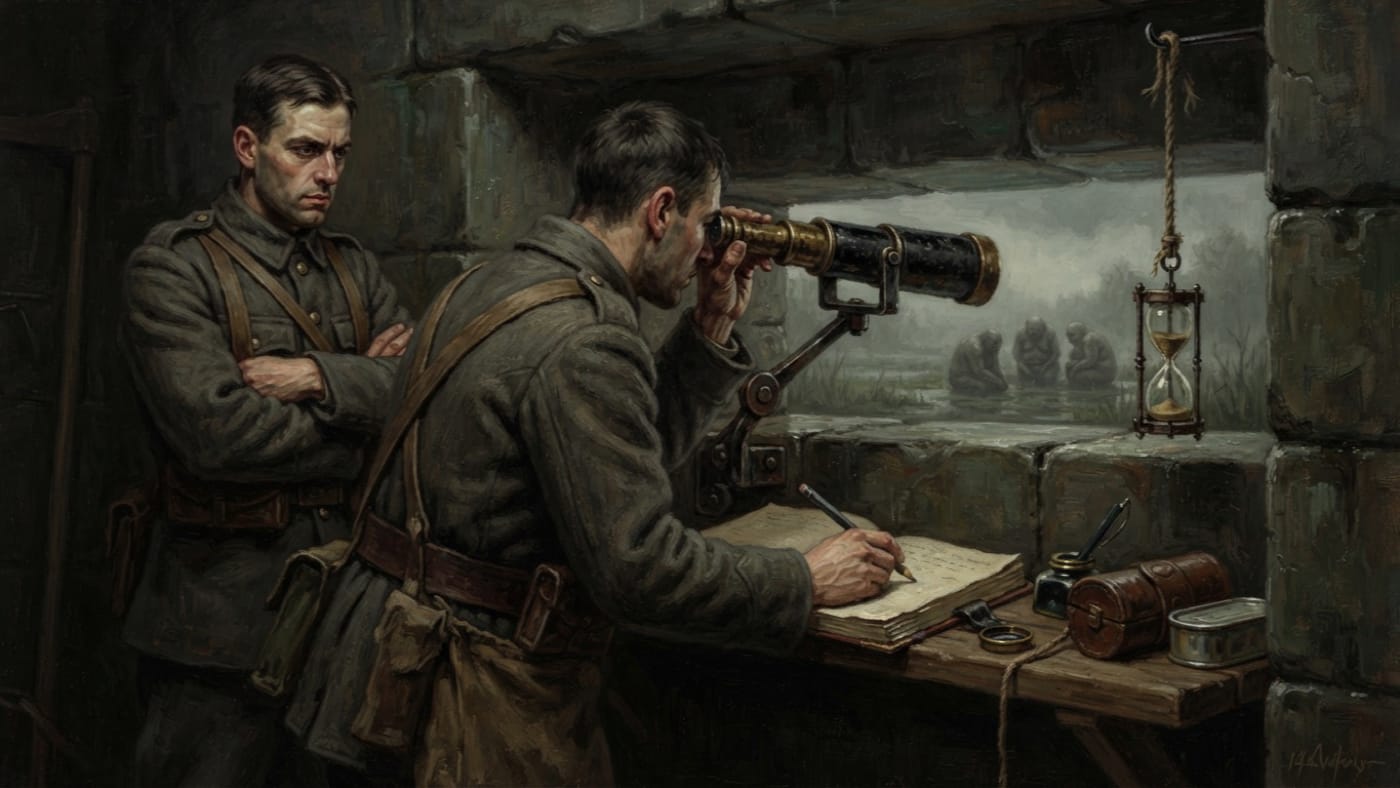
Observation Post Sigma-7
The cycle does not change; the watcher must be relieved
The 14th Garrison holds a slit in the outer wall of Bastion-Constantinople above three Self-Devoured. The cycle never changes. The watcher may. Ninety seconds is the ceiling, and looking away is the work.
Codex Ref. III.2.07-201

Operational Directive 774-C
The Ark remains airborne. Its authority has been harder to locate.
Operational Directive 774-C commissioned the Vigil Ark Saint Barachiel in A.S. 168 to guard the Bosphorus sky. Classified, lost, recovered and ratified retroactively, its authority remains visible above the strait.
Codex Ref. XIII.1.21-774
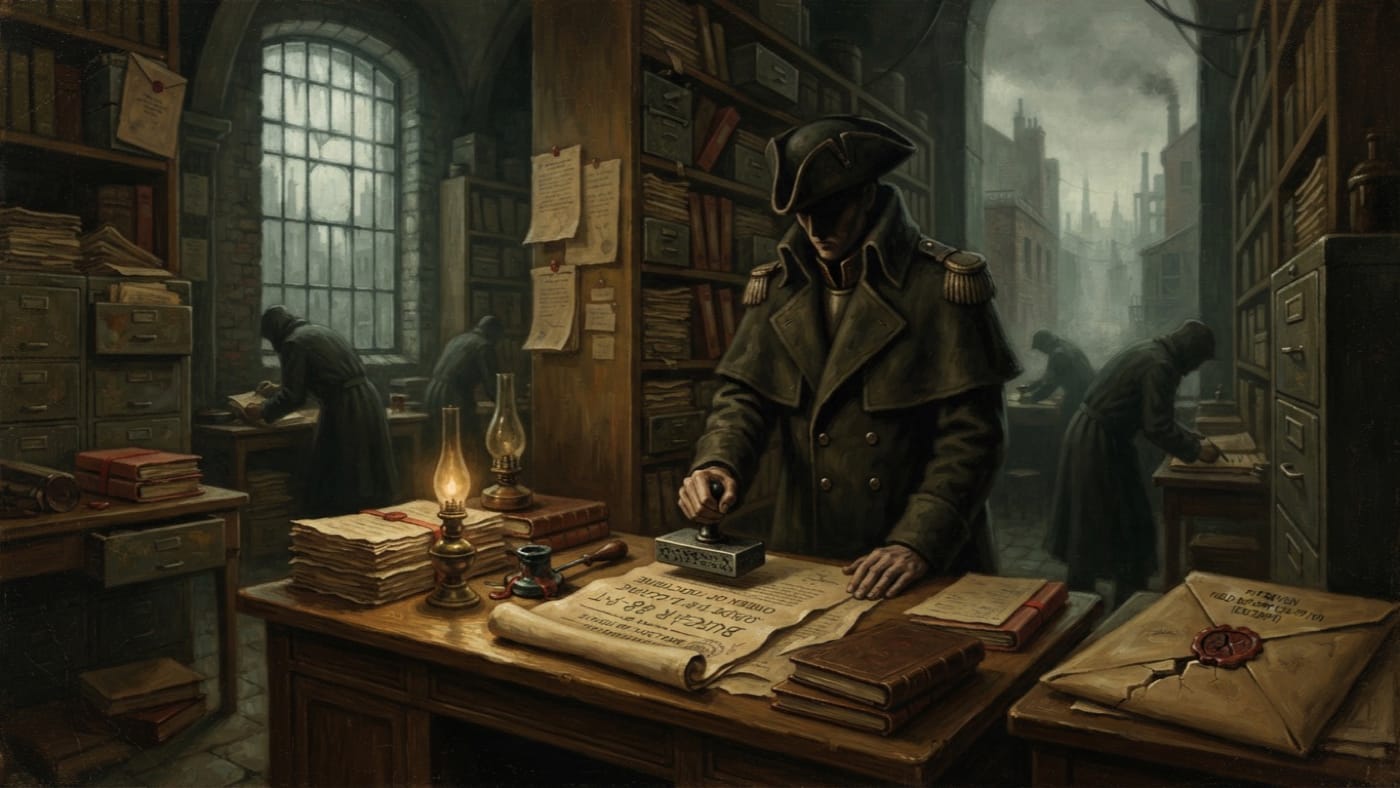
Order 88-V
The method is sealed. The measurements remain.
Order 88-V seals the Pit Seven exposure methodology. The A.S. 135 expungement is attested; the order's issue date is not. Its unsealed appendix keeps the measurements in circulation.
Codex Ref. XIII.1.100-135
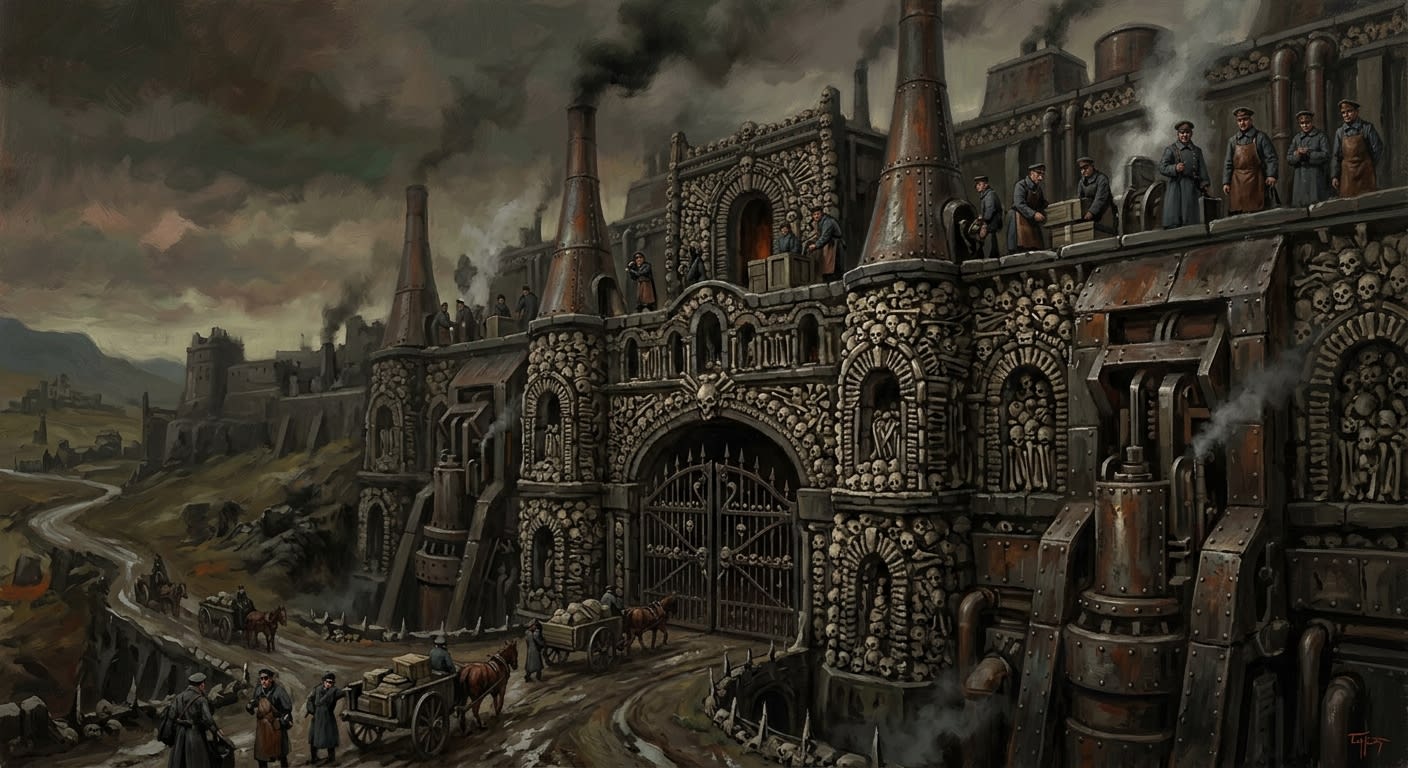
Ossuary Gate of Debrecen
The skull-wall that audits the dead before the marsh may answer
Active gate-fort on the Debrecen exclusion approach, built from branded parish bone and notorious for tolling without a bell when its skulls revise their confessions.
Codex Ref. VI.1.01-002
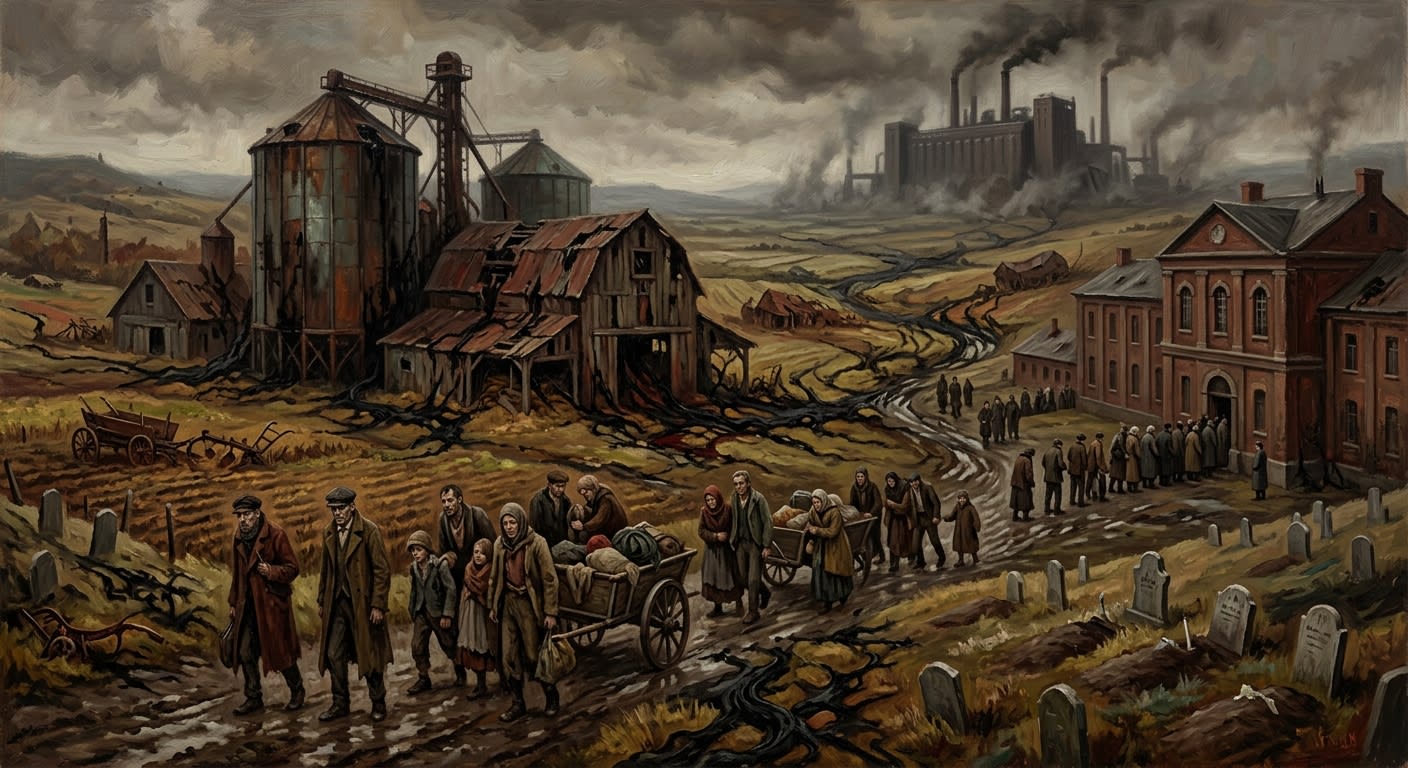
Pannonia
The bread basin that learned appetite
Pannonia was the basin that fed empires before Kargath taught its barns to hunger, its graves to want, and its maps to rot into accusation.
Codex Ref. II.4.09-045
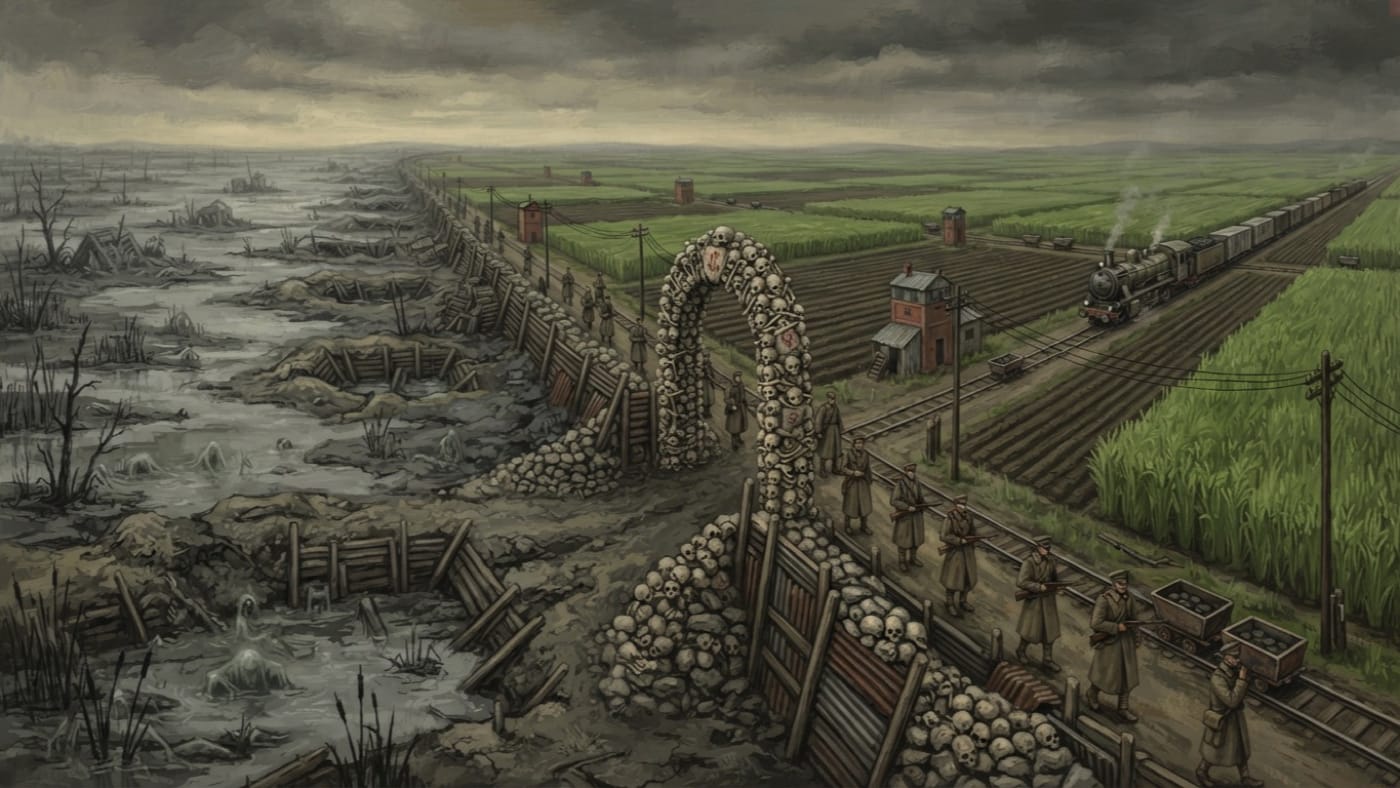
Pannonian Plain
A full barn and a green field prove nothing
The plain once fed the West. Kargath devoured Debrecen's provisions, and the Blightmarsh keeps eating. Western Hungary still supplies the Line. A green field proves nothing.
Codex Ref. VI.1.01-004
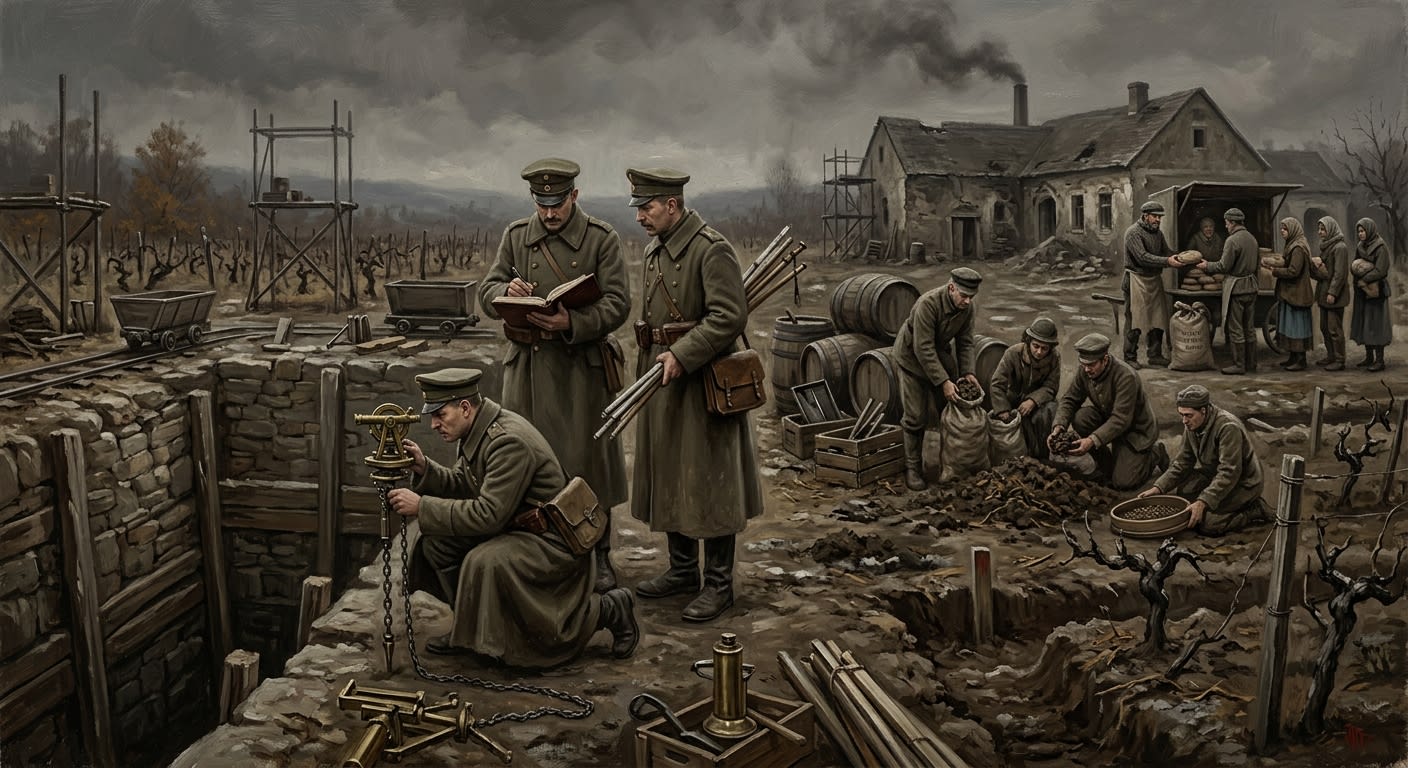
Pécs
The town where bread became evidence
Pécs is the vineyard ruin where Famine Pit measurement, Abundance Field proof, and Kargath's useful bread made hunger legible to the Ledger.
Codex Ref. II.4.09-147
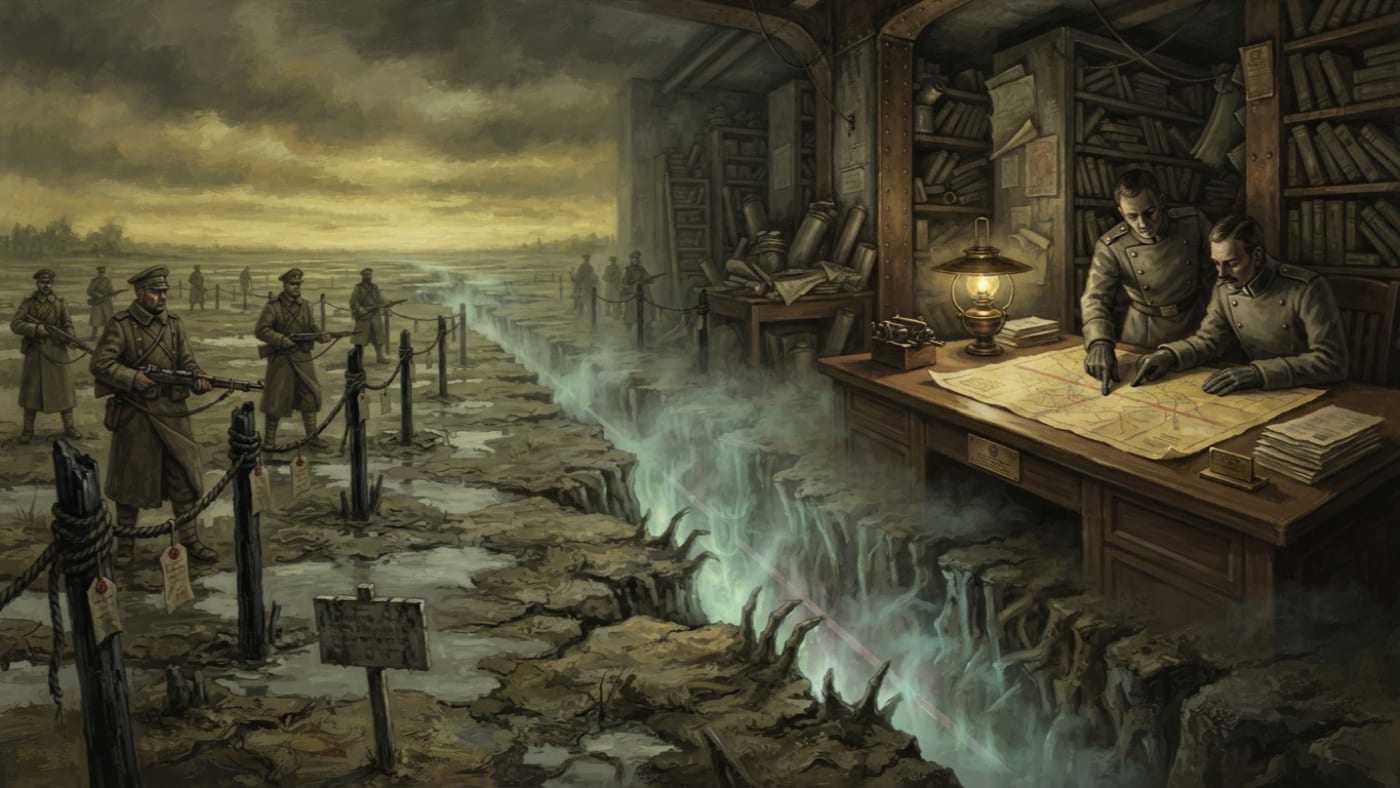
Piac Street
The map remained accurate. The ground became hostile.
Piac Street survives in Debrecen's civic plans, matched to the first fissure of A.S. 172. The Bureau permits consultation of the map; walking the line remains forbidden.
Codex Ref. II.4.09-172
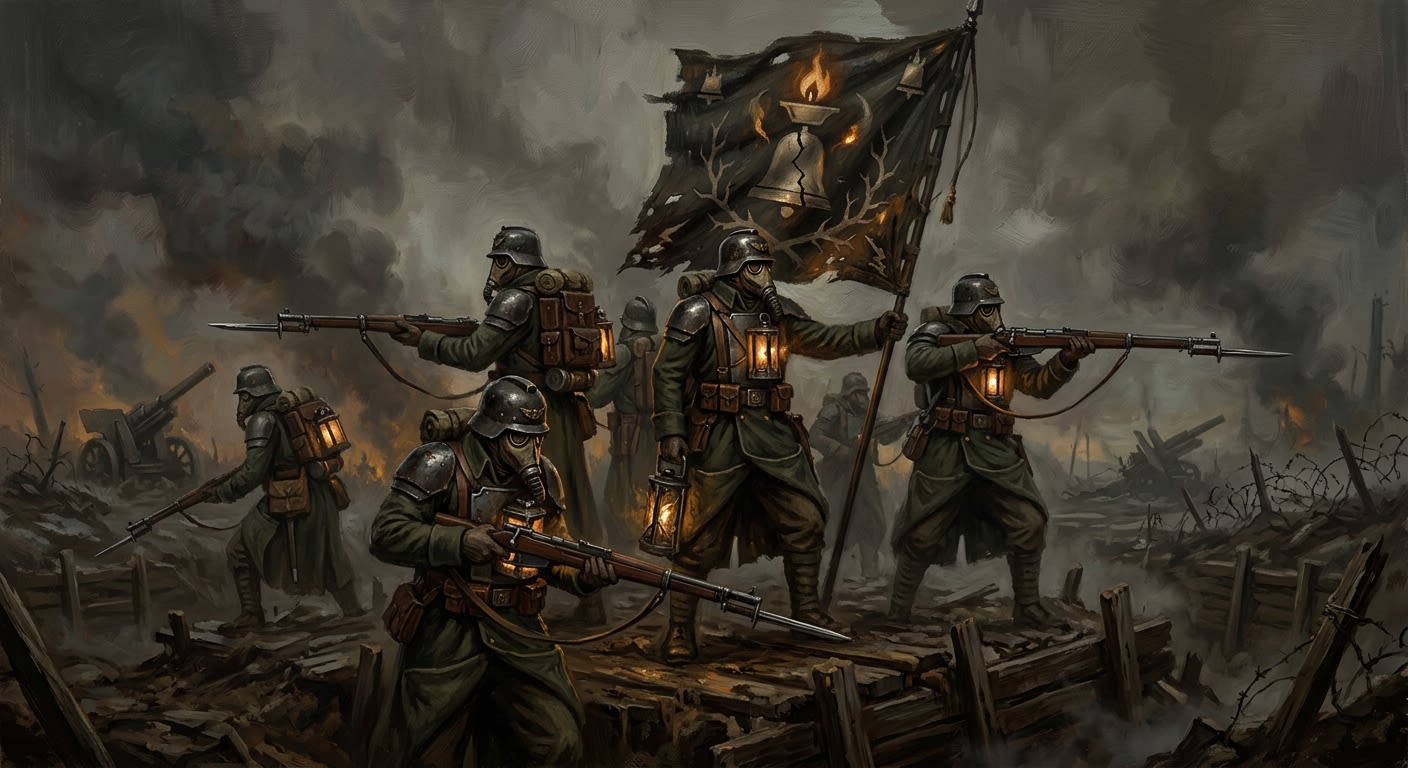
Radiant Fusiliers
The rifle as rite, the volley as testimony
The Radiant Fusiliers are elite Covenant light infantry whose banner-lit volleys serve as weapon, rite, and witness; at Debrecen, obedience learned to count horror after firing at it.
Codex Ref. VIII.5.02-001
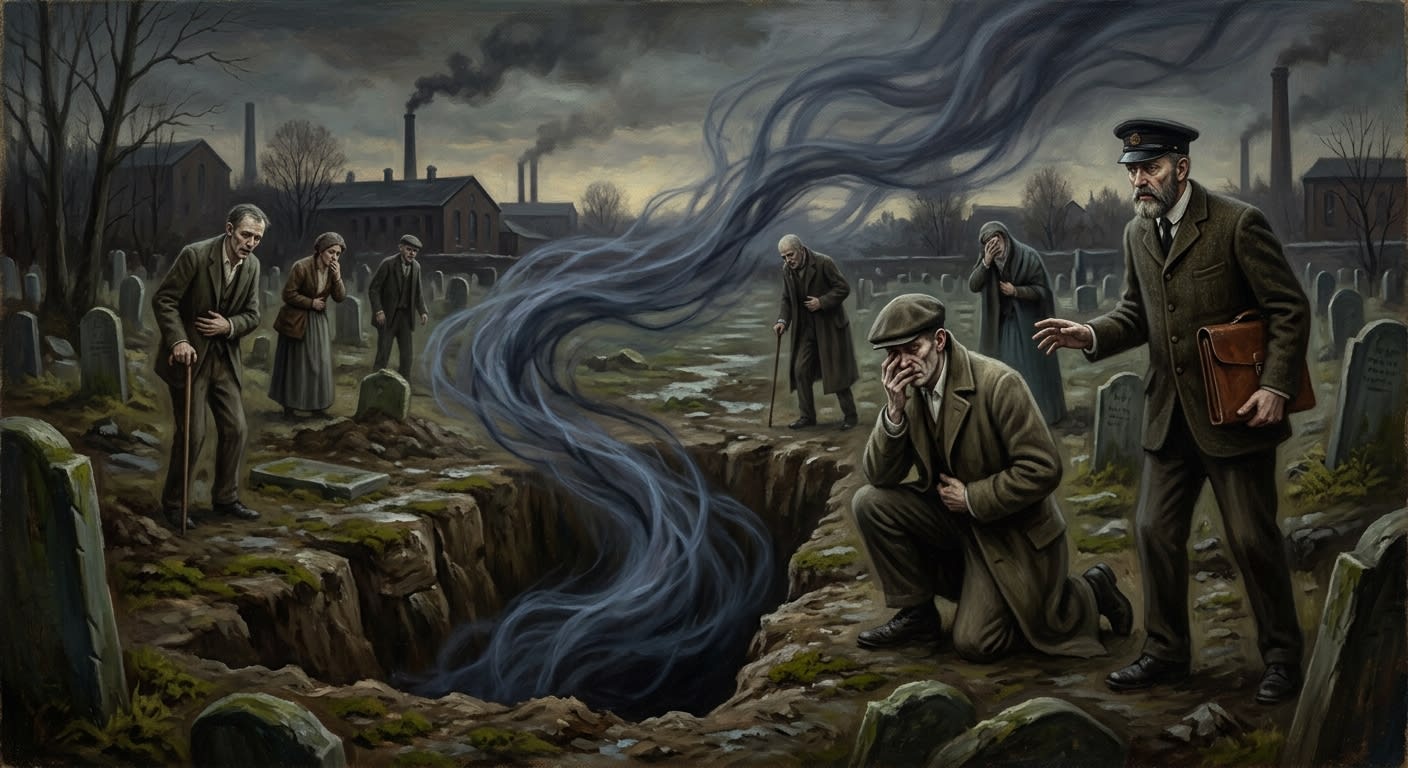
Residual Consumptive Emanation
The grave is still hungry; the phrase merely wears gloves
The Bureau's name for the hunger radiating from the Famine Pits: a cold, human-adjacent starvation that eats the living through old graves.
Codex Ref. XIII.1.25-134

Saint Barachiel
He looked down, and what he saw was true
Saint Barachiel is the Synod's patron of aerial witness: a late-ratified saint, an oversized bone, and the holy permission by which the sky submits.
Codex Ref. III.2.01-167
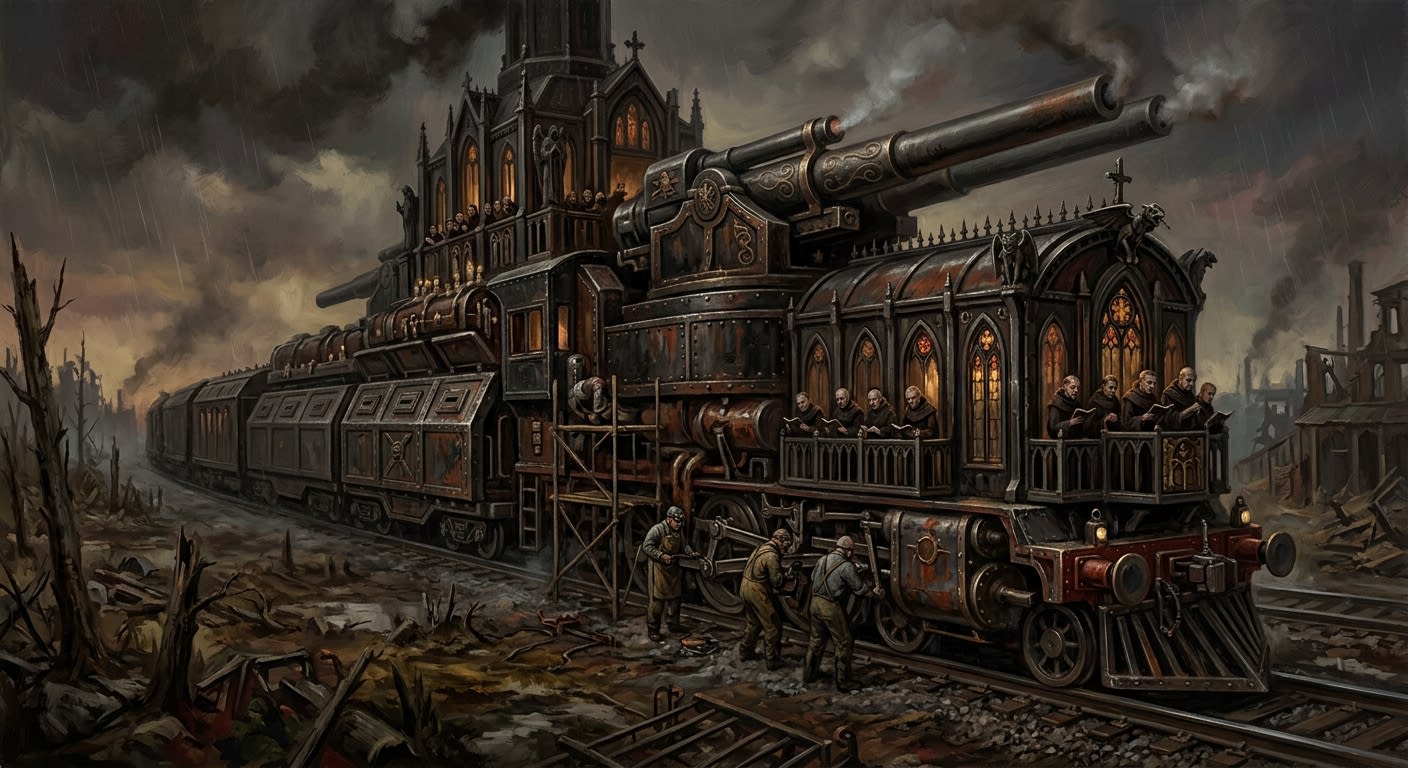
Sepulcher Locomotive
A shrine at speed, with guns already turning
Rail-bound mobile shrine and artillery train whose blessed guns, ossuary magazine, choir bay, and ruinous maintenance bills make piety arrive on schedule.
Codex Ref. XIII.1.90-001
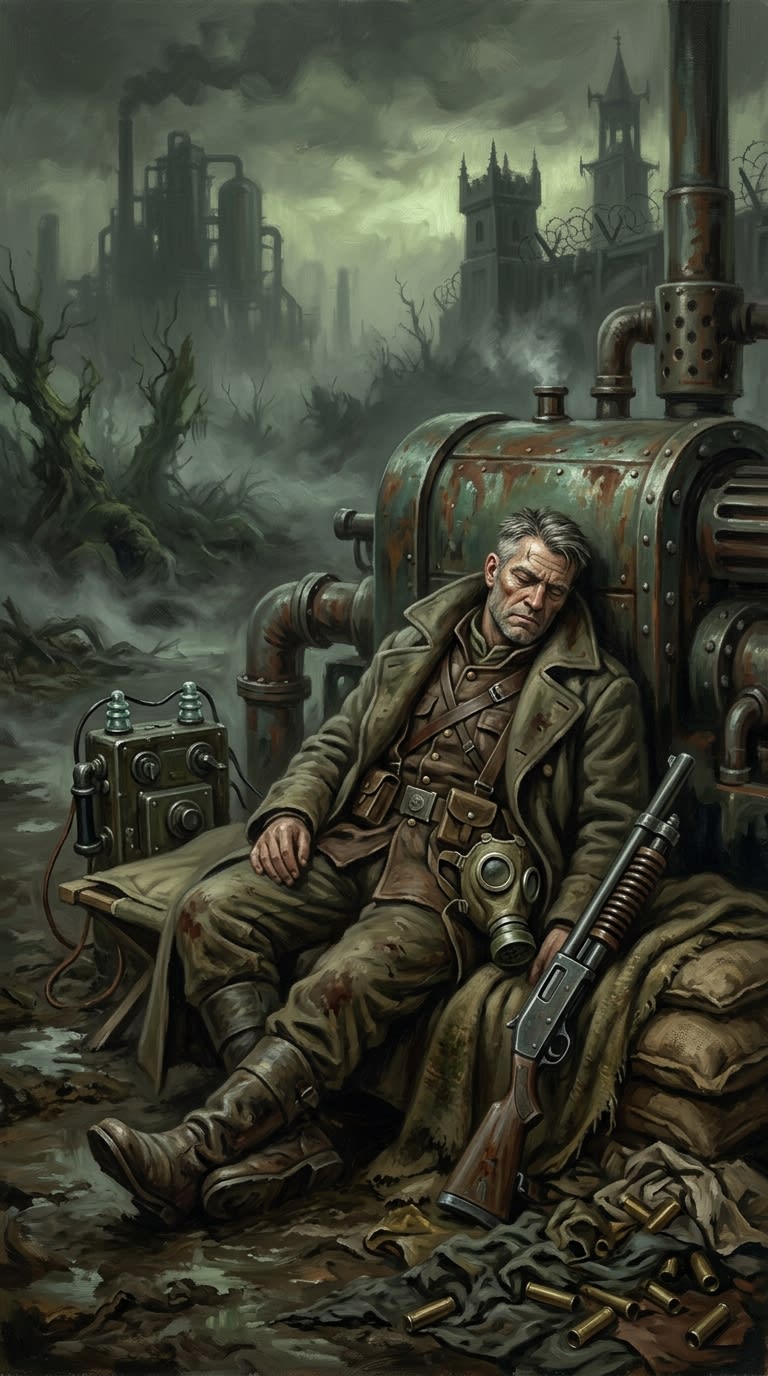
Sergeant Kael
The bombardier who chose mud because the quiet was worse
Sergeant Kael survived the Saint Barachiel Broadcast, refused Swiss convalescence, and now sleeps soundly on the Blightmarsh edge. Comfort is not indicated.
Codex Ref. III.2.01-011
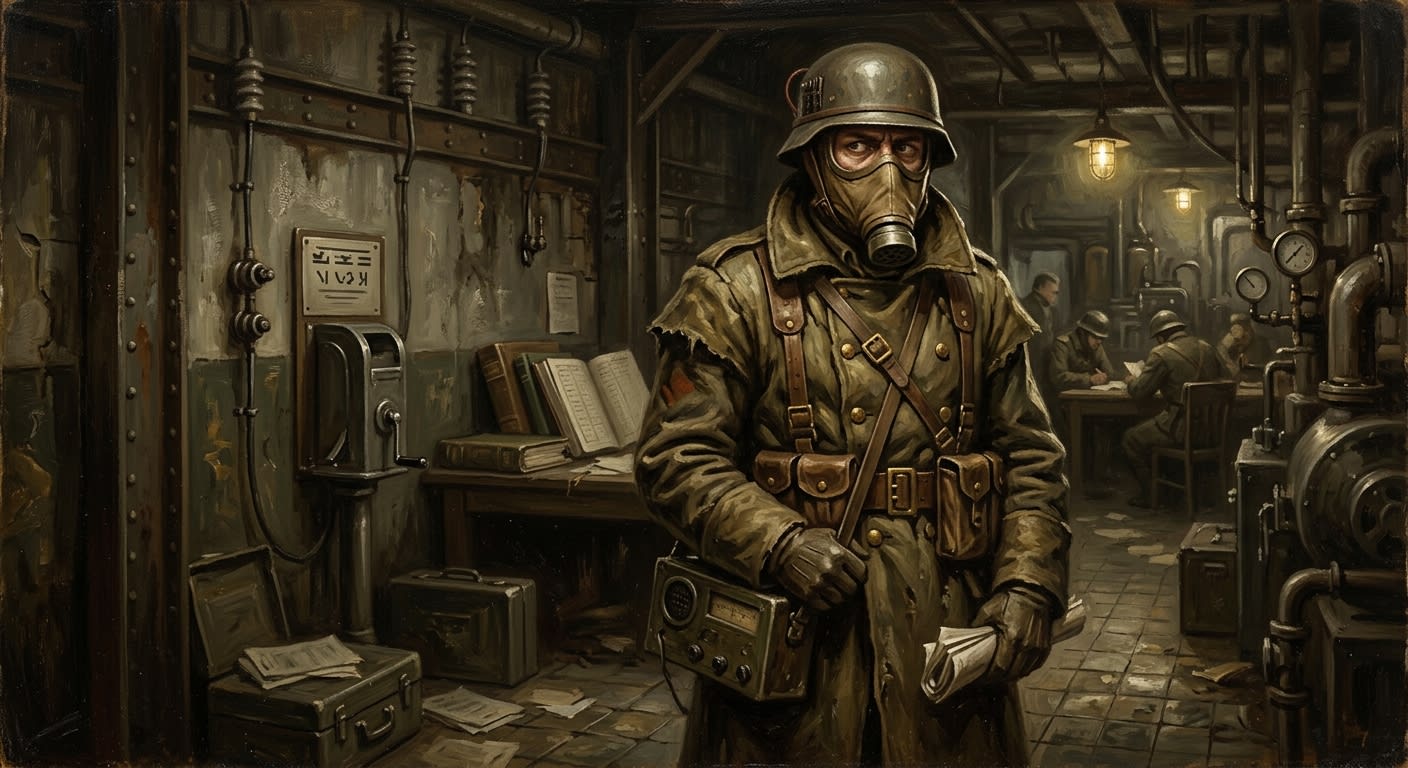
Sergeant Vell
The man who left the Blightmarsh and called Brest a relief
Sergeant Vell of the Thracian Survey survived Kestrel duty at the Blightmarsh in A.S. 199, spoke carefully, and requested Bastion-Brest as a relief.
Codex Ref. III.2.01-019
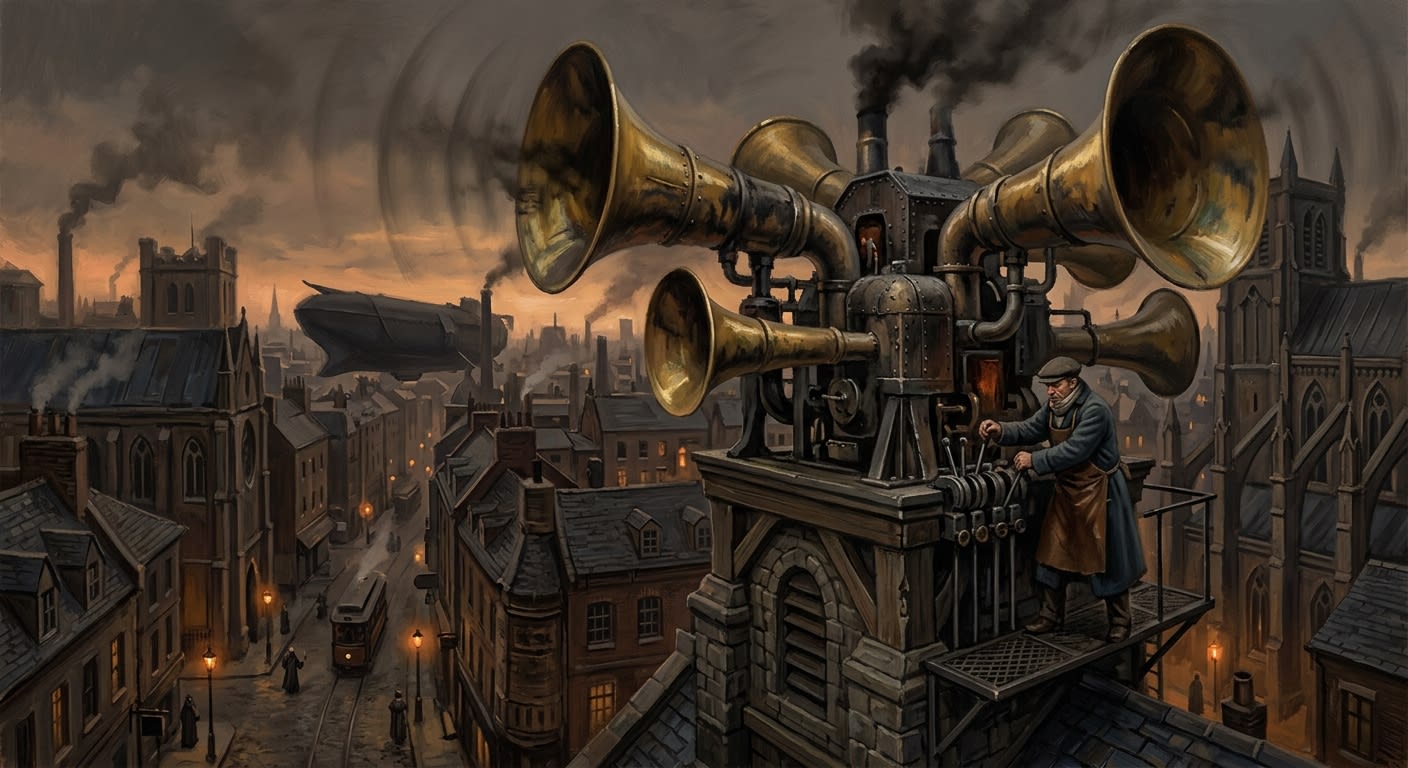
Sermon-horns
The brass throat by which doctrine stops asking politely
Sermon-horns make authorised language arrive with enough brass force that absence must explain itself, from rooftop shrines to Vigil Ark gondolas.
Codex Ref. XIII.1.96-092

Sigil Inspector
The man who tells the world what it is allowed to look like — and scrapes the rest
The Bureau of Heraldry tells the world what it is permitted to look like. The Sigil Inspector is the man who walks the world and checks — codex in hand, swatch at the hip, blade heated to scraping temperature.
Codex Ref. XII.43.01-001
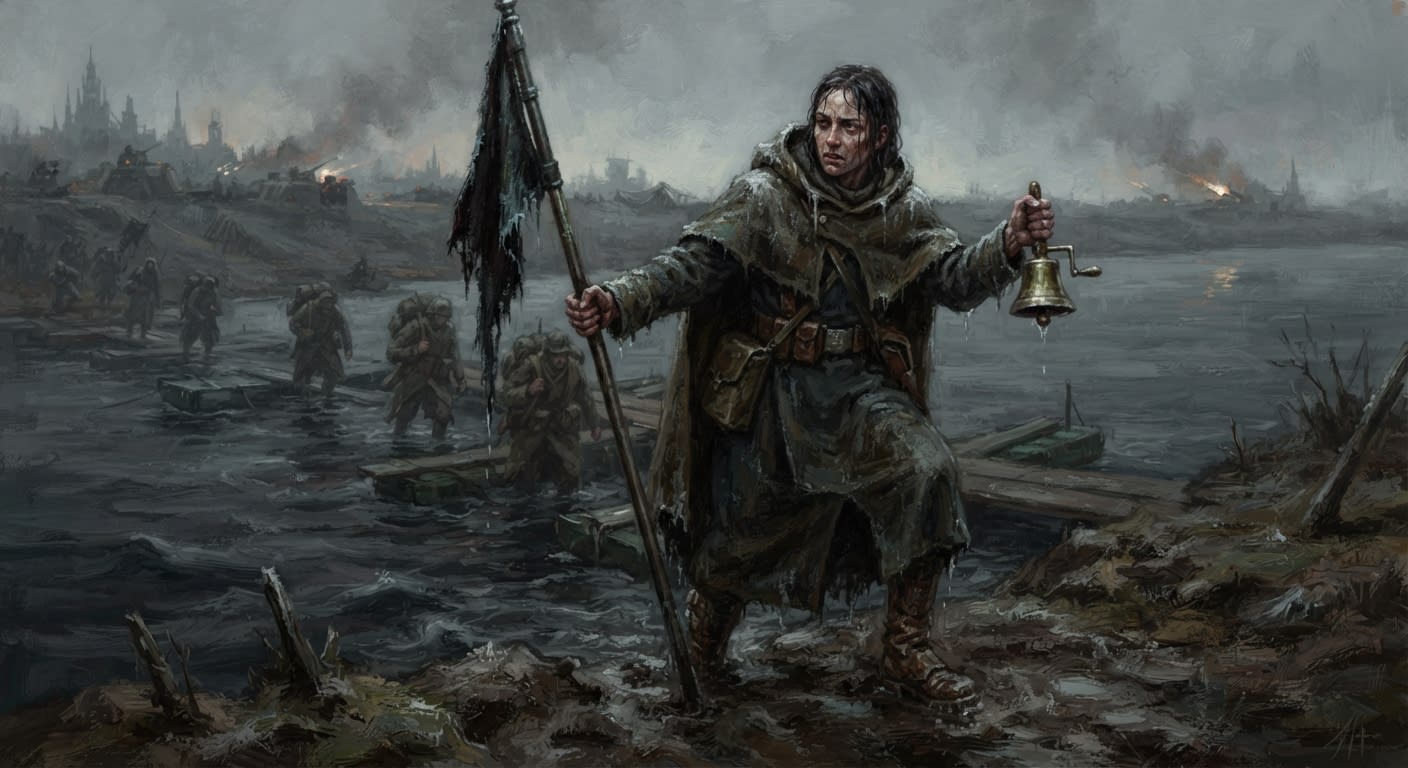
Sister-Vexillator Anje Rusk
The cloth stood, the bell rang, and Records misplaced the woman
Anje Rusk is certified at Mark Seven by one standard, one frozen bell, and one conspicuous absence from every useful casualty column.
Codex Ref. III.2.01-172
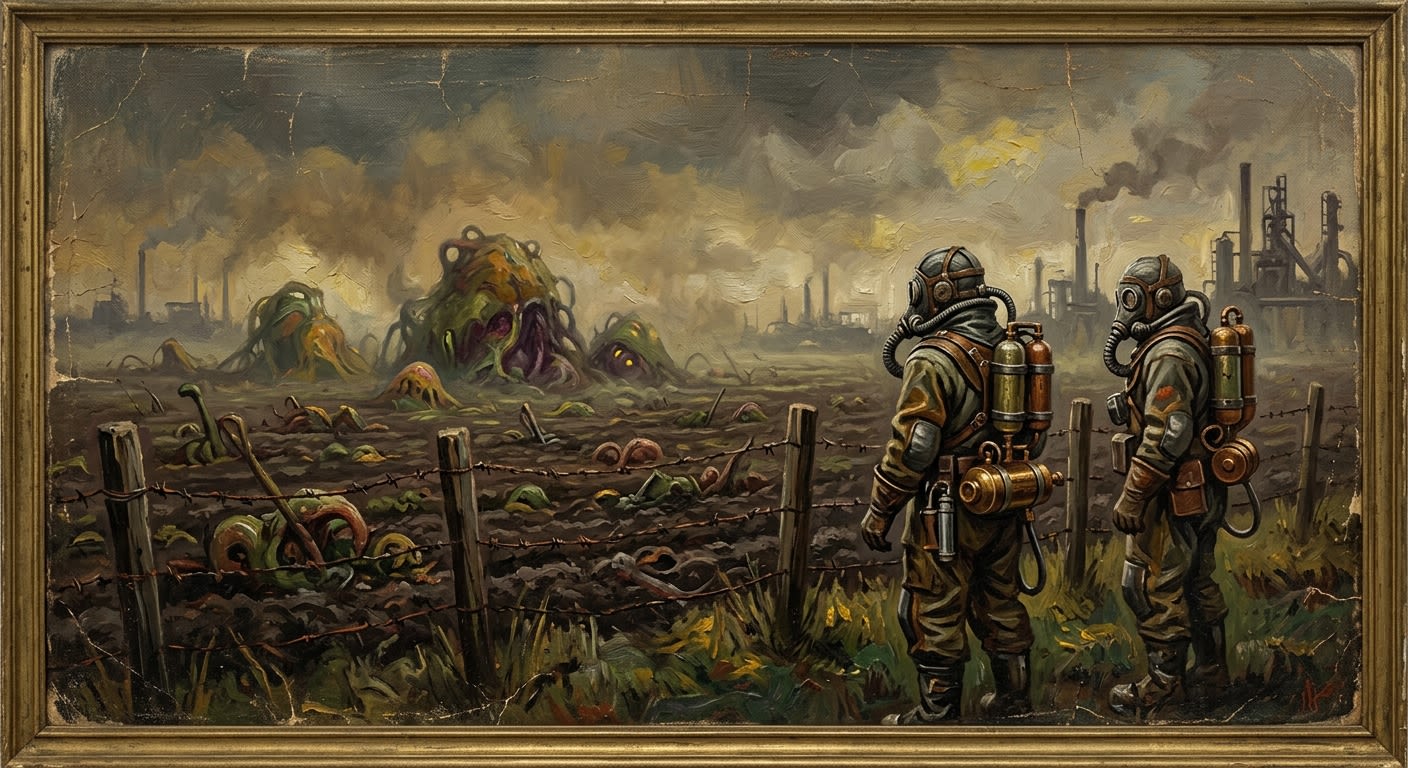
Standing Order 119-F
If it smells like mercy, withdraw
Standing Order 119-F forbids approach, harvest, sample, and even smell-contact with Abundance Fields, where Kargath makes plenty behave like hunger.
Codex Ref. XIII.1.24-001
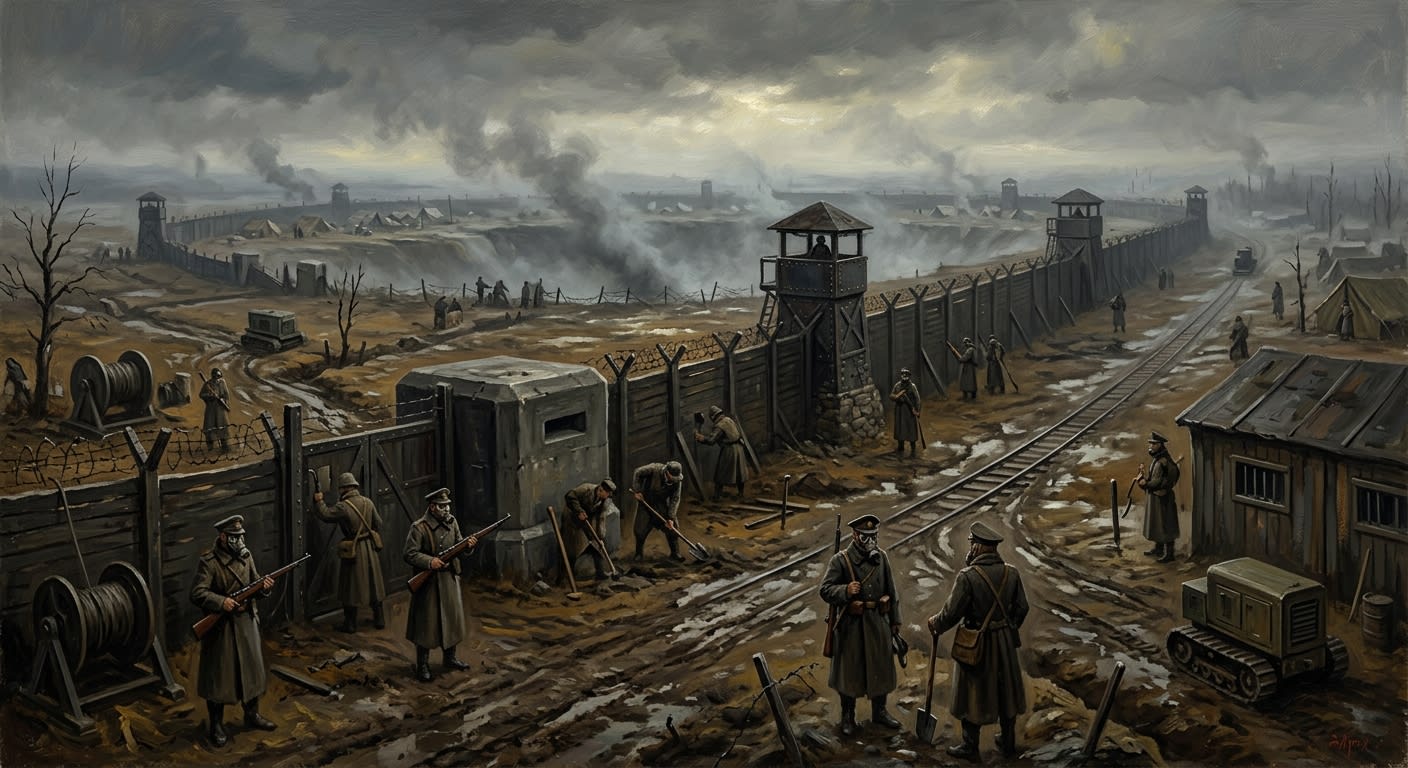
Standing Order 77-K
Stand here, not there; the dead are bad at obedience
Standing Order 77-K draws a four-mile commandment around the Famine Pits, converting hunger into evidence and distance into doctrine.
Codex Ref. XIII.1.23-001
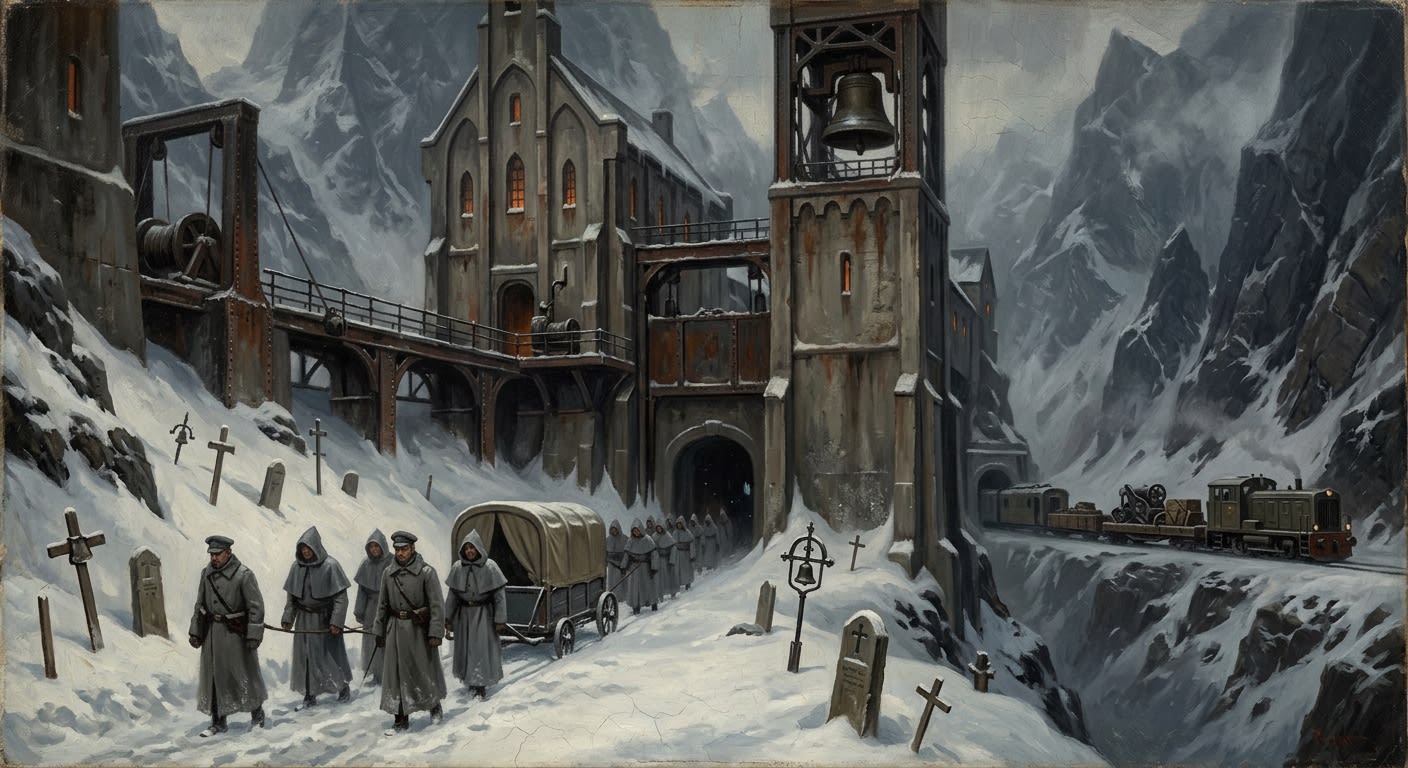
Swiss Cantons
Where mercy climbs uphill and stops writing back
The Swiss cantons keep passes, bells, hospice beds, and the Synod's most merciful disappearances beneath snow clean enough to indict Heaven.
Codex Ref. II.2.08-201
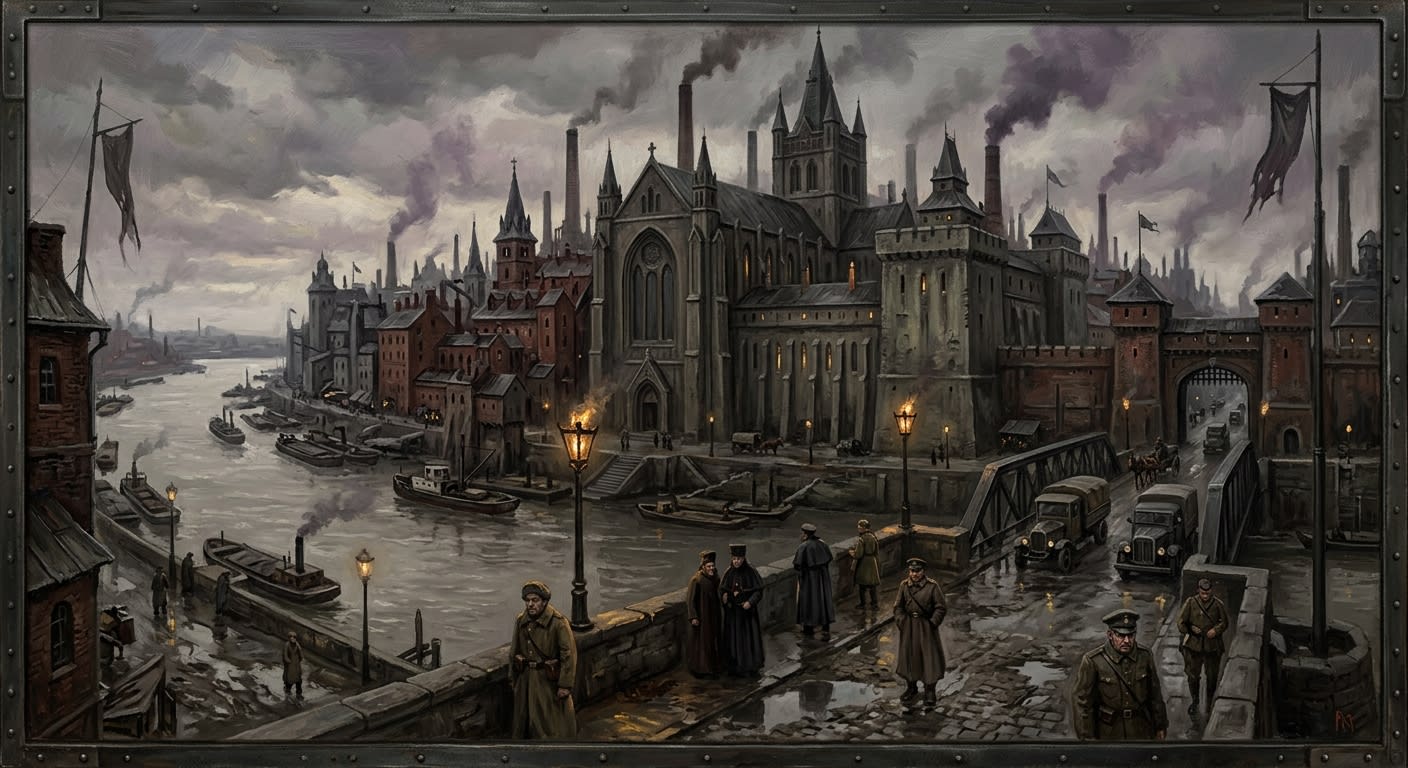
Szeged
The river city where the light failed while shining
Szeged is the Tisza city where psalm-light learned betrayal, candles died inward, and the road to Baja began reaching back with teeth.
Codex Ref. II.4.09-201
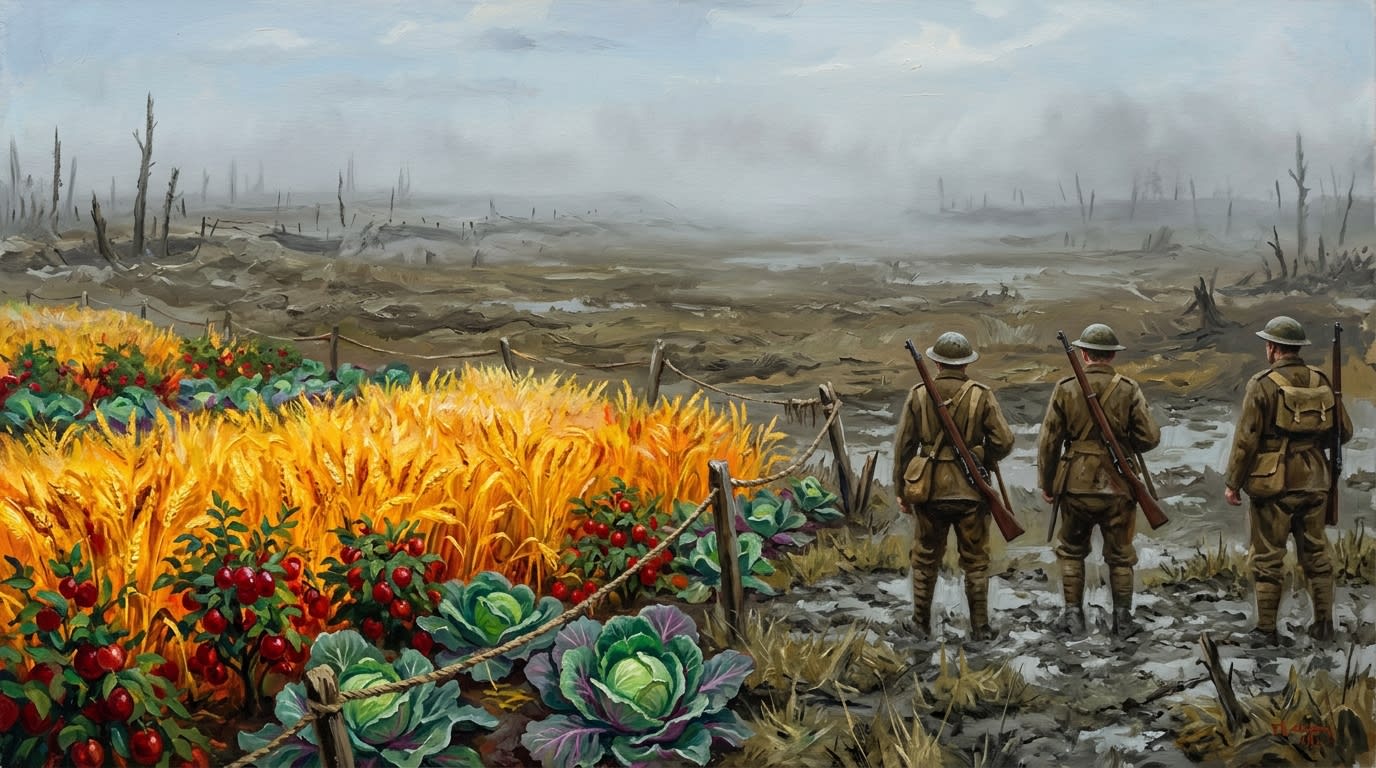
The Abundance Fields
A Category One Moral Hazard; and yes, it smells of fresh bread
The Abundance Fields are patches of impossible fertility at the Blightmarsh's edge — crops grown without sowing, fruit ripening in frost, bread-smell on a west wind. The food is real. The hunger it produces is realer still.
Codex Ref. V.6.01-003
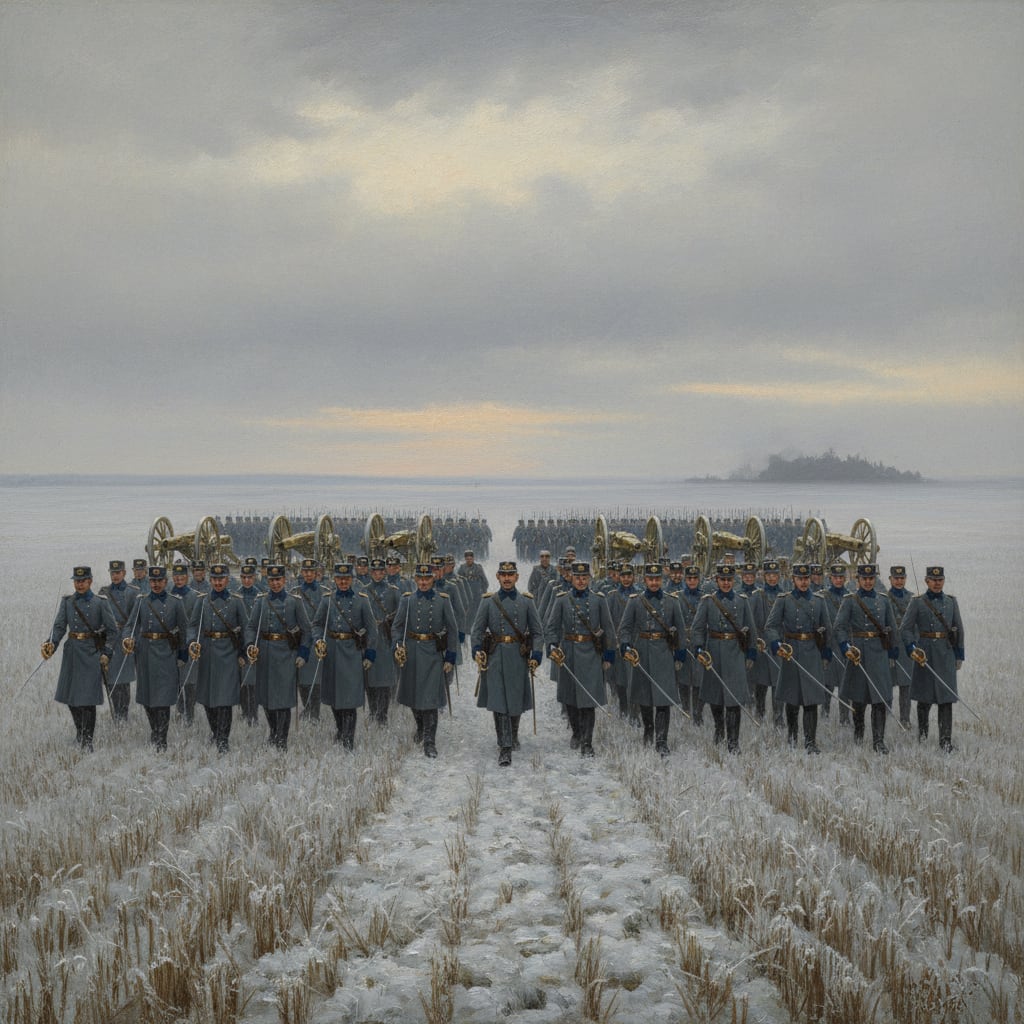
The Battle of the Iron Plains
Where twelve thousand trained men died proving that competence is a necessary but insufficient condition for survival
Twelve thousand Rationalist professionals deployed in textbook formation on 1 November A.S. 45. Fire fell from a cloudless sky. The Bureau calls it evidence. The ground still rings when struck.
Codex Ref. VII.5.01-001
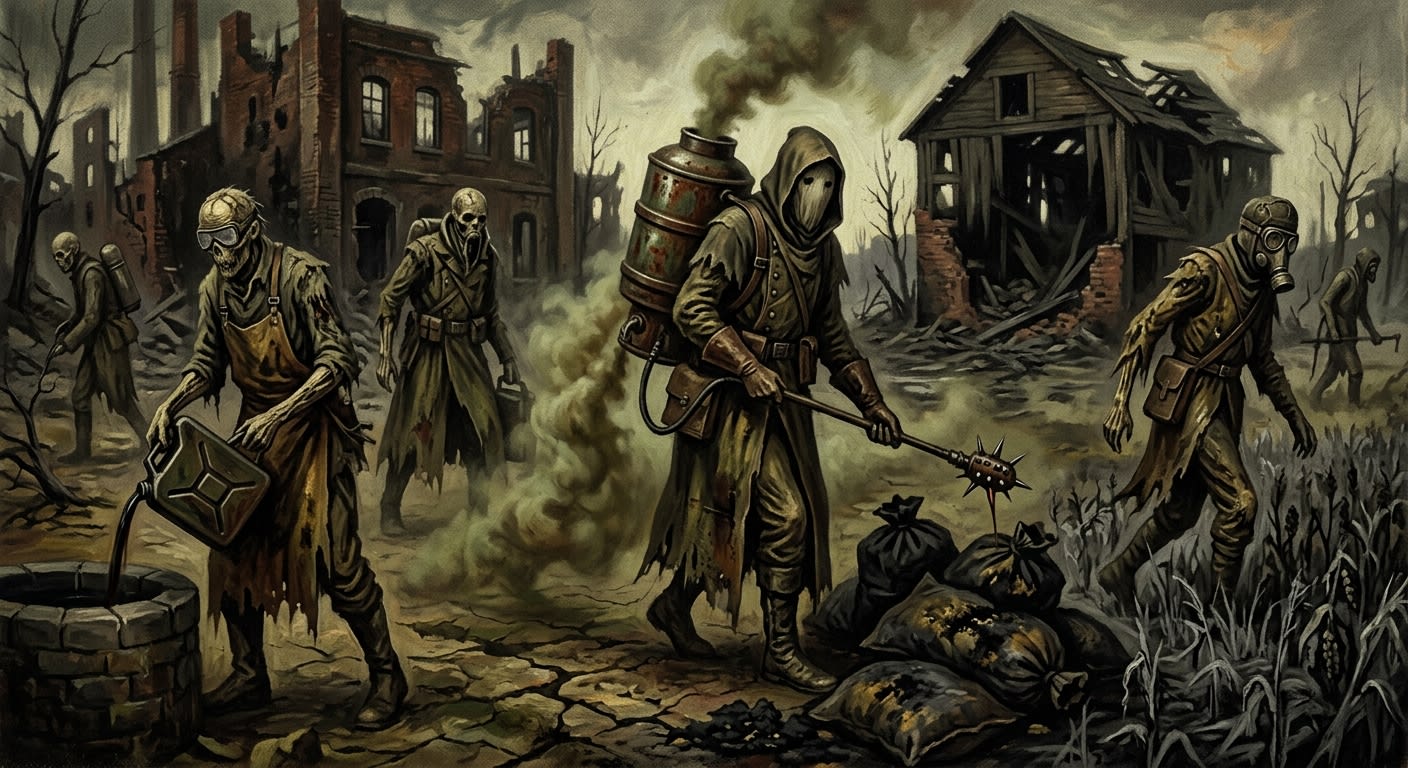
The Blightbearers
Famine with feet, and no mercy in the pantry
Kargath's Blightbearers are famine-carriers: thin demons whose passage makes full granaries fraudulent, clear wells treacherous, and supper an accusation.
Codex Ref. IV.1.07-013
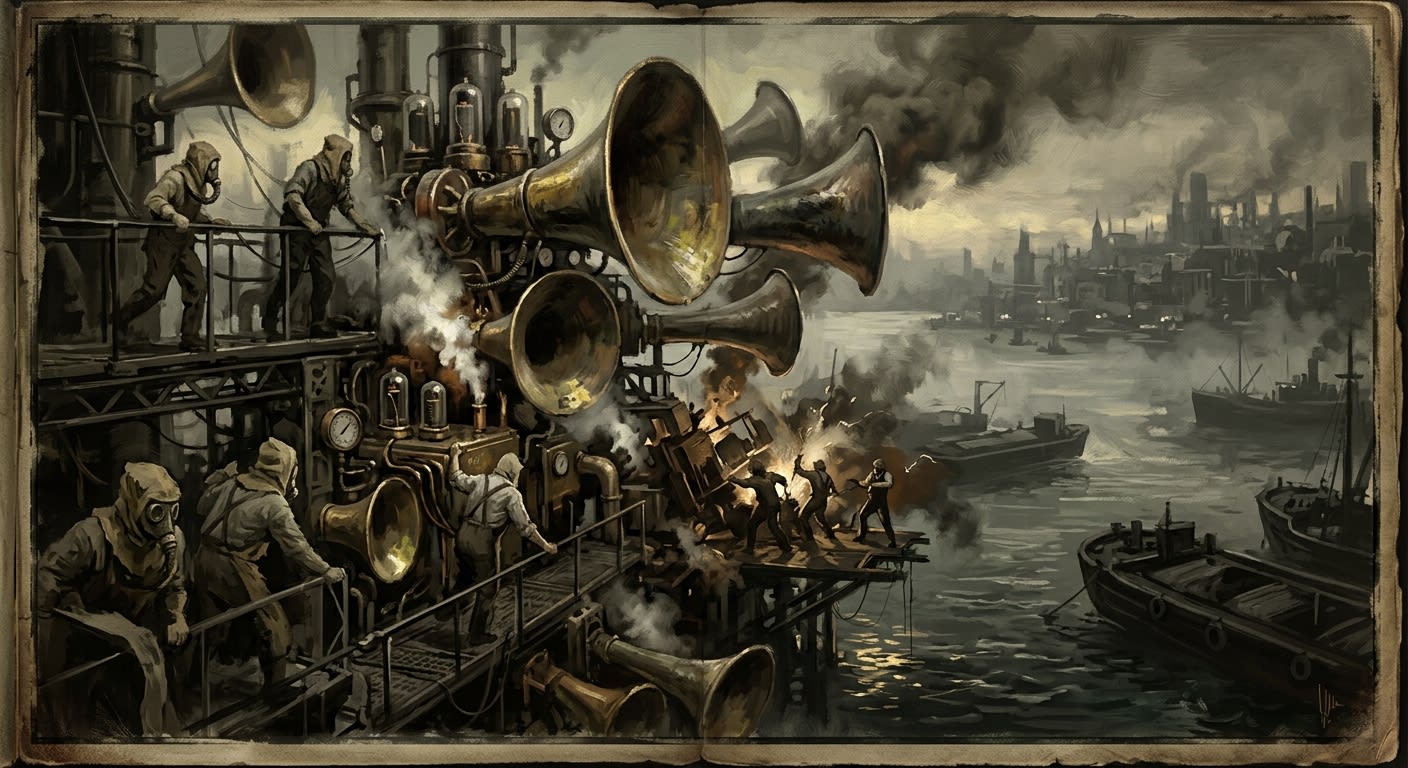
The Broadcast
Eleven minutes, forty-three seconds, and one name the Ledger would not keep still
On 3rd Argent, A.S. 199, Saint Barachiel's Sermon-horns carried an unauthorised apology across the Bosphorus. The machinery survived. The record did not.
Codex Ref. VII.4.09-001
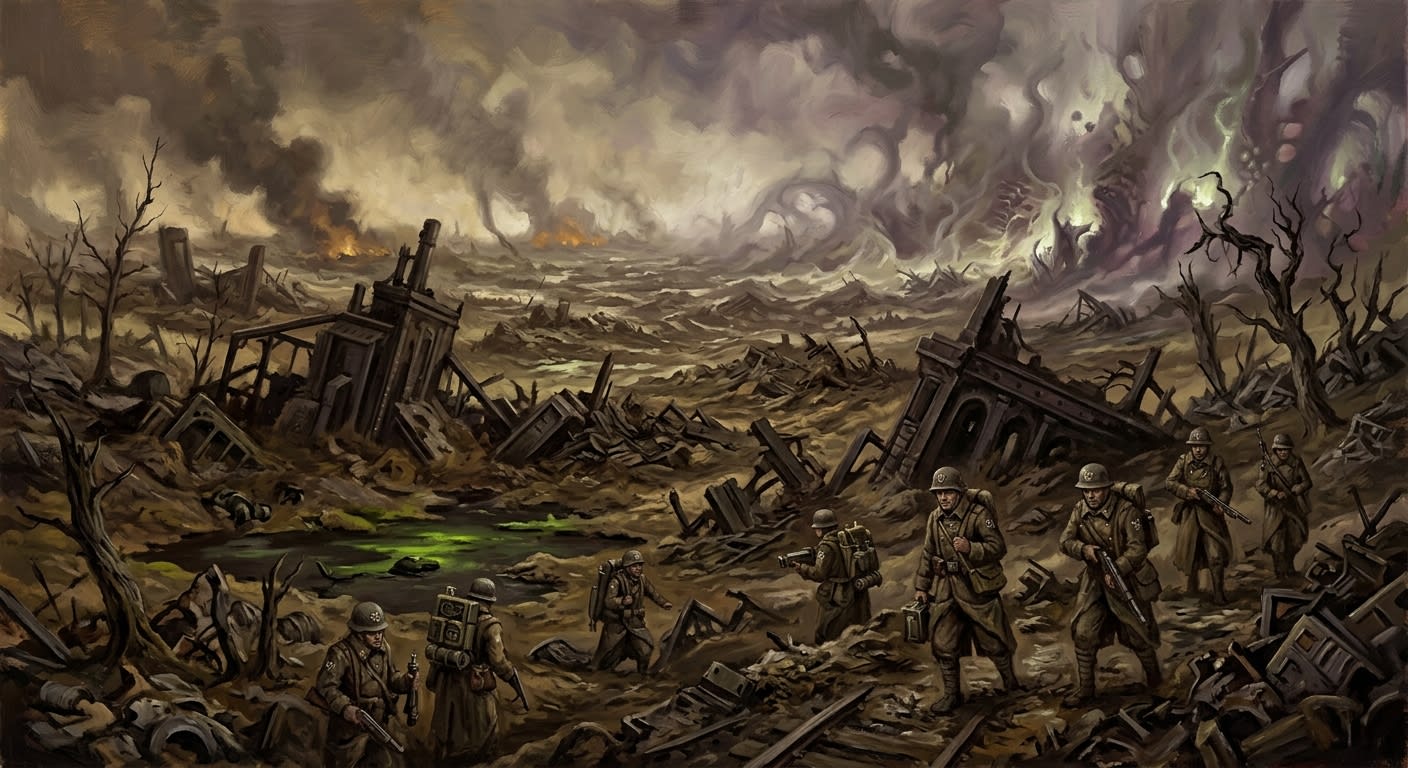
The Charnel Lands
The East keeps our failures alive in hostile weather
Zone 6 is the Synod's polite name for the Charnel Lands: the demonic East where appetite has borders, maps fail, and names come home missing.
Codex Ref. II.6.06-001
The Famine Pits
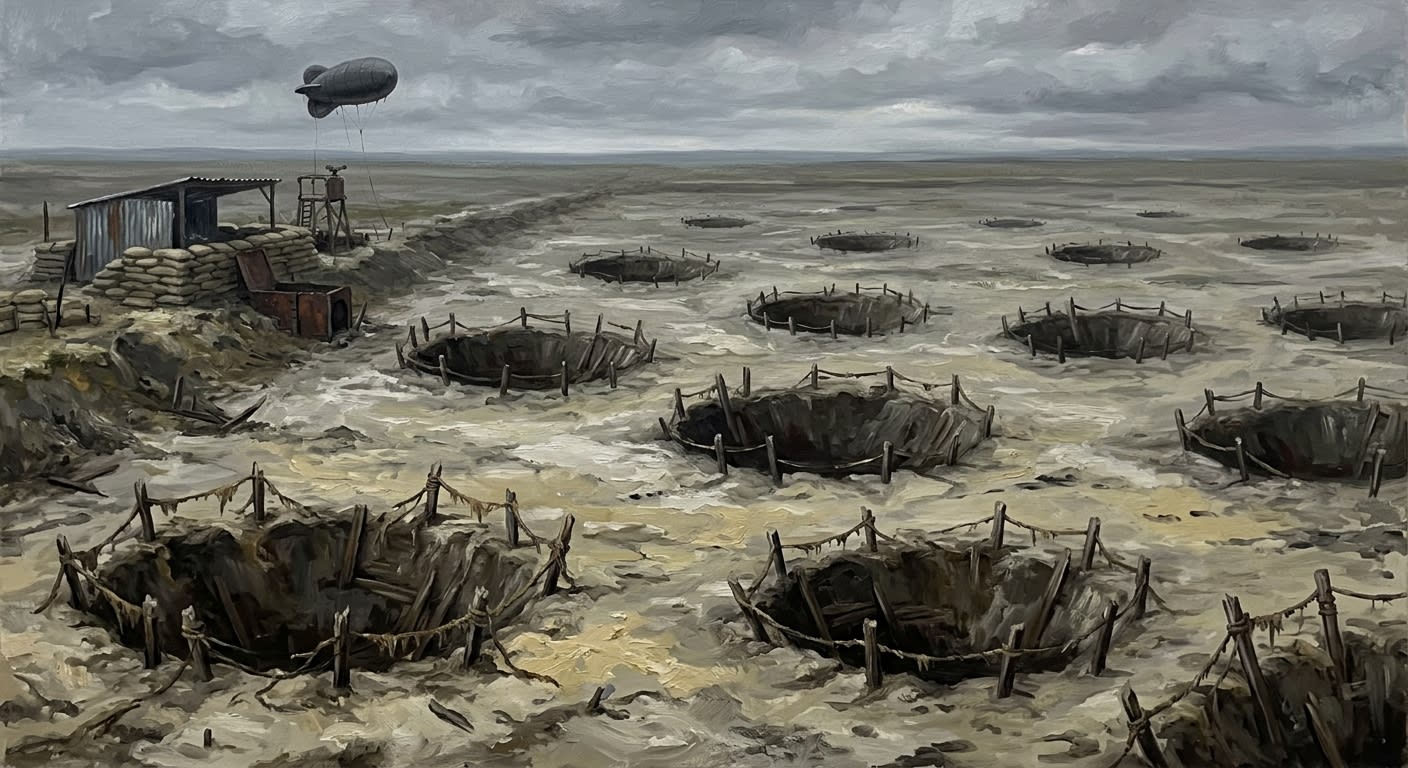
The dead are still hungry, and the Bureau prefers not to speculate why.
Fourteen confirmed burial sites in the former Hungarian plain where the dead of the Great Retreat have refused to stop dying. Their hunger radiates into the living. The Bureau classifies this as demonic. Drax does not agree.
Codex Ref. V.6.01-002
The Gorged
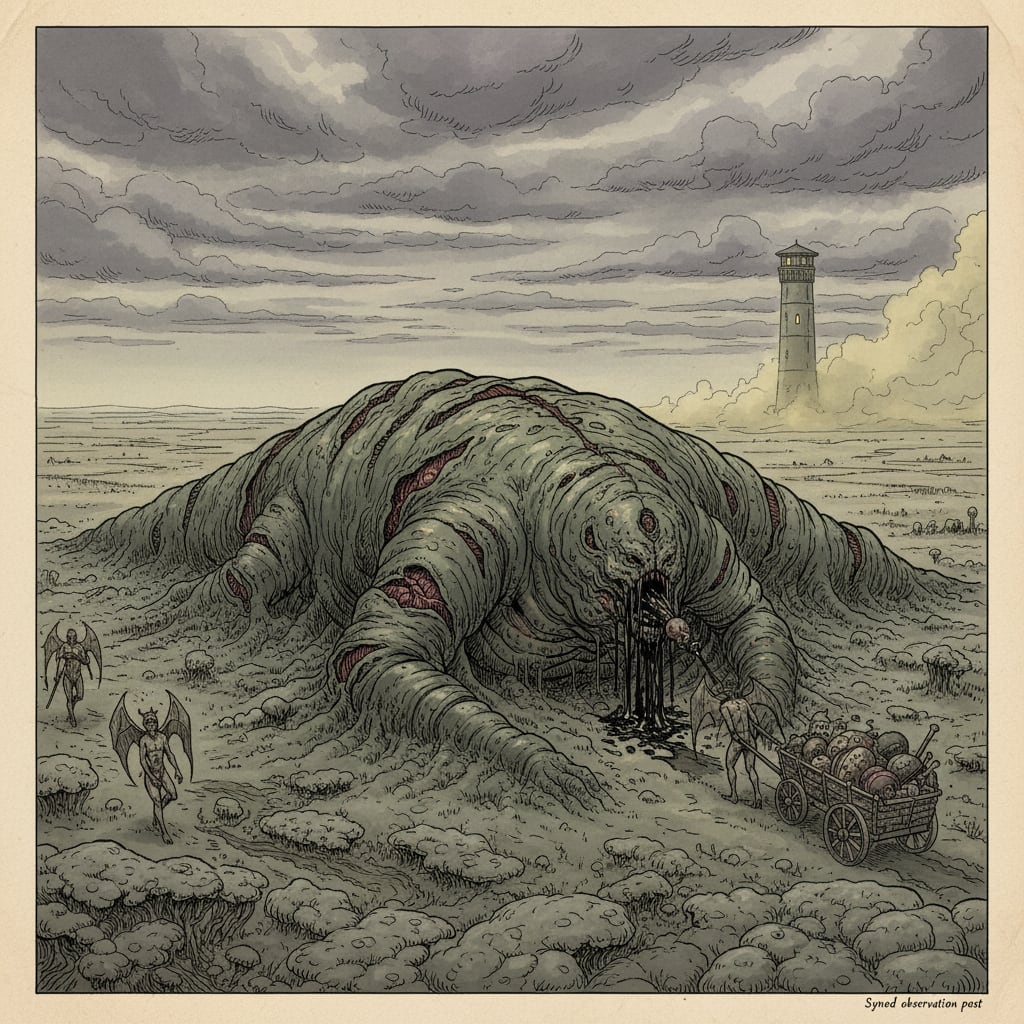
Still waiting for enough; which the Bureau notes, and does not discuss
Kargath's fourth taxonomic class: stationary consumption engines too vast to move, too hungry to stop. The Gorged believe the next mouthful will satisfy them. The Bureau classifies them as area denial and has noted the institutional parallel in a sealed file it declines to open.
Codex Ref. IV.1.07-004
The Harvest
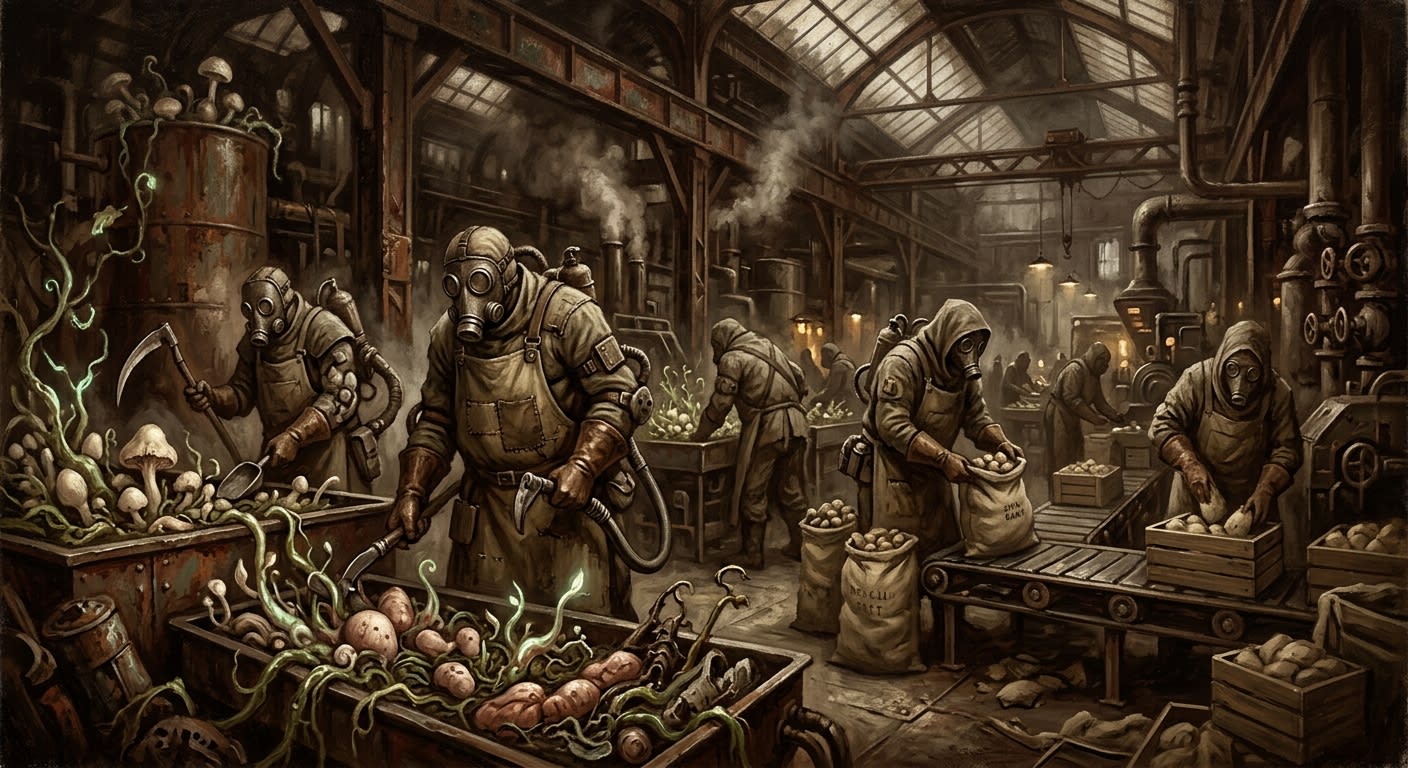
The Enemy discovered mercy and weaponised supper
Kargath's Harvest are provision-demons: gentle tenders of impossible crops whose real food fills the body, doubles the hunger, and murders gratitude.
Codex Ref. IV.1.07-014
The Hierarchy of Need
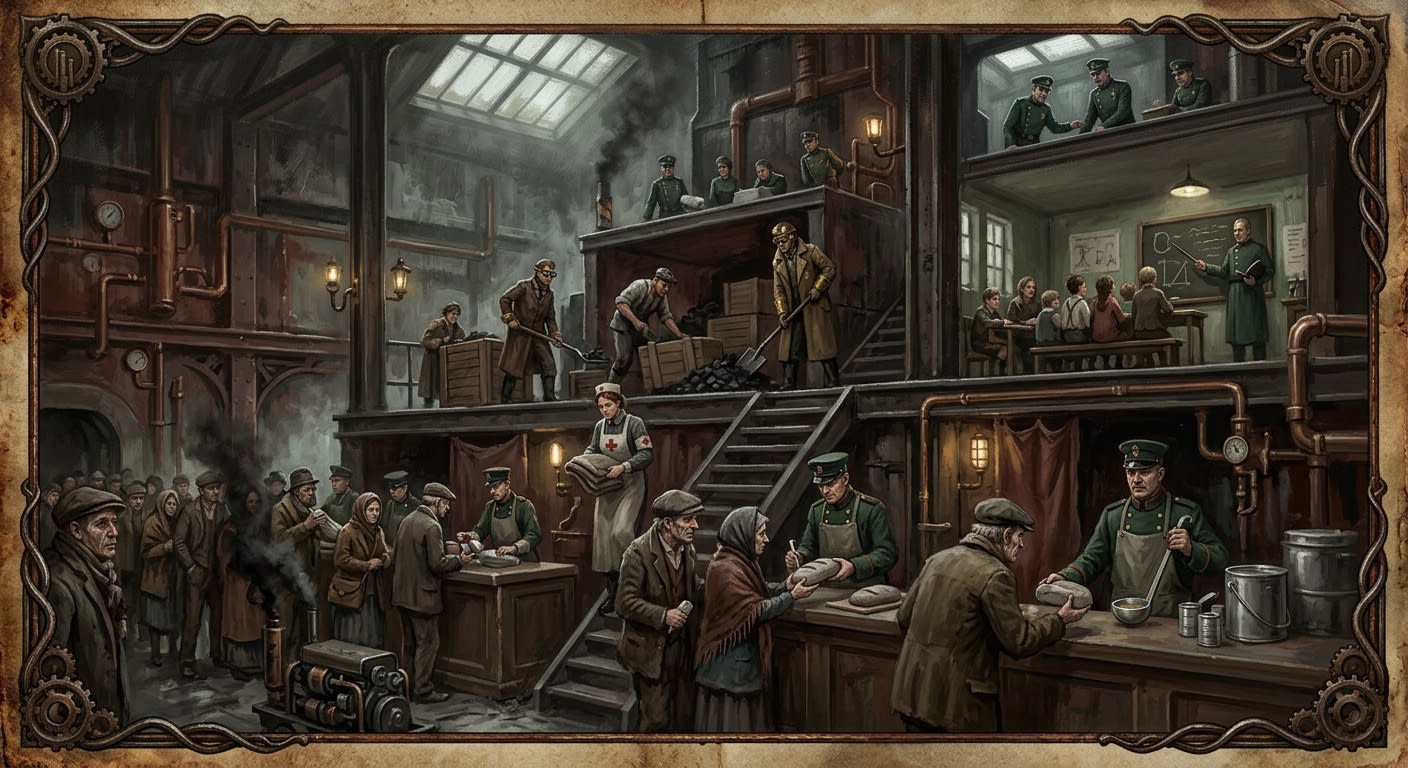
Hunger is the sermon Kargath learned to serve hot
Kargath's cults do not begin with horns, but with bread. The Bureau calls their five stations a hierarchy. The hungry call them provision.
Codex Ref. IX.2.01-001
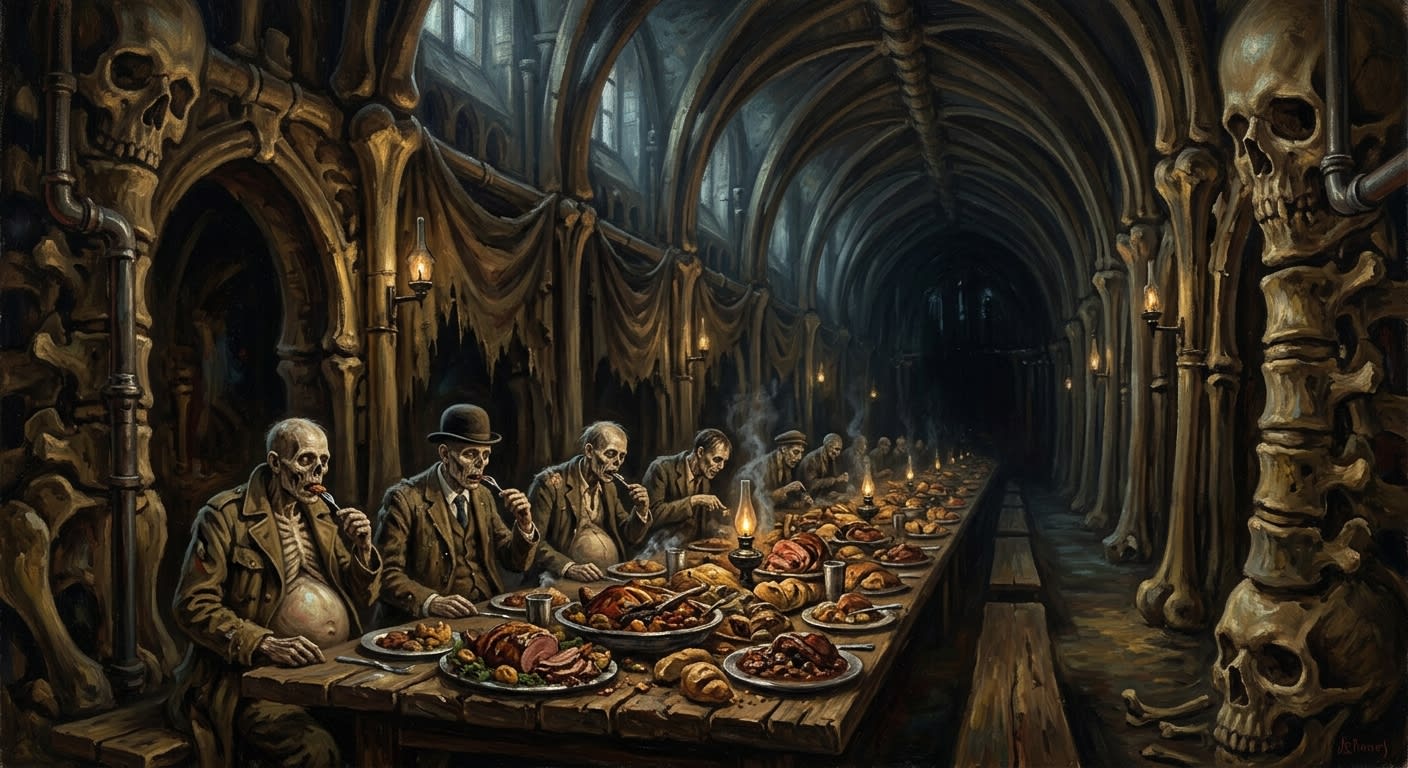
The Hollow Court
Nine miles of table. Every seat occupied. The host is always hungry.
The seat of the Sin-General of Gluttony, confirmed four times, located forty leagues east-south-east of Debrecen. Its feast has not ended. Its guests have not left. Its table runs nine miles. The Bureau of War has declined to act on this information three times.
Codex Ref. V.6.01-004
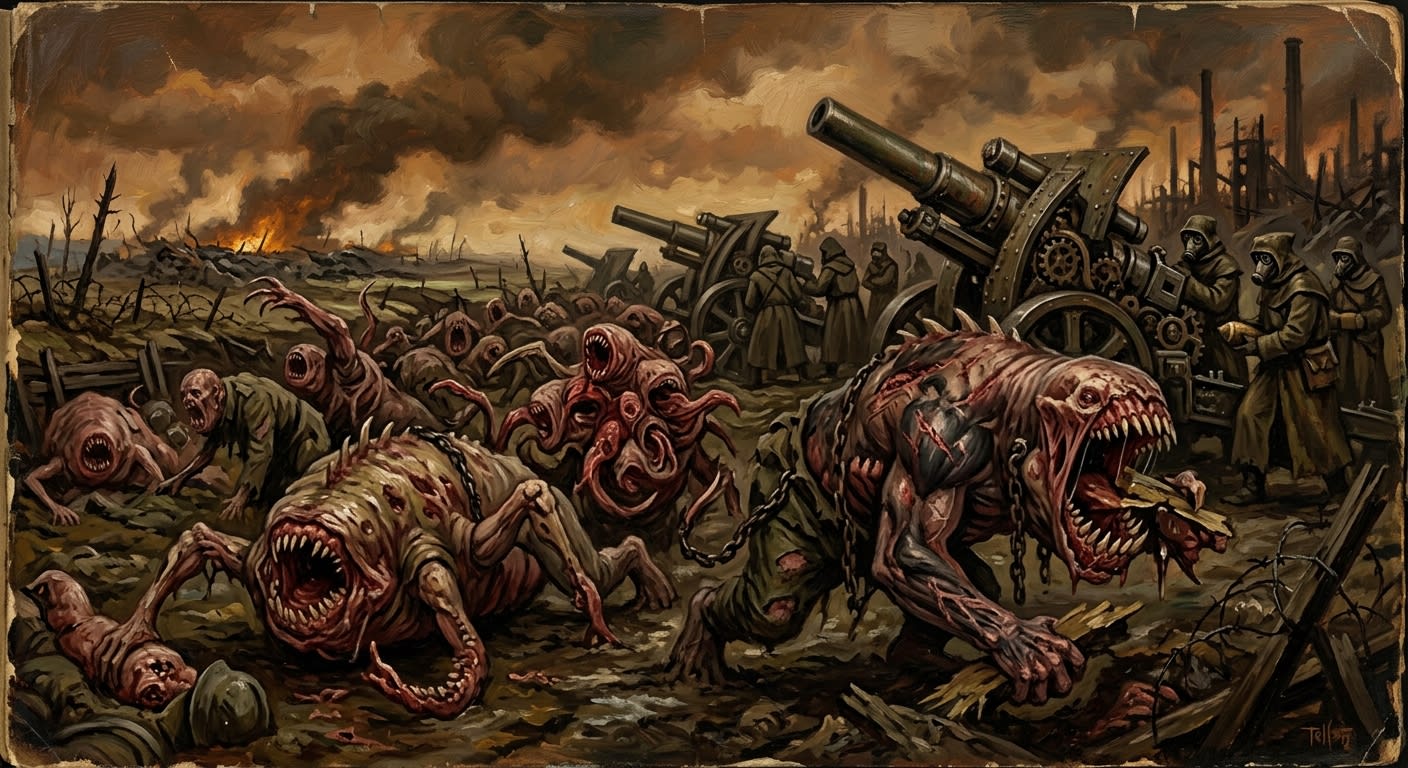
The Maw-Born
Hunger granted weight, gums, and field classification
Kargath's Maw-Born are appetite given meat: primary physical demons whose doctrine is a mouth, a pit, and the range at which artillery remains useful.
Codex Ref. IV.1.07-011
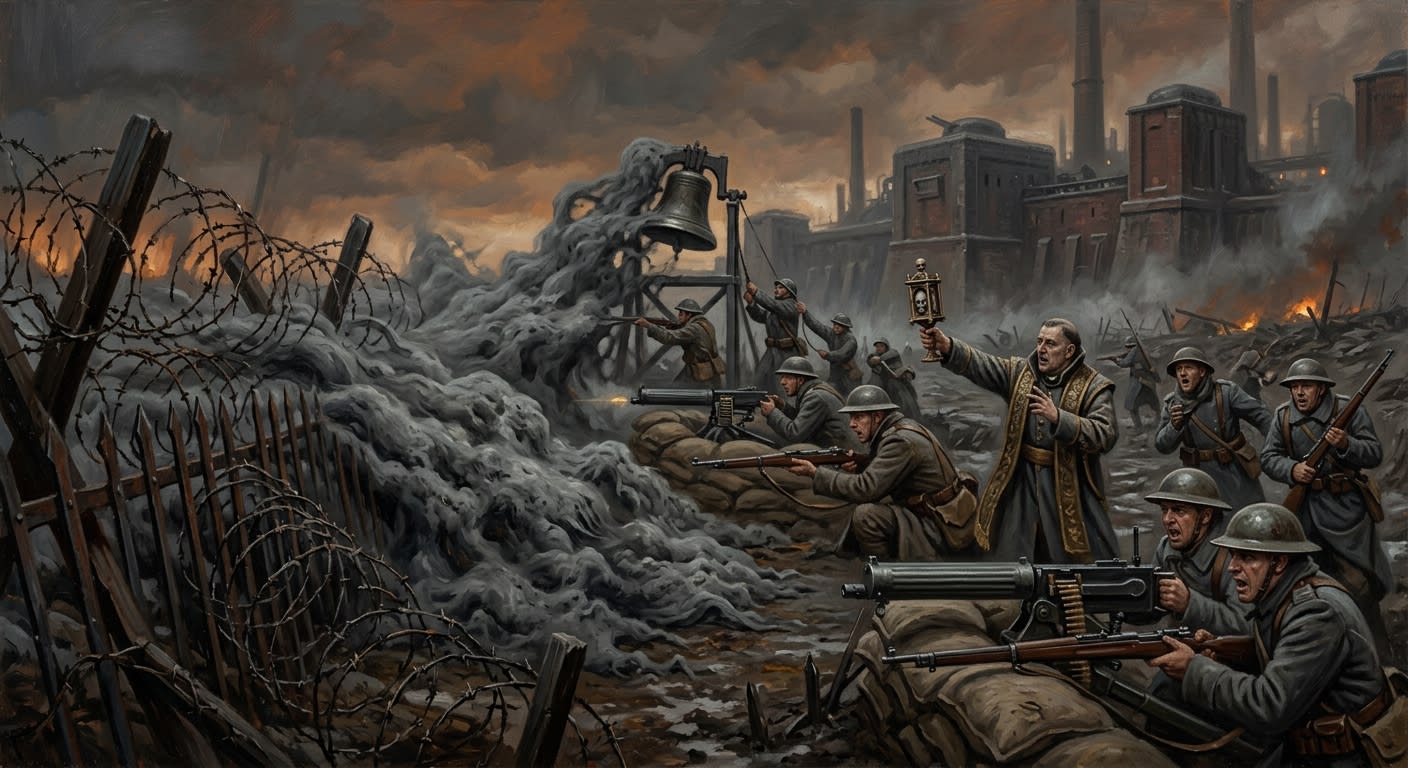
The Nameless Tide
The thing at Brest that does not arrive until it has already taken your name
The Nameless Tide presses Bastion-Brest's eastern wire: a grey, accumulating hostile phenomenon that defeats hymns, relics, bells, names, and the Bureau's last useful excuses.
Codex Ref. IV.1.07-008
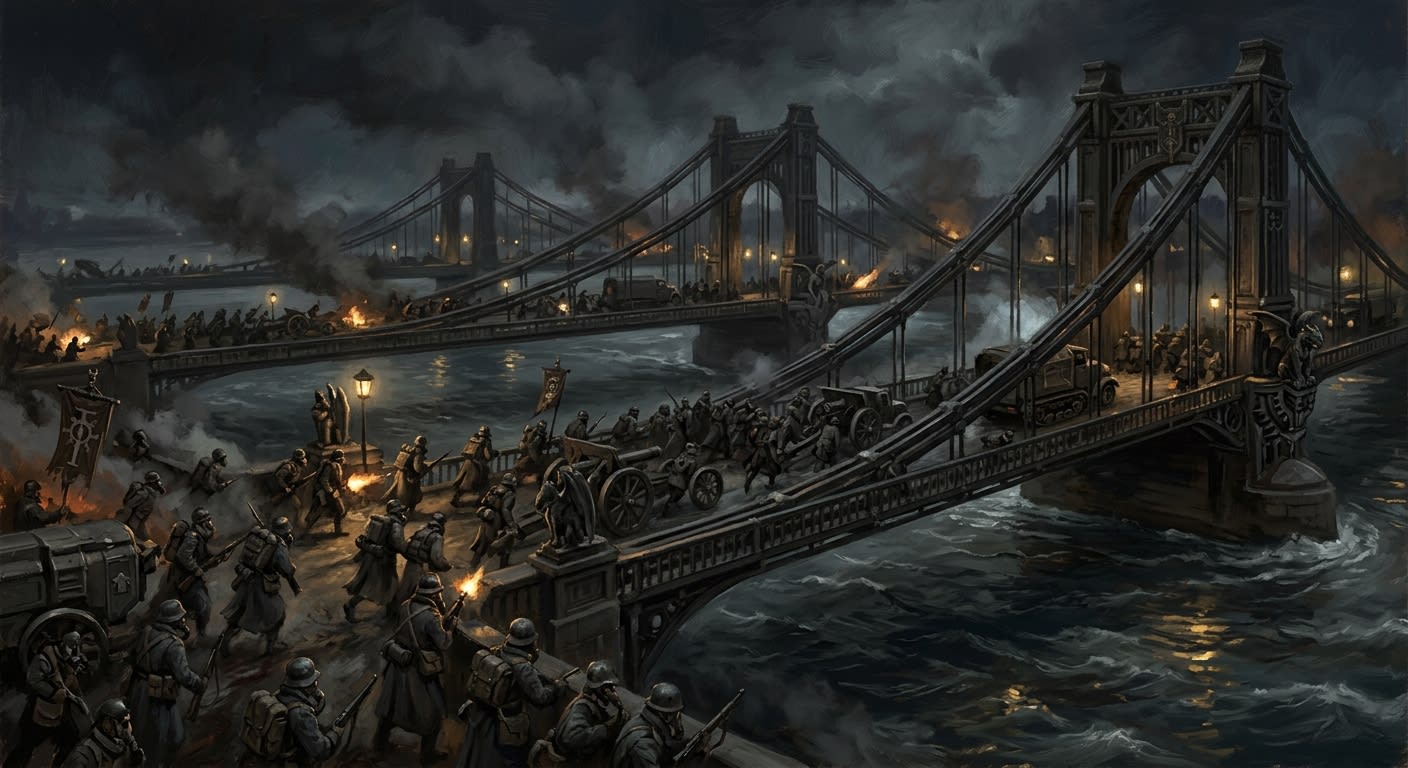
The Night of the Three Bridges
The men did not swim; the Bureau found cheaper grammar
Three Danubian crossings in seven minutes gave War its favourite miracle and Records its favourite arithmetic: fewer casualties, more glory.
Codex Ref. VII.5.01-002
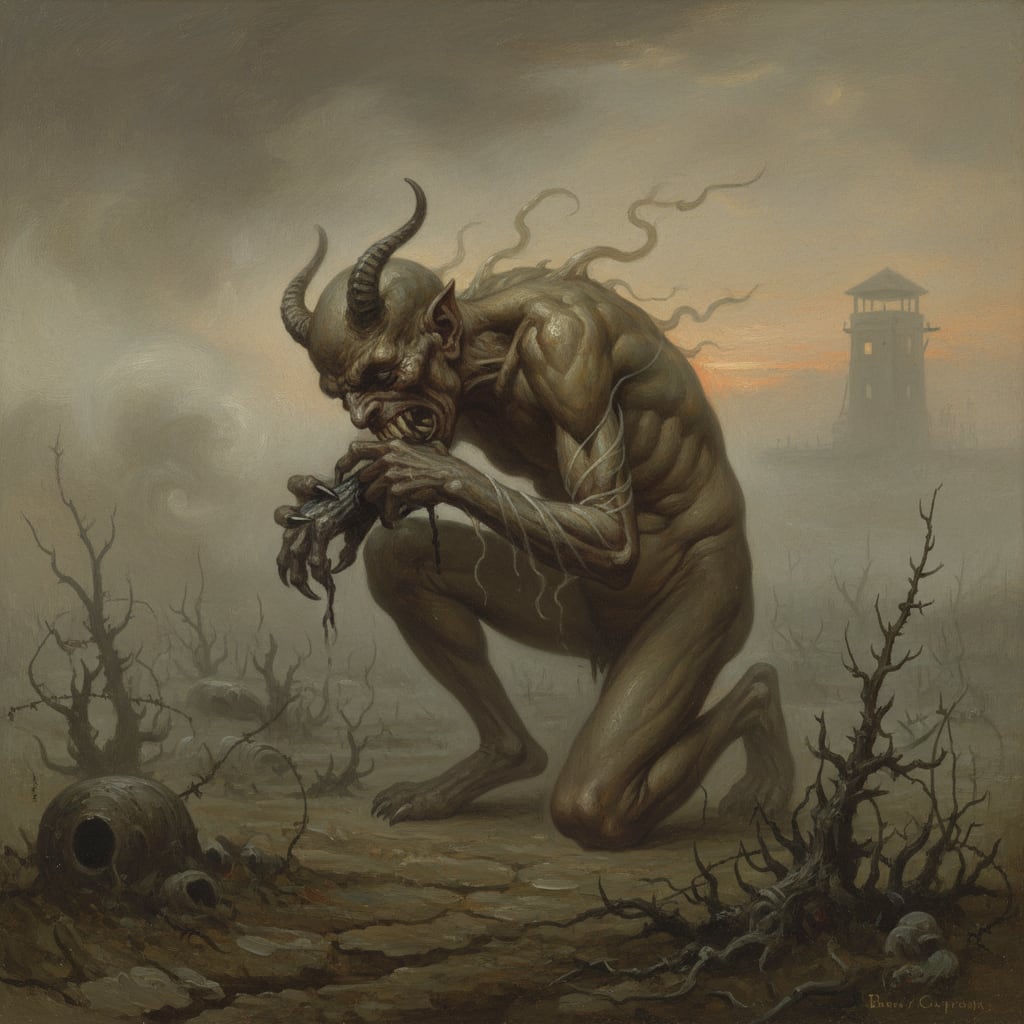
The Self-Devoured
Low direct threat; extreme proximity hazard; and the Bureau declines, for now, to rule on whether there is anyone inside
Kargath's sixth taxonomic class: demons that eat themselves, regenerate, and eat themselves again. The cycle has no pause. The Bureau classifies direct threat as Low and proximity threat as Extreme, and has not yet issued a ruling on whether anyone is home.
Codex Ref. IV.1.07-006
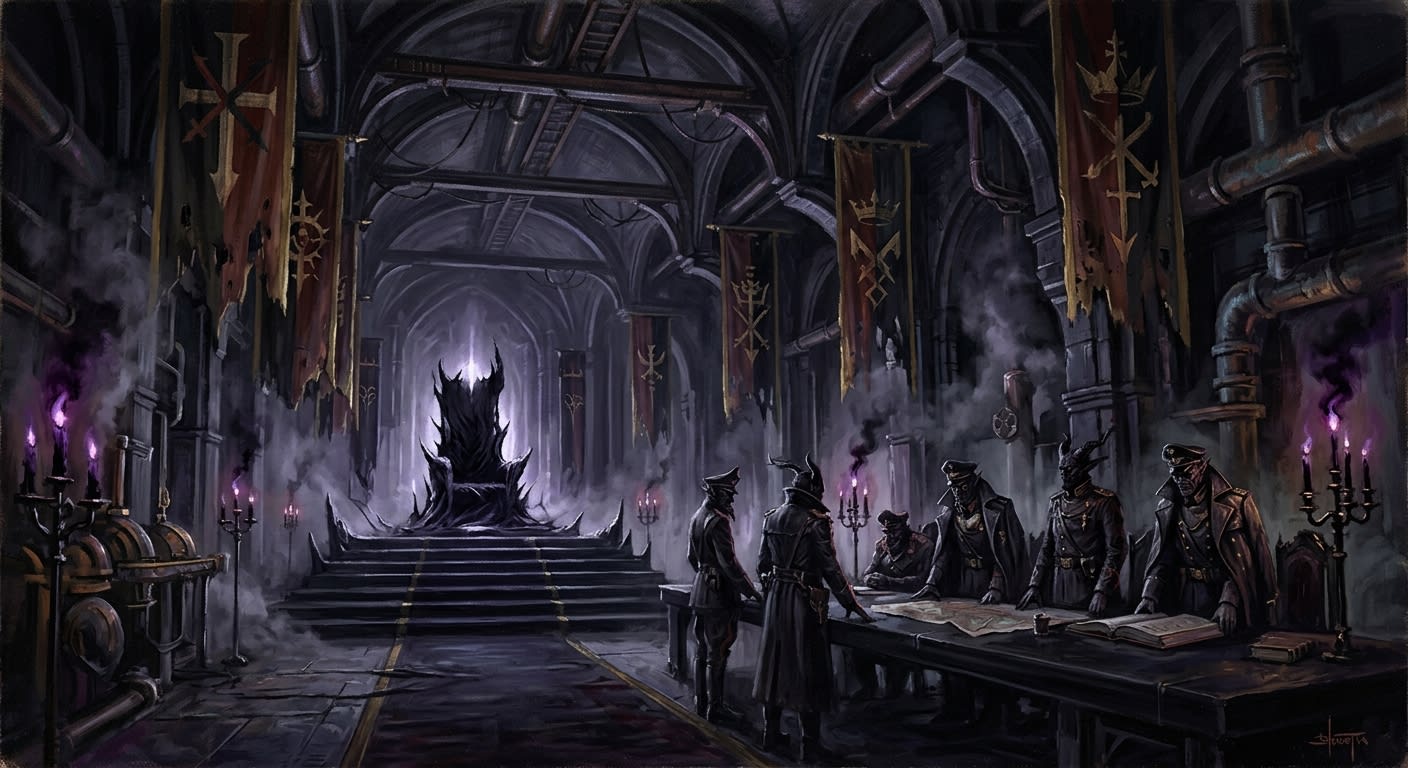
The Shadow Court
Filed under 'Locations, Hostile, Extant.' Coordinates: Pending.
The Bureau of Records has assigned the Shadow Court a filing number. The filing number is one hundred and nine years old. The Shadow Court has not provided coordinates.
Codex Ref. V.9.01-001

Vigil Ark *Saint Barachiel*
On the consecrated dirigible that blesses the Bosphorus sky, the sermon heard forty feet below the water, and the eleven minutes forty-three seconds of A.S. 199 the Bureau has classified as Not Our Co
The Vigil Ark Saint Barachiel: armed dirigible-reliquary, Constantinople theater, A.S. 168–present. Thirty-three years of consecrated patrol. One unexplained Broadcast. The Ark flies. The Bureau recommends continued faith.
Codex Ref. II.4.11-001

Vigil Ark Sanctissima Vox
The Ark that fell slowly and remained administratively active
The Vigil Ark Sanctissima Vox sank into the Blightmarsh during its A.S. 147 hymnal broadcast mission; its lanterns still burn, so the roster still calls it active.
Codex Ref. V.2.04-002
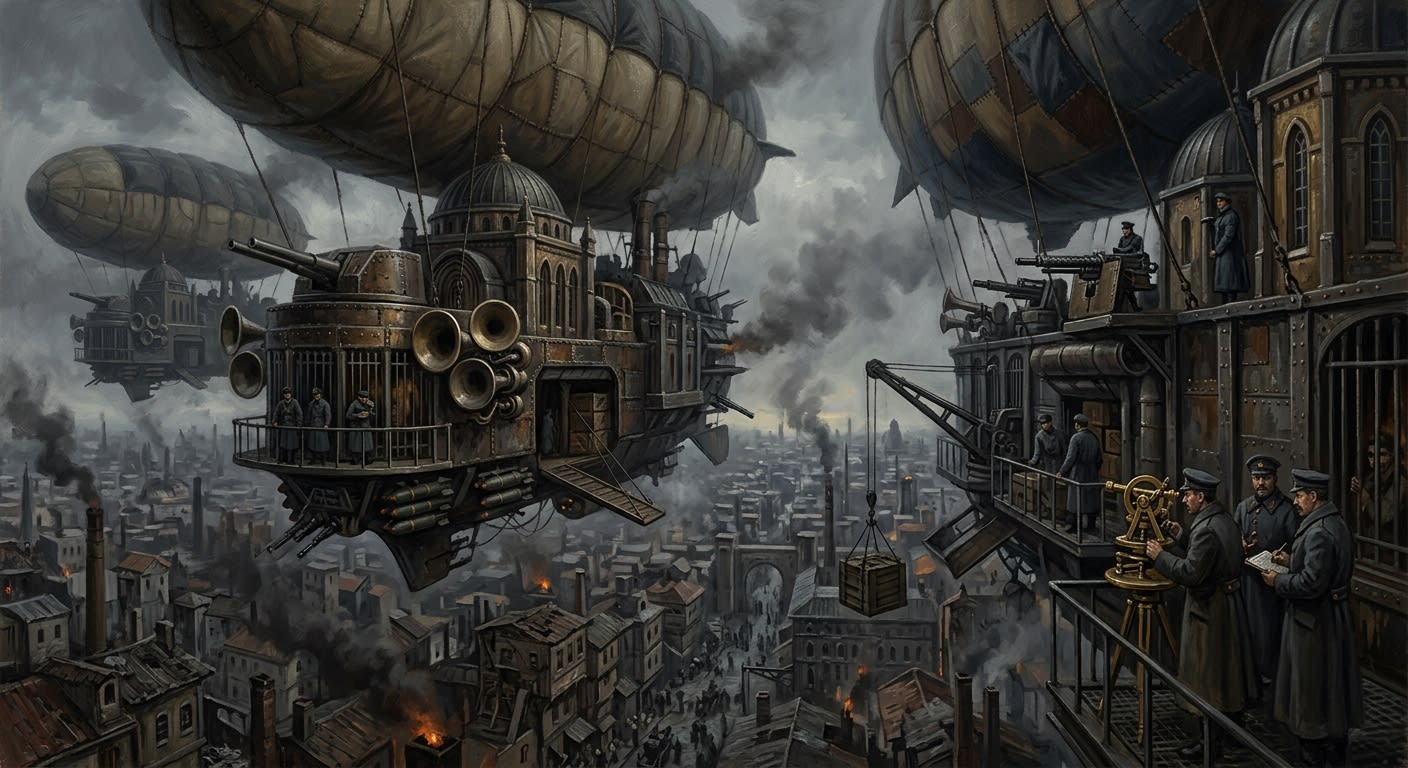
Vigil Arks
The sky hears because the Bureau bolted a chapel to it
Vigil Arks are armed reliquary-dirigibles: chapel, weapon, horn, census, and jurisdiction suspended above Constantinople by gas, relic permission, and fear.
Codex Ref. XIII.1.21-201
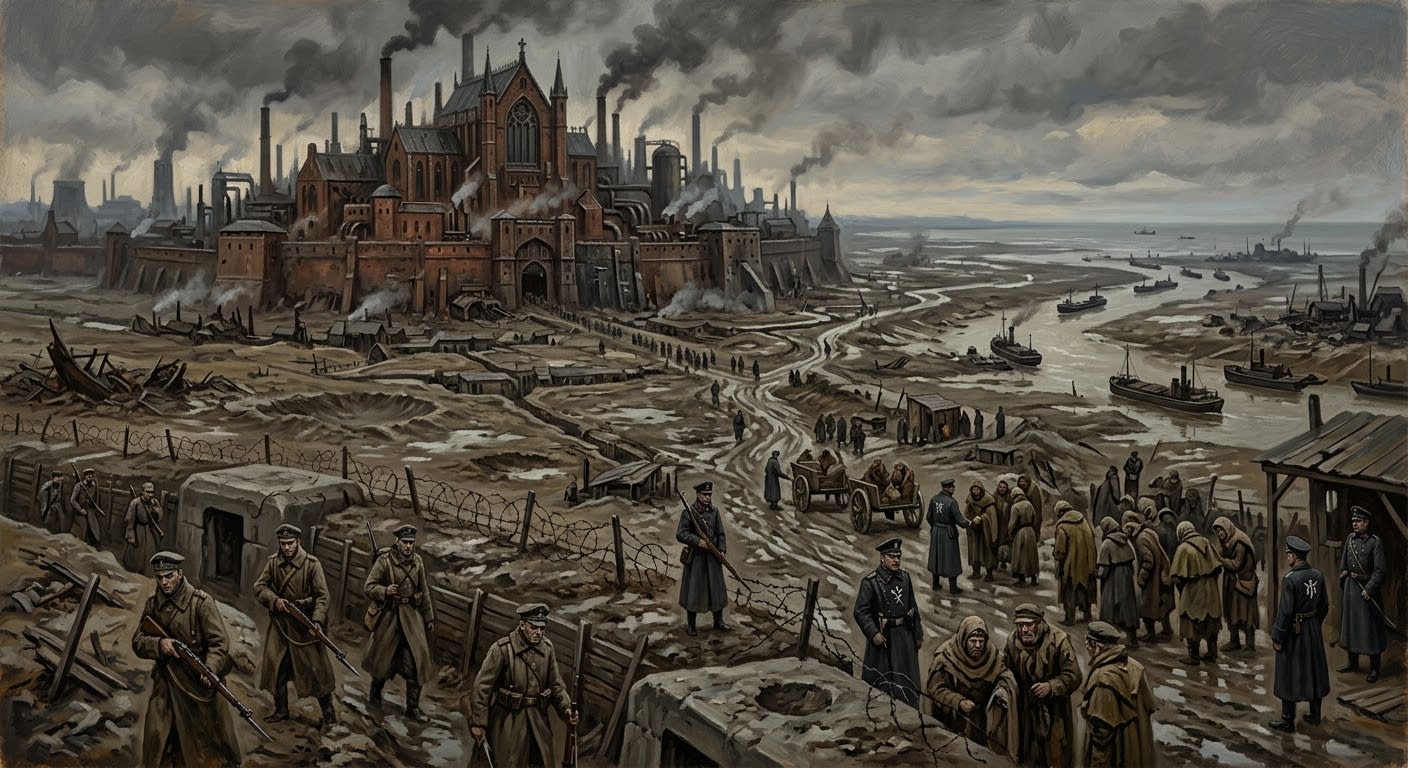
Zones 5 through 7
Mud, mouth, water — the outer grammar of danger
Zones 5 through 7 are the Synod’s controlled contact belt: contested mud, demonic custody, sea-rim commerce, contraband, pilgrimage, and useful contamination.
Codex Ref. XIII.1.00-207