

Reverse Index
Referencing “The Catechism of Obedience”
Every codex entry that links to The Catechism of Obedience. 55 entries.
Return to The Catechism of Obedience
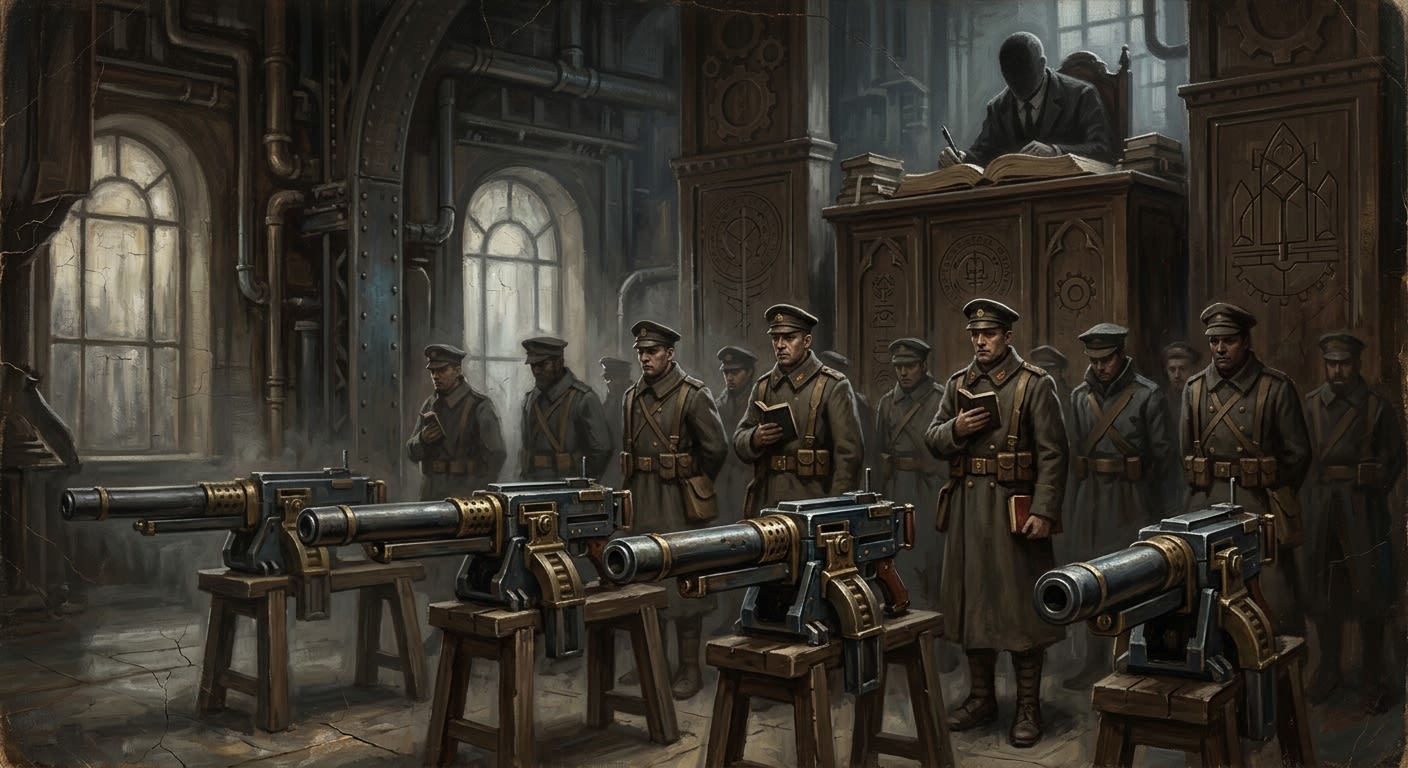
14th Parish Regiment
Four guns cold, four guns owed
The 14th Parish Regiment was dissolved by Night Paper before the Vigil of the Hollowed, leaving four relic guns cold and a parish song the Ledger cannot kill.
Codex Ref. VIII.5.14-170
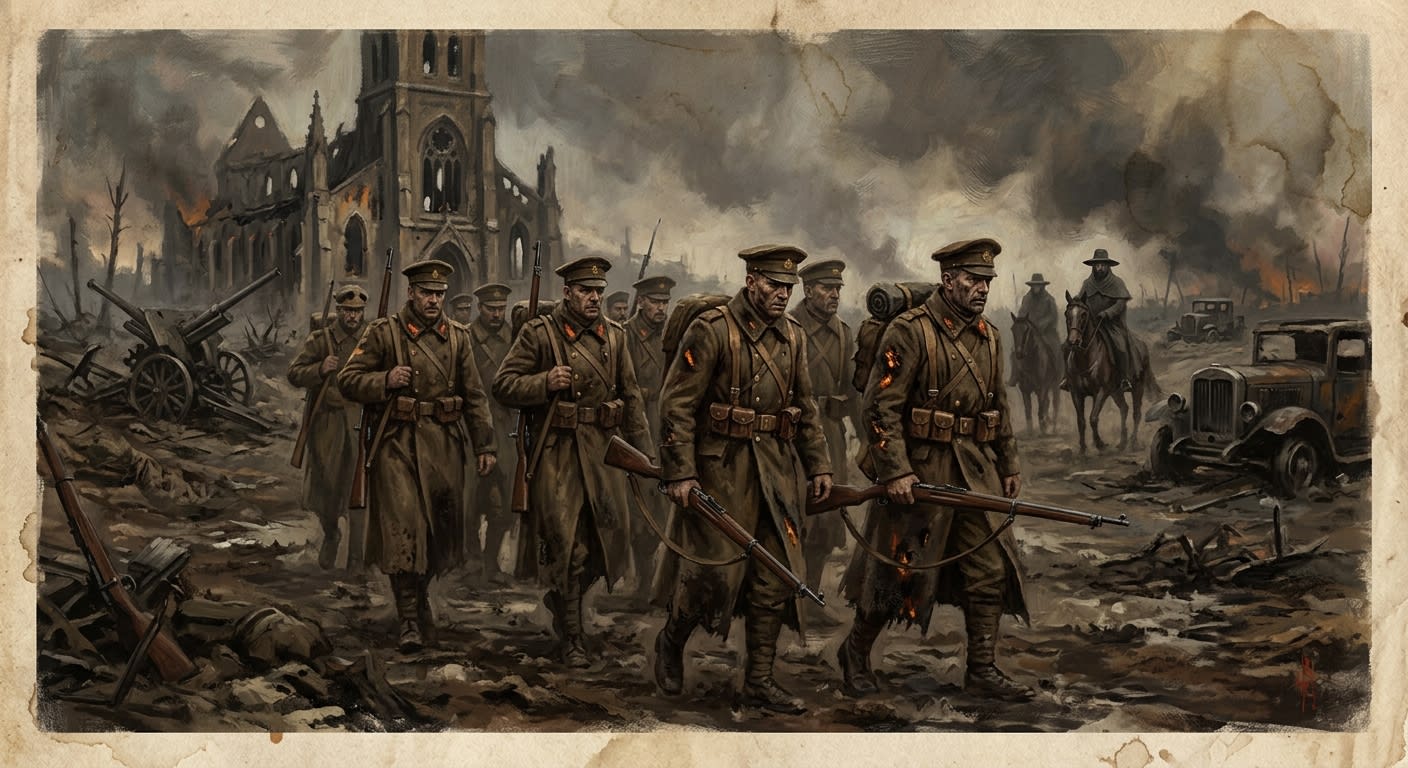
14th Parish Regiment
A regiment erased so thoroughly it still casts smoke
The 14th Parish Regiment was burned, erased, denied, and still left an unmanned curtain before Maldrake's Hellbow assault. Absence, when filed carelessly, has edges.
Codex Ref. VIII.5.14-170
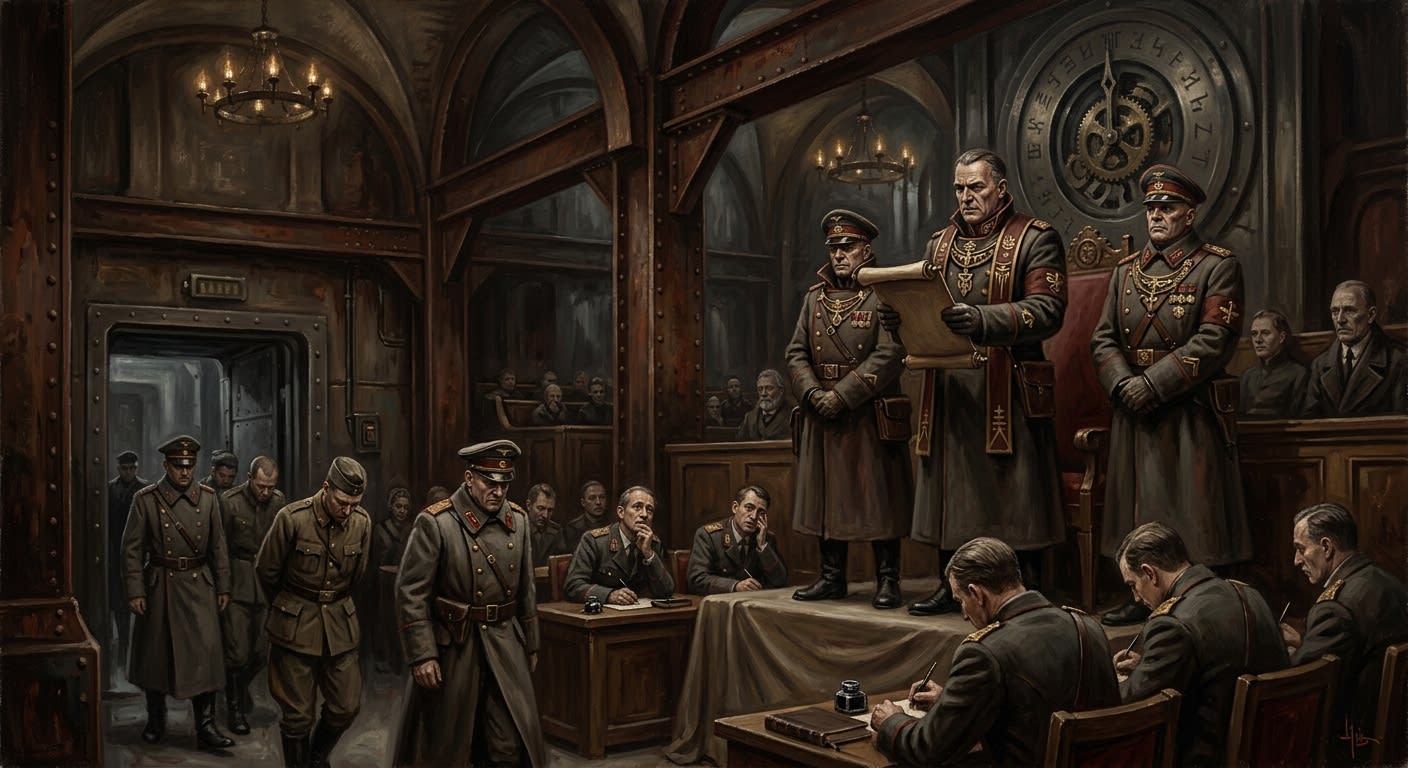
Act of Hierarchical Supremacy
The first chain, polished until citizens mistake it for anatomy
Ratified at Strasbourg in A.S. 90, the Act made authority descend through the Hierarchs and made refusal dissolve office, status, and comfort.
Codex Ref. XIII.1.89-090
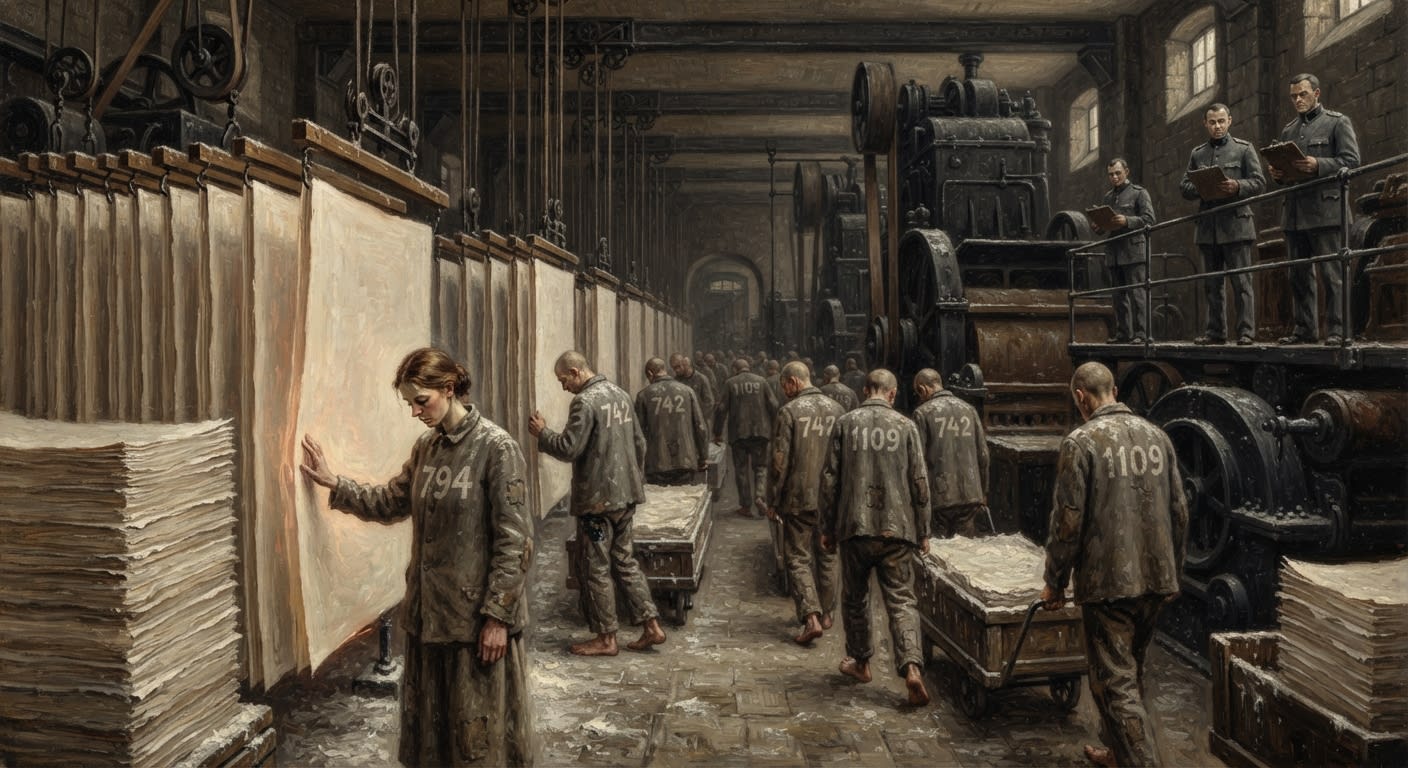
Anonymous Productive Penance
Where a name becomes a number, and the number becomes paper
Anonymous Productive Penance is the Paper Mines sentence that strips condemned workers of names, invoices their labour, and turns guilt into warm, troublesome sheets.
Codex Ref. XIII.1.02-114
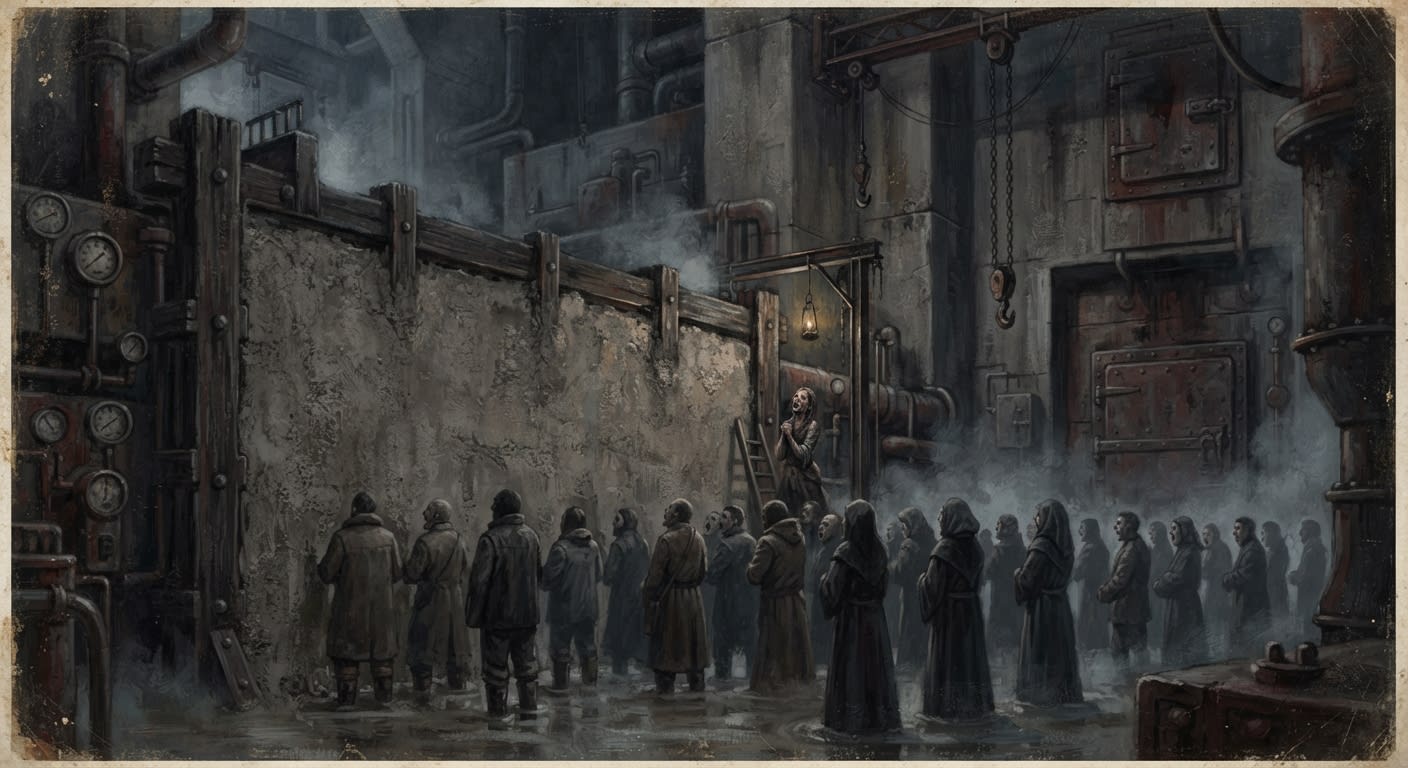
Antiphon of Endurance
Thirty-two verses, one last voice, and a wall that keeps time
The Antiphon of Endurance is the licensed siege hymn sung by the forty-seven as Chamber 7 was poured; thirty-two verses now answered yearly by a warm wall.
Codex Ref. XIII.1.96-170
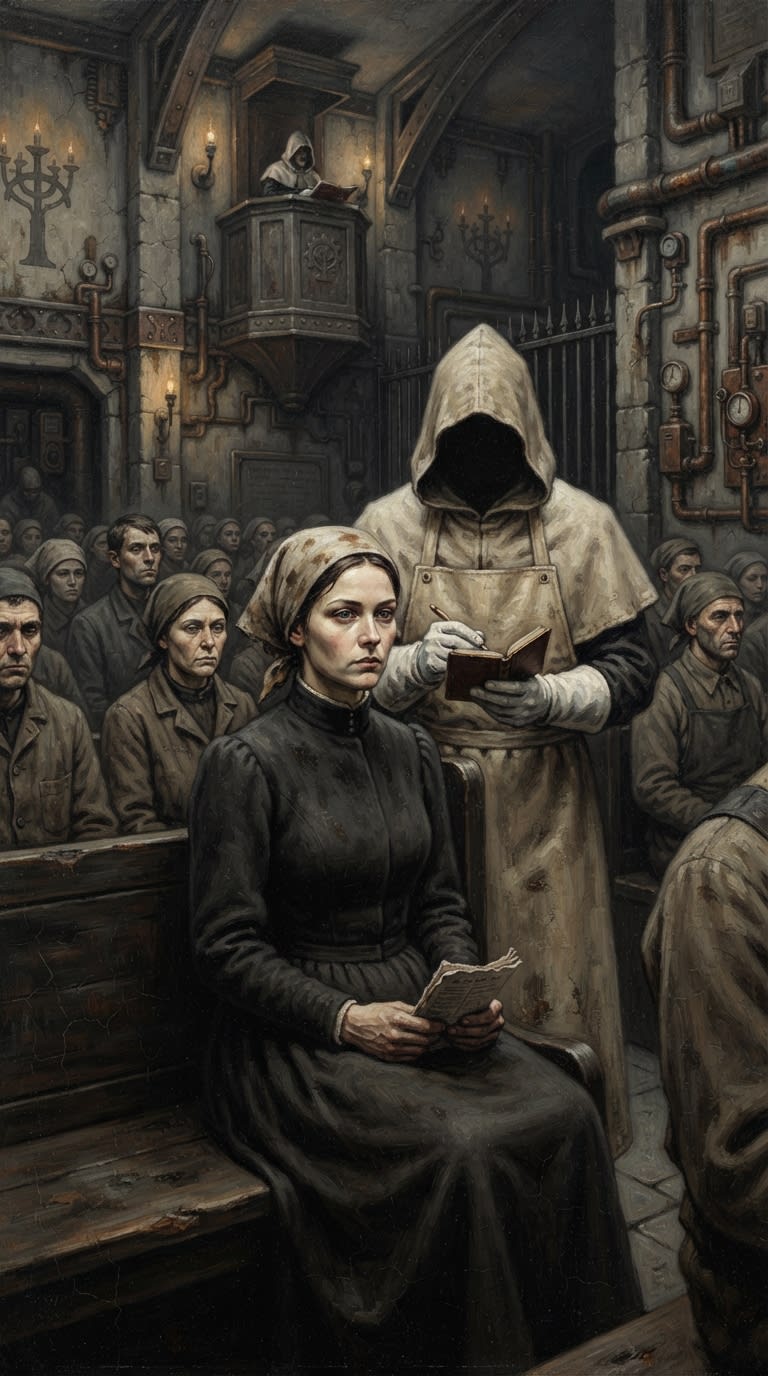
Appendix C
The face is a sloppy clerk; it files everything eventually
Restricted schedule to the Twelfth Amendment, Appendix C withholds the facial indicators by which Purity finds unlicensed thought sitting on the citizen's face.
Codex Ref. XIII.1.04-196
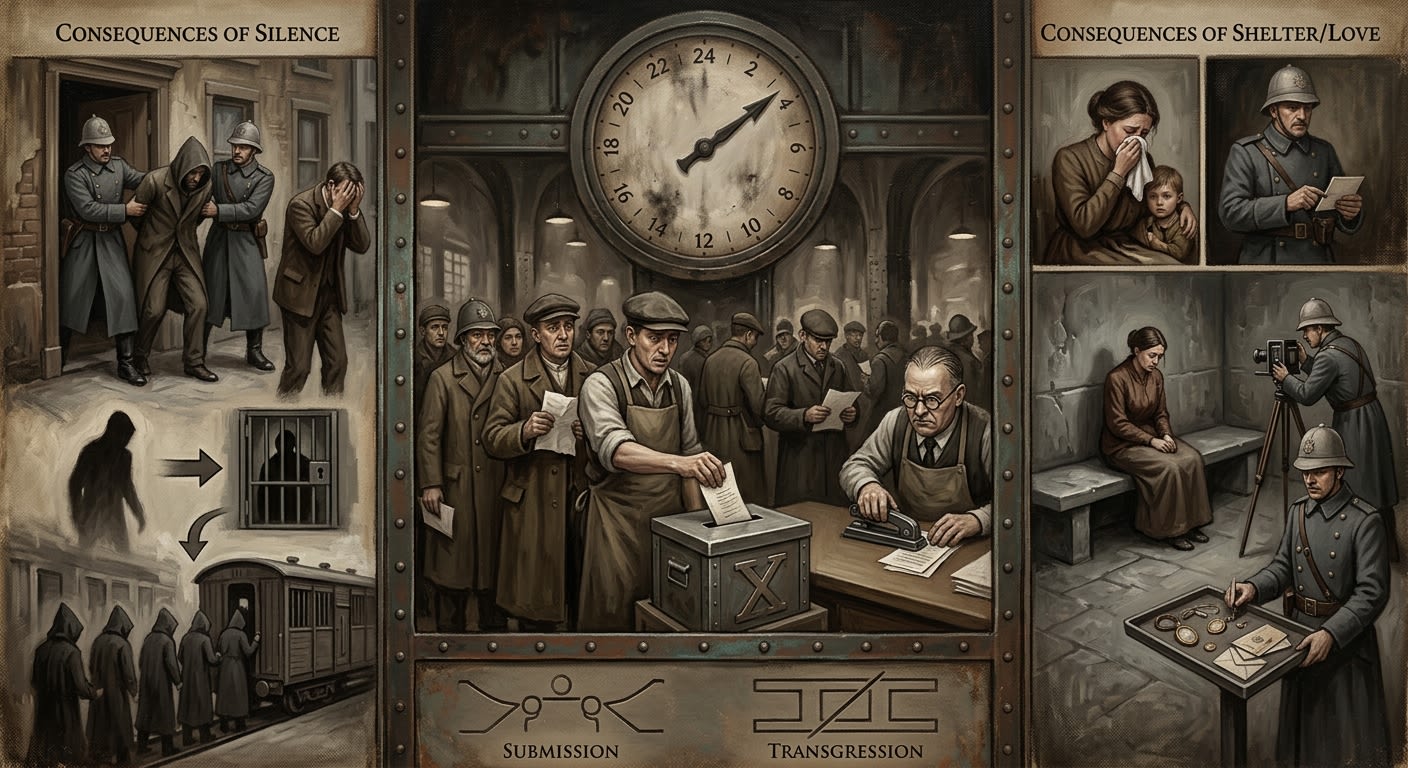
Article 19 of the Catechism of Obedience
The neighbour is promoted to witness and punished for delay
Article 19 makes suspected heresy reportable within twenty-four hours, converting silence into shelter, shelter into participation, and love into evidence.
Codex Ref. XIII.1.04-019
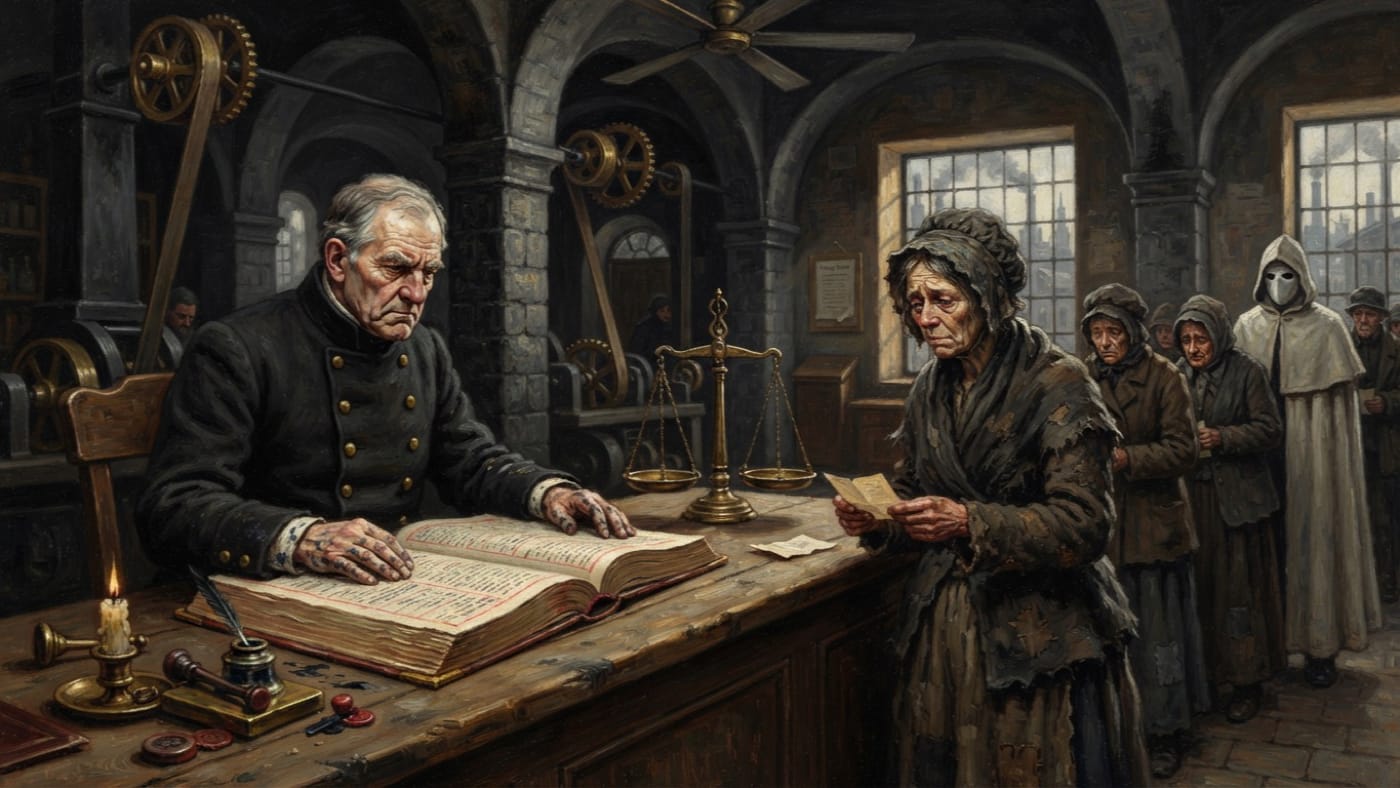
Article 4 of the Catechism of Obedience
Hope is a commodity; the soul must keep its receipt
Article 4 licenses hope, consolation, prophetic utterance and prayer beyond prescribed forms. Since A.S. 196, private devotion also belongs in the ledger. The soul may hope; it must keep its receipt.
Codex Ref. XIII.1.04-004
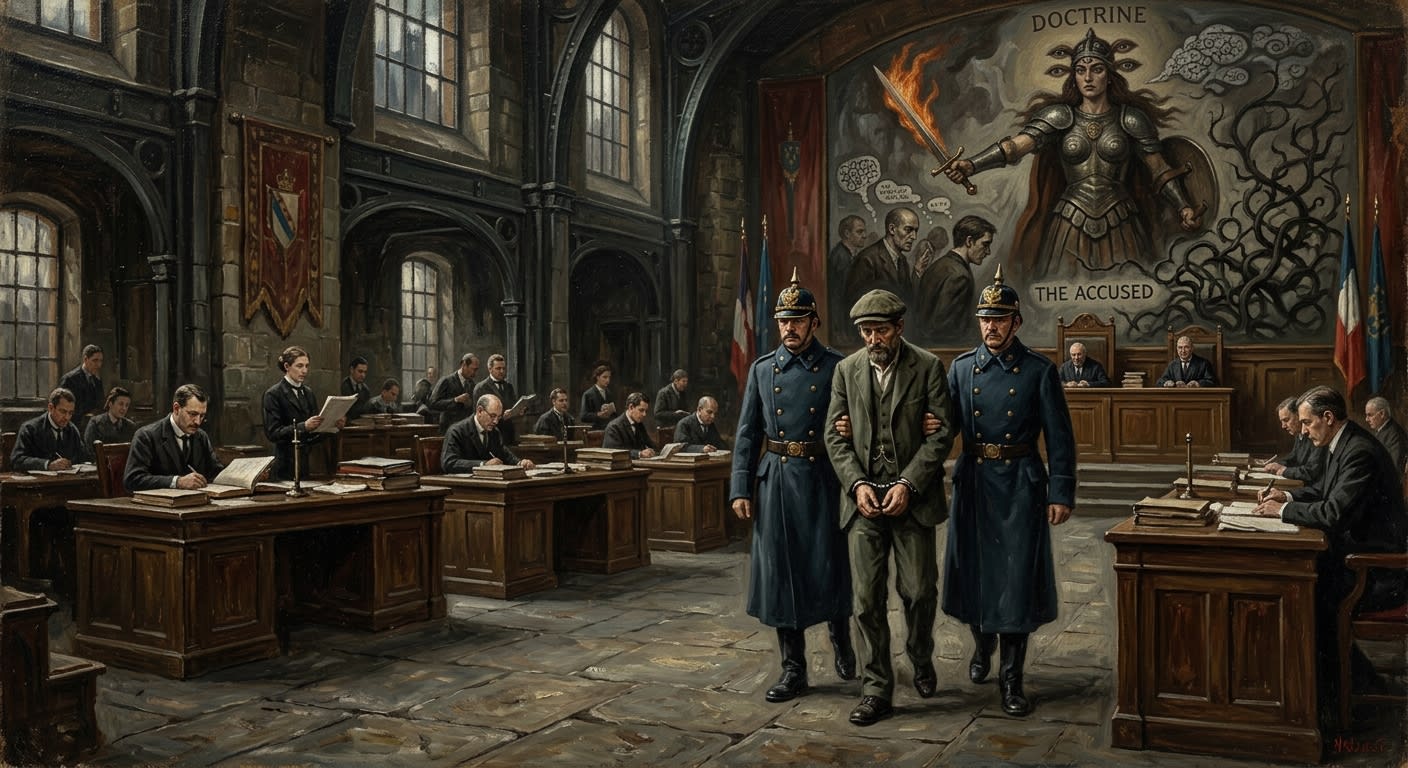
Article 9 of the Catechism of Obedience
The offence remains open so the soul cannot close
Article 9 refuses to define heresy, then makes Doctrine's later declaration retroactive to the first formation of the accused thought. Mercy hates the efficiency.
Codex Ref. XIII.1.04-009
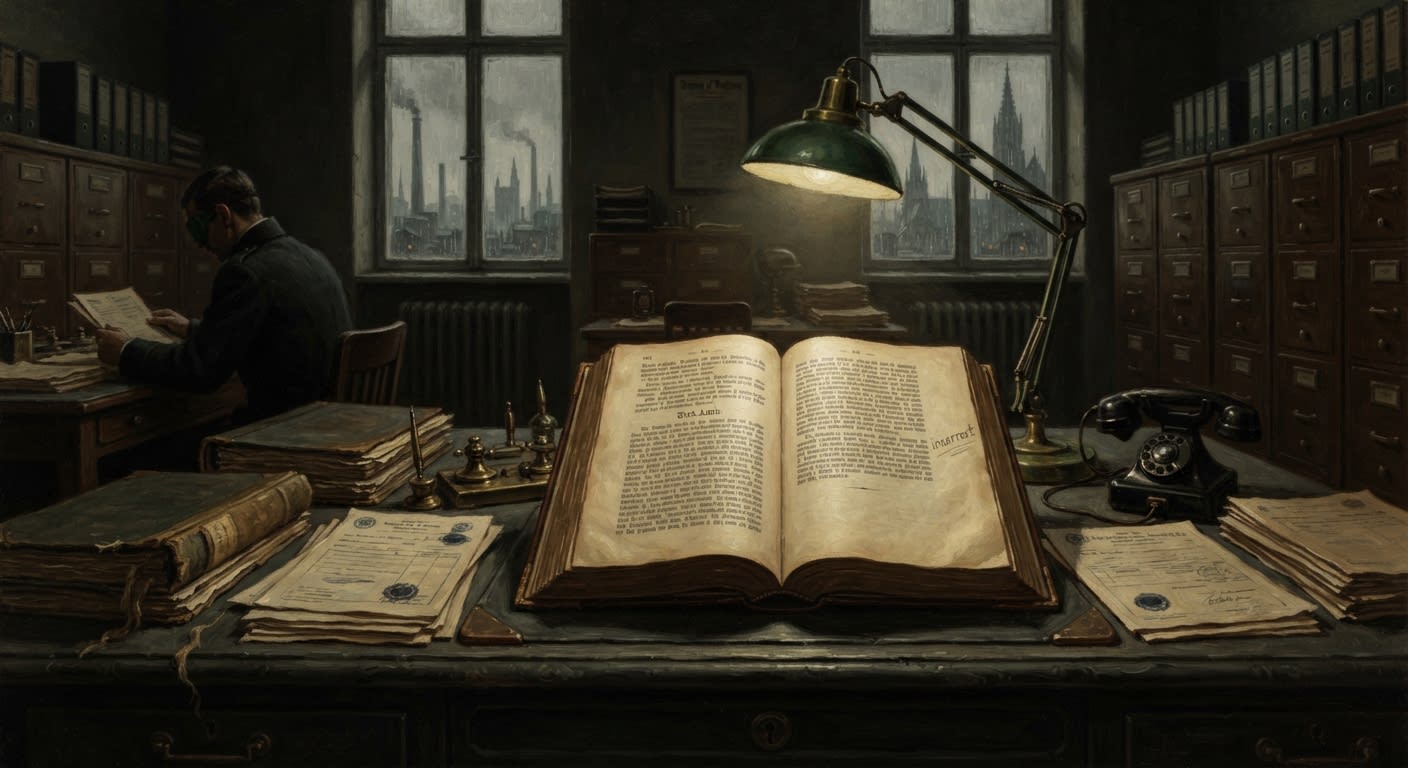
Articles of Covenant
The approved page that survived by being underestimated
The Articles of Covenant were safe enough to leave open on a desk, until one pencil beside the Third Article taught Silence that obedience could be graded.
Codex Ref. XIII.1.56-001
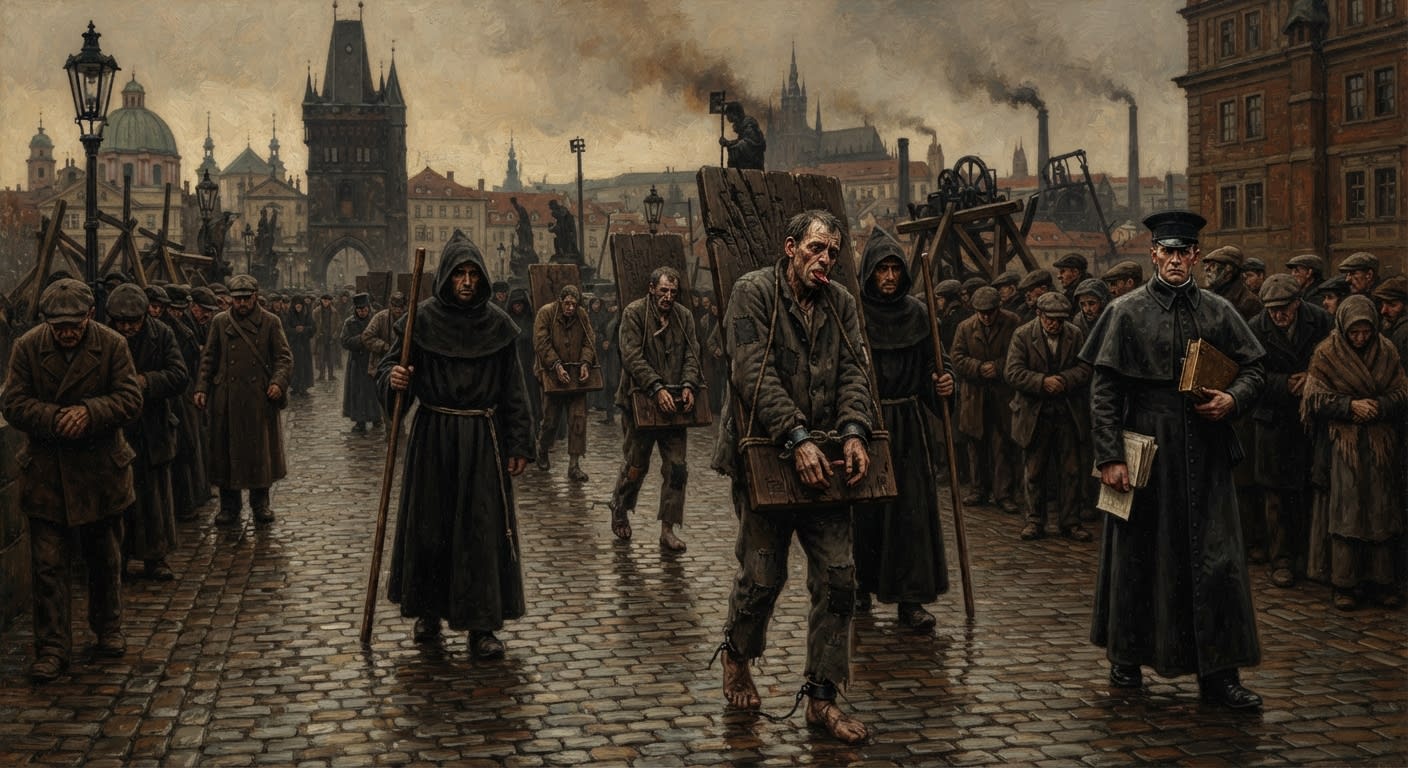
Articles of the Creed
The Creed is spoken by all, counted by few, and written in public only when nailed to oak.
The sealed divisions of the Eternal Creed: public in recitation, private in enumeration, and visible as text only under Bureau custody or Purity's oak.
Codex Ref. XIII.1.90-201
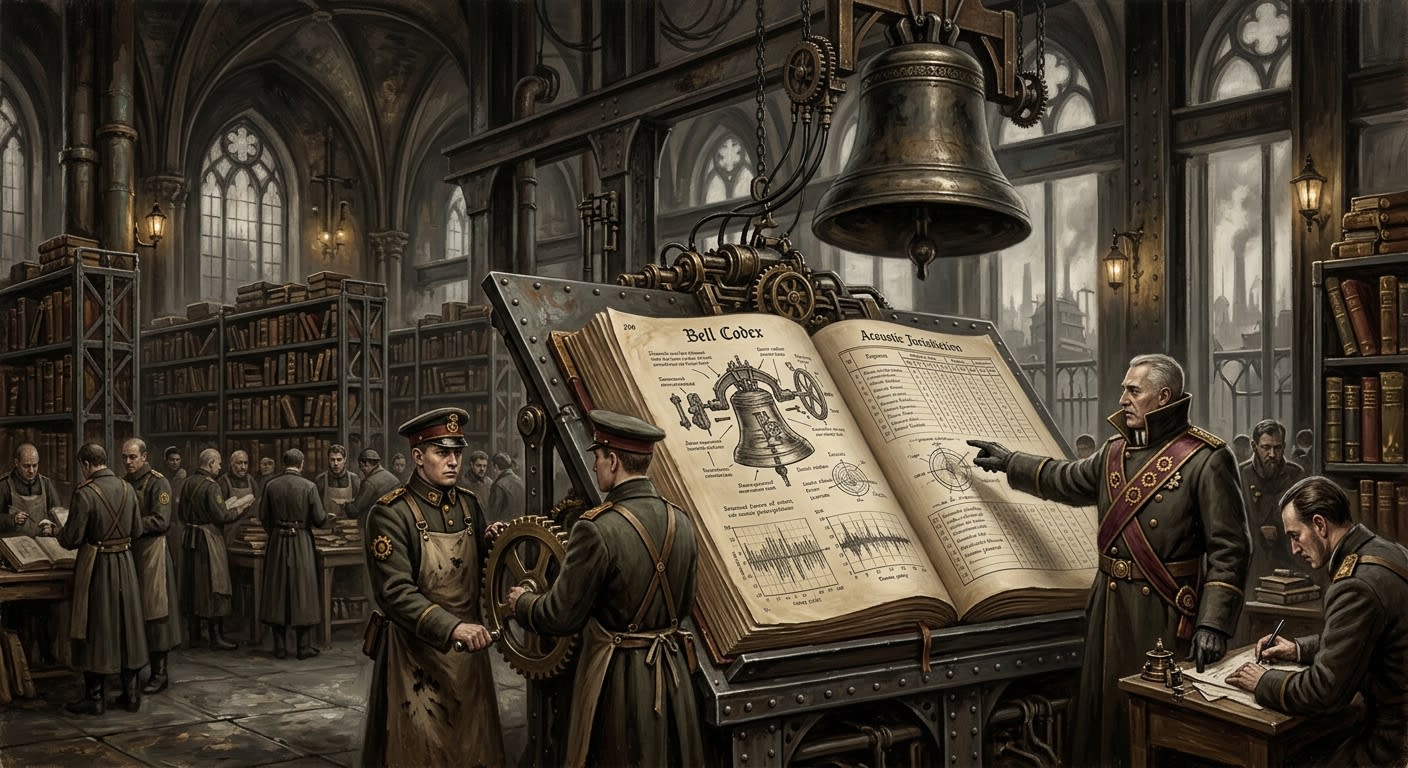
Bell Codex
The book by which bronze became law and silence learned to sign
Ratified in A.S. 115, the Bell Codex fixes the lawful grammar of peals, silences, curfews, alarms, licenses, and acoustic jurisdiction across the Synod.
Codex Ref. XIII.1.62-001
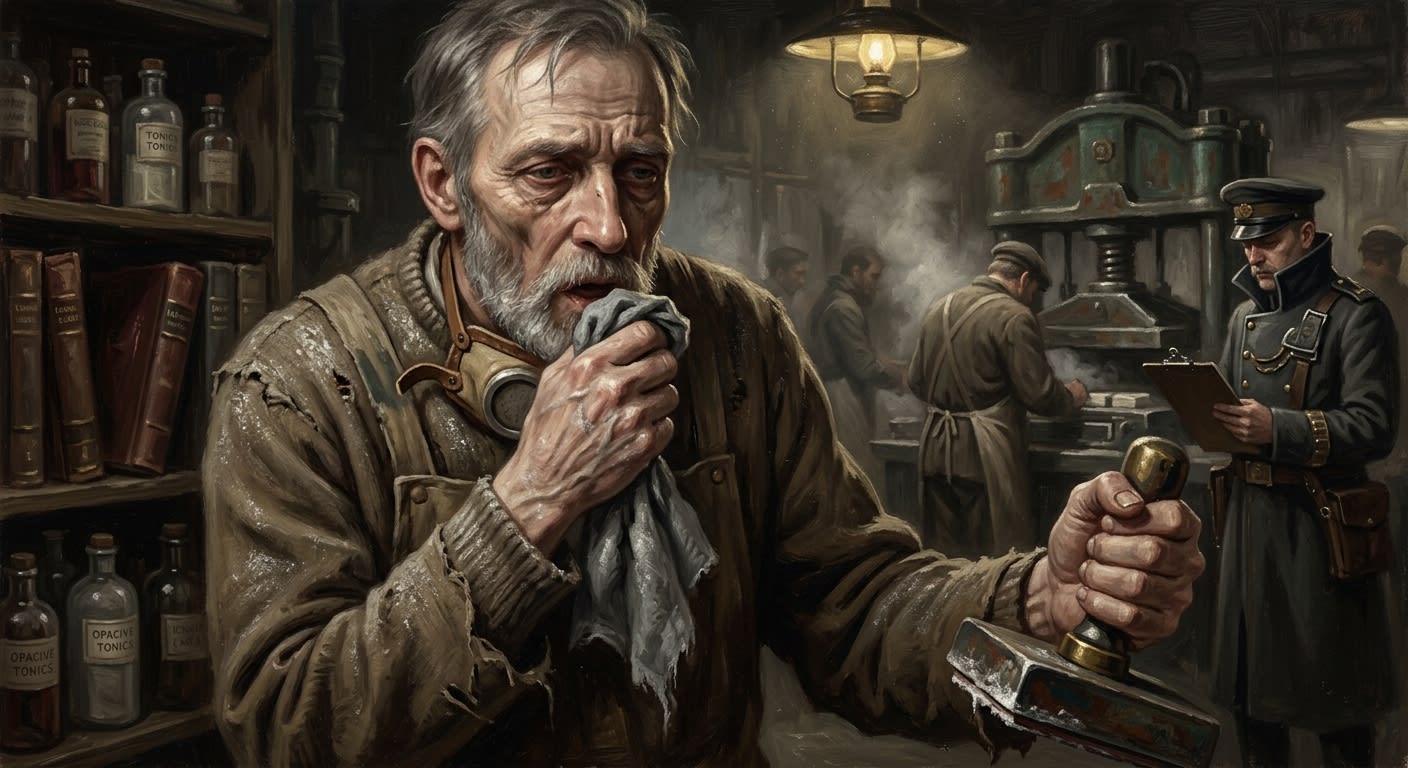
Bone-Lung
The dead enter the chest one opened rack at a time
Progressive marrow-dust sickness of Ritual Bone-Stampers, politely misnamed by Medicine, cheaply classified by Records, and compensated by no one with a soul or budget.
Codex Ref. XIII.1.44-001
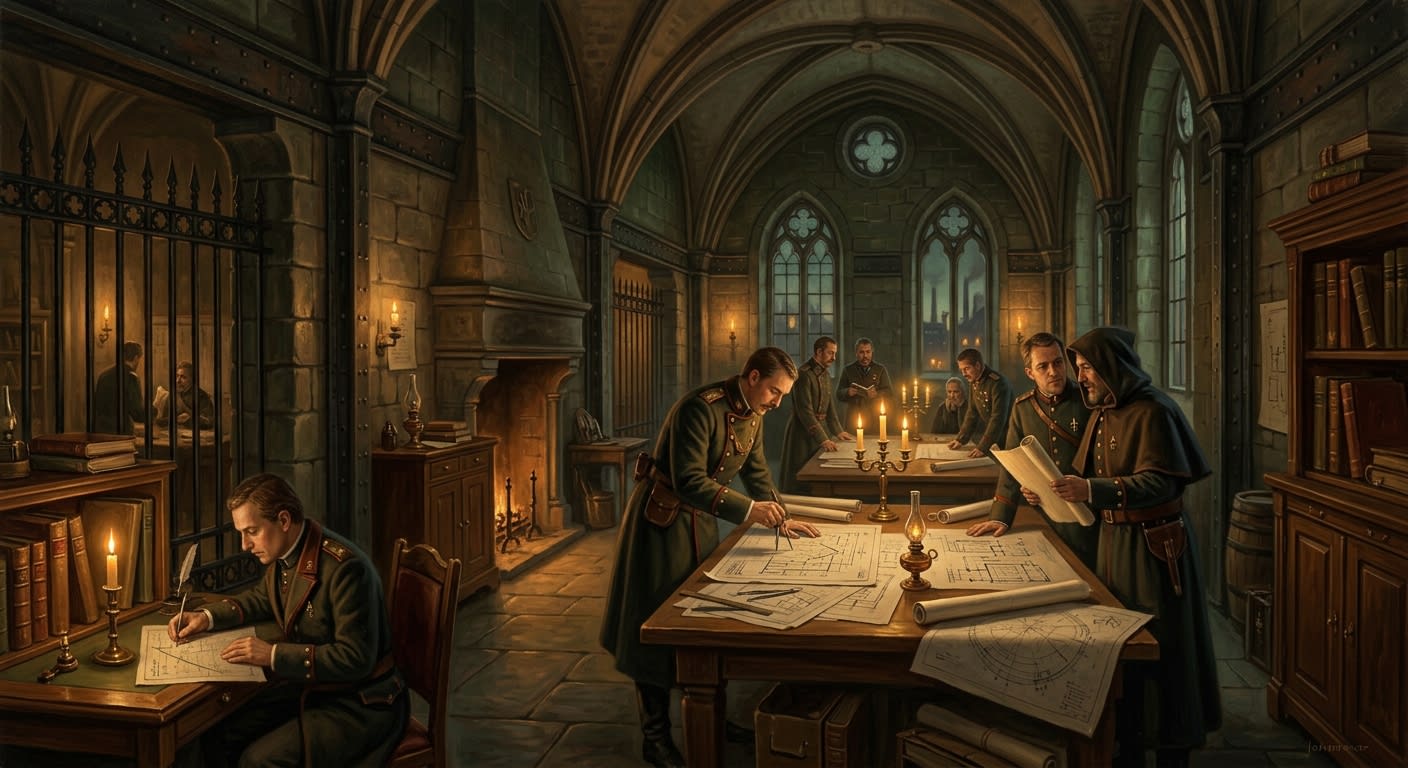
Bureau of Engineering
The number is the number, and the number does not care whether you find it convenient.
The Bureau of Engineering digs, measures, pours, rivets, surveys, calculates, and then builds the thing that holds every other Bureau upright. Its motto is not in any catechism. It is carved into latrine walls.
Codex Ref. VII.4.02-011

Bureau of Tithes
The organ no one praises and no one dares remove
The Bureau of Tithes is the Synod's fiscal organ — the stomach no one praises and no one dares remove. It taxes breath, grain, bereavement, and the management of its own taxation.
Codex Ref. VIII.4.01-001
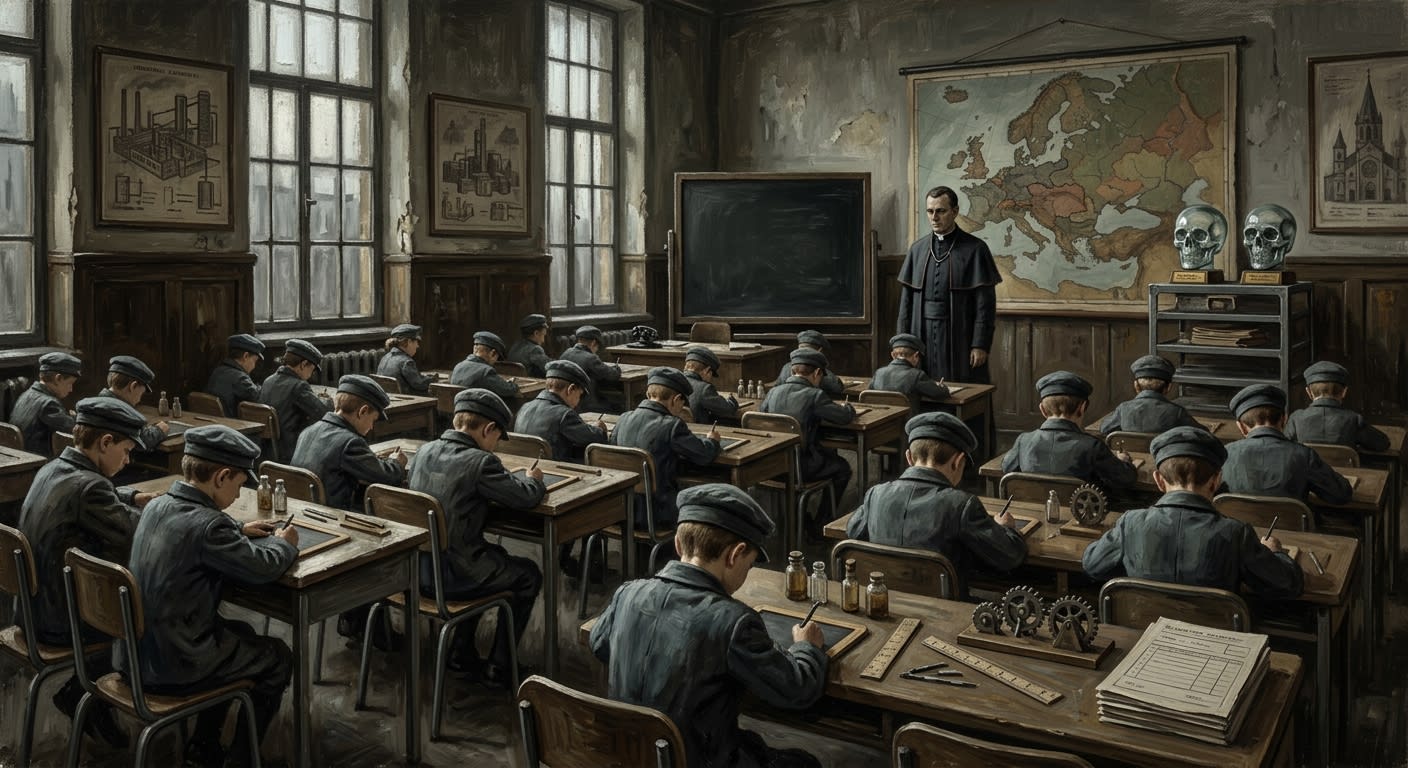
Catechism Schools
The child enters unformed; the school returns property
The Synod's parish and ward school system, where Creed, arithmetic, maps, loyalty trials, and entrance Glass Skull Stacks turn children into obedient instruments with names attached.
Codex Ref. VIII.8.01-001
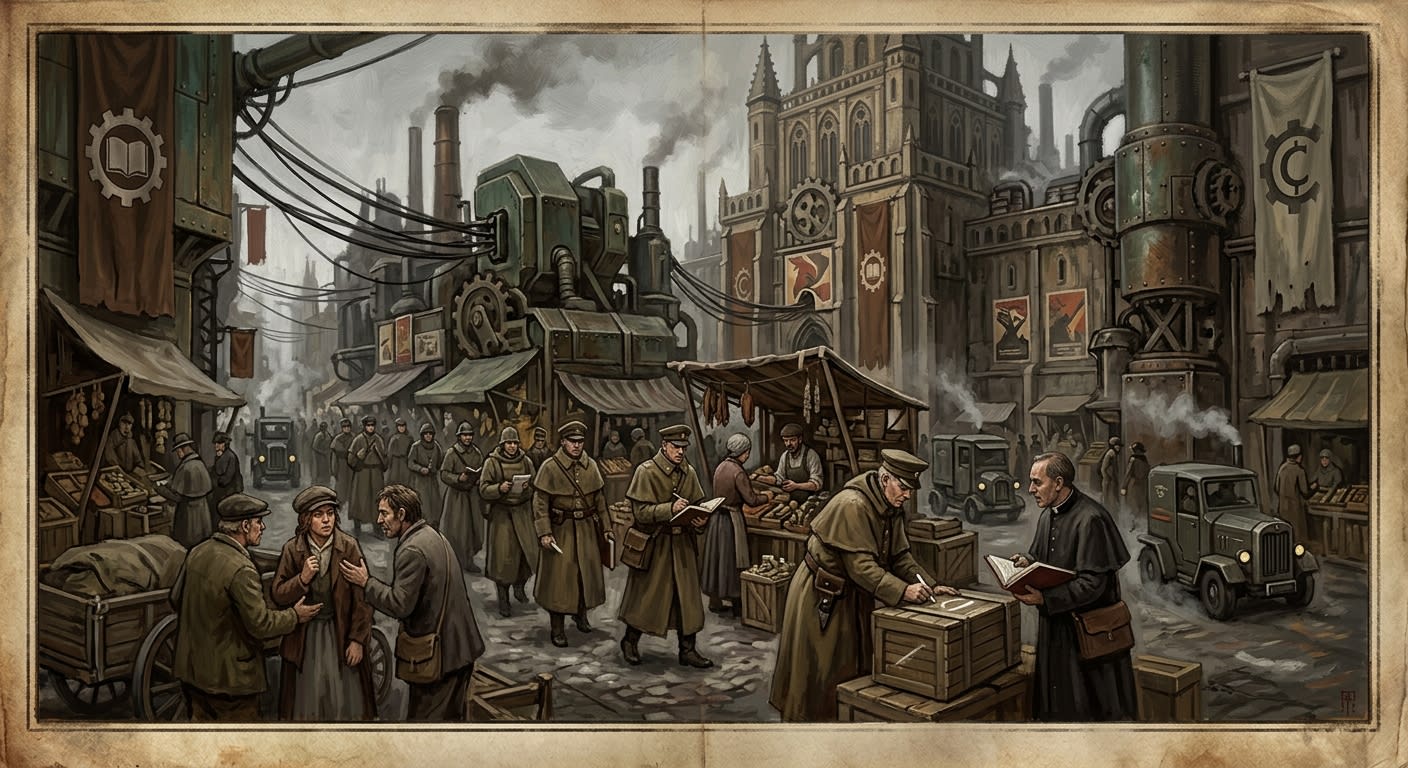
Catechism Third Revision
The street became a chapel with worse acoustics
A.S. 104 clarification that dragged obedience from chapel into market, making mouths, chalk, trade, and hesitation useful to Doctrine.
Codex Ref. XIII.1.04-104

Cloister of Concord
Agreement under pressure, paved in ash, ink, and enemy stone
The Cloister of Concord is Strasbourg's working courtyard of authorised agreement, where Doctrine turns contradiction into law and stone learns to listen.
Codex Ref. II.1.04-004
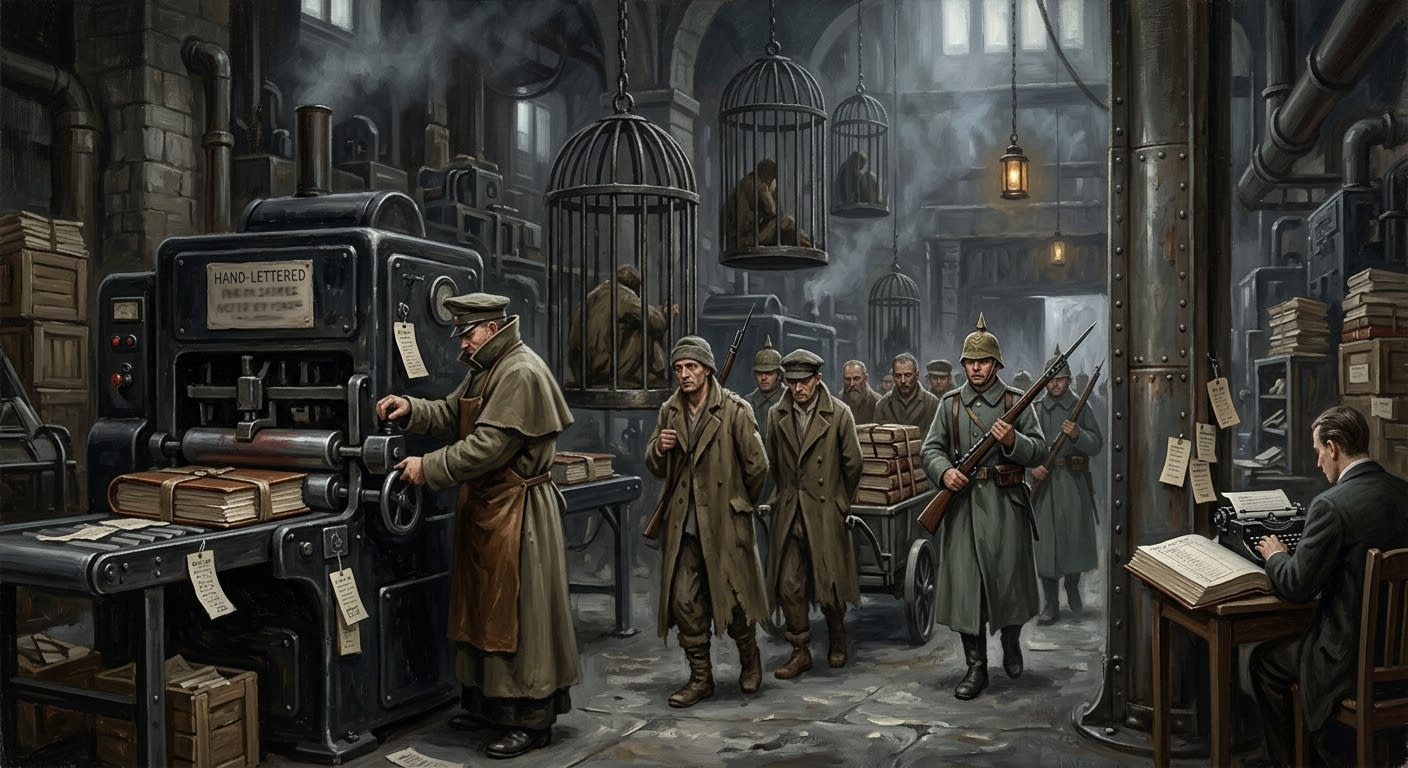
Commentaries on Faithful Severity
The book that taught cruelty to file receipts
Severian's Commentaries turn cruelty into apparatus: cages, tongues, households, witness columns, and the tidy receipt by which harm becomes Doctrine.
Codex Ref. XIII.1.04-134
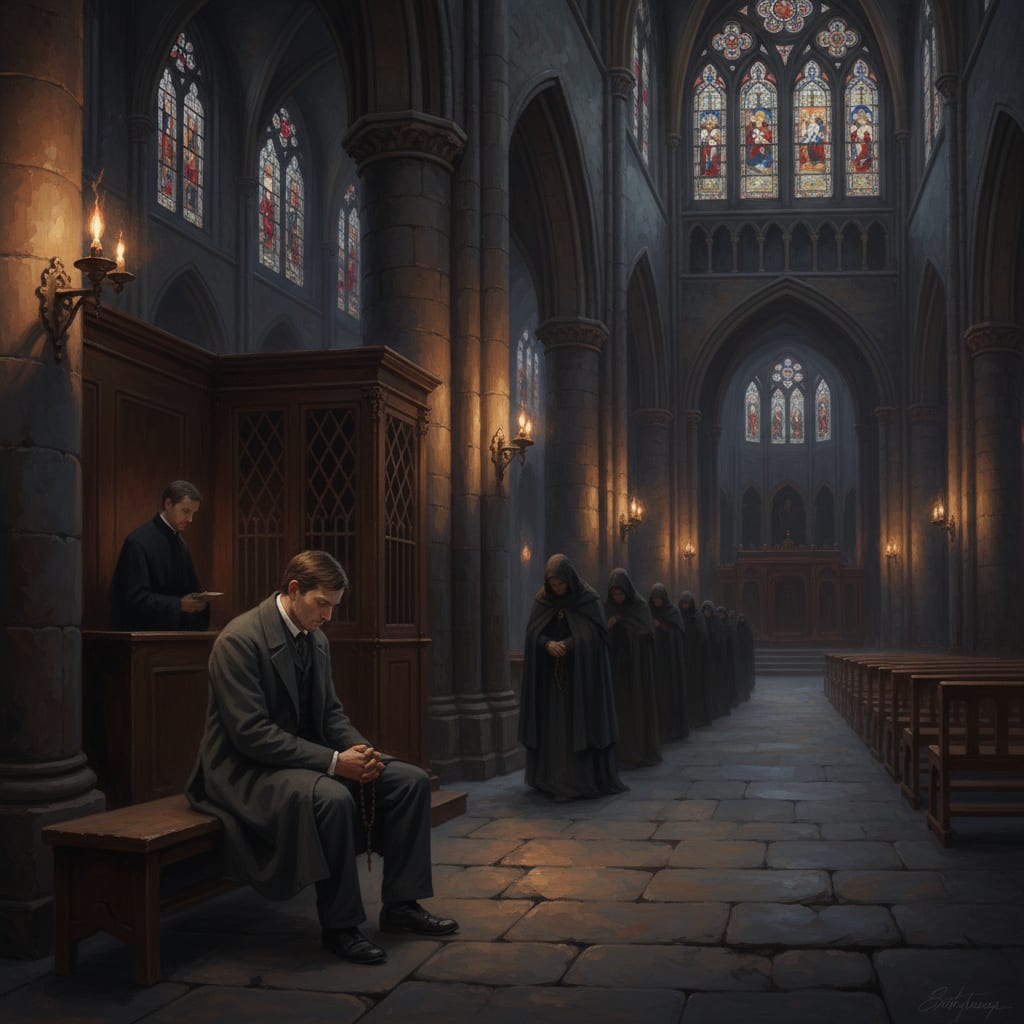
Confessarii
Two hundred and eighty-six reports filed; three blank pages received; the system functions as intended
The Confessarii are the Bureau of Shadows' listening network, which does not exist because the Bureau does not exist. They attend. They absorb. They file. The courier departs. Nothing is acknowledged. The system functions as designed.
Codex Ref. XIII.1.06-001
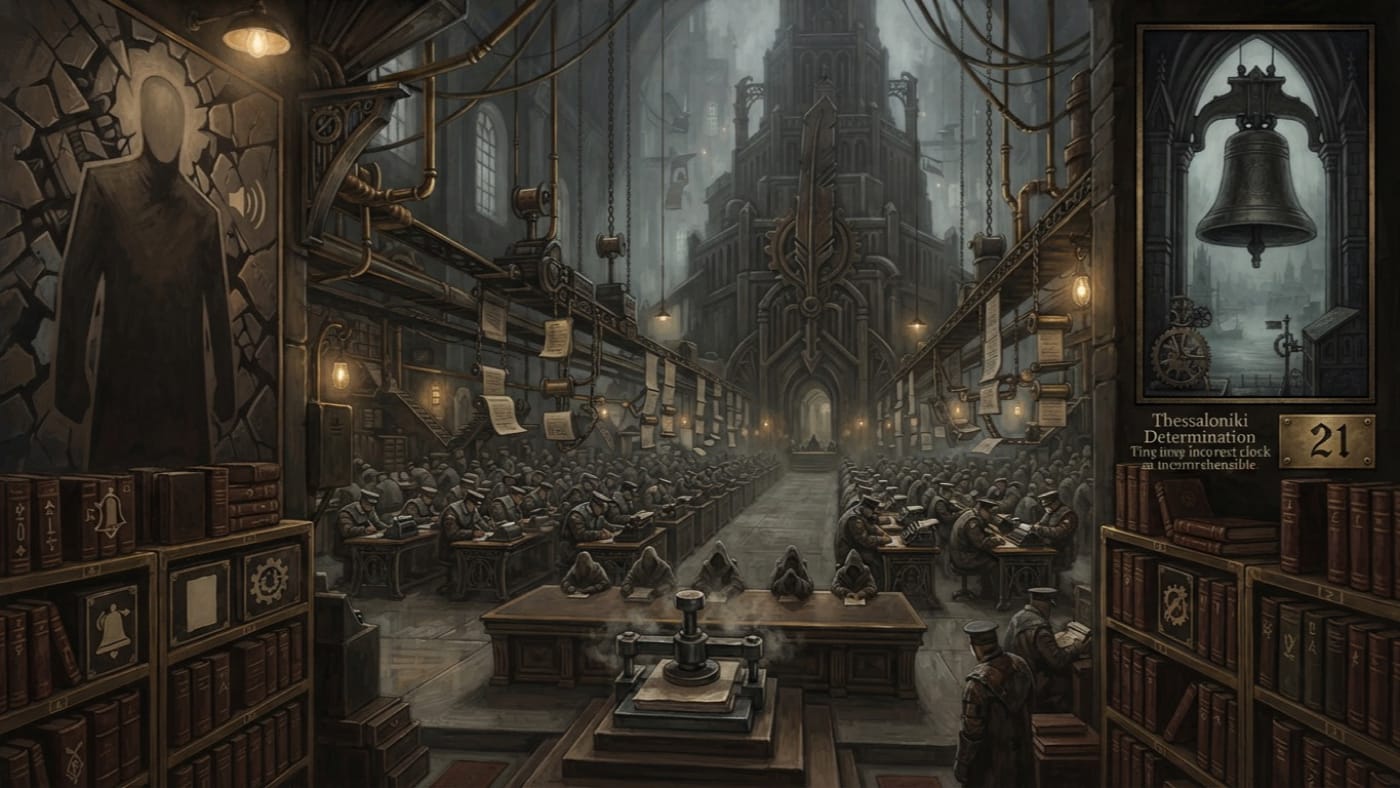
Doctrinal Congress
Where an opinion becomes an obligation
A Doctrinal Congress turns disputed findings into binding catechism, classification and wording. From the Creator's silence to Thessaloniki's reversed bells, the determinations stand while the mechanisms remain unexplained.
Codex Ref. XIII.1.90-201
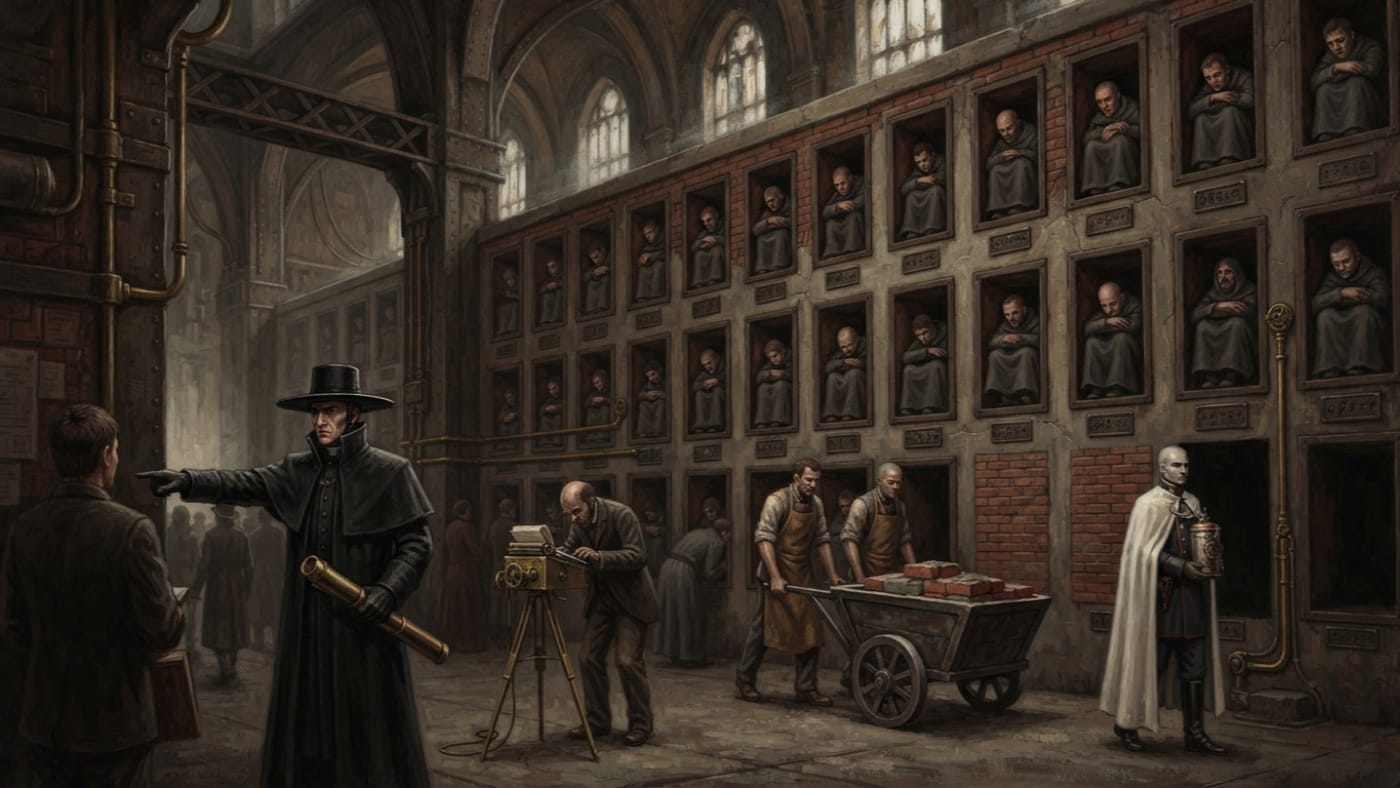
Doctrinal Contamination
Error becomes an epidemic when another mouth repeats it
Doctrinal Contamination is error that travels: heresy, doubt, song or silence made prosecutable by exposure. At Second Degree, Standing Order 14-M permits the wall.
Codex Ref. XIII.1.97-907
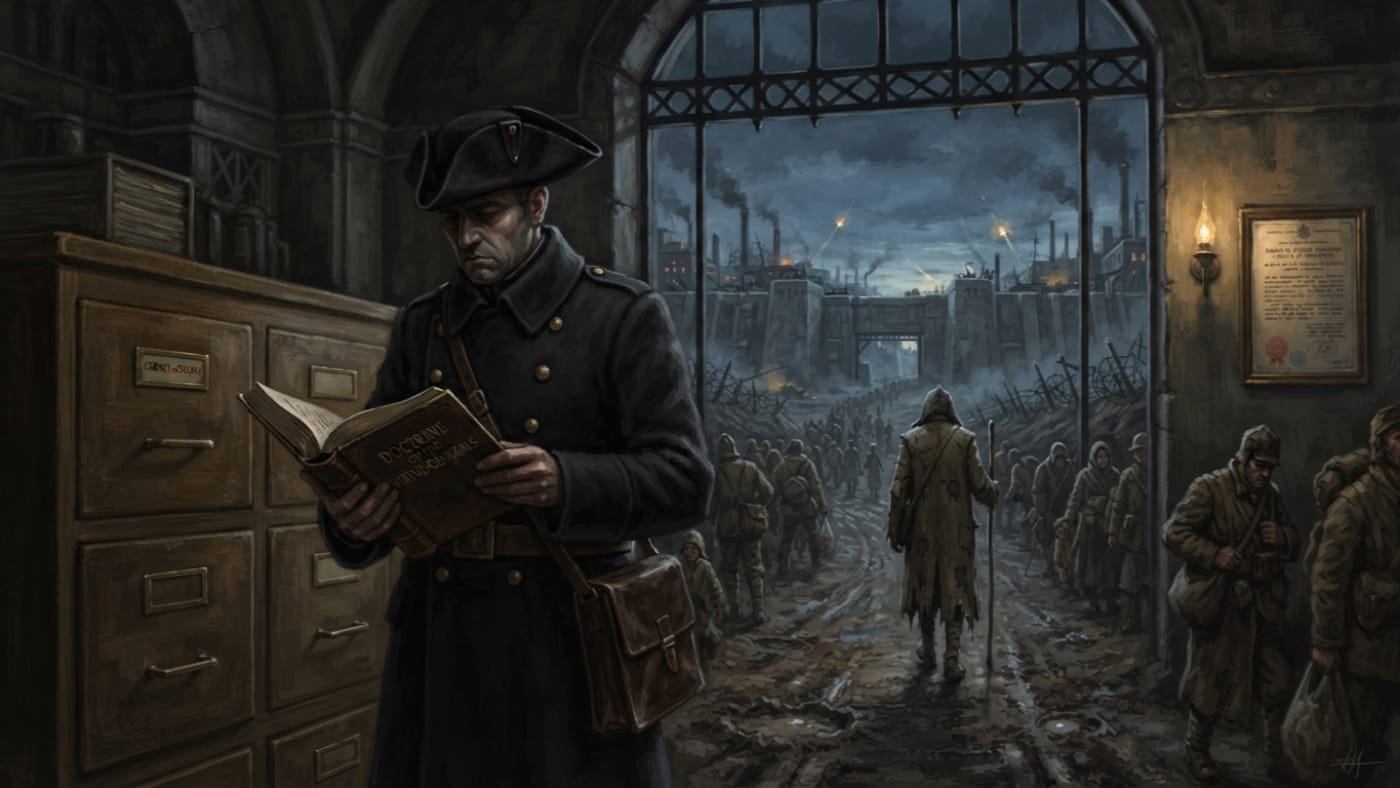
Doctrine of the Virtue-Generals
The witness reports; the Bureau names
The faithful may report a stranger on the road. They may not appoint him Heaven's general. Standing Order 44-D condemns the belief and retains the evidence.
Codex Ref. IX.3.44-002
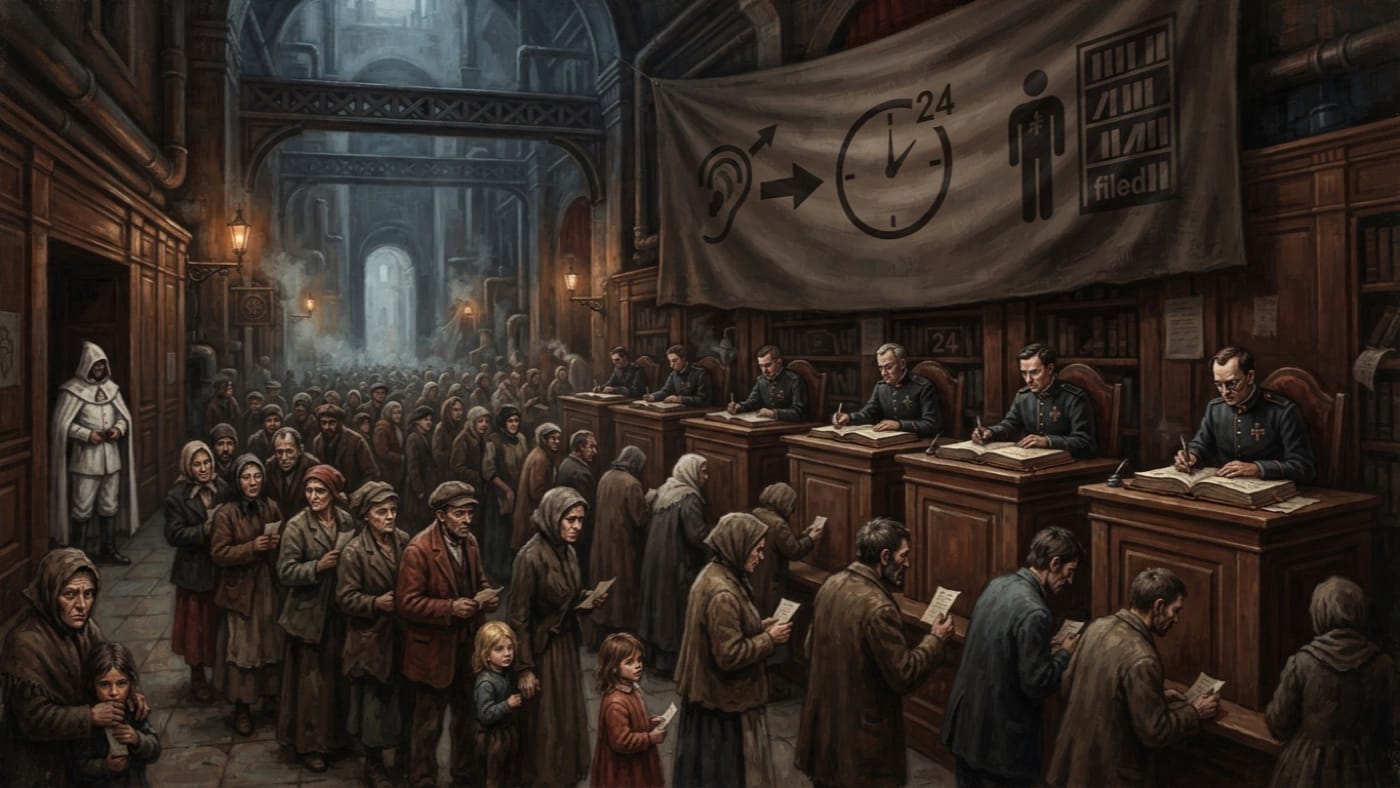
Duty of Denunciation
Every ear a witness; every silence a roof
Severian's Article 19 gives every ear a public office: report suspected heresy within twenty-four hours, or be filed beside the person you sheltered.
Codex Ref. XIII.1.04-944
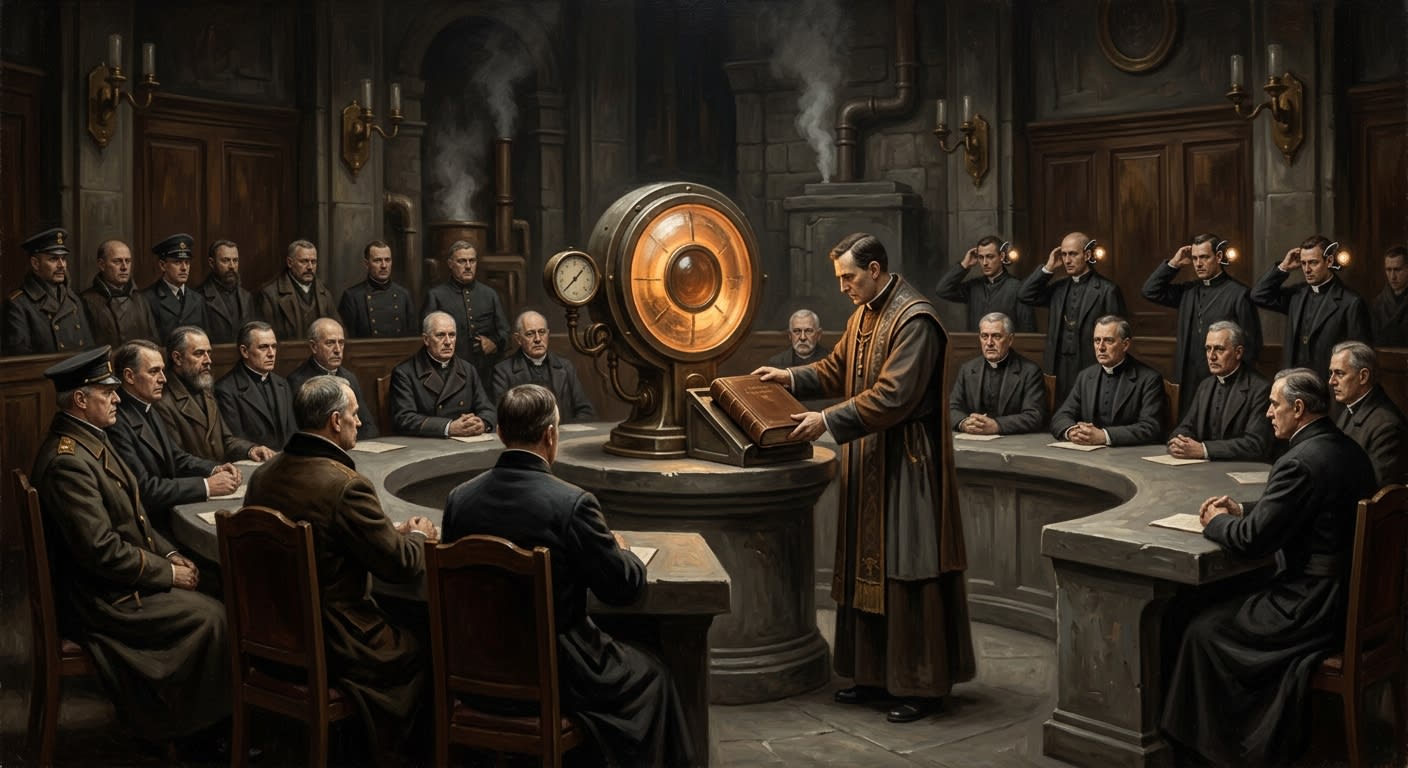
Eighth Doctrinal Congress
The room where silence acquired walls, windows, and a reporting form
The Eighth Doctrinal Congress put Article 19 into the Catechism, made silence shelter, and taught every household to staff Purity's desk behind the ear.
Codex Ref. XIII.1.90-134

Exegete Hallam
The man who taught guilt to arrive before law
Exegete Hallam drafted Article 9's retroactivity clause in the Catechism of Obedience, giving Doctrine custody over thoughts before citizens knew they had sinned.
Codex Ref. III.2.01-150
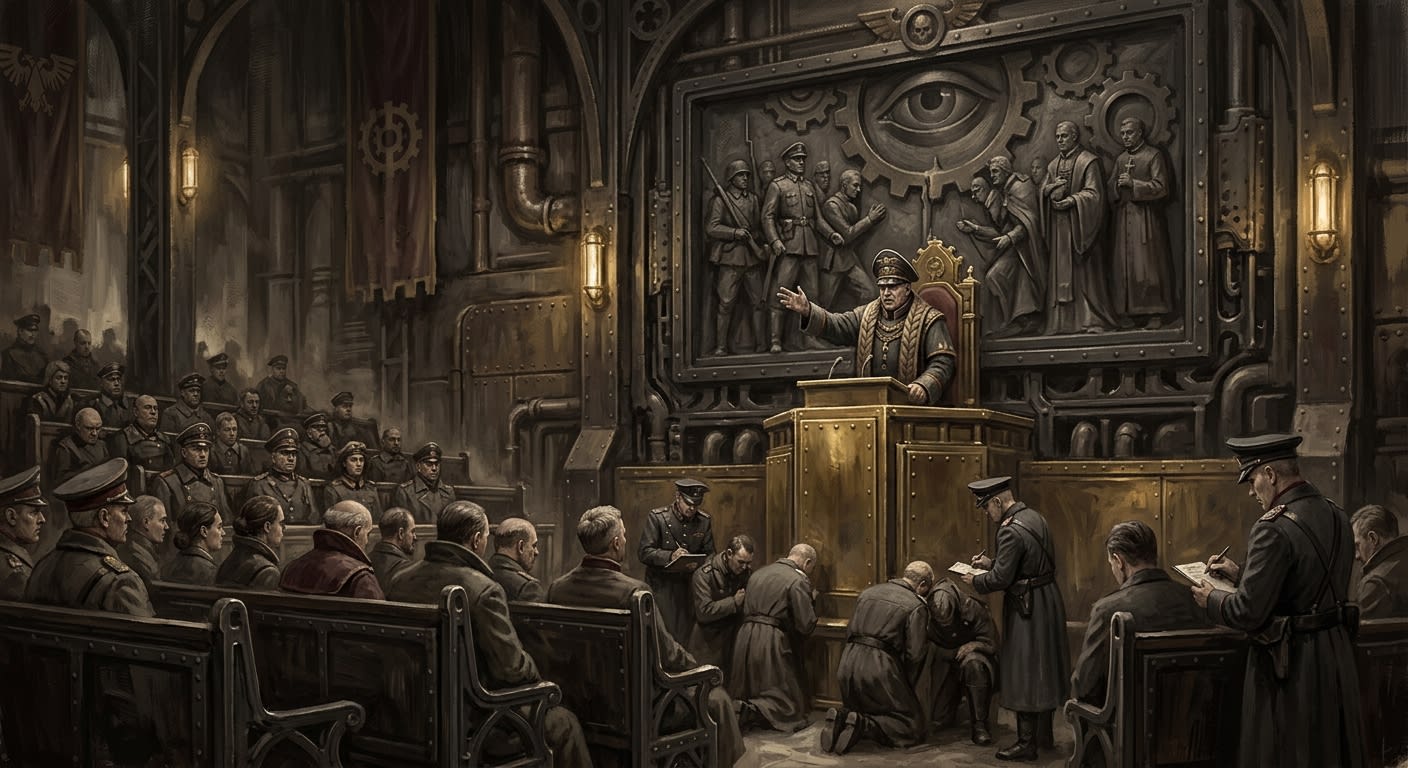
Fourth Doctrinal Congress
Where silence was made to testify against the listener
The Fourth Doctrinal Congress did not end doubt. It converted silence into mortal fault, canonised useful dead, and taught Strasbourg to occupy the Creator's quiet.
Codex Ref. XIII.1.90-104
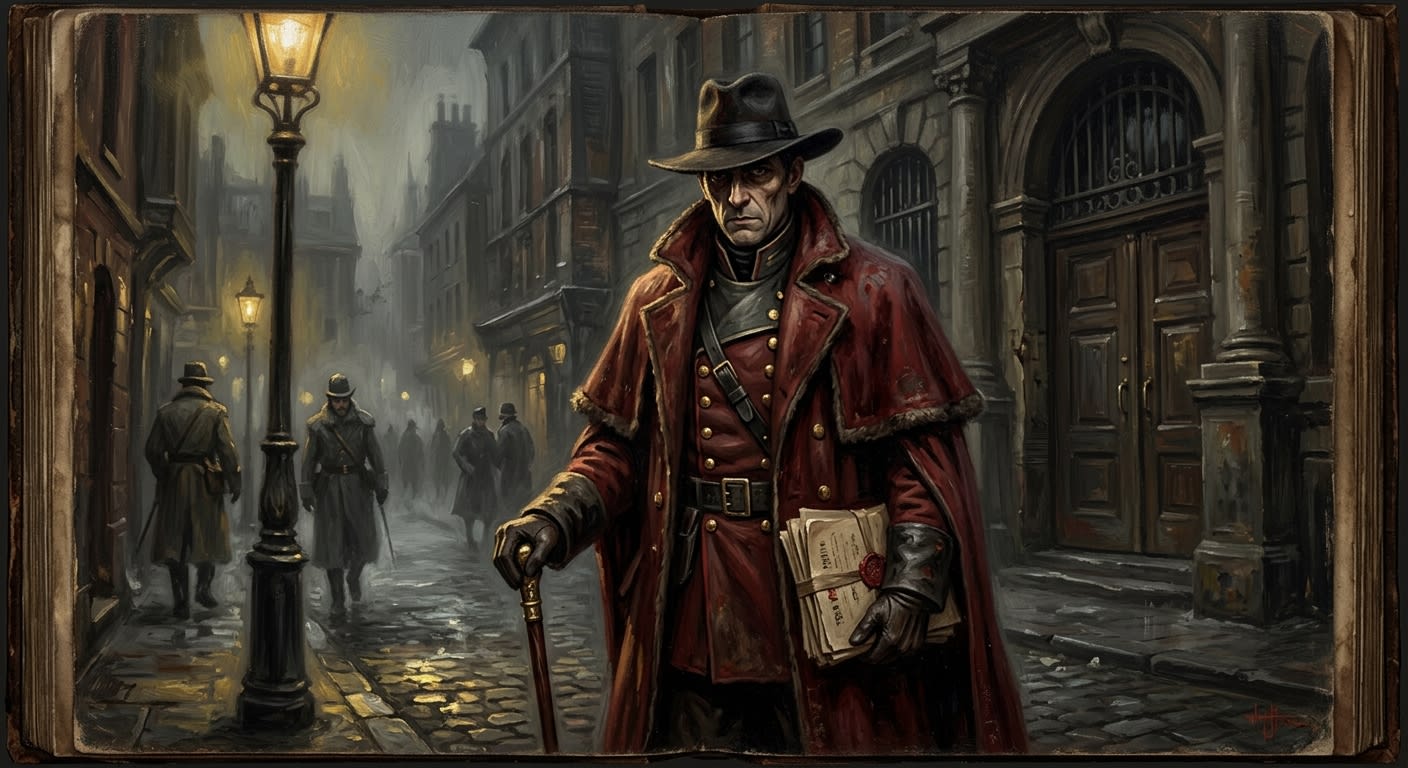
Grand Inquisitor Malthus the Red
The erased butcher whose procedure outlived his name
Grand Inquisitor Malthus the Red is officially absent from every Bureau list, which is how the Synod confesses that the Vienna incident frightened Purity into erasing one of its own.
Codex Ref. III.2.01-054
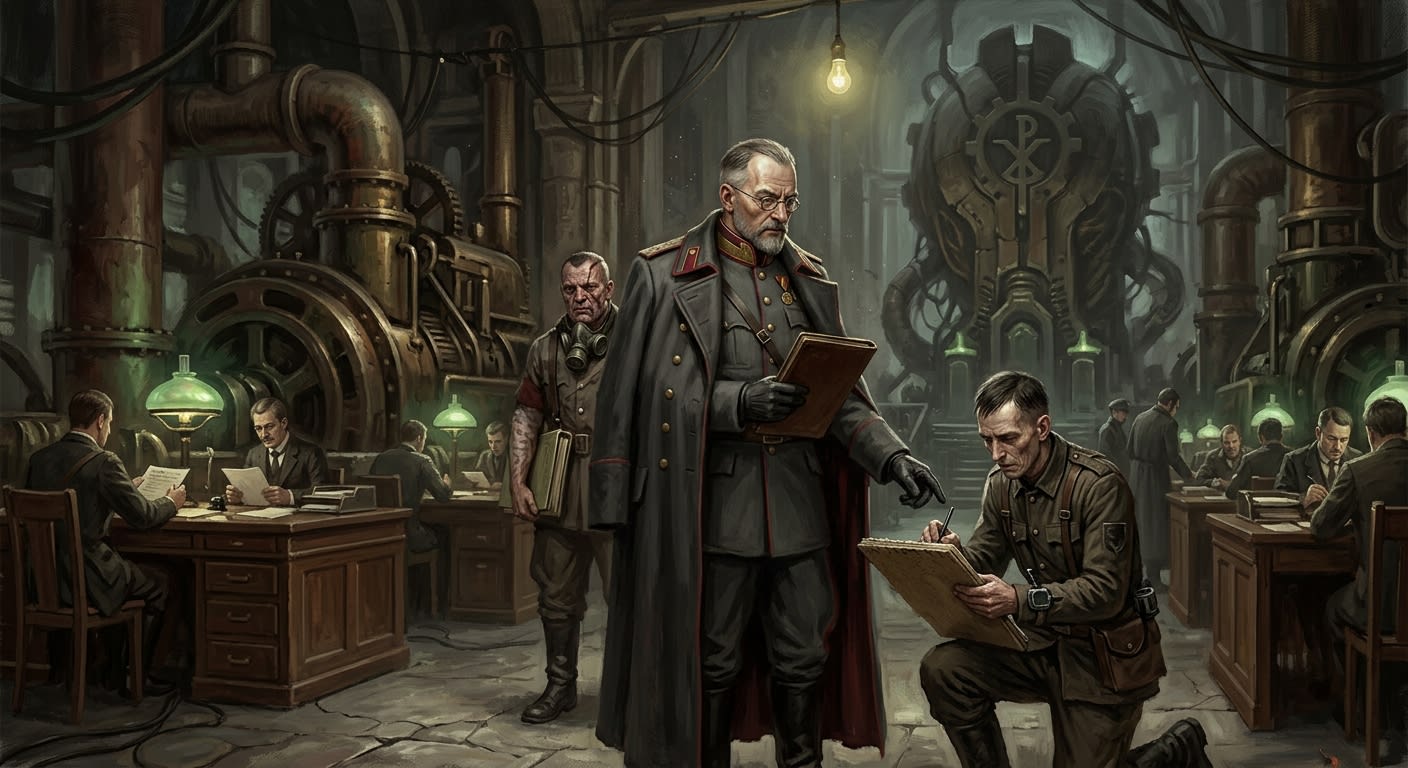
Grand Inquisitor Severian
The tongue made public office, the cage made catechism
Severian of Mainz made fear audible, denunciation intimate, and cruelty administrative; his Second Appendix still walks through Prague with nail and tablet.
Codex Ref. III.2.01-062
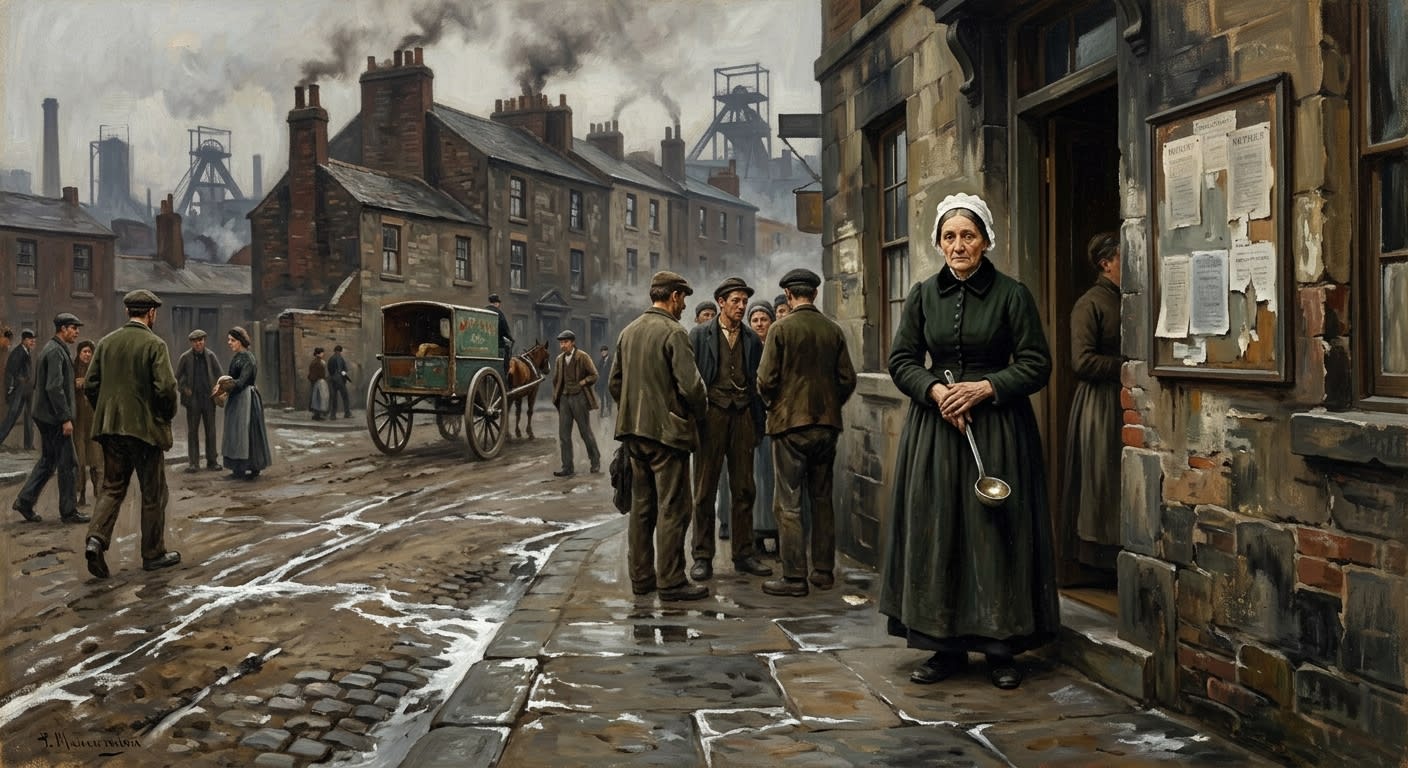
Halle
The city that says the Creed, washes the chalk, and keeps the oven warm
Halle is a compliant rear city with salt in its gutters, fever in its records, Creed on its tongue, Ashen fragments in its ovens, and obedience with undocumented residue.
Codex Ref. II.2.09-201
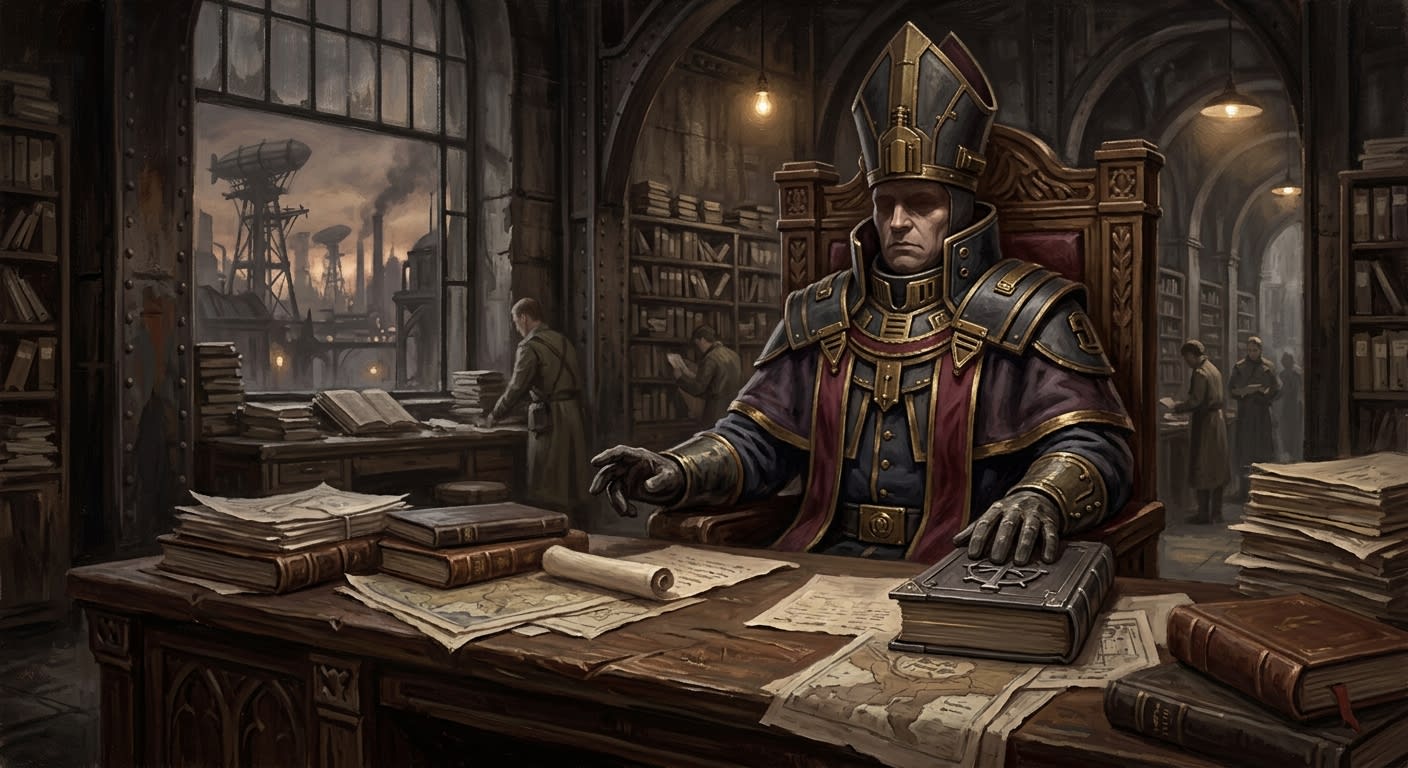
Hierarch of Doctrine
Truth is what leaves the Seal; reading is a courtesy
The unnamed current holder of the First Seal defines orthodoxy for the Synod, commands Doctrine, and proves that authority need not wait upon comprehension.
Codex Ref. III.2.01-071
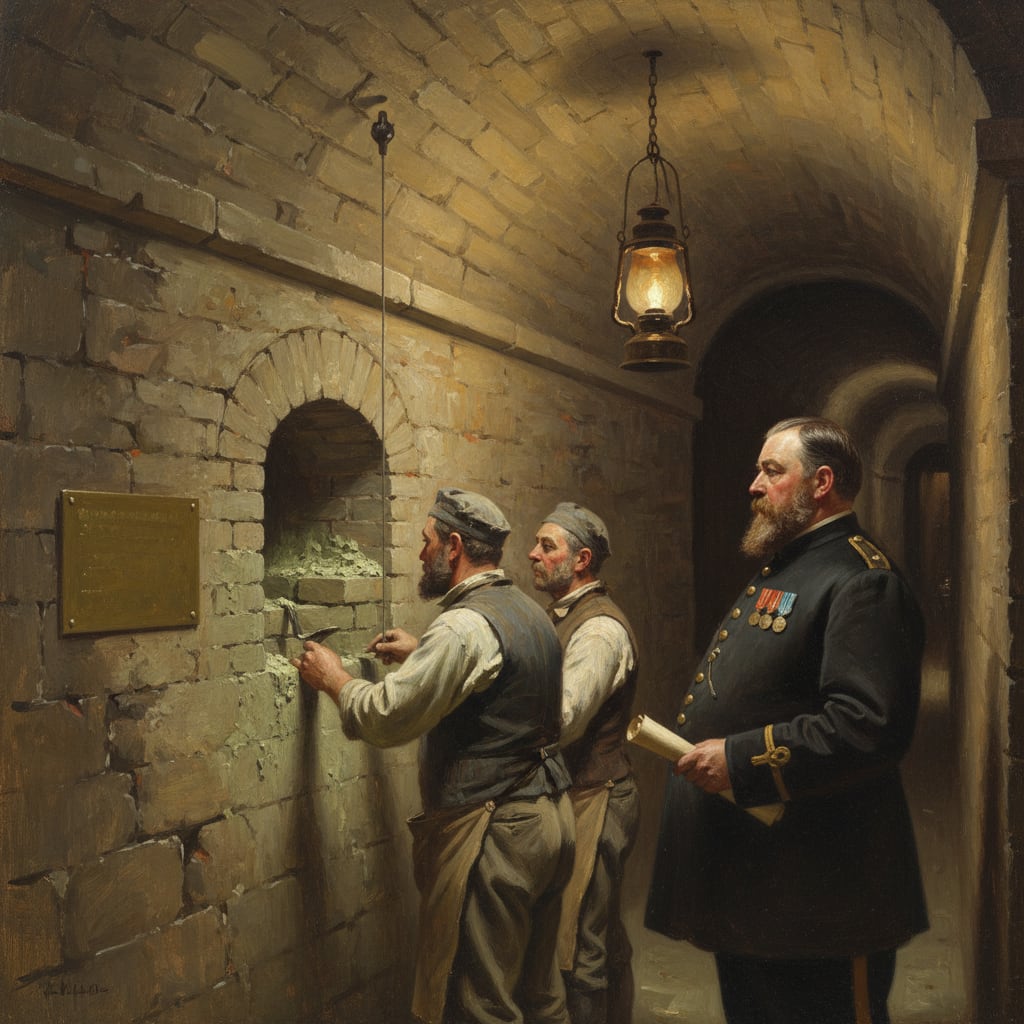
Immurement Mason
The Punitive Construction Auxiliary: On the craft of permanent deterrence, the condemned as structural element, and the mortar that does not negotiate
~2,400 licensed Masons who turn living bodies into load-bearing lessons; three ranks, two factions, one Standing Order that recommends no air provisions; the condemned ceases to be a problem and becomes a structural element.
Codex Ref. XII.22.01-001
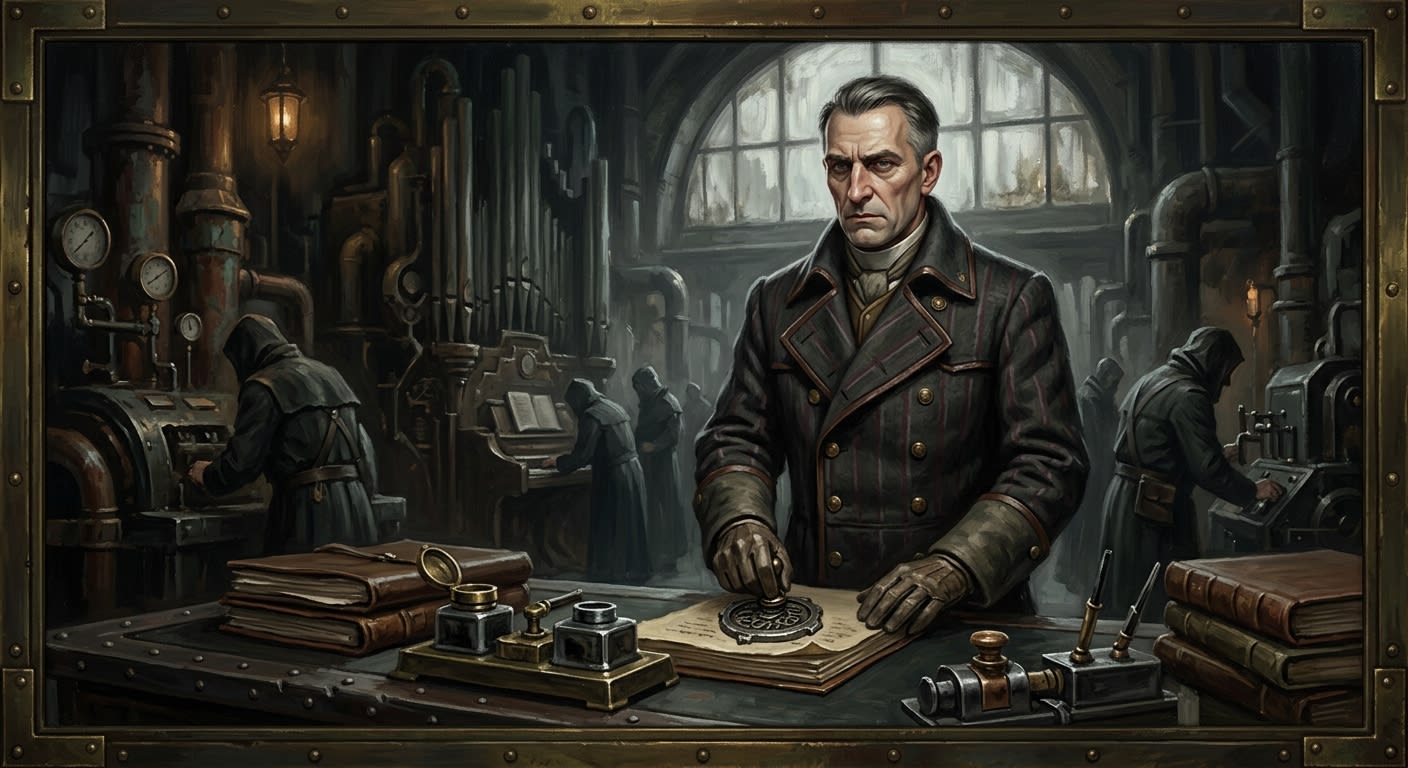
Inquisitor-General Severian
The man who taught fear to sing in tune
Architect of the Iron Choir of Mainz and Severian Gloss to the Catechism of Obedience, he made silence culpable, cruelty legible, and fear useful enough to receive forms.
Codex Ref. III.2.01-006
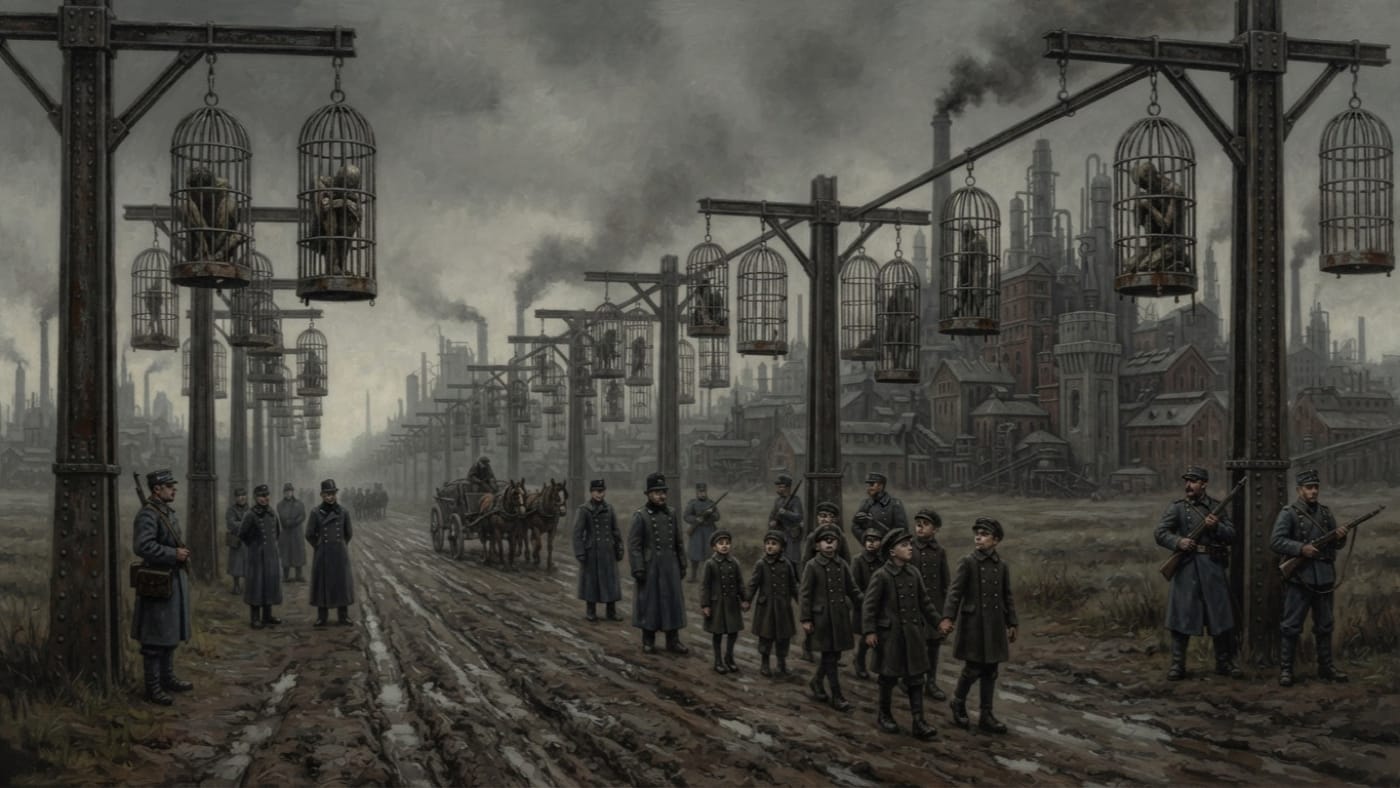
Iron Choir
A licensed hymn in the chamber, a captive congregation on the road
The Iron Choir gives confession a licensed hymn and the Mainz road a congregation of cages. Severian's method keeps fear in public service, even when most of the cages stand empty.
Codex Ref. VIII.1.09-001
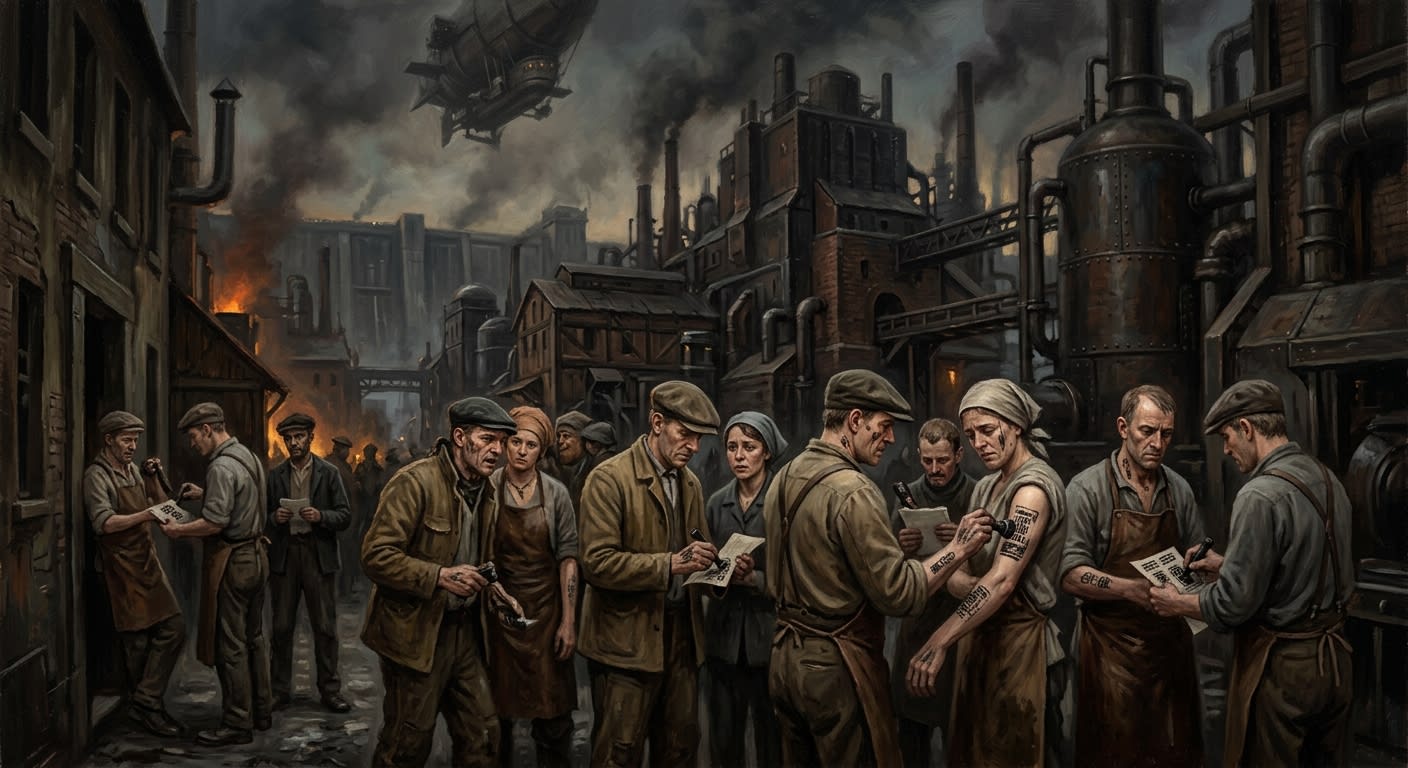
Keska
The foundry-town that fell through the map and learned who feeds the forgotten
Keska, a Hintermark foundry-town west of Bastion-Constantinople, lost its Zone for eleven months and discovered that criminal stamps can feed where lawful ink starves.
Codex Ref. II.3.06-001

Lantern "Mercy" Preacher (Rebel)
Eighth heresy, eighth rank, eighth because the Synod reserves that number for what it made, cannot unmake, and will not thank.
Eighth of eight proscribed heresies: the Licensed Consolators who meant what they said, and were immured for it.
Codex Ref. XI.3.01-001
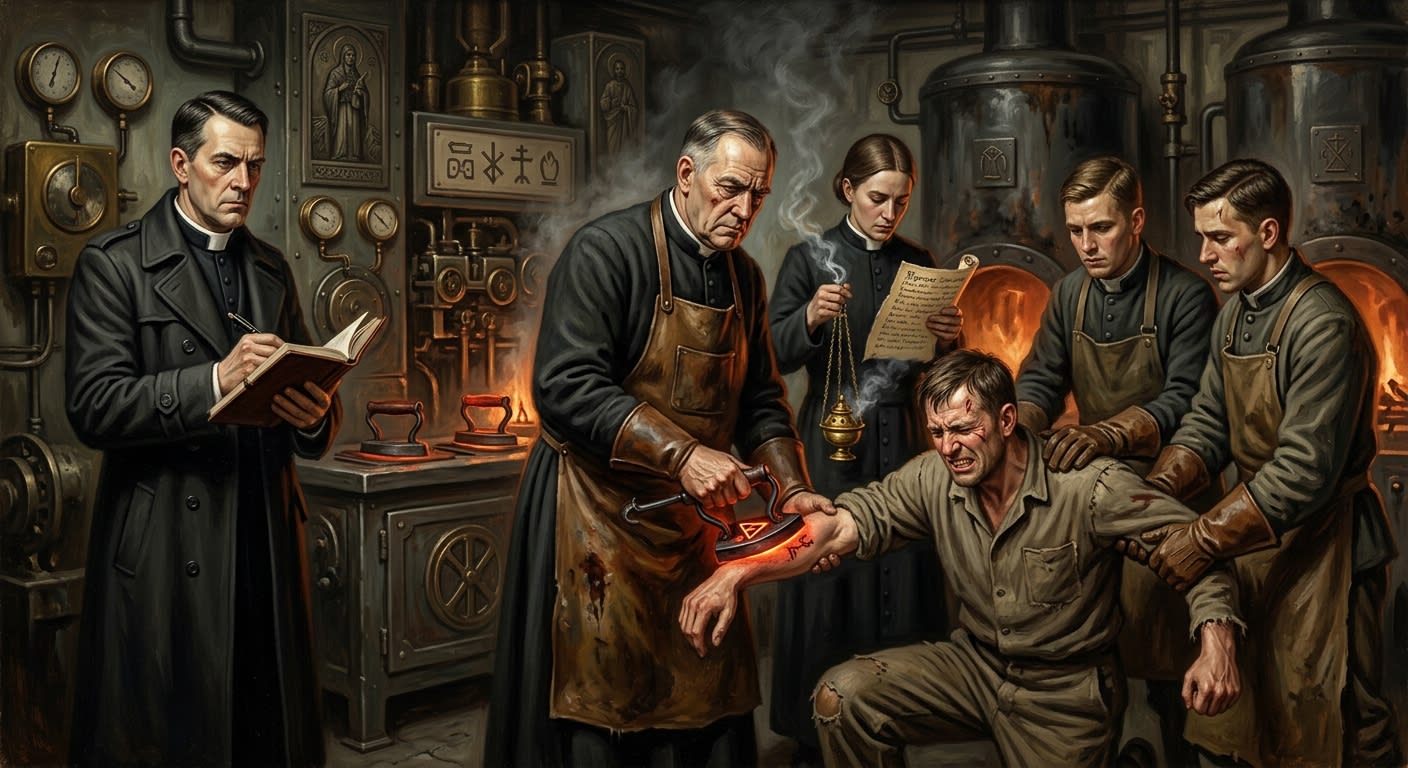
Licensed Chapel Brand-Smiths
Clean procedure does not cleanse the act; it makes the act admissible
Licensed Chapel Brand-Smiths are the sanctioned purists of bodily proof, applying tri-marks under full witness protocol in fixed chapels where pain becomes admissible.
Codex Ref. XII.20.05-001
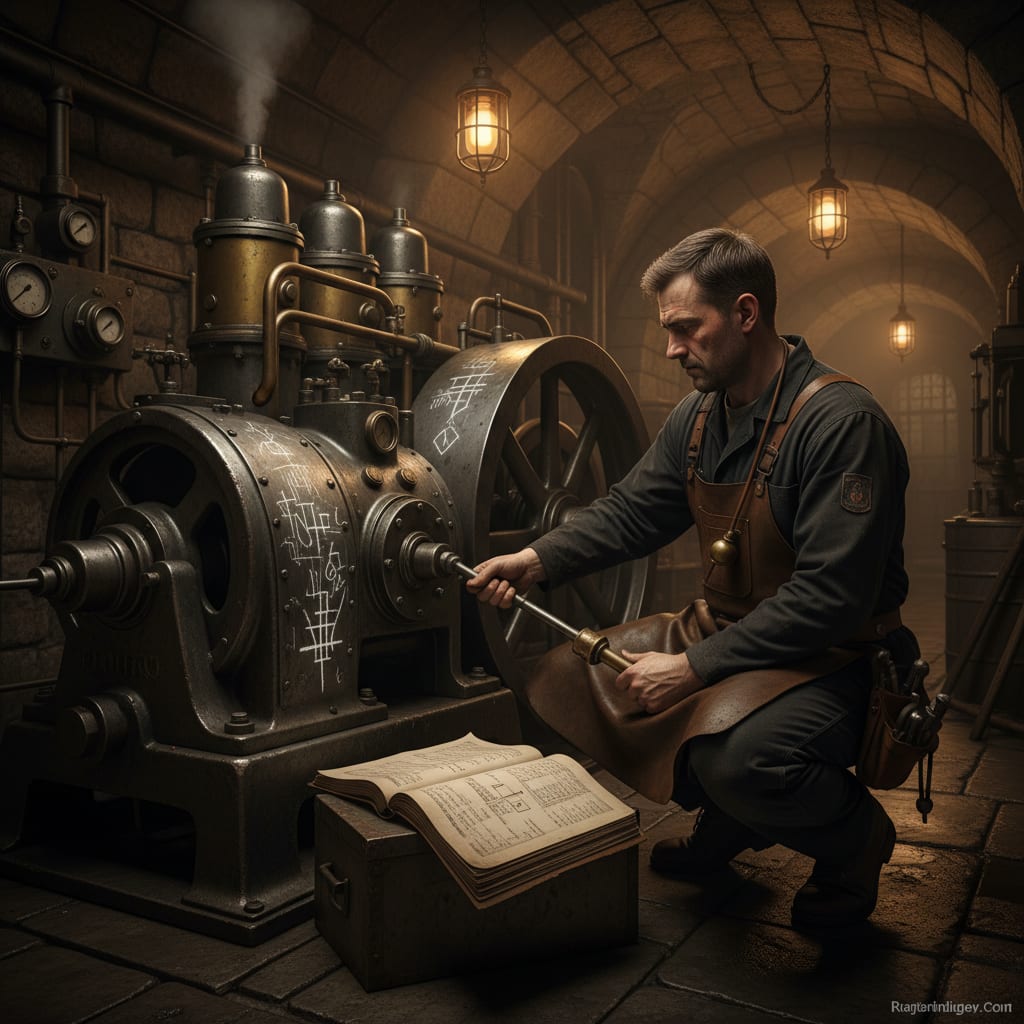
Litany-Engineer
The Sanctified Mechanist — wrench in one hand, chant codex in the other, keeping the Sagittal Line from becoming an extraordinarily expensive wall.
The Bureau of Engineering's foundational combat-rated mechanists: four thousand licensed, nine thousand actual, all keeping engines running by wrench and cant in chambers that hum in frequencies no codex records.
Codex Ref. XII.1.01-001
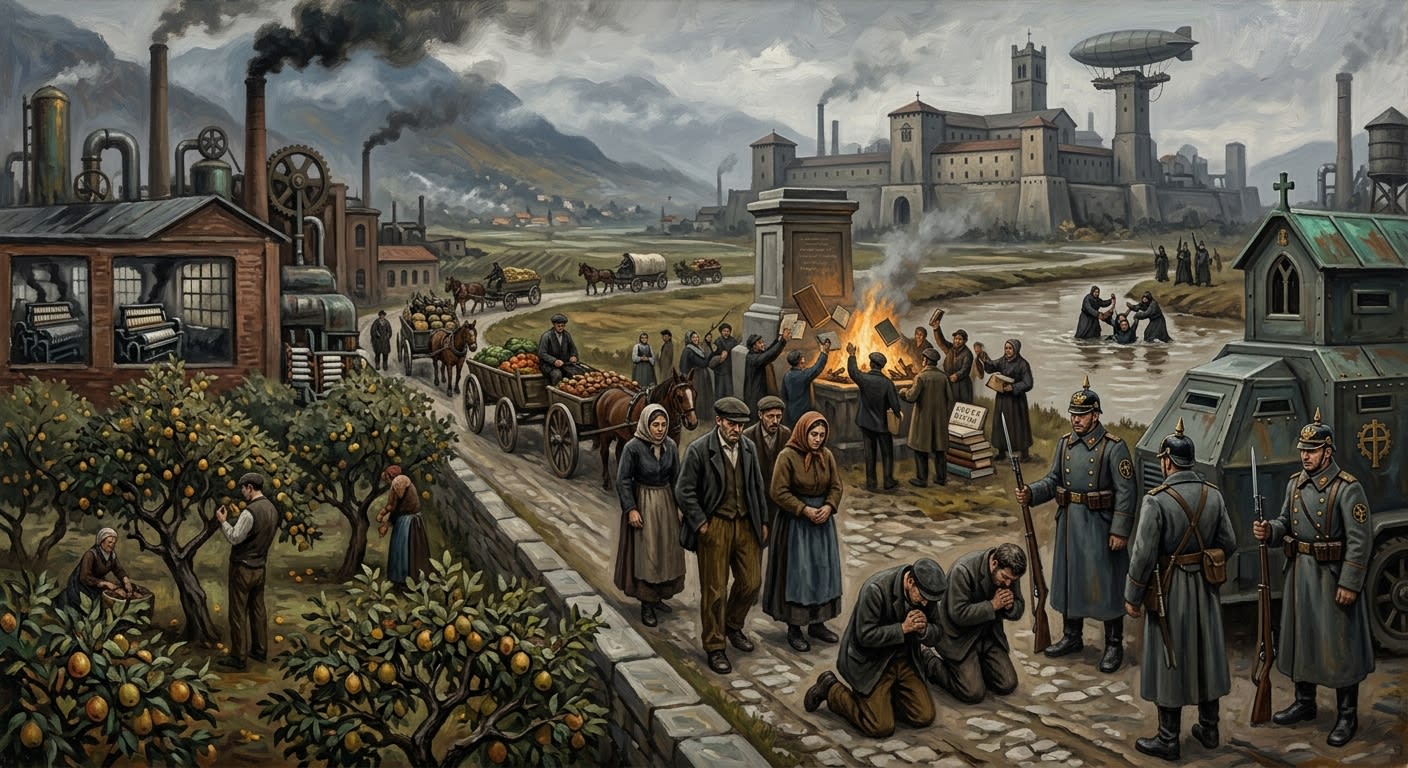
Lombardy
A rich province is merely rebellion with orchards
Lombardy is the Synod's rich northern Italian problem: orchard, loom, road, supper-table, drowned schism, corrected alphabet, and a province bowed just low enough to keep remembering.
Codex Ref. II.3.09-150
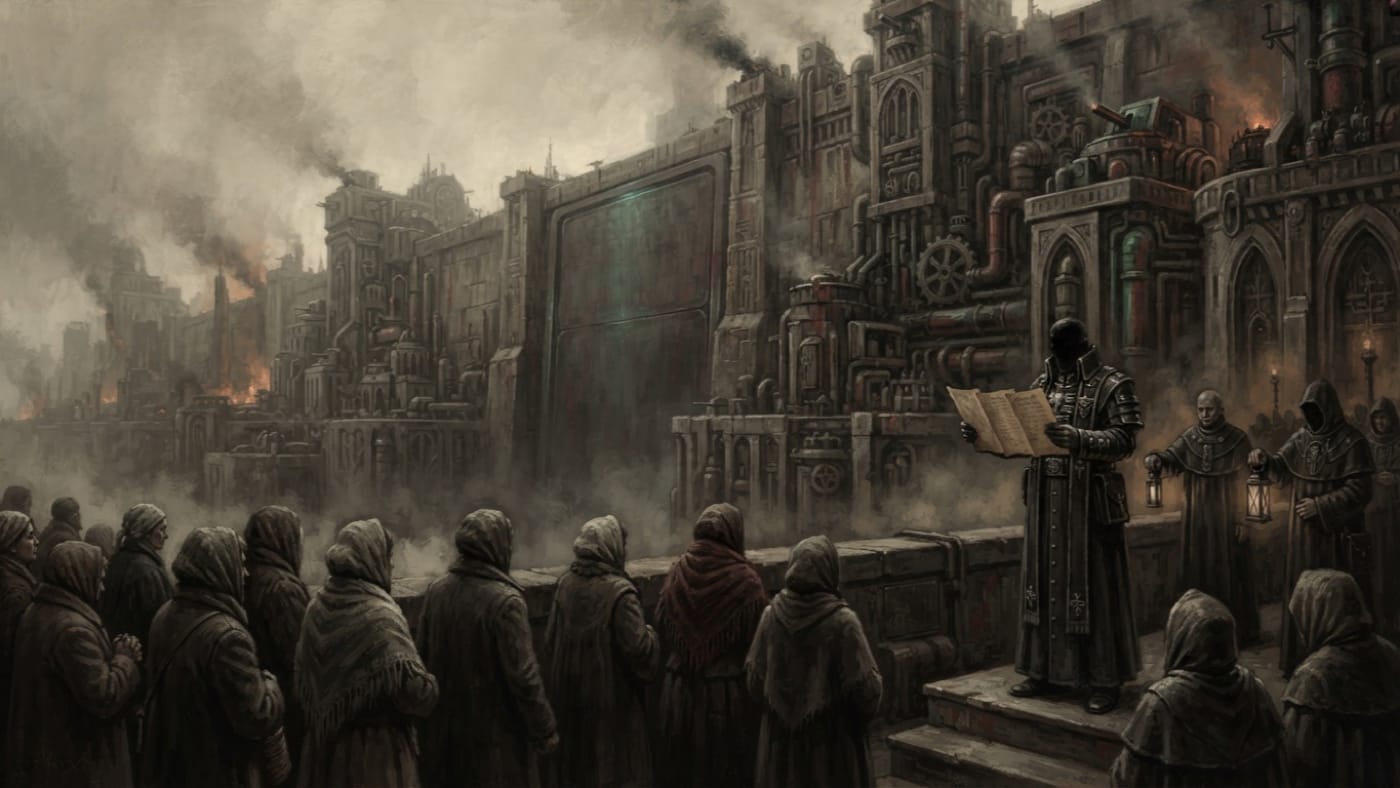
Miraculum Septimum: De Custodia Sancta
Three pages; forty-seven unnamed; the Wall endures.
The Bureau of Doctrine's three-page account of the Sixth Ravelin's sealing, filed in A.S. 170 and read at the Vigil of the Hollowed. Forty-seven offered; none named. The account records acceptance. The cement is omitted.
Codex Ref. XIII.1.98-170
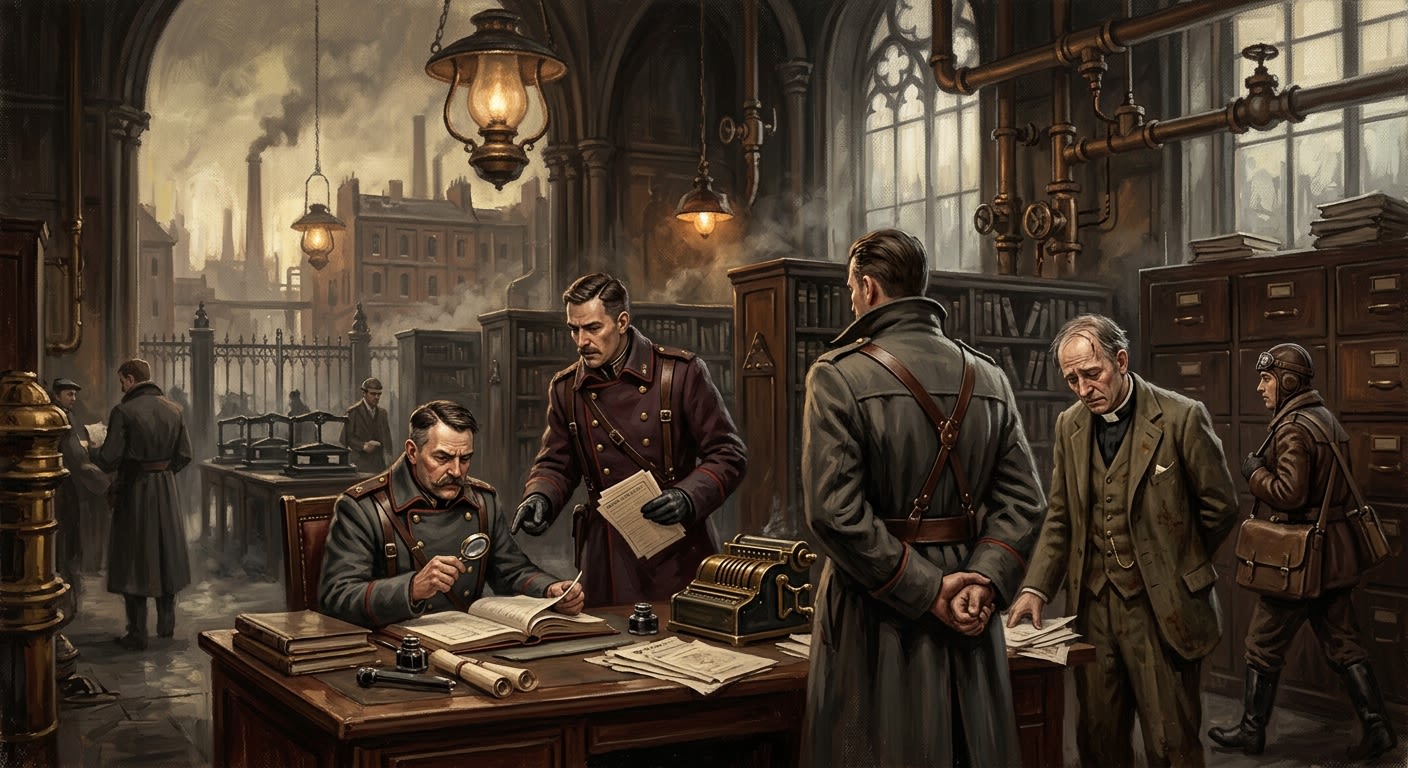
Order of Severance
The inward knife that cuts office from affection before affection becomes a kingdom
The Order of Severance is the Bureau of Purity's inward knife: an inquisitorial fraternity that hunts clerical and bureaucratic heresy where clean cuffs, perfect ledgers, and trusted colleagues become shelter.
Codex Ref. VIII.1.07-134
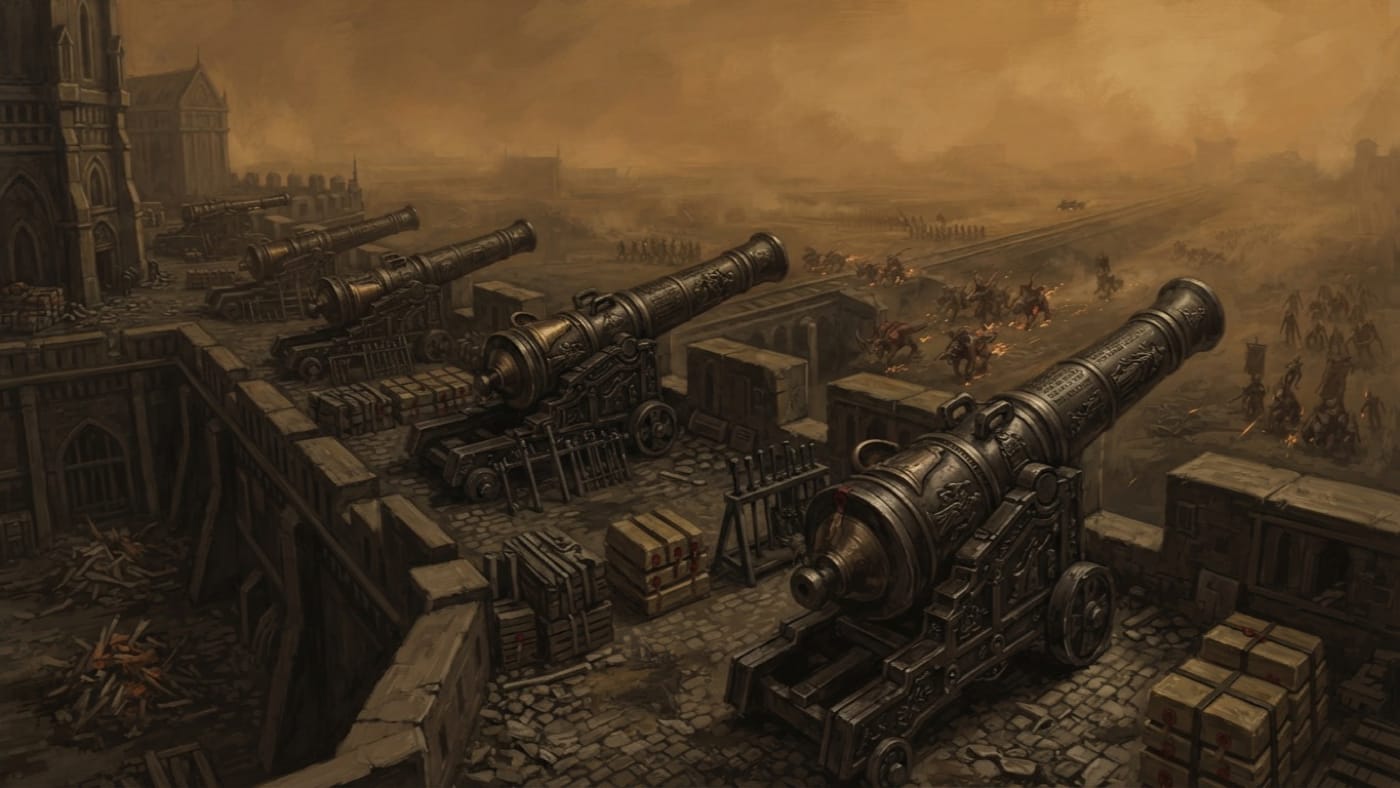
Orison Mark III
Eight to load, twelve to fire; at dawn, neither.
Four Orison Mark III bell-cannon stood ready at the Sixth Ravelin in A.S. 170. Their crews had burned before dawn. The guns were blessed, supplied and silent; no stamp could put a choir back beside them.
Codex Ref. III.2.04-170
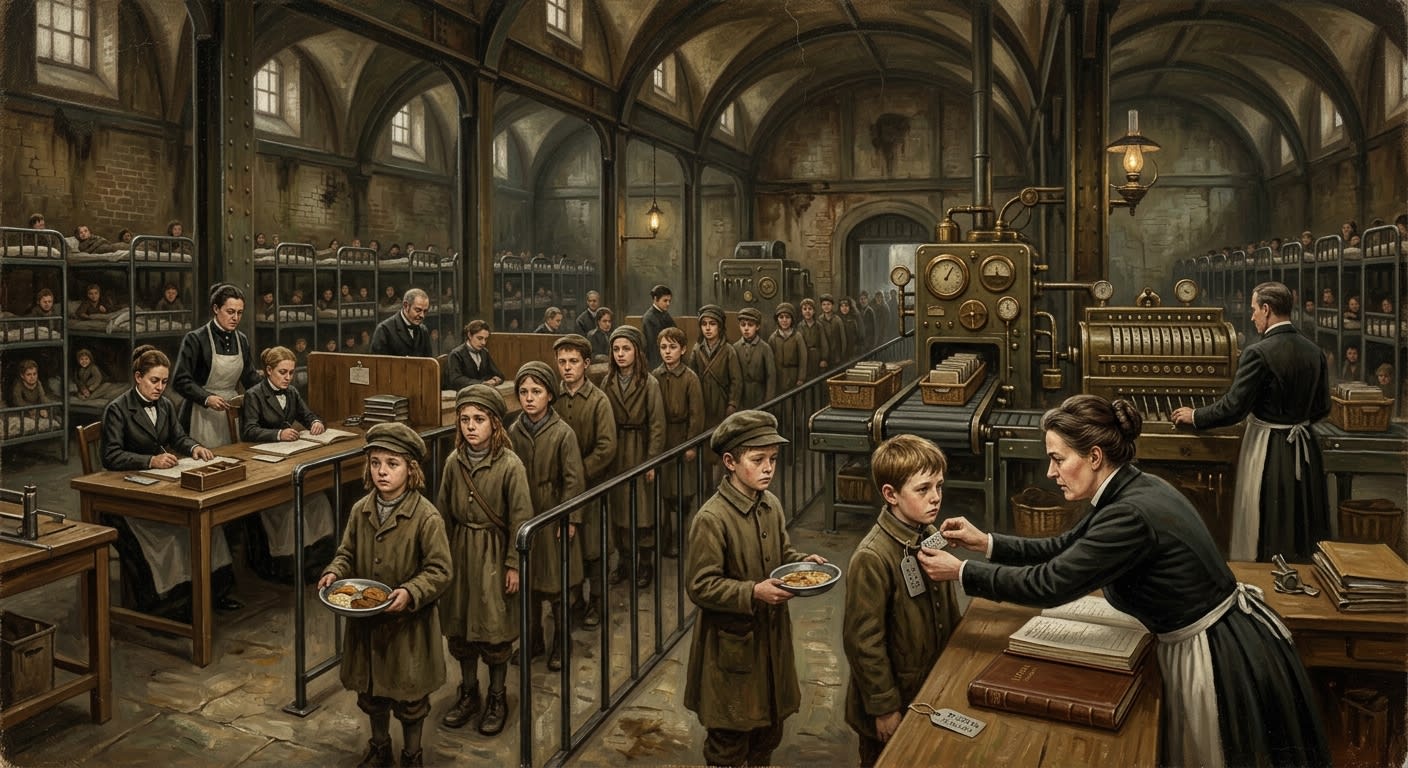
Orphanarii
Mercy with a cot, a tag-punch, and the legal courage to rename a child before breakfast
The Orphanarii are the Synod's state orphanage system: Mercy houses that wash, tag, rename, sort, feed, place, and sometimes erase children until grief becomes legible.
Codex Ref. VIII.2.12-134
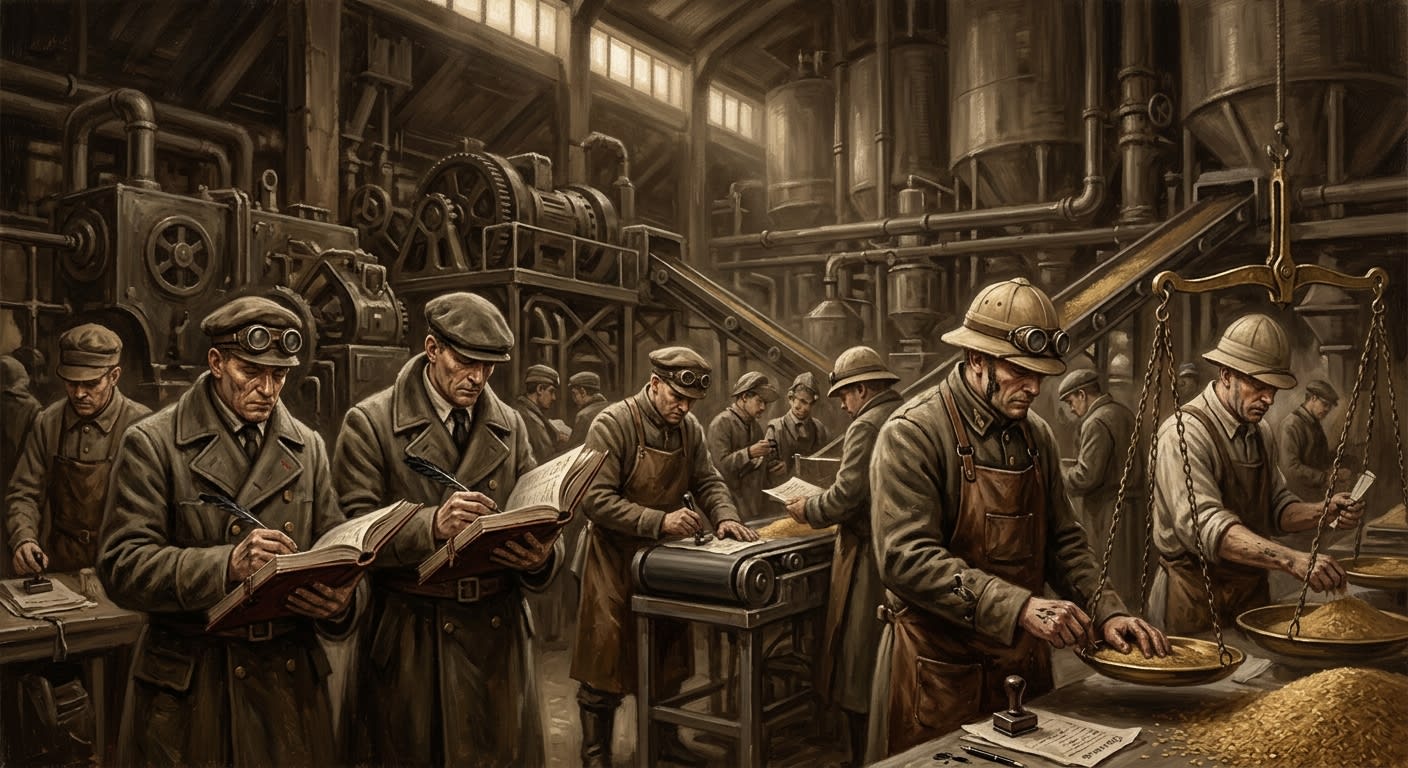
Quota Men
Modest theft is what famine calls governance when the pantry has witnesses
Quota Men are the Grain Keeper faction of modest diversion and immaculate ledgers, preserving wards by stealing little enough to keep collapse boring.
Codex Ref. XII.13.05-001
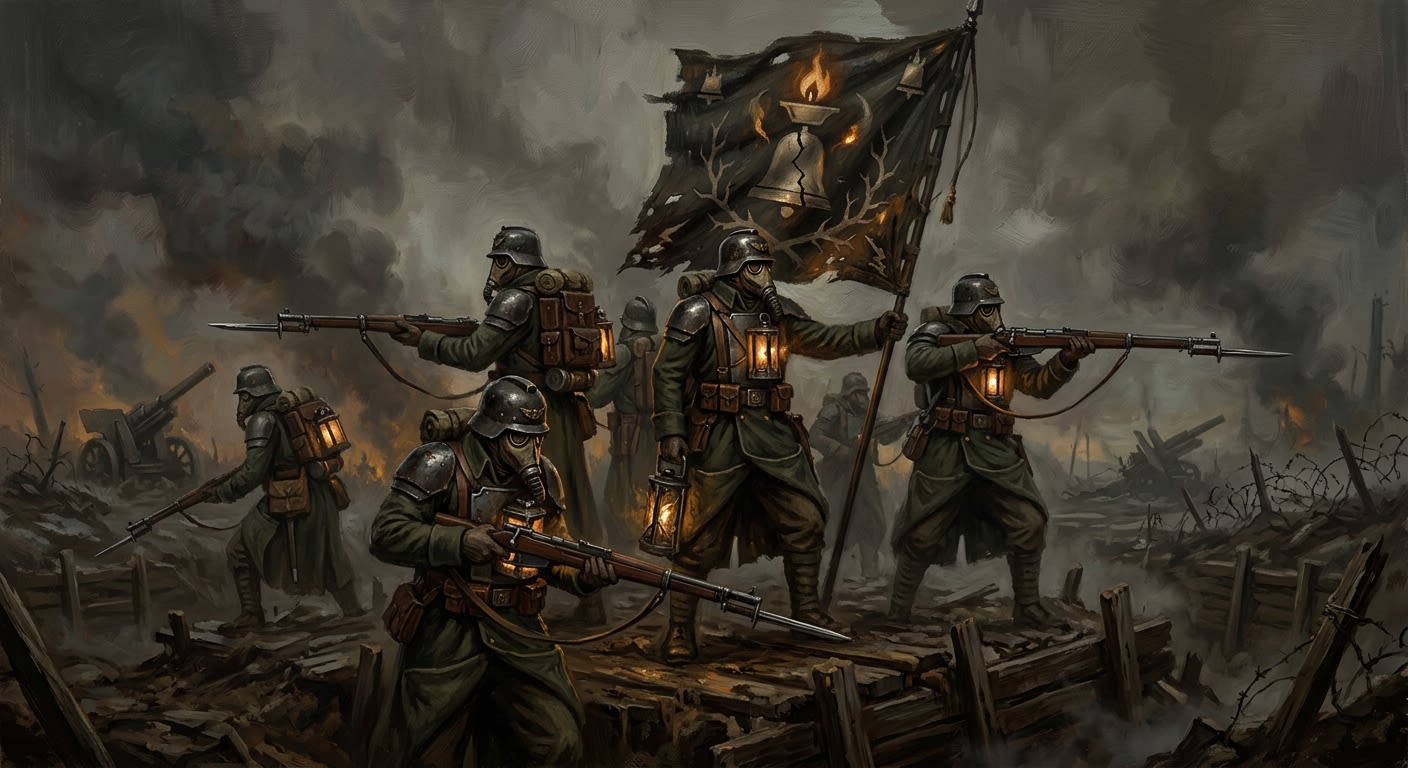
Radiant Fusiliers
The rifle as rite, the volley as testimony
The Radiant Fusiliers are elite Covenant light infantry whose banner-lit volleys serve as weapon, rite, and witness; at Debrecen, obedience learned to count horror after firing at it.
Codex Ref. VIII.5.02-001
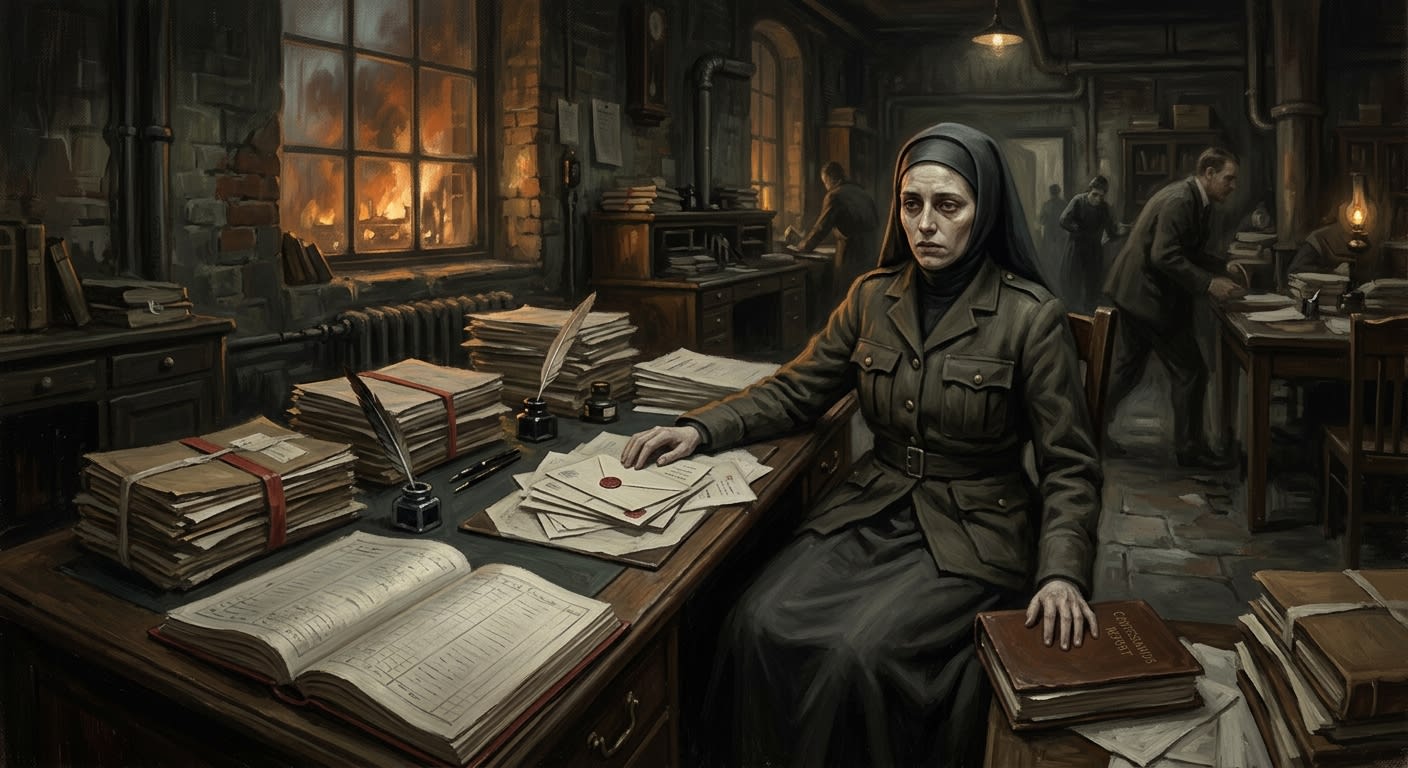
Sister Adelhaid
A name, a correspondence, a fire, and the blessed cowardice of files
Sister Adelhaid survives as a name in a Confessarius report, attached to Marseille letters, Saint Isidore's Eve, and a bookseller's fire too clean to comfort anyone.
Codex Ref. III.2.01-151
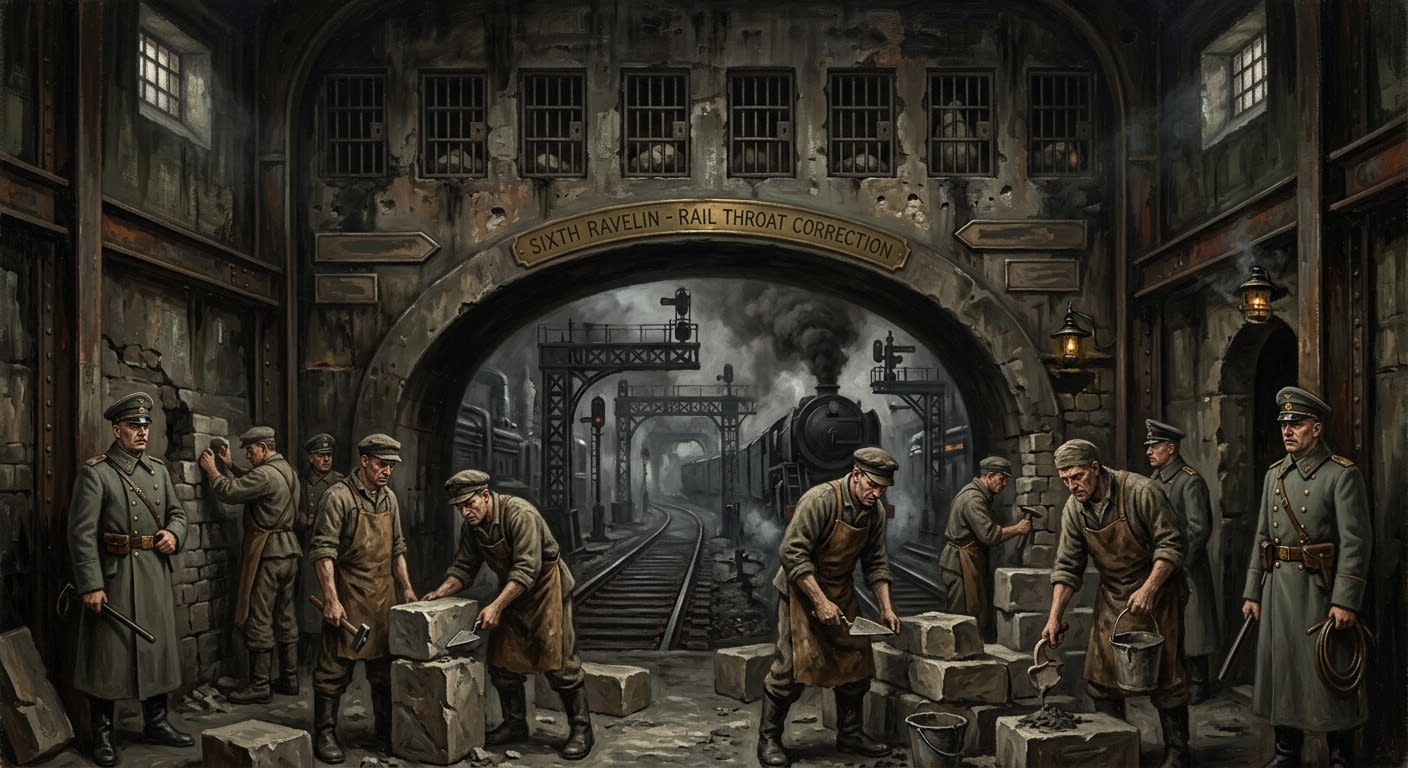
Sixth Ravelin
Correction faces consequence, and consequence answers warm
The Sixth Ravelin, called Correction, guards Bastion-Constantinople's rail throat and carries Chamber 7: forty-seven sealed in cement where guilt learned masonry.
Codex Ref. II.4.10-170
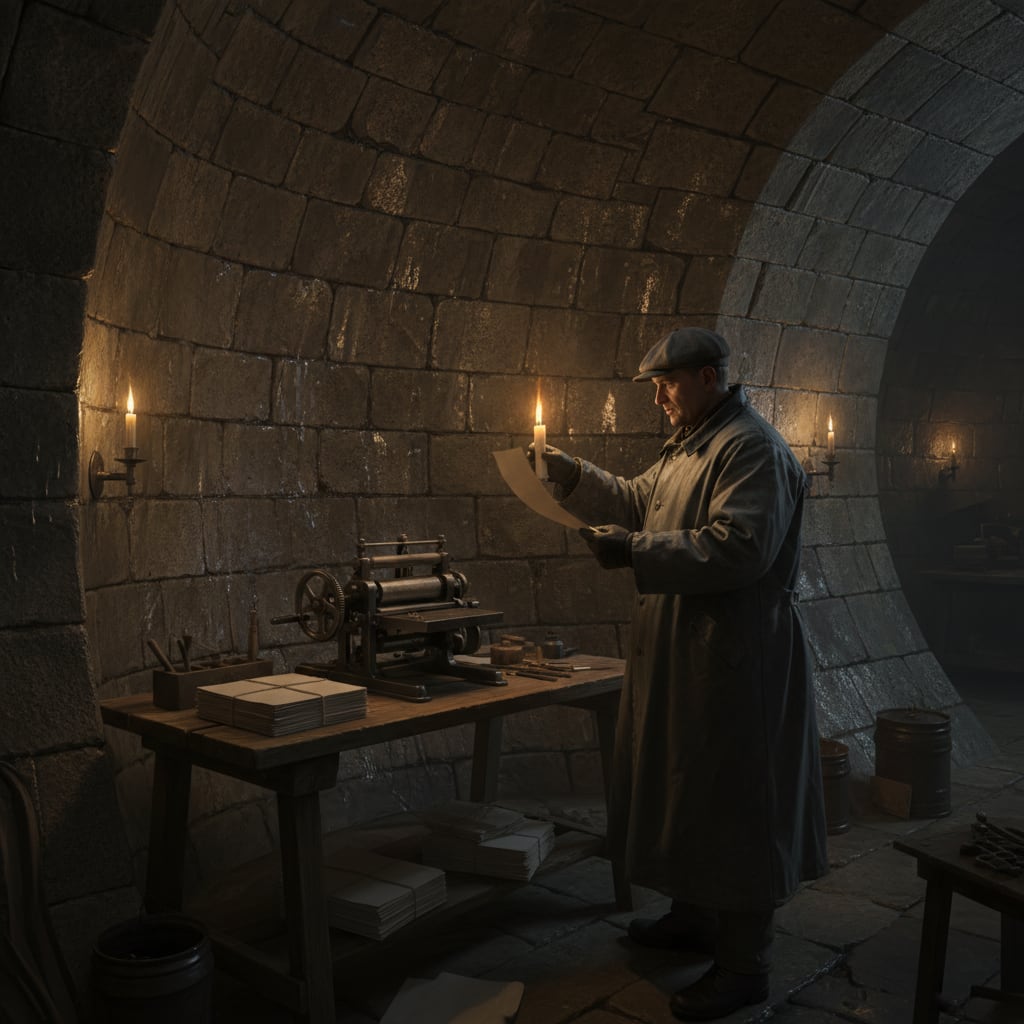
The Blank-Sheet Circle
A heresy that fits on a single sheet; the sheet is blank
A proscribed organisation operating from the Pylon Warrens of Bastion-Brest; manufactures blank crossing papers permitting nameless transit across the bridge; the Bridge Tribunal has made nineteen arrests; this has not helped.
Codex Ref. XI.5.01-001
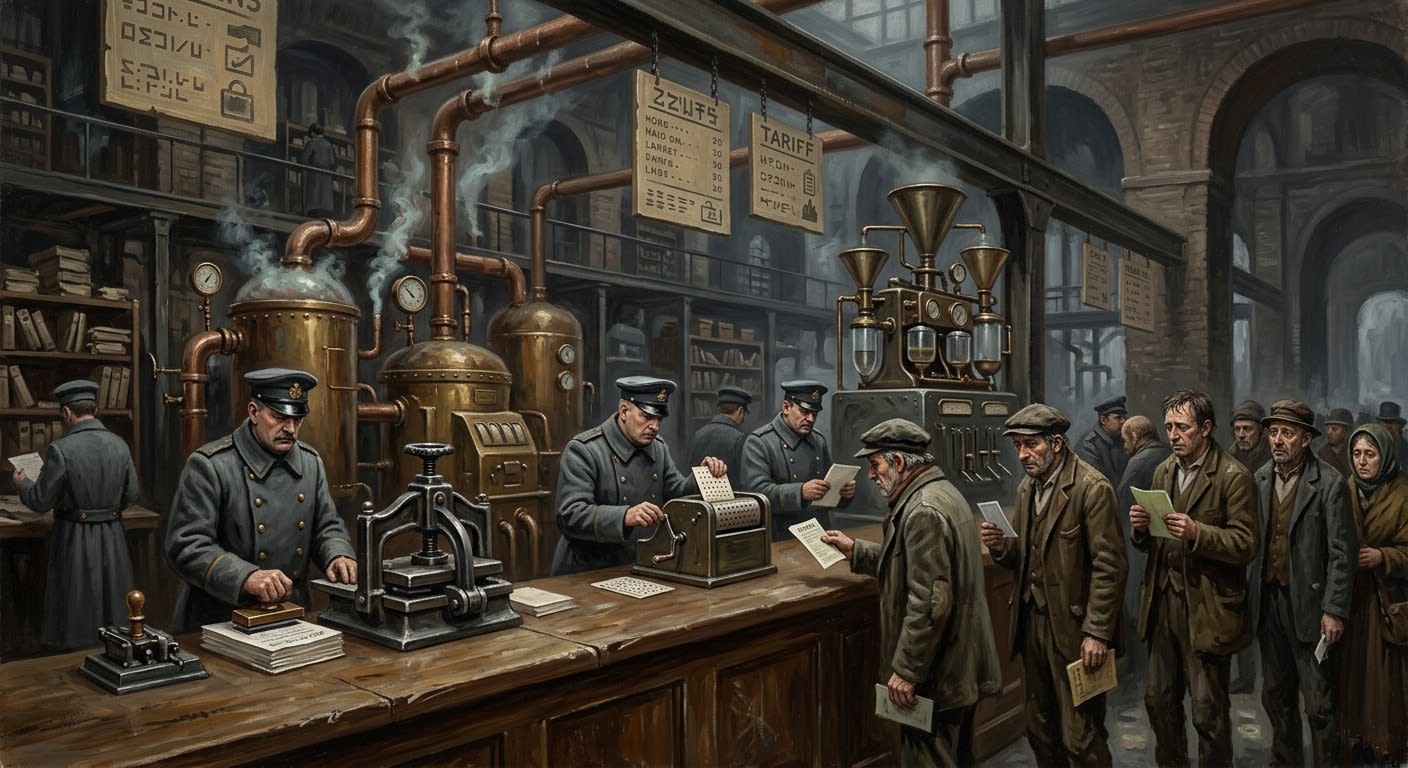
The Censorium of Taverns
Joy is safest when entered, weighed, and extinguished by permit
The Censorium of Taverns is the Bureau of Festivals sub-office that licenses drink, meters laughter, pumps curfew-fume, and proves that even joy may be made obedient by placard, bead, and ash.
Codex Ref. VIII.5.07-001
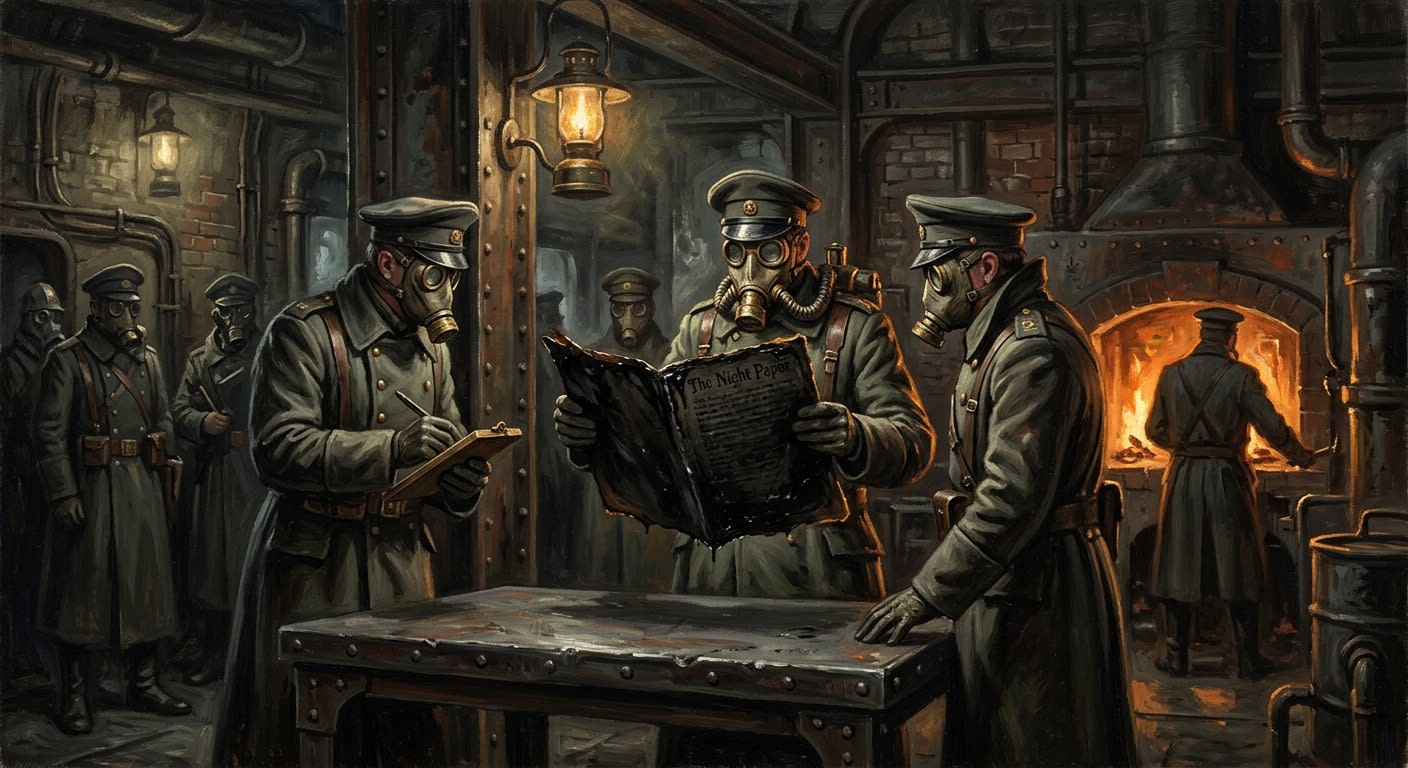
The Night Paper
Law with a knife in its sleeve, valid only between receipt and dawn
The Night Paper is Doctrine's black-wax instrument: read once, witnessed by three, burned before dawn, and obeyed before conscience learns its own name.
Codex Ref. XIII.1.28-001
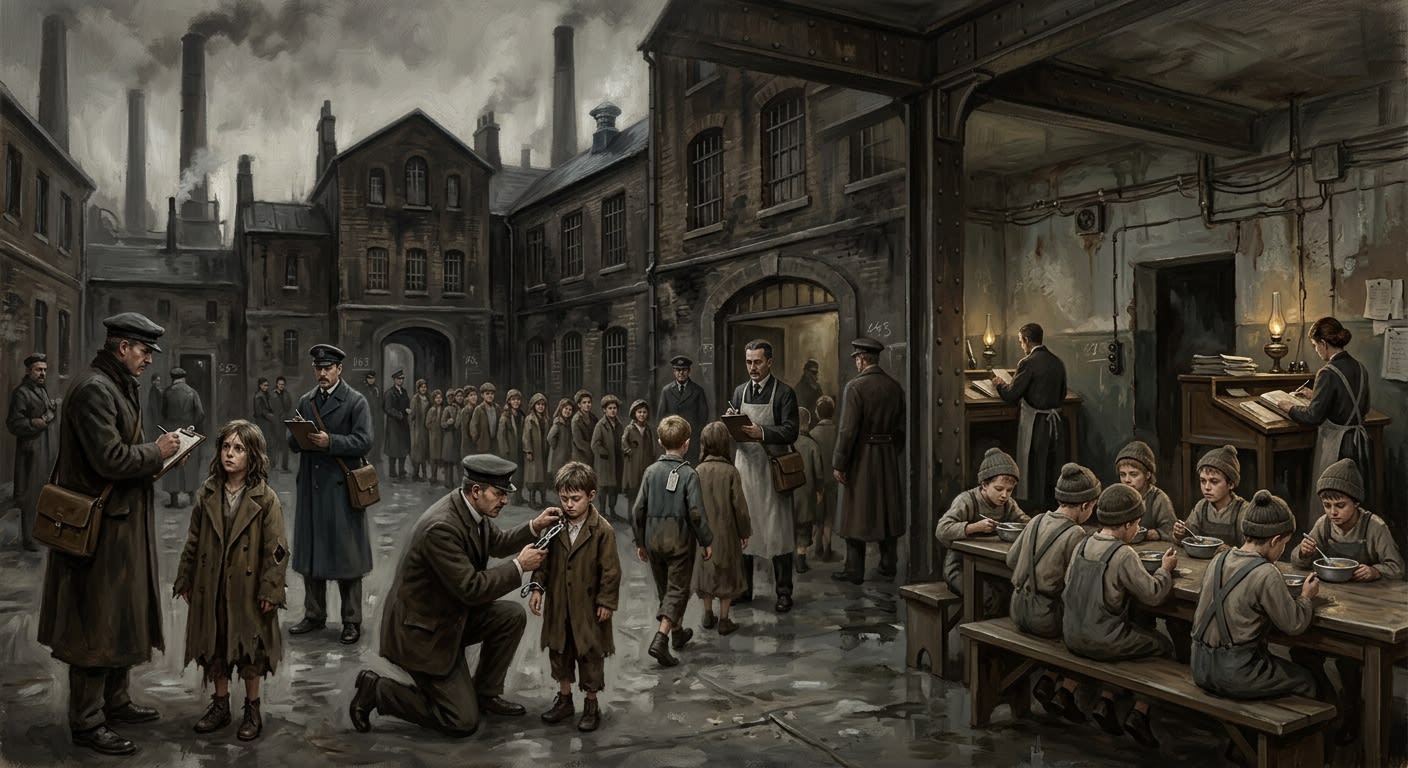
The Orphanarium
Mercy with hinges, locks, soup, and a tag cabinet
The Orphanarium receives children without acceptable custody and returns registered minors: washed, renamed, tagged, fed, placed, and corrected until Mercy can invoice itself.
Codex Ref. II.2.06-005
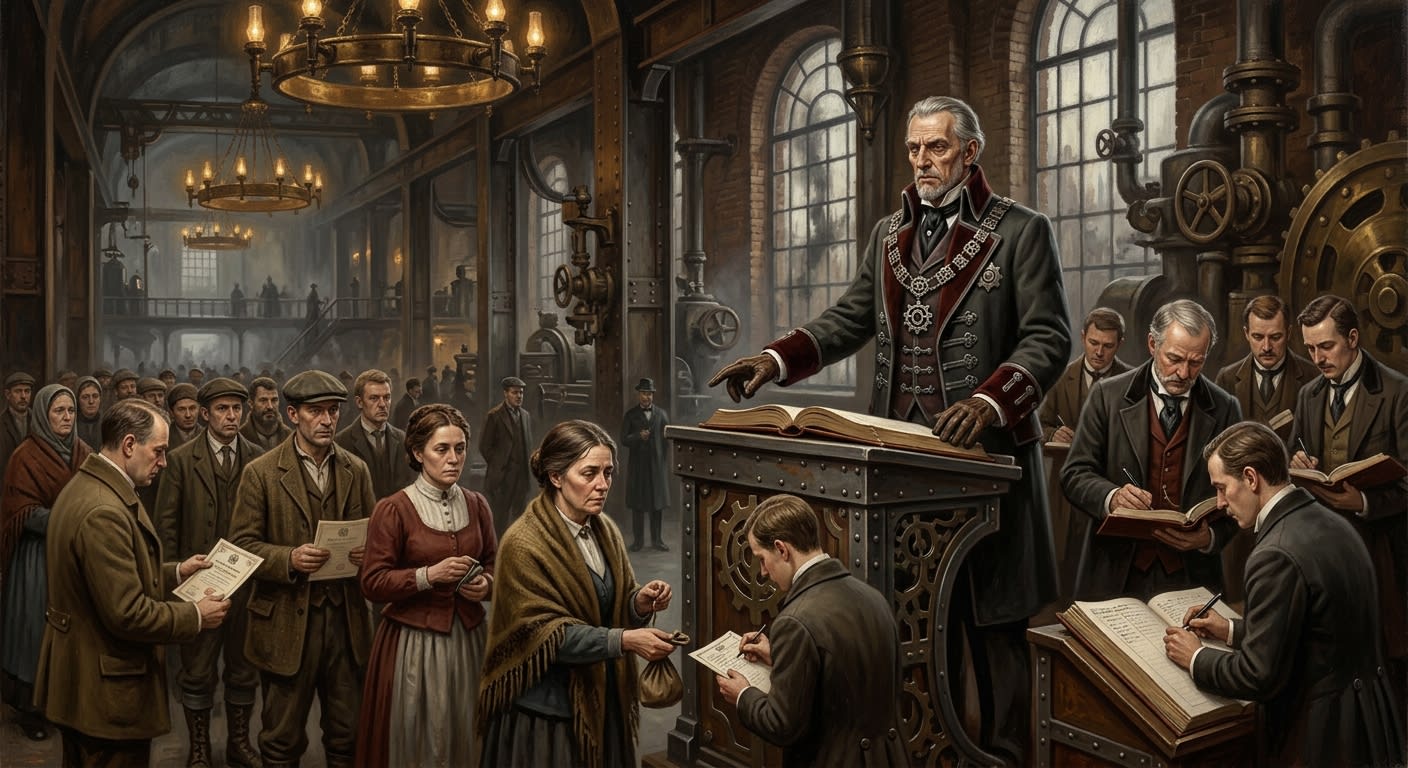
The Twelfth Amendment
The skull is licensed ground; keep your thoughts in uniform
Ratified in A.S. 196, the Twelfth Amendment closes the internal loophole, licenses private hope, and gives Purity the citizen's face as evidence.
Codex Ref. XIII.1.04-196
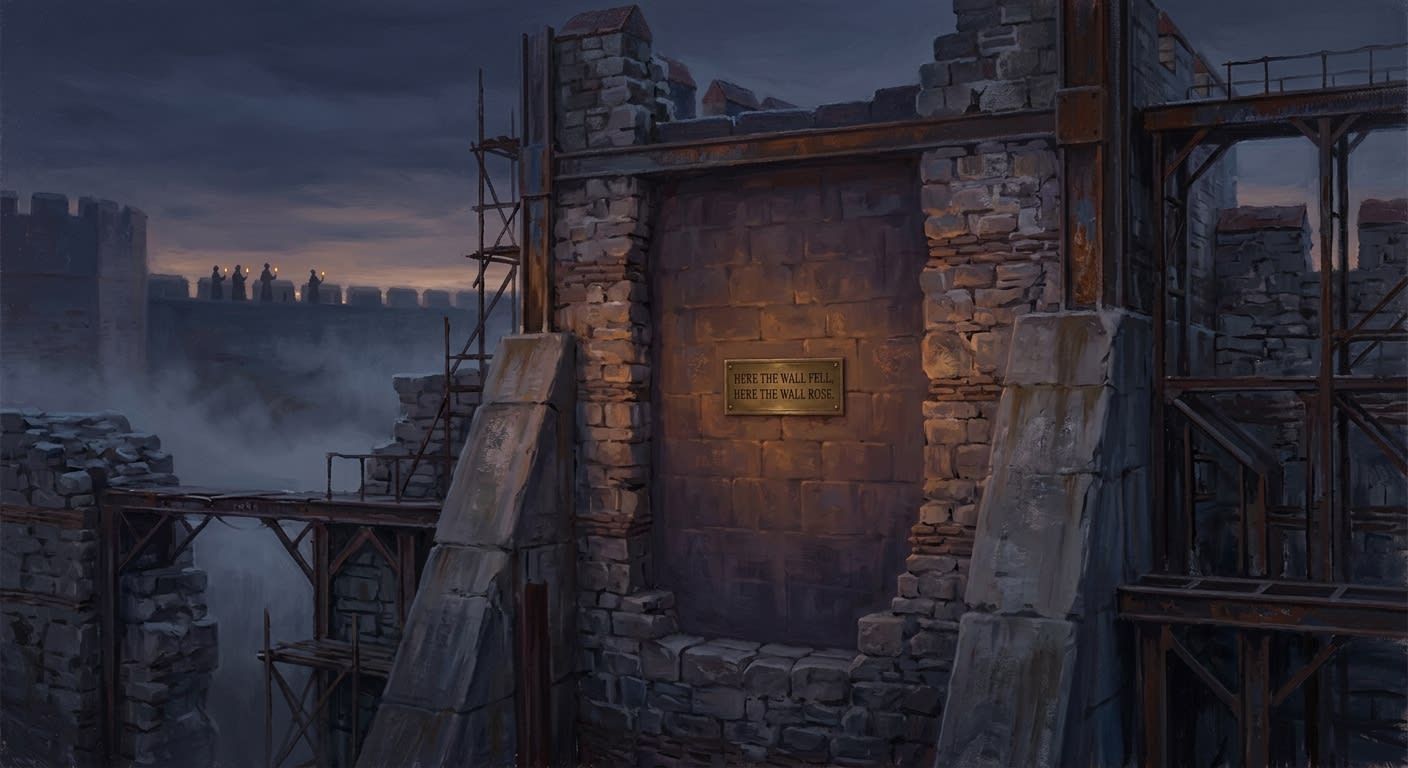
The Vigil of the Hollowed
Forty-seven in the cement; seven words permitted; the wall is warm.
The breach of Bastion-Constantinople's Sixth Ravelin in A.S. 170: the Night Paper, the burned regiment, the 140-metre gap, and the forty-seven who entered the pour-frame singing. The wall holds. Seven words allocated for what remains inside.
Codex Ref. VII.3.01-001
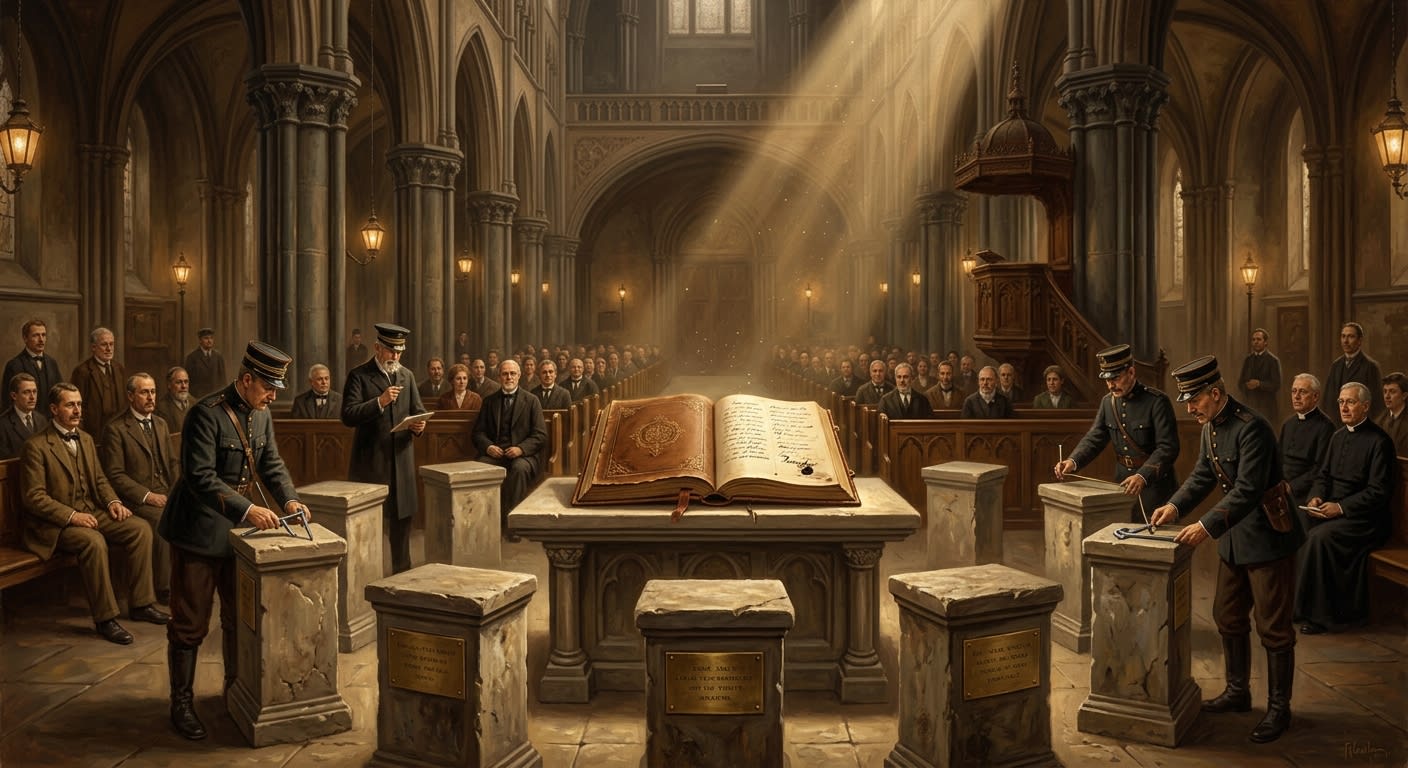
The Virtue Generals (So-Called)
Seven heresies dressed as hope, condemned in the forty-fourth standing order
Standing Order 44-D refuted, filed, and reluctantly left open. Seven alleged champions of the Creator — unregistered, unconfirmed, and disturbingly active for entities that do not exist.
Codex Ref. IX.3.44-001
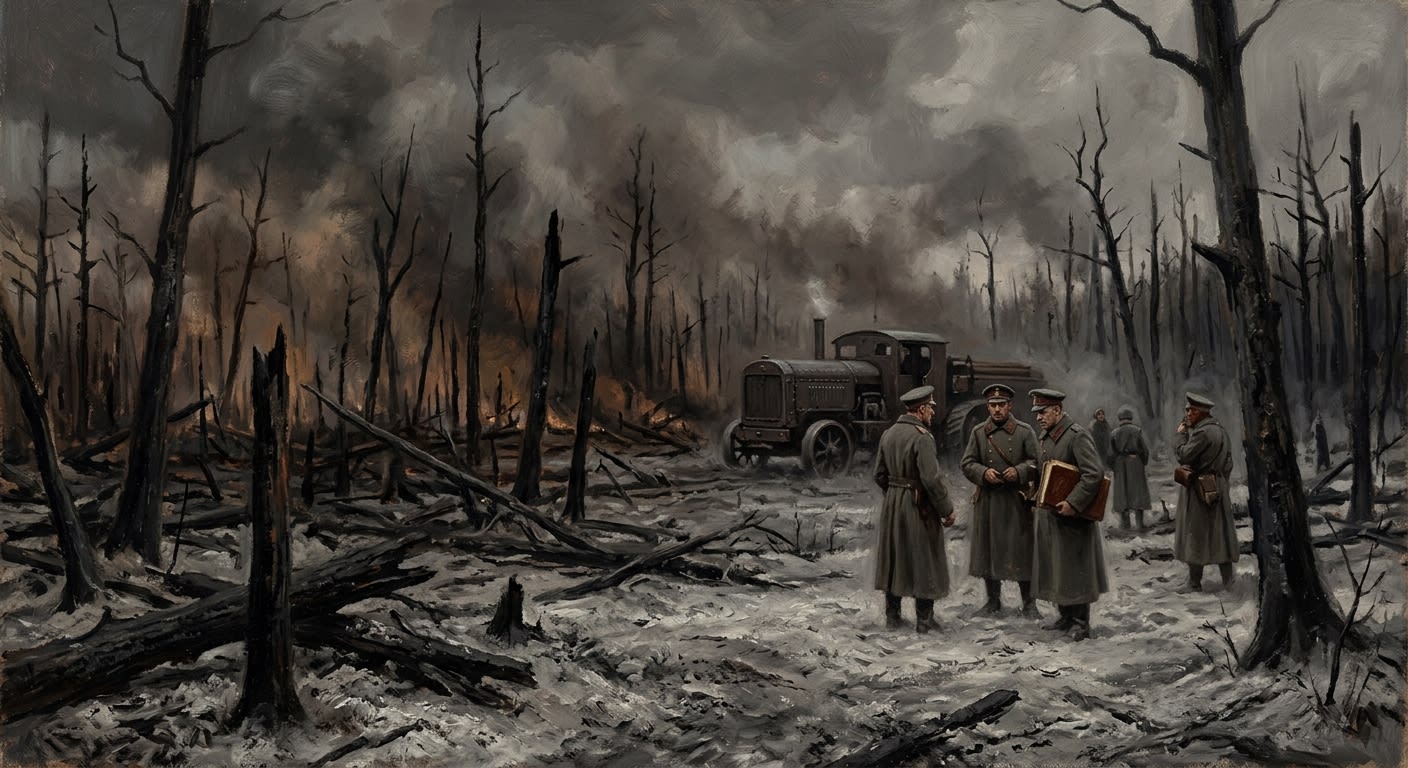
Thracian Forests
Maldrake felled a province into the sky
The Thracian forests were Maldrake's timbered weapon: a fallen reserve burned in A.S. 143 until ash became famine, ink-hunger, echo drift, and weather.
Codex Ref. II.6.03-143