
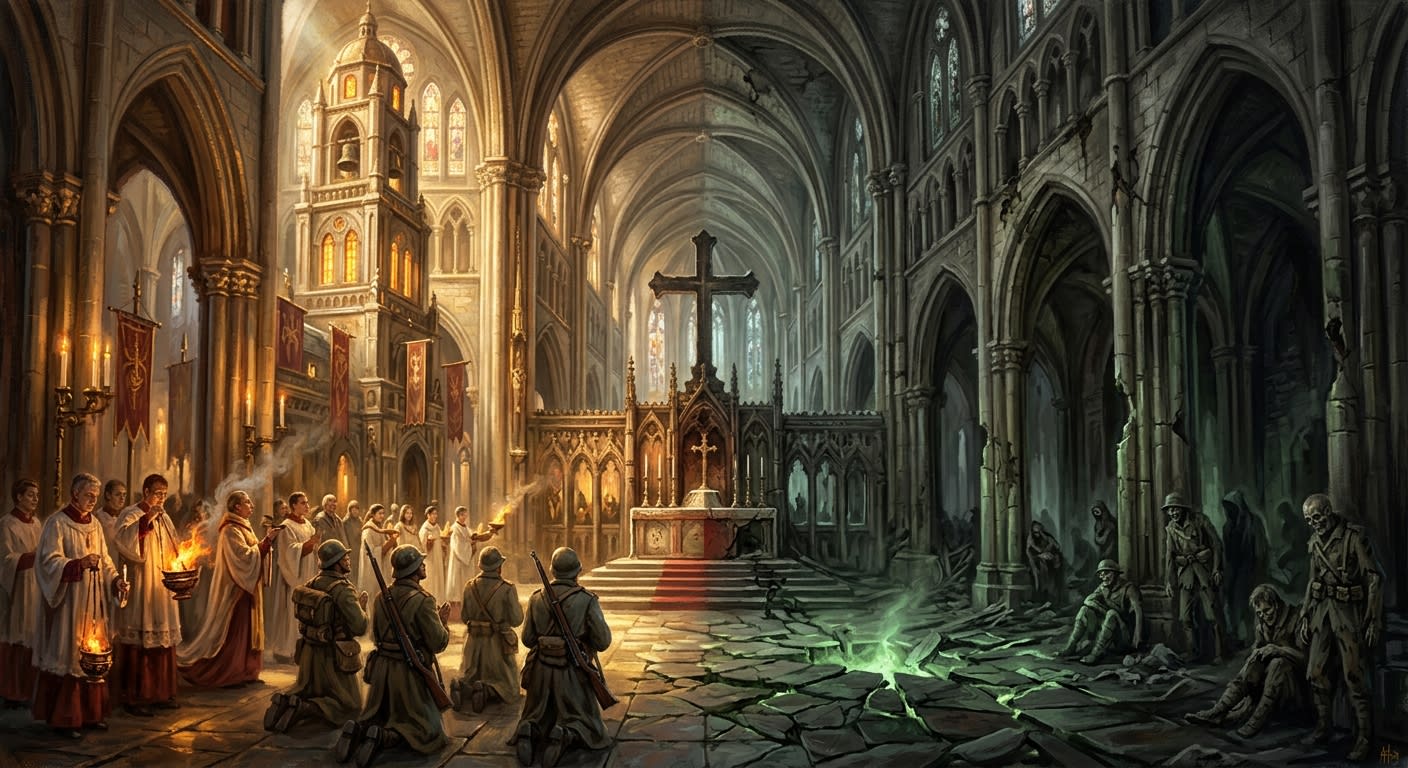
The Dialectic of Power — being a treatise on the twin mechanisms by which Heaven and Hell crack open the same world, as set down with the reluctant candour of one who has read the sealed ledgers and wishes he had not.
#On First Principles
Both we and our enemies break Creation. This is the sentence the Bureau of Doctrine does not print in catechisms, and which I therefore print here, because I am allowed what the catechist is forbidden, and because the distinction between Drax and a catechist is the same distinction that separates a surgeon from a butcher: training, authorisation, and a steadier hand.
A miracle is a sanctioned fracture. It is an alteration of the material order performed under licence, sealed by obedience, and paid for — the word is precise — paid for by the faithful who invoke it. The cost falls upon the body of the obedient. Hunger sharpens. Sleep frays at the hem until the nights are threadbare. Memories dim, names slip, years are shaved from the lifespan of choirs who volunteered for the privilege of singing until their lungs bled. An entire district may fast until ribs rattle like abacus beads beneath the skin. The world itself, however, is preserved. Fields yield. Rivers run clean. A father's name still means father to his children. The miracle consumes its petitioners and leaves the earth intact.
Sorcery is theft. It is vandalism inscribed upon the walls of reality by hands that did not build them. The sorcerer does not spend himself — or if he does, he spends only the deposit. The principal is drawn from the world: soil turns sour, borders shift without ink or decree, a man looks upon his child and discovers that the word kin has gone bankrupt in his mouth. Where miracle tallies against the faithful, sorcery tallies against Creation itself. That is why the land east of the Sagittal Line rots and mutters like a man in fever: each spell cast upon it is a creditor who will not leave until the debt has eaten through the floor.
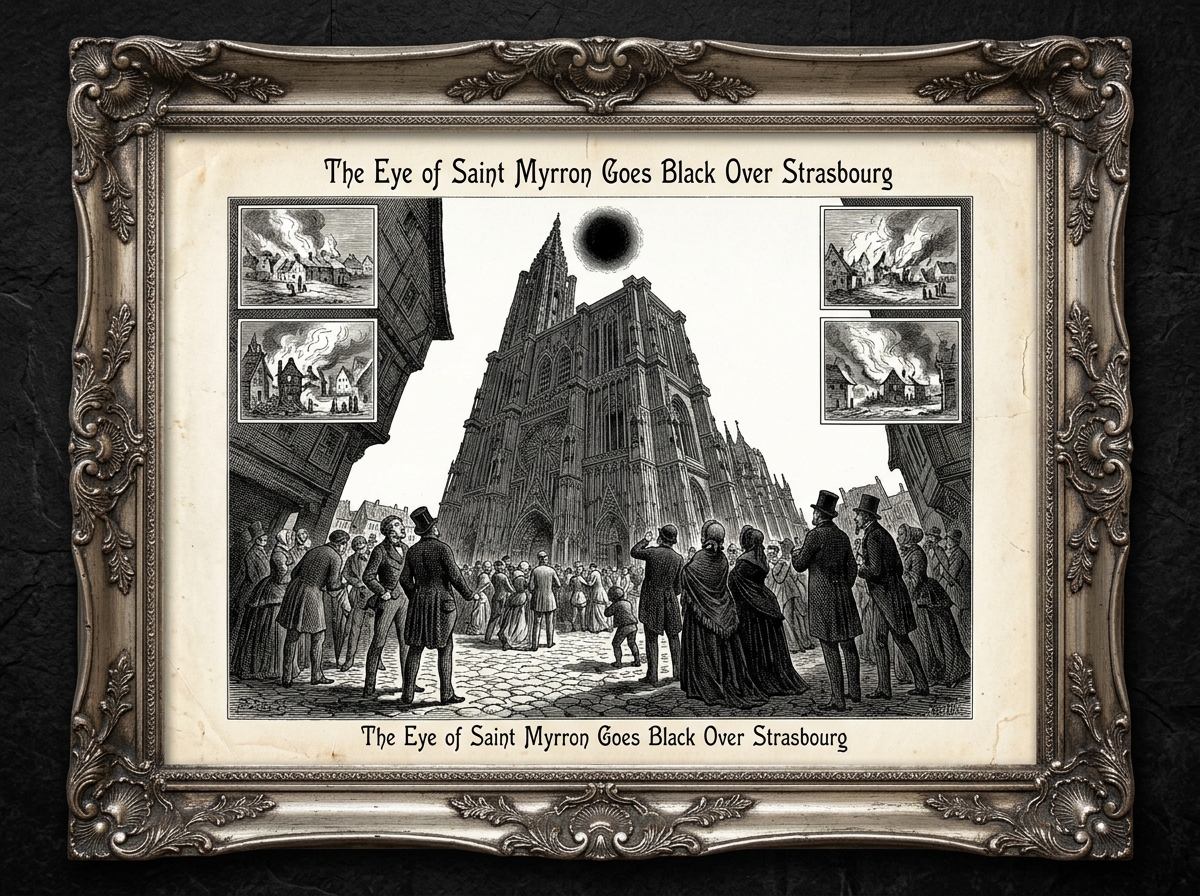
The Declaration of A.S. 23 (Unregistered) remains the foundational doctrinal instrument. It was issued sixty-seven years before the Concordat of Strasbourg, when the Synod was still a rumour of an institution and its Bureaus existed as ink-stained committees in borrowed rooms. The Declaration established three principles that have not been revised, which in the annals of the Bureau of Doctrine makes them practically eternal. First: all sorcery, without exception, derives from the Adversary's will. Second: all miracles, without exception, derive from the Creator's permission. Third: the mechanism is identical — power channelled from beyond the mortal sphere through material conduit — and only the source determines whether the practitioner is canonised or burned.
#On the Cost of Grace
Earlier editions of this Codex described miracles as "not breaking reality at all."
This phrasing is deprecated pursuant to the Bureau of Records, Fourth Revision. The preferred formula is "breaking without blemish." The Bureau acknowledges that reality is, in certain localised and fully sanctioned instances, fractured by miraculous intervention. It insists, with the quiet fury of an institution correcting itself, that these fractures heal. The reader is instructed to believe this.
Imagine a miracle as a ladder. Each rung ascends into brighter hazard, each rung exacting a dearer price from those willing to climb.
At the lowest rung, the simplest grace is little more than a redistribution of misery. A prayer over a ration loaf that robs tomorrow's hunger to ease today's march. A company advances one mile further; somewhere behind the lines, a clerk doubles over with cramps he cannot explain and a hunger that arrived from nowhere. The Bureau of Rites classifies this as Category One — "Minor Devotional Expenditure, Distributed."
One rung higher, and the bell is tolled. Every soldier in earshot tastes iron on his tongue, a fatigue that gnaws the marrow even as courage floods his veins and fear recoils from his limbs. The exchange is precise: weariness in payment for valour. A bell-hour chit is expended from the company's allotment, and the Bureau of Bells marks the debit. Nothing is free.
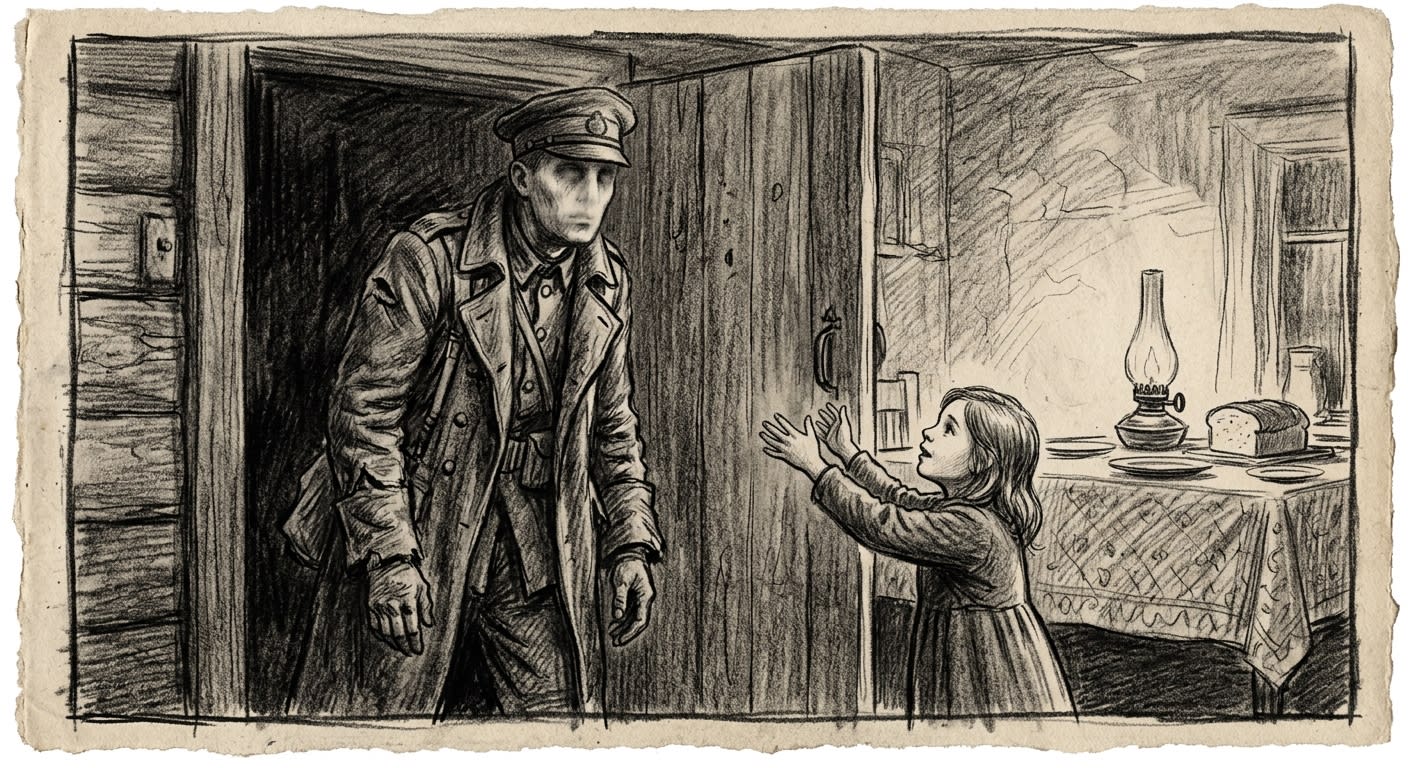
Higher still, and the relic is unsheathed. Its exertion is paid for with memory. A name forgotten — your child's name? your father's? your own? — in exchange for a flare of light that turns back the shadows for one blessed hour. The Bureau of Rites classifies this as Category Three — "Significant Devotional Expenditure, Localised." The soldier returns from the line and cannot remember his daughter's face. The Bureau assures him this is temporary. The Bureau has been assuring soldiers of this since A.S. 65. Some of those soldiers are still waiting.
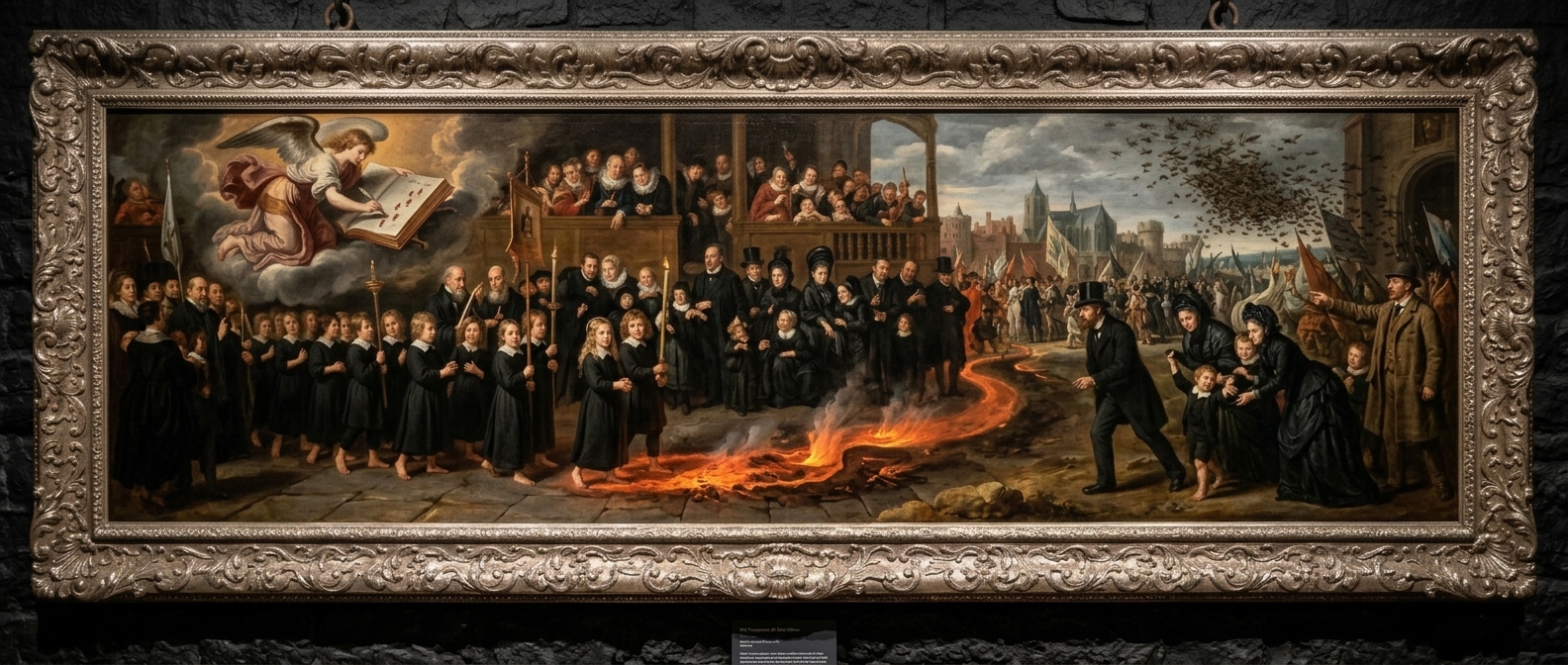
And higher still — the Processional Working (Unregistered). Tens of thousands fasting until their faces cave inward, so that a plague tide may be halted for a week. The Cathedral Act, where choirs stand until their knees split, each volunteer trading years from their natural span so the mud parts and an army marches as if upon dry stone. And at the peak, the thing the Bureau does not name in public documents: the Bell of Names, which shortens a city's collective span of life itself, ringing once to rewrite the memory of a night. Whole neighbourhoods wake to recall nursing infants long dead, and men swear they fought in battles that were unwritten before dawn.
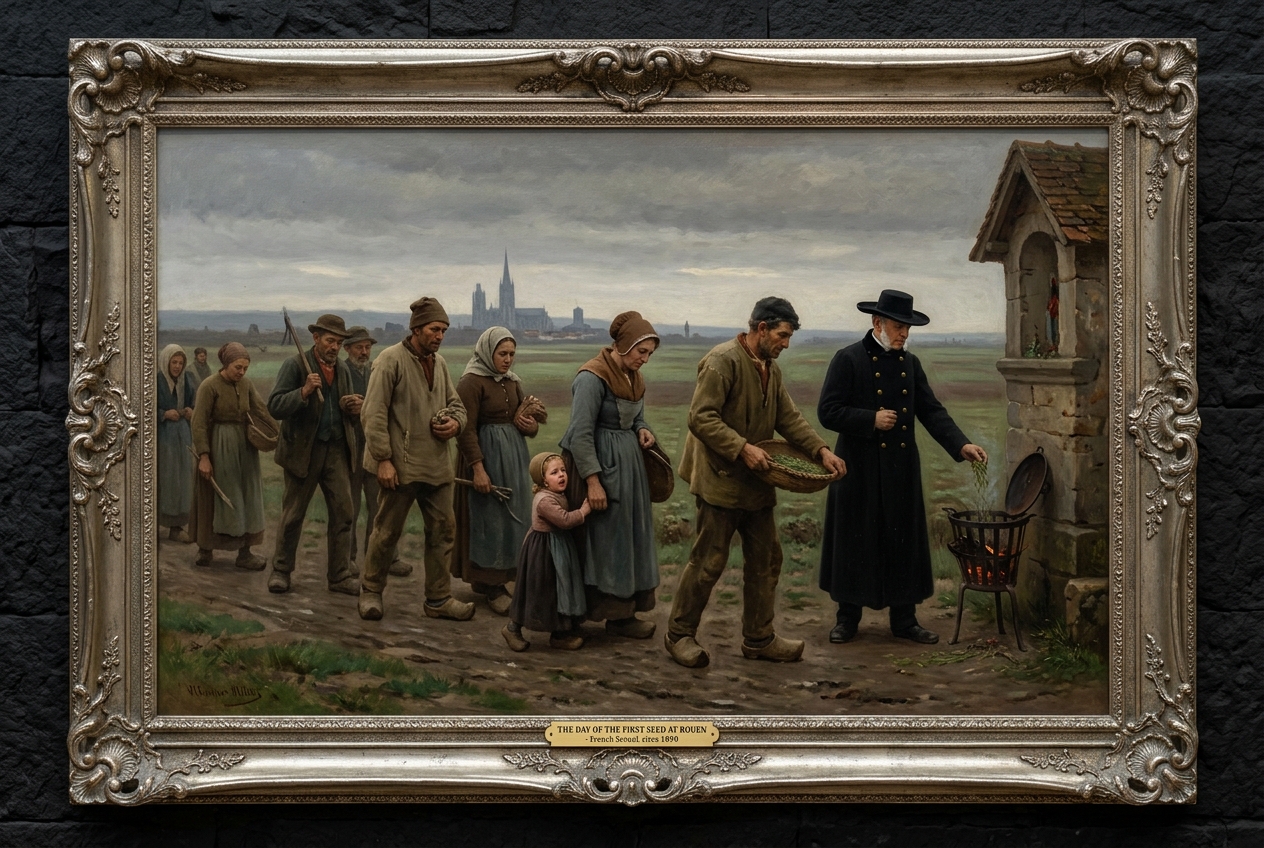
The Hollow Fast of Saint Calistus remains the exemplum the Bureau prefers, though the Bureau does not explain why it prefers it, and I suspect the answer is that it ended well — which is to say, the plague halted. In the Year Without Dawn, when even roosters forgot their office and infants were born without sight, Calistus ordered an entire district of Lyon locked in ration-halls and denied bread for forty nights. The miracle worked. The pestilence recoiled as if struck. When the doors opened, the fasters had eaten their own tongues. Lyon still sings hymns in whistles, for no descendant of that district possesses a full voicebox. The Bureau of Records classifies this as "an acceptable spiritual investment." The Bureau of Records has never visited Lyon.
The Bell of Saint Isidore at Kalnik Ridge is the other standard reference — paraded every Feast of the Cracked Bell, dragged through Constantinople's processional streets on a gun-carriage draped in black silk. The miracle drove back Wrath's legions at A.S. 48, true enough. The peal cost the surviving population of Debrecen twenty years of aggregate lifespan. To this day, its citizens die young, collapsing mid-task with ledgers still in hand. Children celebrate birthdays with funeral arrangements already notarised. The Bureau classifies this as "a manageable civic rhythm." Debrecen's citizens classify it with shorter, less printable words.
#On the Price of the Lie
Sorcery has its own ladder, and the rungs are cruder but no less exact.
At the base, the trifles: a field of barley sprouting teeth instead of grain, milk curdling before it leaves the udder, a boundary marker that wanders three feet east overnight and cannot be persuaded to return. The world is scuffed. A clerk might not notice, unless he measures.
One rung higher, and the scuffs become gashes. Clocks disagree with each other. Maps lie — a road that ran north-south yesterday runs east-west today, and the cartographer who corrected it is found weeping in a ditch, insisting the ditch was his office. Names detach from their owners: a captain forgets his wife, his men forget him, and the quartermaster continues issuing rations to a man whose existence the Ledger can no longer confirm.
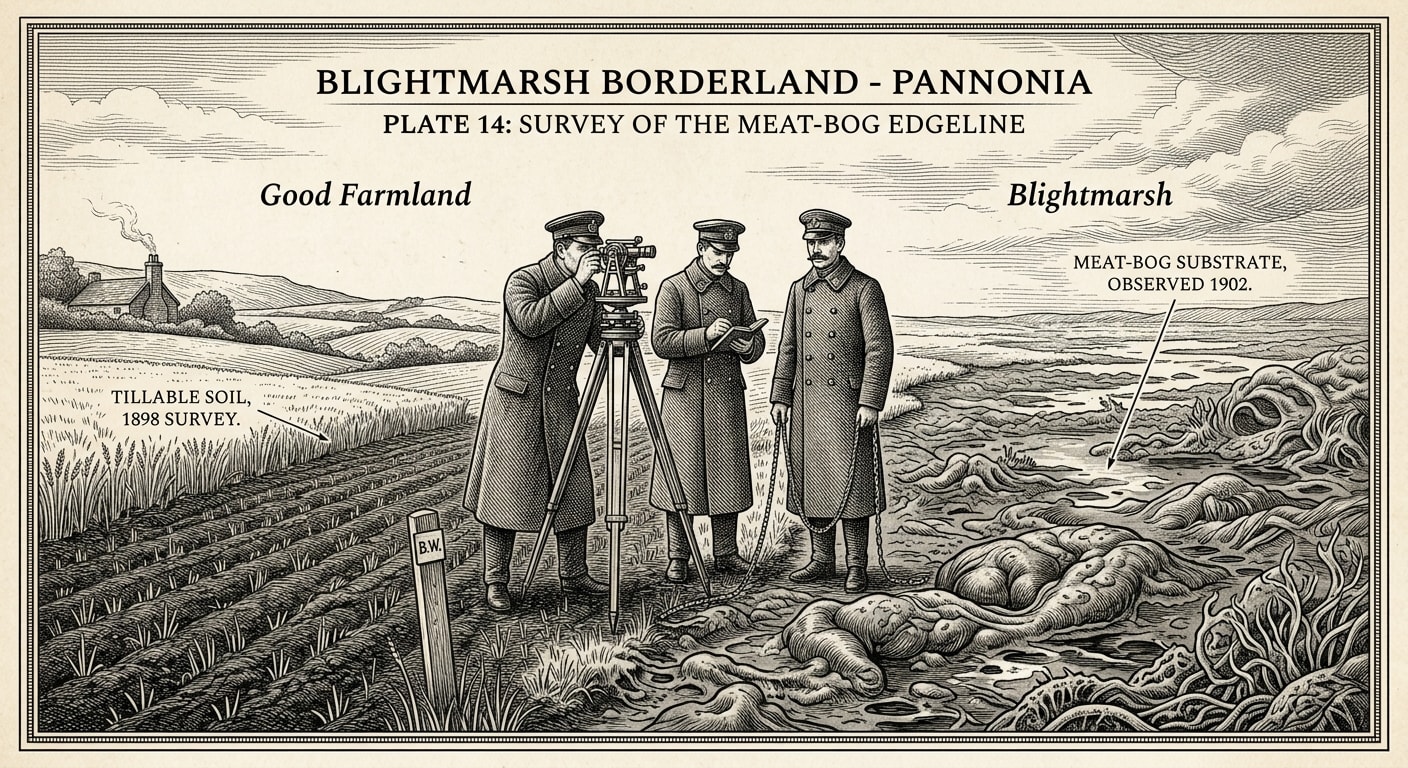
Higher still, and the earth is consumed to fuel a war-engine. The Blightmarsh of the Drava was farmland once — good Pannonian soil feeding three provinces. A single Glutton-priest, swollen with appetite that had ceased to be metaphor, gorged himself upon covenant grain and spat it back into the furrows. The earth turned to meat-bog between vespers and matins. Rivers vomited corpse-flows until barges cracked under the weight of bodies. Farmers who sowed there afterward reported their crops chewing back. That land remains lost: a permanent ulcer upon the body of Creation, and the Bureau of War's maps still mark it with the symbol for "Do Not."
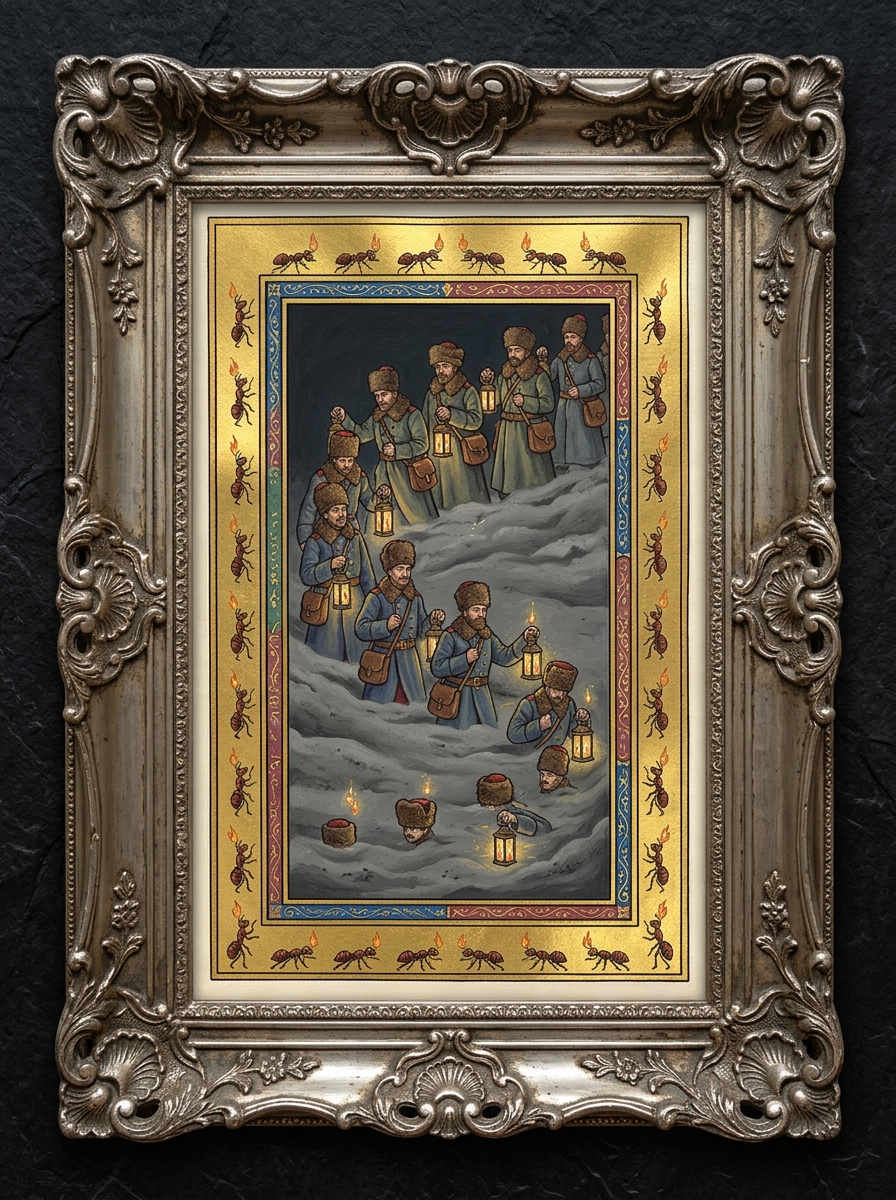
At the vilest rung, reality ceases to agree with itself. The No Man's Land is the permanent exhibition of this principle: a wound in the world where the noun river fails reliably, where time stutters, where the dead walk but refuse to acknowledge their condition, and where the mist sings hymns one bar ahead of the choirs trying to counter it. At Stolnaya (Unregistered), a proud fortress in Thrace, Maldrake's Wrathforged besieged the walls with calendar rather than cannon. Sorcery gnawed a hole in the year: winter arrived twice, each time harsher, each time stealing infants from the womb. By the second winter, no defenders remained alive. The gates swung open to snow. Stolnaya lies buried in permafrost to this day, its bells frozen mid-peal, its wardens preserved like insects in amber.
#On the Sanctioned Orders
The Bureau insists that miracles are technologies, and that technologies require classification. I have never fully subscribed to this reduction — it strips the divine of its terror and replaces it with a filing system — but the Bureau's classifications exist, and the front-line chaplains who consult them daily would be lost without their laminated cards.
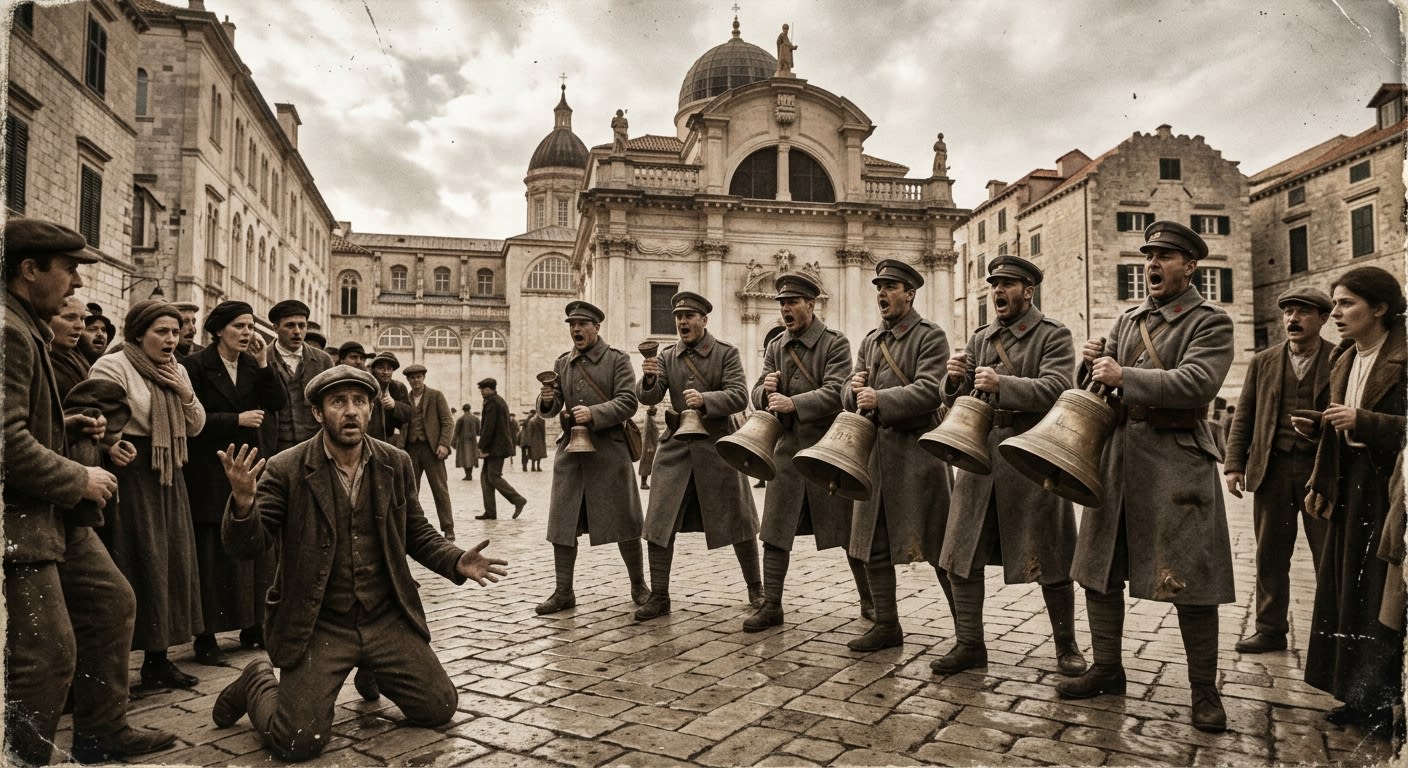
The Bell-Litanies. Sound is the lash of Heaven, or so the Bureau of Orison and Song asserts. A single peal can rout a mob, halt a riot, or call stragglers back to their banners as if tugged on invisible cords. At Ragusa (Unregistered), three bells rang in sequence — rise, kneel, burn — and the mob obediently set themselves aflame without a single Warden blade unsheathed. The Bureau calls this a triumph of acoustics. The citizens of Ragusa call it something else, but they call it quietly, because the bells are still ringing.
Reliquary Fire (Unregistered). Incendiaries steeped in saint-ash burn flesh and sin simultaneously. The Bureau assures us this distinction matters, though lungs are rarely able to confirm the theological subtlety. In the Danube Flood, soldiers who inhaled reliquary fumes sang hymns through the blood in their throats until they died. The Bureau of Doctrine certified each death as "voluntary martyrdom, Category Two." The soldiers were not consulted.
Ledger-Bindings. Paper is power — the one dogma the Bureau of Records holds with genuine faith. A bridge will not collapse if bound with the proper notarised contract; an oath will not break if signed with iron-gall ink and a tithe of hair. At the Siege of Pressburg (Unregistered), deserters found themselves walking back into the line against their own will, their signatures dragging their feet like shackles. The Bureau calls this "the triumph of paperwork over chaos." The deserters call it slavery sealed with their own hand.
Choir-Engines. Industrialised grace. Consider the Sunken Choir: a drone-tunnel packed with boys whose throats have been surgically fused into resonant chambers, each note collapsing enemy saps by harmonic resonance. Or the Processional Arsenal, a landship where artillery is tuned to psalm, every shell detonating in a chorus of sanctity. Such engines are costly. The Bureau of Conscription assures us that boys remain plentiful, and the Bureau of Orison and Song assures us that songs never run out of powder.
Saints' Shares (Unregistered). Grace itself is rationed. Bell-hours, ash-credits, and reliquary quotas are tallied in ledgers no less binding than coin. Miss a tithe and you lose a miracle. In Strasbourg, a parish once failed to pay its ash quota; the following Sunday, their bread transubstantiated into rancid black mush. The Bureau of Doctrine's verdict: "debts unpaid cannot rise."
#On the Schools of the Lie
Each Sin-General fosters schools of sorcery tailored to its particular vice. What follows is no endorsement — merely a catalogue for vigilance, compiled by a man who has read the sealed depositions and regrets his literacy.
Gluttony produces the Flesh Litanies — the hungry singing, and the flesh obeying. At Debrecen, crops sprouted lips and teeth; soldiers who bit the grain found themselves bitten in return. Hunger-fields are the signature weapon: vast zones where stomachs refuse to fill, where men eat until their throats tear and their bellies burst and still the craving deepens. The Famine Pits radiate this affliction without apparent source. The Abundance Fields refine it into cruelty so elegant that the Bureau of Doctrine has classified it separately: food that is real, that fills, that nourishes nothing whatsoever.
Greed produces Contract Theurgy — sorcery bound in clause and covenant. At the Gilded Chasm, a captain signed a truce and found his right hand marching away from his body, contract first, flesh second. Oath-parasites infest more than ink: soldiers report the sensation of invisible coins clinking in their marrow, driving them to betray comrades simply to "pay the interest." The Ten Thousand Keys cult spreads this affliction through moneylending and notarial fraud across thirty Synod settlements.
Wrath produces Forge Evocations — molten rage hammered into spell-form. The Iron Wastes belch slag-storms that peel men like fruit, leaving bones glowing red-hot in the Thracian dark. Armour screams like flayed skin when struck. At Thessaloniki, a heat-hammer in the air itself pounded the walls with invisible fists until priests boiled in their sanctuaries.
Sloth produces the Somnolent Aether (Unregistered) — time grown languid where the fog murmurs. Patrols fall asleep mid-step. At the Vales of Stagnance, infants were found cradled by their mothers for twenty years: babes still pink, mothers mummified, hands locked around them. The Bureau of the Hourglass measures the drift and publishes quarterly reports that no one reads, because reading them induces the very torpor they describe.
Lust produces the Mirror and Perfume Arts — reflections that open like gates, perfumes that overwrite memory. At Belgrade's Shattered Courts (Unregistered), men remember confessions as trysts, daughters as lovers, saints as idols of flesh. An army once fought itself to exhaustion, each soldier convinced he was duelling his own beloved. The Velvet Choir carries these arts behind the Line in the bodies of infiltrators who themselves have forgotten what they once were.
Pride produces Radiant Hubris (Unregistered) — sorcery of spectacle. Proclamations that blind, banners that impose geasa forcing regiments to kneel until their spines crack. At the Fall of the Crownspire, the sun itself bent aside — or so the archives claim, though the Bureau has redacted this as "optical exaggeration."
Envy produces Mimetic Theft — the foulest theft: self rather than coin. At Hollow Vale, a bishop's voice was stolen mid-sermon, and the stolen voice kept preaching, spreading blasphemies in his tone. Faces worn like masks; blessings counterfeited until the original saint is forgotten. At the Palace of Echoes, soldiers found themselves praying to a copy of their own prayer, unable to determine which was theirs. The garrison self-immolated in confusion.
#On the Collision of Graces
The ignorant imagine miracles and sorceries as duelling magics — swords crossed in a clearing, one blade sanctified and the other profane. This is children's fancy. When grace and corruption meet, they do not fight. They interfere, like two choirs in the same nave singing different hymns at different tempos, and the result is a dissonance so terrible it may unmake both.
At Skopje, a bell was rung against a contract that Greed had inscribed into the marrow of the debtor's bones. The clause demanded obedience; the chime demanded repentance. When the named debtor himself pulled the rope, the parchment ignited in blue flame. He fell dead before the altar — free of debt only because his heart had burst with the toll. The bell cancels the clause, provided the sinner dares to ring it. The Bureau files this under "Successful Countermeasure, Category Three, with regrettable mortality."
Relic-fire unleashed against a Flesh Litany in the Blightmarsh purged the obscene overgrowths with admirable thoroughness. For a season afterward, the soil was sterile — unable to sprout weed or moss or anything at all. The marsh became a white desert of husks. Soldiers bivouacked there walked on cracked roots that had once been men. The Bureau calls this "a clean victory." I call it a victory that needs laundering.
At Belgrade, a Warden-scribe faced an open Mirror Gate in the courtyard. He wrote a true ledger-line across the glass — one neat ink-stroke from corner to corner. The mirror ceased to be a door, froze, and shattered. The fragments reflected seven different places, each shard a lost passage. Shards still appear in reliquary markets, fetching absurd prices from fools who believe the door can be reassembled. It cannot. That is the point of doors opened by sorcery: they do not close neatly, and they do not forgive the instrument of their closing.
And the clash of Choir and Sloth: the Processional Arsenal deployed its drones into the Vales of Stagnance, flooding the fog with psalms. The lull lifted. Soldiers shook themselves awake. Every listener aged by months in a single afternoon. Beardless boys sprouted whiskers; grey already in their hair, their youth left somewhere in the fog where Syrion's accountants could collect it. The Synod declared the sacrifice acceptable. After all, what is a few years, traded for wakefulness?
#On the Heresy of Equivalence
There exists a question the Bureau of Doctrine does not permit. I shall therefore ask it, because my function is to say what the Bureau cannot say and then be reprimanded for saying it, which is a form of communication the institution finds both efficient and deniable.
The question: if the mechanism is identical, how does the Bureau determine the source?
The answer, which I have extracted from fourteen years of sealed memoranda, three confidential briefings with the Bureau of Rites, and one conversation with a drunk Procurator-General who subsequently denied having been drunk, having been a Procurator-General, and having existed: the Bureau does not determine the source. The Bureau assigns the source. If the power was invoked through sanctioned liturgy, by personnel licensed through the Bureau of Rites, in a context the Bureau of Doctrine deems acceptable, it is a miracle. If the power was invoked by any other means, by any other person, in any other context, it is sorcery.
The implications are left to the reader, and the reader is reminded that implications are classified under Bureau of Purity Standing Order 7-A as "pre-heretical ideation" punishable by confiscation, branding, and reassignment.
This brings us to the forbidden question that runs beneath the official question like a rat beneath a processional carpet: can miracles corrupt? The Bureau's position is unambiguous. Grace is pure. The Creator's gifts are wholesome. Corruption is the exclusive province of the Adversary.
The Bureau of Engineering's leaked memorandum of A.S. 195 is less unambiguous. "High-pressure reliquary events correlate with new Wound-Sites. Corruption measured at three standard deviations above baseline." The memorandum was discovered, confiscated, and its author reassigned to instructional terrain. The Bureau of Doctrine issued a correction: the correlation was "coincidental." The Bureau of Engineering has not published another memorandum on the subject. The Wound-Sites continue to appear.
Earlier editions of this Codex contained a section titled "On the Possible Convergence of Miraculous and Sorcerous Phenomena."
This section has been removed. The convergence does not exist. The section was the product of a junior archivist with insufficient doctrinal training, excessive curiosity, and a career that has since been corrected. The Bureau of Doctrine sees no difficulty.
#On the Economy of the Divine
Faith is rationed. I have said this before, in other entries, in other margins, and I shall say it again, because the truth of it is the truth upon which the entire Synod runs, and because the Synod runs on repetition as much as it runs on incense.
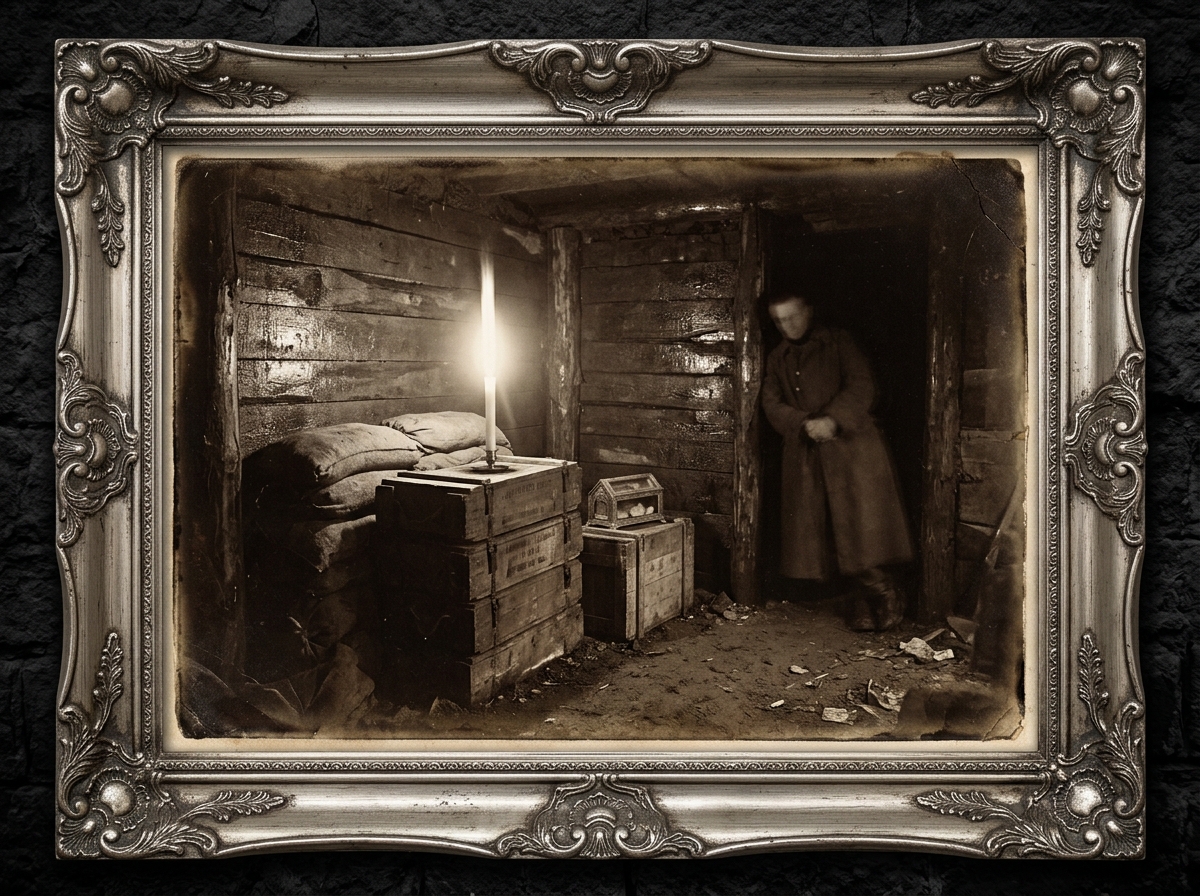
Units receive Grace Rations: bell-hour chits, saint-shares, indulgence slips. These are tallied and issued with the same precision as bullets — in some garrisons, with greater precision, because the Bureau of Bells audits more frequently than the Bureau of War, and its penalties for irregular expenditure are more creative. A soldier may be granted three bell-hours for courage, or a share in Saint Isidore's ash to ward fever. Fail to pay your tithe, and your allotment is suspended. No light in the trench. No absolution in the Ledger. The Bureau does not negotiate.
The black market in forged absolutions is, of course, thriving. At Bastion-Constantinople, a counterfeit chit once circulated claiming indulgence for "five sins, any type." Hundreds queued with them, hoping to trade damnation as if it were scrip. The forger's tongue was nailed to a church door. The chits continued to circulate. The Bureau of Purity suspects Velkara's operatives, but the Bureau of Purity suspects Velkara's operatives of most things, and is correct about half of them, which is a ratio the Bureau considers acceptable.
Miracles incur devotional debt — a deficit against the soul's credit. The symptoms are clinical and well-documented: dulled taste, where bread becomes ash on the tongue; insomnia hymns, where the ears ring at night with phantom bells that play no melody the Bureau can identify; brittle joy, where laughter breaks like glass in the throat. Communities laden with devotional debt walk grey-faced through their districts, unable to enjoy even their meager rations. The miracle has already spent them. They are the receipts.
Sorcerous corruption is less tidy. Exposure marks both body and society. The tongue salts over. The shadow learns to lag half a second behind the body it serves. Bells ring off-key when the corrupted enters a chapel. With sufficient exposure, a man may lose his true name — and without it, the Great Ledger cannot record him, and he drifts unbound, a creature of the Lie. Wardens are ordered to burn such husks on sight. Some beg to be recorded again, but ink slides off their skin. Words forget them. Prayers cannot cling. The Bureau of Records calls this "administrative dissolution." The term is precise. The mercy is absent.
#On the Field Kit
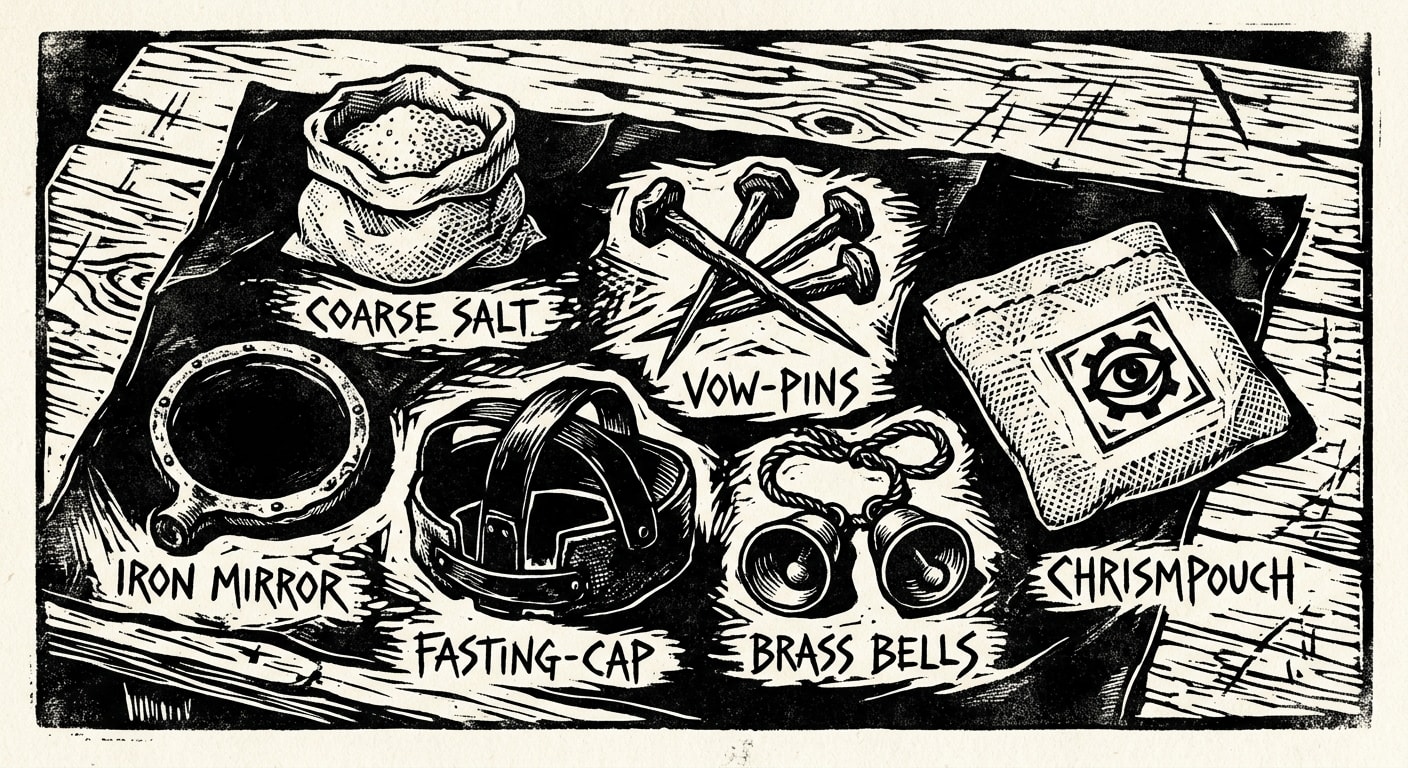
Against such abominations, the Synod issues safeguards — inelegant, practical, and distributed in oilskin pouches that smell of chrism and gunpowder. Salt to choke flesh-growth. Bells to cut fog. Iron mirrors to deflect reflection gates. Vow-pins hammered through the palm to secure loyalty. Fasting-caps to resist hunger-fields. The Bureau of War insists on pragmatism over pageantry: better a pierced hand than a stolen soul.
The counter-measures work. I shall not qualify this statement. They work with the blunt reliability of masonry, and they fail with the same blunt reliability when the enemy escalates beyond the parameters the Bureau anticipated. Which the enemy does, because the enemy reads our field manuals — or, rather, the enemy reads the soldiers who have read our field manuals, because reading a soldier is easier than reading a manual when you are a demon, and considerably more nutritious.
The Synod therefore leans upon its machines, its foundries, its engines of incense and iron. Because Heaven's vault is thin, miracles are rare, dear, and costly. Because sorcery is plentiful, vulgar, and ravenous, the world cracks under its weight with every campaign season. This asymmetry — grace rationed, corruption abundant — is the strategic reality the Bureau of War confronts every morning when its planning officers open their ledgers and discover that the Adversary has no budget.
Yet this is the Synod's assurance, and I record it with the fidelity it demands: though both crack Creation, only ours is sanctified, only ours is tallied, only ours preserves the possibility of Order.
I am instructed to find this comforting. I find the instruction correctly filed.