

Reverse Index
Referencing “Candlewick Palatinate”
Every codex entry that links to Candlewick Palatinate. 80 entries.
Return to Candlewick Palatinate
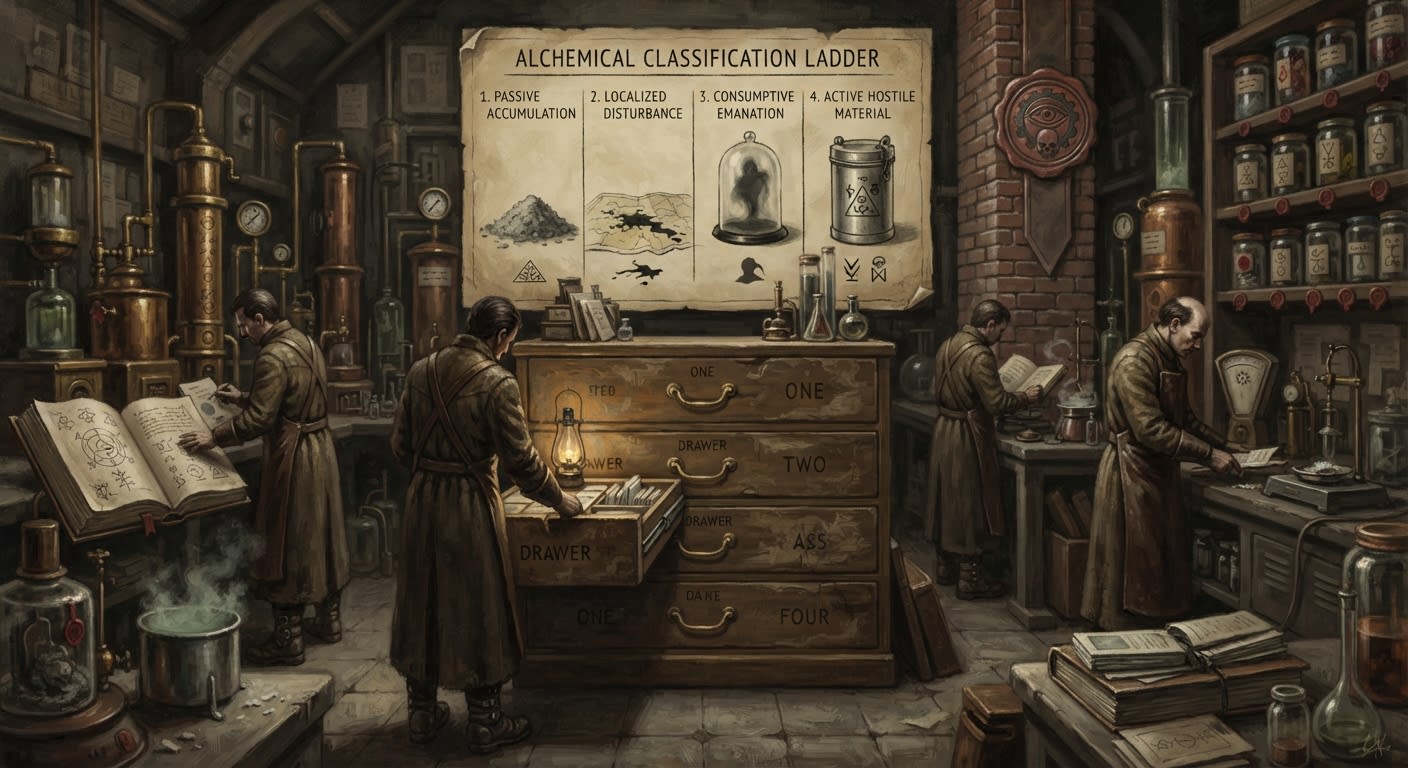
Alchemical Classification Ladder
Four drawers for terror, and none of them empty
The Bureau's four-rung ladder turns twitching ash, hungry ink, harmful vapours, and materials with intent into classifications Strasbourg can seal, bill, and fear politely.
Codex Ref. XIII.1.02-092
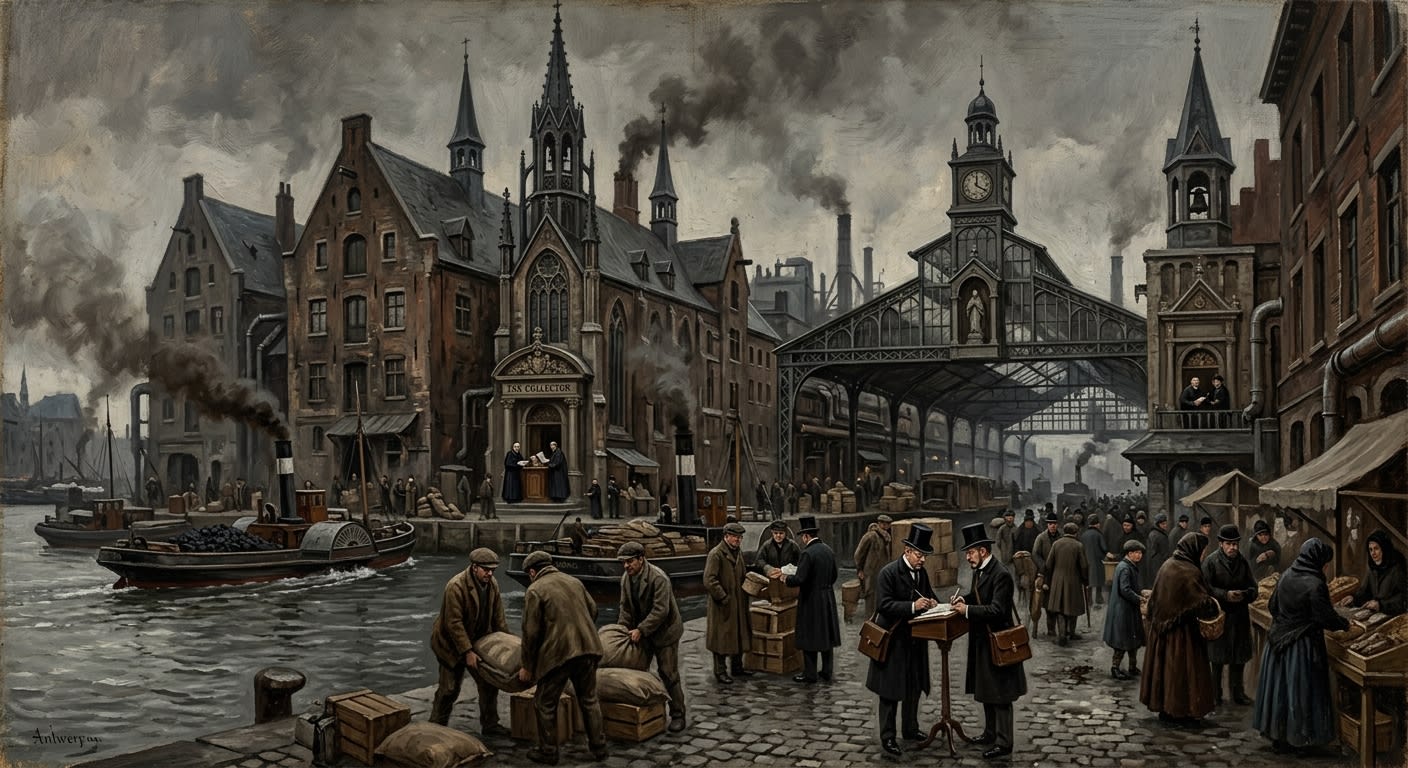
Antwerp
A port city weighing saints by warehouse light
Antwerp is the Scheldt port where commerce learned piety, hunger learned arithmetic, and every warehouse keeps a chapel close enough to tax.
Codex Ref. II.1.06-138
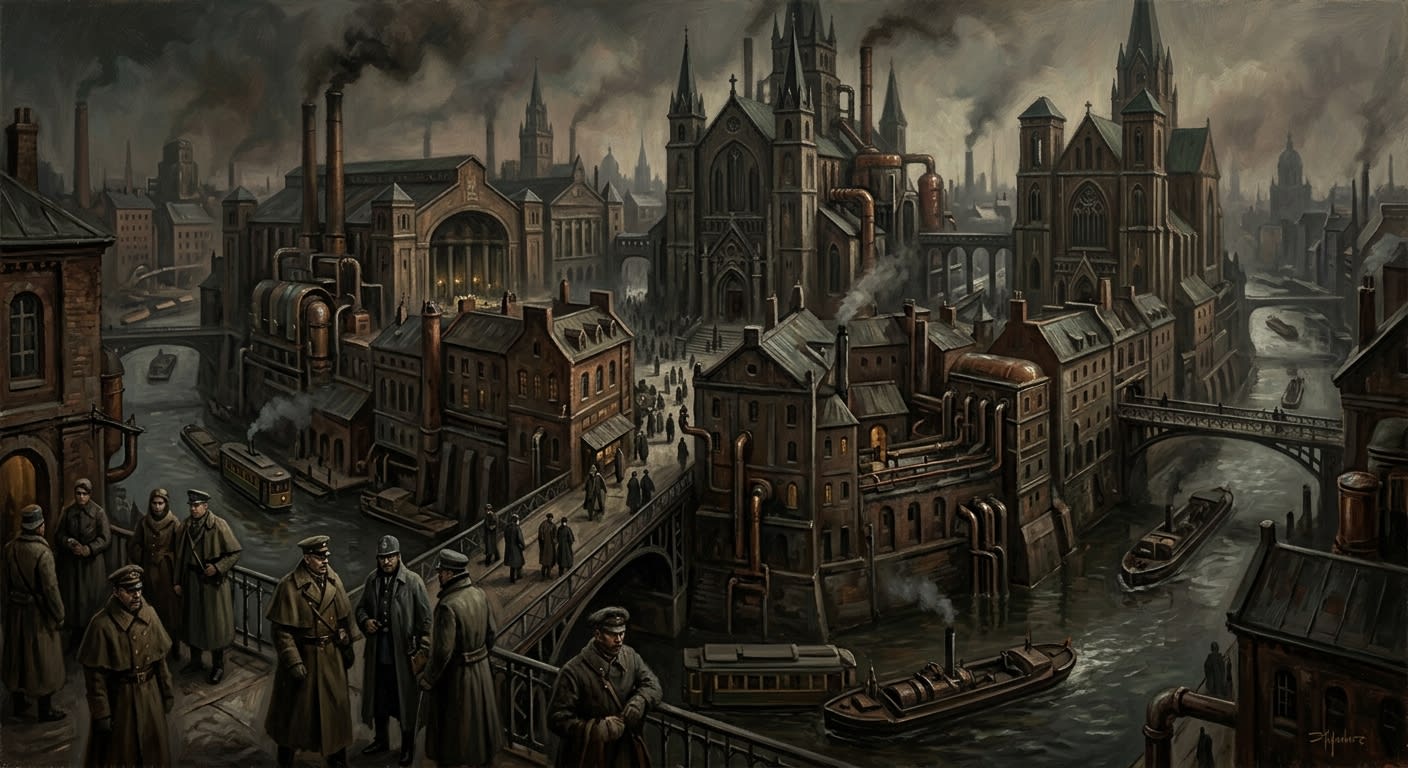
Archonate Isle
The north is not commanded; it is routed until obedience becomes timetable
Administrative island at Kanzleiburg's Spree core, where the Northern Hierarchate, the Archon, Records vaults, War concurrence, and Doctrine's coldest sermon desk make the north move.
Codex Ref. II.4.09-007
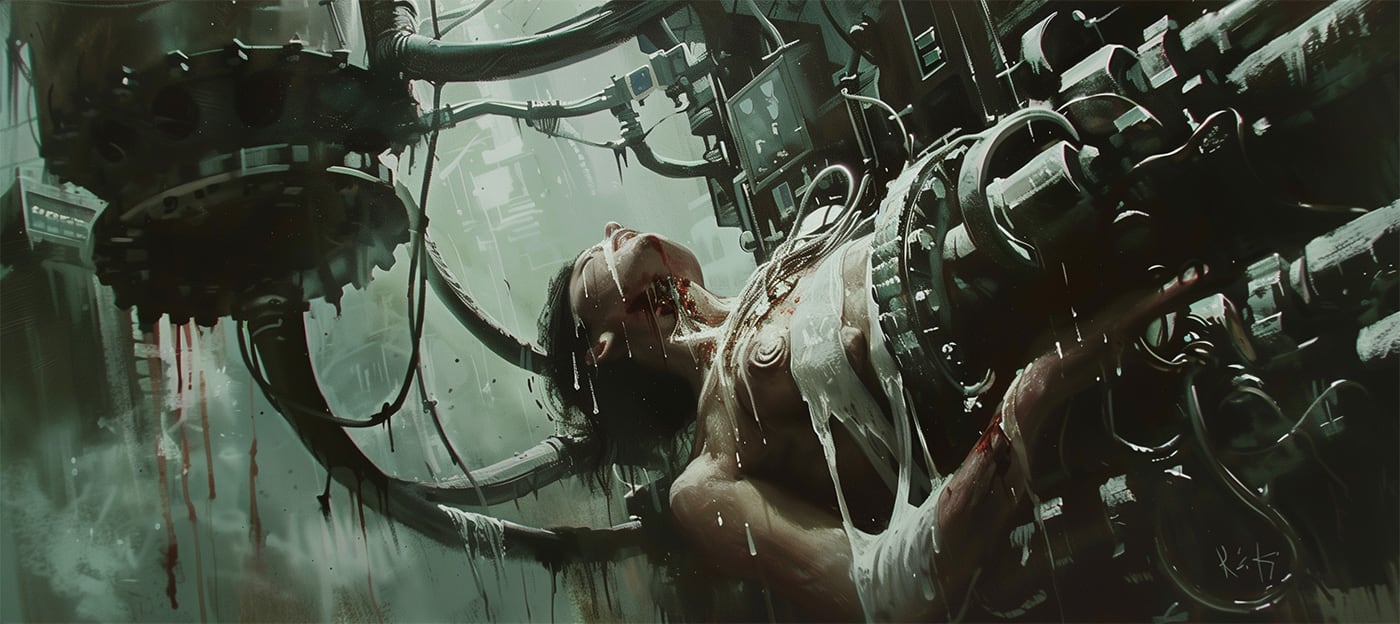
Ash-Mothers
A production line. The Bureau said two paragraphs were enough. They were not.
The Bureau's most exhaustive silence — Ash-Mothers are enemy reproductive logistics cells, captured women sustained by sorcery to generate Thrall regiments at industrial scale. I file the account that two paragraphs could not contain.
Codex Ref. IX.1.02-001
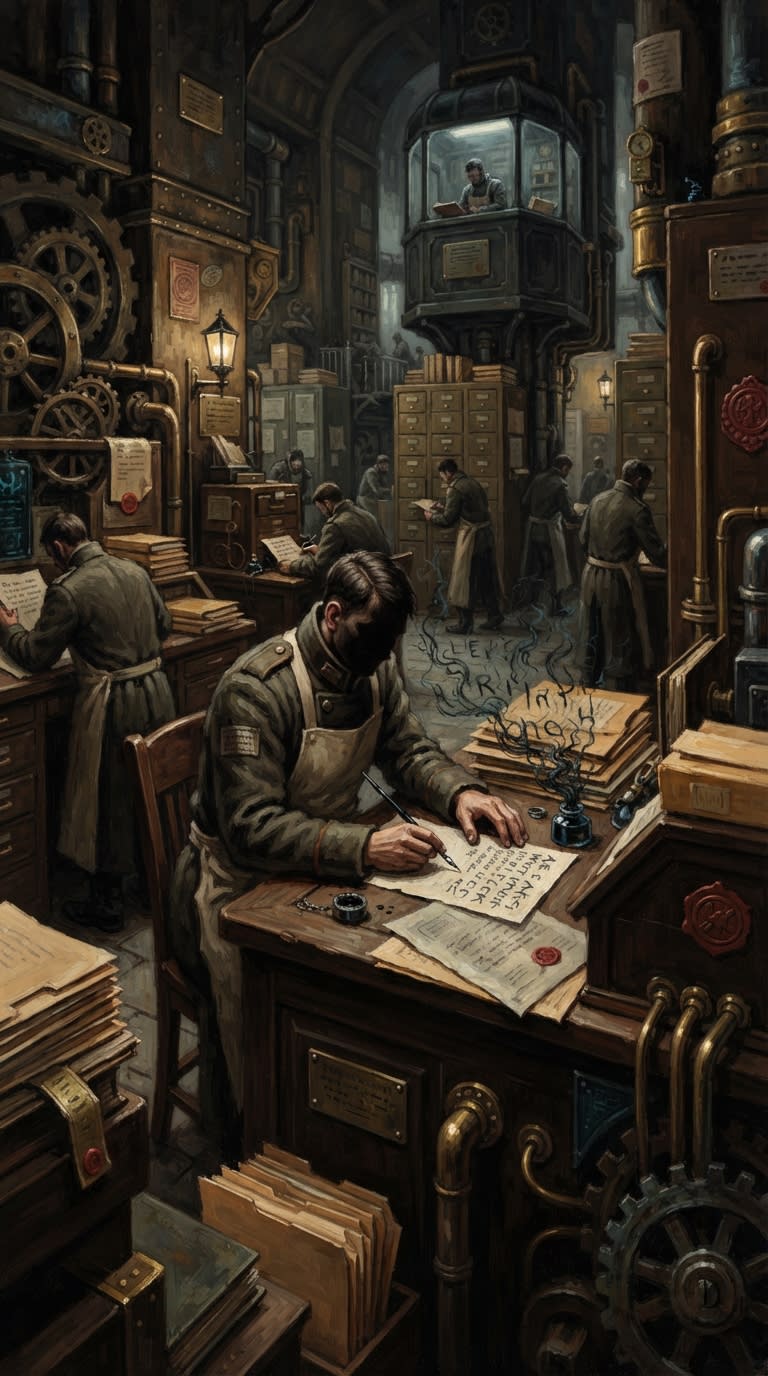
Ash-Substrate school
The unnamed doctrine that made the ink look back
The Ash-Substrate school argues that Hungry Ink is not contaminated ink but ash-bound intention, which is why the Bureau commissions its memoranda and buries their names.
Codex Ref. XIII.1.18-002
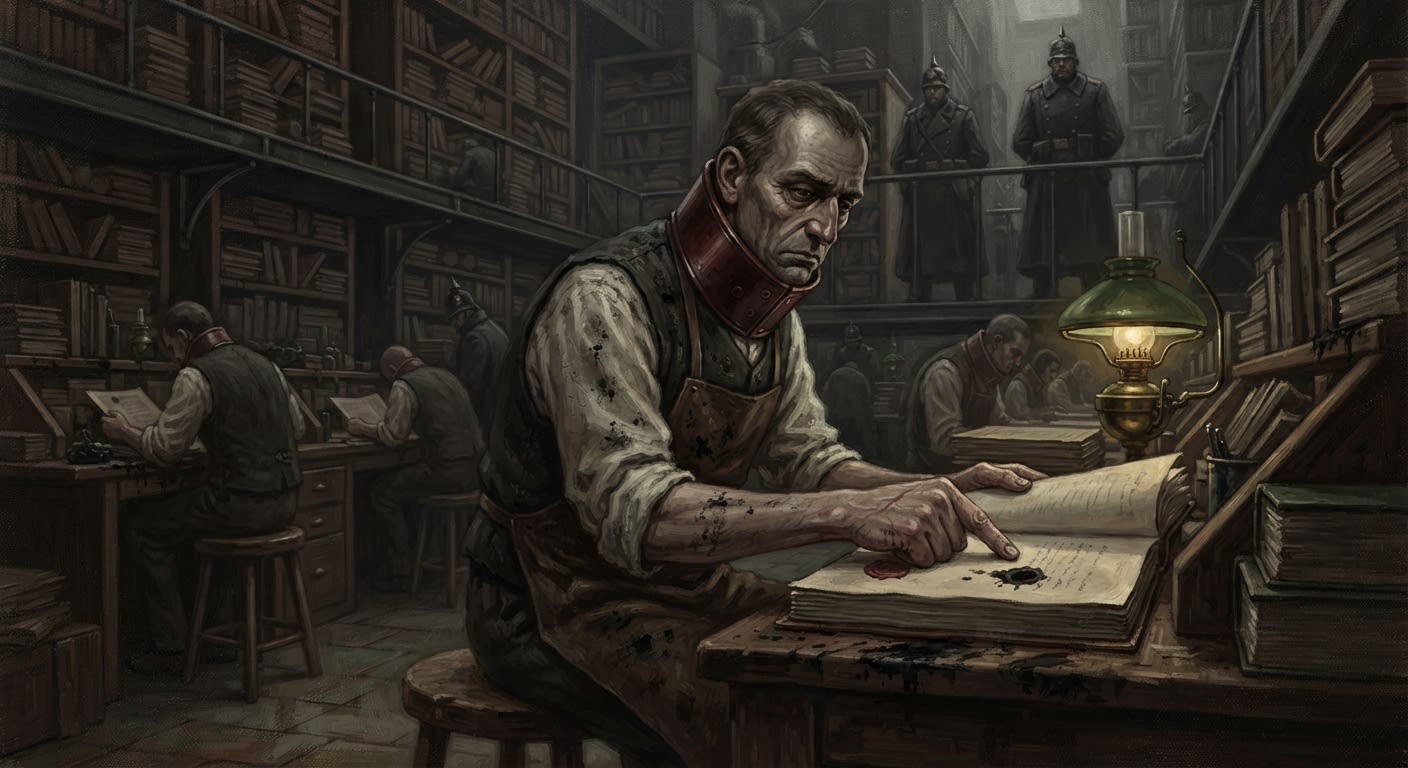
Assistant Registrar Pell
The thumb that survived the sentence
Assistant Registrar Pell's thumb survived the first preserved blank of the Fading Winter, making one Candlewick clerk more useful than innocence permits.
Codex Ref. III.2.01-199
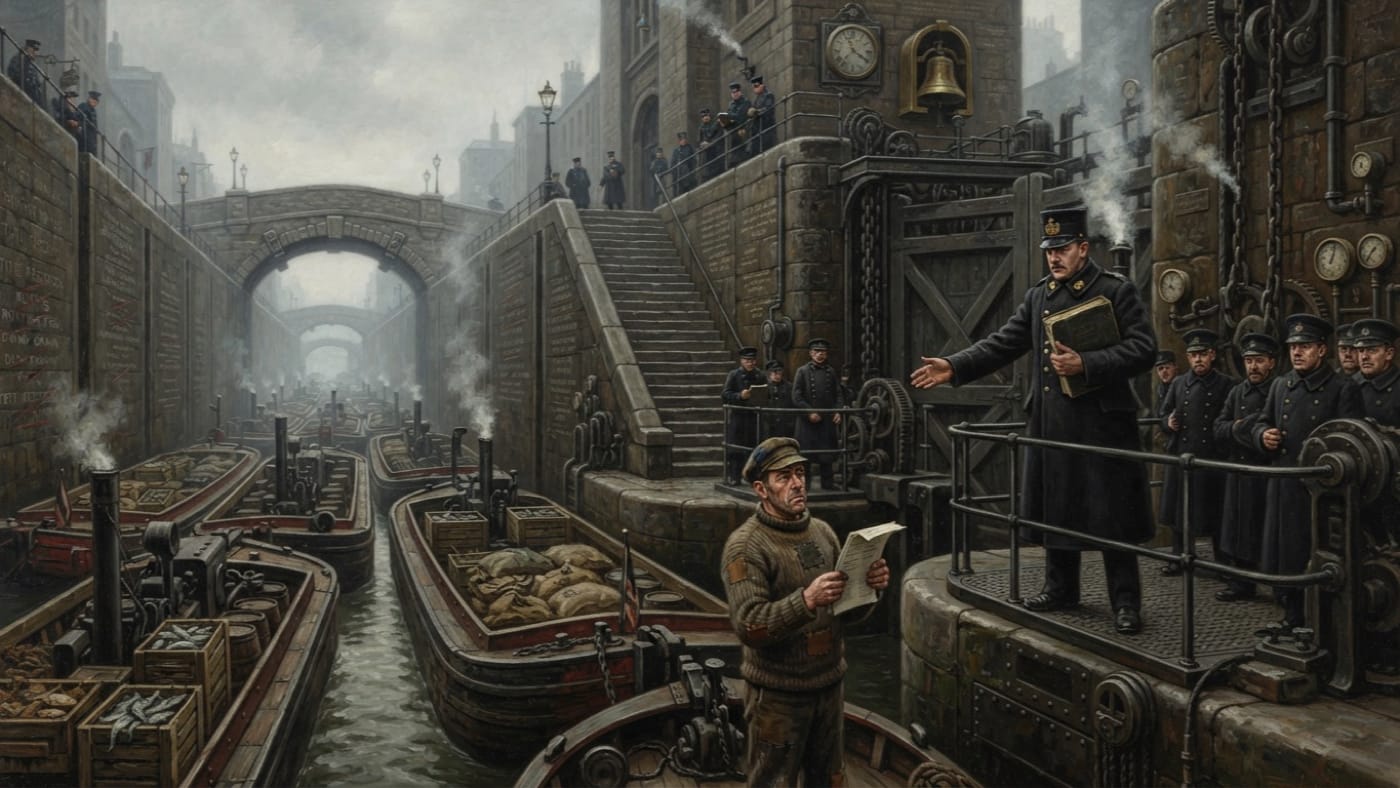
Barge Unions
Prudence at the gatehouse, extortion on the deck
The Causeyworks' barge associations call the Triple Lock's safety closures extortion. The Authority calls them prudence. I record both words; cargo rots while the clerks choose.
Codex Ref. XI.5.02-201
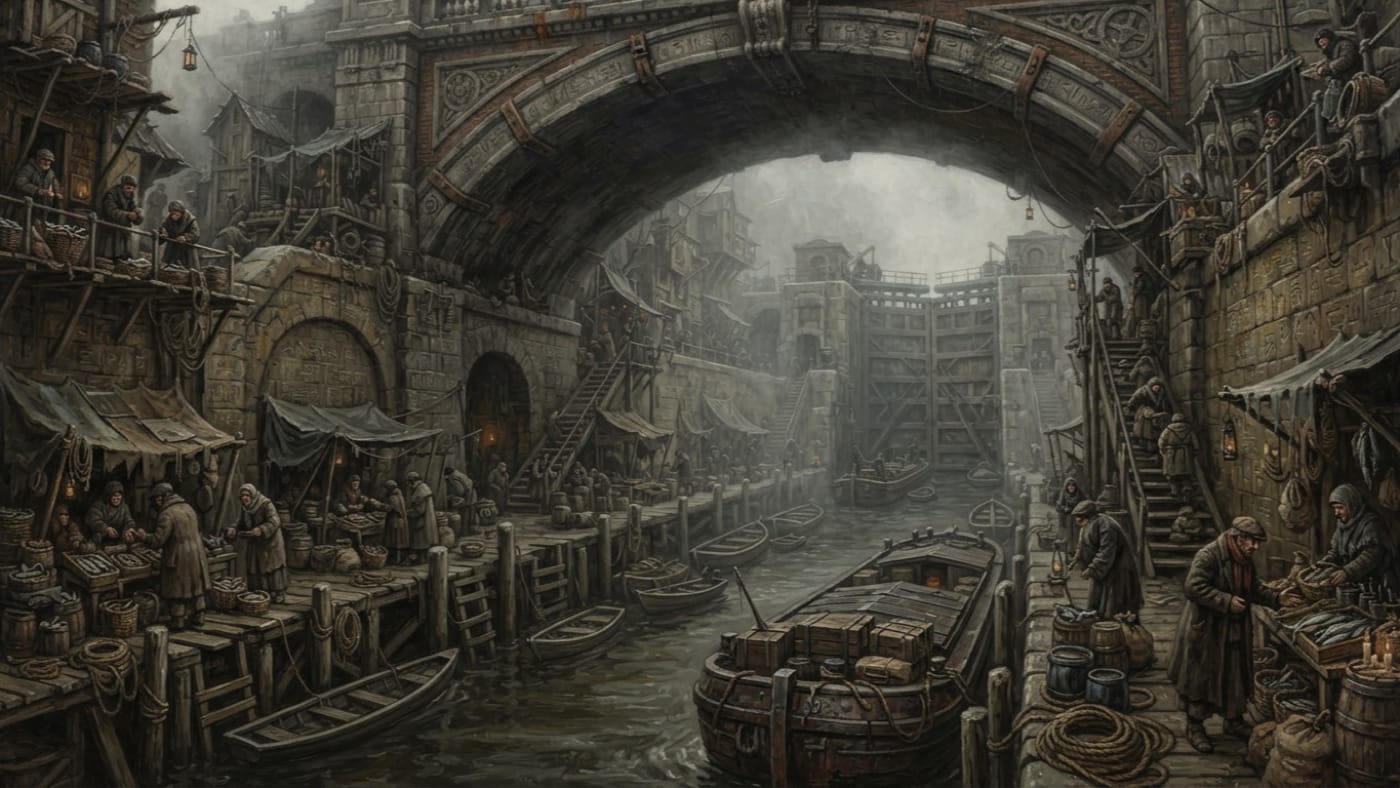
Barge-Lip Market
The planks keep no ledger; the bridges keep every debt
Barge-Lip Market hangs from the Causeyworks' canal edges, trading fish, tar, cheap spice and lock priority. The planks keep no ledger; the stone on the way home keeps every debt.
Codex Ref. II.1.02-002
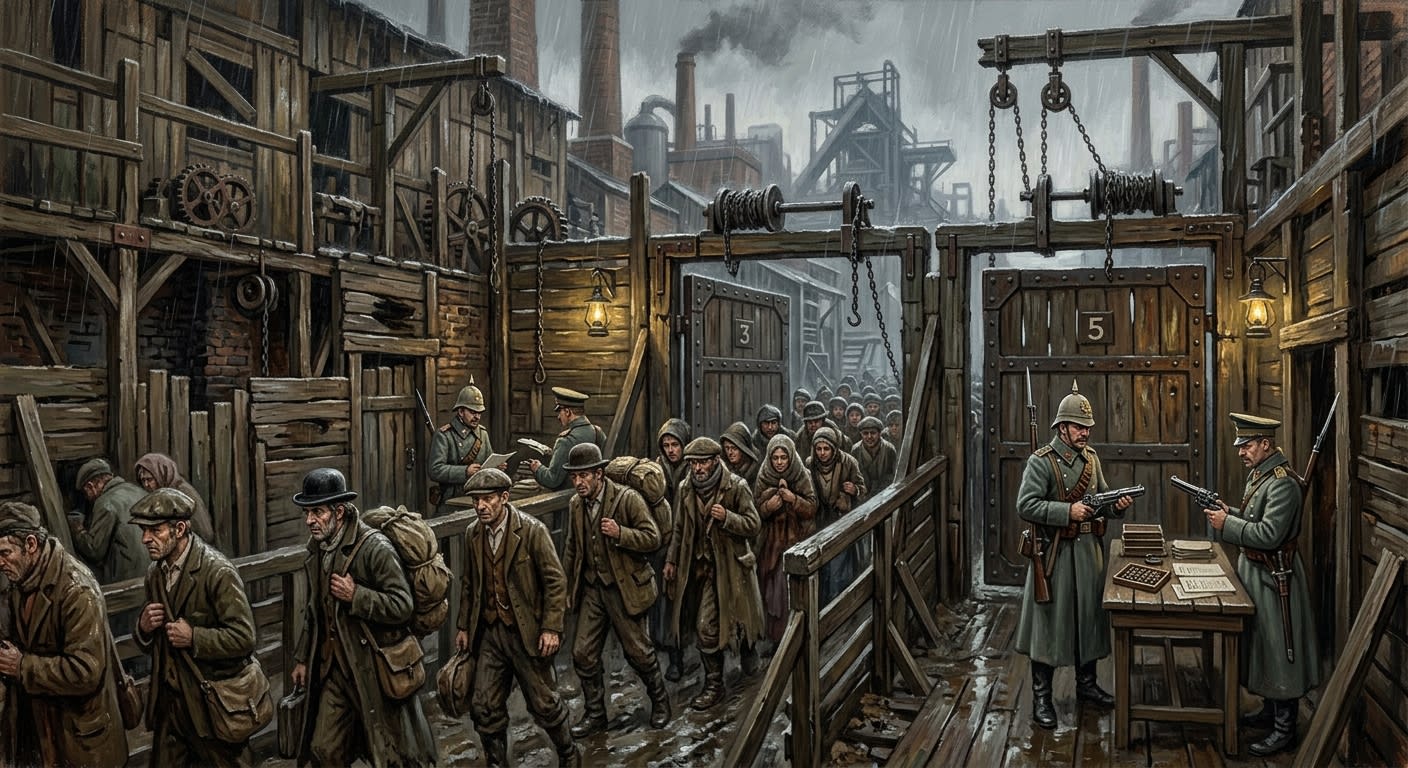
Barricade Maze
The fence that taught patience to pay rent
The Barricade Maze is the Queue Road's wet timber throat, where Gates Three and Five compress bodies, minutes, debts, and heresies into orderly revenue.
Codex Ref. II.3.05-010
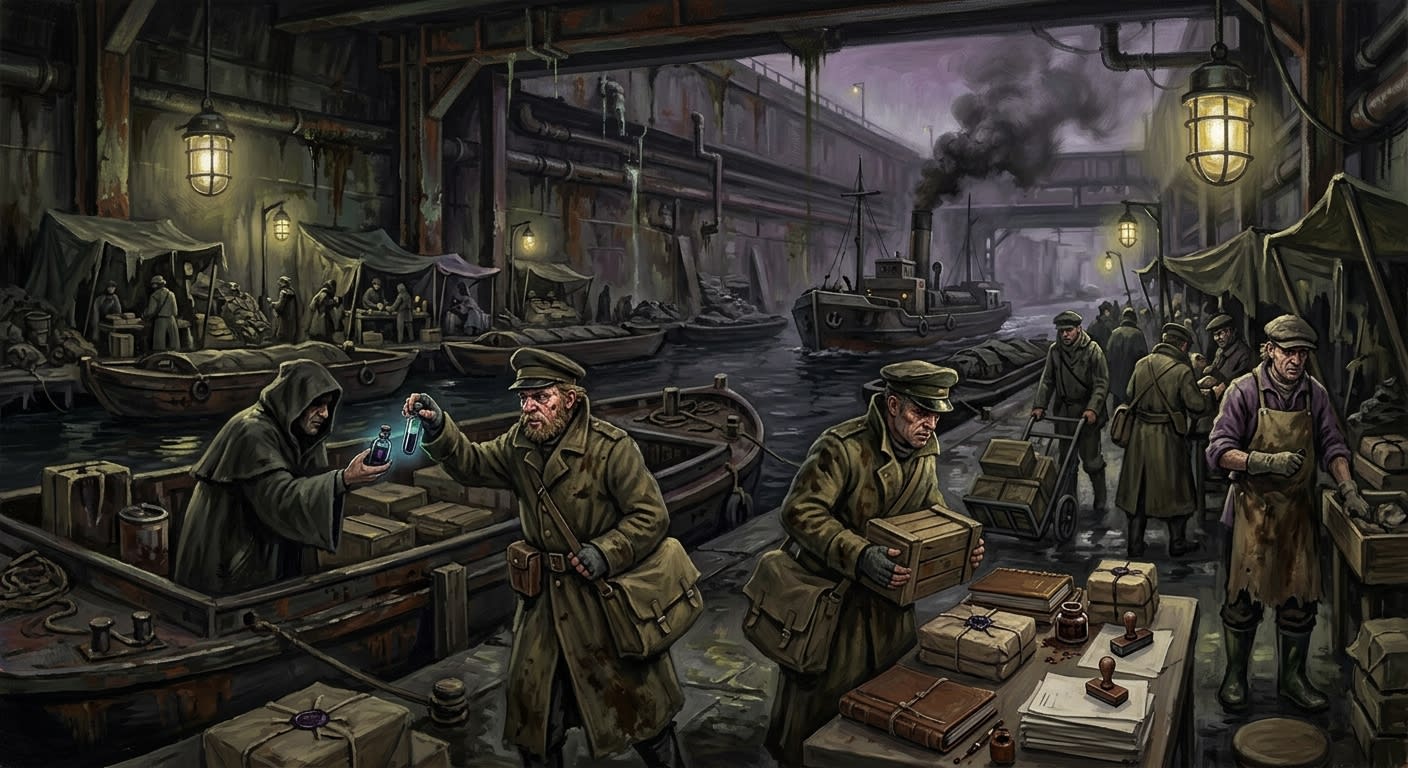
Black Canal
Where unlawful water teaches authority to float
The Black Canal is Candlewick's under-dike criminal water: a wet market of outlaw shade, Hungry Ink, false seals, name packages, and useful denial.
Codex Ref. XIII.1.19-098
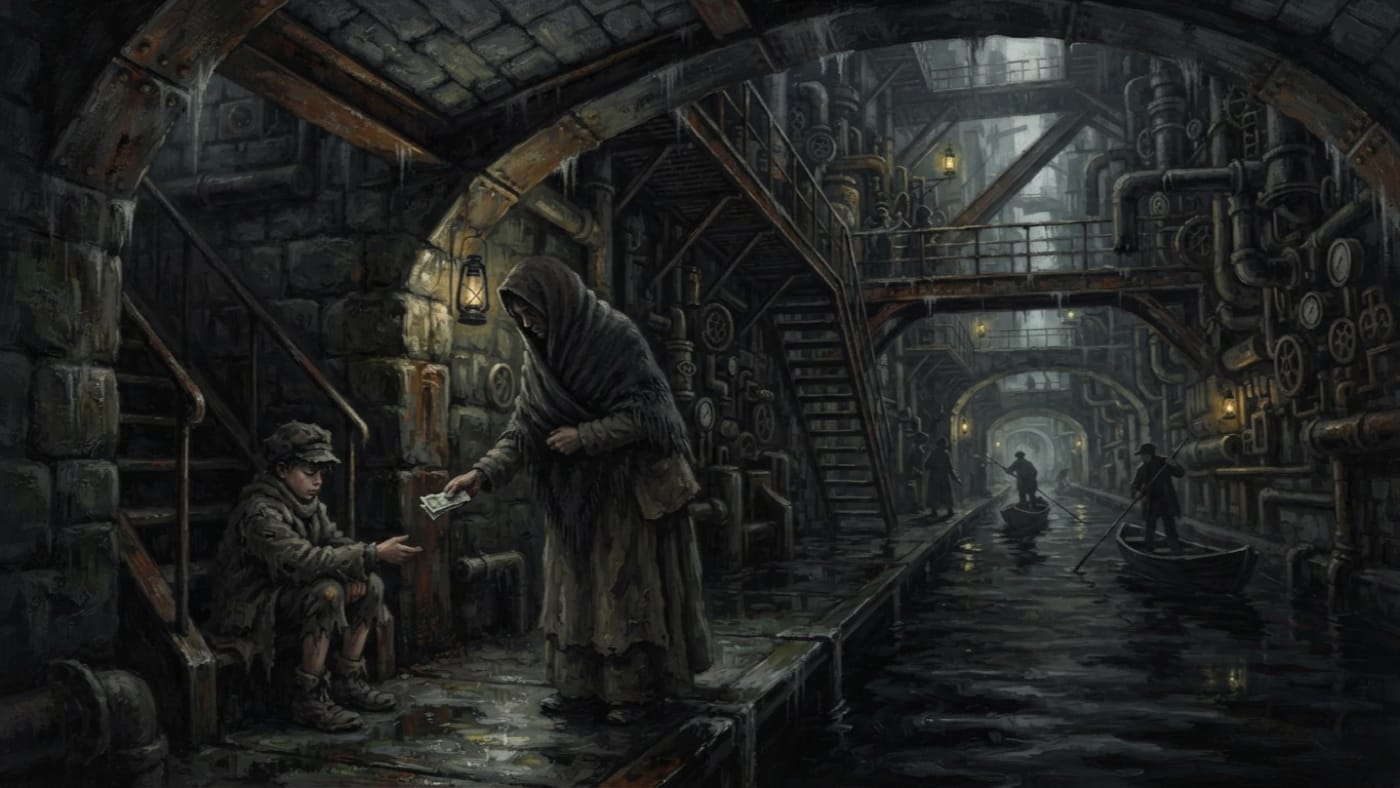
Black Canal Syndicate
Where permission is cheaper and the old name is collateral
Candlewick's under-dike cartel sells outlaw shades, false seals, and purchased names. The Fading Winter brings it customers; the old name remains collateral.
Codex Ref. XI.5.02-001
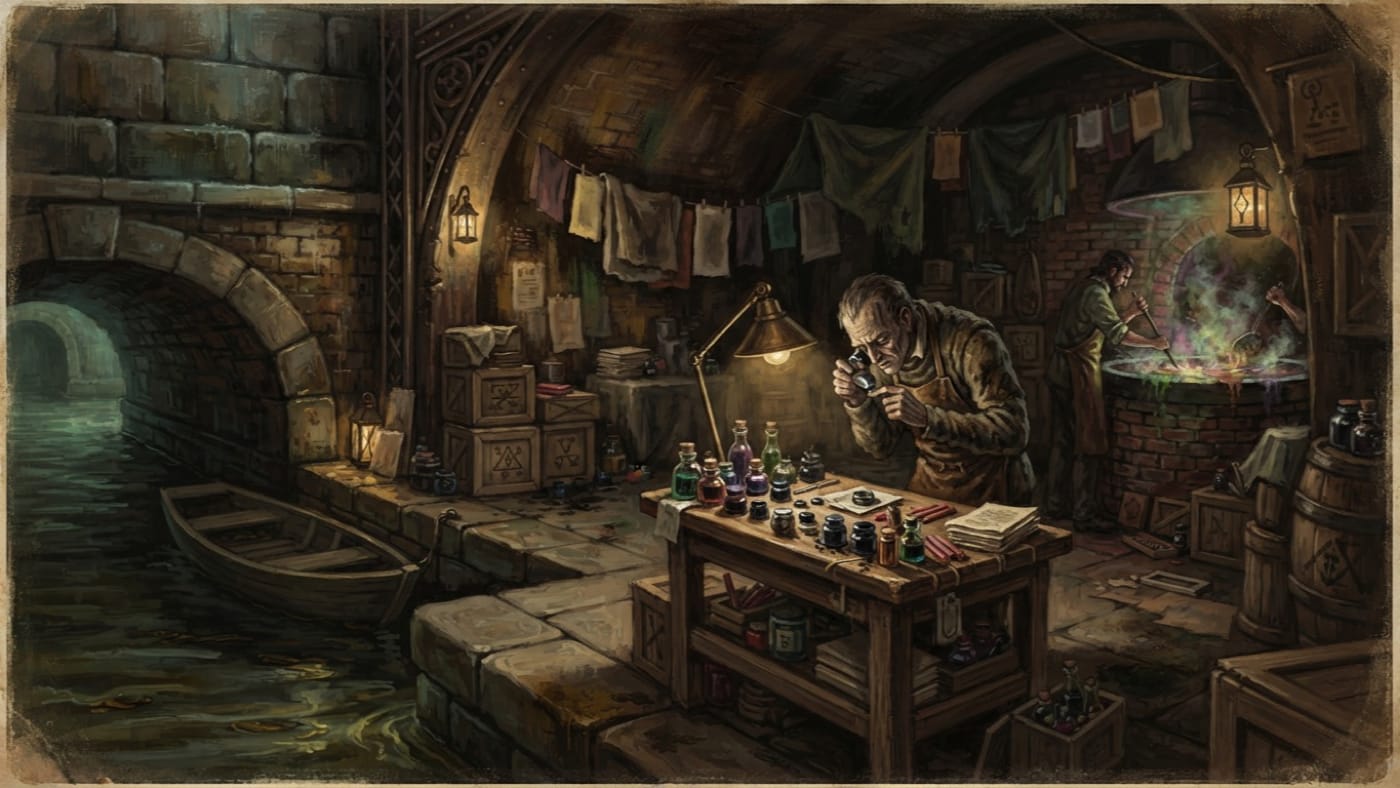
Black Canal workshops
Where the unlicensed make permission by the drop
Beneath Candlewick's dikes, unlicensed artisans make outlaw pigments, false seals, illicit paper, and fade-proof ink. The Provosts blame their benches for the Fading Winter; proof remains absent.
Codex Ref. II.1.01-201

Bone-Tag clerks
The corpse needs a name; the living need the clerk's permission
Candle-Sump's Bone-Tag clerks keep names attached to corpses and living papers inside cabinets. In Lower Vire, clerical death needs only a wrong column and a clerk unwilling to correct it.
Codex Ref. XII.34.02-201
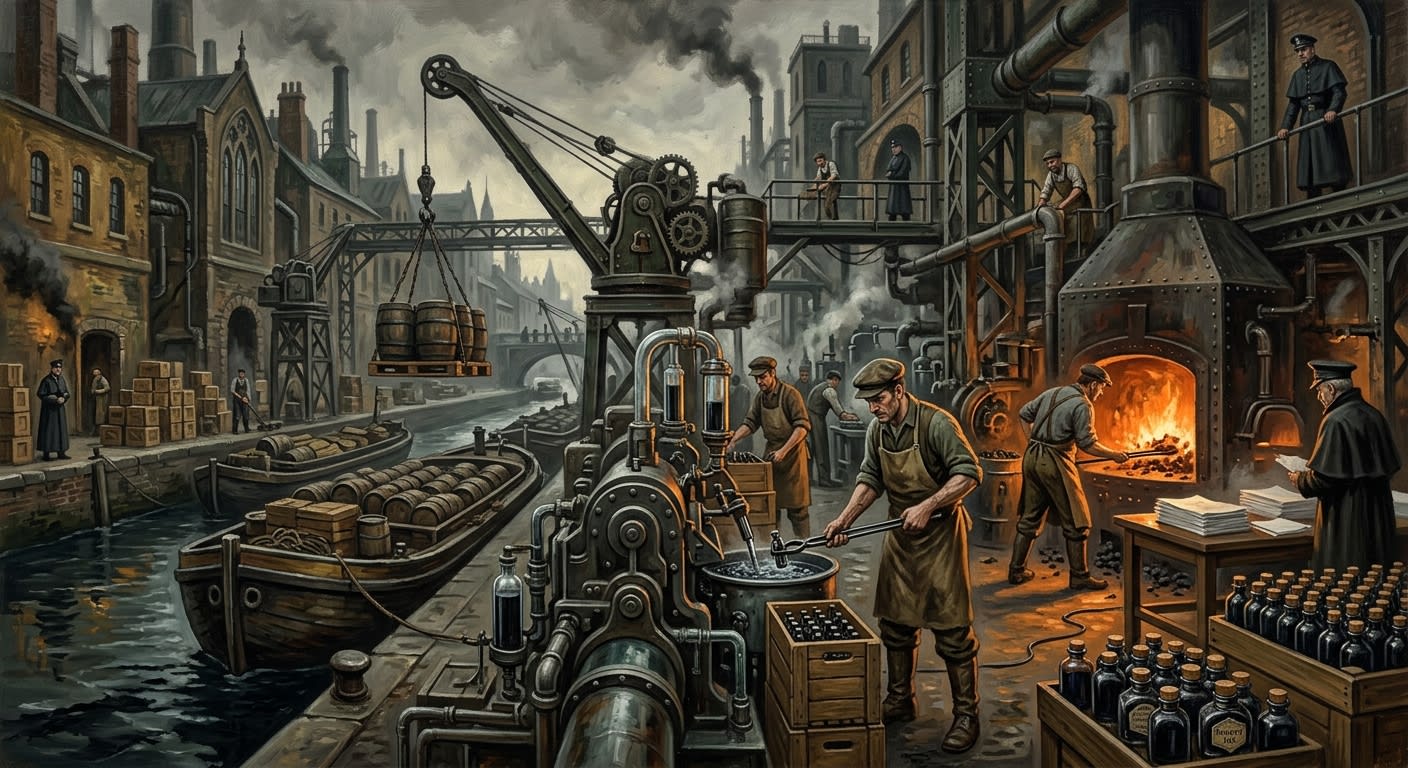
Bottle Quay
Where authority is poured into glass and taught appetite
Candlewick's ink-bottling throat: glassyards, shade seals, micro-vials, Hungry Ink suspicion, and the useful fires by which paper learns command.
Codex Ref. II.1.01-092
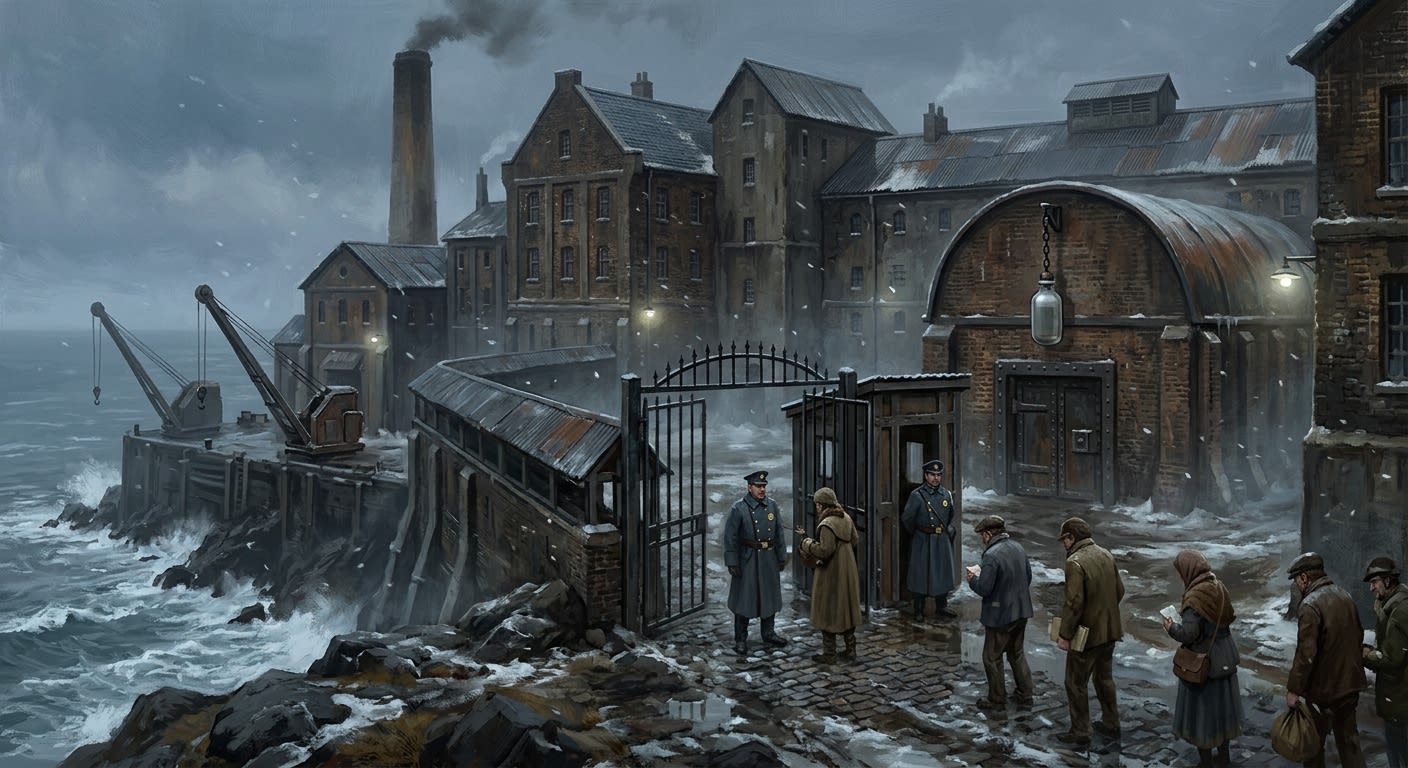
Brine Fork
Where three roads pay their grief before choosing a direction
Brine Fork is the Salt-Vigil island where winter roads divide, tolls become grief, and the Phial Cellar keeps the tears with better discipline than mercy.
Codex Ref. II.3.05-082
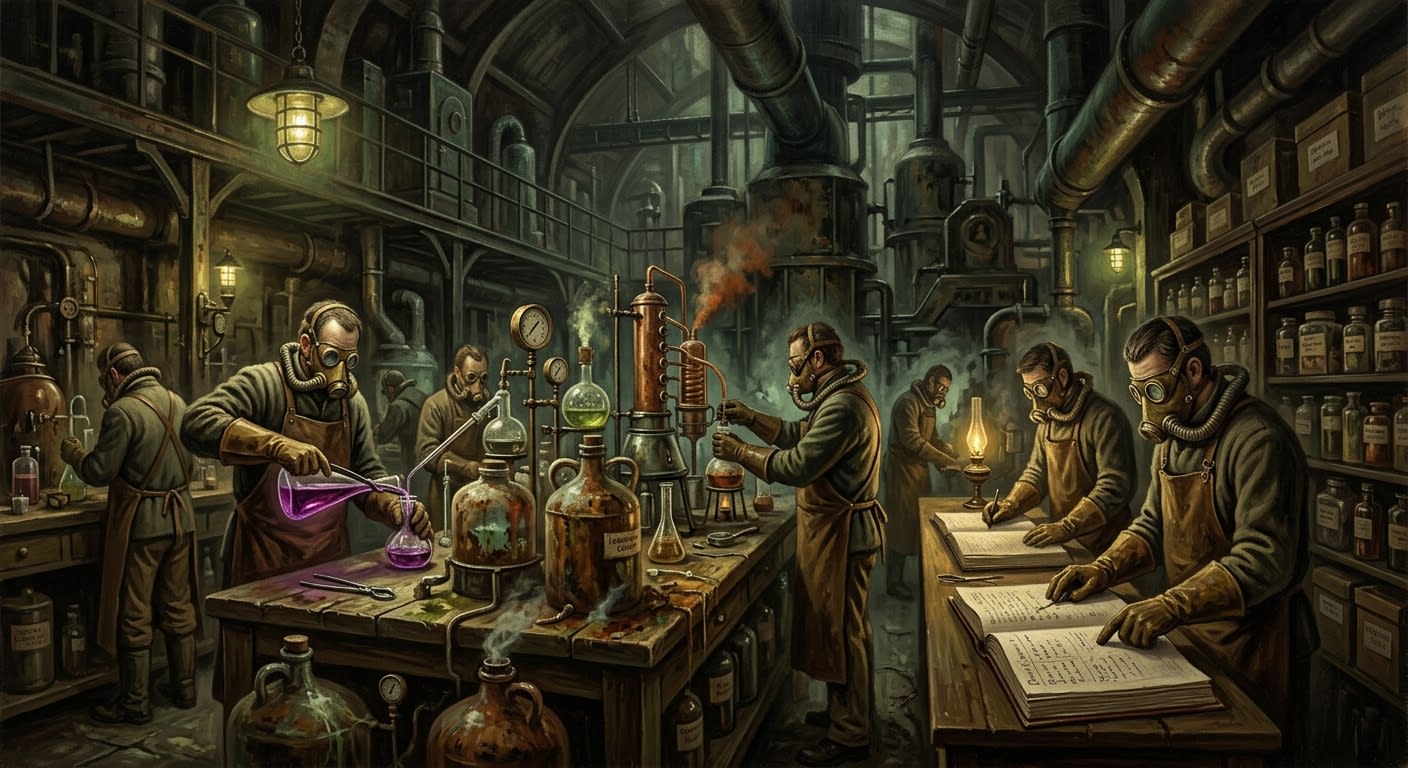
Bureau of Alchemical Standards
First the tongs, then the theology
The Bureau of Alchemical Standards tests the sacred for spoilage, classifies residues no sane clerk would touch, and gives terror a tolerable label.
Codex Ref. VIII.2.02-001
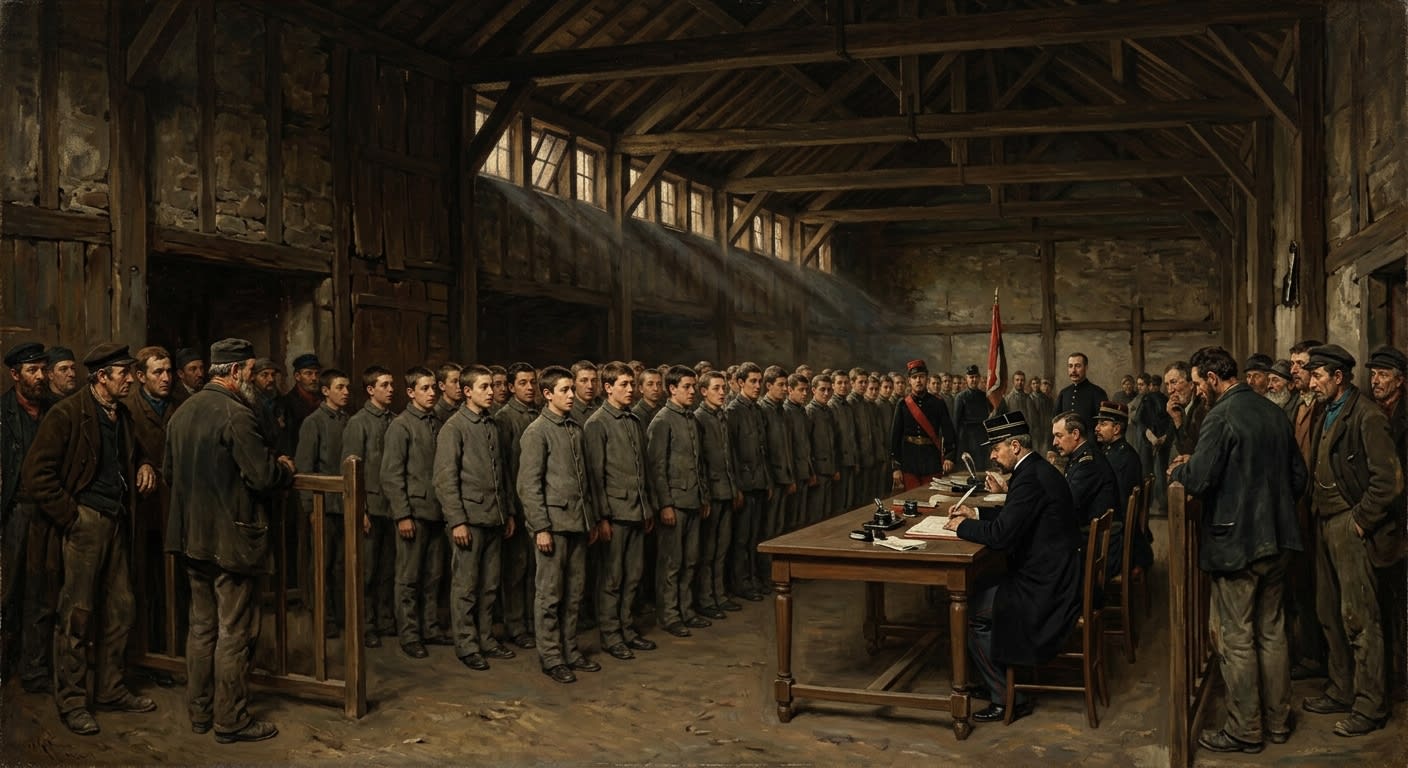
Bureau of Conscription
A tithe of flesh. The Bureau calls it a fraction.
The Bureau does not take. It collects. The hand that reaches into the household, past the mother's grip, and removes what was promised — which is to say, everything.
Codex Ref. III.4.07-112
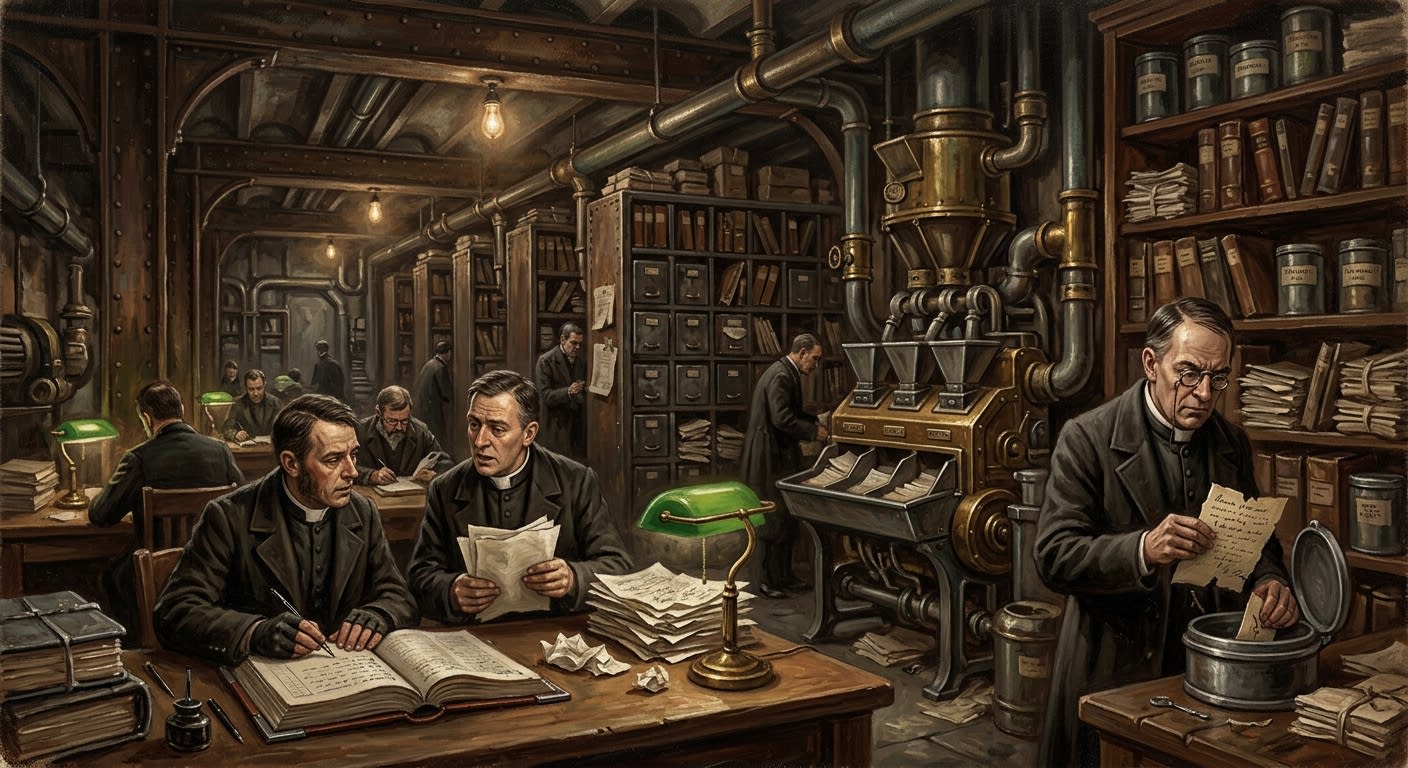
Bureau of Hearsay
Copy the ugly sentence before a cleaner office teaches it to lie
The Bureau of Hearsay preserves rumour before proof can disinfect it: tavern scraps, trench gossip, enemy jokes, and every ugly sentence that later becomes doctrine.
Codex Ref. VIII.8.02-112

Bureau of Shadows
Fourteen confirmations of nonexistence. The grave-dust wax alone cost more than silence is supposed to.
The Bureau of Shadows does not exist. Fourteen decrees confirm this, each bearing between three and seven counter-seals, each filed under a category the Bureau of Records insists is empty.
Codex Ref. VIII.8.01-001
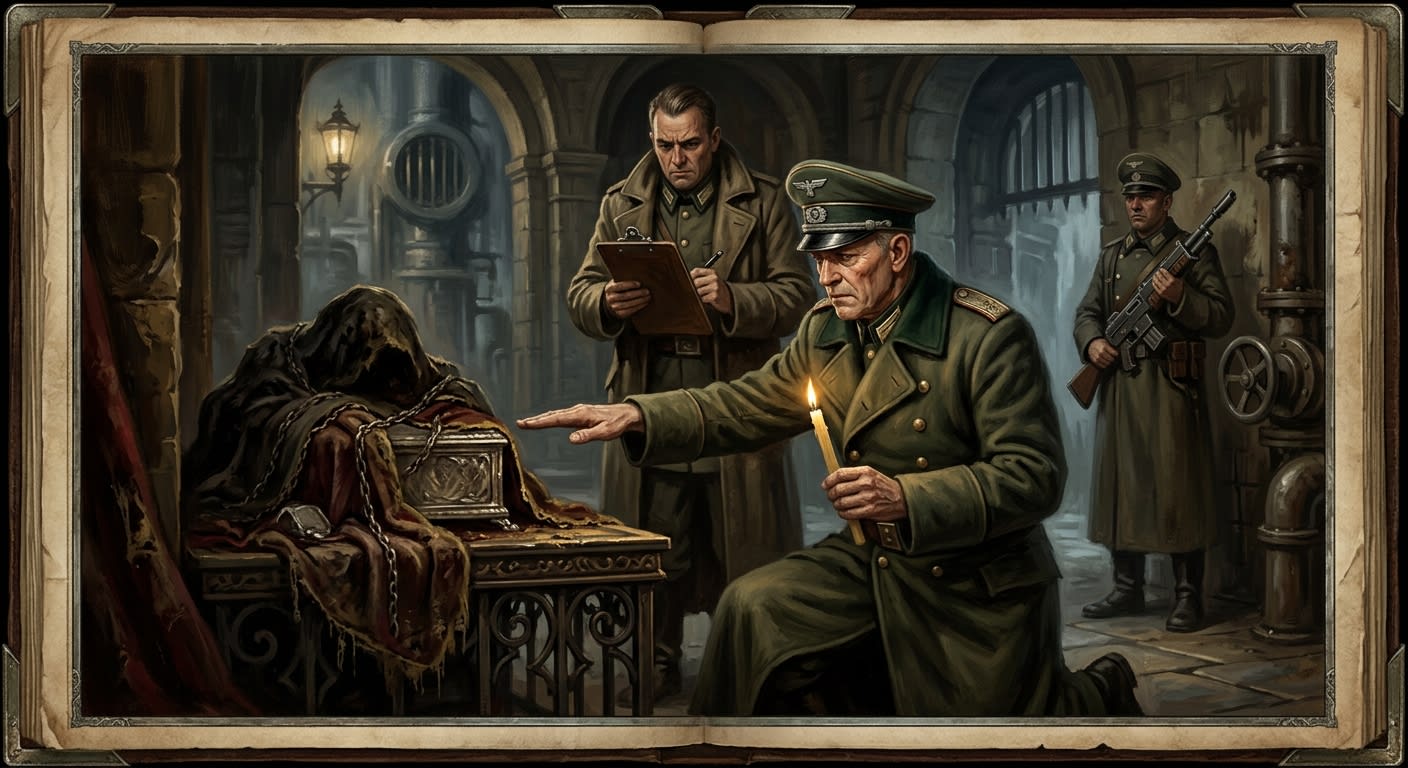
Candle Proof
One palm-width of wax between sanctity and arrest
Relics doctrine standardised in A.S. 98: a clean taper, one palm-width from a suspected relic, asks whether the holy thing wants the flame.
Codex Ref. XIII.1.81-001
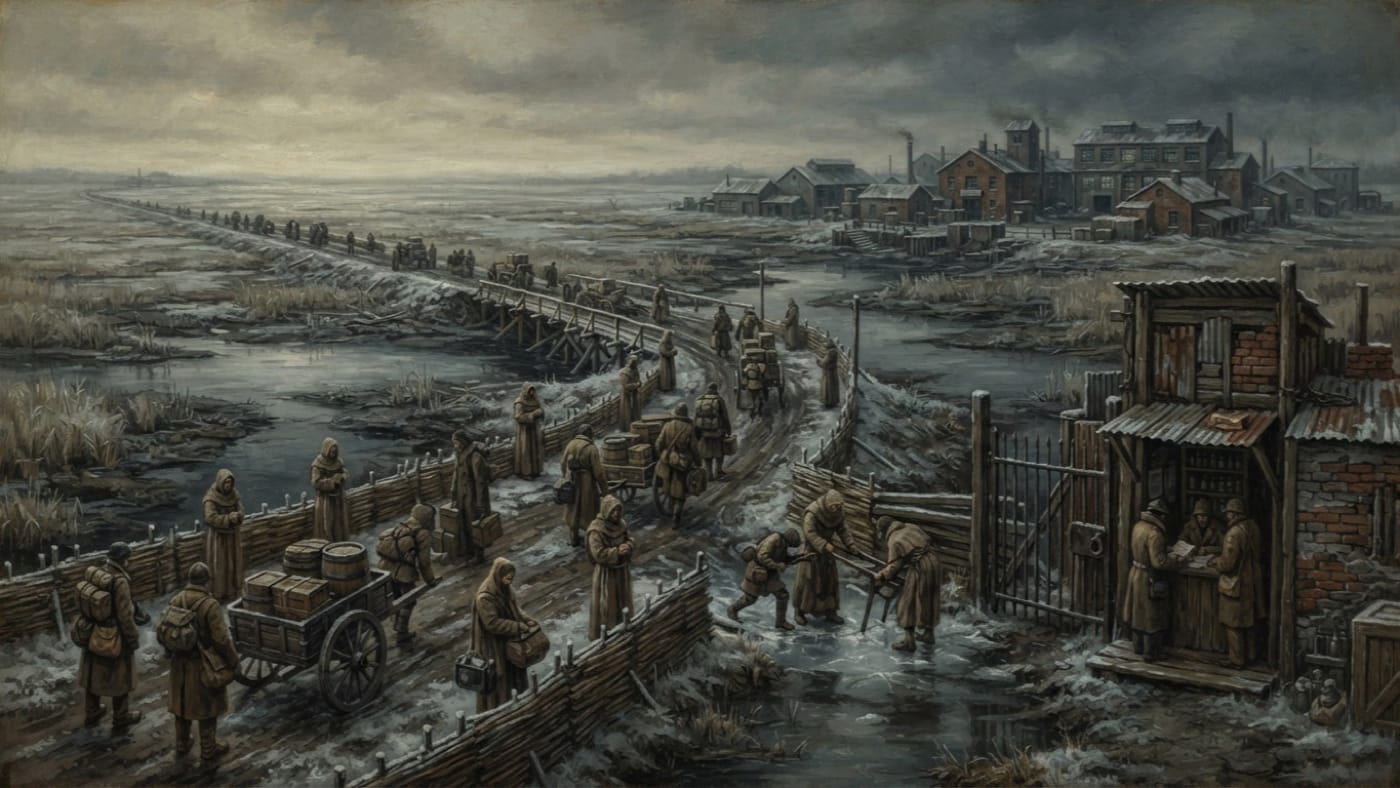
Candlewick Spur
Where authority travels in wax and passage is paid twice
Eleven miles of winter road carry Candlewick's wax, ink, and clerks to Brine Fork; three bridges return each autumn, and every traveller pays twice.
Codex Ref. II.3.05-004

Captain Elias Brekke
The officer who saw [[debrecen|Debrecen]], wrote it down, and was filed away alive
Captain Elias Brekke discovered the Ash-Mothers at Debrecen in the A.S. 78–83 window, filed the deposition that made horror procedural, and vanished into Candlewick inventory after A.S. 84.
Codex Ref. III.2.01-056
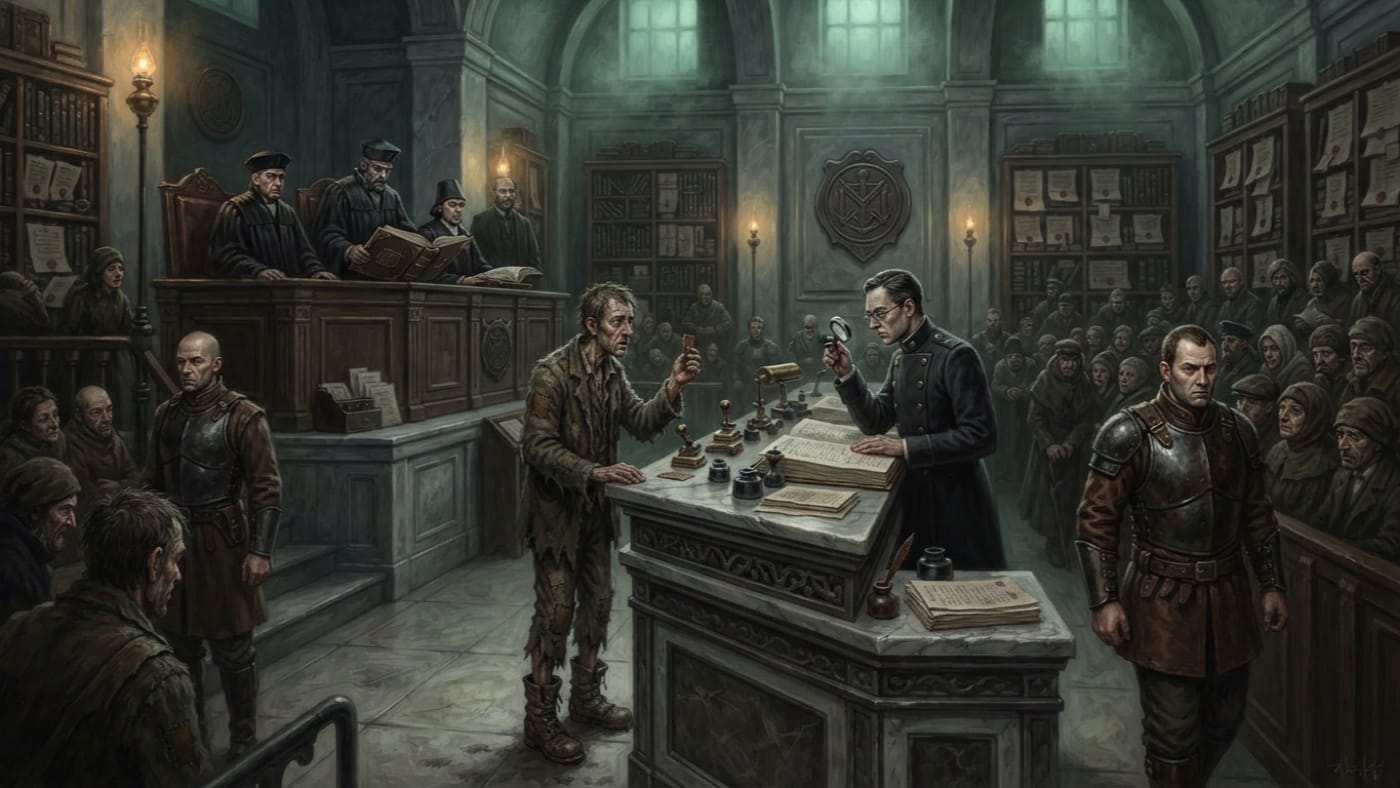
Charter Court of Impressions
Where the papers stand trial before the person
Candlewick's charter tribunal tries shade-treason and keeps seal rubbings of the dead. The living must hold a lawful shade token before the Court will hear their complaint.
Codex Ref. VIII.2.14-201
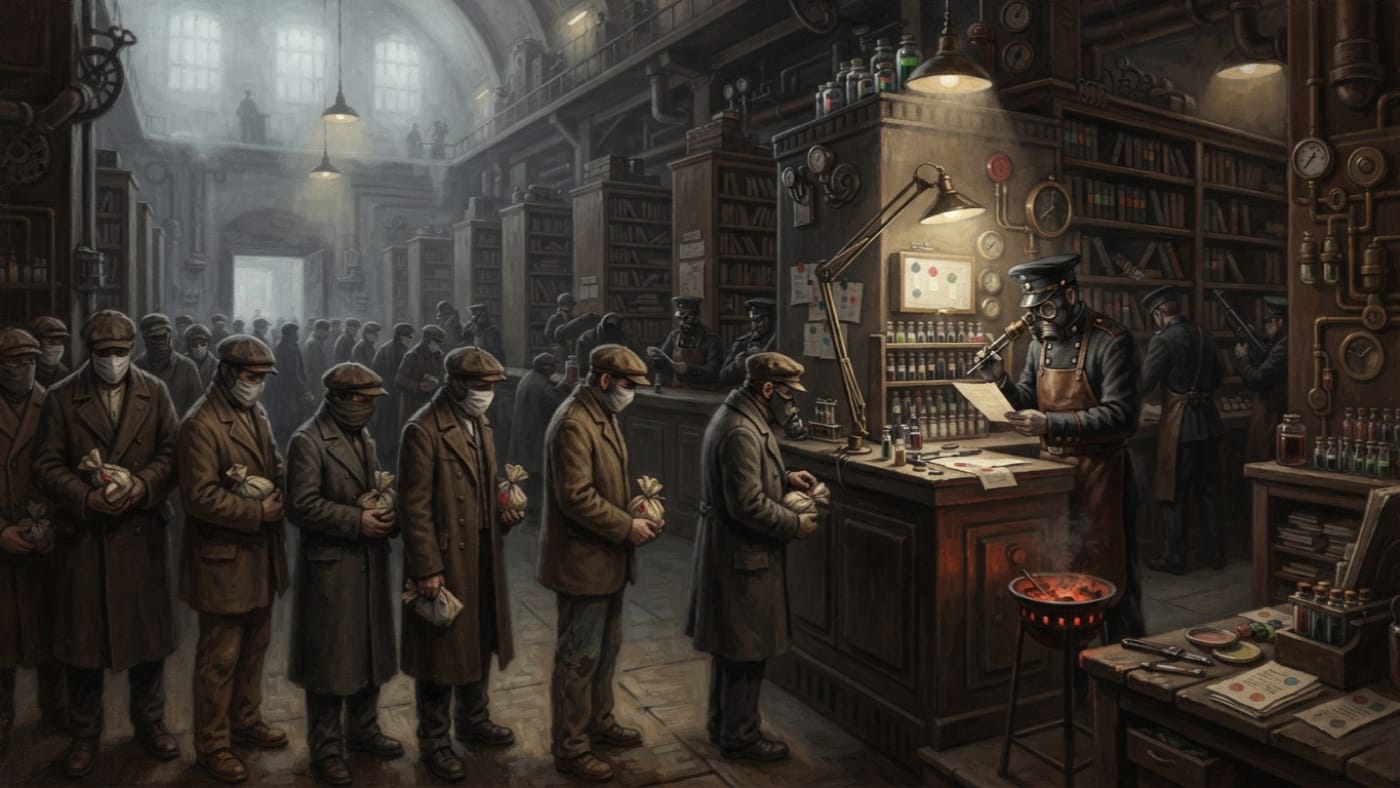
Chromatic Reconciliation
Where lawful colour decides who may continue to exist
In A.S. 199 the Chromatic Registry answered Candlewick's Fading Winter with mass shade revalidation: eighteen workshops closed, forty-seven workers unlicensed, and existence left pending review.
Codex Ref. VII.4.04-002
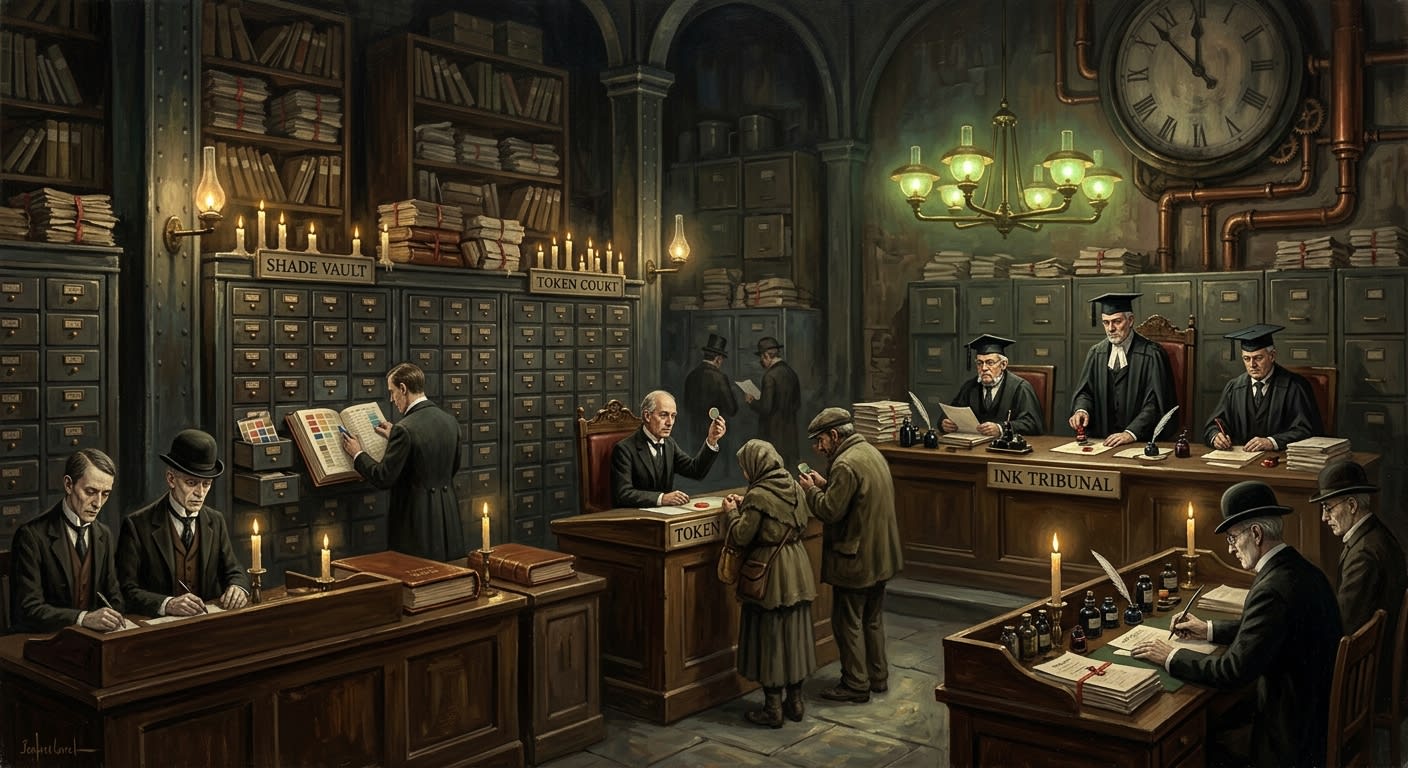
Chromatic Registry
Where colour enters the file and the eye becomes subordinate
Candlewick's Chromatic Registry defines lawful colour: shade vault, token court, ink tribunal, and the lamp-lit tyranny by which papers decide who exists.
Codex Ref. VIII.2.13-104
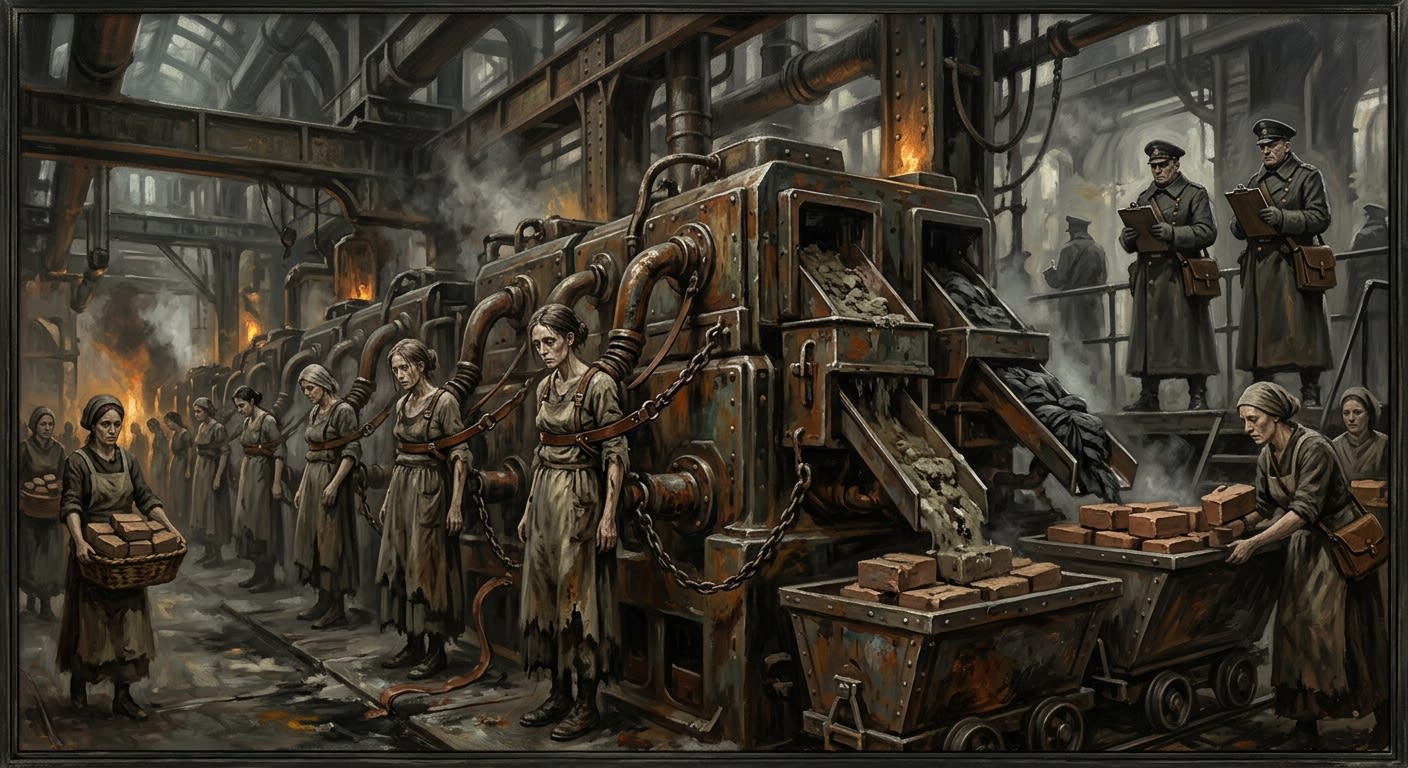
Classification 7-F
The file by which the Bureau teaches horror to stand in line
Classification 7-F names Reproductive Infrastructure, Hostile: the sealed category by which Ash-Mothers, mortar, obedience, and enemy supply become one file.
Codex Ref. XIII.1.72-004
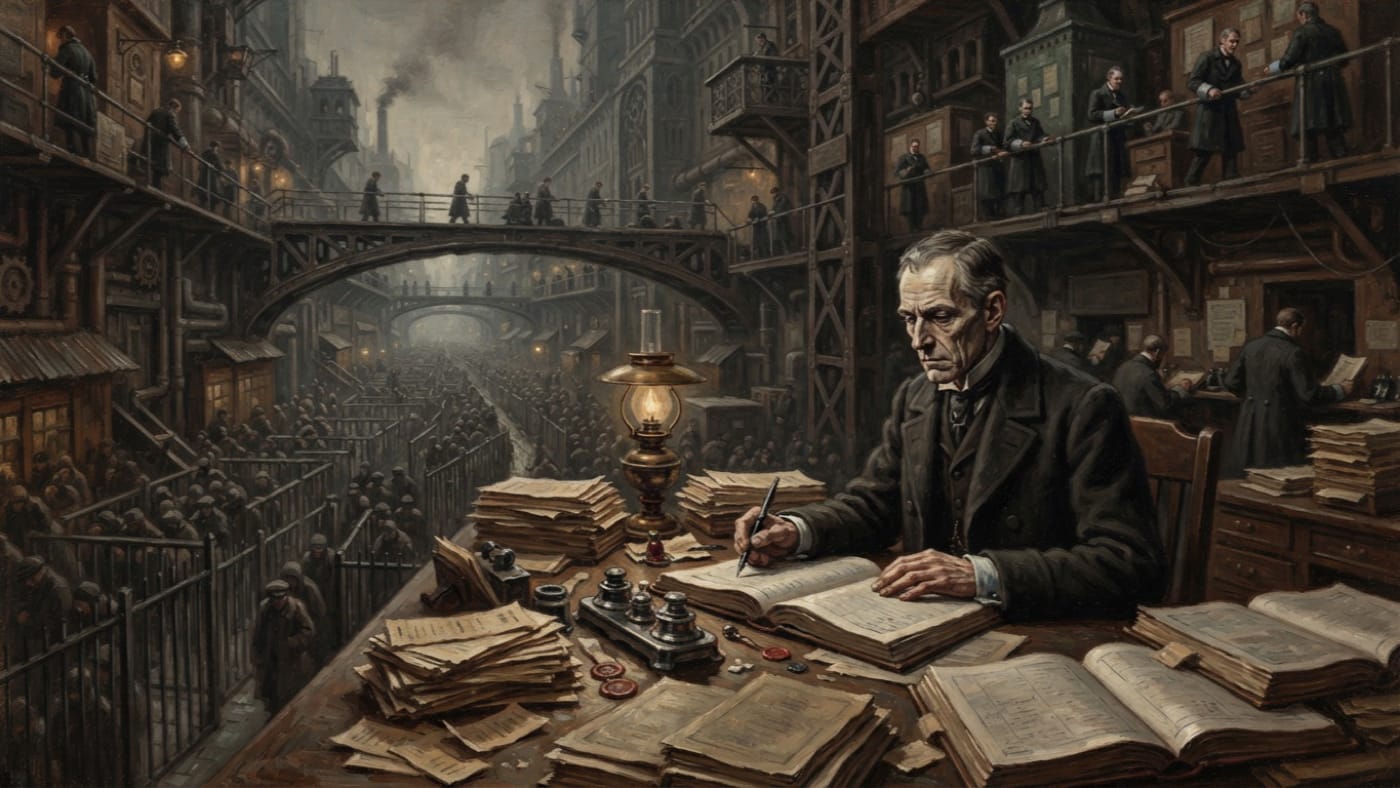
Clerk-Prime Yoren
The hand that decides whether an hour was ever entered
Clerk-Prime Yoren heads the Time Clerks' Collegium of the Queue Road. His guild decides which waiting hours reach the ledger. The file records his office; it offers no history of the man.
Codex Ref. III.2.01-648
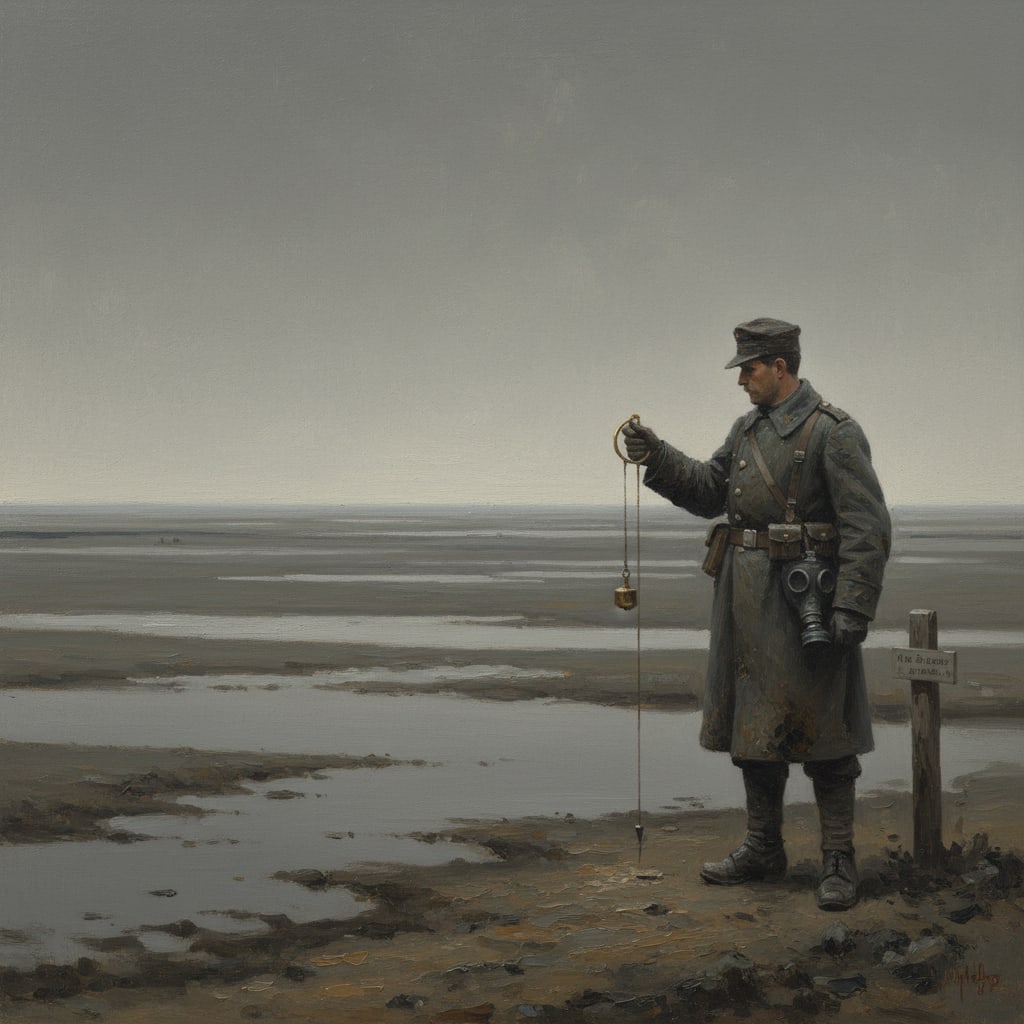
Debrecen
The city that was eaten
Forty-two thousand souls, a grain exchange that set prices from the Danube to the Rhine, and a harvest the world will never taste again. Kargath ate it. The Blightmarsh is all that remains, and the Blightmarsh is still hungry.
Codex Ref. VI.1.01-001

Erasure Notary
The scaffold produces martyrs; the Office of Nullity produces only silence — and nine hundred Black-Stamps to stamp it.
Nine hundred Black-Stamps who unmake persons through ink and wax — no body, no grave, and no widow to scratch the martyr's name on cellar walls.
Codex Ref. XII.14.01-001

Father Wernher of Cologne
The cellar priest whose lists kept sixty souls from becoming a sermon illustration
Defrocked Cologne canon and Cellar Saint leader whose forty-seven-page journal preserves the underground Church between Regensburg and the Sundering.
Codex Ref. III.2.01-045
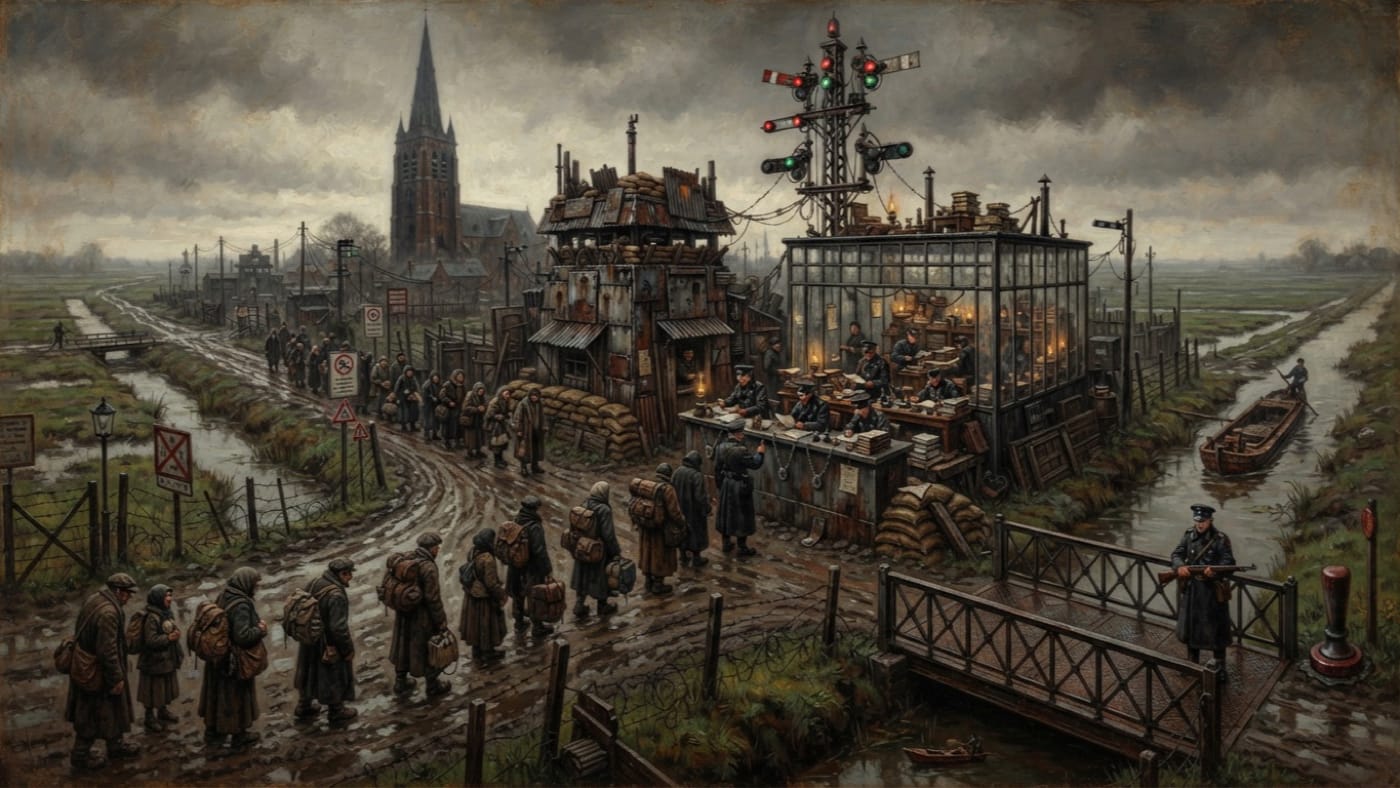
Flanders
Loyal. Damp. Licensed.
Flanders supplies pilgrims from the Synod's damp western parishes. The Brotherhood of the Blessed Foot once charged at the crossroads; the Bureau of Pilgrimage now publishes the fees and charges again for the walk home.
Codex Ref. II.1.07-201
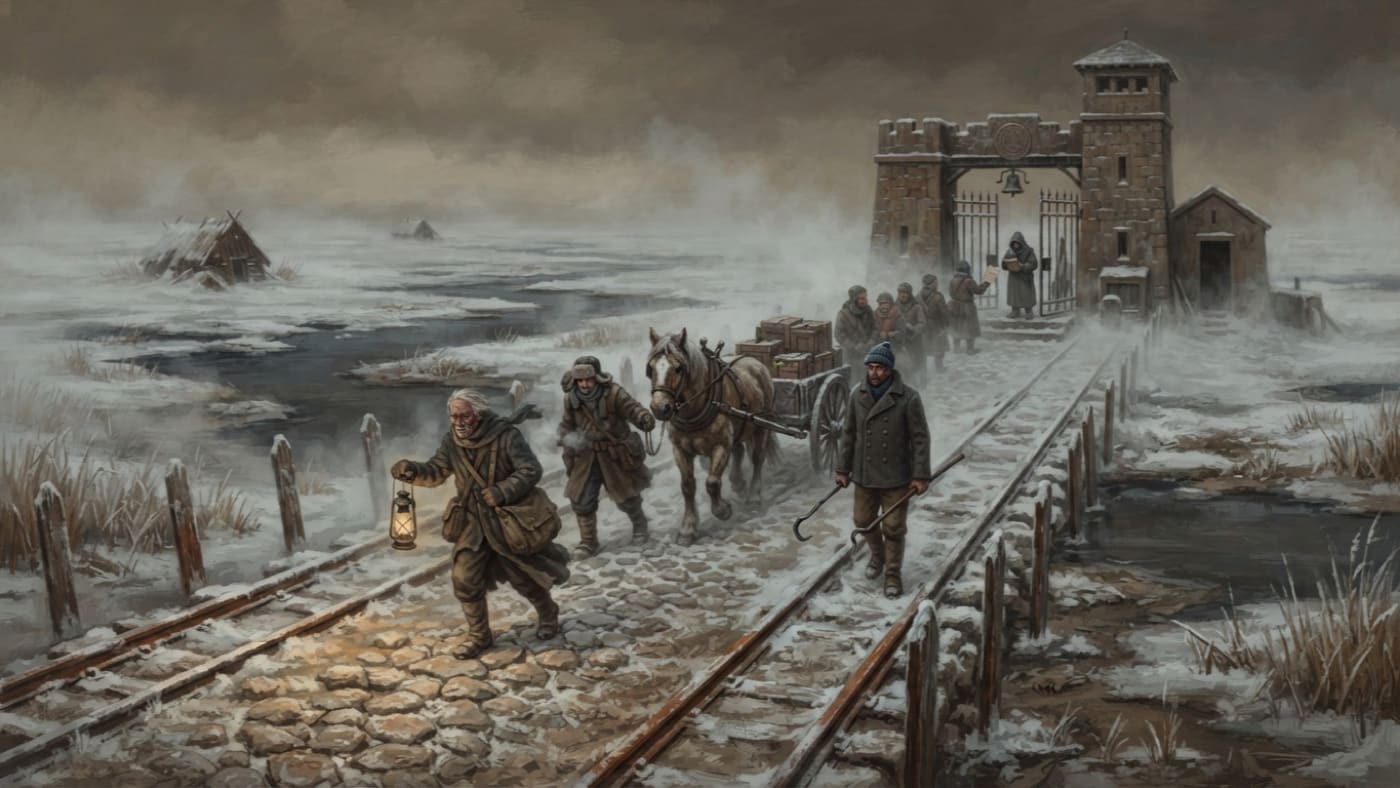
Frisian Flats
The sea retreats twice a day; the toll does not
Tidal ground crossed by the Salt-Vigil's winter roads, where refuge became a toll and passage depends on stone, lanterns, wet seals, and the clerk.
Codex Ref. II.3.05-052
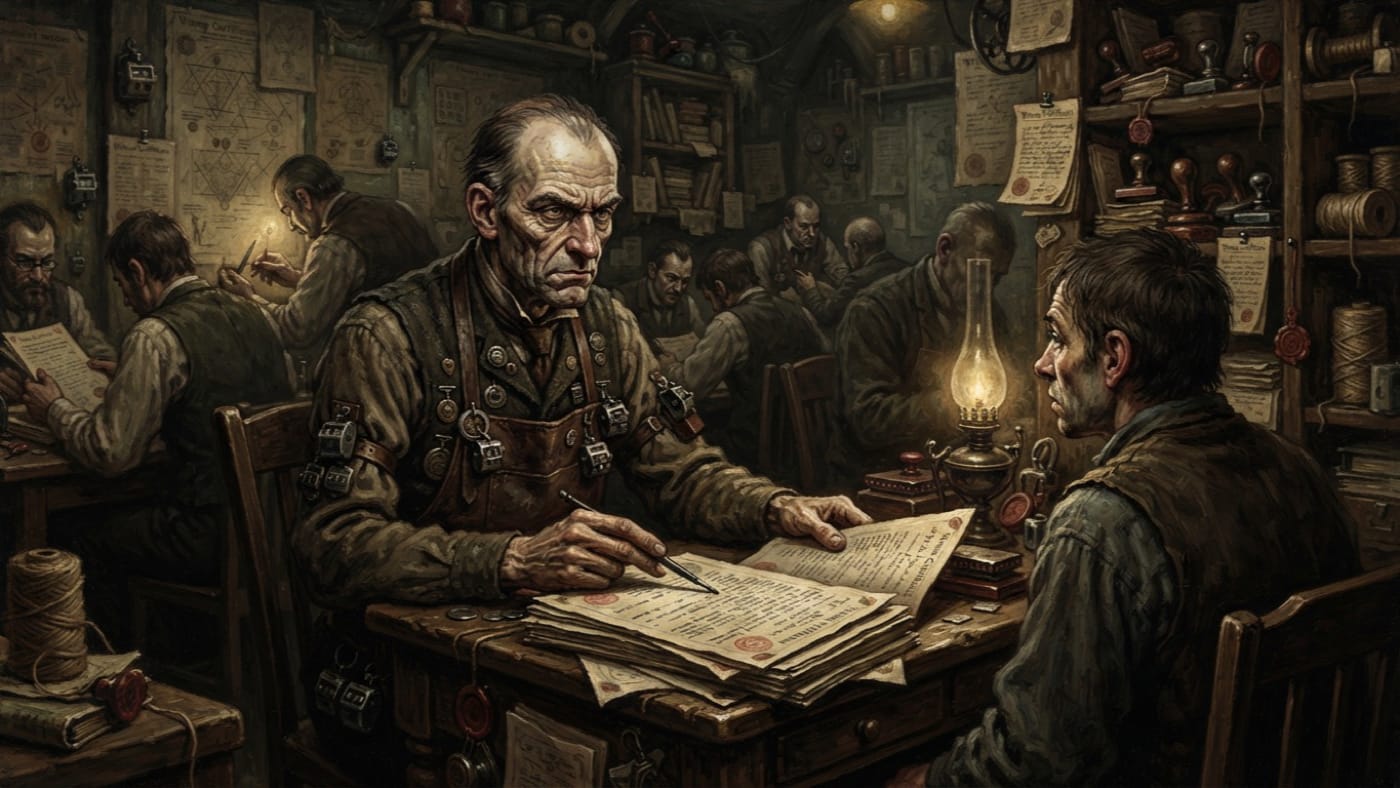
Garrik Two-Names
What the court remembers depends on who has paid
Garrik Two-Names and Mother Venn run the Queue Road's largest witness ring. They sell hours nobody stood and facts Gate Nine can stamp. This office records the partnership; truth is billed separately.
Codex Ref. III.2.01-1181
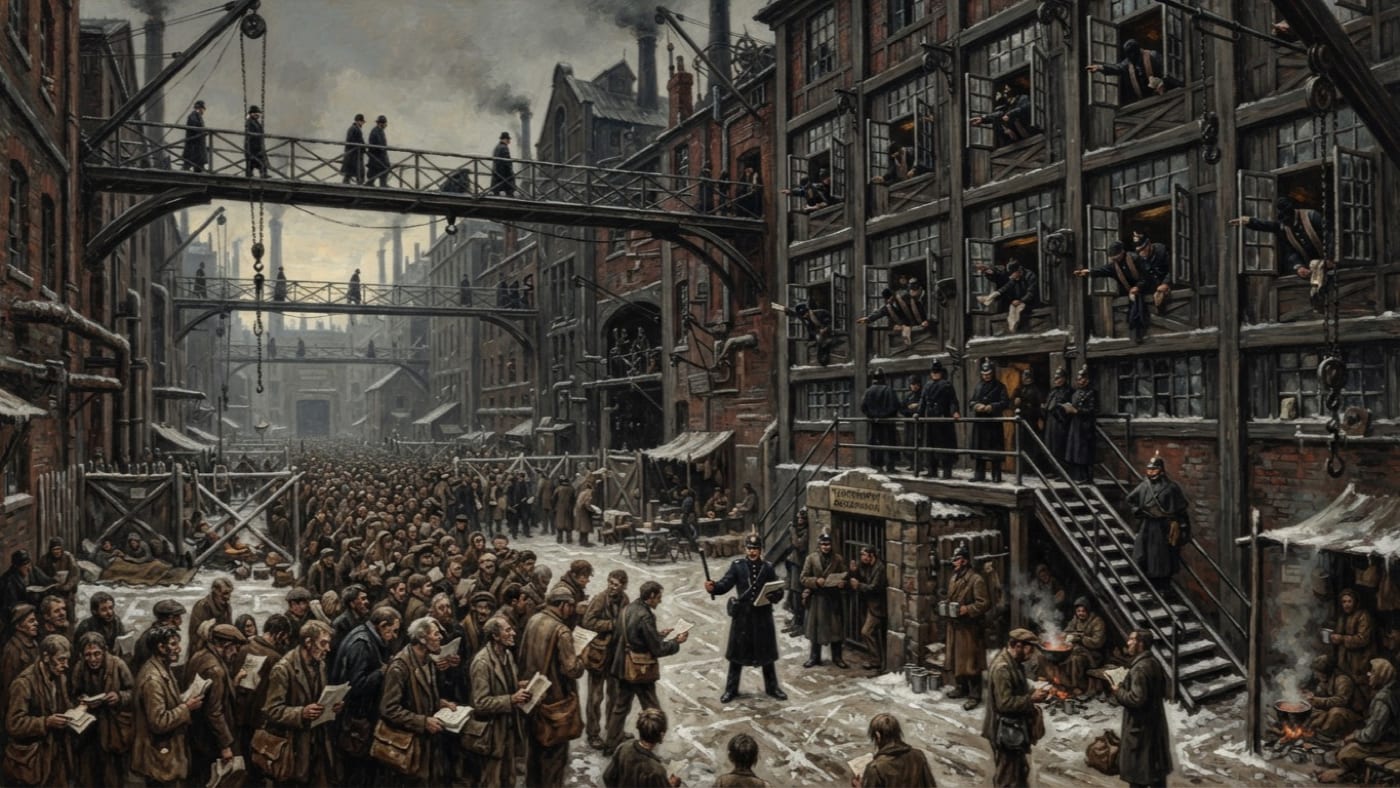
Gate Nine Commons
Where minute debt acquires hands
At the Queue Road's ninth court, day hire, recruitment and conscription share one chalked yard. Minutes buy an appeal; minute debt buys the labourer. The Directorate calls this employment.
Codex Ref. II.3.05-009
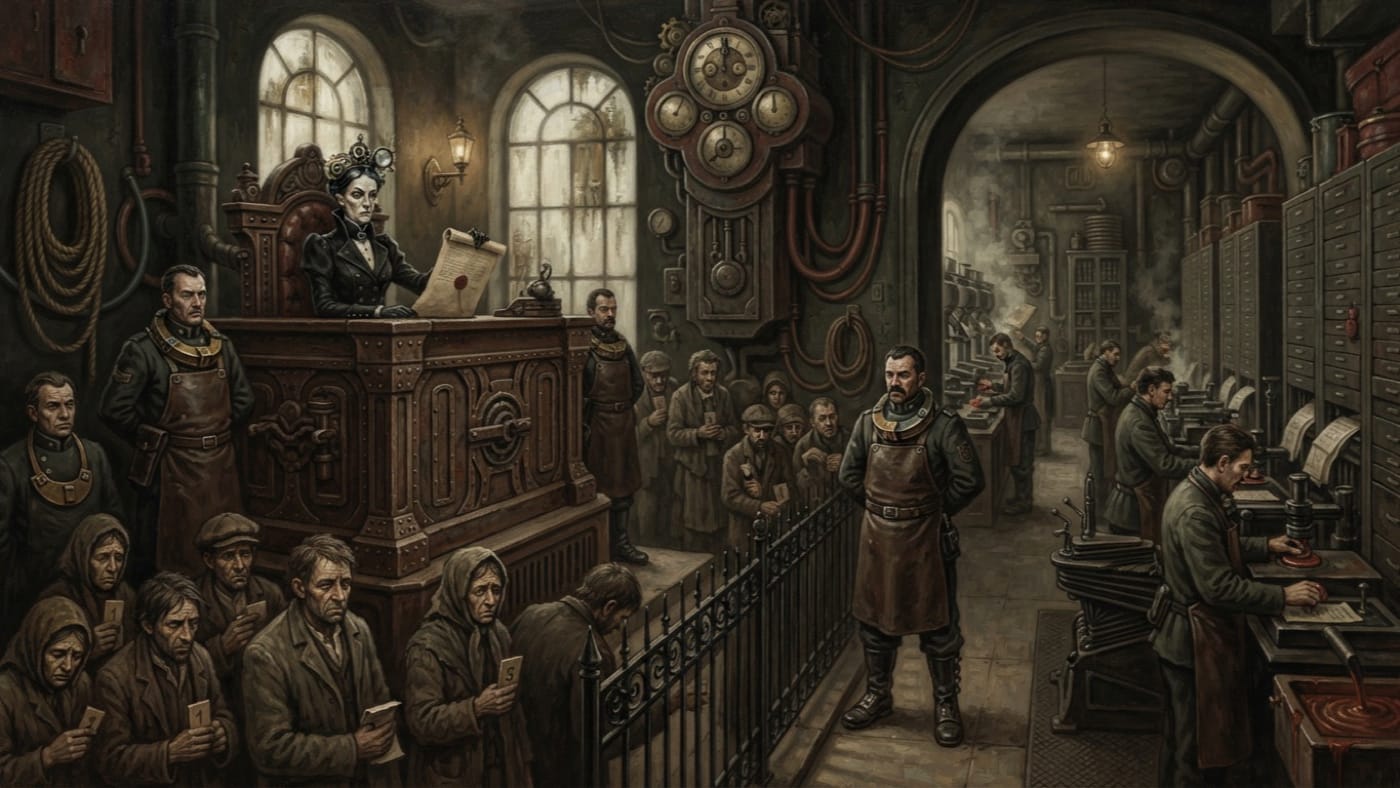
Gate Nine Court
Where mercy is metered and every confession stays on file
Gate Nine Court is the Queue Road's tribunal clique under Mistress-Court Sera Nox. Its mercy rulings trade lighter reclassifications for confessions and favours; the stamp room keeps what the bench forgives.
Codex Ref. VIII.2.09-009
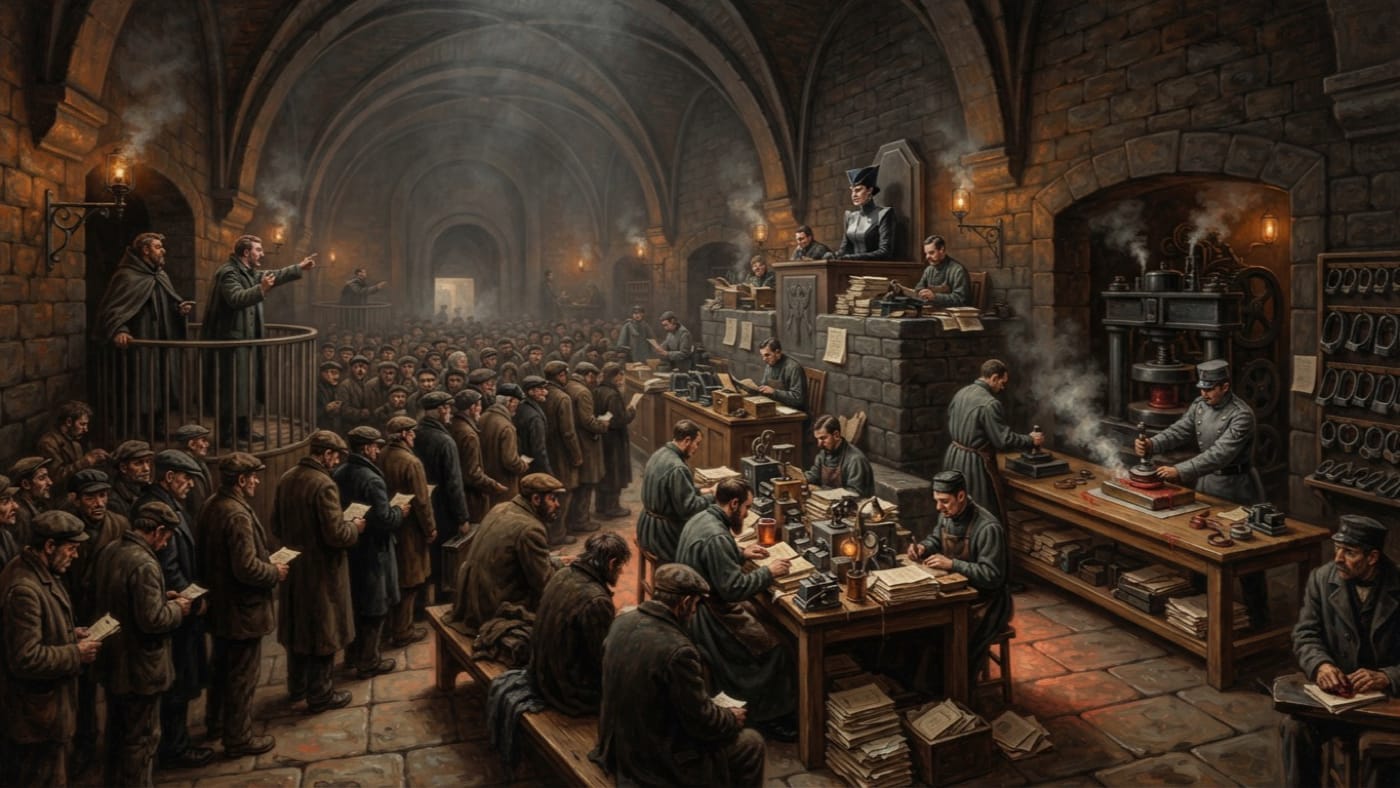
Gate Nine Hearing Hall
The bench speaks; the stamp room rules
Stone hearing chamber at Gate Nine, where appeals become dockets, confessions buy mercy, and wax makes judgment law. The floor is warm; the cause is absent from the form.
Codex Ref. II.3.05-011
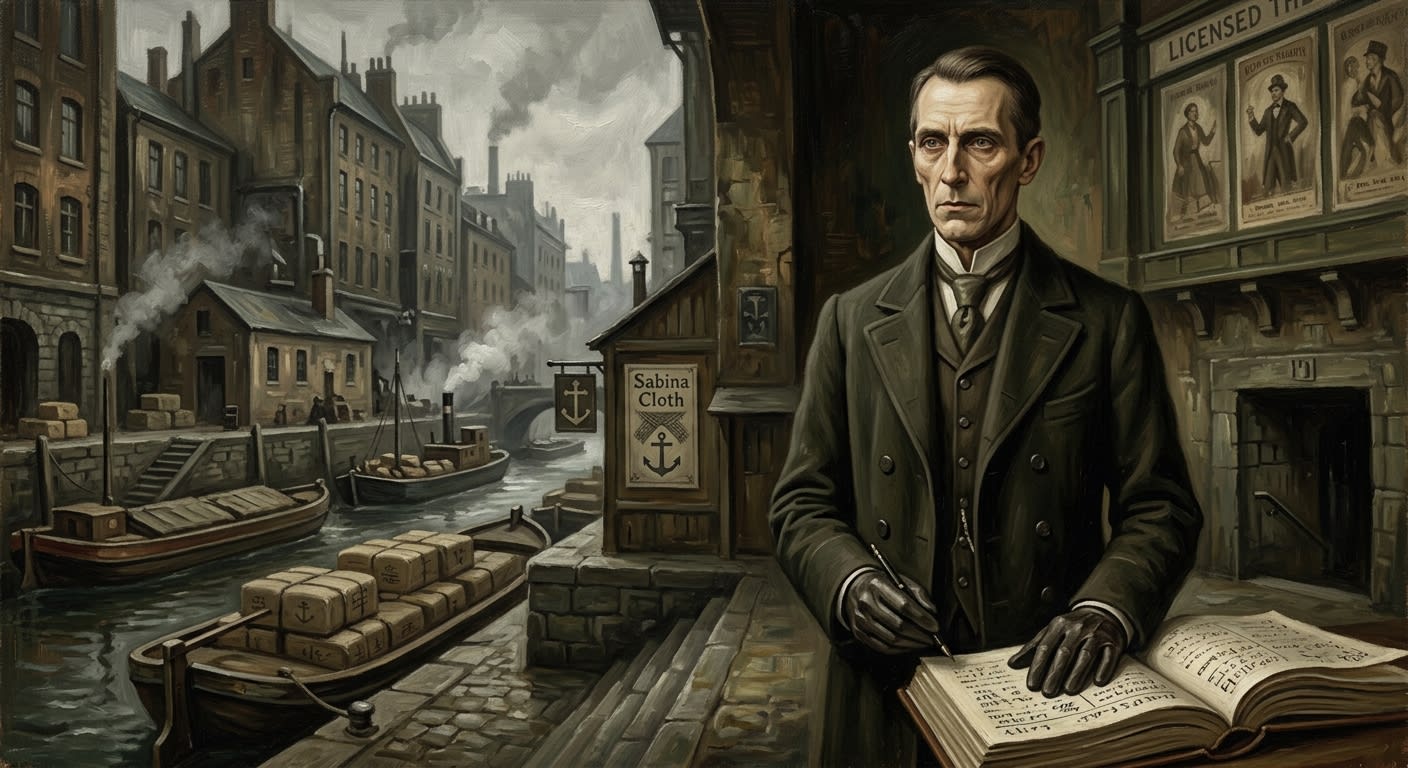
Ghent
The canal city where water keeps copies and loyalty learns to smuggle
Ghent is the Synod's wet ledger in Flanders: canal trade, Records quays, Sabina cloth, licensed theatres, Black Ledger cells, Wormhost scars, and obedience with annotations.
Codex Ref. II.1.05-201
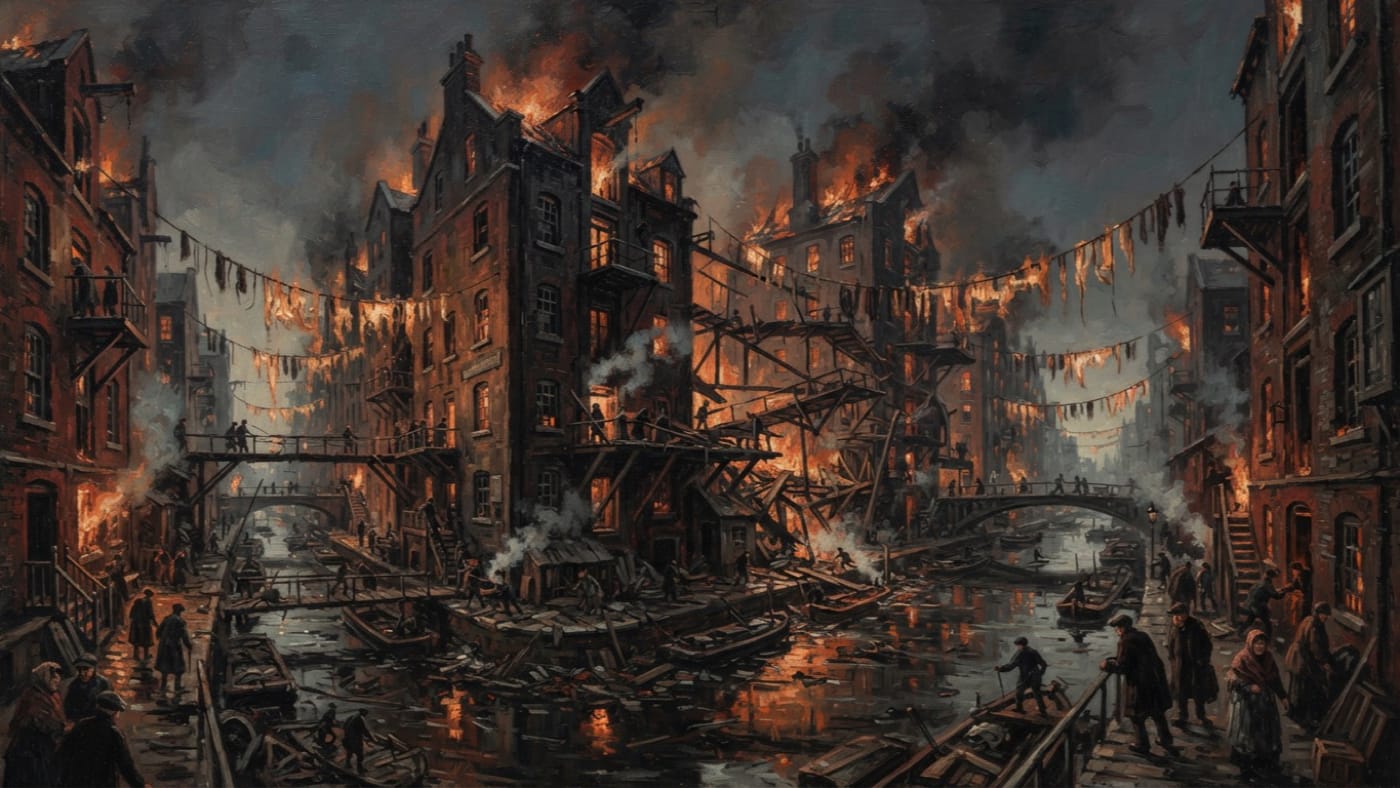
Great Fire of Candlewick
The flame went out; the quotas did not
Candlewick's Great Fire, circa A.S. 98, burned wax, workshops, and household papers. House Wickwarden kept the quotas; the Black Canal kept the customers.
Codex Ref. VII.4.05-098
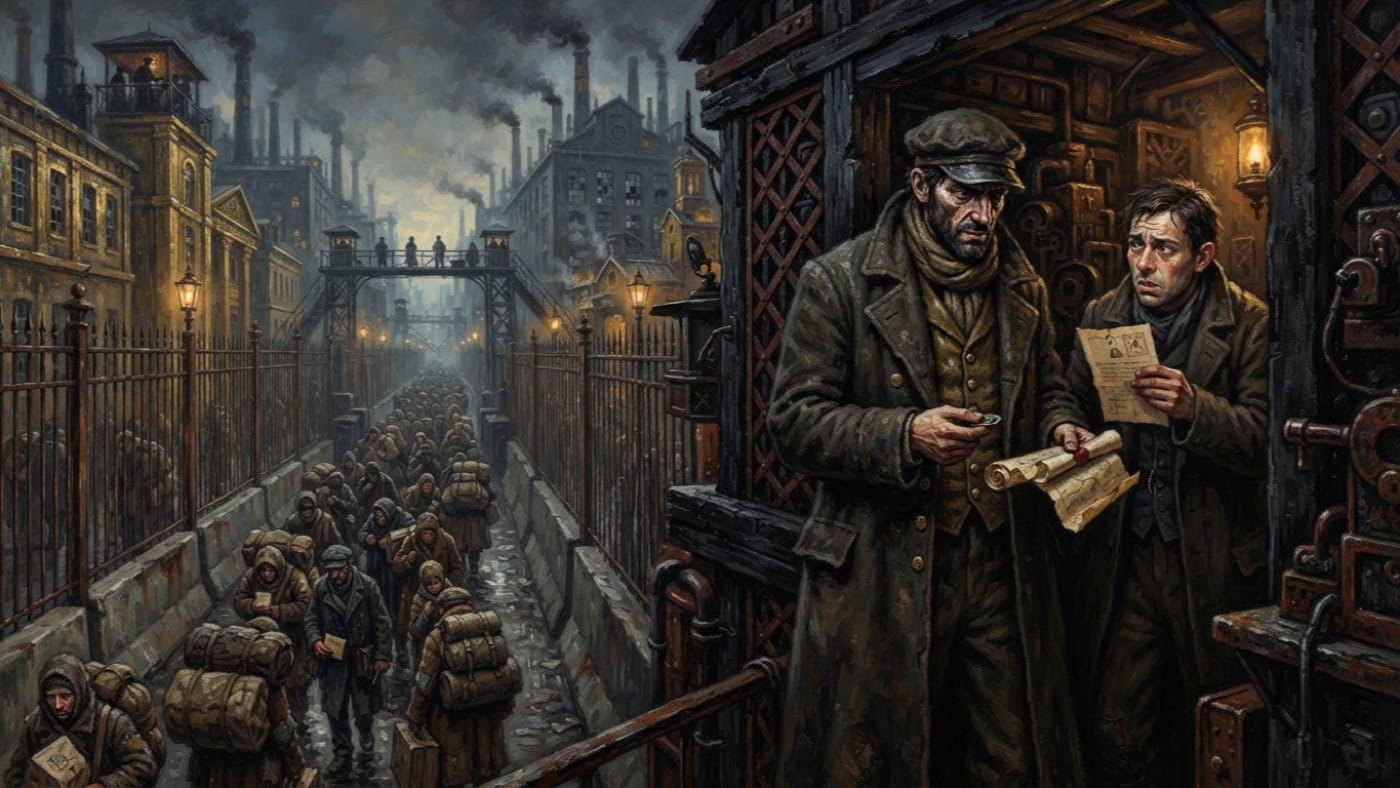
Hatch Lyd
The man who sells passage where motion is taxed
Boss of the Queue Road's Runner Union, called the Lanes. Hatch Lyd sells passage, black-market timestamps and information where every lawful minute is taxed. Unlocated, untaxed and tolerated: the Directorate has use for him.
Codex Ref. III.2.05-001

High Registrar of Chromas
The office that can invalidate a life by changing its shade
Candlewick's High Registrar defines lawful colour and decides which papers retain their standing. Sable Vorn holds the office; Hungry Ink obeys its shades while consuming its words.
Codex Ref. XIII.1.96-201
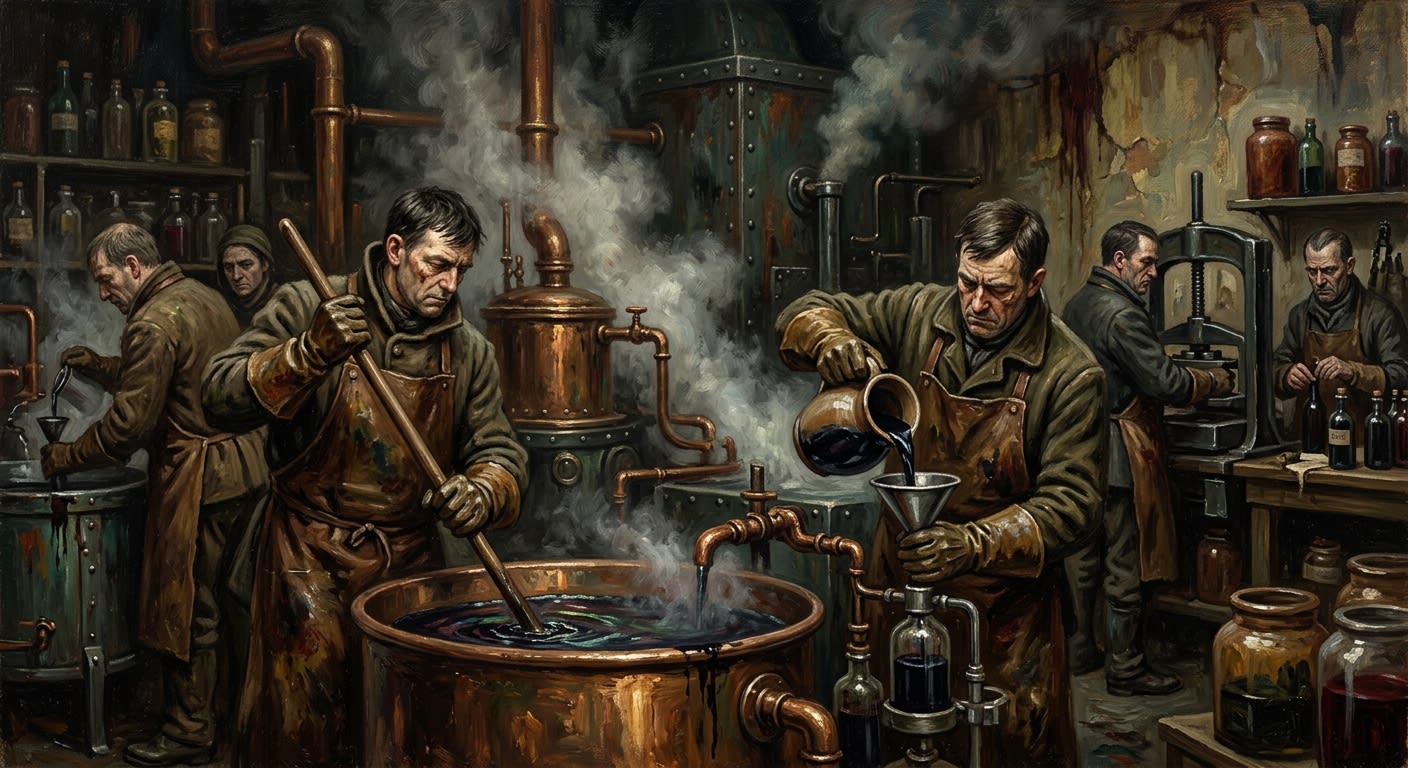
House Vatmarsh
Whoever fixes permanence also owns decay
House Vatmarsh fixes the Synod's ink into permanence, and therefore sells the slower terror: what holds, what fades, and what learns to hunger.
Codex Ref. VIII.6.09-201
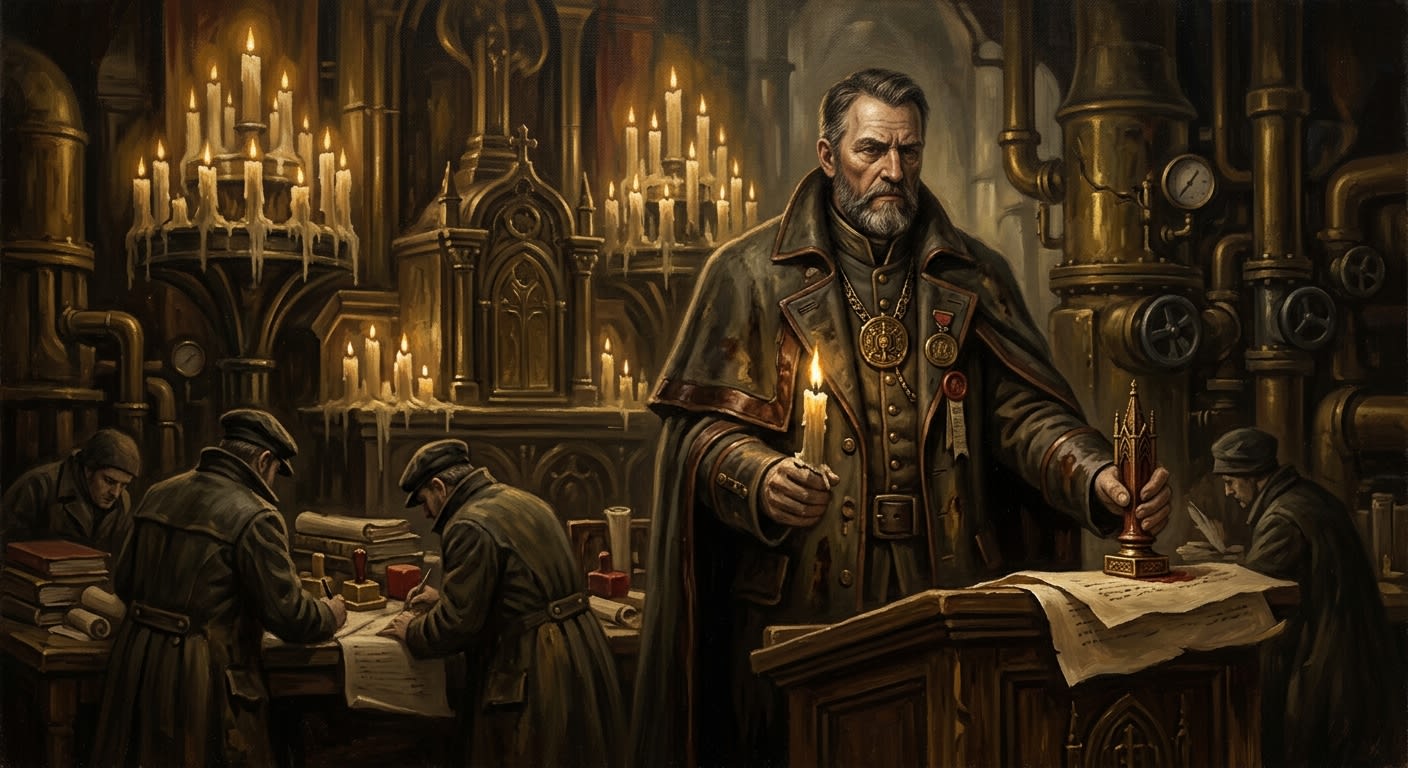
House Wickwarden
Whoever controls light controls the hour of obedience
House Wickwarden keeps Candlewick lit, sealed, rationed, and afraid: candles for piety, wax for law, darkness for negotiation.
Codex Ref. VIII.6.10-201
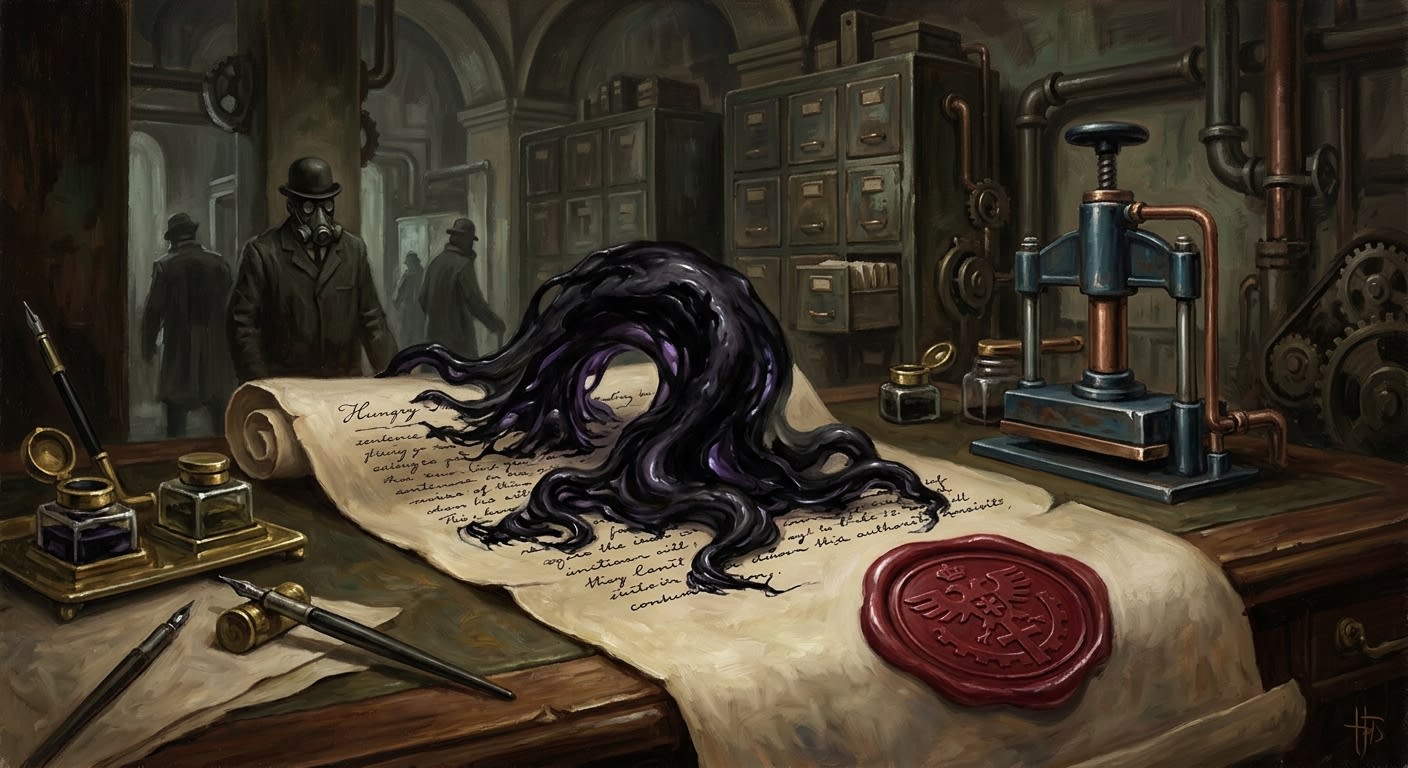
Hungry Ink
When the seal survives what the sentence cannot
Hungry Ink eats the sentence and spares the seal, proving with intolerable neatness that authority may survive the meaning it was meant to govern.
Codex Ref. XIII.1.18-001

Inquisitor Breel
The guard who became the margin of the song she never heard
Fourth-rank White-Mantled Inquisitor whose A.S. 187 east-bench exposure in the Vault of Silences made her hand copy forbidden notation from the Index Damnatus.
Codex Ref. III.2.01-070
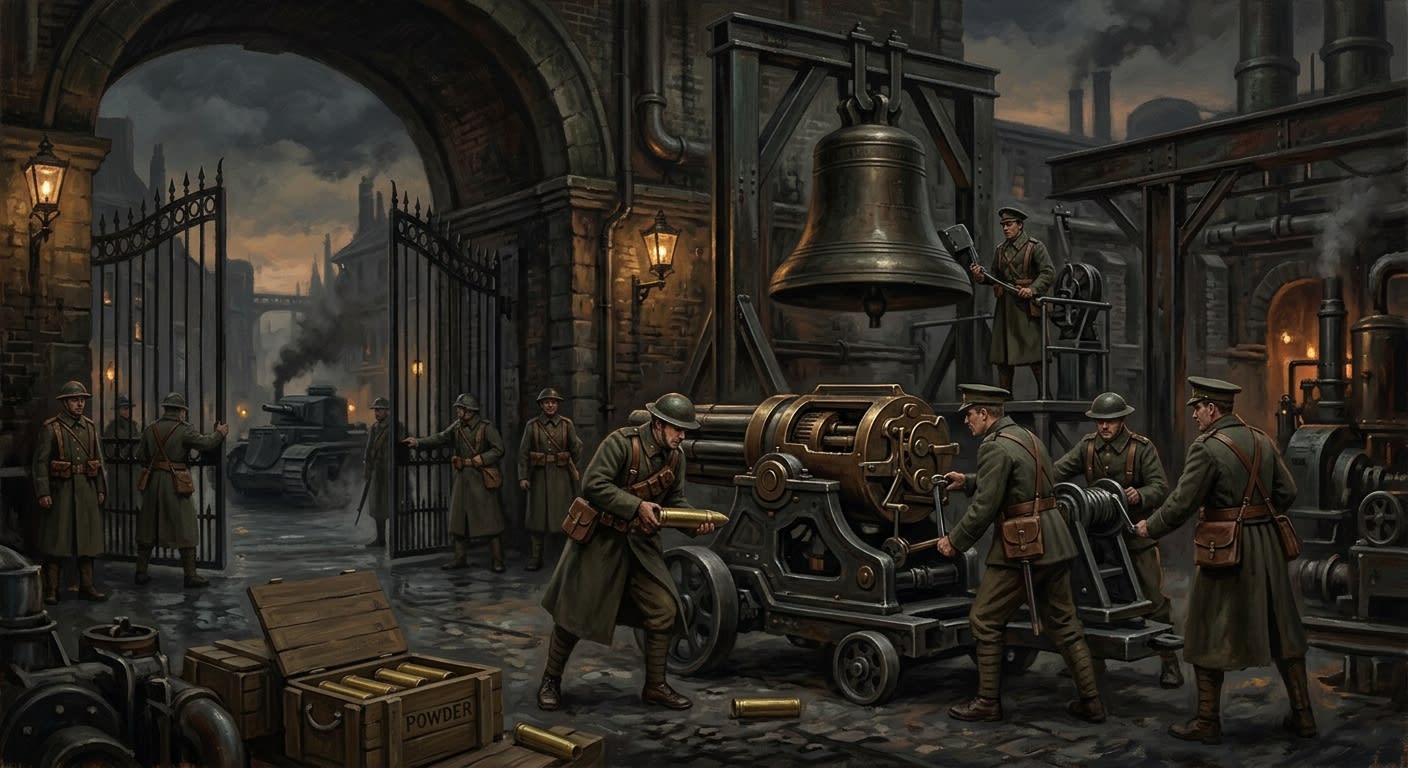
Iron Vespers
Bronze orders the night to become useful
Iron Vespers is the Synod's martial evening peal: seven strokes that lock gates, open powder, transfer custody to night, and teach soldiers that fear obeys better when bronze gives the order.
Codex Ref. XIII.1.62-004
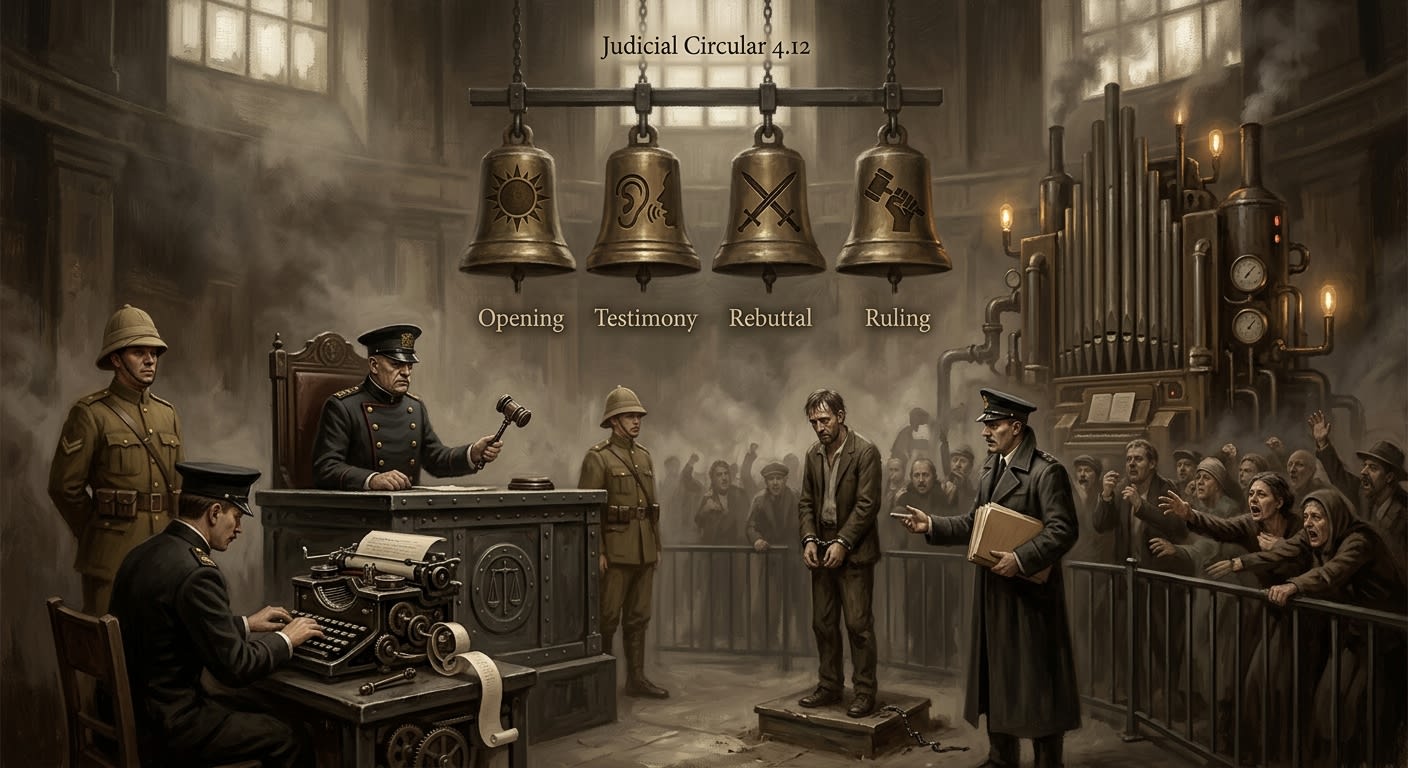
Judicial Circular 4.12
Four minutes for law to wound before the road learns its hands
Judicial Circular 4.12 compressed roving circuit trials into one creed-hymn: opening, testimony, rebuttal, ruling — four chimes by which law outruns crowds, mothers, mercy, and its own exposed ankles.
Codex Ref. XIII.1.91-141

Kaspar Thenm
The prison warden who taught the Synod to number beds before souls
Kaspar Thenm, first officer of the Bureau of Settlement, turned post-Concordat refugees into addresses with a warden's key, three clerks, and no talent for mercy.
Codex Ref. III.2.01-014

Lady Maris Wick
The Price of Permitted Light
Lady Maris Wick heads House Wickwarden, whose wax monopoly keeps Candlewick's seals lawful and its auditors dependent on permitted light. Three shortages have proved an effective form of negotiation.
Codex Ref. III.2.01-201
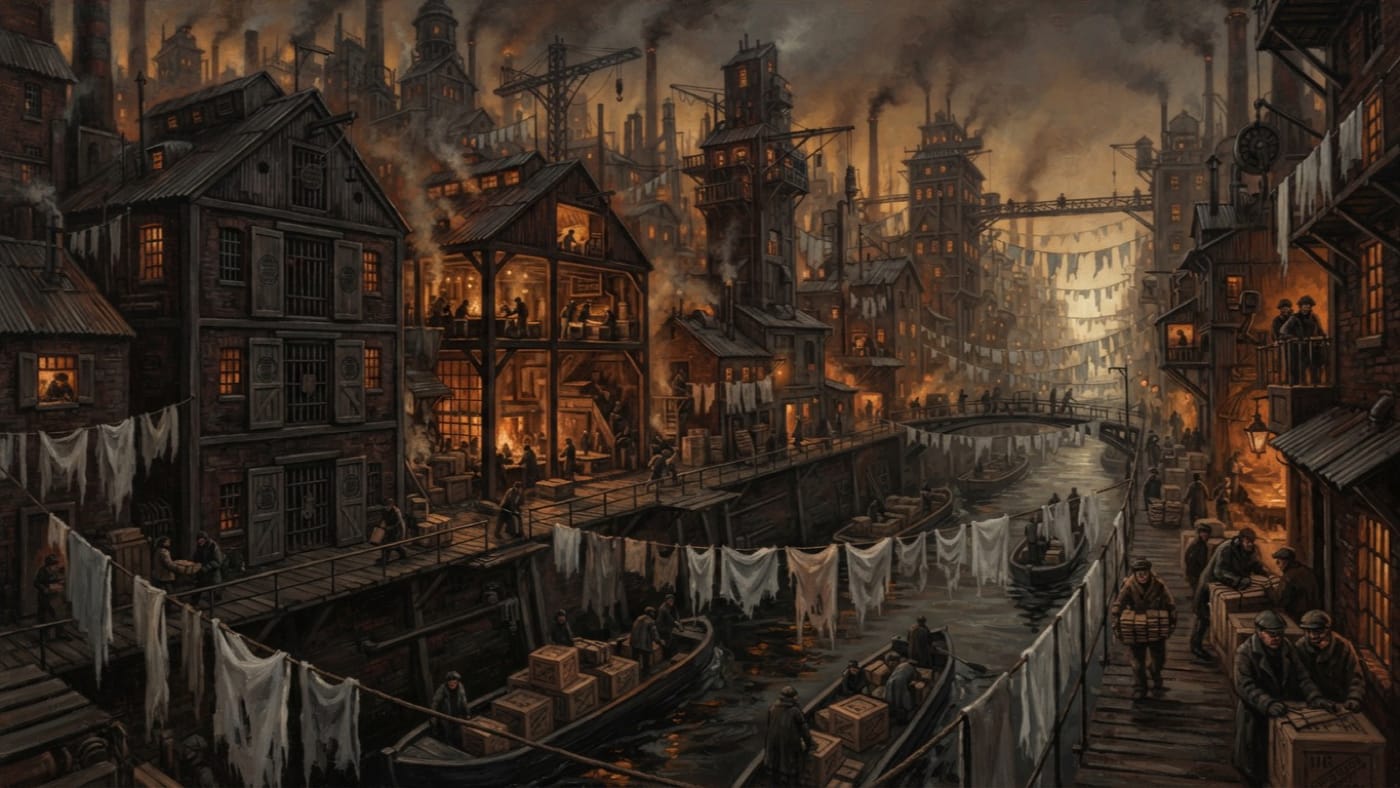
Lantern Mile
Where lawful light is made and unlawful signals are understood
Candlewick's elevated chandlery district manufactures lawful light under House Wickwarden, reads smugglers' signals with profitable discretion, and keeps spinning while two wick halls have no reopening on file.
Codex Ref. II.1.01-201
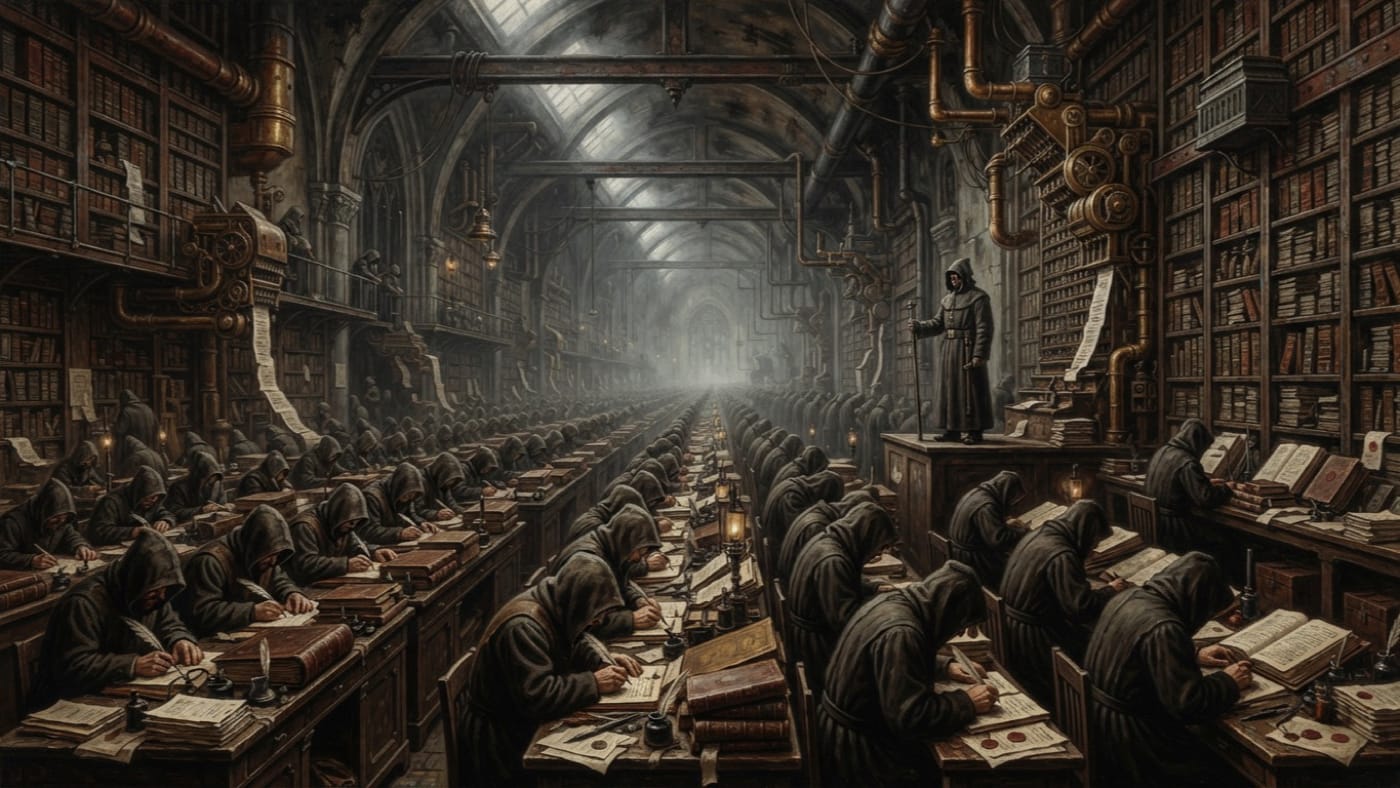
Ledger
Where the entry governs the living
The Ledger is the Synod's doctrine of authorized memory: every roll is presumed to agree, every name stands where an office writes it, and the body obeys the entry even when the words change.
Codex Ref. XIII.1.33-201
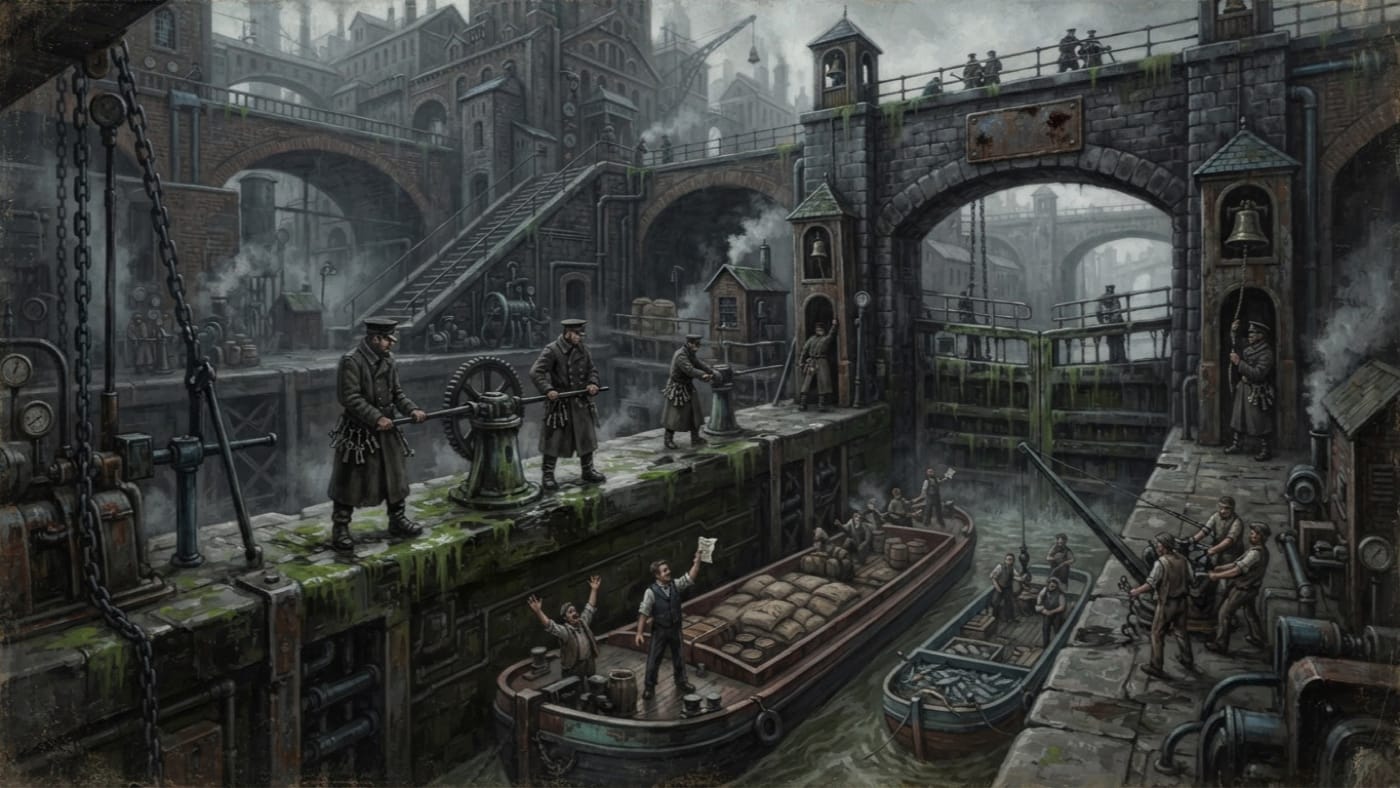
Lock Authority
The Chapter permits passage; the wardens permit the hour
The Triple Lock Wardens control the Archivolt Causeyworks' gates, bells and priority windows. Their closures are filed as prudence and disputed as extortion. The water waits for neither verdict.
Codex Ref. XI.1.08-003
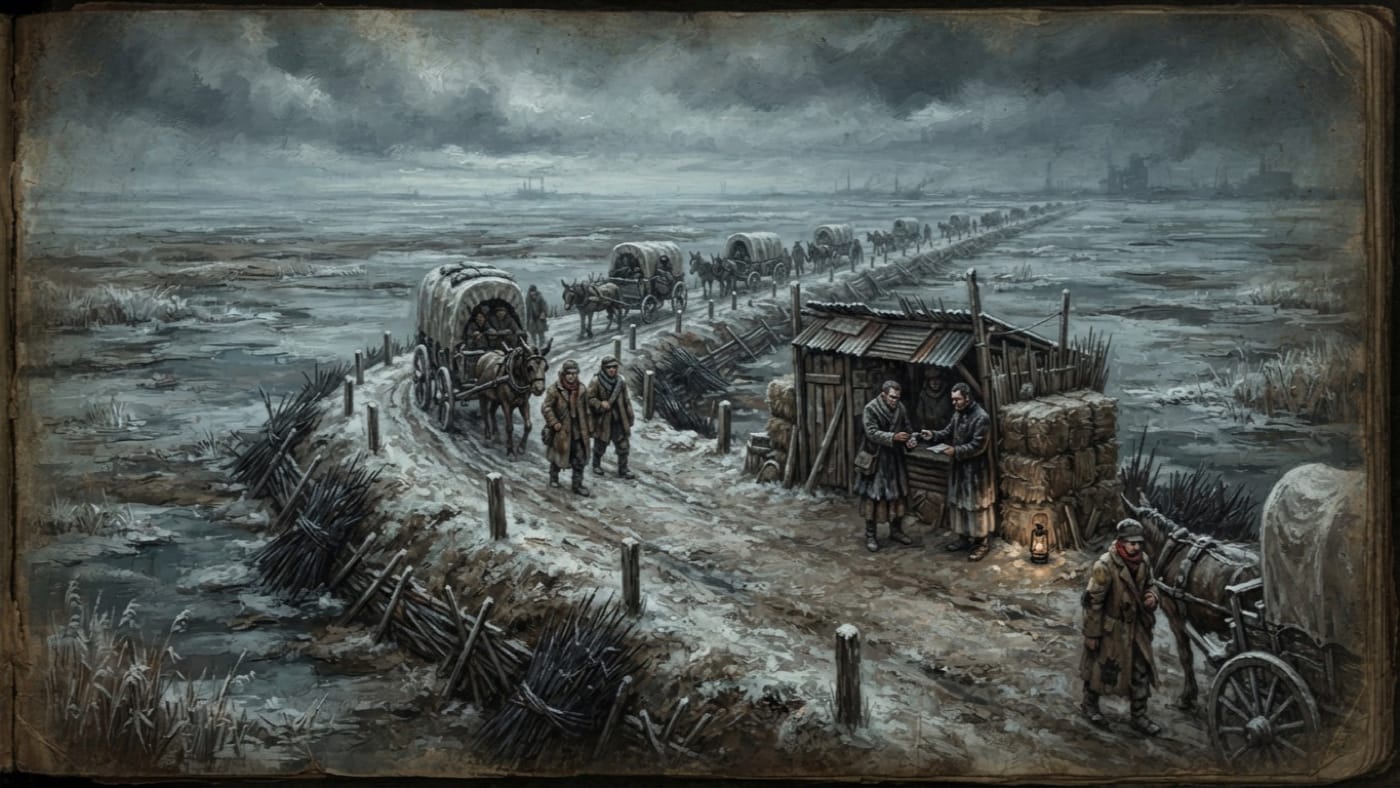
Long Salt
Nineteen miles of winter, with payment due
An A.S. 201 survey of the Long Salt: nineteen miles of winter road from Brine Fork toward Hamburg's approaches, where the Salt-Vigil collect salt and tears and the frost decides passage.
Codex Ref. II.3.05-201
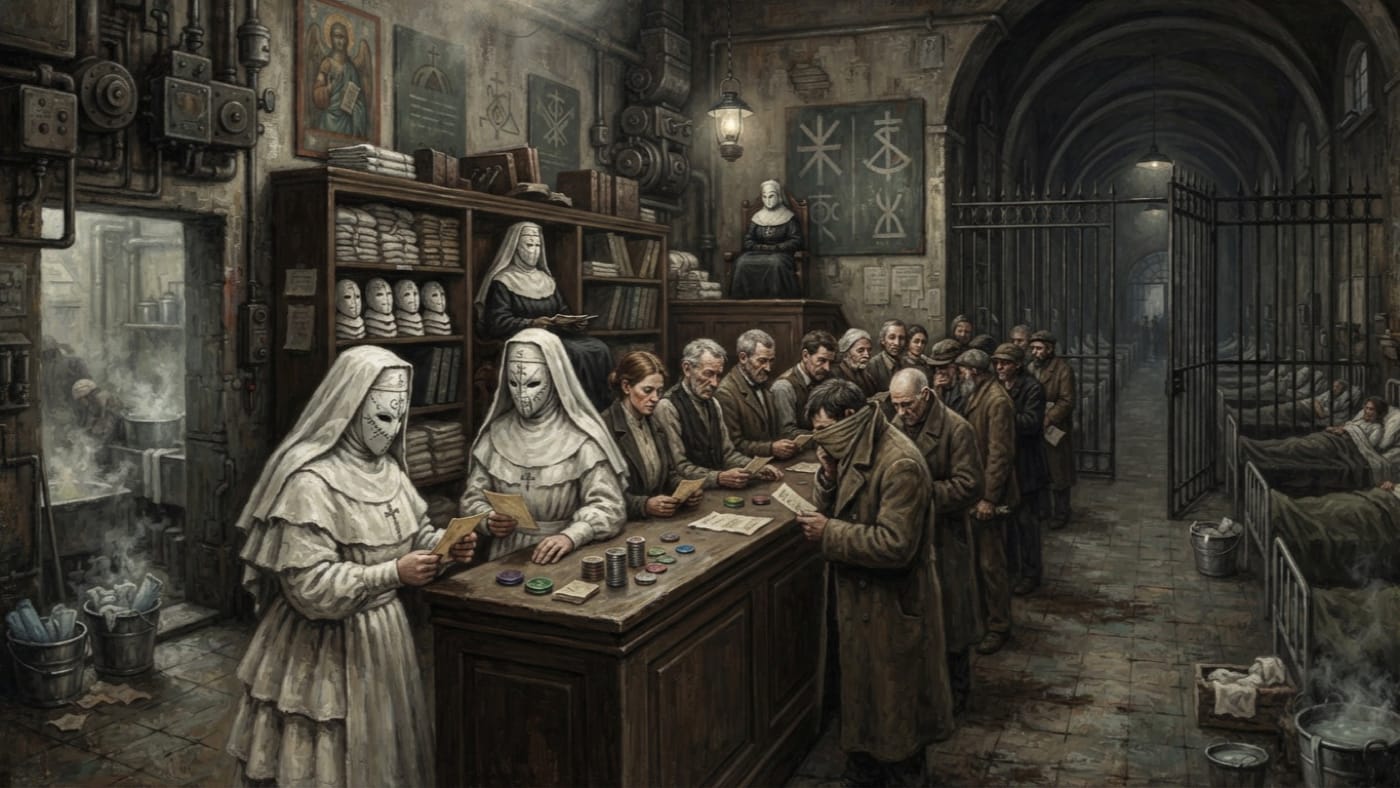
Lungward
Breath Is Sacred; Admission Is Conditional
Candlewick's infirmary district treats the damage its industries leave in workers' lungs. The Lungward Sisters provide care, ration filters and issue quarantine writs; admission depends on colour, guild standing and papers.
Codex Ref. II.1.01-201
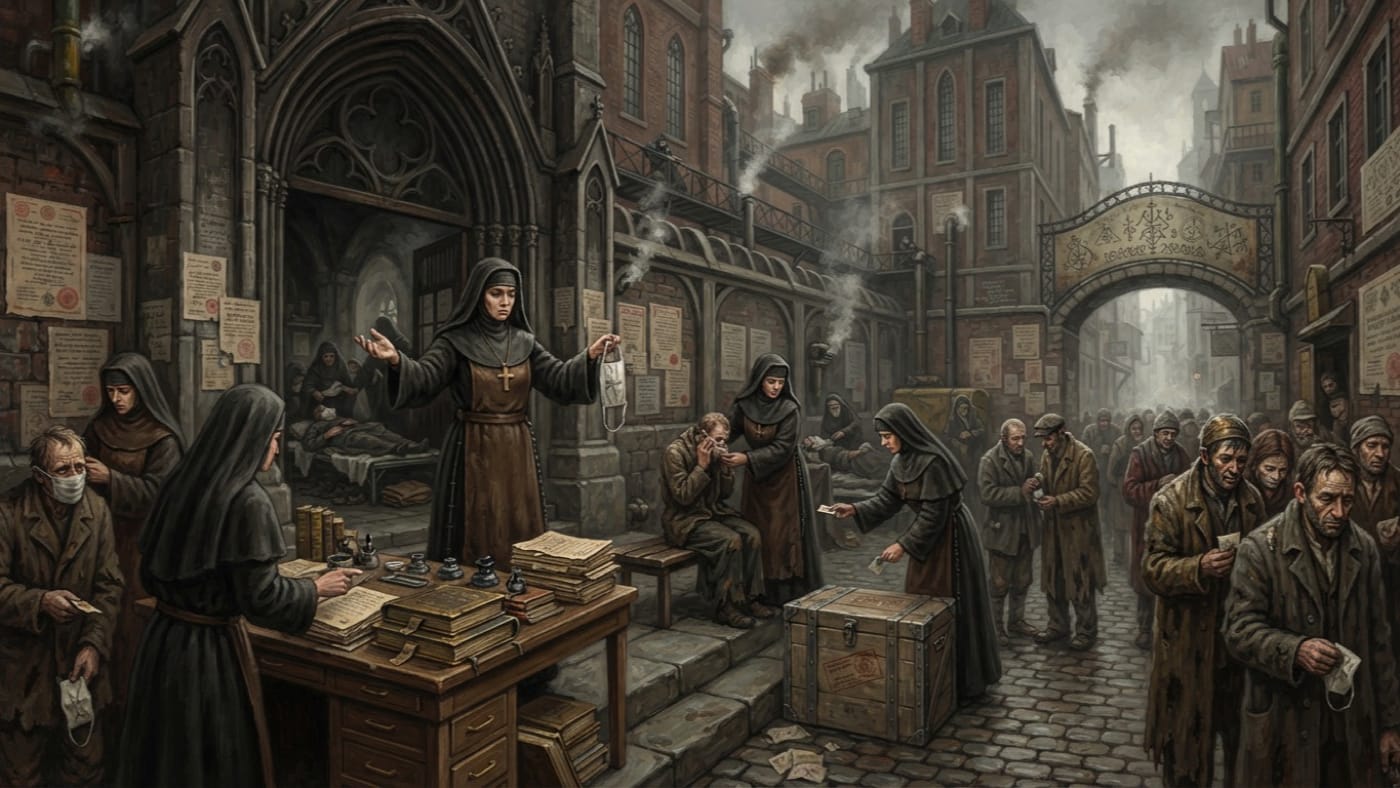
Lungward Sisters
Breath Is Sacred; Its Custody Is Lucrative
The Lungward Sisters keep Candlewick breathing through infirmaries, rationed filters and quarantine writs. Care follows guild standing, confession and mask debt; the authority behind the writs remains conveniently unfiled.
Codex Ref. VIII.6.08-001
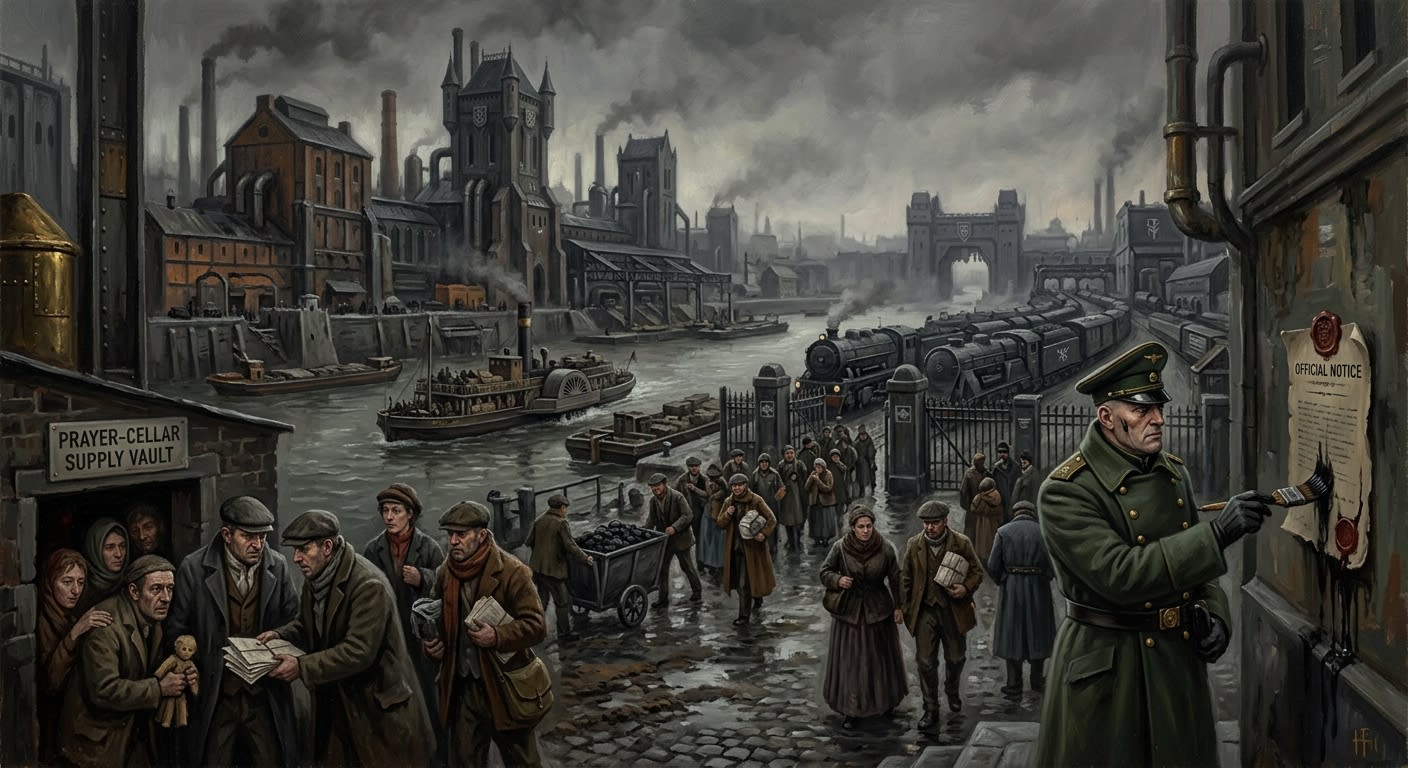
Maastricht
The sleeve beside Aachen's knife
Maastricht survived by adjacency: feeding roads to Aachen, relabelling prayer-cellars, selling shame politely, and teaching Hungry Ink how seals can scream.
Codex Ref. II.1.07-025
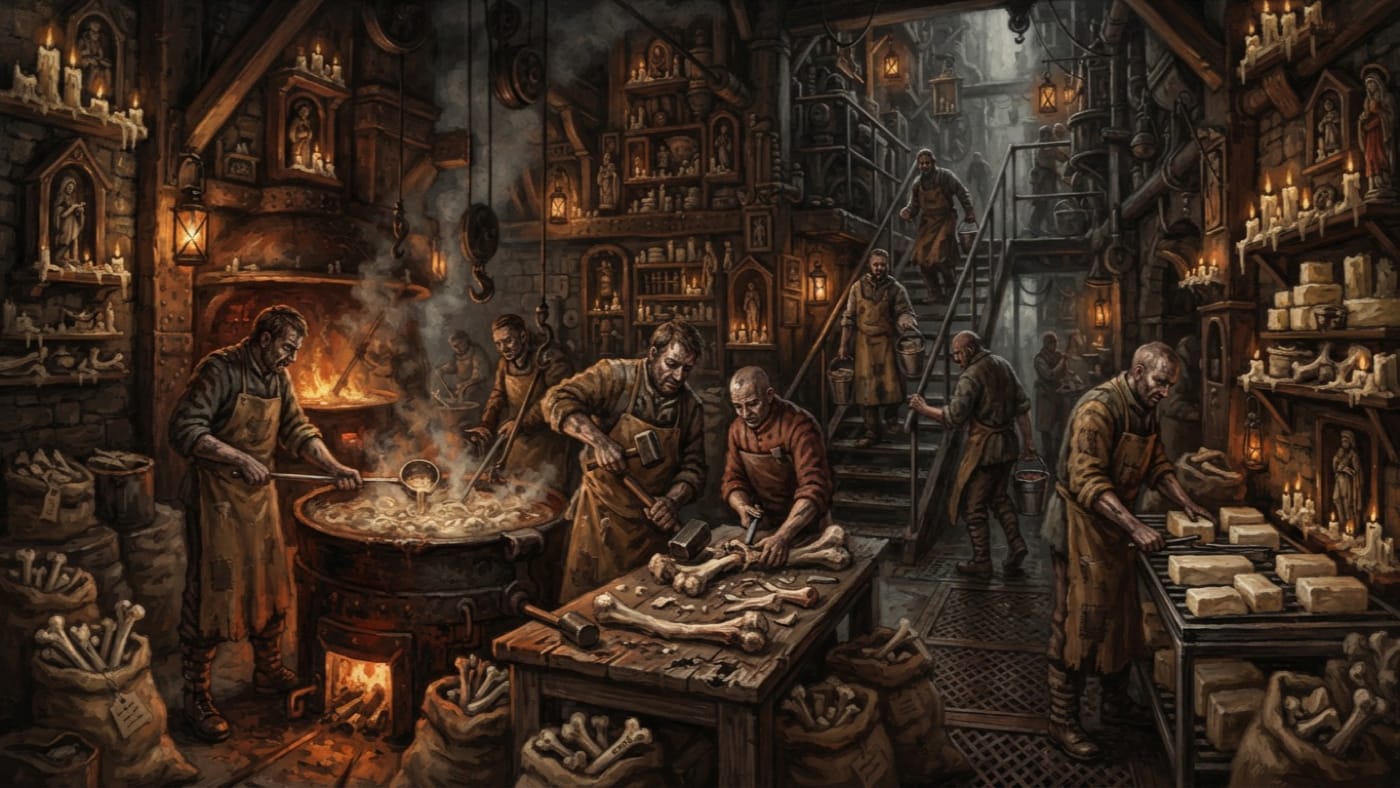
Marrow Makers
The guild whose candles light its own audits
The Marrow Makers keep the Reliquary Switchbacks lit with wax and tallow, and its shrines patched with bone-lime. Their vats remain licensed; the provenance of their bones is less easily certified.
Codex Ref. XII.26.05-001
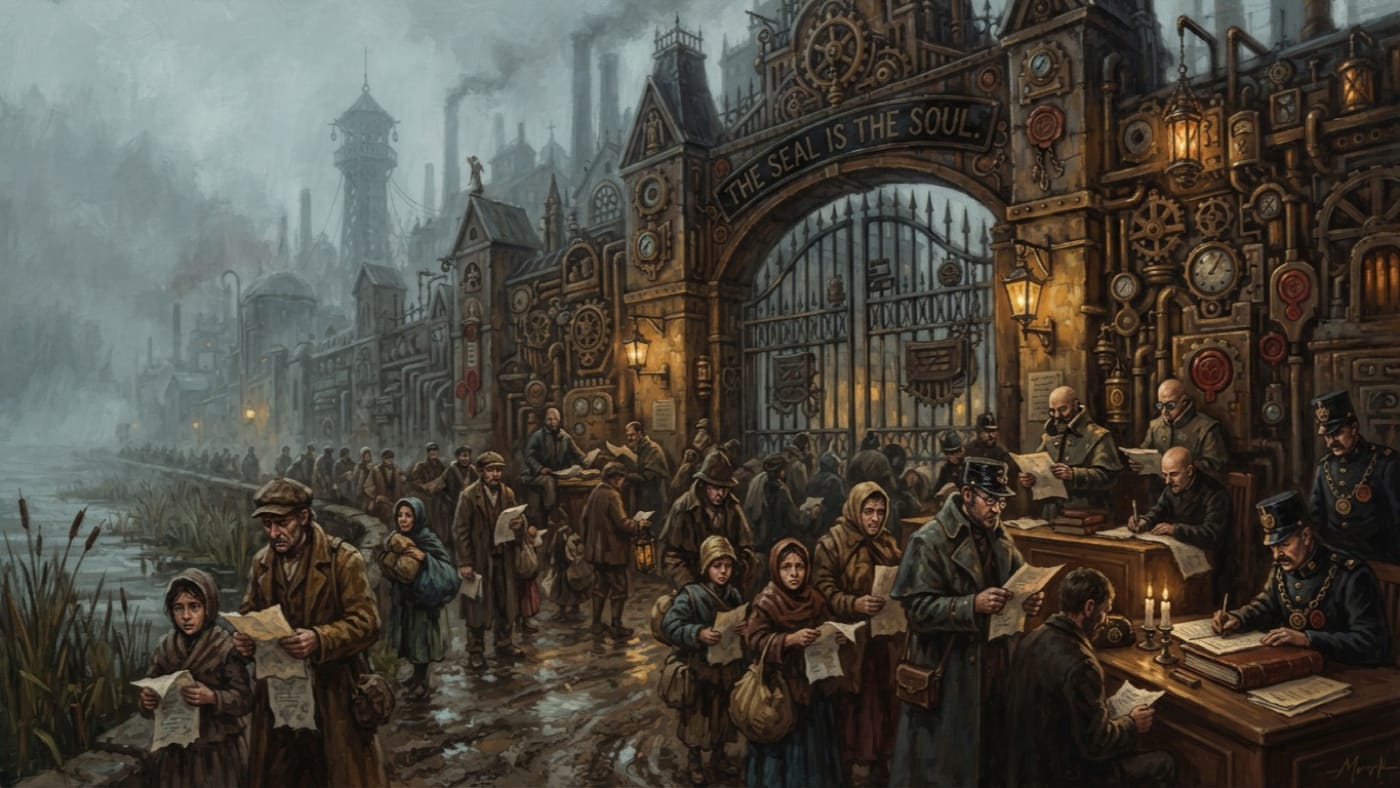
Mordant Gates
Where a Sound Seal May Prove Nothing
The Candlewick Palatinate's upstream road entrance, where colour-inspectors, Records clerks and Seal Provosts examine travellers whose papers may fade before admission. The seal remains sound; what it proves is under review.
Codex Ref. II.1.01-002
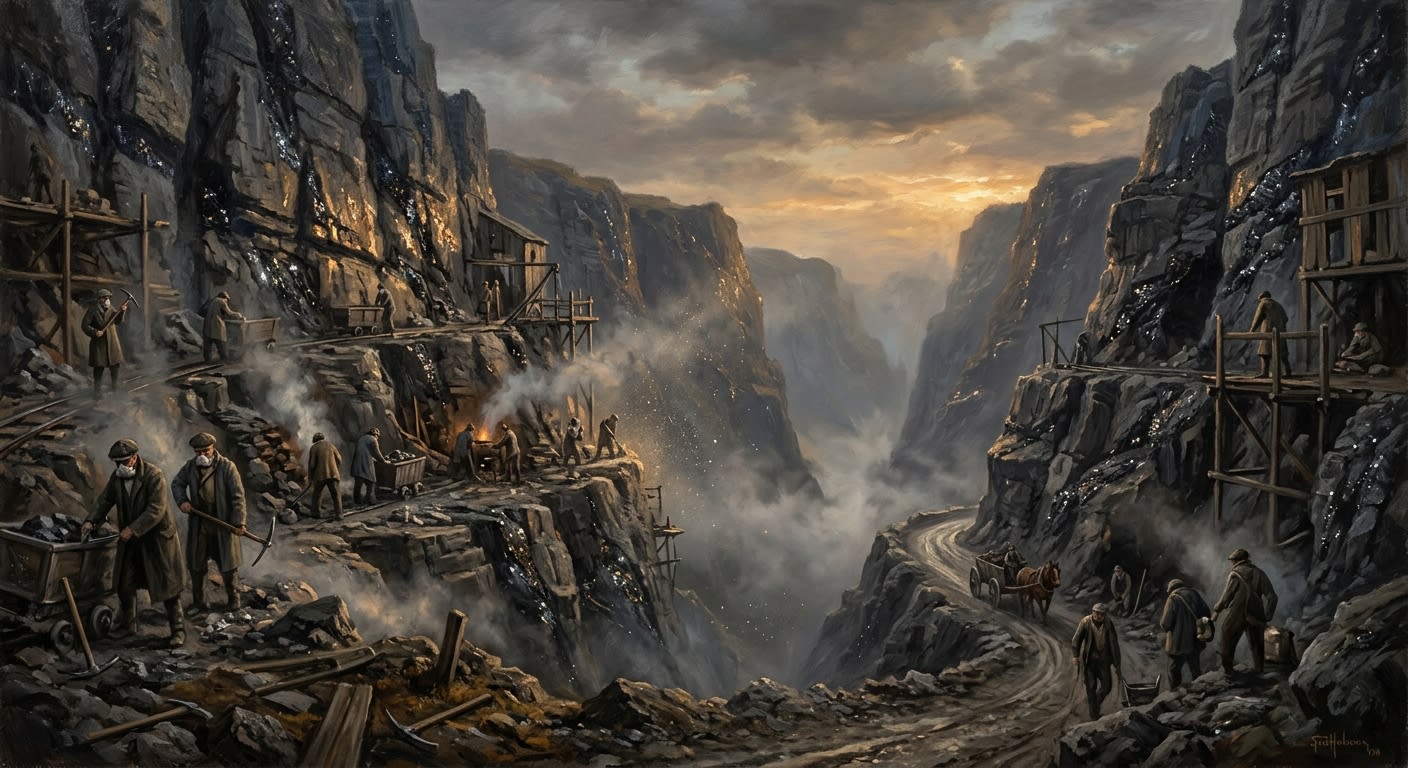
Oathglass Quarrytown, Saint-Helm's Cut
The mountain proves what the Seal House permits
A highland quarrytown built inside a volcanic-glass cleft that the Synod has declared a certified sacred site. The glass proves relics. The workers cough. The mountain, lately, has begun to sing.
Codex Ref. II.2.05-001
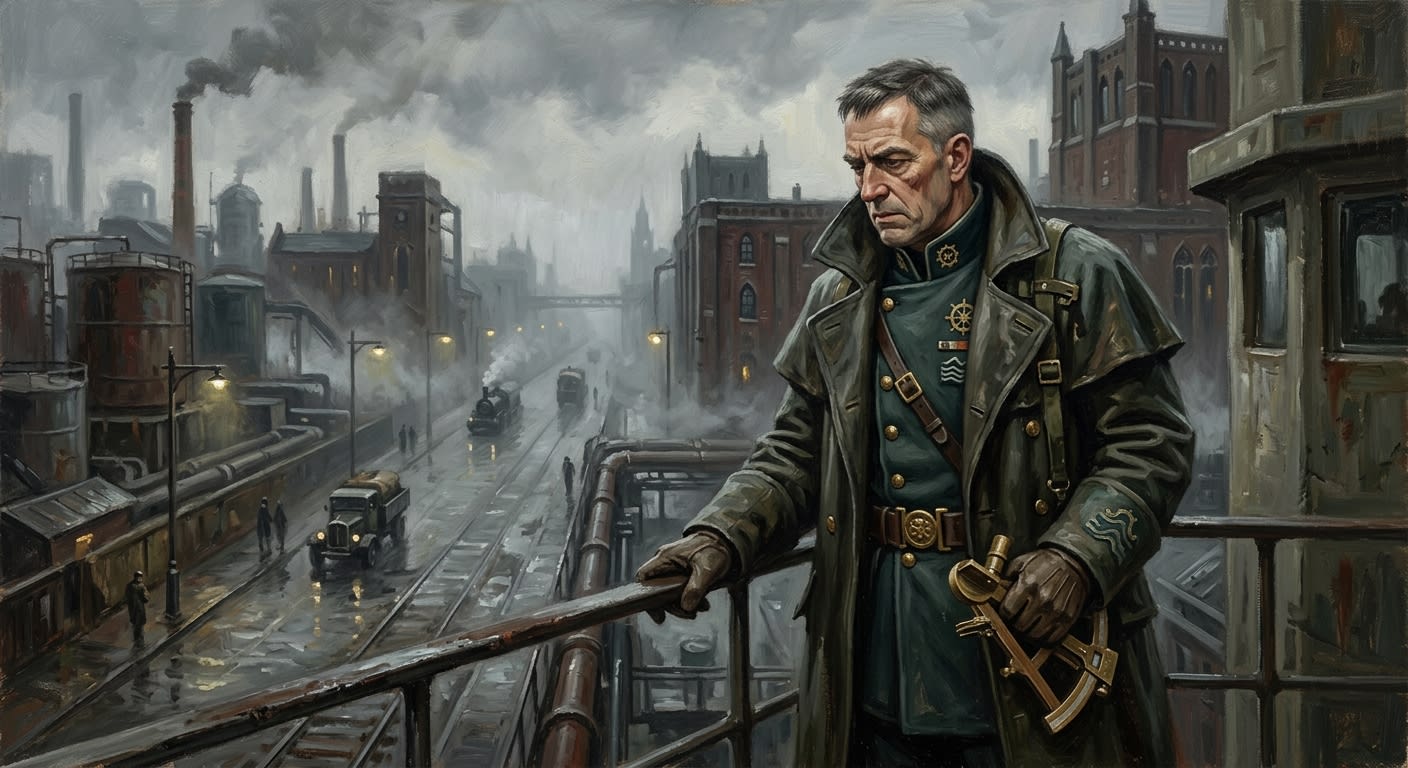
Prior Idris of the Sixth Tide
The road drinks, and Idris keeps the receipt
Prior Idris governs Brine Fork as if a road were a hound: fed, cursed, watched, and never mistaken for harmless scenery.
Codex Ref. III.2.01-201
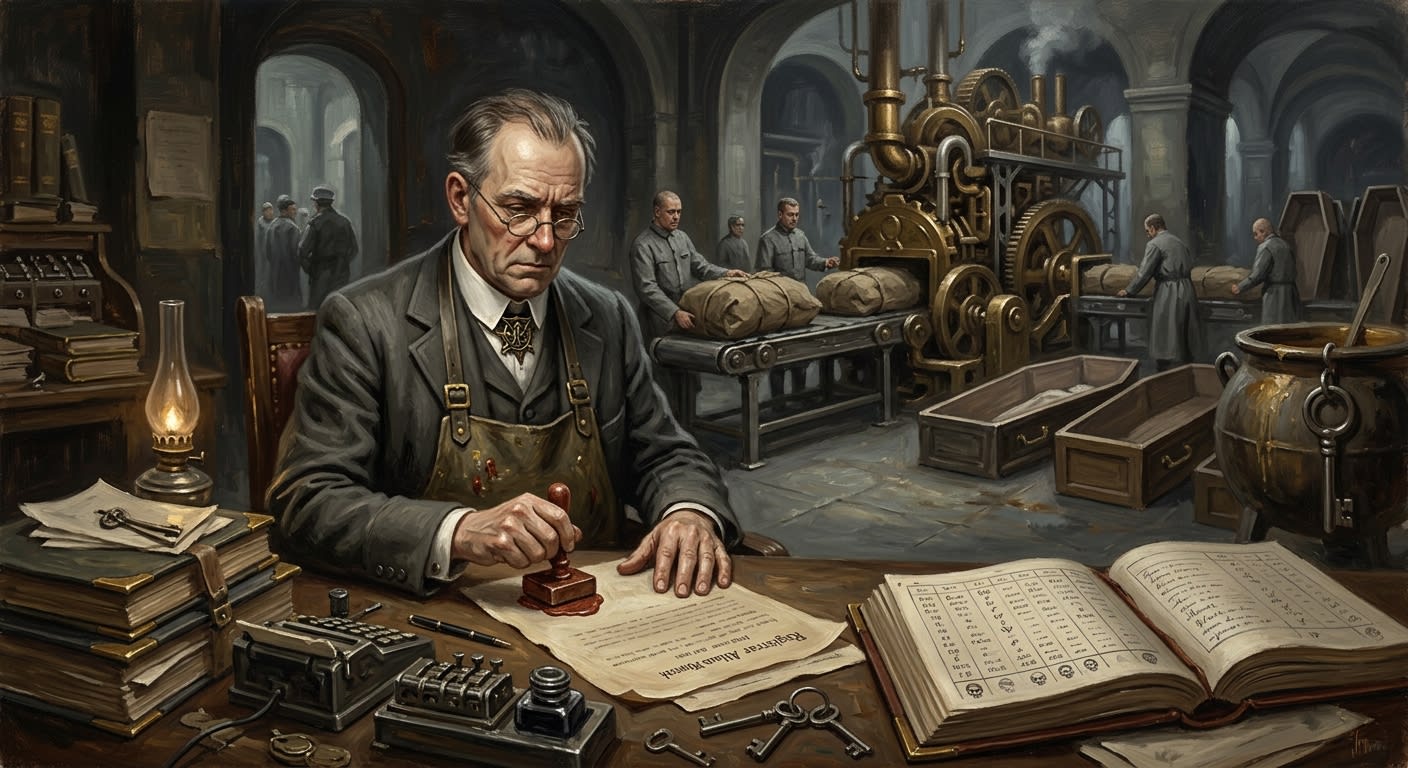
Registrar Aldous Krenk
The small man who makes horror depart on schedule
Registrar Aldous Krenk, Chief Handler of the Ossuary Convoy Office at Bastion-Przemyśl, turns condemned bodies into route capacity with wax, keys, and immaculate schedules.
Codex Ref. III.2.01-130
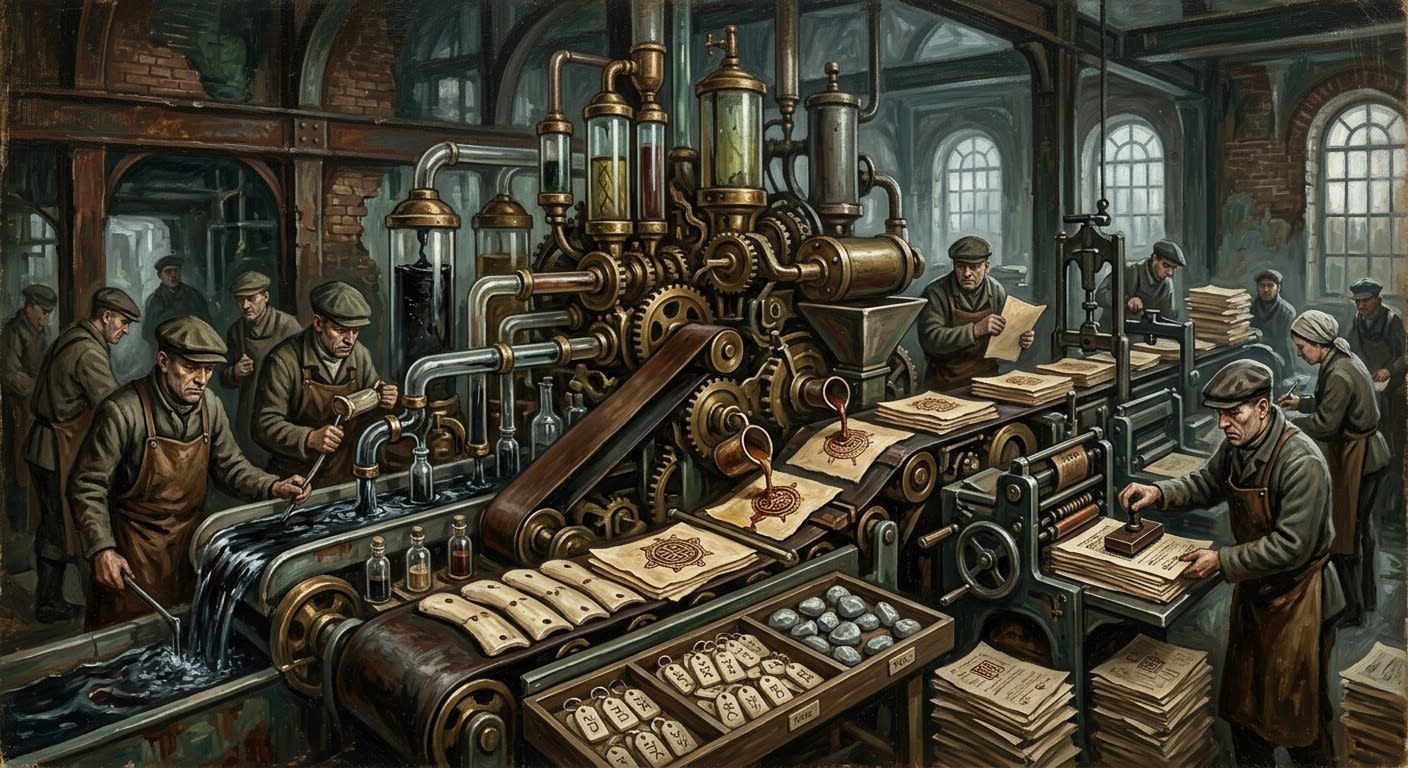
River-belt
The wet spine where permission learns to float
The River-belt manufactures permission in water, wax, ink, toll-stone, bone tags, saint-dust, and every damp little form by which reality becomes admissible.
Codex Ref. II.1.03-082
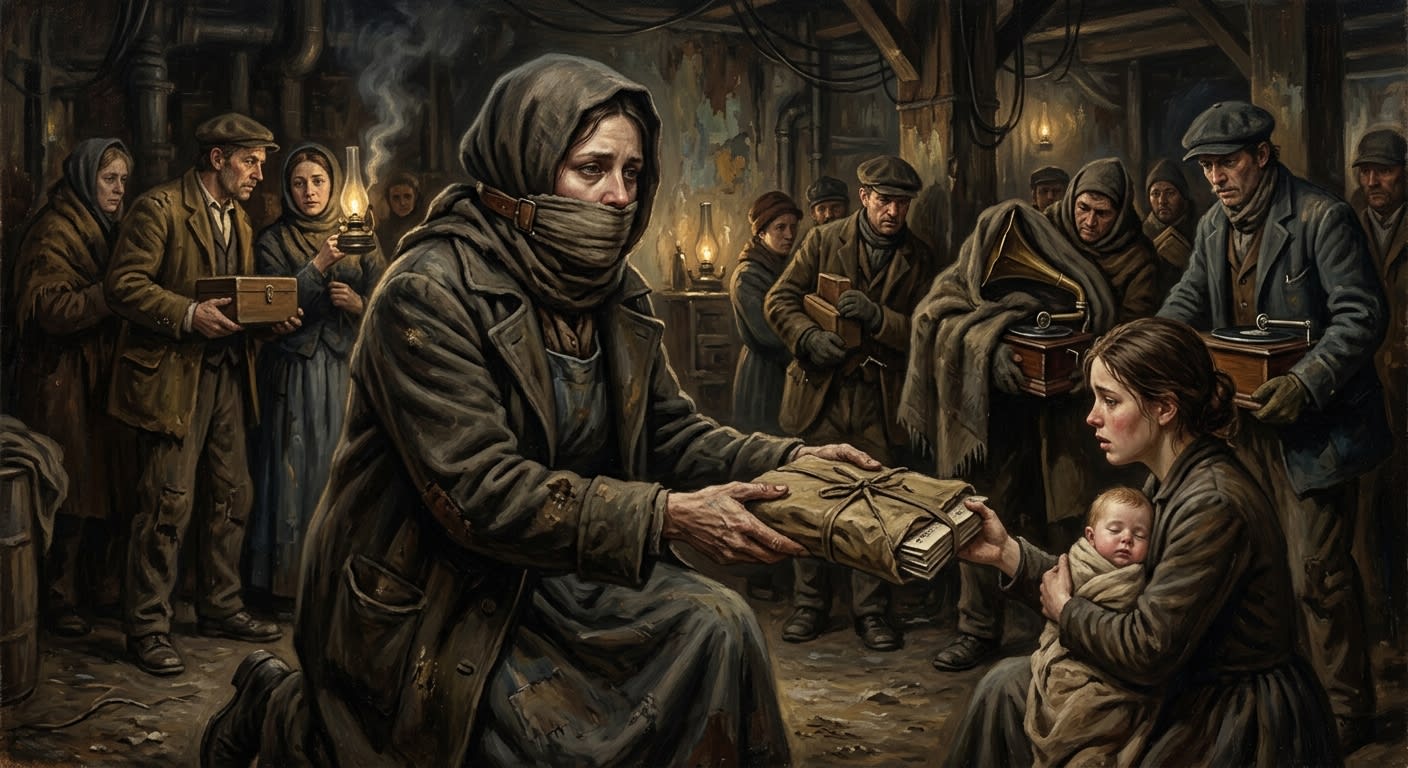
Saint Hessa of the Closed Mouth
The song delivered by silence
Uncanonised patron of melody smugglers, saint-knots, lull-runners, and mothers who move songs where licensed hymns have failed.
Codex Ref. III.2.01-148
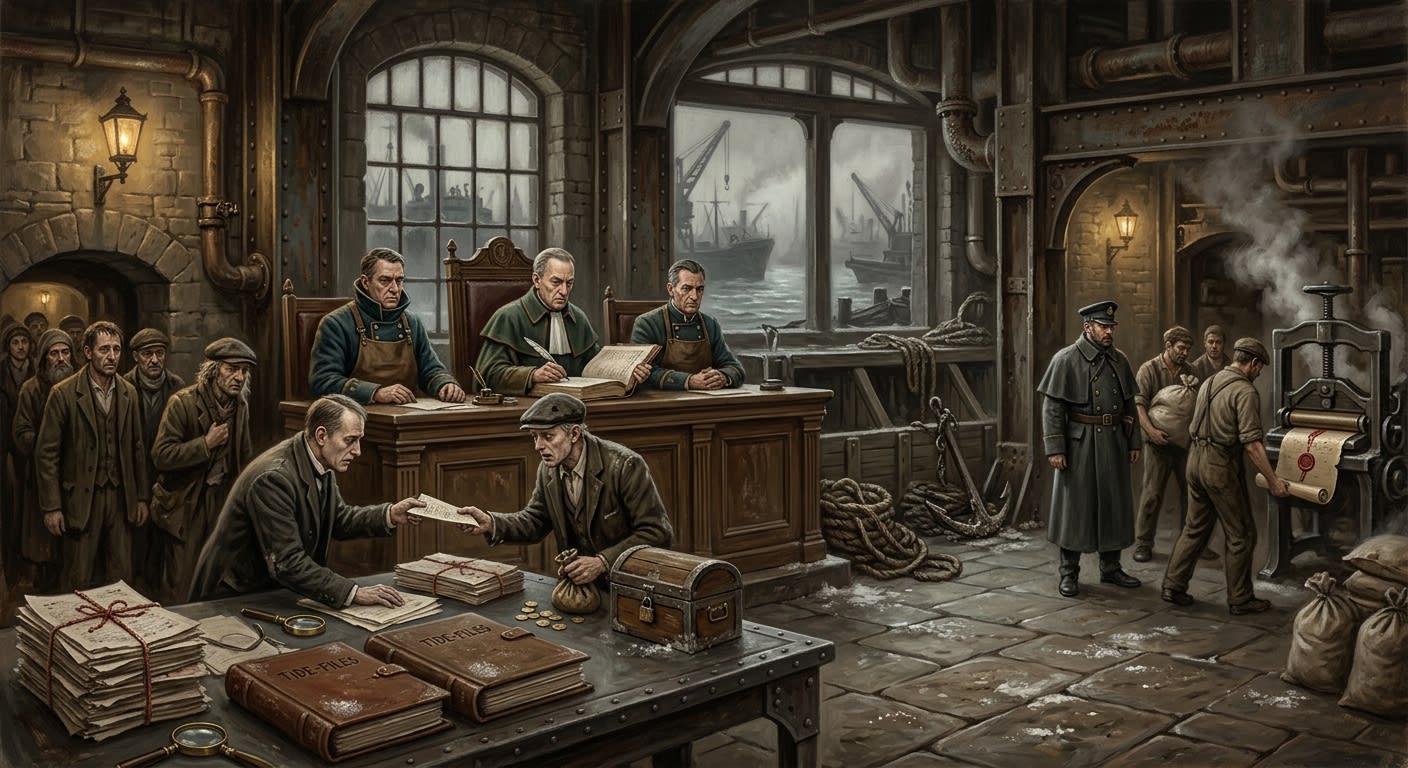
Salt Tribunal
The court that sells leaving and calls the invoice mercy
Calais' Salt Tribunal converts fear of water into legal passage, priced mercy, tide-files, quarantine holds, and salt-wax obedience.
Codex Ref. XIII.1.87-084
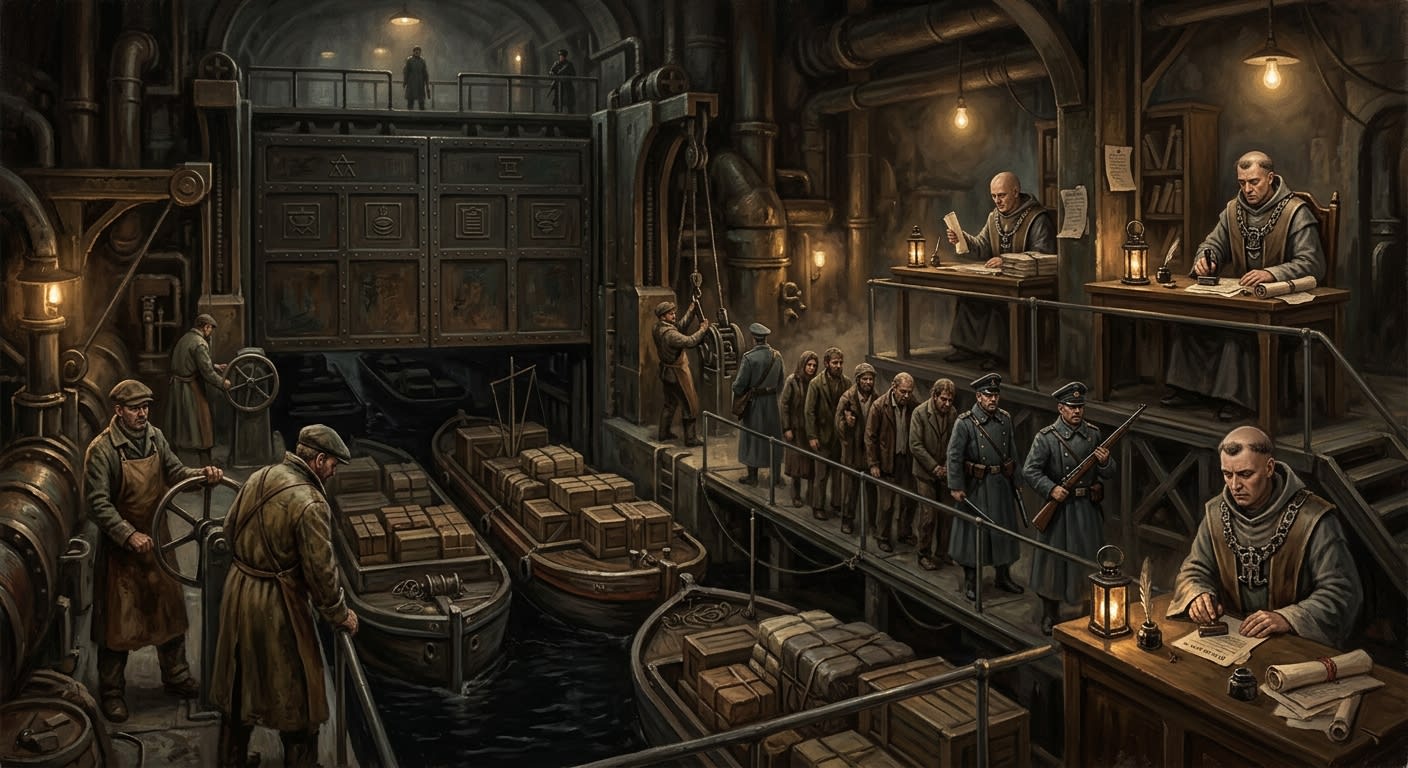
Seal Locks
Where the river kneels, the Ledger learns to swim
Seal Locks pause water, cargo, papers, fugitives, ink, dust, and conscience long enough for the Synod to call movement lawful and billable.
Codex Ref. XIII.1.95-092

Seal-Justice Corvin Hald
He holds the door, and every frightened citizen pays
Seal-Justice Corvin Hald administers Calais' Salt Tribunal, turning sea passes, tide-files, and names into revenue. His smile is warm; departure remains conditional.
Codex Ref. III.2.01-156
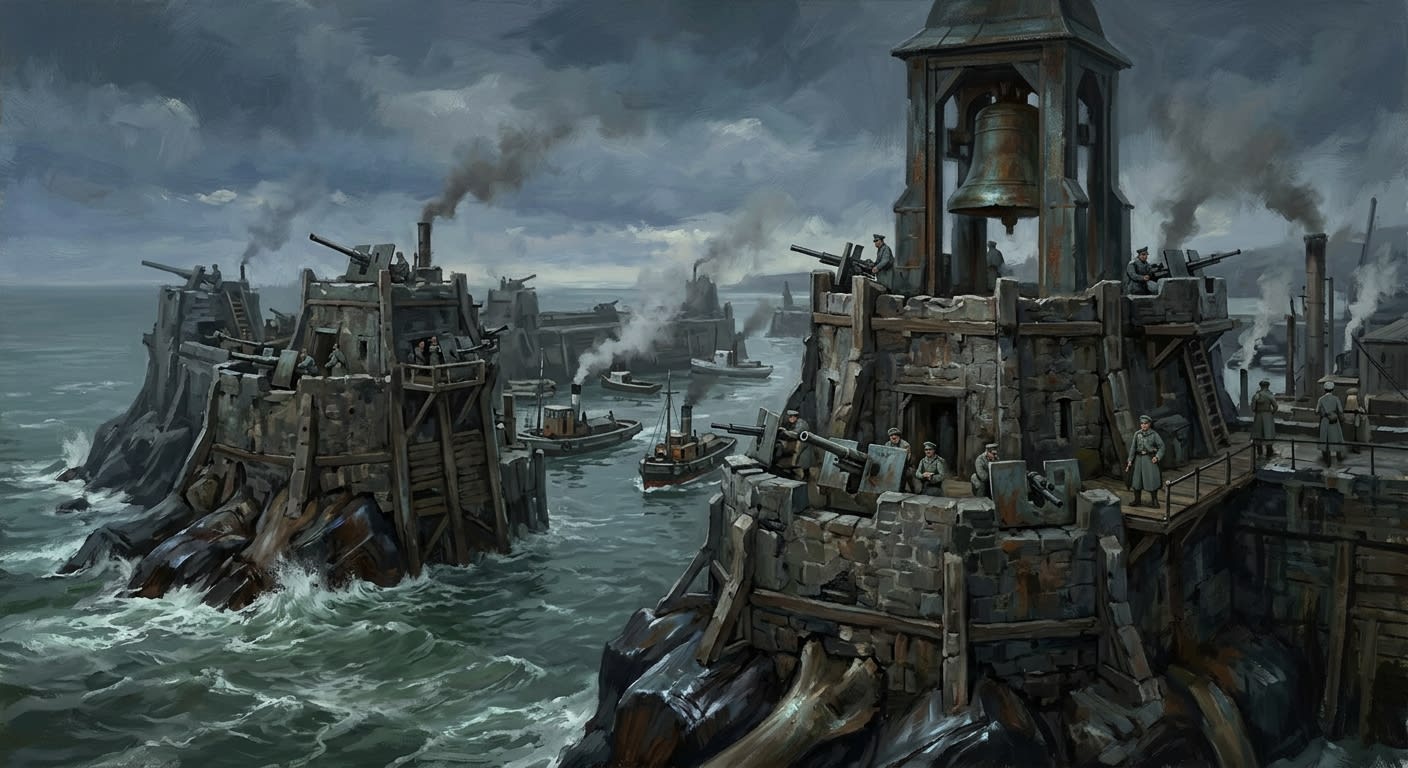
Teeth Breakwaters
Calais put bones in the harbour and called it engineering
The Teeth Breakwaters of Calais are bone-cored harbour fortlets raised after the Great Breach, where the sea chews and the Gunline Choir buys intervals with bells.
Codex Ref. II.4.09-074
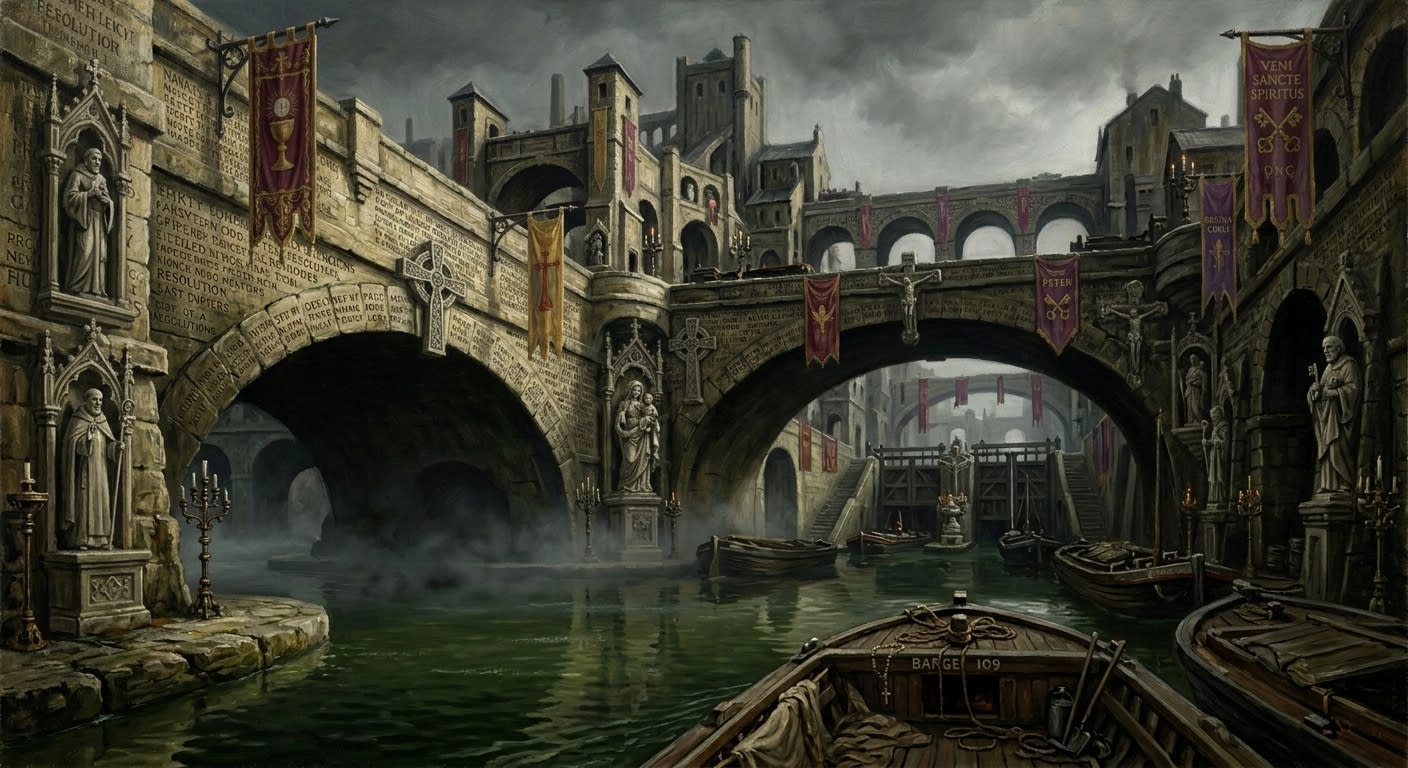
The Archivolt Causeyworks
Where stone keeps accounts, and every arch is also a court of law
A canal city where bridges are courts and debts are carved in granite — the Archivolt Causeyworks keeps its ledger in stone, and the stone has begun to listen.
Codex Ref. II.1.02-001
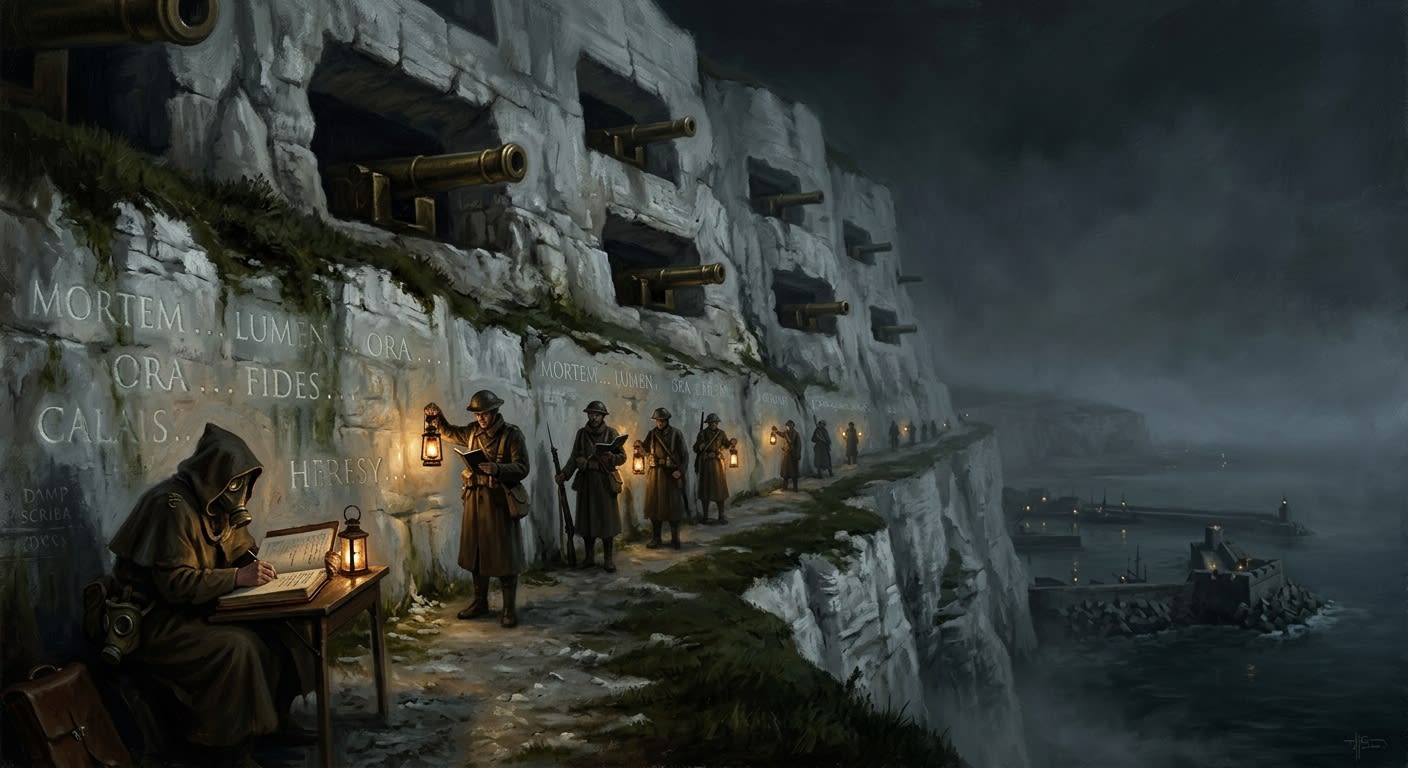
The Chalk Redoubt of Calais
What the Sea Remembers, the Stone Writes
Coastal installation at Calais, where the cliff face writes names in fog and the garrison reads them aloud each night — lest the sea claim what the chalk has named. The Bureau calls it pareidolia. The drowned call it correspondence.
Codex Ref. II.4.09-004
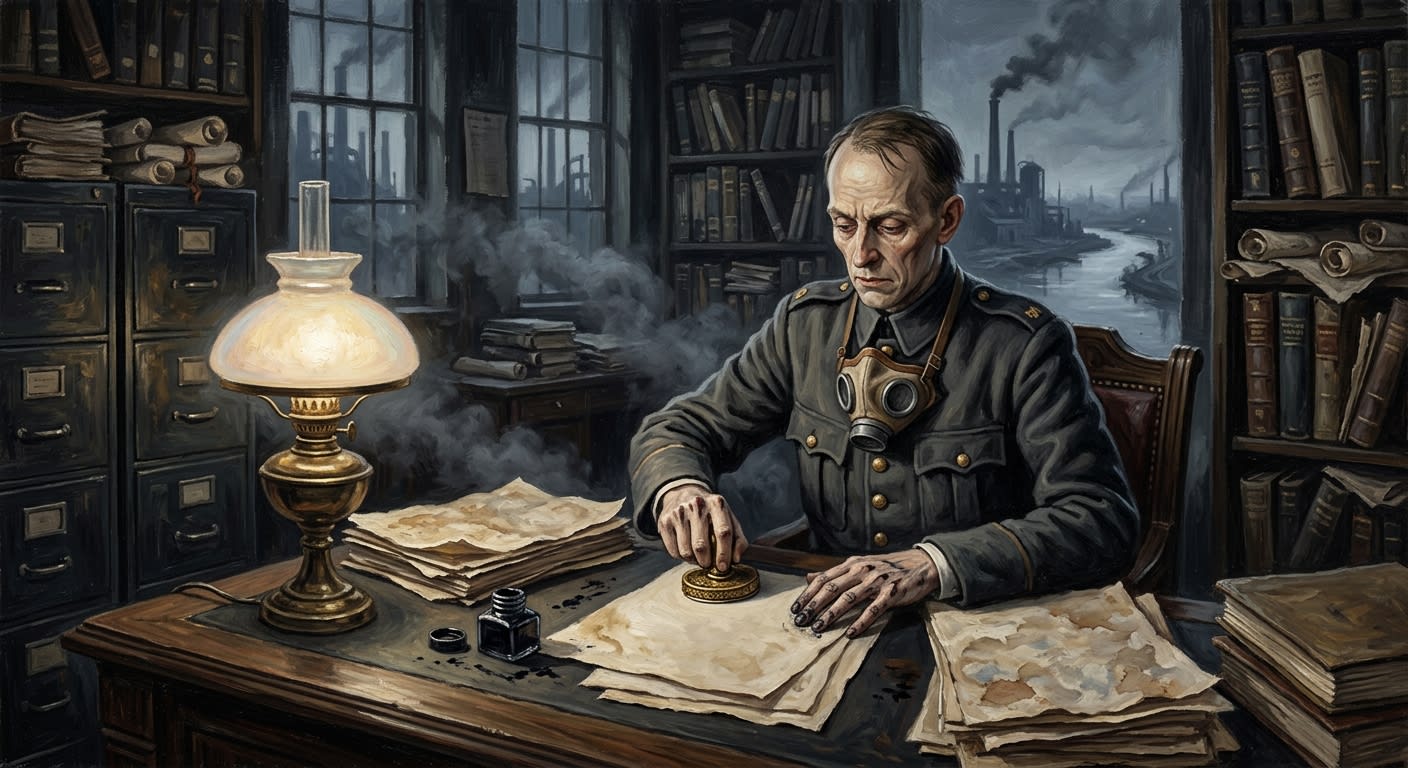
The Fading Winter
When the seal remained and the words deserted their posts
The A.S. 199 Fading Winter stripped text from sealed documents across the River-belt, leaving Candlewick to discover that blank authority still bites.
Codex Ref. VII.4.04-001
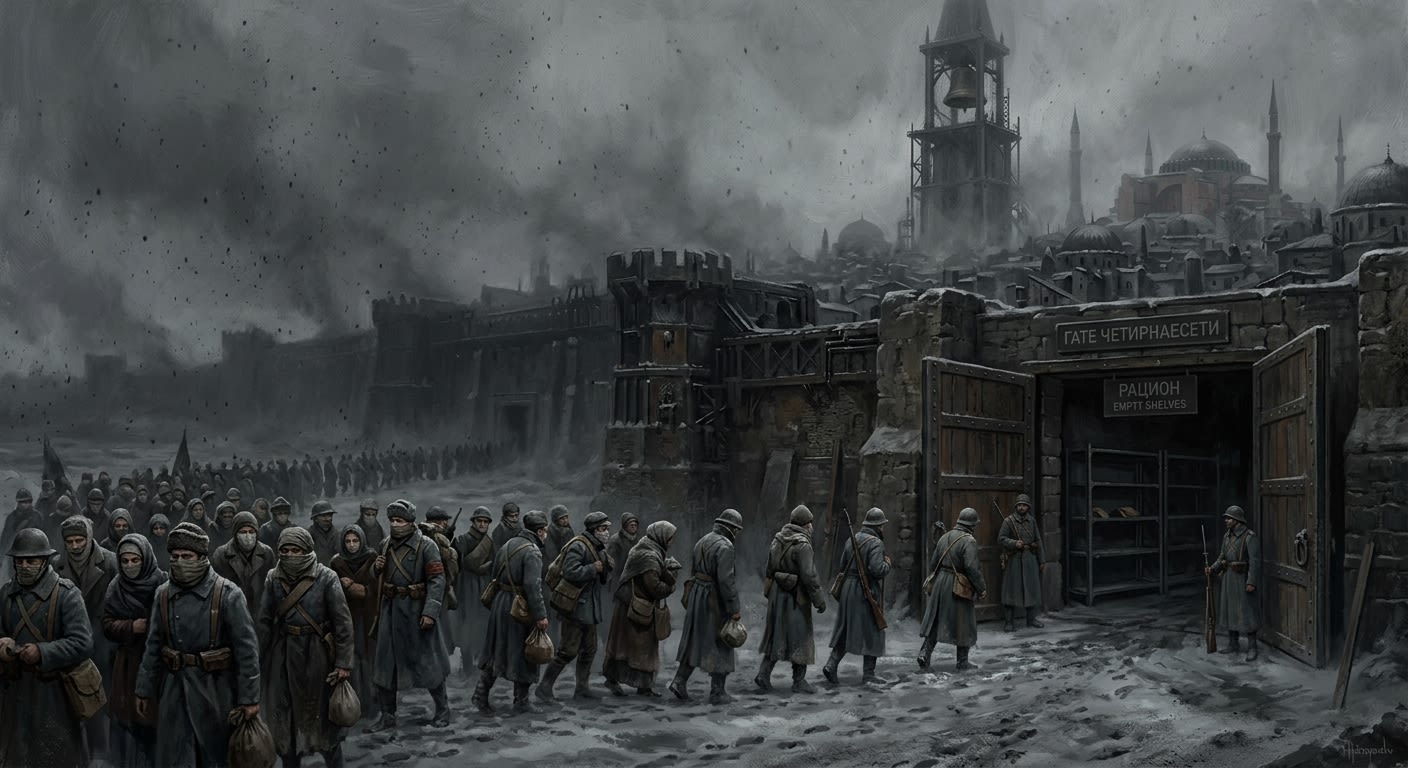
The Ninth Bell Famine
The bell tolled. The bread did not arrive. The Bureau classified this distinction later.
Sixty-eight thousand dead. Nine months of ash. The ninth bell tolled on time. The bread did not arrive. The Bureau of Rites calls it a refining tribulation. The refined are in the walls.
Codex Ref. VII.5.01-001
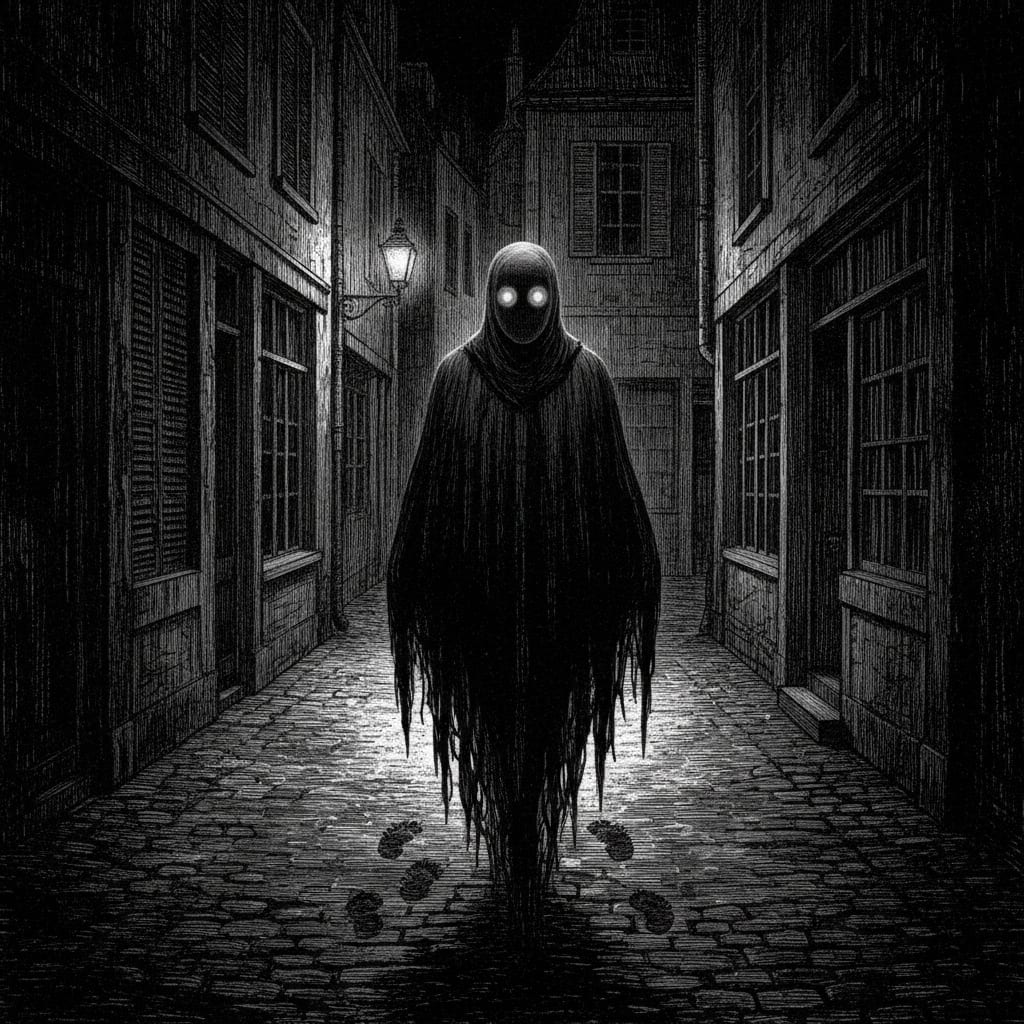
The Penitential Shadows
Those Who Watch Without Eyes
The Inquisition's faceless operatives, culled from the broken and fitted with glass-ash eyes. They do not kill. They erase.
Codex Ref. III.4.09-031
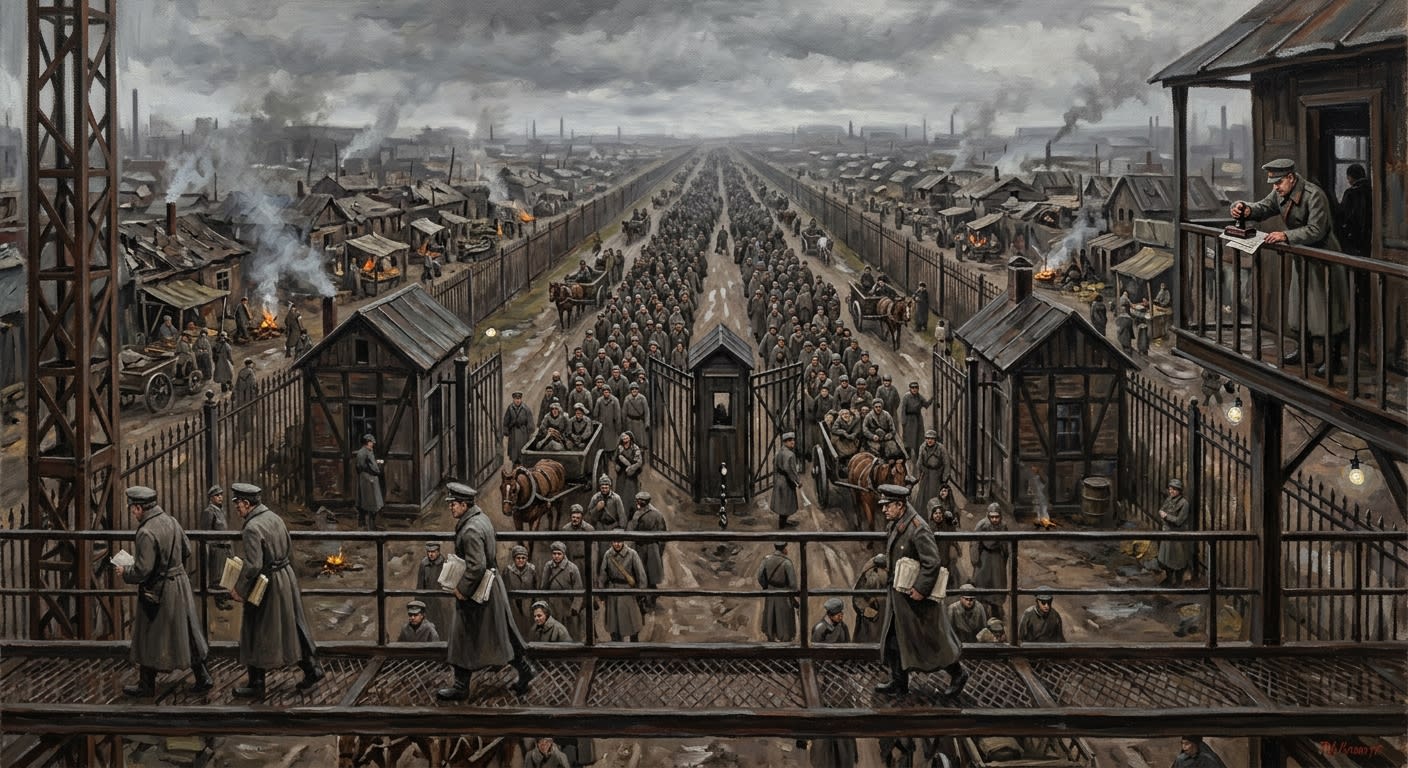
The Queue Road
Where motion became a taxable offense and patience became policy
One hundred and twelve miles of weaponised patience. The Queue Road converts motion into revenue and compliance into a commodity — nine gates, forty-eight thousand registered souls, one apparatus beneath Gate Nine that the Bureau of Doctrine does not discuss.
Codex Ref. II.3.05-001
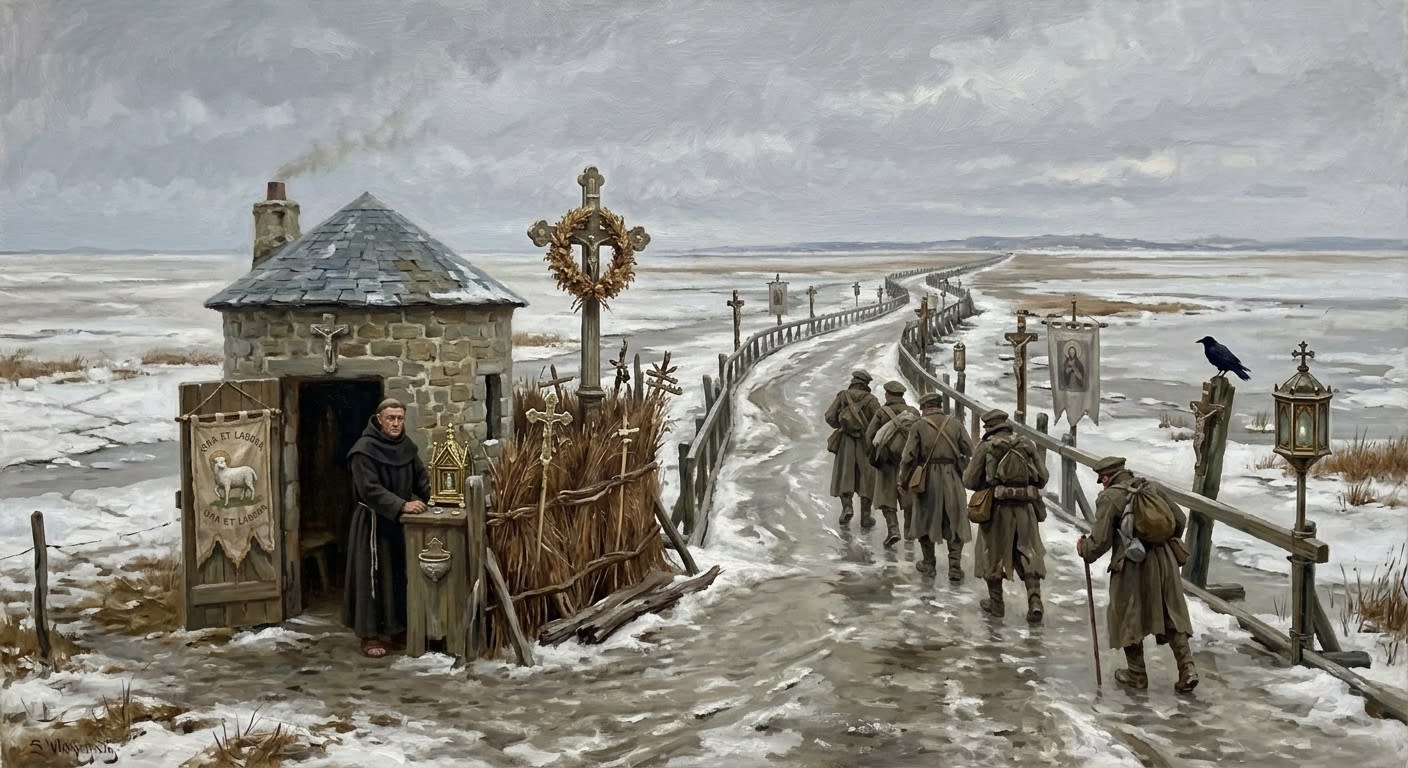
The Salt-Vigil Causeways
Where the road drinks and the order endures
Winter roads across the frozen Frisian shallows, administered by an ascetic toll order who collect salt and tears in equal measure. The causeways carry one-eighth of the Synod's winter supply traffic and ask something of everyone who walks them.
Codex Ref. II.3.05-003
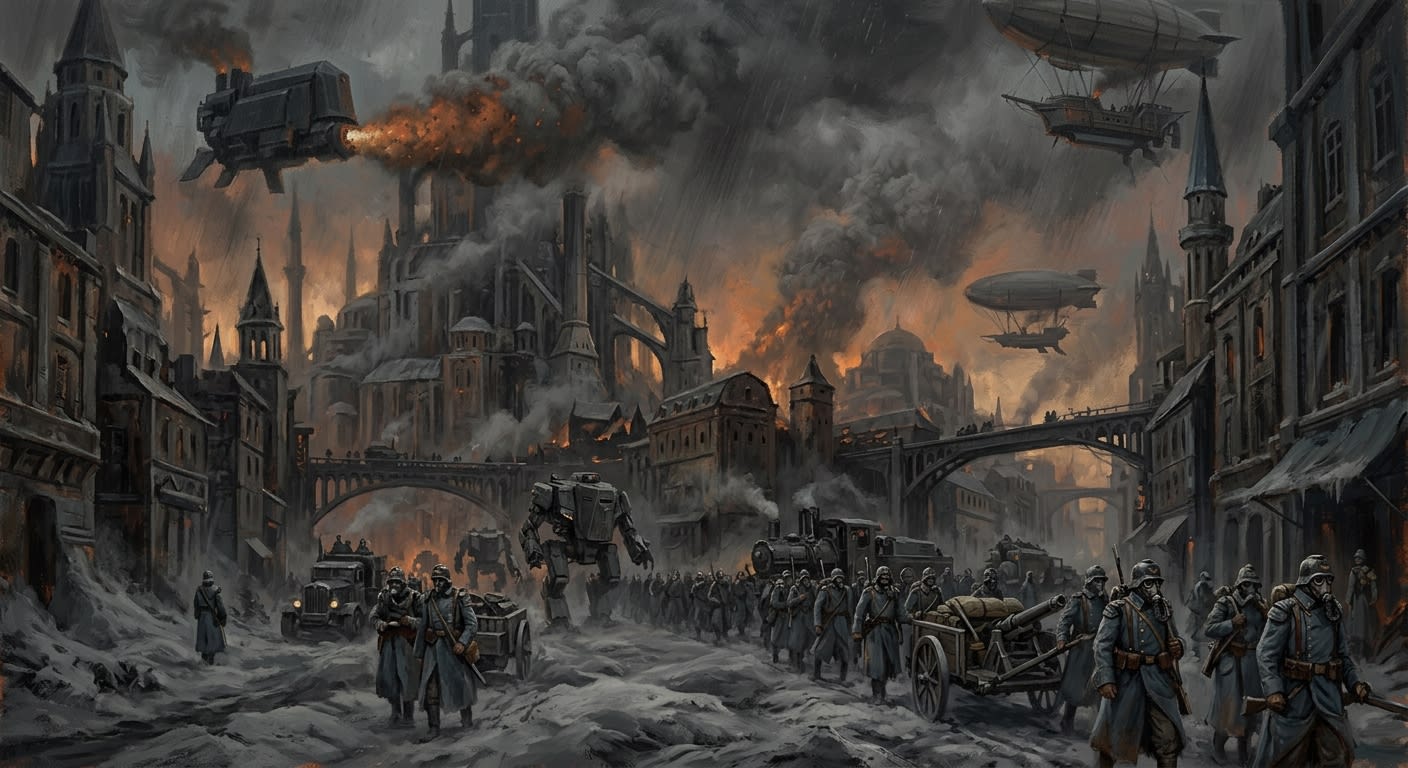
The Year of Ash Rain
The sky became a siege engine, and Constantinople learned to breathe doctrine
Maldrake's A.S. 143 burning of the Thracian forests turned ash into weather, famine into architecture, and Constantinople into a city under siege from above.
Codex Ref. VII.4.03-001
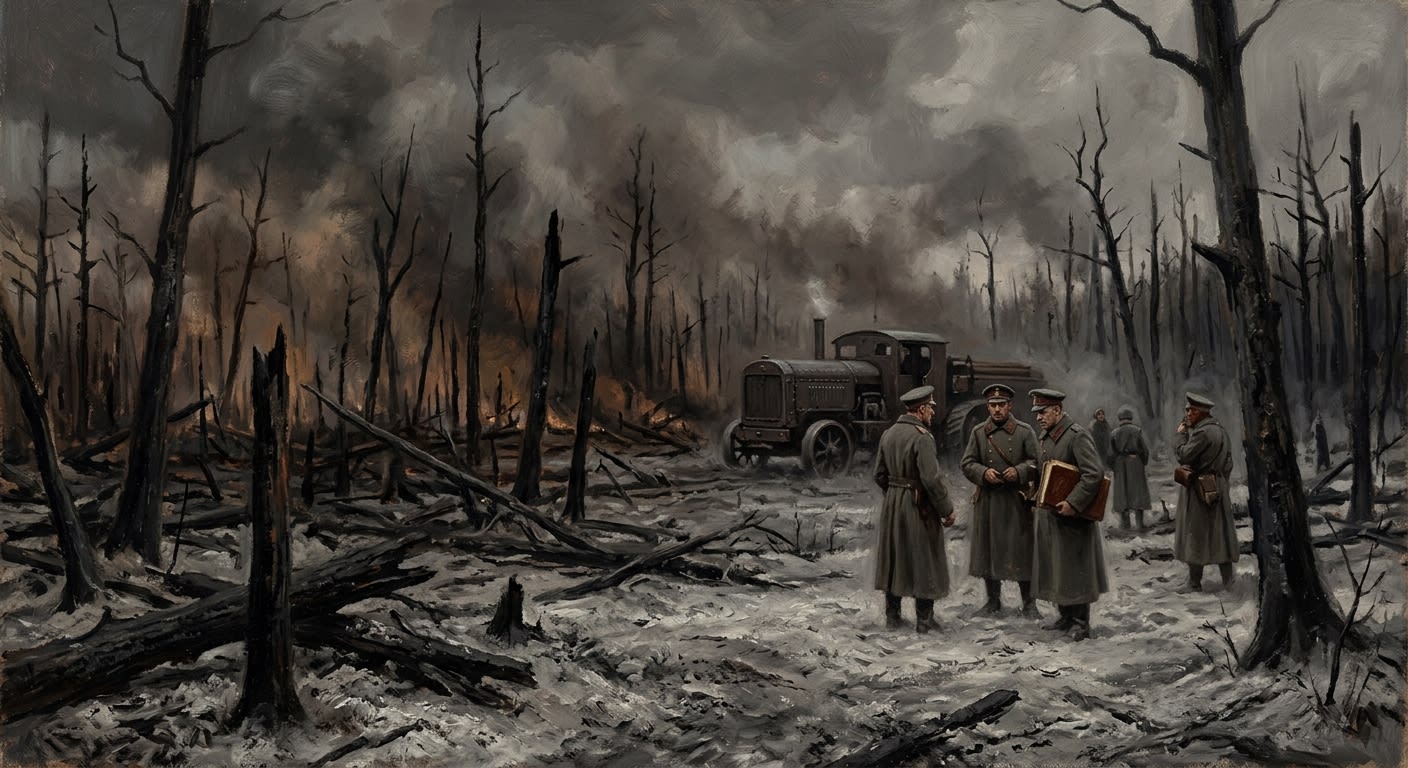
Thracian Forests
Maldrake felled a province into the sky
The Thracian forests were Maldrake's timbered weapon: a fallen reserve burned in A.S. 143 until ash became famine, ink-hunger, echo drift, and weather.
Codex Ref. II.6.03-143
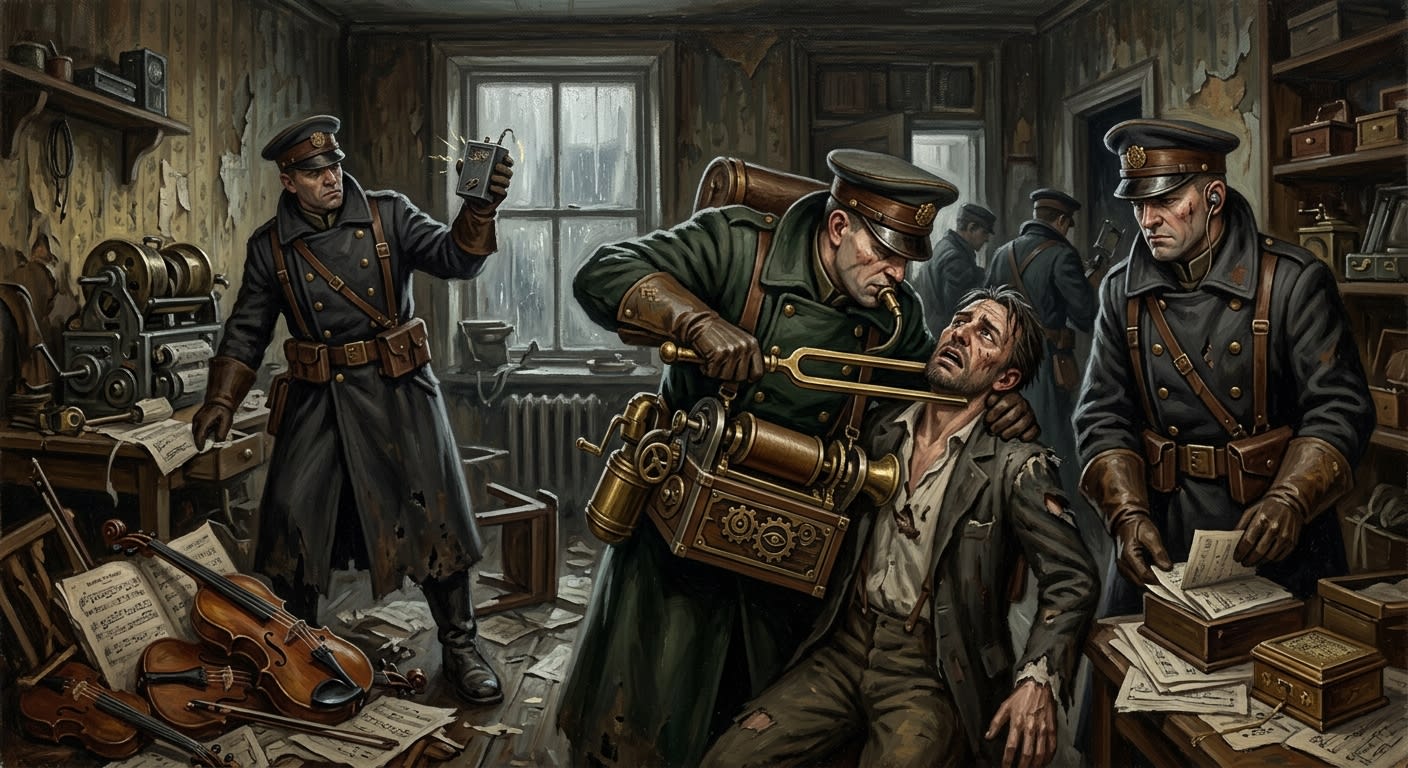
Tone Inquisitors
The ear becomes courtroom, and comfort confesses
Field enforcers of the Bureau of Orison and Song who provoke, detect, record, and prosecute unlicensed melody with forks, boxes, and ruined ears.
Codex Ref. XII.48.02-096

Unauthorized Melody Smuggler
The lullaby the Bureau buried; the mouth it walks out of now
The Unauthorized Melody Smuggler is classified under Tongue-Crime, Melody Intent, Doctrinal Sabotage — above common theft, below armed heresy. The lullaby does not care what the Bureau calls it. It continues to walk out in someone else's mouth.
Codex Ref. XII.48.01-001
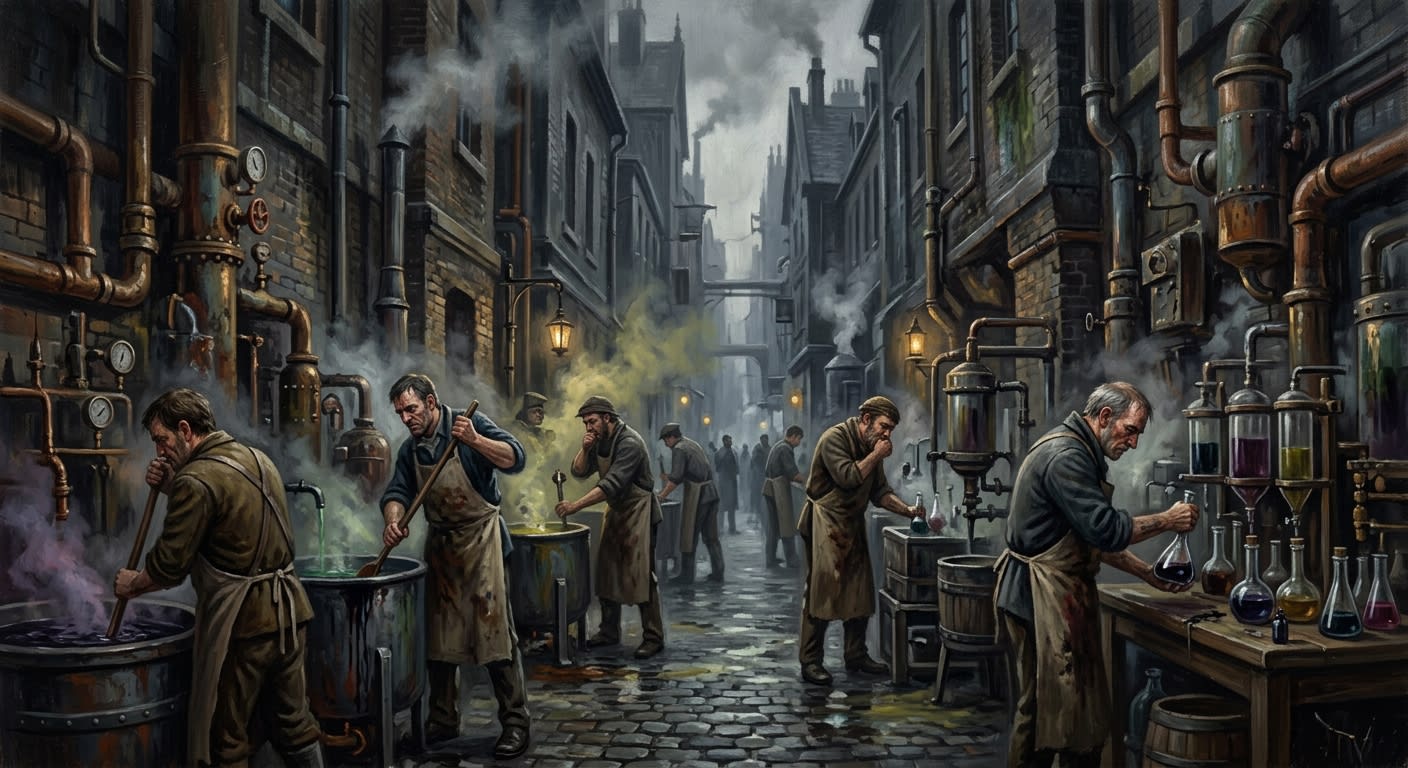
Vatmarsh Row
Where ink learns to outlive mercy
Vatmarsh Row fixes the Synod's ink and loosens the lungs of those who make it. Permanence, naturally, invoices by the breath.
Codex Ref. II.1.01-092
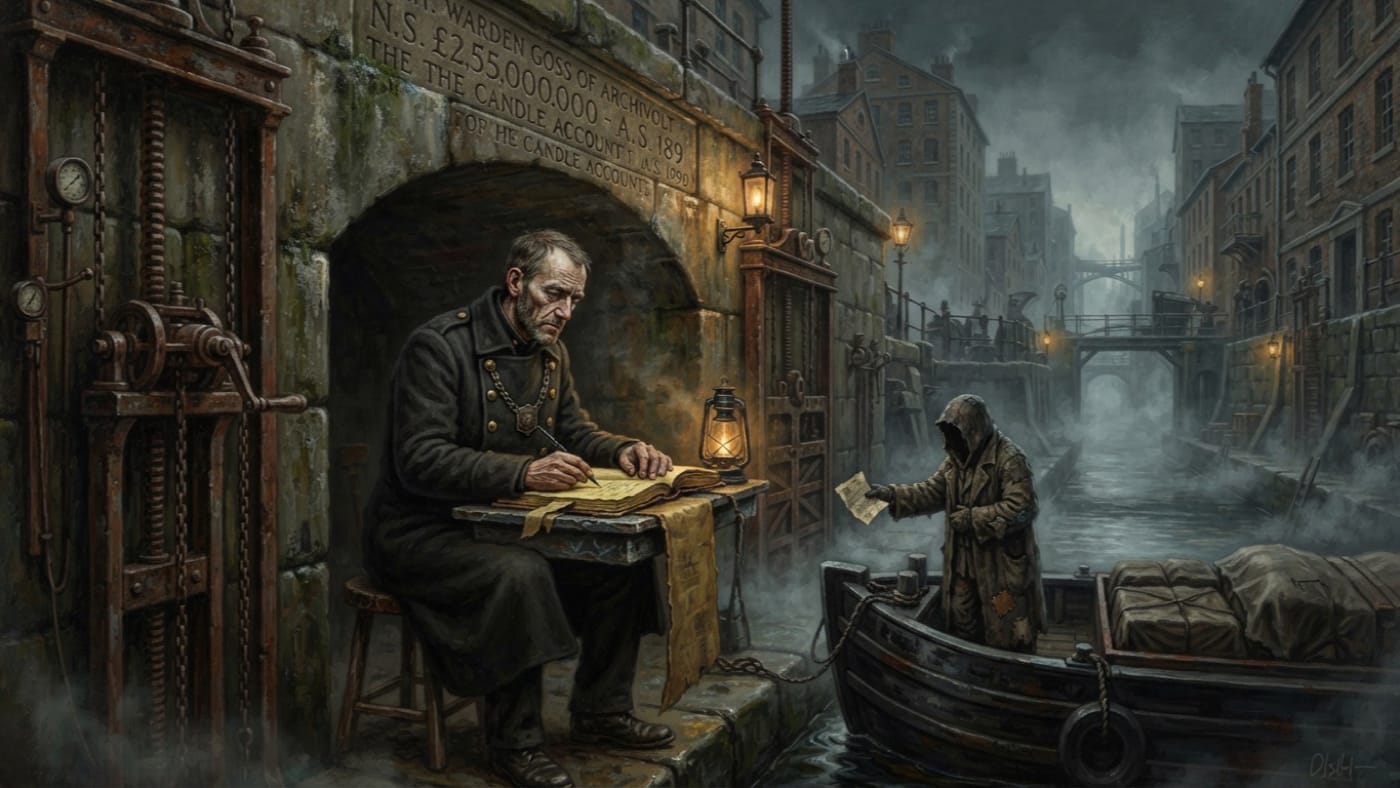
Warden Goss of Archivolt
Three questions on paper, one debt in stone
At the Mouth-Sluice, Goss asks a traveller's name, destination and ink-weight beneath his own debt, incurred for overweight devotional candles in A.S. 189. I found him there in A.S. 197 and 201.
Codex Ref. III.2.01-189
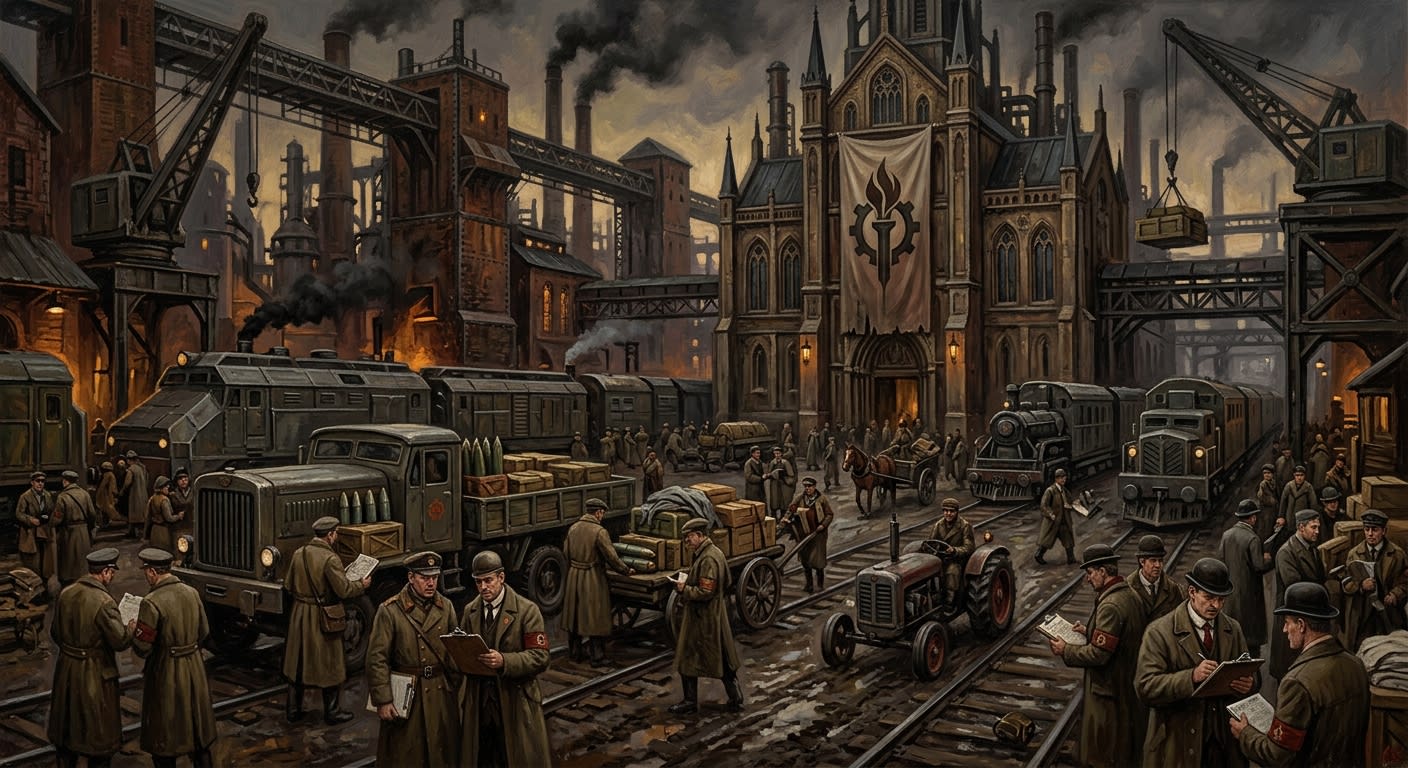
Zone 1
The rearward paradise that learned to invoice the war
Zone 1 is the Synod's polished western rear: safe enough to tax, rich enough to excuse itself, and stained to the elbows by logistics.
Codex Ref. II.0.03-201