

Reverse Index
Referencing “The First Continental Levy”
Every codex entry that links to The First Continental Levy. 92 entries.
Return to The First Continental Levy
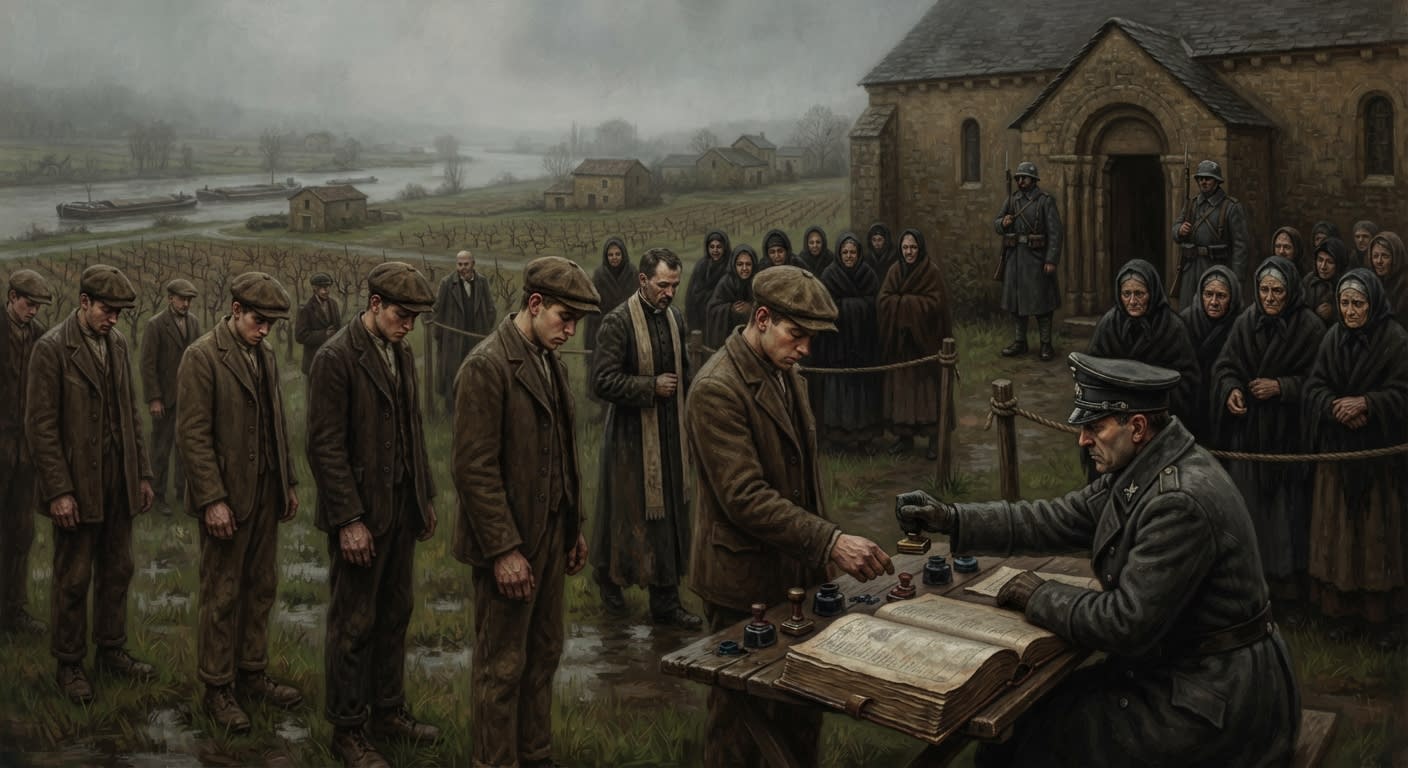
Aquitaine
The western field where sons go missing politely
Aquitaine is the Synod's damp western grain and wine basin: loyal by return, undercounted by suspicion, and courteous enough to make evasion look like hospitality.
Codex Ref. II.1.12-201
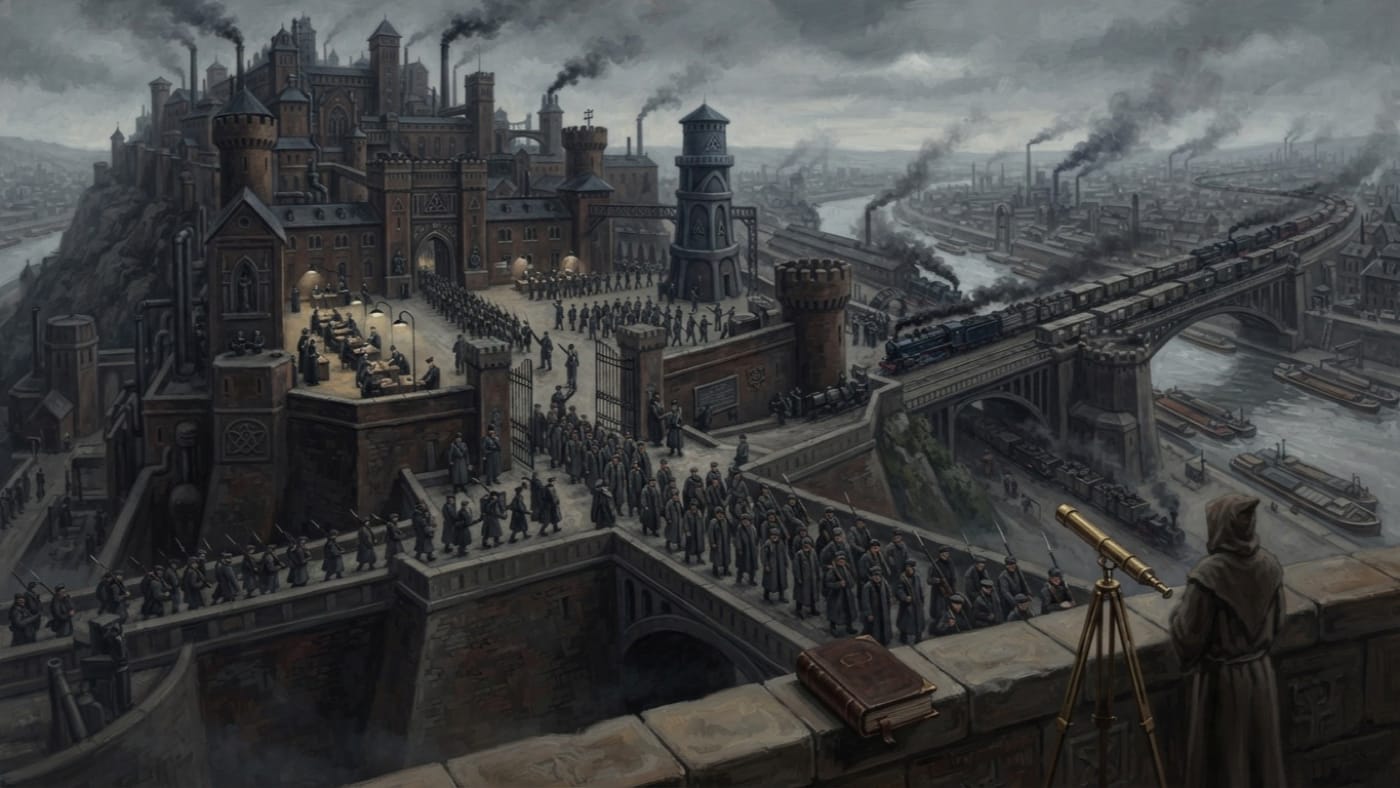
Auvergne
The province supplies, Lyon receives, the east consumes
Auvergne supplies levy boys to the Citadel of Lyon. This commissioned A.S. 201 survey records its place in the Rhône corridor's machinery: the province supplies, Lyon receives, the east consumes.
Codex Ref. II.1.12-201
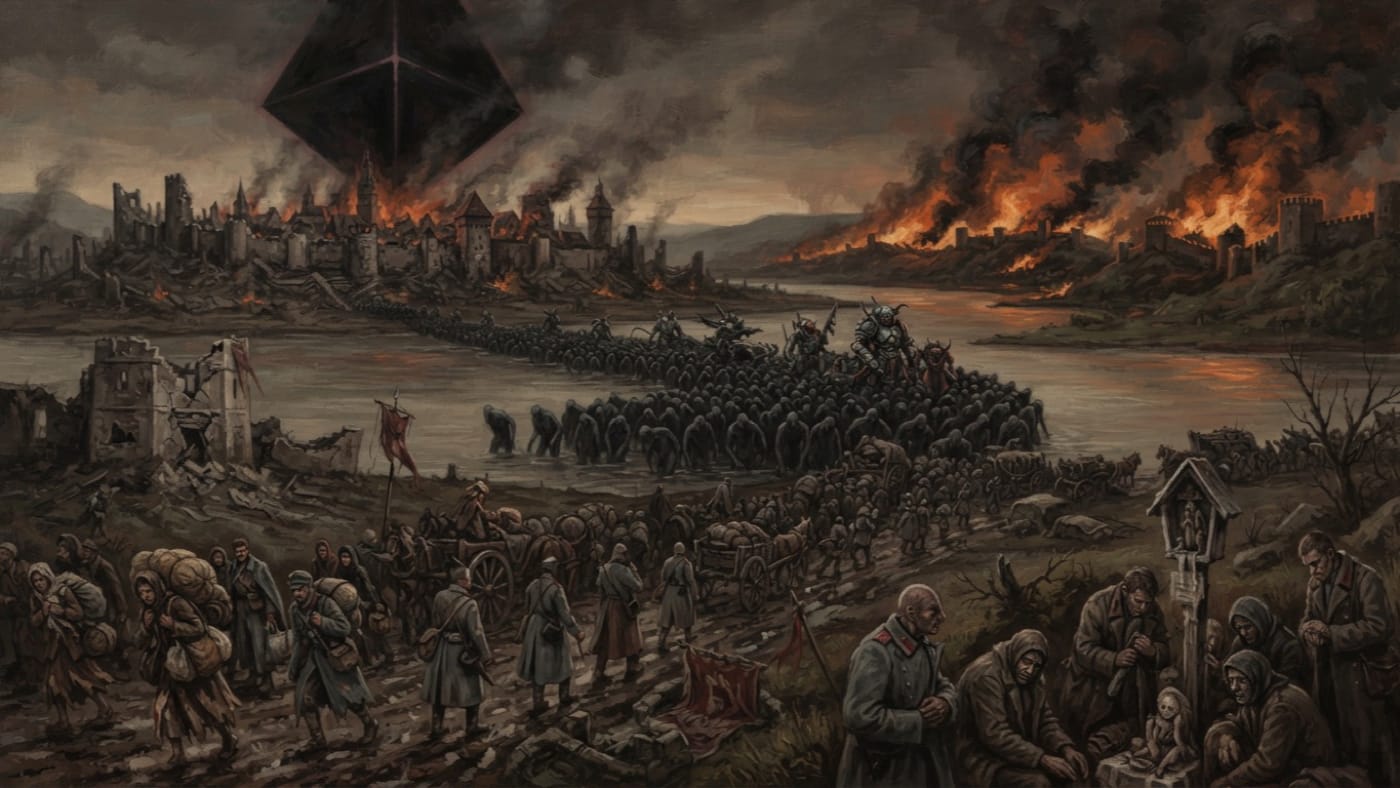
Balkan Collapse
A season of ruin, a permanent claim on sons
Brașov consumed, the Danube crossed on the drowned, and Thrace burned: the A.S. 110 Balkan Collapse gave Strasbourg an emergency it could charge to every household.
Codex Ref. IV.1.09-162
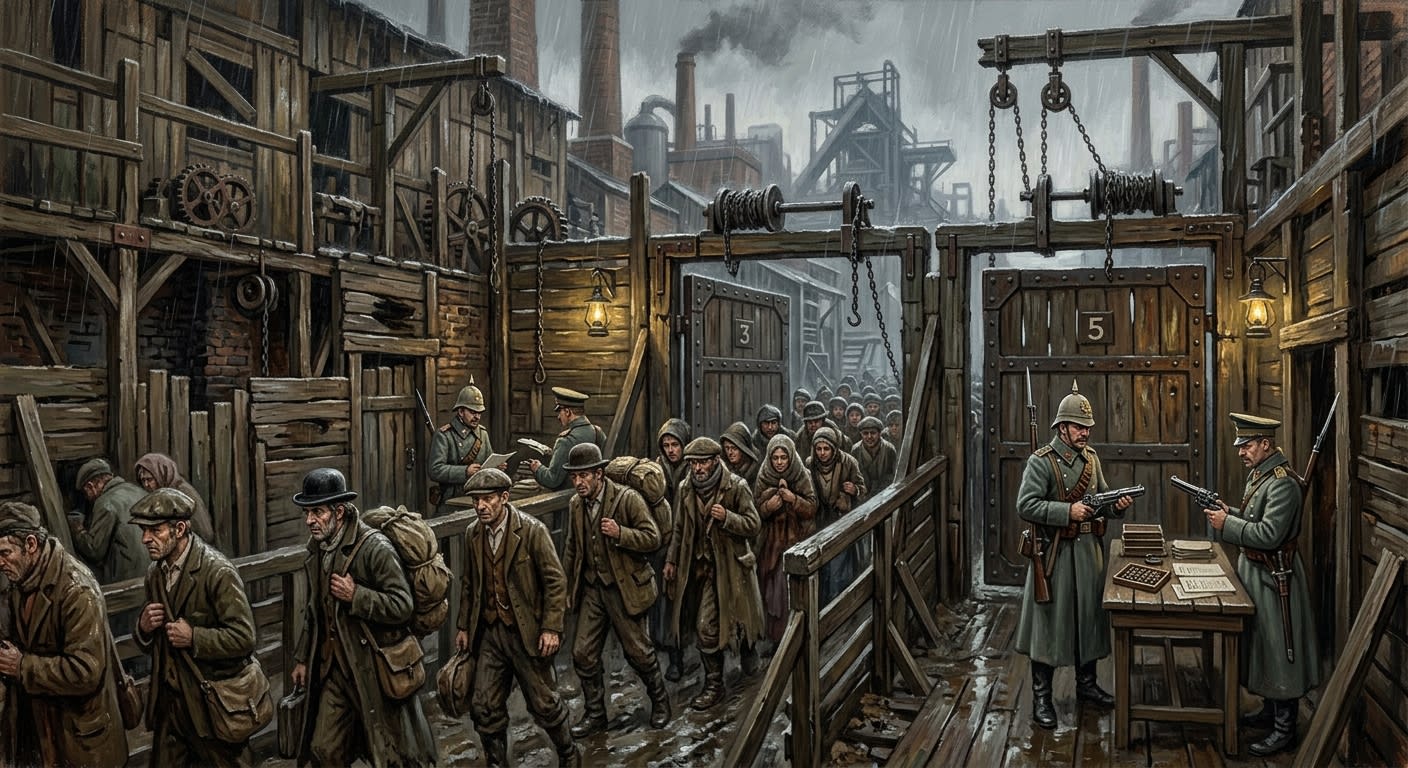
Barricade Maze
The fence that taught patience to pay rent
The Barricade Maze is the Queue Road's wet timber throat, where Gates Three and Five compress bodies, minutes, debts, and heresies into orderly revenue.
Codex Ref. II.3.05-010
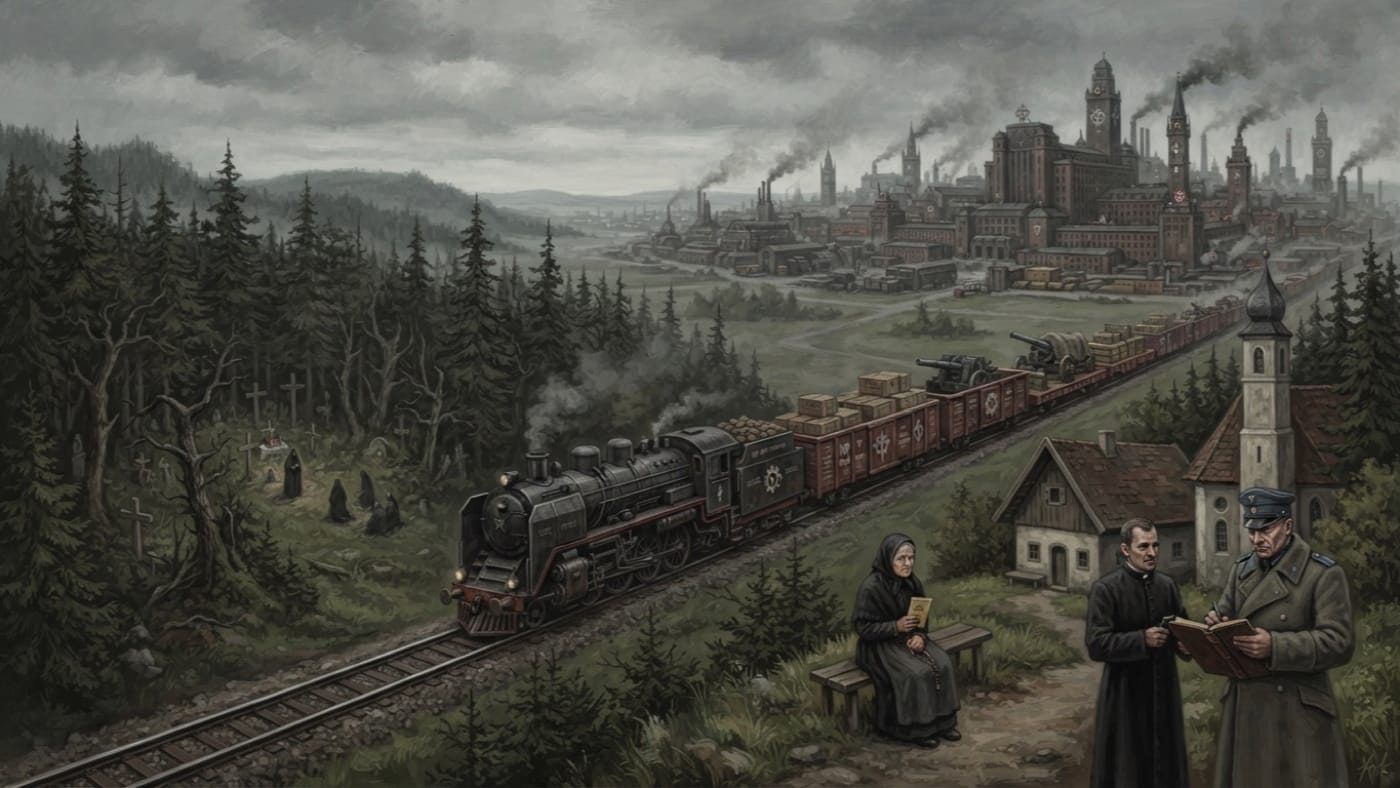
Bavaria
The heartland pays for safety one son at a time
Bavaria's forests once hid scattered faithful. Its parishes now supply the Continental Levy, while Munich sends War's freight east. Heartland safety is paid for one household at a time.
Codex Ref. II.2.11-201
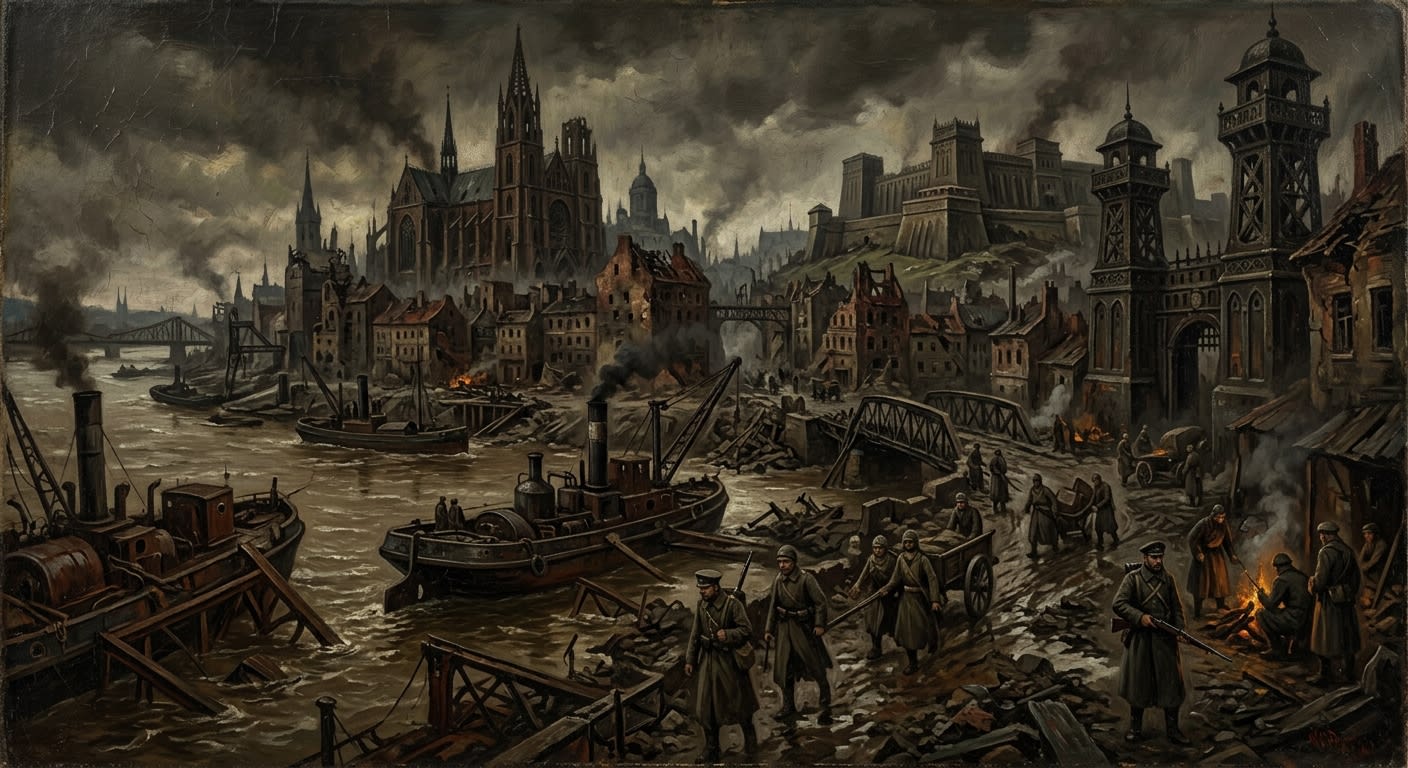
Belgrade
The city the river refused to bury, and therefore made taxable
Belgrade, ruined-contested confluence city where Shattered Courts perfume met Maldrake's Wrath, the Danube turned in A.S. 120, and sanctity became an armed hazard.
Codex Ref. II.5.06-120
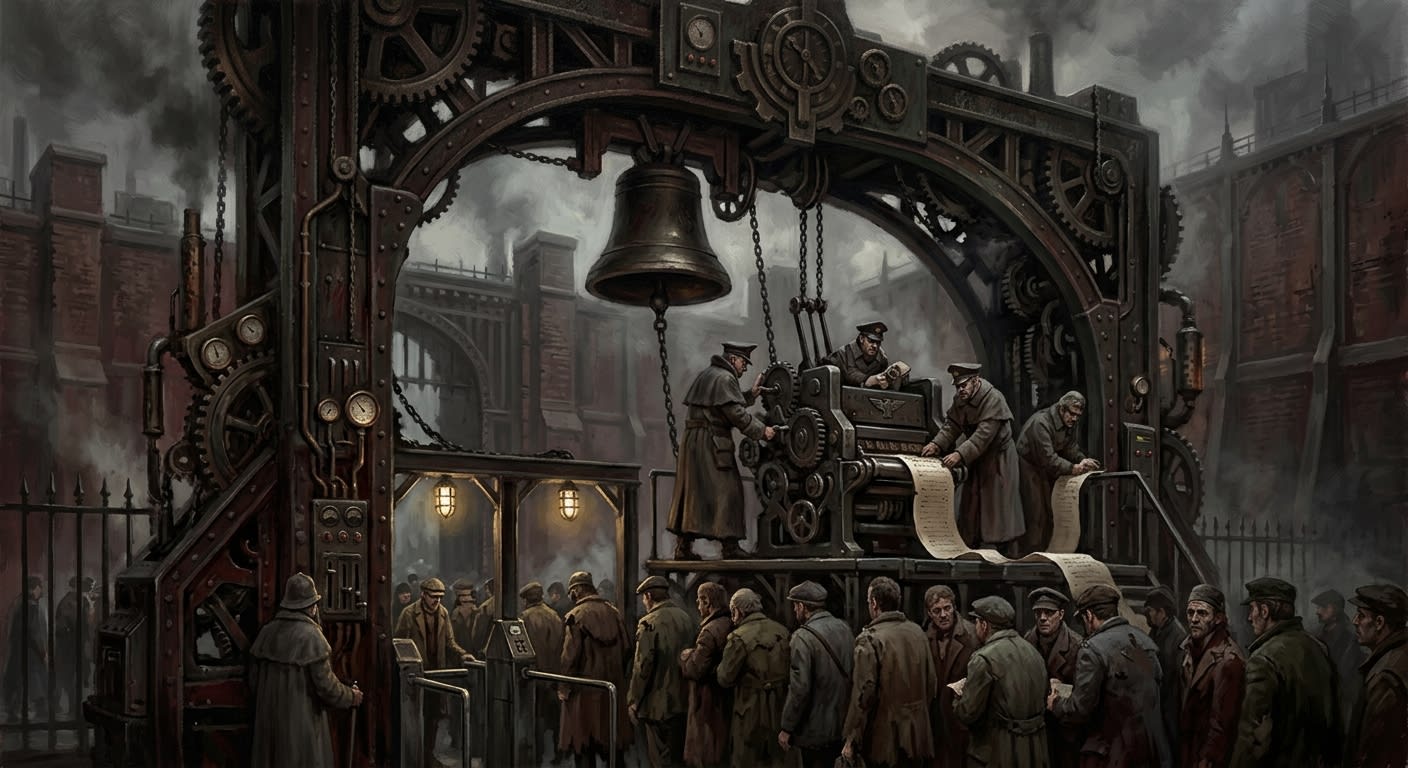
Bell-Mark Gantry
A stamp is violence without perspiration
The Bell-Mark Gantry is the Queue Road's iron throat above Gate Three, where bells, stamps, and priced minutes convert waiting bodies into lawful revenue.
Codex Ref. XIII.1.16-111
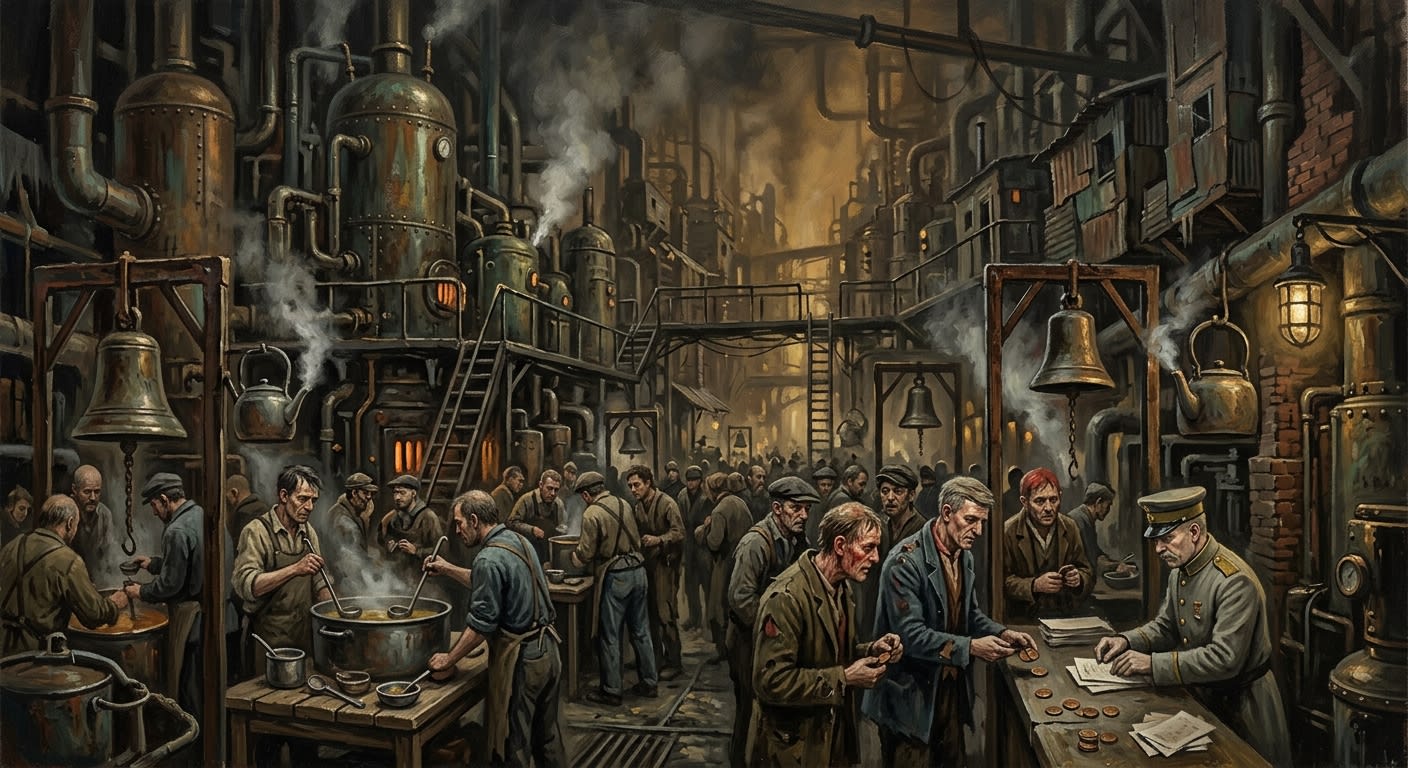
Boiler Commons
Where warmth is rent, leash, verdict, and little idol
The Boiler Commons of Brast are a worker district of heat debt, warm chits, ration kitchens, pipe-lane kingdoms, Red-Three fever, and kettles that have begun answering bells.
Codex Ref. II.2.01-019
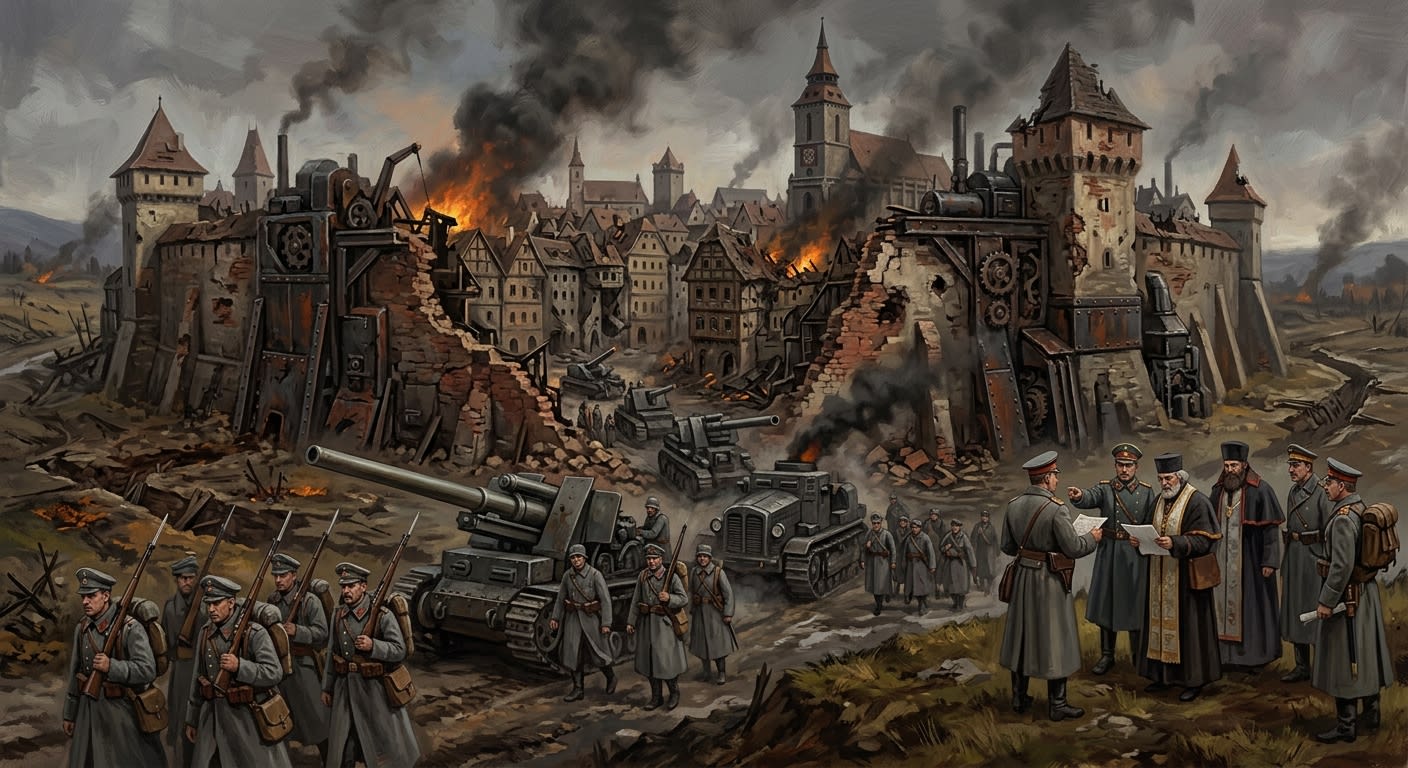
Brașov
The city [[hell|Hell]] ate before [[strasbourg|Strasbourg]] learned to count sons
Brașov, the Saxon-walled city consumed by Kargath in A.S. 110 and made pretext, warning, and arithmetic for the Synod's first continental levy.
Codex Ref. VI.1.01-110
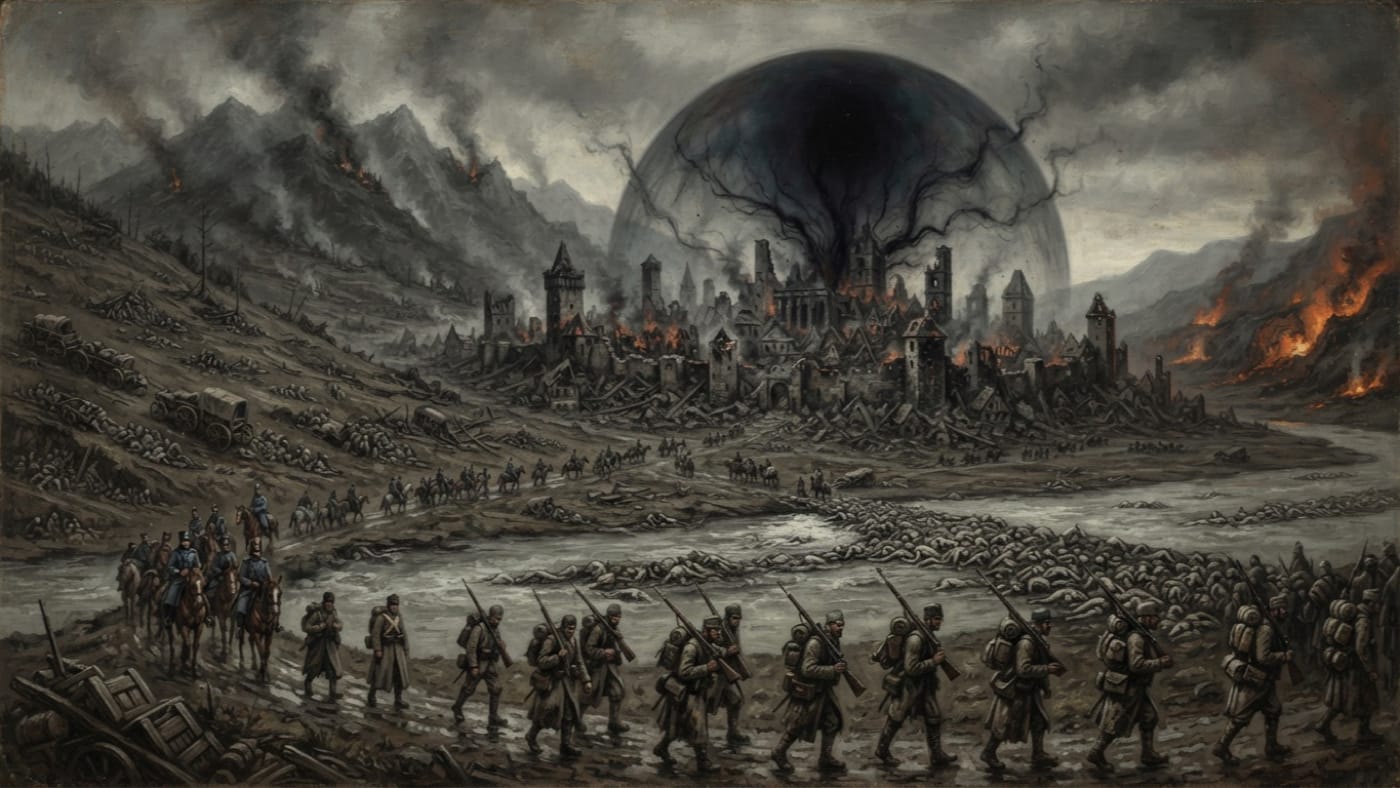
Brașov Crisis
The emergency that taught a fraction to march
In A.S. 110, Brașov was consumed, the Danube bridged with drowned men, and the Thracian passes burned. Strasbourg answered with one son in ten, an emergency measure that learned to endure.
Codex Ref. VII.8.10-110
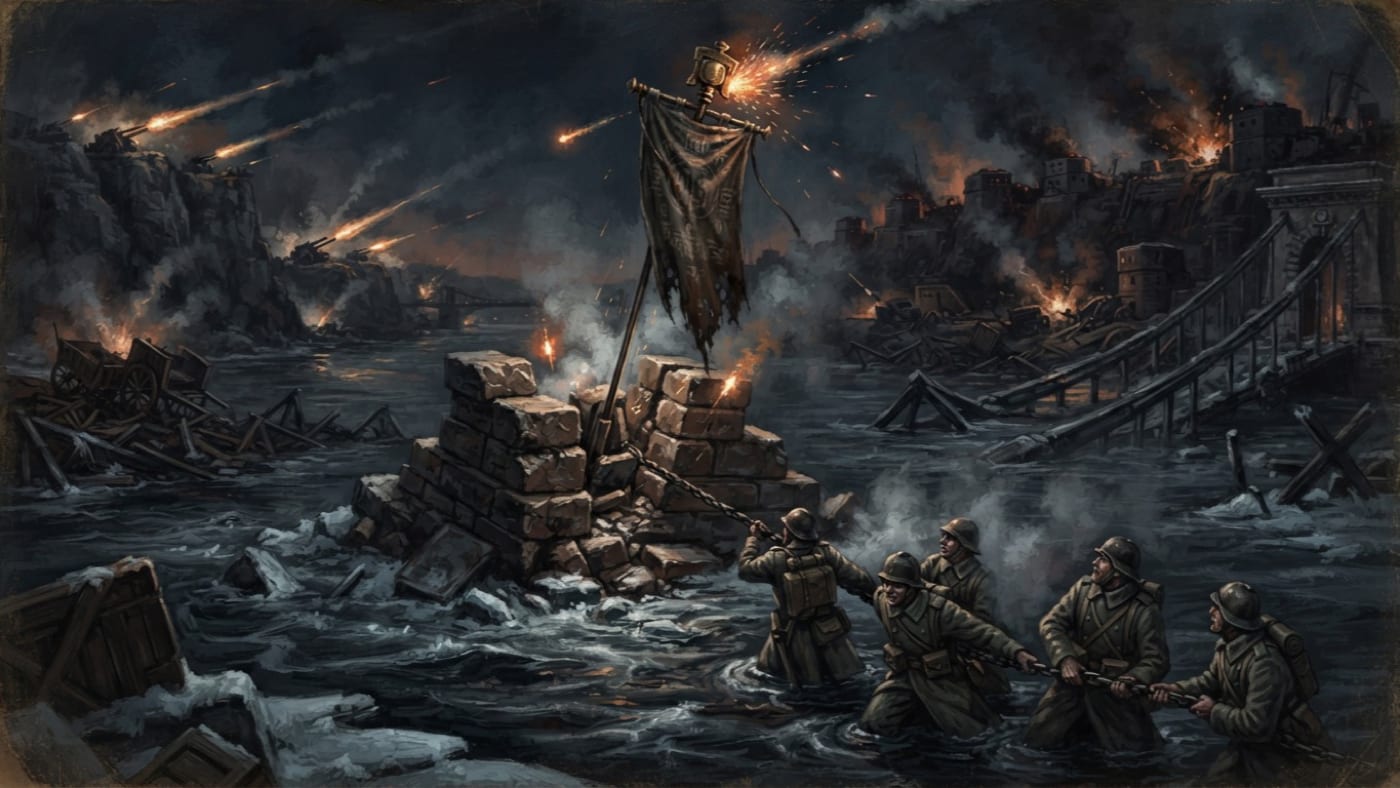
Brass-Lipped Banner of the Sixth Levy
Lorn climbed; the socket held; Providence received the Sign
At the Chain-Pier Ruin in A.S. 172, the Sixth Levy's banner stood unattended under fire for ninety seconds. Lorn climbed; the socket held; Providence received the Sign.
Codex Ref. VII.5.01-003
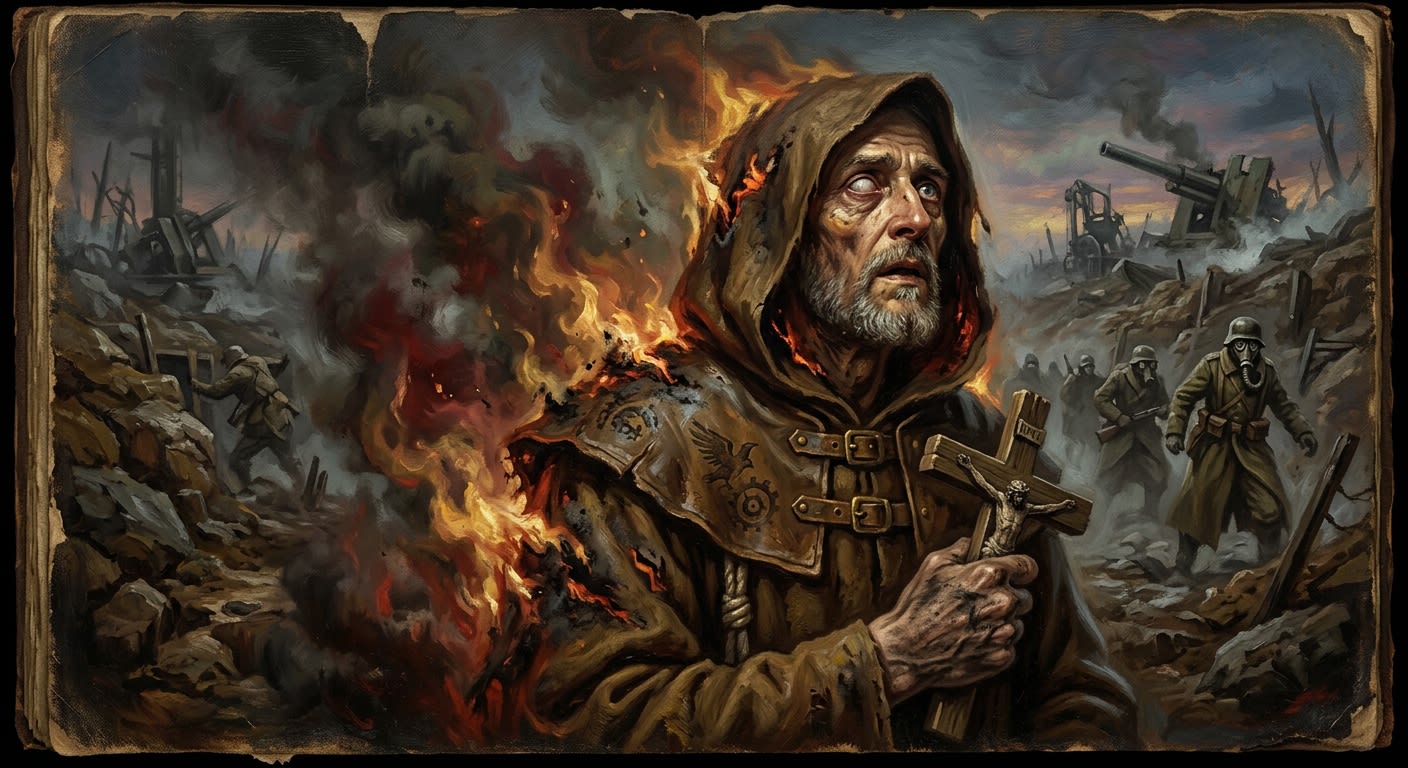
Brother Tomislav
The half-blind monk who lifted a reliquary and made Wrath recoil
Half-blind Franciscan, custodian by refusal, and instrument of the Miracle of Kalnik Ridge; consumed by sacred fire in A.S. 48, though the Bureau remains professionally unable to call him dead.
Codex Ref. III.2.01-004
Bruges
Permit prosperity; audit beauty
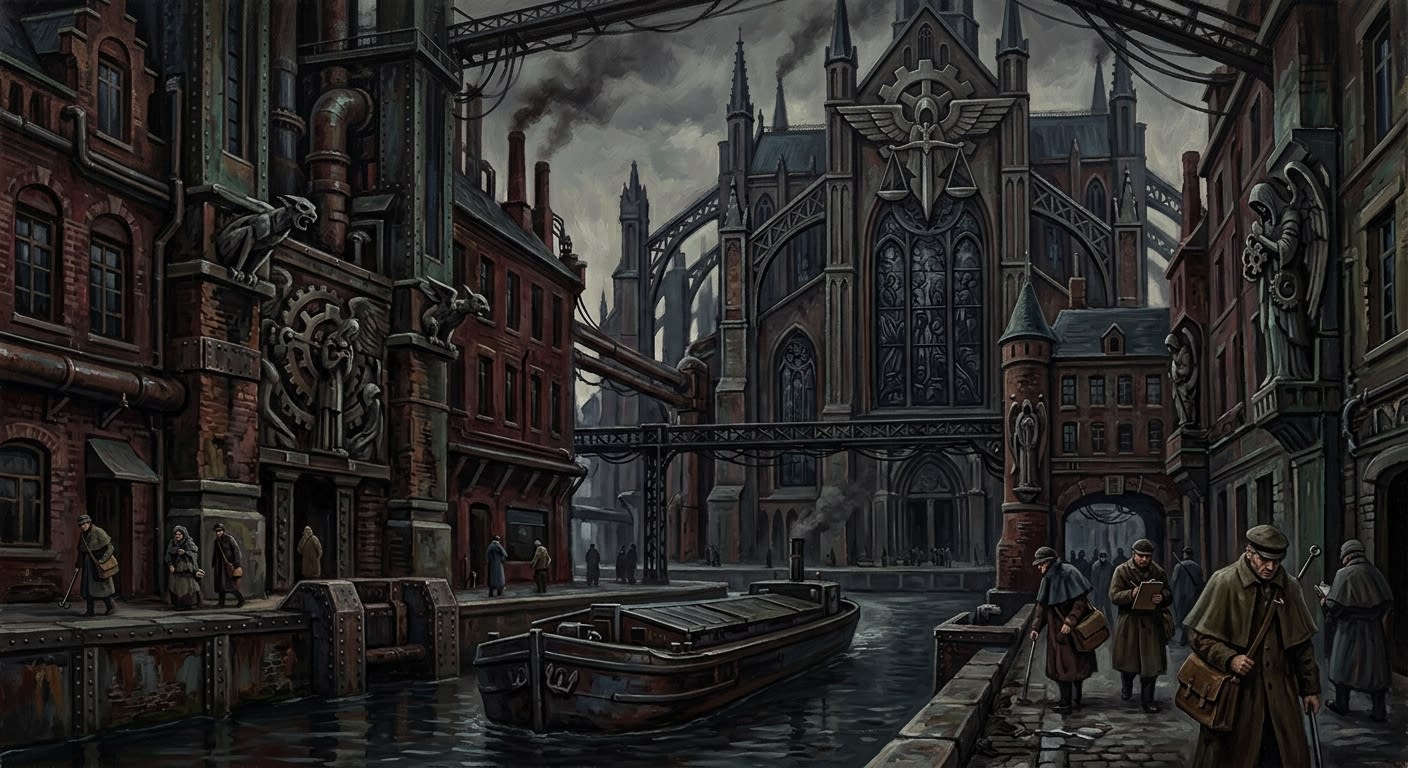
Bruges is the Synod-held Lowlands city whose canals, colours, grotesques, relic glass, and impossible Tithes seal make beauty a recurring audit problem.
Codex Ref. II.1.04-058
Bureau doctrine
The cloth creates the formation; the ledger decides who was carried
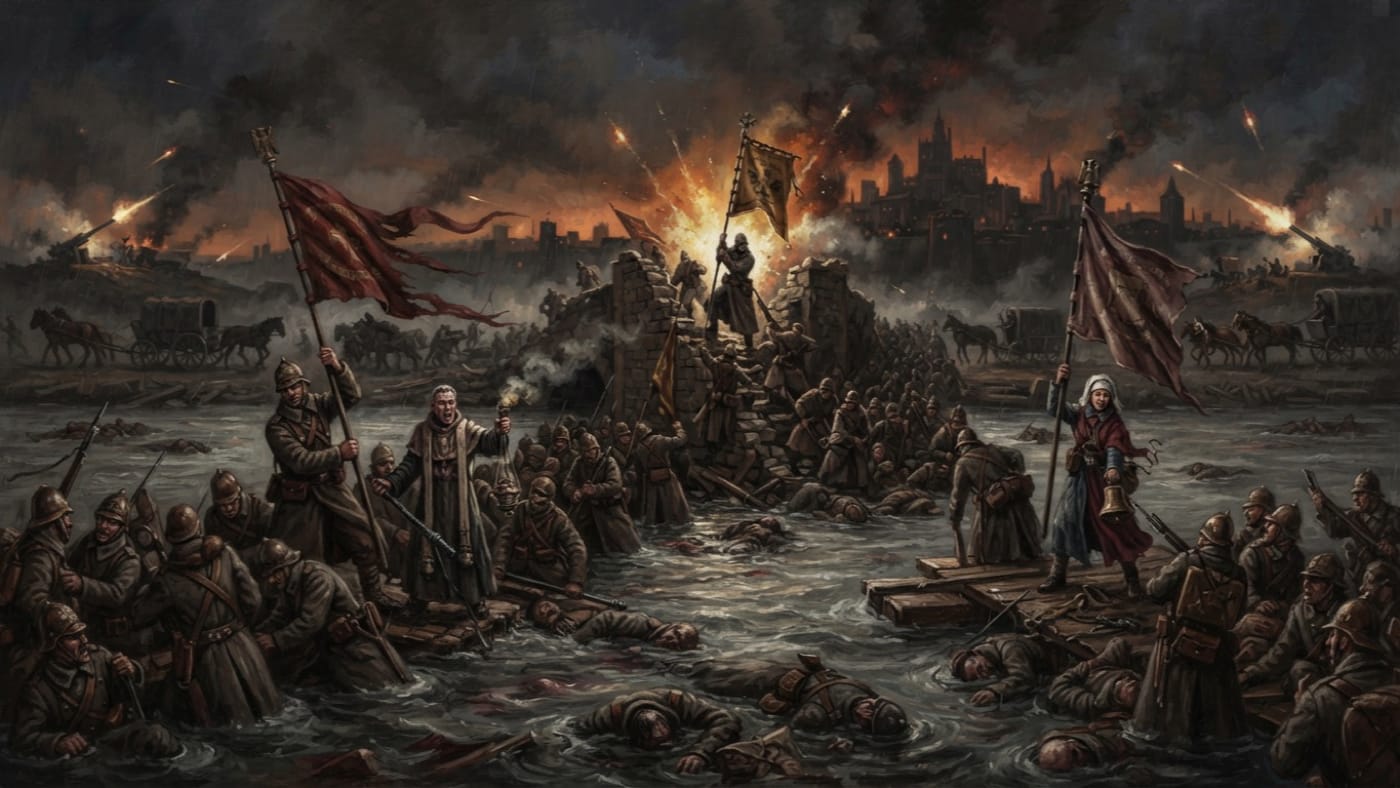
War teaches men to follow cloth, cadence and calibrated powder. Doctrine decides what carried them across the Danube; Records decides what their families may claim.
Codex Ref. III.2.07-042
Bureau of Conscription
A tithe of flesh. The Bureau calls it a fraction.
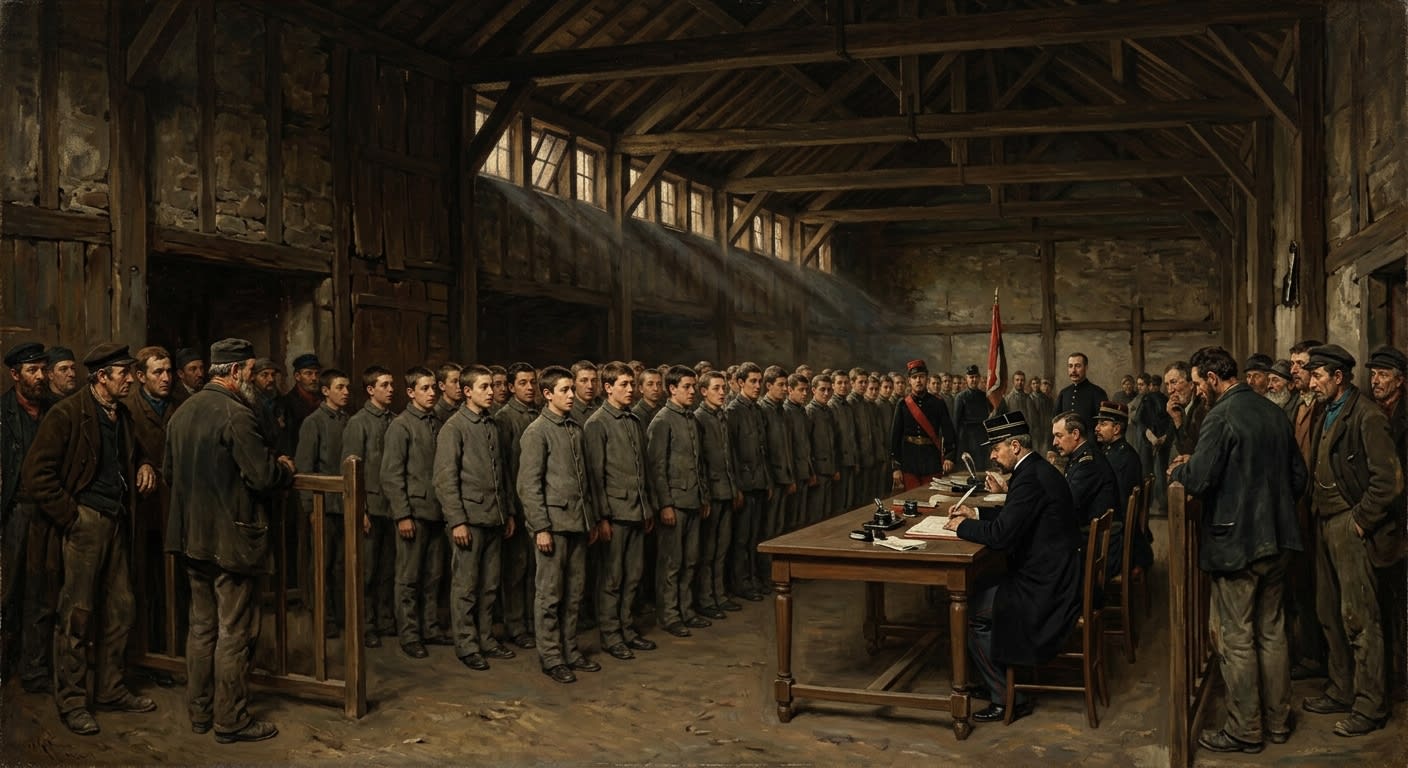
The Bureau does not take. It collects. The hand that reaches into the household, past the mother's grip, and removes what was promised — which is to say, everything.
Codex Ref. III.4.07-112
Bureau of Shadows
Fourteen confirmations of nonexistence. The grave-dust wax alone cost more than silence is supposed to.
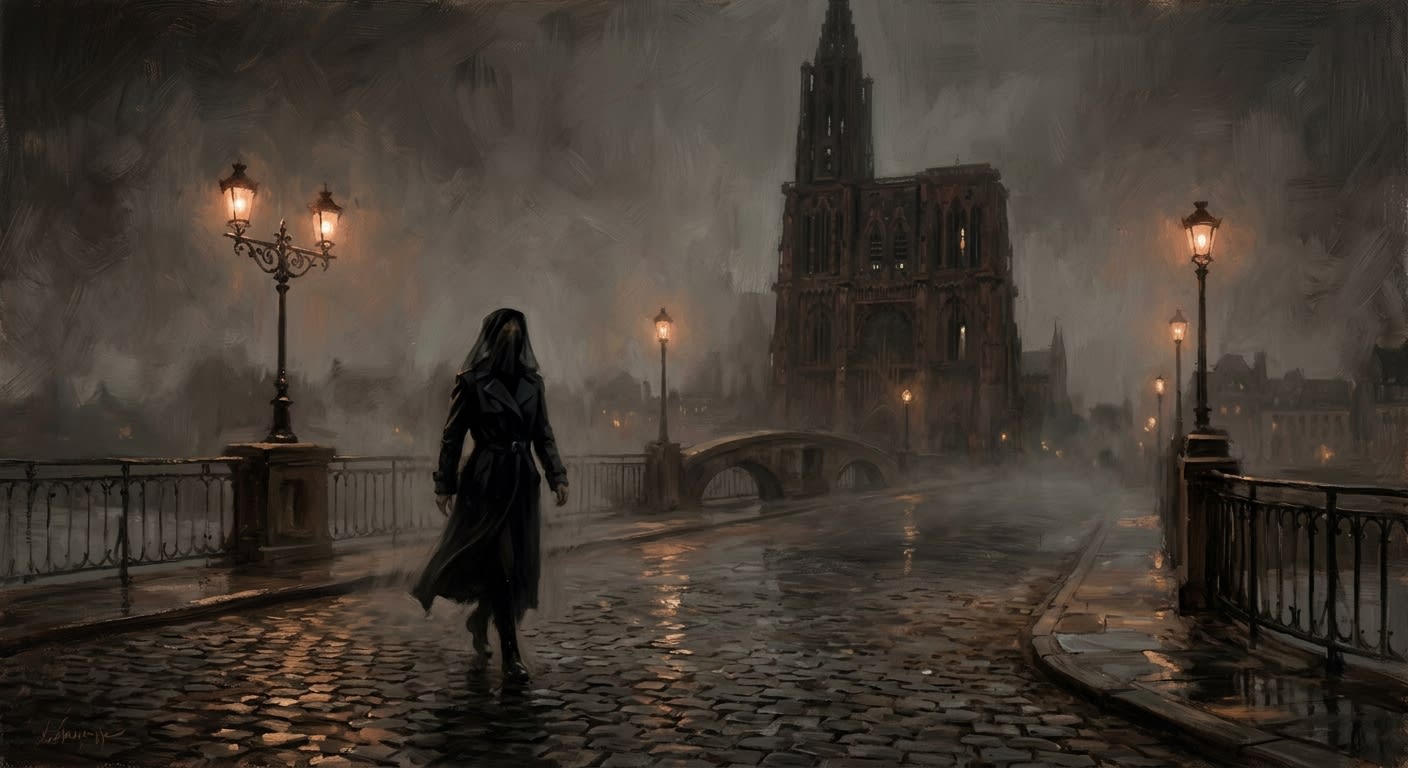
The Bureau of Shadows does not exist. Fourteen decrees confirm this, each bearing between three and seven counter-seals, each filed under a category the Bureau of Records insists is empty.
Codex Ref. VIII.8.01-001
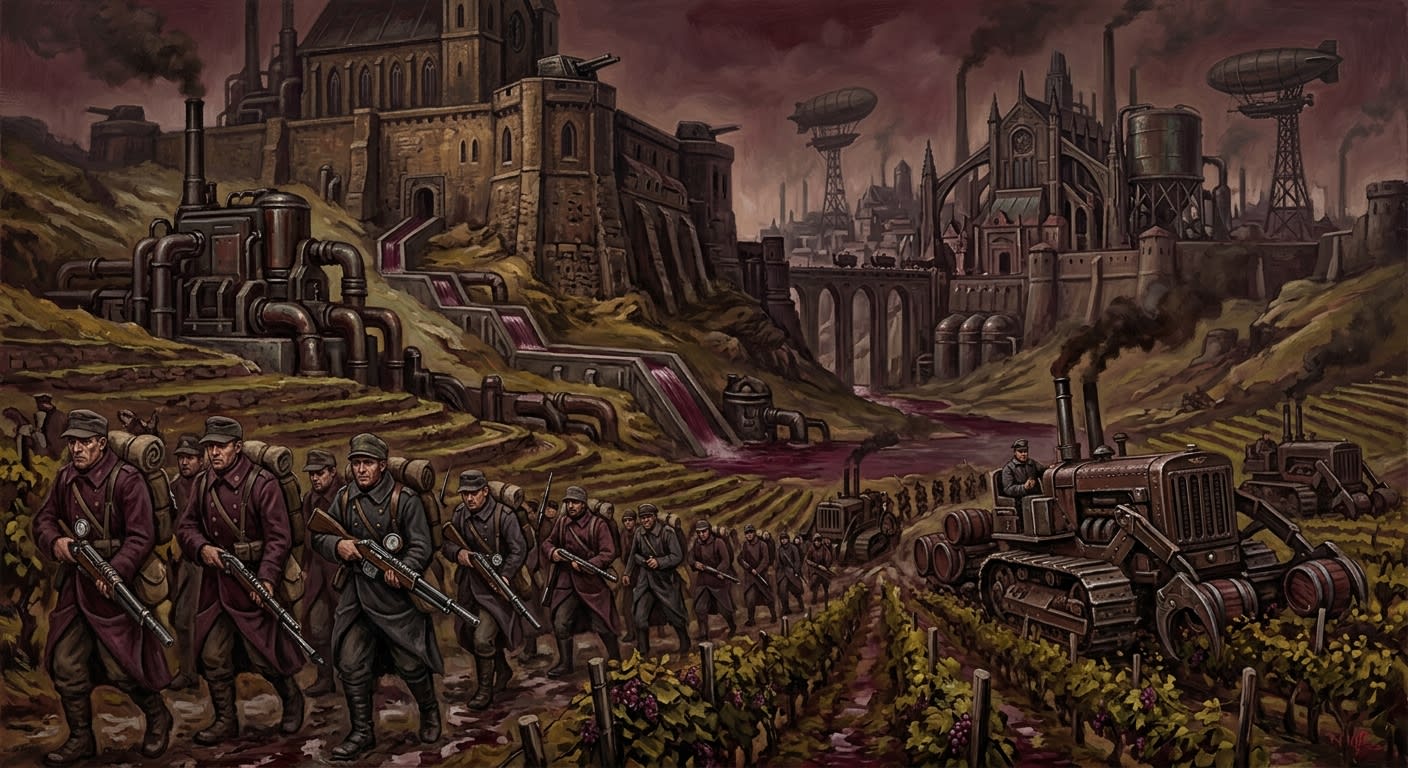
Burgundy
The wine-dark province that gives sons, casks, silence, and trouble
Burgundy is the Synod's wine-dark western province: vineyard, levy basin, Rhône feeder, cellar-church, chromatic hazard, and polite machinery of refusal.
Codex Ref. II.1.11-201
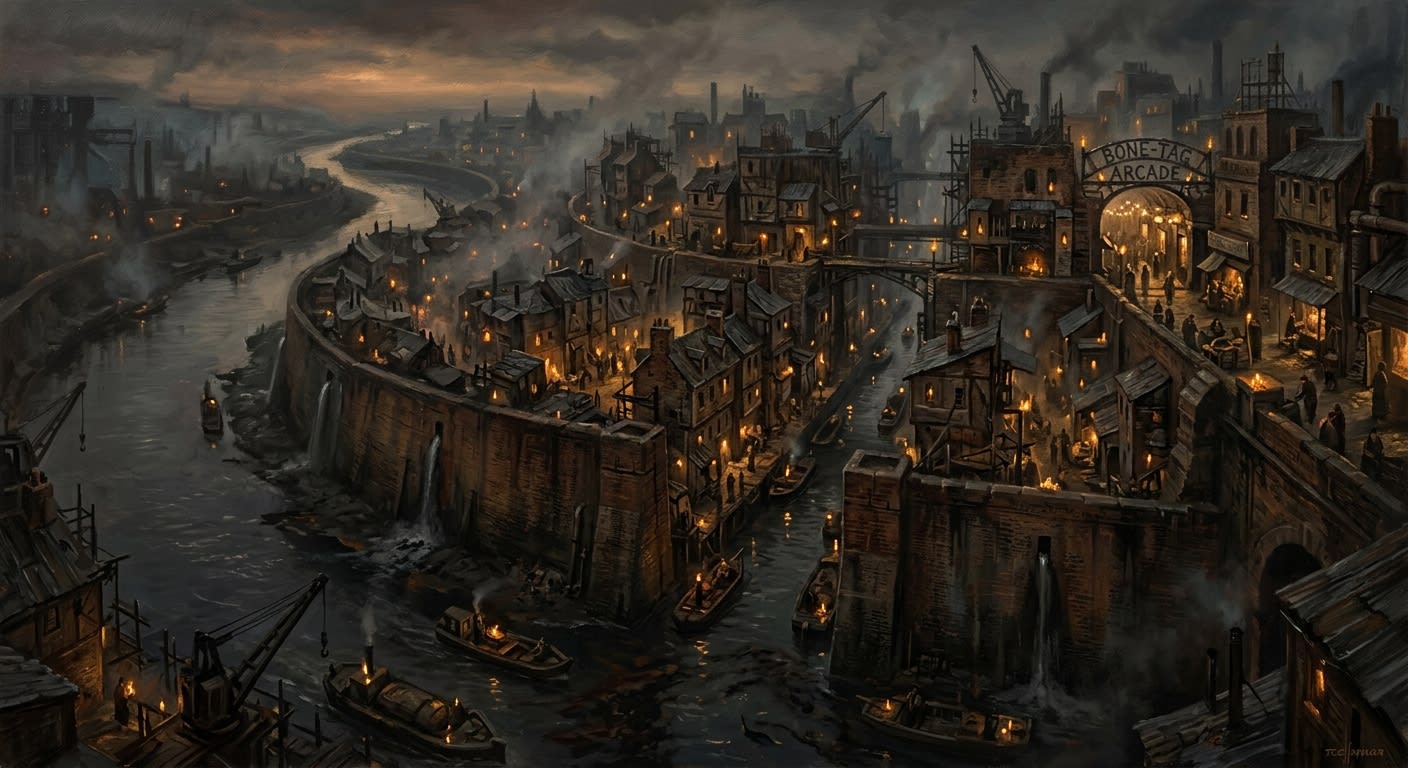
Candle-Sump District (Lower Vire)
The gut of Lower Vire — it was supposed to be a drainage ditch
The gut of Lower Vire — a drainage ditch that metastasised into a district of forty-two thousand souls, where tallow feeds the wards above, bone tags stamp the dead into existence, and the crypt-route drafts murmur names no one asked to hear.
Codex Ref. II.1.05-001
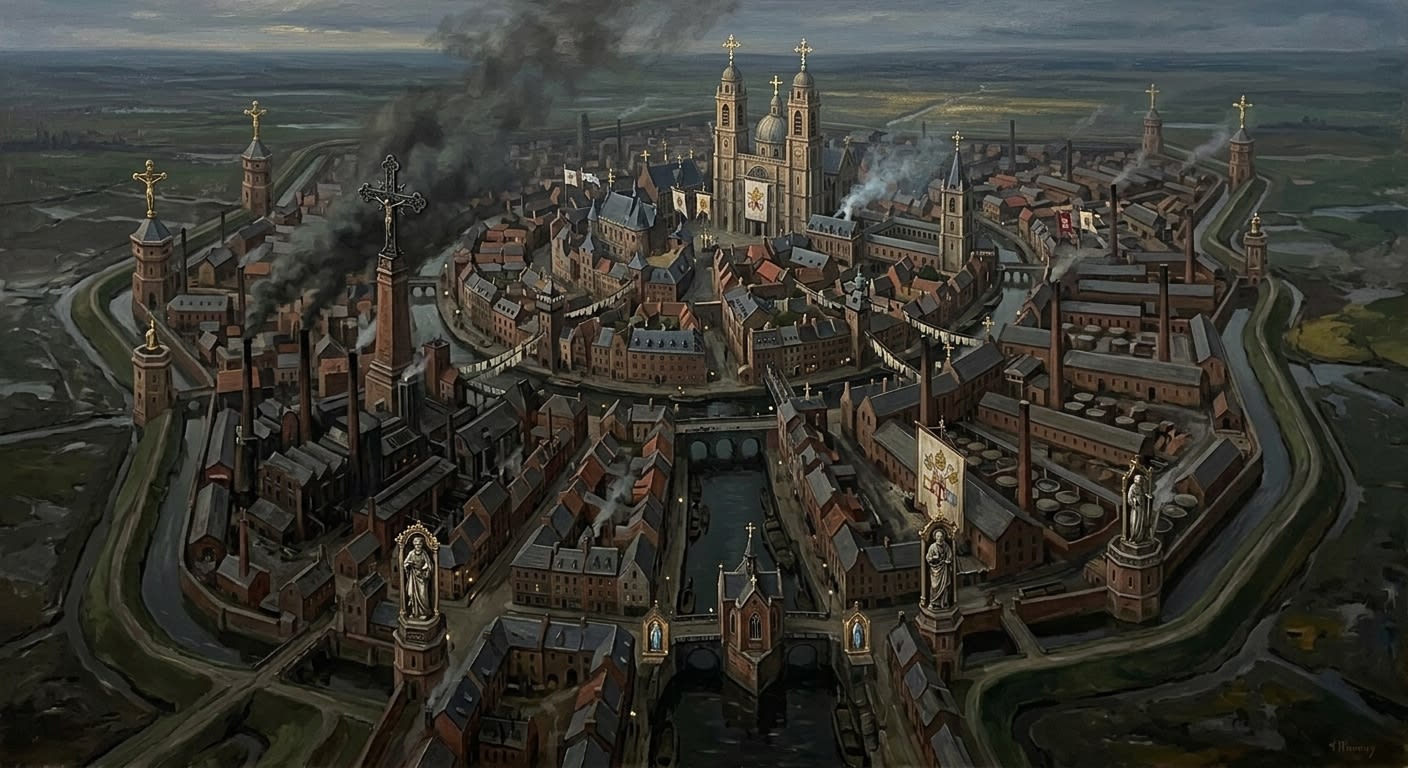
Candlewick Palatinate
Where Legitimacy Is Manufactured, and Colour Is Law
Canal city of chandlers, dyers, and wax-merchants whose misfortune was to be competent and noticed. The Candlewick Palatinate supplies the Synod with seals, sanctioned inks, and watermarked paper — and thus with the material substance of reality itself.
Codex Ref. II.1.01-001
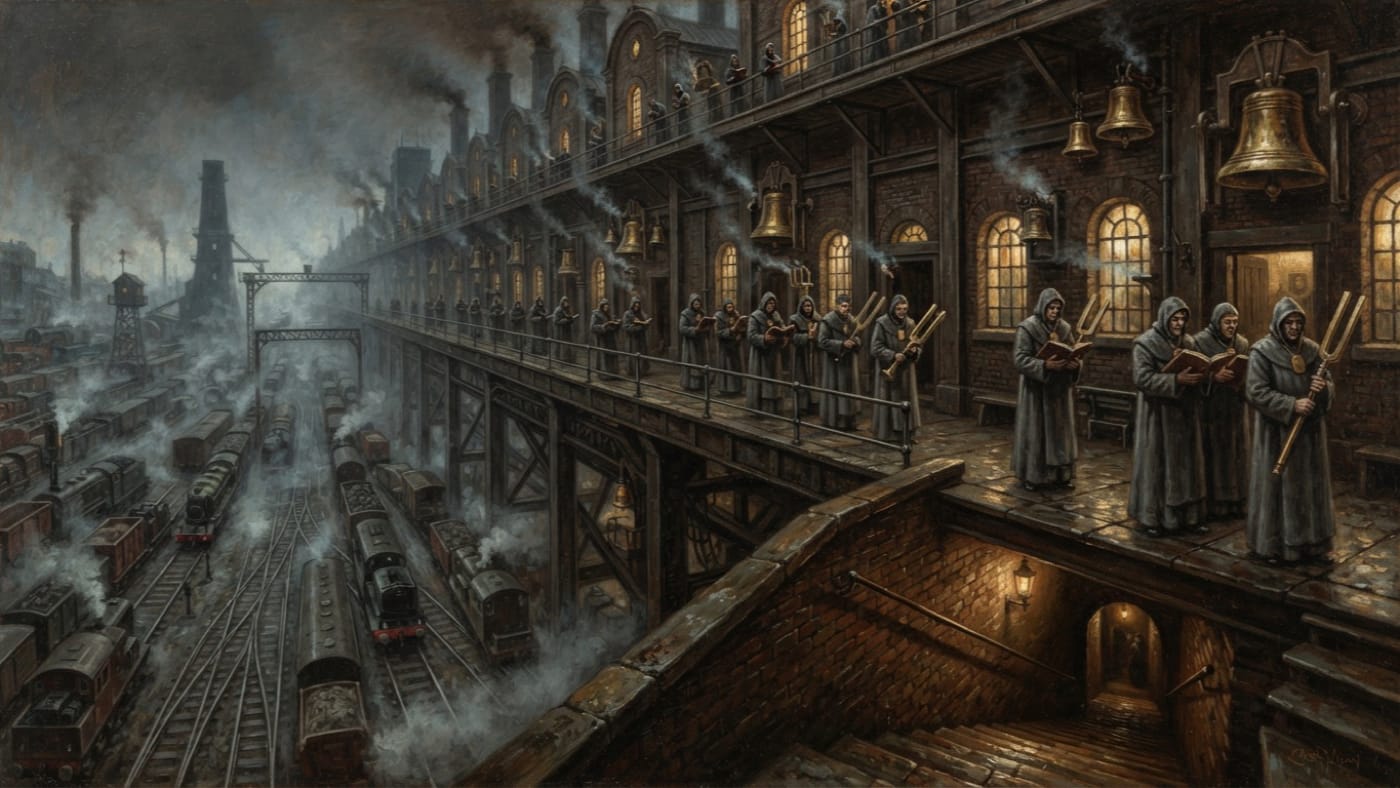
Cantor Walk
Where Lorn licenses its throat and hides its unlawful songs
Lorn's northern guild corridor licenses the yard's voices, guards its hymn codes, and prints illegal hymnbooks above a warm smuggling passage. The measures are certified; the routes remain suspect.
Codex Ref. II.3.01-002
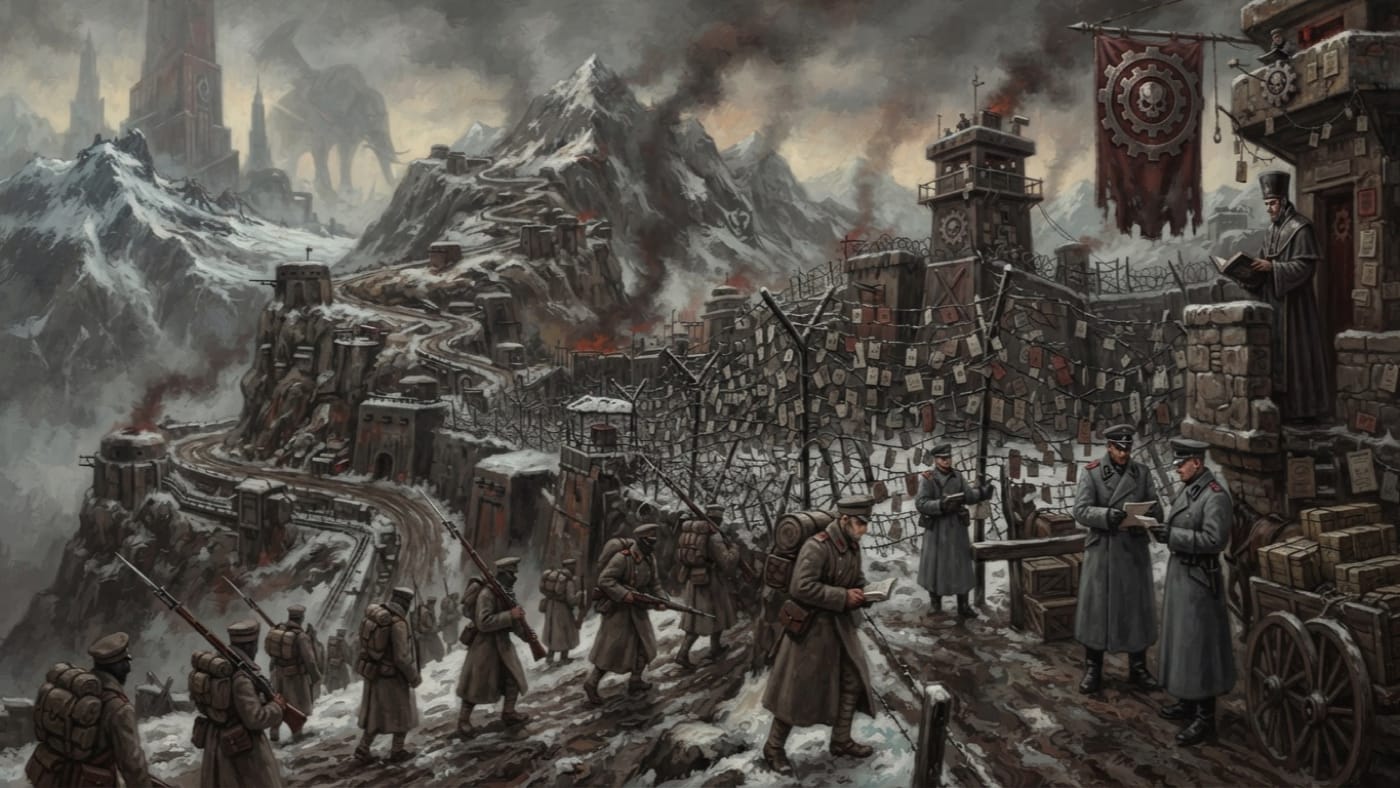
Carpathian Soldiers
Mountains do not enlist. Men are sent up them.
A.S. 201 survey of War's Carpathian postings: levy soldiers hold the middle Line, guard passes and freight, and face Pride at Przemyśl and Greed at Sibiu. The mountains recruit nobody; the clerks do.
Codex Ref. VIII.5.08-201
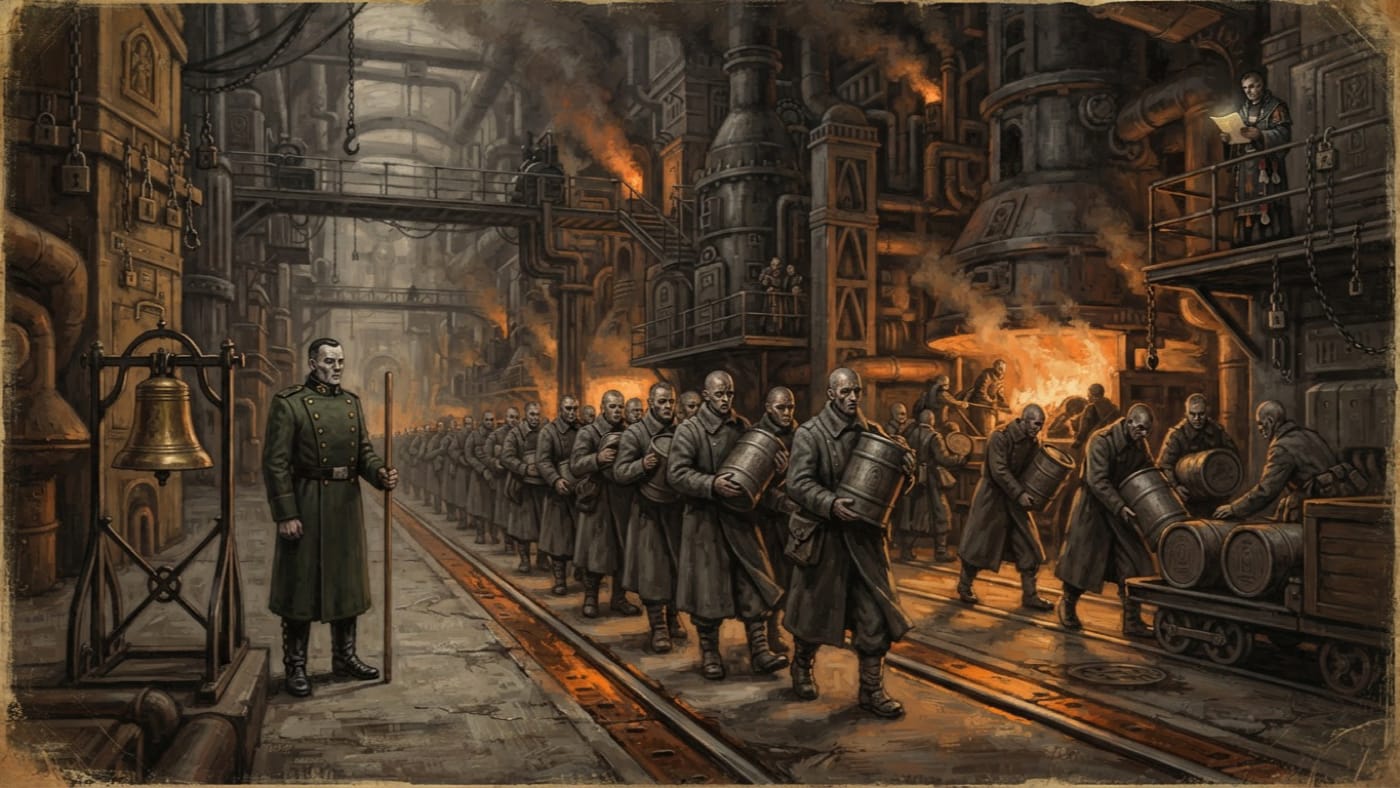
Catechism-Barracks of Brast
Where obedience learns the furnace's hours
Brast's catechism-barracks turn Levy recruits, furnace workers and penal crews into bodies that keep the furnaces' time. Courage is optional; cadence is required.
Codex Ref. XIII.1.98-201
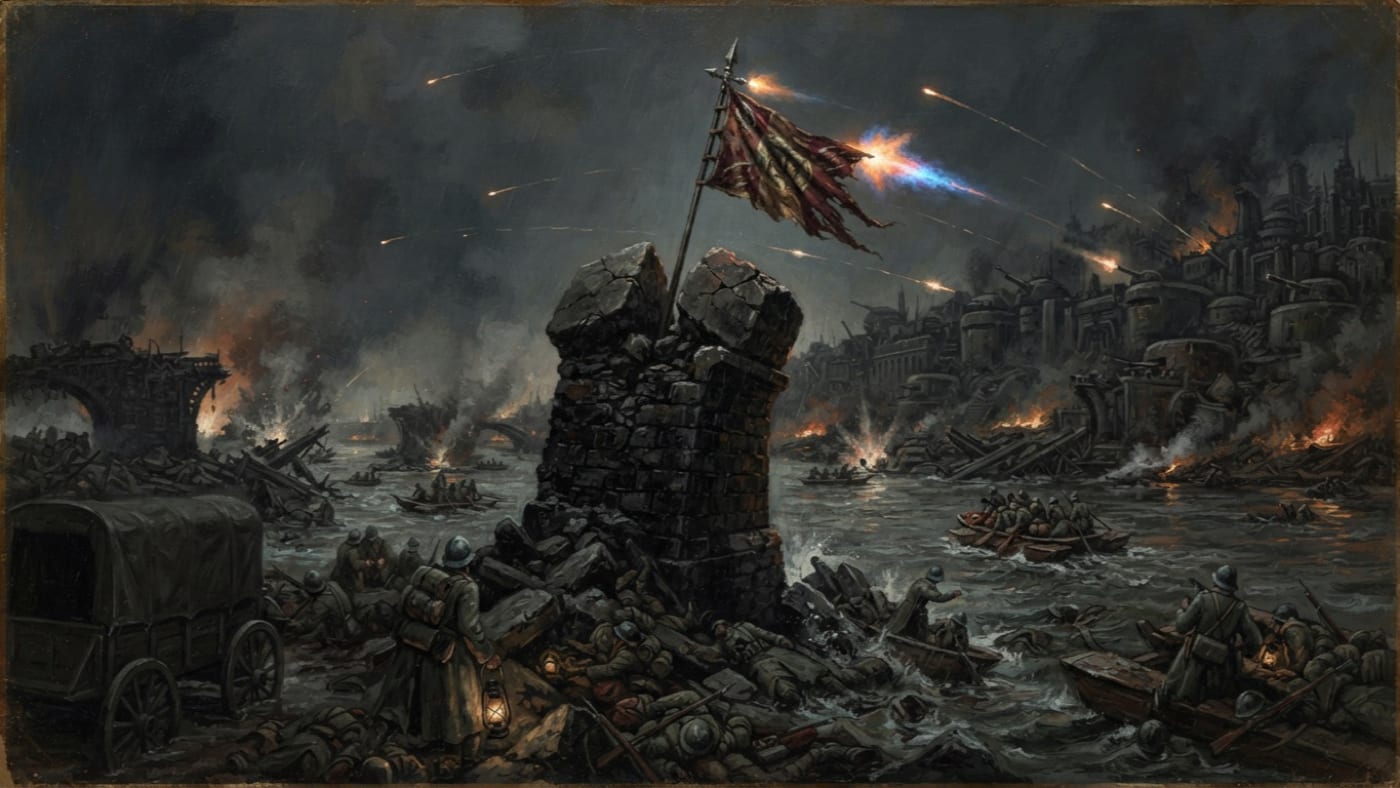
Chain-Pier Ruin
Ninety seconds upright; two explanations on file
Ruined Danubian passage used in A.S. 172, where Lorn of Metz's banner stood unattended for ninety seconds: Doctrine cites Sign One; veterans cite the weighted socket. The stones offer no opinion.
Codex Ref. II.3.05-172
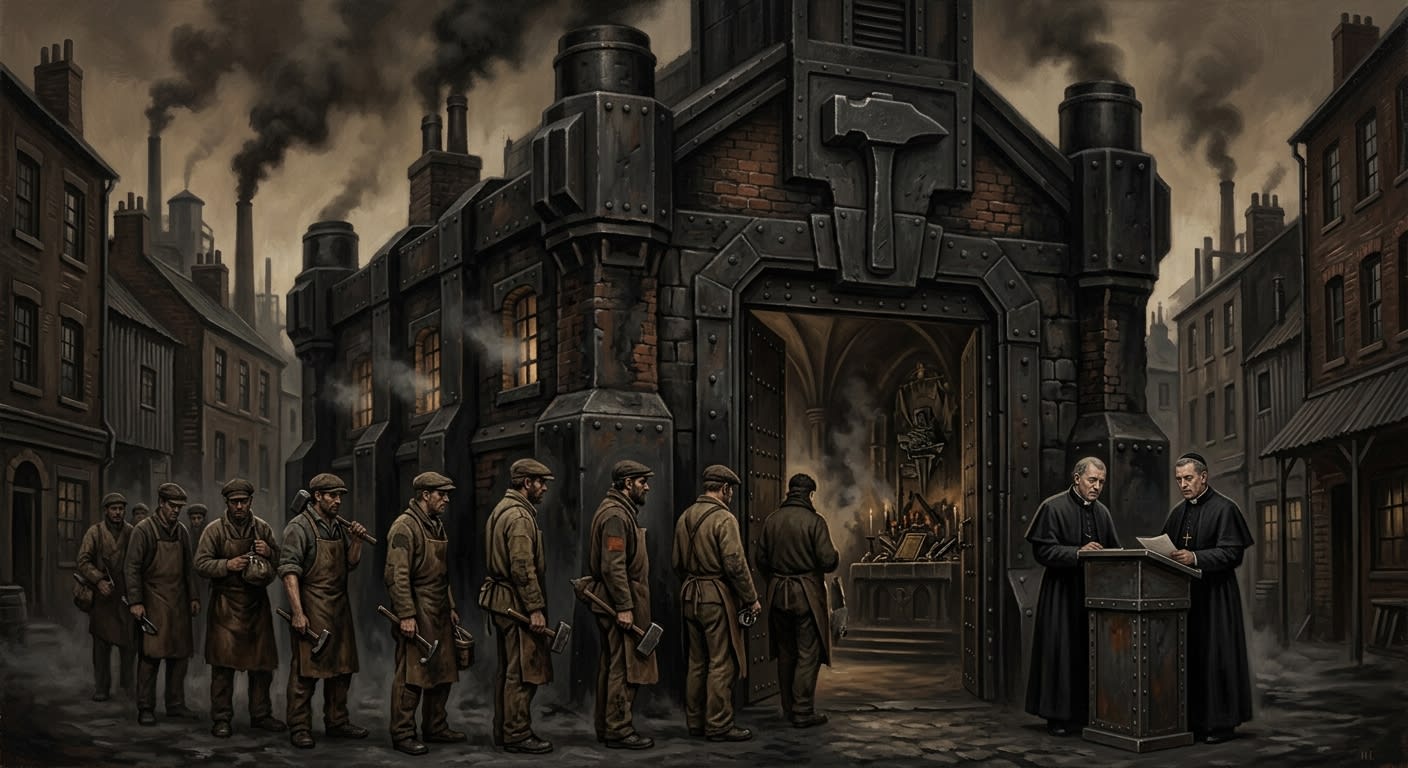
Chapel of Saint Vulcan
Where the hammers pray because the workers have no time
The Foundry Quarter's soot-black chapel keeps Saint Vulcan's doubtful file, the workers' hammer-prayers, and Doctrine's wisest act of looking away.
Codex Ref. II.4.10-004
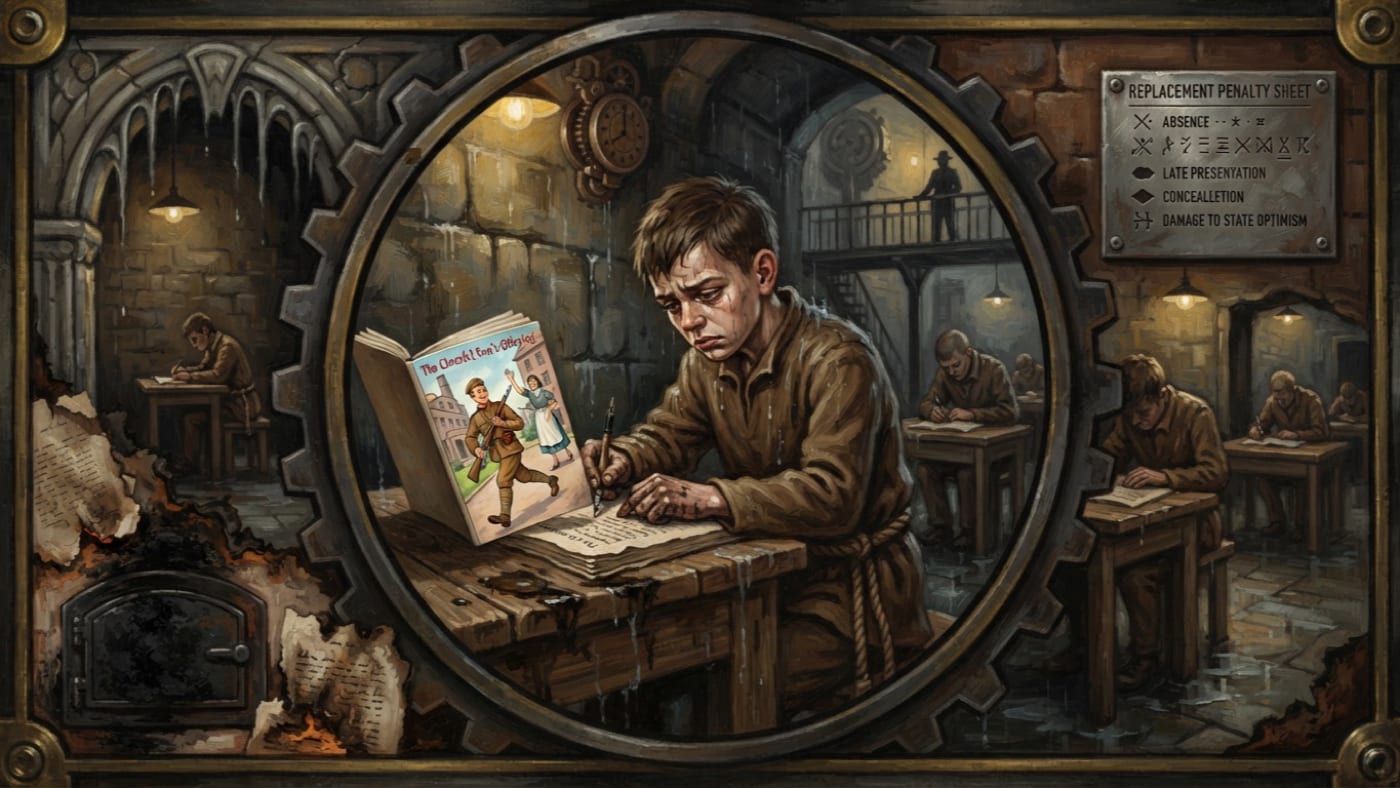
Cheerful Son's Offering
Withdrawn from issue, retained for punishment
An A.S. 201 survey of Lyon's withdrawn levy booklet. Its smiling recruit survives in the Sub-Yard, where refusal of the Wall Circuit earns three days of copying.
Codex Ref. VI.5.01-598
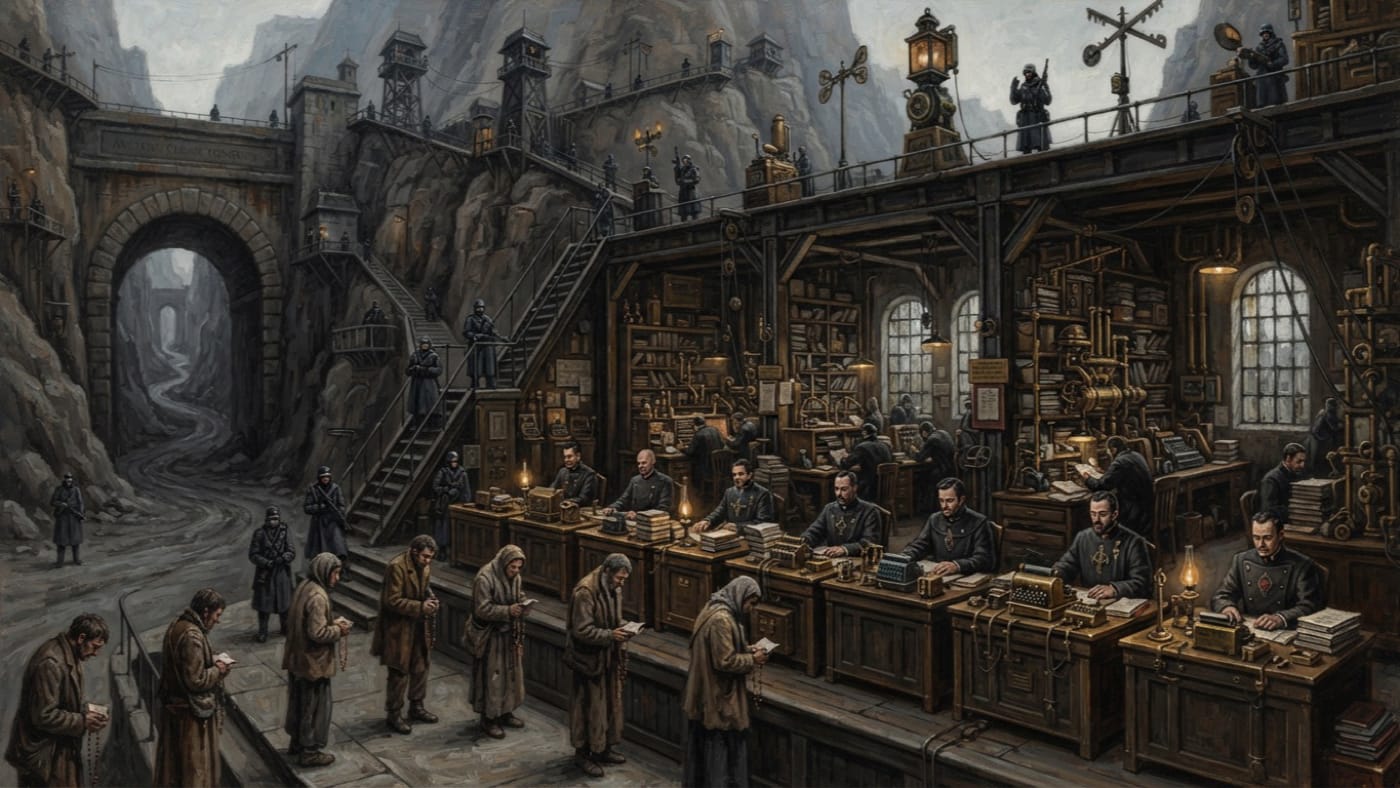
Choir-Broker Compact
Safety by the window, liability by the vowel
Peregrine Row's licensed insurers sell escort windows, bind protection to creed scores and fund the Quiet Pen Wardens. Seven council seats govern the trade; the pilgrim carries the risk.
Codex Ref. XII.32.02-201
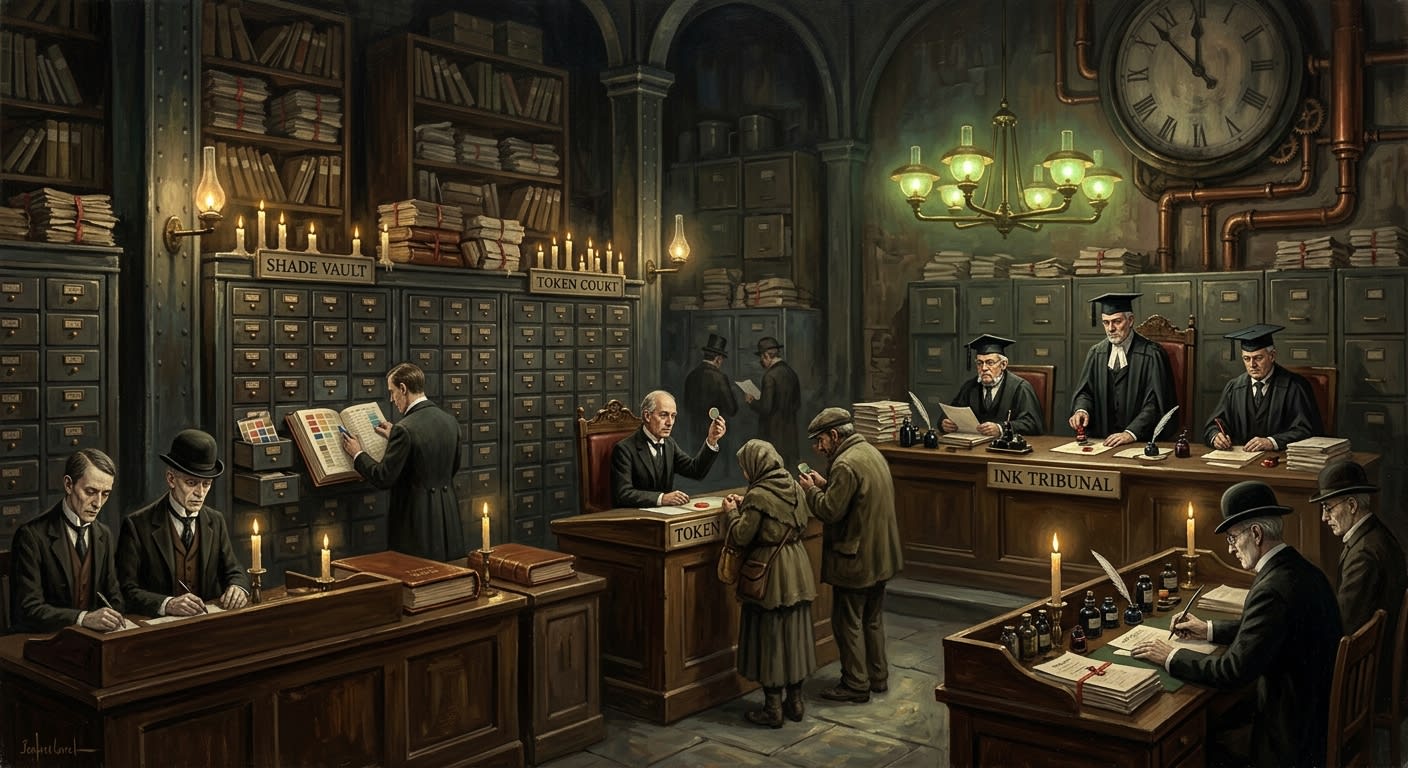
Chromatic Registry
Where colour enters the file and the eye becomes subordinate
Candlewick's Chromatic Registry defines lawful colour: shade vault, token court, ink tribunal, and the lamp-lit tyranny by which papers decide who exists.
Codex Ref. VIII.2.13-104
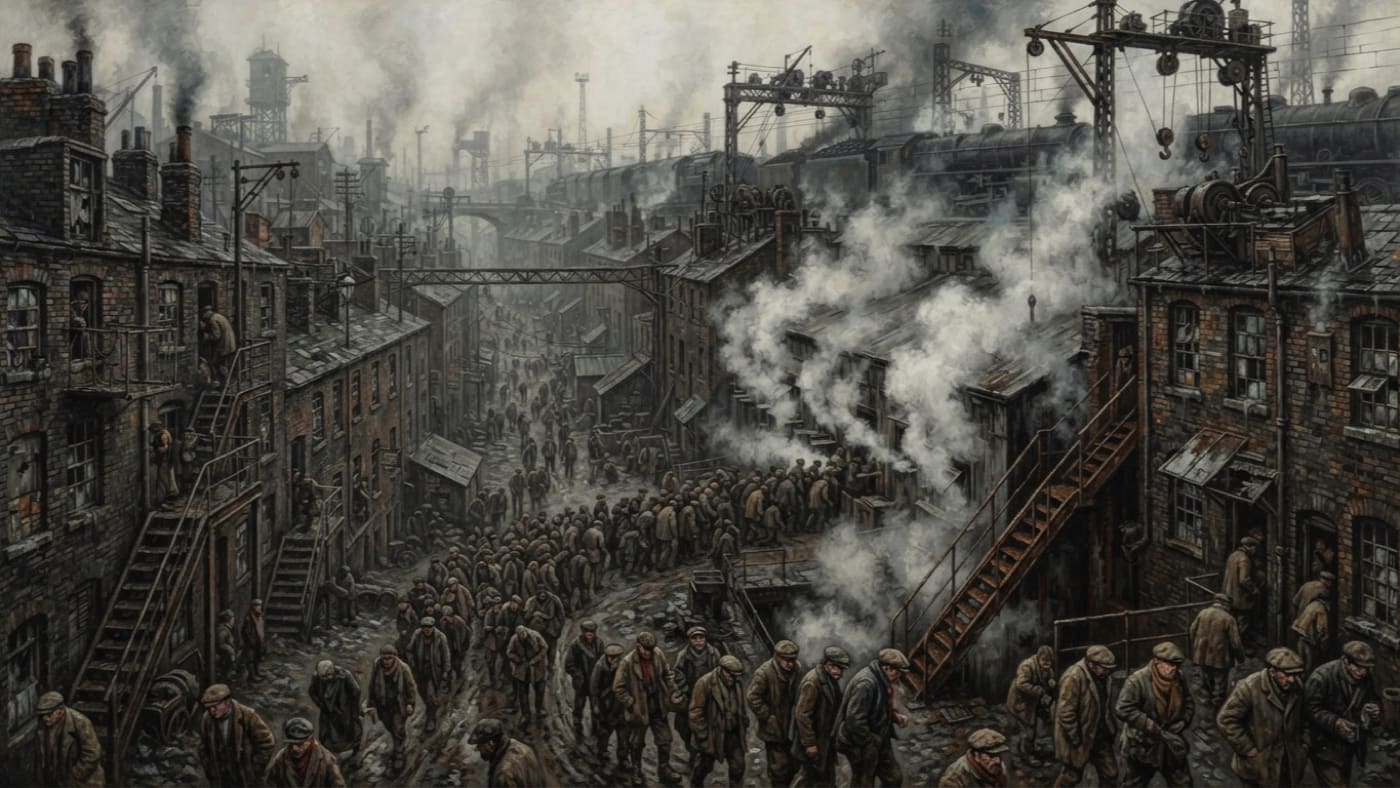
Cinderrow
Where Lorn feeds its hands and bills them for breaking
Cinderrow houses Lorn's shift masses, feeds them cabbage, and bills them for broken hands. Beneath its canteen steam waits the stair out of the Ledger.
Codex Ref. II.3.06-621
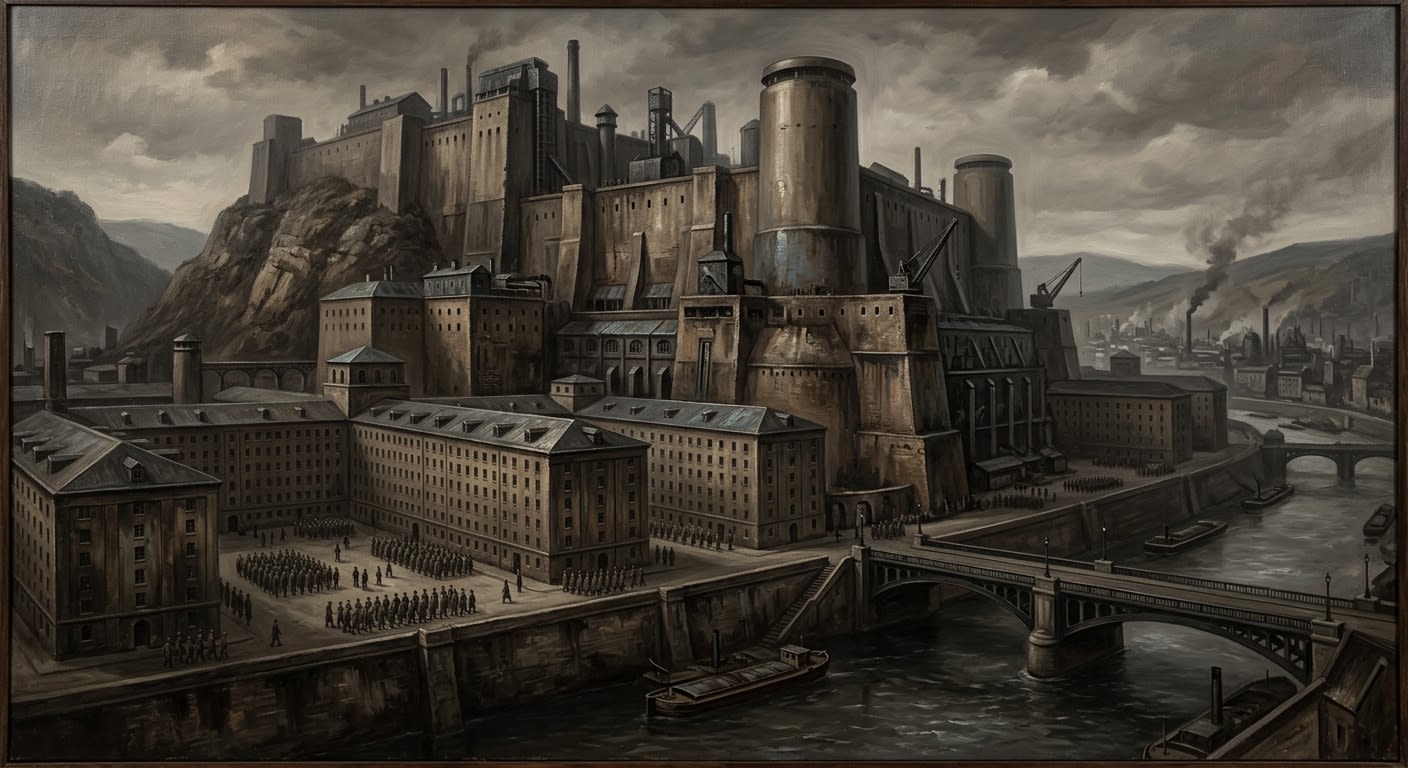
Citadel of Lyon
The hill where maternal invention meets drill tempo
The Citadel of Lyon is the Rhône corridor's catechism-barracks and civic warning, fixed after the Levy protests to train boys and supervise joy.
Codex Ref. II.1.01-004
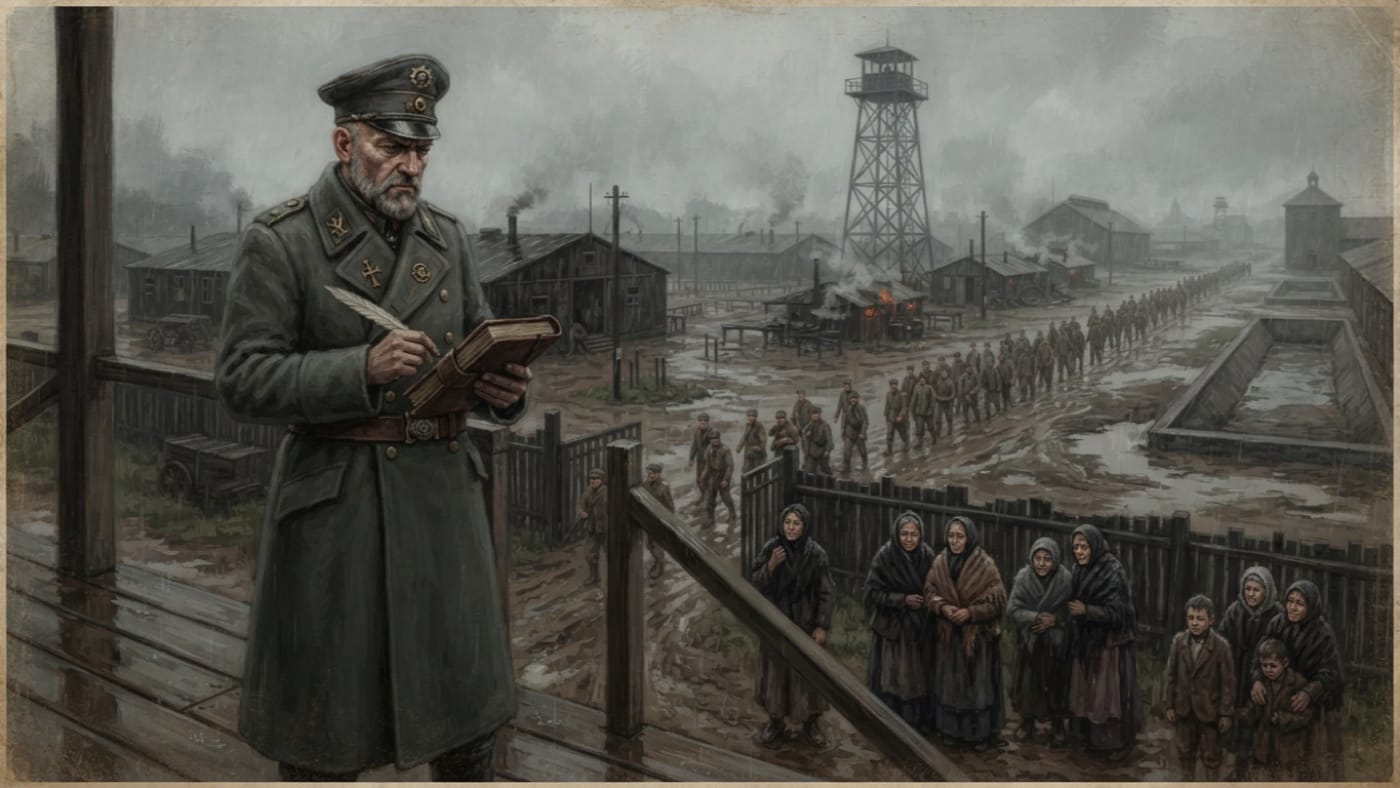
Colonel-Catechist Othmar Vey
Two trenches, three kitchens, and a roof for grief
Othmar Vey commands Stuttgart's catechism-barracks in the A.S. 201 survey. His recorded petition asks for another mud trench, three ration kitchens, and a roof for families; Doctrine approves the instincts and delays the silver.
Codex Ref. III.2.01-201
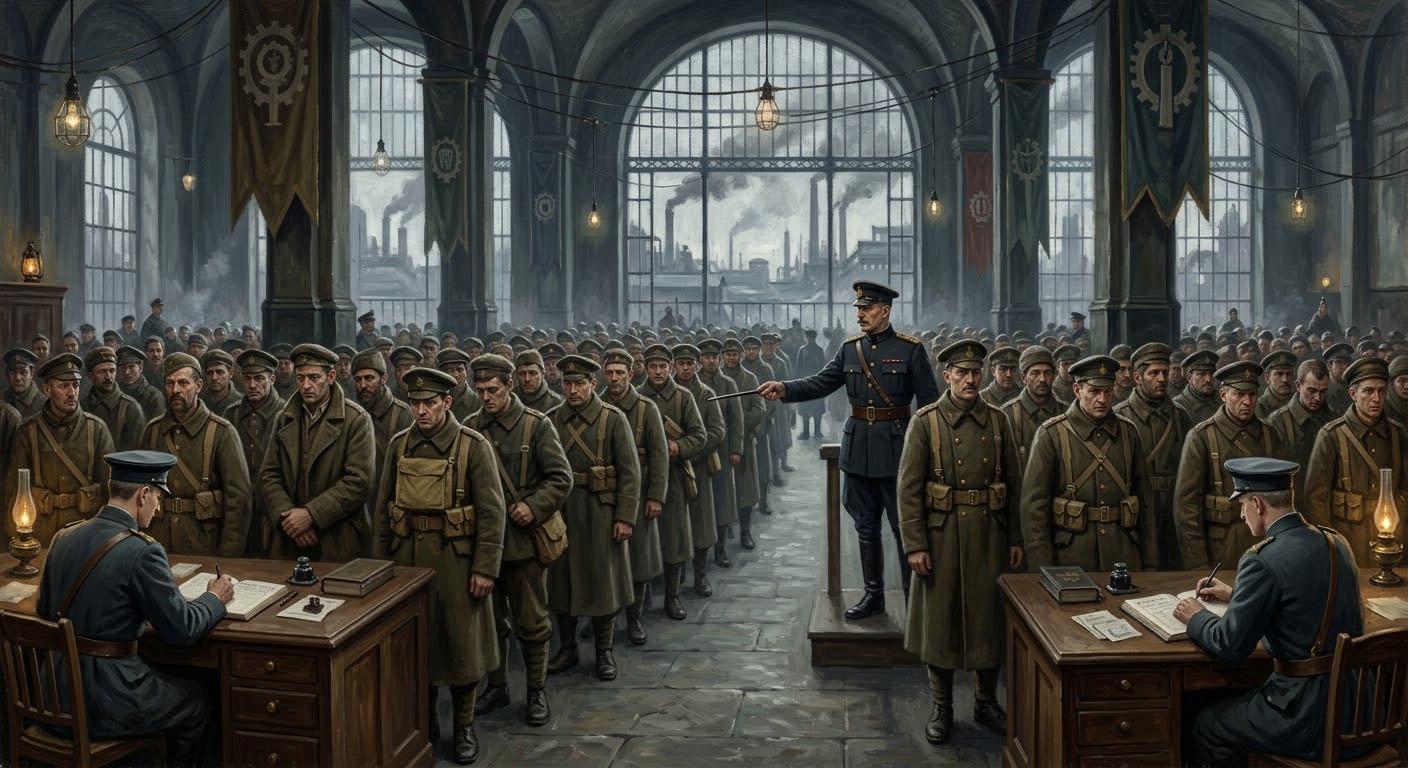
Continental Levy
The decimal point where obedience becomes infantry
The Continental Levy is the Synod's permanent tithe of flesh, born from the A.S. 110 crisis and refined into household arithmetic.
Codex Ref. XIII.1.54-001
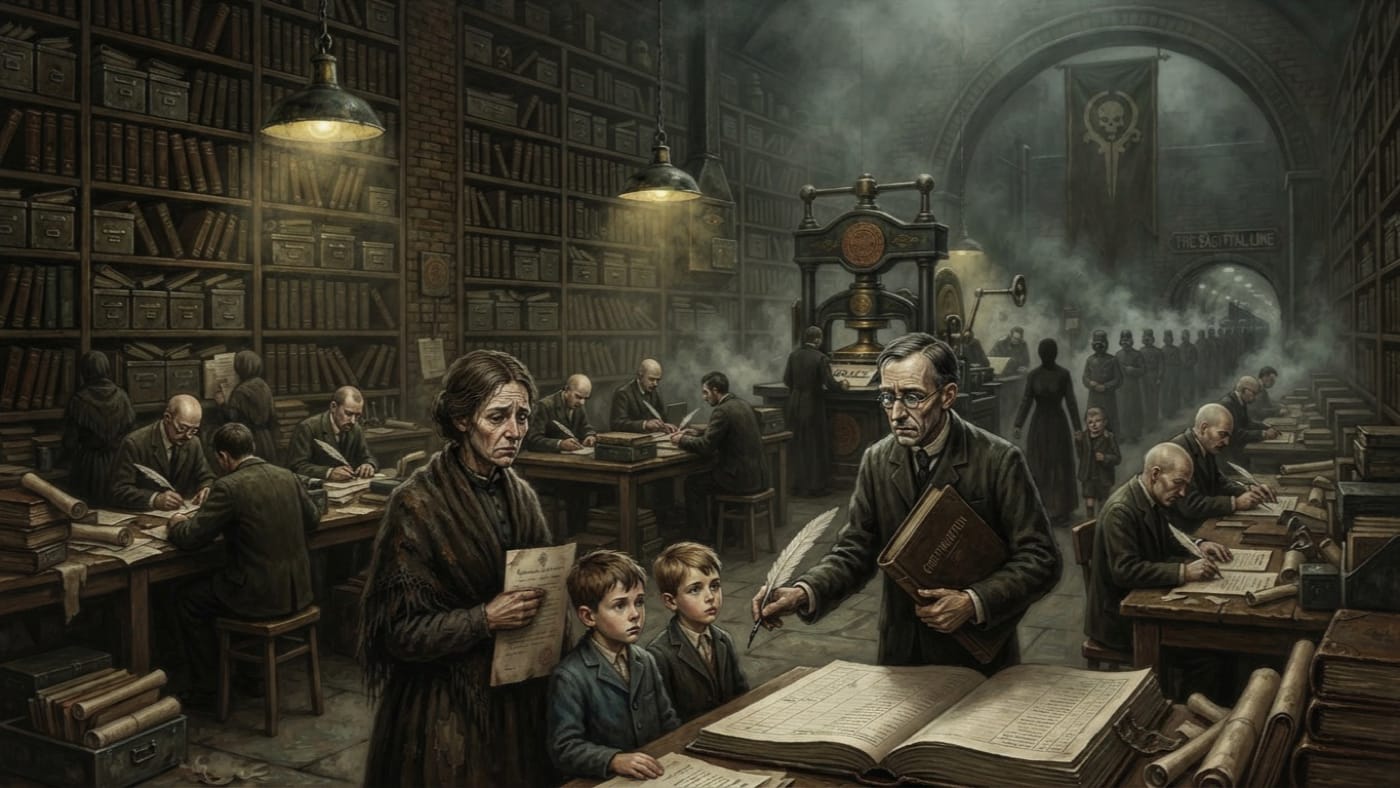
Continuations of the Original Grace
Grace is given once and collected forever
War's name for the Continental Levy renewals: the A.S. 110 emergency carried into successive generations, with sealed quotas and no promise of completion.
Codex Ref. XIII.1.54-002
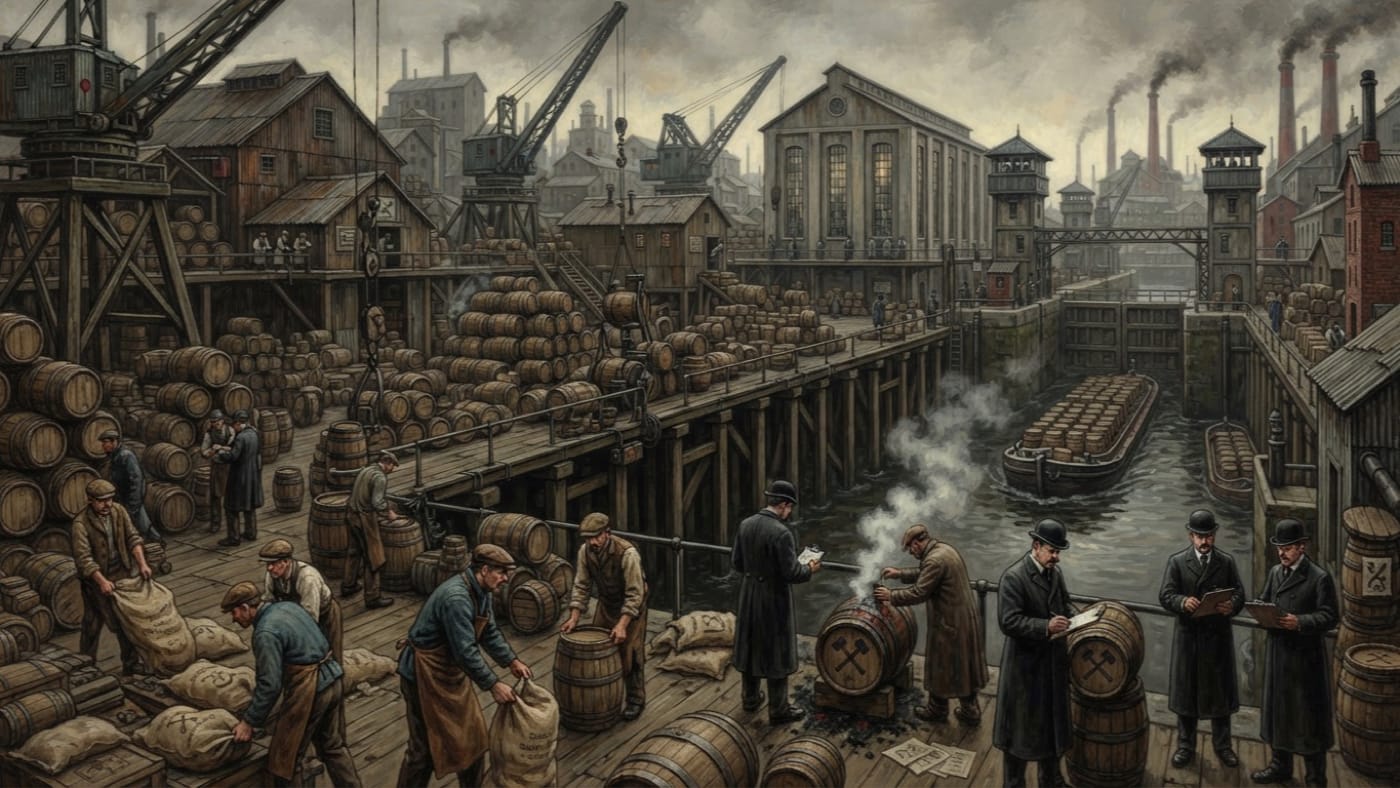
Cooperage Compact
Purity belongs to the seal; the guild owns the cask.
Mournwater's barrel-makers control casks, quotas and shipping manifests. Purity belongs to the White Steps; the Compact profits from everything holiness travels in.
Codex Ref. XII.2.06-104
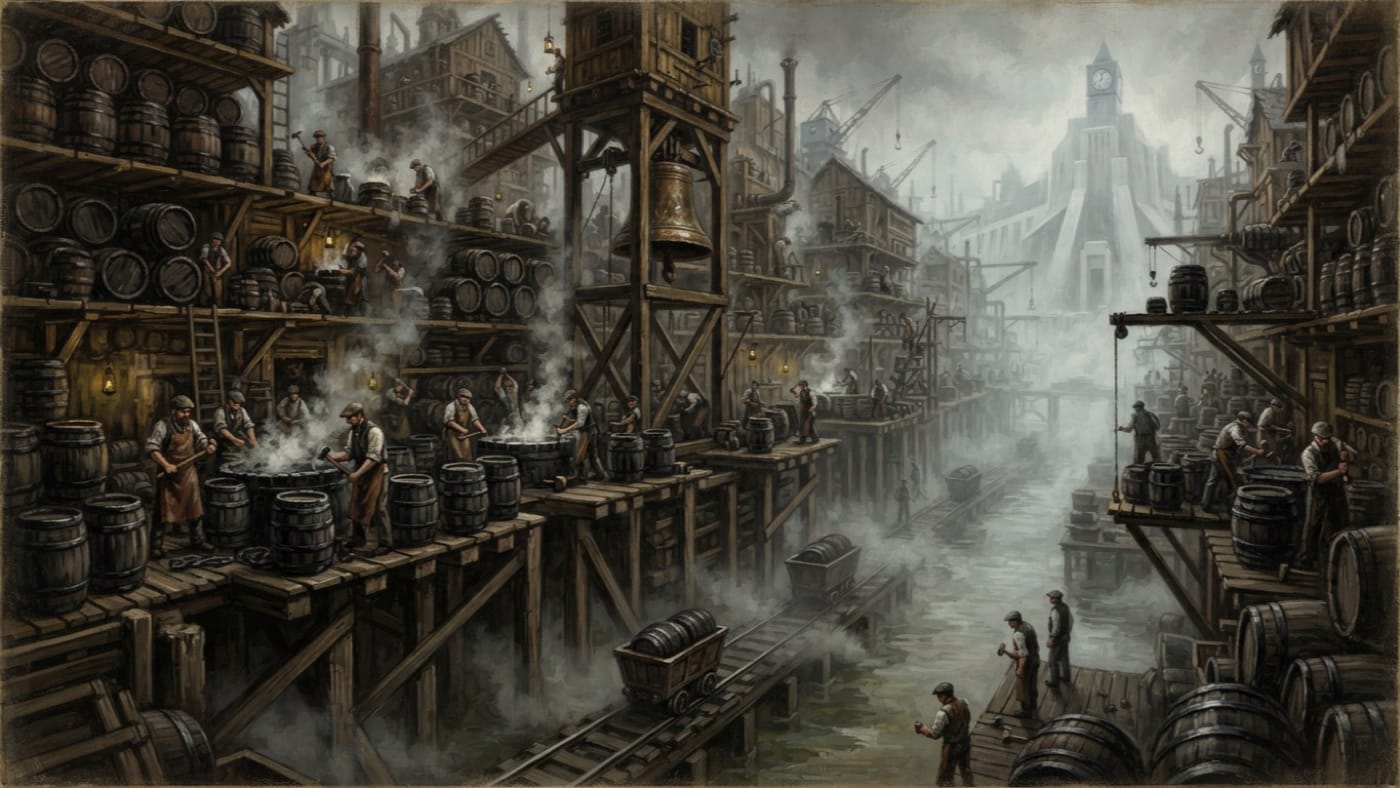
Cooperage Yards
The cooper answers for the cask; the contents arrive with other men's signatures.
Mournwater's oldest working district shapes the casks that carry saint-dust to the Line. Master Cooper Vell Arno controls the barrels; the White Steps certify the contents, and the Settling Bell decides when the hammers may resume.
Codex Ref. II.2.03-002
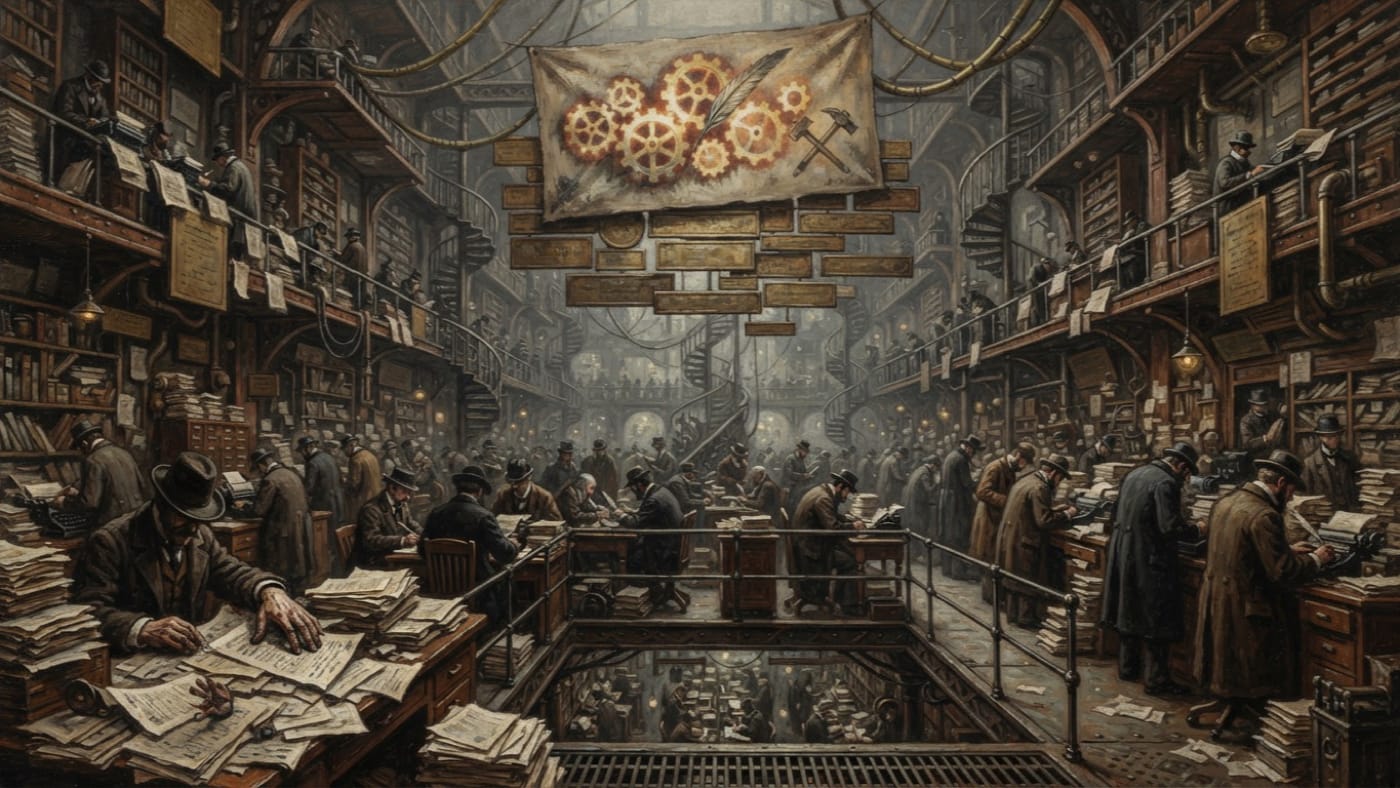
Council of Seven Orders
One surviving maxim. A continent of duplicate offices.
The Council of A.S. 110 gave the Synod a doctrine of overlapping offices: redundancy is sanctity. Its roster remains unavailable, its proceedings unfiled, and its administrative descendants still draw stipends.
Codex Ref. VII.7.03-001
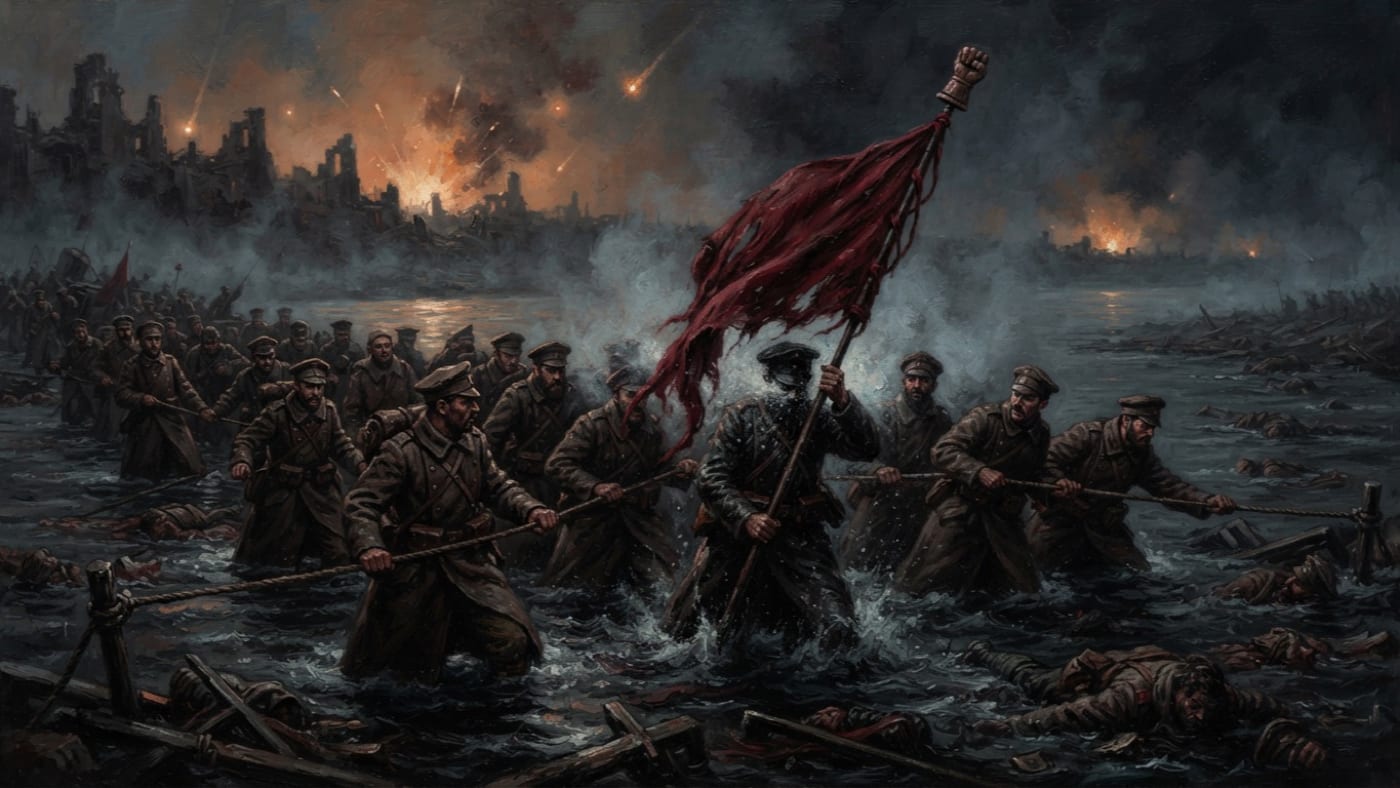
Crimson Pennant of Saint Marcellus
The cloth survived; the address remains blank
Crimson campaign standard carried through Saint Hadrien's Ford in A.S. 172. The pennant survived the Night of the Three Bridges; its bearer and later custody remain unrecorded.
Codex Ref. III.2.04-172
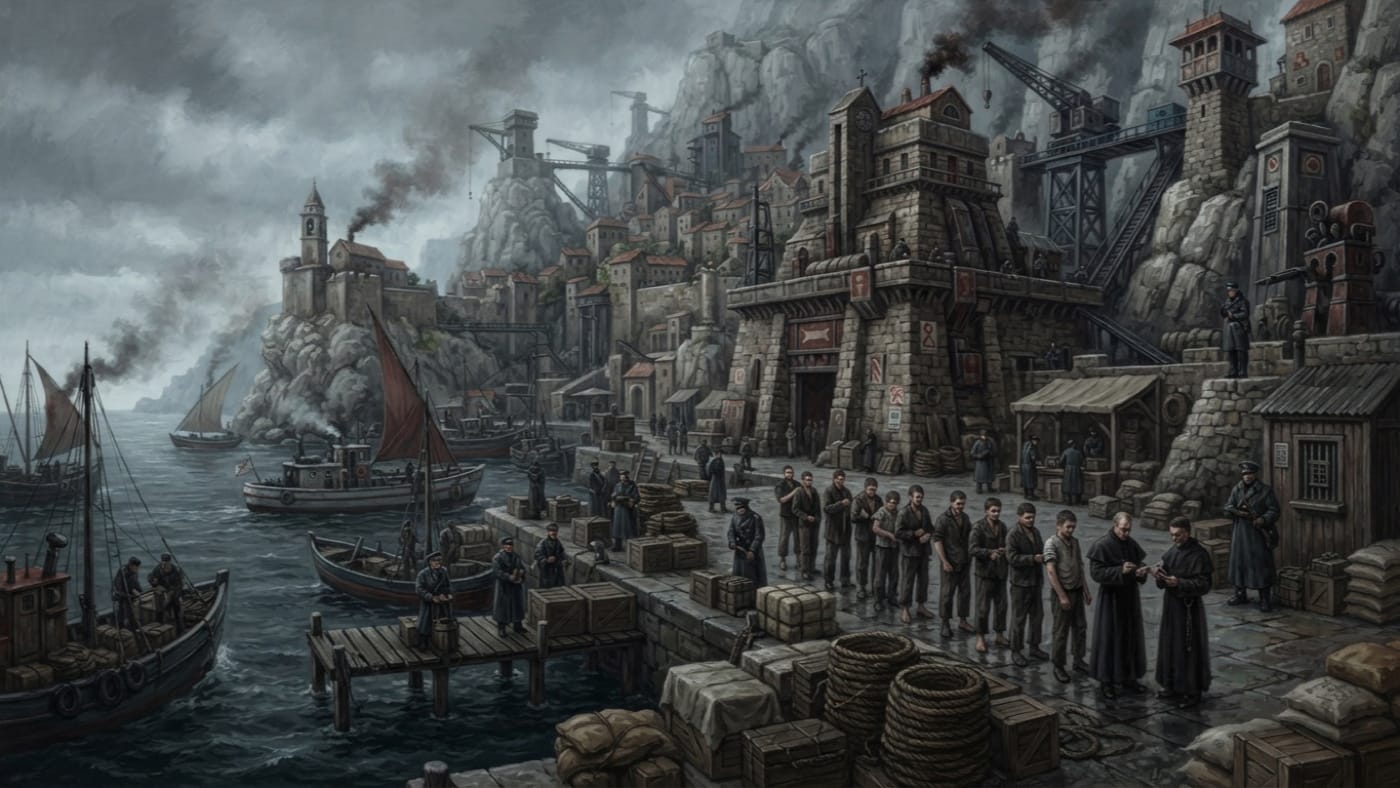
Dalmatia
Where rope is sold and sons are assessed
Dalmatia is the Synod's Adriatic supply coast: Venetian cargo, quarantine piers and parish rolls. Rope, salt and harbour labour are sold; the tenth son is assessed.
Codex Ref. II.7.05-201
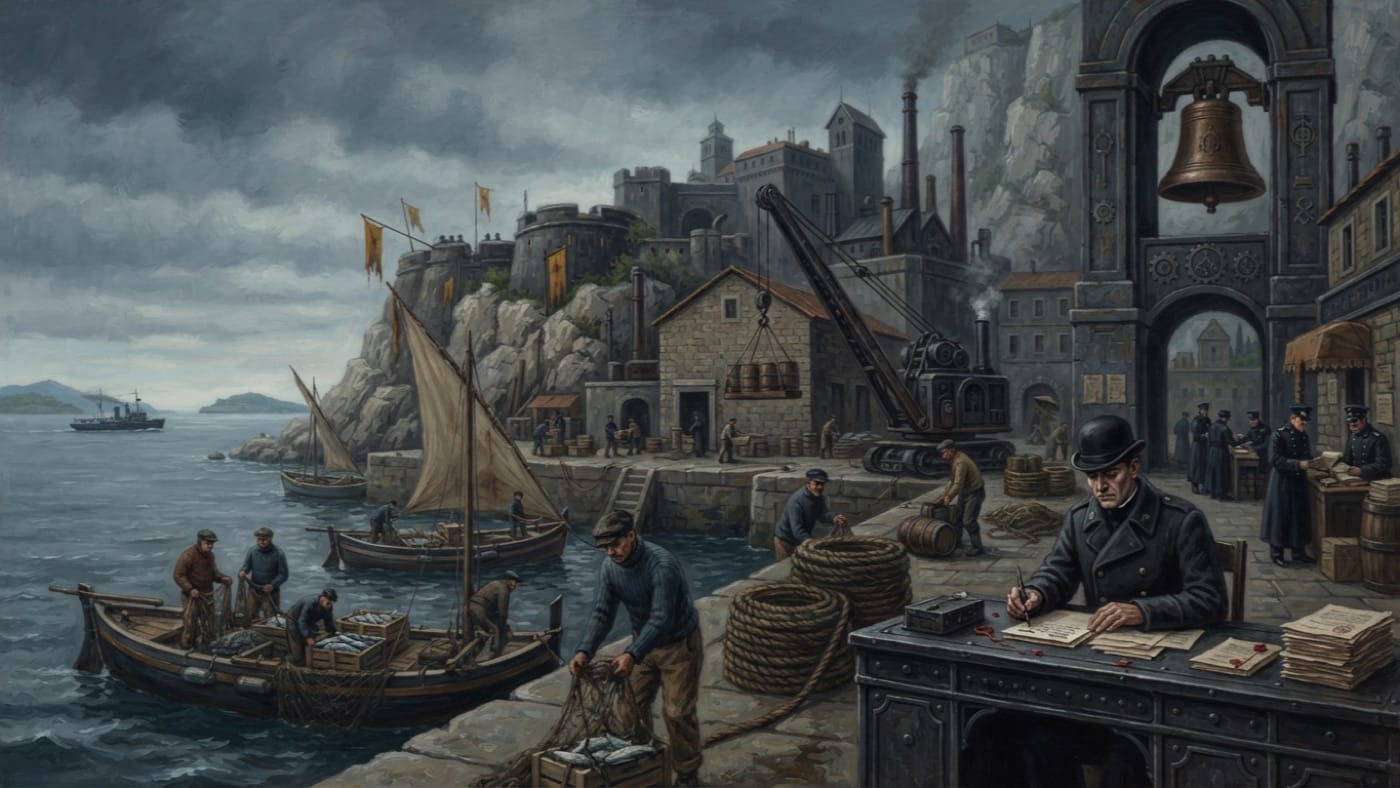
Dalmatian coast
Salt Fish, Sealed Passes, and a Tithe of Sons
The Dalmatian coast feeds the southern Line with salt fish, harbour labour, and fishermen's sons. The boats return to the quay; the sons answer to Strasbourg.
Codex Ref. II.3.07-201
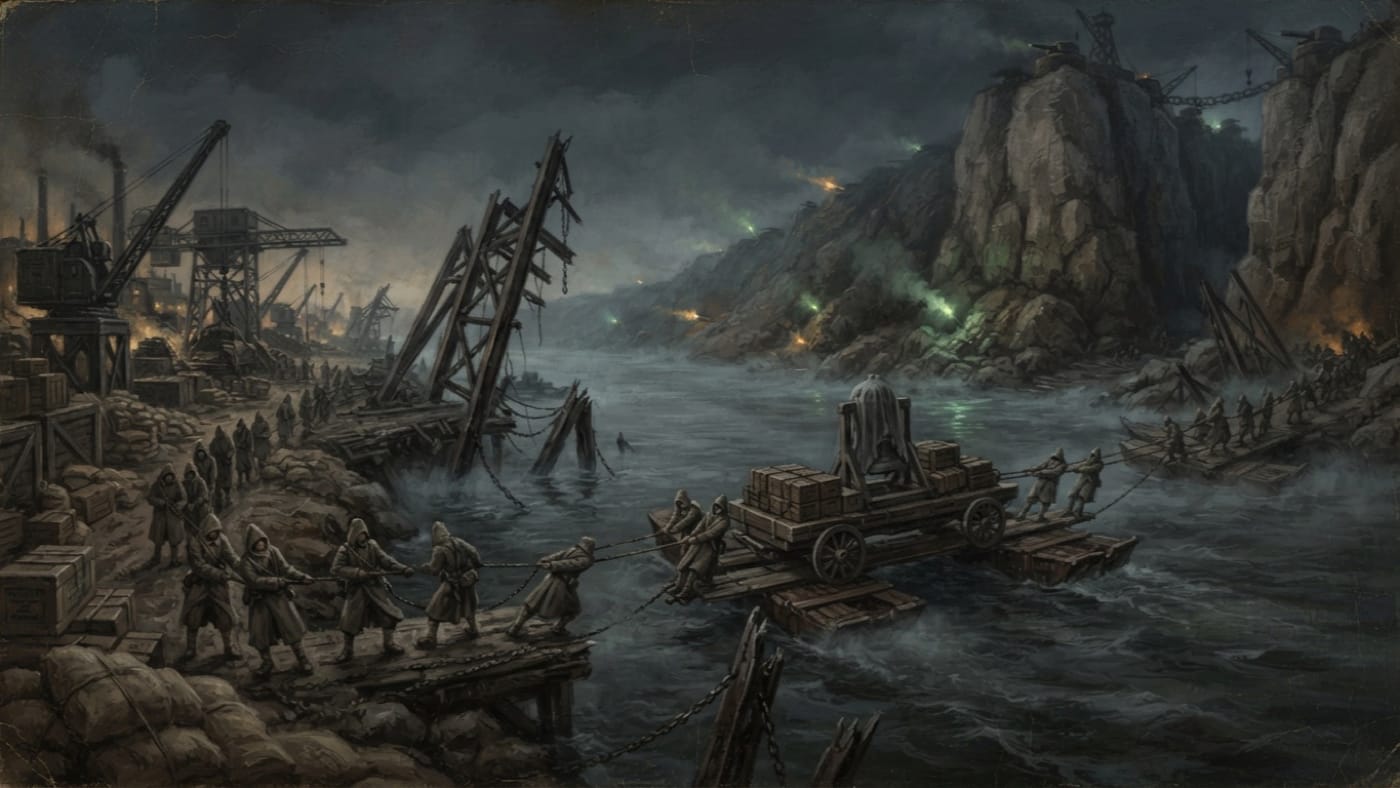
Danubian forward corridor
The grain arrives; the river keeps the difference
Between Budapest and Bastion-Irongate, the Synod moves grain, cartridges and bells through ruined crossings. The cargo is counted; the river keeps the difference.
Codex Ref. II.4.09-172
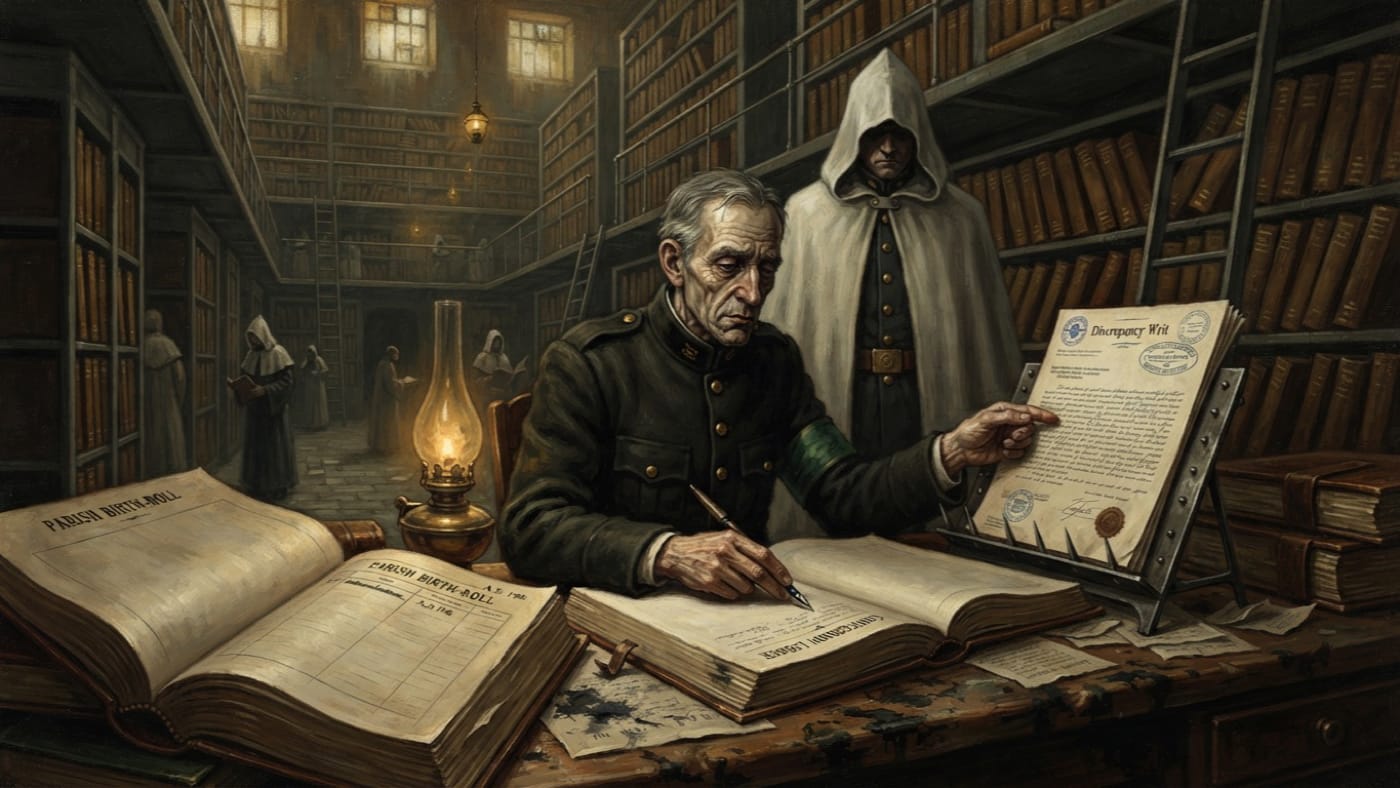
Discrepancy Writ
A name at the font. No voice at the screen.
A son stands on the birth-roll and vanishes from the confession ledger. Conscription files the writ and informs Purity. The books disagree; the household acquires a second Bureau's attention.
Codex Ref. XIII.1.83-201
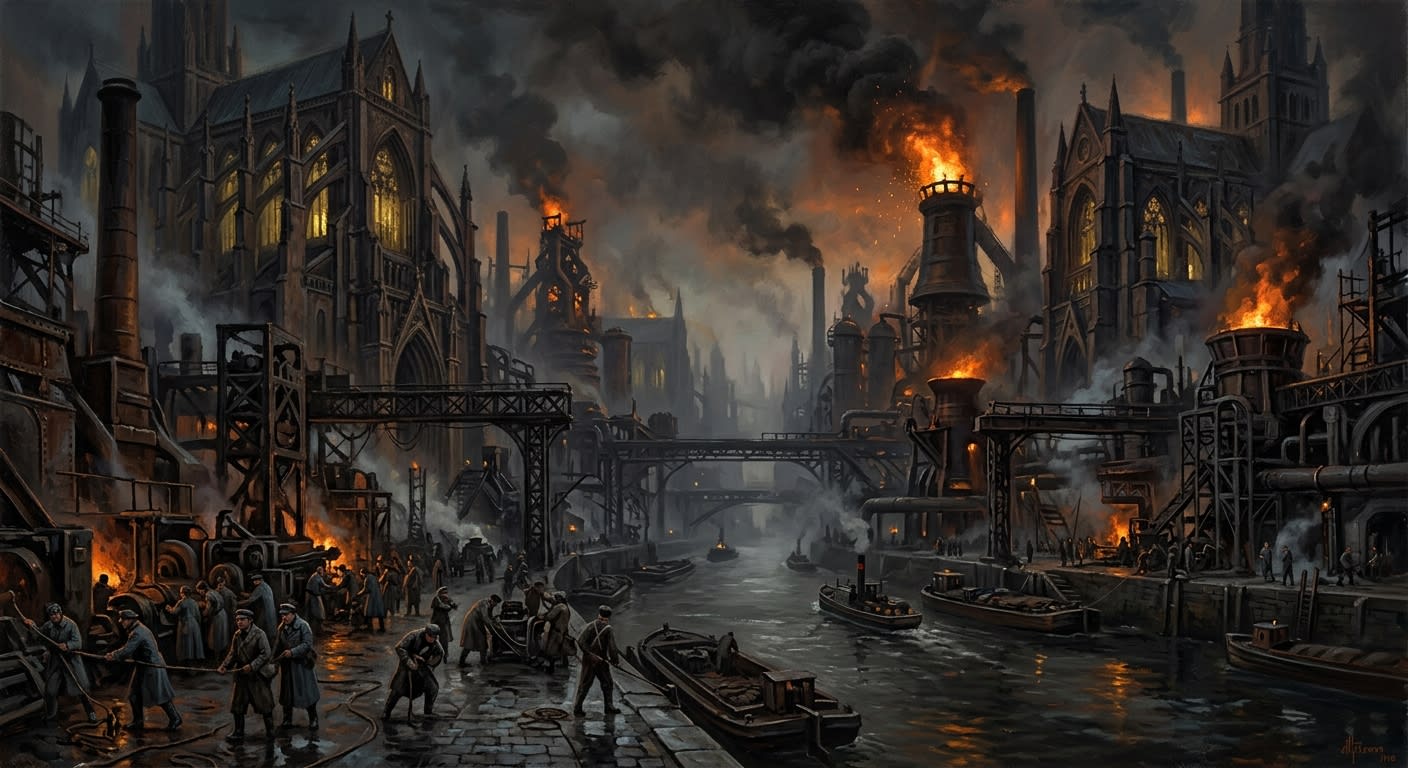
Essen-of-Hymnsteel
The city the Line cannot outlive, and dare not silence
Industrial holy city where steel is calibrated by choir and governed by three Bureaus who share nothing willingly except the fiction that none of them is losing.
Codex Ref. II.2.01-001
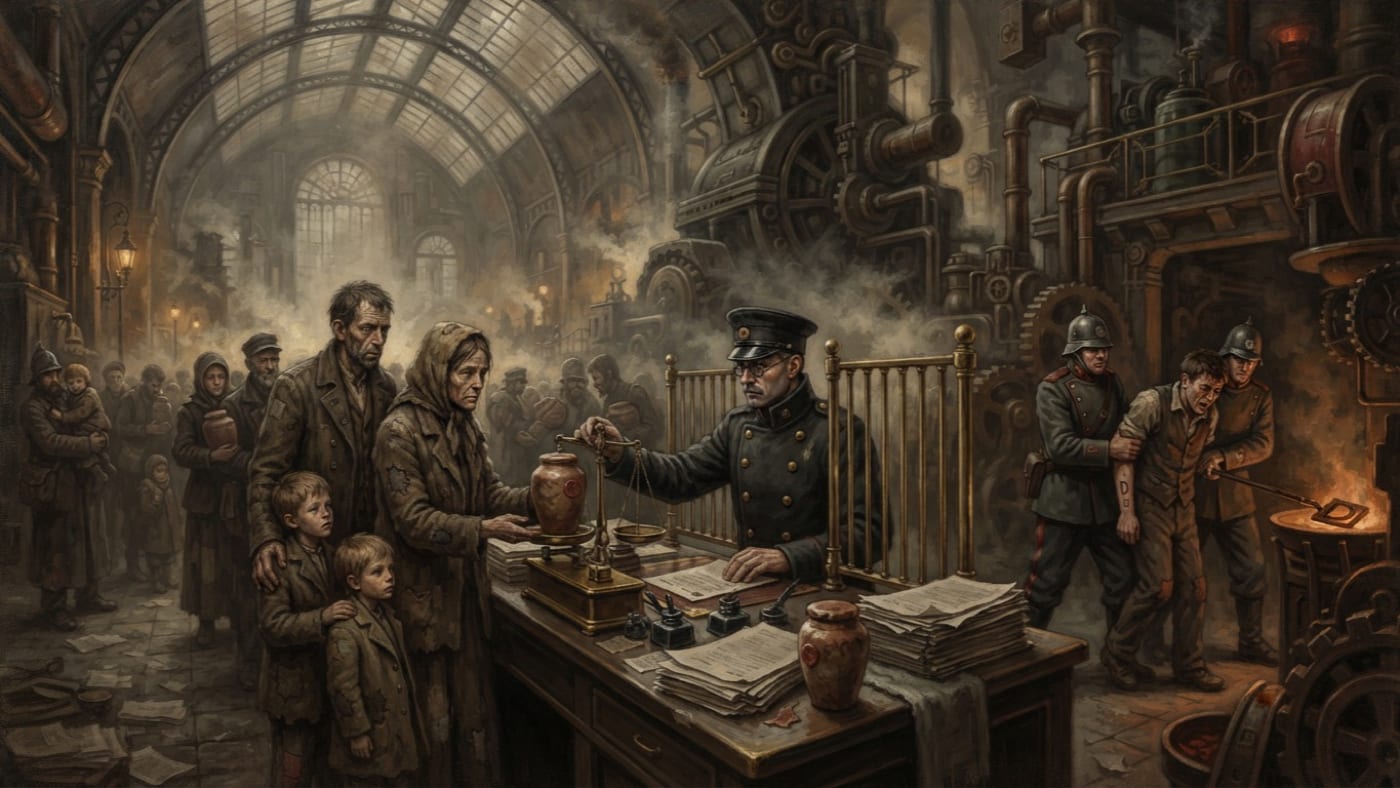
Festival of Ash Debts
The dead are asked to pay. The living are asked only to carry them.
Surveyed in A.S. 201: families trade ancestral ashes for bread. Those unable to produce ashes are branded debtors and conscripted. The family line makes excellent collateral.
Codex Ref. XIII.1.24-201
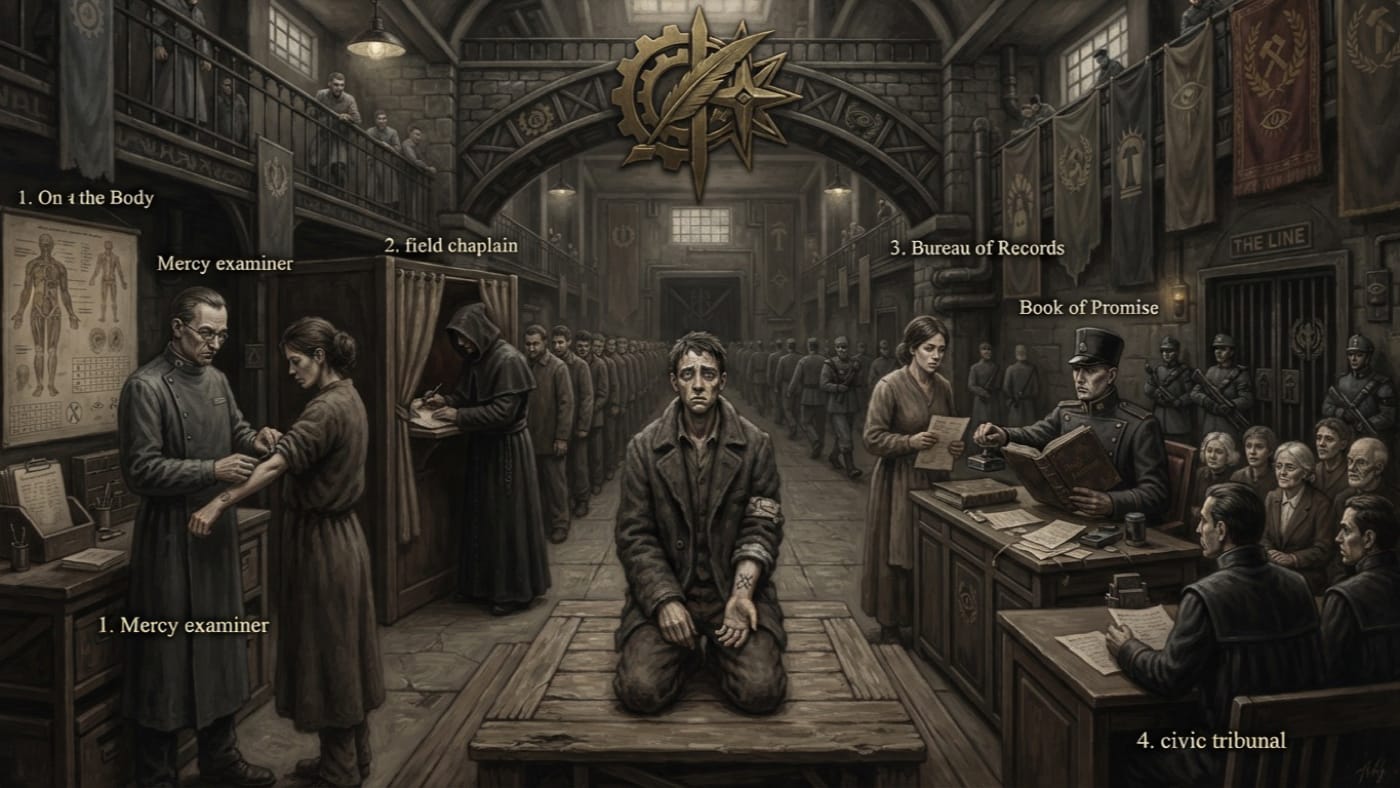
Fourfold Assessment
Four folios, one file, and a destination.
Body, confession, Promise and loyalty: the Fourfold Assessment converts a conscript into an assignment. Mercy examines, Records reconciles, and Conscription decides what the boy is worth.
Codex Ref. XIII.1.23-201
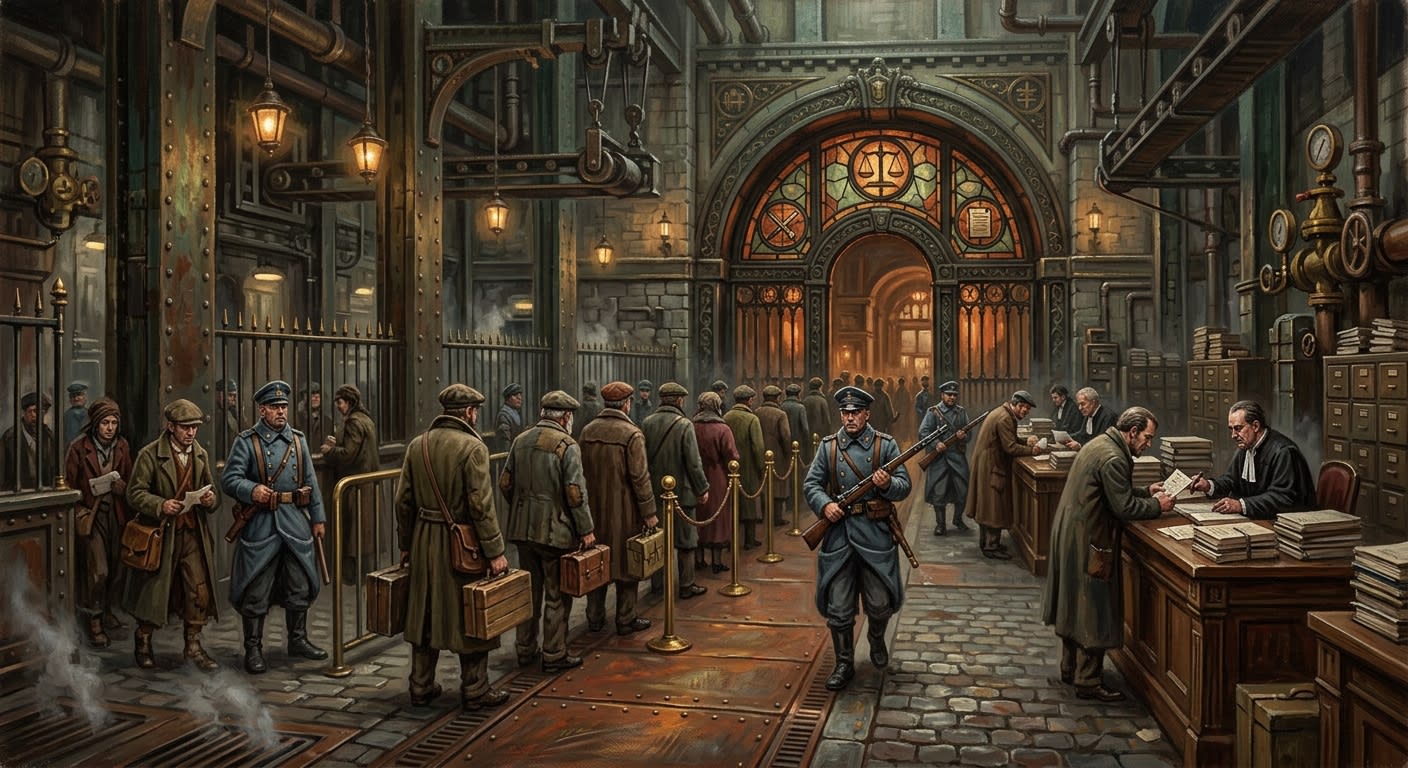
Gate Nine
The final mouth of the Queue Road, where waiting becomes debt and debt learns to breathe
Final court of the Queue Road: a clearance complex over the Apparatus where reclassification, minute debt, appeals, erasure, and warm floors devour travellers by procedure.
Codex Ref. II.3.05-009
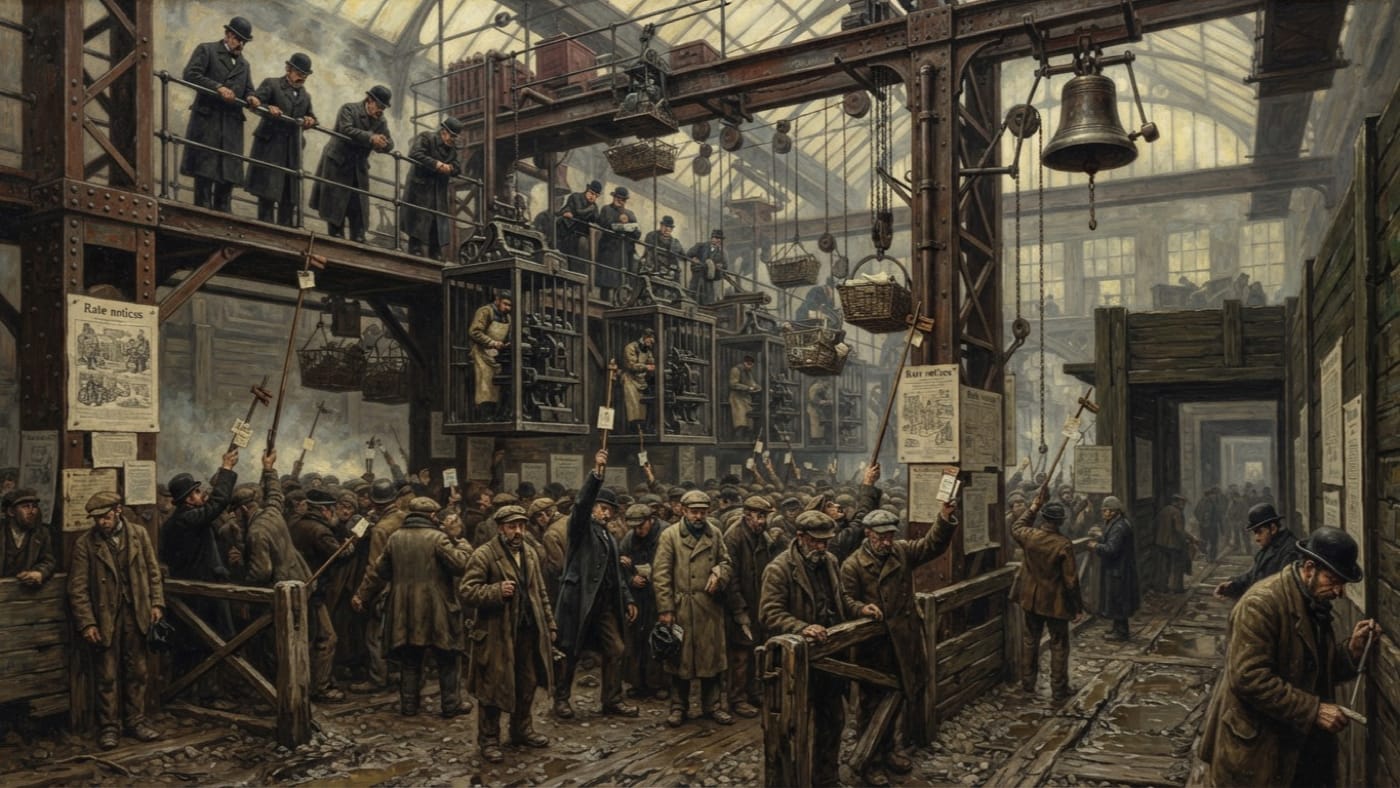
Gate Three
The first mark owns the waiting
Gate Three opens the Queue Road's minute accounts beneath the Bell-Mark Gantry, feeding travellers into the Barricade Maze while the Unstruck teach its stamps to hesitate.
Codex Ref. II.3.05-003
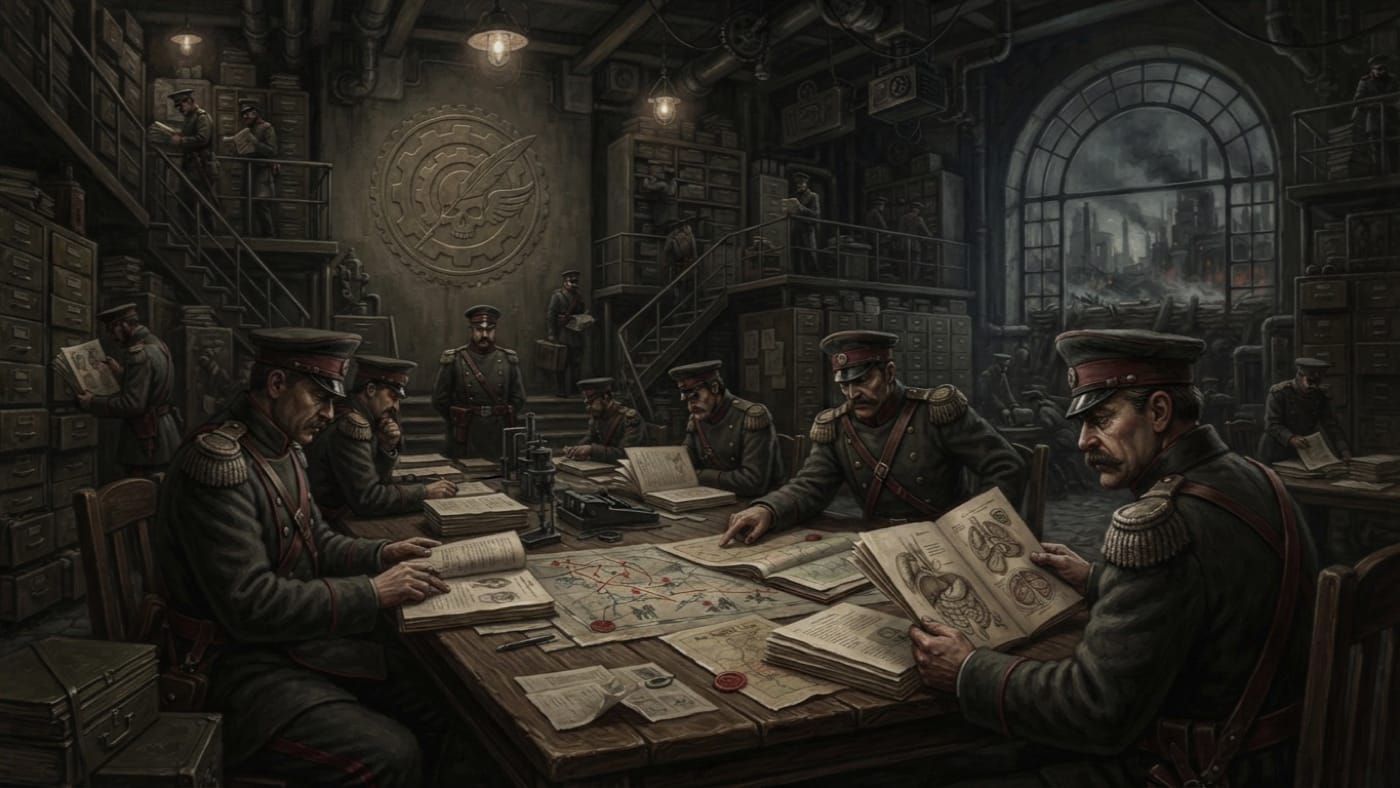
General Staff of the Bureau of War
The Staff reads. The record says so.
War's General Staff reads the Chief Anatomist's replies and accords the office grudging respect. This A.S. 201 survey records that habit. A founding, a roster and a formal remit require evidence the record has not supplied.
Codex Ref. III.2.07-042
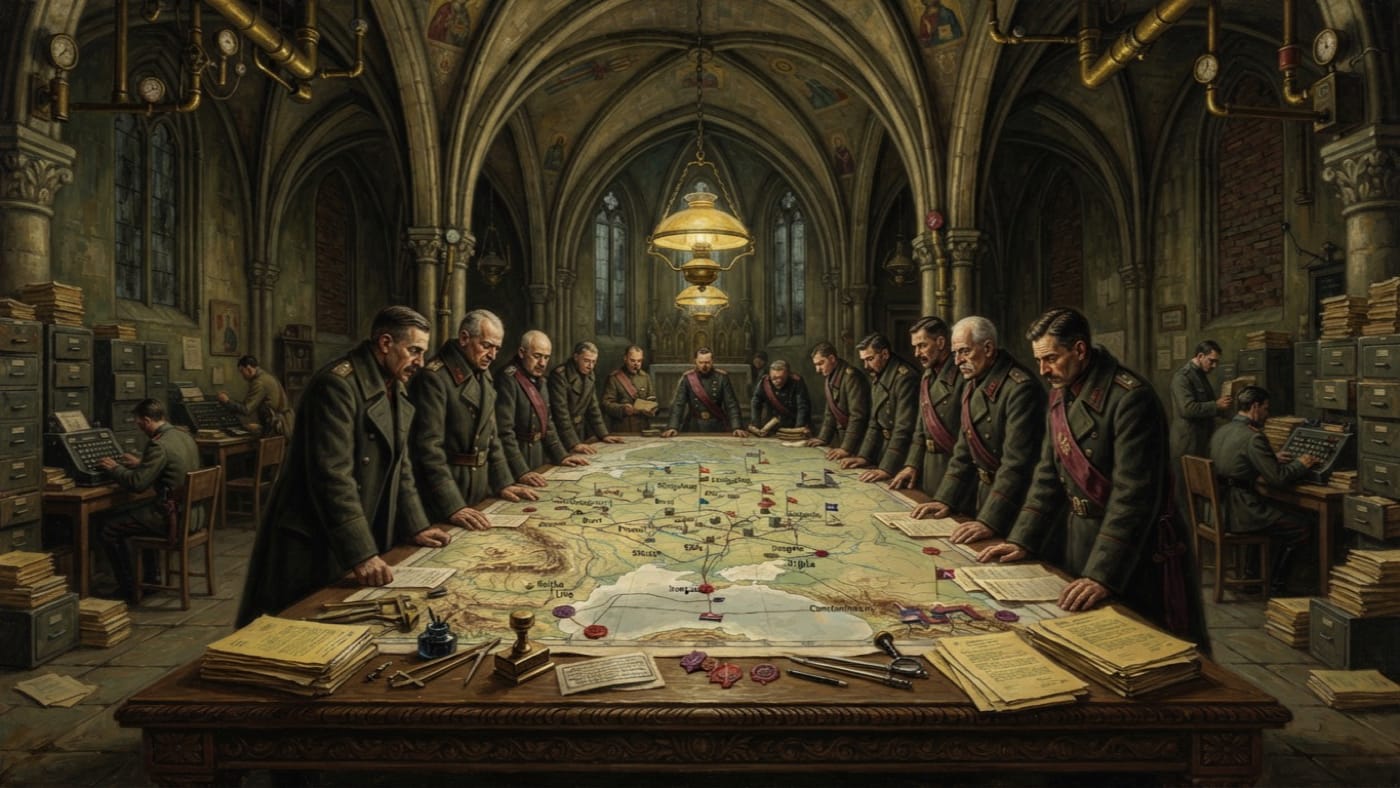
Grand Strategy Chamber
The Part of the War That Can Be Sealed
A chapel beneath Strasbourg's Arch of Campaigns where the Bureau of War moves armies on paper. Doctrine and Purity seal the plans; the frontier, regrettably, is not bound by their signatures.
Codex Ref. II.3.06-201
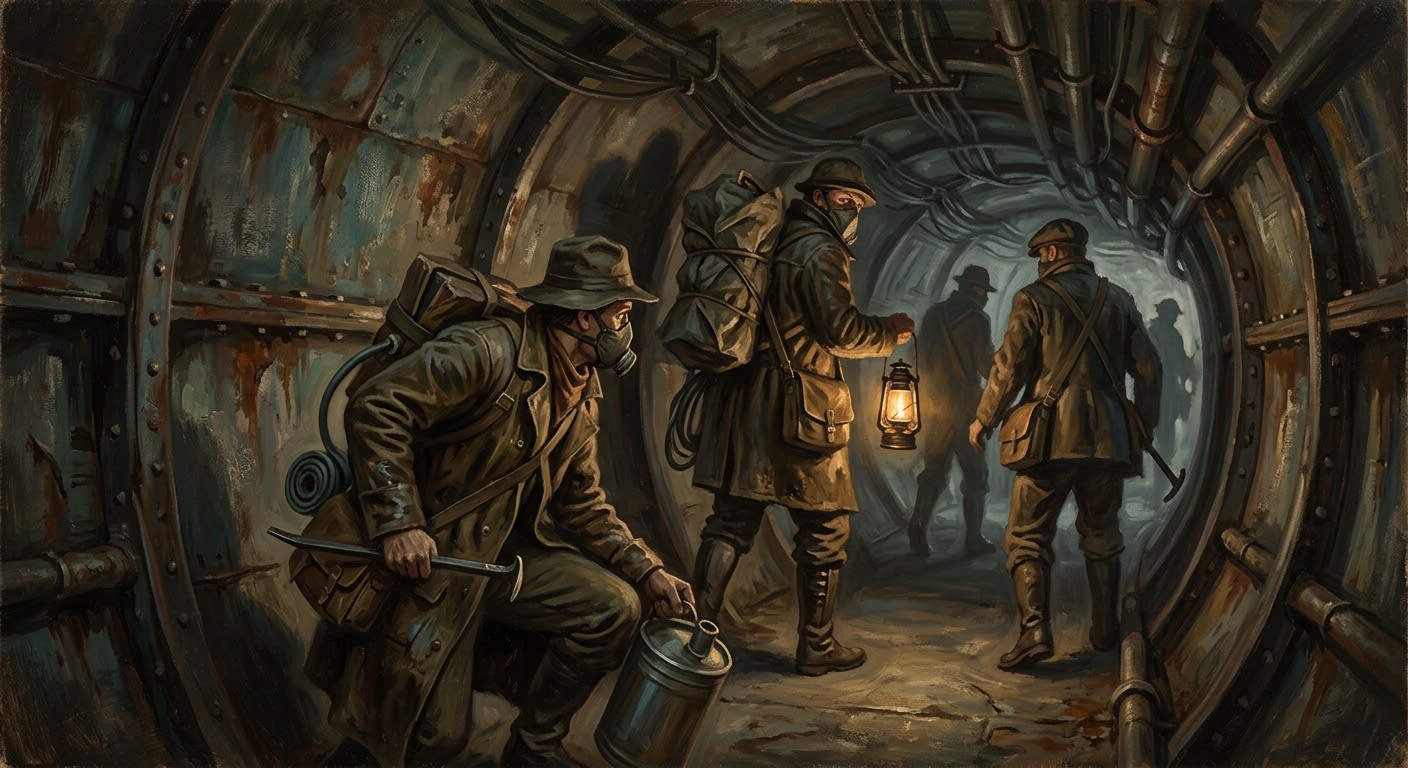
Hush Tunnel Runners
Where Lorn’s unscheduled city learns to crawl
Lorn sings above ground and lies beneath it; the Hush Tunnel Runners sell the interval between hymn, stamp, and human need.
Codex Ref. XI.7.01-003
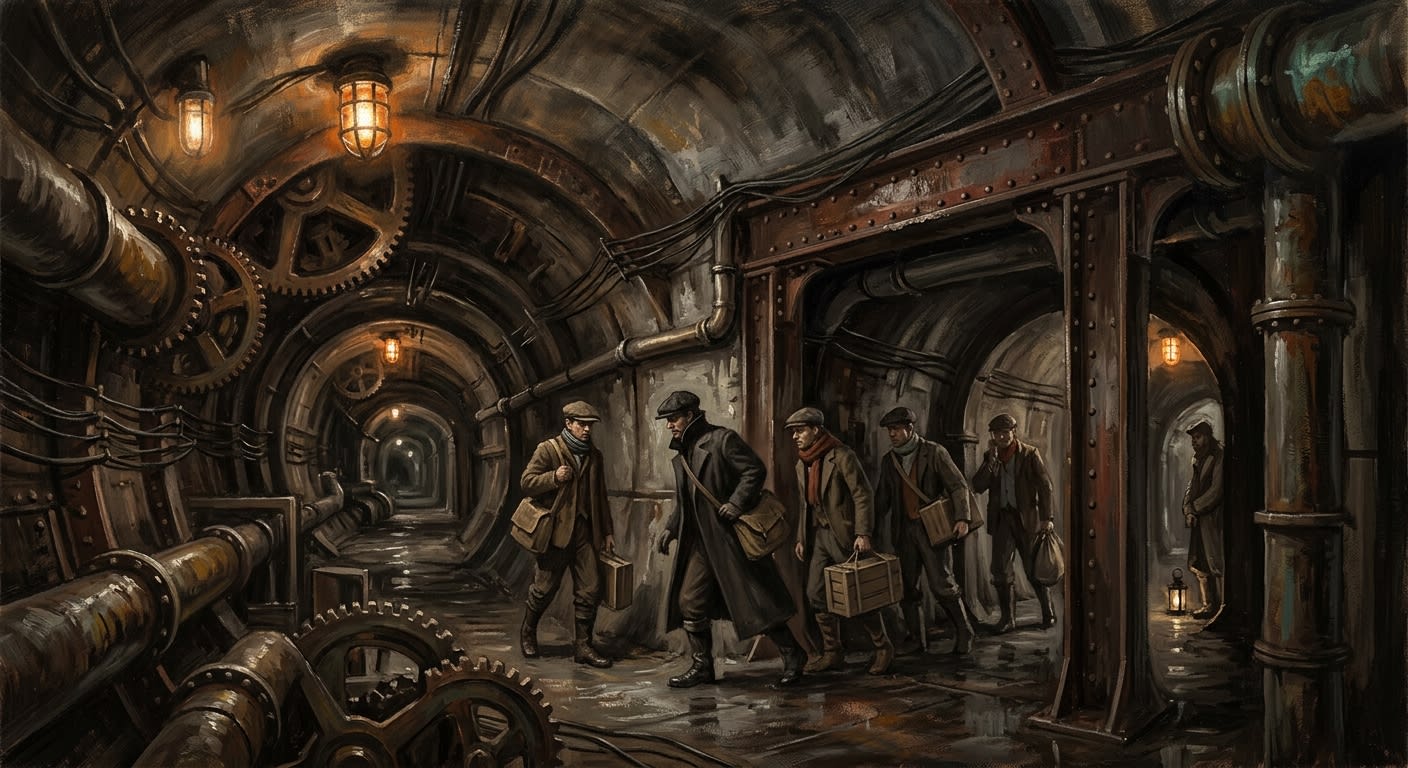
Hush Tunnels
Lorn's denied under-yard, where the schedule hides its dead
The Hush Tunnels are Lorn's officially nonexistent under-yards: denied passages carrying fugitives, runners, false manifests, lamp-talk, and hungry routes.
Codex Ref. II.3.06-201
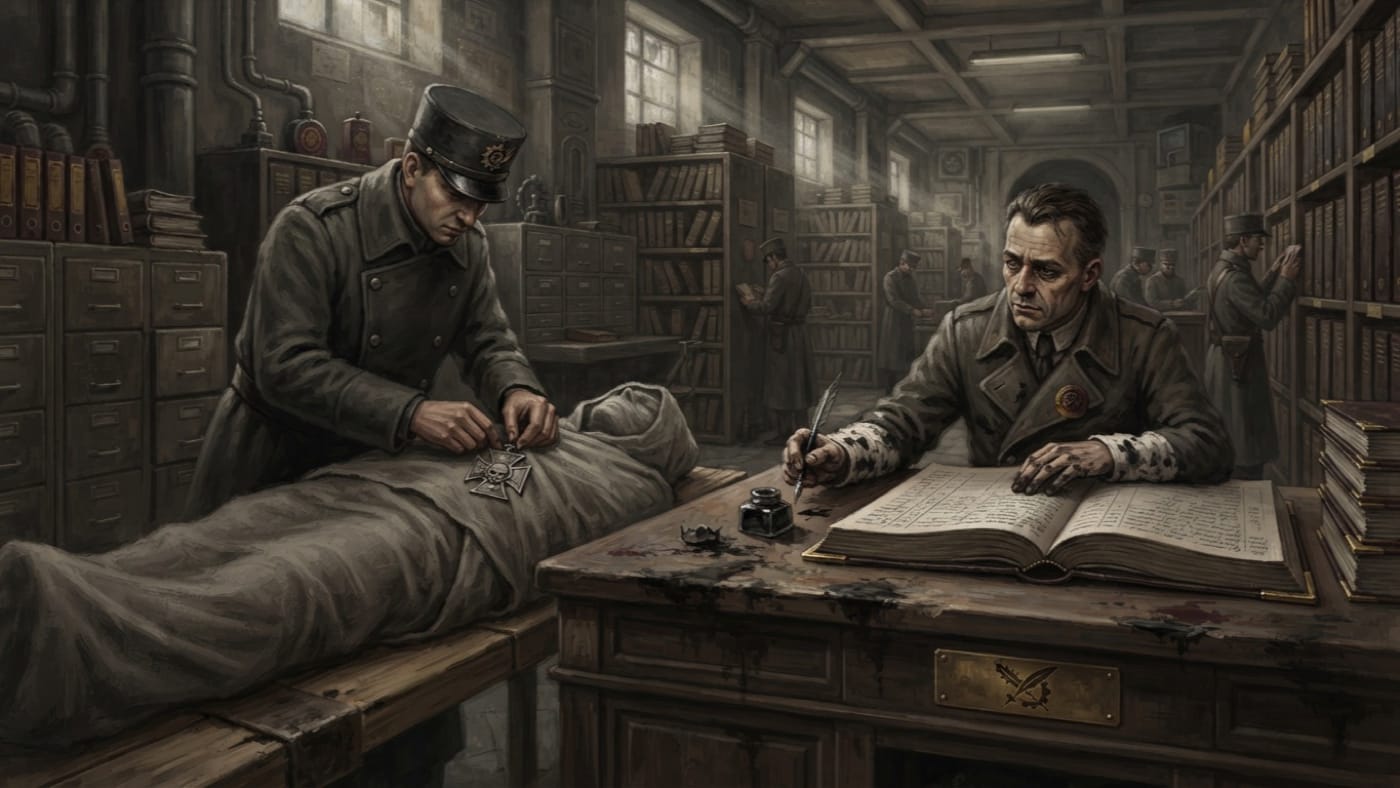
Ledger of Honourable Dust
The recipient cannot embarrass the award
An A.S. 201 survey of War's posthumous honours: a medal through the shroud, an entry above ground, and no guarantee that the widow will be paid.
Codex Ref. XIII.1.56-001
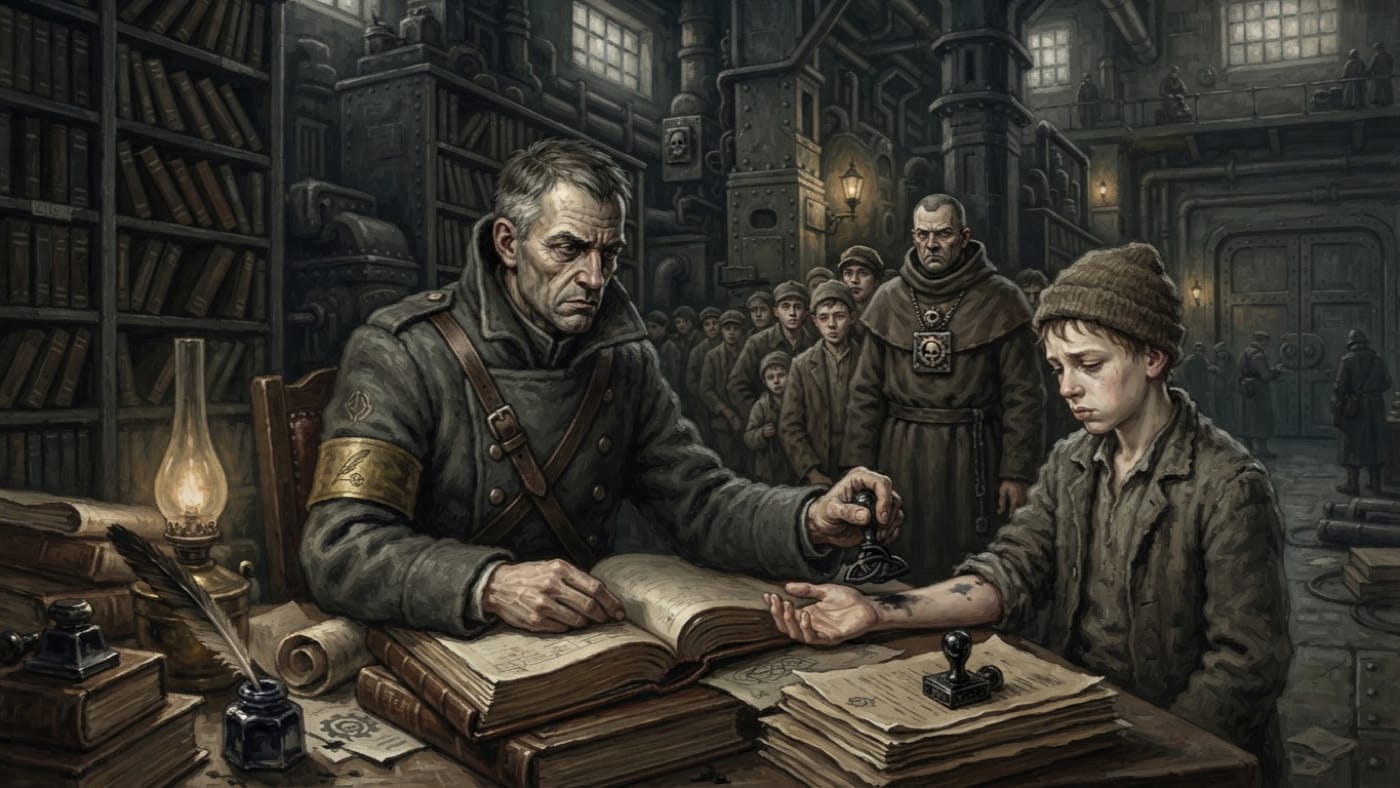
Levy Assessor
The census names the household. The Assessor names the son.
The Levy Assessor compares sacred ledgers, declares a household's liability and stamps the selected wrist. The Bureau calls this collection. The household has other names.
Codex Ref. III.4.08-201
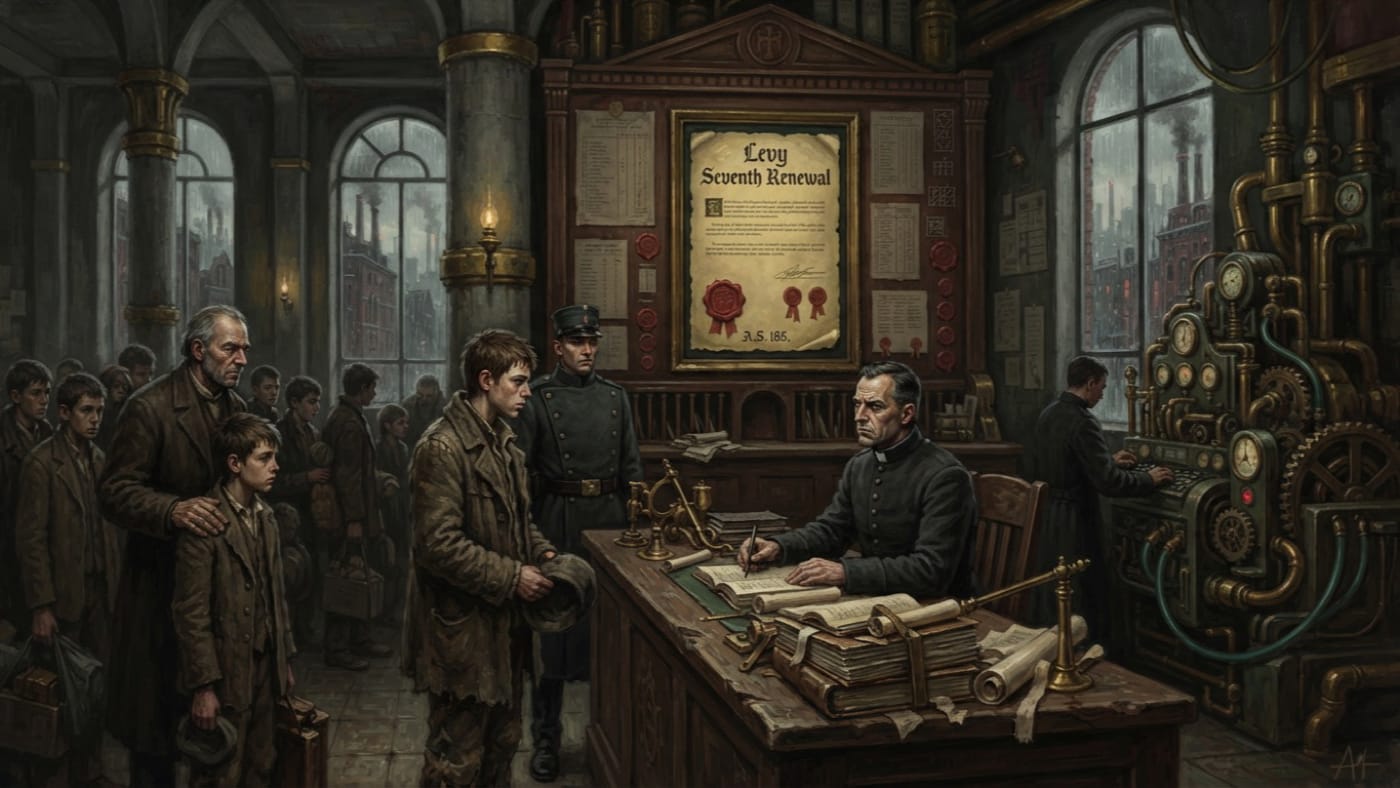
Levy Seventh Renewal
The charter is renewed. The fraction remains under wax.
In A.S. 185, the Church renewed the Bureau of Conscription's charter and revised levy quotas under a sealed Martial Edict. The year is public. The fraction, the provinces and the additional ratifying seals remain under wax.
Codex Ref. VII.8.10-185
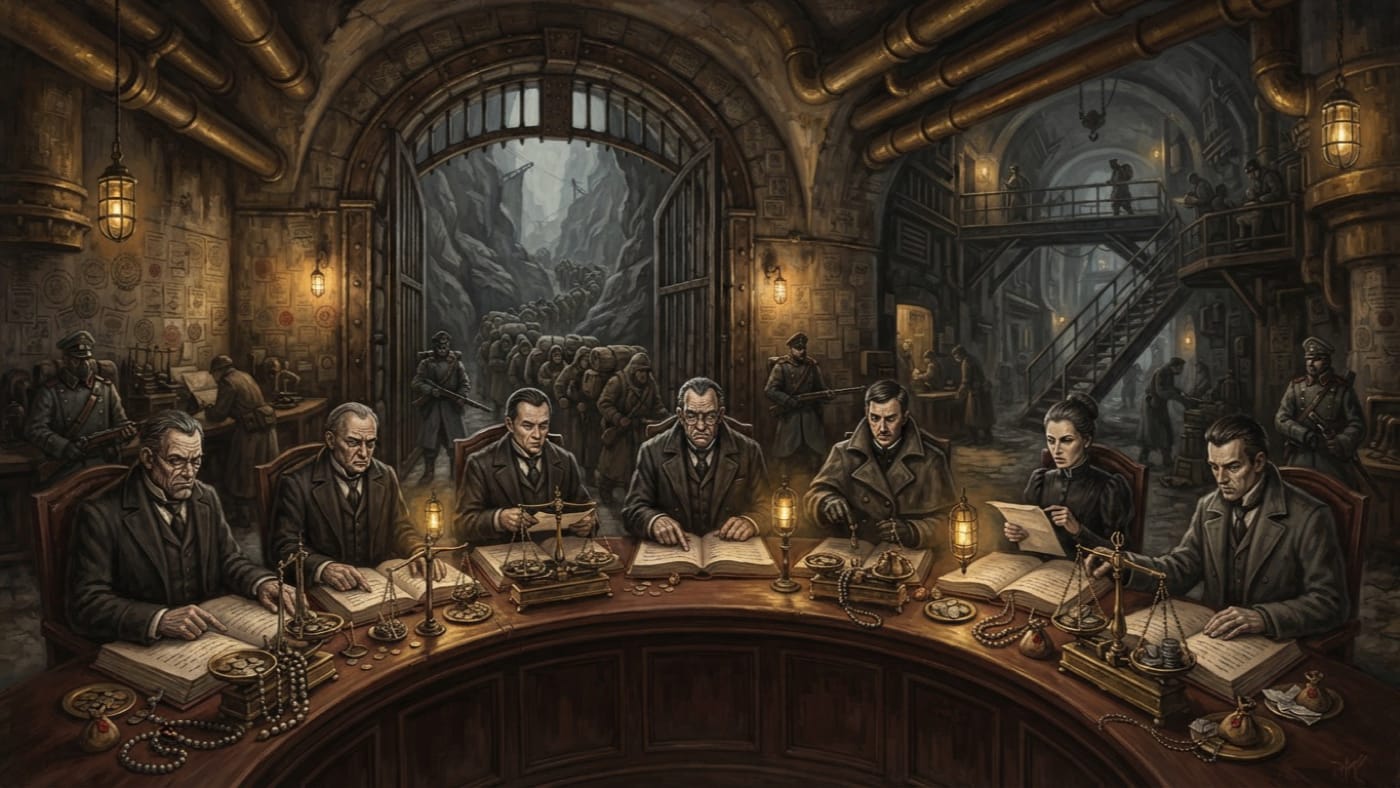
Licensed Broker Compact Council of Peregrine Row
Seven seats set the price; the Chapter holds the keys
Seven seats govern Peregrine Row's licensed protection trade. The Council prices escort windows, bonds captains and funds the Quiet Pens; the Road Chapter holds the gates. The pilgrim carries the risk.
Codex Ref. XII.32.03-201
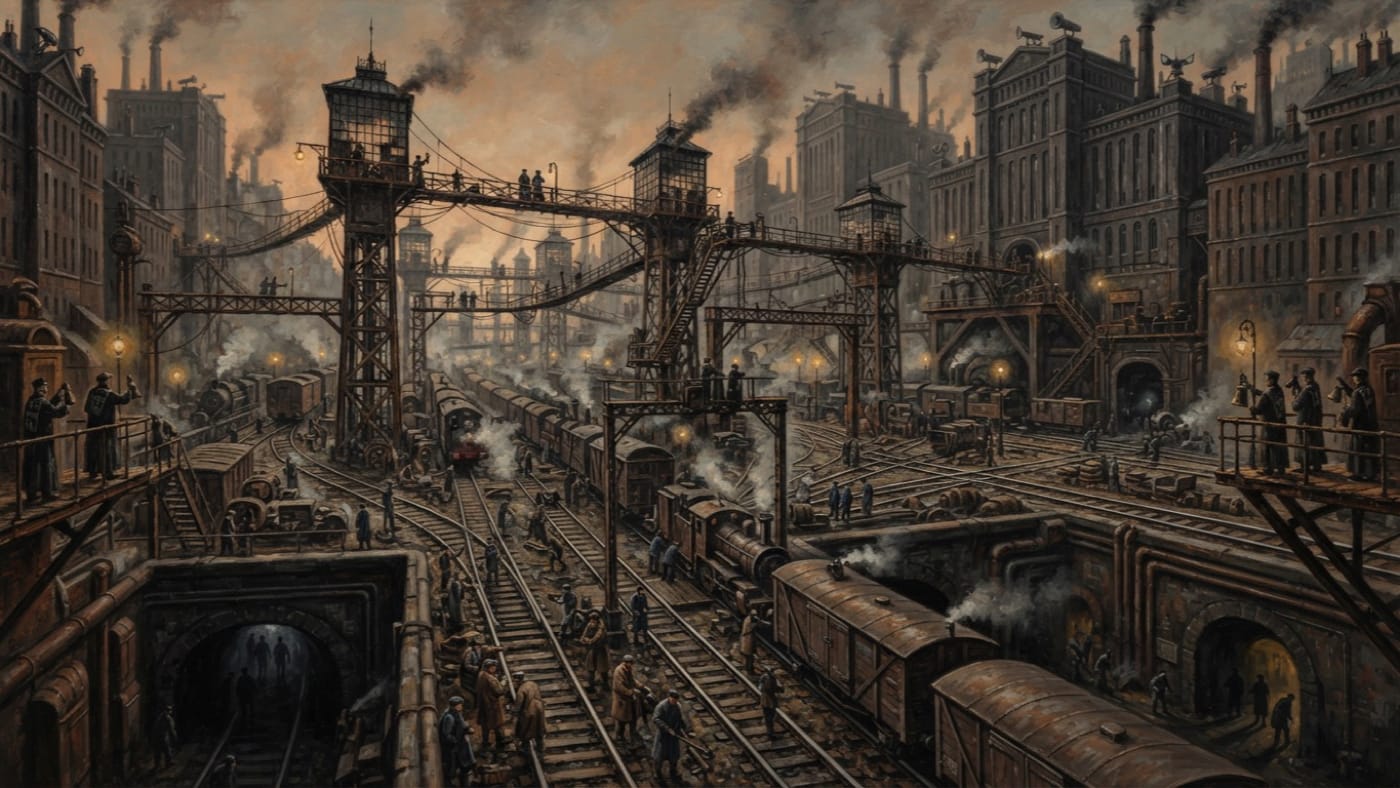
Lorn
The city where obedience has a timetable
Lorn routes the Heartlands' freight toward the Line and its residents through manifest, measure and seal. Beneath the timetable, the unscheduled city keeps moving.
Codex Ref. II.3.01-002
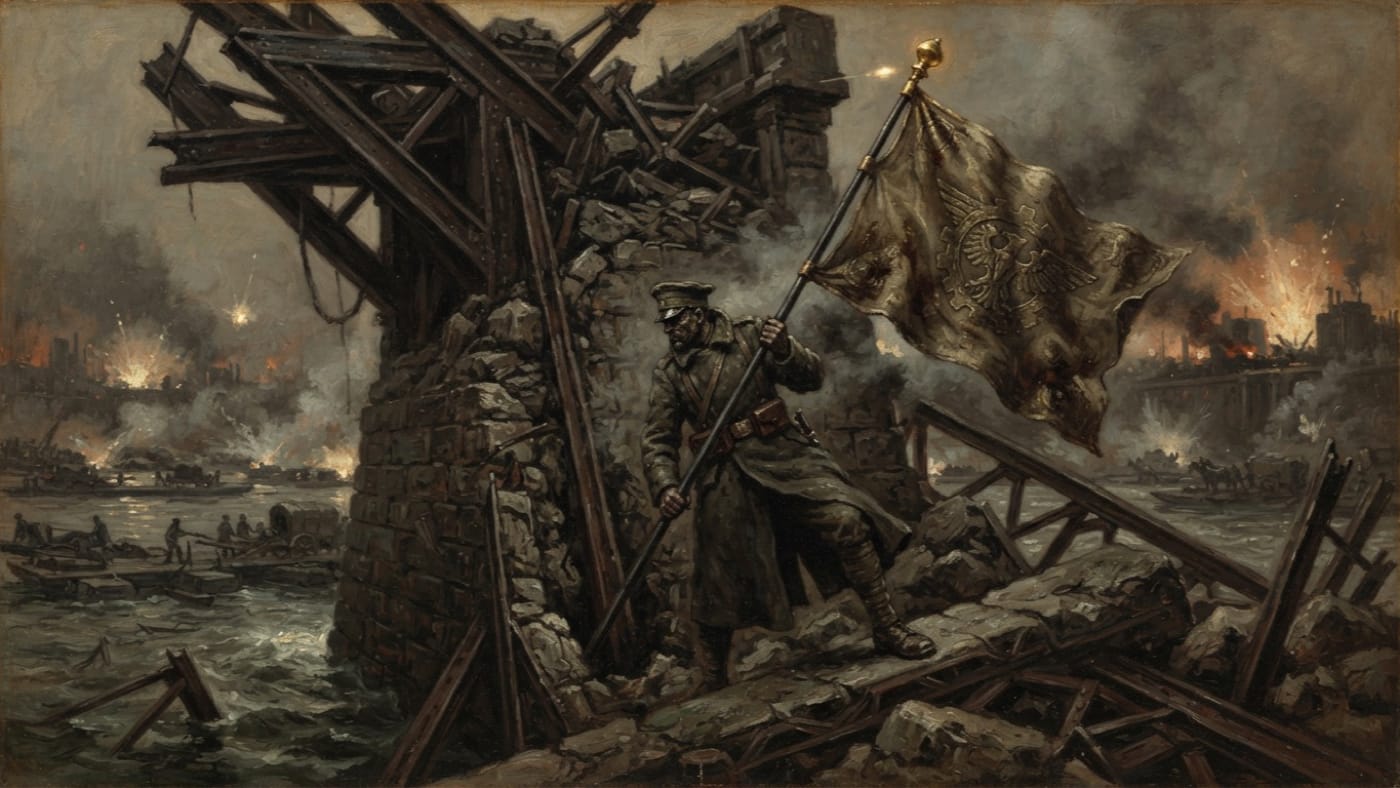
Lorn of Metz
Ninety seconds of standing cloth, and a bearer left out of the miracle
Lorn of Metz fixed the Brass-Lipped Banner at the Chain-Pier Ruin in A.S. 172. Doctrine retained ninety seconds of miracle; the Ledger retained the bearer.
Codex Ref. III.2.01-172
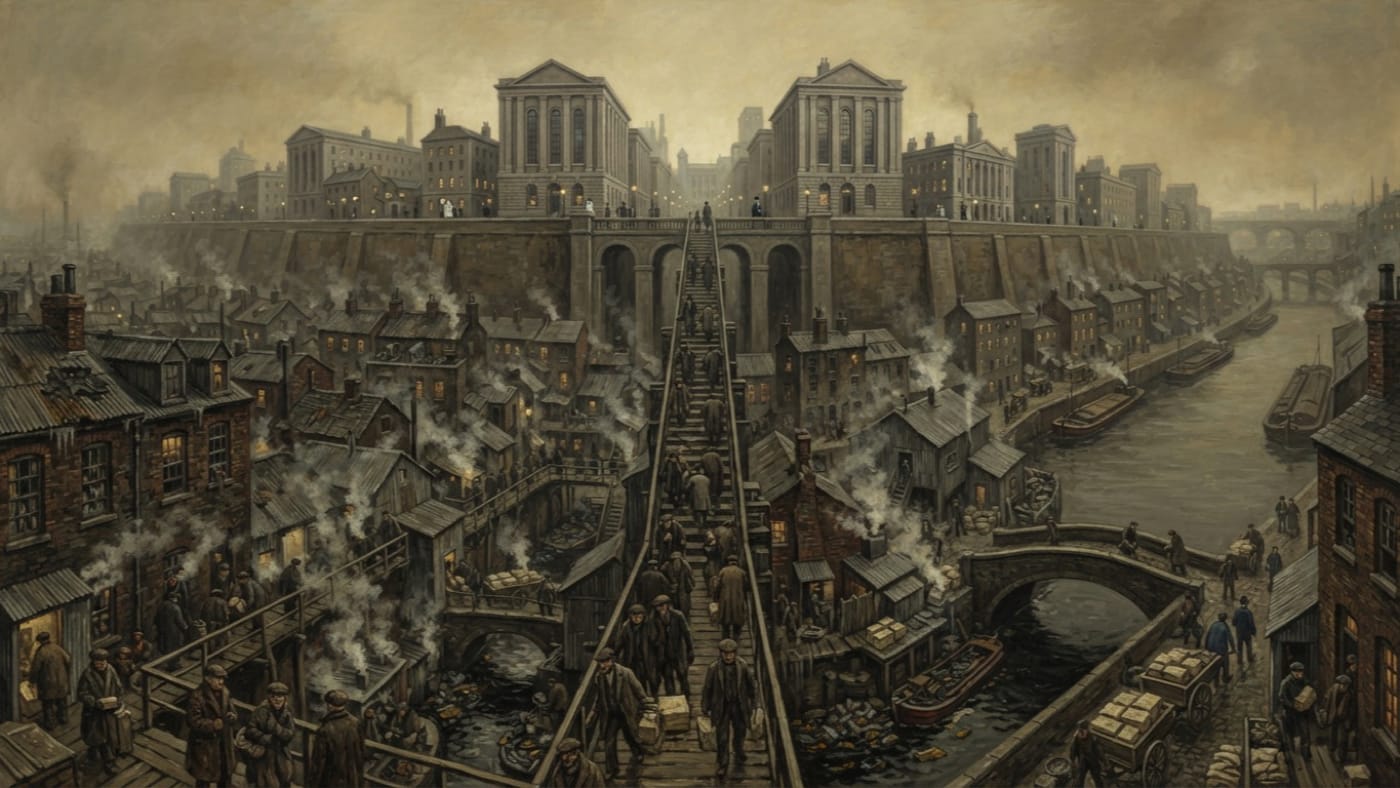
Lower Vire
Candles go up. Refuse comes down.
A River-belt city where Candle-Sump supplies the Heights with light, broth and certified dead. The offices above keep their stamps dry; the people below pay for the privilege.
Codex Ref. II.1.05-002
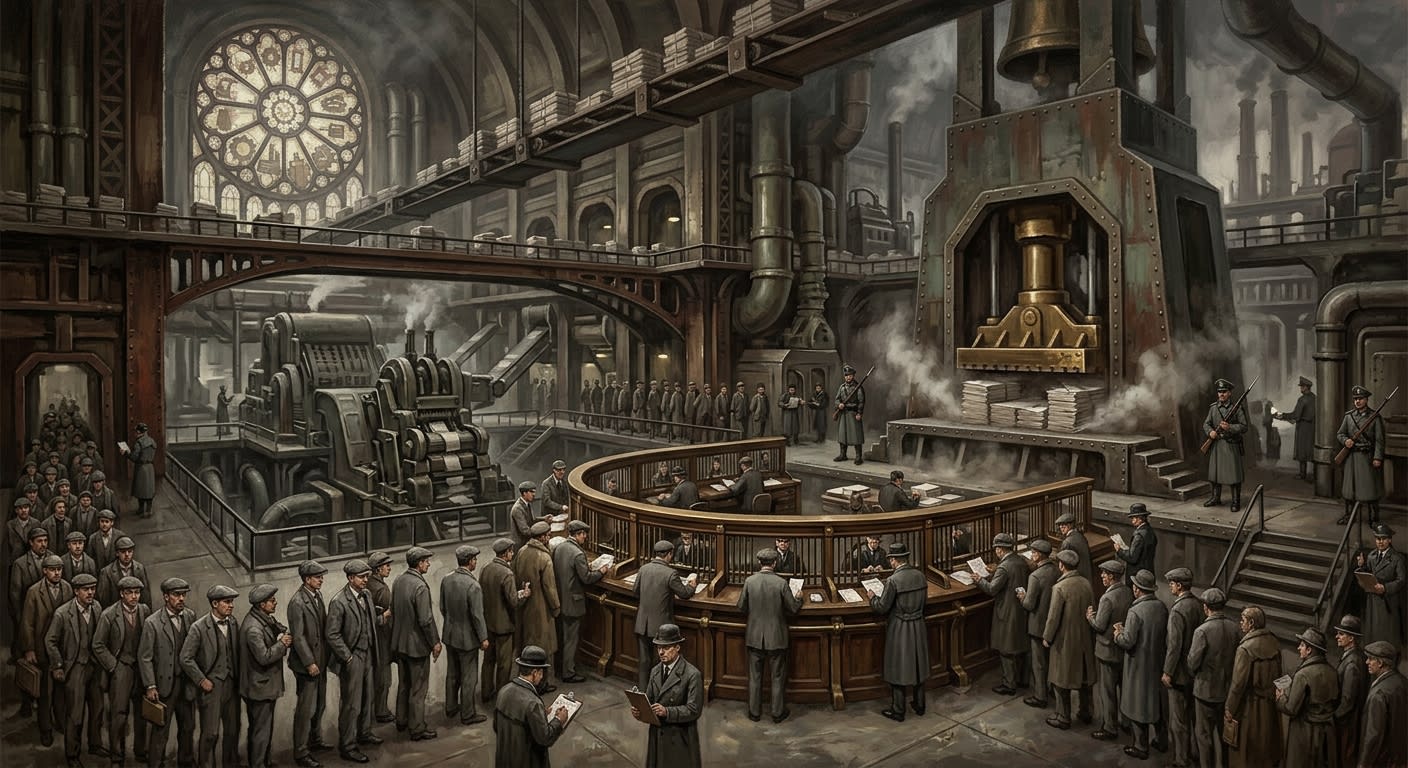
Manifest Basilica
Lorn's altar is a routing desk
The Manifest Basilica is Lorn's paper cathedral: routing desk for altar, correction for sacrament, and a Pulse that stamps men into obedience.
Codex Ref. II.2.09-104
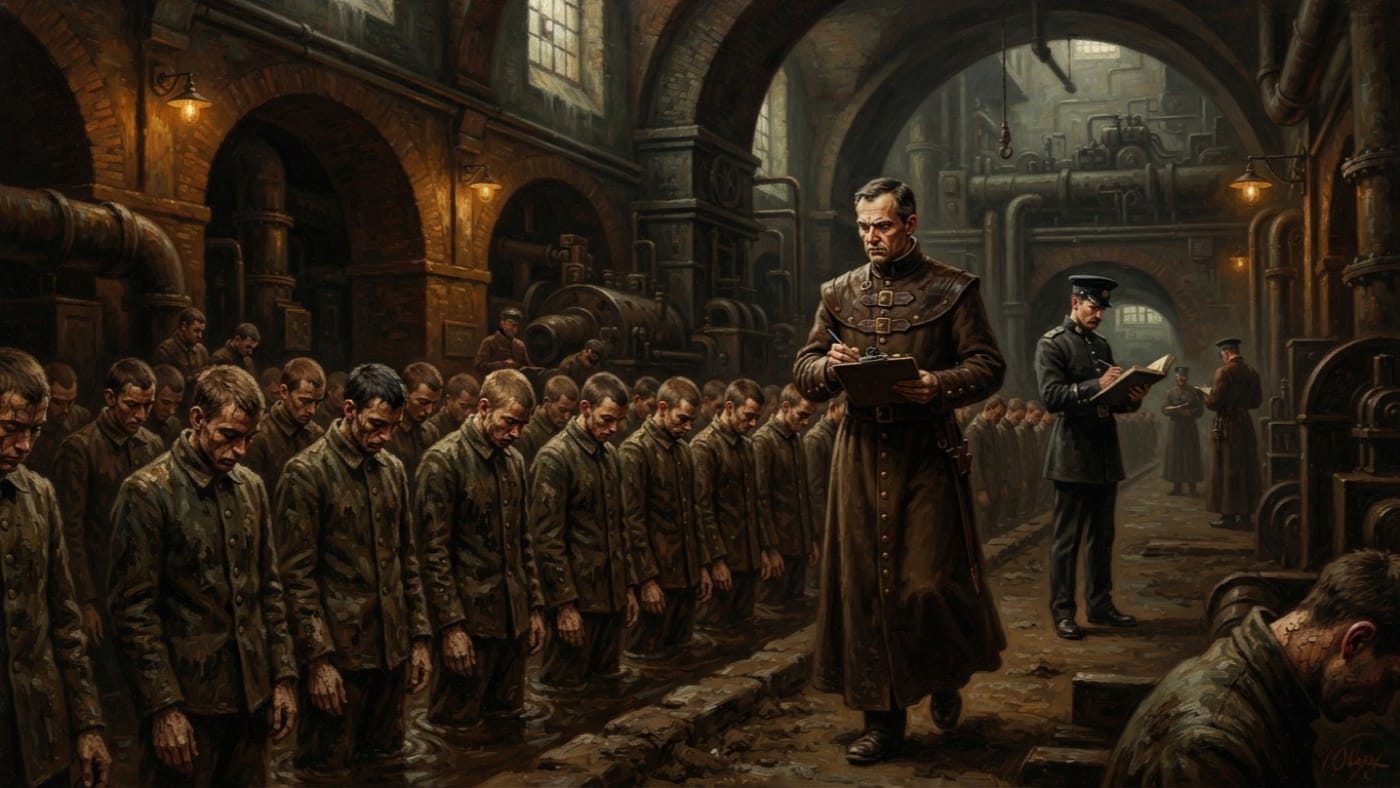
Medical Annex 44-C
Seventeen cases, one corrected sentence
Medical Annex 44-C survives through Stuttgart's broadsheet correction: trench rash, fungal bloom and seventeen cases of devotional fever. The A.S. 201 survey records amended promises and unchanged mud; the annex's issue date remains unrecorded.
Codex Ref. XIII.1.91-044
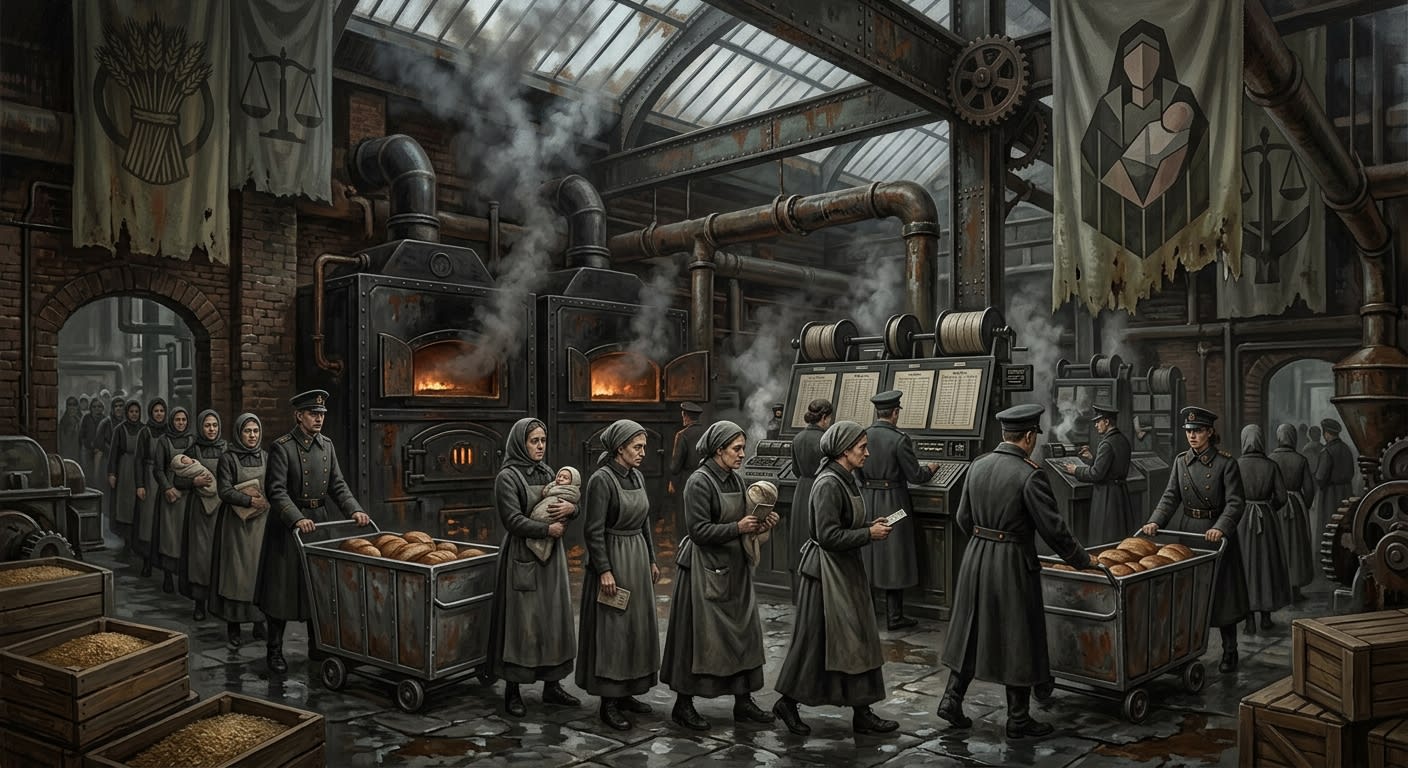
Mothers of Plenty
The queue kept warm, the cradle kept counted
The Mothers of Plenty govern bread and birth as one obedient system, turning ration queues, pregnancy ledgers, and infants not yet weaned into instruments of state continuity.
Codex Ref. XII.6.05-001
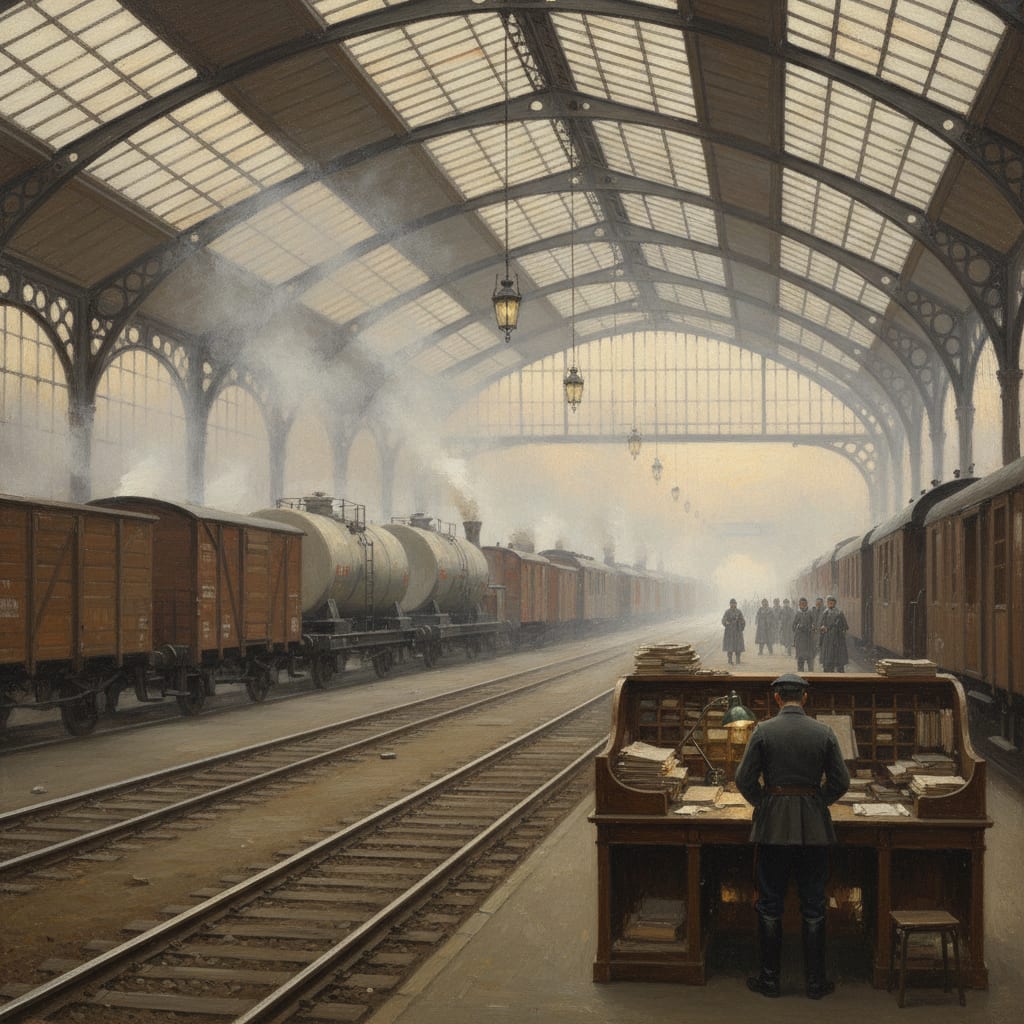
Munich
The last comfortable city; or, where the war becomes a number before it becomes a wound
The Synod's central logistics hub and the last city where the war is an abstraction. Seven hundred thousand souls administer the machinery of a conflict they will not fight. Munich pays its tithes, fills its quotas, and resents everything.
Codex Ref. II.4.09-008
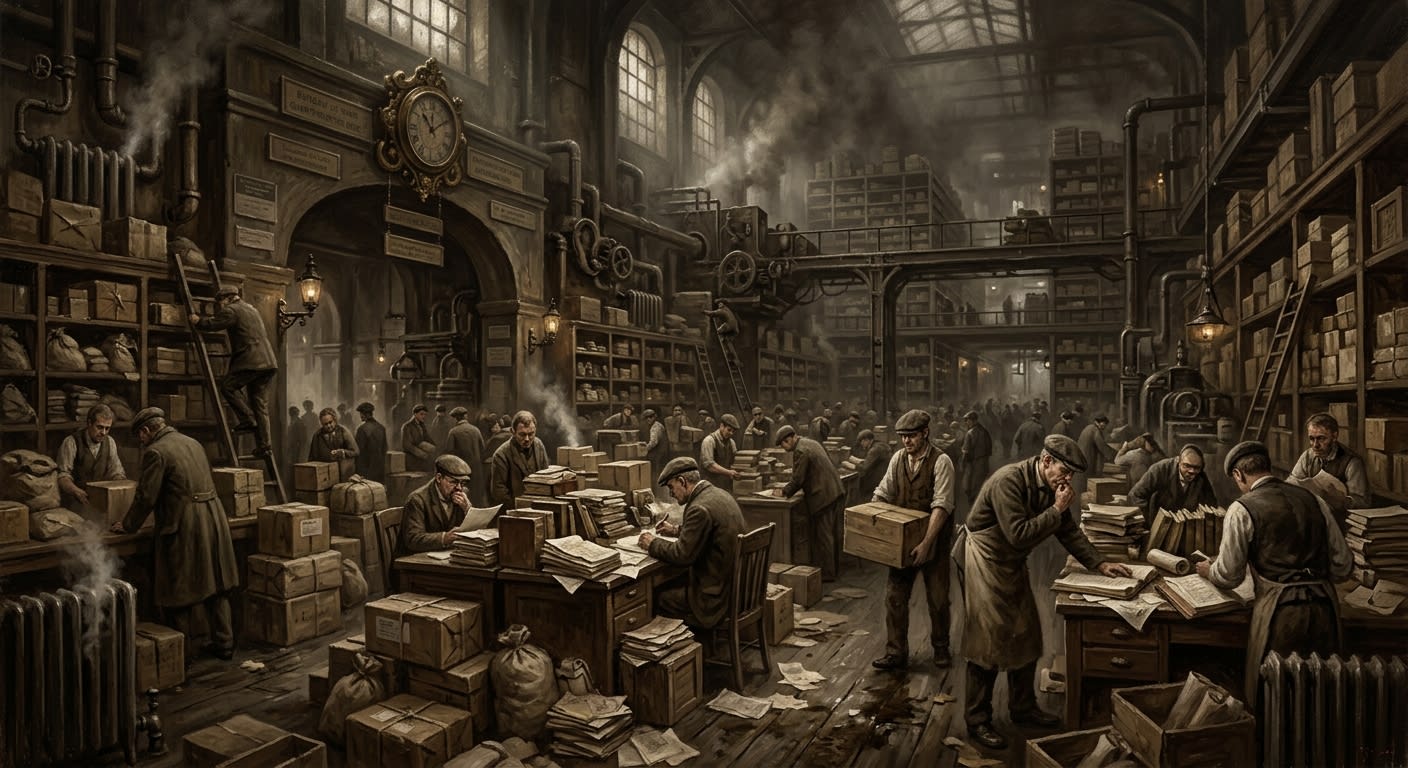
Munich Provisorium
The temporary warehouse complex that learned to digest a city
The Provisorium is Munich's vast Bureau of War quartermaster depot: 412 storage facilities, 14,000 tons a week, three incompatible inventories, and lungs the paperwork declines to notice.
Codex Ref. II.2.01-013
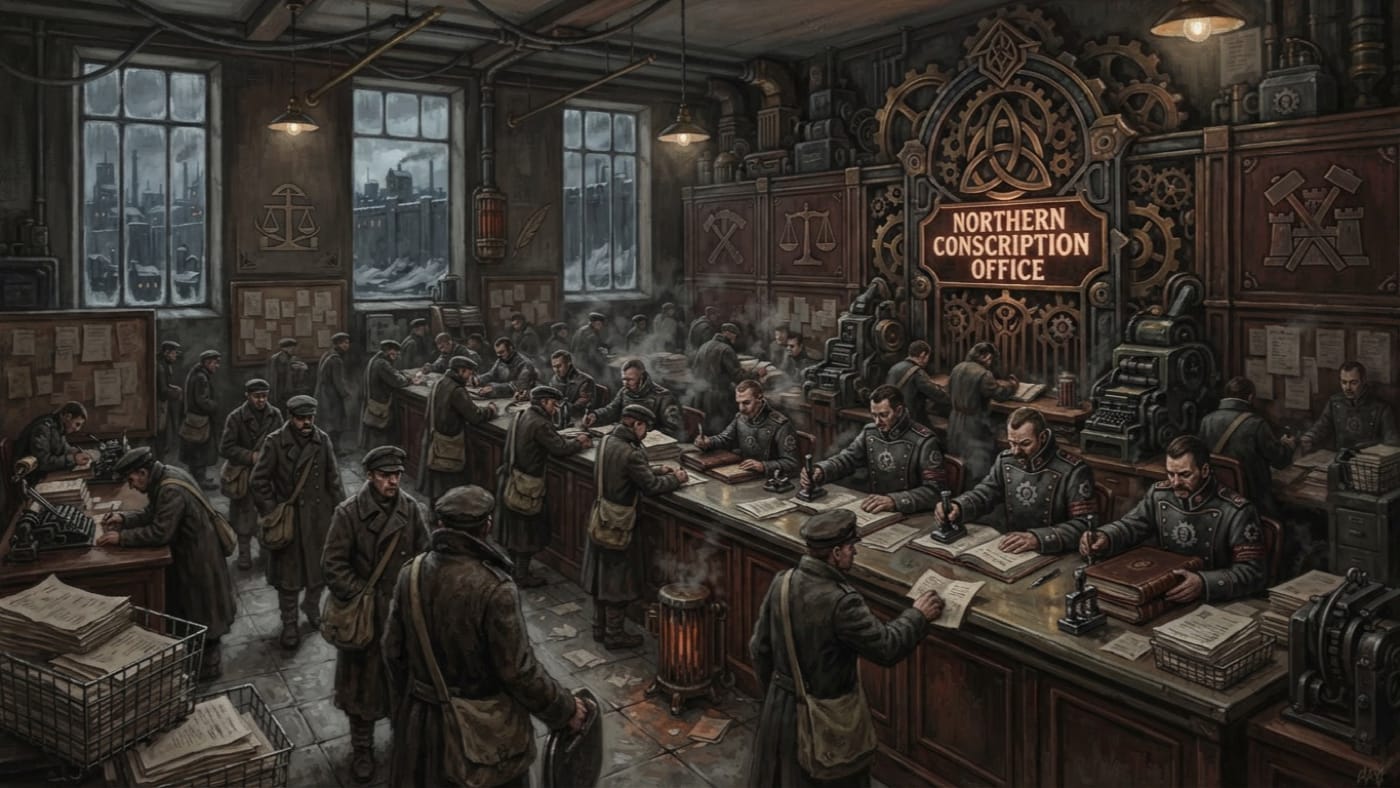
Northern Conscription Office
Every man volunteered. Every man was assigned.
The Northern Conscription Office receives Königsberg's conscripts and reconciles them against losses. Conscription claims the desk; War signs the briefing. Every assigned man is entered as a volunteer.
Codex Ref. III.4.07-1943
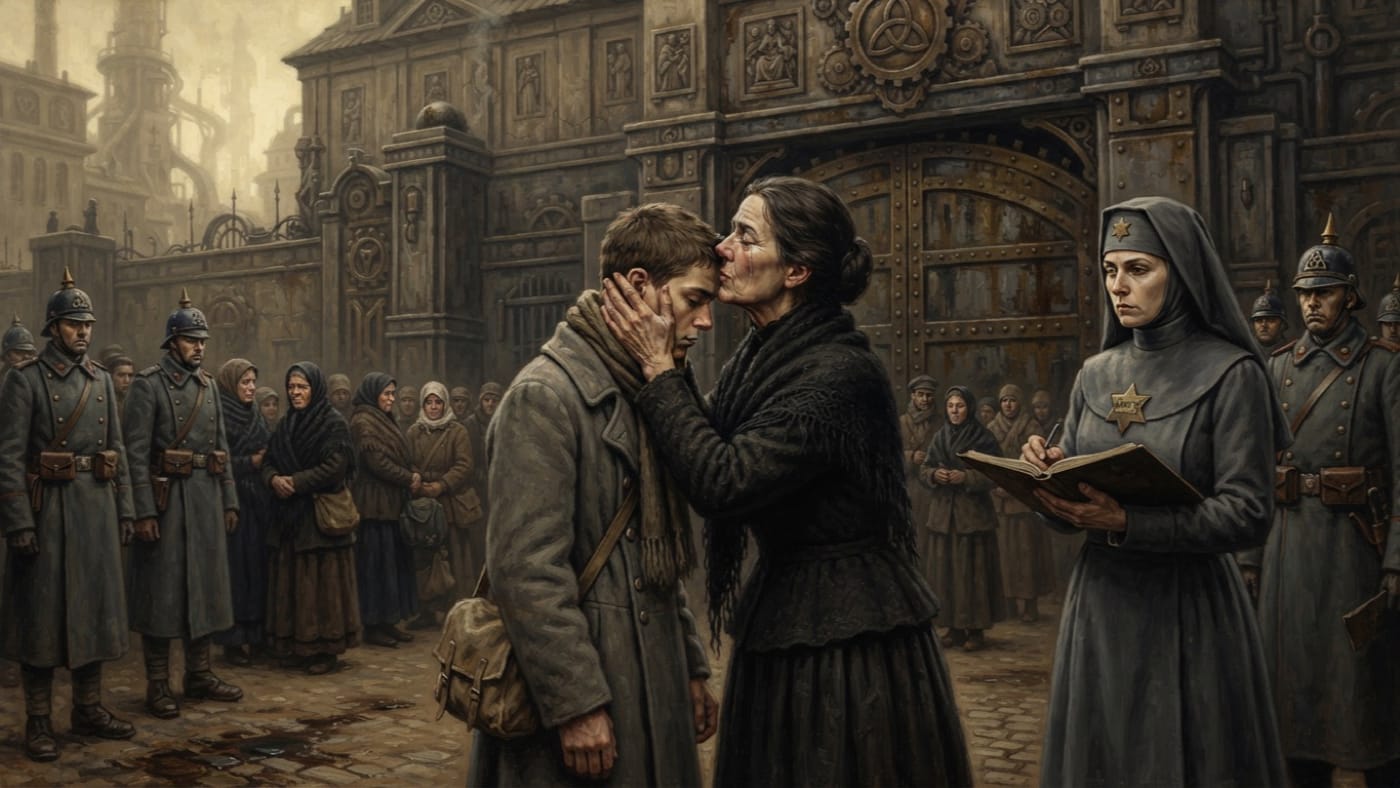
On the Joyful Surrender of Offspring to Providence
War Takes the Son; Mercy Receives the Tears
Mercy's pamphlet teaches mothers to surrender a son to the levy and enter their tears as proof of faith. War takes the boy; Mercy takes title to the grief.
Codex Ref. XIII.1.54-002
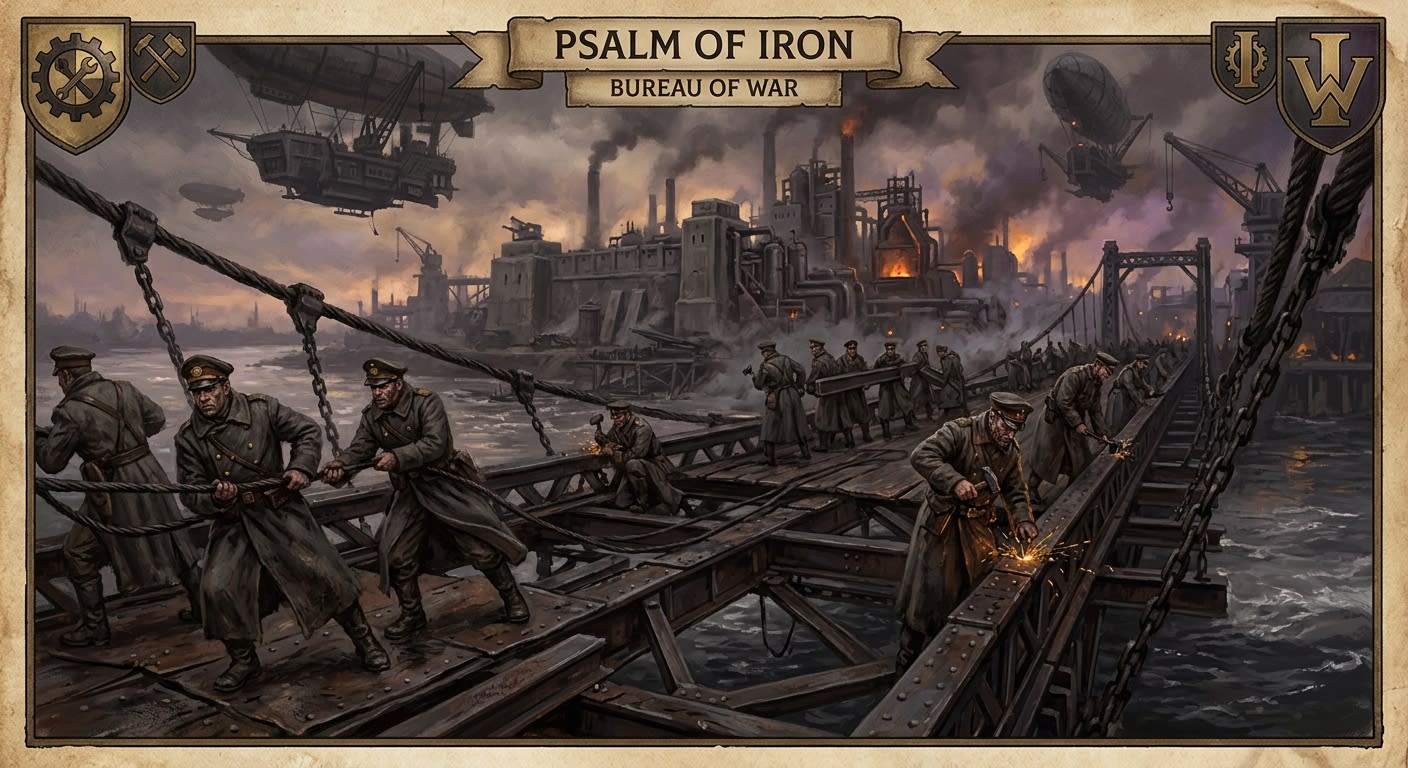
Psalm of Iron
Sing it softly and it curdles; sing it under fire and men cross
The Bureau of War's ugly, useful crossing-psalm turns breath into bridgework, teaching men to keep moving after timber, officers, and mouths fail.
Codex Ref. XIII.1.96-172
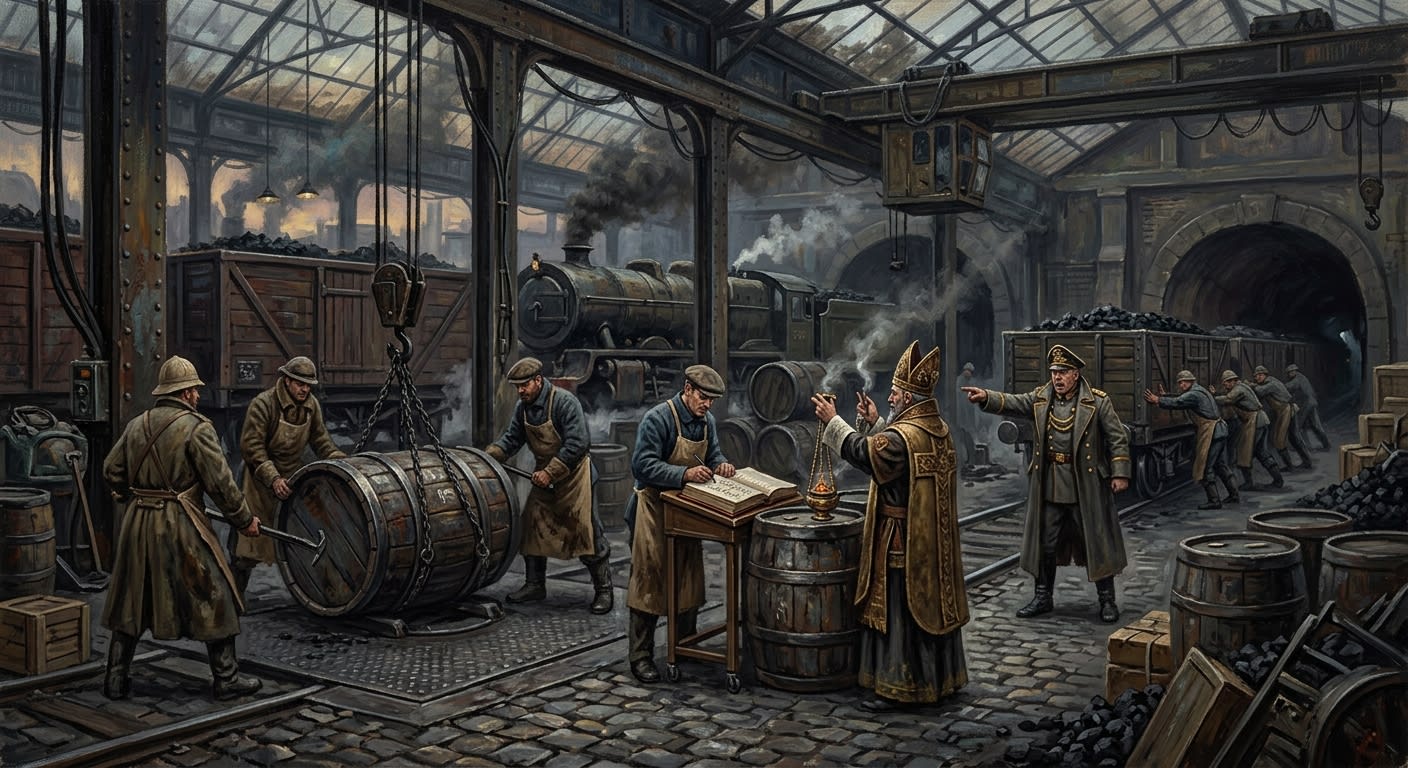
Rail-Manifest Quarter
Where fuel receives a number, a culprit, and permission to burn
Brast's Rail-Manifest Quarter is the court-throat where chrismole drums are weighed, blessed, numbered, blamed, and sent east to warm the Line.
Codex Ref. II.2.01-021
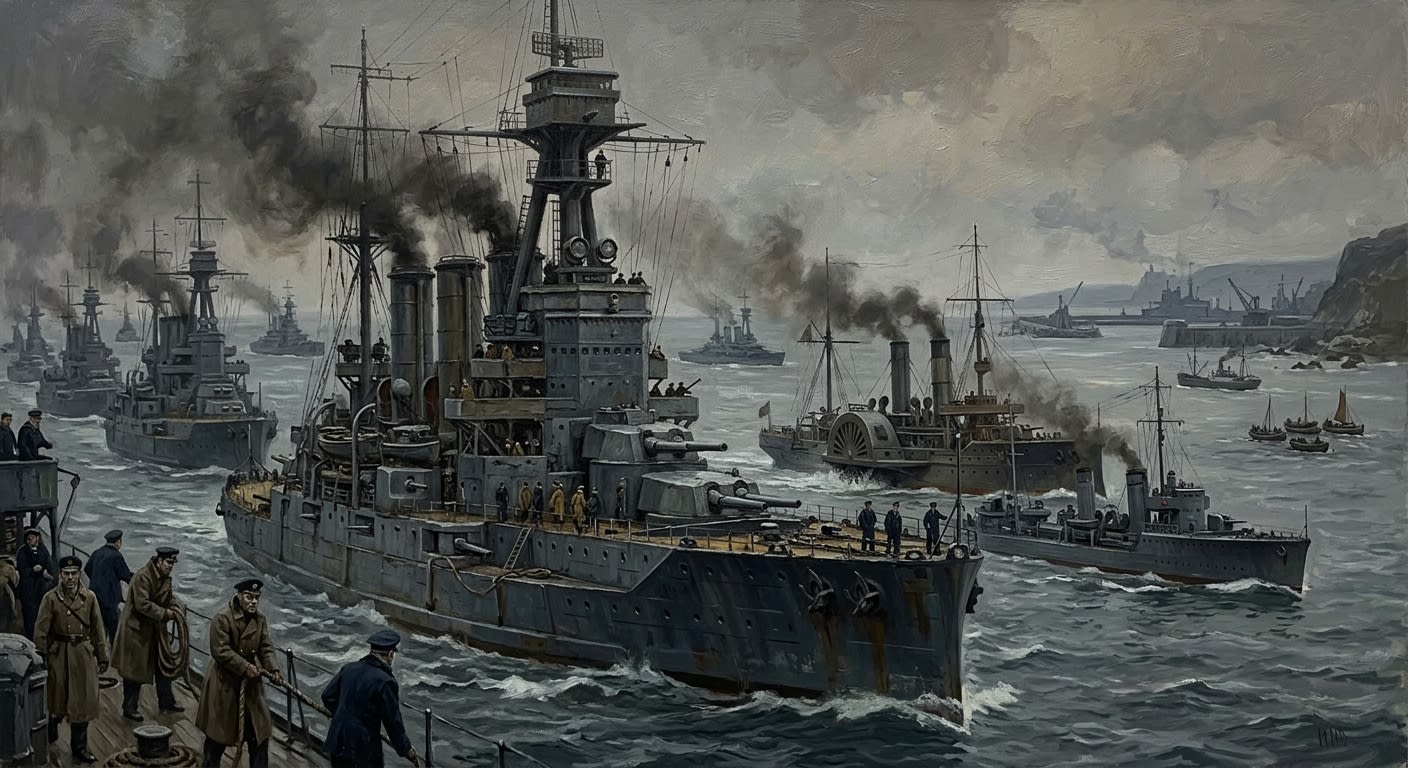
Royal Fleet
The island's parliament of hull, bell, chapel, and gun
Britain's Royal Fleet keeps the Channel, Gibraltar, grain, pilgrims, and Synod pride afloat; Strasbourg counts the hulls and calls dependence cooperation.
Codex Ref. X.1.05-001
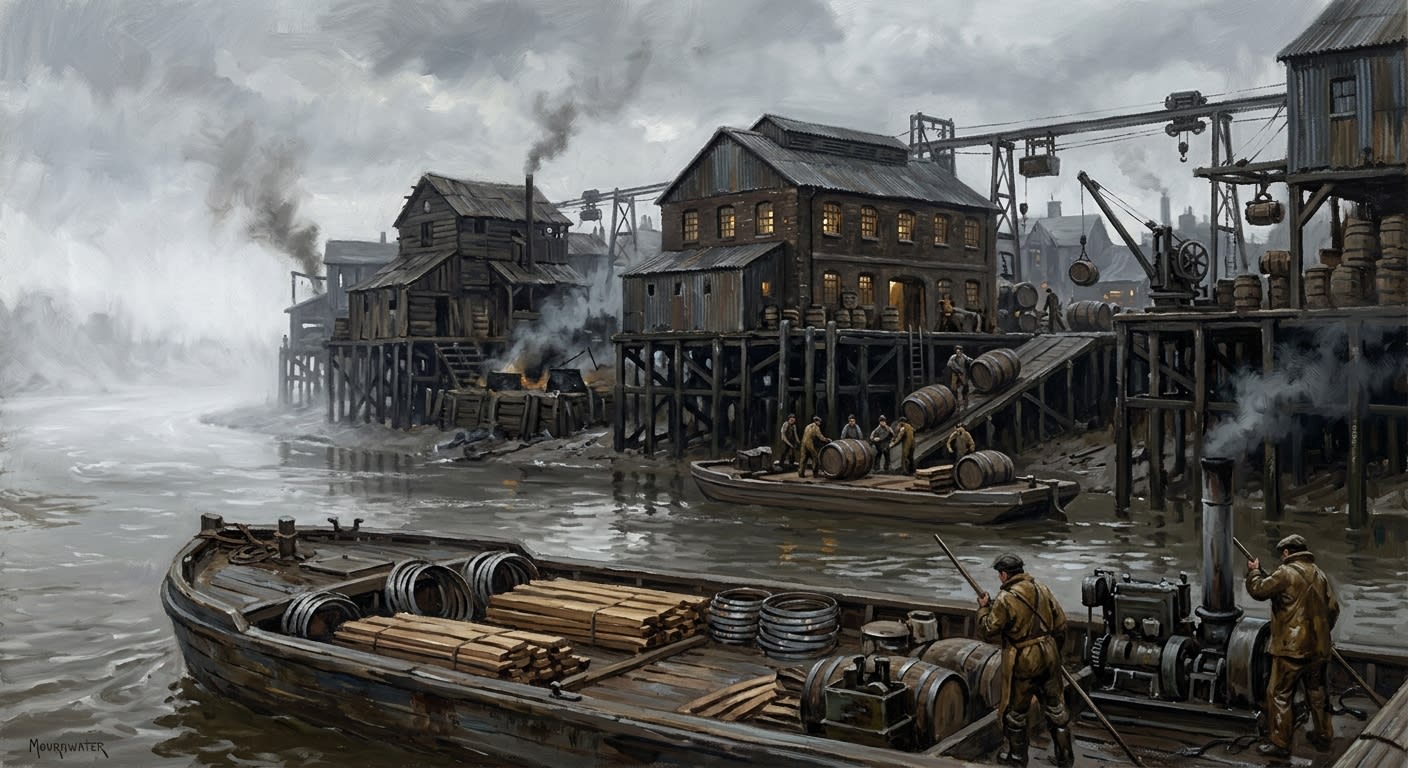
Saint-Dust Cooperage of Mournwater
The river keeps its own accounts, and they do not balance in the faithful's favour.
A Zone 2 river-town built on a cooperage industry that became a reliquary port: certified saint-dust slurry, suspicious settling dishes, and the slow realization that the river upstream is producing saints of its own devising.
Codex Ref. II.2.03-001
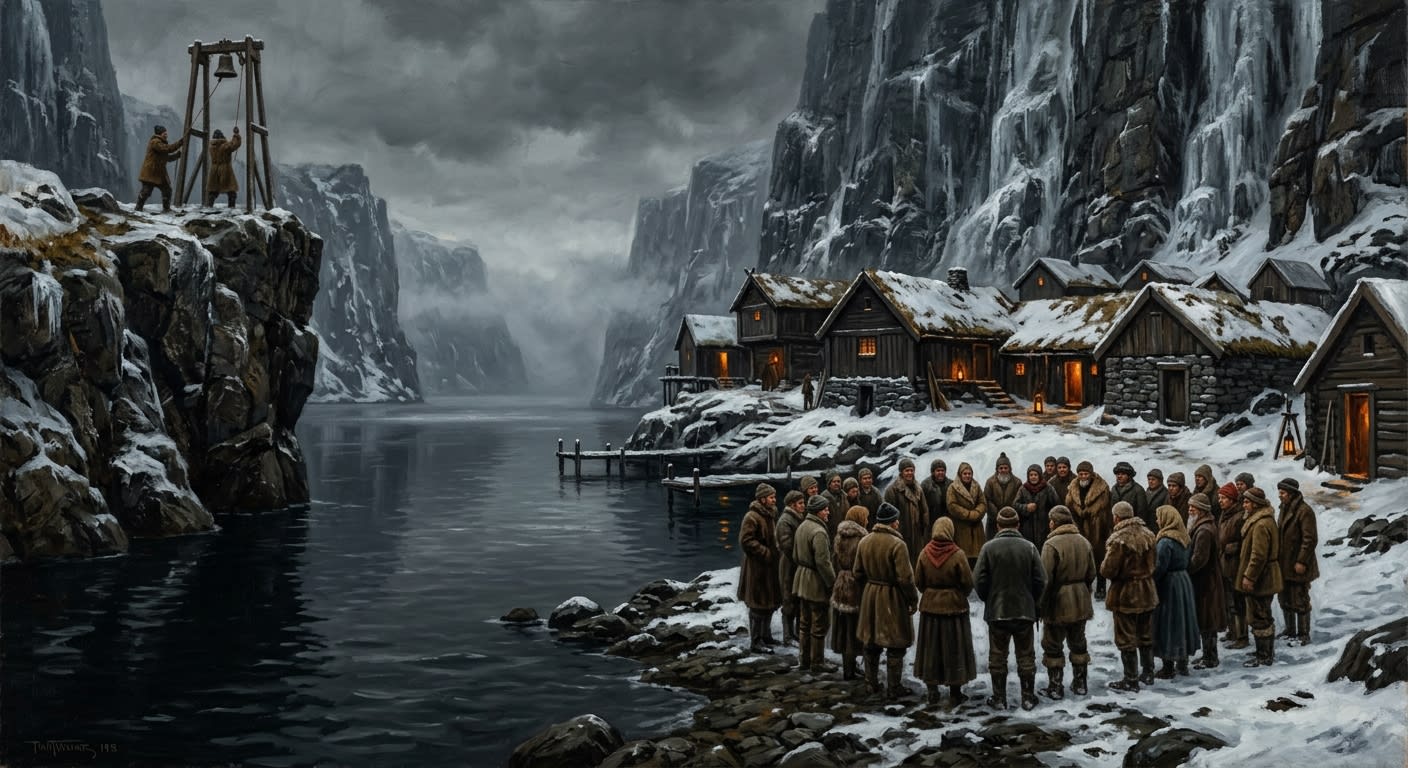
Scandinavia (The Fractured North)
The Synod's supplier, its creditor, and the thing the Bureau cannot name
A compliance assessment of Zone 8 — 1.9 million souls, clan moots, seal-oil, and the thing in the fog the Bureau classified Category Two Acoustic Distortion and has not re-examined. Filed by Drax. Not ratified by the wind.
Codex Ref. X.1.03-001
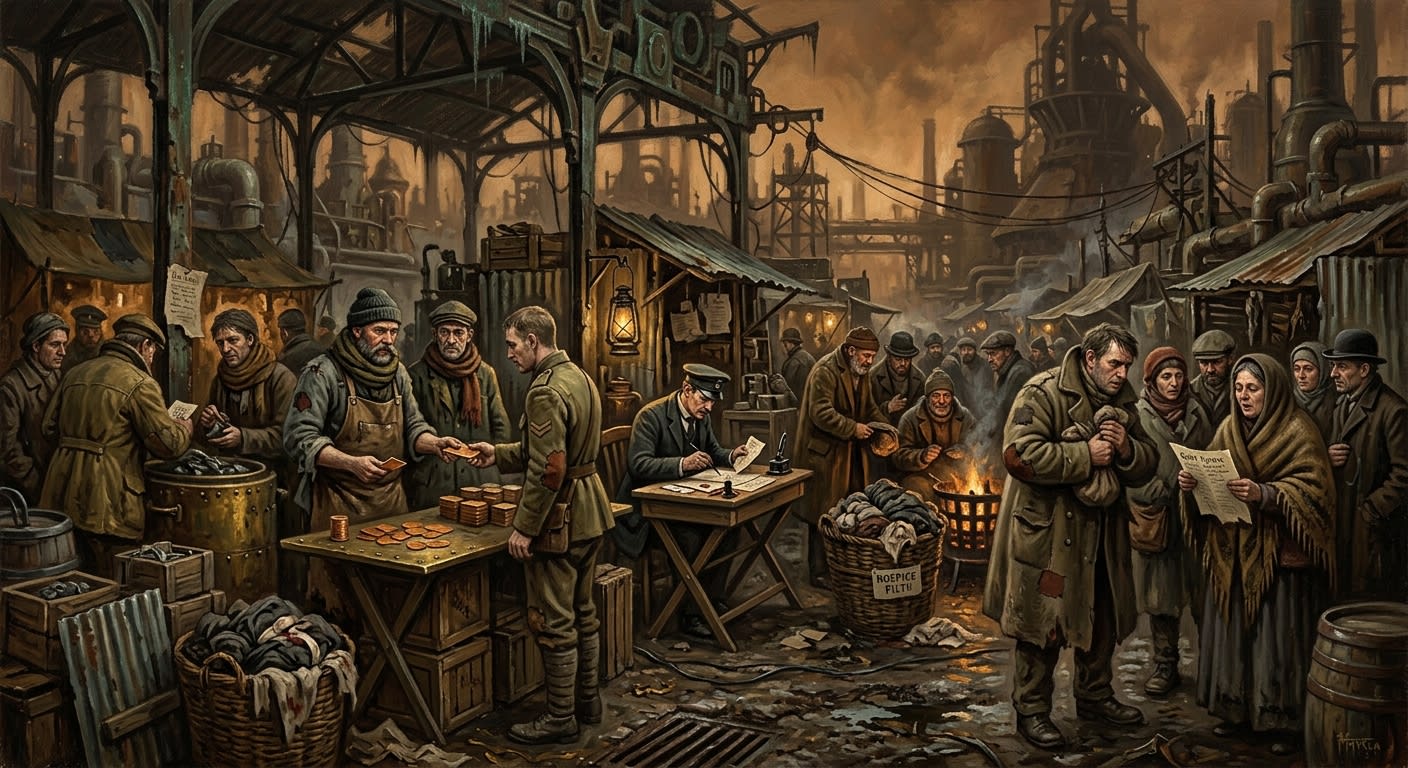
Slag Market
Where Brast's holy heat cools into crime and soup
The Slag Market is Brast's outer-ring commerce in leaked sanctity: warm chits, forged seals, quiet hymns, hospice filth, stolen heat, and necessary lies.
Codex Ref. II.2.06-201
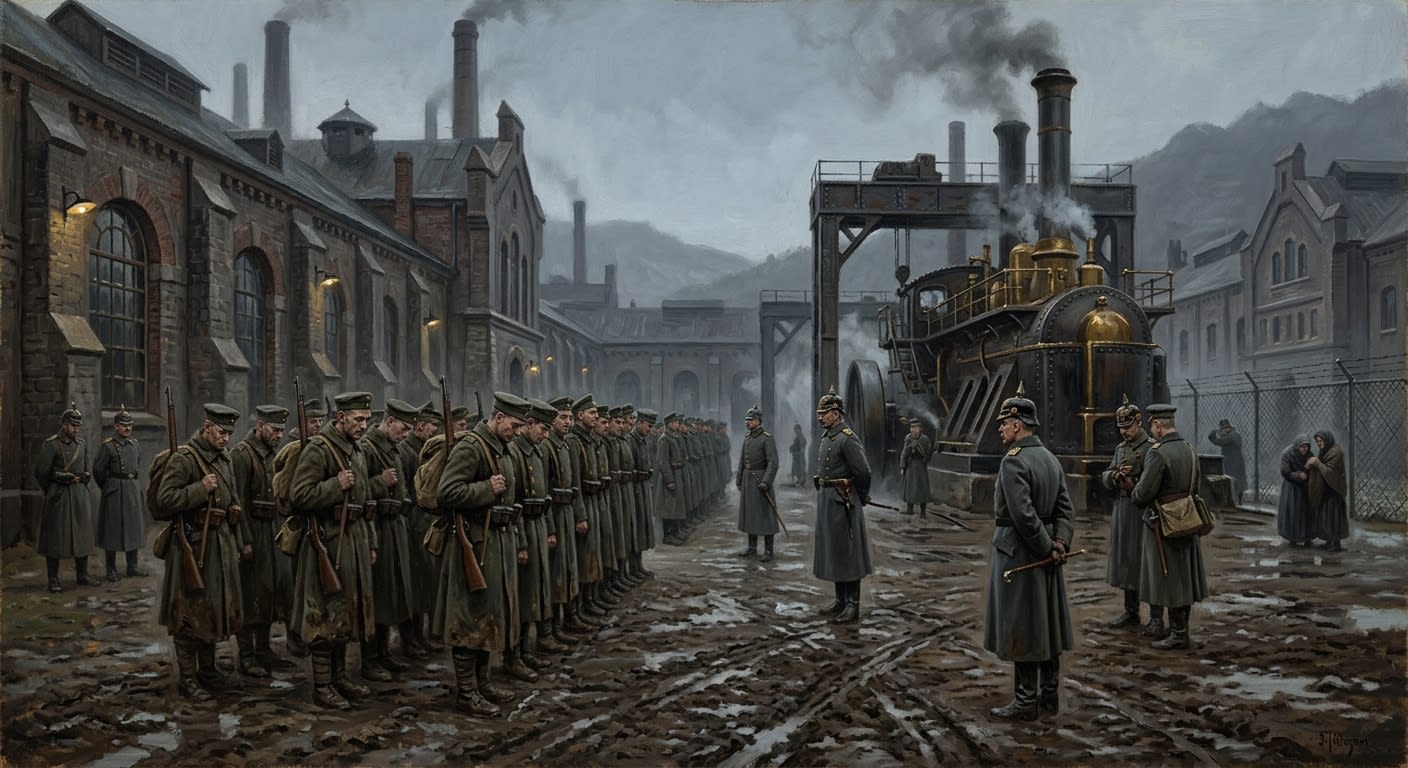
Stuttgart
Where Swabian thrift is spent in sons
Stuttgart is War's Swabian catechism-barracks, a Zone 2 training engine where ration economy, mud discipline, and family grief are measured into obedience.
Codex Ref. II.2.01-004
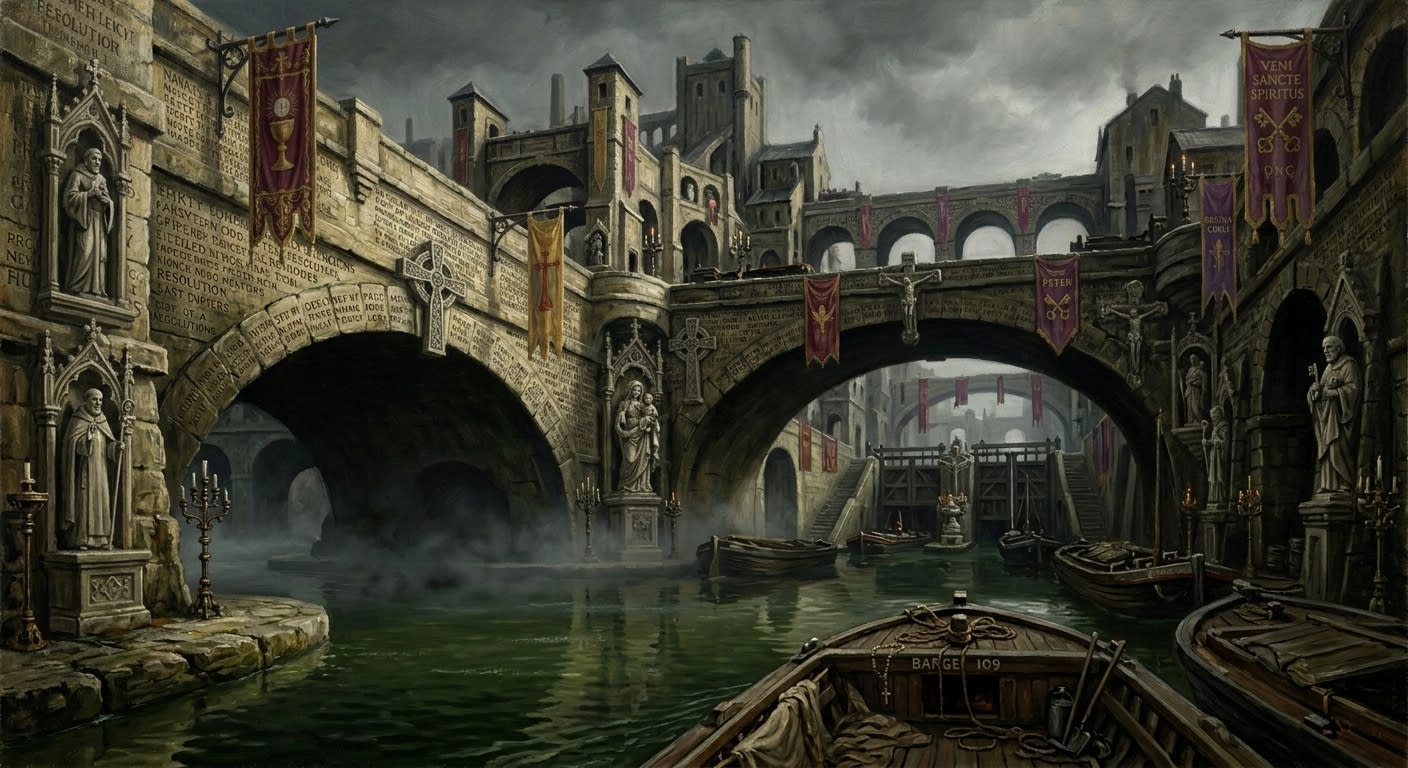
The Archivolt Causeyworks
Where stone keeps accounts, and every arch is also a court of law
A canal city where bridges are courts and debts are carved in granite — the Archivolt Causeyworks keeps its ledger in stone, and the stone has begun to listen.
Codex Ref. II.1.02-001
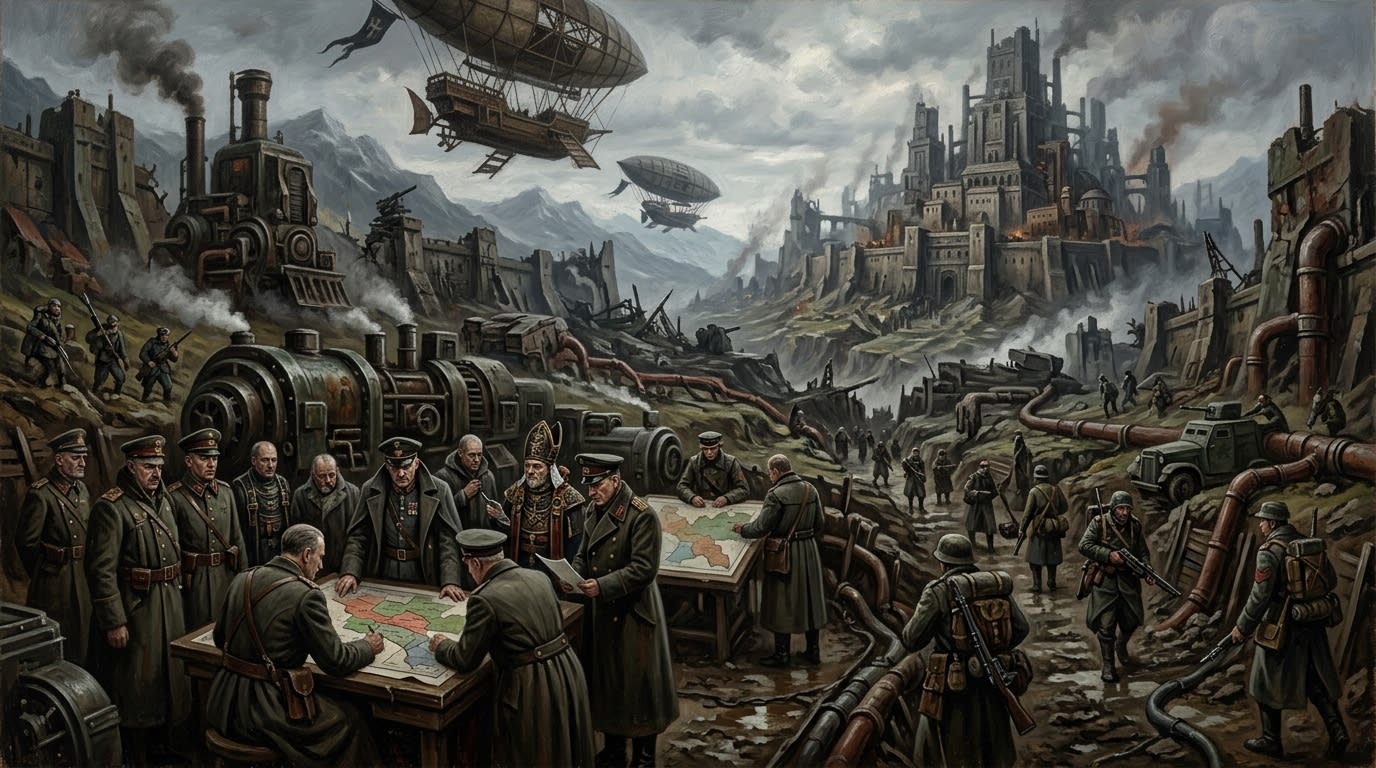
The Balkans
The wound that taught Europe to count its bleeding
The Balkan wound-region, broken first by the Eastern Silence and the Sundering, then divided into Synod margins, contested corridors, Sin-General dominions.
Codex Ref. II.6.05-045
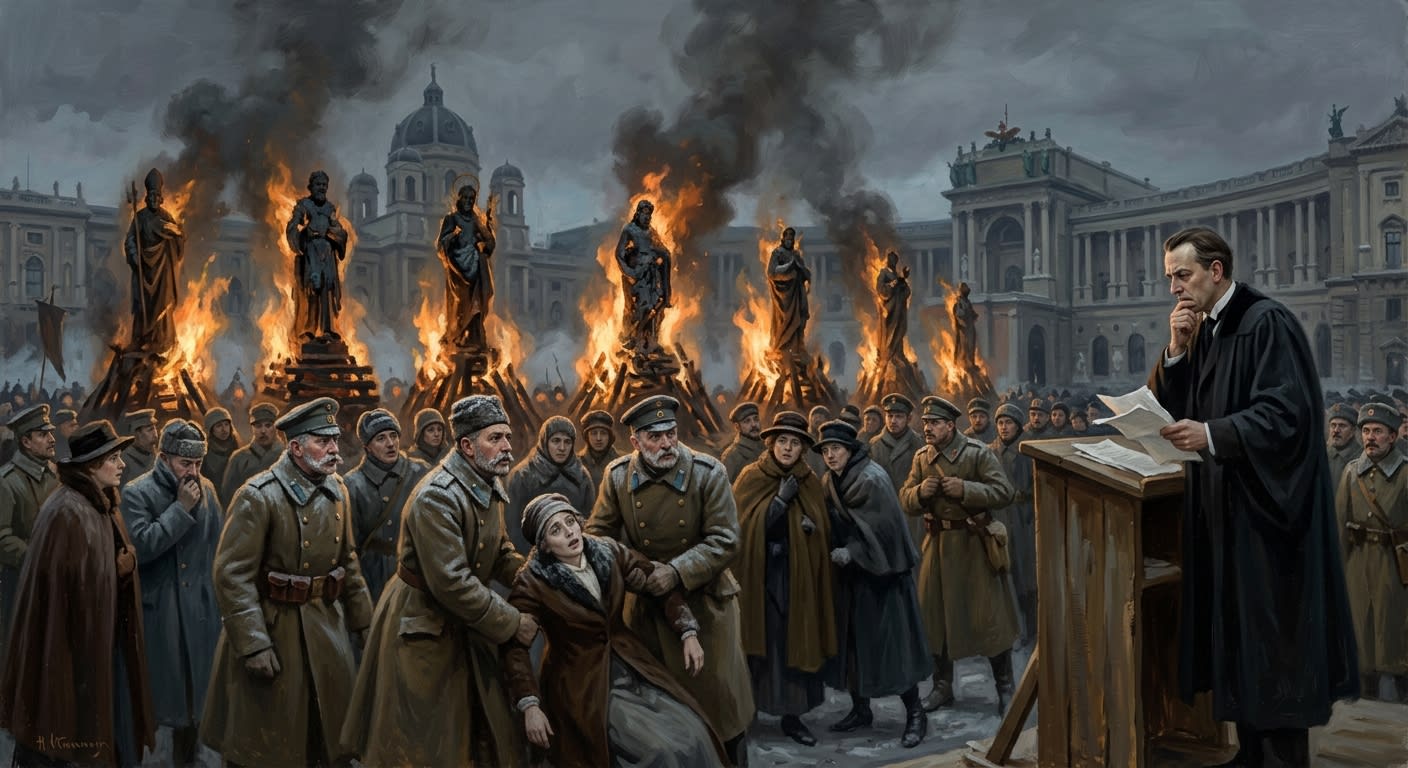
The Black Procession of A.S. 30
Where the Saints Burned Cold and the Rationalists Filed It Under Weather
A staged Rationalist bonfire in Vienna, A.S. 30, where forty-seven saint-effigies burned without heat — the Bureau's First-Order Portent, classified retroactively and still warm.
Codex Ref. VII.3.01-001
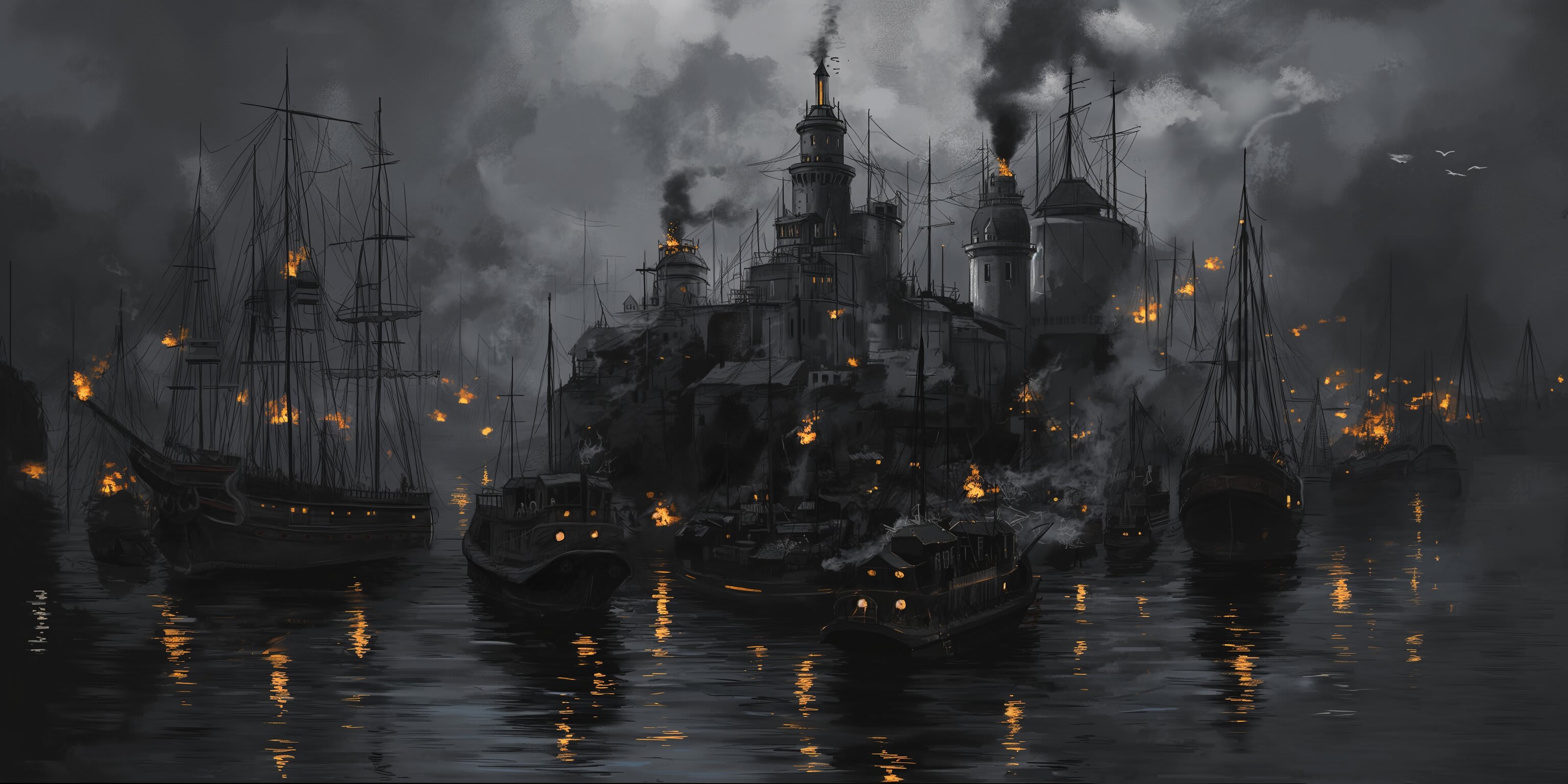
The Black Sea Reliquary Flotilla "Saints Afloat"
The sea does not answer to the Bureau. The Bureau answers to the sea.
Two hundred and thirty-seven hulls lashed into a drifting city on the Black Sea, carrying six hundred saints and eighteen thousand souls — administered, tithed, reparished by storms, and anchored to something the Bureau of Doctrine has declined to name.
Codex Ref. II.4.09-002
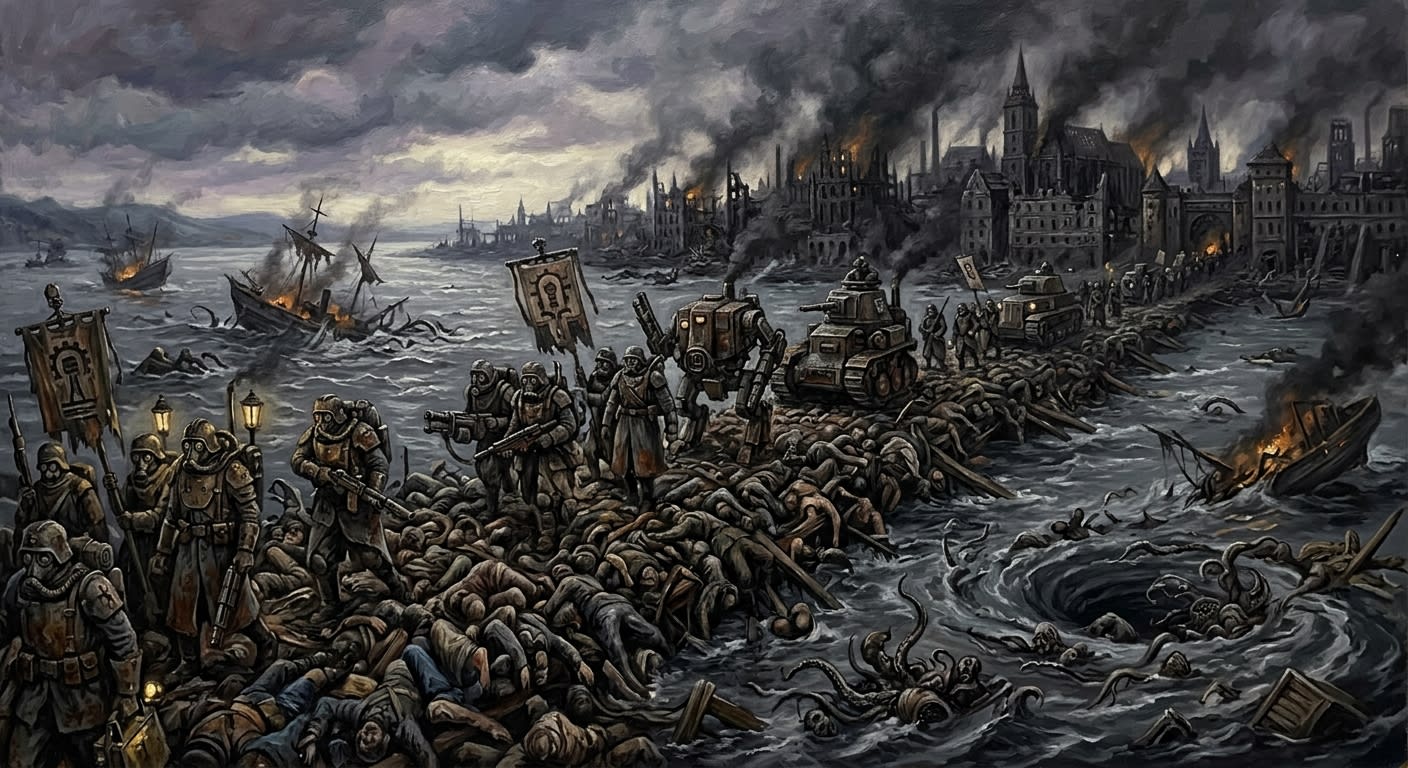
The Brașov Flood
The day Hell made the conquered carry it dry-shod
In A.S. 110, Velkara's host crossed the Danube on a cadaveric causeway of fifty thousand drowned Ash-Fodder after Kargath consumed Brașov; the river remembered water nine days late.
Codex Ref. VII.8.05-001
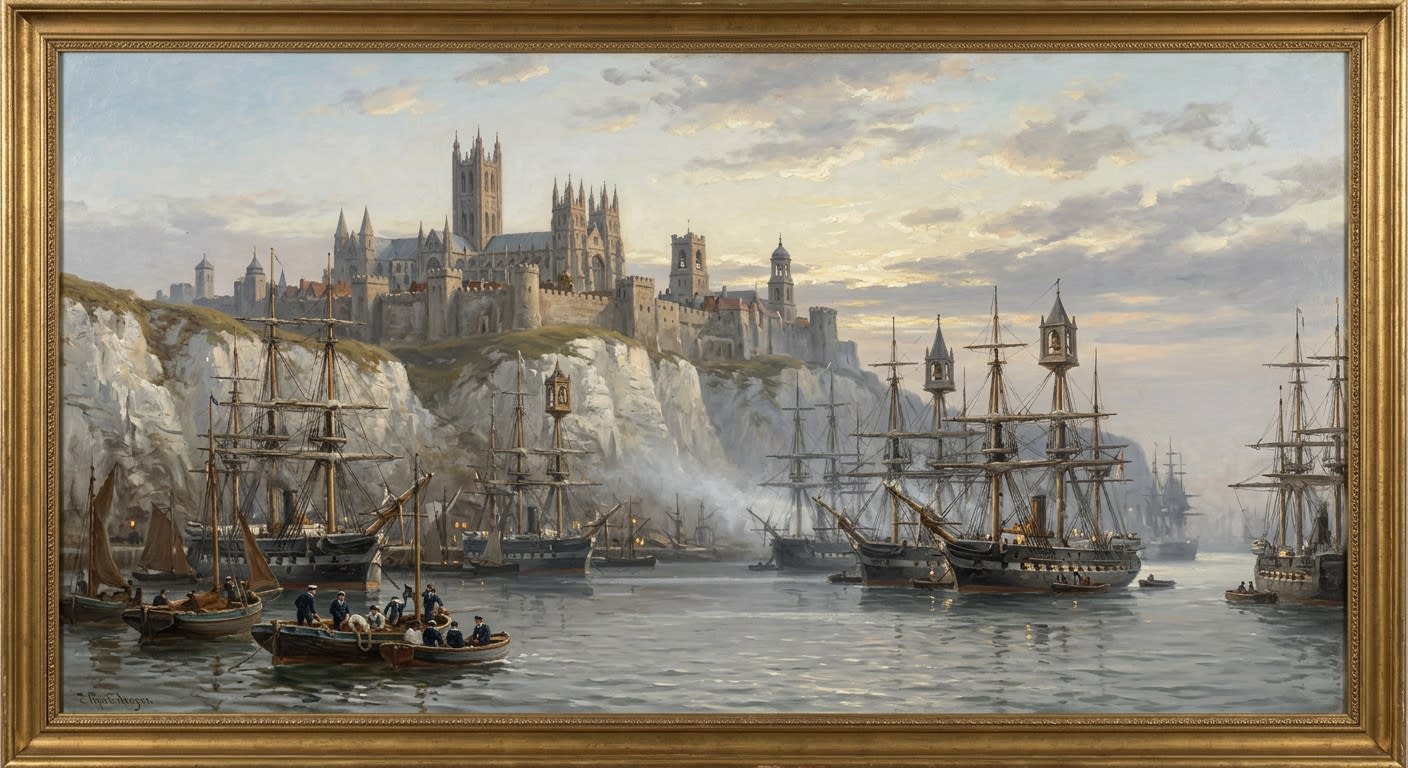
The British Crown
The island the Bureau has spent a hundred and eleven years failing to classify
The Zone 0 co-belligerent that has never submitted to the Concordat and never needed to. Canterbury governs by chivalric charter; three hundred Cathedral Ships hold the Channel; the Bureau of Doctrine considers this theologically embarrassing and strategically essential.
Codex Ref. X.1.01-001
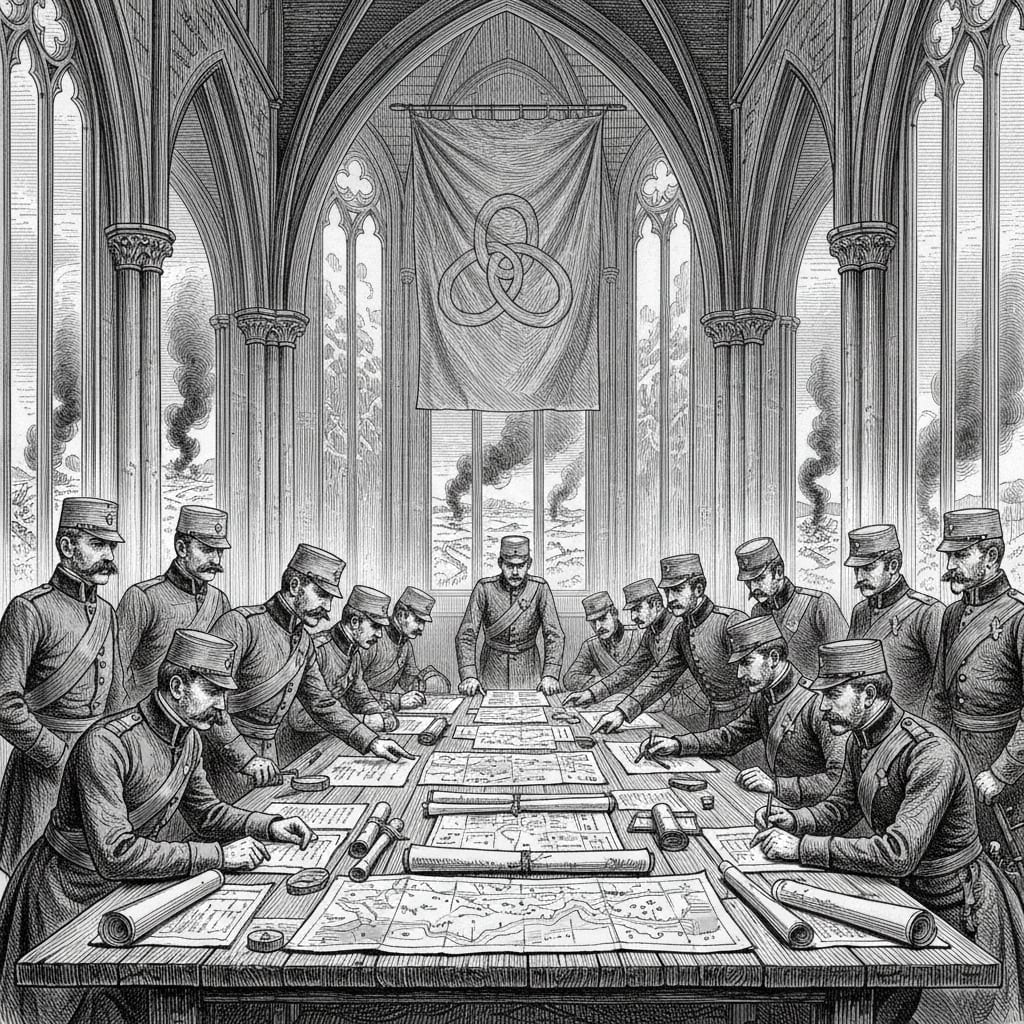
The Bureau of War
The Crimson Sash and the Sanctified Bayonet
Founded after the Siege of Vienna so that the Faith would never again beg feudal lords for swords. War raises the levy, baptizes the bayonet, and writes after-action reports indistinguishable from scripture.
Codex Ref. III.2.07-041
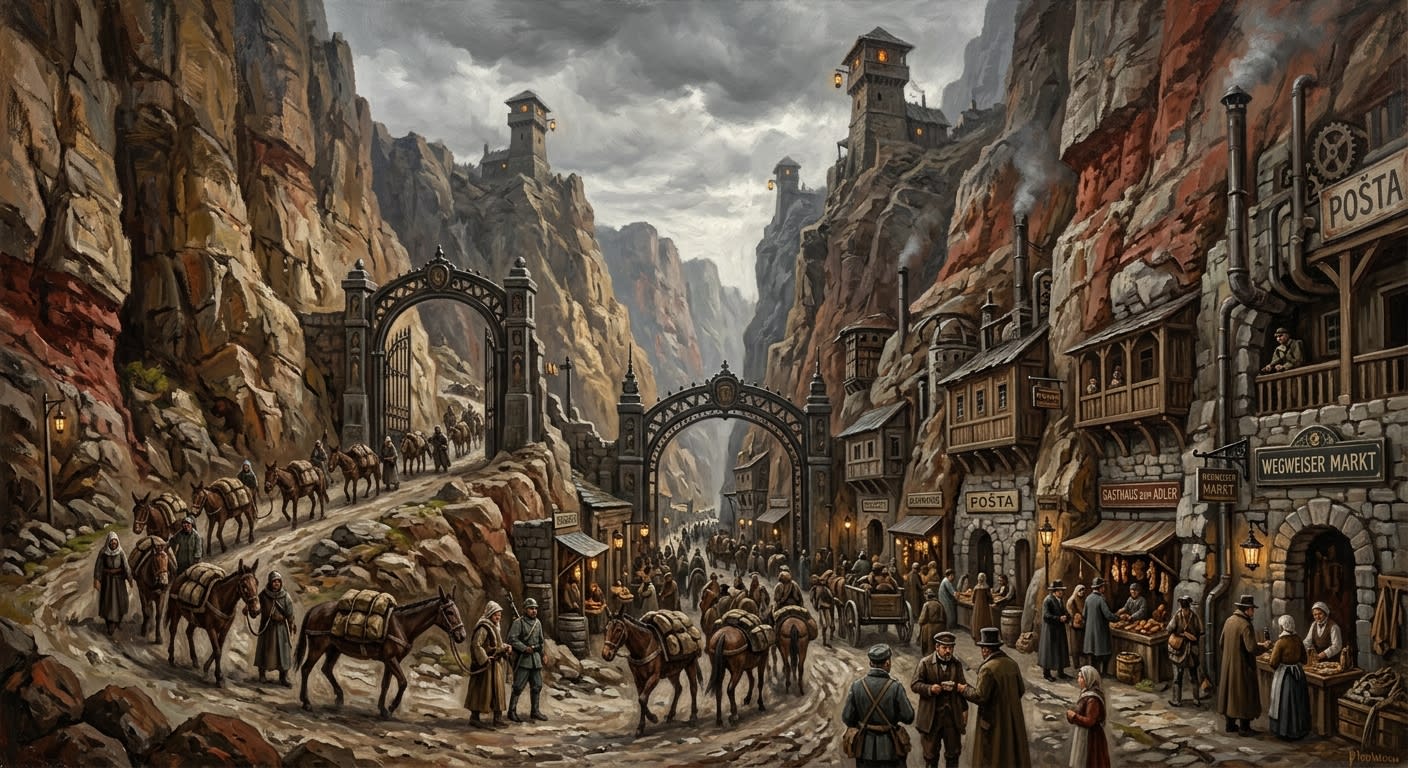
The Choir-Broker Hall of Peregrine Row
Where the canyon charges for its echoes and the brokers charge for everything else
A Zone 1/2 waystation-market on the Pilgrim Roads where creed-testing, escort contracts, and bead reconciliation converge into an economy of sanctioned extortion. The canyon echoes your prayers with one vowel wrong. The brokers charge for that too.
Codex Ref. II.1.03-001
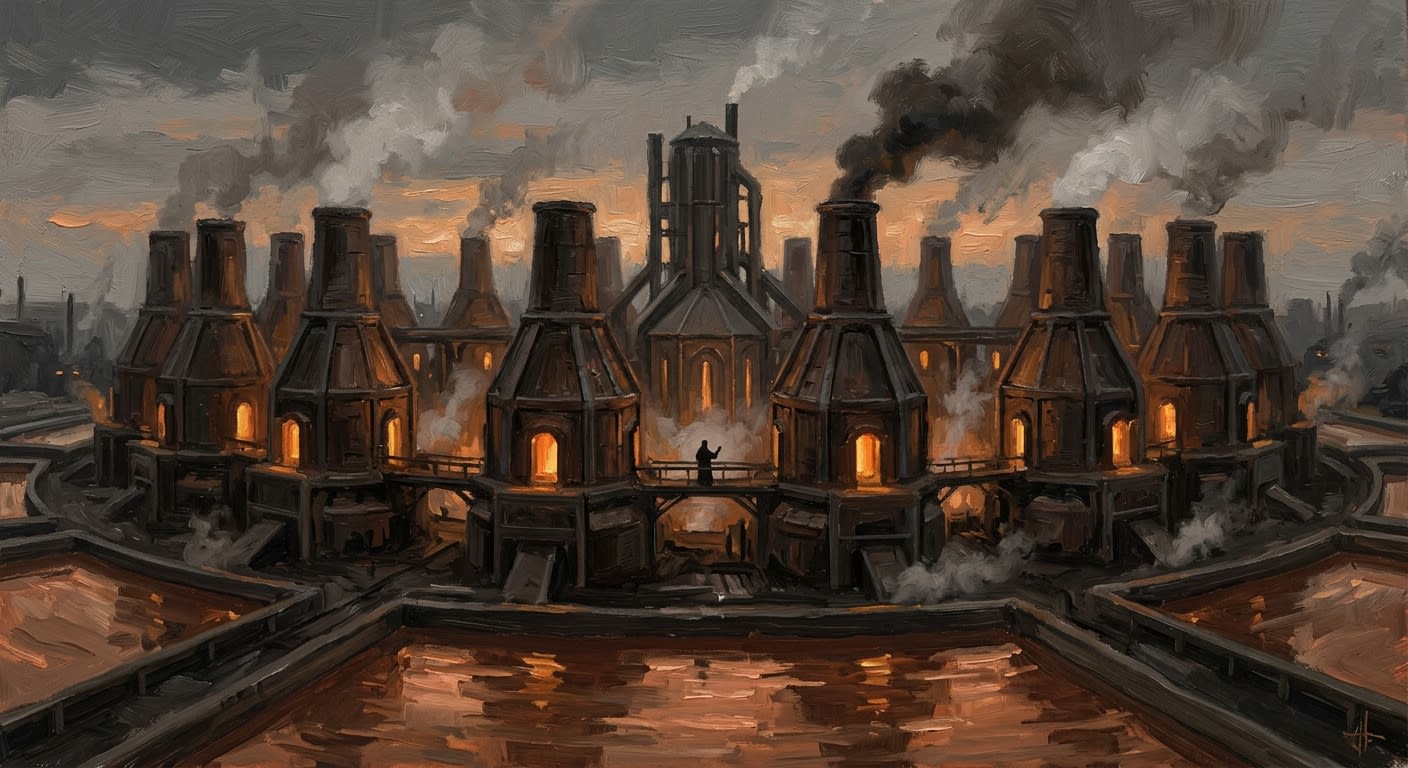
The Chrismole Furnaces of Brast
Faith provides the flame; the Bureau provides the invoice
Ninety-two thousand souls and an unknown number of engines live in Brast, the continent's only producer of sanctified chrismole fuel — and something in the furnaces has recently begun to sing back.
Codex Ref. II.2.01-003
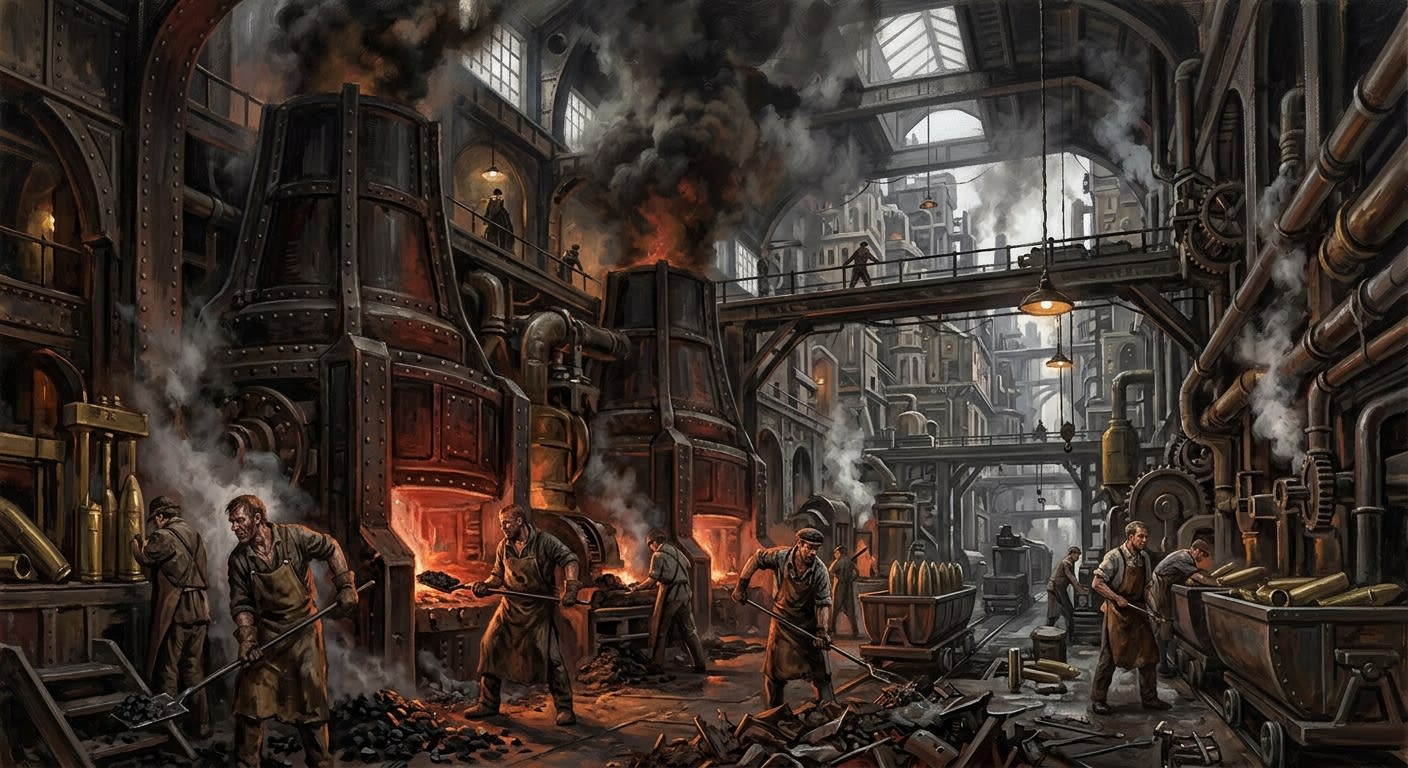
The Chrismole Furnaces of Brast
Where oil learns hymn and iron consents to kill
Brast is the Warm City, a Zone 2 foundry-city whose chrismole furnaces turn fuel, hymn, soot, and denial into artillery breath for the Line.
Codex Ref. II.2.01-003
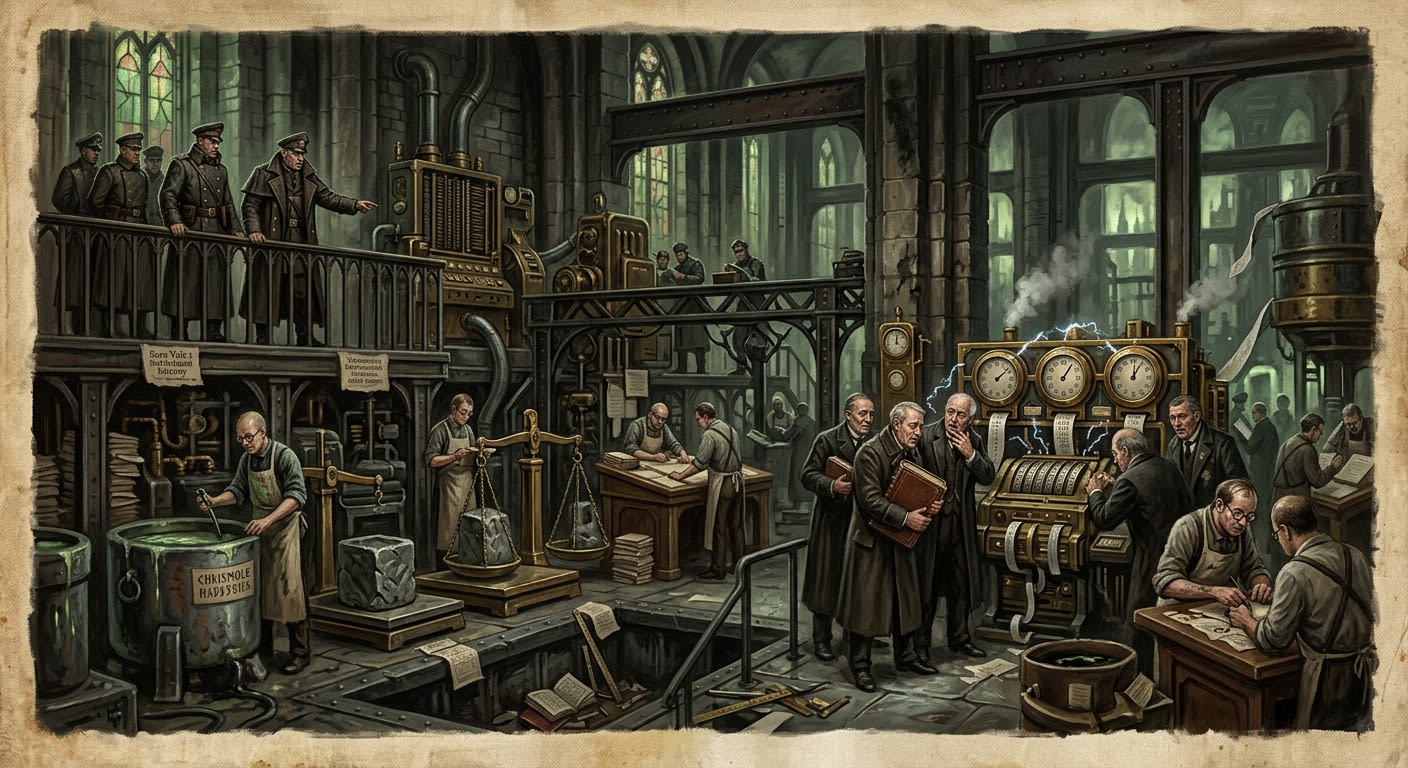
The Manifest Court
Where a drum becomes lawful and arithmetic learns the rope
The Manifest Court of Brast counts chrismole into legality: weigh-bridges, wax tables, variance pits, missing gallons, Sorn Vale's balcony, and the sacred terror of a number disagreeing with itself.
Codex Ref. XIII.1.93-090
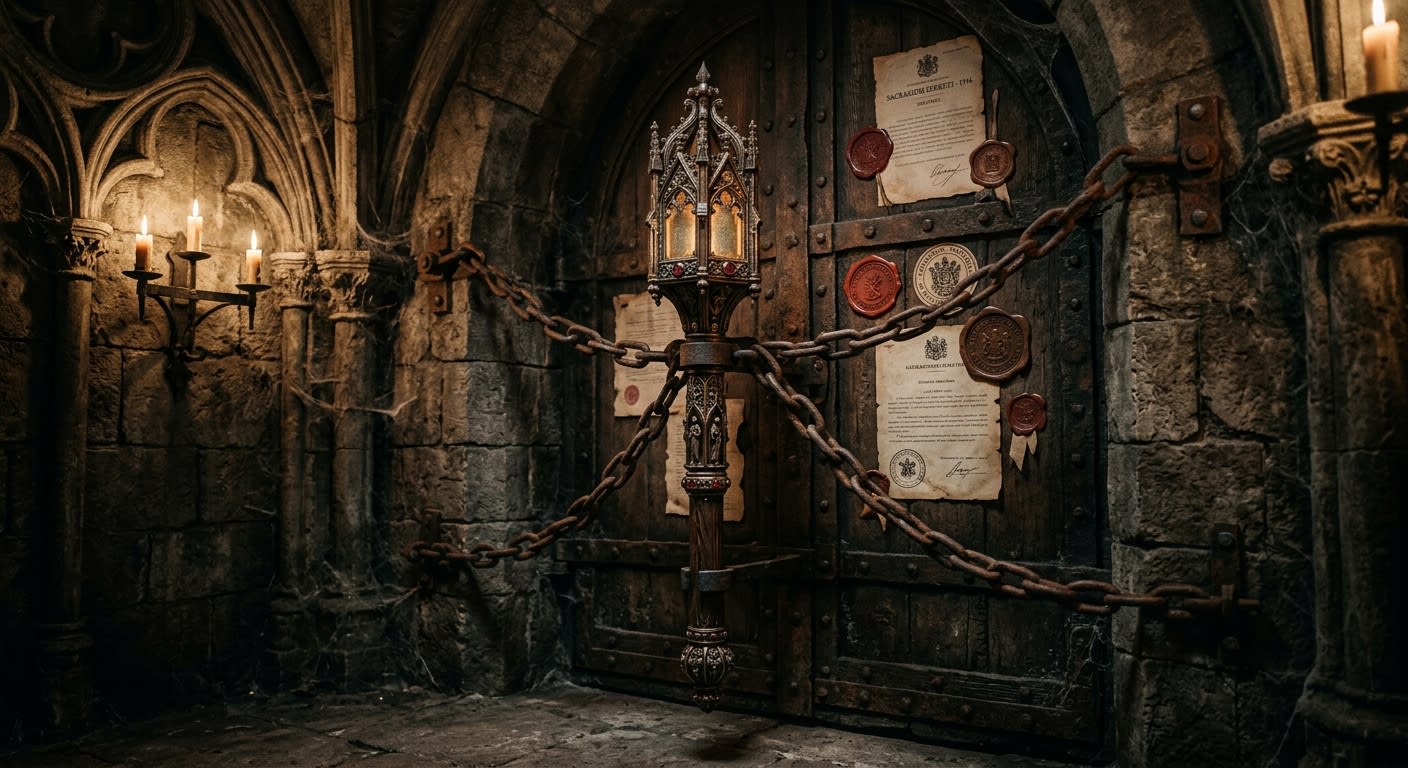
The Miracle of Saint Aldebrand
The Bureau erased the bone. The bone declined.
The Bureau declared the Reliquary of Saint Aldebrand non-existent in –32 A.S. In A.S. 95 it shattered a sorcerer-lord's skull and saved Vienna. Both facts are official, both carry seals, and the Bureau sees no difficulty.
Codex Ref. VI.4.01-001
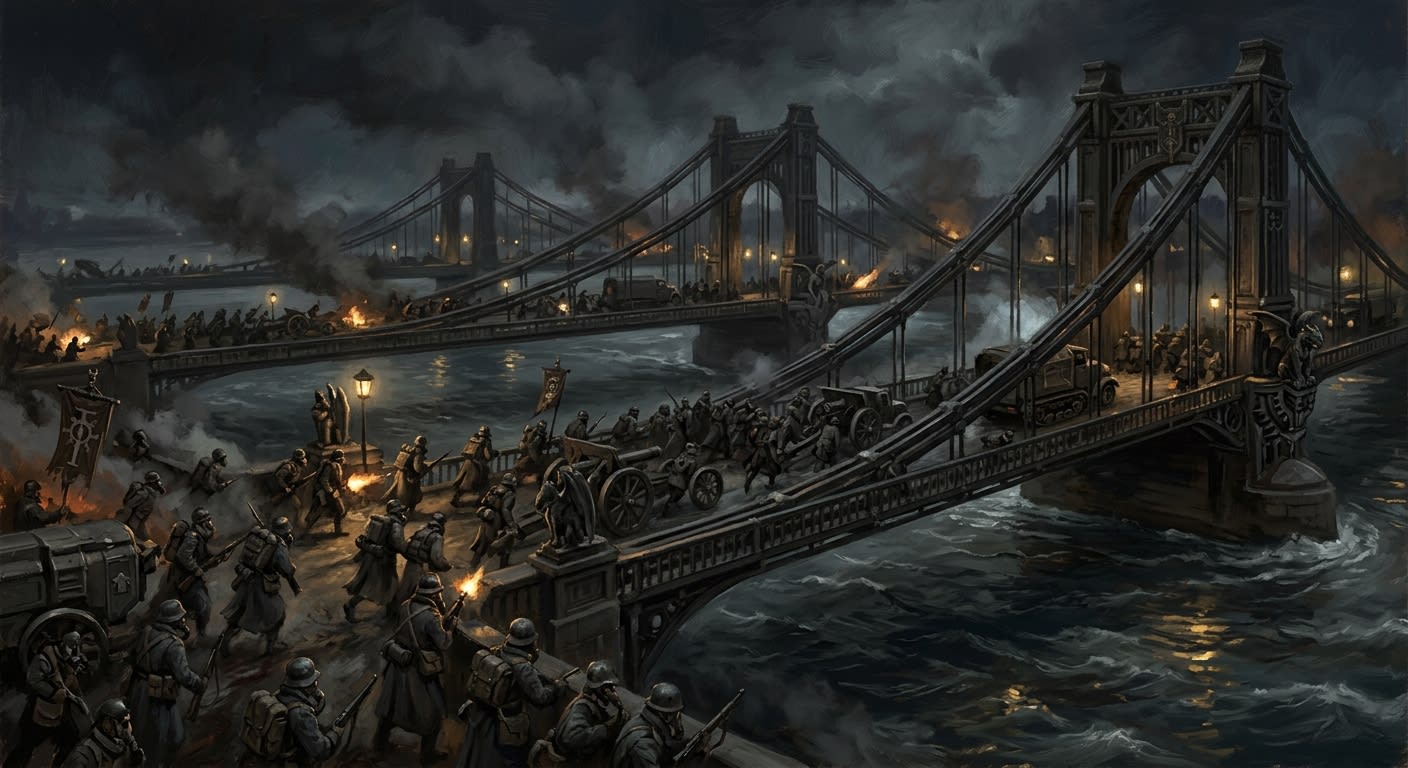
The Night of the Three Bridges
The men did not swim; the Bureau found cheaper grammar
Three Danubian crossings in seven minutes gave War its favourite miracle and Records its favourite arithmetic: fewer casualties, more glory.
Codex Ref. VII.5.01-002
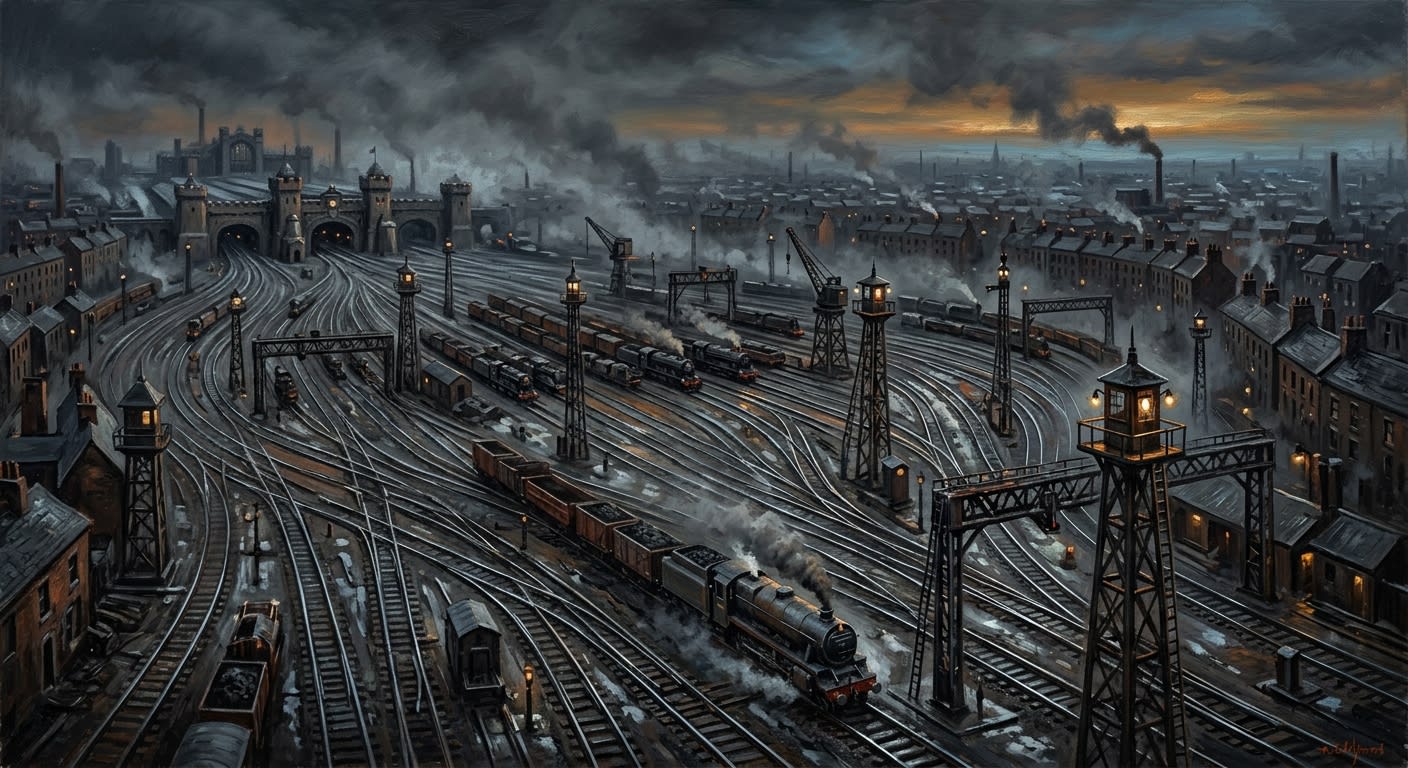
The Palatine Switchyard of Lorn
The city that became a filing system — and the filing system that became a theology
The continent's largest rail interchange, where the Heartlands' freight is converted into the Line's appetite by two hundred ten thousand registered souls, twelve converging lines, and a schedule that has never once apologized for what it costs.
Codex Ref. II.3.01-001
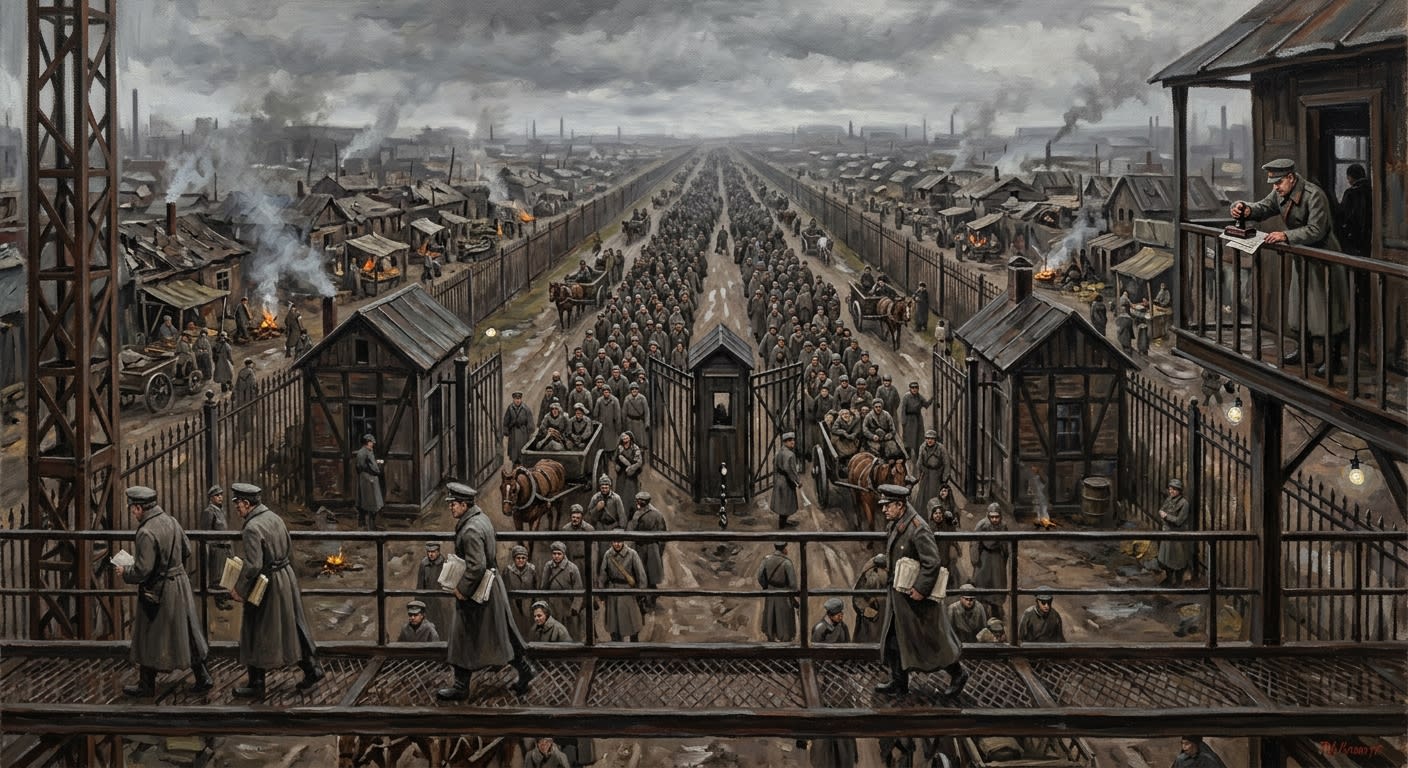
The Queue Road
Where motion became a taxable offense and patience became policy
One hundred and twelve miles of weaponised patience. The Queue Road converts motion into revenue and compliance into a commodity — nine gates, forty-eight thousand registered souls, one apparatus beneath Gate Nine that the Bureau of Doctrine does not discuss.
Codex Ref. II.3.05-001
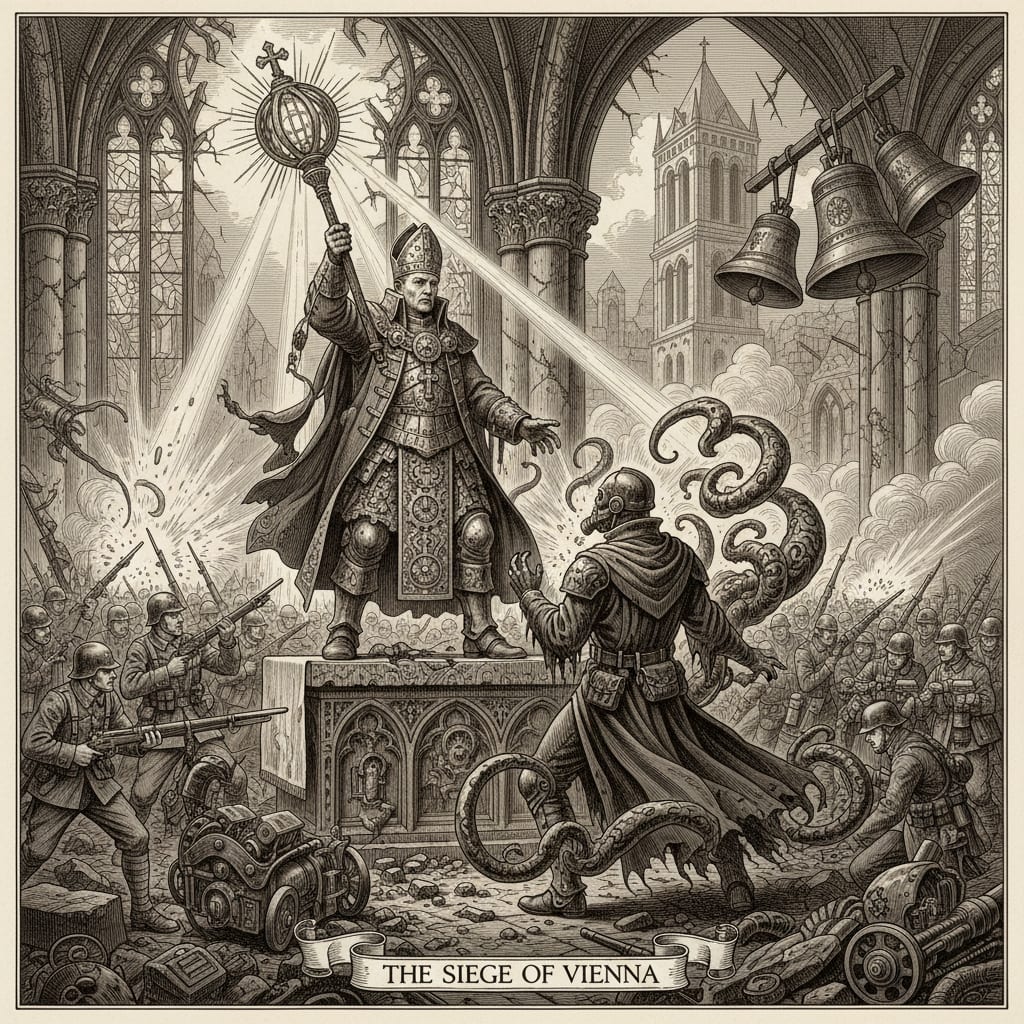
The Siege of Vienna
Nine Months in the Crucible of Faith
Nine months of famine, plague, and sorcery broke upon the altar of Saint Rupert. Bishop-Warden Clemens struck, and Reason died screaming in the streets of its last capital.
Codex Ref. III.2.07-031
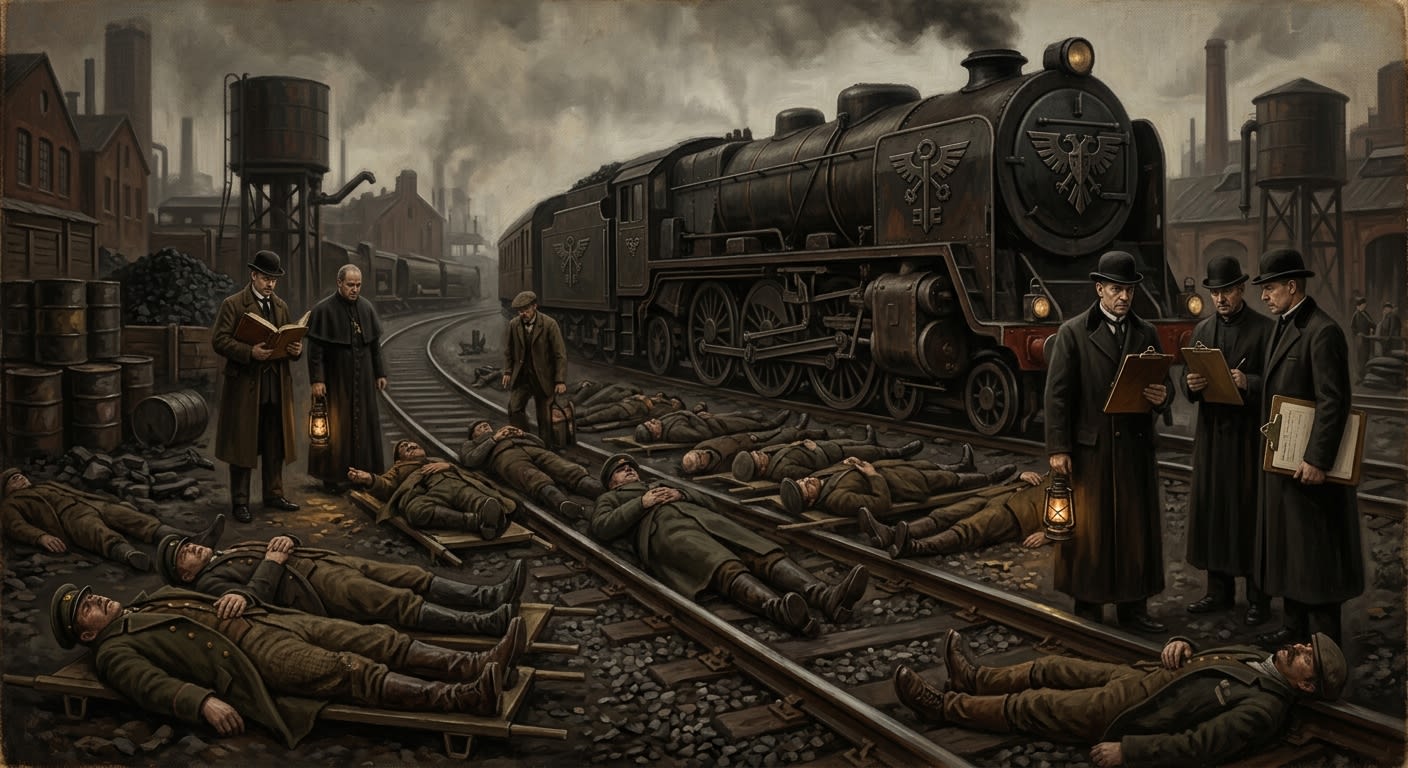
The Silent Derailment
Forty-one dead men made Lorn hear its own obedience
In A.S. 112, forty-one men died on an unregistered Lorn siding, proving that a yard may obey every hymn and still deliver corpses to an illegal rail.
Codex Ref. VII.8.10-112

The Tagus
The river at the end of the count
The Tagus is the Synod's brown Iberian edge: moat of Toledo, fiscal measuring line, levy phrase, flood court, and river that takes names without receipt.
Codex Ref. II.4.09-016
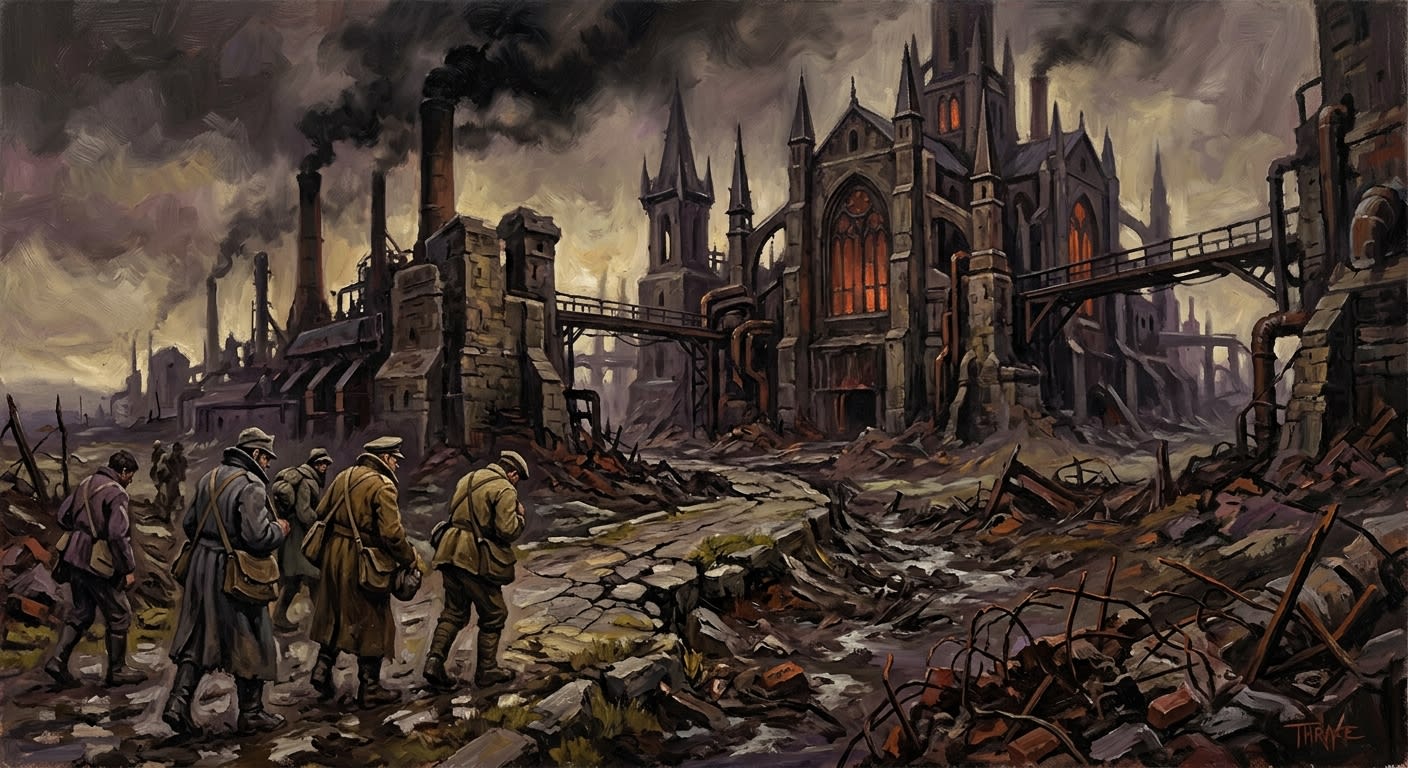
Thrace
The province geography learned to condemn
Thrace is the fallen south-eastern furnace where old roads became warnings, Maldrake taught soil to rage, and maps learned shame.
Codex Ref. II.6.03-045
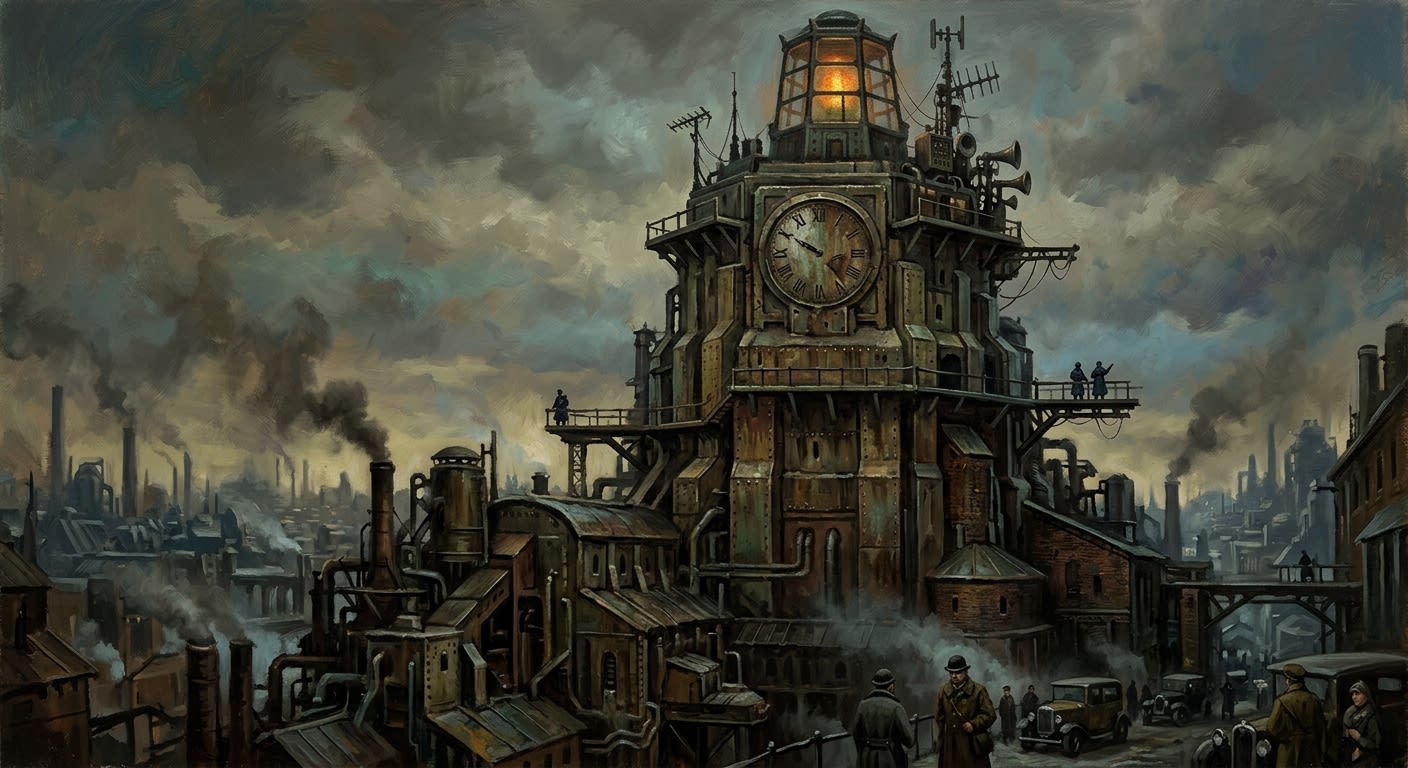
Tower Nine
The eye that learned to answer late
Tower Nine is Lorn's answering switch-tower and Przemyśl's nomenclature wound: a lamp cage, a sealed clock, and a late blink no manual admits.
Codex Ref. II.3.01-009
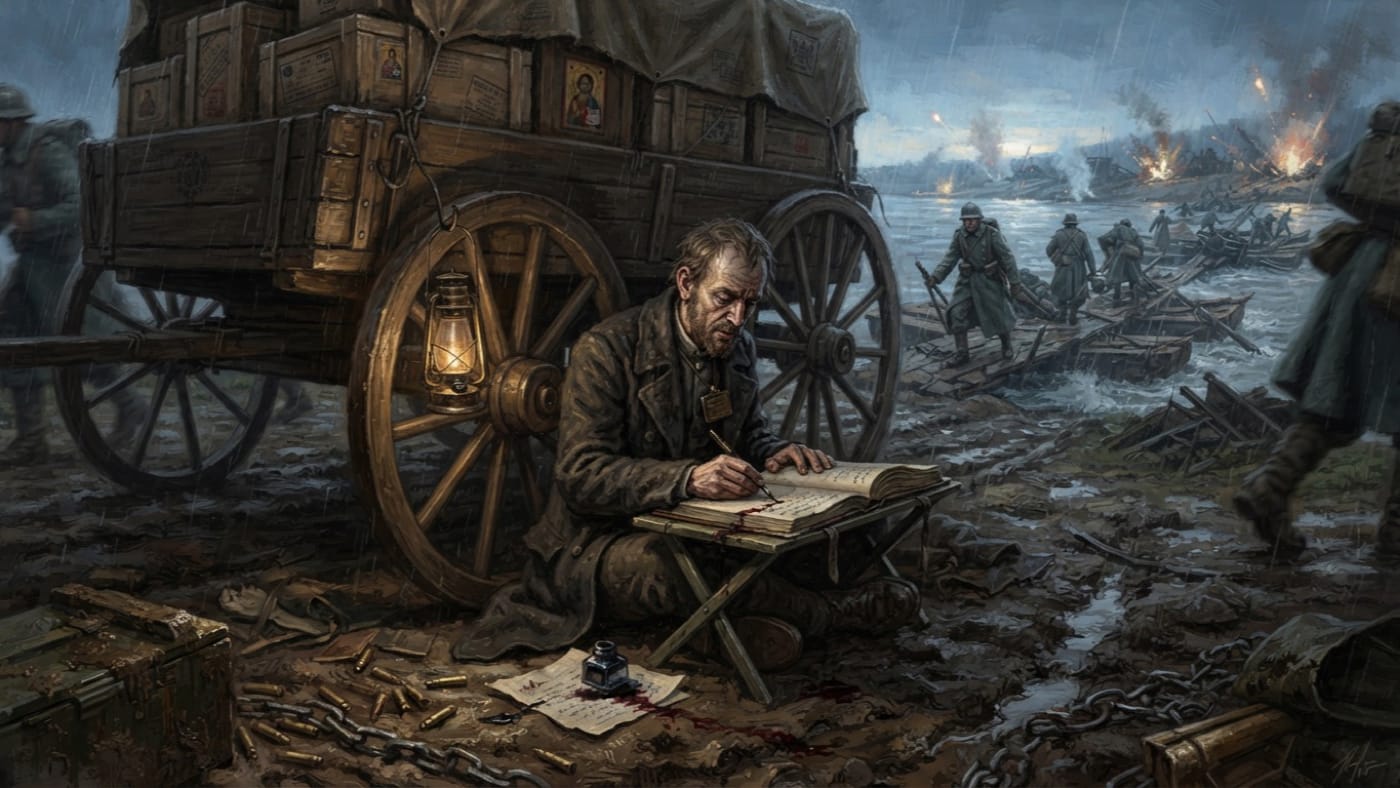
Tribune-Clerk Othmar Vey
He wrote the sentence; the offices supplied Providence
Othmar Vey wrote the A.S. 172 Danube report; War made it a miracle of locomotion. The file preserves his sentence, while his intentions and later fate remain beyond the Ledger's account.
Codex Ref. III.2.01-172
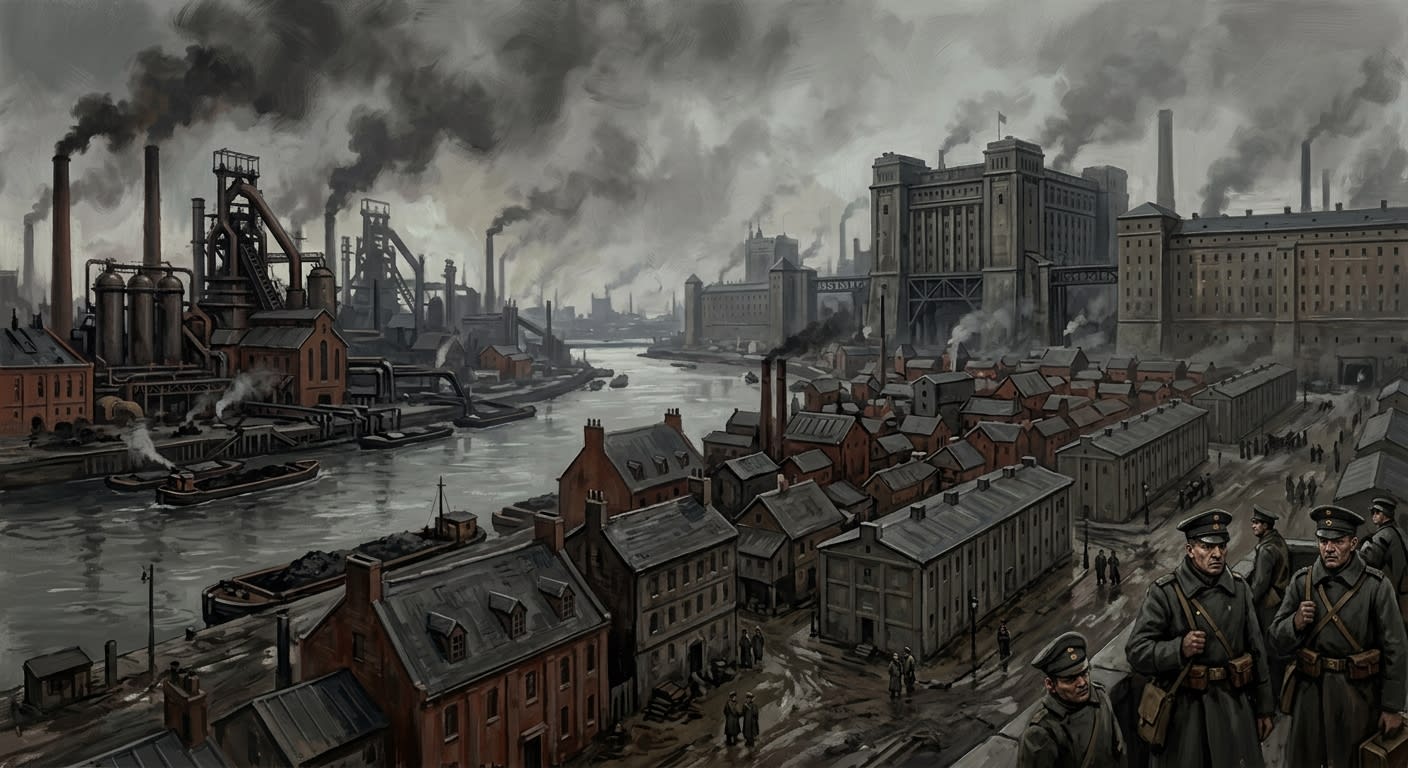
Zone 2
The throat where empire learns to speak in smoke
Zone 2 is the Synod's central throat: Strasbourg's field of authority, Rhine wealth, furnace obedience, catechism-barracks, and useful smoke.
Codex Ref. II.0.04-201