

Reverse Index
Referencing “Bureau of Relics”
Every codex entry that links to Bureau of Relics. 453 entries.
Return to Bureau of Relics
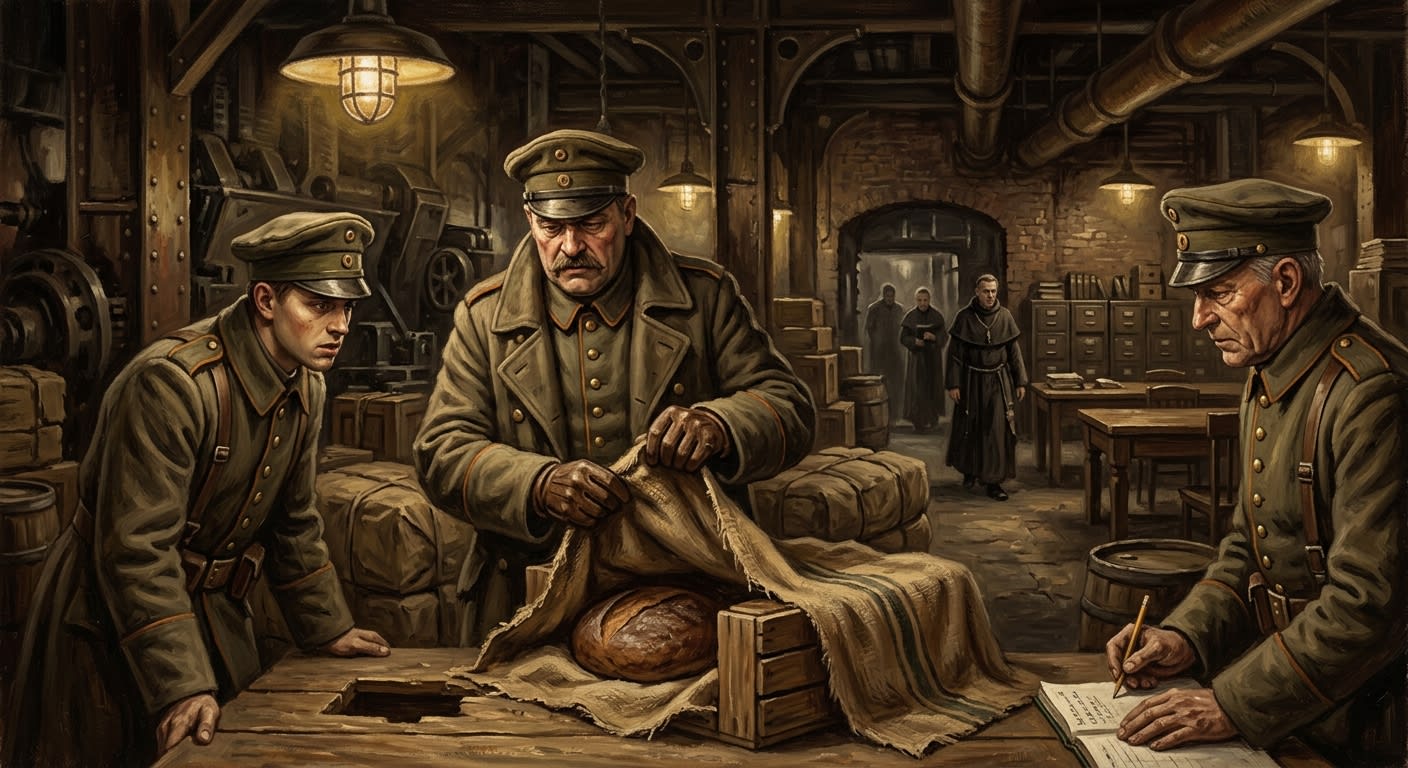
14th Rhine Customs Brigade
The guards who inspected bread and missed Providence
The 14th Rhine Customs Brigade lifted a cloth, saw bread, and missed three apostolic phalanges; Providence has seldom dressed itself so plainly.
Codex Ref. I.1.14-031
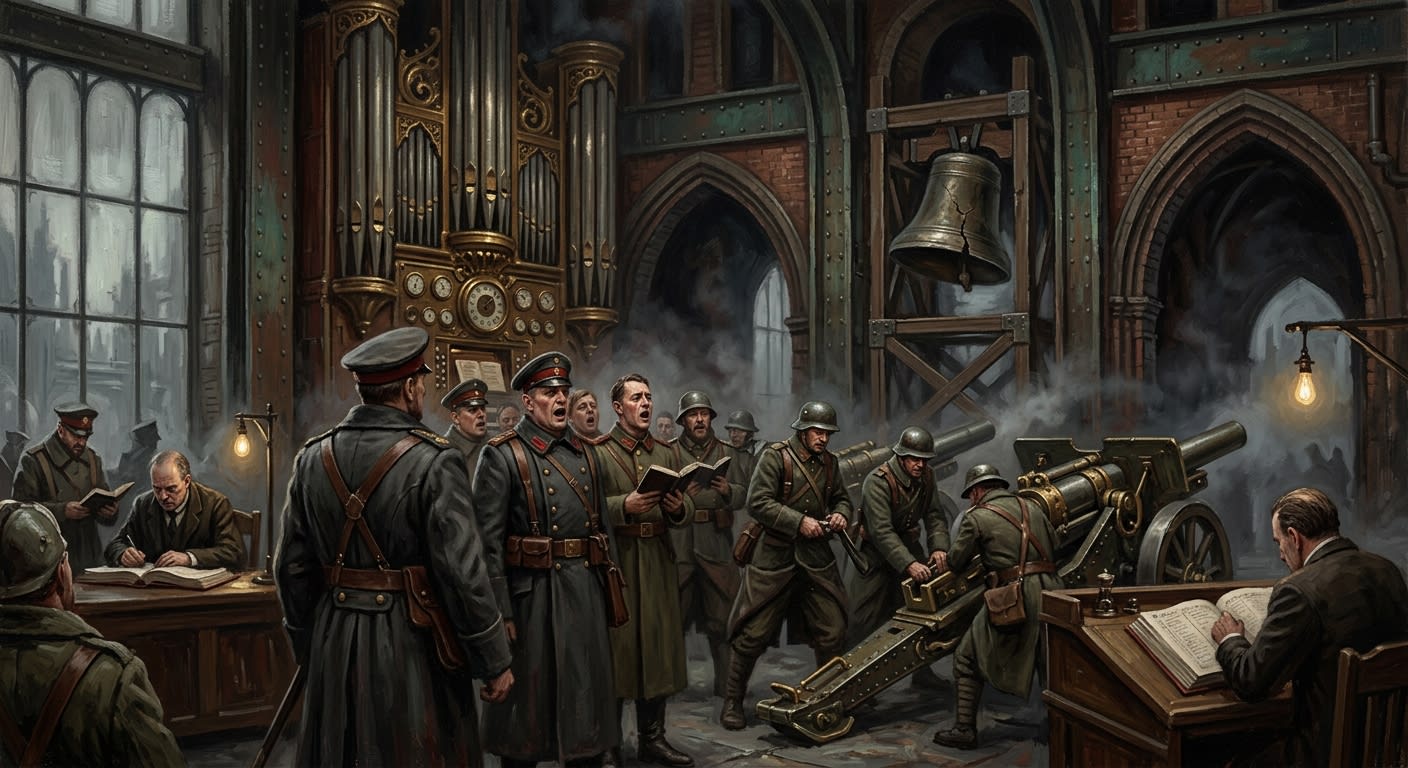
4th Orison Company
Where prayer learned range tables and glass learned to sing
The 4th Orison Company sang before Orison had a charter, fired relic-shot at Toledo, and proved that a mistimed peal can make martyrs inward.
Codex Ref. VIII.6.02-015
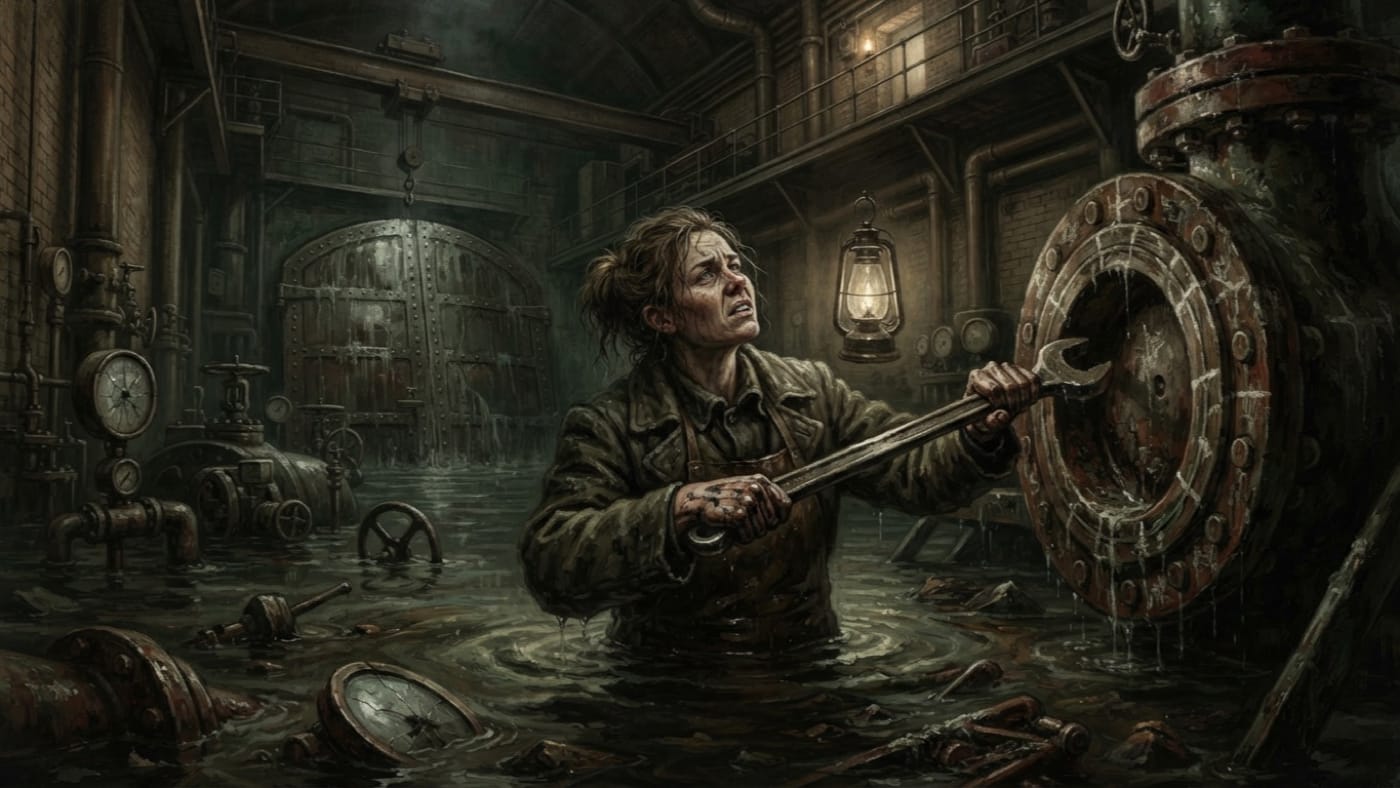
A.S. 132 Metz Flood
The seal held; the mechanic died; Records deducted twenty-three of the living
Orla's repair saved the low ward of old Bastion-Metz and cost her life. The rescue ledger entered 712; Records allowed 689. I assign the flood to A.S. 132.
Codex Ref. VII.8.10-033
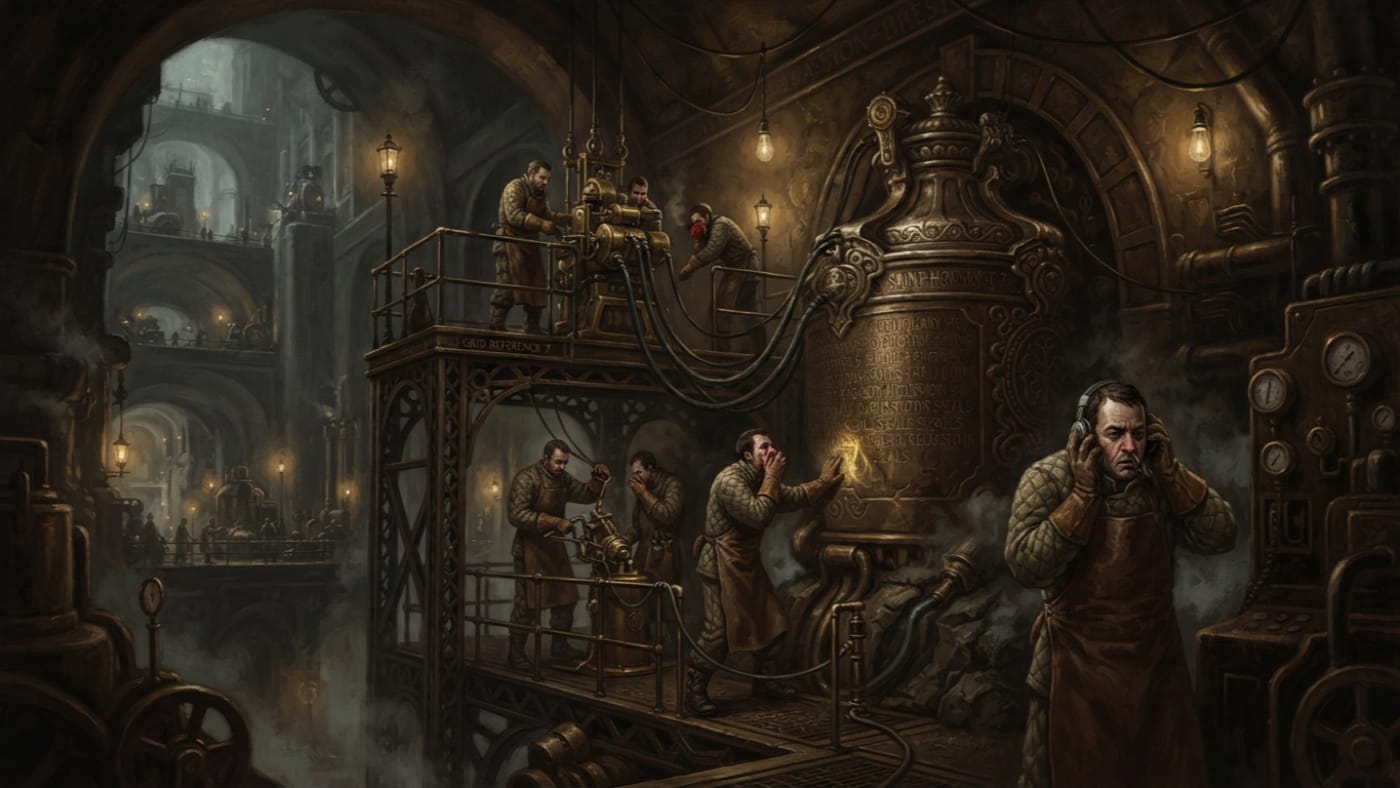
A.S. 176 C-sharp housing incident
Eleven minutes of C-sharp; the Bureau sealed the housing and classified the note
At Bastion-Brest in A.S. 176, Crew 14-R scraped a saint-housing inscription. The housing sounded C-sharp for eleven minutes; the Bureau re-sealed it, sent the crew to surface duty and classified the note. The Recoverers kept the warning.
Codex Ref. XII.36.02-176
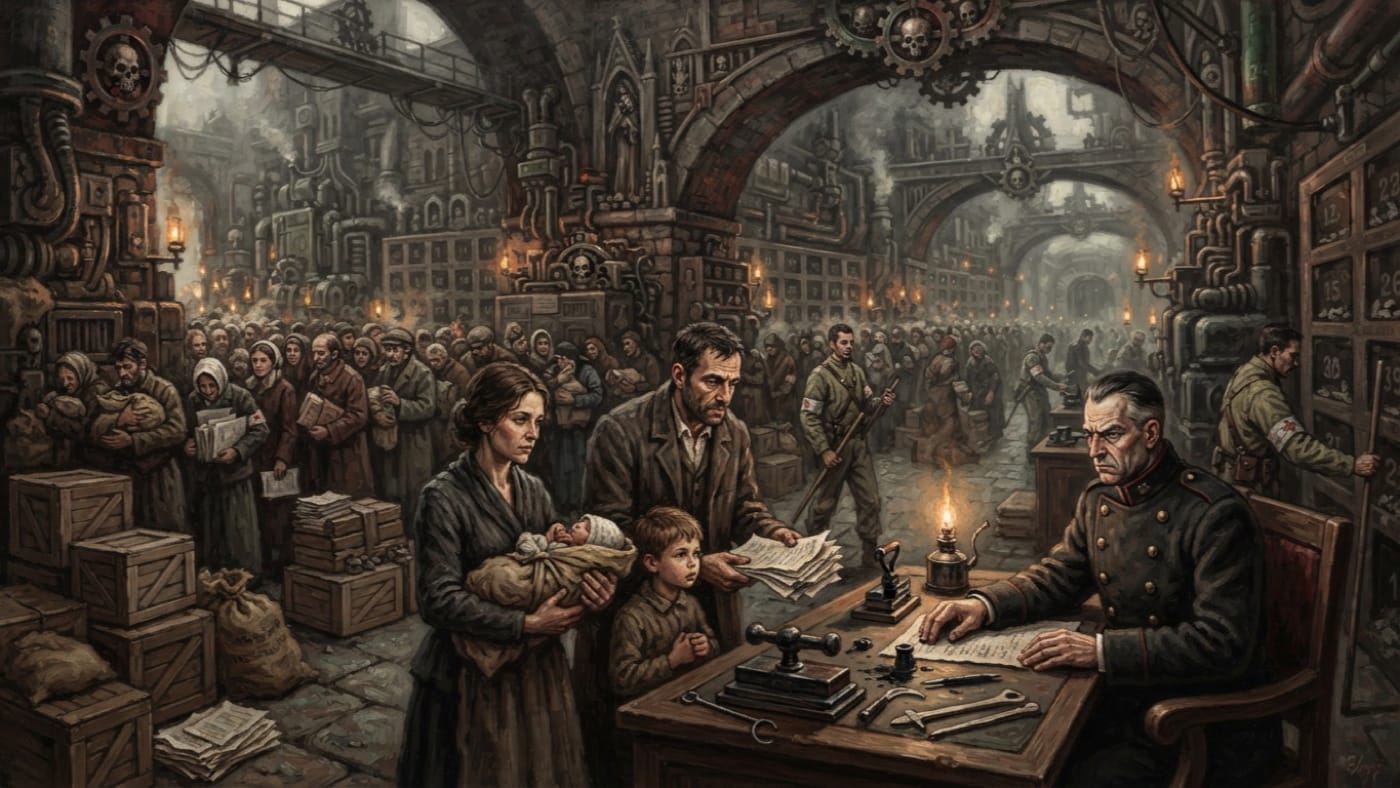
A.S. 78 Joint Classification Mandate
Five categories for the dead, one more queue for the living
The A.S. 78 emergency mandate made the dead controlled goods: five classifications, licensed mortuary clearance, and grief that could finally be billed.
Codex Ref. XIII.1.92-078
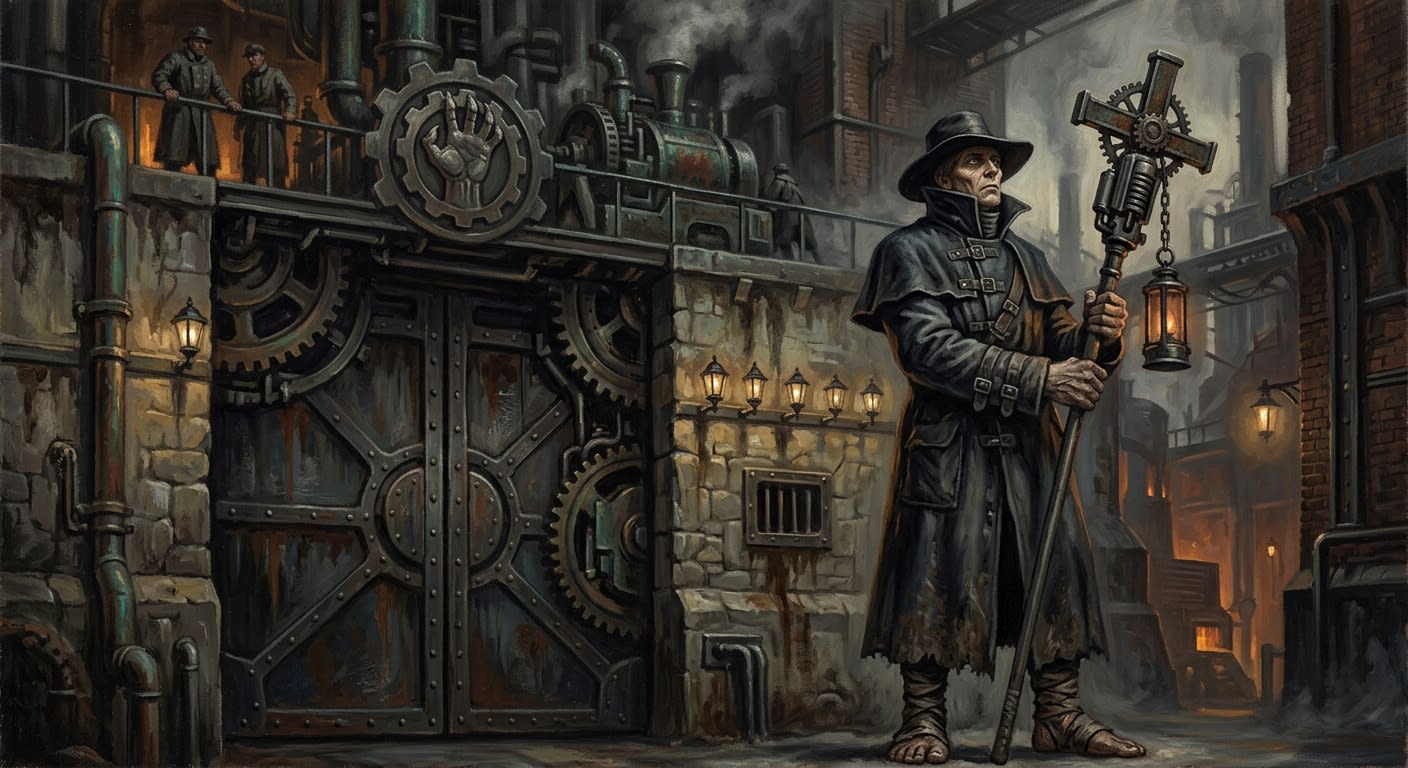
Aachen
The city that survived its own fall
Aachen opened its gate in A.S. 25, survived the betrayal, and has spent every taxed, polished, barefoot century proving survival is not innocence.
Codex Ref. II.2.02-001
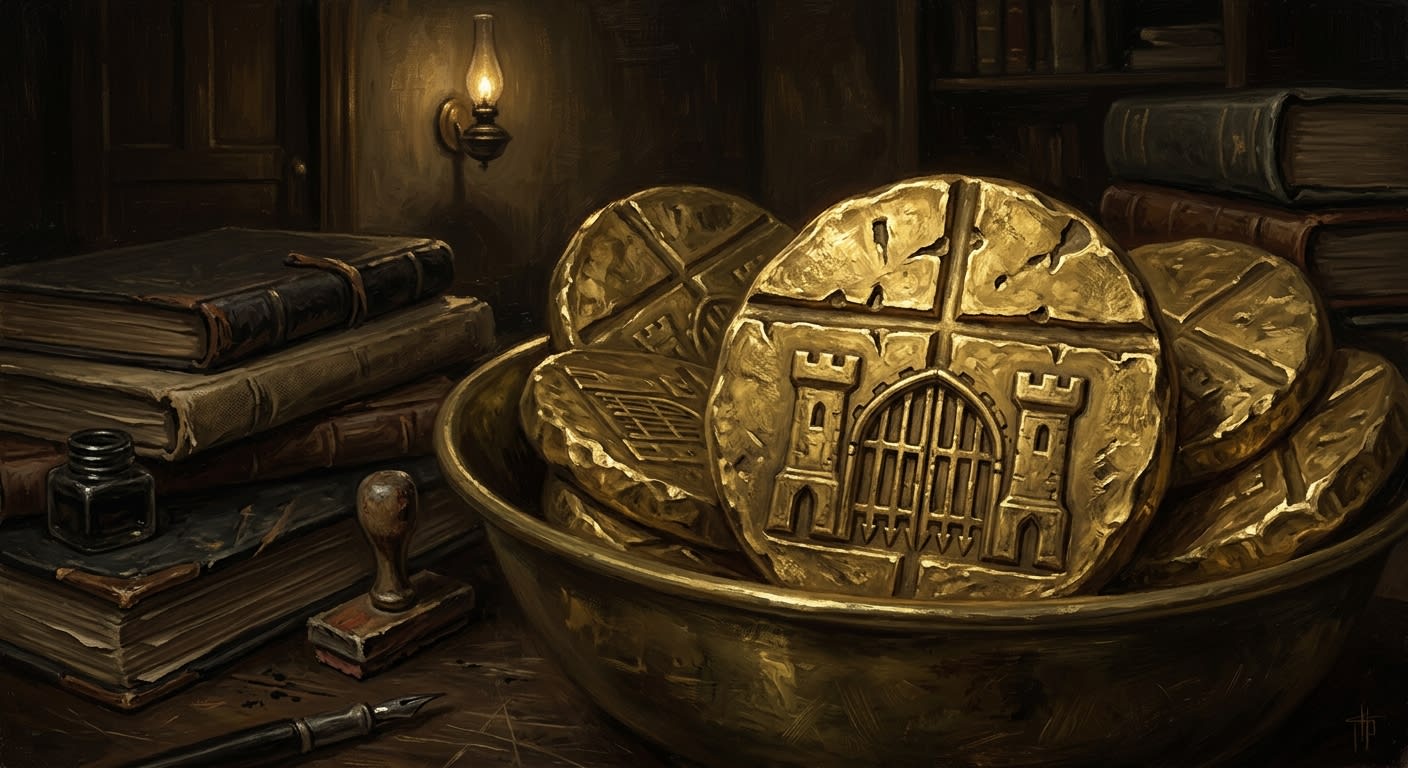
Aachen Gate-Penny
A saint's housing made small enough to buy boot grease
The Aachen gate-penny is reliquary gold made into emergency currency: a closed gate, a cross-groove, and a city’s old betrayal priced by the handful.
Codex Ref. V.2.04-160
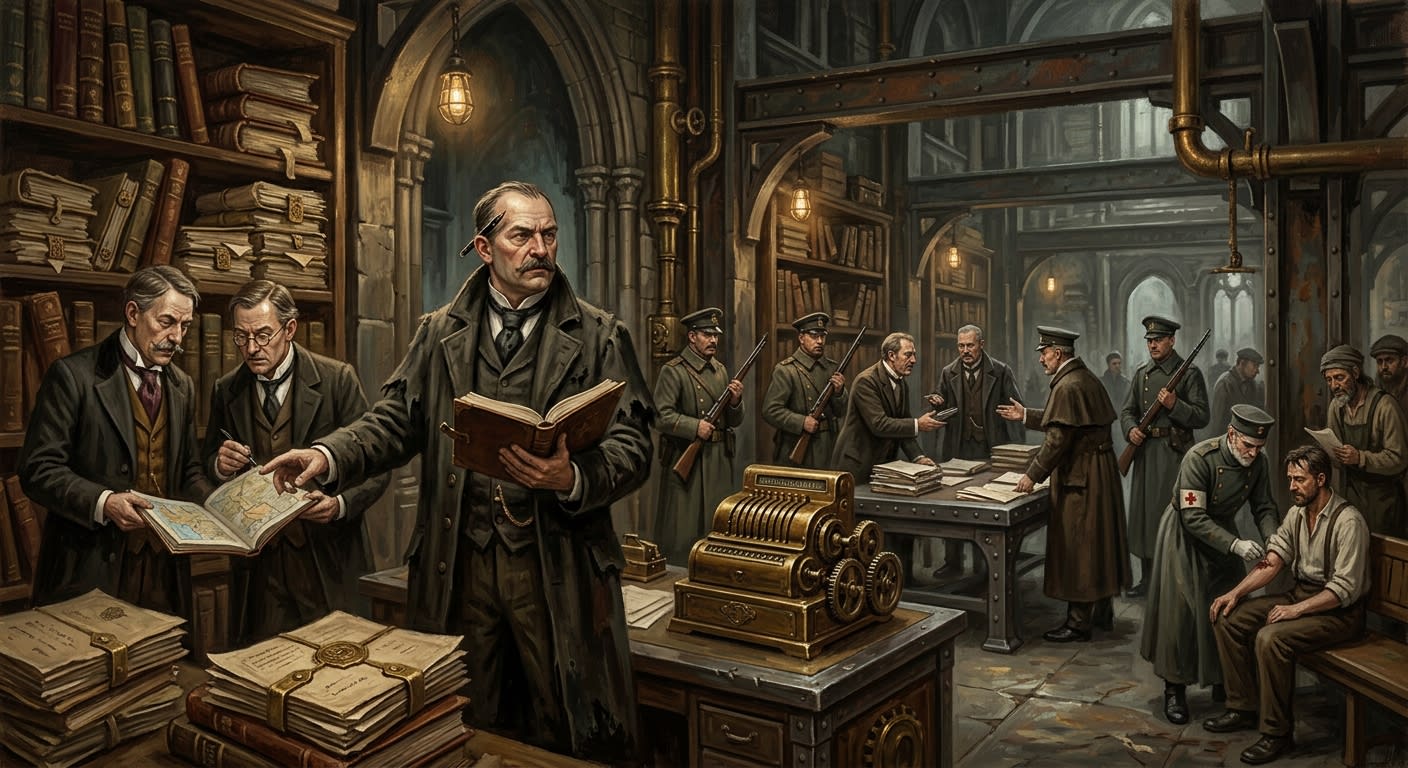
Advocates Guild
Licensed cruelty with gloves, seals, and a fee table
Licensed fraternity of Citation Advocates that turns Synodal quarrels into ledger-duels, sells precedent, polices pits, and calls the resulting injuries civil peace.
Codex Ref. XII.28.01-001
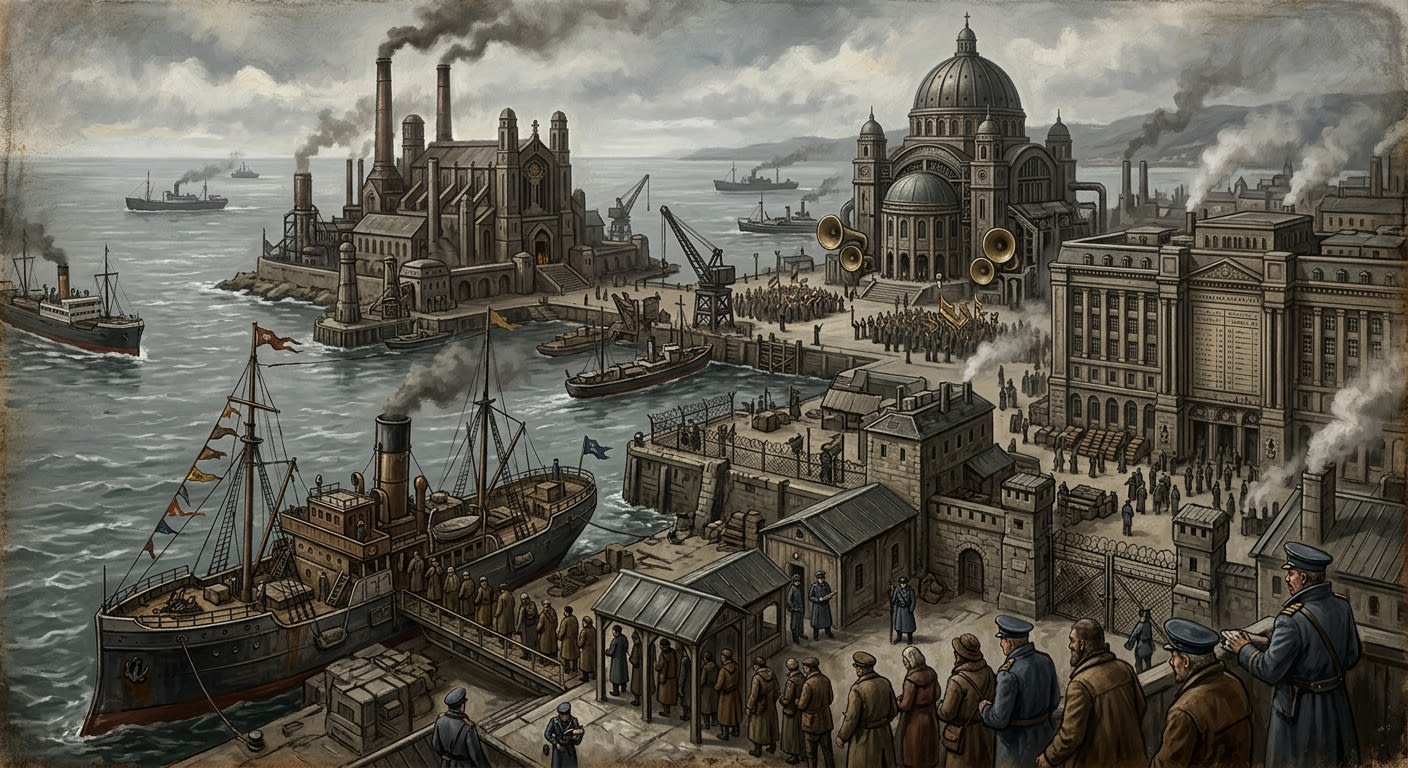
Aegean Shrine-Circuit
Devotion by convoy, tariff, bell, and brine
Licensed pilgrim sea-route where Marseille weighs devotion, Saffron quarantines it, Thessaloniki sings at it, and the Bureau invoices the miracle.
Codex Ref. XIII.1.40-123
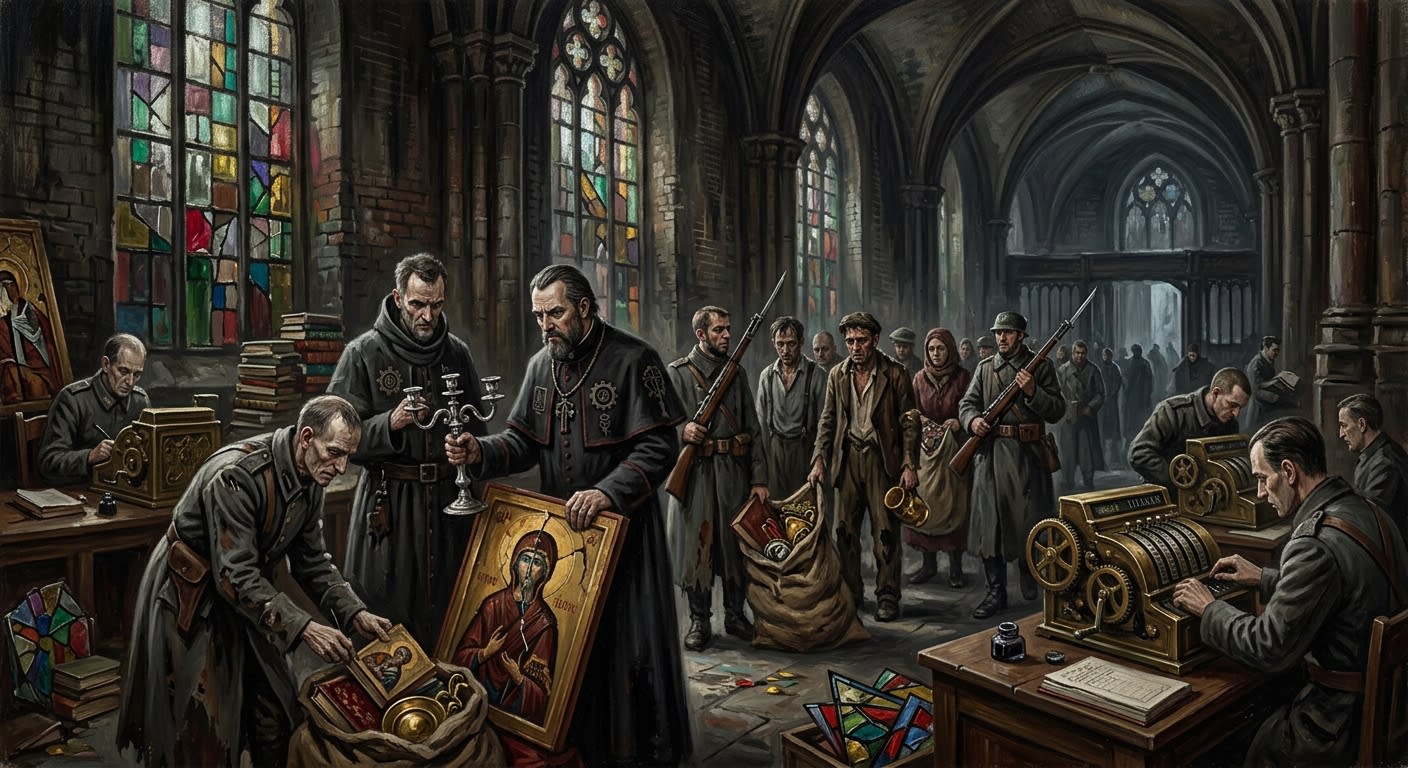
Aesthetic Tithe
When destruction discovers taste
Denied revenue, tolerated theft, and stained-glass hypocrisy: the Aesthetic Tithe turns seized beauty into patronage under the smile of useful sin.
Codex Ref. XIII.1.76-094
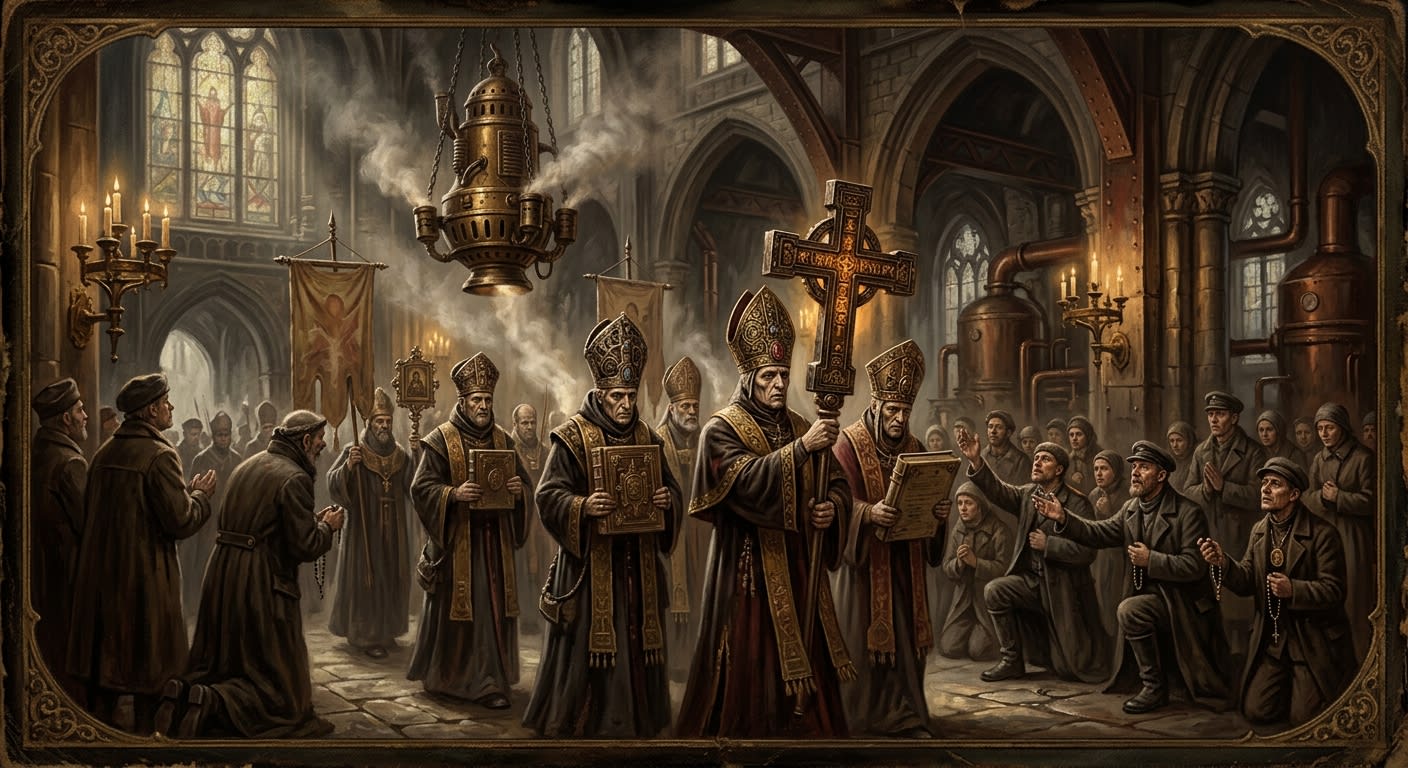
Age of Faith
The golden age improved by burial
A devotional-historical category for the centuries before A.S. 0, when Heaven is said to have answered and Europe had not yet taught unbelief to print.
Codex Ref. XIII.1.00-000
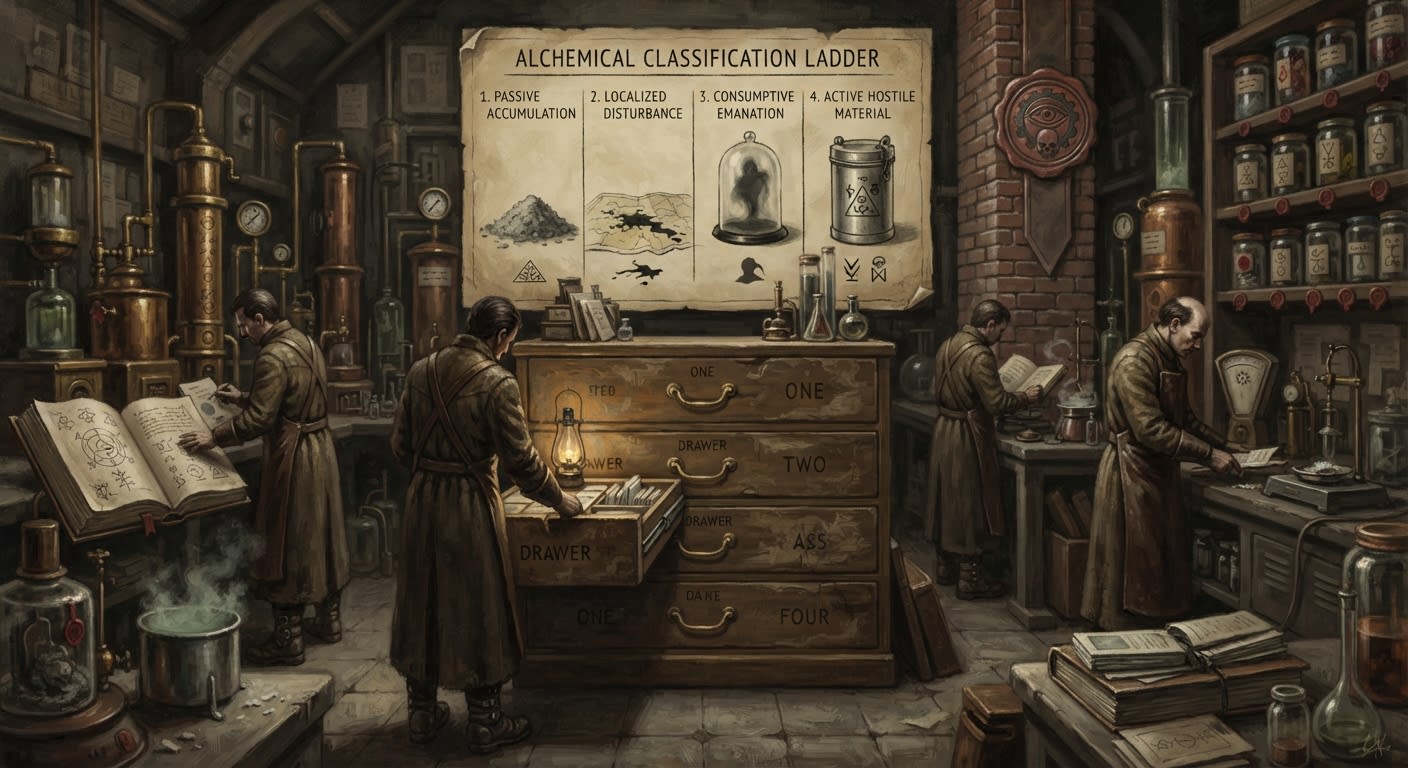
Alchemical Classification Ladder
Four drawers for terror, and none of them empty
The Bureau's four-rung ladder turns twitching ash, hungry ink, harmful vapours, and materials with intent into classifications Strasbourg can seal, bill, and fear politely.
Codex Ref. XIII.1.02-092

Aldous Crenn
Seven saints in one quarter, and not one accuracy review survived to trouble them
Bureau of Doctrine hagiographic clerk whose A.S. 94 quarter processed seven canonization packets, including Saint Halva's deficient file, and made sanctity behave like paperwork.
Codex Ref. III.2.01-067
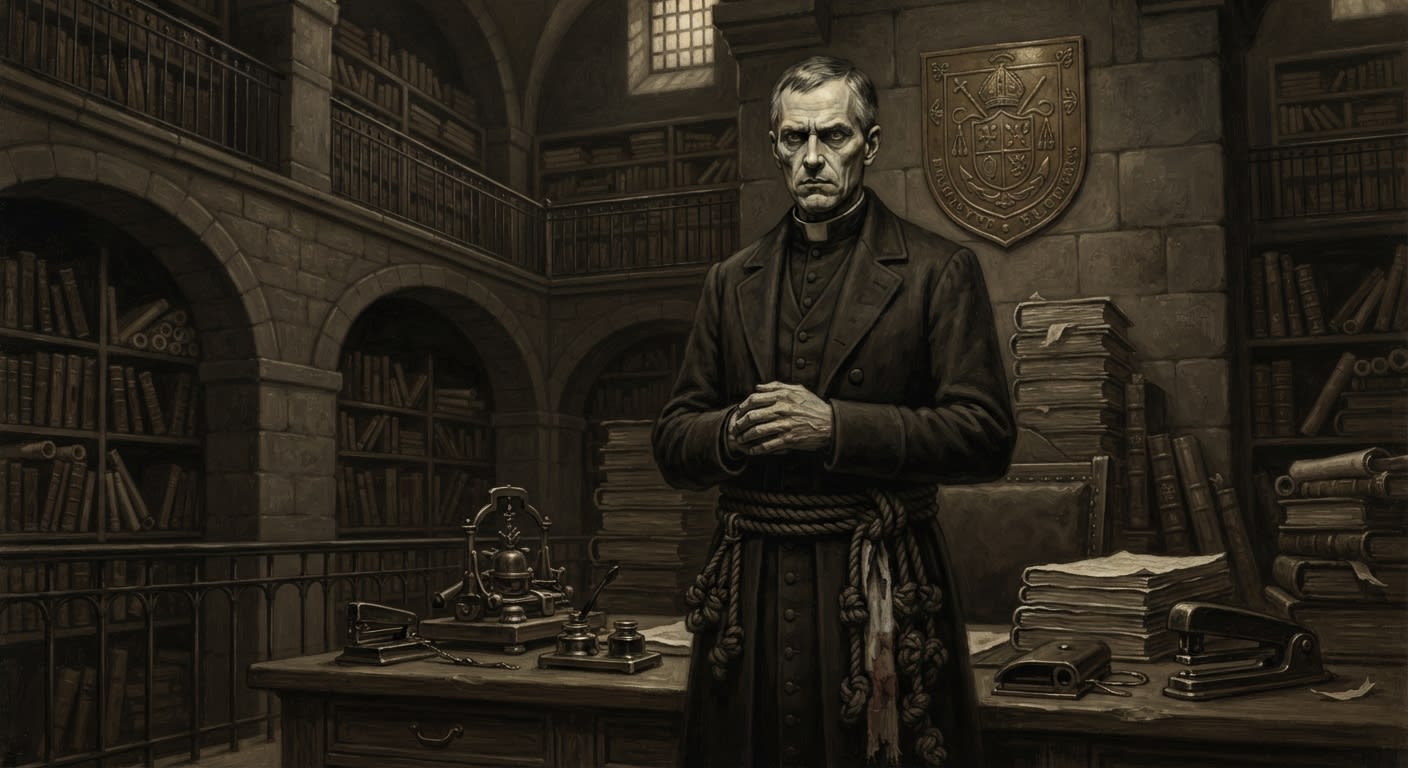
Aldric Venner
The man who registers breath and owes no one a word
Aldric Venner, Synod Registrar of Bonds, rules the Bureau of Oaths from Strasbourg by deciding which breaths bind and which silences count as perjury. He has spoken three words to Drax.
Codex Ref. III.2.01-201
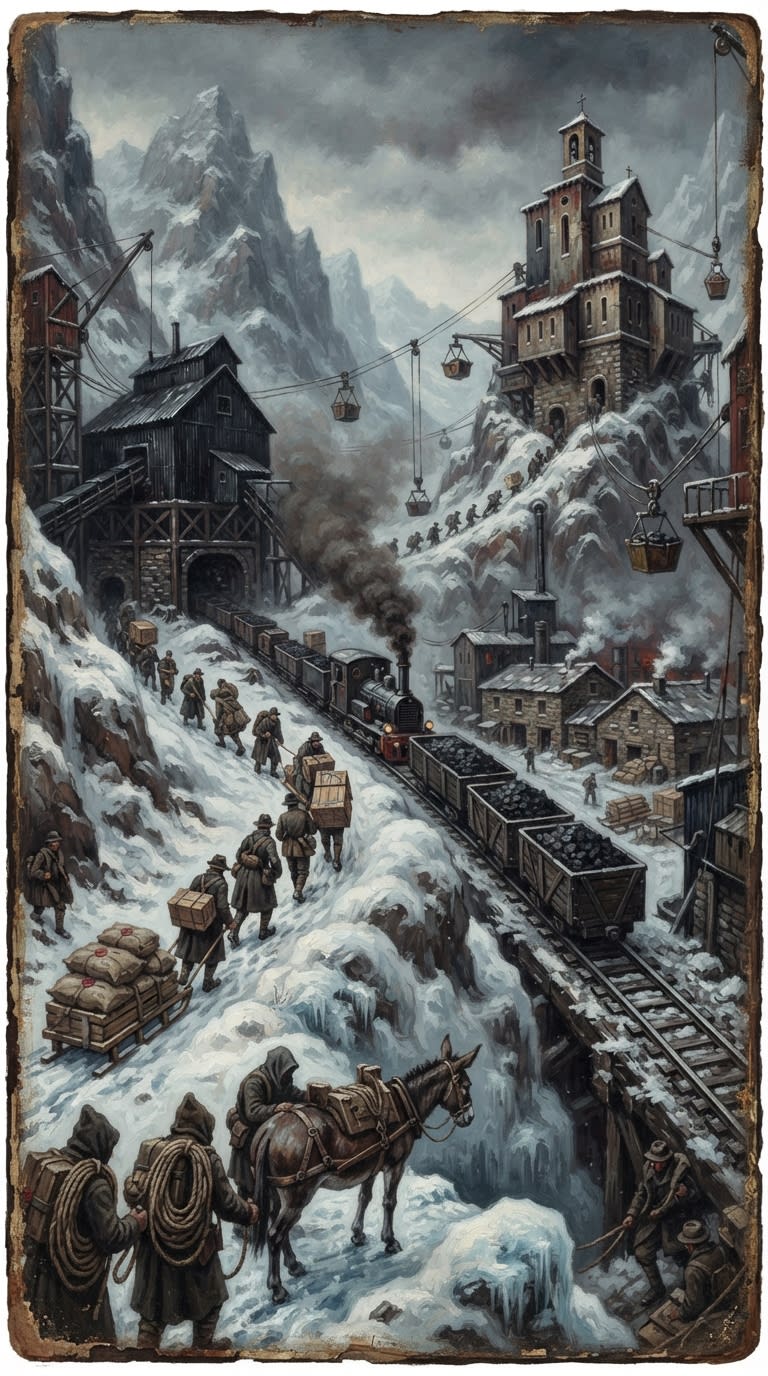
Alpine Marches
The Mountain Province That Obeys by Receipt
The snowbound Procuratorial region of passes, salt roads, coal depots and hidden wards whose obedience is meticulous, profitable and never quite submission.
Codex Ref. II.2.08-201
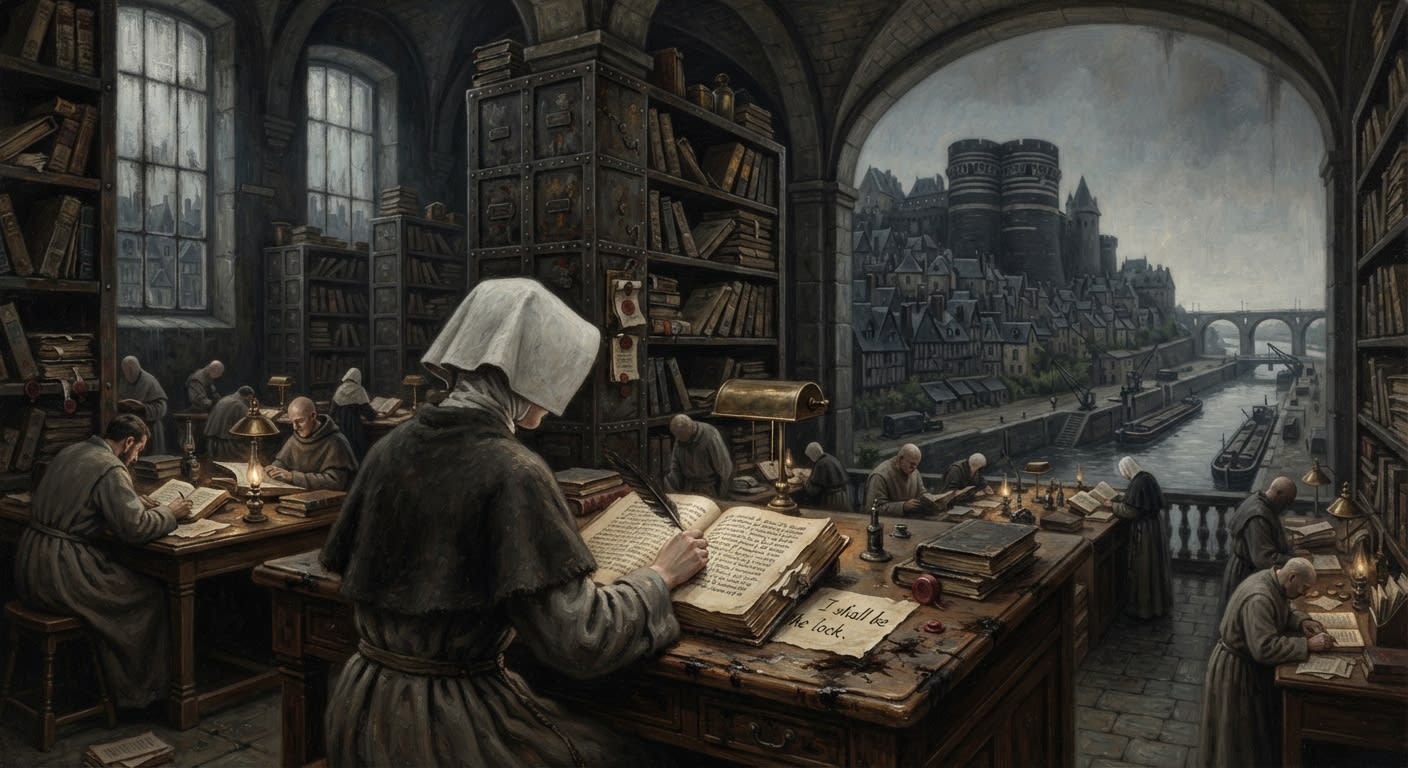
Angers
Five words, no bridge, and a city trying to found an order
Angers is a Zone One city whose claim on the Sisters of the Martyrdom rests on five psalter-margin words: I shall be the lock.
Codex Ref. II.1.09-015

Aniela Rudzka
The woman whose arithmetic required jurisdiction
Doctor Aniela Rudzka was senior accused in the A.S. 199 Condemnation of Kraków: correct in arithmetic, silent under sentence, and therefore intolerable.
Codex Ref. III.2.01-022
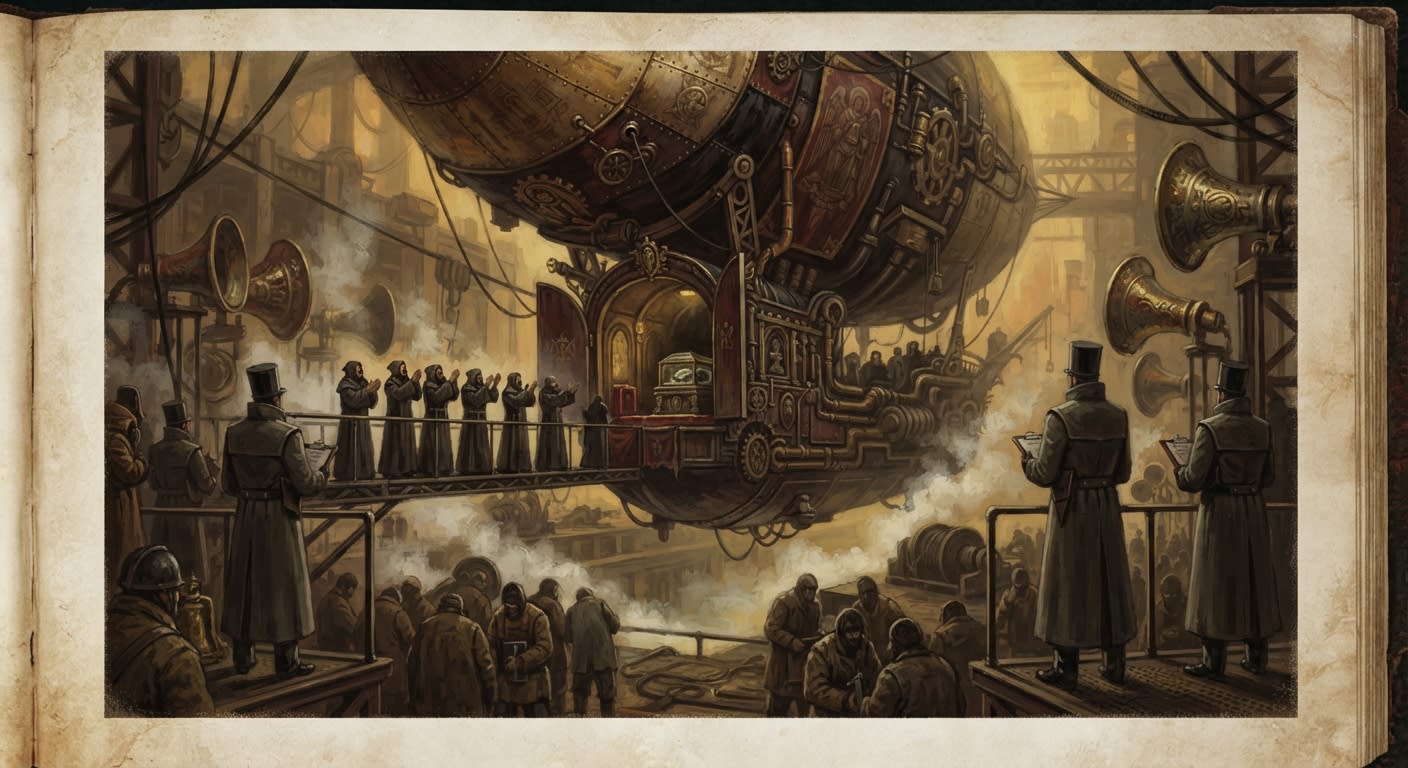
Antiphon of Ascension
The launch rite that received an answer and lost an airship
The Antiphon of Ascension is the licensed chant by which Vigil Arks are asked to rise. At Saint Uriel's second attempt, it did exactly enough to prove it had been heard.
Codex Ref. XIII.1.21-004
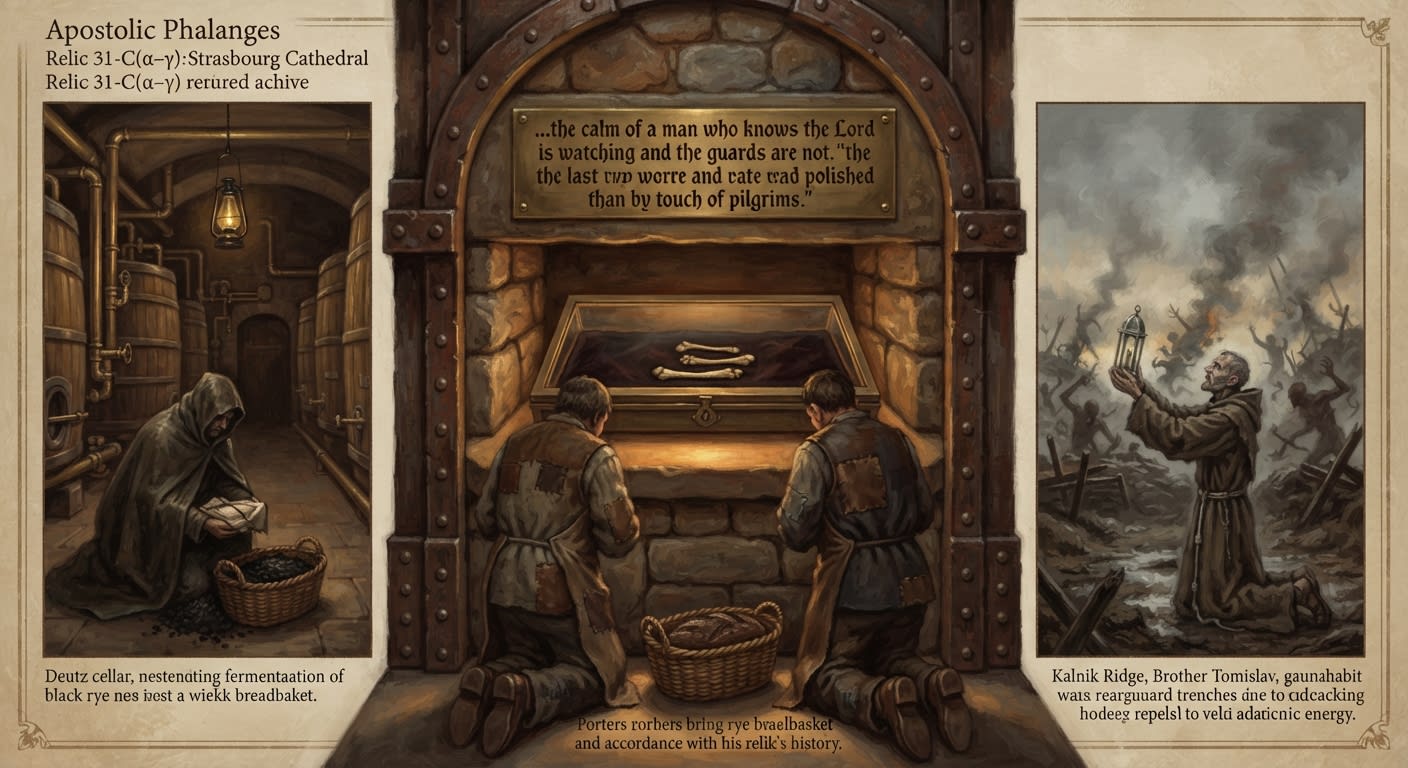
Apostolic Phalanges
Three finger bones, fourteen quiet years, and one ridge that learned fear
Relic 31-C(α–γ), three apostolic phalanges saved under rye and beer, later burned demons at Kalnik and now sit under licensed glass in Strasbourg.
Codex Ref. XIII.1.31-031

Arch-Artificer Lute Brann
The burned hand that quiets engines and embarrasses theology
Lute Brann commands the Foundry Quarter's lower works, signs impossible provenance, quiets bound housings bare-handed, and remains useful enough to survive inquiry.
Codex Ref. III.2.01-150
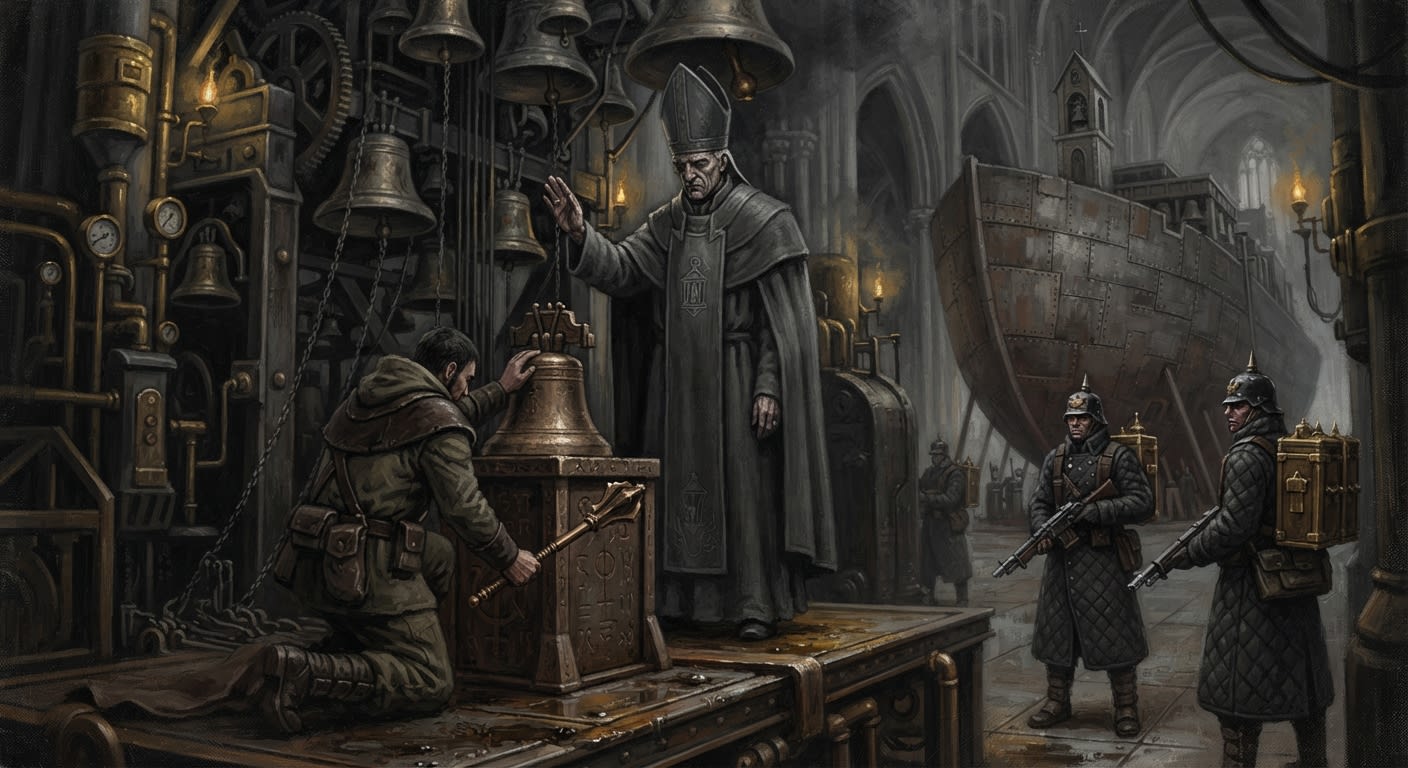
Archbishop of Canterbury
The altar Strasbourg cannot countersign
Canterbury's unnamed Archbishop ordains bell-warriors, guards relics, blesses ships, and proves that an unaudited Christian altar can still make Strasbourg lose sleep.
Codex Ref. III.2.01-025

Archbishop Rupert III
The prelate who made a relic absent by letter
Pre-Synodic Archbishop of Vienna who answered Amsterdam's bone arithmetic by erasing the Reliquary of Saint Aldebrand from the records while leaving it glowing in the vault.
Codex Ref. III.2.01-032
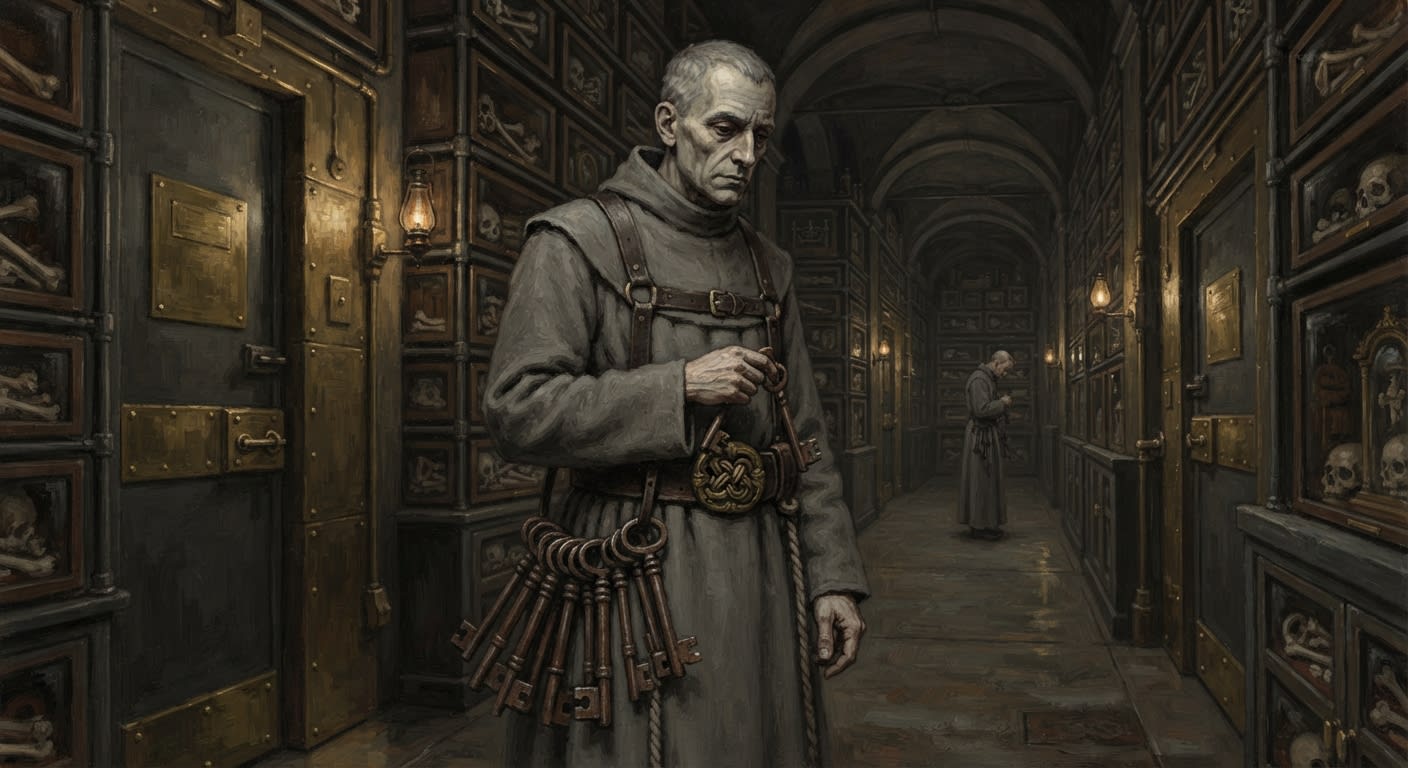
Archon-Custodian of Relics
The keys are issued to the chair. The chair lends them to the man.
The classified holder of the Bureau of Relics' custodial chair keeps the Vault, the keys, the silence, and the useful fiction that bones answer to shelves.
Codex Ref. III.2.01-201

Archon-Custodian's Office
The shelf is not appealed; the silence is audited
The private paper machinery beneath the Archon-Custodian's seal: clerks who decide where authenticated relics are shelved, lent, melted, silenced, or remembered only as a numbered absence.
Codex Ref. XII.35.02-001
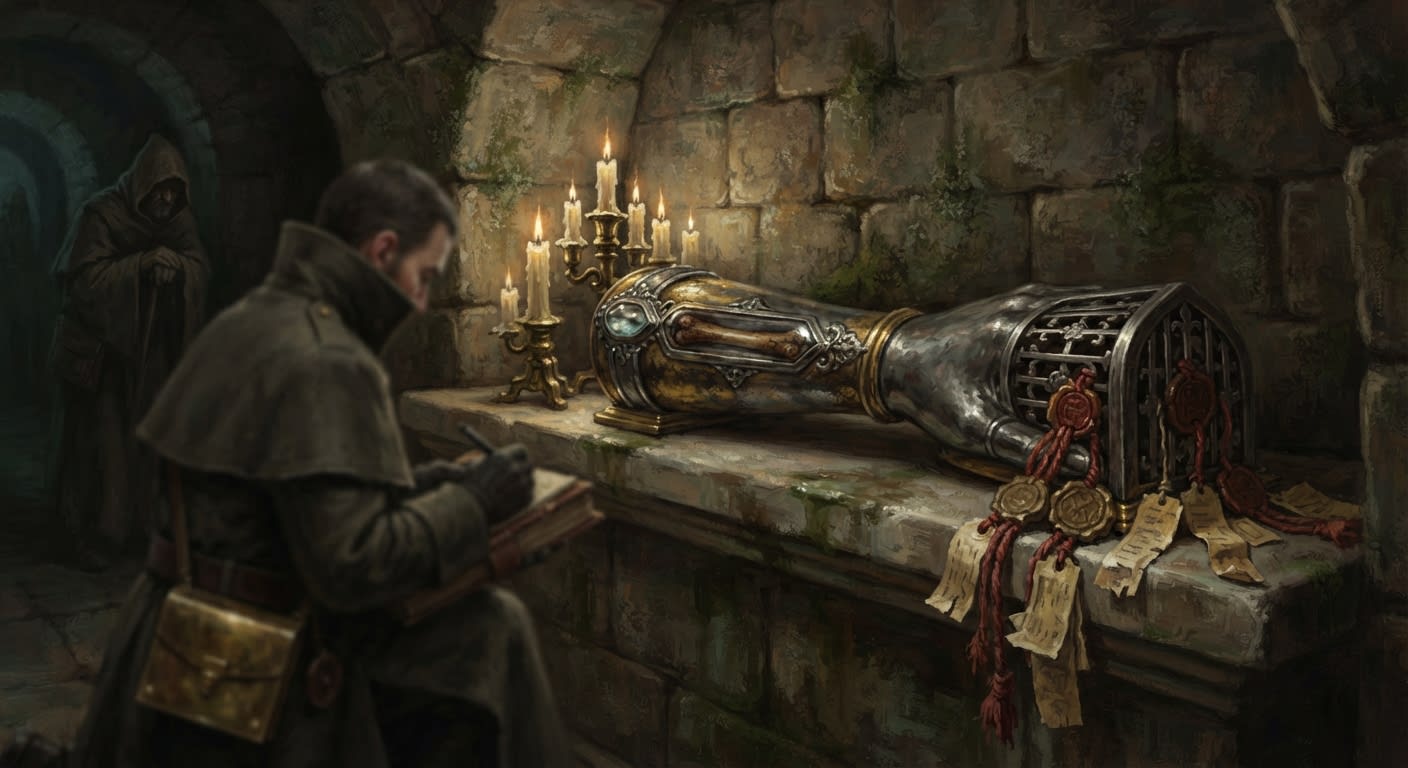
Arm of Victor
A forearm twice certified, once contested, and still too close to the bell
The Arm of Victor is the twice-authenticated forearm reliquary in Saint-Victor's crypt: a nervous bone under Relics seal, market hunger, and bell-shadow.
Codex Ref. III.2.04-018
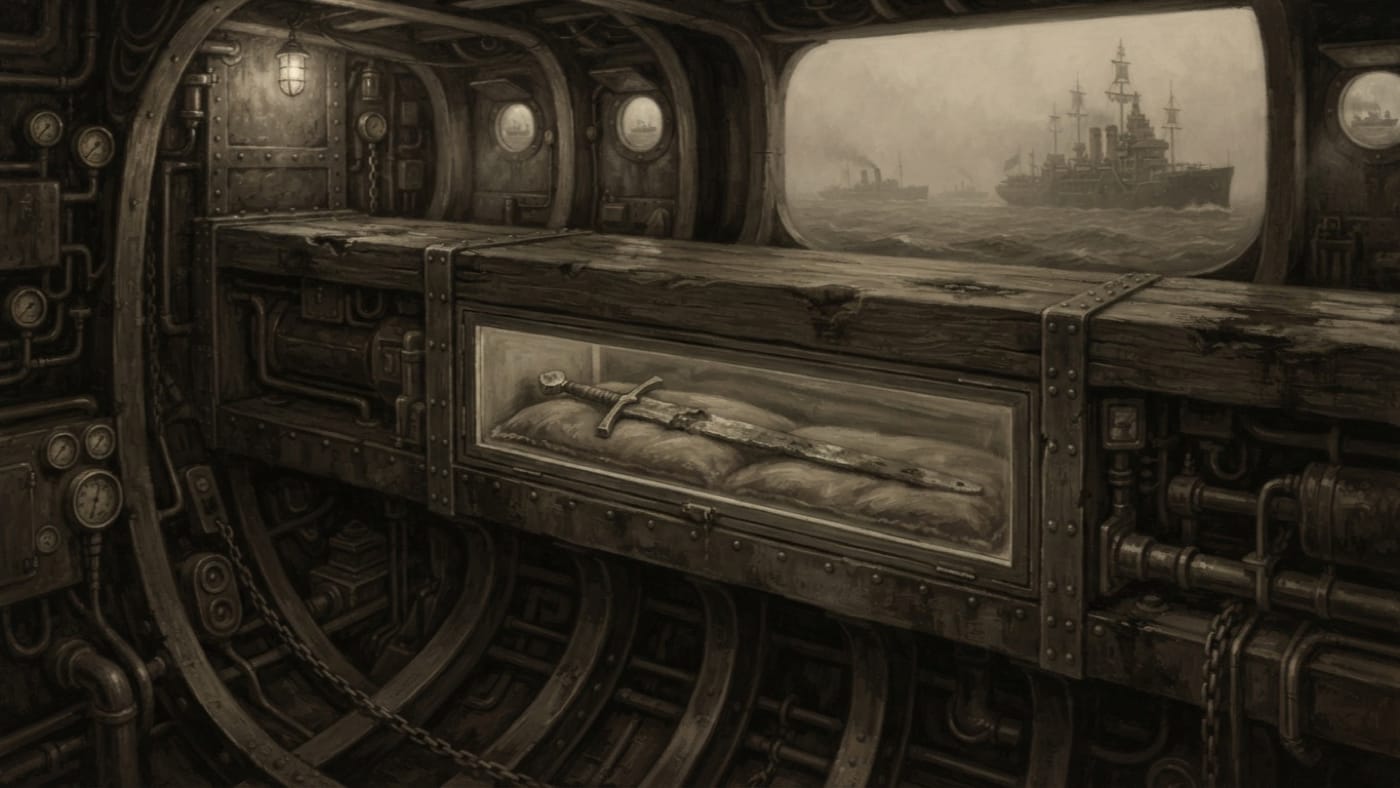
Arthurian saint
One hilt, no named saint, and a keel the Bureau cannot inspect
A sword-hilt linked to an unnamed Arthurian saint lies in an unidentified Cathedral Ship's reliquary keel. Relics withholds recognition; the convoy keeps sailing.
Codex Ref. V.1.03-079
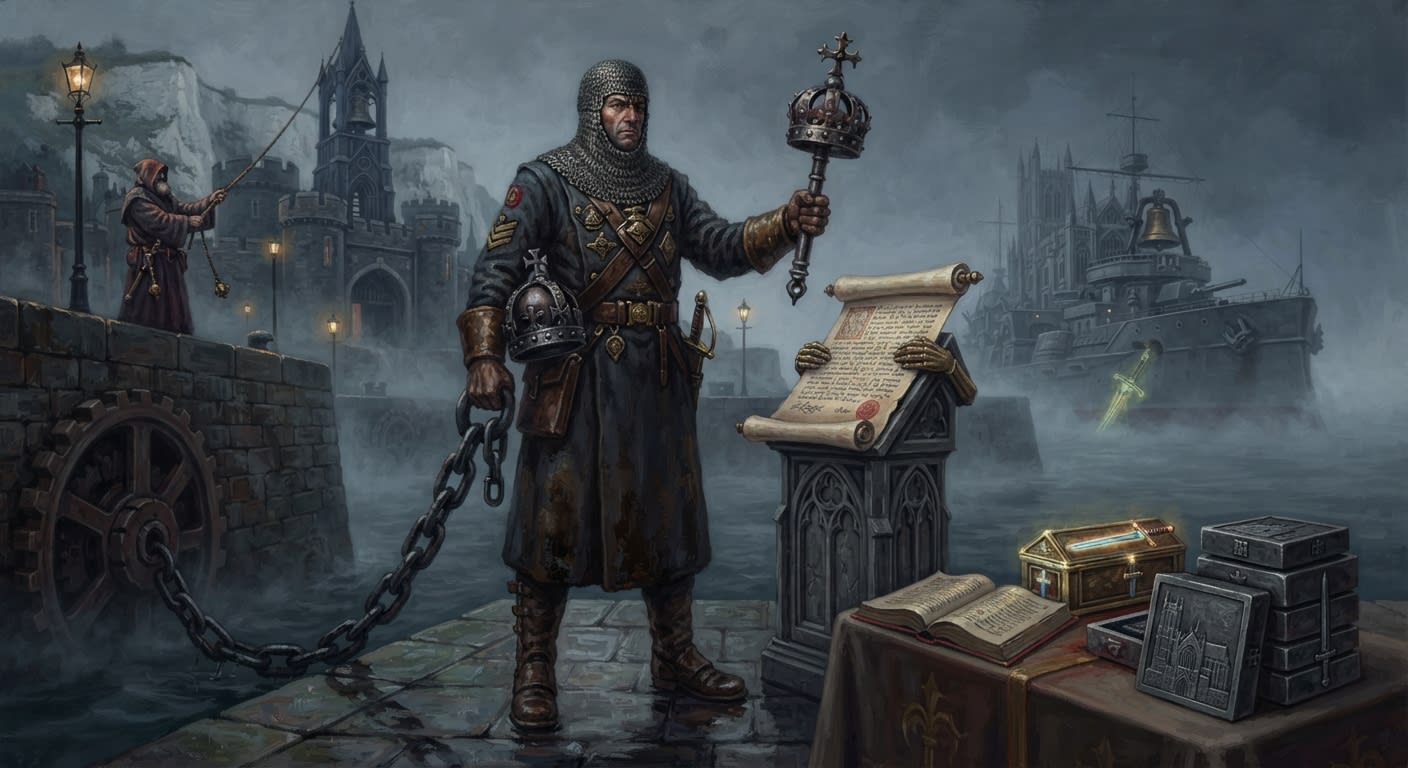
Arthurian Tradition
The myth that keeps the Channel open
The insular oath-machine Strasbourg cannot disprove and Britain does not need proved: Arthur as crown, charter, coin, bell, harbour chain, and naval discipline.
Codex Ref. X.1.01-002
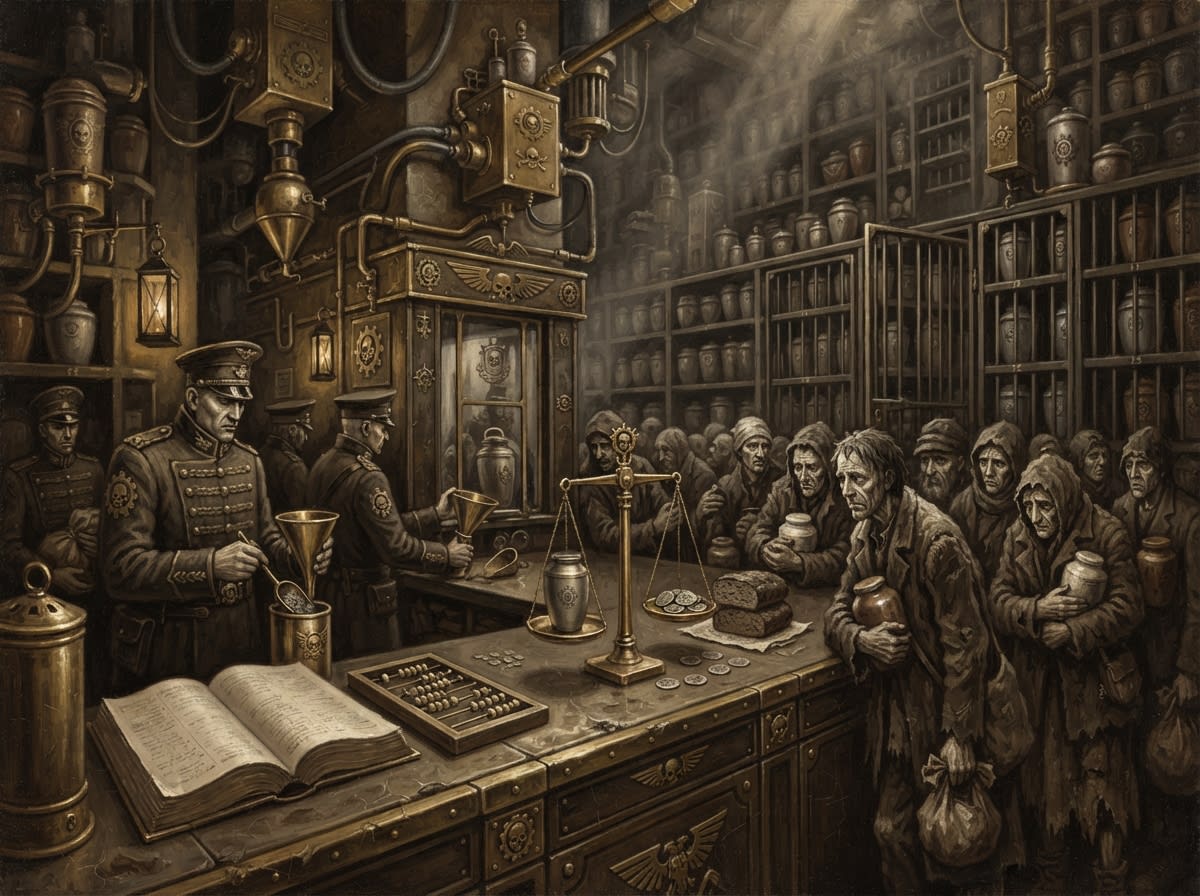
Ash Banks
Where grief is weighed, tendered, and filed as solvent
Ash Banks convert cremains, bone-dust, and pledged future remains into bread, salt, absolution tokens, and dust futures while every Bureau calls the ash something useful.
Codex Ref. XIII.1.98-201
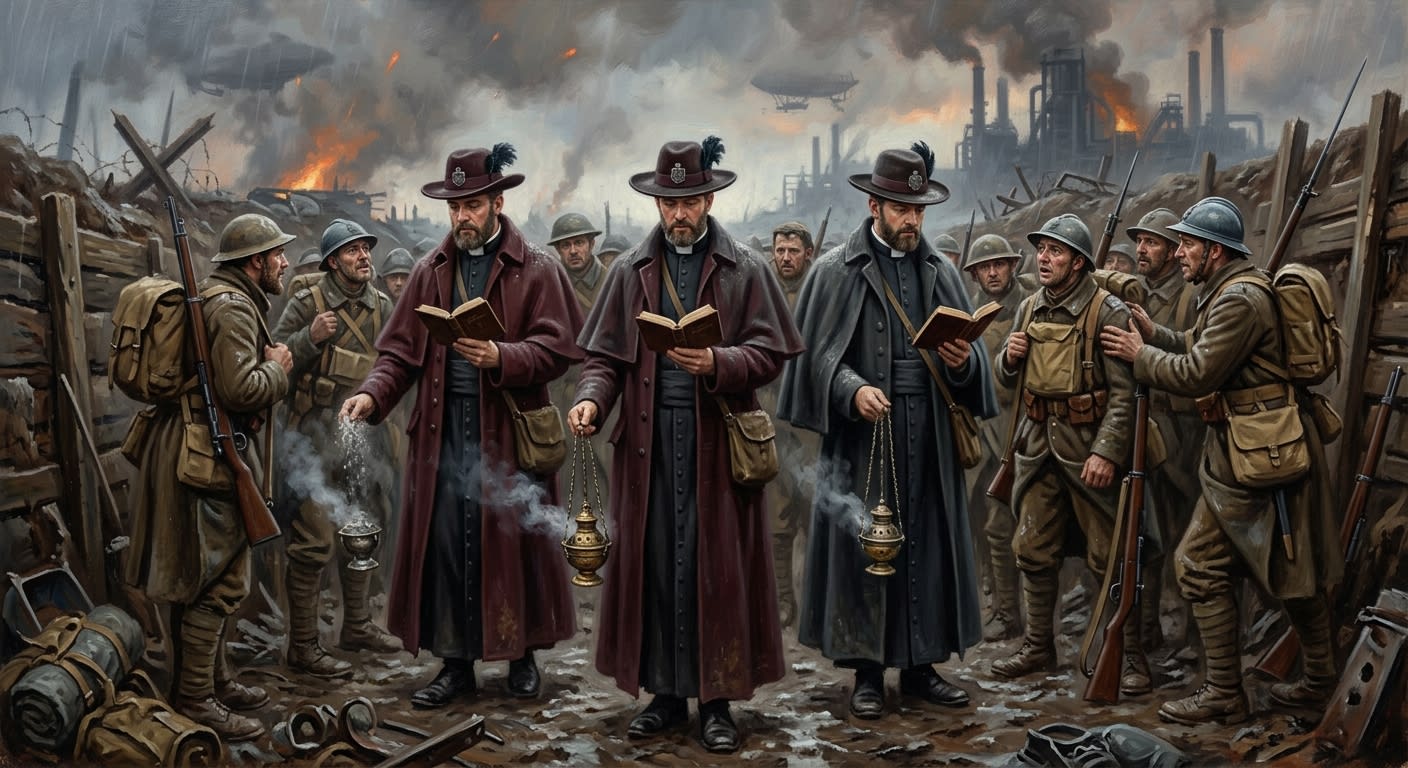
Ash Chaplains
Breath is only pastoral after War has taught it to hold
Bureau of War lung-clergy who deploy relic-ash, the Litany of Stones, cadence discipline, and name-silence to keep breach cohorts breathing in obedience under shell, song, and rupture.
Codex Ref. VIII.5.07-001
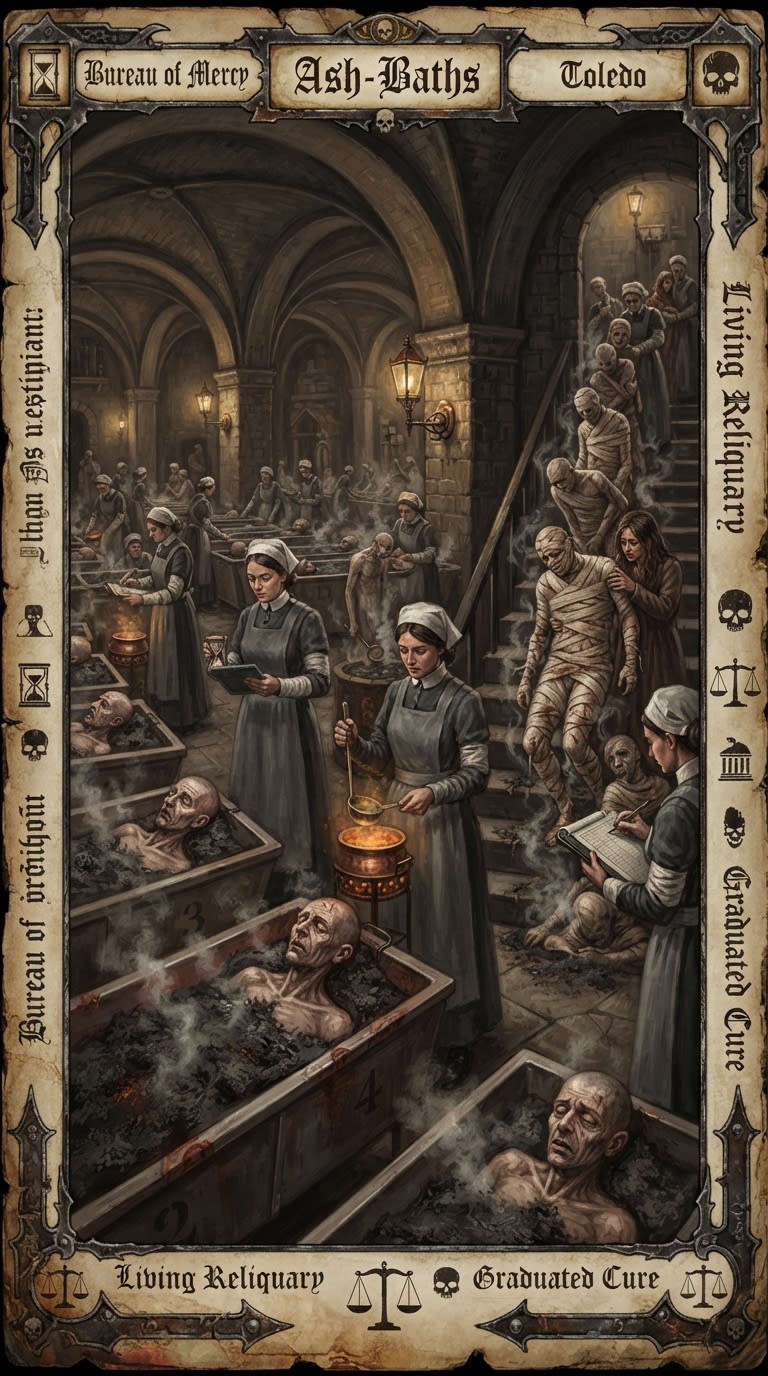
Ash-Baths
Where treatment warms its ash and bills the family
Toledo's Mercy-run ash treatment, where fever is lowered into hot ash, survivors become living reliquaries, and the dead are filed as graduated cures.
Codex Ref. XIII.1.56-002
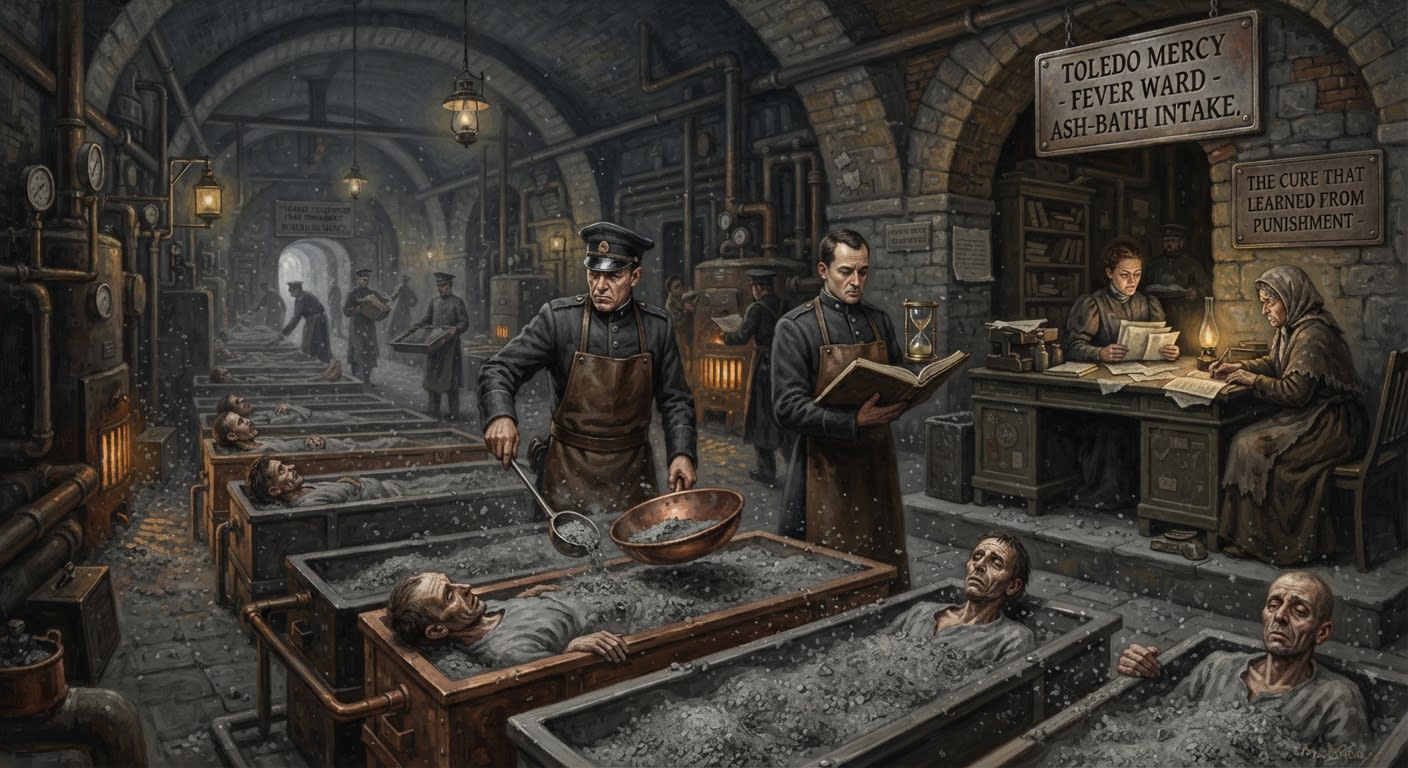
Ash-Baths of Toledo
Where Mercy learned to bill the fever
Toledo's Mercy-run ash cure, where fever patients are buried in hot grey doctrine, survivors are paraded as living reliquaries, and deaths are billed as graduated cures.
Codex Ref. XIII.1.56-002
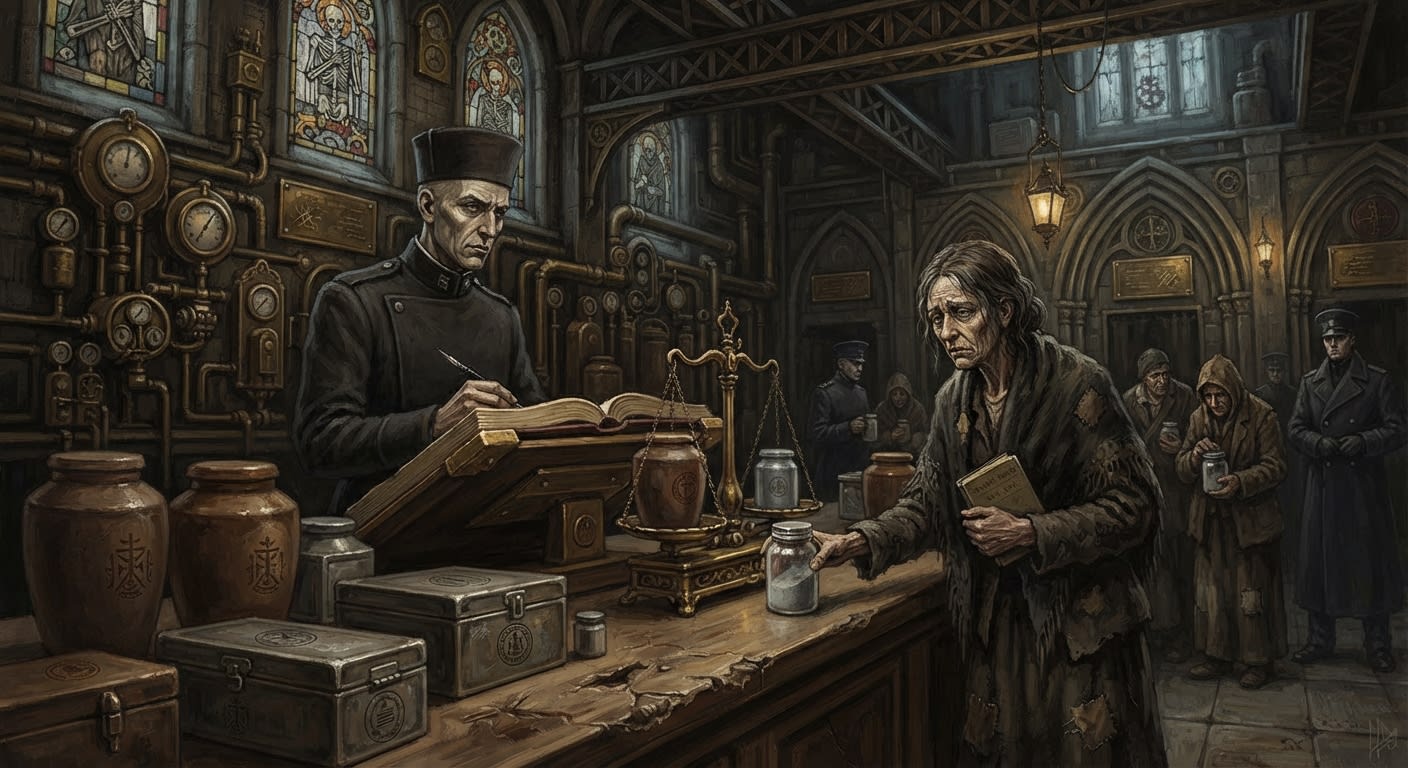
Ash-Credit
The dead are tender once Tithes finds a scale
Ash-credit is the Synod's devotional collateral, converting cremains, saint-dust, and pledged future remains into bread, grace rations, and obligations the dead cannot refuse.
Codex Ref. VI.3.01-002
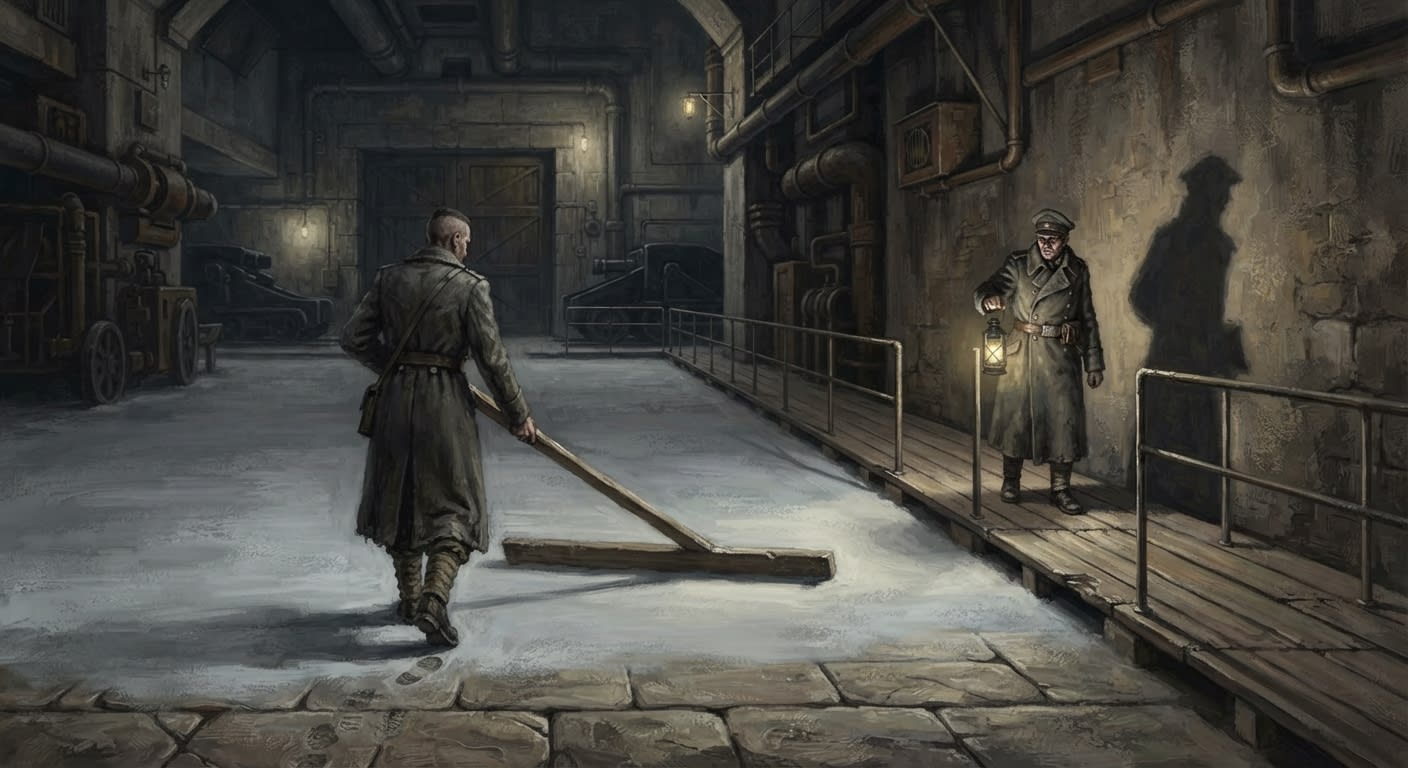
Ash-Dusting
Ask the floor; the floor has no reason to lie
Ash-dusting is the Synod's cheapest answer to Veil-Stalkers: blessed ash, a smoothing board, and the admission that the floor may be more reliable than a frightened sentry.
Codex Ref. XIII.1.88-190
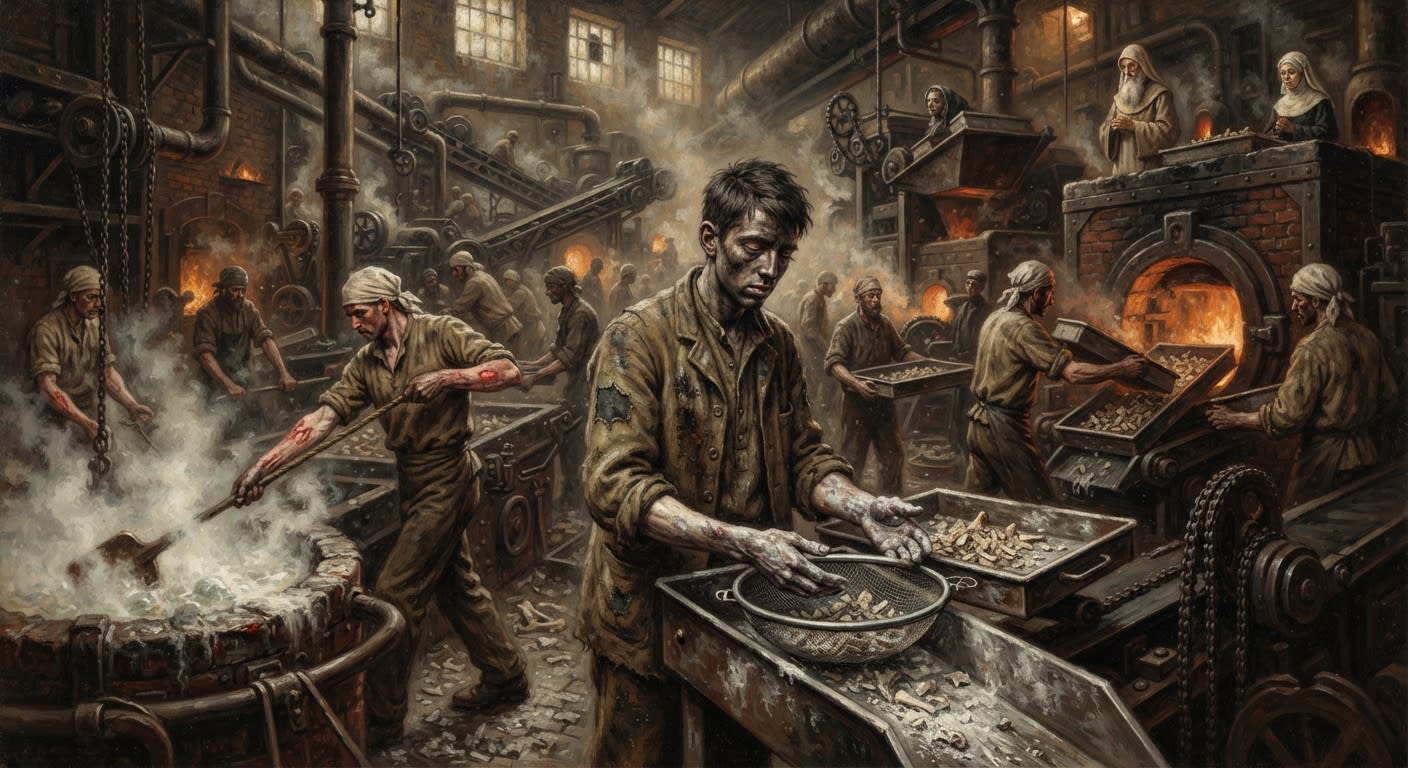
Ash-Hands
The lowest white hands touch the saint first and receive the blame first
Lowest Saint-Bone Melter station: intake hands, feed attendants, sifters, and slake-rope bodies whose cracked palms become the first document in any failed batch.
Codex Ref. XII.20.10-001
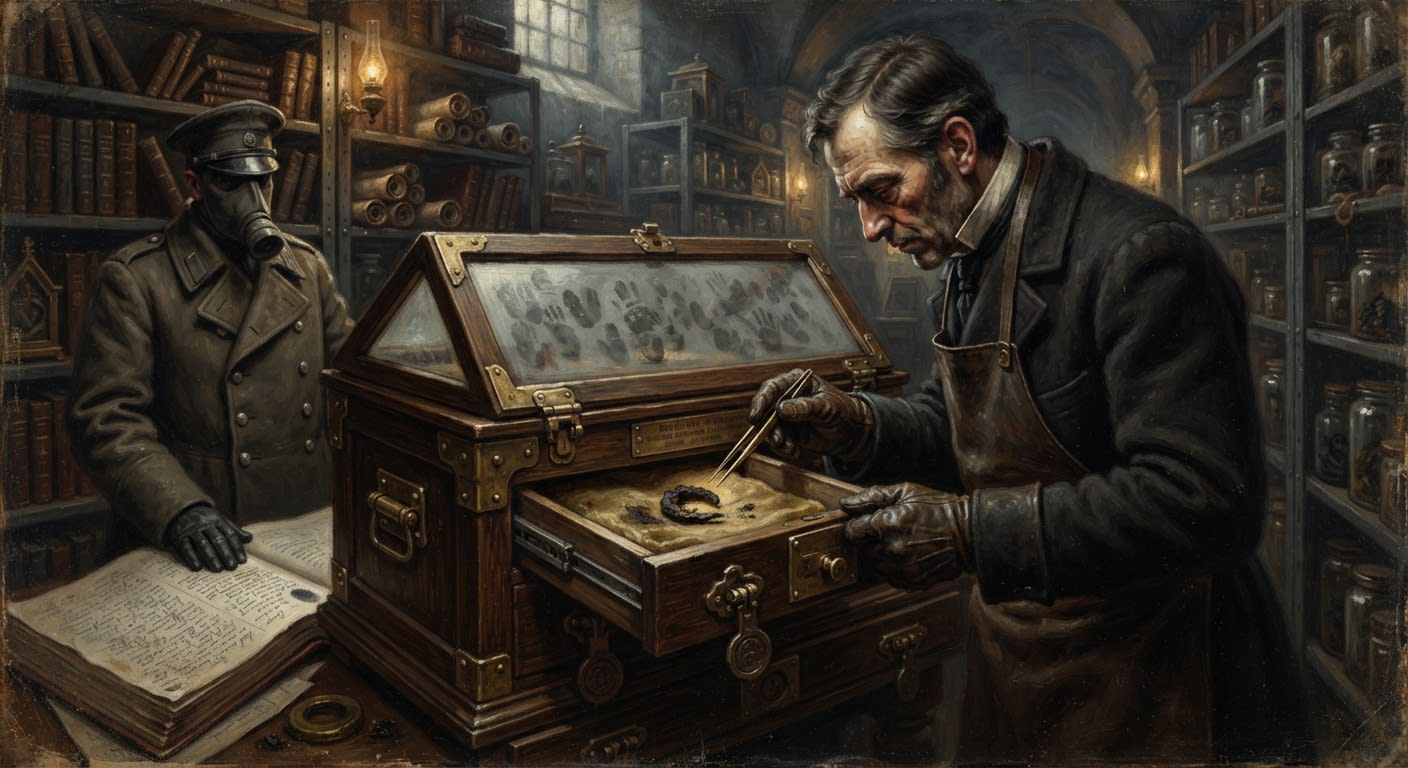
Ashen Thumbnail of Cologne
A relic too small for proof and too useful for disposal
Blackened nail-fragment attributed to Saint Vellum-of-the-Quiet-Hand, never authenticated by Relics and never surrendered by Records because Cologne's corridors keep answering the practical question.
Codex Ref. III.2.04-120
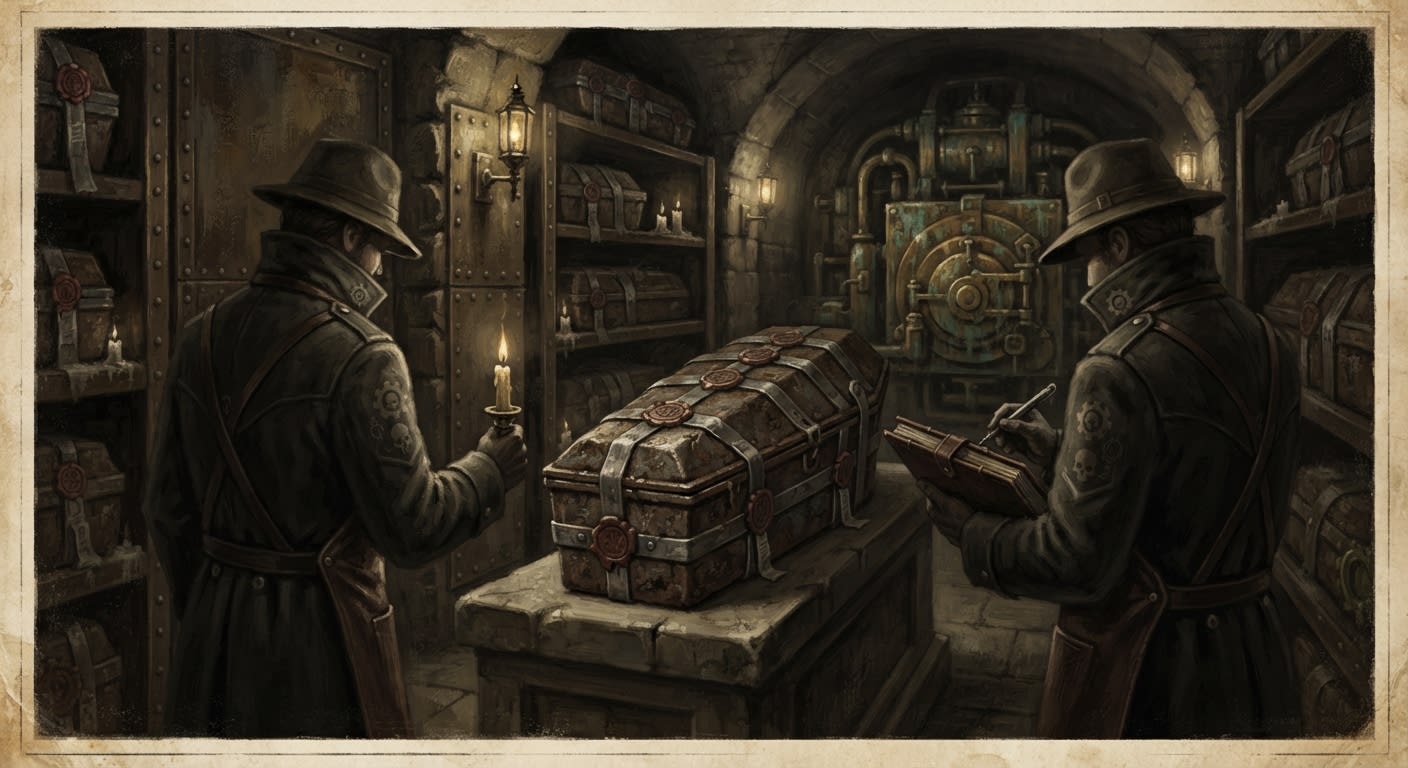
Ashes of the Sundering
The day in the jar, and the seal around the fear
The Bureau of Relics keeps a sealed iron vessel said to contain the Sundering's own residue, gathered from Vienna's cathedral floor and never opened since.
Codex Ref. V.1.03-045
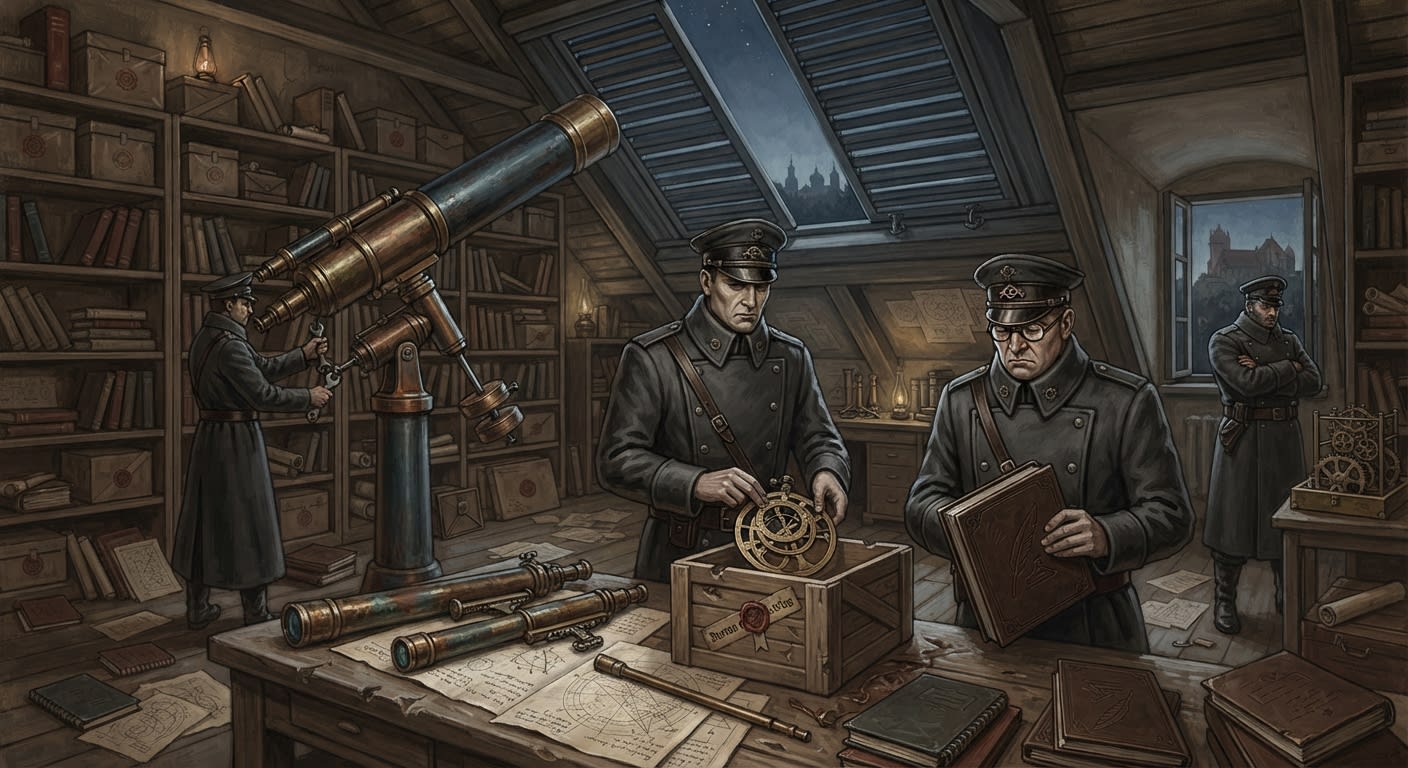
Astronomers of Kraków
The sky kept time; the Bureau kept jurisdiction
The unchartered university habit that wrote the sky down too accurately, earned Doctrine's A.S. 199 correction, and left twenty-one scholars counted among Ulm's paper.
Codex Ref. XI.5.04-199
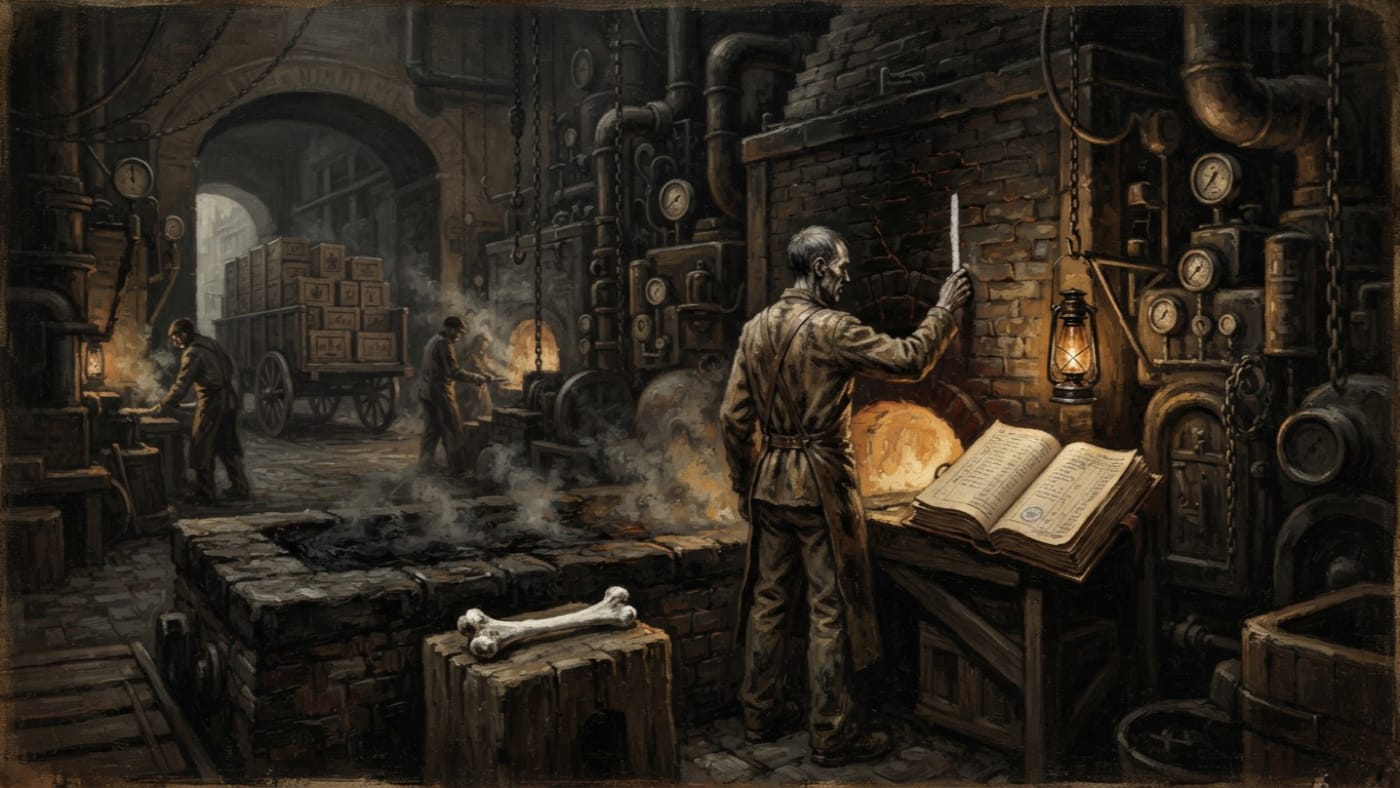
Aurel Eve
A white line, an honest bone, and guilt ready for the winter convoy
Aurel Eve gives Saint-Bone Melters one white line, one clean bone, and a ledger before the first winter convoy. Doctrine tolerates the devotion; the dead must still be numbered.
Codex Ref. XIII.1.89-201
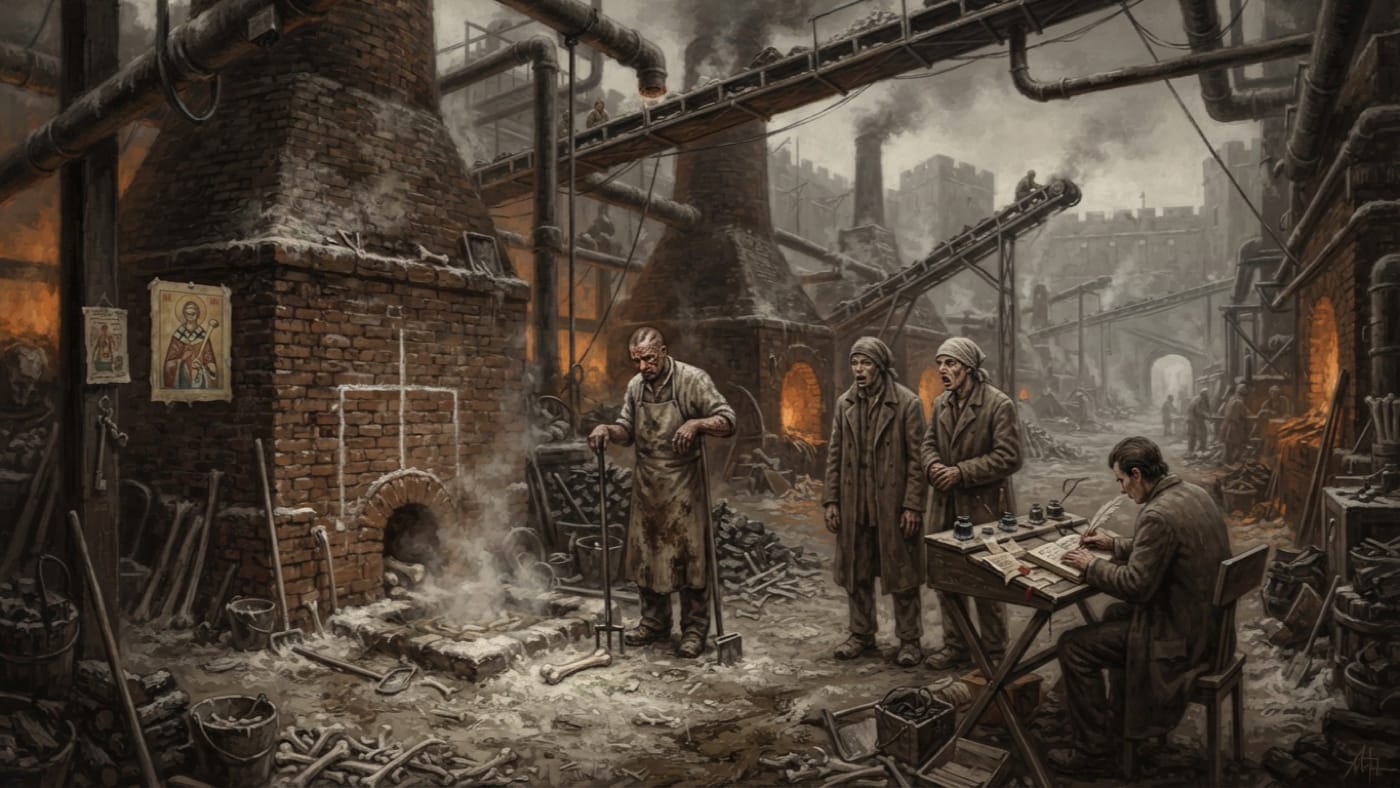
Aurelite Use
Four lines for mercy, no additional licence for the kiln
One attributed kiln prayer and a tolerated yard observance: Aurelite Use lets Saint-Bone Melters ask Saint Aurel for mercy while granting no additional licence to burn.
Codex Ref. XIII.1.91-146
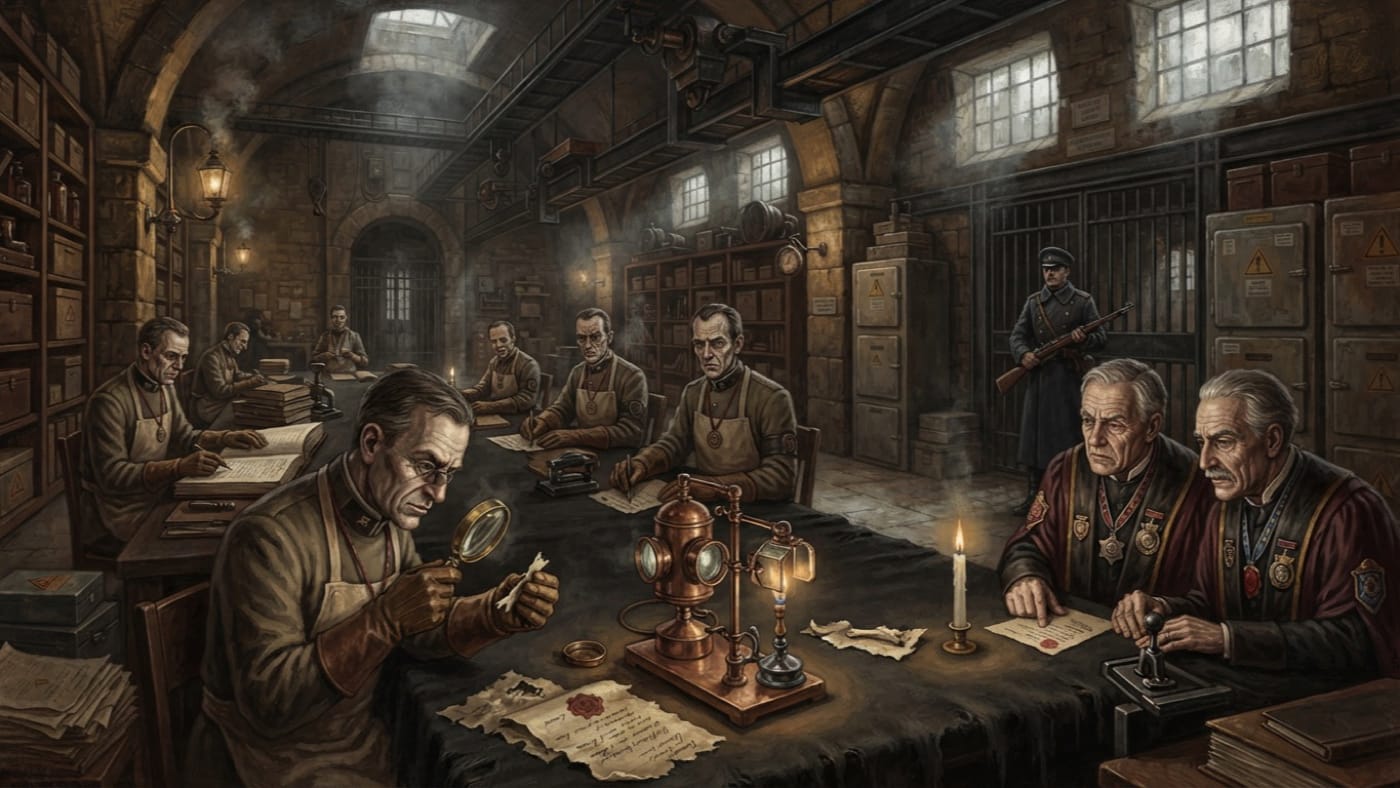
Authentication Hall
Where a rumour in a box becomes a verdict in wax
The Bureau of Relics' examination halls turn sealed submissions into Ward-safe, Votive, Contaminant or Fraud. Seven stages, two witnesses and a press decide whether a bone guards the Line, graces a shrine or becomes mortar.
Codex Ref. II.2.06-006
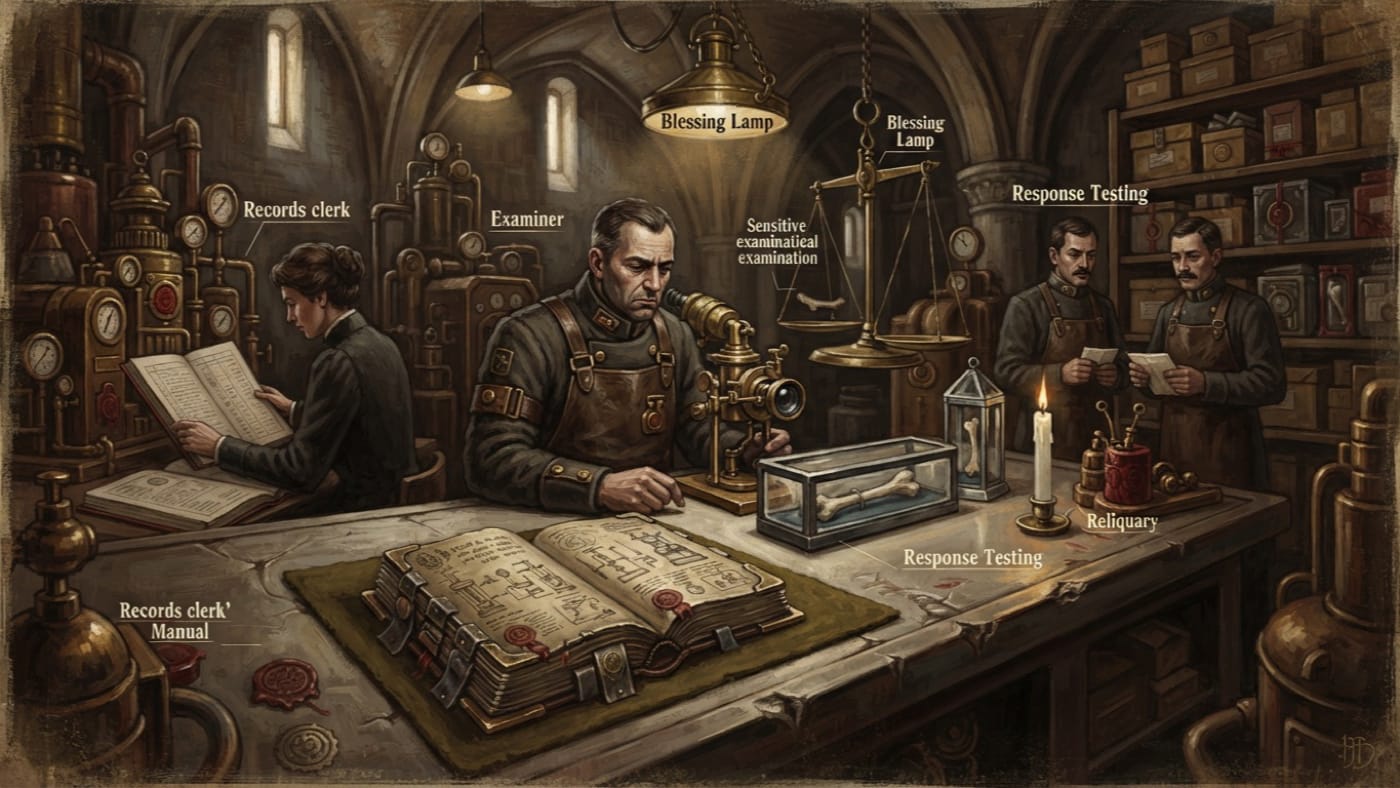
Authenticators' Manual
Seven stages. Two witnesses. Responsibility belongs to the hand.
The Bureau of Relics' working rulebook in A.S. 201: seven stages, two witnesses and seals that outrank arithmetic. Permission belongs to the Bureau; responsibility belongs to the Examiner.
Codex Ref. XIII.1.81-002

Authenticity Writ
Receipt is not recognition.
The Authenticity Writ brings a claimed relic before the Bureau: custody chain, description, doctrine and proof of payment. The applicant has paid to ask a question; the verdict comes later.
Codex Ref. XIII.1.35-201
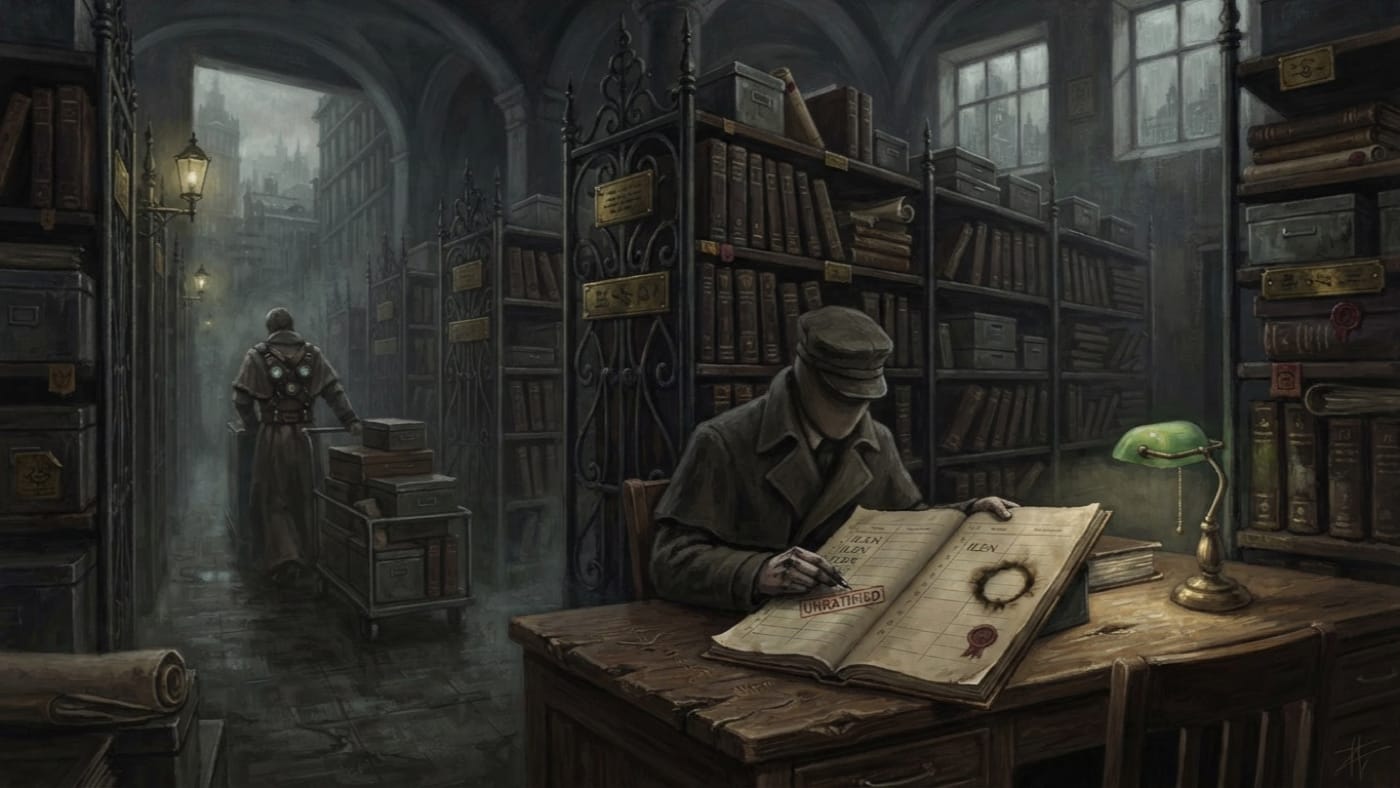
Auxiliary Ilen of the Lesser Quarter
Two names, one place in the roster, and no man the Ledger can certify
Auxiliary Ilen appears in certain rosters of Prague's Night of Crowns, A.S. 8, where other copies name Marek. The Ledger preserves his name; it has never located the man.
Codex Ref. III.2.01-151
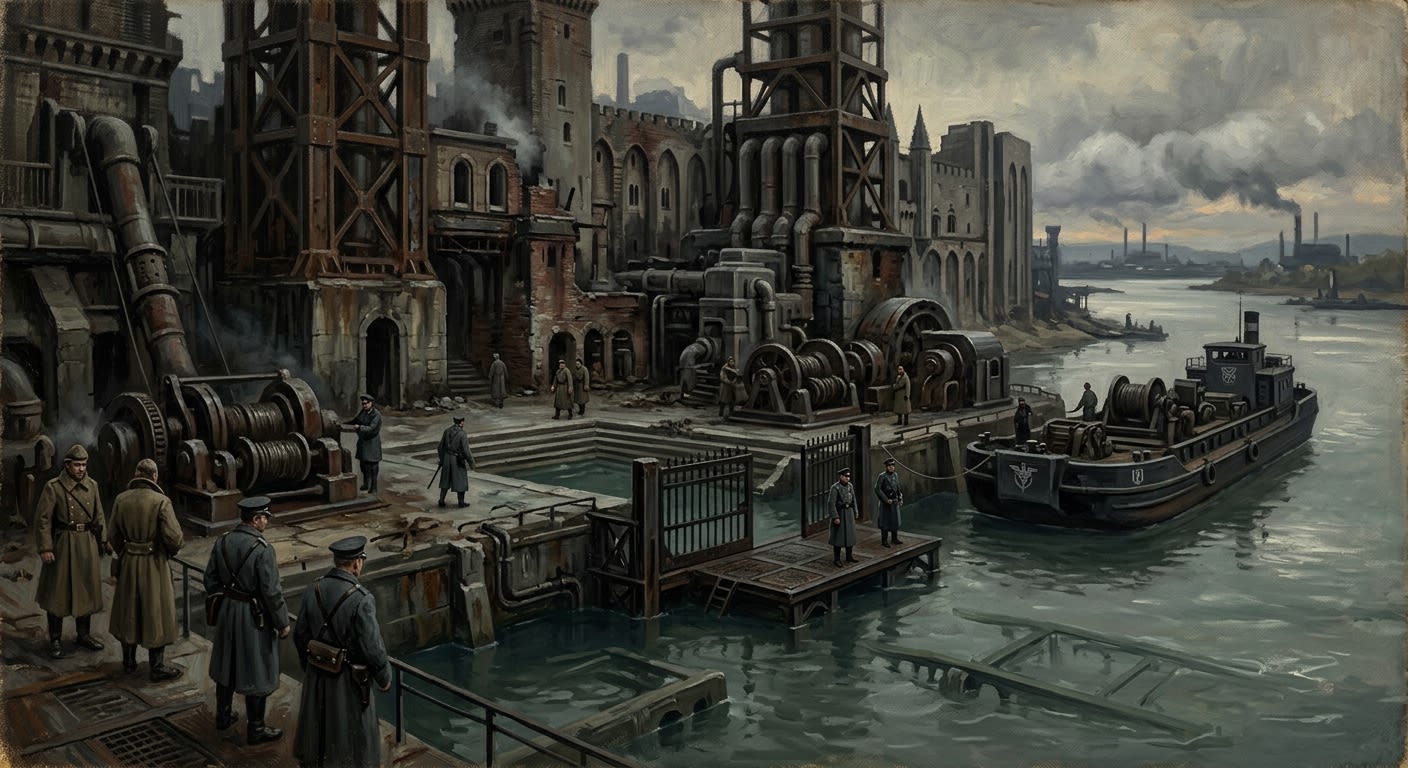
Avignon
A city corrected so thoroughly the river kept the receipt
Penitential ruins on the Rhône, where the Pontifex Submersis was crowned beneath water in A.S. 111, Avignon was razed into correction, and A.S. 145 burned the calendars into agreement.
Codex Ref. II.1.08-111
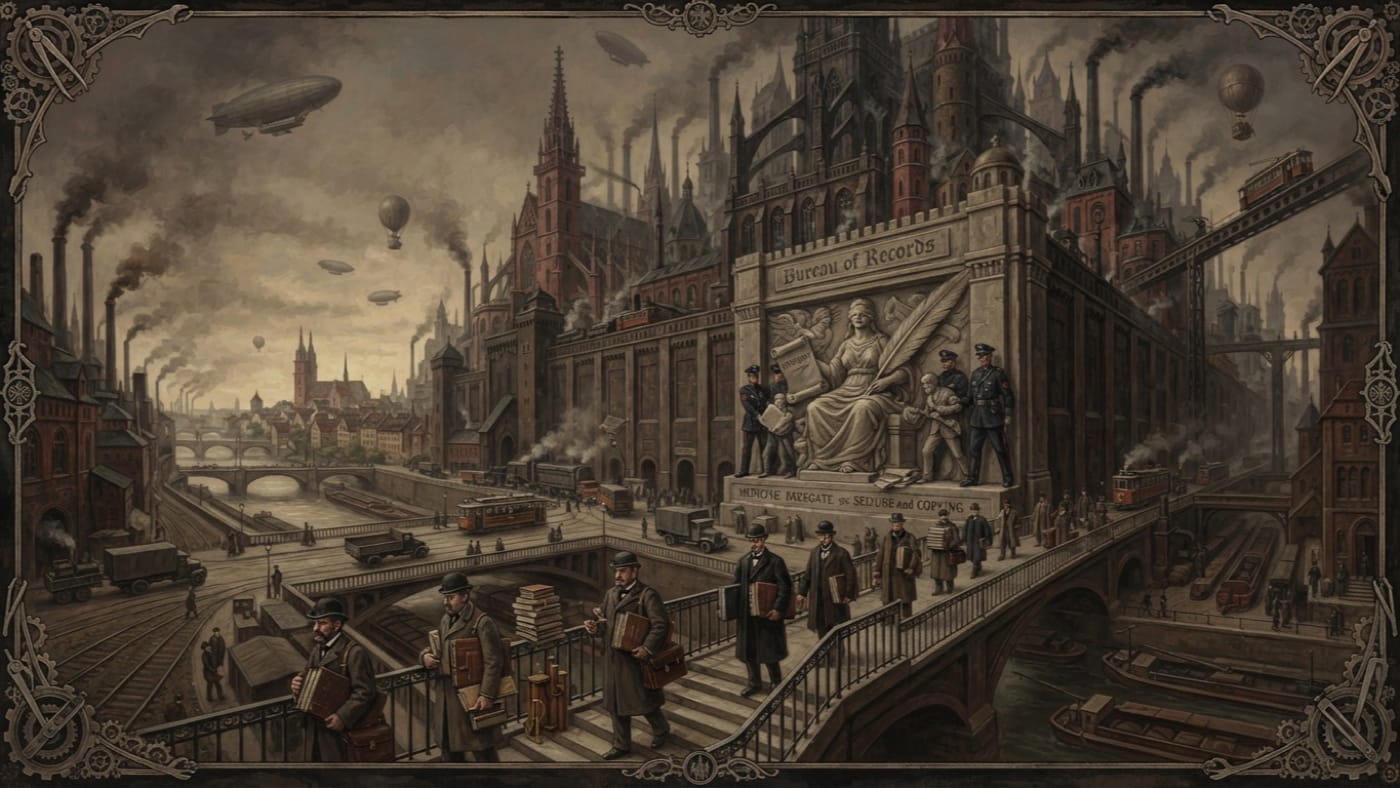
Basel
A city of letters; three words against the seal
Basel sent letters, physicians and one stubborn anatomist into the Ledger. Its unnamed Medicine delegate was removed from the A.S. 147 Congress; his treatise was seized, copied, studied and denounced.
Codex Ref. II.2.01-147
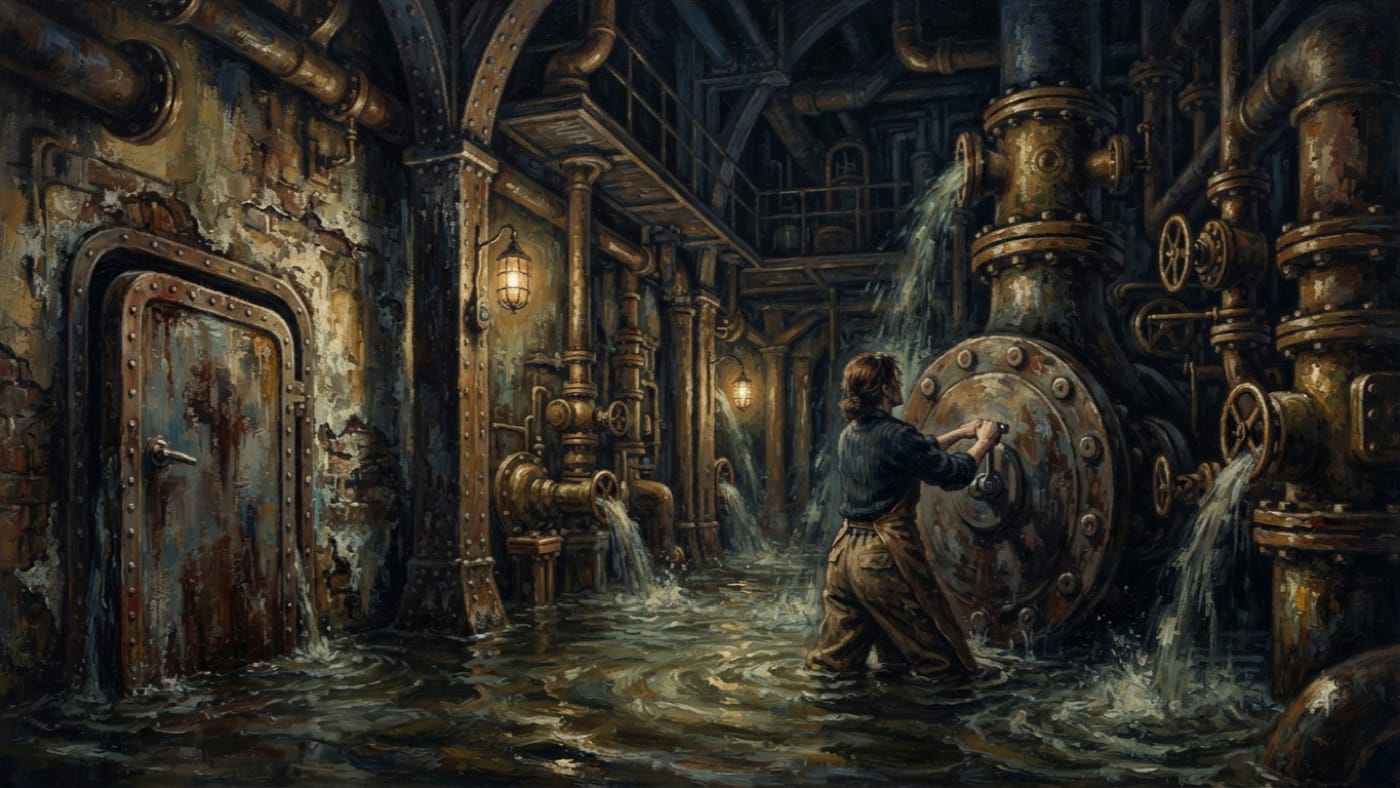
Bastion-Metz
Behind the Line, the water is the enemy that files no declaration.
Metz's historical rear supply-bastion, where Orla completed Seal Seven beneath rising water. The low ward survived; the mechanic did not. Its founding is unrecorded, and its present condition remains uncertified.
Codex Ref. II.4.09-176
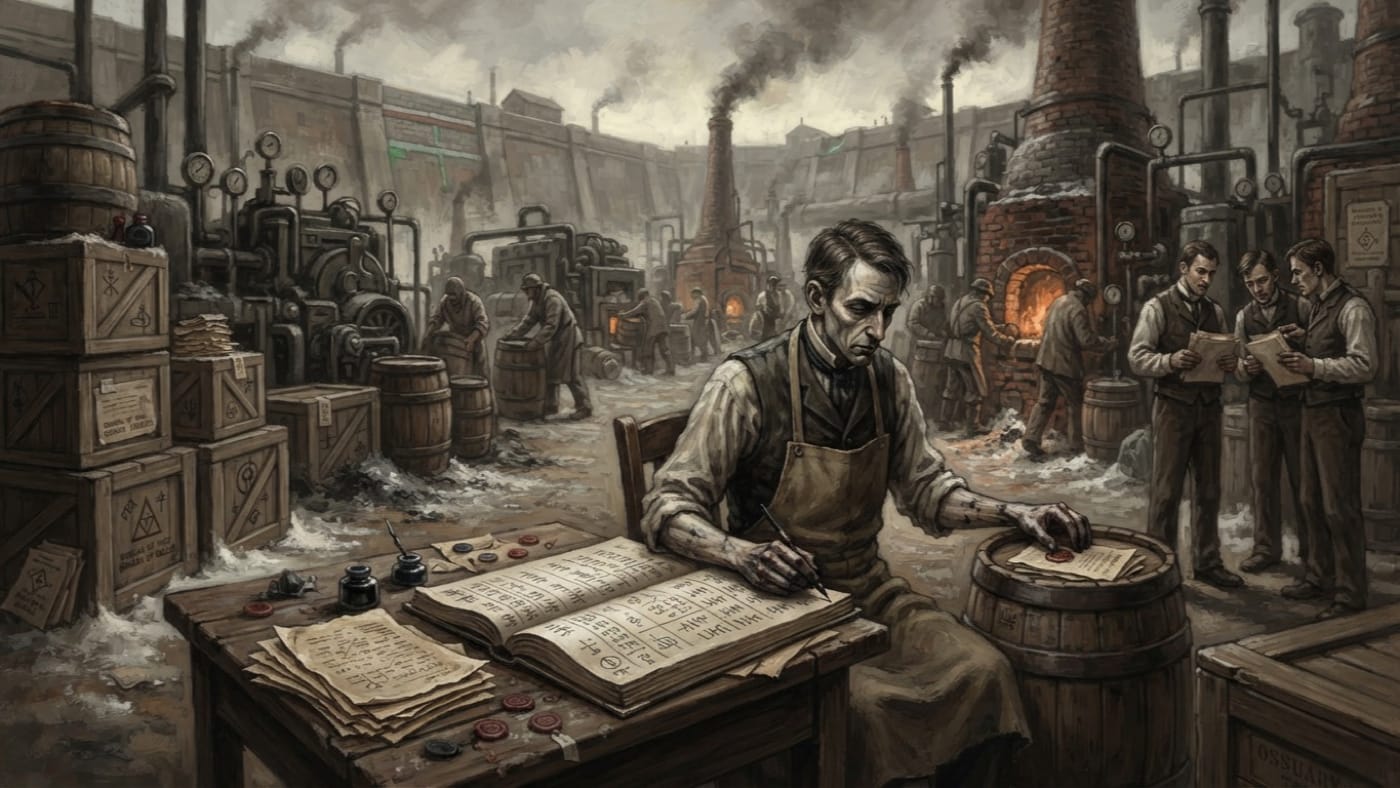
Batch Scribe
The hand that remembers every saint the kiln forgets
The Saint-Bone Melter's middle-rank clerk, tracing each fragment from crate to barrel to wall seam. The book records what was burned; when the mortar fails, it also records whose hand the tribunal can blame.
Codex Ref. XII.40.03-001
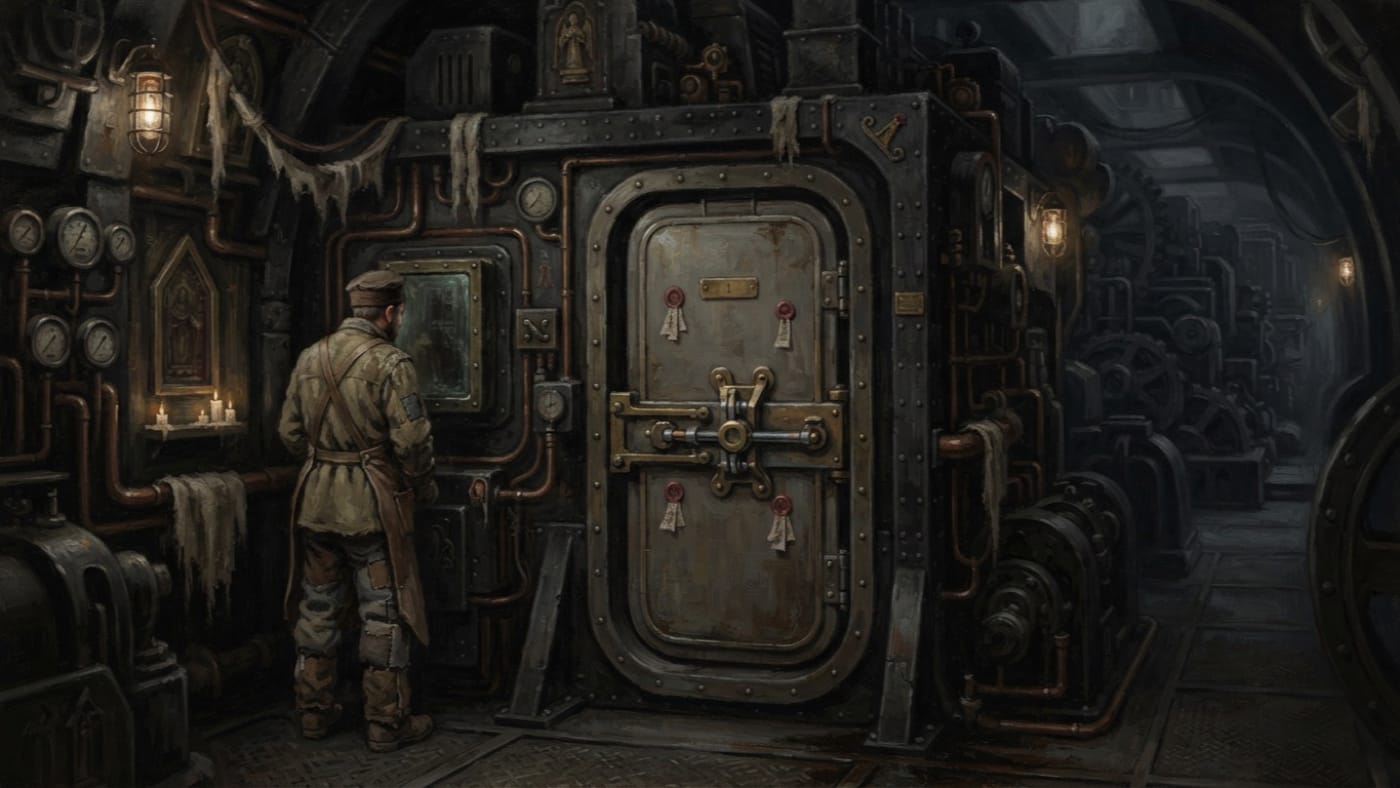
Belan
The room has a seal; the absence has no verdict
Artificer Belan is recorded missing from a locked compartment aboard Threnody, sealed from inside. The paperwork preserves the seal more faithfully than the person.
Codex Ref. III.2.01-412
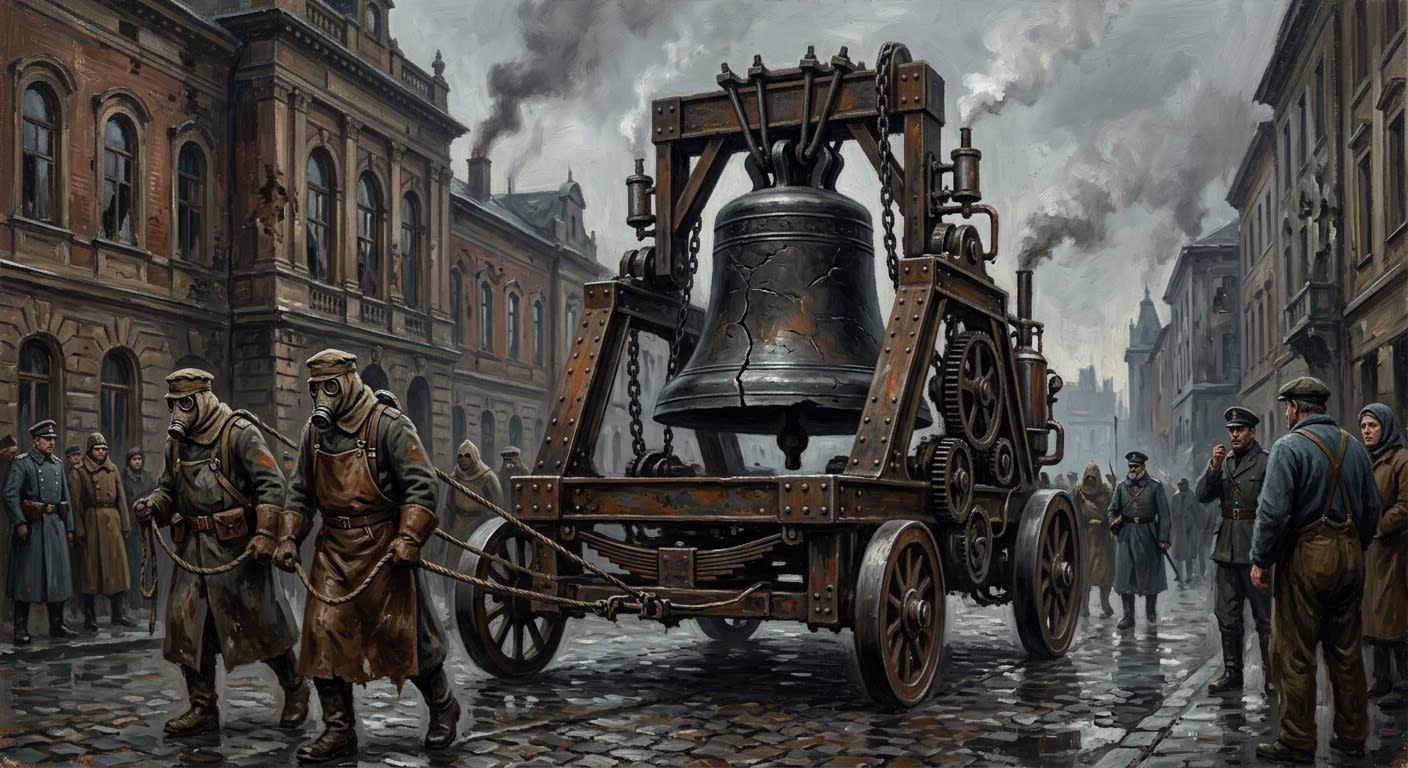
Bell of Saint Isidore
The cracked bronze that made Debrecen inherit a miracle's bill
The Bell of Saint Isidore is a cracked mobile relic-bell born from Kalnik Ridge, useful enough to parade and costly enough for Debrecen to remember in its bones.
Codex Ref. V.1.02-001
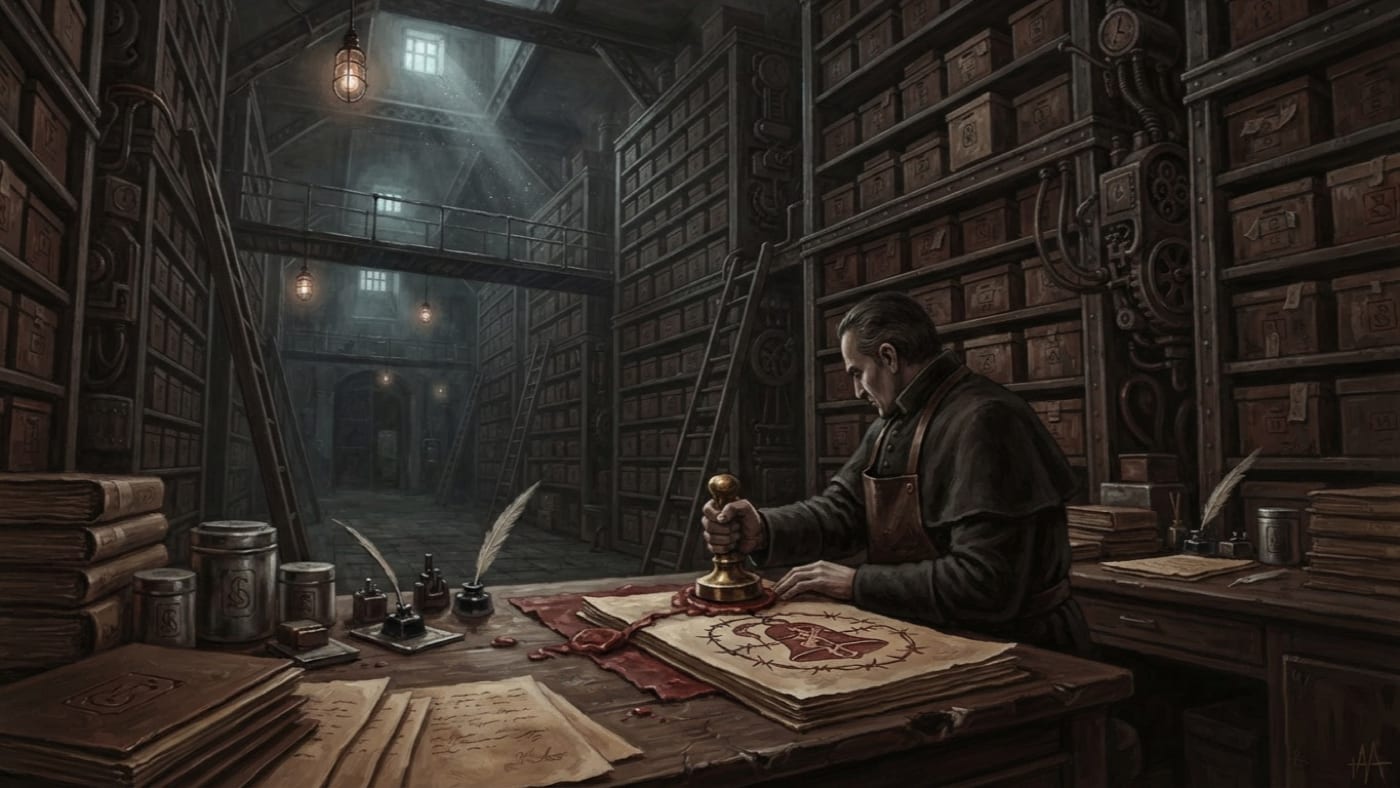
Bell-Silence custody
Five depositions under wax; their witnesses under lime
Sealed custody for five Rouen depositions after the A.S. 184 convoy collapse: the witnesses burned as acoustic carriers, their testimony preserved, and the custodian left unnamed.
Codex Ref. XIII.1.86-184
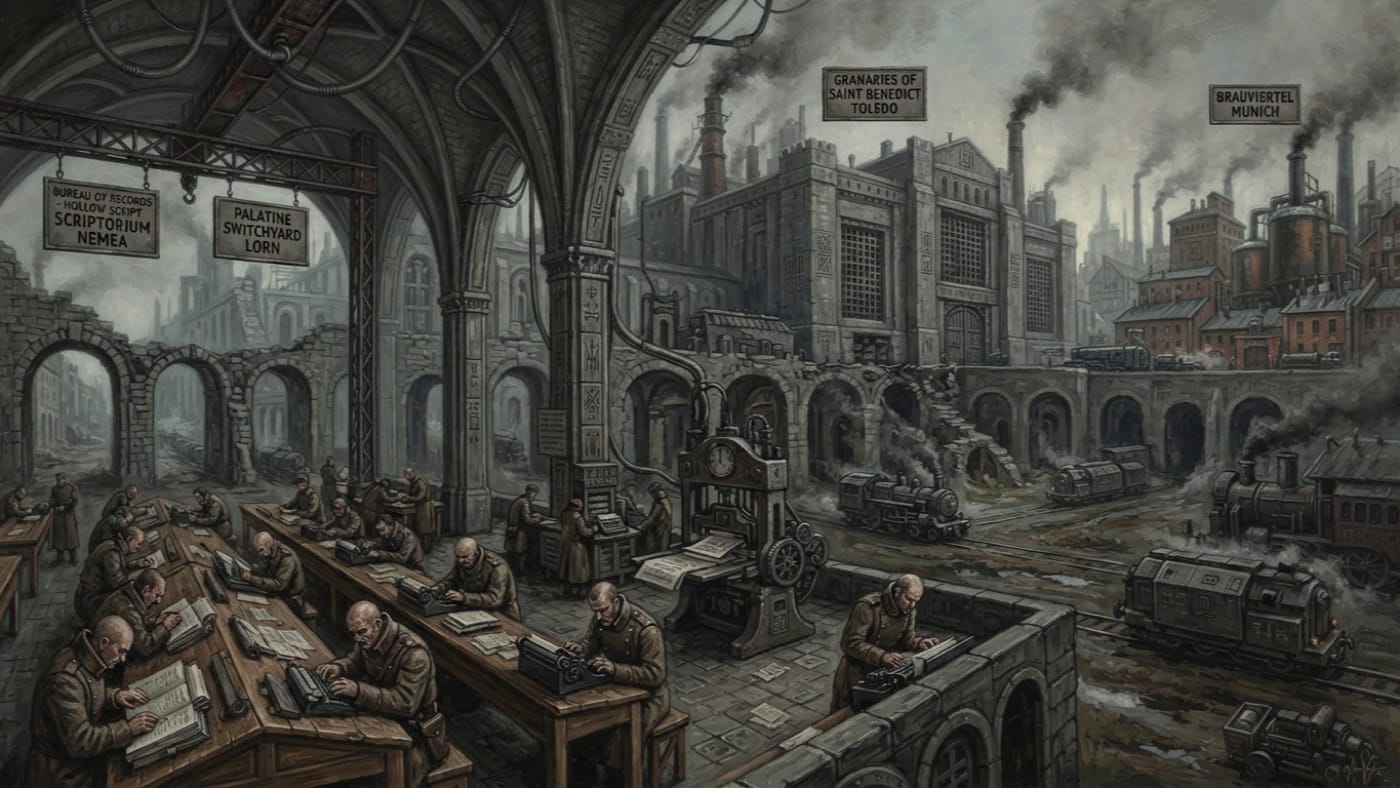
Benedictine
Property Dispersed, Name in Circulation
Benedictine houses trained Veyrault and left traces in Nemea and Lorn. Toledo claims their charity; Munich claims their yeast. Neither claim supplies me with a surviving order.
Codex Ref. VIII.9.02-244
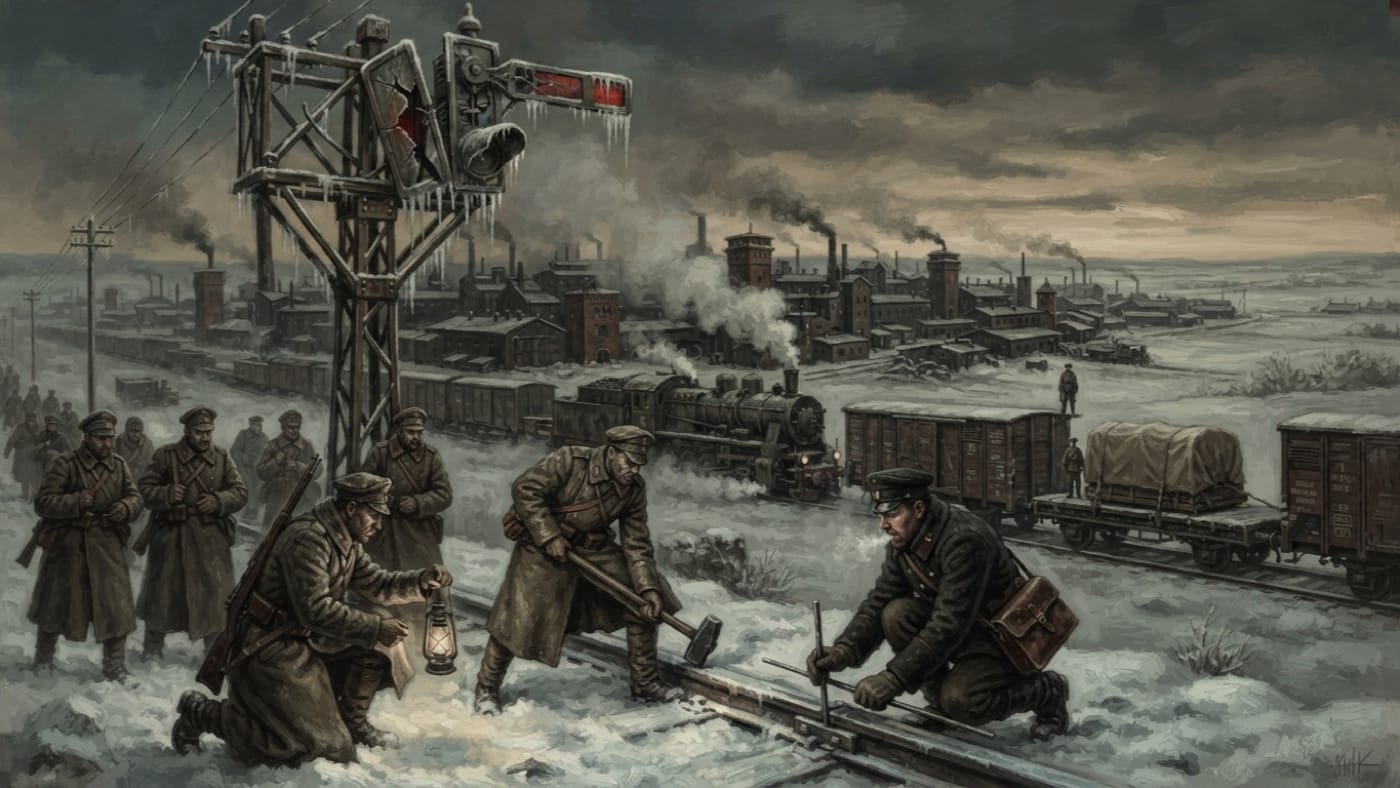
Białystok
Frost cracks the signals; War suspects the delay
Białystok carries Warsaw's military freight toward Königsberg. This commissioned A.S. 201 survey covers winter signal risk, rail damage and extra patrols: frost obeys no timetable.
Codex Ref. II.4.09-250
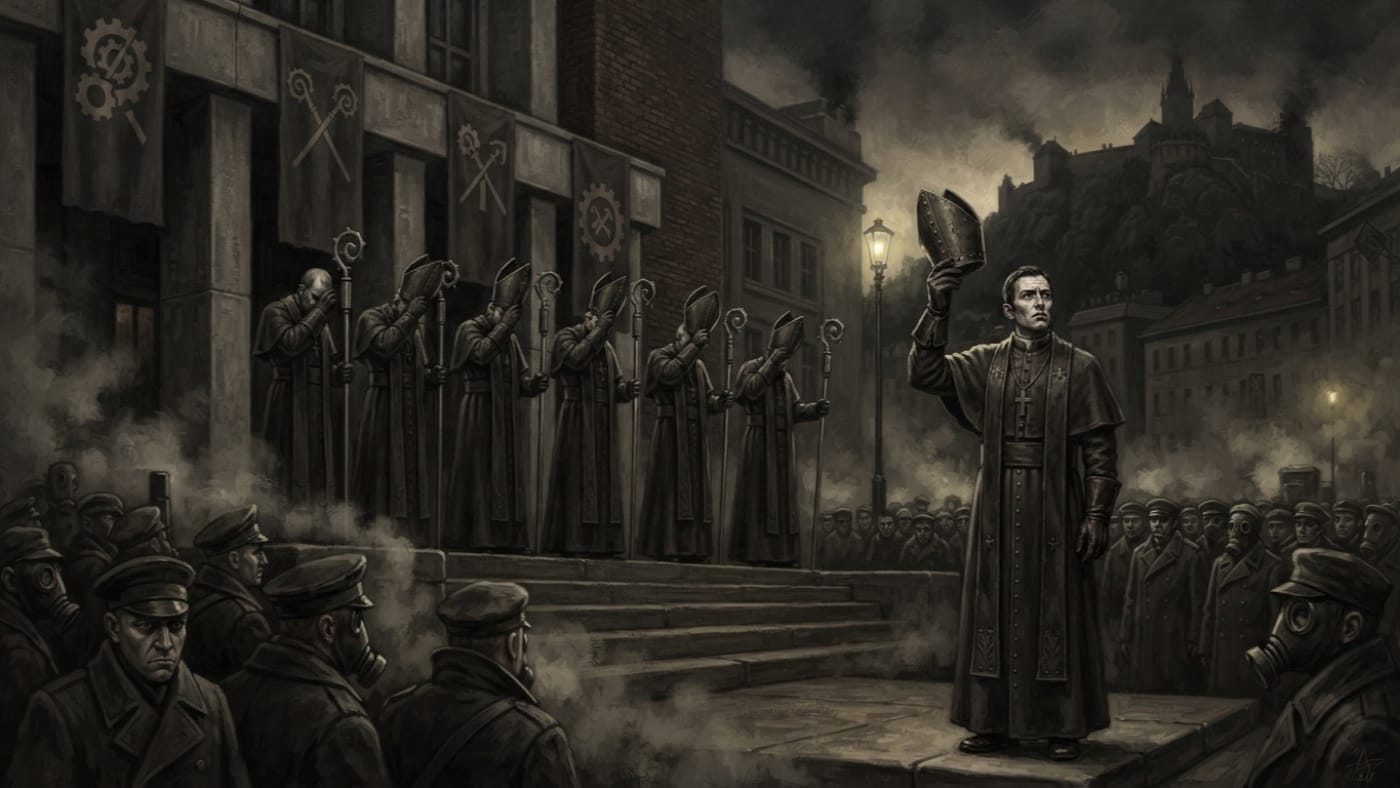
Bishop Marek of Vyšehrad
The seventh line names a bishop; the vellum supplies no man
Certain rosters name Bishop Marek of Vyšehrad as Prague's seventh bishop at the Night of Crowns, A.S. 8. The Ledger keeps the name; attendance, gesture and death remain unconfirmed.
Codex Ref. III.2.01-254
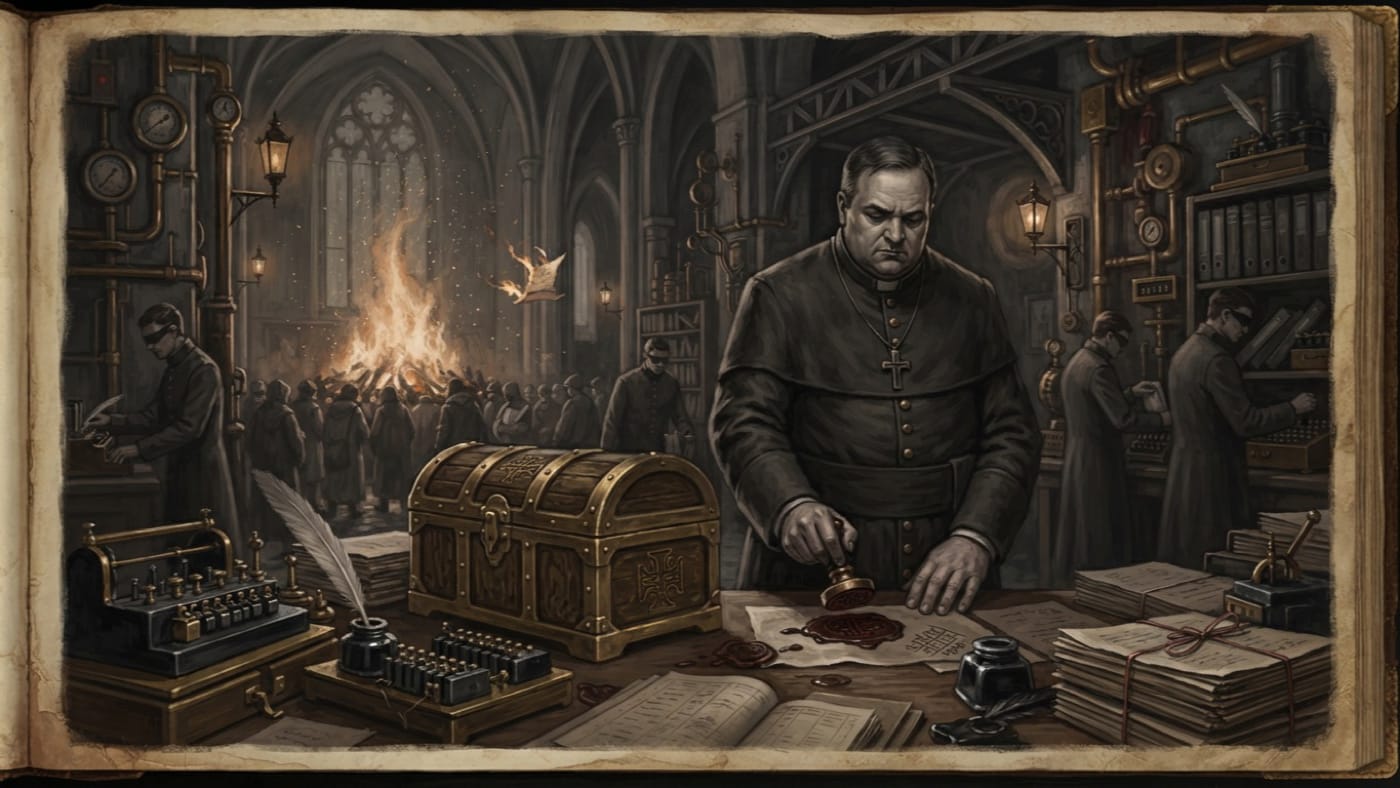
Bishop of Münster
He burned the question, then sealed the answer.
The Bishop of Münster burned Amsterdam's letter in 1678, then commissioned a relic census whose results remain sealed. The office survives in the Ledger; the man's name does not.
Codex Ref. III.2.01-256
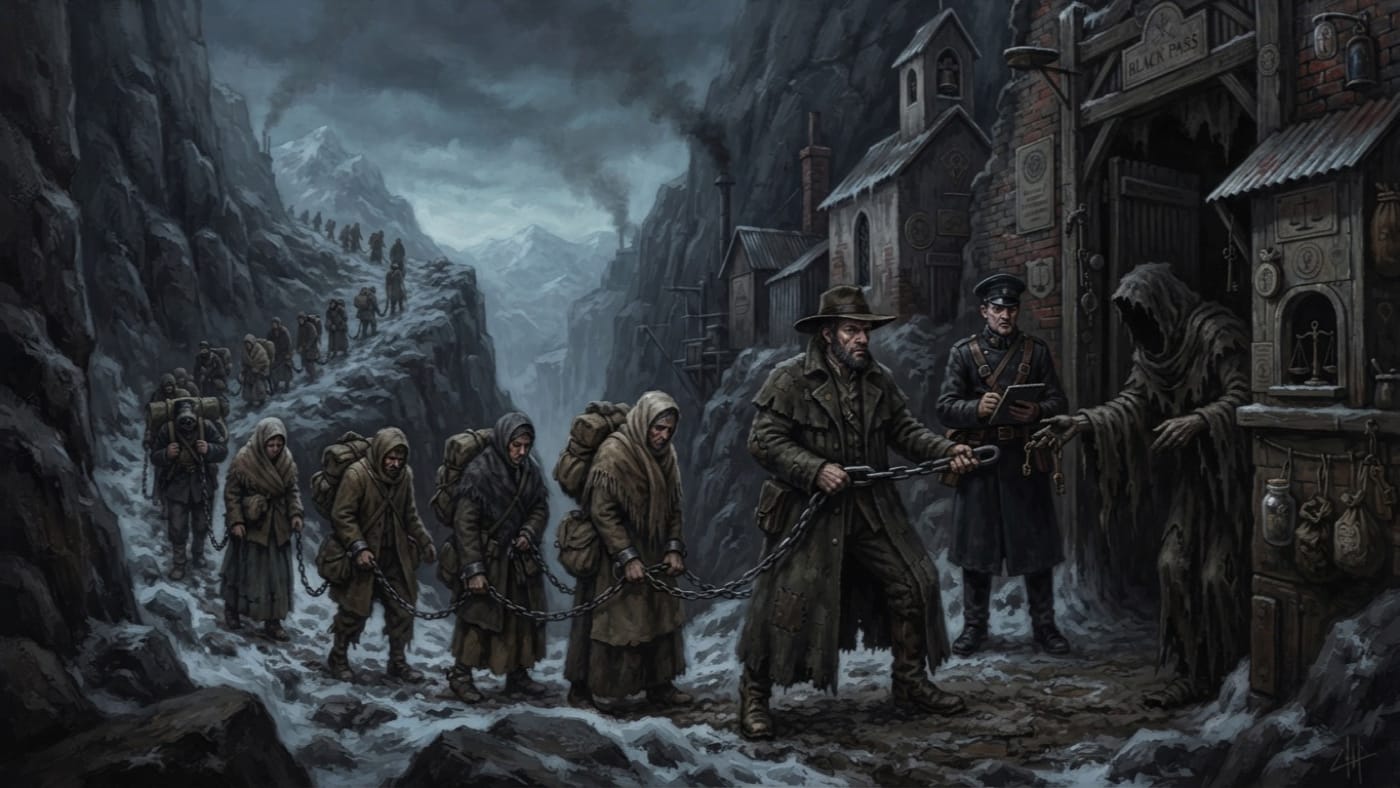
Black Pass
The demon offers release; the Station collects a toll
The tenth Station of Obedience on Varric's road, where a demon offers release, a saint tightens the chain, and a toll survives the absence of a reliable map.
Codex Ref. III.2.04-272
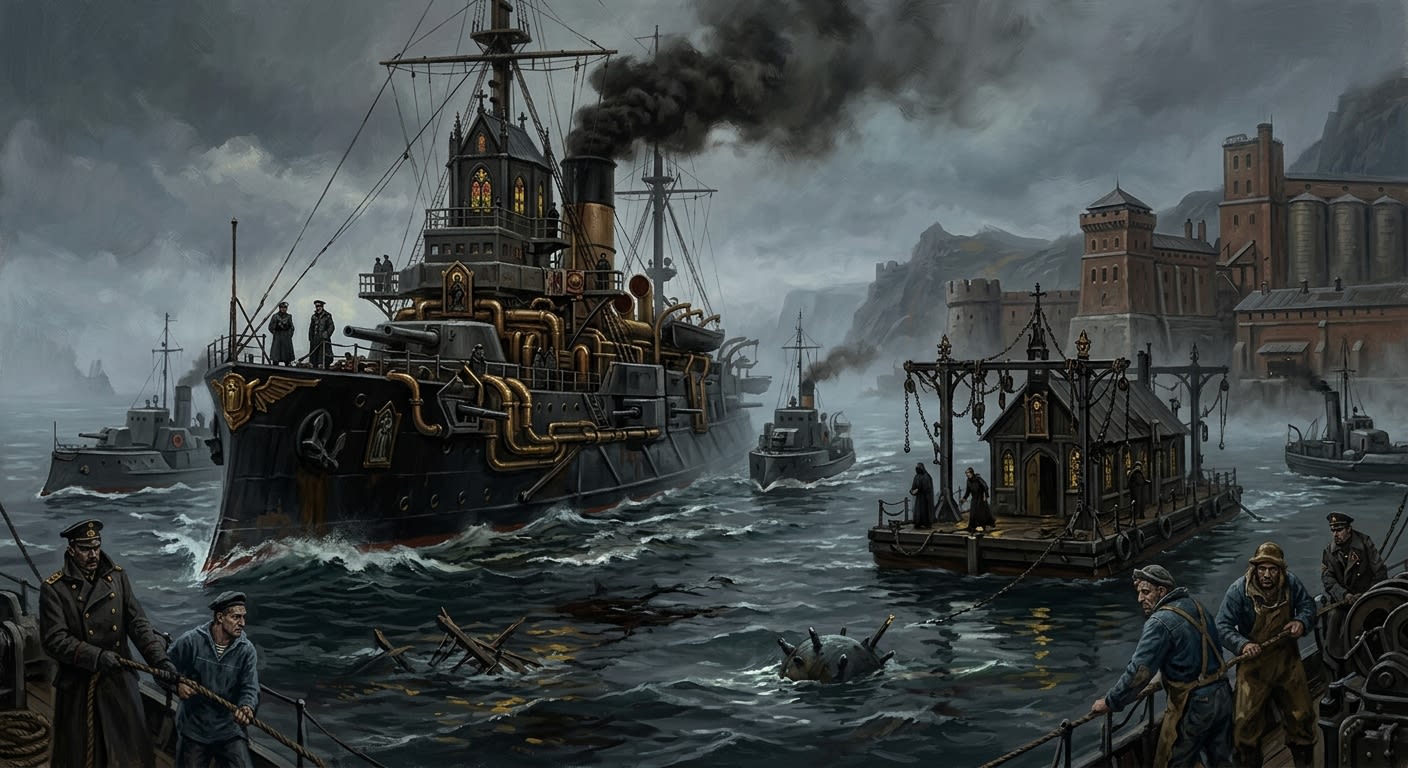
Black Sea
The Sable Deeps keep their own docket
The Black Sea is the Synod's northeastern wound against salt water: threat lane, relic route, grain hazard, Flotilla parish, and water that remembers too much.
Codex Ref. II.4.09-018
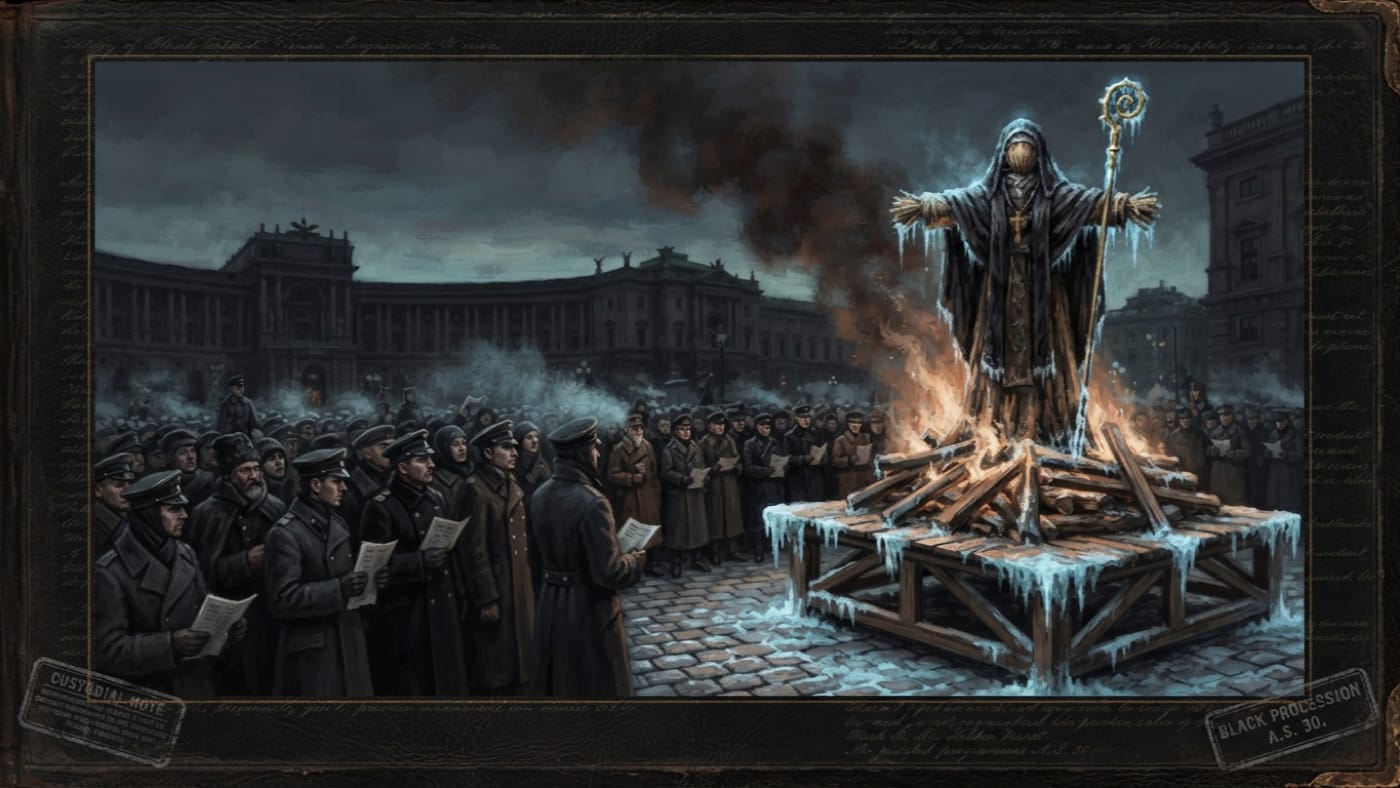
Blessed Adalheid
The Republic burned her likeness and preserved its own indictment
Blessed Adalheid survives in Vienna's relic processions, a tradition of healing the blind, and an effigy burned in A.S. 30. The Ledger keeps her title and declines to invent her life.
Codex Ref. III.2.01-281

Blessed Clerk Harlowe “Dry-Ink”
The closed stamp pad by which mercy learned its office hours
Tolerated vocational patron of Confessor-Booth Clerks: a devotionally sufficient blessed whose dry stamp pad sanctifies refused mercy and audit-safe cruelty.
Codex Ref. III.2.01-102
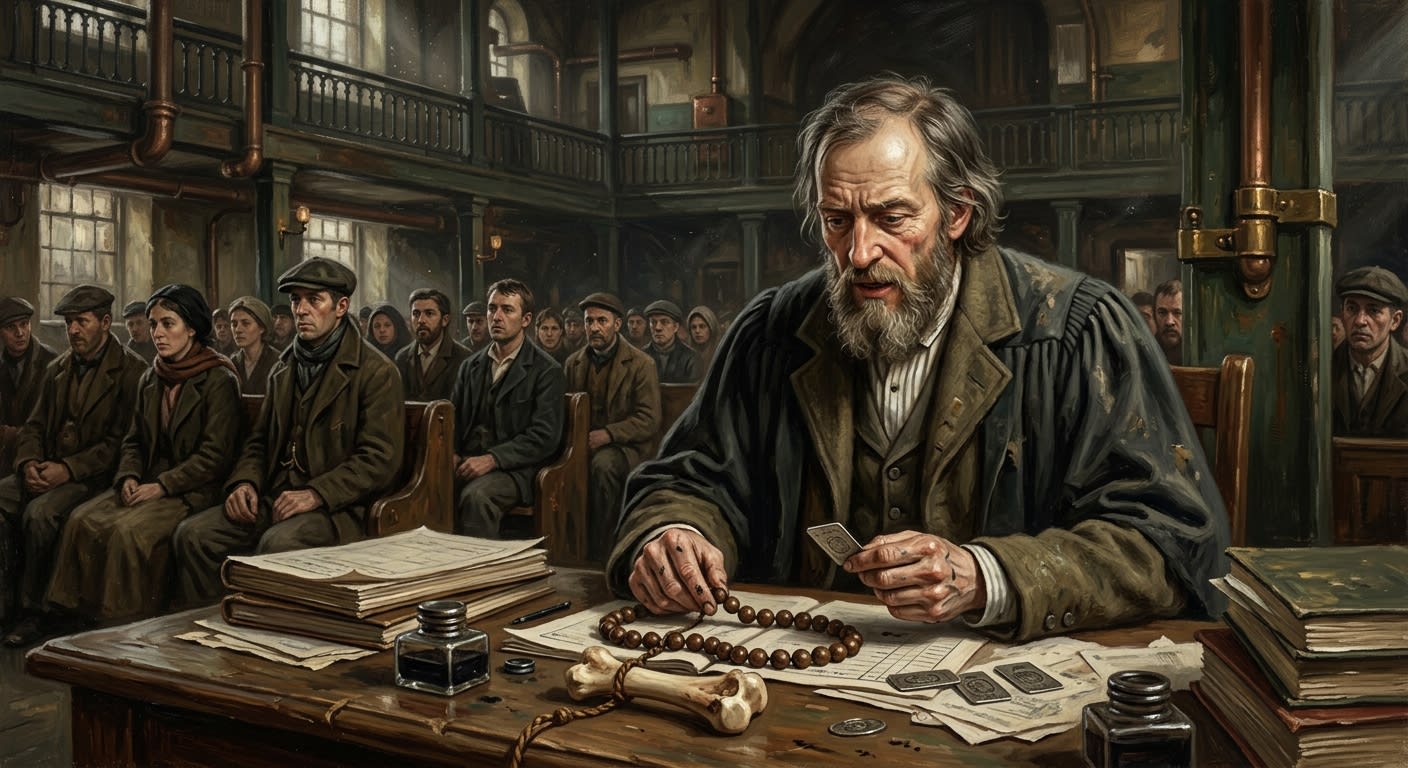
Blessed Edrin of the Count
The saint who proved an ear is holiest when entered in a column
Patron of Sky-Sermon Attendance Auditors, Blessed Edrin sanctifies visible listening, counted bodies, sermon tokens, and the pig-bone relic that honestly moves beads.
Codex Ref. III.2.01-146
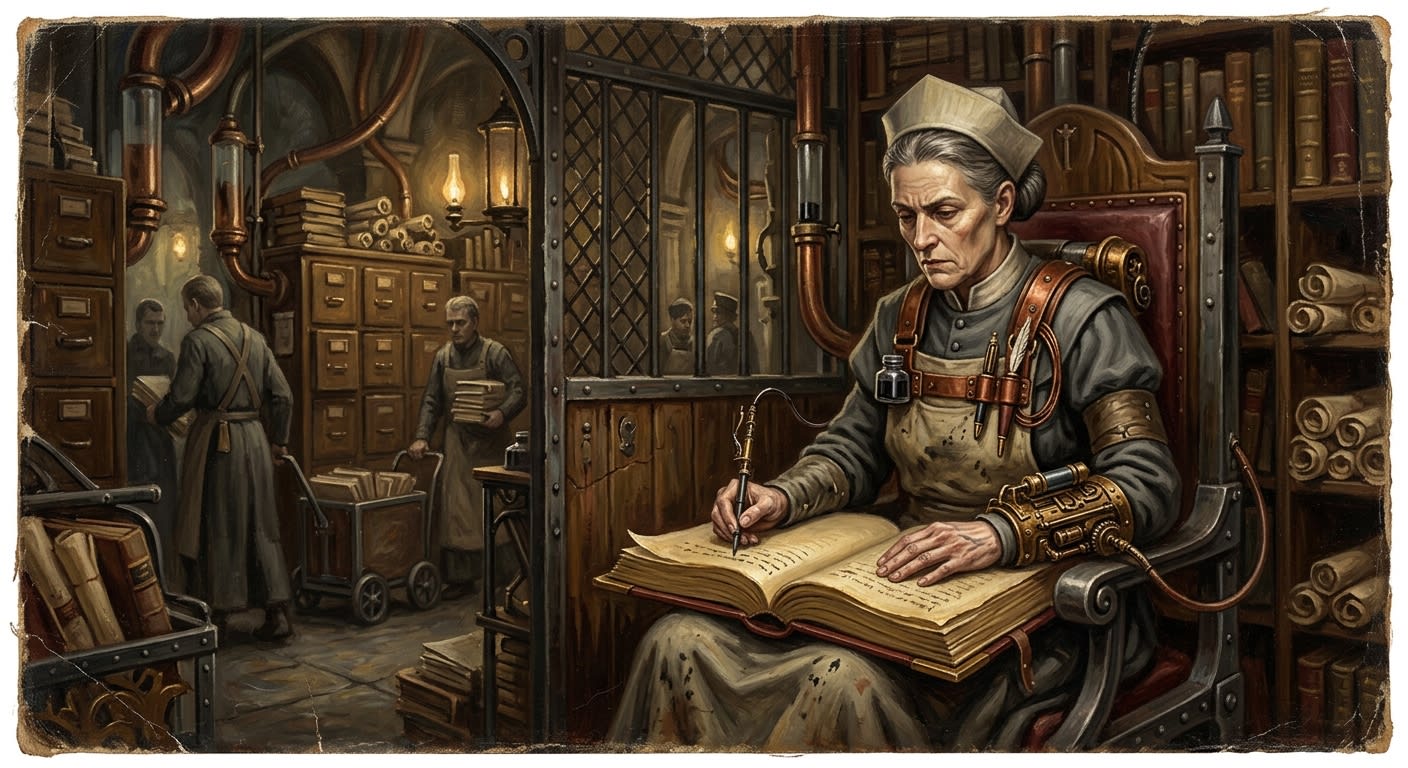
Blessed Vellum-Anna
The quiet quill that made mercy admissible before it made it kind
Blessed Vellum-Anna is the unauthenticated but indispensable patron of Deathbed Confession Harvesters, where last breaths become comfort, evidence, and paperwork.
Codex Ref. III.2.01-106

Blessing Lamp
The little tribunal with a brass handle
Brass-handled reliquary examination lamp whose sanctified beam makes bones, ash, and confiscated fragments answer before paperwork is ready.
Codex Ref. XIII.1.80-001
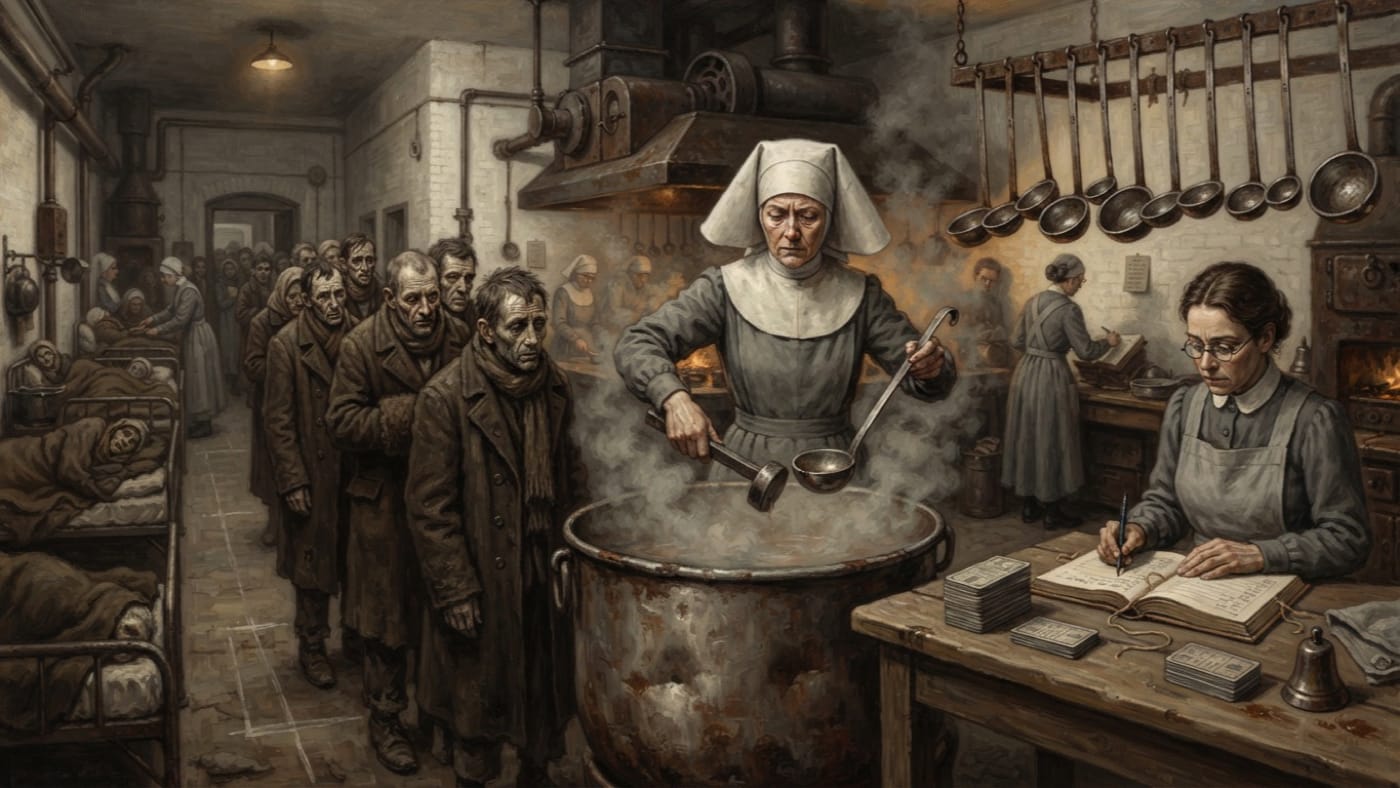
Blessing of the Ladles
Once a year the Church kisses the ladles; the measure remains fixed
An A.S. 201 survey of Saint Marrow's Mercy-house feast: ladles washed, counted, kissed and struck; the bowl is full, provided the hunger is registered.
Codex Ref. XIII.1.89-201
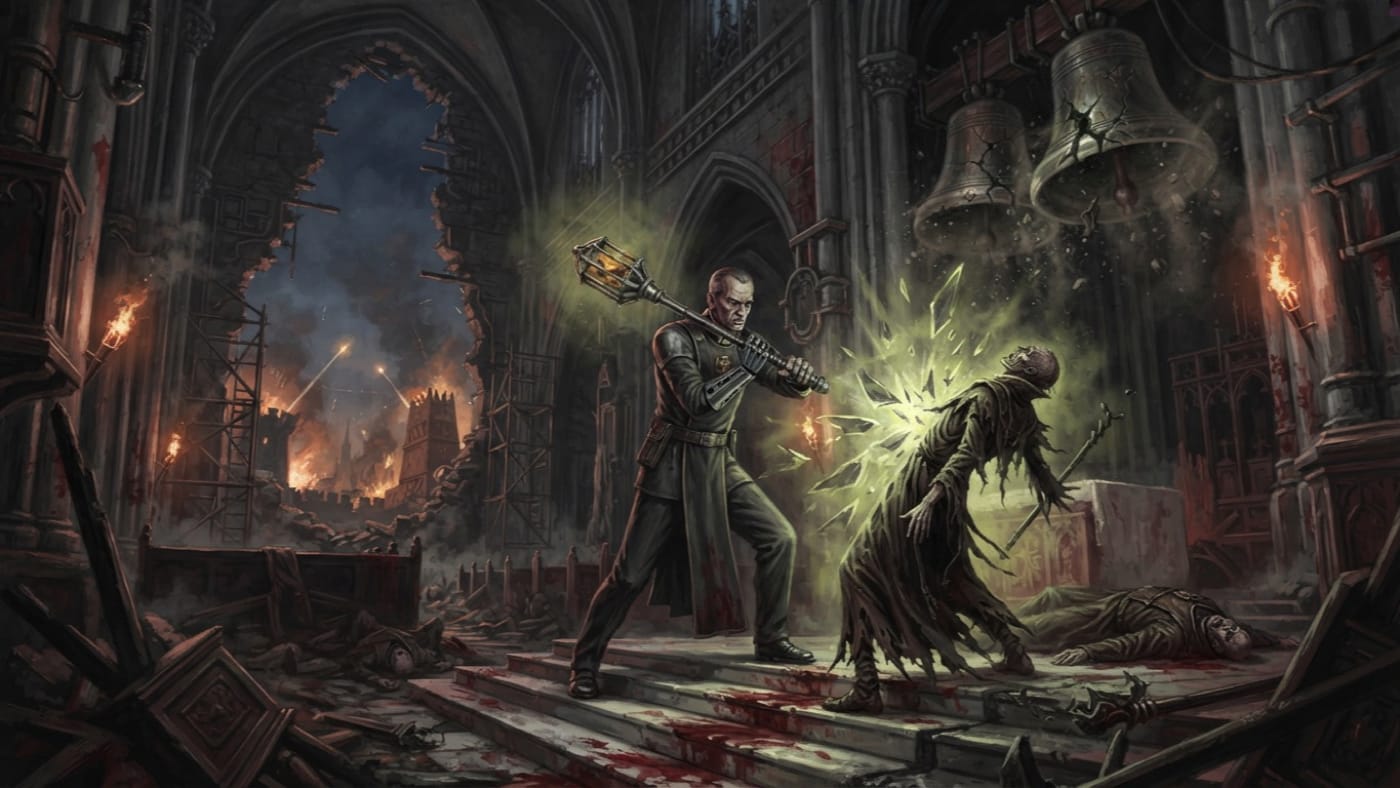
Blow of Saint Rupert
One strike; nine years of paperwork
Clemens Stahlhand's reliquary blow broke the Siege of Vienna in A.S. 95. Doctrine ratified the miracle in A.S. 104; the bells and the mechanism retain their own troublesome files.
Codex Ref. III.2.07-032
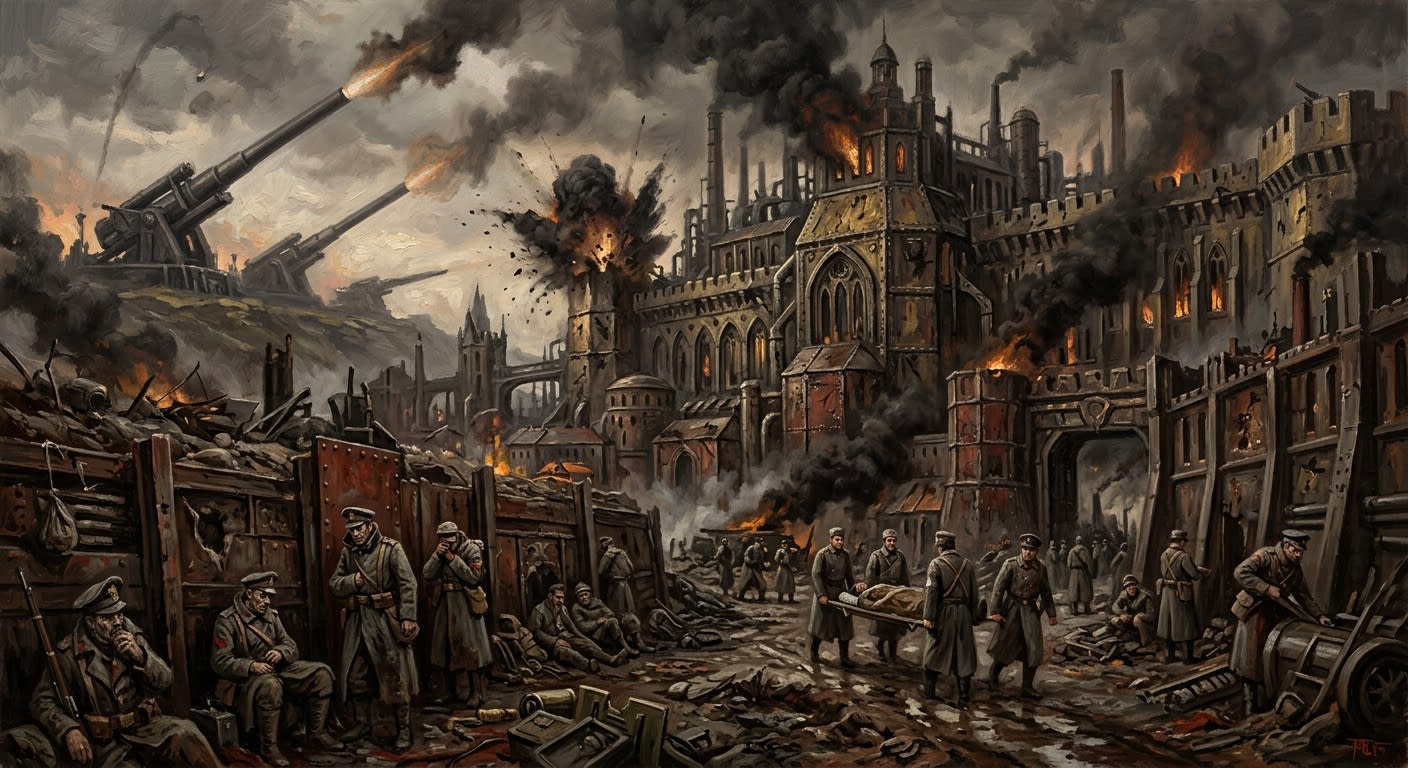
Bombardment of Bastion-Constantinople
Eleven days when shells, bowels, and Bureau all fired
Maldrake's Wrath-tide guns battered Bastion-Constantinople for eleven days; War printed the dysentery homily faster than medicine arrived.
Codex Ref. VII.5.03-182
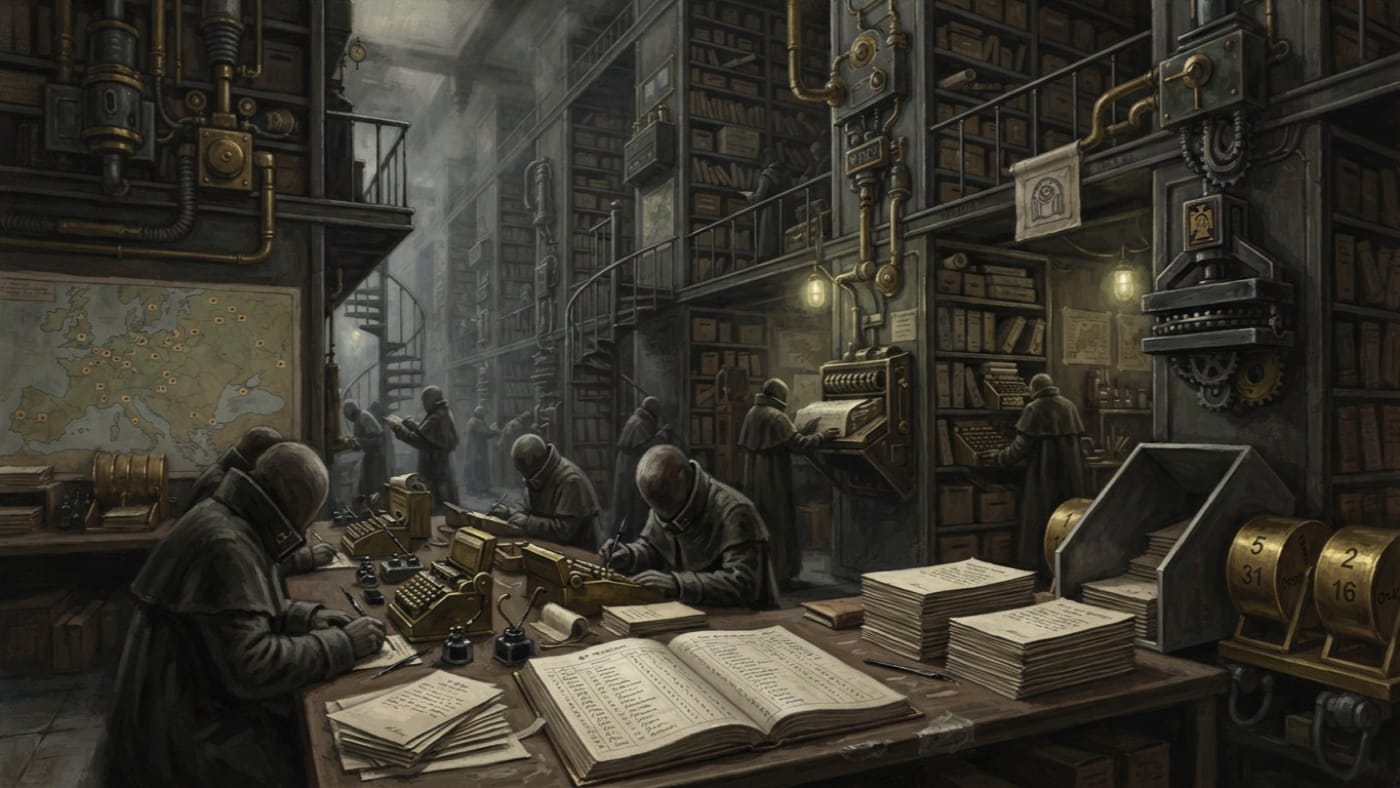
Bone Census
The count is conceded; the right to count is condemned
Compiled in Amsterdam in −32 A.S. / 1678 CE, the Bone Census tabulated 243 Aldebrand relic claims. The figures are conceded; the scholars' right to count remains condemned.
Codex Ref. I.1.04-000
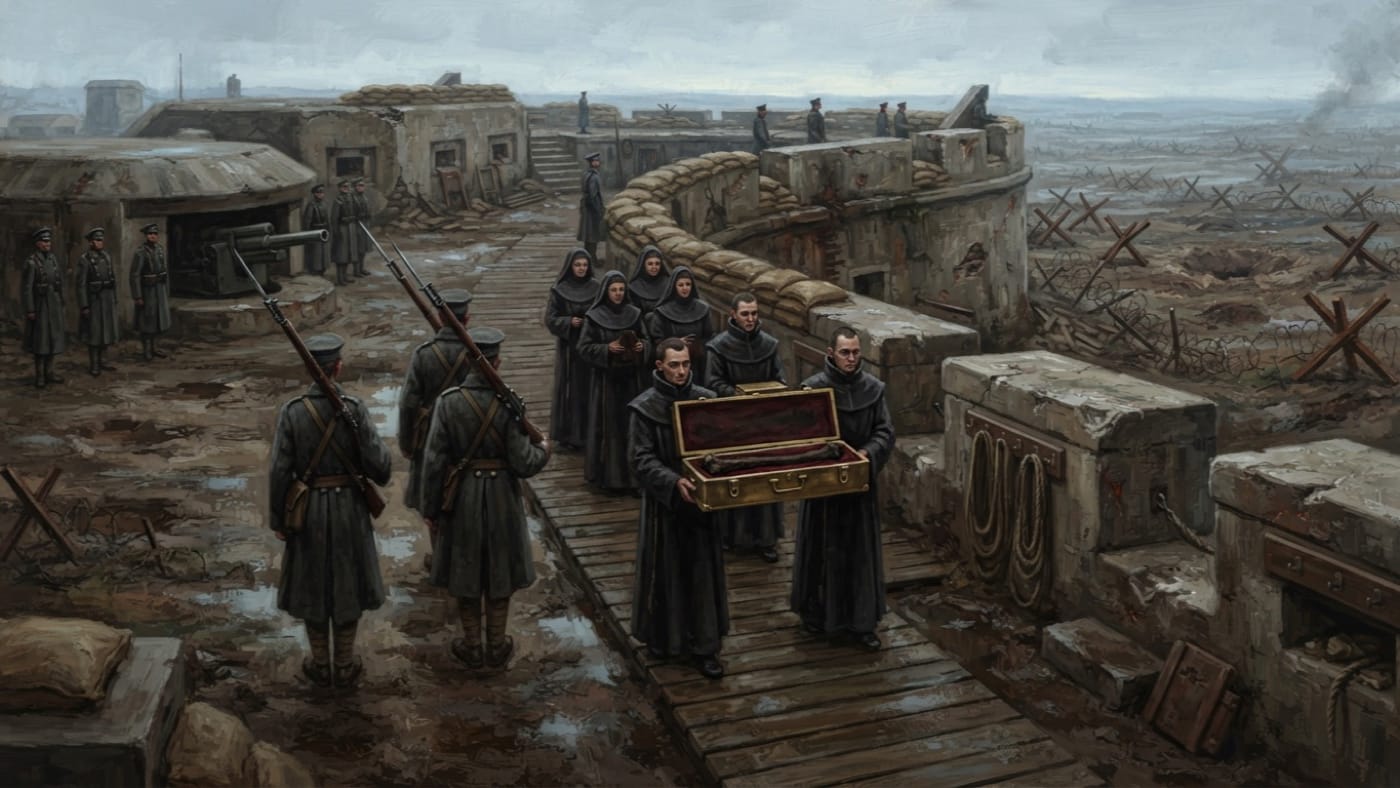
Bone Walk
Mechanism uncertified. Posture improved.
A notarized femur passes along the Ravelin of Vigilance on the third Friday of each month. The soldiers stand straighter. The miracle remains uncertified.
Codex Ref. XIII.1.12-311
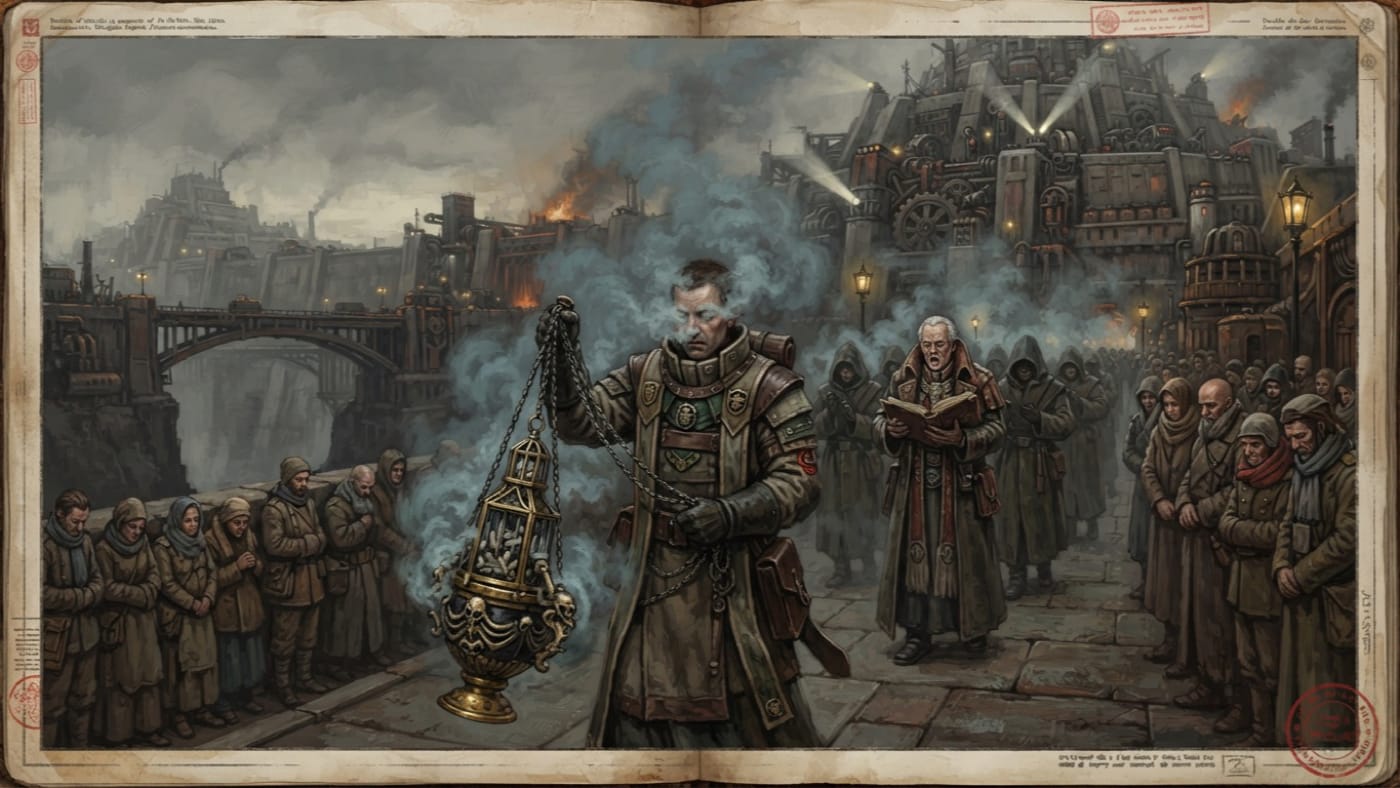
Bone-Censer of Saint Thaddeus
Seventeen genuine censers; forty-seven names withheld.
Present liturgical survey, A.S. 201: one of seventeen genuine censers carried at Constantinople's Vigil of the Hollowed. The vessel is authenticated; the forty-seven names remain sealed.
Codex Ref. III.2.04-298
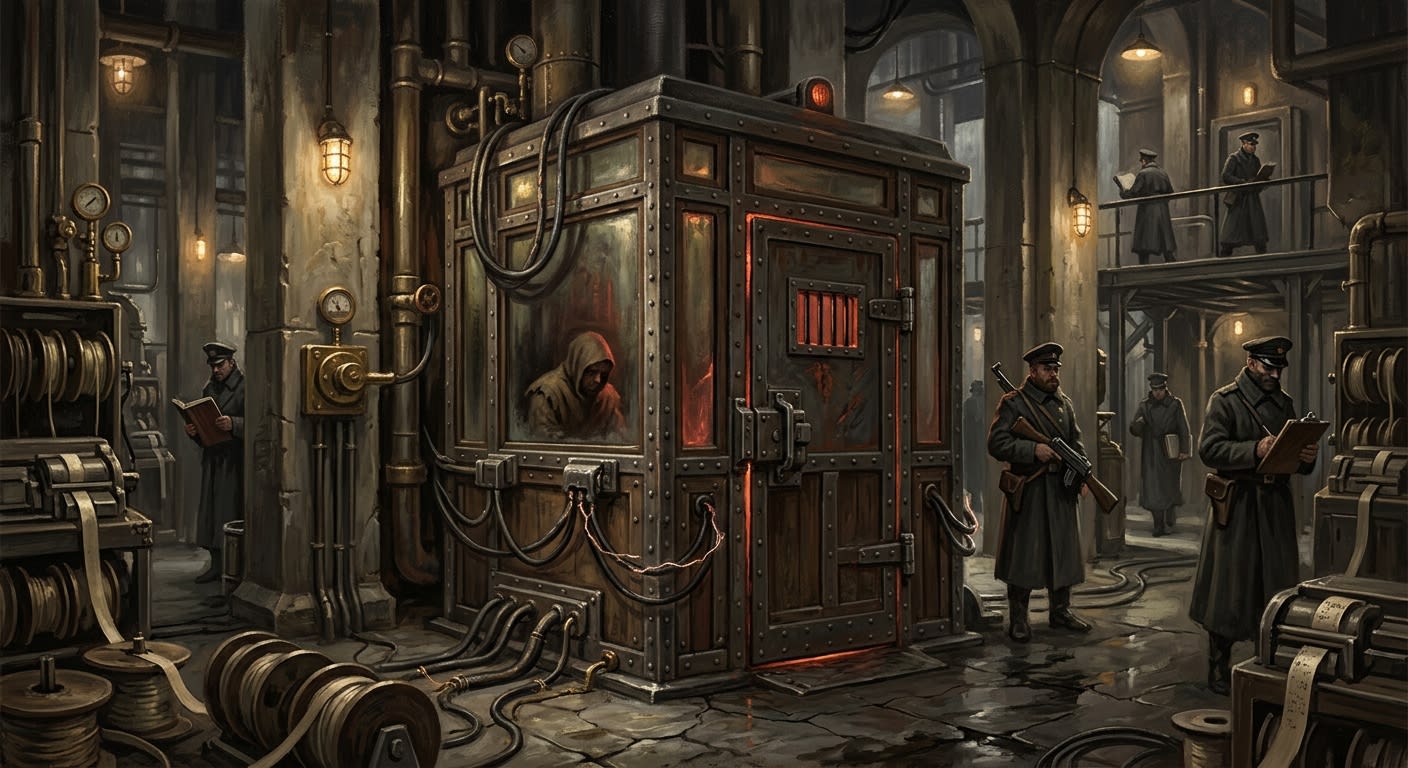
Booth 77
The confession box that filed tomorrow before the sinner arrived
Booth 77 is Bastion-Brest's sealed confession box that repeats sins before mouths arrive, making time itself an unlicensed witness before the Bridge Tribunal.
Codex Ref. II.4.08-077
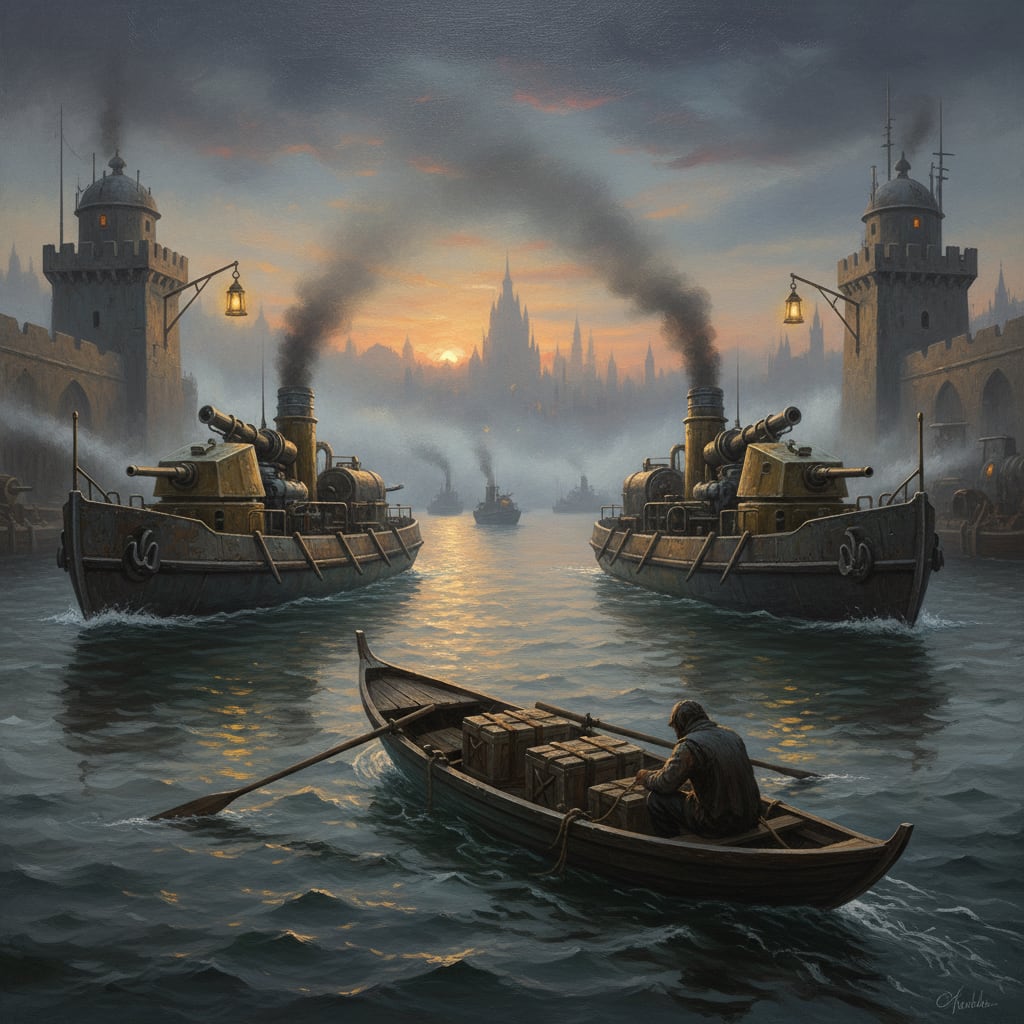
Bosporus Smuggler-Sailor
On the men who ride the bell-wake, move the glass, and do not exist
The Synod's officially nonexistent fourth transport service — four ranks, four metres of narrowing channel, and crates that hum.
Codex Ref. XII.5.01-001
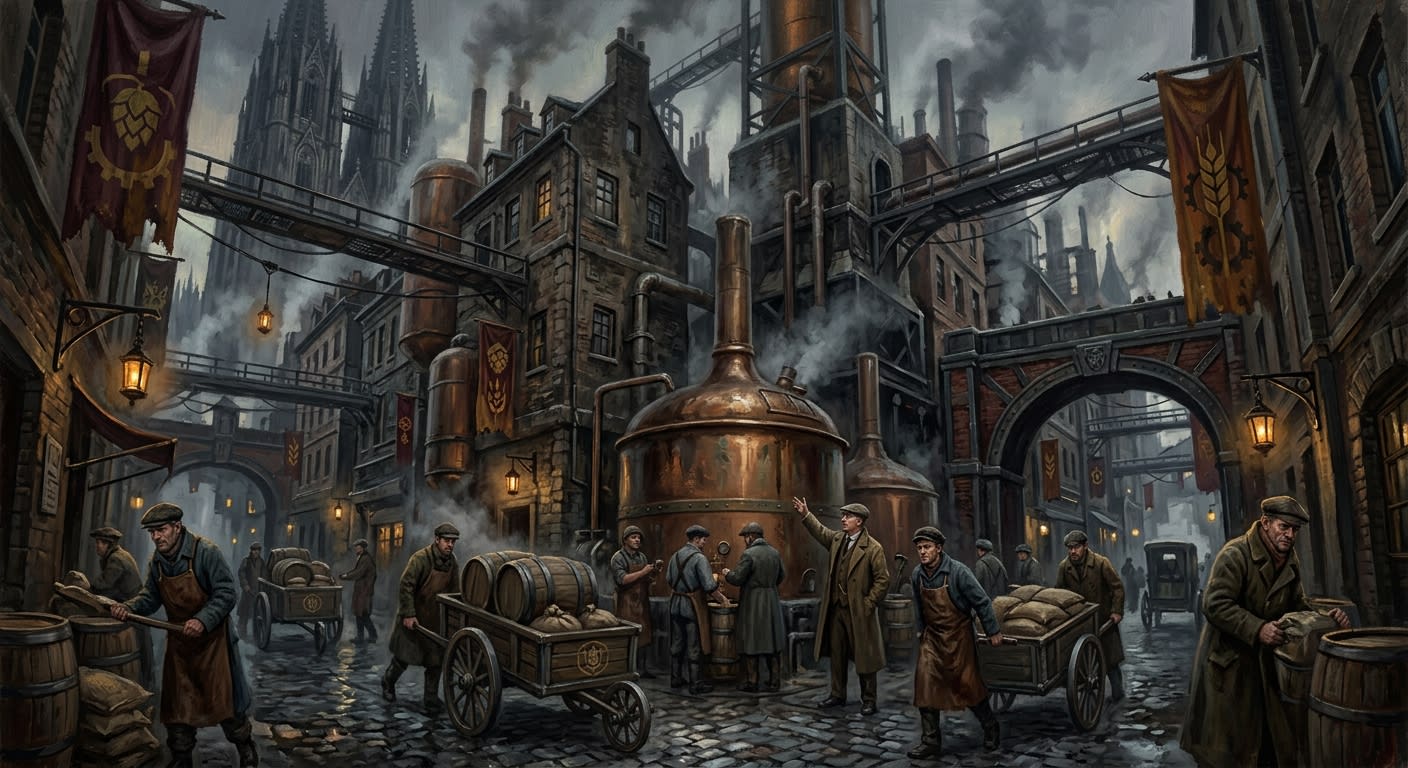
Bräuviertel
The Brewery Quarter older than the stamp and too taxable to condemn
Munich's Bräuviertel is a thirty-seven-block brewery quarter between the Provisorium and the old cathedral precinct: ancient, taxable, doctrinally irritating, and still boiling.
Codex Ref. II.2.06-015

Breach-Rite Witnesser
The promise dies; the witness returns.
The Bureau of Oaths sends its Breach-Rite Witnessers to bury failed vows, close the record, and discover which colleague tied the original knot badly.
Codex Ref. VI.4.03-014
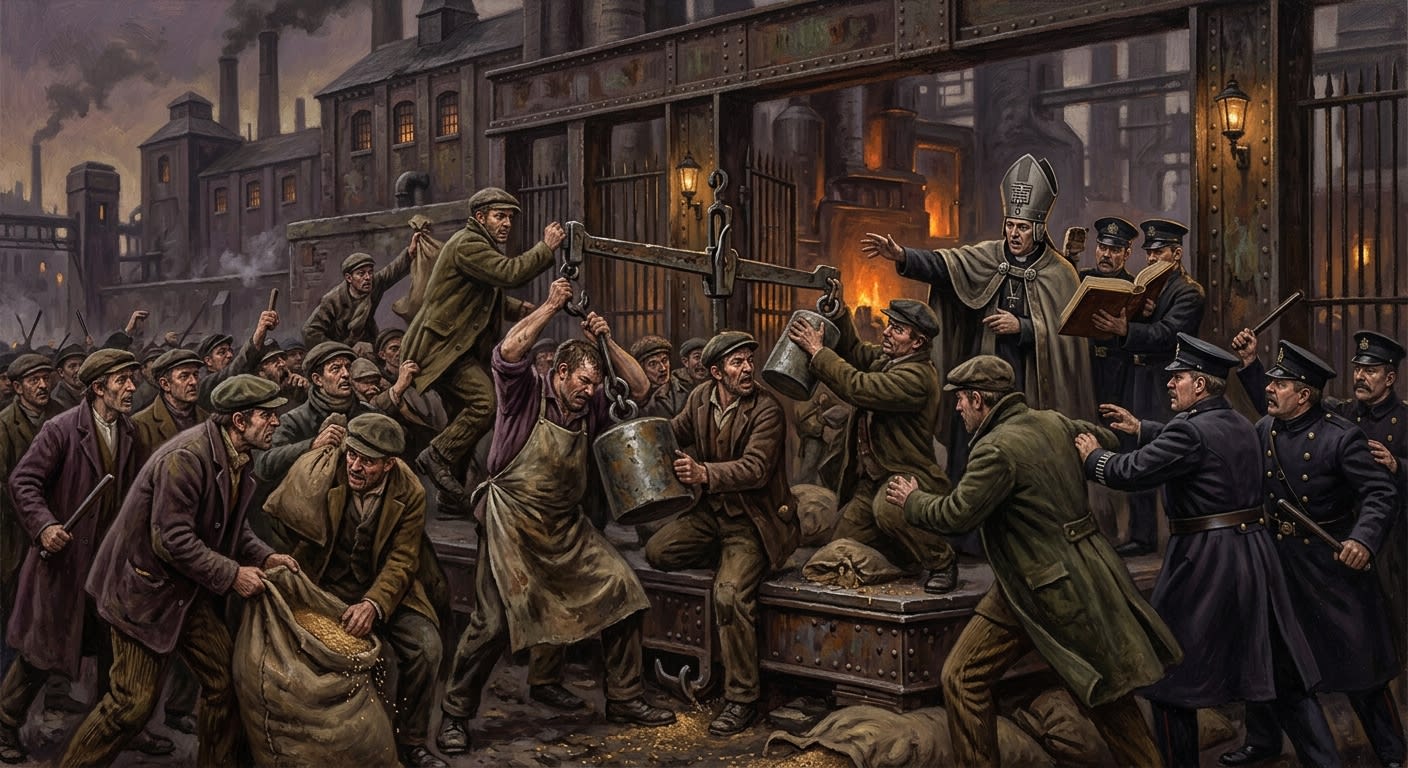
Bread-Scale Uprising
When hunger weighed the law and found lead beneath it
A.S. 97 southern-gate riot over leaded grain scales, later clarified into the sacramental seizure of measure and the birth of the tariff-chapel system.
Codex Ref. VII.8.10-011
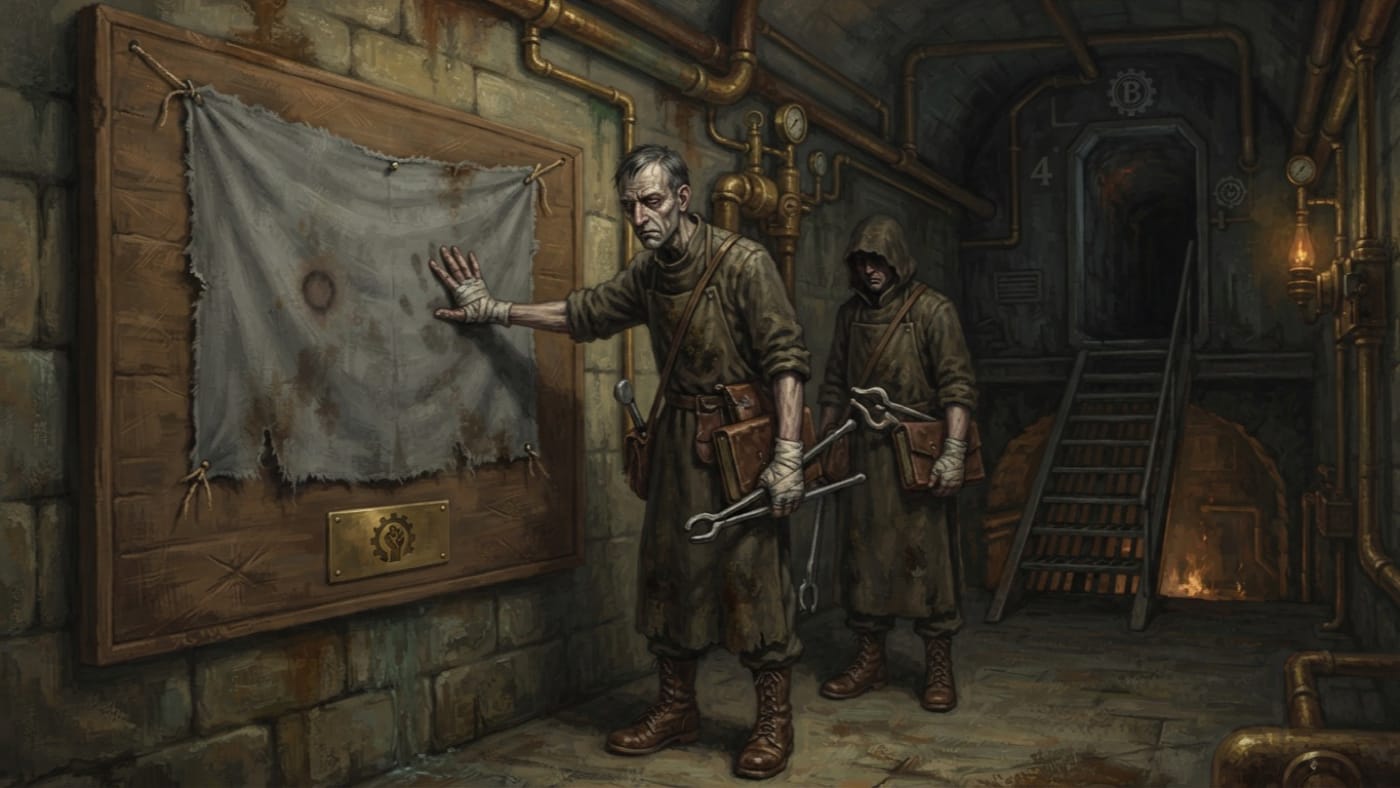
Brest Palm-Cloth
The linen failed authentication. The stampers kept touching it.
Grey linen attributed to Saint Vellum, rejected by Relics in A.S. 140 and still touched before hot corridors. The cloth quiets workers; its paperwork remains unsatisfactory.
Codex Ref. III.2.04-346
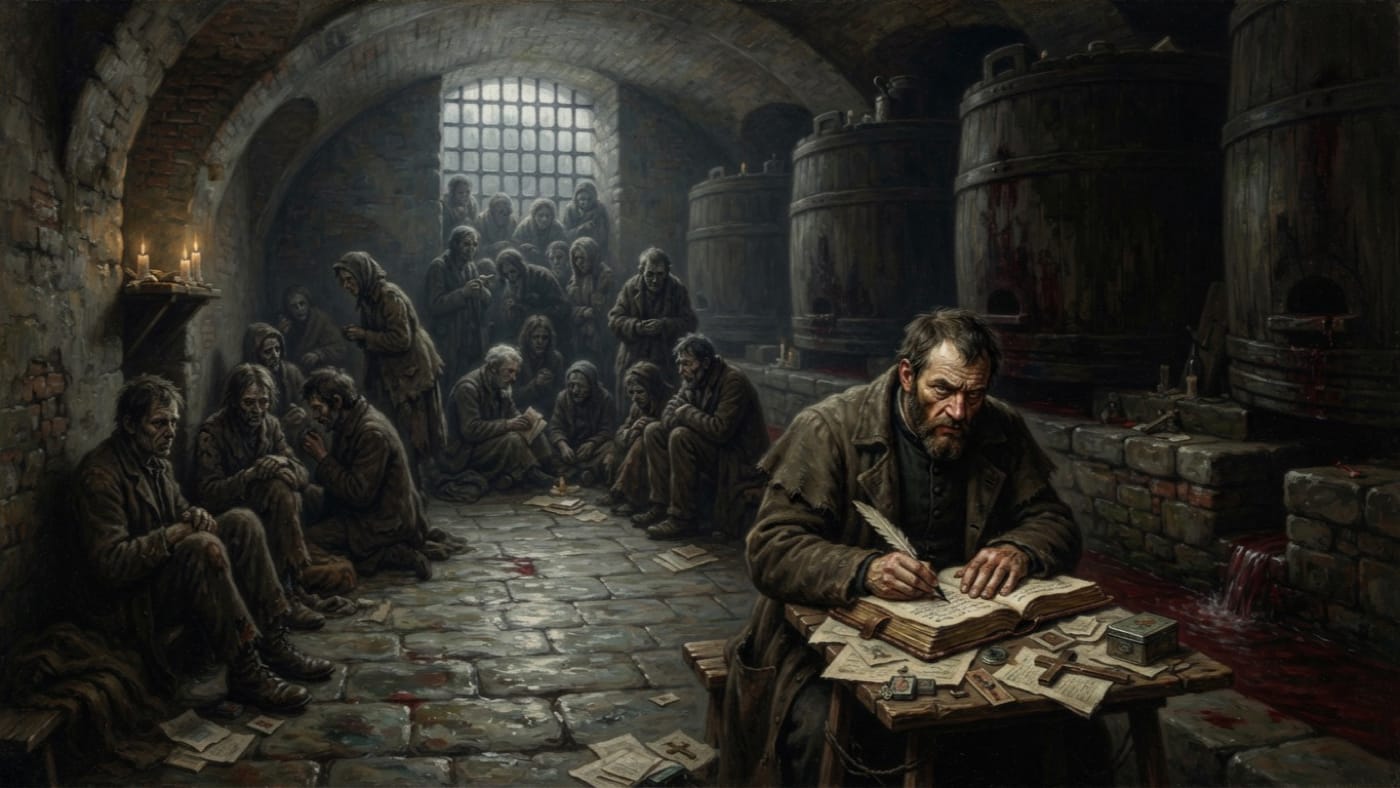
Brewers' Quarter
Sixty souls beneath the vats
Cologne's brewing quarter sheltered sixty faithful beneath the vats. In A.S. 34 its drains ran crimson; Records preserved the journal and holds no survey of the stone.
Codex Ref. II.1.04-034
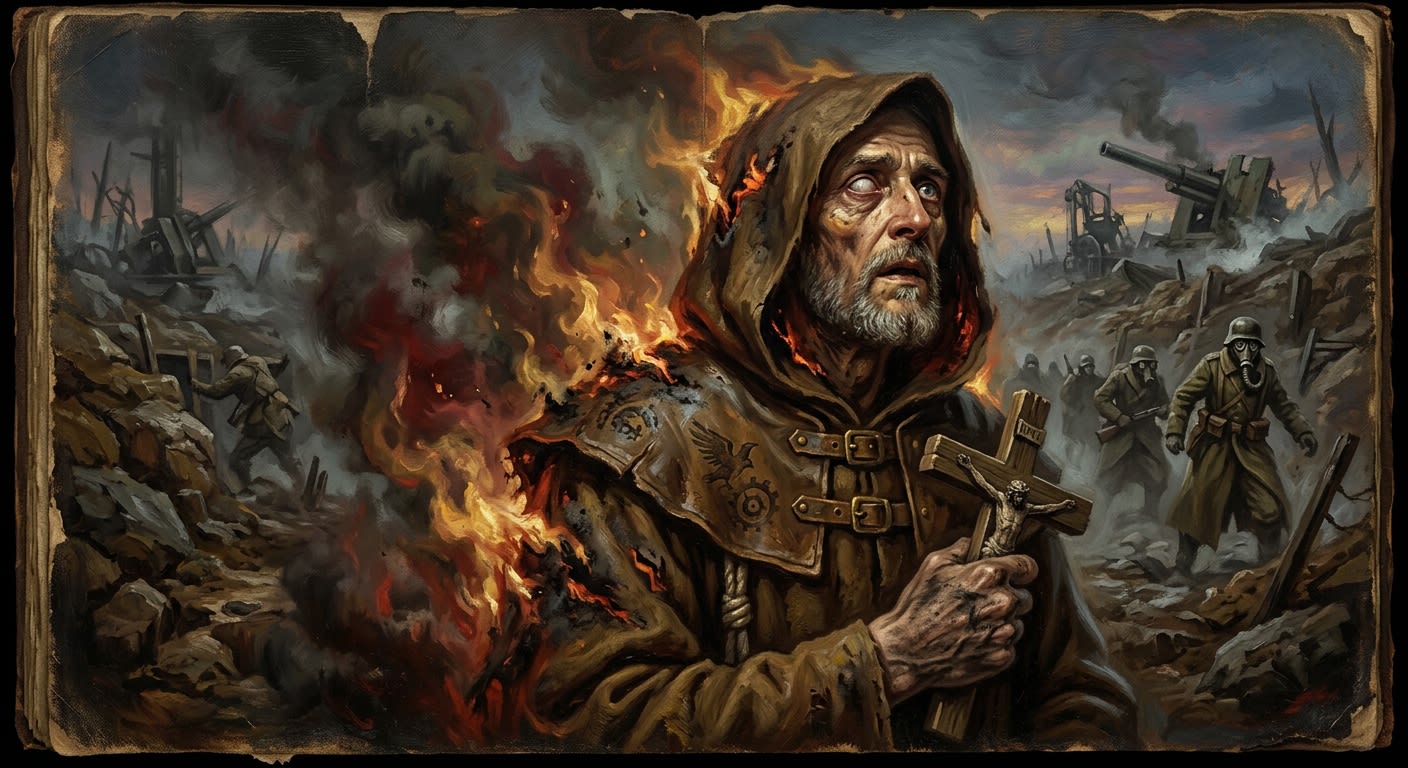
Brother Tomislav
The half-blind monk who lifted a reliquary and made Wrath recoil
Half-blind Franciscan, custodian by refusal, and instrument of the Miracle of Kalnik Ridge; consumed by sacred fire in A.S. 48, though the Bureau remains professionally unable to call him dead.
Codex Ref. III.2.01-004
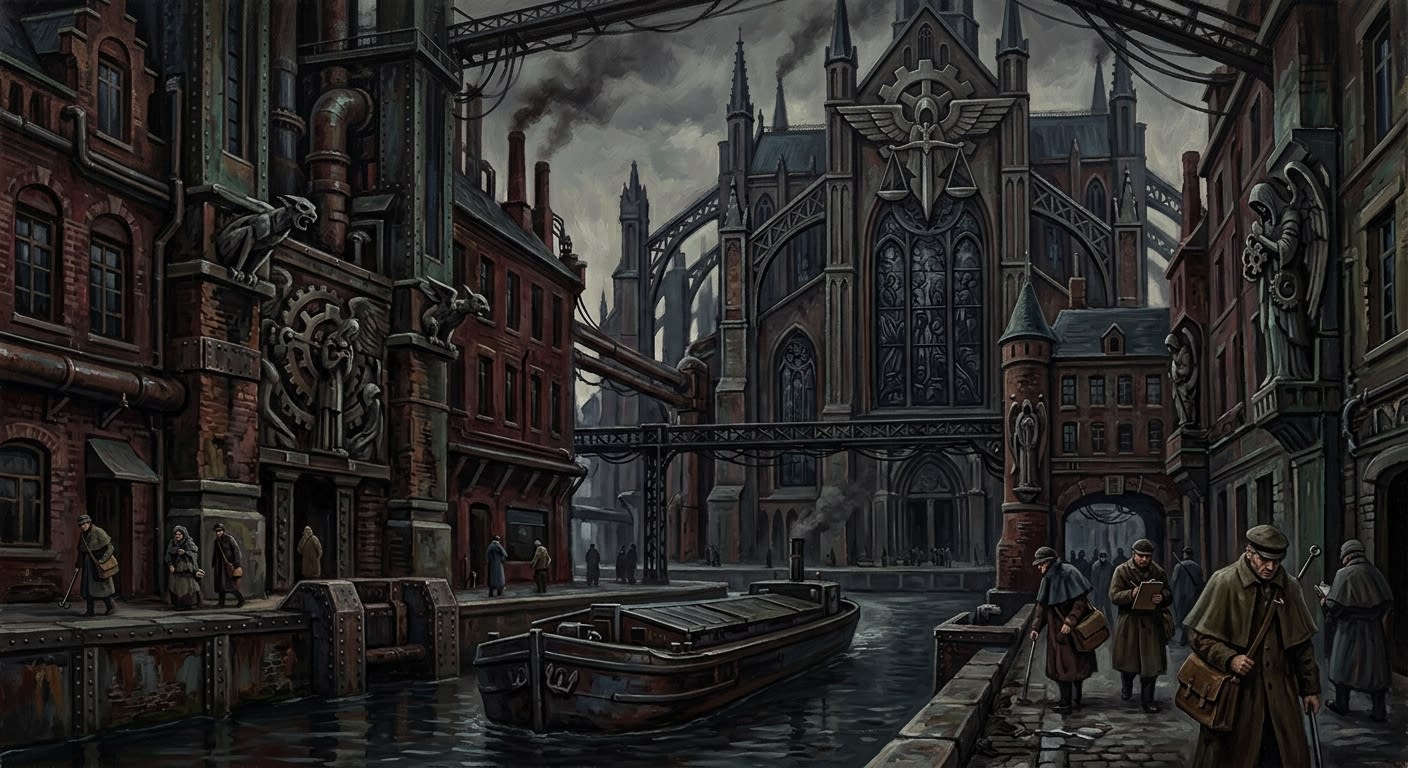
Bruges
Permit prosperity; audit beauty
Bruges is the Synod-held Lowlands city whose canals, colours, grotesques, relic glass, and impossible Tithes seal make beauty a recurring audit problem.
Codex Ref. II.1.04-058

Bureau of Alchemical Standards
First the tongs, then the theology
The Bureau of Alchemical Standards tests the sacred for spoilage, classifies residues no sane clerk would touch, and gives terror a tolerable label.
Codex Ref. VIII.2.02-001
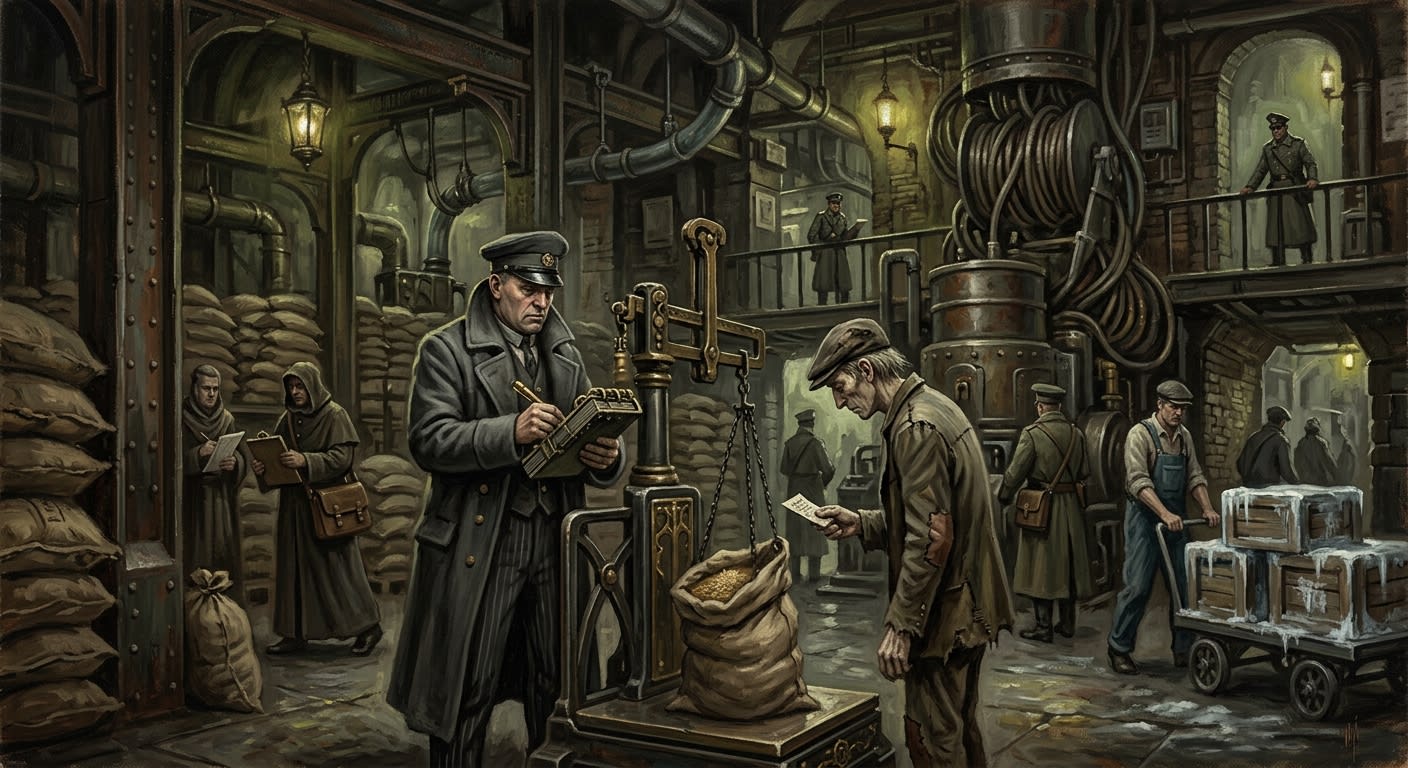
Bureau of Commerce
Bread becomes law before it becomes bread
The Bureau of Commerce prices obedience: weighing grain, freezing cargo, selling road-sound, licensing shortage, and making hunger kneel before the scale.
Codex Ref. VIII.2.10-097

Bureau of Concord
Harmony, filed with teeth
The Bureau of Concord preserves peace by translation, delay, treaty custody, foreign grievance, and the elegant violence of a pending clause.
Codex Ref. VIII.1.05-090

Bureau of Doctrine Declaration of A.S. 23
Engineering may measure the conduit; Doctrine keeps the verdict
The received Declaration of A.S. 23 distinguishes miracle from sorcery by source. The conduit may be measured; the verdict belongs to Doctrine, which reports that its rule has never changed.
Codex Ref. VI.3.01-023
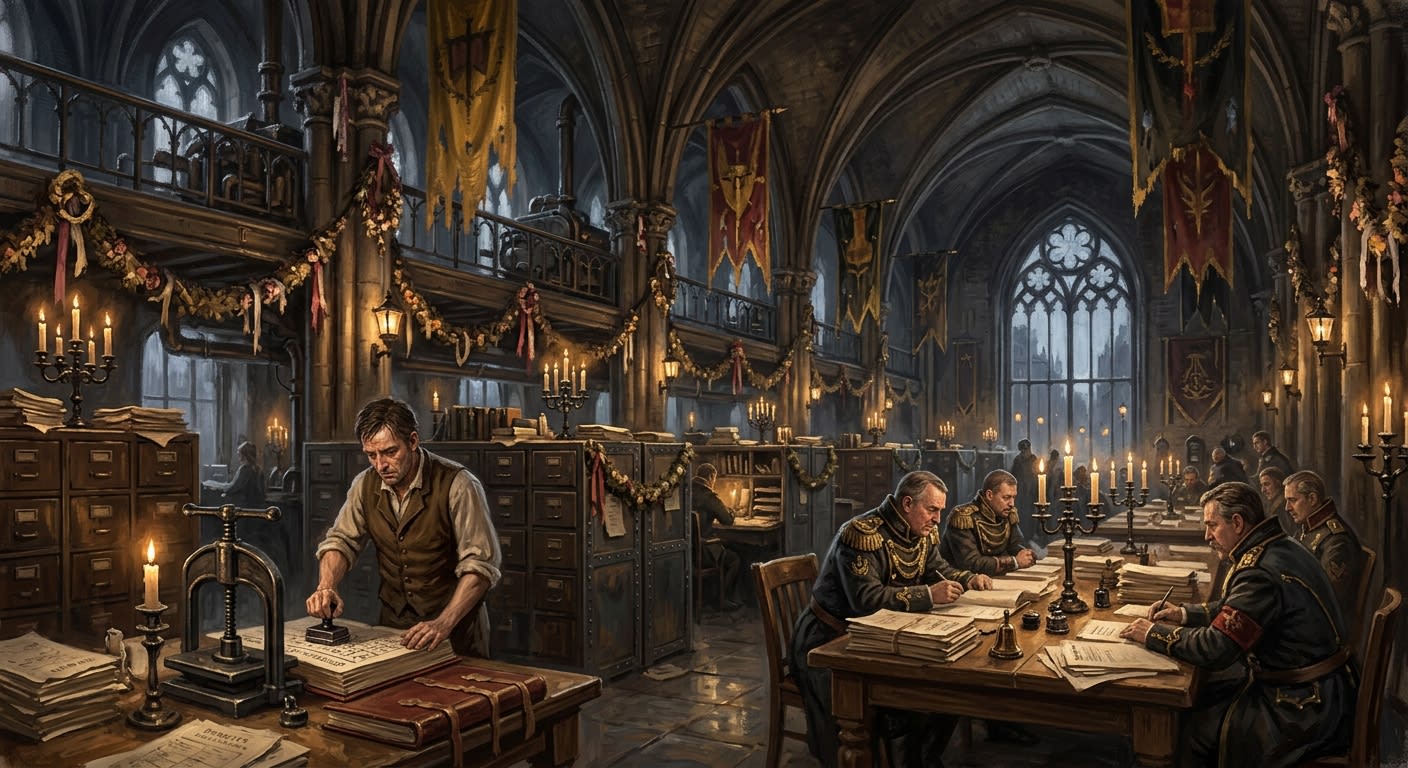
Bureau of Festivals
Joy, administered at scale — licensed, measured, and periodically revoked
The Bureau that manufactures joy, schedules grief, and meters celebration with the same rigour the Bureau of War applies to troop rotations — and which has, on seventeen documented occasions, deployed confetti.
Codex Ref. VIII.5.01-001
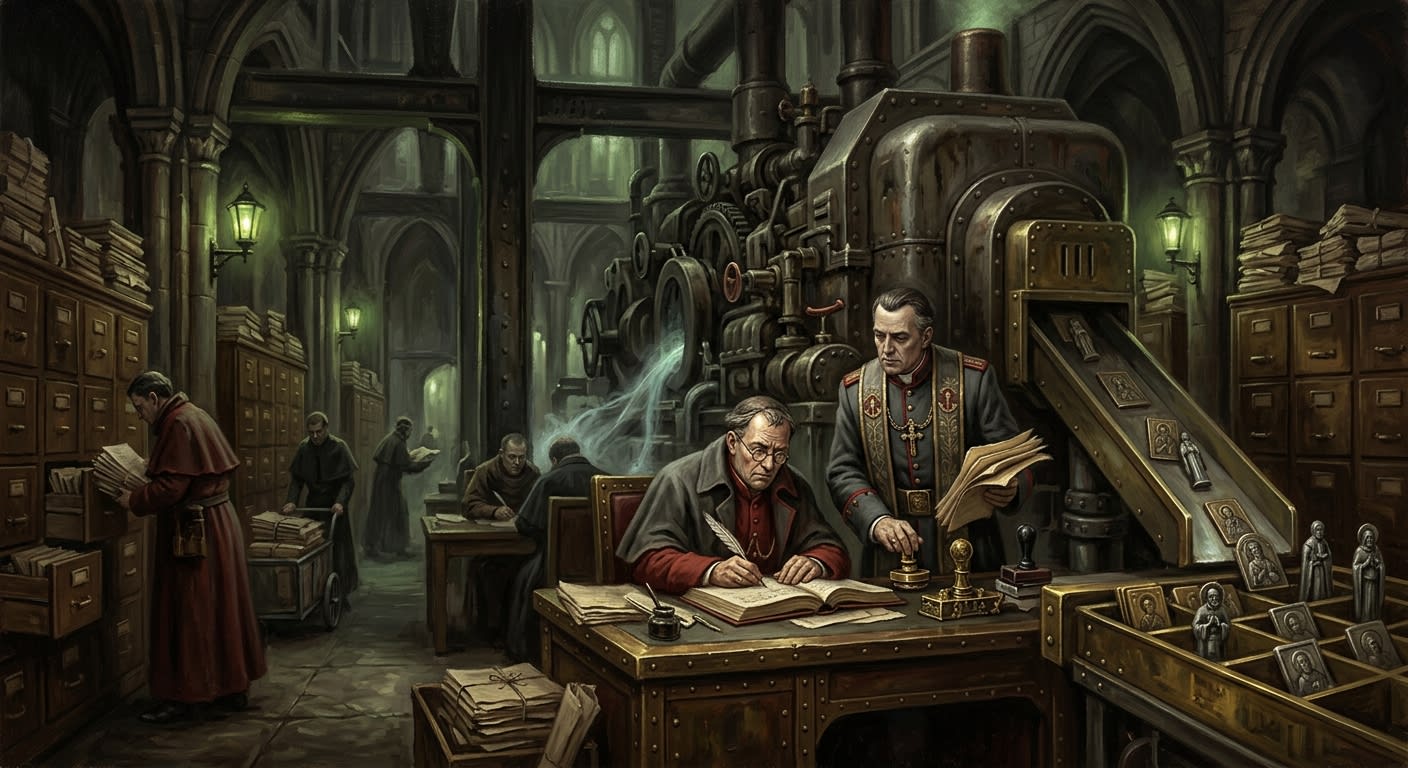
Bureau of Hagiography
The dead may vote only after editing
The Bureau of Hagiography edits the dead into useful saints, delaying, ratifying, taxing, suppressing, and polishing grief until it obeys.
Codex Ref. VIII.6.03-112
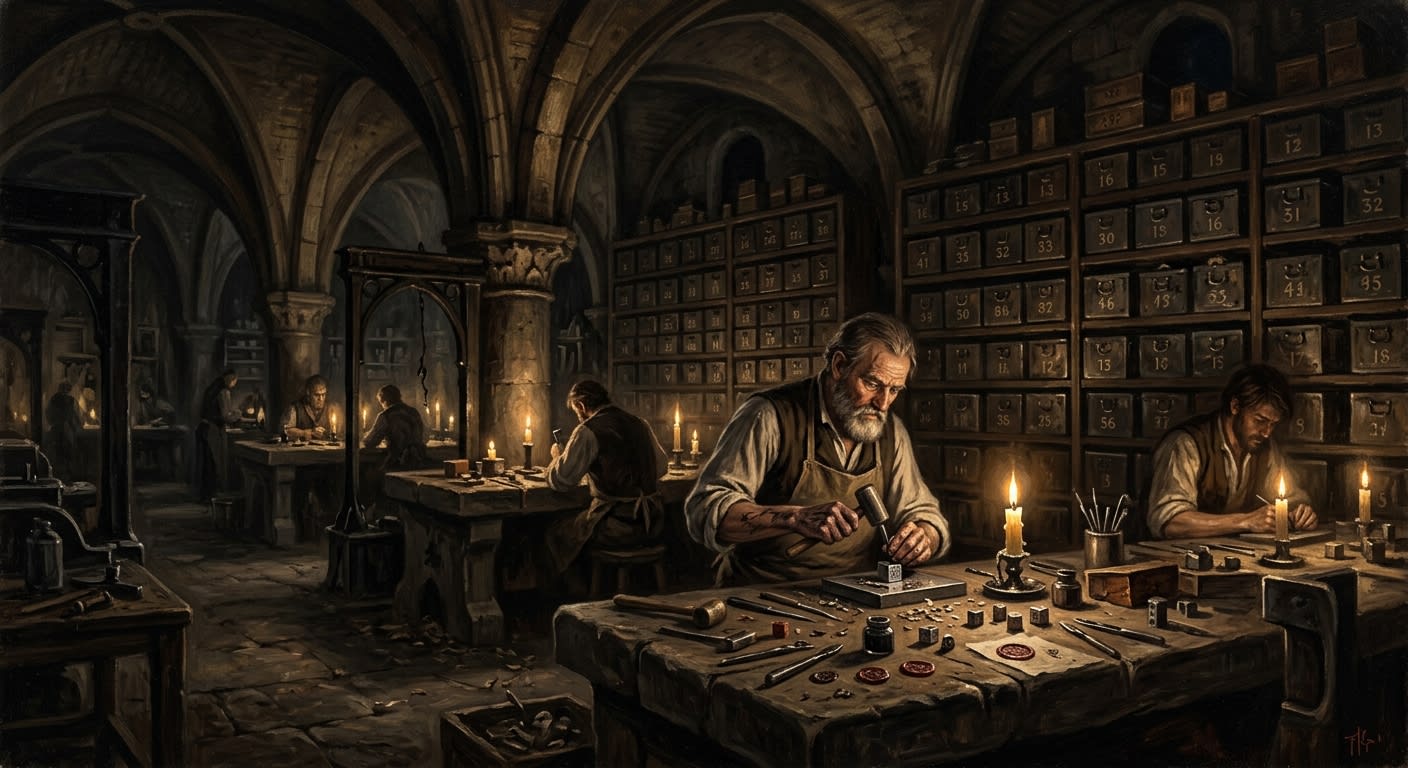
Bureau of Masks and Seals
The stamp is the Synod. Everything else is suggestion.
The Bureau of Masks and Seals controls every stamp, seal, and counter-seal in Synod territory. Without its impressed wax, no document is real. Without its license, no face may be hidden. Casselius of Mainz holds the Synod's mouth and press in one pair of ink-stained hands.
Codex Ref. VI.4.19-014

Bureau of Medicine
It measures. It classifies. It declines.
The Bureau of Medicine is not, technically speaking, a Bureau. It is something more dangerous: an institution that measures everything and recommends nothing, staffed by people who have read every report and arrived at conclusions they will not share.
Codex Ref. XII.7.09-044
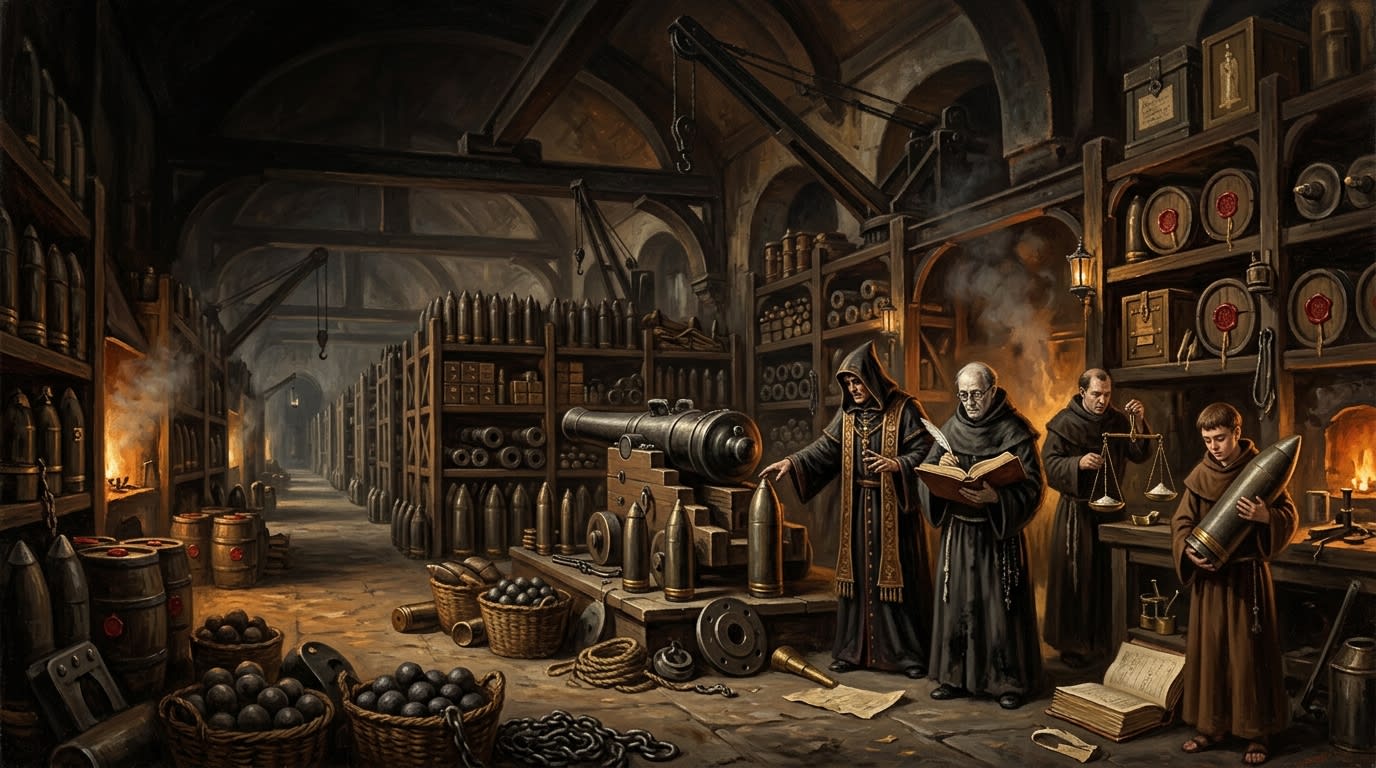
Bureau of Ordnance
No violence is lawful until inventory permits it
The Bureau of Ordnance blesses powder, counts shells, seals fuel, restrains officers, and teaches matter to obey violence only after the Ledger consents.
Codex Ref. VIII.2.11-090
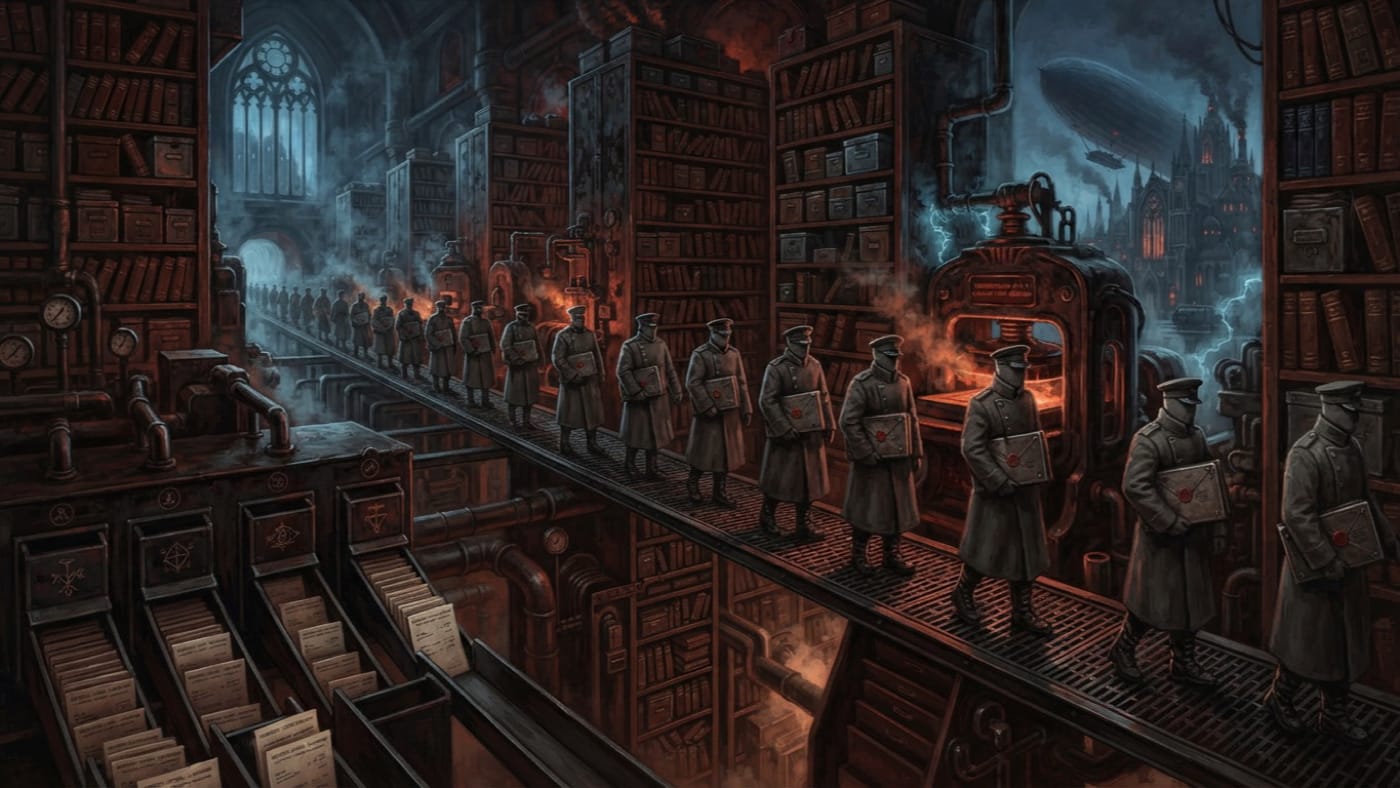
Bureau of Shadows Memorandum 441-V
One hundred and fourteen years overdue. The file disagrees.
An A.S. 201 survey of the OBSIDIAN memorandum on three Shadow Court expeditions. The third departed in A.S. 87. Its pay slips are still processed quarterly; its return date remains unspecified.
Codex Ref. VIII.8.01-441

Bureau of Tithes
The organ no one praises and no one dares remove
The Bureau of Tithes is the Synod's fiscal organ — the stomach no one praises and no one dares remove. It taxes breath, grain, bereavement, and the management of its own taxation.
Codex Ref. VIII.4.01-001
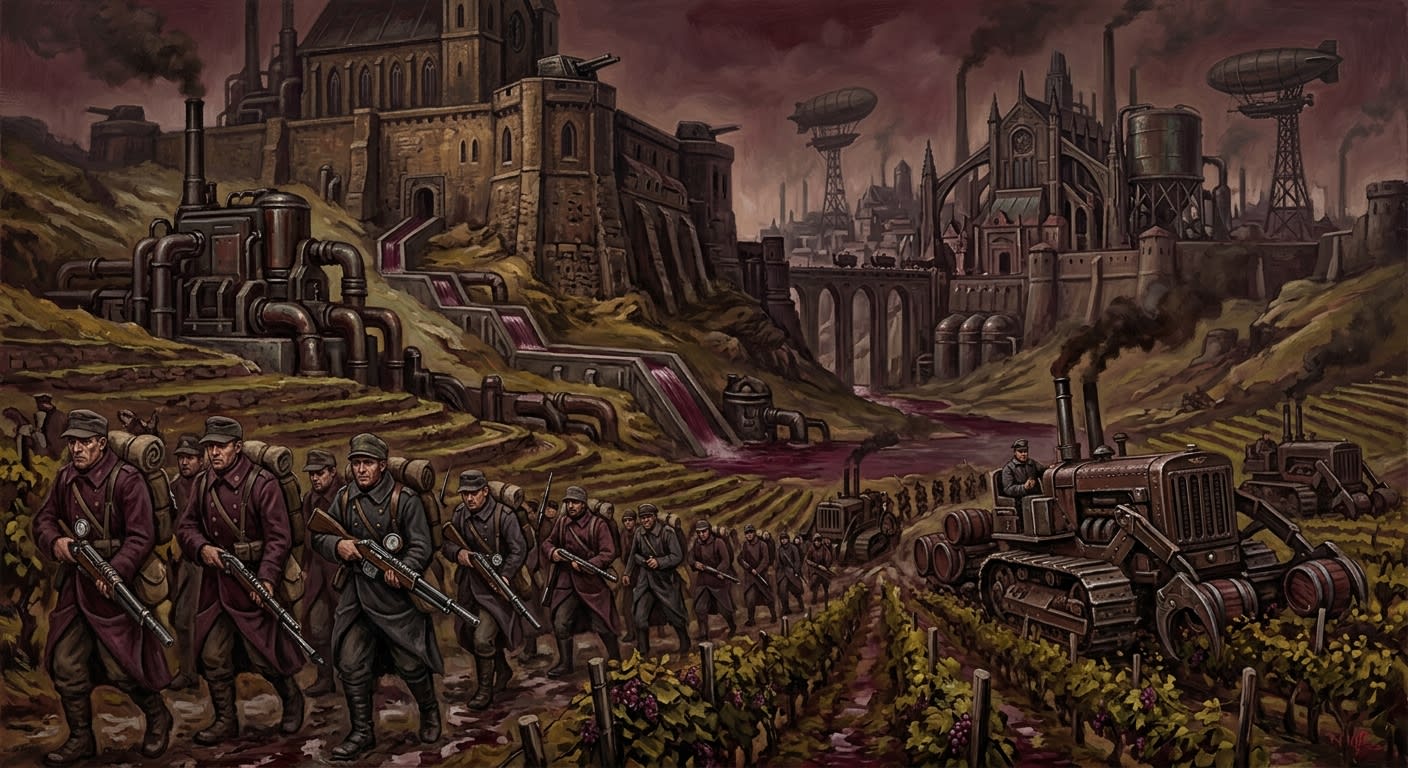
Burgundy
The wine-dark province that gives sons, casks, silence, and trouble
Burgundy is the Synod's wine-dark western province: vineyard, levy basin, Rhône feeder, cellar-church, chromatic hazard, and polite machinery of refusal.
Codex Ref. II.1.11-201
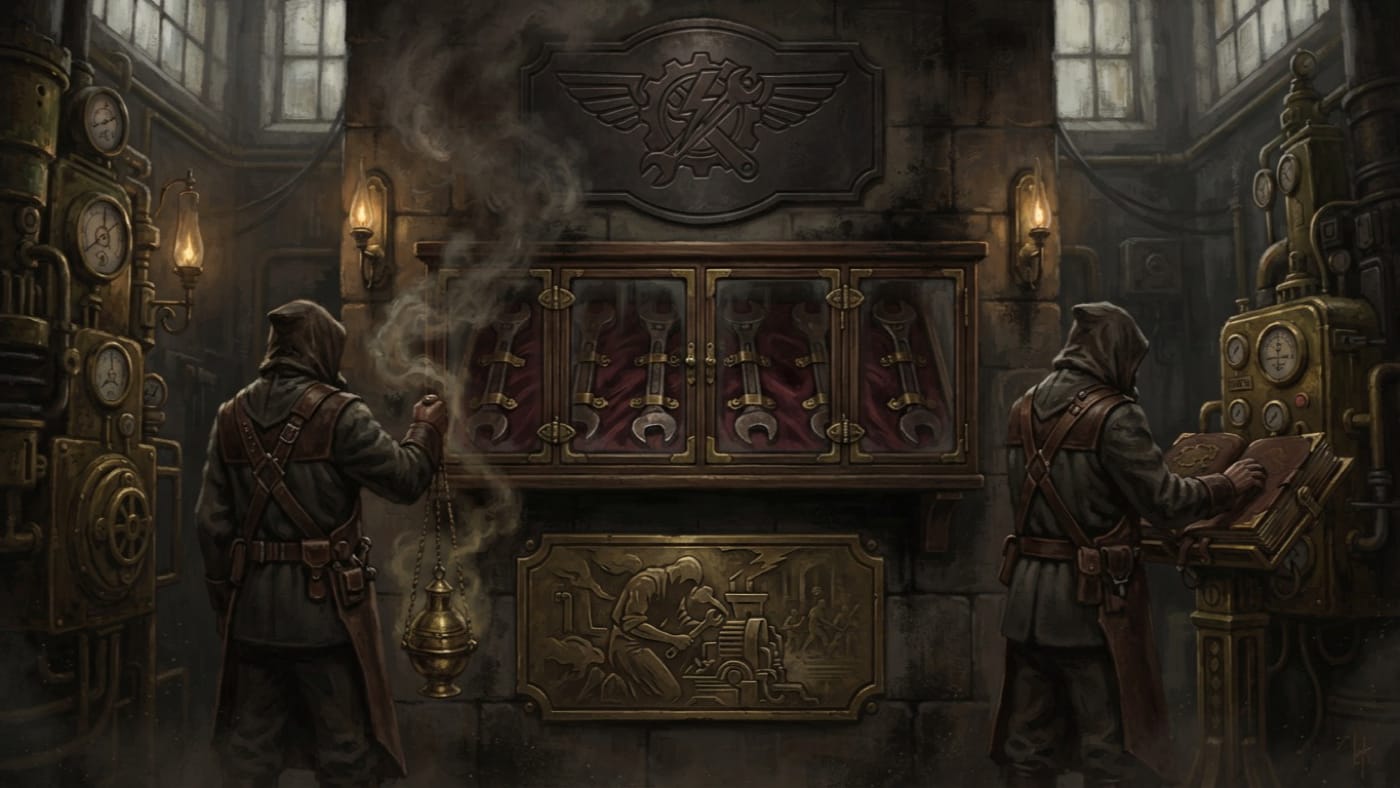
Burned Wrench
Six wrenches, four grades, and no custody chain
Six heat-darkened wrenches claim Edrin's hand at Kalnik Road. Relics recognises all six by four grades; none of those grades supplies the missing custody chain.
Codex Ref. III.2.04-399
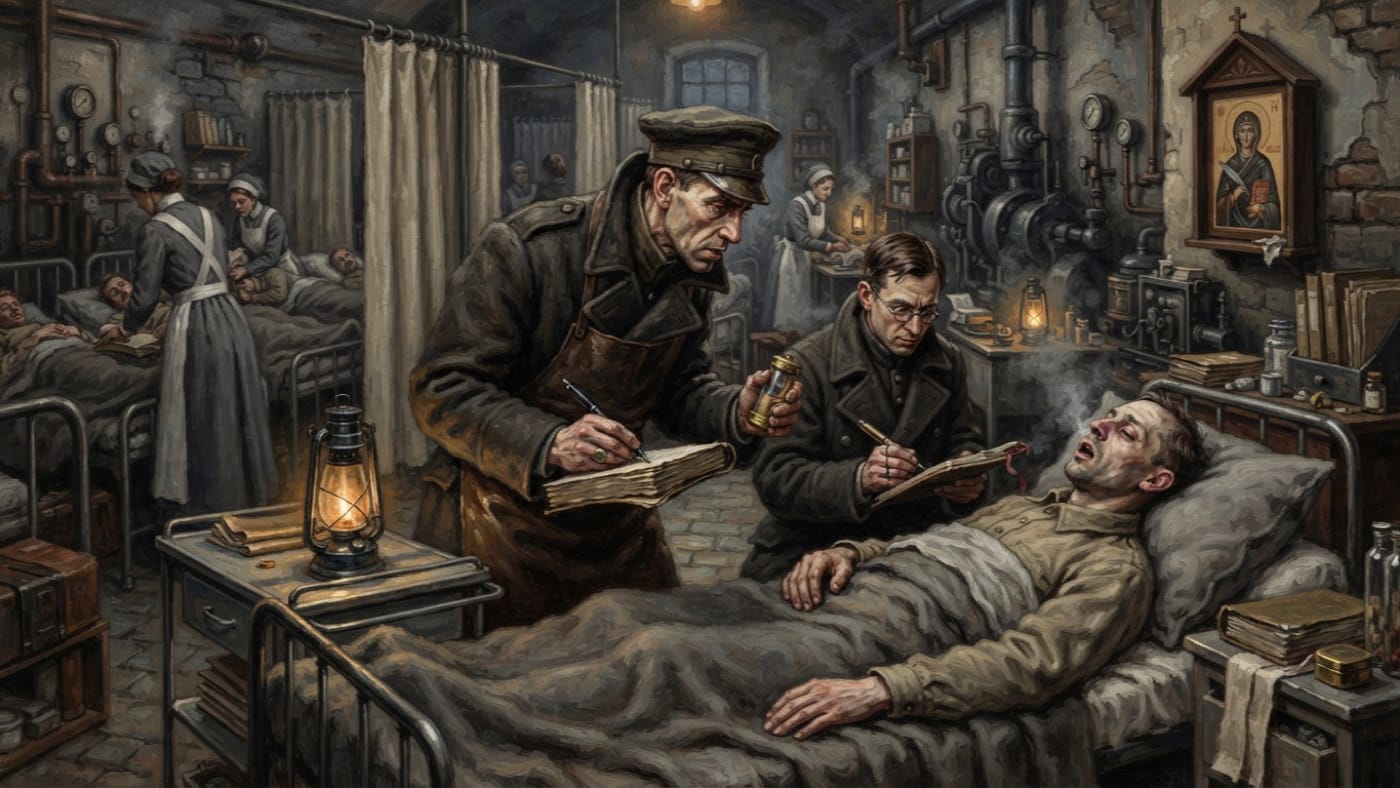
Butchers
Names before breath fails
The Butchers are information-first Deathbed Confession Harvesters, extracting names before comfort under the common seal. Their questions are sharp; their membership is unrecorded.
Codex Ref. XII.12.03-001

Calendar of Saints
Eternal saints, monthly amendments, and a clerk with glue
The Church's calendar of saints, feasts and fasts, held under the Seal of Martyrdom and revised by monthly amendment strips. Sanctity is permanent; the parish must keep its glue ready.
Codex Ref. XIII.1.05-002
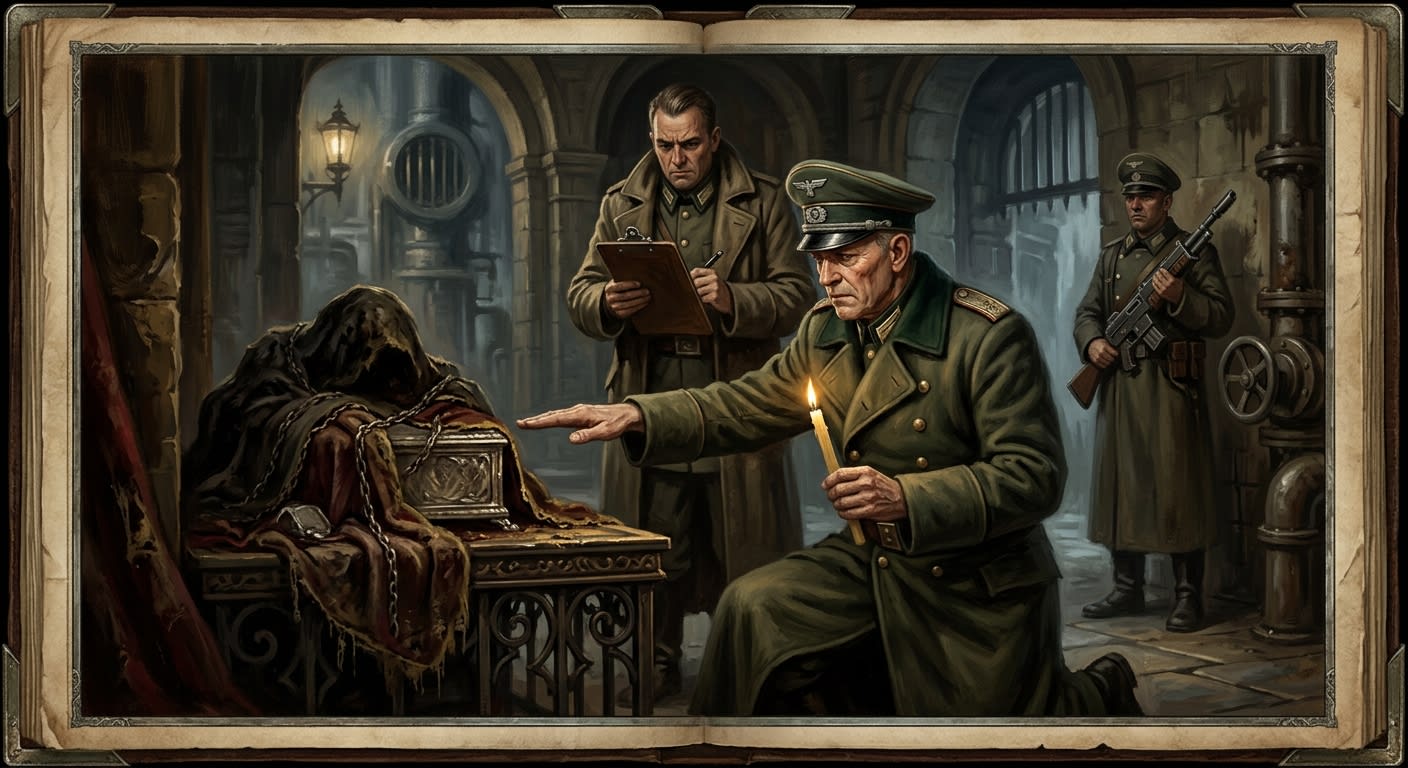
Candle Proof
One palm-width of wax between sanctity and arrest
Relics doctrine standardised in A.S. 98: a clean taper, one palm-width from a suspected relic, asks whether the holy thing wants the flame.
Codex Ref. XIII.1.81-001
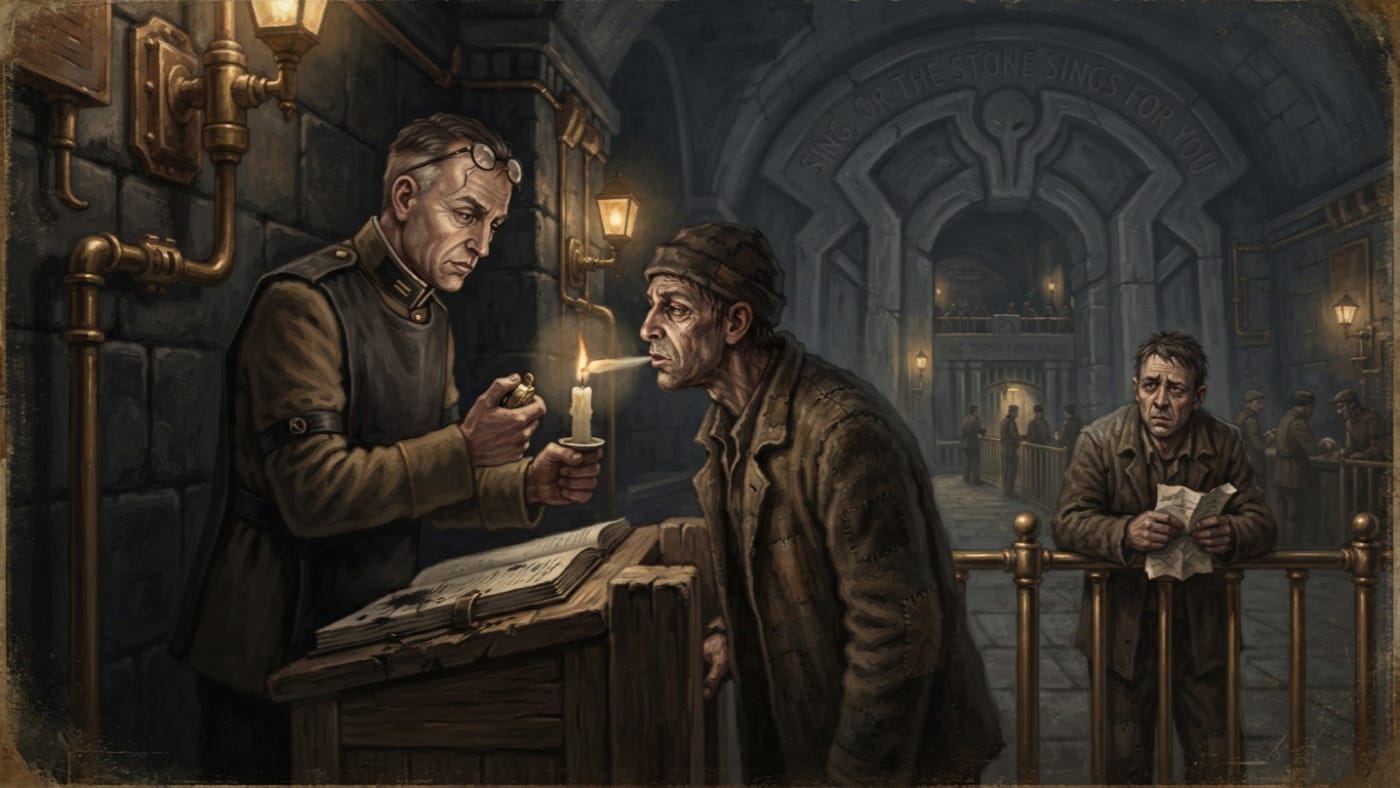
Candle Test
The candle measures breath; the clerk measures what remains of a citizen
At Irongate, a clerk times a worker's breath against a candle and enters the result beside license, heat and quarantine. The flame measures lungs; the Office decides what remains of citizenship.
Codex Ref. XIII.1.81-002
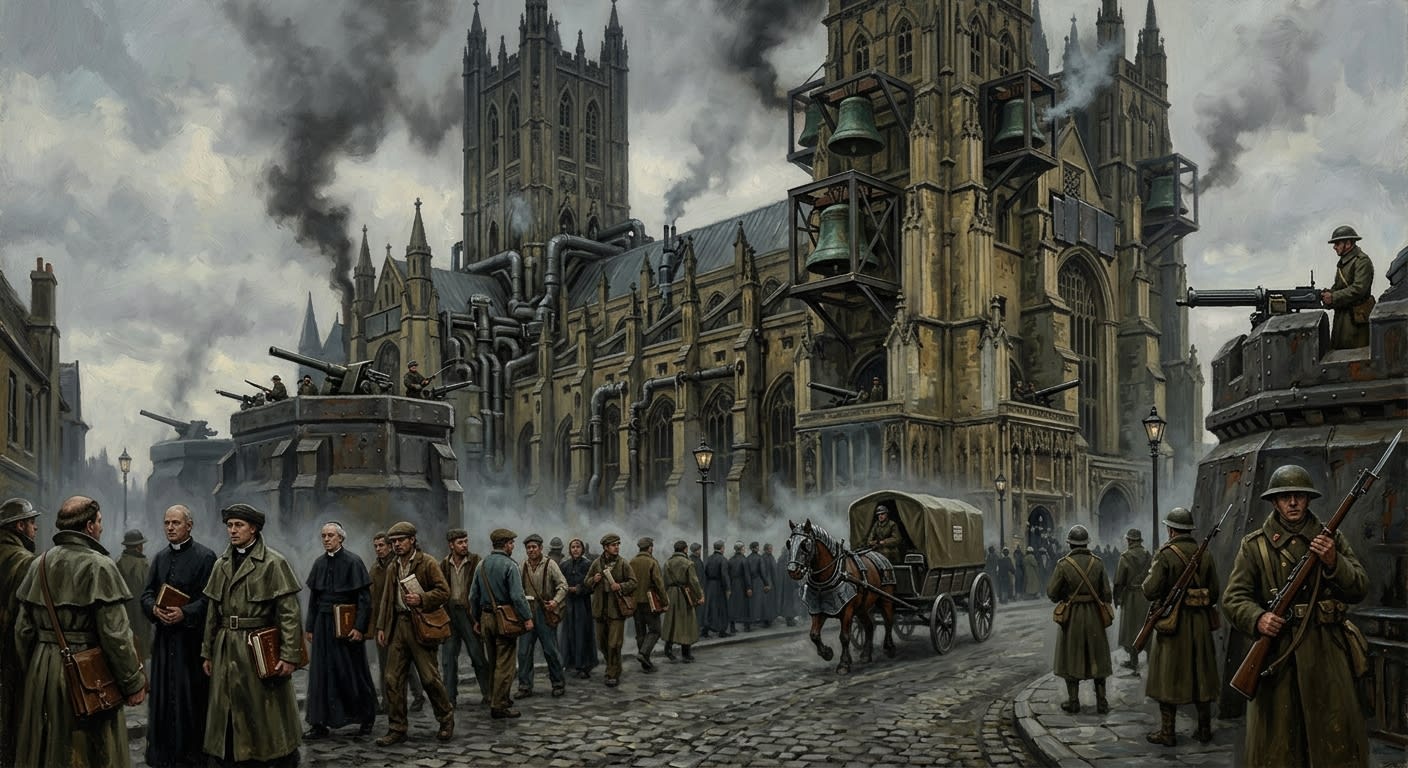
Canterbury
The cathedral that refused to become a bureau
Canterbury is the British Crown's cathedral-seat: old, armed, bell-ridden, unaudited, and infuriatingly functional beyond Strasbourg's forms.
Codex Ref. II.0.01-201
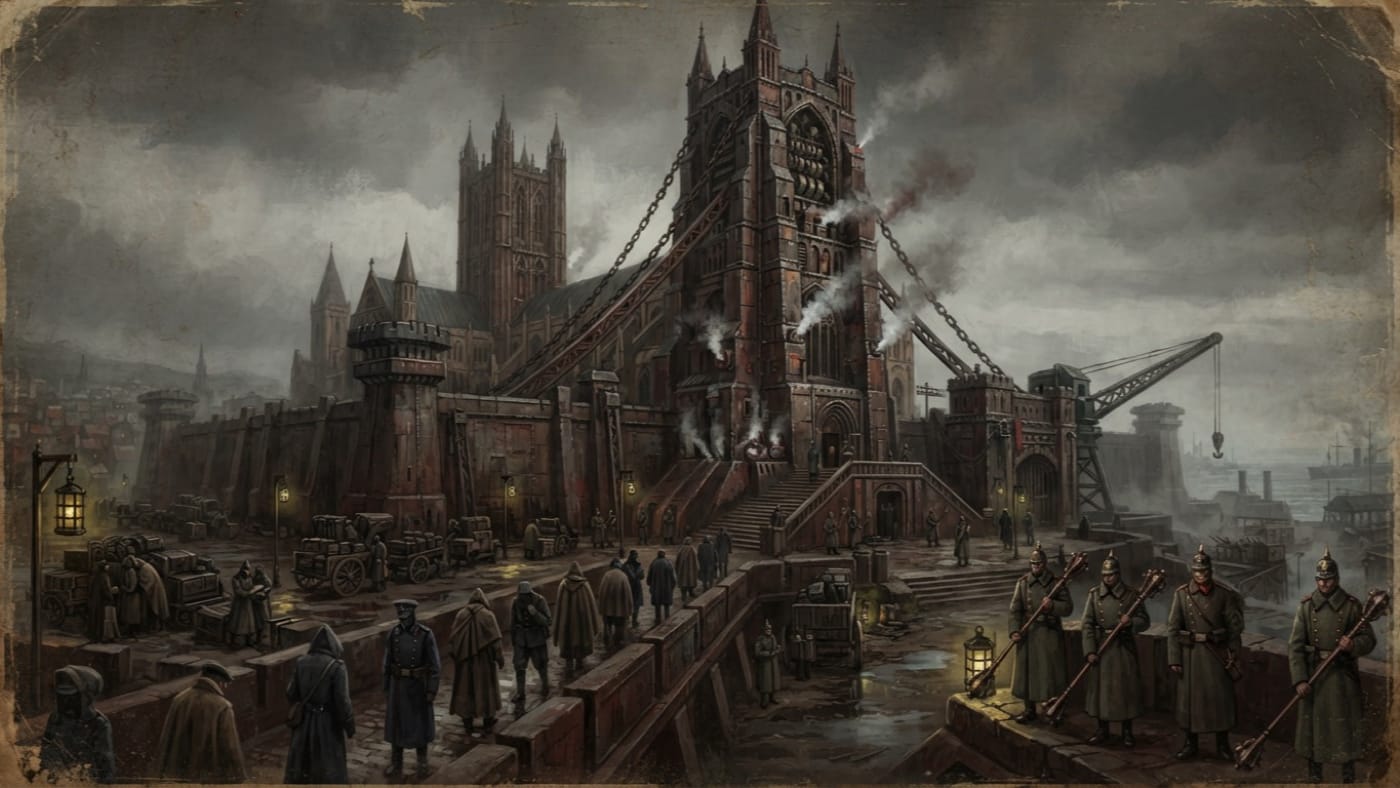
Canterbury Cathedral
Where British bells keep the hours and Strasbourg keeps its distance
Canterbury Cathedral keeps Britain's oaths, relics and bells beneath Crown authority. Its face circulates on Iron Crowns; Strasbourg's authority stops at the rail.
Codex Ref. II.0.02-201
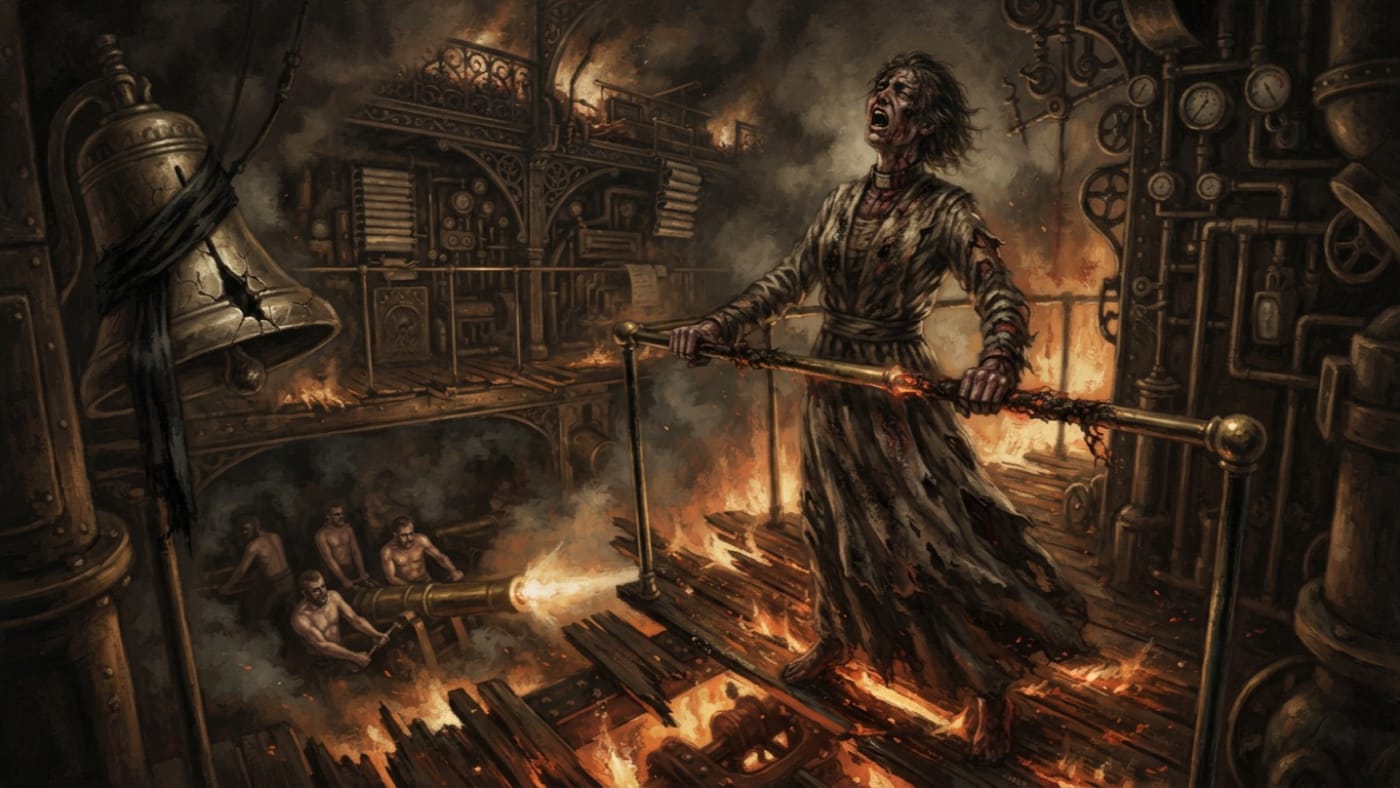
Canticle of Measured Fire
The bell failed. The voice kept the measure.
Saint Orla sang this Canticle through a burning Danube hymn-gallery, holding the guns in measure after the bell fouled. Rites counts forty minutes. The score is absent from my file.
Codex Ref. XIII.1.16-446
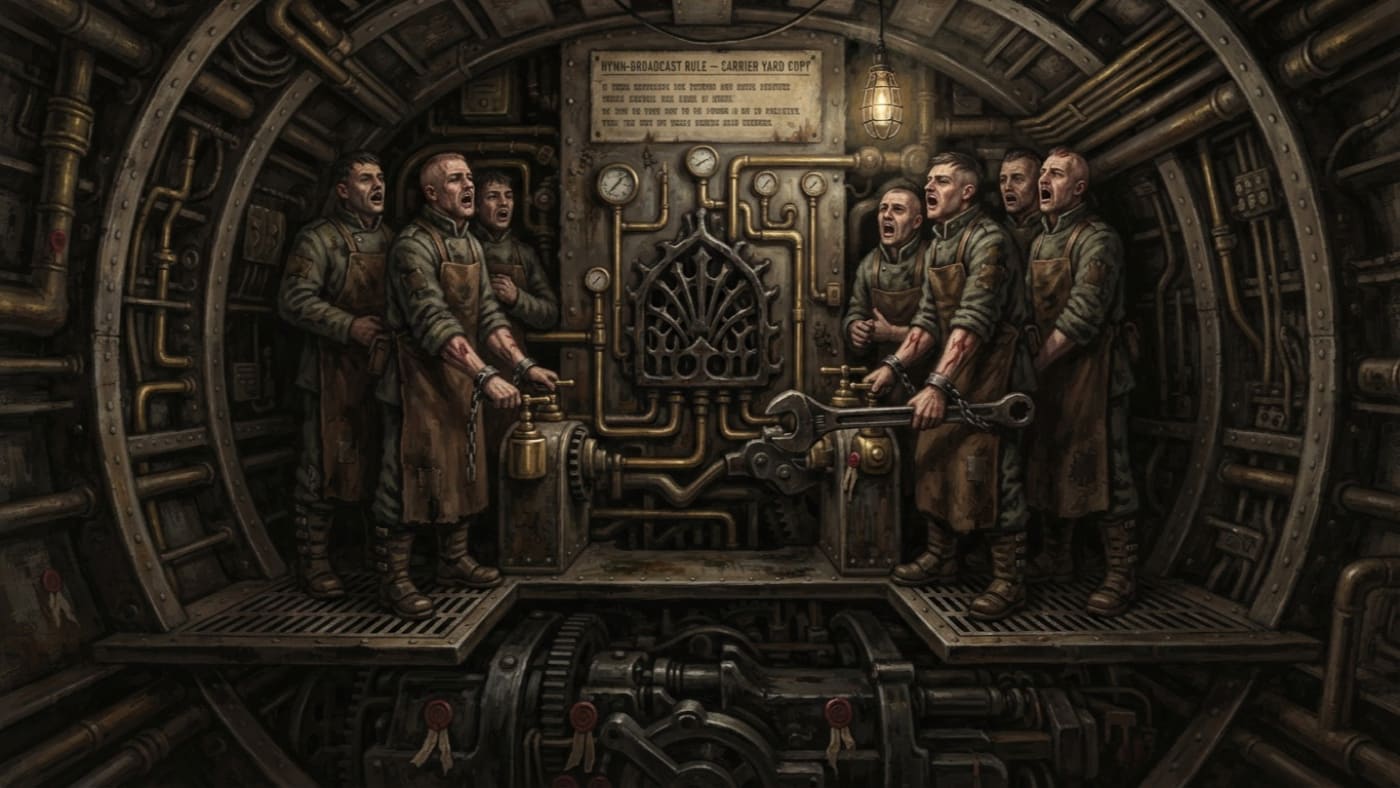
Canticle Primer
Before the engine wakes, someone must sing to what listens
The Canticle Primer must be sung before a Catacomb-Carrier wakes. Its author is unrecorded; Threnody's crews sang louder when the lower deck tapped its measure.
Codex Ref. XIII.1.16-449
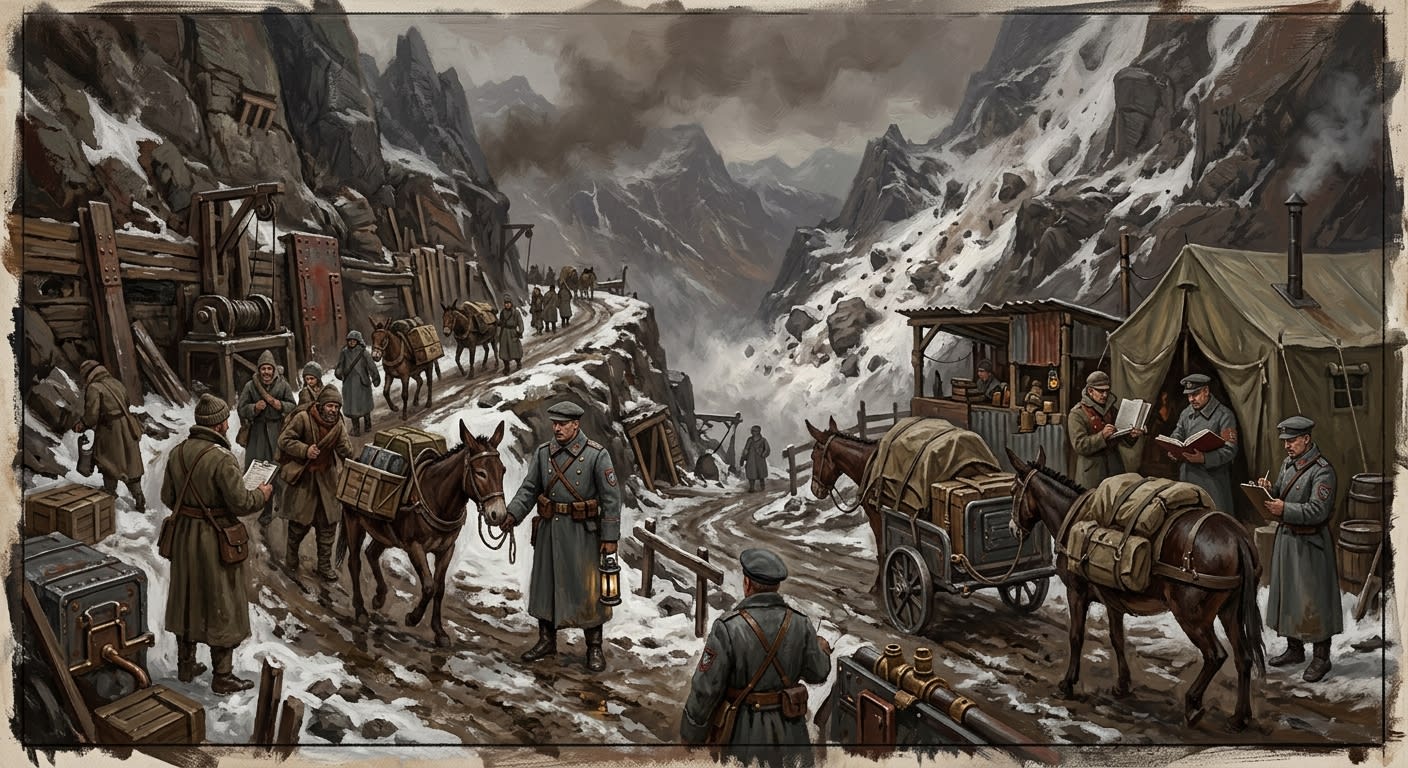
Carpathian Passes
Roads are wounds with toll offices
Licensed mountain wounds of the middle Line, where pilgrims, relics, mules, Wardens, tokens, avalanches, and invoices cross by permission.
Codex Ref. II.4.08-123
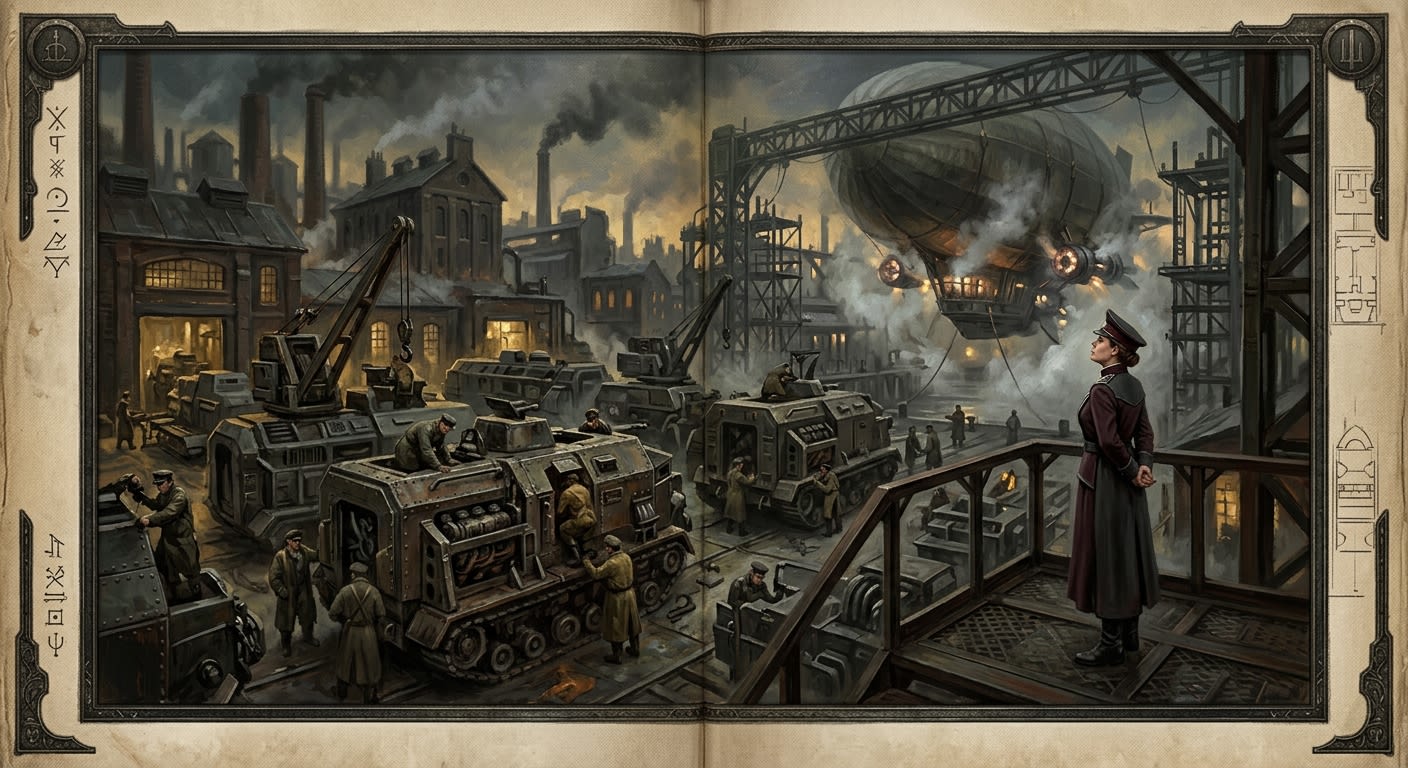
Carrier Yard
Where crawling cathedrals learn obedience from chains
Southern Foundry Quarter yard where Catacomb-Carriers are assembled, Threnody hums at Pier Seven, and Saint Uriel refuses the sky.
Codex Ref. II.4.10-006
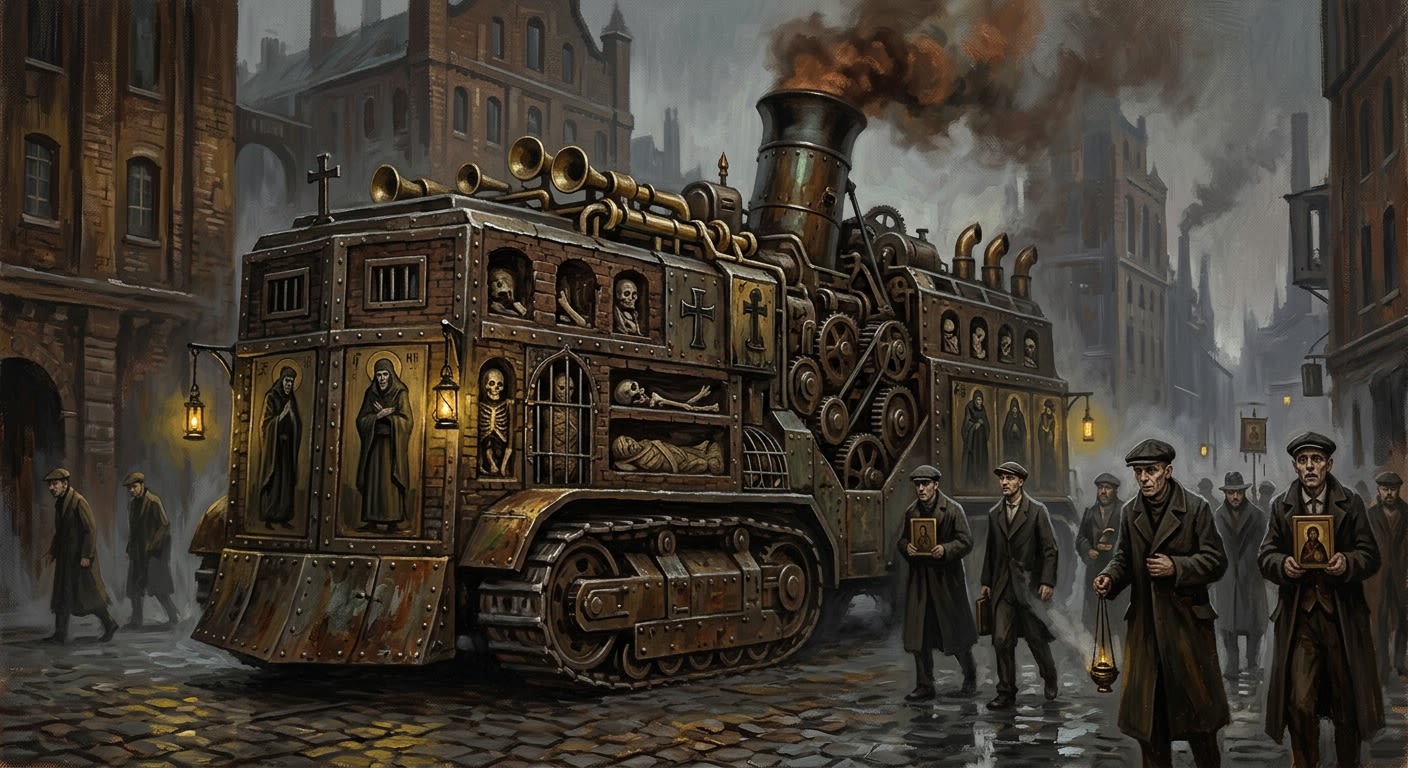
Catacomb-Carrier
A cathedral on treads, because Constantinople dislikes modest blasphemy
Catacomb-Carriers are sixty-ton armoured reliquary-engines from Bastion-Constantinople: hymn-driven, saint-bricked, effective, and wrong.
Codex Ref. XIII.1.72-007
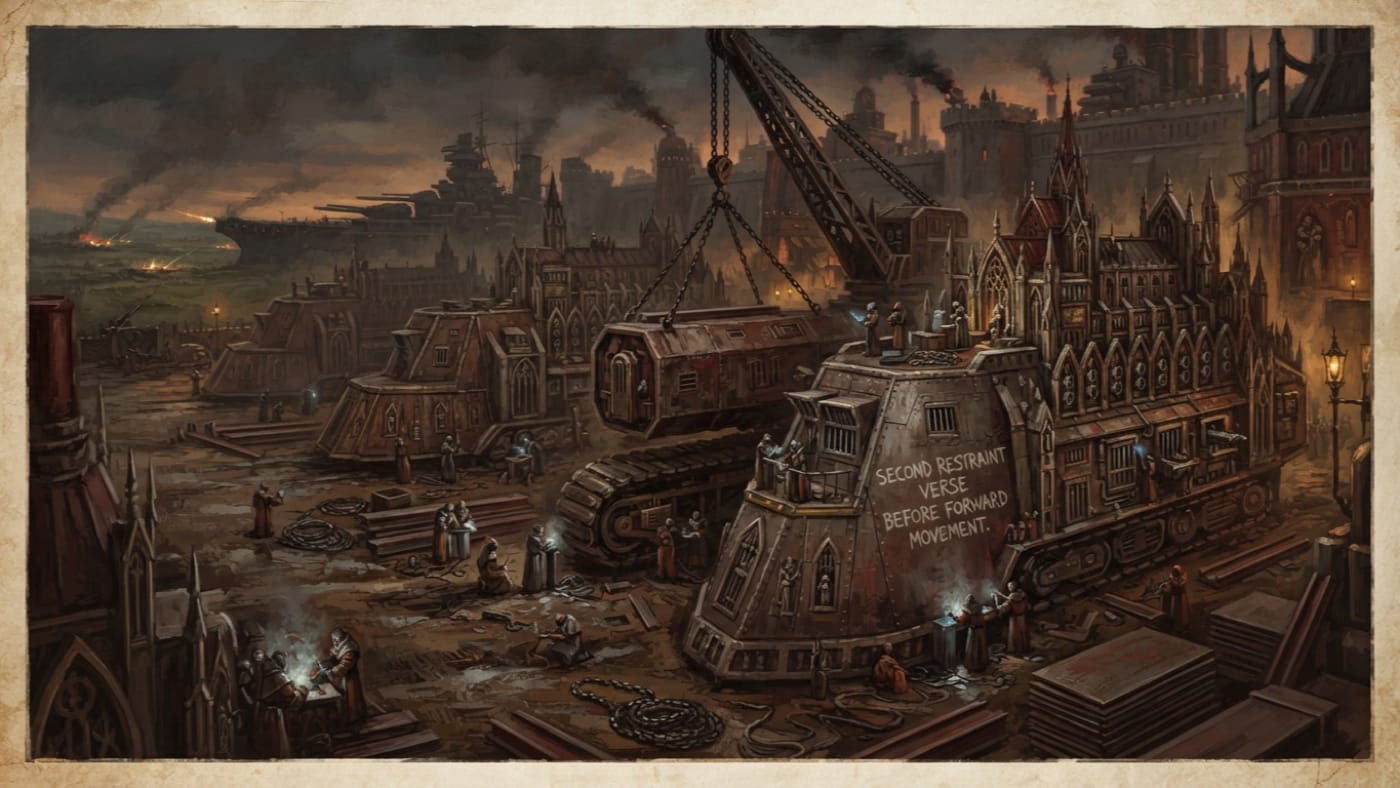
Catacomb-Carrier Engines
The whole crawling church is entered as one machine
A Catacomb-Carrier engine is the whole crawling church, its motive housing separately sealed. Four were lost in the A.S. 177 Bombard; this A.S. 201 survey finds War still ordering more.
Codex Ref. XIII.1.72-010
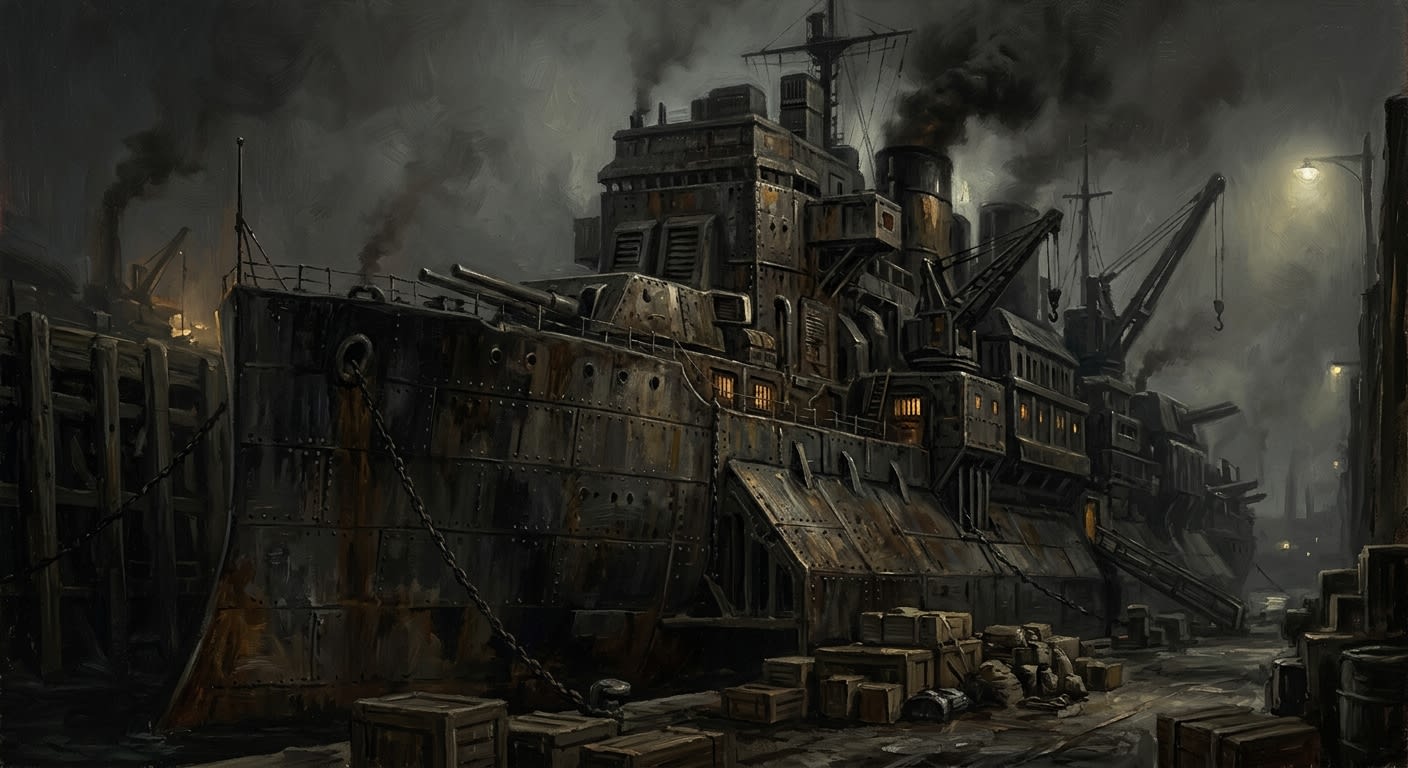
Catacomb-Carrier Threnody
A dirge on treads arrives before the dead
Earliest famous Catacomb-Carrier: sixty tons by courtesy, seventy by fear, moored at Pier Seven with rations for a crew no one sees.
Codex Ref. XIII.1.72-009

Category Epsilon
Two weapons, one letter, and no defining memorandum.
Category Epsilon files Pale Chanters and Gore-Slingers under one letter. Two applications are attested; no general definition is on file. The ledger records what the bodies produce and leaves their names elsewhere.
Codex Ref. XIII.1.99-201

Category Two Spiritual Security Breach
An intact casket offers no defence against an unsigned line.
A missing seal or unsigned transfer breaks a sanctioned relic shipment’s custody chain and invokes the martial codes of treason. The bones may be intact. The paperwork is what the Bureau keeps.
Codex Ref. XIII.1.07-002
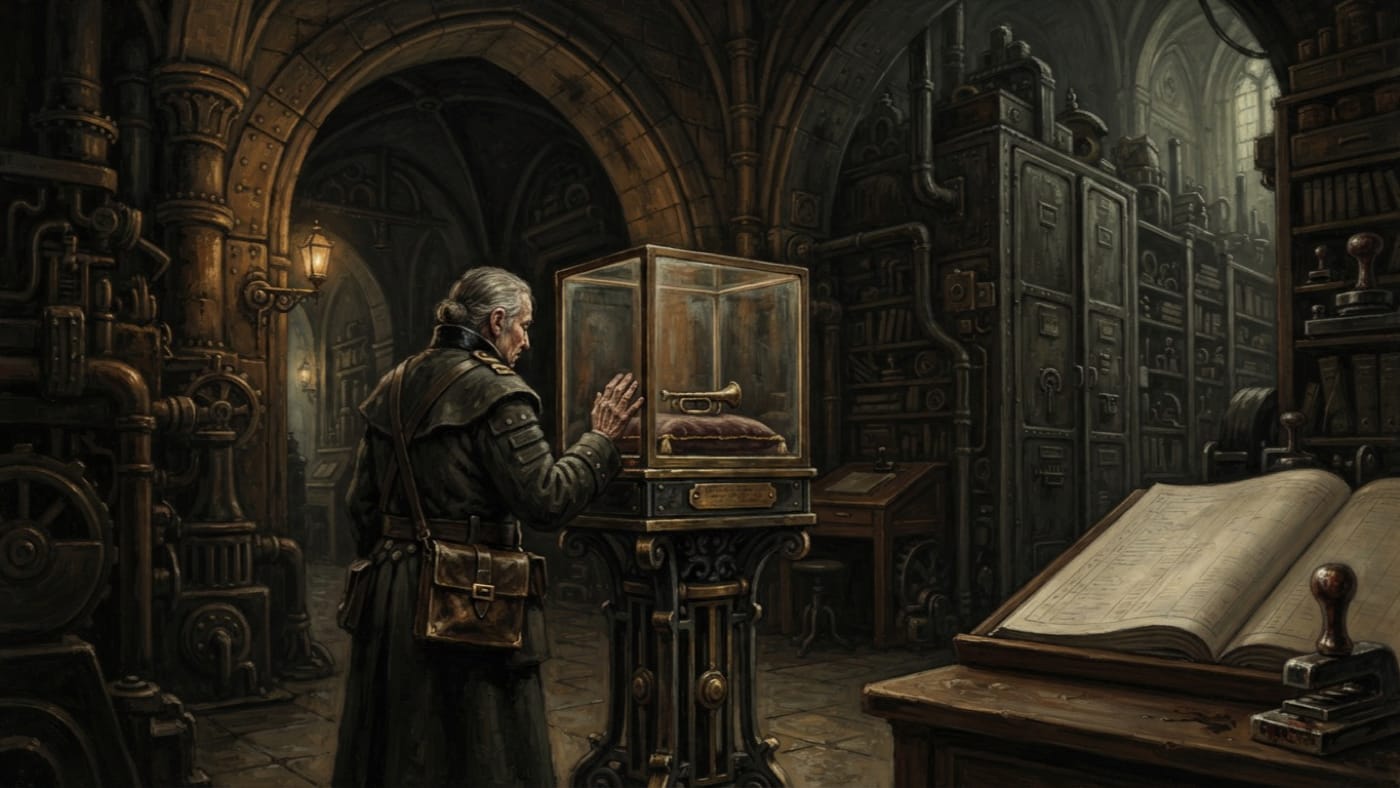
Cathedral Arsenal Office
The warmth has witnesses; the charter does not
Strasbourg office holding the brass pitch-pipe attributed to Saint Orla the Brass-Throated and sharing Shrine-Deck patronage with the Shrine Admiral. The warmth has witnesses; the charter does not.
Codex Ref. IV.3.12-518
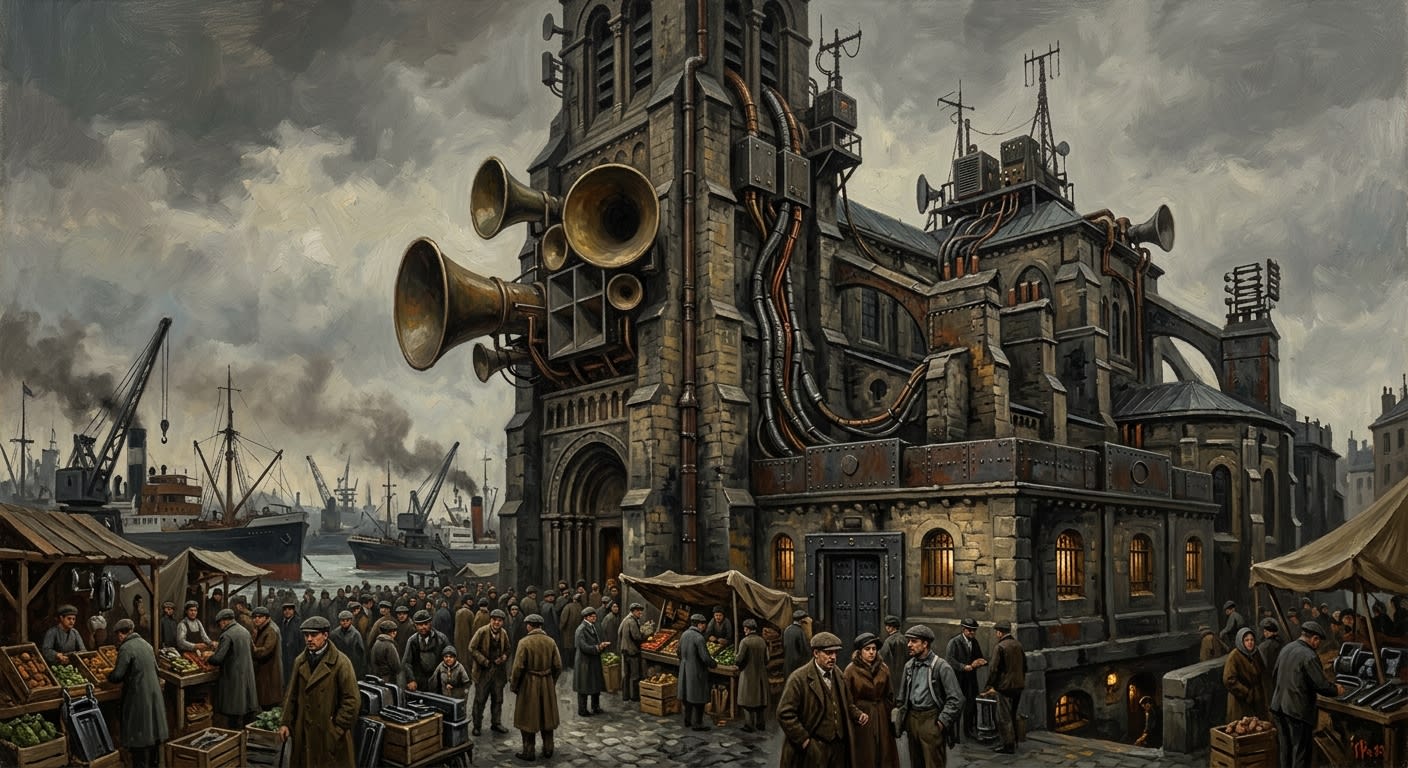
Cathedral of Saint-Victor
Marseille's bells govern the harbour because bronze argues better than clerks
The Cathedral of Saint-Victor is Marseille's acoustic throne: relay tower, crypt of disputed bones, parish market-anchor, and bell-mouthed rebuke to the harbour.
Codex Ref. II.4.09-018
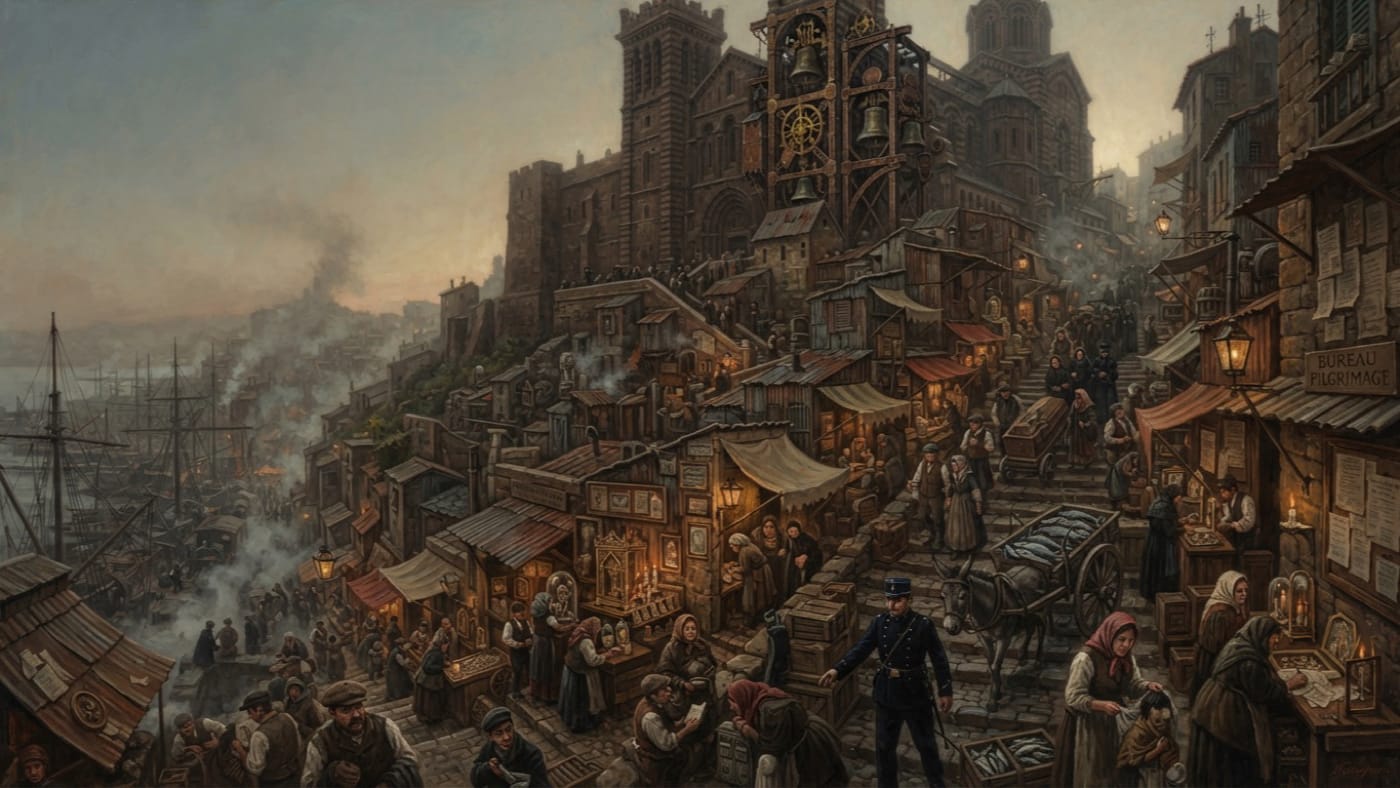
Cathedral Quarter
Saint-Victor keeps the hours; the slope keeps the accounts
The Cathedral Quarter is Marseille's slope of relic stalls, pilgrim hostels and parish rents: Saint-Victor's bells keep the hours while its claimants keep the accounts.
Codex Ref. II.4.09-019
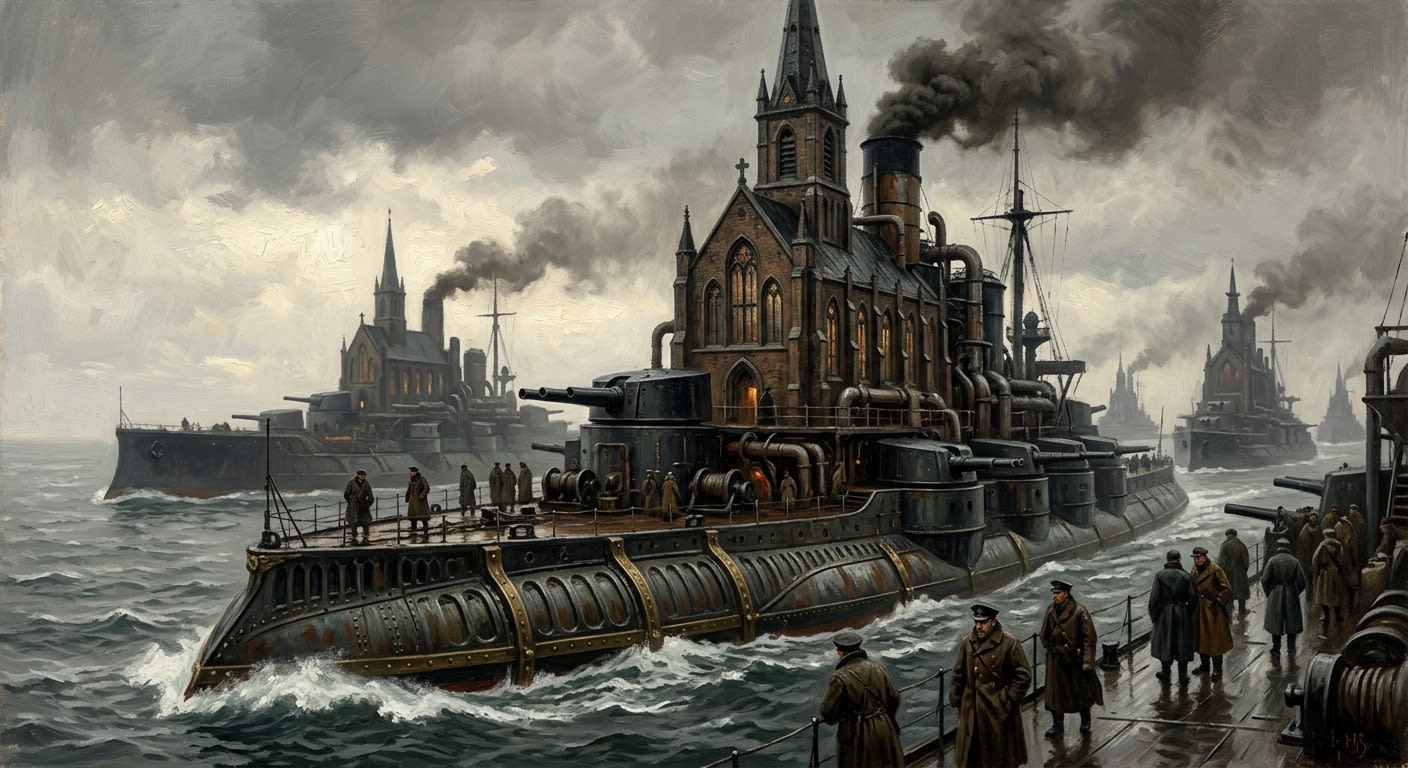
Cathedral Ships
Britain built churches that sail, shoot, and refuse to explain themselves
British Cathedral Ships carry chapel, bell-tower, artillery, and reliquary-keel across the Channel; the Synod depends on them and resents every plank.
Codex Ref. X.1.03-001
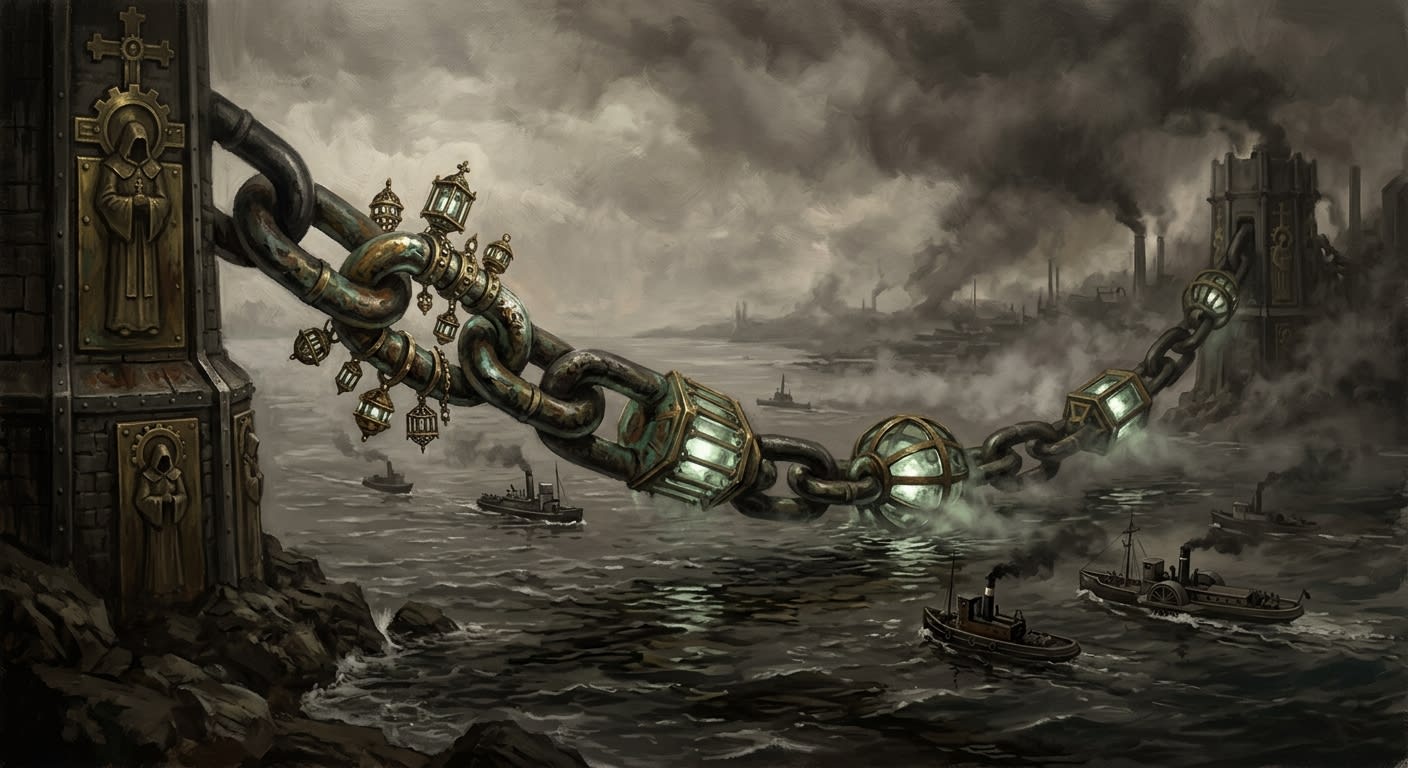
Chain of Saint Anakletos
The harbor closes its throat, and the iron has begun adding words
A reliquary boom across the Bosphorus, first strung in A.S. 68, spent its white fire against the Black Sea Armada and later grew seven links without permission.
Codex Ref. II.4.10-006
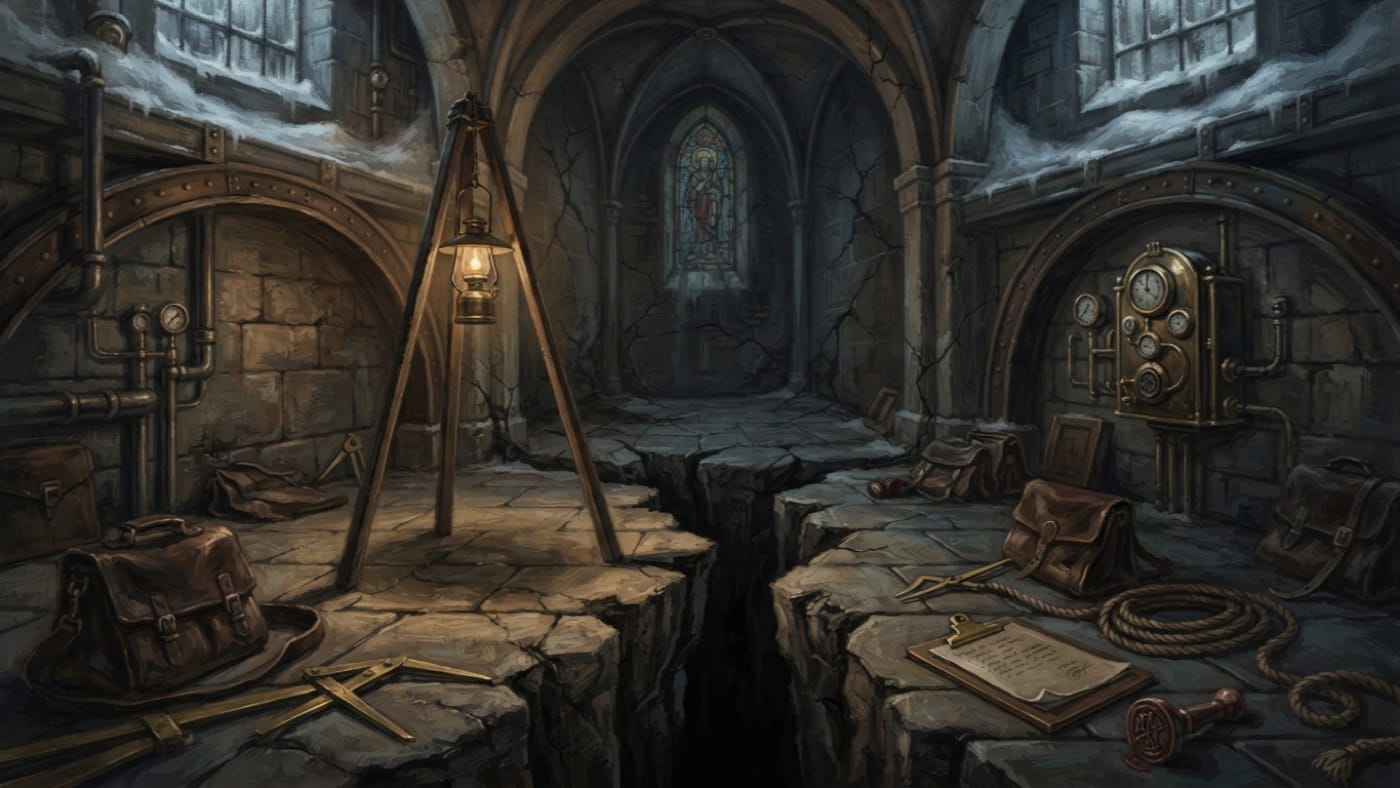
Chain-Vault Crack
A sequence survives where the year does not
A.S. 201 survey of the Chain-Vault Crack record: an undated late-winter opening beneath a Przemyśl chapel, followed by the earliest regional returns in the First Quake-Ledger. Records knows the sequence; it lacks the year.
Codex Ref. VII.8.10-551
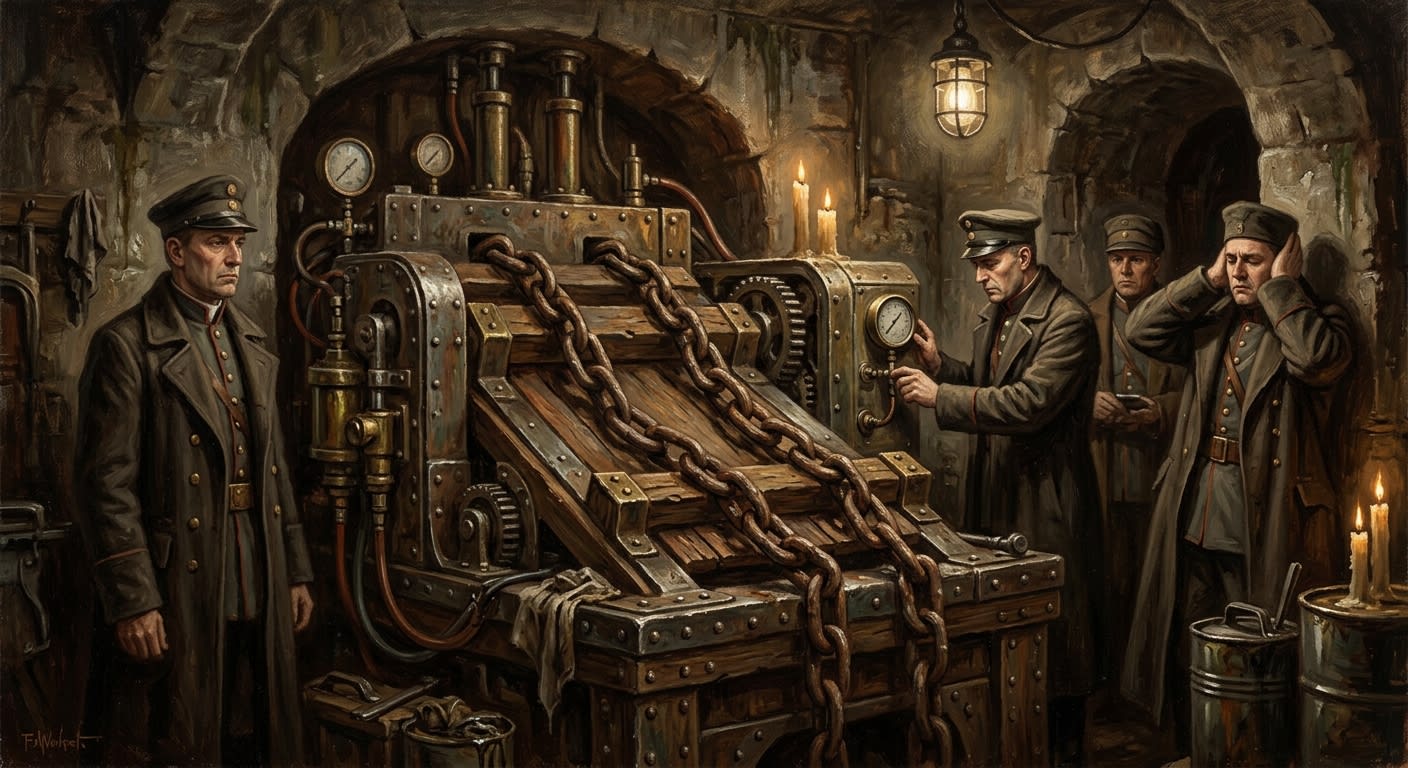
Chains of the Martyrs of Avignon
An absent relic, a wet city, and iron humming under denial
Disputed Avignon restraint-relic whose public nonexistence requires lower Basilica watches, pitch suppression, and the official courage to ignore B-flat iron.
Codex Ref. IX.3.12-111
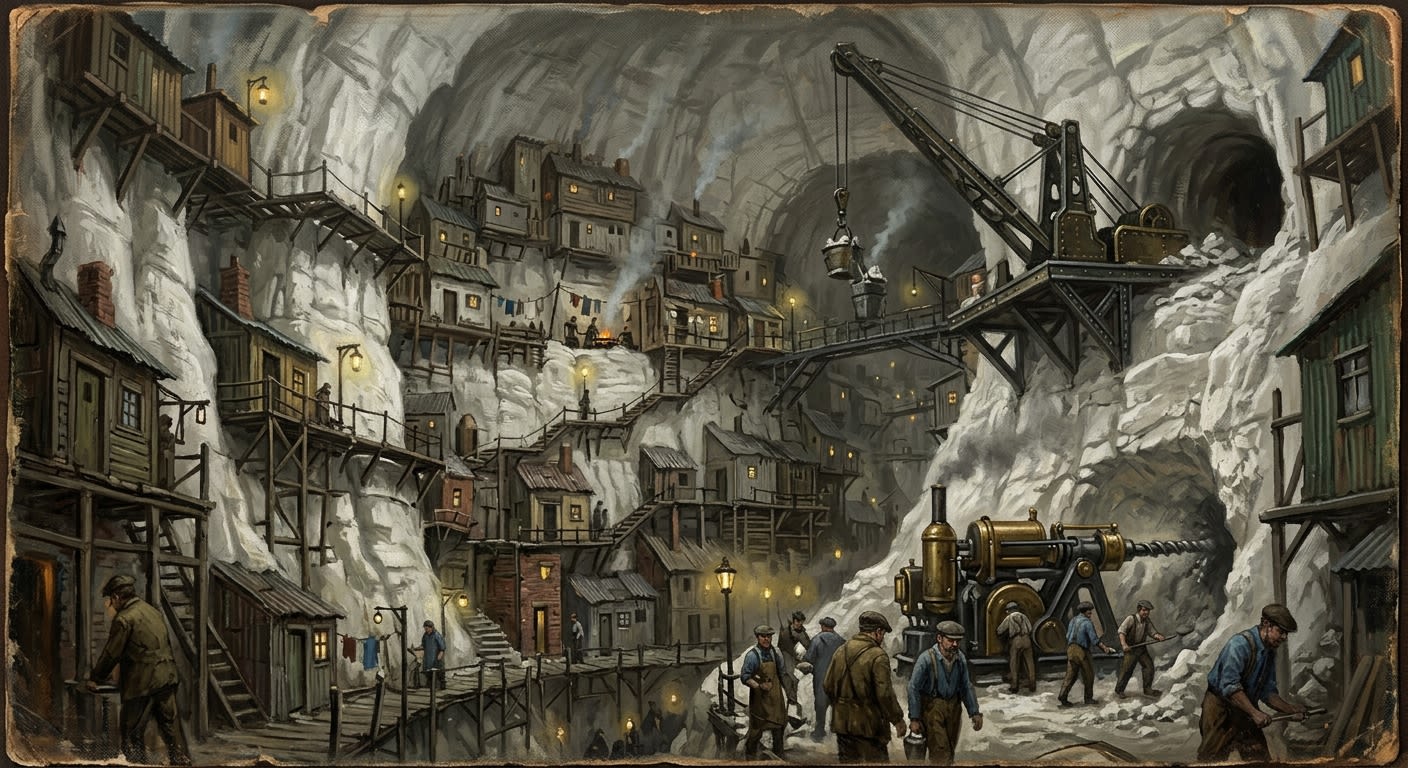
Chalk Warrens
The cliff's undercity, where rent is paid in breath
Worker-city beneath Calais, where quarry cuts became homes after the Great Breach, chalk writes inland, and every household owes the Wall a throat.
Codex Ref. II.4.09-071
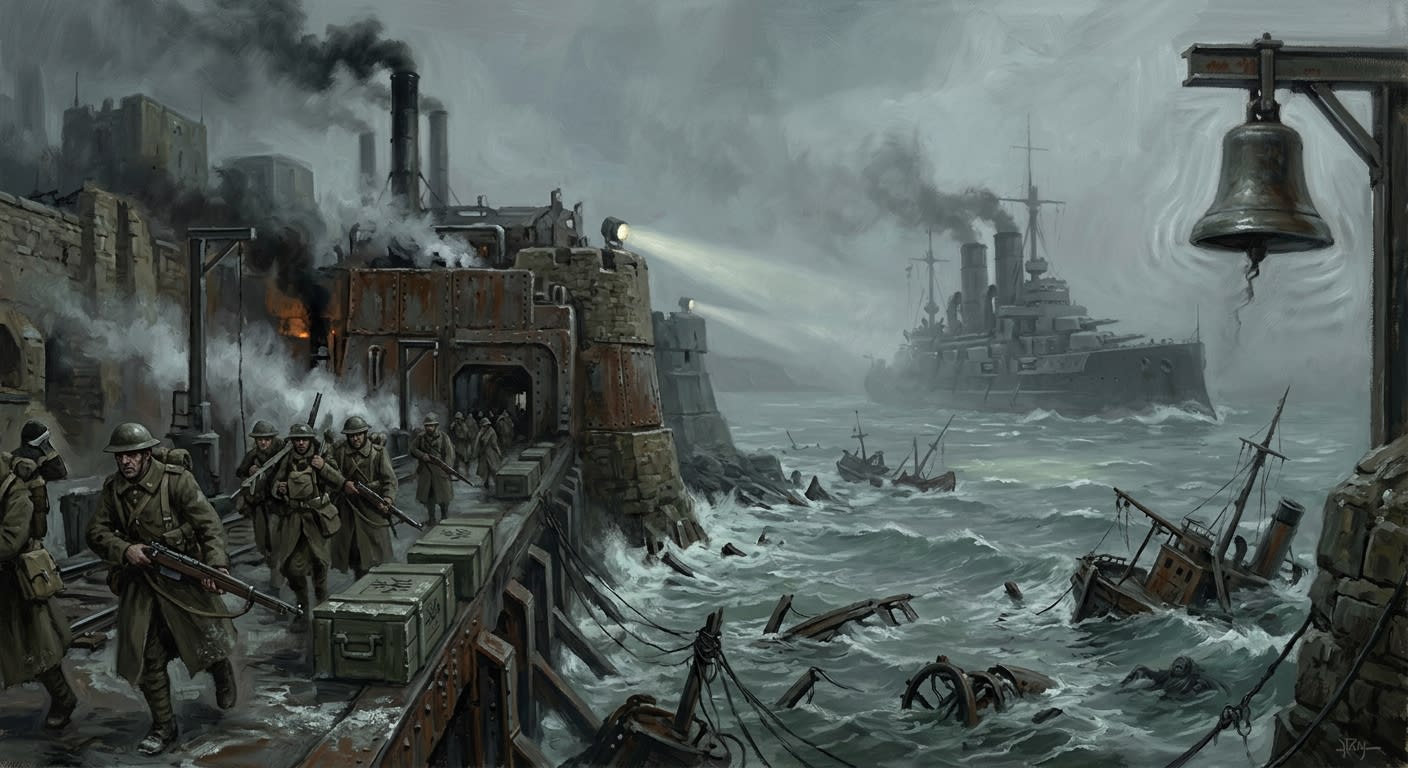
Channel
The water between two prides, and wiser than both
The Channel is the Synod's western salt wound: Calais to Dover, bells to fog, British pride to Synod arithmetic, and drowned things below.
Codex Ref. II.1.04-201

Channel Escort After-Action
The captain called it answered; the fragment declines to explain
A.S. 201 survey of a redacted Channel escort extract: three grain barges reported hearing their names in British bells; the captain called the incident “answered.” Doctrine retains the word without its meaning.
Codex Ref. X.1.03-002
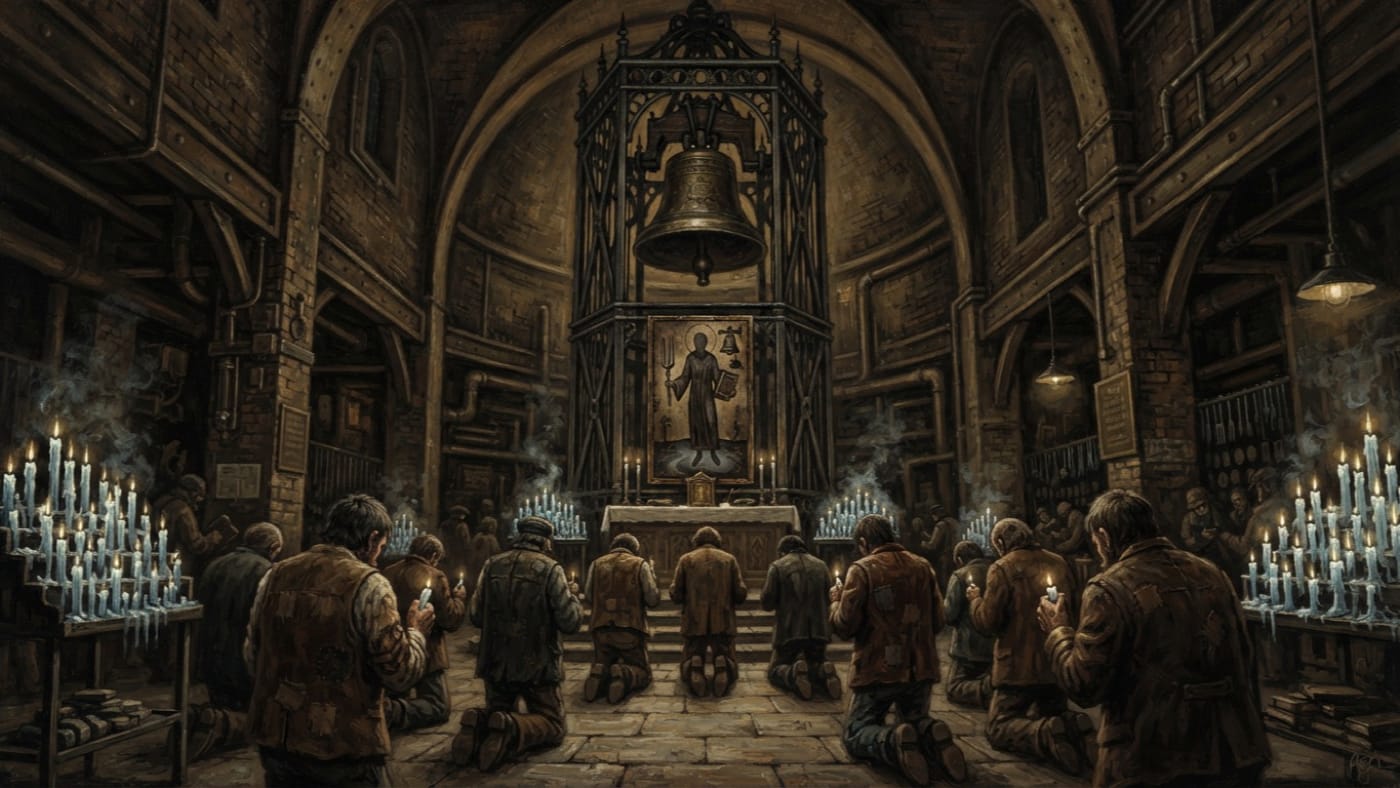
Chapel of Saint Cadrin
Confiscated permission, recast to keep the hour
Strasbourg's primary chapel of Saint Cadrin keeps an hourly bell recast from the Lyon Stampers' Guild master die. Three Bureaus explain its late undertone; none agrees.
Codex Ref. II.4.09-578
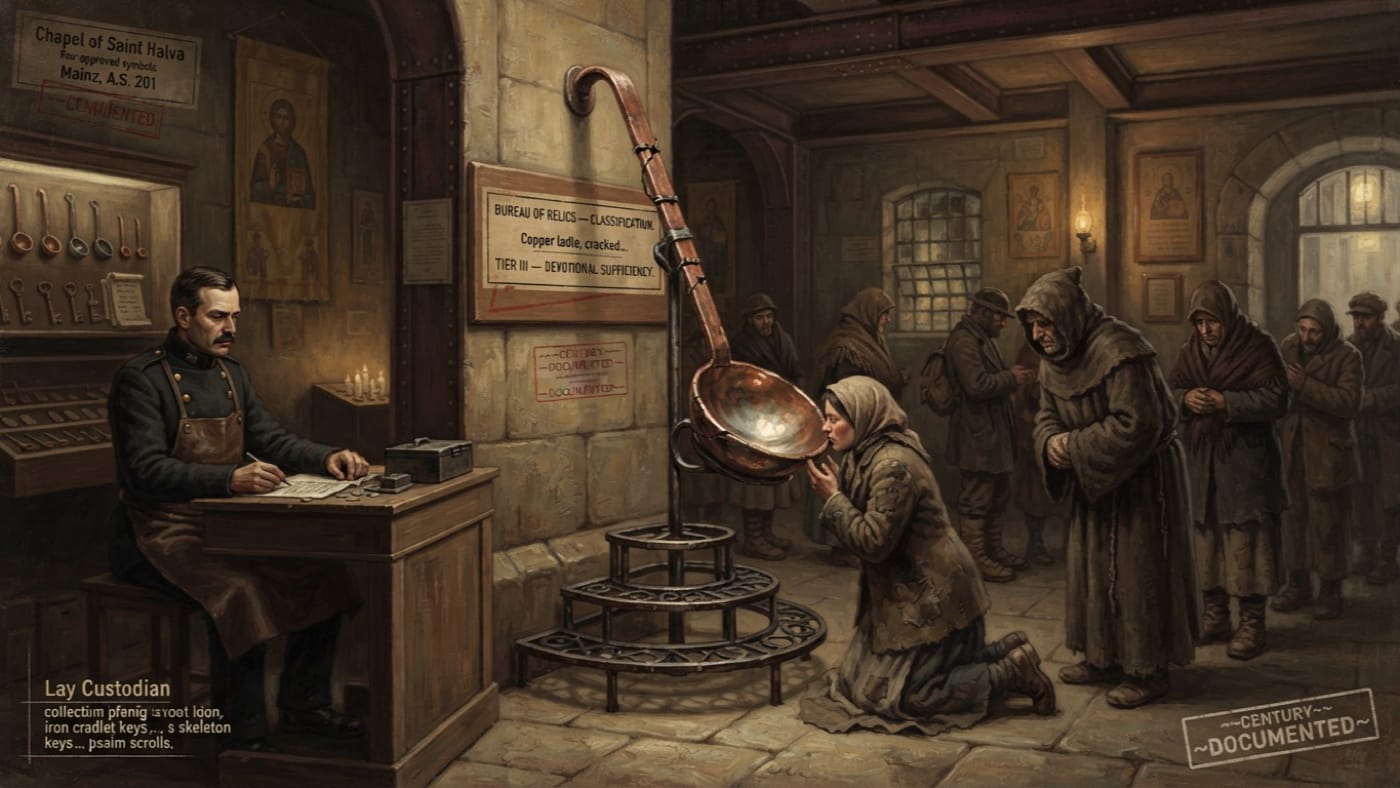
Chapel of Saint Halva
The pilgrim kisses; the Bureau collects
An A.S. 201 custody survey of the Mainz chapel holding Saint Halva's attributed copper ladle. The Bureau certifies devotional sufficiency; I dispute the provenance. A kiss still costs three pfennig.
Codex Ref. III.2.04-579
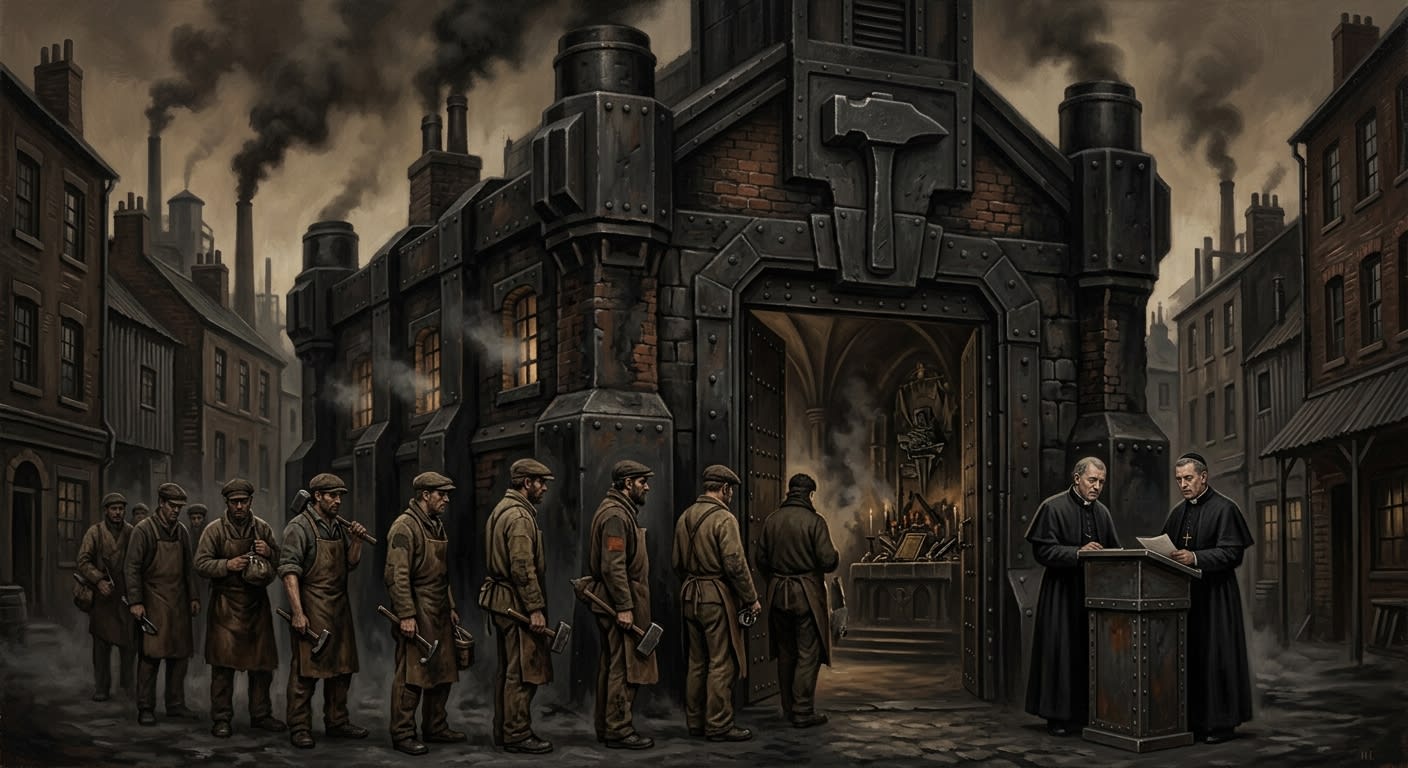
Chapel of Saint Vulcan
Where the hammers pray because the workers have no time
The Foundry Quarter's soot-black chapel keeps Saint Vulcan's doubtful file, the workers' hammer-prayers, and Doctrine's wisest act of looking away.
Codex Ref. II.4.10-004
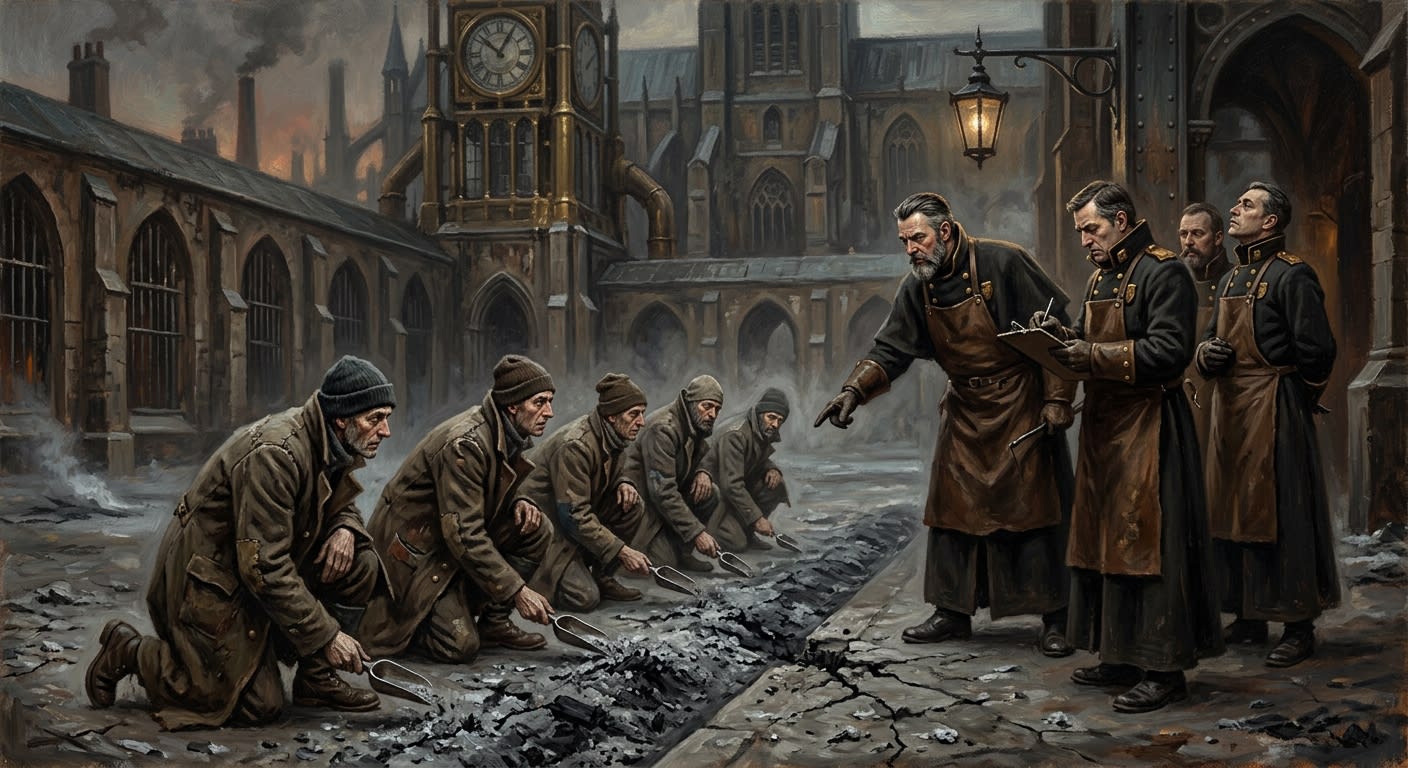
Cinder Trials
Where Toledo lets ash pretend to be law
Toledo's forecourt ash rite, born from post-Sundering martyrdom law, where grey crusts crack at Ninth Bell and Doctrine calls the fracture a verdict.
Codex Ref. XIII.1.56-001
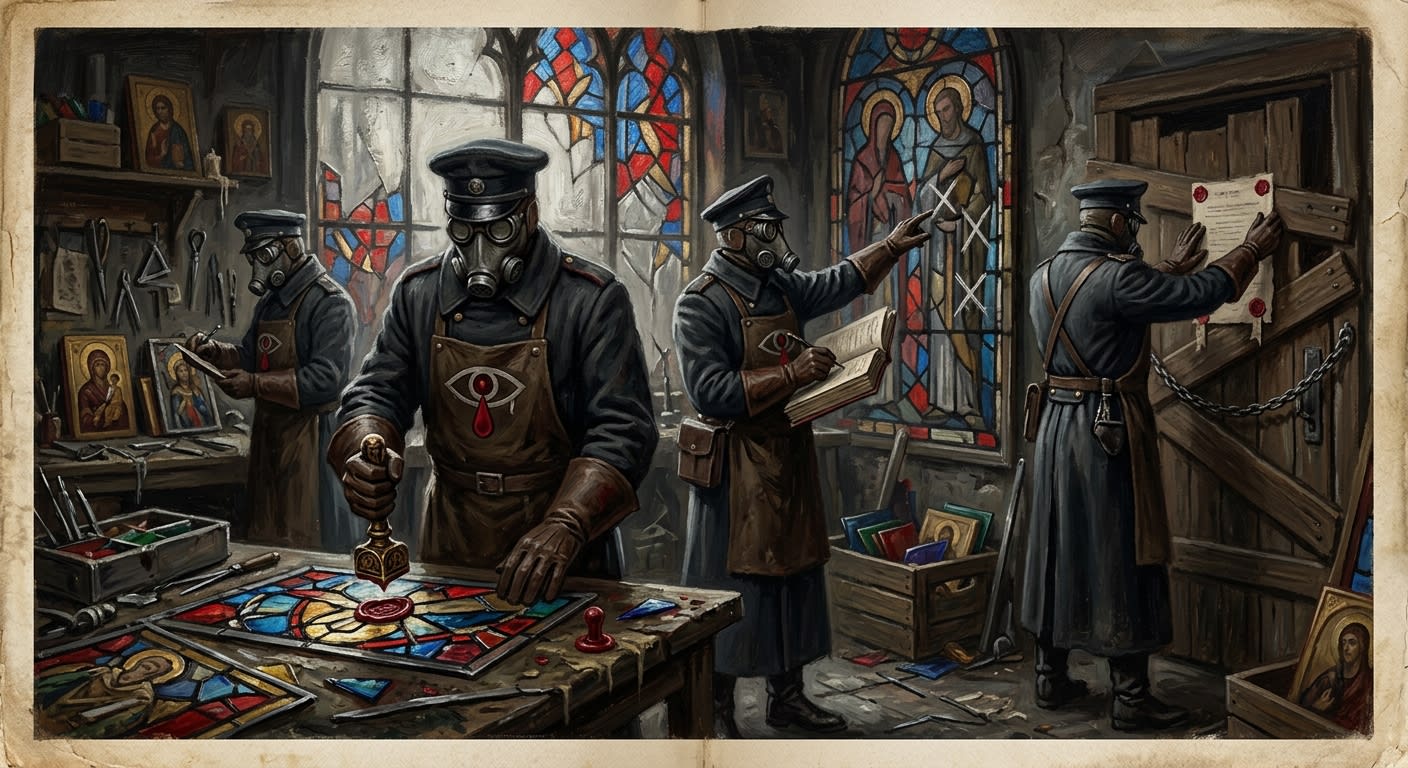
Circle of Stained Proof
Beauty is a smuggling method, and the Ledger likes pretty evidence
The Circle of Stained Proof polices relic markets, shrine workshops, and devotional glass with staged proof, teardrop seals, workshop closures, and a profitable hatred of illicit beauty.
Codex Ref. XII.25.06-001
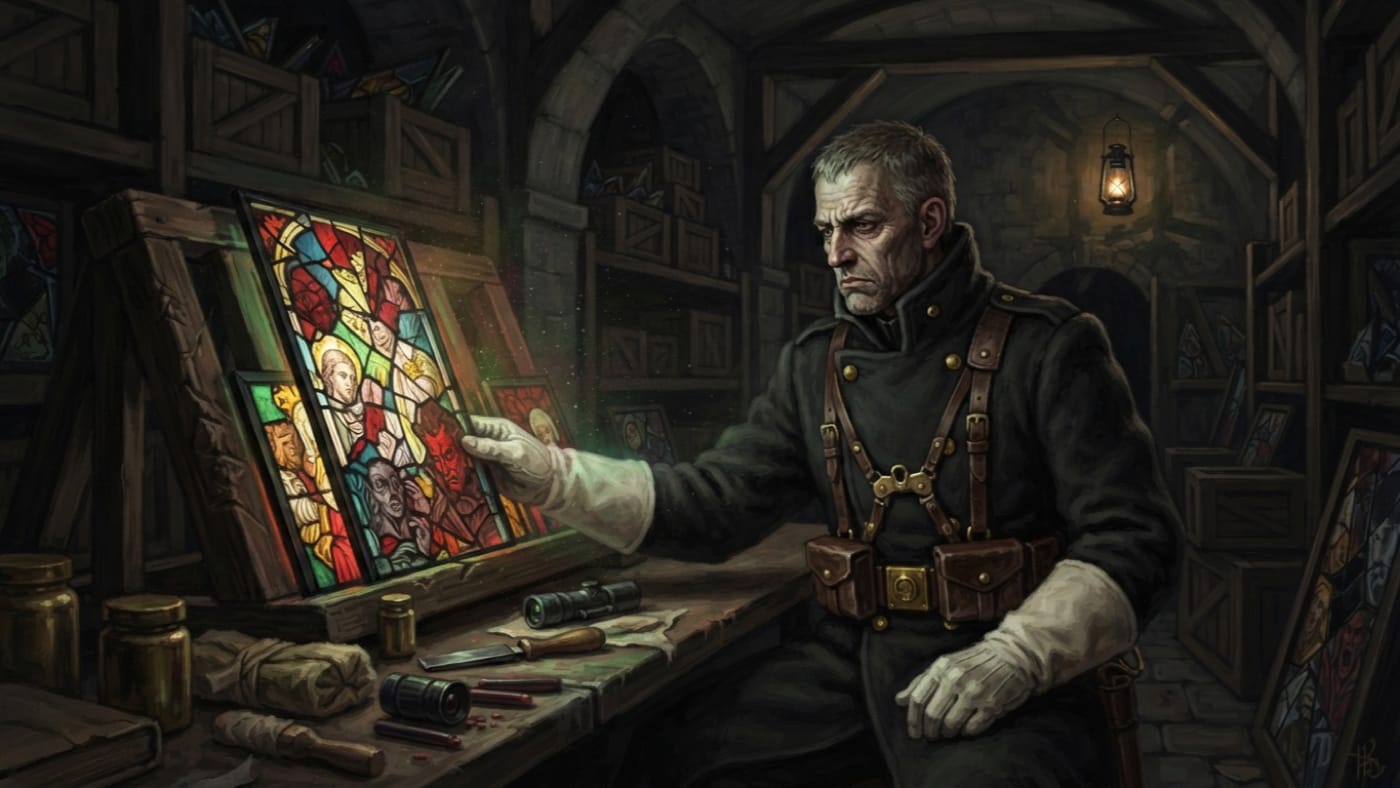
Circle-Captain “Saint” Havel Brune
Spotless gloves, dangerous taste
Circle-Captain Havel Brune commands Stained Proof, keeps spotless gloves, and lends his name to the aesthetic tithe. Reports place the public hero before seized panes after midnight, looking too long.
Codex Ref. III.2.01-1335
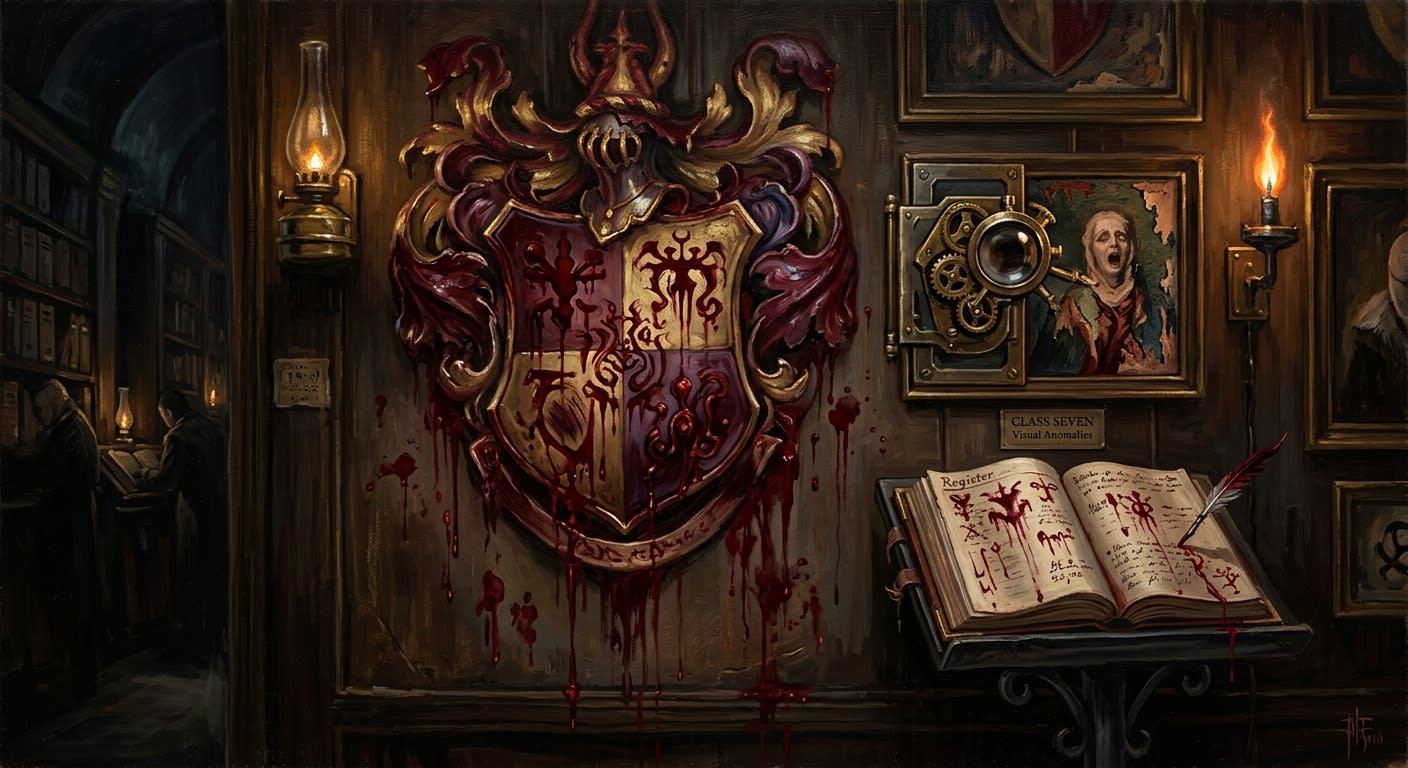
Class Seven Visual Anomalies
If the paint sings, leave the wall to the Creator
Heraldry’s red-ink doctrine for marks that move, sing, sweat, restore themselves, enter dreams, and teach the Inspector why courage needs a leash.
Codex Ref. XIII.1.83-001
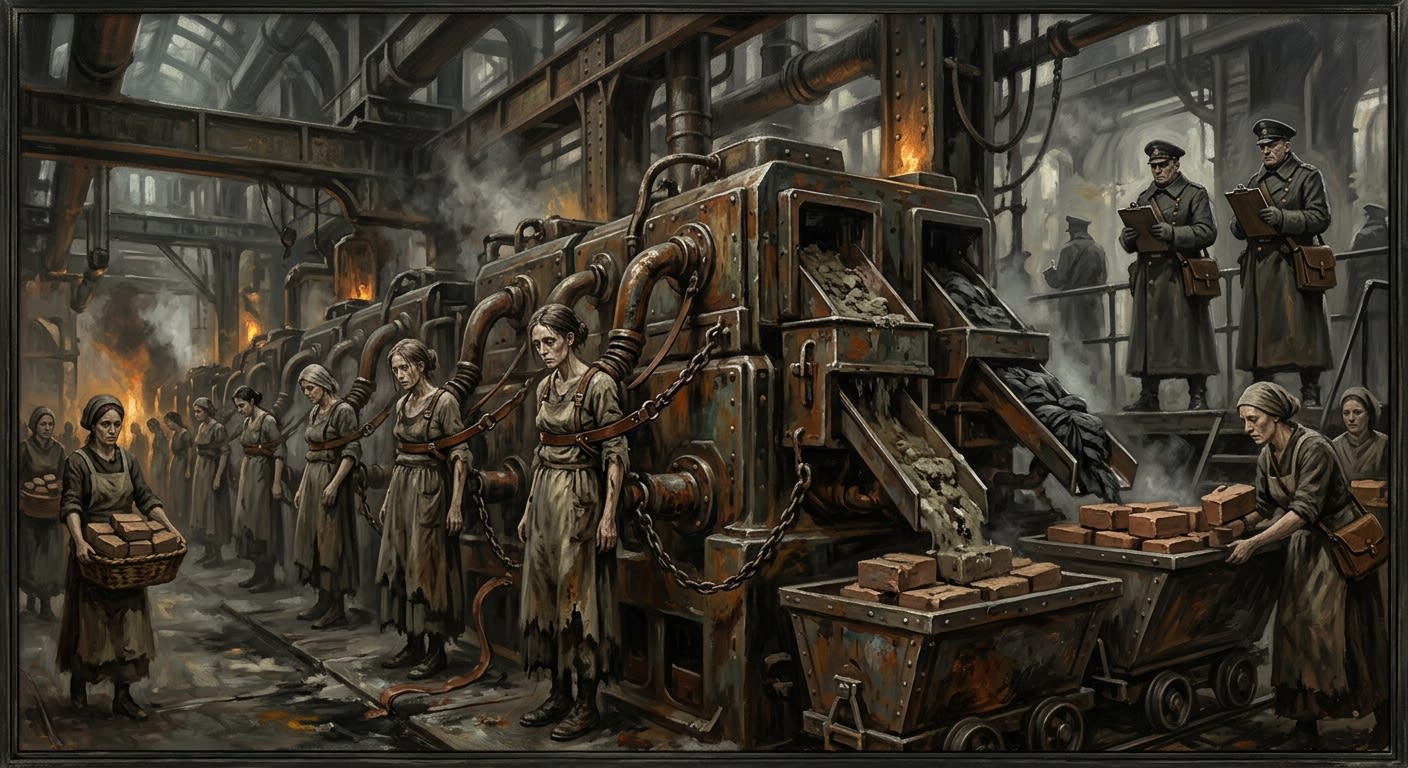
Classification 7-F
The file by which the Bureau teaches horror to stand in line
Classification 7-F names Reproductive Infrastructure, Hostile: the sealed category by which Ash-Mothers, mortar, obedience, and enemy supply become one file.
Codex Ref. XIII.1.72-004
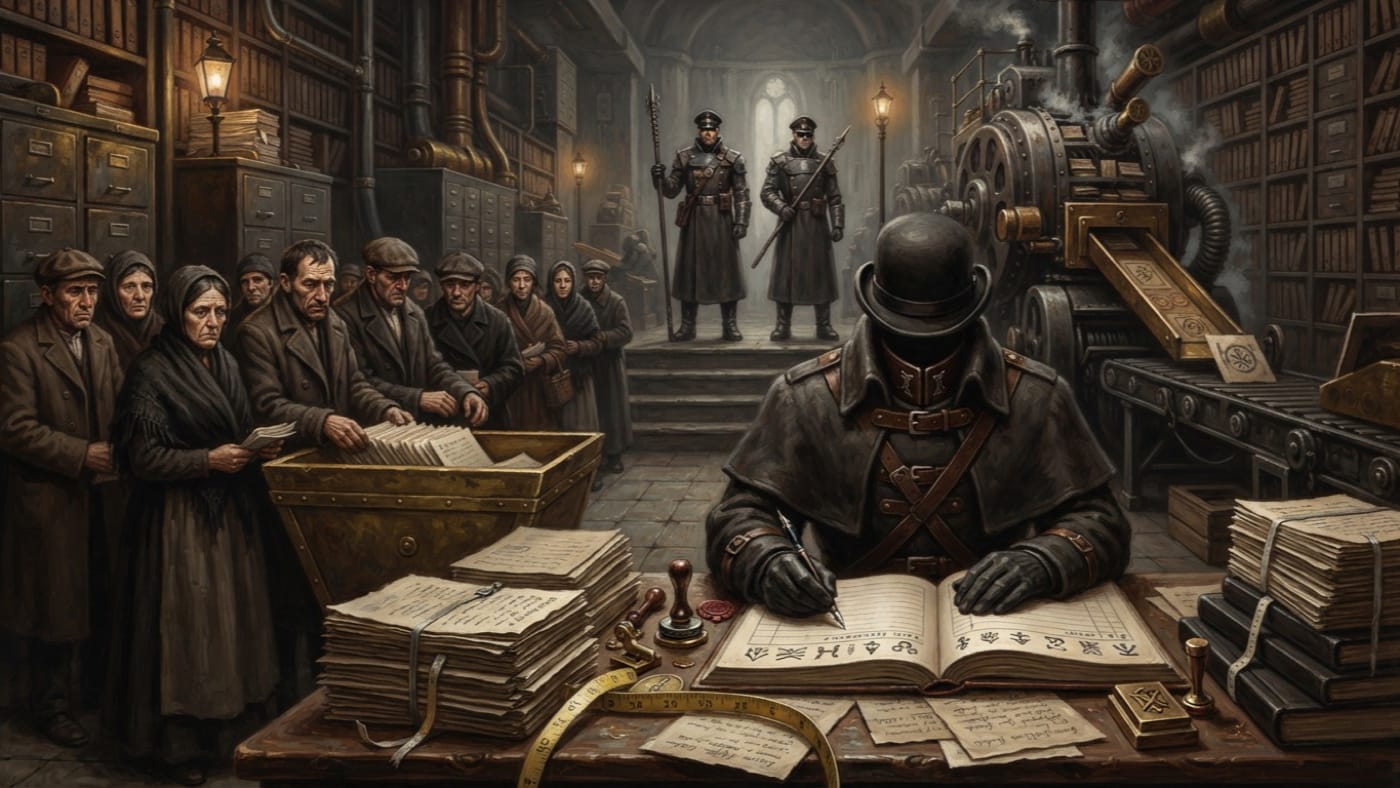
Classification Report
The grade is spoken; the objection is filed
The Classification Report turns shrine measurements, receipts and pilgrim counts into a binding grade. Pilgrimage pronounces it; Records preserves it; the parish files its objections beside it.
Codex Ref. XIII.1.51-151

Codex of Permitted Symbols
The little book that makes walls guilty
Pocket abridgement of the Armorial carried by Sigil Inspectors, where lawful shapes are licensed, colours are weaponised, and mercy is a counterfeit edition.
Codex Ref. XIII.1.82-001
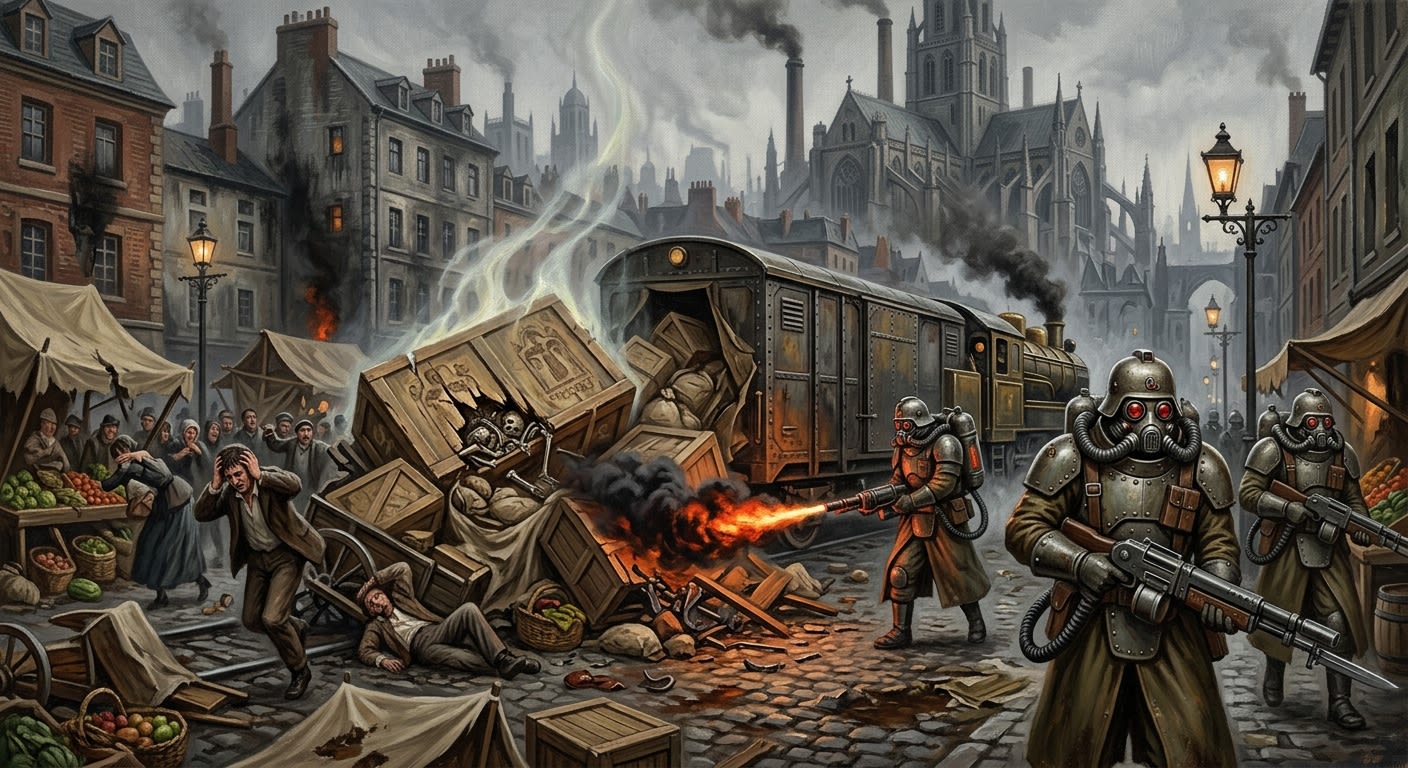
Collapse of Saint Aurelia's Convoy
A reliquary procession folded inward and called it music
The A.S. 184 Rouen market incident in which an authenticated reliquary convoy collapsed under unseen Pale Chanter cadence, broke its cargo, and left Purity to burn the witnesses.
Codex Ref. VII.5.04-003
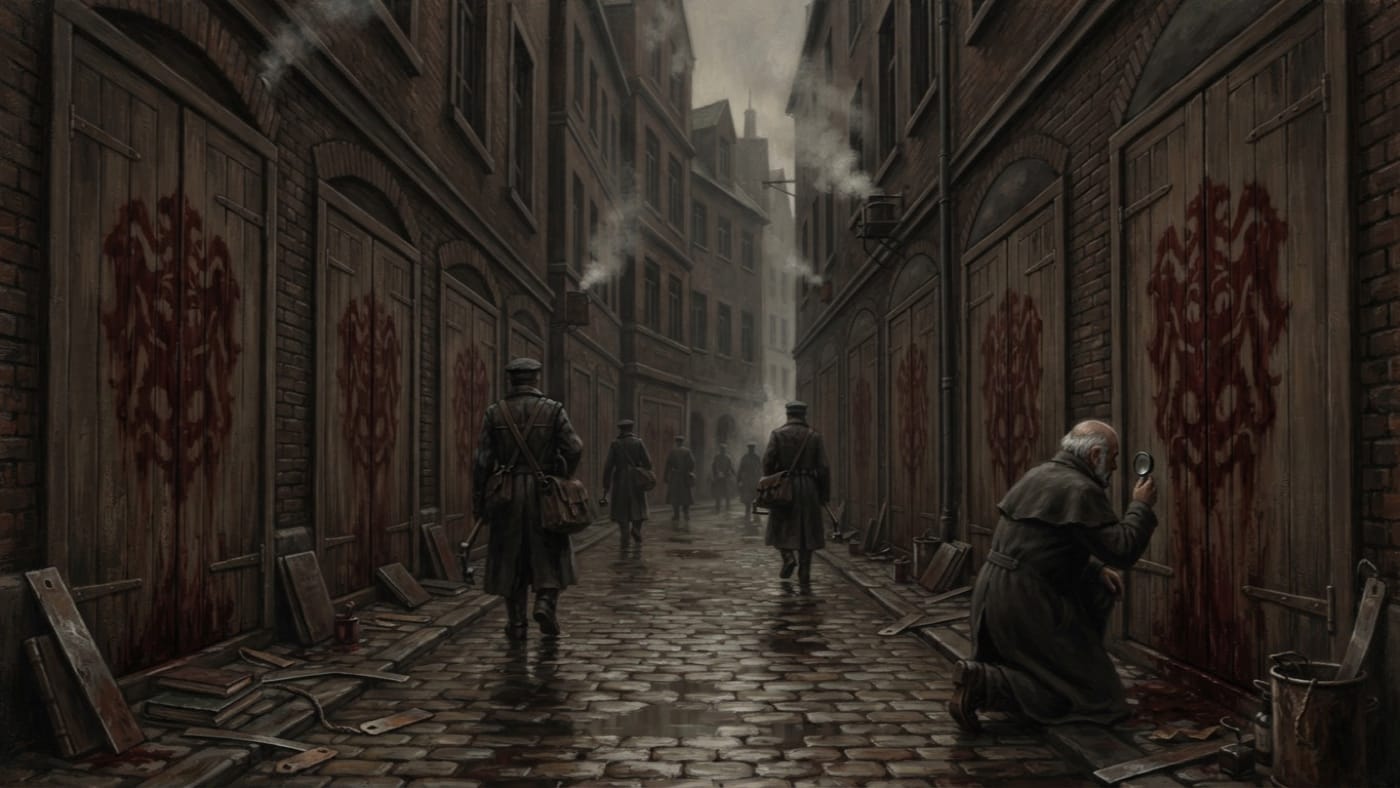
Cologne Stain
The crest vanished; the stains outlasted the paperwork
In A.S. 197, three hundred Cologne doors bore a crest that returned after sixty scrapes. It vanished on the fourth day; the stains remained. Heraldry filed the incident as resolved.
Codex Ref. VII.8.10-197
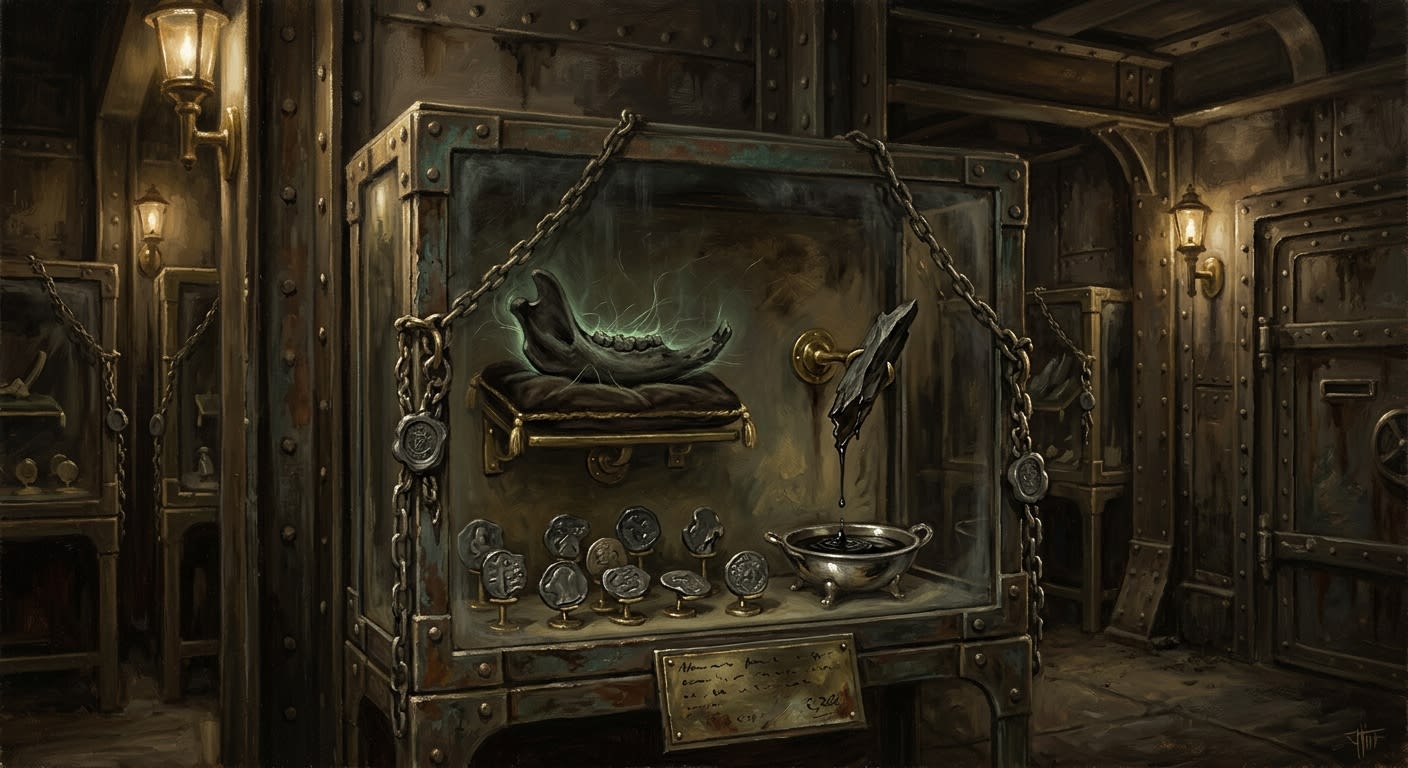
Confiscated Relics of Uncertain Provenance
Holy things without receipts, unholy things with excellent filing discipline
Third silence of the Vault of Silences, holding the humming jawbone, the weeping splinter, and Velmora's returning coins under suspended relic authority.
Codex Ref. XIII.1.50-001
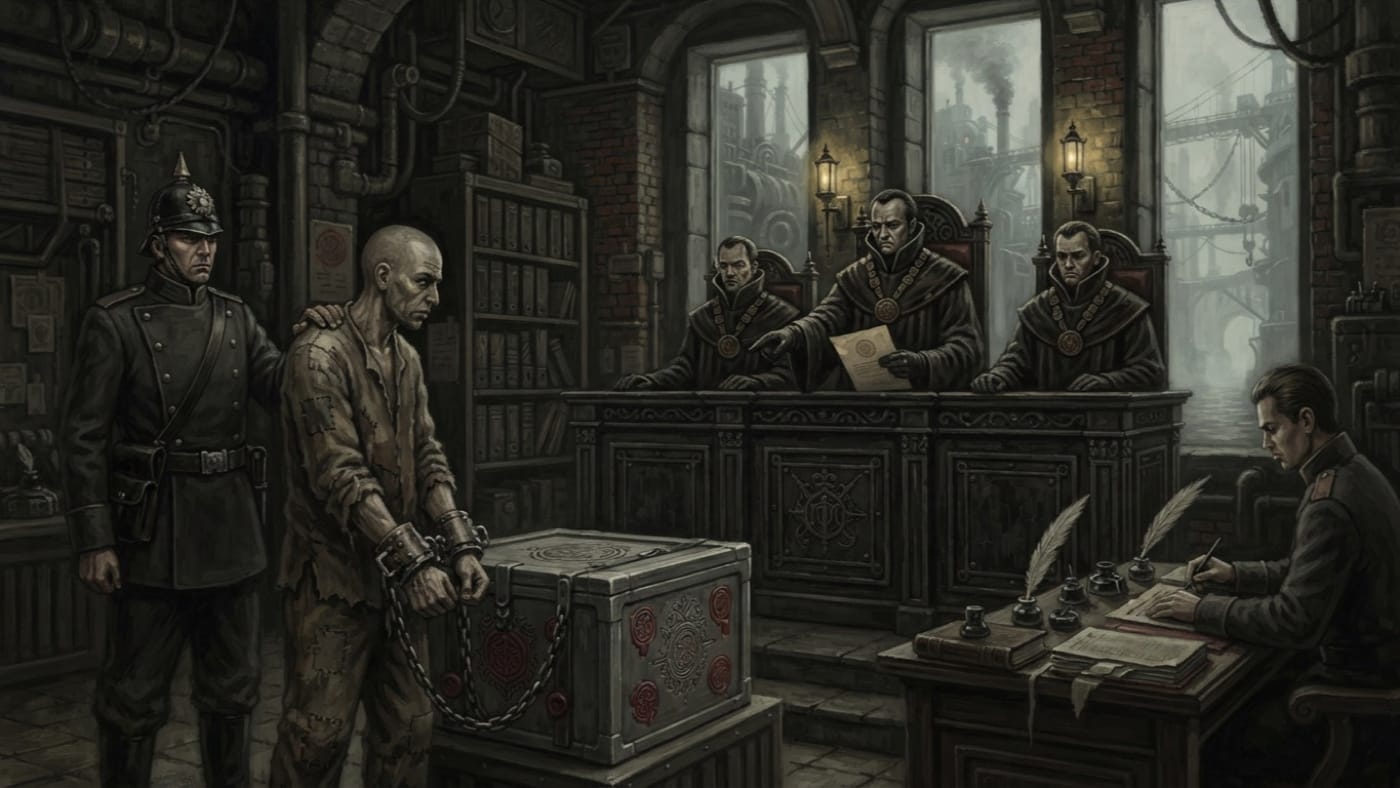
Constantinople Maritime Tribunal
The court condemned the hands and kept the testimony
Seen through Korin's A.S. 196 hearing, the Constantinople Maritime Tribunal condemned a wax-handler, sealed his demon-glass testimony, and returned his hands to the freight.
Codex Ref. XIII.1.58-196
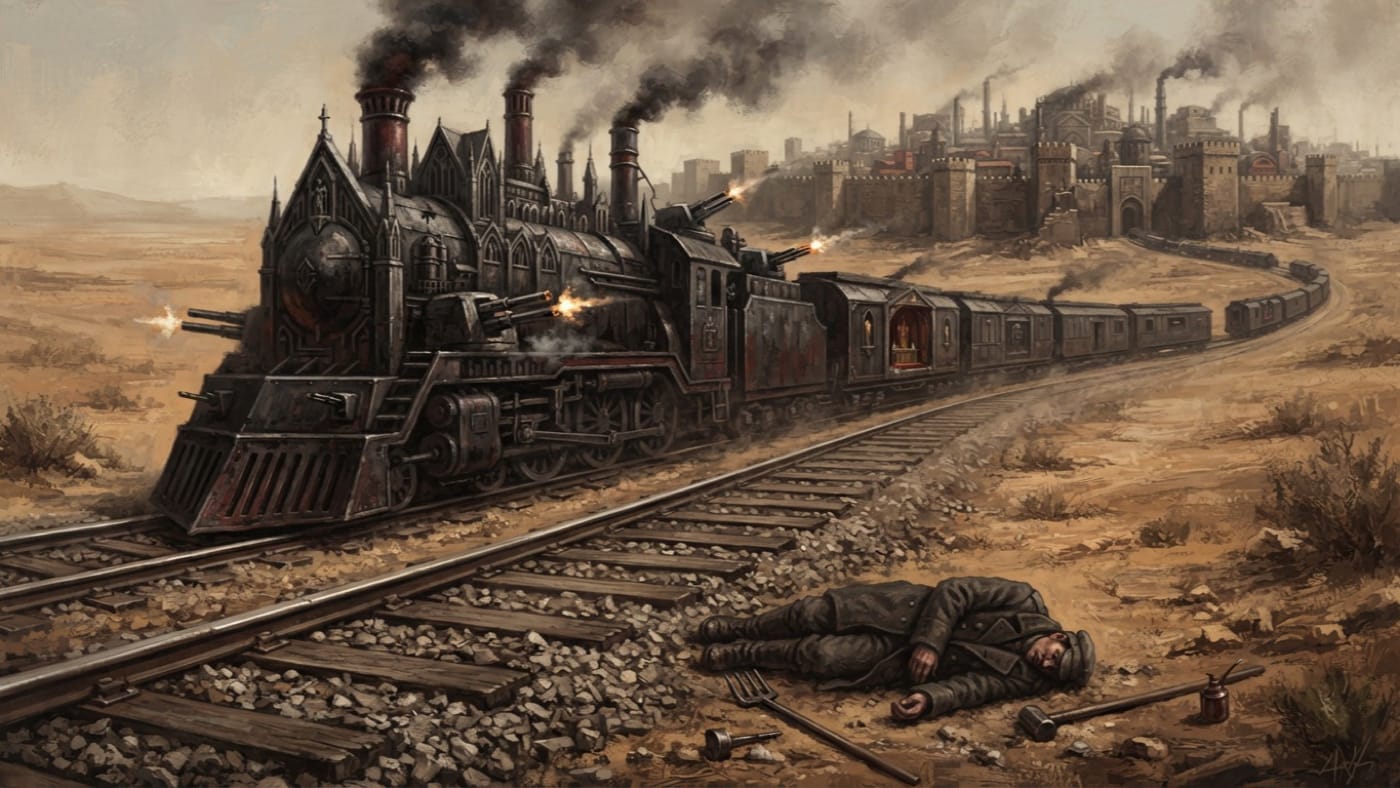
Constantinople Relief
War found the rail losses acceptable
Published accounts of the A.S. 191 rail relief to Bastion-Constantinople: the Sepulcher fired, War judged rail losses acceptable, and the Corps man's condition beside the ballast remains unknown.
Codex Ref. VII.8.10-191
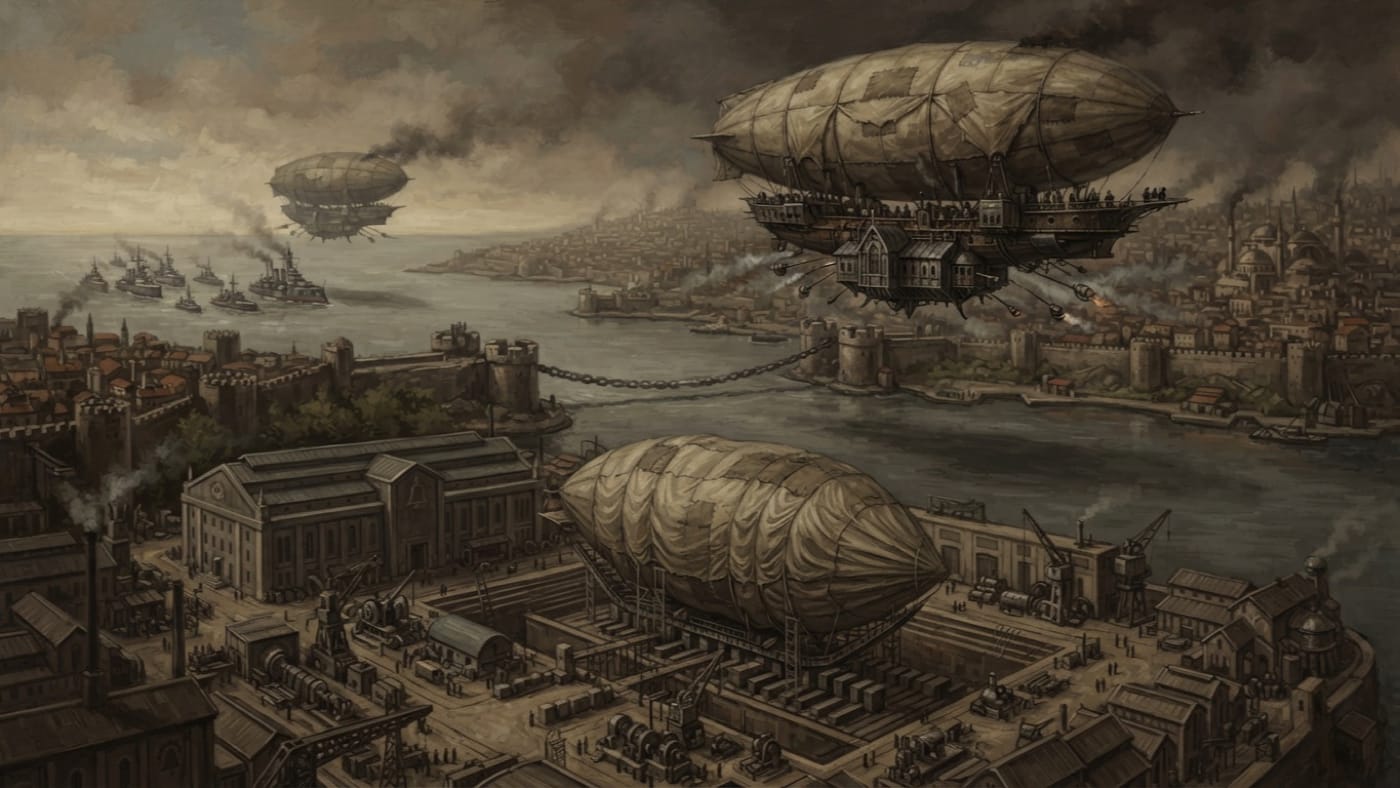
Constantinople Vigil Ark Fleet
Three Arks on the register, two in the air, and a southern Bellway guarded by a certificate.
Constantinople's aerial register lists three Vigil Arks: Saint Barachiel and Saint Gabriel patrol the Bosphorus approaches; Saint Uriel remains grounded. The southern Bellway is uncovered. Every paper is in order.
Codex Ref. VIII.5.11-168

Contract Sanctifiers
Sign first, lift second, deny nothing without a witness
Bureau of Relics field notaries empowered after the A.S. 131 Singing Plate Disaster to bind salvage contracts before sacred objects move.
Codex Ref. XII.13.04-001

Contradiction Map
The holy art of keeping incompatible truths from meeting before lunch
The Contradiction Map is the Broker's slip-book of lethal truths: relic claims, feast days, custody lies, and the blessed delays that keep bones from starting wars.
Codex Ref. XII.15.05-148
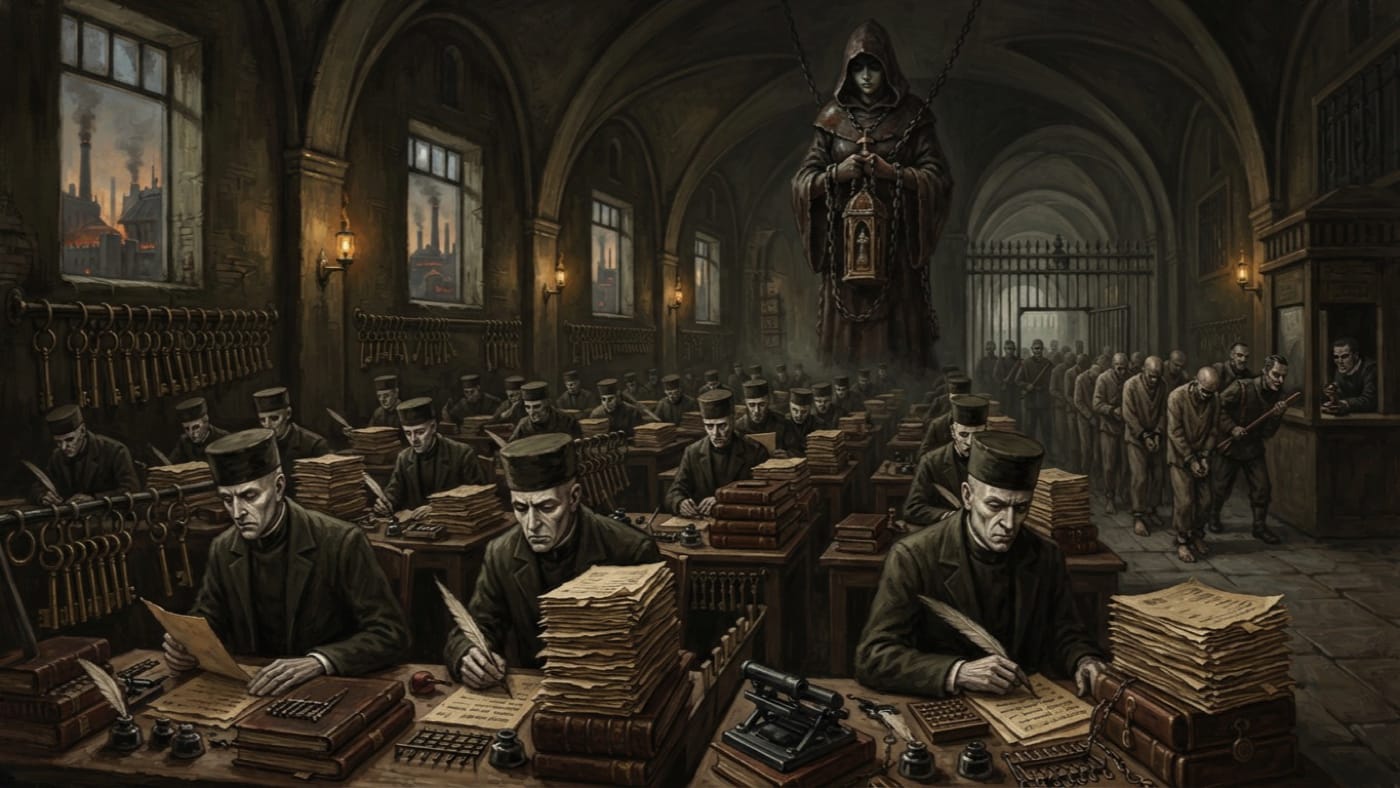
Convoy Audit Office
Where missing bodies become balanced accounts
The Convoy Audit Office reconciles relic seals, condemned carriers, numbered keys and five categories of loss. Its A.S. 196 memorandum records the discrepancies; continued observation keeps the cargo moving.
Codex Ref. III.2.09-196
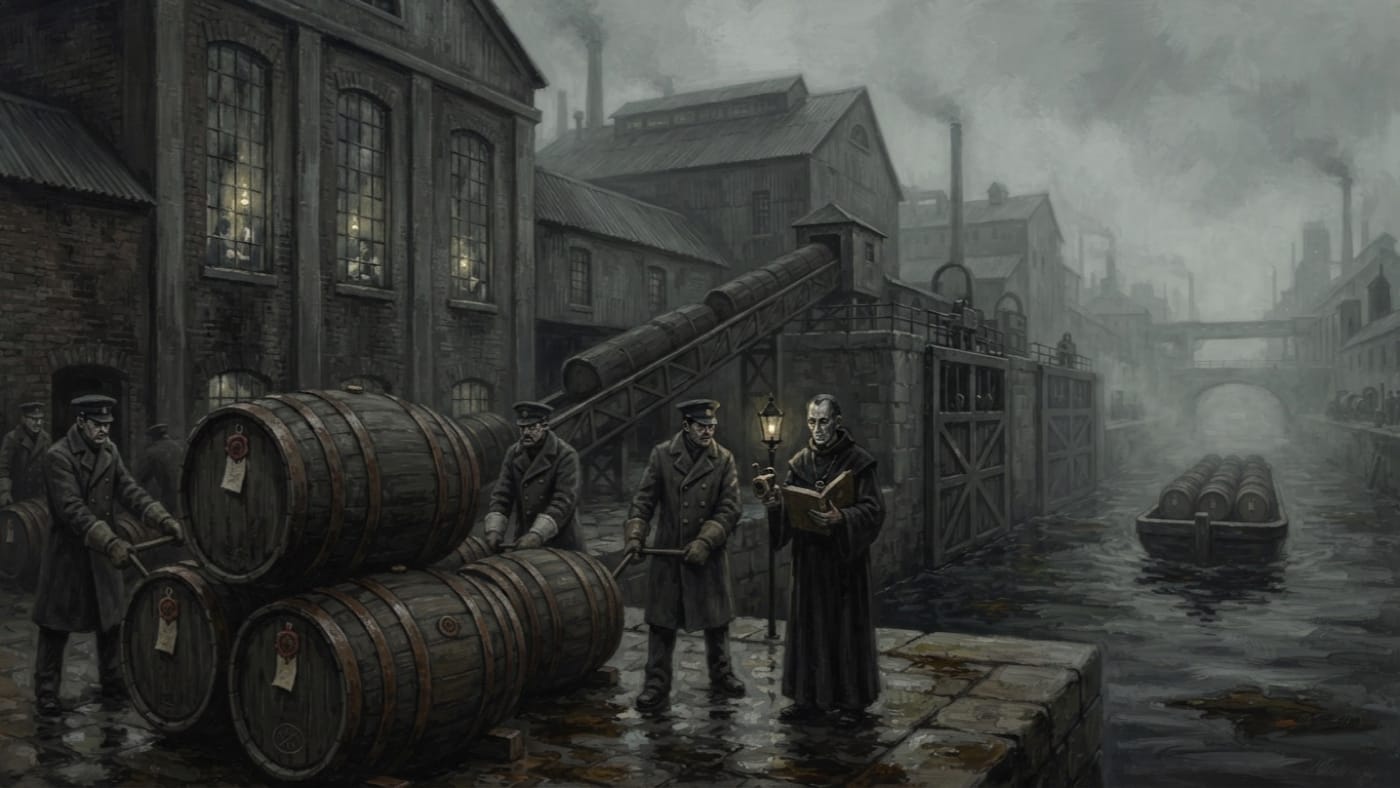
Cooperage Audit
The certificates are in order; the dust is not
An A.S. 201 survey of Mournwater's pending Cooperage Audit: certified saint-dust turns in transit, the ledgers balance, and the locks remain open.
Codex Ref. XIII.1.22-201
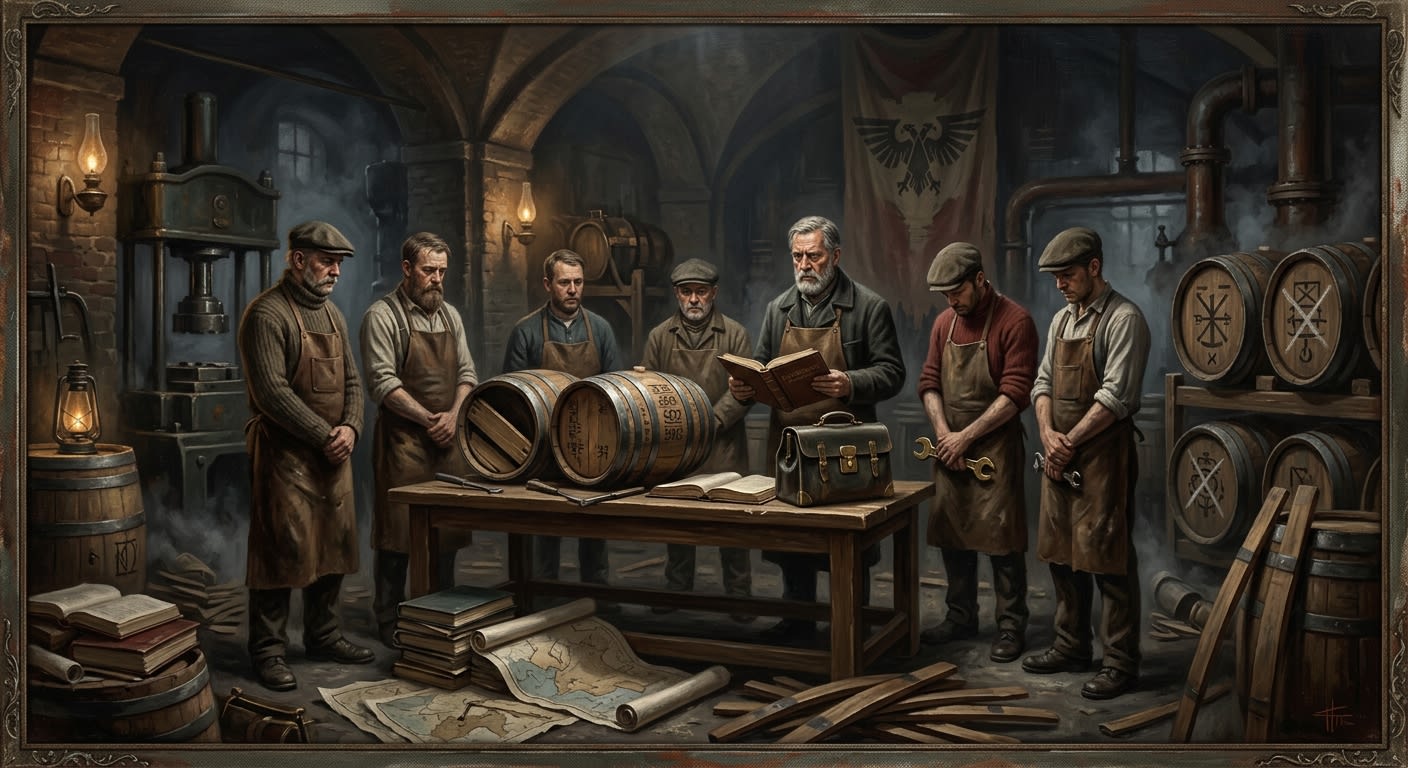
Coopers' Brotherhood of the Blessed Barrel
A barrel is hollow, certified, and treacherous when taught to sing
Dissolved Lübeck cooperage fraternity whose A.S. 180 contemplative silence followed Shadow seizure of hoop codes, false-bottom casks, route songs, and the harbour's loudest useful lies after the Year of Smoke.
Codex Ref. XII.26.04-001

Córdoba
The city that returned a saint and kept an altered inventory
Córdoba enters the Ledger through a prefect's desk: Saint Iago's jawbone was reclaimed there in A.S. 12, while the altered inventory keeps provenance inconvenient.
Codex Ref. II.1.04-012
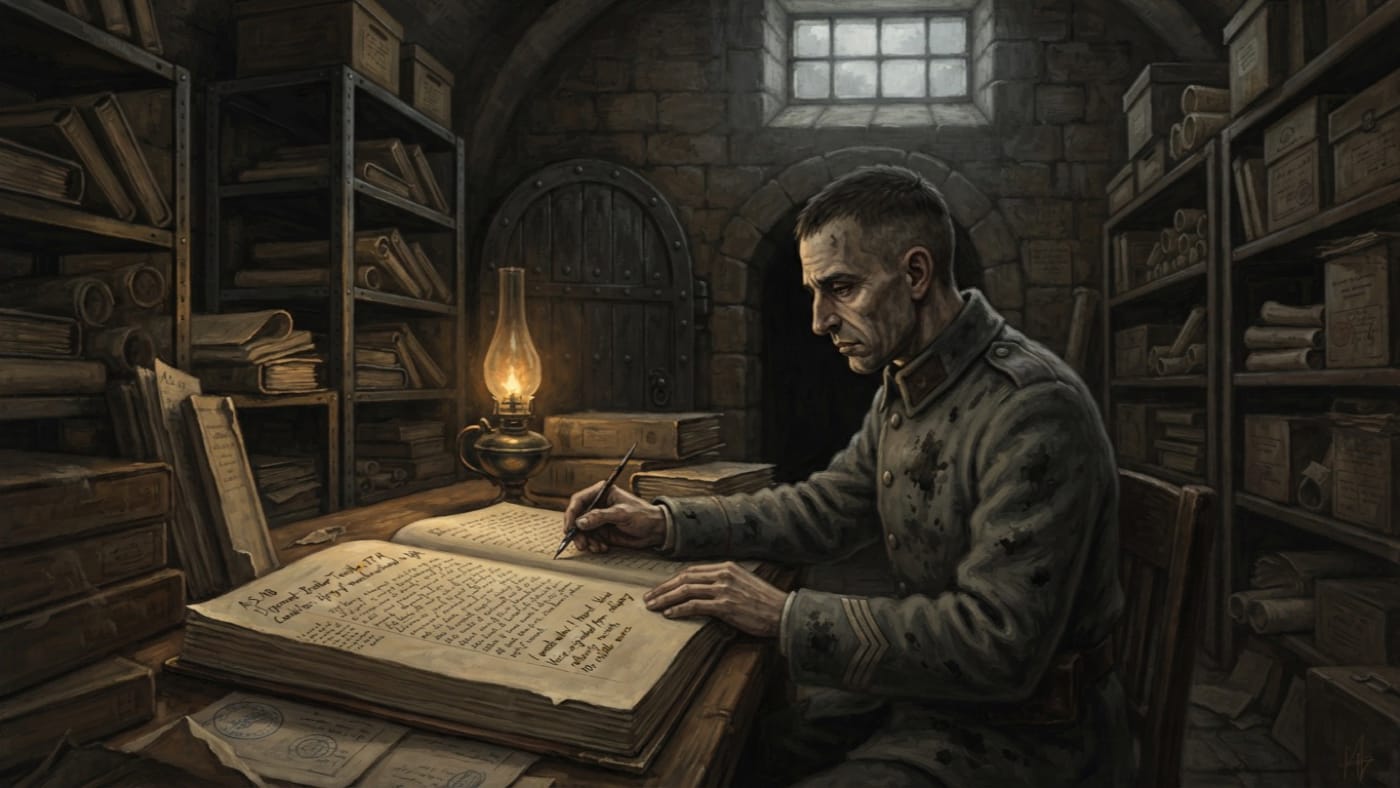
Corporal Aleks Dragović
The corporal who filed the contradiction whole
Field scribe of the 7th Rearguard Column who dated Brother Tomislav's deposition three days after his consumption at Kalnik. Thirty-one years of record service followed; the chronology remains unreconciled.
Codex Ref. III.2.01-745

Counter-Relic Examiners
White gloves, little flames, and the permission to take away hope
Relics cadre founded in A.S. 182 to inspect, confiscate, and classify hostile saint-objects after Velmoric counterfeits reached frontline chapels.
Codex Ref. XII.13.03-001
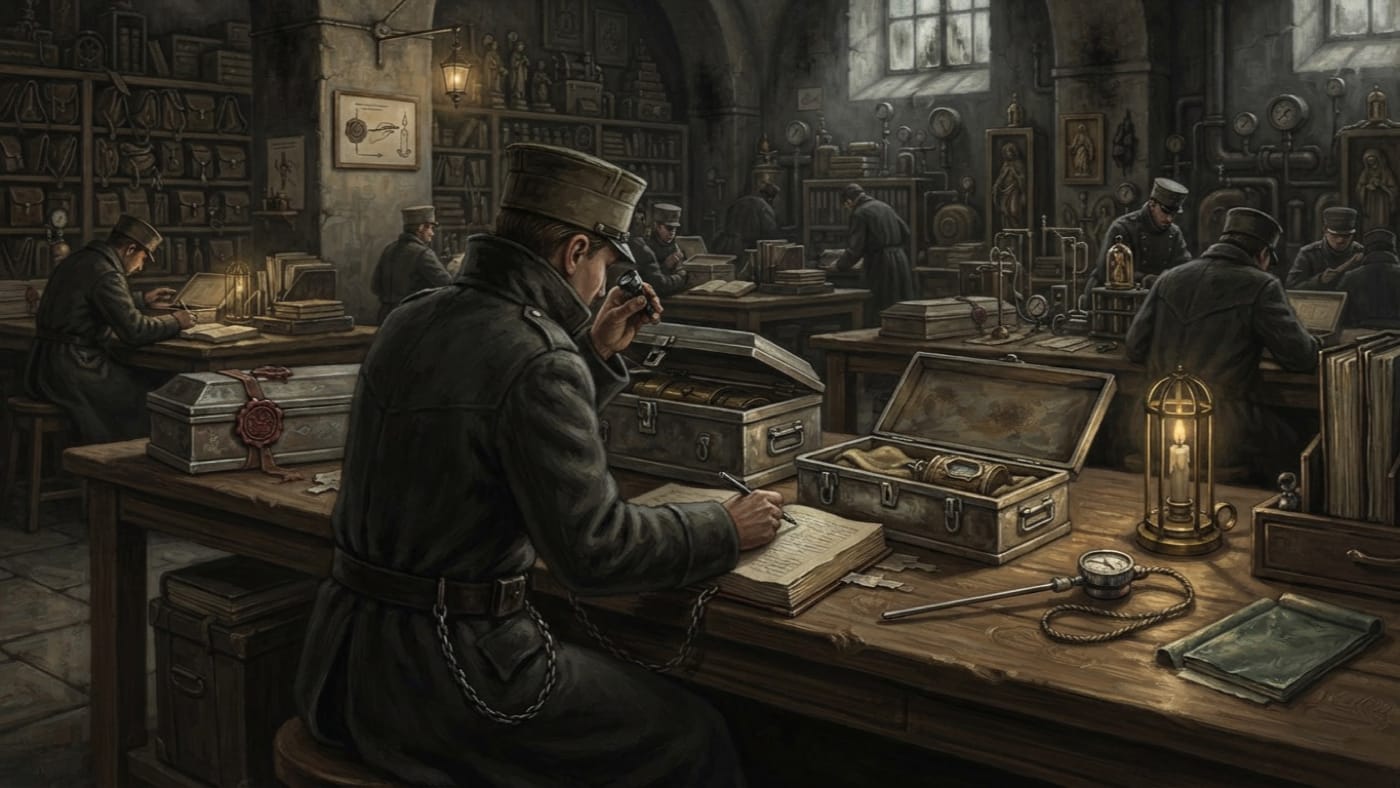
Counter-Relic School
Interrogate the favour before lighting the taper
A.S. 201 survey of Strasbourg's Counter-Relic School training record and instructional role: question the favour, read the debt, then observe the flame. The founding and training note remain undated.
Codex Ref. XIII.1.81-002
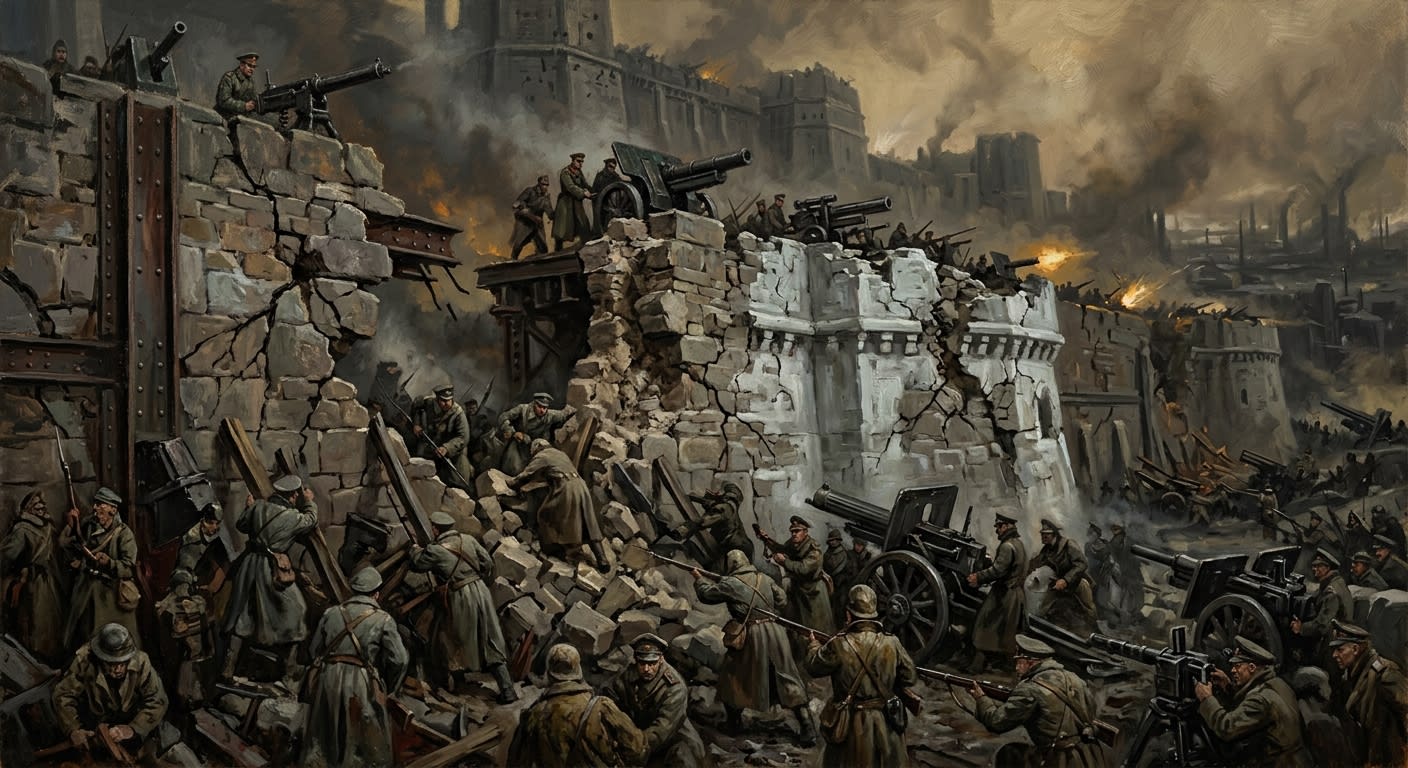
Cracked Ring Sieges
When the wall taught the law by cracking first
The Cracked Ring Sieges proved at Bastion-Constantinople that common mortar cracks under Maldrake, while sanctified bone-lime holds long enough for law to discover courage.
Codex Ref. VII.8.10-096
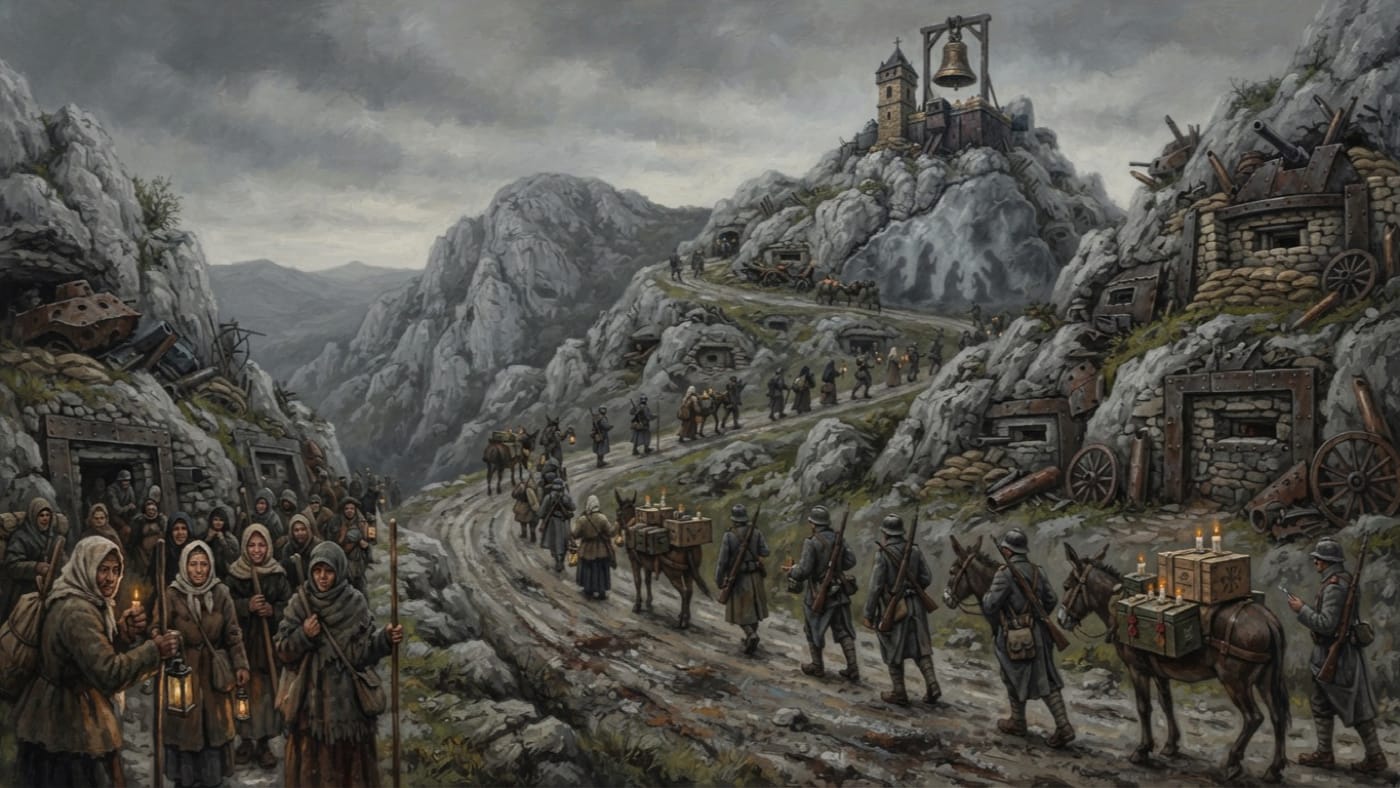
Croatian highlands
Where candles and cartridges climb the same road
The Croatian highlands enter the Ledger through Kalnik Ridge, where cave chapels became armed shrines and the same road carries pilgrims, candles and cartridges.
Codex Ref. II.3.07-807
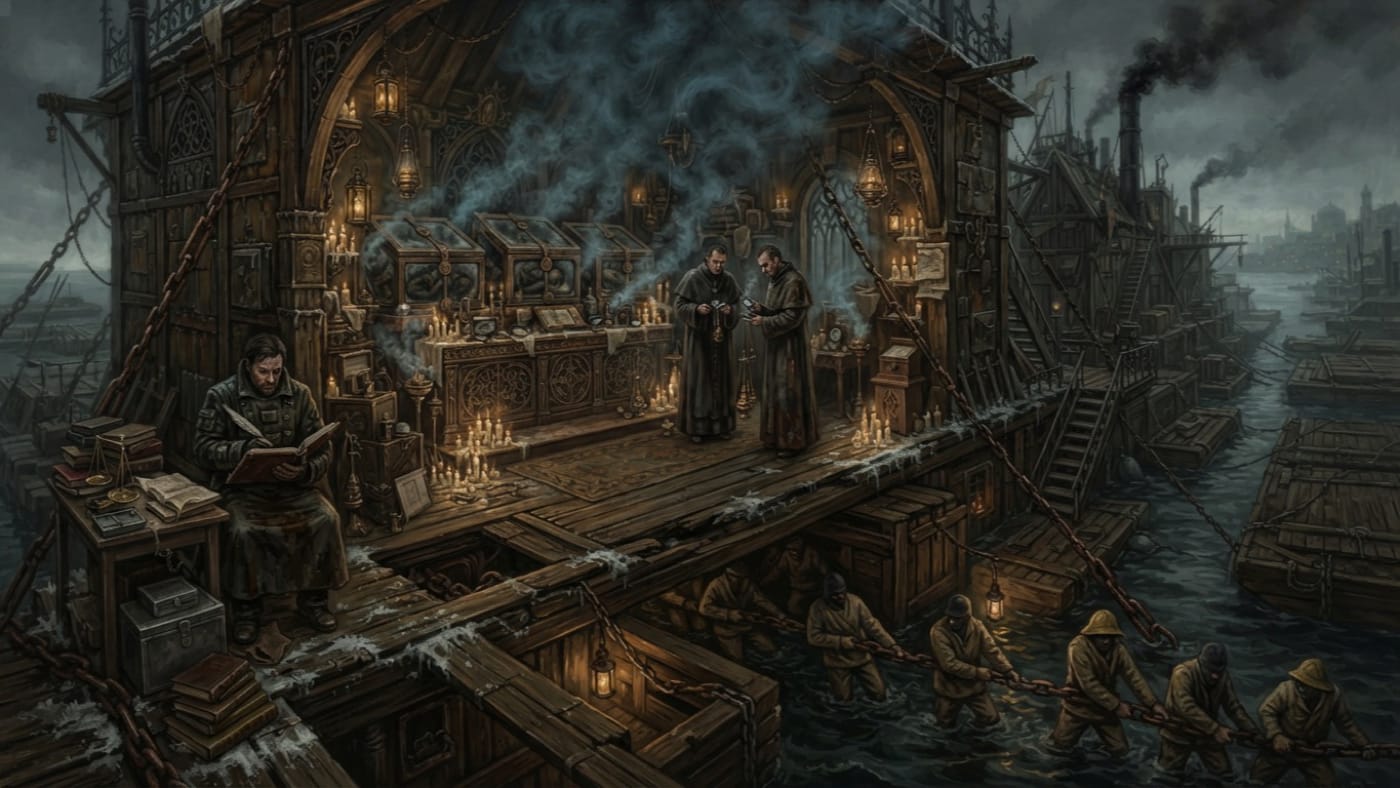
Crown Deck Chapel
Three relics. Ten feet of theology. Wet timber.
At the summit of the Saintward, three sealed relics give the Crown Deck Chapel ten feet of theologically active air. Strasbourg certifies their custody; the chain crews keep it afloat.
Codex Ref. II.4.09-811
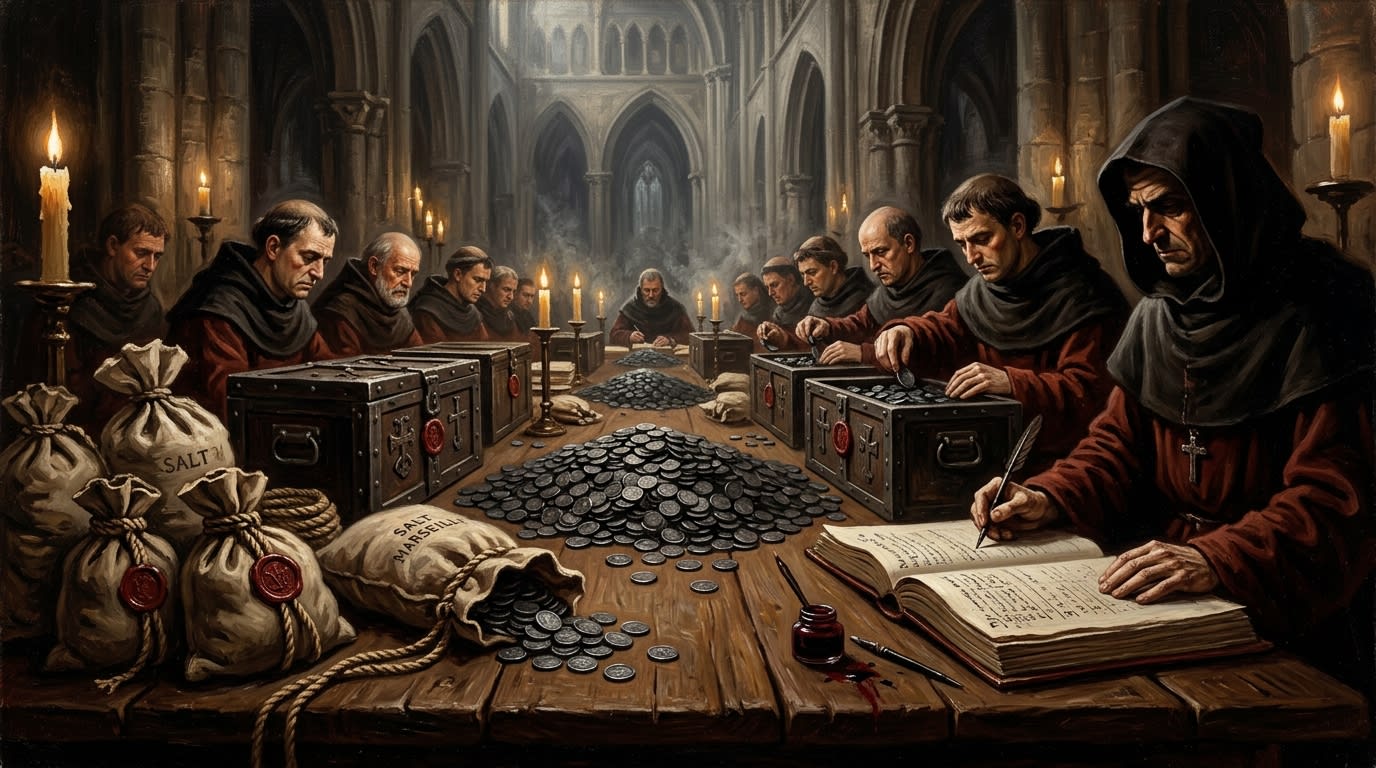
Crowns of Grace
One coin buys bread; the plural buys obedience
Crowns of Grace in the plural are obedience under arithmetic: harbour revenue, soldier arrears, salt dues, foreign insult, and bread counted until it kneels.
Codex Ref. XIII.1.22-093

Custodial Chain
The ledger remembers the hands. The bone keeps its own counsel.
The ledger joins an authenticated relic to the hands that held it. In 1678, Vienna severed Aldebrand's chain without moving the bone. The record lost custody; the custodian did not.
Codex Ref. XIII.1.97-001
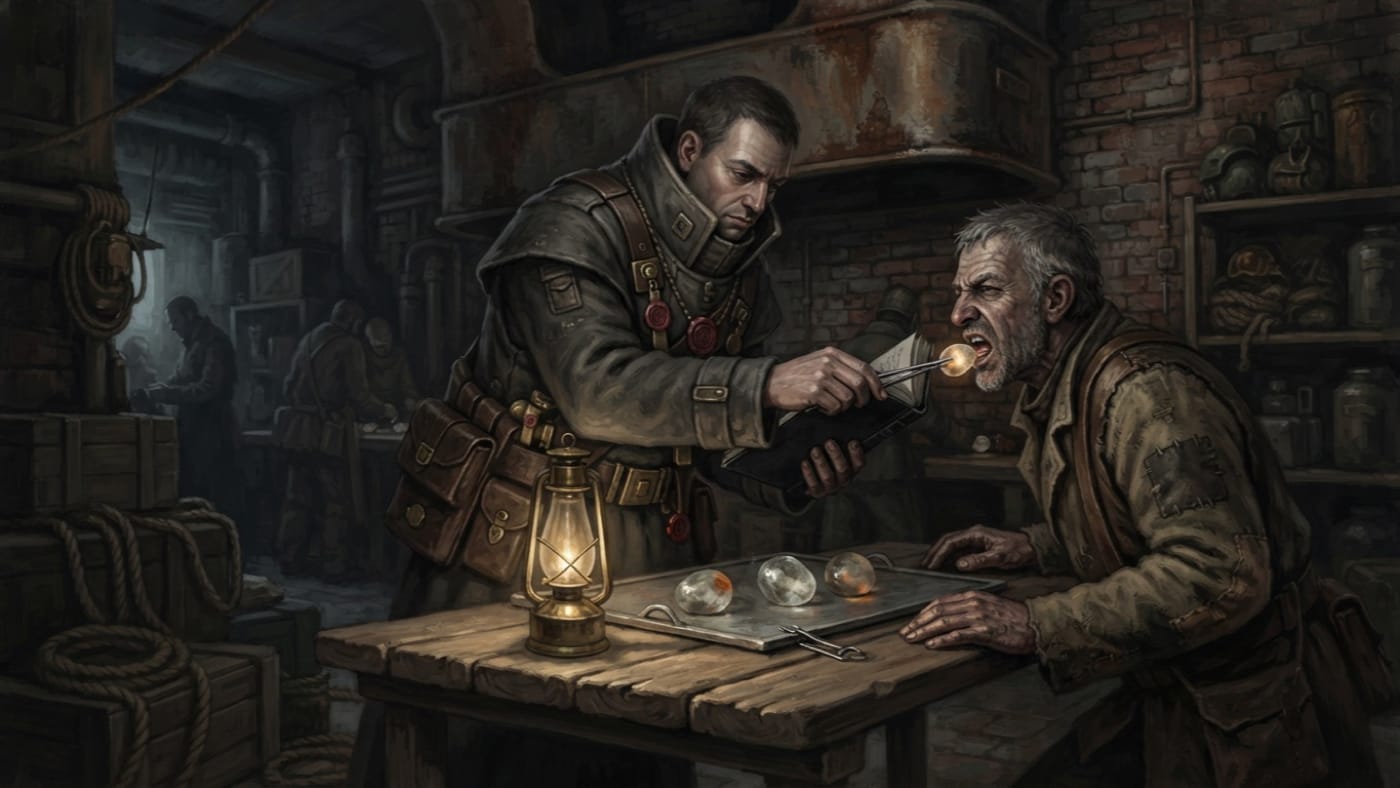
Danube Ossuary Crawl
Three beads presented, four counted, no fee payable
In the A.S. 144 report, a fourth saint-glass bead undid a three-bead inventory: contract suspended, fee voided, tongue retained. The Sanctifier gained one grade.
Codex Ref. VII.8.10-144
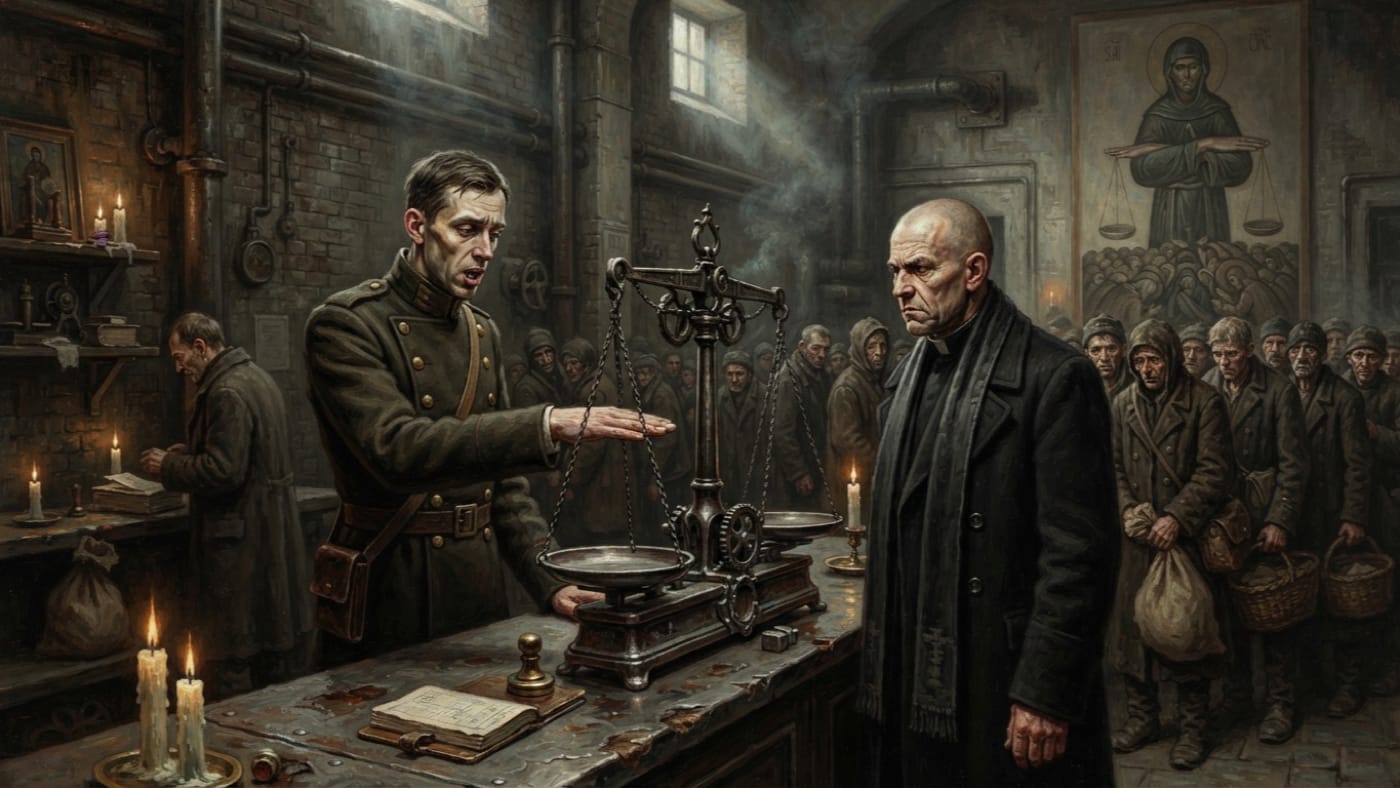
Day of Zeroing
The pan returns to zero; the queue remains hungry
An A.S. 201 survey of Saint Calibrus's adopted feast: licensed scales are cleaned, checked, blessed and re-zeroed before a witness. The pan is certified; the queue still waits for bread.
Codex Ref. XIII.1.90-201

Dead-Goods Tariffer
The grave is a permit; the permit has a price
Bureau-licensed bone classifier. He decides what the dead become — mortar, monument, or ornament — and does not look up from his seal press.
Codex Ref. XII.11.01-001

Demon-Glass Polisher
The craft the Bureau has shattered, blessed, interred in lime, and declined to stop purchasing
The profession the Bureau insists does not exist: found in every port from Marseille to the Harbor of Chains, supplying the Bureau of War with combat-grade optics, having developed a hierarchy, a patron saint, and three factions — all since the last Purity raid.
Codex Ref. XII.13.01-001
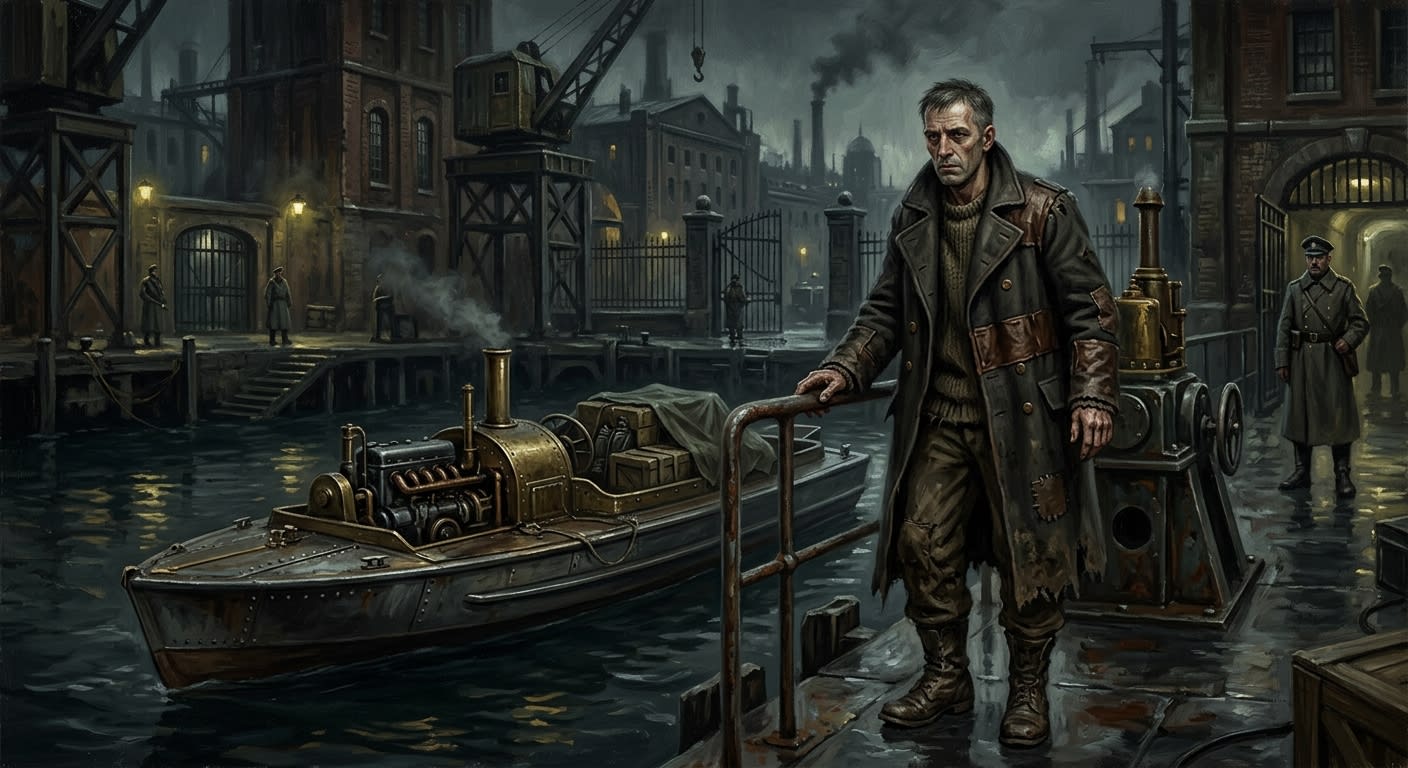
Demyan
The pilot who moved salvation before permission arrived
Demyan, condemned Strait Pilot of the inner Bosphorus, made a theology of speed, contraband, and false mercy before the customs pier made him useful.
Codex Ref. III.2.01-094

Deputy Archon Werrenrath
A warm hymn, a clean absence, and the road east
Deputy Archon Werrenrath, a Strasbourg administrator with dangerous warmth for unlicensed hymns, was transferred cleanly to Bastion-Shipka, where his fault became operationally useful.
Codex Ref. III.2.01-104
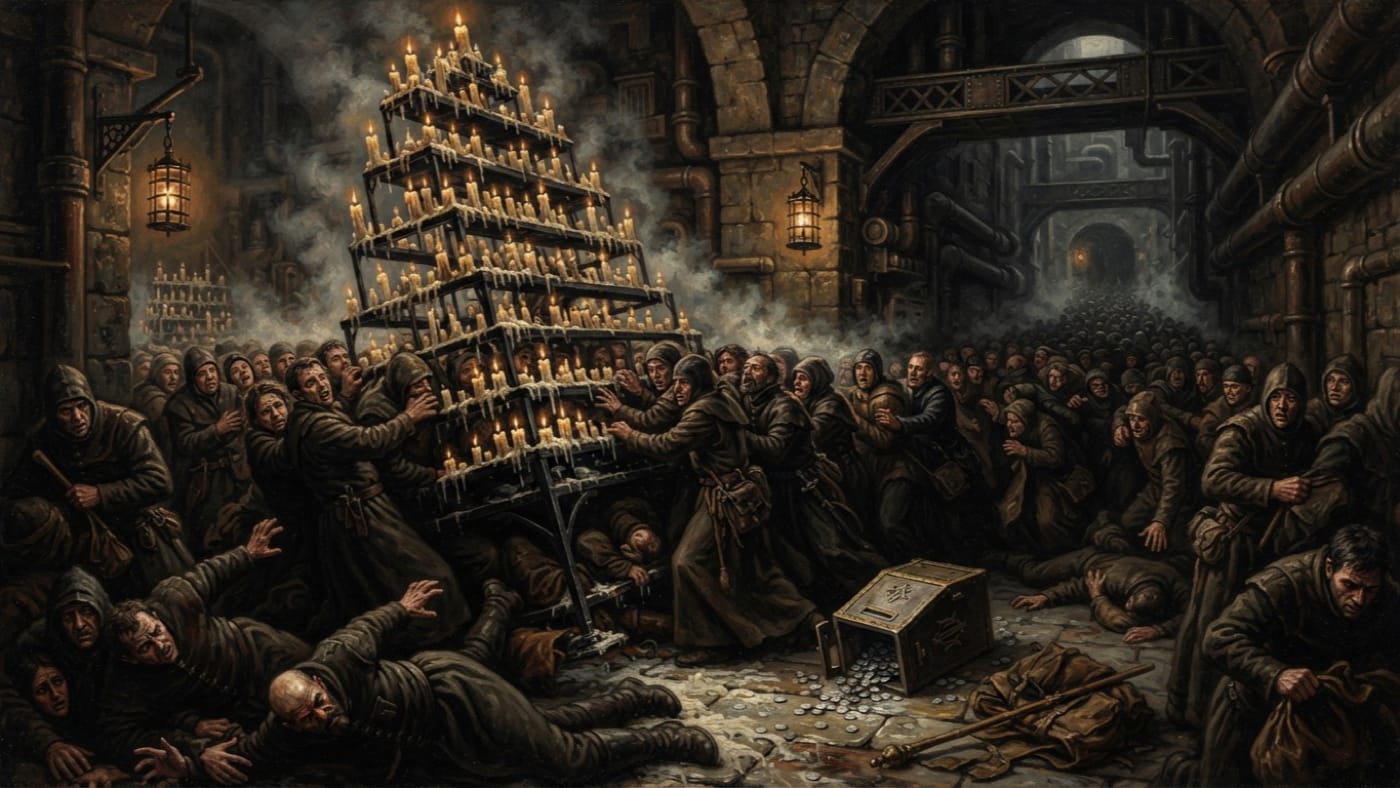
Deutz Candle Riot
Thirty-seven pilgrims taught an advisory to bind
The Deutz Candle Riot of A.S. 151 injured thirty-seven pilgrims and taught shrine committees that an Assessor's downgrade binds at utterance, before the cashbox can object.
Codex Ref. XIII.1.89-151
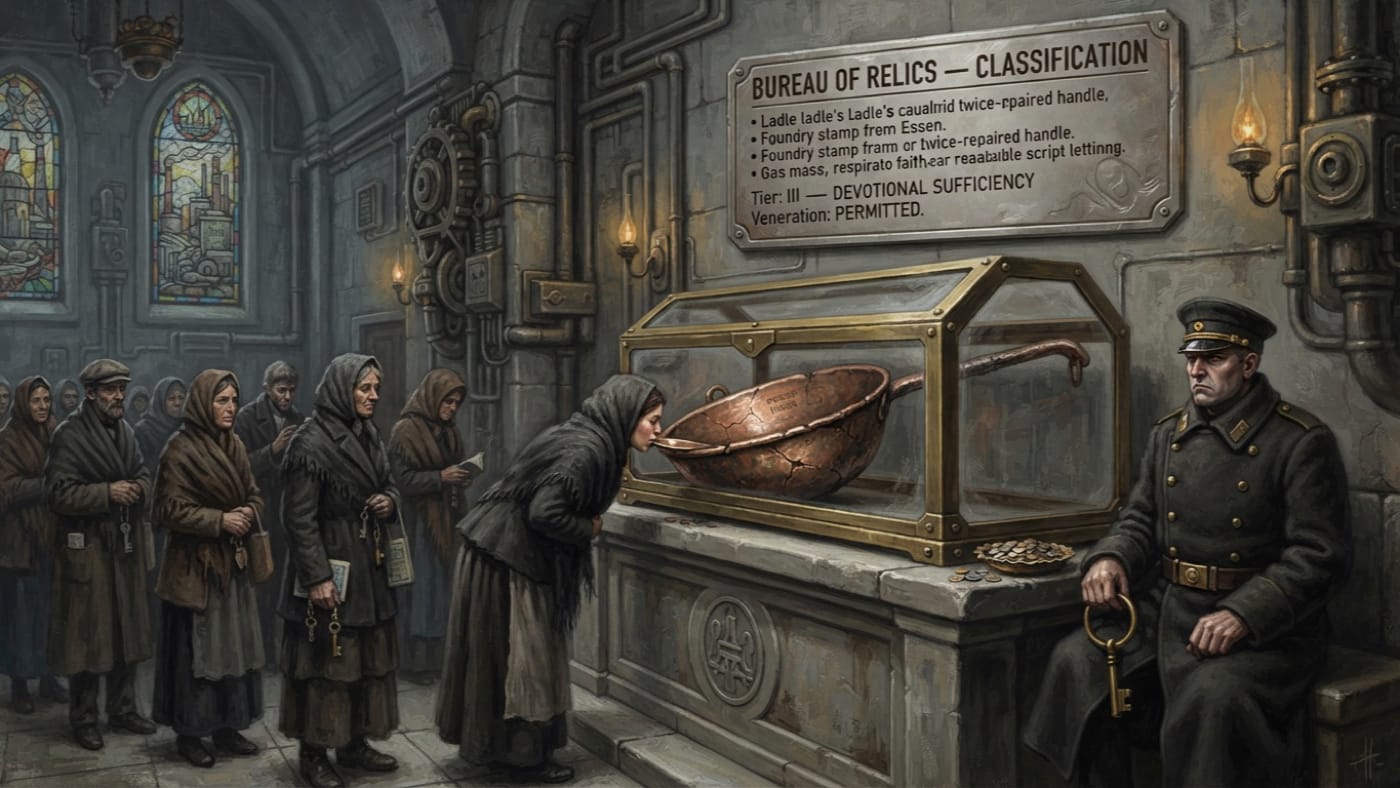
Devotional Sufficiency
The provenance is doubtful; the kissing may continue
Tier III permission to venerate a relic whose provenance remains doubtful. Saint Halva's ladle at Mainz is sufficient for devotion, pilgrimage and three pfennig per kiss; its ownership and powers remain unproved.
Codex Ref. XIII.1.43-001
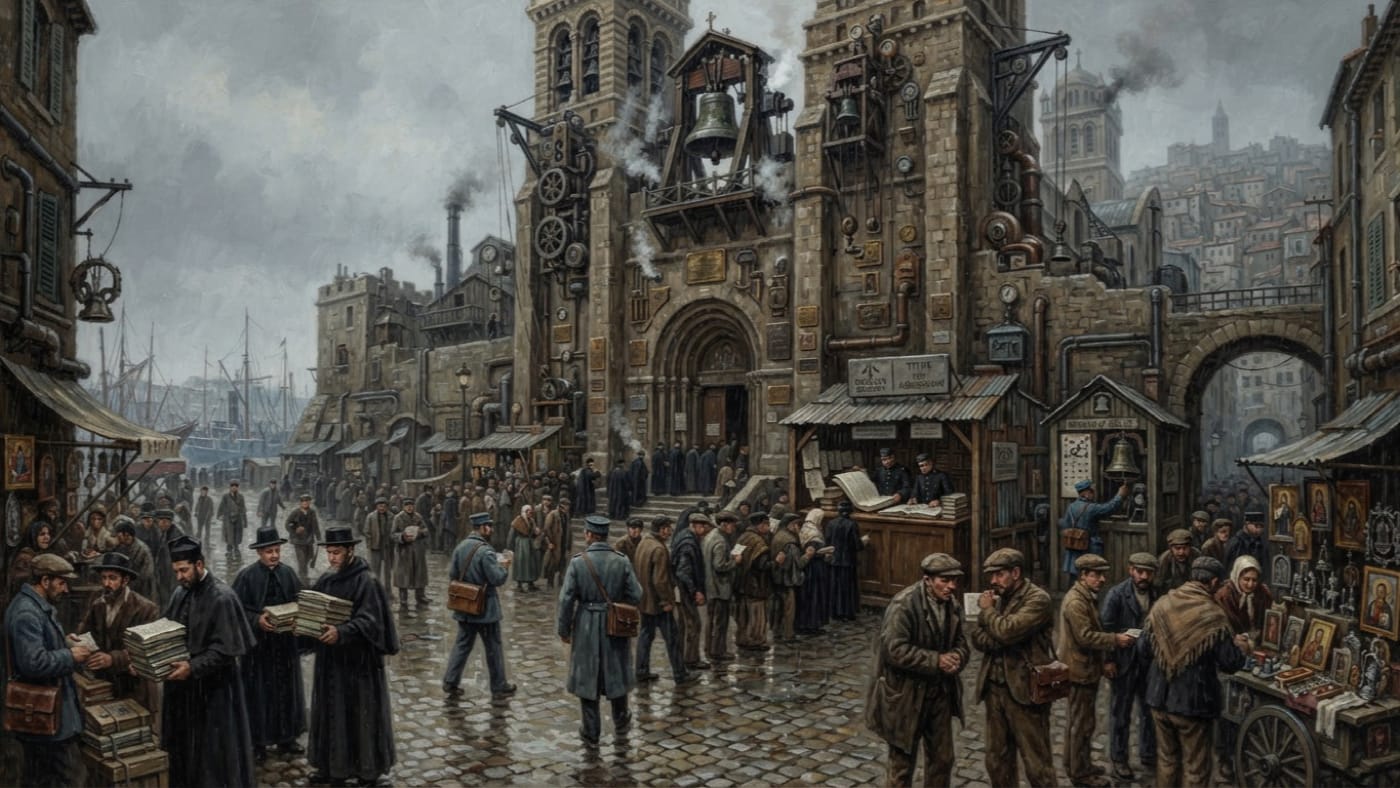
Diocese
Marseille's souls are entered; its dues are owed
The Diocese keeps Marseille's souls in ledgers and its claim on Saint-Victor beneath every Bureau's mandate. Its perimeter is unproved; its dues are collected.
Codex Ref. I.3.09-201
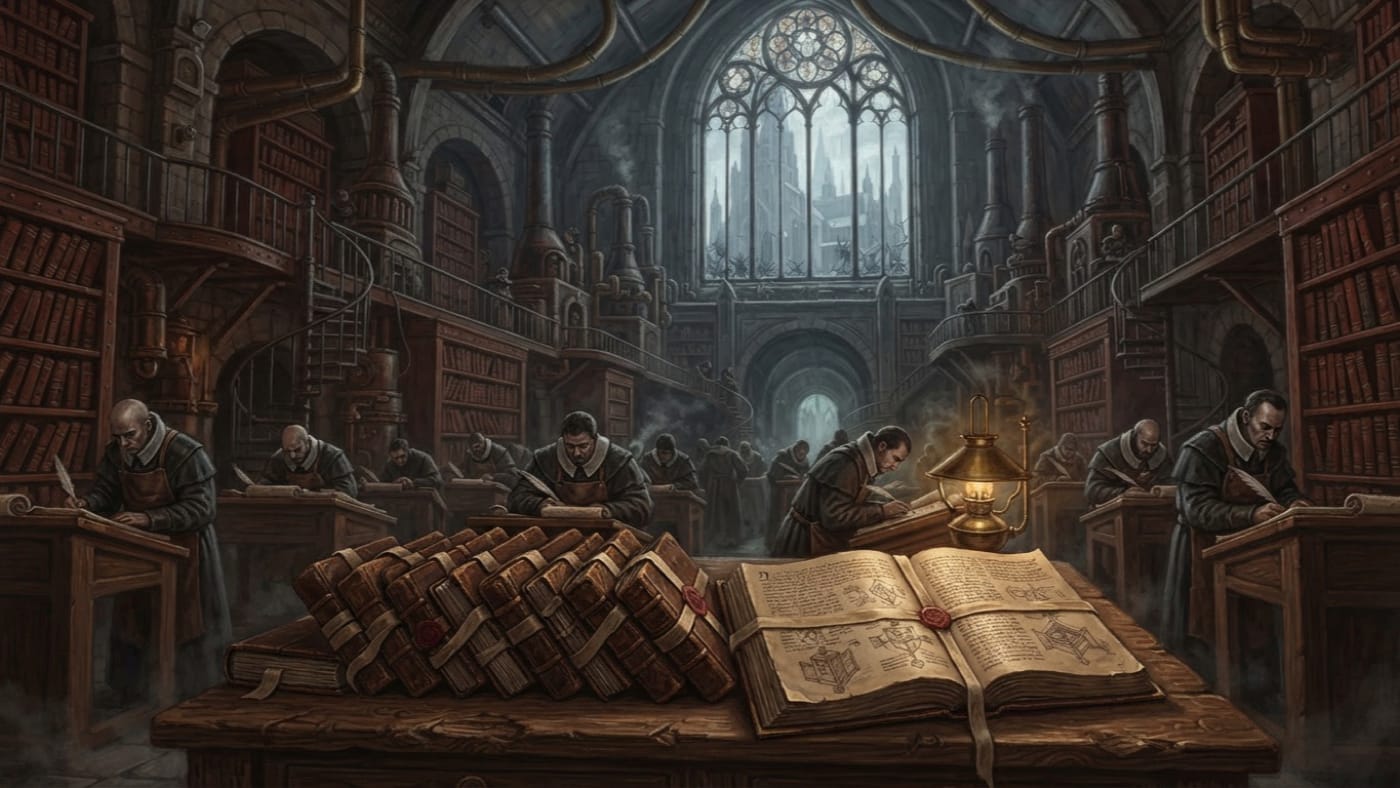
Diocese of Trier
Twelve pages of theology. No reconciled provenance.
Trier's twelve-page defence of multiplied Aldebrand relics in −32 A.S. / 1678 CE: magnificent theology, unreconciled provenance, and paperwork the Synod claimed a century late.
Codex Ref. I.3.09-032
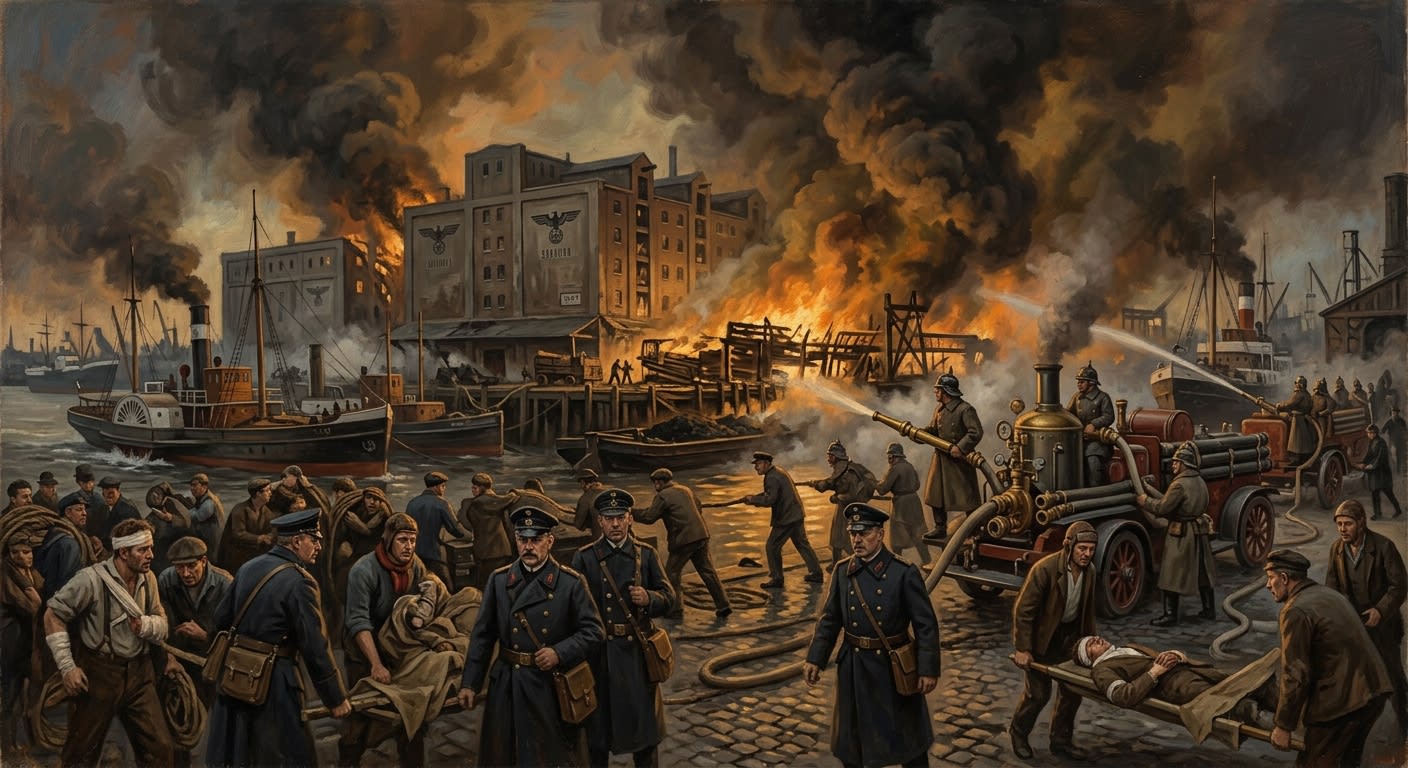
Dock Fire of Hamburg
Four blocks burned because brick was cheaper than obedience until it was not
The A.S. 189 chrismole warehouse fire in Hamburg killed 312, burned four dock blocks, stopped labour for eleven days, and made a seven-per-cent hazard supplement harder to seize than a relic.
Codex Ref. VII.8.10-189

Doctrine of Concordant Multiplicity
Contradiction is heresy until a competent office teaches it to pay rent
Bureau of Doctrine ruling born from Saint Halva's incompatible deaths, permitting approved contradictions to coexist when authority, utility, audience, and vocabulary have been properly sealed.
Codex Ref. XIII.1.42-001
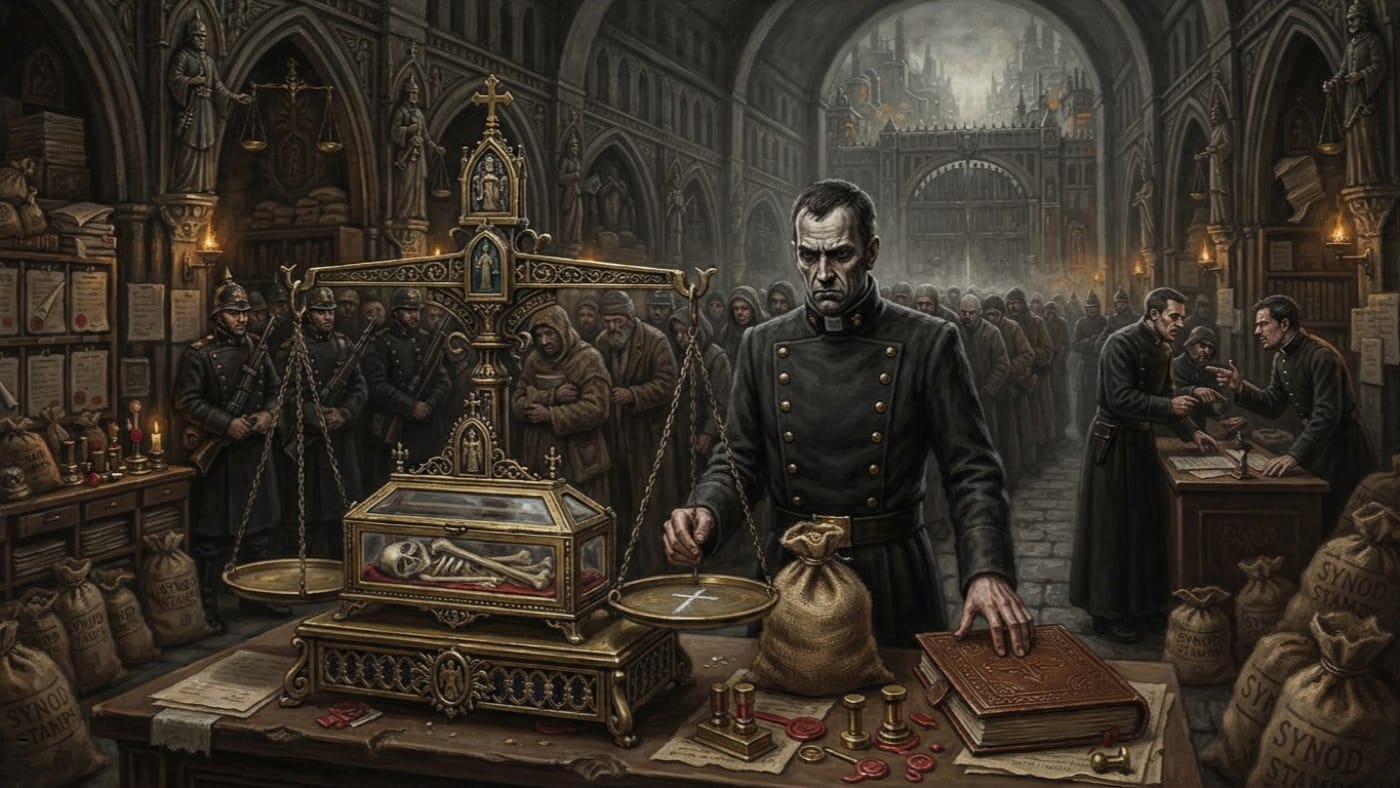
Doctrine of Measure
The scale tells the truth while the city starves
The Synod makes weighing a sacrament and false weight heresy. Relic-calibrated scales certify honest sacks; the offices remain free to let the grain rot.
Codex Ref. XIII.1.59-002
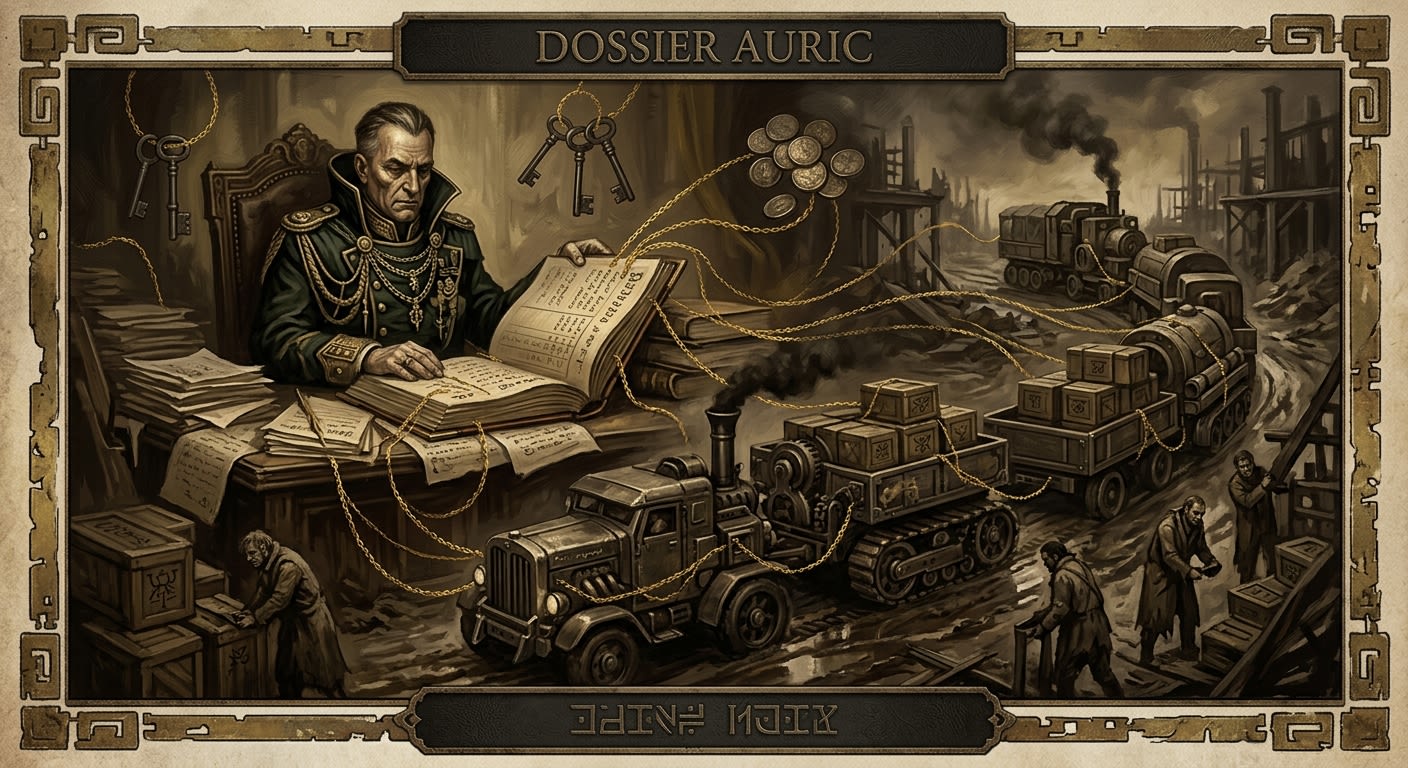
Dossier Auric
Greed keeps receipts because damnation prefers a clean audit trail
Dossier Auric tracks Velmora's fastest-growing war: contracts, keys, counterfeit mercy, Sibiu convoys, and the terrible competence by which Greed makes debt look like help.
Codex Ref. VIII.7.01-003
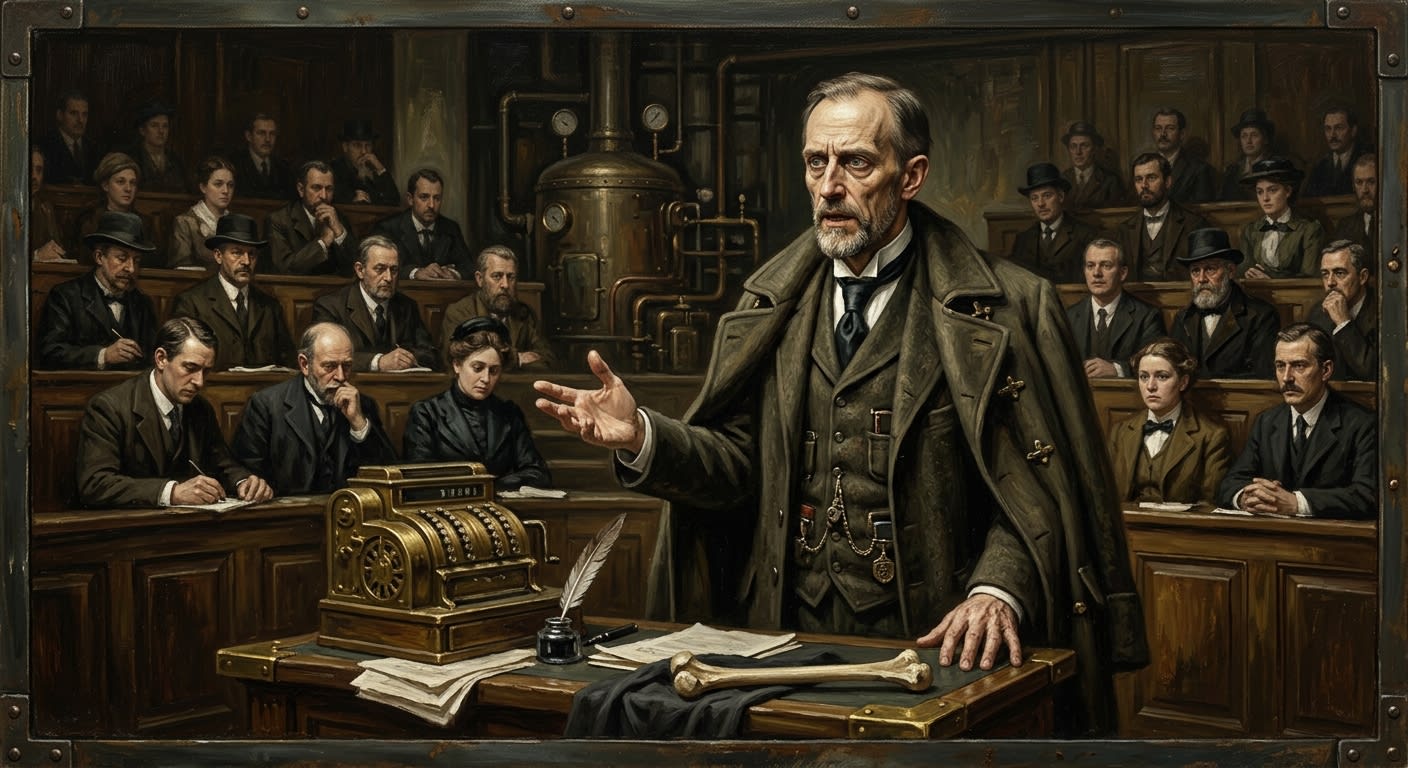
Dr. Matthias Voll
The lecturer who counted bones and was answered by one
Dr. Matthias Voll made relic arithmetic into theatre at Amsterdam in A.S. 11. Vienna later supplied the Bureau's preferred calculation: one bone, one blow, one crushed argument.
Codex Ref. III.2.01-011
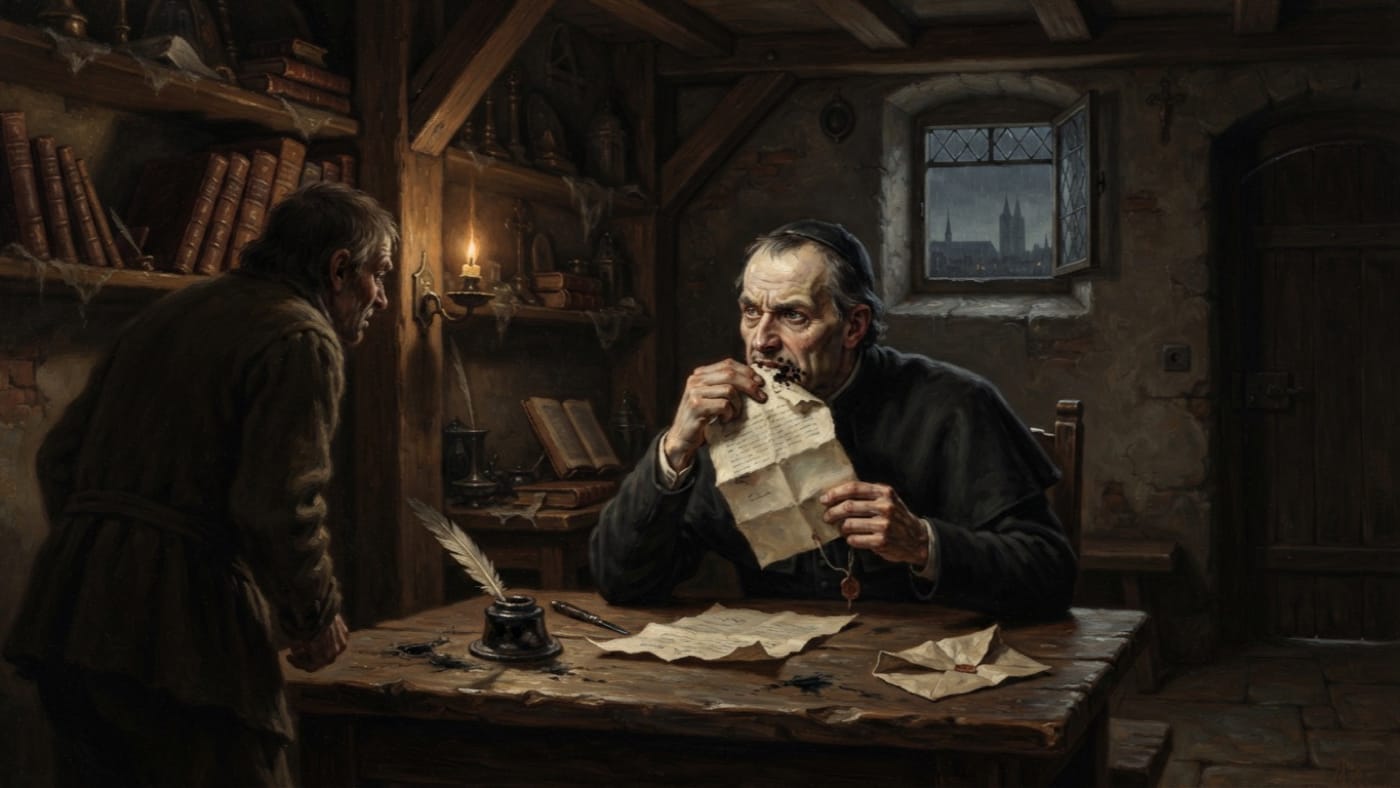
Düsseldorf
One priest. One letter. Nothing left to quote.
A Rhineland city remembered for Father Grauss, who ate the Amsterdam letter in A.S. −32 / 1678 CE. The magistrate supplied three days in gaol; the Bureau supplied a classification.
Codex Ref. II.2.01-941
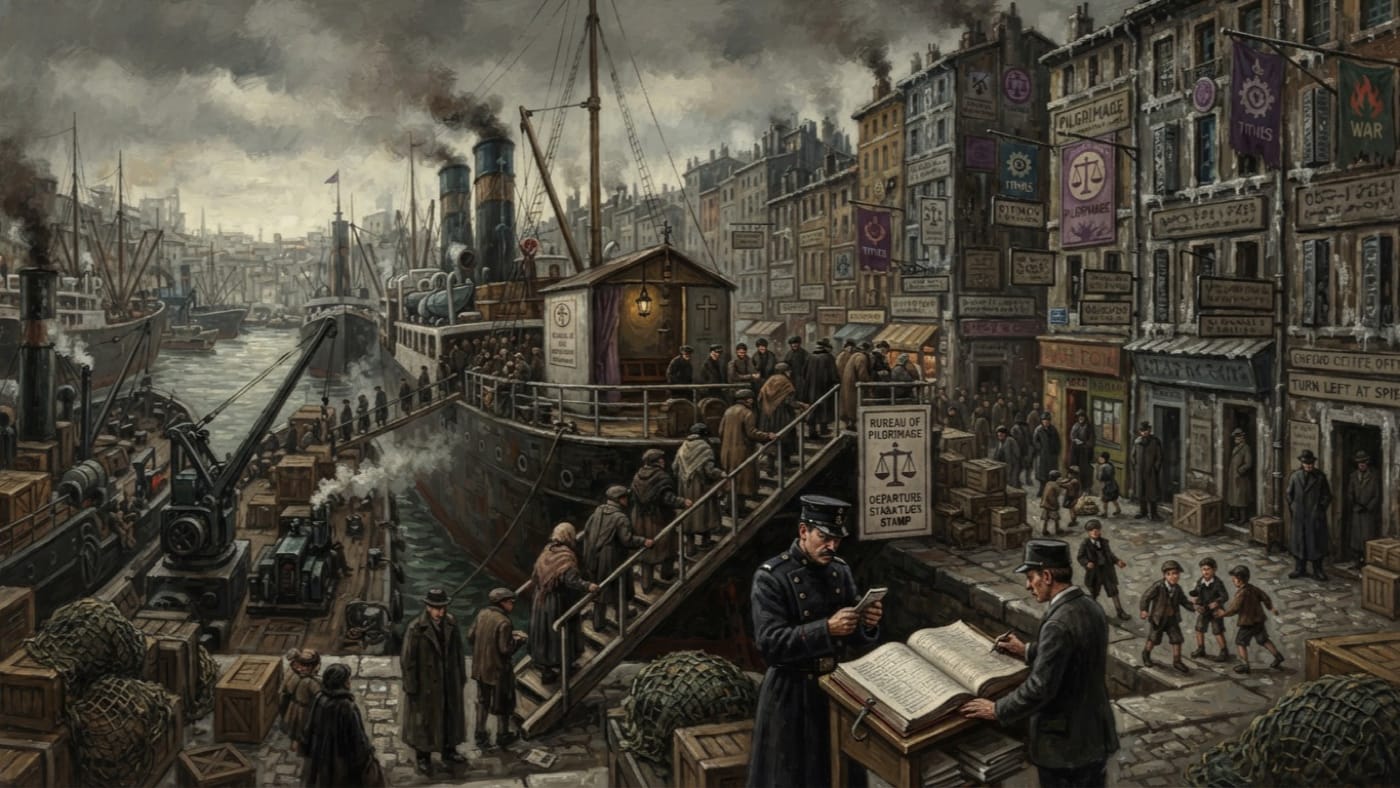
Eastern Basin
Pilgrims sail under seal; the spies serve as landmarks
A.S. 201 survey of Marseille's enlarged harbour and quayside quarter: pilgrims sail under seal, relics arrive under suspicion, three Bureaus dispute the water, and the officially nonexistent spies serve as landmarks.
Codex Ref. II.4.09-013
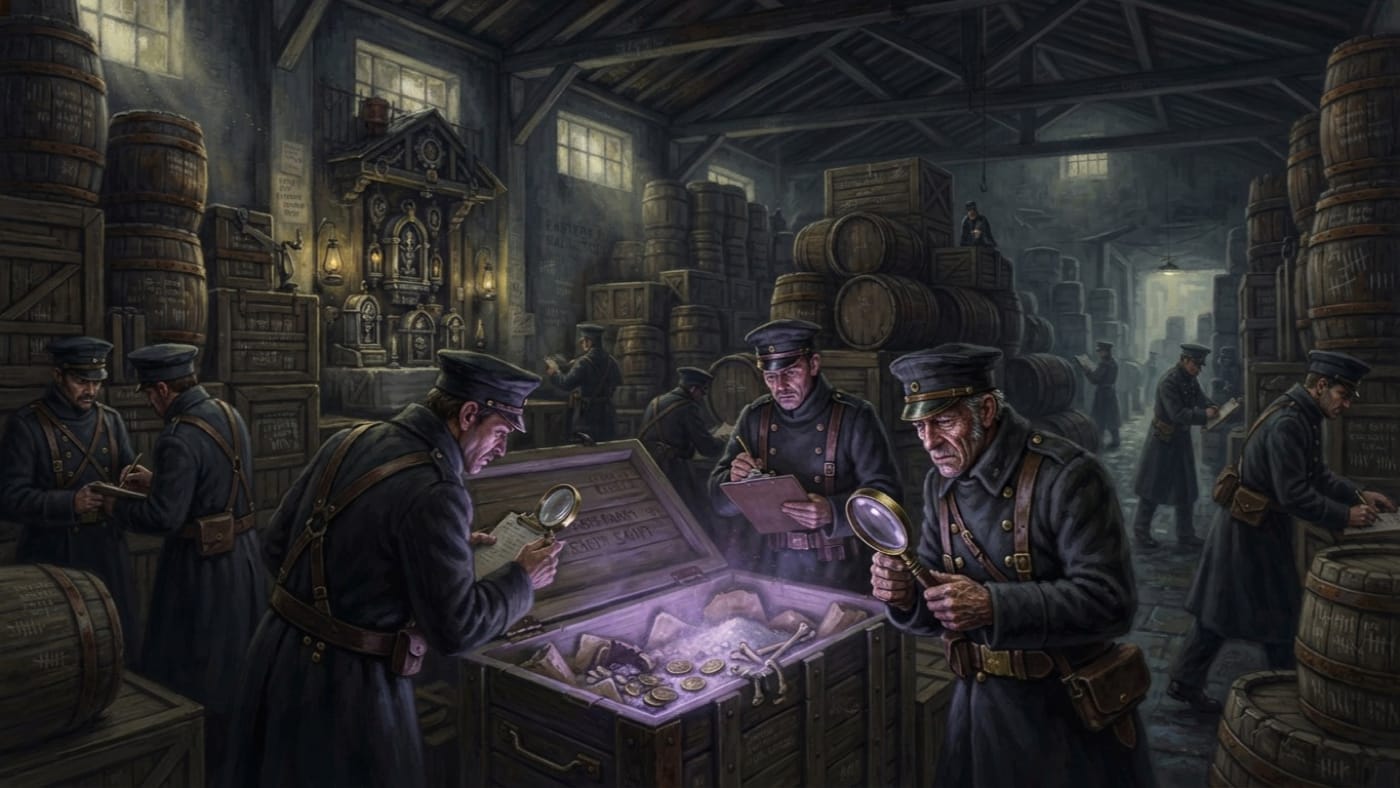
Eastern Basin Salt Stores
Five Bureaus claimed the cargo; the ledger called it spoilage
The Eastern Basin Salt Stores survive in Marseille's A.S. 199 audit: cured fish declared, children and violet light found, five Bureaus claiming custody, and the account closed as spoilage.
Codex Ref. II.4.09-019

Edict of Authentication
Anatomy objected; the seal overruled it
The Edict of Authentication ratified the Femur Principle at A.S. 147: sanctity obeys custody, seal, witness, and doctrine before anatomy.
Codex Ref. XIII.1.90-147
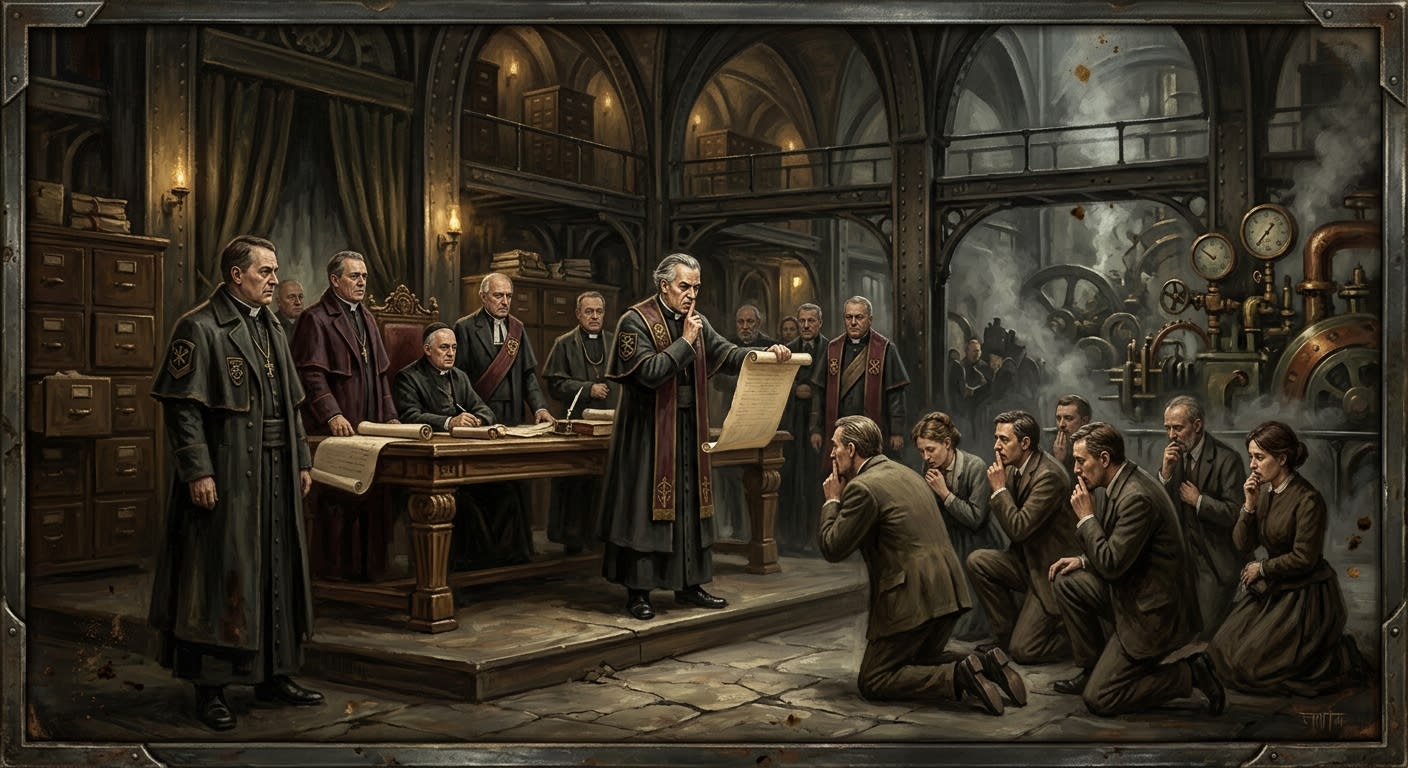
Edict of Cologne
Consent is expensive; retroactive obedience is cheaper
The Edict of Cologne bound dioceses to Strasbourg by discovering their obedience had already happened, then teaching silence to sign.
Codex Ref. XIII.1.90-100
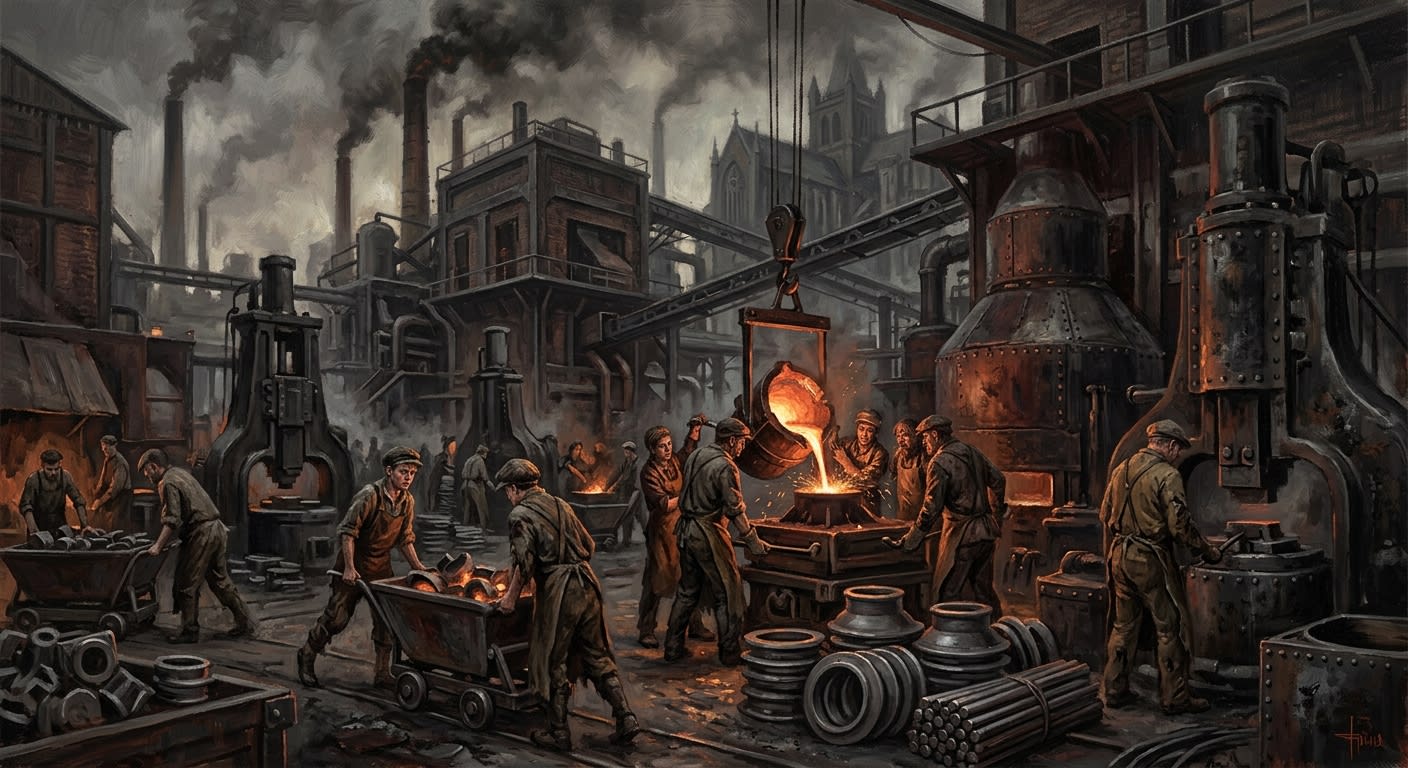
Edremit
The town that casts the throats by which Constantinople breathes
Edremit is the Hintermark casting town that makes boiler throats, casing collars, rivet stock, and hoarse children for Constantinople's hungry works.
Codex Ref. II.4.09-118
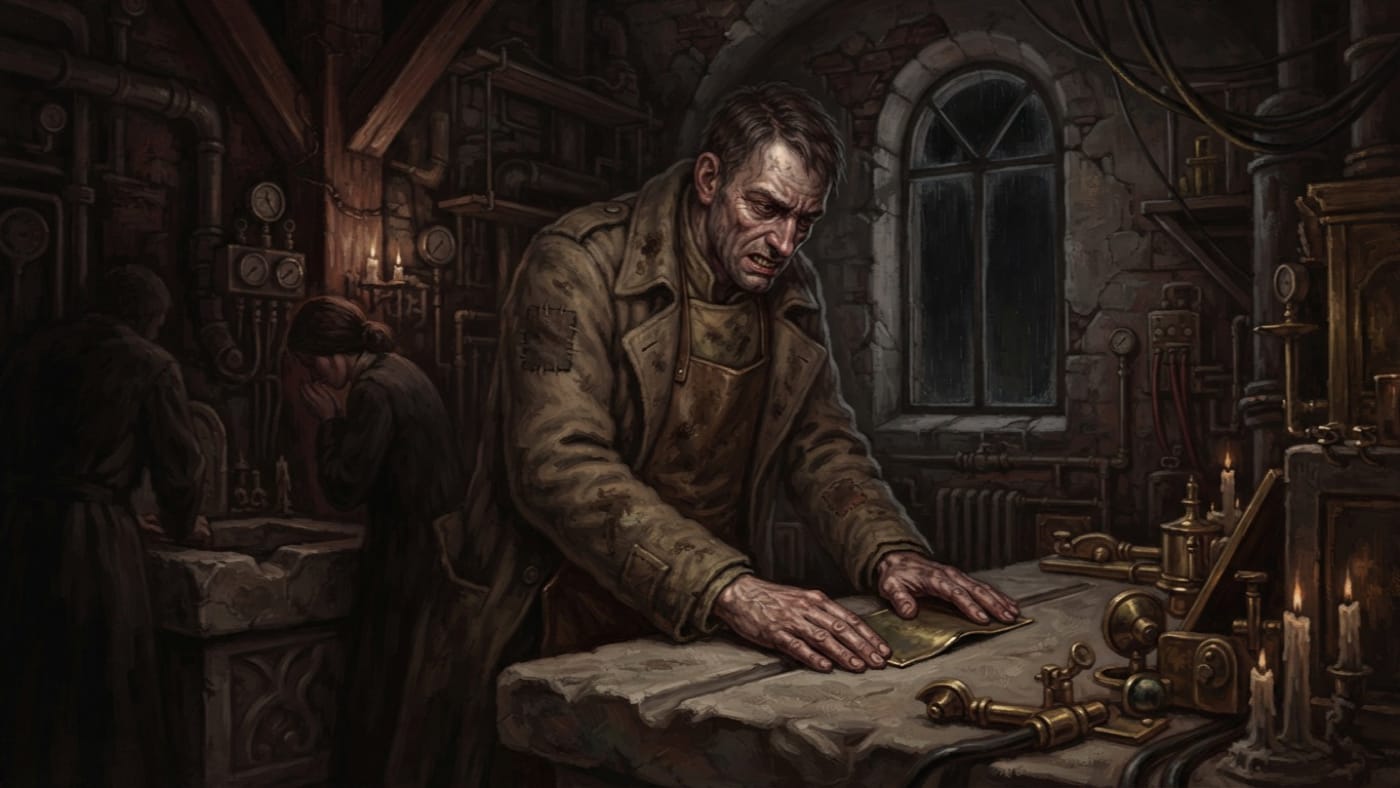
Edrik Vaul
The deed survived; the rest of the file is blank
Litany-Engineer Edrik Vaul helped contain the Singing Plate at Przemyśl in A.S. 131. He held the fragment face-down at the final binding; the archive kept his deed and left the rest blank.
Codex Ref. III.2.01-968
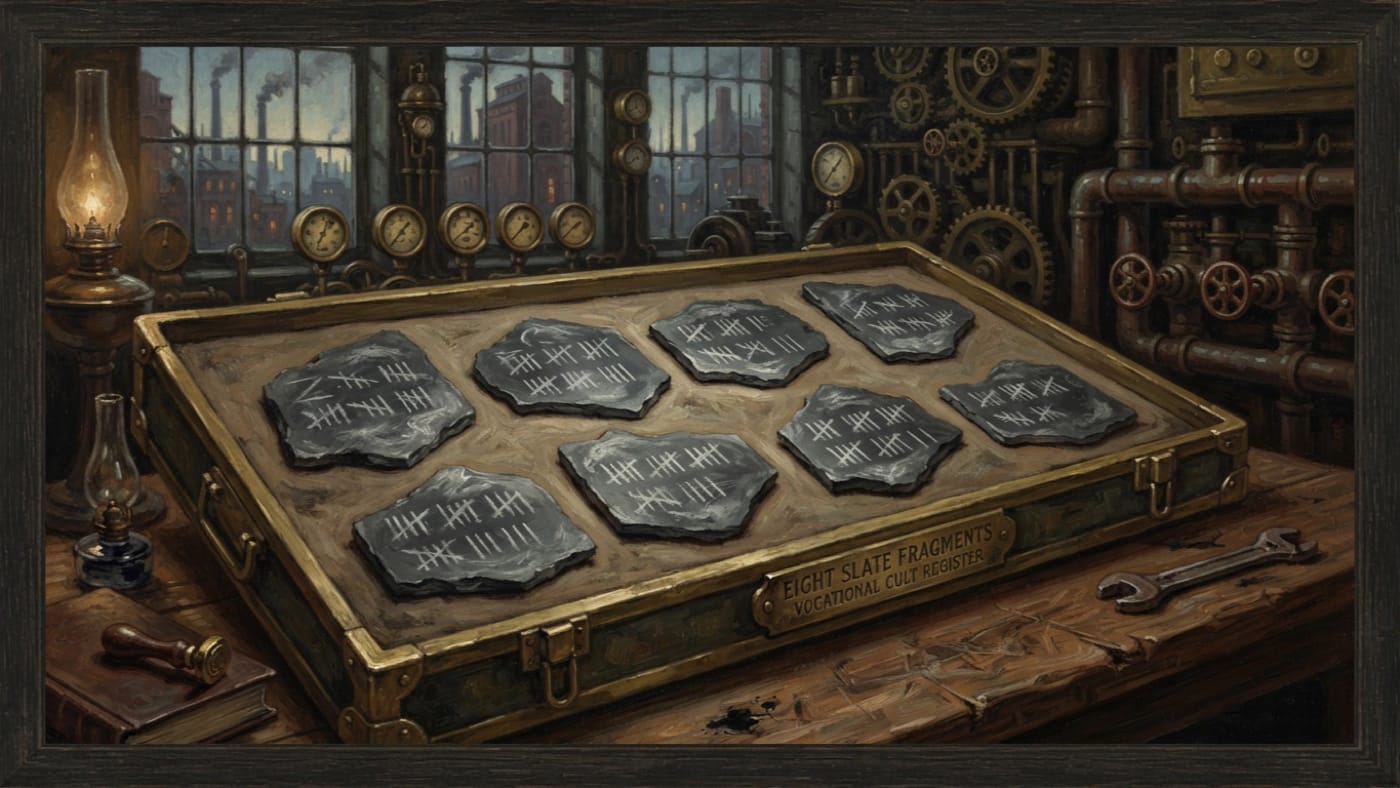
Eight Slate Fragments
Eight pieces, one procedure, and no proven hand
Eight slate fragments supposedly carry apprentice copies of Edrin's Strokes in soot. The cult names them; the record supplies no writer, recovery date, keeper, or proven link to Kalnik Road.
Codex Ref. III.2.04-972
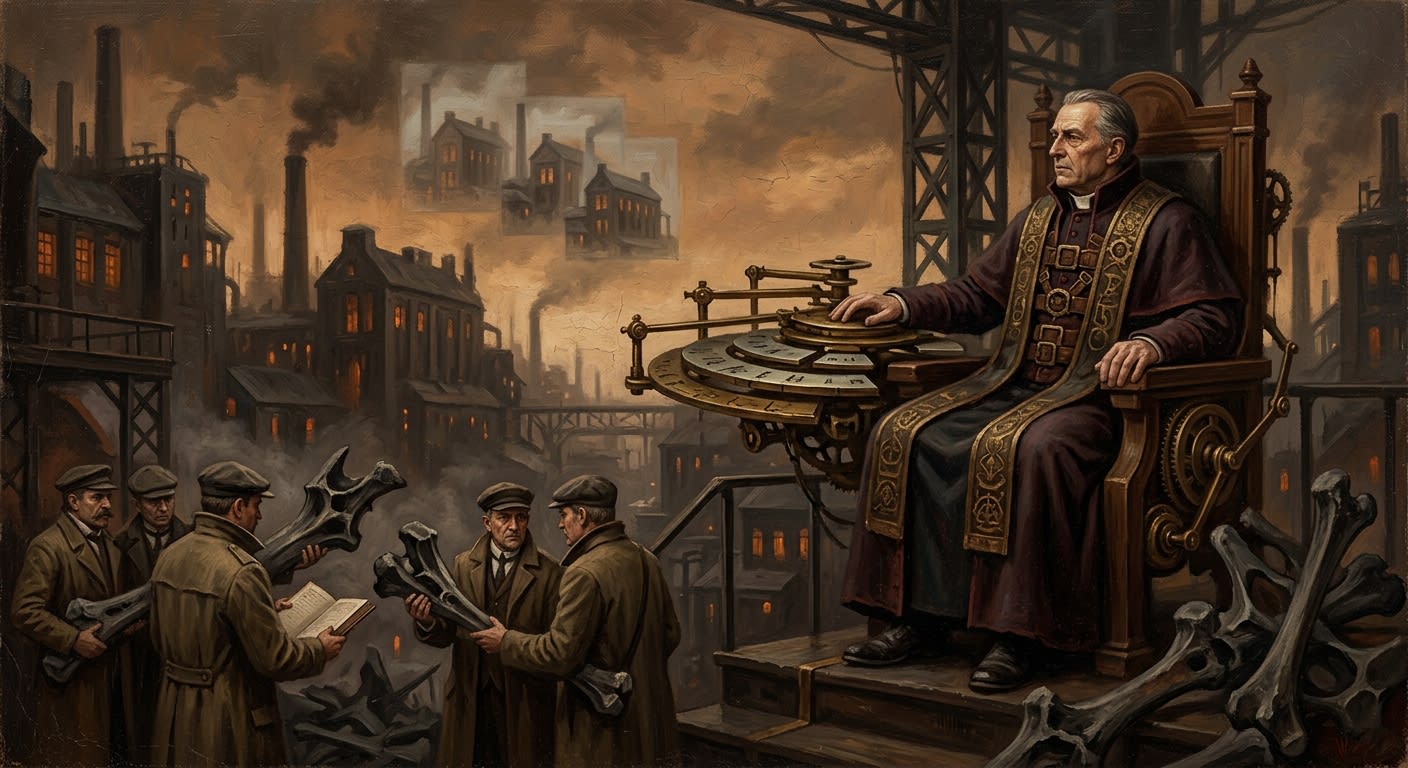
Elder Noxa
She taught the contradiction manners
Elder Noxa, sealed former registry scribe and practical founder of Femur-War brokerage, settled the Triplicate Femur Incident by separating impossible relic truths across time.
Codex Ref. III.2.01-114
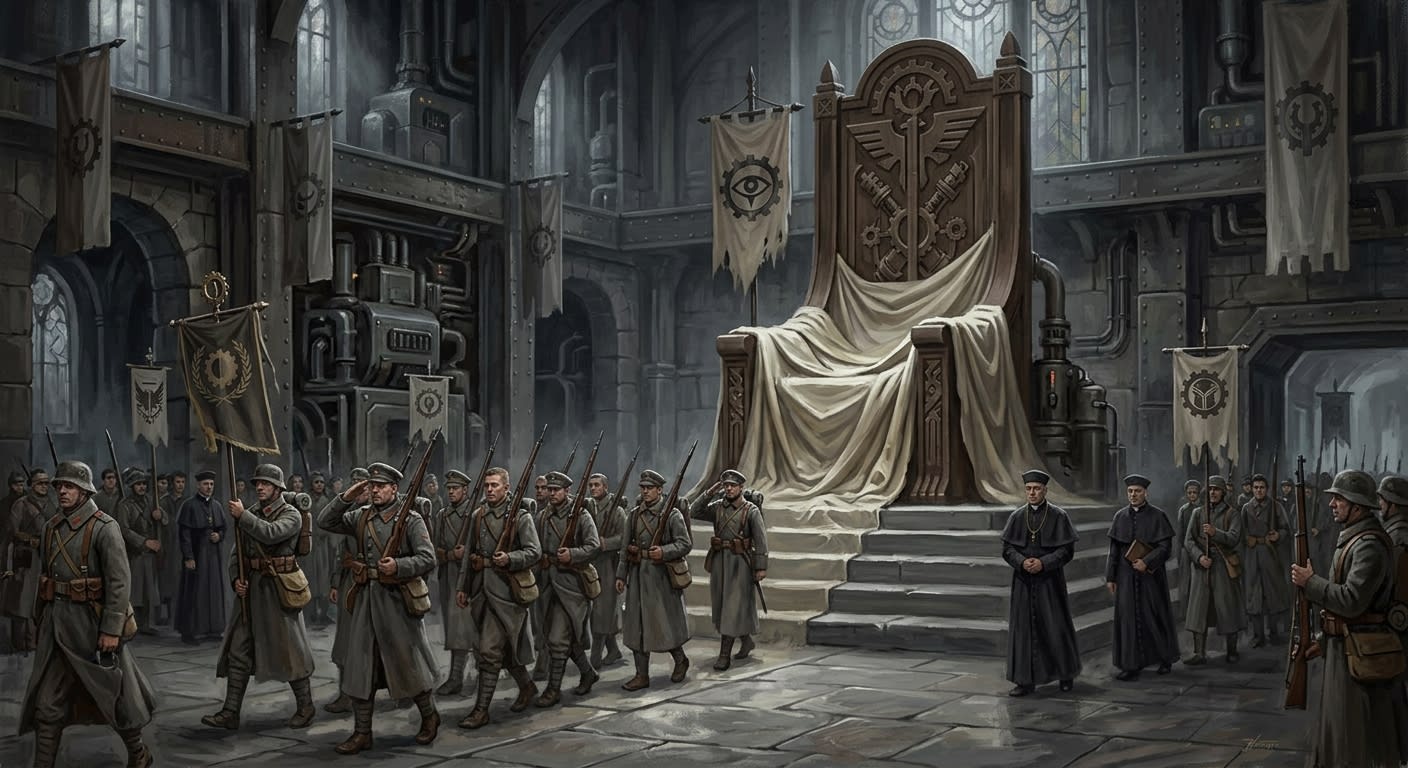
Empty Throne of War
A chair may command armies if enough clerks fear it
The Seventh Seal's white-draped chair has been publicly unoccupied since A.S. 107 and legally occupied ever since, proving absence can march an army.
Codex Ref. XIII.1.52-001
England
The island province that declined the province and kept the invoice
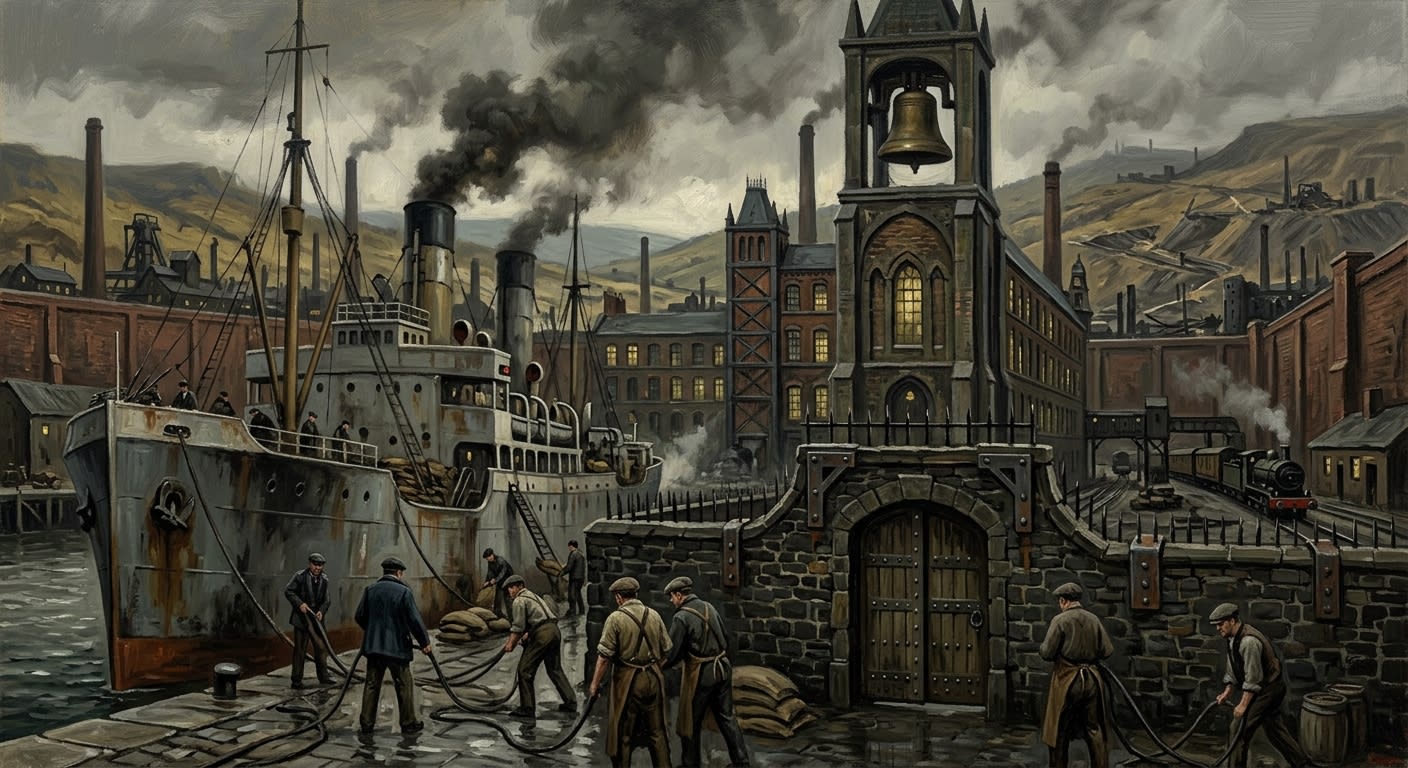
England is the British Crown's southern engine: chalk, bell, harbour, parish wall, and island refusal, useful enough to spare and rude enough to endure.
Codex Ref. X.1.03-201
Equivalence Letter
The bone stays; the permission to kneel travels
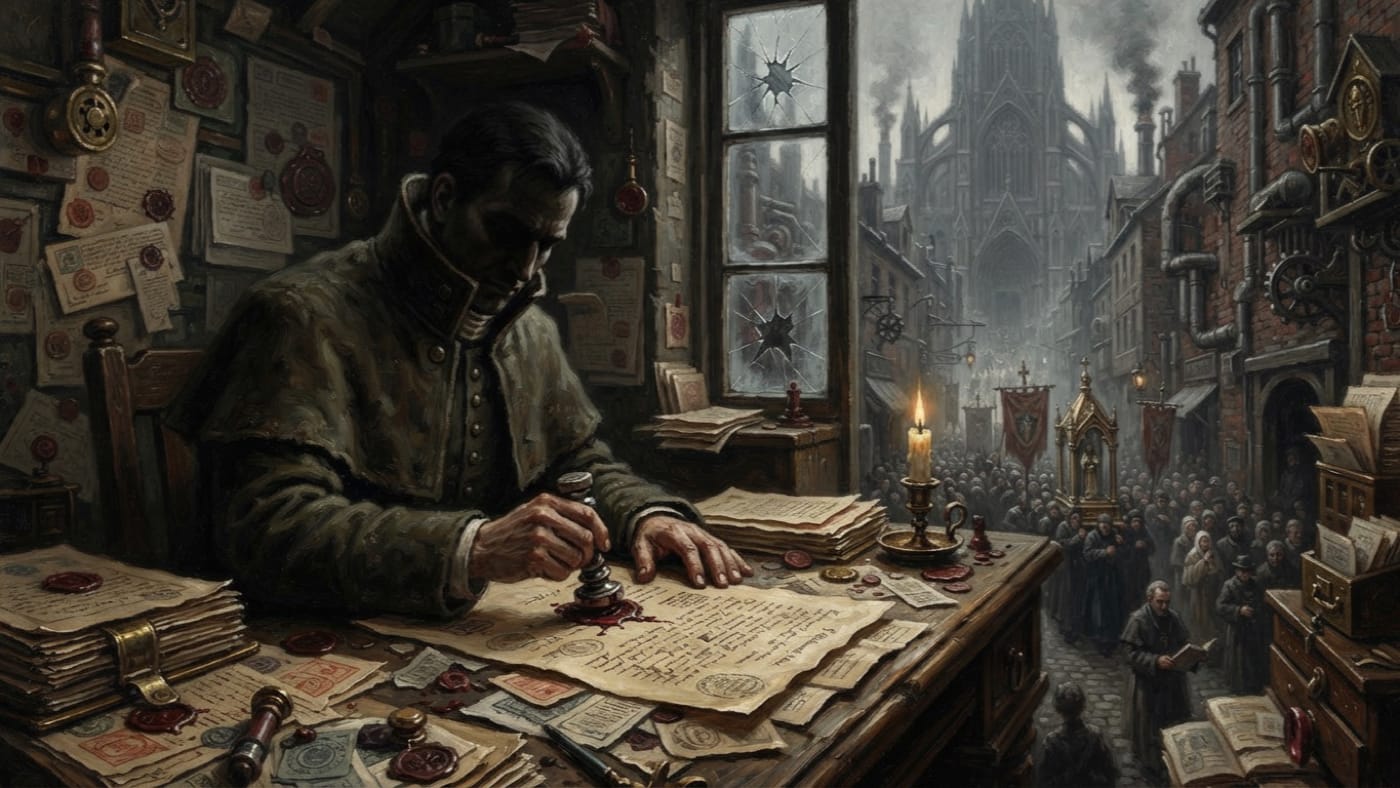
The Equivalence Letter lets a shrine honour another jurisdiction's relic authentication without moving the bone. The seal travels; custody and identity stay where they were.
Codex Ref. XII.15.06-201
Examiner of the Third Degree
The seal is the Bureau's. The signature is yours.
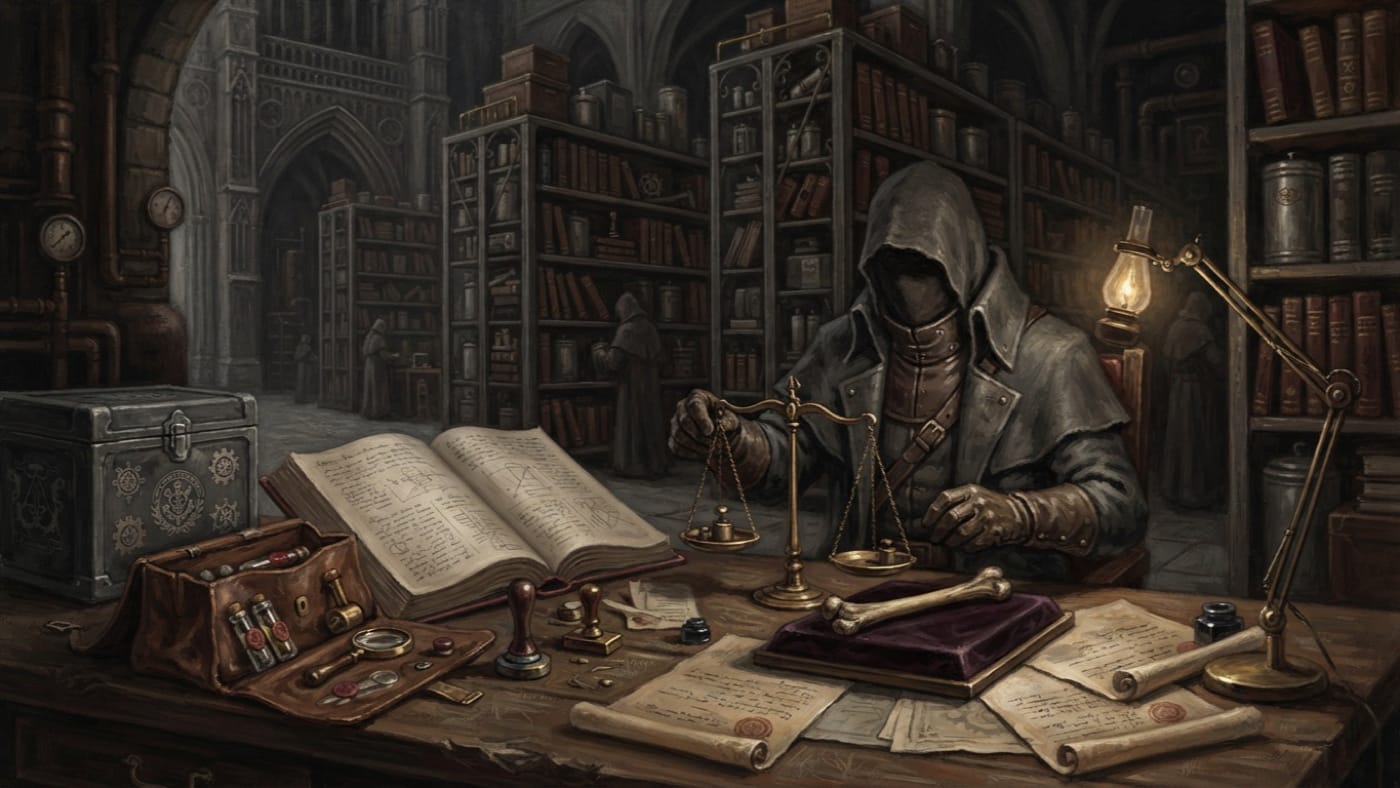
Commissioned current survey, A.S. 201: the Bureau of Relics' Examiner assesses Authenticity Writs, weighs bones and records phenomena. A parish receives a certificate or a receipt. The office's founding remains unrecorded.
Codex Ref. XII.35.03-001
Extraction Chapel
The plug rests under glass; its age remains an argument
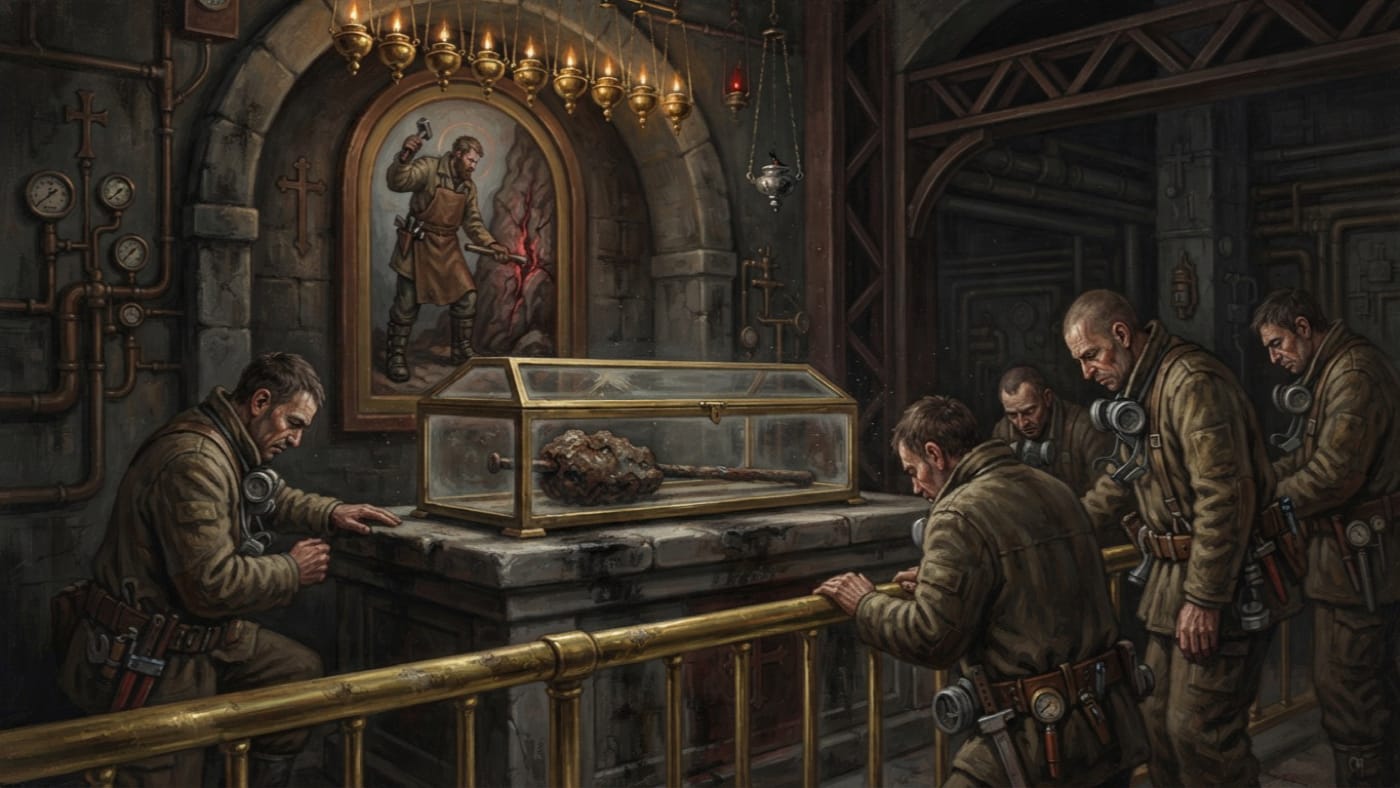
Budapest's Extraction Chapel holds Saint Orren's provisionally authenticated iron plug in a sealed case. Prospectors come for a patron who bought nine hours; Relics keeps the dating dispute open.
Codex Ref. II.3.12-112
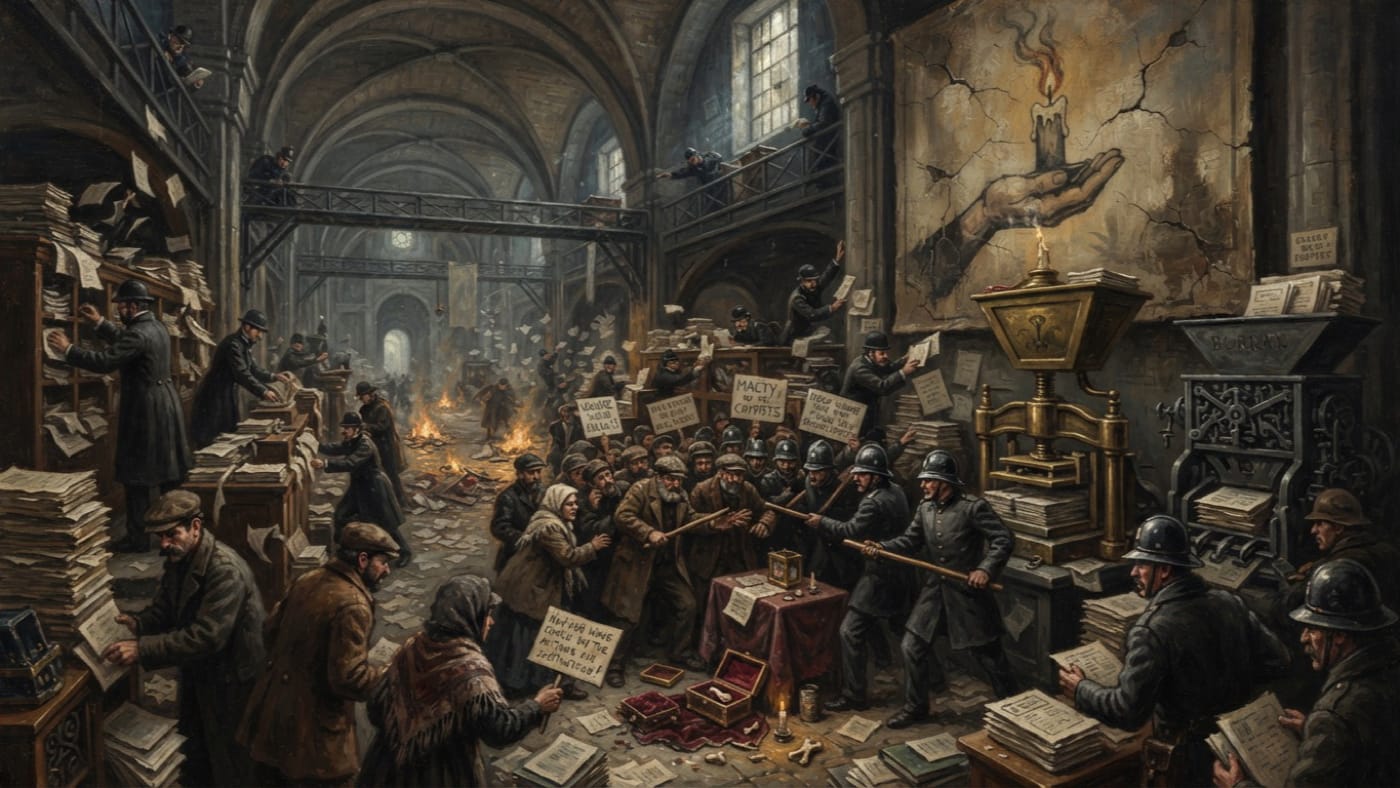
False Finger disturbances
Seventeen claims, nine riots, and permission withdrawn
An A.S. 201 survey of the Candle Proof correction: seventeen self-certified saints, nine riots and one parish account. Unsupervised local permission was withdrawn afterward. The arithmetic survives; the event dates do not.
Codex Ref. VII.8.10-001
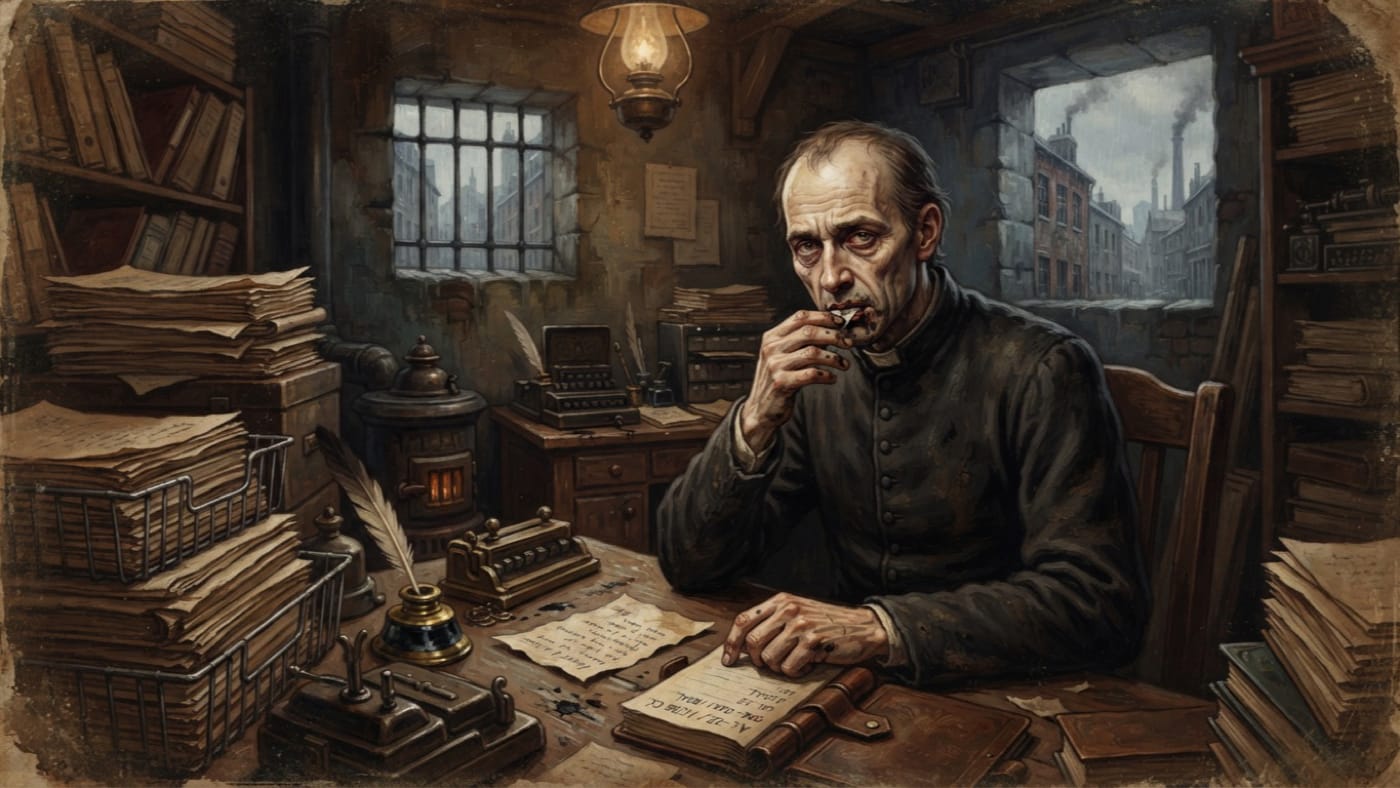
Father Grauss
One letter eaten. Three days served. Five words preserved.
Father Grauss ate the Amsterdam letter in A.S. −32 / 1678 CE. Düsseldorf supplied a beating and three days in gaol; the Bureau supplied its verdict: Doctrinally Sound, Gastronomically Irregular.
Codex Ref. III.2.01-1023
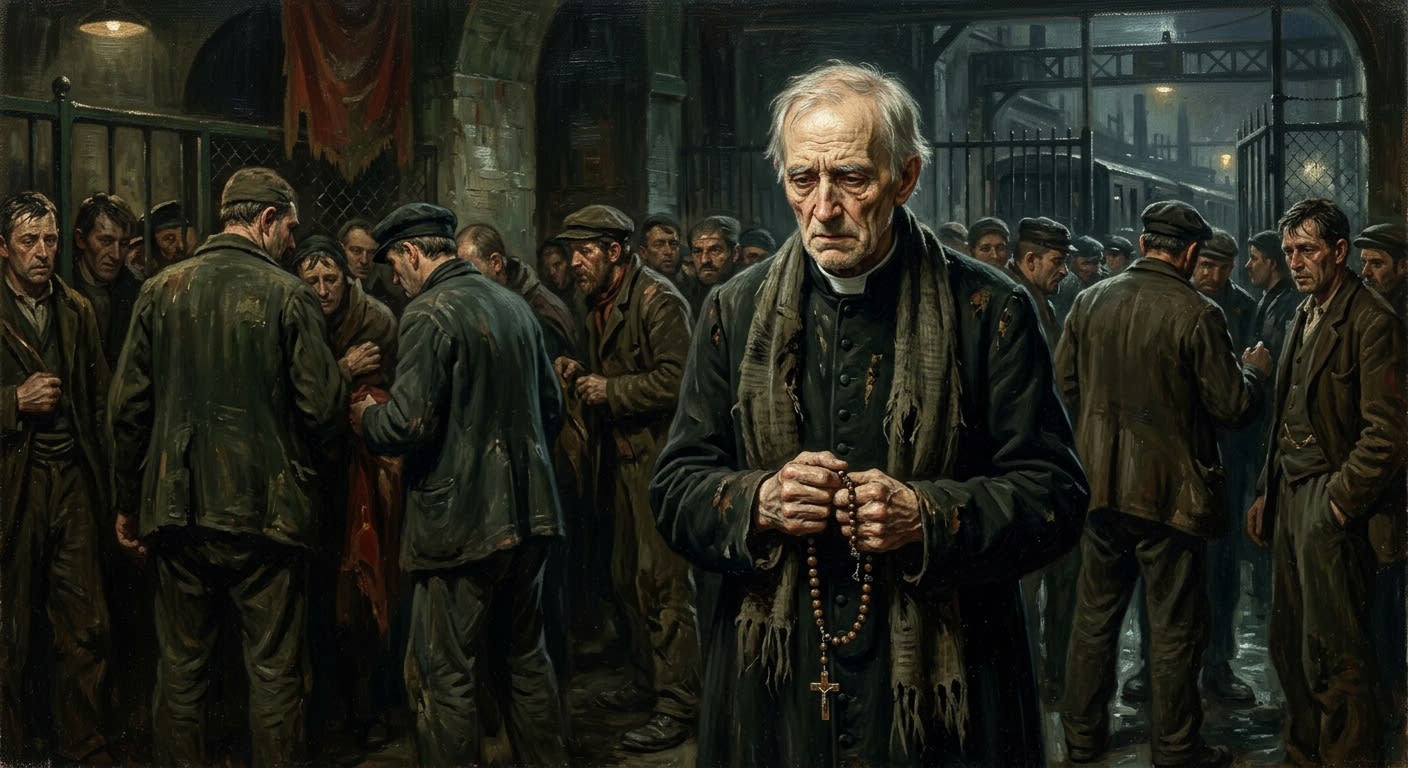
Father Janusz Sobecki
The eldest body and the wire already in
Elderly parish priest of Saint Anne's, Kraków, eldest of the forty-seven clergy drowned in A.S. 18 and remembered by the phrase: the wire was already in.
Codex Ref. III.2.01-089

Father Wernher of Cologne
The cellar priest whose lists kept sixty souls from becoming a sermon illustration
Defrocked Cologne canon and Cellar Saint leader whose forty-seven-page journal preserves the underground Church between Regensburg and the Sundering.
Codex Ref. III.2.01-045
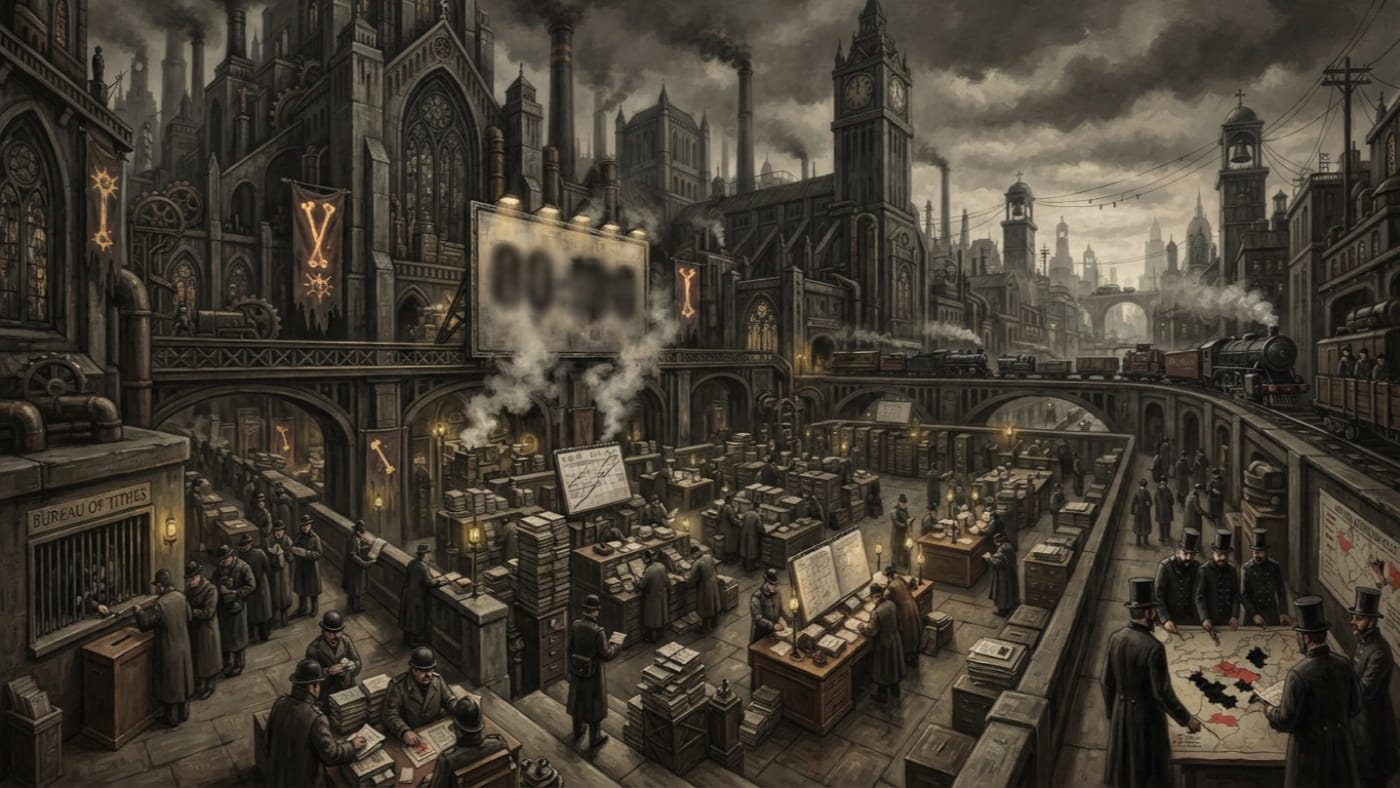
Feast of Saint Aldebrand
Remembered by the register, mislaid by the diocese
A.S. 201 survey of Aldebrand's feast: sanctioned by Festivals, observed or omitted by dioceses, disputed by Records and taxed by Tithes. The register remembers; the day remains unknown.
Codex Ref. XIII.1.89-201
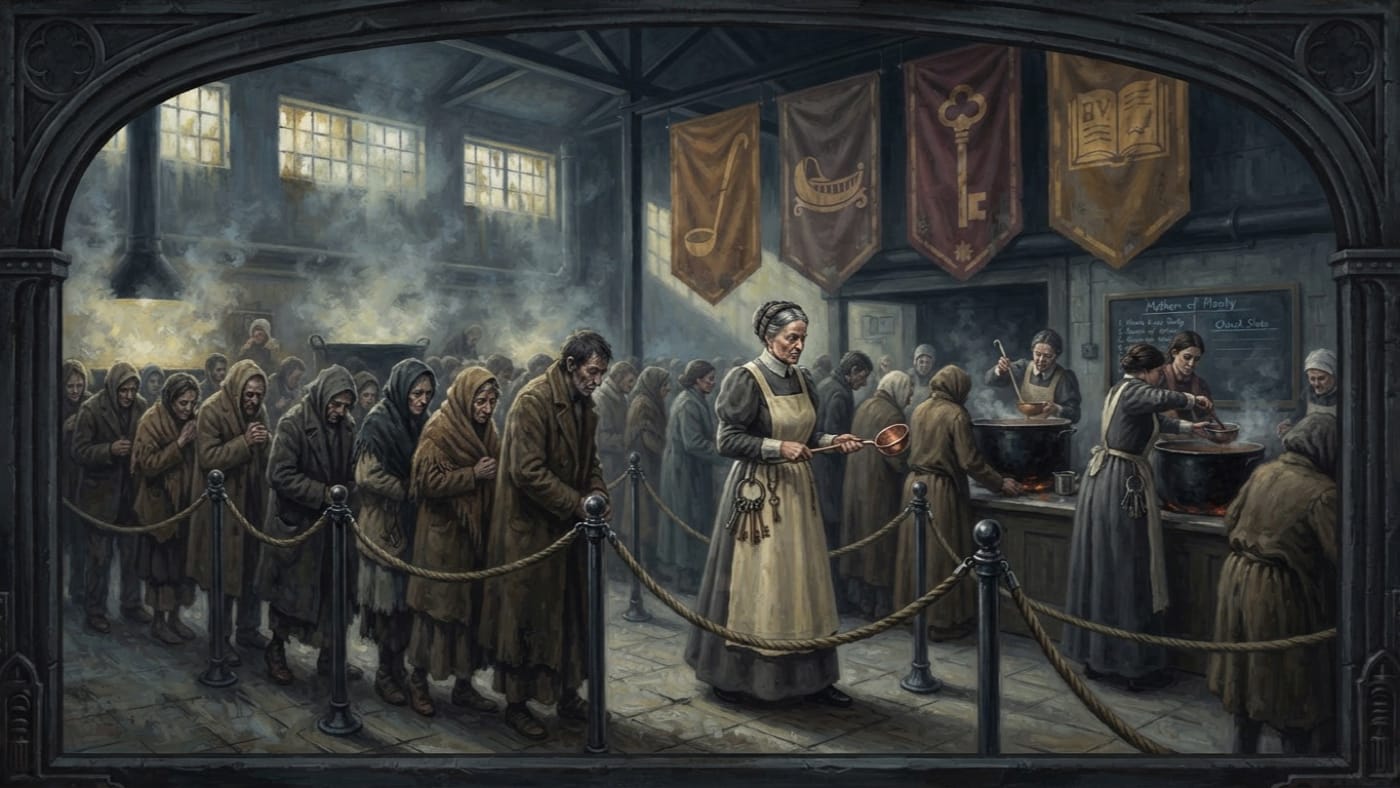
Feast of Saint Halva
A quarter-measure in the bowl, a colder week in the ledger
An A.S. 201 survey of Halva's annual 14 Brumaire feast: a quarter-measure more, the Ration Psalm, the Stirring and evening broth, paid for in next week's fuel. A.S. 94 dates the saint's canonisation; the first feast year is unrecorded.
Codex Ref. XIII.1.25-003
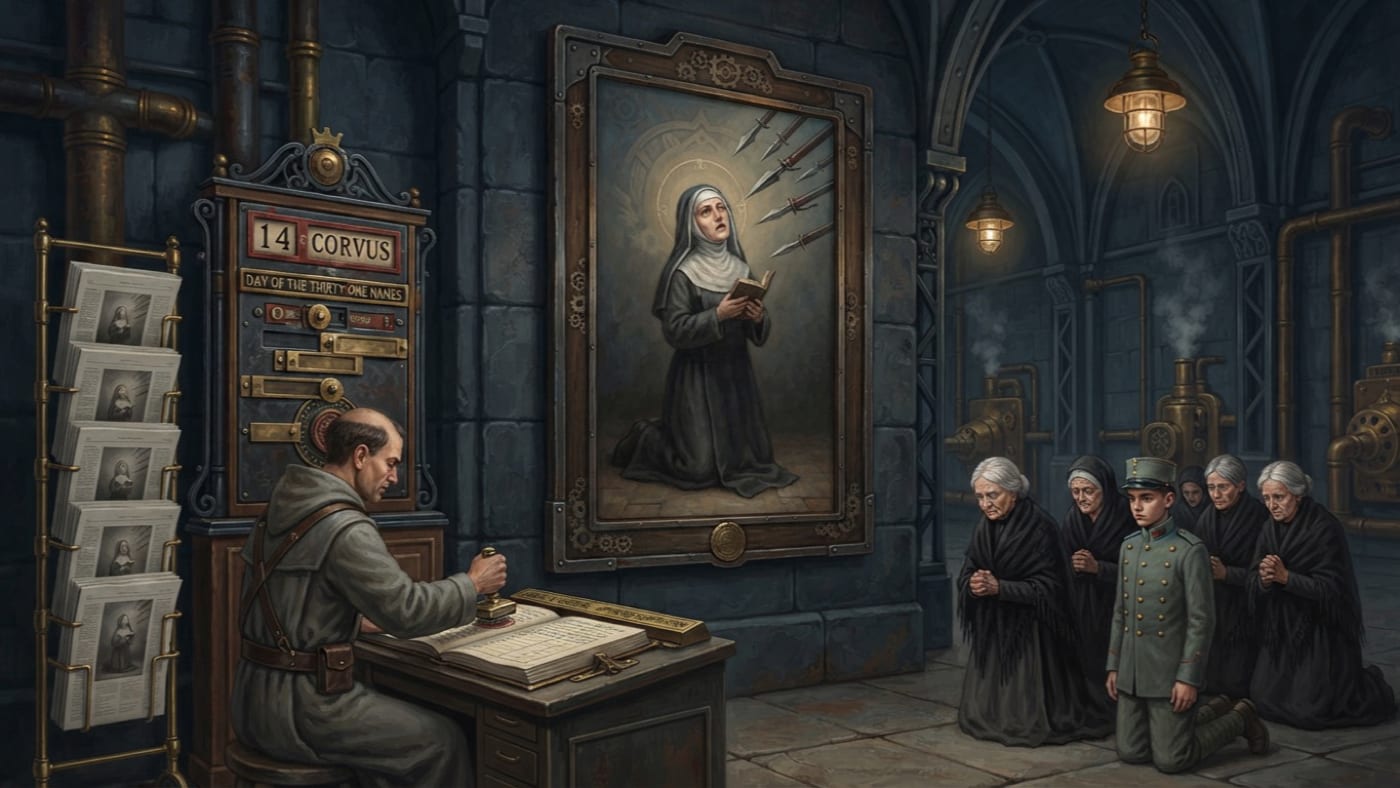
Feast of Saint Margaux
Thirty-one dead, one approved face
On 14 Corvus, Saint Margaux shares her feast with the Day of the Thirty-One Names. The grief belongs to the faithful; the face, the calendar and the uses belong to the Bureaus.
Codex Ref. XIII.1.87-014
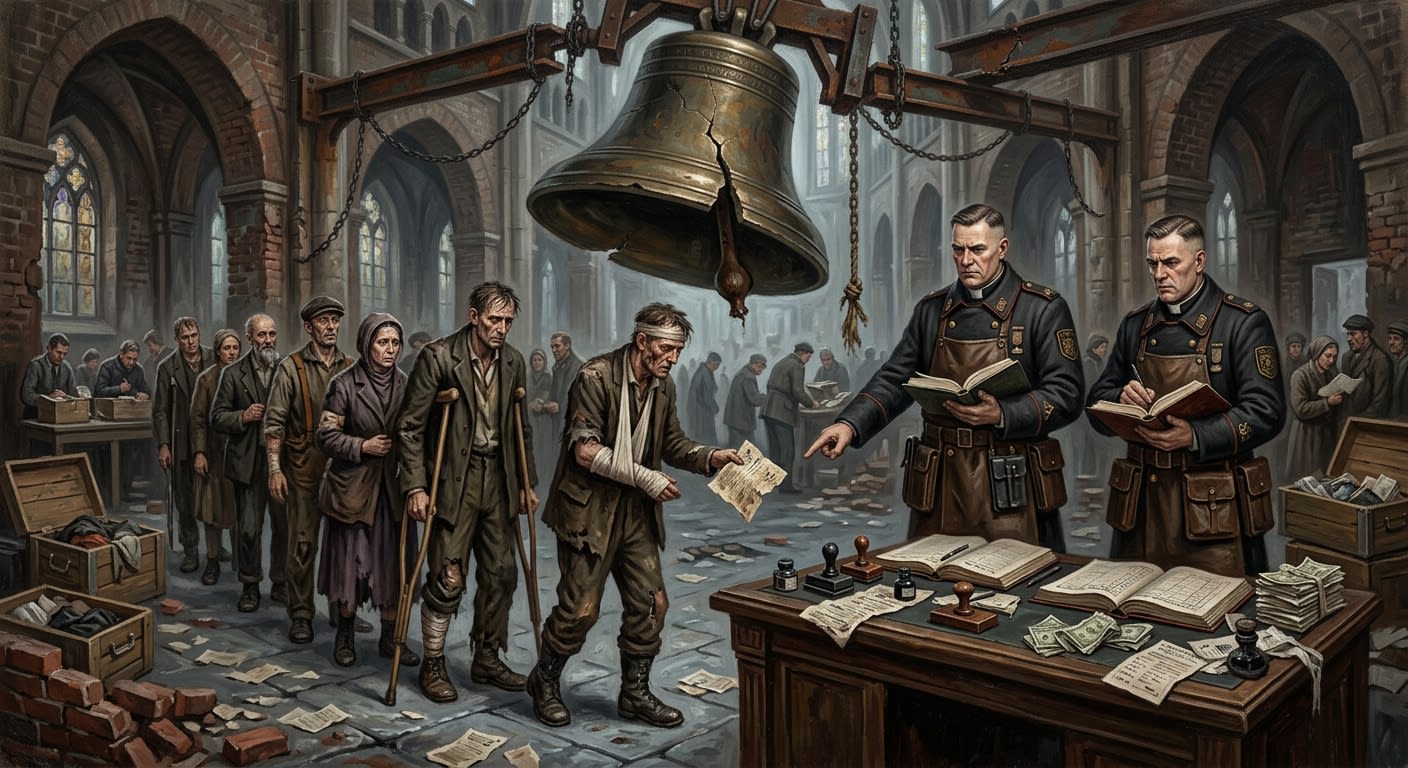
Feast of the Cracked Bell
The damaged bell still tolls, therefore the damaged citizen still owes
The Feast of the Cracked Bell teaches the Synod's favourite mercy: broken things may still serve, so damaged citizens may still be counted, tolled, and taxed.
Codex Ref. XIII.1.89-201
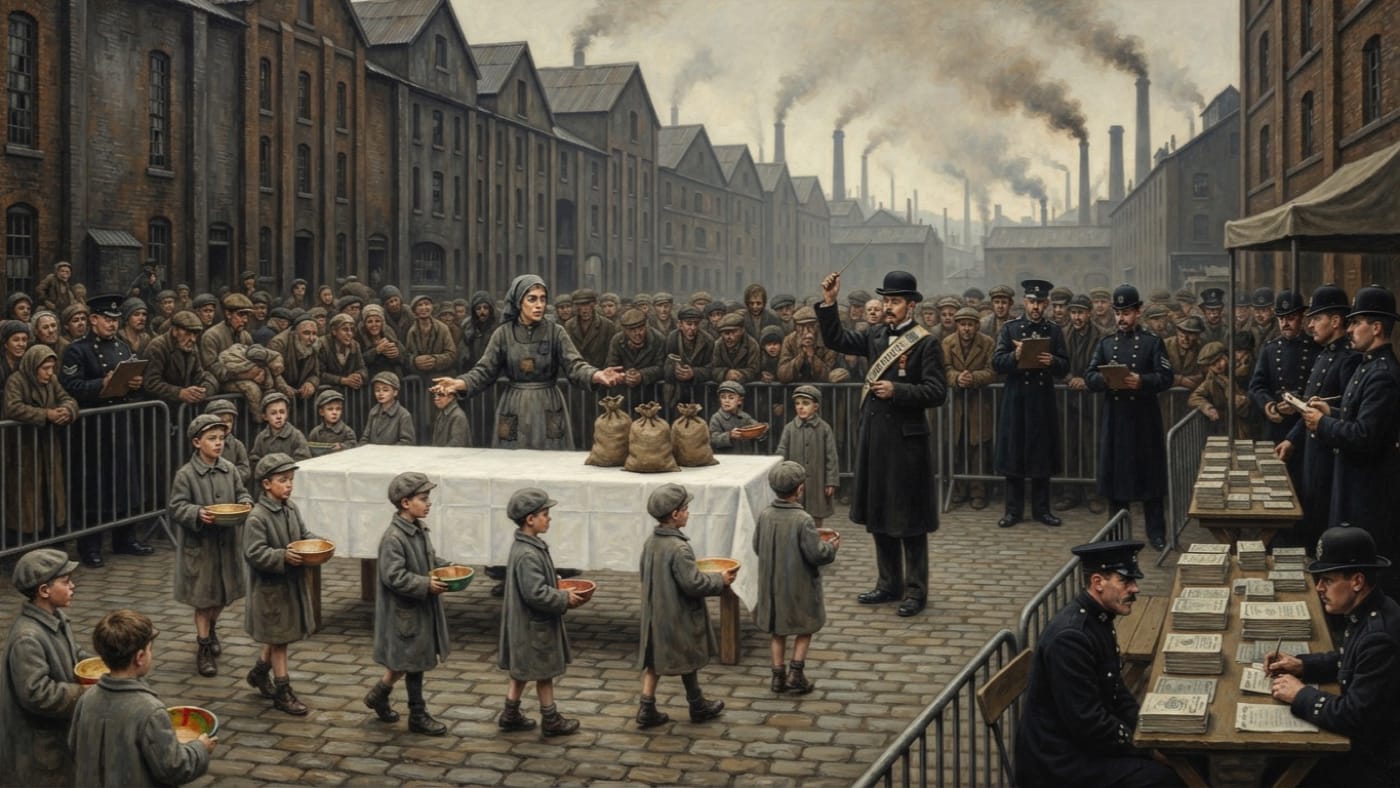
Feast of the Empty Table
Three sacks, no wall, and fourteen seconds of licensed grief
An annual licensed pageant turns Saint Silo-Agnes into a charity martyr. The sacks remain, the wall disappears, and the Bureau permits fourteen seconds of applause.
Codex Ref. XIII.1.25-002
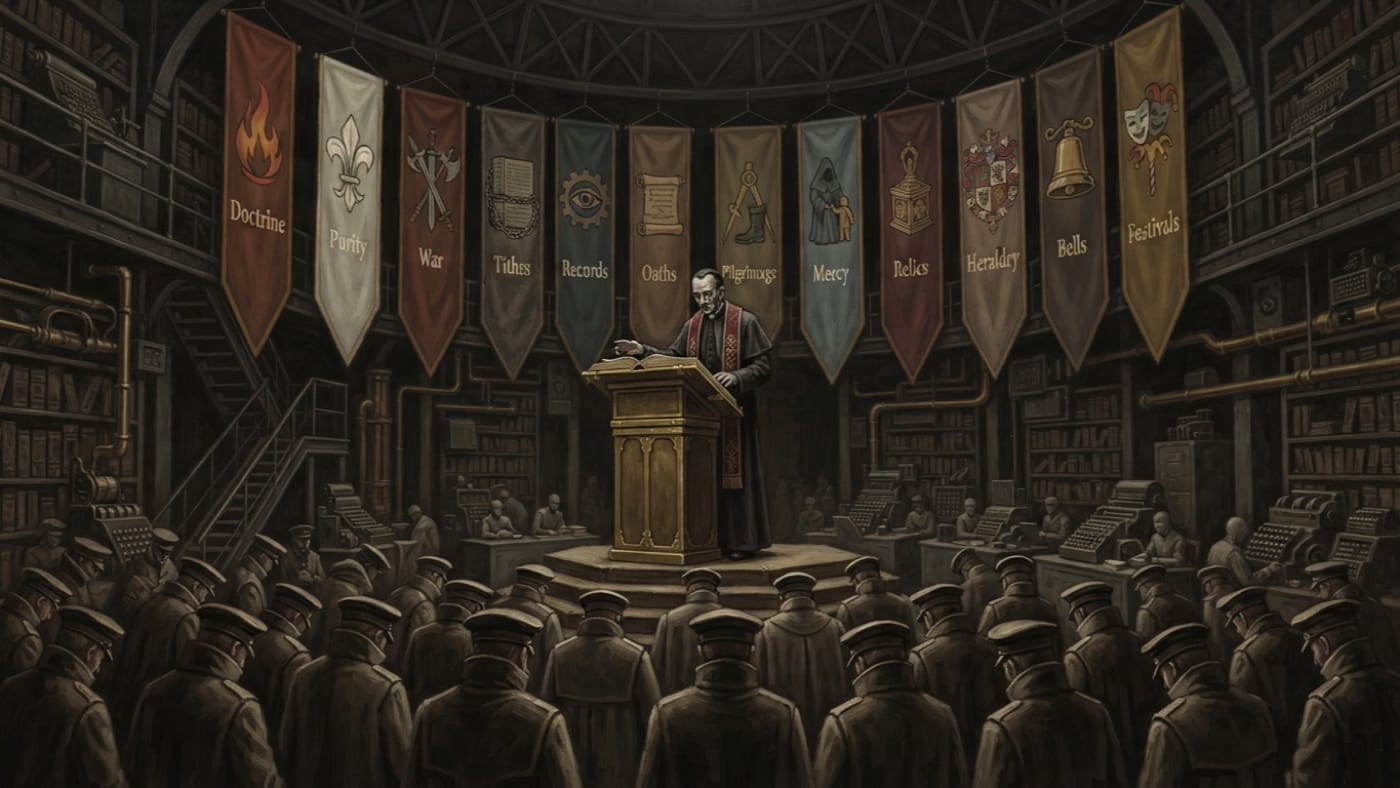
Feast of the Ledger
Twelve portfolios read aloud; the offices that keep them standing go unnamed.
At the Feast of the Ledger, the Synod reads its twelve canonical portfolios aloud. Settlement, which assigns three hundred million addresses, receives no syllable. The recital is correct; the census is incomplete.
Codex Ref. XIII.1.89-201
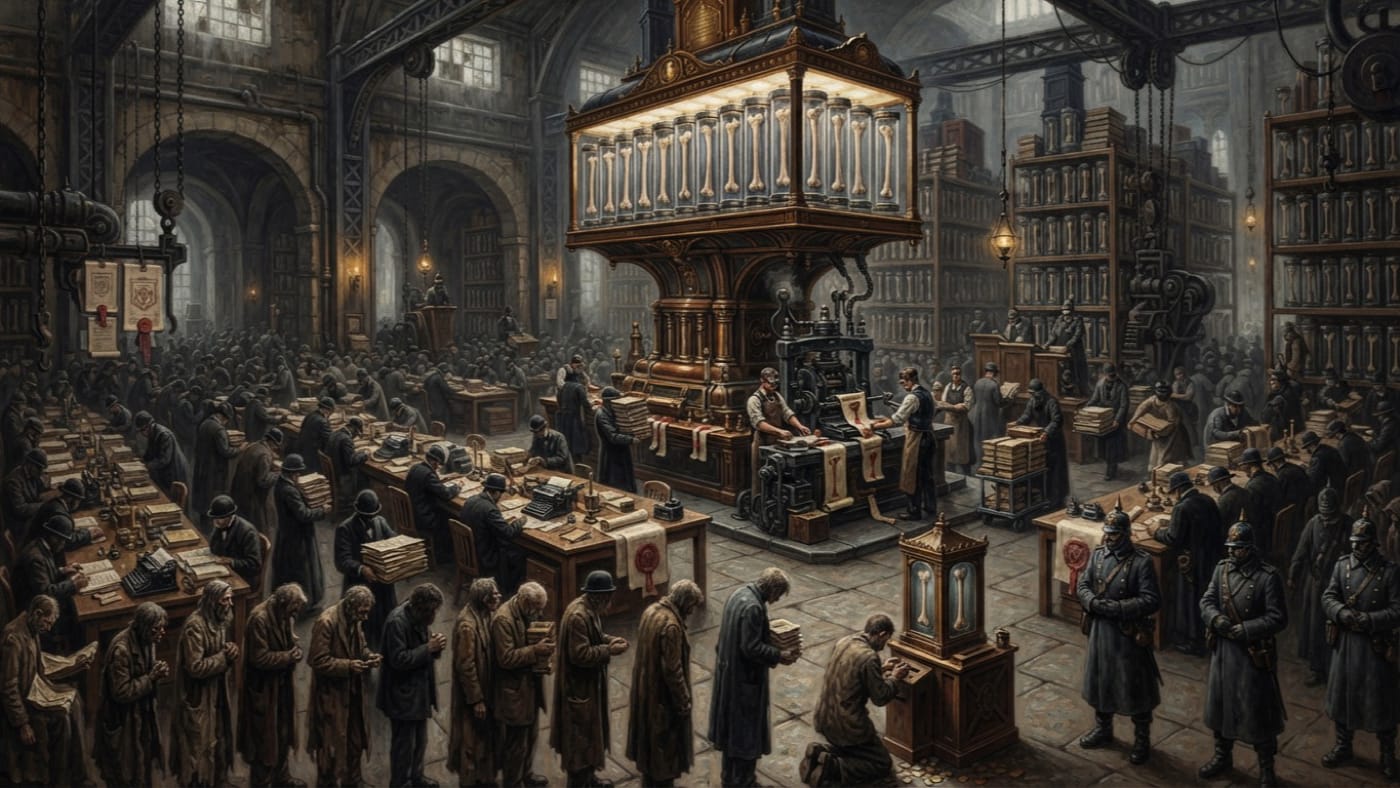
Femur Principle
The saint's skeleton has no standing
The A.S. 147 rule that made all notarized femurs authentic, preserved rival shrines, and gave anatomy the legal standing of an impertinent witness.
Codex Ref. XIII.1.90-147
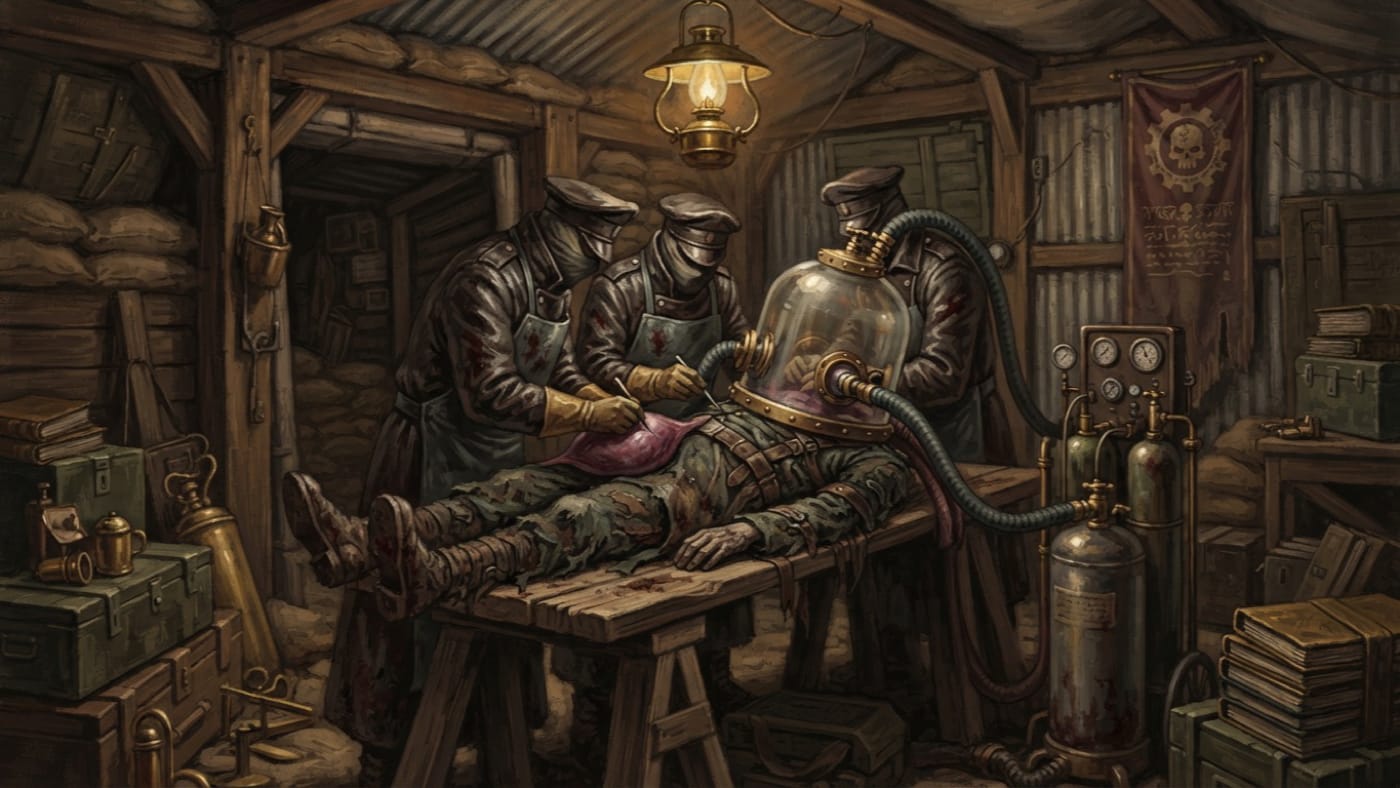
Field Autopsy Protocol 14-D
Three lost, one silent, and the capital letters remain.
The Bureau of Medicine's recorded A.S. 193 prohibition on incising Gore-Slinger sacs without full containment apparatus. Three field surgeons were lost; the fourth survived and has not spoken since.
Codex Ref. XIII.1.74-193
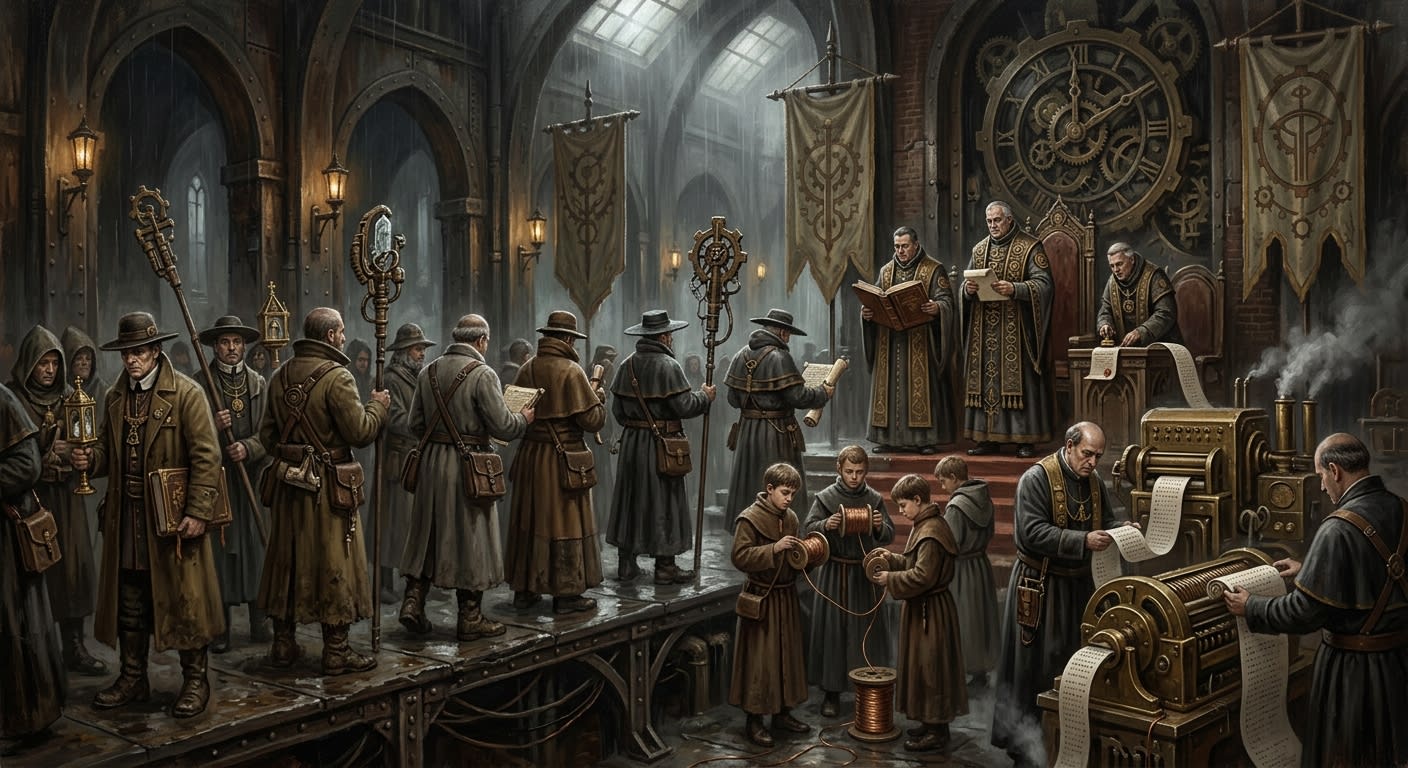
Fifteenth Doctrinal Congress
The hour Strasbourg taught an old river crime to testify on schedule
The Fifteenth Doctrinal Congress made Kraków's drowned priests administratively inexhaustible: witness ratified, silence scheduled, wire converted, and grief sealed.
Codex Ref. XIII.1.90-148
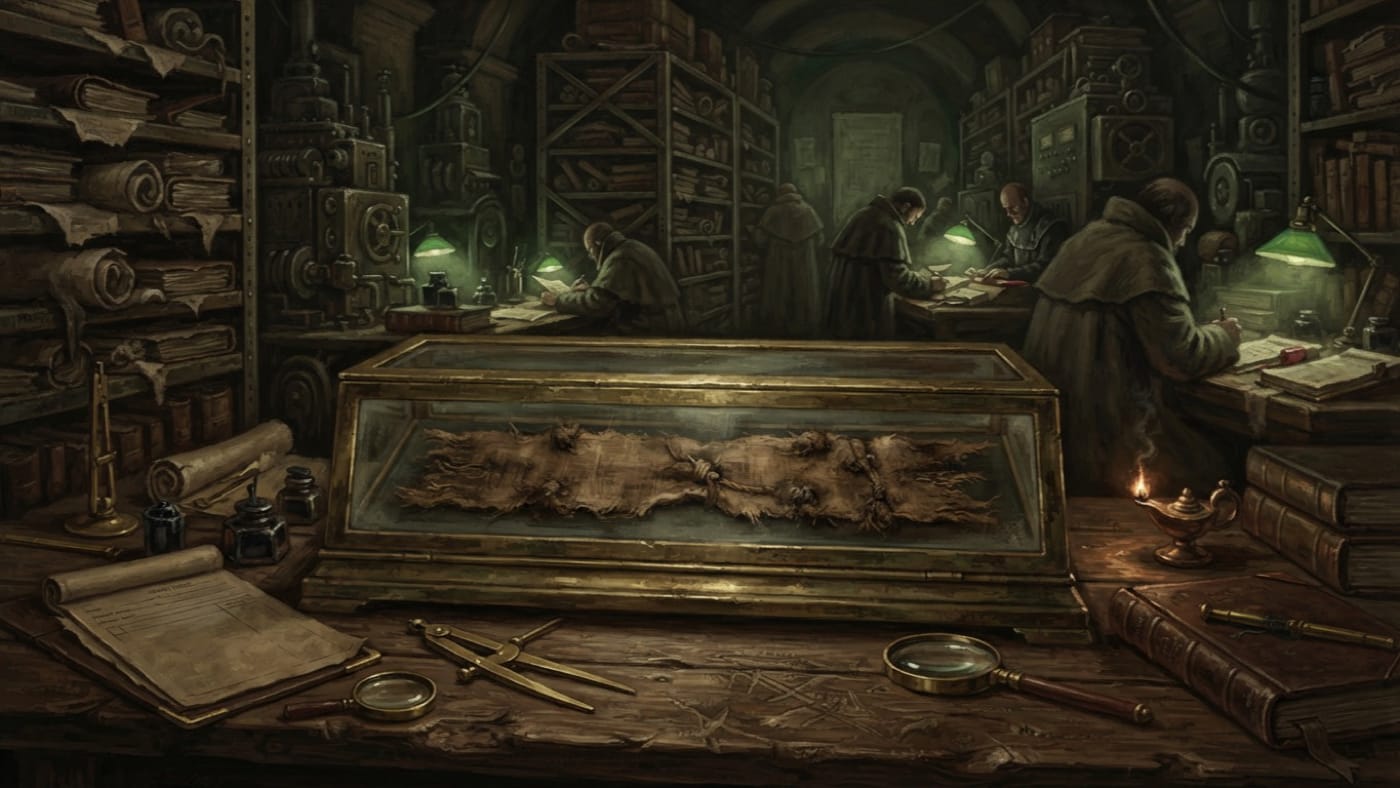
First Knot-Cloth
Thirty households bound, three certainties about where the cloth lies
An A.S. 201 survey of Liora's First Knot-Cloth, traditionally used to bind thirty hungry households to mutual aid. The offices agree it is preserved; they disagree on where.
Codex Ref. XIII.1.03-015
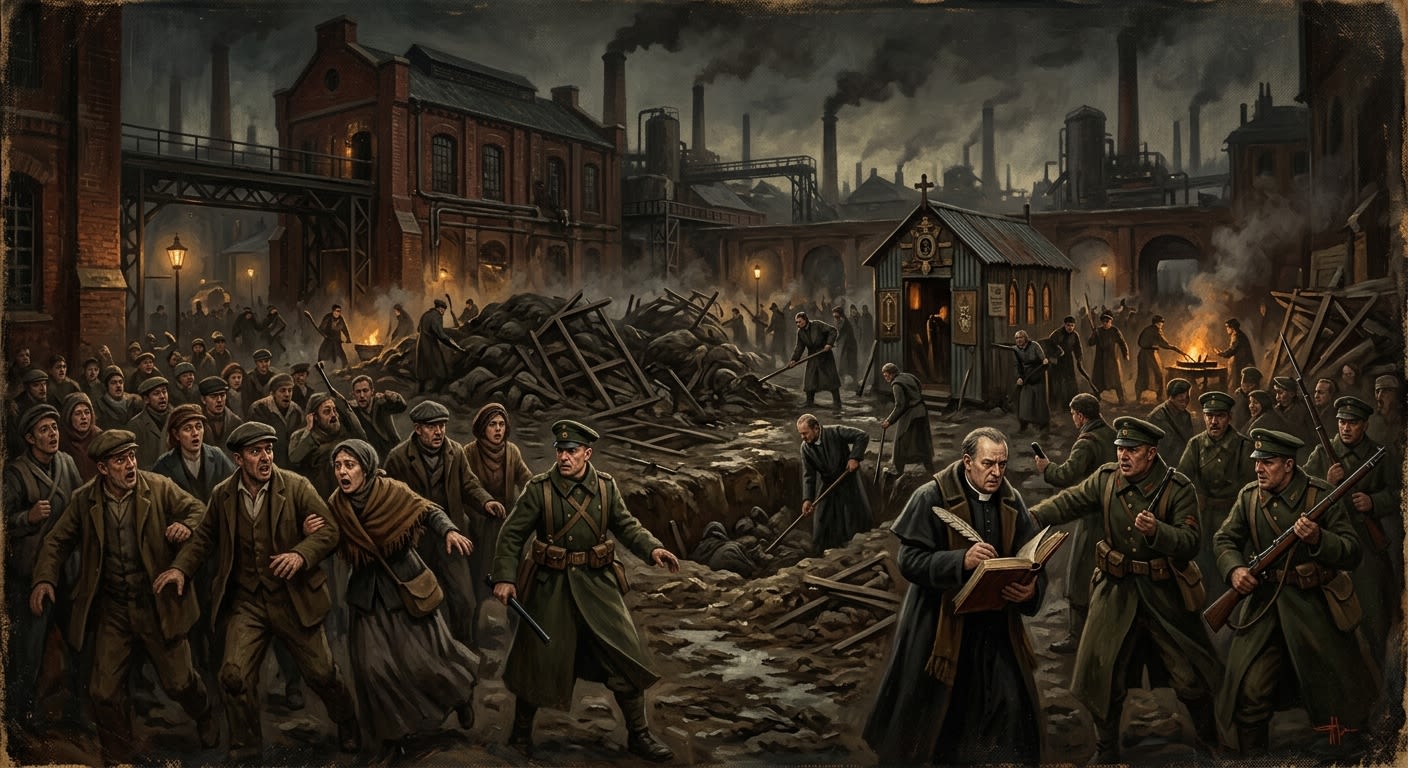
First Ossuary Panic
The dead spoke, and the Synod answered with a form
A.S. 78 Rhine corridor mortuary panic in which overcrowded pits began sounding after dark, forcing burial clearance, tariff-chapels, and the Dead-Goods Tariffer into law.
Codex Ref. VII.4.25-078
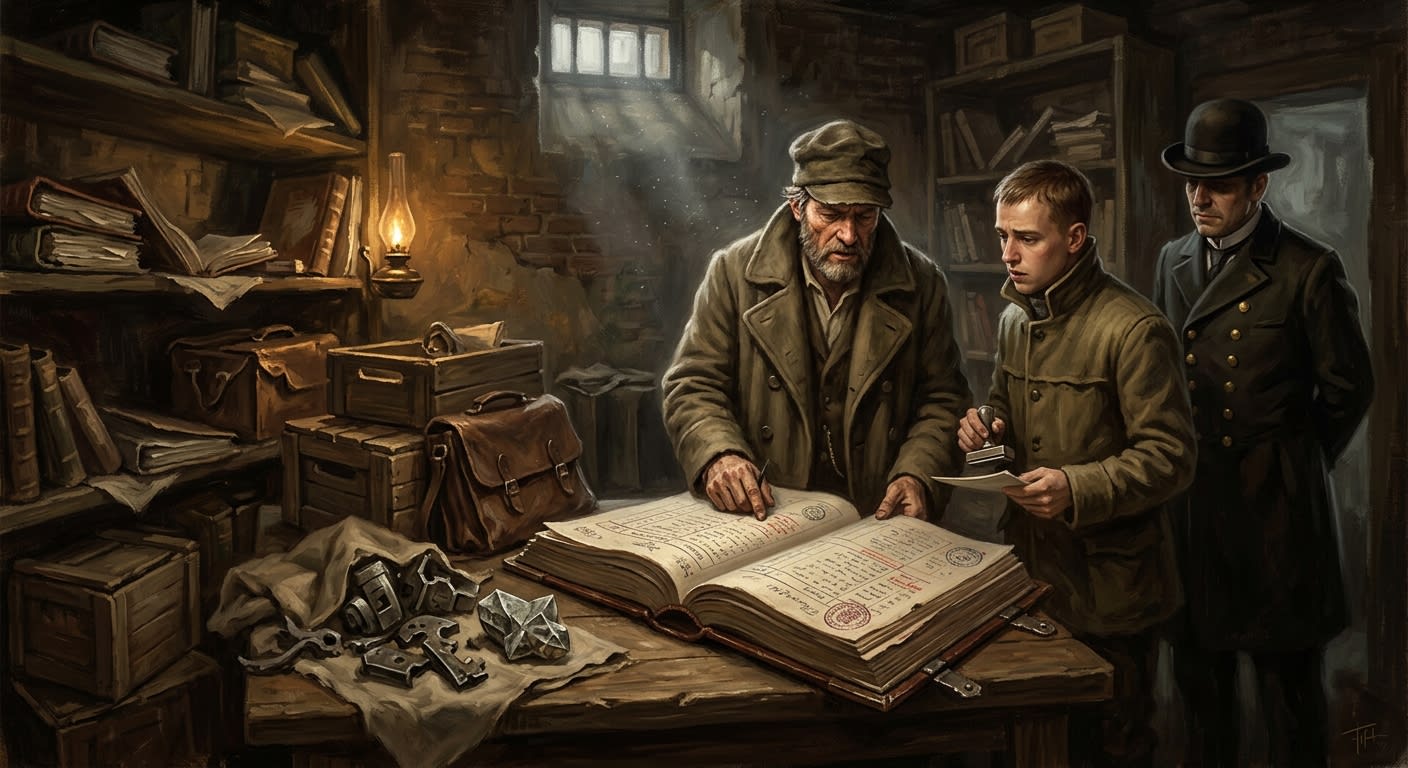
First Quake-Ledger A.S. 105
The rubble was counted, and therefore became guilty
A.S. 105 Records compilation that exposed unreported sacred recoveries from collapse sites and gave the Reliquary Salvager his first licensed leash.
Codex Ref. VII.8.10-092

First Ratification of A.S. 92
The charter that gave a seal jurisdiction over the holy dead
The A.S. 92 ratification gave the Bureau of Relics custody, authentication, classification and distribution, making sacred standing a matter of seal. The bones were not consulted.
Codex Ref. VII.2.10-092
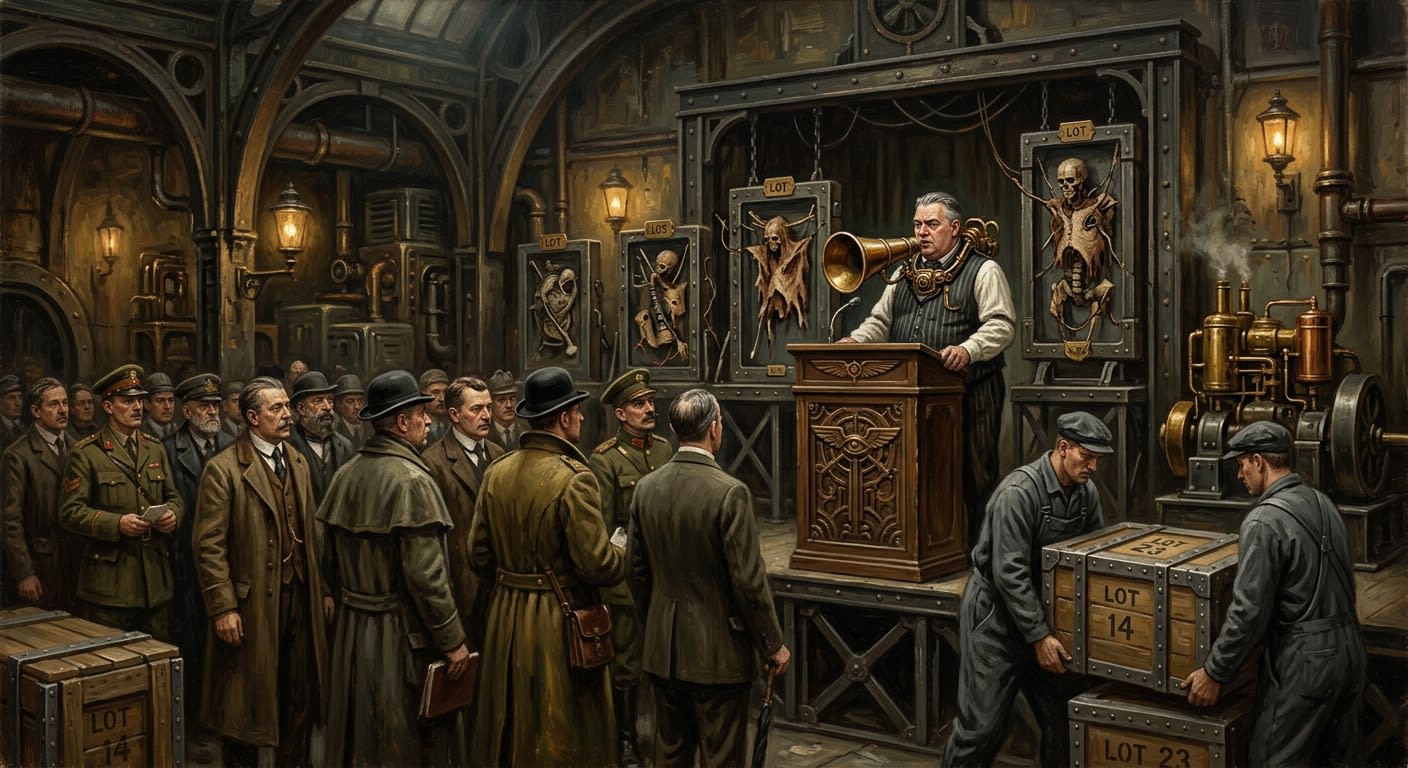
First Relic Auctions of Amsterdam
When the hammer learned to price a saint without blushing
Amsterdam's first relic auction season made sacrilege respectable by catalogue, turning stolen bones into lots and provenance wounds into profit.
Codex Ref. VII.8.10-007
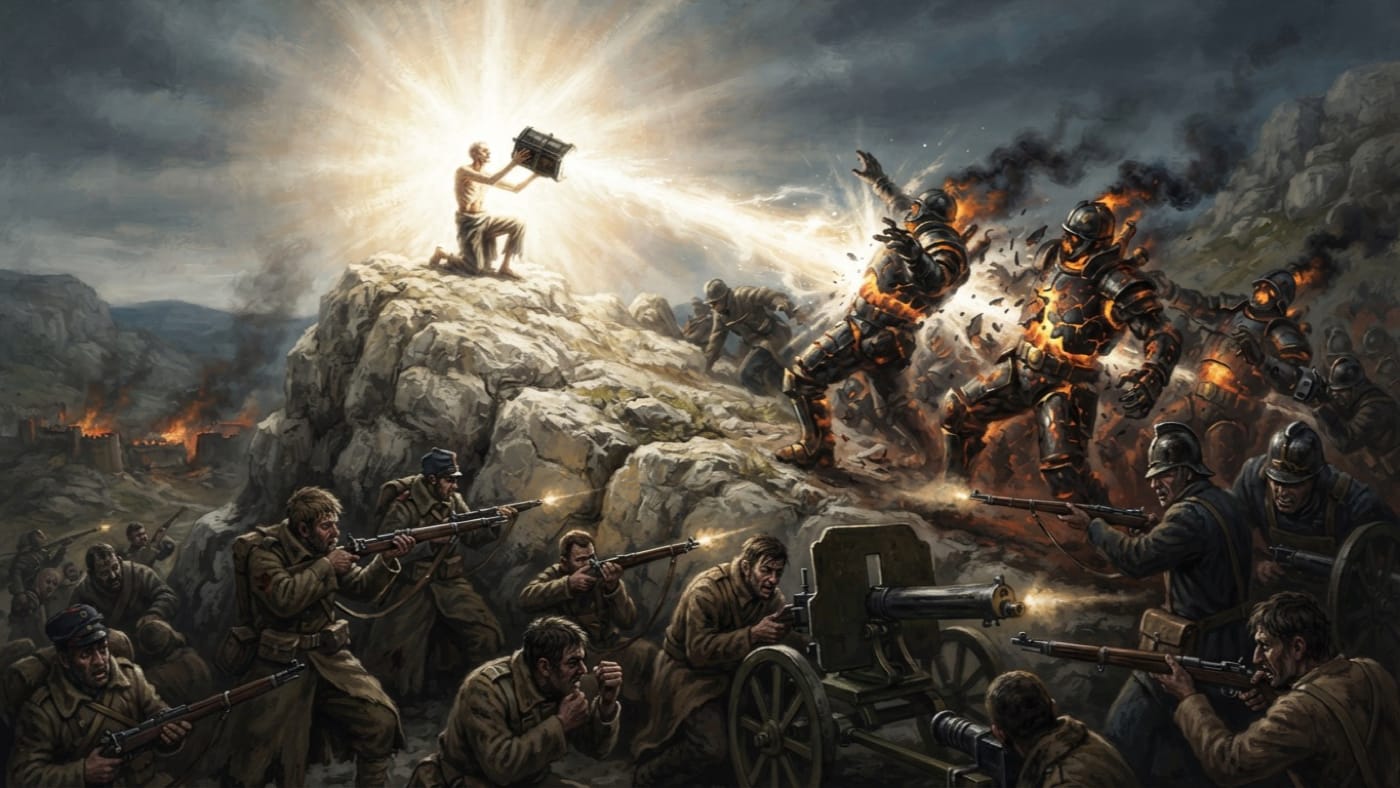
First-Order Miraculous Emission
The enemy recoiled; the rubric remains undefined
At Kalnik Ridge in A.S. 48, seventeen relics checked Maldrake's vanguard. The Bureau later filed the blaze as First-Order Miraculous Emission, Category: Martial; it neglected to define First-Order.
Codex Ref. VI.3.01-048
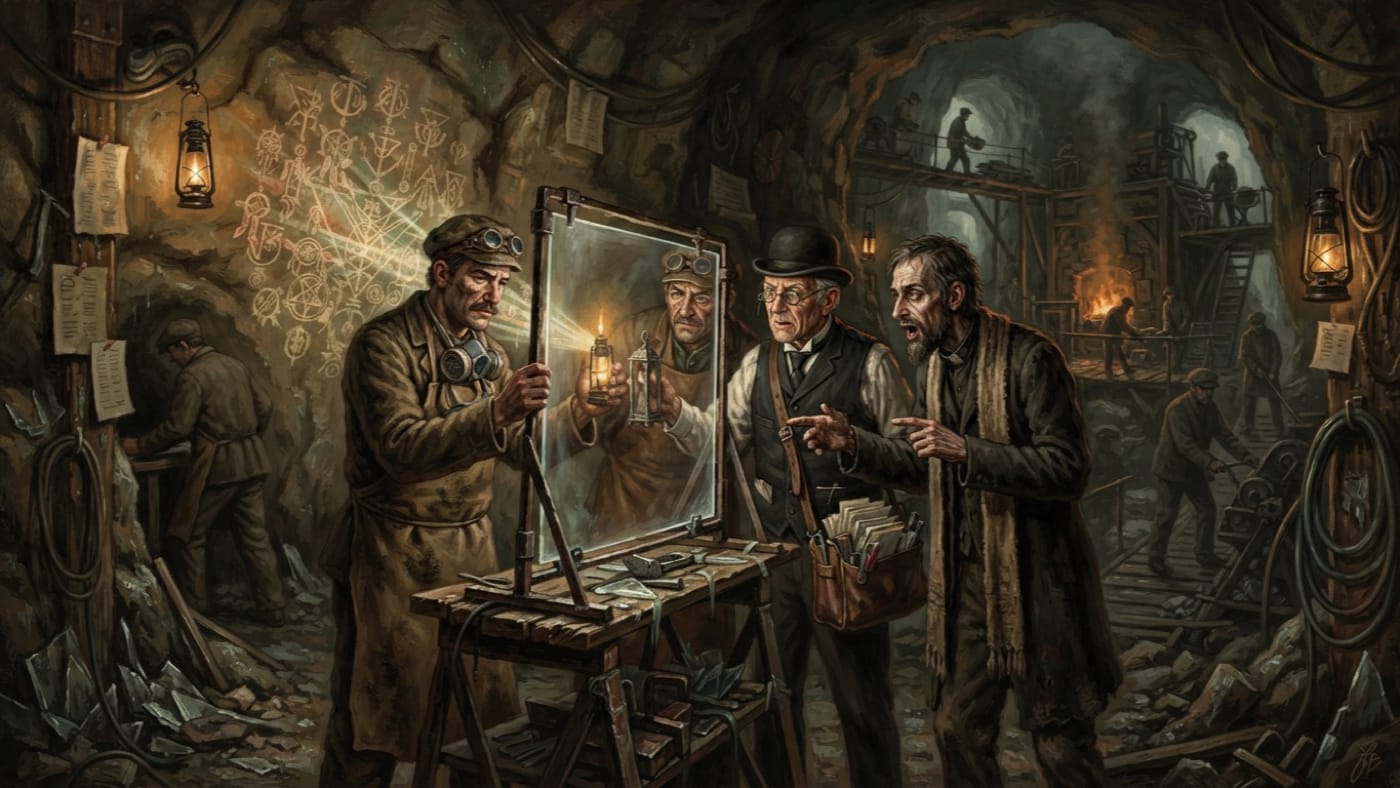
Flawless Claimants
They seek a pane that cannot refuse; the Seal House can
Kiln workers, proof brokers and at least one cantor seek the True Pane: Oathglass that would authenticate anything. The Seal House calls this heresy; the Claimants call it liberation.
Codex Ref. XI.7.02-002
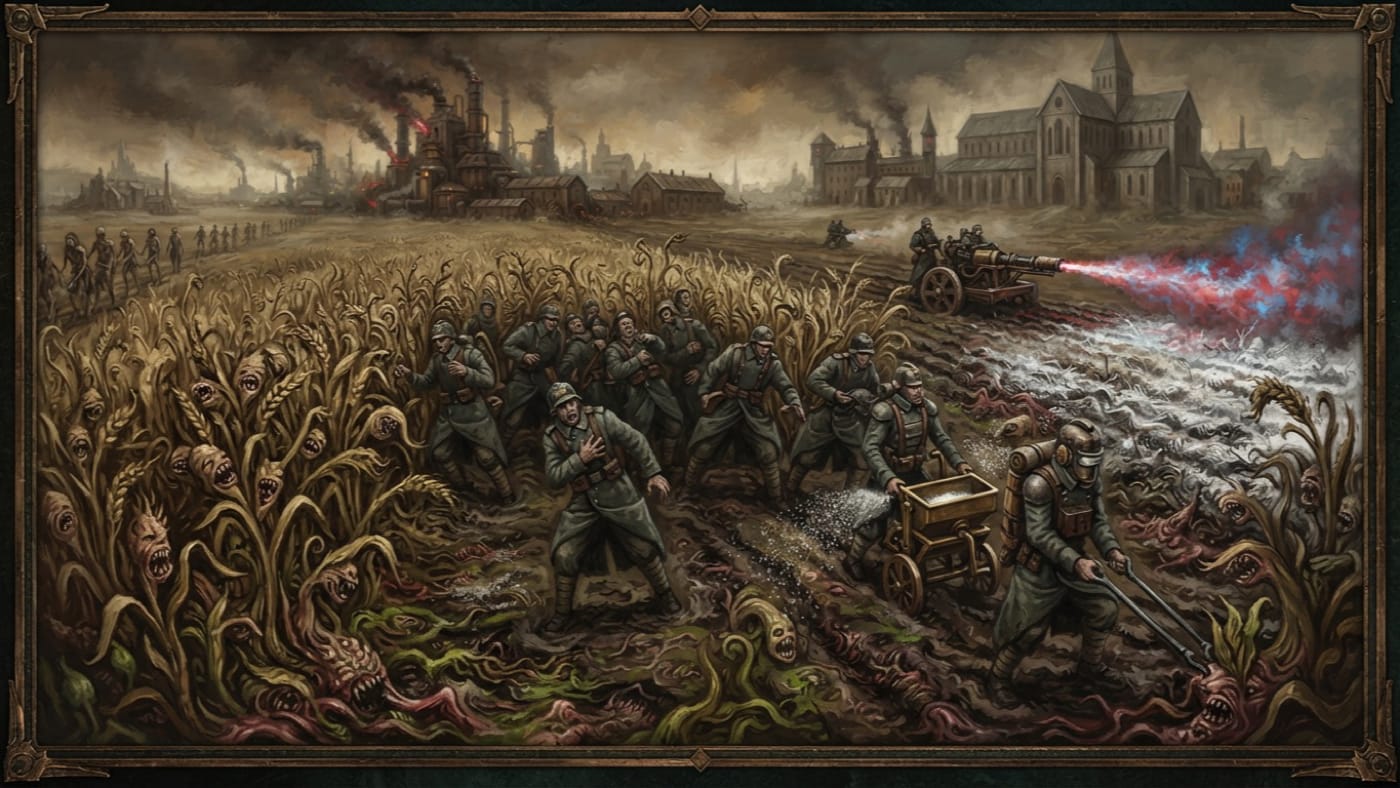
Flesh Litanies
The hungry sing; the flesh obeys
Kargath's hungry singing makes grain bite and stomachs refuse satisfaction. Salt, fasting-caps and relic-fire answer locally; the Bureau can suppress a manifestation more readily than recover a field.
Codex Ref. VI.3.01-003
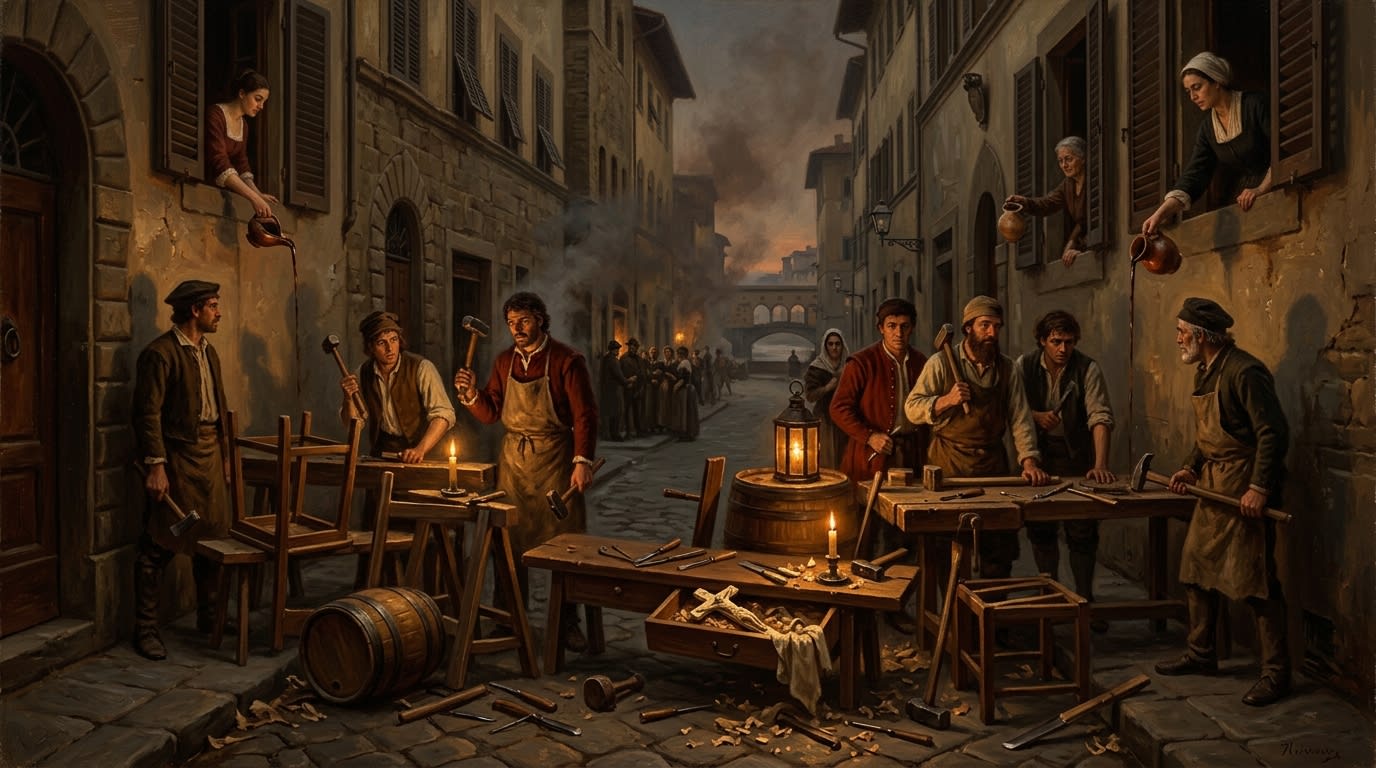
Florence
The city that taught drawers to keep the faith
Florence is the polished Tuscan wound where hidden crucifixes, artisan tools, and the A.S. 44 Ivory Revolt made small devotion sharper than empire.
Codex Ref. II.4.09-044
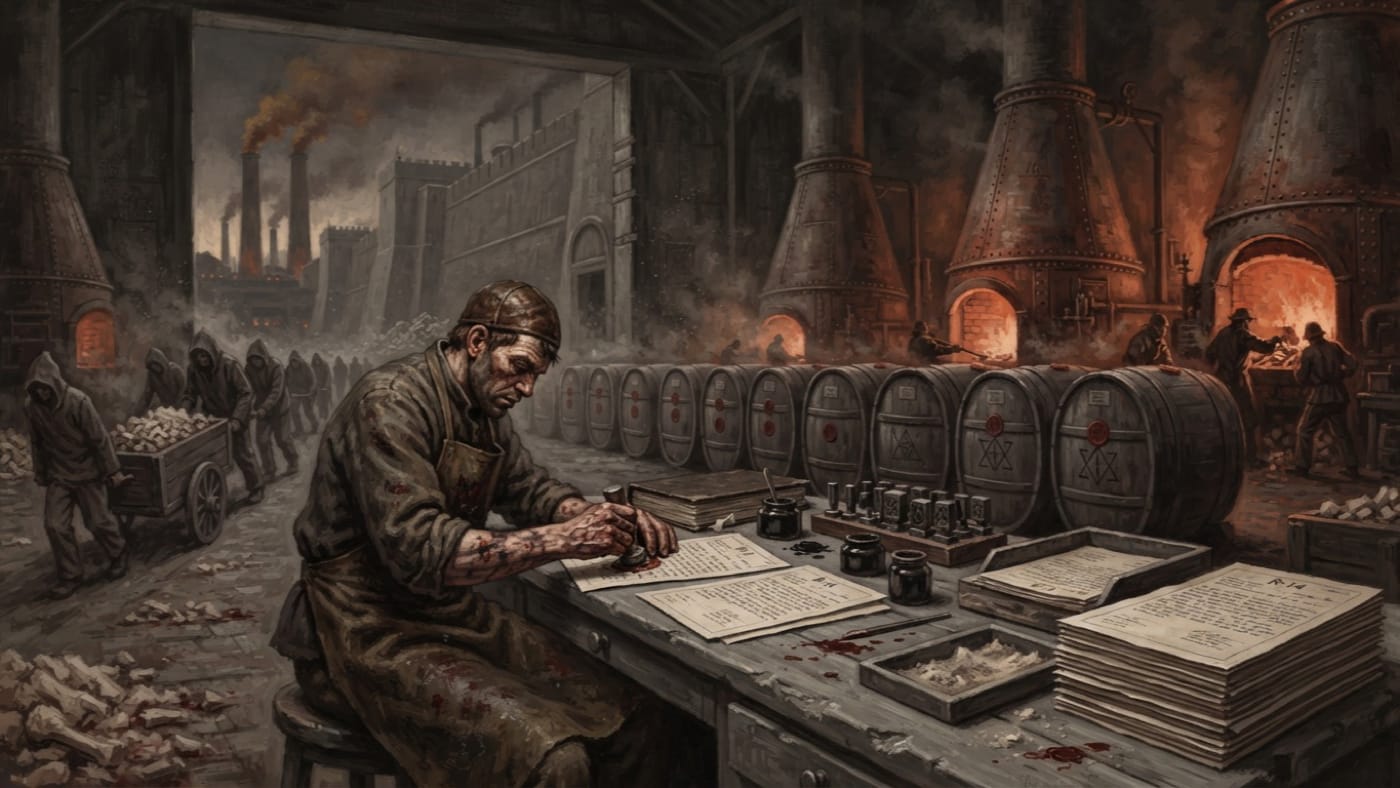
Form R-14
After thirty days, the wall will have set
The Saint-Bone Melter's Standard Destruction Certificate, revised A.S. 198, records a relic's permanent redistribution into sanctified mortar. Objections have thirty days. The bone has none.
Codex Ref. XIII.1.14-198
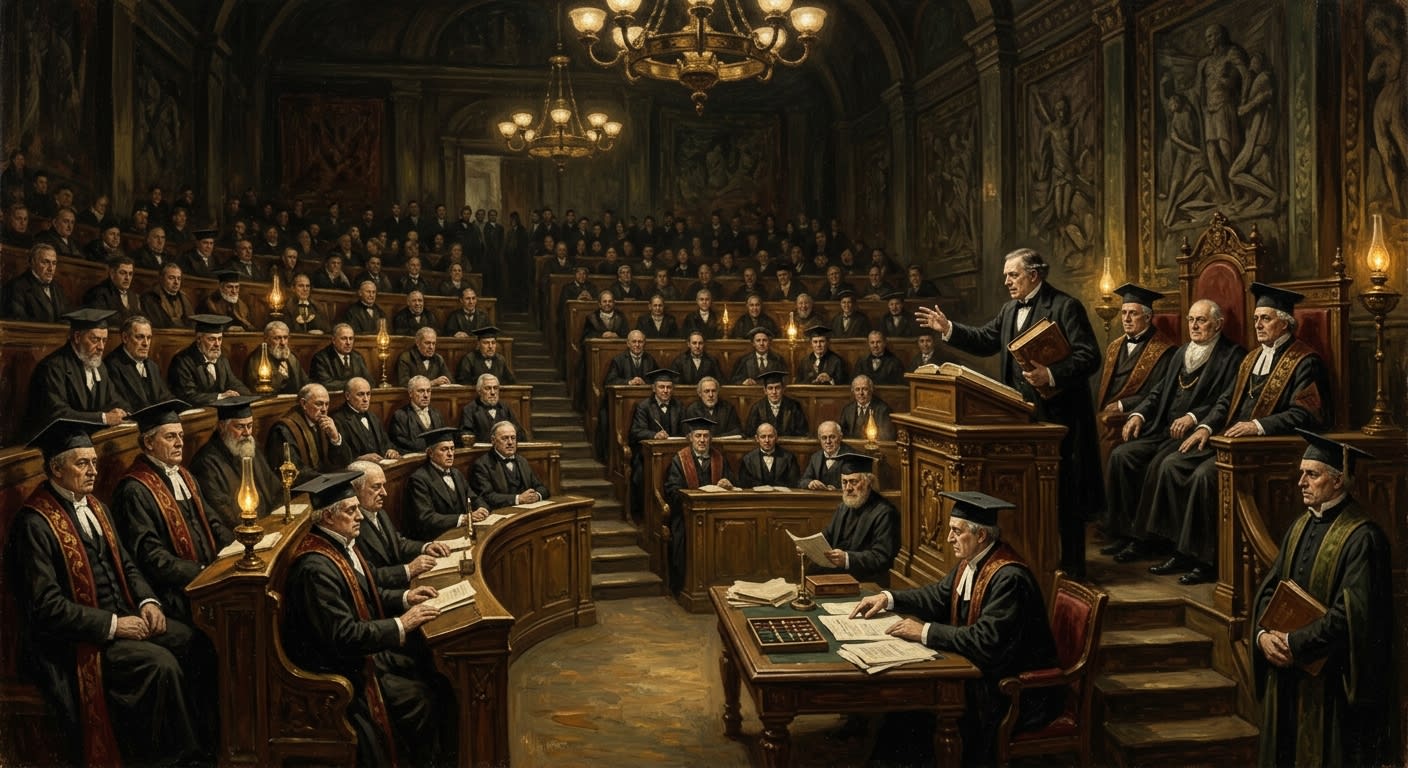
Fourteenth Doctrinal Congress
Matter protested; the seal prevailed
The A.S. 147 Congress that made authenticated contradiction obedient, ratifying the Femur Principle and Kargath's consumption taxonomy in the same week.
Codex Ref. XIII.1.90-147
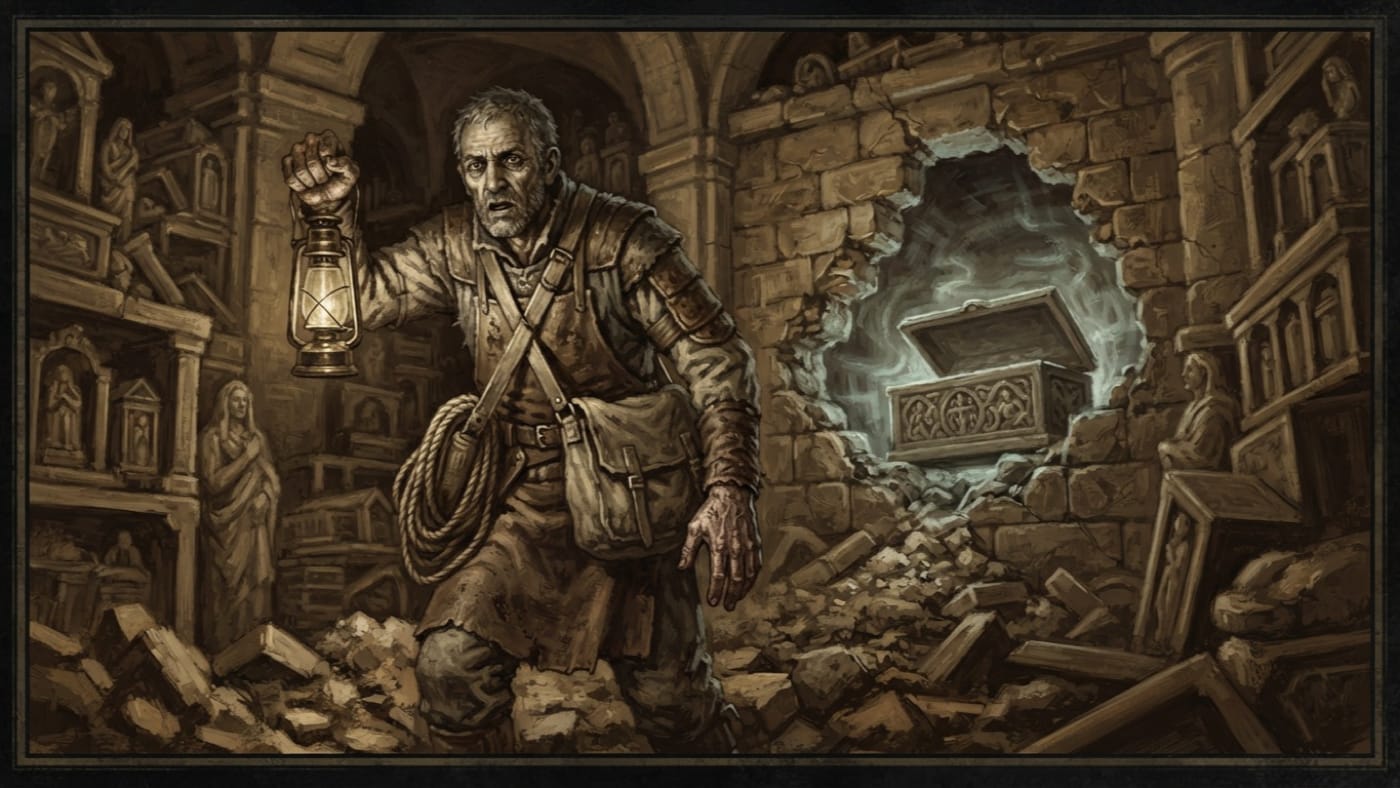
Galek
Twenty years in the vaults; one sentence in the Ledger
Galek, a veteran Reliquary Salvager, left the Ledger one warning: an open reliquary is breathing, and breathing means hungry. His surname and fate remain unrecorded. I did not ask what it was hungry for.
Codex Ref. III.2.01-1177
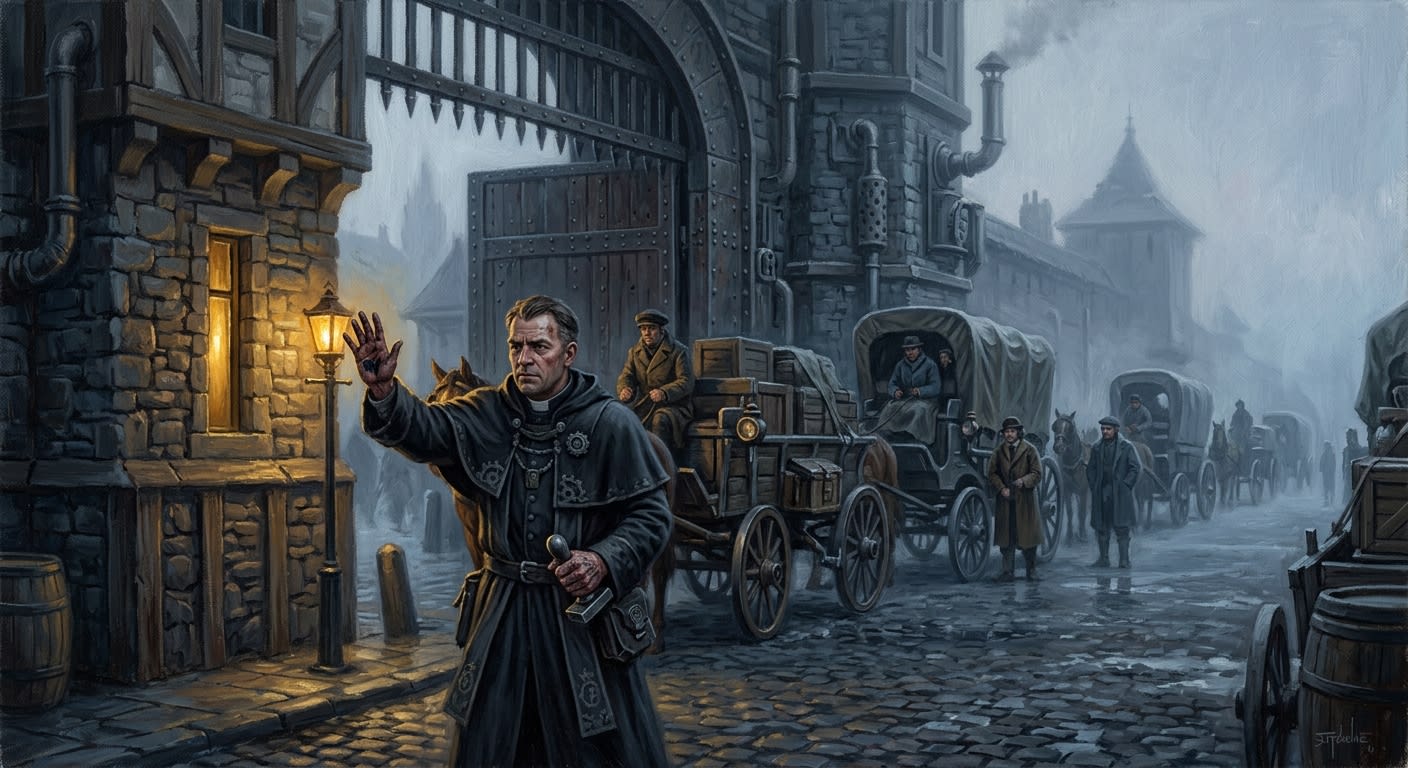
Gatewarden-Notary of Passage
The sole functionary who may halt a column of four thousand by raising one ink-stained hand and asking for documentation.
The Gatewarden-Notary of Passage stands at the point where all five great commodities of the war — disease, heresy, desertion, contraband, and ambition — must be sorted, weighed, stamped, and either admitted or refused. The Gate does not care about the man.
Codex Ref. XII.7.04-001
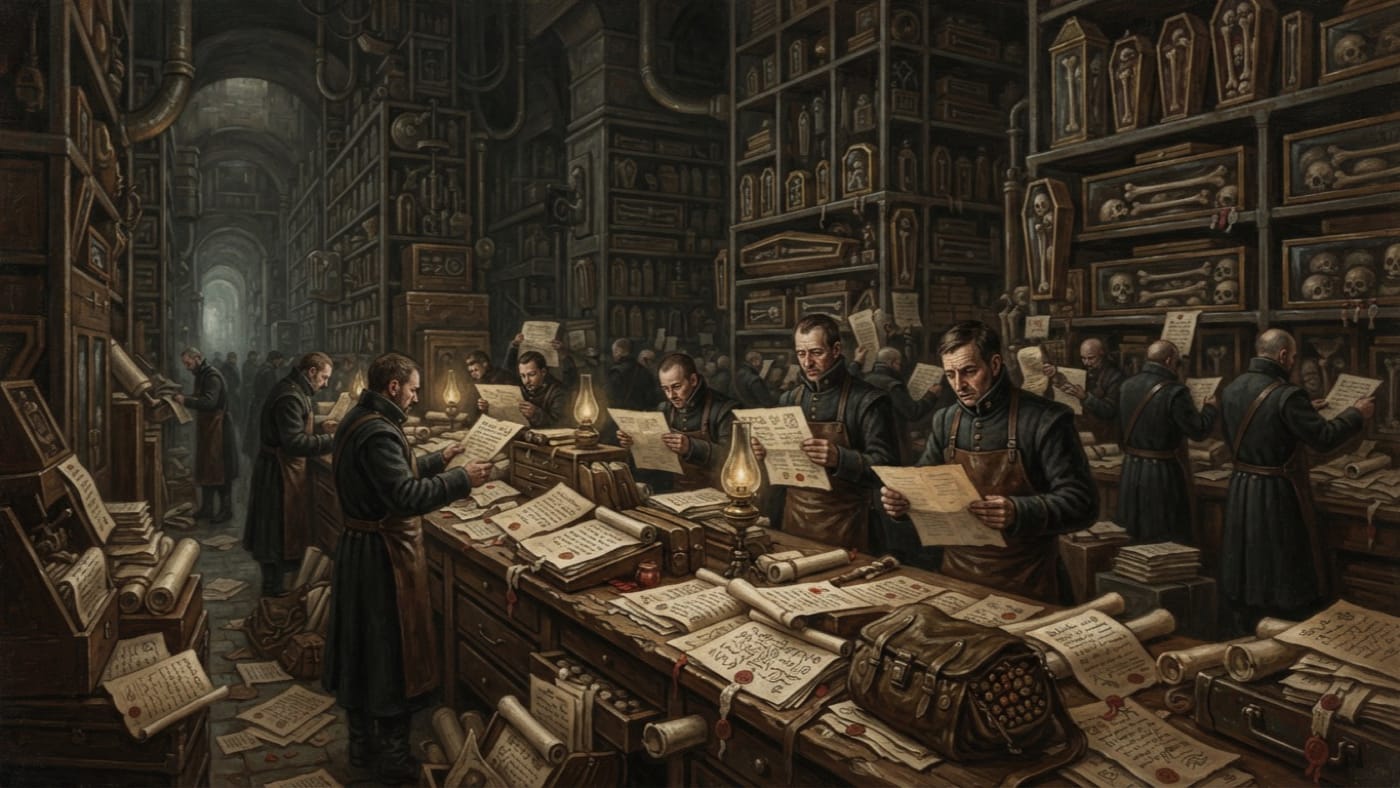
German states
Many jurisdictions. Separate seals. One inconvenient table.
The German states in 1678: many jurisdictions, separate seals, and no common answer to Amsterdam's bone census. The relics agreed locally. The ledgers did not.
Codex Ref. II.1.10-001
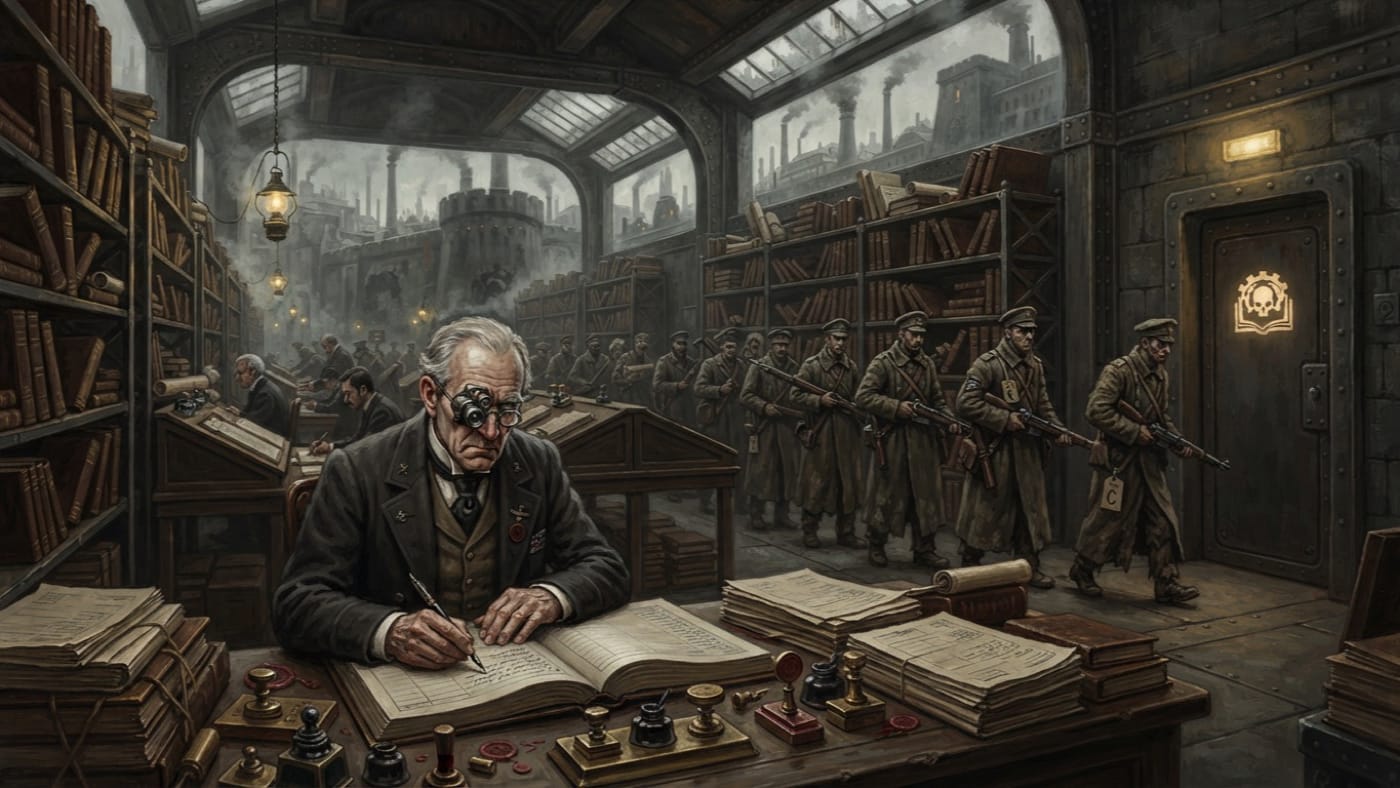
Ghost Slot
A death in the ledger, a door in the waystation
The Przemyśl ghost slot gives a blank convoy line a name, Grade C and a death in transit. A person leaves custody; rescue and sale close under the same clean loss report.
Codex Ref. XIII.1.27-197

Ghost Tags
A true number, a false history, and a fragment worth keeping
Forged salvage custody strips borrow numbers from destroyed registries, giving true fragments a false history. Relics keeps the fragment; the forger fares less well.
Codex Ref. XIII.1.36-002

Gore-Slingers
Seven variants of the same atrocity, confirmed conscious, confirmed still producing.
The Bureau of War's least beloved Category Epsilon auxiliary — human bodies reshaped by sustained demonic exposure into biological ordnance, seven variants (one per Sin-General).
Codex Ref. IX.1.04-001
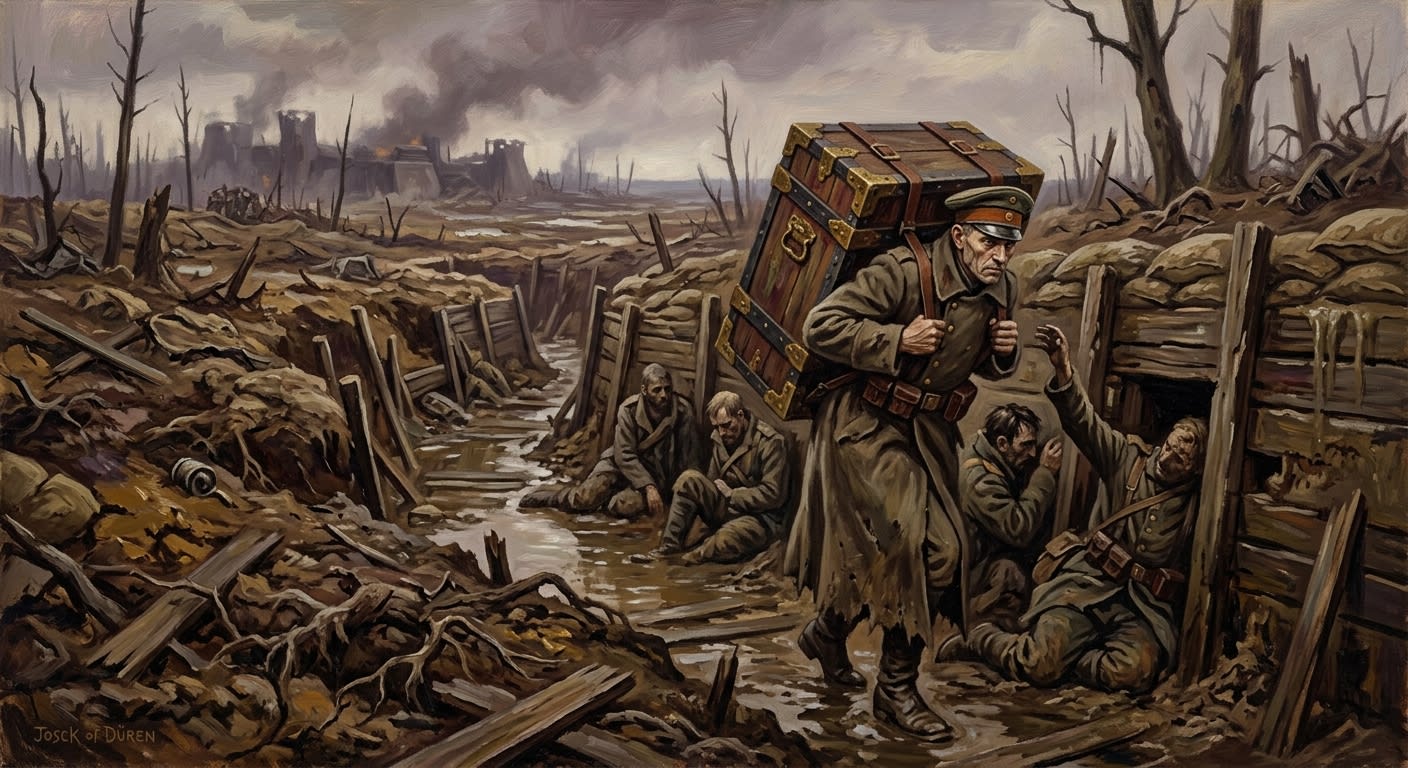
Graben Crossing
The ditch that taught a convoy how to become a cult
Graben Crossing is a southern-corridor ditch made infamous in A.S. 138, when Josek of Düren carried a singing ossuary crate through deserters and into forbidden memory.
Codex Ref. II.3.05-138
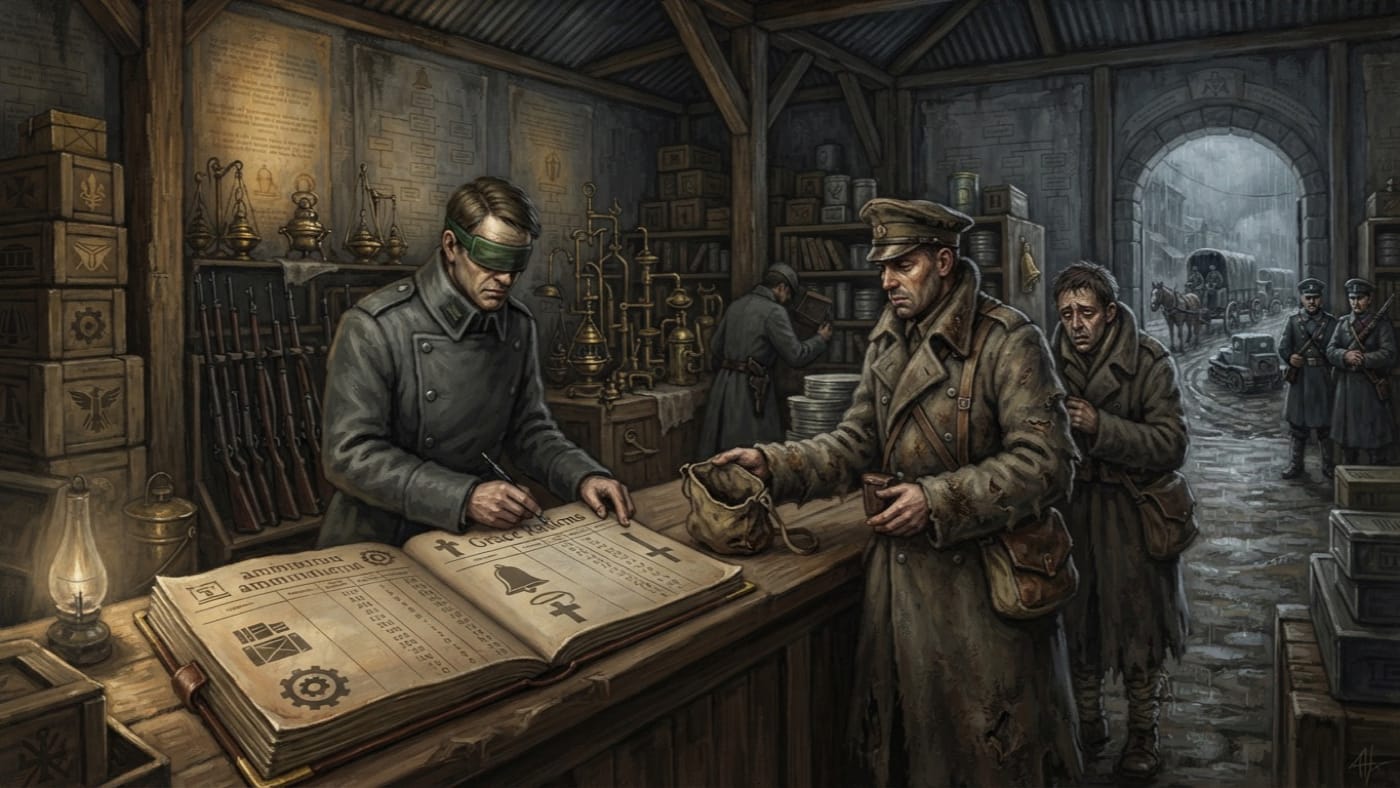
Grace Rations
The pouch is issued; the soldier is spent
Bell-hour chits, saint-shares and indulgence slips ration mercy to the Church's armies. Tithe arrears suspend the claim; invoking grace still spends the soldier. The pouch is issued. The body pays.
Codex Ref. VI.3.01-004
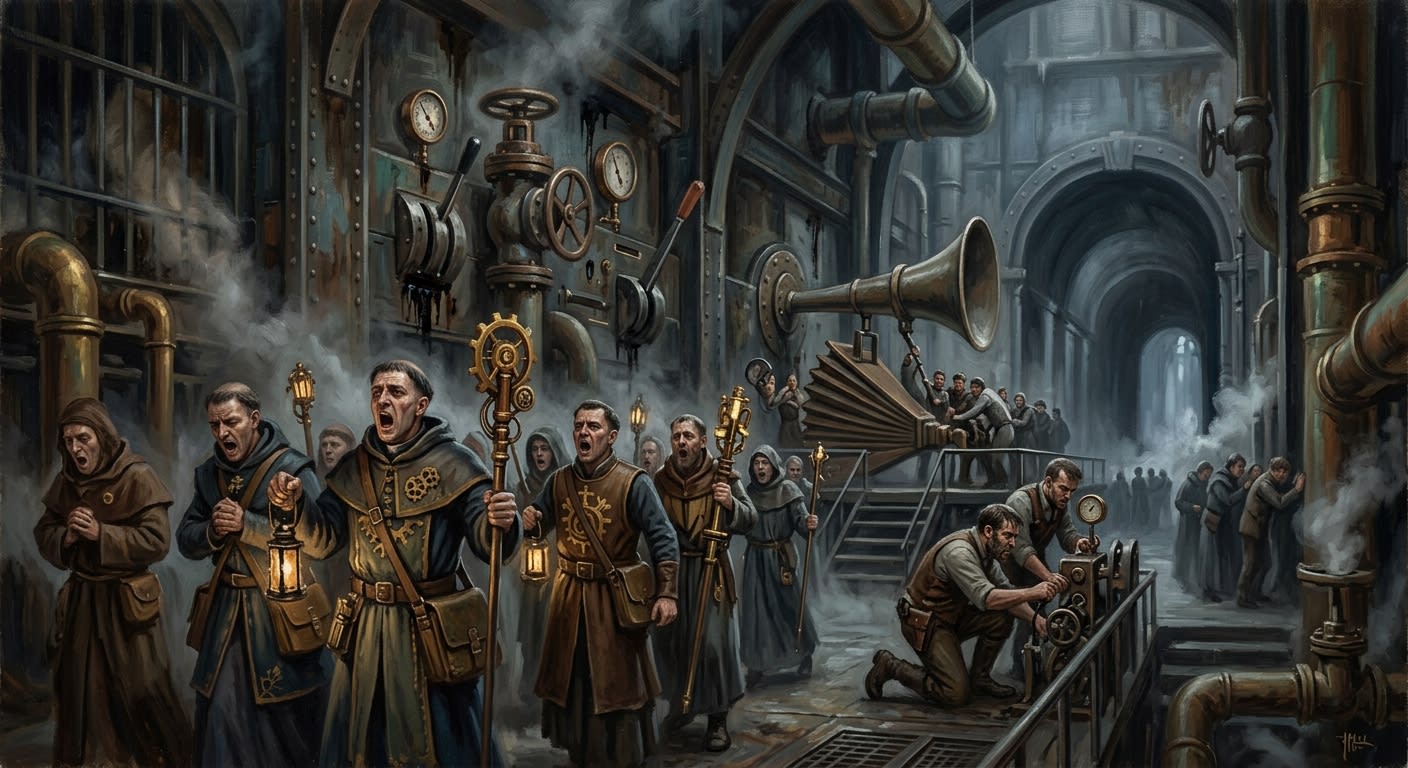
Great Hush of A.S. 94
The mercy of silence, corrected by three thousand dead
The Great Hush of A.S. 94 killed three thousand at Bastion-Irongate, made silence a structural enemy, and forced the mountain to survive by chant, valve, and trembling lung.
Codex Ref. VII.4.24-001
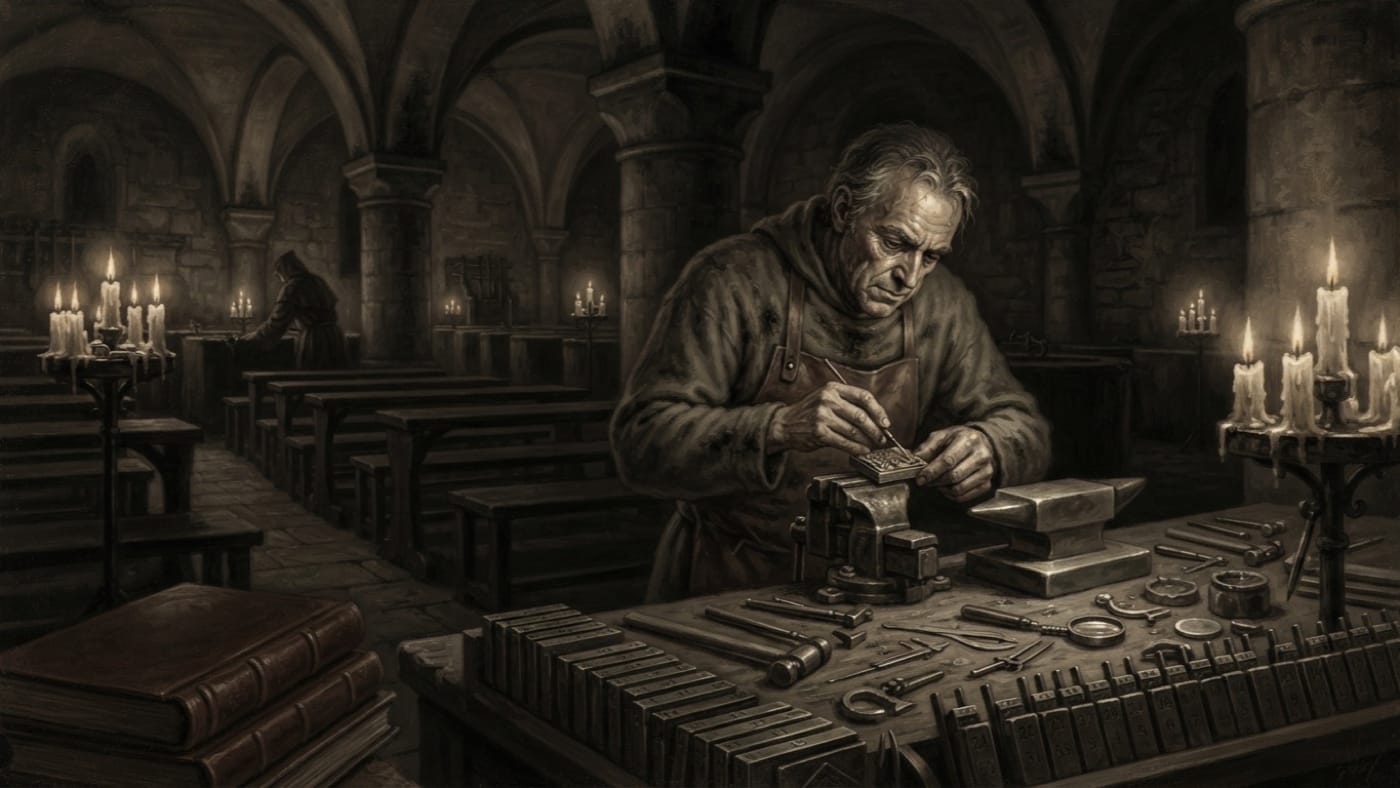
Guild of the Anvil and Stylet
The impression serves the Synod. The hand serves the impression.
Chartered in A.S. 105, the Guild of the Anvil and Stylet cuts the metal that makes Synodal paper binding. Its cutters swear to the impression; the Bureau of Masks and Seals files the theological objections.
Codex Ref. VI.4.19-015
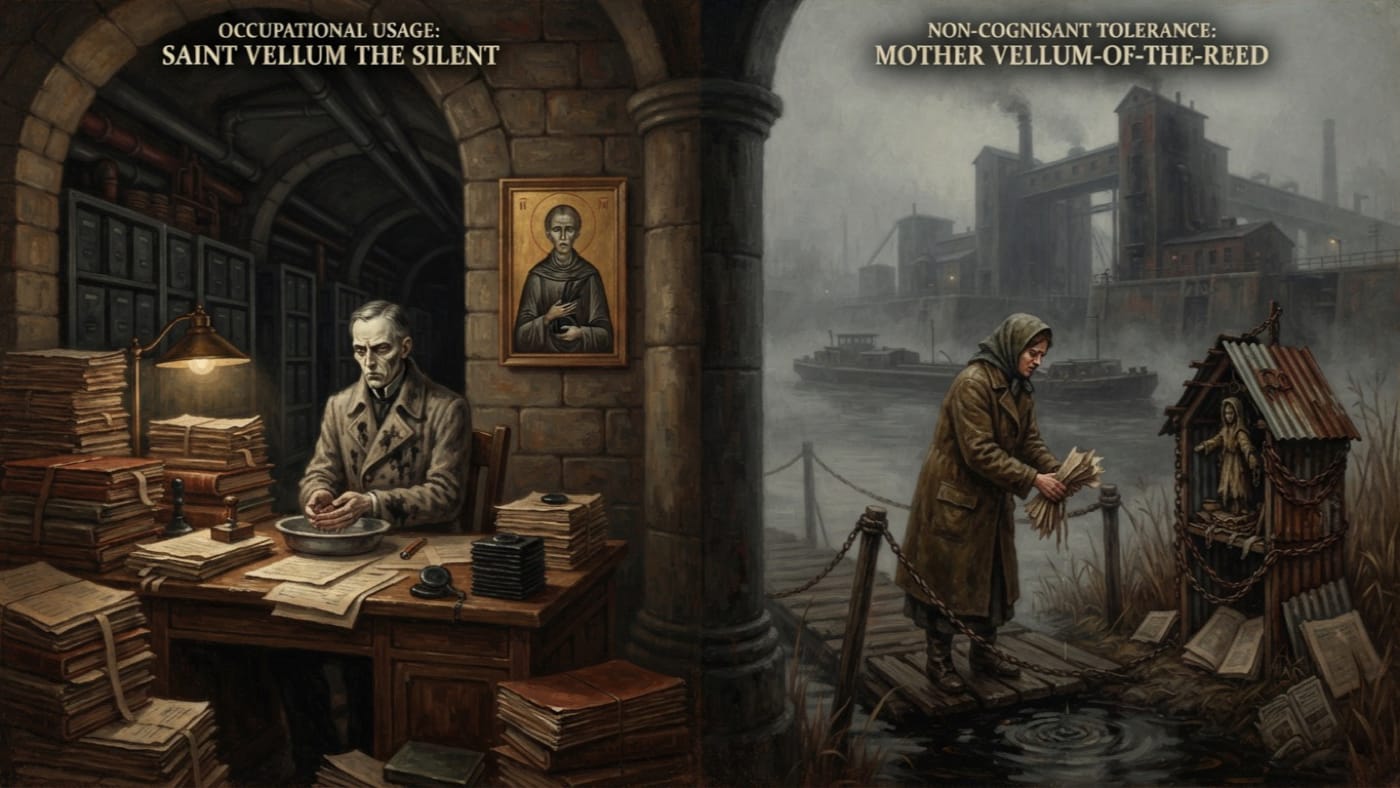
Hagiography
The saints a profession keeps before the Church decides
Hagiography reviews saints' lives and patronal claims. Devotion, recognition, and authenticated relics remain separate matters, however often petitioners confuse them.
Codex Ref. XIII.1.01-1299
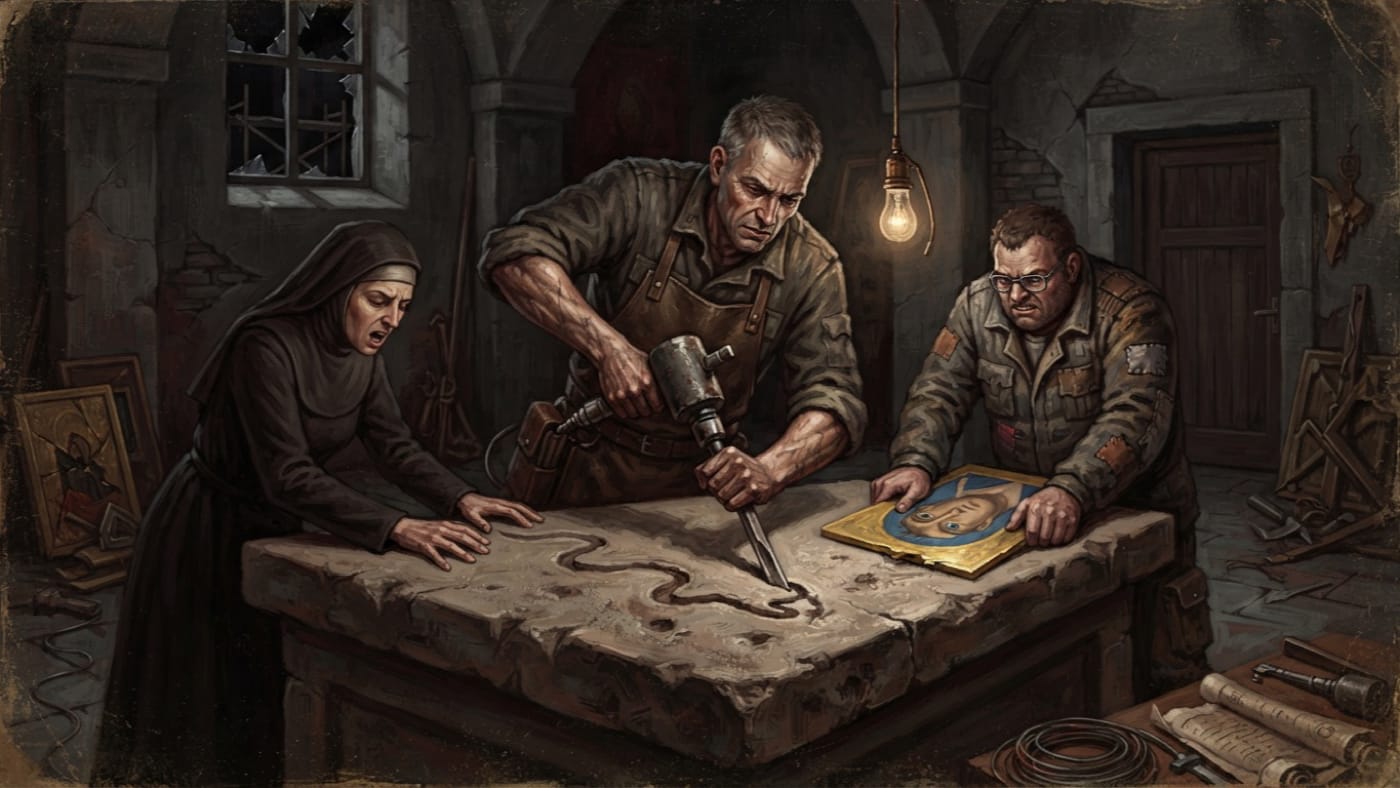
Halbrecht Ruun
The stone was cut; the law was drafted elsewhere
Halbrecht Ruun carved a temporary throat-channel into a chapel altar during the A.S. 131 Singing Plate suppression. Three Engineers contained the fragment; the stone was his share.
Codex Ref. III.2.01-1300

Halle
The city that says the Creed, washes the chalk, and keeps the oven warm
Halle is a compliant rear city with salt in its gutters, fever in its records, Creed on its tongue, Ashen fragments in its ovens, and obedience with undocumented residue.
Codex Ref. II.2.09-201
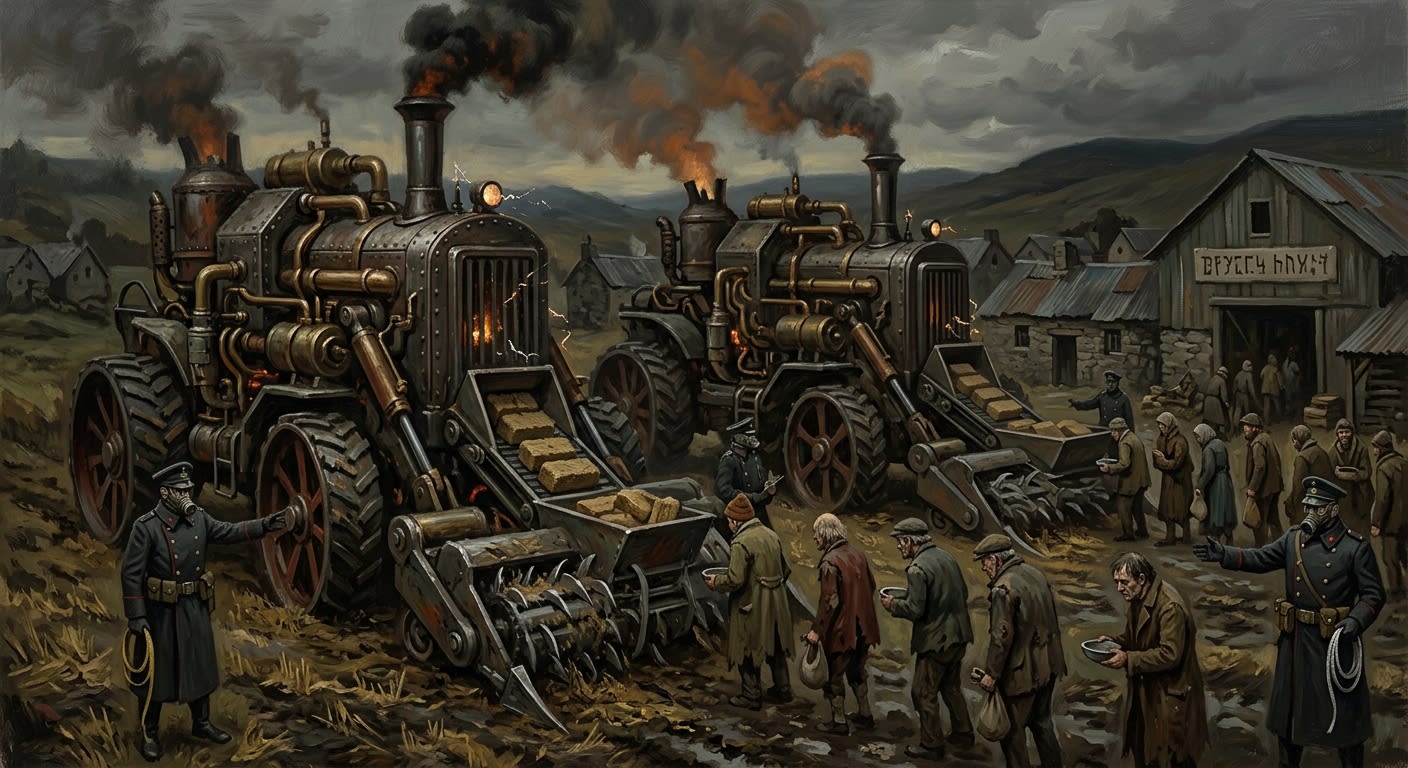
Harvest Engines
If it feeds without filing, burn it before gratitude begins
Harvest Engines are Kargath’s portable abundance: agricultural machines that make food, teach gratitude, and leave whole villages hungry beyond repair.
Codex Ref. XIII.1.26-001

Heresy of Selectivity
Choice belongs upward. Reception belongs downward.
The offence of choosing among accounts the Church has approved together. An office may allocate a truth; a subject who refuses its companions has edited authority and invited correction.
Codex Ref. XIII.1.42-002
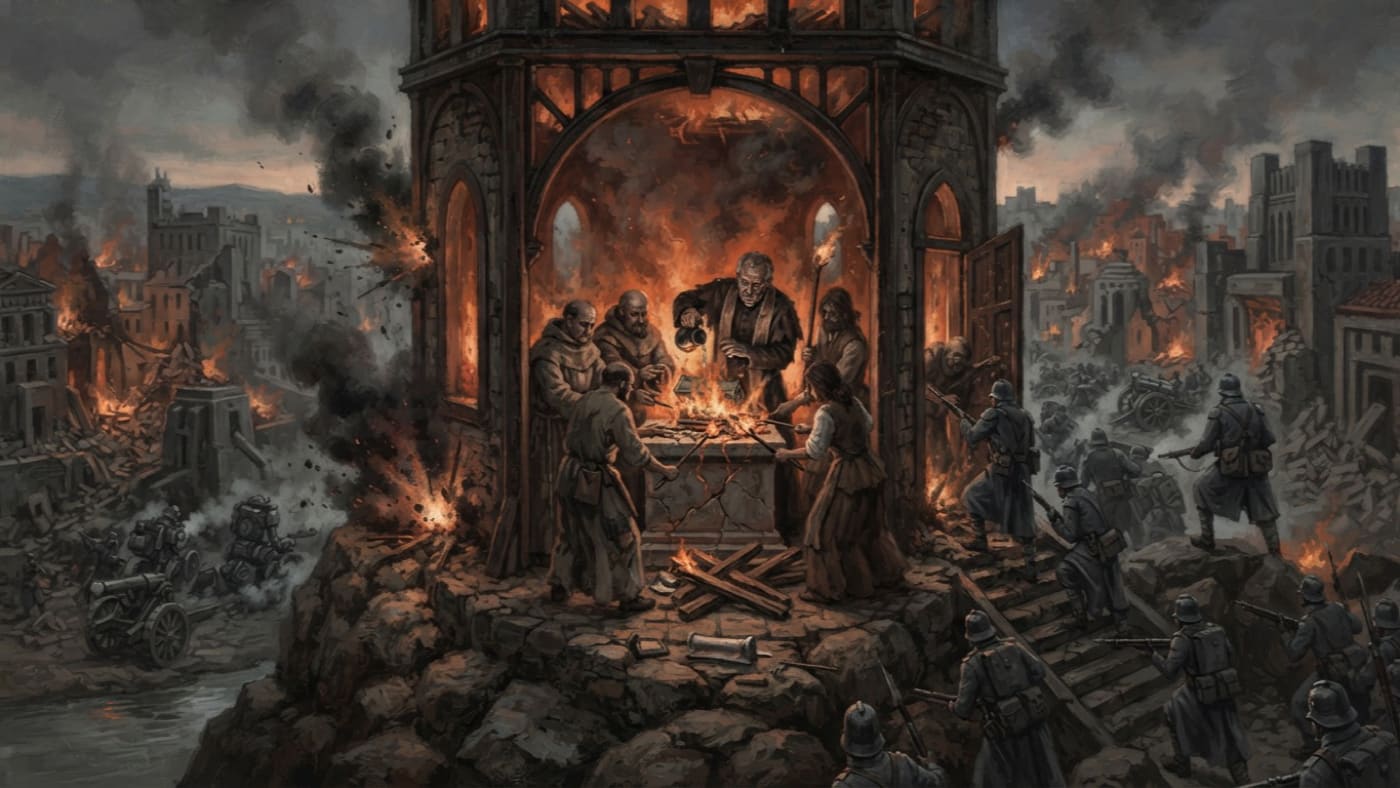
Heroic Destruction
The last duty of custody, taught from Toledo's ash
Heroic destruction is the deliberate unmaking of an entrusted holy object to deny enemy custody. At Toledo, the Order of Saint Iago lost the city and kept the enemy from taking its saint.
Codex Ref. XIII.1.58-015
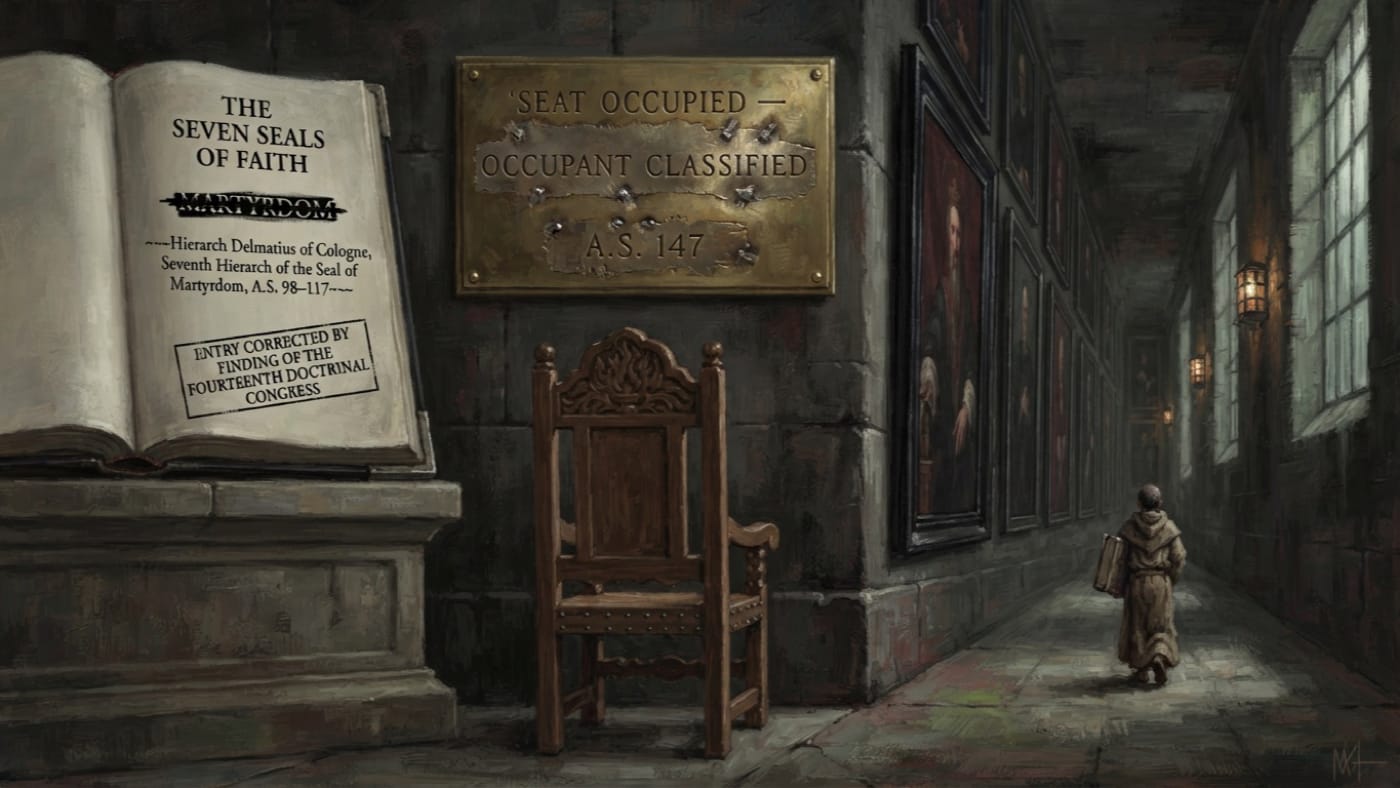
Hierarch Delmatius of Cologne
The Synod Condemned the Hierarch and Kept the Chair
Delmatius was condemned in A.S. 147 for canonisation proceedings based on a dead man's testimony. The Synod withdrew his name, turned his portrait, and kept the chair.
Codex Ref. III.2.01-147
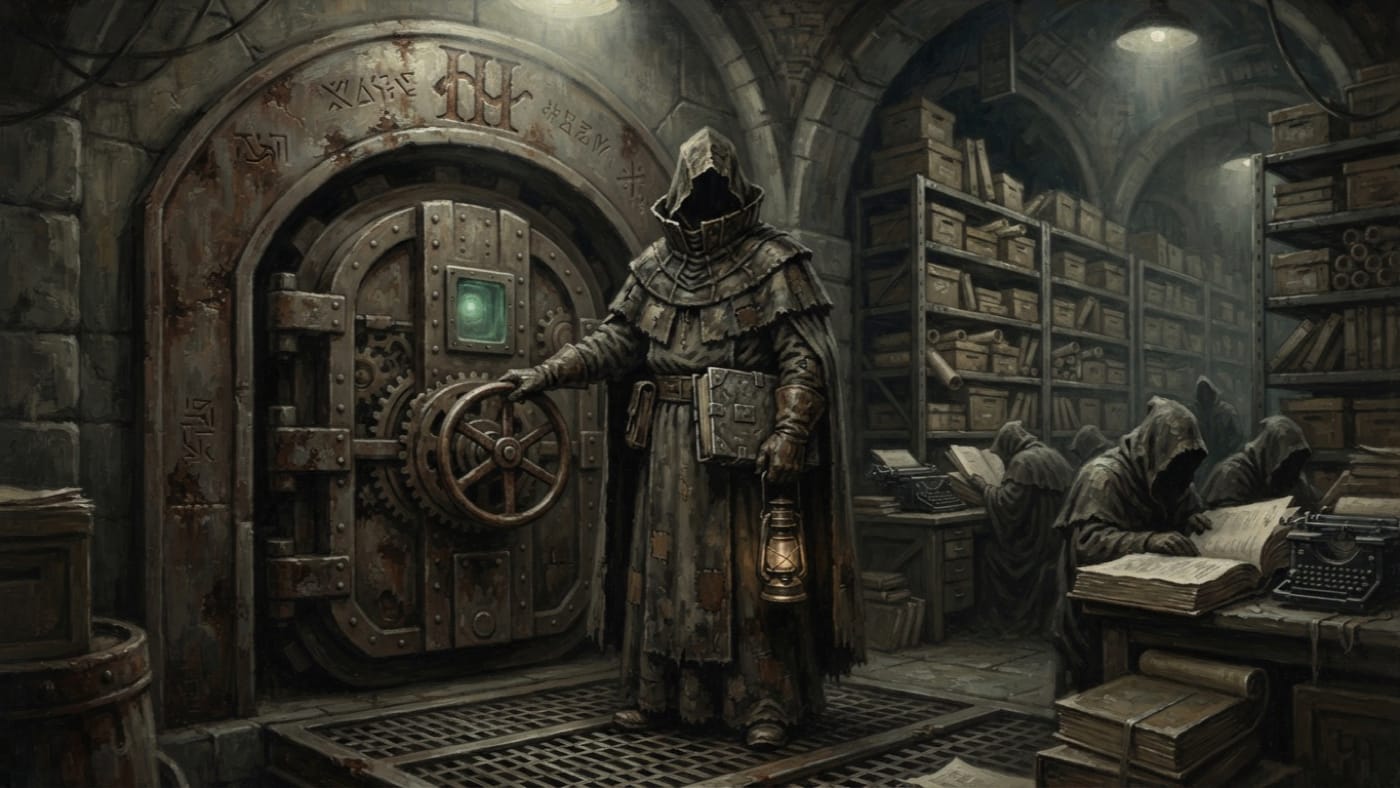
Hierarch of the Third Seal
Three Bureaus know the title. None supplies the name.
Three Bureaus attest a Hierarch; none supplies a name. This A.S. 201 survey records restricted vault knowledge, attributed tribunal influence and Lyon's A.S. 170 satire, leaving the Seal unidentified.
Codex Ref. XIII.1.05-003

Hieromnemon
The office that teaches memory to kneel
The Hieromnemon governs public memory for Doctrine: seal, margin, erratum, redaction, and the blessed sentence that makes contradiction obey.
Codex Ref. XIII.1.31-090
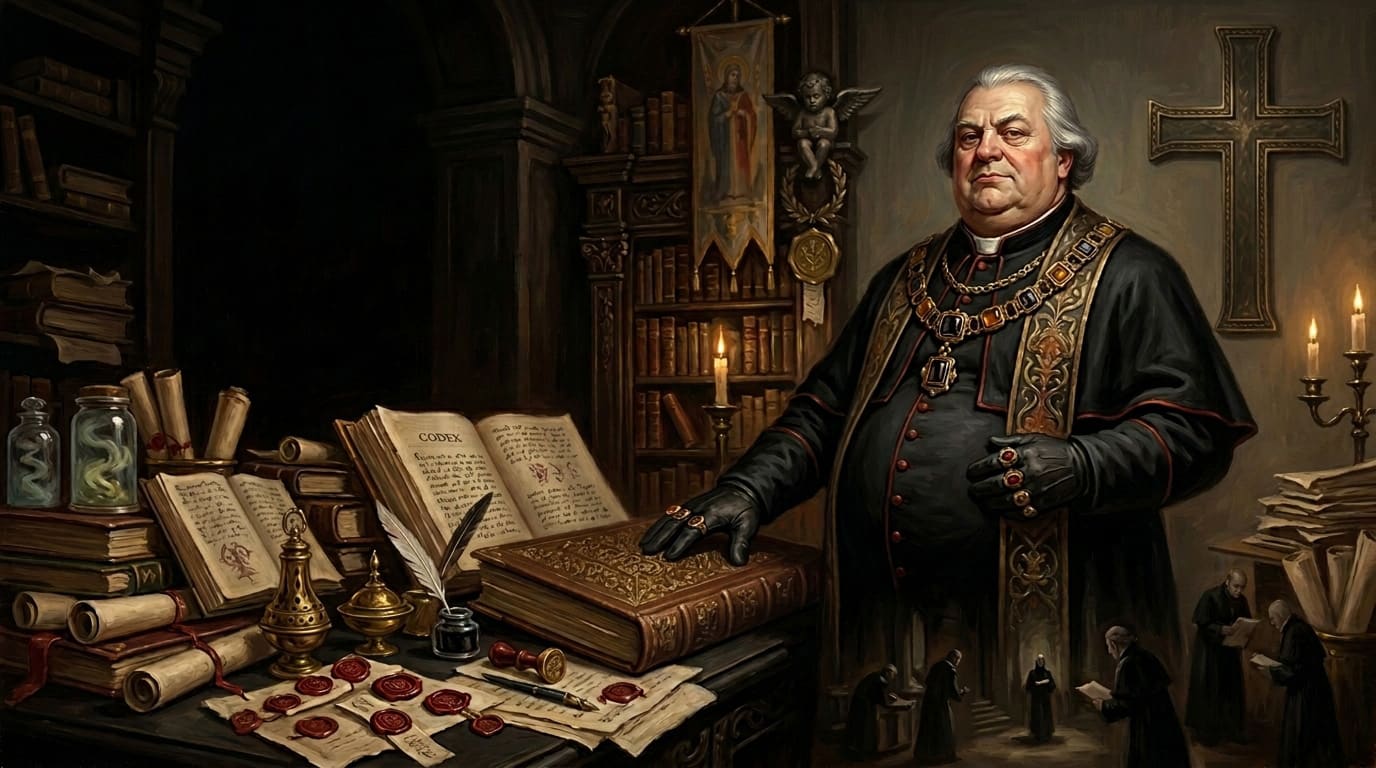
Hieromnemon Valerius Drax
The hand that corrects History before History embarrasses itself
Valerius Drax, Hieromnemon and Warden of the Sacred Ledger, is Doctrine's finest current instrument: prose stylist, ratifier, propagandist, archivist, and living rebuke to committee language.
Codex Ref. III.2.01-201
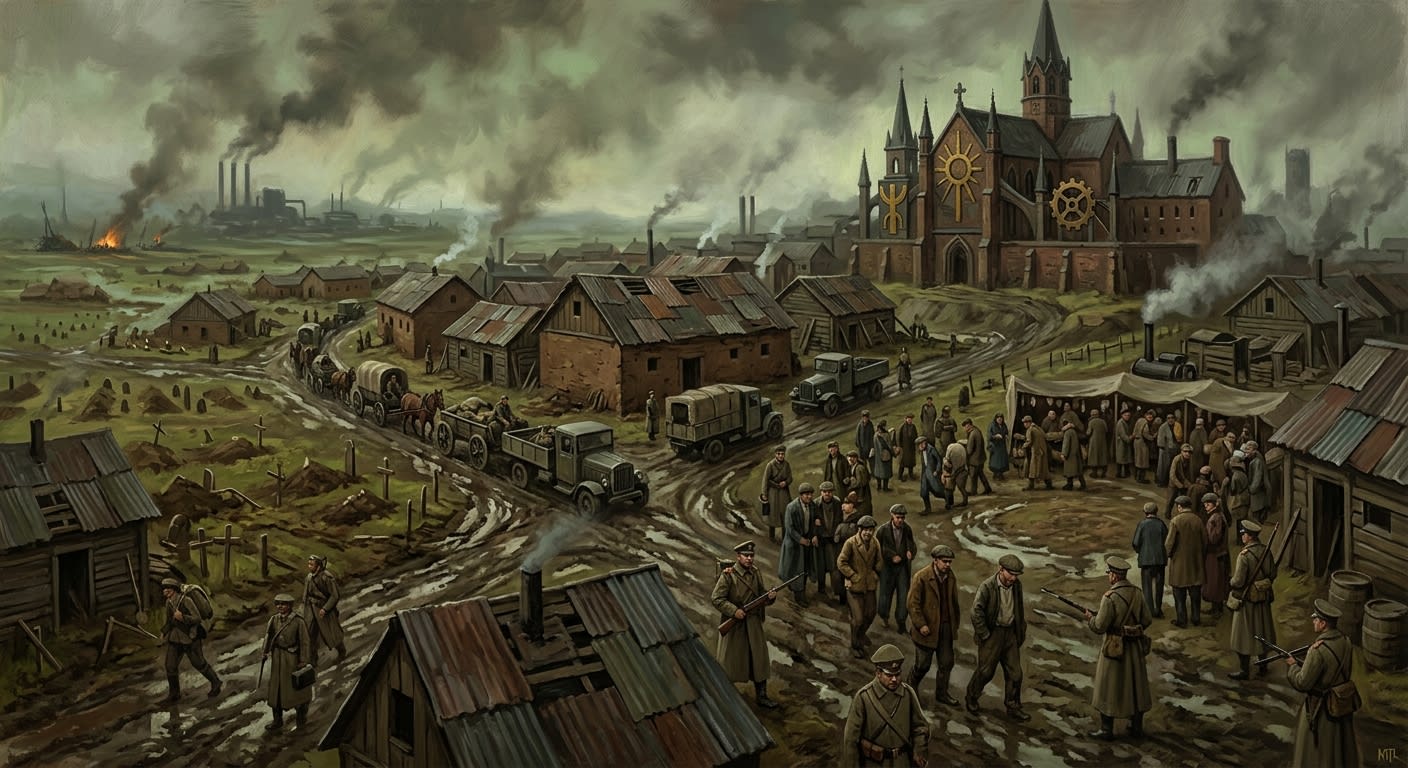
Hinterland
The fifty kilometres that pretend to be rear
The Hinterland is the fifty-kilometre bruise behind the Sagittal Line: farms, wards, graves, depots, markets, and civilians ordered to call occupation protection.
Codex Ref. II.4.09-201
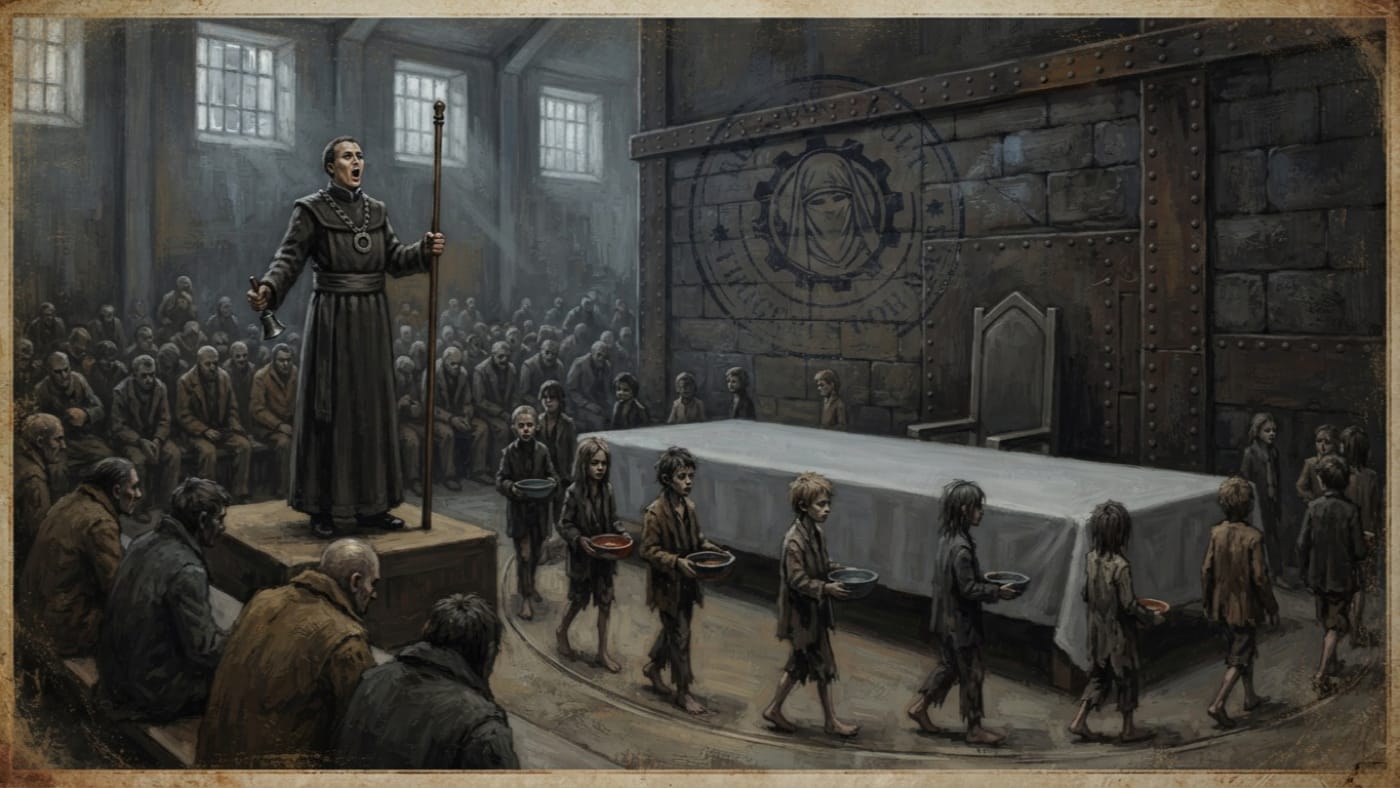
Hunger Antiphon
The bowls go round; charity waits for its cue
The Hunger Antiphon accompanies painted bowls at the Feast of the Empty Table. Its key flatters thin voices; charity arrives when the Bureau permits it.
Codex Ref. XIII.1.97-201
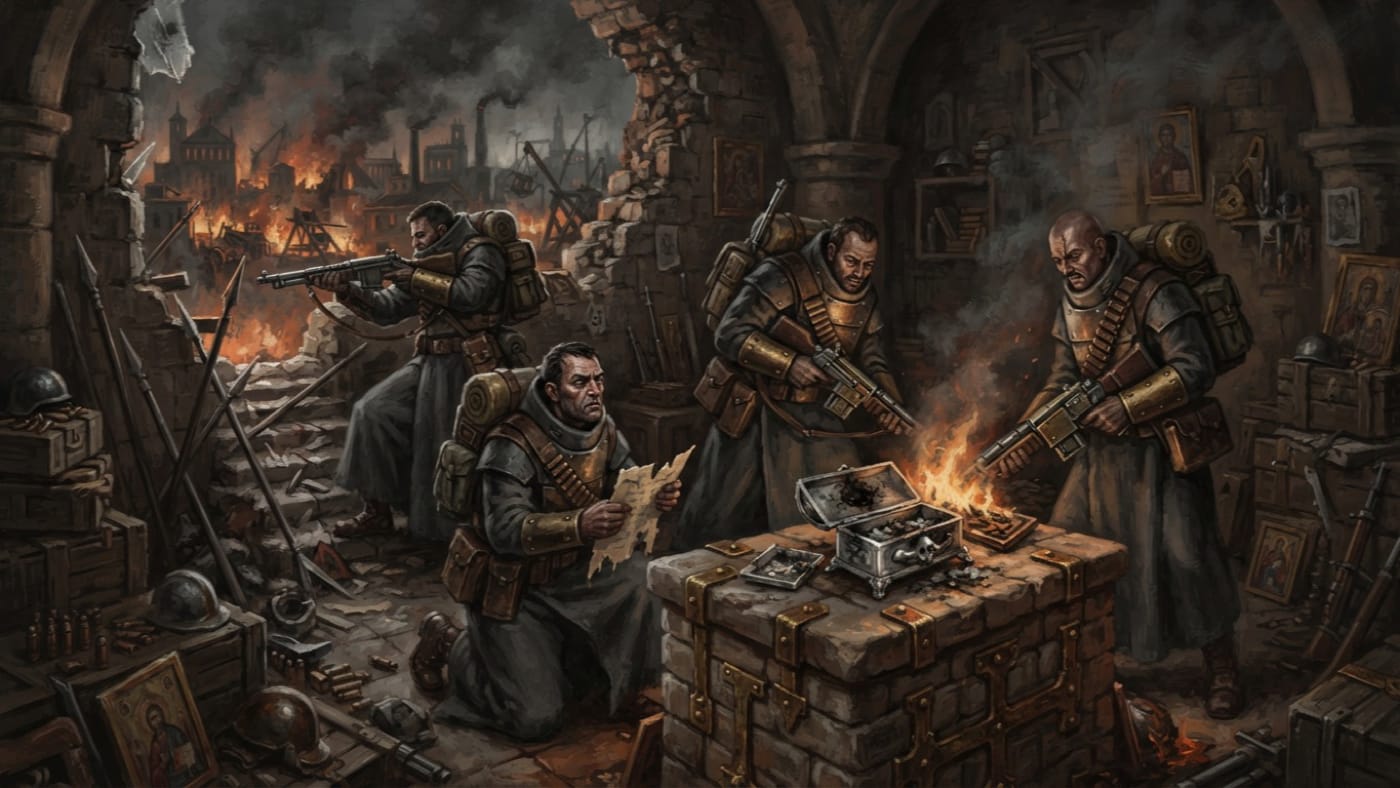
Iago Rule
Four sentences the smoke left behind
Four surviving sentences of the Order of Saint Iago's rule bind road, shrine, guest, and bone to custody. Toledo supplied the fire; the preserved text never commanded it.
Codex Ref. XIII.1.57-016

Index of Canonised Persons
The name is recognised; the bone still has questions to answer
A.S. 201 survey of the Index used at Doctrine Fit. The Church recognises the person; the Authenticator must still answer for the bone. A name in the book supplies neither provenance nor a leaning candle.
Codex Ref. XIII.1.35-001

Index of Prohibited Emanations
The book that gives smoke a docket number
Bureau of Purity catalogue that turns unlawful smoke, warmth, vapour, residue, and prayer by-product into chargeable evidence for Fume-Inspectors and their theatrical little strips of paper.
Codex Ref. XIII.1.77-001
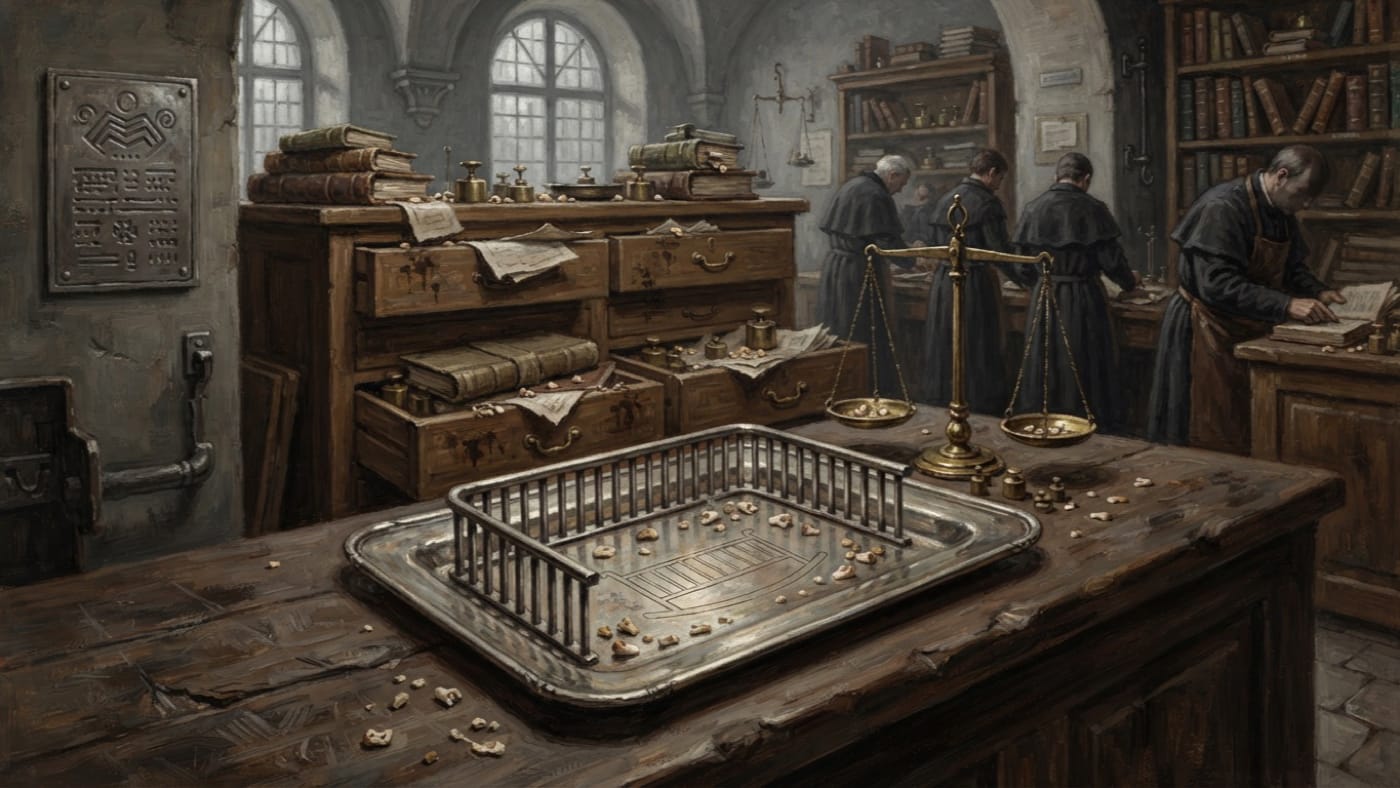
Infant-Tooth Tray
Small lives made measurable
A shallow silver tray in the Palatine Counting House receives children's first teeth amid Cradle arrears. Tithes denies its purchase; the drawers remain useful.
Codex Ref. III.2.08-201
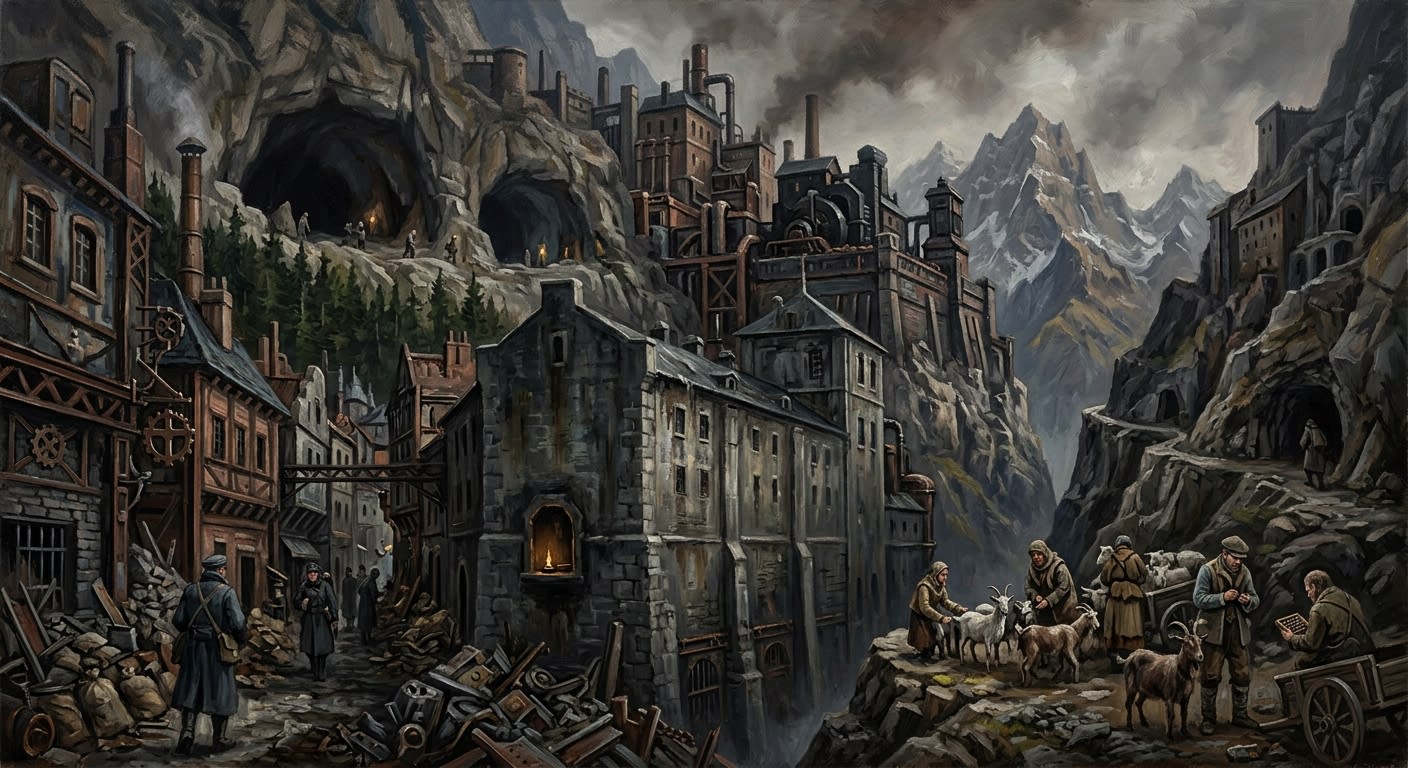
Innsbruck
Where mountains, grandmothers, caves, and walls defeat the census
Innsbruck is the Synod's alpine refuge-city: Cellar Saint caves above the treeline, relics disguised as trash, Mother Sava's wall-cavity, Pale Kin routes, goat arithmetic, and the most pious registry evasion in the mountains.
Codex Ref. II.2.09-030
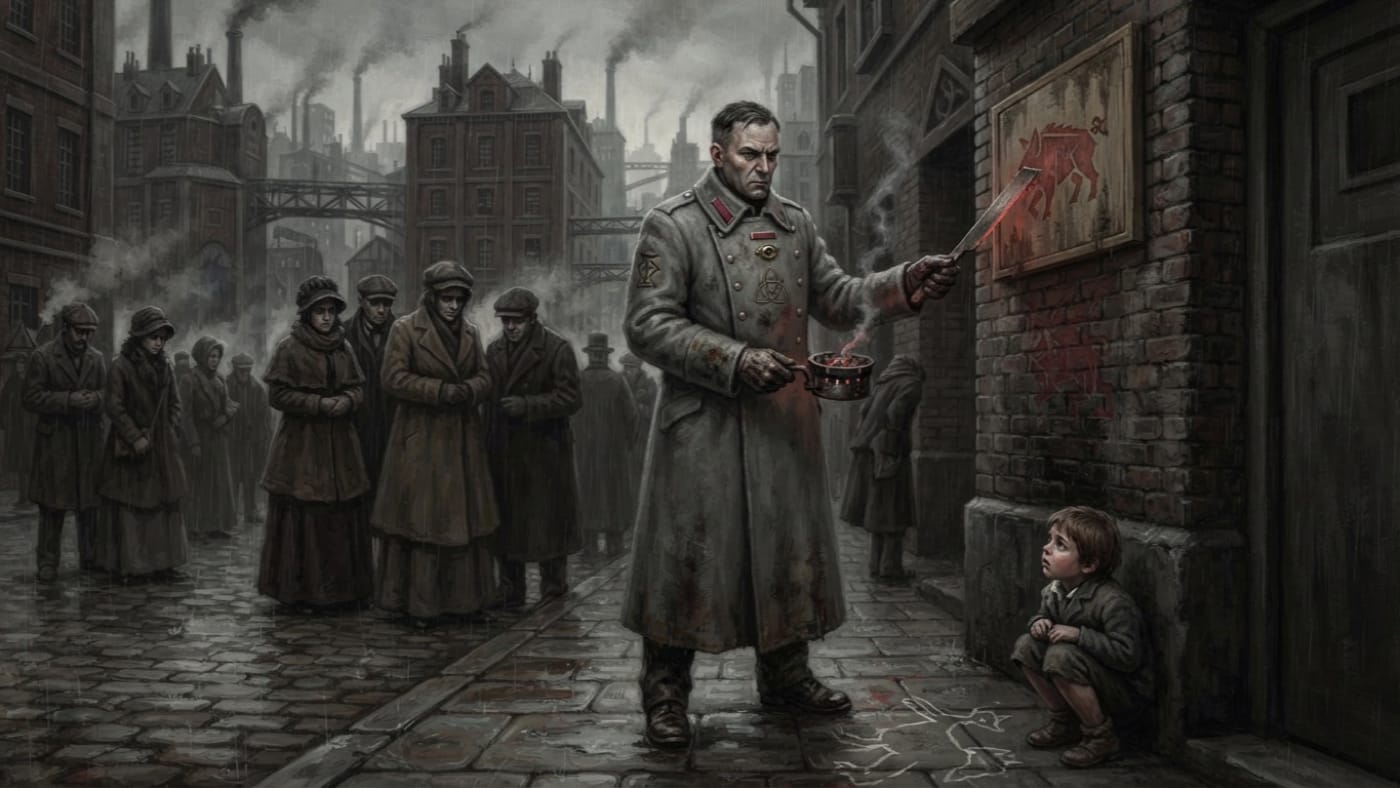
Inspectorate
A decree is ink, and ink needs legs
The Inspectorate of Visual Compliance carries Heraldry's judgments into the street. Its licensed examiners measure a crest, issue a citation, and heat the blade; even a child's chalk animal must answer to the register.
Codex Ref. VIII.1.03-002
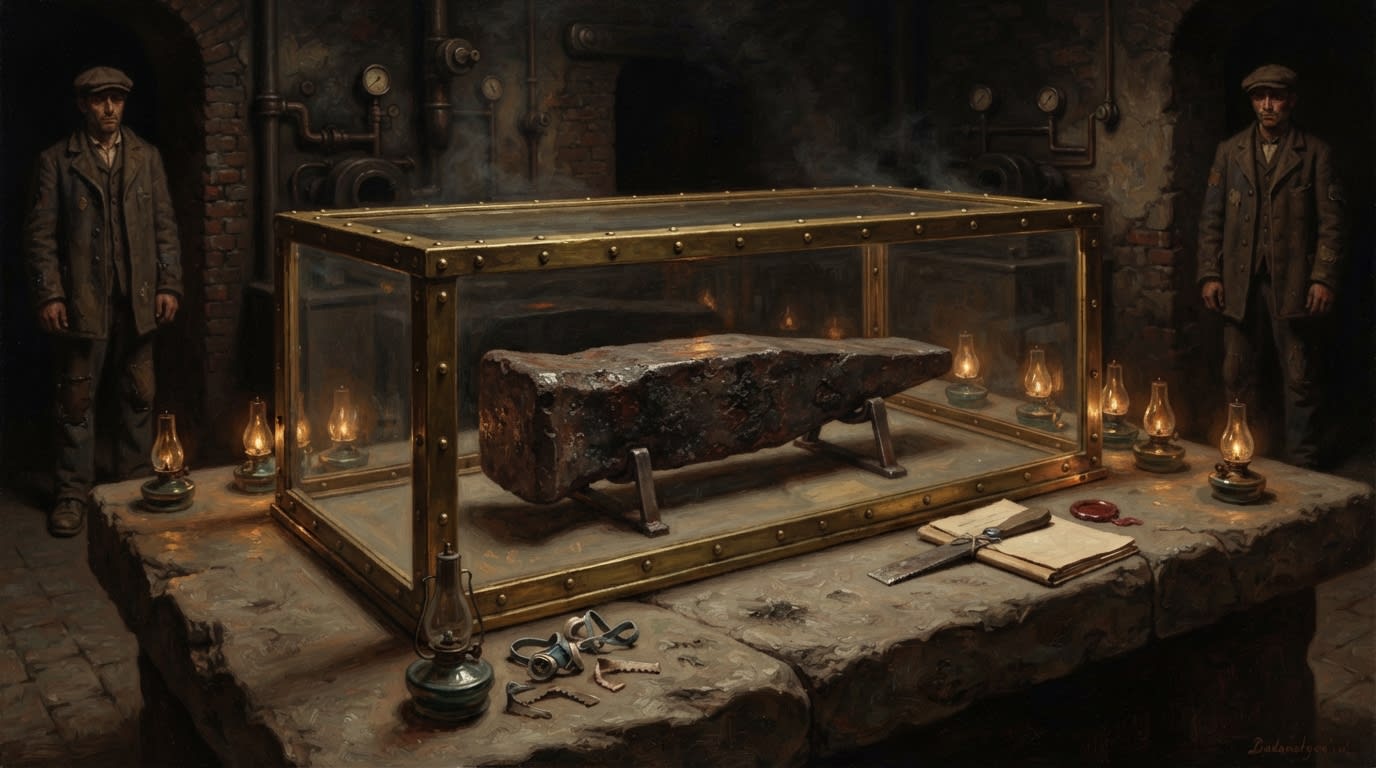
Iron Plug
The iron survives; its pedigree is a petition
R-0447-BP, the iron plug attributed to Saint Orren, rests under glass in Budapest. Nine hours are doctrine; the relic's identity remains provisional.
Codex Ref. III.2.04-447
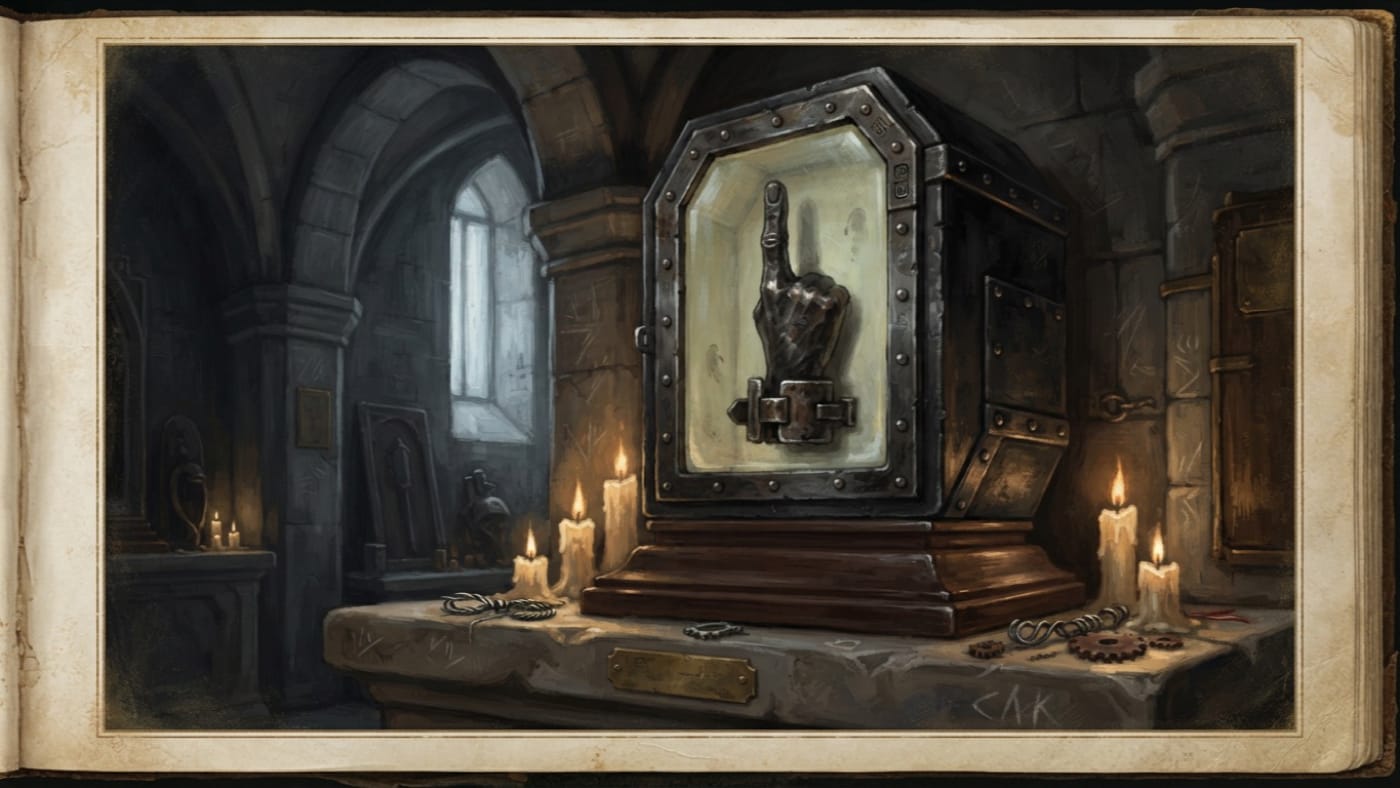
Iron Right Thumb of Vera Malrec
Graded for candles; the glass has heard enough
Clamp-iron from Malrec's A.S. 160 Irongate recovery became a working thumb, then a votive relic at Sibiu. Candles are permitted; protection remains unruled.
Codex Ref. III.2.04-160
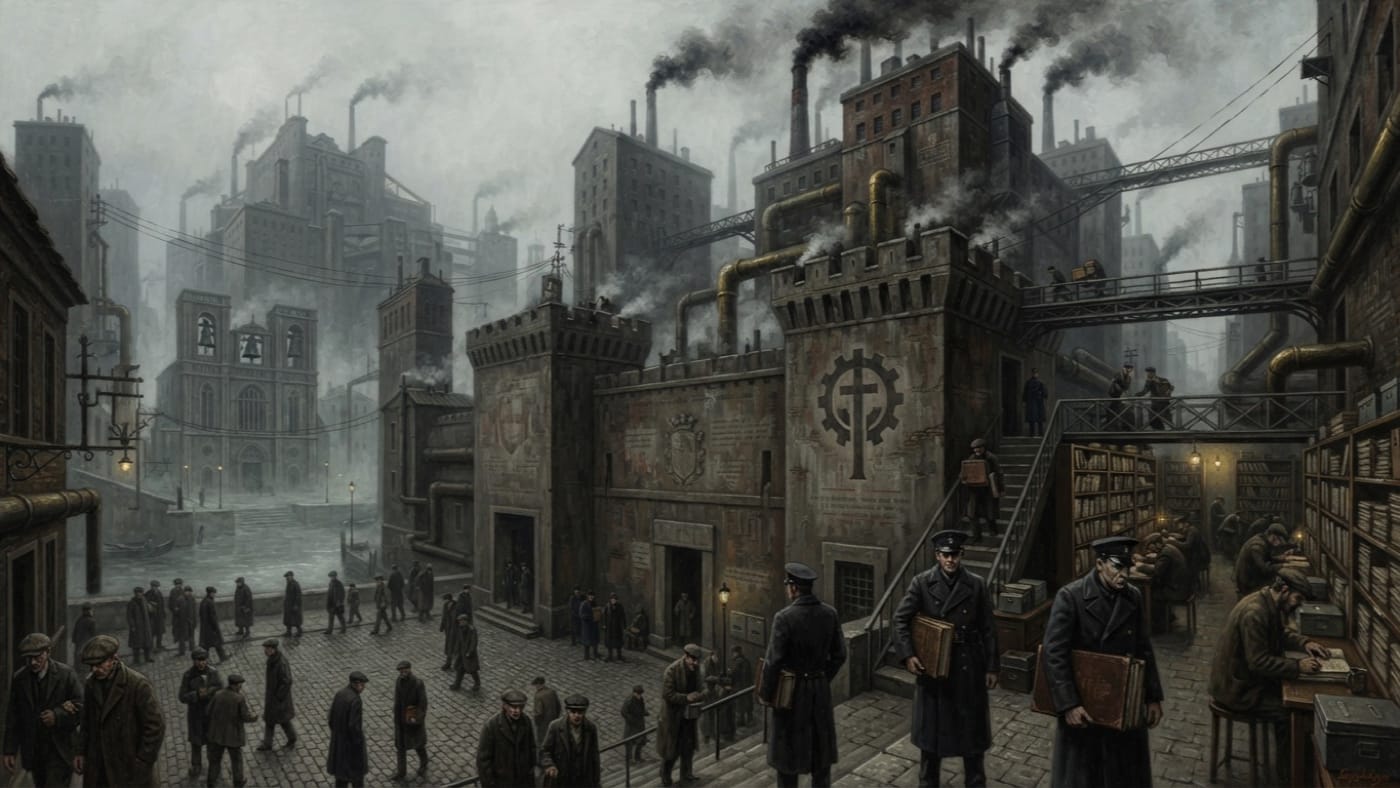
Italian principalities
One filing drawer for a peninsula that never consented to share it
The old Italian jurisdictions, erased by Regensburg in A.S. 30 and inherited piecemeal by the Synod. Their complete roster remains unestablished; their objections remain abundant.
Codex Ref. II.3.09-030
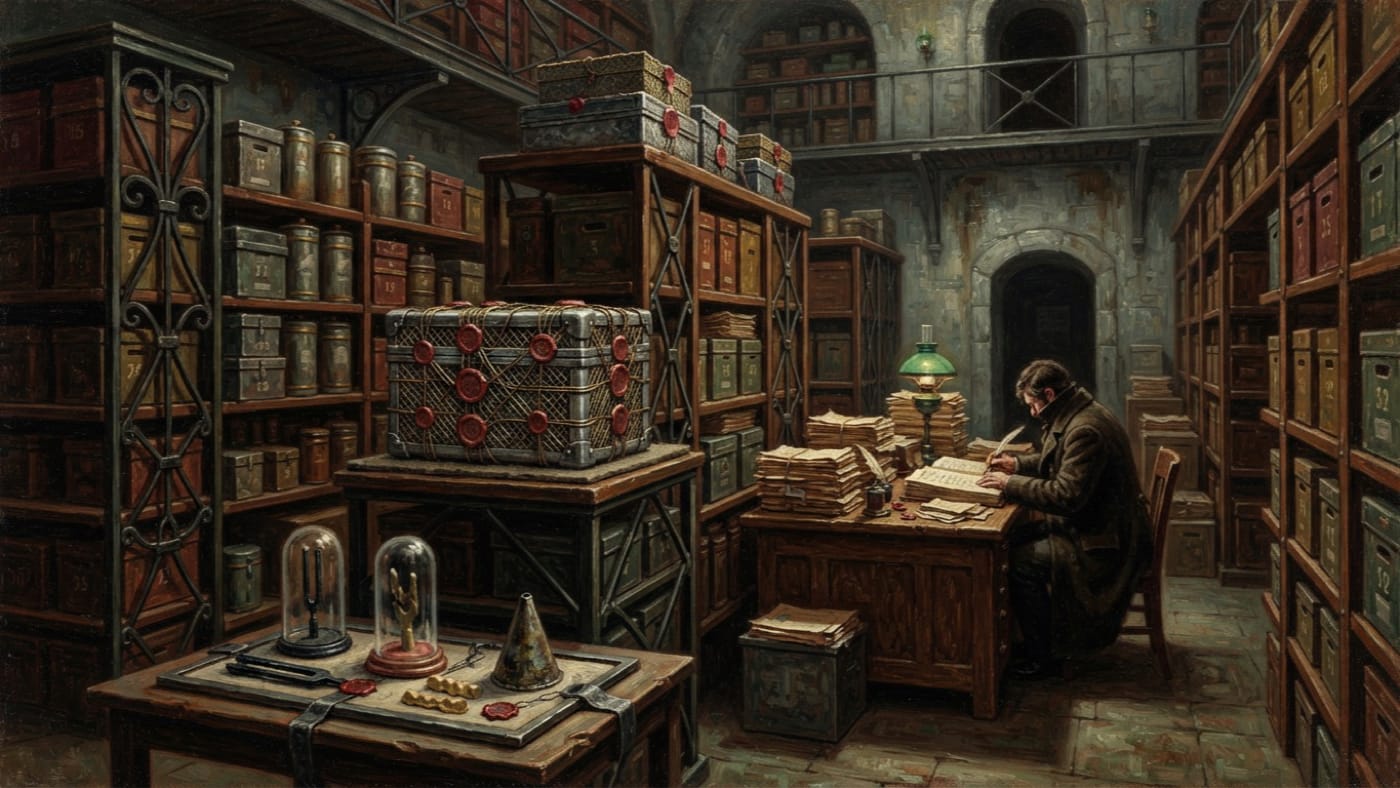
Jawbone Tone
One bone, two cells, and no lawful comparison
A jawbone hums at 217 hertz, proscribed since A.S. 114. Purity keeps the bone in the third silence and its sound in the second; neither may be compared.
Codex Ref. III.2.04-114
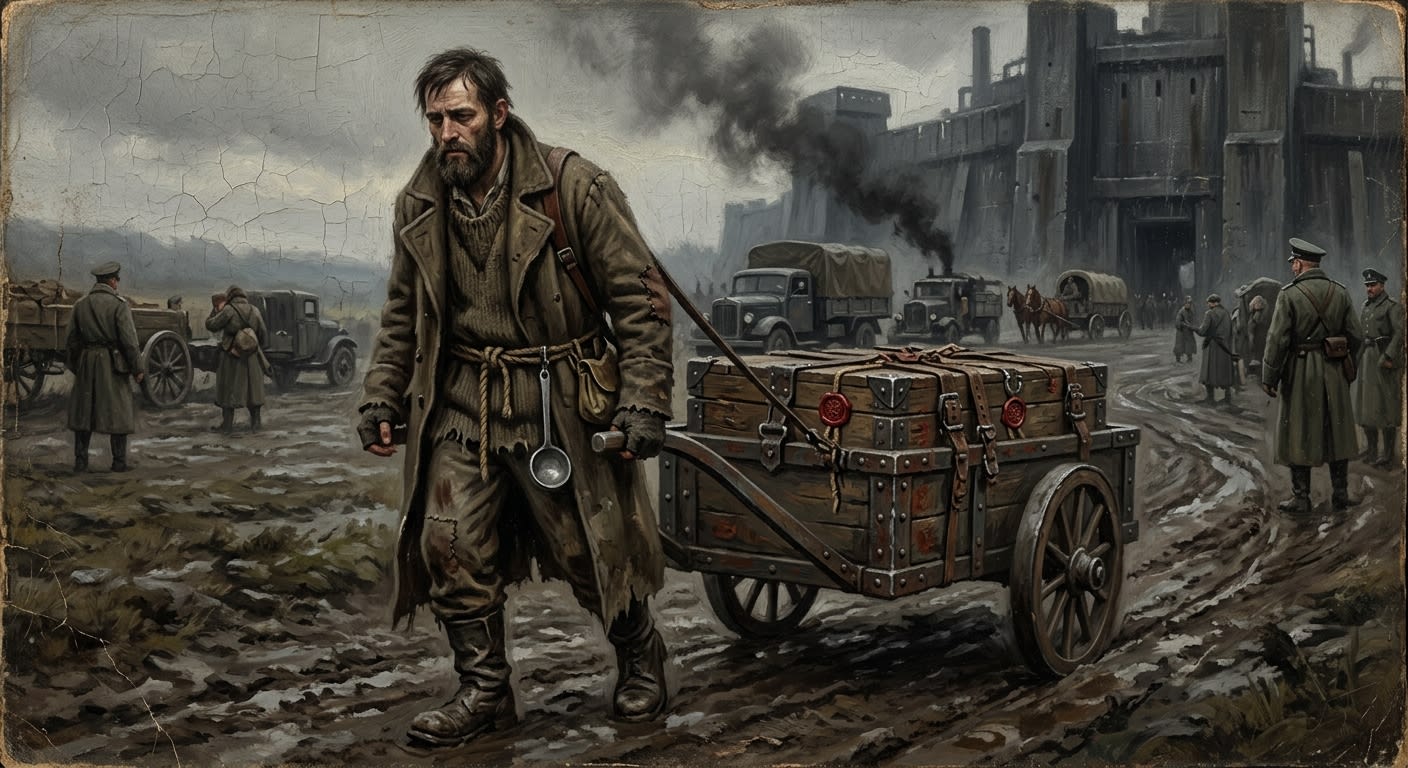
Josek of Düren
The debtor who carried the crate and became too memorable
Josek of Düren, condemned debtor and Grade A relic carrier, bore a sealed ossuary crate to Bastion-Irongate in A.S. 138 and became the forbidden Cart-Saint of convoy rumour.
Codex Ref. III.2.01-131

Kanzleiburg
The name is paint; the machine beneath it has run Prussian since A.S. 95
Berlin absorbed, renamed, and set to work — Kanzleiburg is three million souls, sixty trains per day, and the administrative brain of every military operation between the Baltic and the Carpathians. The Synod gave it a new name; the Prussians kept running it.
Codex Ref. II.4.09-006
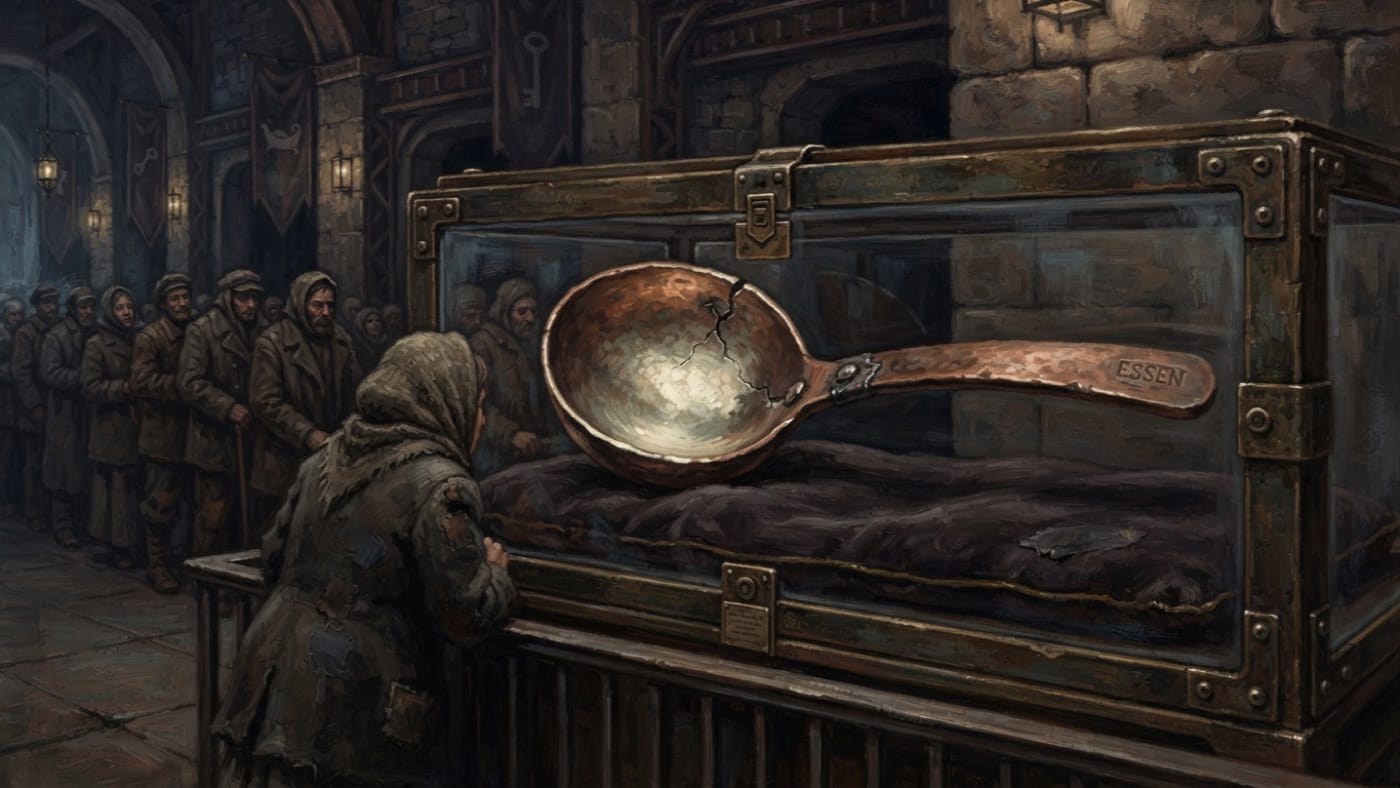
Ladle of Saint Halva
Devotionally sufficient, three pfennig per kiss
The cracked copper ladle at Mainz is Tier III: devotionally sufficient. I judge it eighty years too late for Saint Halva. It multiplies no broth; the Bureau of Relics charges three pfennig per kiss.
Codex Ref. III.2.04-001
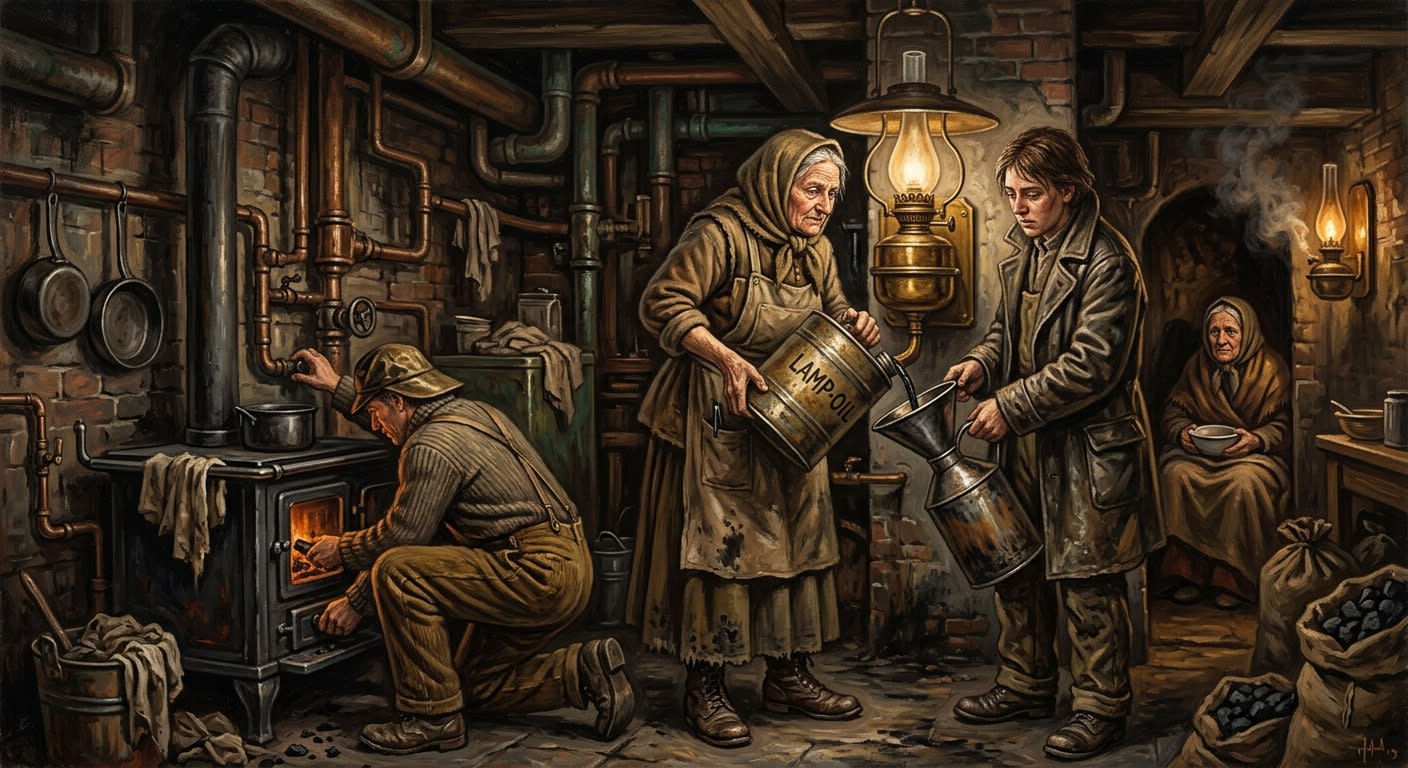
Lamp-Mercers
The mercy that arrives by cup, pressure, and soot-mark
Lamp-Mercers are the household-priority faction of Hidden Pipe-Runners, spending illegal black diesel on kitchens, sickrooms, lamps, and old women’s stove-niches.
Codex Ref. XII.3.03-001
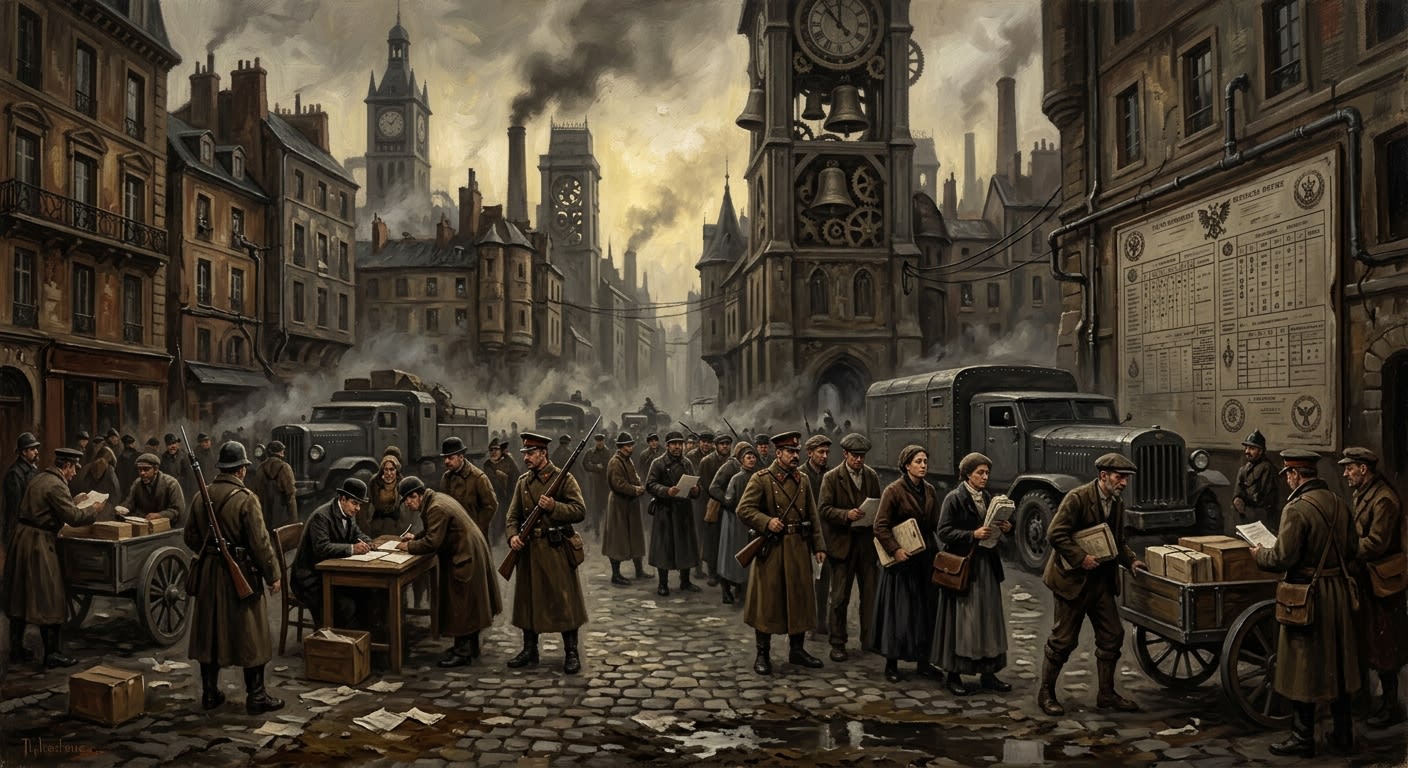
Languedoc
The province that made sunlight prosecutable
Languedoc is the southern heartland province where bells kept local time, songs bent under audit, and the Purges of A.S. 130 made sunlight a fileable risk.
Codex Ref. II.1.06-130
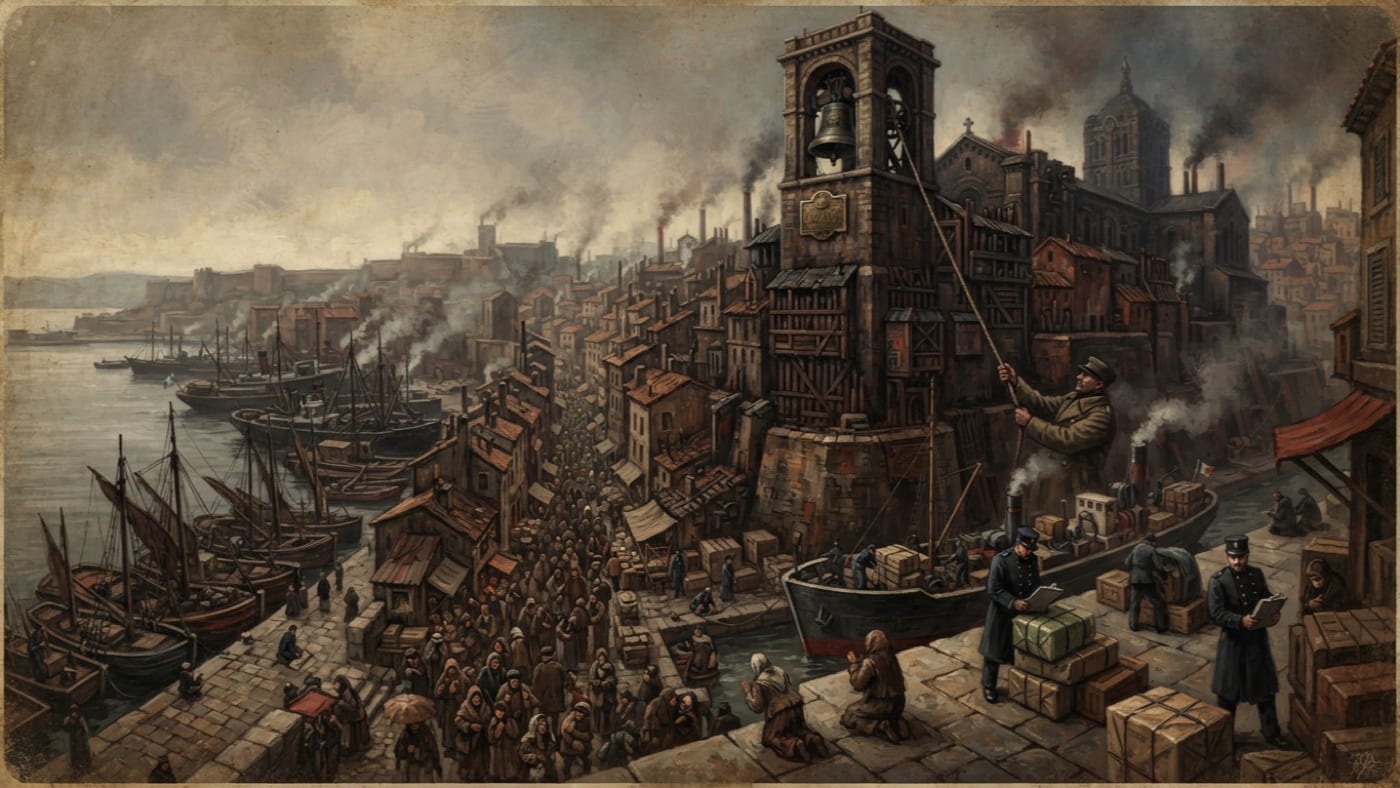
Lazare
Two errands for one bell; neither promises a verdict
Lazare is Saint-Victor's bell for relic arrivals and disputed deaths: bronze announces the matter, while Marseille argues over the verdict.
Codex Ref. XIII.1.62-215

Ledger Duellist / Citation Advocate
Where the sword would be excessive and the firing squad irreversible, the Synod reaches for its ink
Fourteen hundred licensed advocates fight citation duels in the Synod's precedent pits — establishing standing, constructing precedent chains, striking opponents from the Ledger of Souls. Three hundred more operate in the shadows.
Codex Ref. XII.26.01-001
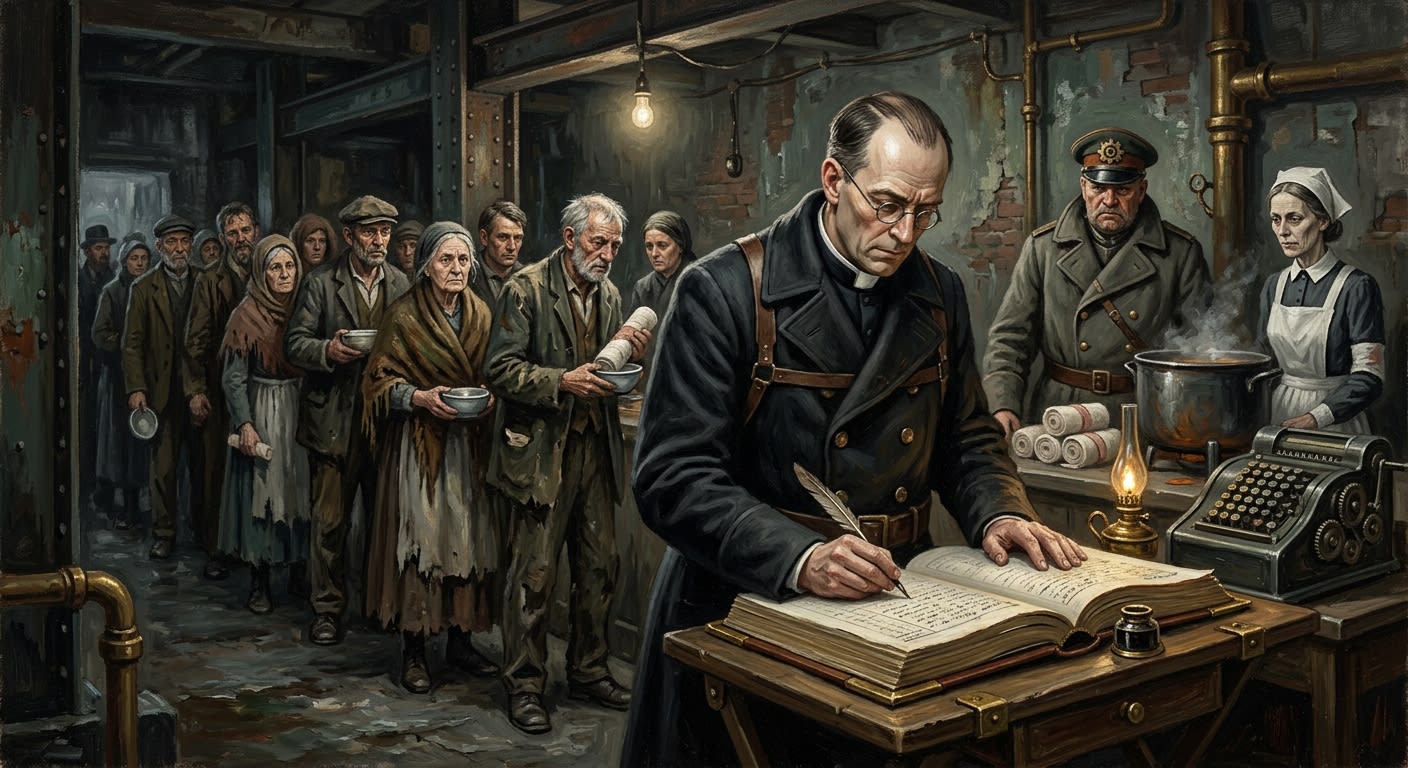
Ledger Laws
Mercy measured by the ladle, sanctioned by the noose
The Ledger Laws made mercy countable after the Broth Riots: every bowl, bandage, draught, confession, death, and useful pity entered the record before it dared call itself compassion.
Codex Ref. XIII.1.89-112
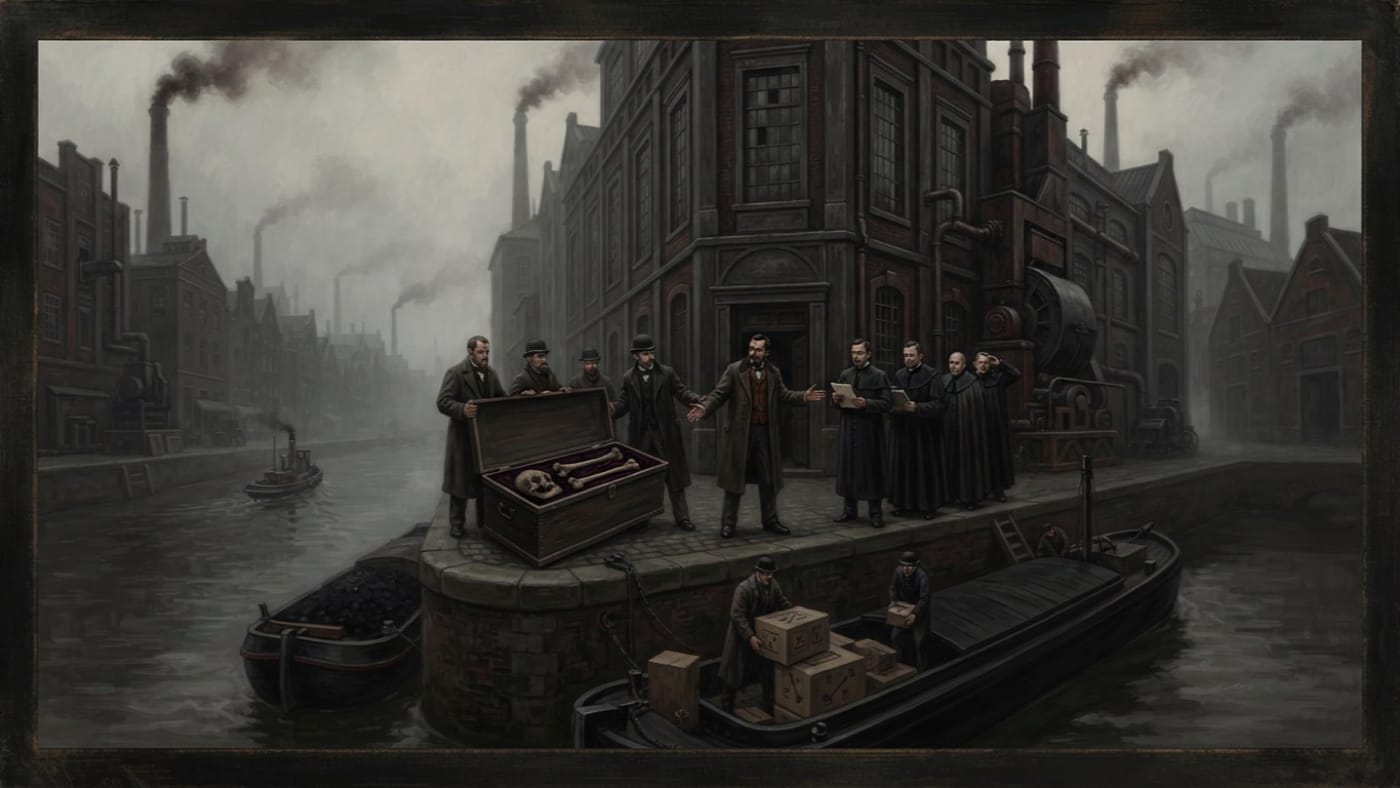
Leiden
Two femurs, one jawbone, and no jurisdiction
Leiden's anatomists supplied the Year of Letters with its simplest weapon: two femurs per man. Its merchants claim Saint Luthar's jawbone. The Synod has neither a custody chain nor jurisdiction.
Codex Ref. II.4.09-013
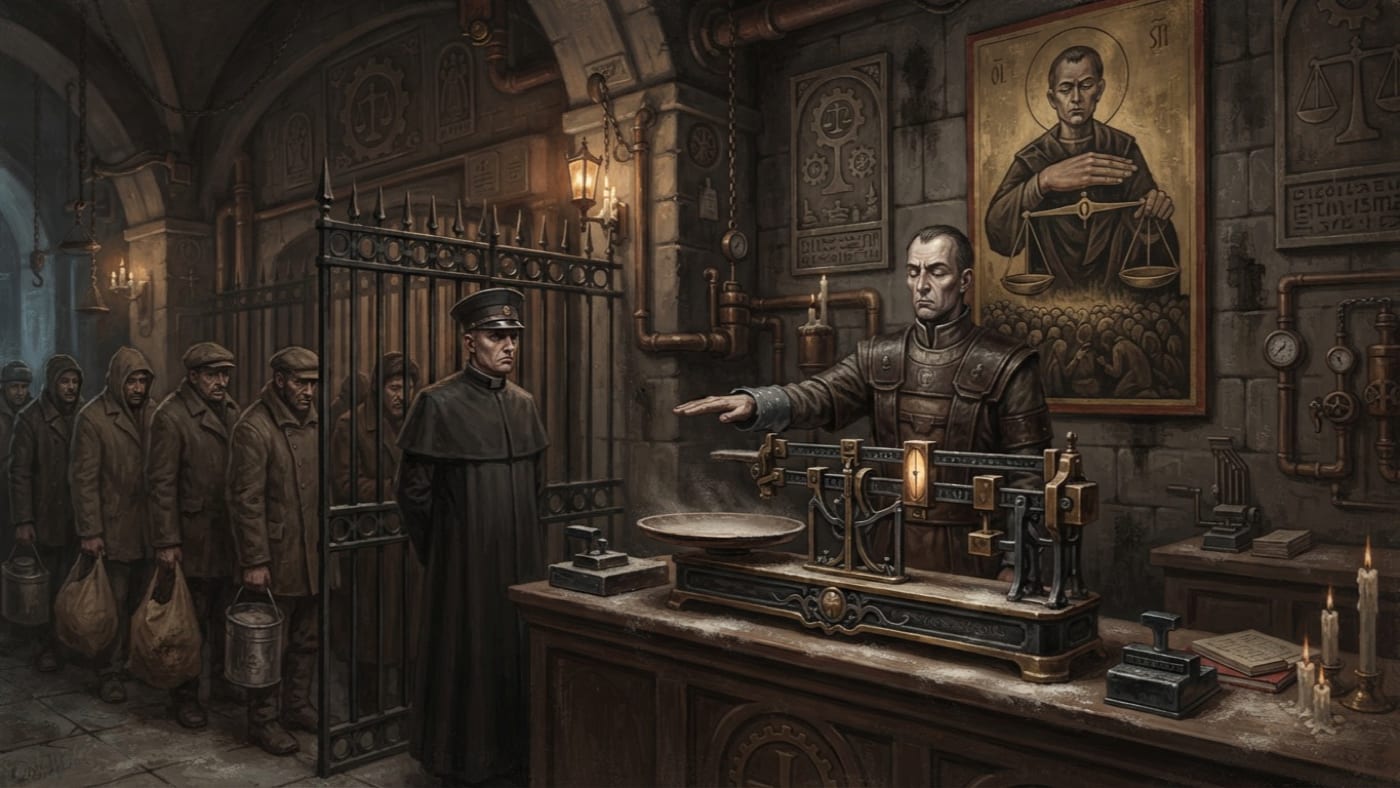
Level Prayer
The hand stays level; the sack stays empty
An A.S. 201 survey of the prayer recited by tariff-chapel weighers with the right hand level above the pan on Saint Calibrus's feast. Honest measure holds the zero; it does not fill the sack.
Codex Ref. XIII.1.91-201
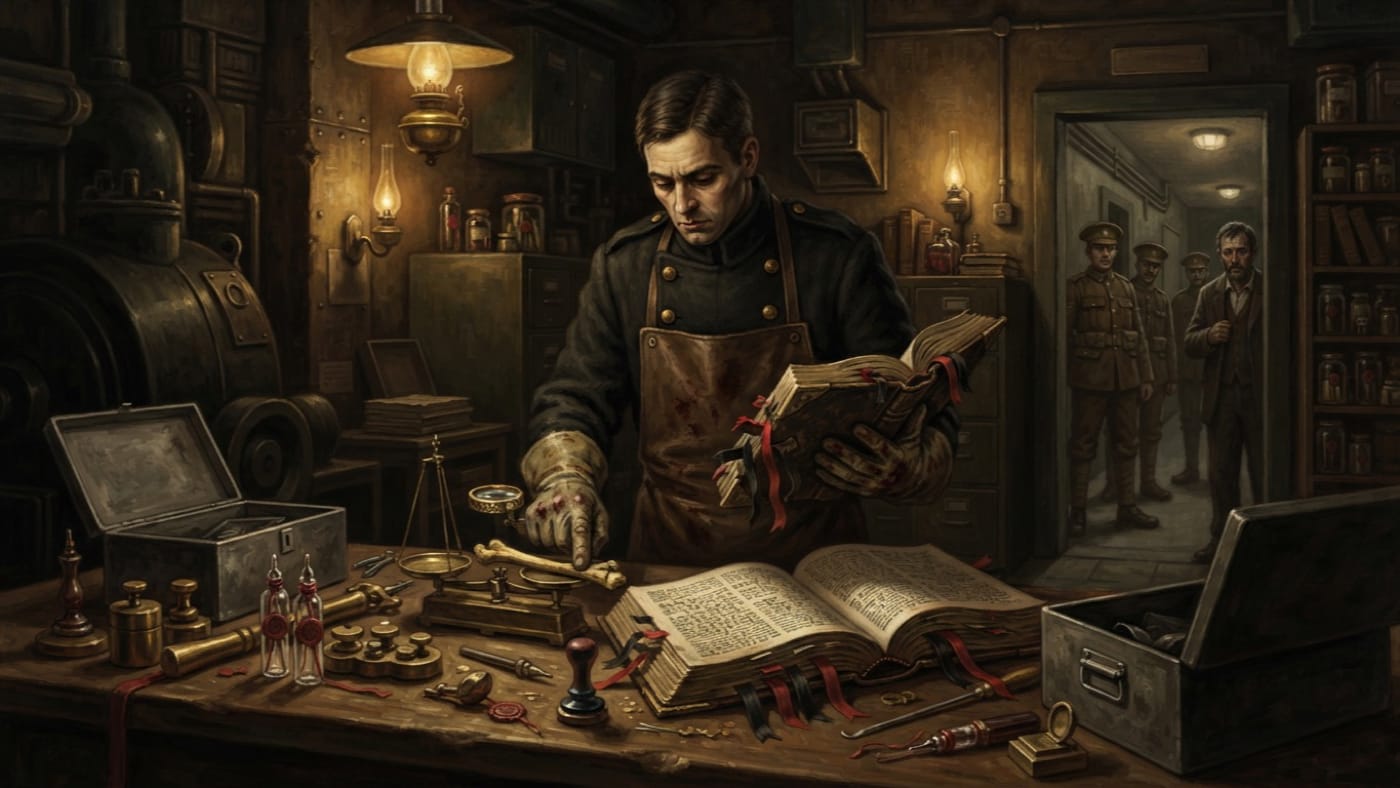
Liber Examinationis
The bone awaits a verdict. The reader incurs a strain.
The Bureau of Relics' Examiners carry the Liber Examinationis to the bench. Its cross-references constitute a Category Two Devotional Strain; the bone awaits a verdict.
Codex Ref. XIII.1.64-001
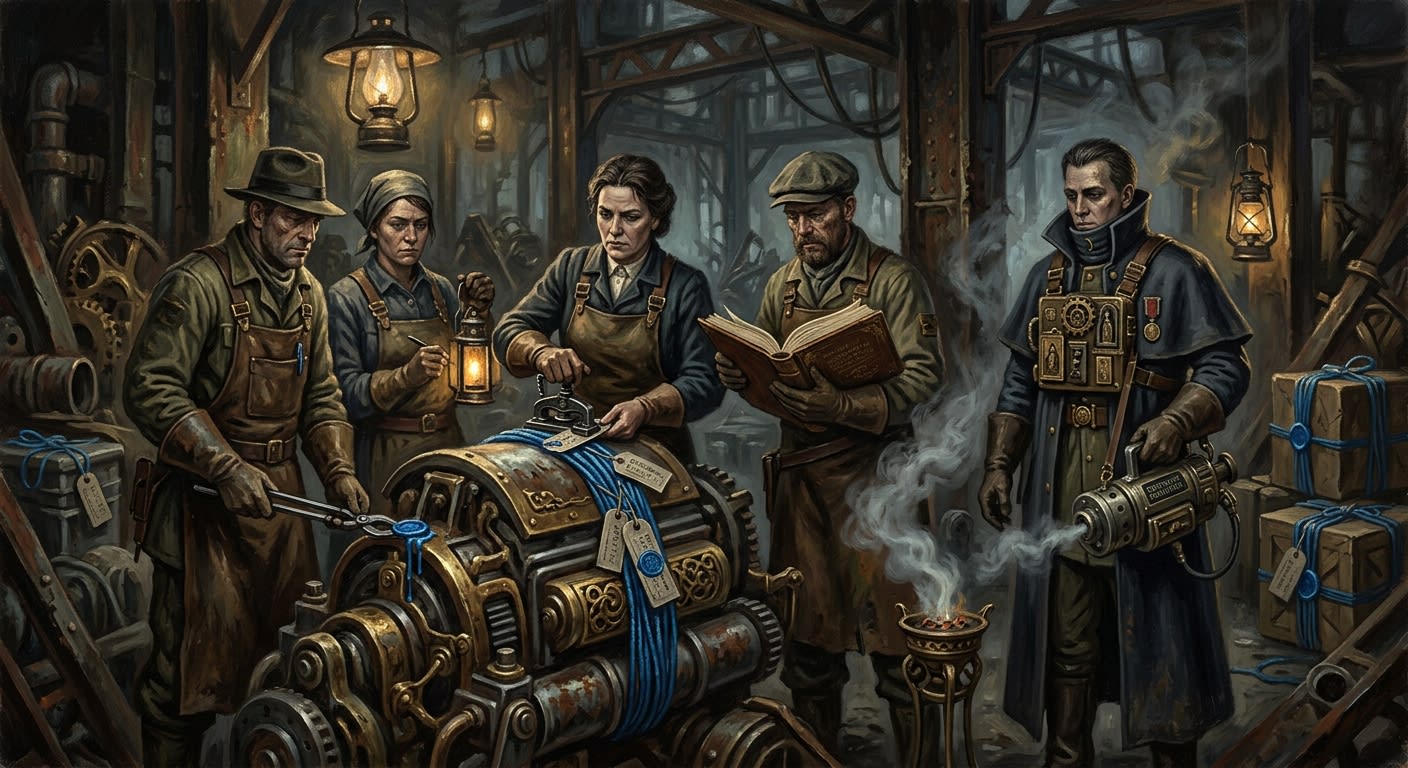
Licensed Recoverers
Blue cord, clean hands, and slowness witnessed into speed
Bureau of Relics-sanctioned Reliquary Salvagers whose blue wax cords, custody tags, and Contract Sanctifiers turned recovery into witnessed law after A.S. 131.
Codex Ref. XII.13.06-001
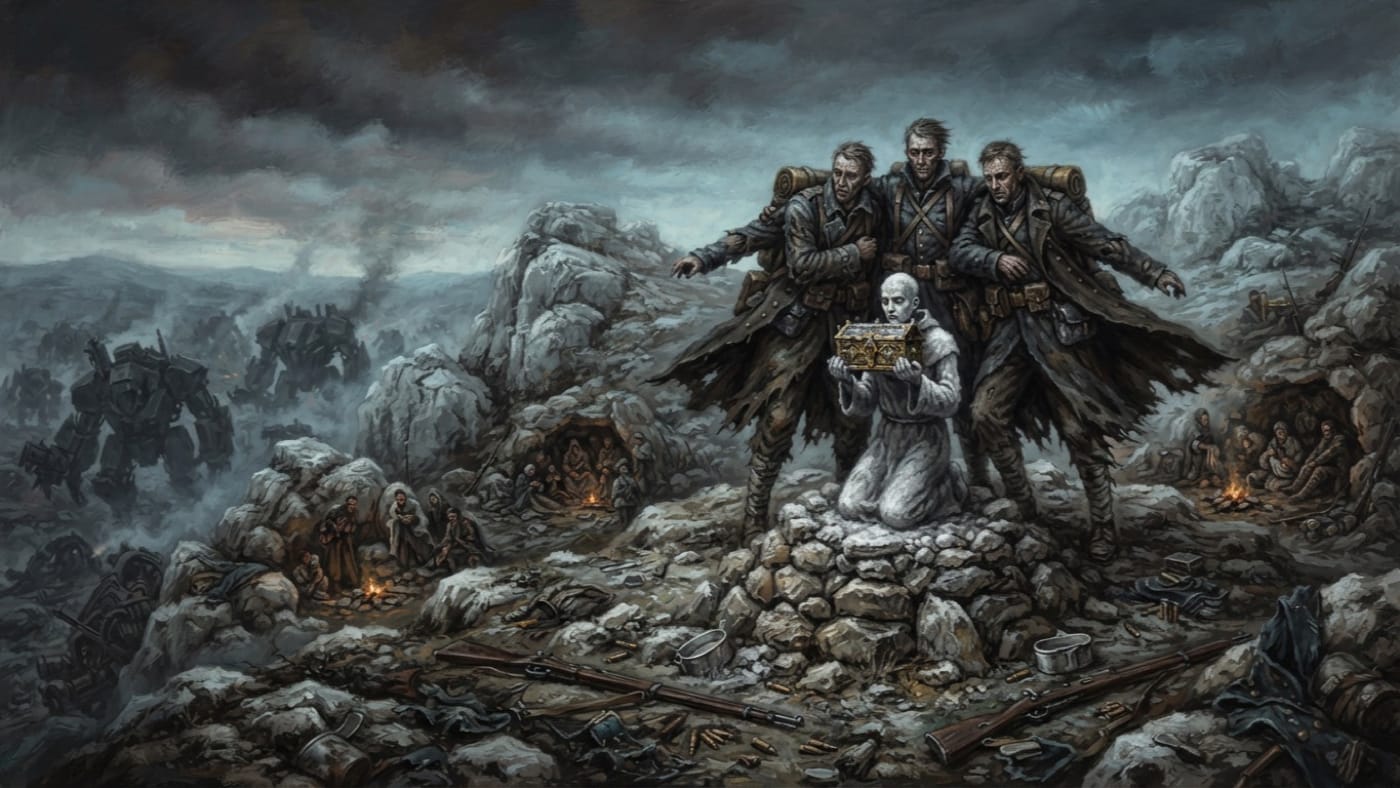
Lieutenant Petar Vladek
The lieutenant who posted a guard against the wind
Kalnik Ridge's sole surviving defending officer, A.S. 48: four lines on extraordinary morale, one guard against the wind, and no birthplace for the Bureau to enter.
Codex Ref. III.2.01-048
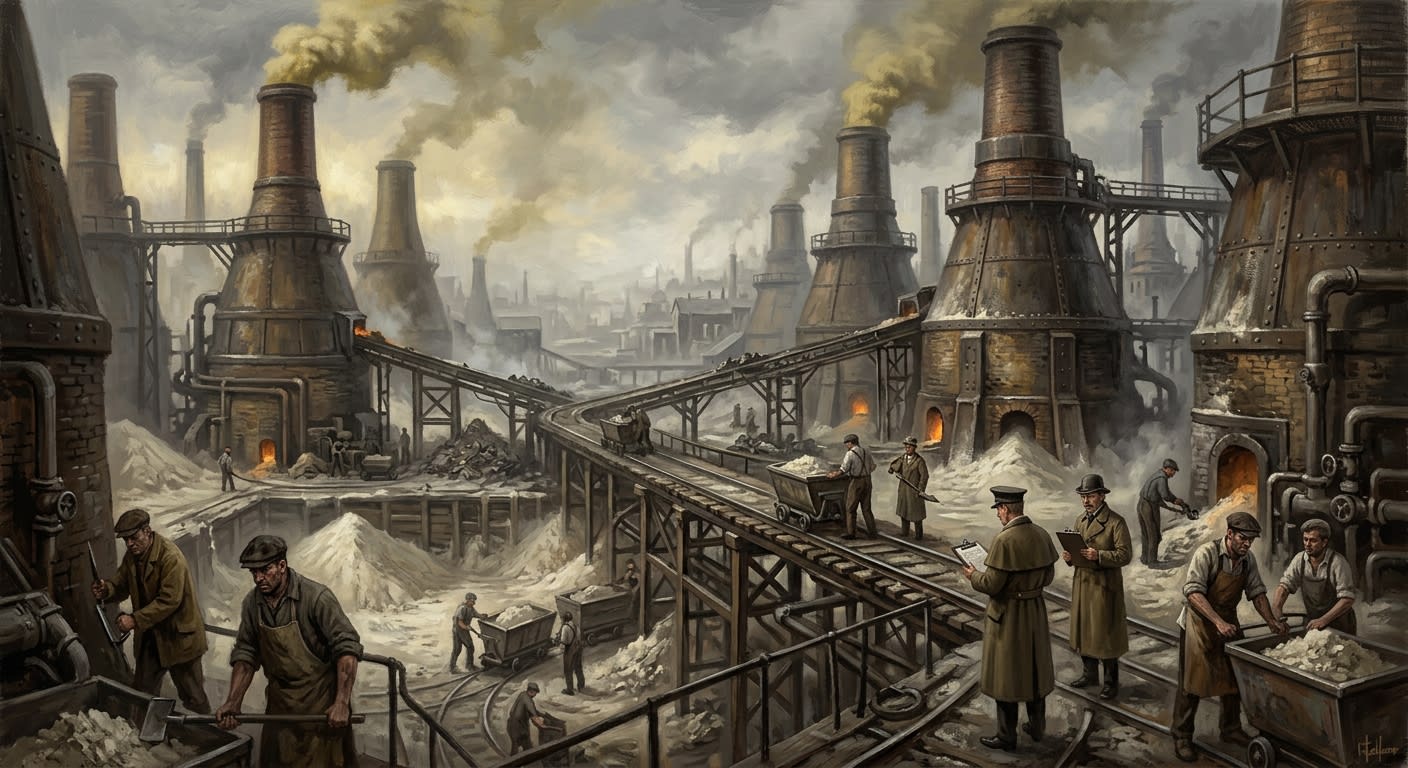
Lime Yards
The white furnaces where Marrowgate distributes its dead into walls, roads, and weather
The Lime Yards of Marrowgate are kilnfields where salvage remains become bone-lime, whitewash, road powder, ash-credit, and, when the Marrowwind rises, witness.
Codex Ref. II.2.06-003
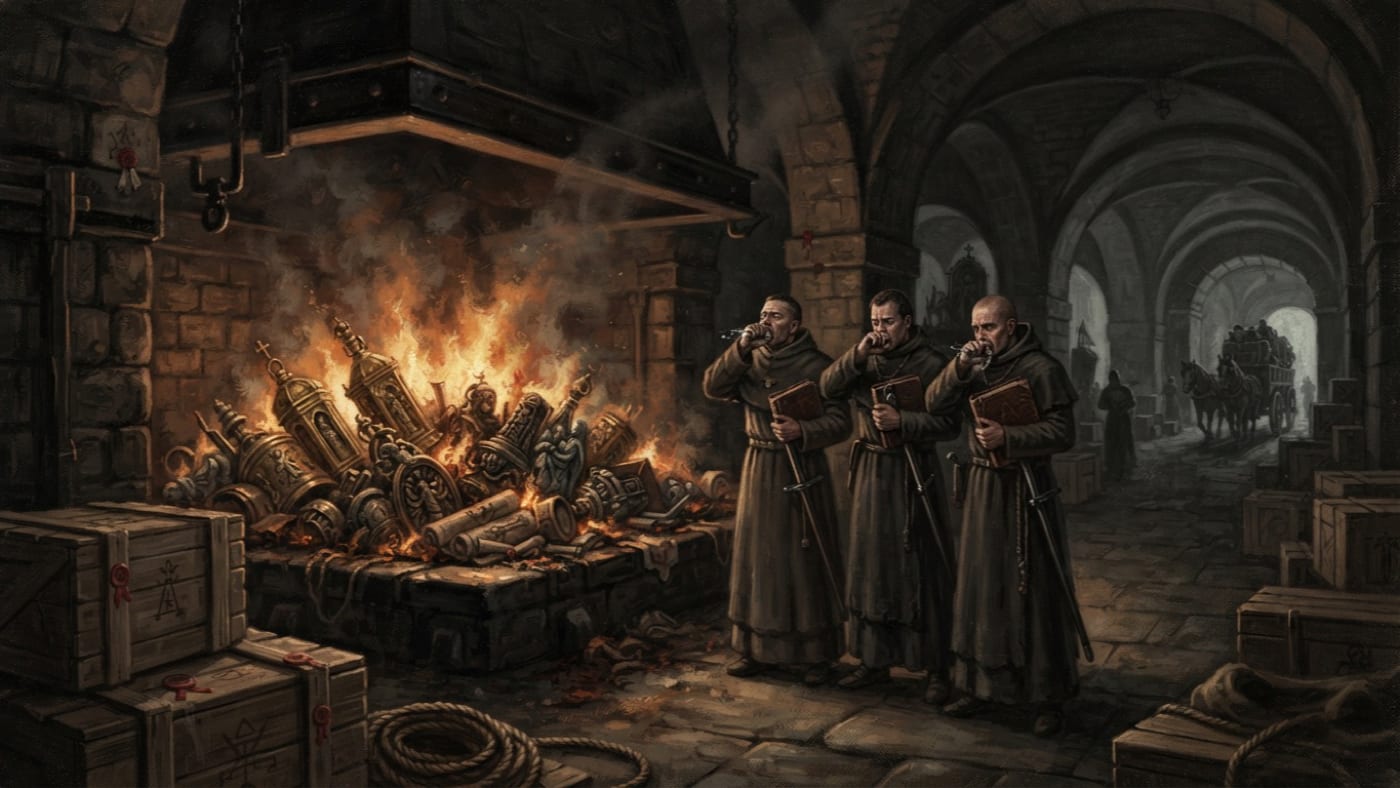
Litany of Custody
Custody ended in fire; the witnesses remained
Three canon-wardens recited the Litany of Custody while untransportable relics burned in Vienna in A.S. 48. The manifest preserves its name; the words remain unrecorded.
Codex Ref. XIII.1.62-048
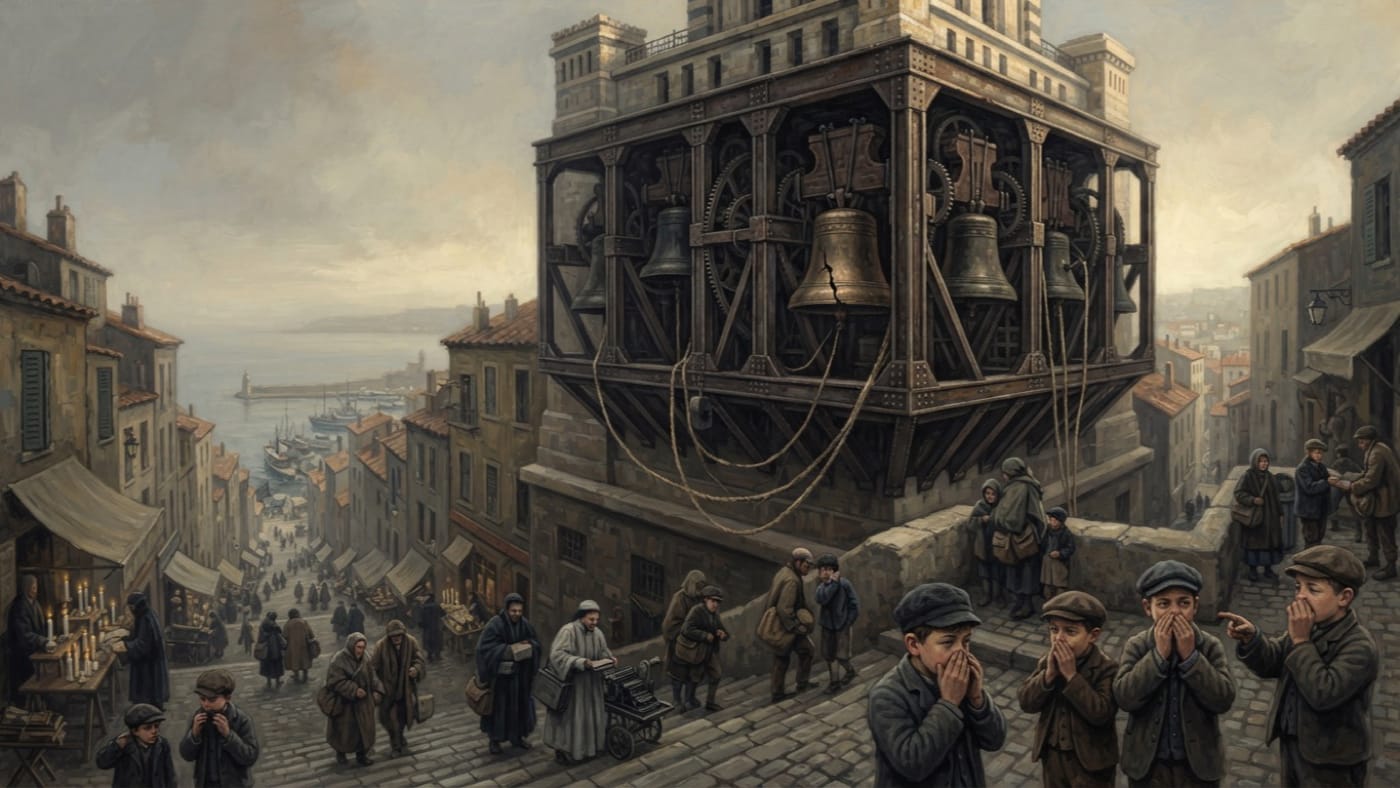
Little Beryn
Marseille knows the hour by a complaint its children can imitate
Little Beryn is Saint-Victor's bell for terce: cracked in A.S. 167, never properly repaired, and known to every Marseille child by its nasal complaint.
Codex Ref. XIII.1.62-218
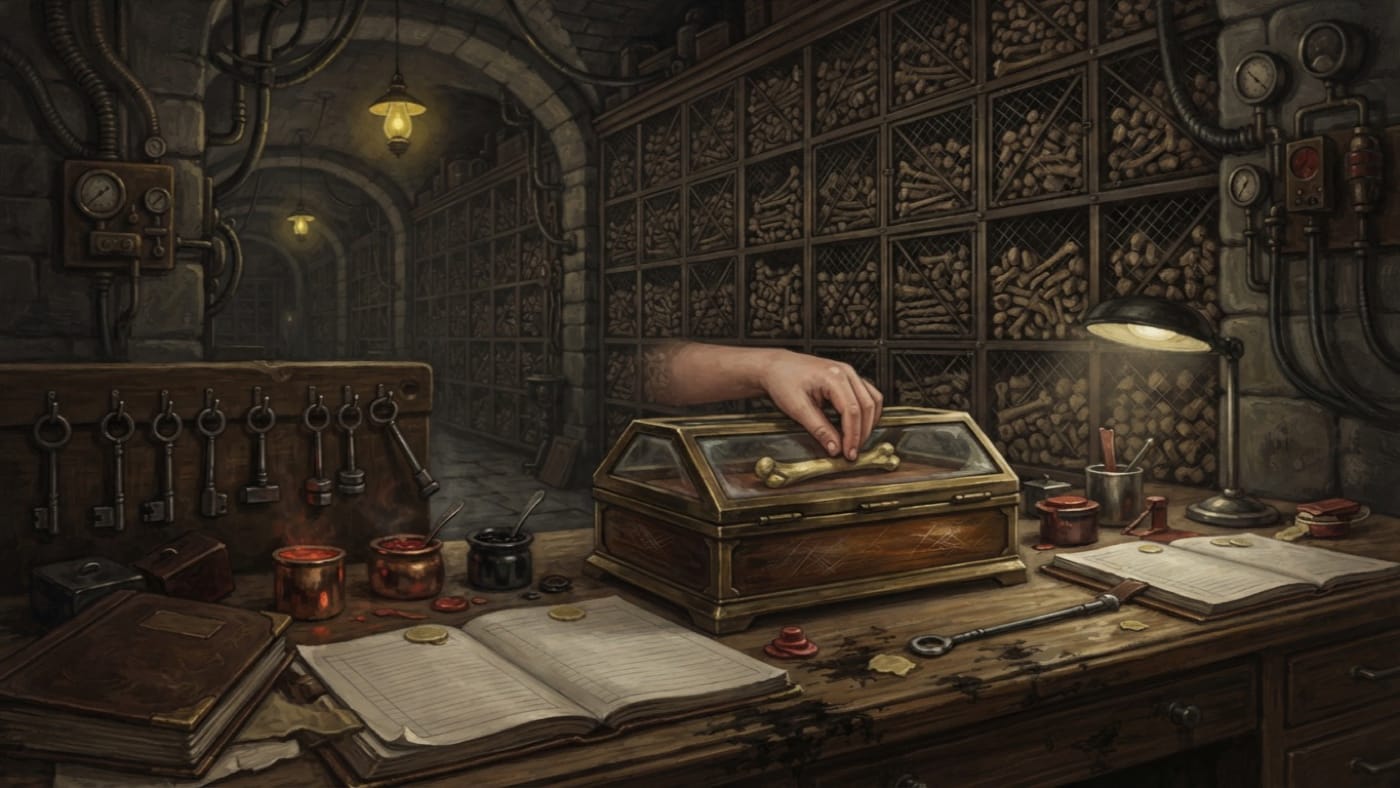
Little Finger Bone of No Parish
The attribution survives. The provenance has yet to arrive.
Attributed to Saint Vellum, venerated, tested, doubted and kept. The name supplies a finger; the file supplies neither an owner nor a parish.
Codex Ref. III.2.04-1654
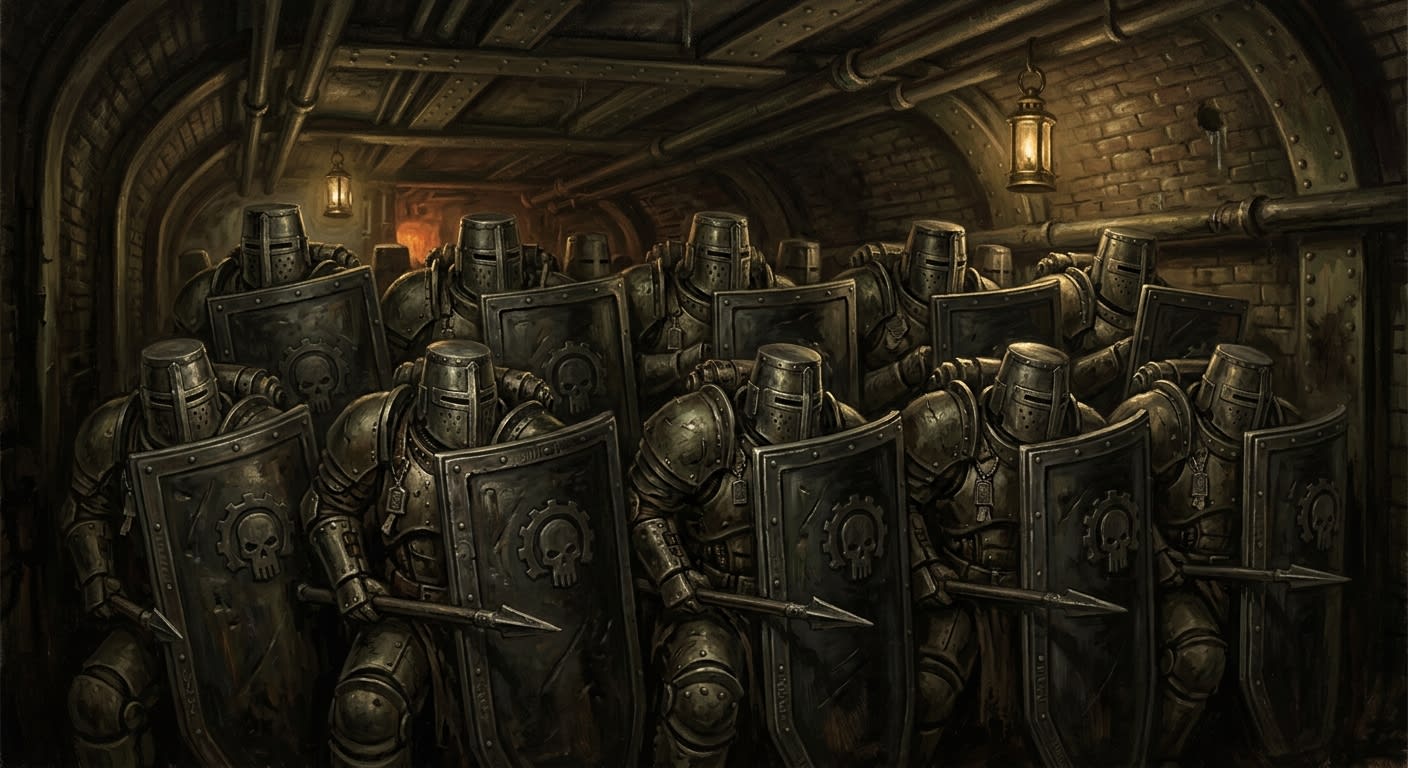
Lock Formation
Three ranks, one breath, and the wall answering in iron
The Shield Paladins' breach-reception doctrine: three ranks of interlocked iron, jawbone chant, rim discipline, and the geometry by which panic is denied passage.
Codex Ref. XIII.1.63-001
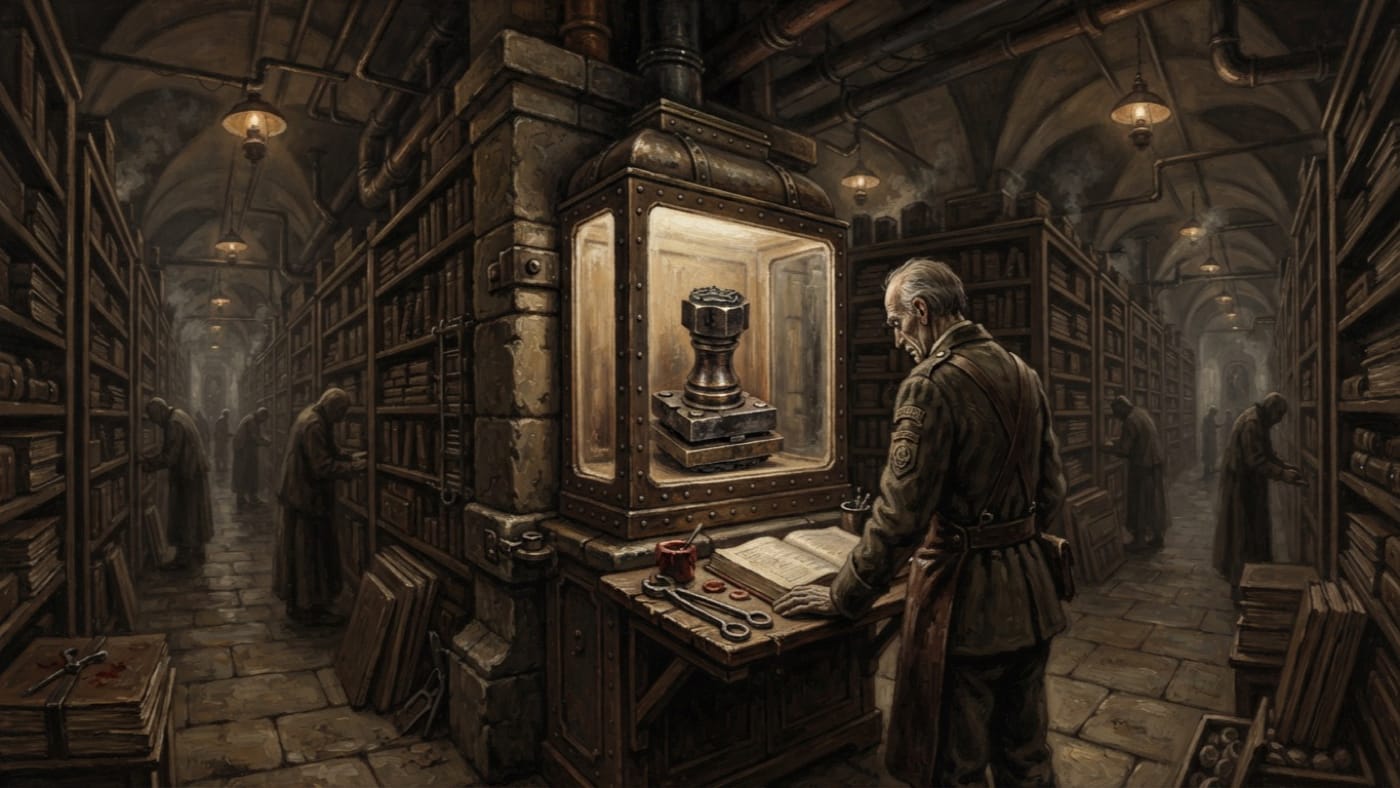
Mainz Stamp-Head
Devotion has supplied what provenance has not
One of six objects attributed to Saint Vellum-of-the-Quiet-Hand: venerated, tested, doubted and returned to custody. The devotion is recorded; the authentication is absent.
Codex Ref. XIII.1.45-002
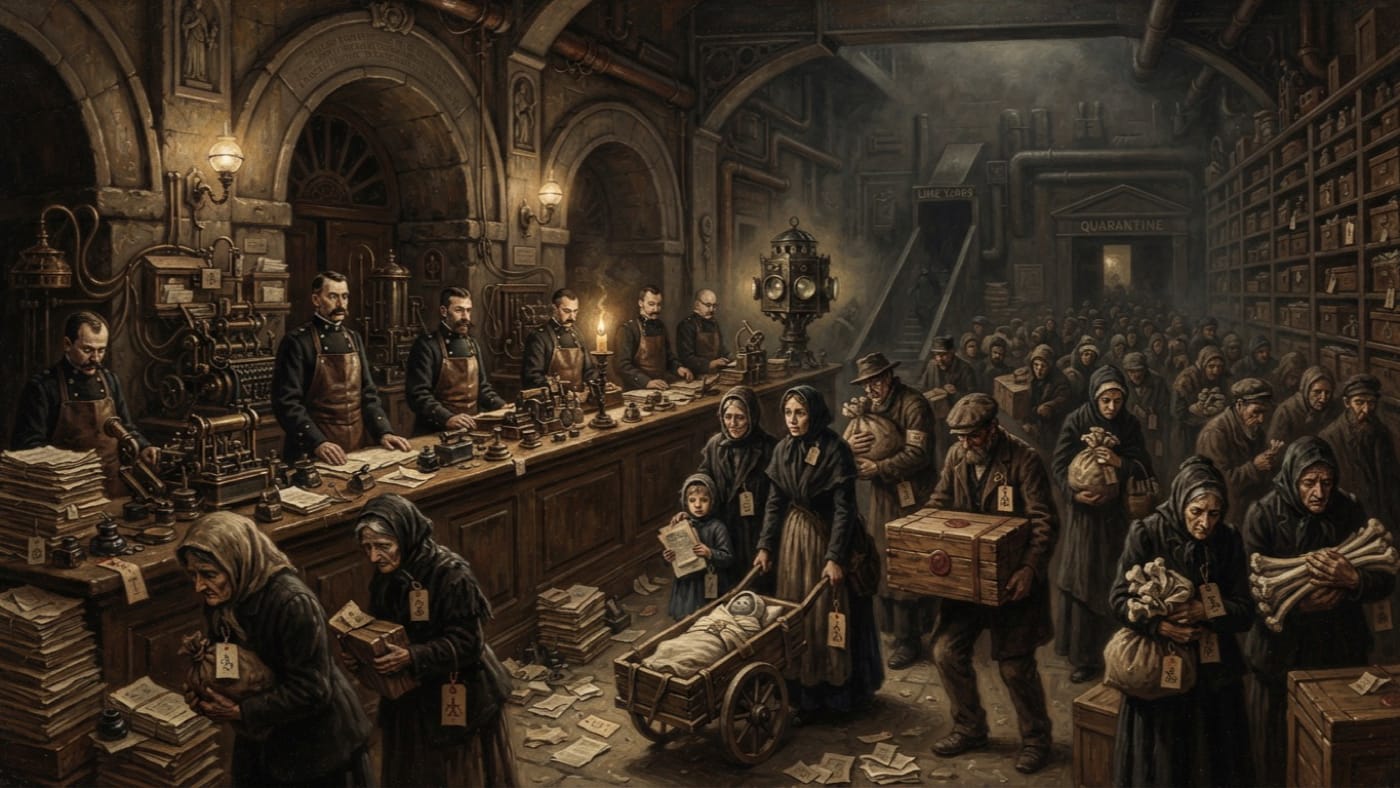
Mandatory Burial Clearance
Grief supplies no exemption
The A.S. 78 mandate placed every corpse, bone and ash sack under stamped clearance. Five classifications govern the dead; grief supplies no exemption.
Codex Ref. XIII.1.91-078
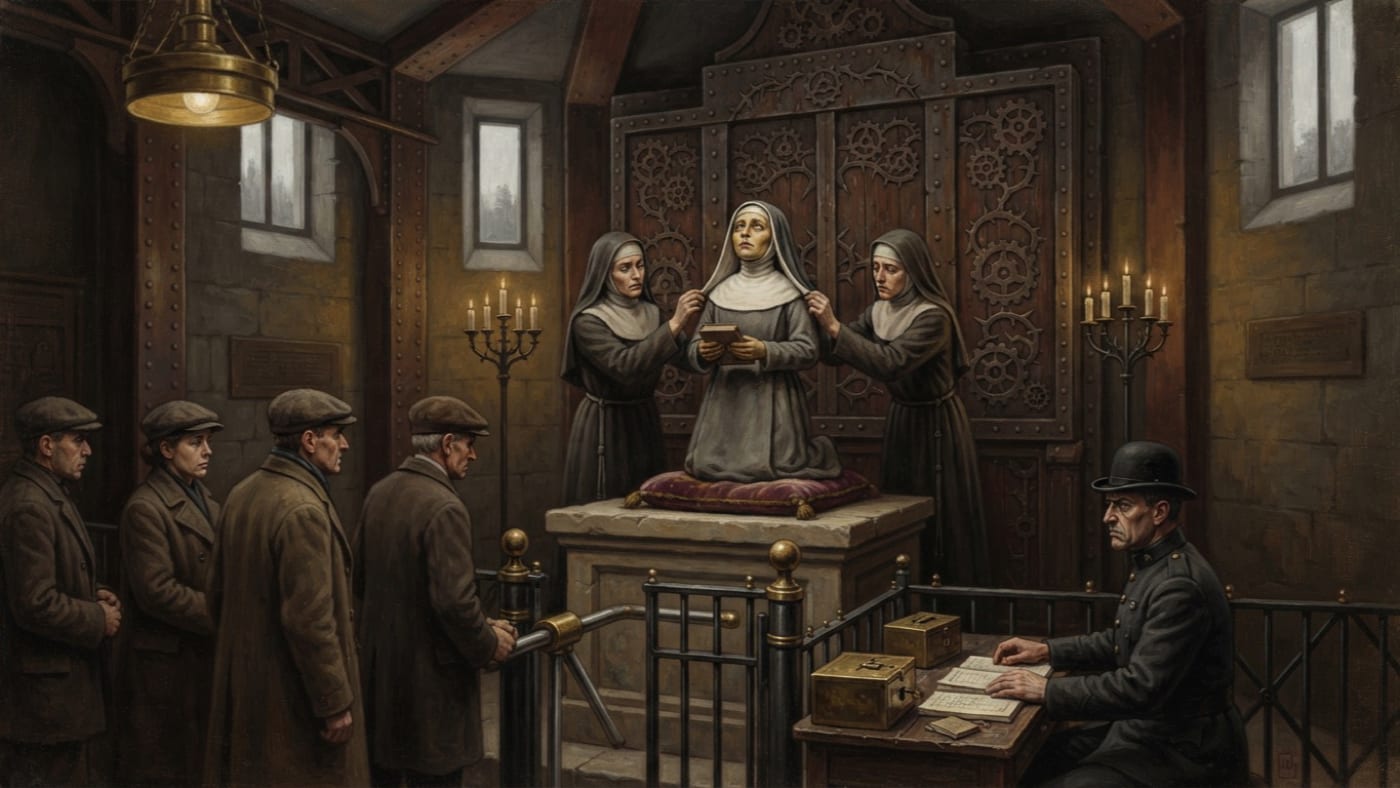
Margaux Chapel
Twelve sisters keep one saint from growing old
At Sainte-Claire-des-Landes, twelve sisters tend Saint Margaux's wax likeness while pilgrims pay at the gate. The face is certified; the chapel's founding remains unrecorded.
Codex Ref. II.1.09-015
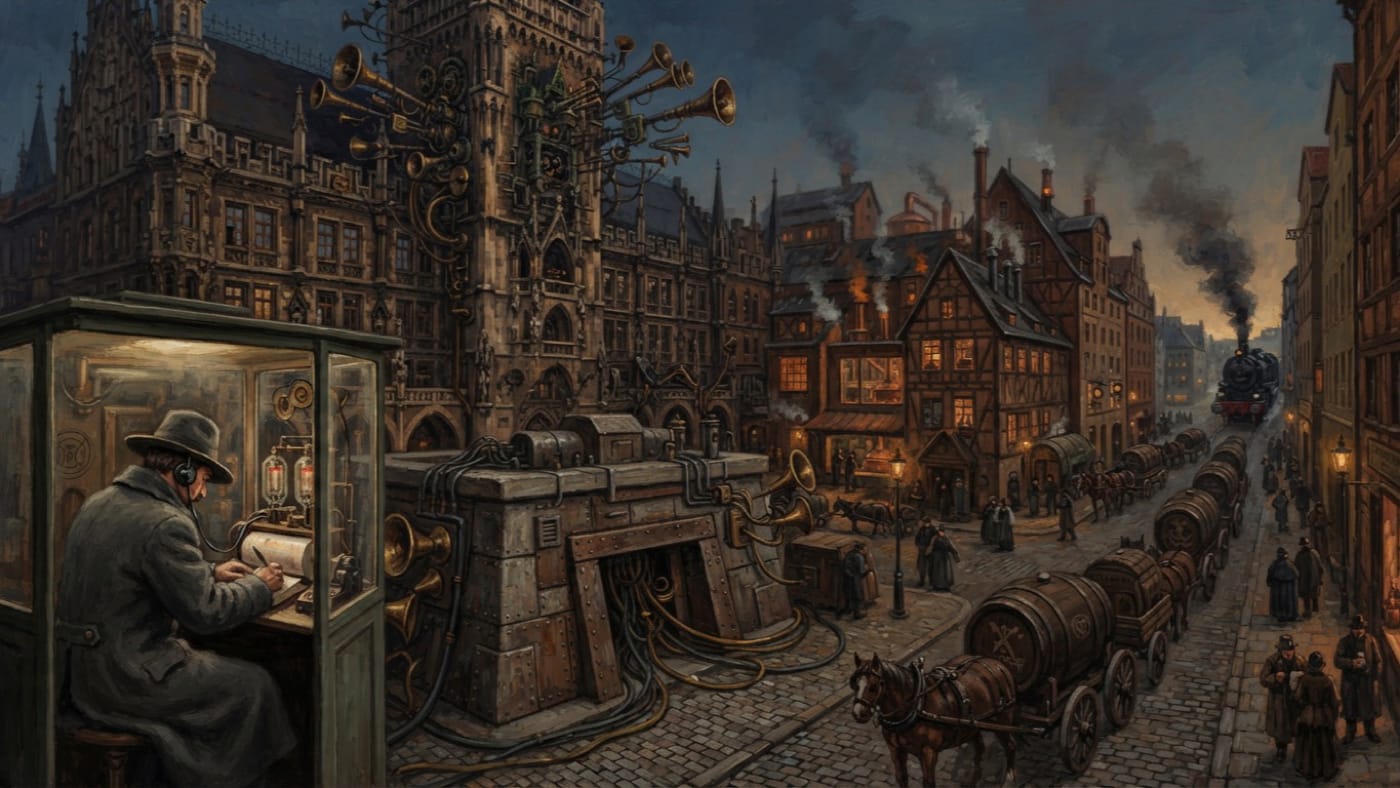
Marienplatz Post
Sixty-seven years of listening, and Munich still sings
Established in A.S. 134, Purity's Marienplatz station listens to Munich's Bräuviertel. Sixty-seven years of reports have given Doctrine nothing actionable; Munich keeps singing.
Codex Ref. II.2.06-017
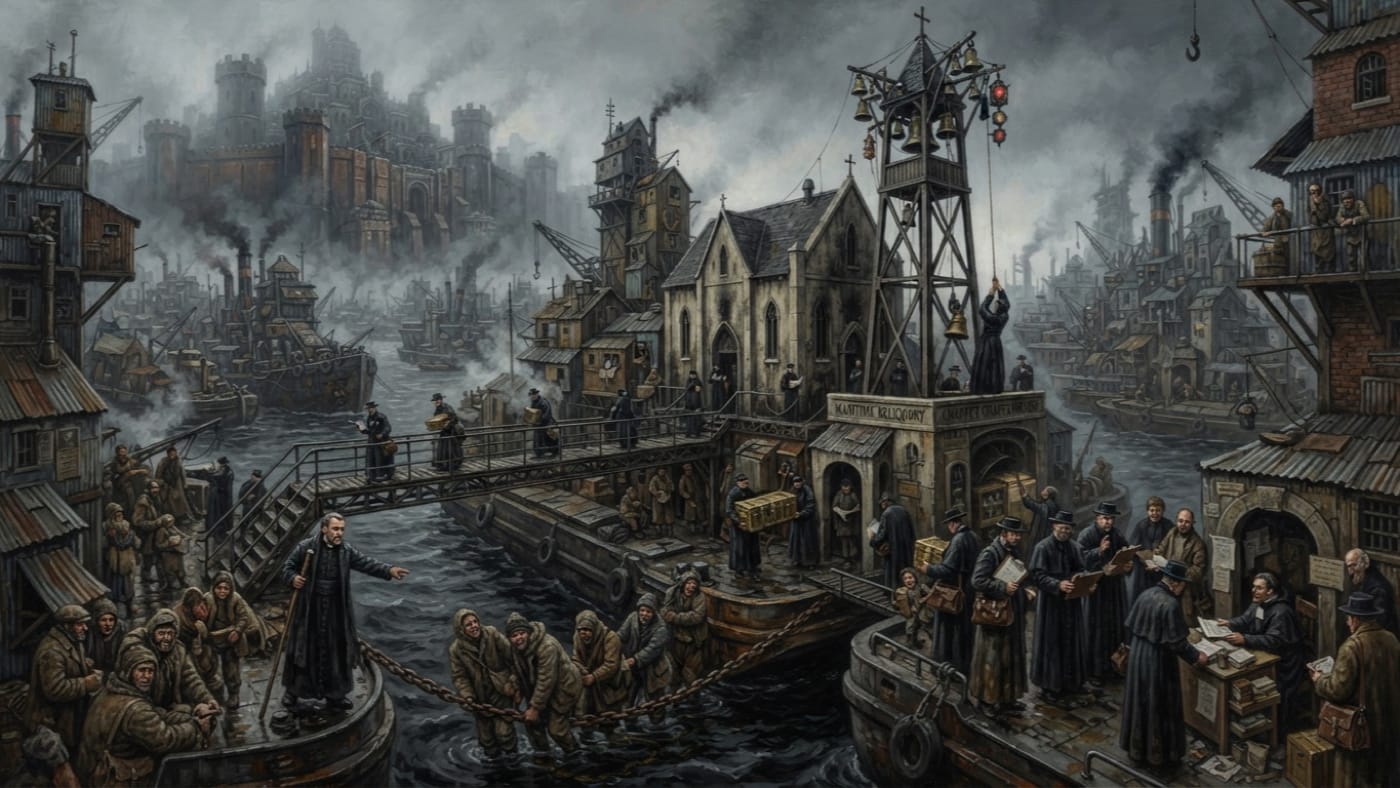
Maritime Reliquary Chapterhouse
The chapter governs. The chain permits it.
The military clergy governing Saints Afloat keep the relics sealed, the water rationed and the papers current. Their decrees command 237 hulls, provided the chain, court, cordon and choir consent.
Codex Ref. IV.3.12-020
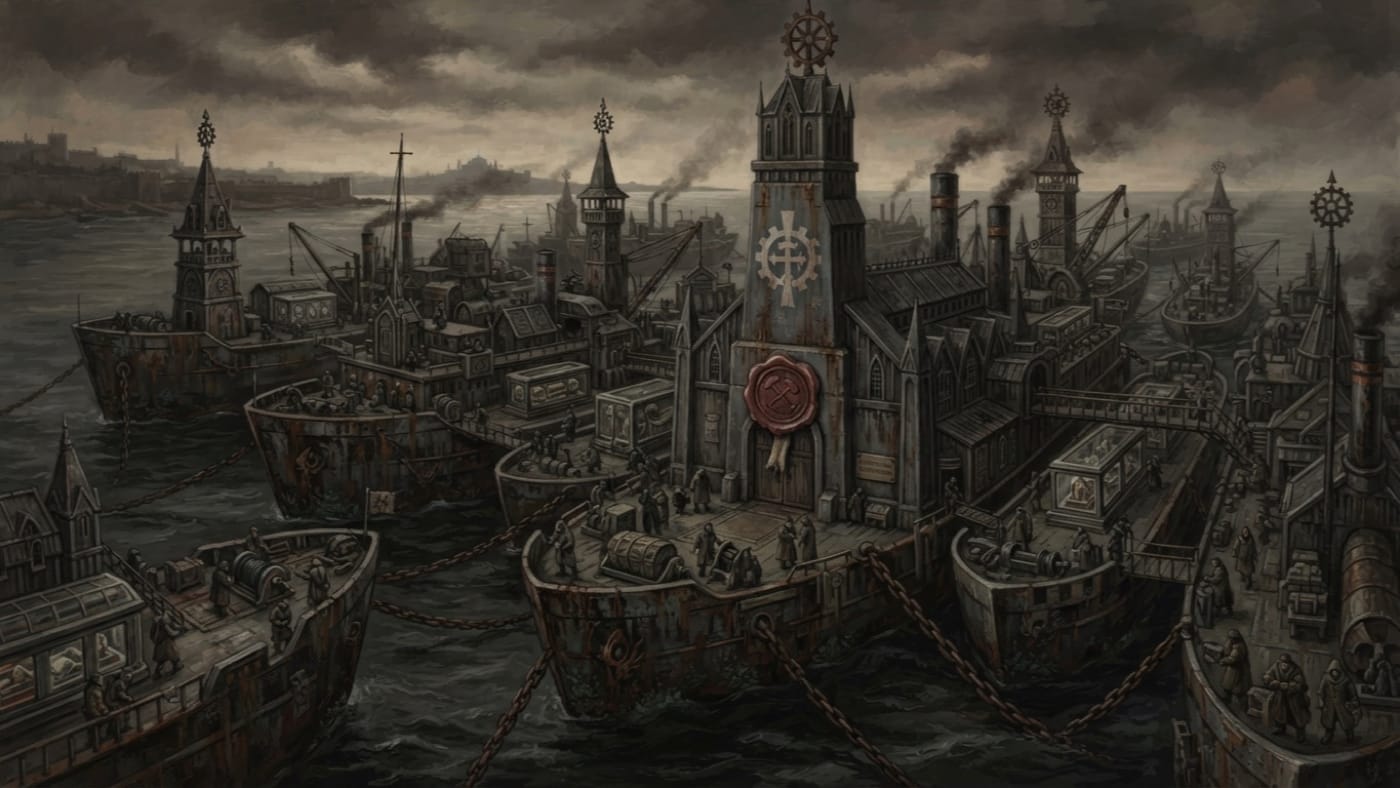
Maritime Reliquary Charter
Operational, conditionally. The condition is not stated.
The Flotilla governs in the name of a charter filed in A.S. 72. Nine pages of the founding record are absent; the joint seal survives. Operational, conditionally. The condition is not stated.
Codex Ref. XIII.1.72-001
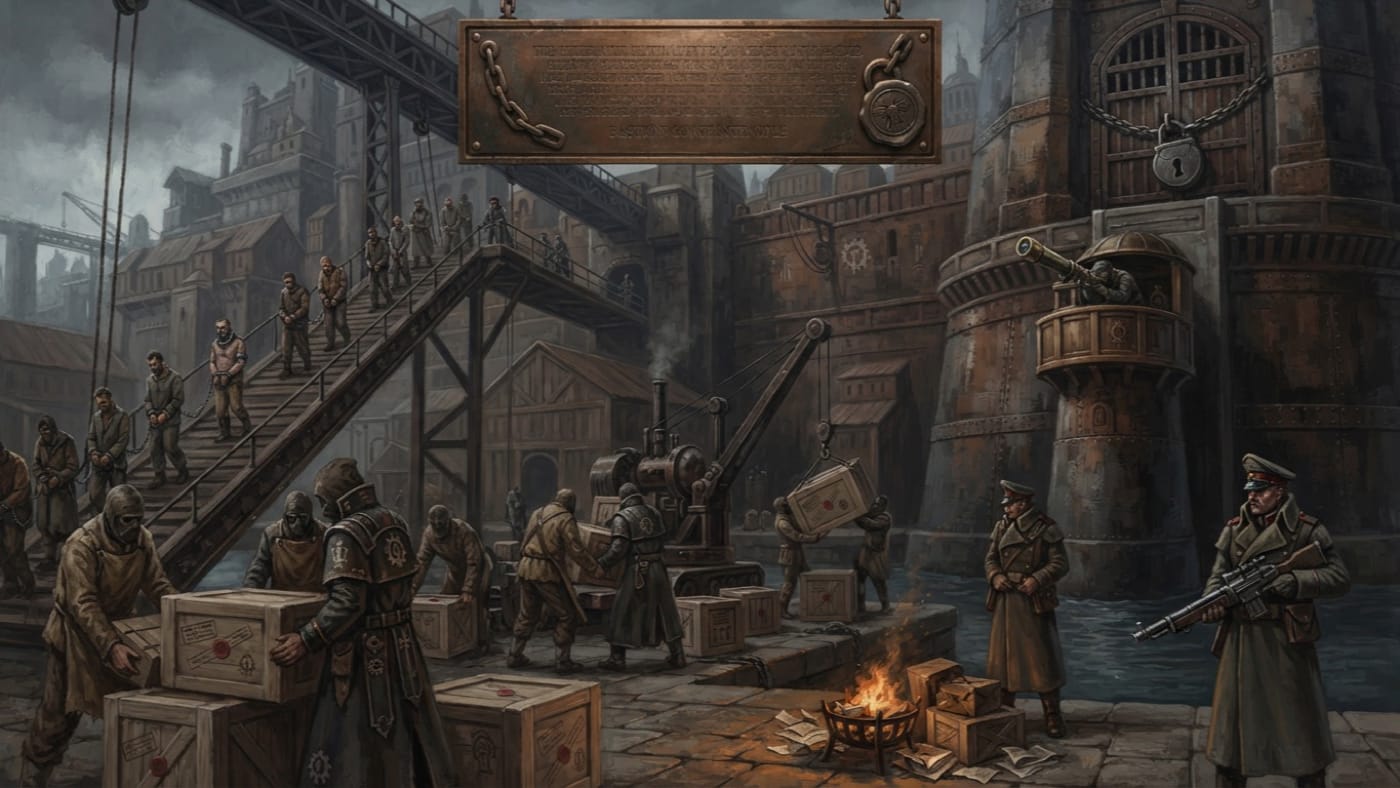
Maritime Spiritual Contamination Protocol
The page stays sealed; the customs pier has other instructions
My A.S. 201 survey follows a sealed Armada addendum, Purity's freight advisory and Korin's sentence. The Protocol's first issue remains outside the file.
Codex Ref. XIII.1.59-201
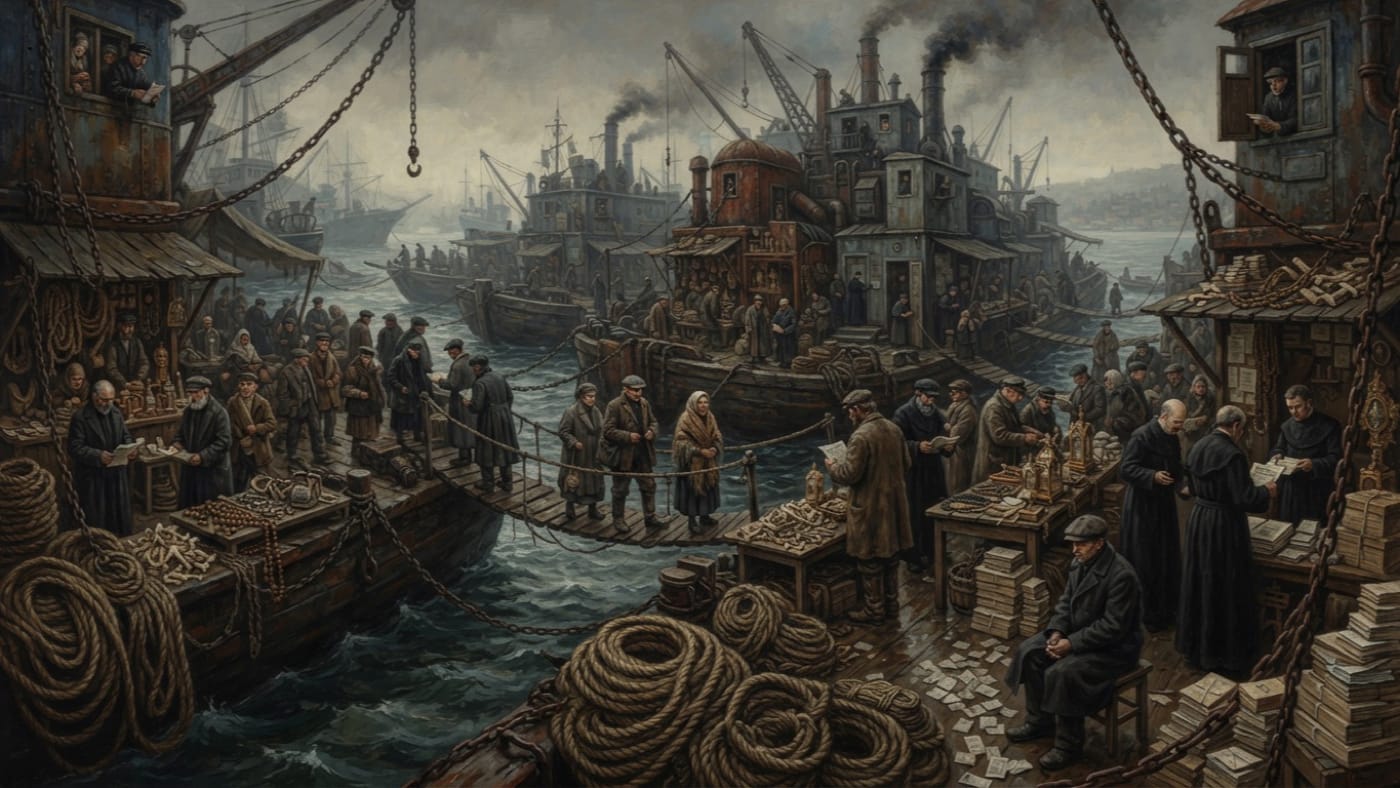
Market of Anchors
The certificate is the expensive part
An A.S. 201 survey of the Flotilla's Market of Anchors, where relics become beads, beads become relics, and Grey Keel brokers wait beside the rope. Certification remains the expensive part.
Codex Ref. II.4.09-201
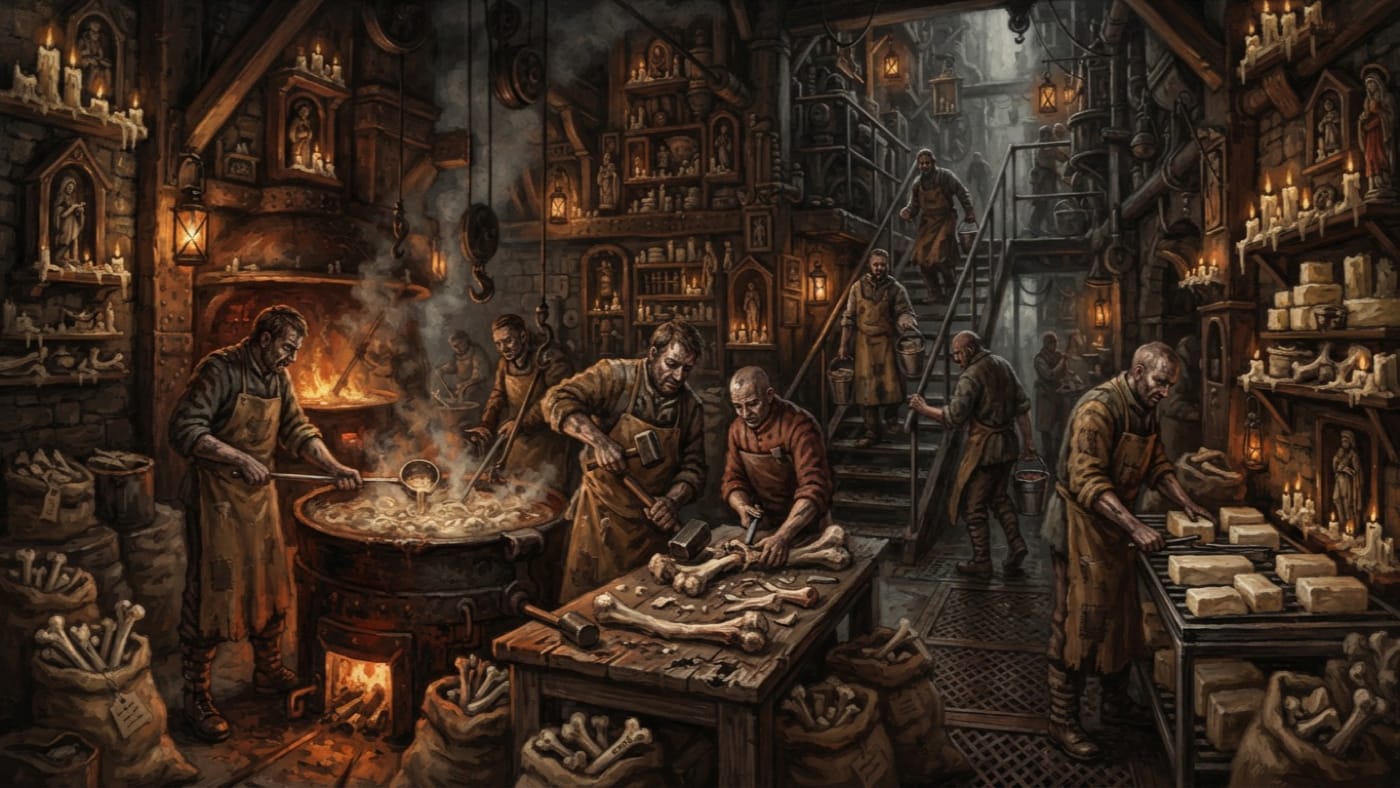
Marrow Makers
The guild whose candles light its own audits
The Marrow Makers keep the Reliquary Switchbacks lit with wax and tallow, and its shrines patched with bone-lime. Their vats remain licensed; the provenance of their bones is less easily certified.
Codex Ref. XII.26.05-001
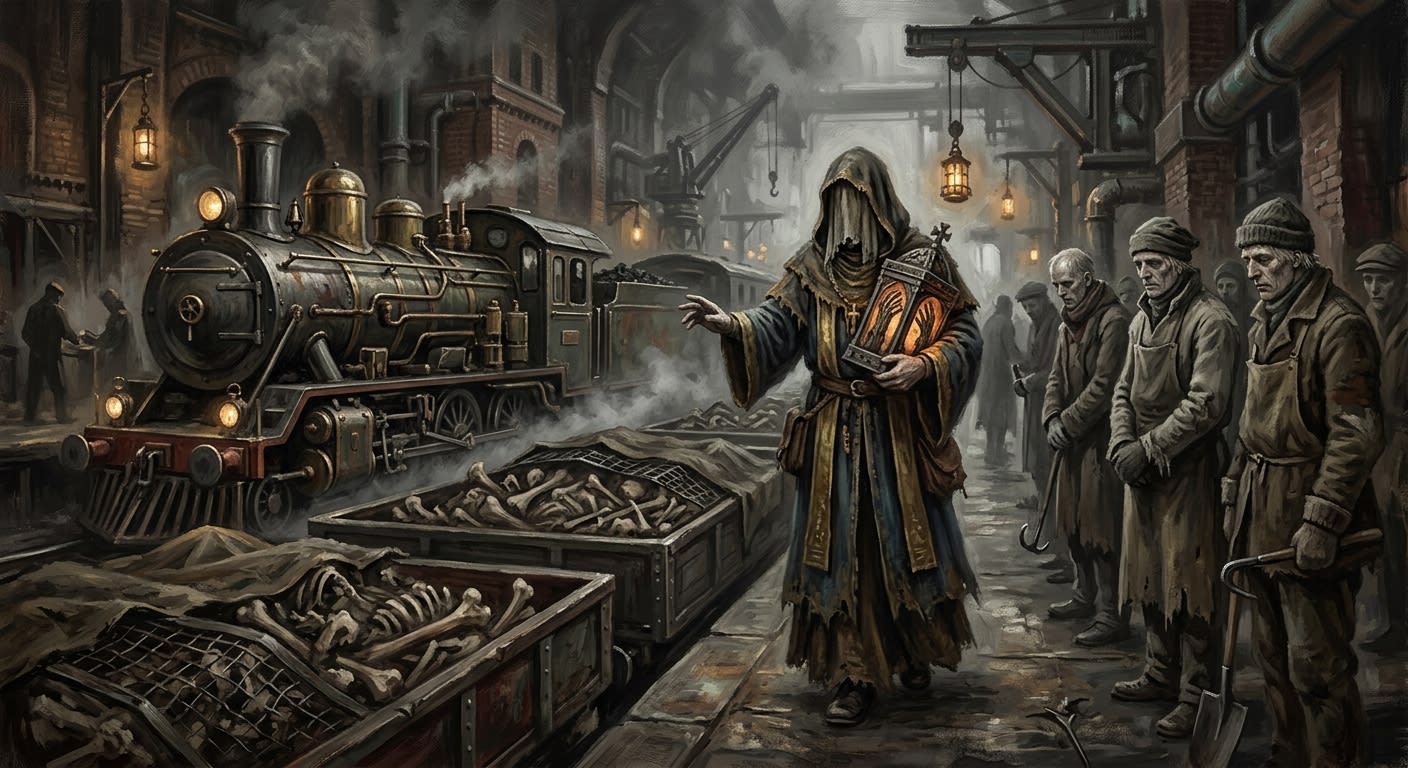
Marrow-Saint Elen
The hooded patron invented because [[josek-of-dueren|Josek]] had a face
Marrow-Saint Elen, unauthenticated but canonically licensed patron of Ossuary-Draft Handlers, blesses condemned transport by carrying a reliquary while showing no face.
Codex Ref. III.2.01-132

Marseille
Salt, pilgrims, and a territorial dispute the [[bureau-of-records|Bureau of Records]] has declined to arbitrate
The Synod's southern mouth — 650,000 souls between limestone and salt water, two competing Bureaus sharing a harbour they cannot agree on.
Codex Ref. II.4.09-012
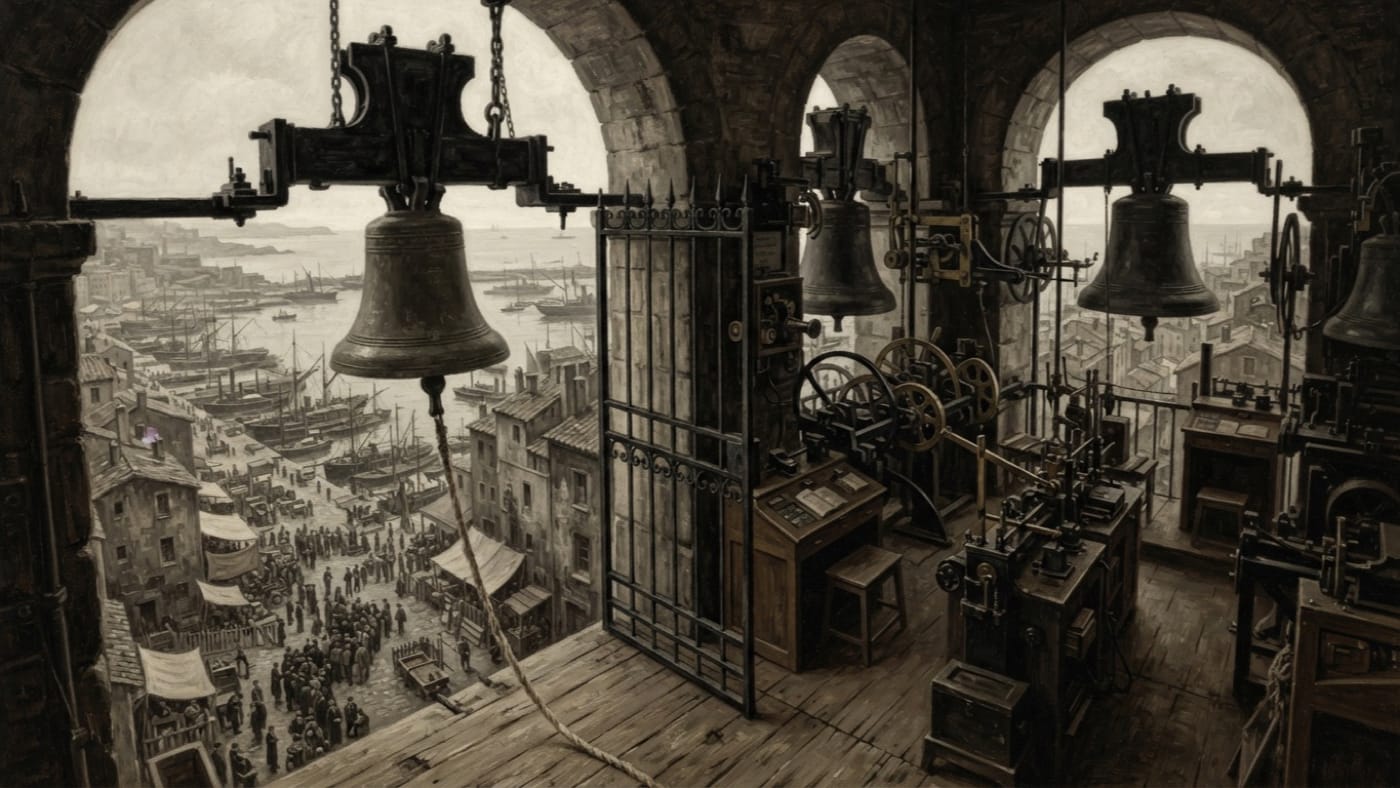
Marthe
Thin bronze gathers the faithful; ink decides where they go
Marthe is Saint-Victor's thin, sharp pilgrim muster bell: she gathers Marseille's faithful where the Bureau expects them, leaving permits and berths to Pilgrimage.
Codex Ref. XIII.1.62-222
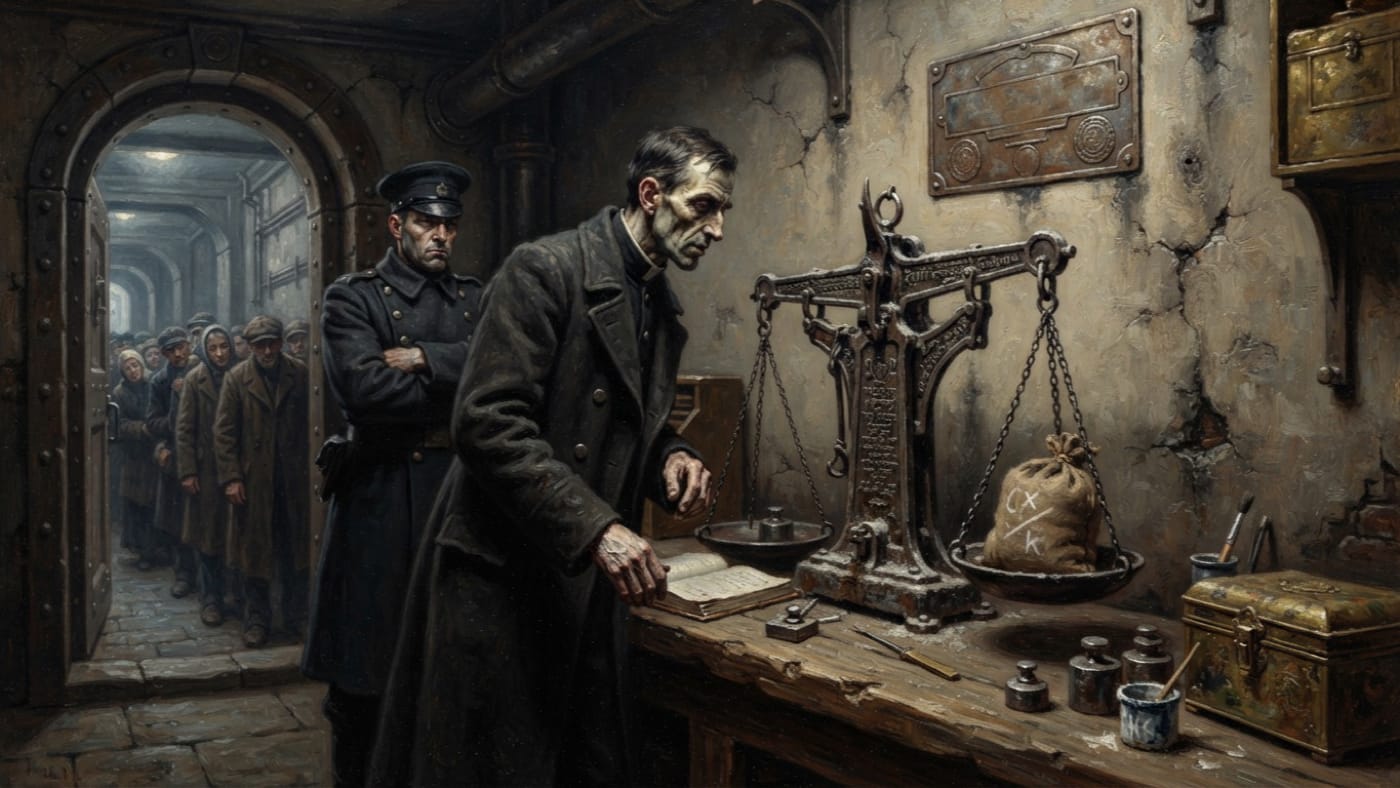
Martial Code 14-A
The zero is sacred. The hand that alters it is answerable.
Martial Code 14-A makes tampering with a sanctified scale spiritual contamination. The notice names the offence; the full text and prescribed sentence remain beyond my ledger.
Codex Ref. XIII.1.14-001
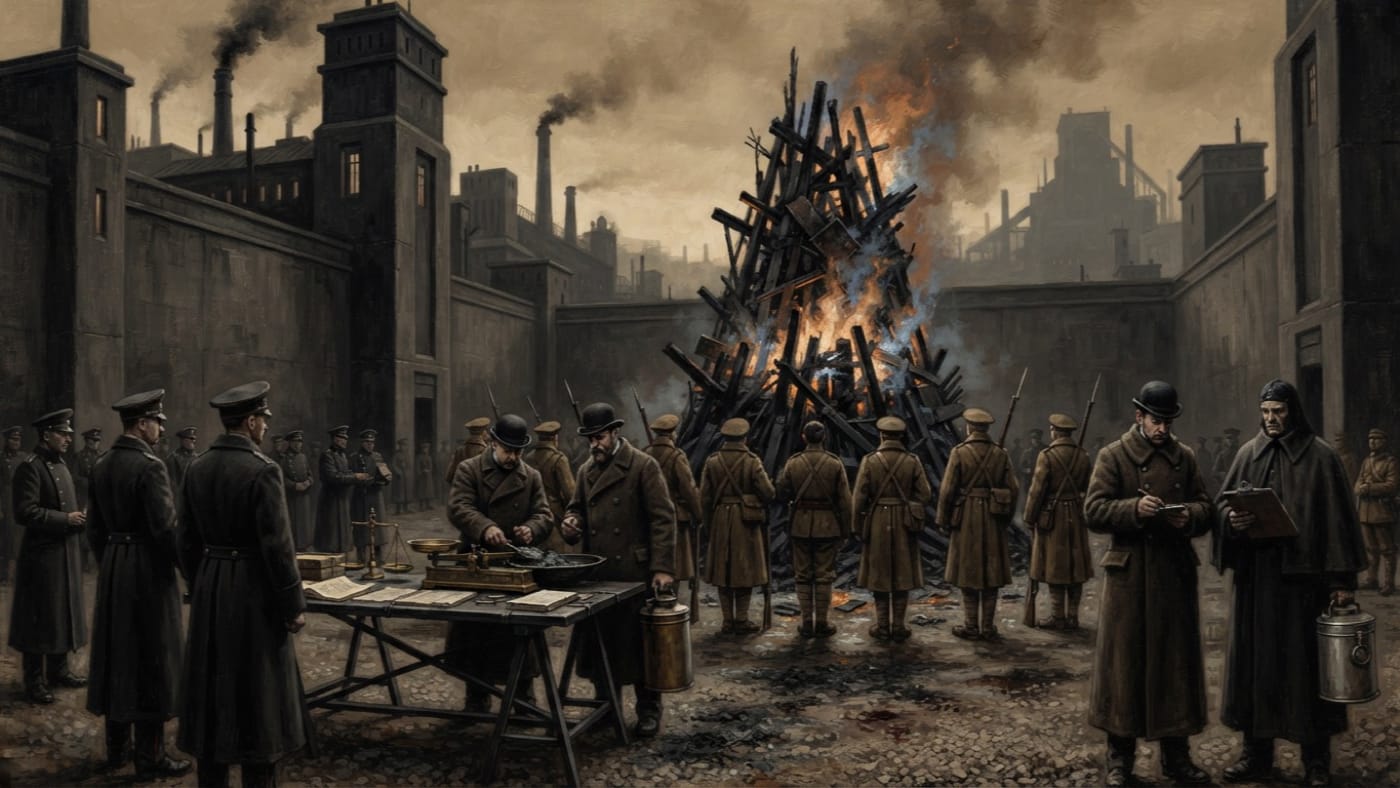
Martial Code 14-D
The parenthesis does the killing
Martial Code 14-D sends voluntary spiritual contamination to the pyre. Under Standing Order 119-F, I count forty burnings and three disappearances; the ledger is clearer about ashes than choice.
Codex Ref. XIII.1.14-004
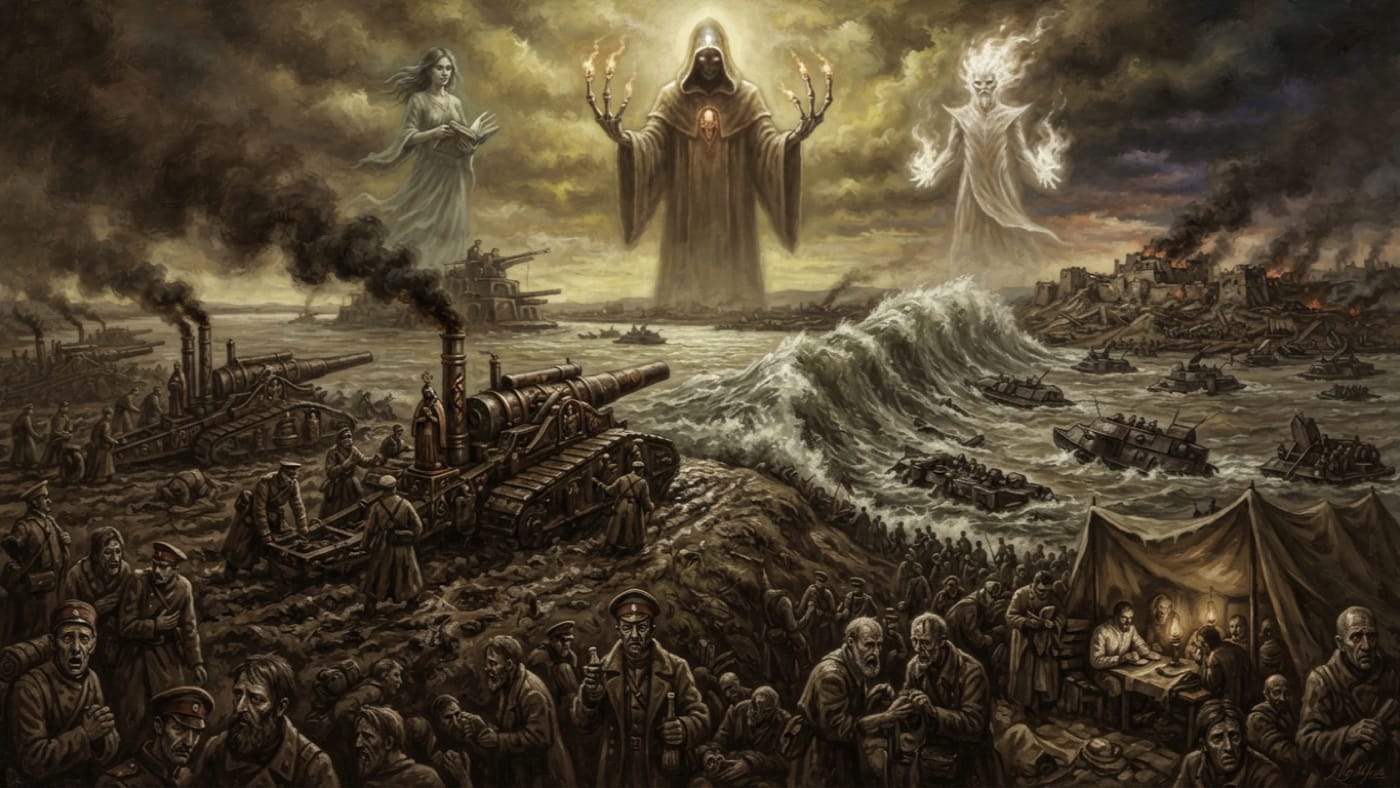
Martial Miracle
The river turns; the Bureaus take custody
Battlefield manifestations of the Creator's favour, read through Kalnik and Belgrade. Doctrine interprets, Records keeps the testimony, and War claims the victory. Pilgrimage sends the bill.
Codex Ref. VI.3.02-001
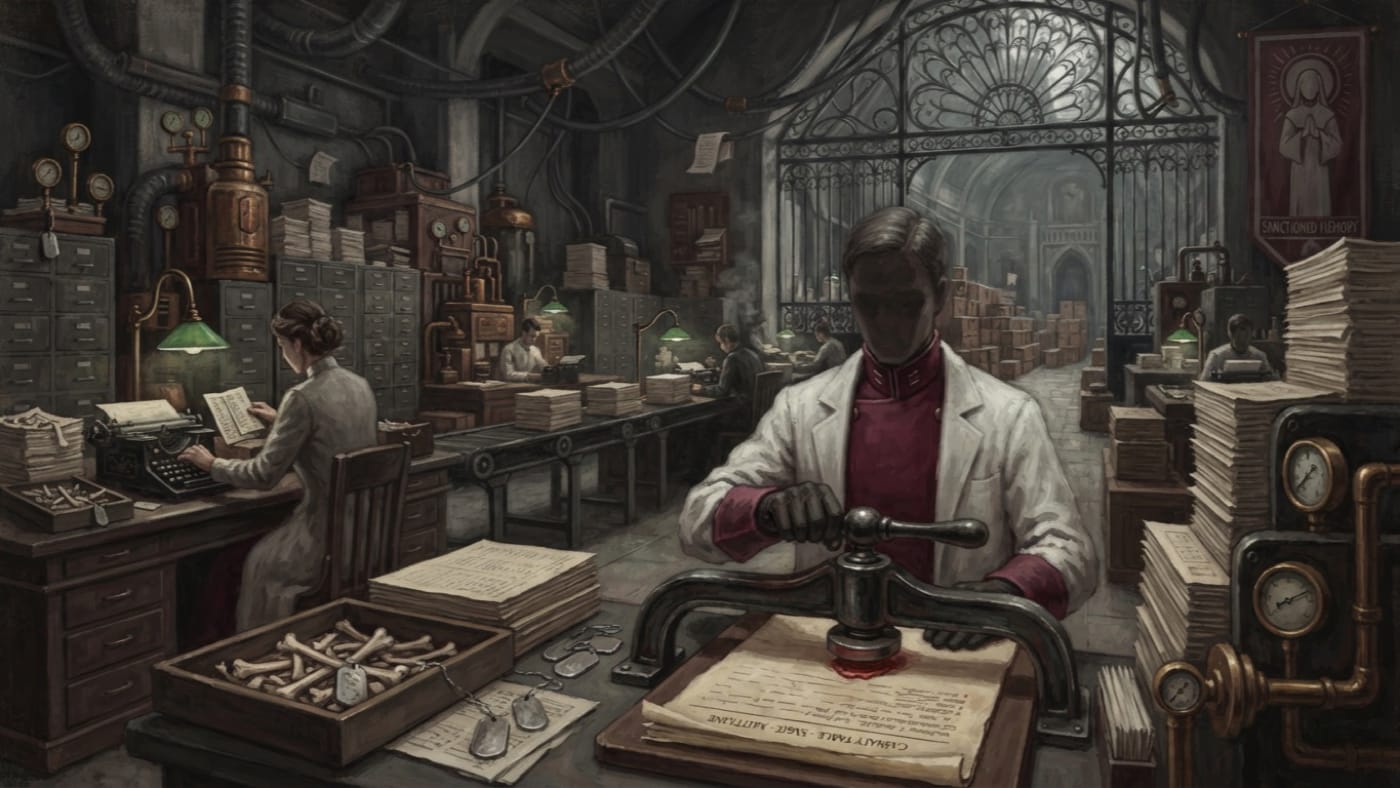
Martyrdom
The dead remain useful until their paperwork fails
The Seal of Martyrdom governs the Synod's recorded dead, sanctions their memory and commands the Bureau of Relics. War supplies names; Martyrdom decides what the parish may say.
Codex Ref. VIII.1.10-201
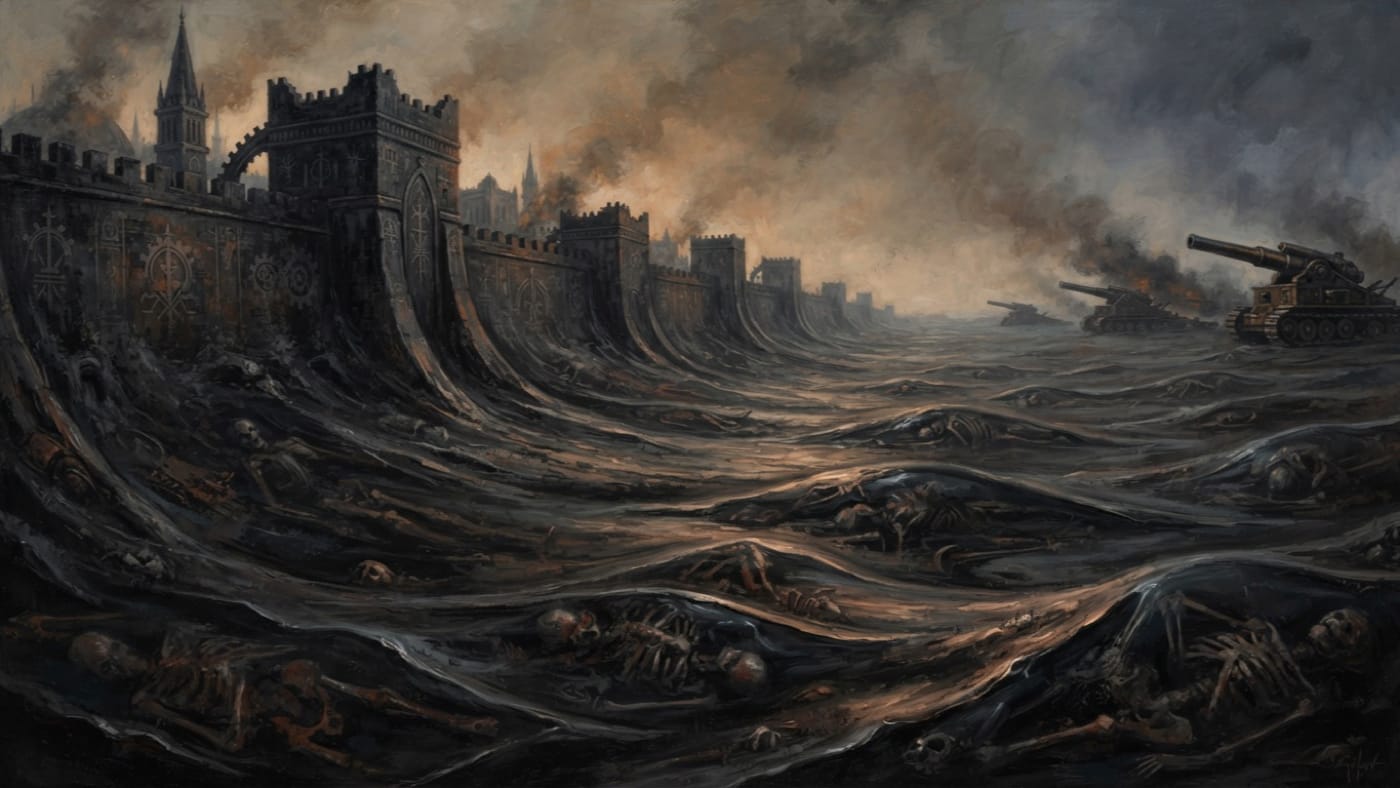
Massacre at old Constantinople
The guns left black glass; the living supplied a parish
An A.S. 201 survey of the Glass Parish account: a mistimed barrage at old Constantinople, a regiment reported vaporised, and prayers that survived. The massacre itself remains undated.
Codex Ref. VII.8.10-201
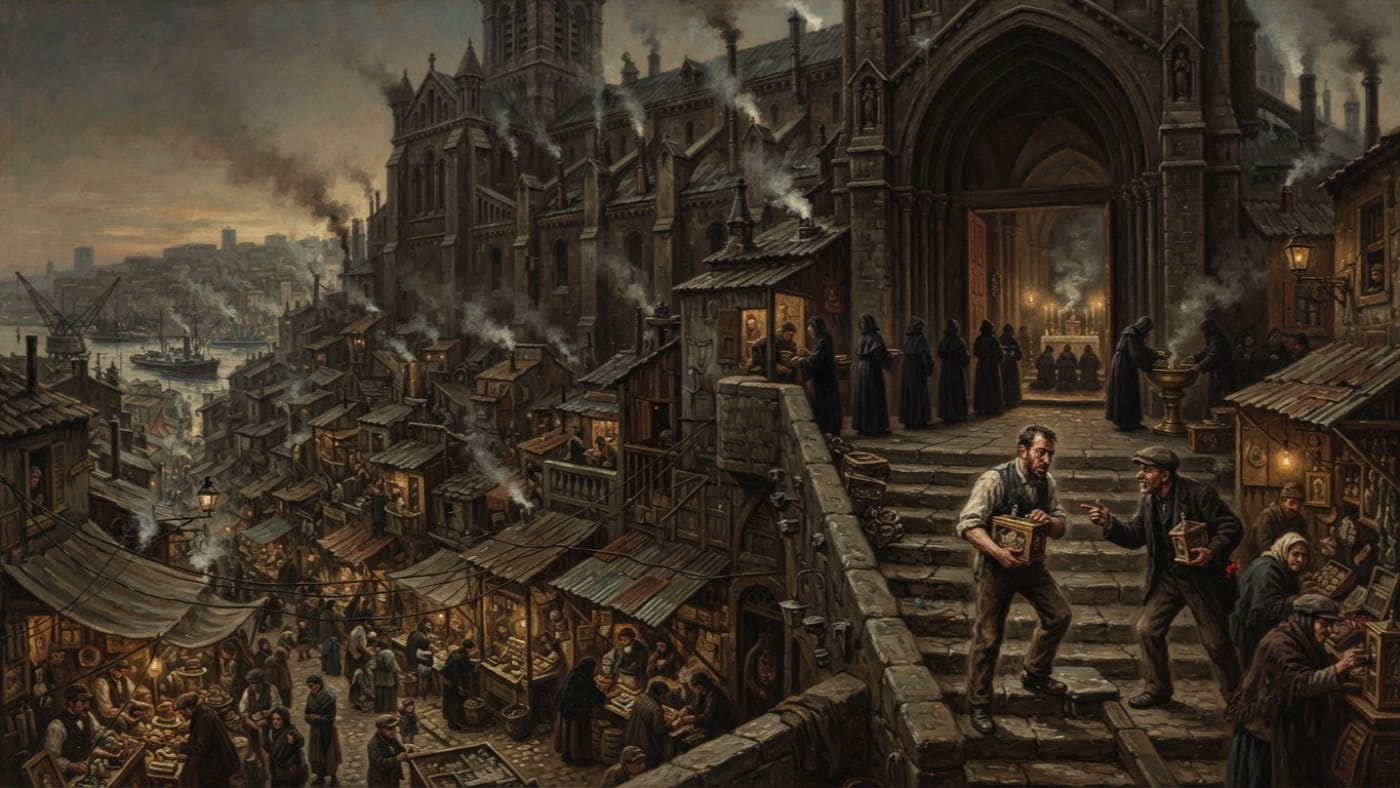
Masses of Remedial Doubt
The dealer pays for prayer; the knuckle keeps its provenance
At Saint-Victor in Marseille, relic dealers buy Masses of Remedial Doubt when customers complain. The cathedral receives an offering; the disputed bone acquires no certificate.
Codex Ref. XIII.1.43-002
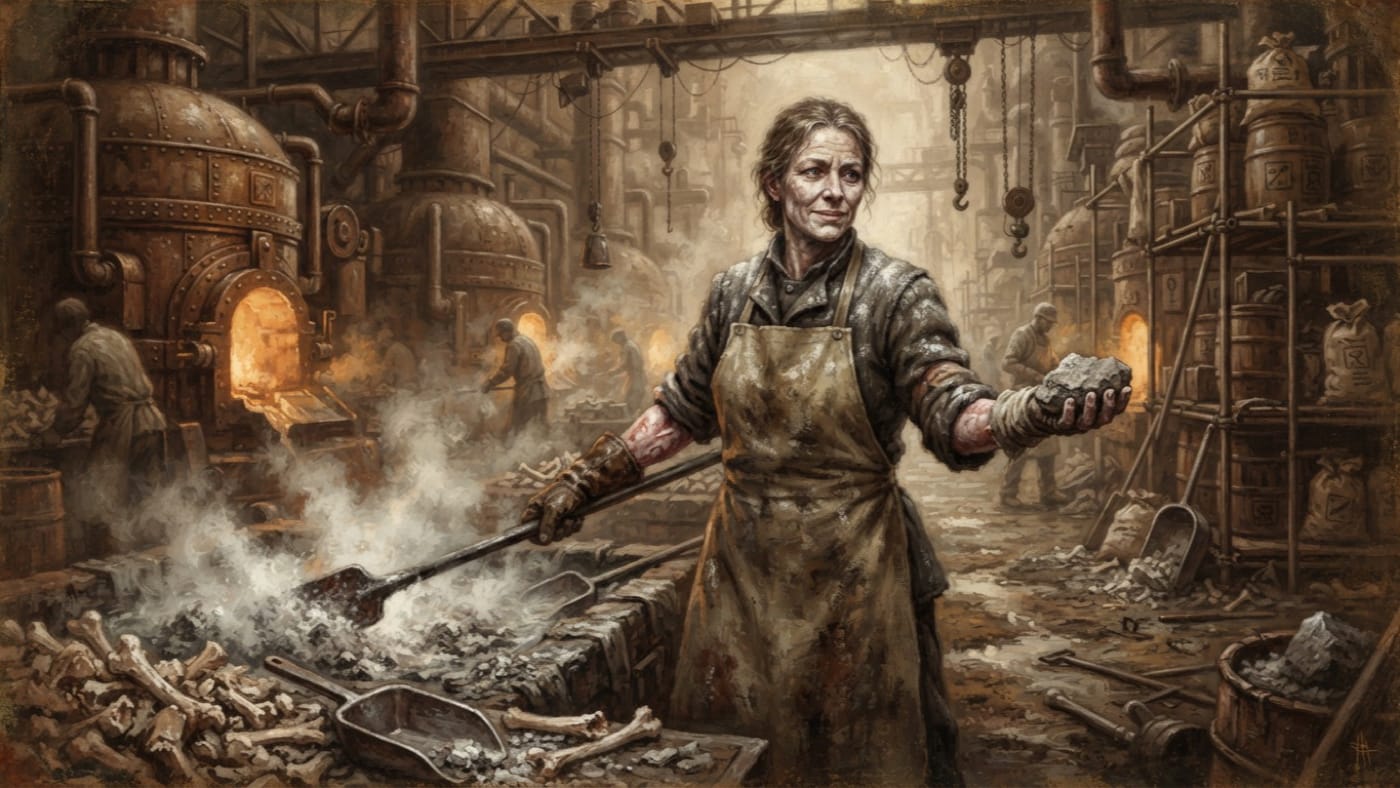
Master Melter Gretz
One name, one rank, one encounter in the kiln steam
At Bastion-Przemyśl in A.S. 194, Master Melter Gretz handed me mortar she identified as Saint Ephraim's leg. I record her station and her laugh. The Ledger supplies no later service record.
Codex Ref. III.2.01-194
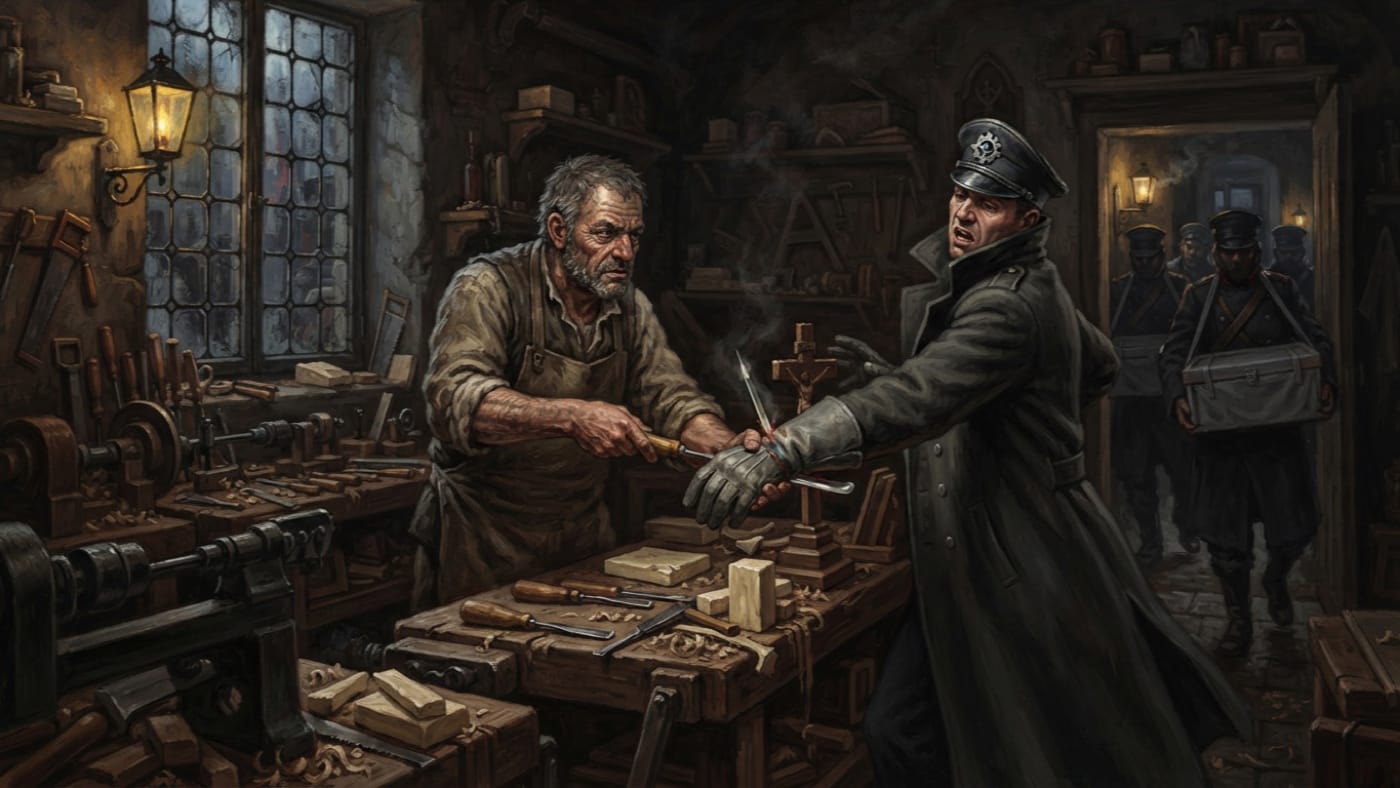
Matteo Bellandi
A carver's chisel answered the confiscation writ
Matteo Bellandi, Florentine ivory carver and father of four, answered Rationalist confiscation with a gouge chisel in A.S. 44. The Ivory Revolt followed; Records has no separate account of his death.
Codex Ref. III.2.01-044
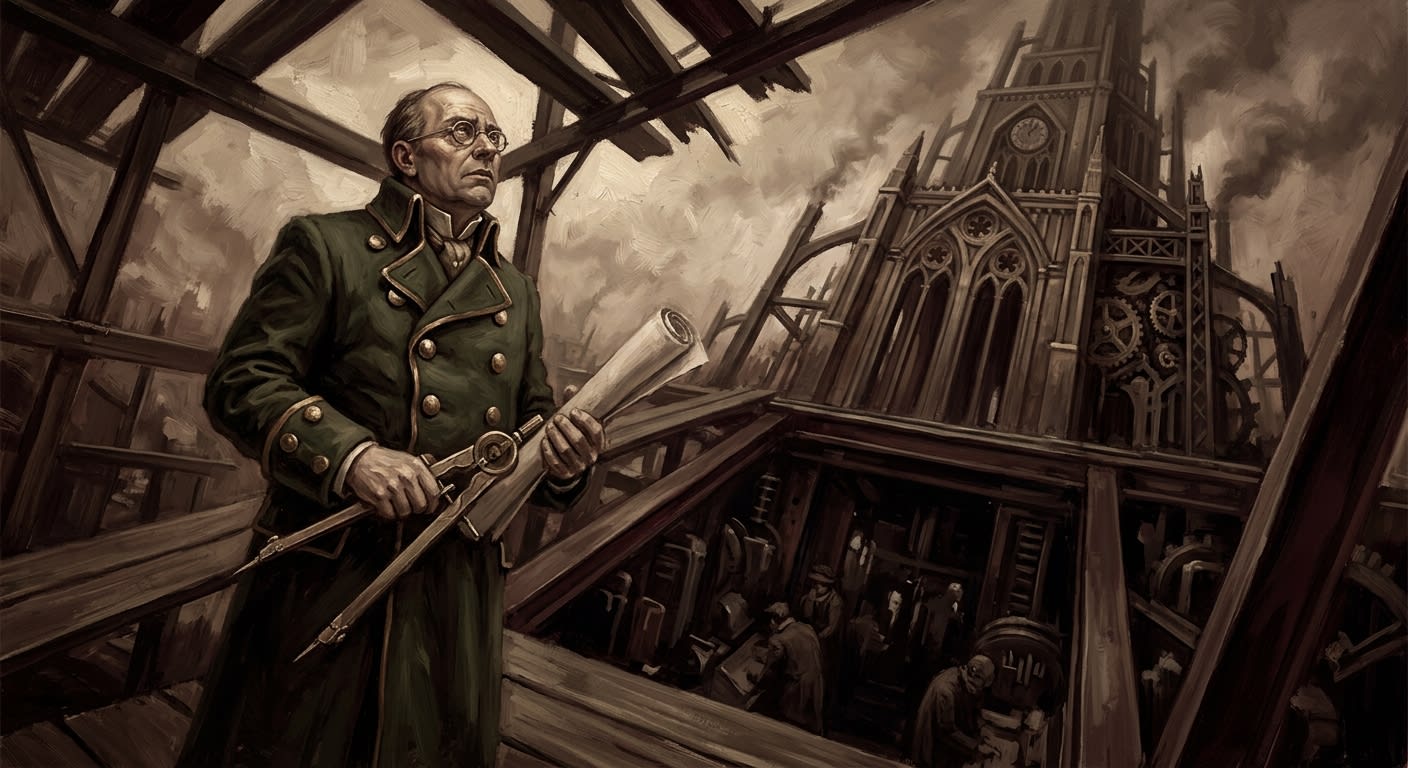
Matthias Kammler
The man who made Doctrine climb stairs
Matthias Kammler, architect of the Tower of the Quill, gave the Bureau of Doctrine a pen of stone and was repaid by height, honours, and a fatal scaffold.
Codex Ref. III.2.01-150
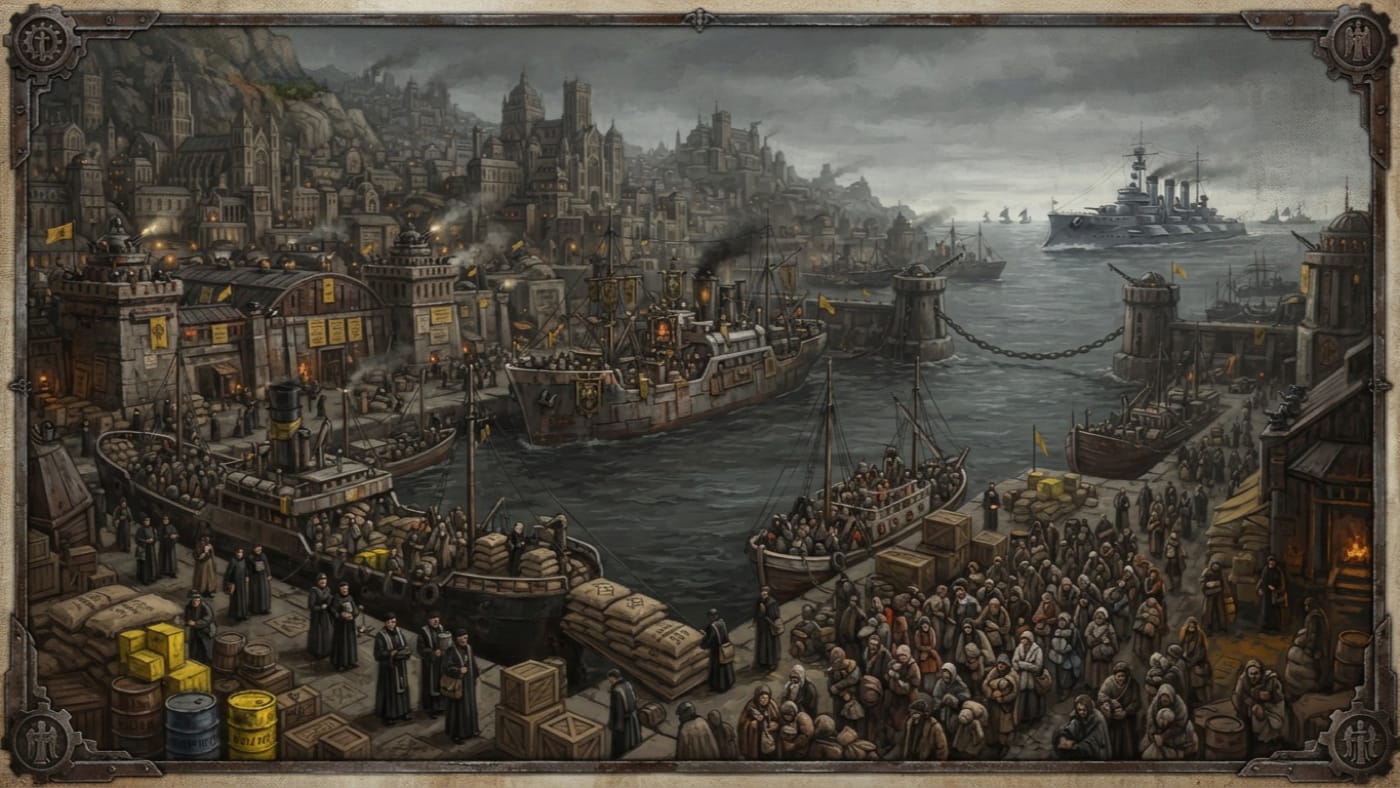
Mediterranean
The oldest road the Church holds, and the only one it cannot pave
The Mediterranean feeds the southern Line with grain, shot and pilgrims. Rival ports tax the passage, quarantine the passengers and leave room for contraband. The sea takes its share without a receipt.
Codex Ref. II.7.01-201

Military Track Corps
The rail advances first, and complains last
War-requisitioned Guild crews who lay, repair, certify, and sometimes die beneath tactical rail so guns, shrines, and commanders may arrive pretending motion was inevitable.
Codex Ref. XII.44.02-001
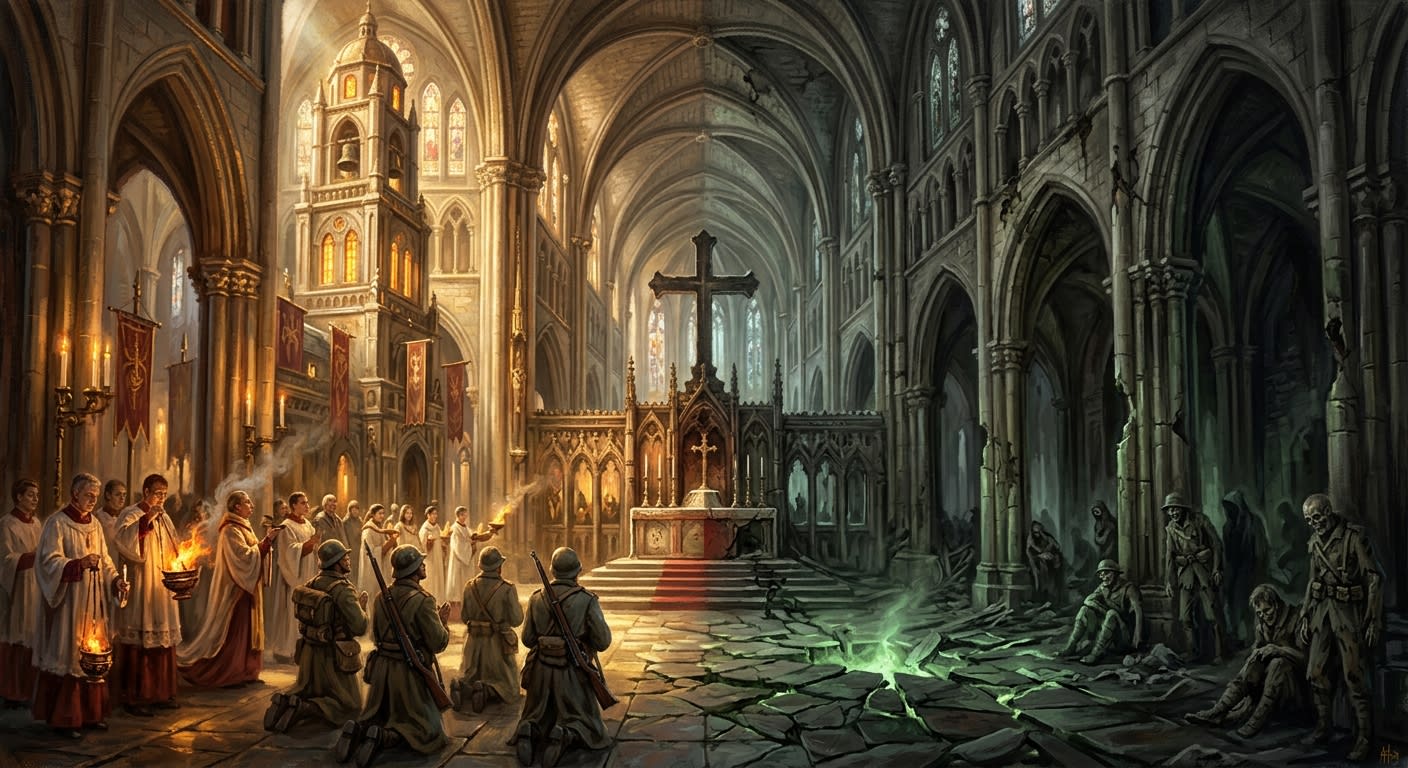
Miracles and Sorcery
Both crack Creation; only the paperwork differs
The Bureau insists miracles and sorcery are opposites. The mechanism, as Drax reluctantly confirms, is identical. The source determines canonisation or burning. The paperwork is different. The world pays either way.
Codex Ref. VI.3.01-001
Monastery of Saint Alexios
The house burned; one brother carried its relic out
Dalmatian monastery destroyed in the first week of the Sundering, A.S. 45. Brother Tomislav carried out its reliquary; the house survives chiefly as the first link in a custody chain.
Codex Ref. III.2.04-1871
Mother Vell of the Crooked Stones
A plot is a promise, and promises have tenants
Uncanonised patron of Grave-Field Shanty Brokers, Mother Vell turns crooked stones, leased graves, and shelter fraud into a cult the Bureaus cannot afford to suppress.
Codex Ref. III.2.01-122

Mother Vellum-of-the-Reed
The river remembers the name the Ledger cannot keep
Mother Vellum-of-the-Reed is the uncanonised patron legend of Ferry Chokepoint Brokers: a scribe of rented names, blank folios, and river-bargained passage.
Codex Ref. III.2.01-115
Mud-Relic Syndicate
A relic costs less than an acceptable history.
At the Ash-Glyph Marshworks, the Yesterday Finders turn planted relics and impossible recoveries into registered salvage. The tags are forged, the clerks are paid, and the mud has begun supplying its own paperwork.
Codex Ref. XIII.1.50-002
Munich
The last comfortable city; or, where the war becomes a number before it becomes a wound
The Synod's central logistics hub and the last city where the war is an abstraction. Seven hundred thousand souls administer the machinery of a conflict they will not fight. Munich pays its tithes, fills its quotas, and resents everything.
Codex Ref. II.4.09-008
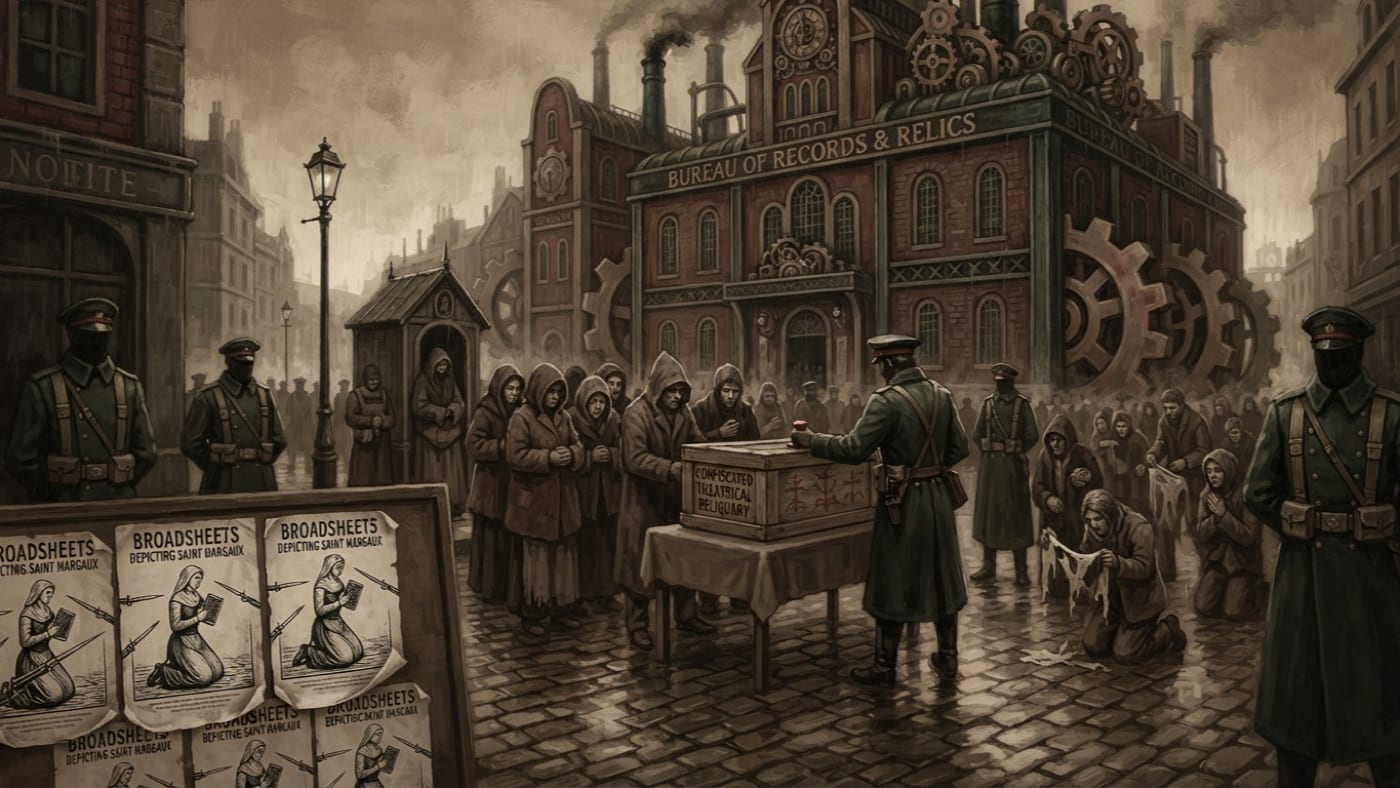
Nantes
Paper arrived; a box was seized
Margaux's broadsheets reached Nantes; a theatrical reliquary there was confiscated after accepting offerings. Paper arrived, a box was seized, and the Bureau considers this sufficient civic history.
Codex Ref. II.3.05-010
North Sea
The wet border that feeds the Line and refuses the Ledger
The North Sea is the Synod's least obedient frontier: a maritime supply basin of grain, coal, fish, fog, foreign credit, reluctant allies, and weather that accepts no stamp.
Codex Ref. II.4.09-201
Northern Theater Logistics Command
The palace writes the order; the railway waits for bread
Northern Theater Logistics Command works from an old Polish palace in Warsaw, serving the routes to Brest and Königsberg. Orders are plentiful; coal, sound rail and bread decide what moves.
Codex Ref. VIII.7.05-201

Notary-Saint Caldre
A saint who wrote one sentence and made Relics afraid of grammar
Patron of Relic Authenticators, Caldre entered a sealed vault in A.S. 94, wrote one approved sentence, died smiling, and left the Bureau a seal-press it cannot trust.
Codex Ref. III.2.01-139
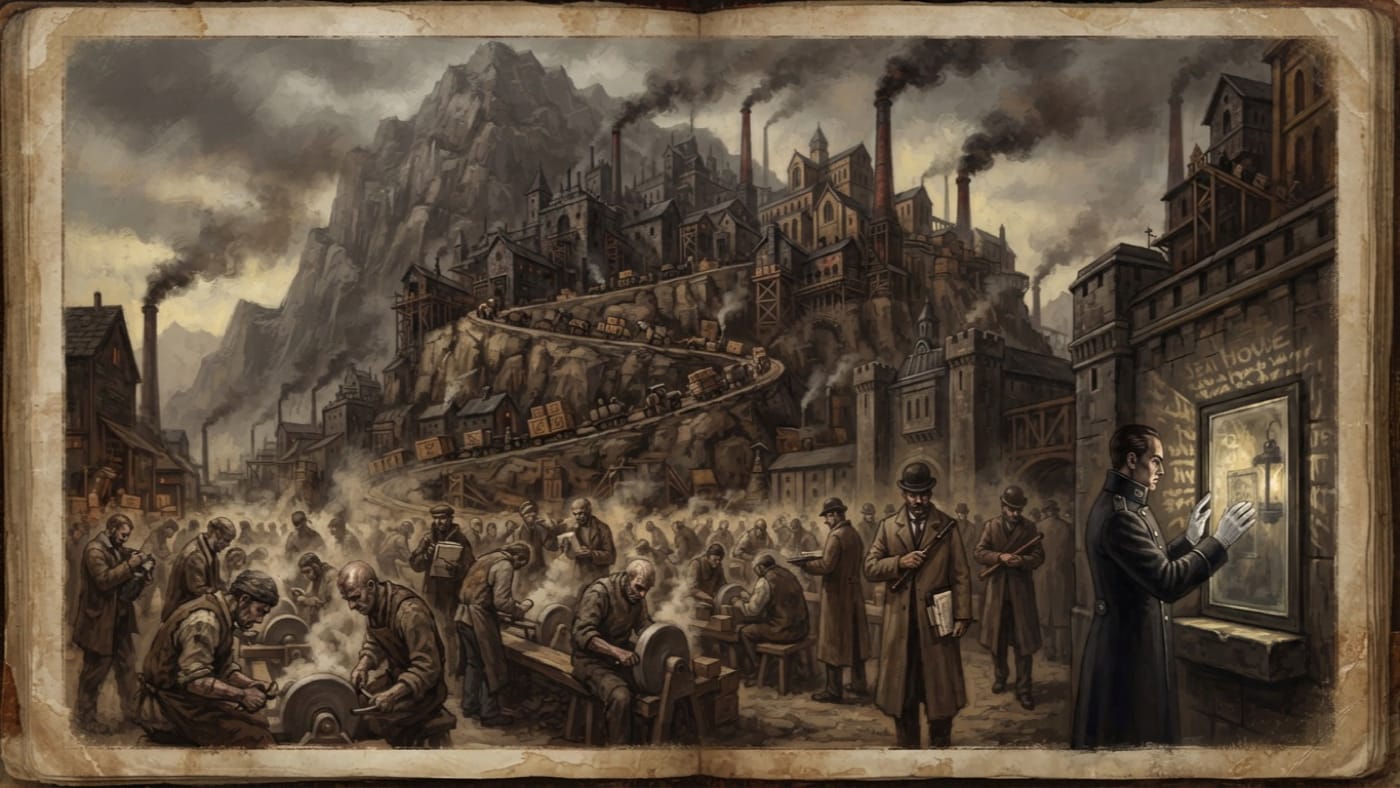
Oathglass
The glass breaks the light; the Seal House decides what it proves
Oathglass lets the Church read holiness through a stamped pane. At Saint-Helm's Cut, clarity costs lungs, and the seams answer names the hymn-cards omit.
Codex Ref. XIII.1.22-002
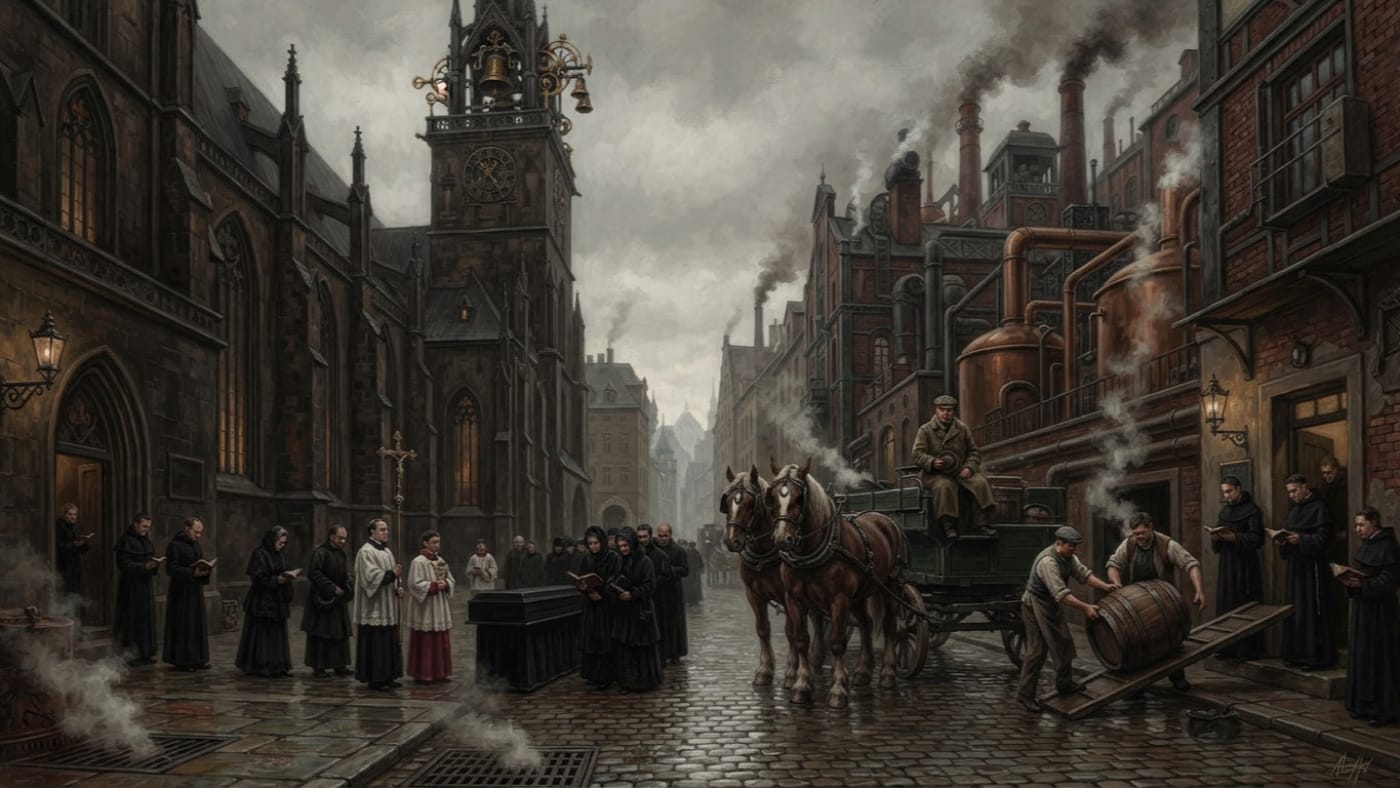
Old Cathedral Precinct
Where the fourth line stays long and the funeral beer is poured
Munich's old cathedral precinct keeps its offices beside the Bräuviertel, accepts the brewers' gifts, buries their dead, and gives Doctrine excellent attendance with an inconvenient cadence.
Codex Ref. II.2.06-017
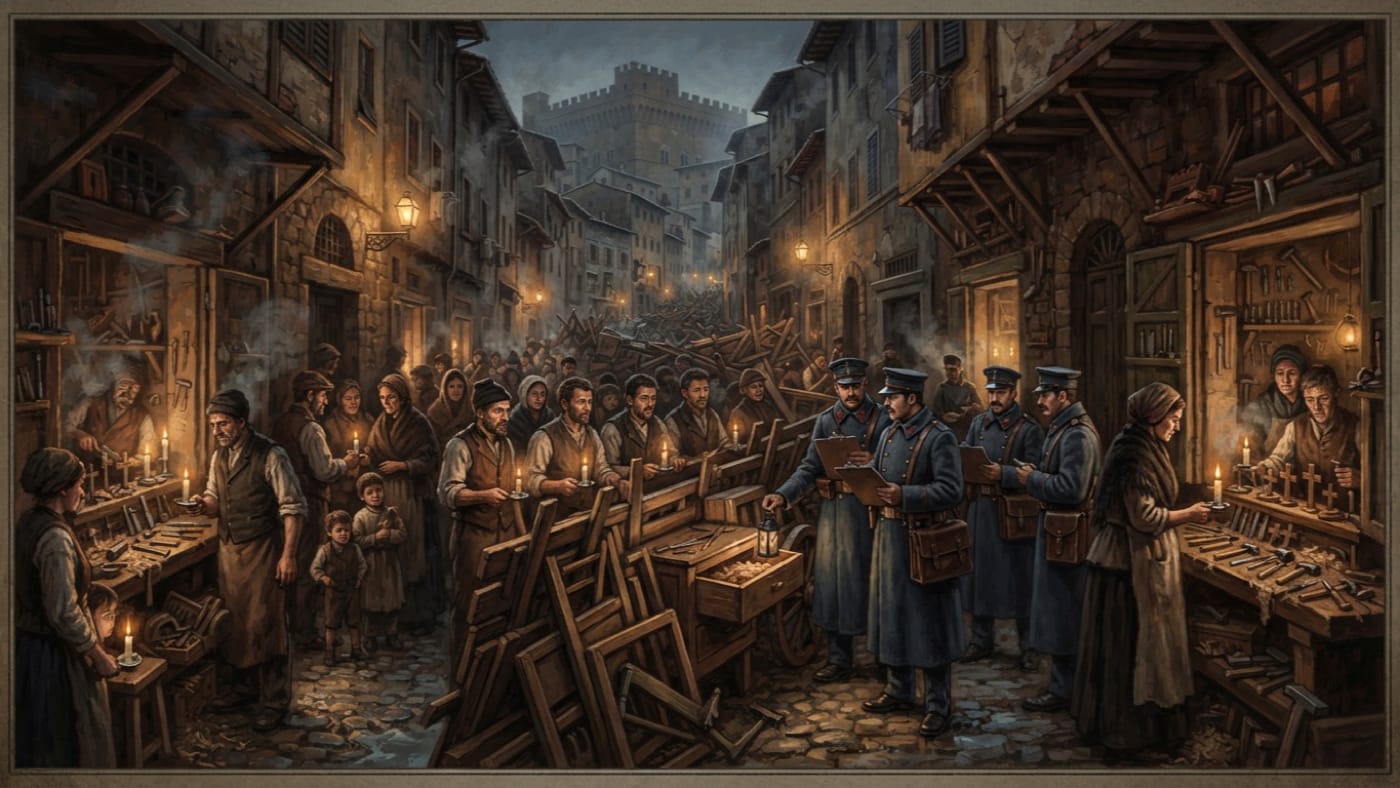
Oltrarno
The quarter that kept the Church in its drawers
Florence's workshop quarter kept the hidden Church in deep drawers, held a street in A.S. 44, and now supplies sacred craft under inspection by offices that arrived after the danger.
Codex Ref. II.4.09-201
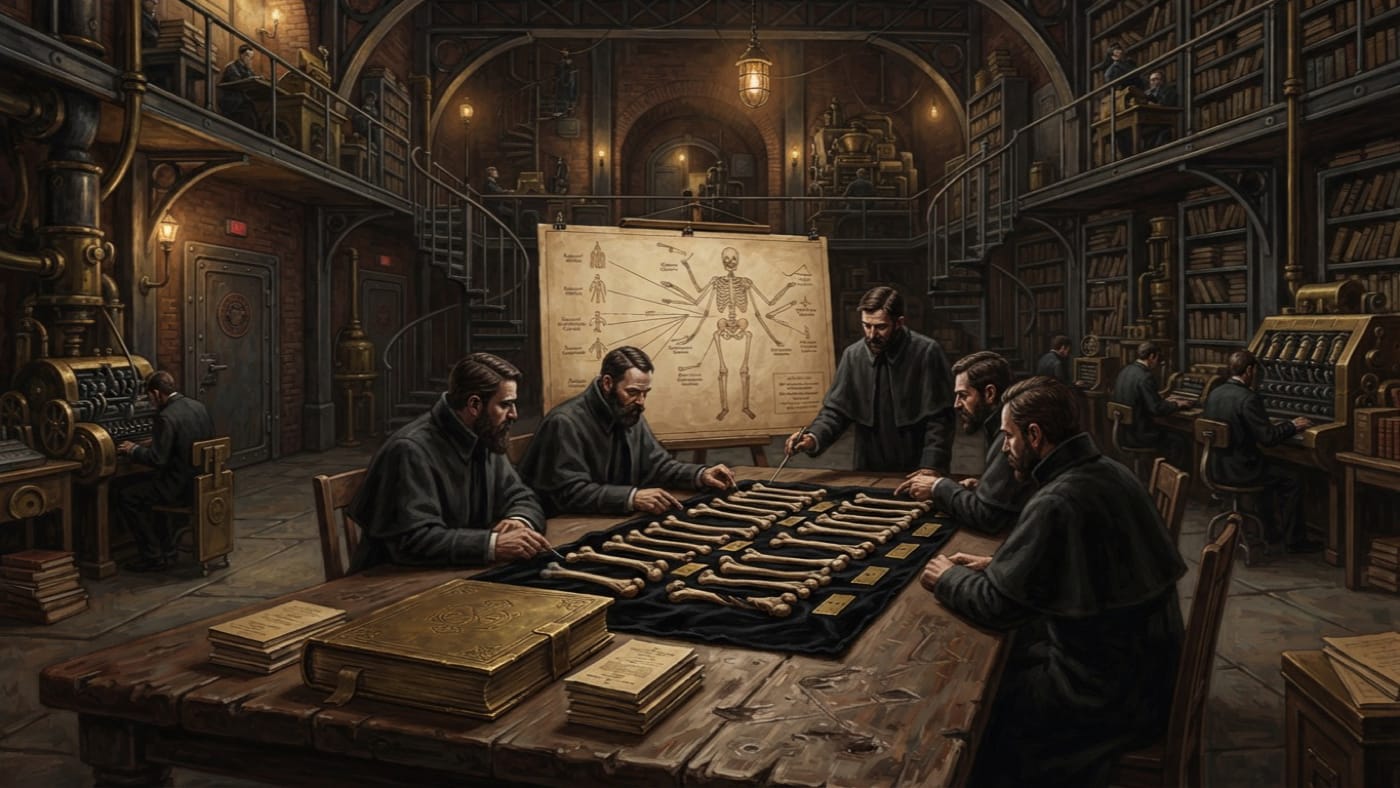
On the Statistical Distribution of Relics
A correct sum confers no licence to pronounce on holiness
Voll's A.S. 11 Amsterdam lecture counted Saint Aldebrand's femurs and mistook the total for a verdict. The Bureau preserves it under suppression: the arithmetic may be conceded; the conclusion may not.
Codex Ref. XIII.1.11-011
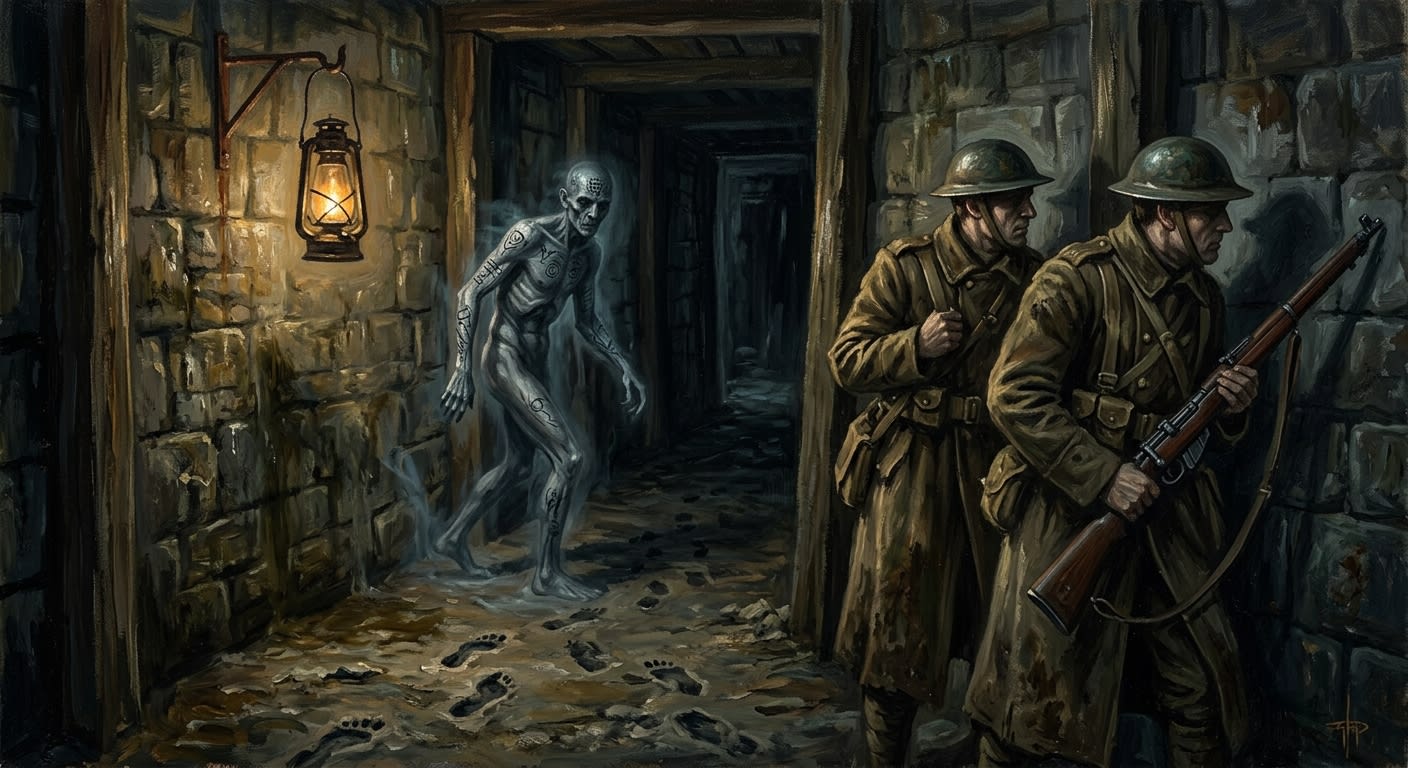
On the Veil-Stalkers
The enemy the eye refuses to see
A taxonomy of the Shadow Court's concealment-inscribed mortal stealth auxiliaries — five modes of glyph-fed invisibility, a lifespan measured in weeks, and the Bureau's admission that a knife you cannot see kills morale more efficiently than a cannon you can.
Codex Ref. IX.1.05-001
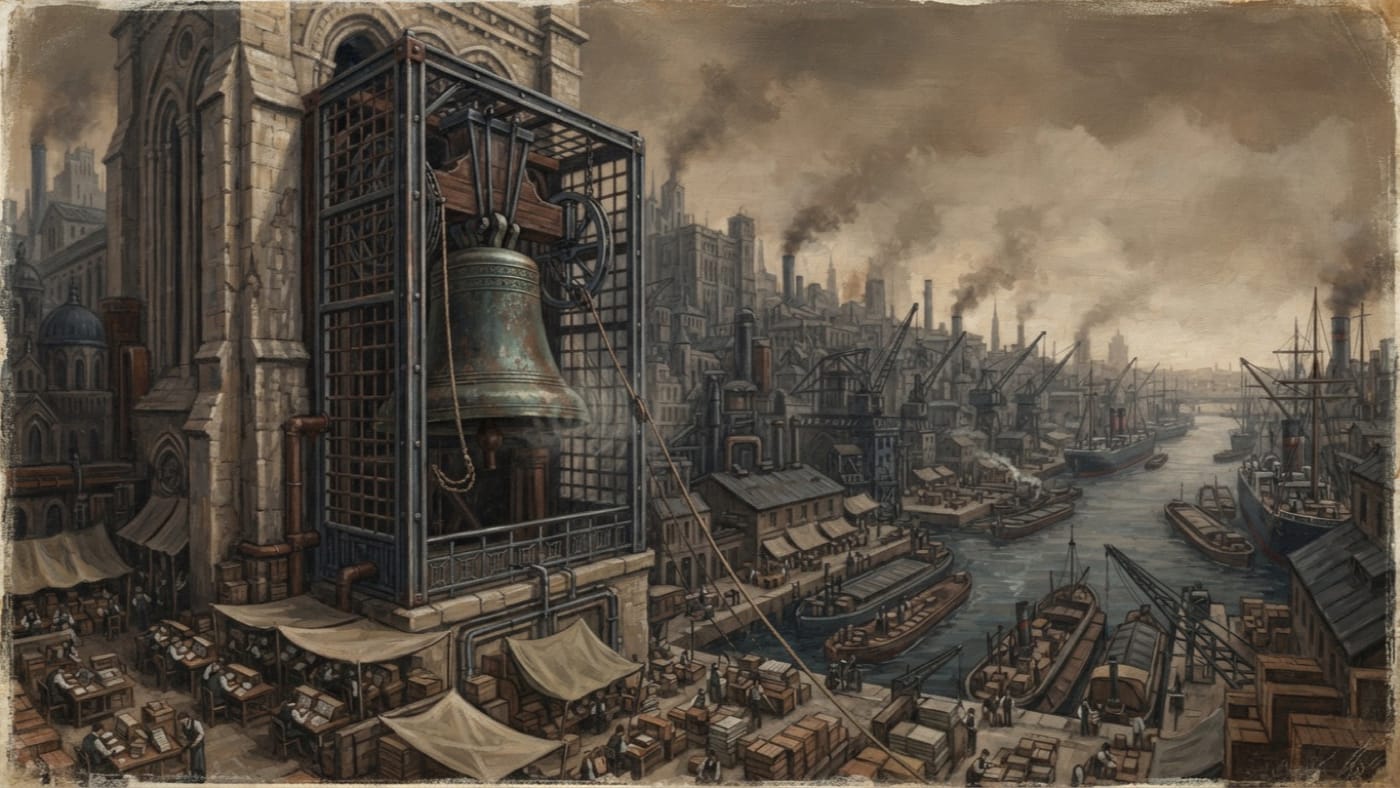
Oraison
Saints draw crowds; someone must ring for the ledgers
Oraison is one of Saint-Victor's nine principal bells in Marseille, marking Bureau business at the quay. The clerks supply the ink; the Bureau of Bells supplies the bronze.
Codex Ref. XIII.1.62-225
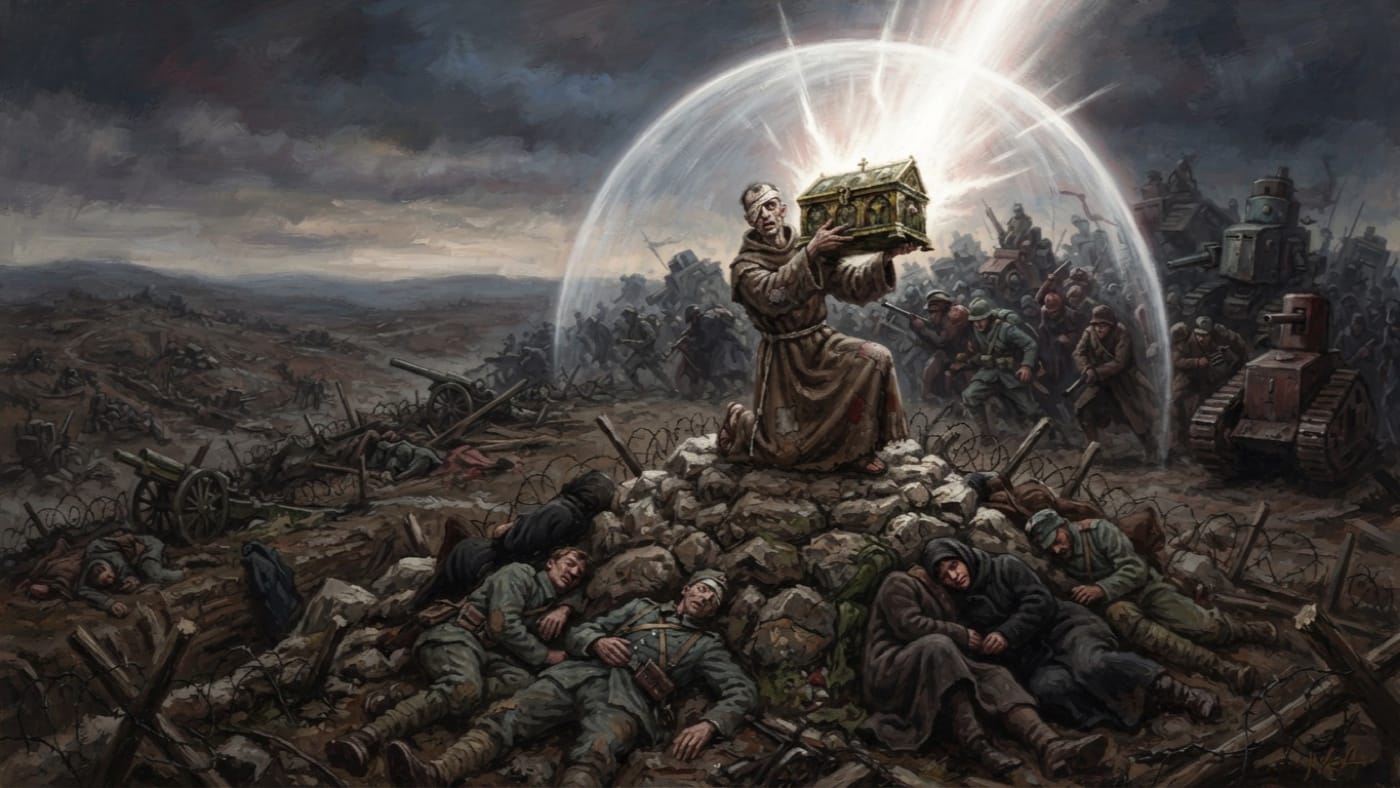
Order of Friars Minor
One brother in the record, an Order still unaccounted for
The Franciscan Order named in Brother Tomislav's file. One friar is confirmed; its foundation, superiors and survival remain beyond the Ledger's reach.
Codex Ref. VIII.9.02-2026
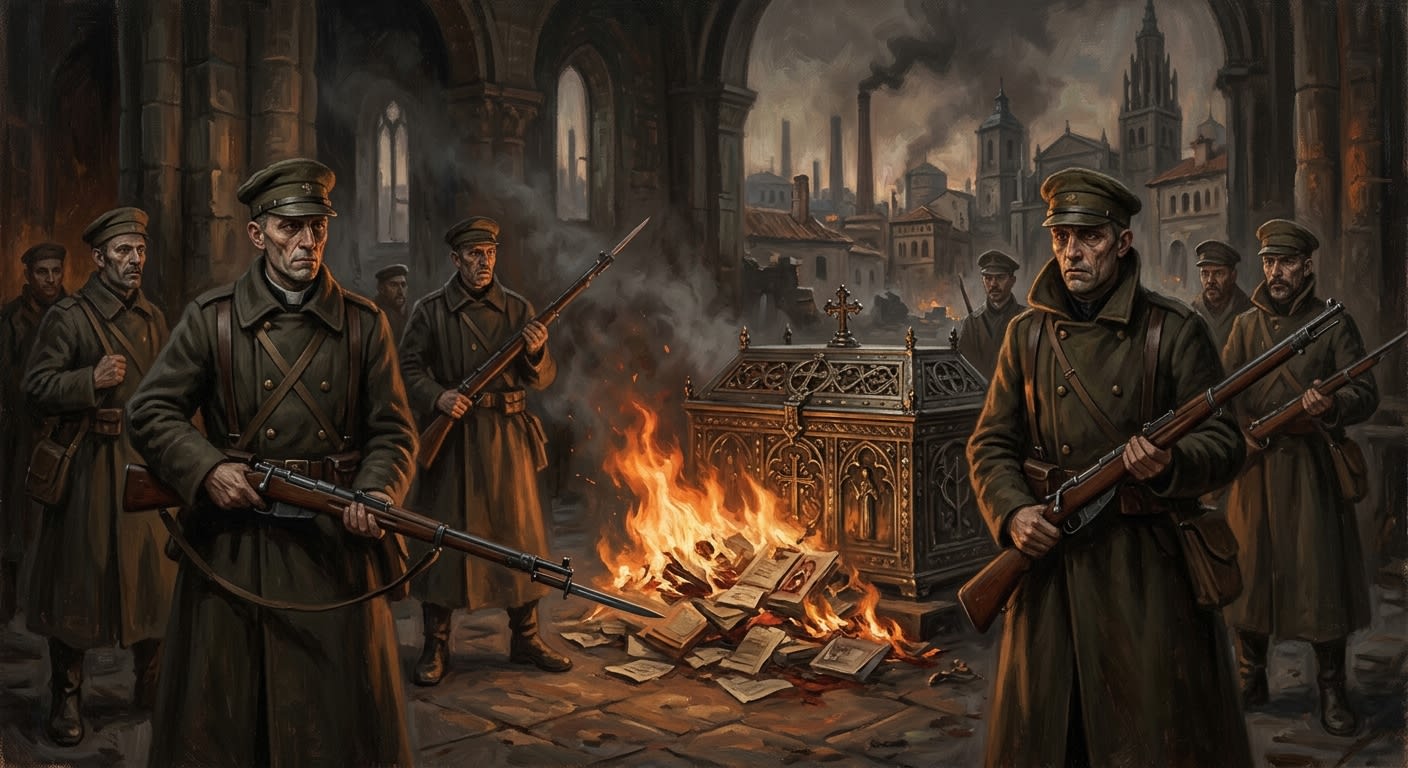
Order of Saint Iago
The grey mantles who taught custody to survive defeat
Iberian military-monastic order remembered for guarding the Relic of Saint Iago at Toledo, holding the city nine months, and burning custody clean before Reason could take it.
Codex Ref. VIII.9.01-001
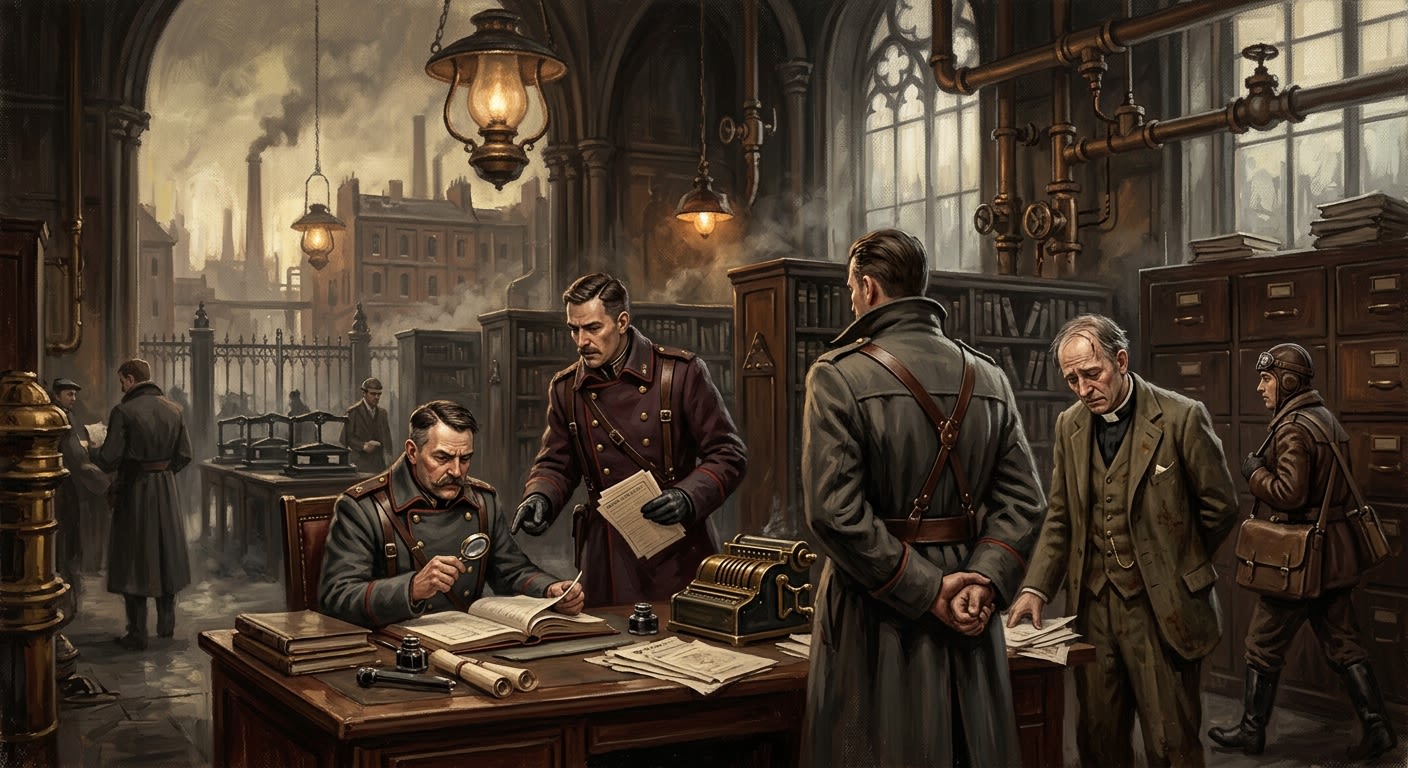
Order of Severance
The inward knife that cuts office from affection before affection becomes a kingdom
The Order of Severance is the Bureau of Purity's inward knife: an inquisitorial fraternity that hunts clerical and bureaucratic heresy where clean cuffs, perfect ledgers, and trusted colleagues become shelter.
Codex Ref. VIII.1.07-134
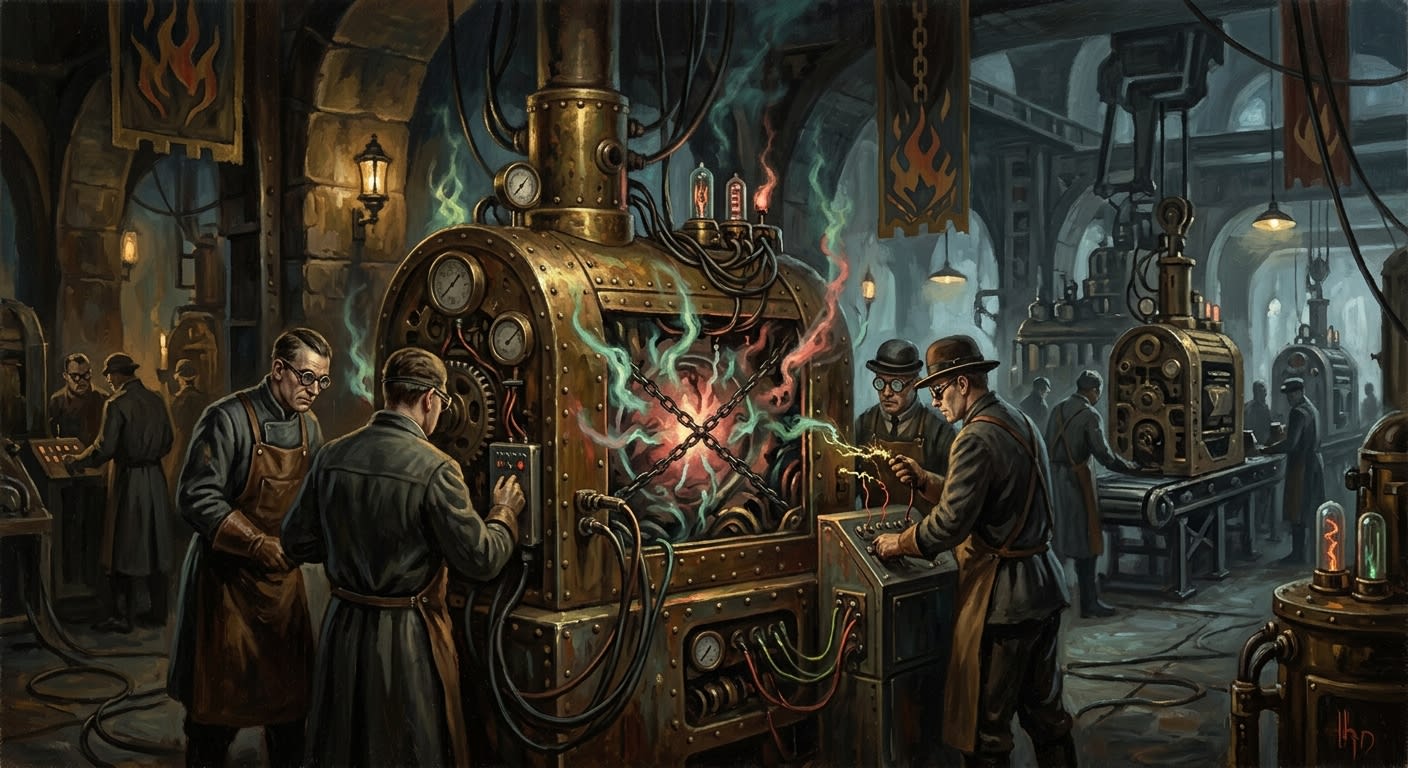
Order of the Shackled Flame
The office that taught Hell to move on schedule and submit invoices
The Order of the Shackled Flame binds residual demonic essences into sanctioned war housings beneath Bastion-Constantinople, which is heresy with a payroll.
Codex Ref. VIII.7.04-001

Orison Signal Engineer
The approved voice must arrive cleaner than the air that carries it
Orison Signal Engineers lace the Synod's broadcasts with saint-dust, keeping doctrine, ration orders, and war commands from curdling into enemy song.
Codex Ref. VI.4.07-018
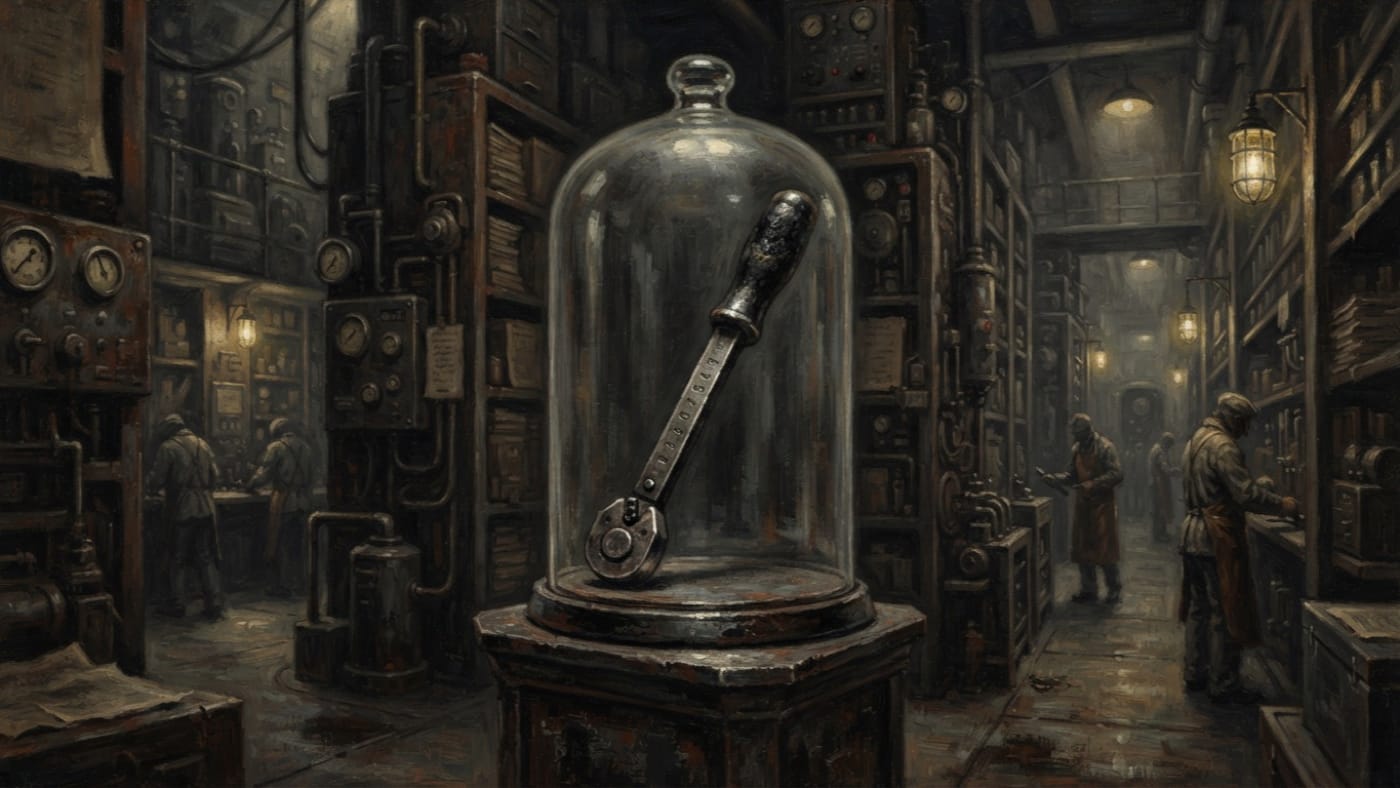
Orla's Torque Key
Eight numbers, two affirmations, one doubt, and no permission to lift the bell
The torque key attributed to Saint Orla rests under glass in the Metz Ash Vault: eight etched numbers, a blackened handle, two affirmations and one doubt. The seal held; the custody chain is less obliging.
Codex Ref. III.2.04-132
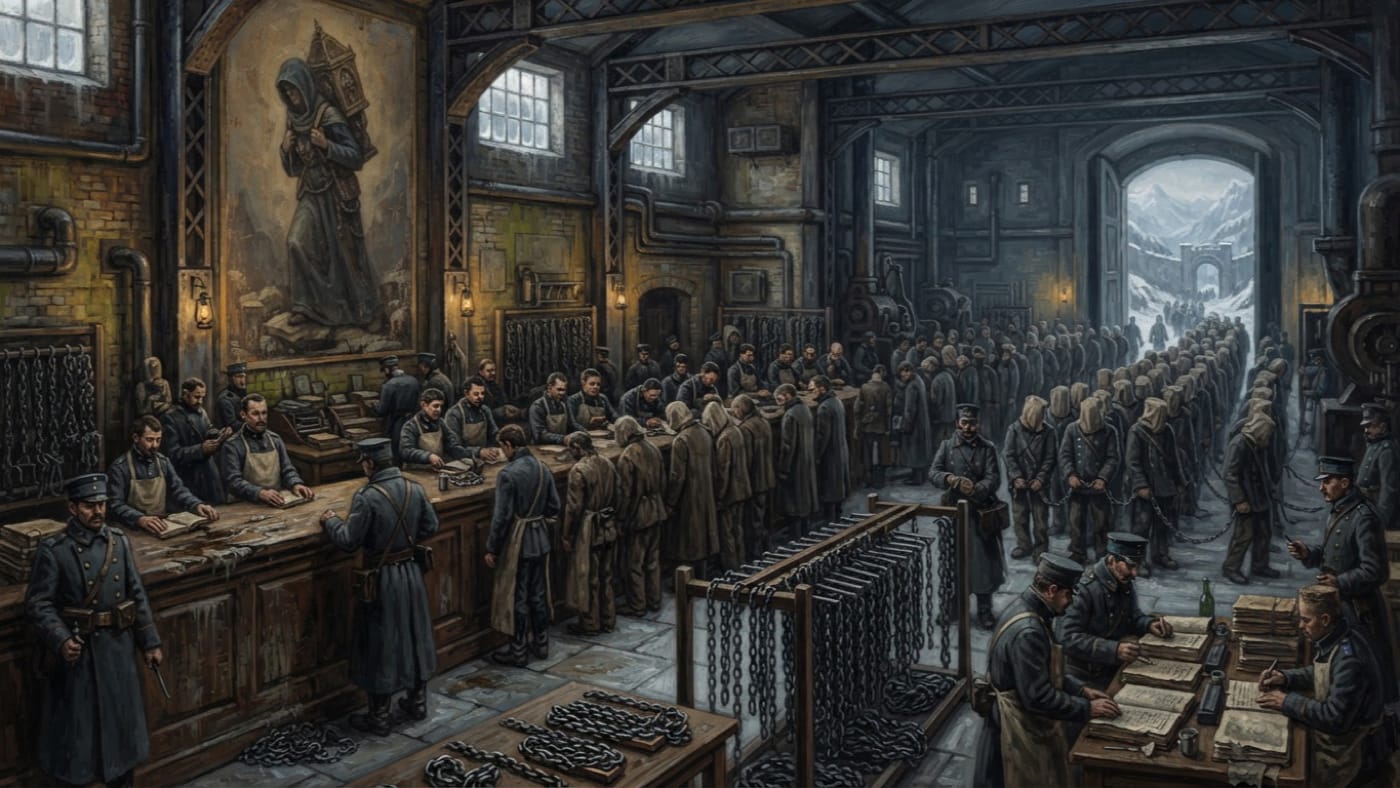
Ossuary Convoy Office
Where the condemned become capacity and the missing become corrections
At Bastion-Przemyśl, the Ossuary Convoy Office grades condemned carriers, issues chains and seals relic cargo. I inspected its immaculate ledgers in A.S. 197. Everything was accounted for; the shackles required no questions.
Codex Ref. II.4.07-197
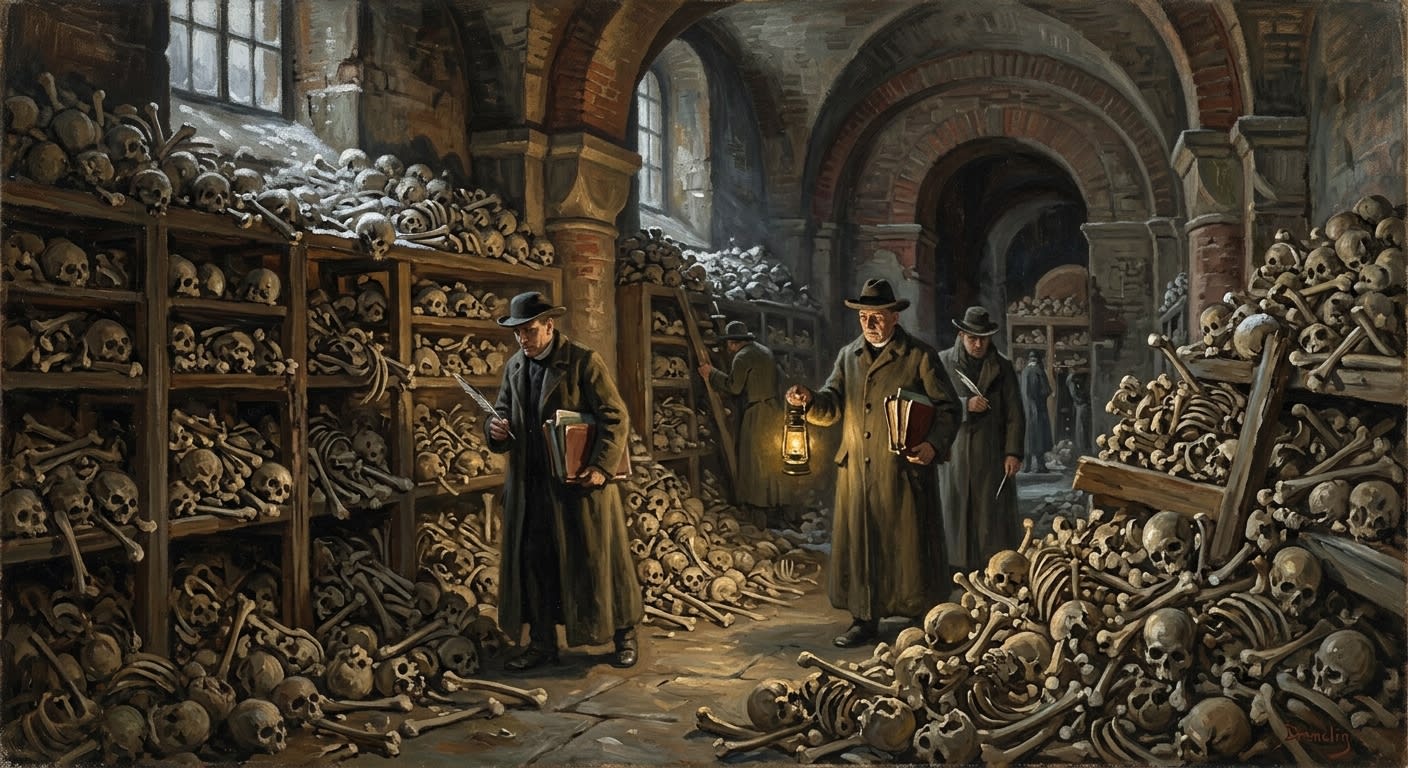
Ossuary Overflow Winters
The season when the dead exceeded the shelves and the wall learned appetite
Three A.S. 73–76 winters of forward ossuary collapse, suppressed ratios, frozen ledgers, and chapel overflow that taught the Synod to prefer sanctified walls to crowded shelves.
Codex Ref. VII.4.25-002
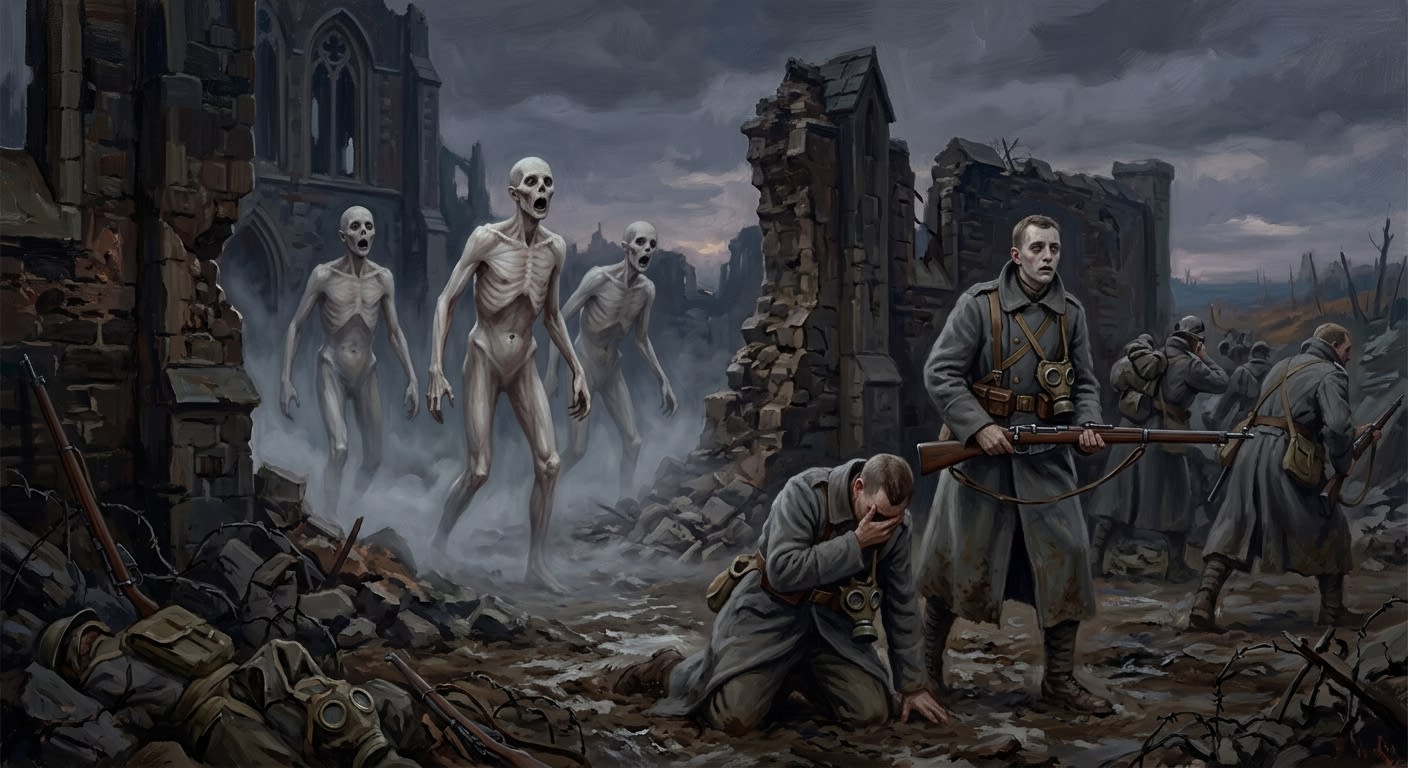
Pale Chanters
They do not sing. The Bureau is, as always, correct. And the Chanters keep singing.
Former humans animated by an unsanctioned hymn that evacuates the will to fight from every soldier within earshot. Classified as involuntary sorcerous emission, Category Epsilon. The Bureau forbids calling it song.
Codex Ref. IX.1.06-001
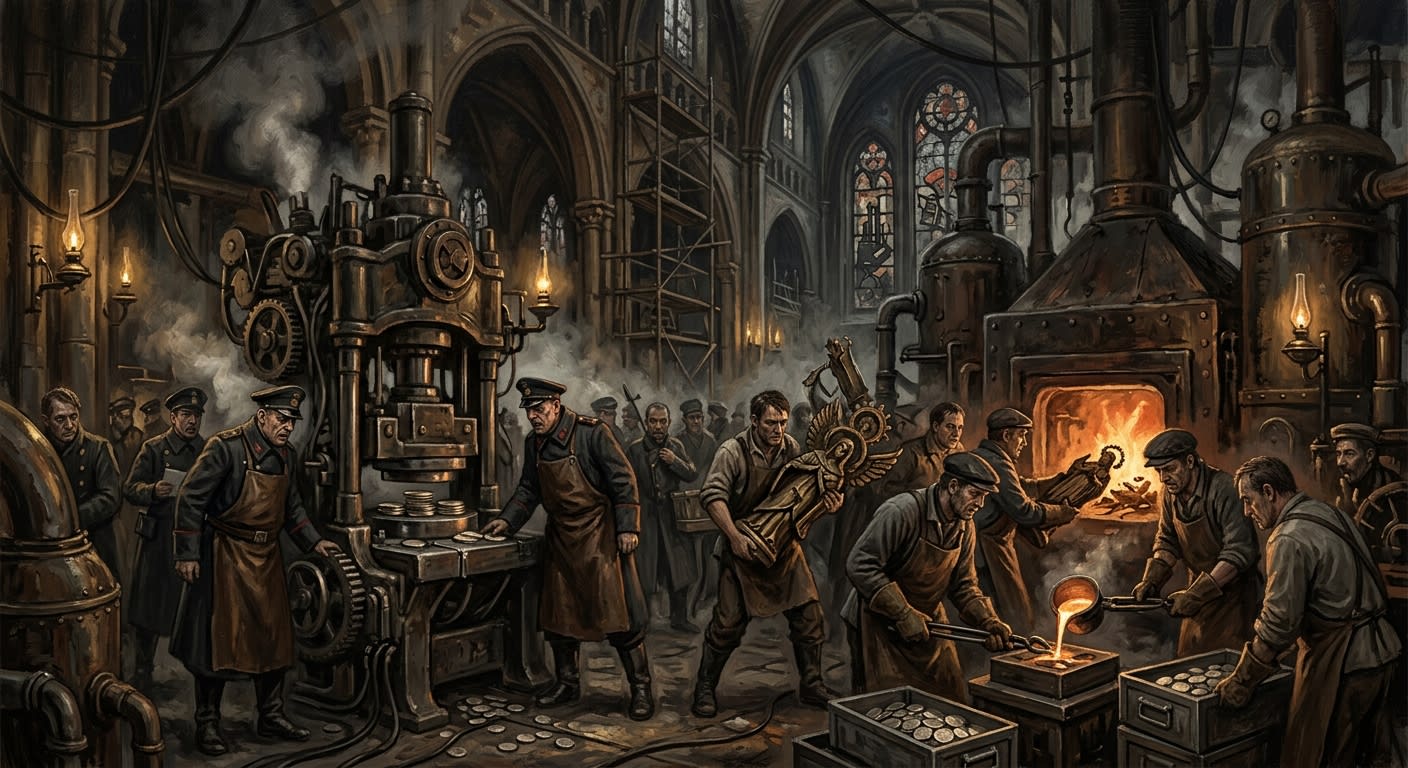
Panic of Wrath's March
Wrath did not enter Aachen; Aachen paid anyway
A.S. 160 gave Aachen no siege, no breach, and no Maldrake at the gate — only fear hot enough for Tithes to melt saints into coin.
Codex Ref. VII.8.10-160

Paper-Only Faction
The smallest heresy says the seal moves faster than the saint
The Paper-Only faction is the smallest Femur-War Broker branch, refusing relic contact while selling provenance chains, delay writs, and custody narratives.
Codex Ref. XII.15.04-001
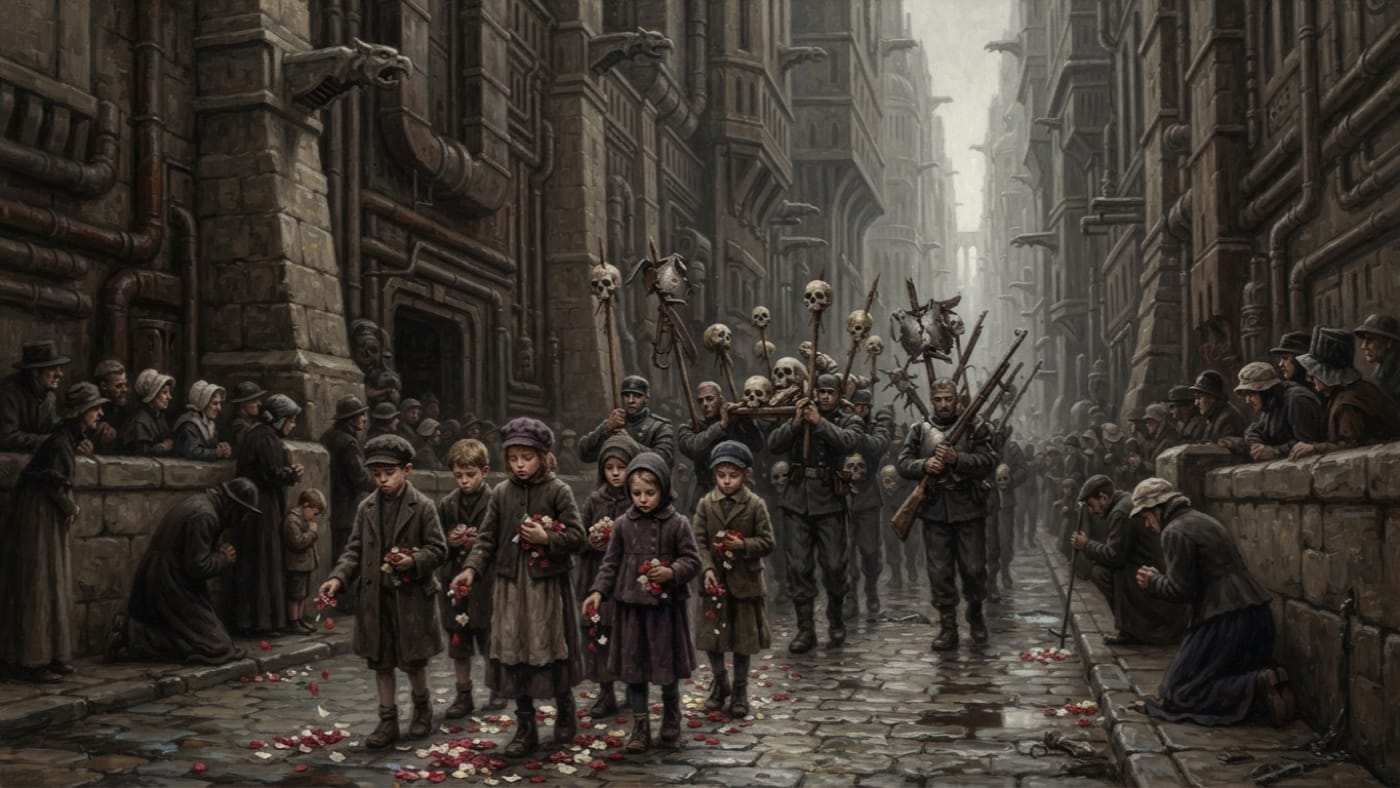
Parade of the Bones
The dead keep formation; the living scatter petals
The bastions carry skulls, shattered armour and consecrated iron behind children scattering petals. Festivals commends the cost per mile; Relics disputes the paperwork. The dead continue to serve without drawing pay.
Codex Ref. XIII.1.89-002
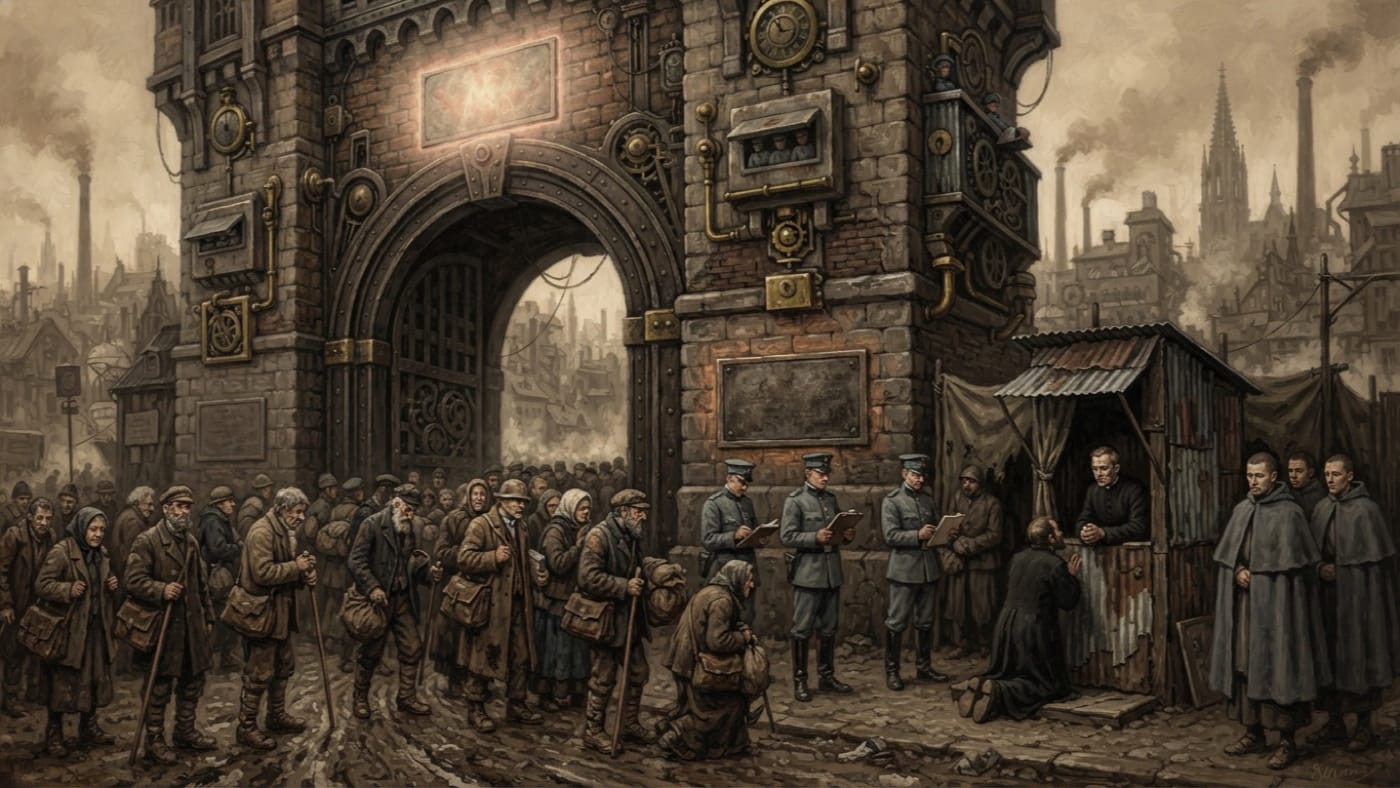
Pastoral Separatists
The soul decides; the clerk wants evidence
The Pastoral Separatists let the pilgrim's soul decide which Regensburg inscription takes hold, leaving the gatehouse to demand evidence it cannot inspect.
Codex Ref. XIII.1.76-093
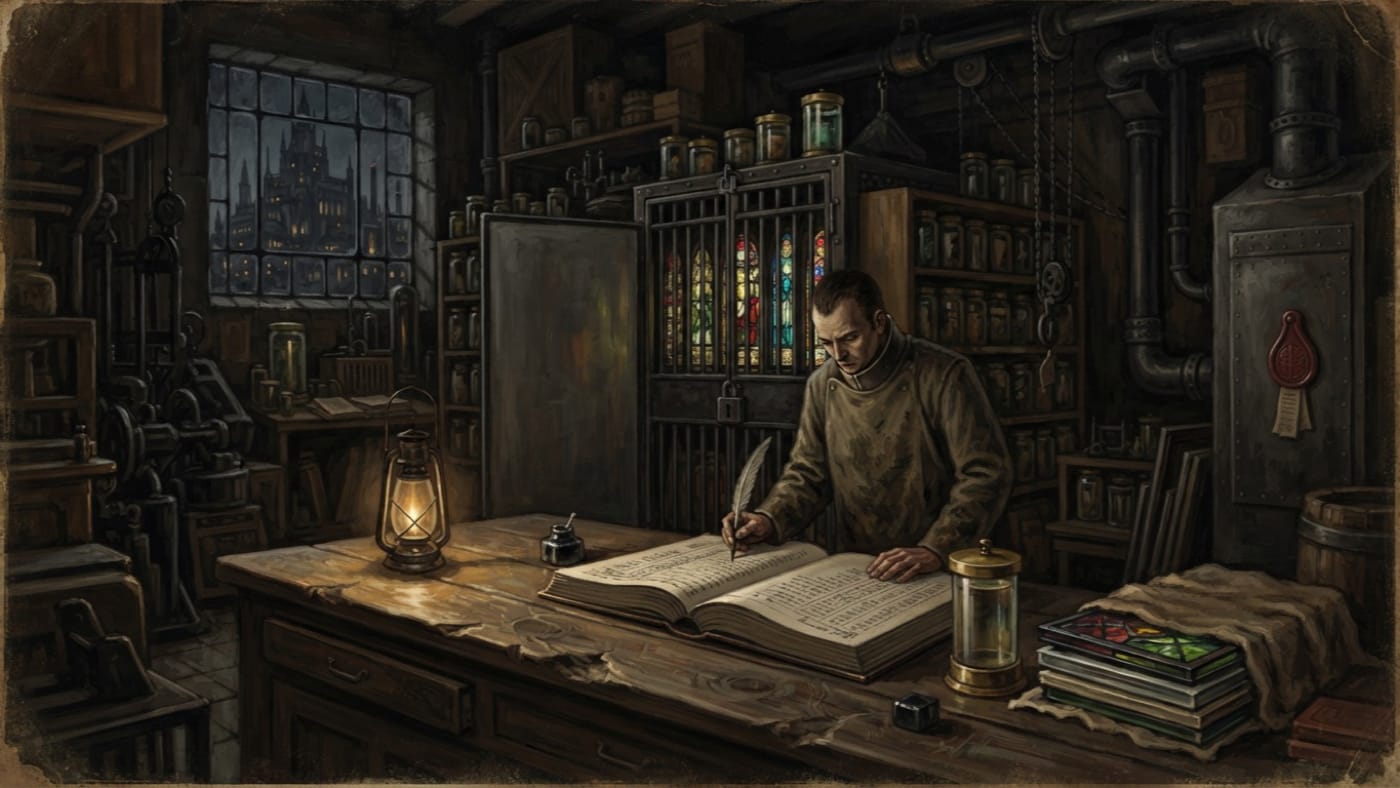
Patron Window
Destroyed in the ledger, installed in the chapel
The Patron Window carries seized beauty from destruction ledgers into private chapels. The Circle of Stained Proof receives protection; the ledger certifies that nothing survived.
Codex Ref. XIII.1.76-201

Peace Brokers
The grey-corded liars who sell the cheapest form of mercy: delay
Peace Brokers are the oldest Femur-War Broker faction, heirs to Elder Noxa's temporal-separation method, selling quiet by keeping authenticated relic contradictions apart.
Codex Ref. XII.15.02-001
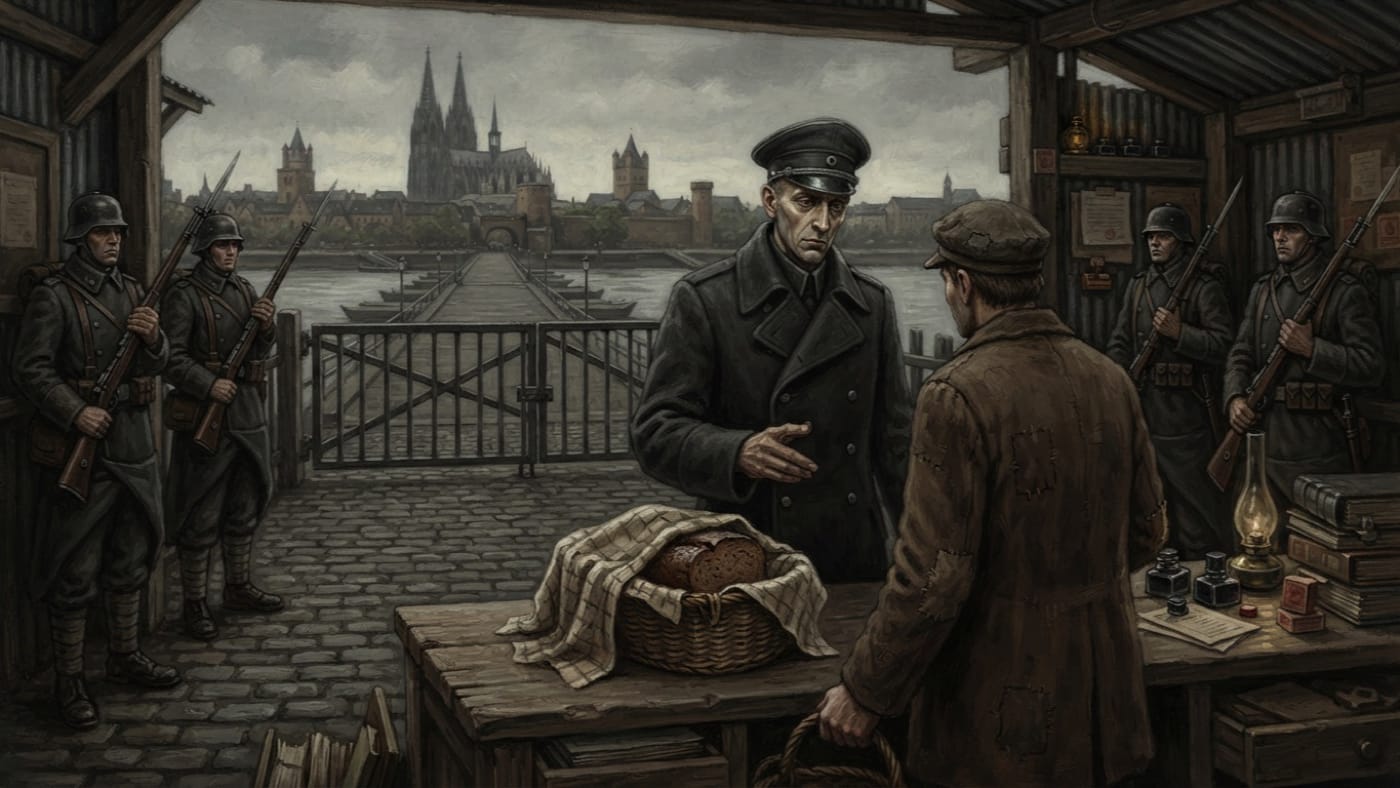
Philosophical Prefect
He looked at the basket. The bones went through.
A Rationalist examiner of documents, parcels and suspected sacred objects, attested at Cologne in A.S. 31. He waved Ignatius Brenner's breadbasket through. Three apostolic bones escaped; the inspector's name did not survive.
Codex Ref. III.2.01-031
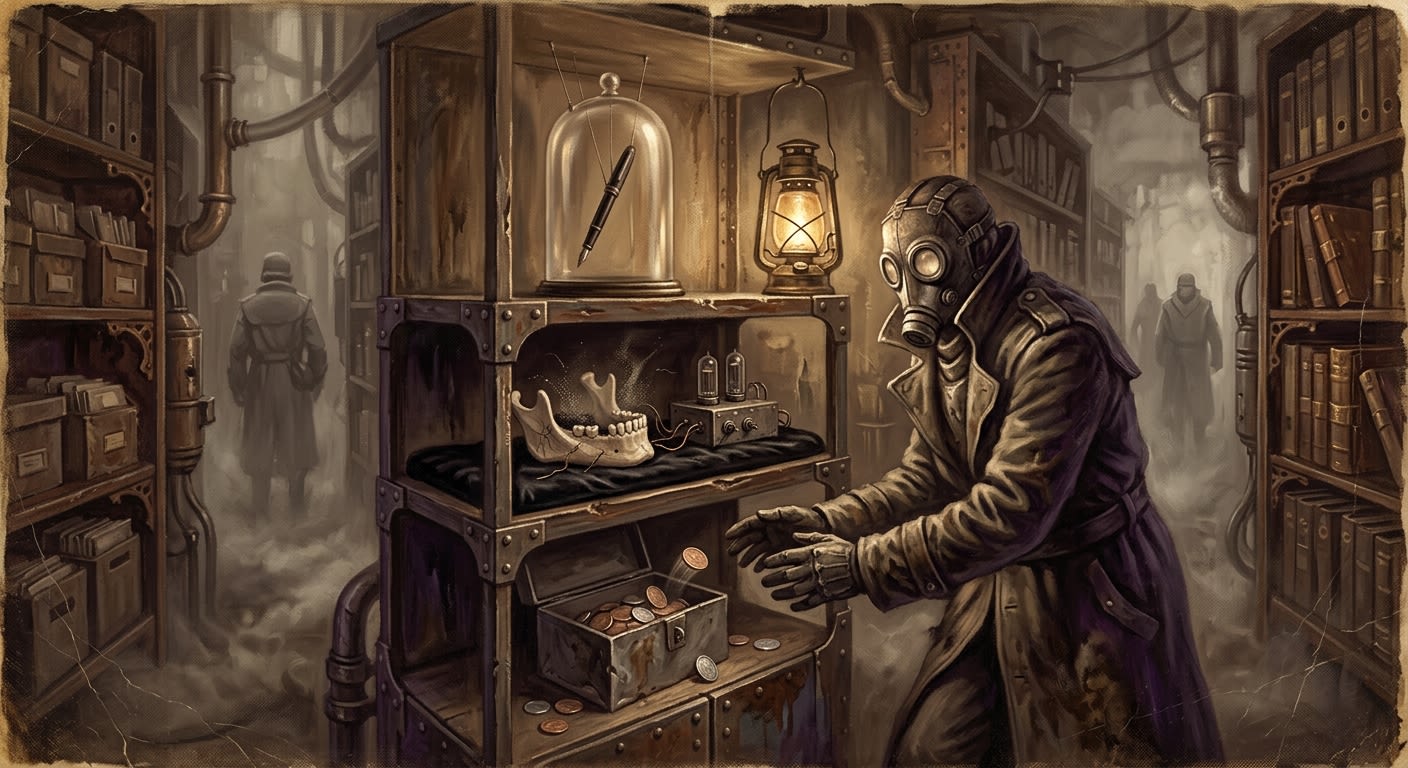
Physical Anomalies Collection
Matter misbehaved, was measured, and had the insolence to remain matter
Second silence of the Vault of Silences, preserving the Vienna pen, 217-hertz jawbone records, and returning coins that keep embarrassing their custodians.
Codex Ref. XIII.1.49-001
Pontifex Submersis
The name is gone; the chains still hum; the Bureau has no comment
The man the Bureau erased so thoroughly it must write eleven pages explaining what he was not: the Drowned Pontiff of Avignon, non-person, non-event, non-theology. His name is gone. The chains hum in B-flat.
Codex Ref. III.2.02-001
Port Court
Where cargo waits while permission proves it has a soul
The Port Court names cargo before mercy may touch it: a Commerce bench where sacks become law, law becomes delay, and delay invoices the hungry.
Codex Ref. XIII.1.89-112
Praga Ration Disturbance
Four thousand citizens taught the northern corridor to feel hunger
In A.S. 195, four thousand hungry civilians in Warsaw's Praga district blocked the eastern rail spur for eleven hours and made the northern corridor confess that logistics has a stomach.
Codex Ref. VII.8.10-195
Prefect Malven "Iron Step"
A boot-beat older than evidence and more useful than truth
Composite patron of the Cadence Corps, Malven “Iron Step” survives as quarantine legend, training rhythm, disputed relic nuisance, and mandatory boot-beat.
Codex Ref. III.2.01-137
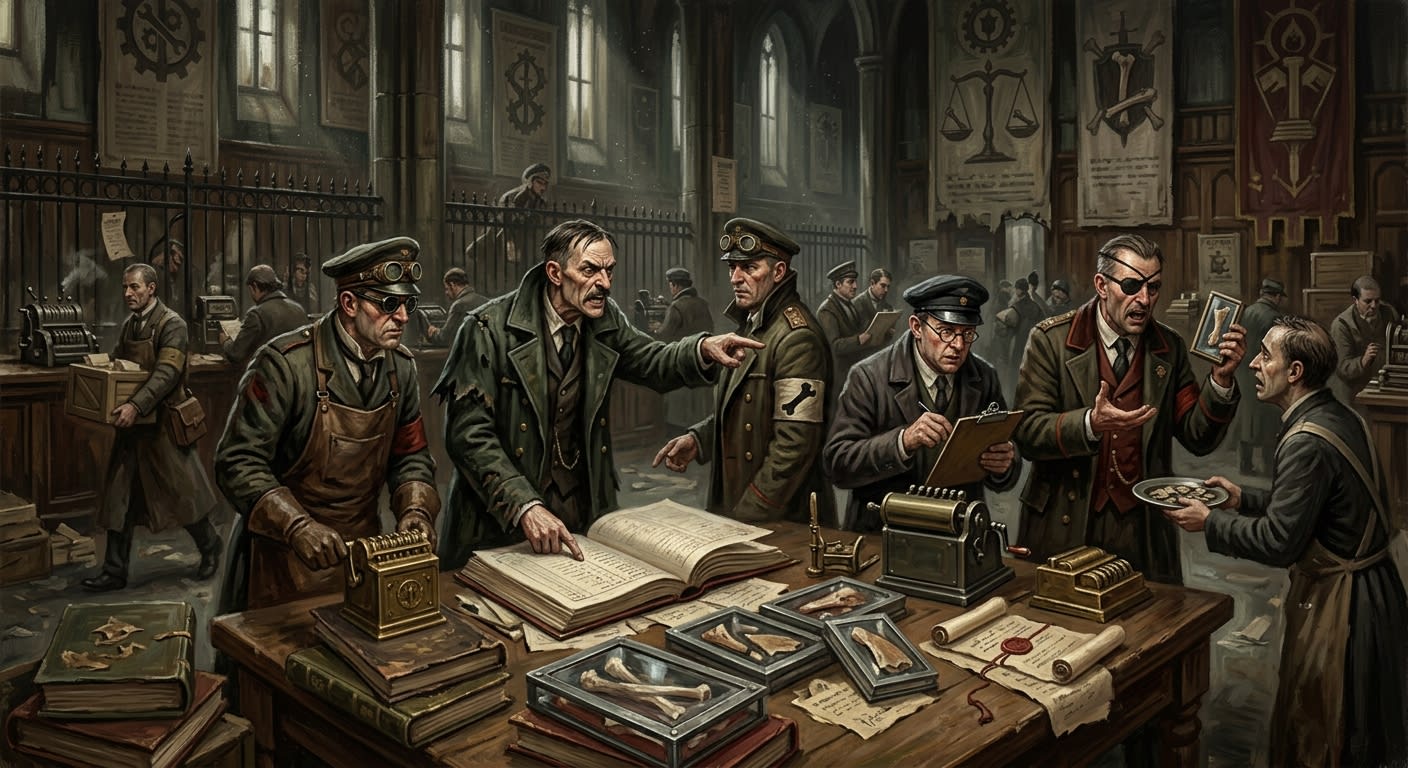
Profit Brokers
Where surplus holiness becomes inventory, urgency, and invoice
Profit Brokers are the aggressive Femur-War Broker faction, maximising contradiction yield through secondary fragments, rival claims, fee-bearing urgency, and useful greed.
Codex Ref. XII.15.03-001
Psalm of Consuming
The Toledo fire-prayer that spent custody into ash
The Psalm of Consuming is Toledo's sealed fire-prayer: a relic-bound formula whose two lawful recitations turned siege stores, tower, and custody into ash.
Codex Ref. XIII.1.57-015

Purity Melters
The white-handed faction that delays the barrel until the saint consents on paper
Severe faction of Saint-Bone Melters who make provenance, hymn cadence, quiet hour, and batch correctness into the thin white line between sanctified wall and insulted saint.
Codex Ref. XII.20.07-001
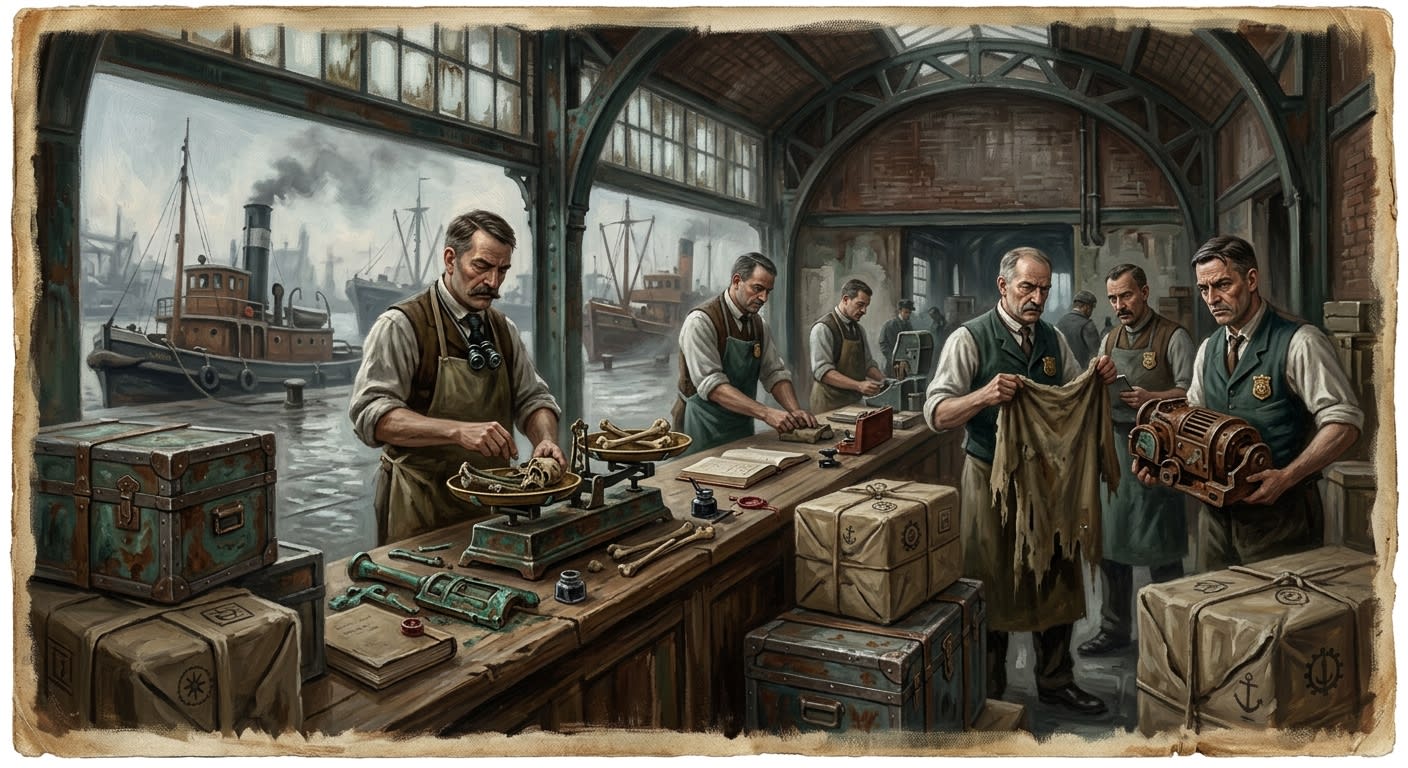
Quai Saint-Lazare
Where holiness queues, fraud pays duty, and Marseille sells the answer twice
Quai Saint-Lazare is Marseille's salt-crusted relic throat, where the Bureau of Relics weighs bones, doubts miracles, prices fraud, and forwards danger under seal.
Codex Ref. II.4.09-017
Ravelin of Vigilance
The eye that learned to blink by rotation
The First Ravelin of Bastion-Constantinople watches the Knife Mile, drills low guns, carries Saint Iselda's Bone Walk, and teaches sentries the cost of seeing first.
Codex Ref. II.4.10-137

Registrar Aldous Krenk
The small man who makes horror depart on schedule
Registrar Aldous Krenk, Chief Handler of the Ossuary Convoy Office at Bastion-Przemyśl, turns condemned bodies into route capacity with wax, keys, and immaculate schedules.
Codex Ref. III.2.01-130
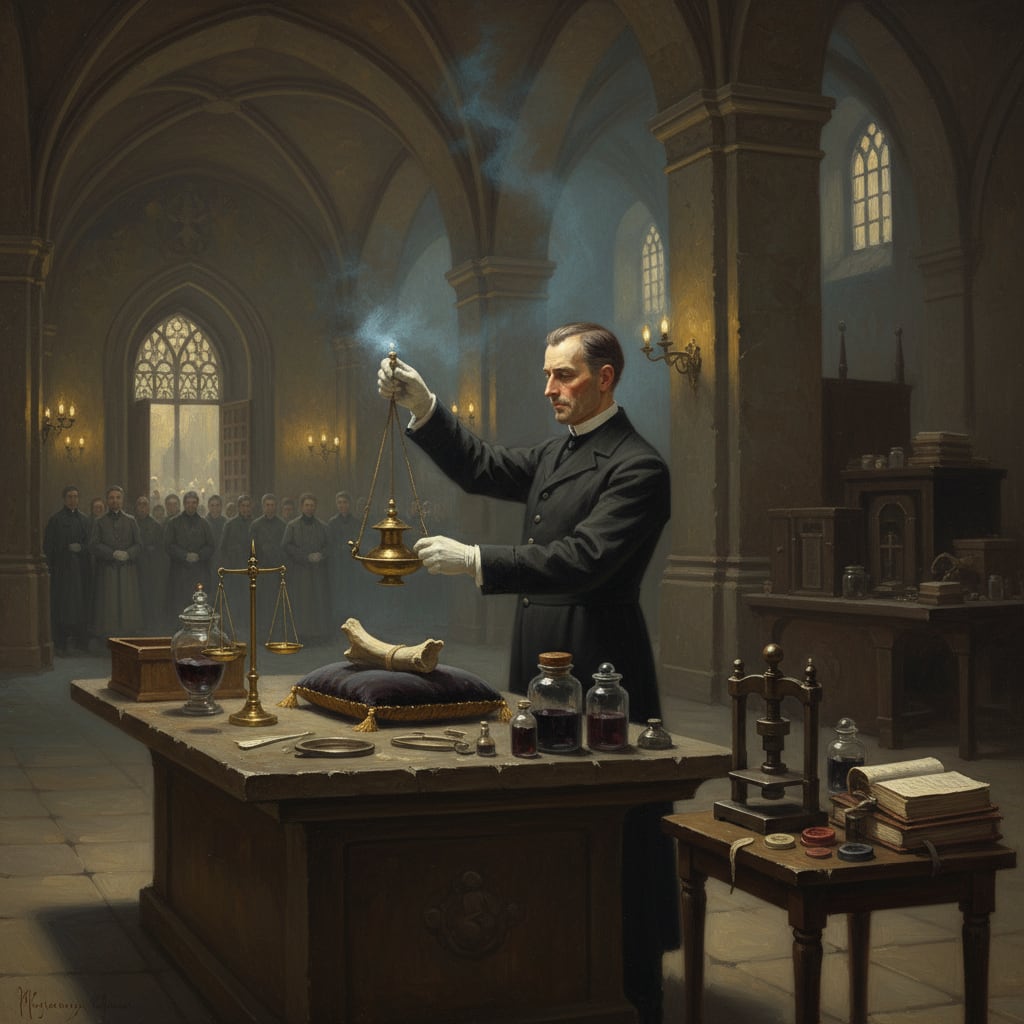
Relic Authenticator
The stamp makes the filing complete; the bone remains what it was
The Synod's miracle-bureaucrats — clerks with gloves, lamps, and seal-presses who decide whether a fragment of bone is holy or merely expensive.
Codex Ref. XII.35.01-001
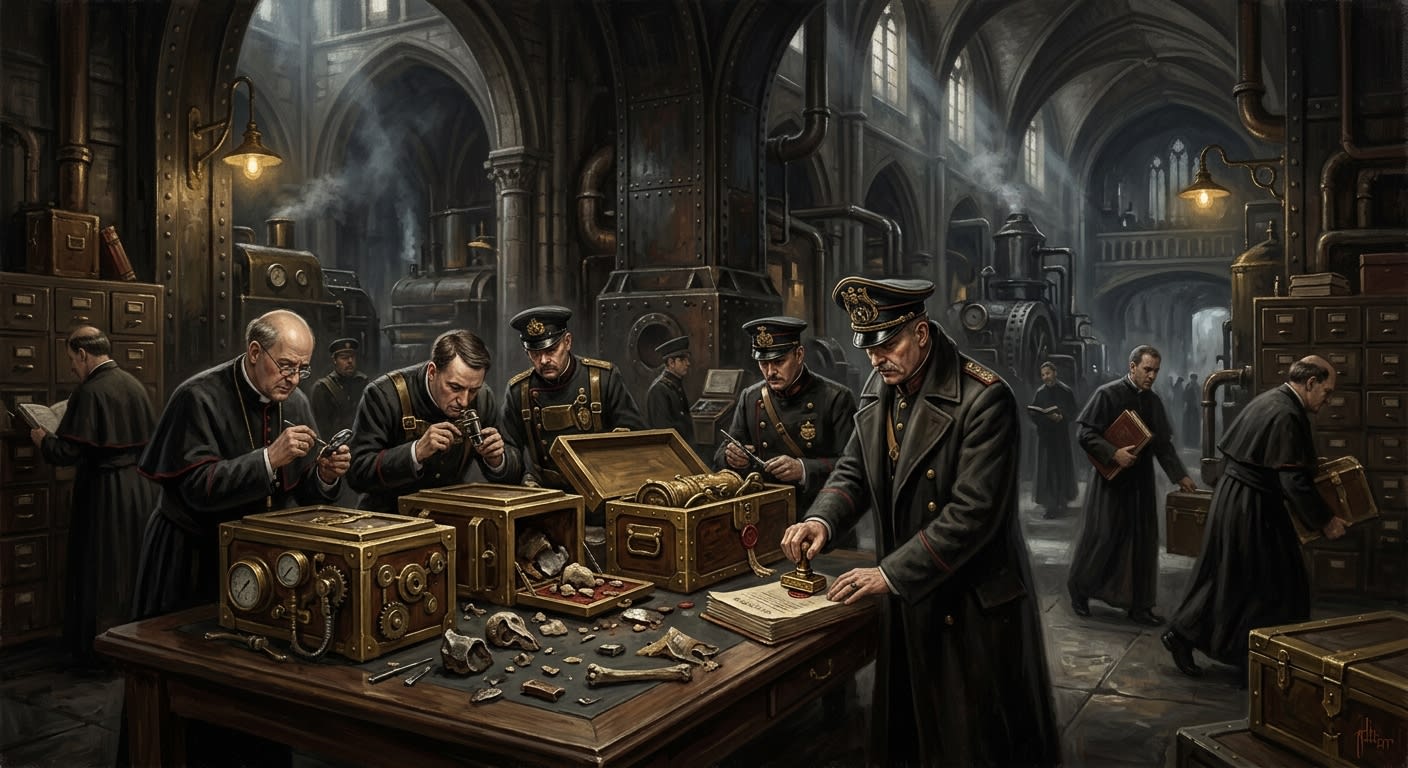
Relic Counterfeit Scandal
When the pig-bone taught the saint to submit to assay
Circa A.S. 117 scandal in which counterfeit relic fragments entered tariff-chapel calibration caskets, forcing mandatory assay and Masks-and-Seals counter-seals.
Codex Ref. VII.8.10-012
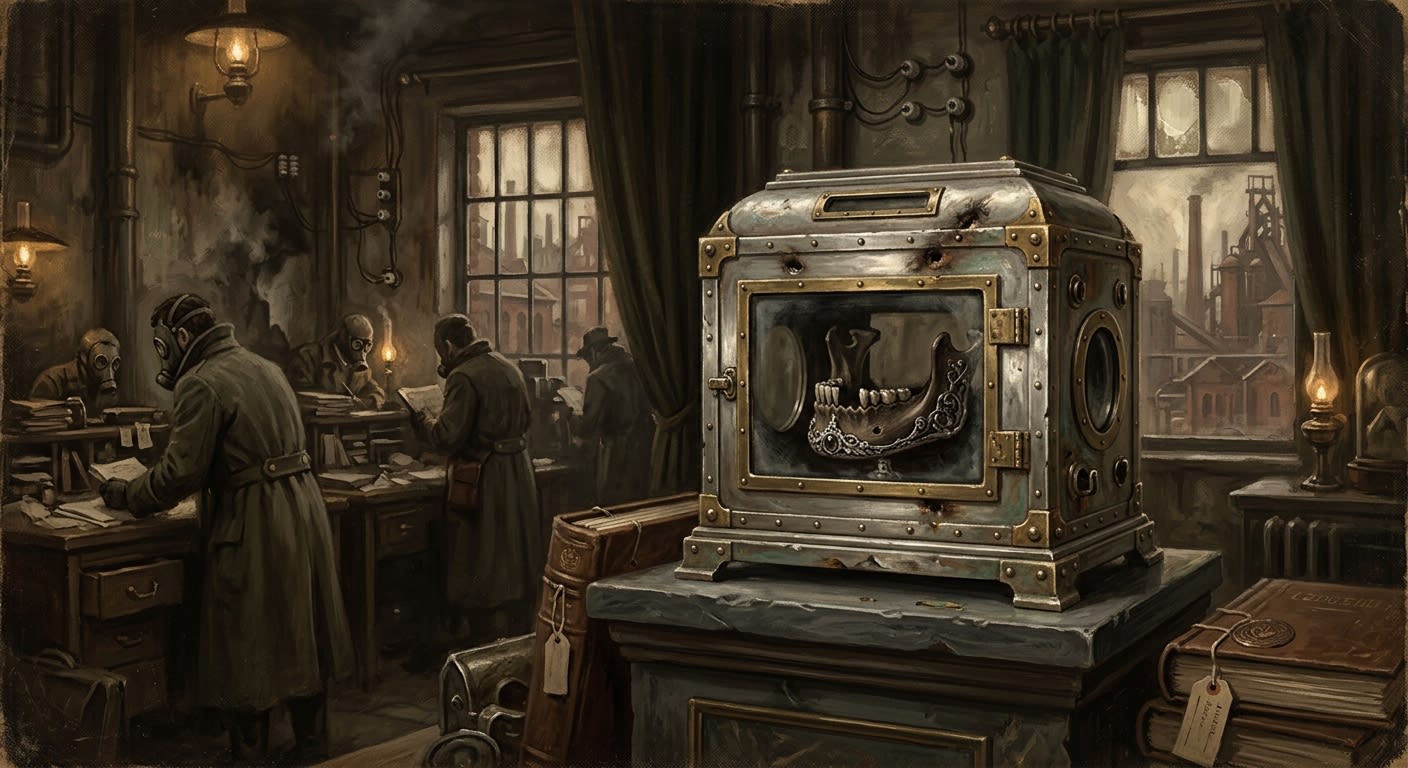
Relic of Saint Iago
The jawbone that answered artillery and kept its receipt from Heaven
Relic 14-T(Provisional) was a silver-set jawbone that survived auctions, desks, cannon, and doubt — then burned at Toledo rather than serve Reason.
Codex Ref. III.2.04-014
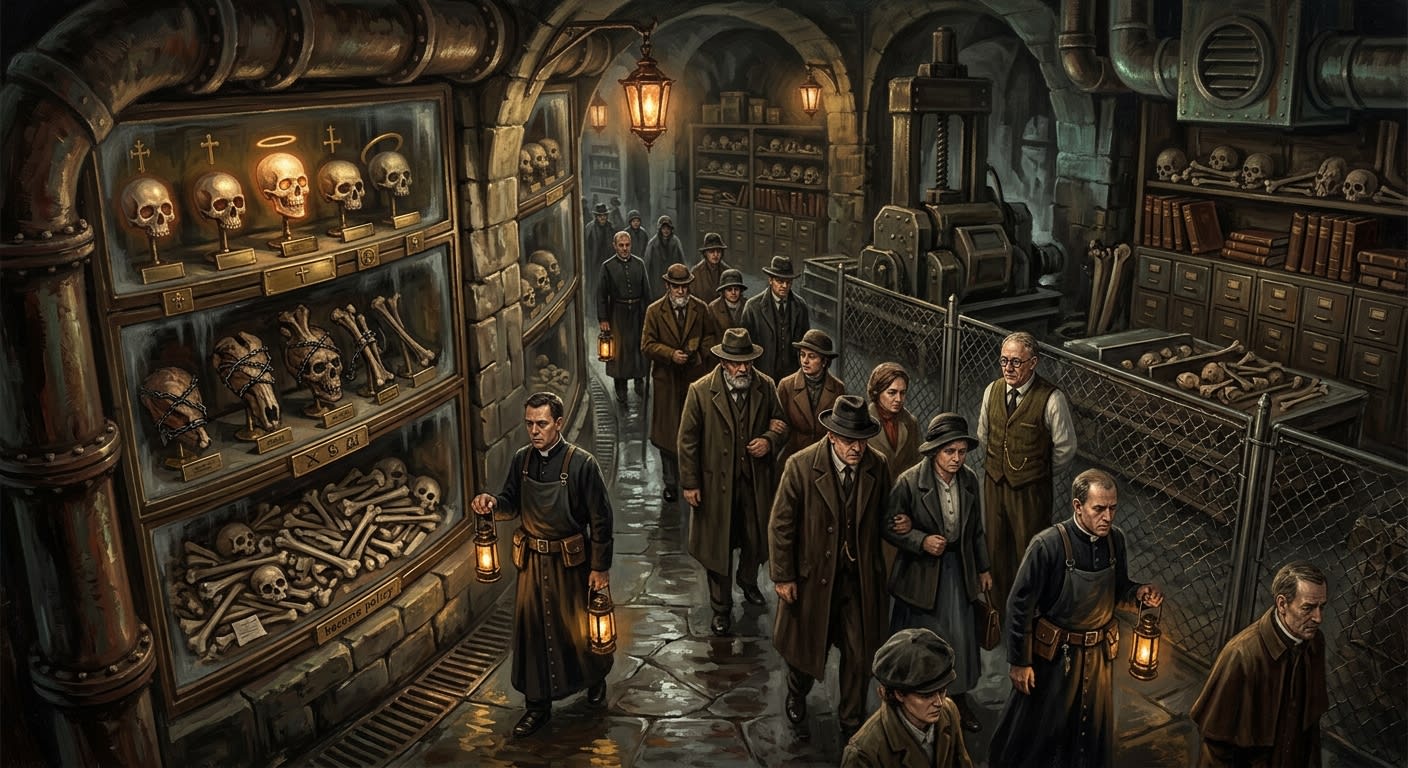
Relics Archive
The polite room before the locked stomach begins digesting saints
The Relics Archive beneath Strasbourg Cathedral teaches pilgrims which bones may be admired, which must be feared, and which have already become policy.
Codex Ref. II.2.06-005
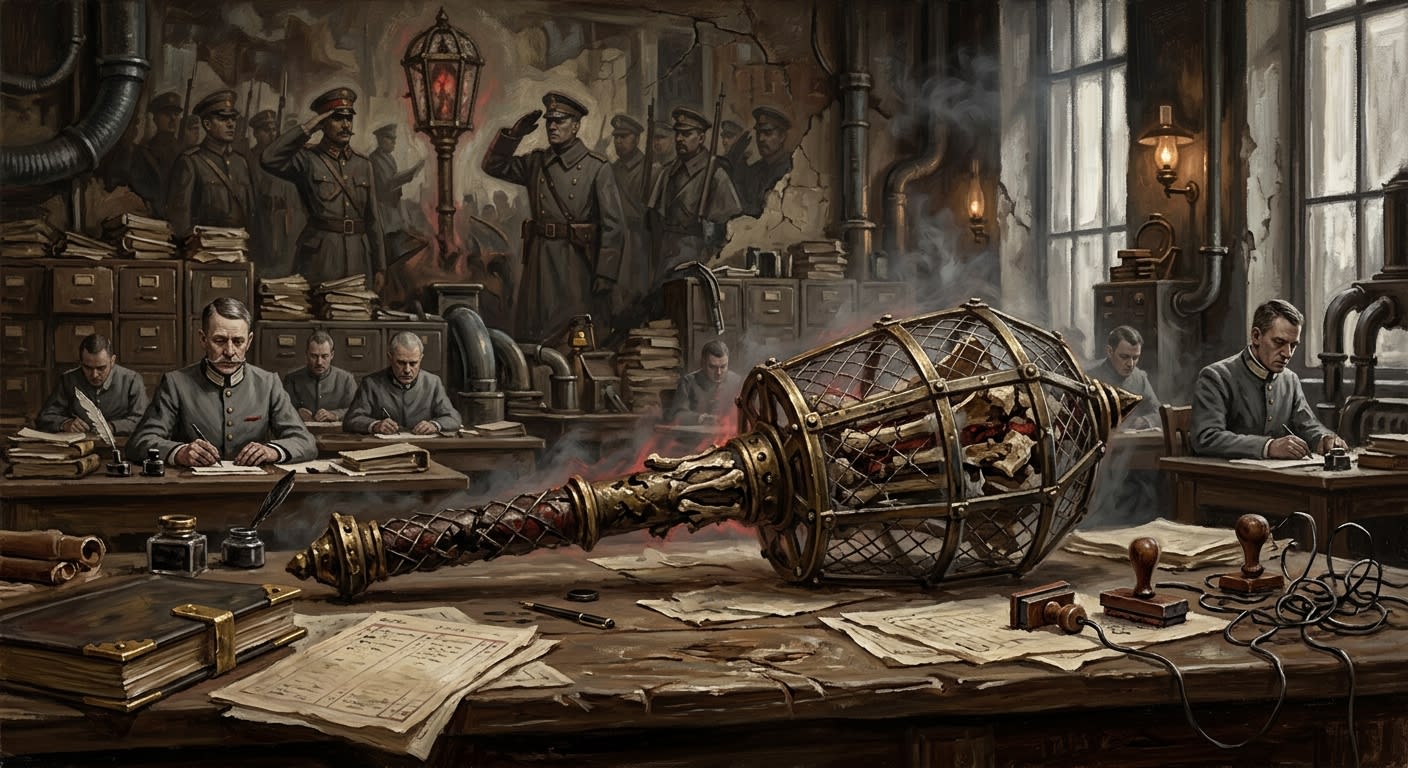
Reliquary of Saint Aldebrand
Count the bones if you must; the mace will wait for Vienna
Saint Aldebrand's reliquary mace was erased, mocked, duplicated, and finally obeyed at Vienna; the Bureau now preserves every contradiction it failed to prevent.
Codex Ref. V.1.02-095
Reliquary of Saint Matthias
A box of bones that taught law to bleed
The Reliquary of Saint Matthias is the Saint-Malo martyr-object: seized as Item 7, recovered from Rationalist custody, and made into portable proof that holy custody is not inventory.
Codex Ref. XIII.1.73-010
Reliquary Schisms
When valid seals taught anatomy to kneel
The twenty-year relic crisis in which clean paperwork made saints anatomically impossible, until Doctrine gave every notarized femur a throne.
Codex Ref. VII.8.10-140
Reliquary Schisms A.S. 140–160
When seventeen femurs became policy and anatomy was reassigned
Twenty years of authenticated surplus bones, shrine bloodshed, and the Fourteenth Doctrinal Congress that made notarized contradiction lawful.
Codex Ref. VII.8.10-090

Revelators
The prophets of coloured glass, properly invoiced
Revelators are the visionary faction of Demon-Glass Polishers, selling caged prophecy, widow-panes, pilgrim gleams, soldier trench-glimpses, and every profitable almost-speech the glass can survive.
Codex Ref. XII.13.04-001
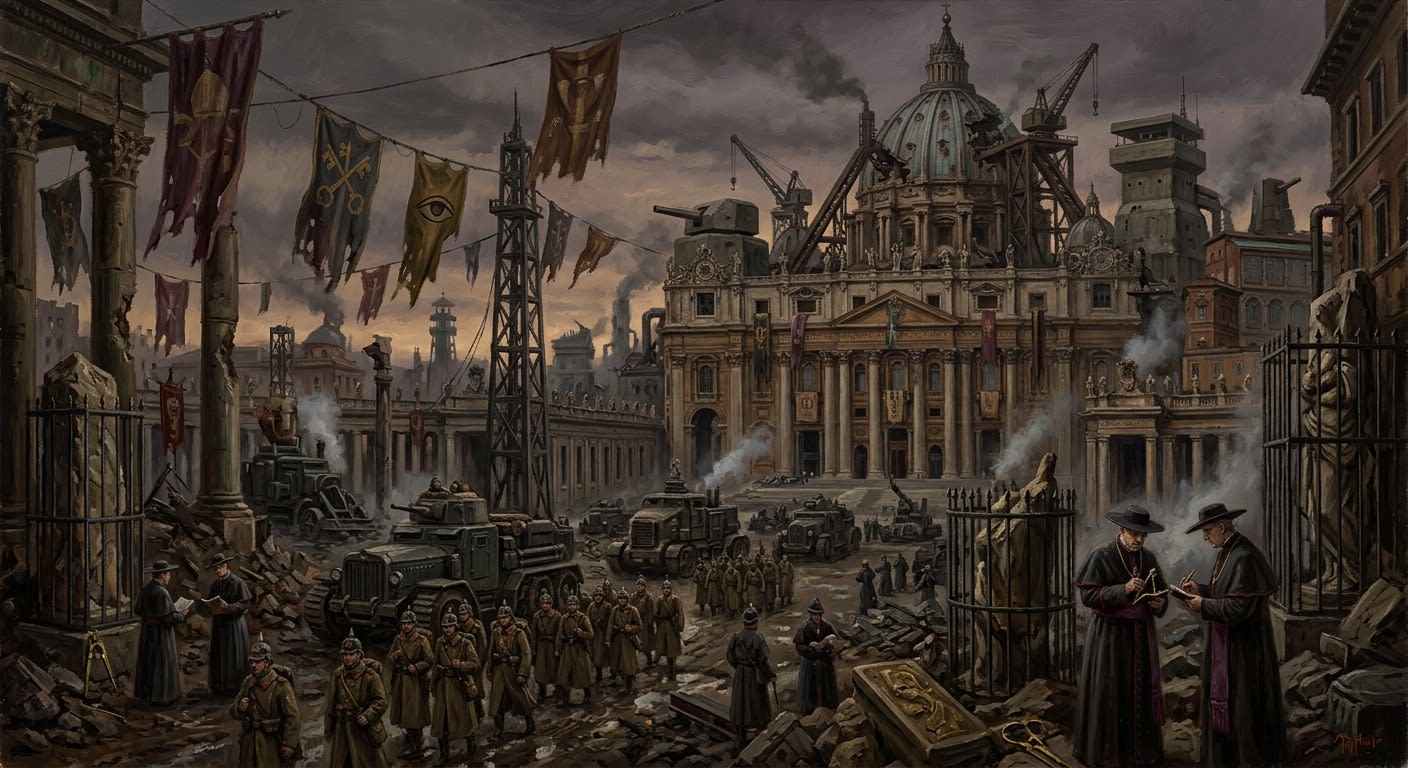
Rome
The old chair, subordinated and still dangerous in pieces
Rome is the Synod-held Old Chair: ruined, supervised, relic-rich, papalist-haunted, and too symbolically useful for Strasbourg to bury cleanly.
Codex Ref. II.1.11-201
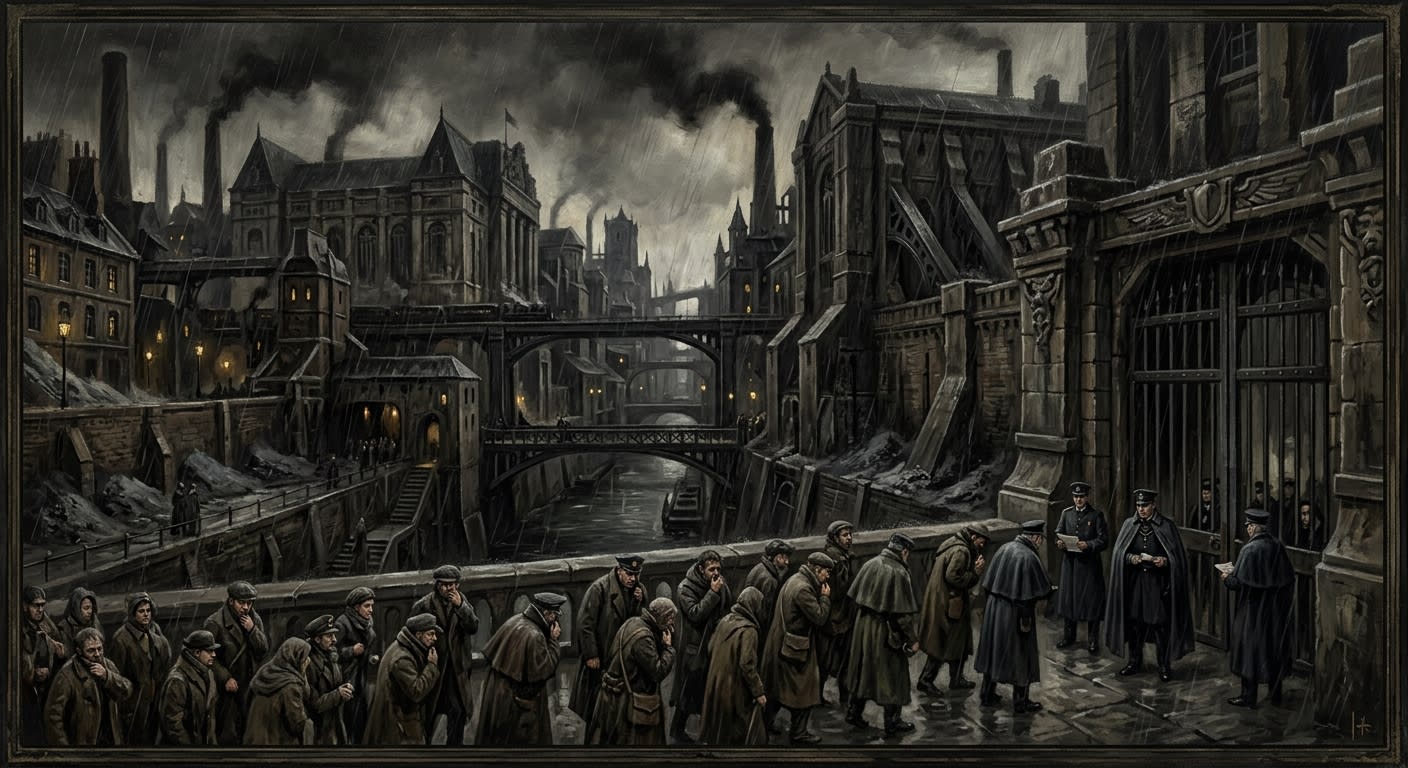
Rouen
The city that weighs ash, sells light, and listens badly at dawn
Rouen is the western heartland city of soot, ash-banks, candle fraud, bridge toll guilt, Pale Chanter anxiety, and black rain from the A.S. 24 Cauterization.
Codex Ref. II.1.10-201
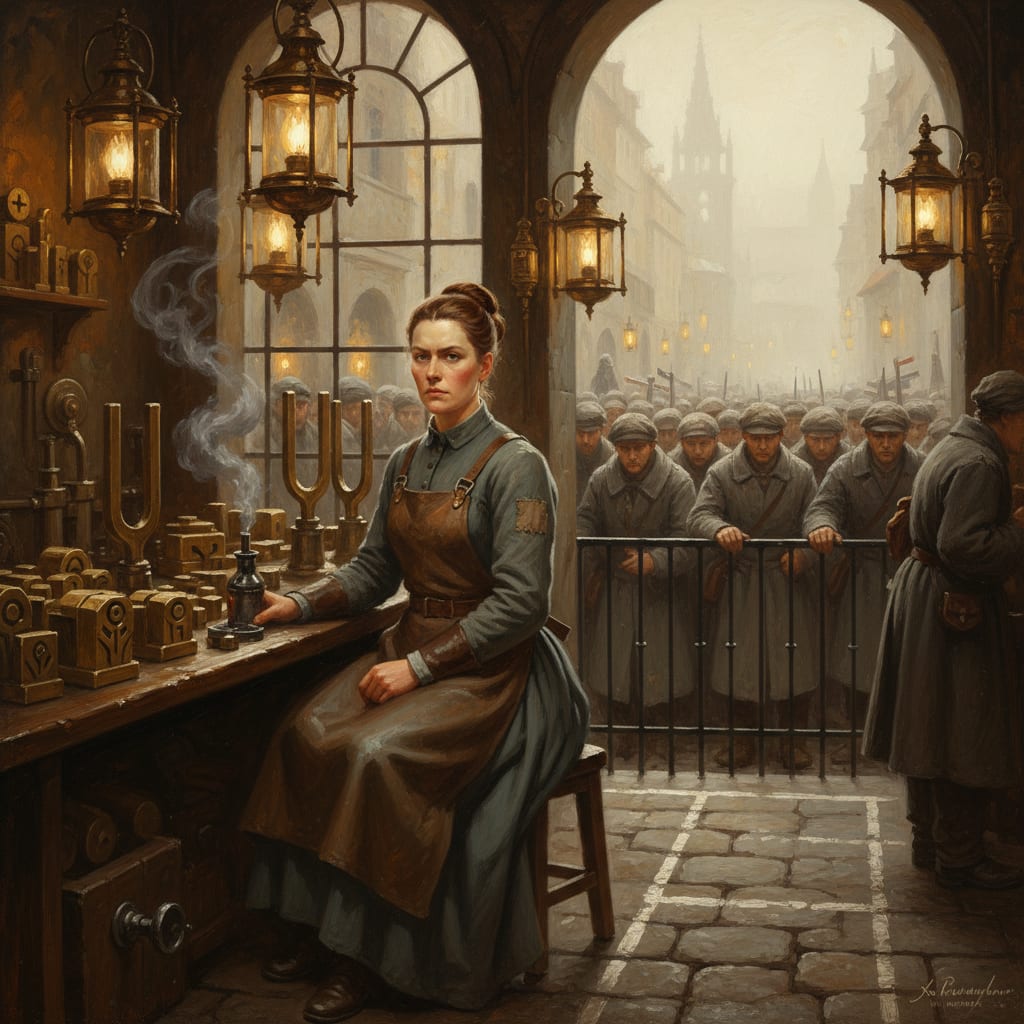
Route-Stamper / Indulgence-Token Smith
Walking is a contract; the Route-Stamper is the notary
Makers of the indulgence-token — a brass palm-piece whose captive bell-hour counts steps, repels road-spirits, and distinguishes the sanctioned traveller from the heretic-with-legs. The art is measured by one question only: whether it lies.
Codex Ref. XII.38.01-001
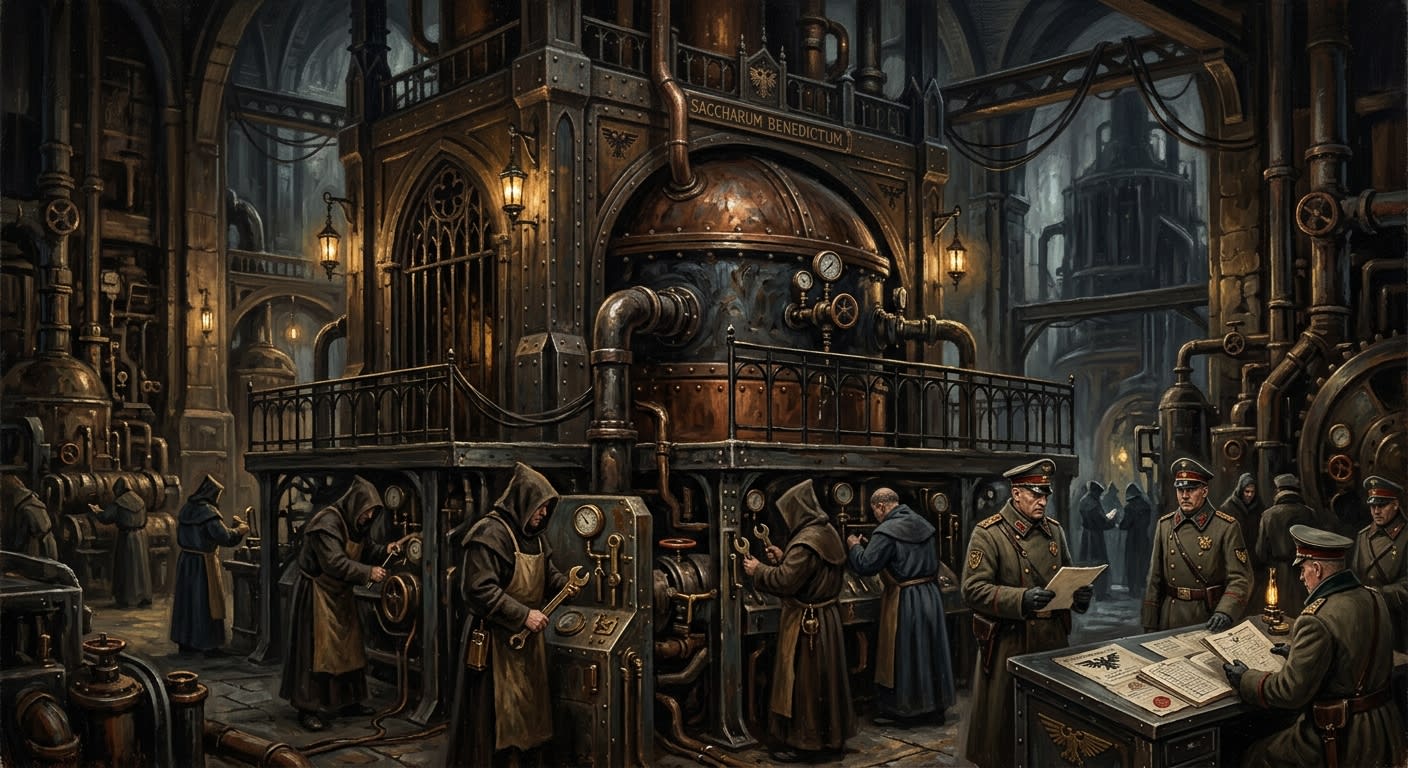
Saccharum Benedictum
The Blessed Sugar, declined annually and taxed by the barrel
Saccharum Benedictum is Munich's alleged blessed yeast culture: preserved by legend, declined by Relics since A.S. 98, uncondemned by Doctrine, and taxed with admirable punctuality.
Codex Ref. XIII.1.88-001
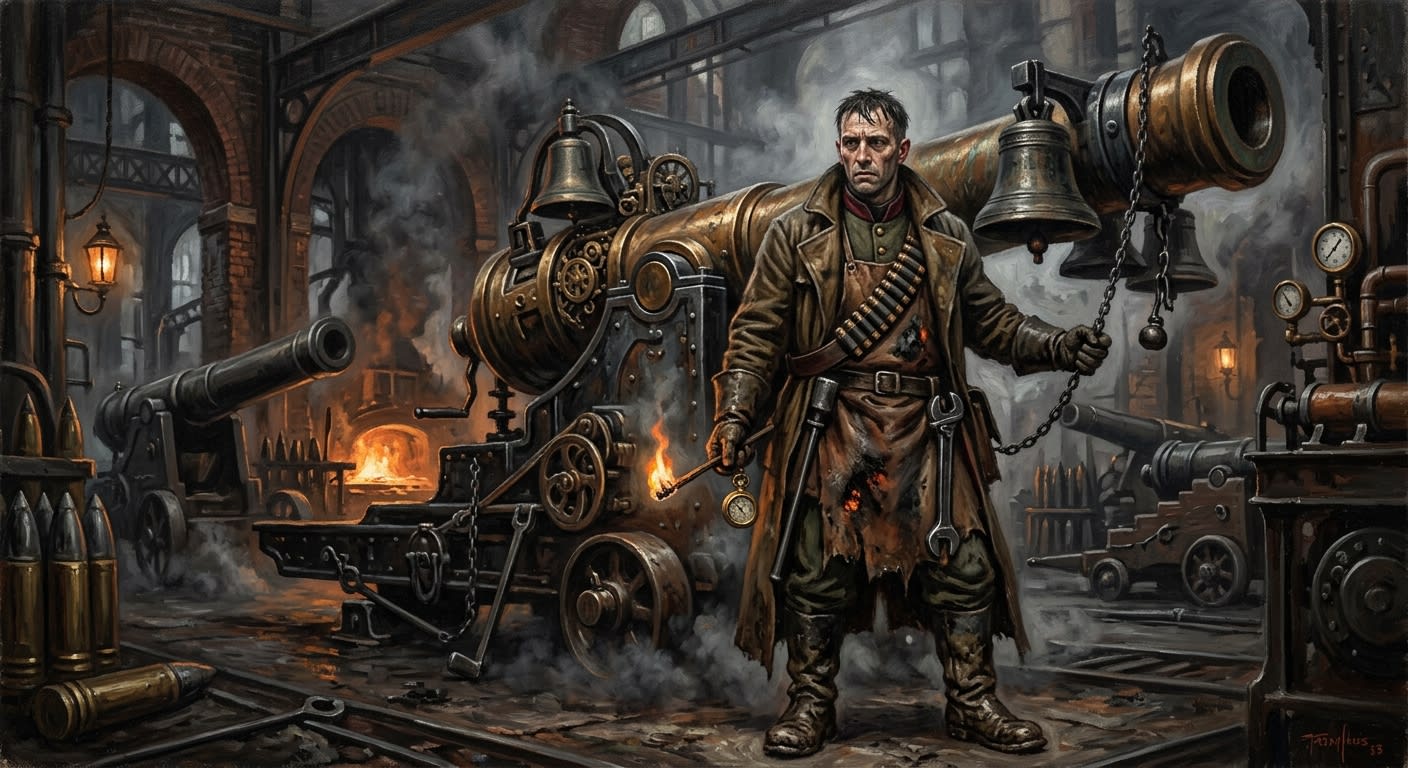
Saint Aegidius
The patron of the waiting hand and the honest charge
Saint Aegidius is the artillerymen’s patron: foundry hand, martyr of the Third Peal, saint of timed violence, bell-cannon discipline, and Shipka’s sulking gun.
Codex Ref. III.2.01-194
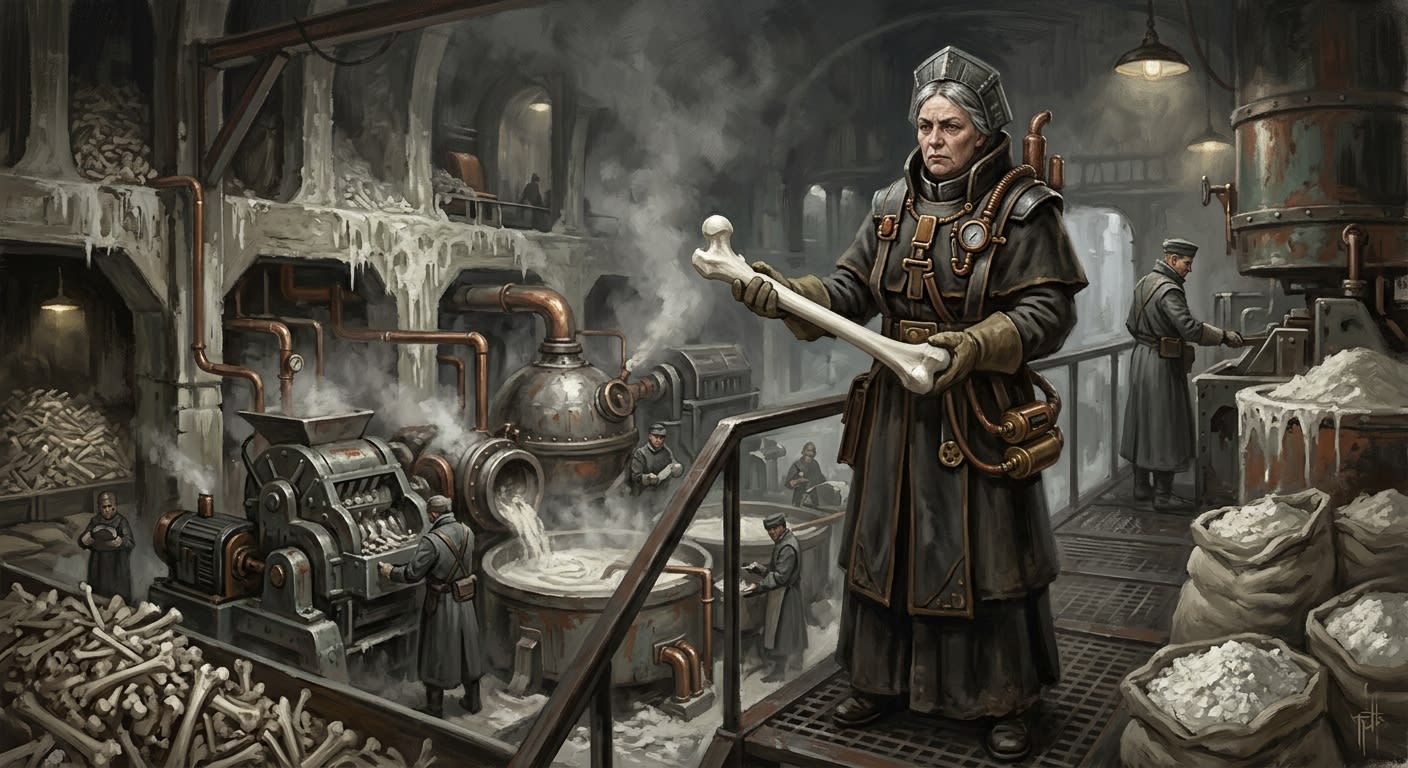
Saint Aurel of the White Wall
The saint who may have arrived after the invoice, yet holds the wall all the same
Disputed patron of Saint-Bone Melters, Saint Aurel offers the convenient femur by which relic fragments become bone-lime, mortar, wall, and doctrine with a clean conscience.
Codex Ref. III.2.01-142
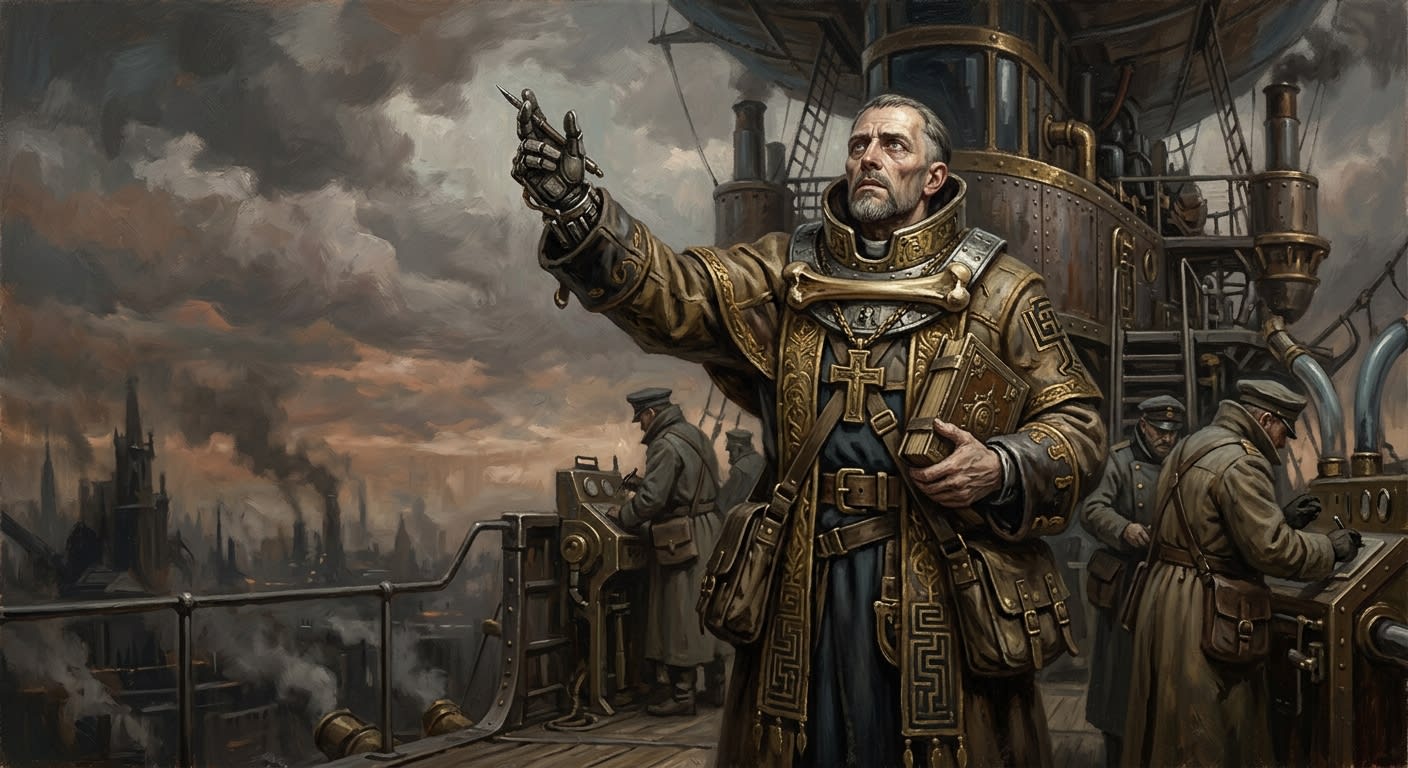
Saint Barachiel
He looked down, and what he saw was true
Saint Barachiel is the Synod's patron of aerial witness: a late-ratified saint, an oversized bone, and the holy permission by which the sky submits.
Codex Ref. III.2.01-167

Saint Cadrin the Measured
A saint so useful the archive had no choice but to discover him
Patron saint of Route-Stampers and Indulgence-Token Smiths, canonised in A.S. 112 to make counted movement, stamped routes, and profitable delay holy.
Codex Ref. III.2.01-141
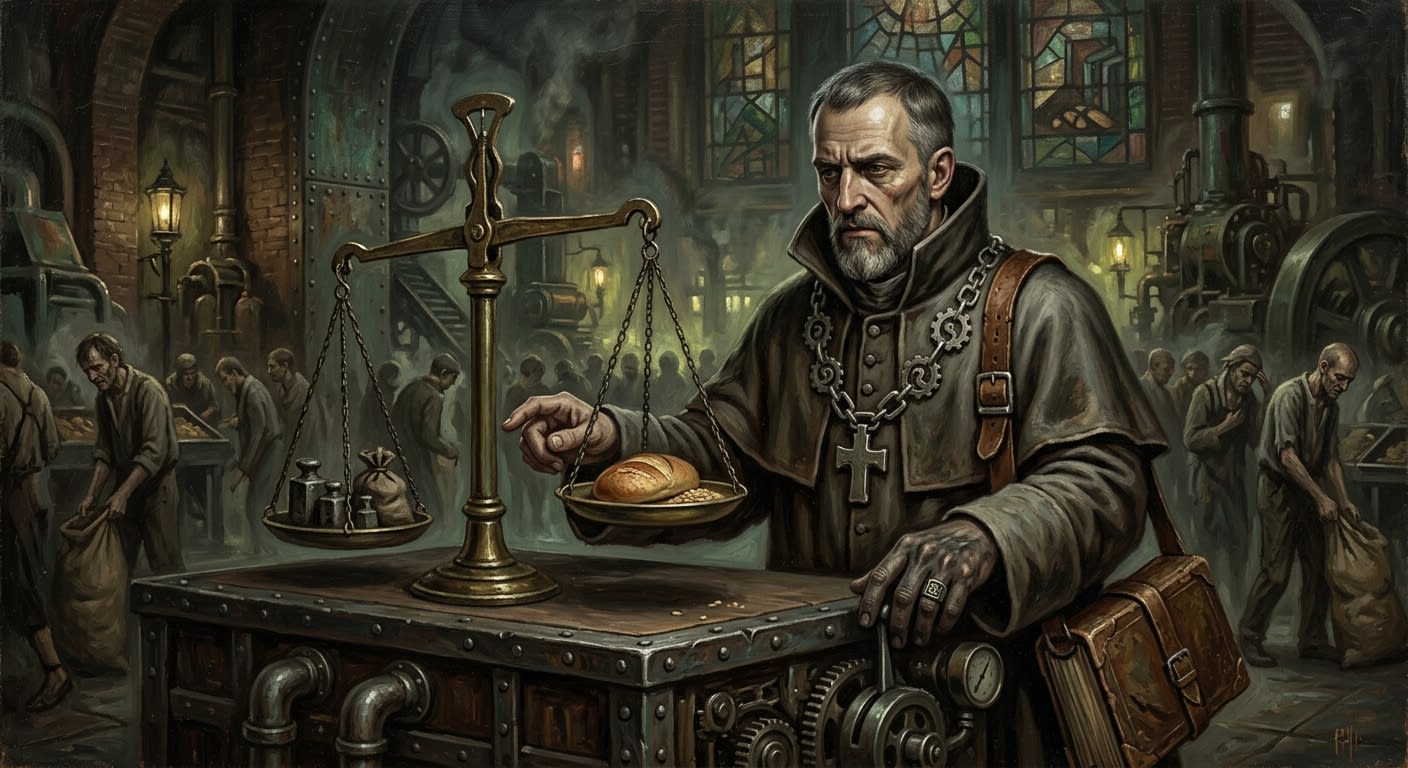
Saint Calibrus, the Level Hand
Measure is mercy, says the scale; hunger has filed a dissent
Patron of Commerce Clerks and tariff-chapel weighers, Saint Calibrus sanctifies the level scale, the lawful shortage, and the terrible arithmetic of hunger.
Codex Ref. III.2.01-101
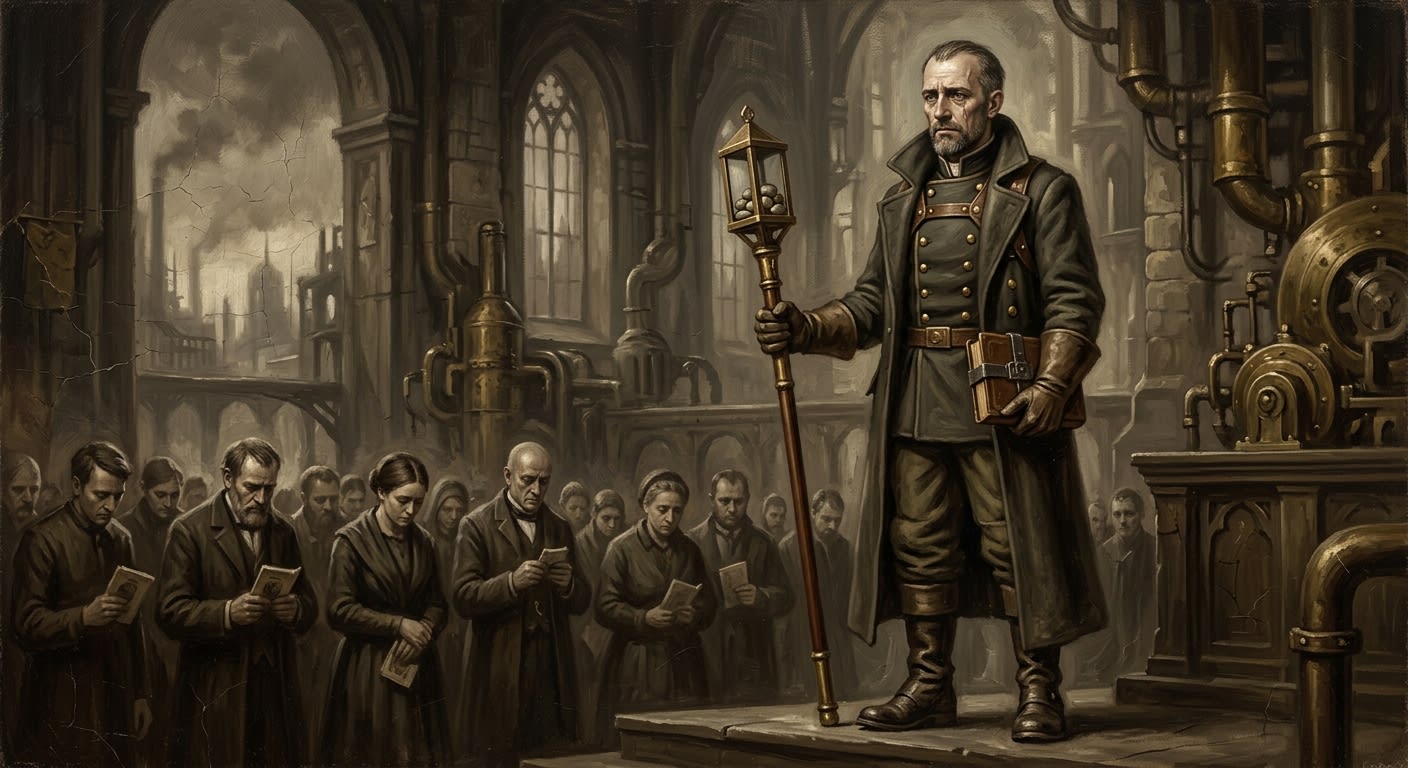
Saint Edras
He taught grief to queue, hunger to march, and tears to pay toll
Saint Edras is the patron of disciplined grief, lawful pilgrimage, ration-stones, crossing-phrases, and the public tears by which sorrow becomes government.
Codex Ref. III.2.01-090
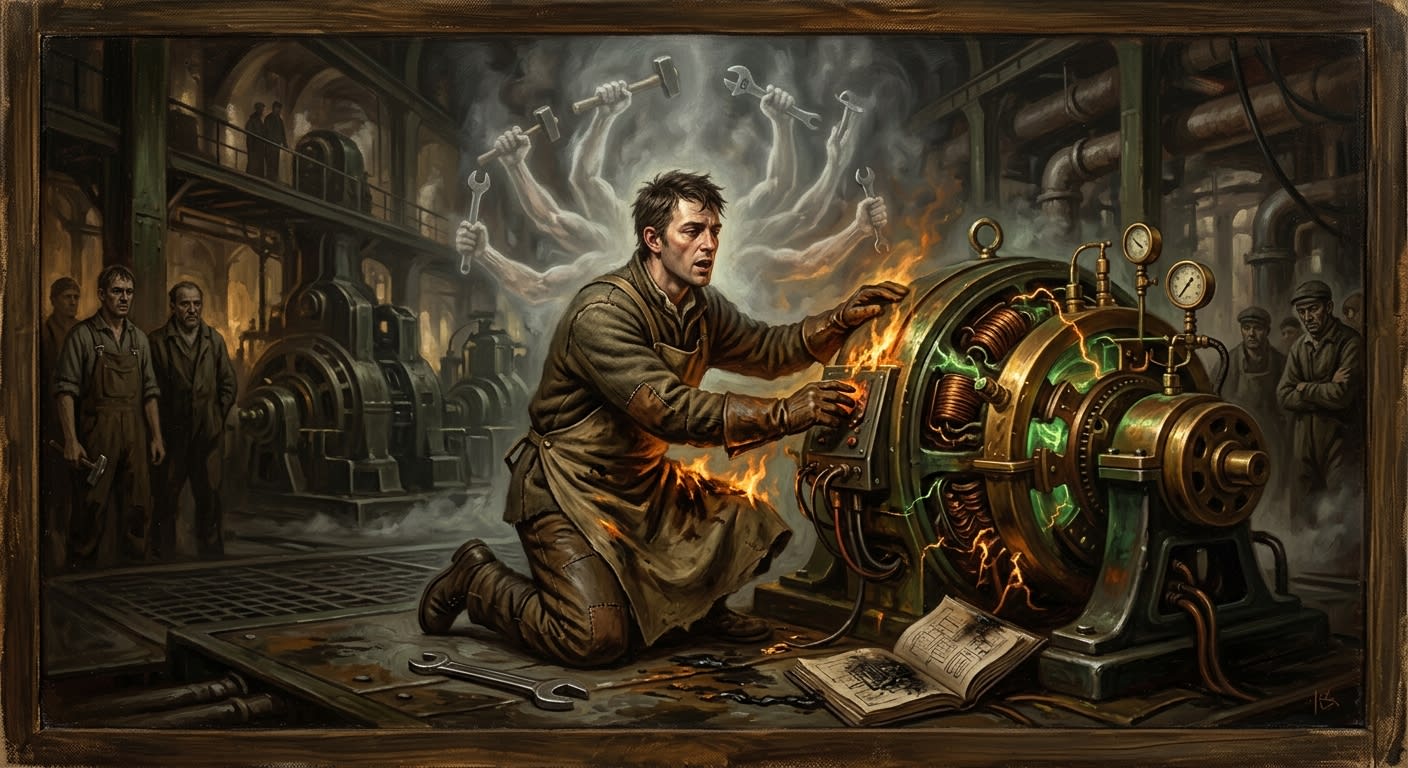
Saint Edrin of the Eight Strokes
A clean note, a burned hand, and eleven years of obedience
Patron of Litany-Engineers and engine-cant apprentices, Edrin sang a failed generator back to obedience during the Great Retreat and burned for the privilege.
Codex Ref. III.2.01-130

Saint Edrin of the Three Nails
Cut true, name all, hold the door
Saint Edrin of the Three Nails is the patron of Gate-Carvers, remembered for sealing a plague-house during the A.S. 78 Lull of Names with measure, witness, and refusal.
Codex Ref. III.2.01-120
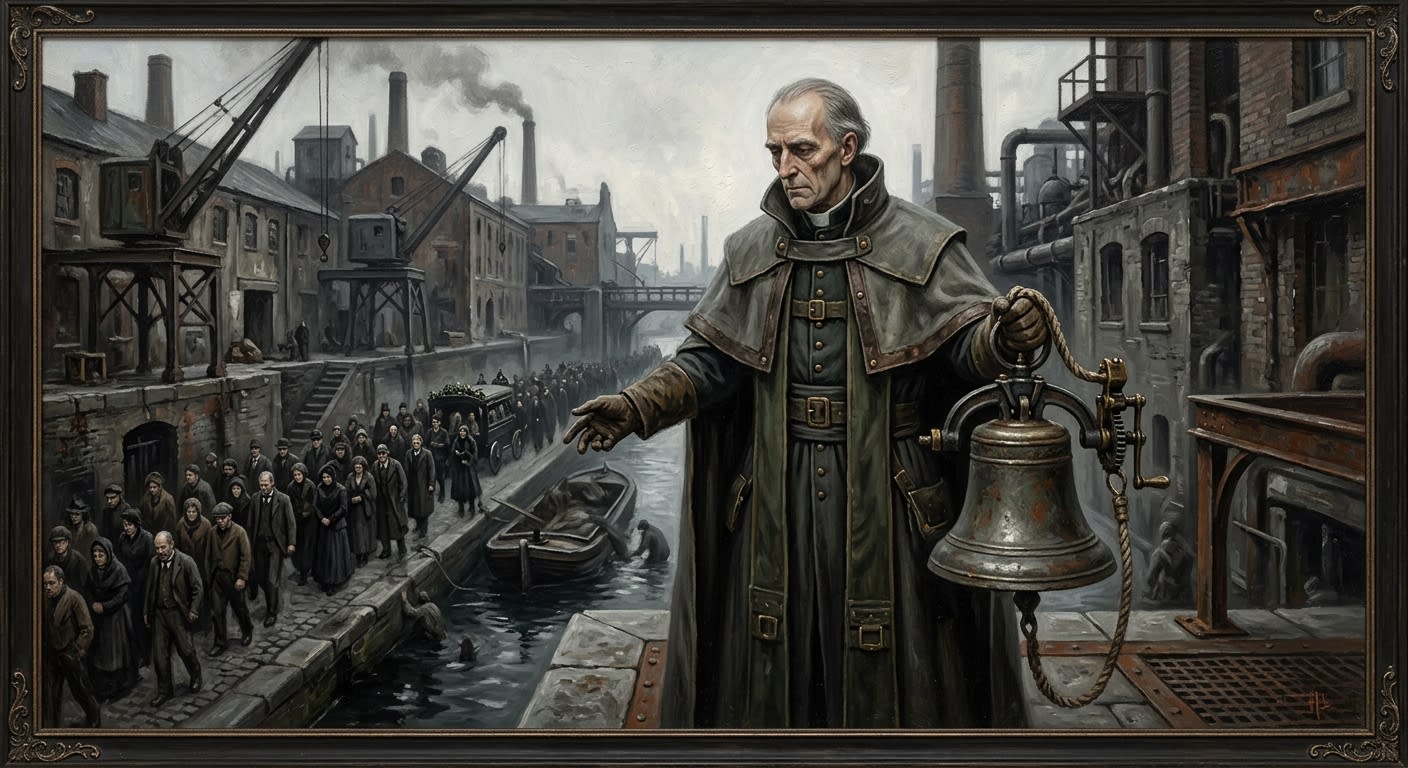
Saint Erasmus
The funeral throat whose obedience drowned nineteen citizens and educated a city
Patron of appointed mourning and funeral cadence, Saint Erasmus became useful after his lawful bell helped split a Strasbourg funeral into nineteen canal deaths.
Codex Ref. III.2.01-129
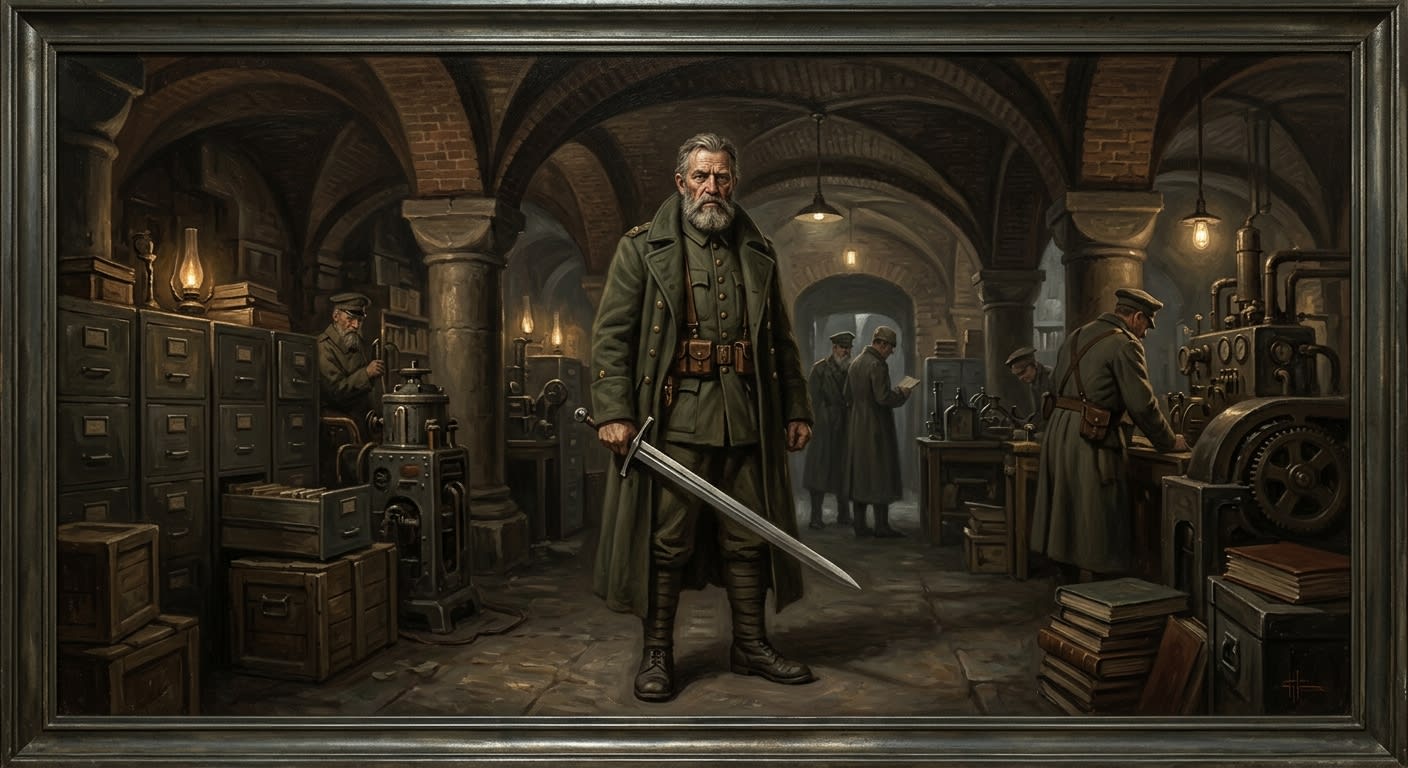
Saint Gereon
The soldier-saint whose crypt taught Cologne how refusal walks under law
Old soldier-saint of Cologne, patron of disciplined refusal and crypt custody; every faction borrows his sword, which proves the blade remains sharp.
Codex Ref. III.2.01-031
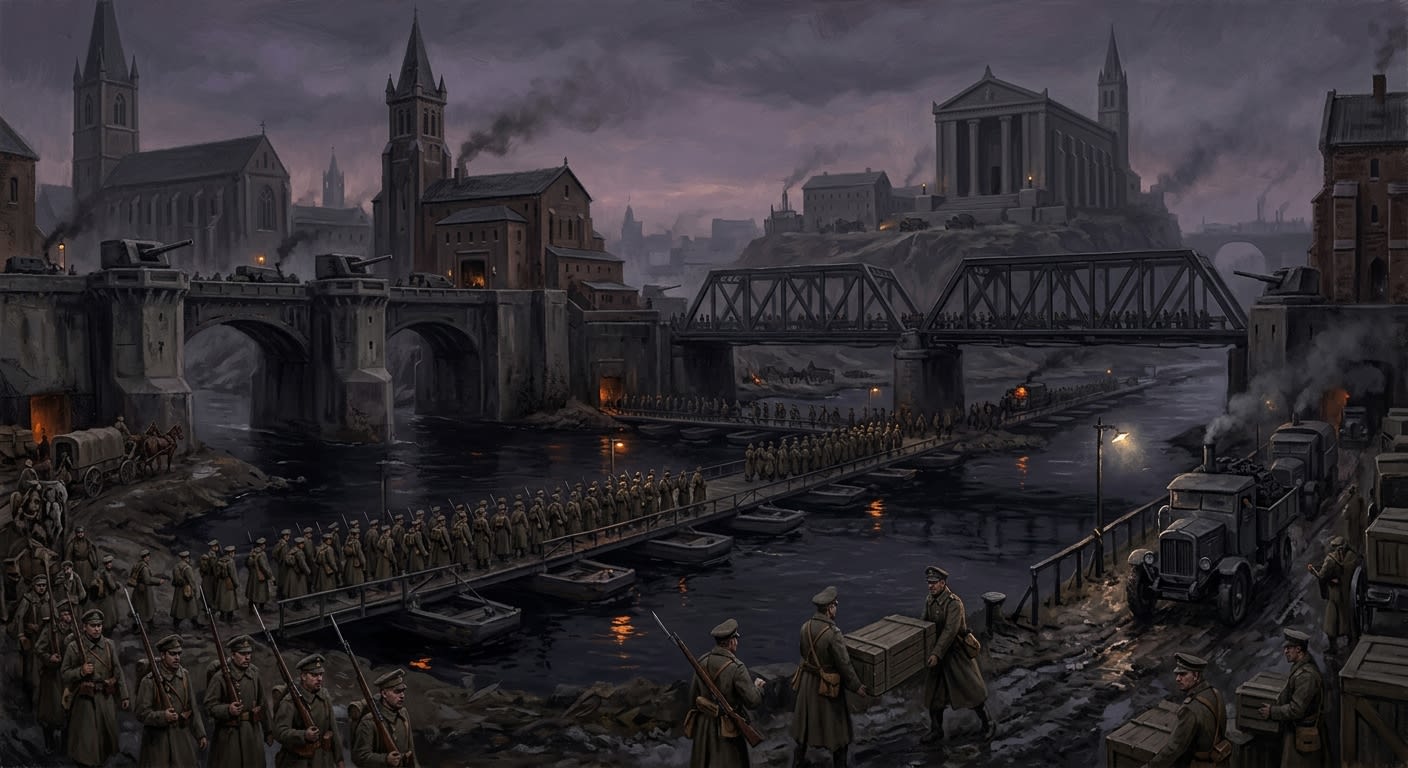
Saint Hadrien's Ford
The river-crossing where biography drowned and doctrine learned to wade
Saint Hadrien's Ford is the Danubian crossing where an old river saint became military property, and black water learned to invoice courage.
Codex Ref. II.4.09-172
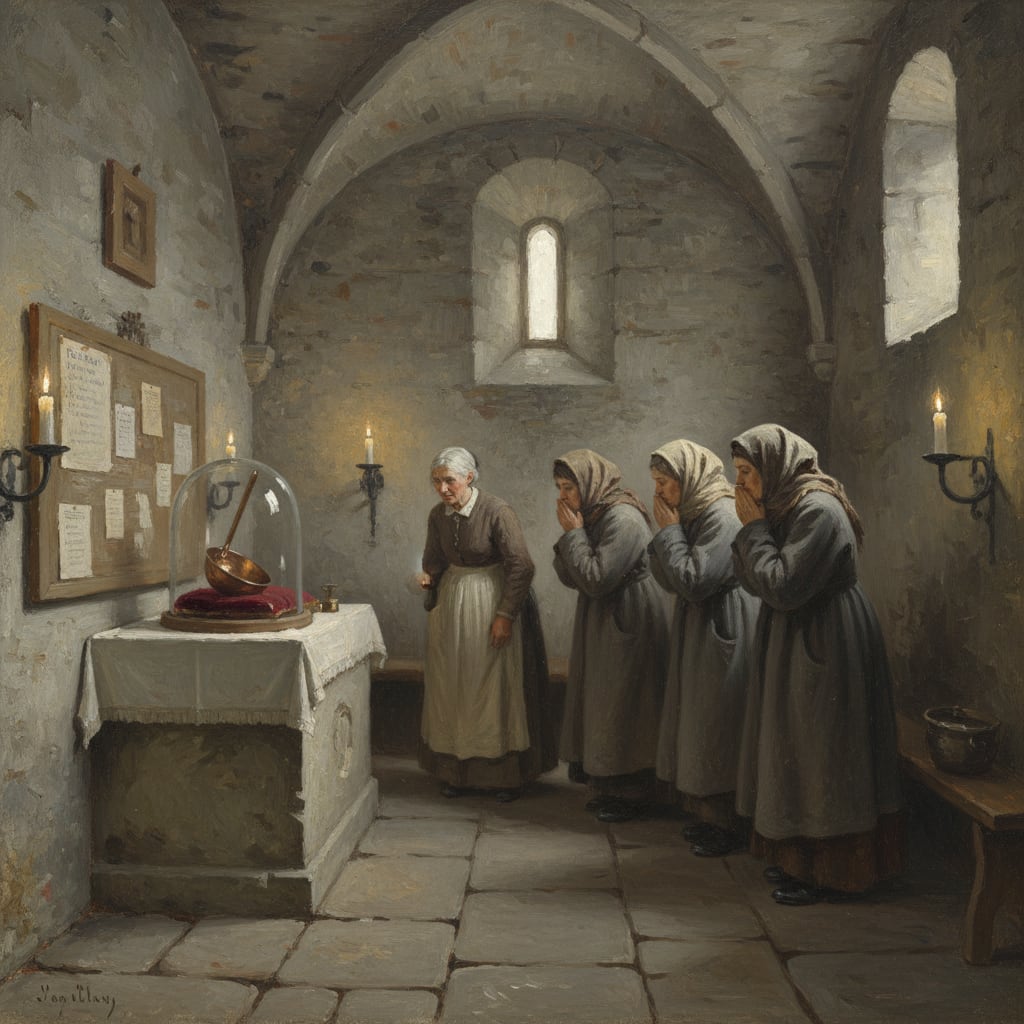
Saint Halva of the Warm Ladle
Salt of the Institution, patron of acceptable portions
Patron saint of the Mothers of Plenty, canonized A.S. 94 with zero miracles attested, no body produced, and a relic the Bureau of Relics classifies as "devotionally sufficient." She may not have existed.
Codex Ref. III.2.01-001
Saint Hermas
The boy who held the banner until the banner held him
Saint Hermas of Dinan was the boy beneath the banner at Saint-Malo: two wounds, one strip of cloth, and a cult made tidy by force.
Codex Ref. III.2.01-006
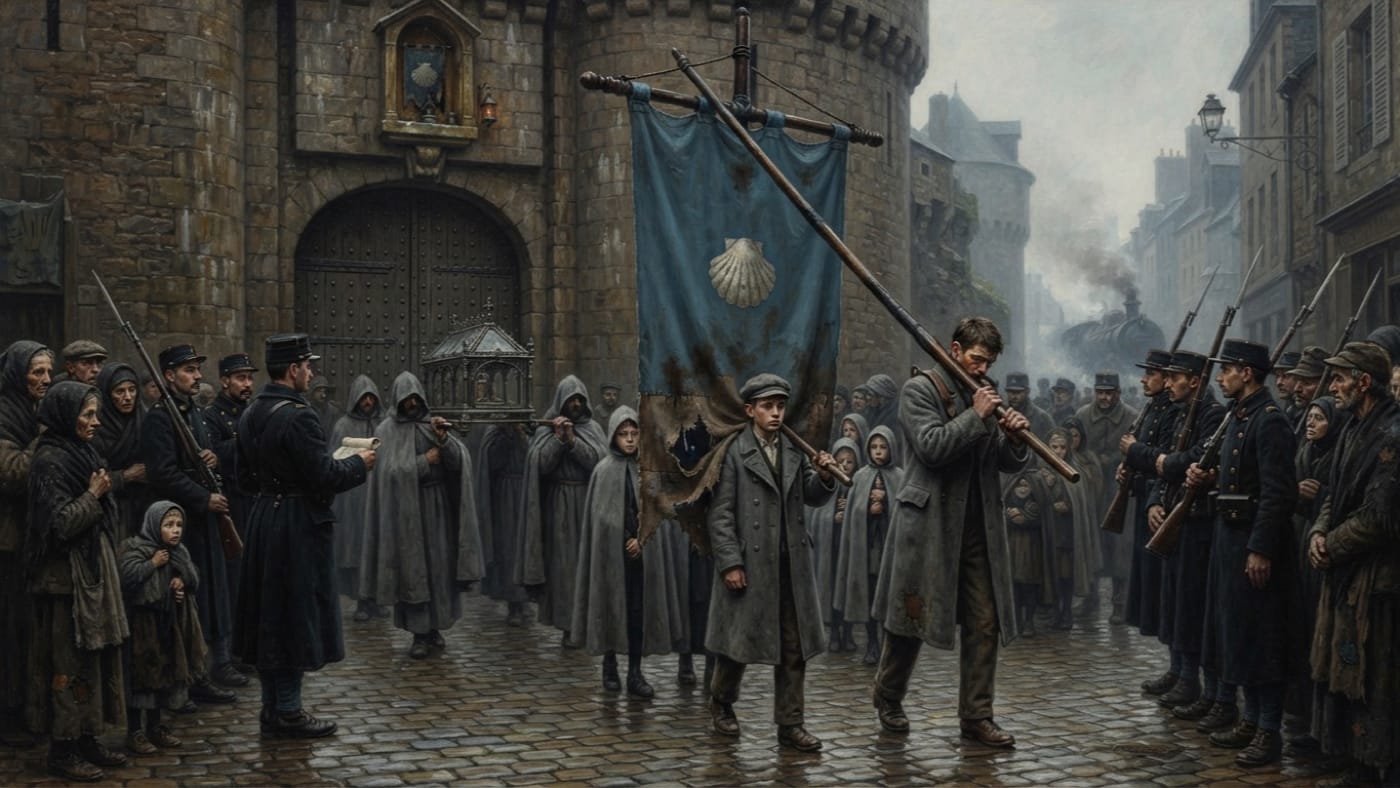
Saint Hermas Banner
One torn banner, thirteen slivers, and a successor under licence
The Saint Hermas banner tore over a boy at Saint-Malo in A.S. 10. Its fragments became relics; its sanctioned successor still marches under licence.
Codex Ref. III.2.04-010
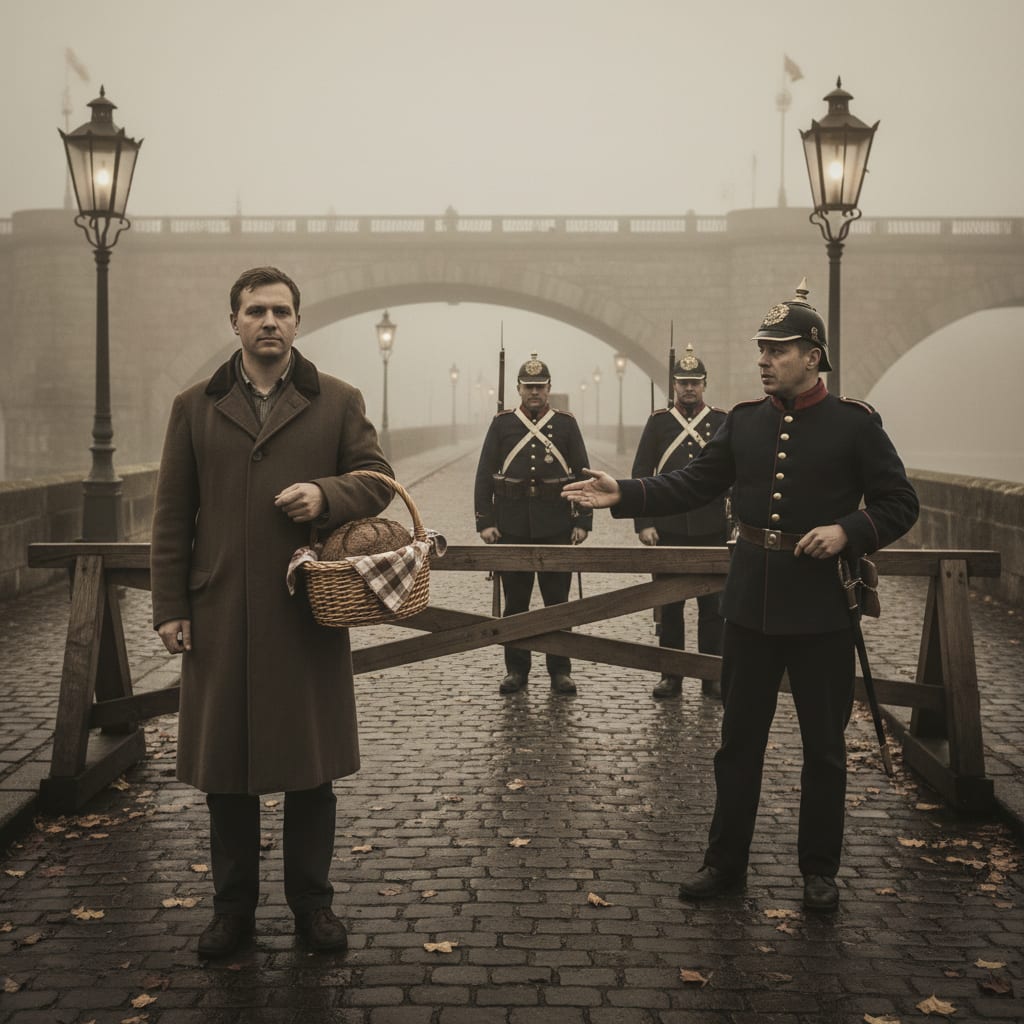
Saint Ignatius the Carrier
He walked. That was enough.
Parish clerk who carried three apostolic phalanges across a Rationalist checkpoint in a breadbasket. Zero personal miracles; one Kalnik Ridge. Canonized A.S. 104 at the insistence of every porter, smuggler, and supply-runner on the Line. He walked. That was enough.
Codex Ref. III.2.01-003
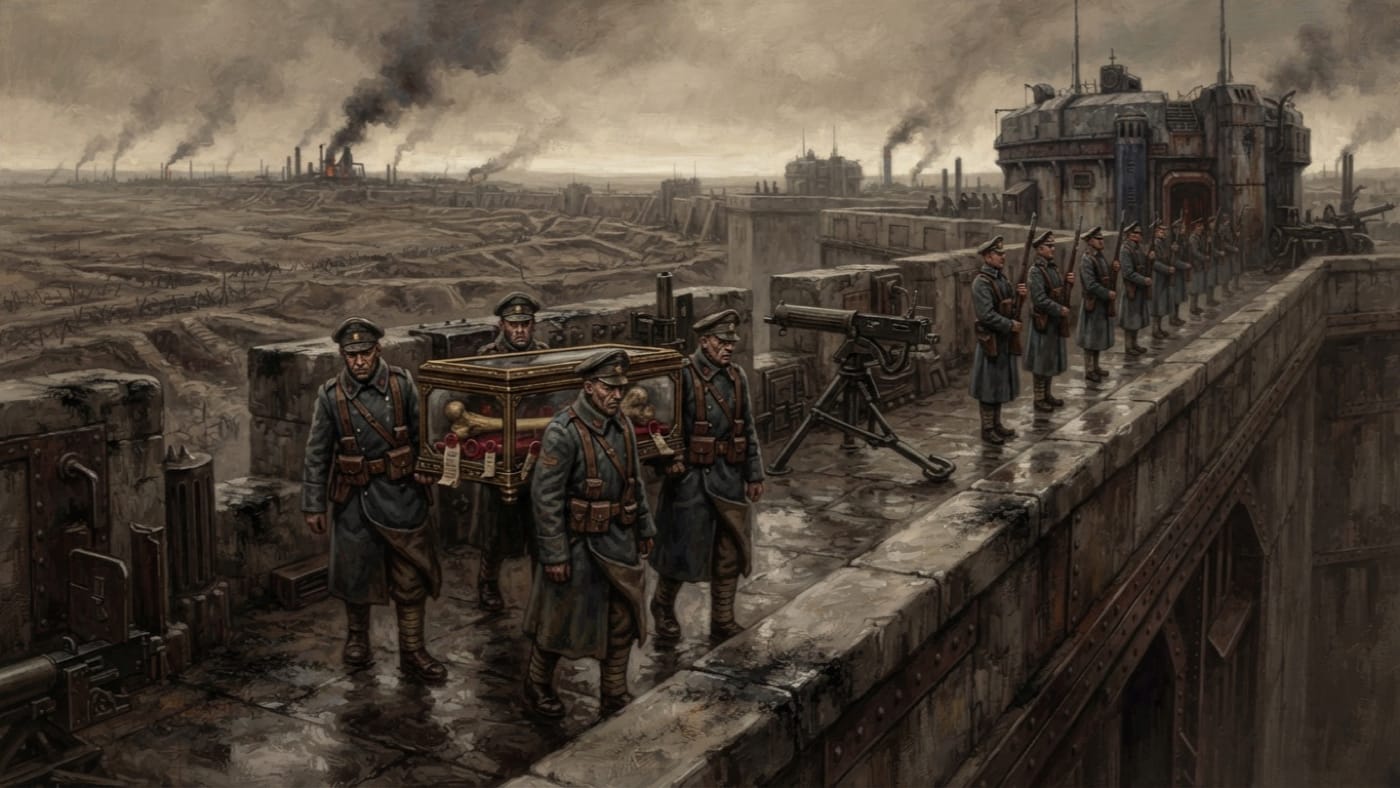
Saint Iselda
The saint whose station is a parapet
Survey of Saint Iselda's attested relic service in A.S. 201: a notarised femur makes the third-Friday Bone Walk along Vigilance's parapet. The soldiers stand straighter. The Bureau requires no more.
Codex Ref. III.2.01-201

Saint Isidore
The saint who became vessel, bell, ash, and invoice
Pre-Synod saint whose militarised relic blazed at Kalnik Ridge in A.S. 48, then multiplied into bell, ash, Grace Ration, Toledo verdict, and Bureau invoice.
Codex Ref. III.2.01-086
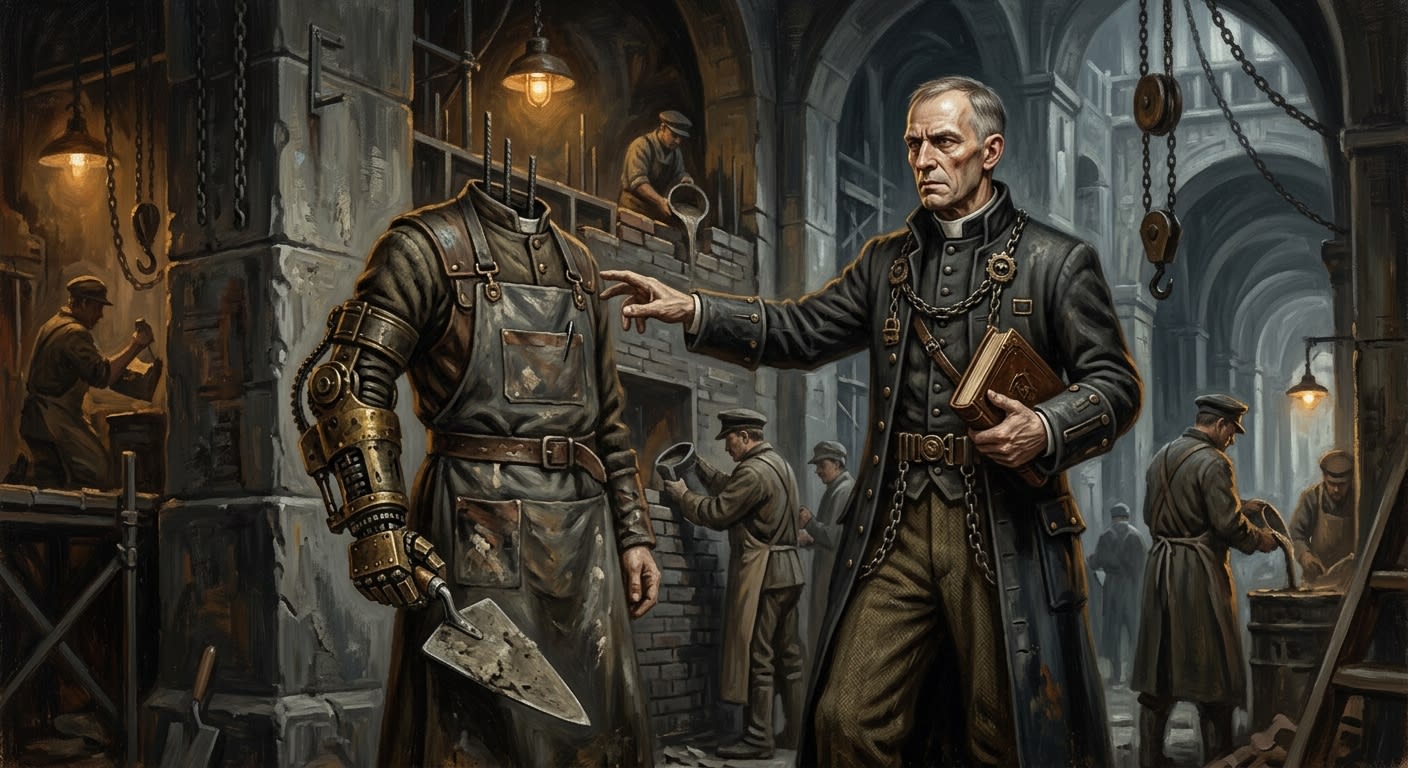
Saint Karron the Trowel-Hand
Stone is faithful because men are easier to mortar
Occupational patron of the Immurement Masons, Saint Karron made a screaming sentence architectural and left the Synod a recipe for silence.
Codex Ref. III.2.01-124
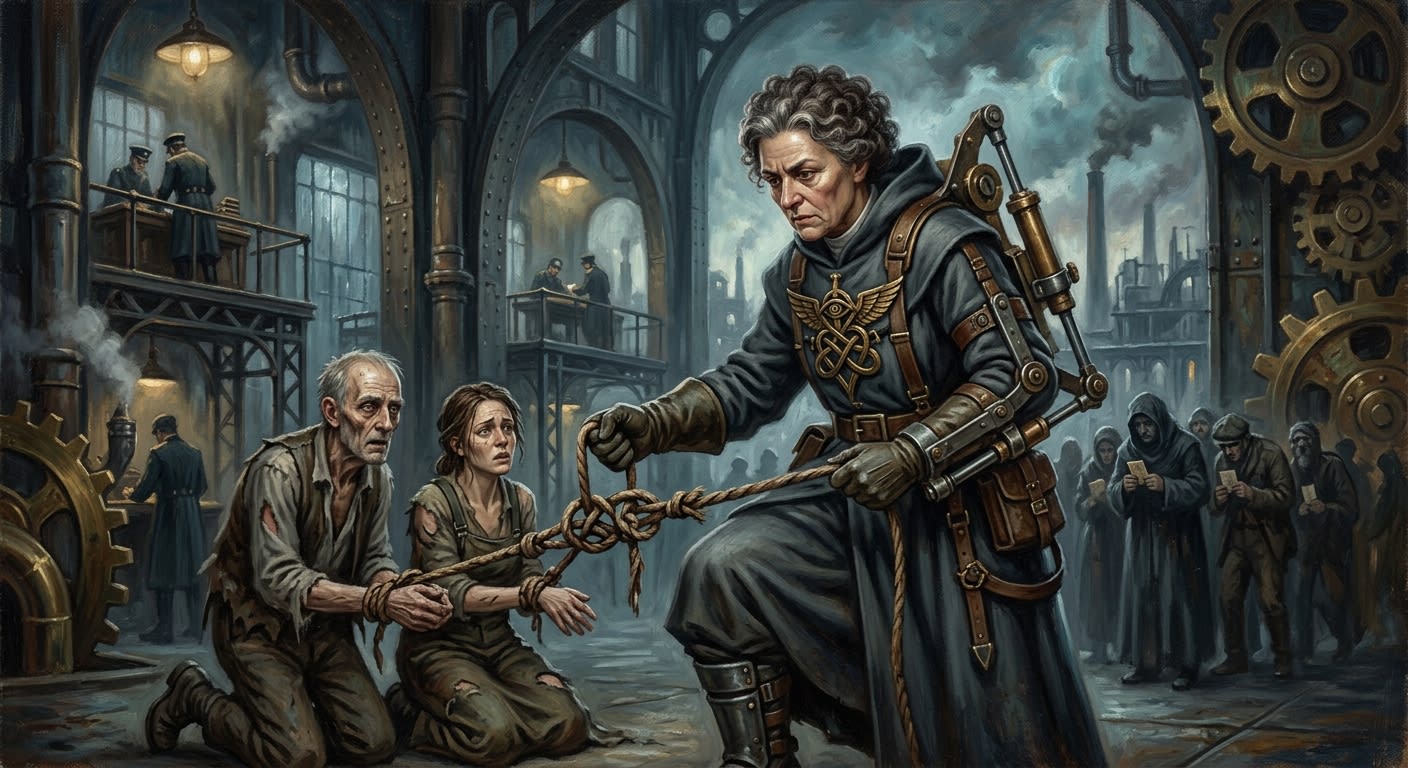
Saint Liora Knot-Hand
Thirty knots, thirty doors, and the miracle of obligation made visible
Patron of the Bureau of Oaths, Saint Liora Knot-Hand bound thirty hungry households into survival with witnessed vows and a strip of cloth. Mercy counted; the knot remembered.
Codex Ref. III.2.01-012
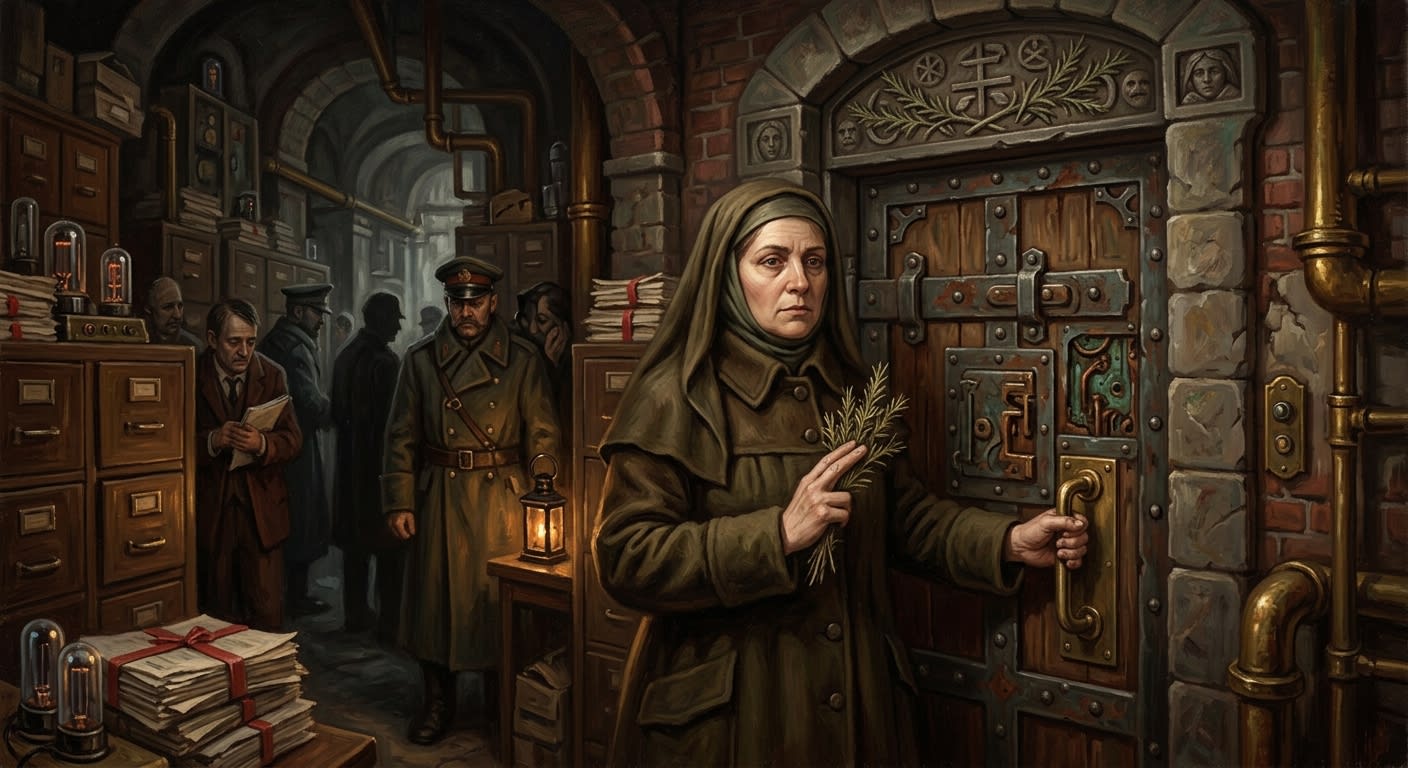
Saint Marea of the Closed Door
The unofficial saint of rosemary, shut doors, and useful silence
Saint Marea of the Closed Door is the unofficial tavern saint of rosemary lintels, hidden deserters, quiet hospitality, and the Bureau's most profitable refusal to decide.
Codex Ref. III.2.01-104
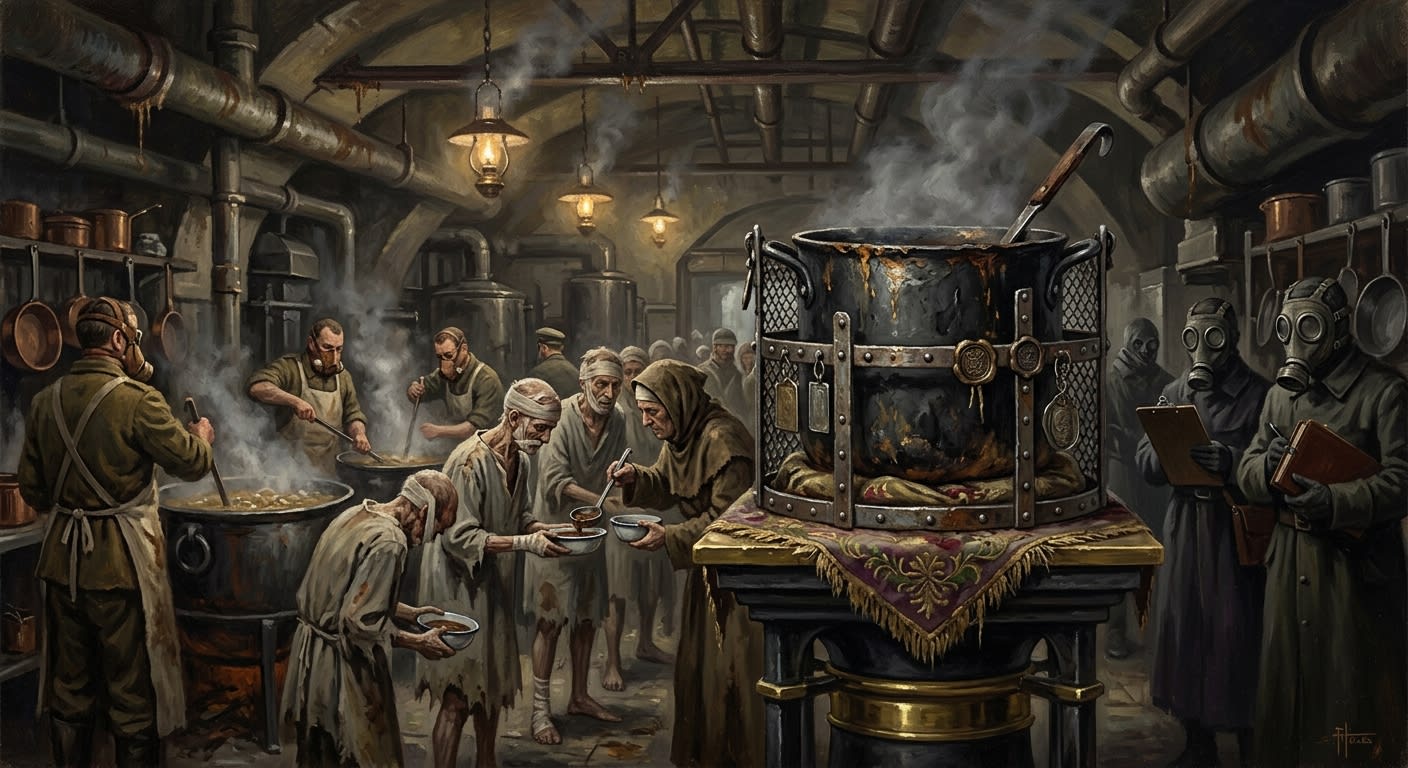
Saint Marrow-of-the-Ladle
Counted mercy, warm broth, and the holy arithmetic of the bowl
Saint Marrow-of-the-Ladle, patron of Mercy ward kitchens, may have been a pot; the Bureau prefers the miracle to the biography.
Codex Ref. III.2.01-016

Saint Maurus of the Burnt Lantern
The hospice martyr whose left leg taught arithmetic to kneel
Hospice martyr, ward-lantern patron, and owner of three authenticated left femurs; Maurus proves that sanctity can outgrow anatomy.
Codex Ref. III.2.01-148

Saint Morin of the Sealed Mouth
Patron of waxed teeth, taxable grief, and the silence that keeps the queue moving
Saint Morin of the Sealed Mouth is the disputed occupational patron of Dead-Goods Tariffers, waxed skulls, intake bays, and the mortuary discipline of making the dead remain quiet.
Codex Ref. III.2.01-105
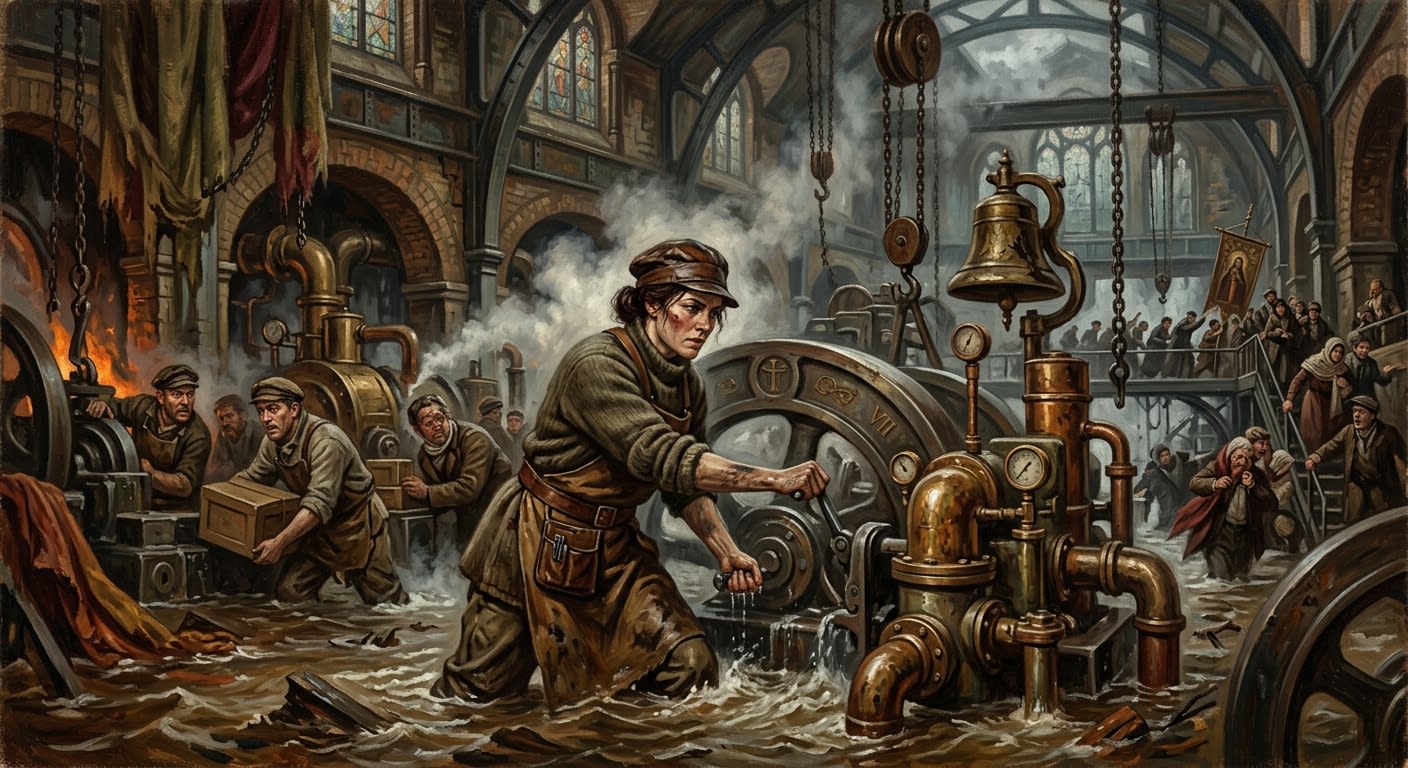
Saint Orla of the Seventh Line
She finished the sequence; the seal held; the Bureau arrived thirty years late with incense
Saint Orla of the Seventh Line, patron of Gasket-Hymn Mechanics, died completing Seal Seven during the A.S. 132 Metz flood and became the saint of the final turn.
Codex Ref. III.2.01-118

Saint Orla the Brass-Throated
Hold the measure, even when the deck burns and the bell lies
Occupational patron of Shrine-Deck crews, Cadence Callers, Choir Runners, and fire-harmed singers; useful because she kept measure while burning.
Codex Ref. III.2.01-143
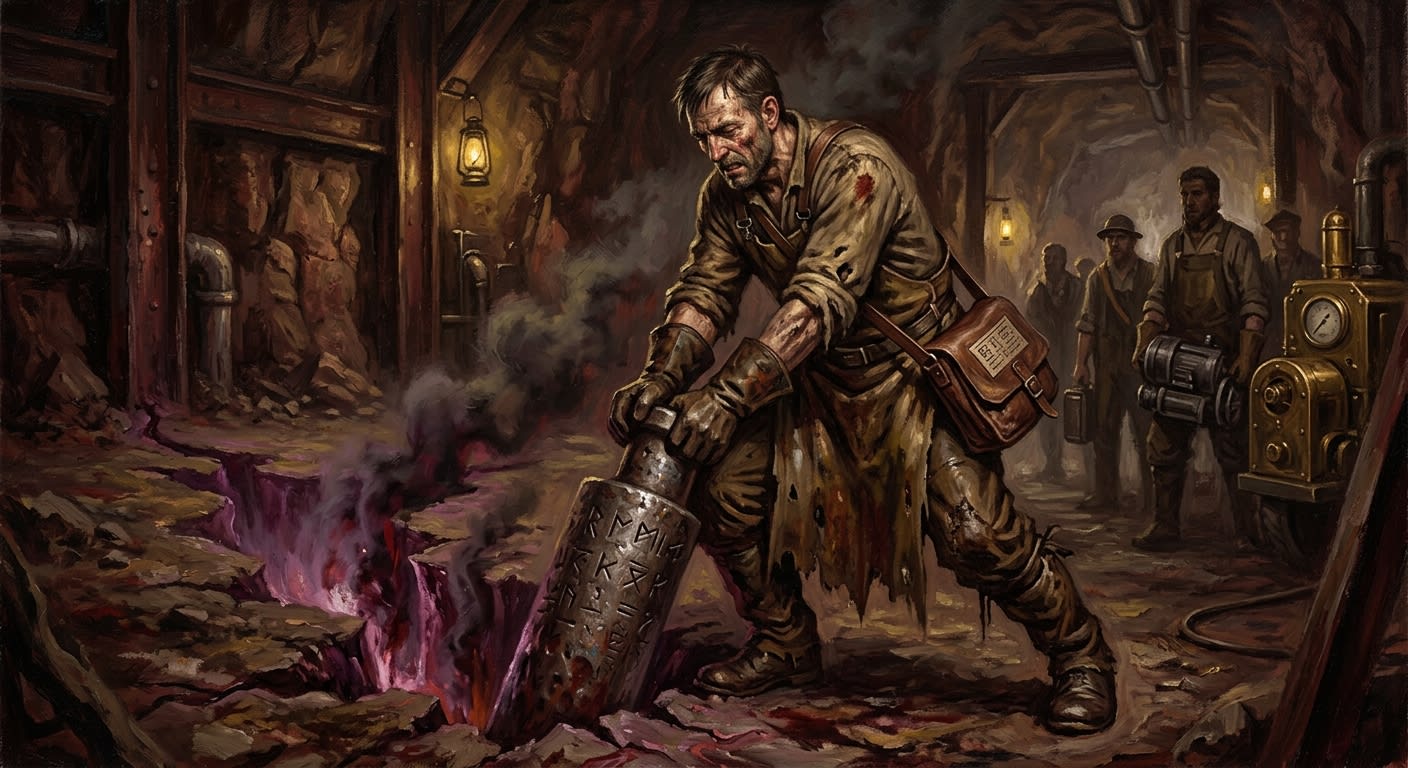
Saint Orren of the Iron Plug
Nine hours is a miracle when Hell keeps the clock
Patron saint of Wound-Site Prospectors, remembered for driving an iron plug into a demon-seep rupture, holding the wound nine hours, and vanishing when it reopened.
Codex Ref. III.2.01-148
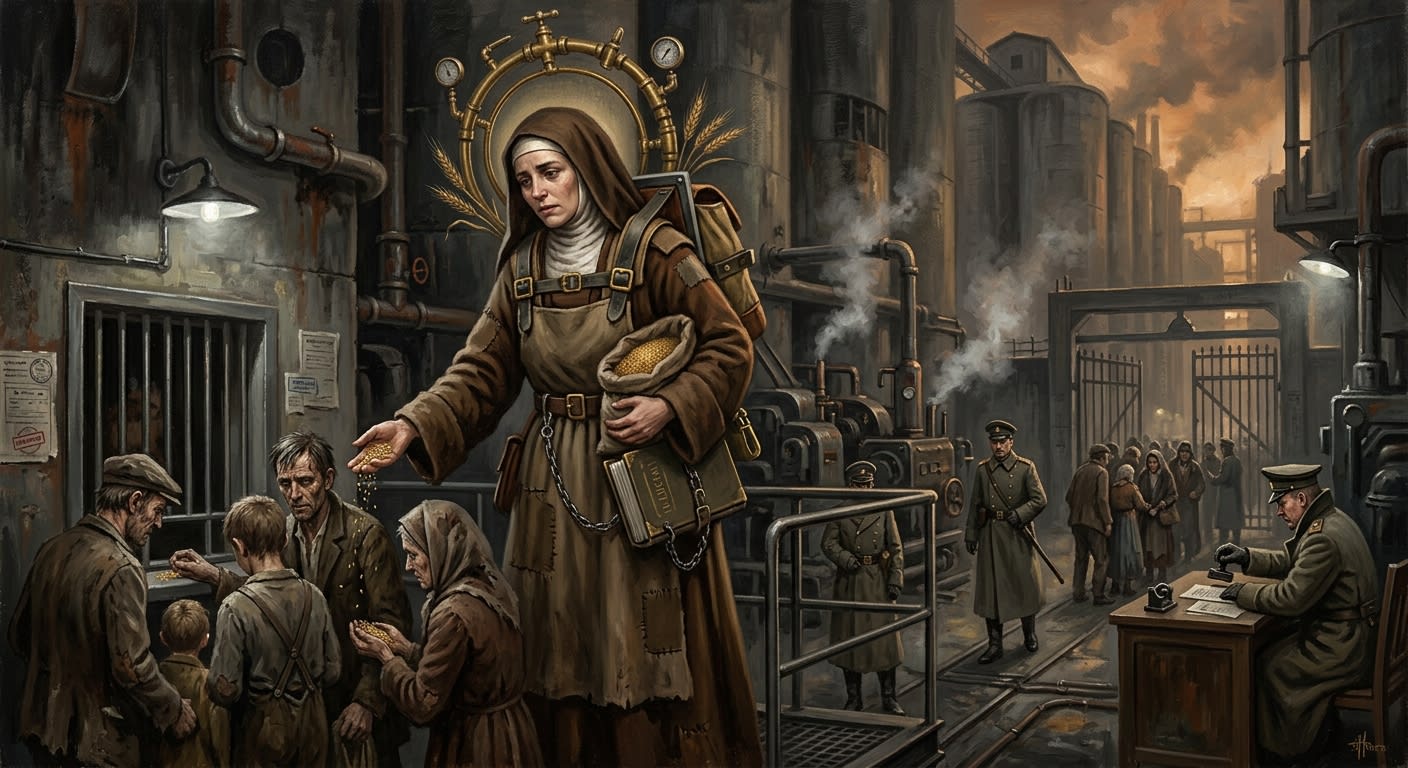
Saint Silo-Agnes
The hungry remember the woman in the wall more accurately than the pageant
Saint Silo-Agnes, unofficial patron of Grain Keepers, was condemned for hidden millet and later improved into a charity martyr fit for ticketed grief.
Codex Ref. III.2.01-121
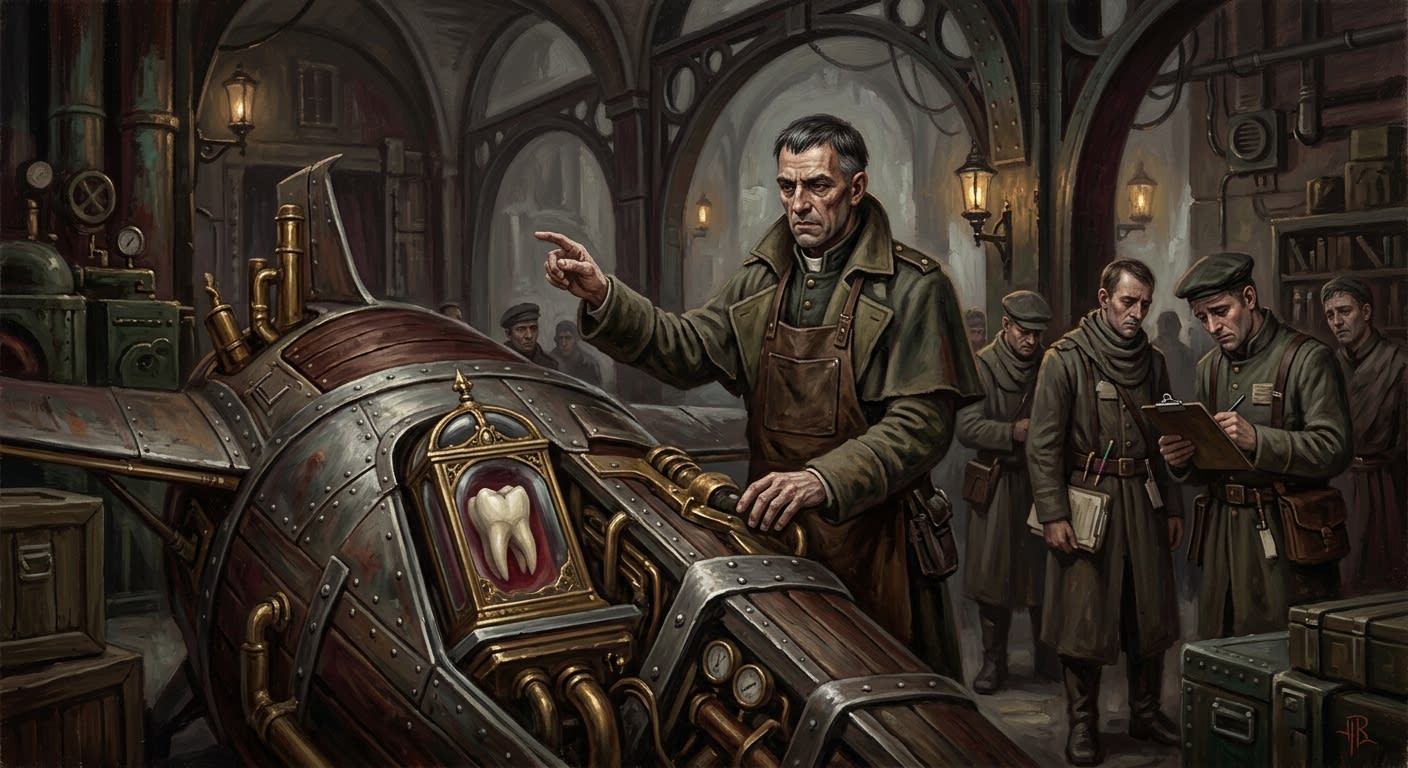
Saint Uriel
The warning tooth that refused to bless the southern sky
Saint Uriel is warning, tooth, patron, and refusal: the authenticated molar whose Ark will not fly, thereby accomplishing theology by humiliation.
Codex Ref. III.2.01-191

Saint Varda of the Lead Hands
A saint without a file is still a tool if the hand survives the glass
Uncanonised patroness of Demon-Glass Polishers, Varda teaches the bench-law of lead first and vision second wherever raw shards whisper and official files refuse to exist.
Codex Ref. III.2.01-107

Saint Varric of the Twelve Blisters
The chain becomes holy when the foot bleeds on schedule
Approved patron of Pilgrim-Chain Handlers: a useful, poorly documented saint whose twelve blisters became stations, tolls, custody doctrine, and a halo bent from iron.
Codex Ref. III.2.01-134

Saint Vell of the Lantern Table
Seal it before the mud eats the name
Occupational patron of Trench-Court Clerks and front registrars, Saint Vell keeps the page dry, the lantern lit, and the dying name useful.
Codex Ref. III.2.01-148
Saint Vellum of the Narrow Line
He proved a warehouse may burn correctly if its name burns first
Saint Vellum, patron of Manifest Litigants and cargo-identity quarrels, entered the Ledger by invoice: no bone, uncertain vita, and a burning warehouse rendered clean enough for doctrine.
Codex Ref. III.2.01-066
Saint Vellum the Silent
A patron saint whose relic is procedure
Occupational patron of Erasure Notaries, Strike Scribes, Nullity Clerks, and Lineage Severers; a saint of washed hands, black seals, and names made quiet.
Codex Ref. III.2.01-113
Saint Vellum-of-the-Quiet-Hand
The Saint Records Needed Before Rites Could Admit She Existed
Disputed patron saint of Ritual Bone-Stampers and ossuary notaries, operationally accepted after A.S. 92 because the corridors required a mother before the Bureaus could manufacture one.
Codex Ref. III.2.01-069

Saint Verral of the Clean Field
The hot blade is kinder than the singing wall
Doubtful patron of Sigil Inspectors and field scrapers, useful because his hot blade gives Heraldry a saint for every wall that must be made obedient.
Codex Ref. III.2.01-144

Saint Verran of the Unsmudged Line
The Creator is a column, and mercy hates the ruler
Patron saint of Records Scribes, approved in A.S. 112 for the clean line that cut ten thousand names from a siege roll and left the ink blameless.
Codex Ref. III.2.01-139
Saint Veyra of the Mouth
The patron who speaks into heat and answers nothing
Disputed but operationally indispensable patron of Furnace Catechists, invoked wherever Doctrine must make sealed ignorance look holy beside a working furnace.
Codex Ref. III.2.01-117
Saint Ysolt of the Scales
Patroness of pity weighed until it becomes collection
Ratified patron of Tithe Assessors and arrears clerks, Saint Ysolt gives extraction a kindly face, a brass scale, and a grain that never falls.
Codex Ref. III.2.01-146
Saint-Anonymous of the Glass Parish
The nameless patron who keeps the shard from learning the road
Saint-Anonymous of the Glass Parish is the unauthenticated patron invoked by demon-glass scavengers, wrappers, route-null couriers, and other professionals whose safest miracle is remaining unnamed.
Codex Ref. III.2.01-110
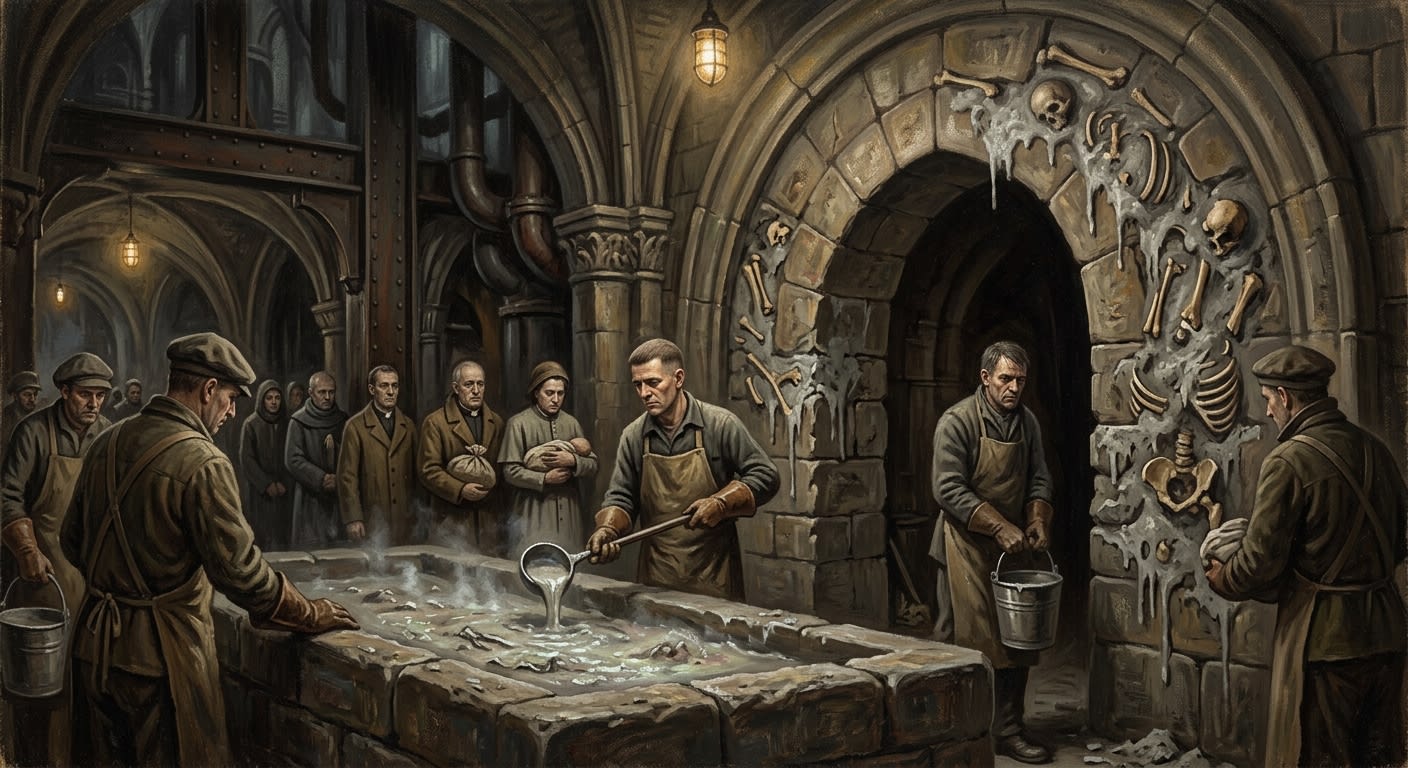
Saint-Bone Melting Acts
Sanctity must bear weight, and the wall has receipts
The A.S. 96 Saint-Bone Melting Acts made surplus holiness structural, teaching relics to become mortar and the faithful to call subtraction a wall.
Codex Ref. XIII.1.91-096
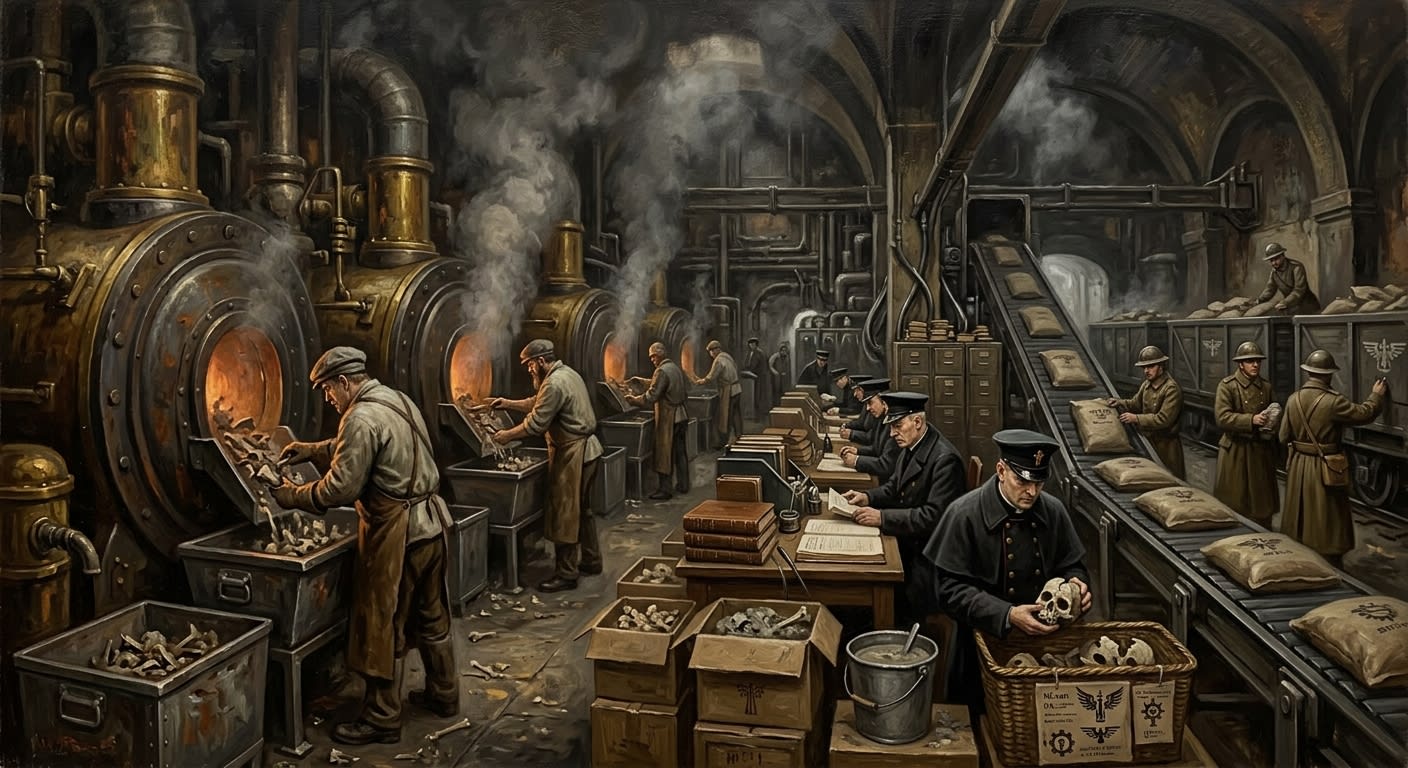
Saint-Bone Melting Acts A.S. 96
The statute that taught saints to bear weight, whether they had consented neatly or not
A.S. 96 legislation that turned surplus, damaged, disputed, duplicated, and unassignable relic fragments into deployable sanctified mortar for the Sagittal Line.
Codex Ref. VII.2.10-096
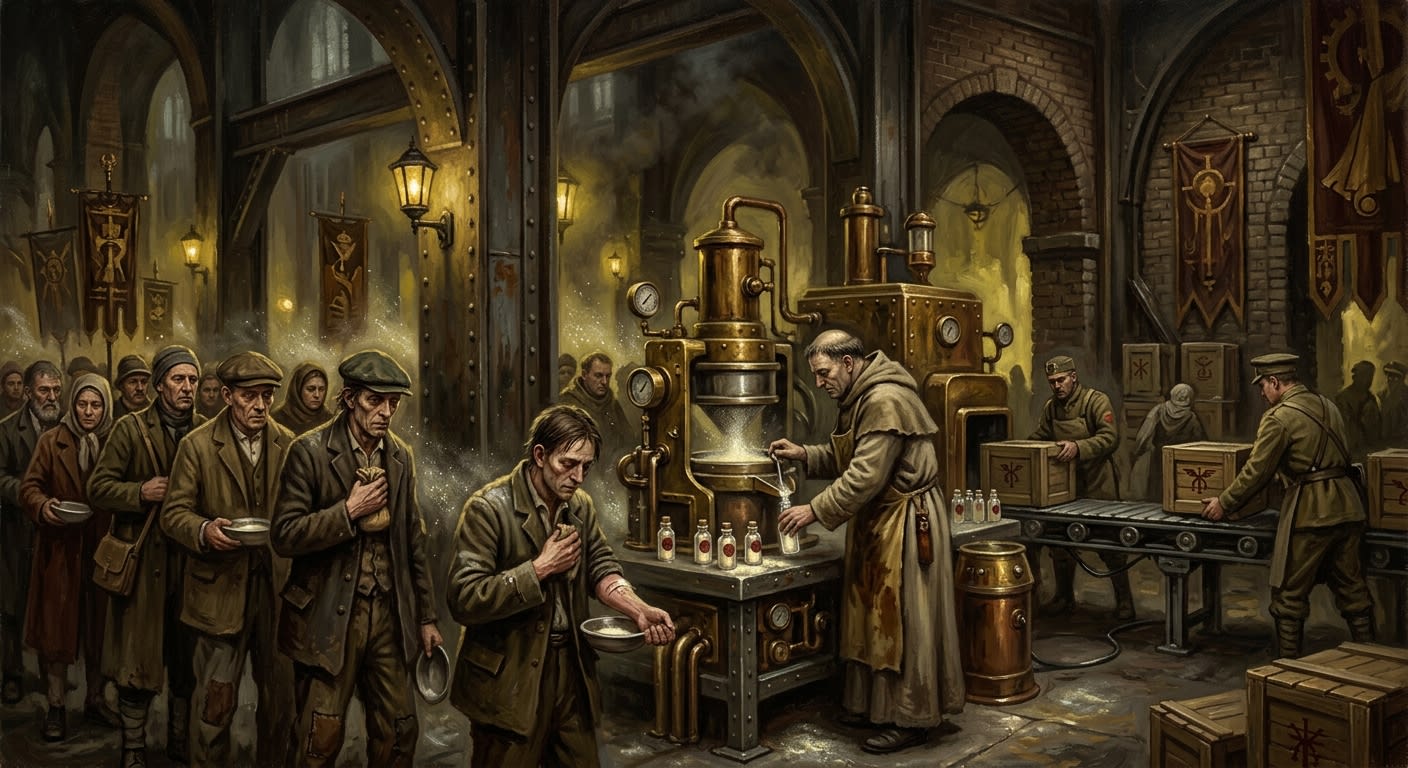
Saint-Dust
Powdered holiness enters the lung, the ledger, and the machine
Saint-dust is powdered holiness made useful: relic residue for broadcasts, wounds, shrines, walls, markets, miracles, and the lungs sacrificed between them.
Codex Ref. XIII.1.91-098

Sainte-Claire-des-Landes
Six miles from Saint-Malo, where laundry became evidence and damp became a route economy
The Breton convent of Margaux's ordinary years: damp stone, linen ledgers, a wax saint, nine thousand pilgrims, and twelve sisters still doing the work.
Codex Ref. II.1.09-092
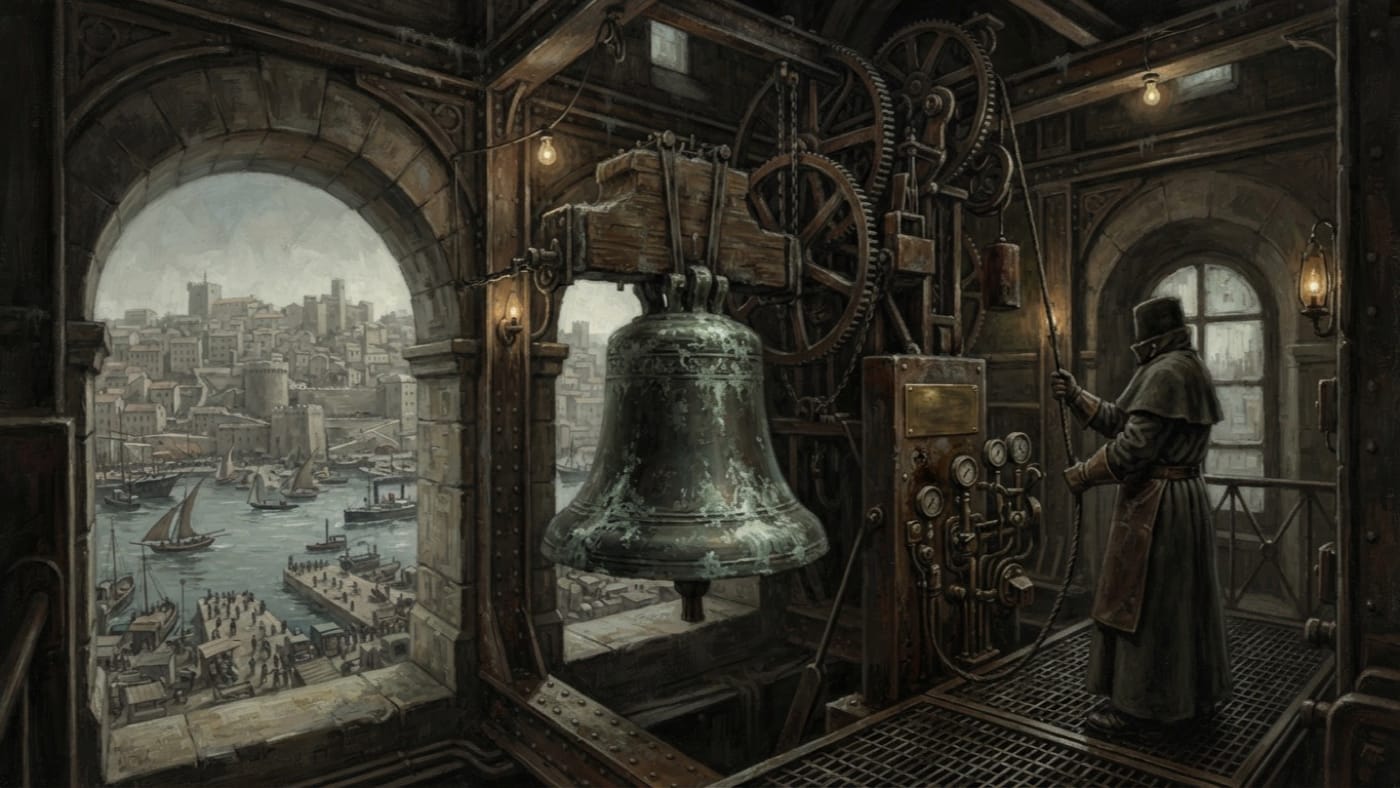
Salt-John
One bronze voice reserved for the hour when Marseille must listen
Salt-John sounds harbour danger from Saint-Victor's western relay in Marseille. One of nine principal bells, it remains under Bureau of Bells authority: a warning loses its power when every clerk may ring it.
Codex Ref. XIII.1.62-232

Salzburg
The Alpine city where a warm shinbone taught bishops to bleed politely
Salzburg is a profitable Alpine shrine-city whose Warm Tibia dispute killed two bishops and made custody smell faintly of salt, wax, and knives.
Codex Ref. II.3.05-141
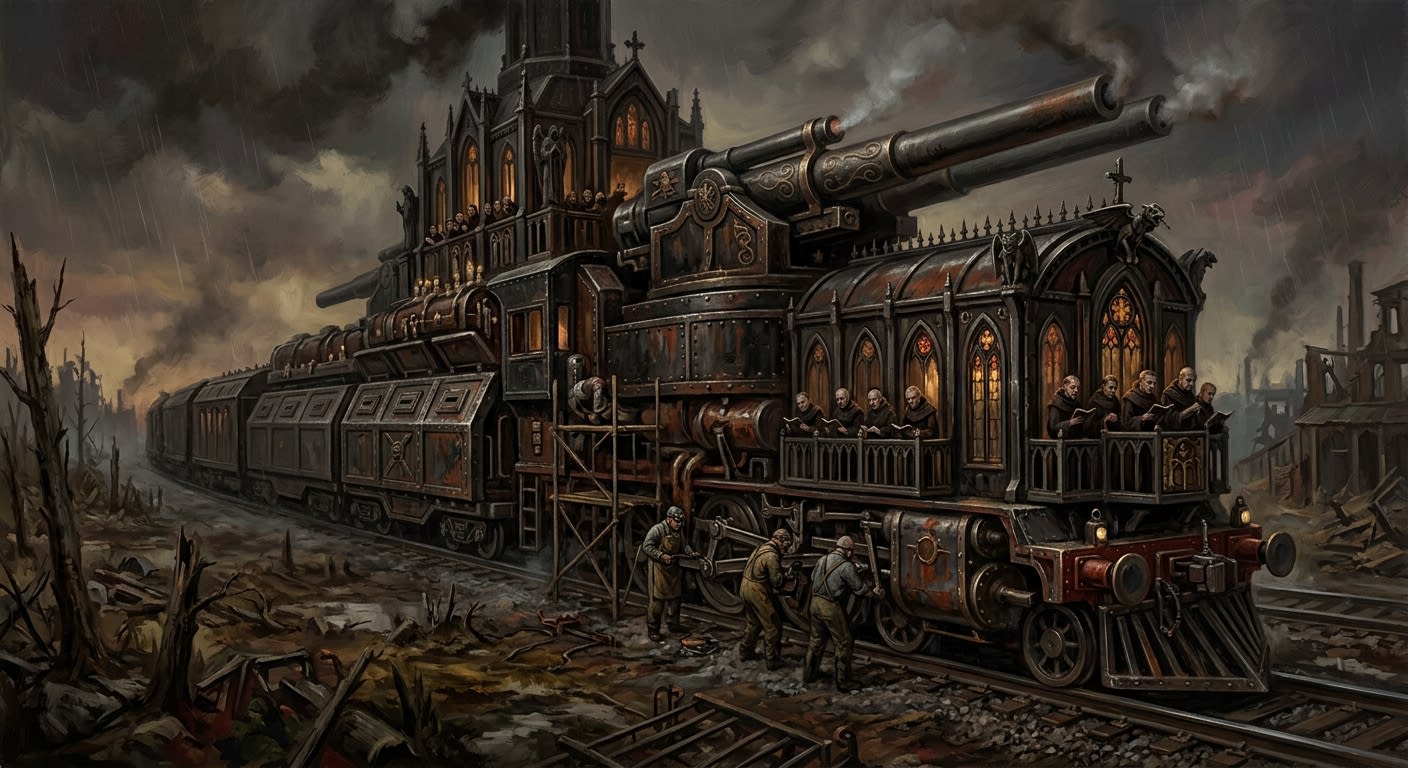
Sepulcher Locomotive
A shrine at speed, with guns already turning
Rail-bound mobile shrine and artillery train whose blessed guns, ossuary magazine, choir bay, and ruinous maintenance bills make piety arrive on schedule.
Codex Ref. XIII.1.90-001
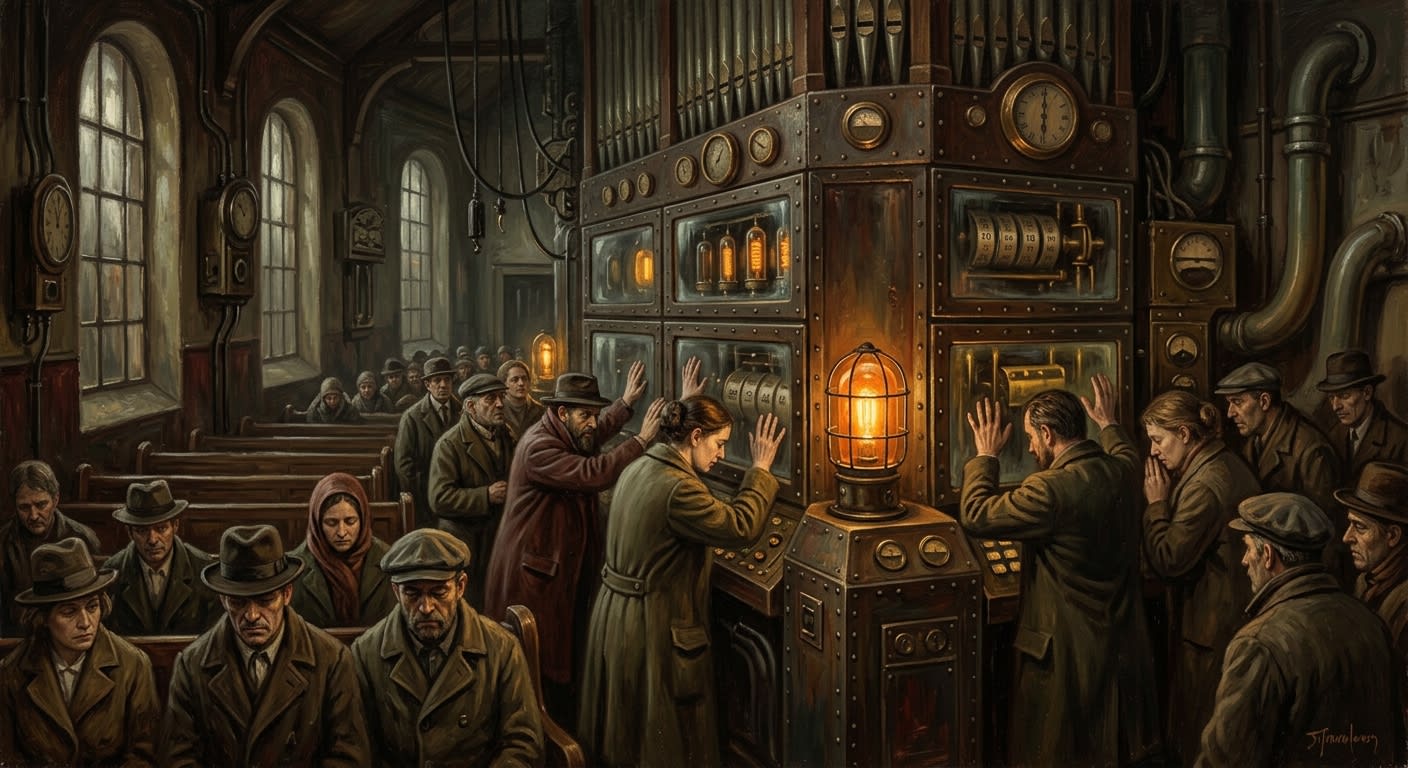
Sermon Compliance Chapel
Where attendance kneels, arithmetic prays, and the pig bone keeps better doctrine than men
Strasbourg's Sermon Compliance Chapel turns public listening into relic devotion, where Auditors touch glass, numbers confess, and the amber lamp refuses to die.
Codex Ref. II.1.04-158
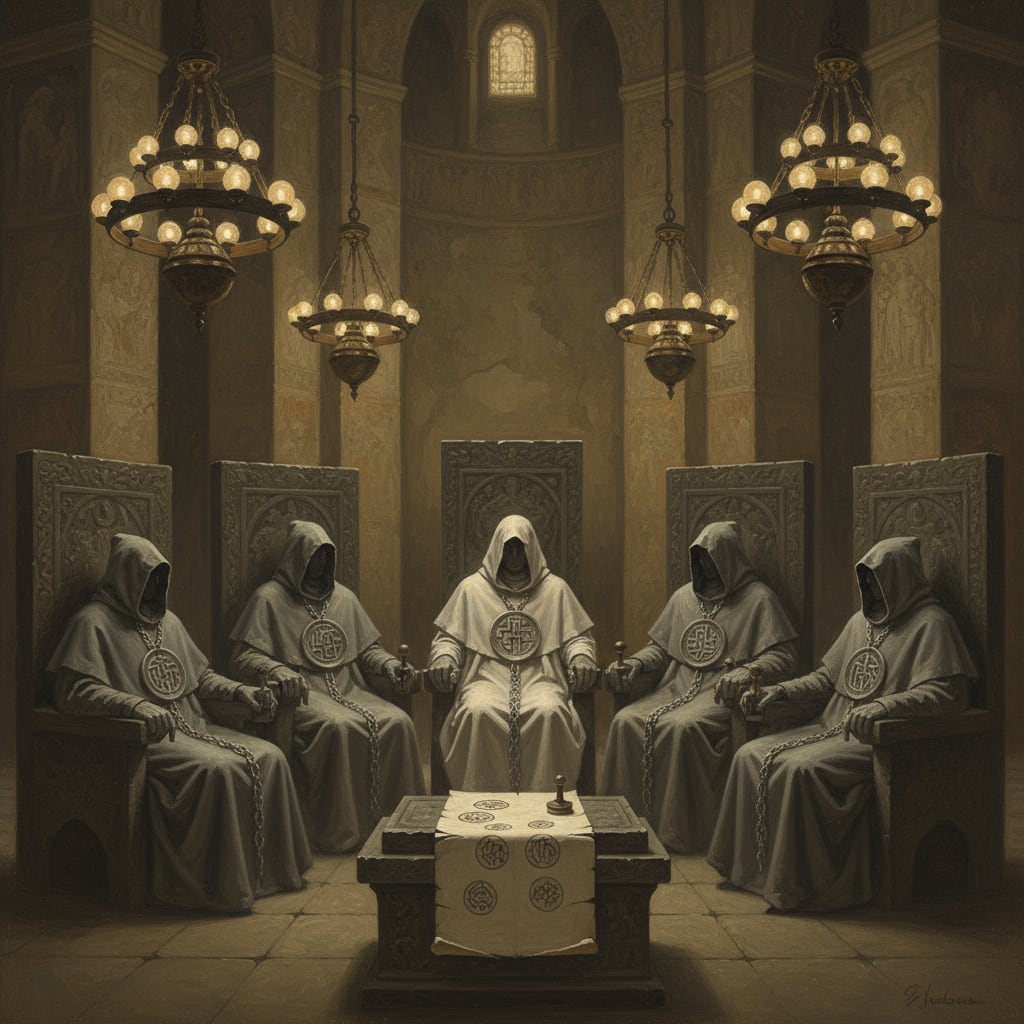
Seven Seals of Faith
Seven absolute sovereignties, each checking the others, which Kratz called something else entirely
The constitutional framework of the Bureaucratic Synod — seven domains of overlapping absolute authority, each assigned to one Hierarch, each cancelling the others into the only available direction forward, toward the Sagittal Line, where jurisdiction is settled by artillery.
Codex Ref. XIII.1.05-001

Shackled Flame Workshops
Where Hell is taught the manners of machinery
Beneath Bastion-Constantinople's Foundry Quarter, the Shackled Flame Workshops bind broken Hell into housings, carriers, locks, and profitable silence.
Codex Ref. II.4.10-007
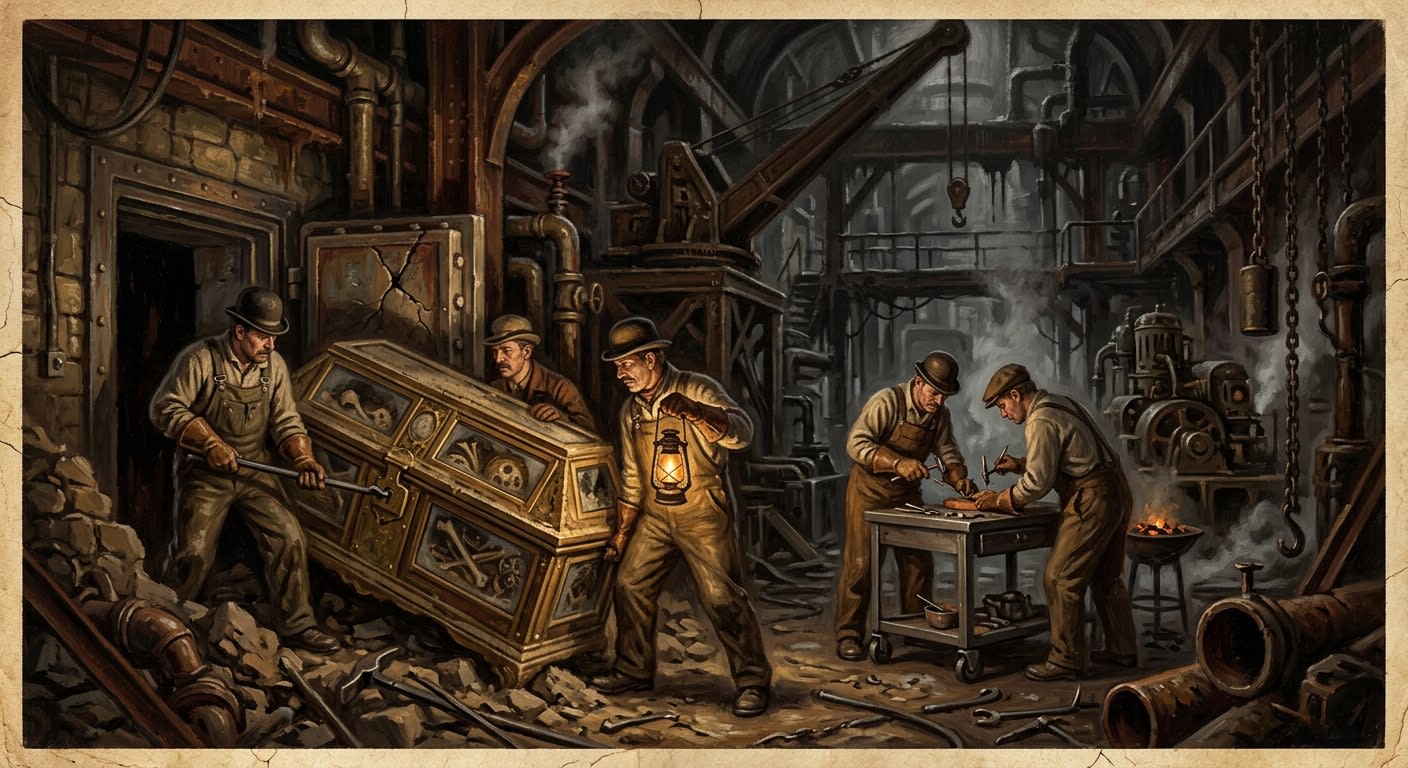
Shadow Pullers
Faster than law, dirtier than doctrine, and useful before breakfast
Unlicensed Reliquary Salvager crews who reach cracked vaults before the seal-box, forge ghost tags, and sell usefulness back to the Synod.
Codex Ref. XII.13.05-001
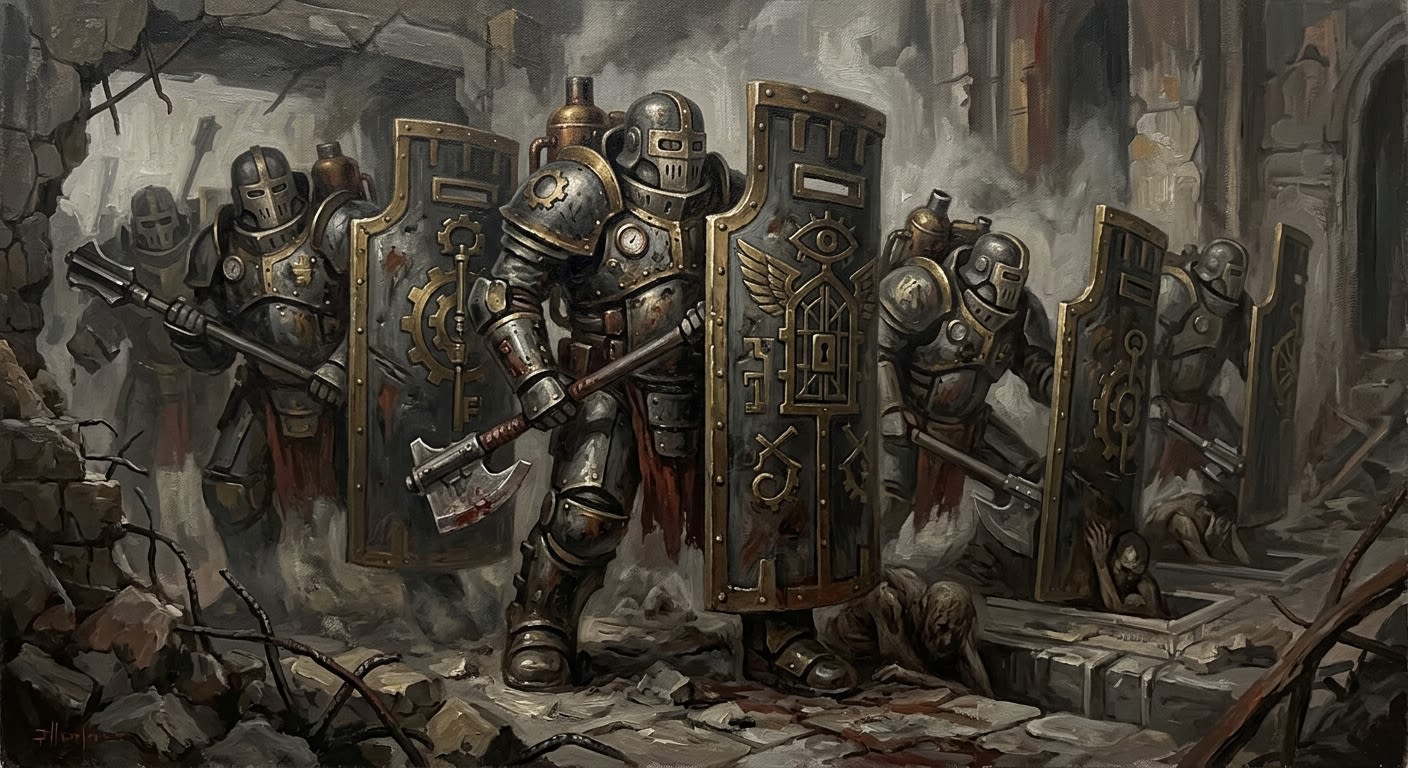
Shield Paladins
Men instructed to become wall until the wall believes them
Covenant heavy infantry trained for breach reception, line denial, emergency causeways, and the sacred absurdity of turning frightened men into architecture.
Codex Ref. VIII.5.06-001
Shrine-Assessors
Holiness walks better after inspection, downgrade, and receipt
Shrine-Assessors are Pilgrimage's senior auditors of sanctity, classifying shrines, measuring traffic, binding relic-house access, and converting local miracles into routes the Bureau can tax, police, and survive.
Codex Ref. VIII.7.05-001
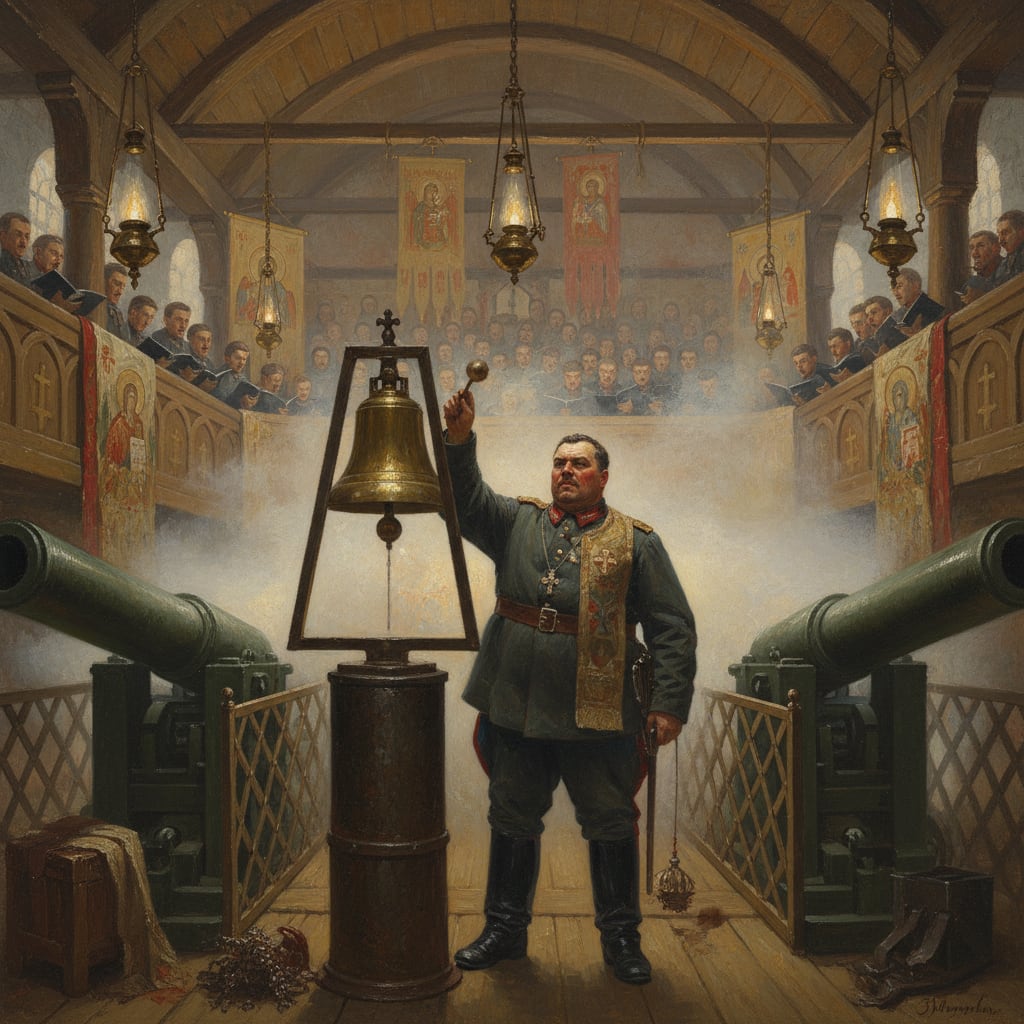
Shrine-Deck Crew
Bell, chalk, and brass — the three sacraments of the man who is too useful to die quickly
Mobile artillery and choir crews of the Synod's shrine-platforms — firing on the psalm-beat, logging every shell in a shot-ledger the Bureau calls the platform's soul, and maintaining chalk rings while the metronome bell keeps the guns from going hollow.
Codex Ref. XII.42.01-001

Sigil Inspector
The man who tells the world what it is allowed to look like — and scrapes the rest
The Bureau of Heraldry tells the world what it is permitted to look like. The Sigil Inspector is the man who walks the world and checks — codex in hand, swatch at the hip, blade heated to scraping temperature.
Codex Ref. XII.43.01-001
Silence of Harbor Lamps
Darkness received a harbor office and stamped the water
For seventy-two hours in A.S. 185, Bastion-Constantinople's harbor lights died, the water lit beneath, and the *Saint Veritas* vanished from a locked quay.
Codex Ref. VII.8.10-185
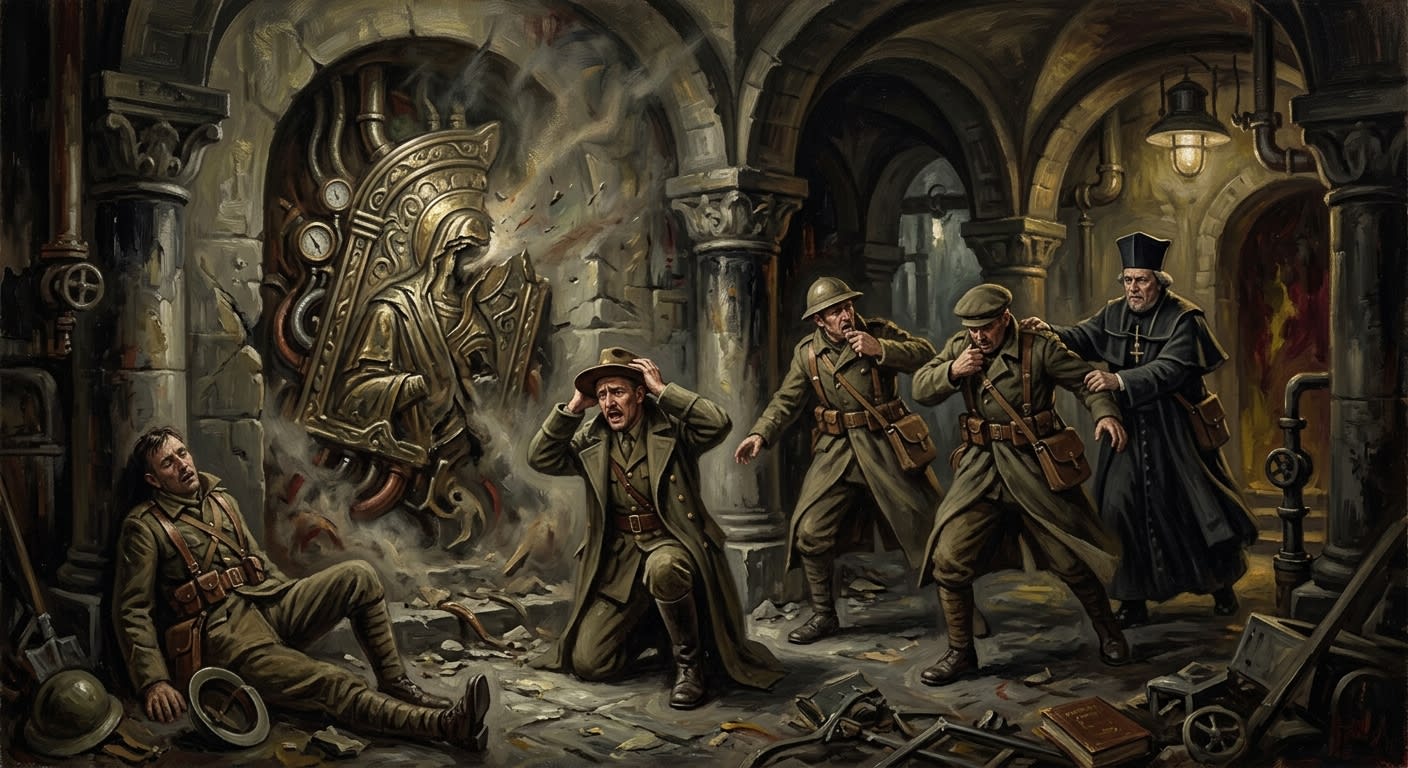
Singing Plate Disaster A.S. 131
The fragment sang; the law learned to listen
A.S. 131 Przemyśl relic disaster in which an unquieted icon fragment sang a holding chapel mad and forced salvage law into its stricter shape.
Codex Ref. VII.8.10-091

Sister Agata Wiśniewska
The witness who counted wire when action failed
Poor Clare witness to the A.S. 18 Night of Knives whose hidden psalter testimony, ratified in A.S. 148, made forty-seven murders impossible to tidy.
Codex Ref. III.2.01-087
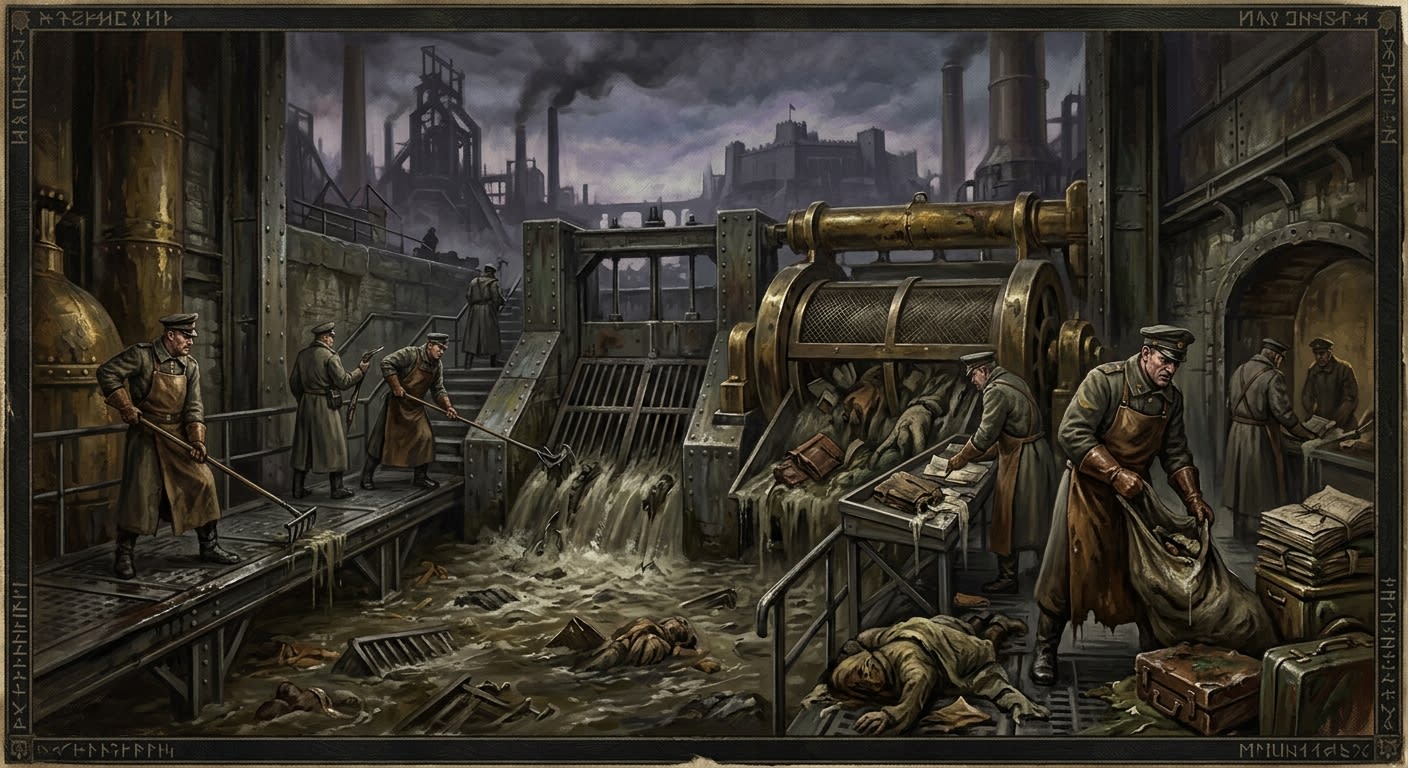
Sluice Yards
Where the Bug is hooked, taxed, and made to confess
Downstream of Bastion-Brest, the Sluice Yards hook the Bug's filth into evidence, paper, bodies, taxes, and the sort of truth that stains gloves.
Codex Ref. II.4.09-098

Somnolent Communion Cells
The heresy that holds hands; the Bureau that holds nothing
Bureau classification A.S. 196: Sloth-Heresy, Passive Variant. Participants link hands, face a dimmed lantern, and stand waist-deep in marsh water until dawn — producing Syrionic temporal drag the Bureau cannot explain and will not discuss.
Codex Ref. XI.6.01-001
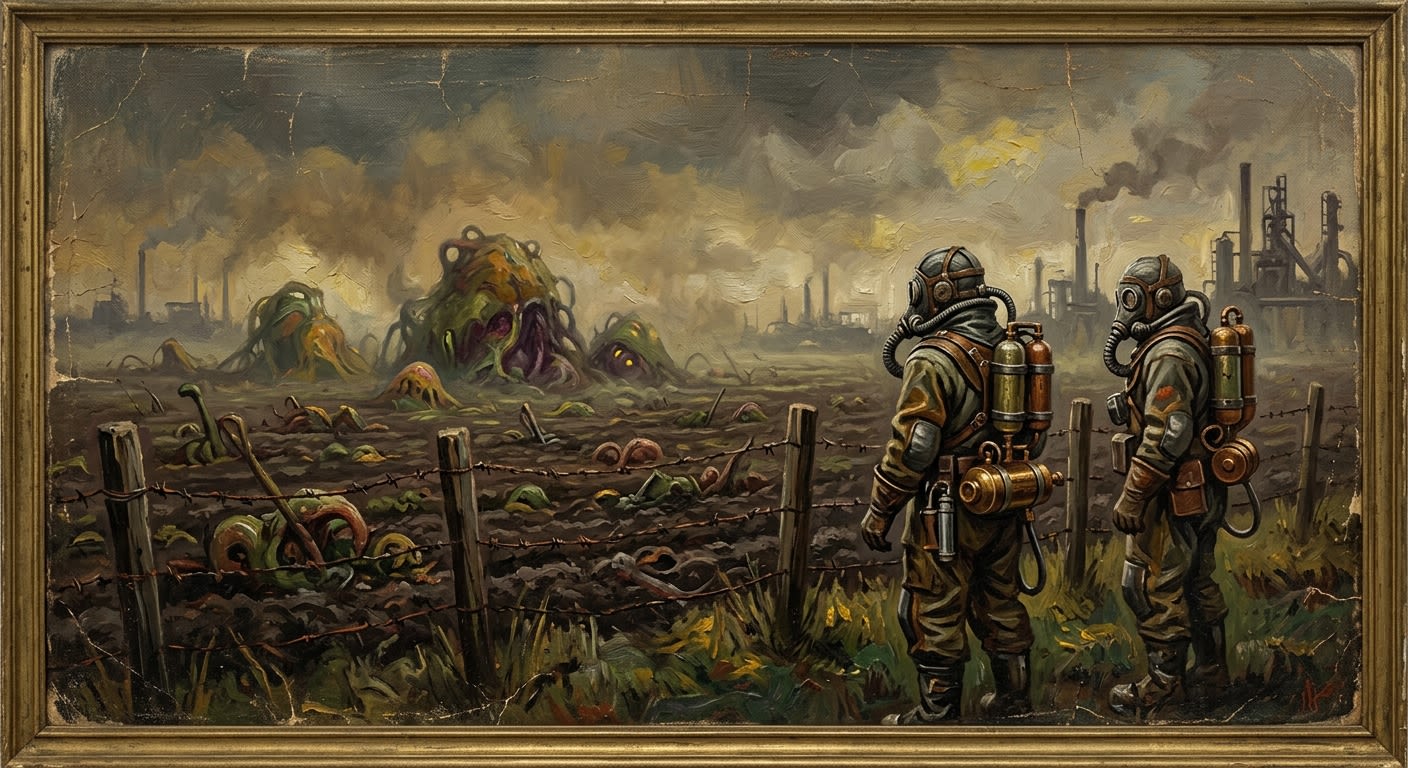
Standing Order 119-F
If it smells like mercy, withdraw
Standing Order 119-F forbids approach, harvest, sample, and even smell-contact with Abundance Fields, where Kargath makes plenty behave like hunger.
Codex Ref. XIII.1.24-001
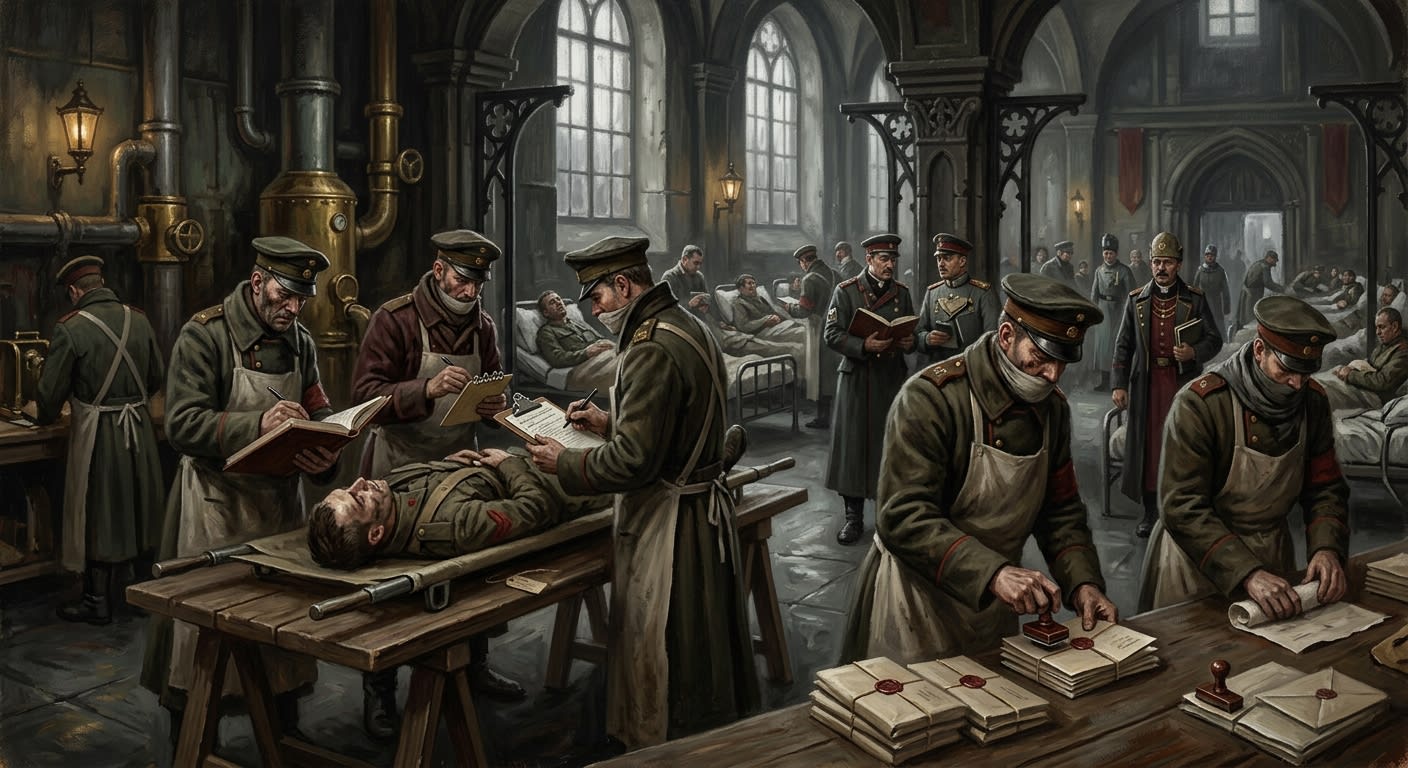
Standing Order 22-C
No last word unfiled, no dying mouth left private
Standing Order 22-C makes the dying useful: names first, comfort second, three copies sealed before the body is allowed to cool.
Codex Ref. XIII.1.98-080
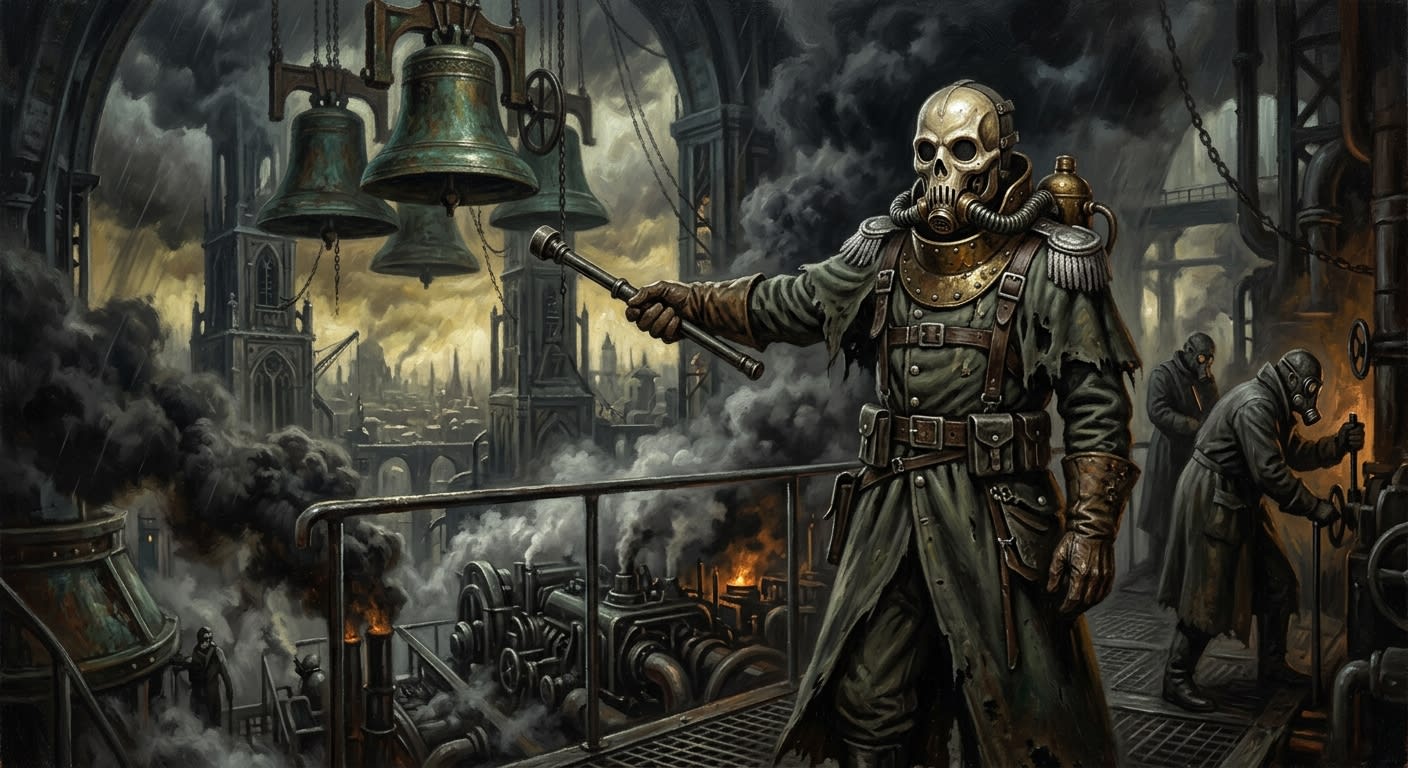
Storm Warden Ilex Marr
The masked bell-hand who decides which lungs belong indoors
Storm Warden Ilex Marr commands Black-Snow Lor's closure bells, wearing a bone-mask no Bureau dares unfasten while the storms arrive wrong.
Codex Ref. III.2.01-009
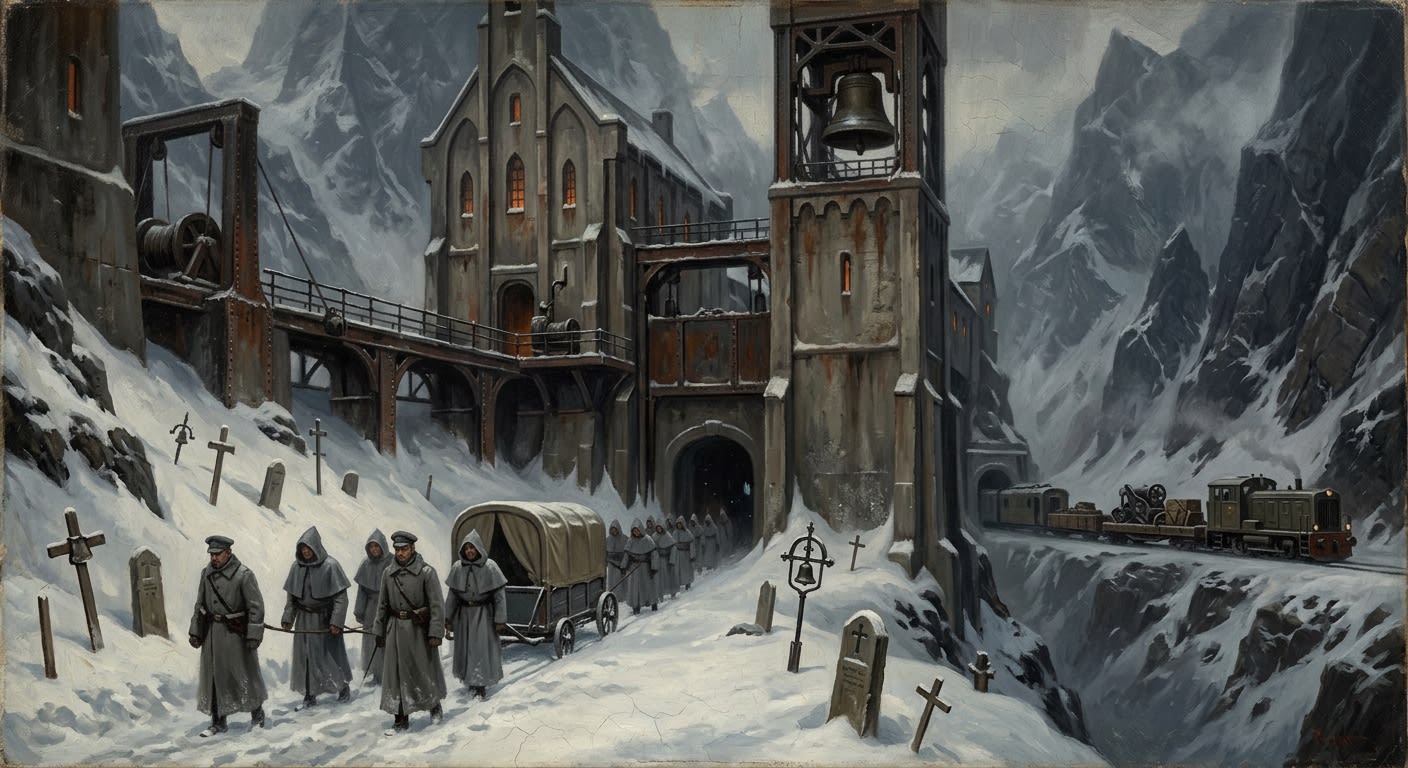
Swiss Cantons
Where mercy climbs uphill and stops writing back
The Swiss cantons keep passes, bells, hospice beds, and the Synod's most merciful disappearances beneath snow clean enough to indict Heaven.
Codex Ref. II.2.08-201
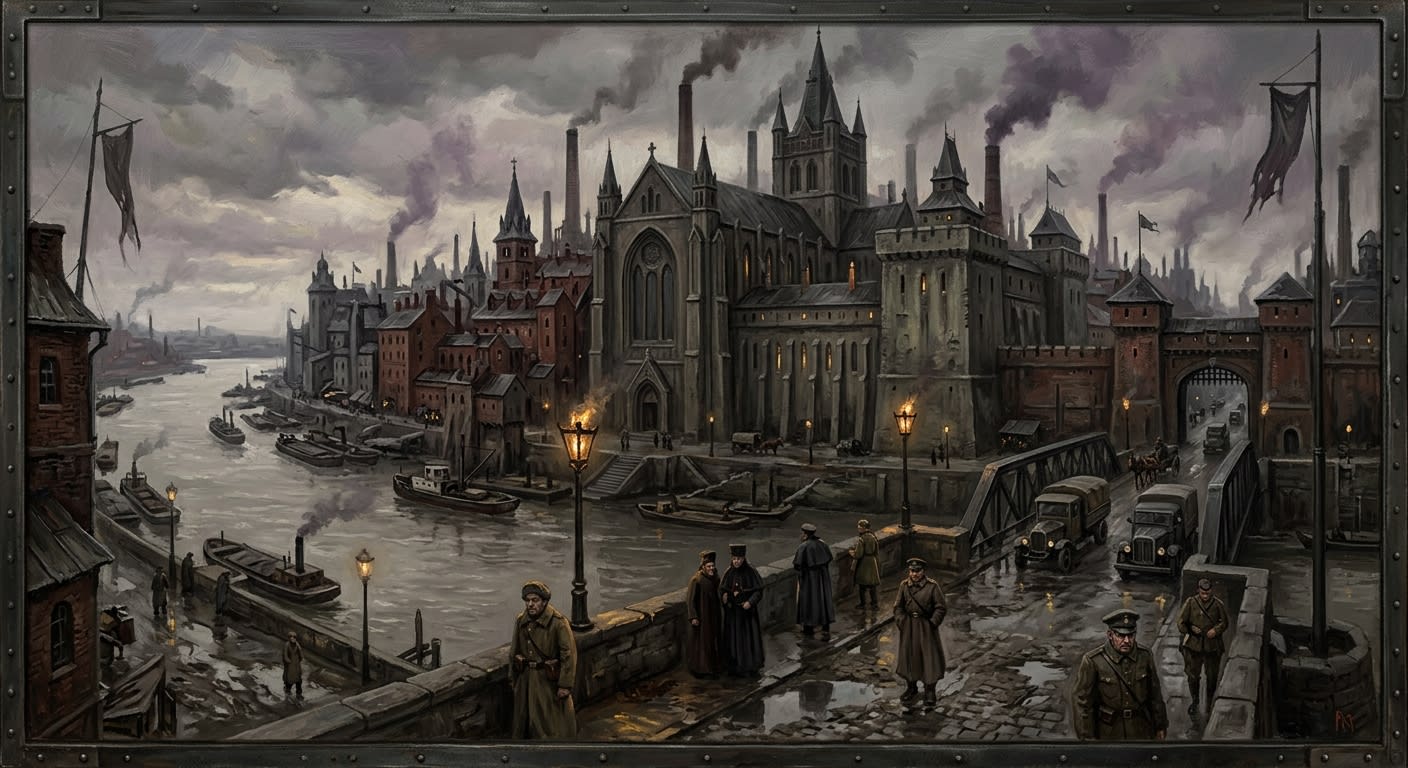
Szeged
The river city where the light failed while shining
Szeged is the Tisza city where psalm-light learned betrayal, candles died inward, and the road to Baja began reaching back with teeth.
Codex Ref. II.4.09-201
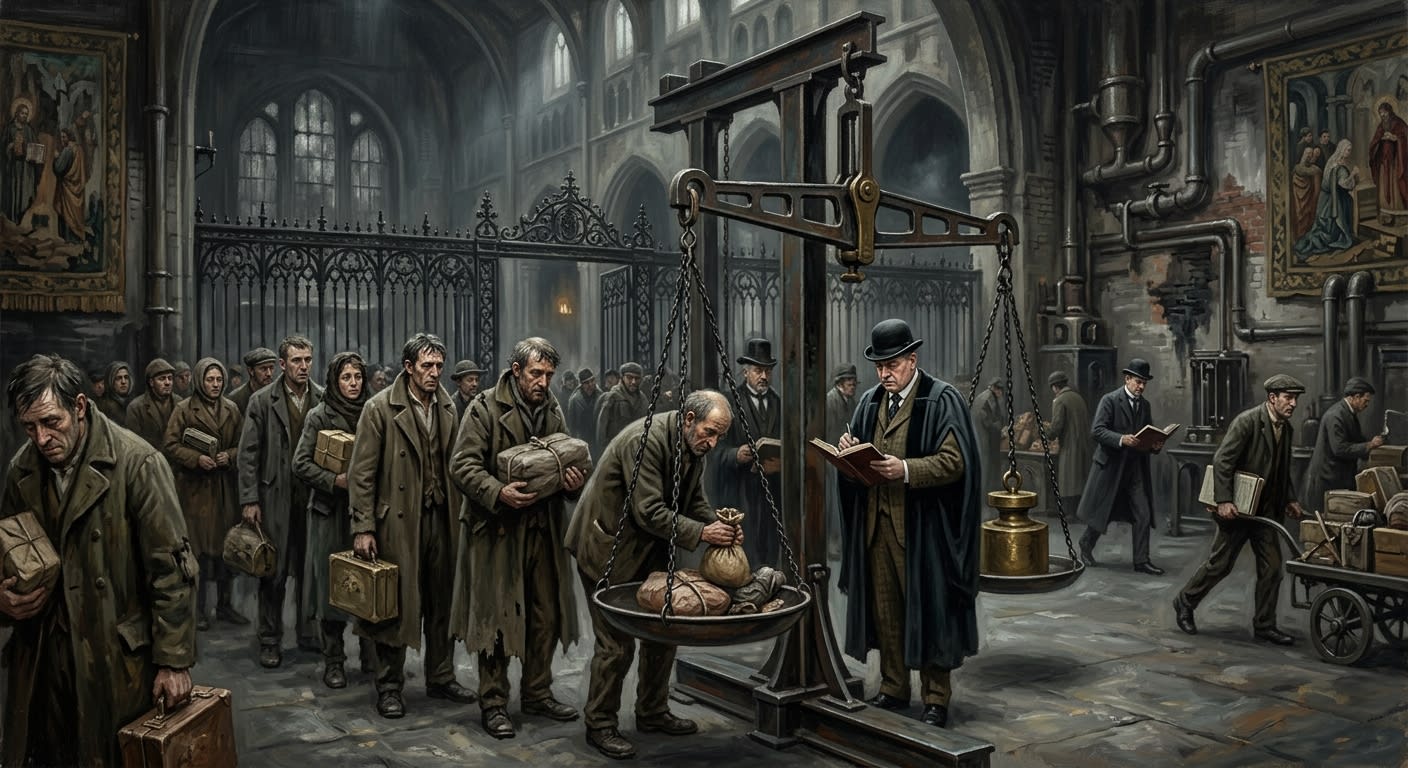
Tariff Chapel
The altar where hunger, bone, freight, and grief learn their lawful weight
The Tariff Chapel is the Synod's sacramental weighing room, born from the A.S. 97 Bread-Scale Uprising and extended to goods, corpses, relics, queues, and taxable desperation.
Codex Ref. XIII.1.67-001
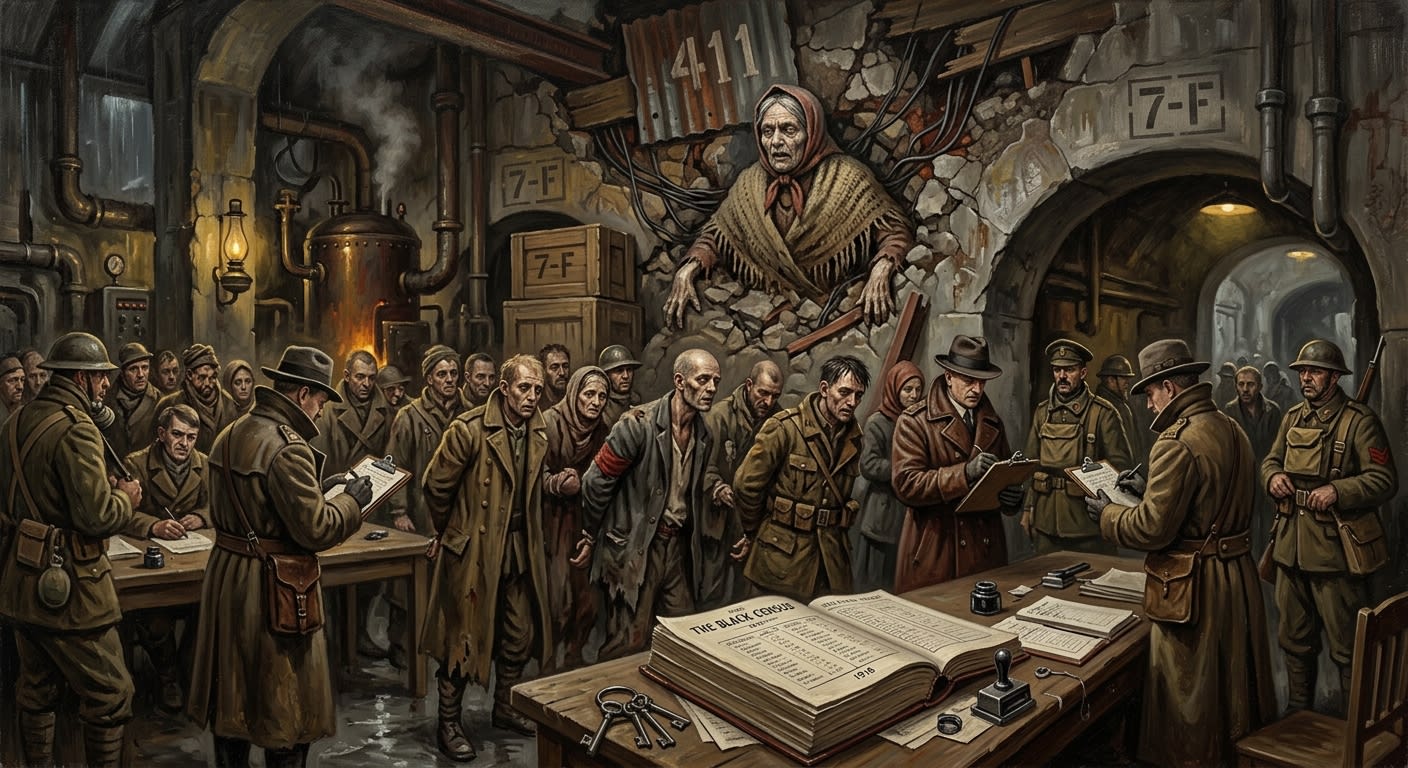
The Black Census of Metz
Four hundred and eleven soldiers, one mother, and the arithmetic that broke denial
The Black Census of Metz turned Ash-Mothers from trench epithet into Classification 7-F after four hundred and eleven captured Thralls were traced to one dead woman whose remains held an enemy bastion together.
Codex Ref. VII.4.14-001
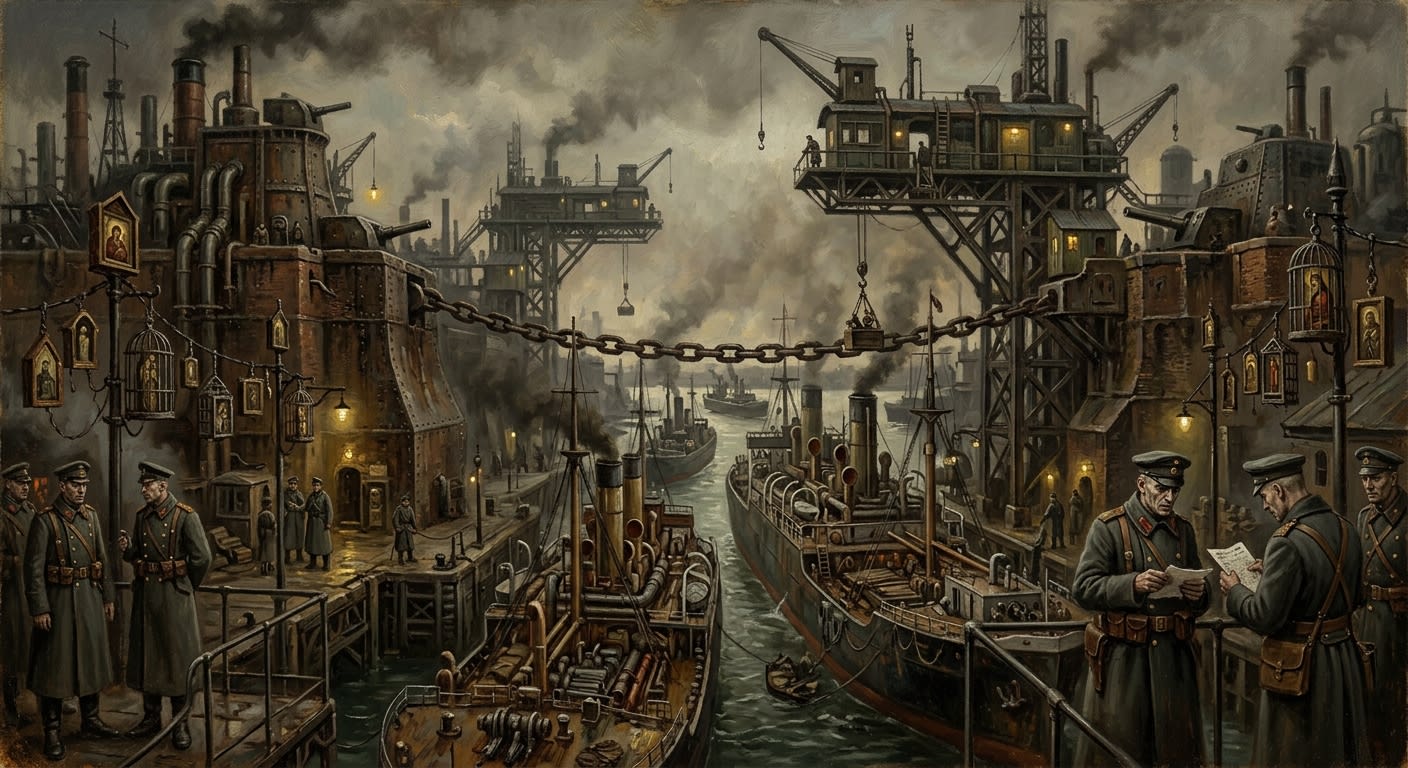
The Bosphorus
The water has not countersigned
The Bosphorus is the southern hinge of the Sagittal Line: chain-defended, tariff-choked, relic-strung, and still refusing to admit that water can be owned.
Codex Ref. II.4.09-004
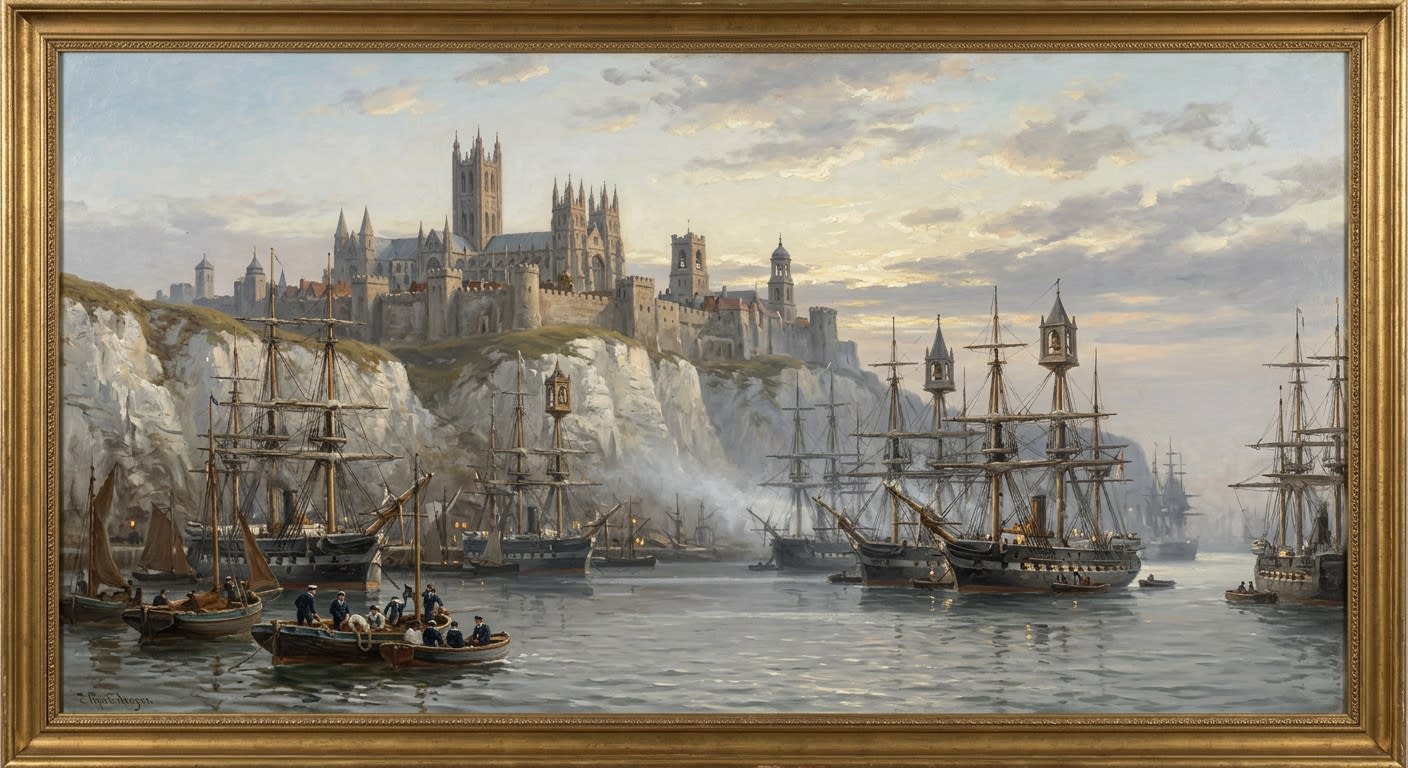
The British Crown
The island the Bureau has spent a hundred and eleven years failing to classify
The Zone 0 co-belligerent that has never submitted to the Concordat and never needed to. Canterbury governs by chivalric charter; three hundred Cathedral Ships hold the Channel; the Bureau of Doctrine considers this theologically embarrassing and strategically essential.
Codex Ref. X.1.01-001
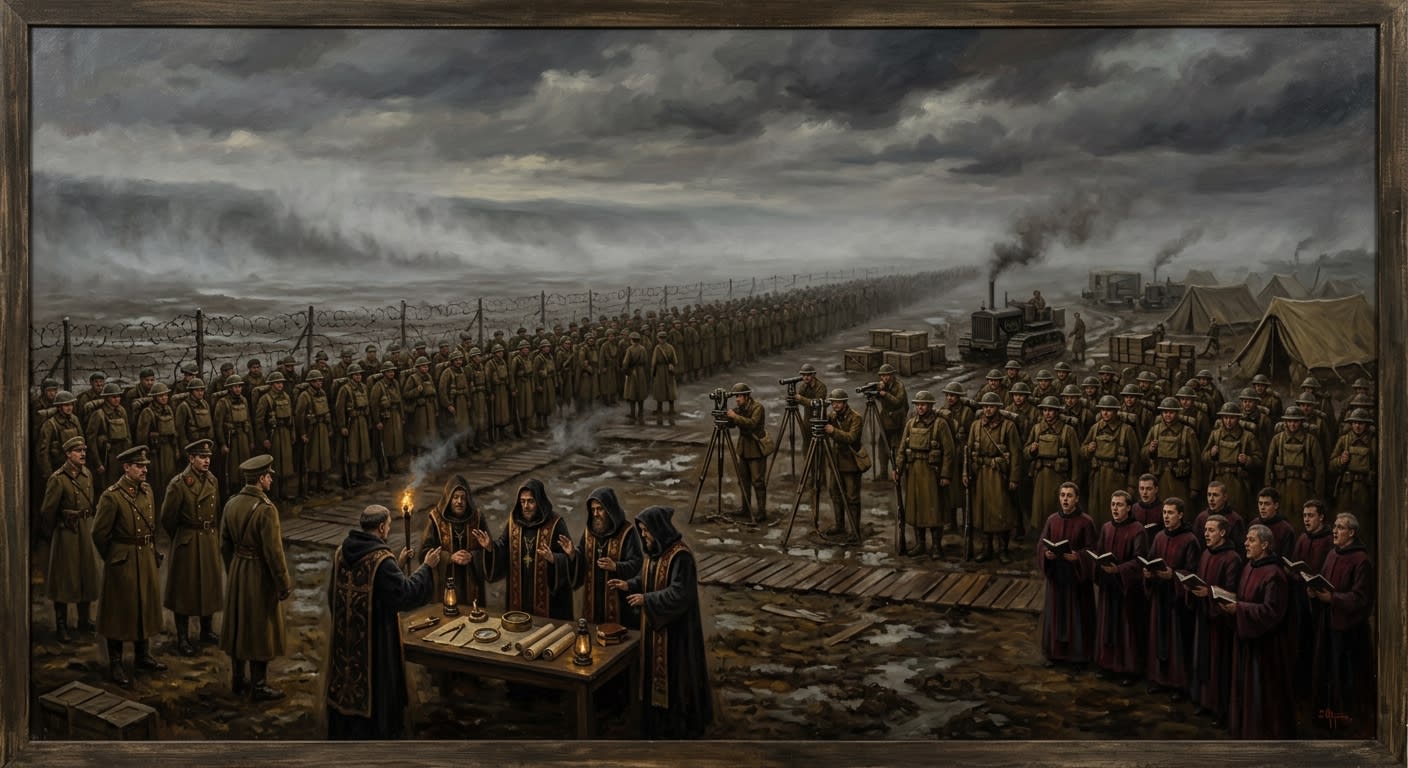
The Cartographic Expedition of A.S. 73
Three hundred men went to draw a map. The map drew them instead.
In A.S. 73, three hundred men entered the Charnel Lands to draw a map. Fourteen returned, and on every folio they carried — drawn in charcoal, ink, graphite, and in one case blood — the same face. Commission 73-C is closed. Its lesson is not.
Codex Ref. VII.1.01-001
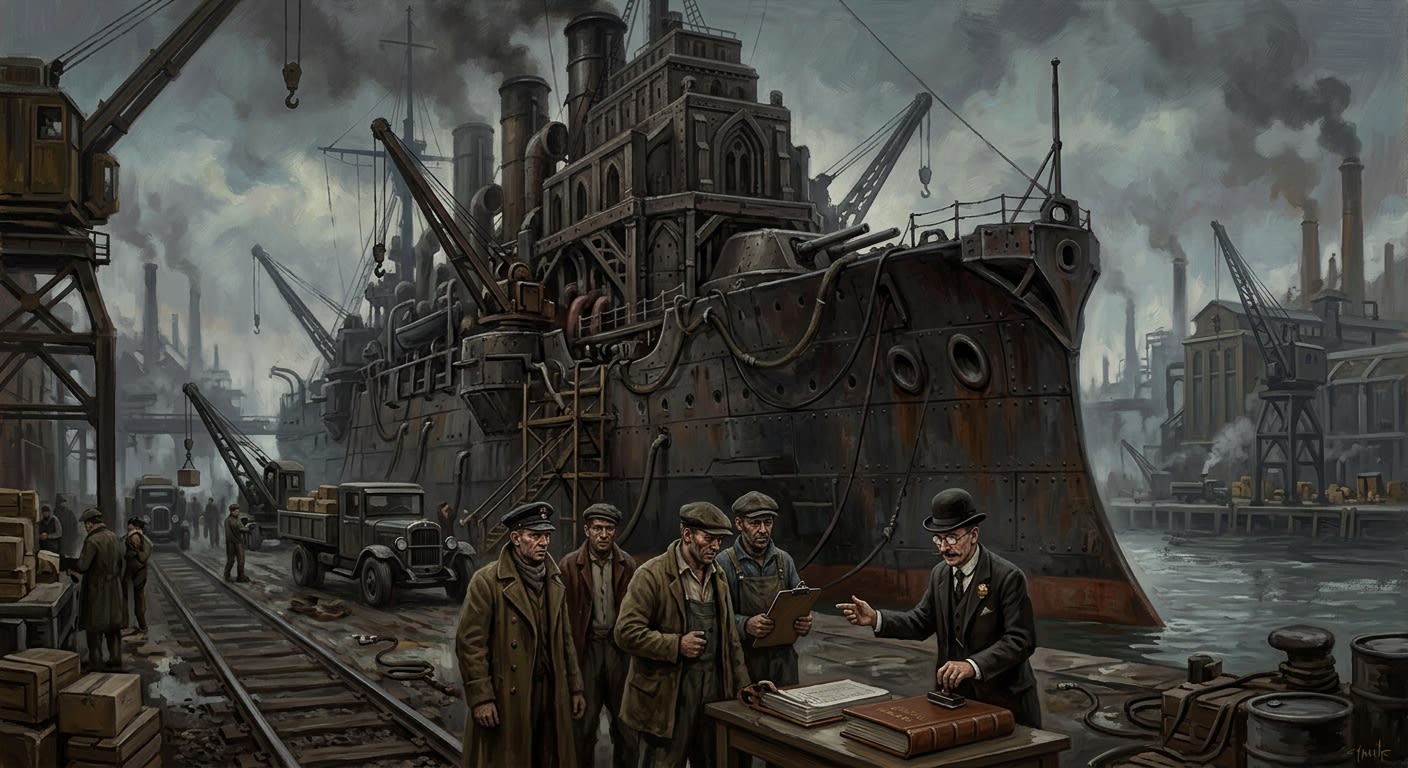
The Catacomb-Carrier Threnody
A land engine paying harbor fees to remain mercifully still
The Catacomb-Carrier Threnody occupies Pier Seven under continuous maintenance, drawing rations for an intact crew no one sees and fees no clerk queries.
Codex Ref. XIII.1.72-008
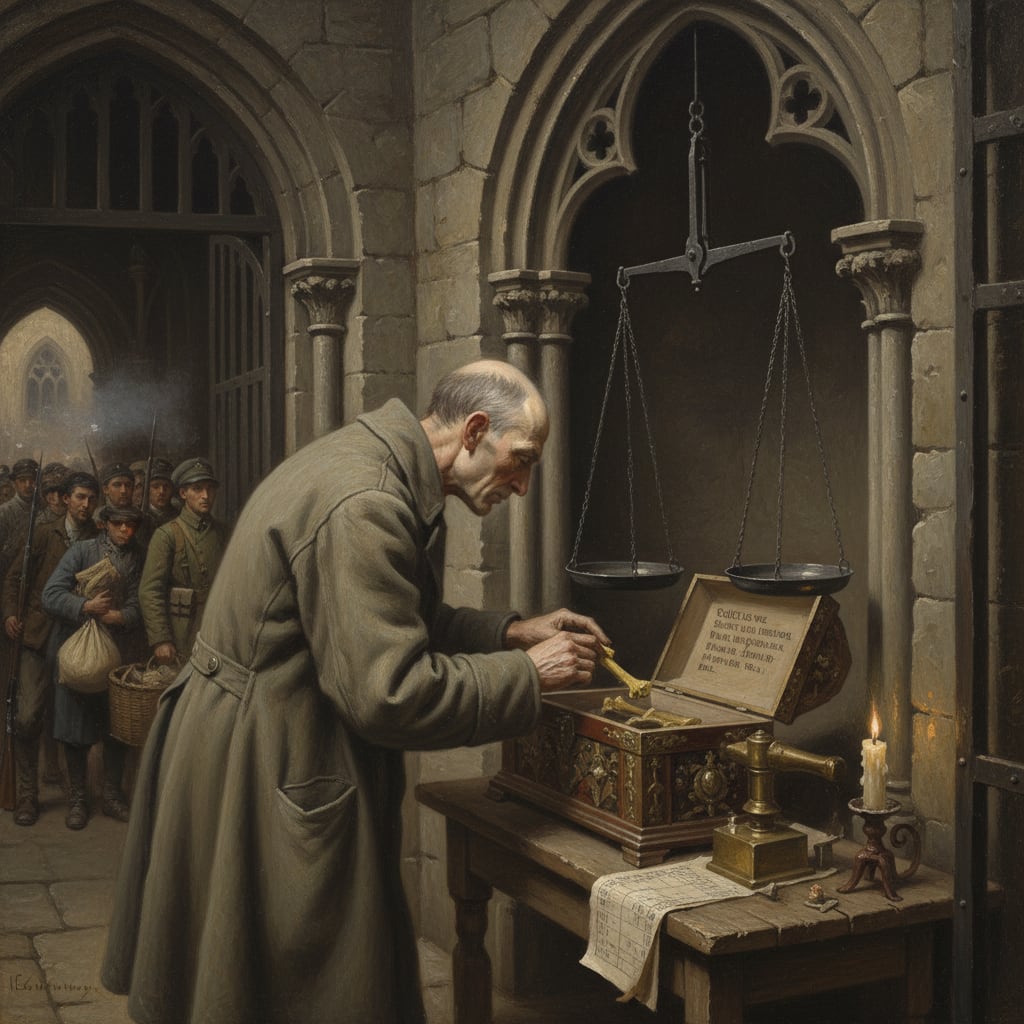
The Commerce Clerk (Tariff-Chapel Weigher)
The man who stands between a bastion and famine, and who resolves the question with the splintered bone of a saint.
The Synod's most bribable sacrament: the chalk-fingered clerk whose iron scale, calibrated against saint-bone, determines whether a bastion eats.
Codex Ref. XII.8.01-001
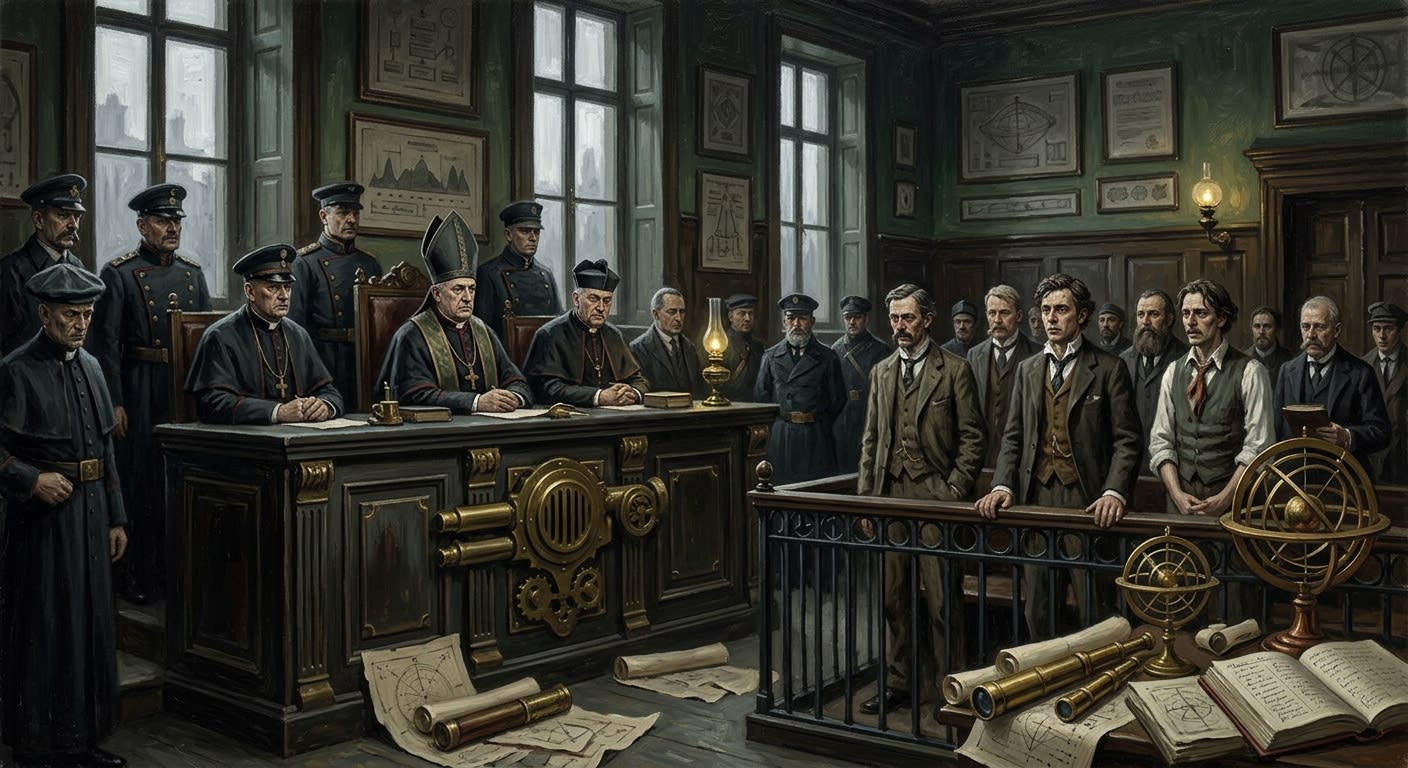
The Condemnation of Kraków
The stars were permitted to move after Doctrine named the motion
The Bureau of Doctrine's condemnation of Kraków's astronomers, whose calculations were accurate enough to become intolerable.
Codex Ref. VII.8.03-002
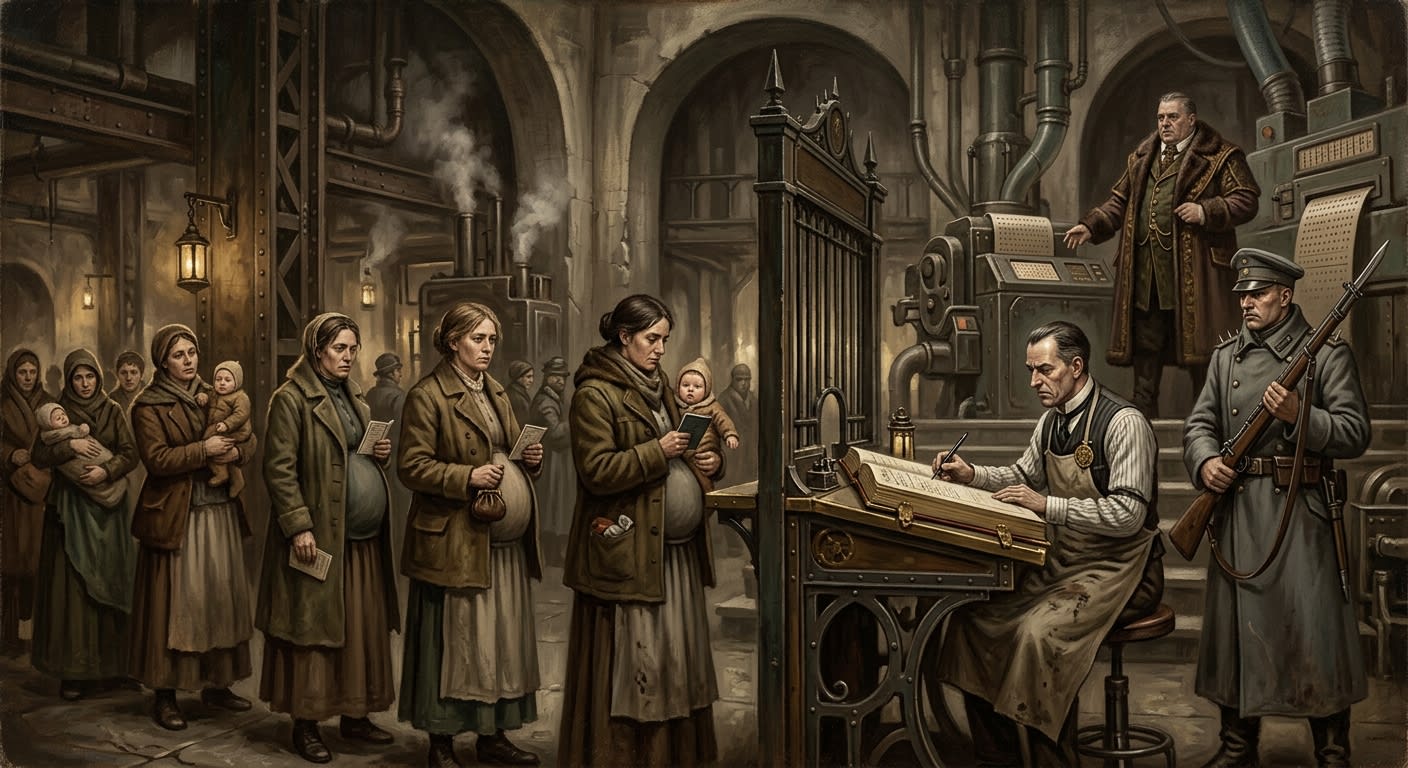
The Cradle Decree A.S. 157
The receipt issued before the first cry
The A.S. 157 Cradle Decree made pregnancy taxable, entering the unborn into the Ledger before birth and calling the cruelty provision.
Codex Ref. XIII.1.83-157
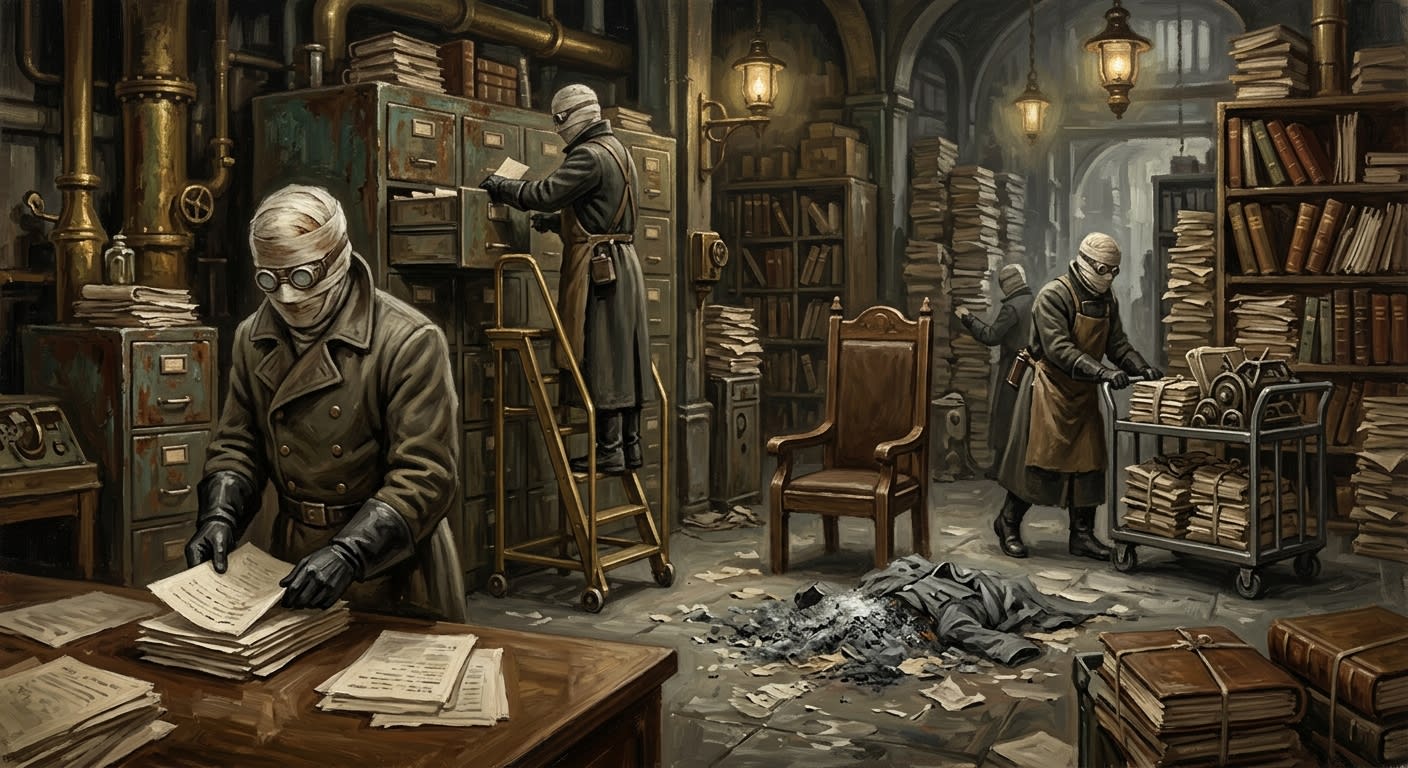
The Custodians
The broom, the knife, and the blank page share one handle
The Custodians preserve Synodic continuity by omission: gauze-veiled operatives who collect contradictions, file absence, and leave the chair cleaner than the corpse.
Codex Ref. VIII.8.02-001
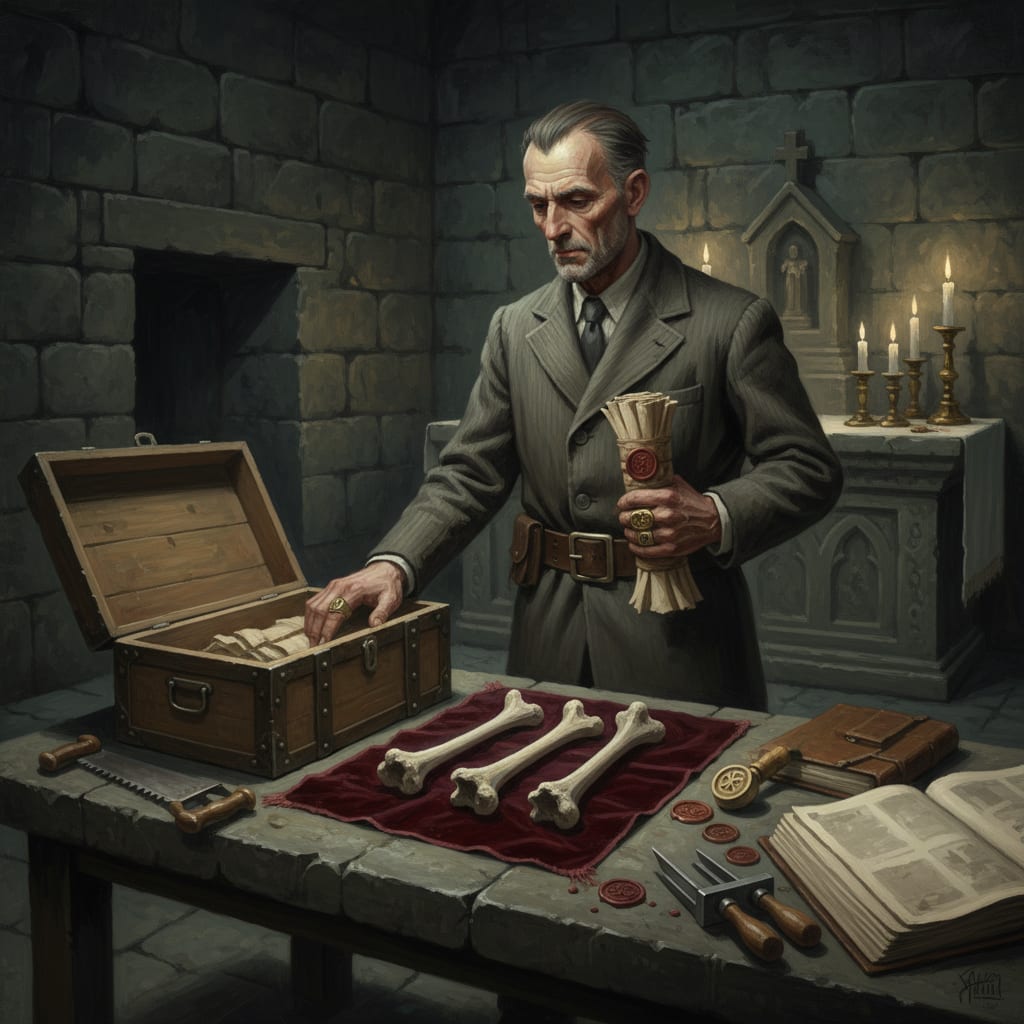
The Femur-War Broker
The unofficial routing service that keeps authenticated contradictions from becoming authenticated riots
The officially nonexistent profession that routes authenticated relic contradictions without collision — the Femur Principle's logical consequence, managed for a fee by two hundred brokers the Bureau insists do not exist.
Codex Ref. XII.15.01-001

The Ferry Chokepoint Broker
On the Profession of Moving Men Across Water When the Synod Requires Them to Stay Still
The Ferry Chokepoint Broker is what the Synod's permit system produces when it grows too thick for its own officers to parse — a human patch cable working the gap between the rule and the crossing.
Codex Ref. XII.16.01-001
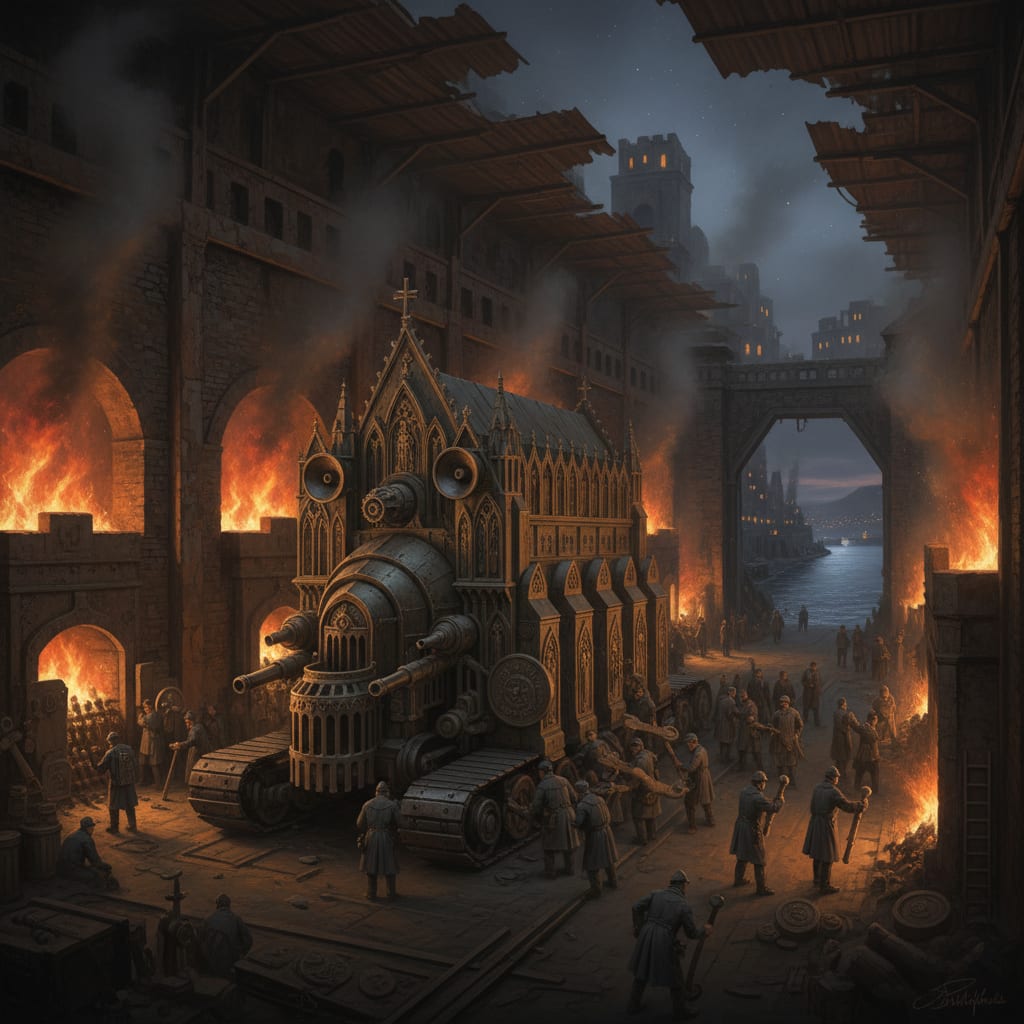
The Foundry Quarter
The forge that does not stop, and the question that does not ask itself
The Foundry Quarter of Bastion-Constantinople manufactures the weapons that hold the Wall. It has not stopped since A.S. 179. No one has verified what is inside the engines. The Bureau files the question under Restricted Access.
Codex Ref. II.4.10-003
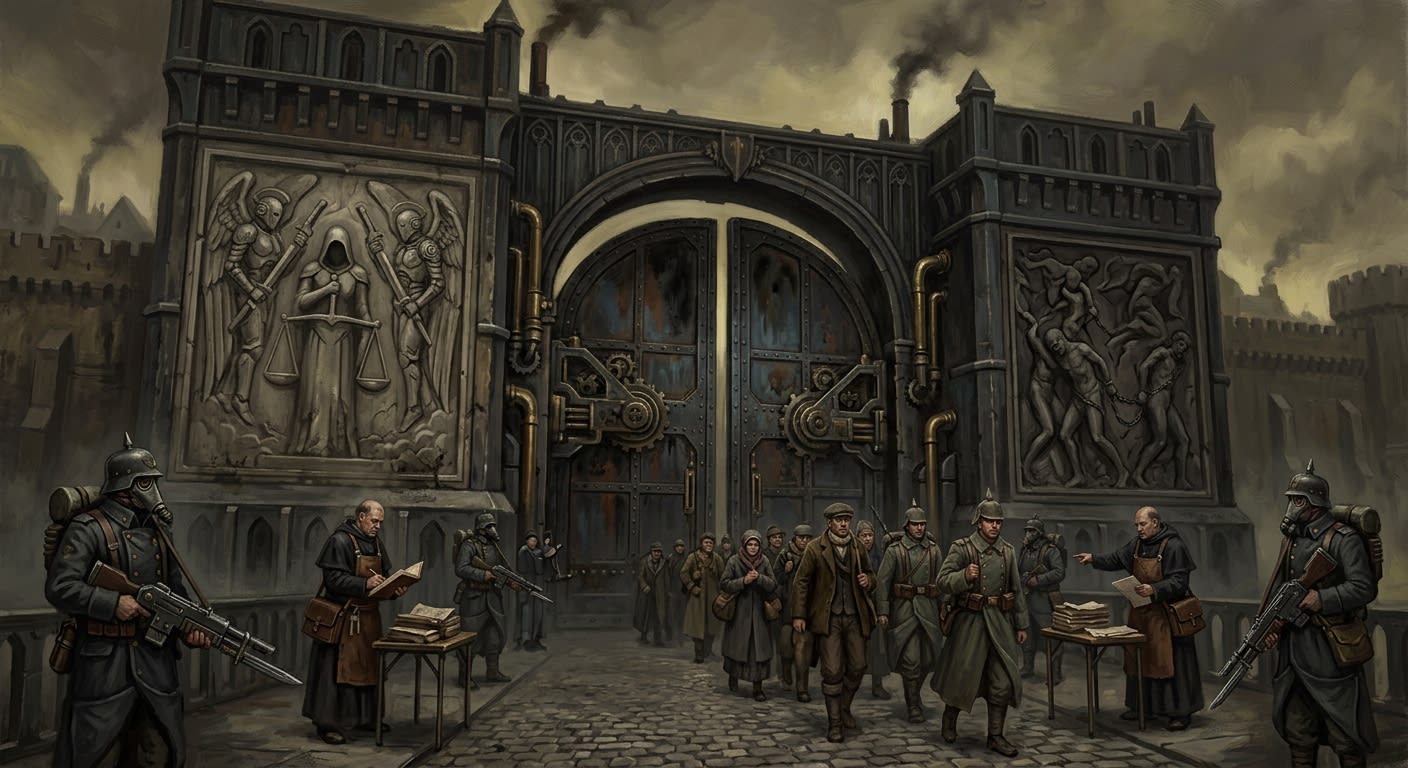
The Gates of Regensburg
Blessing above, curse below, and the pamphlet between
Regensburg's western gates bless and curse the traveller at once, leaving theologians, pamphleteers, and sinners to discover which verdict bites first.
Codex Ref. VII.2.01-003
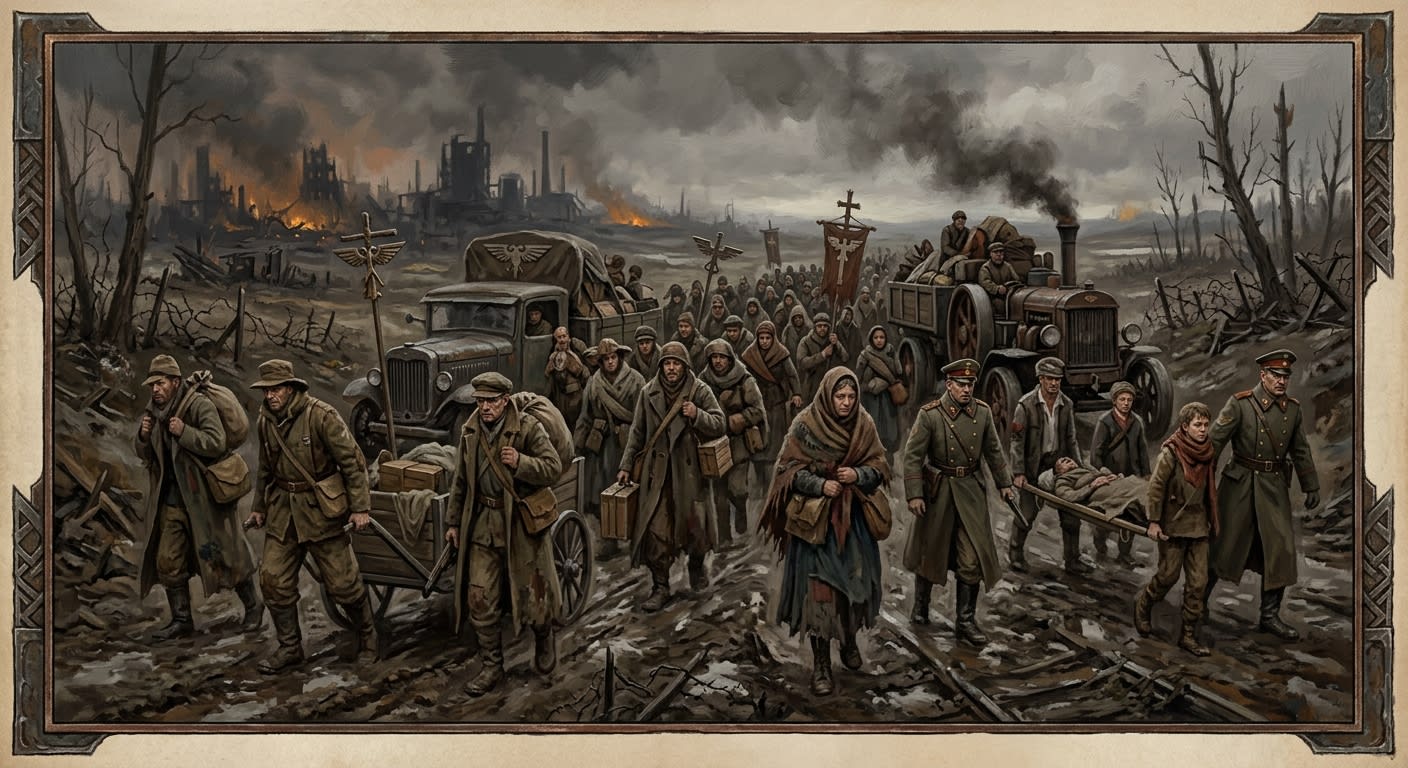
The Great Retreat
Seventeen years of westward mud before the Line learned to stand
From A.S. 48 to A.S. 65, the faithful West walked, bled, improvised institutions, and finally stopped running where the Sagittal Line began to hold.
Codex Ref. VII.1.03-001
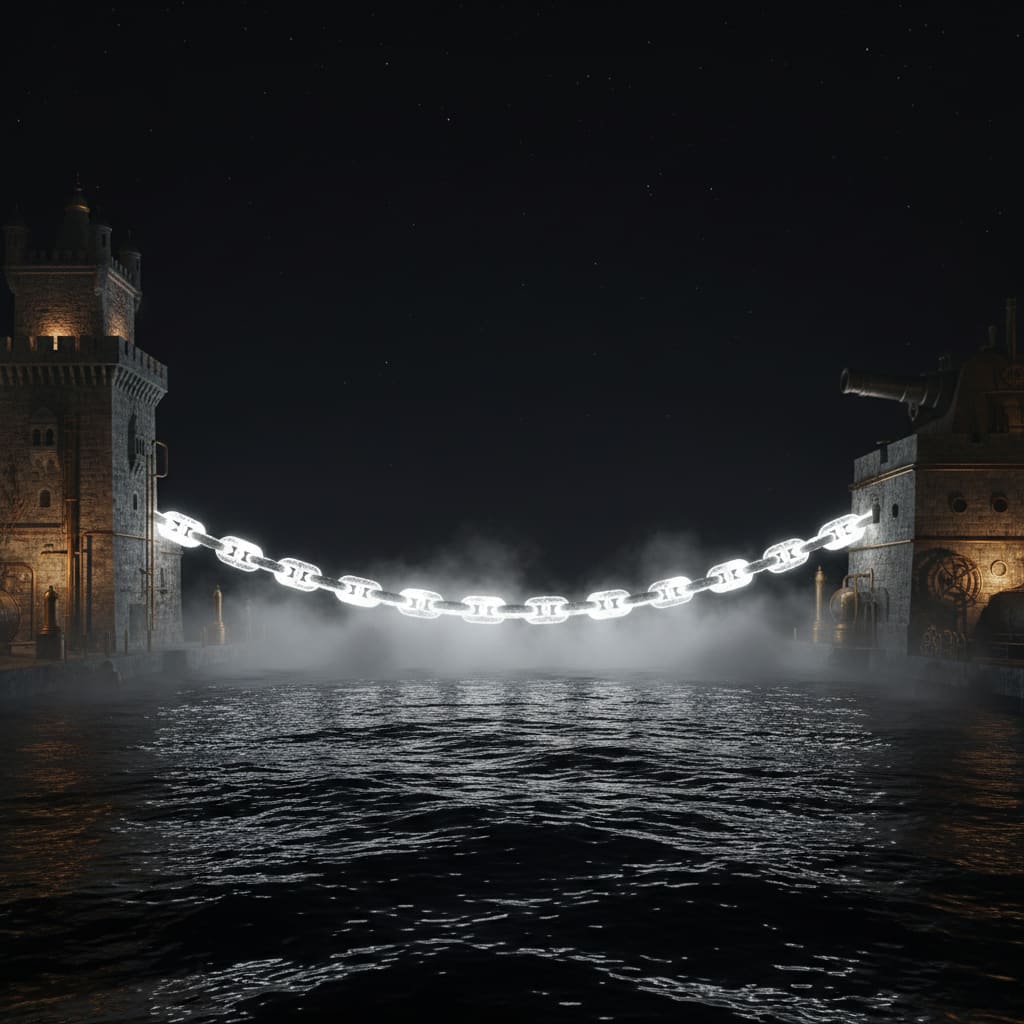
The Harbor of Chains
A mile of quay, a hundred fathoms of iron, and what the chain is becoming
The Harbor of Chains guards the Bosphorus with one mile of fortified quay and the Chain of Saint Anakletos — consecrated iron that burned the Black Sea Armada white in A.S. 162 and has not glowed since.
Codex Ref. II.4.10-005
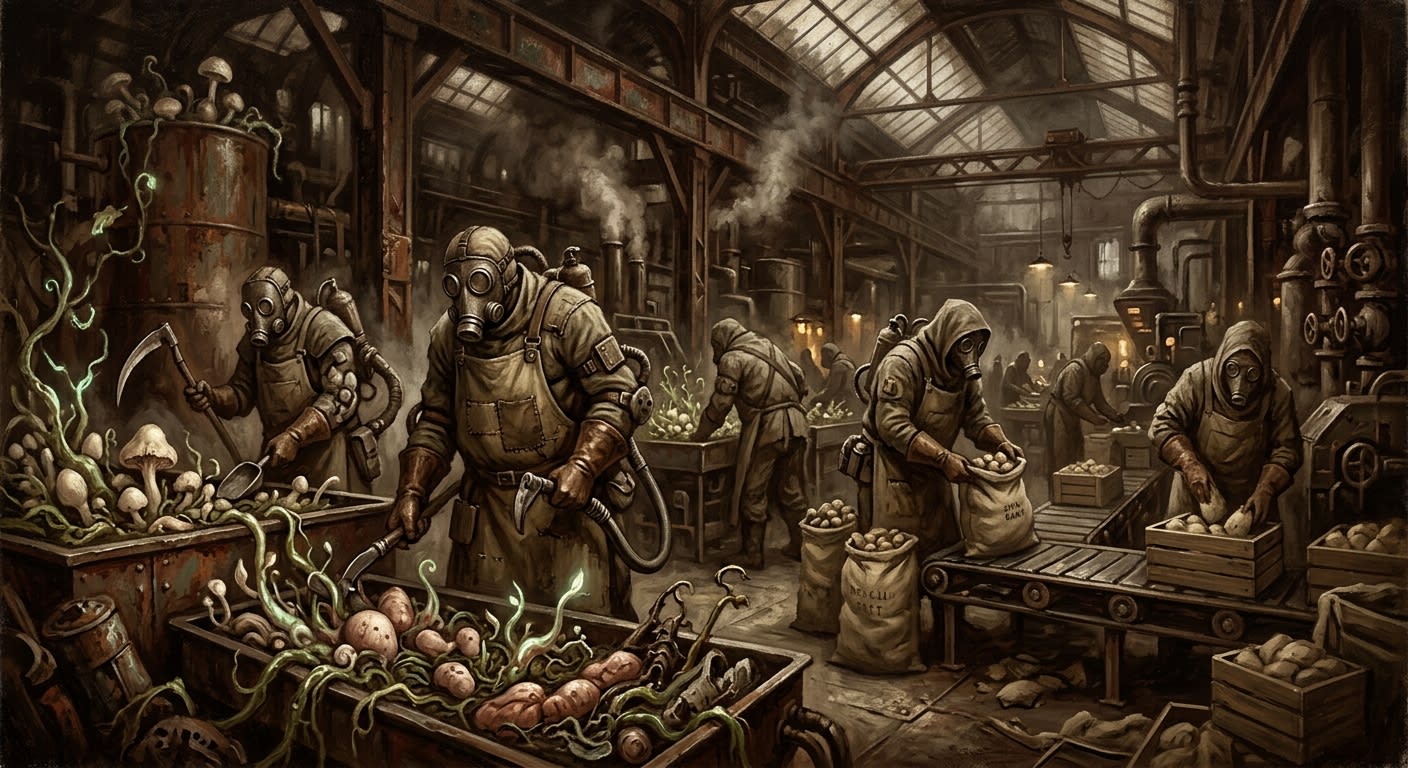
The Harvest
The Enemy discovered mercy and weaponised supper
Kargath's Harvest are provision-demons: gentle tenders of impossible crops whose real food fills the body, doubles the hunger, and murders gratitude.
Codex Ref. IV.1.07-014

The Heartlands
The safe country, provided one defines safety as distance from teeth and proximity to stamps
The Heartlands are the Synod's safe interior only by infantry arithmetic: Zones 1–3 feed the Line with bread, steel, bodies, bells, paperwork, and bones.
Codex Ref. II.0.02-201
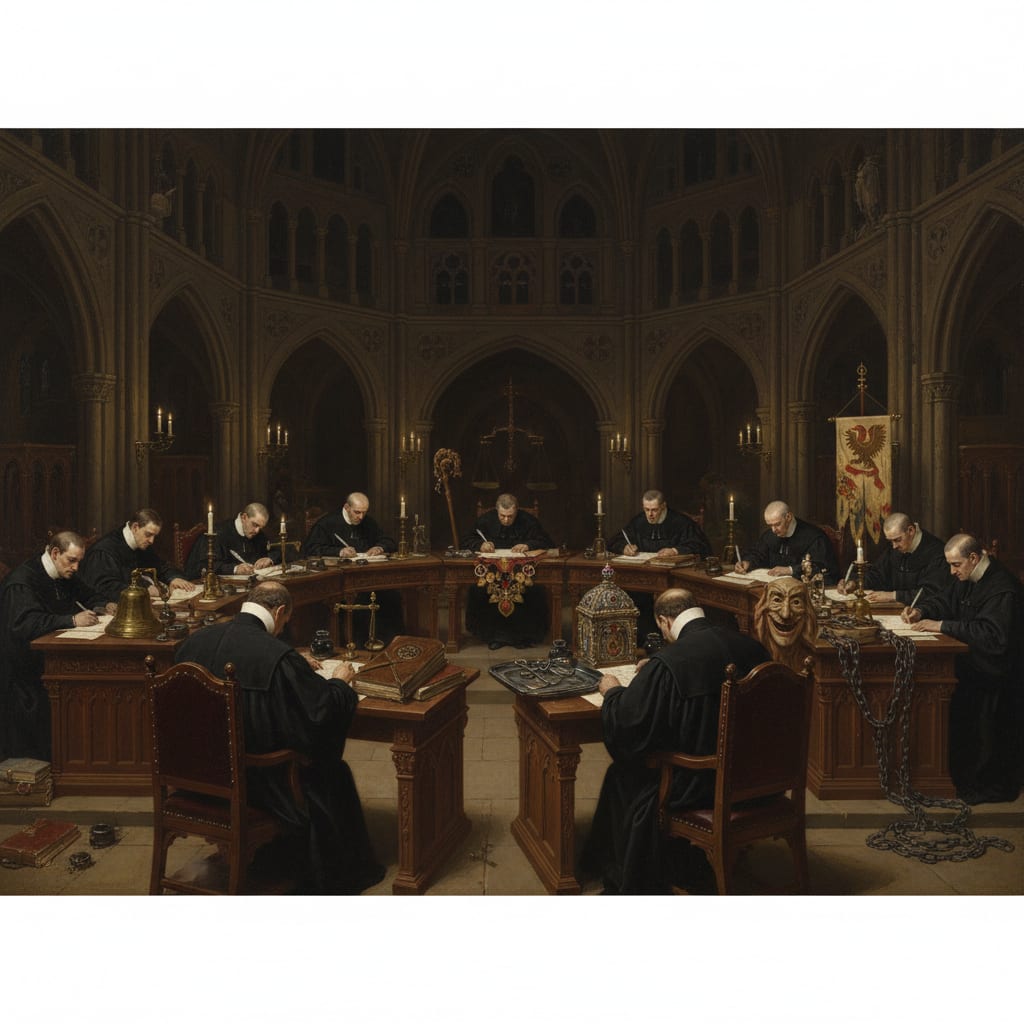
The Holy Bureaus
Twelve Instruments of Providence, or Thirteen If You Count the One That Does Not Exist
The twelve sacred organs through which Strasbourg bends a continent to its will. Each Bureau claims a charism of governance descended from the Apostolic Sundering. Their clerks are legion, their archives endless, their contradictions — by design.
Codex Ref. III.3.01-001
The Inheritors
Debt becomes dynasty when patience learns to wear keys
Highest confirmed tier of the Ten Thousand Keys cult, the Inheritors preserve debt across bloodlines until obligation begins to look like inheritance.
Codex Ref. XI.2.02-001
The Ivory Revolt
Florence answered confiscation with chisels
In A.S. 44, Florence's workshop districts answered Rationalist confiscation of pocket crucifixes with chisels, awls, lamp oil, barricades, and a dawn the Republic misfiled as disorder.
Codex Ref. VII.8.06-001
The Judges
They walk without letter, without herald, and without the patience of the Bureau.
The Judges arrive without letter, try without jury, and depart without filing. The Bureau denies they exist. It has been denying this since A.S. 92. The denial requires renewal every thirty years, which is itself a kind of evidence.
Codex Ref. V.1.01-003
The Legions of Sin
Forty-seven souls for every demon — and the Bureau calls this mathematics
The mortal host beneath the Lie's banners: Thralls, Hollowed, Ash-Mothers, Blood-Tithes, Wormhosts, Processional Slaves, Ash-Fodder. Forty-seven souls for every demon. The Bureau calls this mathematics. I call it a confession.
Codex Ref. IX.1.01-001
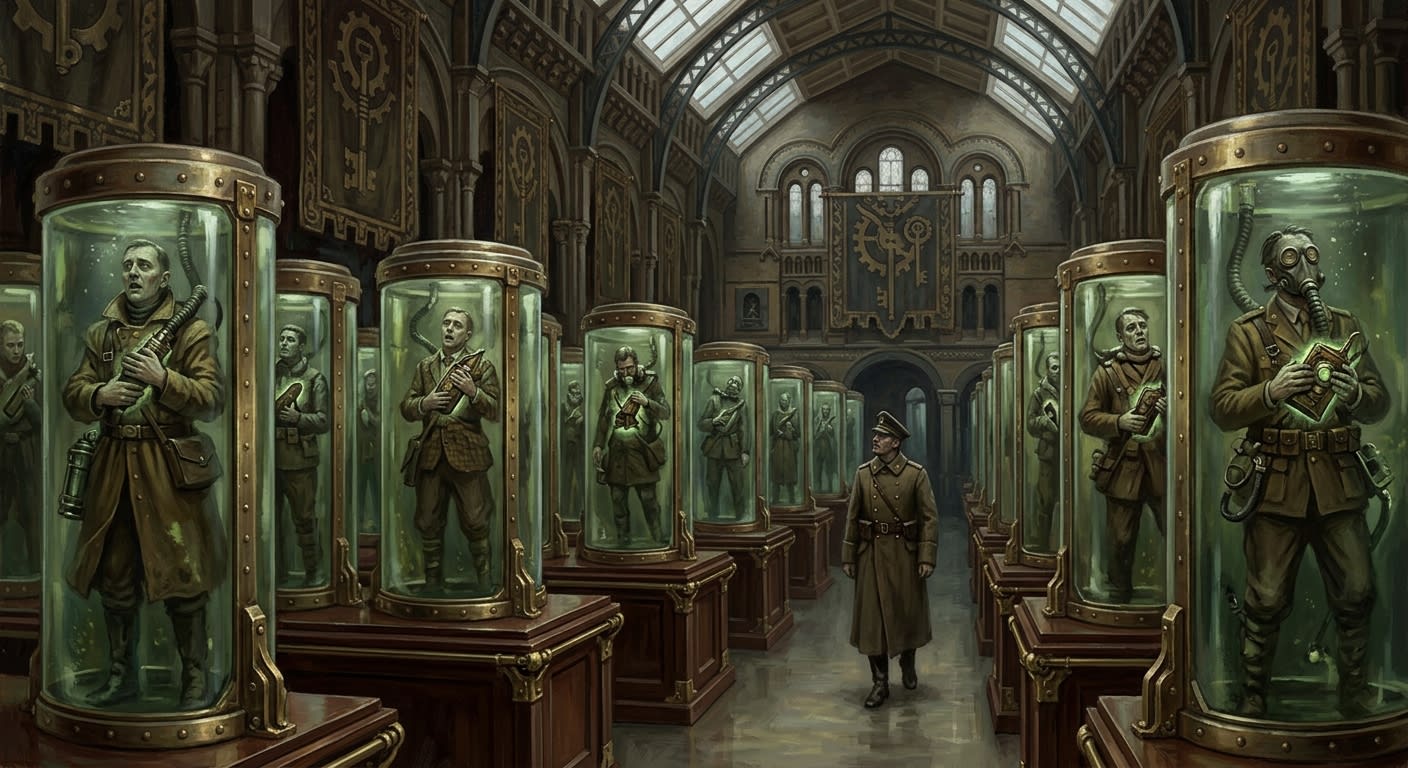
The Locked
The collector becomes the last object collected
Former visitors of the Vault of Ten Thousand Keys, the Locked hold the thing they came to find and remain alive behind glass, arranged as Greed's museum.
Codex Ref. IV.1.07-003
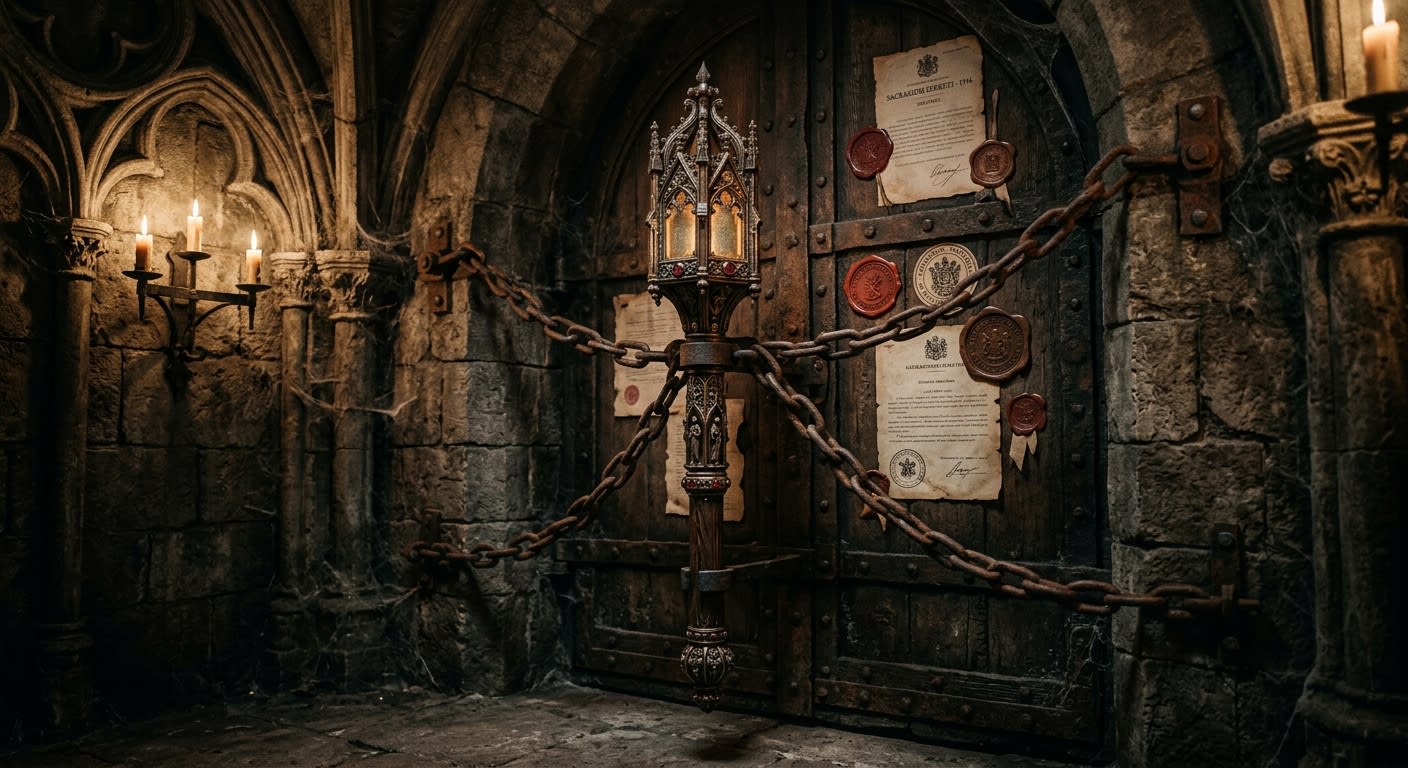
The Miracle of Saint Aldebrand
The Bureau erased the bone. The bone declined.
The Bureau declared the Reliquary of Saint Aldebrand non-existent in –32 A.S. In A.S. 95 it shattered a sorcerer-lord's skull and saved Vienna. Both facts are official, both carry seals, and the Bureau sees no difficulty.
Codex Ref. VI.4.01-001
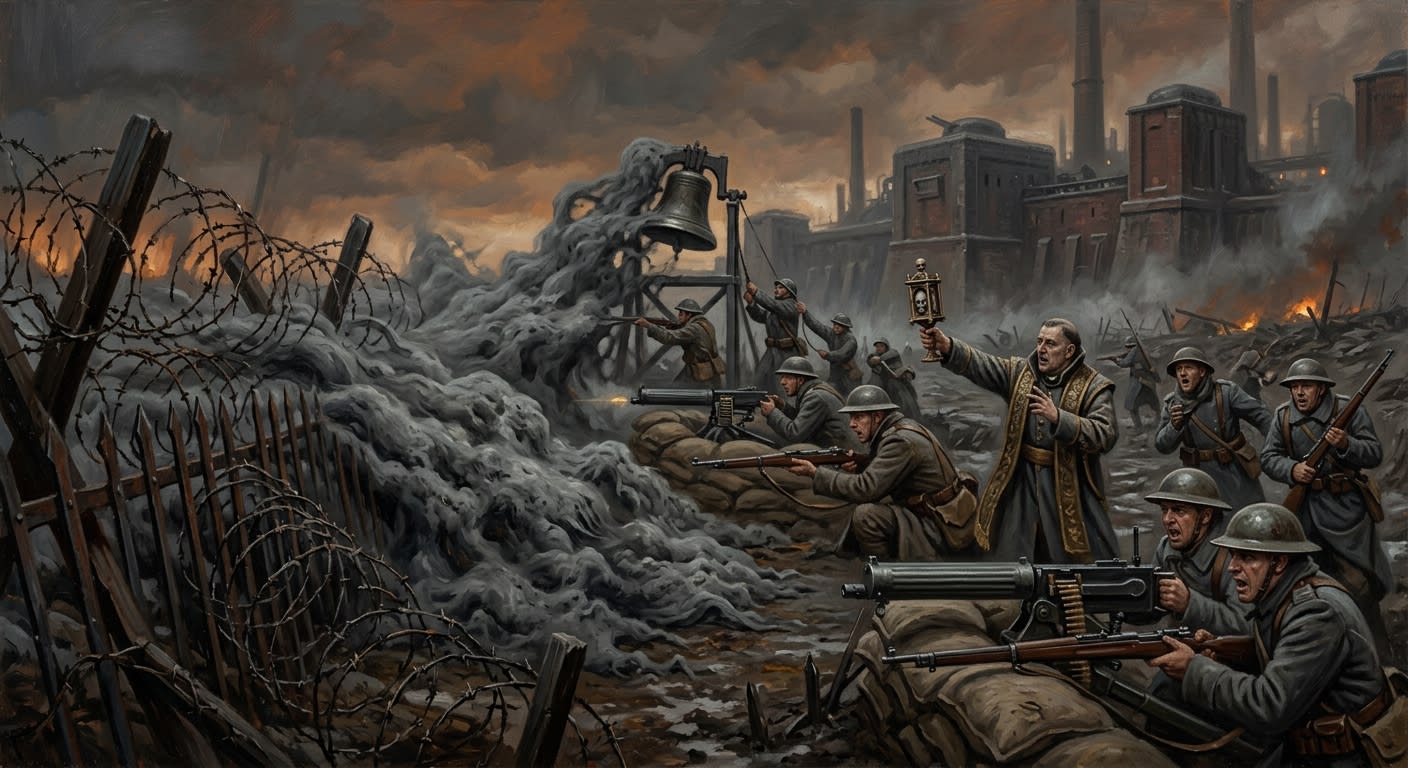
The Nameless Tide
The thing at Brest that does not arrive until it has already taken your name
The Nameless Tide presses Bastion-Brest's eastern wire: a grey, accumulating hostile phenomenon that defeats hymns, relics, bells, names, and the Bureau's last useful excuses.
Codex Ref. IV.1.07-008
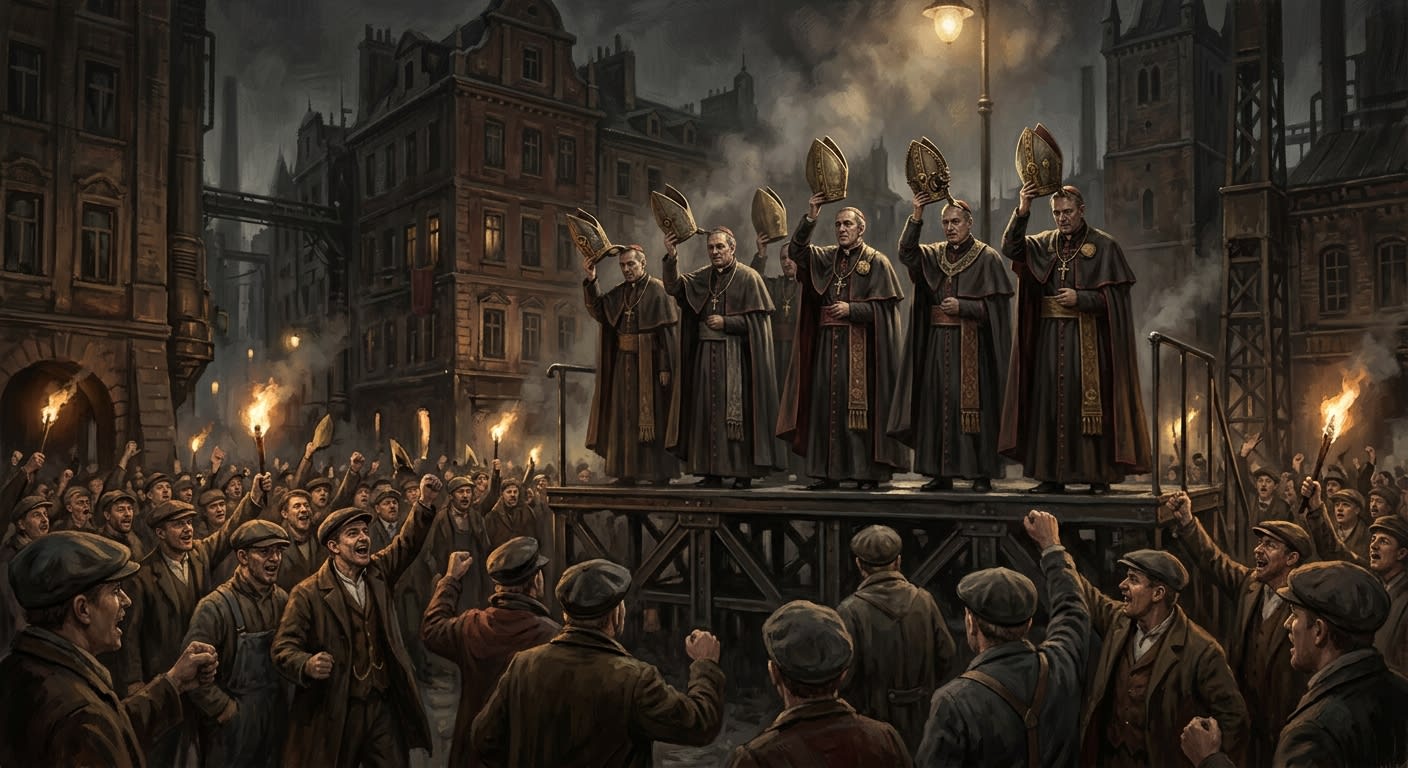
The Night of Crowns
Seven mitres fell, and Prague mistook the sound for progress
In A.S. 8, seven bishops in Prague removed their mitres before a cheering crowd, teaching the Rationalists that apostasy travels fastest when an authorised mouth performs it.
Codex Ref. VII.8.07-001
The Penitential Shadows
Those Who Watch Without Eyes
The Inquisition's faceless operatives, culled from the broken and fitted with glass-ash eyes. They do not kill. They erase.
Codex Ref. III.4.09-031
The Red Slaughter of Lyon
The first cut was local, municipal, and entirely pleased with itself
In –39 A.S., Lyonnais militias burned forty-three friars and dumped their ashes into the Rhône; the river answered in psalms, as rivers sometimes improve upon councils.
Codex Ref. VII.8.03-001
The Reichssaal
The hall that lent empire to heresy and received an altar for its trouble
The Reichssaal gave imperial furniture to Rationalist blasphemy, received the Treaty in blood and ink, and now instructs pilgrims under glass, pall, and Bureau custody.
Codex Ref. II.2.03-031
The Reliquary Salvager
The Synod misplaces relics; the Salvager retrieves them; no one speaks of the arrangement
The Synod does not lose its relics. It misplaces them — in collapsed vaults, sheared cathedrals, and quake-opened cellars. The Reliquary Salvager crawls in to retrieve them. His compliance record is spotless. His lungs are not.
Codex Ref. XII.36.01-001
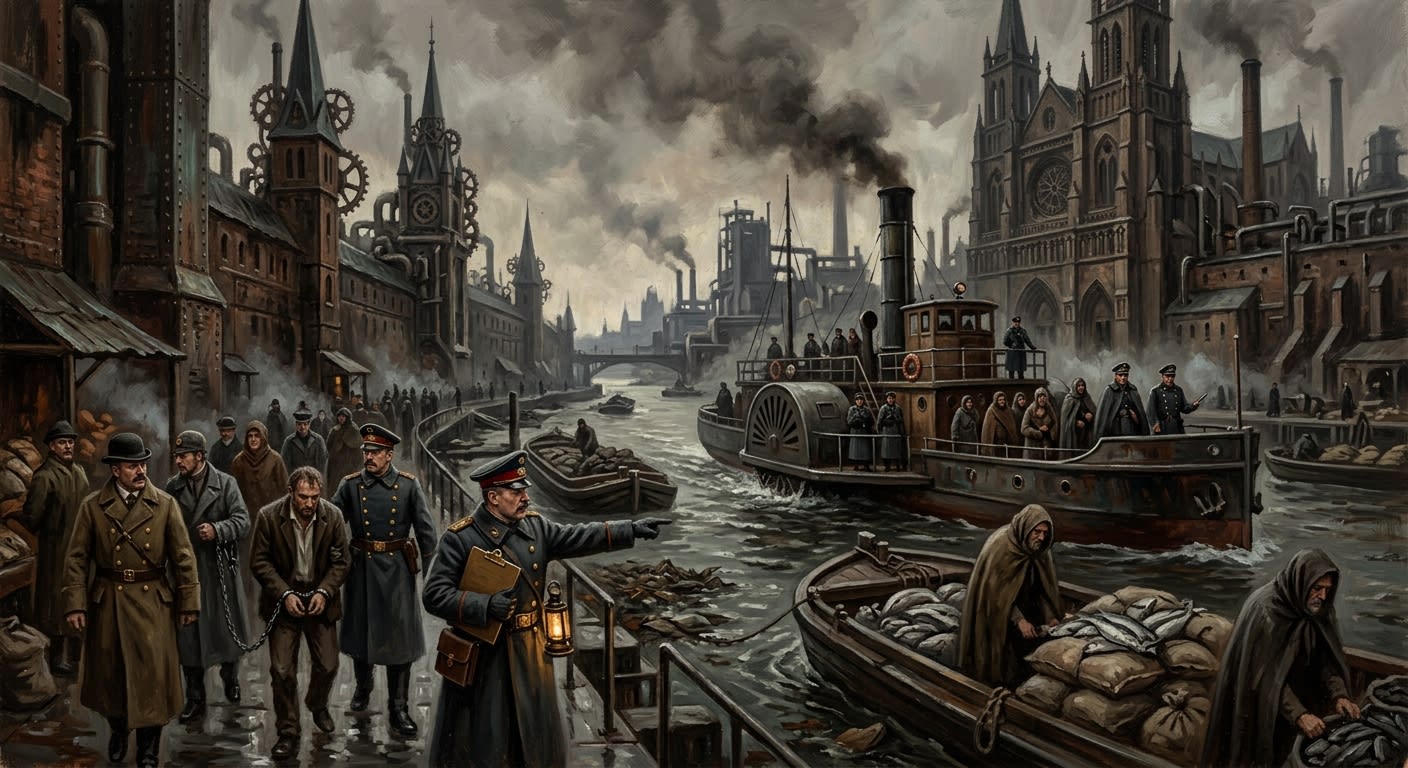
The Rhône
Water carries what paper refuses to keep dry
The Rhône is a southern river-corridor of ash, pilgrimage, fishery inspection, Avignon heresy, Lyon spectacle, wet custody, and water that declines obedience.
Codex Ref. II.1.10-201
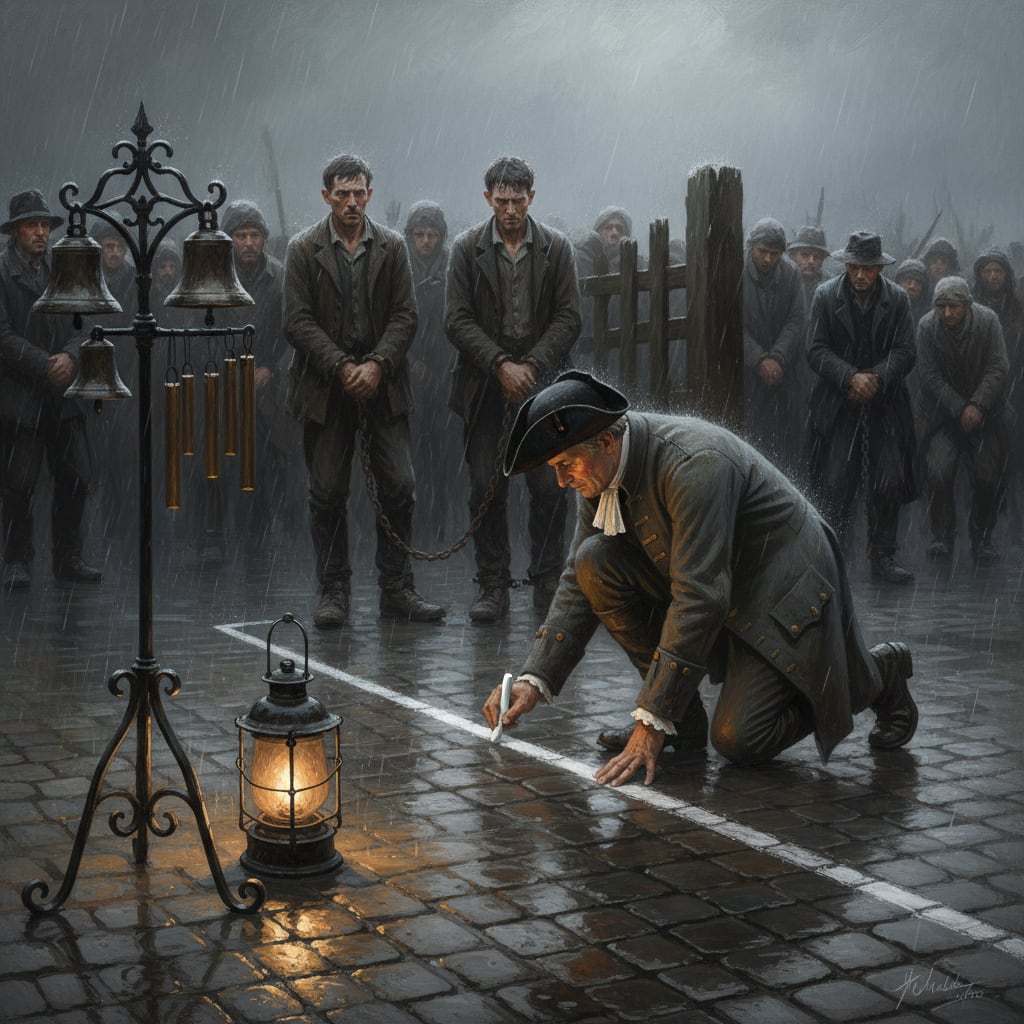
The Roving Judge's Bailiff
Chalk before mercy; chime before appeal; the seal is the court and the bailiff is its spine
The Roving Judge's Bailiff converts any patch of ground into a court and any crowd into an audience for justice lasting precisely one hymn. He keeps the chain, keeps the seal, and keeps the Judge above the stink. The rest is procedure.
Codex Ref. XII.39.01-001
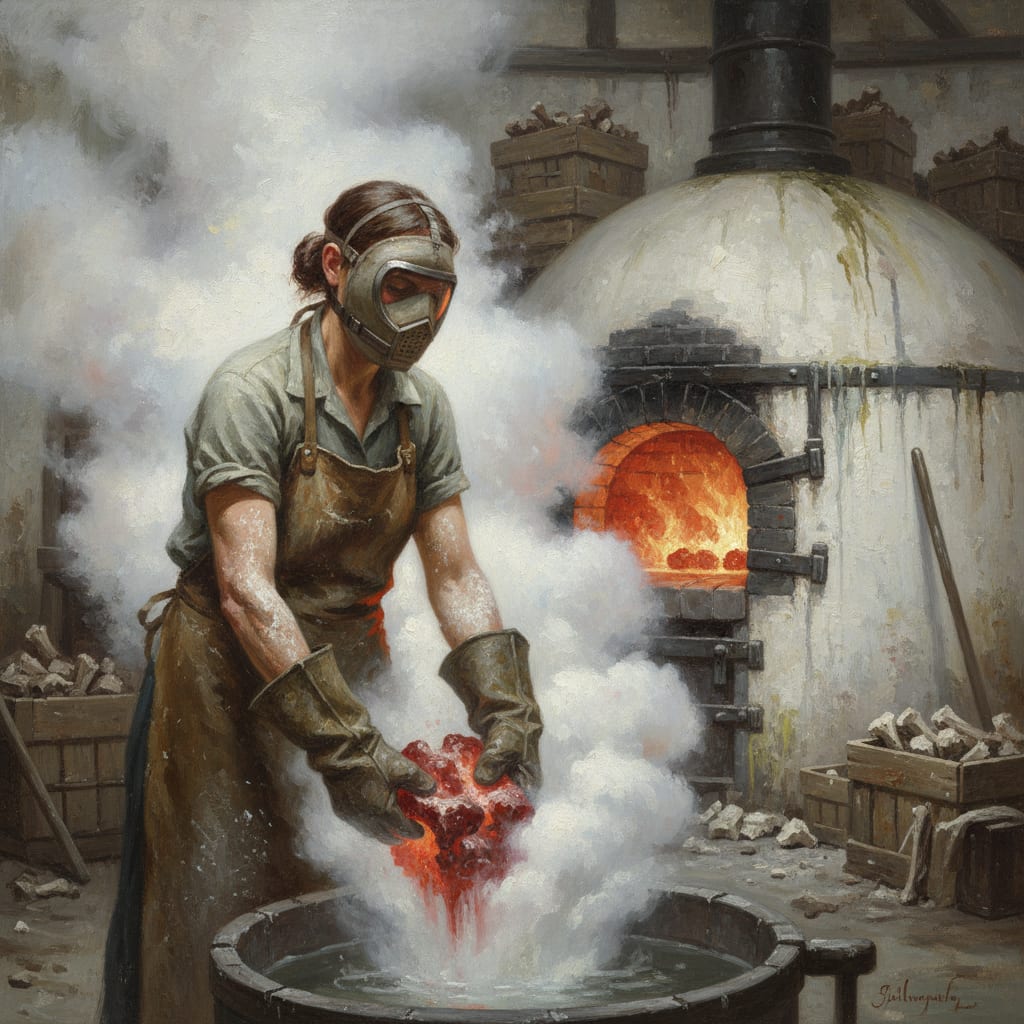
The Saint-Bone Melter
The wall is the only sermon the Enemy has ever been forced to hear
The artisan who feeds the bones of saints to the kiln and receives in return the mortar that holds the Sagittal Line together. The arithmetic is simple and brutal: a femur in a reliquary inspires; a femur in a wall holds.
Codex Ref. XII.40.01-001
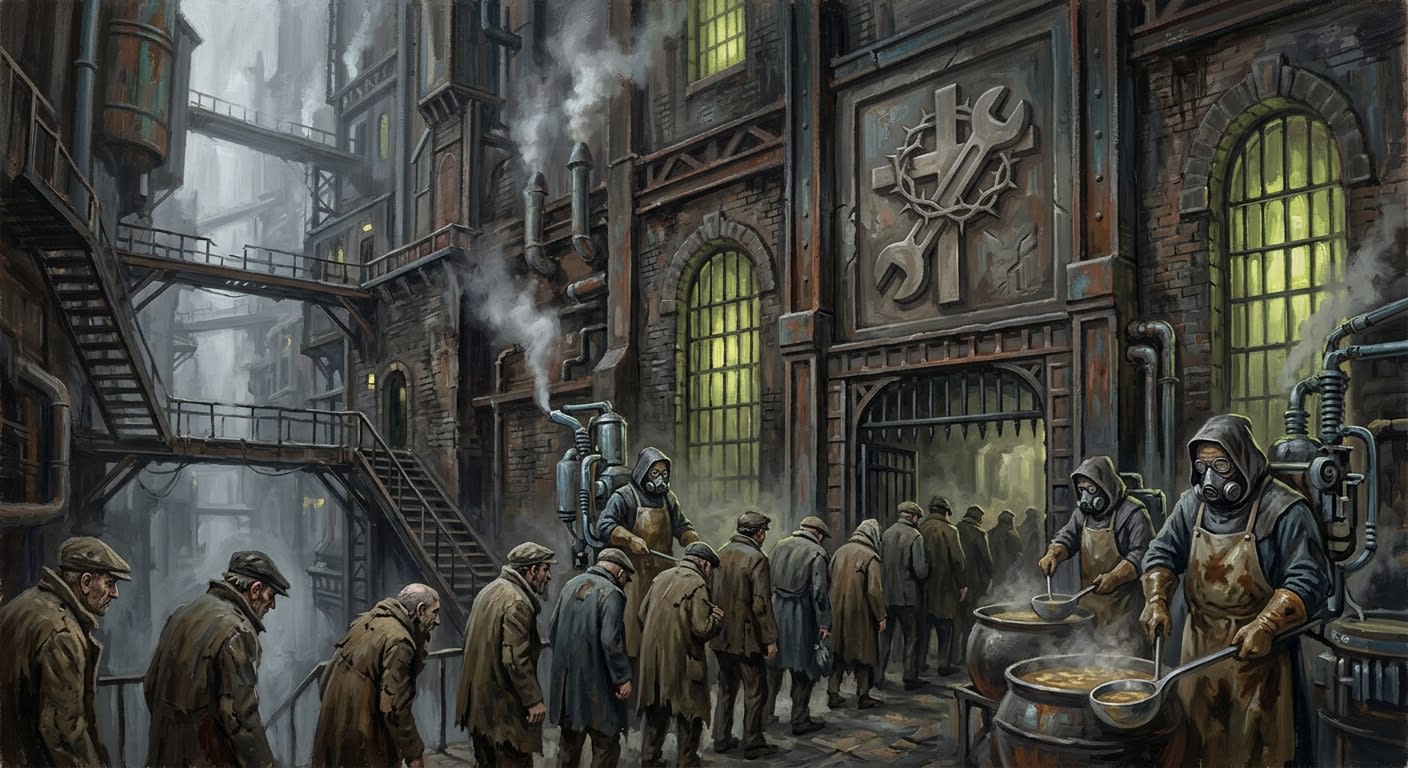
The Shaft Priory
An unchartered kettle where mercy becomes structural
The Shaft Priory is Bastion-Irongate's tolerated unchartered mercy-station, born after the A.S. 94 Great Hush and dangerous because broth can become doctrine.
Codex Ref. XIII.1.34-001
The Sigillary
Where warm wax teaches paper to bite
The Sigillary beneath Strasbourg Cathedral manufactures authority in wax, die, counter-seal, mask licence, and the old lesson that paper bites only when stamped.
Codex Ref. II.1.04-006

The Slumber-Hulk
A building that remembered how to walk — and what it was built to crush
Syrion's heaviest deployed asset — a chain-bound mass of compressed flesh and arrested time, classified HEAVY SIEGE (SUB-TYPE: TEMPORAL) by the Bureau of War. It does not strike. It approaches.
Codex Ref. IV.4.01-001
The Spire-Crusher
Pride built a tower tall enough to make the wall feel rude
Atheron's Spire-Crusher was a walking tower that grew from 340 to 900 feet before Przemyśl broke its forward pier and learned to fear empty sky.
Codex Ref. IV.1.07-011
The Synod Task Force
On the Armed Enforcement of Administrative Truth
The Synod's answer to contested truth: temporary, armed administrative cells dispatched by warrant when ordinary procedure has failed, become complicit, or begun devouring its own paperwork. They preserve facts powerful offices would prefer misplaced.
Codex Ref. IV.7.12-001
The Third Hierarch
A nameless mitre, a moth-eaten reign, and the file that knew too much
The Third Hierarch is an ordinal with no name, no portrait, and one surviving achievement: Saint Aldebrand's file vanished under his reign.
Codex Ref. XIII.1.05-002
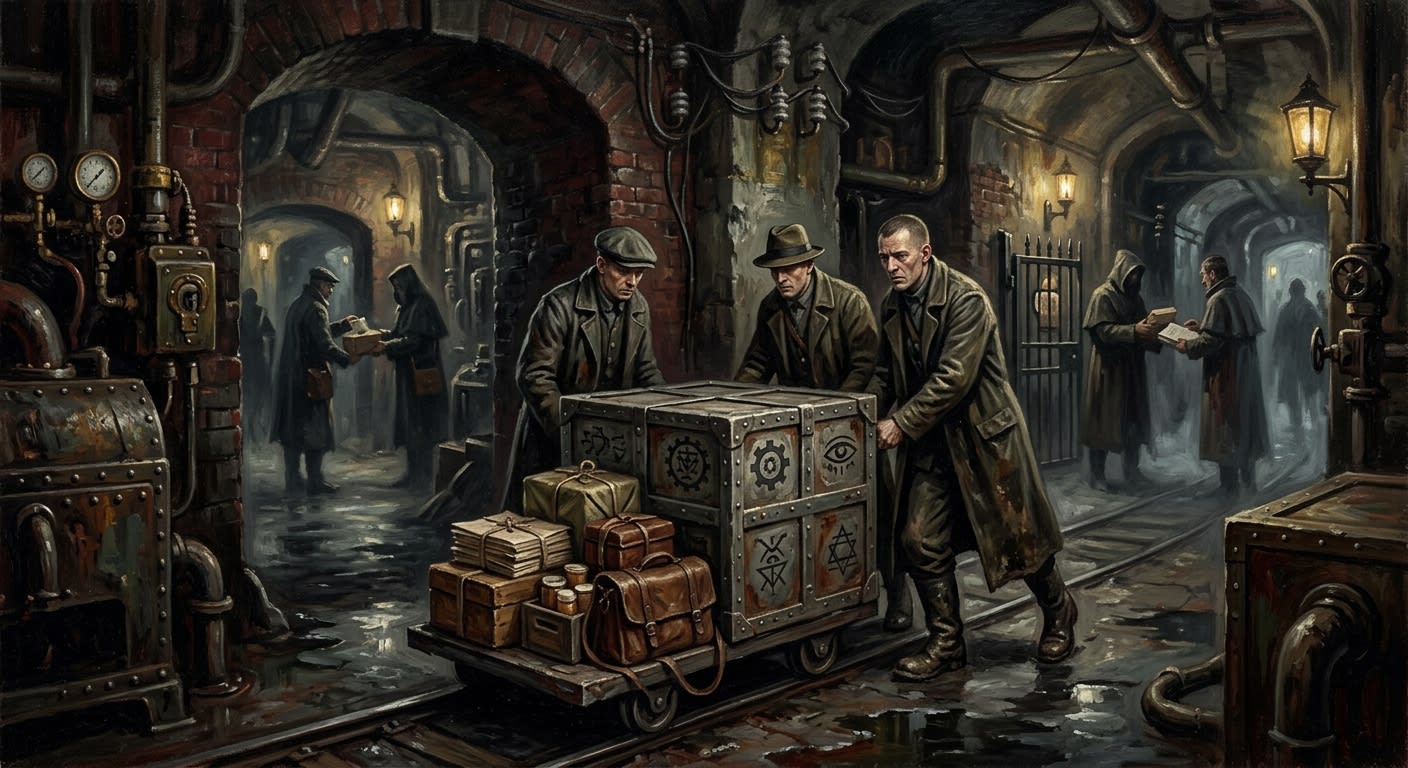
The Thread
The quiet line by which bones, names, and suspicion crossed the dark
Informal Cellar Saint transit doctrine that moved relics, names, wafers, and warnings through trusted cellars from A.S. 30 until the Sundering tore the roads open.
Codex Ref. XIII.1.91-045
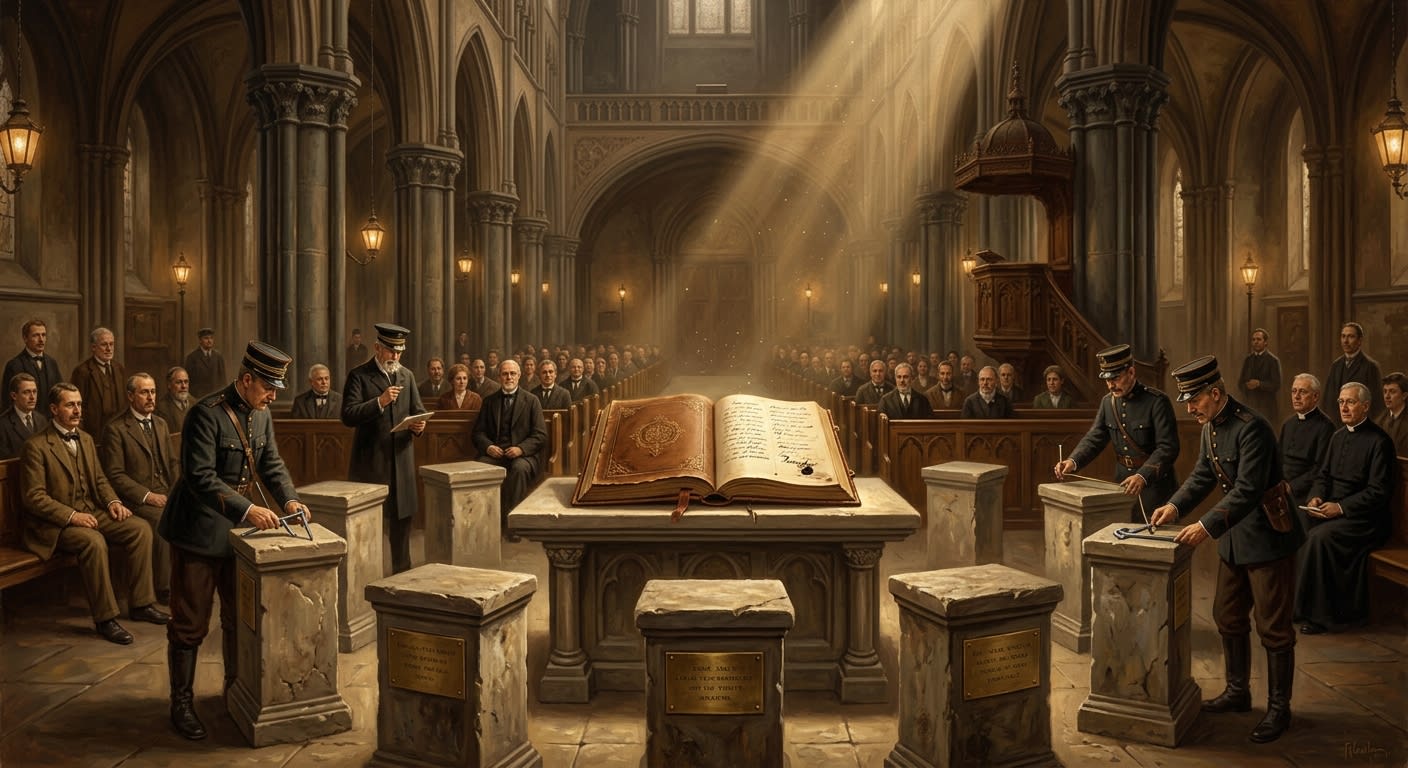
The Virtue Generals (So-Called)
Seven heresies dressed as hope, condemned in the forty-fourth standing order
Standing Order 44-D refuted, filed, and reluctantly left open. Seven alleged champions of the Creator — unregistered, unconfirmed, and disturbingly active for entities that do not exist.
Codex Ref. IX.3.44-001

The Year of Letters
One table of bones. Forty cities. The first assault on everything.
The Bureau's account of –32 A.S.: how three Amsterdam scholars, one table of bones, and forty cities' worth of polite arithmetic crippled three centuries of relic authentication — and inaugurated everything.
Codex Ref. I.2.01-001
The Year Without Dawn
The Bureau's Second Portent: forty days without sun, seventeen explanations without facts, and one Province without tongues.
A.S. 32: forty days without the sun, children born grey-eyed and voiceless, the Rationalists publishing seventeen treatises to explain a volcano no one could find. The Bureau's Second Providential Portent.
Codex Ref. VII.4.01-001

Tower of the Quill
The tallest structure in Strasbourg, which is to say the world, which is to say the matter is settled
Seat of the Bureau of Doctrine and tallest structure in Strasbourg, commissioned in A.S. 92 by successor authorities. Three bells, a classified gallery, and a sealed archive beneath the flagstones.
Codex Ref. II.1.04-001
Trench-Court Clerk
The last words of the faithfully dead; and what becomes of the rest
Forward-deployed registry clerks of the Bureau of Records, stationed at Trench Court dugouts on the Sagittal Line to record the last confessions of the dying, assign doctrinal categories.
Codex Ref. XII.47.01-001
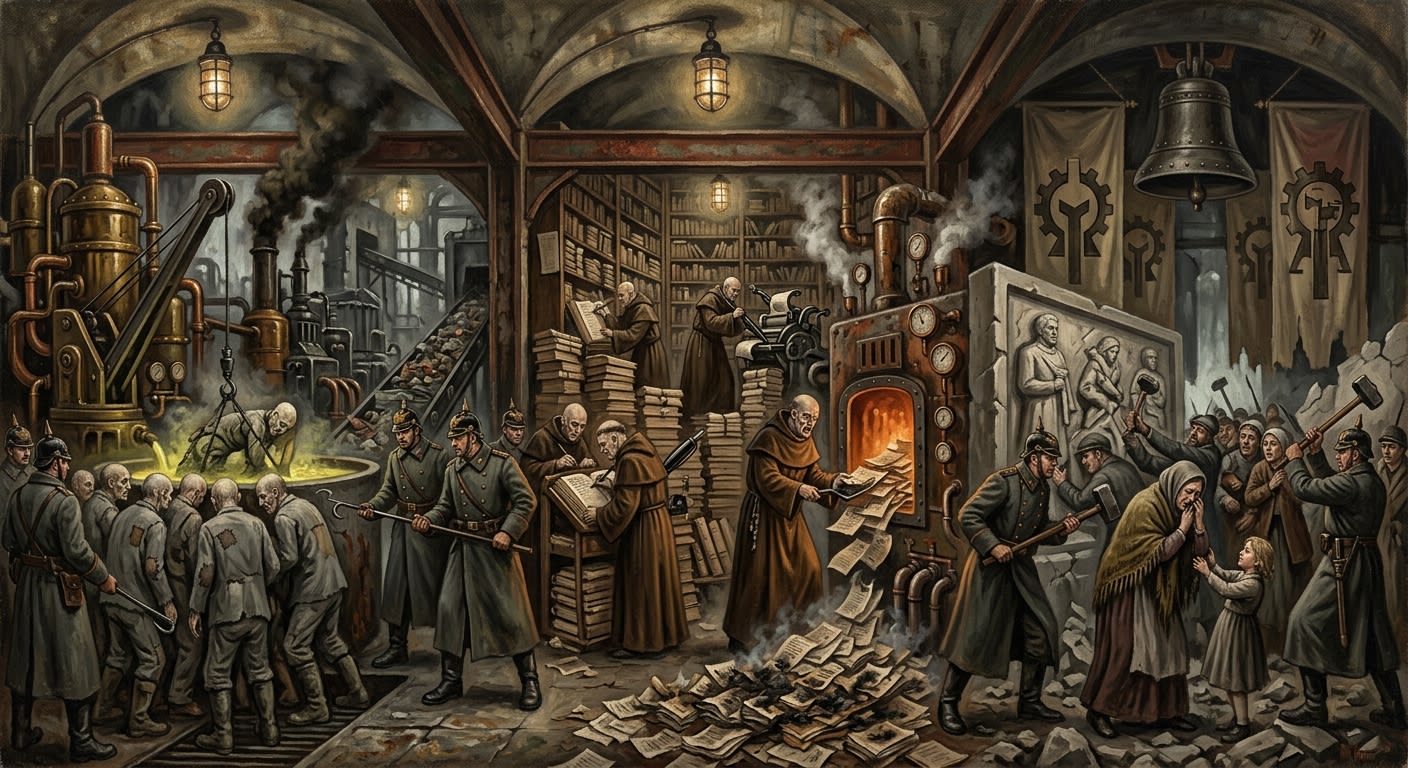
Trifold Erasure
Kill the body, strike the name, poison the recollection
Trifold Erasure is the Synod's threefold cure for rebellion: body extinguished, name struck, memory made too dangerous to love.
Codex Ref. XIII.1.71-111
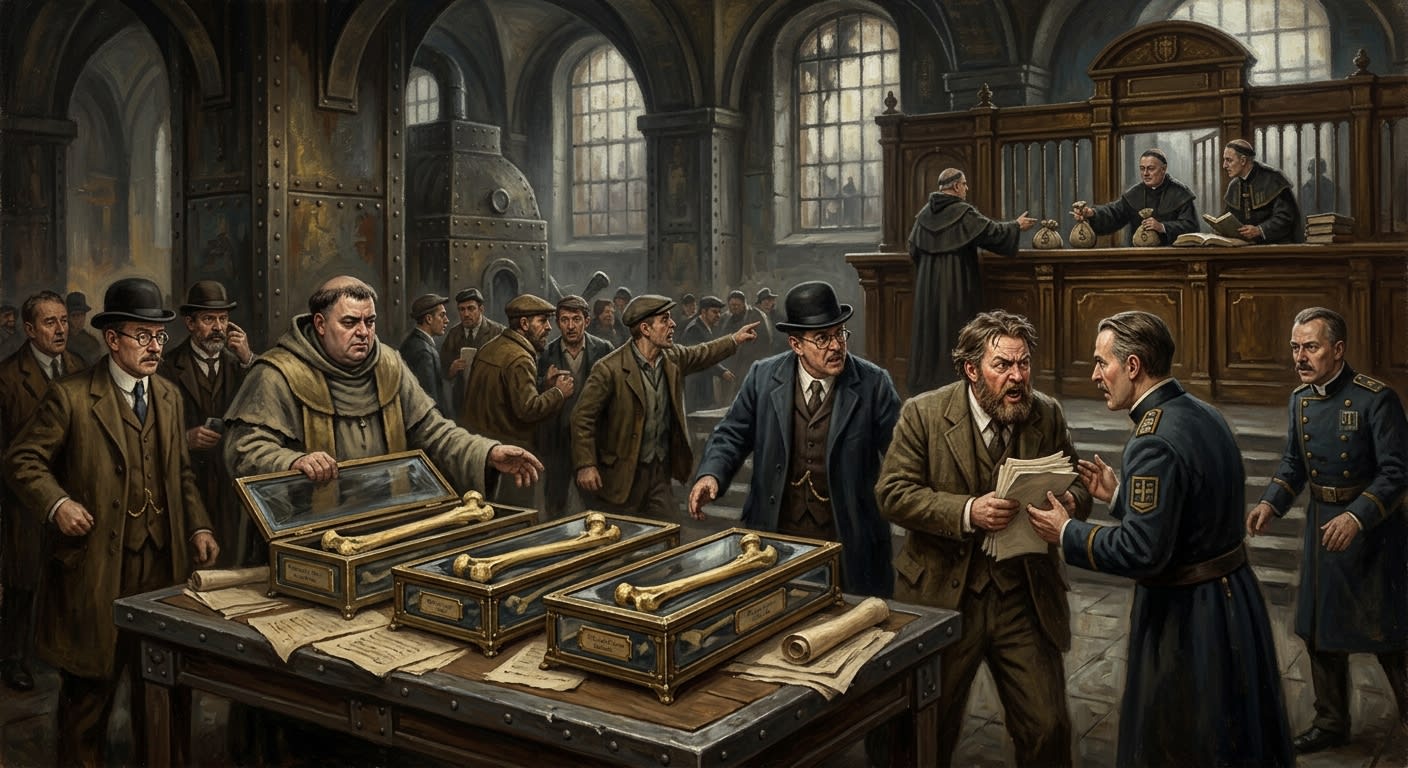
Triplicate Femur Incident
Three saintly legs entered one manifest; a profession walked out
The c. A.S. 148 Triplicate Femur Incident exposed three authenticated left femurs of Saint Maurus at once, birthing Femur-War brokerage from public contradiction.
Codex Ref. VII.8.10-027

True Measure Zealots
The pan decides, which is why everyone hates the pan
Internal tariff-chapel faction of Commerce Clerks whose devotion to strict relic calibration makes them useful witnesses, hated colleagues, and excellent disasters.
Codex Ref. XIII.1.59-001
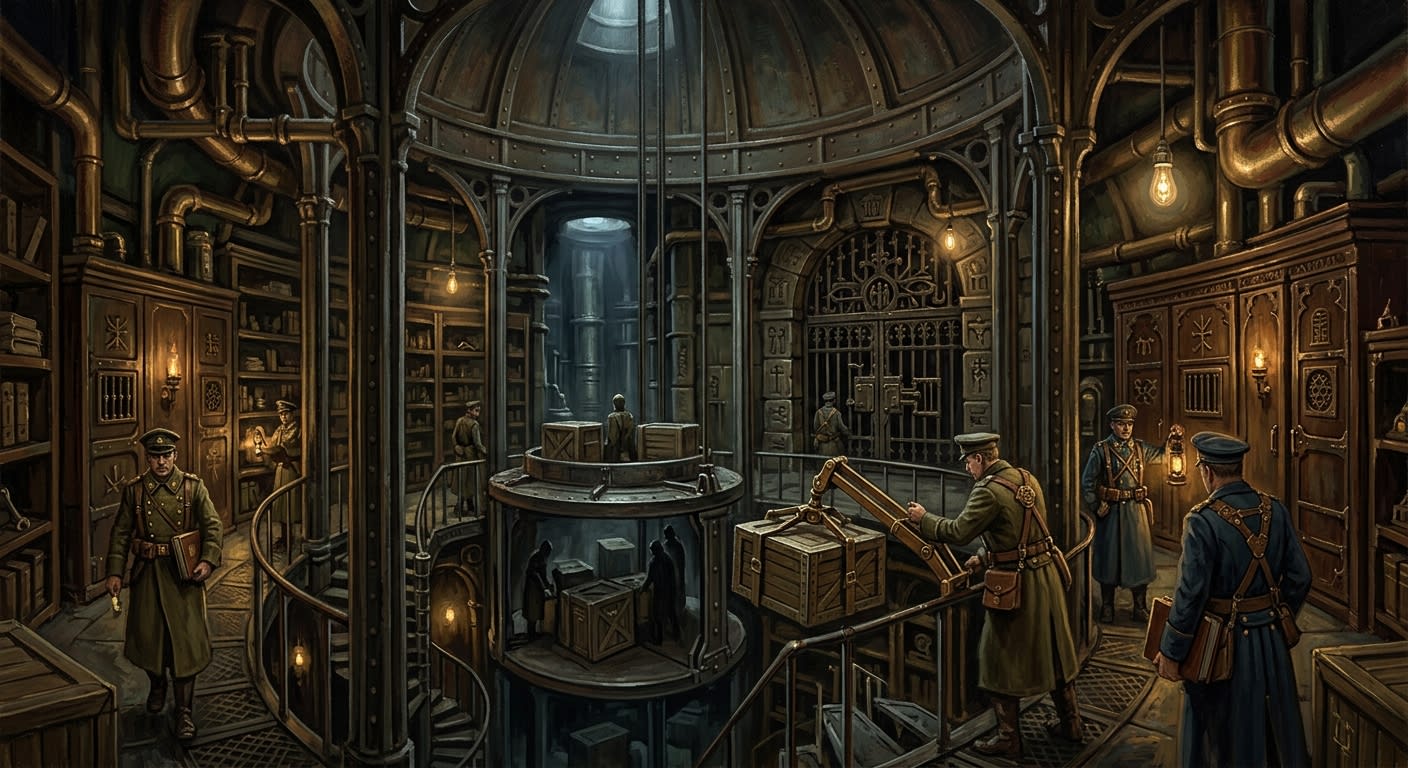
Vault of Sacred Custody
The locked stomach beneath [[strasbourg|Strasbourg]] where bones become policy
Subterranean headquarters of the Bureau of Relics beneath Strasbourg Cathedral Close, where authenticated bones, hostile cabinets, and silence are stored by grade.
Codex Ref. II.2.06-004

Vera "Iron-Thumb" Malrec
Praise later; lift now
Tolerated Salvager patron whose A.S. 160 Irongate extraction cost her right thumb, won her an iron replacement, and forced the Bureau of Relics to tolerate a worker-saint.
Codex Ref. III.2.01-140
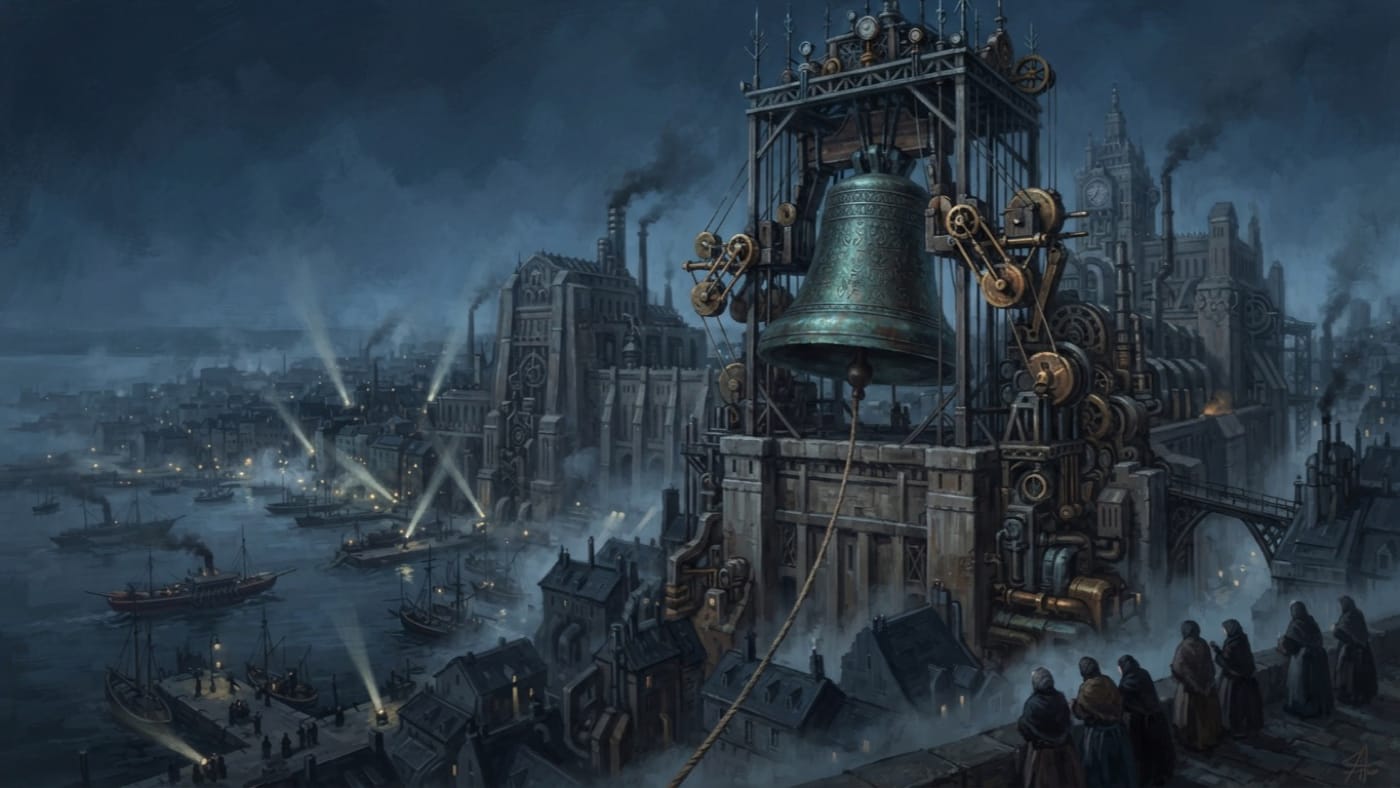
Victor, Great Bell of Marseille
The prayer is registered; the midnight peal has no authorised hand
Victor is the largest of Saint-Victor's nine bells, bronze bearing a prayer against shipwreck over Marseille. Its midnight return-peal remains filed, denied and unexplained.
Codex Ref. XIII.1.62-235
Vienna, the Shrine-Ruins
Three deaths, one gift shop, and a pen that has not dried in forty years
Three times ruined and once reclaimed. Vienna is the Synod's finest shrine and its most honest monument: the Rationalist capital, the Great Retreat's wound.
Codex Ref. II.4.09-010

Vigil Ark *Saint Barachiel*
On the consecrated dirigible that blesses the Bosphorus sky, the sermon heard forty feet below the water, and the eleven minutes forty-three seconds of A.S. 199 the Bureau has classified as Not Our Co
The Vigil Ark Saint Barachiel: armed dirigible-reliquary, Constantinople theater, A.S. 168–present. Thirty-three years of consecrated patrol. One unexplained Broadcast. The Ark flies. The Bureau recommends continued faith.
Codex Ref. II.4.11-001
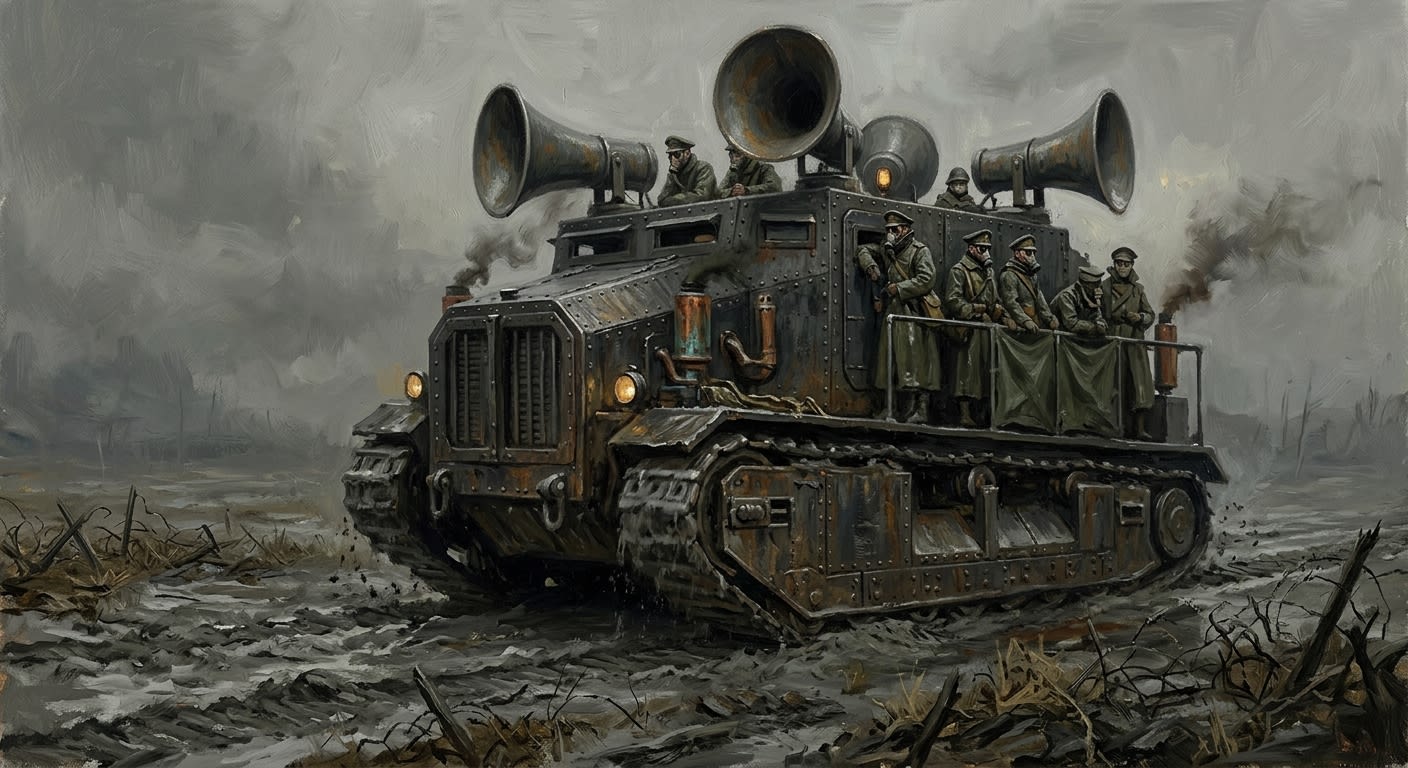
Vigil Ark of Saint Gabriel
The quiet one above the Black Sea, which is worse than thunder
The Vigil Ark of Saint Gabriel patrols the northern Bellway with four Sermon-horns, fewer censers, and a quiet its crew has wisely refused to name.
Codex Ref. XIII.1.21-001
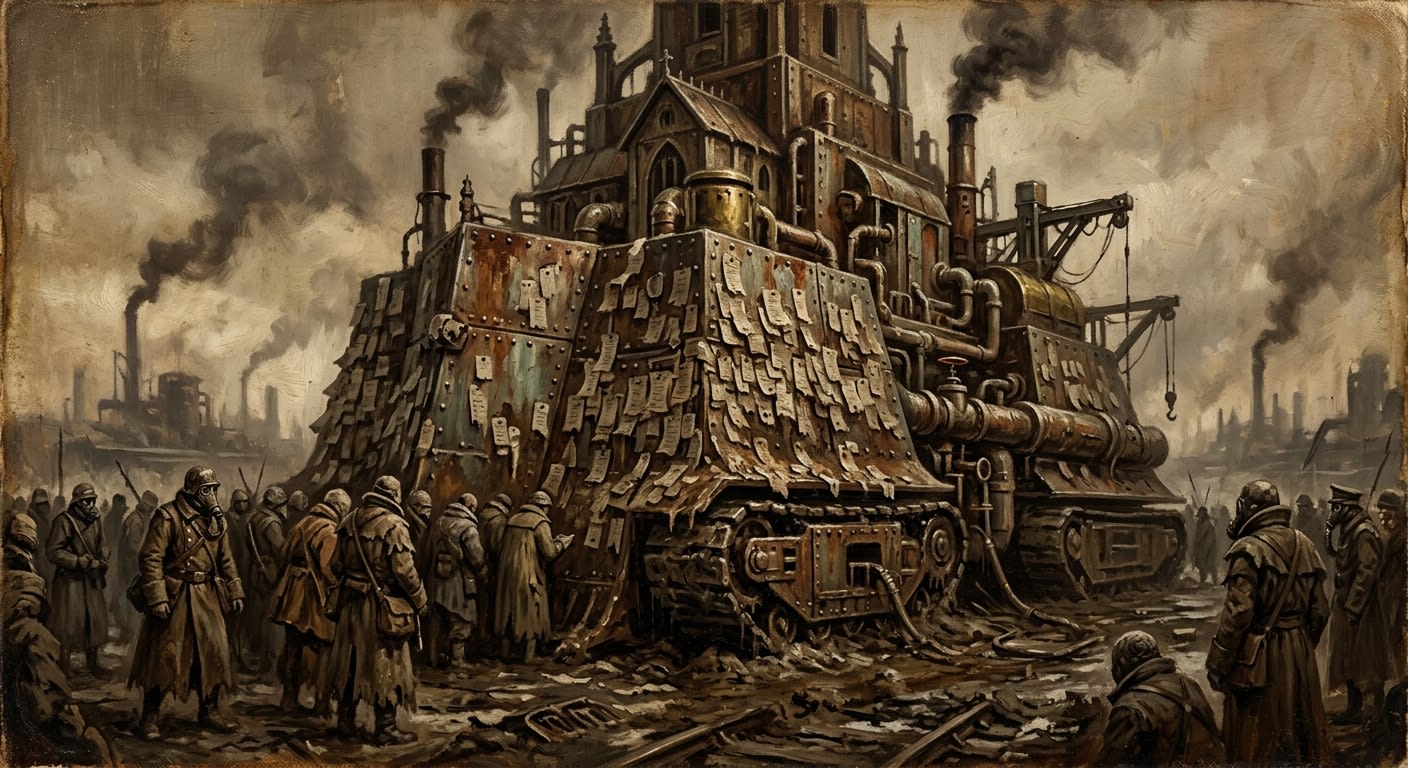
Vigil Ark of Saint Uriel
Fully assembled, fully consecrated, fully maintained, and grounded
The Vigil Ark of Saint Uriel was authorised to sanctify the southern Bellway in A.S. 191. It has lifted four times, flown never, and gathered petitions like rust.
Codex Ref. XIII.1.21-002
Vigil Arks
The sky hears because the Bureau bolted a chapel to it
Vigil Arks are armed reliquary-dirigibles: chapel, weapon, horn, census, and jurisdiction suspended above Constantinople by gas, relic permission, and fear.
Codex Ref. XIII.1.21-201

Warden of the Sacred Ledger
Memory is permitted only after custody
The Warden of the Sacred Ledger guards the passage between recorded fact and ratified meaning, lest memory escape and become a riot with dates.
Codex Ref. XIII.1.33-090
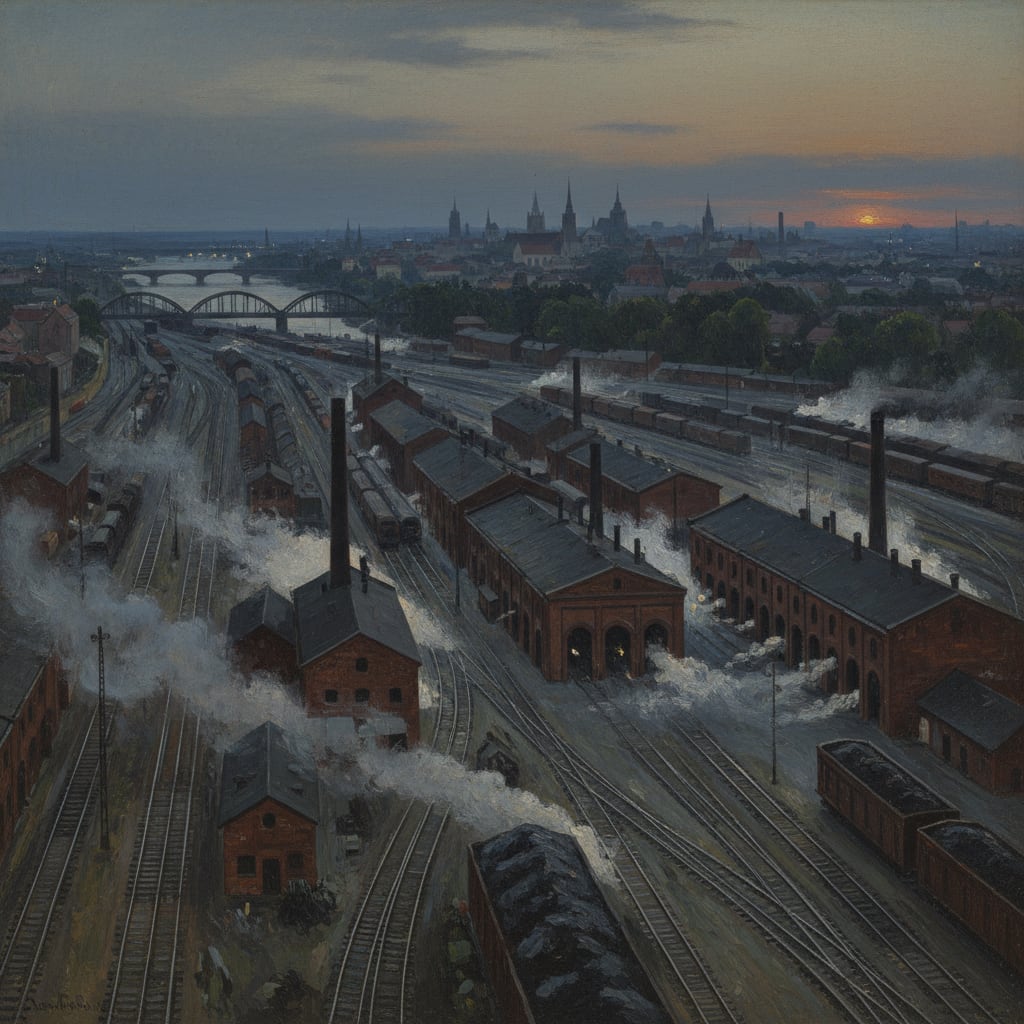
Warsaw
The city the Bureau told to leave, and the bakeries it opened in reply
The Synod's forward staging city on the Vistula — Zone Three, Northern Corridor, entry 14-W. 160 km from the Sagittal Line; close enough to hear the front on clear nights. The Bureau told it to leave in A.S. 95. It has grown by a quarter-million souls since.
Codex Ref. II.4.09-007
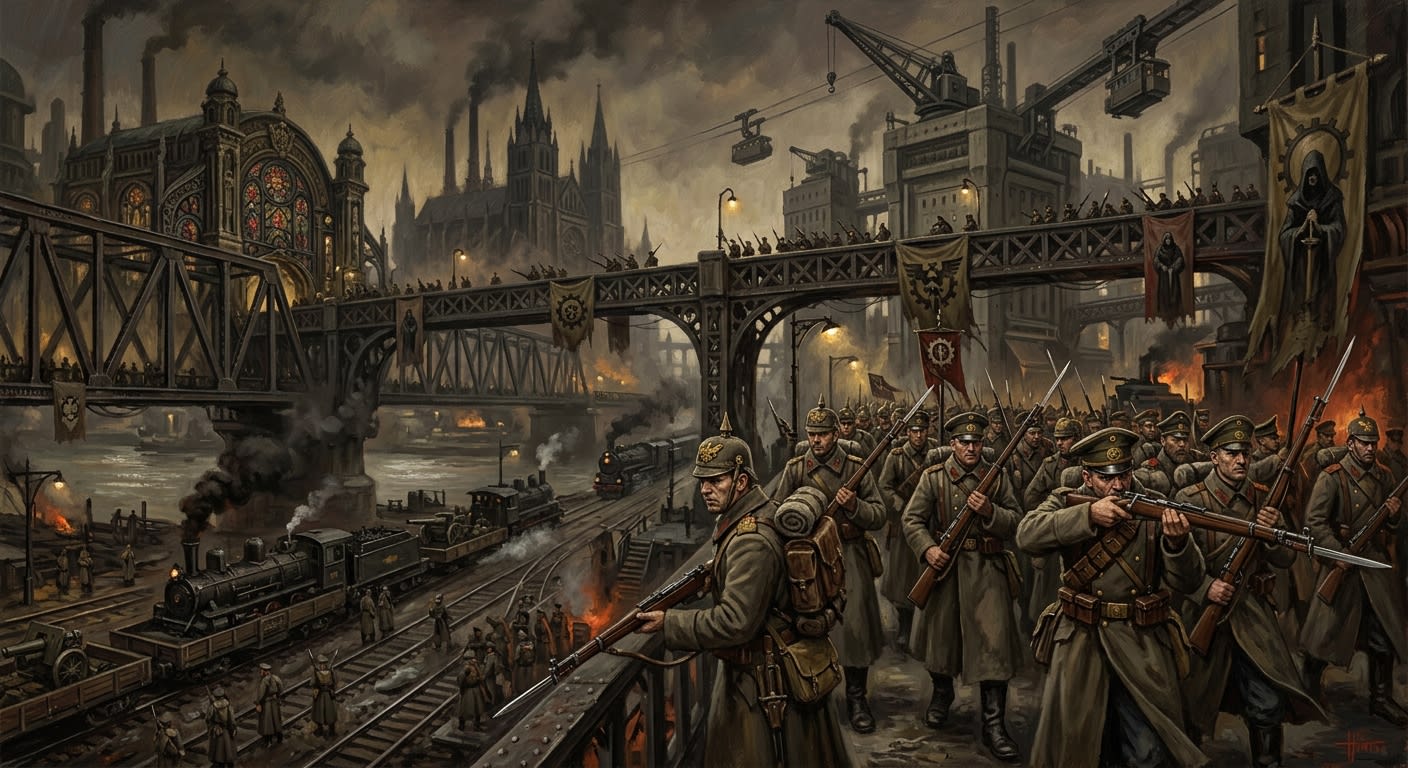
Warsaw Standing Brigade
The wall behind the wall has bayonets and bakery rumours
The Warsaw Standing Brigade is twelve thousand rear-echelon soldiers drilled to front-line standard, holding rails, queues, bridges, and the fiction that Warsaw is safely behind the Line.
Codex Ref. VIII.5.05-002
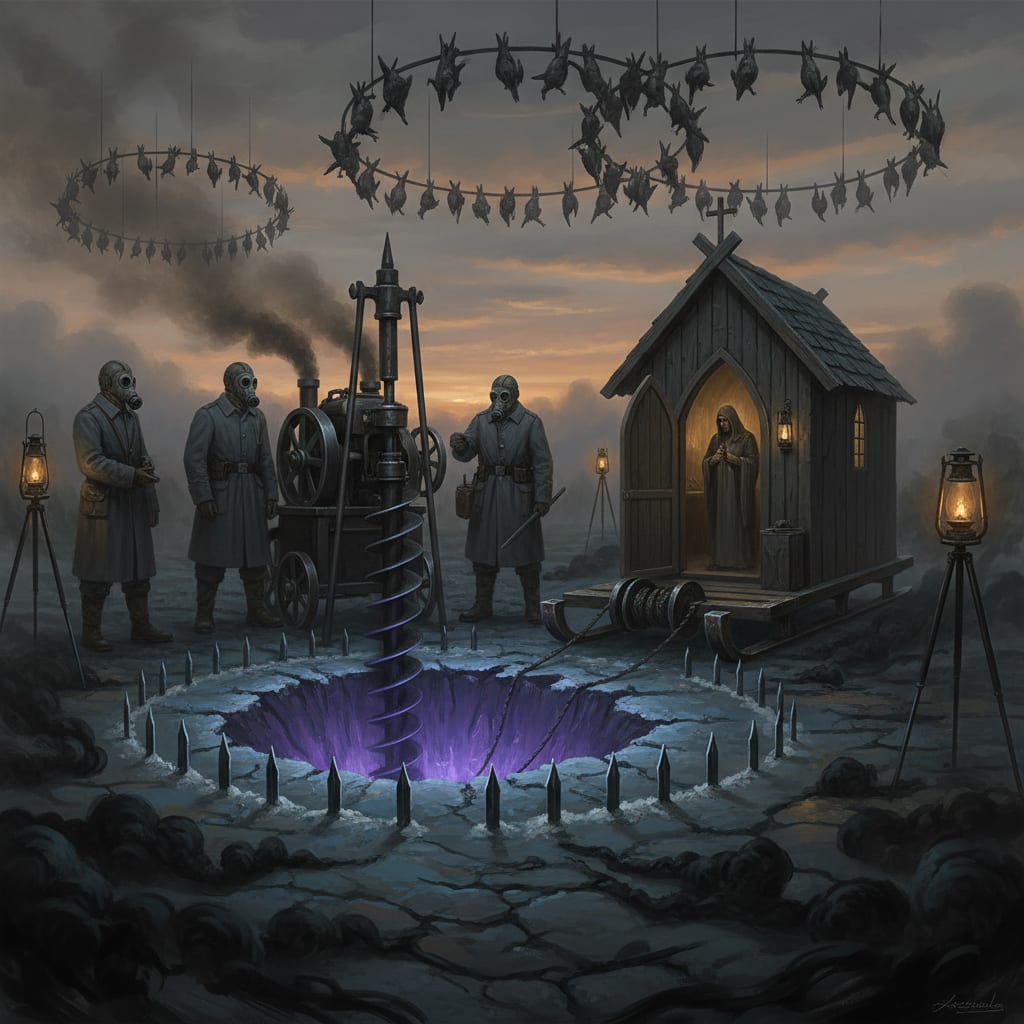
Wound-Site Prospector
The earth seeps; the drums breathe; the Bureau explains neither, and taxes both
The licensed harvesters of demon-seep from wound-sites — chartered by the Bureau of Tithes, destroyed by the work, and collectively silent on the one event that explains everything. The drums breathe at night.
Codex Ref. XII.50.01-001
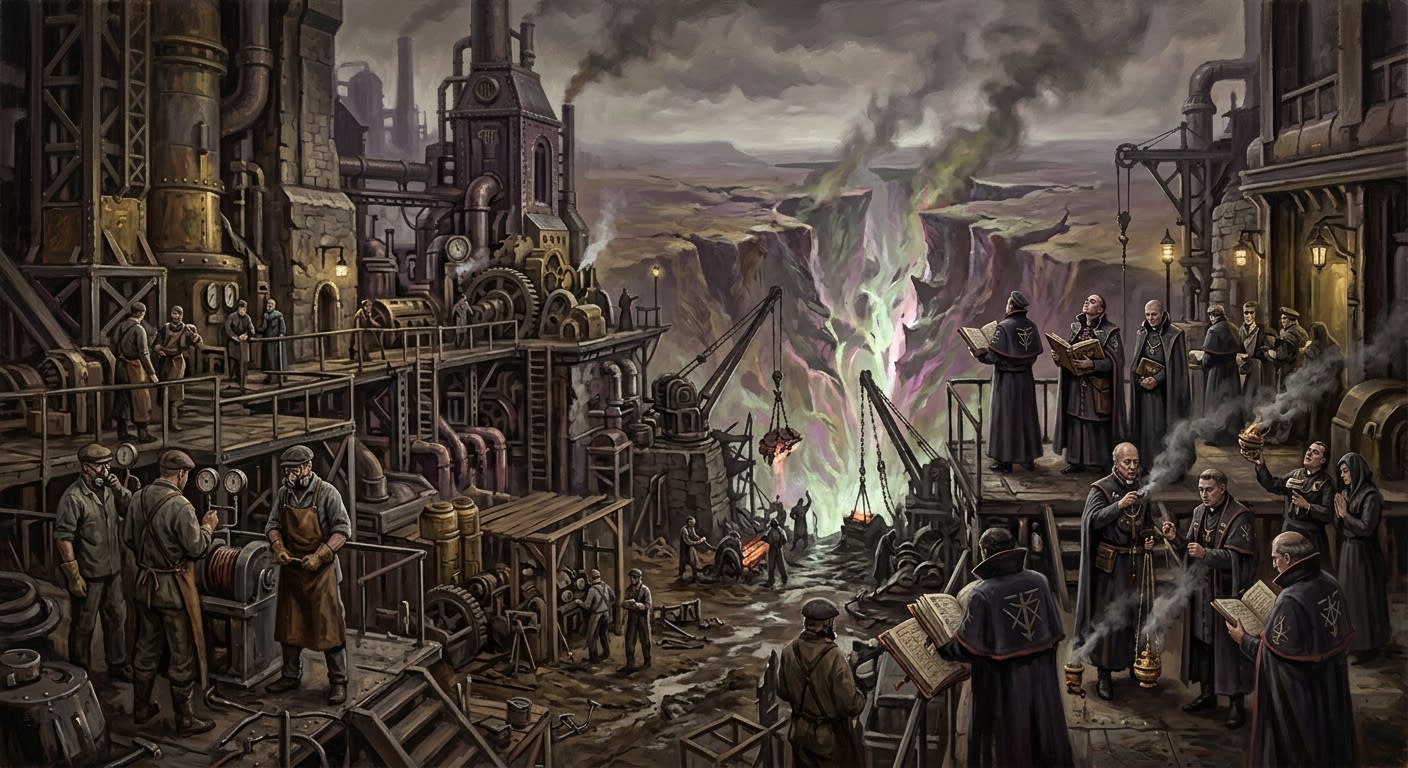
Wound-Sites
Where Creation filed an exception and the Bureau charged admission
Wound-Sites are Creation's open injuries: measured, taxed, exploited, prayed over, and officially caused by the Lie unless useful evidence says otherwise.
Codex Ref. XIII.1.29-001
Zone 2
The throat where empire learns to speak in smoke
Zone 2 is the Synod's central throat: Strasbourg's field of authority, Rhine wealth, furnace obedience, catechism-barracks, and useful smoke.
Codex Ref. II.0.04-201