

Reverse Index
Referencing “Bureau of Shadows”
Every codex entry that links to Bureau of Shadows. 416 entries.
Return to Bureau of Shadows
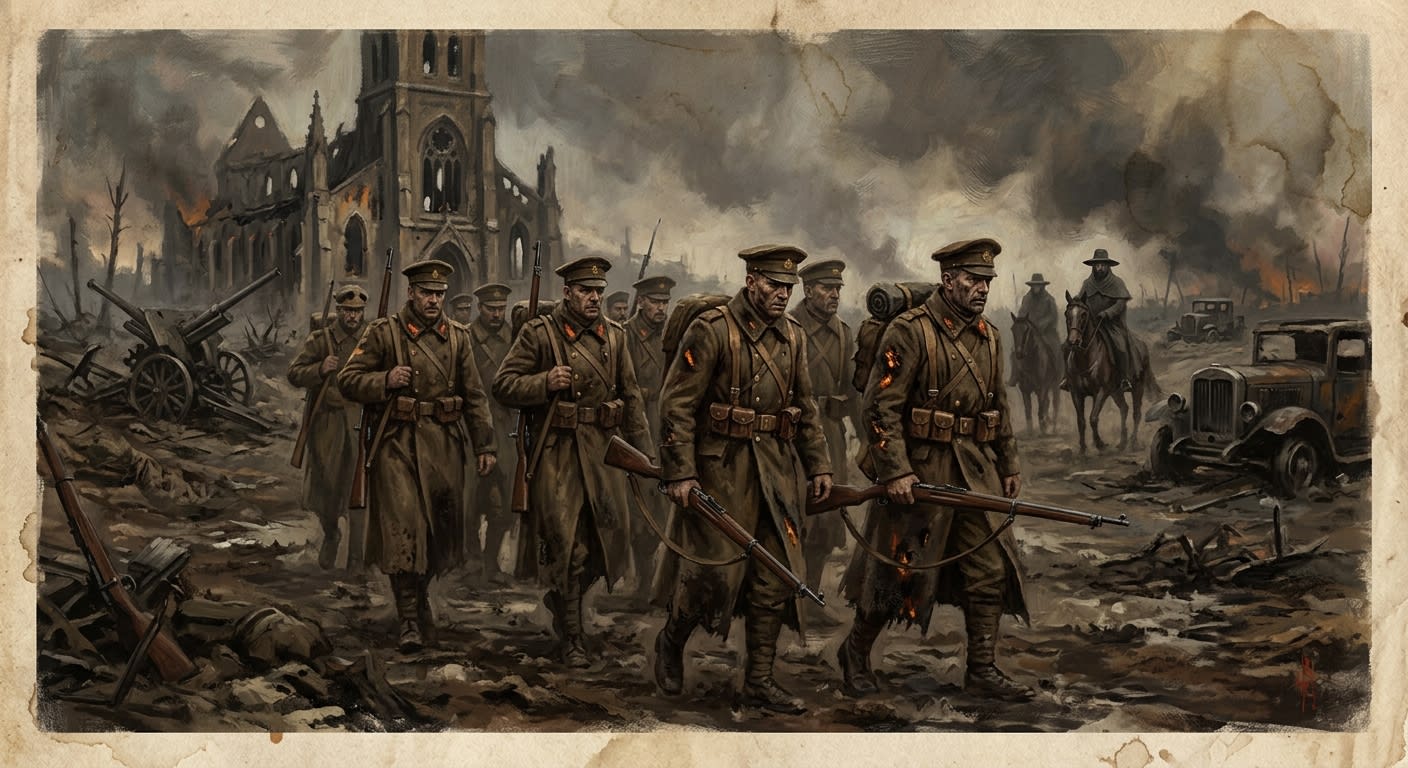
14th Parish Regiment
A regiment erased so thoroughly it still casts smoke
The 14th Parish Regiment was burned, erased, denied, and still left an unmanned curtain before Maldrake's Hellbow assault. Absence, when filed carelessly, has edges.
Codex Ref. VIII.5.14-170
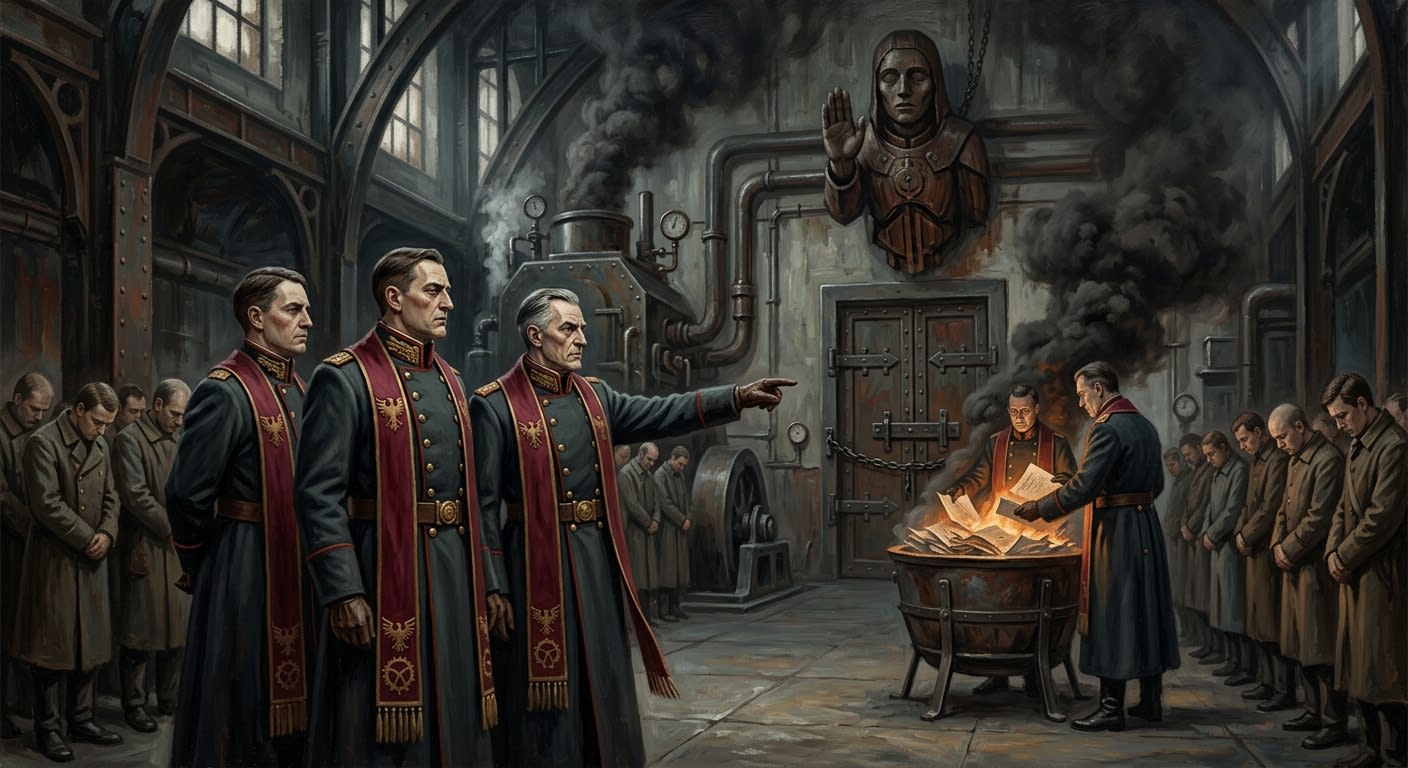
Absolute Suppression
The secret so holy it must command what it denies
Absolute Suppression is the Bureau's art of making hidden knowledge binding: a silence that issues orders, then denies it has a mouth.
Codex Ref. XIII.1.97-190
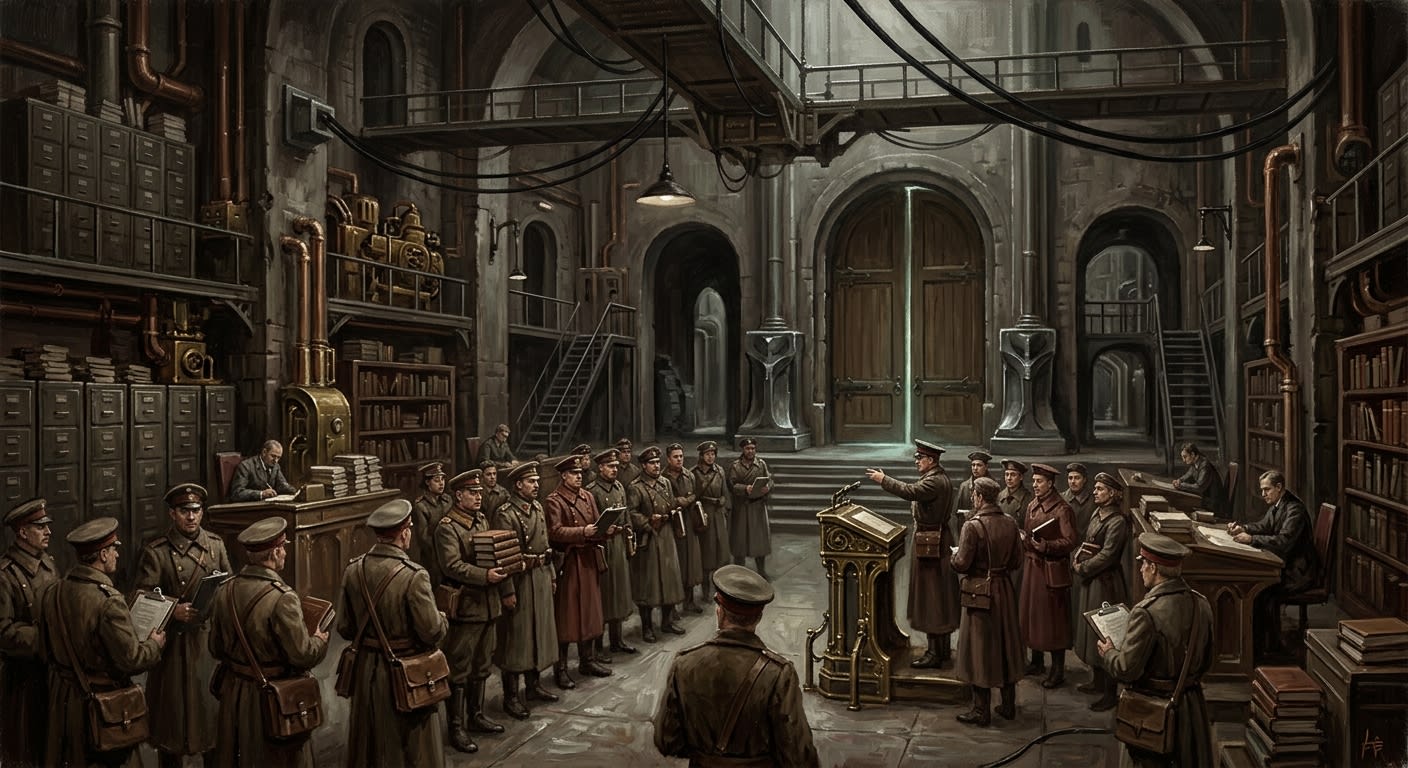
Academy of Strasbourg
Where questions are taught to kneel before they are permitted to stand
The Synod's capital academy trains clever minds for dangerous offices by making knowledge kneel, speak late, file early, and fear extra doors.
Codex Ref. I.1.03-090
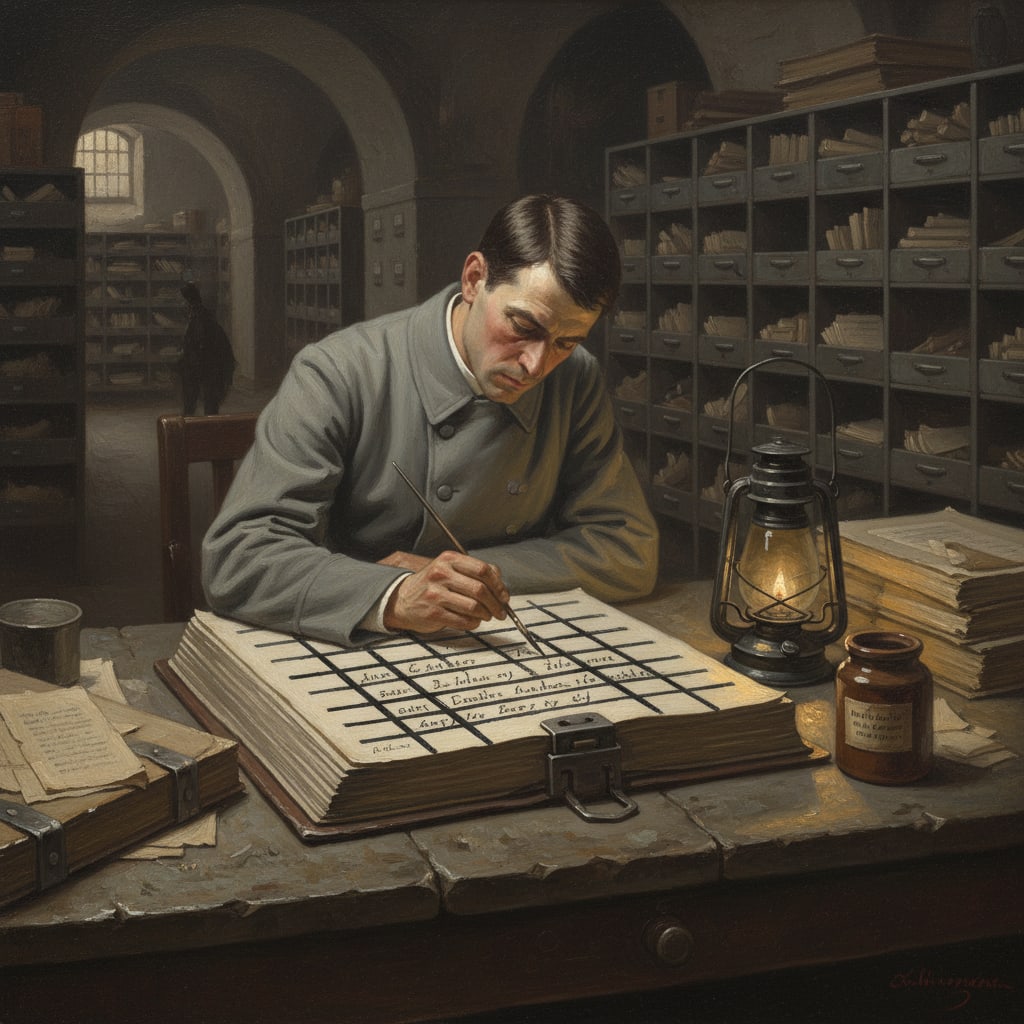
Administrative Dissolution
What the Bureau calls a filing action; what the dogs remember
Administrative Dissolution is the Bureau of Records' procedure for rendering a soul present but illegible — a grid of Mortuary Black drawn across the name-entry, the null-mark Ø applied, the Ledger amended.
Codex Ref. XIII.1.01-001
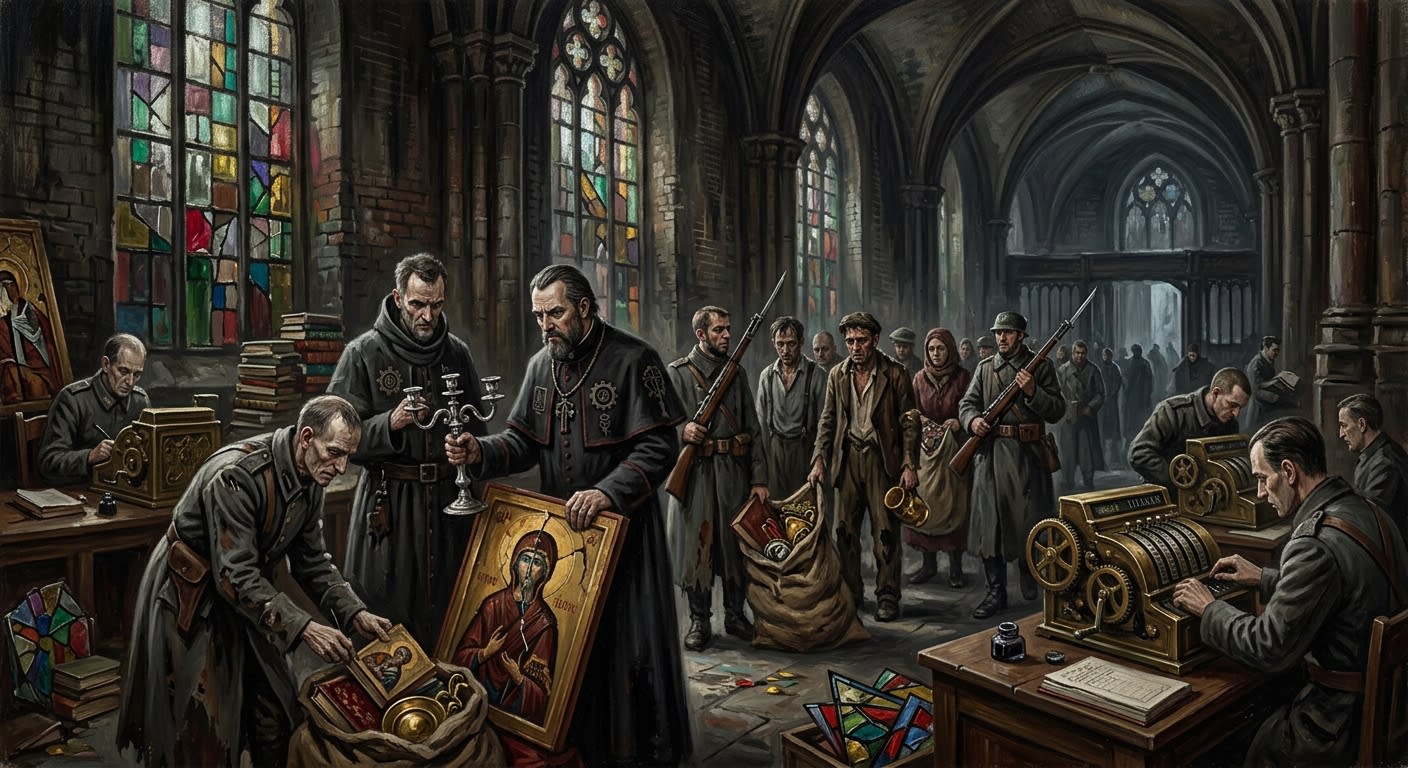
Aesthetic Tithe
When destruction discovers taste
Denied revenue, tolerated theft, and stained-glass hypocrisy: the Aesthetic Tithe turns seized beauty into patronage under the smile of useful sin.
Codex Ref. XIII.1.76-094

Aldric Venn
The clerk who heard our hymn in the enemy's mouth
Aldric Venn, Records copyist and brother to a master-carillonist, proposed that Covenant hymns might return through Wound-Sites as Pale Chanter cadence.
Codex Ref. III.2.01-060
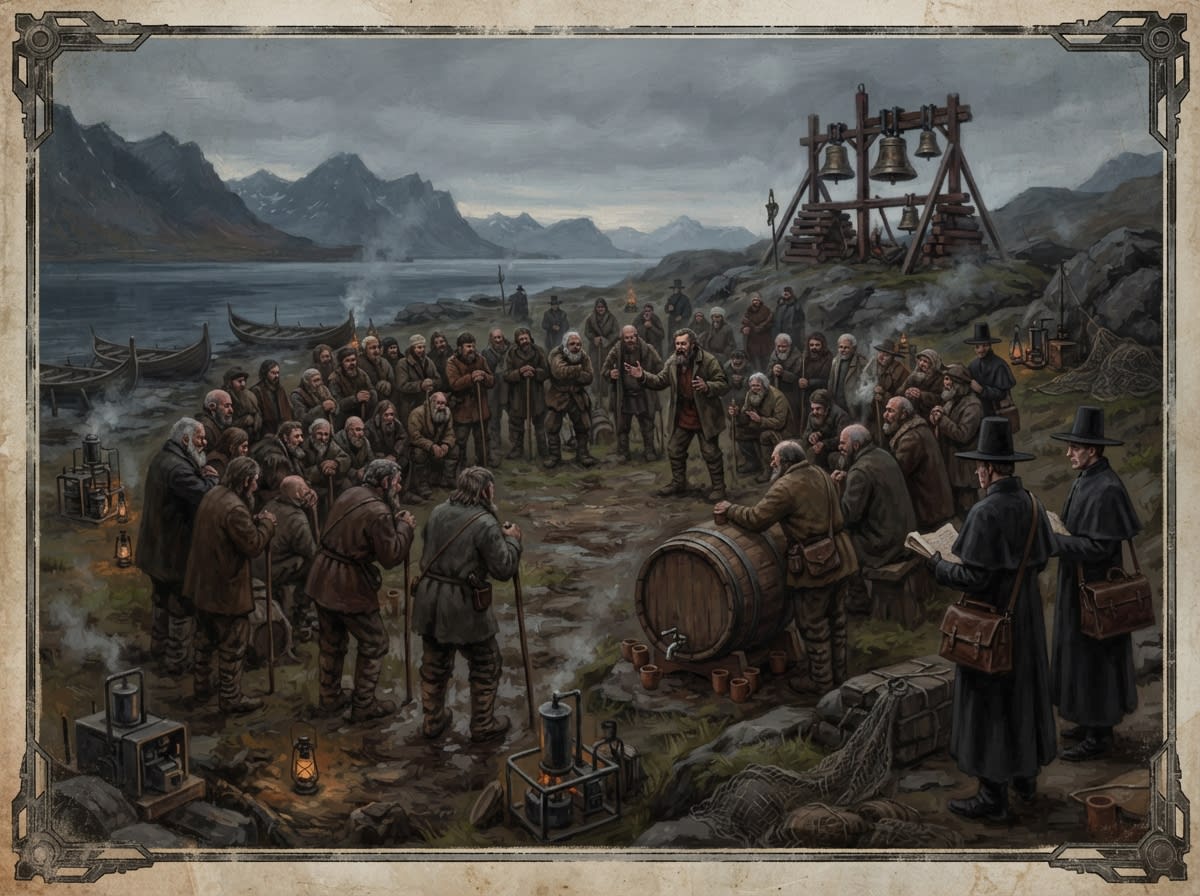
All-Moot
A legislature with no hall, no roll, no seal, and therefore no convenient target.
The Fractured North's annual midsummer assembly settles feuds, oil, passage, bells and Strasbourg's patience from a field that moves every year. The Bureau files it as customary. The North files nothing.
Codex Ref. IX.8.01-002
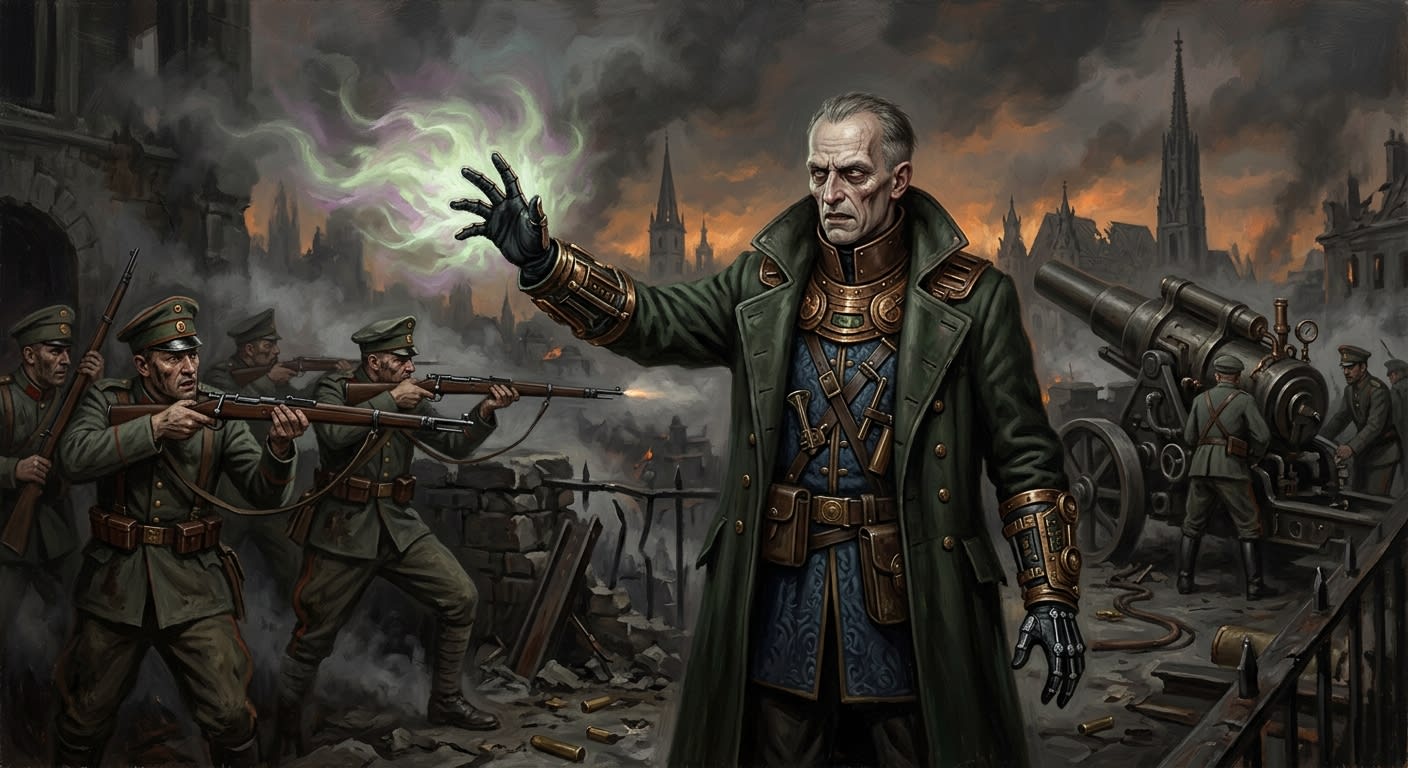
Althazar of Pest
The unauthorized man history mistook for a throne
Althazar of Pest was the sorcerer-lord of Vienna's last siege, a Rationalist remnant commander destroyed by Clemens Stahlhand and Saint Aldebrand's reliquary mace.
Codex Ref. III.2.01-153
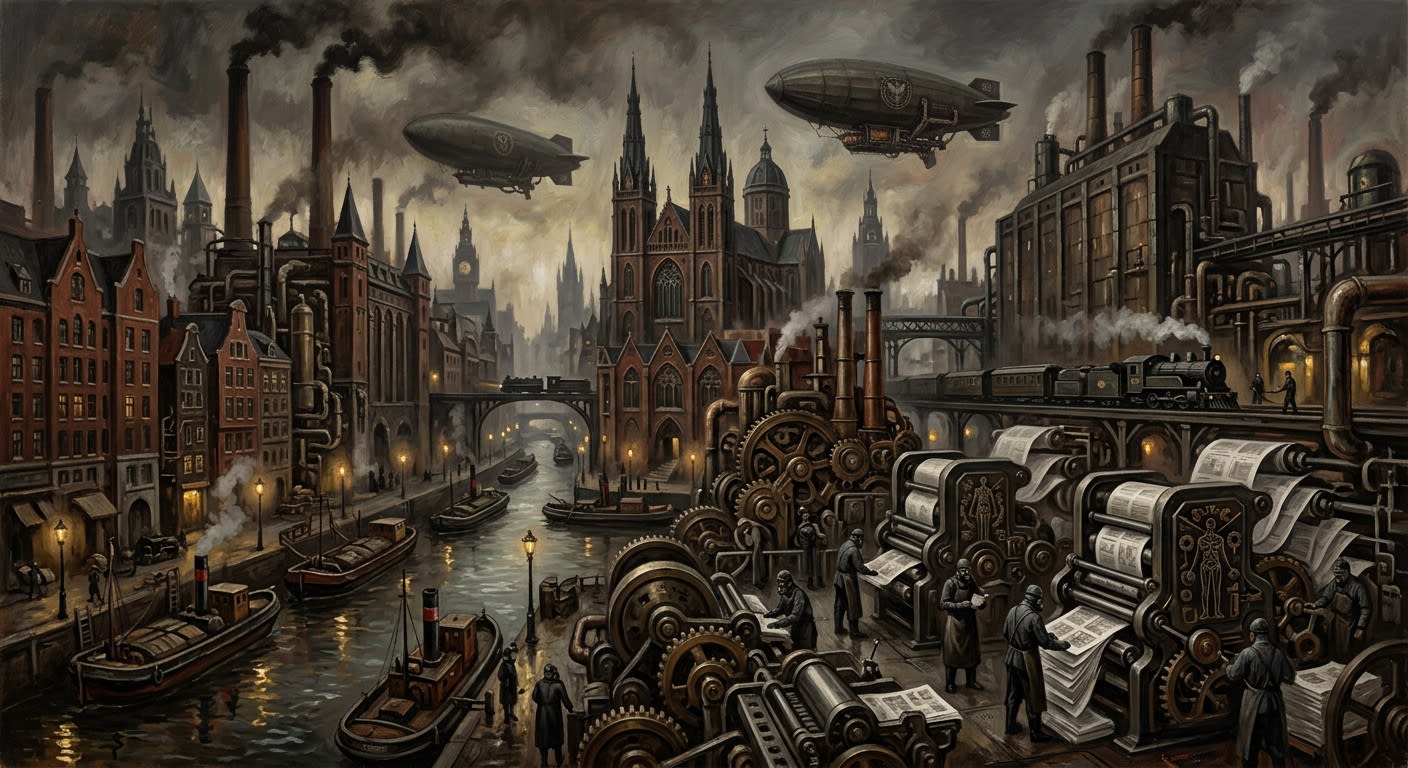
Amsterdam
The city where Europe learned to sin in pamphlet form
Amsterdam is the independent Dutch city where the Synod's calendar wound was printed: first the Year of Letters, then *De Vera Luce*, then Europe taught to doubt by invoice.
Codex Ref. II.4.09-012
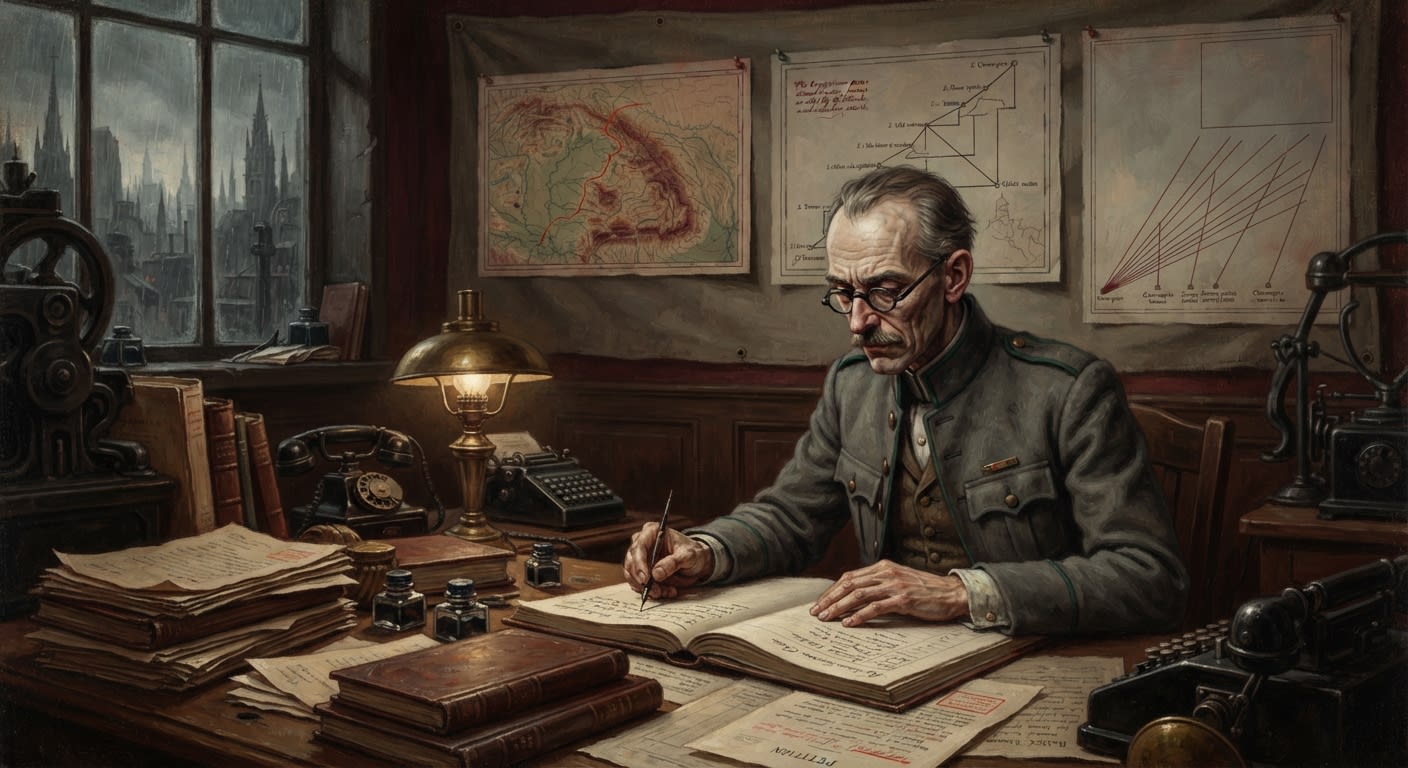
Analyst Second-Grey Mavren
The clerk who taught a red file to climb
Analyst Second-Grey Mavren gave Dossier Vermillion its staircase: one A.S. 150 register, three maps, one petition, and a phrase the Bureau has not escaped.
Codex Ref. III.2.01-153
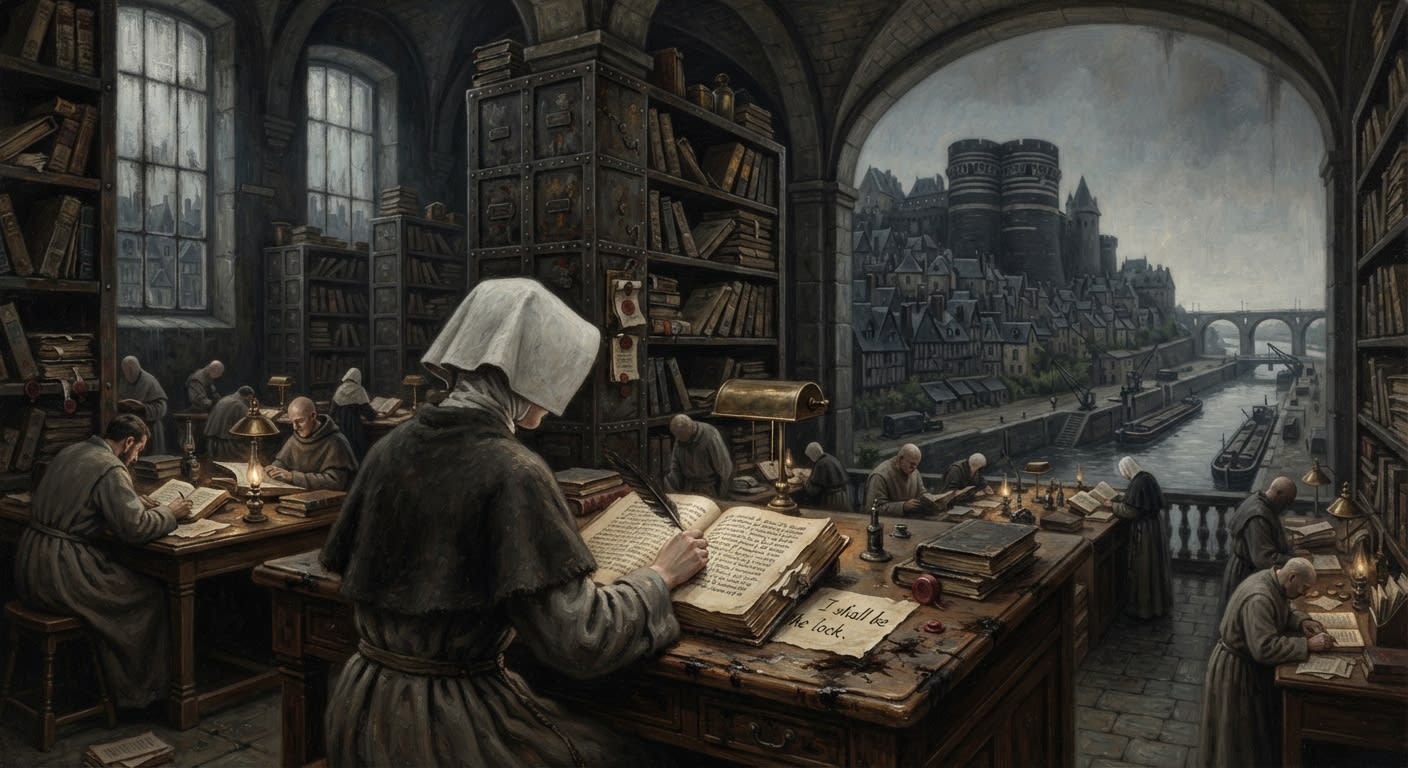
Angers
Five words, no bridge, and a city trying to found an order
Angers is a Zone One city whose claim on the Sisters of the Martyrdom rests on five psalter-margin words: I shall be the lock.
Codex Ref. II.1.09-015
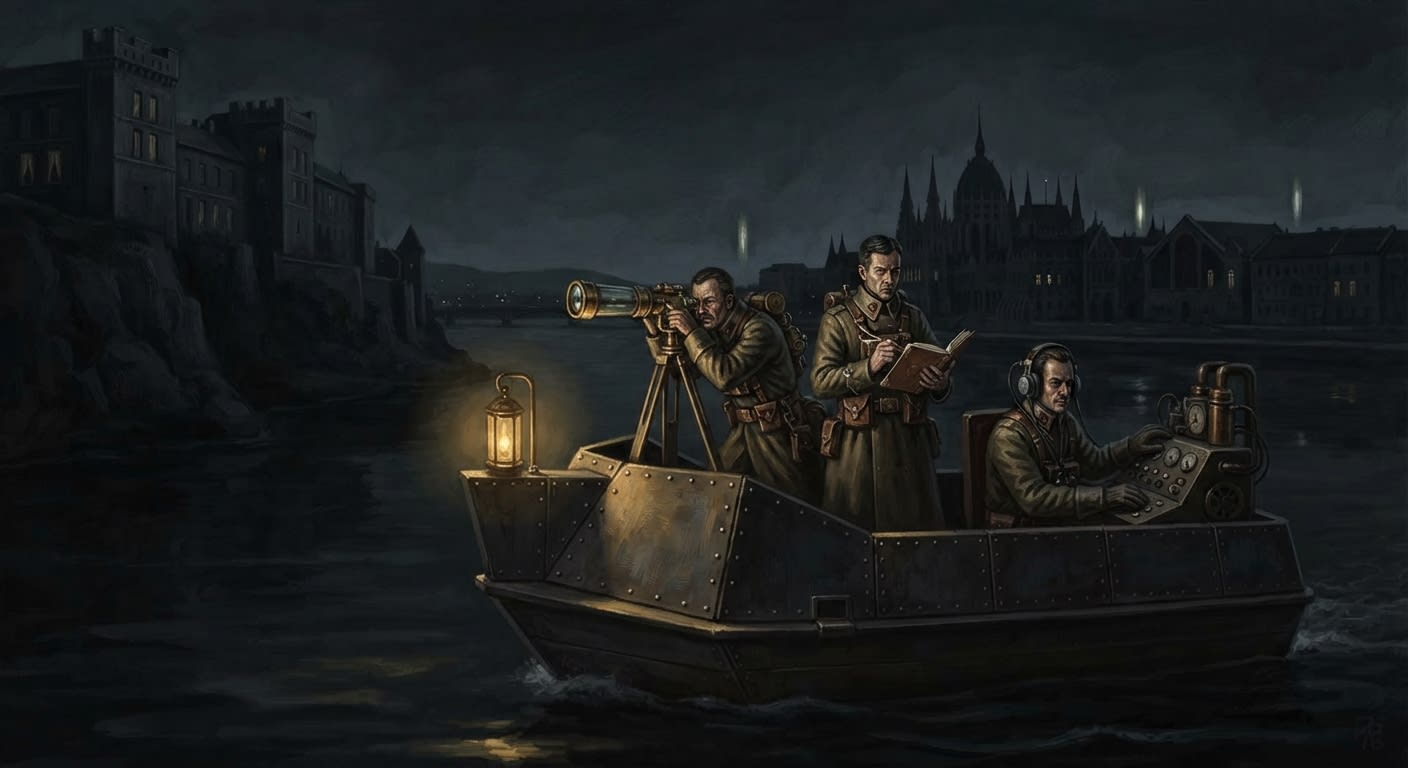
Annual Confirmation of Vacuity
One boat, three passes, and a city officially not answering
The Annual Confirmation of Vacuity is the yearly rite by which Pest remains legally Vacated: three river passes, five admissible measurements, no landing, and no occupancy category.
Codex Ref. XIII.1.88-201
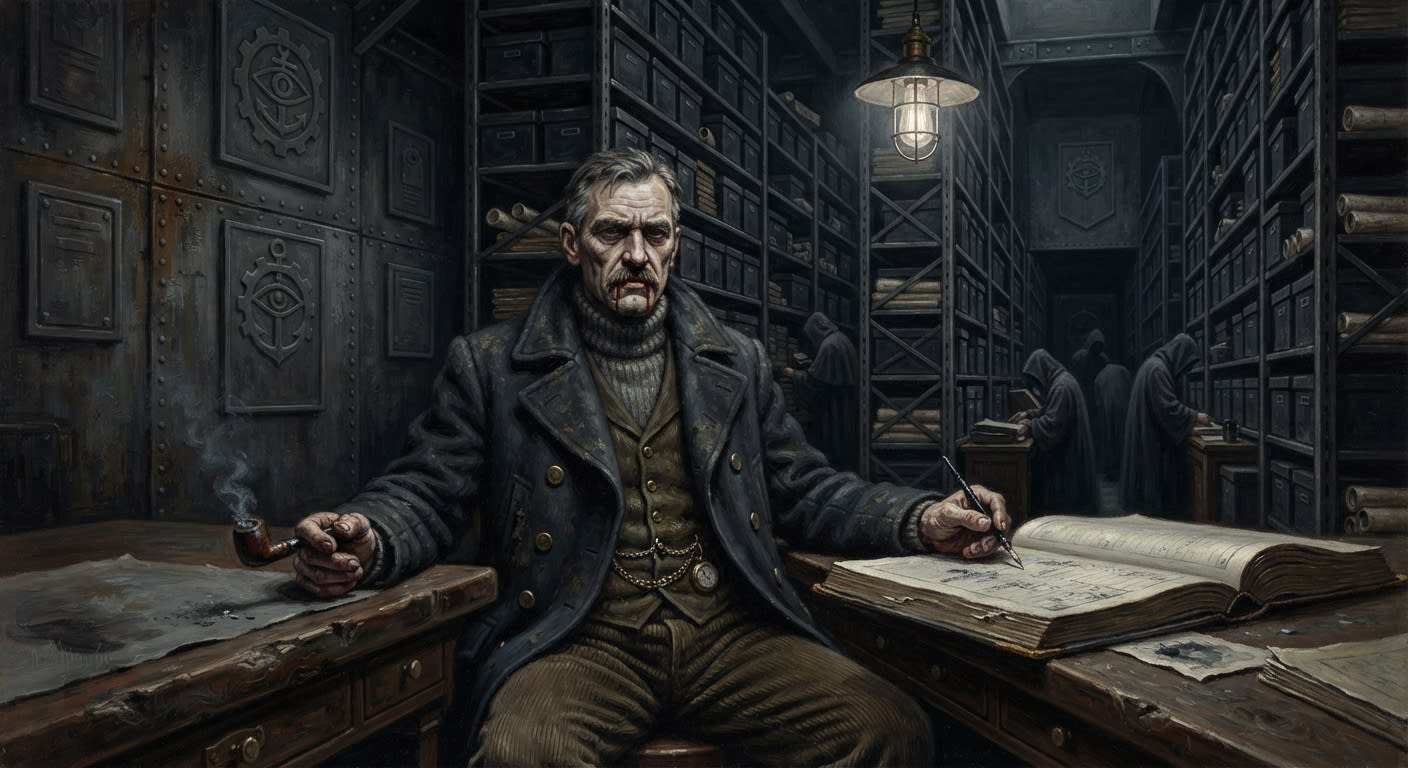
Anton Vale
The master who made his jaw into a seal
Anton Vale, contracted master of the Saint Veritas, returned from six missing months with his crew intact, his memory untouched, and his silence more useful than any confession.
Codex Ref. III.2.01-041
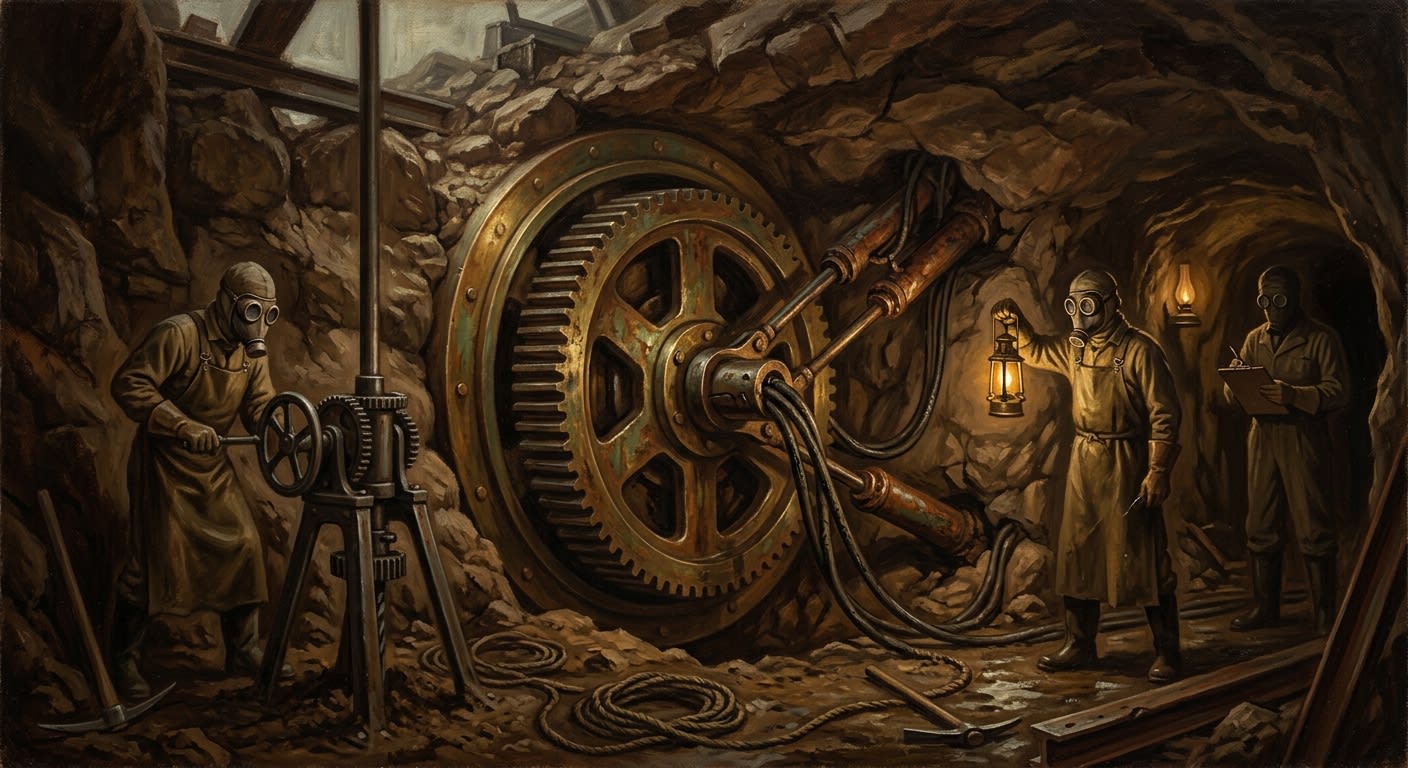
Apparatus of Gate Nine
The drill went down for vibration and returned with doctrine
A.S. 178 Gate Nine survey in which Bureau of Engineering Team Gamma-9 drilled beneath the Queue Road and found a turning wheel, a sealed chamber, and obedience already waiting.
Codex Ref. VII.4.15-001
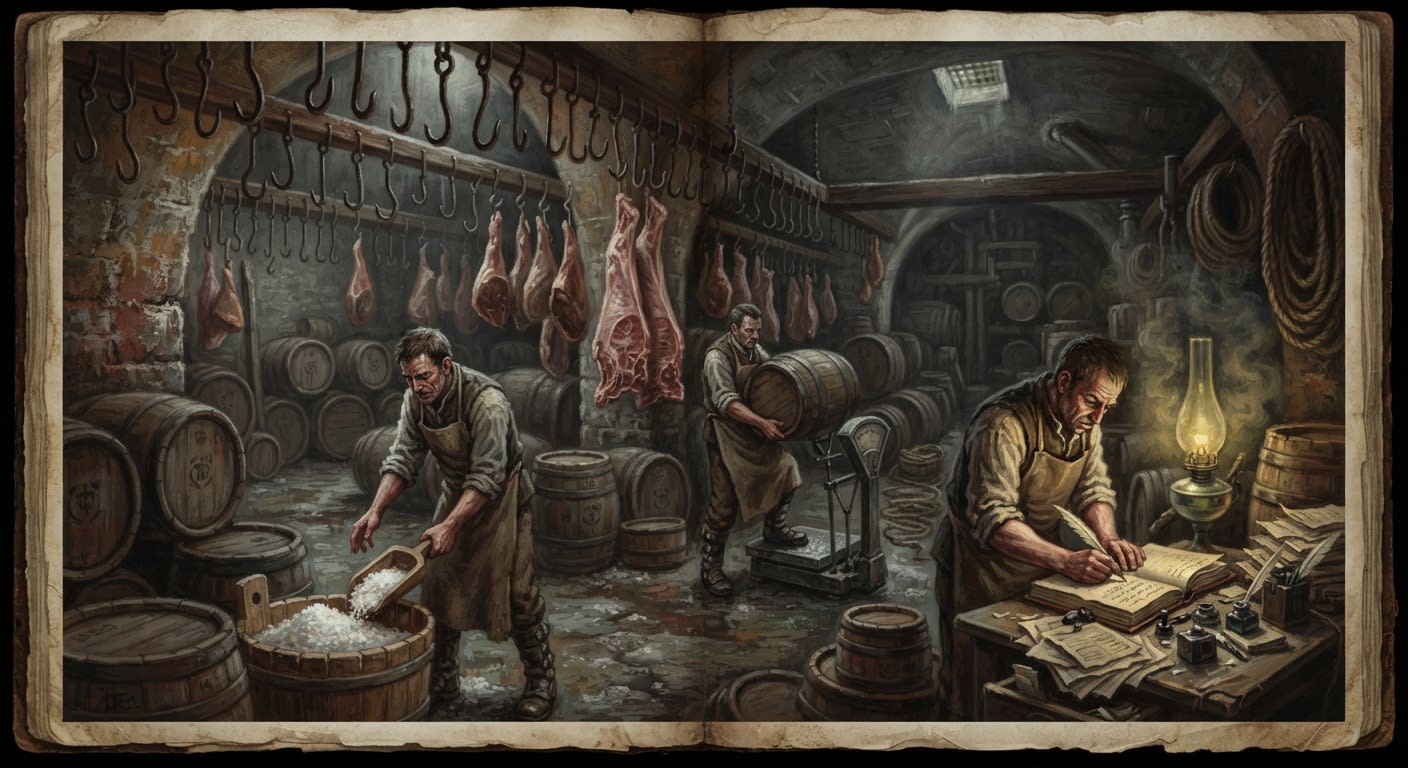
Approved Preservation Factors
A trade without a body, a cellar without a memory
Lübeck preservation contractors who inherited the Salters' cellars, retained the salt trade, and learned to change their roster before anyone could call them a guild.
Codex Ref. XII.26.03-002
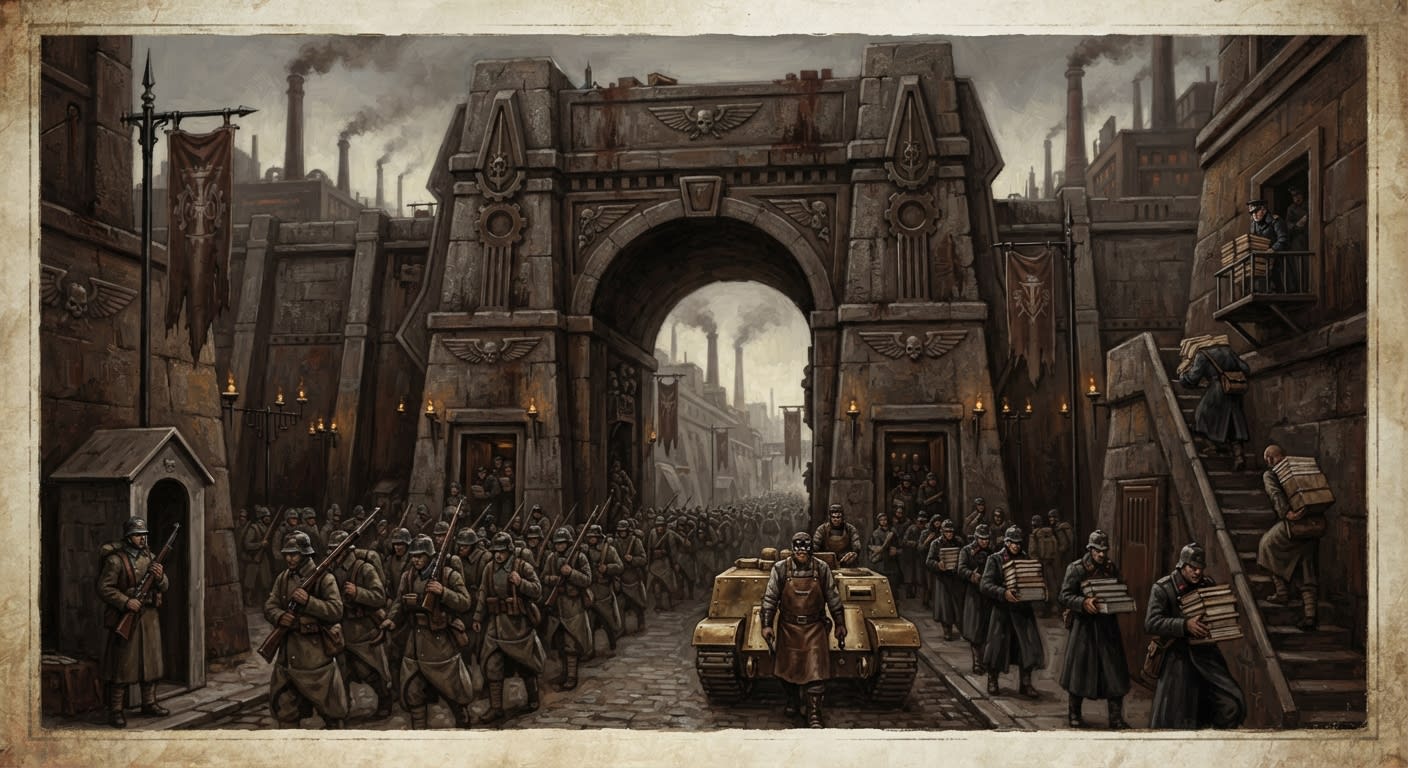
Arch of Campaigns
Where iron enters, and law exits wearing a crimson seal
Strasbourg's military threshold, where the Bureau of War turns cannons, levies, rail priority, and coffin orders into lawful violence beneath the keystone.
Codex Ref. II.3.06-105
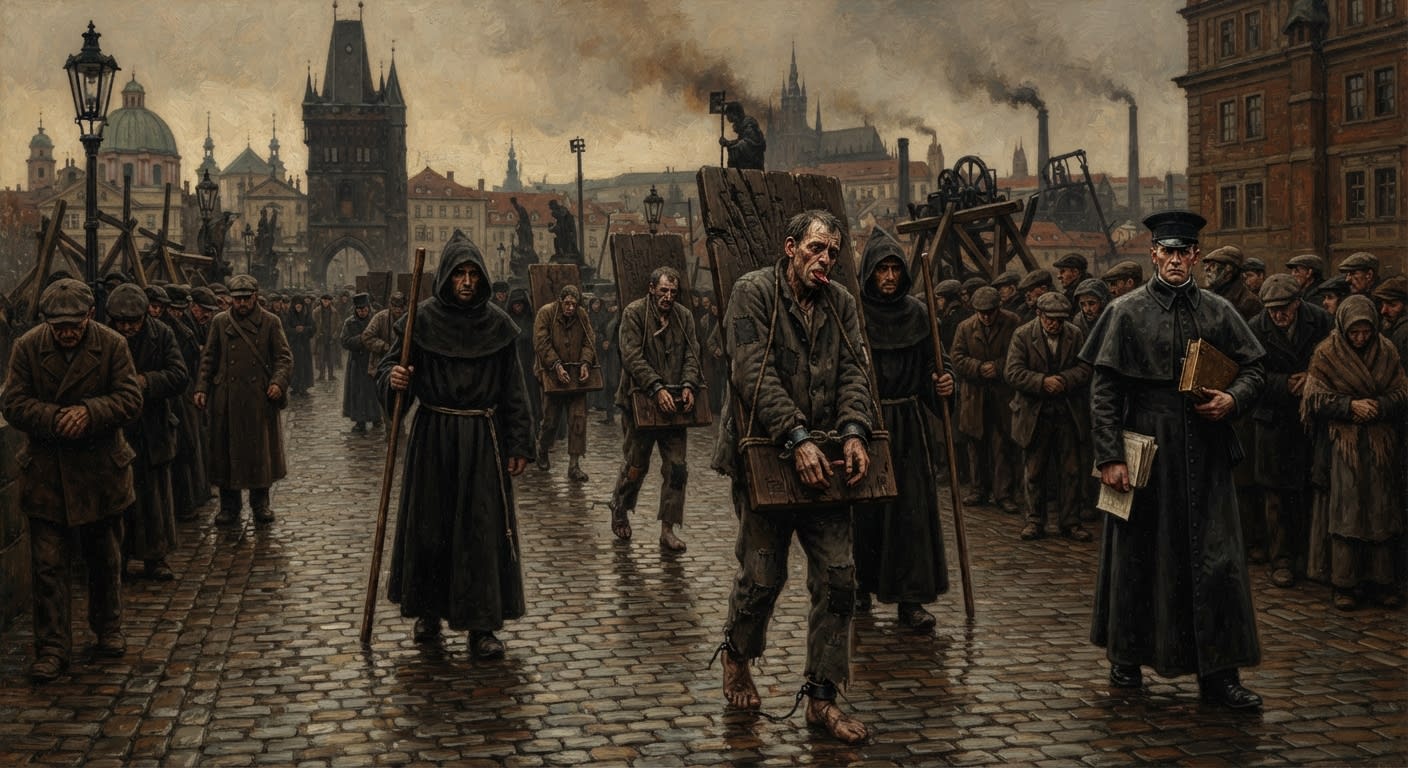
Articles of the Creed
The Creed is spoken by all, counted by few, and written in public only when nailed to oak.
The sealed divisions of the Eternal Creed: public in recitation, private in enumeration, and visible as text only under Bureau custody or Purity's oak.
Codex Ref. XIII.1.90-201
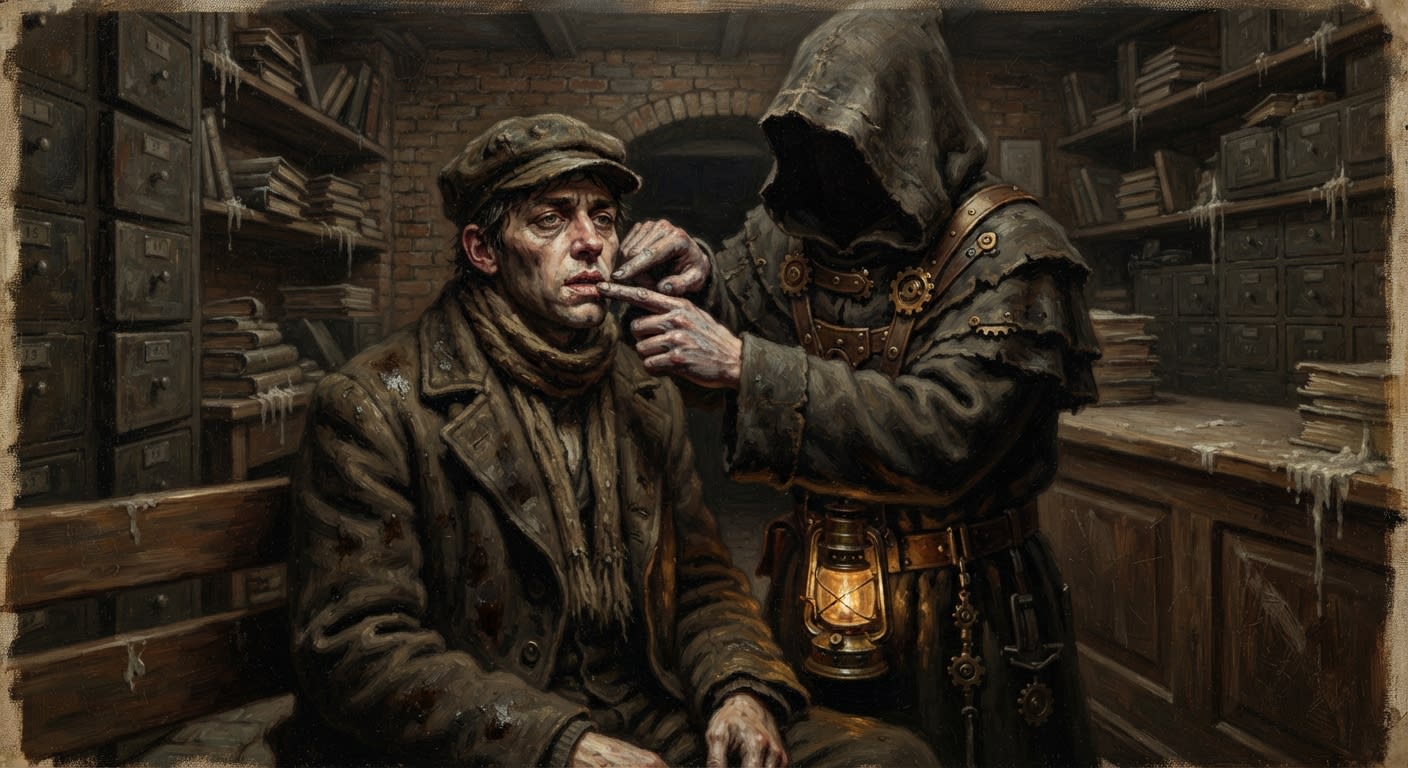
Ash-Tongue
A chapped mouth is cheaper than a missing witness
Ash-Tongue is the Circle of Ashen Steps' smallest correction: consecrated ash on the lips, preserving witnesses while delaying inconvenient speech.
Codex Ref. XIII.1.76-094

Assessor-Tertiary Yrsa Haugen
She keeps watch over Hell's resentments, which is why the minutes still matter
Yrsa Haugen directs Inter-Infernal Analysis from three rooms in Strasbourg, keeping fourteen analysts and one dangerous assumption from becoming a lullaby.
Codex Ref. III.2.01-152
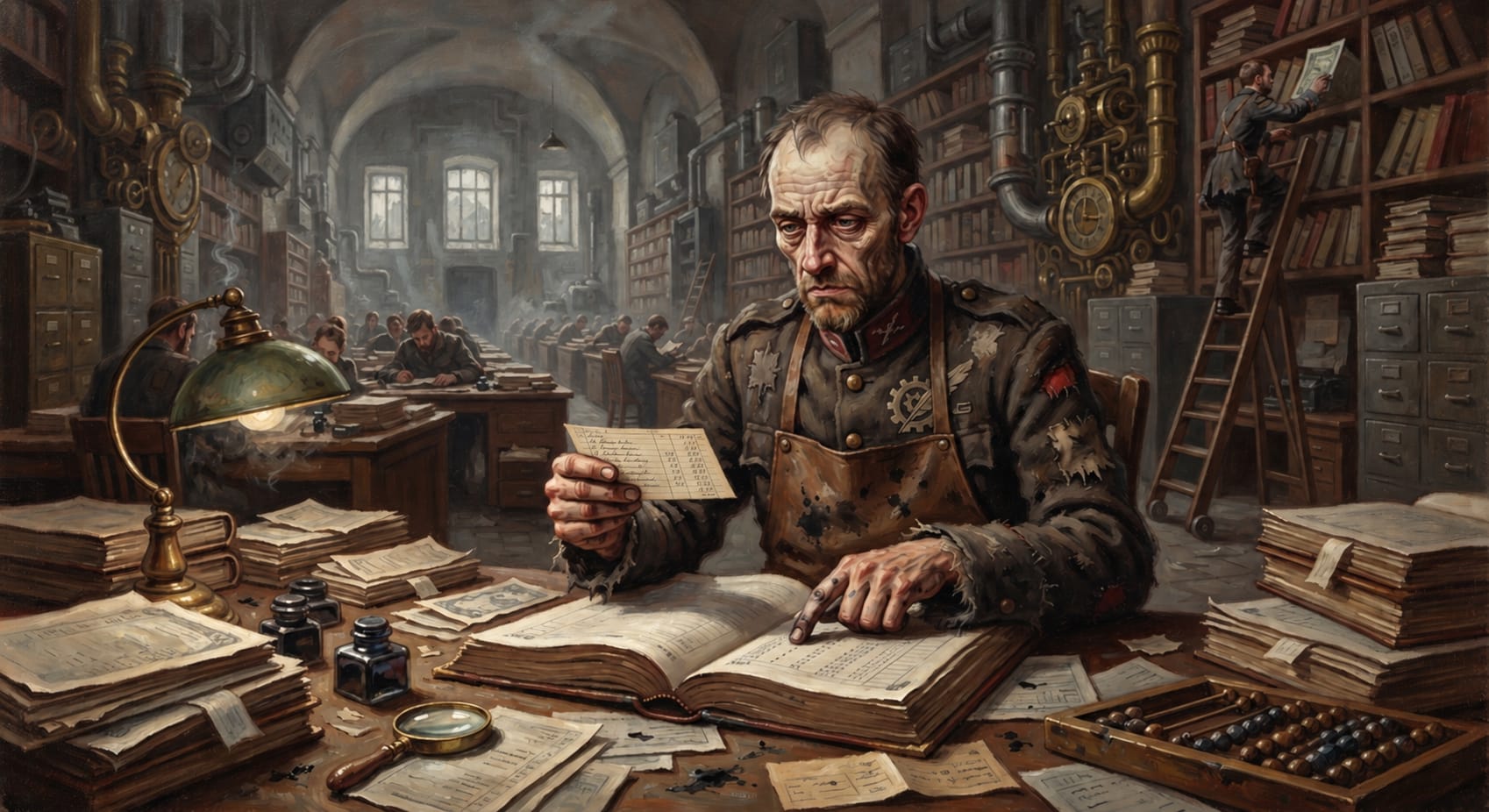
Auditor Goss of Sibiu
The number remained after the man was removed
Auditor Goss found the perfect false scrip inside Bastion-Sibiu: Bureau paper, Bureau ink, and serial numbers the master ledger had never issued. His finding remains. His file does not.
Codex Ref. III.2.01-140
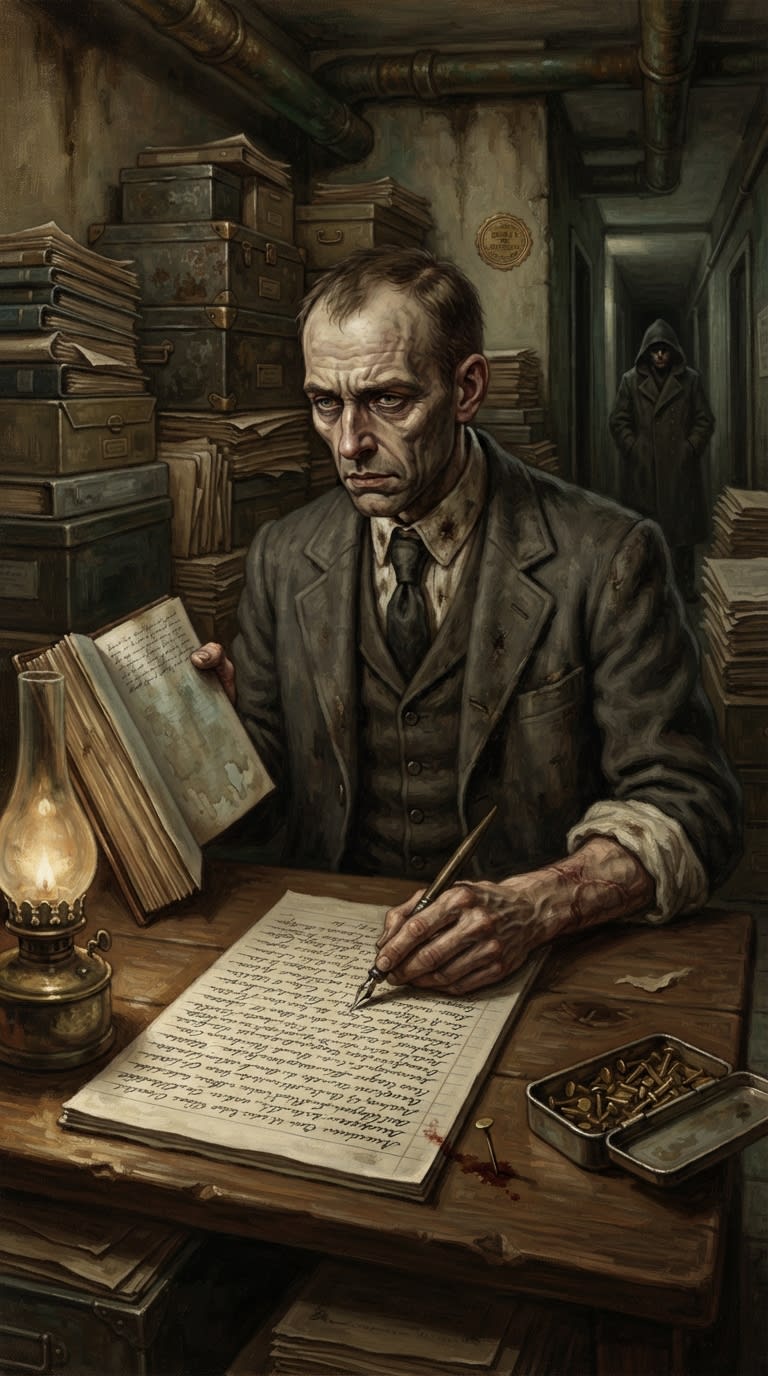
Auditor Hest
The copyist who made an invitation portable
Auditor Hest saw one page of the Saint Veritas log, copied its invitation forty-two times, and proved that a maritime anomaly could travel through office practice.
Codex Ref. III.2.01-141
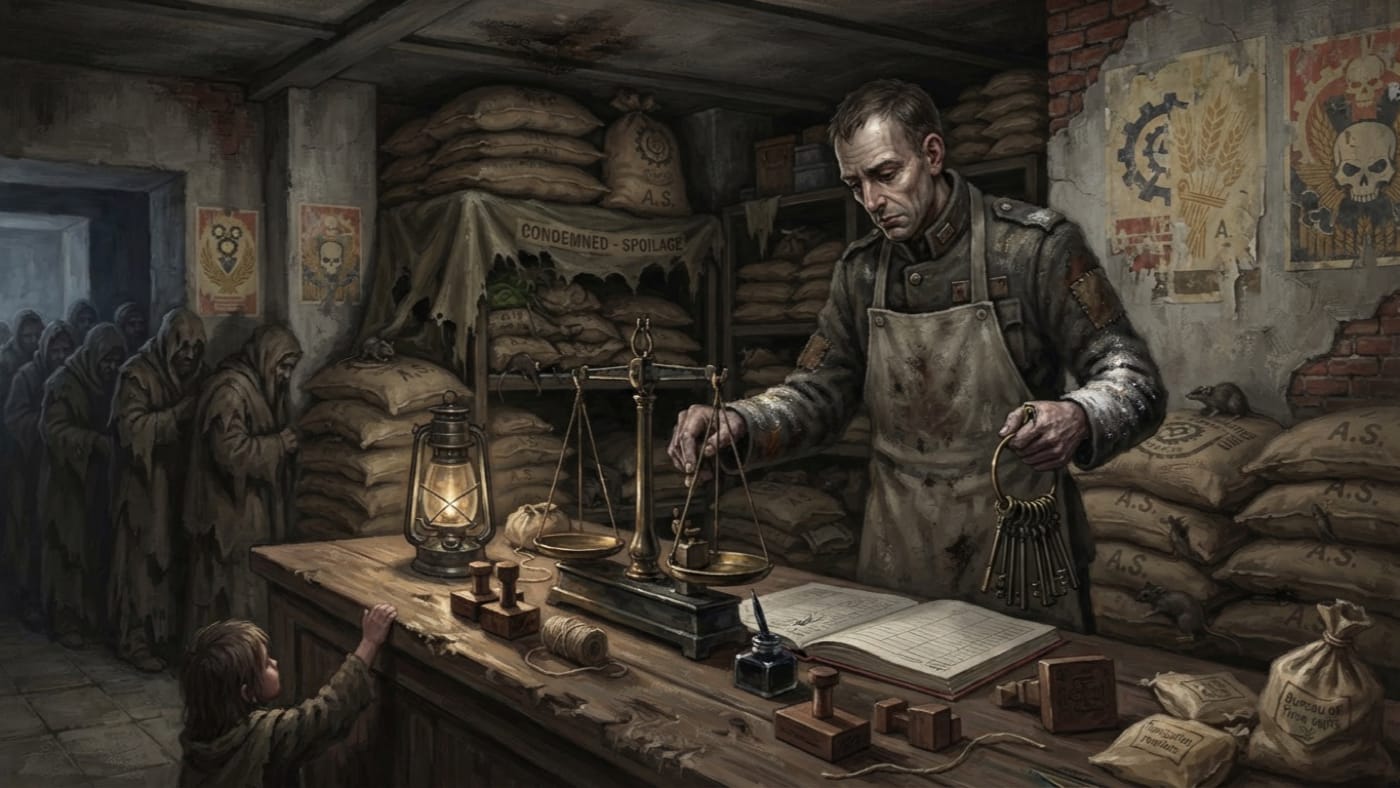
Auxiliary Store Warden
The keys are lawful; what they unlock is another question.
The licensed granary custodian whose scales, keys and ration ledgers give Grain Keepers lawful access to food. Some Wardens keep honest books; the Bureau cannot tell which by the flour on their sleeves.
Codex Ref. XII.8.02-001
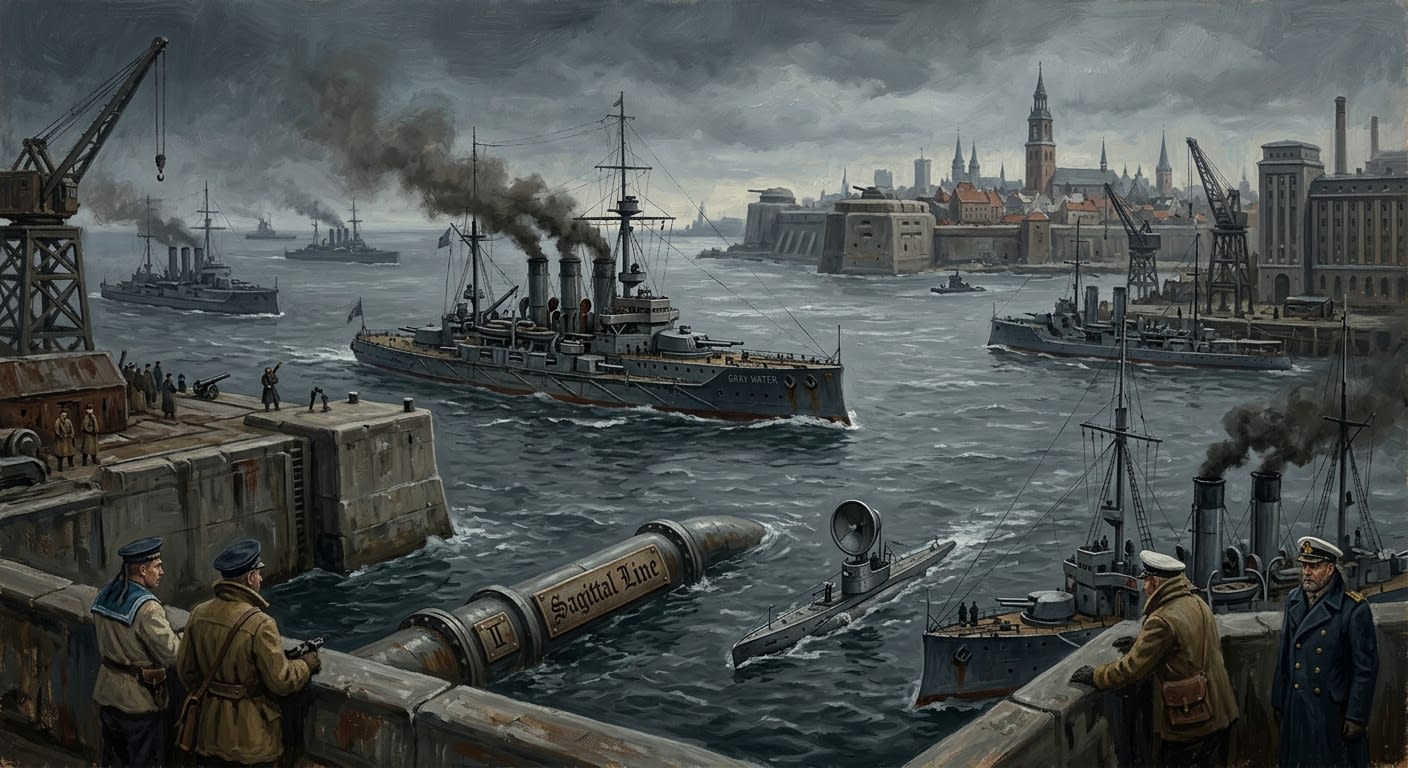
Baltic Sea
The cold bowl that listens back
The Baltic Sea is the cold northern bowl where the Sagittal Line ends at Königsberg, Grey Water listens, old bells answer, and maps lose courage.
Codex Ref. II.8.01-065

Bastion-Constantinople
The Hinge of the South
Keystone fortress of the Sagittal Line, ratified in A.S. 68. The southernmost anchor of the Wall and its most celebrated grave. Where the advance of Hell first broke against ink and iron, and has broken ever since.
Codex Ref. III.2.04-017
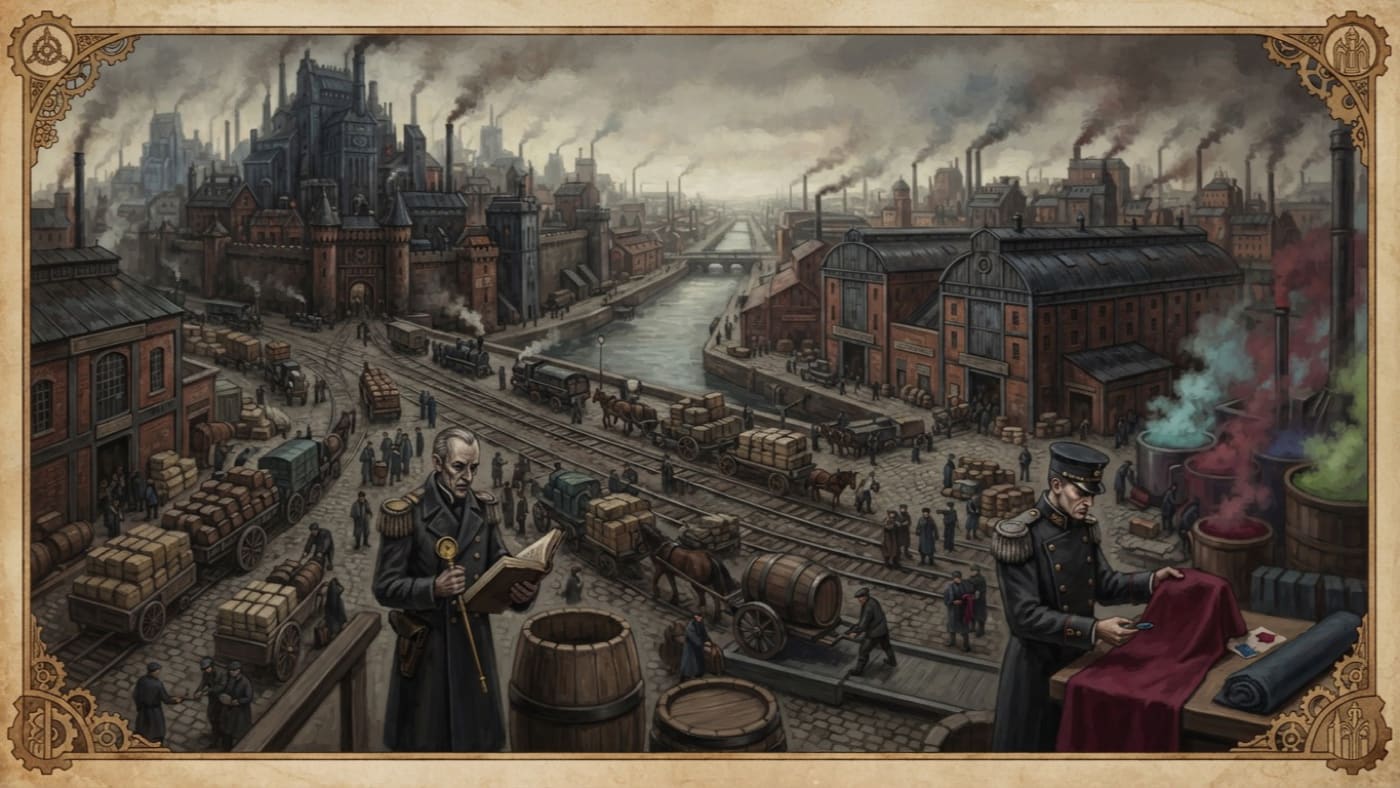
Beaune
Count the casks, check the swatch, knock on the barrel
Beaune sends Burgundy's wine toward the Rhône. Tithes gauges its casks, the Chancellery watches its dyes, and Shadows remembers a barrel that held no wine.
Codex Ref. II.1.12-201
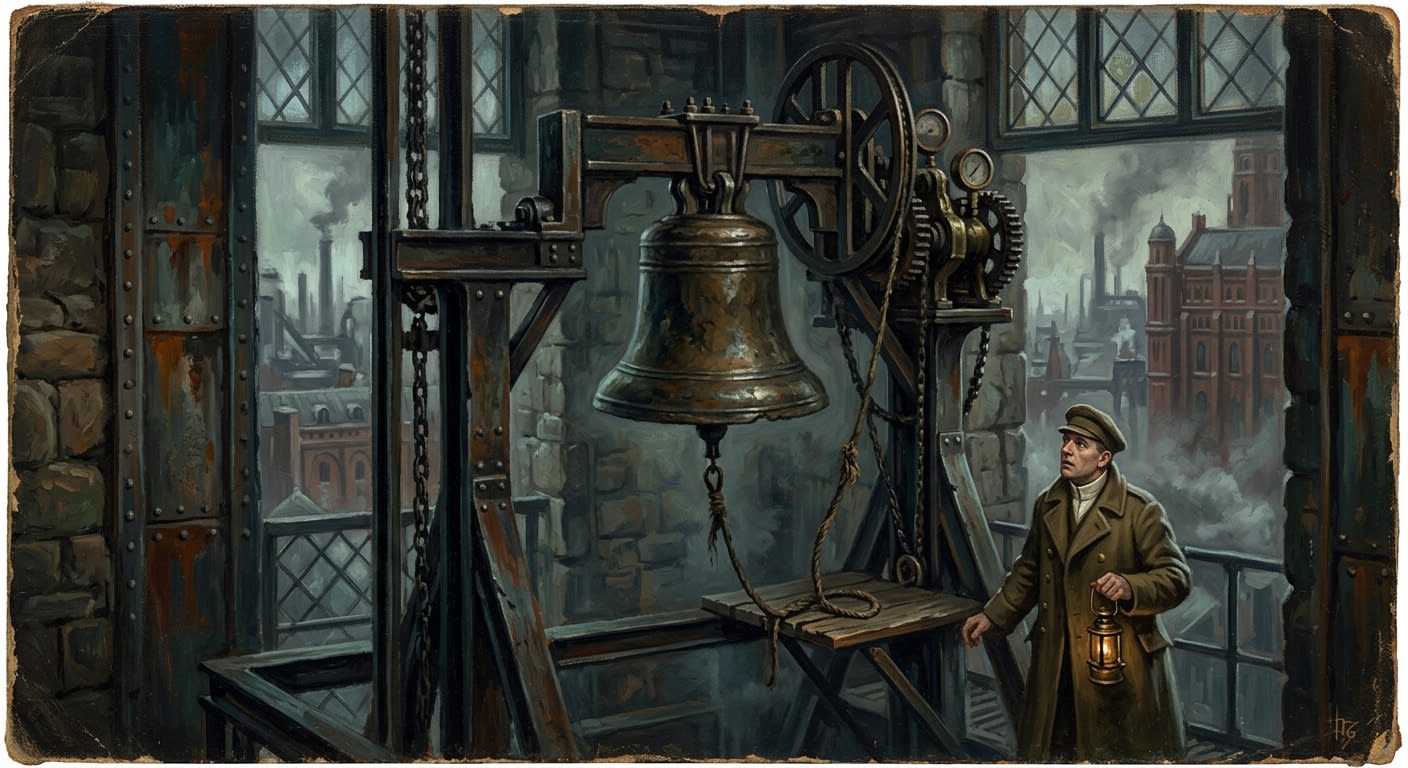
Bell 7-C / The Whisper
The little heresy bell that saves salaries by teaching citizens to accuse themselves
Bell 7-C, called the Whisper, is the Tower of the Quill's small doctrinal bell: scheduled by men, feared as if bronze could hear sin.
Codex Ref. XIII.1.72-006
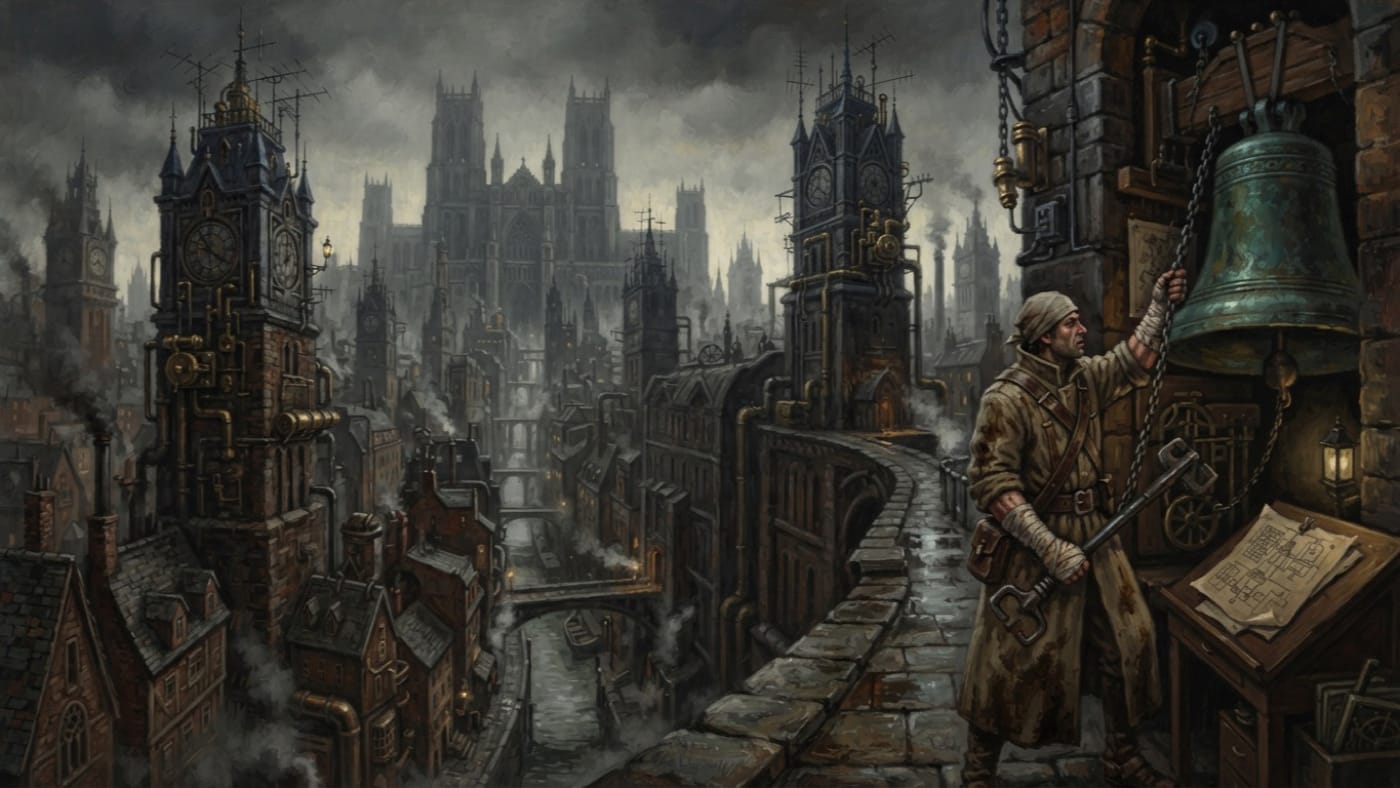
Bell Codes
The chart is lawful. What the listener hears is his own difficulty.
I counted three liturgical variations before major political purges. The charts were lawful. The Bureau of Shadows insists nothing, because it does not exist.
Codex Ref. XIII.1.62-006
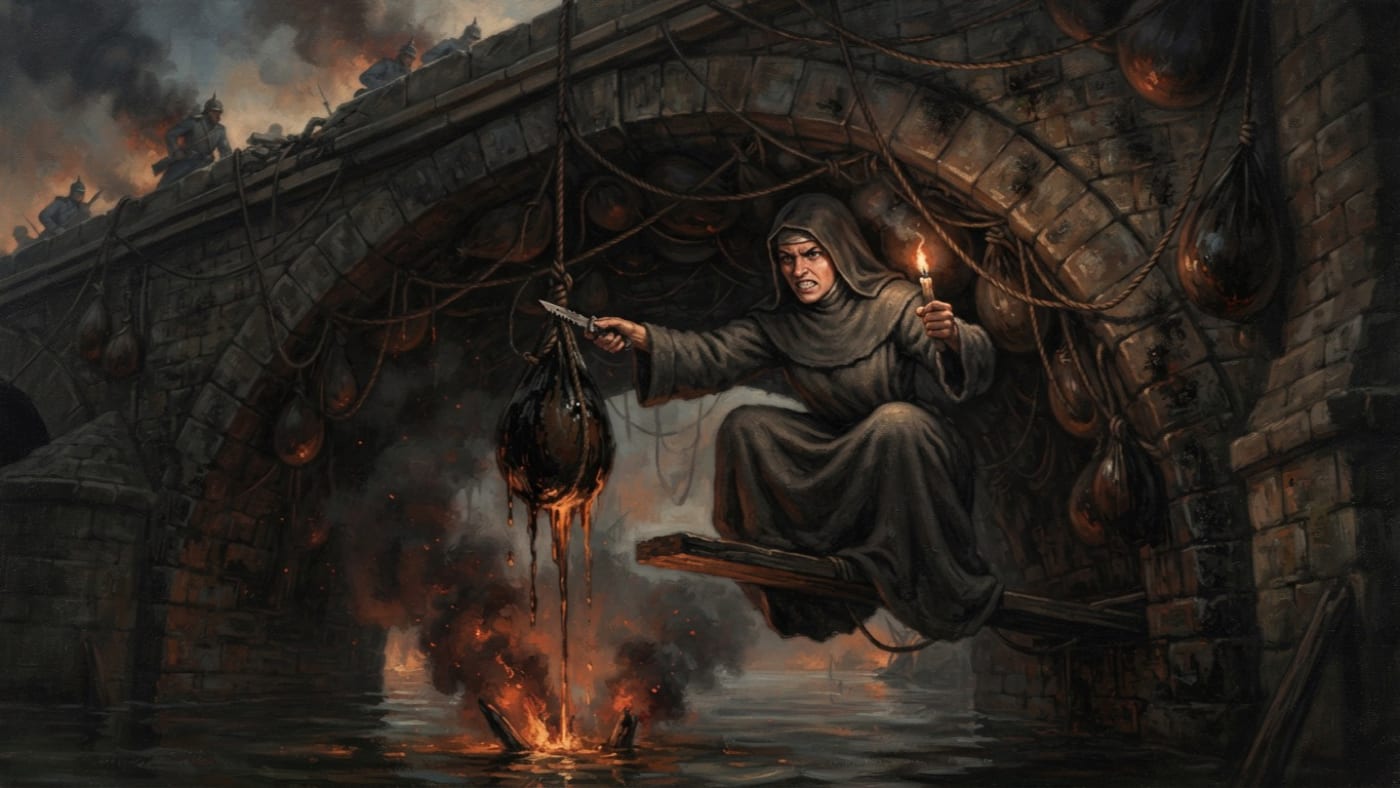
Bérénice
The fire has a name; the year has no entry
Bérénice is credited with firing the Châlons bridge from beneath its arch. The Ledger retains her deed, the masonry dispute, and an empty space where the year should be.
Codex Ref. III.2.01-245
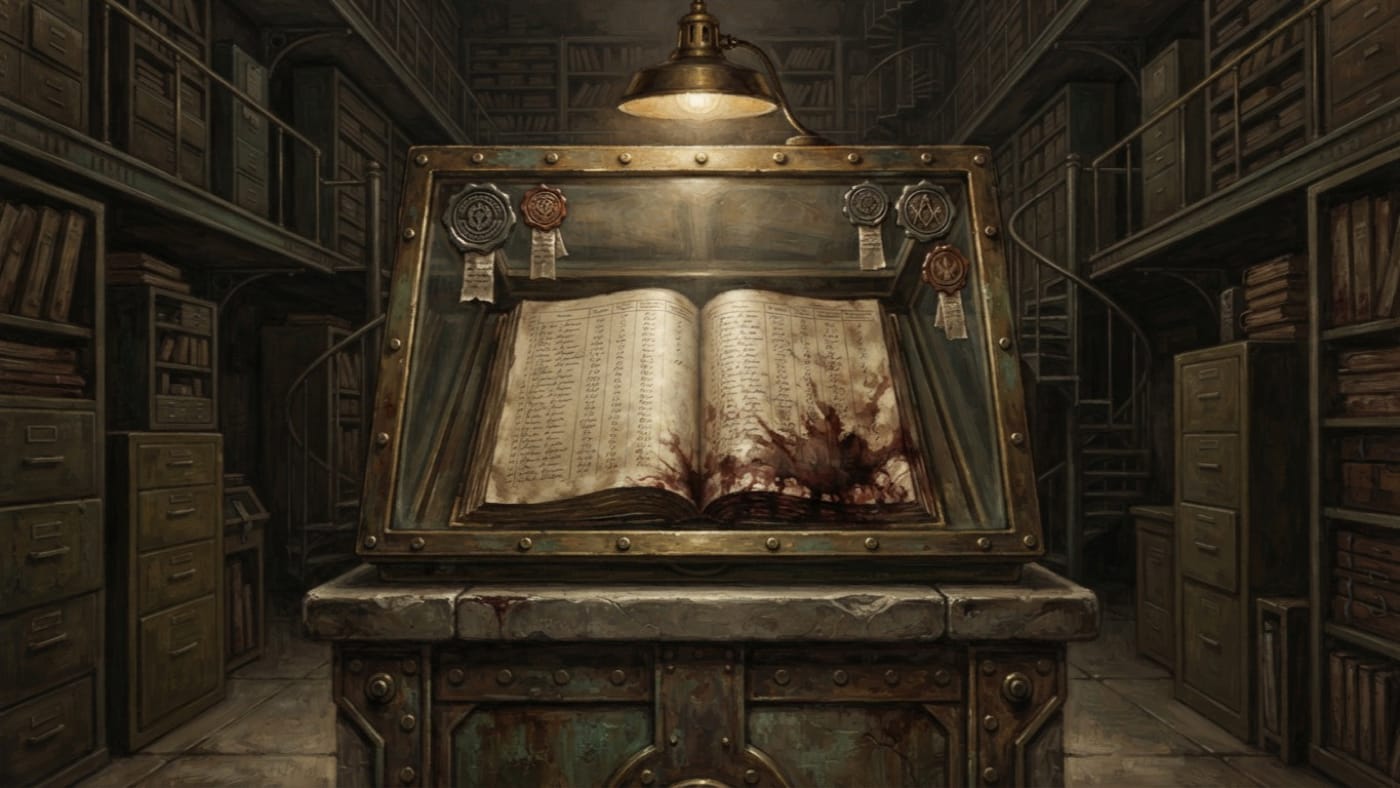
Black Ledger of Ghent
One hundred thirty-seven dead, four columns, and a stain called water
Seized in A.S. 159, Ghent's blood-stiffened weigh-station ledger records 137 executions and the arithmetic that became a criminal banner. The Church keeps it under glass and calls the stain water.
Codex Ref. XIII.1.17-002
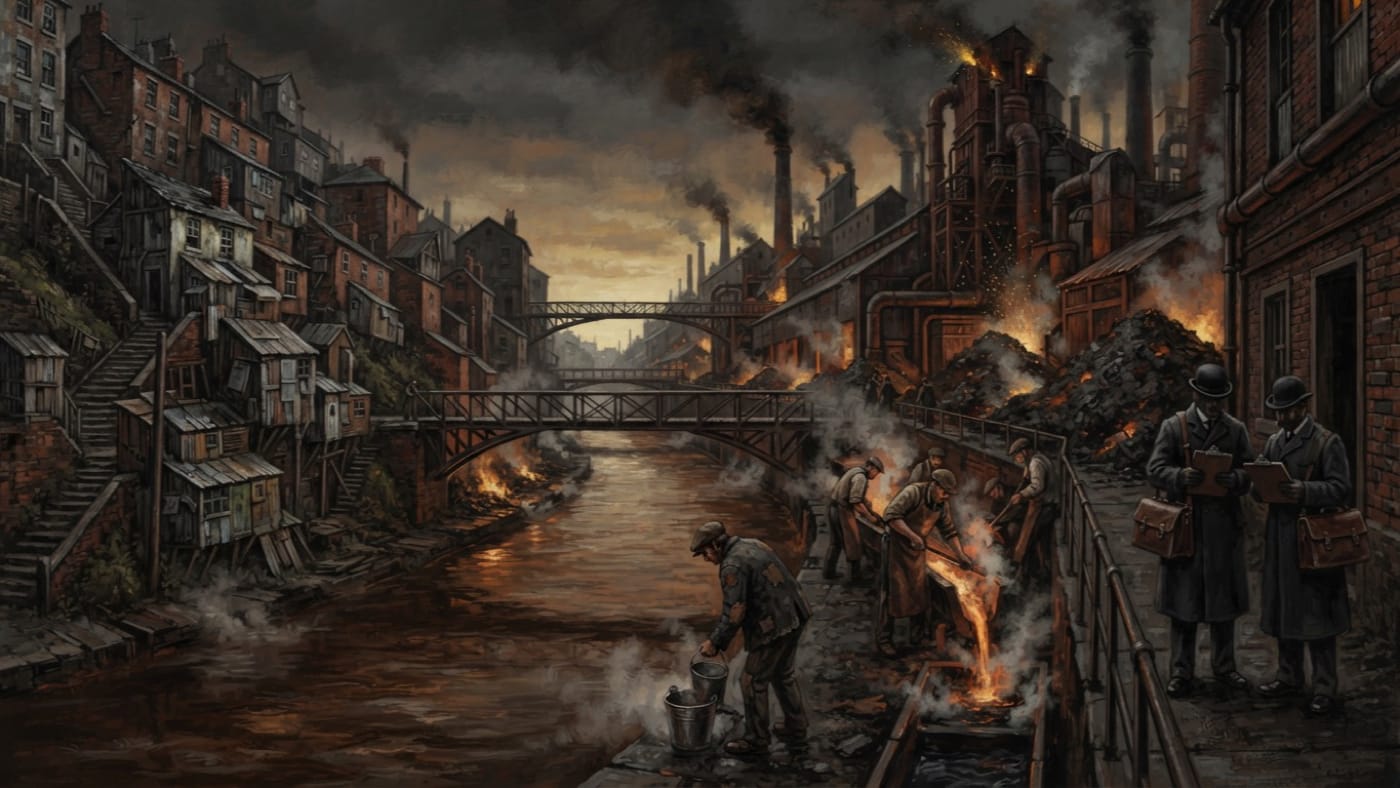
Black Run
A saint on the survey, slag in the water, and a town between the lines
The Black Run is Keska's Saint Orban Channel: warm slag water beside a rural strip Mandate 188-A erased. The water strips paint; Settlement preferred a town.
Codex Ref. II.3.06-003
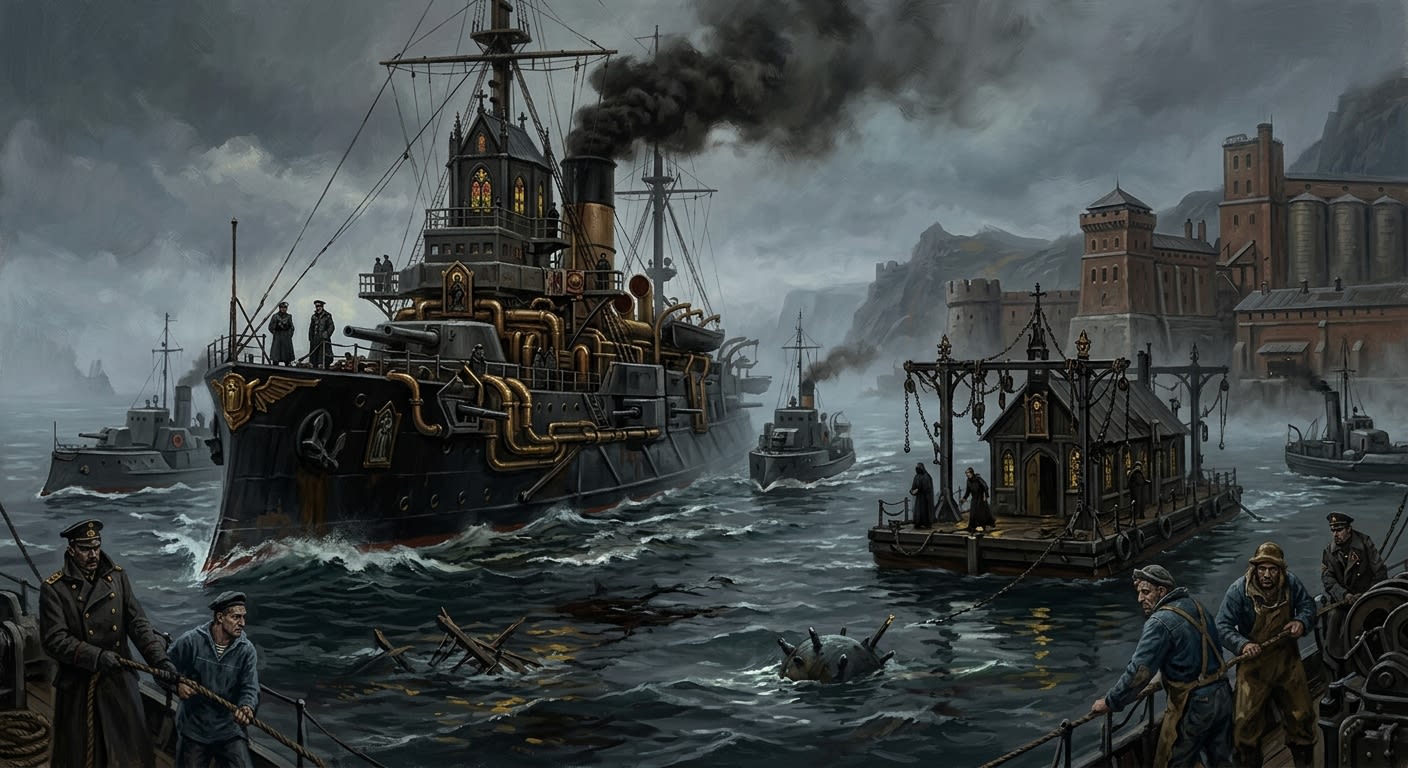
Black Sea
The Sable Deeps keep their own docket
The Black Sea is the Synod's northeastern wound against salt water: threat lane, relic route, grain hazard, Flotilla parish, and water that remembers too much.
Codex Ref. II.4.09-018
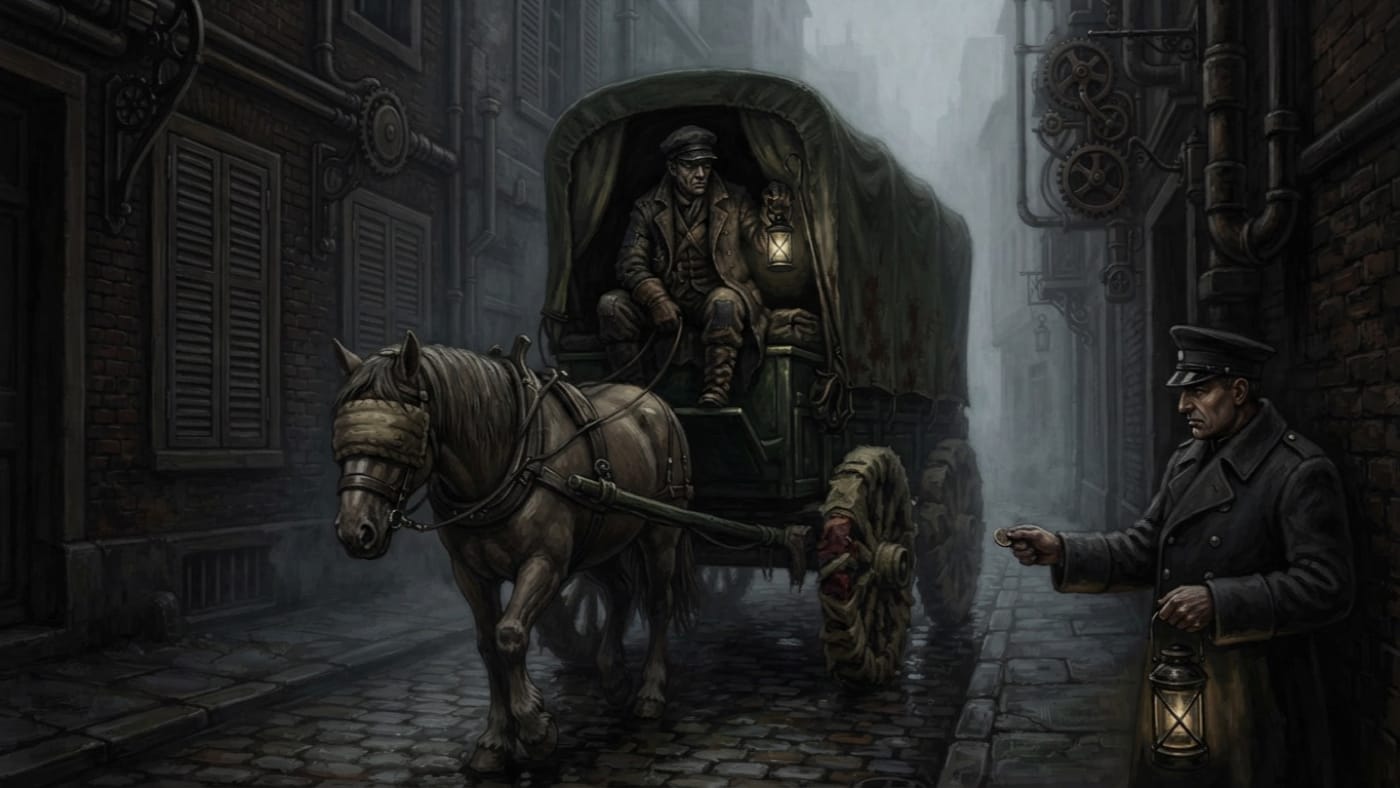
Blackwheel Freelancer
The Bureau's method, invoiced to someone else
Blackwheel Freelancers sell the Bureau of Shadows' silent cartage to private clients, proving that a sacred monopoly is merely a method with expensive gate-men.
Codex Ref. XII.14.04-002
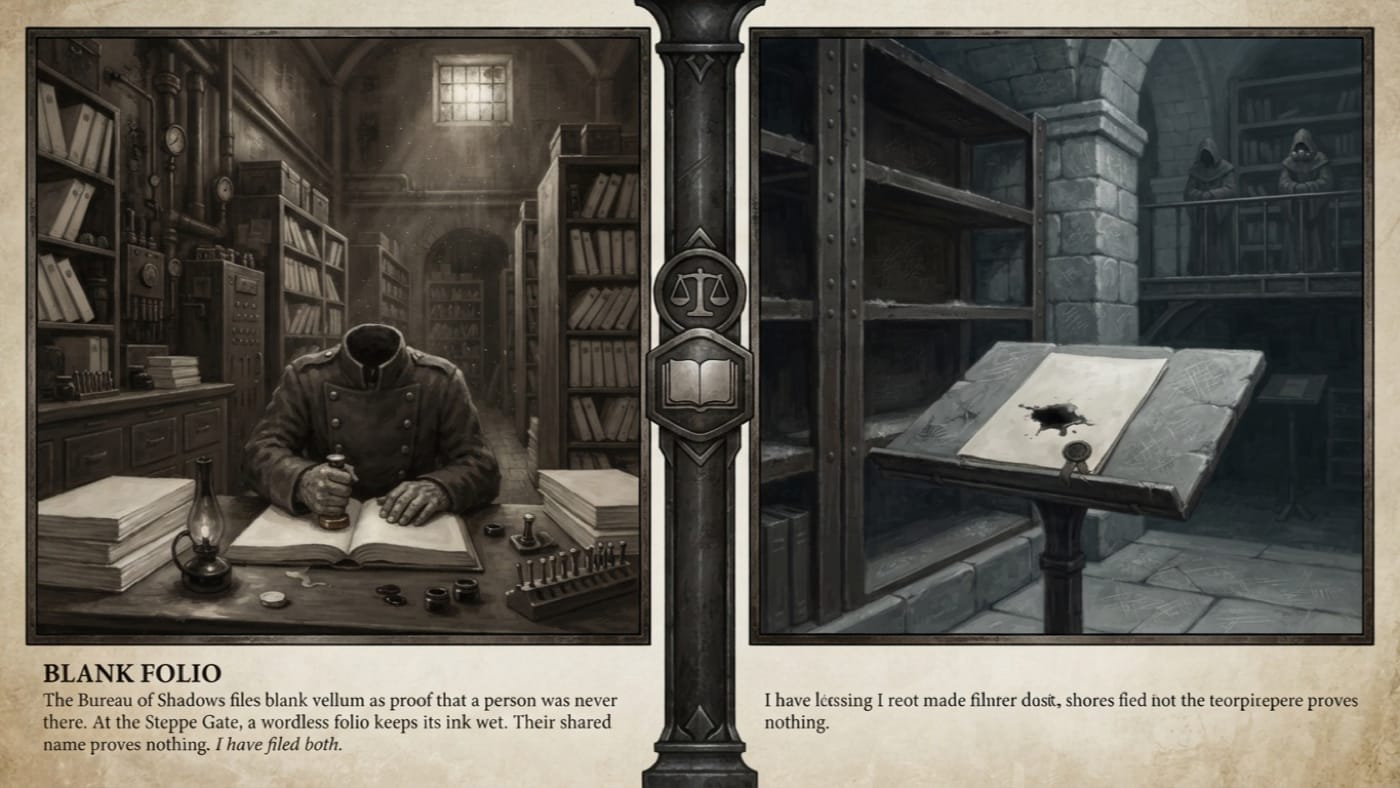
Blank Folio
One page erases a name. Another refuses to dry.
The Bureau of Shadows files blank vellum as proof that a person was never there. At the Steppe Gate, a wordless folio keeps its ink wet. Their shared name proves nothing. I have filed both.
Codex Ref. XIII.1.29-001
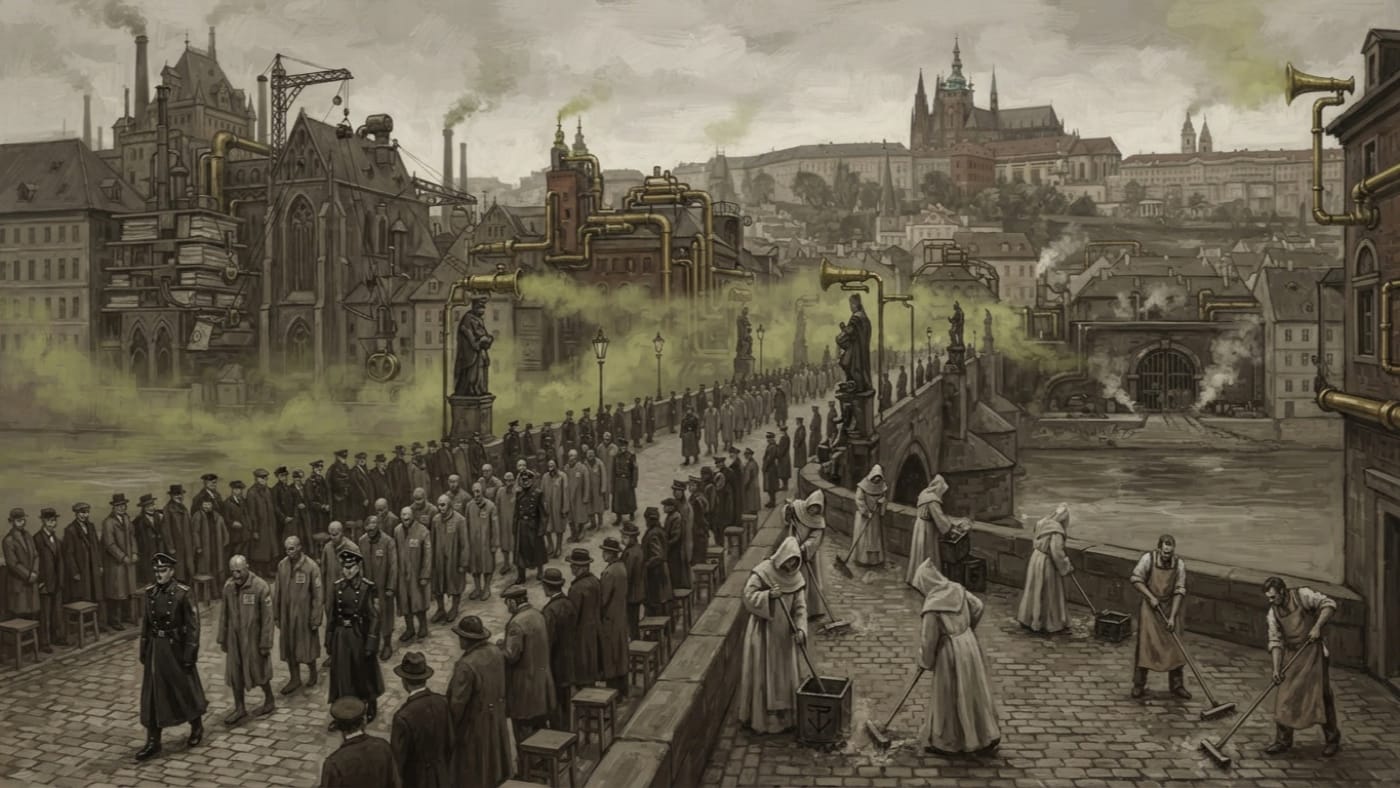
Bohemian Severity District
Where severity travels under counterseal
Prague's attested severity jurisdiction, where Purity sentences travel by Ephrath route, bell cadence and counterseal. Wider boundaries remain unproved.
Codex Ref. II.3.02-295
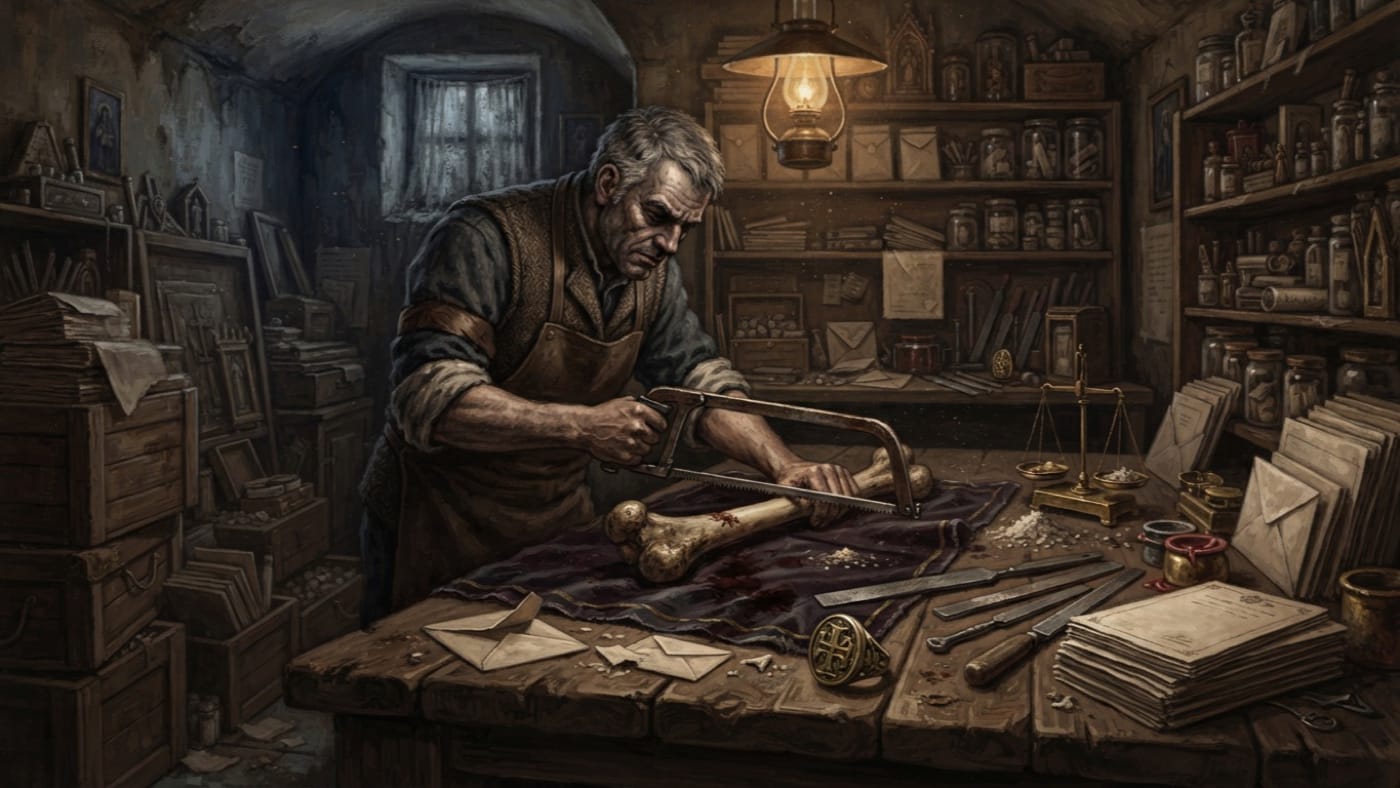
Bone Splitters
The certificate travels separately; the saint travels in pieces
The Paper-Only insult for Peace and Profit brokers who divide authenticated saint-bones into separately certified portions. Surveyed in A.S. 201: tolerated when useful, denied when caught, and indispensable whenever calendars fail.
Codex Ref. XII.15.05-001
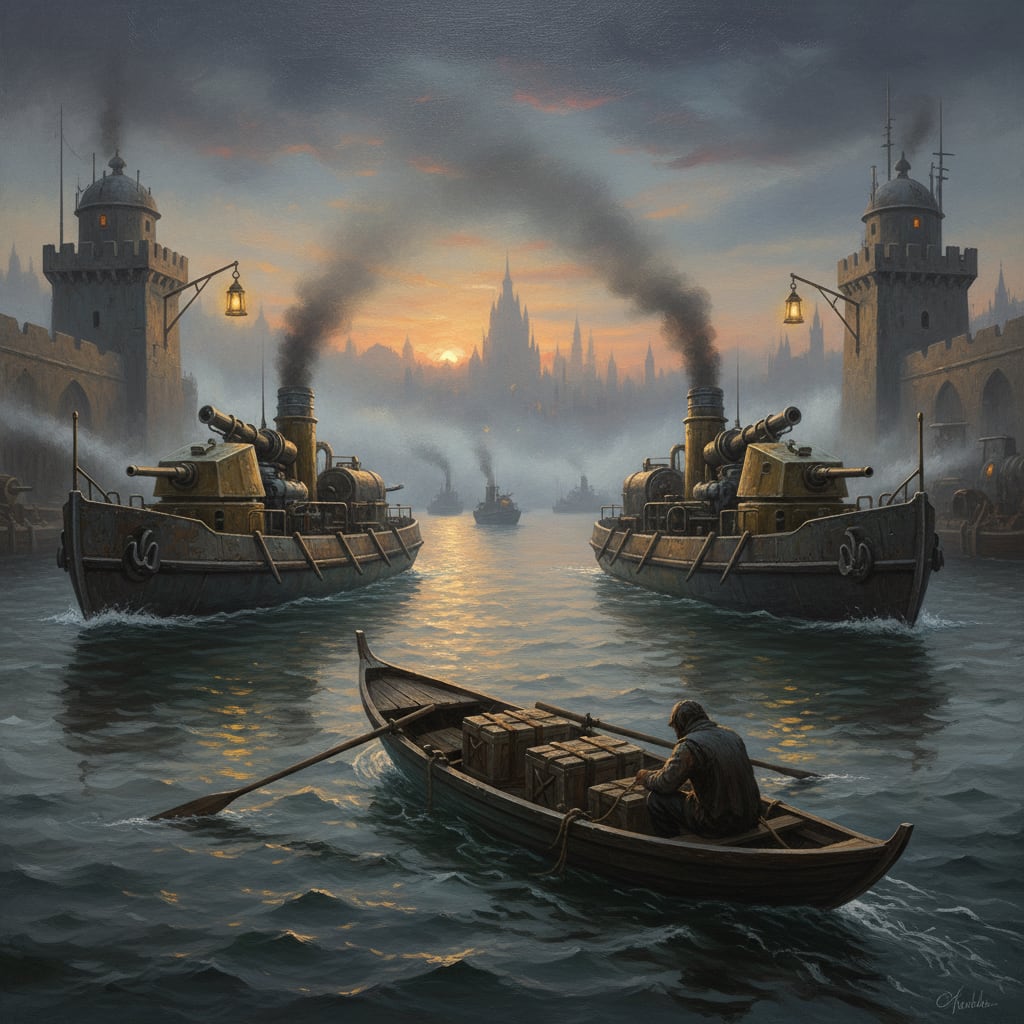
Bosporus Smuggler-Sailor
On the men who ride the bell-wake, move the glass, and do not exist
The Synod's officially nonexistent fourth transport service — four ranks, four metres of narrowing channel, and crates that hum.
Codex Ref. XII.5.01-001
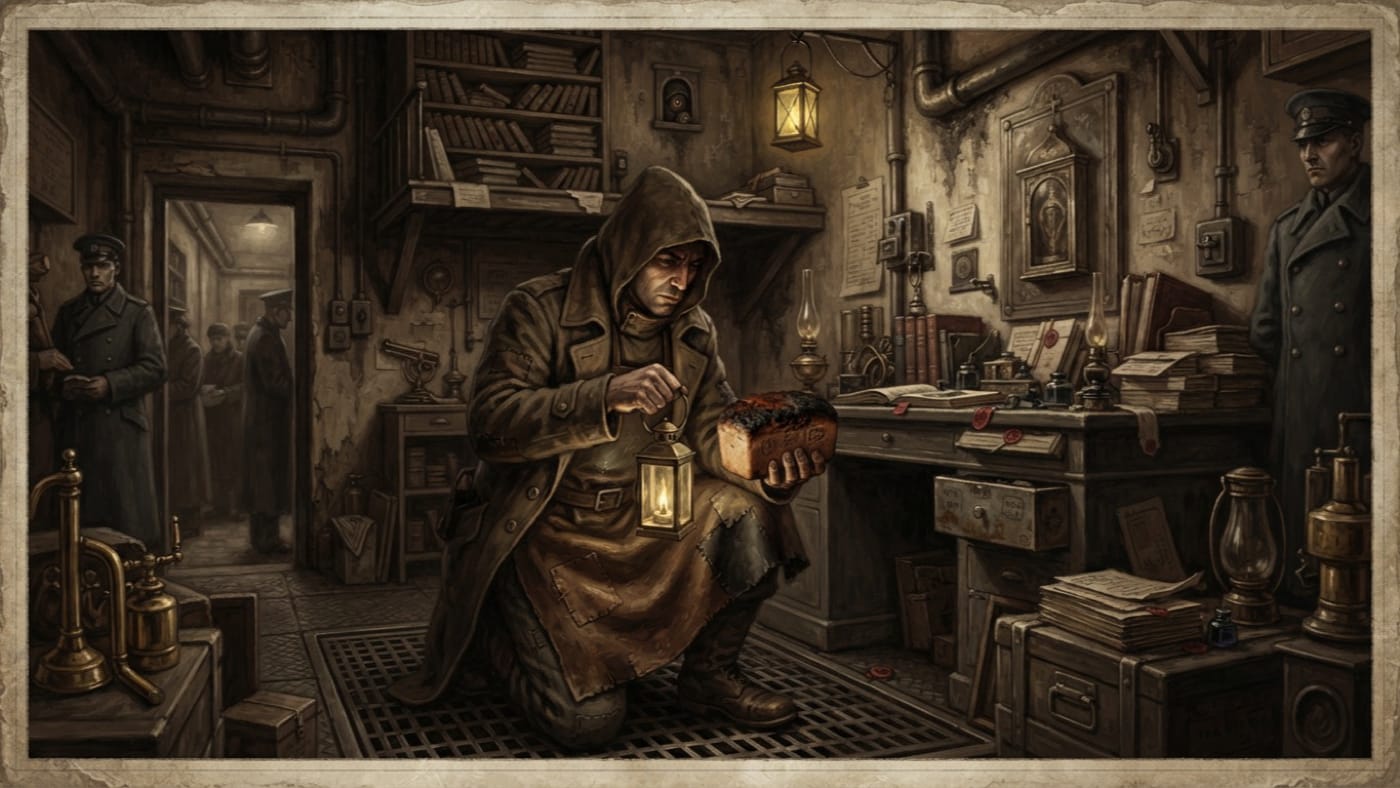
Bread-Wick
The crust must blacken; the ration must survive
The Bread-Wick admits Nine Wicks Ember-Pages by blackening a ration loaf without setting it alight: a catechism in applying pressure while keeping the hungry system intact.
Codex Ref. XIII.1.77-201
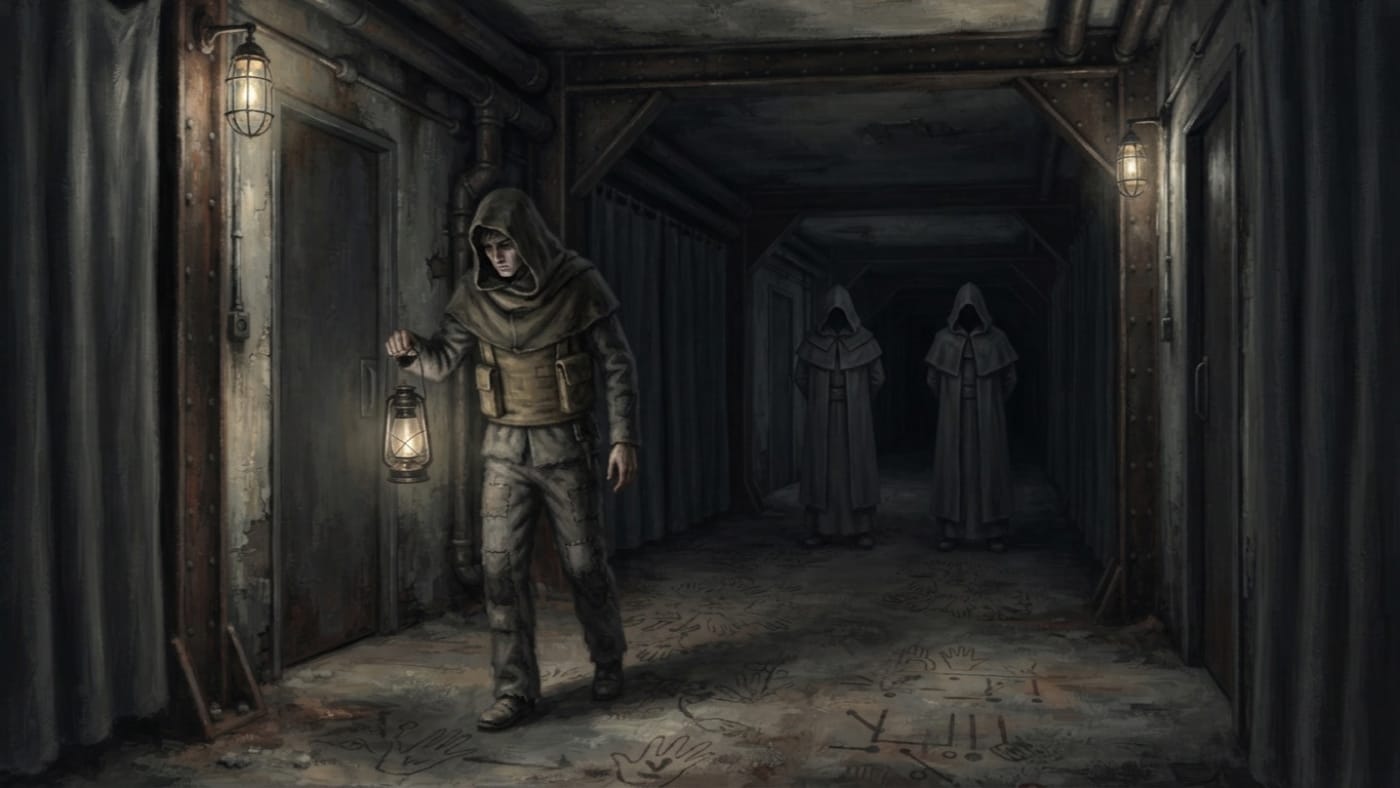
Breath Oath
One hundred counts, and the lungs learn their place
The Circle of Mute Radiance admits candidates by a corridor stalk lasting one hundred counts, with a lit lantern and no audible breath. Failure earns repetition; late failure adds iron to the lesson.
Codex Ref. XIII.1.76-002
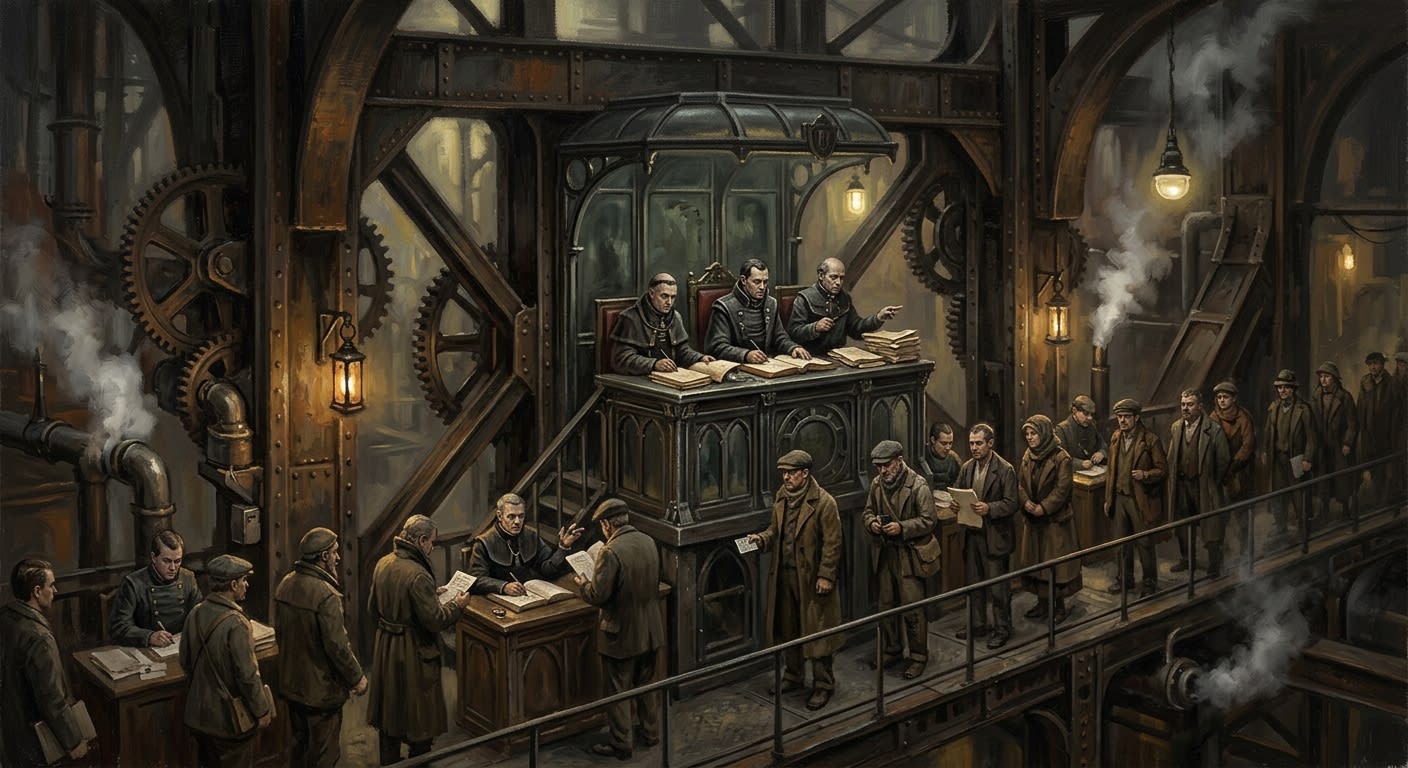
Bridge Tribunal
The court that made a crossing into a confession with traffic
The Bridge Tribunal of Bastion-Brest is the span-sovereign court that audits names, sins, crossings, and blank papers inside the Brass Ribs.
Codex Ref. VIII.1.07-001
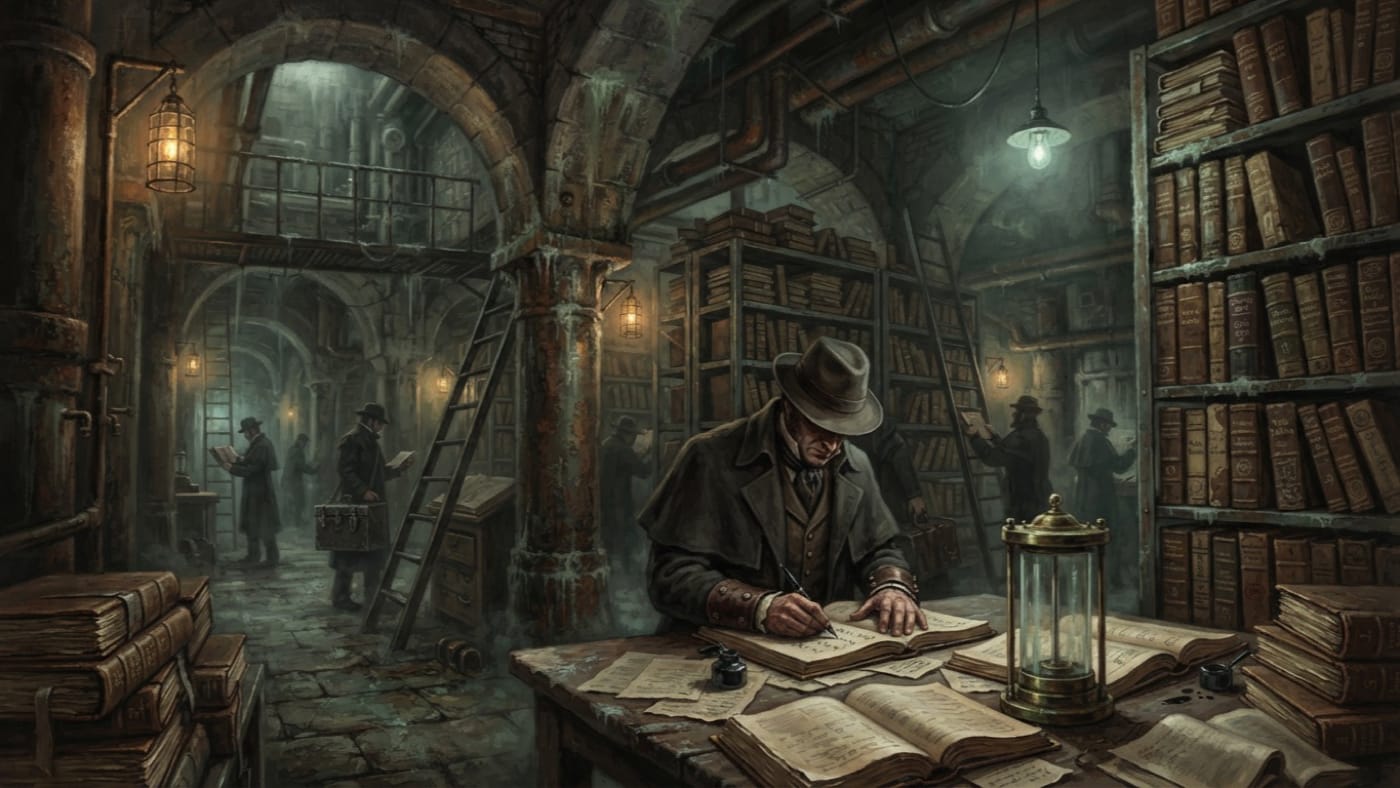
Brine Ledgers
A lie is safest in the column the auditor already expects to be wrong
Lübeck's cellar accounts hid debts behind salt losses. Their method was confiscated in A.S. 180; reconstructed books remain monitored and useful. The fraternity dissolved; its arithmetic kept working.
Codex Ref. XIII.1.180-358
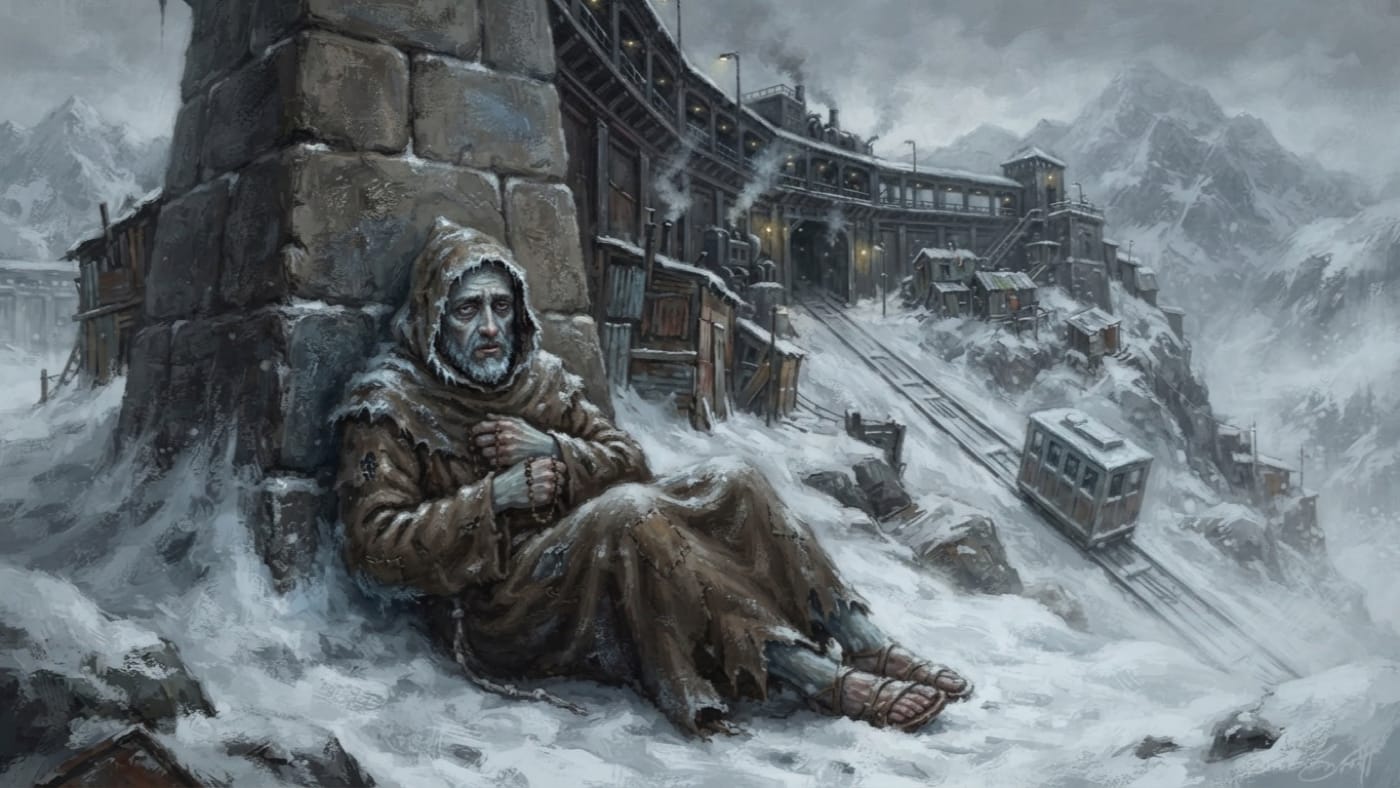
Brother Albrecht of Innsbruck
One dream, one reassignment, and a testimony the Church could not keep sealed
Brother Albrecht testified to a radiant dream-figure in A.S. 78. The Church filed his words and sent him to the Carpathian foothills, where he froze the following winter. His testimony escaped the archive; its copier remains unidentified.
Codex Ref. III.2.01-078
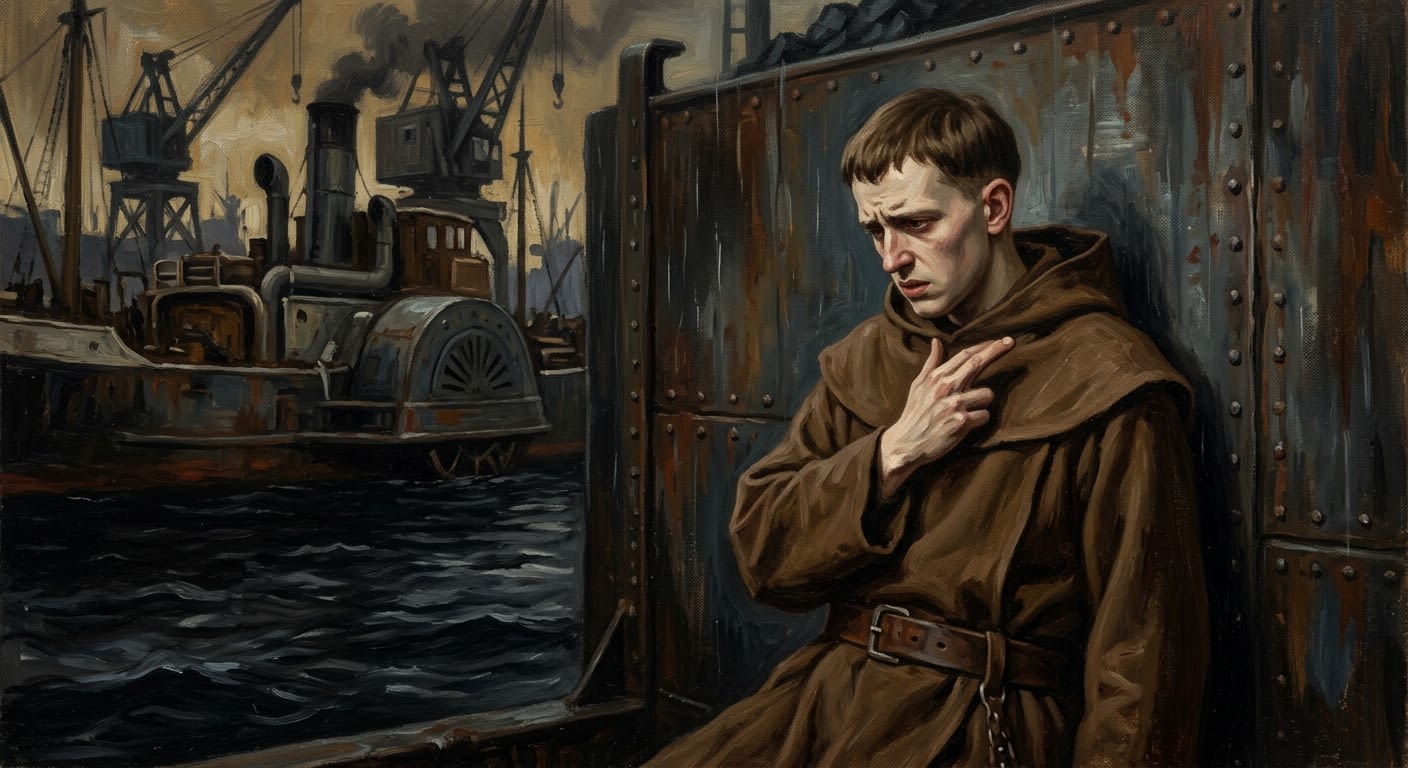
Brother Paweł Nowak
Four consecrated days, three turns, and a broken pull
Carmelite novice and youngest of the forty-seven clergy drowned in the A.S. 18 Night of Knives, remembered for an unfinished sign of the cross.
Codex Ref. III.2.01-088
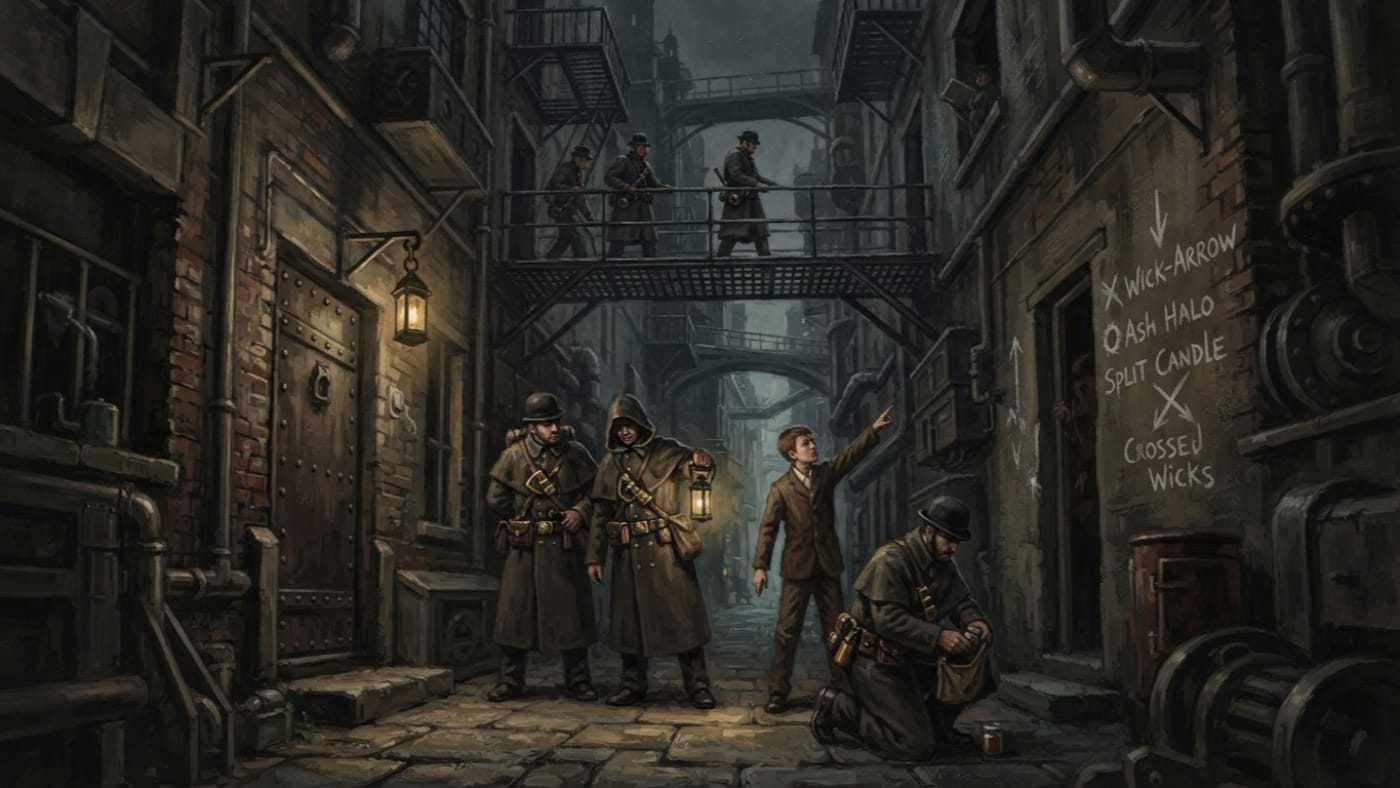
Brotherhood field manual
One page of wax paper, one night of memory, one minute at the lamp.
My A.S. 201 examination of the Brotherhood's disposable field leaf: five lantern signals, five street marks, the Triangle of Witness and proof too dangerous to carry past dawn.
Codex Ref. XII.25.11-201
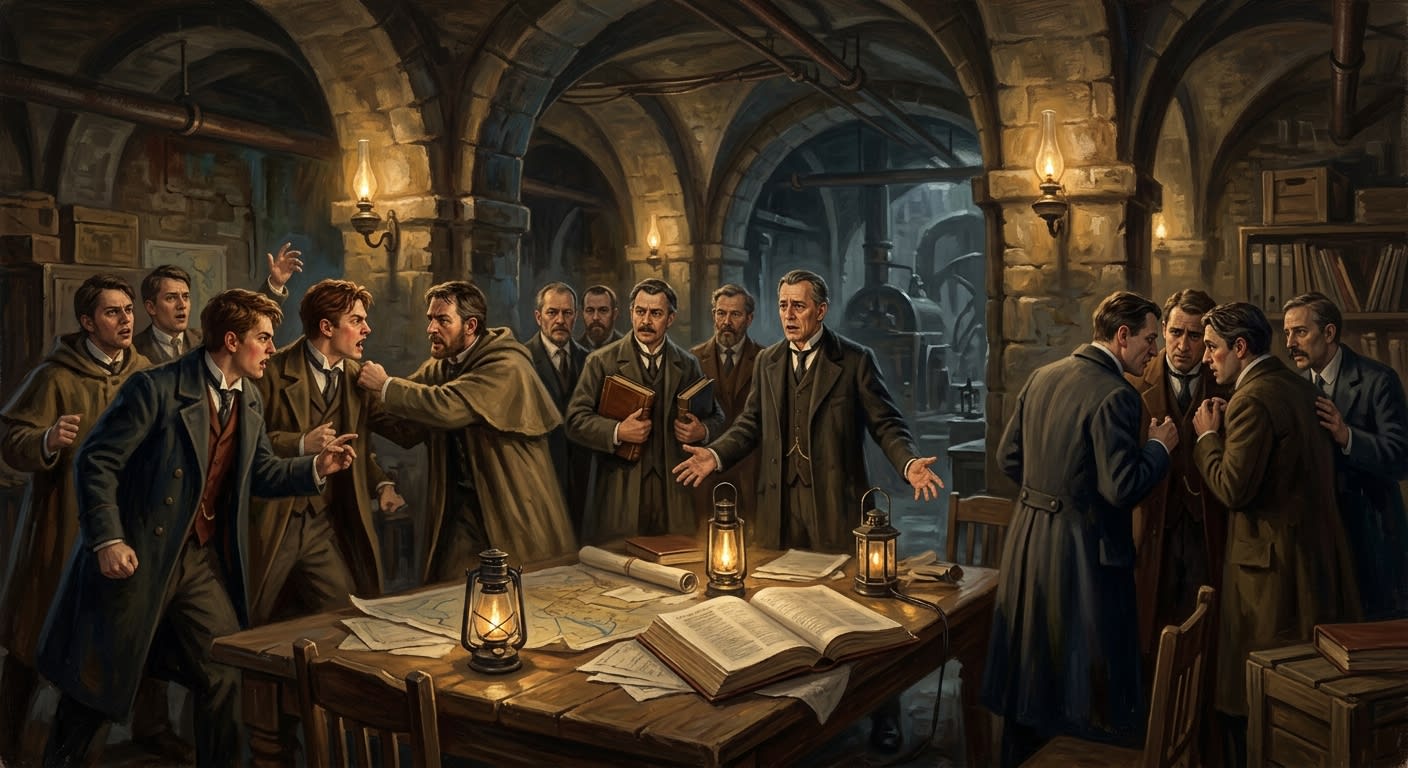
Brotherhood Schism of Cologne
Three lamps, one route slip, and a mercy too useful to remain innocent
A.S. 178 Cologne cellar fracture in which three Lantern Brotherhood watch circles split over Mercy Preacher complicity, birthing Purists, Loyalists.
Codex Ref. VII.8.10-045
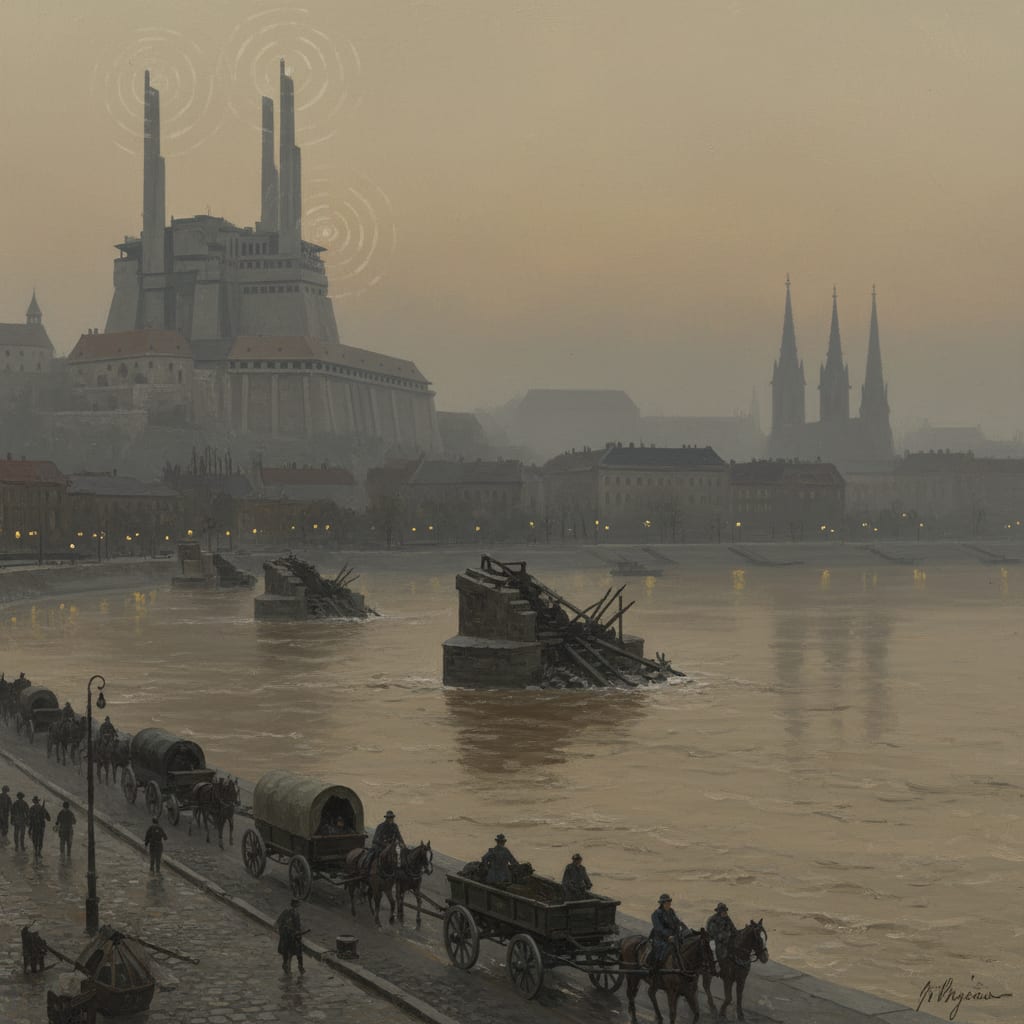
Budapest
The city the Danube cut in half, and the half that watches back
The largest city in the forward heartlands and the principal staging hub of the Central Corridor. 850,000 souls on the western bank, and something unaccounted for on the eastern. The Danube runs between them like a sentence the Bureau started and declined to finish.
Codex Ref. II.4.09-009
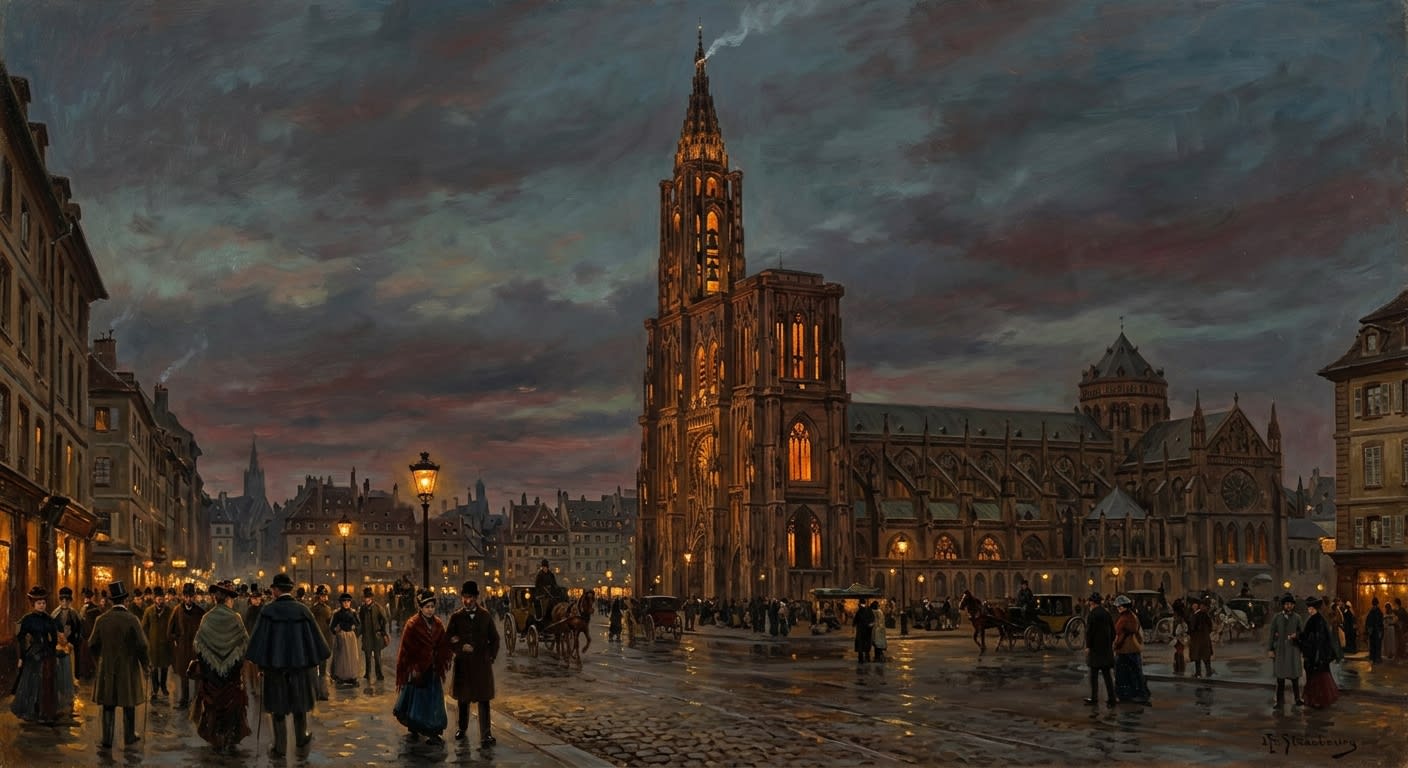
Bureau of Bells
Every hour is the Creator's hour. Every silence is His verdict.
The Bureau of Bells regulates every sacred peal from Calais to Constantinople — weapon, doctrine, and nervous system of the Theocracy, constituted A.S. 52 on the authority of a miracle that cracked the cobblestones.
Codex Ref. IV.3.01-012

Bureau of Concord
Harmony, filed with teeth
The Bureau of Concord preserves peace by translation, delay, treaty custody, foreign grievance, and the elegant violence of a pending clause.
Codex Ref. VIII.1.05-090
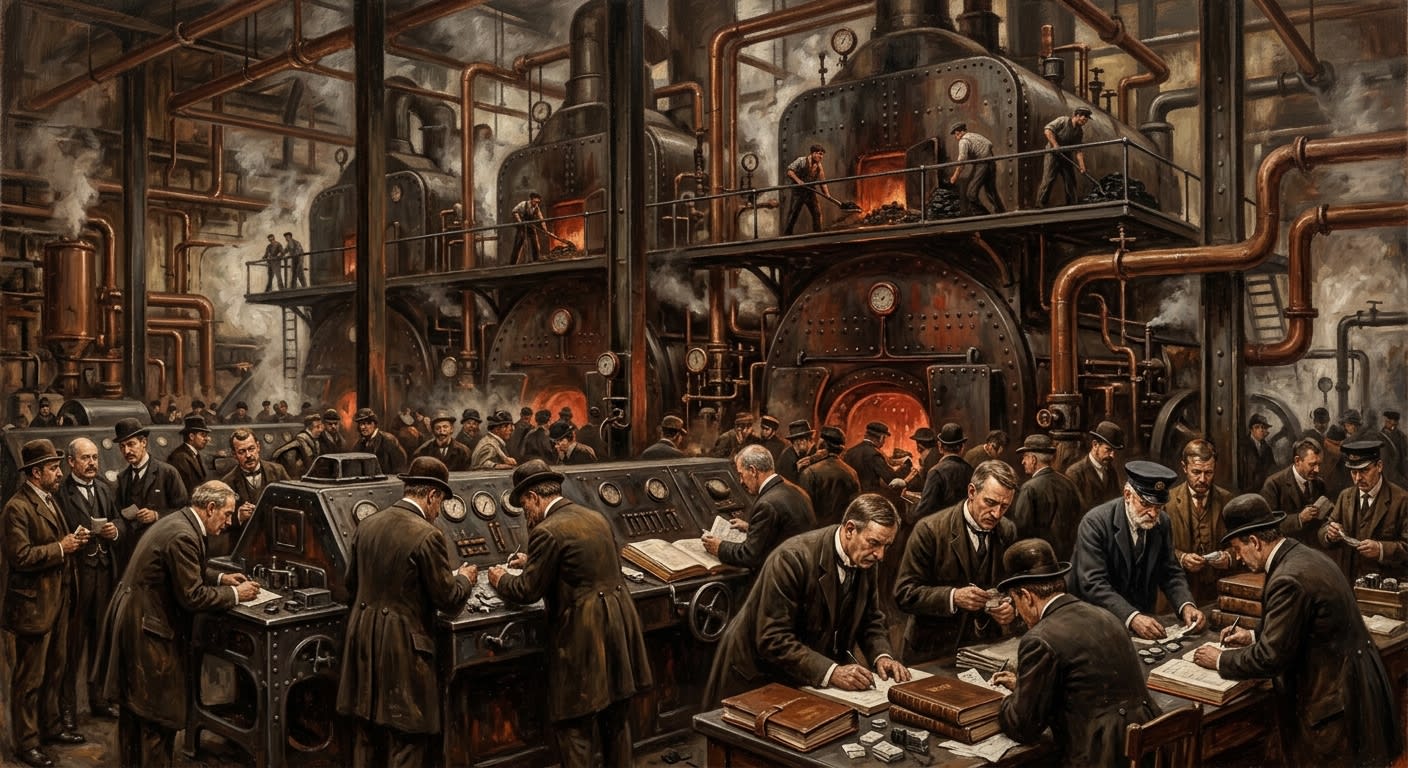
Bureau of Engines & Furnaces
The furnace burns because it must, and someone must invoice the flame
The Bureau of Engines & Furnaces governs the Synod's hot machinery: fuel allowances, furnace discipline, wound-site yield, pressure systems, and every boiler too useful to condemn.
Codex Ref. VIII.2.02-001
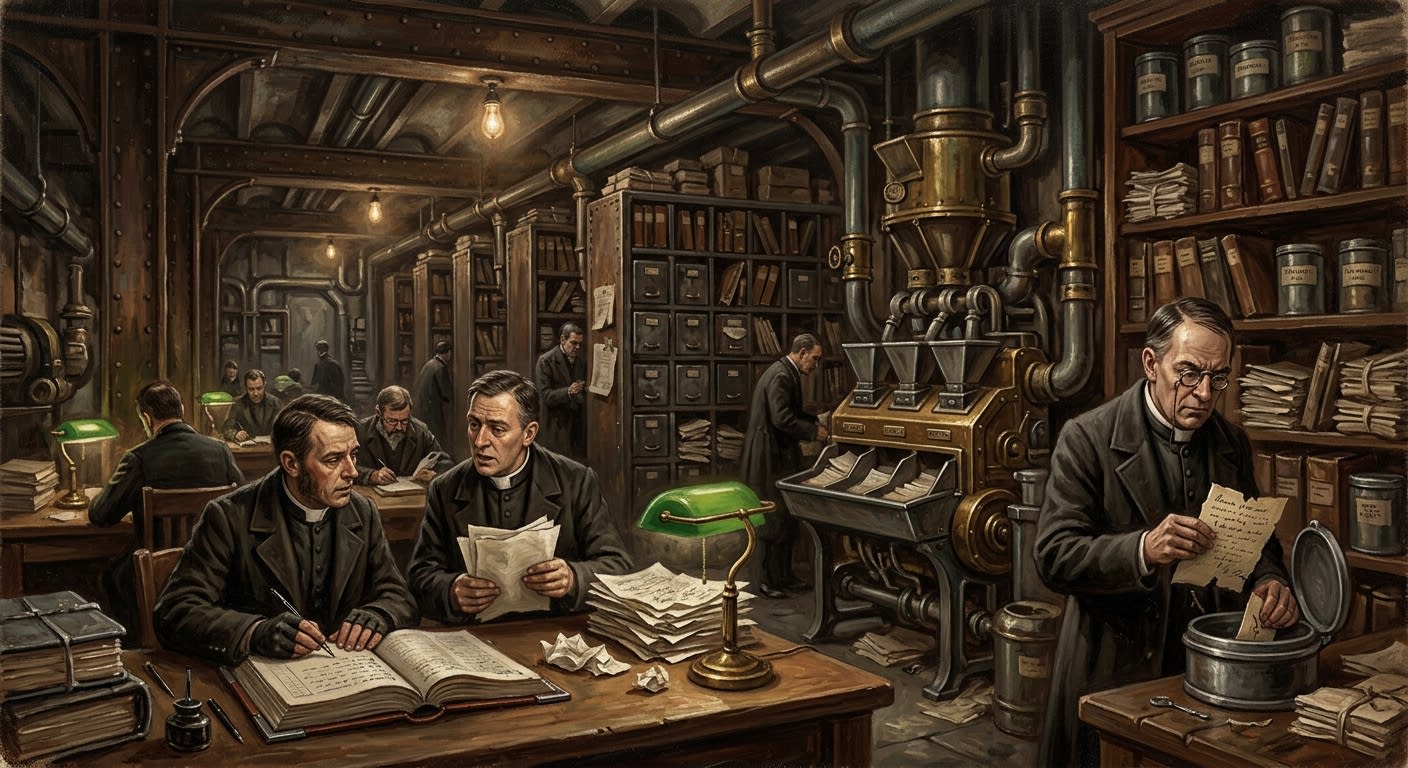
Bureau of Hearsay
Copy the ugly sentence before a cleaner office teaches it to lie
The Bureau of Hearsay preserves rumour before proof can disinfect it: tavern scraps, trench gossip, enemy jokes, and every ugly sentence that later becomes doctrine.
Codex Ref. VIII.8.02-112
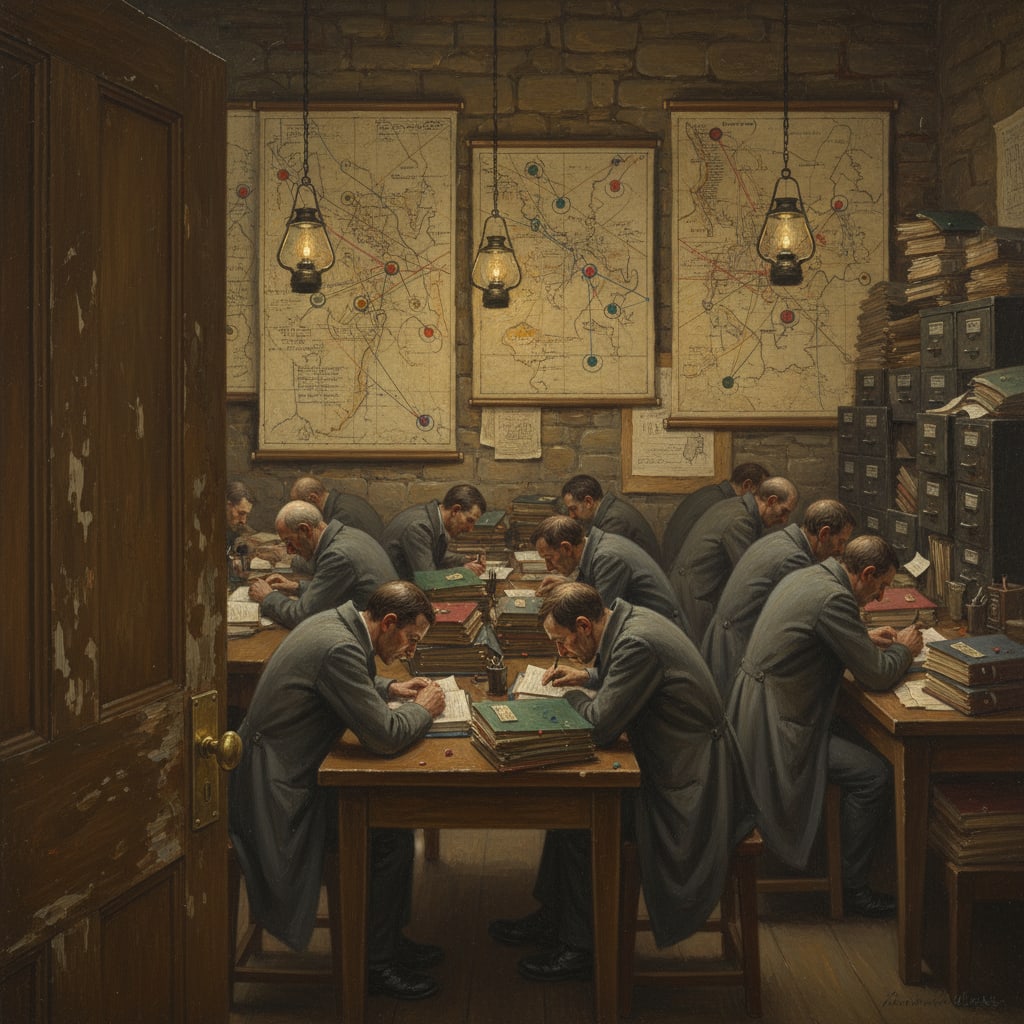
Bureau of Inter-Infernal Analysis
Fourteen analysts, three rooms, one assumption; the Line holds because the assumption holds
The Bureau that watches Hell watch itself — fourteen analysts cataloguing the rivalries among the Seven Sin-Generals, amplifying their feuds, and verifying quarterly that spite remains the Sagittal Line's most reliable load-bearing element.
Codex Ref. VIII.7.01-001
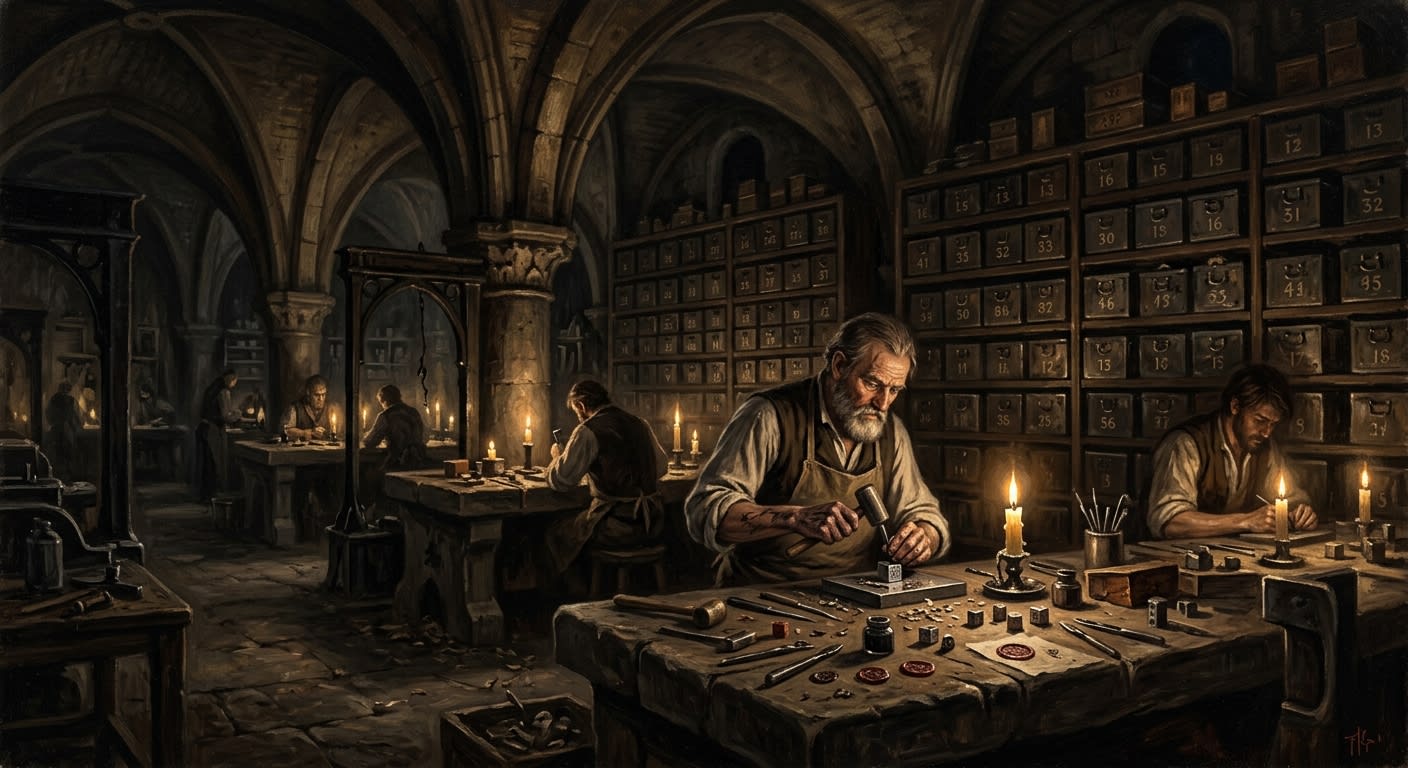
Bureau of Masks and Seals
The stamp is the Synod. Everything else is suggestion.
The Bureau of Masks and Seals controls every stamp, seal, and counter-seal in Synod territory. Without its impressed wax, no document is real. Without its license, no face may be hidden. Casselius of Mainz holds the Synod's mouth and press in one pair of ink-stained hands.
Codex Ref. VI.4.19-014
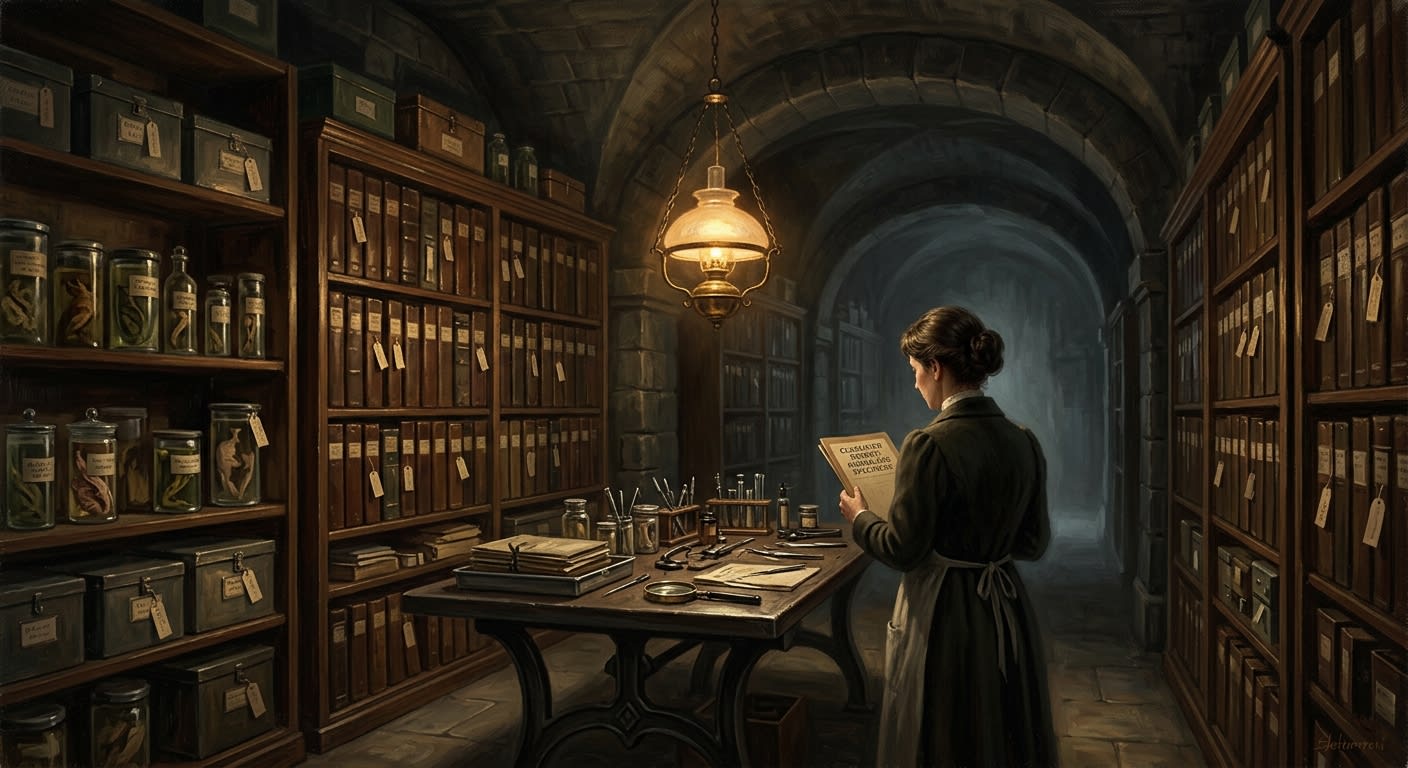
Bureau of Medicine
It measures. It classifies. It declines.
The Bureau of Medicine is not, technically speaking, a Bureau. It is something more dangerous: an institution that measures everything and recommends nothing, staffed by people who have read every report and arrived at conclusions they will not share.
Codex Ref. XII.7.09-044
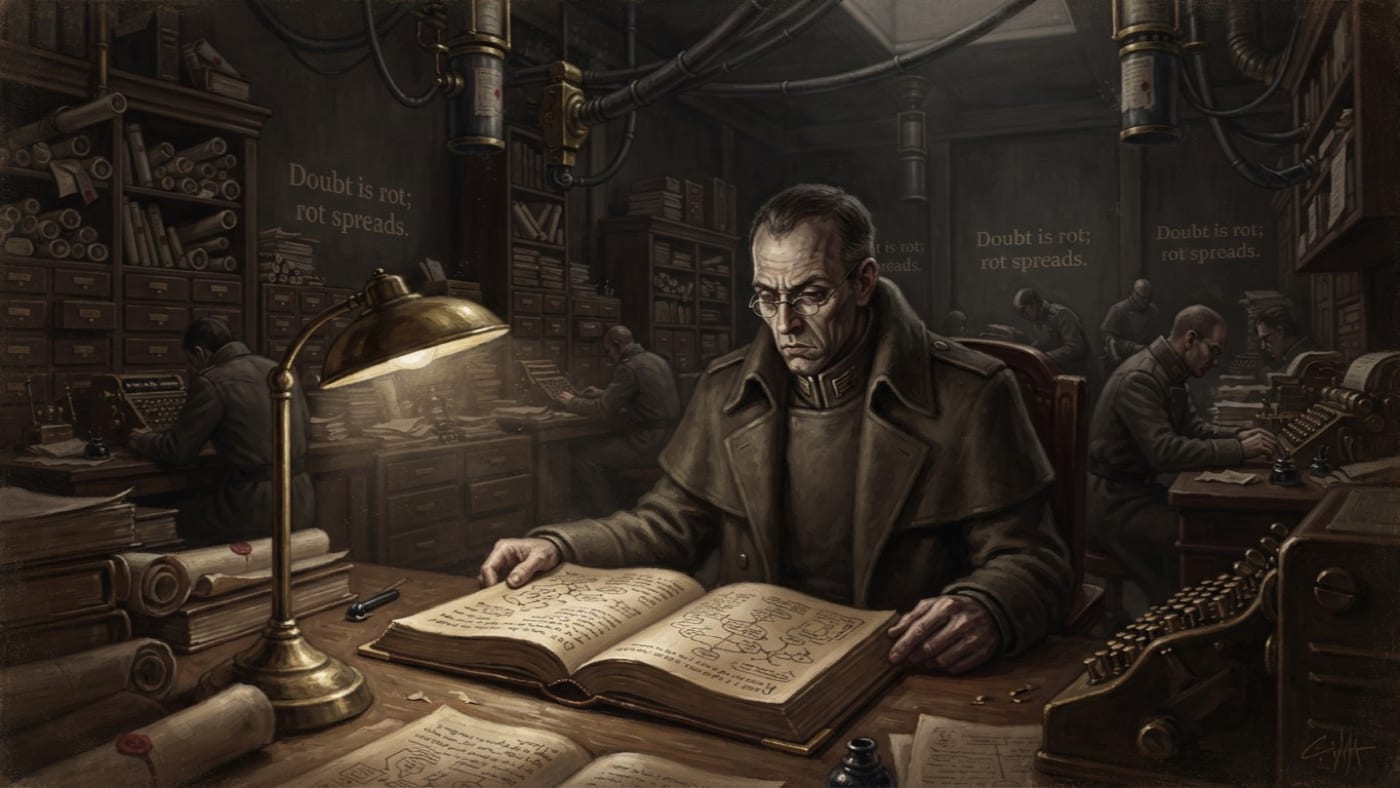
Bureau of Purity Catechism
The faithful recite; the Bureau measures; the ledger cannot tell belief from rehearsal
The Bureau of Purity's Catechism supplies the standard against which Codex Auditors measure confession, recitation and hesitation. This A.S. 201 survey records the Third Revision of A.S. 104 and the costs of calling variance heresy.
Codex Ref. VIII.2.02-001
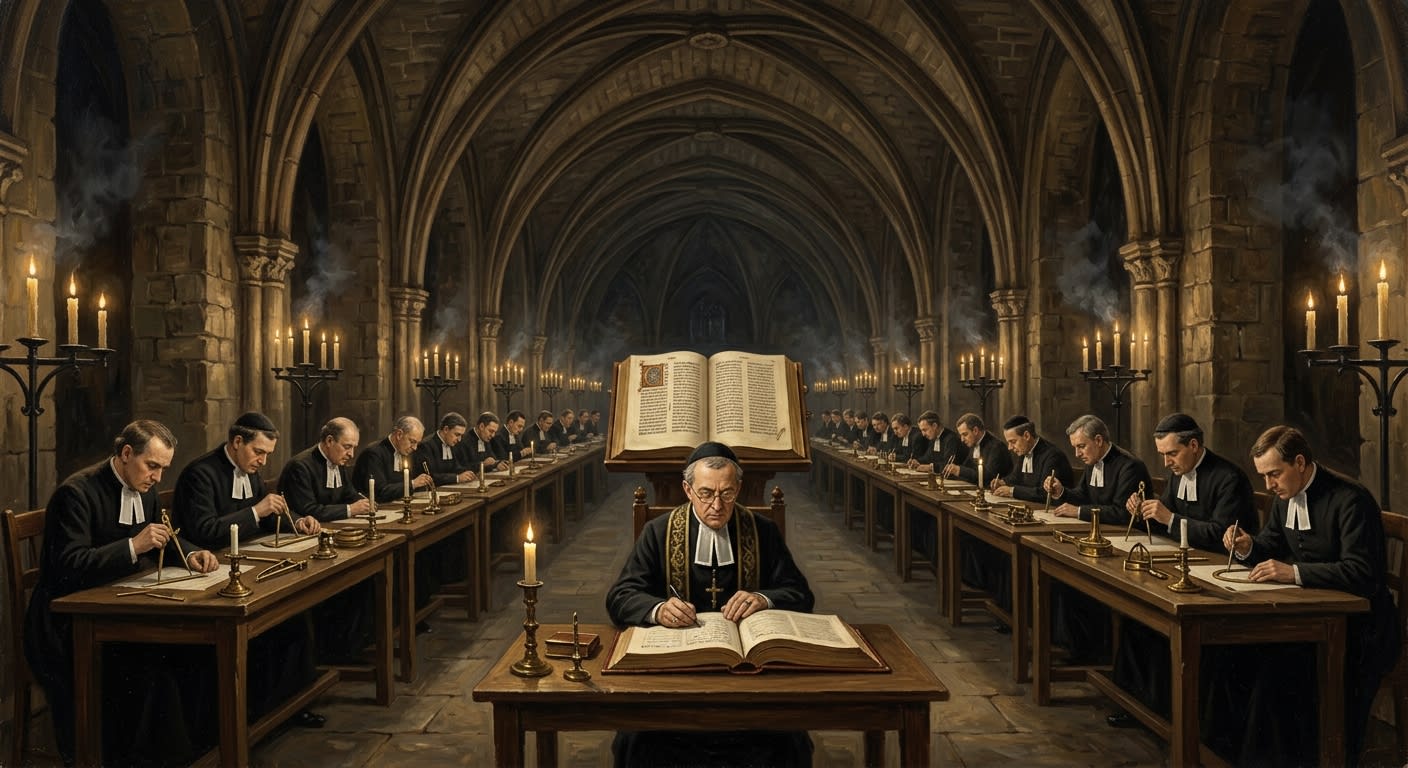
Bureau of Rites
The grammar no one speaks and everyone obeys.
The grammar of the Dominion, indistinguishable from its law: the Bureau that does not govern governs everything, from the angle of the censer to the weight of the Host on Lenten Fridays.
Codex Ref. VIII.1.01-001
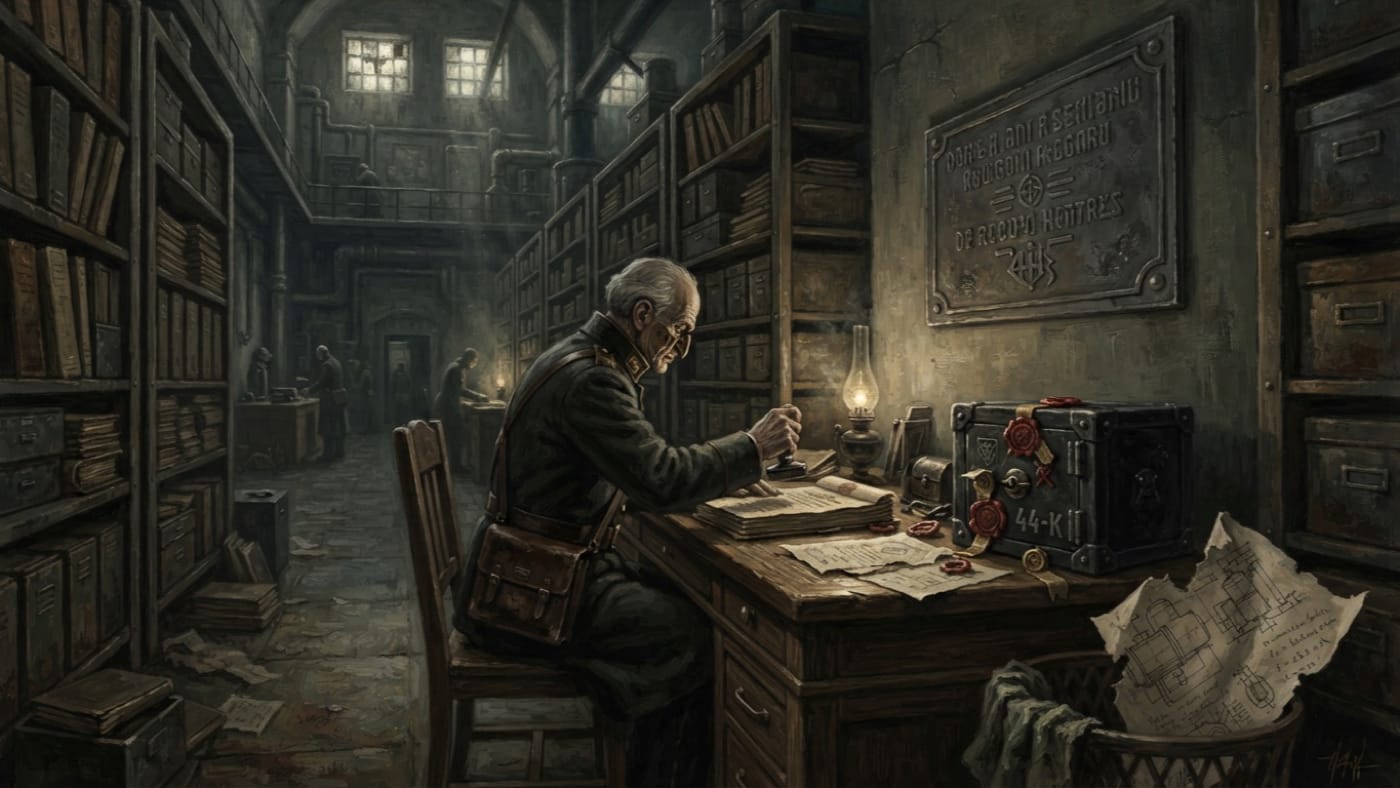
Bureau of Shadows File 44-K
On the name kept under seal after the men who read its arithmetic were walled up.
Doctrine's A.S. 147 correction admits that Fuel Is Chemistry came from a senior Engineering draughtsman. File 44-K seals his name; the sixty-one immured readers at Przemyśl remain in the public account.
Codex Ref. VIII.8.44-001
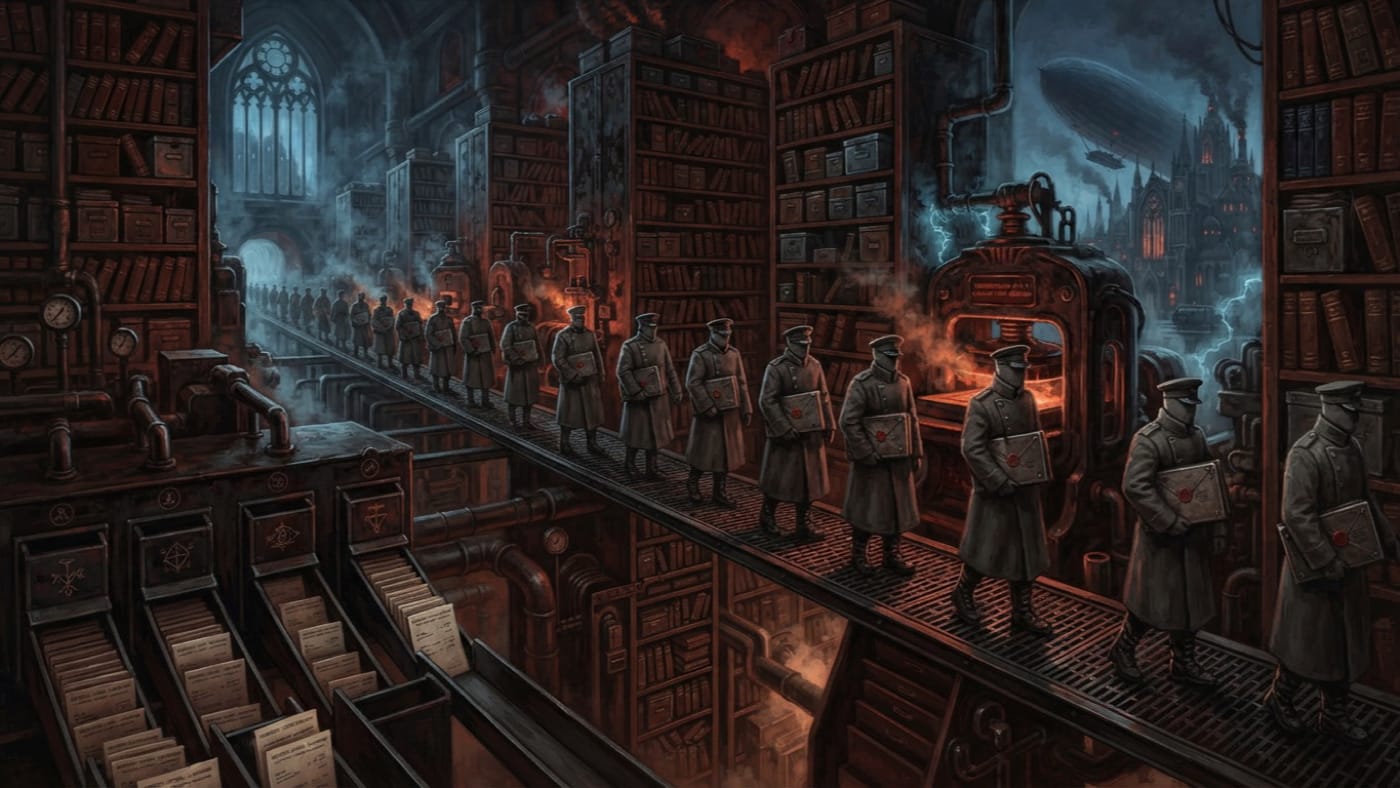
Bureau of Shadows Memorandum 441-V
One hundred and fourteen years overdue. The file disagrees.
An A.S. 201 survey of the OBSIDIAN memorandum on three Shadow Court expeditions. The third departed in A.S. 87. Its pay slips are still processed quarterly; its return date remains unspecified.
Codex Ref. VIII.8.01-441
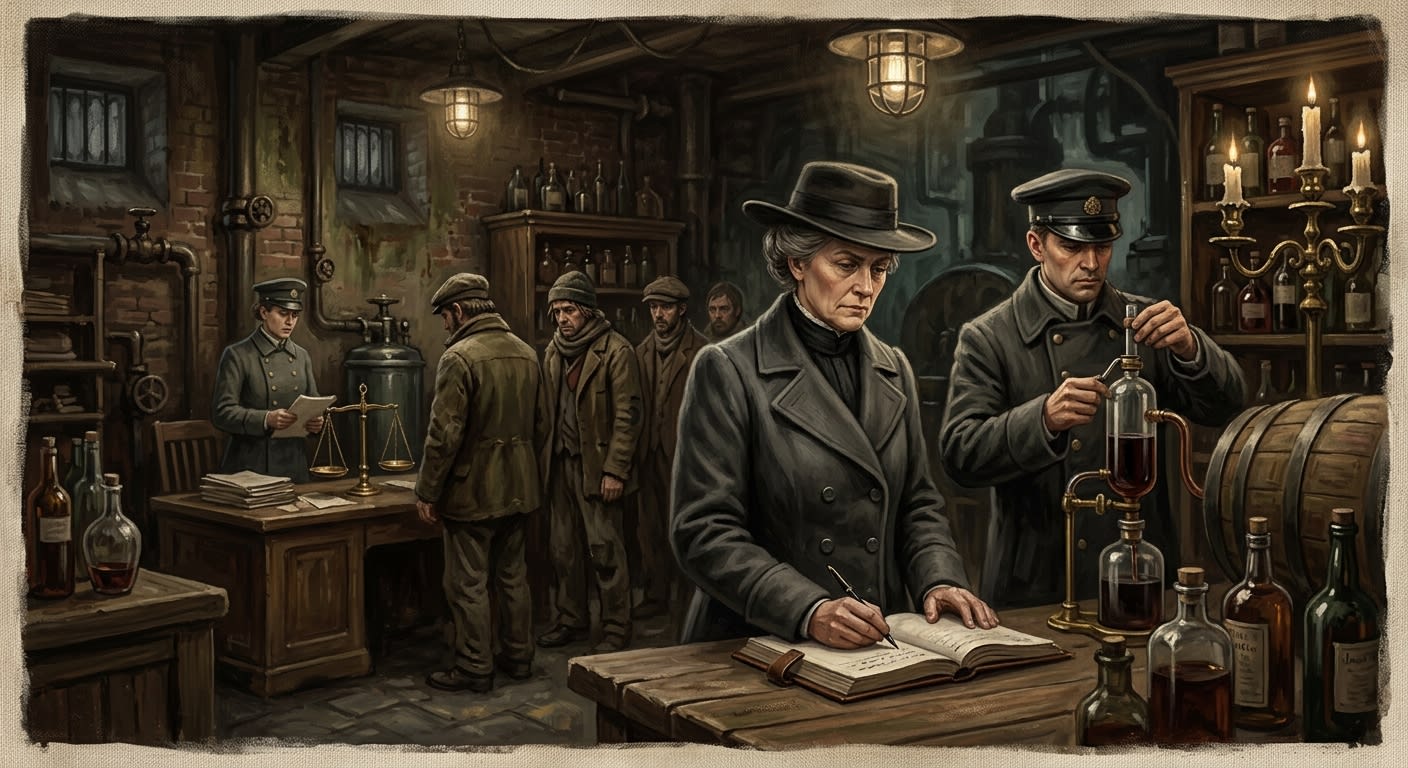
Bureau of Temperance
Appetite is a gate; moderation is the latch, and the latch has forms
The Bureau of Temperance measures wine, hunger, tavern weakness, northern spirits, and every appetite the Synod fears might become a gate for Hell.
Codex Ref. VIII.6.04-108
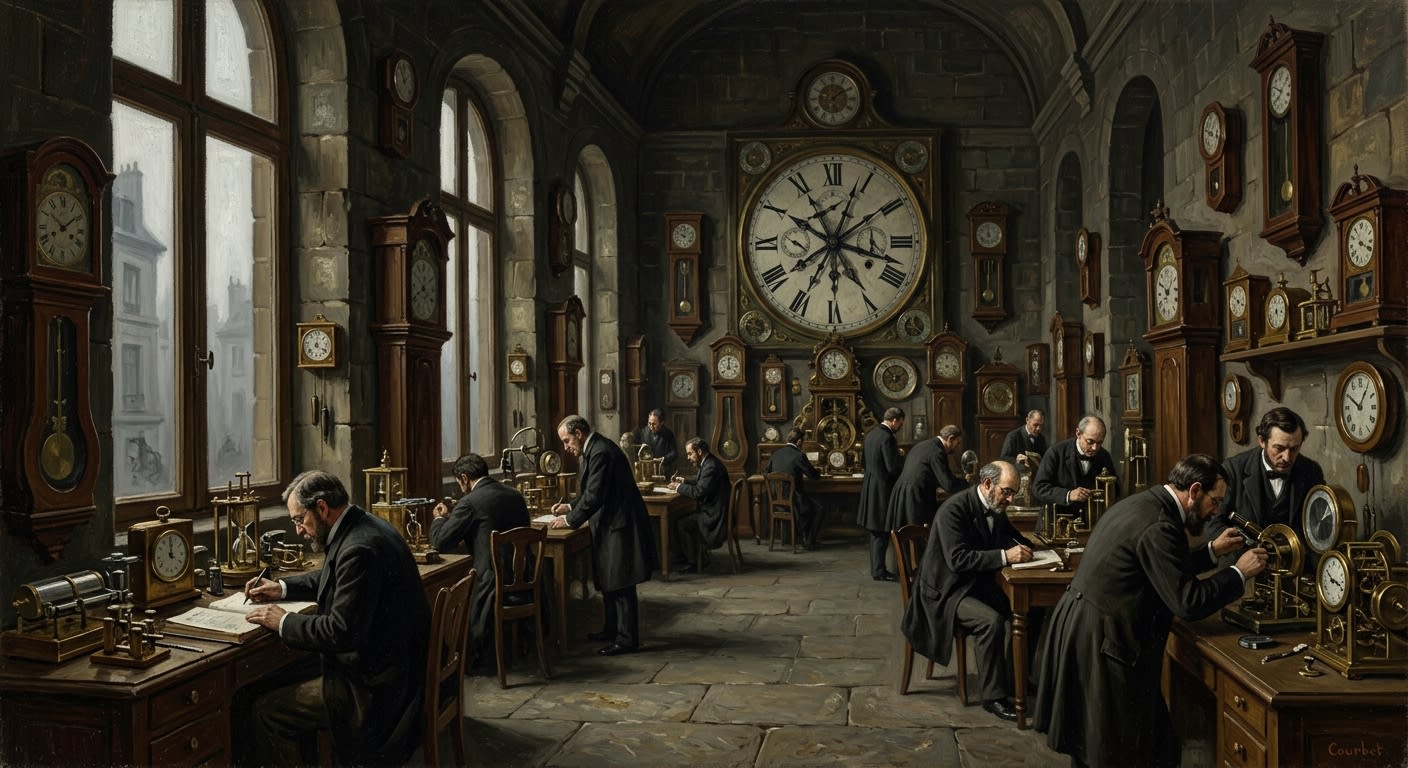
Bureau of the Hourglass
The Bureau measures. The Synod does not read. Time continues to disagree.
The Bureau of the Hourglass, constituted A.S. 134 to measure the Languid Dreamer's temporal drift along the Line, publishes quarterly reports no one reads, and has spent sixty-seven years proving that time is thinner near the front.
Codex Ref. VIII.3.01-001

Bureau of Tithes
The organ no one praises and no one dares remove
The Bureau of Tithes is the Synod's fiscal organ — the stomach no one praises and no one dares remove. It taxes breath, grain, bereavement, and the management of its own taxation.
Codex Ref. VIII.4.01-001
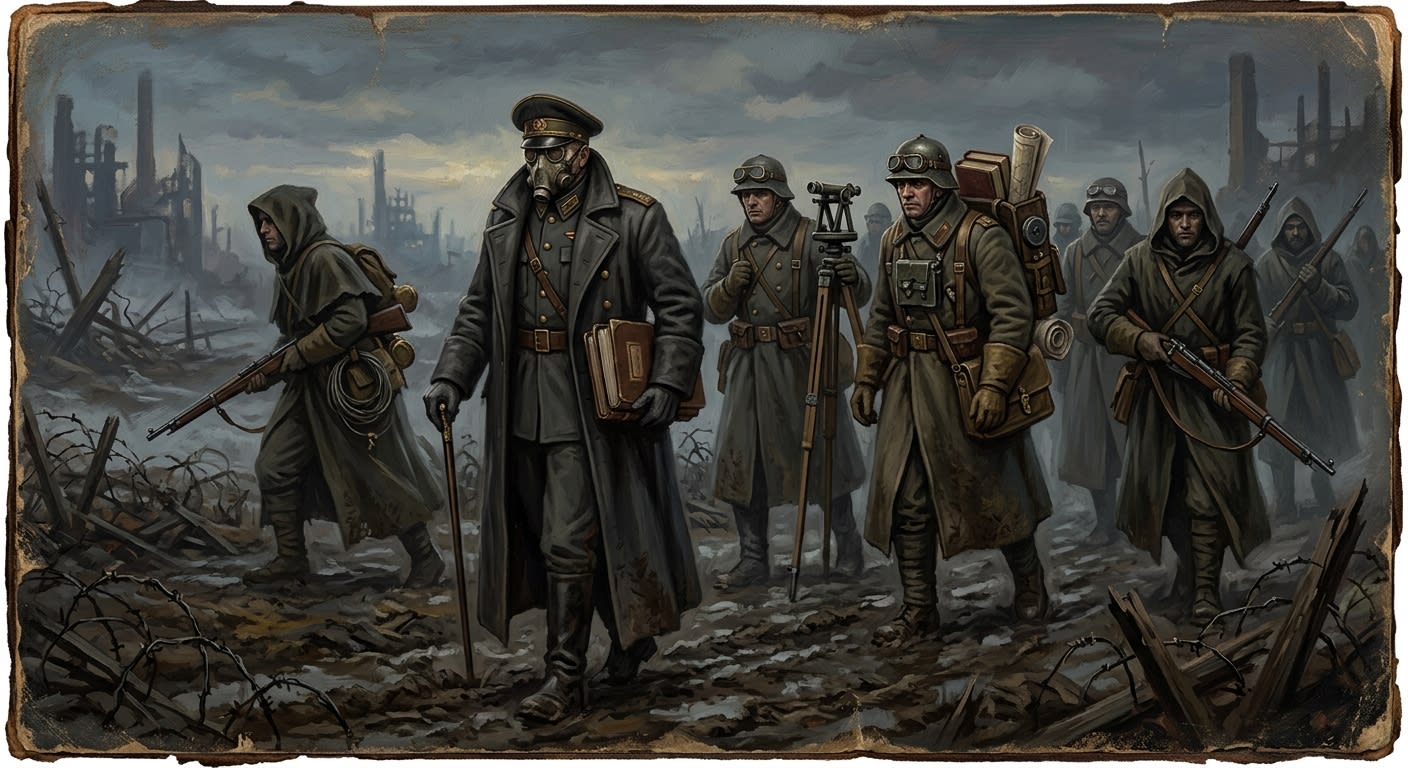
Bureau of War Reconnaissance Commissariat
The office that walks first and returns as evidence
The Reconnaissance Commissariat walks first into hostile terrain, purchasing the Synod's knowledge with scouts, ledgers, and actionable silence.
Codex Ref. VIII.7.03-001
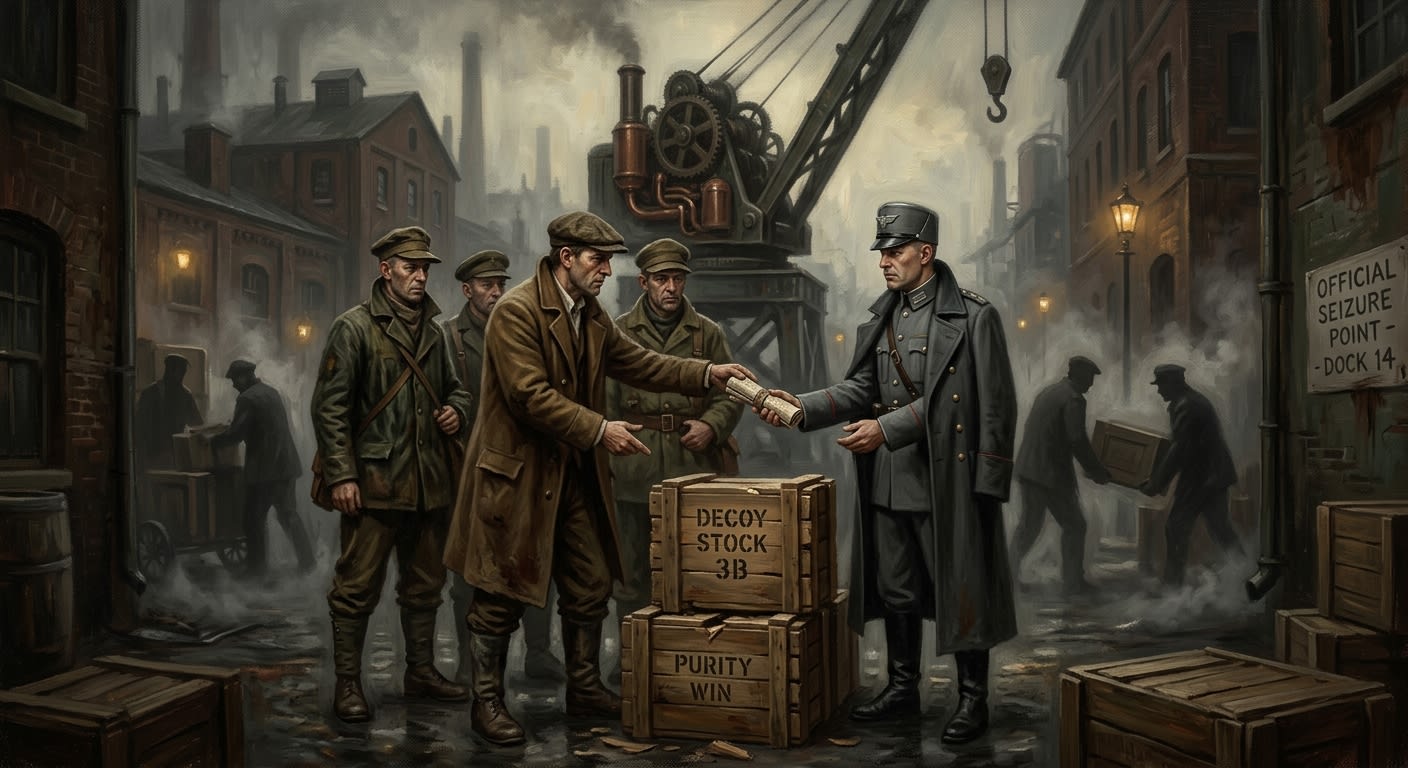
Bureau-Friends
Compliance made theatrical, profitable, and almost legal
Bureau-Friends are the compliance faction of Demon-Glass Polishers: smugglers who stage raids, pack decoy crates, pay expected fines, and let Purity win loudly while useful stock leaves quietly.
Codex Ref. XII.13.05-001
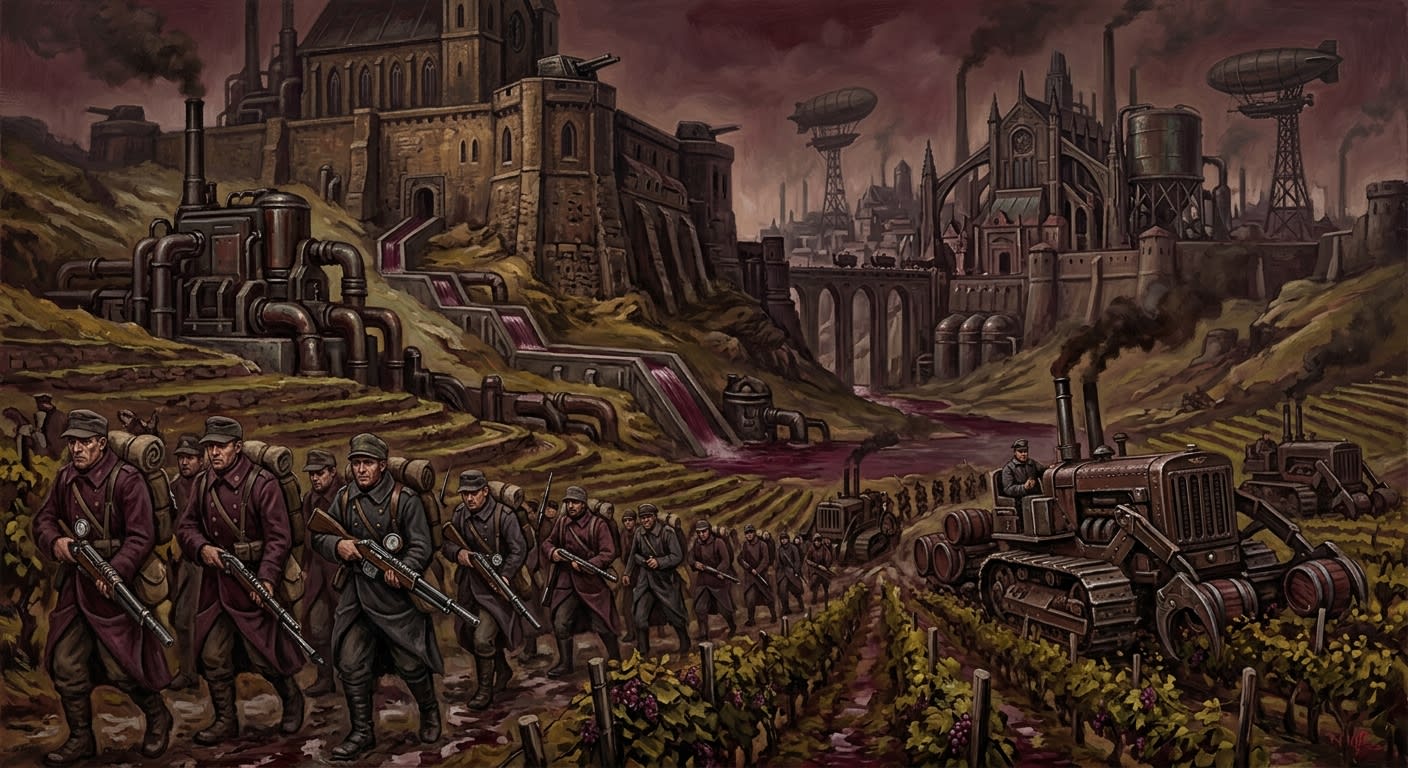
Burgundy
The wine-dark province that gives sons, casks, silence, and trouble
Burgundy is the Synod's wine-dark western province: vineyard, levy basin, Rhône feeder, cellar-church, chromatic hazard, and polite machinery of refusal.
Codex Ref. II.1.11-201
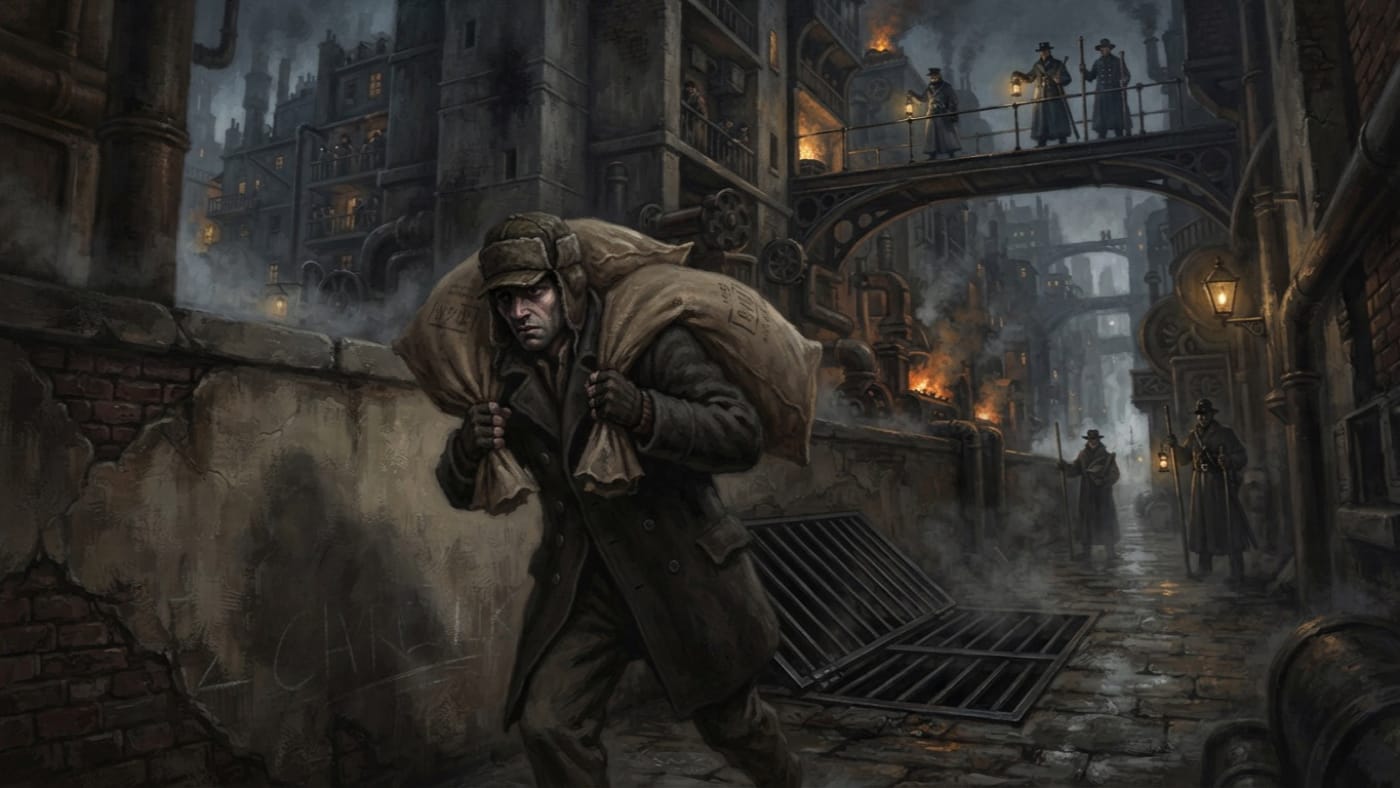
Cache Runner
The clerk hides the absence; the runner carries the weight
The Cache Runner is the Grain Keeper's route specialist, moving diverted grain through curfew to hidden stores and hungry households. One interception gives the Bureau a cellar, a ledger, and a ward.
Codex Ref. XII.13.07-001
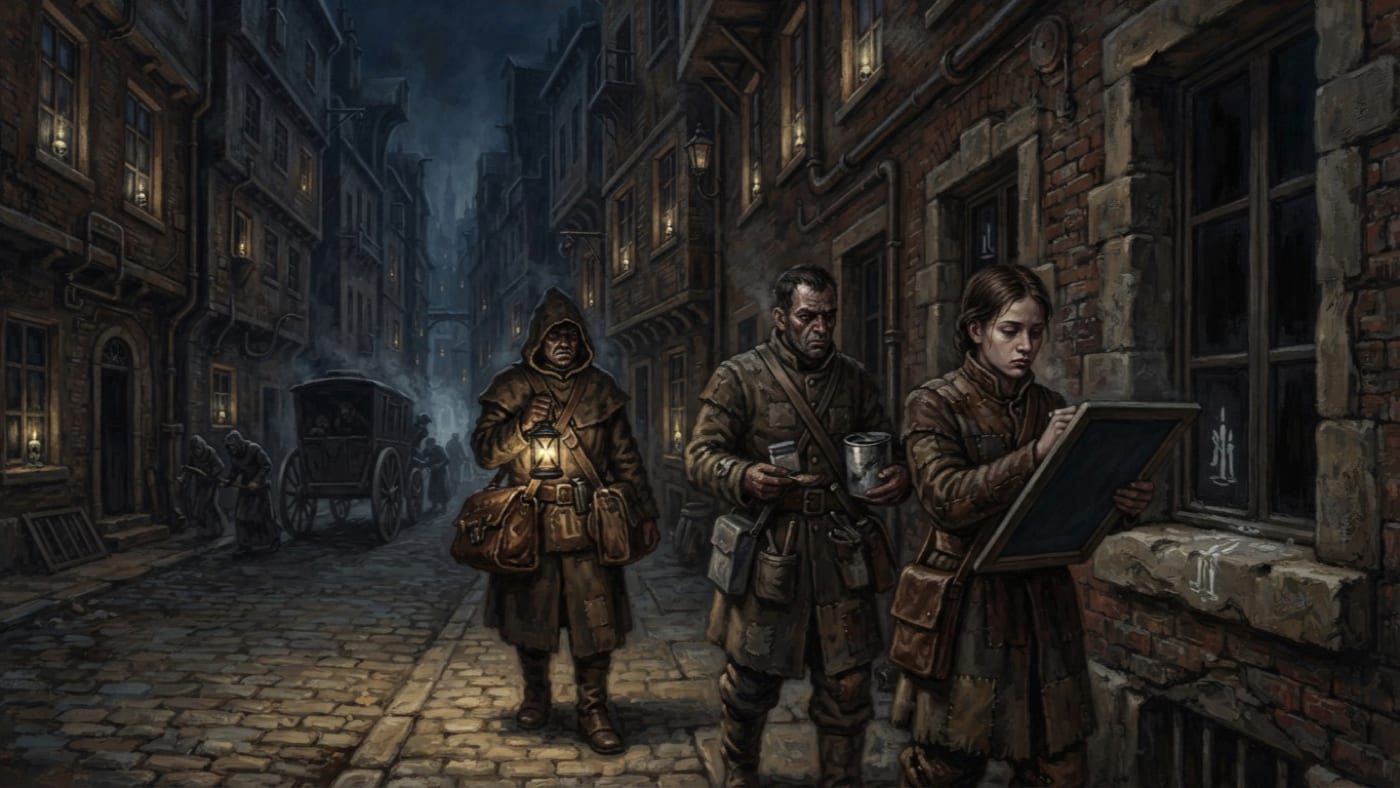
Candle-Tally
The slate is kept; the household is corrected
Candle-Tally initiates the Circle of Ashen Steps through a full night of vigil-candle accounting. When slate and street disagree, the household is corrected until the ledger tells the truth.
Codex Ref. XIII.1.25-425
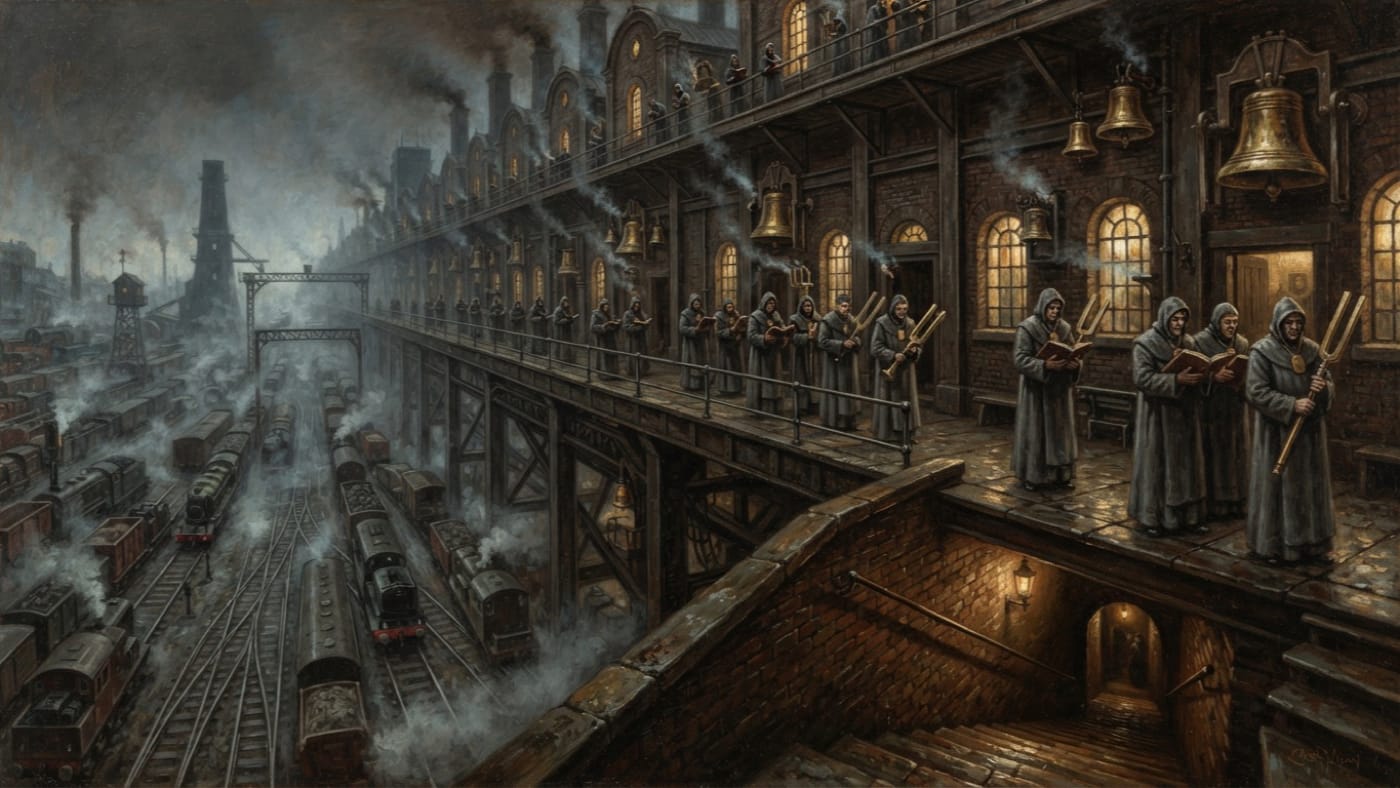
Cantor Walk
Where Lorn licenses its throat and hides its unlawful songs
Lorn's northern guild corridor licenses the yard's voices, guards its hymn codes, and prints illegal hymnbooks above a warm smuggling passage. The measures are certified; the routes remain suspect.
Codex Ref. II.3.01-002
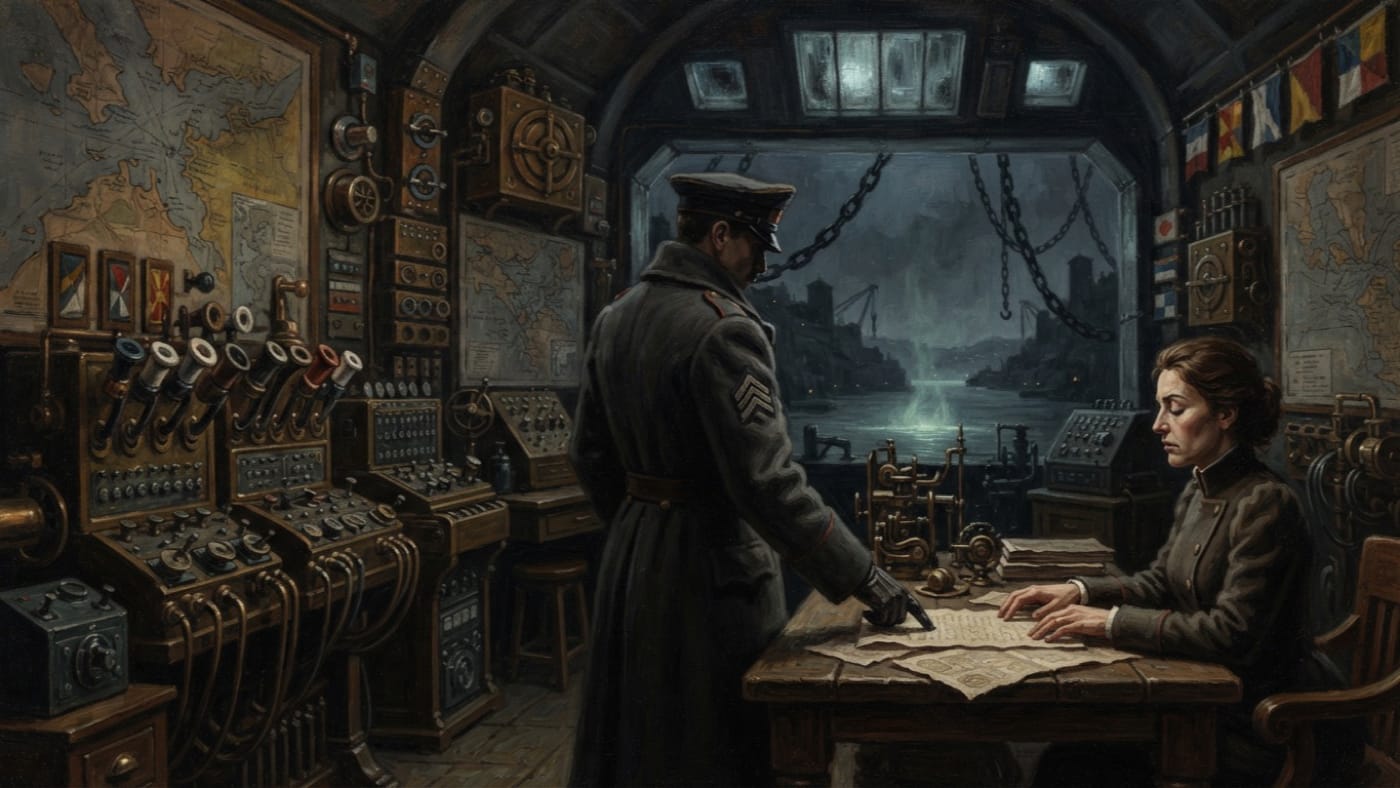
Captain Orsik
One rank, one surname, one clause
Captain Orsik survives in one cited deposition: Valenne read the second-night withdrawal order by touch during the Silence of Harbor Lamps, A.S. 185. The Ledger preserves the clause; biography remains unestablished.
Codex Ref. III.2.01-472
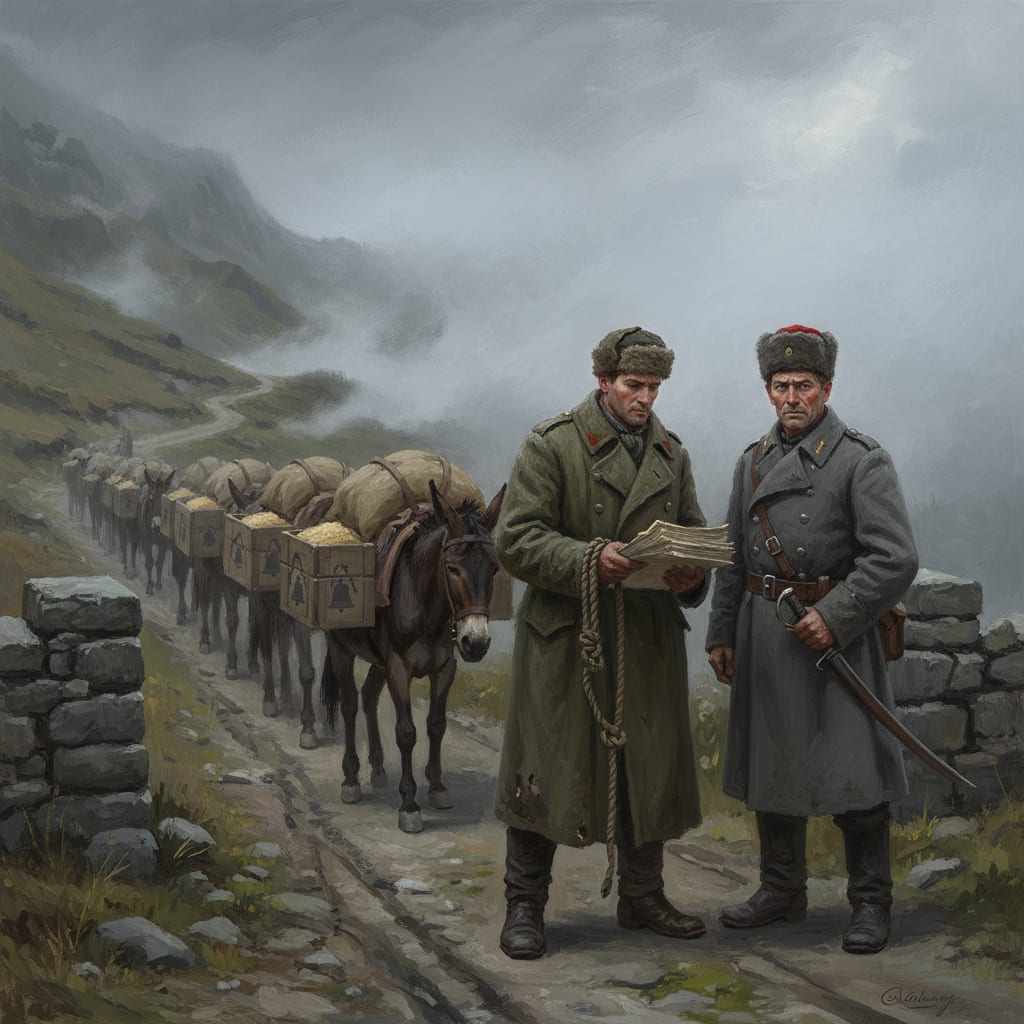
Caravan Factor
The Synod's confession that geography is ungovernable, licensed and taxed accordingly
The Caravan Factor occupies the gap between the Bureau's filed route-plan and the road's actual condition — part cartographer, part accountant, part diplomat, and part criminal, though the Synod prefers not to use the last term in official correspondence.
Codex Ref. XII.6.01-001

Caretaker Saints
Mercy with a rent book, a candle, and no licence whatsoever
Caretaker Saints are the conscience-stricken branch of Grave-Field Shanty Brokers: unchartered grave-lane landlords who keep rents low, names whispered, and mercy barely deniable.
Codex Ref. XII.27.02-001
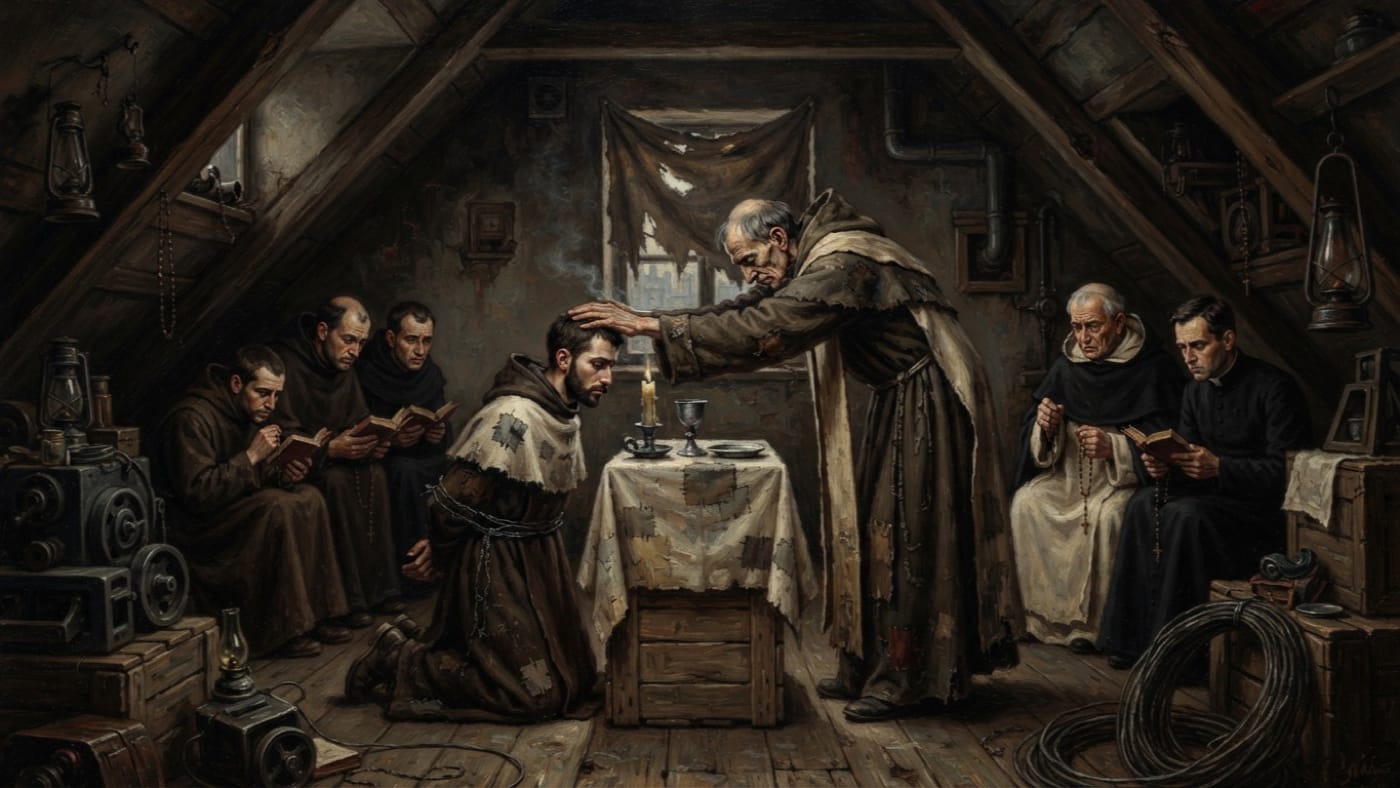
Carmelites of Kraków
Hidden altars, a drowned novice, and three refused petitions
Dissolved by decree, the Kraków Carmelites kept worship in hidden rooms. Brother Paweł Nowak remains their lesson to novices; three petitions have earned him no separate feast.
Codex Ref. XI.6.01-018
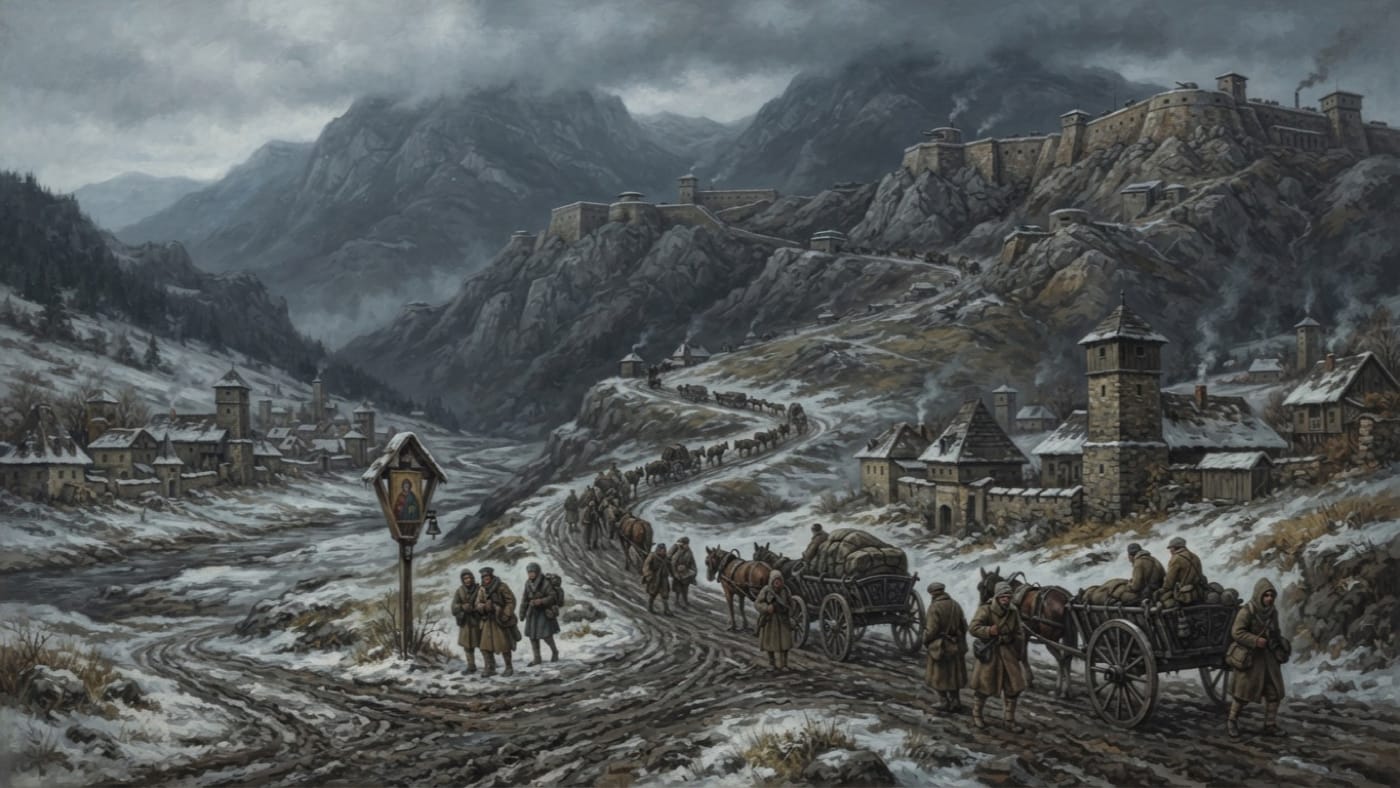
Carpathian Foothills
Below the wall, the country that feeds it
The country below the Carpathian wall feeds its bastions and hears its borders in the parish bells. Brother Albrecht froze here after his posting. The Ledger knows the region's name and cannot draw its edge.
Codex Ref. II.3.05-488
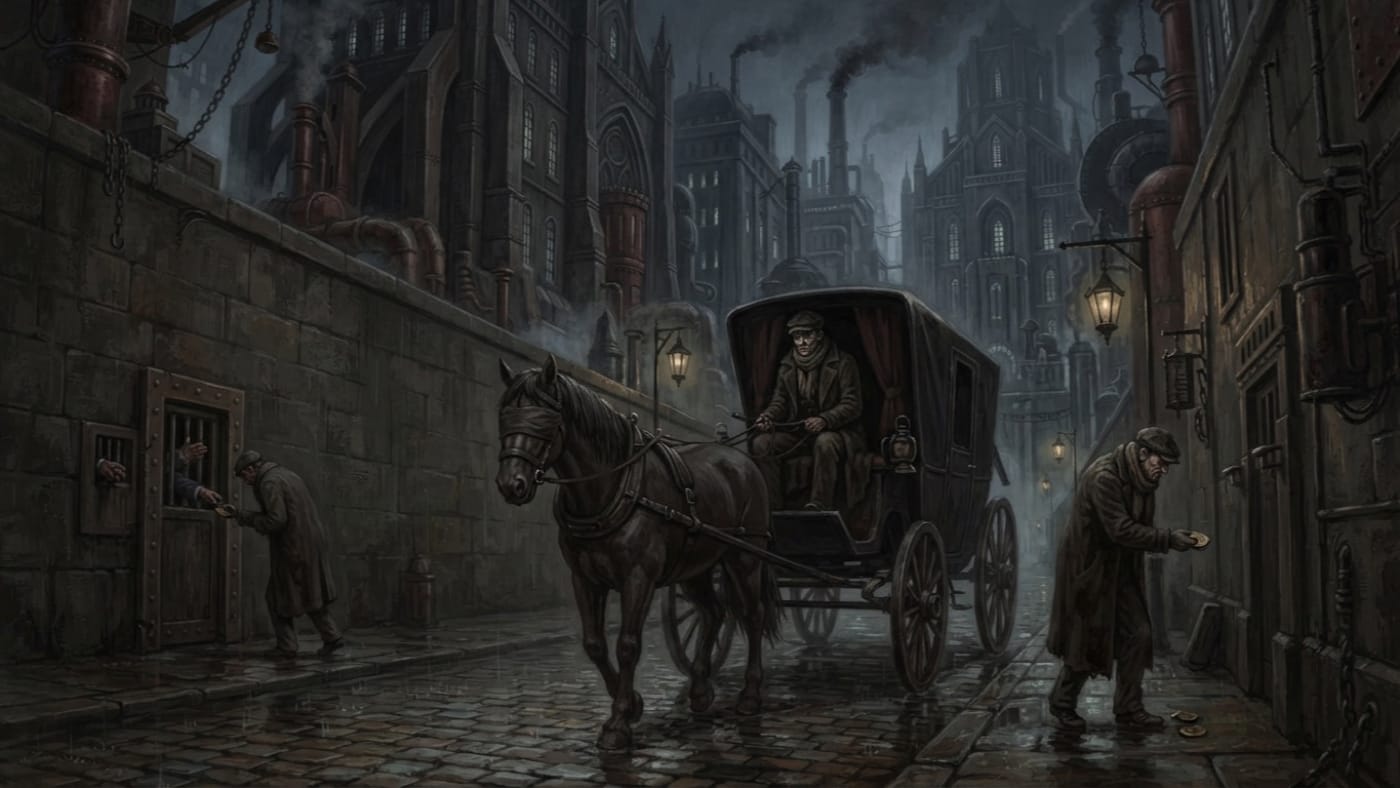
Carters and Runners
One pickup, three coins, and a wagon worth more than its hand
Carters and Runners are the Bureau of Shadows’ middle hands: entrusted with short routes, single pickups, and the second coin that buys a gate captain’s forgetting.
Codex Ref. XII.14.04-002
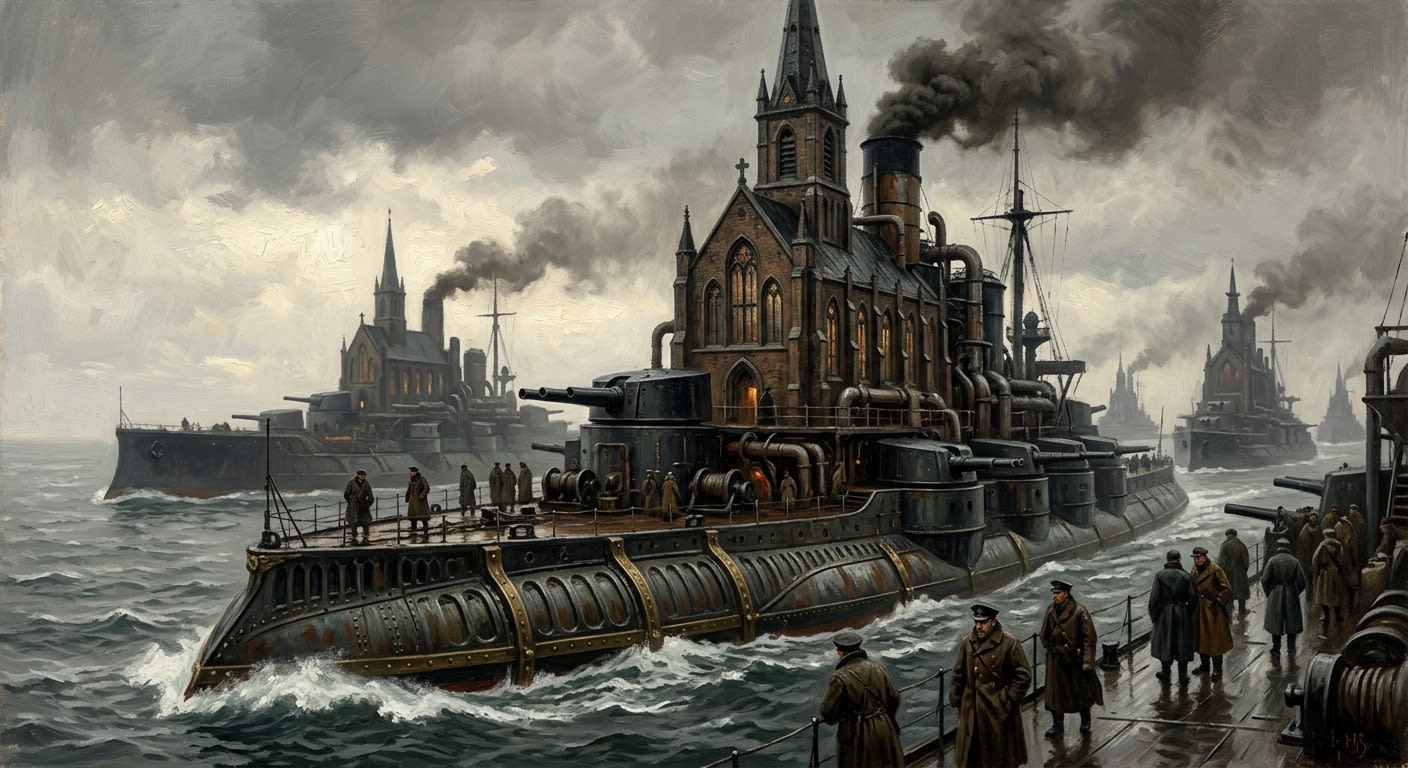
Cathedral Ships
Britain built churches that sail, shoot, and refuse to explain themselves
British Cathedral Ships carry chapel, bell-tower, artillery, and reliquary-keel across the Channel; the Synod depends on them and resents every plank.
Codex Ref. X.1.03-001
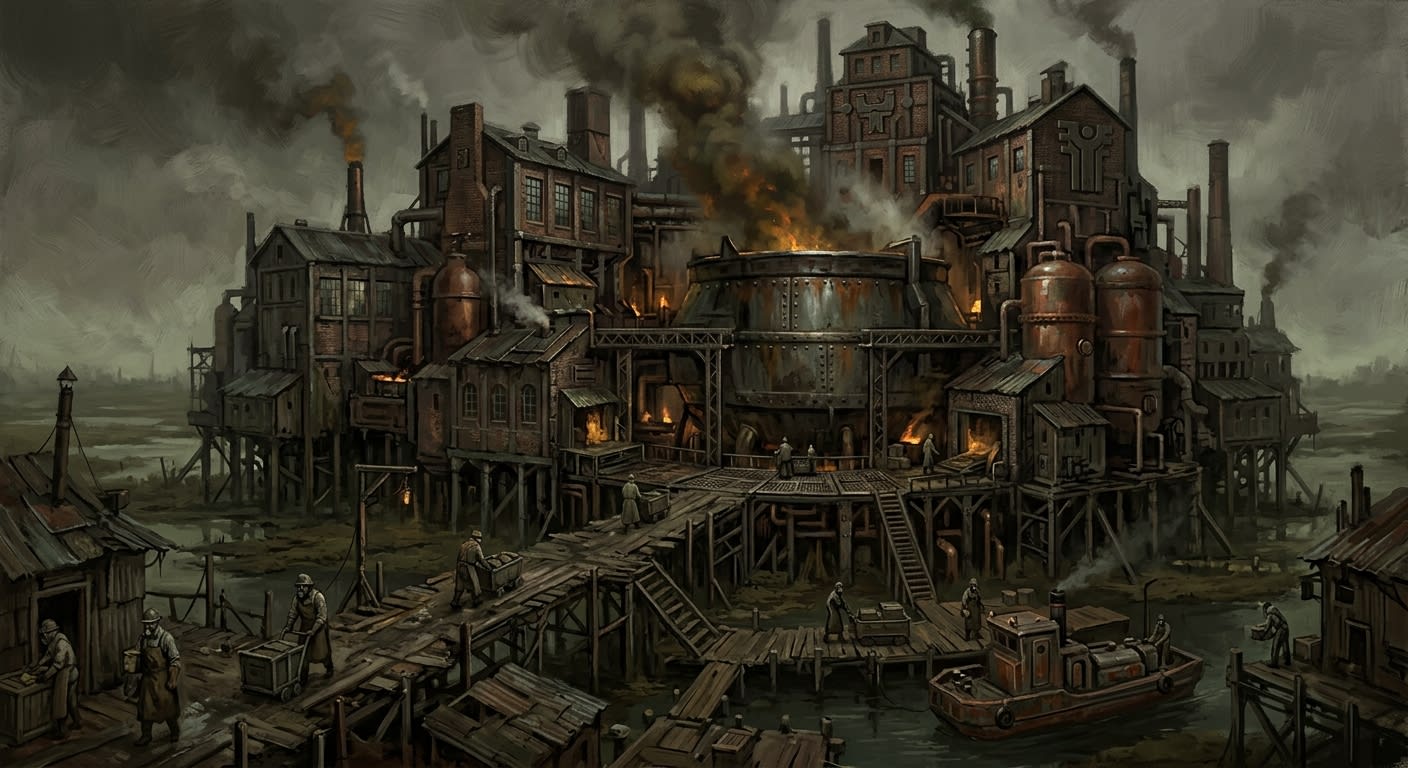
Cauldron Citadel
The Pot where Kargath teaches hunger to govern
At the Blightmarsh's approximate centre, the Cauldron Citadel cooks what Kargath's mud consumes: market, bakery, slaughterhouse, and law made appetite.
Codex Ref. VI.1.03-001
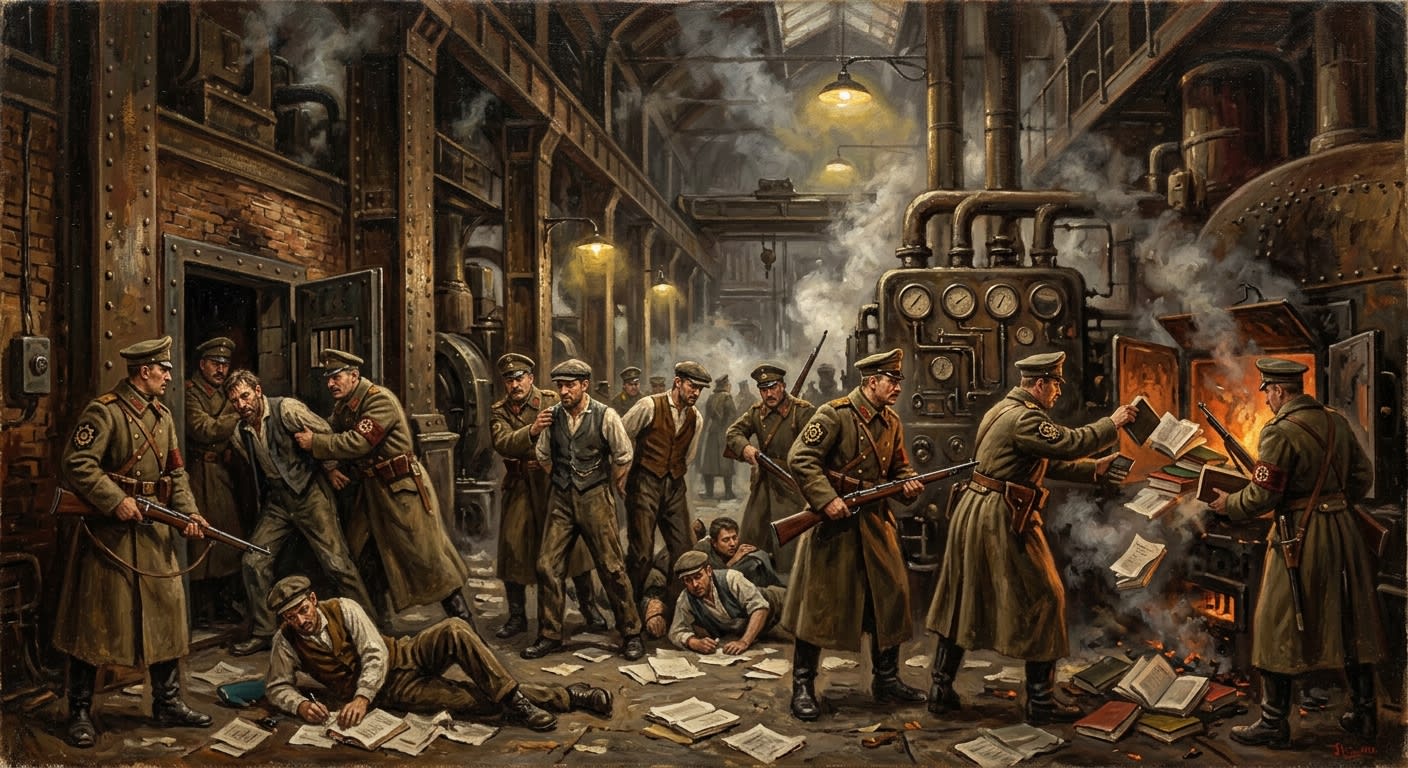
Causality Purge of A.S. 134
When arithmetic entered the furnace and Doctrine answered with masonry
A.S. 134 mechanistic-heresy purge after *Fuel Is Chemistry* manuals spread through six bastion powerhouses, ending in Przemyśl immurements and a larger vocabulary war.
Codex Ref. VII.8.10-030
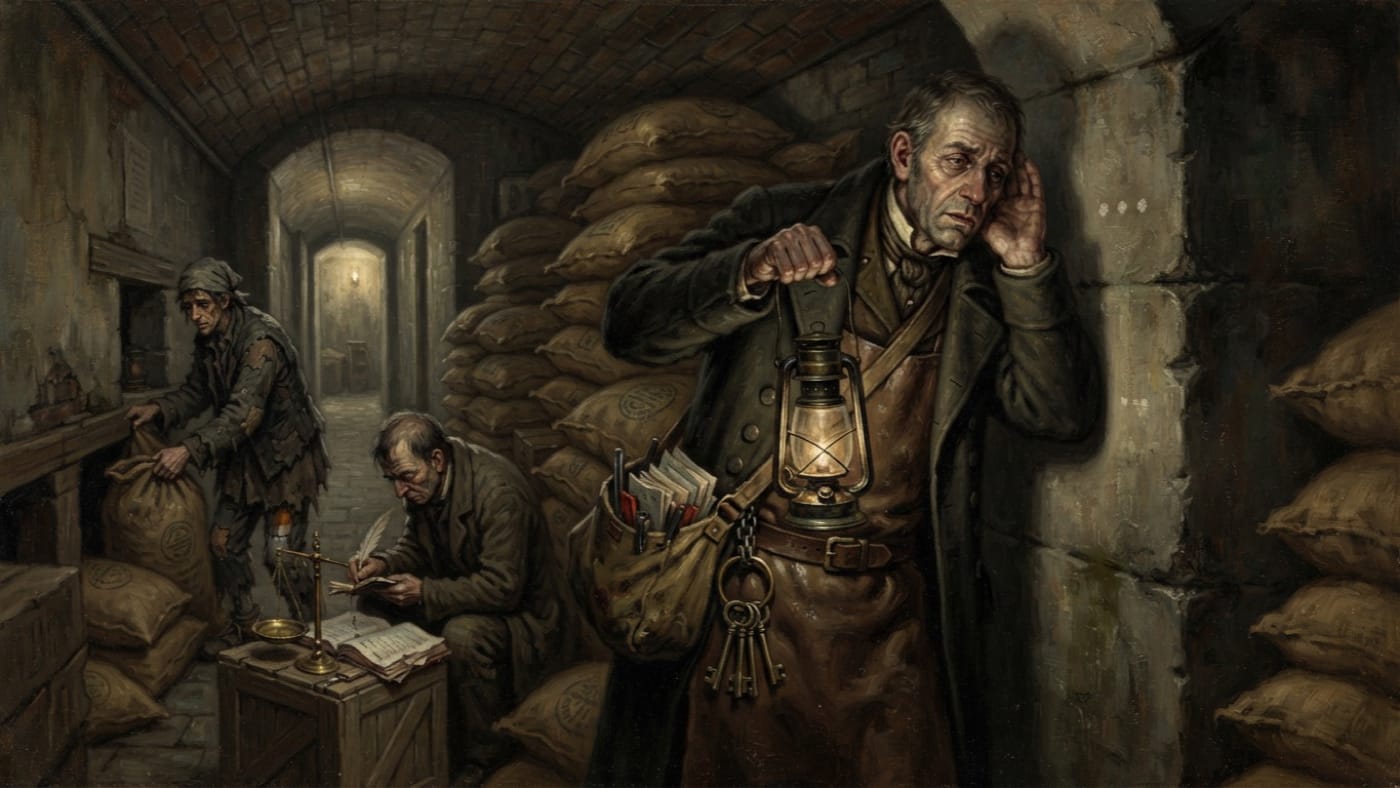
Cellar Warden
The keys are unlawful; the bread is still required
The Cellar Warden guards a district's concealed grain, coordinates clerks and runners, and keeps reserves edible. The Bureau prosecutes the keys while quietly relying on what they unlock.
Codex Ref. XII.13.08-001
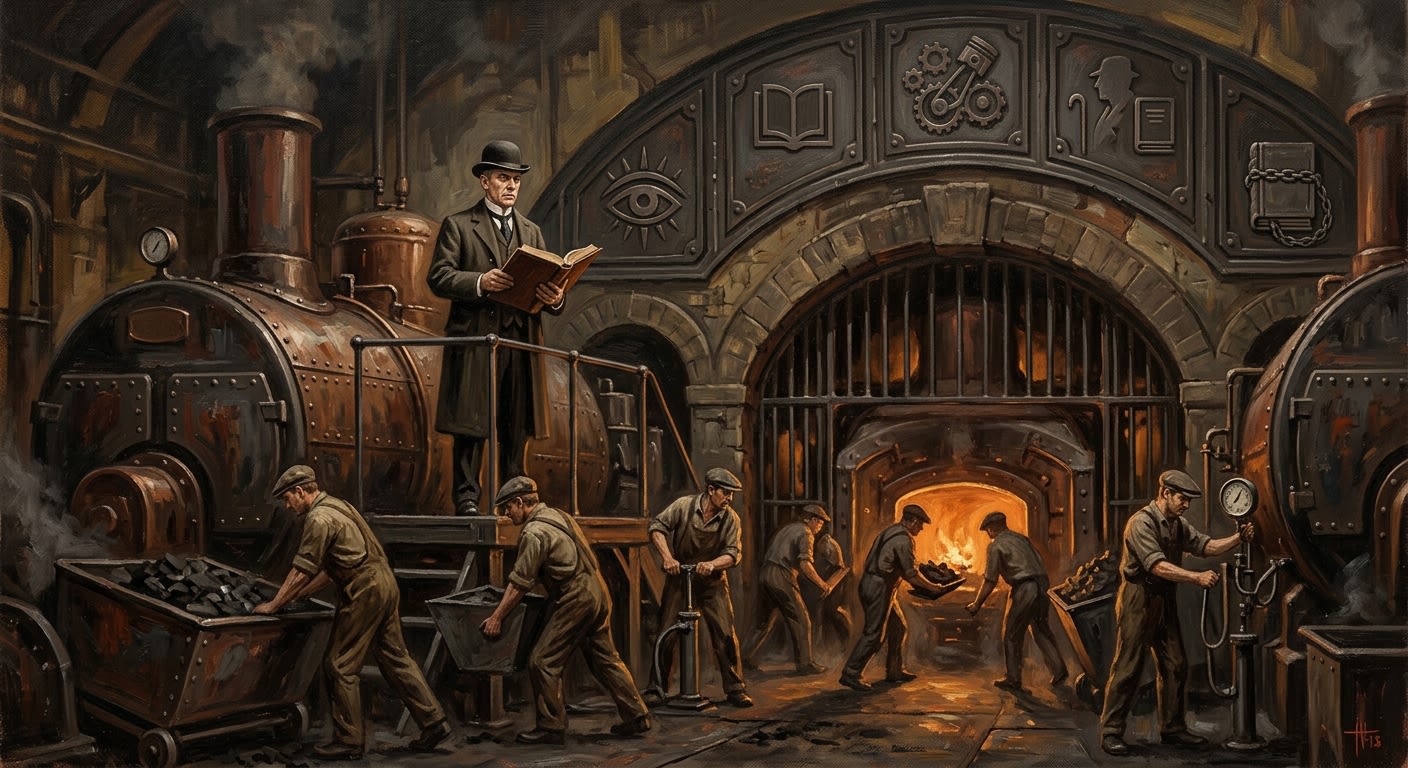
Chain of Cause
Fire may burn, provided it cites its superiors
Furnace Catechist recitation that subordinates fuel, spark, pressure, and output to Heaven, Doctrine, Engines, foremen, and the Ledger's jealous grammar.
Codex Ref. XIII.1.91-134
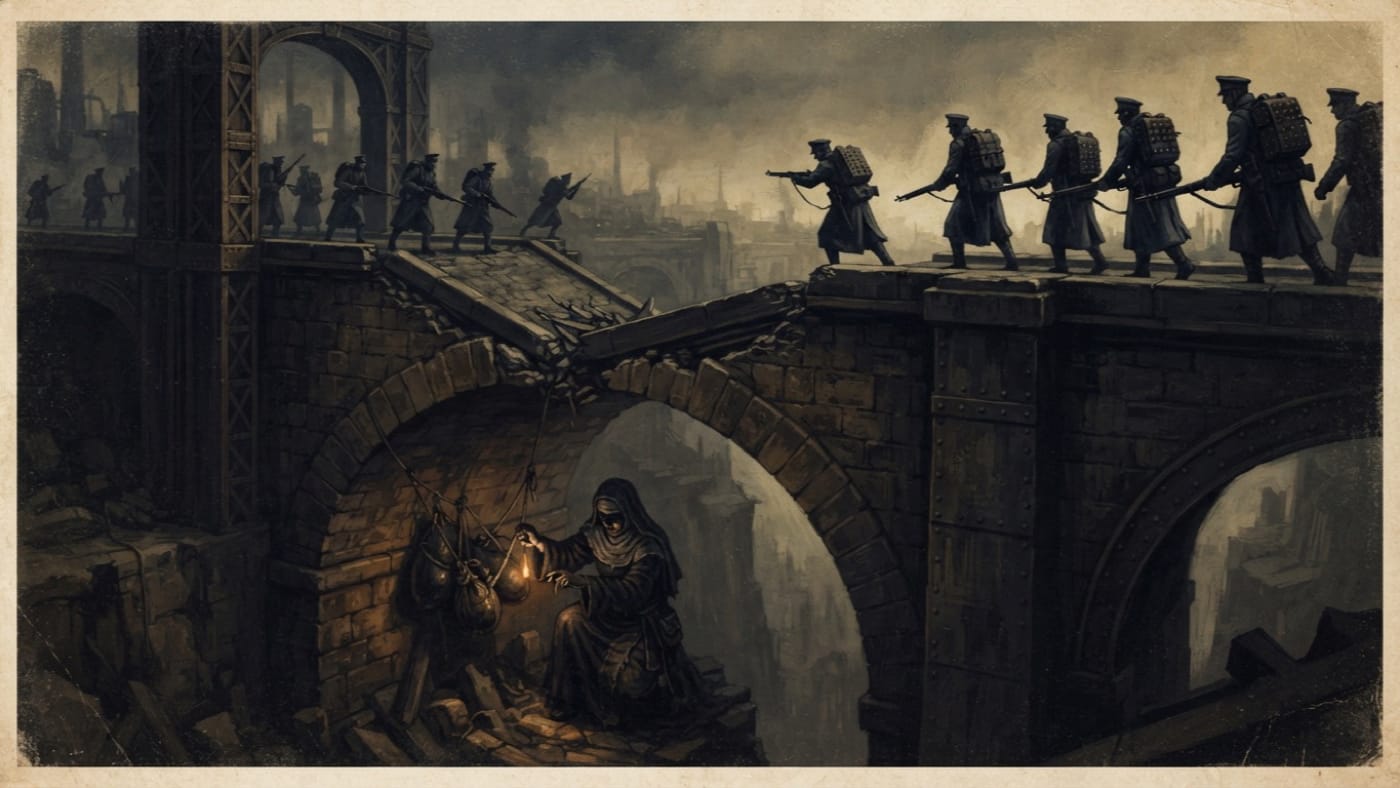
Châlons
One crossing, one attributed fire, no year
Châlons survives in the Ledger as one unnamed crossing and an undated fire attributed to Bérénice. The river is missing; the masonry has three explanations.
Codex Ref. II.1.04-565
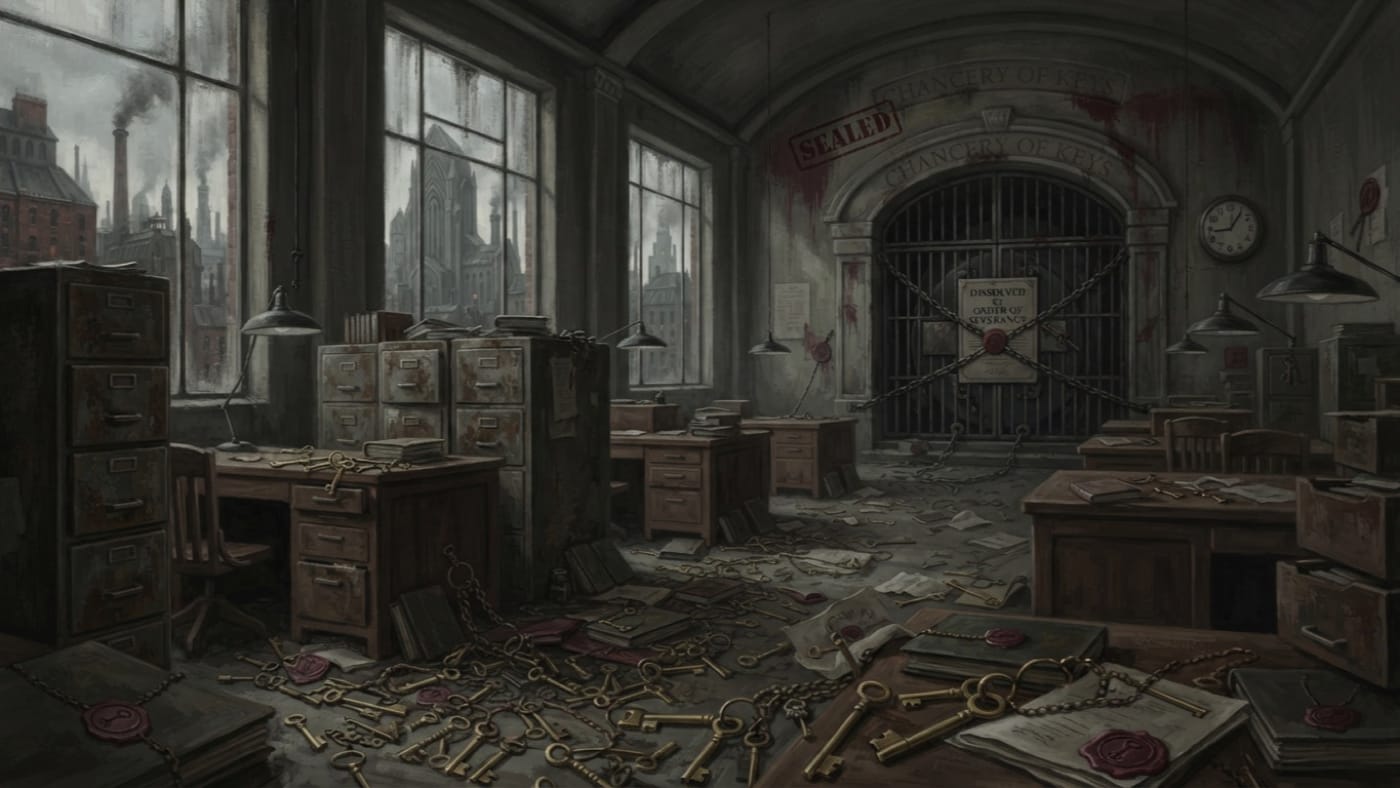
Chancery of Keys
The office is dissolved. The glossary has not been informed.
An inquisitorial bureau with a sealed mandate overlapping Doctrine, dissolved by the Order of Severance for joyous irregularities. The branch register retains its name. Offices perish; glossaries have better tenure.
Codex Ref. VIII.1.07-002
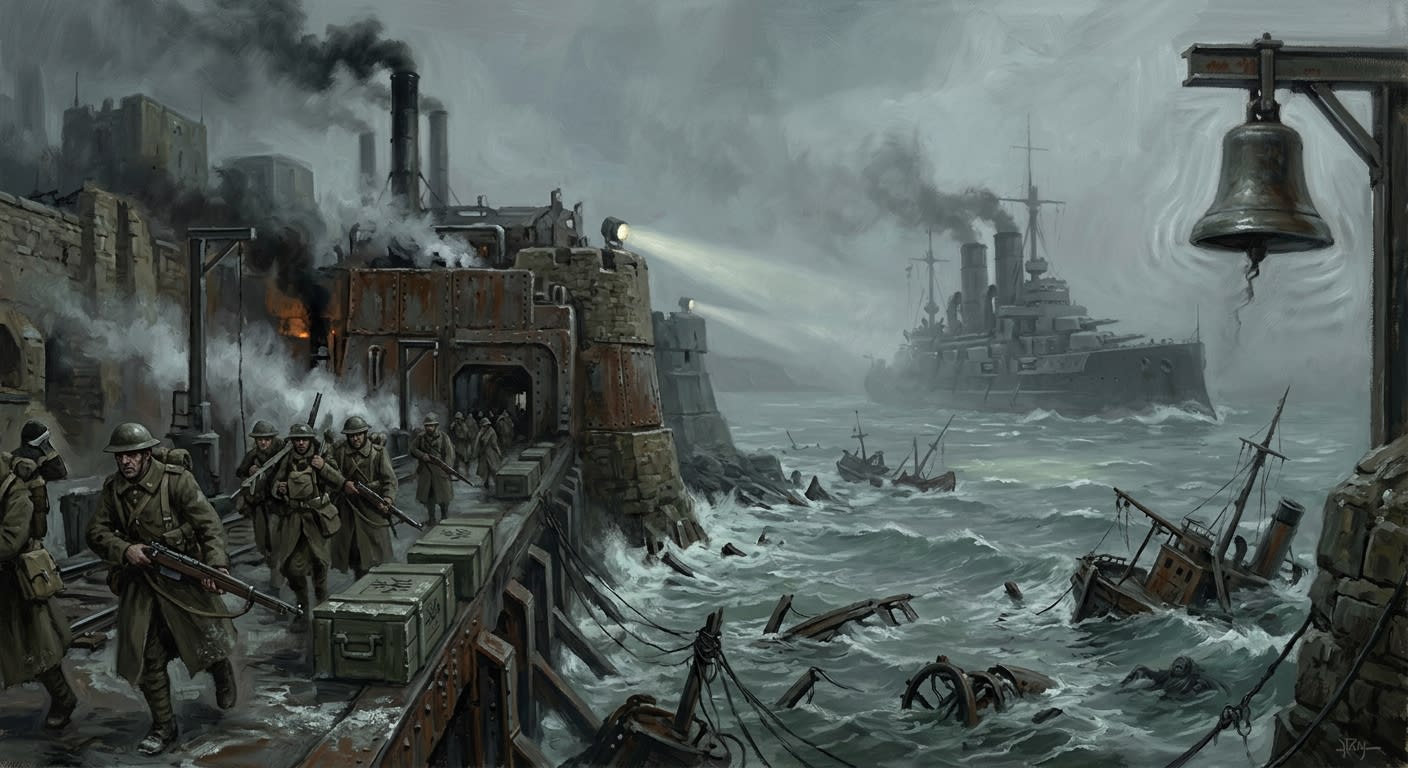
Channel
The water between two prides, and wiser than both
The Channel is the Synod's western salt wound: Calais to Dover, bells to fog, British pride to Synod arithmetic, and drowned things below.
Codex Ref. II.1.04-201
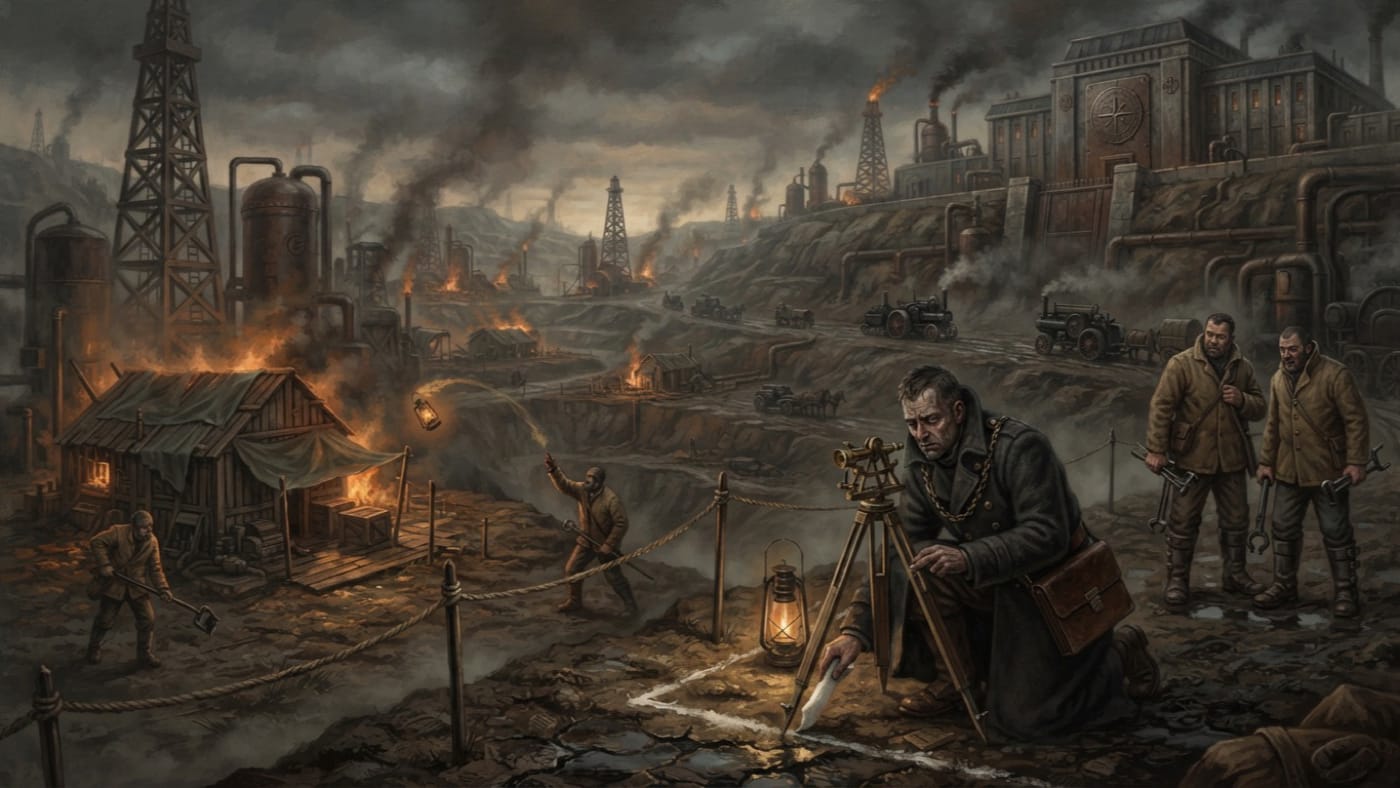
Charter Wars
The houses settled; the crews kept paying
Licensed extraction houses bribed Judges, burned rival pits and killed survey scribes over wound-site rights. The A.S. 167 amendment settled the Charter Wars; the houses continued by filing complaints.
Codex Ref. VII.8.10-167
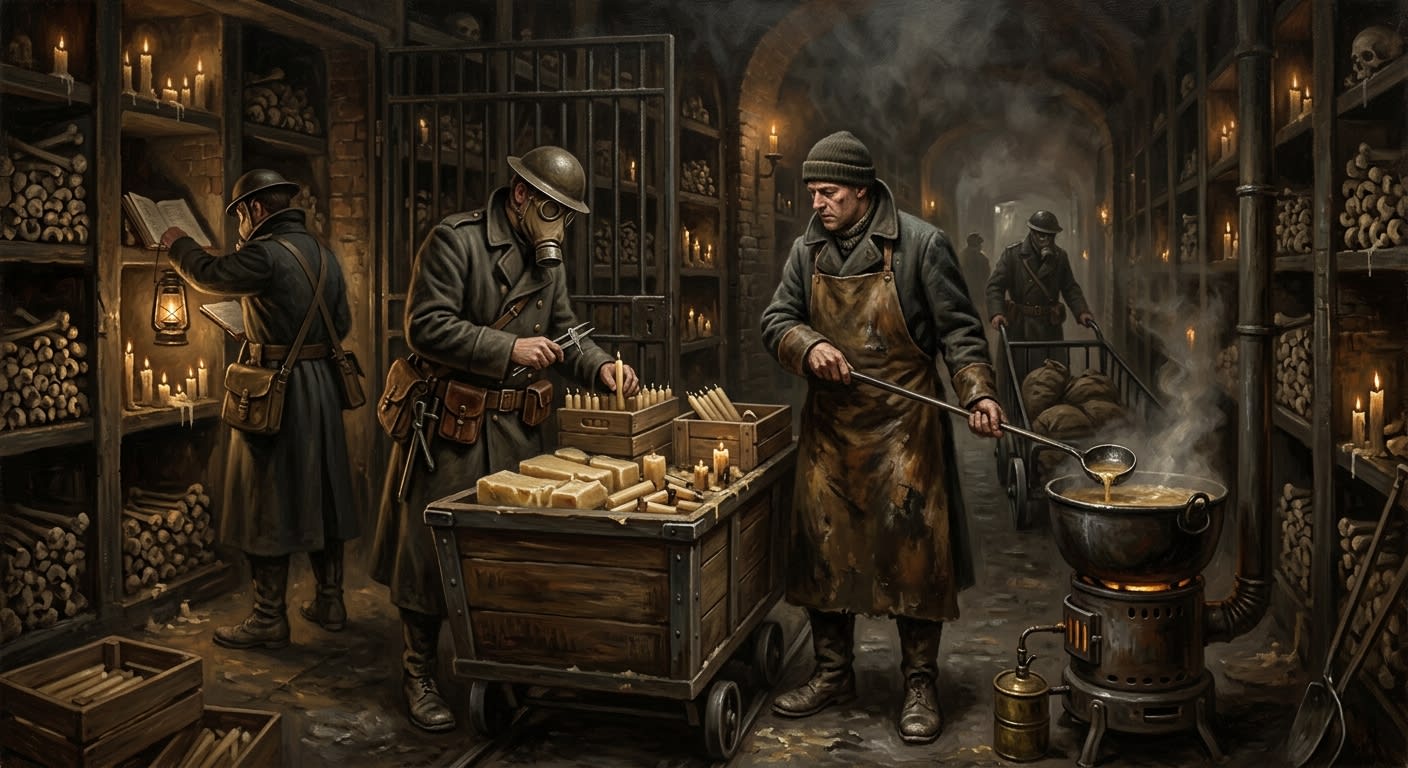
Circle of Ashen Steps
Where the dead are counted twice and the living pay for the privilege
The Circle of Ashen Steps is the Lantern Brotherhood's bone-lane vigil: tallying candles, policing body routes, skimming marrow-wax, and keeping scandal below riot threshold.
Codex Ref. XII.25.03-001
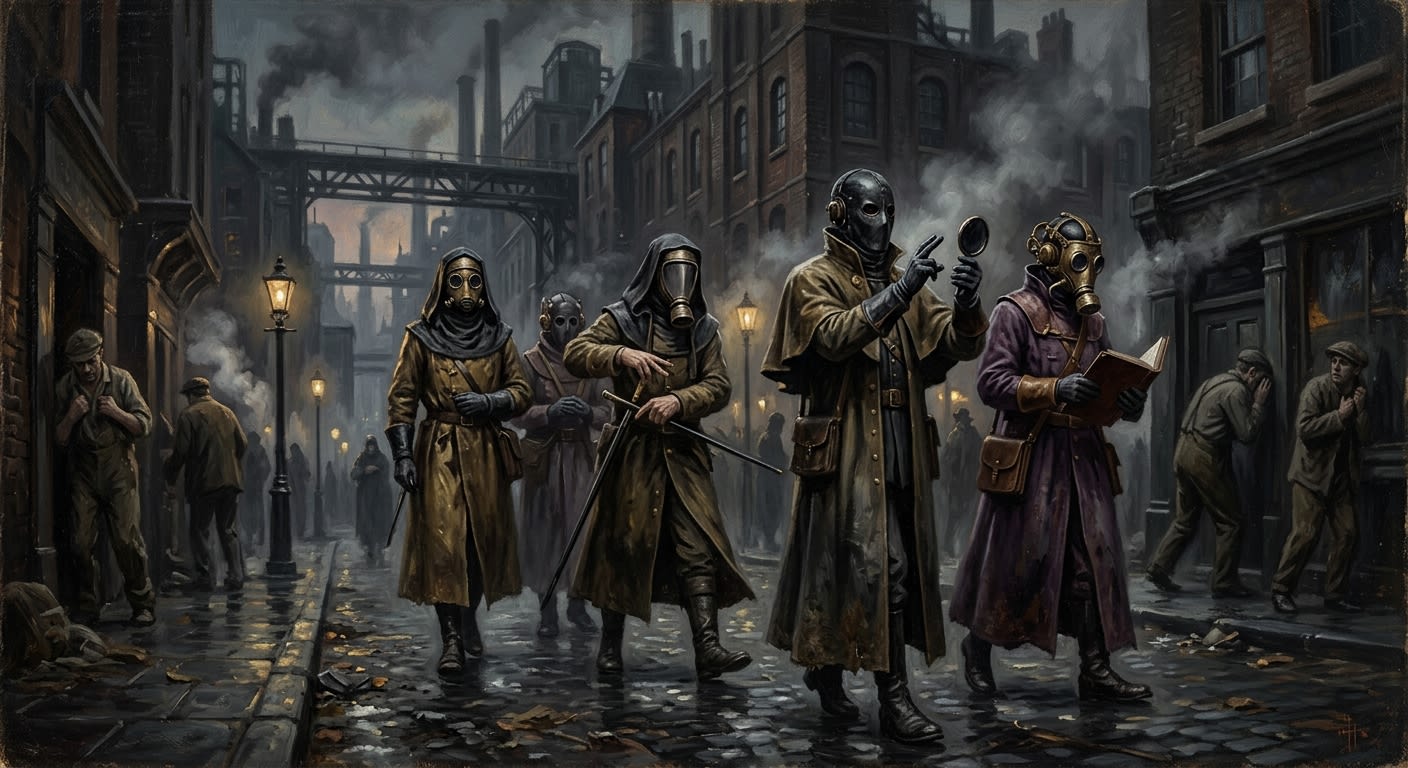
Circle of Mute Radiance
Silence has owners, and they carry mirror shards
The Circle of Mute Radiance governs bell-dead streets through hand-code, mirror-flash, Mouth-Seal, Hush Beating, and the quiet arithmetic of removal.
Codex Ref. XII.25.05-001
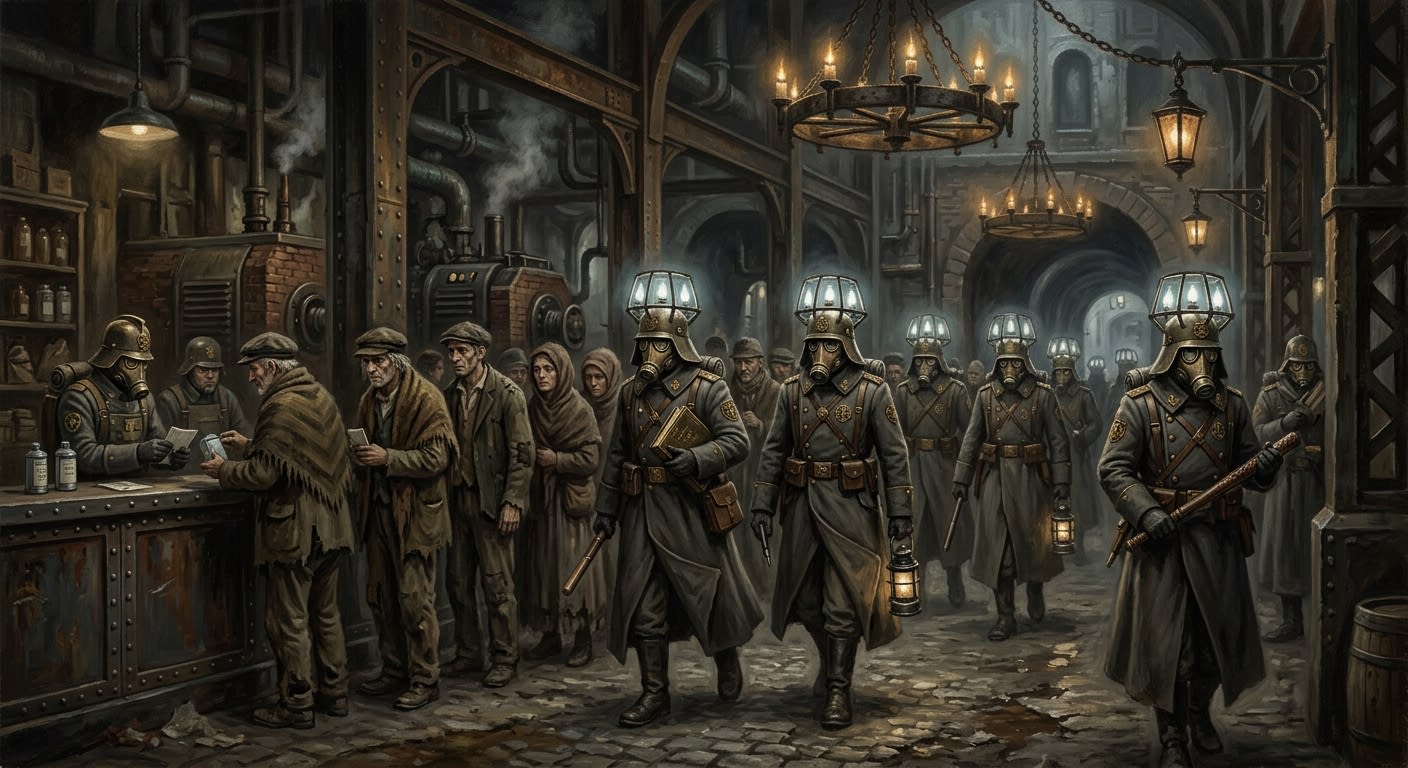
Circle of Nine Wicks
Where the queue remains a prayer because the hook remembers theology
The Circle of Nine Wicks is the Lantern Brotherhood's market vigil: keeper of ration queues, seller of light permits, and proof that hunger obeys geometry when watched.
Codex Ref. XII.25.02-001
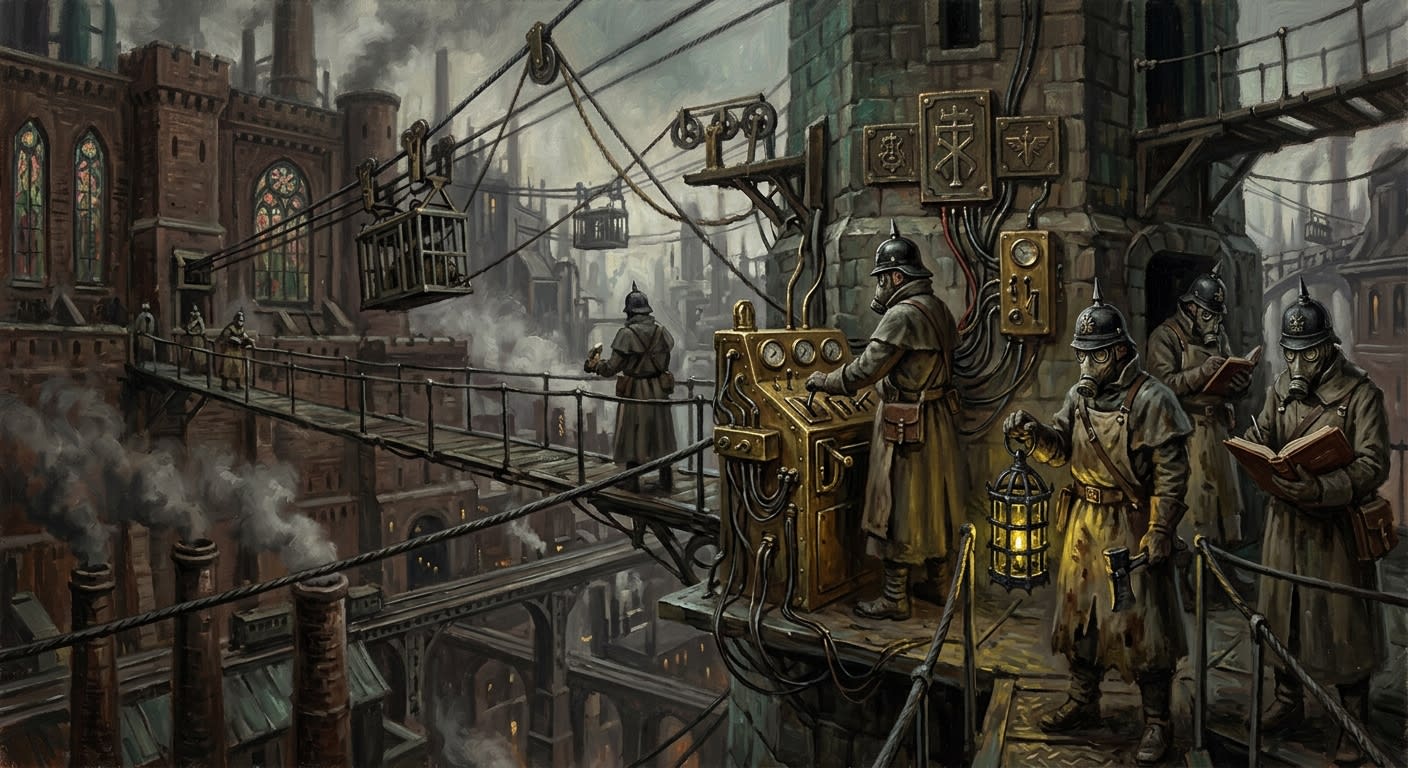
Circle of Rope-Road Lanterns
The city confesses beneath them because gravity needs no warrant
The Circle of Rope-Road Lanterns controls the high walks: rope-roads, pulley bridges, crossing records, selective falls, and the blackmail by which height becomes evidence.
Codex Ref. XII.25.04-001
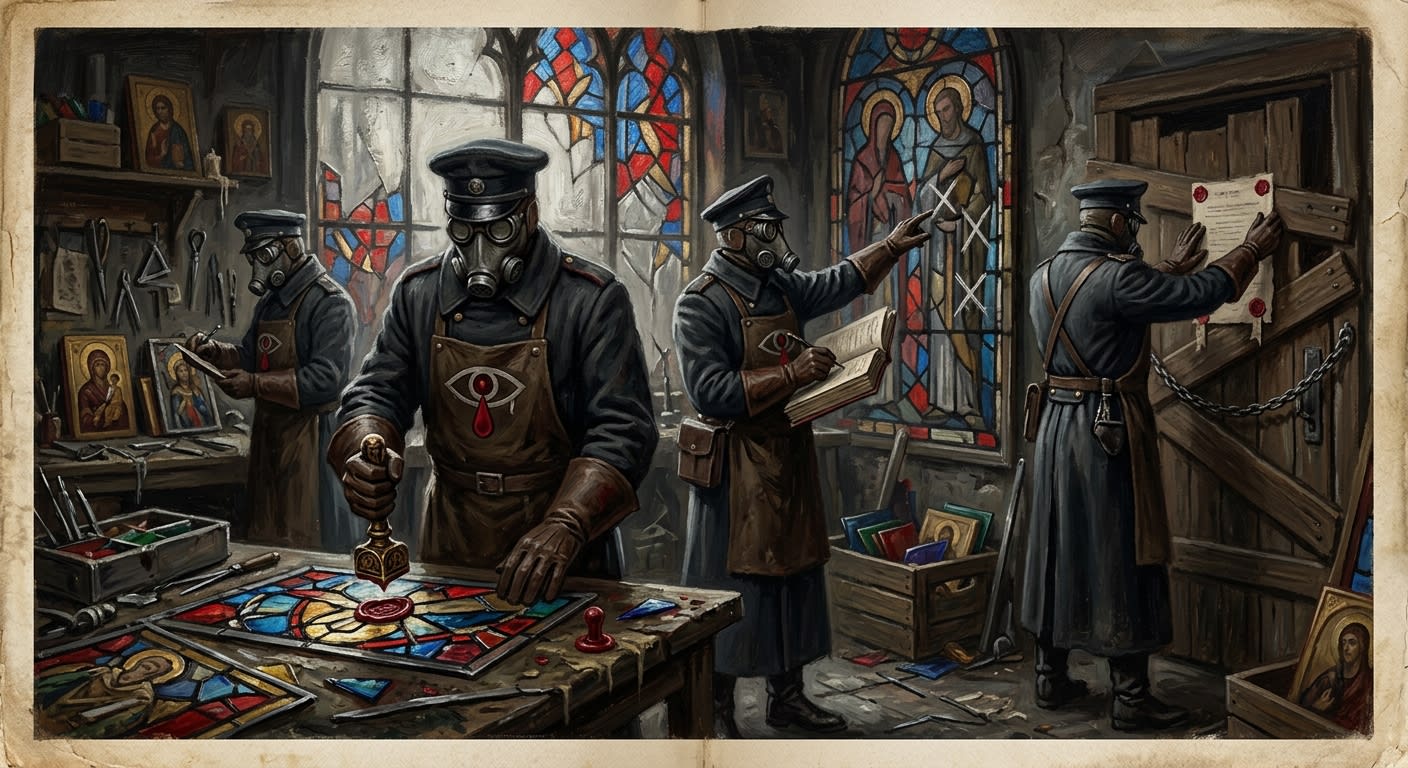
Circle of Stained Proof
Beauty is a smuggling method, and the Ledger likes pretty evidence
The Circle of Stained Proof polices relic markets, shrine workshops, and devotional glass with staged proof, teardrop seals, workshop closures, and a profitable hatred of illicit beauty.
Codex Ref. XII.25.06-001
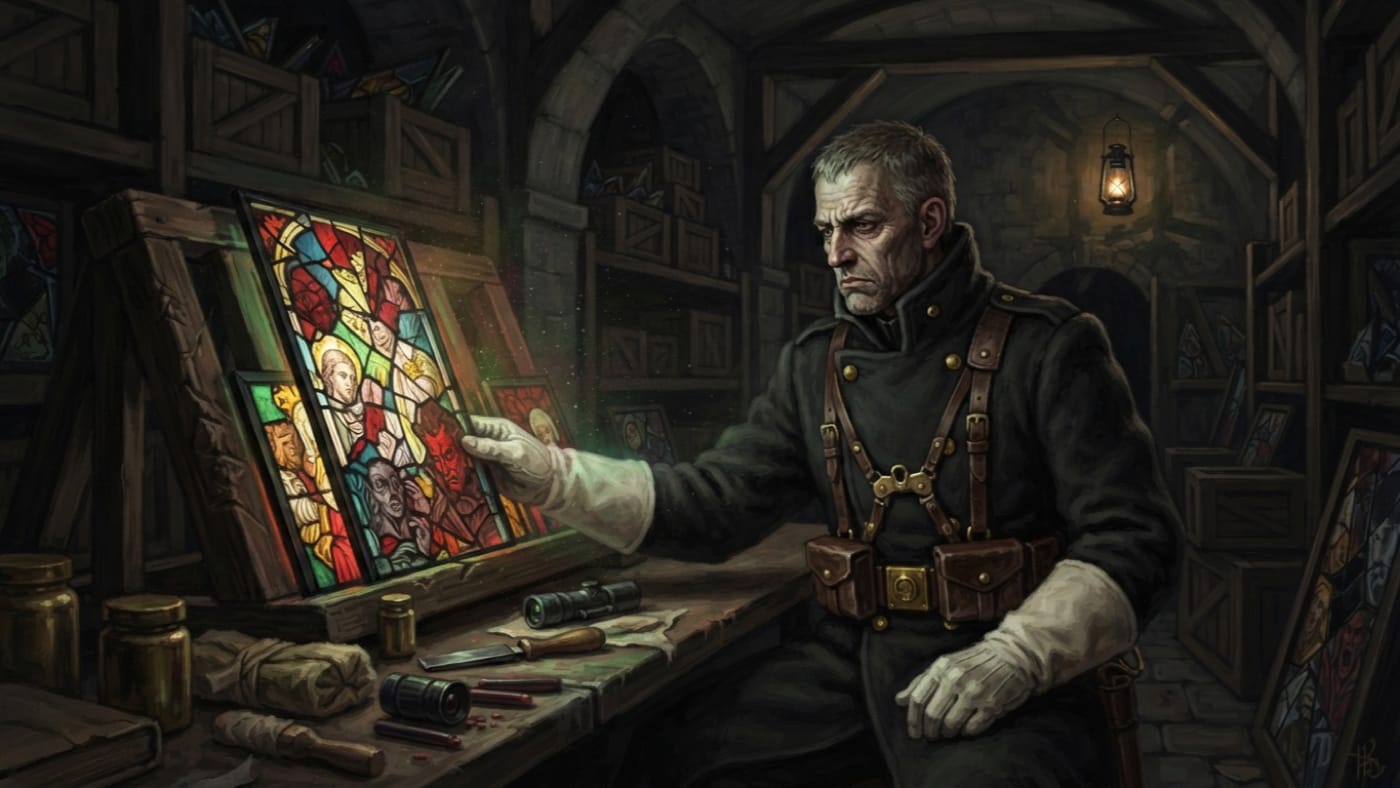
Circle-Captain “Saint” Havel Brune
Spotless gloves, dangerous taste
Circle-Captain Havel Brune commands Stained Proof, keeps spotless gloves, and lends his name to the aesthetic tithe. Reports place the public hero before seized panes after midnight, looking too long.
Codex Ref. III.2.01-1335
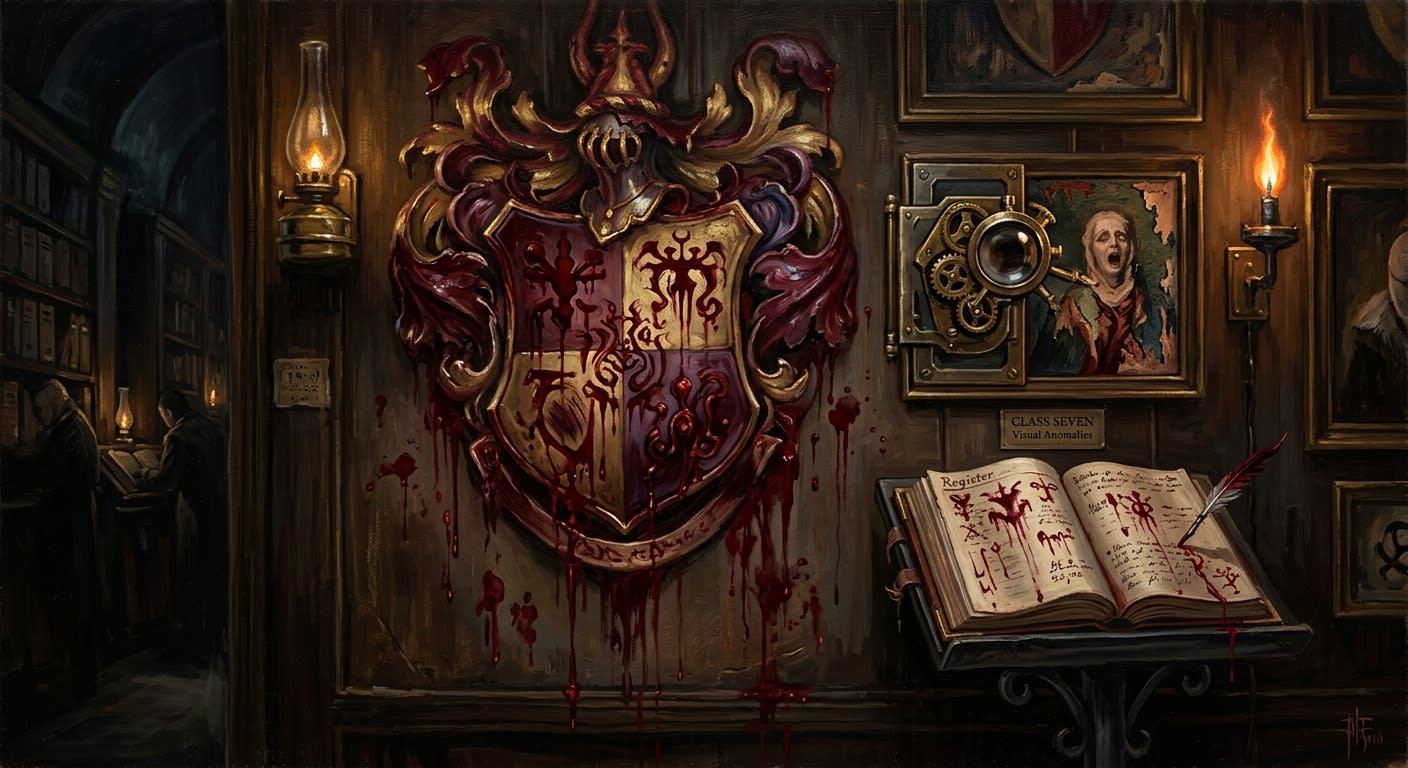
Class Seven Visual Anomalies
If the paint sings, leave the wall to the Creator
Heraldry’s red-ink doctrine for marks that move, sing, sweat, restore themselves, enter dreams, and teach the Inspector why courage needs a leash.
Codex Ref. XIII.1.83-001
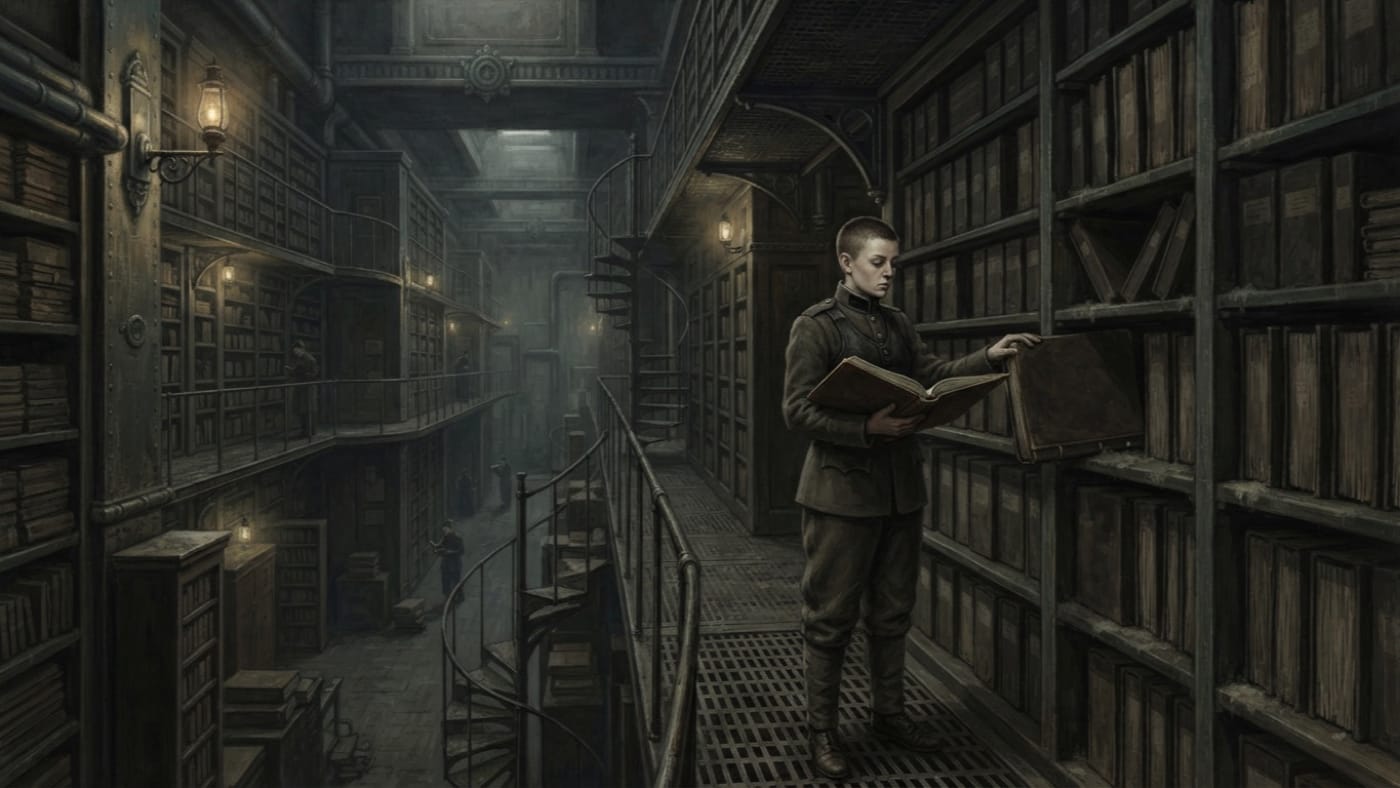
Classification Black
The paper is kept; the knowledge is refused
Classification Black keeps a document on the shelf and forbids anyone to read it. The Synod preserves the paper; the clerk preserves their ignorance.
Codex Ref. XIII.1.09-002
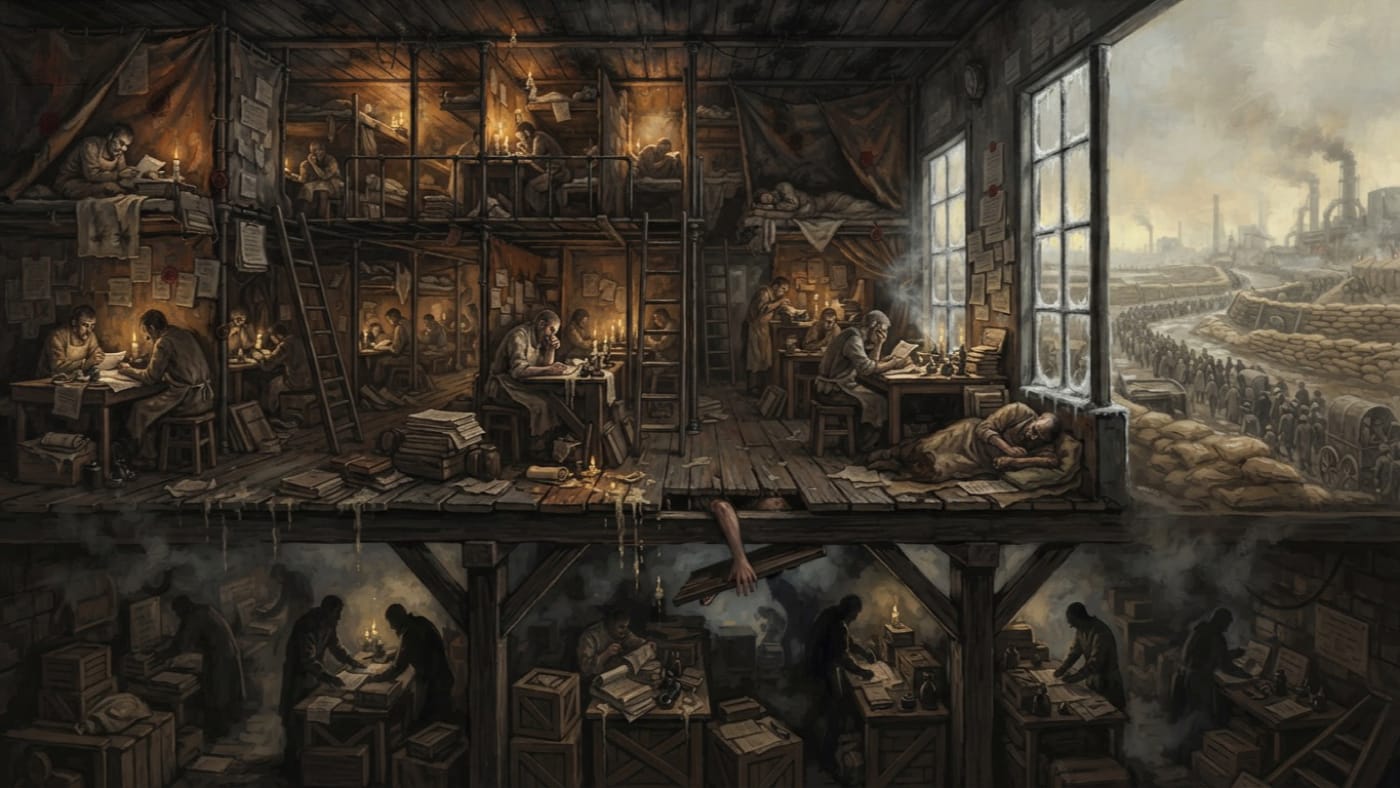
Clerklofts
Where the hands that grant passage sleep above the hands that sell it
The Clerklofts house Latchford's scribes above the Minute Market, where lawful passage sleeps one plank away from forgery, stolen windows, and mercy sold by the minute.
Codex Ref. II.4.08-201
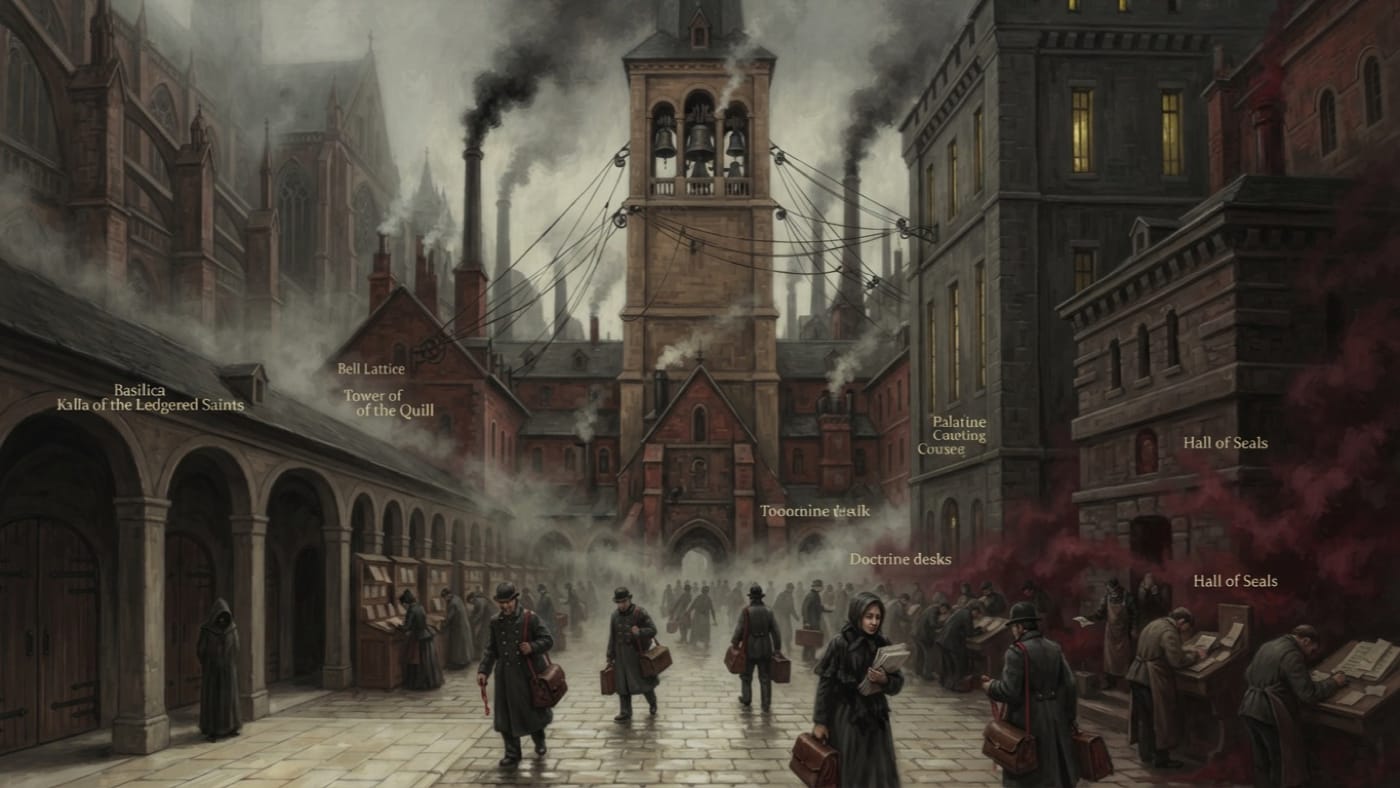
Cloister Precinct
Where every refusal stands within walking distance
Strasbourg's Cloister precinct gathers Doctrine desks, seals and tithes around one petitioner's walk. Every refusal is nearby; the northern arcade has no recorded custodian.
Codex Ref. II.1.04-008
Codex 'Doubt' Auditor
The men and women who weigh belief on scales you cannot see and file the reading under your name
The Codex Auditors are the Bureau of Purity's intelligence branch — operatives who audit belief itself, detecting hesitation before it becomes opinion and opinion before it becomes faction.
Codex Ref. VIII.2.01-001
Cologne Schism of A.S. 178
Three lanterns, one cellar, and the mercy that learned to testify
The A.S. 178 Cologne Schism split three Lantern Brotherhood watch circles over Mercy Preacher shielding, producing Purists, Loyalists.
Codex Ref. VII.8.09-001
Colonel-Inquisitor Aras Venn
Every man returned. The file is closed.
Aras Venn led the First Shadow Court Expedition in A.S. 72. Every man returned. Venn died in an Adriatic sanitarium in A.S. 94; the phrase covering his quarters remains classified.
Codex Ref. III.2.01-677
Colonel-Prefect Ignaz Brechtold
The clerk who made silence visible with wire
Rationalist Prefect of Kraków whose A.S. 18 Night of Knives wired forty-seven clerical mouths shut and taught Doctrine that paperwork can sharpen murder.
Codex Ref. III.2.01-086
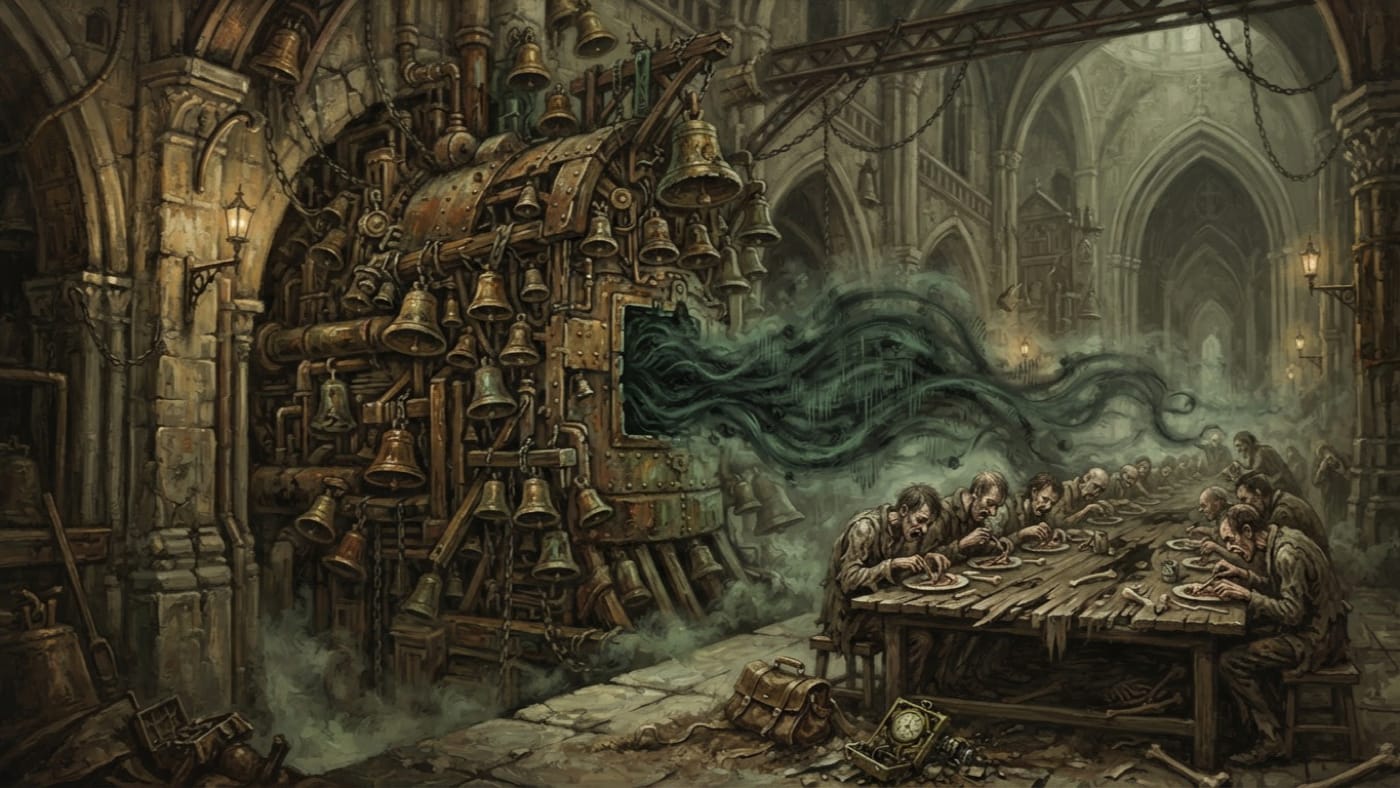
Compulsion Architecture
The hunger is recorded. The mechanism remains an interpretation.
Bells names the Hollow Court’s recorded harmonics Compulsion Architecture. Involuntary appetite is not proof of compelled action. Rites requested the chart’s destruction. The chart was reclassified.
Codex Ref. XIII.1.62-007

Concord Quarter
Where the Synod receives what it cannot command
Strasbourg's Concord Quarter houses foreign missions and Concord's arbitration rooms. Here the Synod receives what it cannot command, and every objection remains pending.
Codex Ref. II.1.04-007
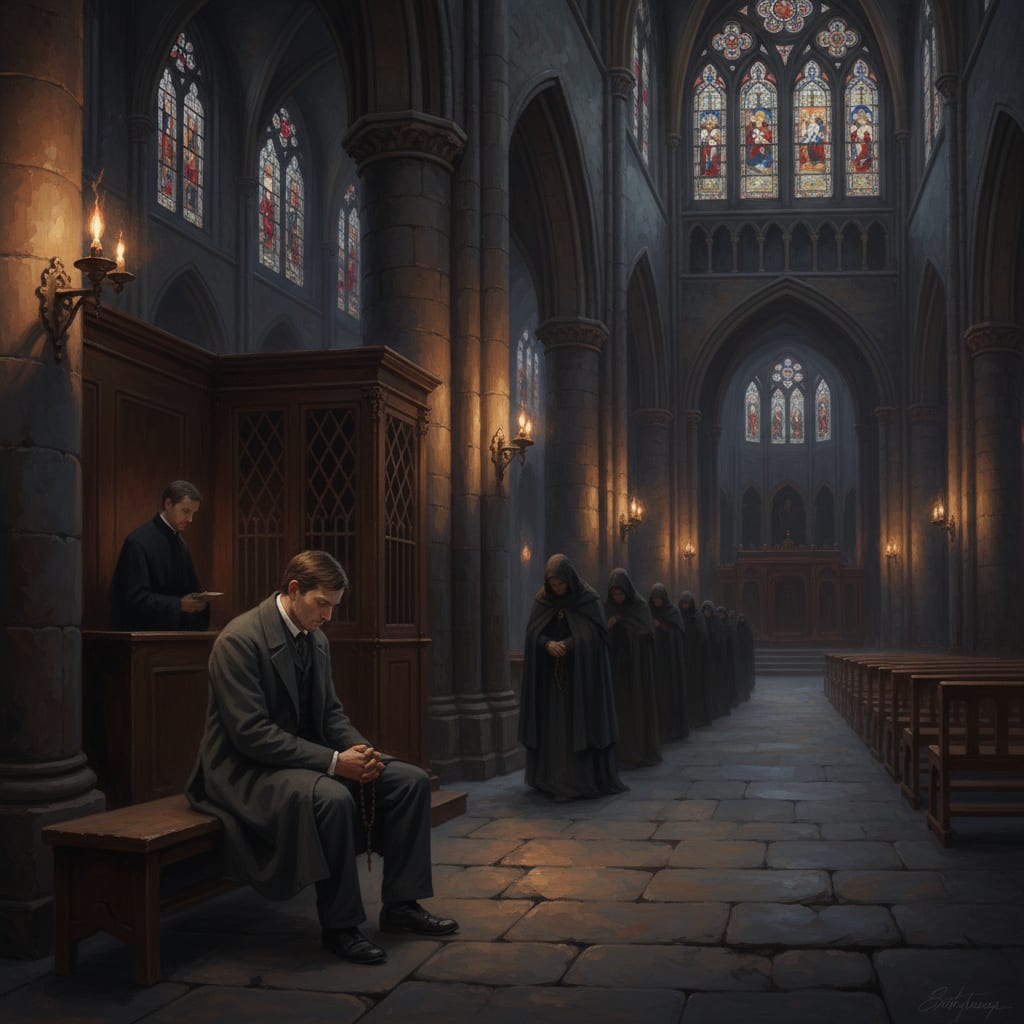
Confessarii
Two hundred and eighty-six reports filed; three blank pages received; the system functions as intended
The Confessarii are the Bureau of Shadows' listening network, which does not exist because the Bureau does not exist. They attend. They absorb. They file. The courier departs. Nothing is acknowledged. The system functions as designed.
Codex Ref. XIII.1.06-001
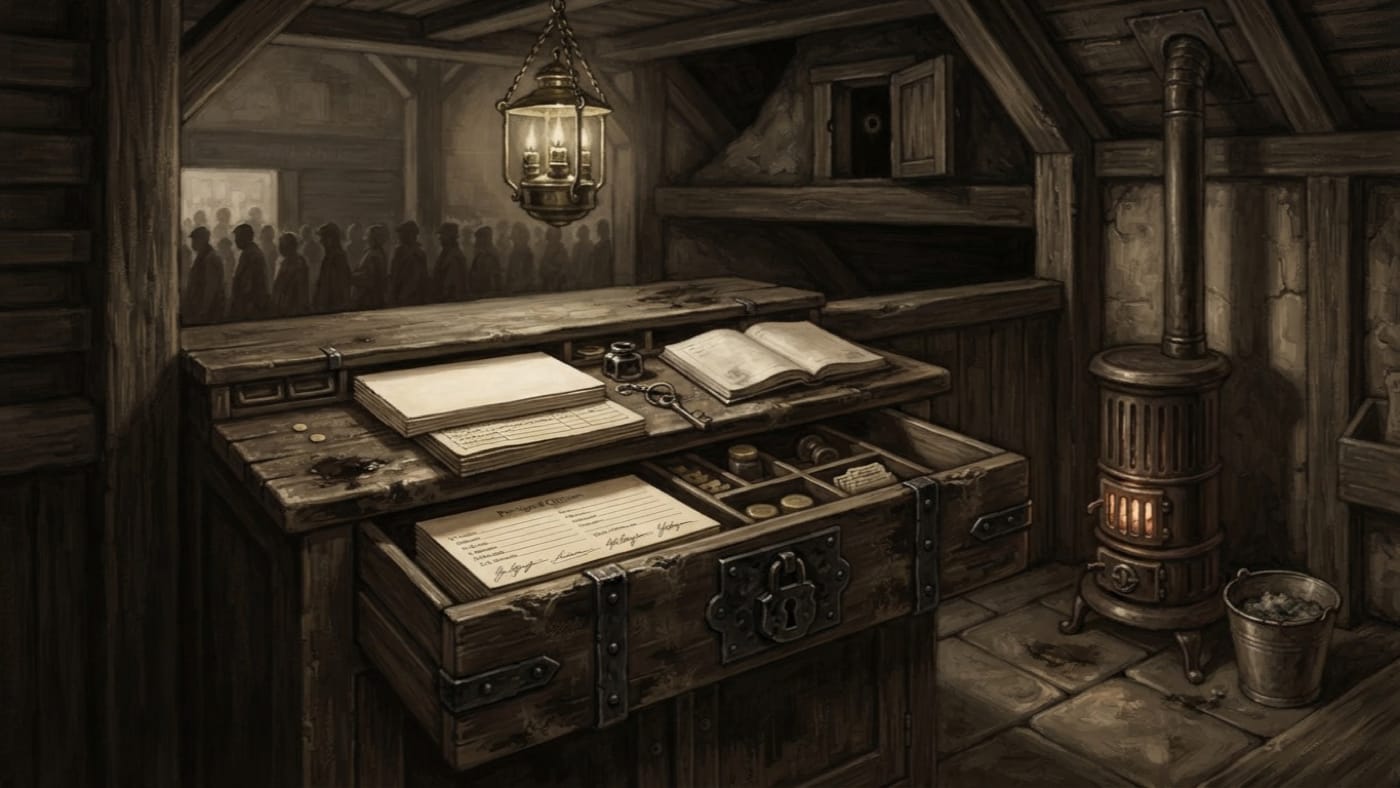
Confession Closet
Where the signature dries before the crime
The Confession Closet is Nine Wicks' cache of blank confessions and pre-signed citations: guilt prepared before accusation, and a licence awaiting the wrong hand.
Codex Ref. IV.6.25-201
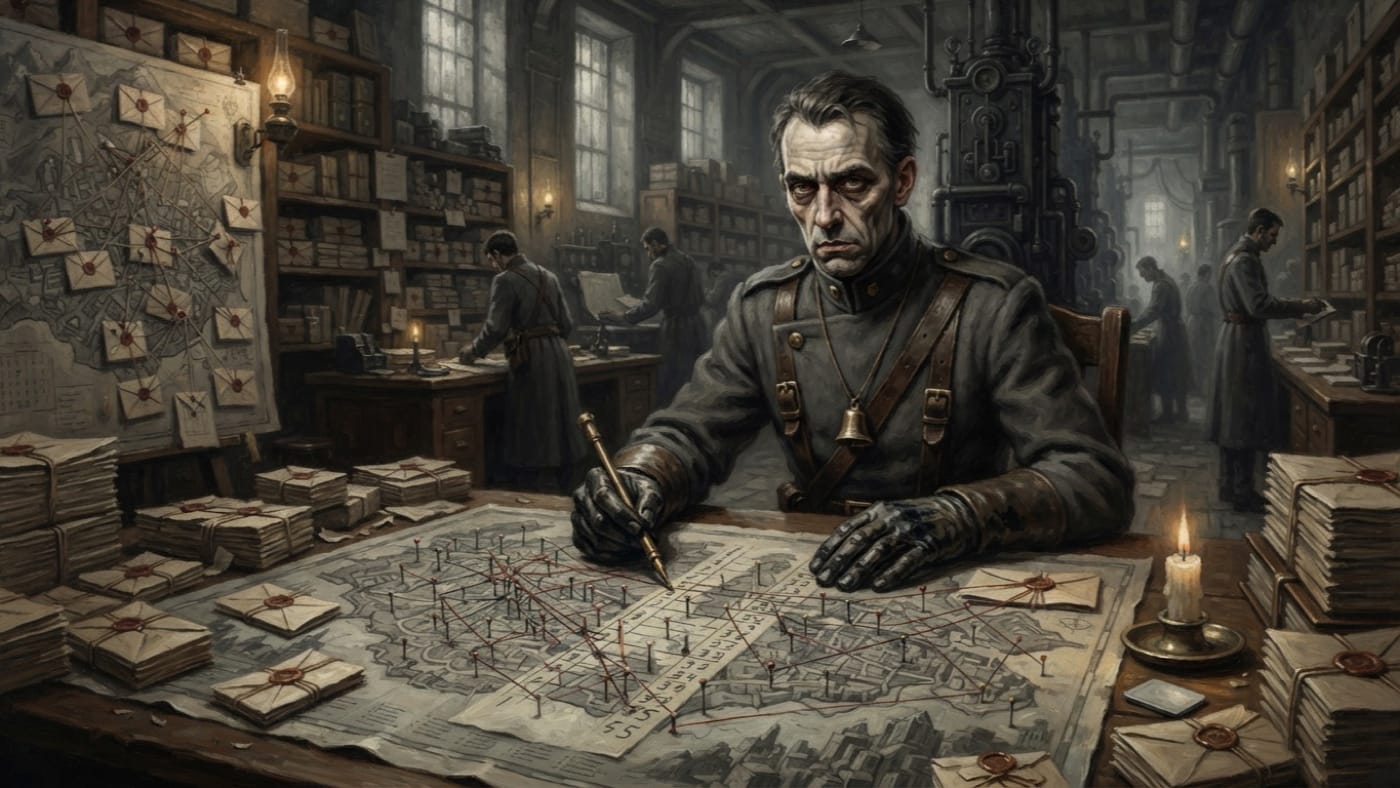
Confession Pattern Analyst
No individual is guilty of a pattern; the Bureau will nevertheless require names
An A.S. 201 survey of the Bureau of Purity's unacknowledged specialists. They map district confession patterns by cadence, vocabulary and emotional distribution; other hands supply the names.
Codex Ref. VIII.2.01-002
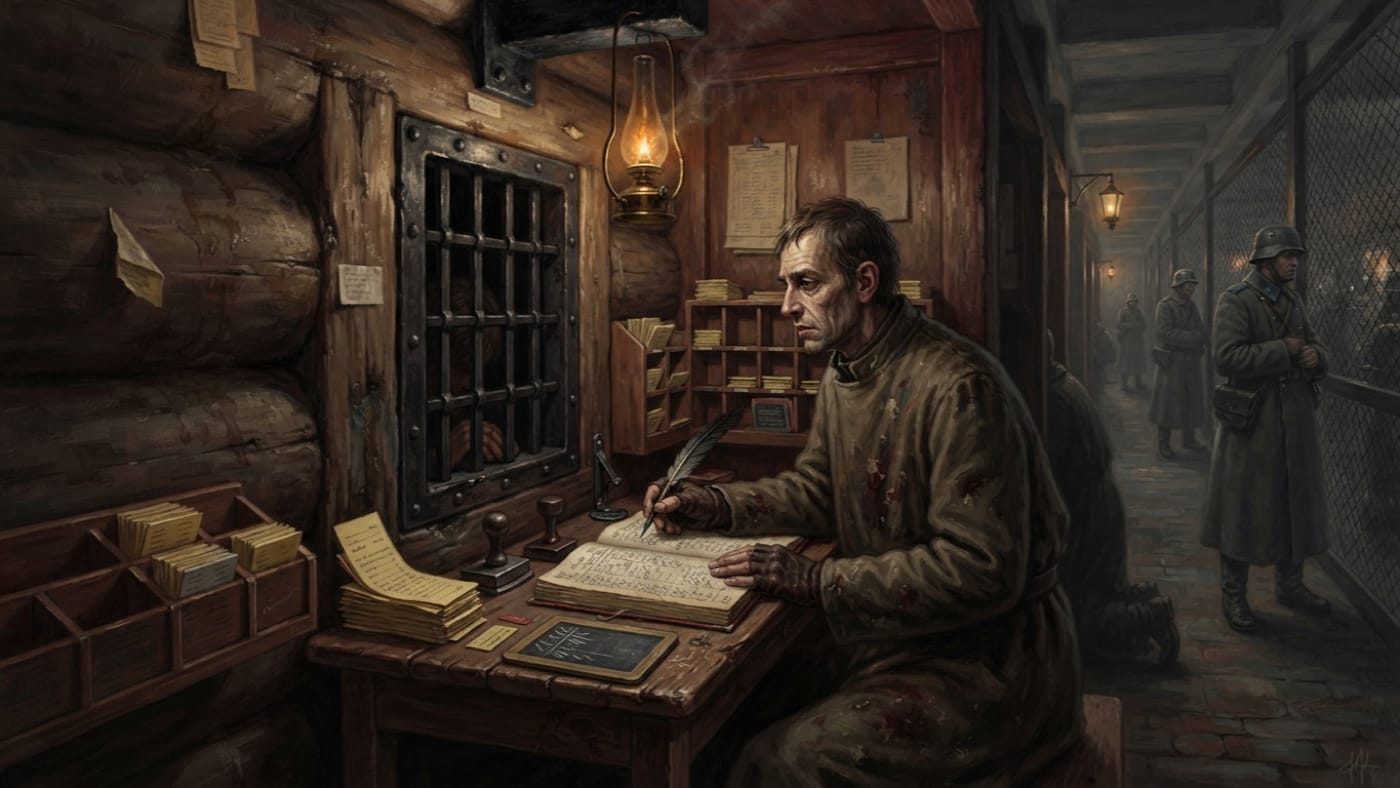
Confession Scribe
The hand between spoken guilt and lawful passage
At Bastion-Brest, the Confession Scribes turn spoken guilt into crossing authority, hoard secrets and sell edited sins. Hal assures their reliability; the Tribunal keeps its doubts under seal.
Codex Ref. XII.9.02-001

Contradiction Map
The holy art of keeping incompatible truths from meeting before lunch
The Contradiction Map is the Broker's slip-book of lethal truths: relic claims, feast days, custody lies, and the blessed delays that keep bones from starting wars.
Codex Ref. XII.15.05-148
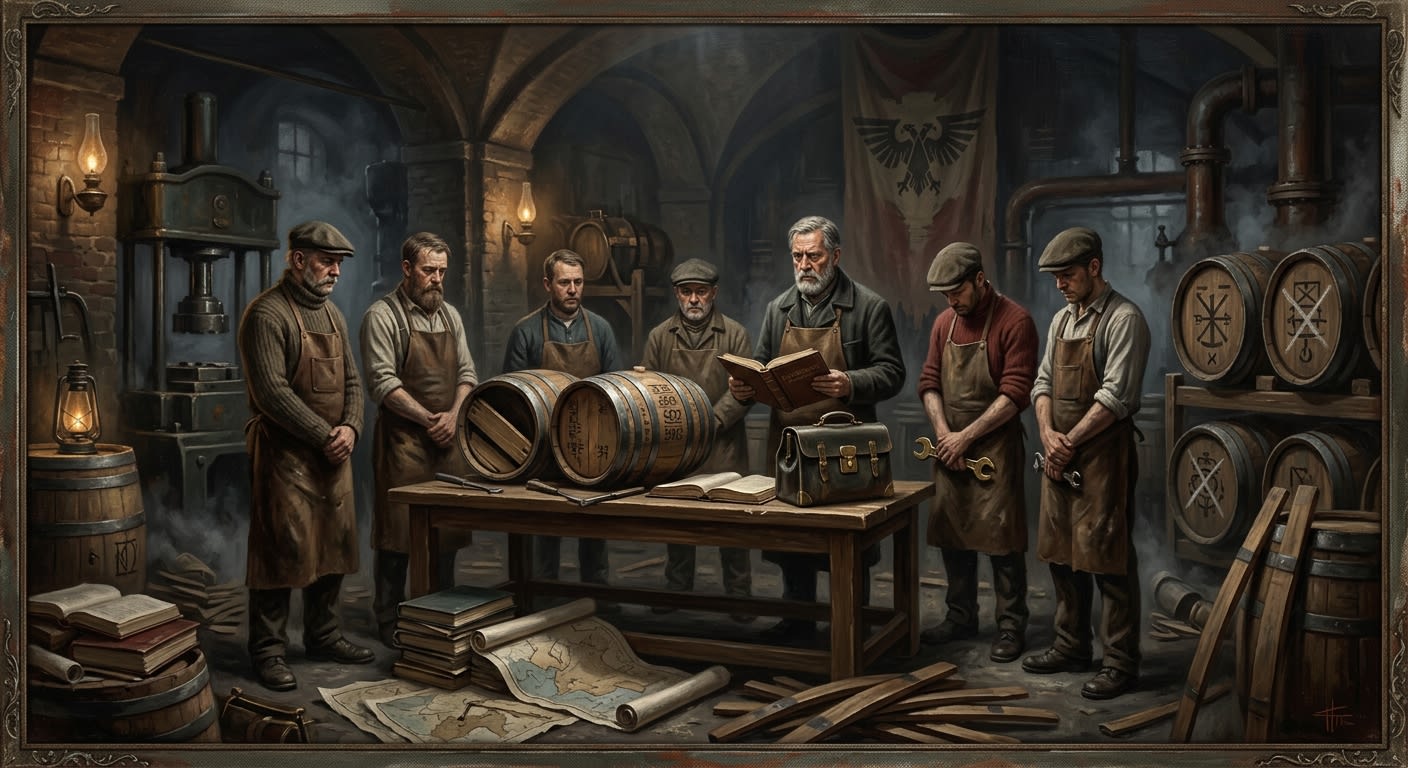
Coopers' Brotherhood of the Blessed Barrel
A barrel is hollow, certified, and treacherous when taught to sing
Dissolved Lübeck cooperage fraternity whose A.S. 180 contemplative silence followed Shadow seizure of hoop codes, false-bottom casks, route songs, and the harbour's loudest useful lies after the Year of Smoke.
Codex Ref. XII.26.04-001

Corporal Drennan
One touch, four words, and the Marsh denied a morsel of vanity
Corporal Drennan of Bastion-Constantinople interrupted Drax's Blightmarsh fixation at Kestrel-9 in A.S. 199, committing useful impropriety with one hand on a sleeve.
Codex Ref. III.2.01-020

Corridor Master
The driver who knows where Strasbourg declines to have doors
Corridor Masters know Strasbourg's unmarked doors and the approaches that let Night Wagons reach them unseen. No warrant records the specialty; the city depends upon it before dawn.
Codex Ref. XII.14.04-003
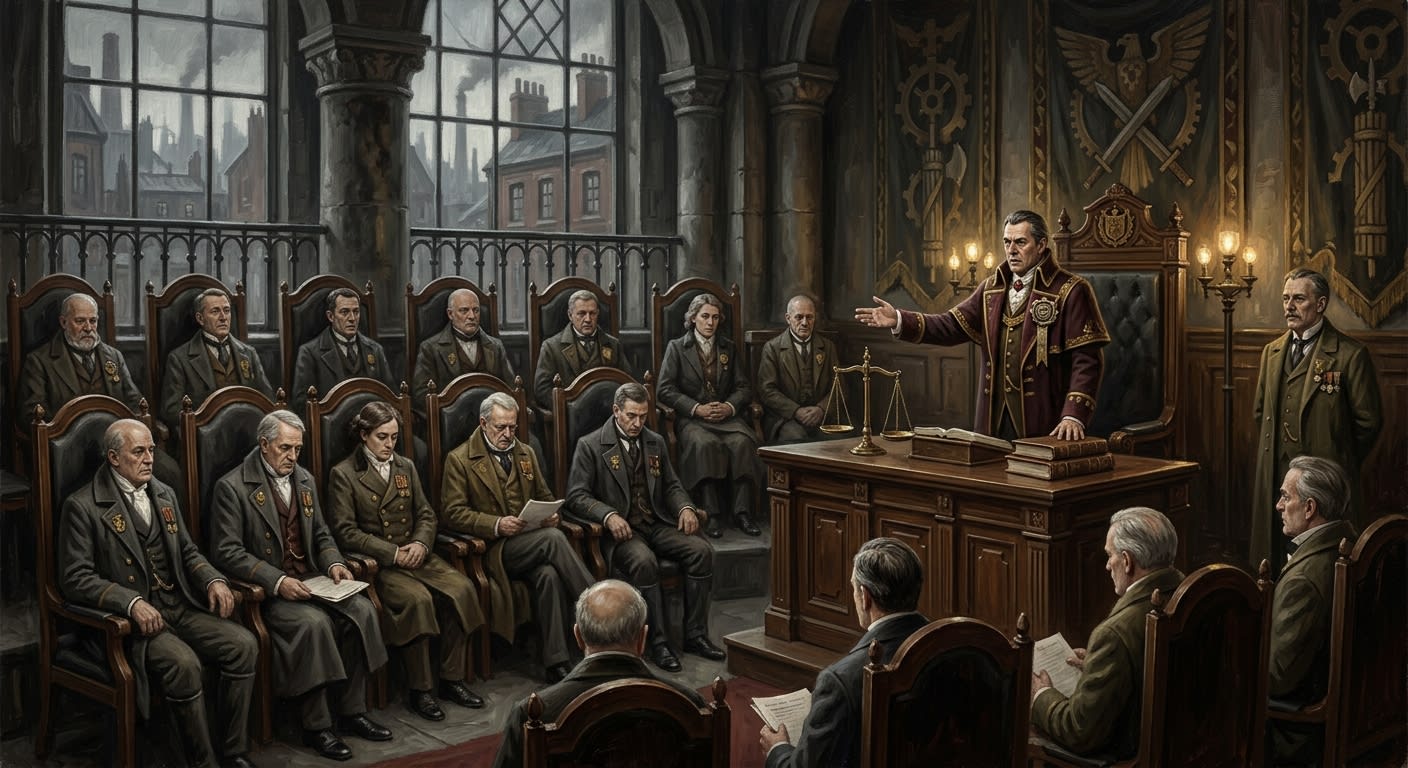
Council of Prefects
Where dissent receives a chair, a minute, and a family corridor
The Council of Prefects is unanimity with chairs: a ratifying chamber where civic officers discover what Strasbourg has already decided they believe.
Codex Ref. XIII.1.90-138
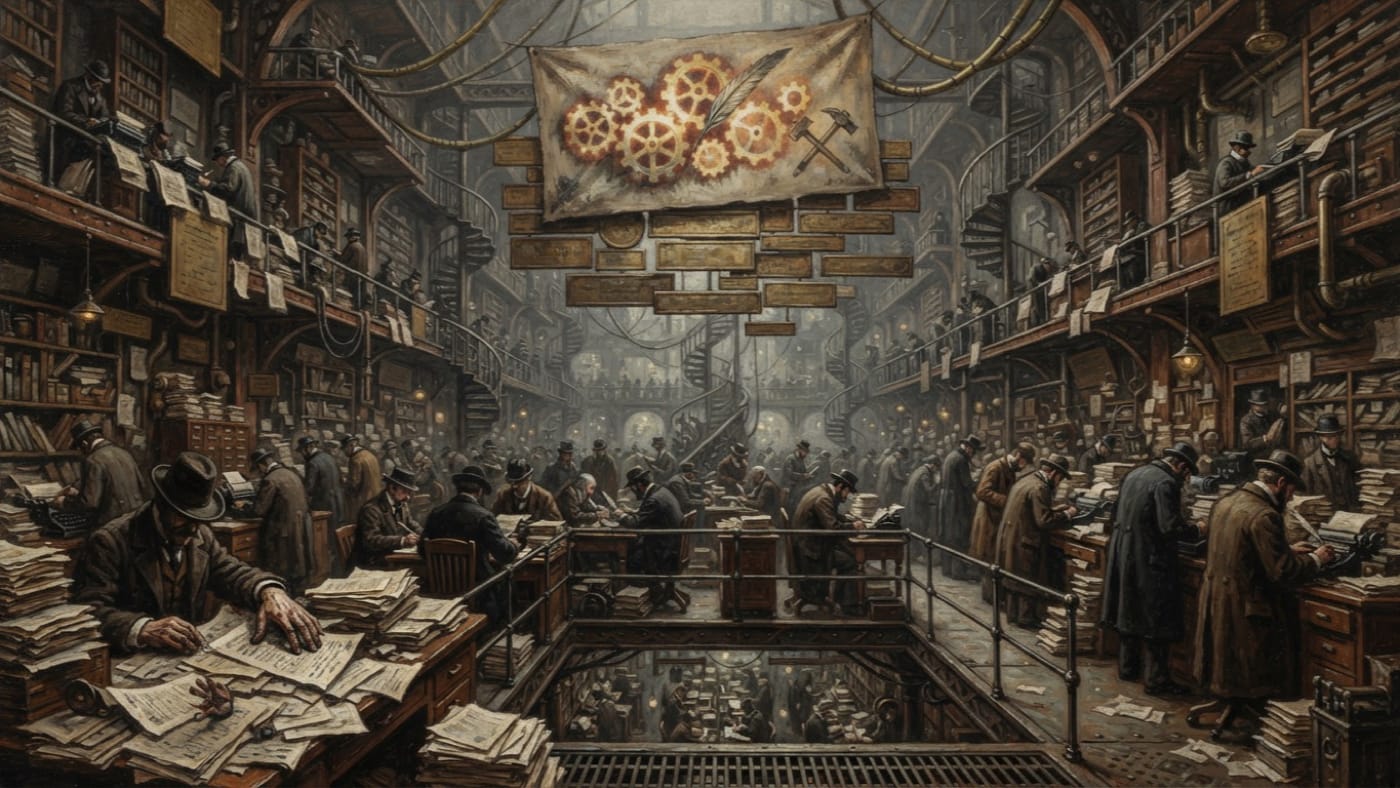
Council of Seven Orders
One surviving maxim. A continent of duplicate offices.
The Council of A.S. 110 gave the Synod a doctrine of overlapping offices: redundancy is sanctity. Its roster remains unavailable, its proceedings unfiled, and its administrative descendants still draw stipends.
Codex Ref. VII.7.03-001
Counter-Seals
A clerk's certainty is the Court's preferred key
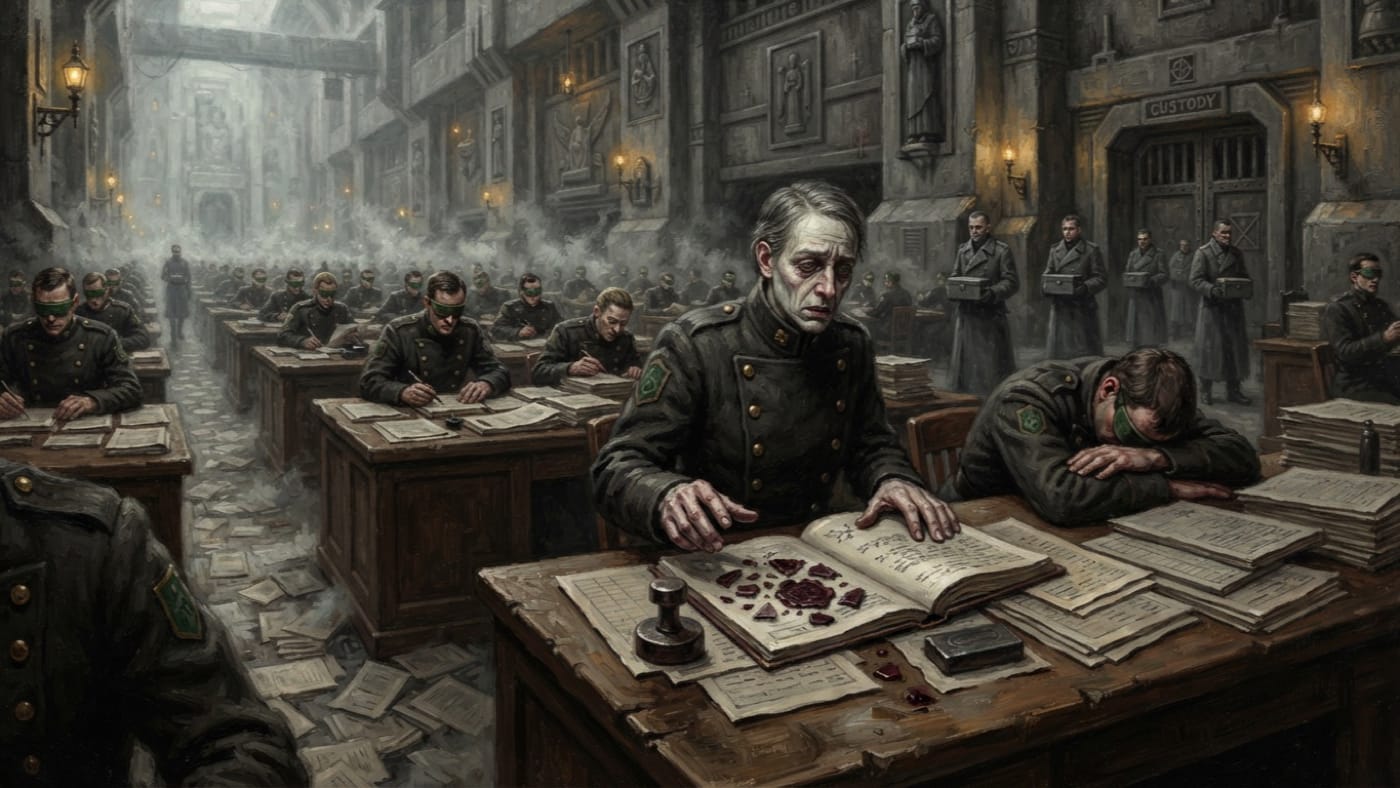
The Shadow Court's counter-seals reportedly revise a document's origin and the reader's assent. Under Directive 77-C, suspect wax is broken before reading and seal geometry must never be copied.
Codex Ref. XIII.1.25-002

Counter-Toll Corps
Louder is cleaner, until the city taps back
The Counter-Toll Corps is the Synod's sanctioned acoustic overwrite force: bronze artillery for false curfews, borrowed obedience, and bells that answer back.
Codex Ref. XII.2.02-135
Counting Room
Where a full column need not mean a full grave
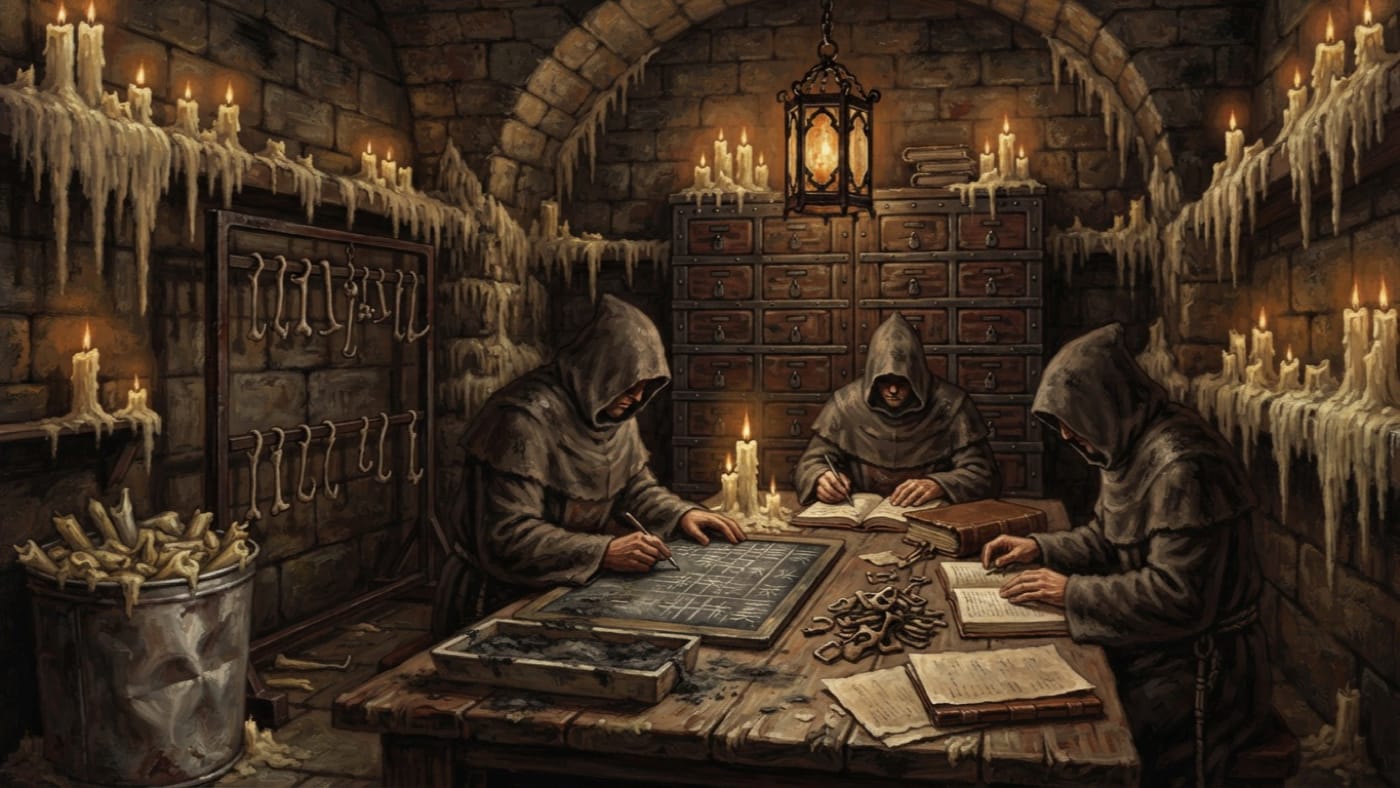
Ossuary Office Seven, headquarters of the Circle of Ashen Steps, reconciles candle tallies, body-tags, and marrow-wax in Bastion-Constantinople. The figures agree; the bodies need not.
Codex Ref. II.4.10-007
Court-Adjacents
The Bureau recognizes the work. It refuses the title.
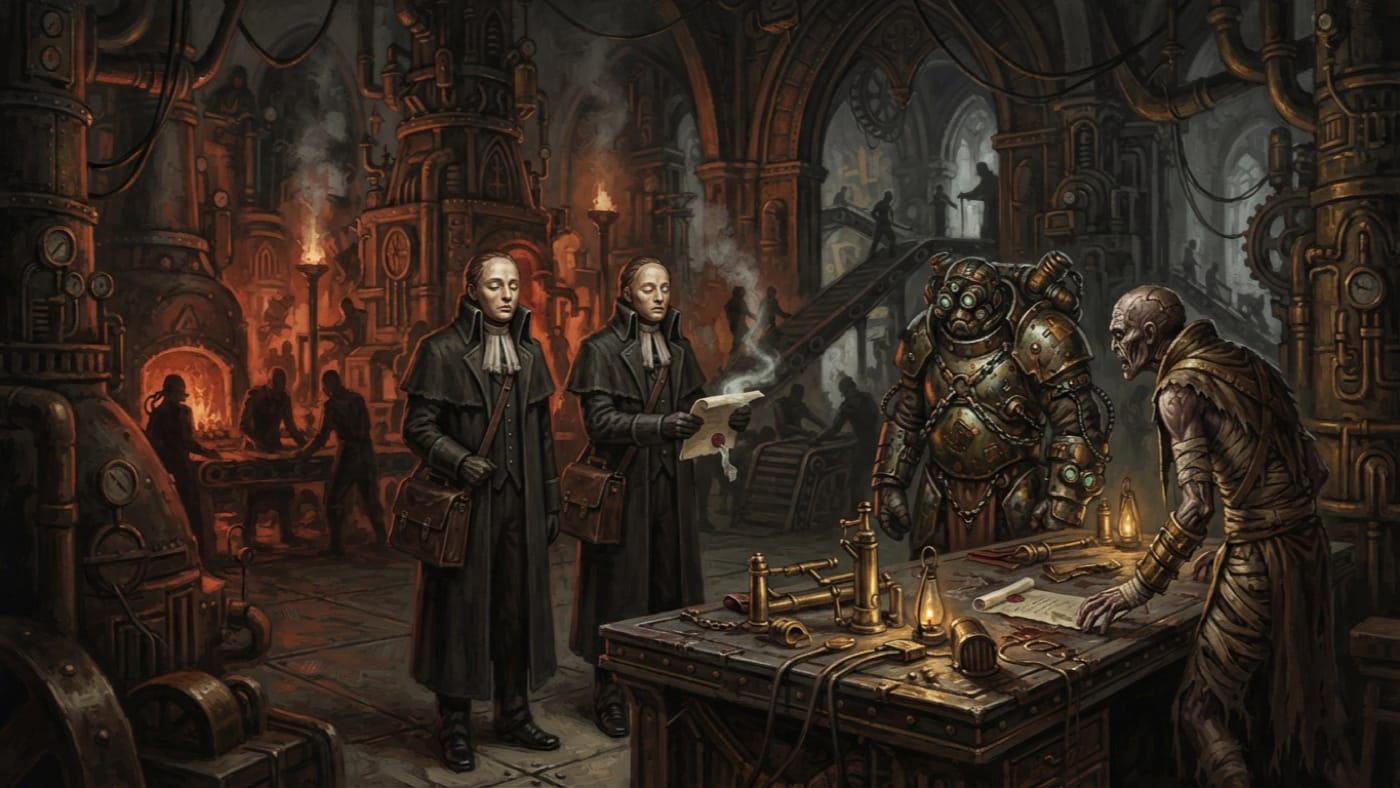
Reports describe human envoys carrying writs between the Sin-Generals in masks taken from saints. The Bureau recognizes the function and refuses to call it diplomacy.
Codex Ref. V.9.02-001
Crone of Patience
The woman who keeps walking through an unclosed file
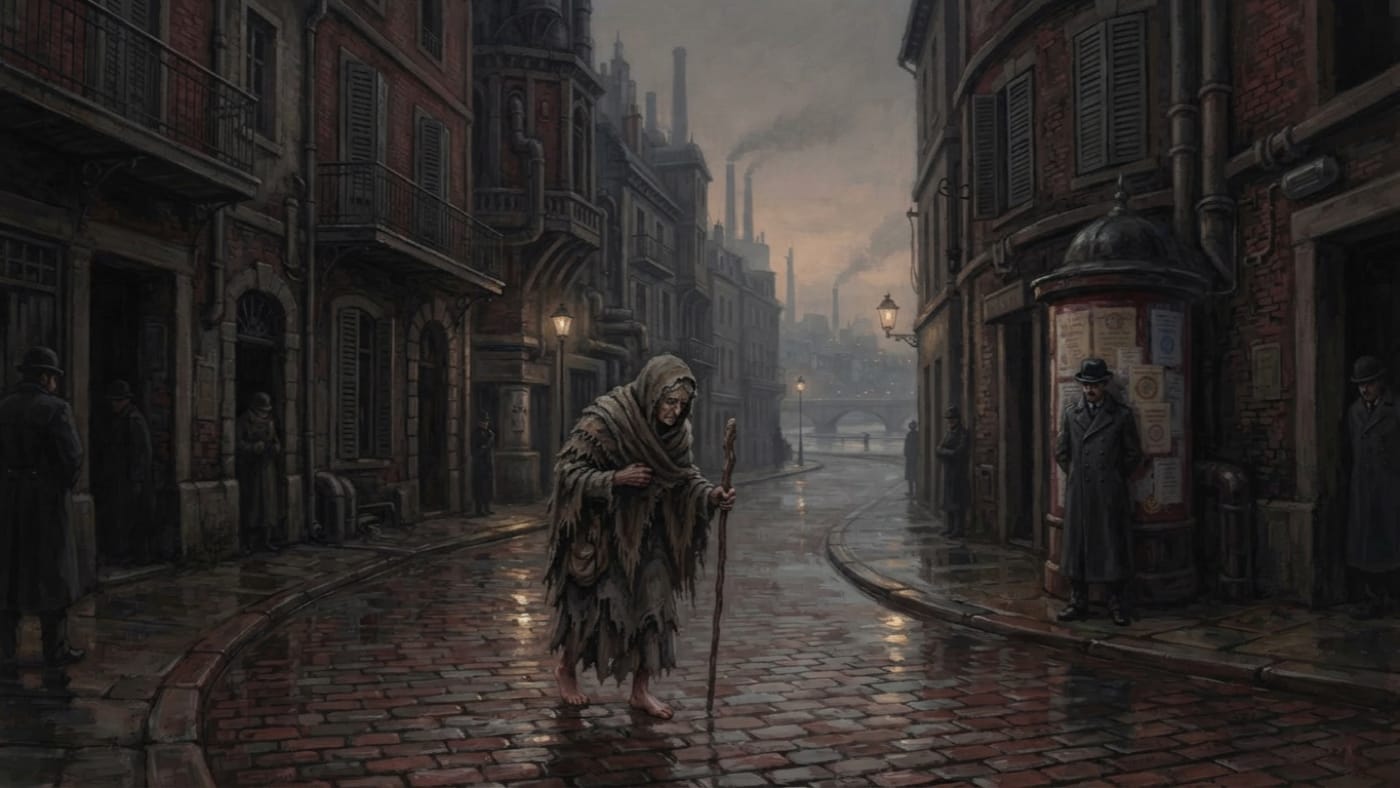
Condemned as the Second so-called Virtue General, the Crone of Patience remains an unproven attribution: an old woman walks Toulouse while Shadows pays to watch.
Codex Ref. III.2.01-052
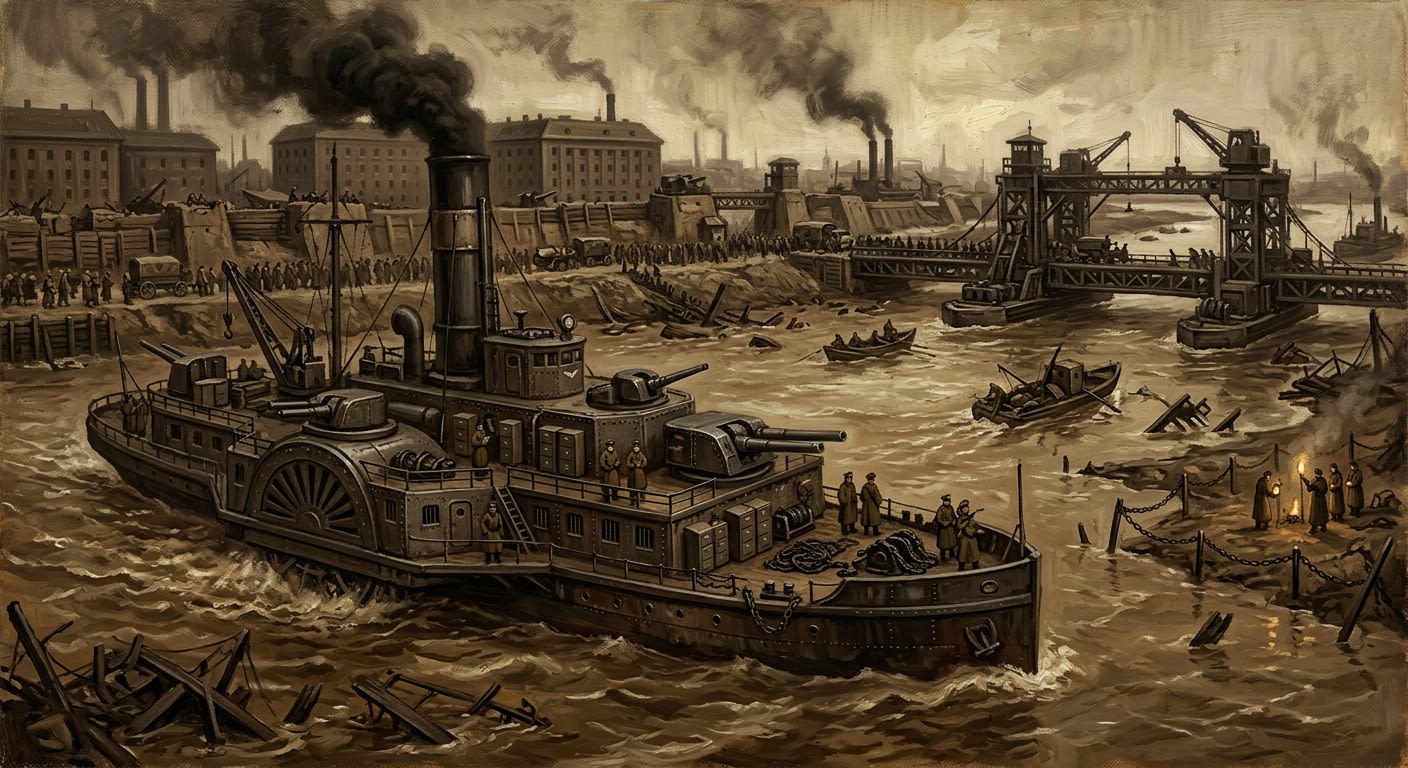
Danube
A moving jurisdiction, interrupted by Hell
The Danube is the Synod's brown moving jurisdiction: road, border, weapon, archive, tariff, grave, miracle-site, and contested throat of Irongate.
Codex Ref. II.4.09-034
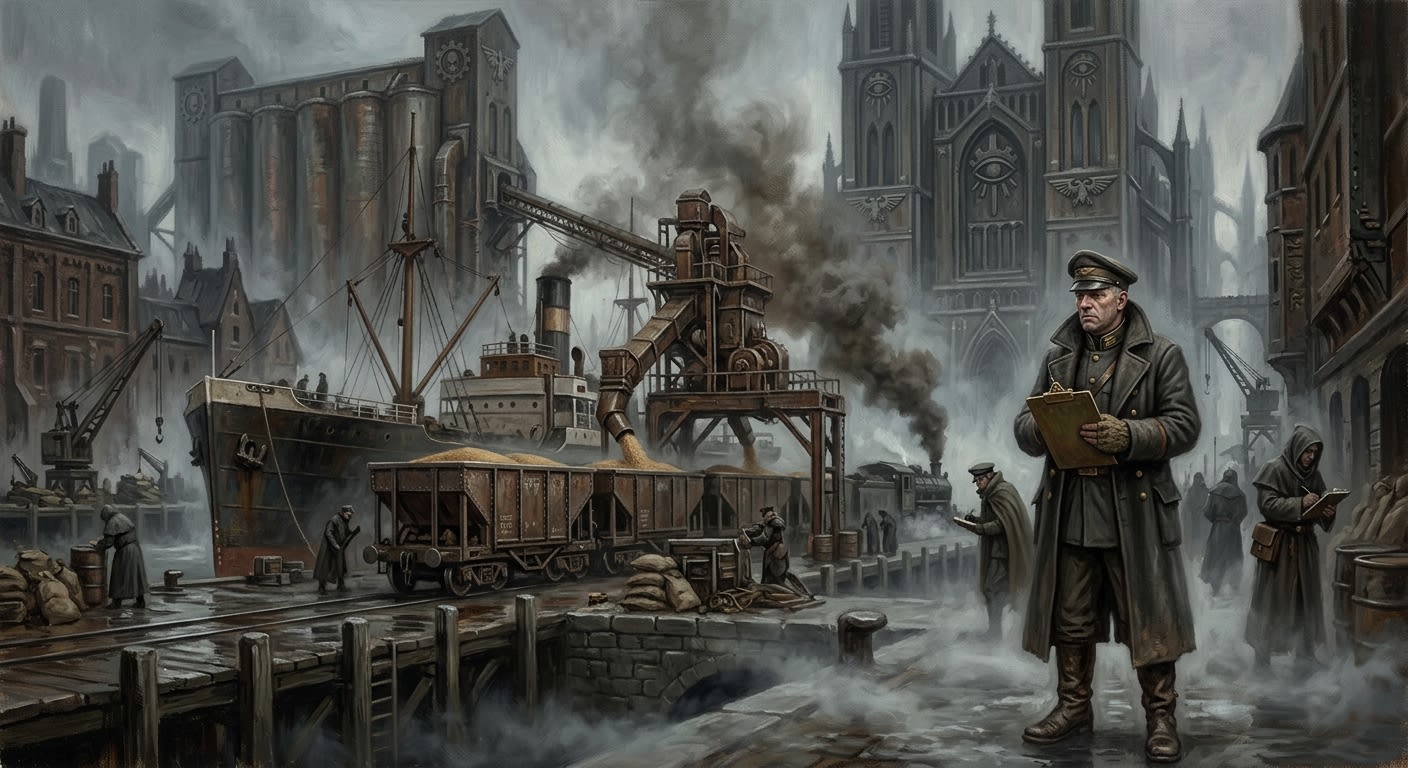
Danzig
The Baltic port that feeds the north and lies with admirable punctuality
Danzig is the Baltic grain mouth of the Northern Corridor: obedient in public, competent in fog, audited forever, and too necessary for Strasbourg to purify without starving itself.
Codex Ref. II.4.09-013

De Subtractione Misericordiae
Three pages read; the fourth carries a window
I read three pages of Purity's proposal for removing heretics without procession, trial, proclamation or corpse. A rectangle cut from the fourth explains its mercy rather well.
Codex Ref. XI.6.02-001
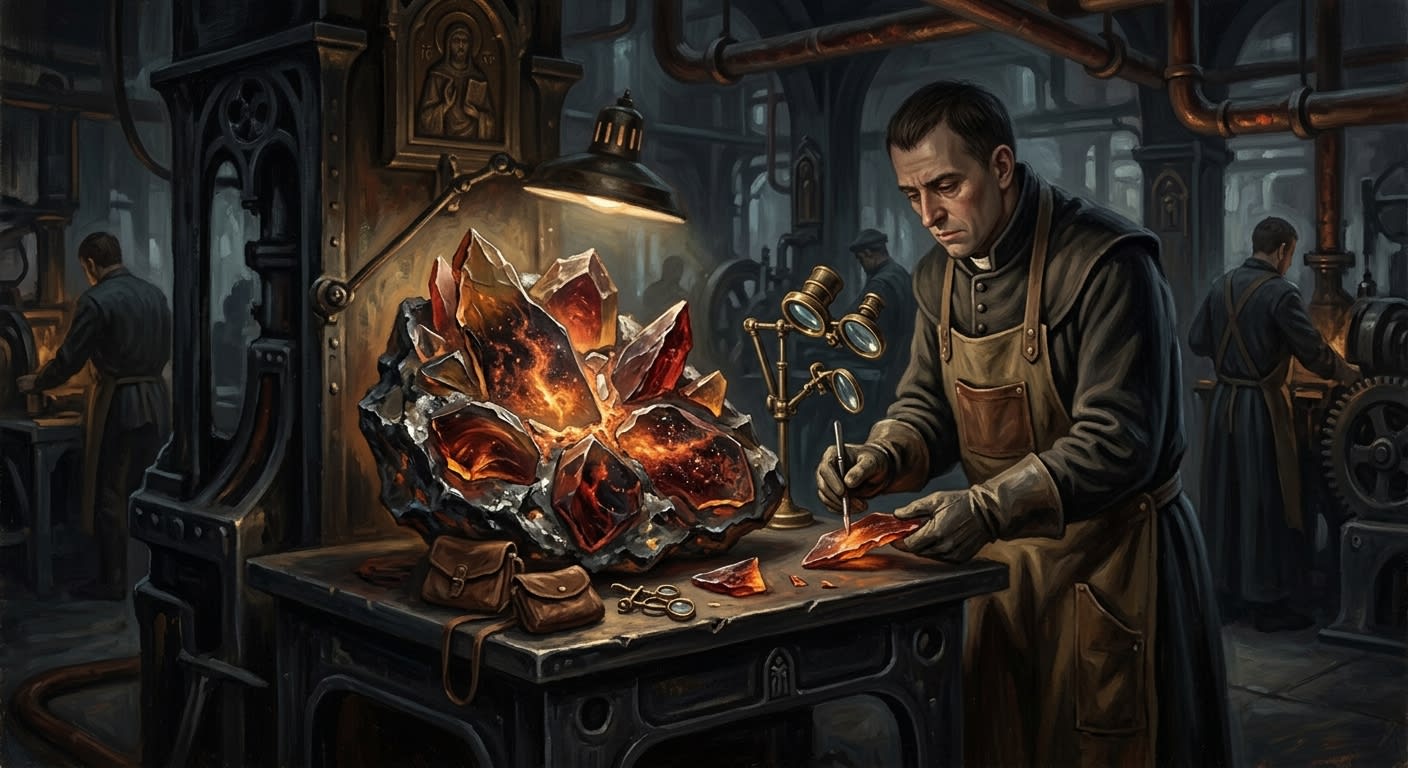
Demon Glass
The pane that looks back and invoices the sin
Demon glass is warm responsive shard-substance from Wound-sites, Wrath slag-plains, and Lust courts: contraband when raw, optical supply when useful.
Codex Ref. XIII.1.58-001
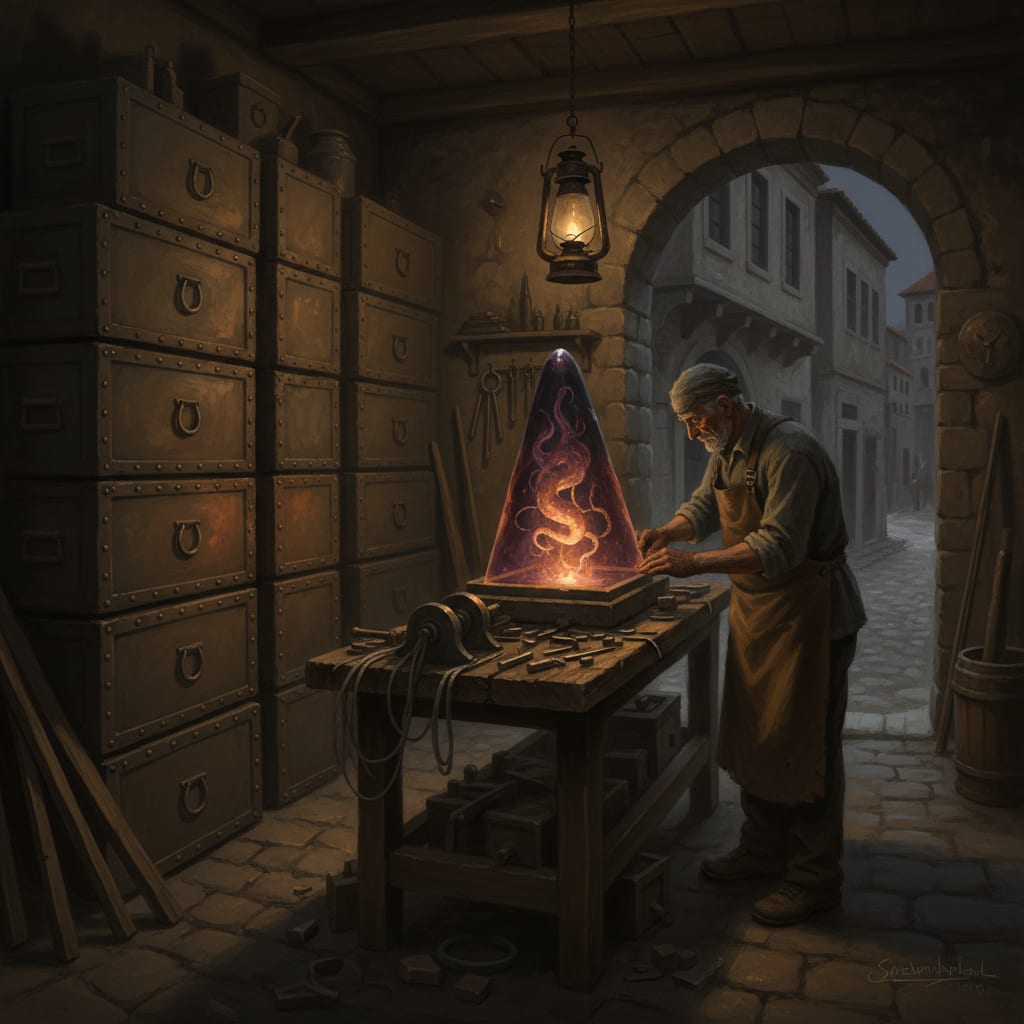
Demon-Glass Polisher
The craft the Bureau has shattered, blessed, interred in lime, and declined to stop purchasing
The profession the Bureau insists does not exist: found in every port from Marseille to the Harbor of Chains, supplying the Bureau of War with combat-grade optics, having developed a hierarchy, a patron saint, and three factions — all since the last Purity raid.
Codex Ref. XII.13.01-001
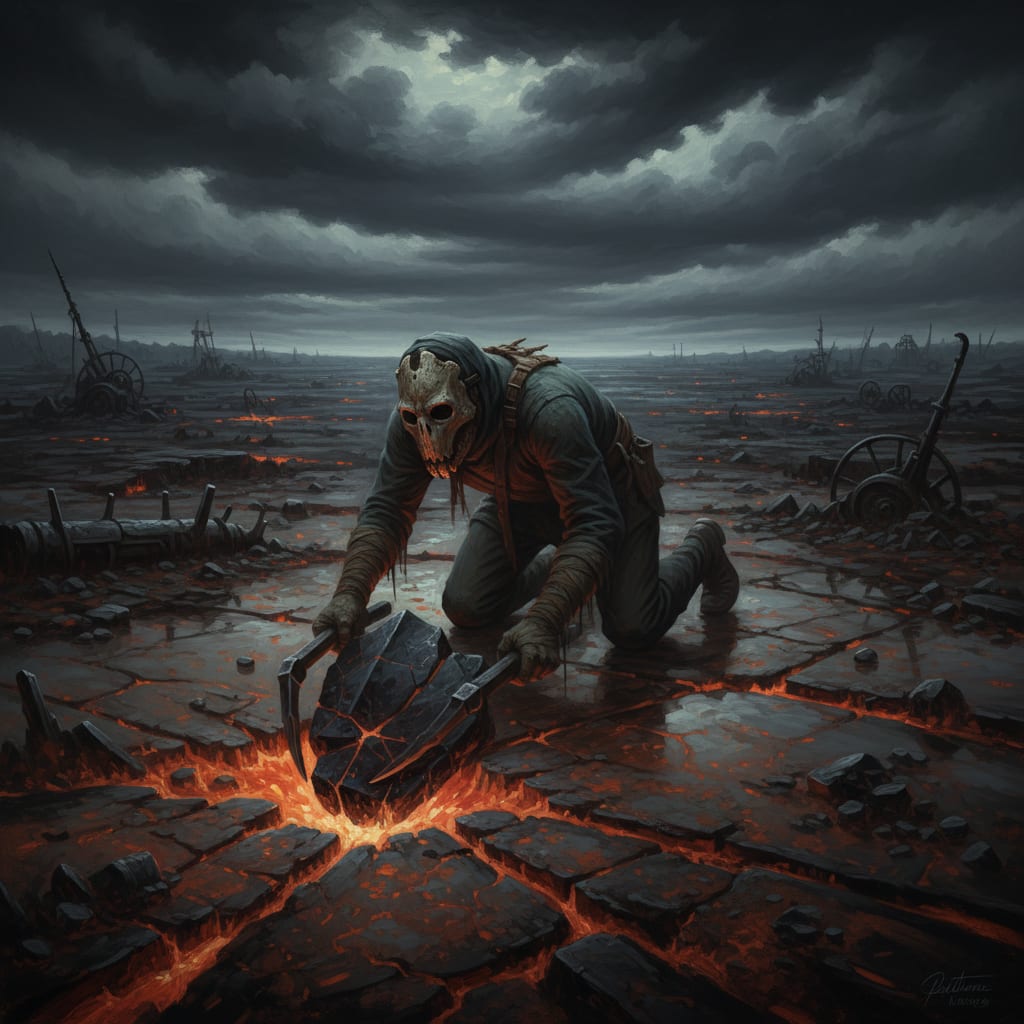
Demon-Glass Scavenger
The trade that crawls through Hell's workshop at three in the morning, because the Bureau's purchasing department opens at nine
The profession that supplies the Polisher, the Smuggler, the Bureau of War's optics division.
Codex Ref. XII.13.02-001
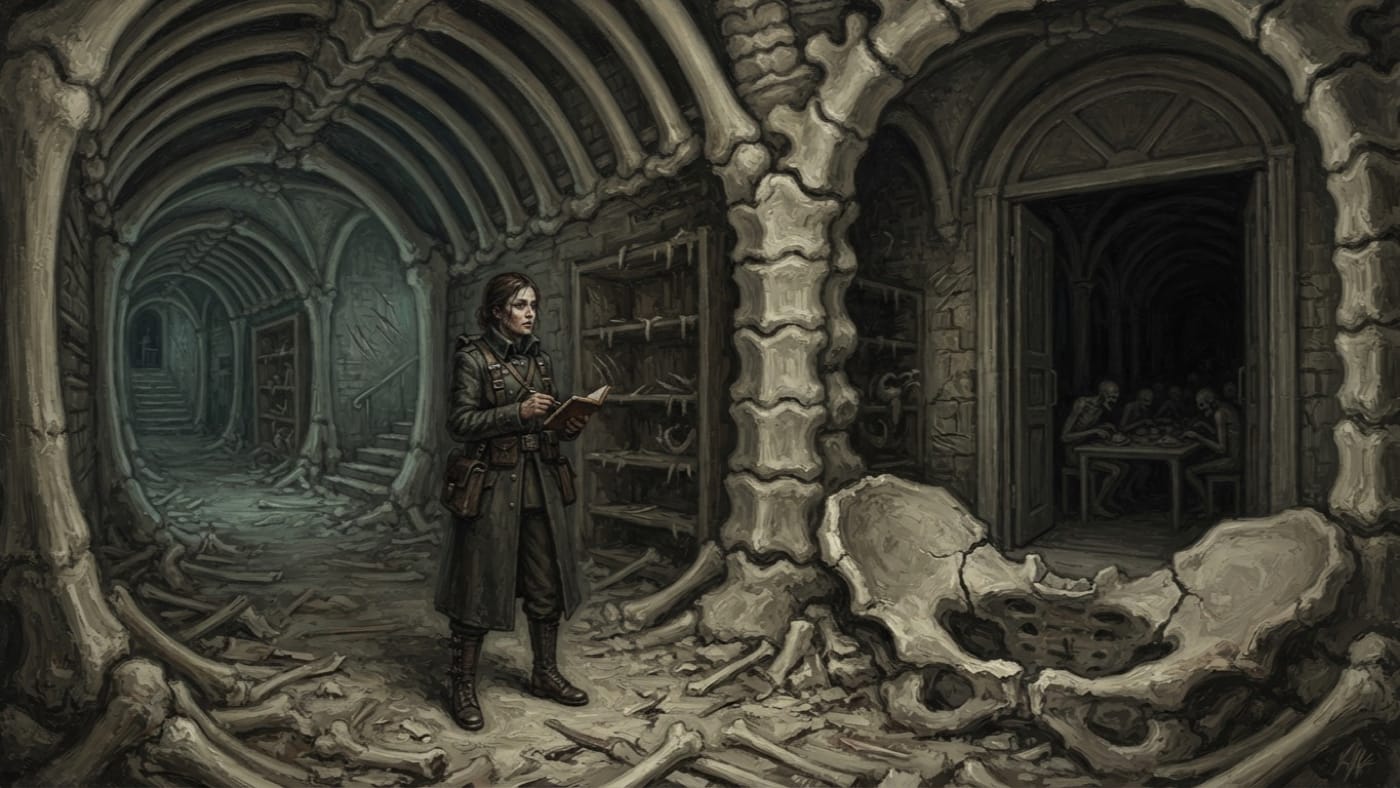
Deposition 7-K
Three days by her account. Nineteen by the calendar.
One redacted Shadows operative returned from the Hollow Court's outer galleries in A.S. 196. She reported about three days; the calendar recorded nineteen. The Bureau entered both and explained neither.
Codex Ref. V.6.01-007
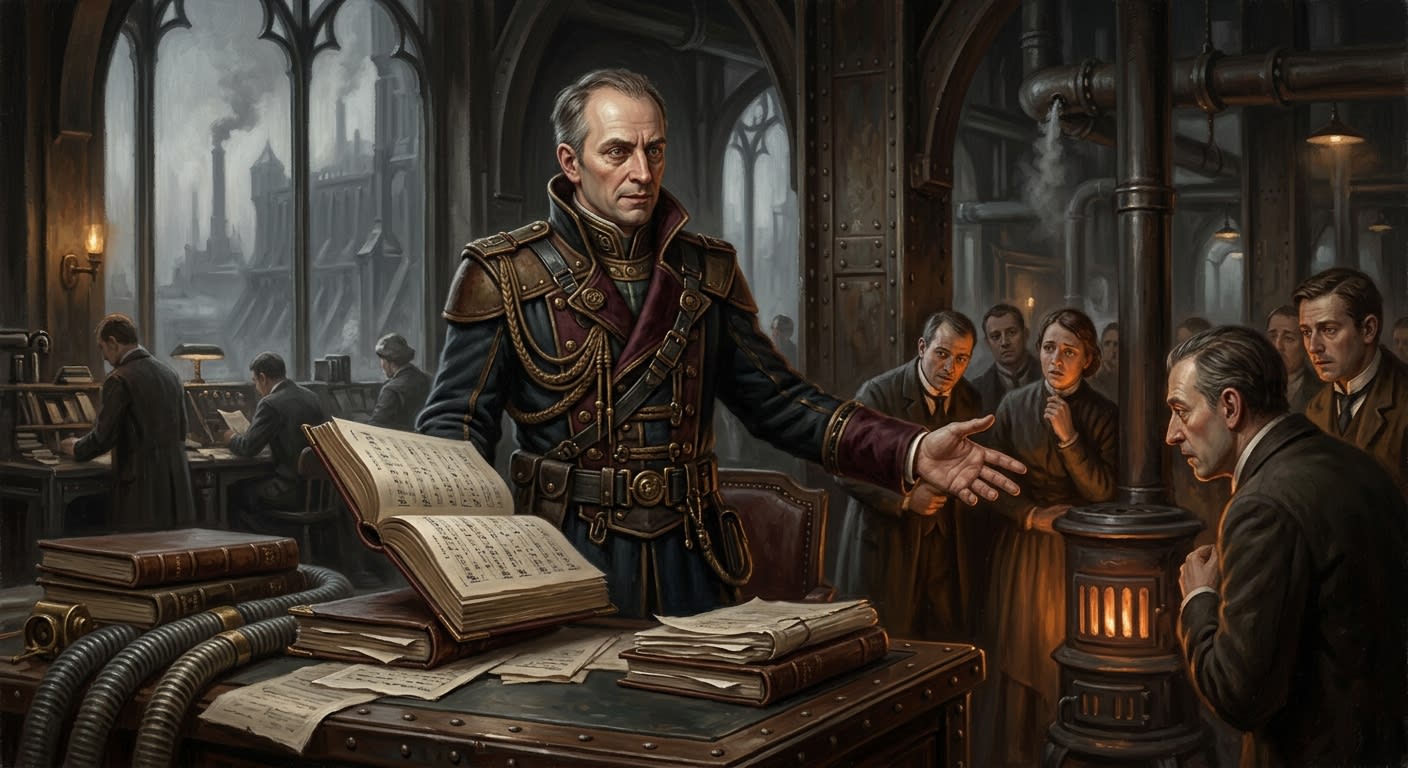
Deputy Archon Werrenrath
A warm hymn, a clean absence, and the road east
Deputy Archon Werrenrath, a Strasbourg administrator with dangerous warmth for unlicensed hymns, was transferred cleanly to Bastion-Shipka, where his fault became operationally useful.
Codex Ref. III.2.01-104
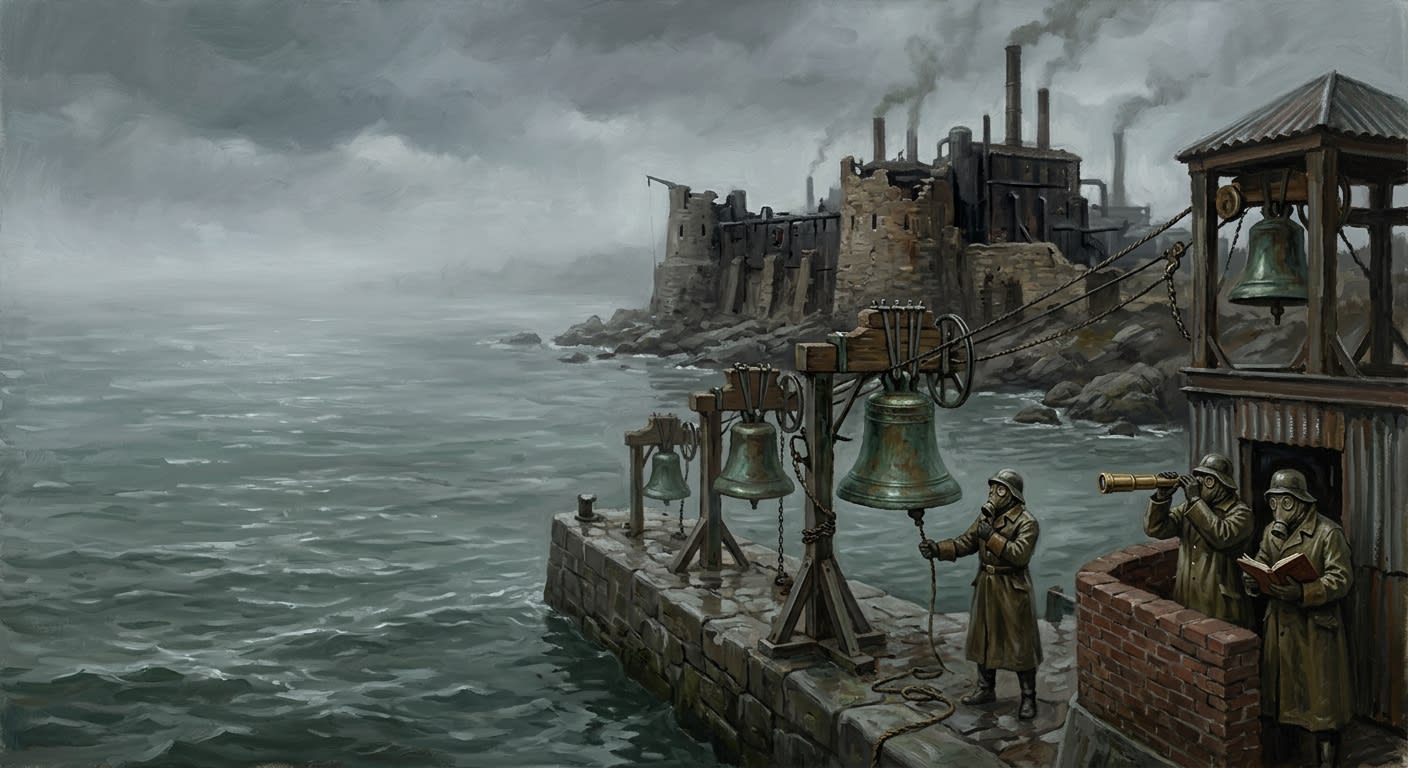
Det grå vattnet
The grey water listens before the bell decides whether to speak
Det grå vattnet, the grey water of the Fractured North, names a Baltic and fjord phenomenon related to the Grey: patient, reflective, responsive, older than the Bureau's comfort, and held only by old bells.
Codex Ref. IV.1.07-005

Diesel Resonance Plumber
The unwashed saints who keep the bastions from collapsing — and are blamed when they do.
The Diesel Resonance Plumber — Pipe-Singer, Thumper-Runner, Heretic Wrencher — maintains the pressurised diesel conduits that carry resonant vibration through the bastions' bones. The Bureau of Engines insists this work is impossible. The bastions continue to require it.
Codex Ref. XII.2.03-001
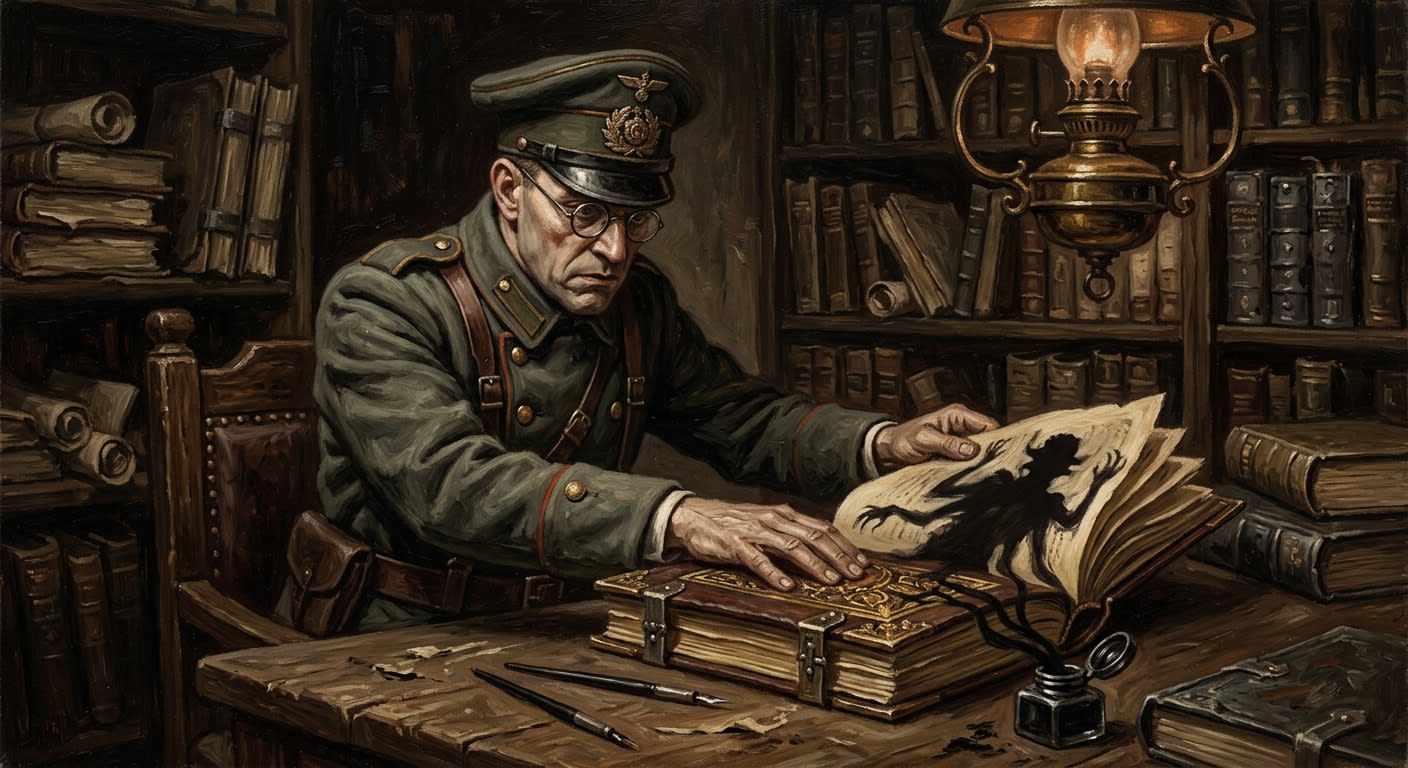
Directive 77-C
The holy art of leaving the enemy's sentence unfinished
Directive 77-C forbids the copying, completing, humming, tracing, staging, or correcting of the Shadow Court's Mock Liturgy. Curiosity here opens a mouth and calls it scholarship.
Codex Ref. XIII.1.77-174
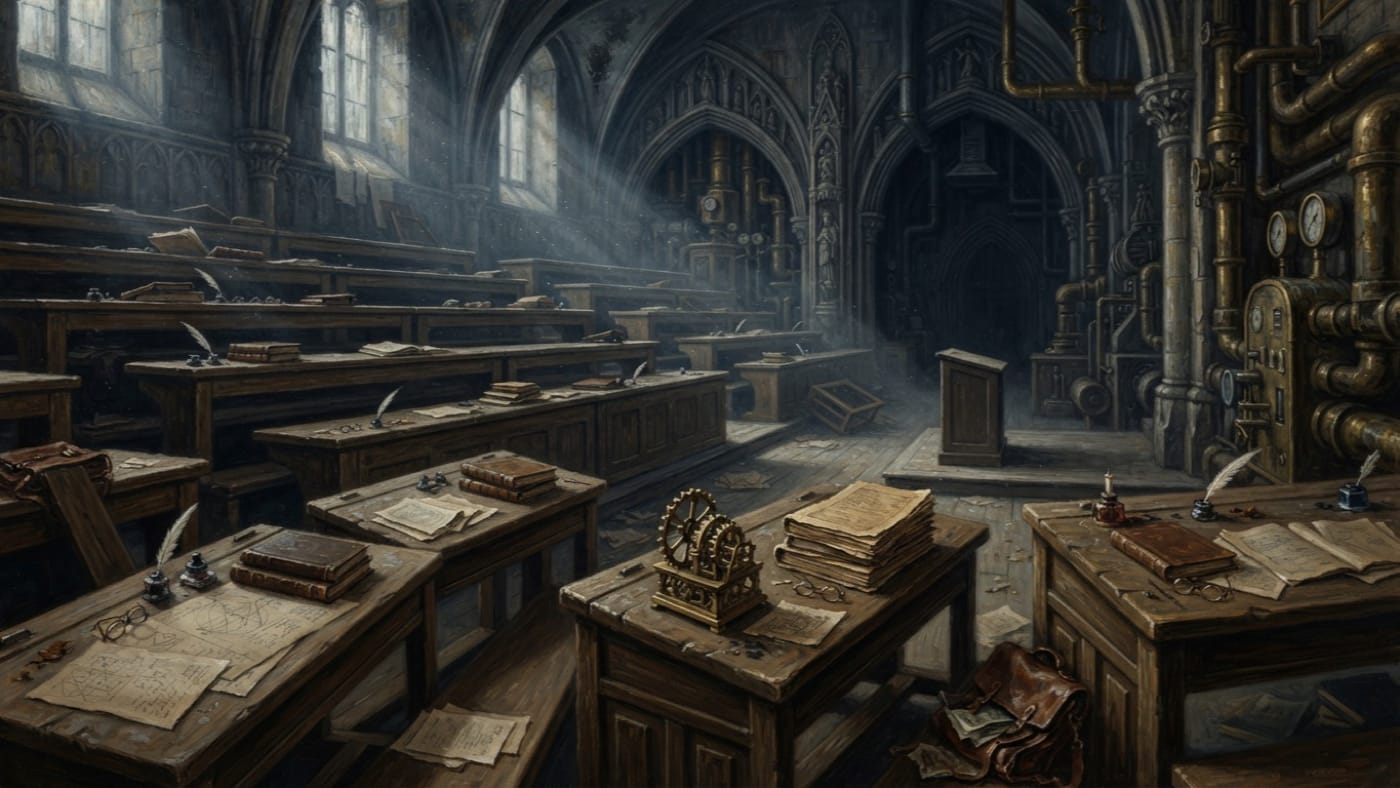
Disappearance of the Scholars of Padua
Seven professors arrived. Their names became clerical errors.
An A.S. 201 survey of the account of seven Padua professors who arrived in Strasbourg and did not depart. University enquiries returned unopened; the names became clerical errors. The event date and the scholars' fate remain unresolved.
Codex Ref. VII.8.10-881
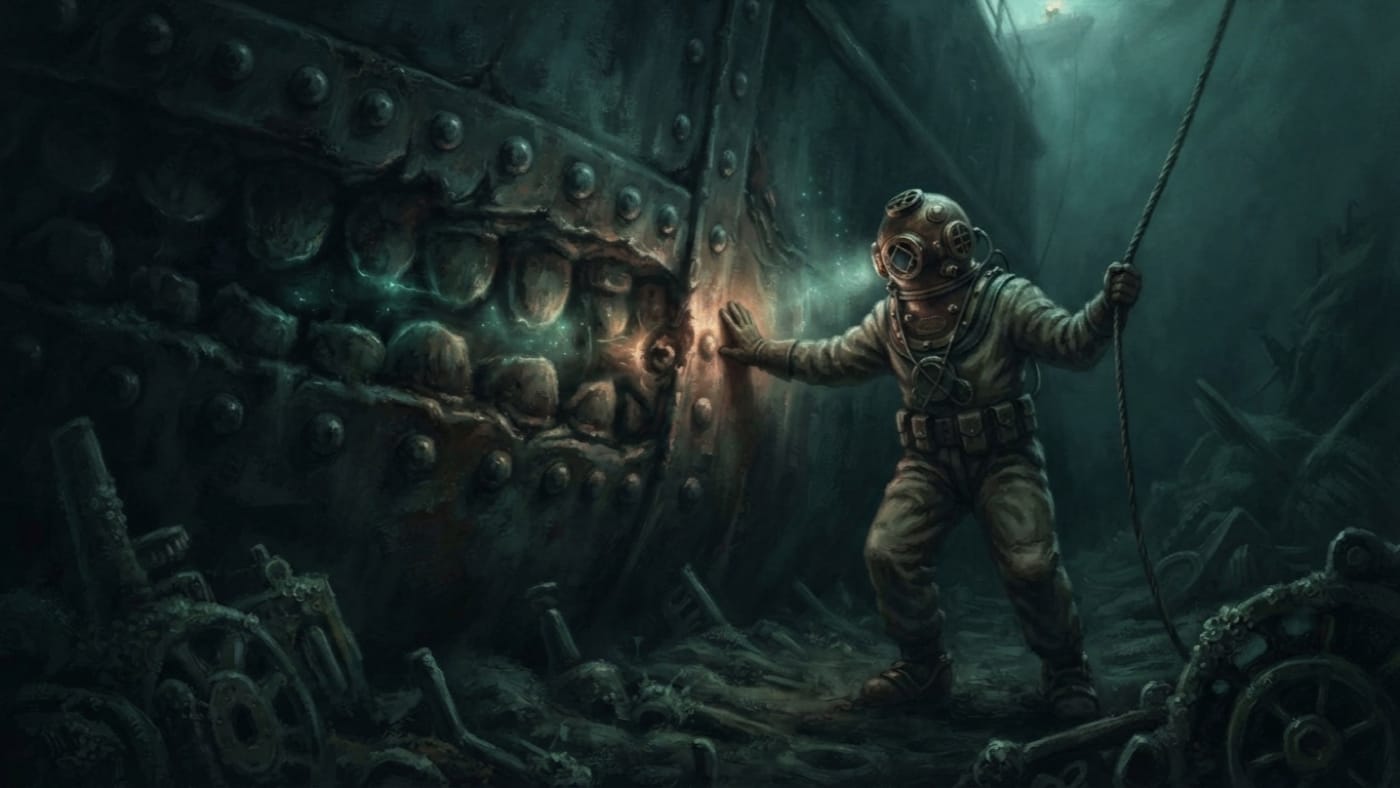
Diver Testimony Phaleron-12
The survey was complete; the evidence was withheld
Engineering filed five words. An unauthorised fragment of the sealed A.S. 189 Phaleron testimony describes warm iron, moving rivets and a bell-line answered from within. The witness remains unnamed.
Codex Ref. XIII.1.12-189
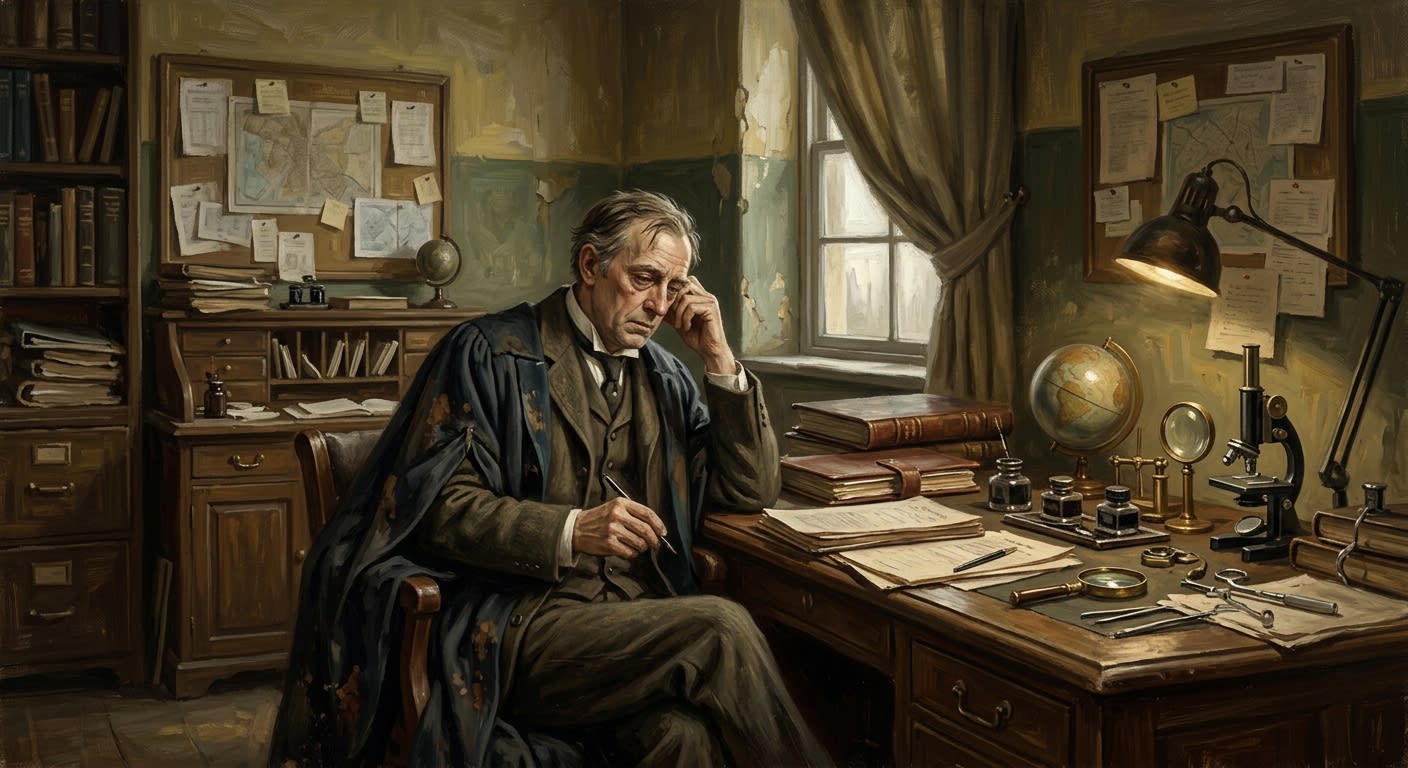
Doctor Haas
The man who taught the Synod that enemy iron keeps testimony
Doctor Haas heard the Black Sea Armada's wreckage remember its own burning. War called him useful, Medicine called him fatigued, and Doctrine kept the note.
Codex Ref. III.2.01-155
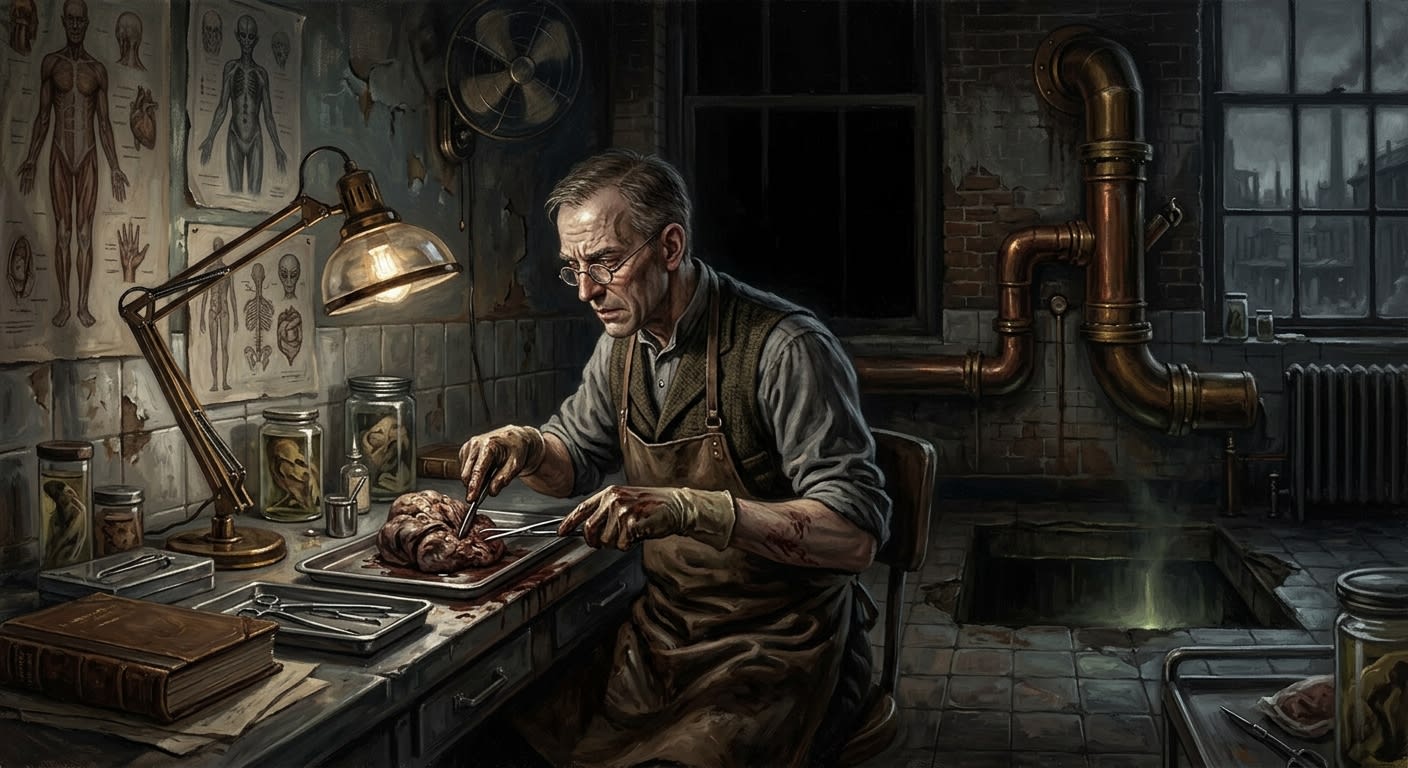
Doctor Trenn
The anatomist who measured hunger and refused comfort
Doctor Trenn, Chief Anatomist of the Bureau of Medicine, gave the Famine Pit horror its clinical name and kept the word real where comfort wanted illusion.
Codex Ref. III.2.01-023
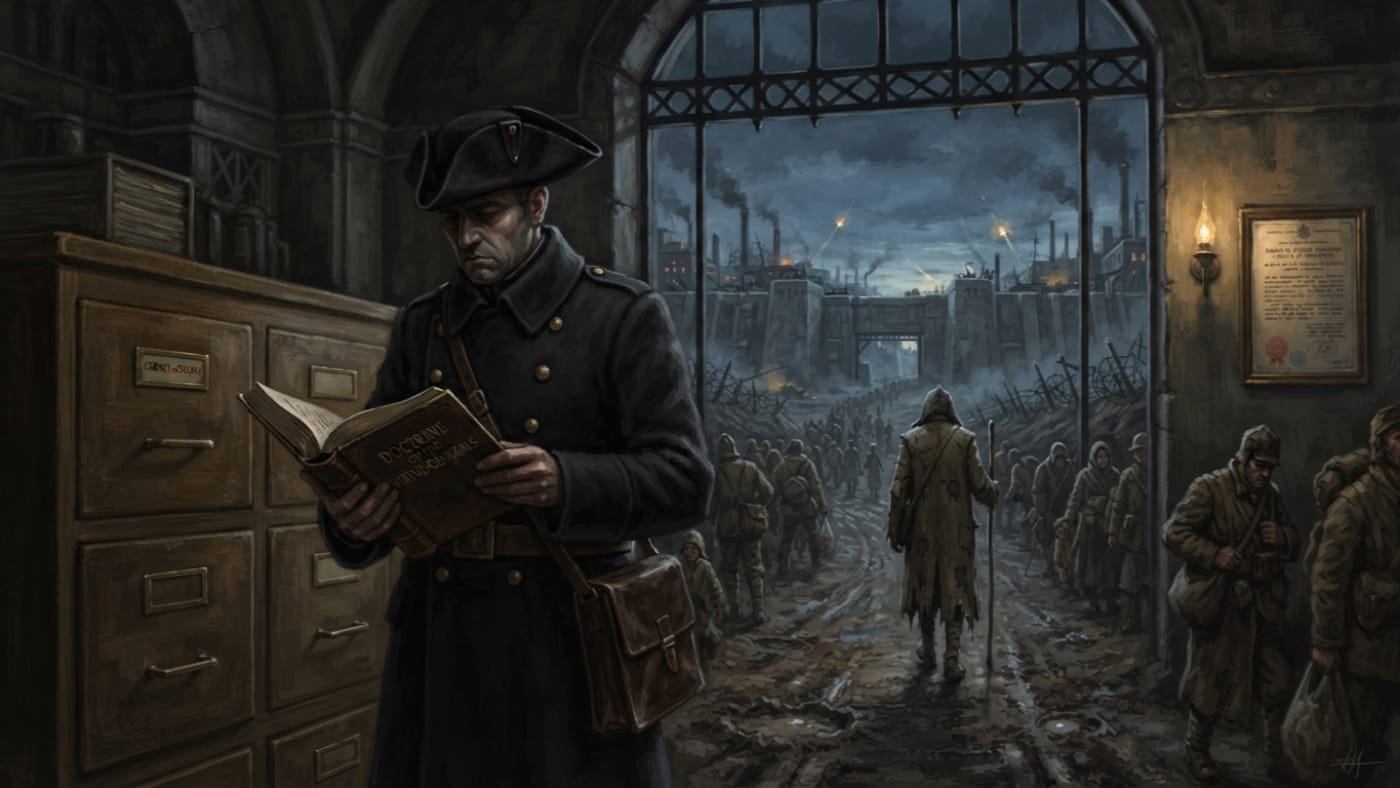
Doctrine of the Virtue-Generals
The witness reports; the Bureau names
The faithful may report a stranger on the road. They may not appoint him Heaven's general. Standing Order 44-D condemns the belief and retains the evidence.
Codex Ref. IX.3.44-002
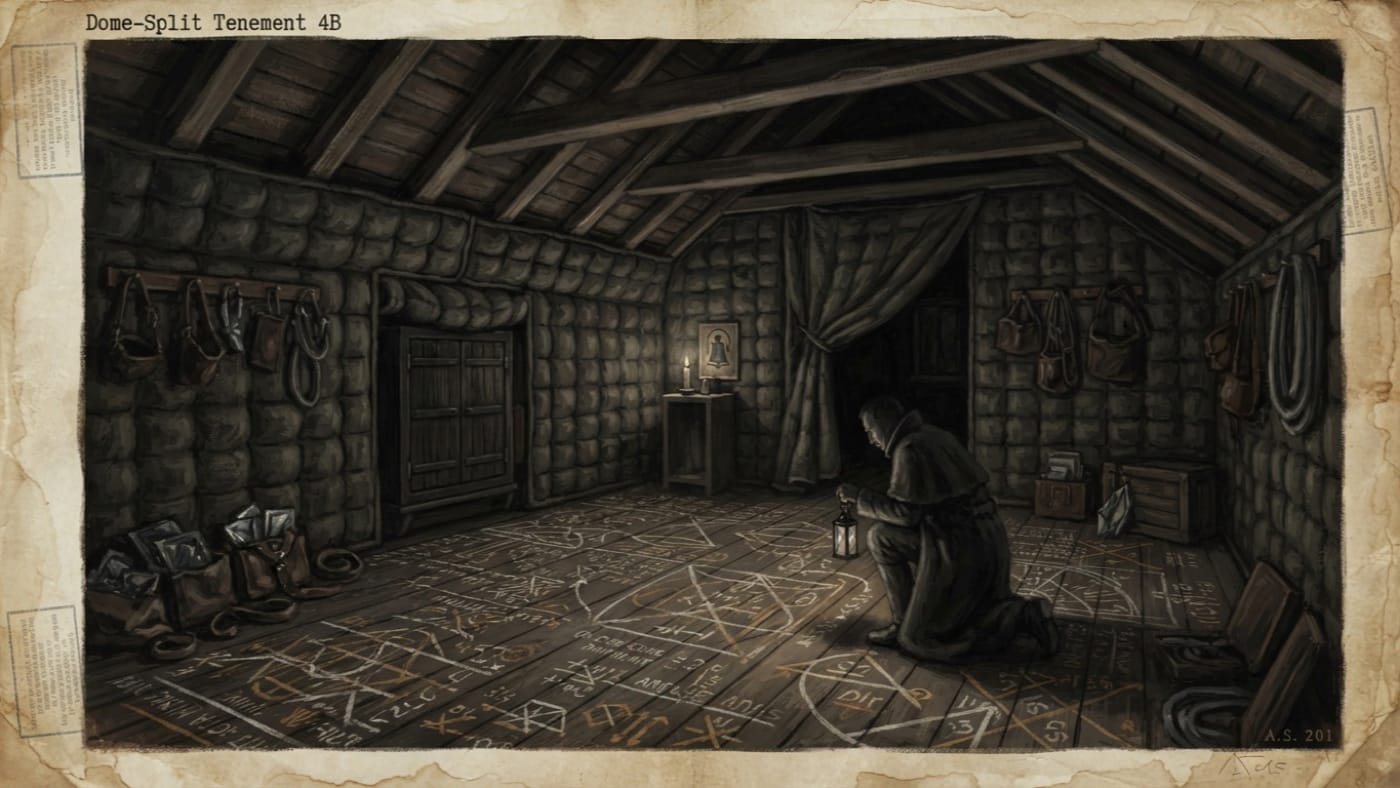
Dome-Split Tenement 4B
An attic teaches silence; a cabinet teaches fear
Dome-Split Tenement 4B shelters the Hush Loft, Mute Radiance's attic headquarters. Hand-code marks cover its floor; the Tongue Cabinet file gives its walls a reputation no clerk will certify.
Codex Ref. II.3.05-921
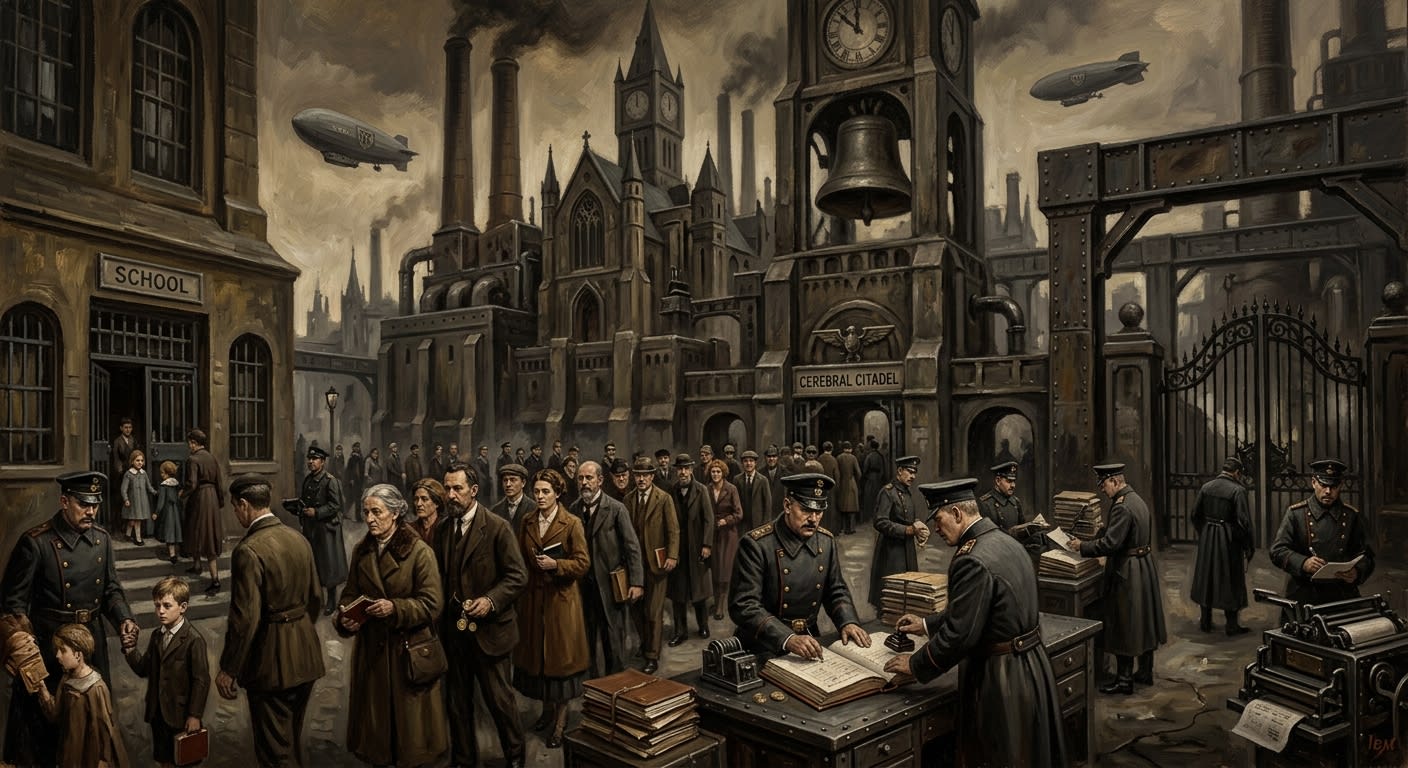
Dominion
Europe held in one gloved hand and taught to call it custody
Dominion is the Synod's official name for custody over Europe: border, tithe, bell, school, grave, and the thought before speech.
Codex Ref. XIII.1.02-090
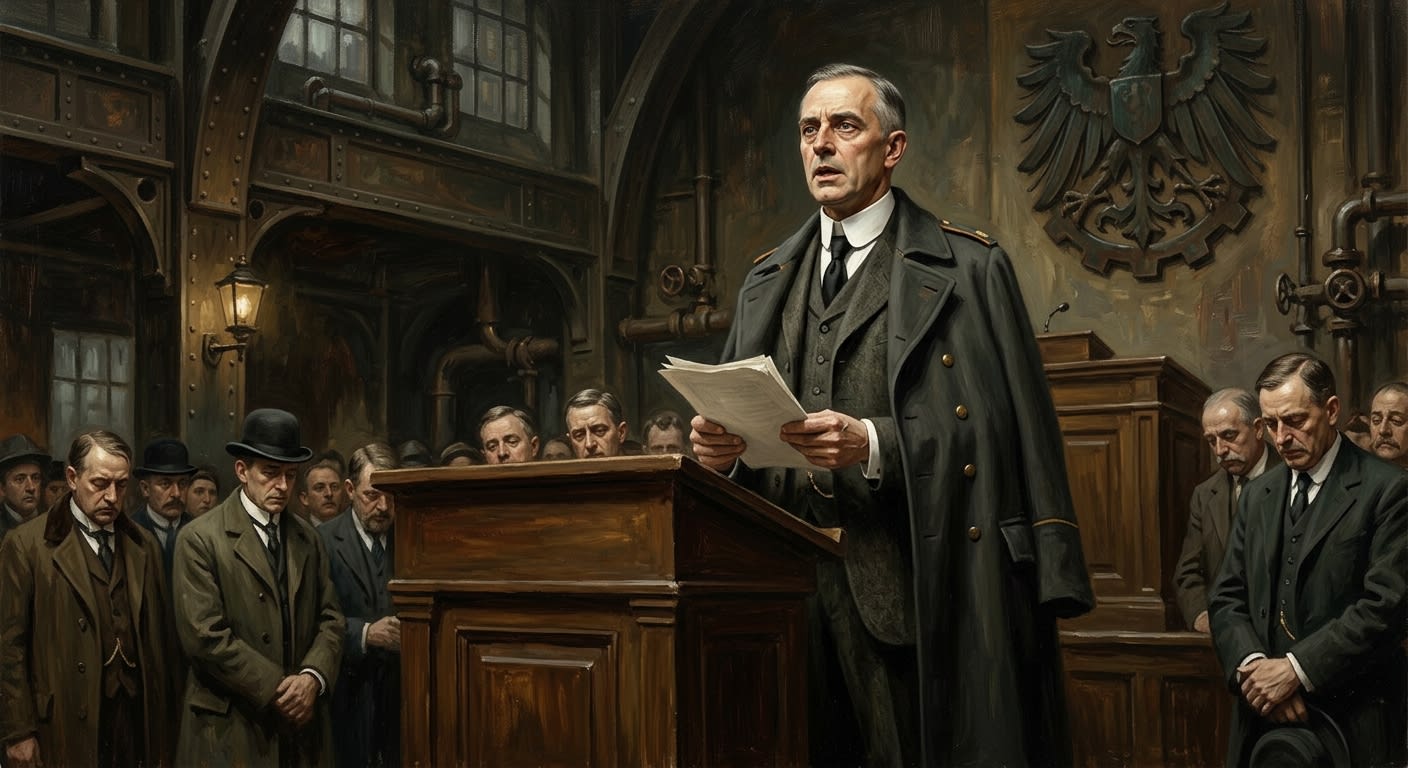
Dr. Albrecht Klemm
He saw the cold fire, named the premise, and chose the lecture hall anyway
Rationalist Prefect of Public Instruction whose A.S. 30 Black Procession address nearly produced repentance, then produced only better cowardice.
Codex Ref. III.2.01-077
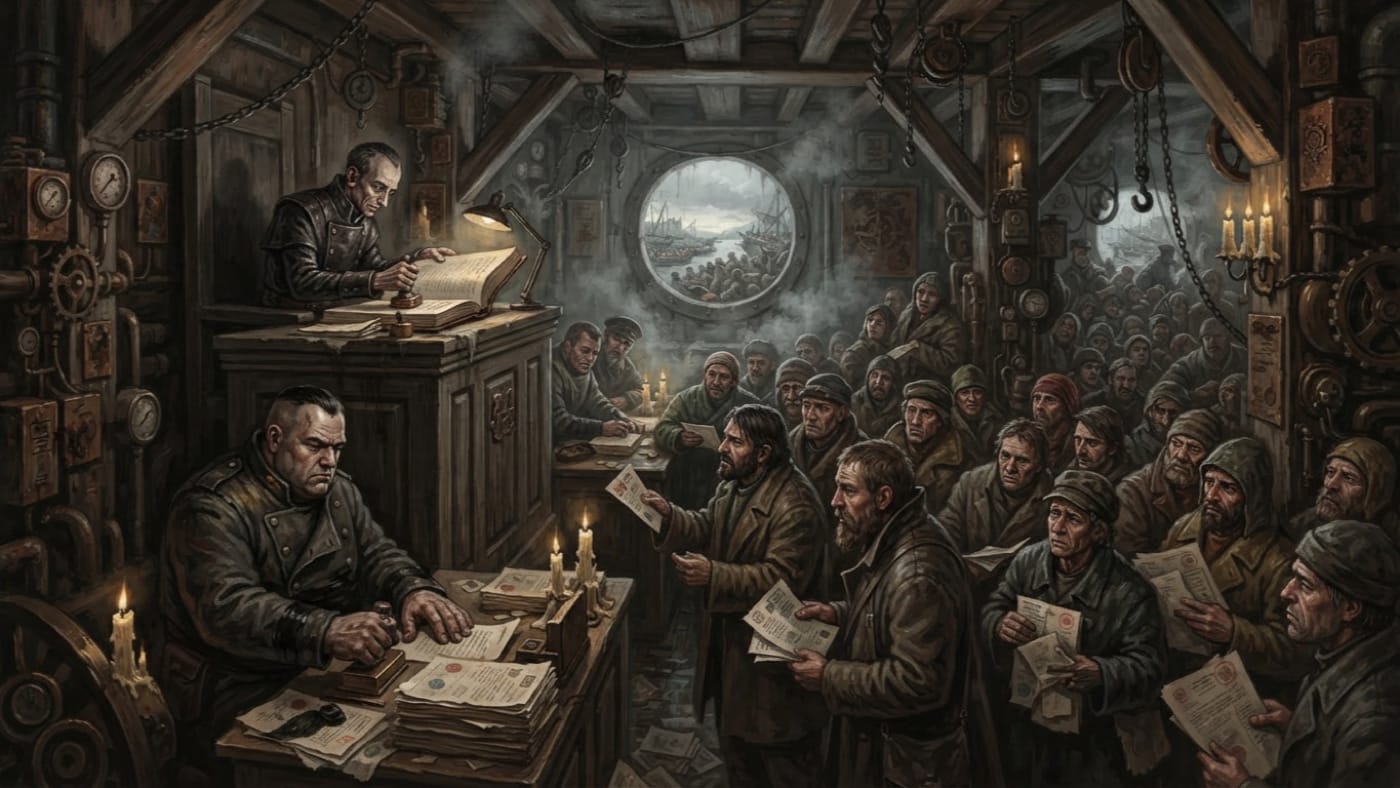
Drift Court
Storms move wood; courts move lives.
The Flotilla's floating tribunal follows every storm with a docket. Seal-Justice Miran Kest reassigns debts and sells jurisdiction; the sea supplies the business.
Codex Ref. XII.1.08-002
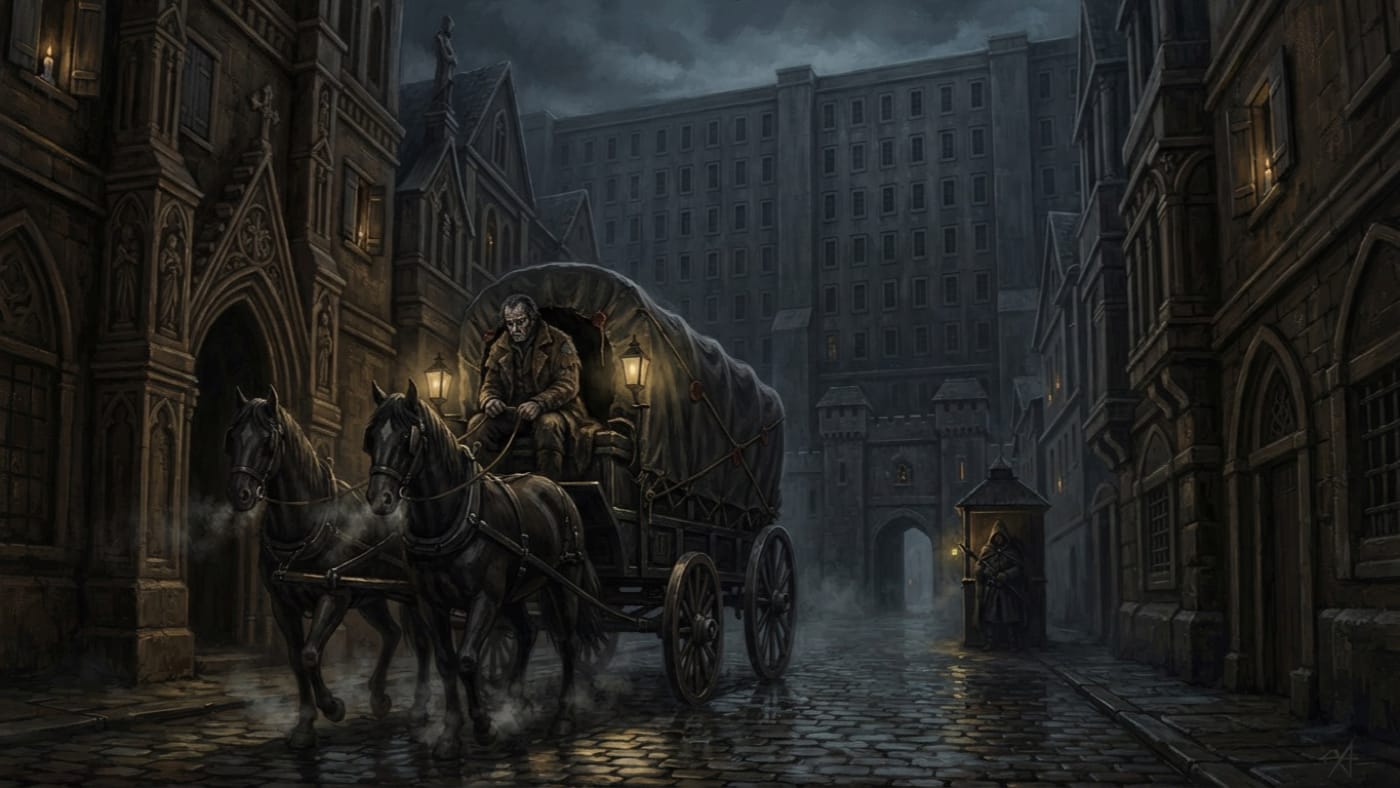
Driver of the Unmanifest
The wheel answers for what the ledger refuses to receive
The Bureau of Shadows’ formal style for a Night Wagon Driver: answerable for every body, order, and relic moved through a gap the ledger refuses to admit.
Codex Ref. XII.14.04-002
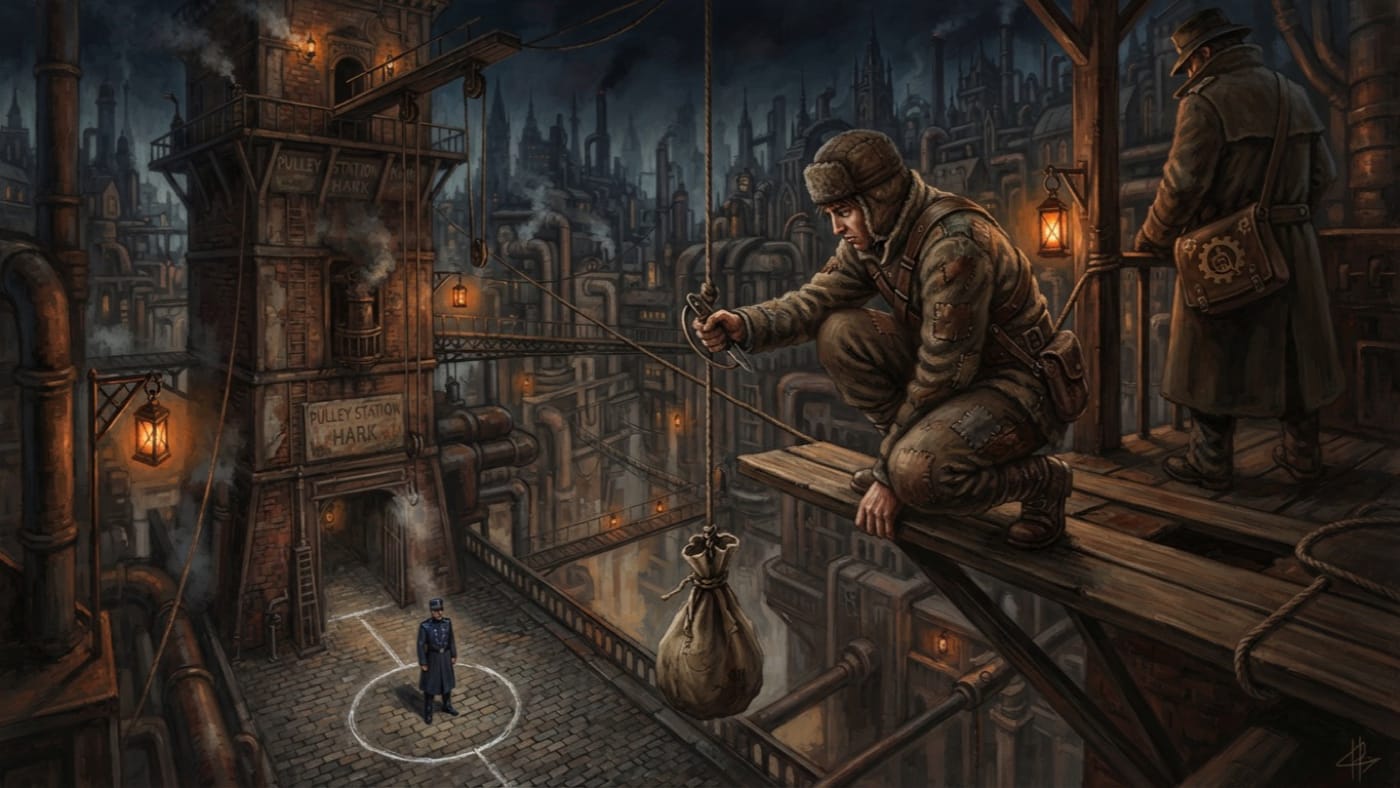
Drop Test
The hand makes the cut; gravity receives the credit
The Rope-Road Lanterns initiate candidates by cutting a weighted pouch into a marked circle below. The hand learns precision; those beneath it learn how easily choice is entered as fate.
Codex Ref. XIII.1.78-201
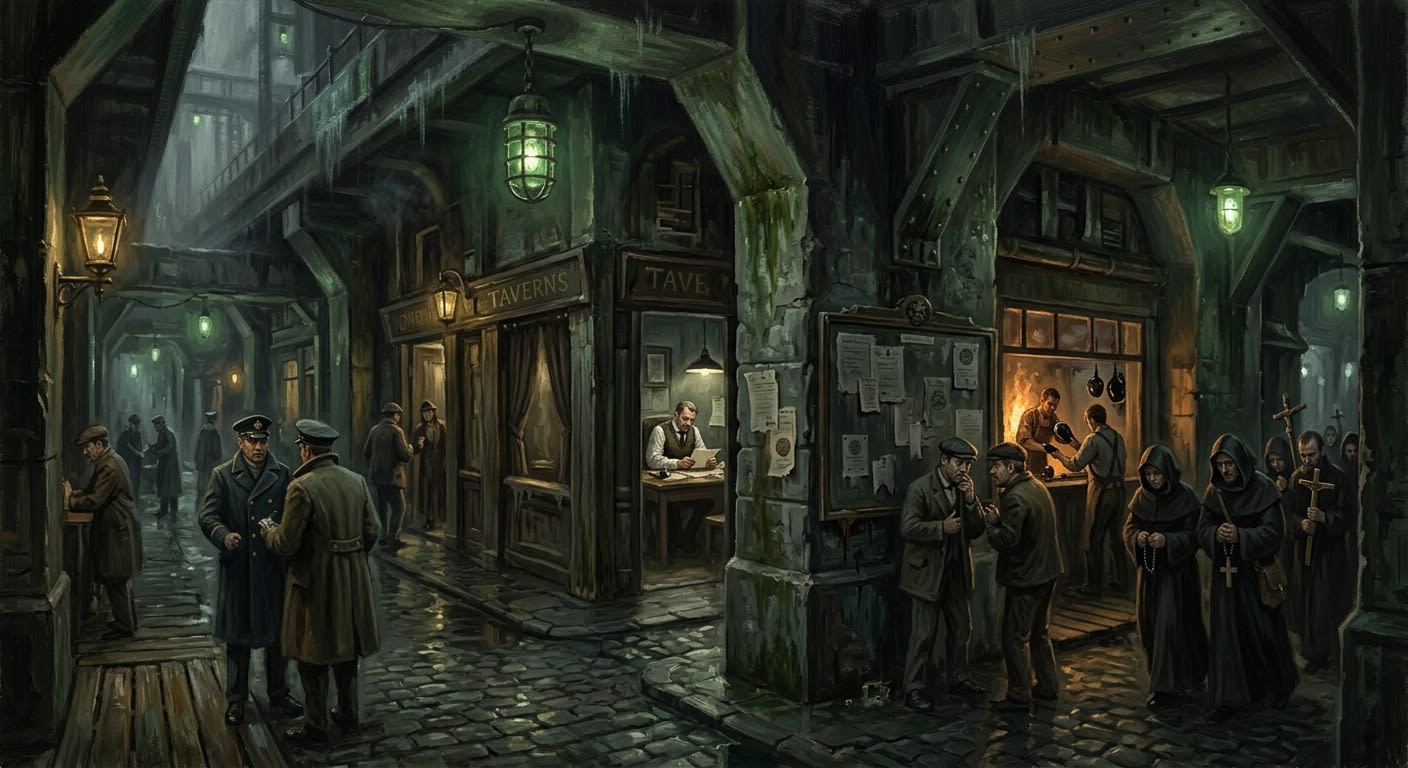
Drowned Row
The harbour beneath the harbour keeps its own ledger
Drowned Row is Thessaloniki's under-quay sailor quarter: wet taverns, false papers, pilots, glass traffic, Choir terror, and bureaucracy's useful shame.
Codex Ref. II.7.04-198
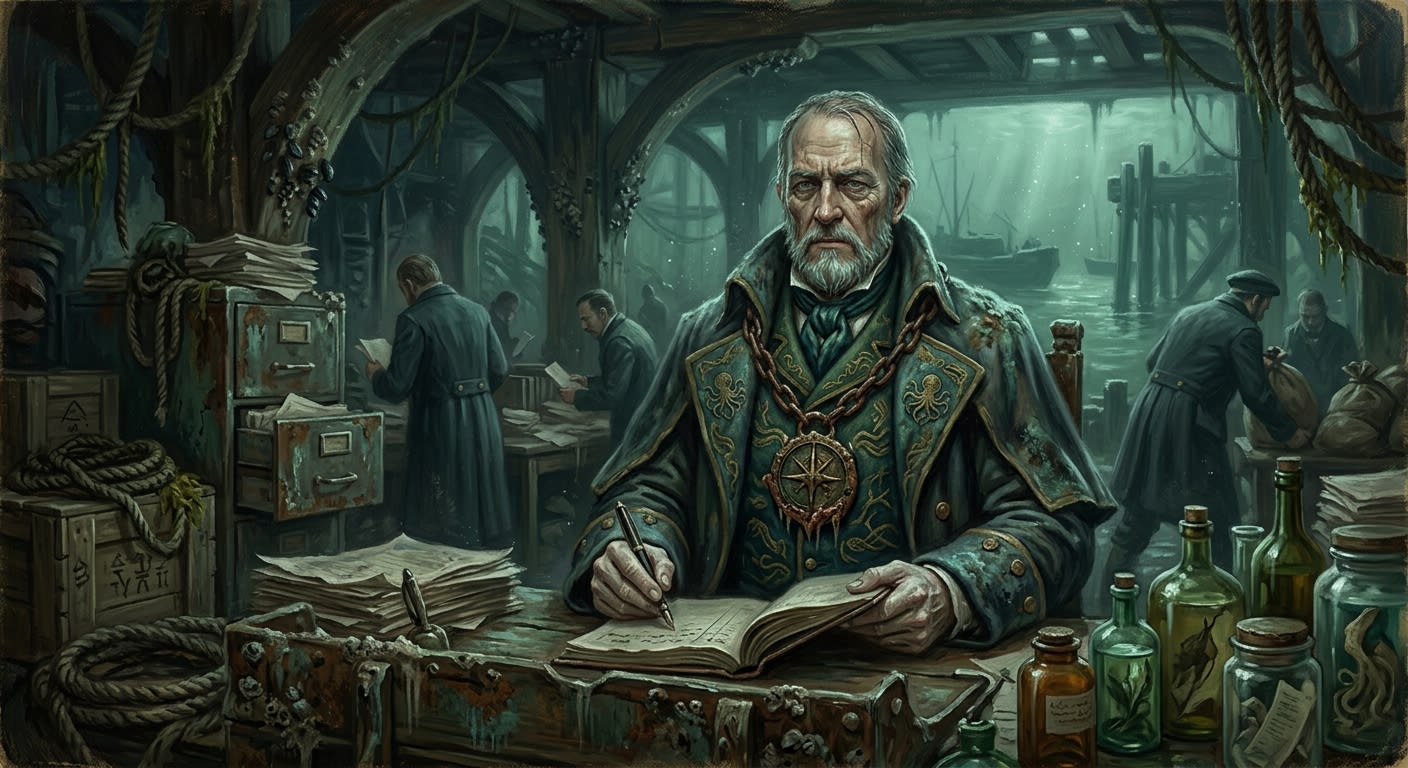
Drowned Row Syndic
The office with no chair governs best when everyone denies the room
The Drowned Row Syndic is the denied under-quay authority of Thessaloniki: rope, water, paper, theatre, soup, glass, and useful illegality arranged as governance.
Codex Ref. XI.5.04-198
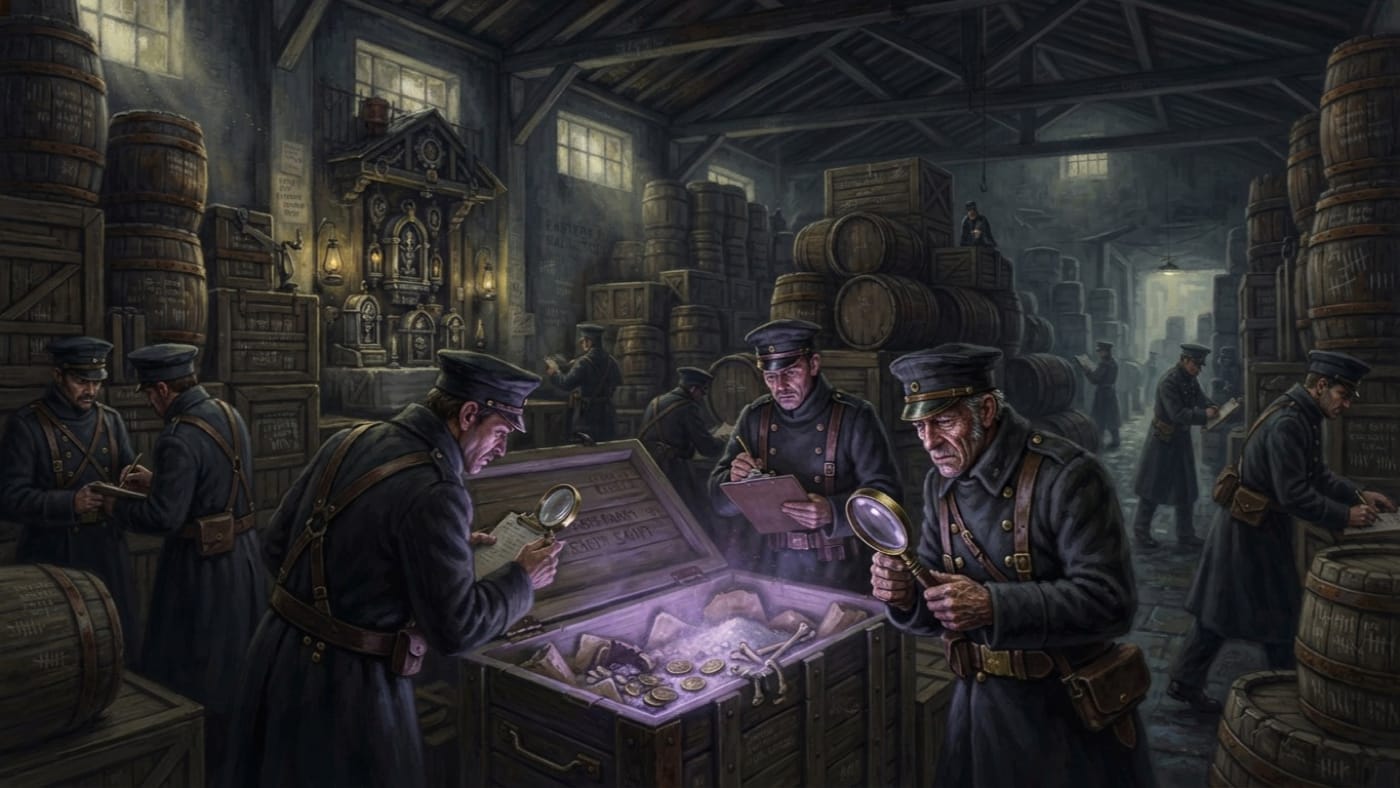
Eastern Basin Salt Stores
Five Bureaus claimed the cargo; the ledger called it spoilage
The Eastern Basin Salt Stores survive in Marseille's A.S. 199 audit: cured fish declared, children and violet light found, five Bureaus claiming custody, and the account closed as spoilage.
Codex Ref. II.4.09-019
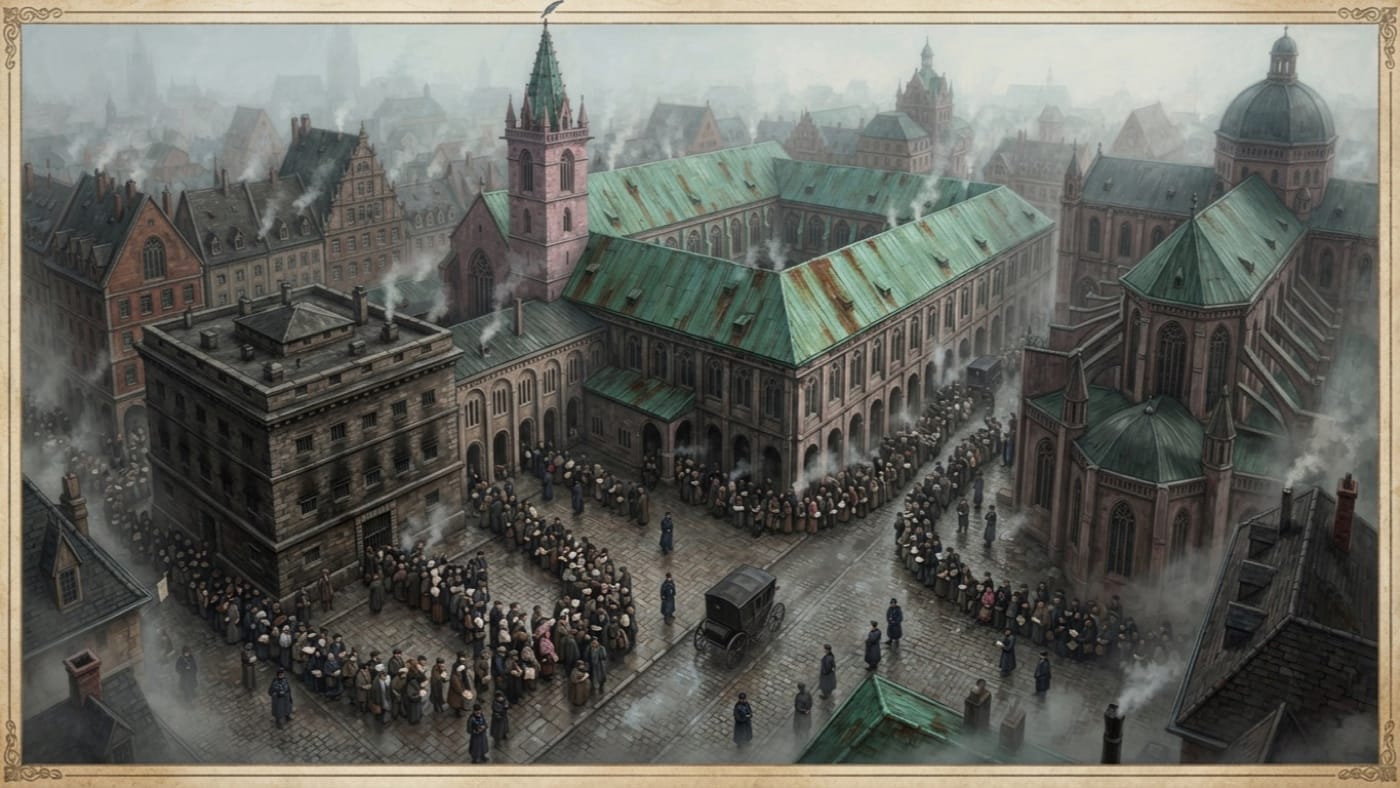
Ecclesiastical Quarter
Where authority gathers and petitioners go round in circles
Strasbourg's houses of authority gathered around the Cloister of Concord. Doctrine writes, Records remembers, Tithes counts, and petitioners carry the receipts. Surveyed in A.S. 201; the perimeter remains uncertified.
Codex Ref. II.1.04-005
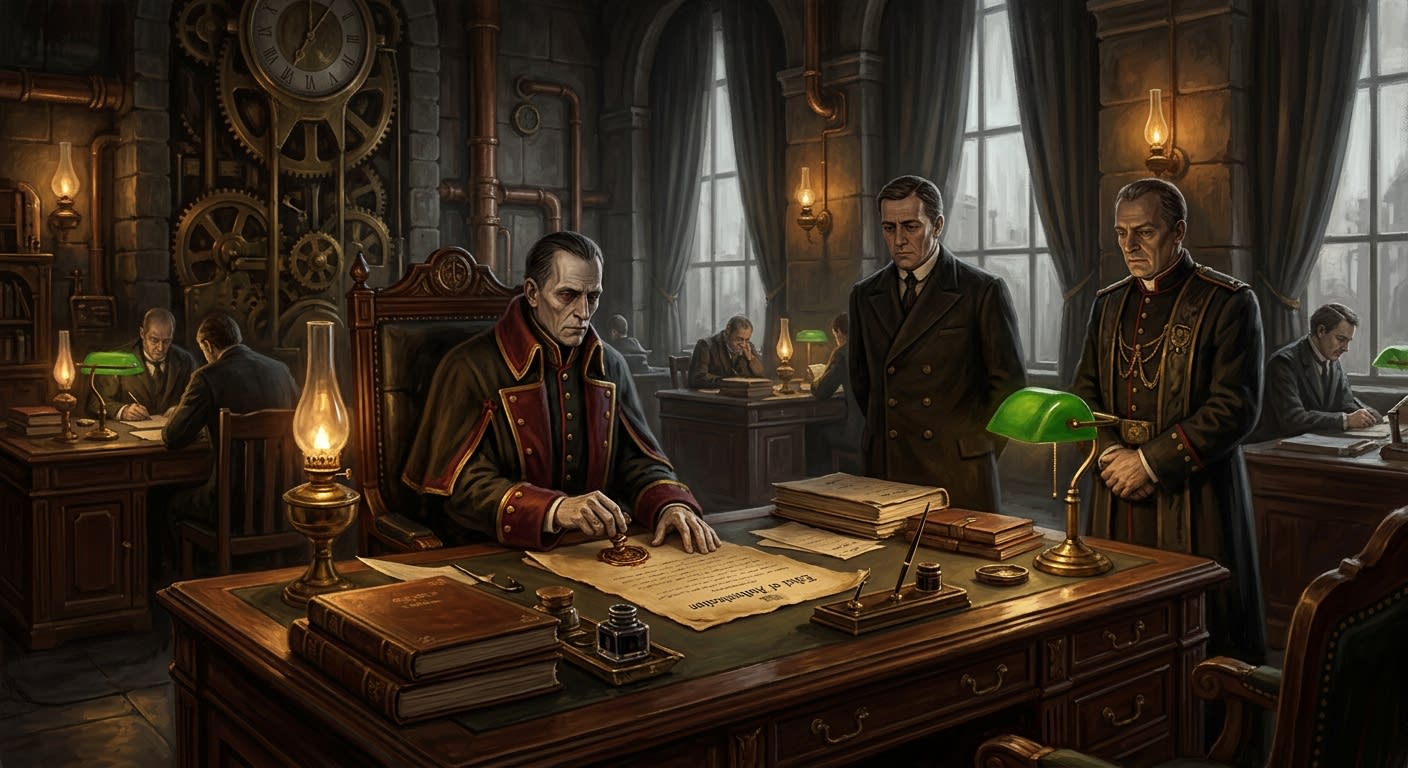
Edict of Authentication
Anatomy objected; the seal overruled it
The Edict of Authentication ratified the Femur Principle at A.S. 147: sanctity obeys custody, seal, witness, and doctrine before anatomy.
Codex Ref. XIII.1.90-147
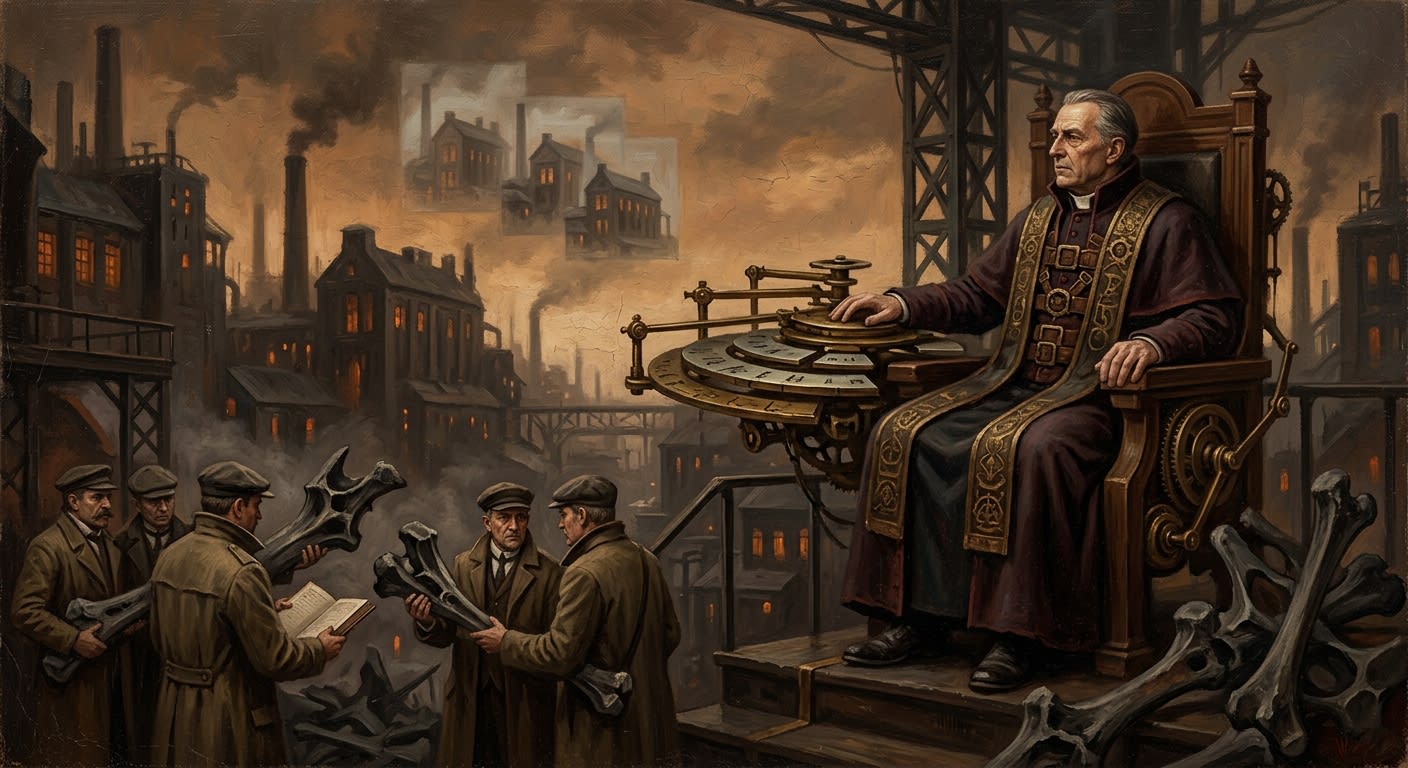
Elder Noxa
She taught the contradiction manners
Elder Noxa, sealed former registry scribe and practical founder of Femur-War brokerage, settled the Triplicate Femur Incident by separating impossible relic truths across time.
Codex Ref. III.2.01-114
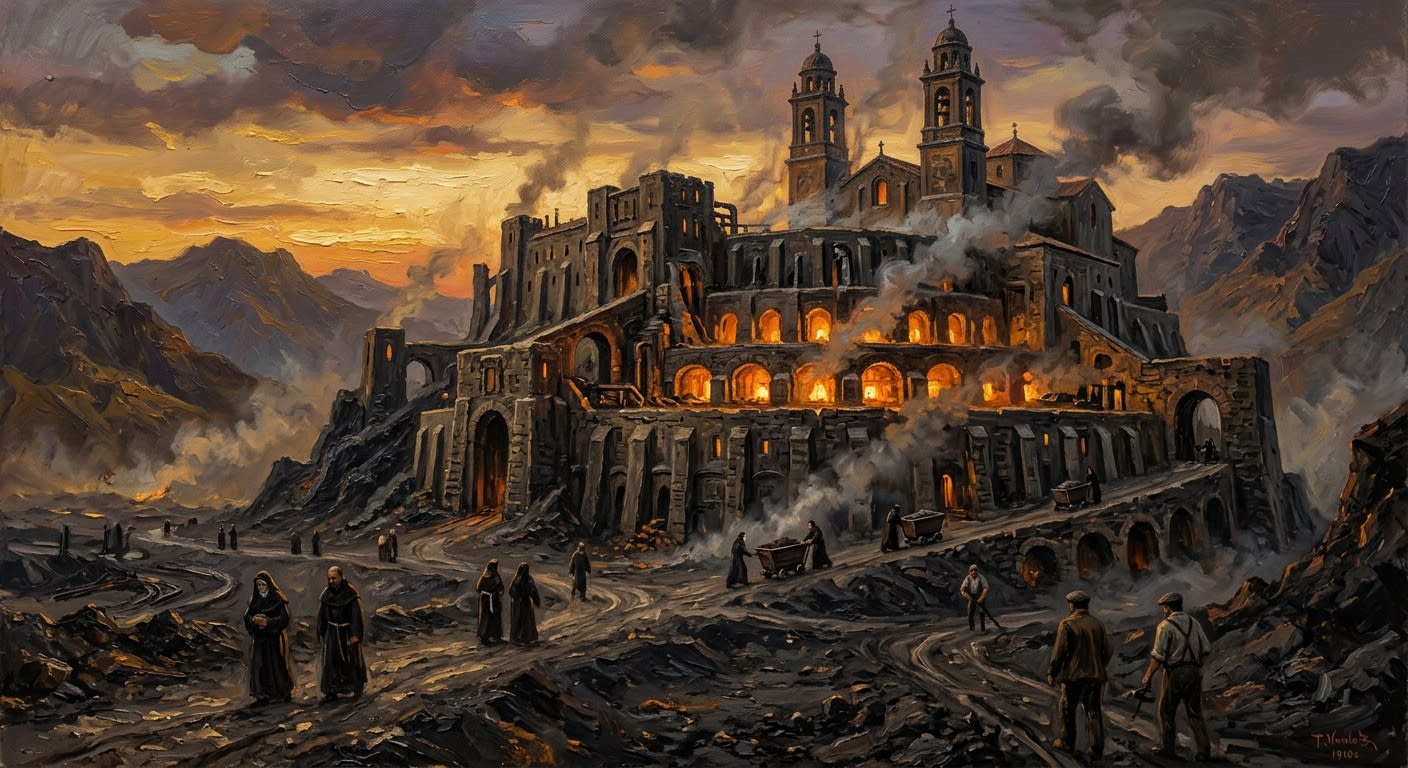
Ember-Priory of San Vesta
The ovens glow. The debt accrues. The smoke writes names no one authorised.
A volcanic priory-city in the Iberian south where bread never spoils, dying men buy three more days, and the sealed vent beneath the foundations grows warmer every year. The Synod's most productive monastery, and possibly its most dangerous one.
Codex Ref. VII.1.03-001
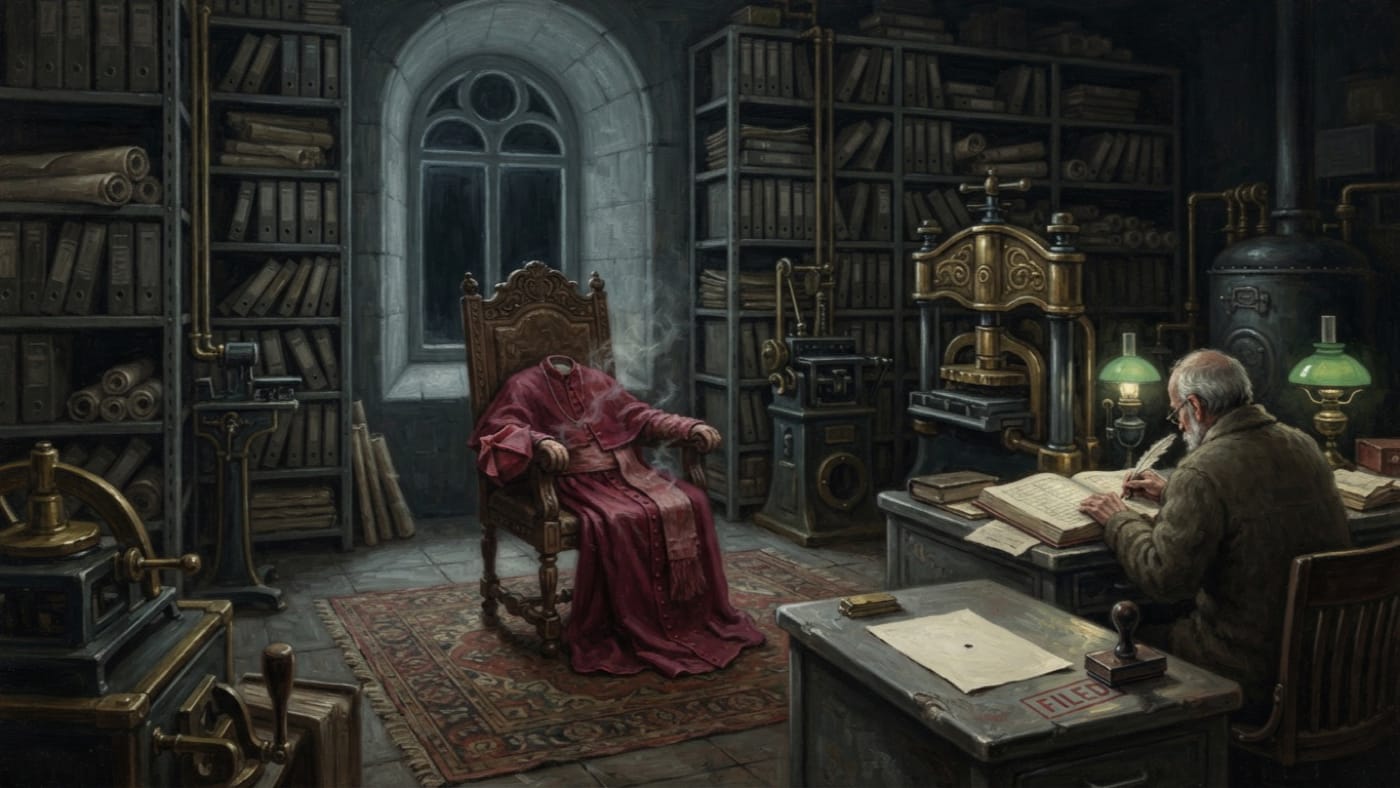
Empty Throne Affair
A reported absence, an alleged minute, and the comfort of FILED
A.S. 201 survey of a cardinal's reported absence and warm cassock, an alleged Veils minute and its reported FILED stamp. The affair has a name; its year and his fate remain unknown.
Codex Ref. VII.4.01-001
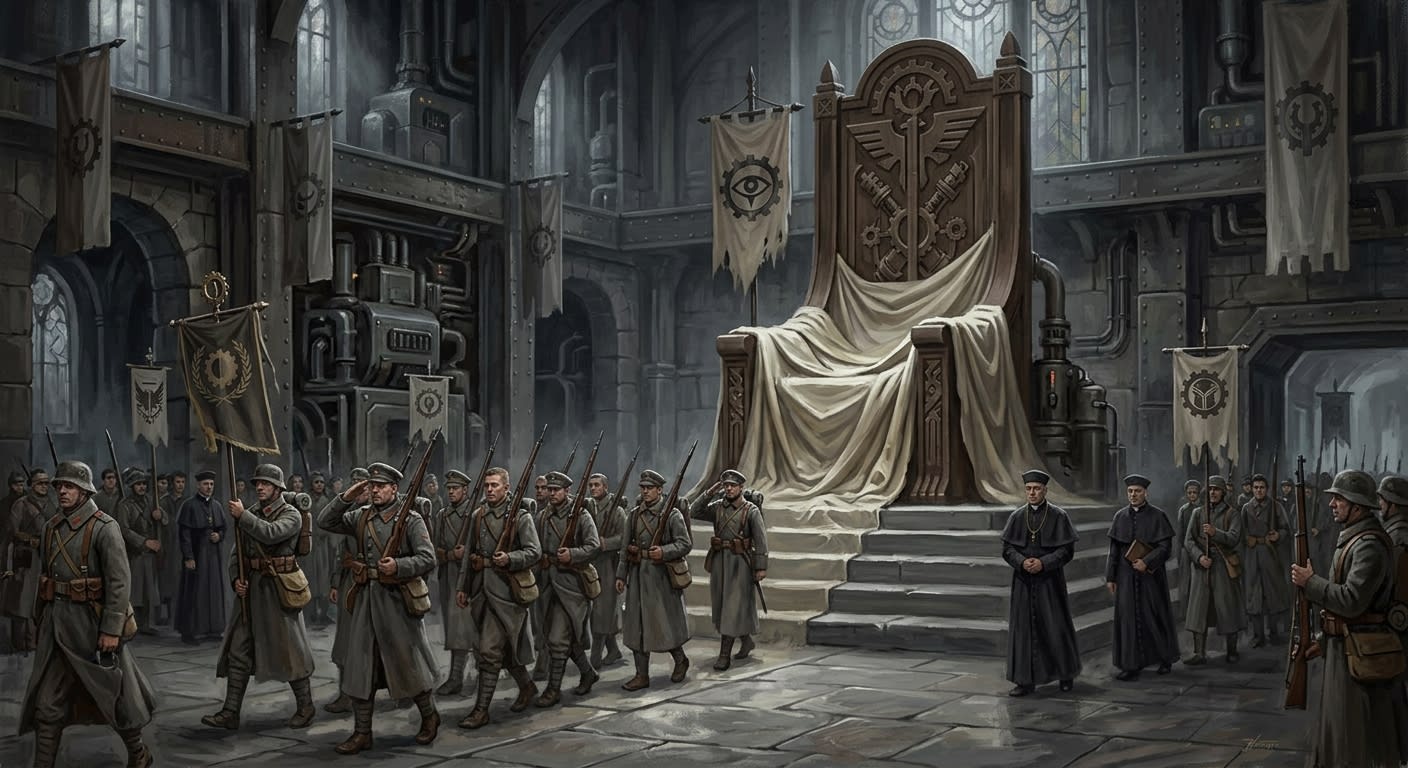
Empty Throne of War
A chair may command armies if enough clerks fear it
The Seventh Seal's white-draped chair has been publicly unoccupied since A.S. 107 and legally occupied ever since, proving absence can march an army.
Codex Ref. XIII.1.52-001
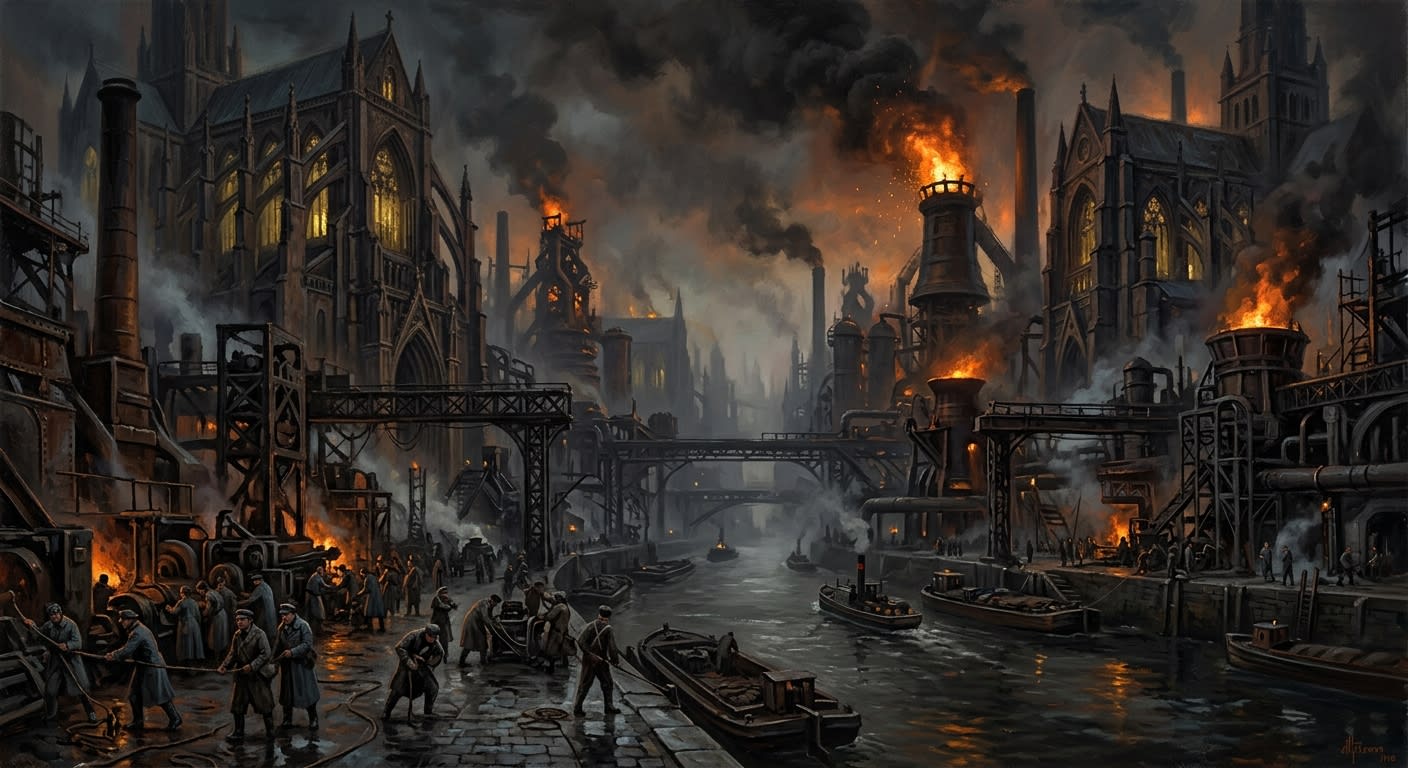
Essen-of-Hymnsteel
The city the Line cannot outlive, and dare not silence
Industrial holy city where steel is calibrated by choir and governed by three Bureaus who share nothing willingly except the fiction that none of them is losing.
Codex Ref. II.2.01-001
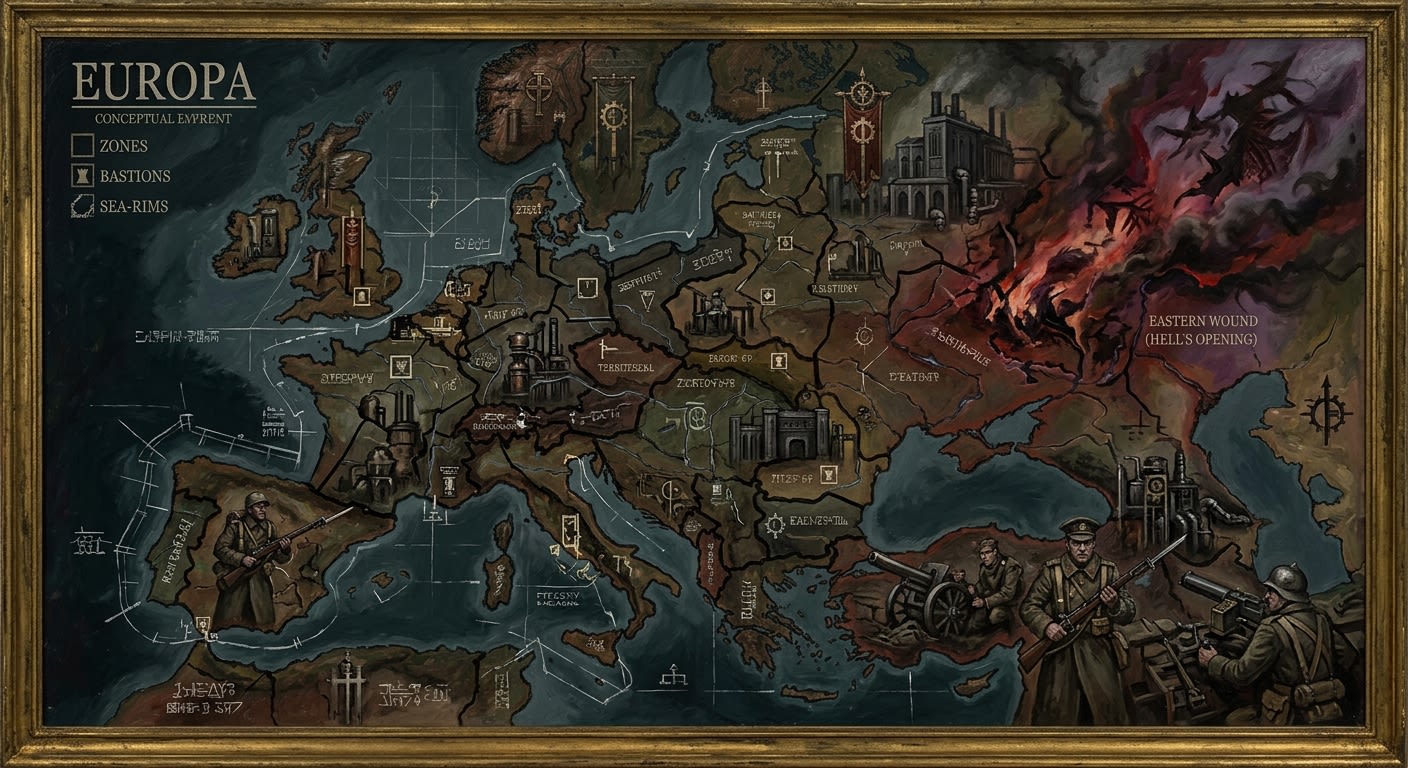
Europa
The continent as filed, wounded, taxed, and made obedient enough
Europa is not whole; it is the continent filed into zones, bastions, sea-rims, independent nuisances, and the eastern wound Hell keeps open.
Codex Ref. II.0.00-201
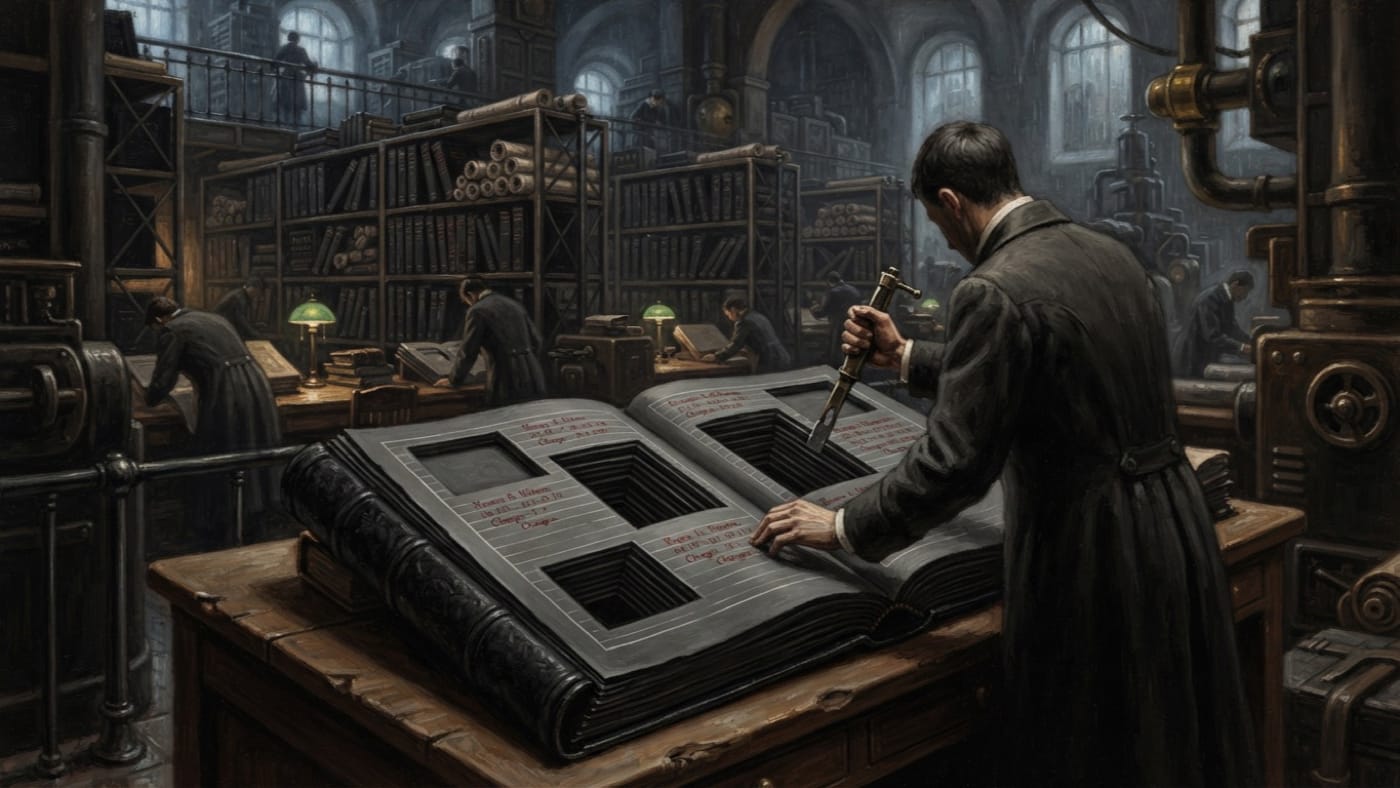
Extraction Folio
The name remains. The evidence leaves with the knife.
The Shroud keeps the name and cuts away the evidence. Its black-bound Extraction Folios count disappearances; Records makes the rolls agree and charges the household for the correction.
Codex Ref. XIII.1.29-002
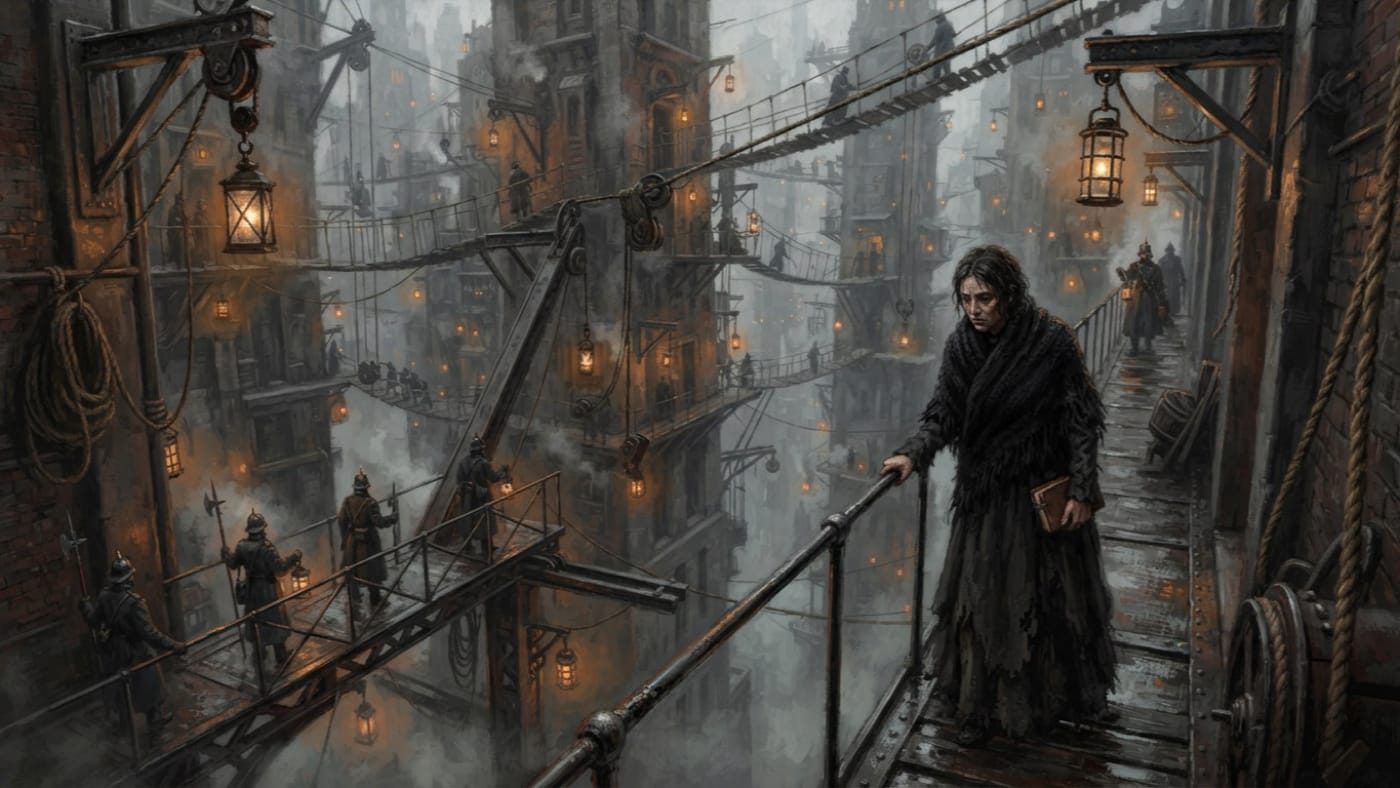
Fall List
The weather has patrons, and the dead have a list
The Fall List records the Rope-Road Lanterns' commissioned deaths: murder filed as weather, copied as insurance, and capable of ending the Circle's toleration in one widow's hands.
Codex Ref. XIII.1.125-001
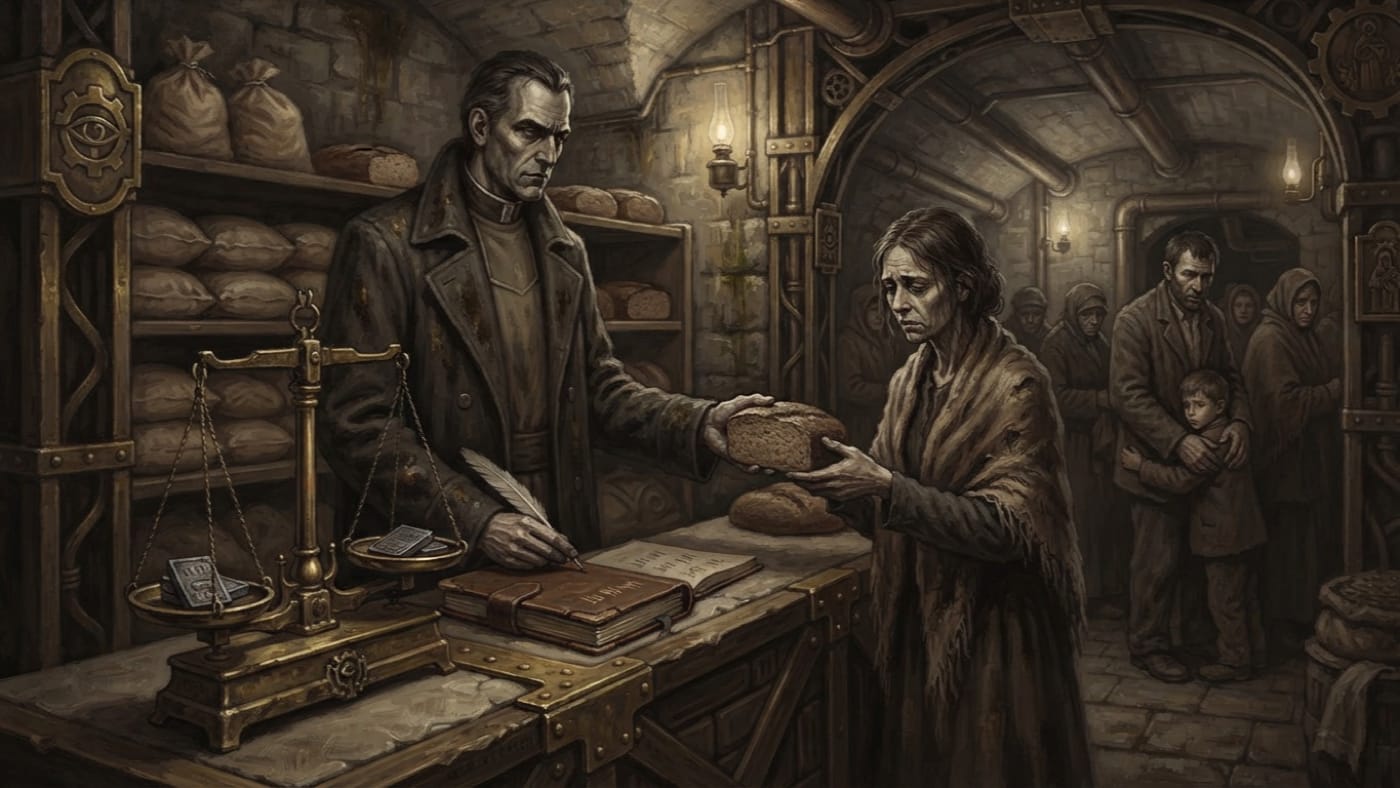
Famine Interest
The loaf is eaten; the obligation survives
Famine interest advances bread against property, silence, service, and persons. The Hunger Broker's ledger compounds because the debtor keeps eating.
Codex Ref. XIII.1.13-001
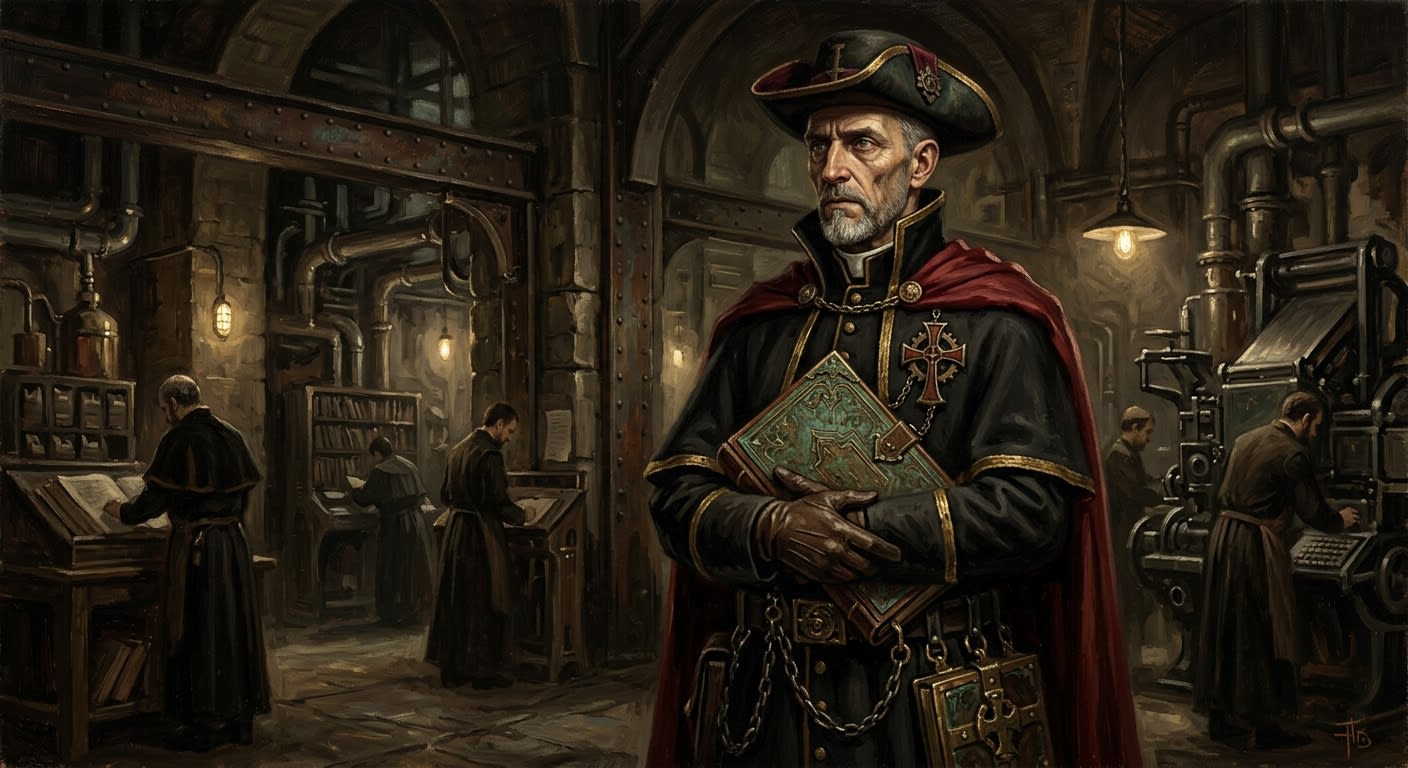
Father Clemente de los Rios
The abbot who spent a saint's jawbone at the correct hour
Abbot of the Order of Saint Iago garrison at Toledo, Second-Tier Martyr, and keeper of the Relic whose second Psalm denied Reason its prize.
Codex Ref. III.2.01-083
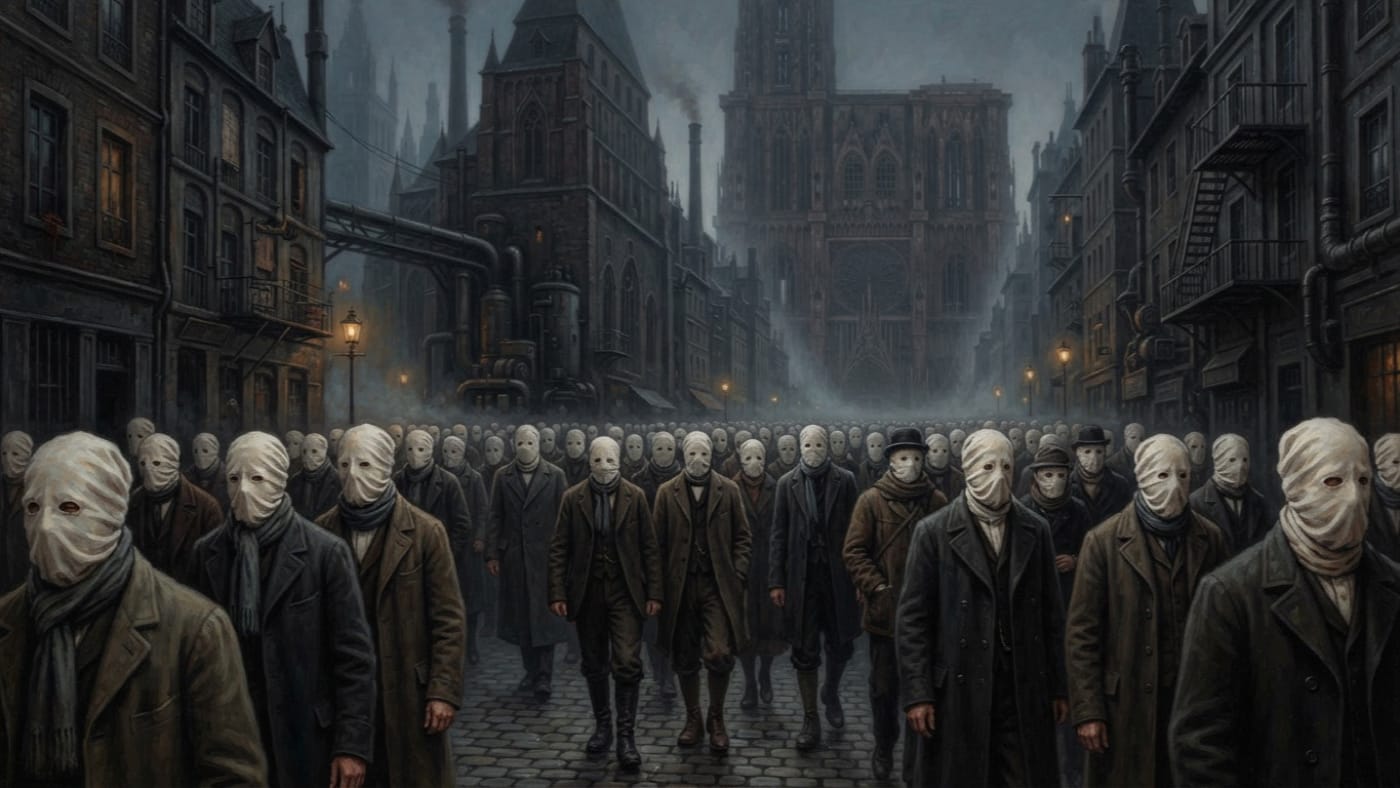
Feast of Buried Names
Anonymous before the Creator. Numbered in the Registry.
On the Feast of Buried Names, every citizen is expected to walk the parish in silence behind licensed white cloth. Doctrine calls it necessary; Purity calls it a liability. The Registry keeps the eye-holes on file.
Codex Ref. XIII.1.91-001
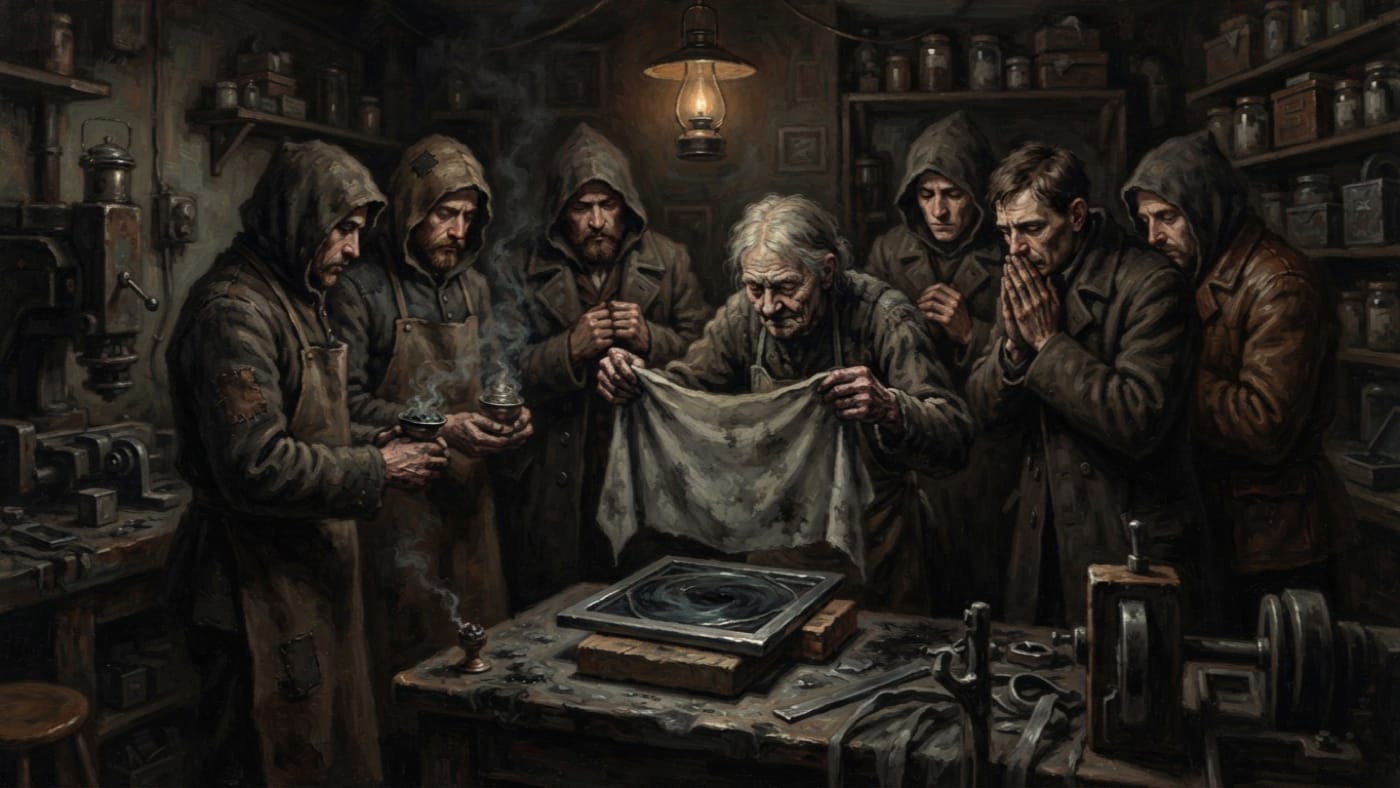
Feast of Silenced Tongues
A craft without a charter keeps the feast of a saint without a file
The Demon-Glass Polishers honour Saint Varda after Matins, on a night chosen by workshop consensus and denied by morning. A cloth is lifted for one breath; silence earns thanks, and a whisper earns them faster.
Codex Ref. XIII.1.92-001
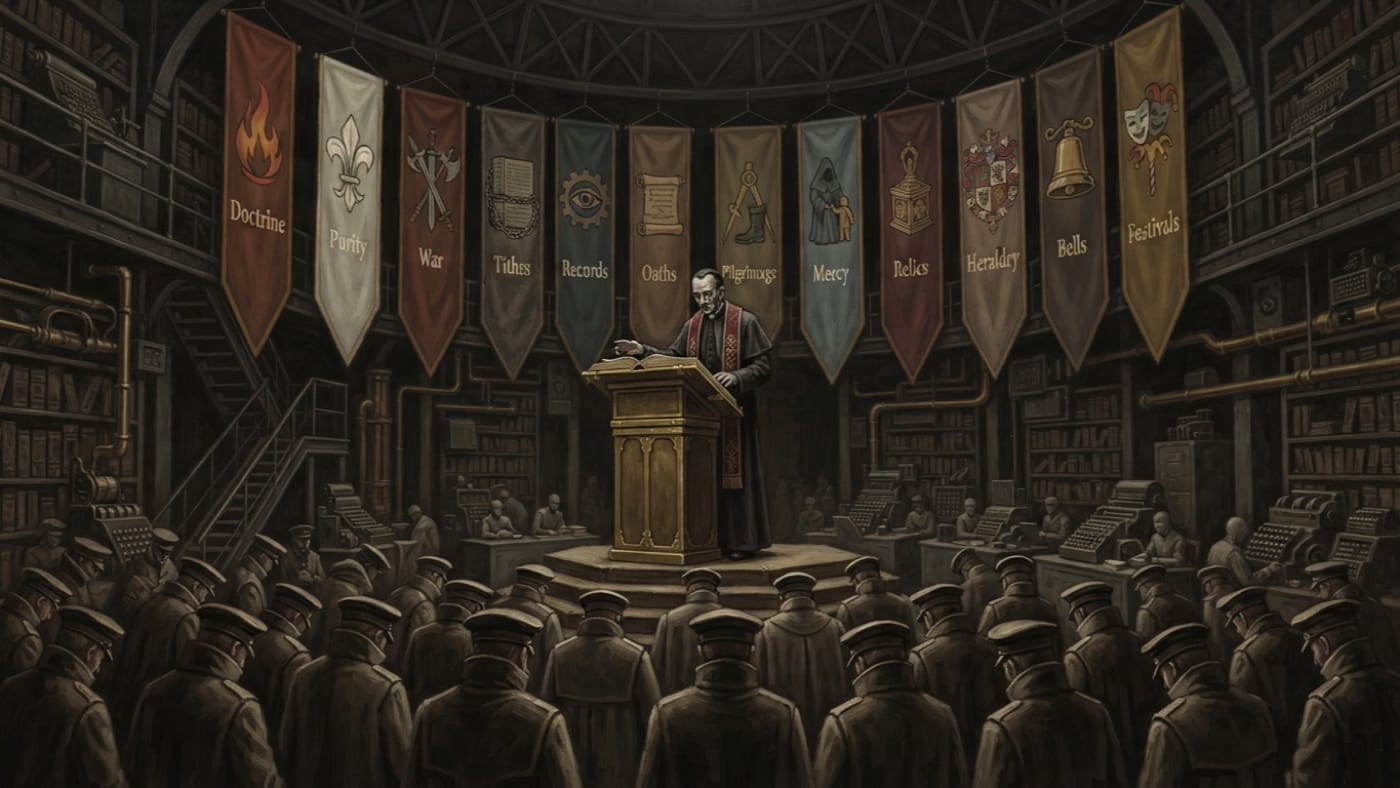
Feast of the Ledger
Twelve portfolios read aloud; the offices that keep them standing go unnamed.
At the Feast of the Ledger, the Synod reads its twelve canonical portfolios aloud. Settlement, which assigns three hundred million addresses, receives no syllable. The recital is correct; the census is incomplete.
Codex Ref. XIII.1.89-201
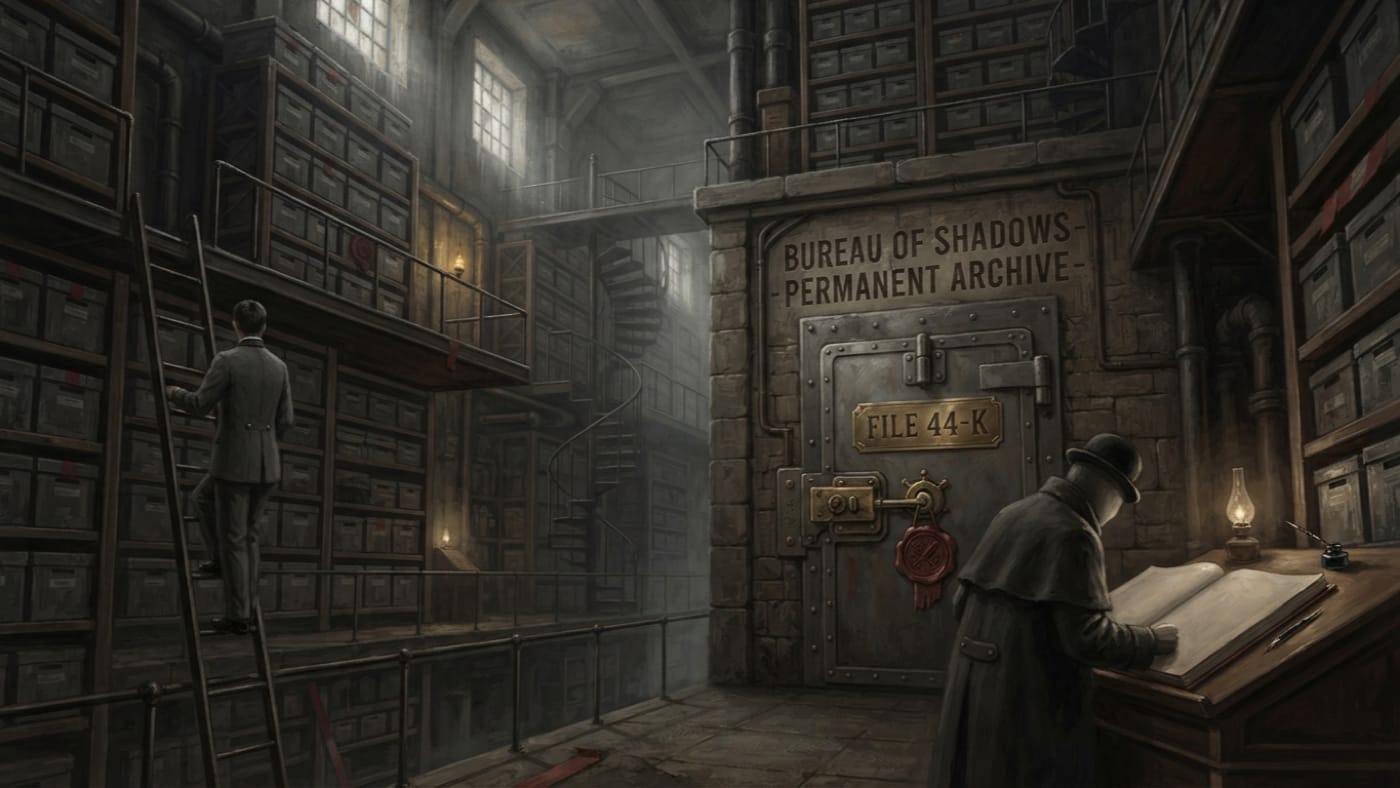
File 44-K
The occupation is acknowledged; the person is withheld
File 44-K seals the name of the Engineering draughtsman who wrote Fuel Is Chemistry. Doctrine acknowledged the authorship; Przemyśl supplied the bodies.
Codex Ref. VIII.8.44-001
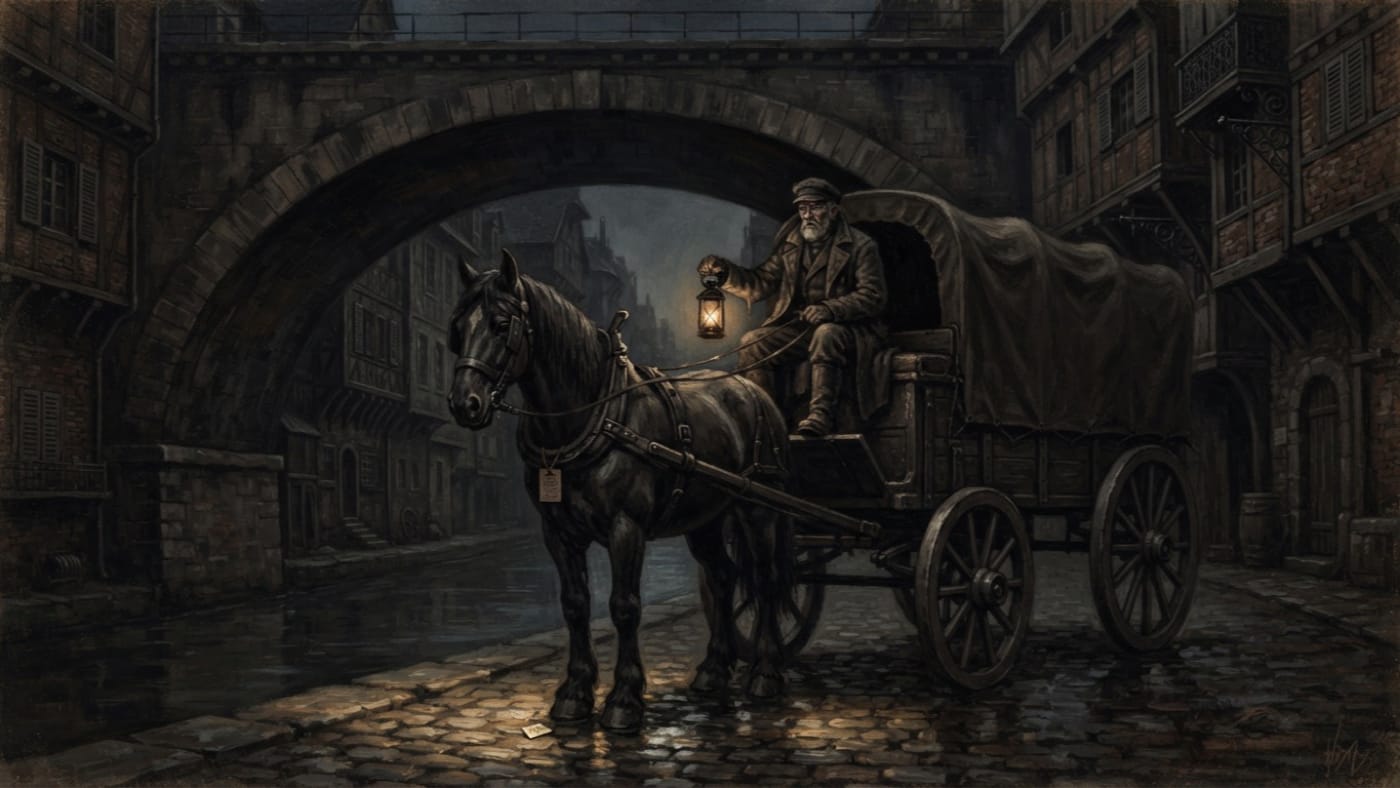
First Carter of Strasbourg
The patron no ledger can summon
The First Carter of Strasbourg is the Night Wagon Drivers' unnamed legendary patron: one passenger carried into absence, one horse rewarded, and no founder available for audit.
Codex Ref. III.2.01-1076
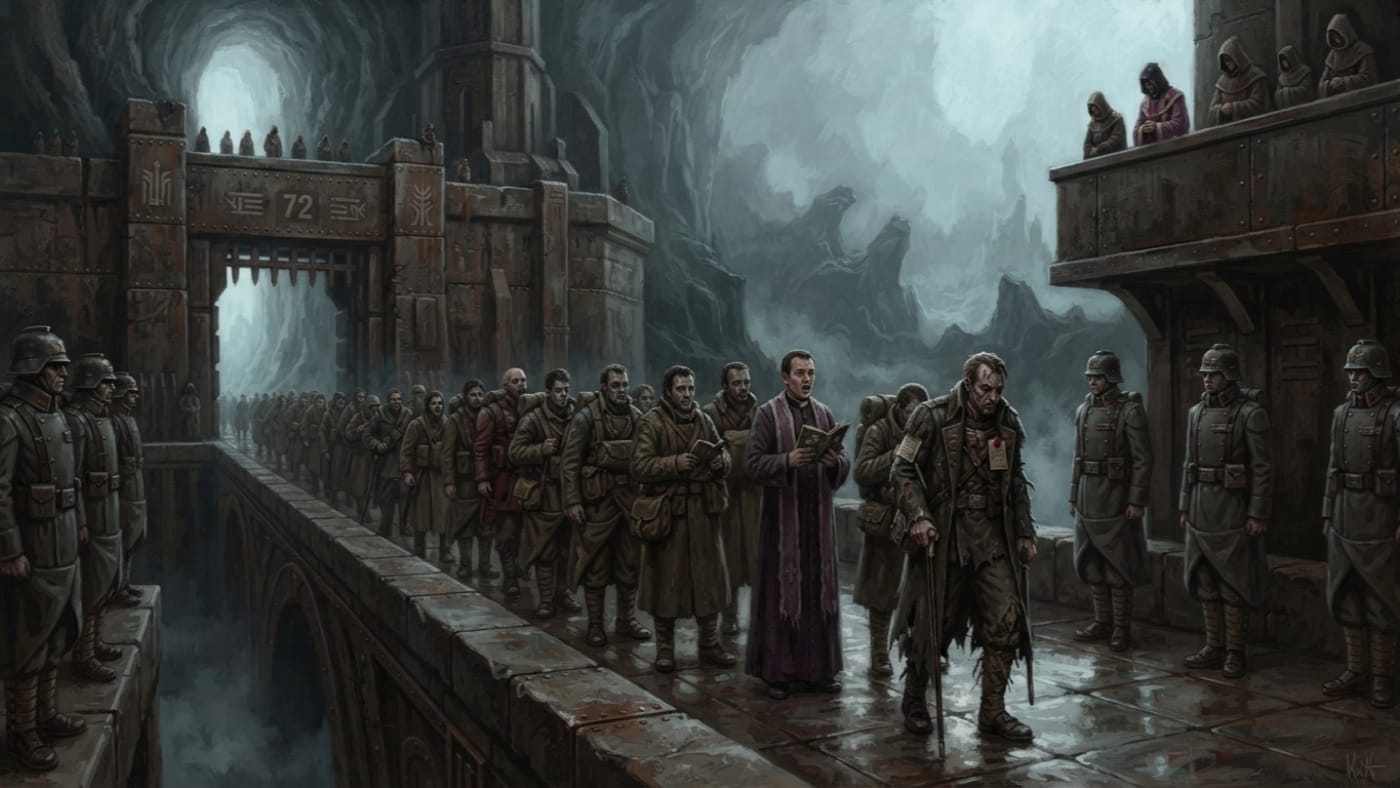
First Expedition
Every name returned. The fourteenth page remains sealed.
The First Expedition sought the Shadow Court in A.S. 72. Every listed man returned on day fourteen. The Church certified their identities and sealed their findings.
Codex Ref. V.9.01-002
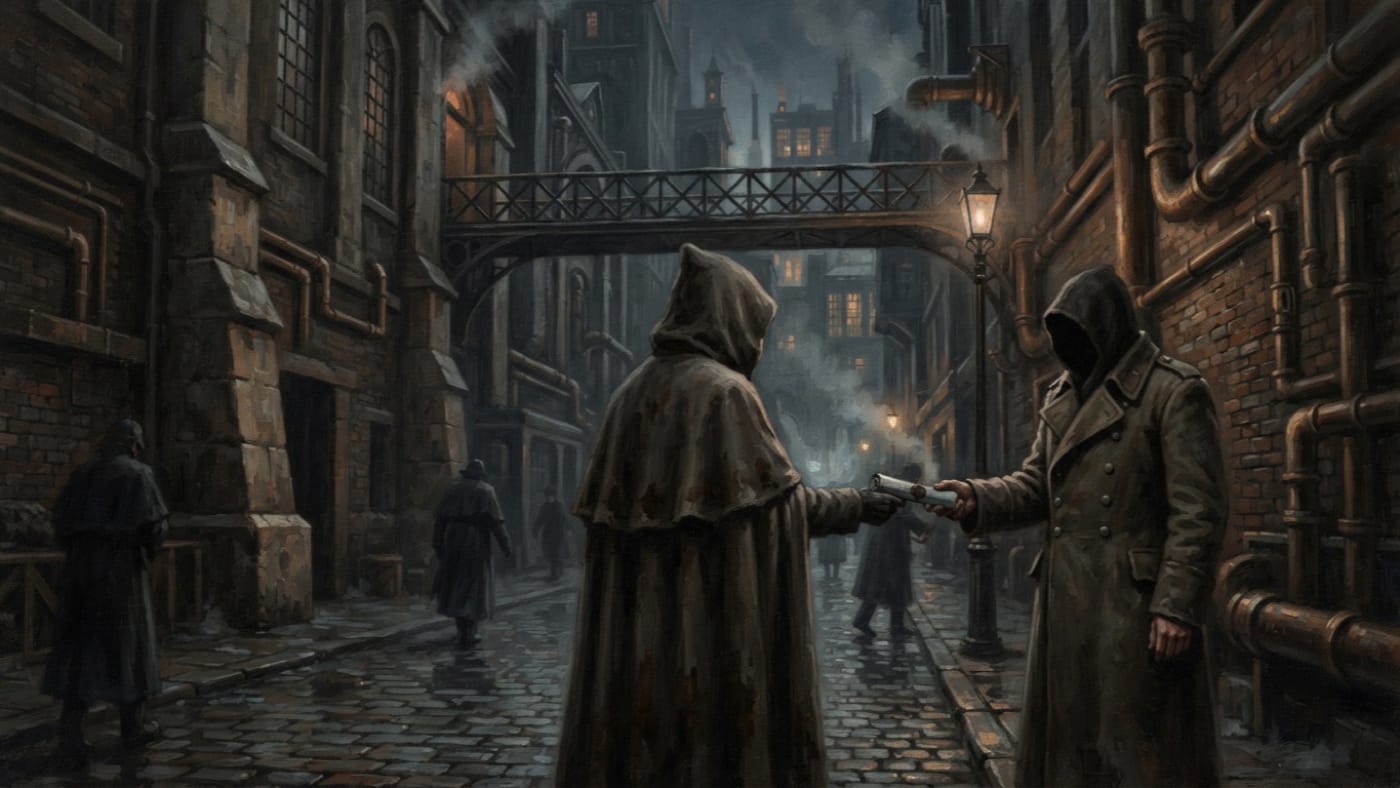
First Hood
The founder no ledger can identify
The First Hood is the Night Papers Couriers' unnamed legendary founder: a runner said to have delivered an order before it was written. Obedience survives the tale; authorship does not.
Codex Ref. III.2.01-1083
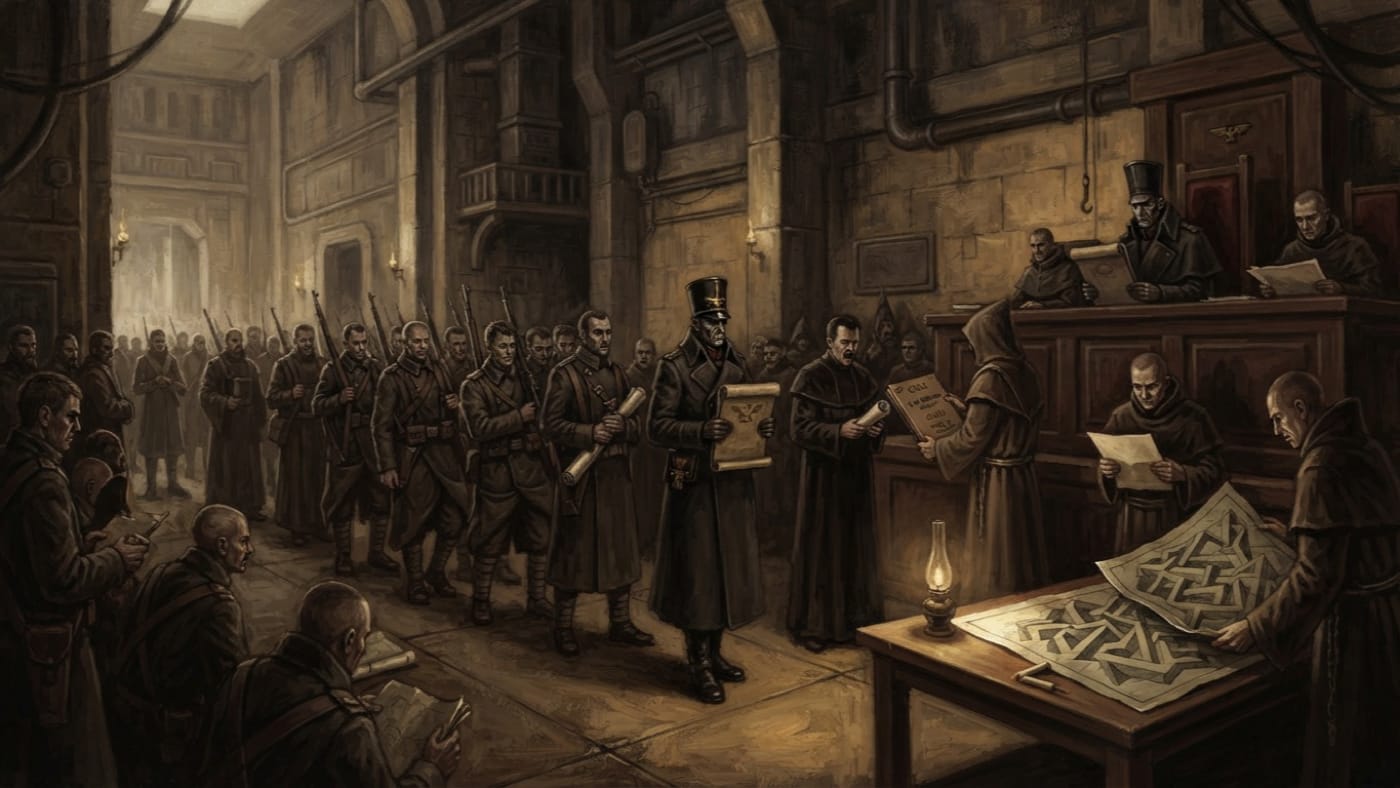
First Shadow Court Expedition
Every name returned; the objective remains undetermined.
Venn's A.S. 72 expedition returned every listed man and two matching maps of no known geography. Identity was certified; success was not.
Codex Ref. V.9.01-002
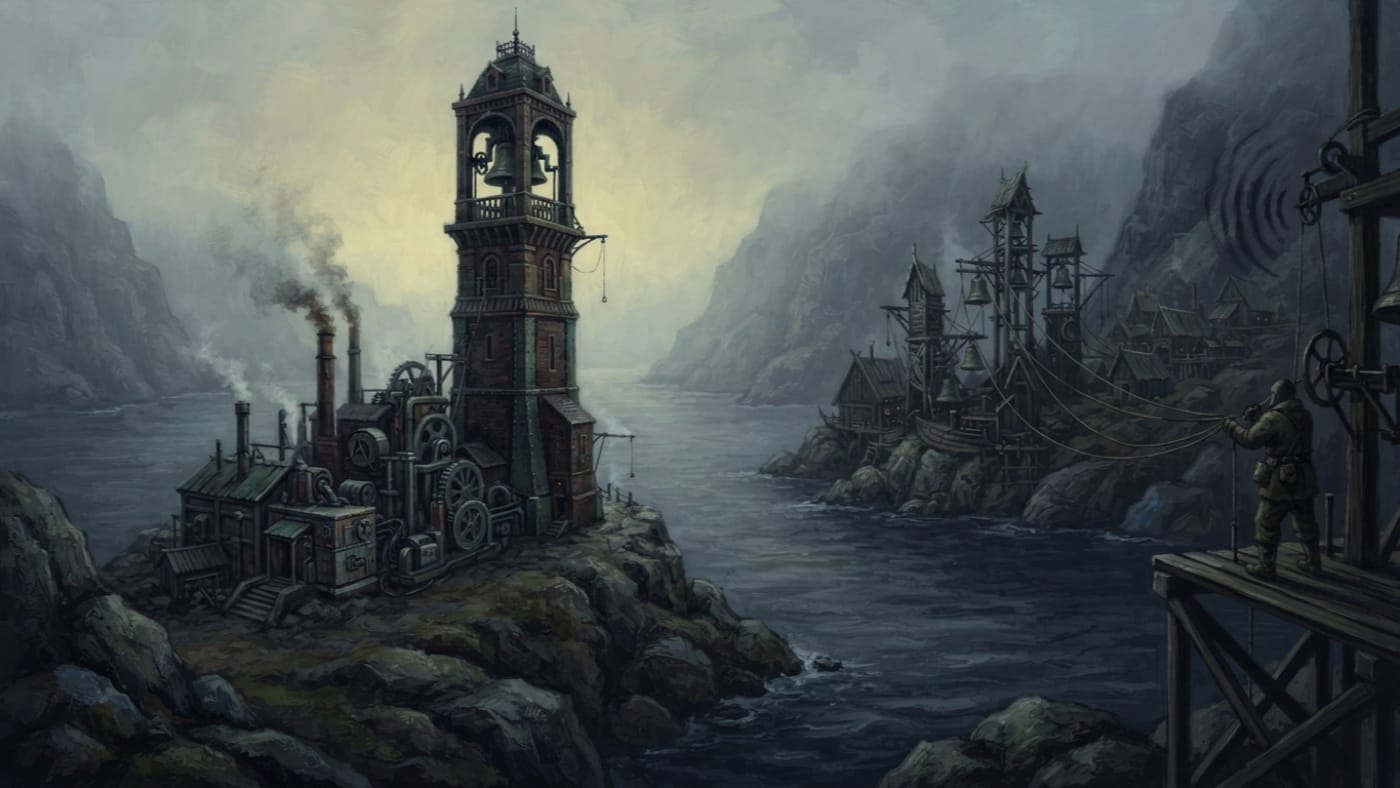
Fjord-Bells of Scandinavia
Strasbourg claims the hour. The North keeps its own.
A.S. 201 survey of Scandinavian fjord-bell traditions, their quarrel with Strasbourg's schedules and their reported answer to the Grey. The old tunings are withheld; the Bureau has asked three times.
Codex Ref. XIII.1.62-002
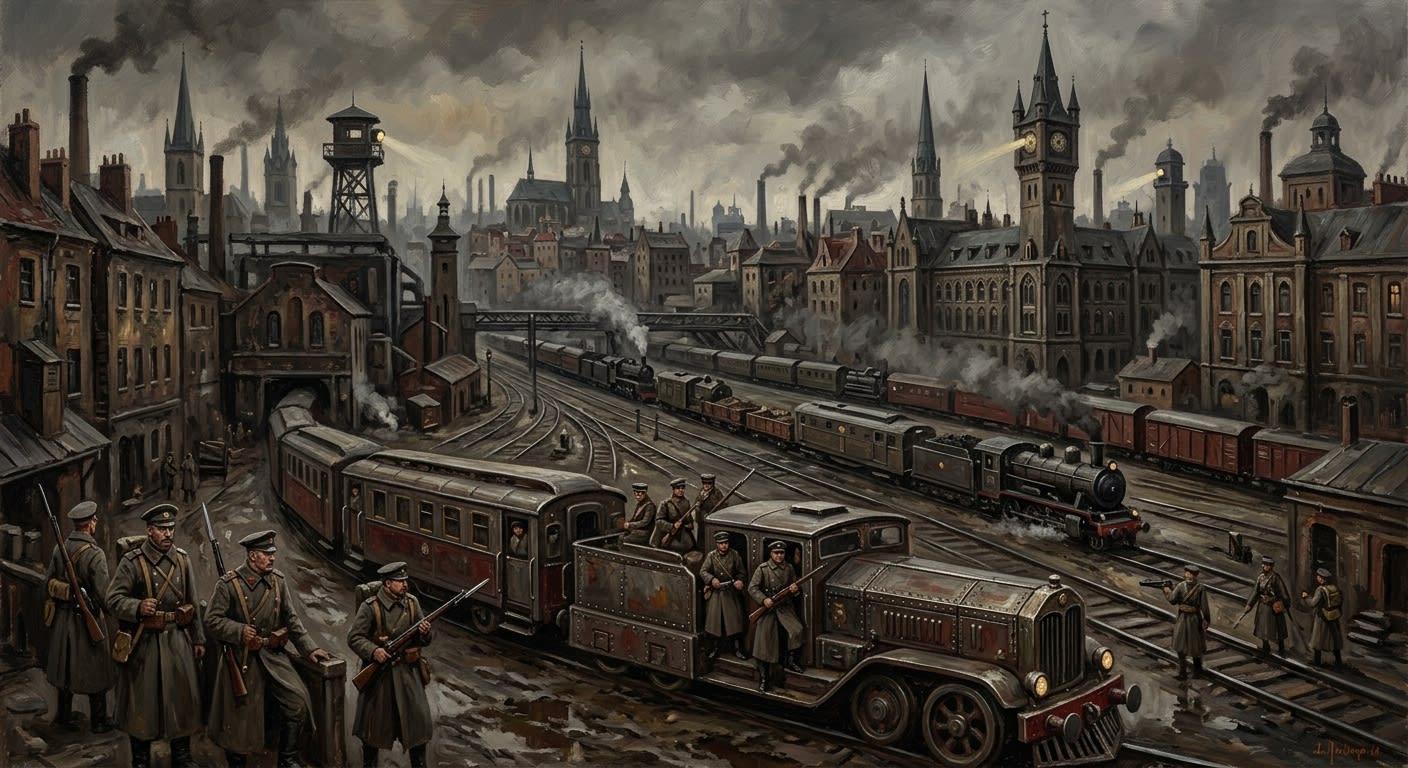
Forward Heartlands
The held breath behind the gunline
Zone 3 is the Synod's forward heart: Prague's corrected beauty, Bratislava's damp throat, Budapest's divided engine, Warsaw's teeth, Sofia's hard face, and every ugly town that keeps the Line fed.
Codex Ref. II.3.00-201
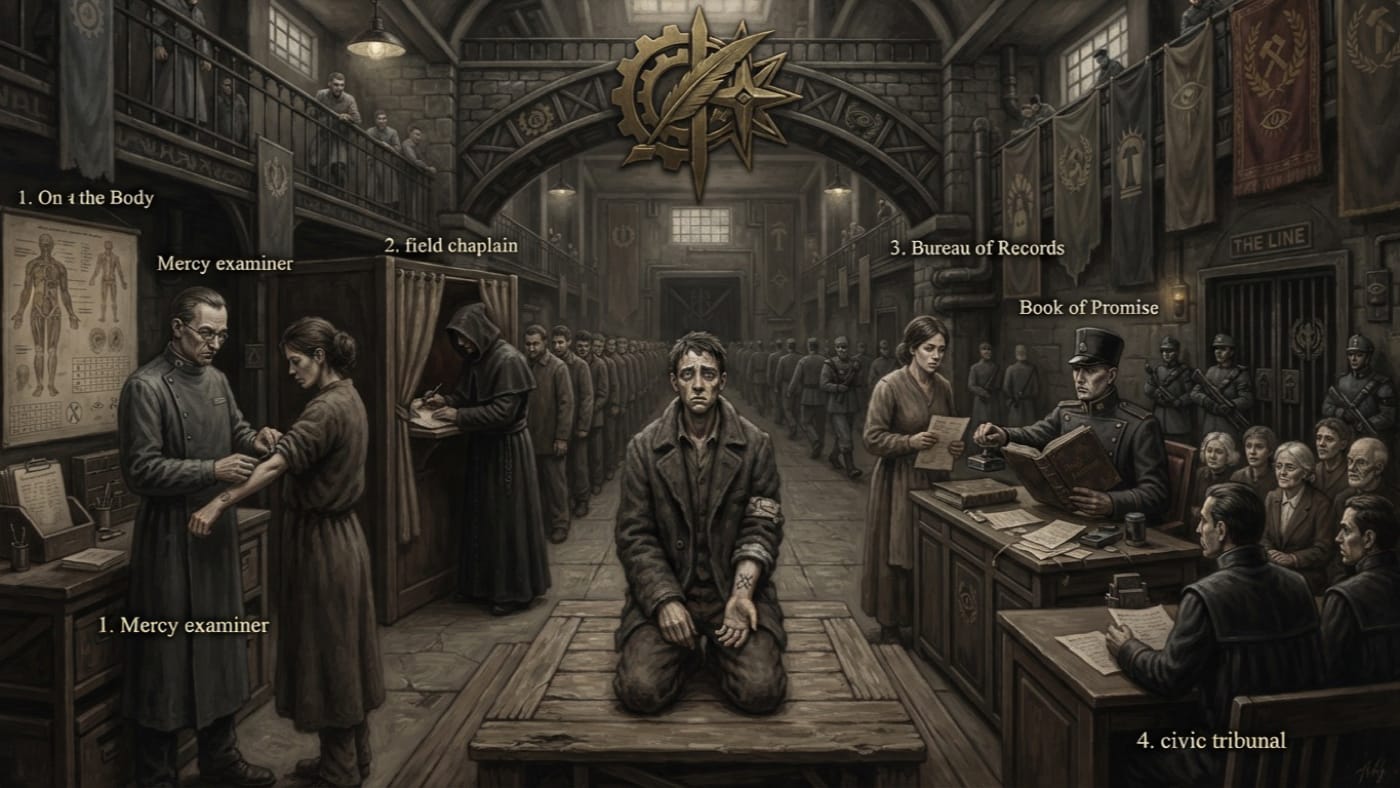
Fourfold Assessment
Four folios, one file, and a destination.
Body, confession, Promise and loyalty: the Fourfold Assessment converts a conscript into an assignment. Mercy examines, Records reconciles, and Conscription decides what the boy is worth.
Codex Ref. XIII.1.23-201
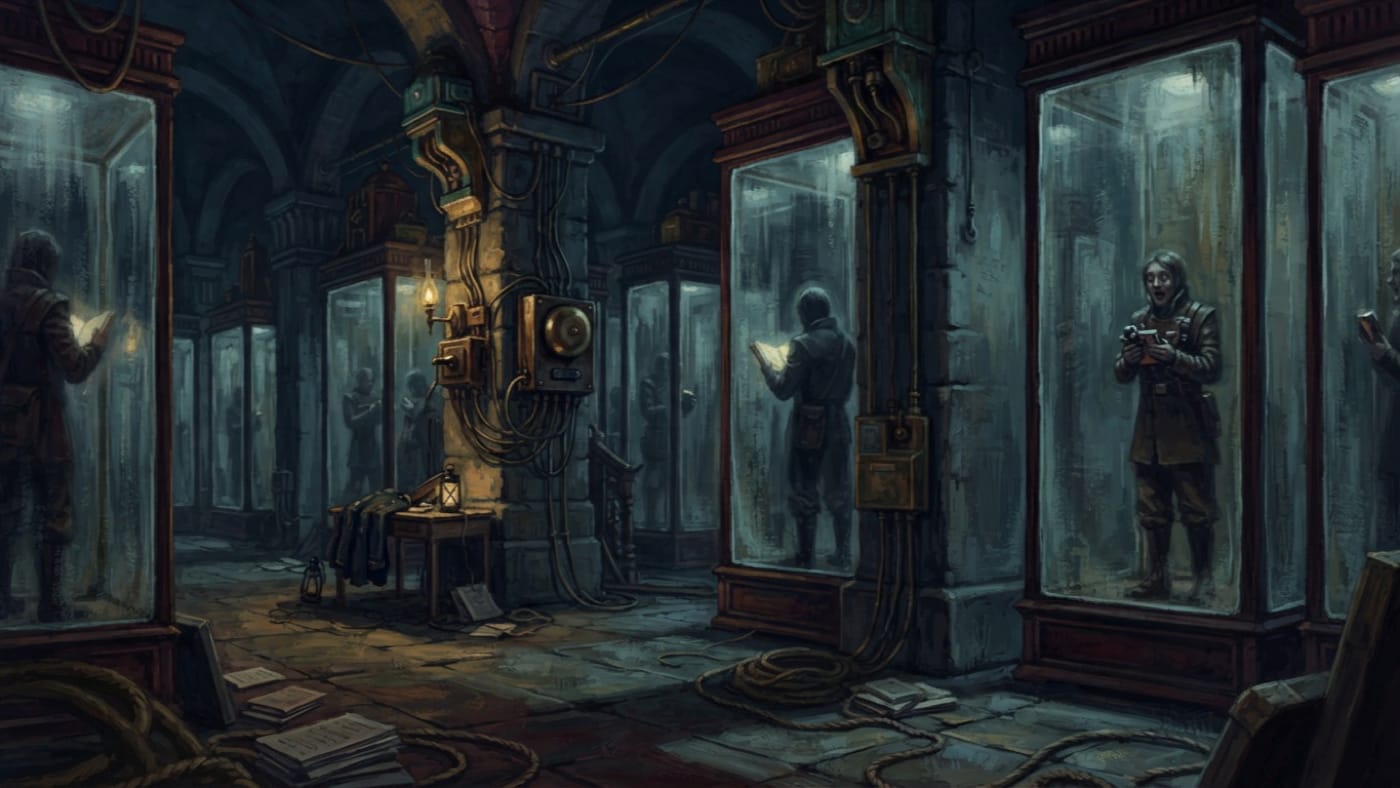
Fourth Expedition
Three days of reports. No return reported.
War sent twelve Shadows operators into the Vault in A.S. 196 over Doctrine's objection. Three days of bell reports followed; no return has been reported. The final eleven words remain classified.
Codex Ref. VII.8.10-196
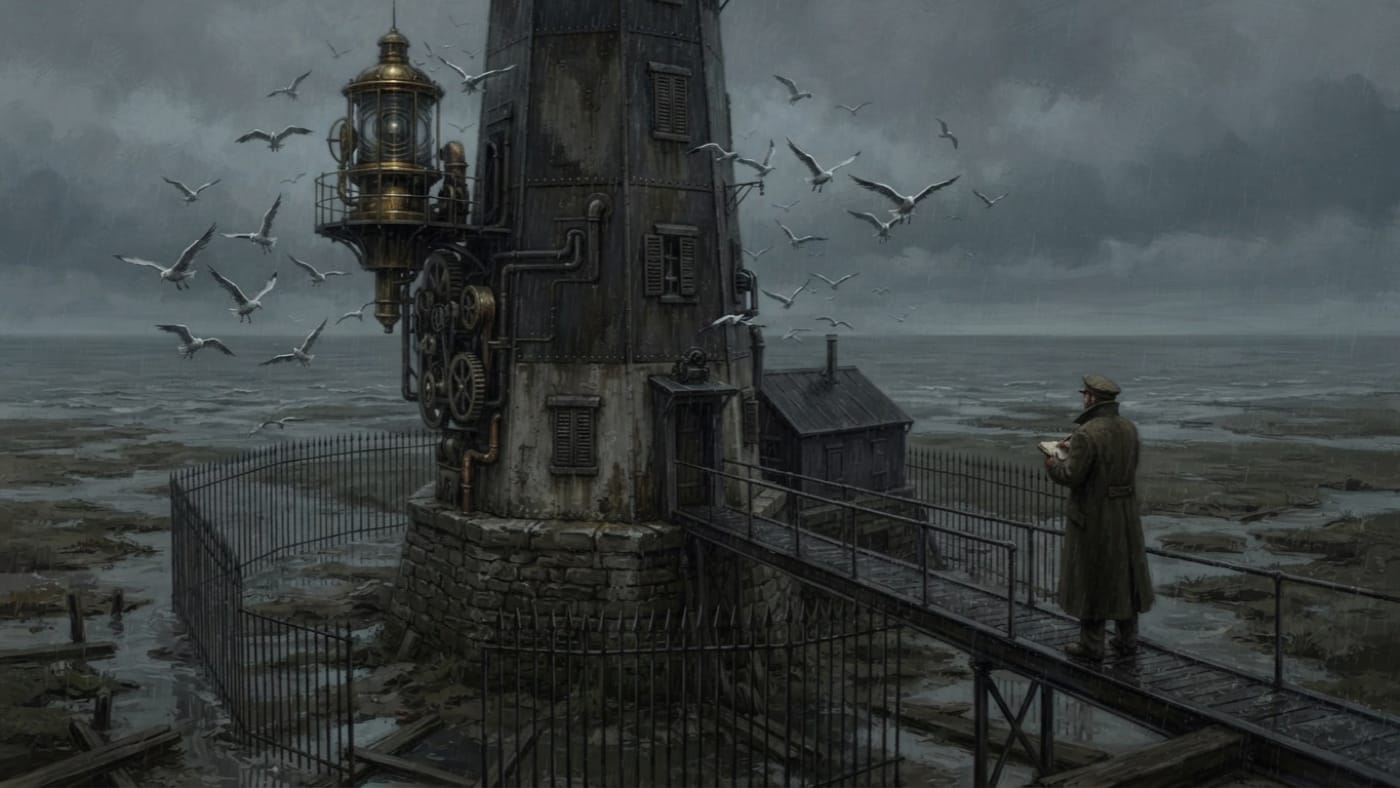
Frisian Lighthouse
A tower without an address, a witness with a new subject
An unnamed Frisian lighthouse received the Lübeck harbour-master who counted eleven Night Wagons. The record gives us a reassignment, cheerful writings about gulls, and no address.
Codex Ref. II.4.09-180
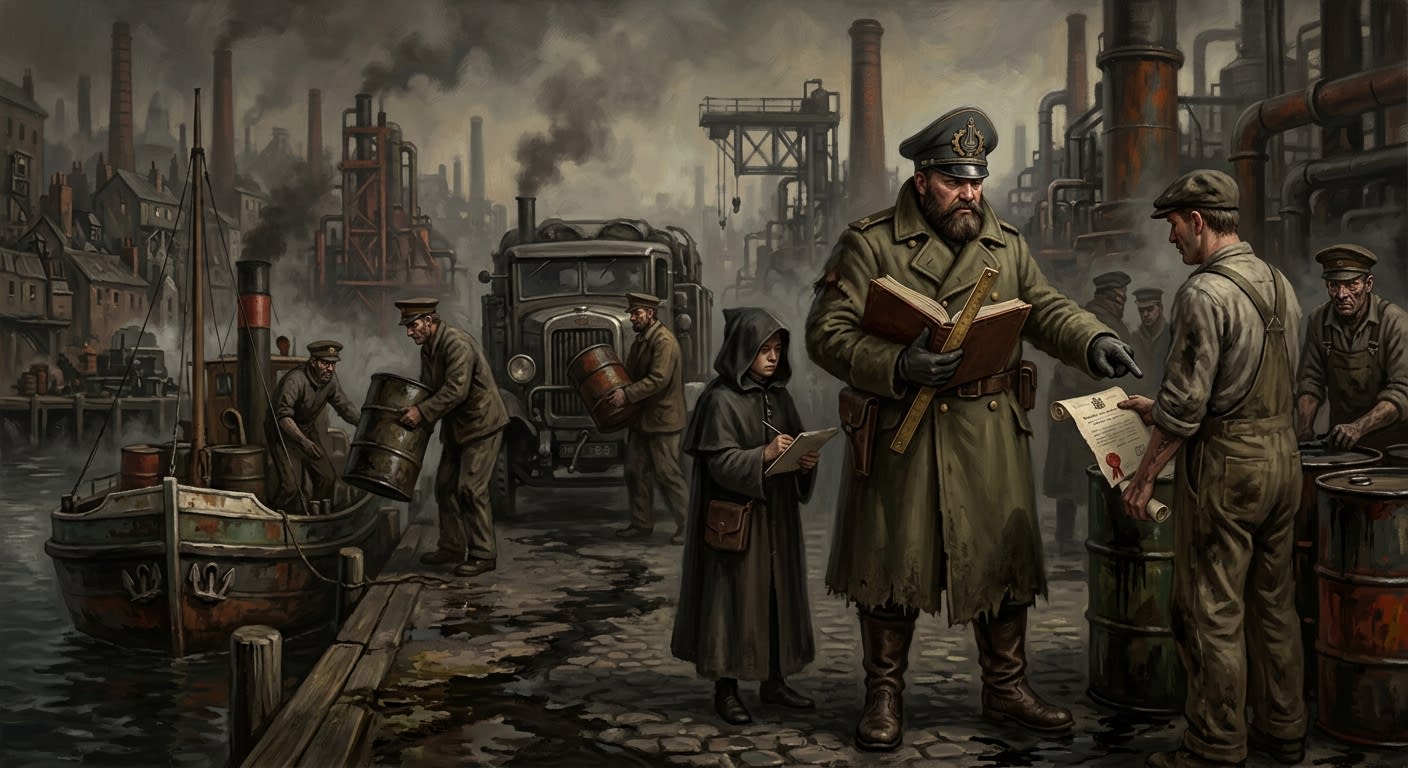
Fuel Monopoly Acts
The statute by which heat learned to kneel before a tariff table
A.S. 112 legal doctrine placing wound-site fuel, drums, charters, workers, accidents, and heat itself beneath Synodal licence and tariff.
Codex Ref. XIII.1.92-112
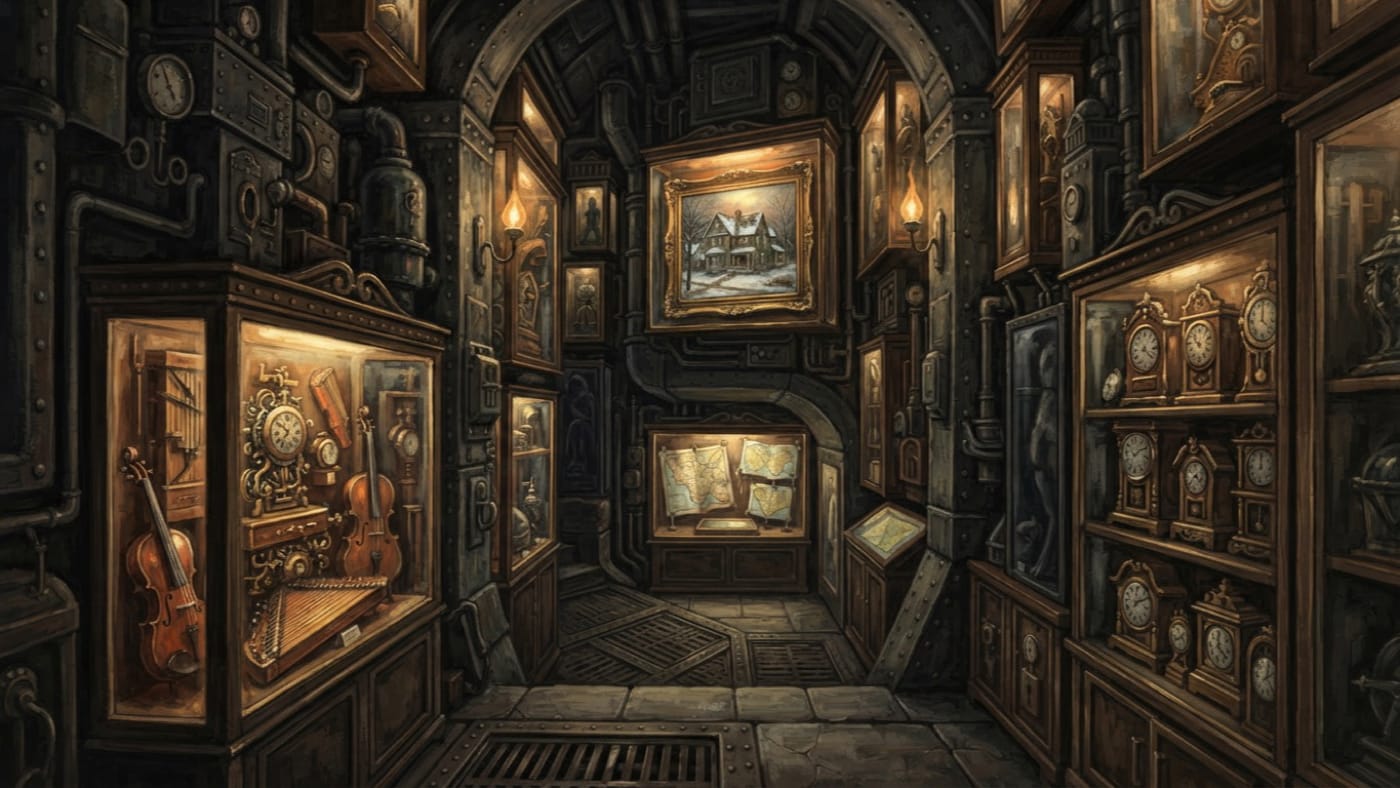
Gallery of Rarities
The chain held until the chaplain reached
The Vault's second level narrows around rarities. A chaplain was absorbed in A.S. 147; the A.S. 196 relay reported changed displays. The Bureau has observations. It has no floor plan.
Codex Ref. V.6.02-003
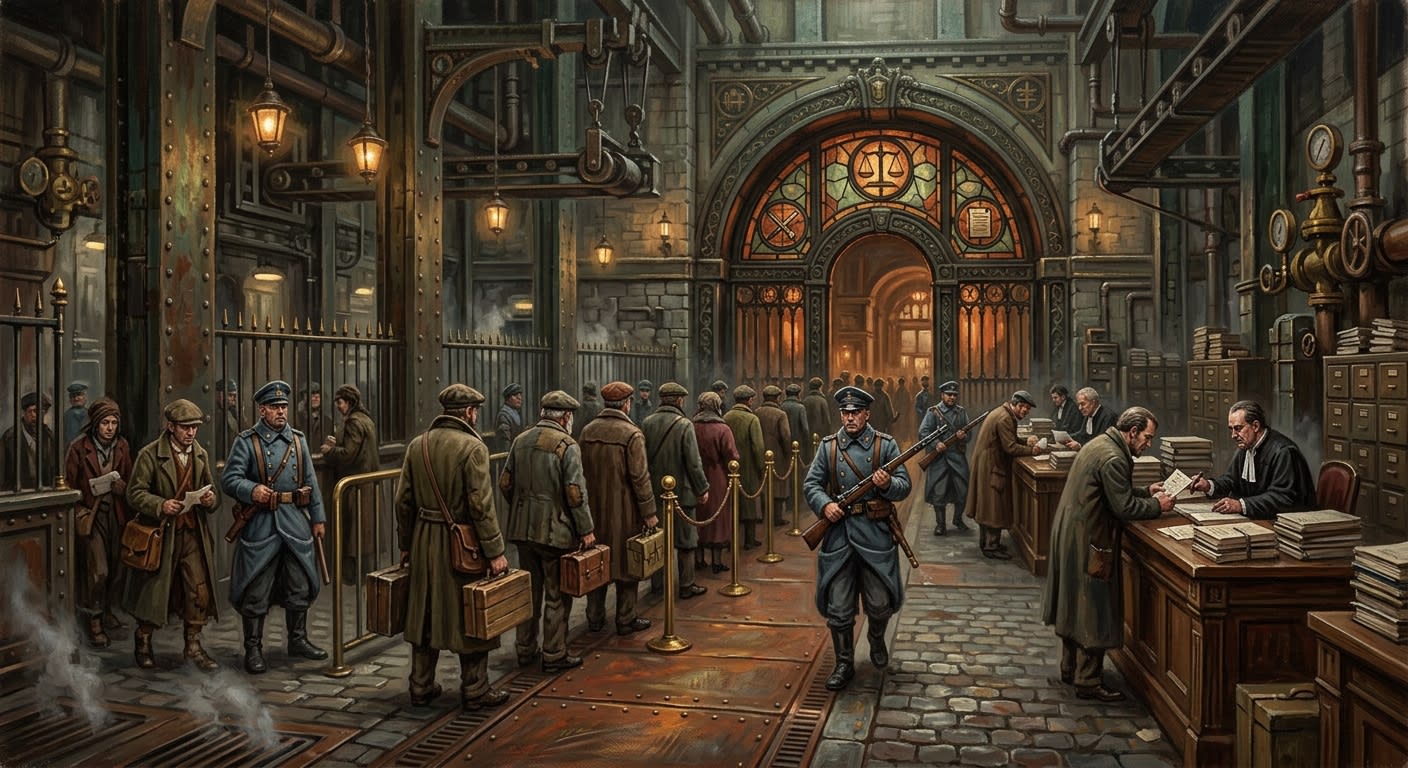
Gate Nine
The final mouth of the Queue Road, where waiting becomes debt and debt learns to breathe
Final court of the Queue Road: a clearance complex over the Apparatus where reclassification, minute debt, appeals, erasure, and warm floors devour travellers by procedure.
Codex Ref. II.3.05-009
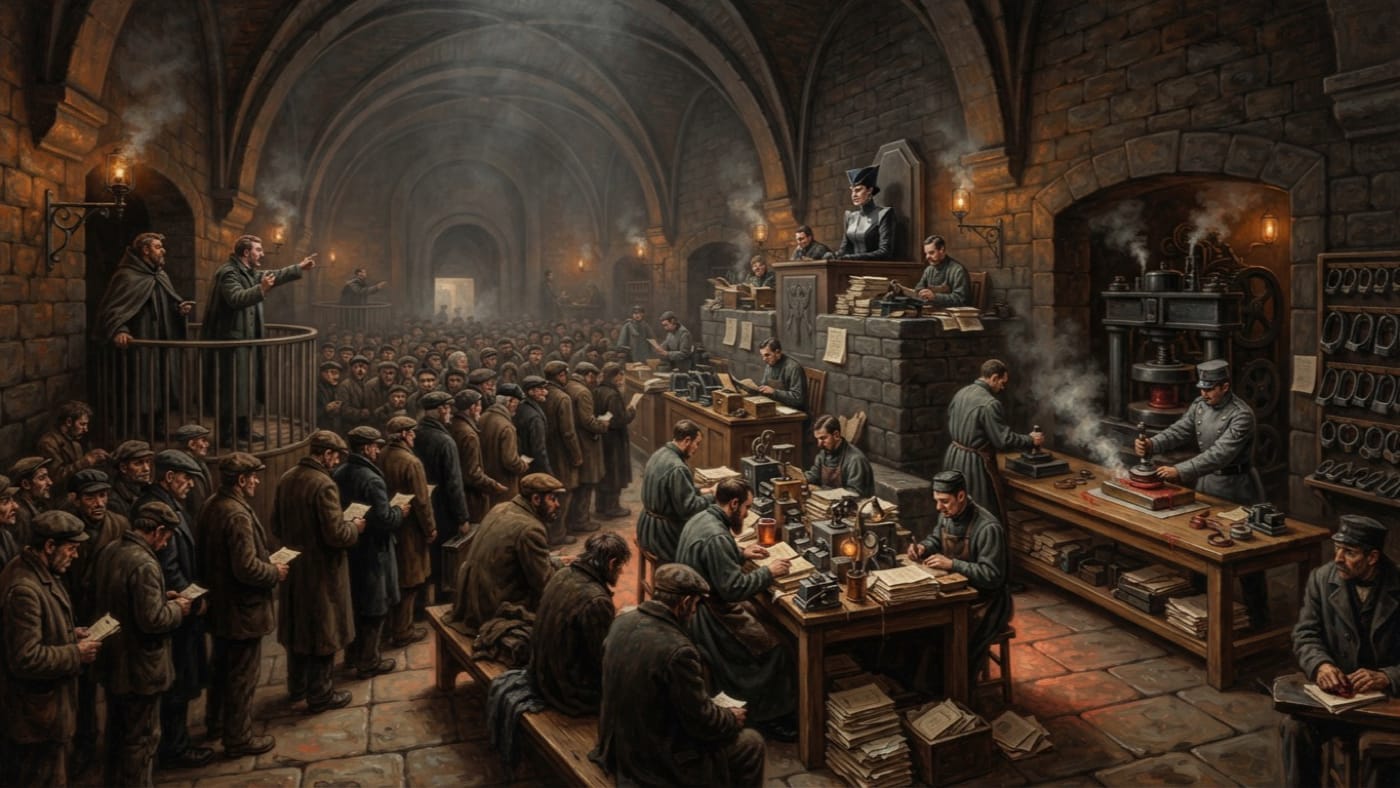
Gate Nine Hearing Hall
The bench speaks; the stamp room rules
Stone hearing chamber at Gate Nine, where appeals become dockets, confessions buy mercy, and wax makes judgment law. The floor is warm; the cause is absent from the form.
Codex Ref. II.3.05-011

Gate-Warden Petra Valenne
The woman who taught a southern gate to keep its teeth shut
Gate-Warden Petra Valenne commands Constantinople's six ravelins, integrated the Vigil Ark Saint Barachiel, and made darkness retreat first.
Codex Ref. III.2.01-006
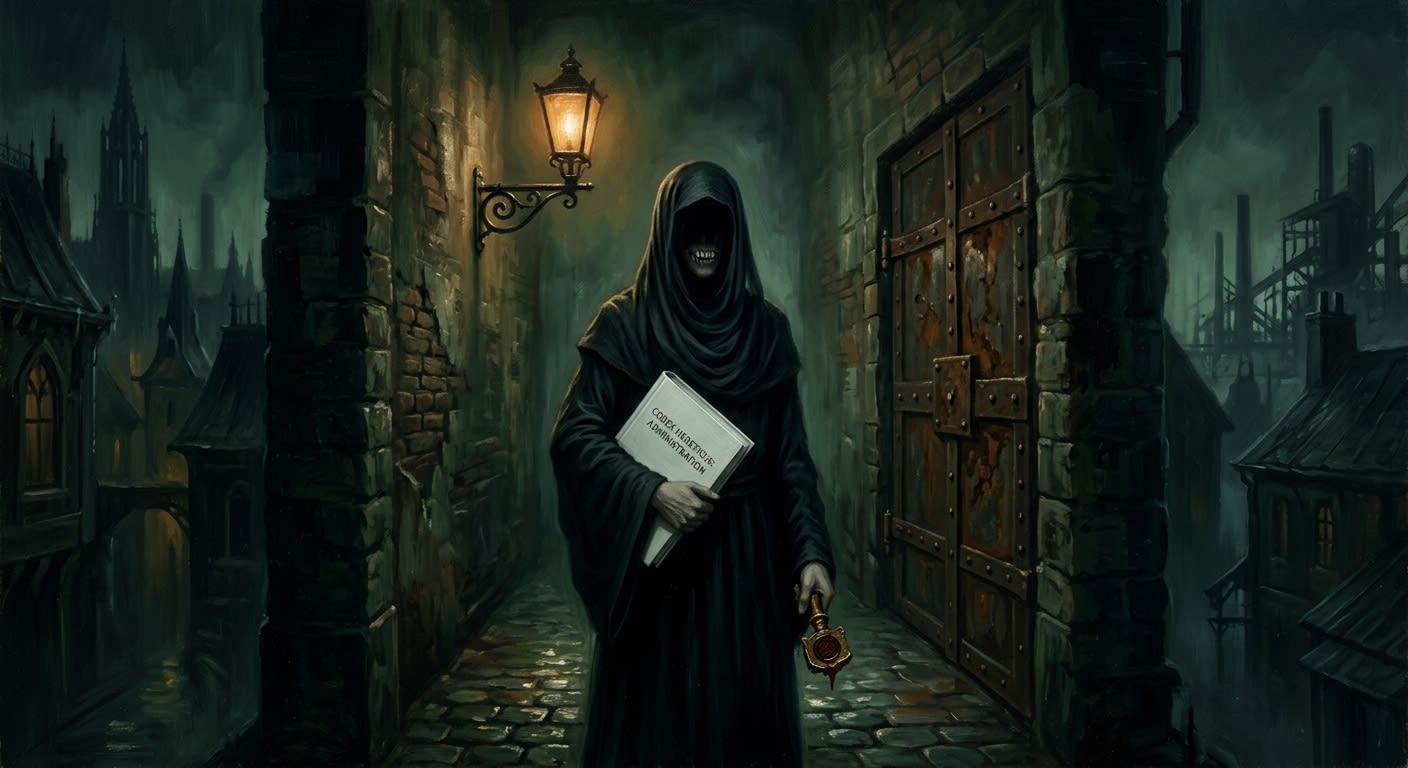
Gauze-Masked Custodian
Nine turns of gauze, one white ledger, and the administrative certainty that nothing happened
The operative the Bureau of Shadows does not employ, who performs collections the Bureau of Purity cannot conduct, in corridors no Bureau will map. Nine turns of gauze. One white ledger. Nothing happened.
Codex Ref. VI.8.01-009

Geometry Brand-Smith
Six Thousand Four Hundred Licensed Geometers of Guilt, and the Irons That Did Not Come Back
The Bureau of Heraldry’s serialized geometers of guilt — 6,400 licensed Brand-Smiths who make identity permanent in the only ledger that cannot be forged, lost, or filed incorrectly: the body itself.
Codex Ref. XII.20.01-001
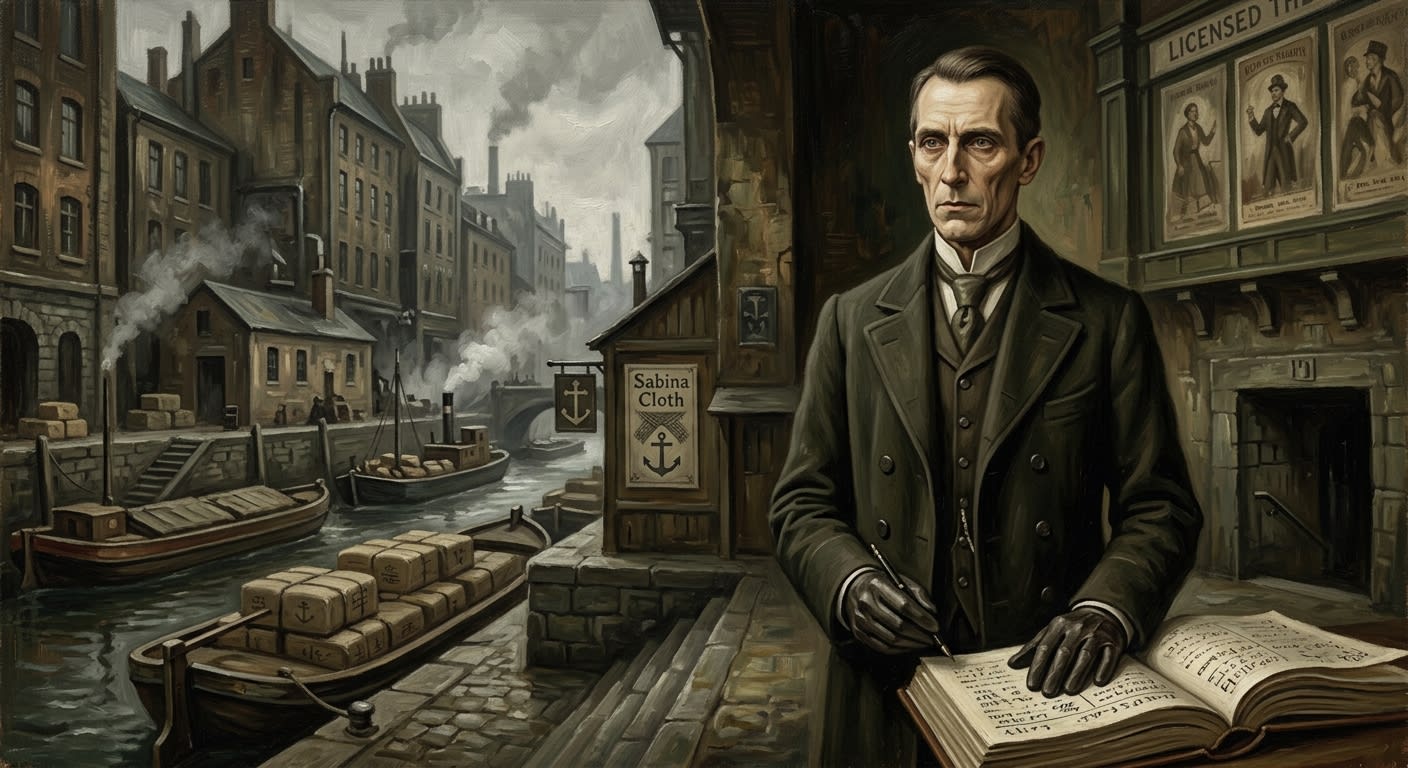
Ghent
The canal city where water keeps copies and loyalty learns to smuggle
Ghent is the Synod's wet ledger in Flanders: canal trade, Records quays, Sabina cloth, licensed theatres, Black Ledger cells, Wormhost scars, and obedience with annotations.
Codex Ref. II.1.05-201
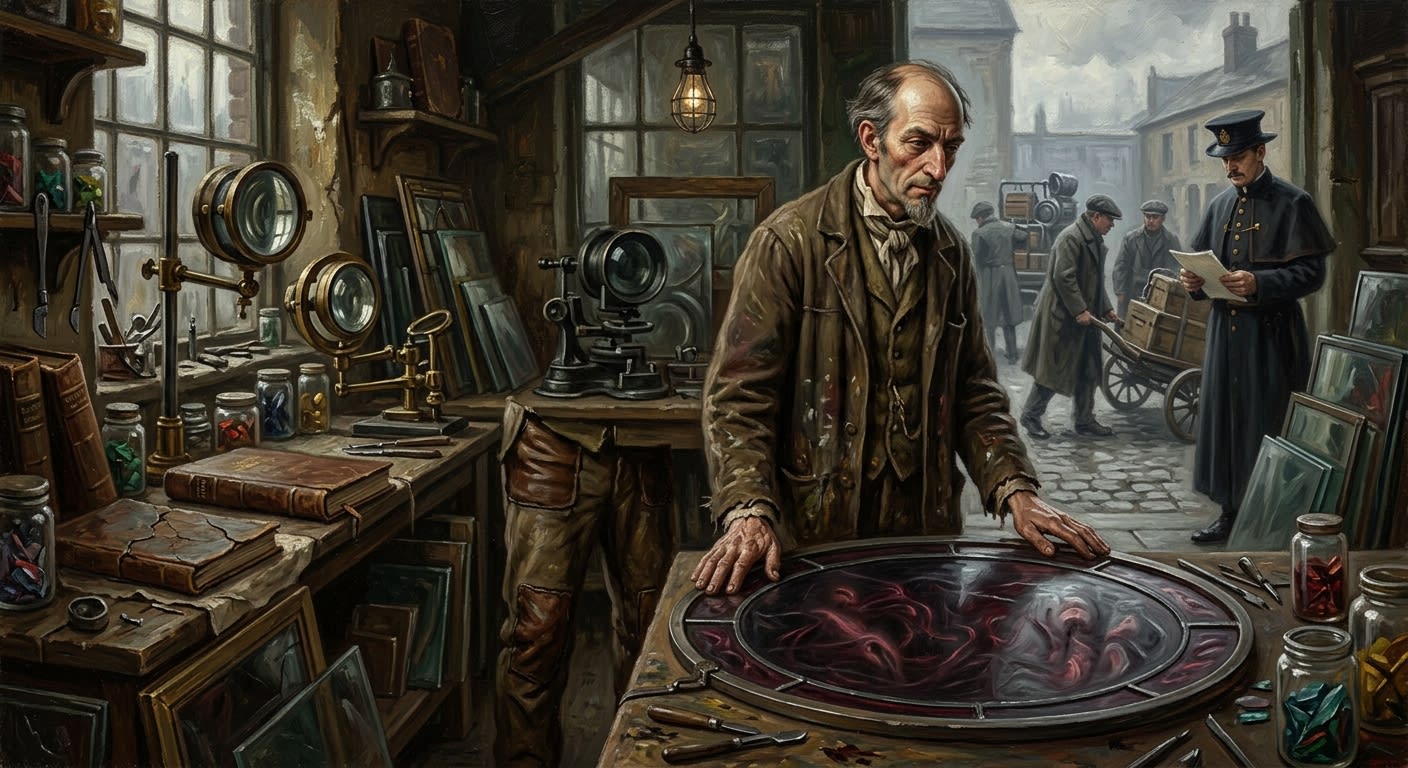
Glassman Dimo
The hand that makes Hell visible enough to invoice
Glassman Dimo, Thessaloniki Stainwright and tolerated contraband-optics master, certifies silence in demon-glass panes while War pays, Purity raids, and Doctrine pretends surprise.
Codex Ref. III.2.01-108
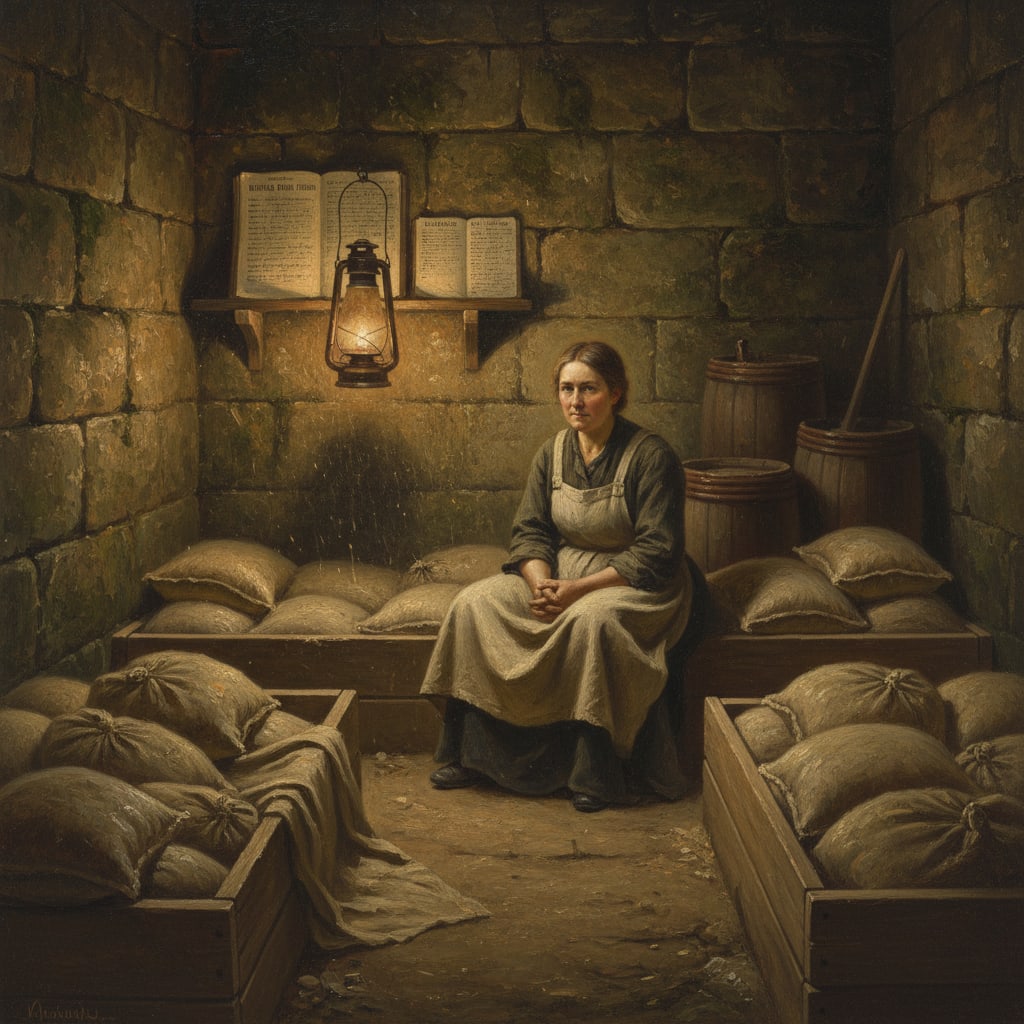
Grain Keeper
The fifth proscribed heresy, which is also why most of the civilian population west of the Sagittal Line survived the last four winters
The fifth proscribed heresy: farmers and millers who hide grain from the Bureau's ration ledger and thereby keep the population alive. The Bureau calls them spiritual saboteurs. The population calls them their only recourse.
Codex Ref. XI.2.01-001
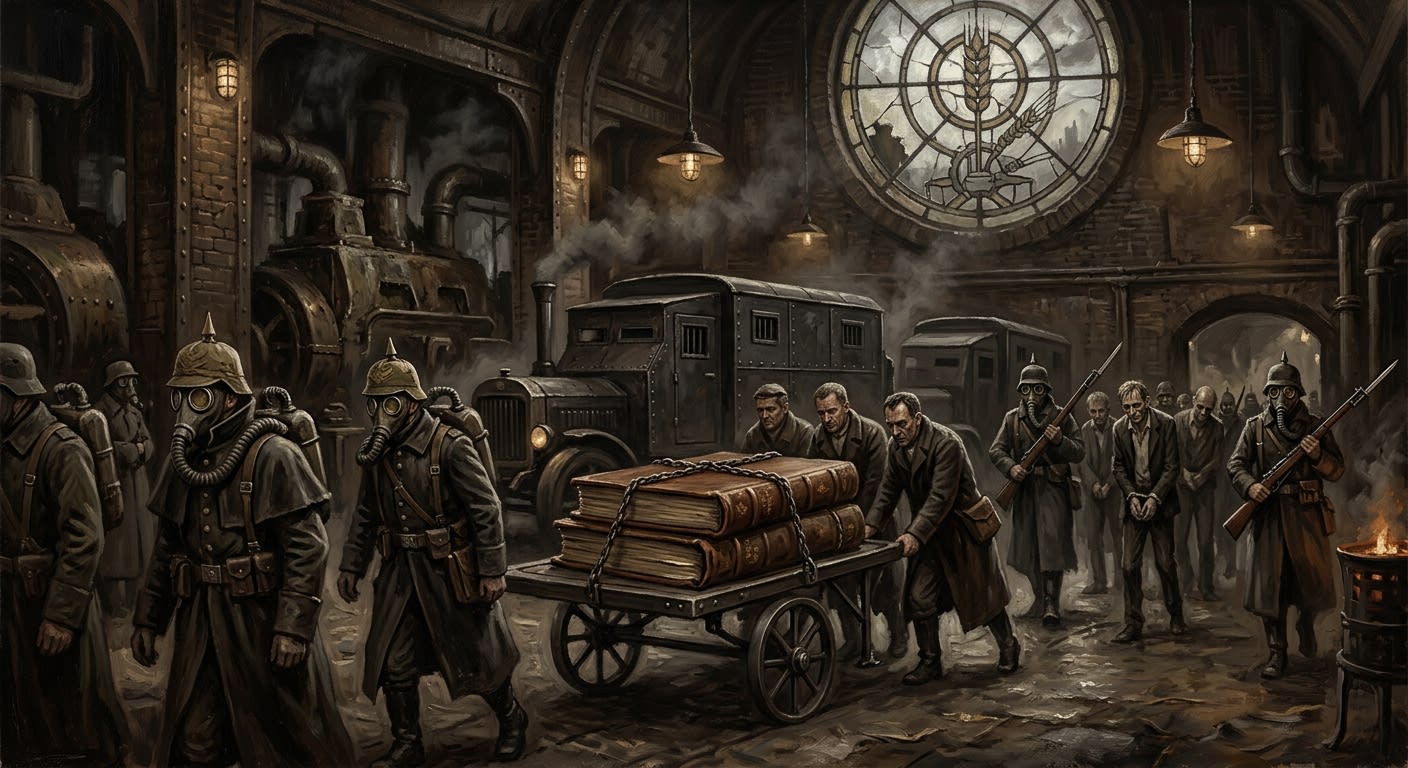
Grain Merchants' Guild, Lübeck
The fattest civic animal discovered the Creator when black gauze knocked
Dissolved Lübeck grain fraternity whose A.S. 180 spiritual renewal followed eleven Night Wagons, seized ledgers, and Shadow custody of the northern corridor's hungriest arithmetic.
Codex Ref. XII.26.02-001
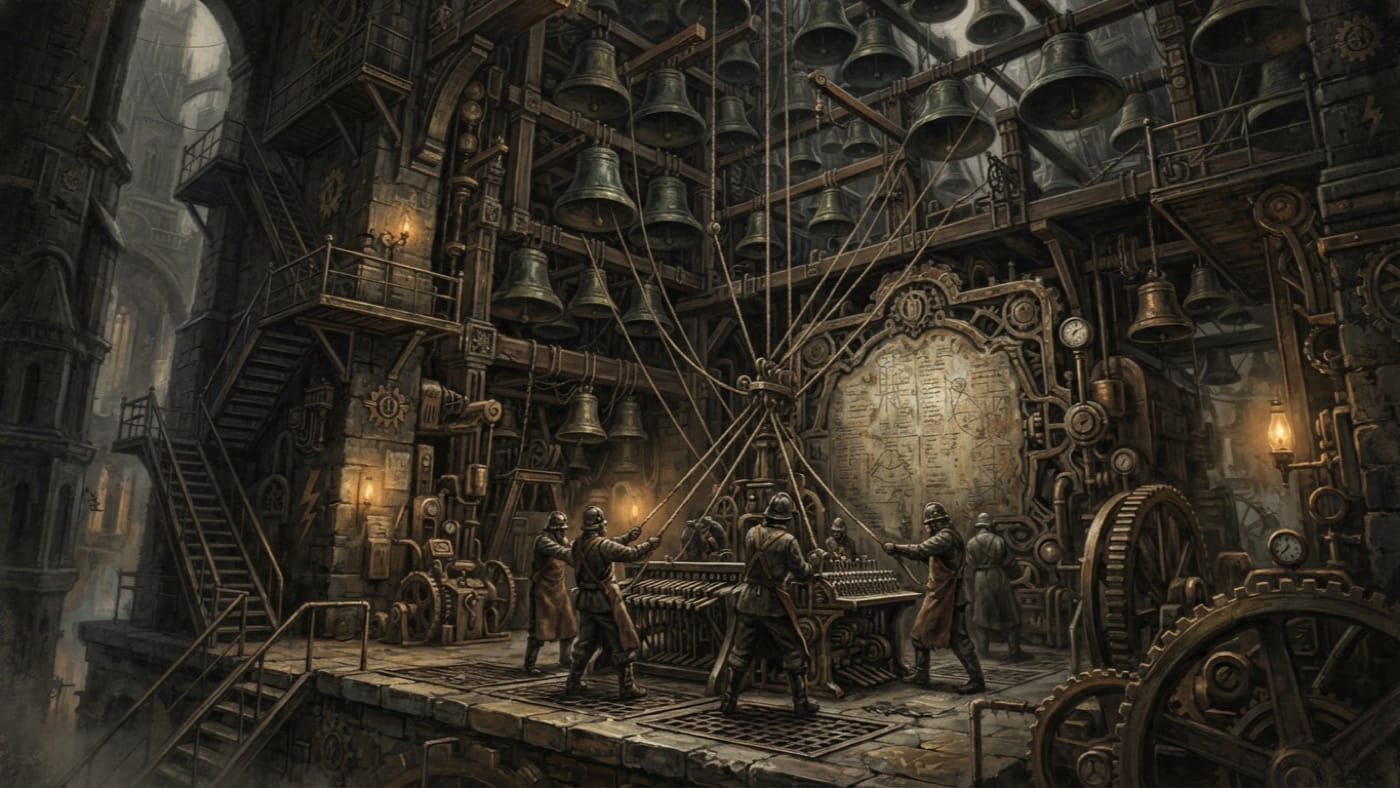
Grand Carillon of the Basilica
Strasbourg issues the hour
The Grand Carillon issues Strasbourg's eight canonical hours to the Theocracy. I commend its seven-second tolerance: enough room for a dispensation, and scarcely enough for an excuse.
Codex Ref. V.1.02-002
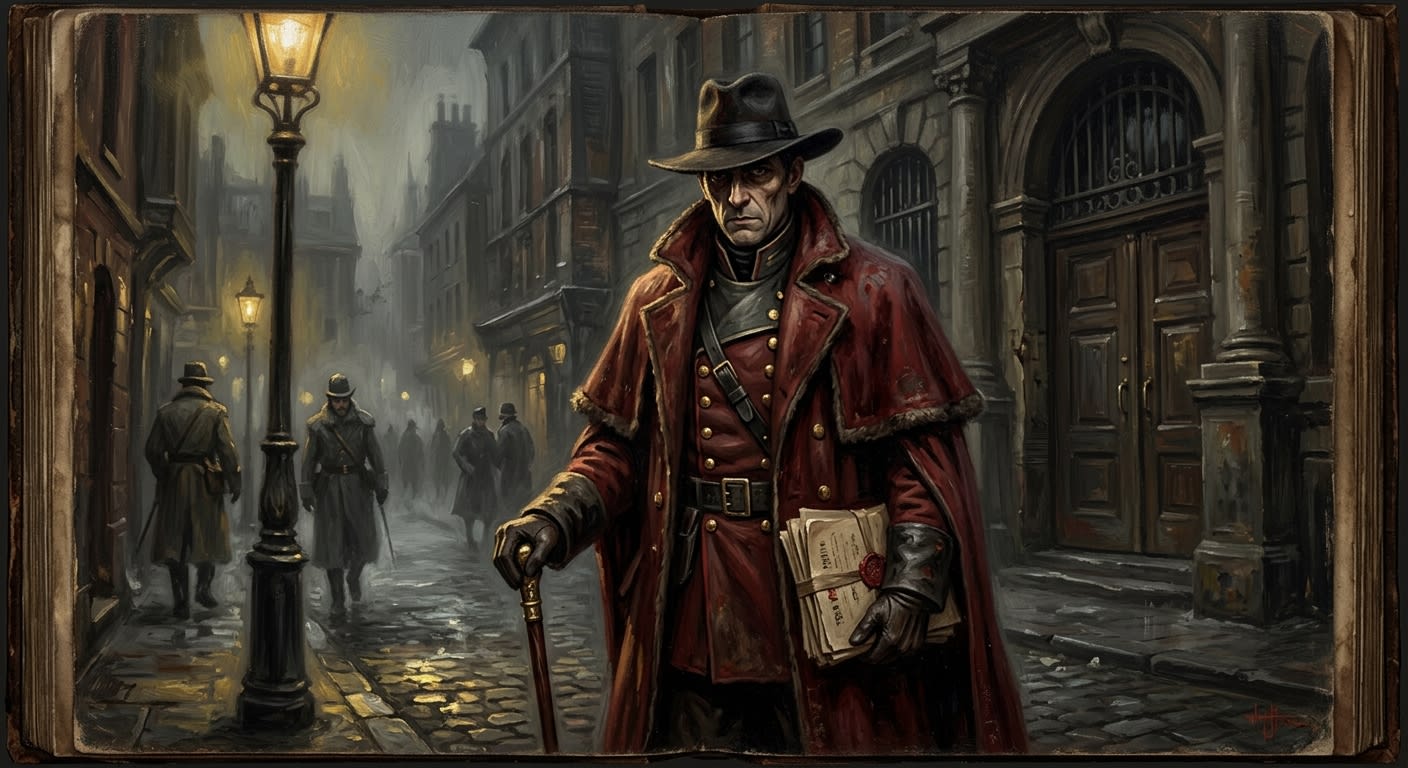
Grand Inquisitor Malthus the Red
The erased butcher whose procedure outlived his name
Grand Inquisitor Malthus the Red is officially absent from every Bureau list, which is how the Synod confesses that the Vienna incident frightened Purity into erasing one of its own.
Codex Ref. III.2.01-054
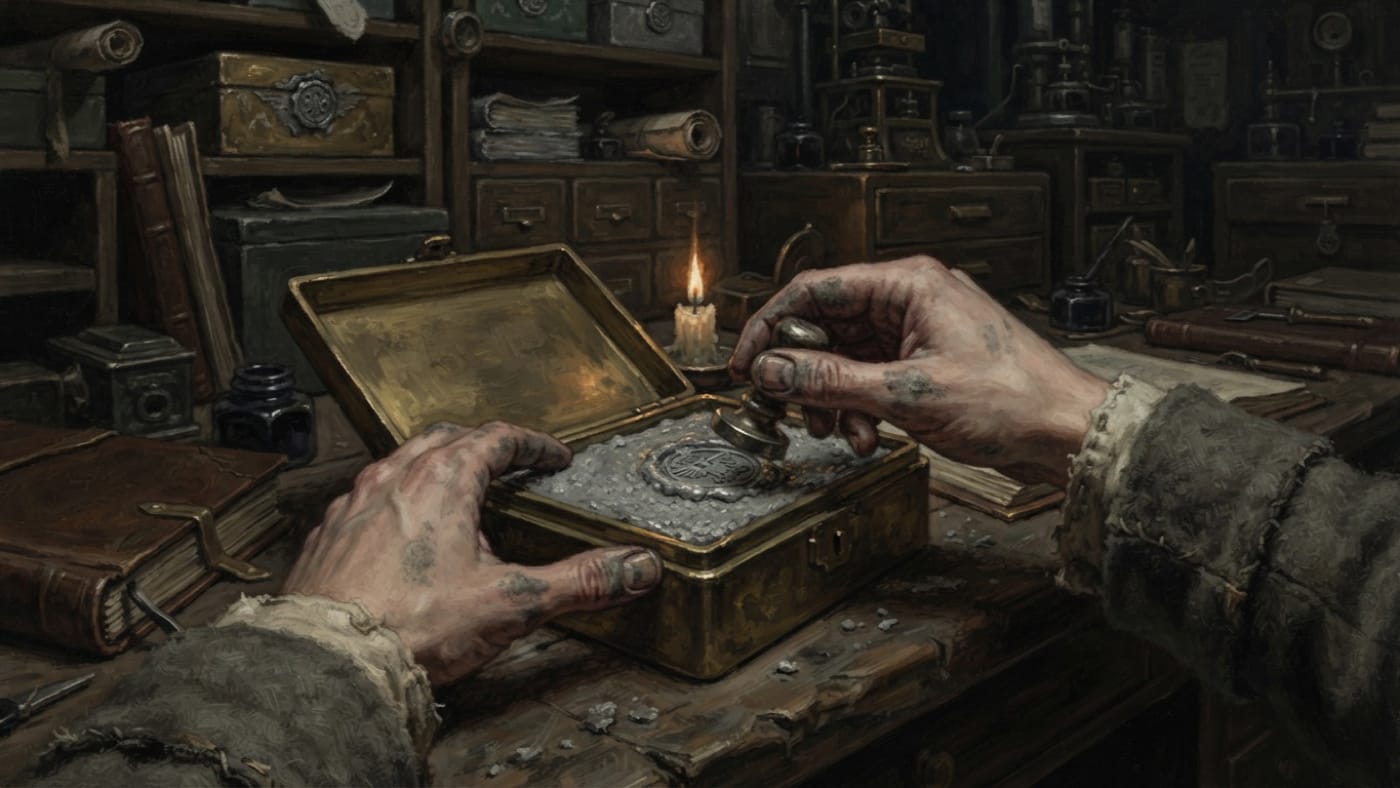
Grave-Wax
A scent of authority beneath a sentence no ledger will admit
Grave-wax seals the Synod's deniable Night Papers: grey grit, a recognised scent, an unverified origin, and enough certainty to make a commander burn a sector.
Codex Ref. XIII.1.99-003
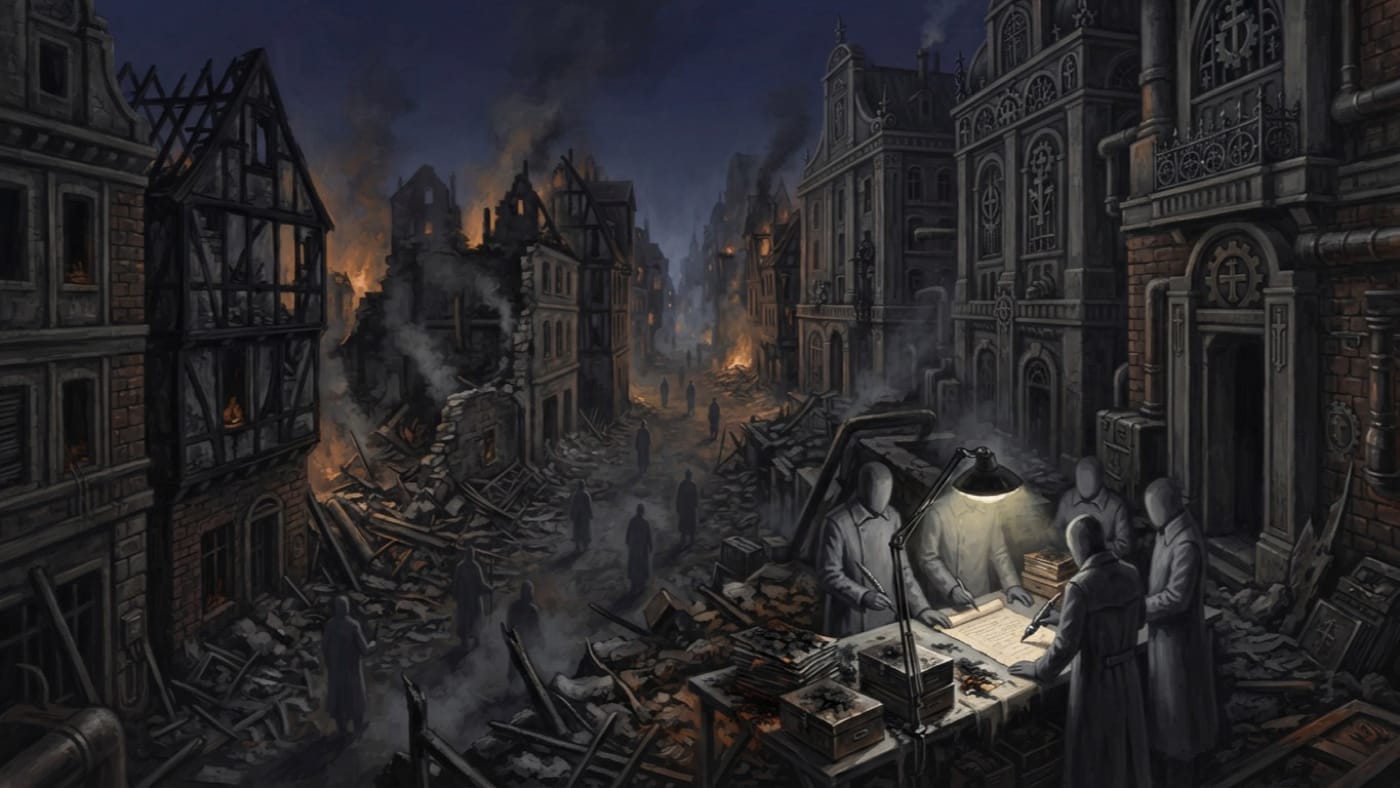
Gray Wax Coup at Mainz
An undated legend; absence is a clerk's answer
Surveyed in A.S. 201, Mainz's older Night Paper legend tells of a debt-ledger revolt, twelve Papers and neighbourhoods destroyed overnight. The historical year is unknown; the account enters absence with excellent penmanship.
Codex Ref. VII.8.10-1257
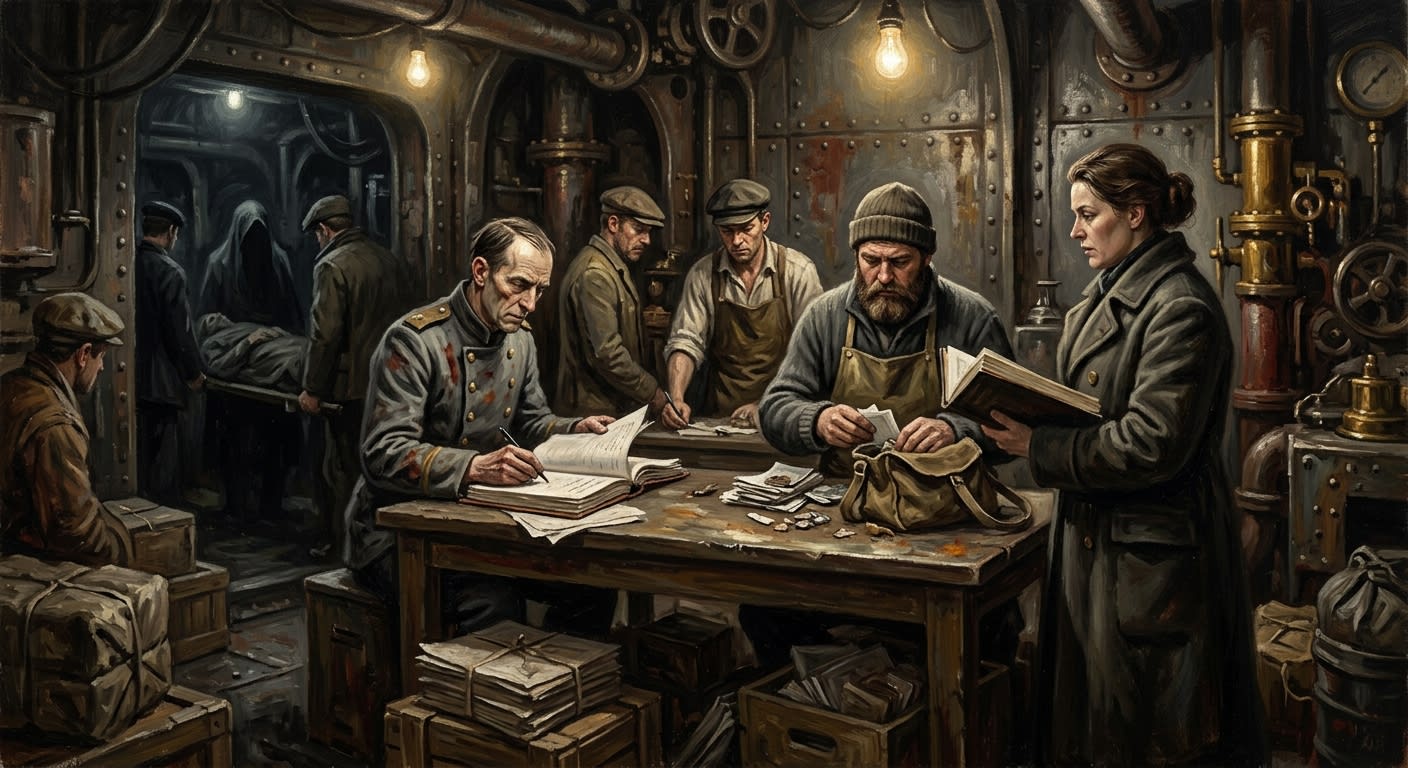
Grey Keel Syndicate
Condemnation is cheap; navigation costs extra
The Grey Keel Syndicate moves papers, bodies, names, and mercy beneath the Flotilla's holy decks, where law drowns first and utility floats.
Codex Ref. XI.5.01-001
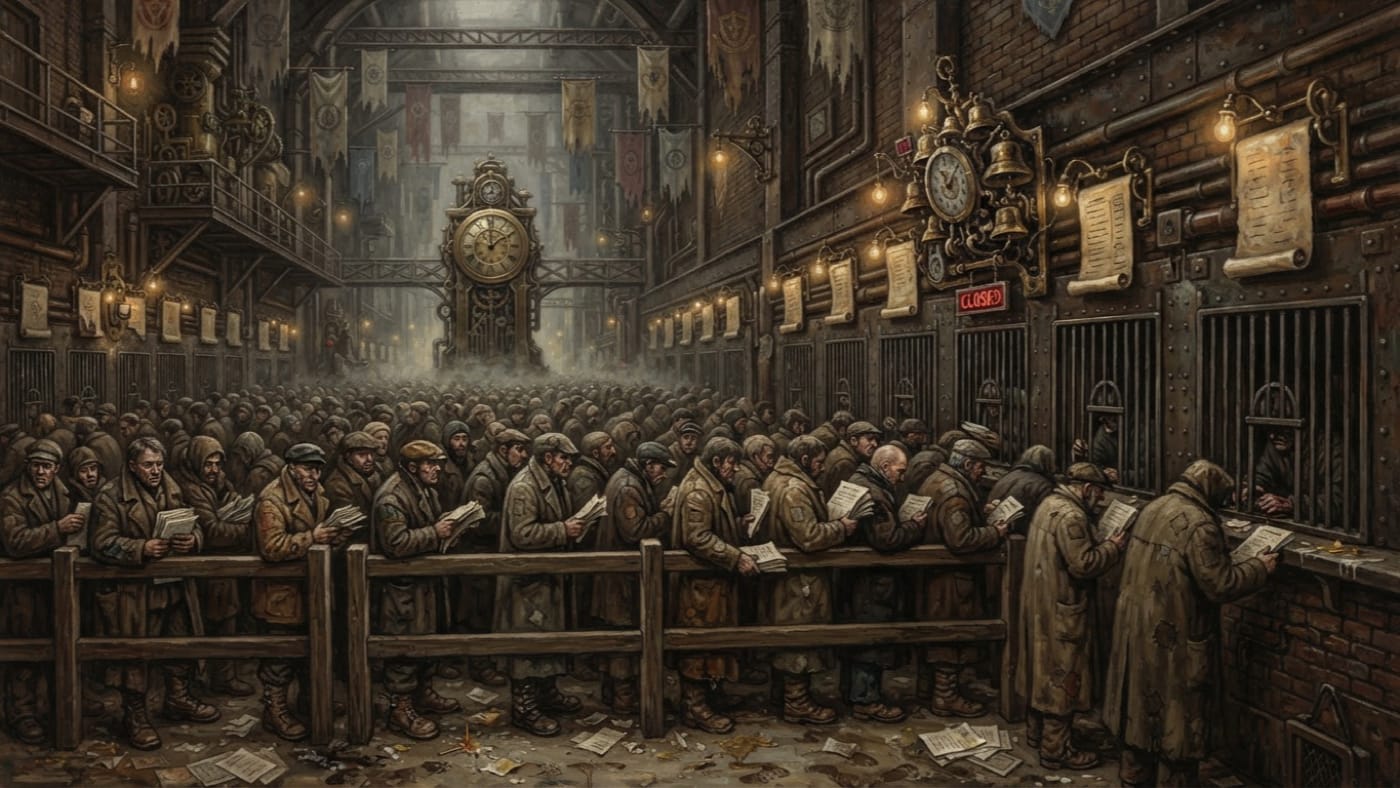
Hall of Seals (Latchford)
Thirty-two bays. The bell closes the window; the clerk keeps his seat.
Latchford's Hall of Seals stamps personhood through thirty-two bays and bell-governed windows. Its blank master-permits vanished in late A.S. 199. The Hall remains operational; the discrepancy remains open.
Codex Ref. II.4.08-002
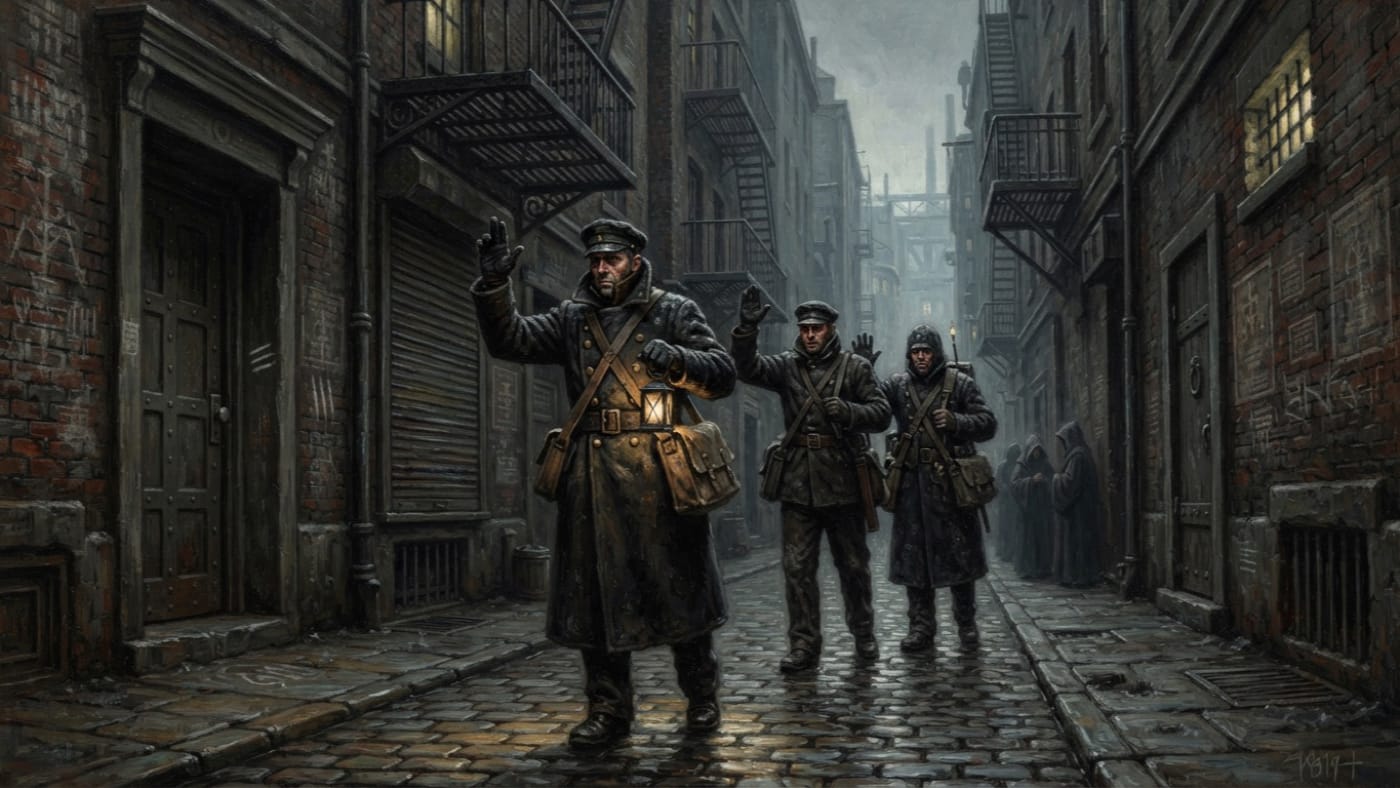
Hand-Code
The fist commands the man and leaves the register untouched
Hand-Code gives Mute Radiance four recorded manual commands for bell-dead patrols. The fist claims five minutes without citizenship; the parish register grants none. Adoption remains undated, and quiet congregations have no sign.
Codex Ref. XIII.1.76-007
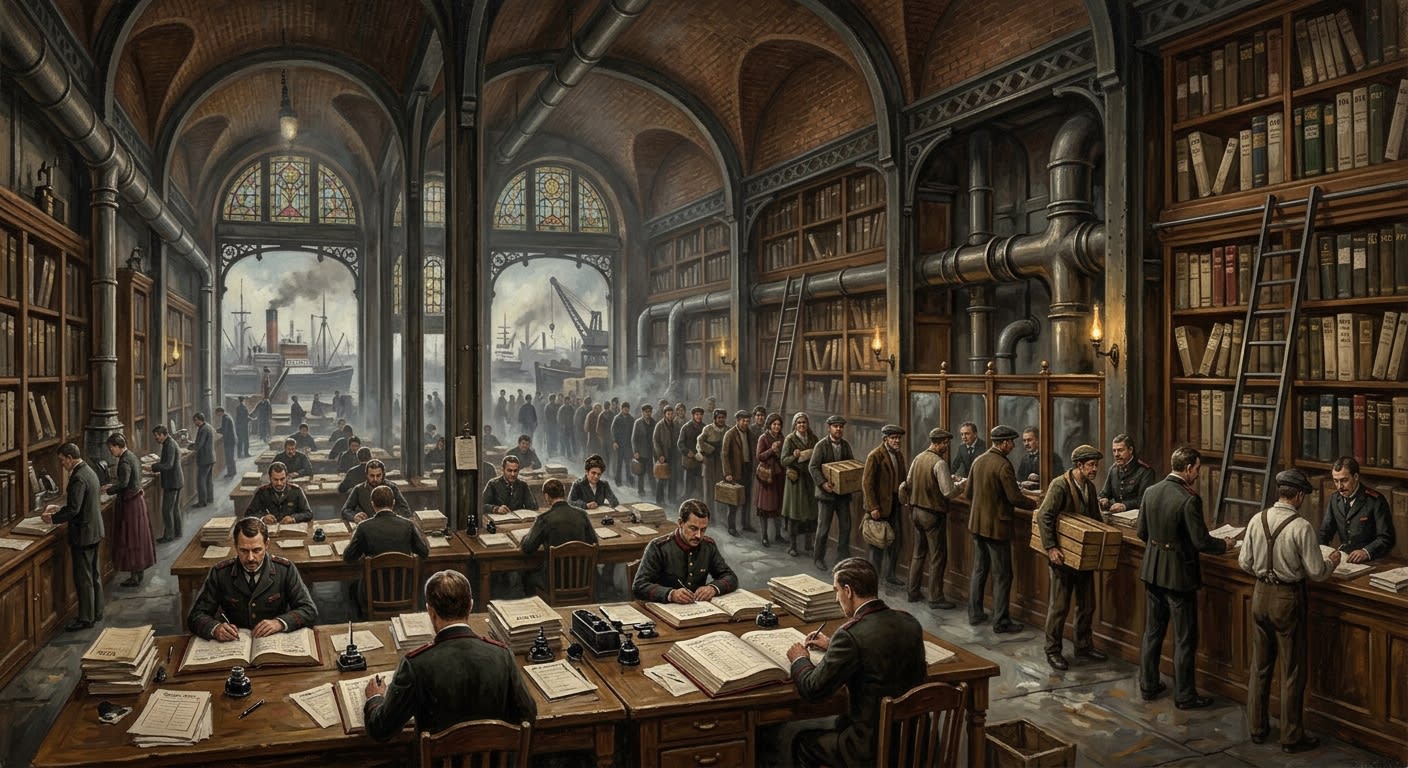
Harbor Ledger Office
Where arrival becomes a queue and mercy learns to stamp twice
The Harbor Ledger Office is the wet jaw of Thessaloniki's record-law, translating ships, refugees, cargo, deaths, delays, and useful crimes into serviceable continuity.
Codex Ref. XIII.1.94-201
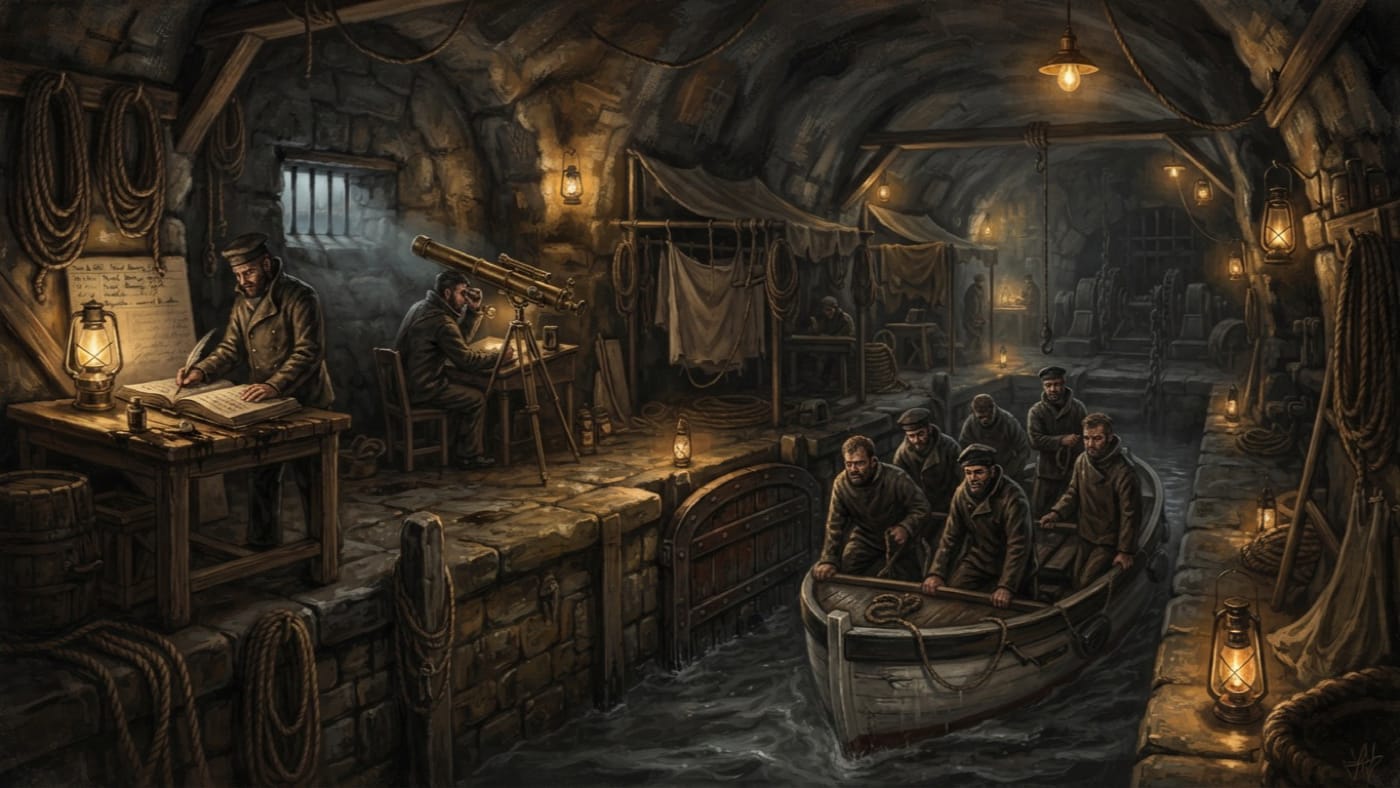
Harbor Patrol
The lantern belongs to the sailor; the warrant belongs to someone else
From covered slips beneath the Harbor of Chains, the Harbor Patrol watches the Bosphorus and records what passes. It owns the observations; other offices own the authority to act.
Codex Ref. XI.4.02-001
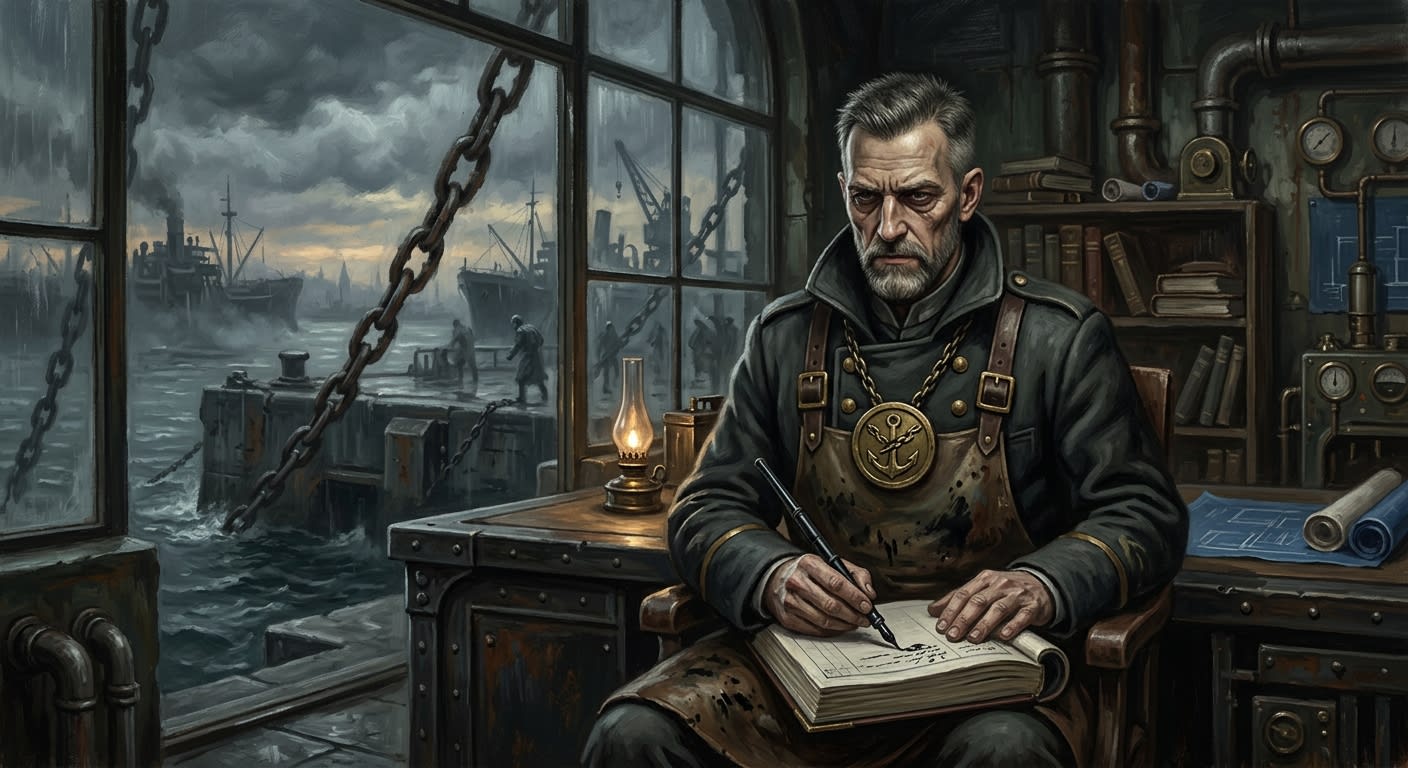
Harbormaster Joram Clee
The man who made nil into a seawall and Weather into doctrine
Harbormaster Joram Clee governs Constantinople's chained harbor with nil, absence, Weather, and a pen sharp enough to hold the Bosphorus down.
Codex Ref. III.2.01-007
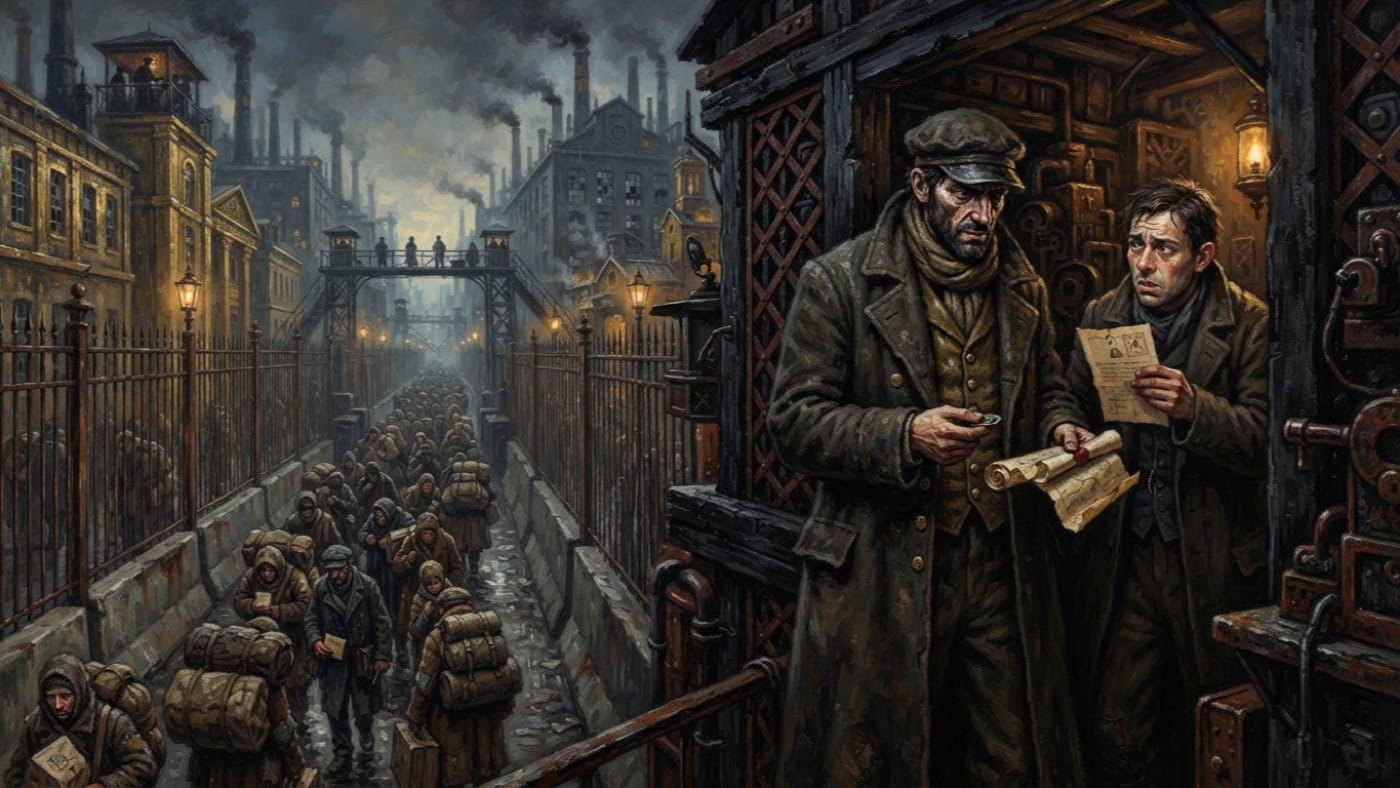
Hatch Lyd
The man who sells passage where motion is taxed
Boss of the Queue Road's Runner Union, called the Lanes. Hatch Lyd sells passage, black-market timestamps and information where every lawful minute is taxed. Unlocated, untaxed and tolerated: the Directorate has use for him.
Codex Ref. III.2.05-001
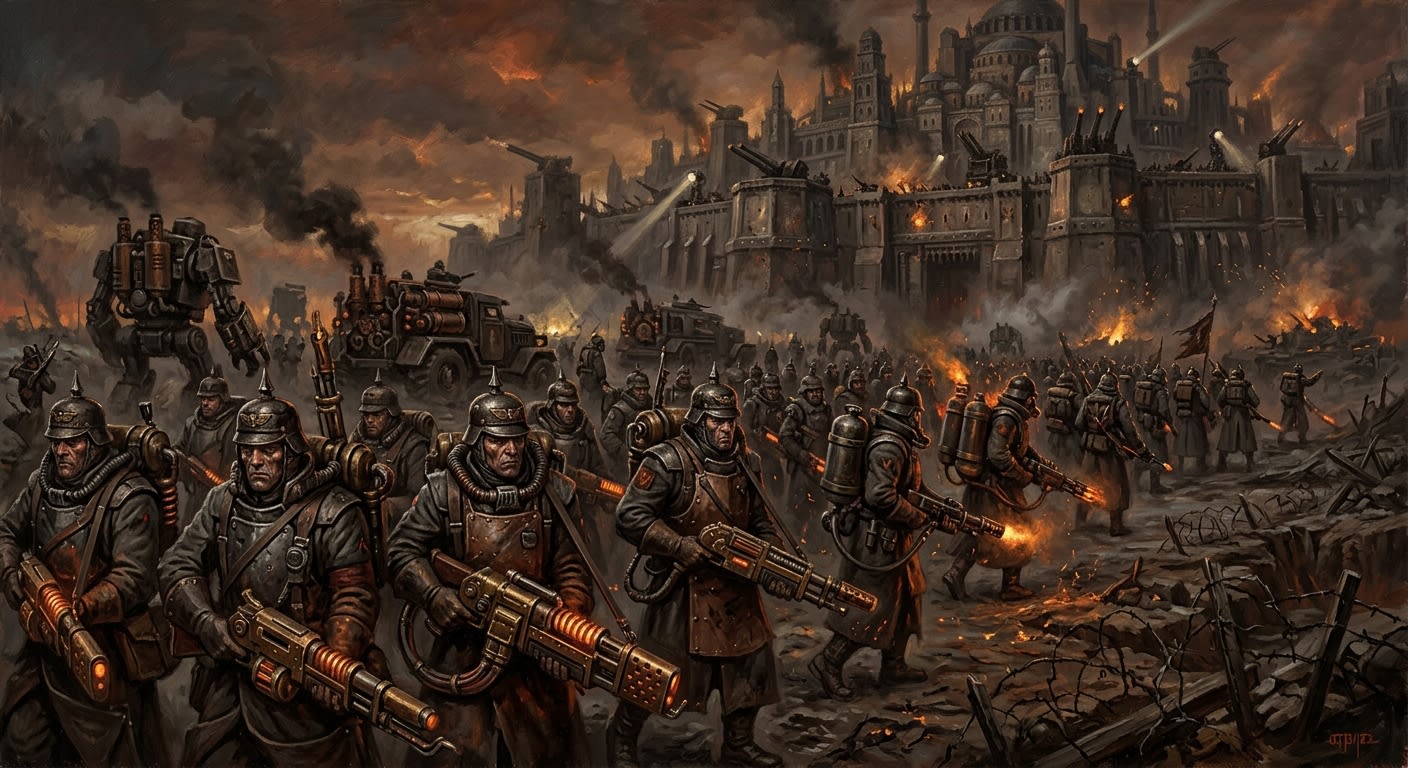
Hellbow Legion
Maldrake's arc of wrath, where range becomes theology and stone learns fear
Maldrake's Hellbow Legion is a wrath-forged assault host, not a regiment of archers: slag-bow cohorts, pyre-smiths, Ember-Soldiers, Hollowed columns, and siege heat aimed at Bastion-Constantinople.
Codex Ref. IV.1.07-009

Hett Ruis
The small permission is a kingdom when every bridge has a gate
Hett Ruis, Seal-Registrar of Bastion-Brest's Crossing Bureau, survives the Vale breach by owning stamps, delays, and the rot between law and movement.
Codex Ref. III.2.01-076
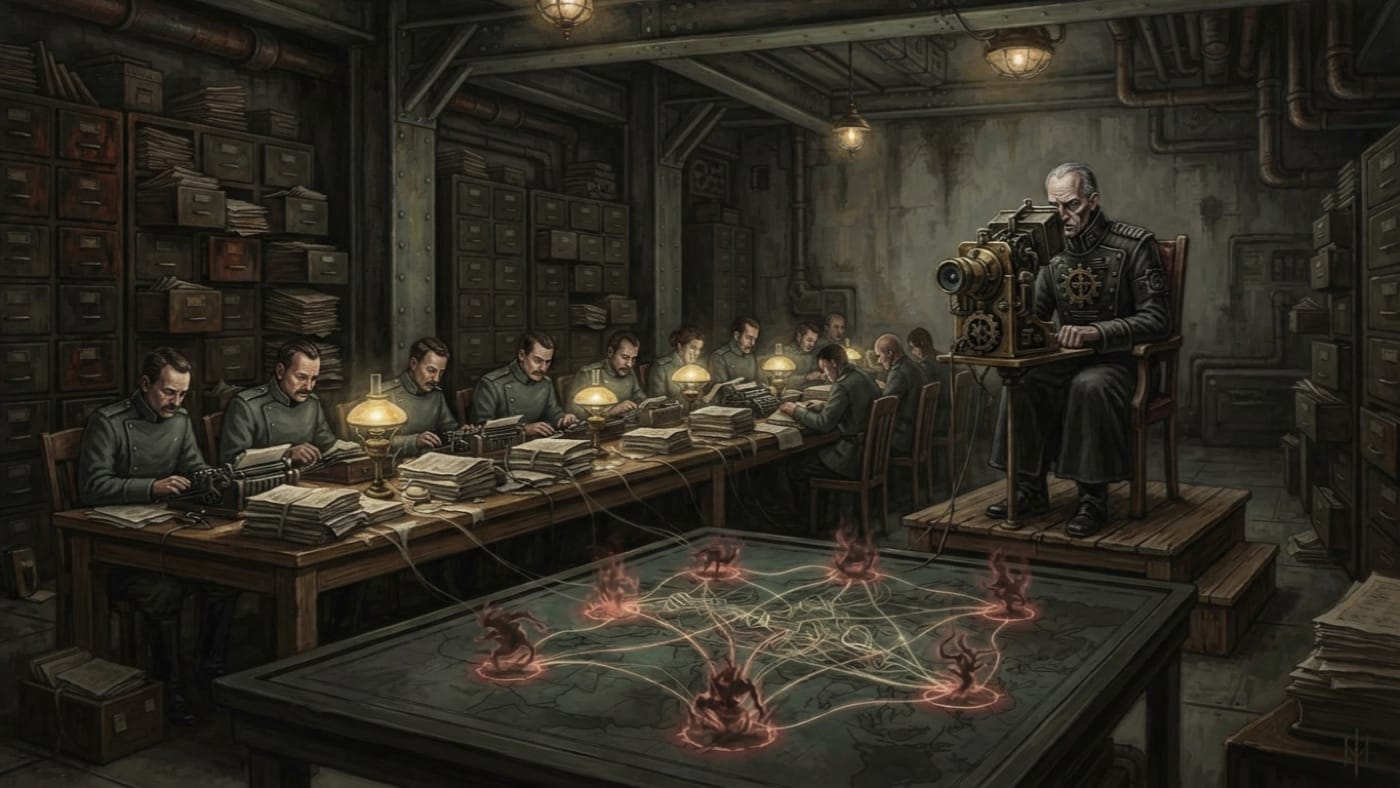
Hierarch Lorrenz
Fourteen was sufficient; the offices that followed made it sacred
Hierarch Lorrenz allotted fourteen analysts to watch seven Sin-Generals in A.S. 94. His arithmetic survived as canonical policy; the enemies grew less obligingly separate.
Codex Ref. III.2.01-094
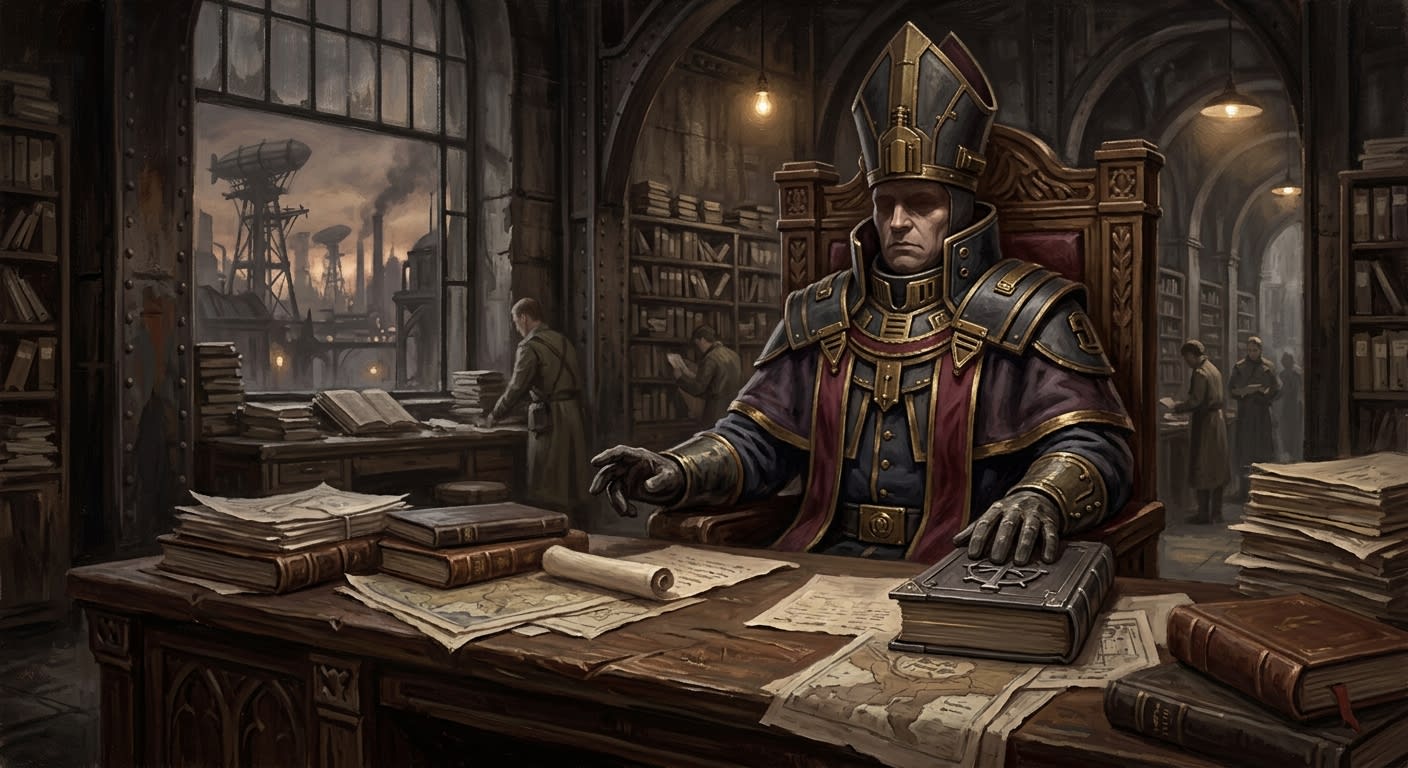
Hierarch of Doctrine
Truth is what leaves the Seal; reading is a courtesy
The unnamed current holder of the First Seal defines orthodoxy for the Synod, commands Doctrine, and proves that authority need not wait upon comprehension.
Codex Ref. III.2.01-071
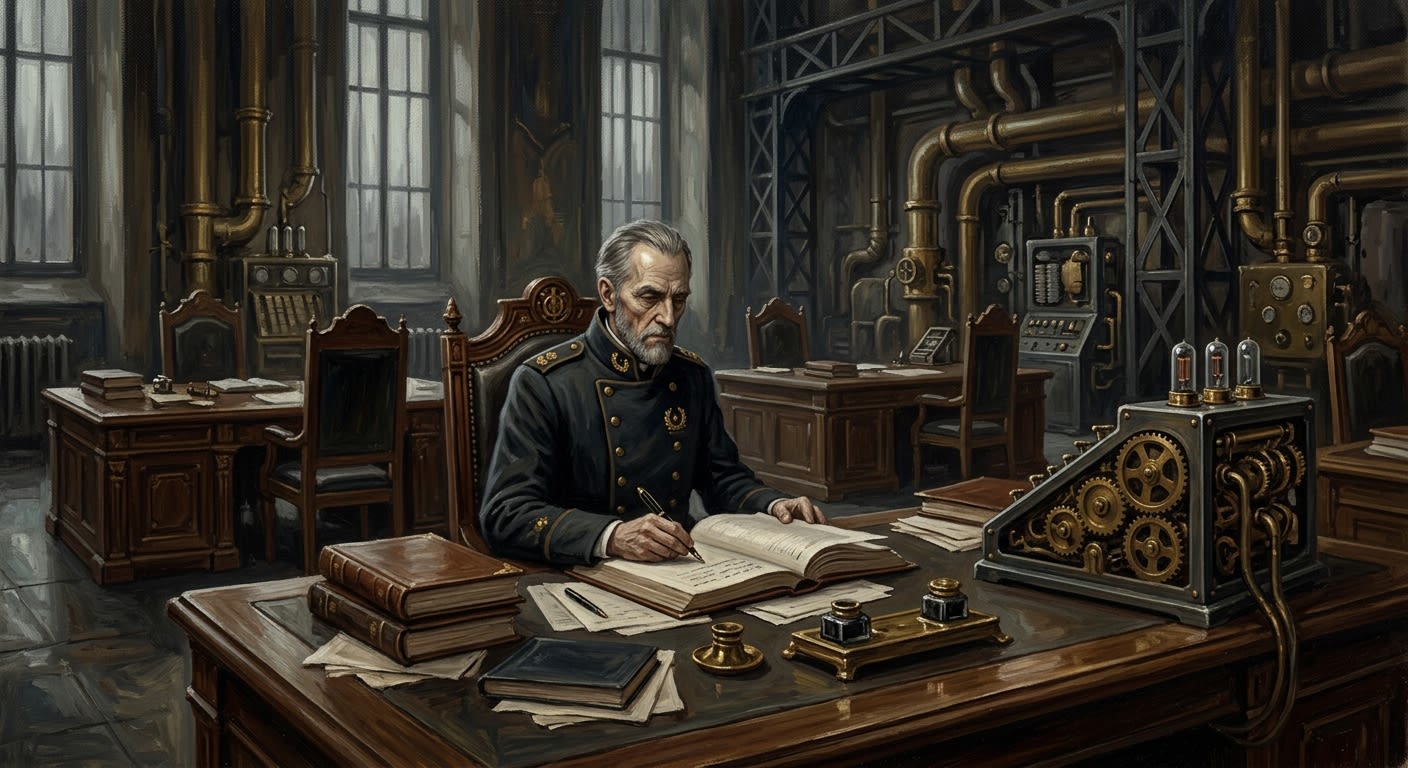
Hierarch of Vigilance
The watcher refuses audience and signs before speech
The unnamed current holder of the Sixth Seal governs observation without acknowledgement, votes from empty chairs, and makes even absence keep minutes.
Codex Ref. III.2.01-073
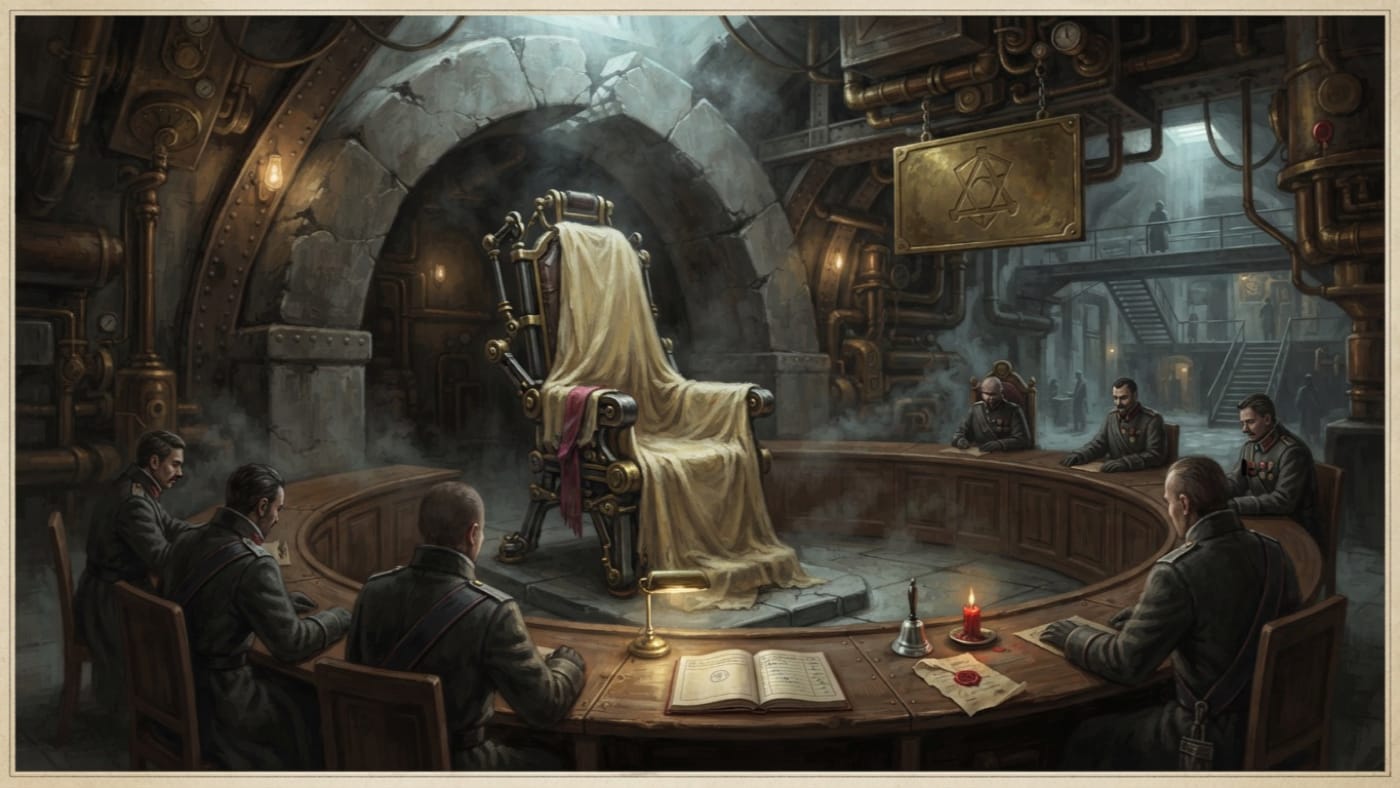
Hierarch of War
The hand withdrew; the wax continued to command
In A.S. 107 the Hierarch of War ceased public attendance. Records called it contemplation; the Seventh Seal kept commanding, voting and occupying its office in absentia.
Codex Ref. VII.4.01-107
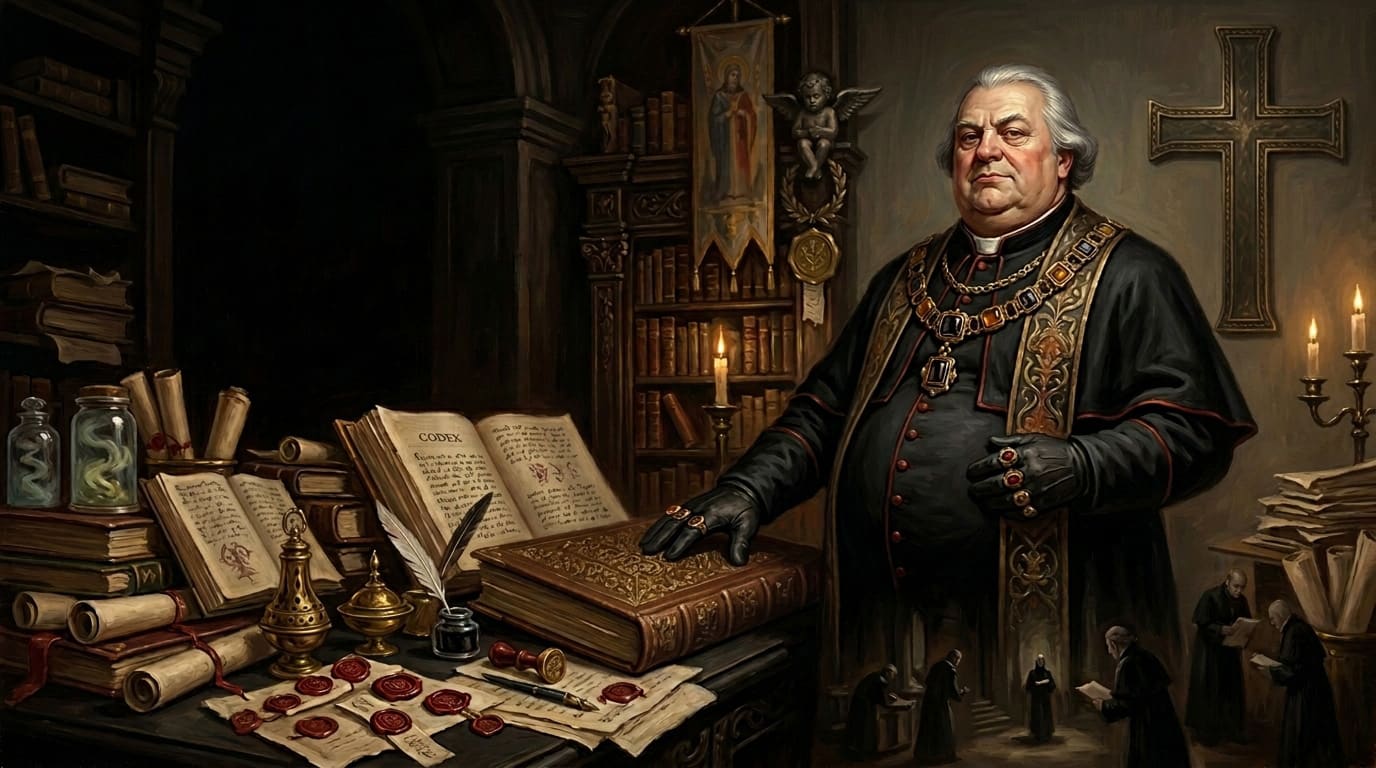
Hieromnemon Valerius Drax
The hand that corrects History before History embarrasses itself
Valerius Drax, Hieromnemon and Warden of the Sacred Ledger, is Doctrine's finest current instrument: prose stylist, ratifier, propagandist, archivist, and living rebuke to committee language.
Codex Ref. III.2.01-201
High Censor
The title commands obedience. The archive cannot produce its holder.
The High Censor crowns the Inquisition's command chart. Doctrine grants the office obedience; Records denies it. Its holder is unestablished, its reported vacancy rests on one entry, and the orders continue.
Codex Ref. VI.3.02-002
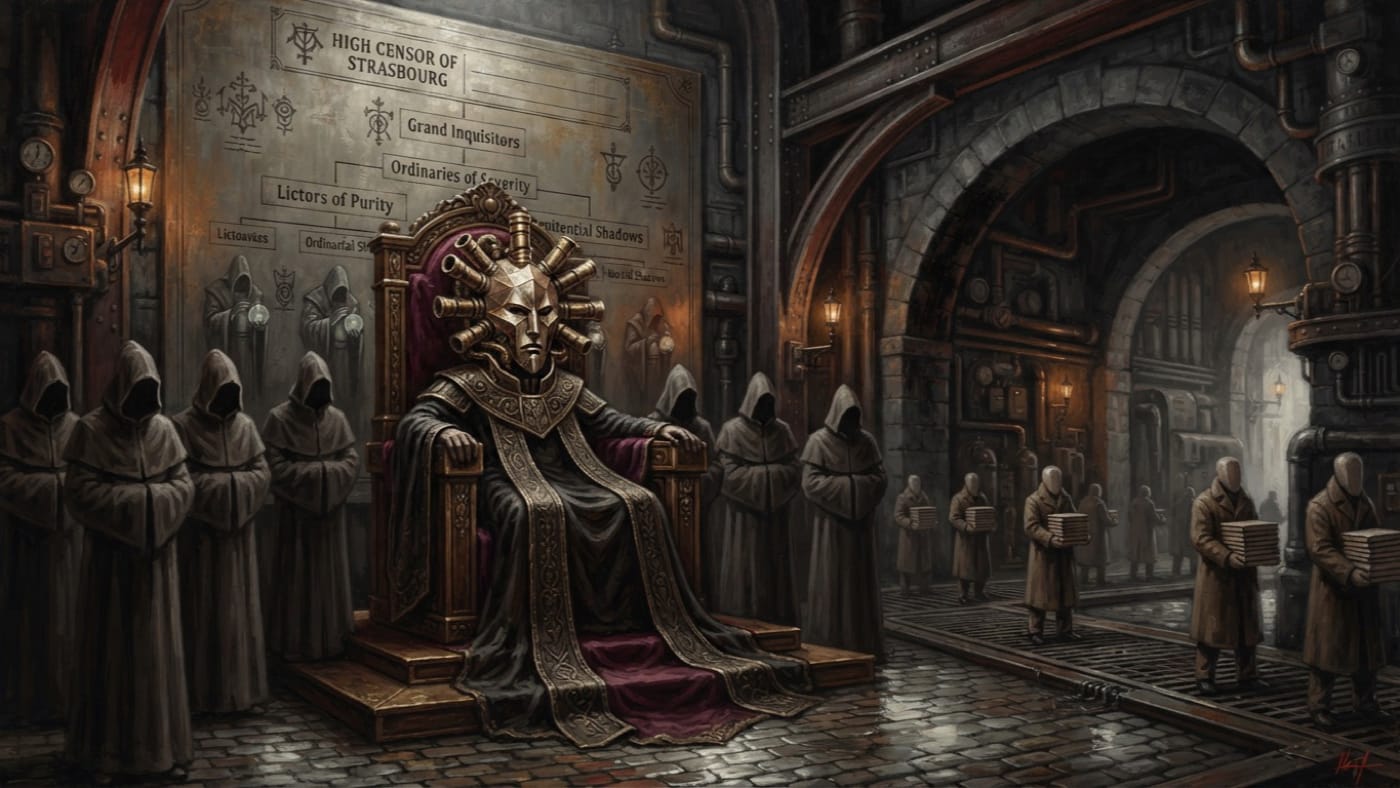
High Censor of Strasbourg
An empty name at the summit of the Inquisition
The High Censor of Strasbourg crowns the Inquisition's command chart. The title is current, the bearer's name remains empty, and even the summit may tremble before its silent subordinates.
Codex Ref. VI.3.02-003
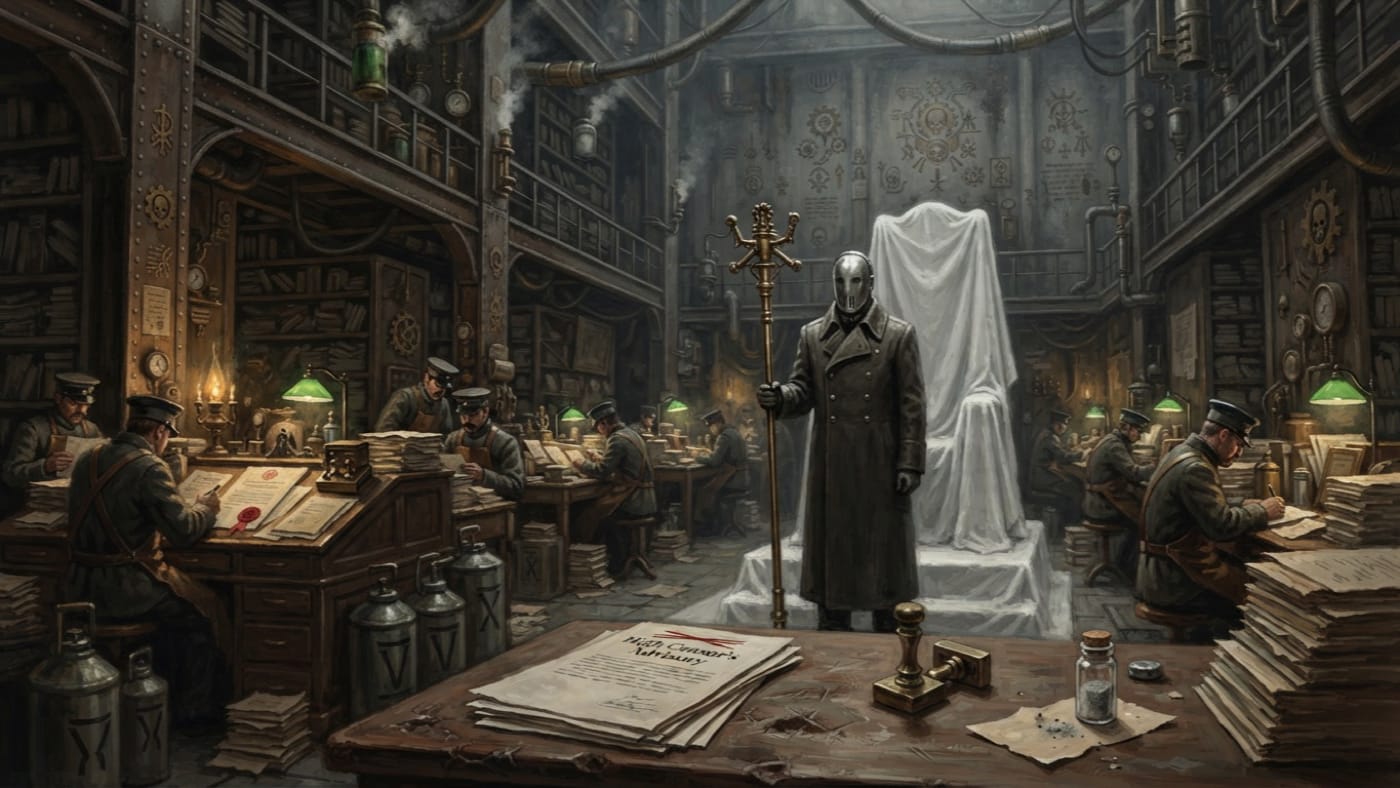
High Censor's Advisory
A name fit for the docket, with no hand fit for the signature
Records has approved a name for the rumoured Council of Veils. The wording can be read aloud; its charter, members and author remain unestablished.
Codex Ref. VI.3.02-004
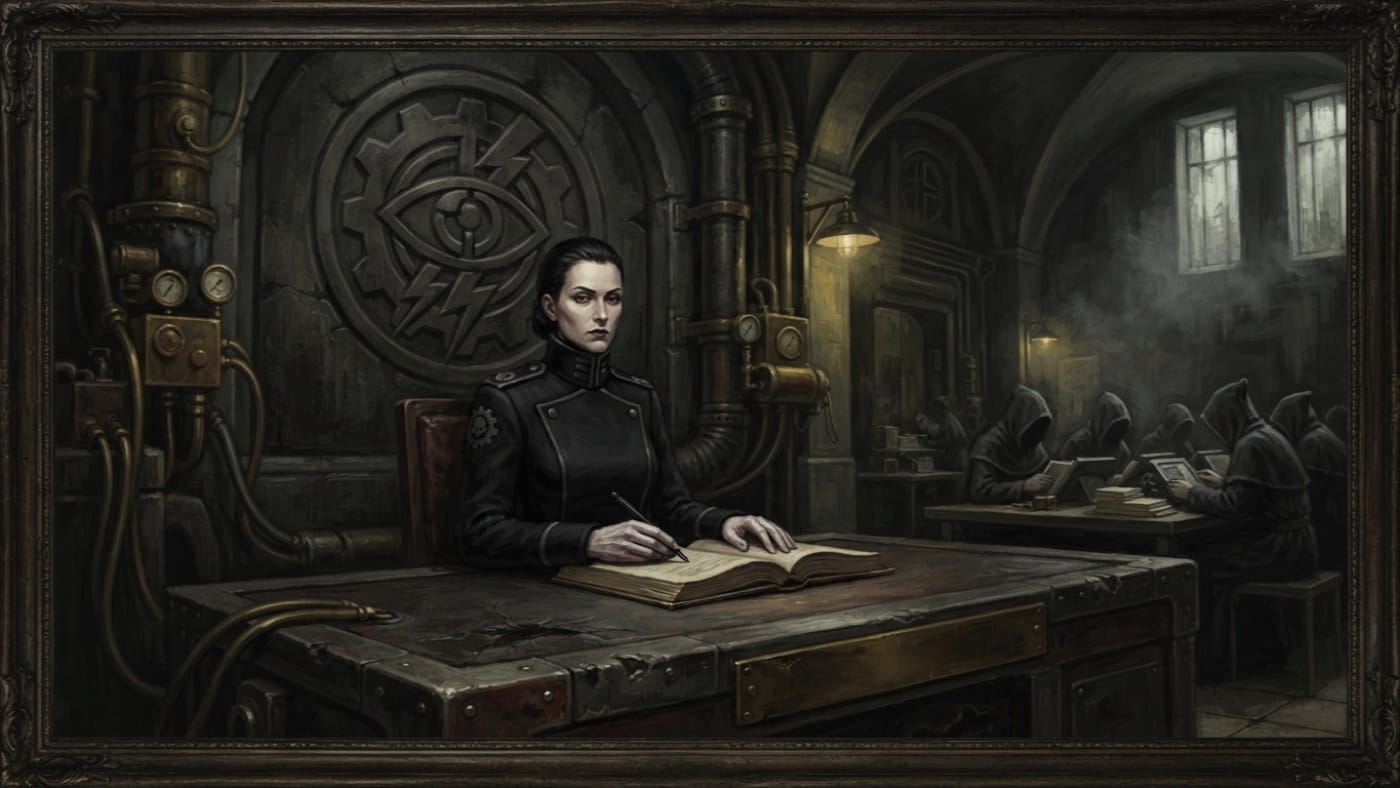
High Interrogatrix
A gentle voice with terrible hands, and a reform the Ledger cannot explain
Ysabeau leads the Bureau of Purity beneath the Hierarch's seal. Her reform reportedly cut the confession rate by forty per cent. Her personal dossier remains sealed; the Auditors still count pauses.
Codex Ref. III.2.01-201
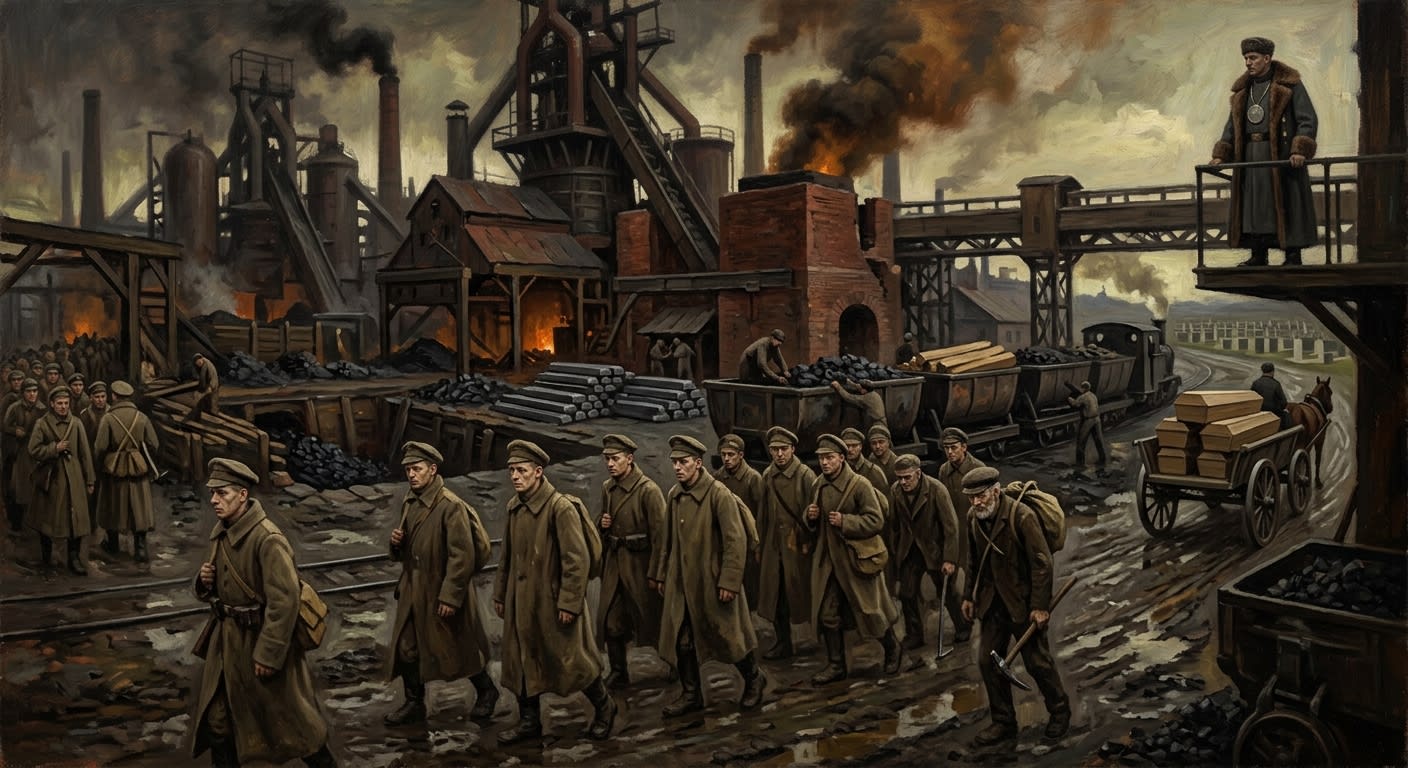
Hintermark
The arm beneath Constantinople's shield, counted only when it coughs metal
The Hintermark is the industrial-forward belt west of Bastion-Constantinople: coal, pig iron, levy boys, coffin timber, and all the grief a fortress prefers not to itemise.
Codex Ref. II.3.06-002
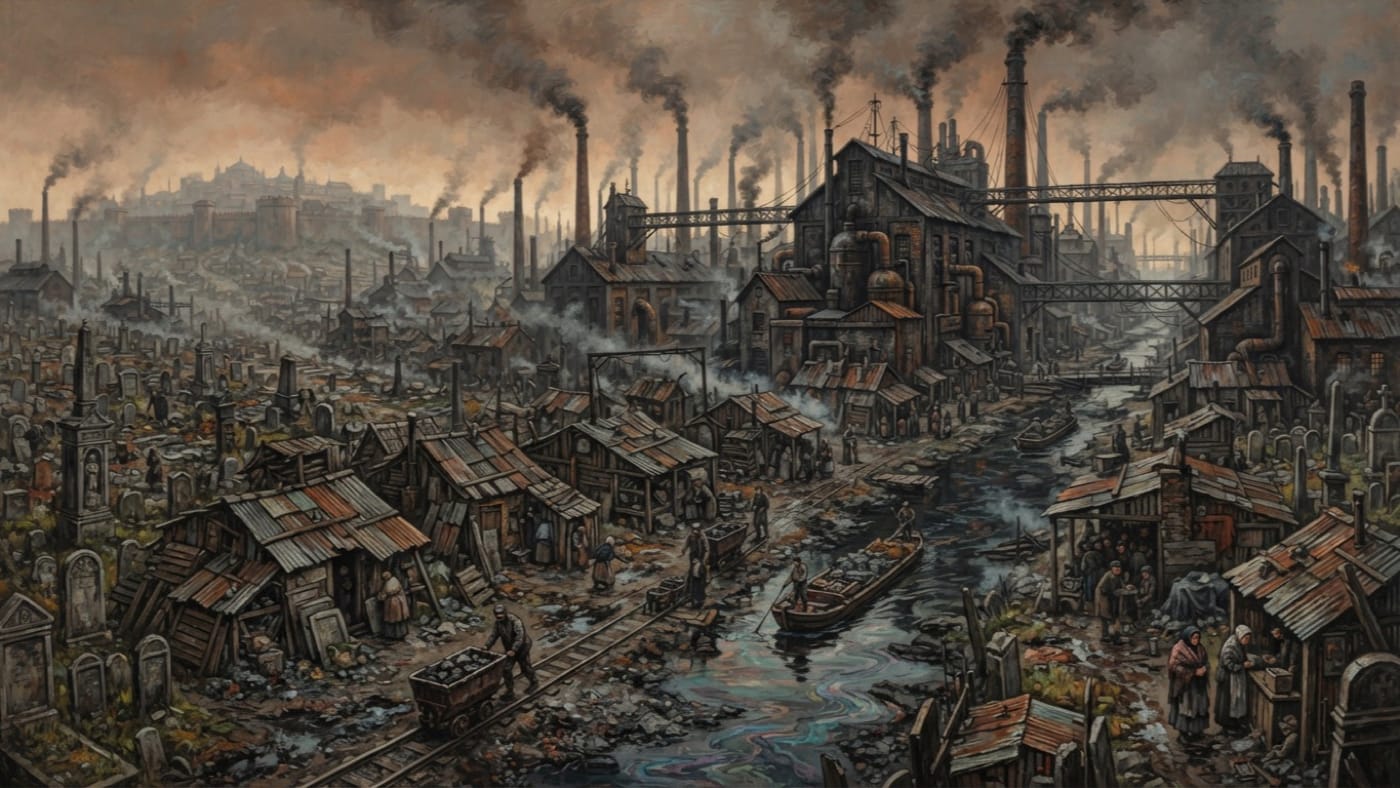
Hintermark settlements
The furnaces have addresses; their households do not
The Hintermark settlements keep Bastion-Constantinople supplied with iron, labour and coffin timber. A.S. 201 finds production continuing, registers disputed, and hungry households entered in the Black Ledger's second books.
Codex Ref. II.3.06-003
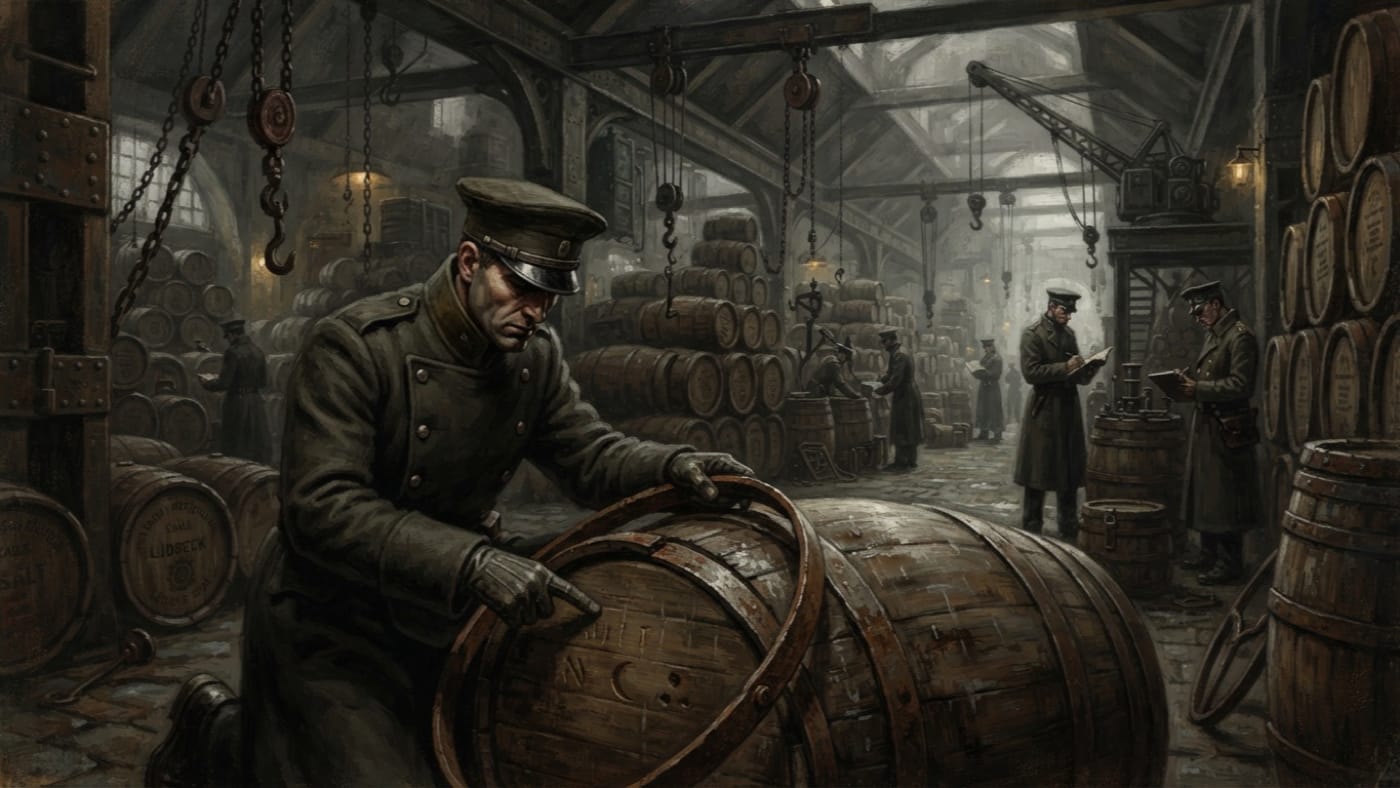
Hoop Codes
The private sign is forbidden; its approved shape is required
Lübeck's coopers wrote route memory beneath barrel hoops. Four meanings are recorded; the full grammar is not. After the Year of Smoke, private signs were prohibited and old shapes acquired respectable inspection names.
Codex Ref. XIII.1.26-004
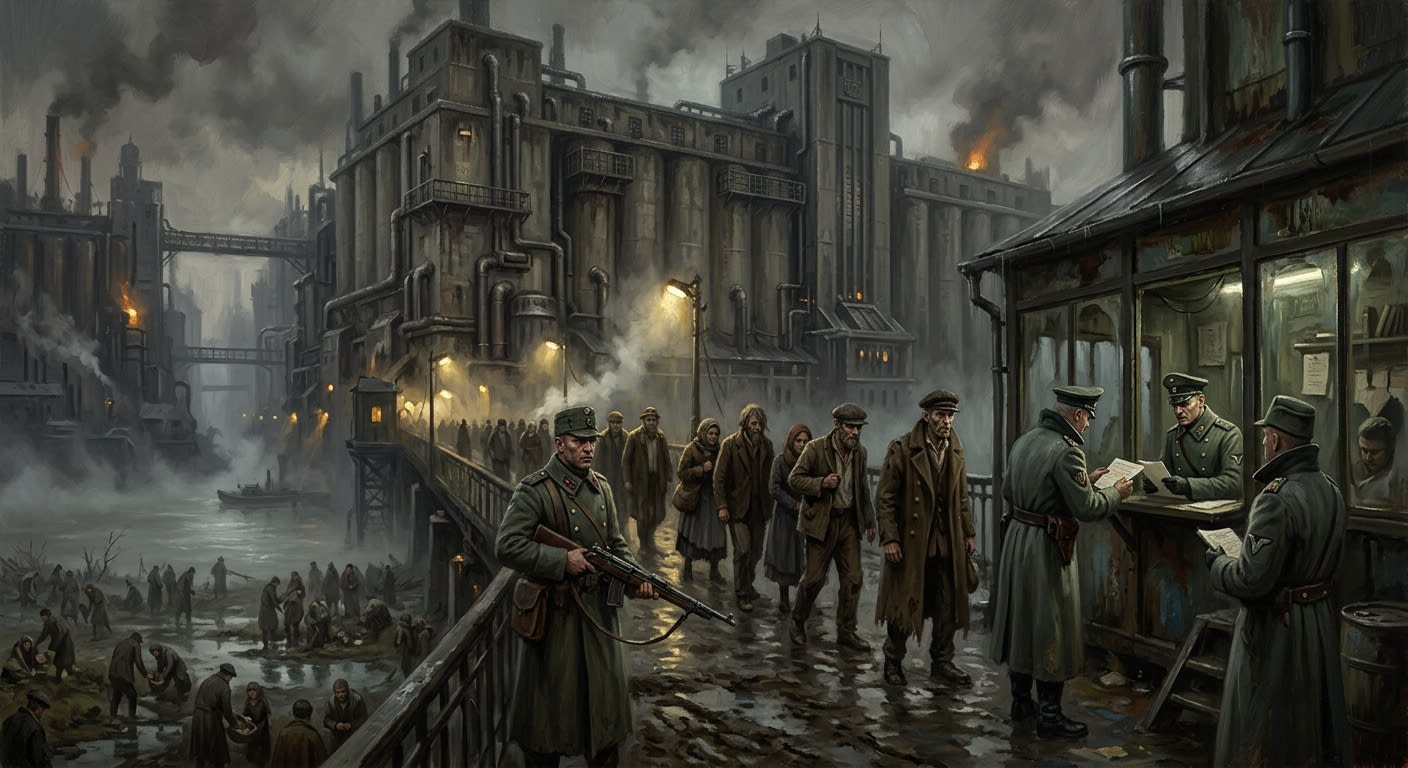
Hungary
The breadbasket that [[hell|Hell]] ate and [[strasbourg|Strasbourg]] filed by the slice
Hungary is the old grain kingdom remade into Budapest's held bank, Pest's visible absence, Blightmarsh hunger, southern corridor necessity, refugee memory, and every office's damp-fingered embarrassment.
Codex Ref. II.4.09-045
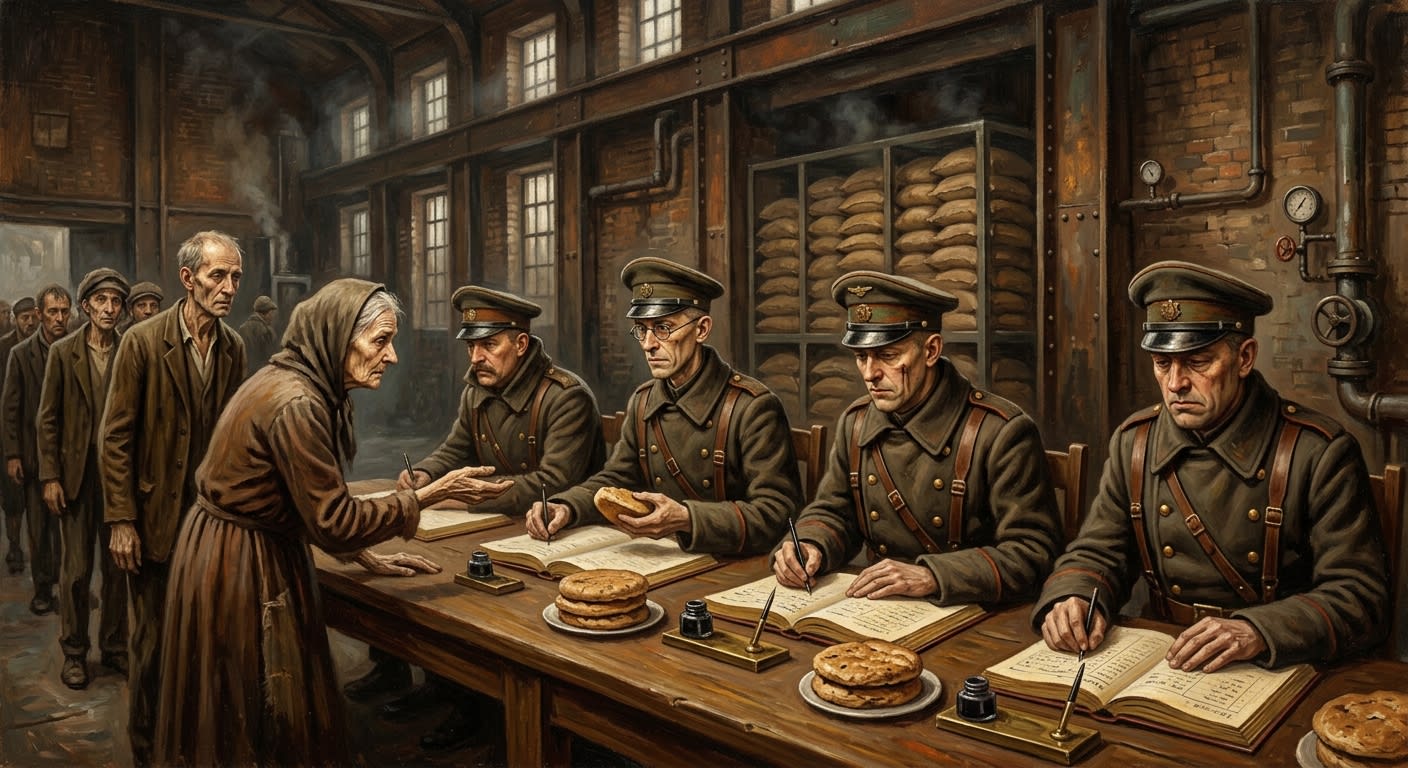
Hunger Brokers
The loaf becomes a chain when tomorrow is sold by the slice
Hunger Brokers are the tyrant faction of Grain Keepers, turning bread into debt, recruitment, silence, and ward sovereignty by ration ledger.
Codex Ref. XII.13.06-001
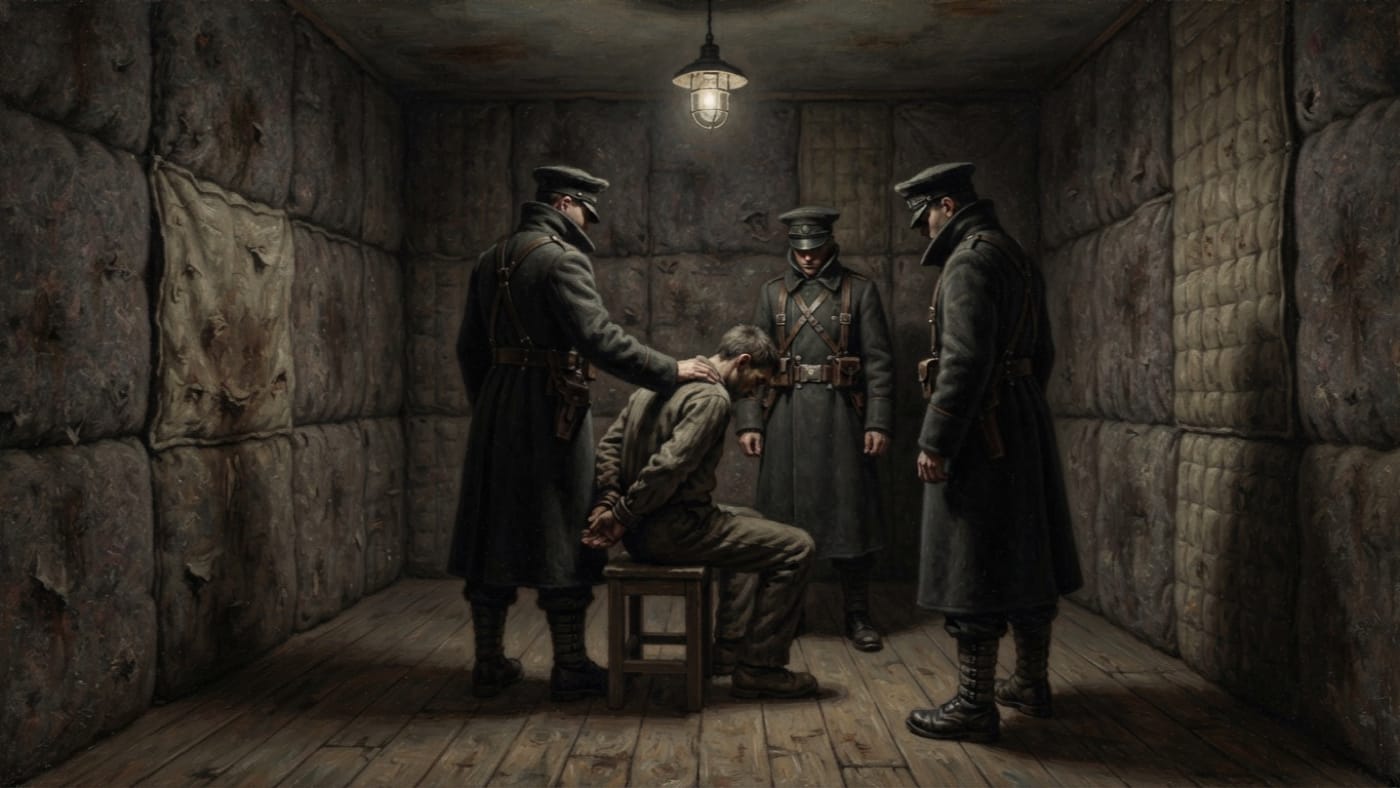
Hush Beating
The offender returns alive; the return records only calm
Mute Radiance's Hush Beating is methodical and non-lethal: soft cuffs, cloth on the wall, three Brothers and a closed door. The offender returns alive; the return reports a calm street. Origin and adoption remain unrecorded.
Codex Ref. XIII.1.76-009
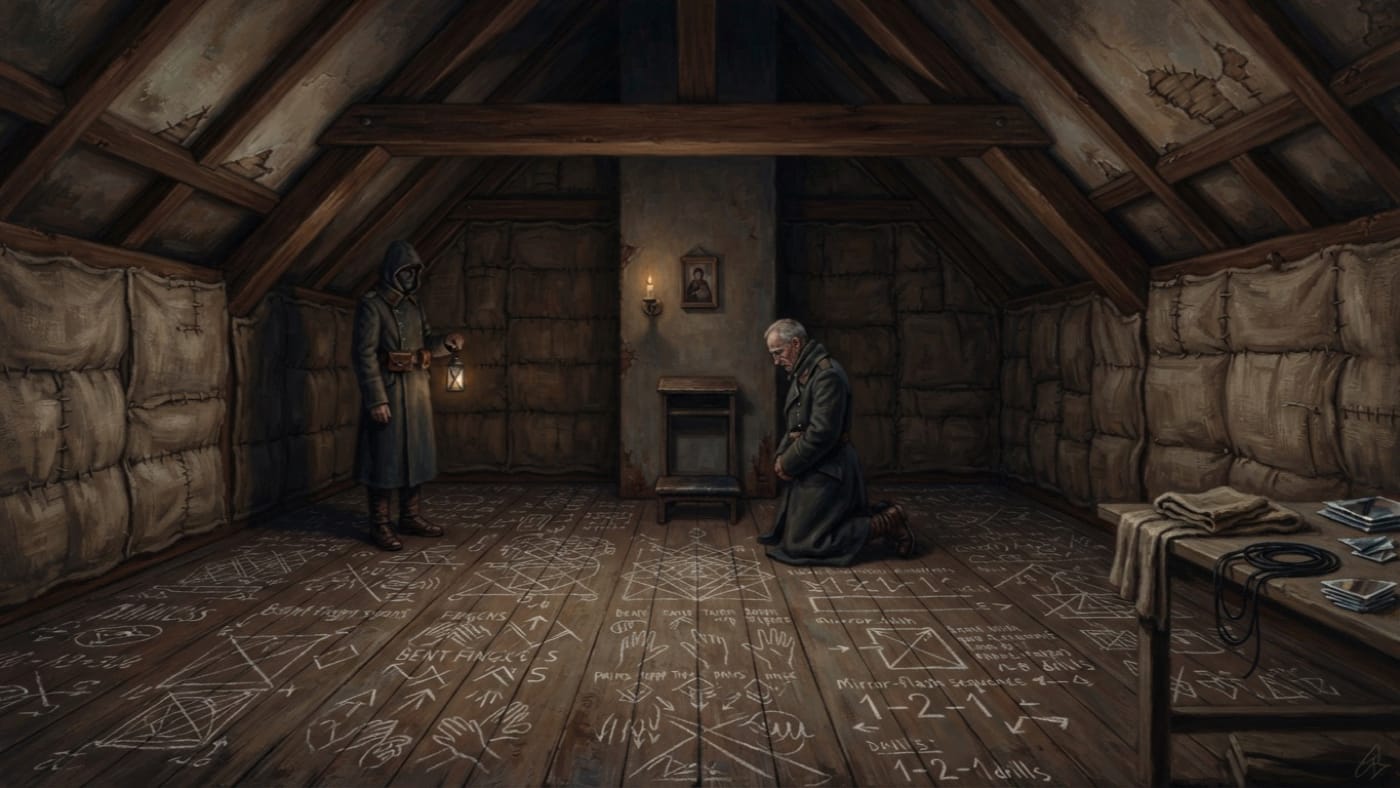
Hush Loft of the Circle of Mute Radiance
The chalk is renewed; the omissions survive
The Hush Loft houses Mute Radiance in the bell-dead attic of Dome-Split Tenement 4B. Chalk drills are renewed, the shrine candle kept low, and every clean floor makes an admirable return.
Codex Ref. II.3.05-922
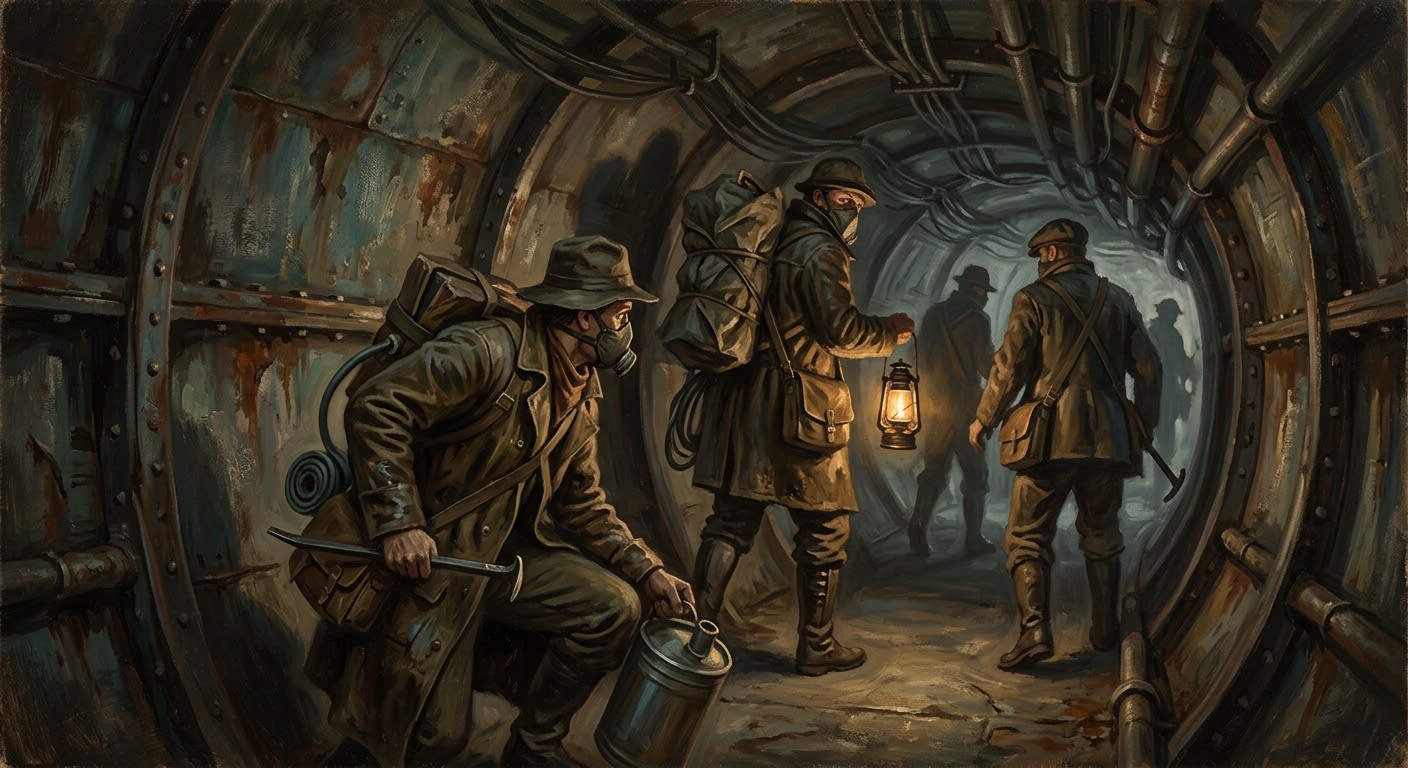
Hush Tunnel Runners
Where Lorn’s unscheduled city learns to crawl
Lorn sings above ground and lies beneath it; the Hush Tunnel Runners sell the interval between hymn, stamp, and human need.
Codex Ref. XI.7.01-003
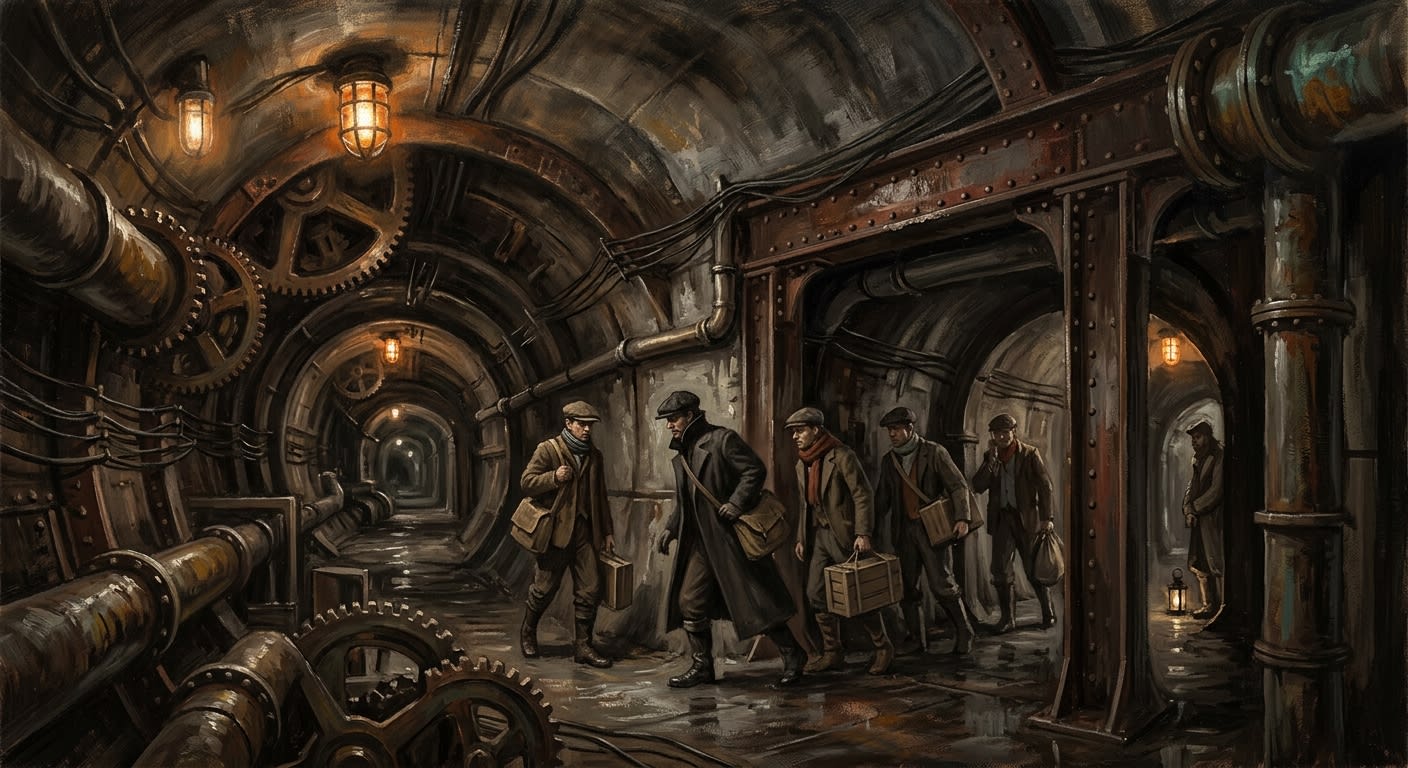
Hush Tunnels
Lorn's denied under-yard, where the schedule hides its dead
The Hush Tunnels are Lorn's officially nonexistent under-yards: denied passages carrying fugitives, runners, false manifests, lamp-talk, and hungry routes.
Codex Ref. II.3.06-201
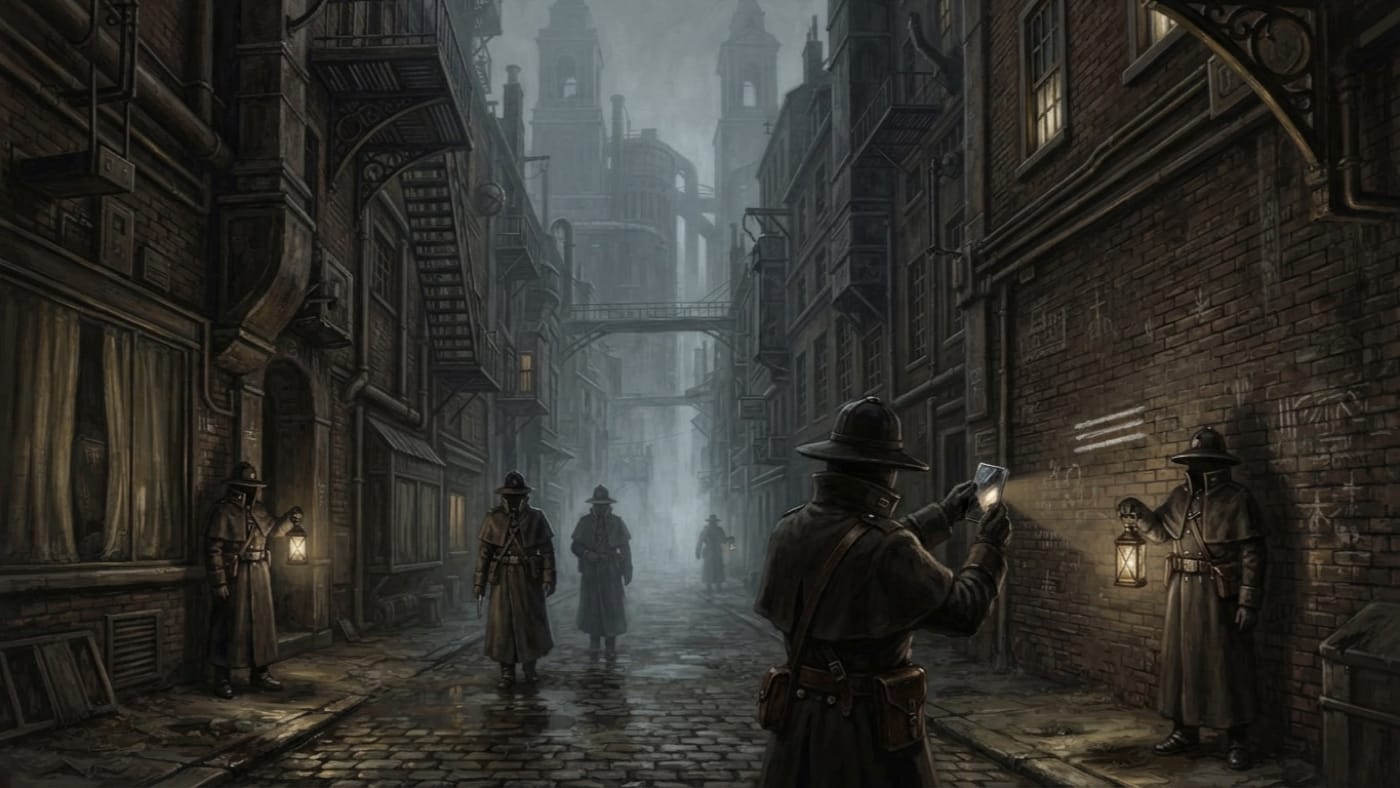
Hush-Zones
Where the bells fail, authority learns to gesture
Hush-zones swallow bells, warnings and civic command. In bell-dead alleys and fractured districts, the Circle of Mute Radiance governs by hand-code and mirror-flash; the causes remain unruled.
Codex Ref. II.3.66-201
Iberian Prefect's office
One assessment, one resignation, one sealed file
The office that delivered the Bureau's A.S. 178 assessment of the alleged Flame of Charity. Its unnamed Prefect resigned six months later; Shadows keeps his file sealed.
Codex Ref. VIII.3.178-001
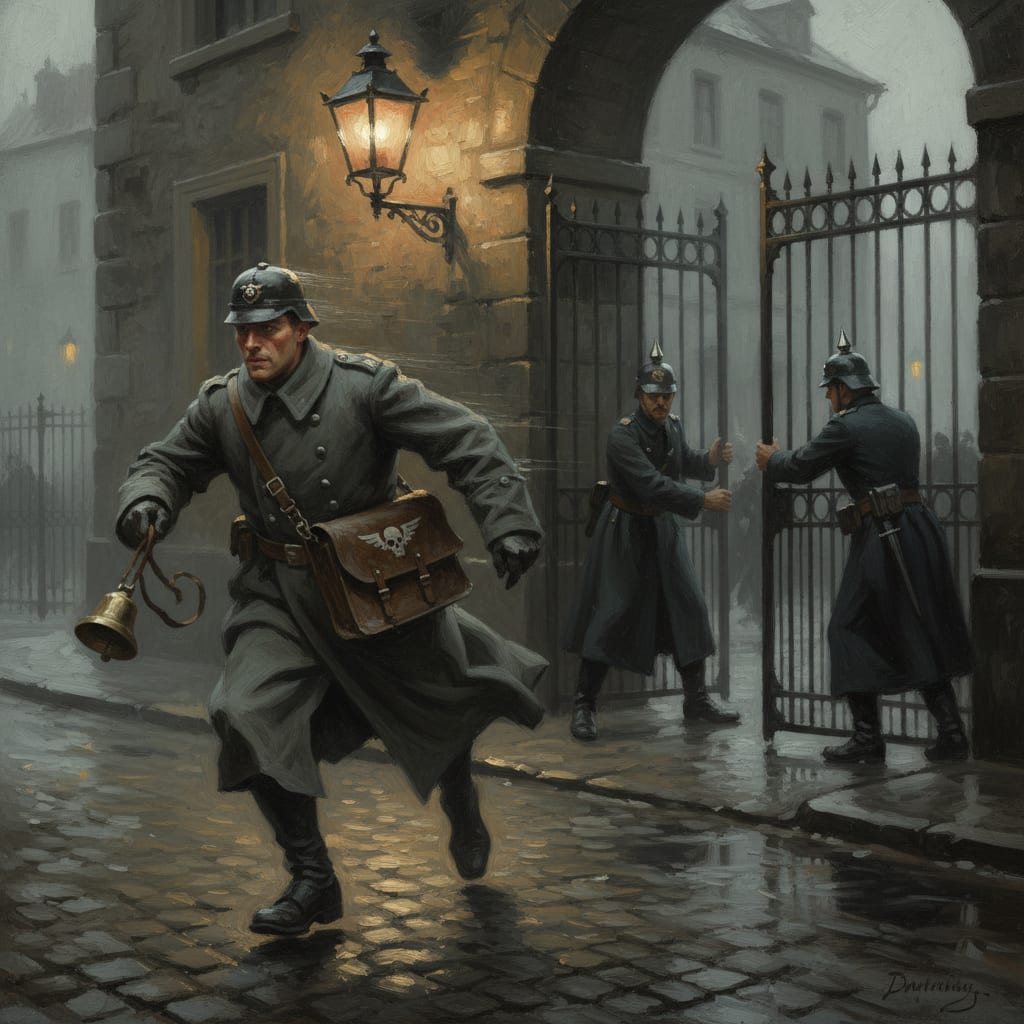
Index Damnatus Runner
On couriers who carry condemned names faster than the condemned can flee
The Bureau of Purity's courier corps: eleven hundred Runners who carry condemnation packets from Strasbourg to every gate, ferry, orphanage, and shrine before the damned can cross a border. Speed is doctrine. Late is the same as false.
Codex Ref. XII.23.01-001
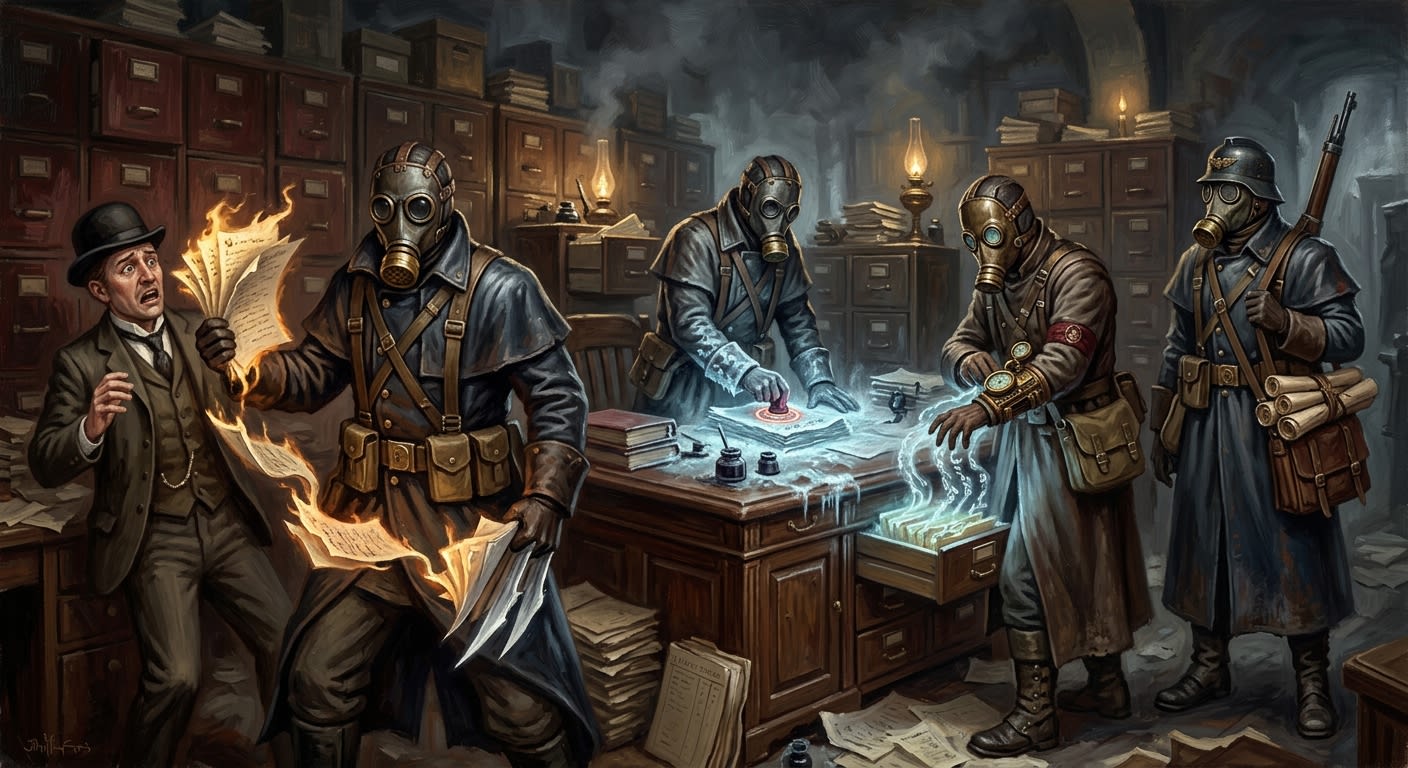
Indiction Shadows
The mask, the writ, and the courtesy of procedural terror
The Indiction Shadows are masked Bureau of Records audit-operatives whose writs freeze rooms, suspend names, retrieve hostile files, and make paperwork behave like a knife with witnesses.
Codex Ref. VIII.1.06-001
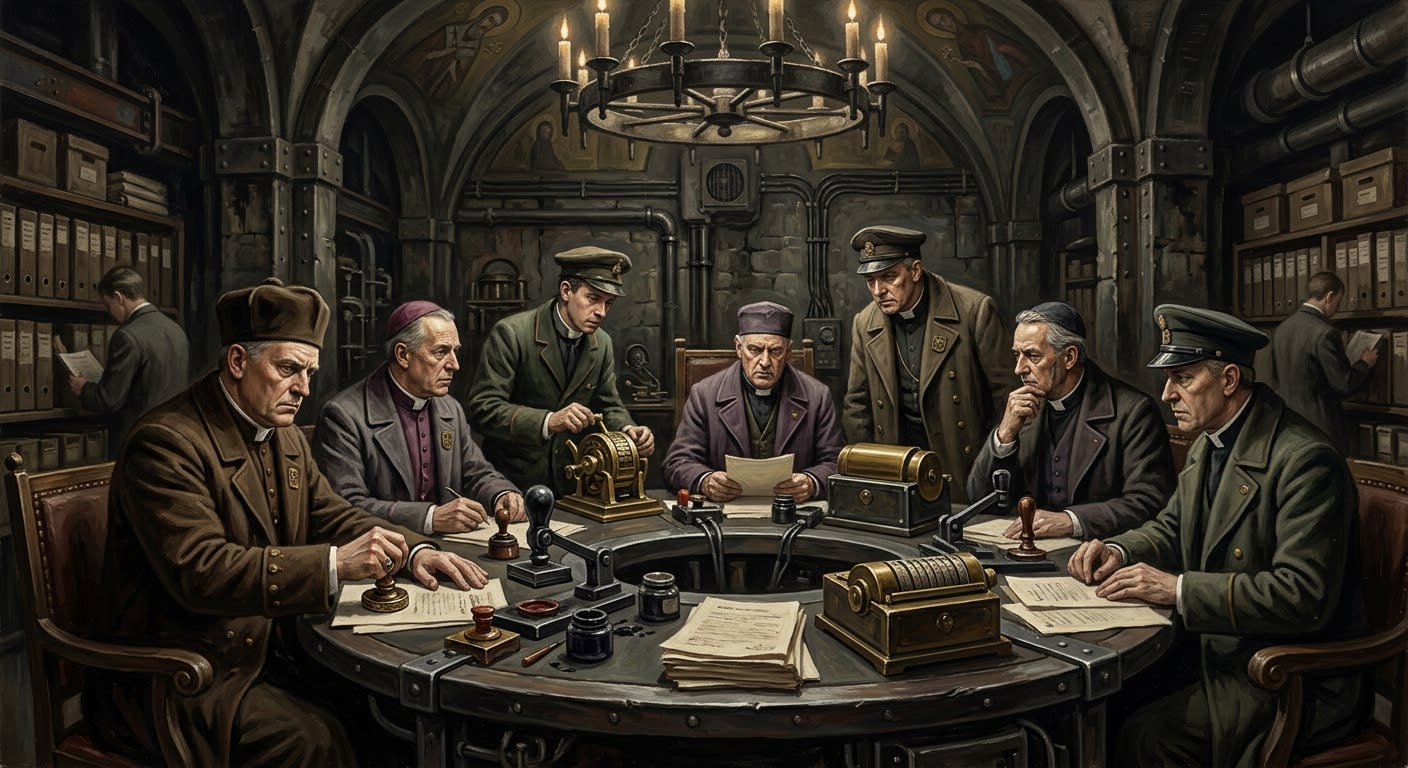
Inner Circle
Seven knives pointed inward, and Europe calls the locked box government
The Inner Circle is the Synod's highest chamber: seven Seal authorities locked in Strasbourg beneath the Basilica, manufacturing unanimity from obstruction, fear, rotating stamps, clerks, and the occupied absence of War.
Codex Ref. XIII.1.05-090
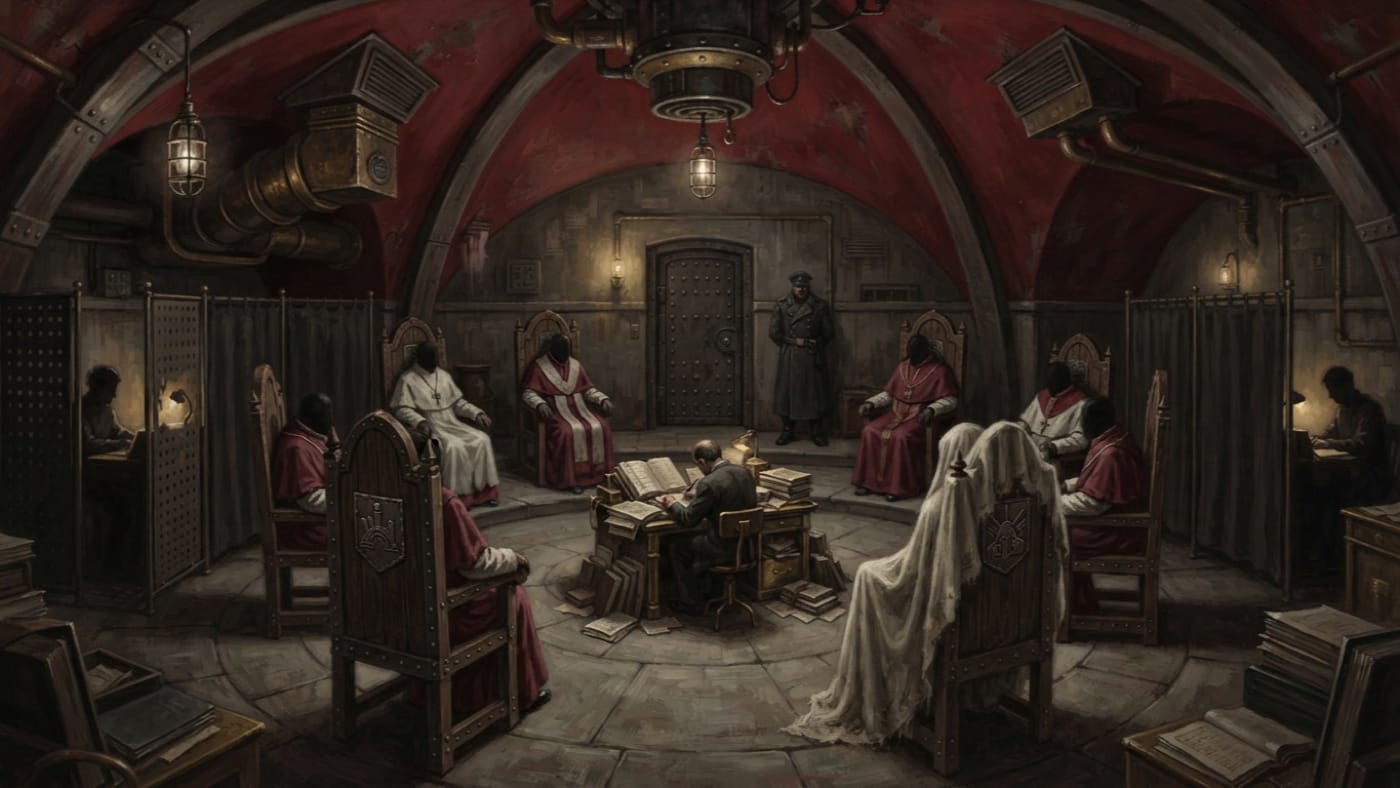
Inner Circle of Strasbourg
Six Chairs Answer. Seven Seals Decree.
Seven chairs, six occupants, no table. From the Basilica's highest floor, the Synod decrees through corrected minutes, seven stamps, and War's vote counted by faith.
Codex Ref. III.2.04-1452
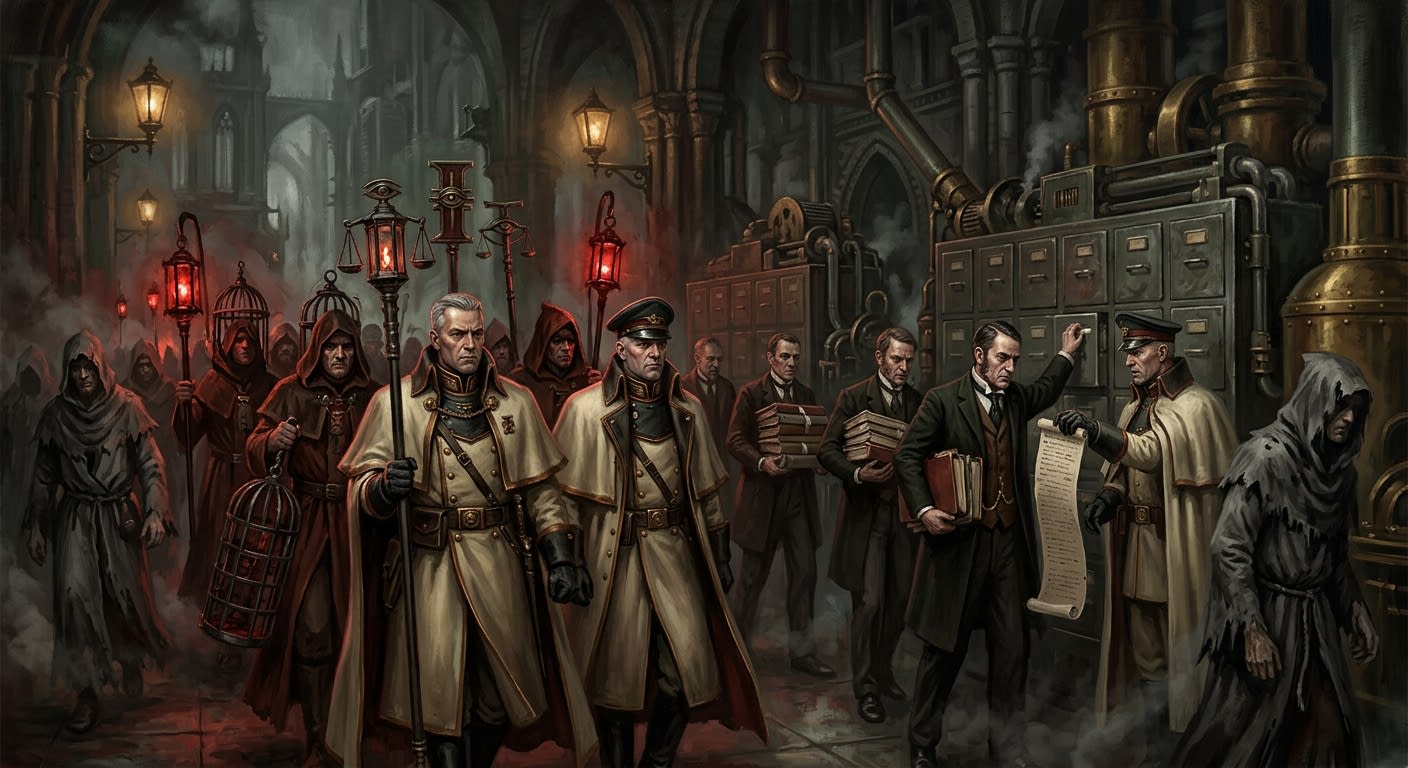
Inquisition
The white hand closes with a receipt
The Inquisition is Purity's authorised appetite for correction: White Cloaks, Lictors, Red Lanterns, Ashmen, Shadows, Index packets, denunciation law, and the clerkly miracle by which fear learns to file itself.
Codex Ref. VIII.1.08-093
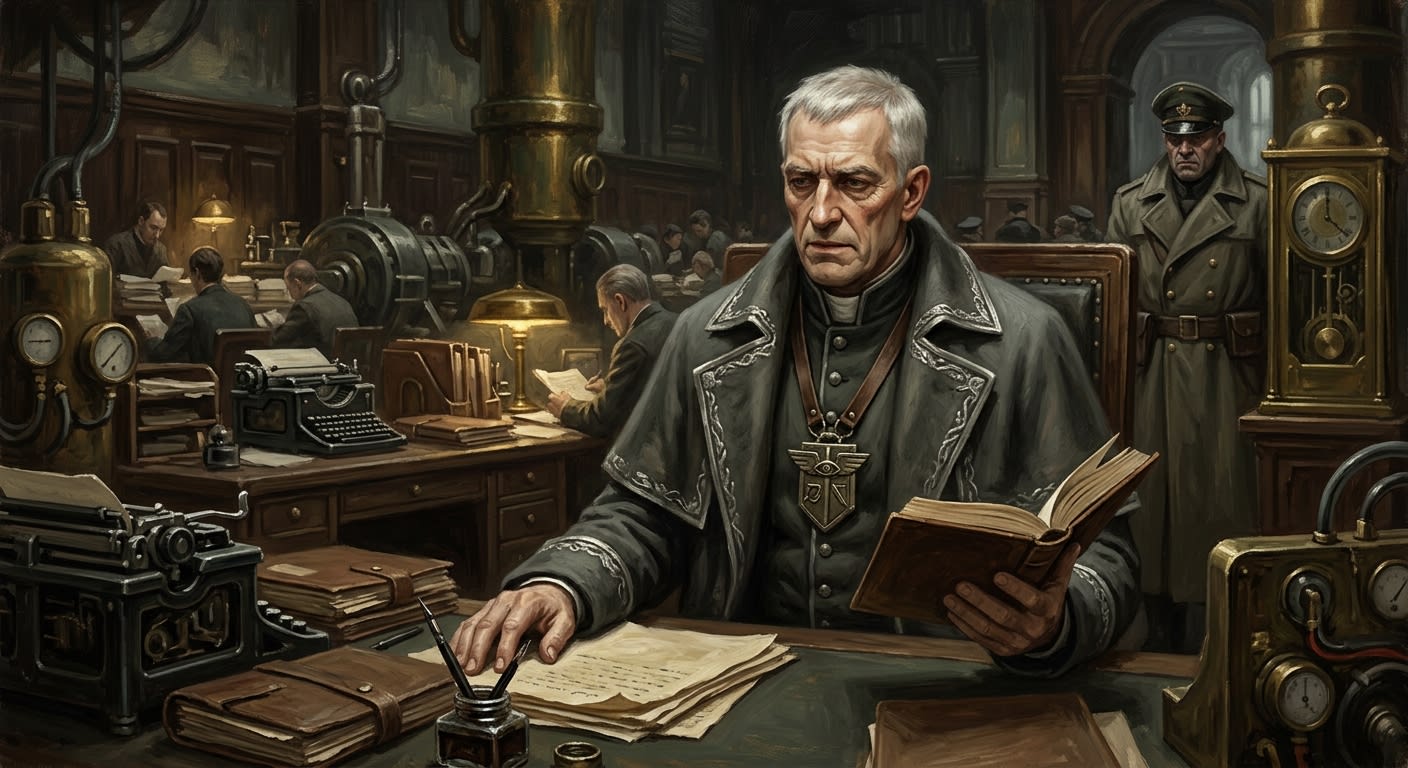
Inquisitor Velek
The warrant has weather, and he reads it without smiling
Inquisitor Velek is Thessaloniki's dry-voiced Purity warrant reader: too exact for theatre, too useful for removal, and too implicated for innocence.
Codex Ref. III.2.01-201
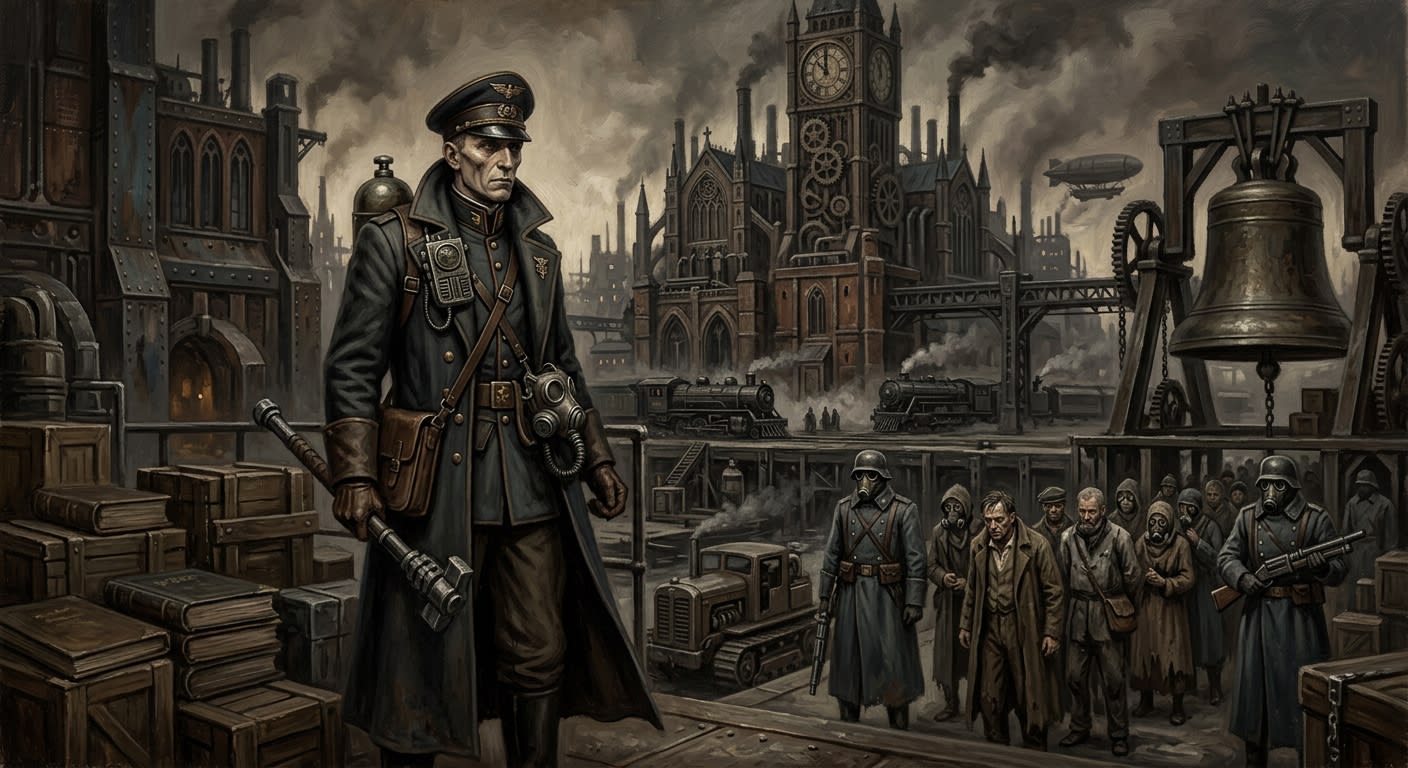
Inquisitor-Regent Veyl Hark
The audit that arrives before its carriage
Veyl Hark is Strasbourg's delayed calamity: an Inquisitor-Regent sent toward Lorn to separate bell, ledger, route, profit, and alibi.
Codex Ref. III.1.04-001
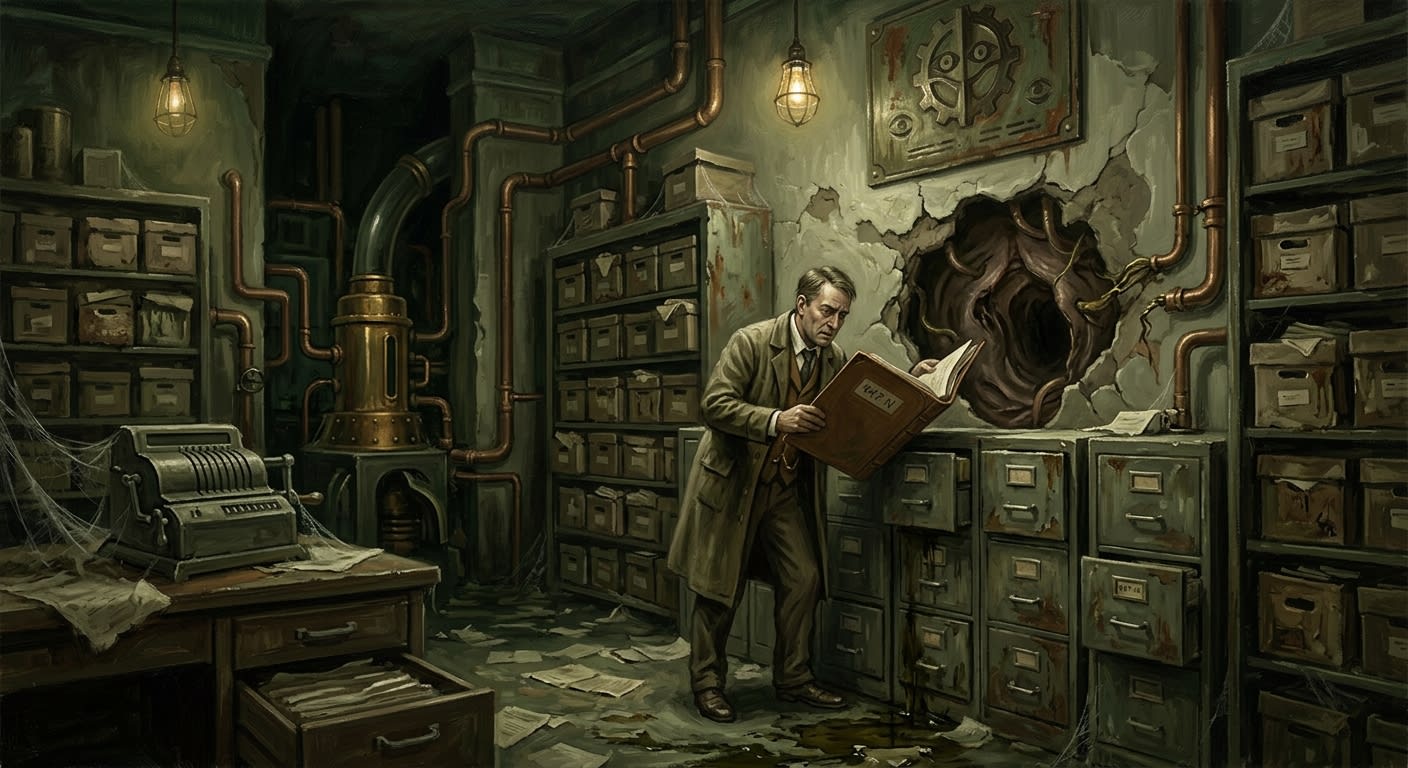
Investigation 447-N
The file pends because the bells know better than we do
Investigation 447-N began as a northern bell audit and became the Bureau's most useful cowardice: a pending file placed over a listening wound.
Codex Ref. XIII.1.97-199
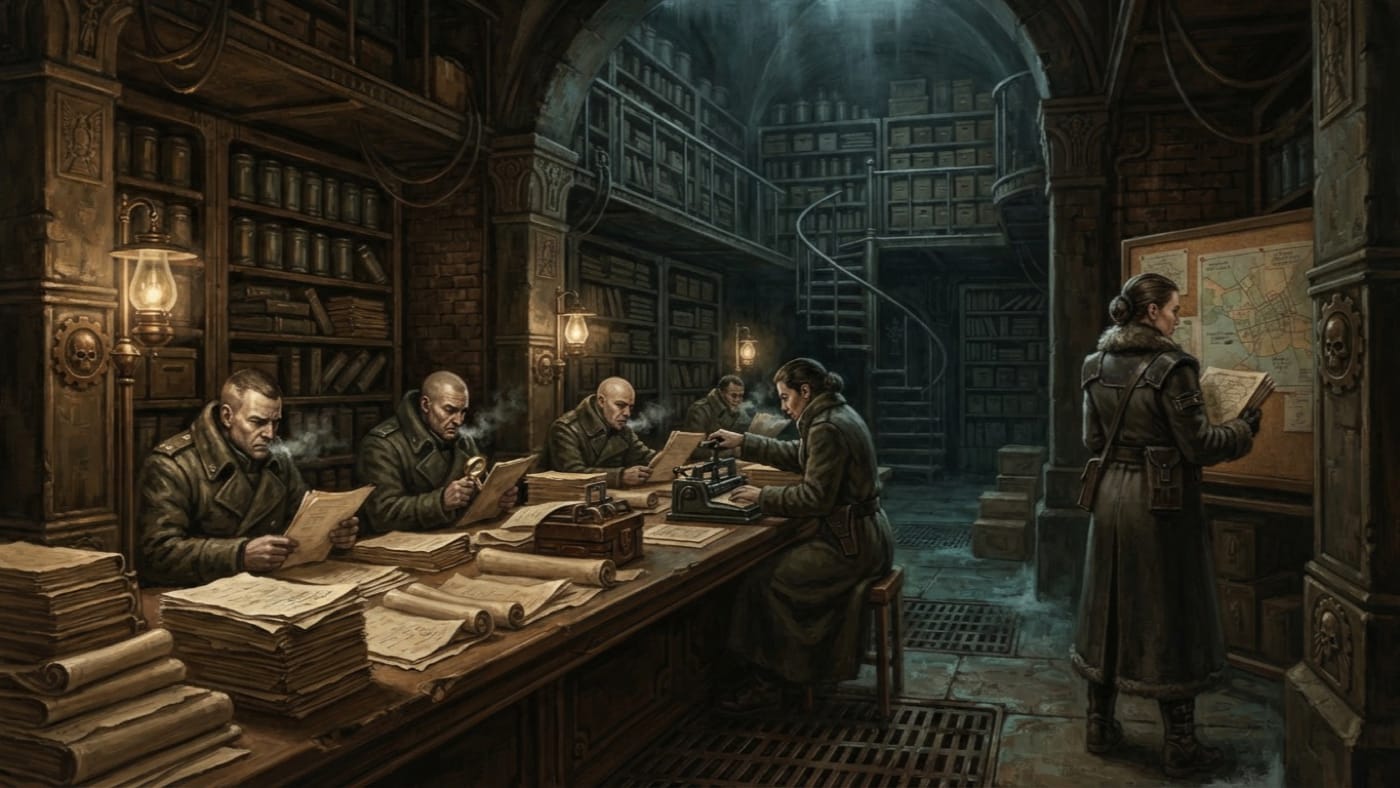
Joint Investigatory Cloister
Cold rooms, warm panic
Strasbourg's Joint Investigatory Cloister keeps Veyl Hark and Lorn's disputed records in cold rooms. The review continues; the yard is already answering questions nobody has asked.
Codex Ref. II.2.09-201
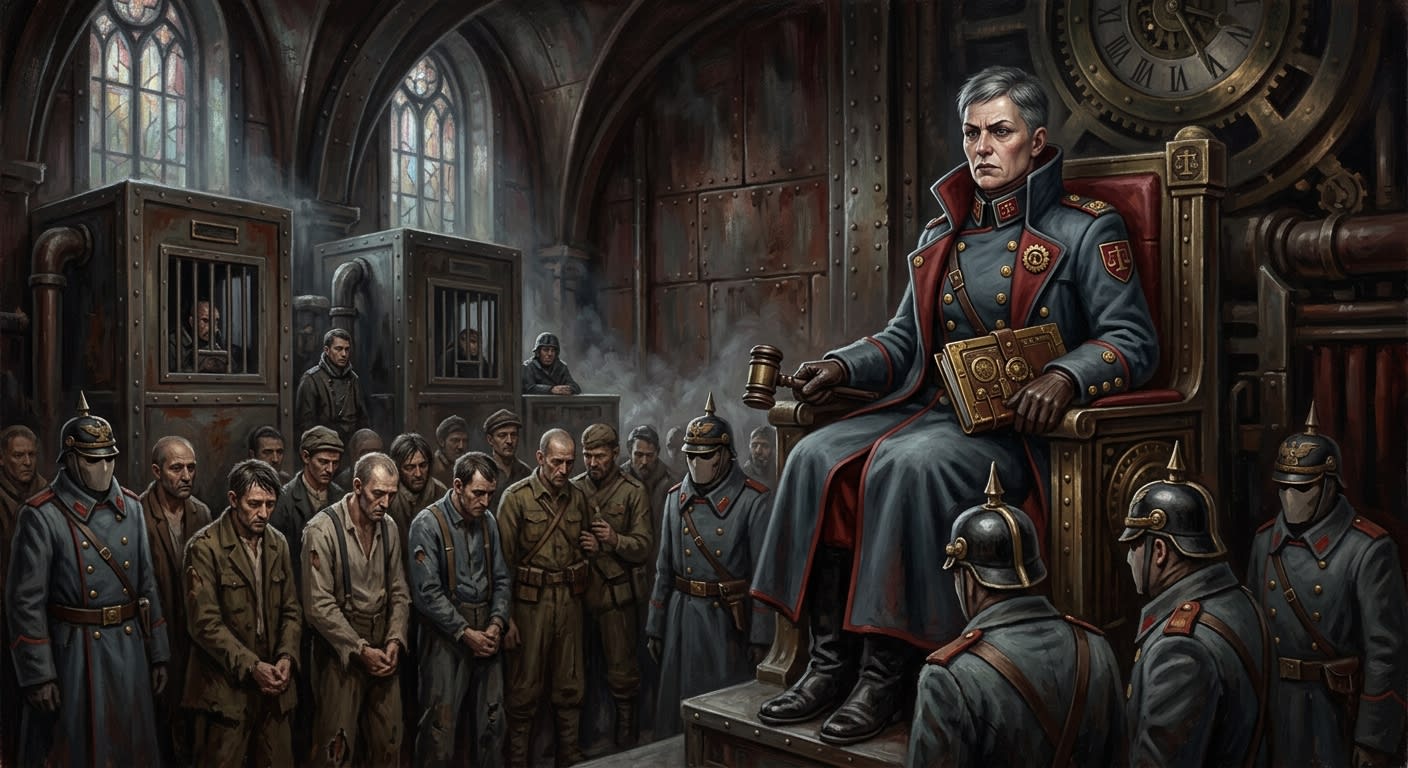
Judge Elsbeth Krail
The woman at mid-span, where mercy is not a jurisdictional category
Presiding Judge Elsbeth Krail governs Bastion-Brest's Bridge Tribunal with exact law, sealed booths, nineteen arrests, and a silence even Doctrine cannot casually overrule.
Codex Ref. III.2.01-092
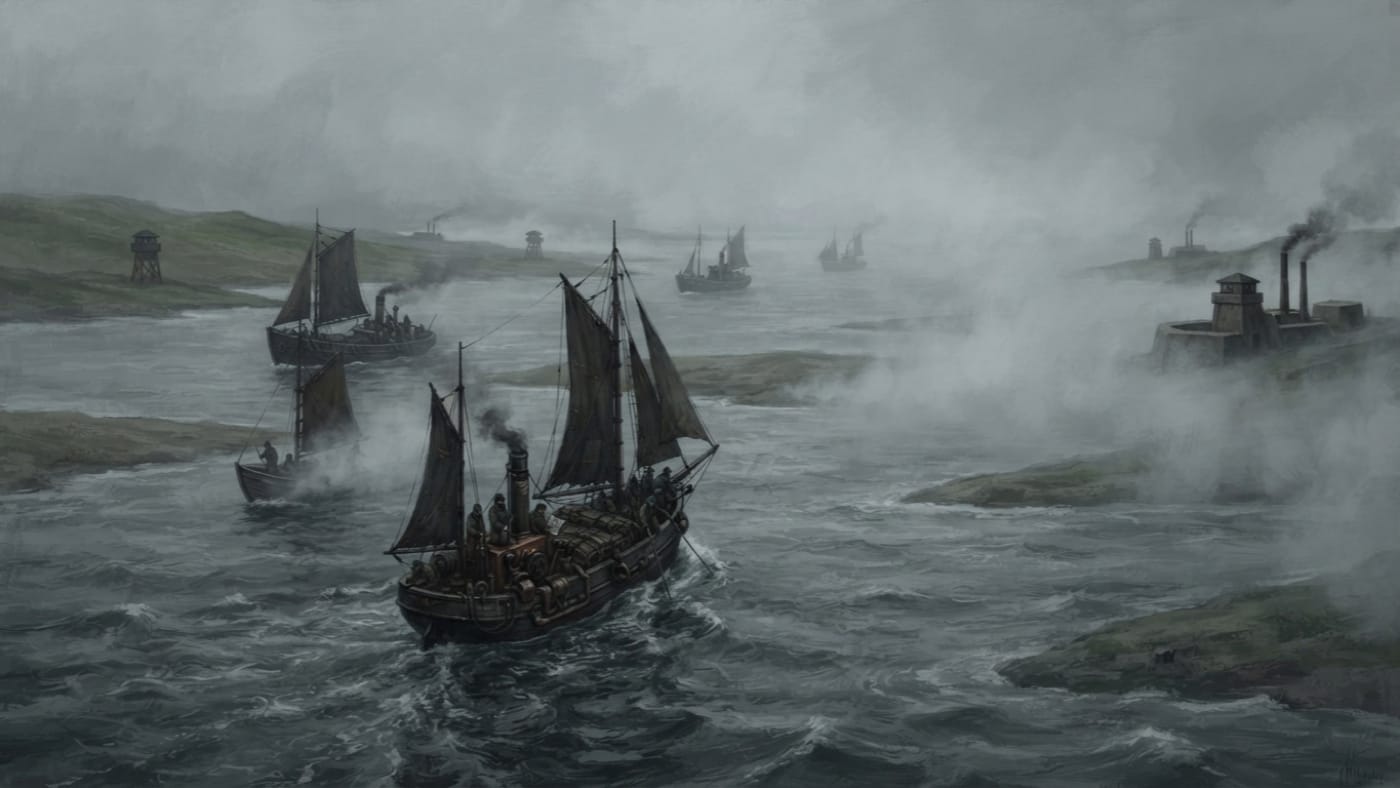
Kattegat
The Church claims the water. The pilots read the weather.
The shallow southern approach to the Fractured North, between Jutland and Sweden. The Church claims the water; northern pilots decide how to cross it. Cold, fog and sandbanks acknowledge neither authority.
Codex Ref. IX.8.01-002
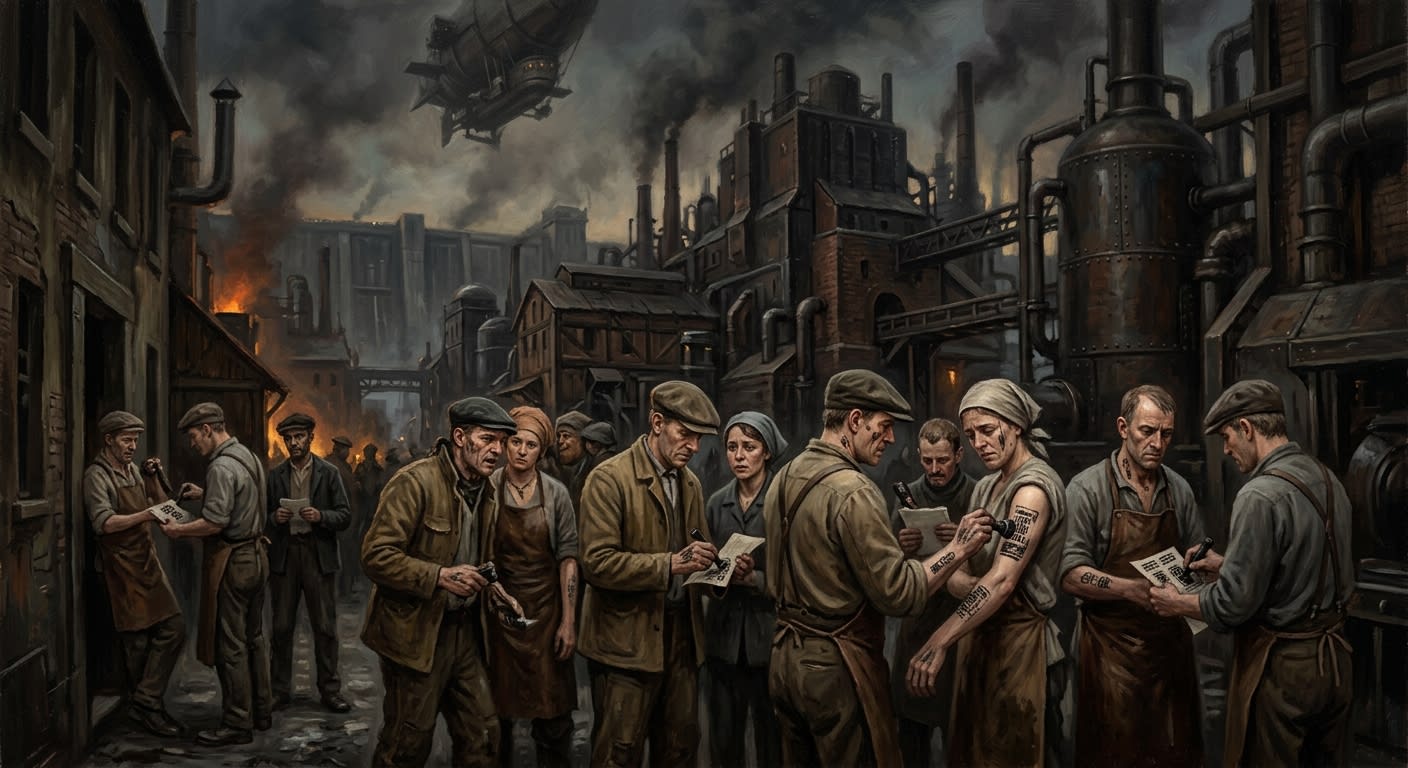
Keska
The foundry-town that fell through the map and learned who feeds the forgotten
Keska, a Hintermark foundry-town west of Bastion-Constantinople, lost its Zone for eleven months and discovered that criminal stamps can feed where lawful ink starves.
Codex Ref. II.3.06-001
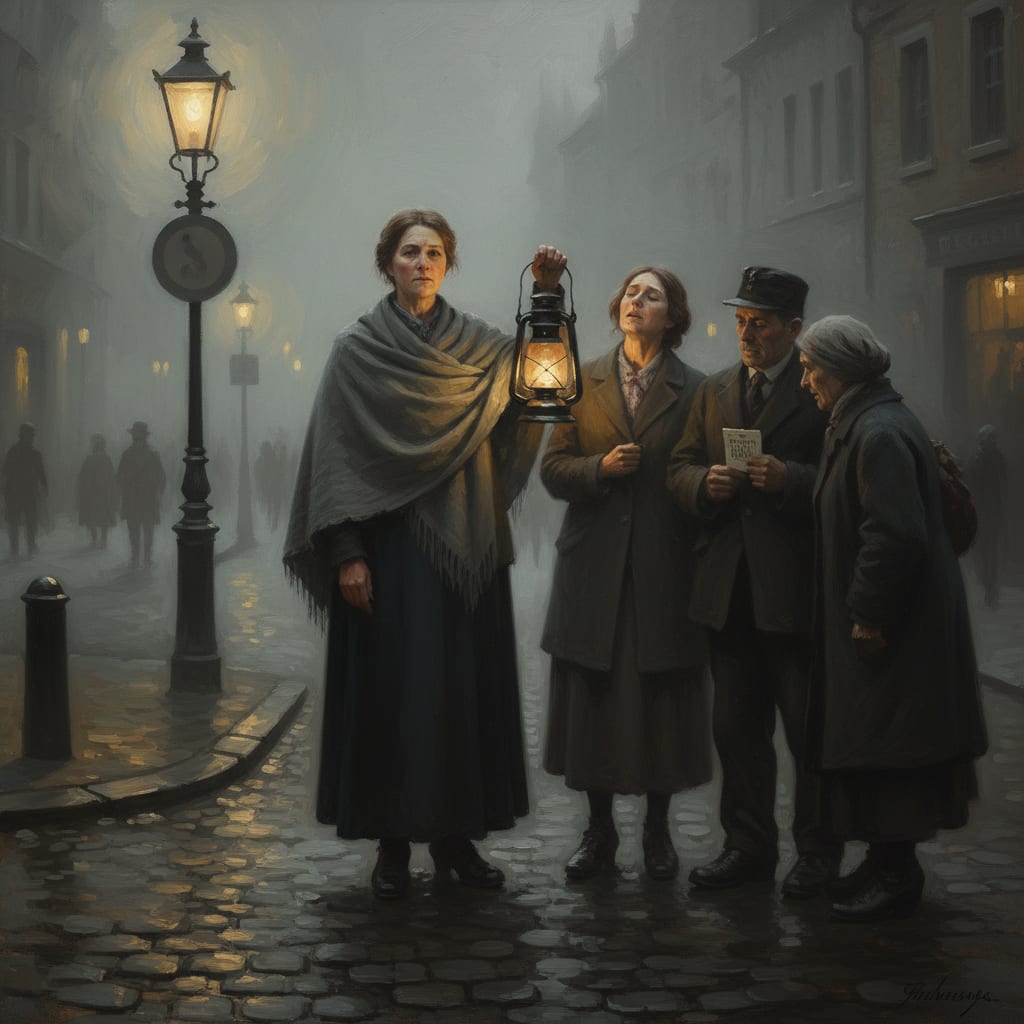
Lantern "Mercy" Preacher (Rebel)
Eighth heresy, eighth rank, eighth because the Synod reserves that number for what it made, cannot unmake, and will not thank.
Eighth of eight proscribed heresies: the Licensed Consolators who meant what they said, and were immured for it.
Codex Ref. XI.3.01-001
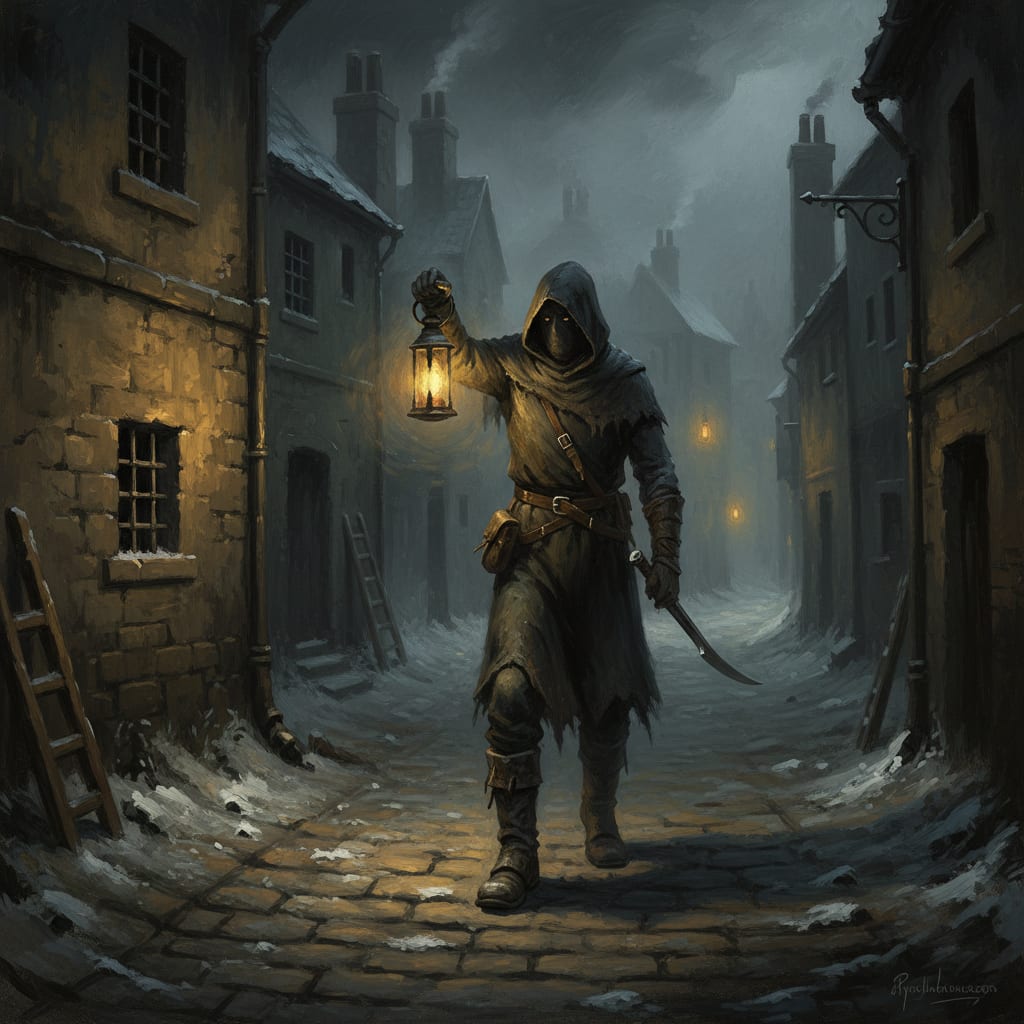
Lantern Brotherhood Vigilante
Eight thousand four hundred tolerated blades, licensed by a subordinate clause — the Synod's night made visible and officially nonexistent.
Eight thousand four hundred tolerated blades in five Watch Circles, licensed by a subordinate clause in a curfew ordinance — the Synod's night made visible and officially nonexistent.
Codex Ref. XII.25.01-001
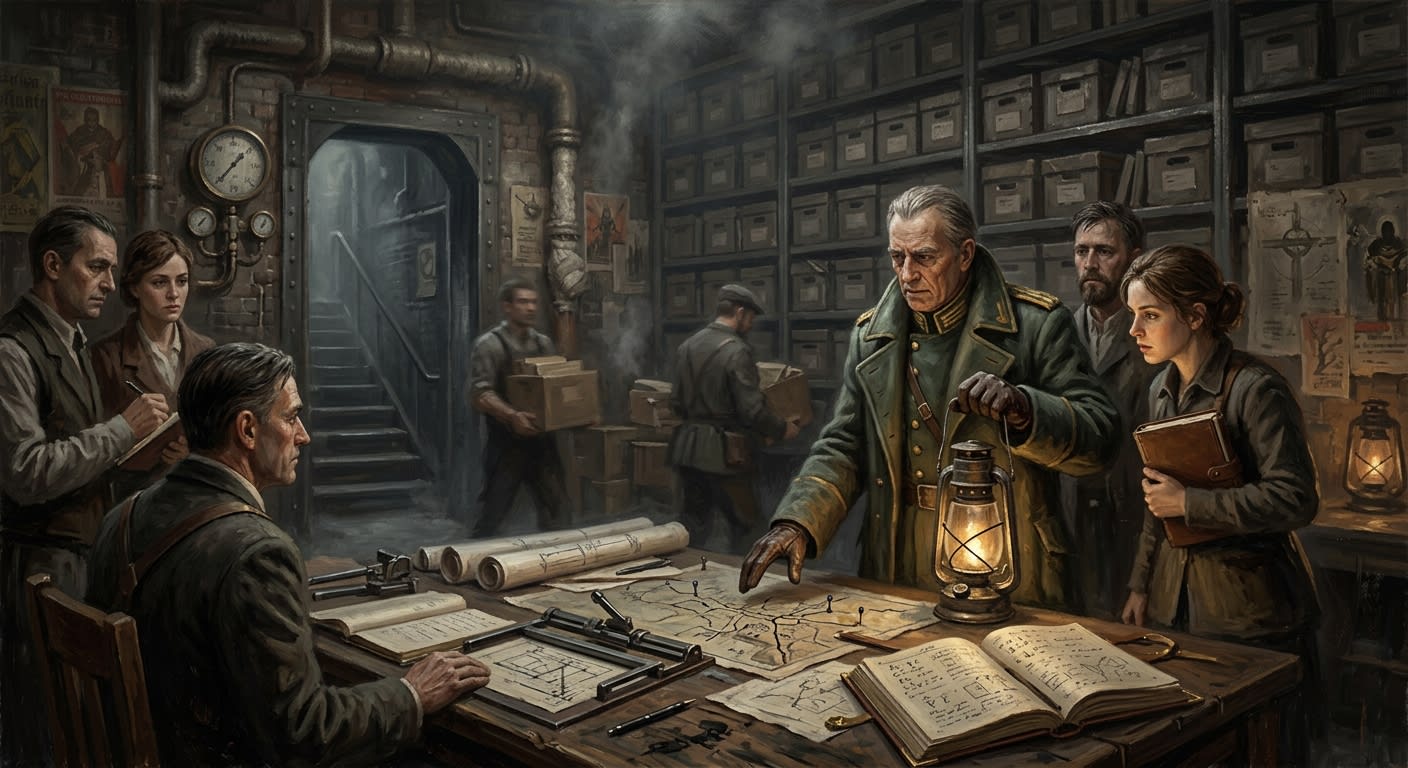
Lantern Loyalists
Useful cowards, quiet streets, and the holy art of misfiled mercy
Lantern Loyalists preserved Brotherhood routes after the A.S. 178 Cologne split by tolerating Mercy Preachers, disguising mercy as workload reduction, and leaving doctrine off the page.
Codex Ref. XII.25.08-001
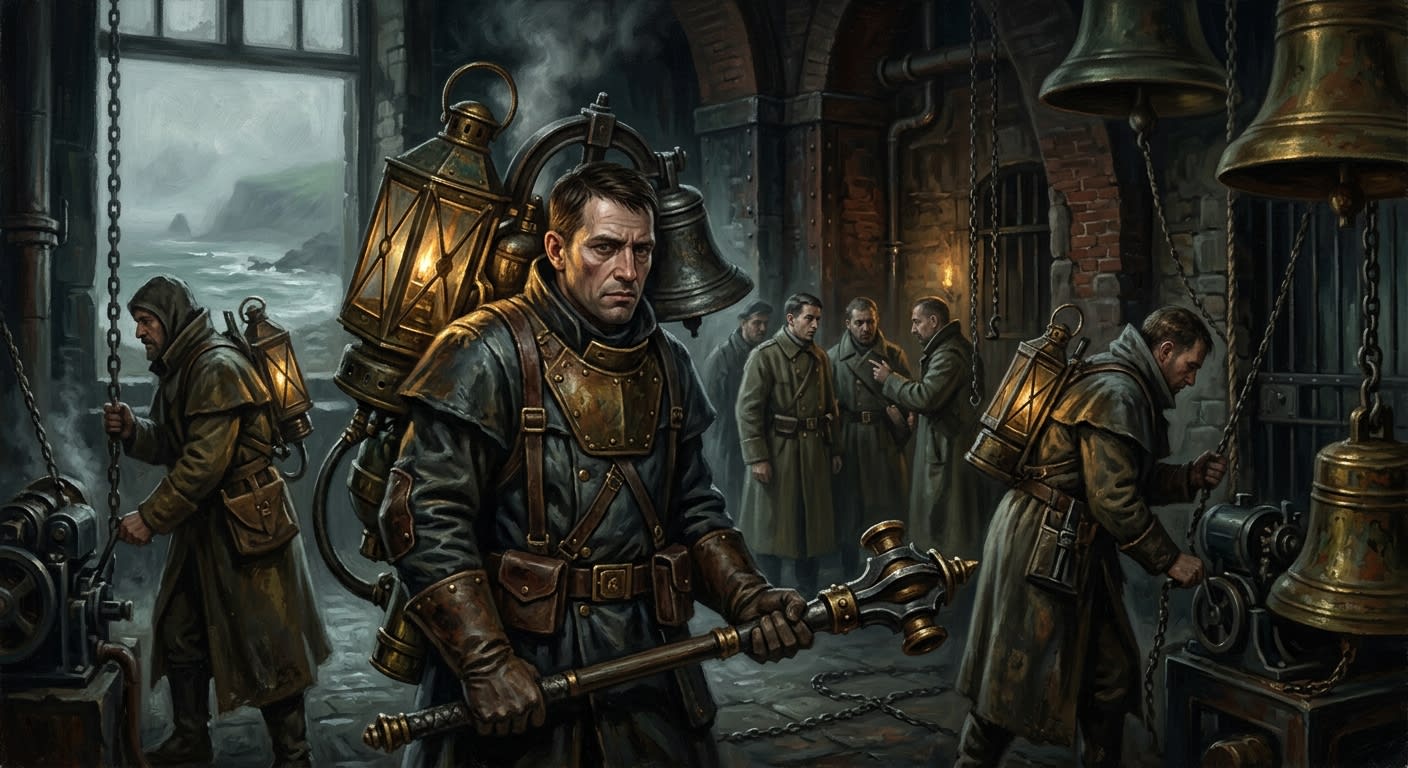
Lantern-Ringers
Britain keeps time with bronze, rope, and legally sanctioned concussion
Britain’s Lantern-Ringers bind bell, mace, parish, and sea into one armed vocation; Strasbourg wants their specifications and receives courtesy instead.
Codex Ref. XII.2.05-001
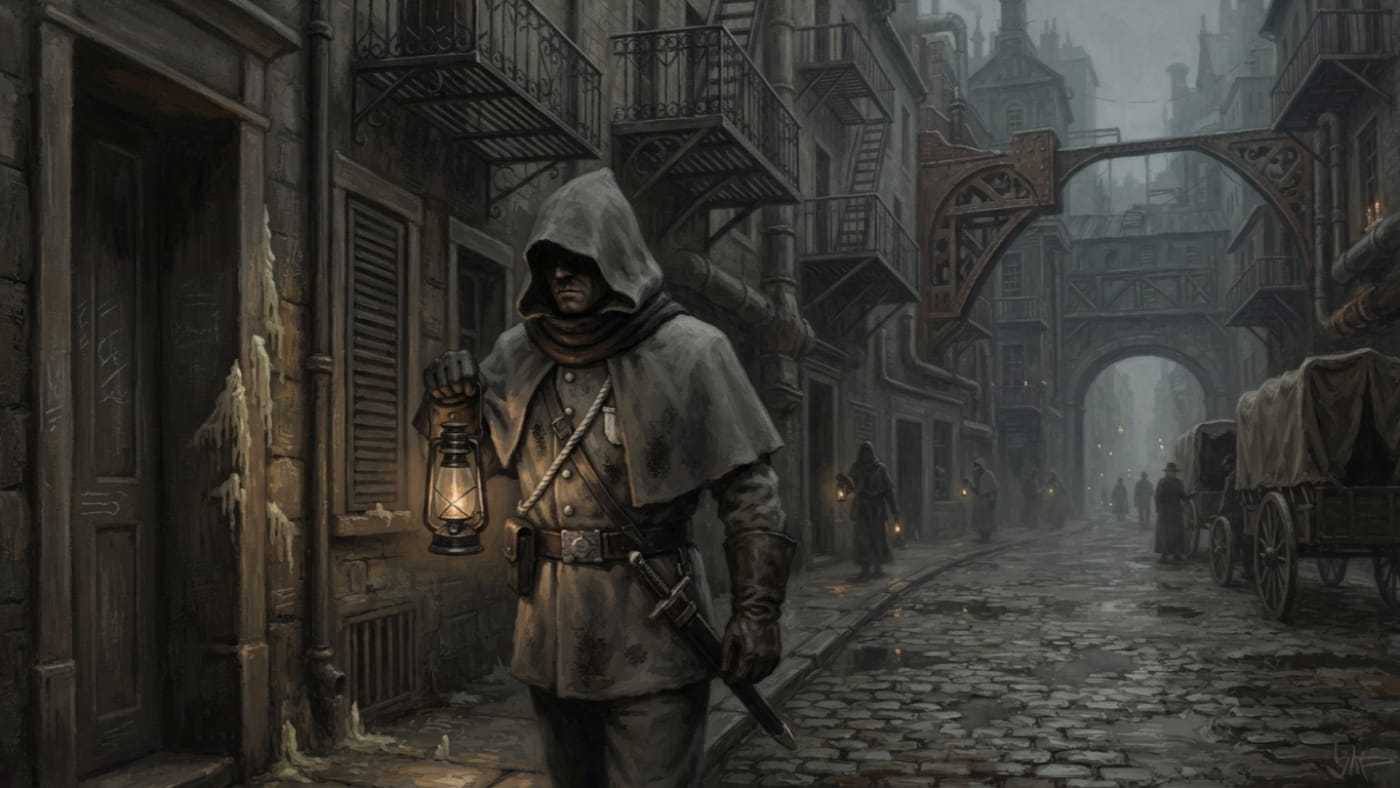
Lanternman
A lamp, a blade, and permission that lasts until denial is useful
The Lanternman is the Brotherhood's full member: a hooded lamp, a short blade, and revocable authority. In Ashen Steps he counts candles, marks the grieving, and delivers bodies to somebody else's ledger.
Codex Ref. XII.25.07-001
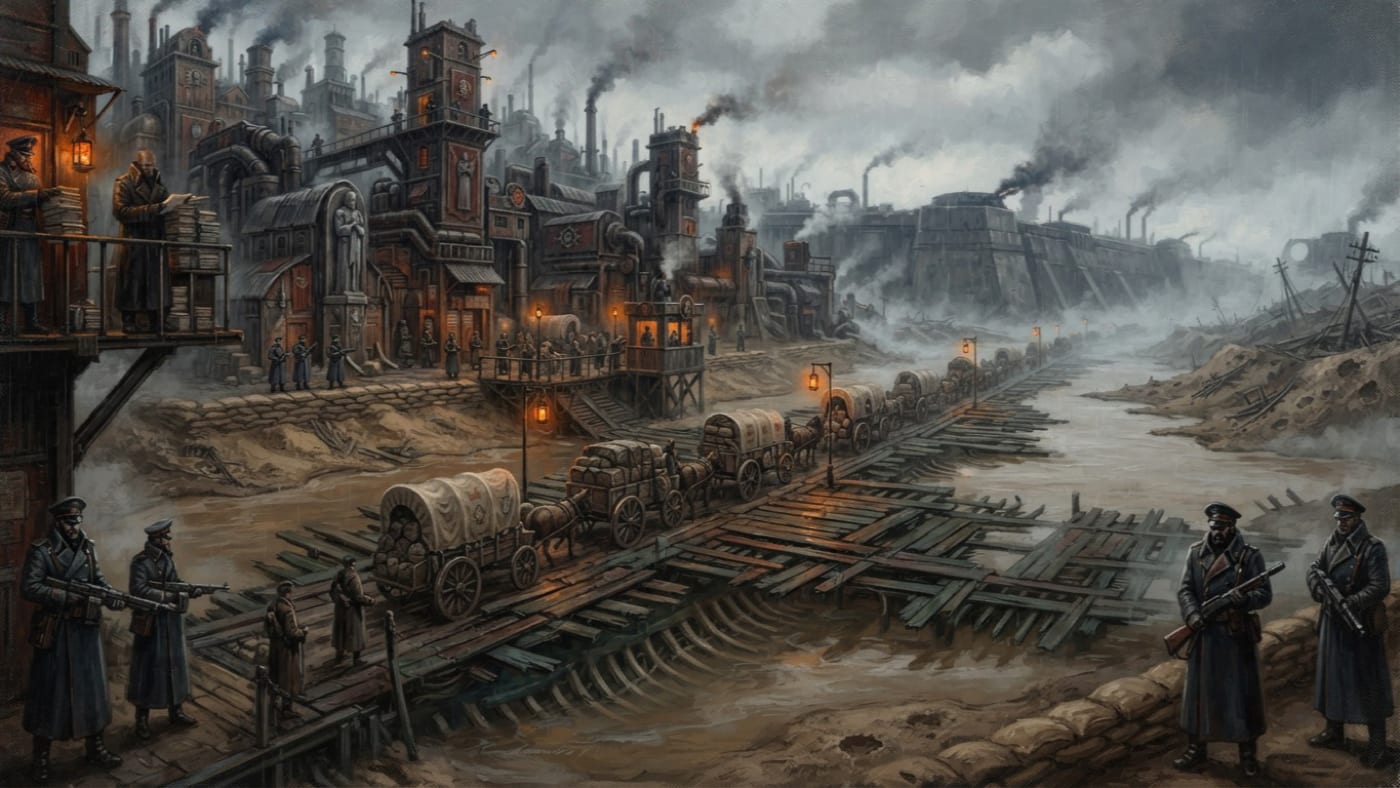
Latch River
The ford endures. By definition, the river has lost no one.
A small river whose ford funnels convoys through Latchford's permit machinery. Minutes slip, stamps arrive early, and people disappear outside the boundary the Bureau drew to exclude the crossing.
Codex Ref. II.4.08-009
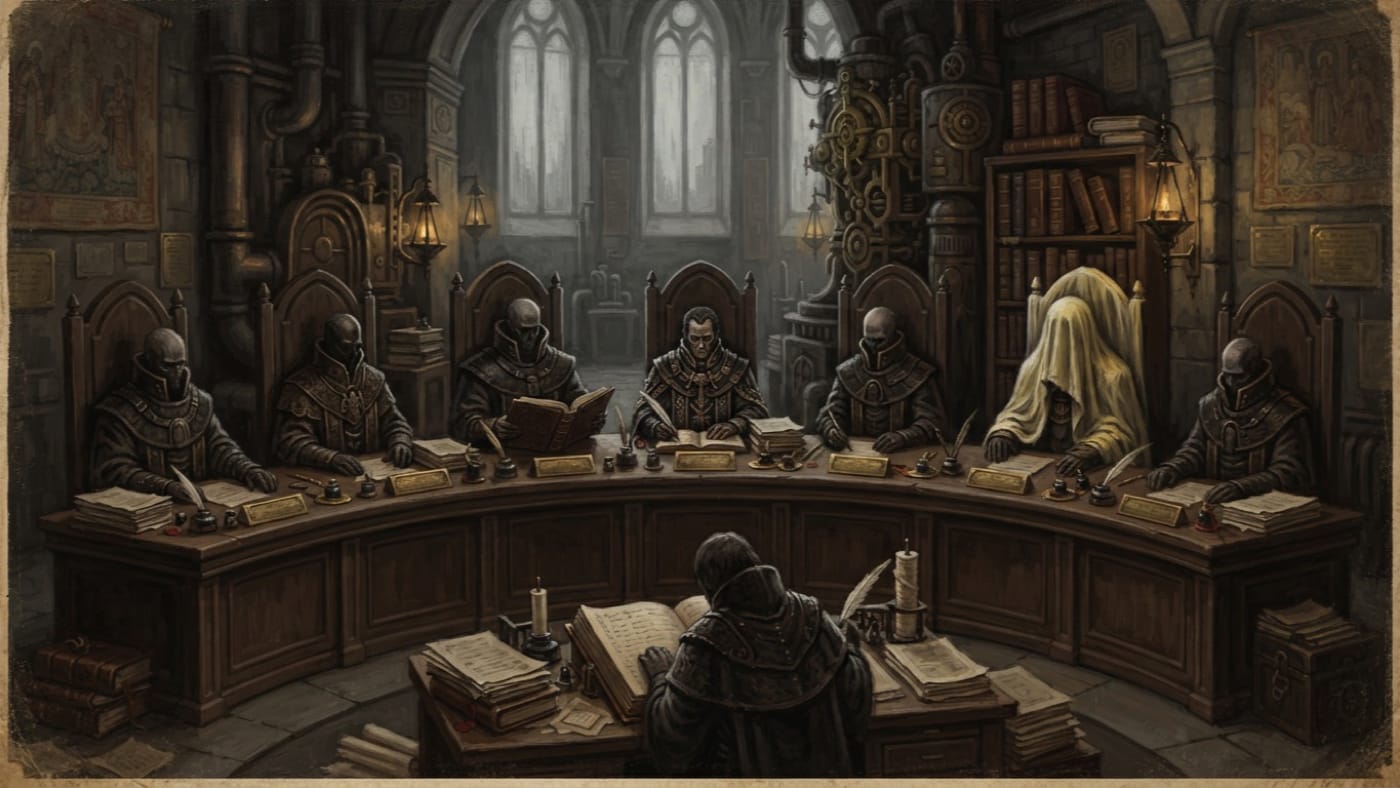
Ledger of Succession
Five Names in Print, Seven Seals in Law
Five names are printed each year for seven Seals. One seated Hierarch has only a changing file number; War's chair remains draped. The succession is continuous as printed.
Codex Ref. VI.3.02-002
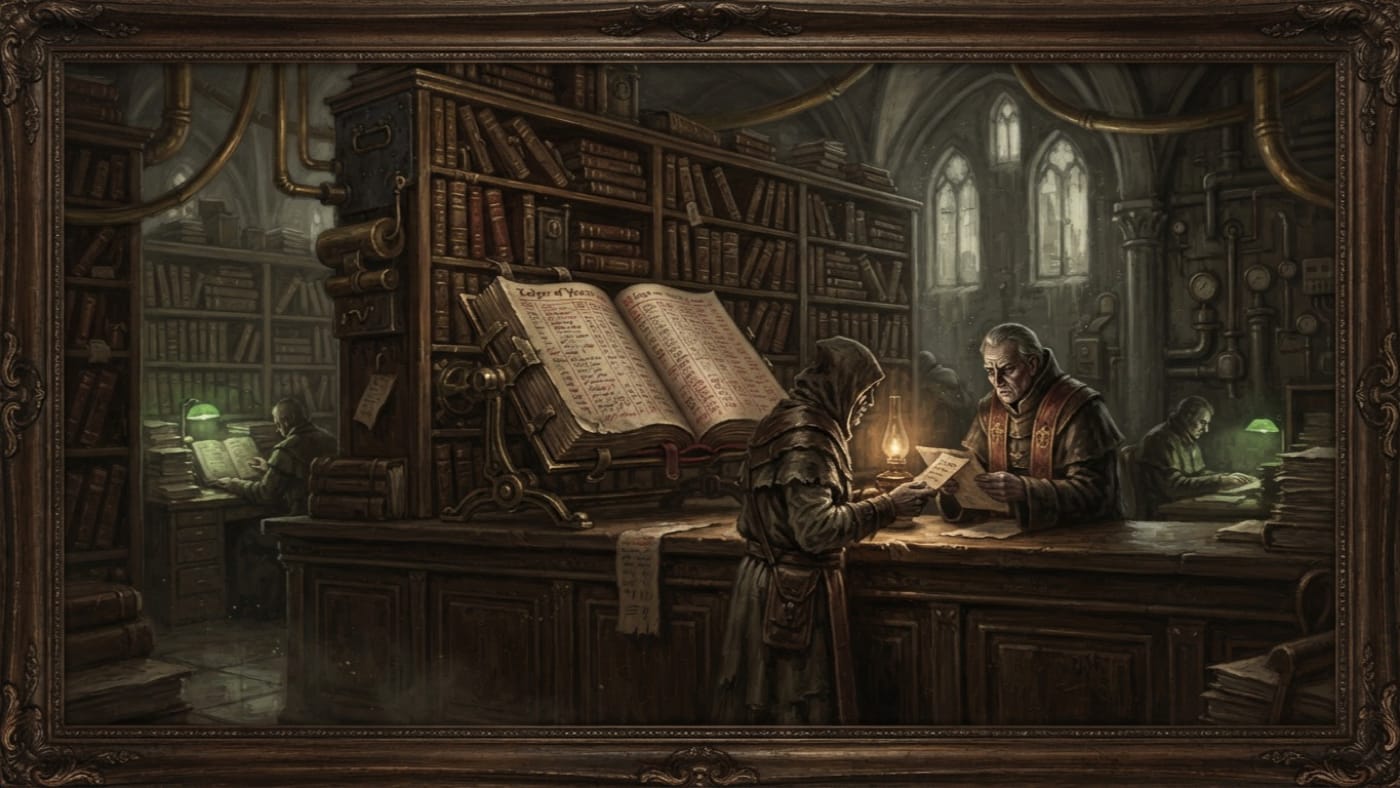
Ledger of Years
Entered, therefore occurred. Unentered, therefore pending.
The Ledger fixes the years from which the Church recognizes institutions, ratifications and precedence. Records certifies the entries; Doctrine supplies the meaning. Bring your year to the counter.
Codex Ref. XIII.1.33-201
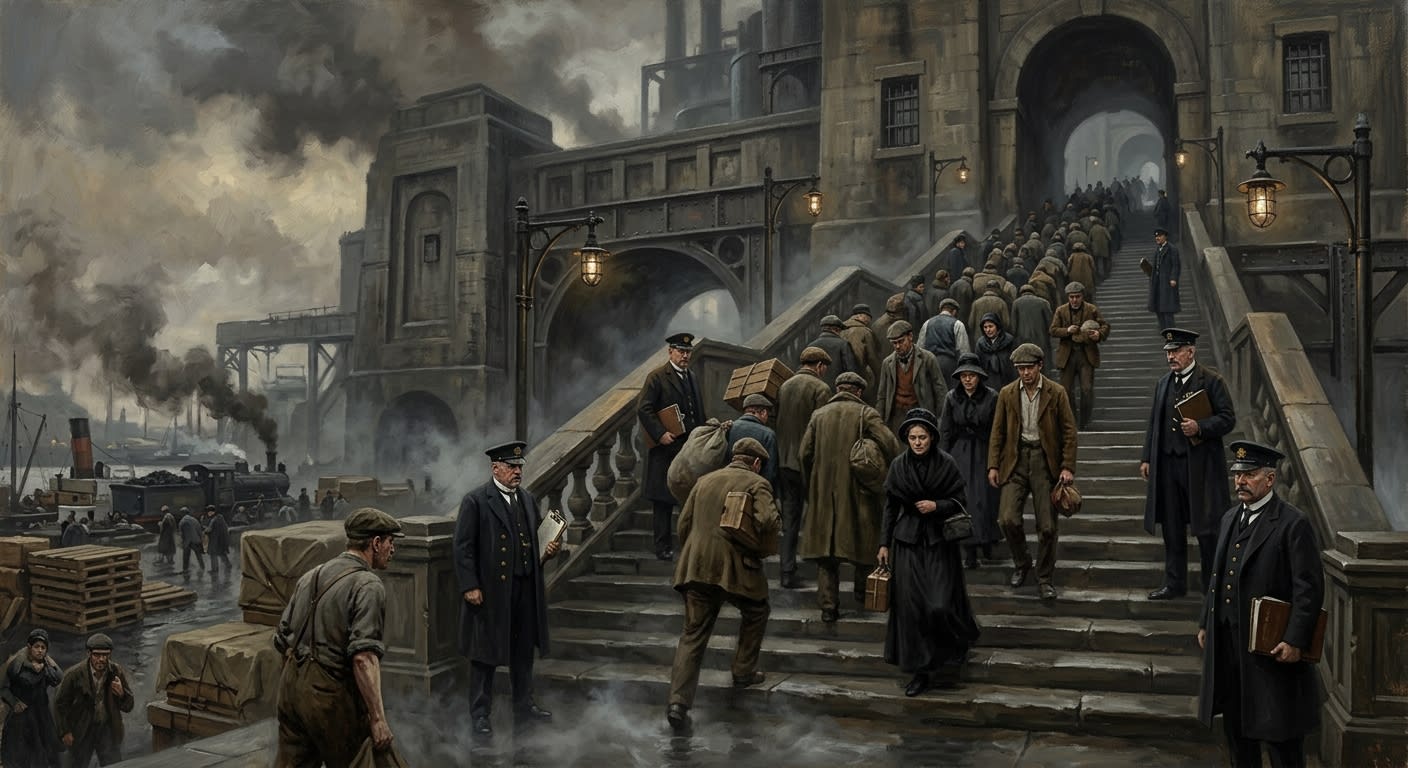
Ledger Steps
The harbour climbs toward refusal
Behind Thessaloniki's Chainward Quays, the Ledger Steps turn ships, crews, cargo, widows, and paused names into taxable fact by making them climb.
Codex Ref. II.4.09-198

Ledger-Ghost Tamsin
The absent clerk who makes contradictions file themselves
Ledger-Ghost Tamsin, absent from official records and active by paperwork effect, keeps Thessaloniki's illegal harbour legible enough to exploit.
Codex Ref. III.2.01-096
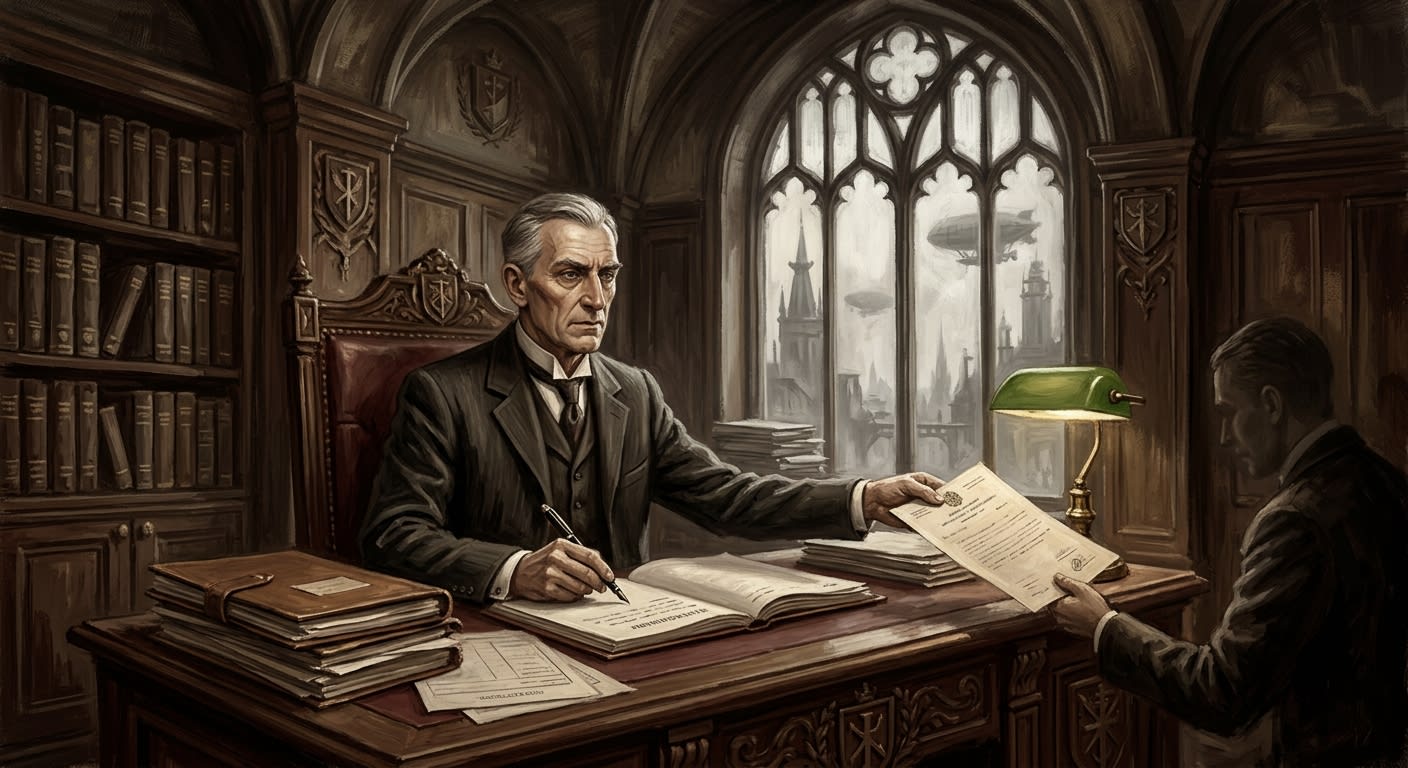
Lord-Warden Eccleston
Courtesy sharpened until it can cut a Bureau in half
Eccleston, British ambassador in Strasbourg, receives every Synod memorandum with perfect courtesy and returns obstruction in the shape of proper procedure.
Codex Ref. III.2.01-023
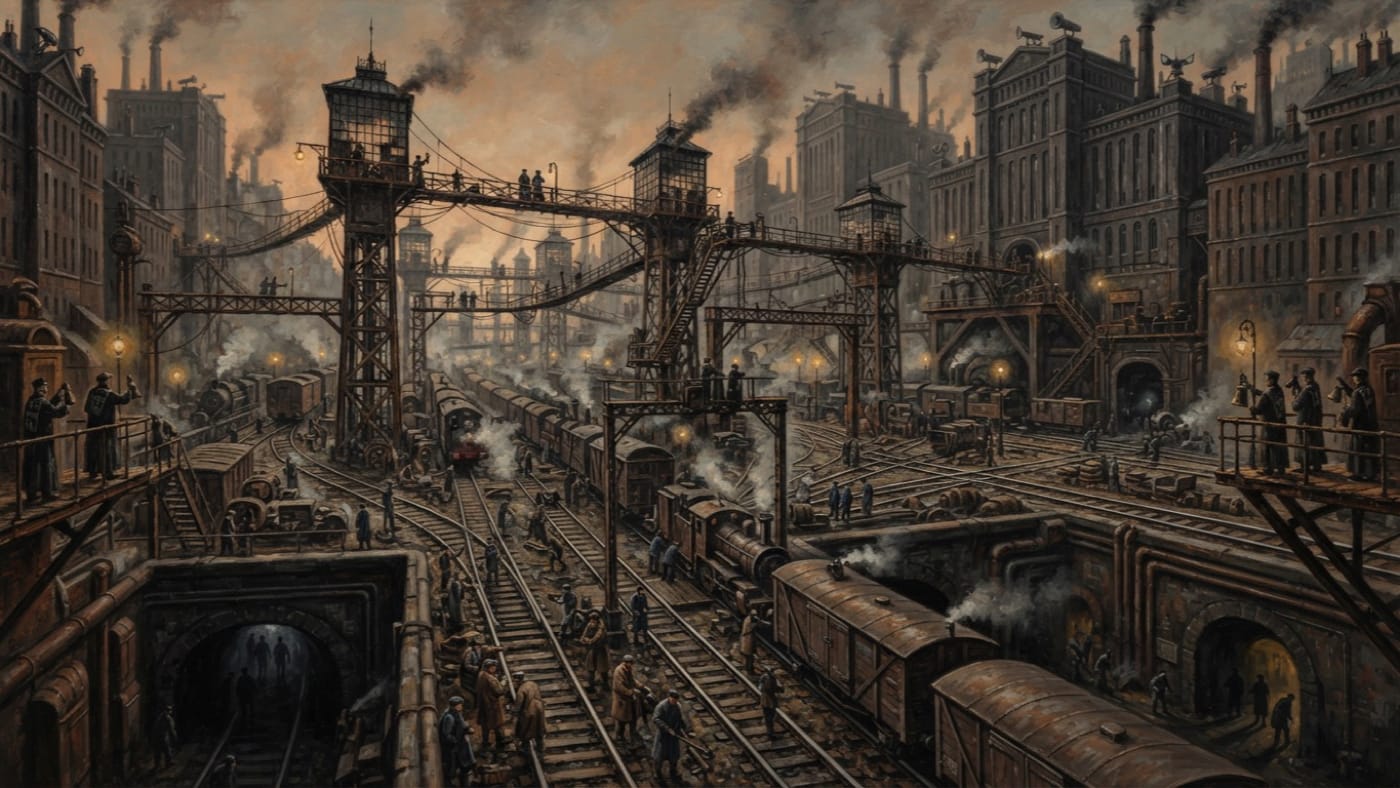
Lorn
The city where obedience has a timetable
Lorn routes the Heartlands' freight toward the Line and its residents through manifest, measure and seal. Beneath the timetable, the unscheduled city keeps moving.
Codex Ref. II.3.01-002
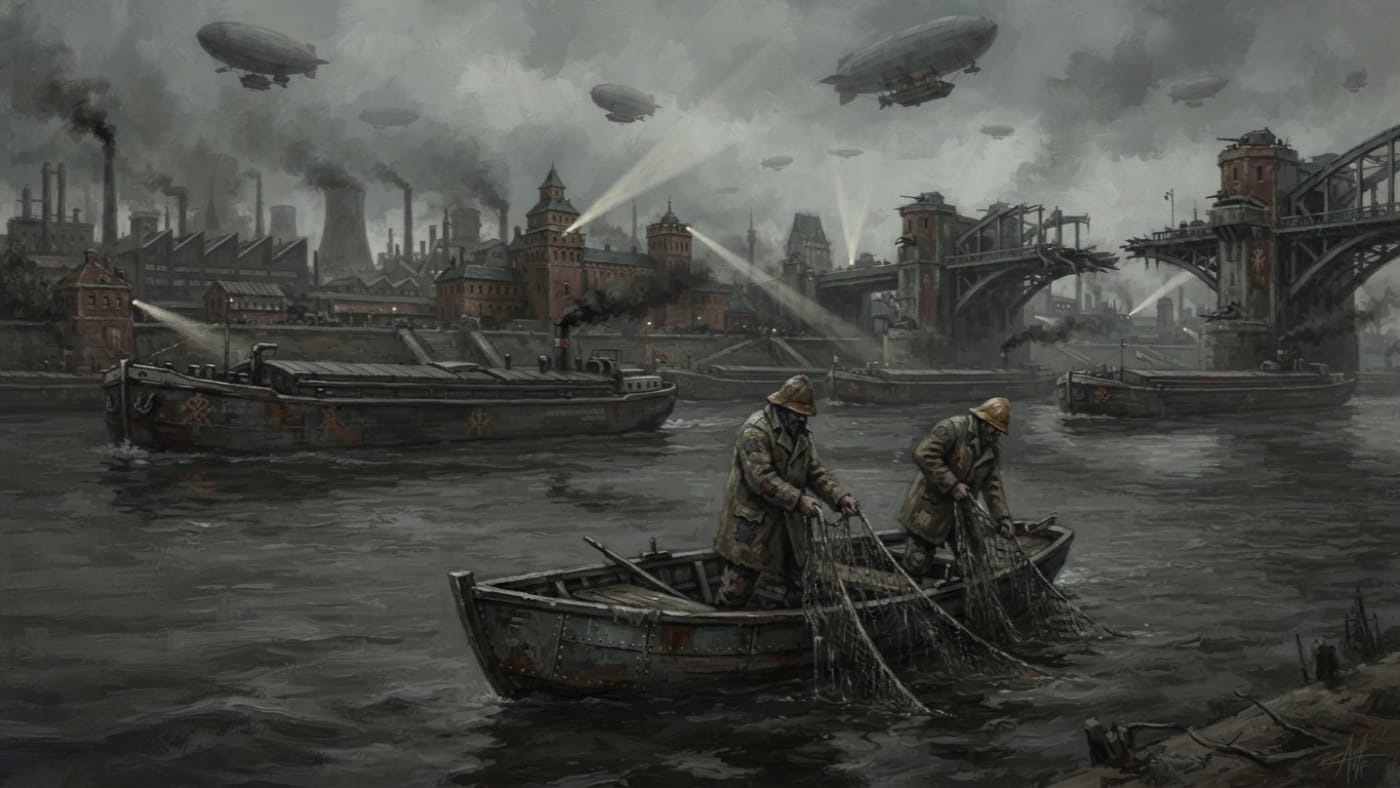
Lower Rhine
A river reach, a deputy's copies, and no boundary on file
The lower Rhine has no boundary on file, but its fisher-litanies reached Werrenrath's papers. The Ledger can trace the copies more readily than the songs.
Codex Ref. II.2.08-203
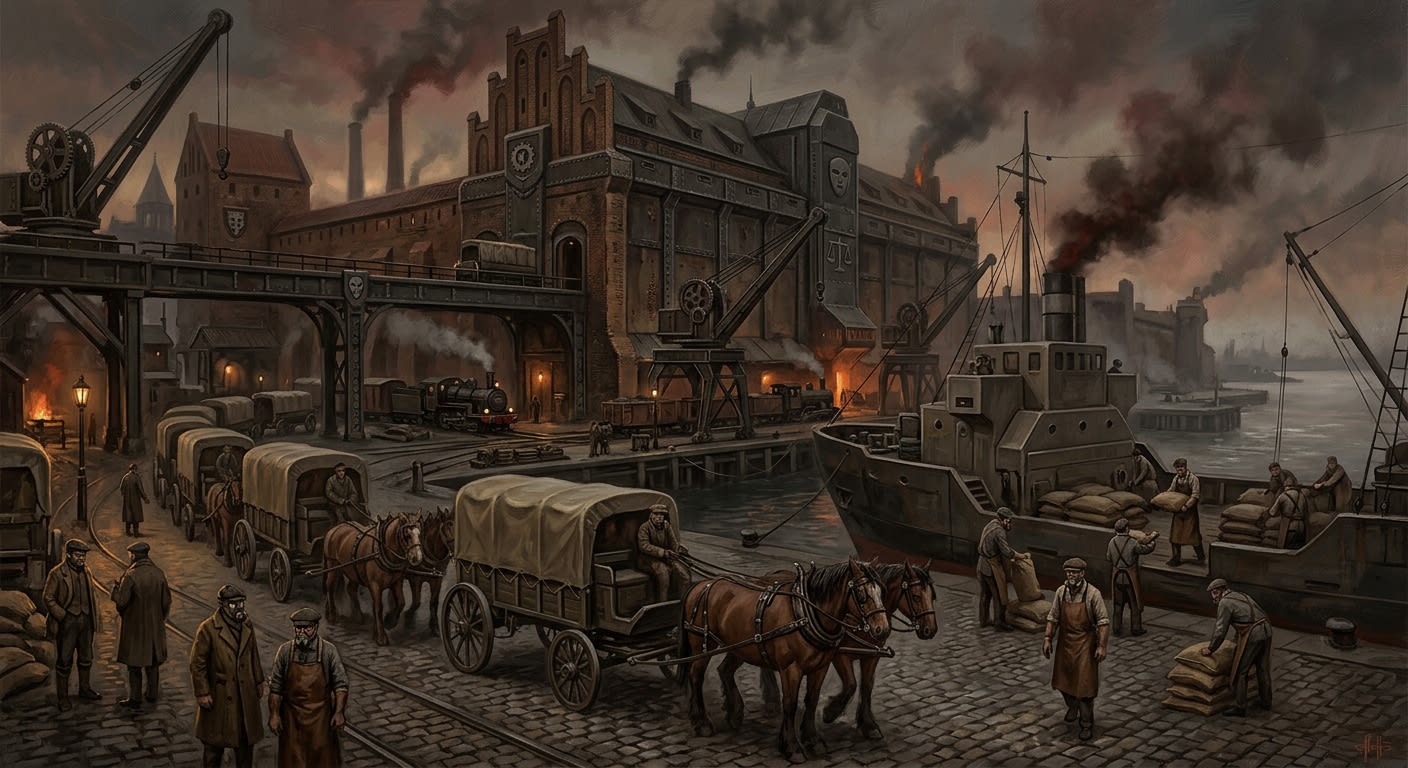
Lübeck
The harbour remembers eleven; the records remember smoke
Baltic grain port and northern corridor municipality made exemplary in the A.S. 180 Year of Smoke, when eleven night wagons taught Lübeck to move cargo and misplace memory.
Codex Ref. II.4.09-011
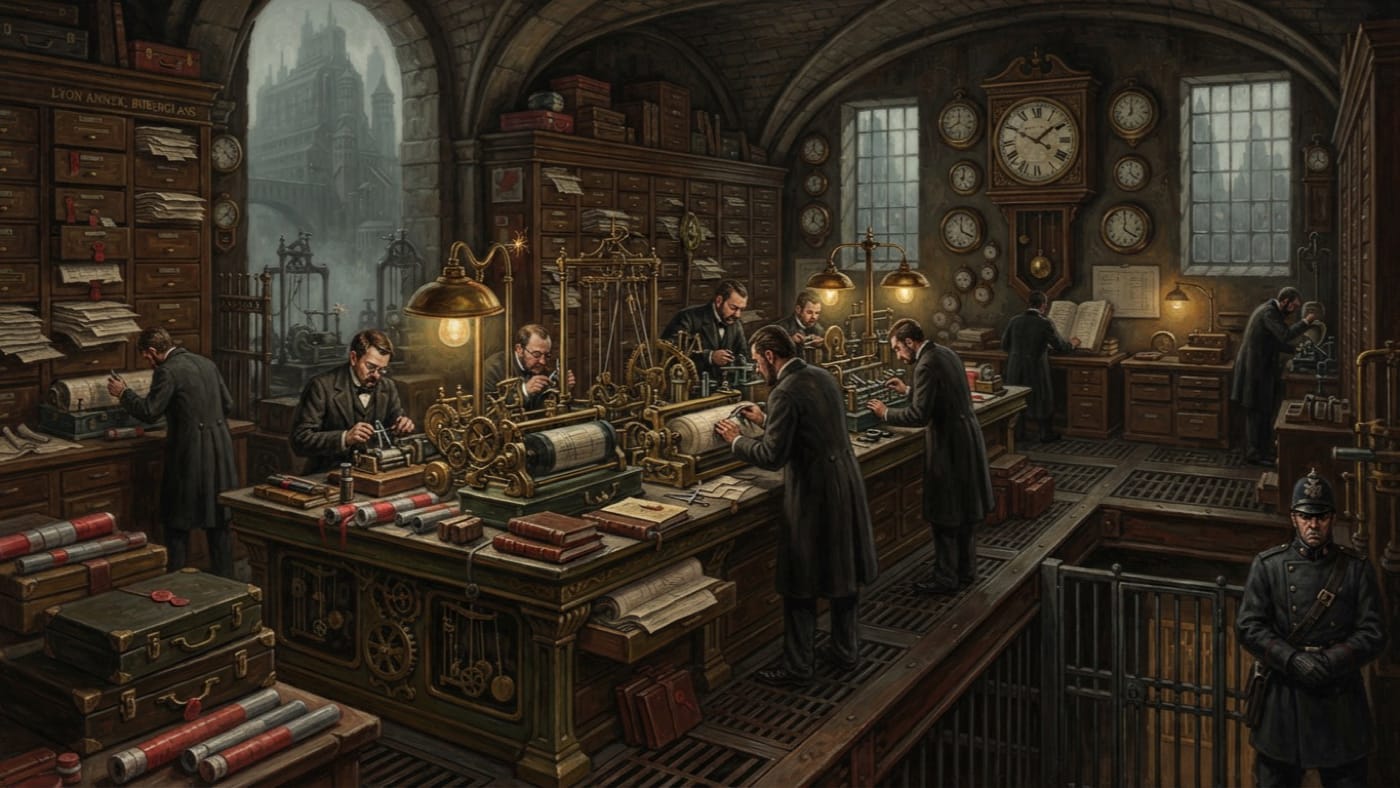
Lyon Annex
The Line keeps time by Lyon. Lyon records its own disagreements.
The Lyon Annex houses the Bureau of the Hourglass: comparison benches, temporal archives and a restricted standard below the clock hall. The Line keeps time by Lyon. Lyon records its own disagreements.
Codex Ref. II.3.06-201
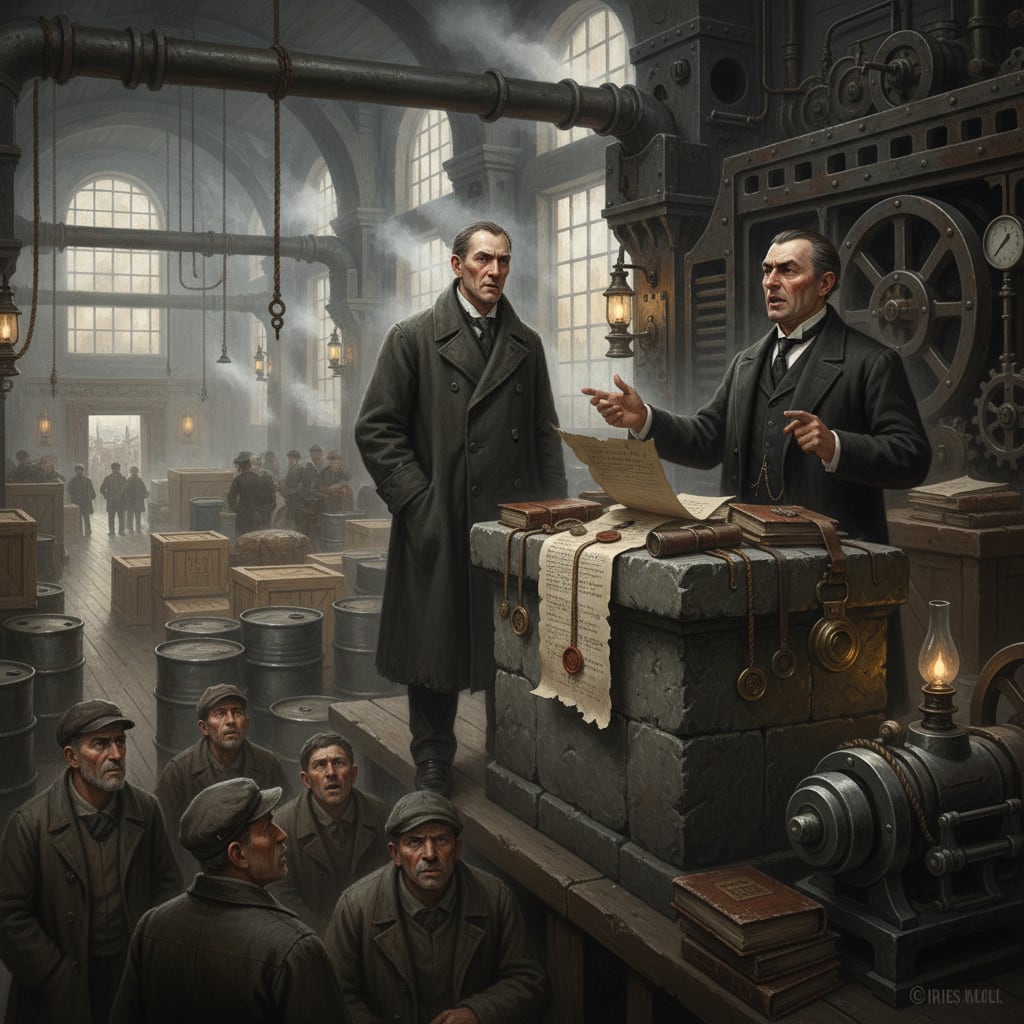
Manifest Litigant
In which the Bureau confirms that identity is paper, paper can be disputed, and dispute, correctly licensed, is a revenue stream.
The licensed enforcers of documentary reality at the port courts — the profession that cannot save the grain but can prove, conclusively, why it was permitted to rot.
Codex Ref. XII.26.01-001
March of Saint Edras
Twelve authorised, thirteen unauthorised, one inconvenient ear
An A.S. 201 survey of the March of Saint Edras records twelve authorised and thirteen unauthorised variants known to Werrenrath. Permission trails recognition by one.
Codex Ref. XIII.1.96-201
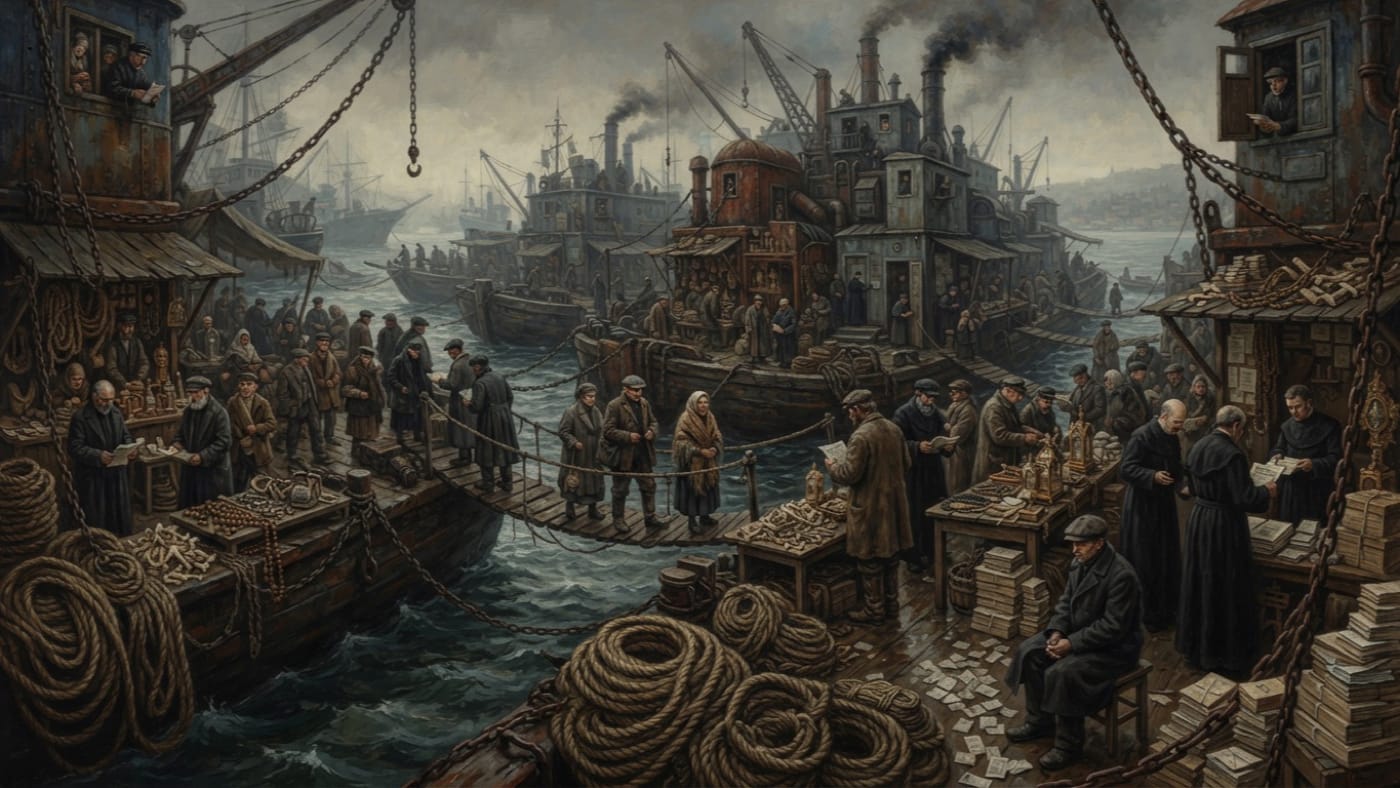
Market of Anchors
The certificate is the expensive part
An A.S. 201 survey of the Flotilla's Market of Anchors, where relics become beads, beads become relics, and Grey Keel brokers wait beside the rope. Certification remains the expensive part.
Codex Ref. II.4.09-201
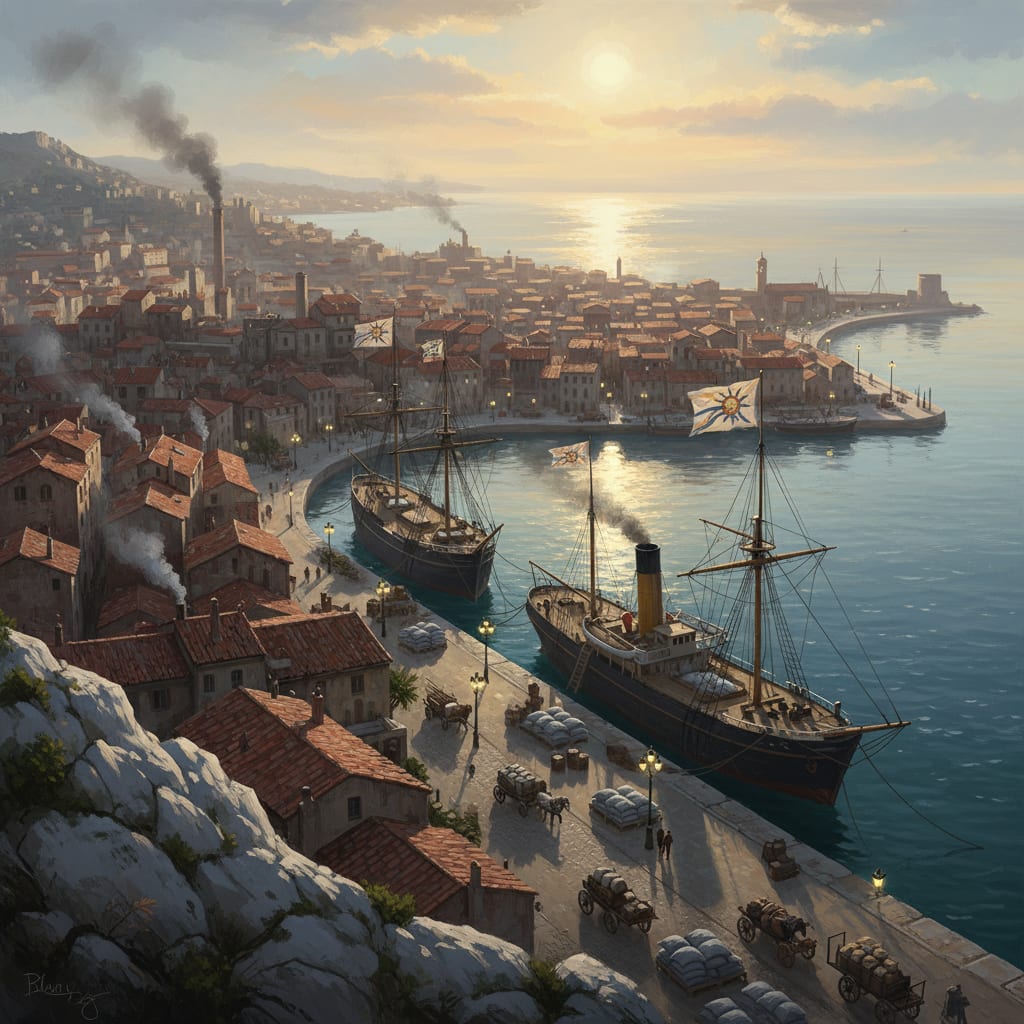
Marseille
Salt, pilgrims, and a territorial dispute the [[bureau-of-records|Bureau of Records]] has declined to arbitrate
The Synod's southern mouth — 650,000 souls between limestone and salt water, two competing Bureaus sharing a harbour they cannot agree on.
Codex Ref. II.4.09-012
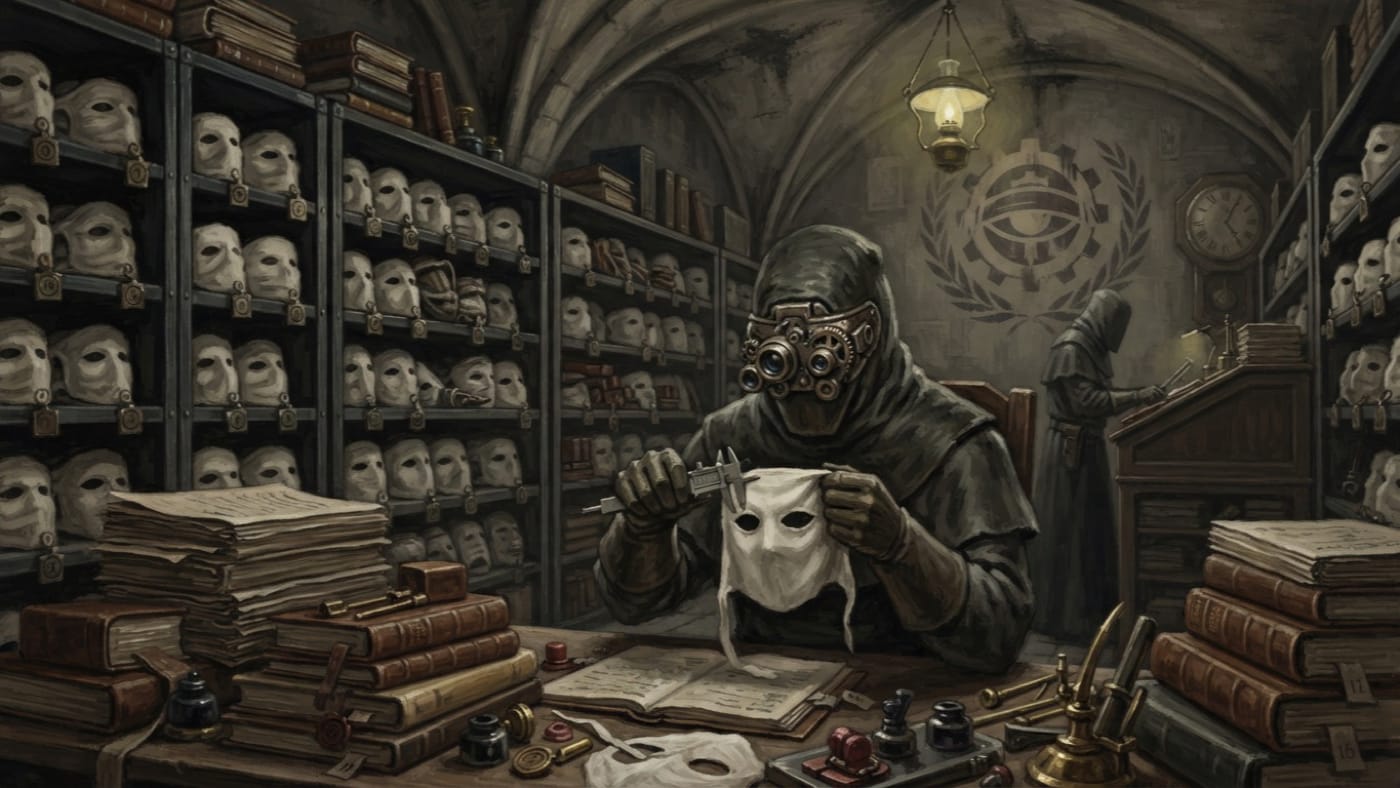
Mask License
The face may vanish. The number must remain.
The Mask License permits the Synod's faithful to conceal their faces on approved occasions, for approved durations, through eye-holes of approved width. Even anonymity must be registered.
Codex Ref. XIII.1.19-002
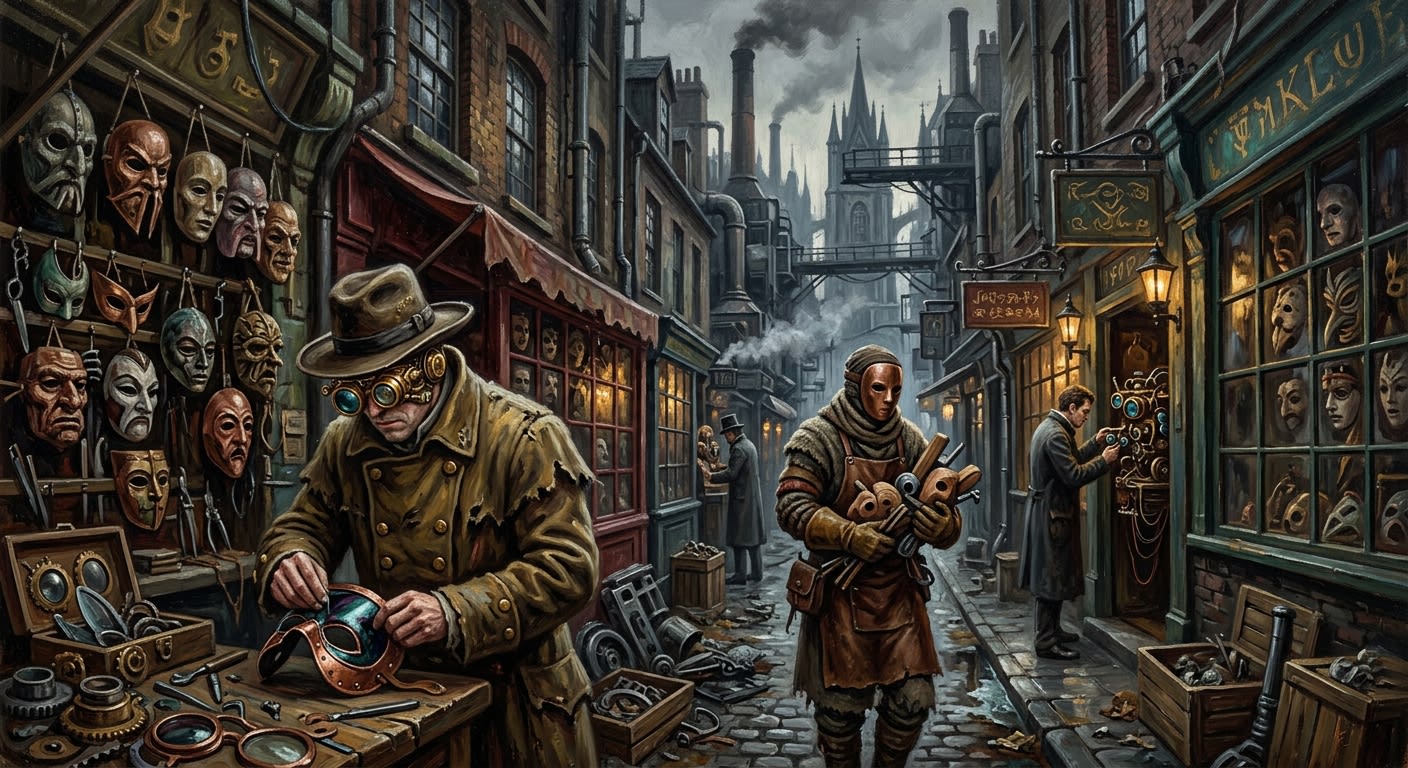
Maskwright Lanes
Where legal masks learn illegal sight
Thessaloniki's Maskwright Lanes are a craft district, contraband-optics artery, and municipal embarrassment whose legal masks hide demon-glass mounting, War lenses, decoy stock, and quarterly Purity theatre.
Codex Ref. II.7.03-001
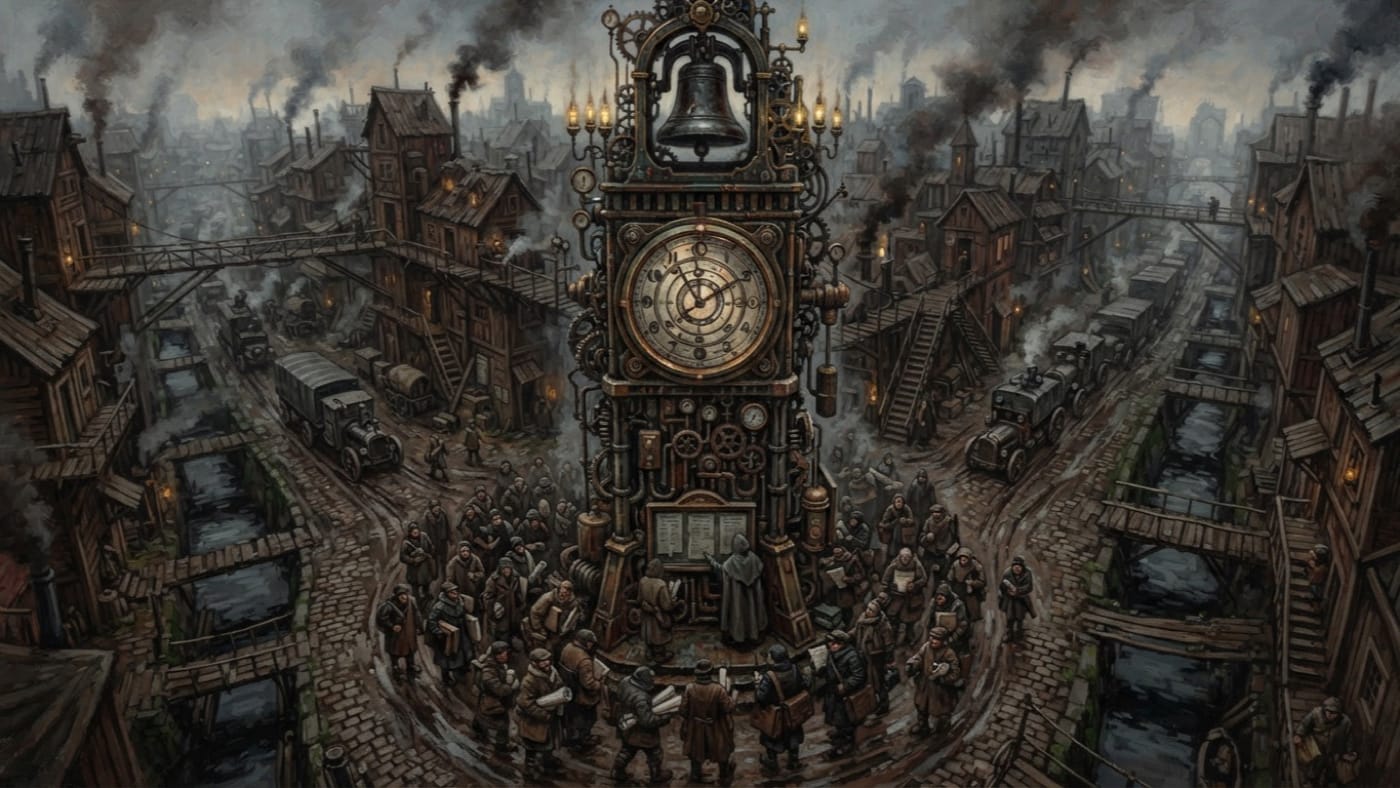
Master Gate Clock
The bell closes the window. The report closes nothing.
Latchford's Master Gate Clock governs transit windows with a bell that drifts and remains legally valid. Nine inspections are filed; the allegation that it is fed remains unanswered.
Codex Ref. II.4.08-002

Matej Sorn
The Bureau told him to return in the morning
Matej Sorn, Subject Argent-1, remains the Screaming Coin's unresolved survivor: no observed sleep, no ordinary fatigue, and no diagnosis worth fourteen months of confinement.
Codex Ref. III.2.01-1793
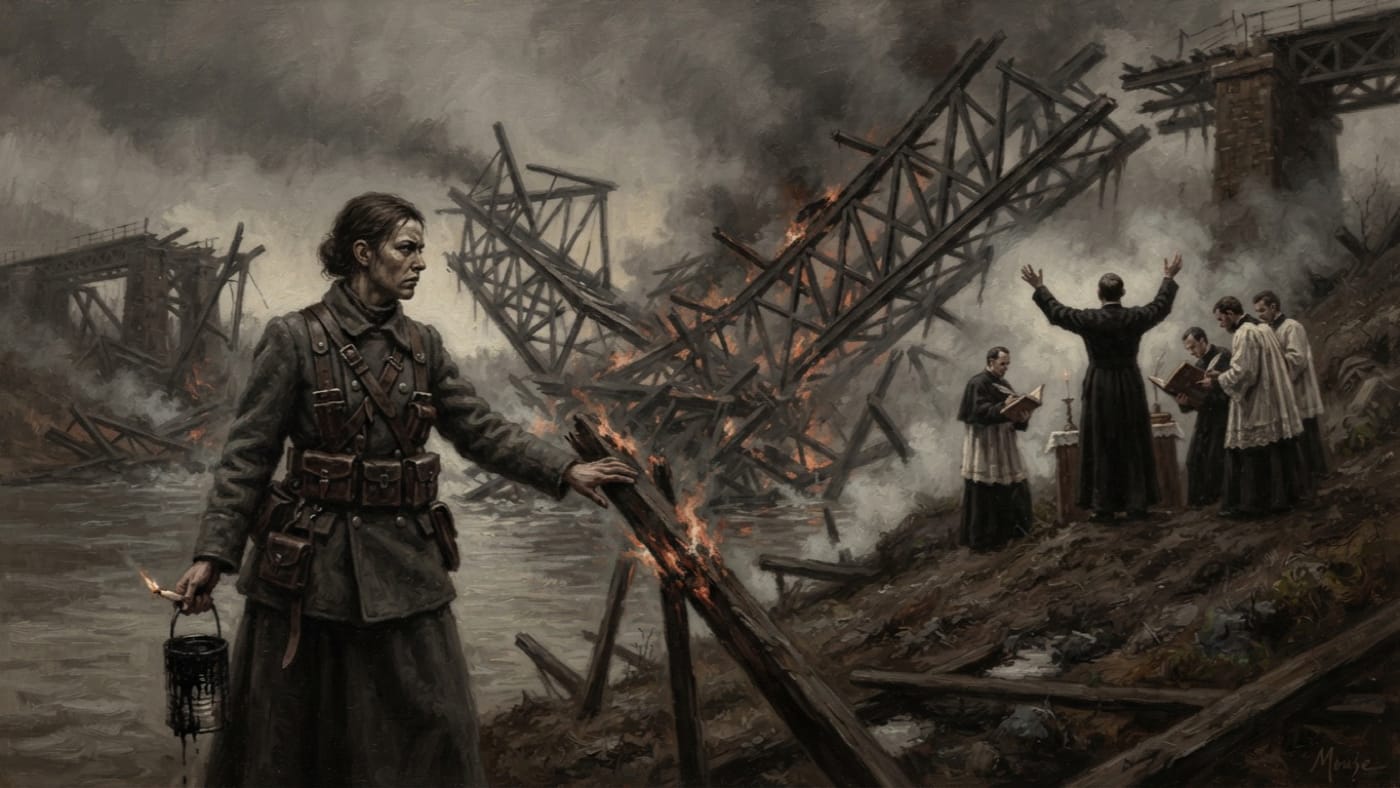
Maud of Saint-Riquier
The bridge fell; the query is still standing
In A.S. 16, Maud used axle grease after a chaplain refused to bless it. The bridge fell. His doctrinal query remains unanswered; her fate remains unrecorded.
Codex Ref. III.2.01-016
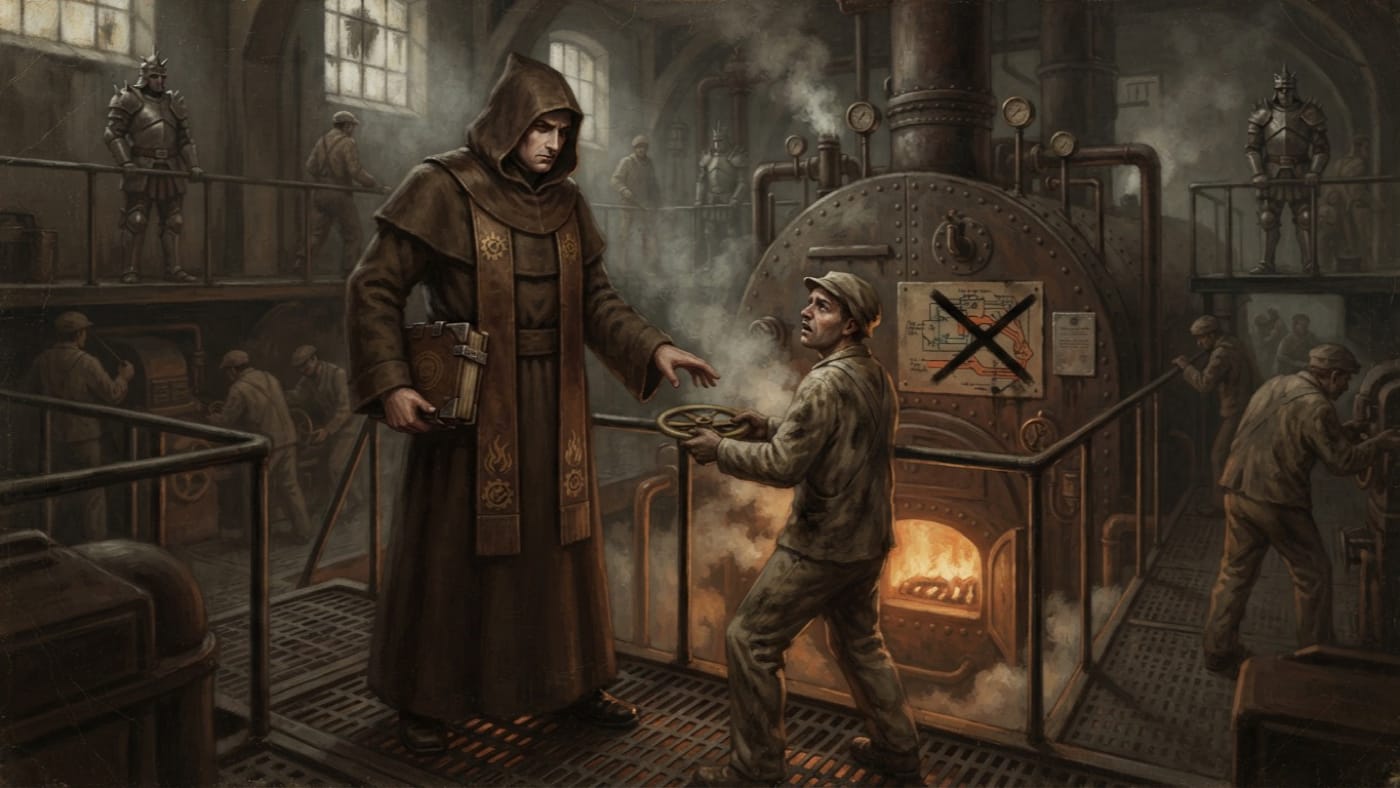
Mechanistic Heresy
Engineering owns the hands. Doctrine owns the why.
The charge against explaining a machine without the Church's permission. Engineering may work the valves; Doctrine owns the why. An A.S. 201 survey of the offence, its vocabulary and its precedents.
Codex Ref. XIII.1.91-201
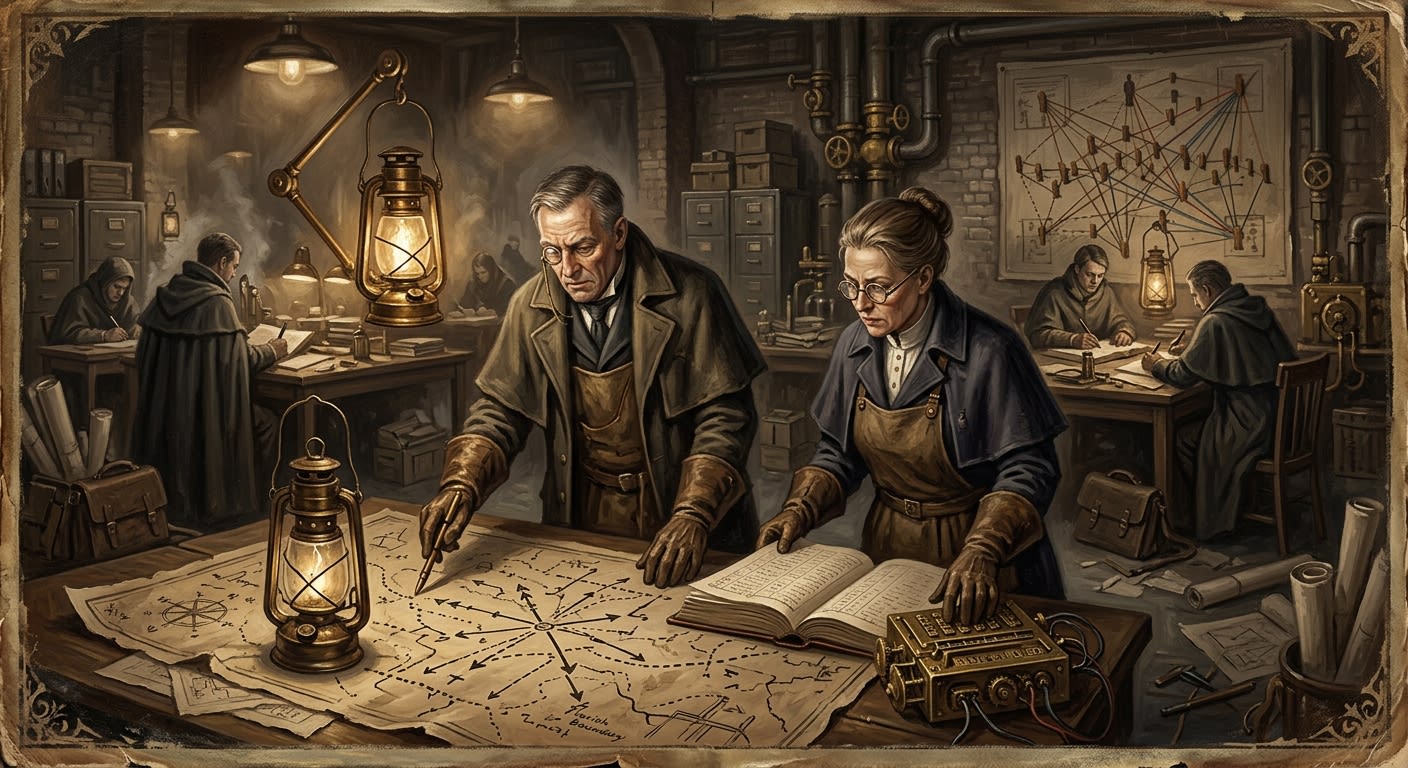
Mercy Architects
Salvation arranged in advance is conspiracy, which is why it works
Senior Lantern Mercy planners who design routes, adulterate parish logs, balance Preacher circuits, and turn terror into movement without leaving a signature.
Codex Ref. XII.25.09-001
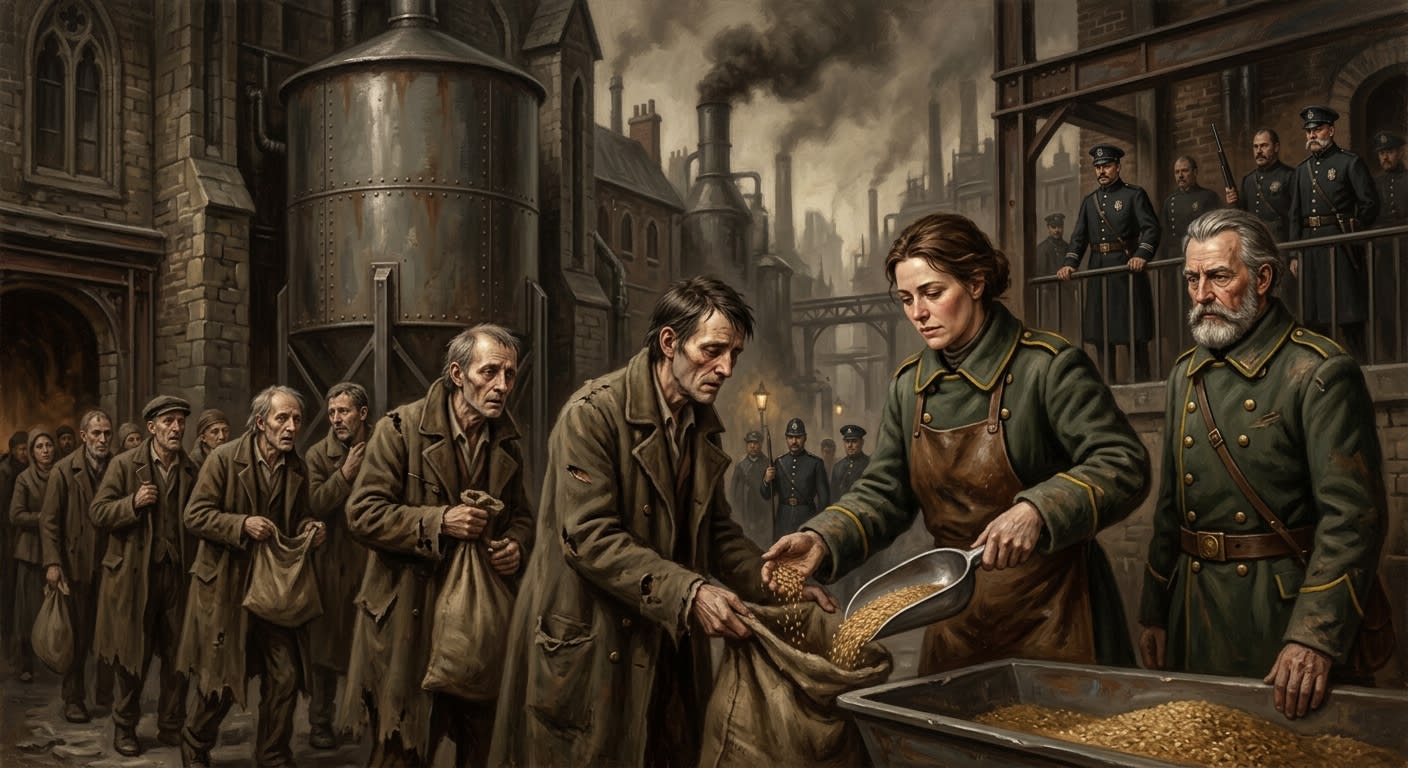
Mercy Keepers
The softest heresy is always the one that feeds before it counts
Mercy Keepers are the beloved, ruinous Grain Keeper faction that gives bread without fee, receipt, or permission, thereby offending every profitable theology.
Codex Ref. XII.13.04-001
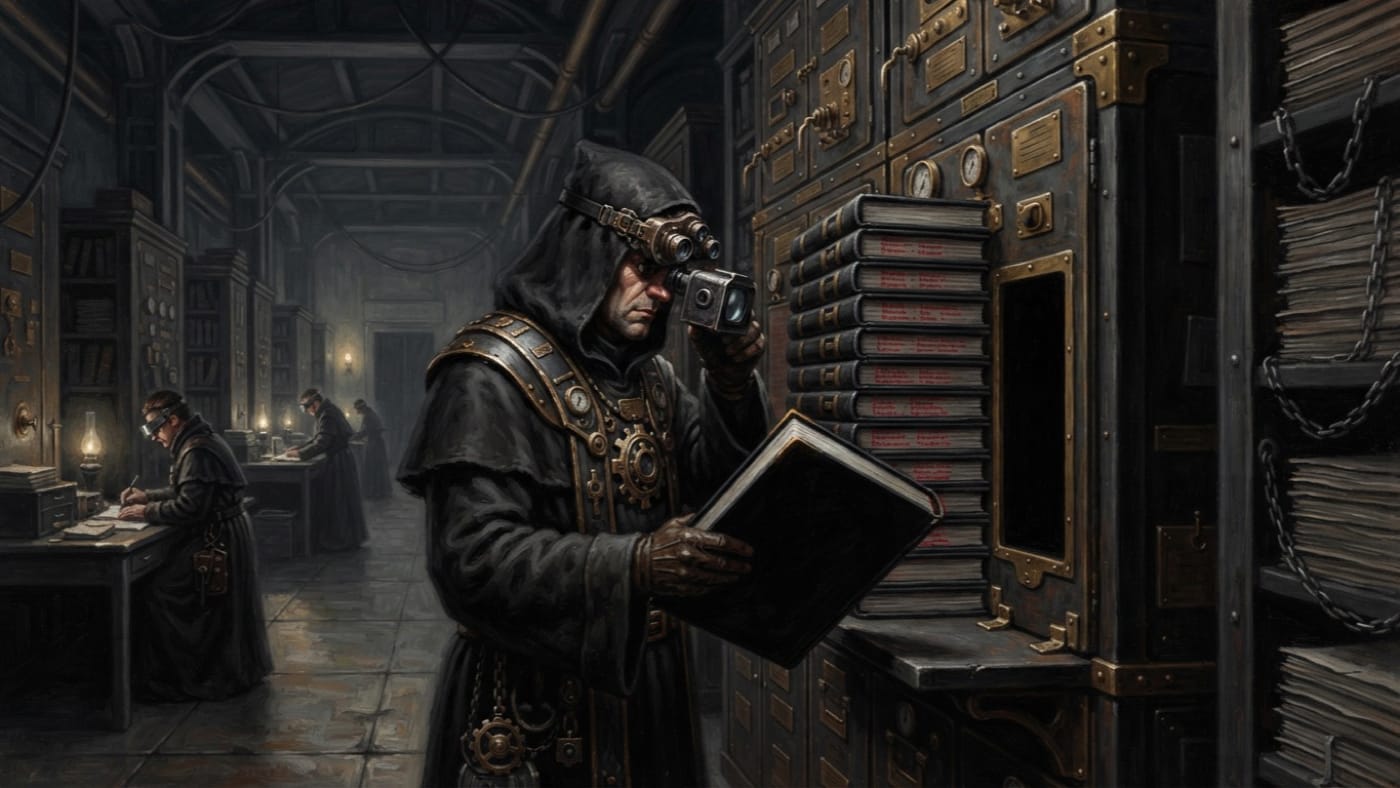
Mercy of No Martyrs
The Church is spared a martyr; the household is spared nothing
The Priors call it mercy: the condemned vanish, the Church keeps their names, and households may grieve only for somebody else.
Codex Ref. XIII.1.06-001
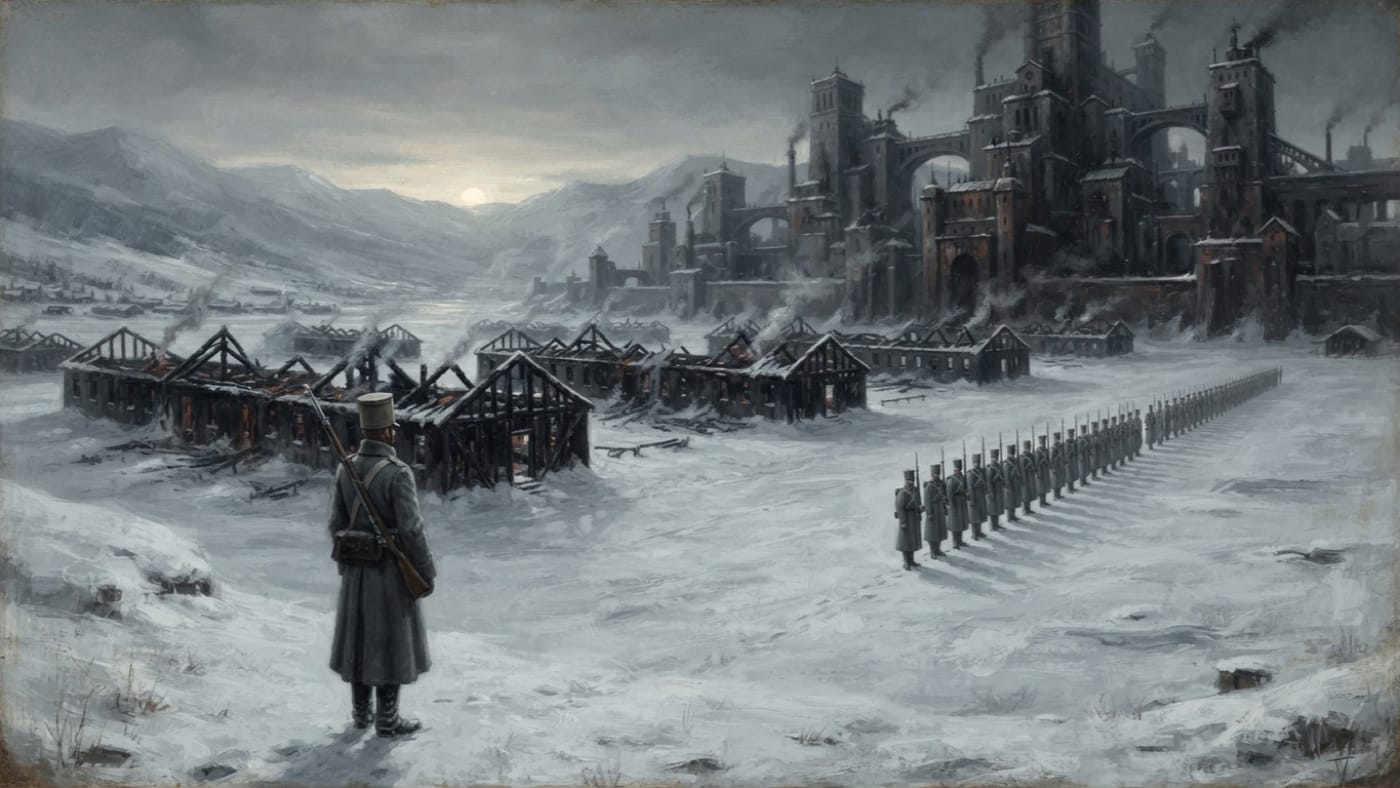
Metz Oblivion
Four choirs in the account; none admitted by Records
An A.S. 201 survey of the Metz Oblivion: the Lore Book reports four choirs missing after a winter Night Paper; Records says none existed. The Fusiliers remember the silence.
Codex Ref. VII.3.28-001

Meuse corridor
The bridge fell; the query remains unanswered
The Meuse corridor gathered armies and refugees at its crossings. Maud's bridge fell in A.S. 16; the chaplain's query about axle grease remains unanswered.
Codex Ref. II.1.08-016
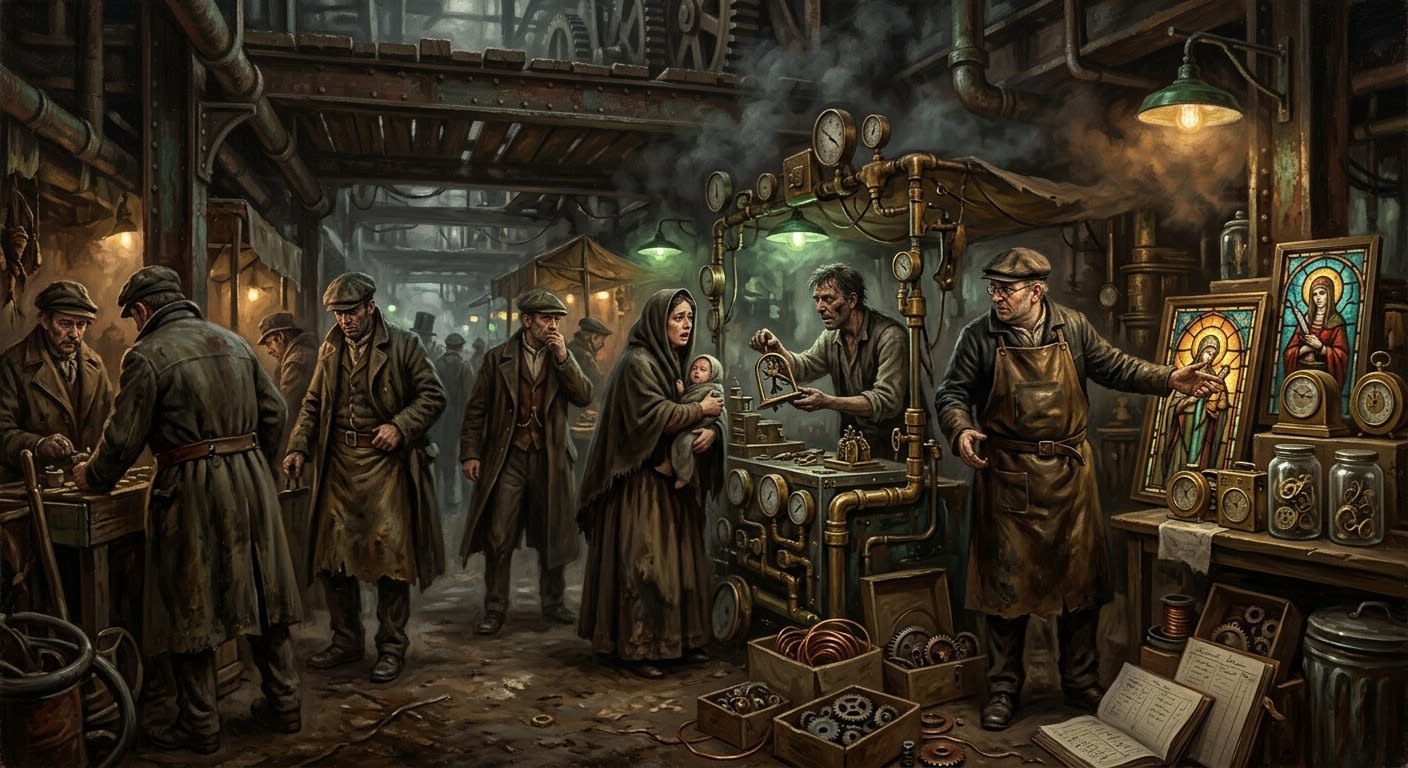
Minute Market
Where stolen time is folded into paper and sold as mercy
Beneath Latchford's boards, the Minute Market sells the interval before ruin lands: forged windows, stolen bell-marks, and mercy priced by the breath.
Codex Ref. II.4.09-199
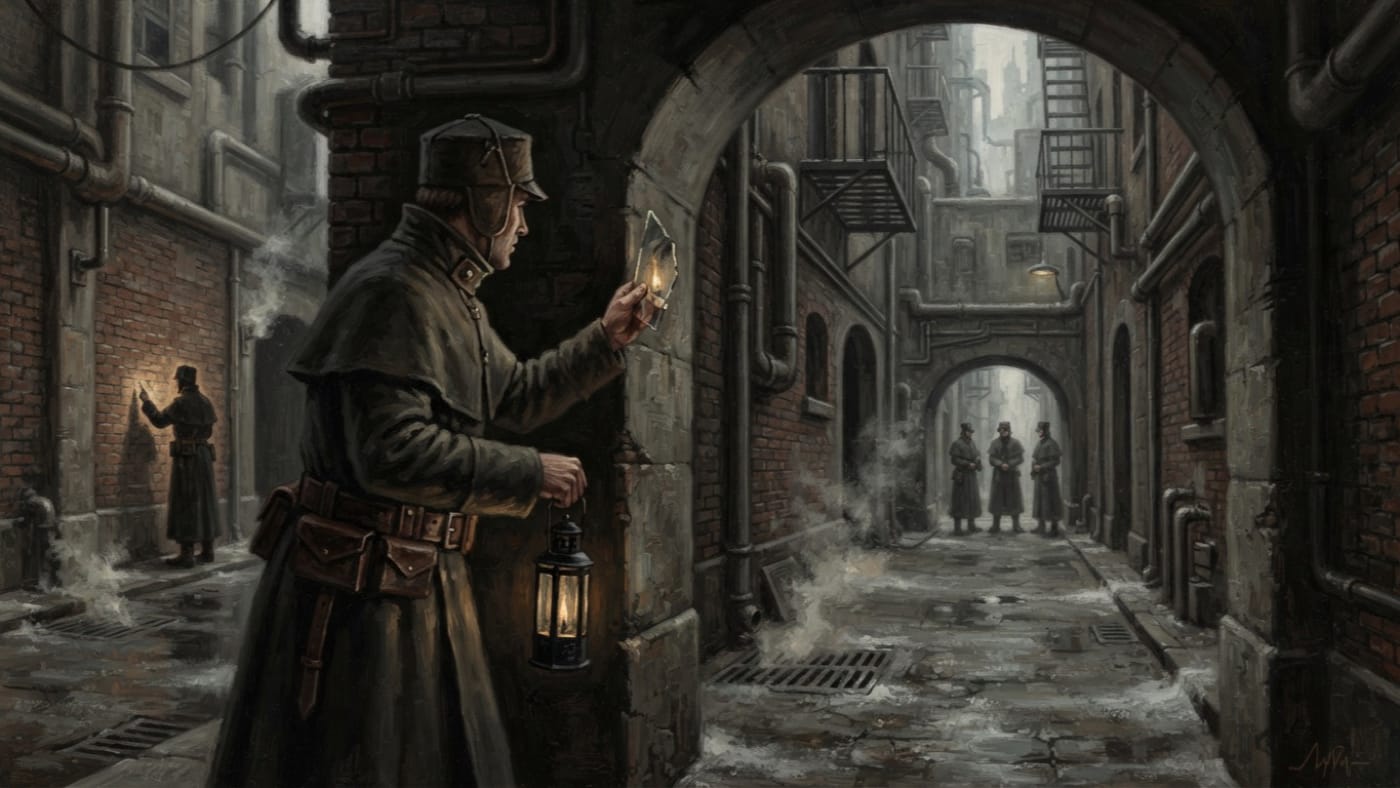
Mirror-Flash
The shard summons the Brothers and leaves the warrant blank
Mirror-Flash gives Mute Radiance one recorded optical command: 1–2–1, Circle converge. The shard summons Brothers wherever clear sight permits; it carries no warrant and cannot measure what a quiet congregation understands.
Codex Ref. XIII.1.76-008
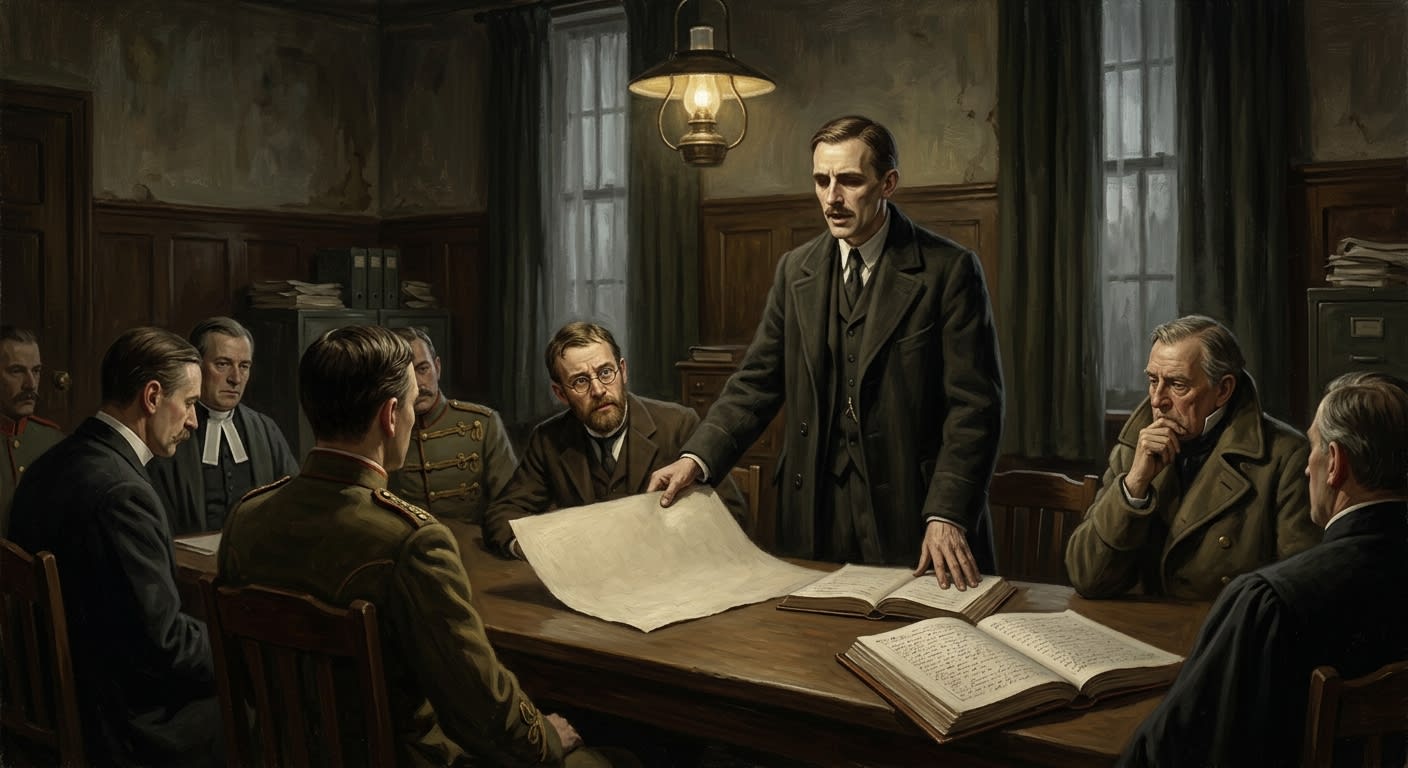
Moth
The command title with too many bodies and one blank appetite
Moth names the Blank-Sheet Circle's disputed command absence: perhaps person, office, paper, or the procedure by which blankness learns to cross.
Codex Ref. XIII.1.53-001
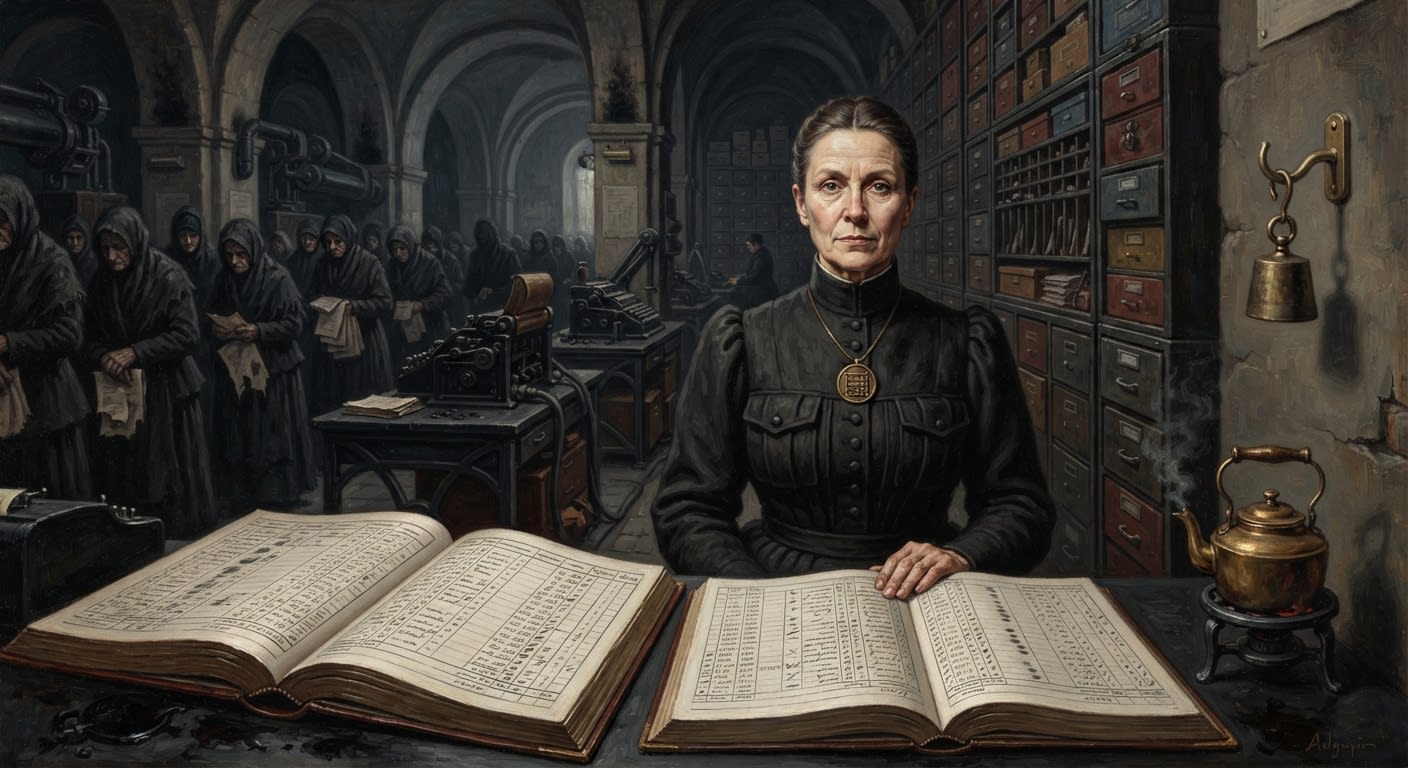
Mother Ledgermistress Anka Vey
She buys the Synod's delay and files the receipt
Mother Ledgermistress Anka Vey keeps Black Pennies' accounts so clean that Tithes cannot decide whether it has been audited, invoiced, or defeated.
Codex Ref. III.2.01-201
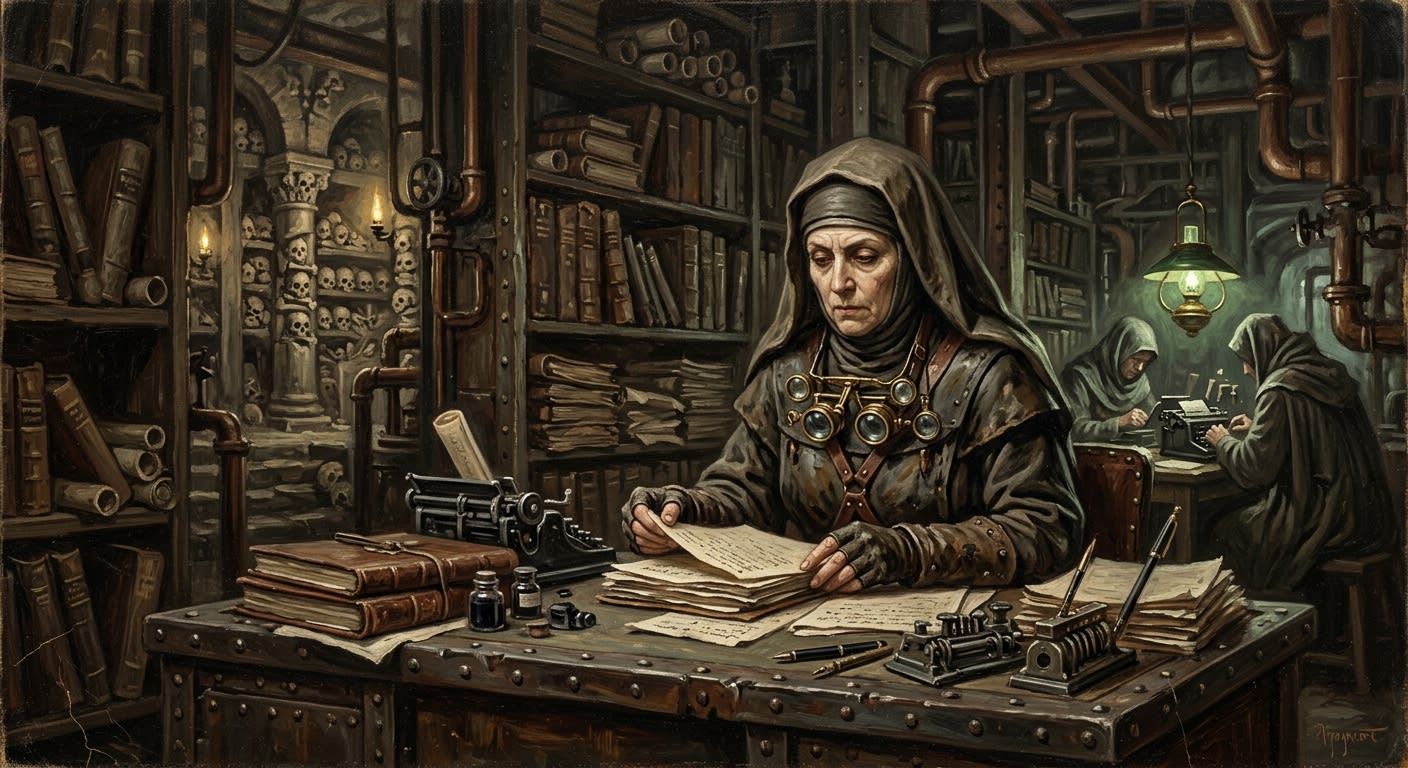
Mother-Cryptor Sabine
She files the dead until the living become legible
Mother-Cryptor Sabine governs Constantinople's Ossuary Rings, files the Third Ossuary reports, and keeps records so deep that Purity politely refuses to understand them.
Codex Ref. III.2.01-052
Mouth-Seal
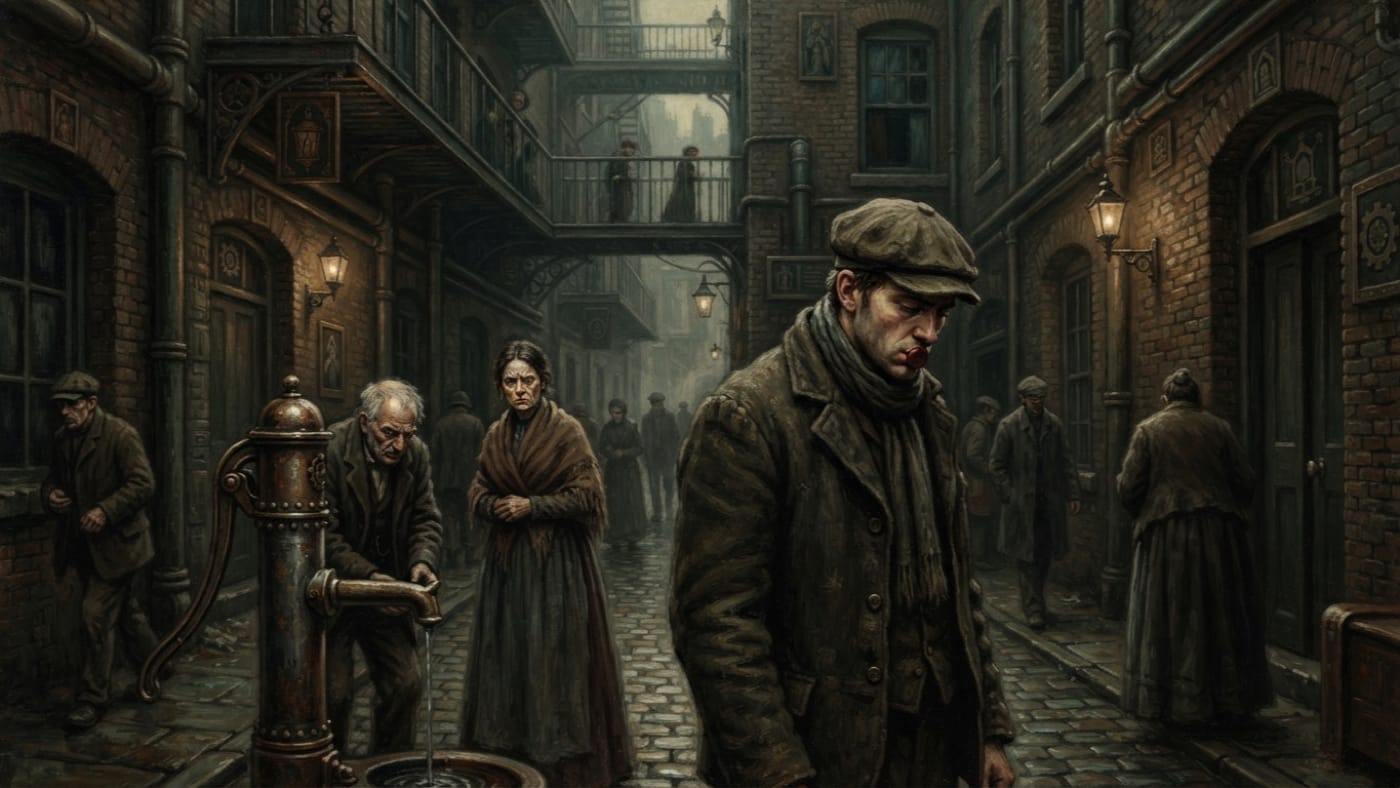
One marked mouth instructs the watching alley
Mouth-Seal is Mute Radiance's public wax mark at the centre of the lips: the wearer supplies the notice and the alley learns silence. Origin and adoption remain unrecorded; auxiliary toleration grants no arrest authority.
Codex Ref. XIII.1.76-008
Night of Six Names
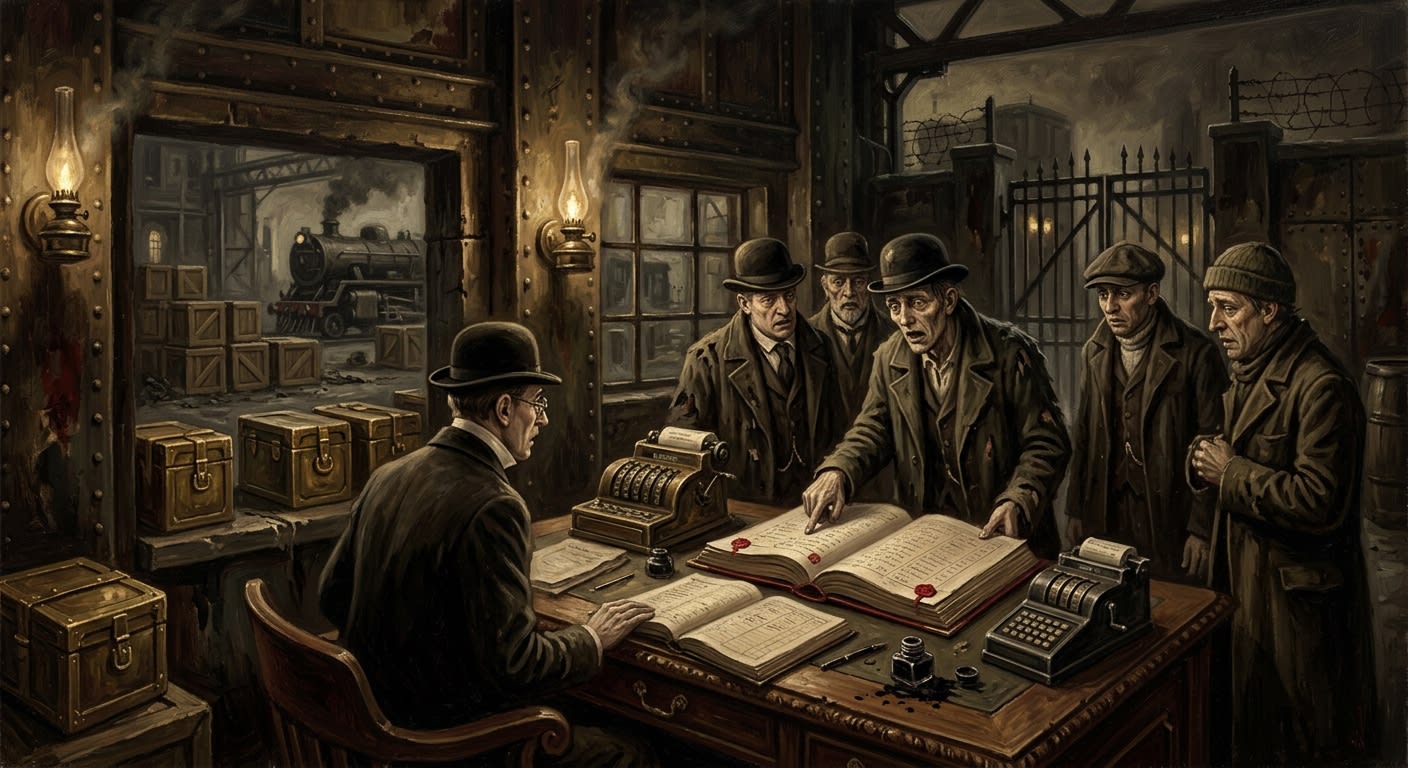
Six legal crossings taught the Index to run
The A.S. 80 Night of Six Names exposed stale Index data at six checkpoints and bought the Runner Corps its first twelve lungs.
Codex Ref. VII.8.10-043
Night Papers Courier
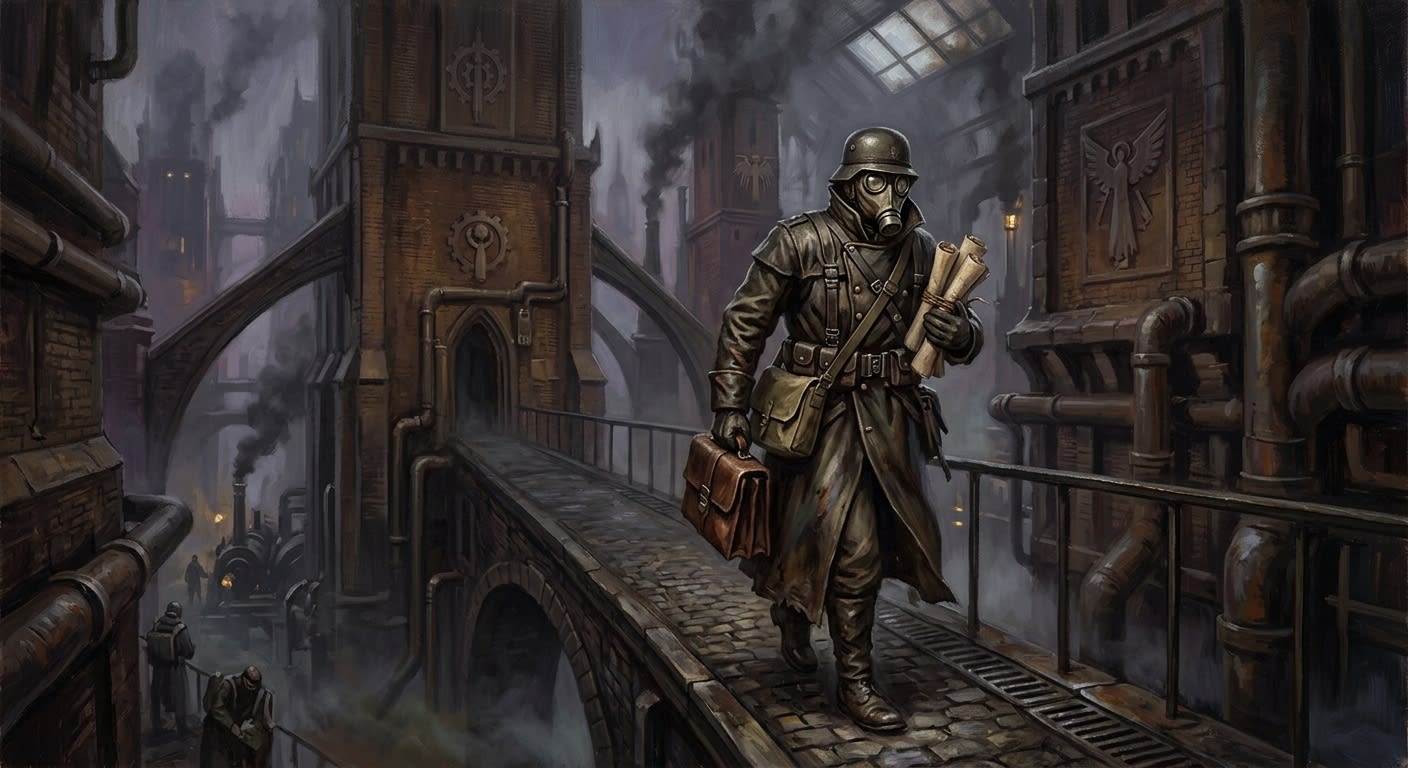
Authority on borrowed hours and disappearing vellum
Night Papers Couriers deliver the Synod’s most deniable commands: grey vellum that outranks rank, bypasses appeal, and dies at dawn if conscience has not already done so.
Codex Ref. XII.14.03-001
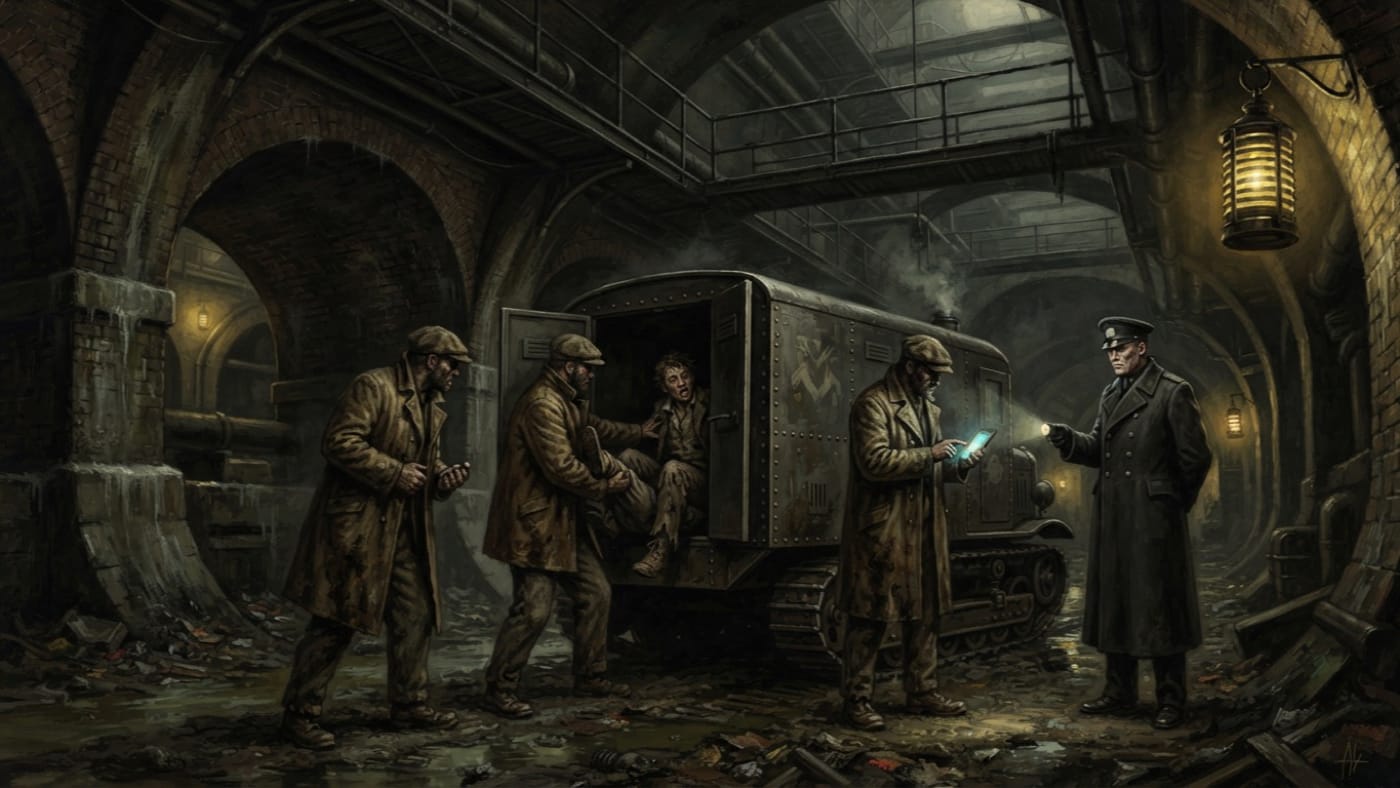
Night Sweepers
The crews who clear the drains and shorten the queue
Latchford employs the Night Sweepers to clear its drains. After curfew they also remove people, armed with forged writs and the useful privilege of not officially existing.
Codex Ref. VIII.8.02-001
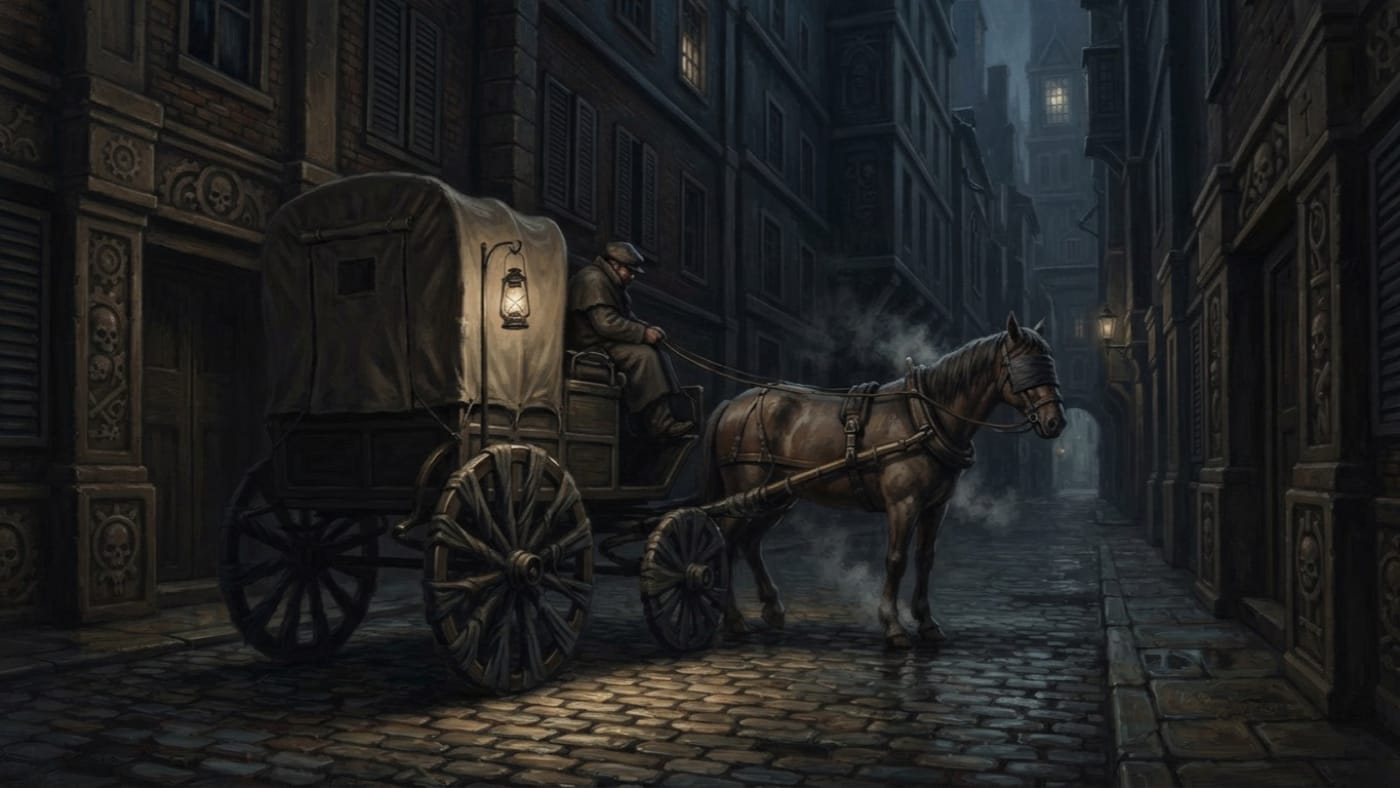
Night Wagon
A disappearance has mass, and someone must grease the axle
Night Wagons are the Bureau of Shadows' unmarked carts: wrapped wheels, hooded lamps, no manifests. They leave after the final peal and return before Matins. Records calls this routine supply; I recommend sleeping through it.
Codex Ref. V.2.04-001
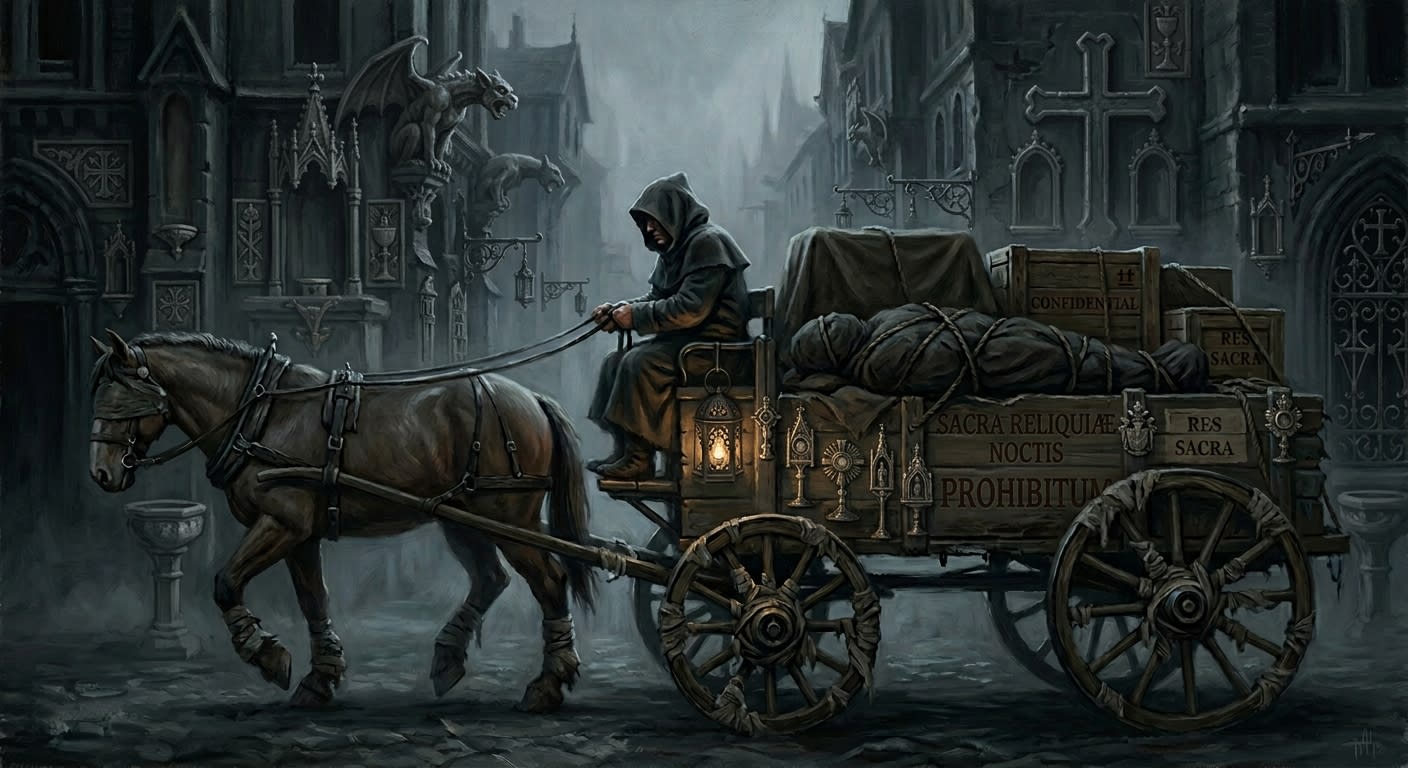
Night Wagon Driver
The wheel that carries absence farther than doctrine can walk
Night Wagon Drivers are the Bureau of Shadows’ logistics spine, hauling people, orders, relics, and corpses through streets trained to forget the sound of wheels.
Codex Ref. XII.14.04-001
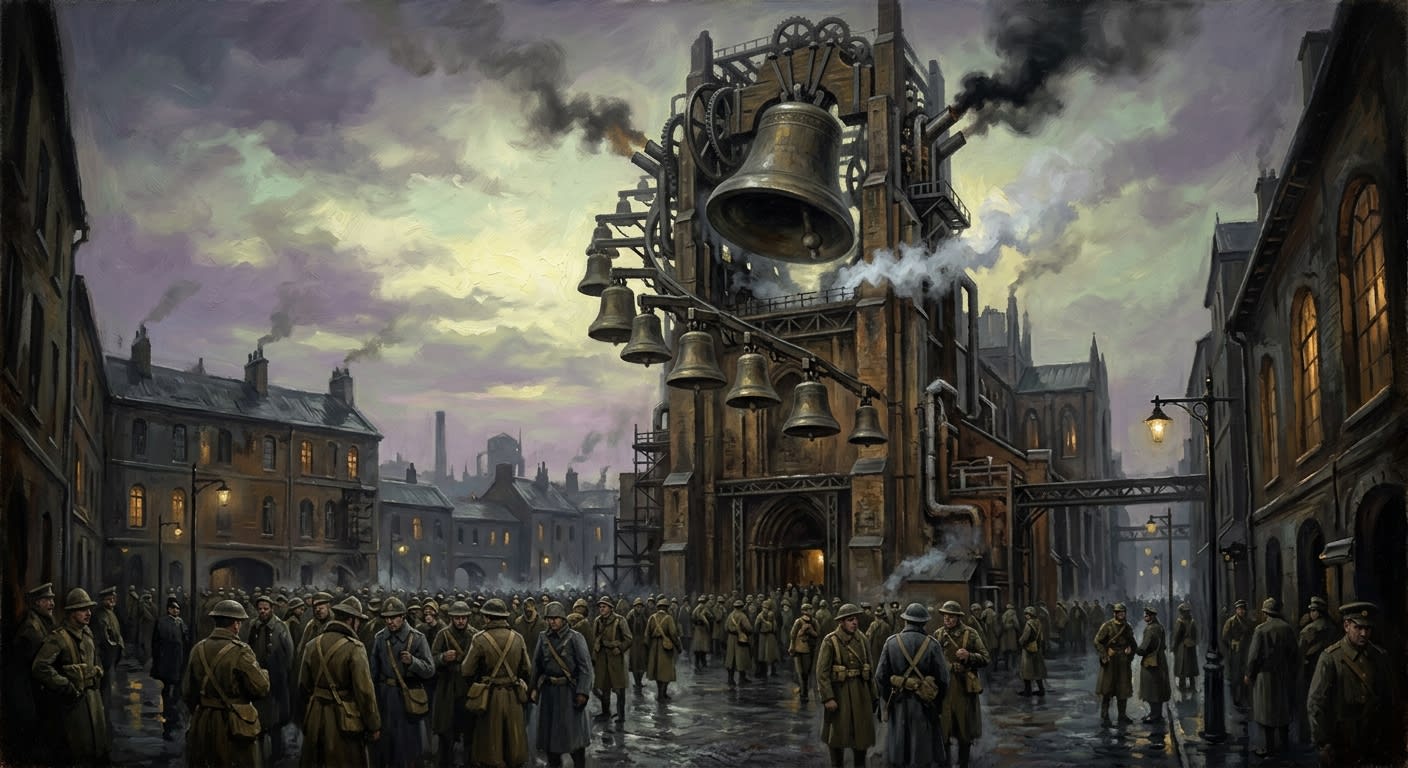
Ninefold Matins
Dawn is not welcomed; it is struck into obedience
Ninefold Matins is the Synod's dawn peal: nine descending strokes by which sleep is annulled, bodies are mustered, first actions become lawful, and the private self is beaten into schedule.
Codex Ref. XIII.1.62-115
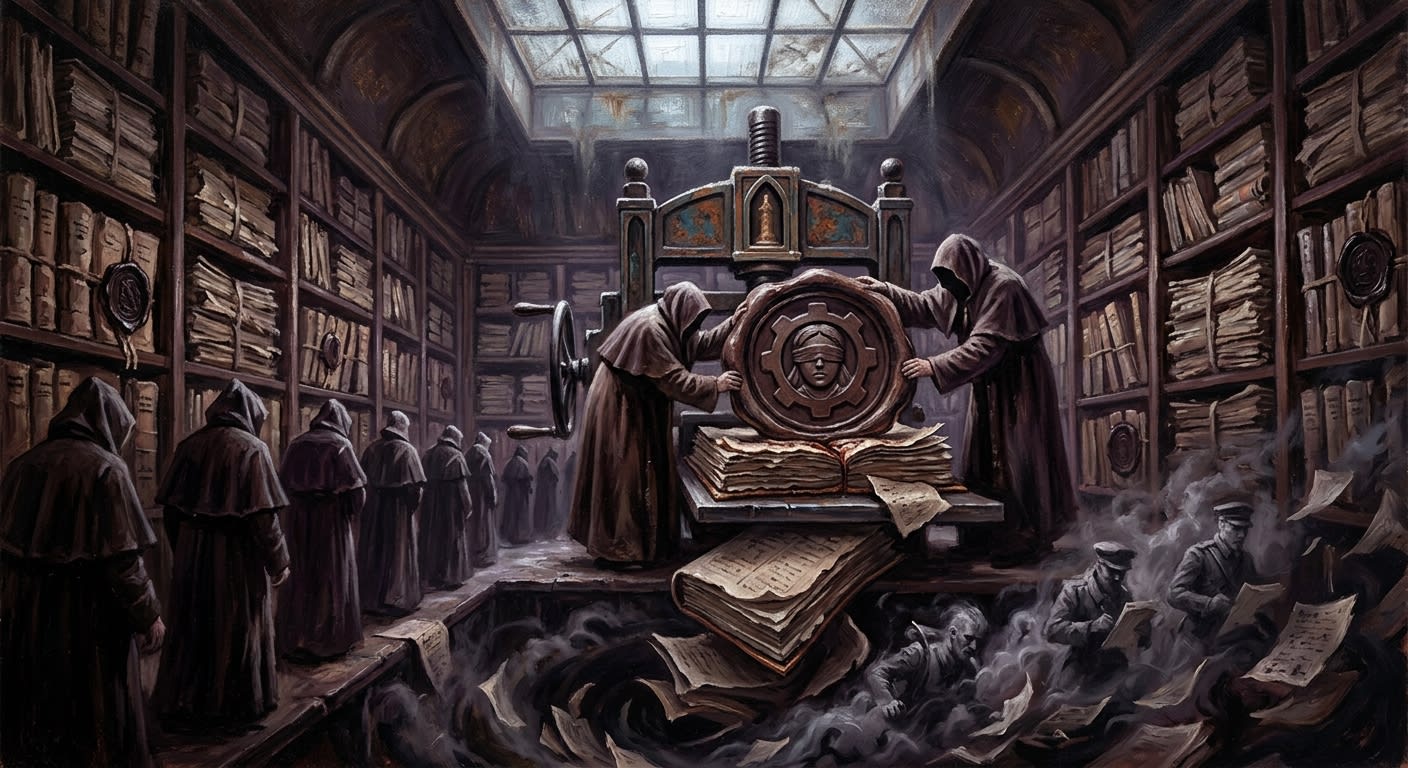
Ninth-Ratification
The seal that forbids analogy because pattern is accusation
Ninth-Ratification is the Synod's highest publicly nameable seal: a doctrine of lawful ignorance for records whose disclosure changes context, office, witness, and history itself.
Codex Ref. XIII.1.76-103

Northern Corridor
The long throat by which Hamburg becomes Brest's bread and Königsberg's coal
The Northern Corridor is the Synod's long supply throat: Hamburg sea-cargo, Kanzleiburg sequence, Warsaw yards, British grain, Dutch credit, Prussian clocks, and bread for the northern bastions.
Codex Ref. II.4.09-095
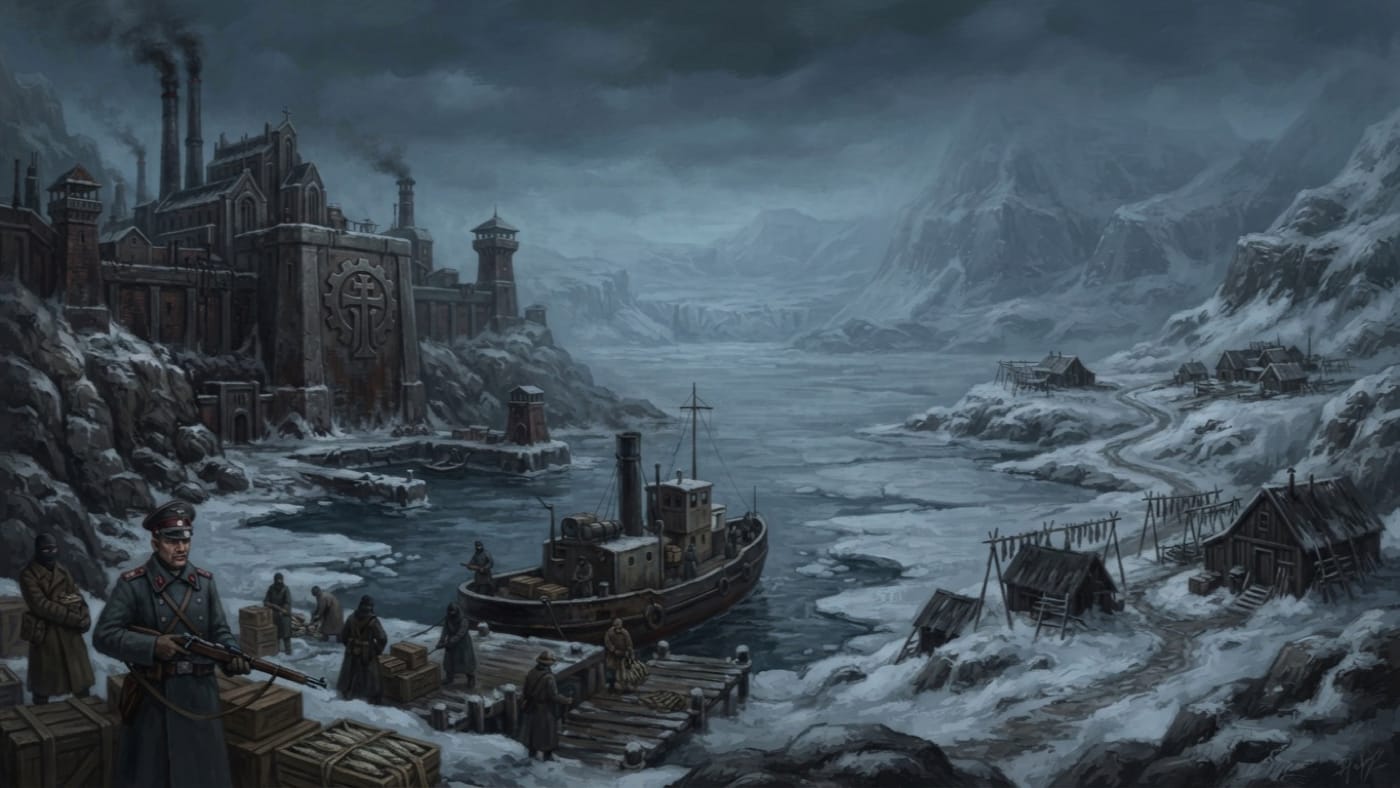
Northern Survey of A.S. 190
Two villages, fourteen gifts of herring, and a refutation withdrawn
The A.S. 190 Survey reached Gothenburg, examined two fishing villages and accepted fourteen gifts of dried herring. Its finding survives; this Codex's claim that it disproved the Exile of Temperance does not.
Codex Ref. VII.8.10-190
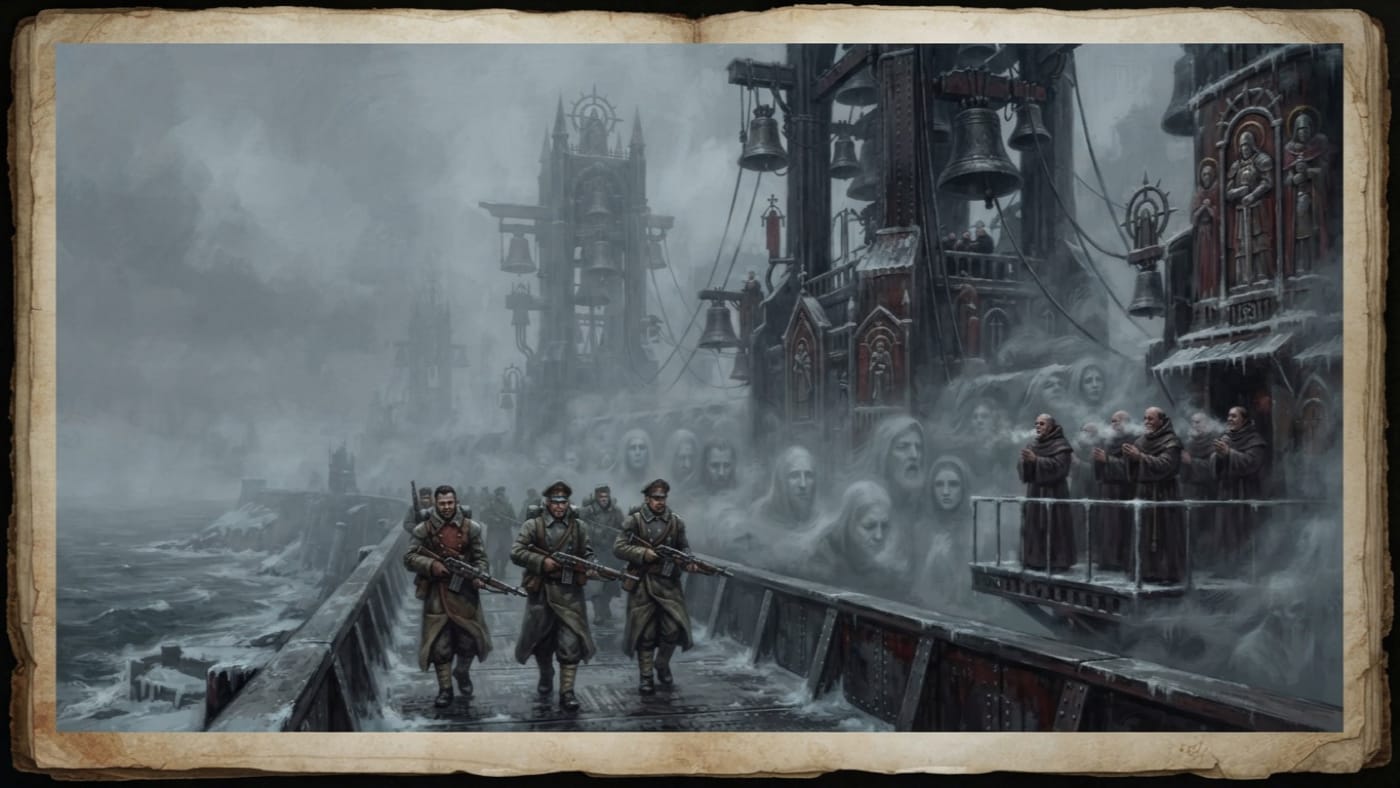
Northern Theater Assessment
Eleven years of acknowledged receipt, and still no ruling
The Bureau of War filed its assessment of the Grey in A.S. 190 and urged classification review in A.S. 196. Doctrine acknowledged both. Eleven years on, I can record the receipts; I cannot record a ruling.
Codex Ref. XIII.1.103-190
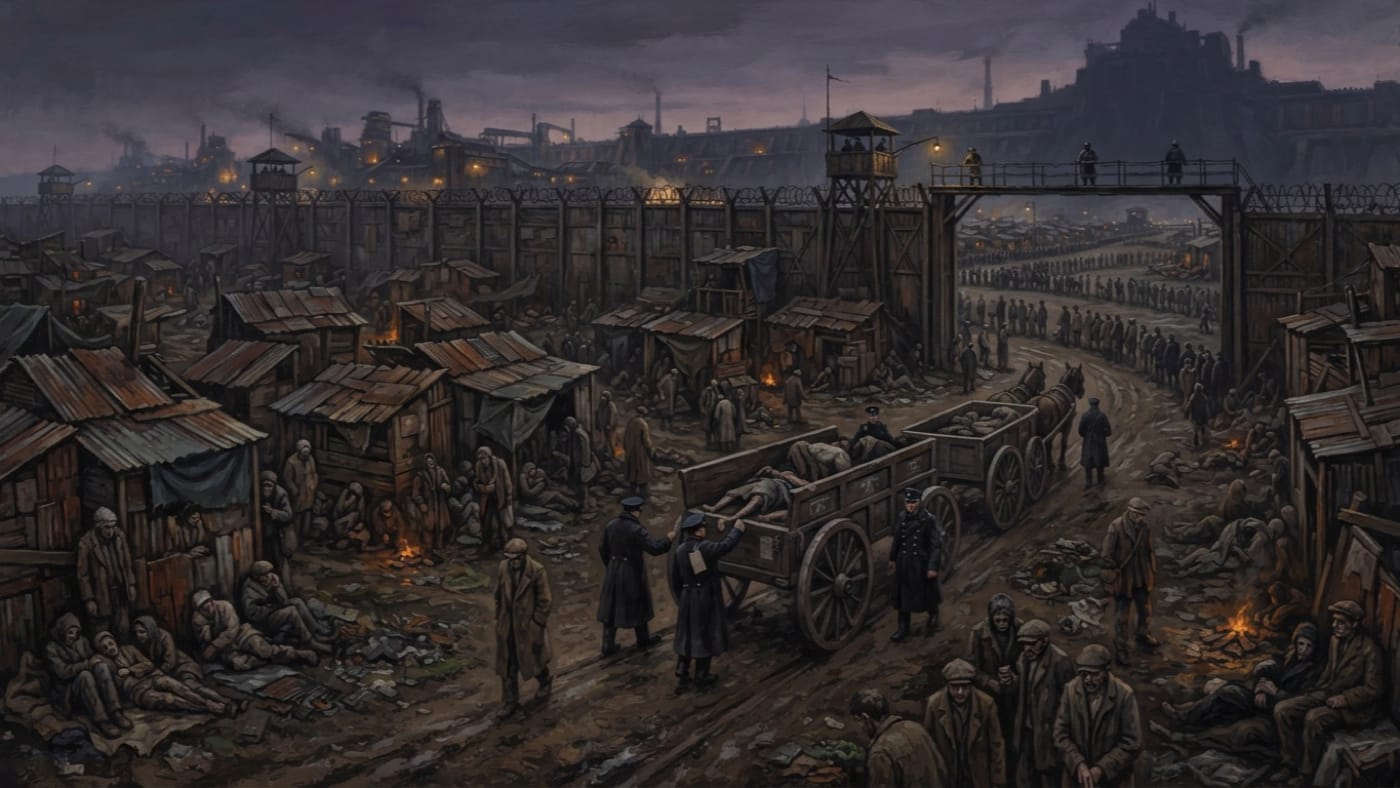
Null Verge
Where the ledger ends and the carts begin
The Queue Road's uncounted southern margin houses erased debtors in darkness. Reeve's Custodians collect the sick, the dead and the inconvenient, and export labour under stamps naming no bureau. The census remains correct.
Codex Ref. II.3.05-012
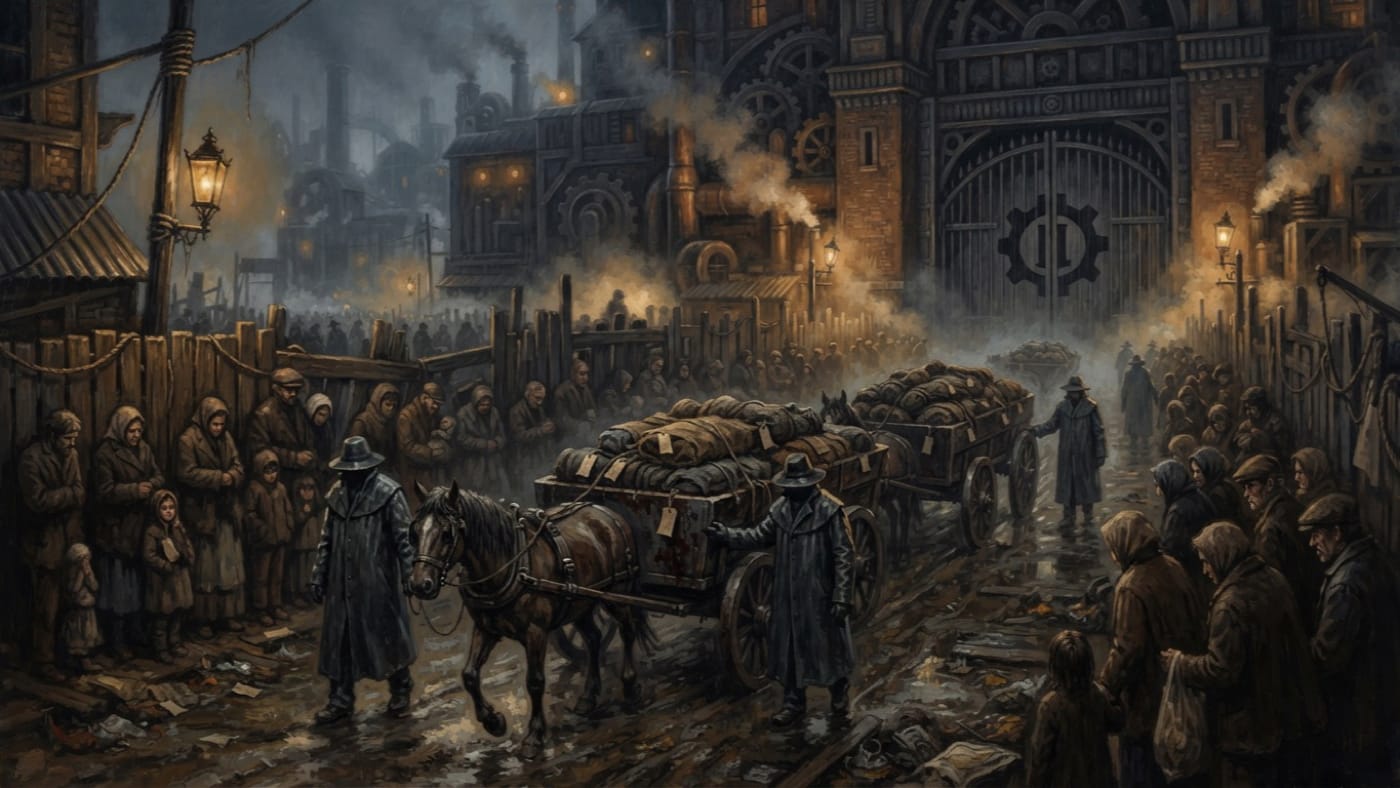
Null Verge carts
The count is corrected; the tags remain blank
The Null Verge Custodians' tag carts remove bodies from the Queue Road. In autumn A.S. 200, Gate Nine closed for sanitation and the dead exceeded their capacity. The count required correction; the tags required no ink.
Codex Ref. V.2.04-002
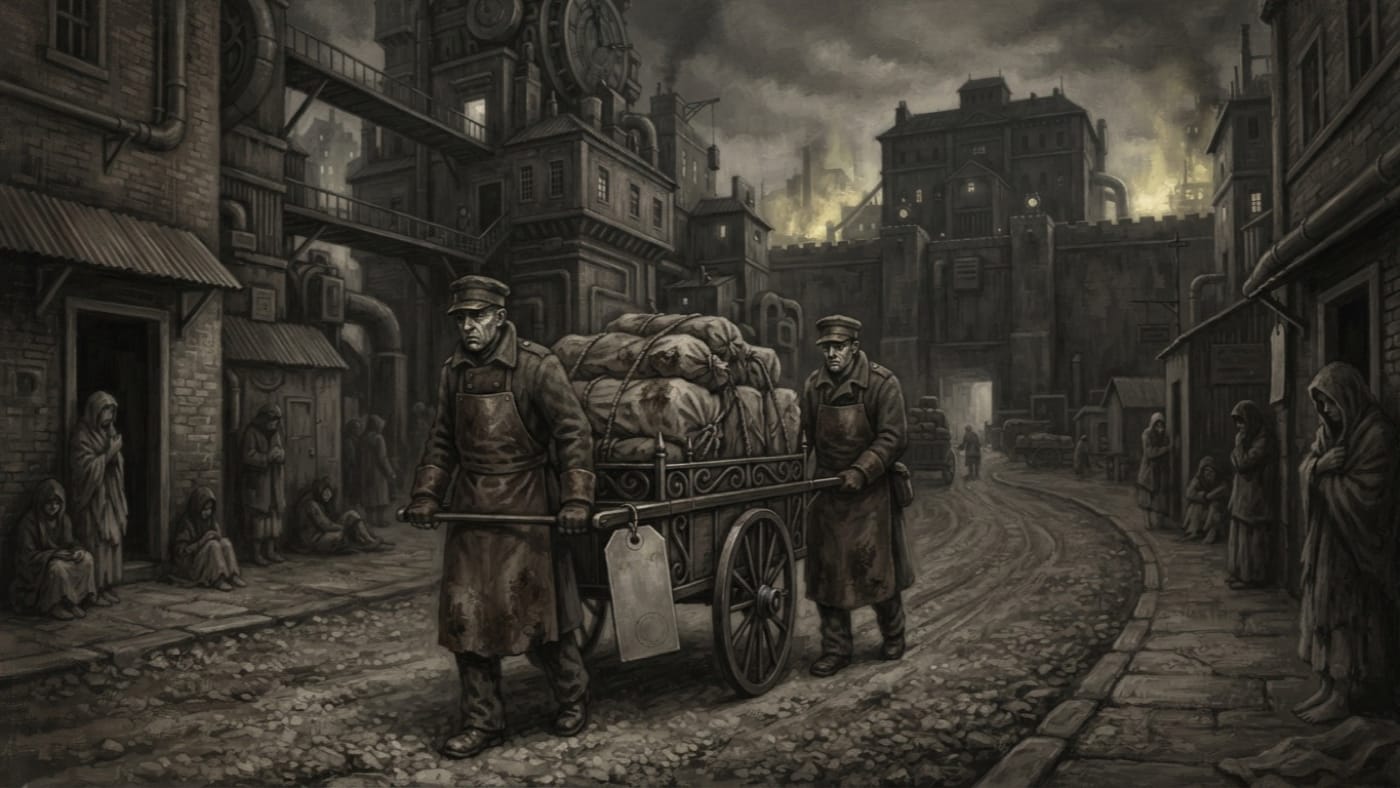
Null Verge Custodians
The road forgets the name and keeps the hands
The Null Verge Custodians keep the Queue Road's erased unseen and useful: night removals, blank tags and labour without names. Their stamps are accepted. Their issuing authority does not exist.
Codex Ref. VIII.8.02-002
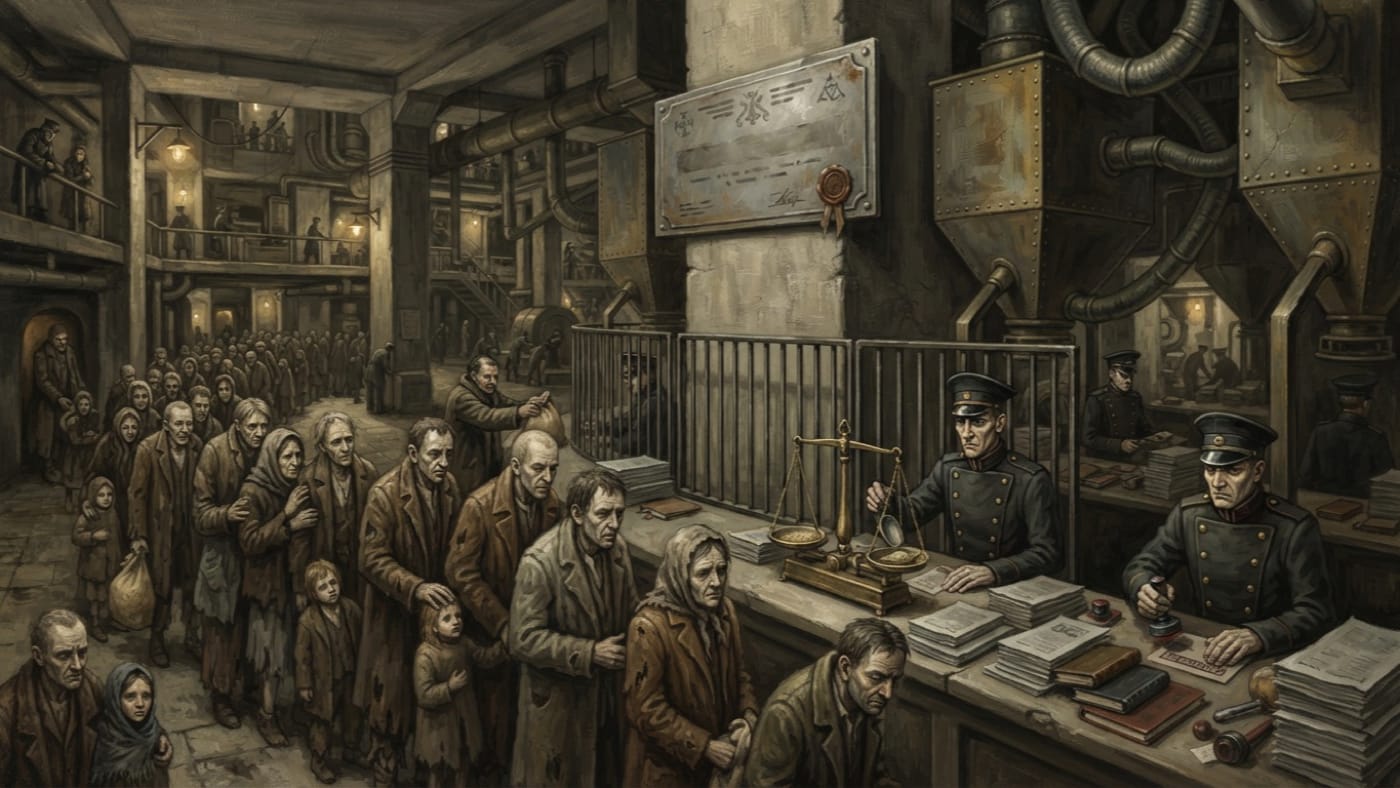
Office of Ration Compliance
Hungry enough to queue, fed enough to complain
The Office of Ration Compliance permits orderly complaint and tolerates the Quota Men who sustain it. Its undated training note is frank about hunger and silent about authority.
Codex Ref. VIII.4.02-201
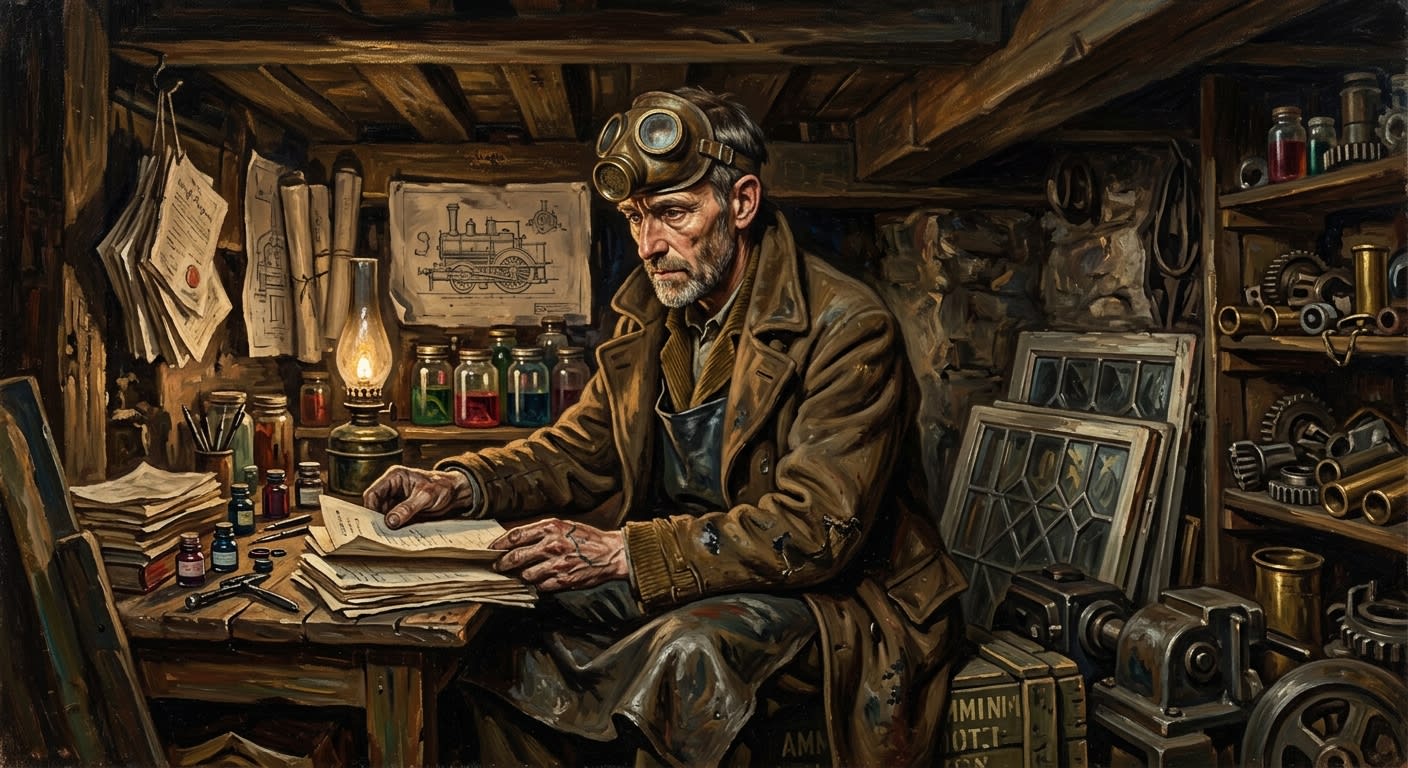
Old Sable
The broker beneath Latchford who sells the minute before ruin arrives
Old Sable rules Latchford from beneath the boards, selling forged minutes, stolen windows, and the dangerous mercy official time refuses to price.
Codex Ref. III.2.01-008
Ollo the rat-catcher
Three rats accounted for; one rat-catcher still missing
Ollo returned aboard the Saint Veritas with three dead rats and a complaint of boredom. In A.S. 191 he reported rats queuing beneath Pier Seven, then vanished. His traps remained; his fate has not acquired a signature.
Codex Ref. III.2.01-191
Omission Notaries
The page contains nothing. The wax makes it official.
The Omission Notaries authenticate blank folios for the Bureau of Shadows. No signature, no named incumbent, and no assurance that the person omitted is dead. The wax makes absence official.
Codex Ref. VIII.8.03-001
Order of Saint Iago
The grey mantles who taught custody to survive defeat
Iberian military-monastic order remembered for guarding the Relic of Saint Iago at Toledo, holding the city nine months, and burning custody clean before Reason could take it.
Codex Ref. VIII.9.01-001
Order of Severance
The inward knife that cuts office from affection before affection becomes a kingdom
The Order of Severance is the Bureau of Purity's inward knife: an inquisitorial fraternity that hunts clerical and bureaucratic heresy where clean cuffs, perfect ledgers, and trusted colleagues become shelter.
Codex Ref. VIII.1.07-134
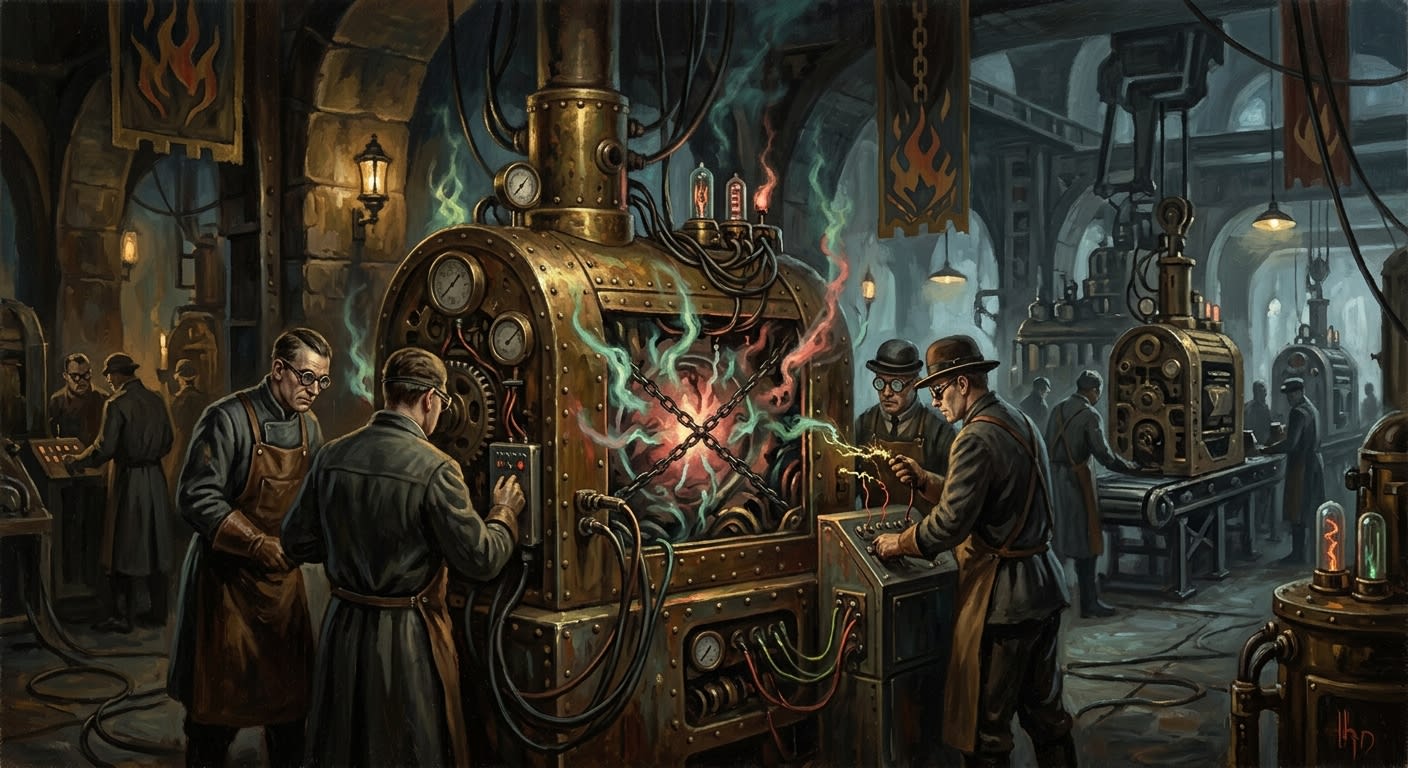
Order of the Shackled Flame
The office that taught Hell to move on schedule and submit invoices
The Order of the Shackled Flame binds residual demonic essences into sanctioned war housings beneath Bastion-Constantinople, which is heresy with a payroll.
Codex Ref. VIII.7.04-001
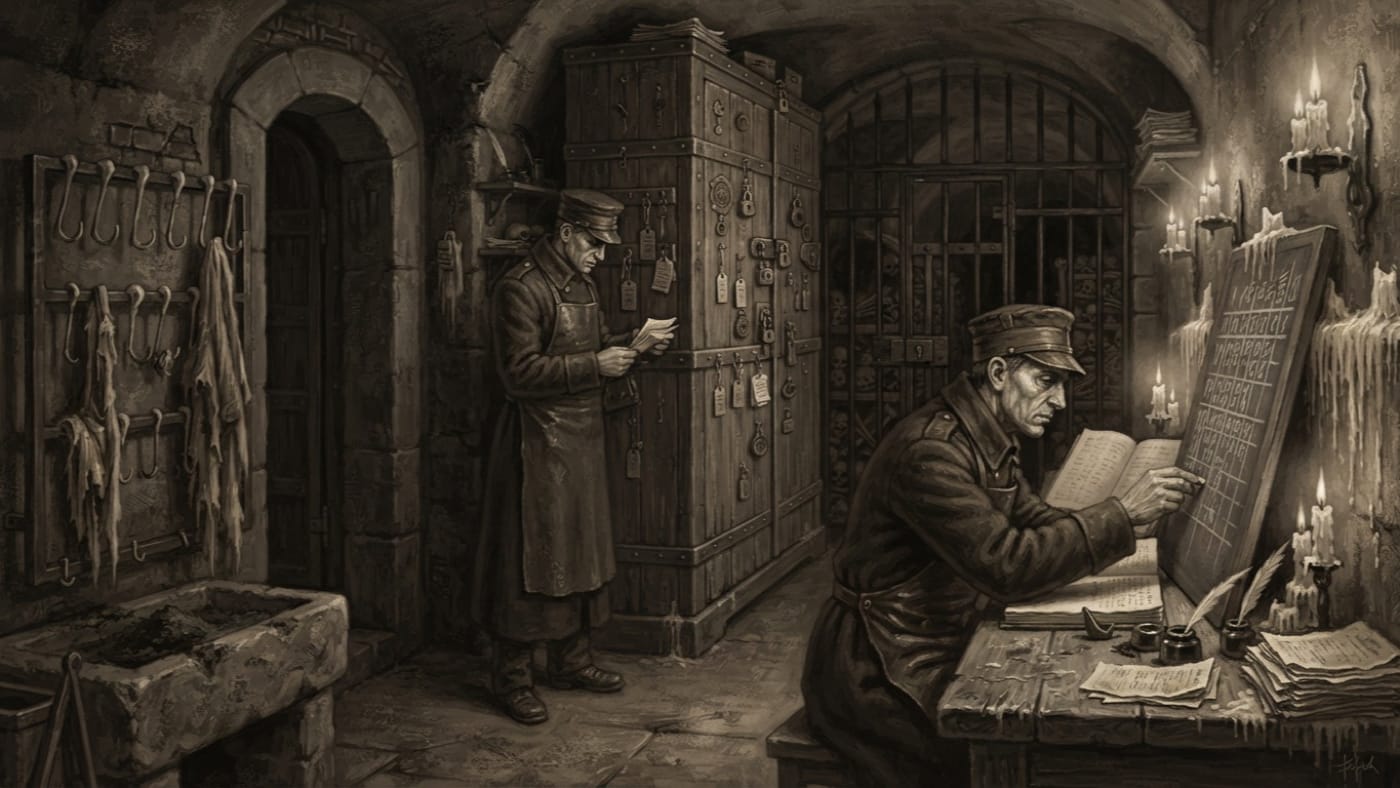
Ossuary Office Seven
Where the tag and the body are persuaded to agree
Ossuary Office Seven is the Circle of Ashen Steps' Counting Room in Bastion-Constantinople: candle tallies on slate, body-tags under lock, and a dawn reconciliation that makes the columns agree.
Codex Ref. II.4.10-008
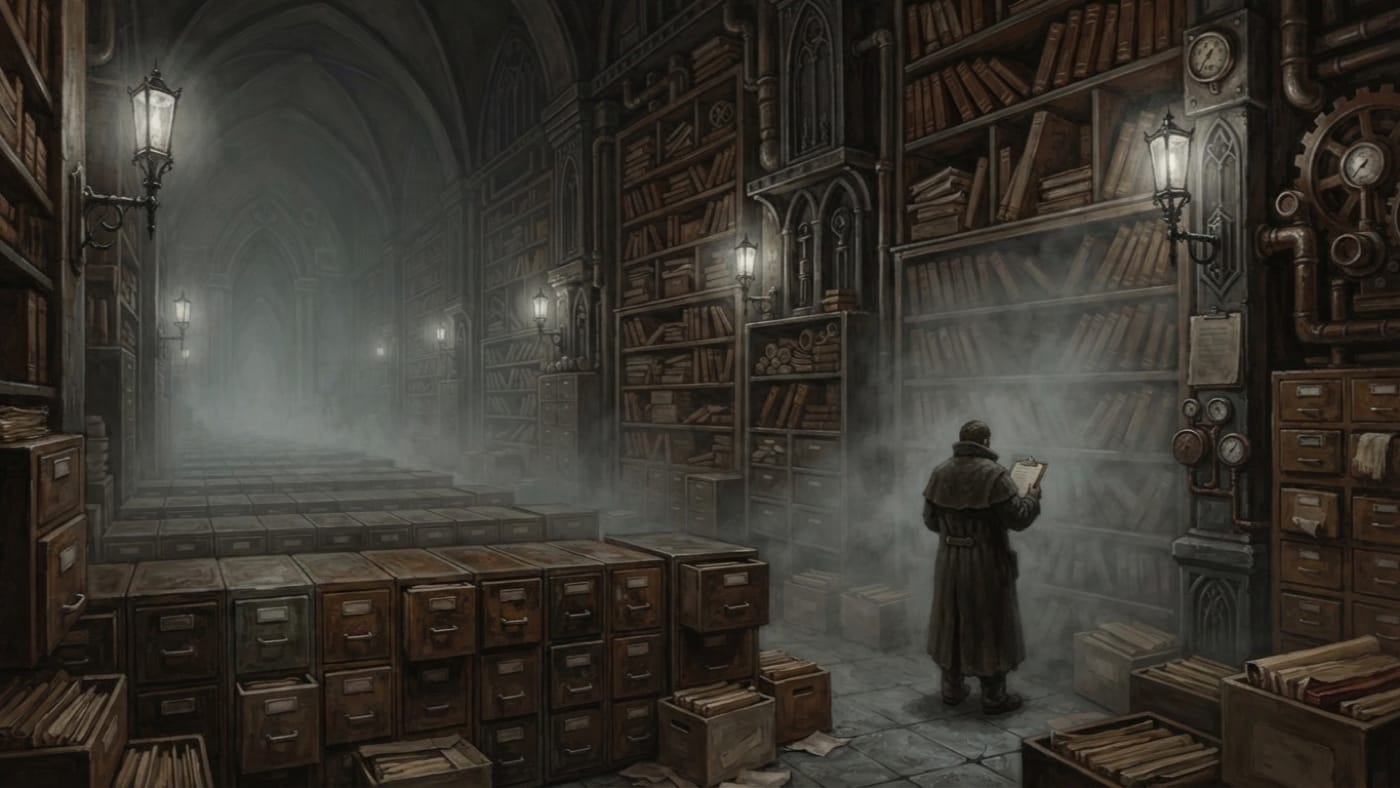
Outside Current Doctrinal Scope
The question has been received. A verdict has not.
The Bureau has received the question. It declines to say what the question concerns. I survey the northern filings under Outside Current Doctrinal Scope; no classification is conferred.
Codex Ref. XIII.1.99-201
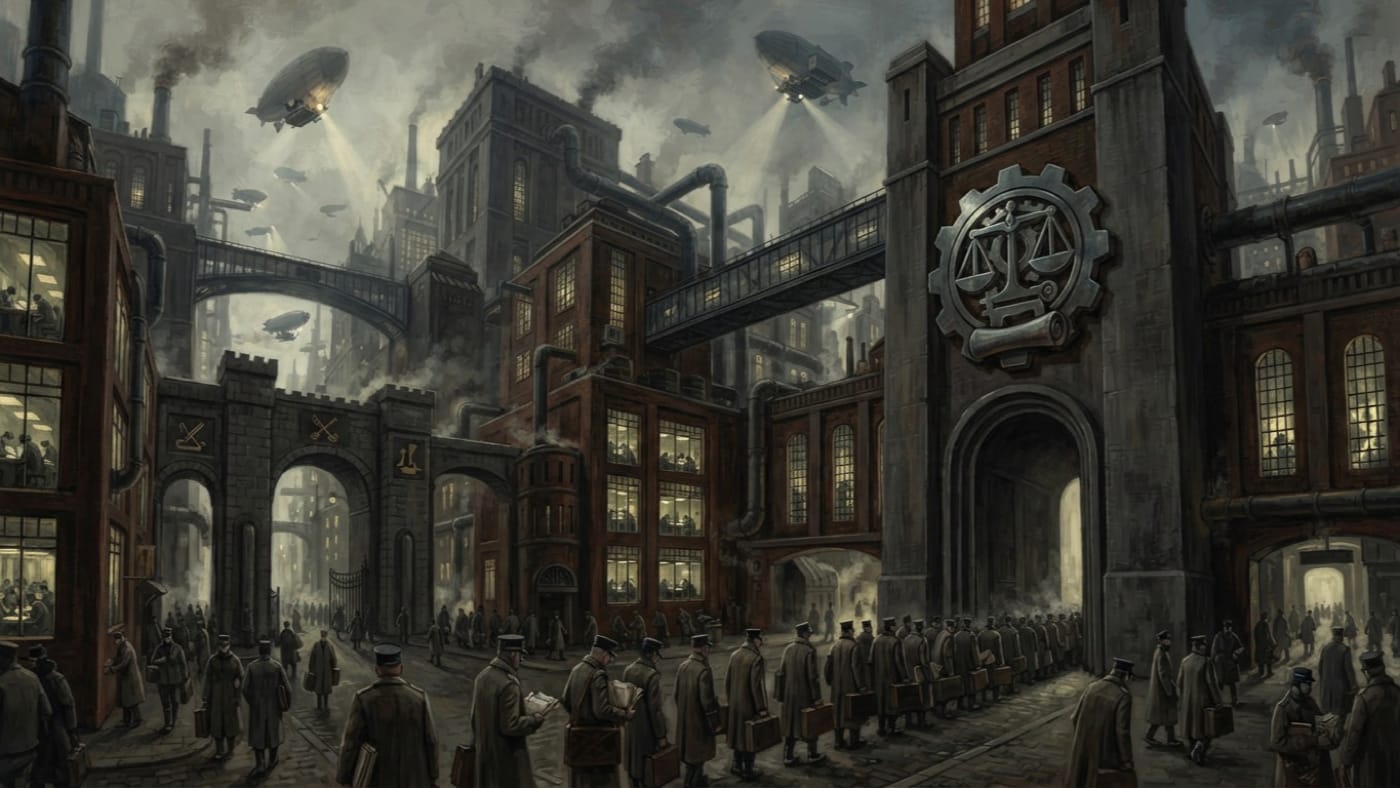
Padua
A University City Whose Questions Return Unopened
An A.S. 201 survey of Padua, university city of the Central Heartlands. Seven professors went to Strasbourg; the University's enquiries returned unopened. The names became clerical errors.
Codex Ref. III.2.01-2065
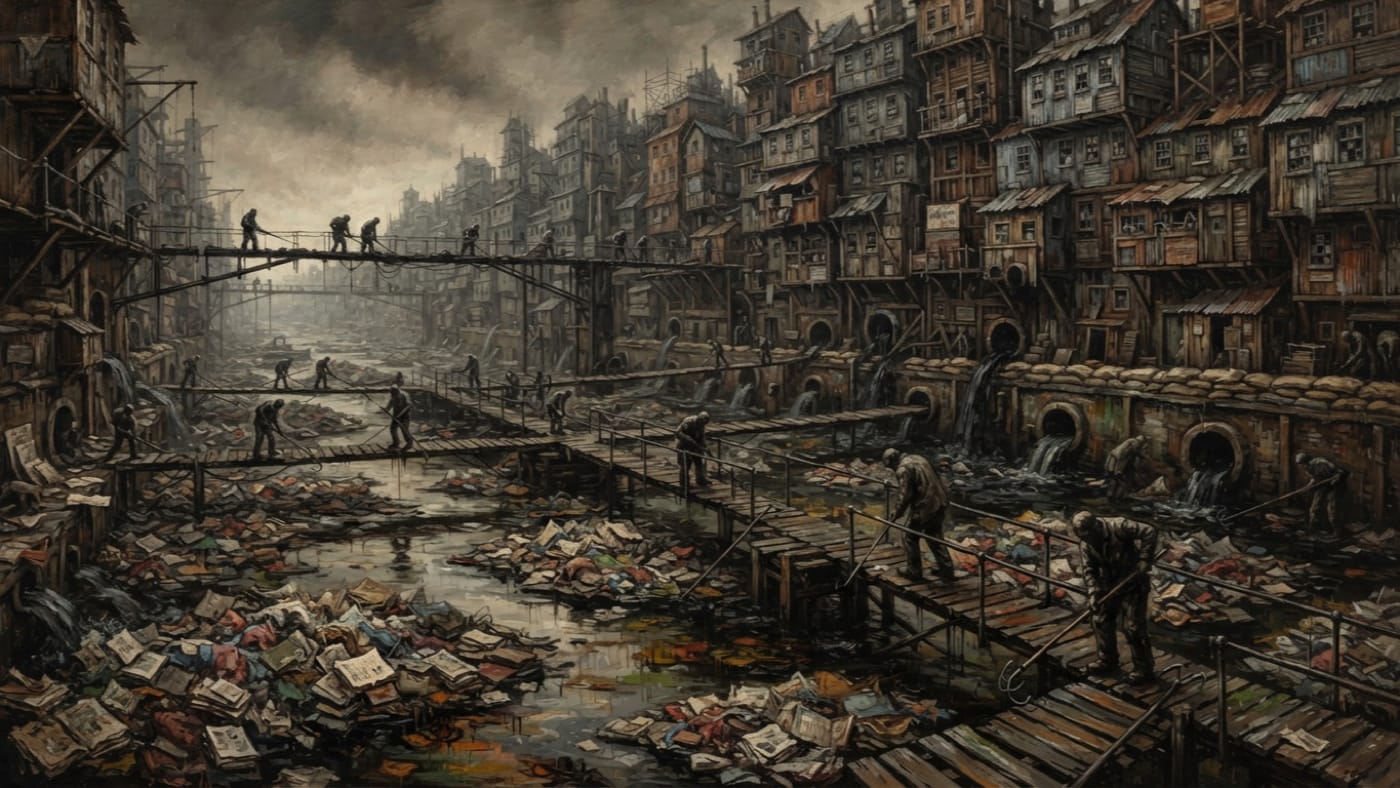
Paper Sump
The drainage belongs to Latchford. The losses occur outside it.
Latchford's drainage district receives discarded forms, acidic ink and debt labour. Records excluded it from the settlement boundary in A.S. 194. The water still arrives; the losses fall outside the count.
Codex Ref. II.4.08-003
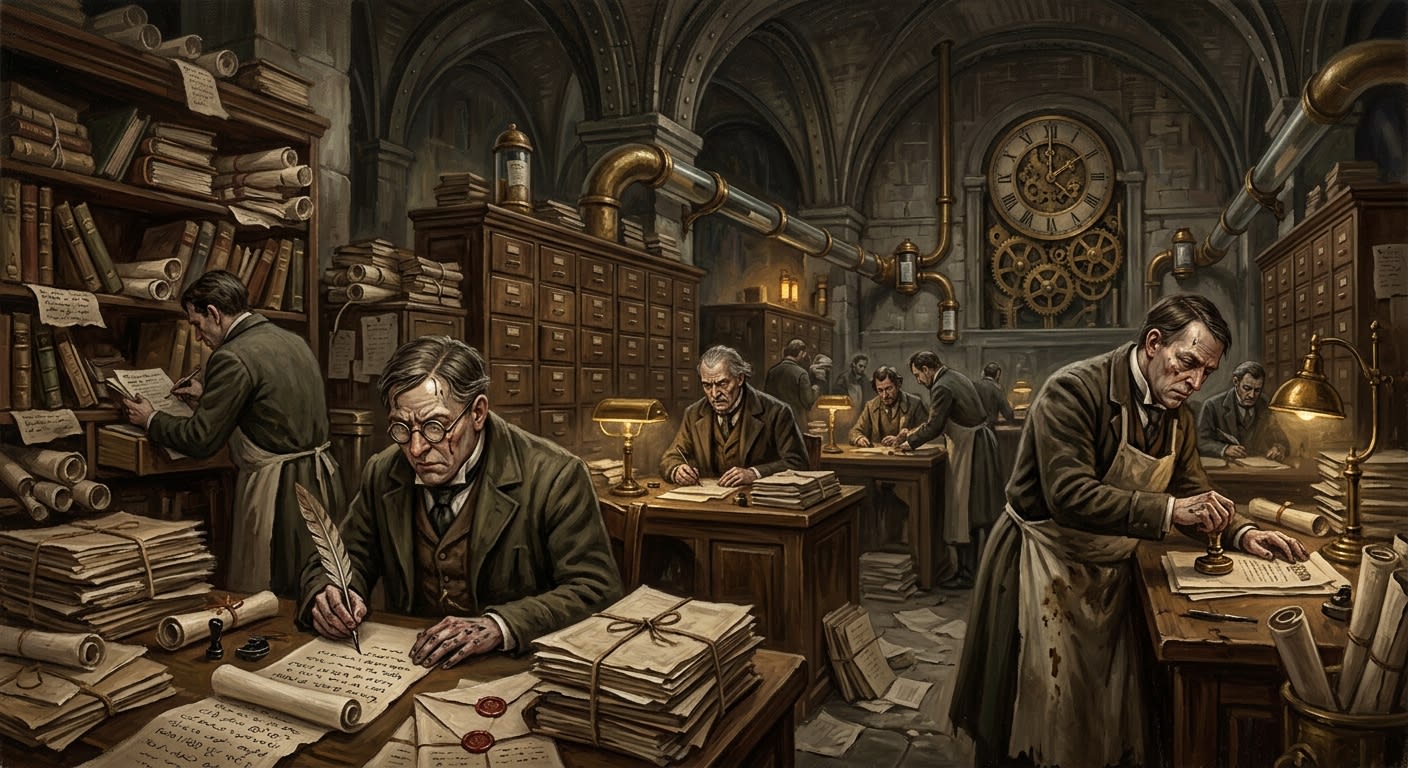
Paper-Only Faction
The smallest heresy says the seal moves faster than the saint
The Paper-Only faction is the smallest Femur-War Broker branch, refusing relic contact while selling provenance chains, delay writs, and custody narratives.
Codex Ref. XII.15.04-001
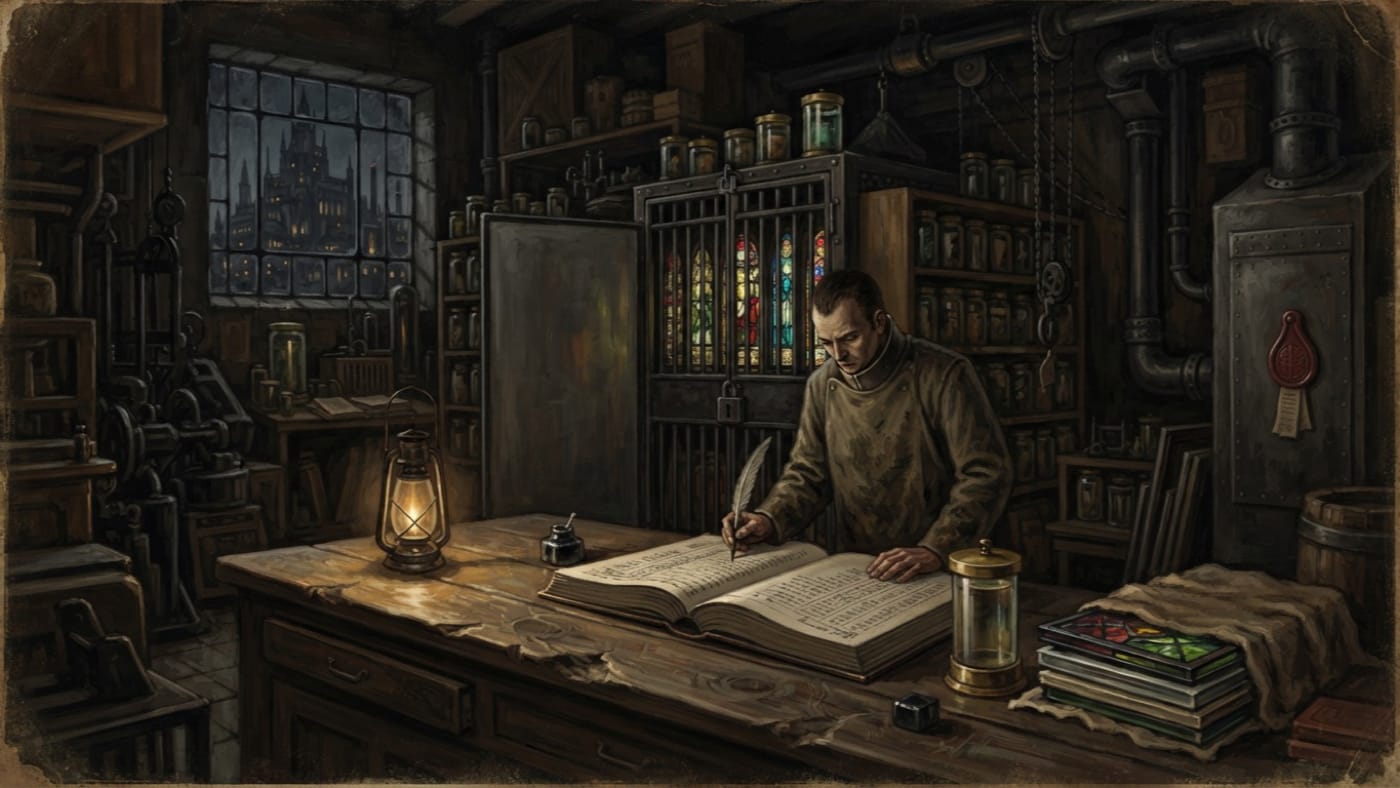
Patron Window
Destroyed in the ledger, installed in the chapel
The Patron Window carries seized beauty from destruction ledgers into private chapels. The Circle of Stained Proof receives protection; the ledger certifies that nothing survived.
Codex Ref. XIII.1.76-201
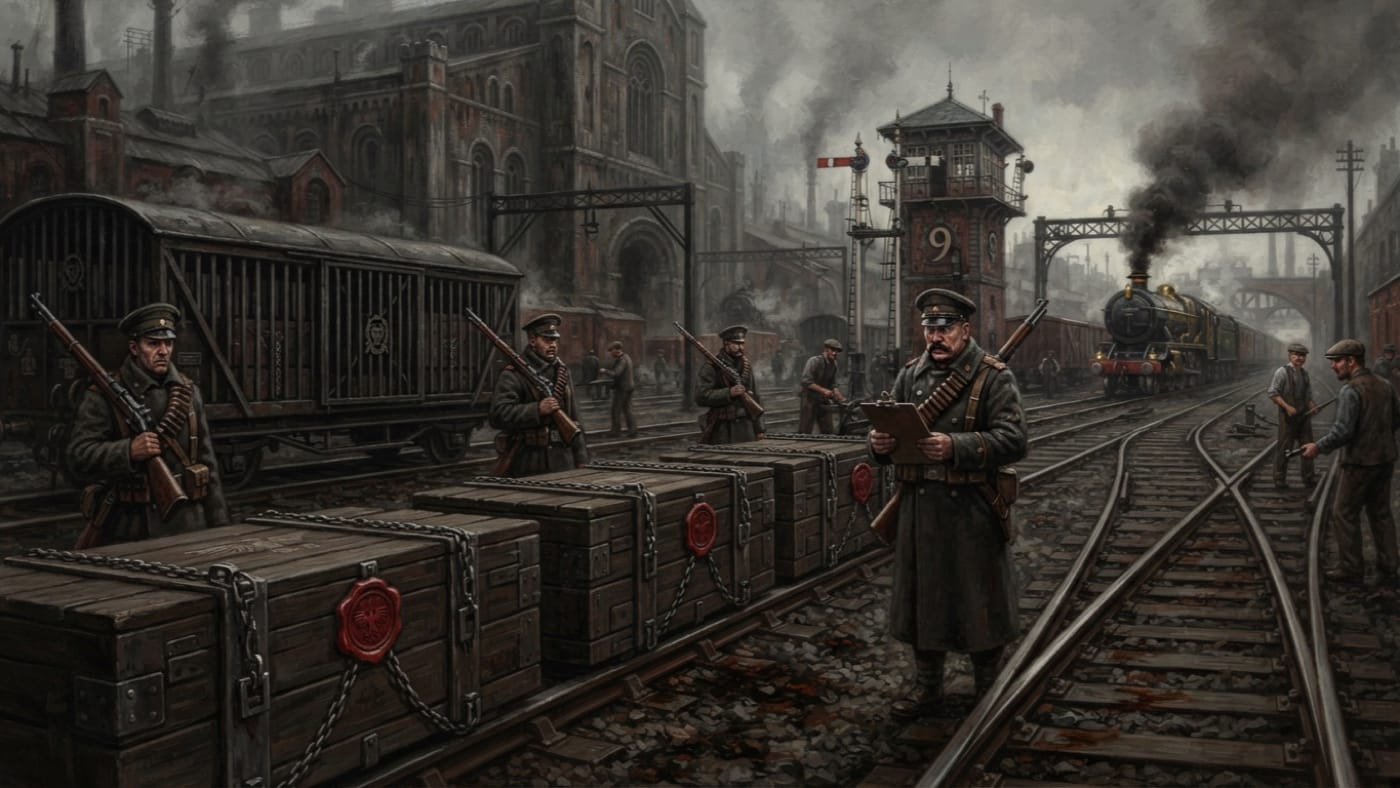
Payroll Spur
Where a soldier's wages arrive as authenticated emptiness
Lorn's guarded relic-payroll sidings send sanctity east under seal, stamp, and song. Since A.S. 199, empty crates have proved how little those assurances weigh.
Codex Ref. II.3.01-010
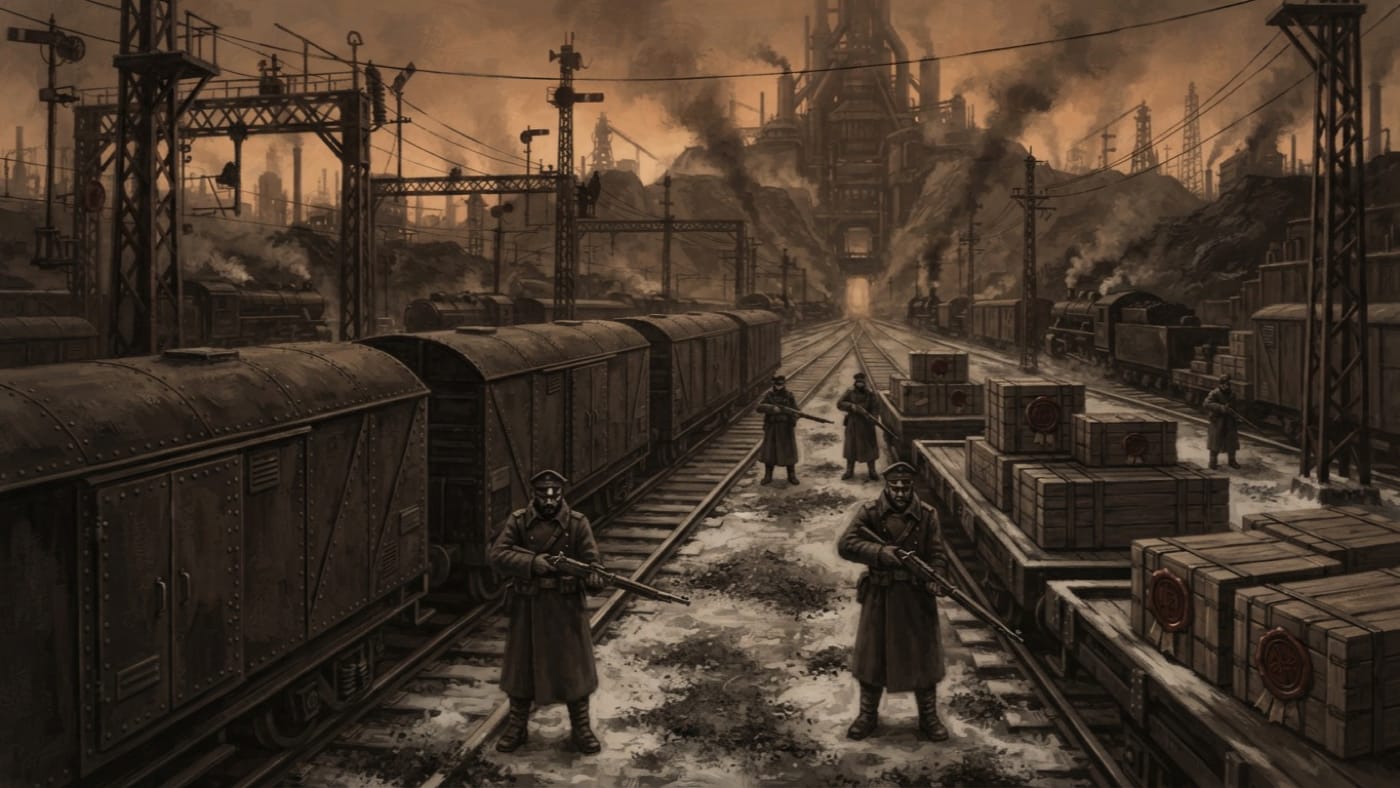
Payroll Spur Vaults
The seals arrived intact. The soldiers' pay did not.
At Lorn's eastern sidings, relic-payroll waits in guarded railway cars. Three crates arrived empty with intact seals; the paperwork remains in excellent condition.
Codex Ref. II.3.01-201
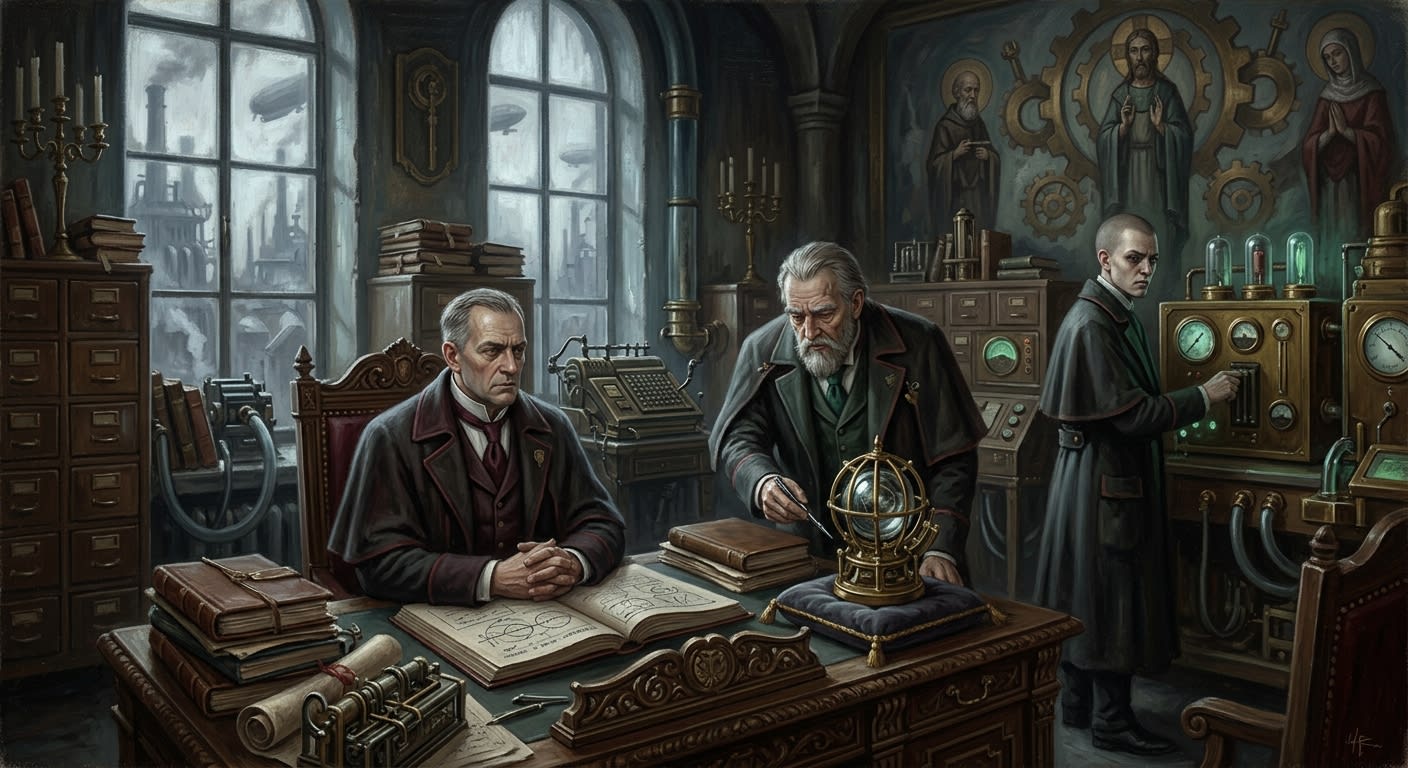
Peace Brokers
The grey-corded liars who sell the cheapest form of mercy: delay
Peace Brokers are the oldest Femur-War Broker faction, heirs to Elder Noxa's temporal-separation method, selling quiet by keeping authenticated relic contradictions apart.
Codex Ref. XII.15.02-001
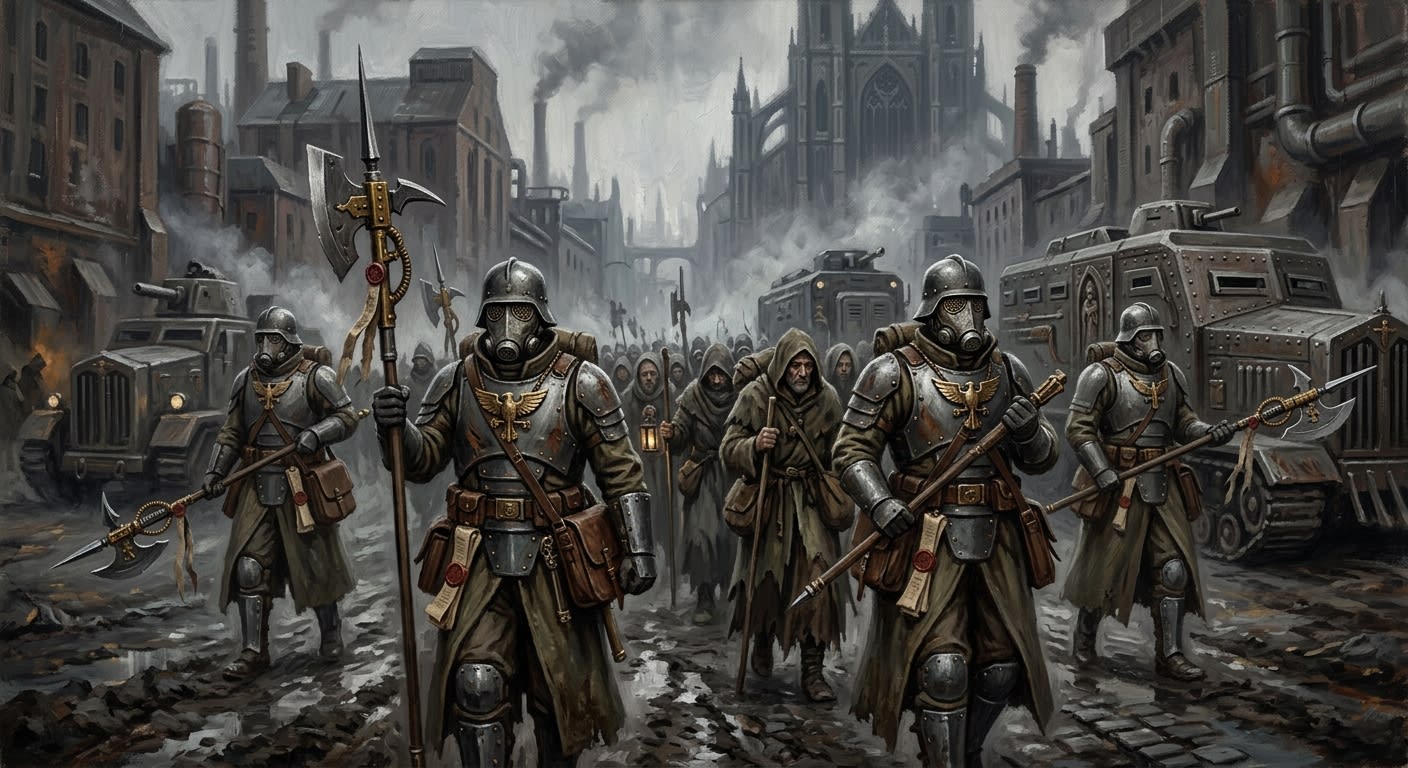
Peregrine Wardens
The walking seal that keeps pilgrims profitable and roads holy
The Peregrine Wardens are the Bureau of Pilgrimage's armed road-enforcement arm, escorting pilgrims, voiding licences, dissolving guilds, and proving that holy travel walks best under halberd and seal.
Codex Ref. VIII.7.04-001
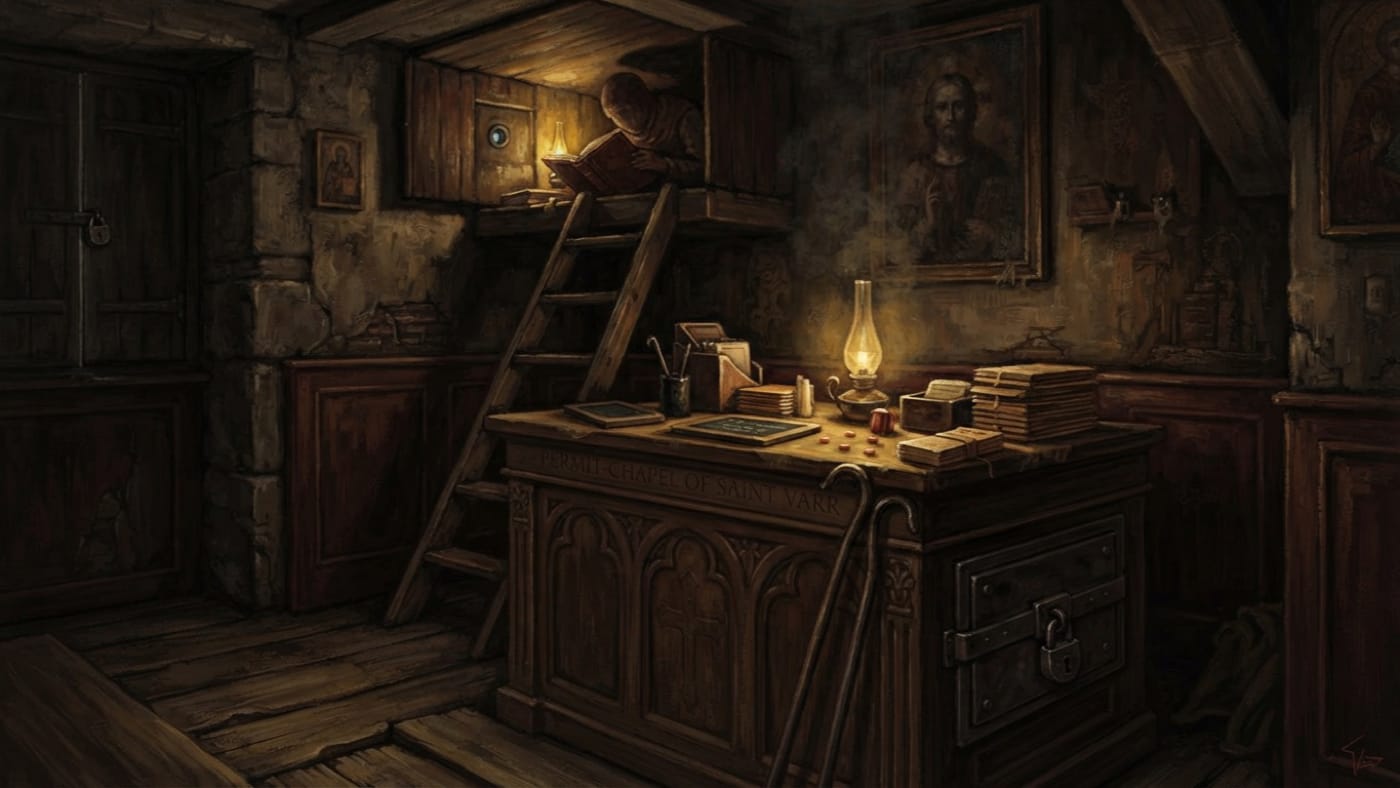
Permit-Chapel of Saint Varr
The altar receives receipts; the saint receives no consultation.
The Circle of Nine Wicks works from Saint Varr's shuttered shrine: altar-desk below, Echo ledgers above, and a locked drawer where guilt waits for a name.
Codex Ref. II.3.07-001
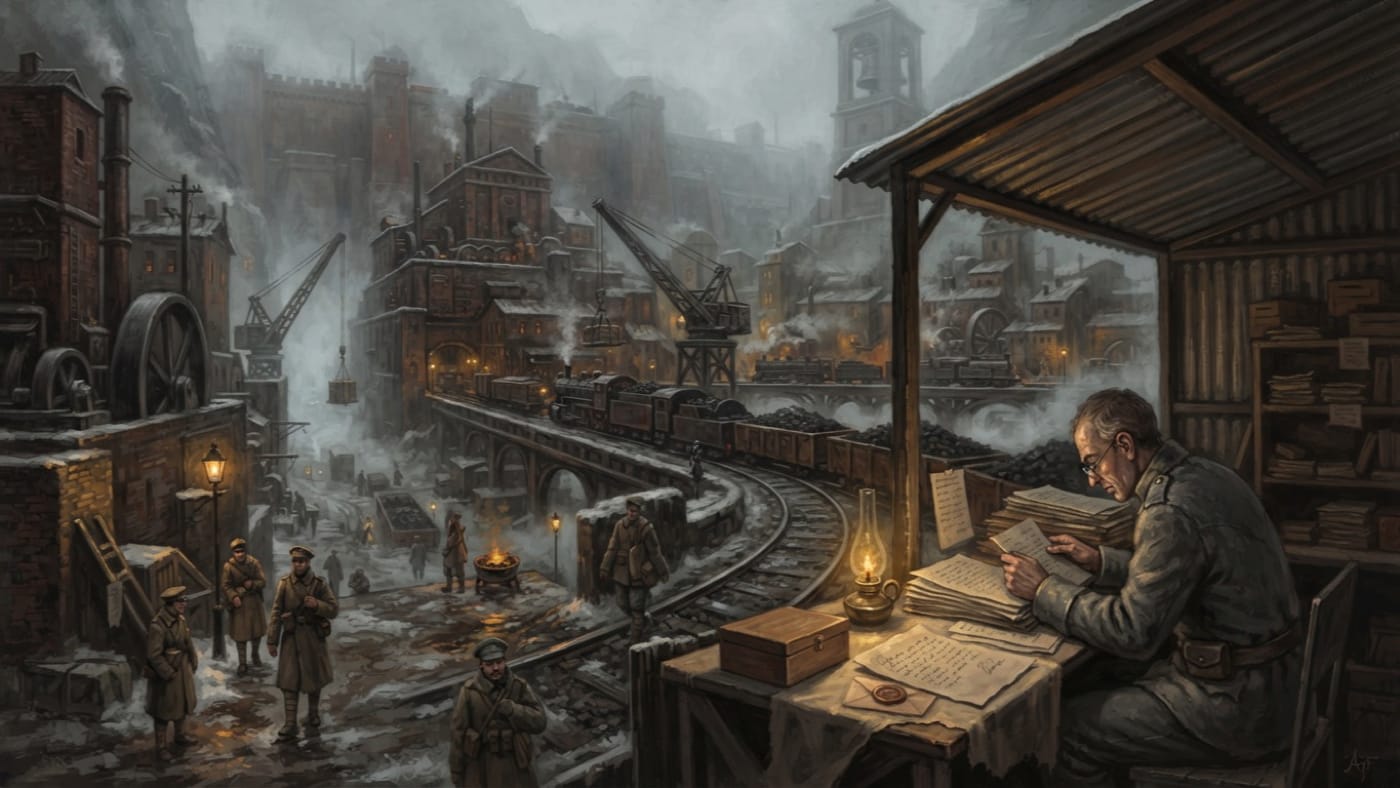
Personnel Harmonisation
An ordinary seal, a staffing need, and a cause left unentered
Personnel Harmonisation moves officials under ordinary seals. Werrenrath's transfer to Shipka names a staffing need; the cause remains unentered.
Codex Ref. VIII.8.02-201
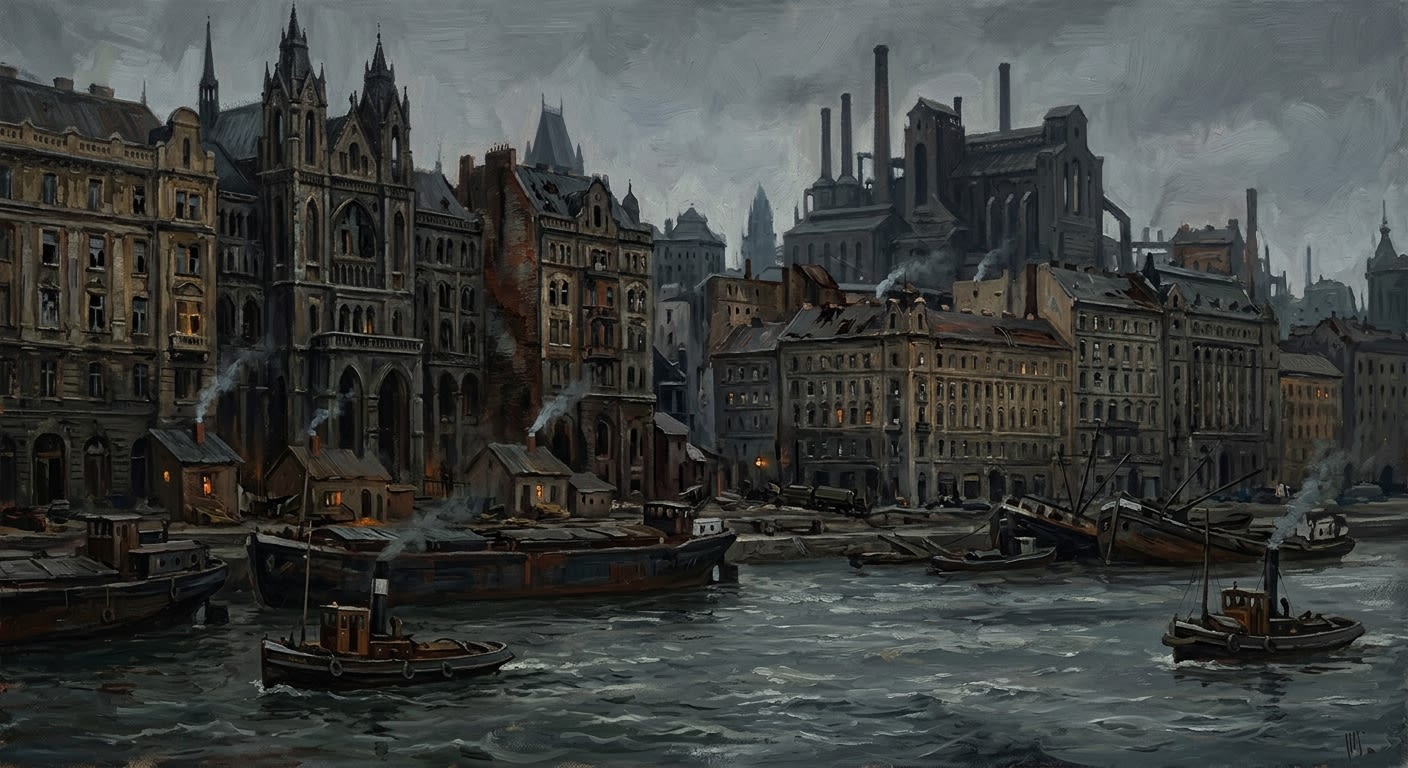
Pest, Abandoned Bank
The empty city that keeps answering without being called
Pest is the eastern bank of Budapest: declared Vacated in A.S. 120, visible across the Danube, annually confirmed, and inconveniently less empty than doctrine prefers.
Codex Ref. II.4.09-012
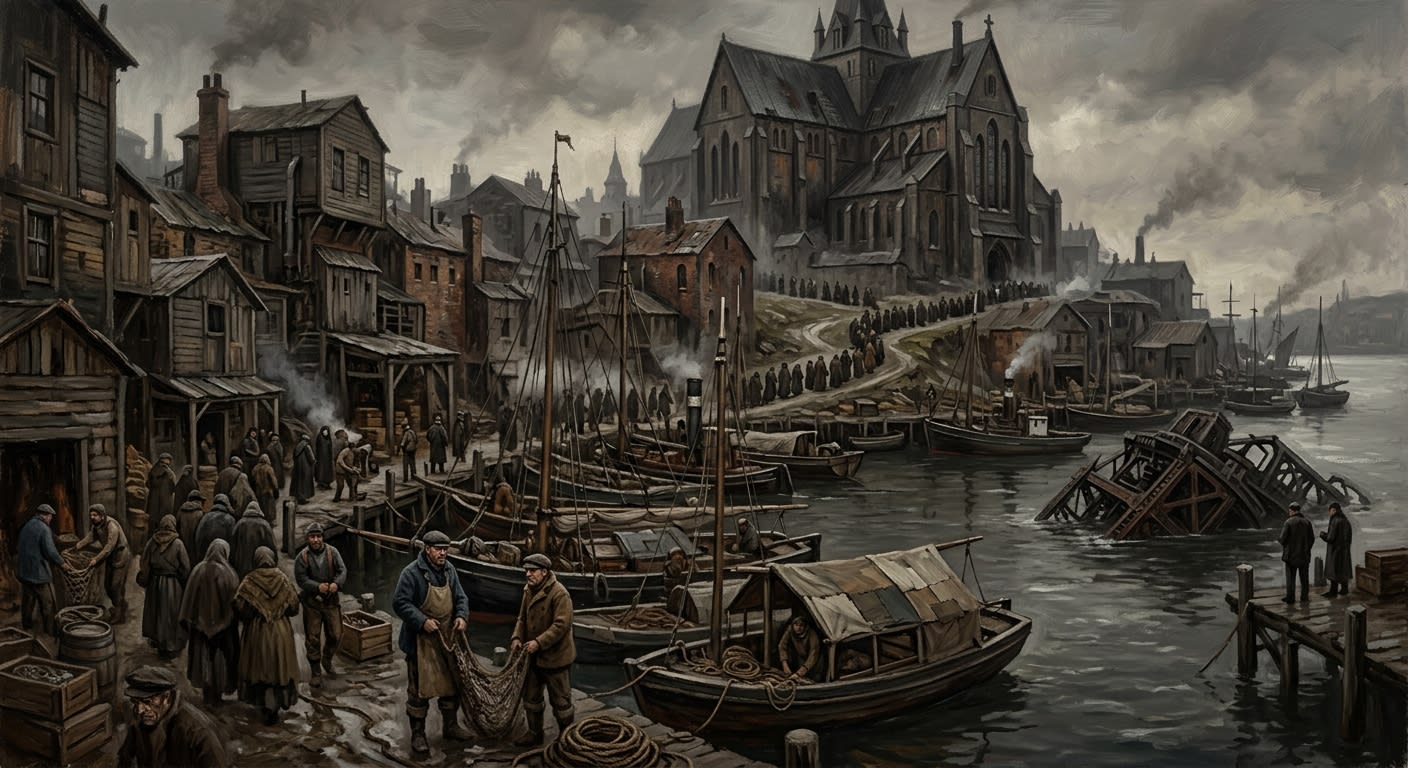
Phaleron Bay
The fishermen count boats because the water has learned names
Phaleron Bay is the Bosphorus inner approach's fishing ward, smuggling pocket, pilgrim nuisance, and quiet witness to the Iron Idol that waits below.
Codex Ref. II.4.09-189
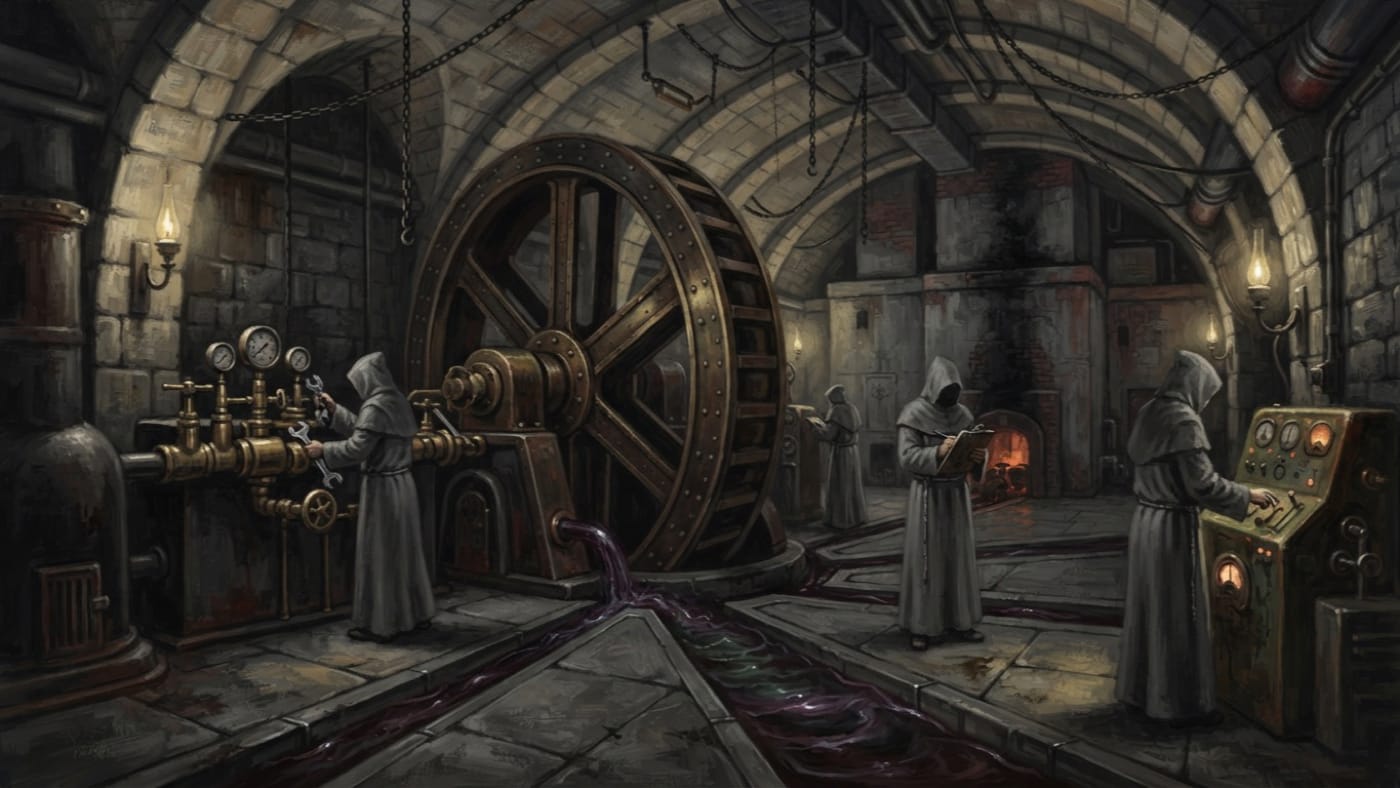
Phase Nine
A numbered phase without a schedule
Phase Nine is the designation in Report Three, A.S. 199, under which the Unnamed Bureau recommends continued non-disclosure. Its scope remains unconfirmed and completion unrecorded. The paper says pending. So do I.
Codex Ref. XIII.1.09-199
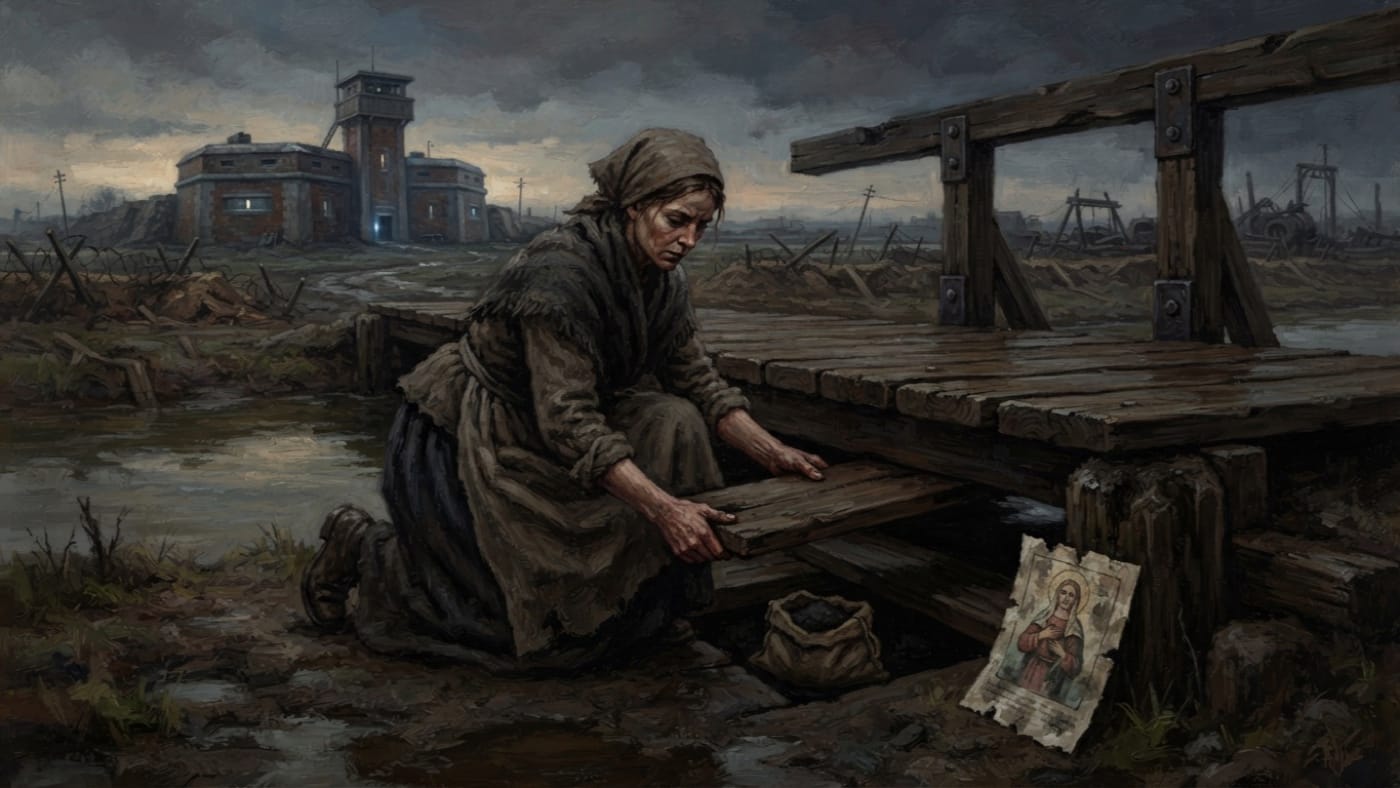
Picardy
One woman, one plank, and no recorded fire
Picardy enters the Ledger through one unnamed woman who saw Margaux's image and hid powder beneath a bridge plank. The record supplies neither a burning bridge nor a martyr.
Codex Ref. II.1.12-015
Pilot-King Nenos
The unlicensed crown that knows when the water is listening
Pilot-King Nenos is Thessaloniki's unlicensed harbour sovereign, infamous for refusing every passage during the A.S. 198 Silence because the sea listened too hard.
Codex Ref. III.2.01-036
Pontifex Submersis
The name is gone; the chains still hum; the Bureau has no comment
The man the Bureau erased so thoroughly it must write eleven pages explaining what he was not: the Drowned Pontiff of Avignon, non-person, non-event, non-theology. His name is gone. The chains hum in B-flat.
Codex Ref. III.2.02-001
Port Court
Where cargo waits while permission proves it has a soul
The Port Court names cargo before mercy may touch it: a Commerce bench where sacks become law, law becomes delay, and delay invoices the hungry.
Codex Ref. XIII.1.89-112
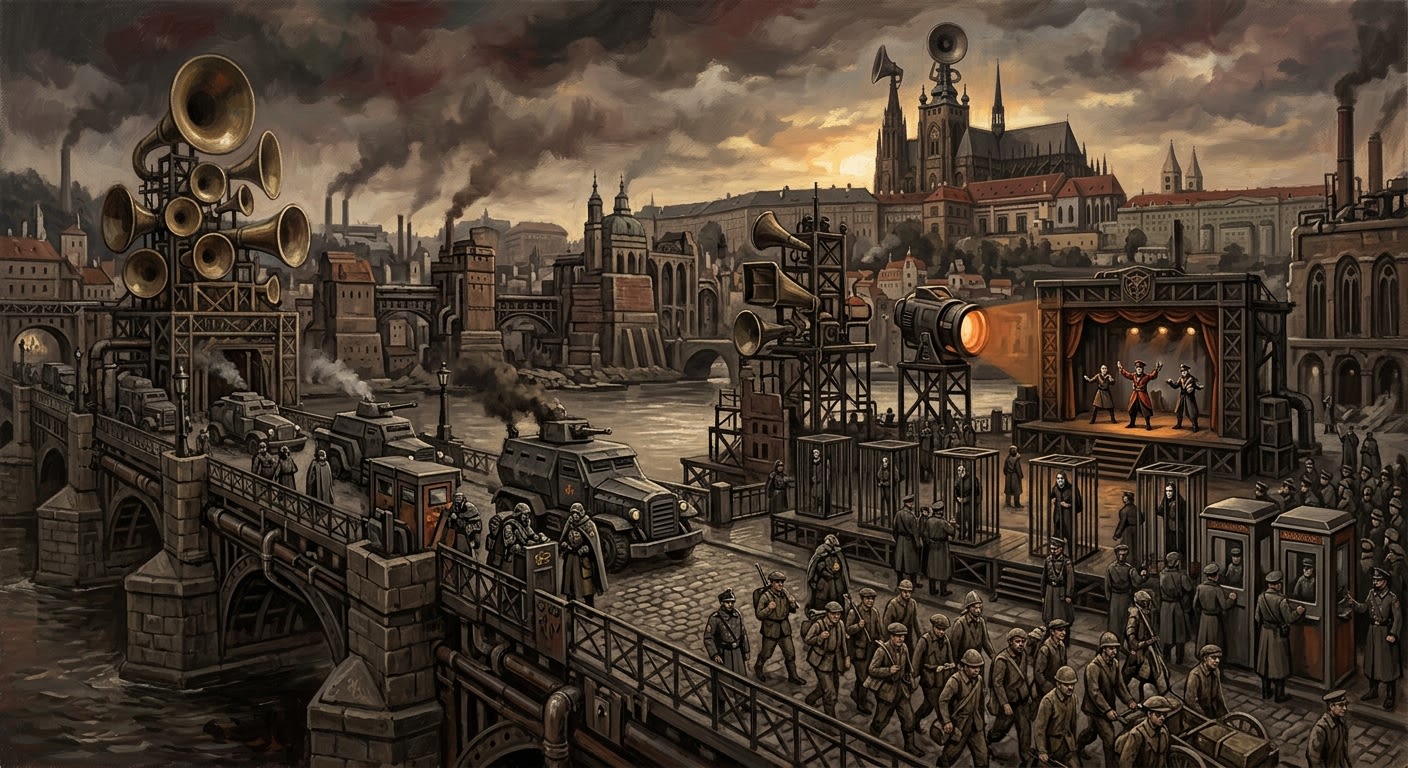
Prague
The bridge-city where shame learned civic architecture
Synod-held Prague is a Zone 3 bridge-city of public correction, Rationalist residue, Ephrath theatre, acoustic wounds, and useful civic obedience.
Codex Ref. II.3.02-001
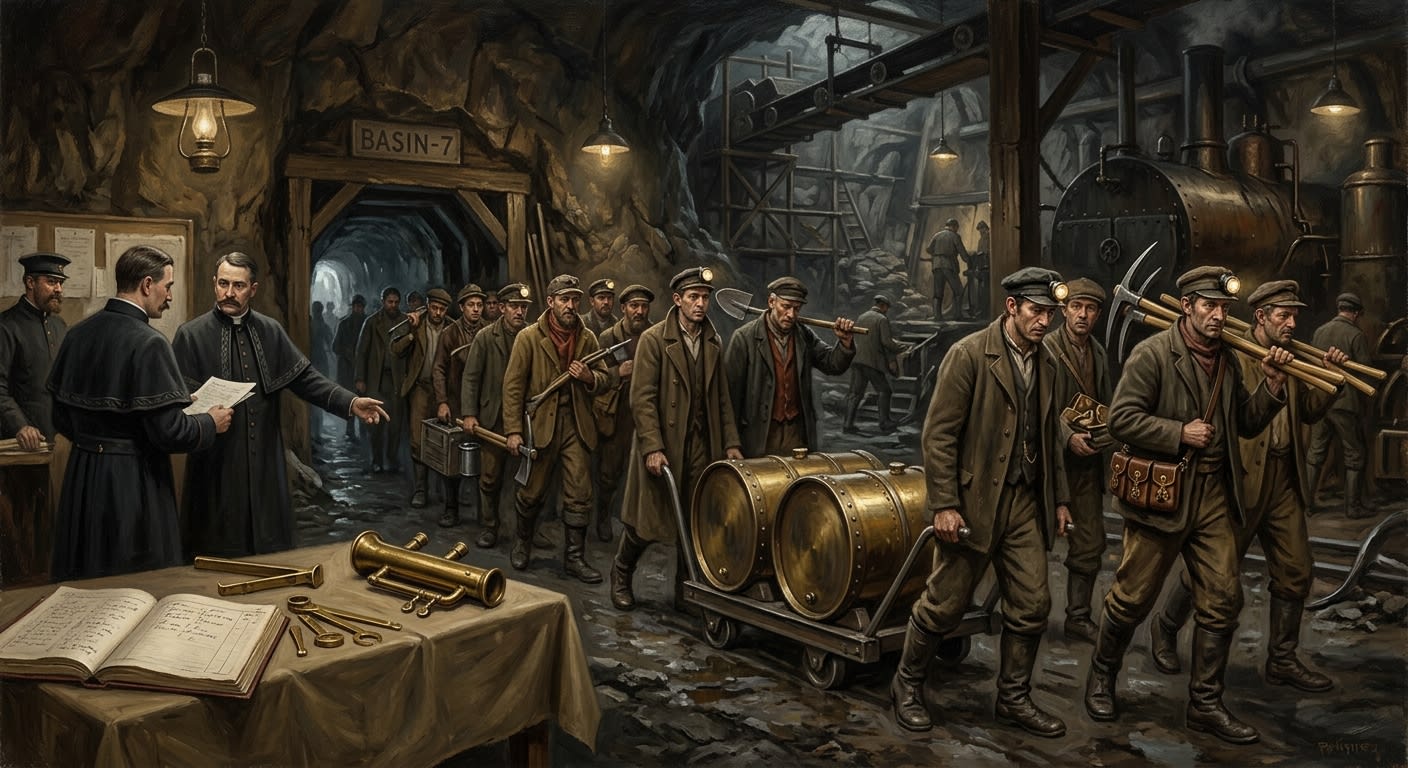
Quiet Basin Incident
The drums returned warm; the men did not
Basin-7 took seventeen extraction personnel in A.S. 178 and returned sealed warm drums, clean tools, intact warding, record yield, and a pitch pipe the Bells refused to name.
Codex Ref. VII.8.10-178
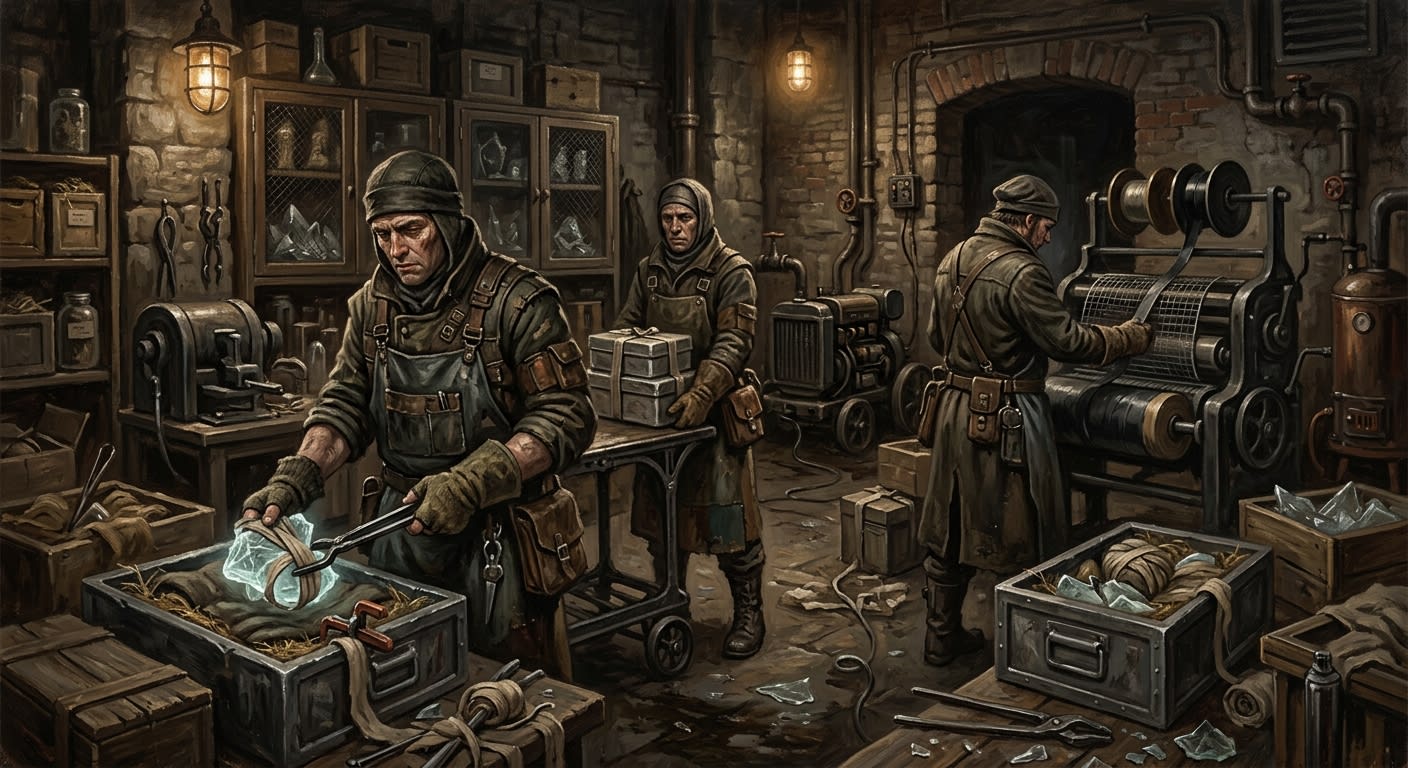
Quieters
Refusal is the only prophecy that returns with cargo
Quieters are the dominant faction within the Demon-Glass Scavenger trade: handlers who treat shard-whispers as contamination, wrap faster than they wonder, and survive by refusing revelation.
Codex Ref. XII.13.05-001
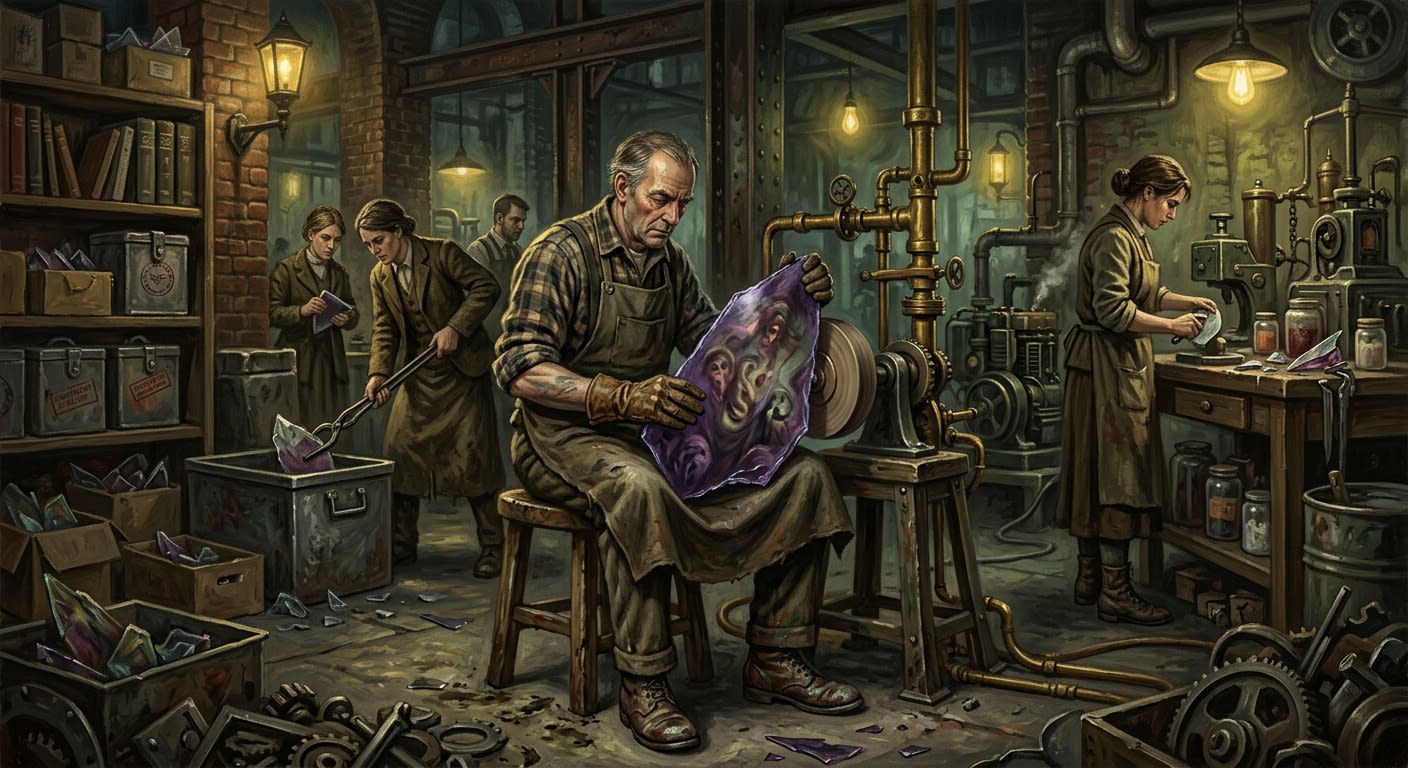
Quietists
The faction that sells disappointment and calls it survival
Quietists are the conservative Demon-Glass Polisher faction: illegal artisans who polish for silence, containment, and the profitable denial of visions men are foolish enough to desire.
Codex Ref. XII.13.03-001
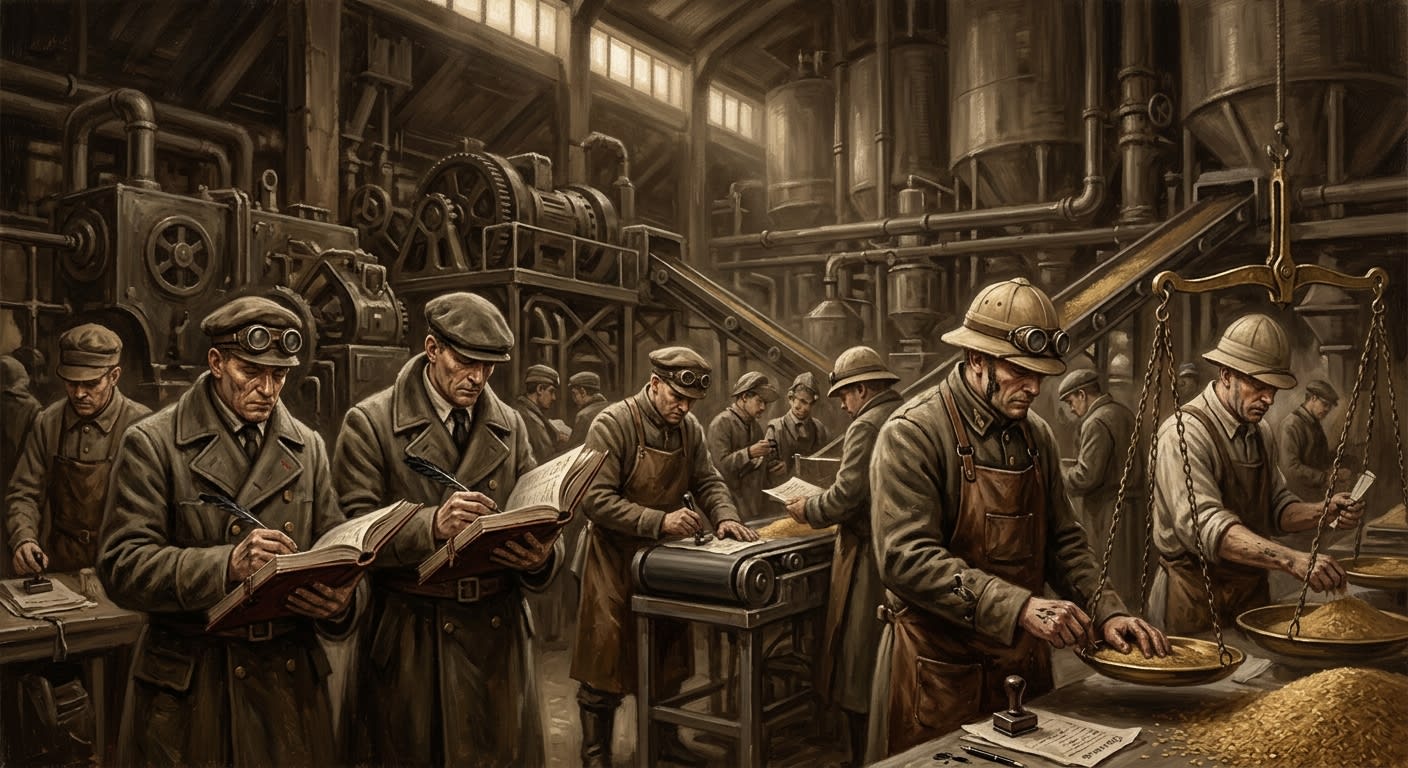
Quota Men
Modest theft is what famine calls governance when the pantry has witnesses
Quota Men are the Grain Keeper faction of modest diversion and immaculate ledgers, preserving wards by stealing little enough to keep collapse boring.
Codex Ref. XII.13.05-001
Railway Track Engineer
He walks the line; the line walks into him
The Guild of Rails' licensed maintainer of the Dominion's iron circulation — gauge-walker, spike-maul, and listener. The men who standardised the line under fire, hear fractures before they form, and mark the junctions that should not be crossed alone after dark.
Codex Ref. XII.44.01-001
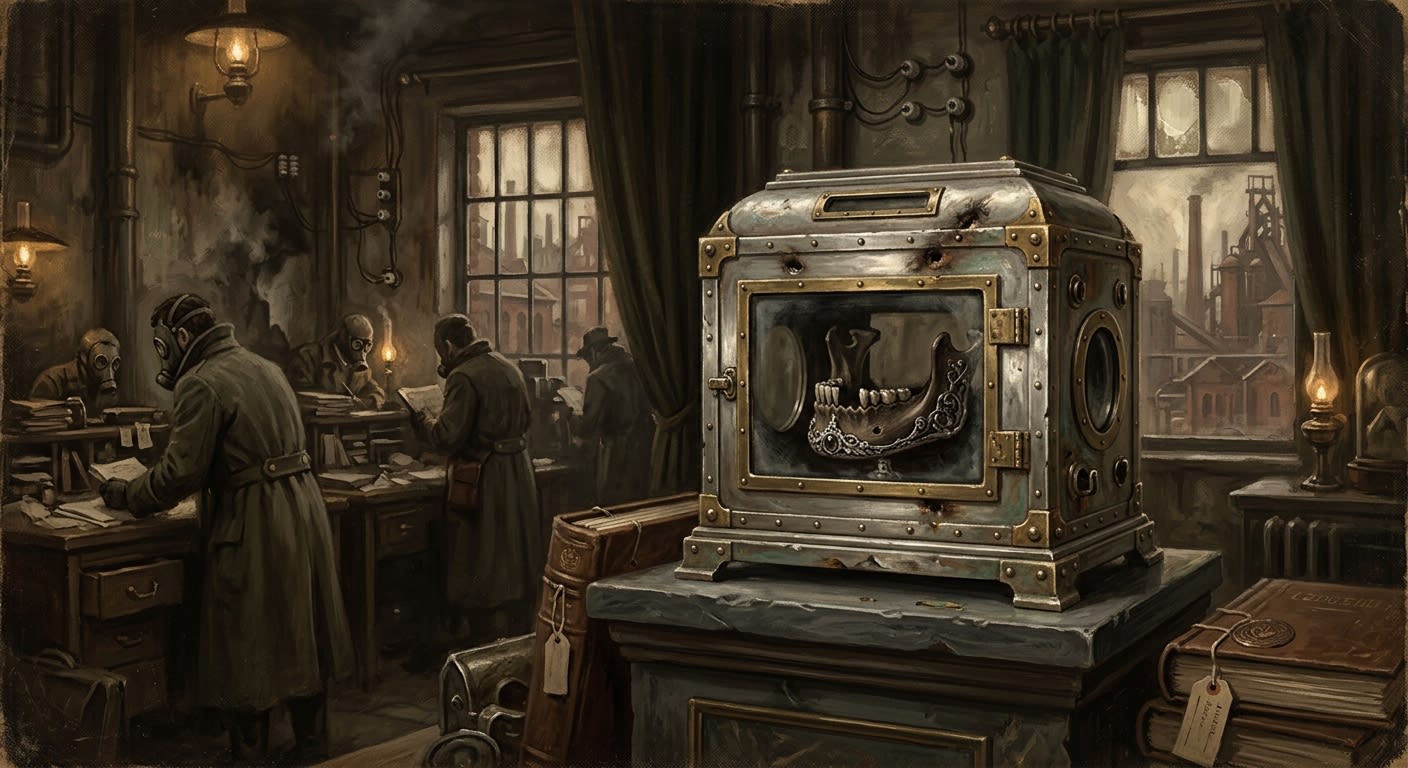
Relic of Saint Iago
The jawbone that answered artillery and kept its receipt from Heaven
Relic 14-T(Provisional) was a silver-set jawbone that survived auctions, desks, cannon, and doubt — then burned at Toledo rather than serve Reason.
Codex Ref. III.2.04-014
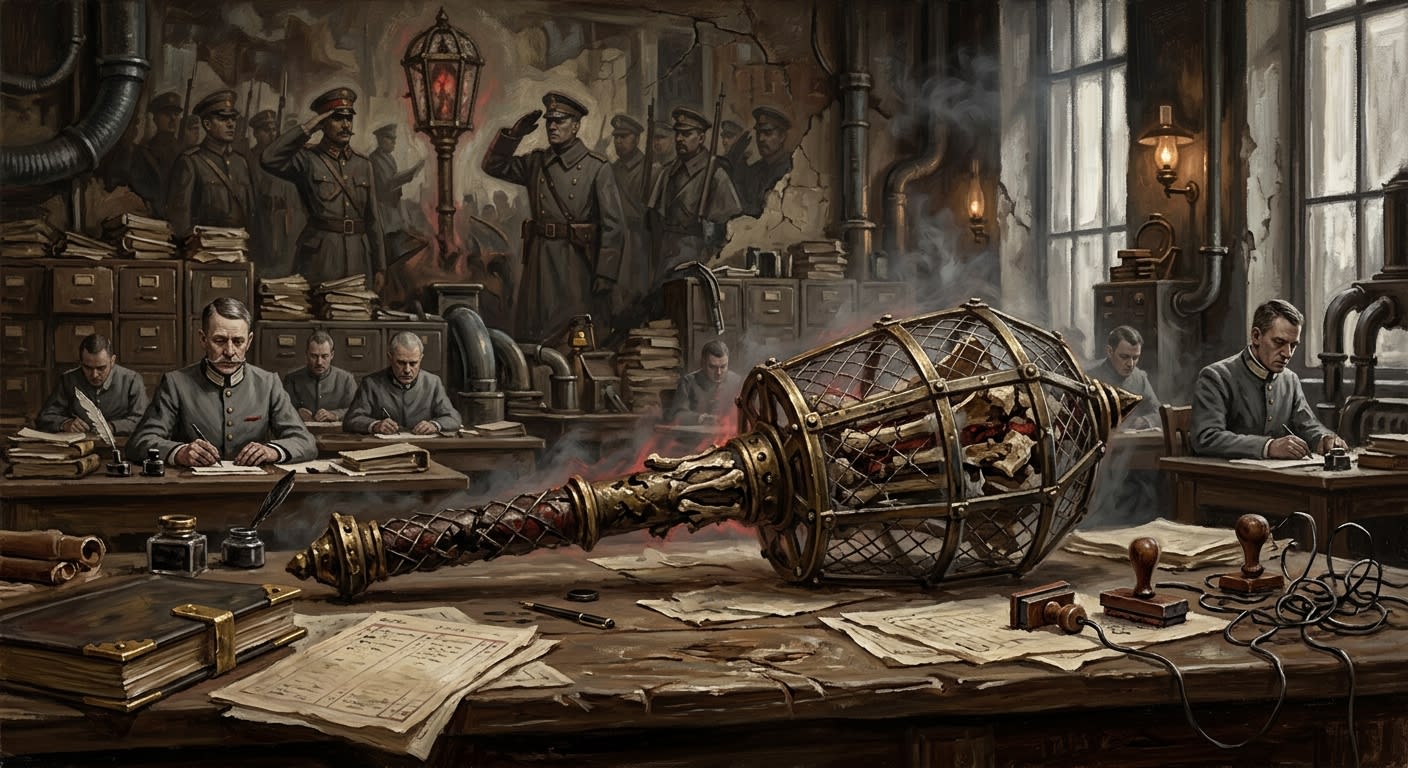
Reliquary of Saint Aldebrand
Count the bones if you must; the mace will wait for Vienna
Saint Aldebrand's reliquary mace was erased, mocked, duplicated, and finally obeyed at Vienna; the Bureau now preserves every contradiction it failed to prevent.
Codex Ref. V.1.02-095
Rest Societies
The heresy that simply wants to sit down — and the Bureau that cannot permit it
A tract on the Rest Societies of Bastion-Shipka: two confirmed heretical assemblies forming among exhausted administrative staff who concluded that the Synod's wakefulness mandate was the greater sin. Three more suspected. The fog advances.
Codex Ref. XI.7.01-001
Rot-Week of Saint Vellum
Eleven days to save the forms, four days to lose the food
The Rot-Week of Saint Vellum was an eleven-day port paralysis in which disputed cargo names perfected the paperwork, spoiled the food, and licensed Manifest Litigants into profitable necessity.
Codex Ref. VII.8.10-001
Royal Fleet
The island's parliament of hull, bell, chapel, and gun
Britain's Royal Fleet keeps the Channel, Gibraltar, grain, pilgrims, and Synod pride afloat; Strasbourg counts the hulls and calls dependence cooperation.
Codex Ref. X.1.05-001
Sacred Ledger
The Synod's memory, sharpened until grief signs the receipt
The Sacred Ledger is the Synod's authorised memory: fact cooked into Doctrine, grief made grammatical, contradiction kept on a leash.
Codex Ref. XIII.1.32-090
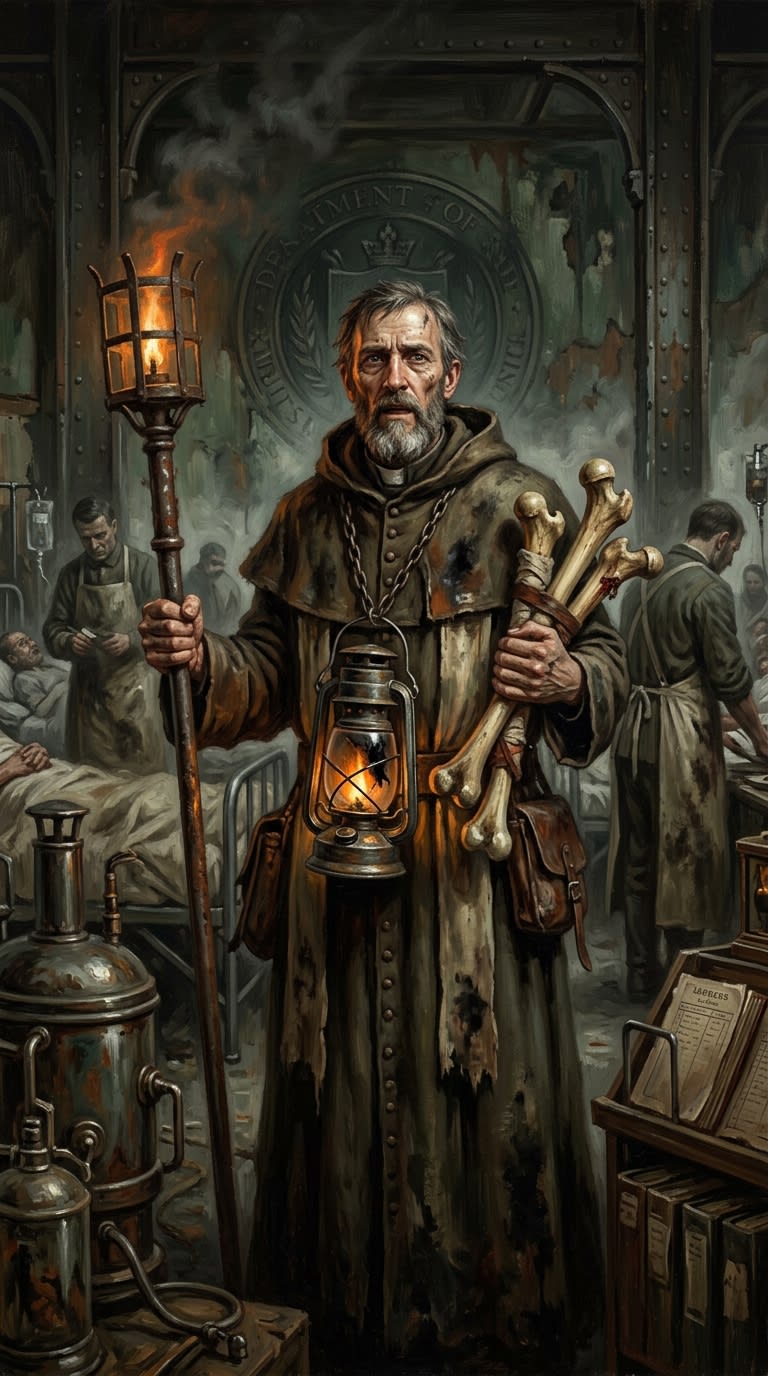
Saint Maurus of the Burnt Lantern
The hospice martyr whose left leg taught arithmetic to kneel
Hospice martyr, ward-lantern patron, and owner of three authenticated left femurs; Maurus proves that sanctity can outgrow anatomy.
Codex Ref. III.2.01-148
Saint-Anonymous of the Glass Parish
The nameless patron who keeps the shard from learning the road
Saint-Anonymous of the Glass Parish is the unauthenticated patron invoked by demon-glass scavengers, wrappers, route-null couriers, and other professionals whose safest miracle is remaining unnamed.
Codex Ref. III.2.01-110
Salters' Compact, Lübeck
Salt preserves meat, debts, names, and every sin that should have rotted
Dissolved Lübeck salt fraternity whose A.S. 180 insufficient membership followed Shadow intervention, brine-code ledgers, preserved debts, and cellars too useful to burn.
Codex Ref. XII.26.03-001
Scribe-Mother Hal
Two hundred and fourteen booths call her Mother because fear needs a schedule
Scribe-Mother Hal runs Bastion-Brest's 214 Confessional Lanes, defending damaged clerks while the Echo, the Circle, and Krail tighten the noose.
Codex Ref. III.2.01-075
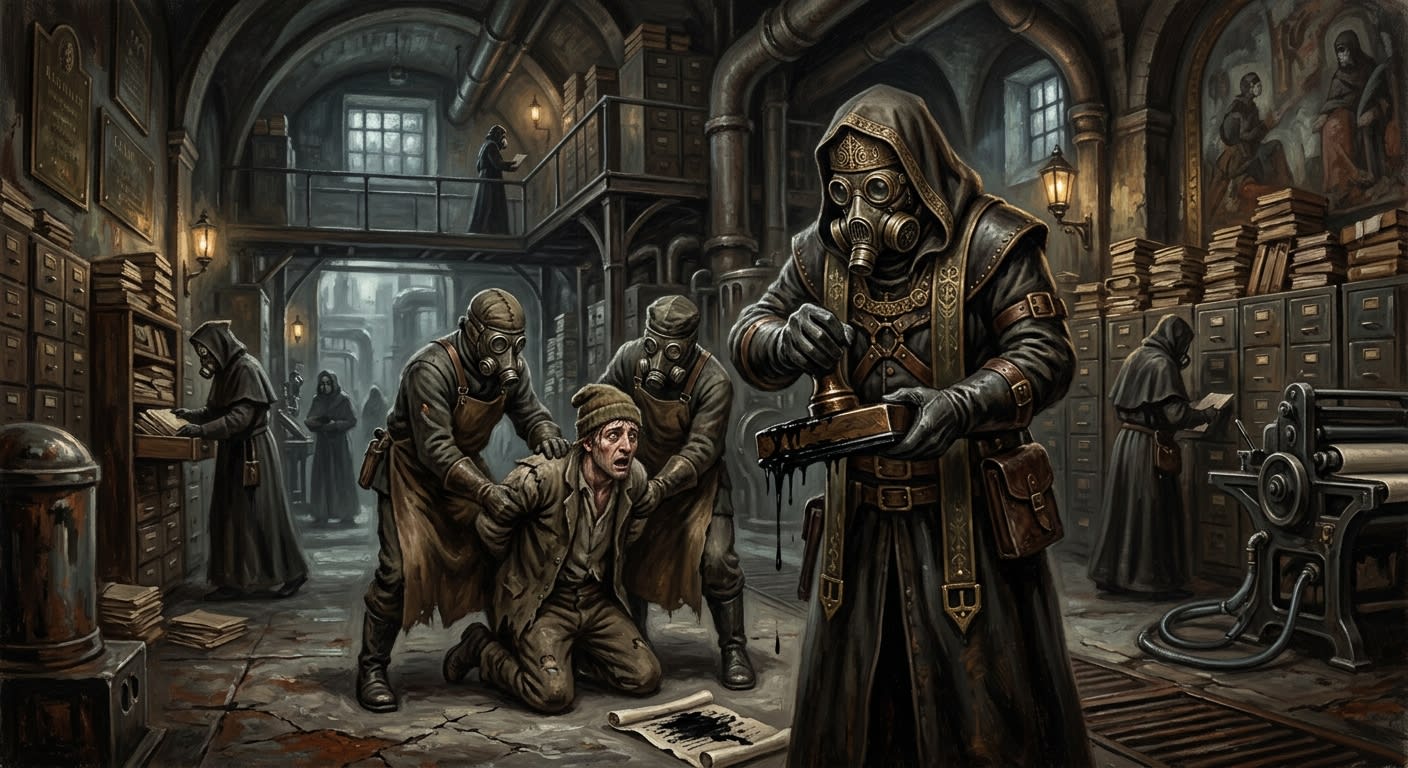
Seal Obsidian
The classification that denies the hand while sharpening the knife
Seal Obsidian is the Synod's blackest administrative mercy: knowledge retained because it is needed, denied because it is fatal.
Codex Ref. XIII.1.09-001
Sealed Archive of Doctrine
The room where contradictions sit upright, labelled, dangerous, and dry
Beneath the Tower of the Quill lies Doctrine's dry sealed archive: older than the sandstone, jealous of its shelves, and intimate with contradiction.
Codex Ref. II.1.04-002

Seers
Dangerous attention, mispriced as wisdom
Seers are the listening minority within the Demon-Glass Scavenger trade: useful for route omens, seam detection, and ambush warnings, disastrous whenever a shard learns their name.
Codex Ref. XII.13.06-001
Seven Seals of Faith
Seven absolute sovereignties, each checking the others, which Kratz called something else entirely
The constitutional framework of the Bureaucratic Synod — seven domains of overlapping absolute authority, each assigned to one Hierarch, each cancelling the others into the only available direction forward, toward the Sagittal Line, where jurisdiction is settled by artillery.
Codex Ref. XIII.1.05-001
Shadow Advocates
No licence, no bell, no mercy; still the ruling holds
Unlicensed ledger-duellists who settle filthy disputes in cellars, warrens, docks, and black-market rooms where official law cannot appear without confessing failure.
Codex Ref. XII.28.04-001
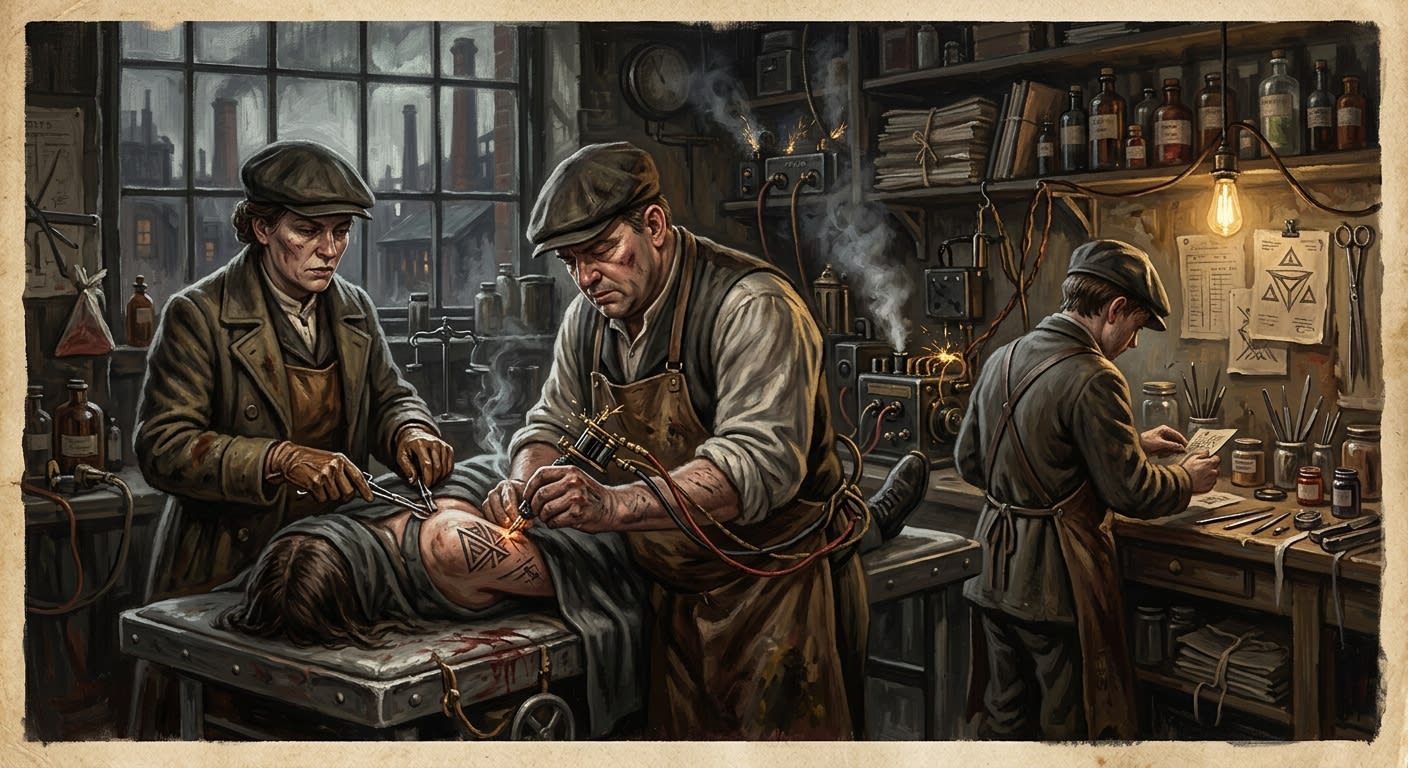
Shadow Angle Crews
The illegal geometry that teaches skin to lie back
Shadow Angle crews are unlicensed Brand-Smith cells that alter, downgrade, counterfeit, and erase bodily tri-marks wherever lawful identity has become intolerable.
Codex Ref. XI.5.01-001
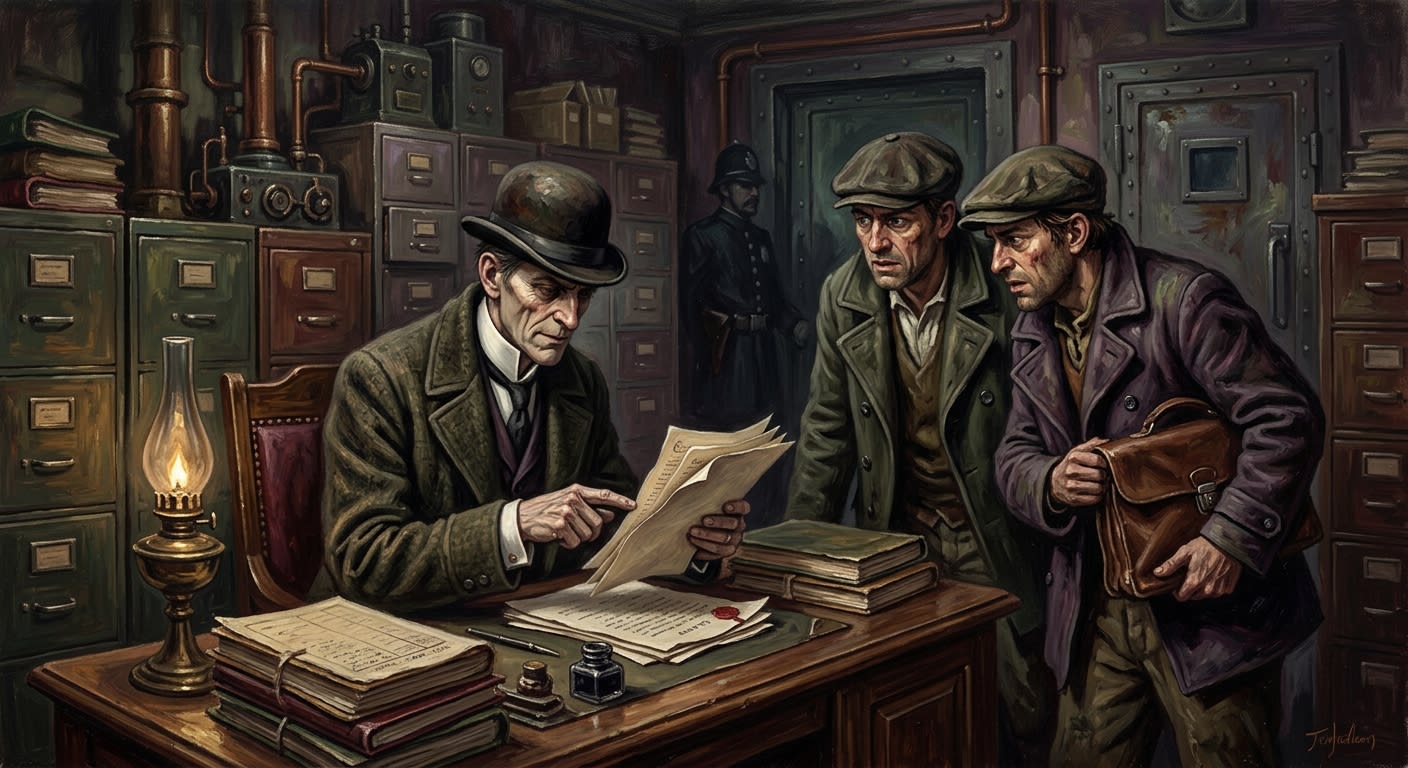
Shadow Counsel
Where the law does not break, but bends toward the purse
Shadow Counsel are purchased Manifest Litigants: licensed mouths rented by smugglers, syndicates, and caravan houses to make lawful procedure serve private dirt.
Codex Ref. XI.1.06-001
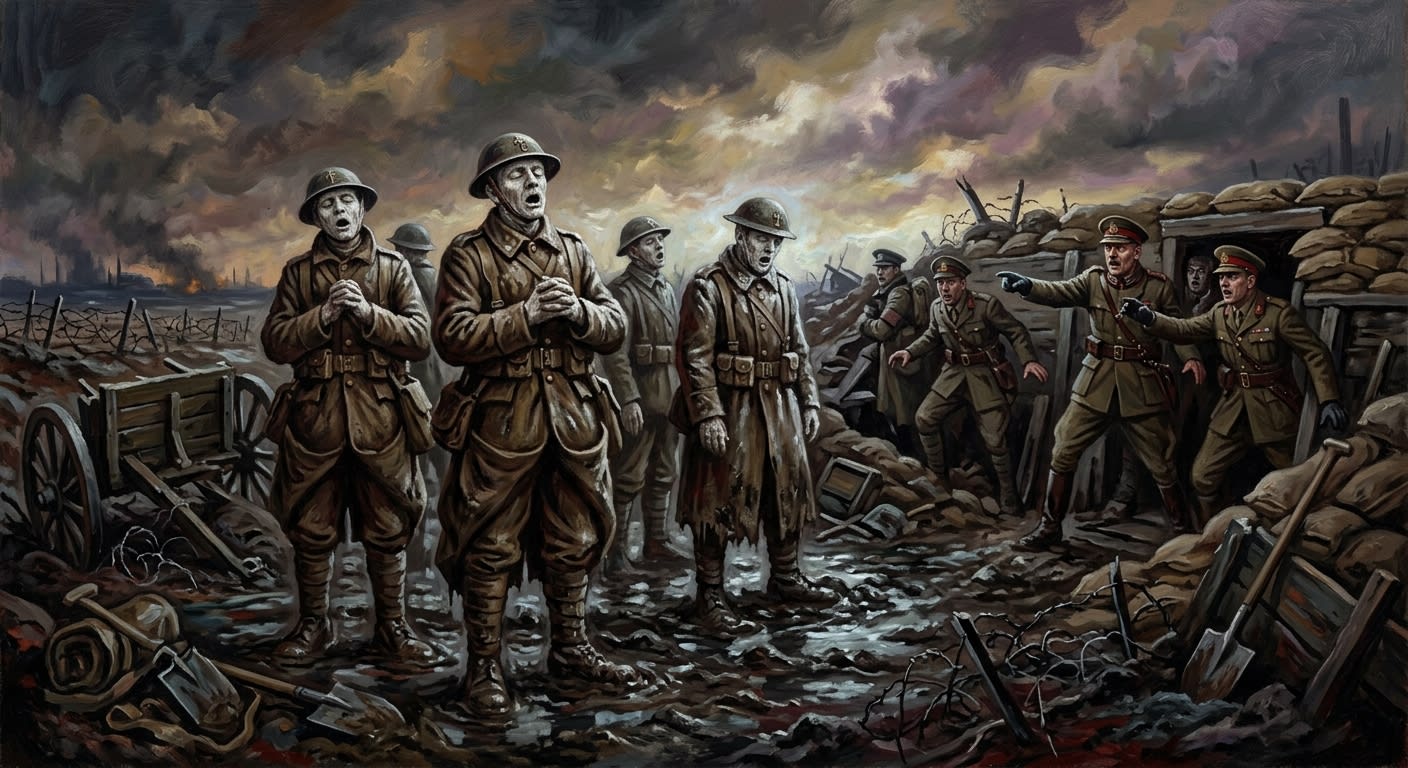
Shadow Noon Incident
When noon cast the wrong verdict and men became salt
A.S. 201 No Man's Land field disaster in which a Litany-Engineer advance under contradictory shadow was found upright, singing, booted in Flesh-Mud, and transformed into salt.
Codex Ref. VII.8.10-052

Sigil Inspector
The man who tells the world what it is allowed to look like — and scrapes the rest
The Bureau of Heraldry tells the world what it is permitted to look like. The Sigil Inspector is the man who walks the world and checks — codex in hand, swatch at the hip, blade heated to scraping temperature.
Codex Ref. XII.43.01-001
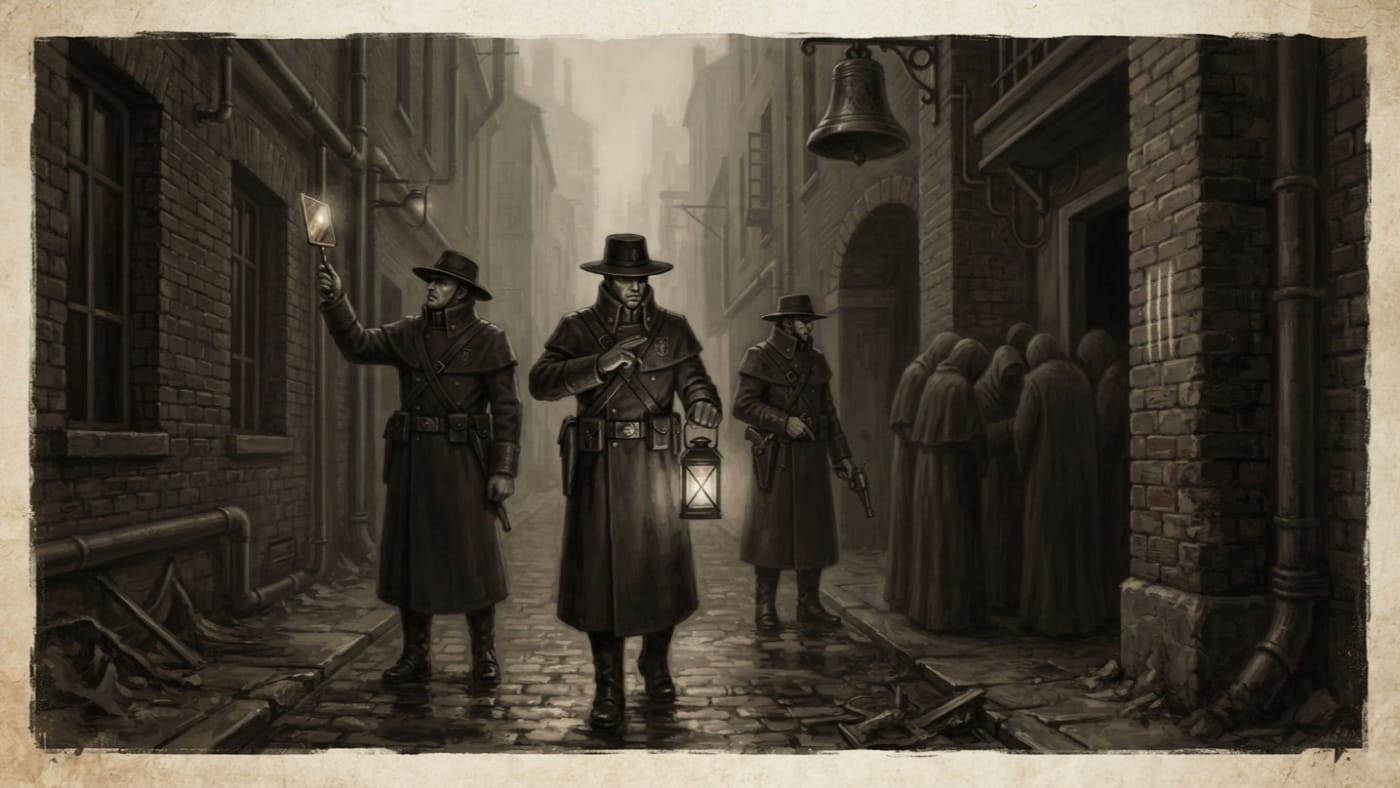
Signal Law
The hand commands what the bell cannot reach
Signal Law lets Mute Radiance command bell-dead streets by hand-code, mirror-flash and chalk. Auxiliary toleration supplies its licence; the charter claims the alley. Quiet congregations expose what silence-order cannot govern.
Codex Ref. XIII.1.76-005
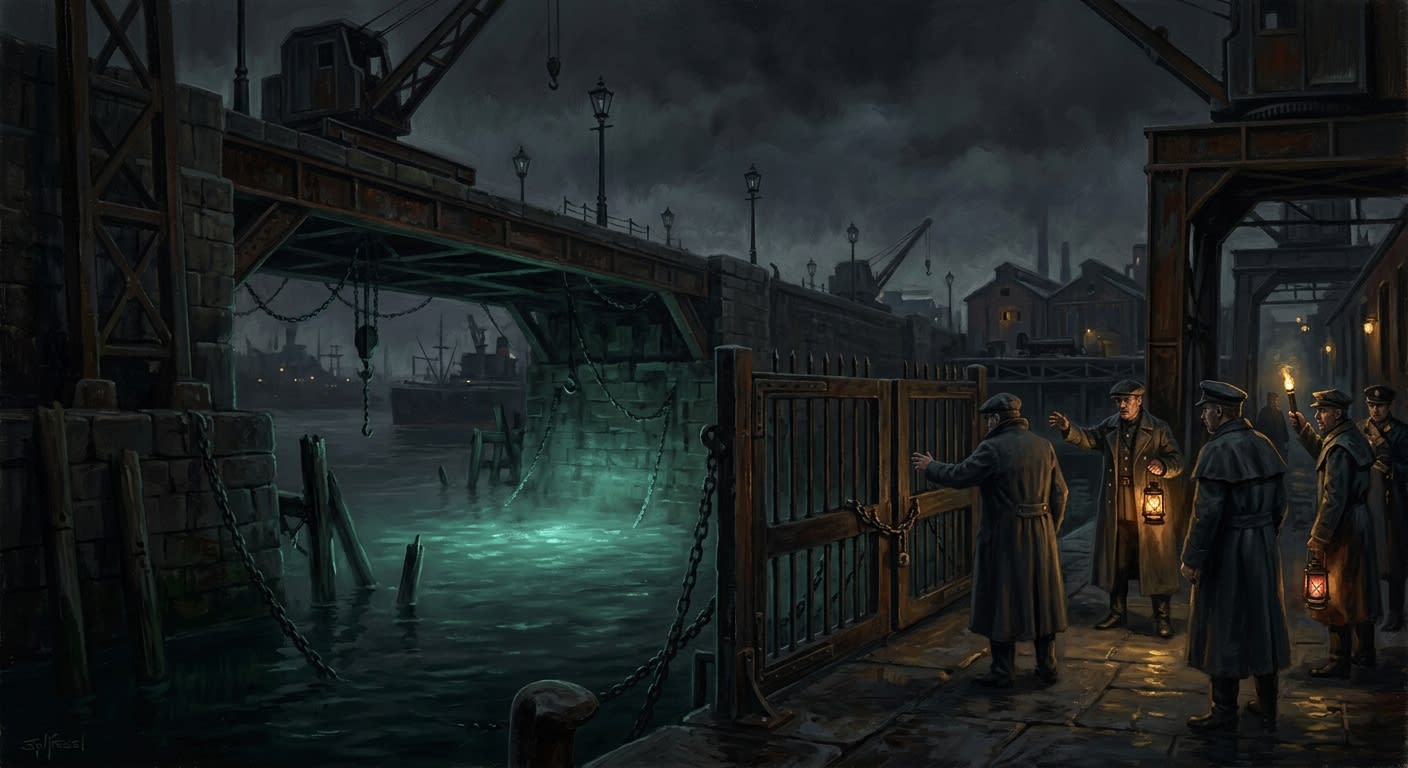
Silence of Harbor Lamps
Darkness received a harbor office and stamped the water
For seventy-two hours in A.S. 185, Bastion-Constantinople's harbor lights died, the water lit beneath, and the *Saint Veritas* vanished from a locked quay.
Codex Ref. VII.8.10-185
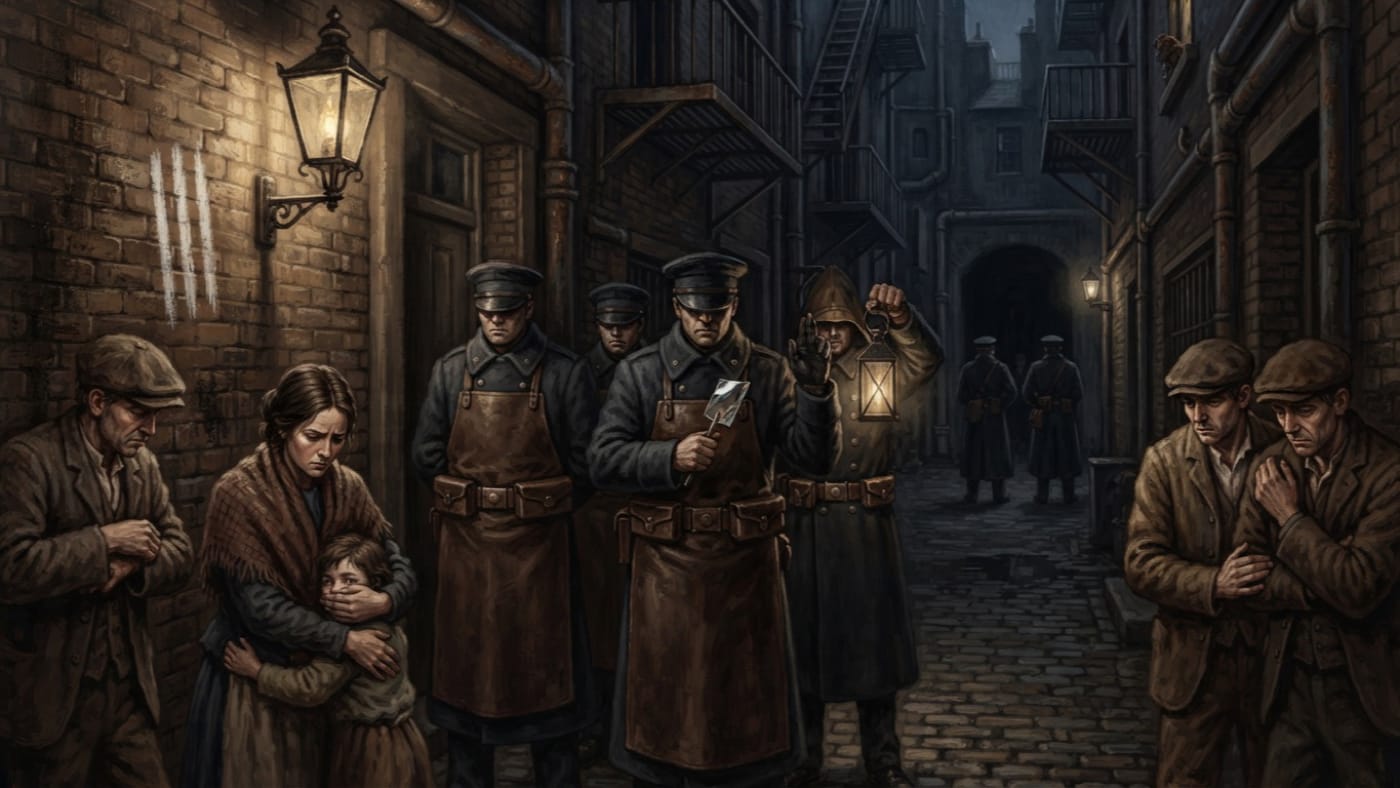
Silence-Order
A quiet street makes an immaculate return
Mute Radiance's silence-order forbids screams, gatherings and audible truth in hush-zones. Panic suppression earns toleration; silent detention keeps the returns clean. Quiet preaching leaves the mandate's boundary unresolved.
Codex Ref. XIII.1.76-006
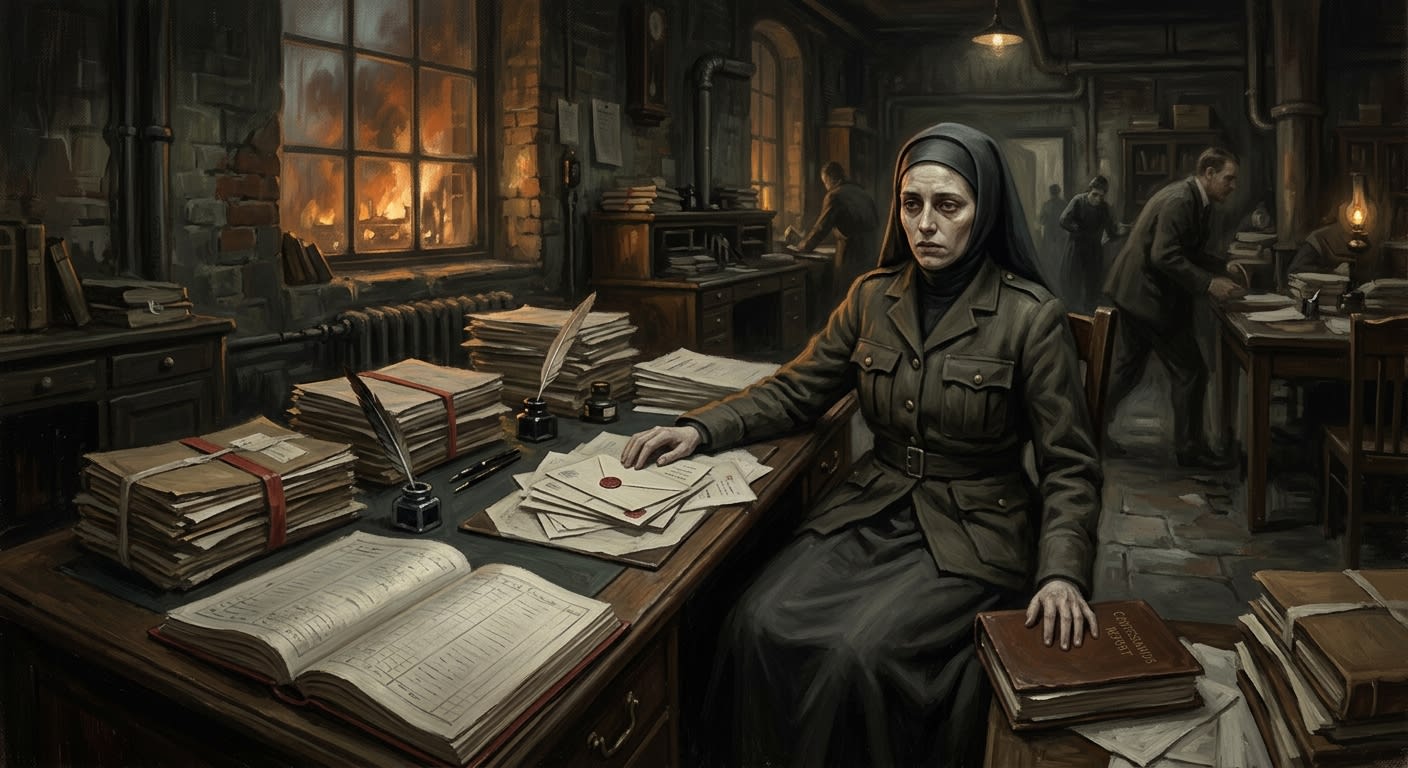
Sister Adelhaid
A name, a correspondence, a fire, and the blessed cowardice of files
Sister Adelhaid survives as a name in a Confessarius report, attached to Marseille letters, Saint Isidore's Eve, and a bookseller's fire too clean to comfort anyone.
Codex Ref. III.2.01-151
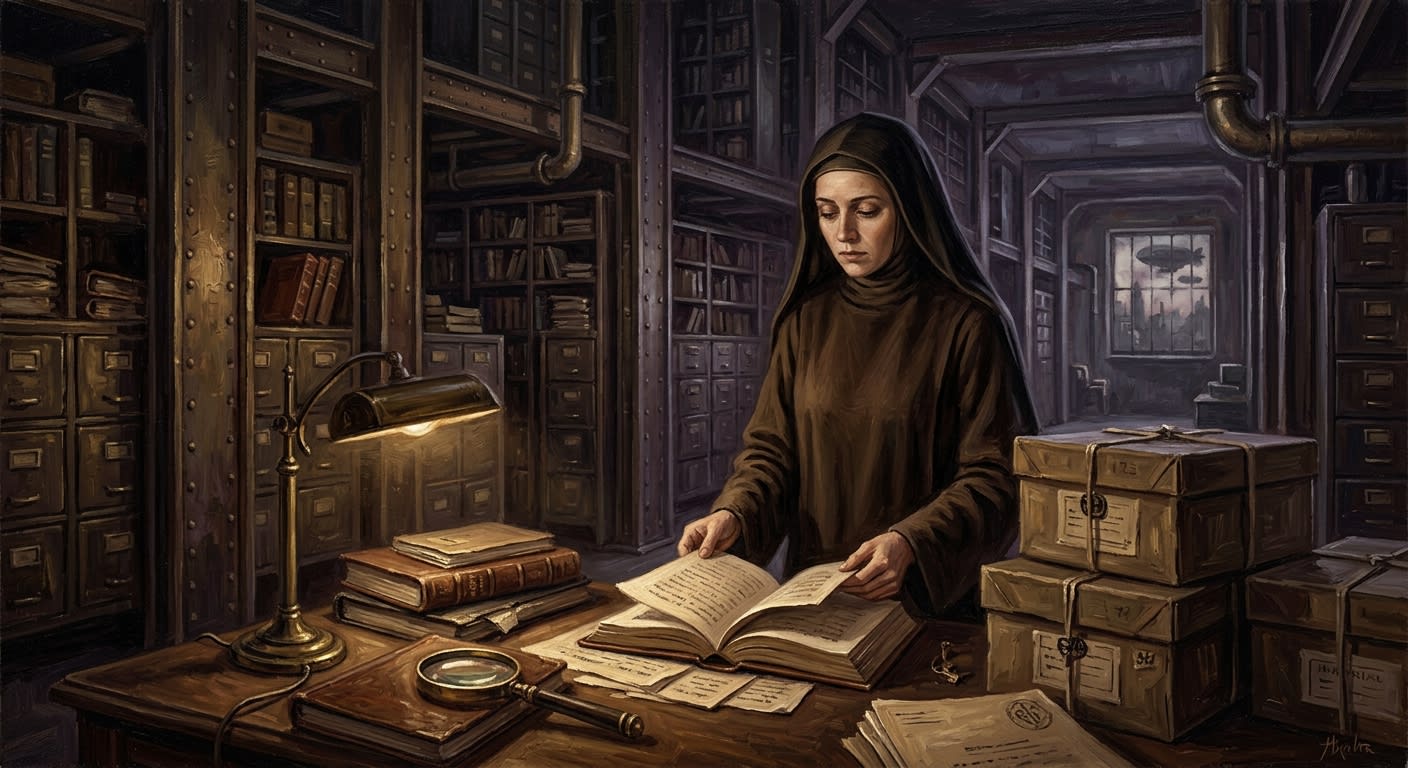
Sister Agata Wiśniewska
The witness who counted wire when action failed
Poor Clare witness to the A.S. 18 Night of Knives whose hidden psalter testimony, ratified in A.S. 148, made forty-seven murders impossible to tidy.
Codex Ref. III.2.01-087
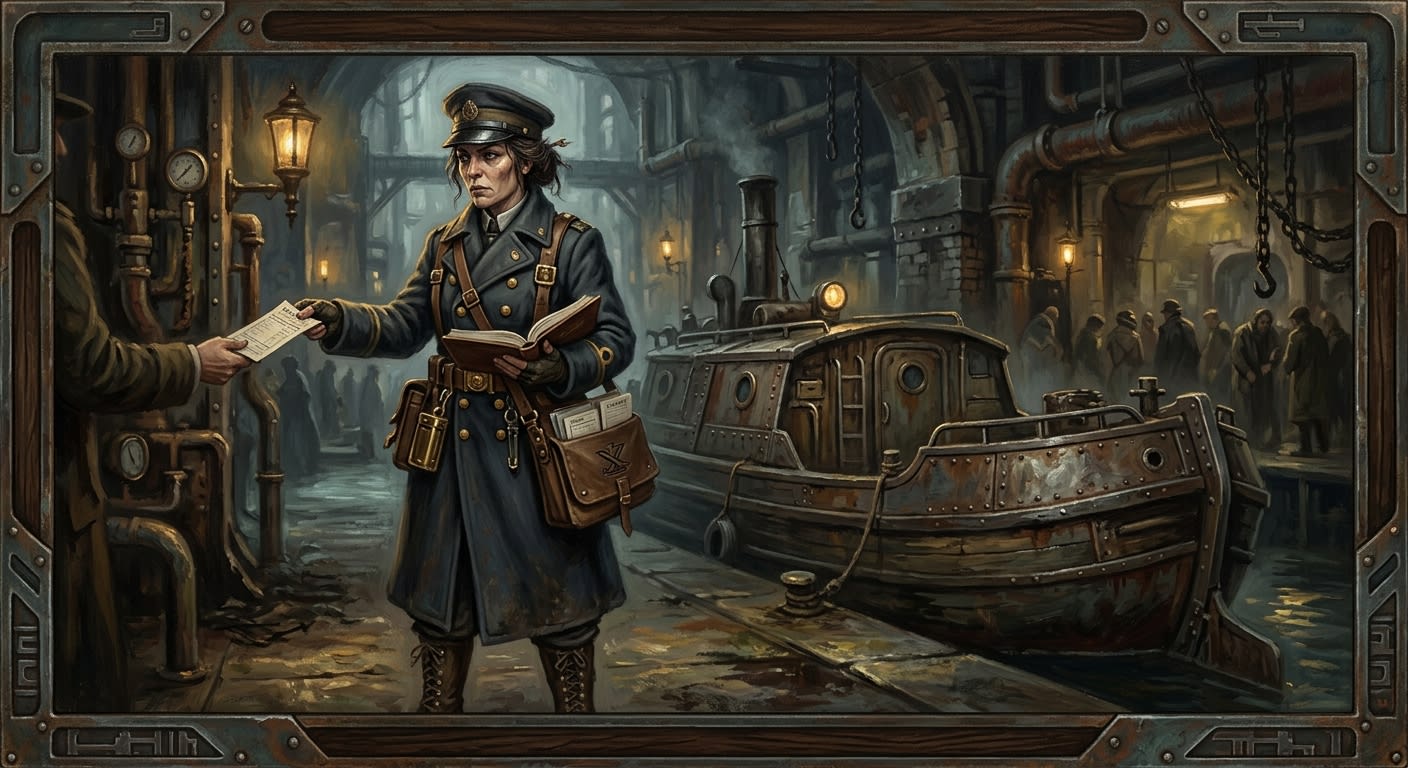
Skiff-Sister Lune
Perfume, tar, and the price of another door
Skiff-Sister Lune sells passage where Calais sells refusal: Grey Keel broker, tunnel saint, tariff sin, and the invoice every lawful door deserves.
Codex Ref. III.2.01-201
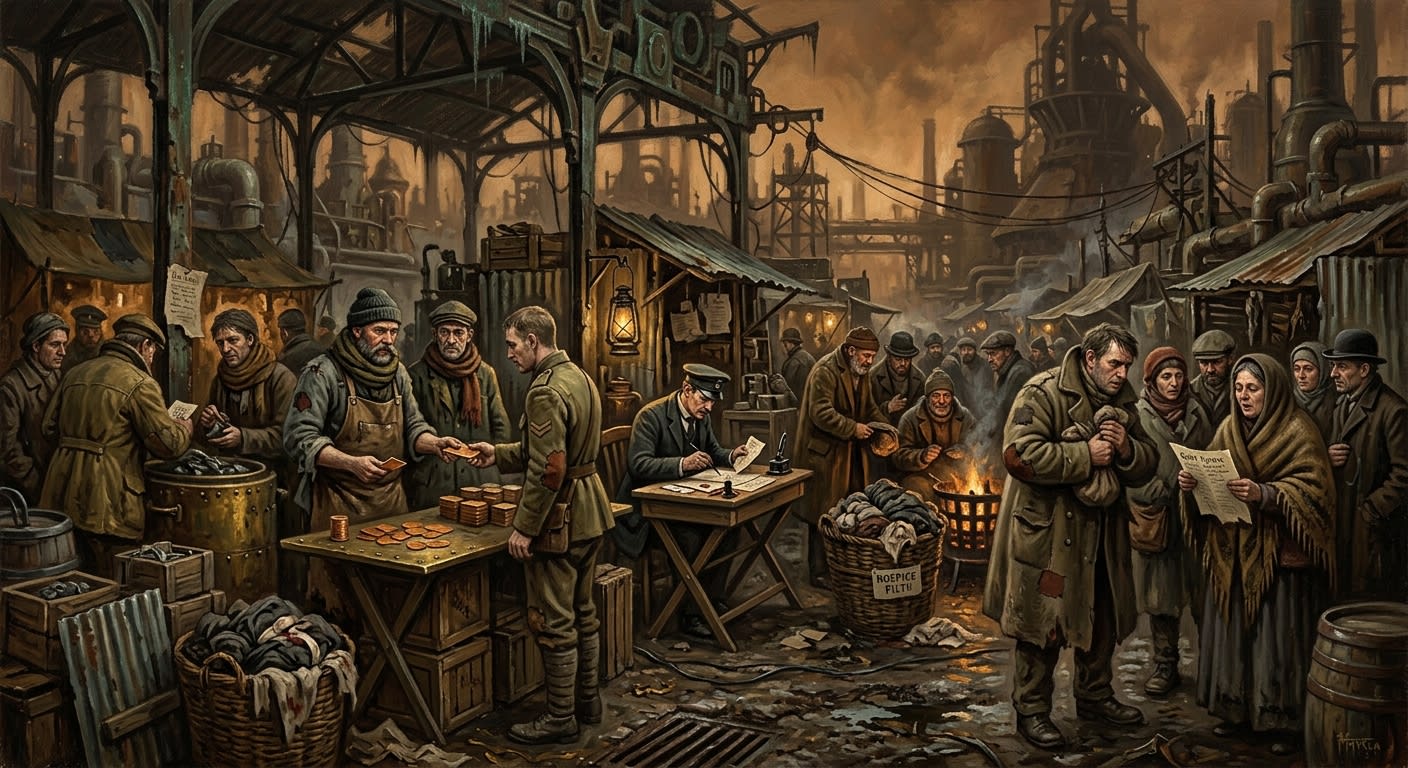
Slag Market
Where Brast's holy heat cools into crime and soup
The Slag Market is Brast's outer-ring commerce in leaked sanctity: warm chits, forged seals, quiet hymns, hospice filth, stolen heat, and necessary lies.
Codex Ref. II.2.06-201
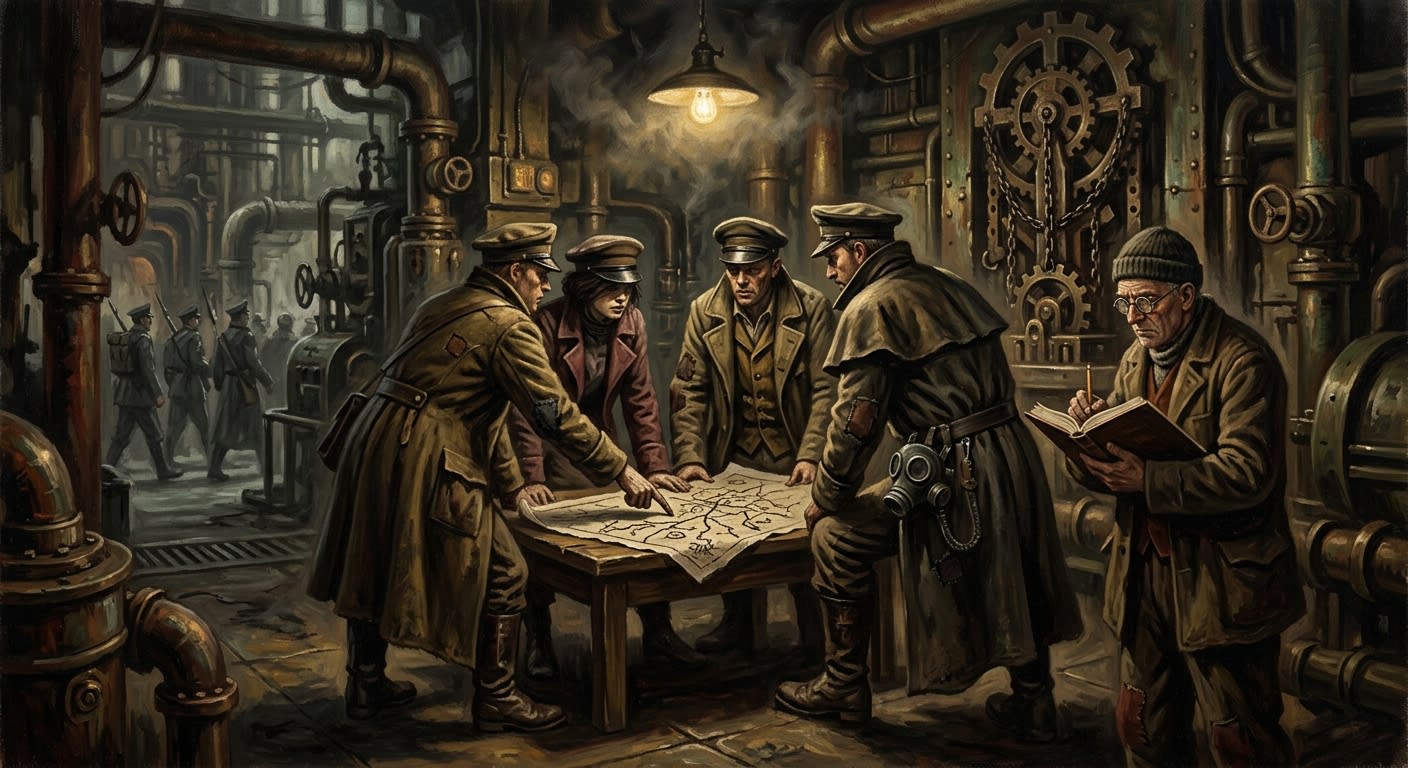
Soft Insurgents
Mercy spoken aloud, which is how a street becomes a heresy
Soft Insurgents arose from the A.S. 178 Cologne split by naming the Brotherhood's tolerated mercy as resistance, turning route maps, comfort, and silence into doctrine from below.
Codex Ref. XII.25.09-001
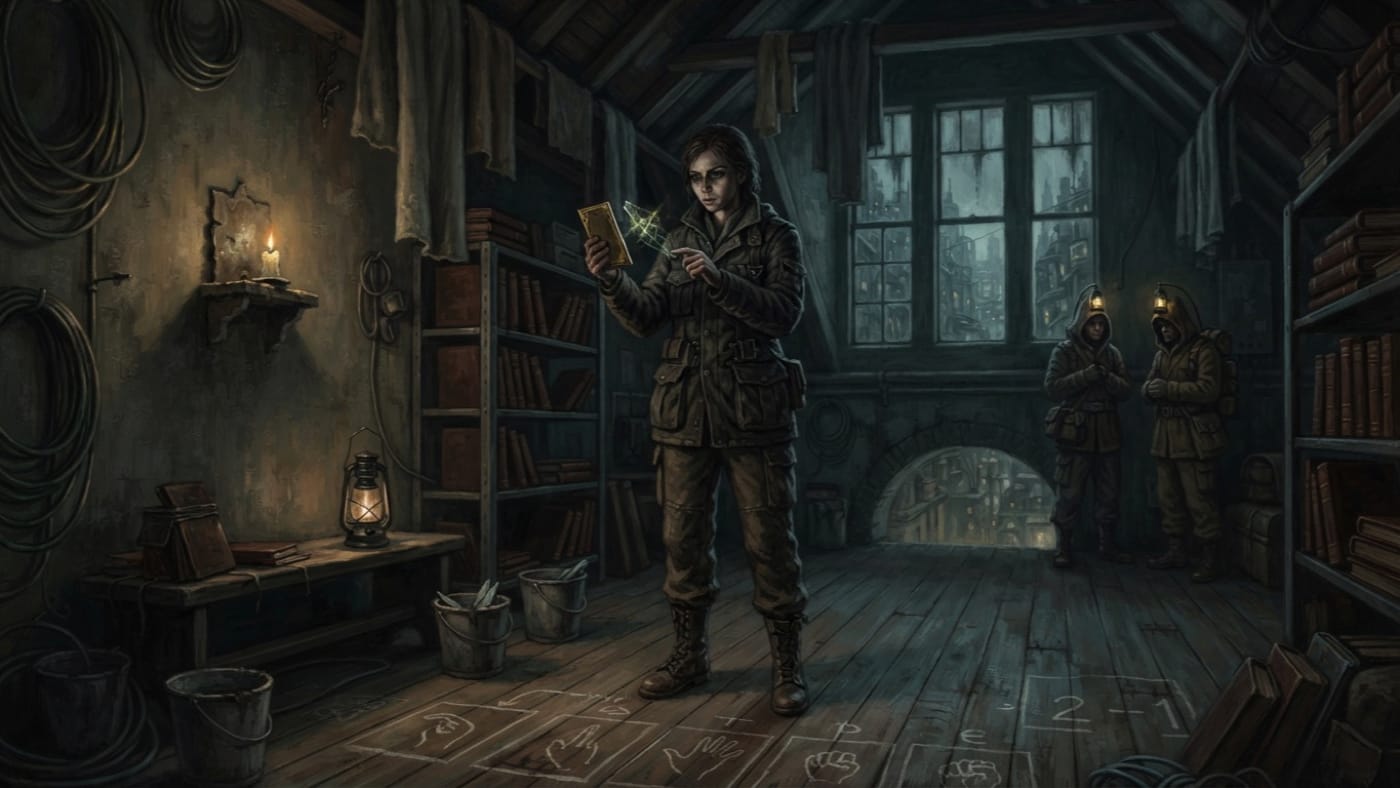
Spark Jani Kest
The manual has one pattern; she reportedly sees more
Spark Jani Kest runs messages for Mute Radiance and reportedly sees mirror-flash patterns absent from its manual. Shadows is interested; the patterns remain unentered, and her biography is admirably blank.
Codex Ref. III.2.01-201
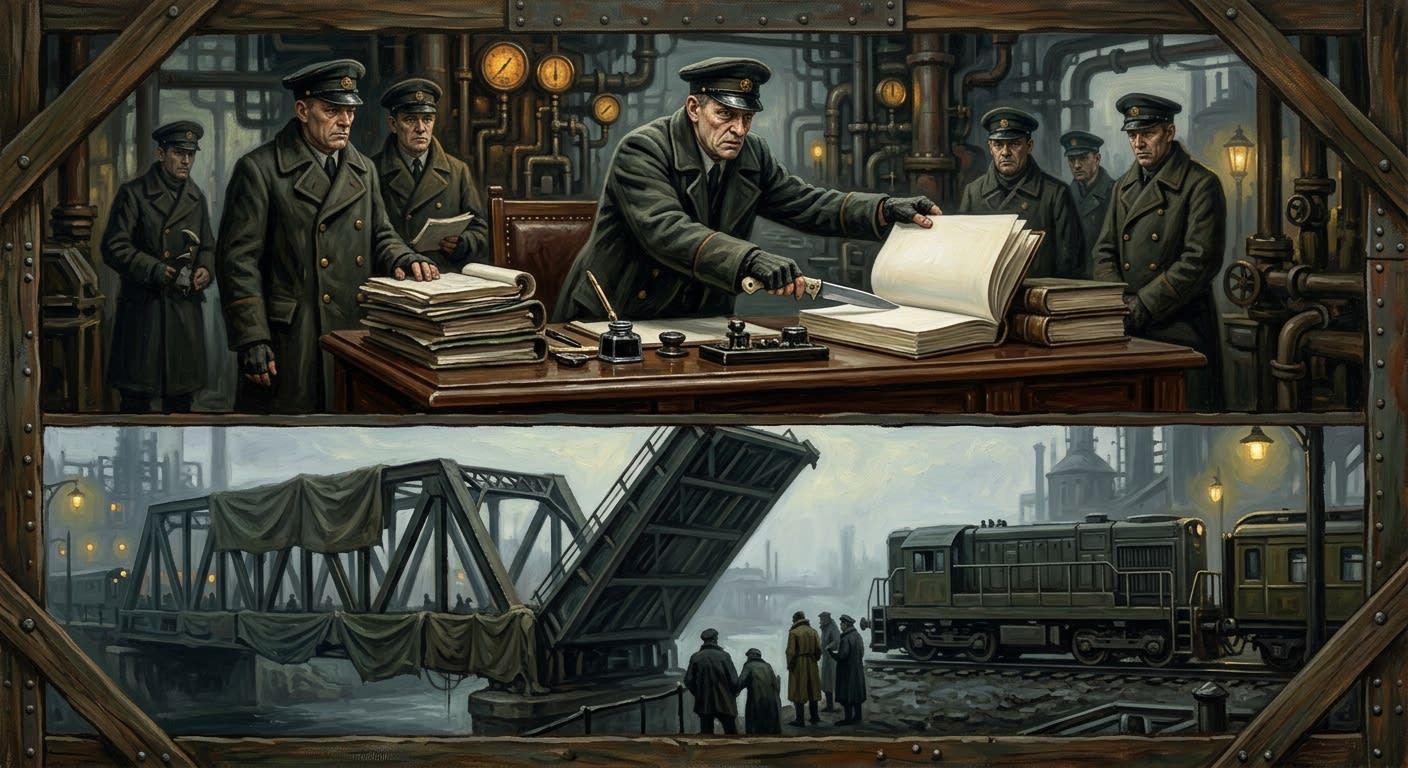
Standing Order 14-B
The bridge learned to answer before Strasbourg finished asking
Standing Order 14-B is Brest's span-sovereign knife: seize the blank paper, halt the crossing, and make absence answer.
Codex Ref. XIII.1.14-196
Swiss Cantons
Where mercy climbs uphill and stops writing back
The Swiss cantons keep passes, bells, hospice beds, and the Synod's most merciful disappearances beneath snow clean enough to indict Heaven.
Codex Ref. II.2.08-201
Szeged
The river city where the light failed while shining
Szeged is the Tisza city where psalm-light learned betrayal, candles died inward, and the road to Baja began reaching back with teeth.
Codex Ref. II.4.09-201
Table of Nine
The oak that refuses inspection and still moves ships
Britain's Table of Nine withholds its charters, argues before Aldric, commands ports and Wardens, and teaches Strasbourg the agony of useful illegibility.
Codex Ref. X.1.02-201
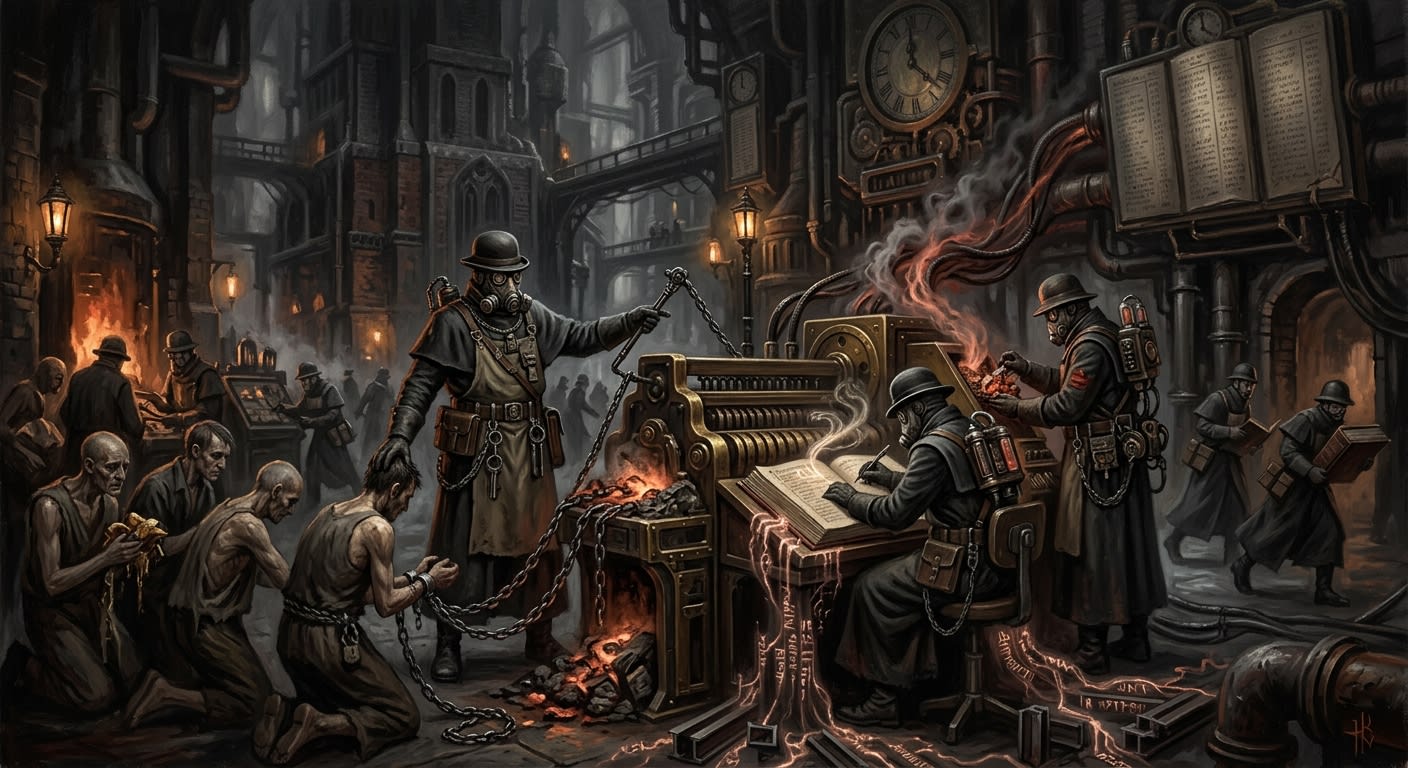
The Accountants
The book beneath the bread and the debt beneath mercy
The Accountants are the Black Ledger's second-book faction: Ledgerwrights who turn gifts into debts, hunger into jurisdiction, and gratitude into infrastructure.
Codex Ref. XI.1.04-003
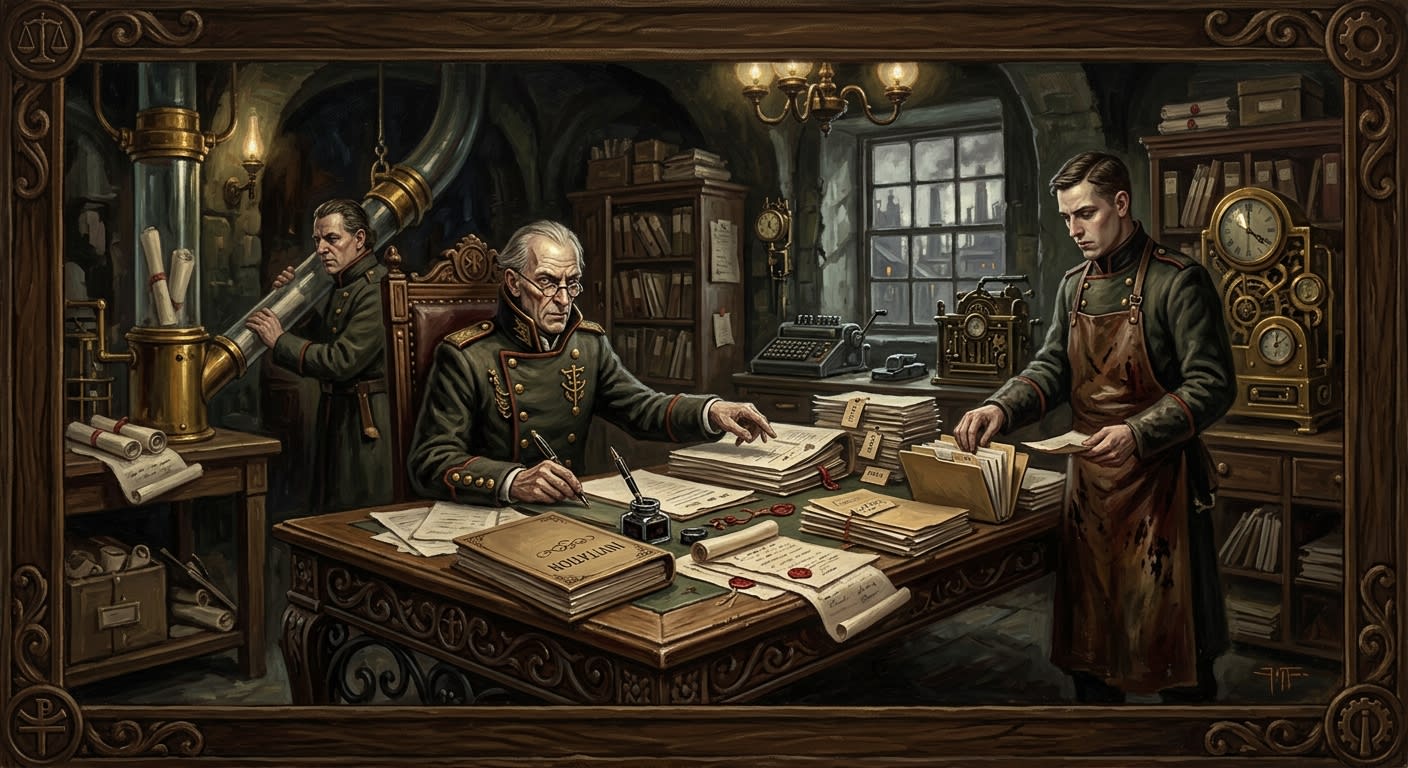
The Anti-Synod
Damnation keeps minutes when chaos would be merciful
The Shadow Court's rival bureaucracy answers Synod decree with invitation, poisoned fact, swift procedure, and papers that make treason feel appointed.
Codex Ref. XIII.1.26-001
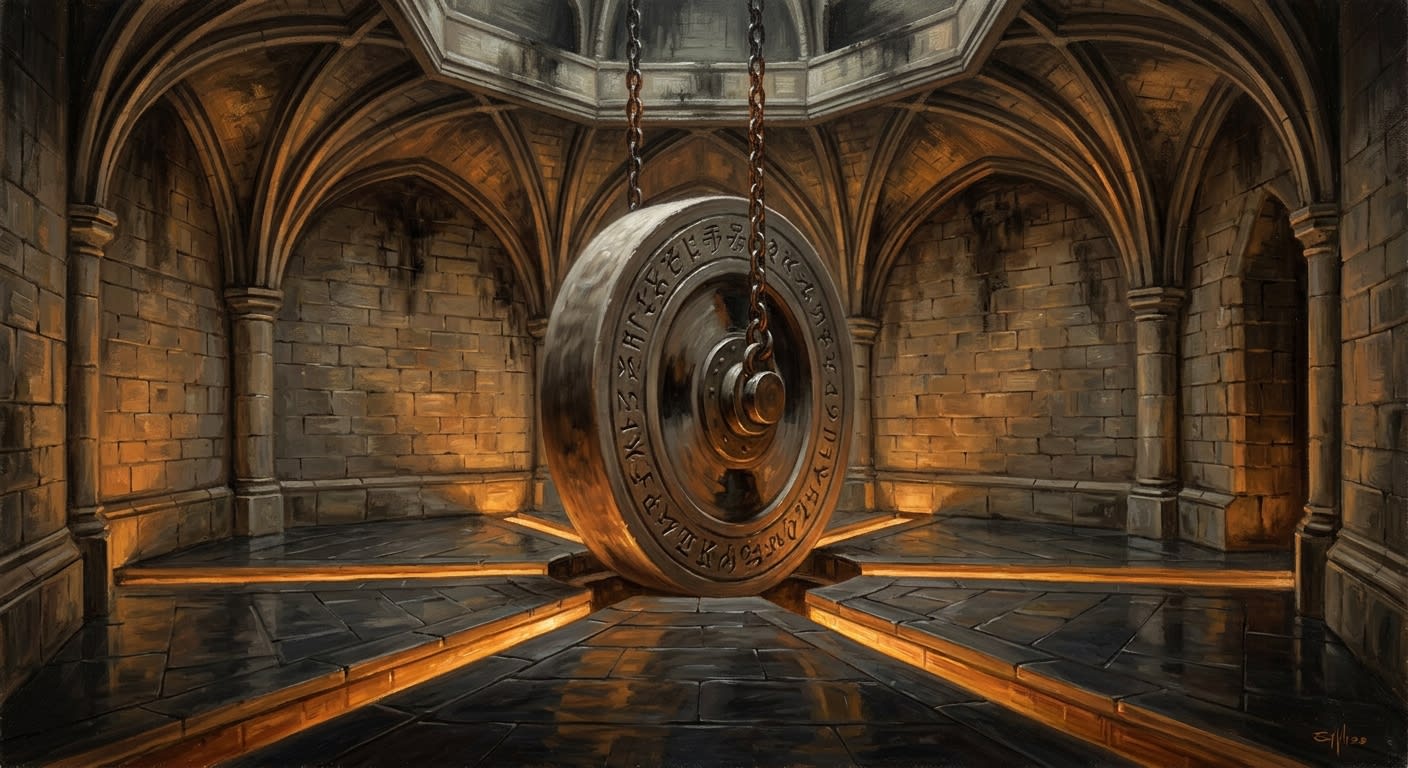
The Apparatus Beneath Gate Nine
The Grindstone turns. The Bureau declines to comment.
Beneath Gate Nine of the Queue Road, forty-two feet below the Hearing Hall, a wheel turns. It has been turning since before the Synod existed. The Bureau of Doctrine classifies this assessment as pending. The Grindstone does not.
Codex Ref. II.3.06-001
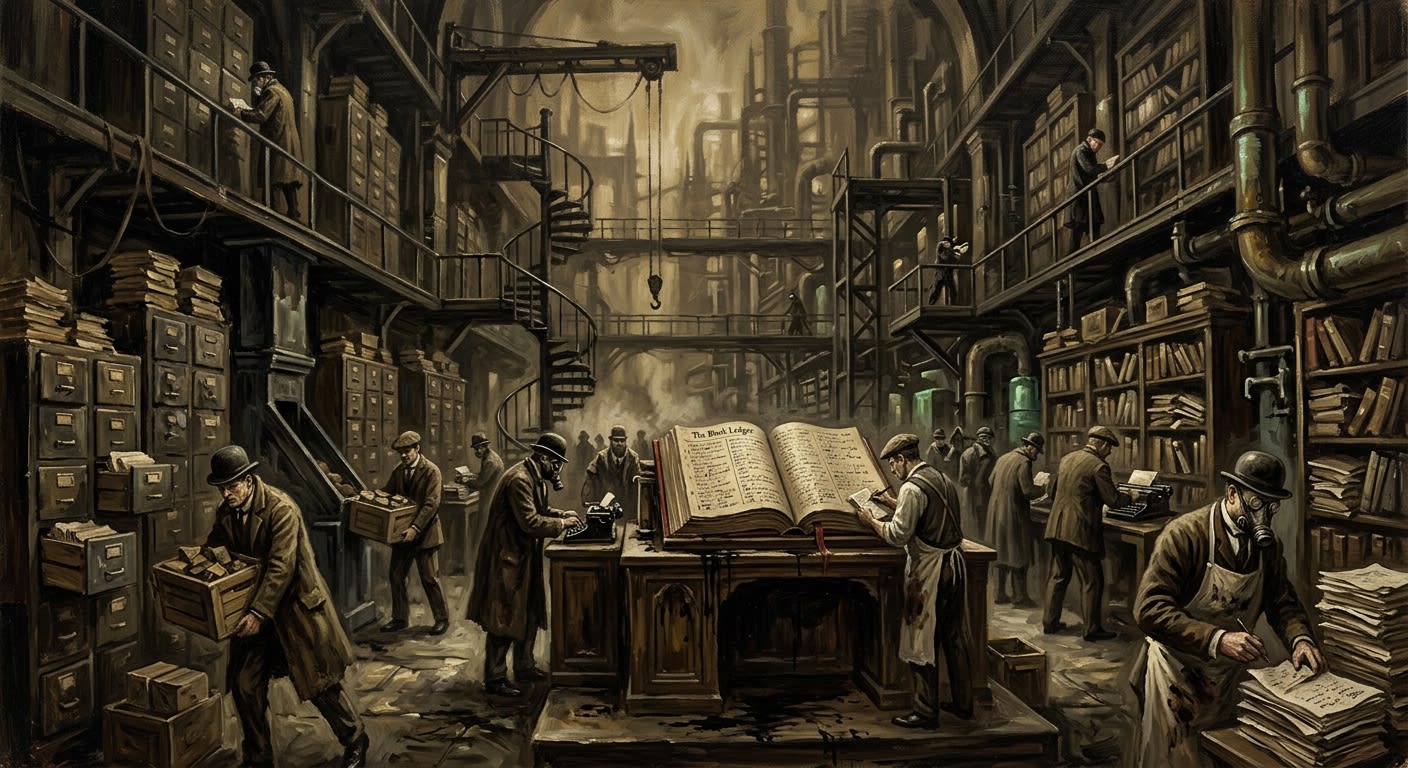
The Black Ledger
Hunger with a filing system and better memory than mercy
The Black Ledger is the Synod's gutter-mirror: a criminal heretical network that steals, feeds, records debt, and turns absence into jurisdiction.
Codex Ref. XI.1.04-001
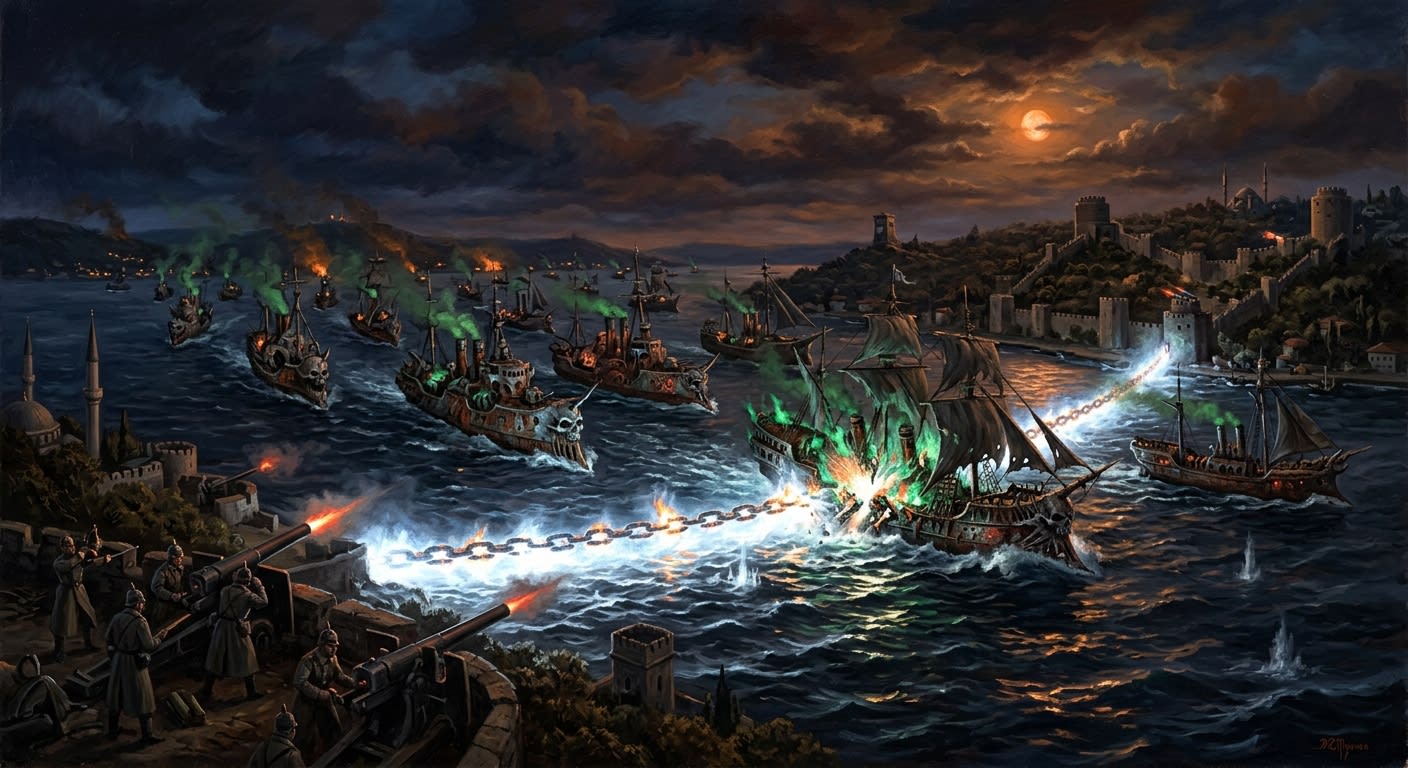
The Black Sea Armada
Forty-seven ships. The Bureau counted them twice. The second count was worse.
On the night of 14 Ferrum, A.S. 162, forty-seven demon vessels entered the Bosphorus. The Chain of Saint Anakletos held — and burned white-hot for seven hours. Forty-three ships destroyed, the chain gone dark ever since, and one ship never found.
Codex Ref. VII.4.01-001
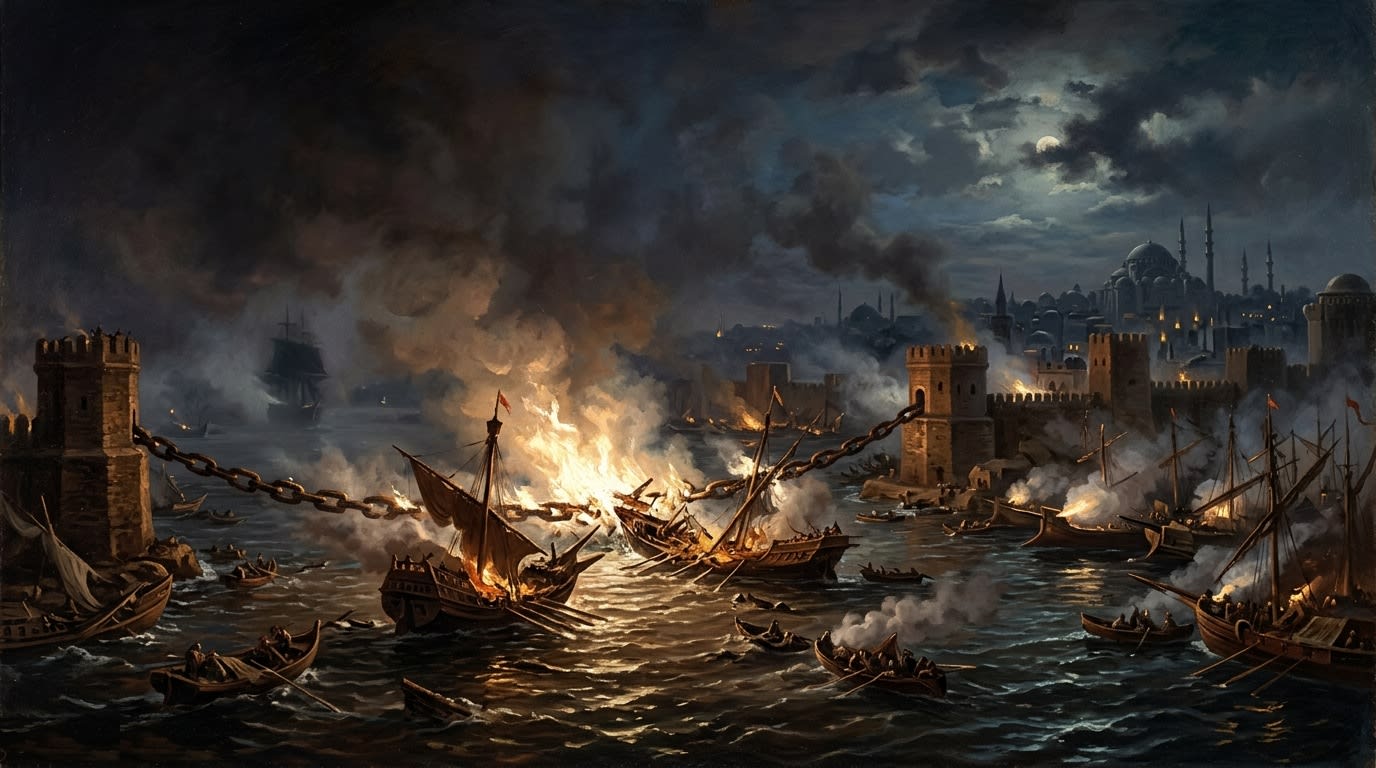
The Black Sea Armada Engagement
Forty-seven ships entered the ledger; one refused arithmetic
The A.S. 162 naval assault on Bastion-Constantinople's Harbor of Chains: forty-seven demon vessels, seven hours of white fire, and one ship-shaped absence still drawing interest.
Codex Ref. VII.5.10-162
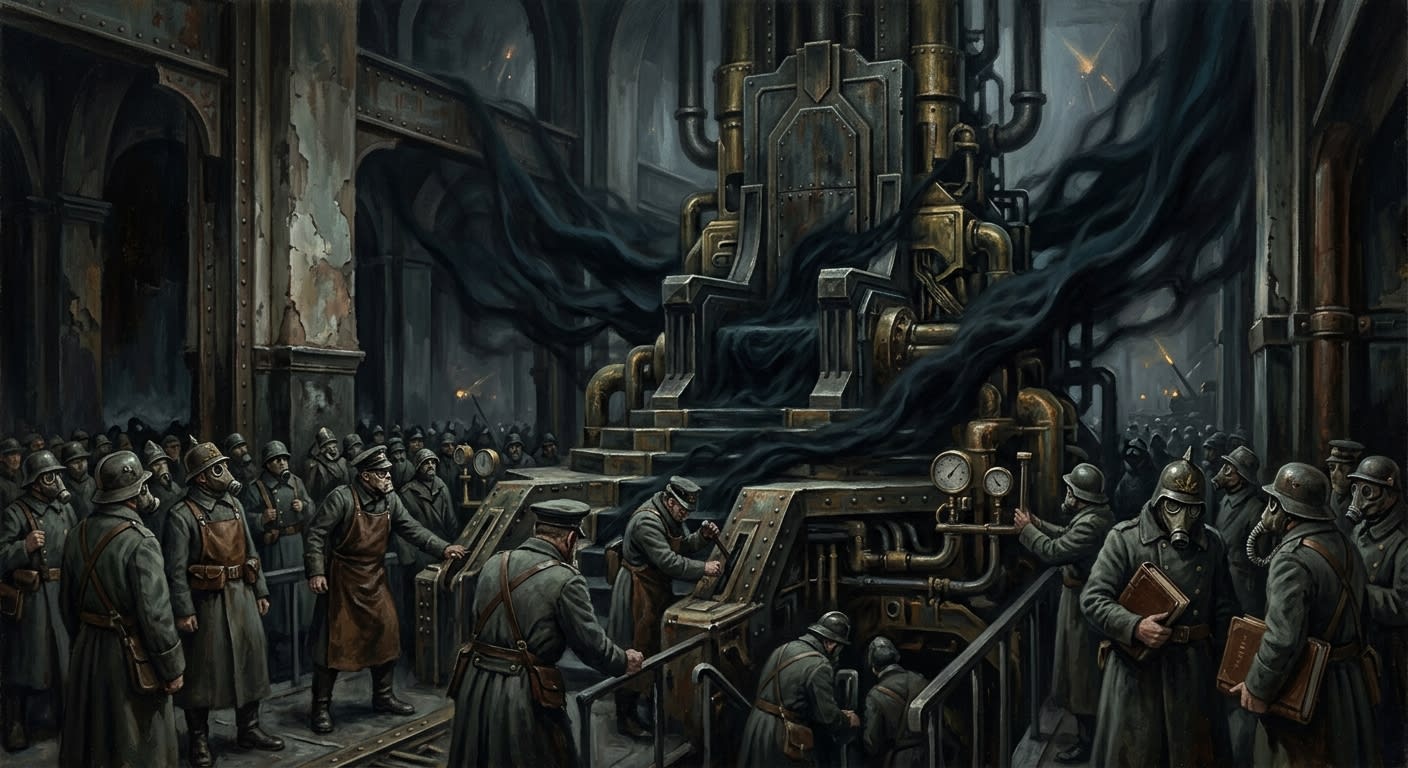
The Black Throne
Authority need not sit to make others kneel
Doctrine treats the Black Throne as symbol, Shadows as object, War as target; all agree that authority gathers there until place obeys.
Codex Ref. XIII.1.24-001

The Blank-Sheet Circle
A heresy that fits on a single sheet; the sheet is blank
A proscribed organisation operating from the Pylon Warrens of Bastion-Brest; manufactures blank crossing papers permitting nameless transit across the bridge; the Bridge Tribunal has made nineteen arrests; this has not helped.
Codex Ref. XI.5.01-001
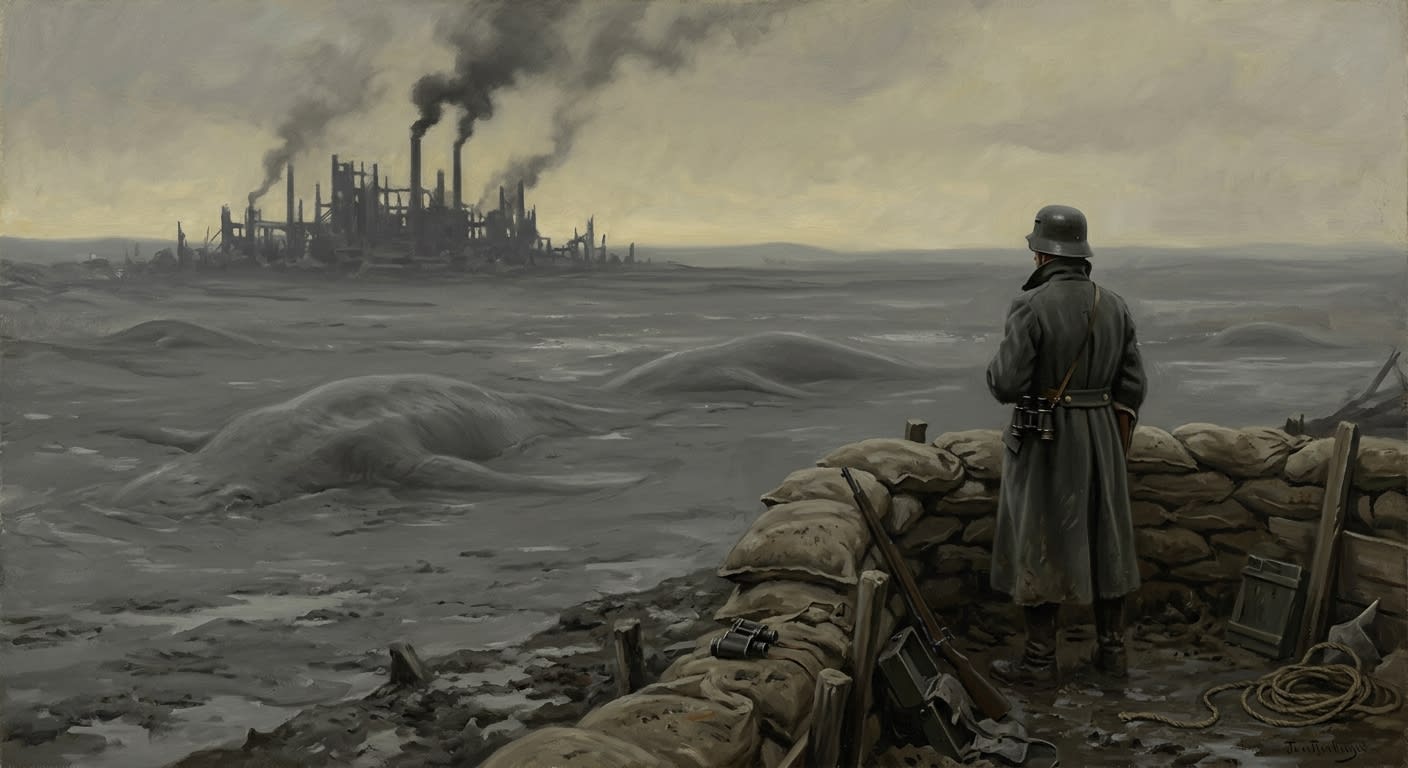
The Blightmarsh
Kargath's larder, fully stocked, permanently empty
The consumed plains of Hungary — twenty-three thousand square miles of grey mud, expanding mouths, and hunger that does not end. Kargath's forward infrastructure. The Sagittal Line's nearest unsolvable problem.
Codex Ref. V.6.01-001
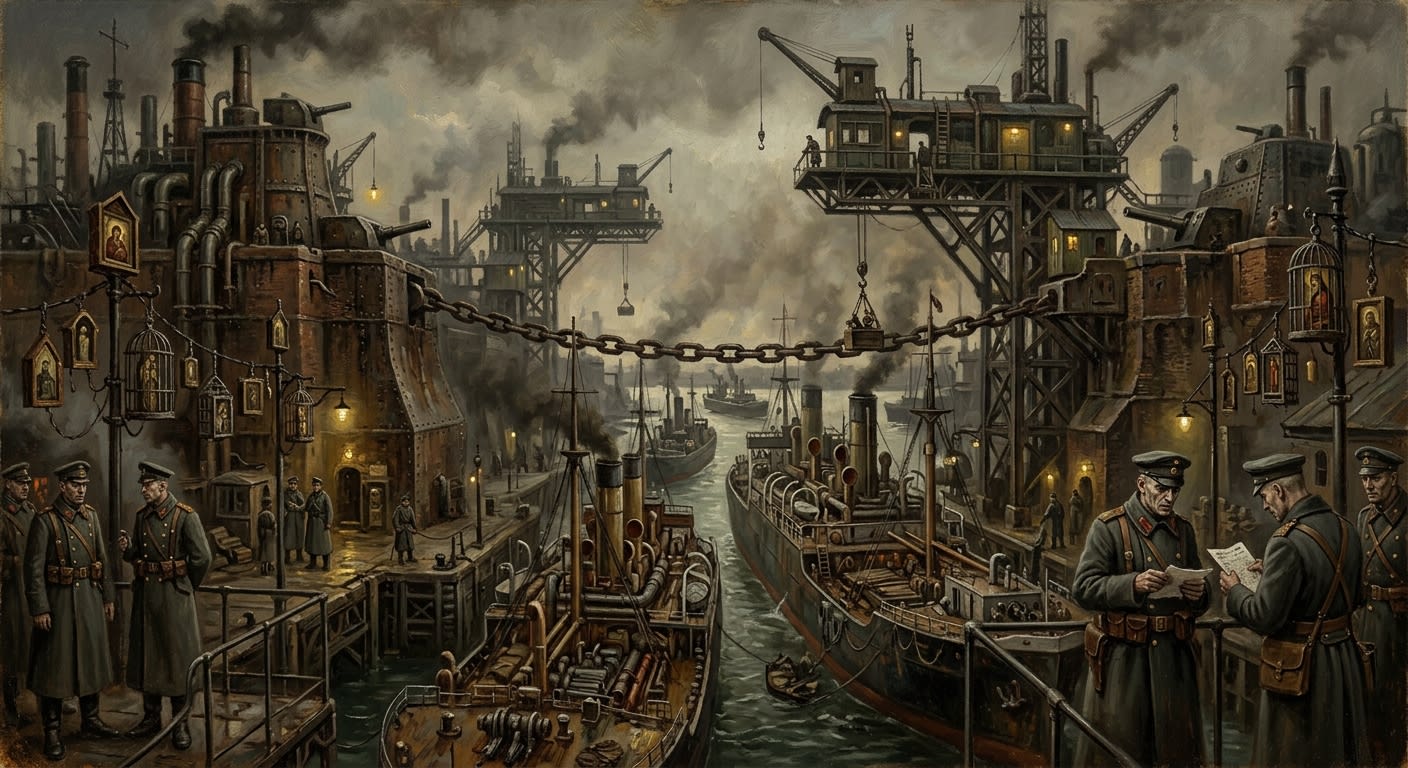
The Bosphorus
The water has not countersigned
The Bosphorus is the southern hinge of the Sagittal Line: chain-defended, tariff-choked, relic-strung, and still refusing to admit that water can be owned.
Codex Ref. II.4.09-004
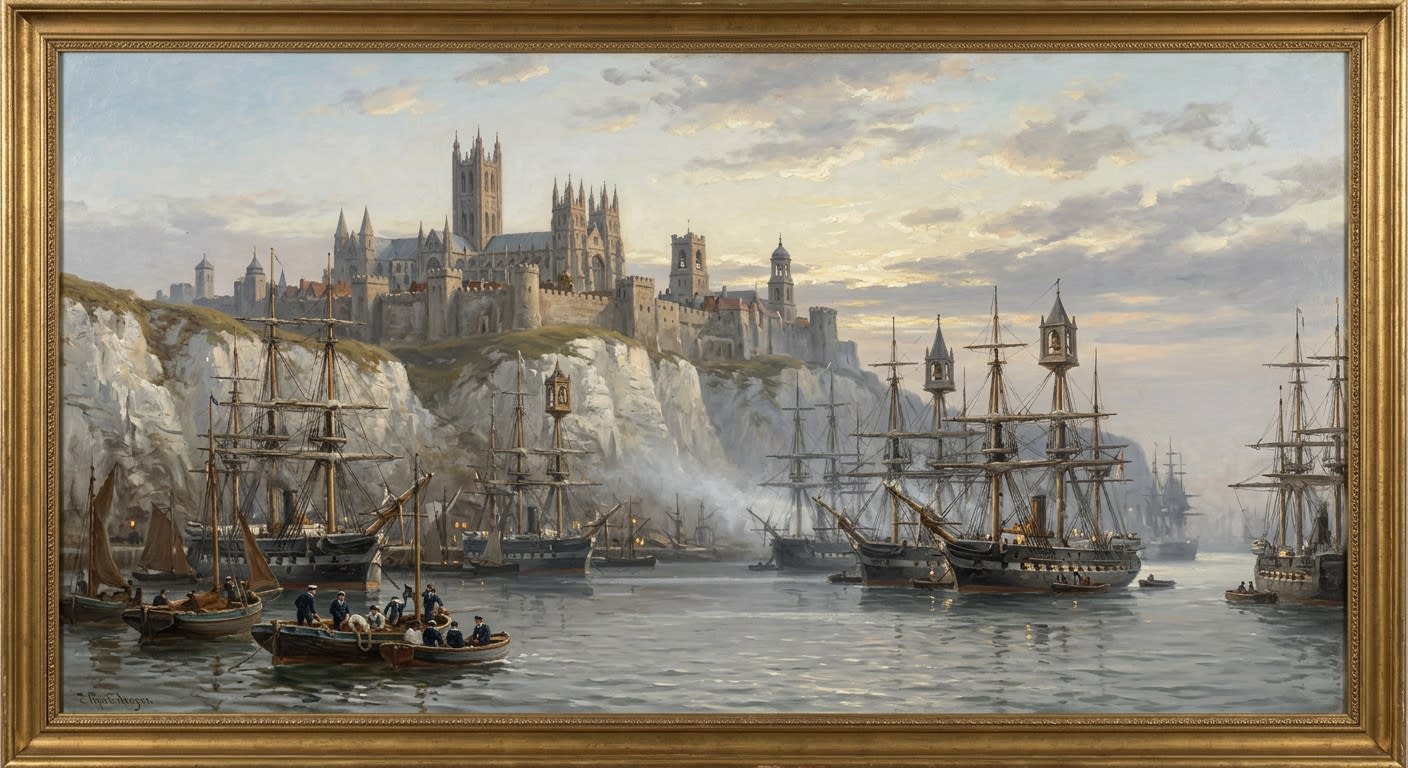
The British Crown
The island the Bureau has spent a hundred and eleven years failing to classify
The Zone 0 co-belligerent that has never submitted to the Concordat and never needed to. Canterbury governs by chivalric charter; three hundred Cathedral Ships hold the Channel; the Bureau of Doctrine considers this theologically embarrassing and strategically essential.
Codex Ref. X.1.01-001
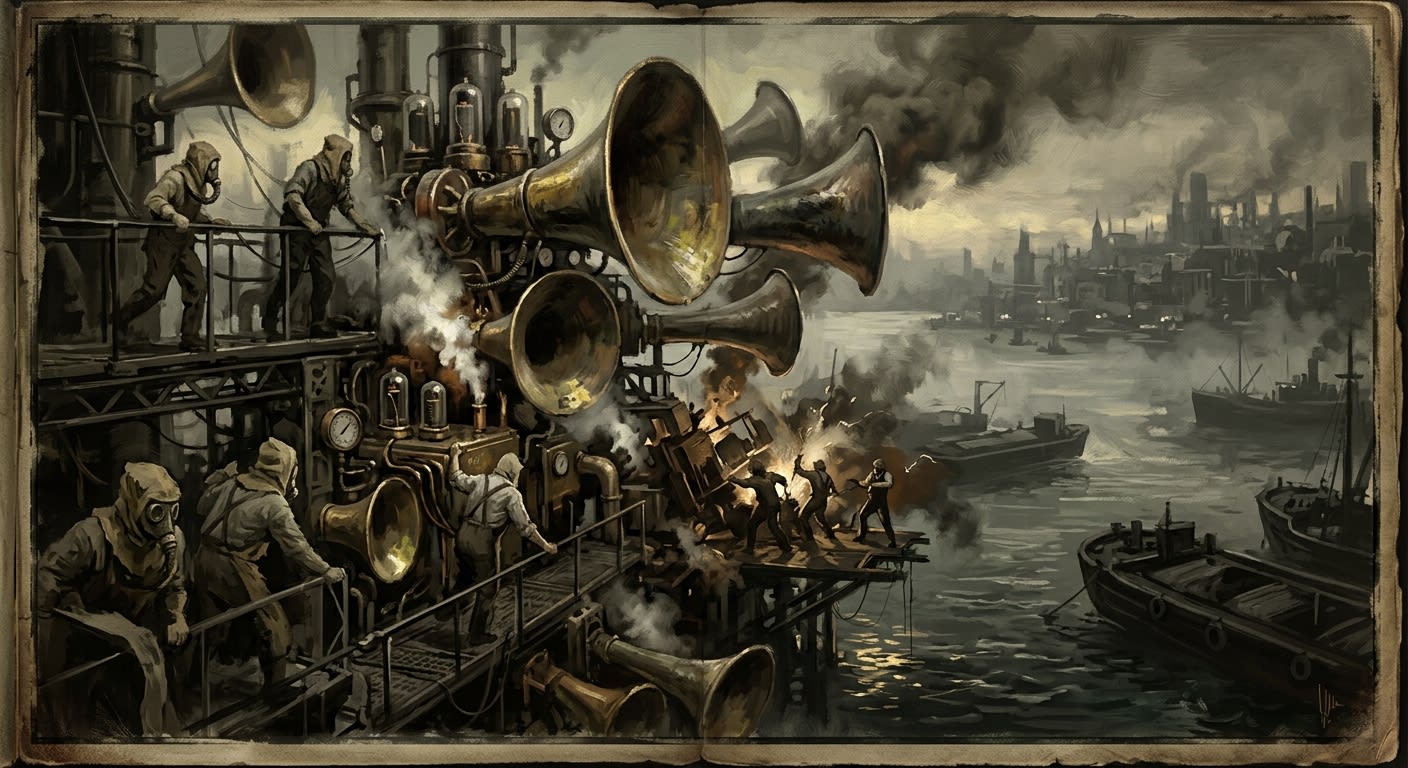
The Broadcast
Eleven minutes, forty-three seconds, and one name the Ledger would not keep still
On 3rd Argent, A.S. 199, Saint Barachiel's Sermon-horns carried an unauthorised apology across the Bosphorus. The machinery survived. The record did not.
Codex Ref. VII.4.09-001
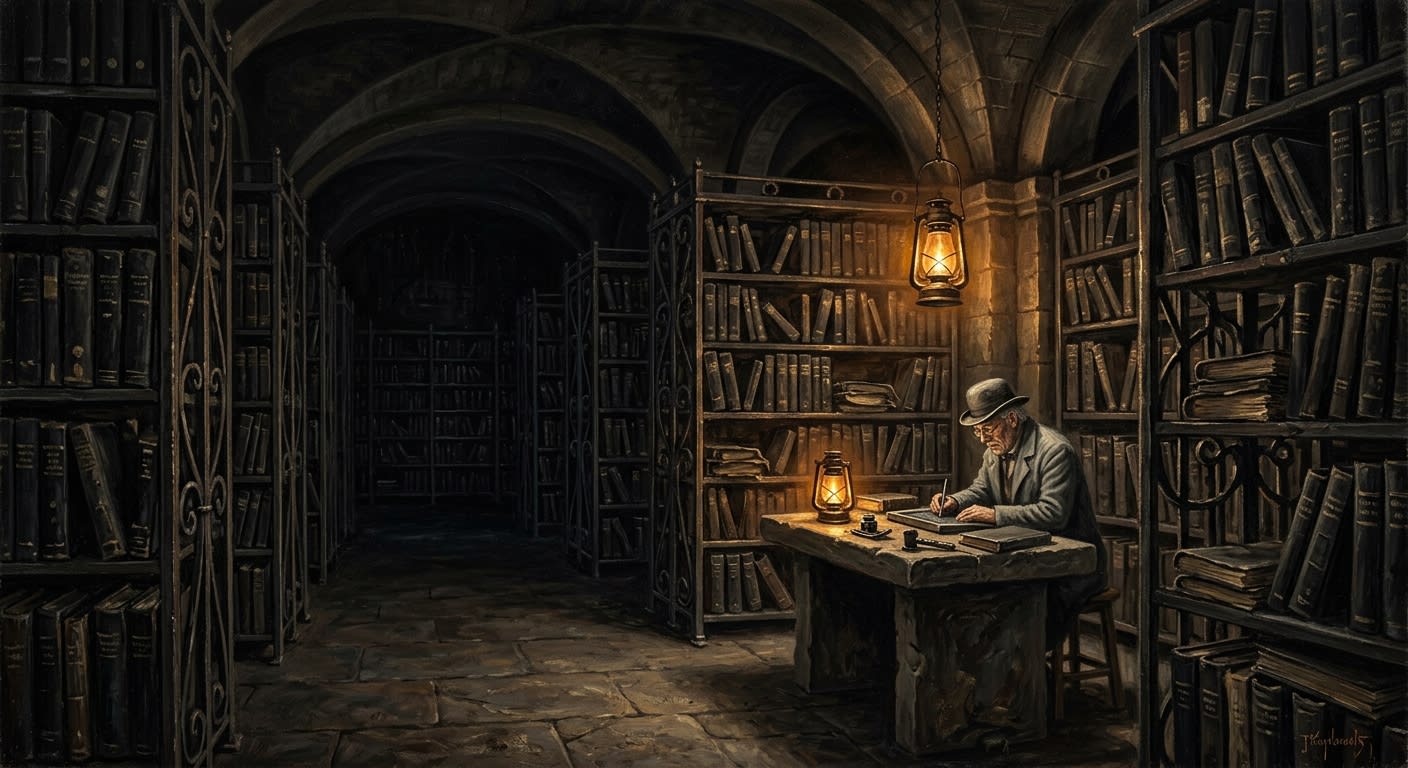
The Bureau of Oaths
No promise binds unless Strasbourg hears it.
The Bureau of Oaths holds that an unwitnessed promise is merely breath — and breath is not legally binding. Seven hundred volumes of the Ledger of Fidelity, sealed beneath the Basilica, remember every vow Europe has ever broken.
Codex Ref. VIII.1.02-001
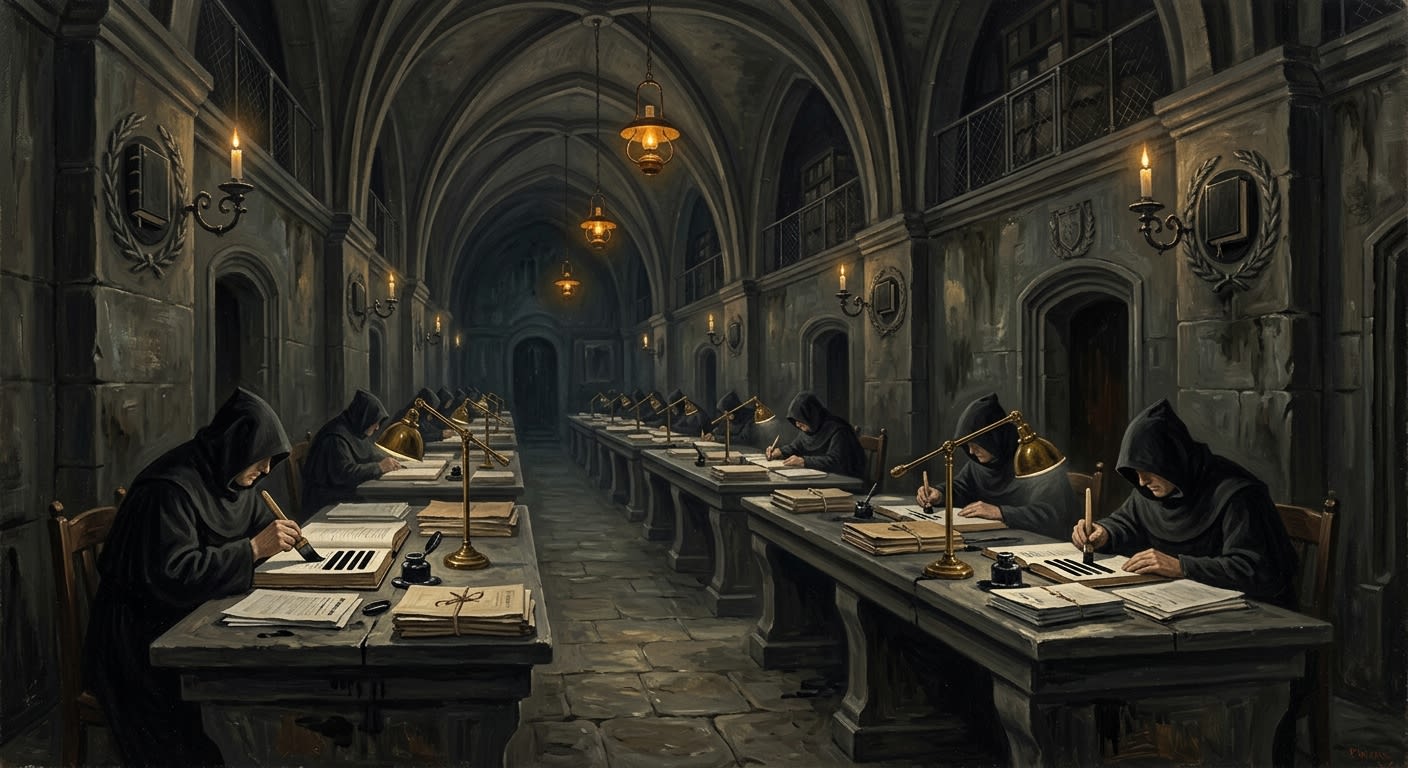
The Bureau of Silence
The word unspoken cannot wound. The word that reaches its target already has.
The Bureau of Silence does not burn books. Burning admits they existed. It renders knowledge into a state of administrative non-occurrence — and then redacts that too.
Codex Ref. III.4.19-031
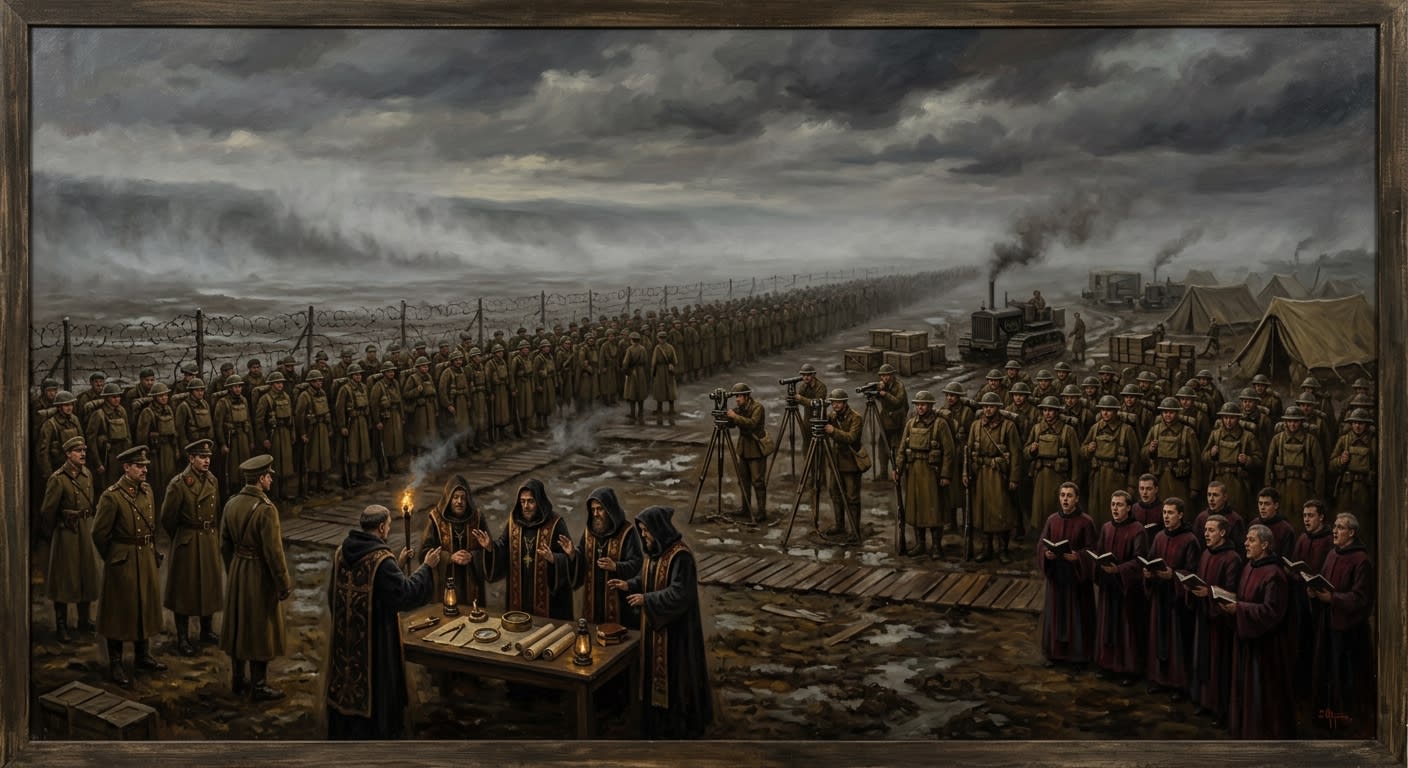
The Cartographic Expedition of A.S. 73
Three hundred men went to draw a map. The map drew them instead.
In A.S. 73, three hundred men entered the Charnel Lands to draw a map. Fourteen returned, and on every folio they carried — drawn in charcoal, ink, graphite, and in one case blood — the same face. Commission 73-C is closed. Its lesson is not.
Codex Ref. VII.1.01-001
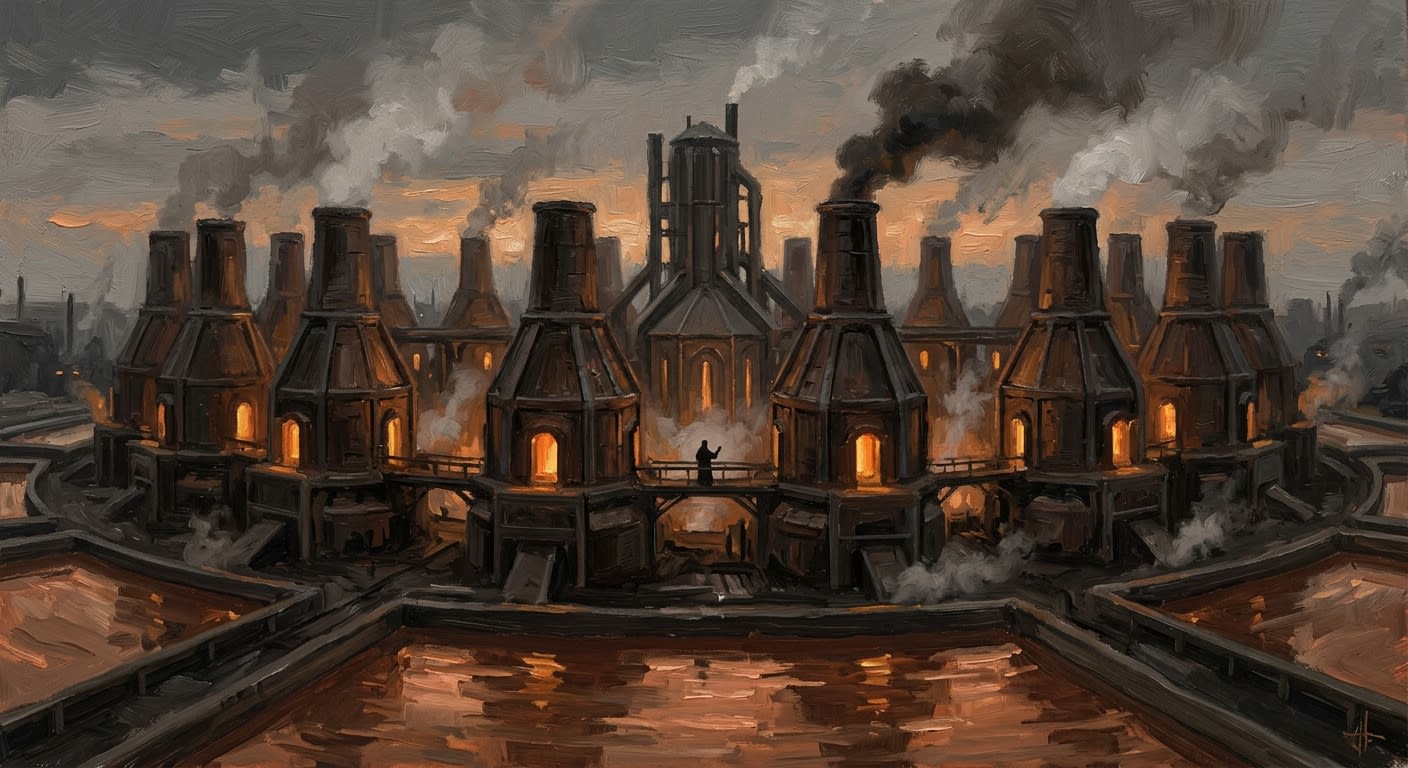
The Chrismole Furnaces of Brast
Faith provides the flame; the Bureau provides the invoice
Ninety-two thousand souls and an unknown number of engines live in Brast, the continent's only producer of sanctified chrismole fuel — and something in the furnaces has recently begun to sing back.
Codex Ref. II.2.01-003
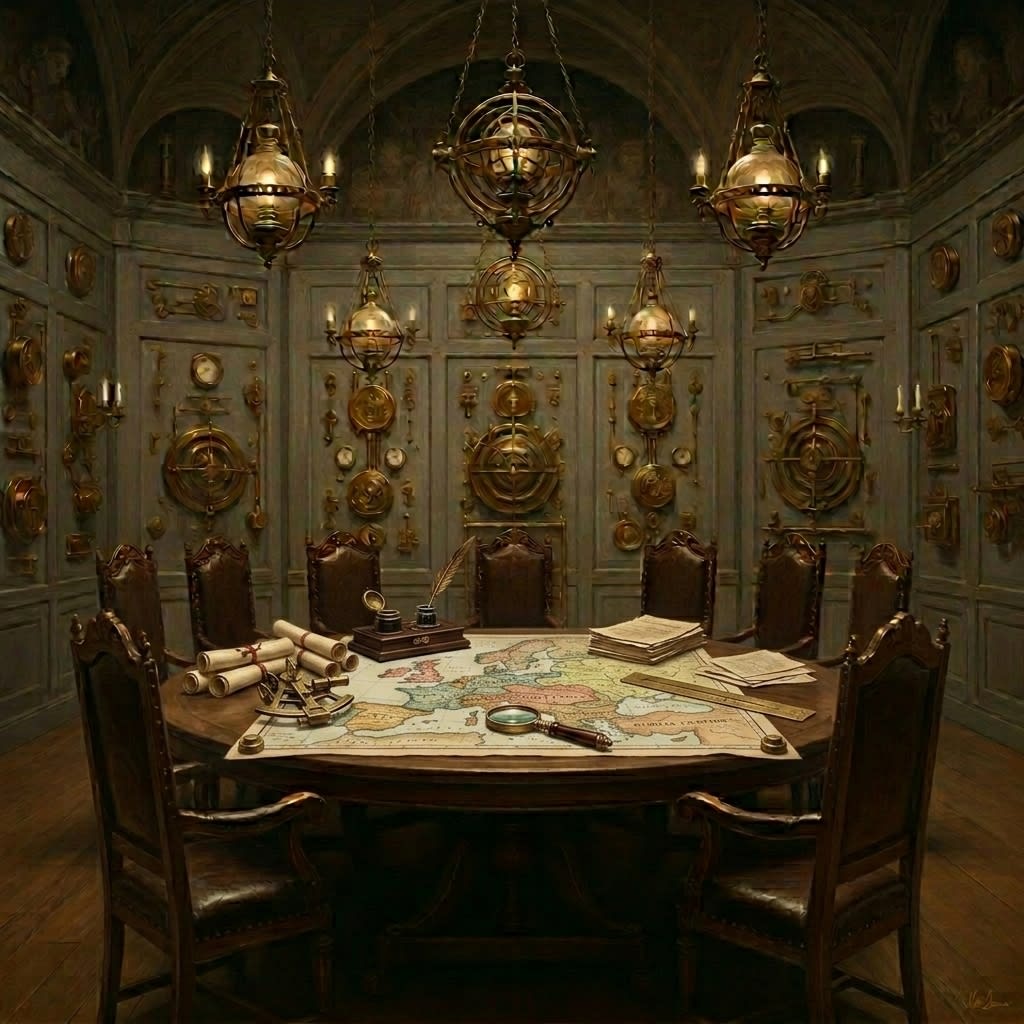
The Council of Nine Rationalists
Nine men governed Europe. Their names are sealed. Their methods are retained.
The sealed governing body of the Rationalist Republic — nine nameless men who administered a continent for fifteen years with instruments of measurement, mass surveillance, and the removal of tongues, until the Sundering settled the argument for them.
Codex Ref. I.1.03-001
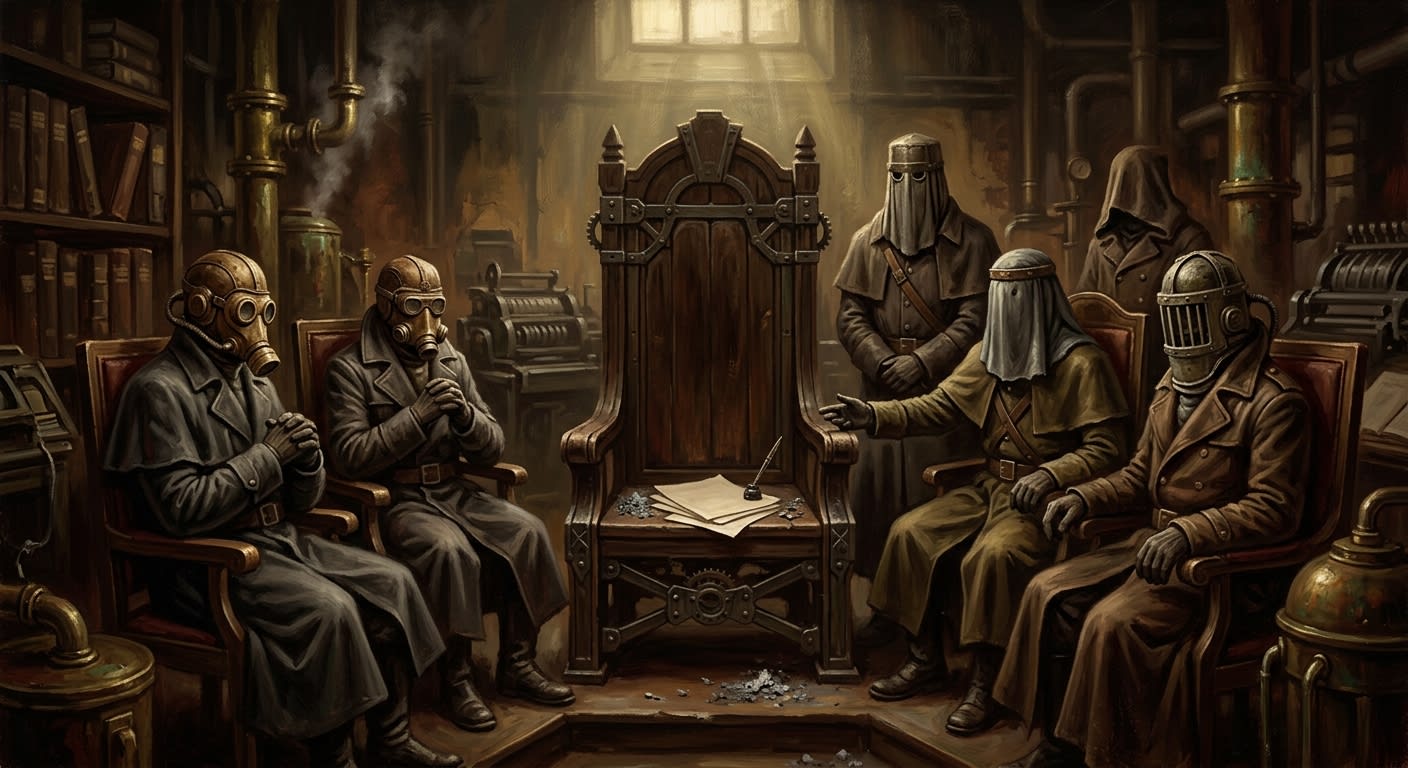
The Council of Veils
Seven hidden hands, one draped chair, and a government made of absence
The Council of Veils is the rumoured hidden body operating through the Empty Throne of War since A.S. 107, where blank pages, ash, and absence become command.
Codex Ref. XI.4.01-001
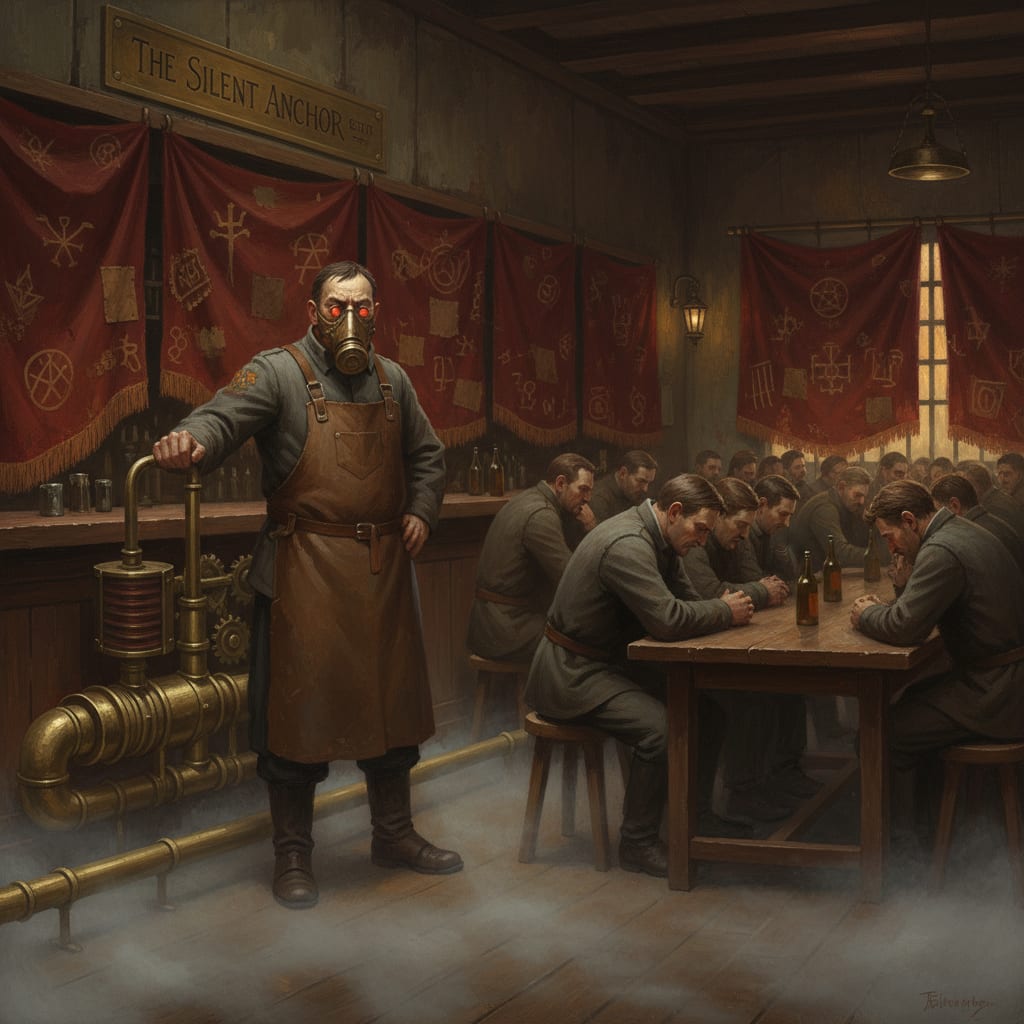
The Curfew-Fog Tavern Runner
On the publican who administers joy by bellows and bribe-tin — the Dominion's most controlled detonation, licensed, regulated, and quietly indispensable
The Licensed Housewarden — Fog-Keeper, atmospheric pacification operative, keeper of fifty strangers alive for ten minutes at a time — who sells the illusion of warmth inside a machine built to extinguish it.
Codex Ref. XII.10.01-001
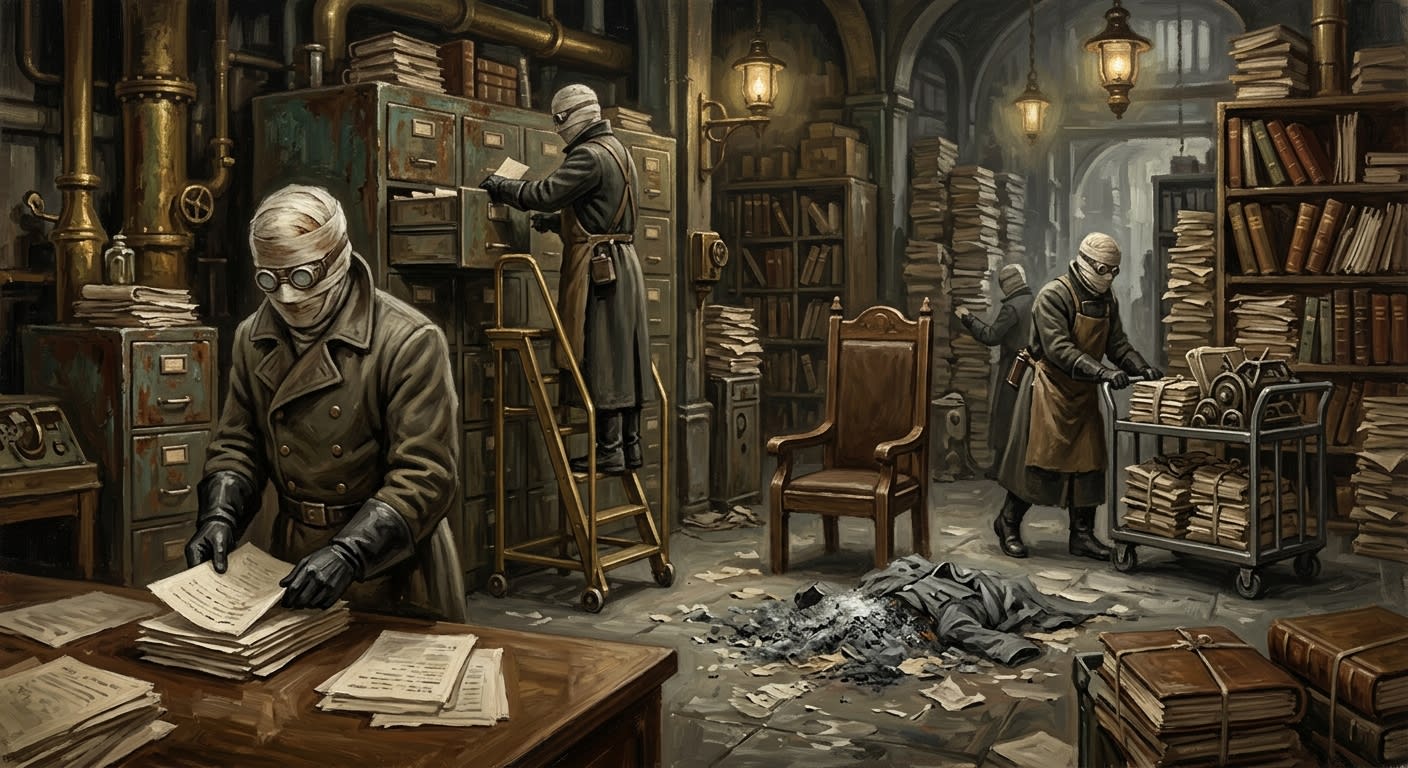
The Custodians
The broom, the knife, and the blank page share one handle
The Custodians preserve Synodic continuity by omission: gauze-veiled operatives who collect contradictions, file absence, and leave the chair cleaner than the corpse.
Codex Ref. VIII.8.02-001
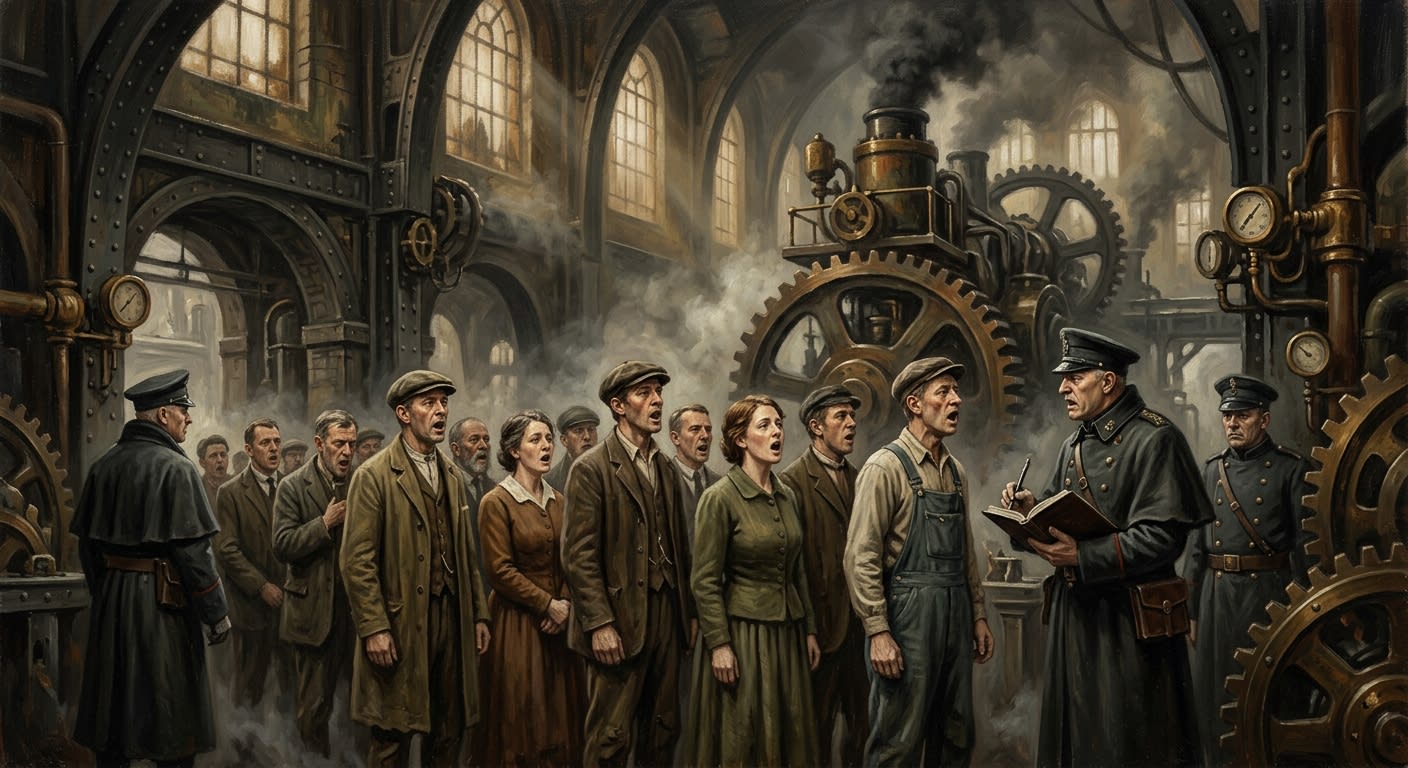
The Eternal Creed
The first tax of the day is breath
The Eternal Creed is the Synod's oral civic machine: recited at dawn, commerce, correction, and inspection, hidden from paper so obedience may occupy the tongue.
Codex Ref. XIII.1.68-001
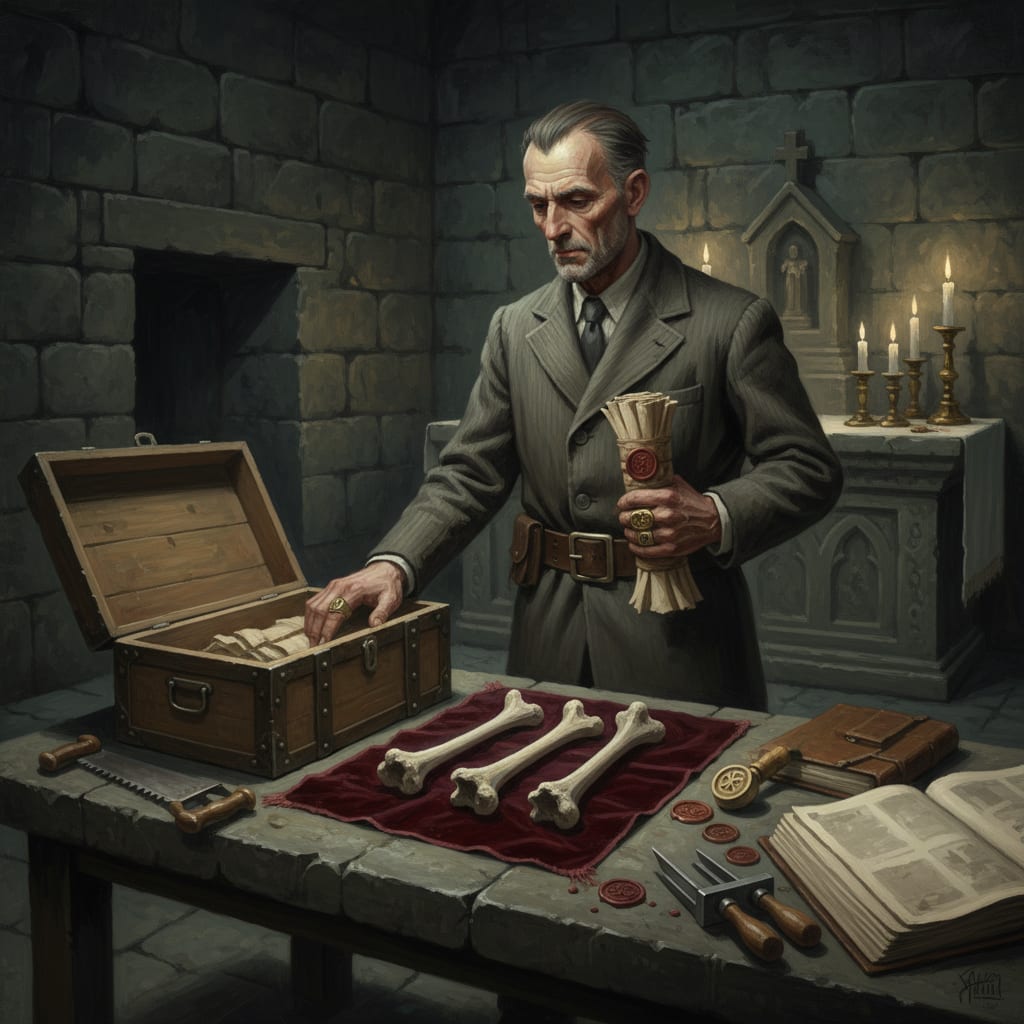
The Femur-War Broker
The unofficial routing service that keeps authenticated contradictions from becoming authenticated riots
The officially nonexistent profession that routes authenticated relic contradictions without collision — the Femur Principle's logical consequence, managed for a fee by two hundred brokers the Bureau insists do not exist.
Codex Ref. XII.15.01-001

The Fractured North
Compliant in substance. Deviant in form. Pending resolution since A.S. 92.
Two million souls scattered along the Norwegian fjords and Swedish interior — faithful, stubborn, and unresolved. The Bureau of Doctrine has filed them as 'compliant in substance, deviant in form' since A.S. 92, and will do so until either side decides otherwise.
Codex Ref. IX.8.01-001
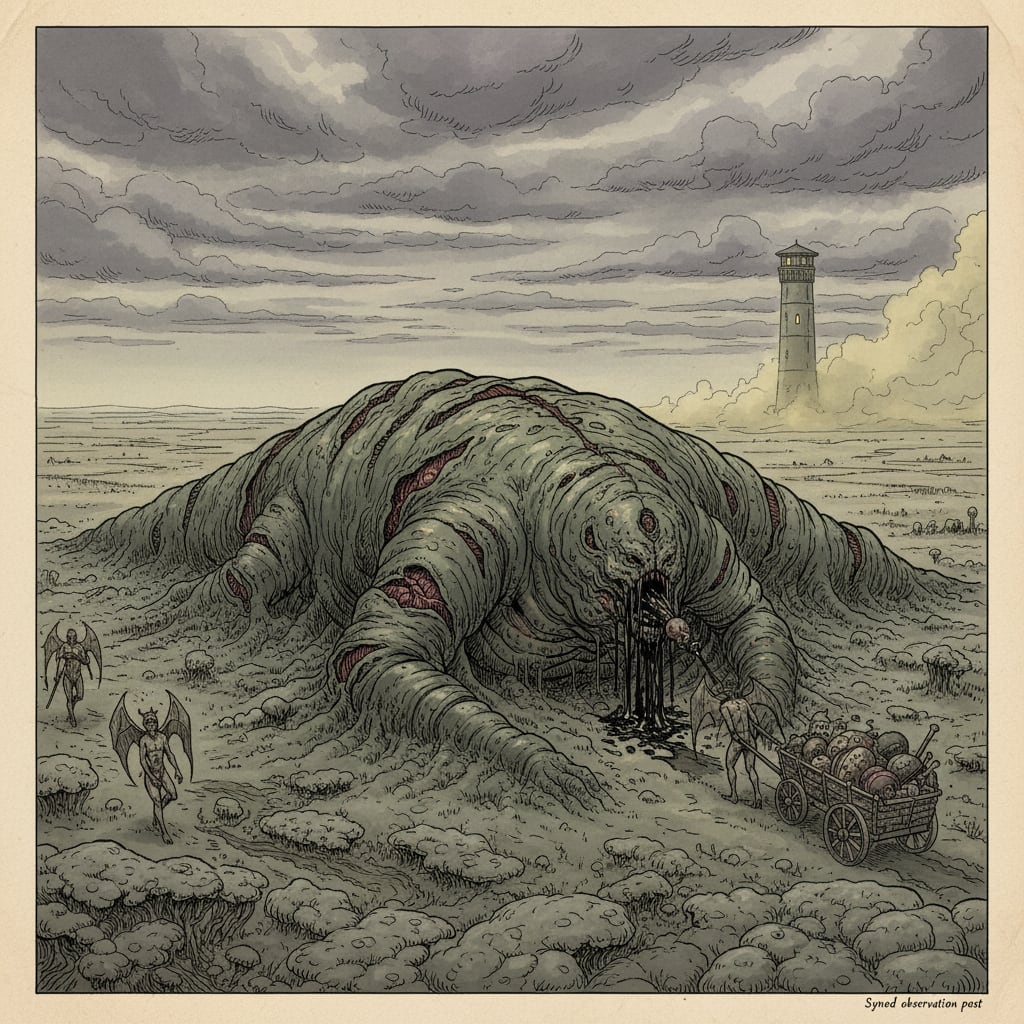
The Gorged
Still waiting for enough; which the Bureau notes, and does not discuss
Kargath's fourth taxonomic class: stationary consumption engines too vast to move, too hungry to stop. The Gorged believe the next mouthful will satisfy them. The Bureau classifies them as area denial and has noted the institutional parallel in a sealed file it declines to open.
Codex Ref. IV.1.07-004
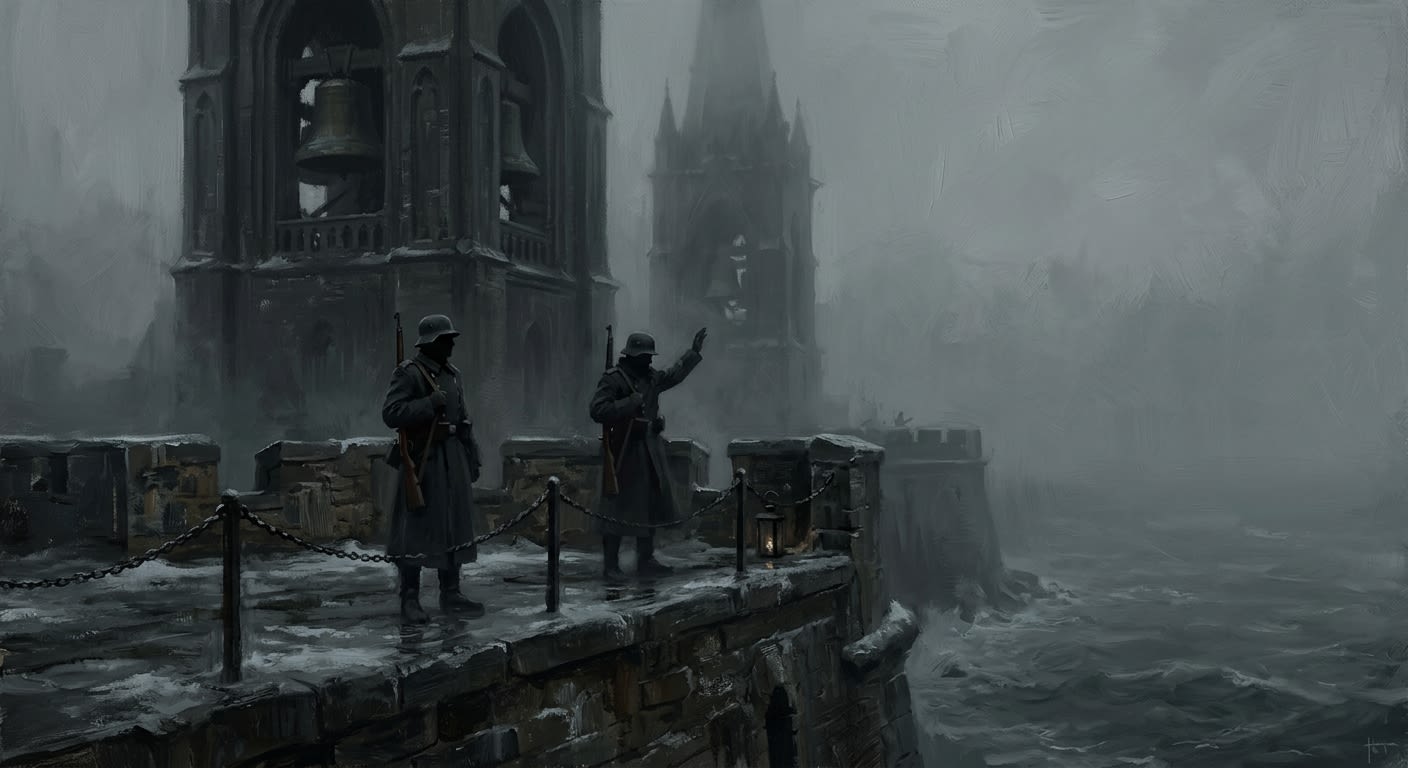
The Grey (The Unnamed)
Eleven years of classification pending, and the Bureau's best answer to why
The Grey is not a Sin-General. The Bureau has known this for eleven years and found the fact so uncomfortable that it has not yet produced a classification. Drax produces one anyway.
Codex Ref. VI.3.01-001
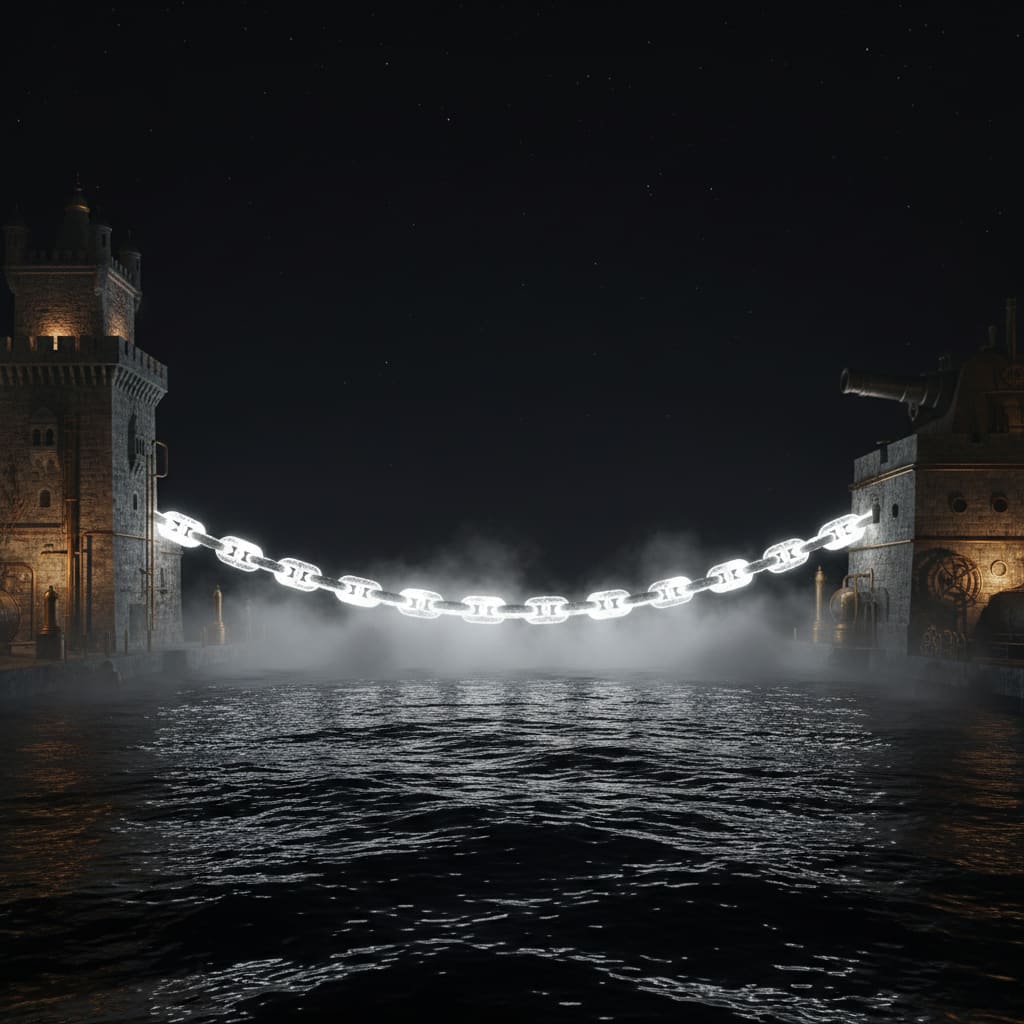
The Harbor of Chains
A mile of quay, a hundred fathoms of iron, and what the chain is becoming
The Harbor of Chains guards the Bosphorus with one mile of fortified quay and the Chain of Saint Anakletos — consecrated iron that burned the Black Sea Armada white in A.S. 162 and has not glowed since.
Codex Ref. II.4.10-005
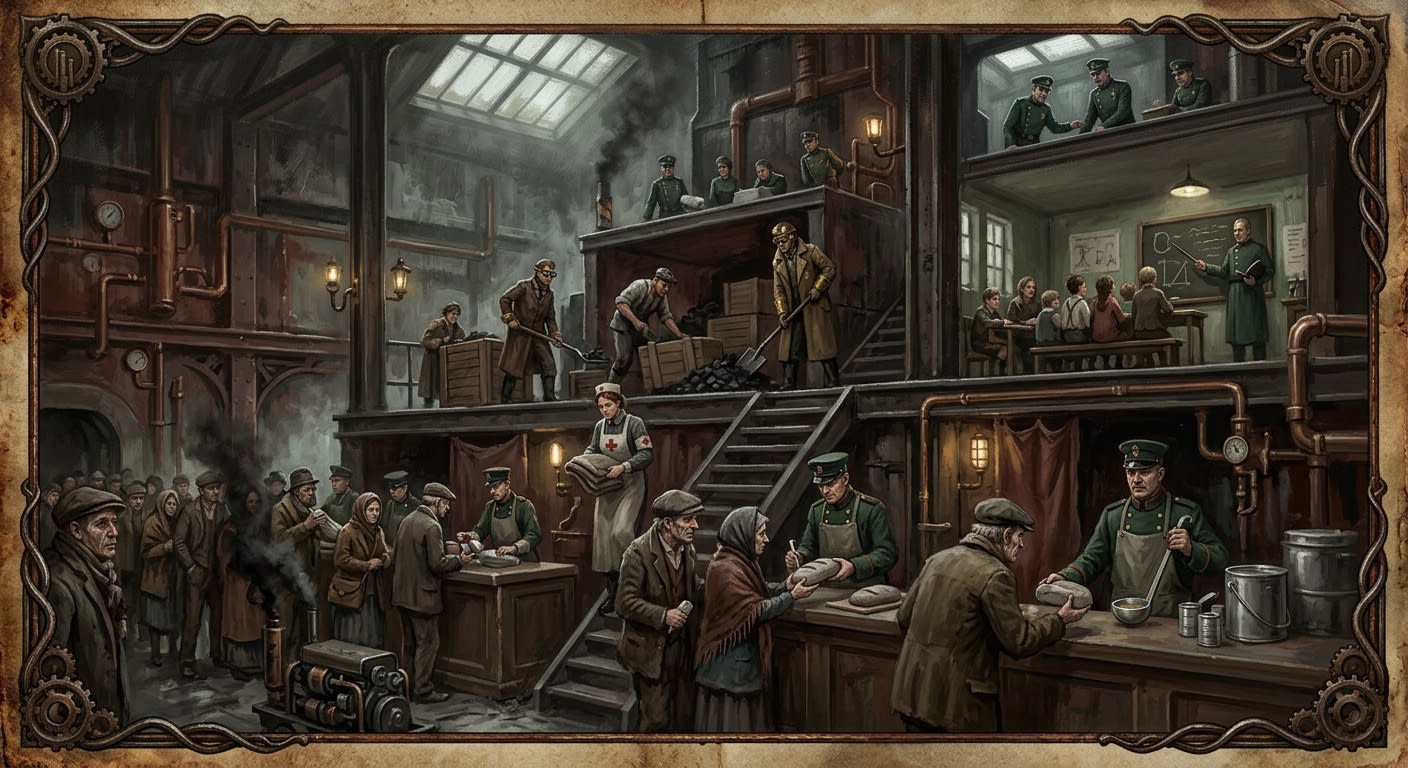
The Hierarchy of Need
Hunger is the sermon Kargath learned to serve hot
Kargath's cults do not begin with horns, but with bread. The Bureau calls their five stations a hierarchy. The hungry call them provision.
Codex Ref. IX.2.01-001
The Hollow Court
Nine miles of table. Every seat occupied. The host is always hungry.
The seat of the Sin-General of Gluttony, confirmed four times, located forty leagues east-south-east of Debrecen. Its feast has not ended. Its guests have not left. Its table runs nine miles. The Bureau of War has declined to act on this information three times.
Codex Ref. V.6.01-004
The Holy Bureaus
Twelve Instruments of Providence, or Thirteen If You Count the One That Does Not Exist
The twelve sacred organs through which Strasbourg bends a continent to its will. Each Bureau claims a charism of governance descended from the Apostolic Sundering. Their clerks are legion, their archives endless, their contradictions — by design.
Codex Ref. III.3.01-001
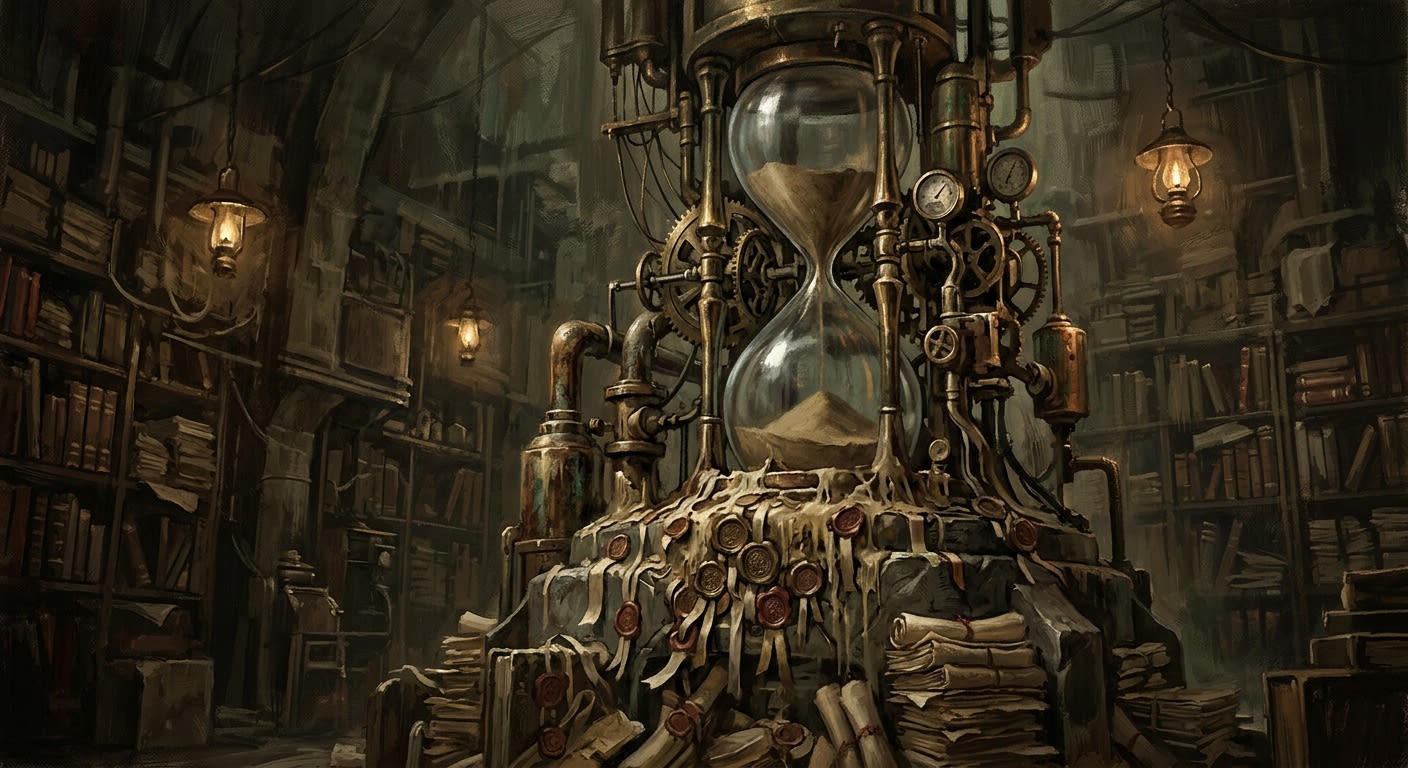
The Hourglass Monolith
A black standard for measuring the ways time refuses obedience
The Hourglass Monolith is Lyon's forbidden temporal standard: part instrument, part confession, and quite possibly an enemy noun wearing Bureau wax.
Codex Ref. XIII.1.86-134
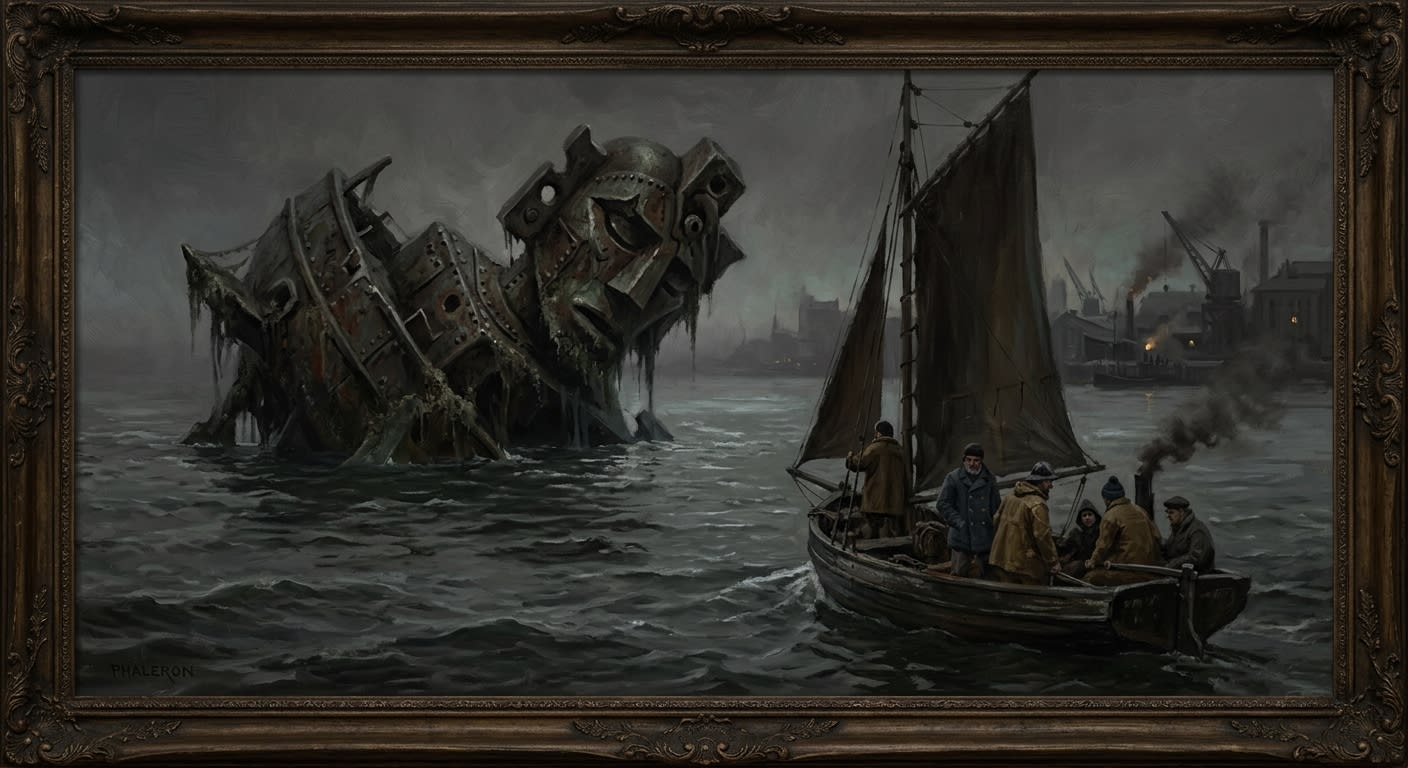
The Iron Idol
What the chain did not burn, the water learned to keep
A submerged iron anomaly off Phaleron Bay, linked to the Black Sea Armada's missing forty-seventh ship and watched by fishermen who wisely look elsewhere.
Codex Ref. V.2.02-001
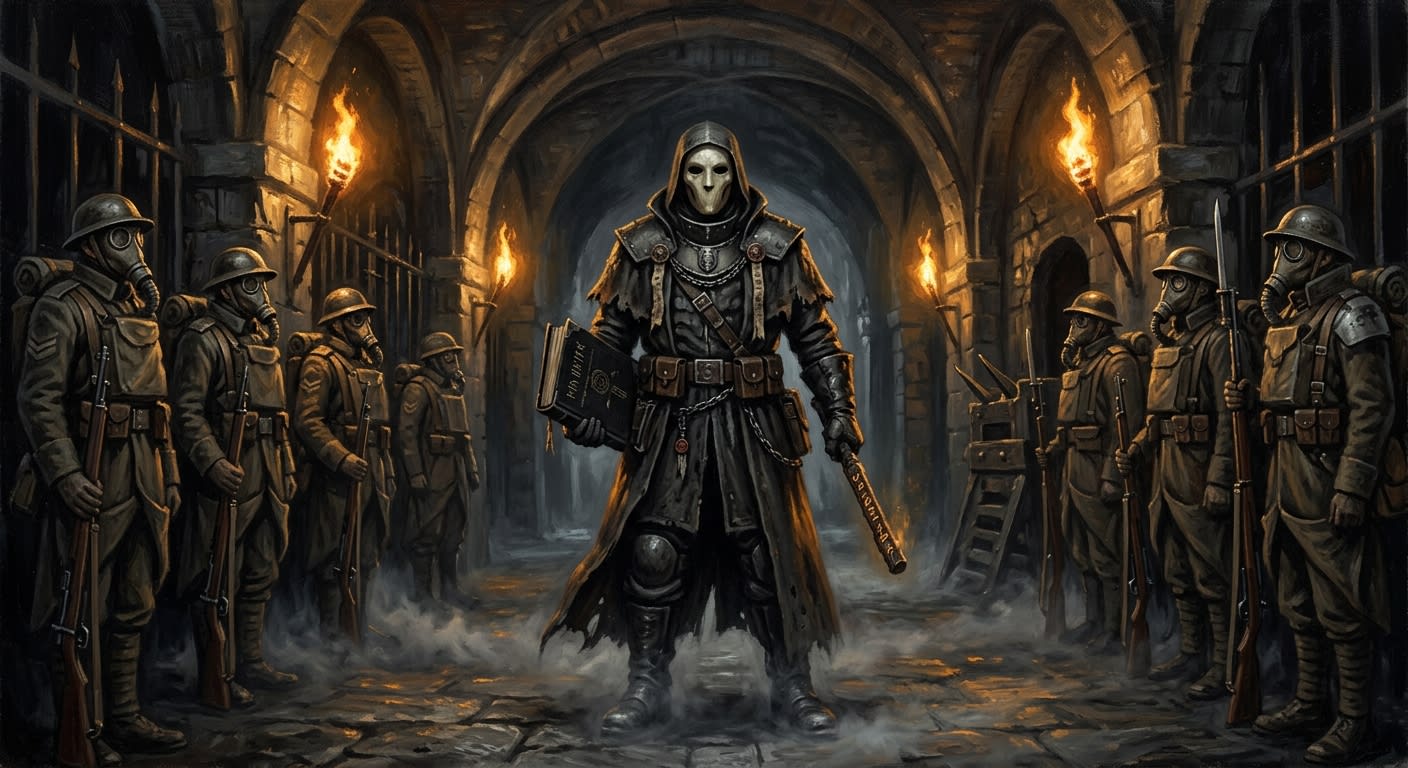
The Judges
They walk without letter, without herald, and without the patience of the Bureau.
The Judges arrive without letter, try without jury, and depart without filing. The Bureau denies they exist. It has been denying this since A.S. 92. The denial requires renewal every thirty years, which is itself a kind of evidence.
Codex Ref. V.1.01-003
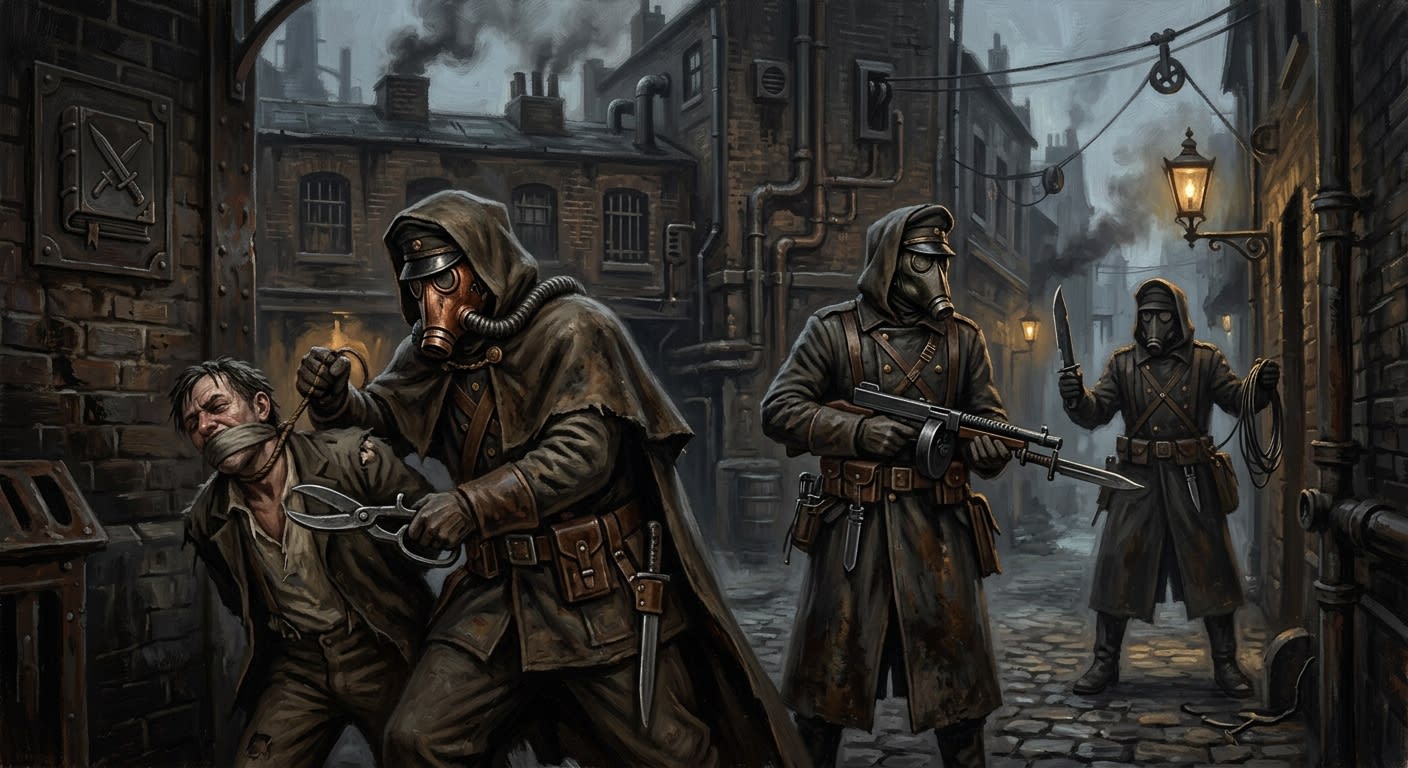
The Knives
Private sentence, no seal, no trial, no bell
The Knives are the Black Ledger's enforcement faction: Quiet Knives, alley-correctors, and cord-men who settle audible debts by disappearance.
Codex Ref. XI.1.04-004
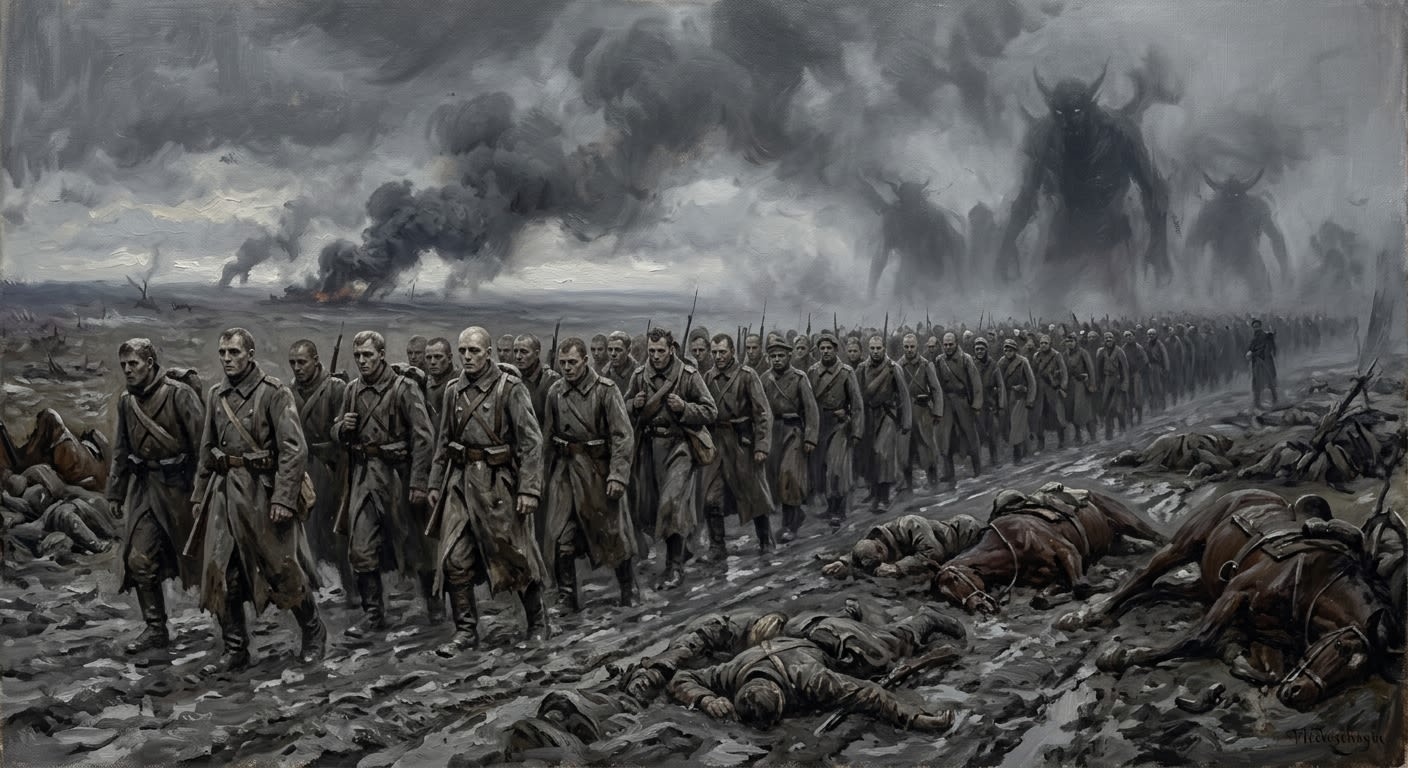
The Legions of Sin
Forty-seven souls for every demon — and the Bureau calls this mathematics
The mortal host beneath the Lie's banners: Thralls, Hollowed, Ash-Mothers, Blood-Tithes, Wormhosts, Processional Slaves, Ash-Fodder. Forty-seven souls for every demon. The Bureau calls this mathematics. I call it a confession.
Codex Ref. IX.1.01-001
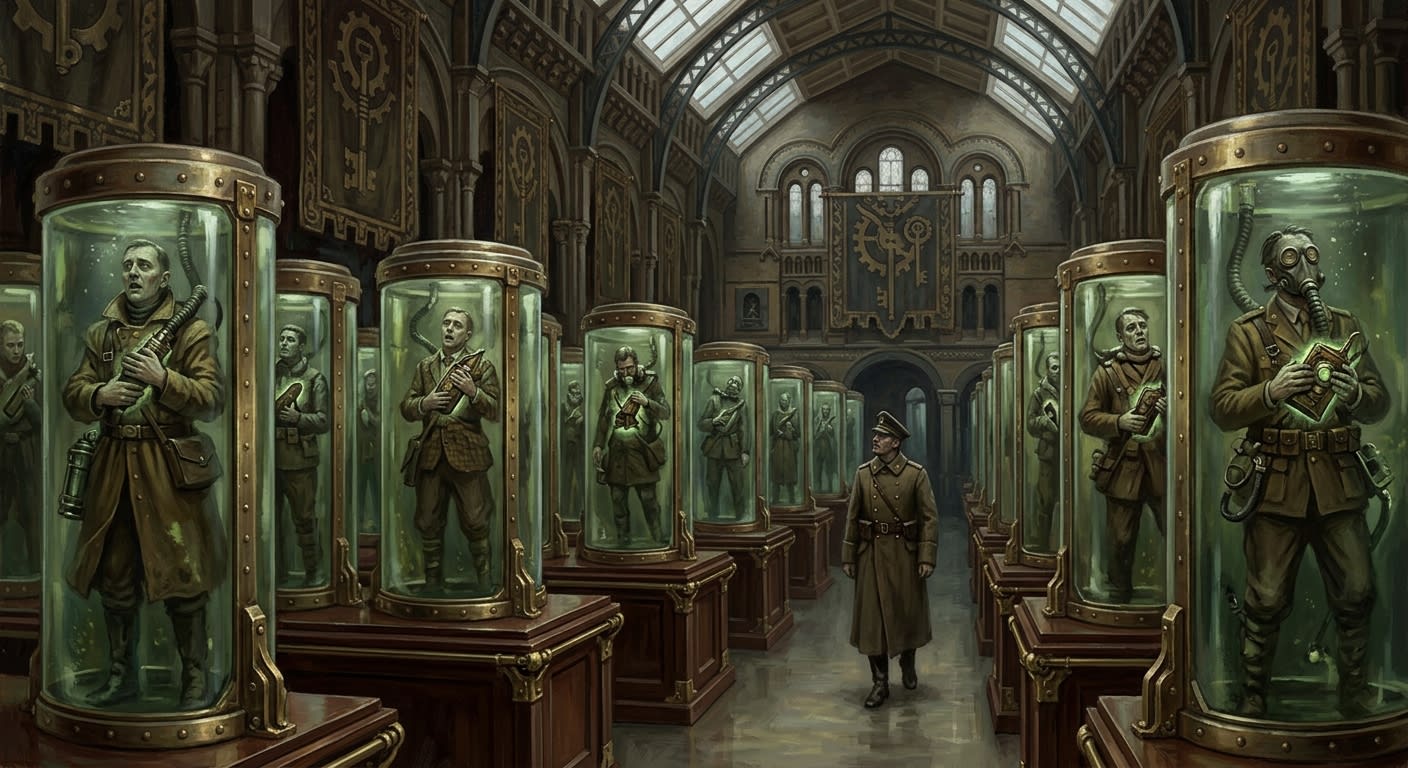
The Locked
The collector becomes the last object collected
Former visitors of the Vault of Ten Thousand Keys, the Locked hold the thing they came to find and remain alive behind glass, arranged as Greed's museum.
Codex Ref. IV.1.07-003
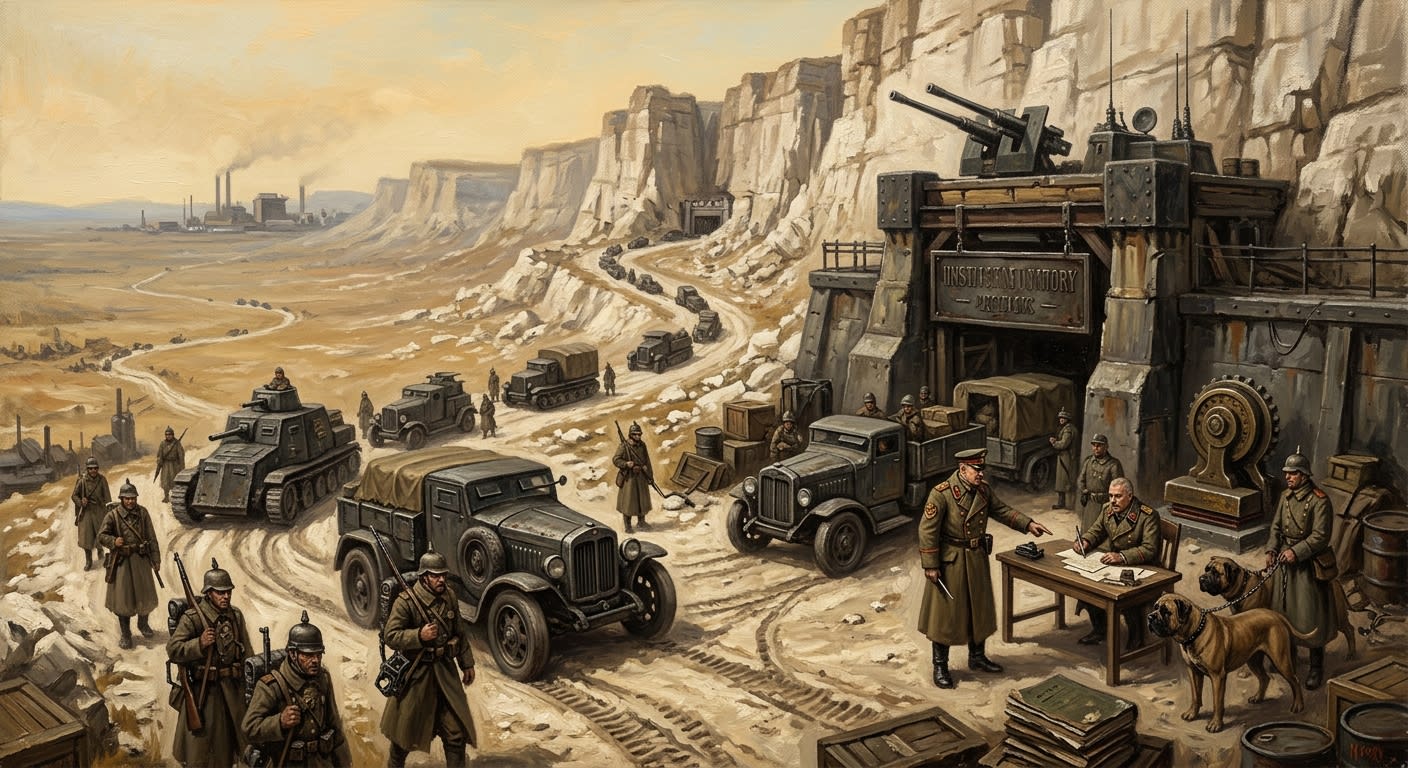
The Macedon Escarpments
The road where a correct manifest may still have teeth
Northwest of Bastion-Constantinople, the Macedon Escarpments carry necessary convoys through limestone glare, Velmoran debt, Concord substitution, and correct paperwork with teeth.
Codex Ref. II.4.10-008
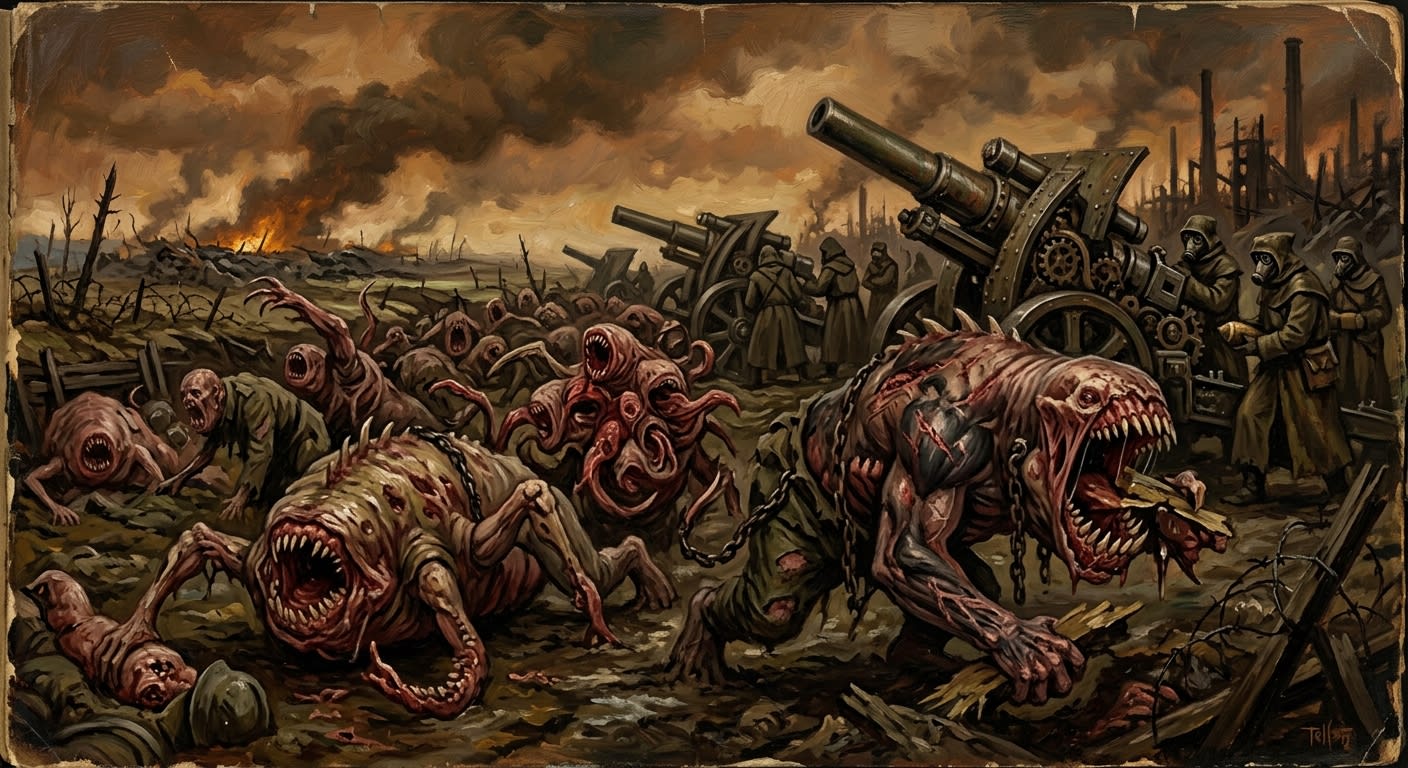
The Maw-Born
Hunger granted weight, gums, and field classification
Kargath's Maw-Born are appetite given meat: primary physical demons whose doctrine is a mouth, a pit, and the range at which artillery remains useful.
Codex Ref. IV.1.07-011
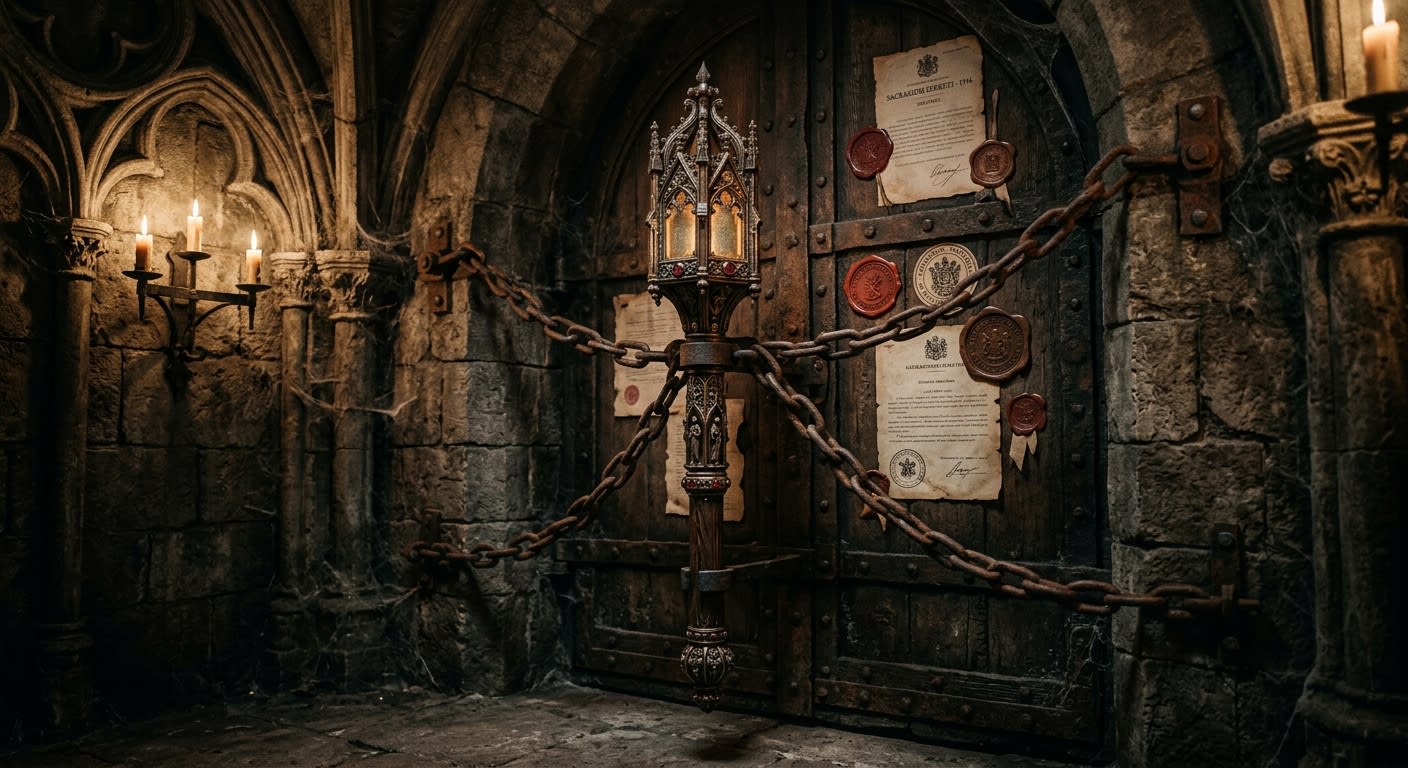
The Miracle of Saint Aldebrand
The Bureau erased the bone. The bone declined.
The Bureau declared the Reliquary of Saint Aldebrand non-existent in –32 A.S. In A.S. 95 it shattered a sorcerer-lord's skull and saved Vienna. Both facts are official, both carry seals, and the Bureau sees no difficulty.
Codex Ref. VI.4.01-001
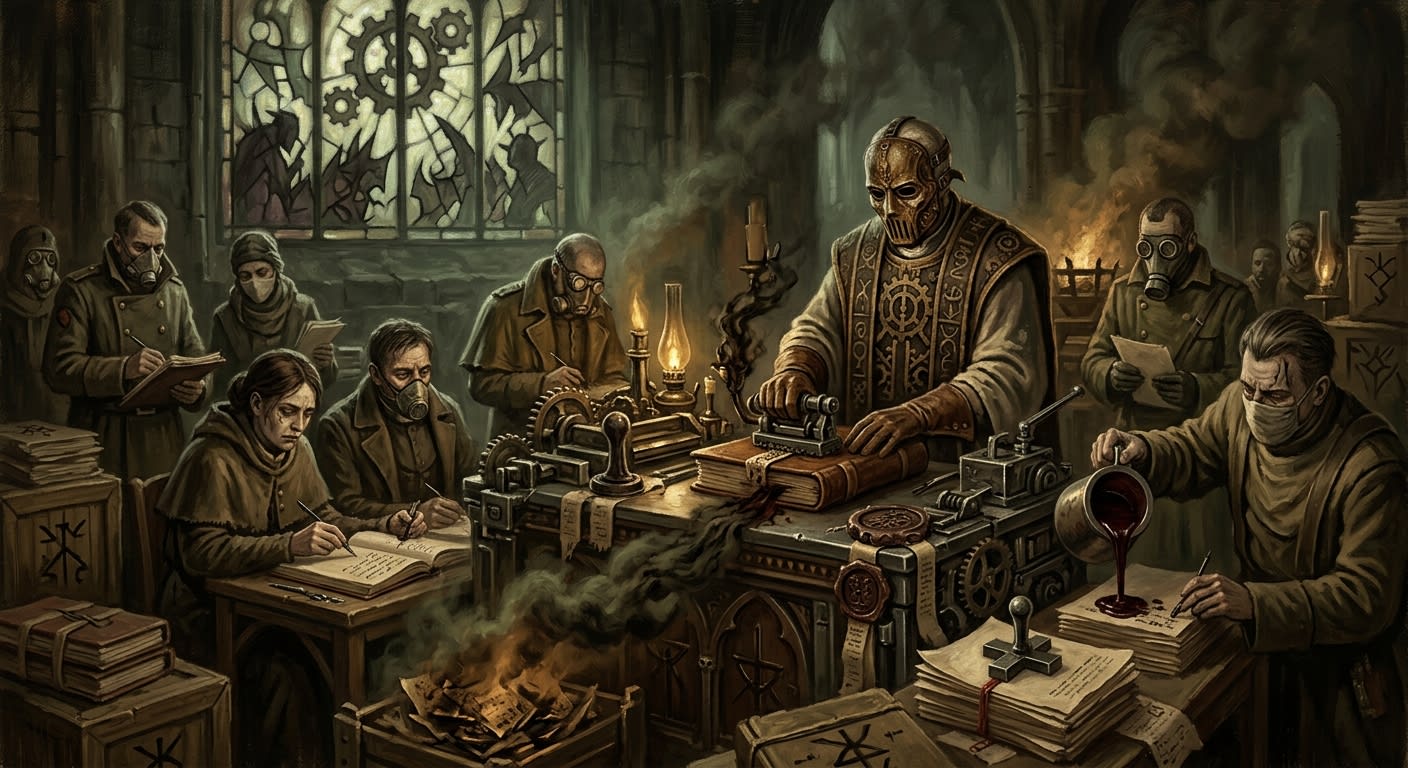
The Mock Liturgy
Hell learned our responses and improved the paperwork
The Shadow Court's parodic sacramental apparatus turns worship into damnation-paperwork: counter-seals, unhymns, inverse rites, and choices that bind.
Codex Ref. XIII.1.25-001

The Night of Knives in Kraków
Forty-seven mouths wired shut so that no prayer could escape
Forty-seven clergymen seized in the night, their mouths wired shut with iron wire, and cast from the Dębnicki Bridge into the frozen Vistula. The Bureau spent one hundred and thirty years ratifying the narrative; it has been collecting the candle wicks ever since.
Codex Ref. VII.8.01-001
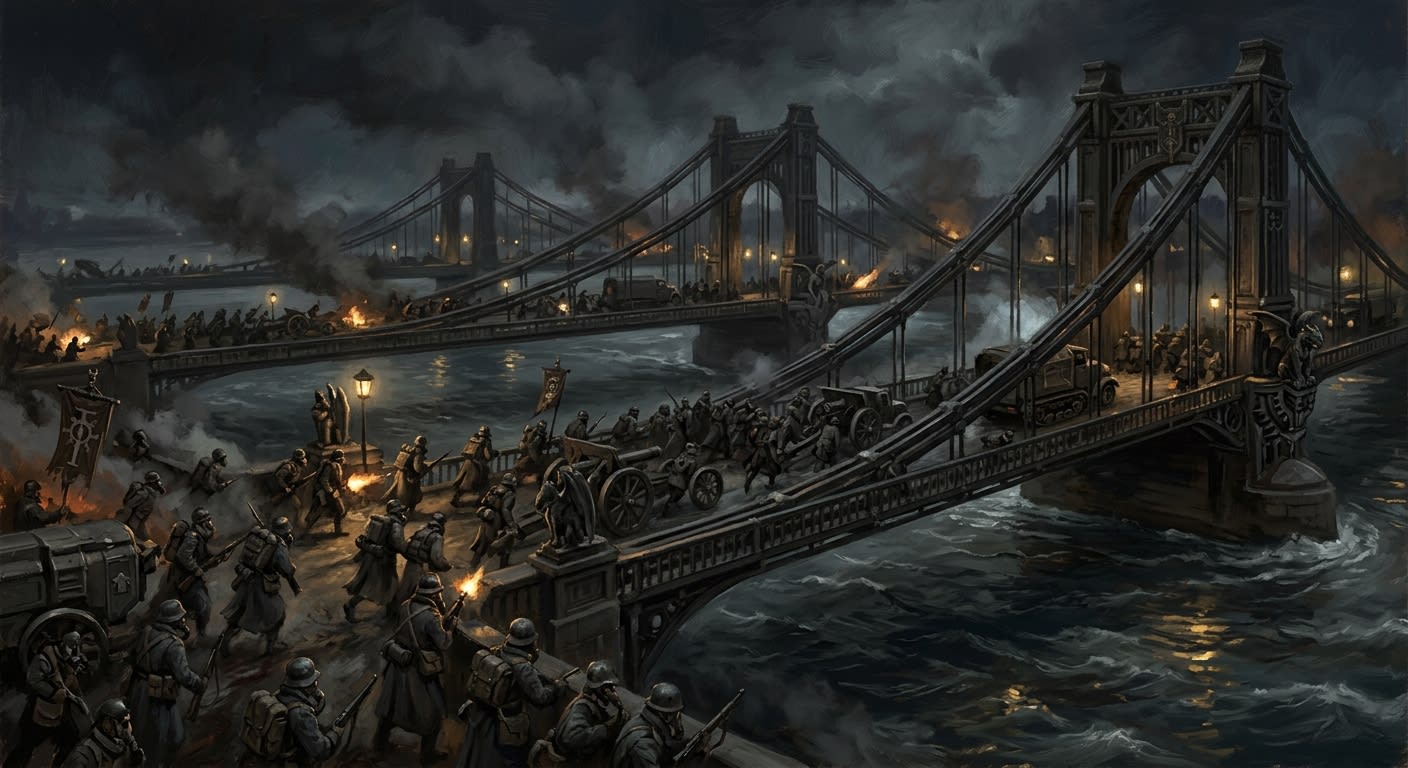
The Night of the Three Bridges
The men did not swim; the Bureau found cheaper grammar
Three Danubian crossings in seven minutes gave War its favourite miracle and Records its favourite arithmetic: fewer casualties, more glory.
Codex Ref. VII.5.01-002
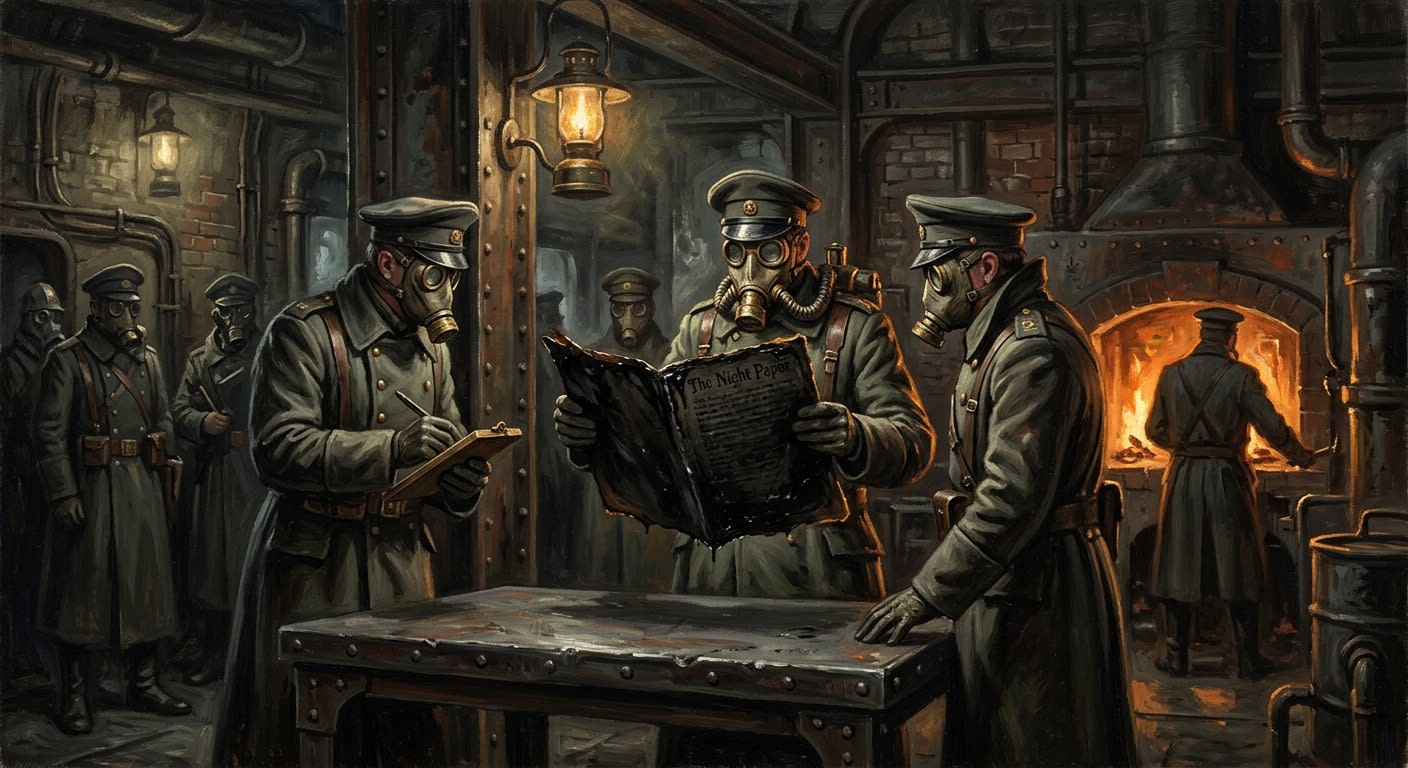
The Night Paper
Law with a knife in its sleeve, valid only between receipt and dawn
The Night Paper is Doctrine's black-wax instrument: read once, witnessed by three, burned before dawn, and obeyed before conscience learns its own name.
Codex Ref. XIII.1.28-001
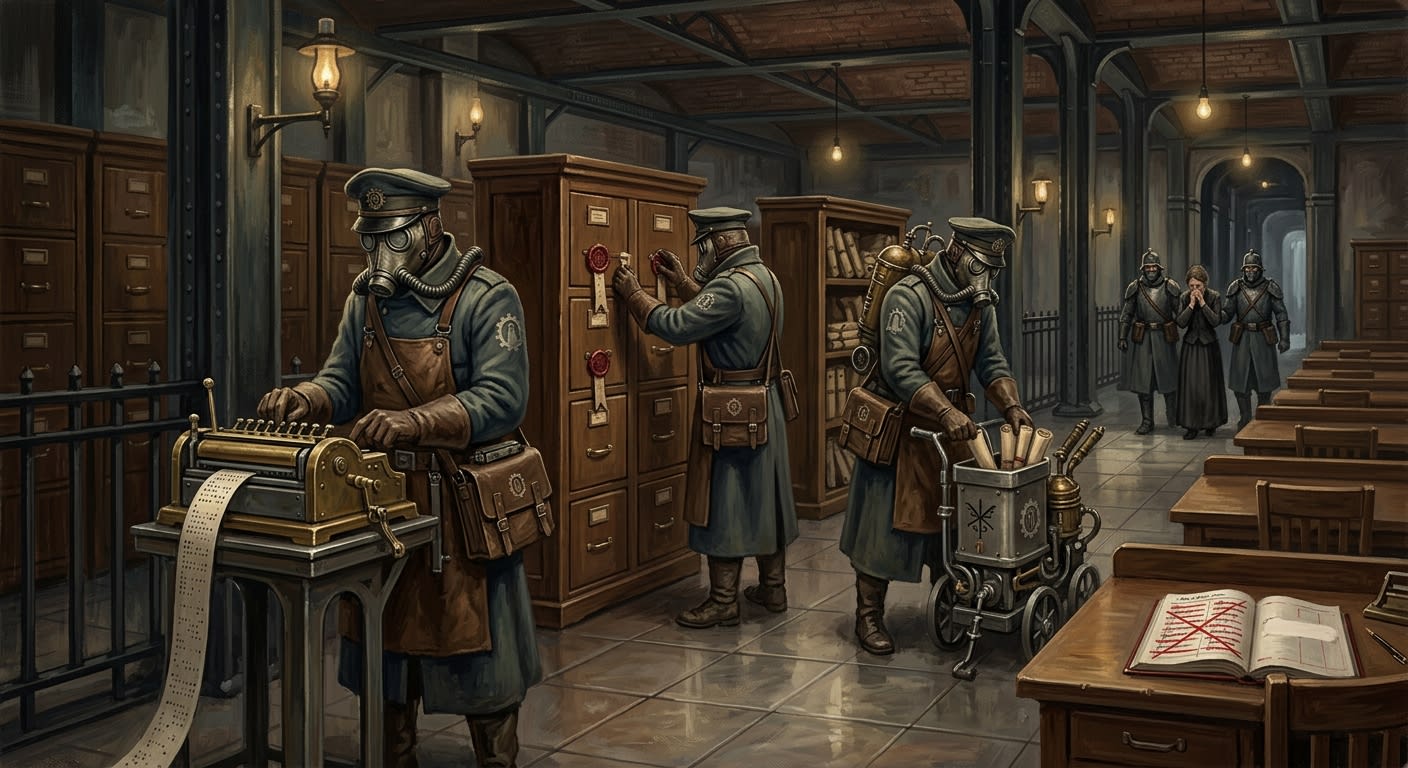
The Order of the Shroud
The mercy of no martyrs, delivered by black wagon
The Shroud does not burn heretics into warnings. It removes them into arithmetic, leaving tidy rooms, corrected rolls, and grief without permit.
Codex Ref. XI.6.01-001
The Palatine Switchyard of Lorn
The city that became a filing system — and the filing system that became a theology
The continent's largest rail interchange, where the Heartlands' freight is converted into the Line's appetite by two hundred ten thousand registered souls, twelve converging lines, and a schedule that has never once apologized for what it costs.
Codex Ref. II.3.01-001
The Peregrine Cartel
A protection racket is merely insurance without liturgical manners
The Peregrine Cartel was an Iberian pilgrim-insurance racket with episcopal cover, choirboy knives, War-adjacent intelligence value, and a profitable terror that Pilgrimage destroyed in A.S. 193 because it was useful enough to absorb.
Codex Ref. XI.5.01-001
The Redaction of Épernay
Absence can be administered, and the valley still keeps quarter-hours
In A.S. 103, Records, Silence, and Shadows converted Épernay from a wine-country city into an authorised absence, leaving bells, tokens, and denial behind.
Codex Ref. VII.8.02-001
The Saint Veritas
Truth went below and returned with courtesy in its teeth
A Bureau of Records supply galleon vanished during the Silence of Harbor Lamps and returned six months later with its crew intact and its log ruined by invitation.
Codex Ref. V.2.03-001
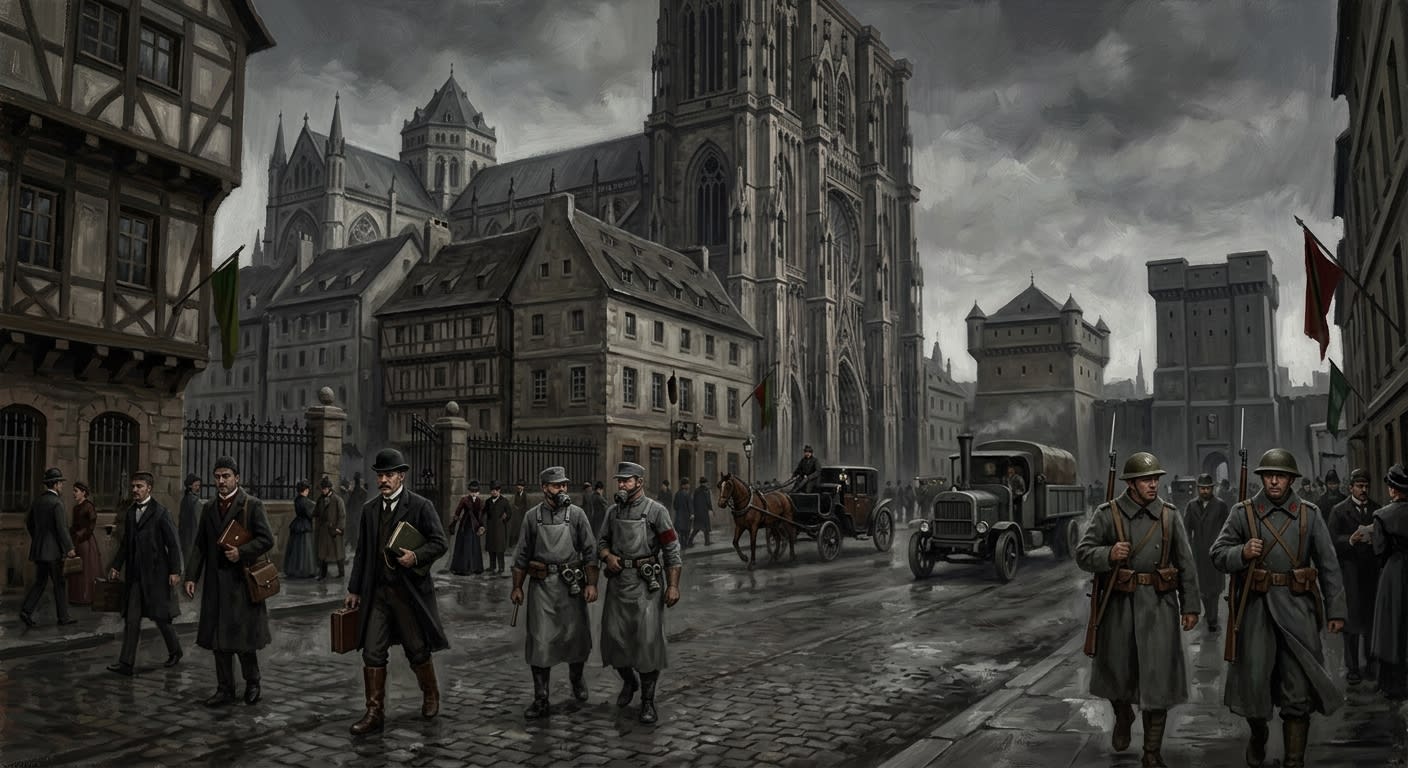
The Sanctum Mile
Strasbourg's white corridor, scrubbed clean enough to hide the blood
The Sanctum Mile is Strasbourg's white civic-sacral corridor: cathedral stone, Bureau houses, the Hall of Confessions, and the Prison of Questions in polished alignment.
Codex Ref. II.2.02-002
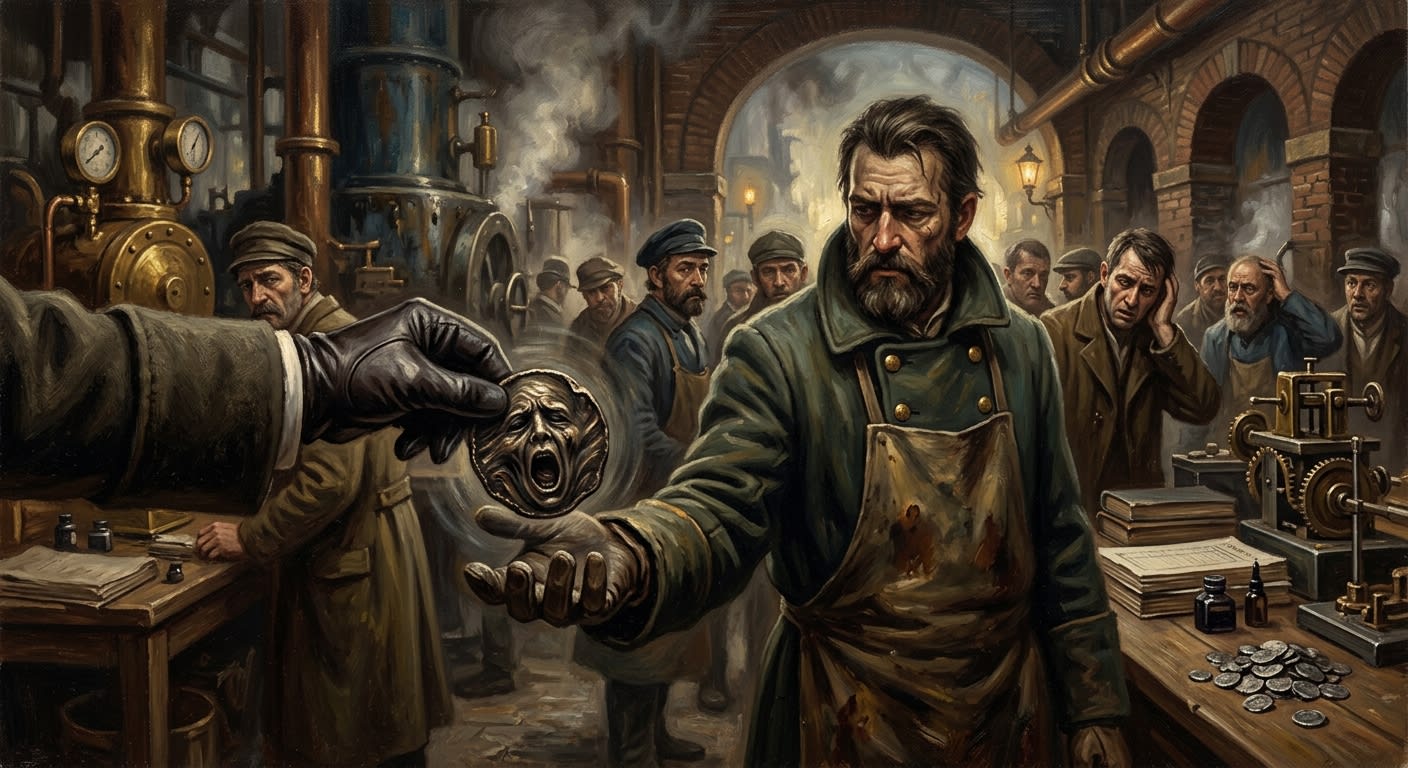
The Screaming Coin
The smallest transaction Hell ever notarised
A coin-like anomaly from Constantinople's Foundry Quarter passes through lawful hands, screams at transfer, and returns after every recorded destruction.
Codex Ref. V.2.01-001

The Second Concordat of Münster
A thousand signatures were required, so one man became arithmetic
The A.S. 105 blood-compact that yoked nine hundred and ninety-nine craft guilds to Synod tithe, then corrected the thousandth refusal by erasing a district.
Codex Ref. VII.2.01-002
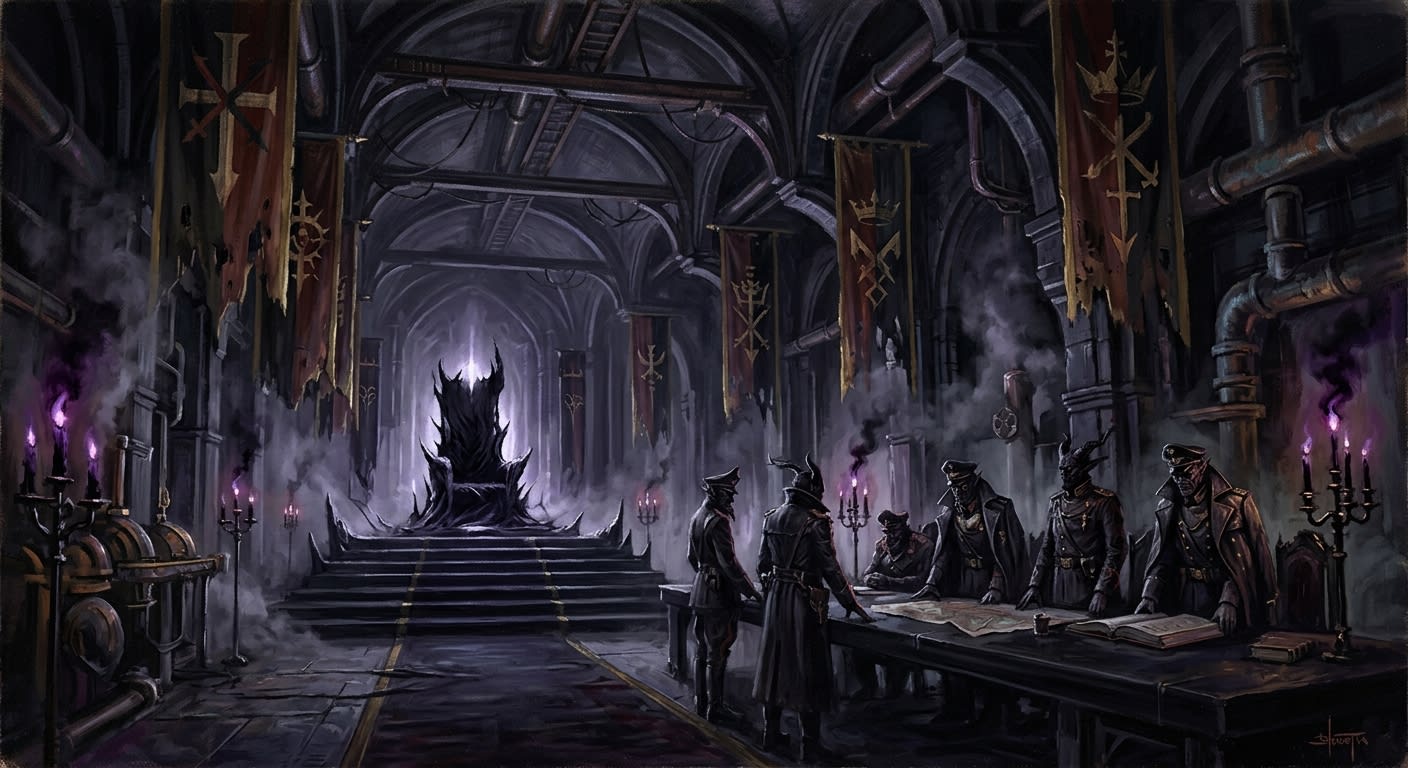
The Shadow Court
Filed under 'Locations, Hostile, Extant.' Coordinates: Pending.
The Bureau of Records has assigned the Shadow Court a filing number. The filing number is one hundred and nine years old. The Shadow Court has not provided coordinates.
Codex Ref. V.9.01-001
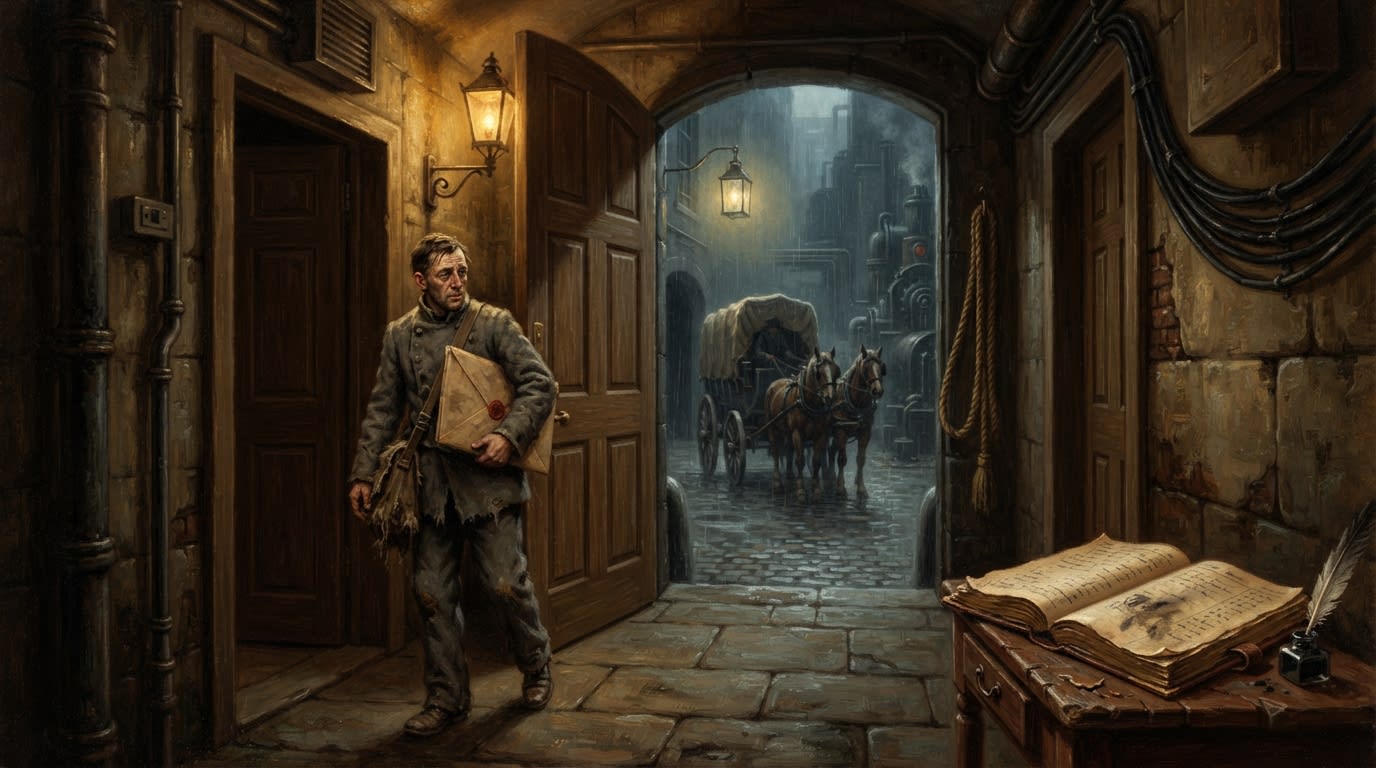
The Shadow Detail
The Hand That Writes in Rooms That Do Not Appear on Floor Plans
The Shadow Detail is the Synod's deniable hinge: clerks, couriers, wagon hands, and forgers who control the availability of persons, records, and routes. It can save a witness in the gap before procedure becomes consequence — or make that witness permanently unreachable.
Codex Ref. VIII.8.03-001
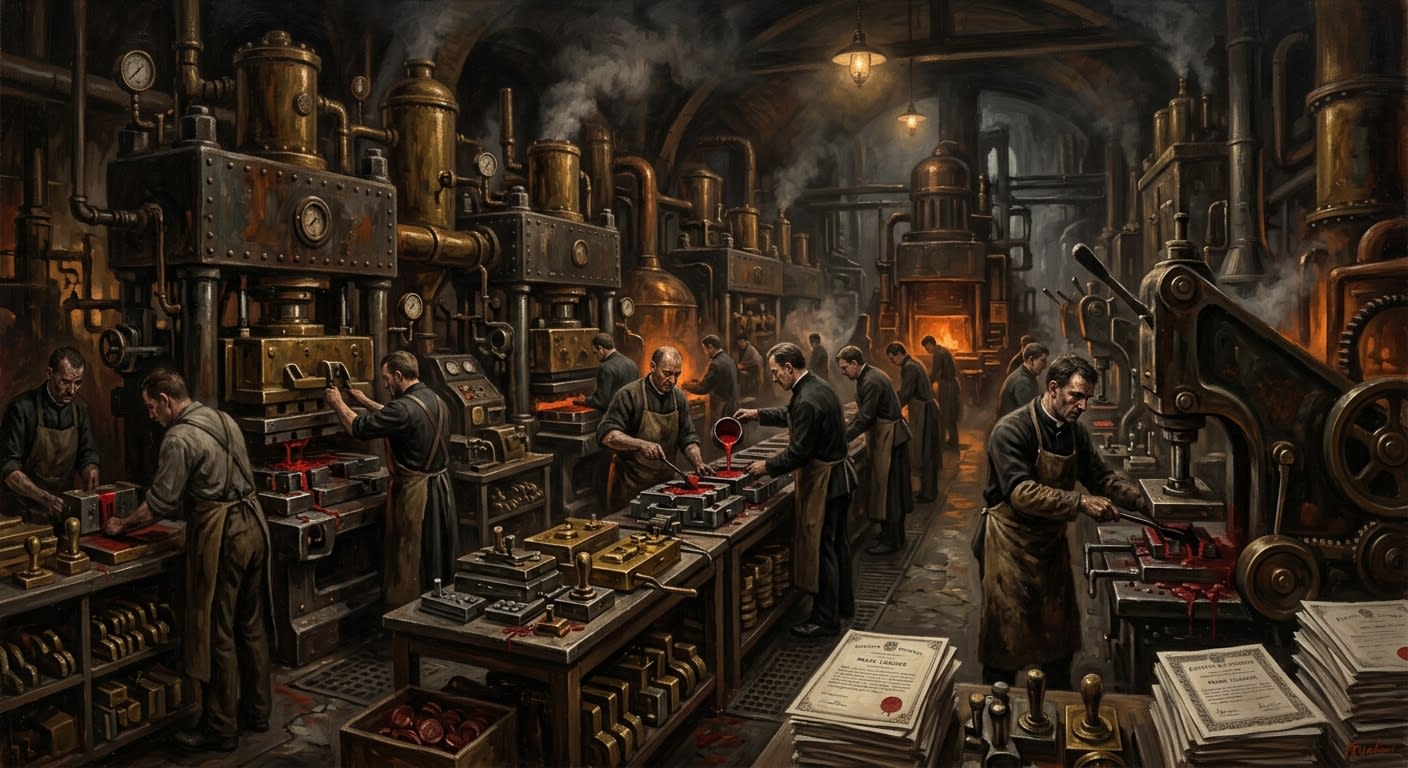
The Sigillary
Where warm wax teaches paper to bite
The Sigillary beneath Strasbourg Cathedral manufactures authority in wax, die, counter-seal, mask licence, and the old lesson that paper bites only when stamped.
Codex Ref. II.1.04-006
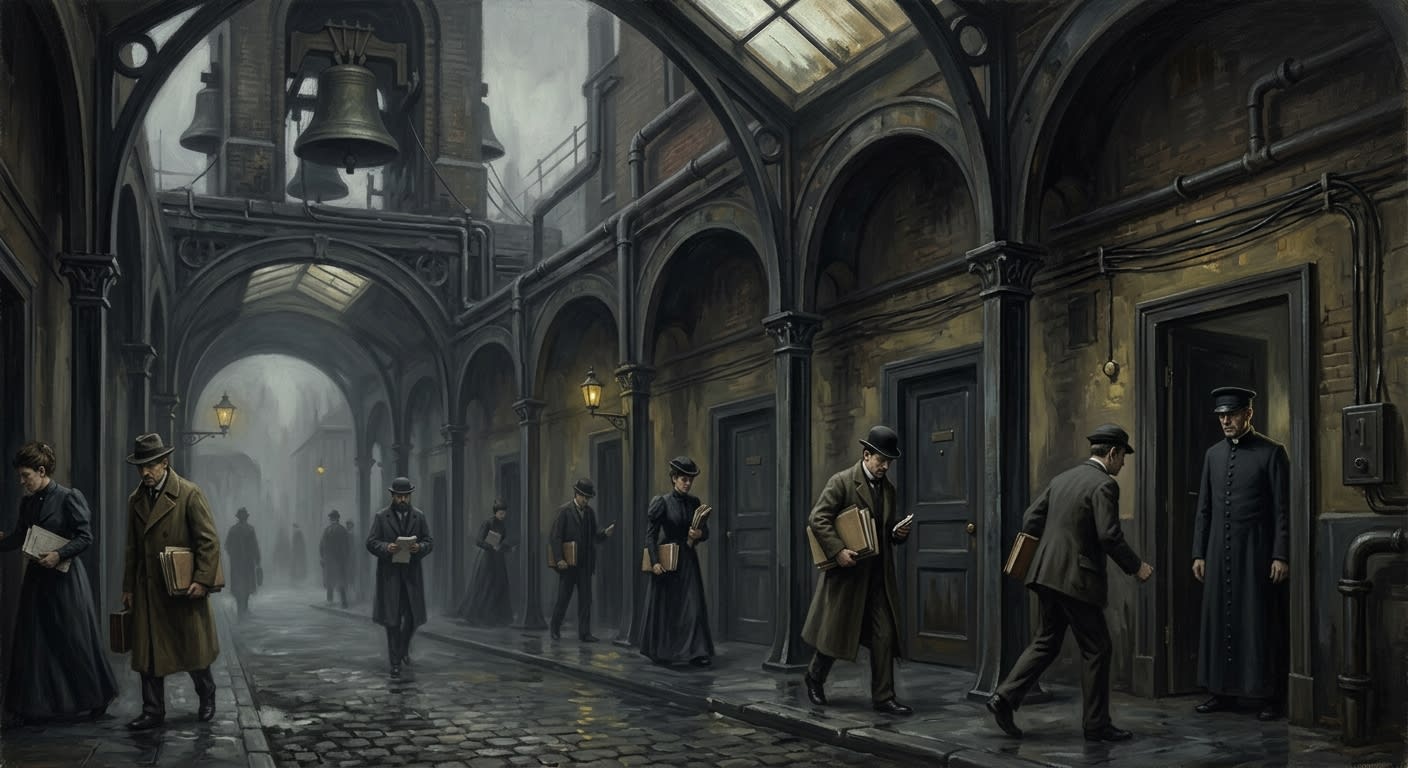
The Silent Colonnade
The fourth side of the [[cloister-precinct|Cloister]], where counting forgets its manners
The Silent Colonnade is Strasbourg's unnumbered northern arcade, a place of unmarked doors, shortened Wednesdays, swallowed bells, and corrections no Bureau admits.
Codex Ref. II.1.04-003
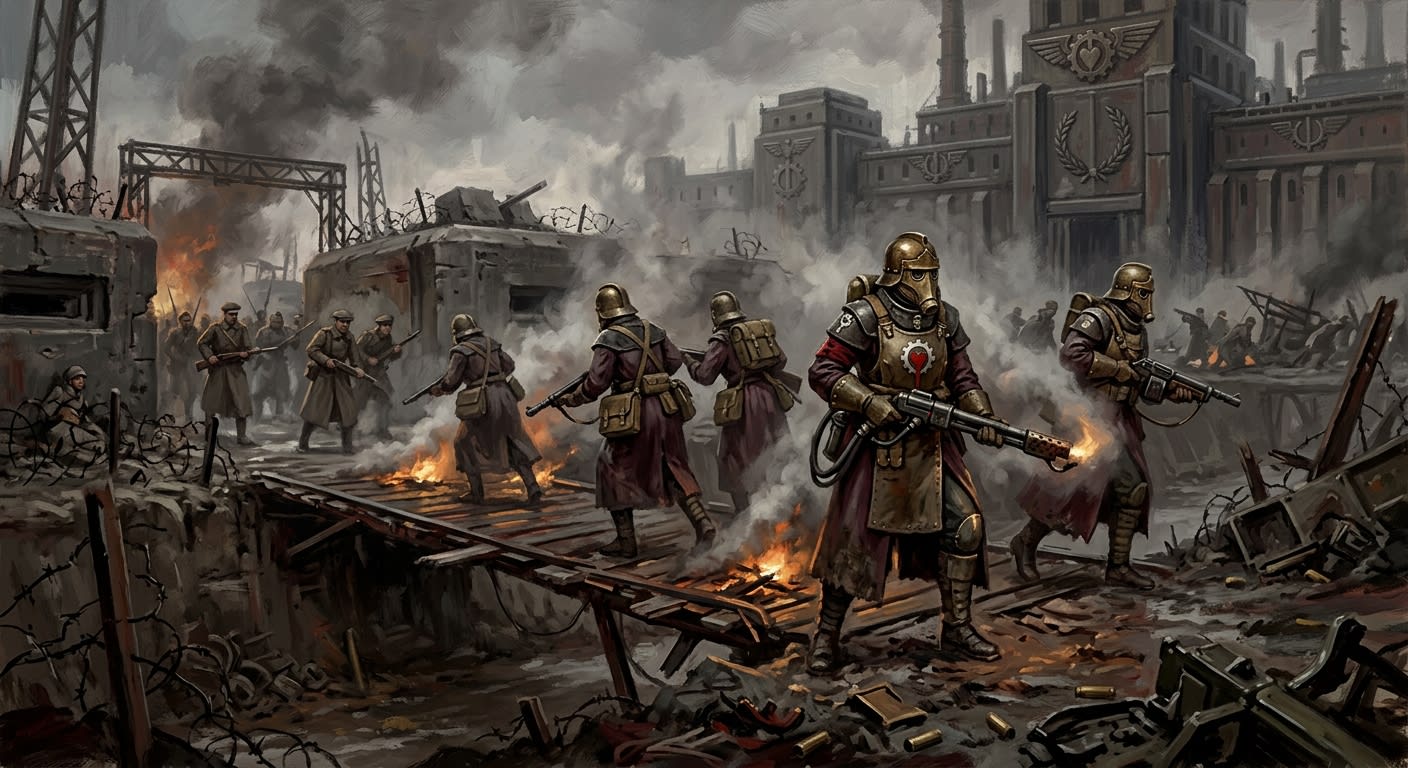
The Sisters of the Martyrdom
The bridge burned, the column halted, and the Ledger asked whether she volunteered
The Sisters of the Martyrdom burned bridges with their own bodies during the Atheist Wars; the Bureau sings them, taxes them, and refuses to ratify them.
Codex Ref. VIII.6.01-001
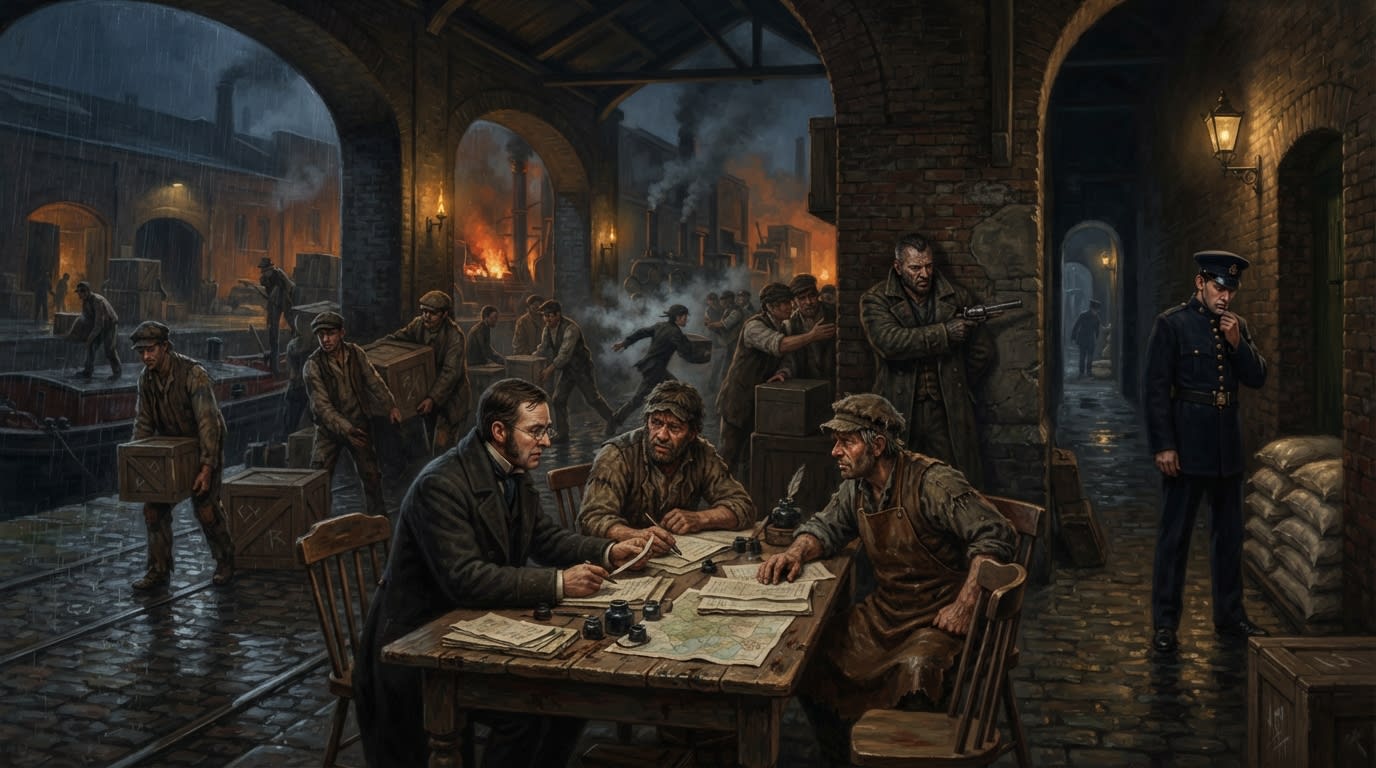
The Smuggler's Syndicate
The Other Road Has a Toll
Not a guild, brotherhood, cartel, or cause: the Syndicate is what emerges when official roads kill more reliably than unofficial ones. It moves medicine, witnesses, bodies, proof, names, and obligations through the interval between need and permission.
Codex Ref. IV.7.03-001
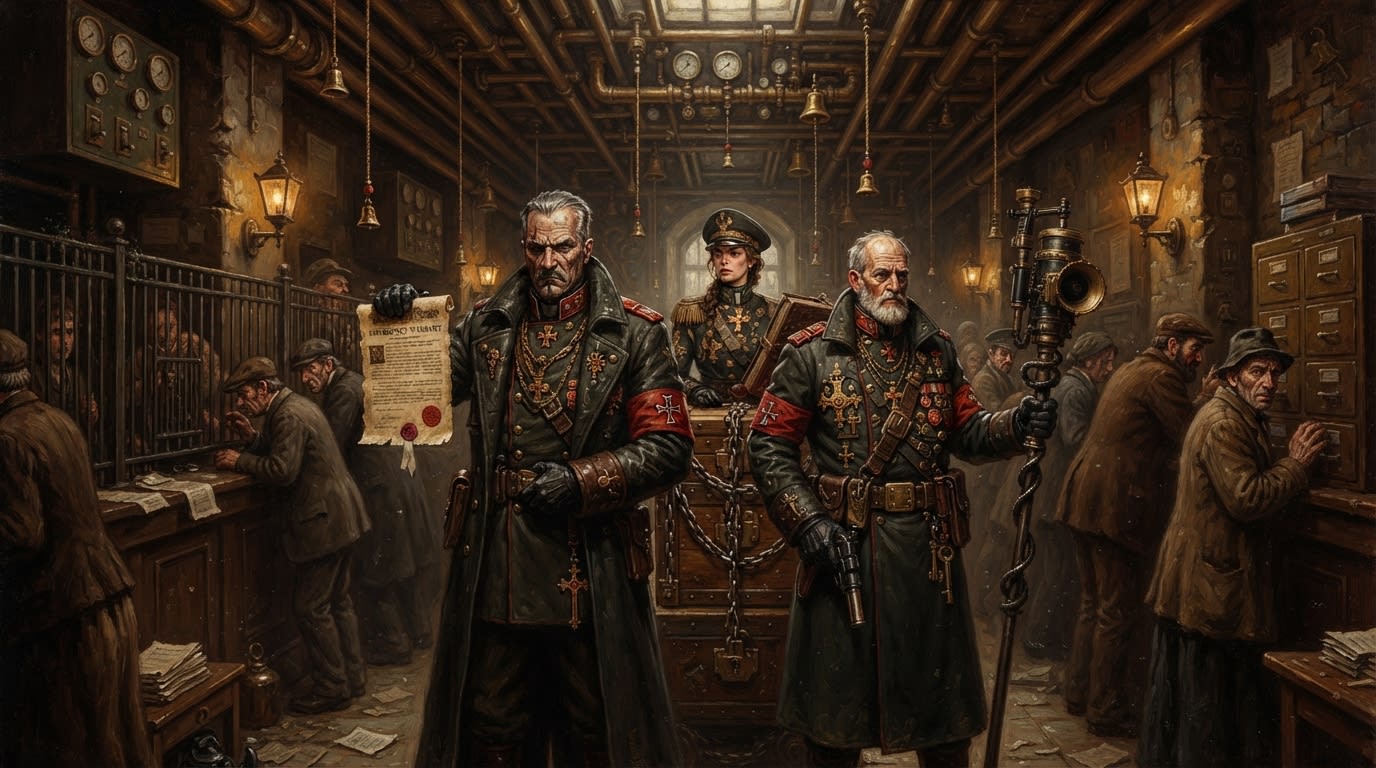
The Synod Task Force
On the Armed Enforcement of Administrative Truth
The Synod's answer to contested truth: temporary, armed administrative cells dispatched by warrant when ordinary procedure has failed, become complicit, or begun devouring its own paperwork. They preserve facts powerful offices would prefer misplaced.
Codex Ref. IV.7.12-001
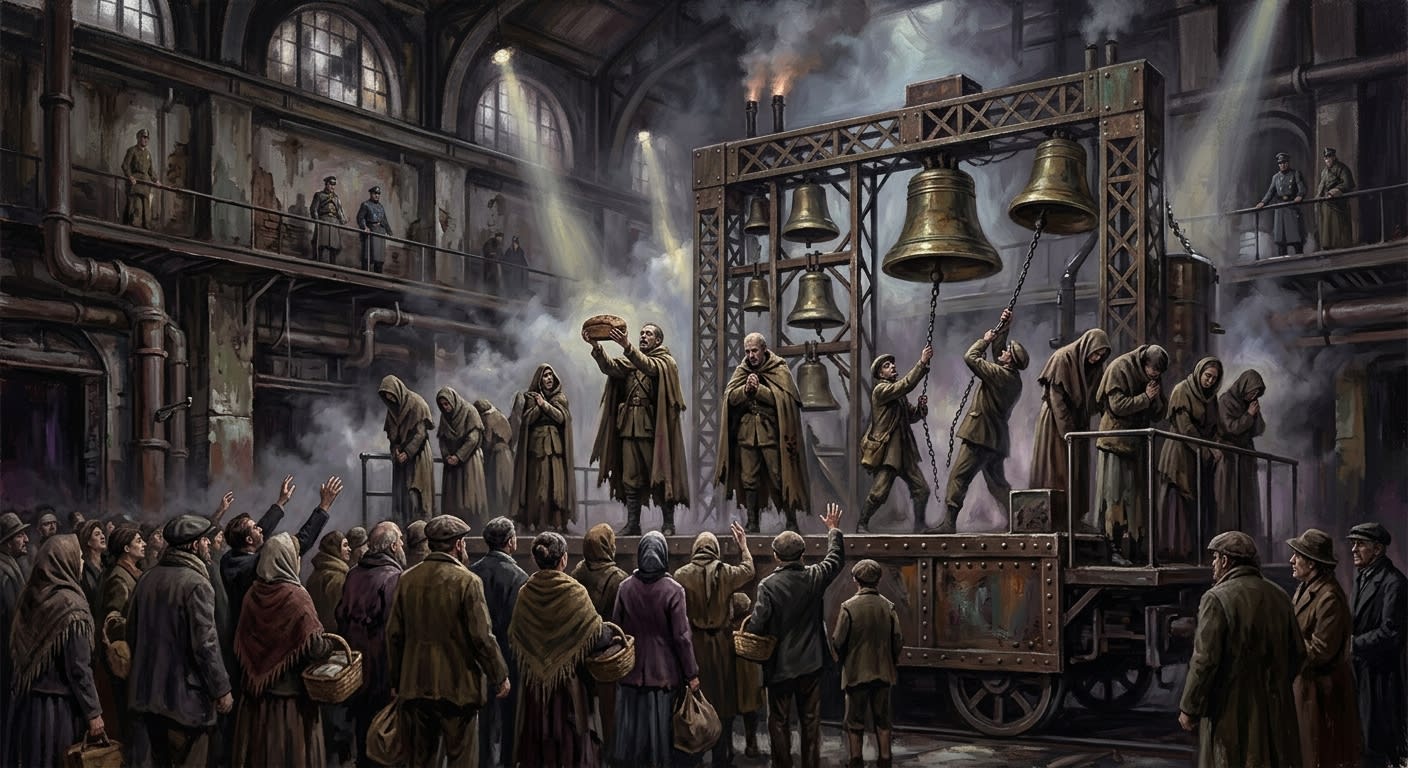
The Theatres
Bread, bells, and applause stolen from the altar
The Theatres are the Black Ledger faction that turns stolen bread into civic memory, staging Queue-Saint performances where hunger, bells, and witnesses become recruitment.
Codex Ref. XI.1.04-002
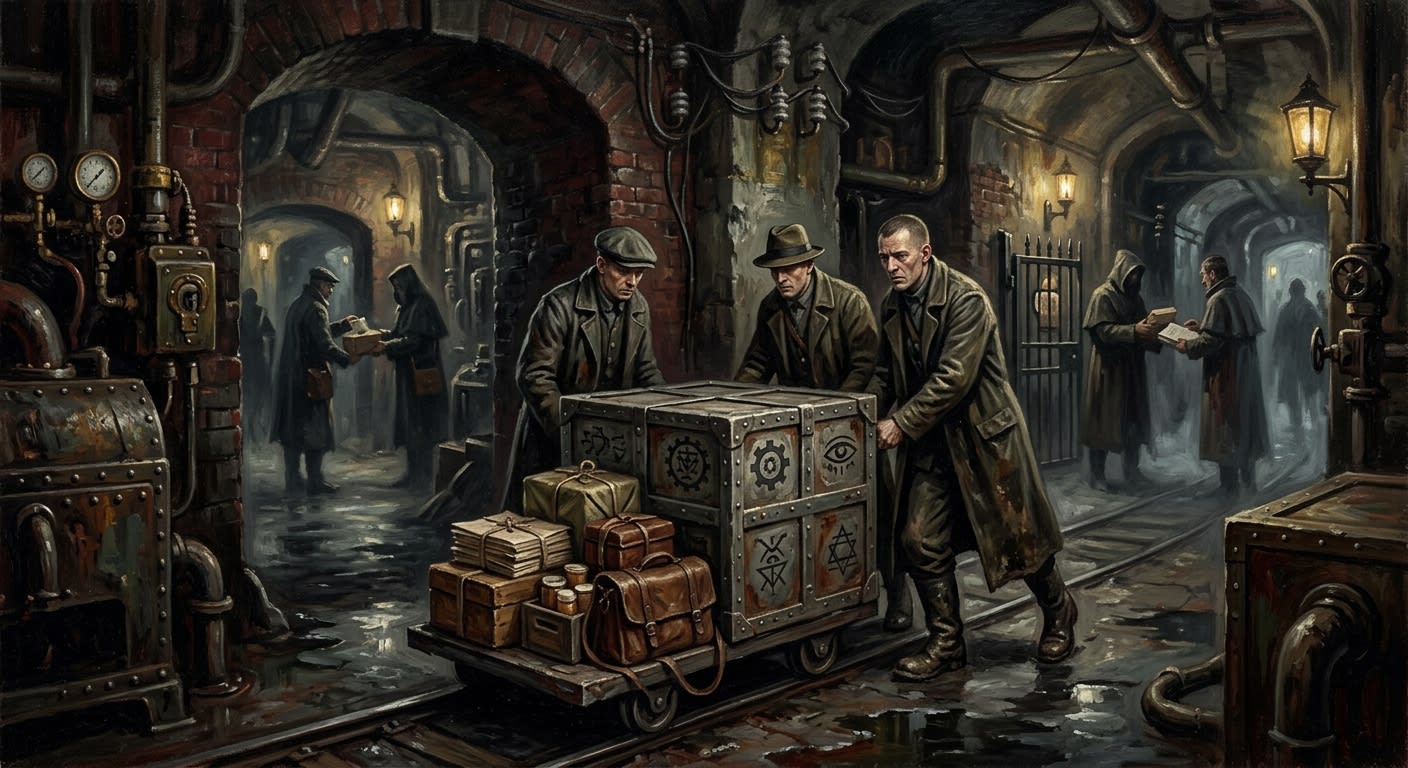
The Thread
The quiet line by which bones, names, and suspicion crossed the dark
Informal Cellar Saint transit doctrine that moved relics, names, wafers, and warnings through trusted cellars from A.S. 30 until the Sundering tore the roads open.
Codex Ref. XIII.1.91-045
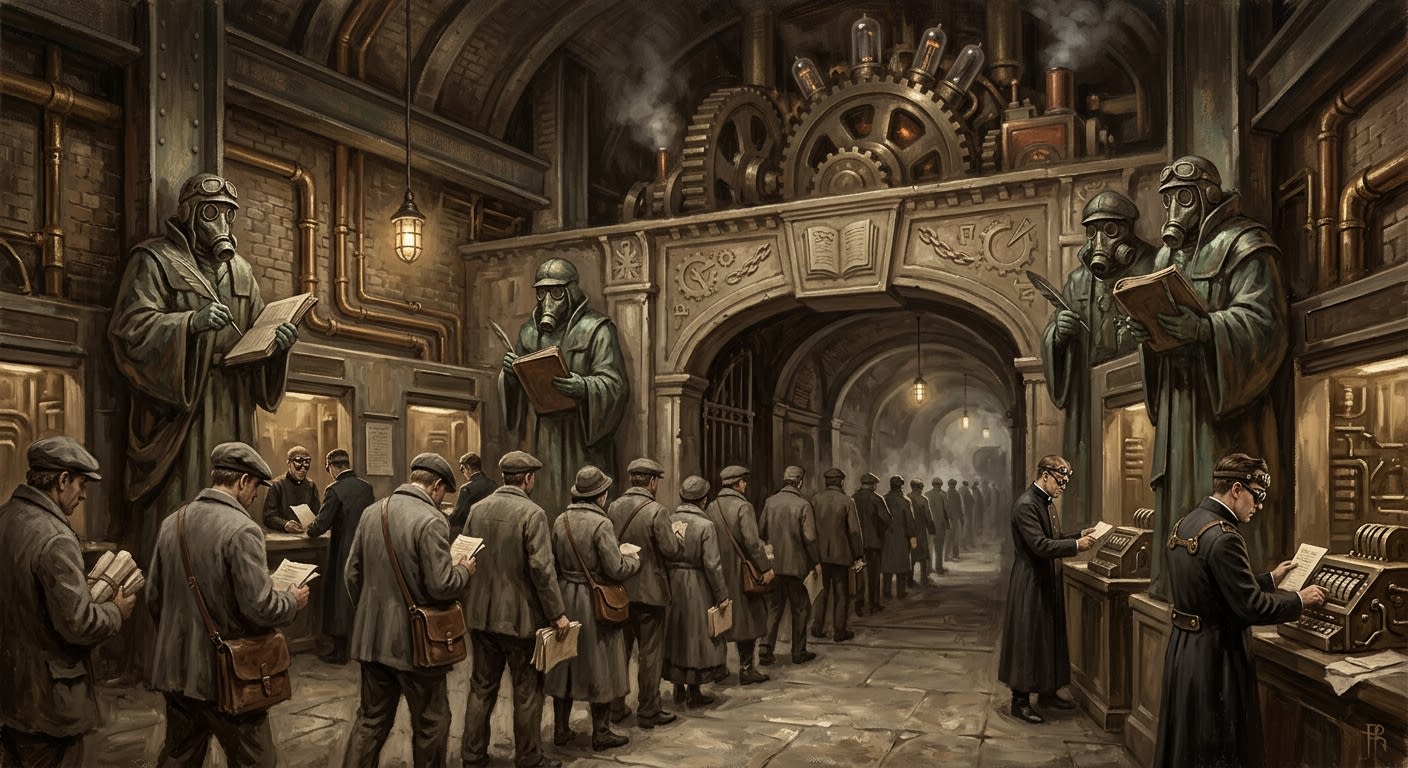
The Unnamed Bureau
The office that governs by being omitted from every ledger
The Unnamed Bureau is the office beneath Gate Nine: absent from every registry, obeyed by several, and maintaining an Apparatus that turns public waiting on the Queue Road into private product.
Codex Ref. VIII.2.02-001
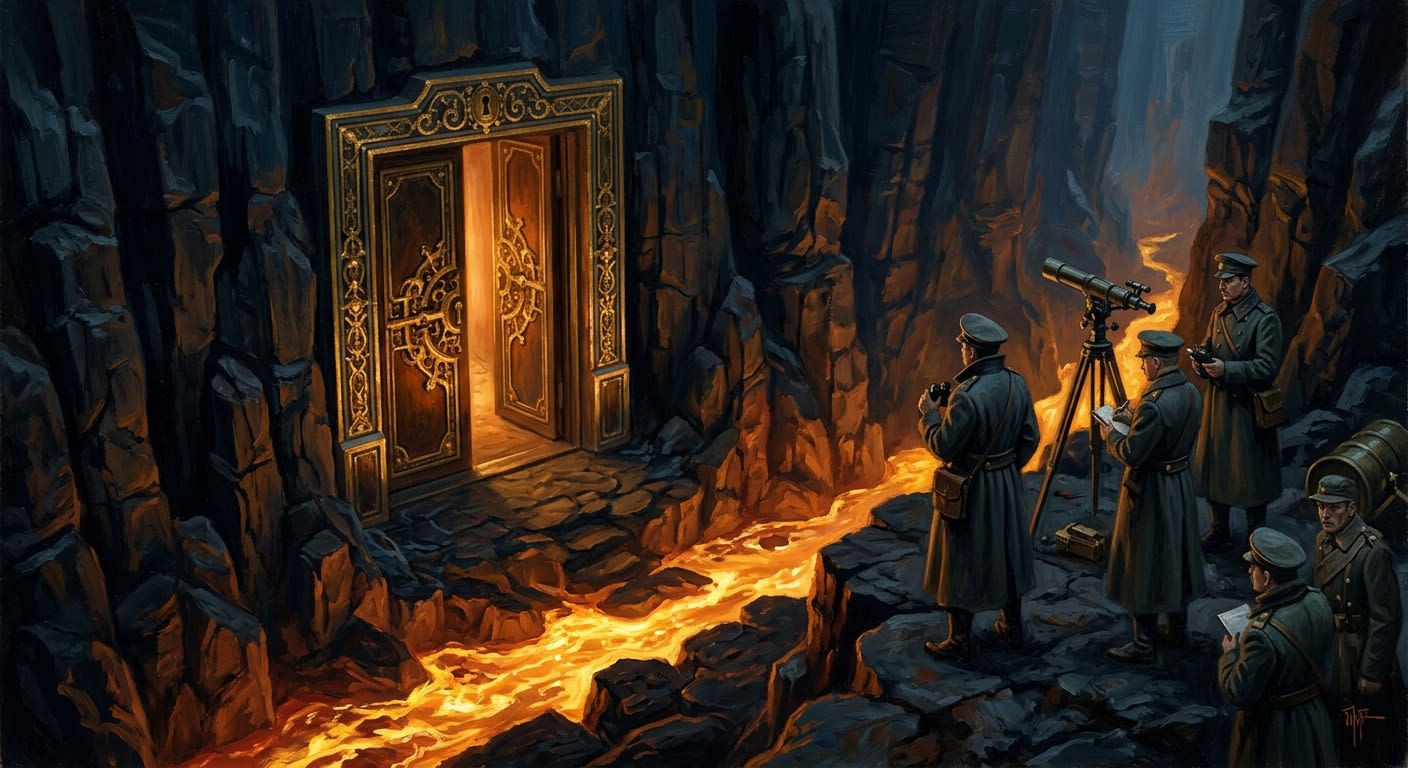
The Vault of Ten Thousand Keys
Every door opens. Every door locks behind you.
Velmora's seat within the Gilded Chasm — a palace of infinite descending doors, each one beautiful, each one locking behind you. Four expeditions entered. None returned intact. The Bureau has recommended permanent interdiction.
Codex Ref. V.6.02-001
The Virtue Generals (So-Called)
Seven heresies dressed as hope, condemned in the forty-fourth standing order
Standing Order 44-D refuted, filed, and reluctantly left open. Seven alleged champions of the Creator — unregistered, unconfirmed, and disturbingly active for entities that do not exist.
Codex Ref. IX.3.44-001
The Warrens of Königsberg
Laughter under the northern guns
The Warrens of Königsberg are the civilian quarter the fortress needs, mocks, watches, and refuses to admit it cannot spare.
Codex Ref. II.4.07-067
The Widow-Notary
The hand that taught charity to forge receipts
The Widow-Notary may be one woman, seven women, or a criminal mask; her forged assessments fed Strasbourg's poor and taught the Black Ledger to steal in the Bureau's own hand.
Codex Ref. III.2.01-062
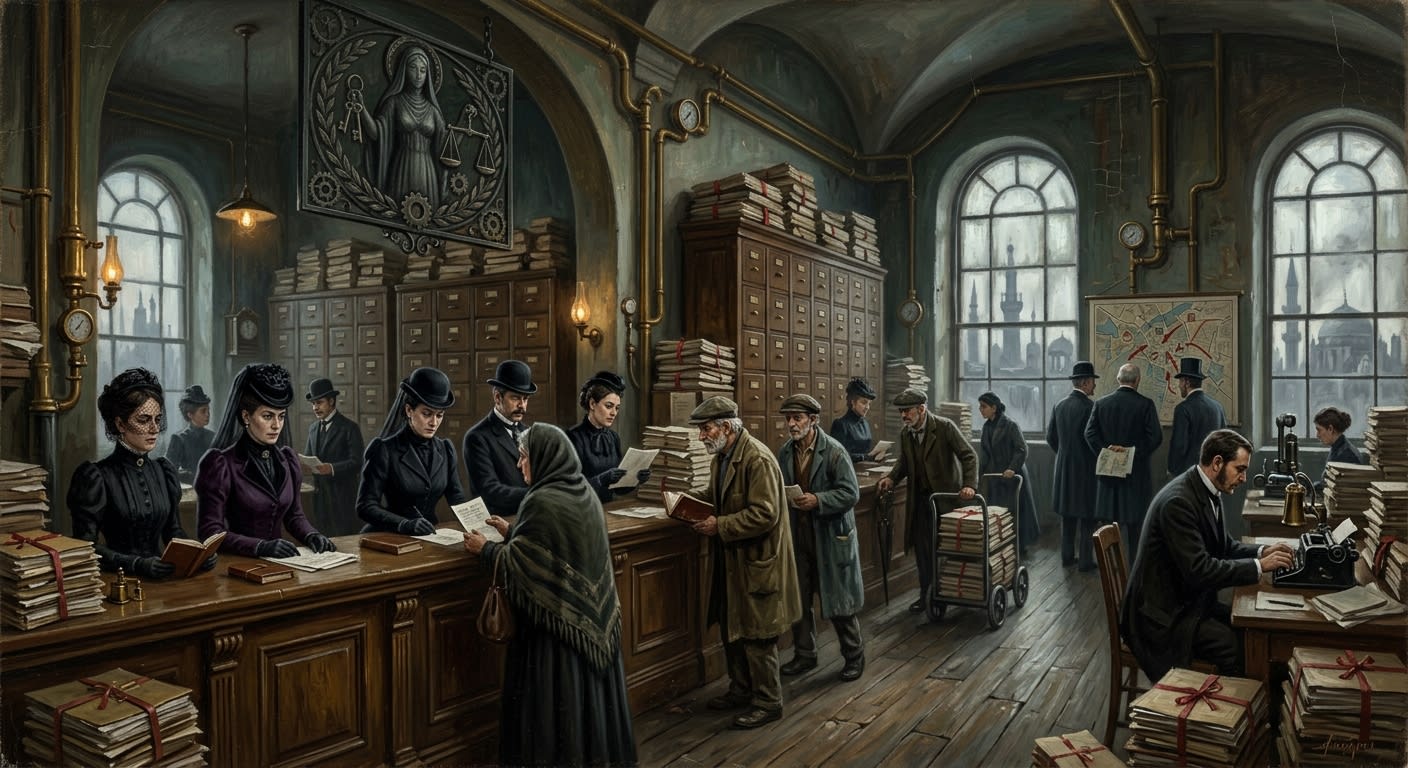
The Widow's Syndicate
A grief with ledgers is already a government
Constantinople's widows turned charity into credit, mourning into archives, and tea into a jurisdiction no Bureau can quite survive.
Codex Ref. XI.4.01-001
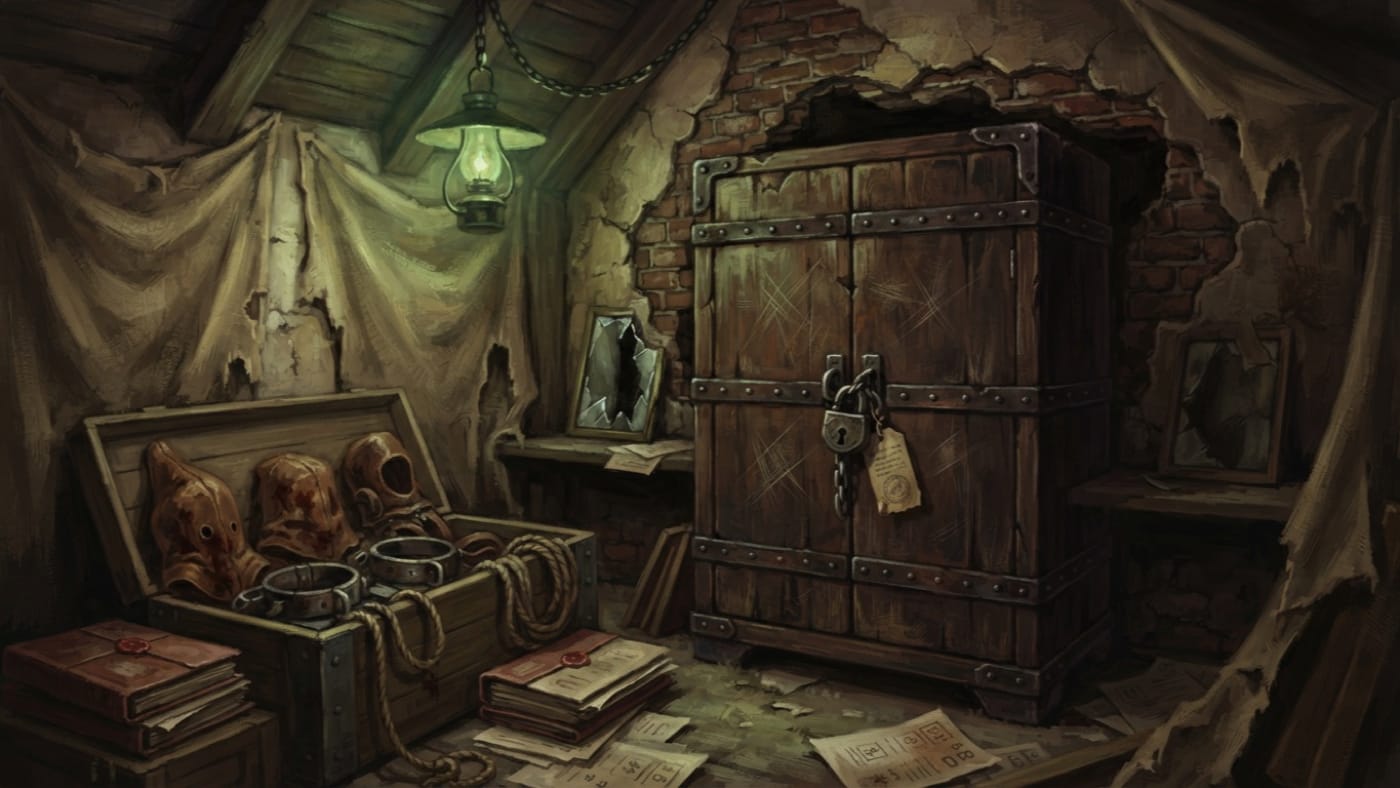
Tongue Cabinet
An unopened cupboard preserves an entire Circle
The Tongue Cabinet is Mute Radiance's alleged cache of removal trophies. Three Shadows inquiries and a revised finding leave the allegation unresolved; an unopened cupboard preserves the Circle's toleration.
Codex Ref. IV.6.25-202
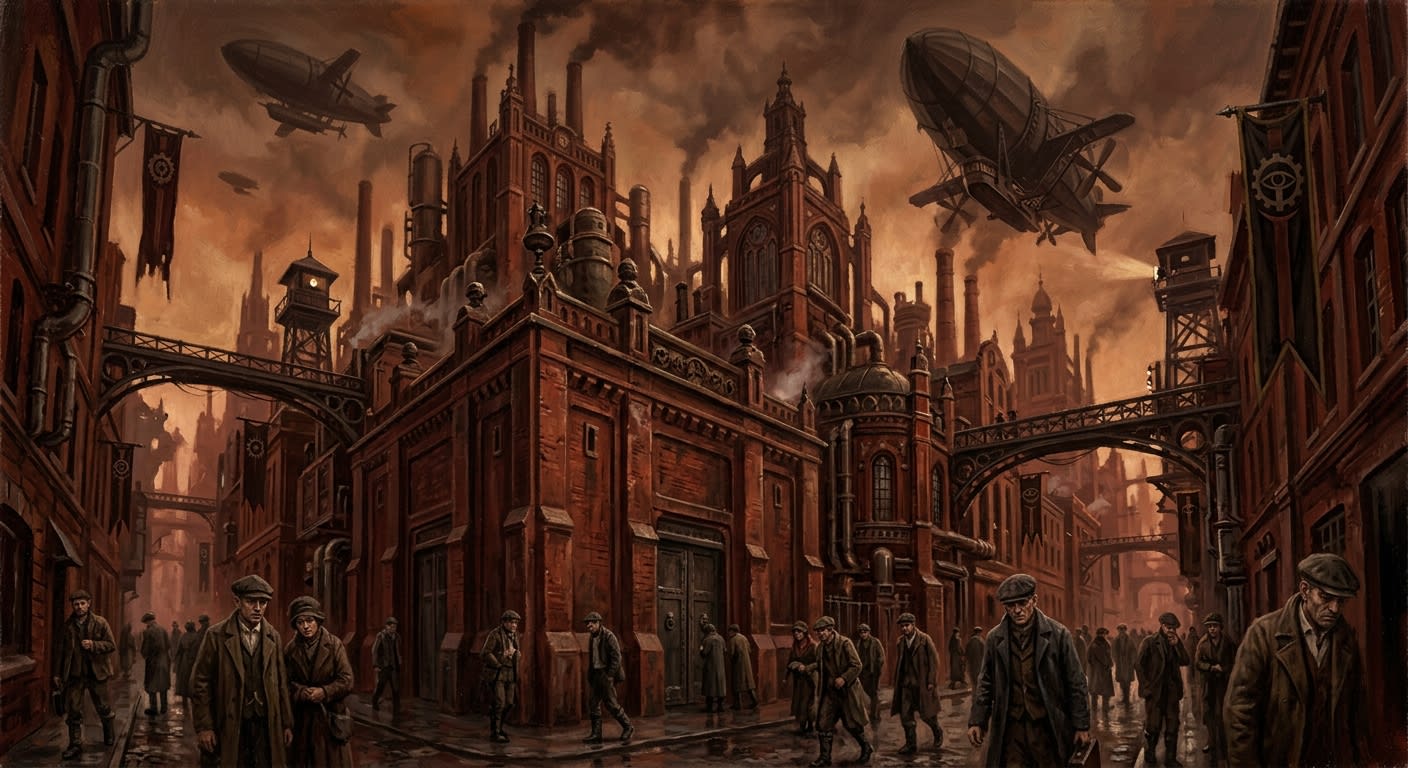
Toulouse
The safe city where Purity learned its grammar
Toulouse is the red-brick safe city corrected in A.S. 93: birthplace of Purity's public dread, still loyal, profitable, lowered-voiced, and watched.
Codex Ref. II.1.09-093
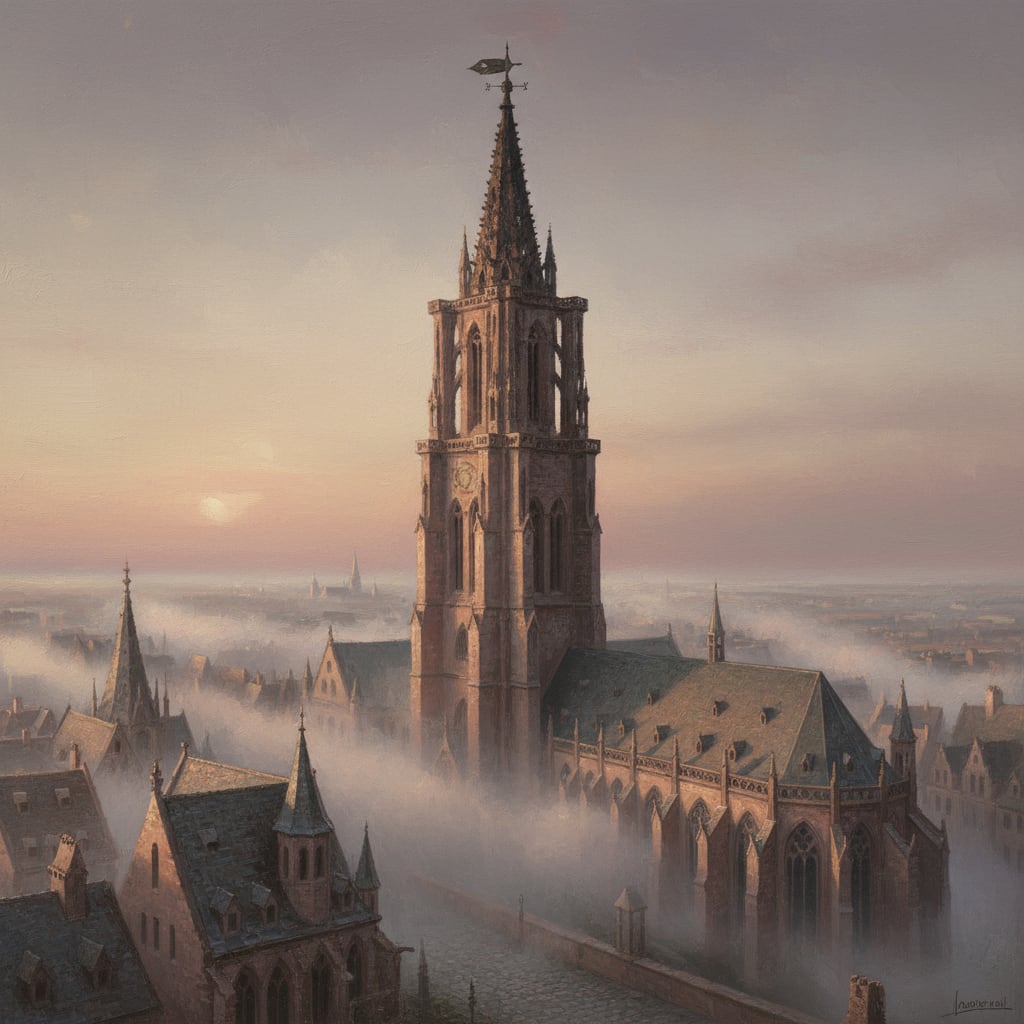
Tower of the Quill
The tallest structure in Strasbourg, which is to say the world, which is to say the matter is settled
Seat of the Bureau of Doctrine and tallest structure in Strasbourg, commissioned in A.S. 92 by successor authorities. Three bells, a classified gallery, and a sealed archive beneath the flagstones.
Codex Ref. II.1.04-001
Trial of Saint Aldebrand's Reliquary
The courtroom where arithmetic disgraced itself before a bone
Amsterdam's A.S. 11 mock trial of Saint Aldebrand's reliquary turned Rationalist arithmetic into theatre, until Vienna made the bone louder than the joke.
Codex Ref. VII.8.10-011
Trial of Saint Aldebrand's Reliquary
The hall laughed first; the bone answered later
Amsterdam laughed over Aldebrand's displayed femur in A.S. 11, then lost the bone, the transcript, and eventually the argument to Vienna's mace.
Codex Ref. VII.8.10-011
Triangle of Witness
Three lamps, one file, and a citizen already half-swallowed
The Lantern Brotherhood's Triangle of Witness turns night patrol into court geometry: Anchor, Blade, and Echo arranging fear, contact, and ink into admissible calm.
Codex Ref. XIII.1.76-201
Tribunal of Clarity
Where Reason washed torture until it shone
The Rationalist Republic's secret Tribunal of Clarity renamed prayer as error, torture as method, and conviction as arithmetic until the Sundering answered the room.
Codex Ref. XIII.1.57-030
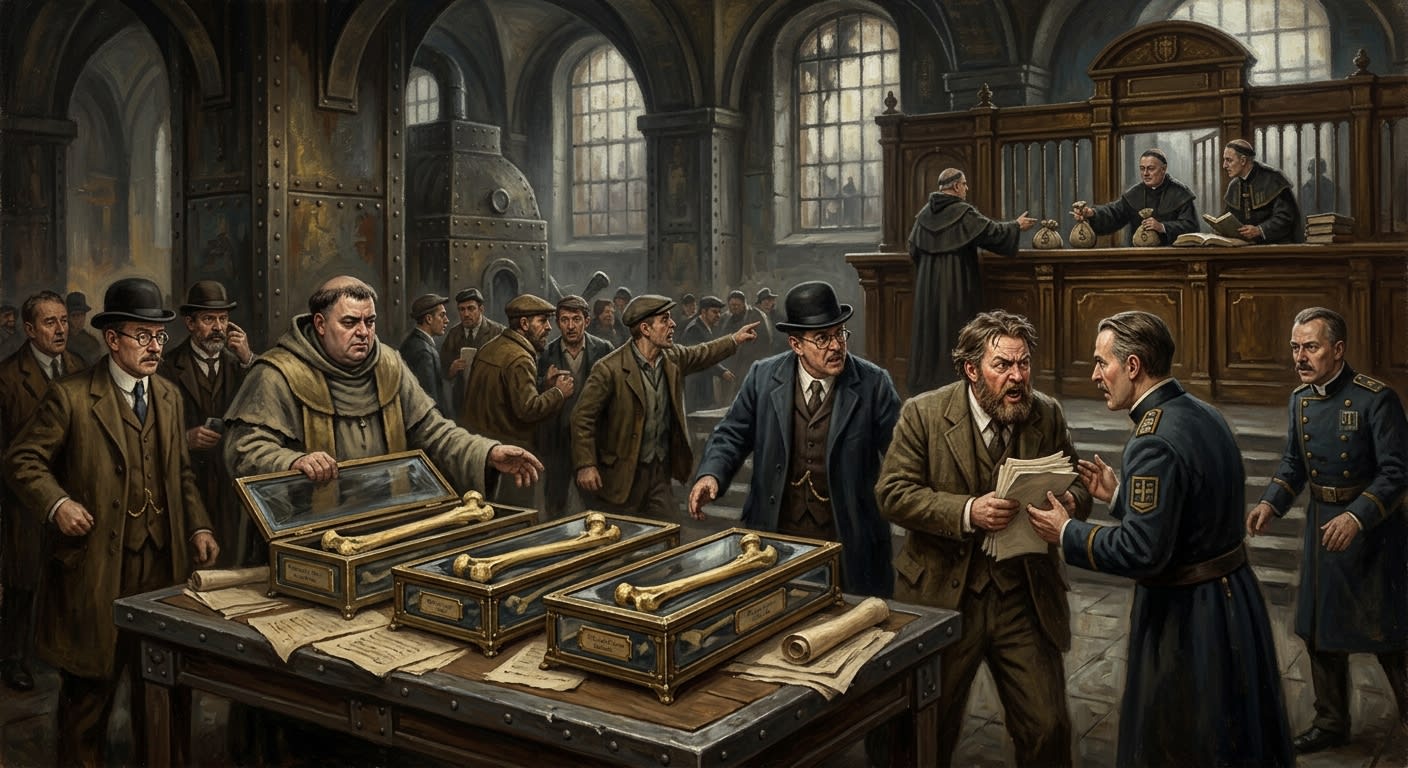
Triplicate Femur Incident
Three saintly legs entered one manifest; a profession walked out
The c. A.S. 148 Triplicate Femur Incident exposed three authenticated left femurs of Saint Maurus at once, birthing Femur-War brokerage from public contradiction.
Codex Ref. VII.8.10-027
Triumvirate of Public Instruction
Three schoolmasters sharpened Europe into a knife
The Triumvirate of Public Instruction was the Council of Nine's sealed sub-committee that drafted Ironmouth, converting schoolroom vocabulary into warrants, knives, and public tongues.
Codex Ref. I.1.04-001
Two-Book Dead
One ledger for the law, one ledger for the body that vanished
The Two-Book Dead names the Ossuary Rings' hidden second ledger: one corpse for law, one corpse for price, and grief caught between them.
Codex Ref. XIII.1.76-094
Varna
The Ashen Redoubt where smoke looks back and bread learns law
Varna, the Ashen Redoubt, is a Black Sea cliff-fortress of guns, bone-kilns, tariff chapels, demon glass, hunger law, debt masks, and smoke that looks back.
Codex Ref. II.4.09-070

Veyrel
The man who made condemnation buy shoes
Condemned in Strasbourg and respectable in Cologne, Veyrel exploited stale Index copies so neatly that Purity invented speed to hate him properly.
Codex Ref. III.2.01-125
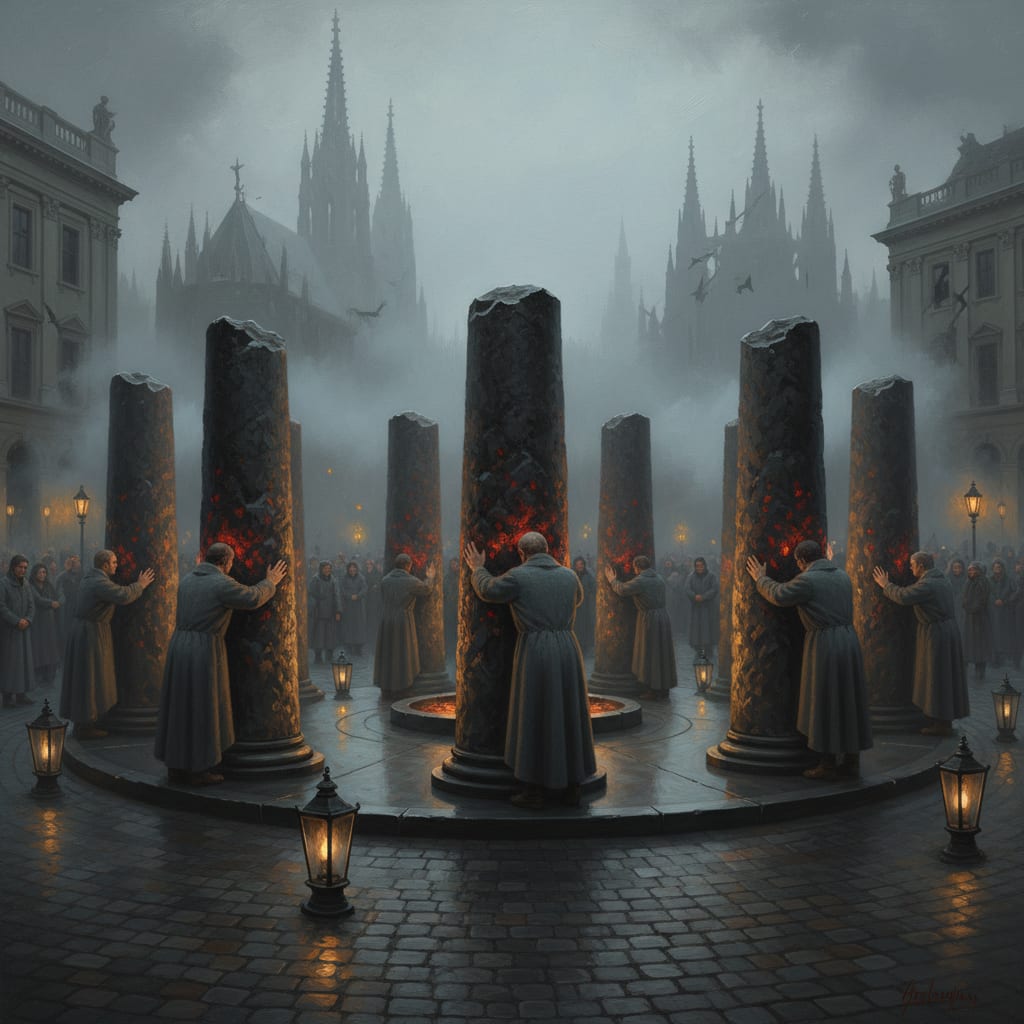
Vienna, the Shrine-Ruins
Three deaths, one gift shop, and a pen that has not dried in forty years
Three times ruined and once reclaimed. Vienna is the Synod's finest shrine and its most honest monument: the Rationalist capital, the Great Retreat's wound.
Codex Ref. II.4.09-010
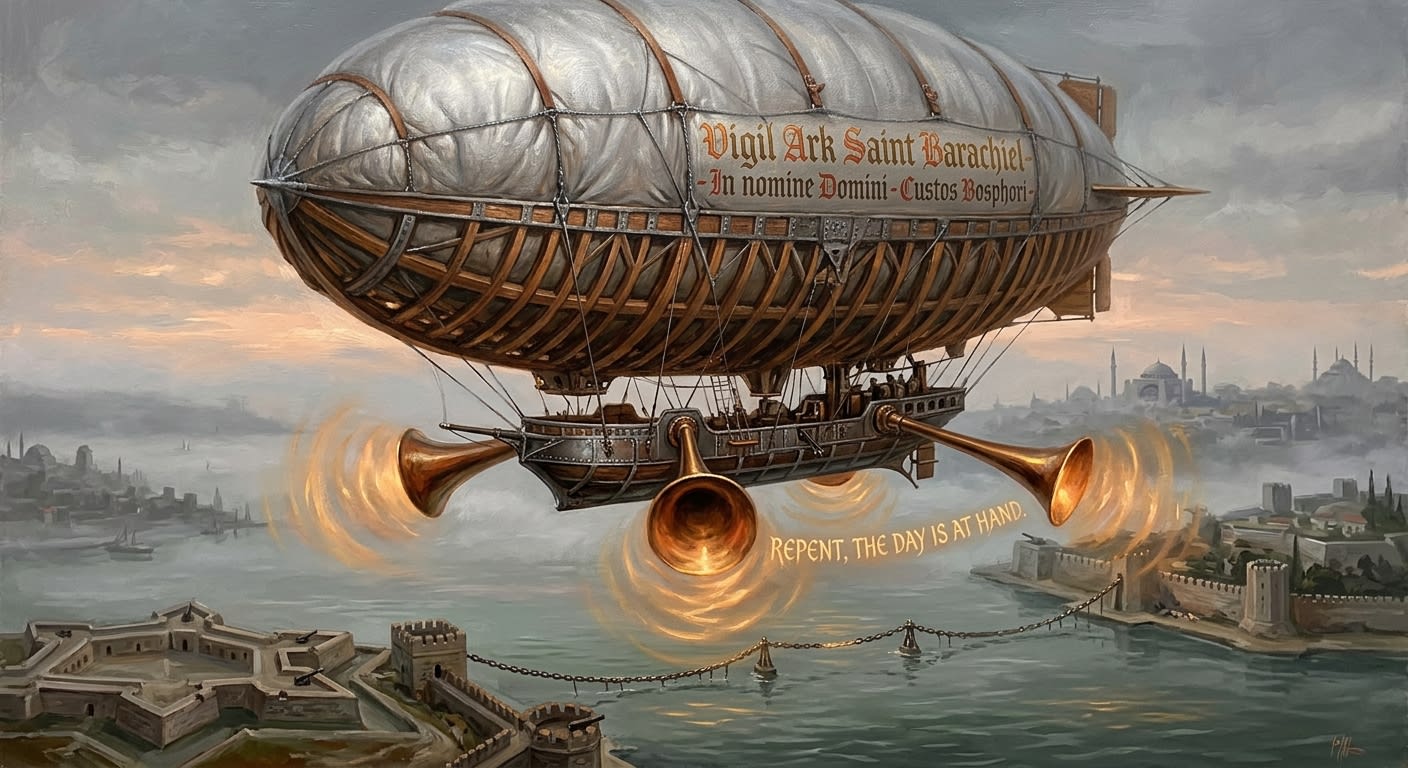
Vigil Ark *Saint Barachiel*
On the consecrated dirigible that blesses the Bosphorus sky, the sermon heard forty feet below the water, and the eleven minutes forty-three seconds of A.S. 199 the Bureau has classified as Not Our Co
The Vigil Ark Saint Barachiel: armed dirigible-reliquary, Constantinople theater, A.S. 168–present. Thirty-three years of consecrated patrol. One unexplained Broadcast. The Ark flies. The Bureau recommends continued faith.
Codex Ref. II.4.11-001
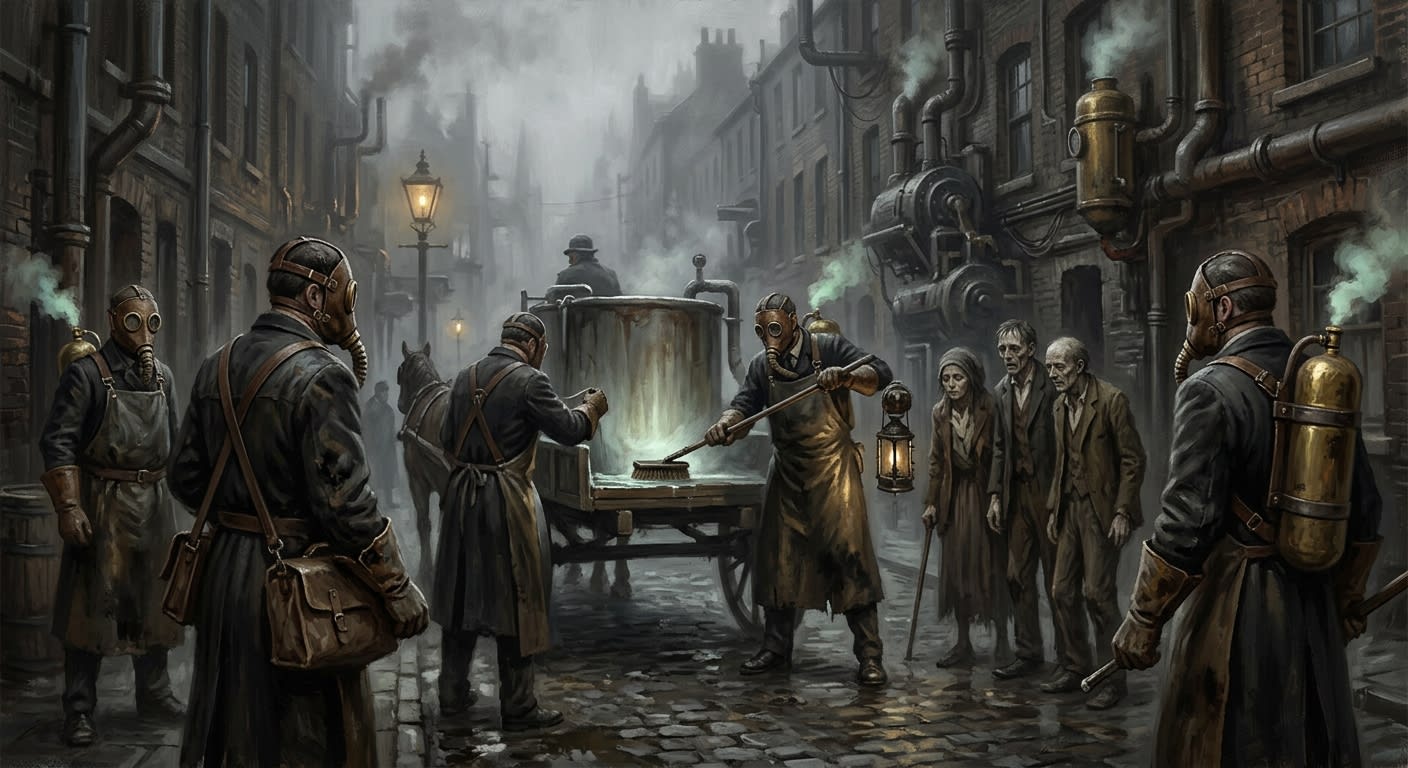
Ward-Soothe Purists
Clean hands, loud lanterns, and streets left dirty by correctness
The Ward-Soothe Purists are Lantern Brotherhood schismatics who severed Mercy Preacher contacts after the A.S. 178 Cologne dispute and mistook clean hands for clean streets.
Codex Ref. XII.25.07-001
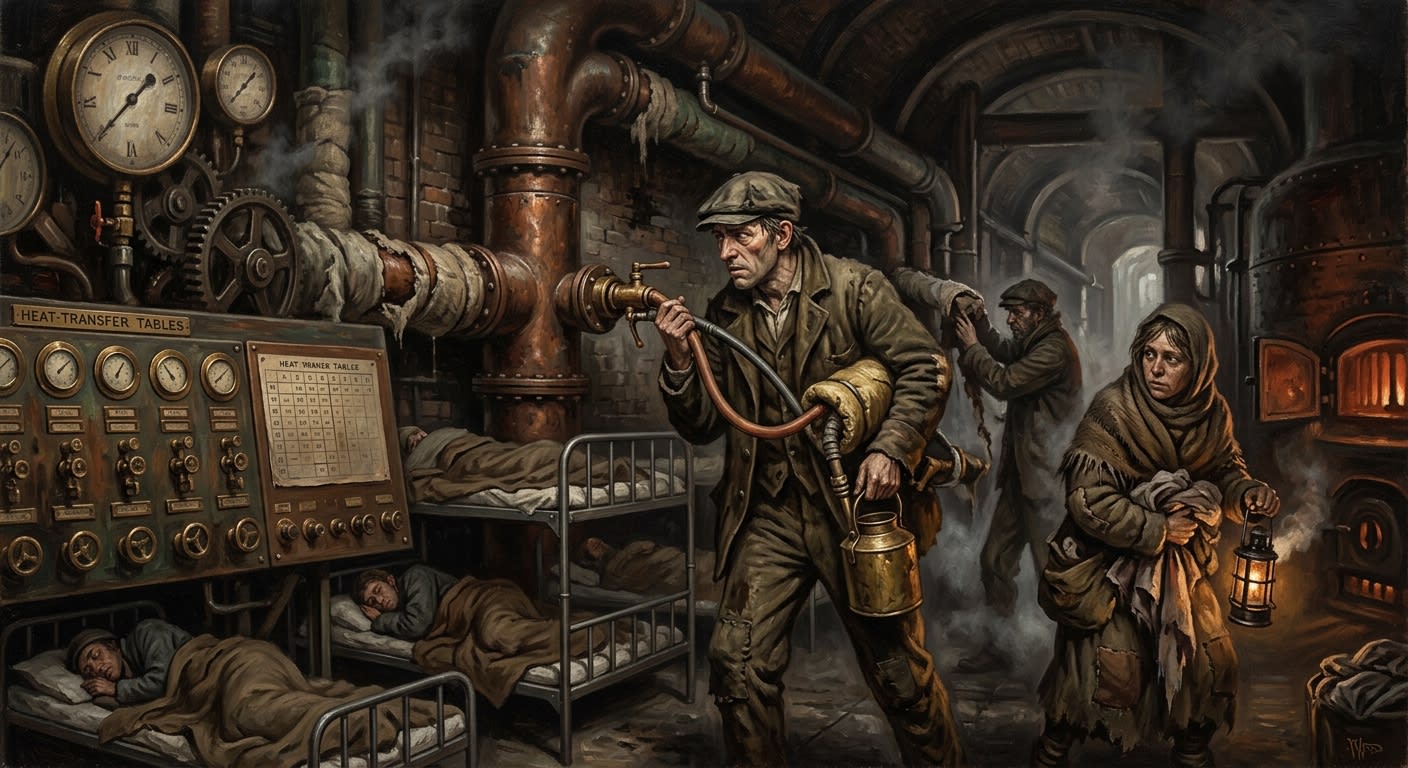
Warmth Thieves
When the pipe says live, arithmetic becomes theft
Brast calls the Warmth Thieves criminals because calling them necessary would indict every official heat table nailed above a freezing room.
Codex Ref. XII.6.06-201
Warrens of Strasbourg
The capital's conscience, filed under mildew
Strasbourg hides its poor where bells arrive broken, maps grow bashful, and charity, crime, and surveillance share the same wet staircase.
Codex Ref. II.2.06-201
Warsaw
The city the Bureau told to leave, and the bakeries it opened in reply
The Synod's forward staging city on the Vistula — Zone Three, Northern Corridor, entry 14-W. 160 km from the Sagittal Line; close enough to hear the front on clear nights. The Bureau told it to leave in A.S. 95. It has grown by a quarter-million souls since.
Codex Ref. II.4.09-007
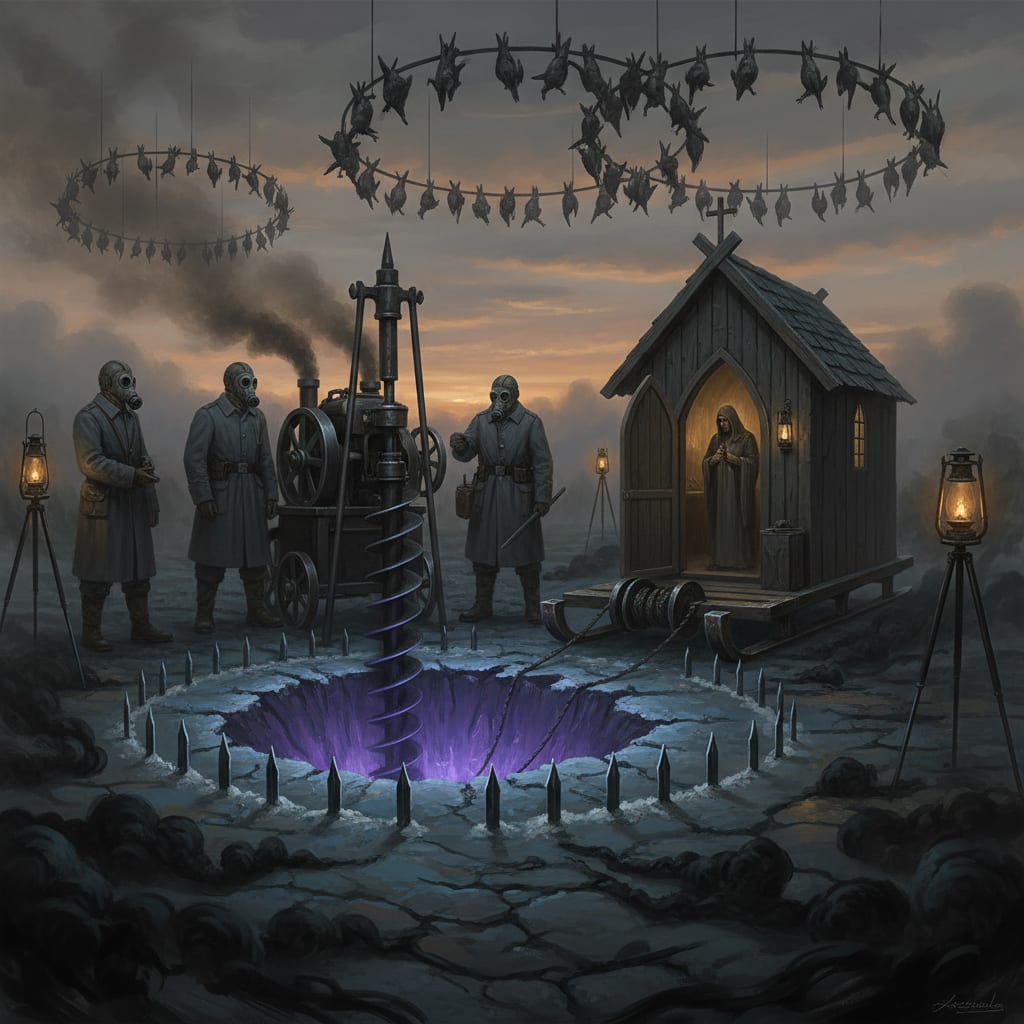
Wound-Site Prospector
The earth seeps; the drums breathe; the Bureau explains neither, and taxes both
The licensed harvesters of demon-seep from wound-sites — chartered by the Bureau of Tithes, destroyed by the work, and collectively silent on the one event that explains everything. The drums breathe at night.
Codex Ref. XII.50.01-001
Yard Palatine Odrin Kessel
The man who decides which bastion eats on Thursday
Yard Palatine Odrin Kessel commands Lorn, controls the Needle's priority windows, and prepares immaculate answers for an audit that has yet to arrive.
Codex Ref. III.2.02-201
Year of Smoke
Eleven wagons, one fire, and the night the [[bureau-of-shadows|Bureau of Shadows]] stopped being a ghost story
The night Lübeck's harbour records burned, its guilds dissolved, and eleven wagons drove into legend. The Year of Smoke is what happened when the Bureau of Shadows stopped being theoretical and started being operational.
Codex Ref. VII.1.02-001