

Reverse Index
Referencing “The Sundering”
Every codex entry that links to The Sundering. 521 entries.
Return to The Sundering
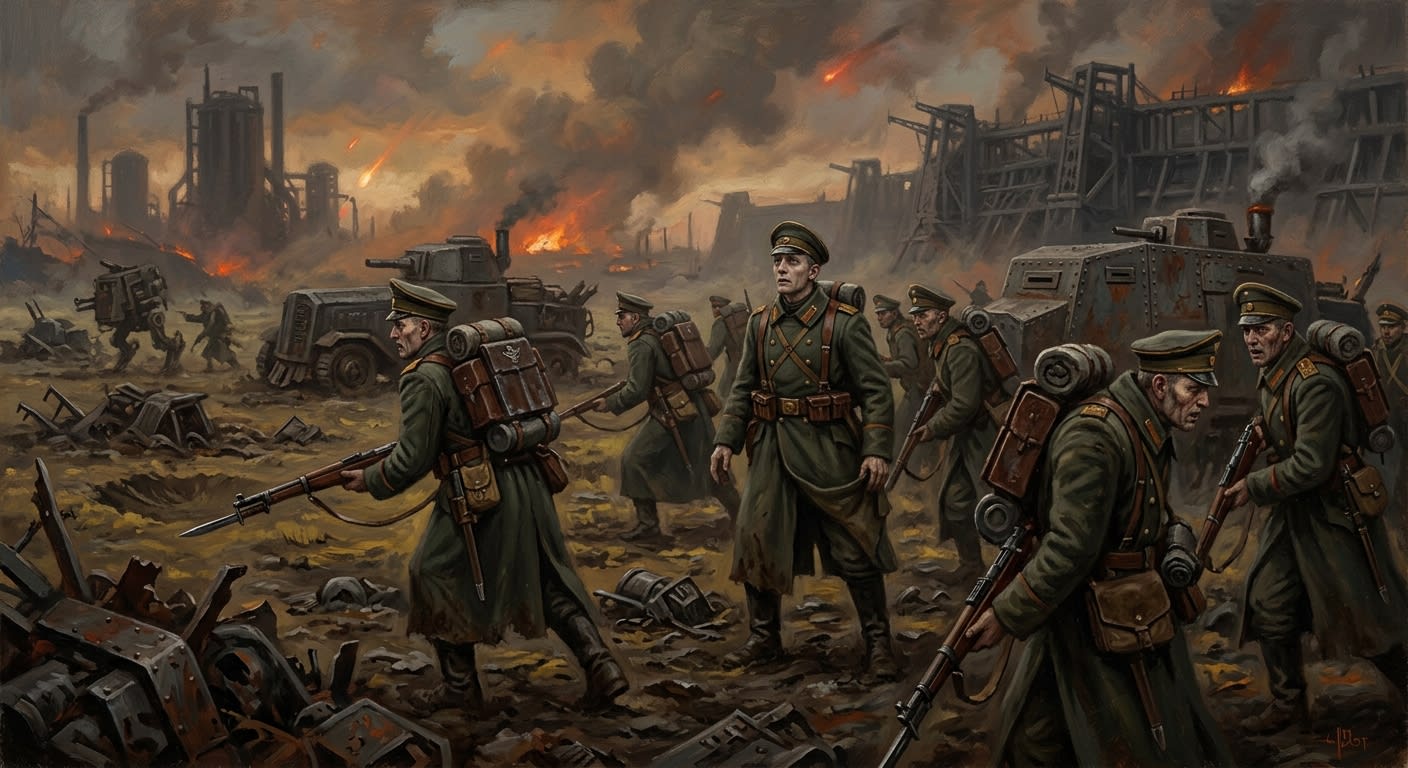
12th Prefectural Division
The flank that heard the fire sing
The 12th Prefectural Division was a Rationalist flank formation annihilated at the Iron Plains and remembered because Private Kessler heard the fire sing.
Codex Ref. VIII.1.05-012
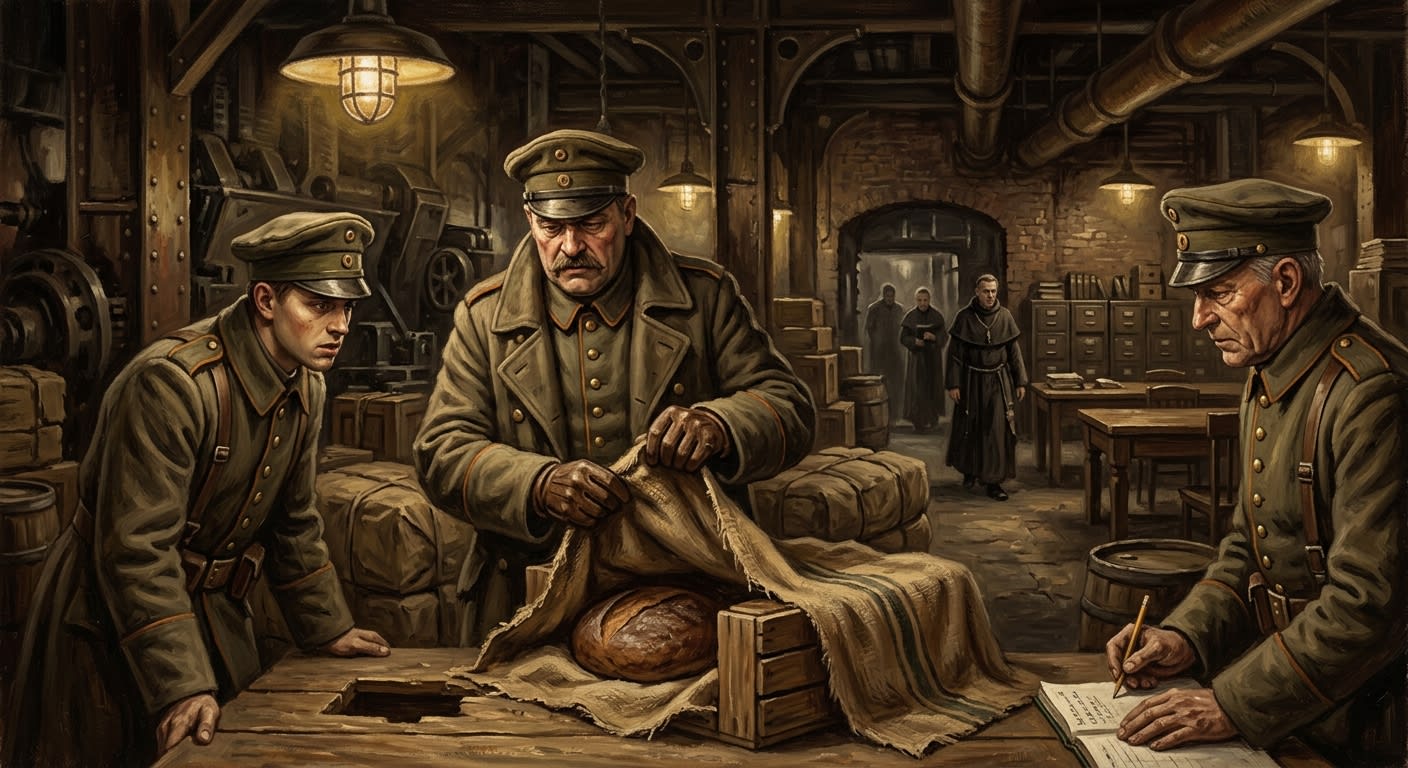
14th Rhine Customs Brigade
The guards who inspected bread and missed Providence
The 14th Rhine Customs Brigade lifted a cloth, saw bread, and missed three apostolic phalanges; Providence has seldom dressed itself so plainly.
Codex Ref. I.1.14-031
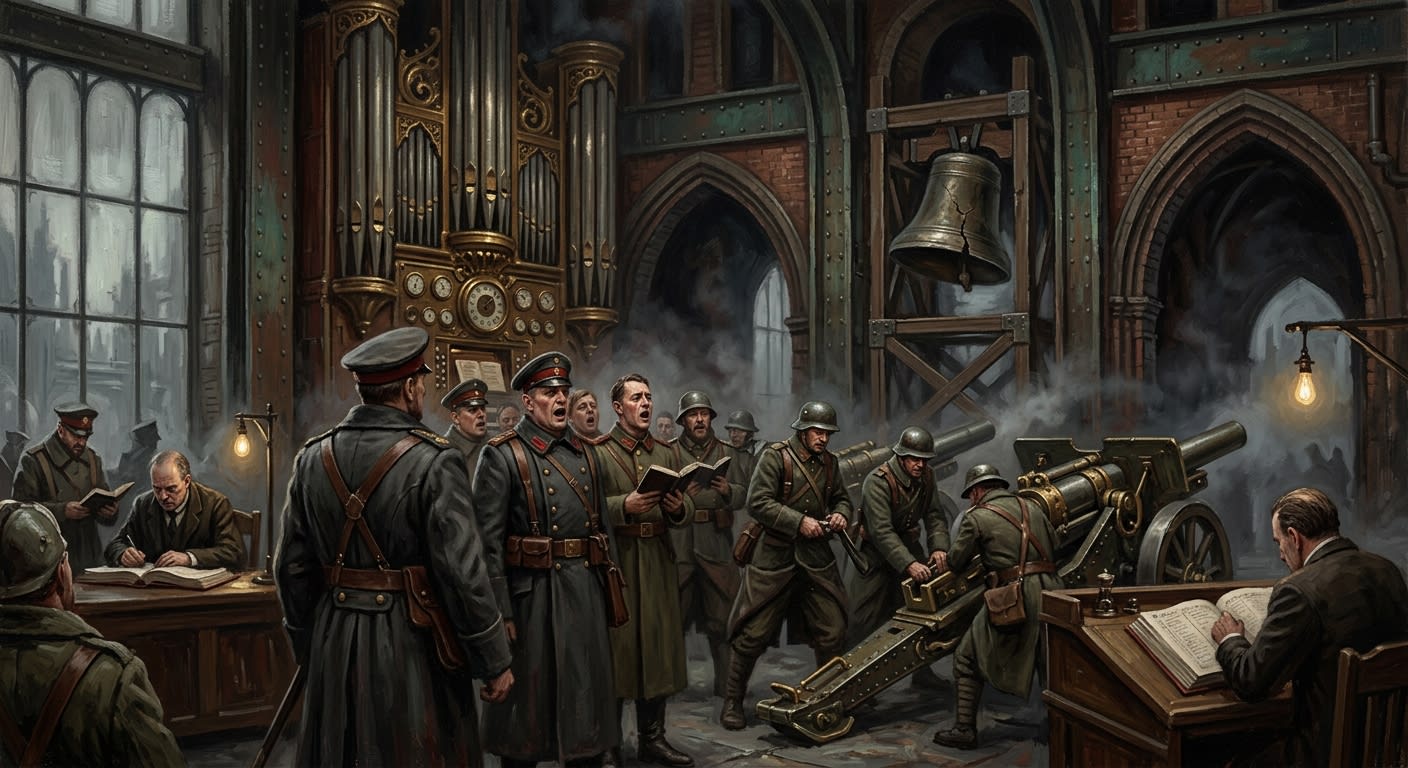
4th Orison Company
Where prayer learned range tables and glass learned to sing
The 4th Orison Company sang before Orison had a charter, fired relic-shot at Toledo, and proved that a mistimed peal can make martyrs inward.
Codex Ref. VIII.6.02-015
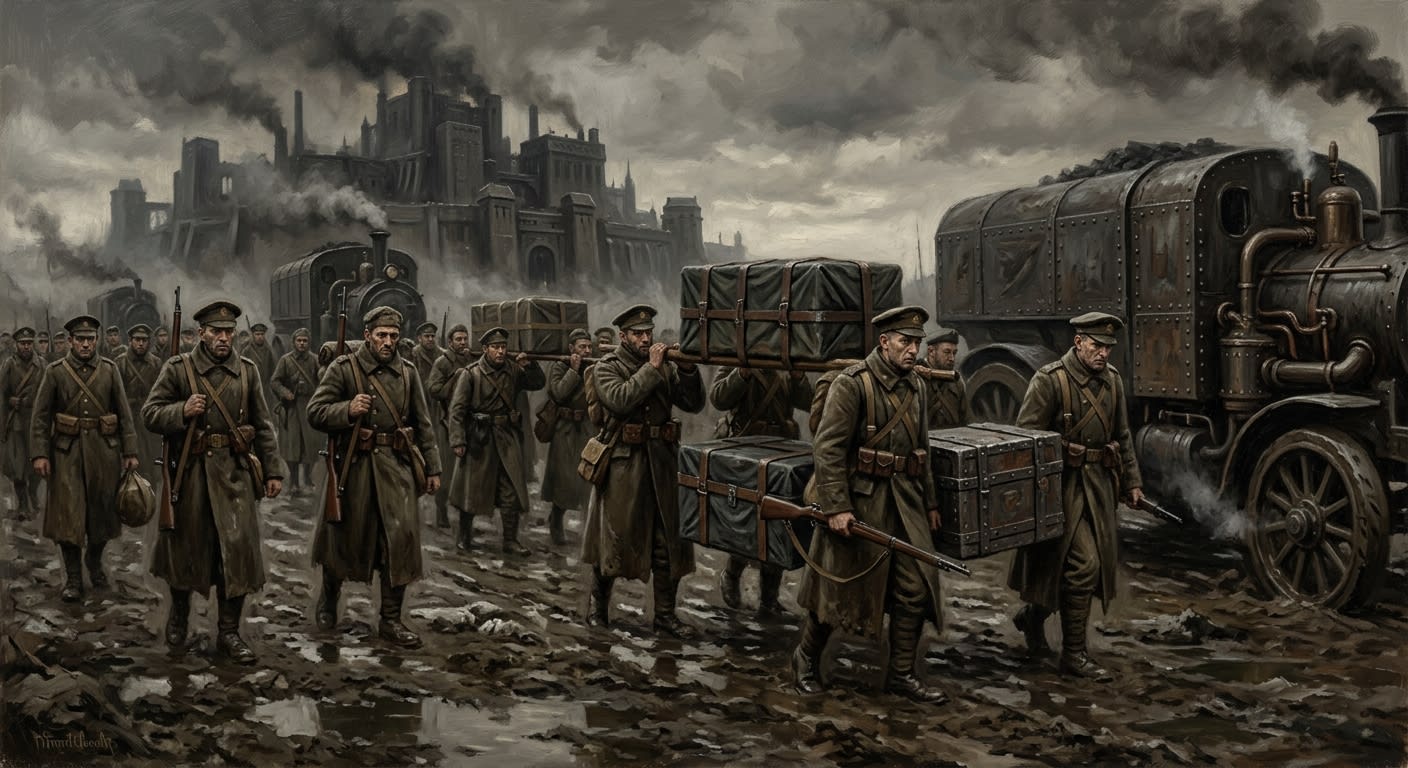
7th Rearguard Column
The middle hand that did not lose the bones
The 7th Rearguard Column did not blaze at Kalnik; it carried the bones through the middle miles, and the miracle survived because nobody lost the packet.
Codex Ref. VIII.5.07-045
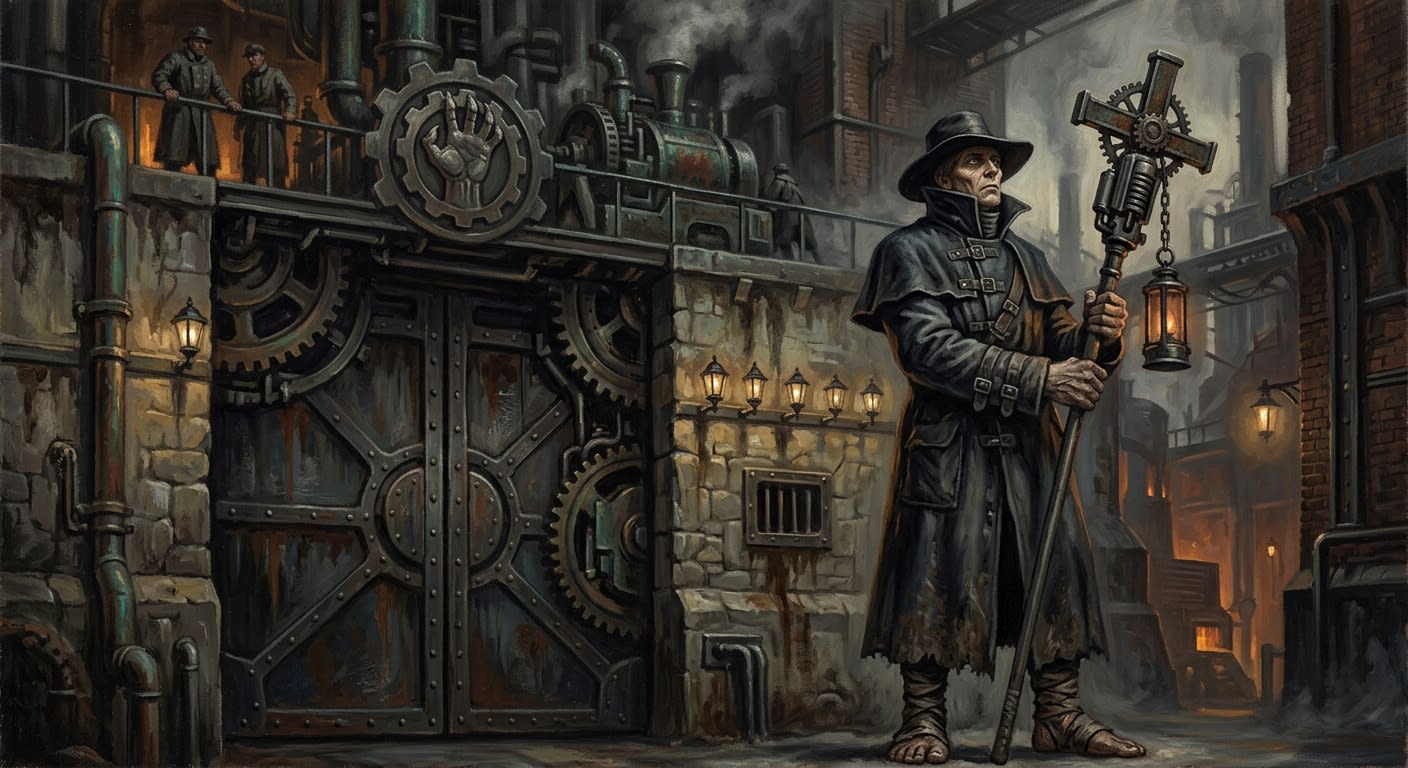
Aachen
The city that survived its own fall
Aachen opened its gate in A.S. 25, survived the betrayal, and has spent every taxed, polished, barefoot century proving survival is not innocence.
Codex Ref. II.2.02-001
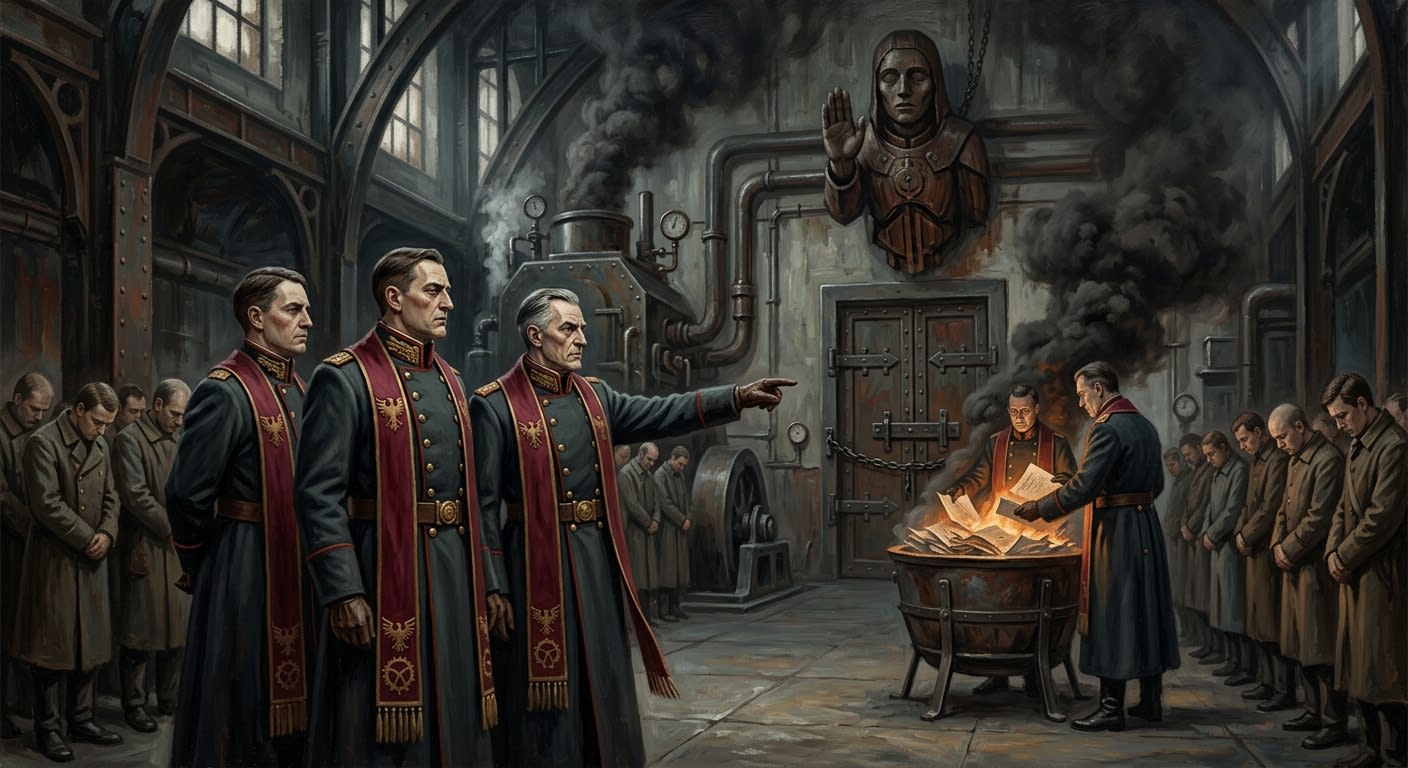
Absolute Suppression
The secret so holy it must command what it denies
Absolute Suppression is the Bureau's art of making hidden knowledge binding: a silence that issues orders, then denies it has a mouth.
Codex Ref. XIII.1.97-190
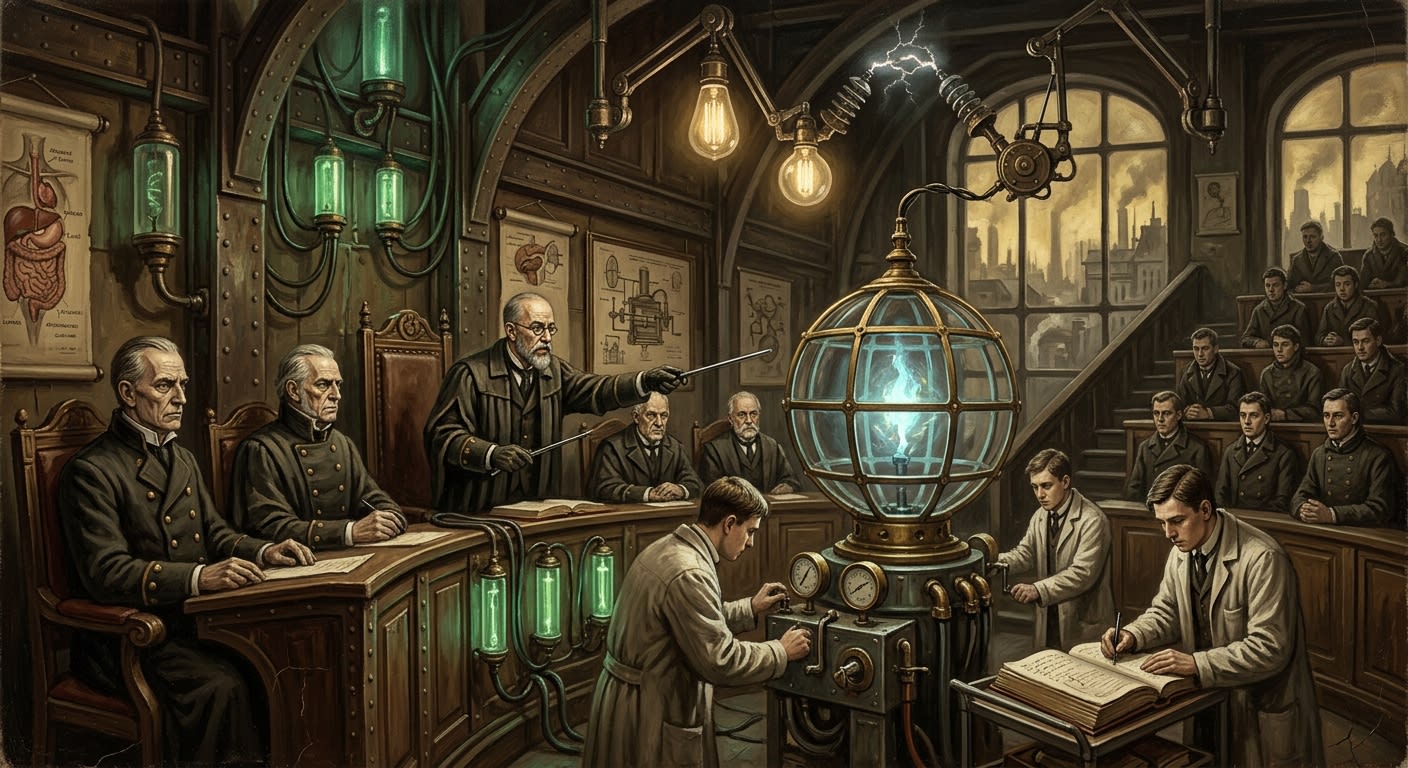
Académie des Sciences
Reason alone, applauding the dark until it called the clapping dawn
The Académie des Sciences measured miracles, disciplined facts, rewarded approved errors, and taught Vienna how to call Providence inadmissible in four languages.
Codex Ref. I.1.03-032
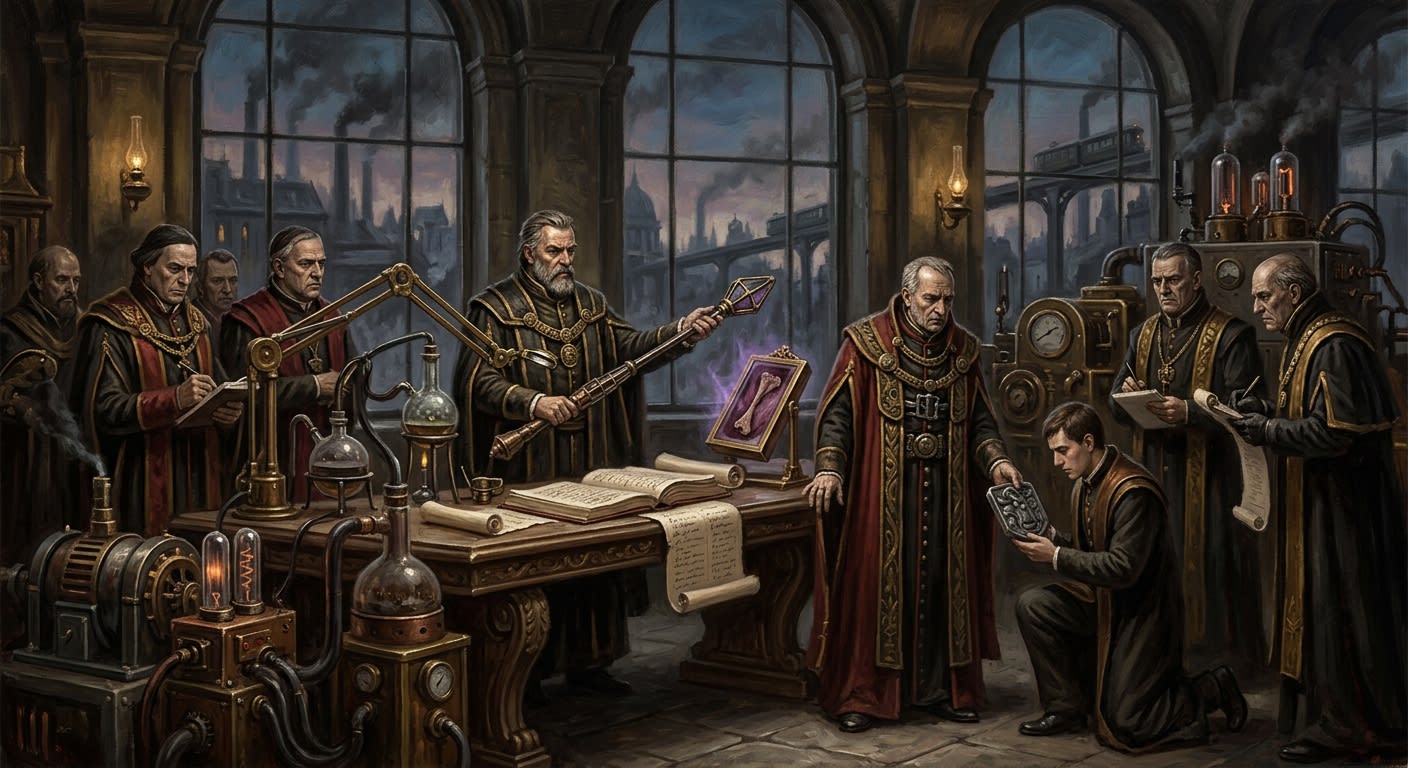
Académie des Sciences, Vienna
Reason alone, and therefore alone when the sun refused attendance
Vienna's Académie des Sciences made unbelief elegant: measuring relics, disciplining evidence, rewarding Molyneaux, and applauding darkness as mechanism.
Codex Ref. I.1.03-032
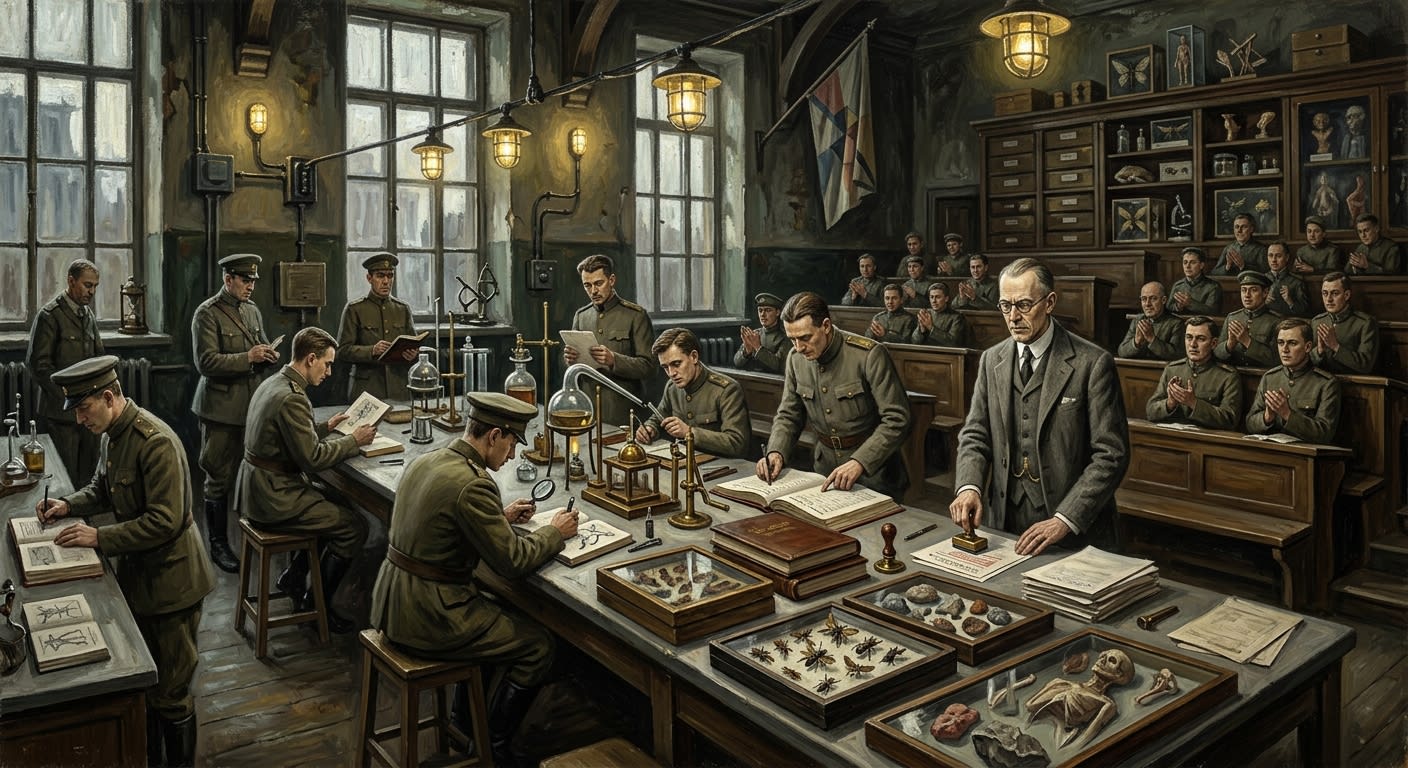
Academies
New cathedrals of Reason, with better brass and worse gods
The Academies taught Europe to replace altar with demonstration table, relic with specimen case, prayer with applause, and cruelty with excellent paperwork.
Codex Ref. I.1.03-000
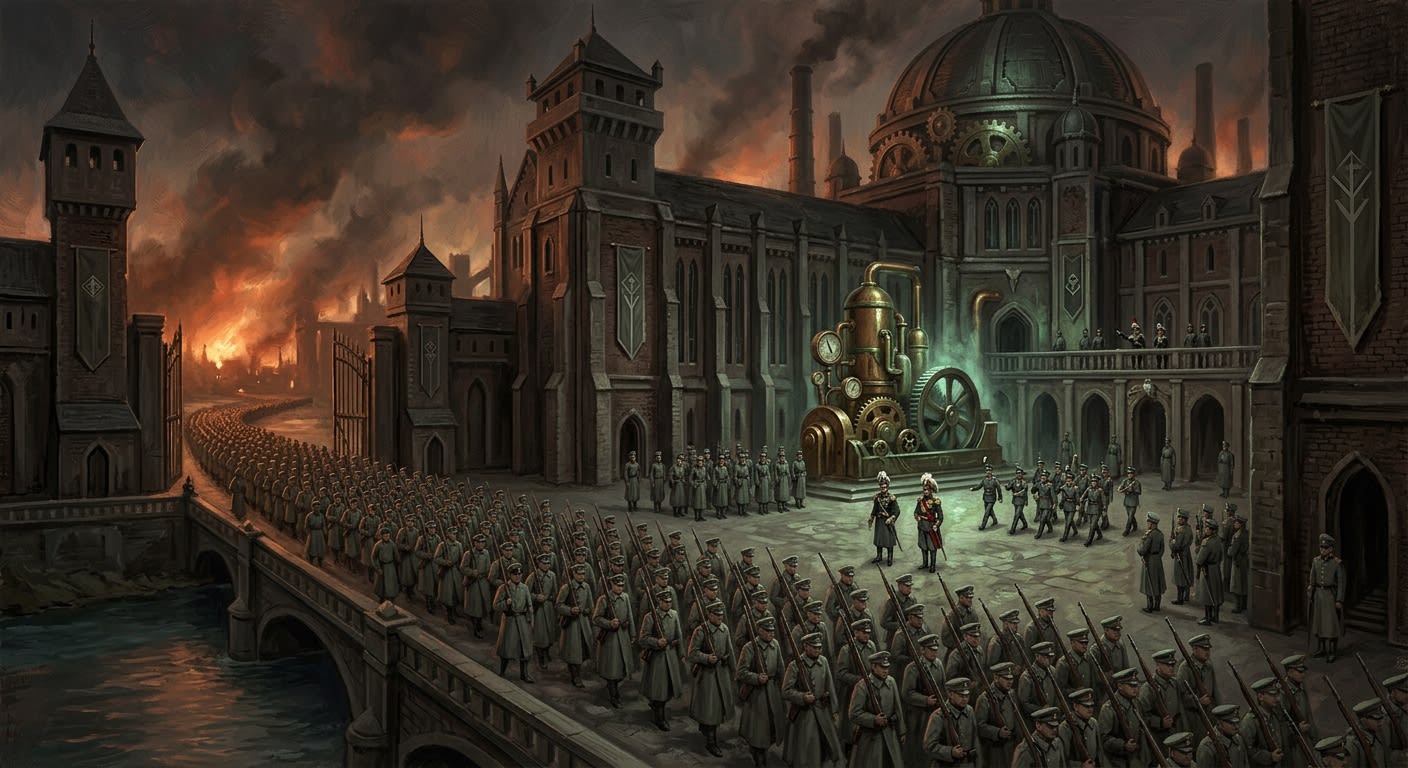
Academy at Vienna
Where correct formation met fire from a cloudless sky
Vienna's Academy taught order so perfectly that twelve thousand men marched by its rules into Maldrake's cloudless fire at the Iron Plains.
Codex Ref. II.4.09-045
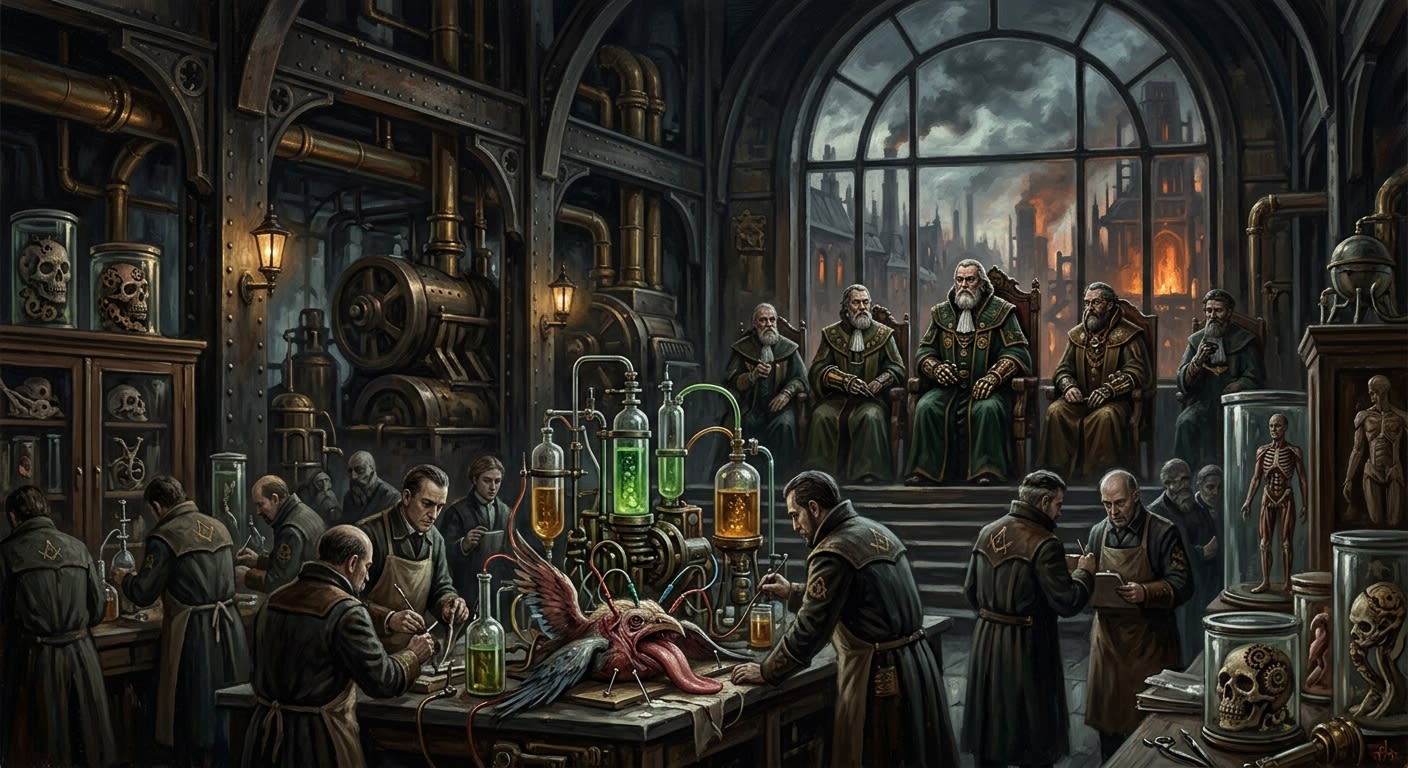
Academy of Sciences
The Republic's licensed brain, perfumed in Paris
Paris's Academy of Sciences gave the Rationalist Republic clean nouns for dirty hands: prayer as infection, tongues as evidence, and schools as knives.
Codex Ref. I.1.03-030
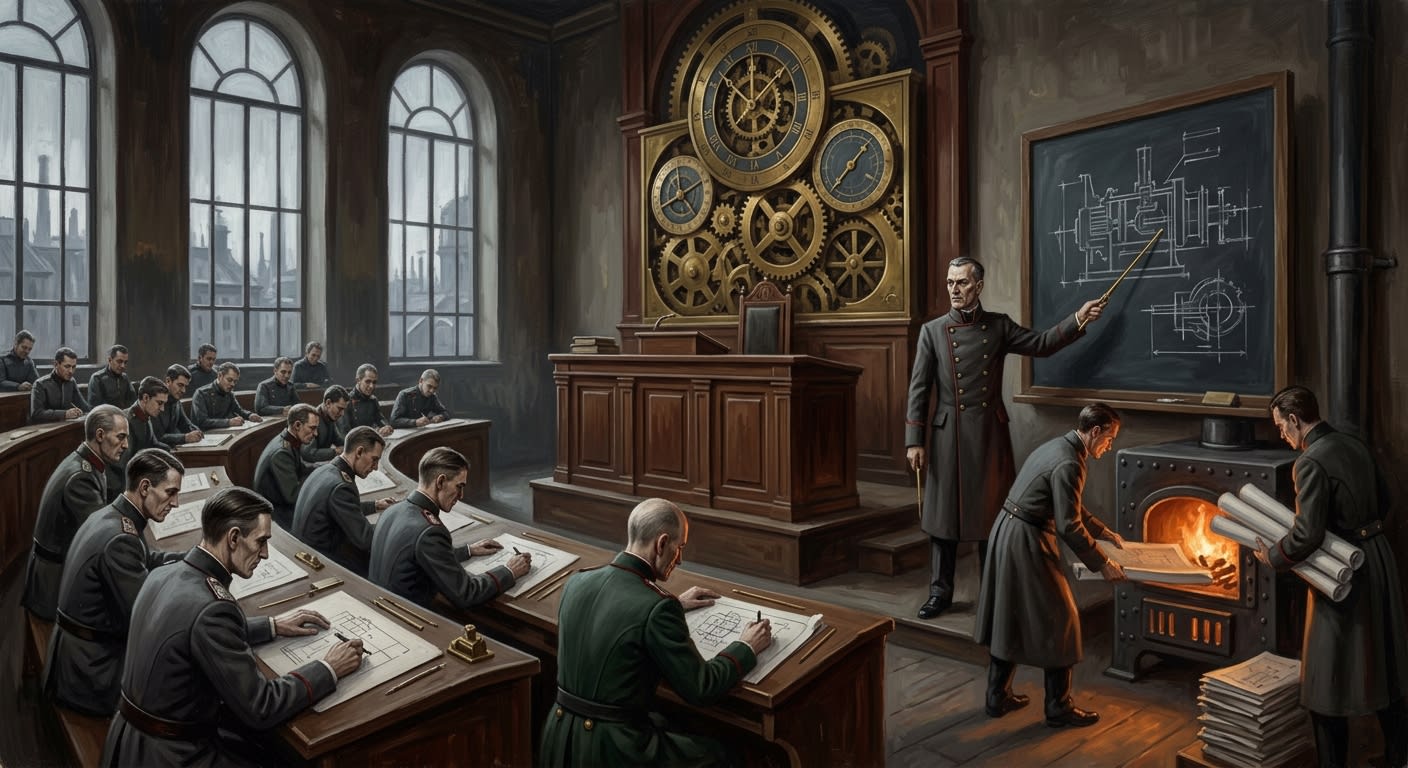
Academy of Vienna
Where gears replaced the crucifix and called the arrangement practical
Vienna's Rationalist Academy replaced Saint Stephen's crucifix with gears, trained clean-handed persecutors, and sent perfect diagrams into Maldrake's fire.
Codex Ref. I.1.03-045
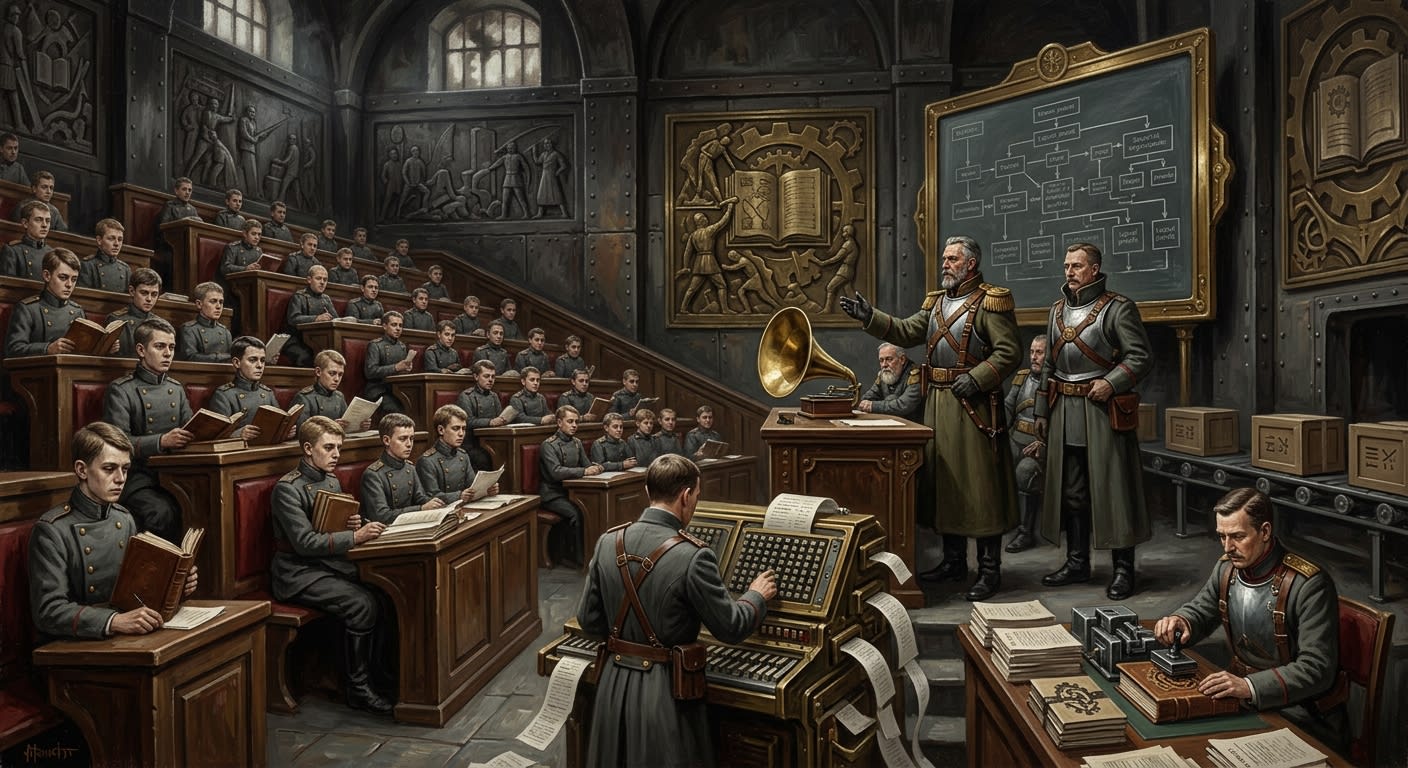
Academy System
The lecture hall as ministry, purse, press, knife, and alibi
The Rationalist Academy System made scholarship into command: lectures became policy, footnotes became bayonets, and children learned unbelief as paperwork.
Codex Ref. I.1.03-000
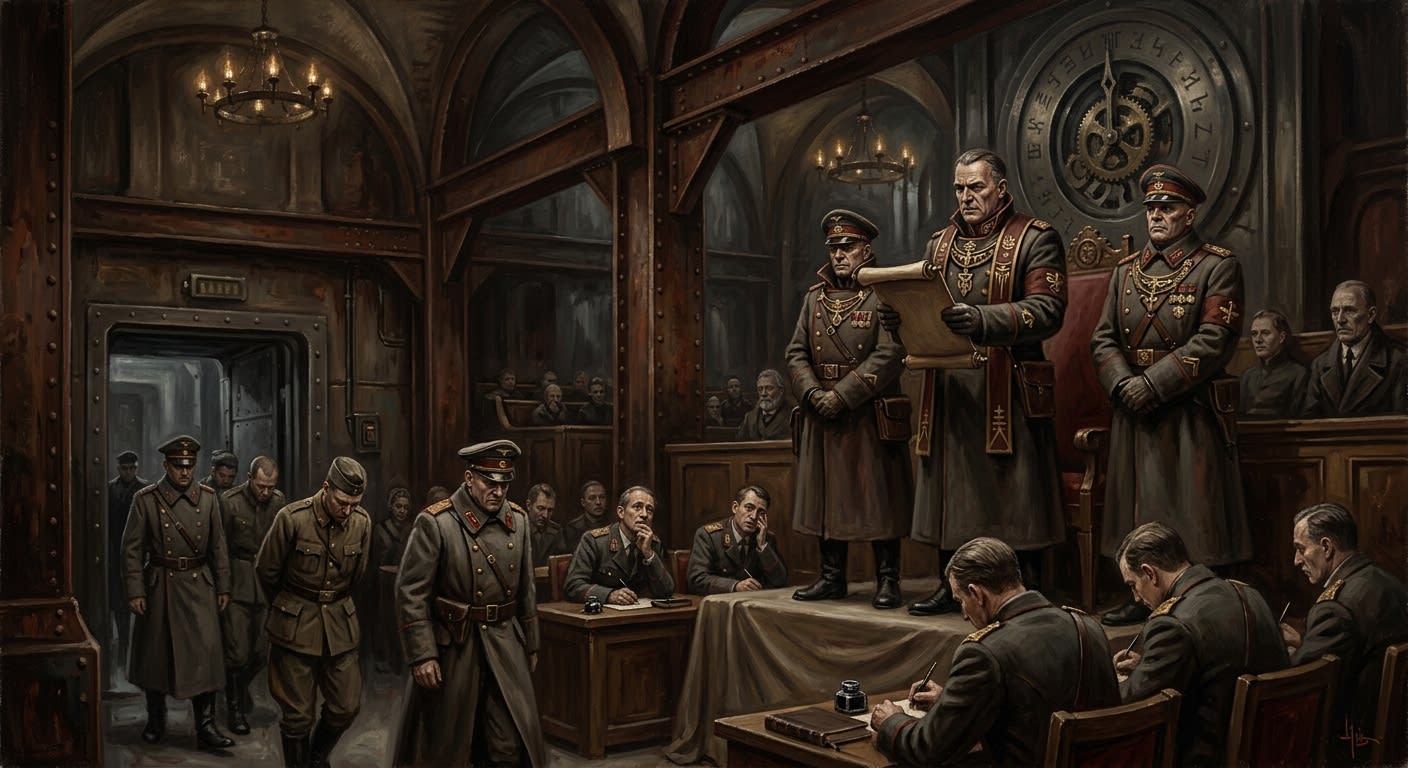
Act of Hierarchical Supremacy
The first chain, polished until citizens mistake it for anatomy
Ratified at Strasbourg in A.S. 90, the Act made authority descend through the Hierarchs and made refusal dissolve office, status, and comfort.
Codex Ref. XIII.1.89-090
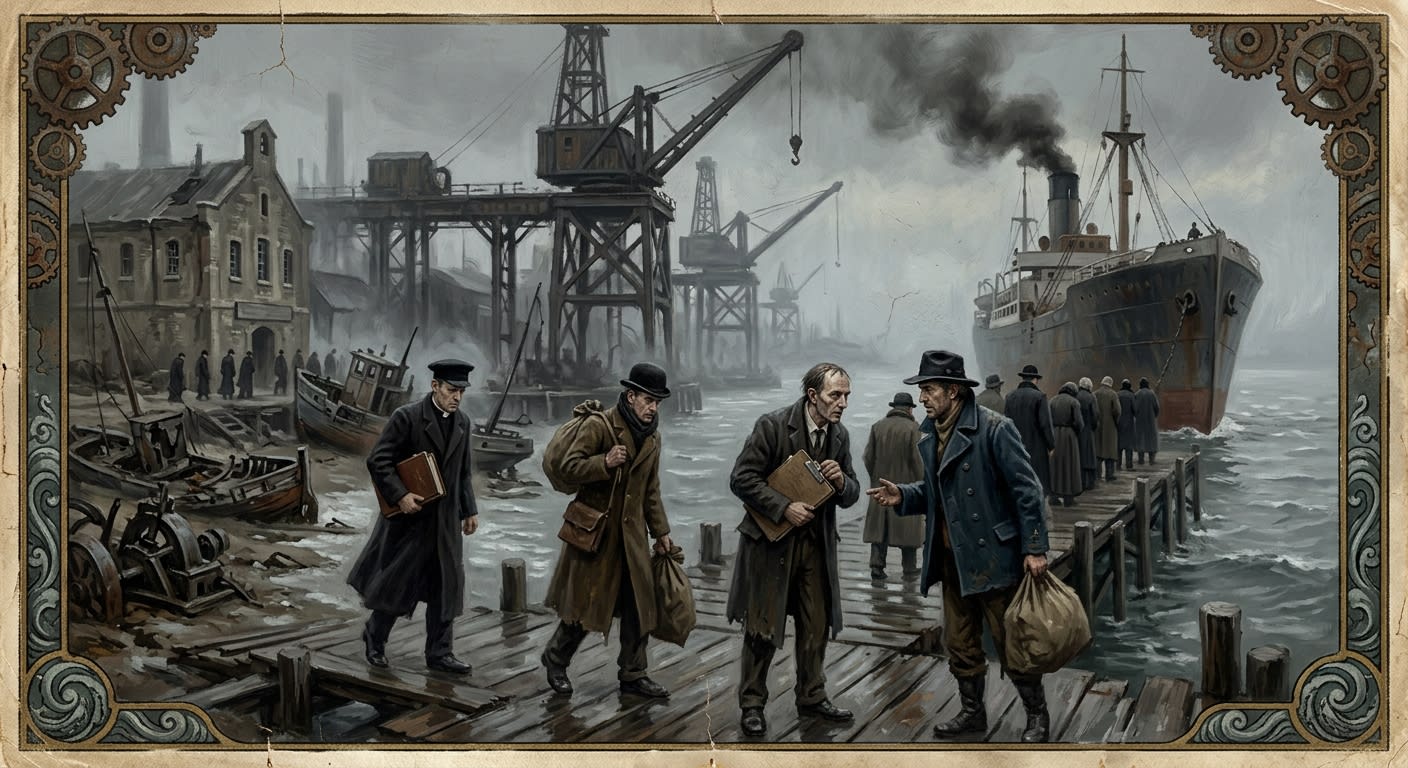
Aegean
The sea is held where it is counted
The Aegean is the Synod's southern salt-ledger: supply lane, pilgrim road, smuggler's chapel, drown-office, and sea with a clerical appetite.
Codex Ref. II.4.09-072
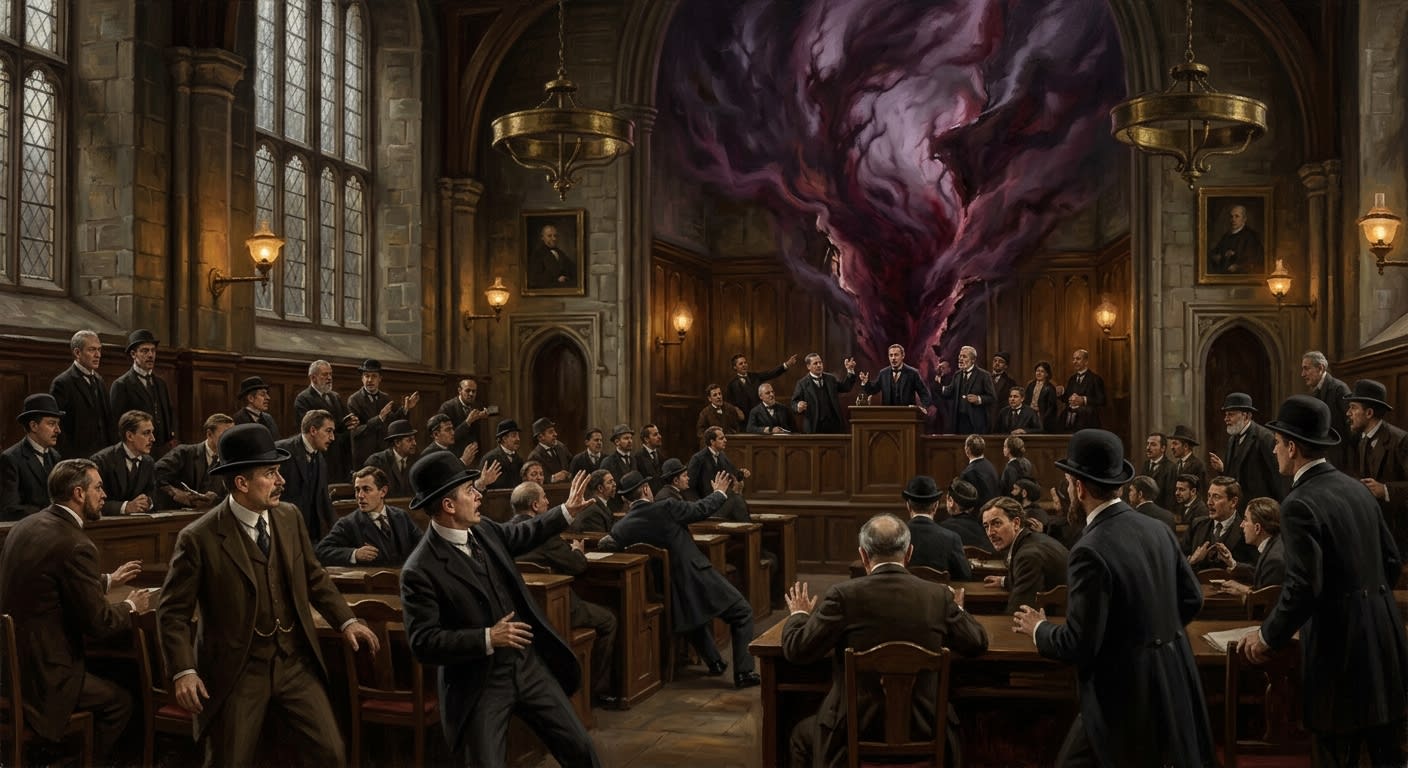
Age of Reason
The mind may hold the lamp, but Doctrine owns the flame
The Age of Reason licensed unbelief, polished desecration into civic virtue, and ended when Hell answered the lecture hall without raising its hand.
Codex Ref. XIII.1.00-001
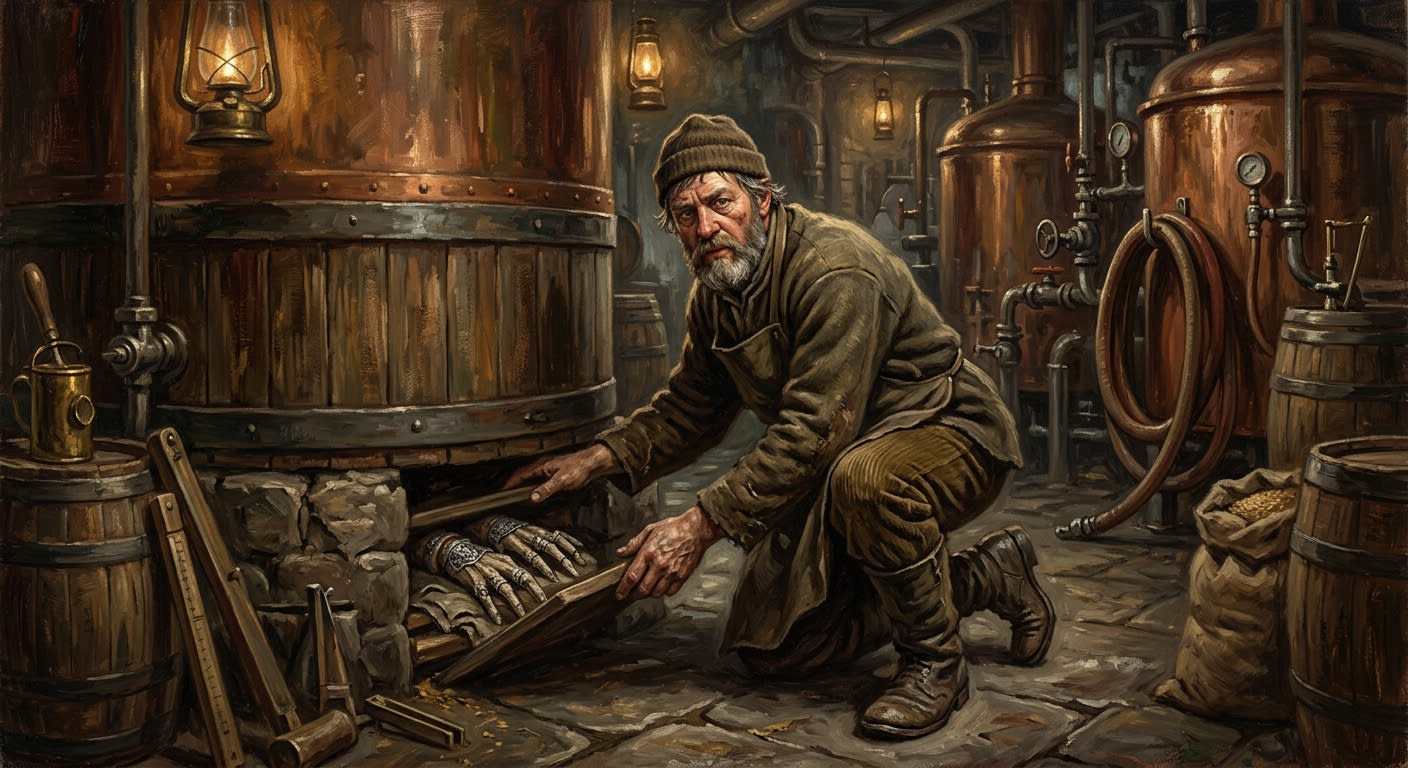
Aldric Hartmann
The brewer who hid apostles under beer and left no sermon to spoil the work
Uncanonised Deutz brewer and relic custodian who hid three apostolic phalanges beneath his vats from A.S. 31 until his death in A.S. 38.
Codex Ref. III.2.01-031
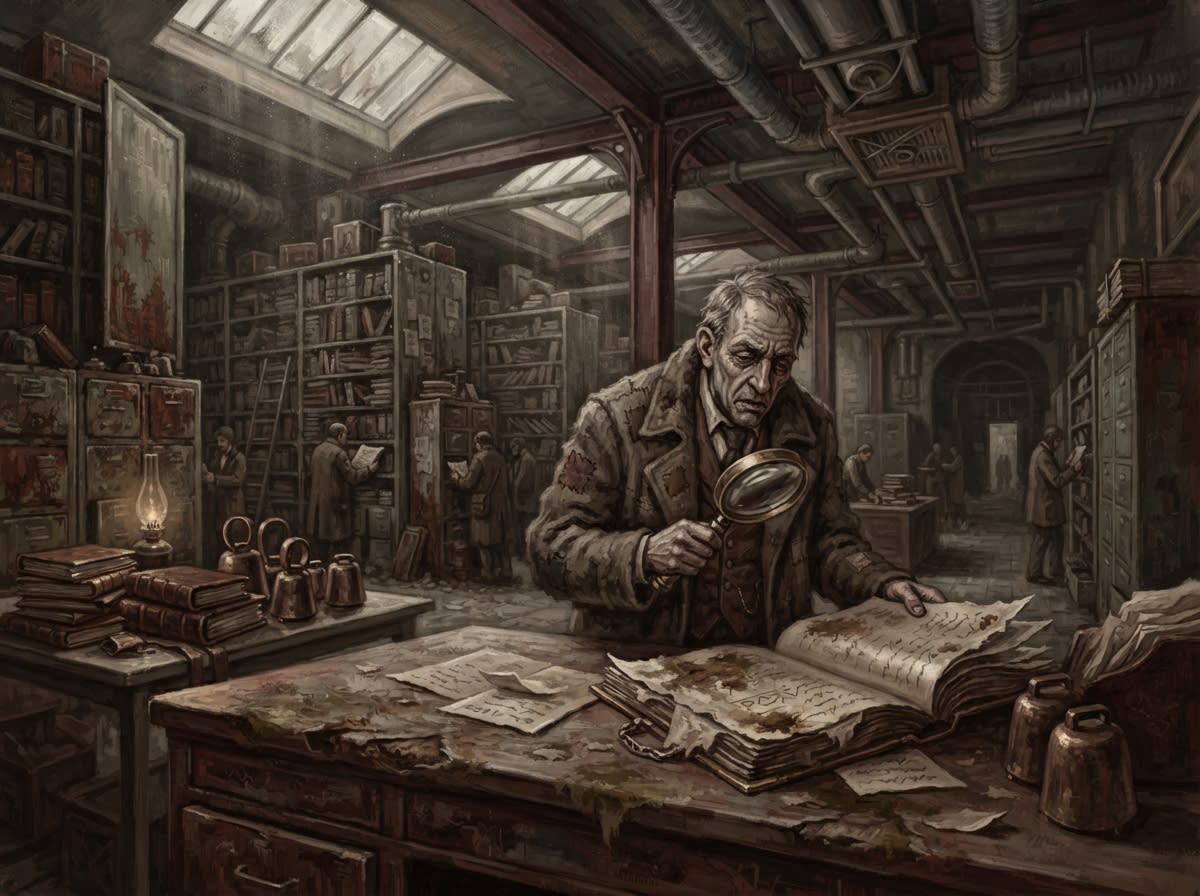
Alfold
The plain that remembered hooves after hunger learned to count
The Alfold was the cattle plain of old Hungary, where herds vanished with Debrecen's stores and the registers survived the hooves they were made to count.
Codex Ref. II.4.09-046
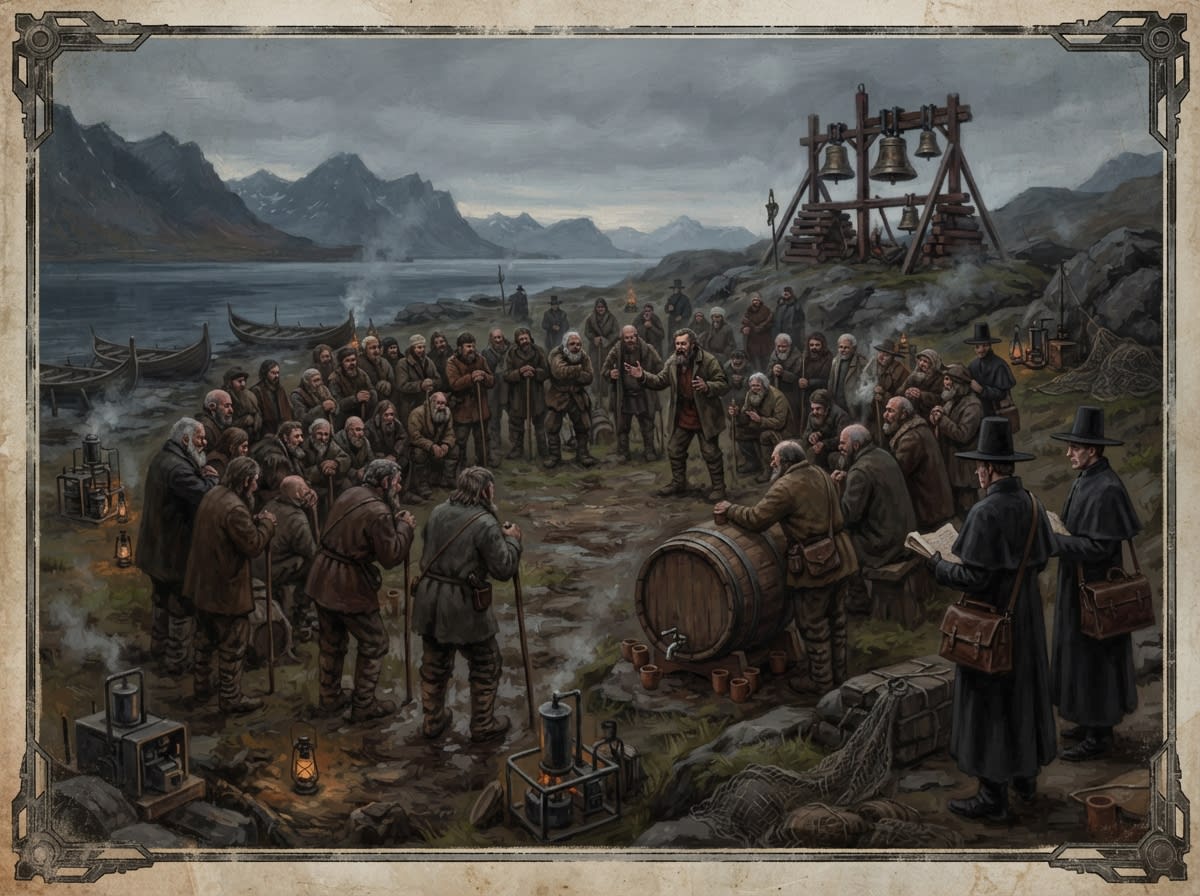
All-Moot
A legislature with no hall, no roll, no seal, and therefore no convenient target.
The Fractured North's annual midsummer assembly settles feuds, oil, passage, bells and Strasbourg's patience from a field that moves every year. The Bureau files it as customary. The North files nothing.
Codex Ref. IX.8.01-002
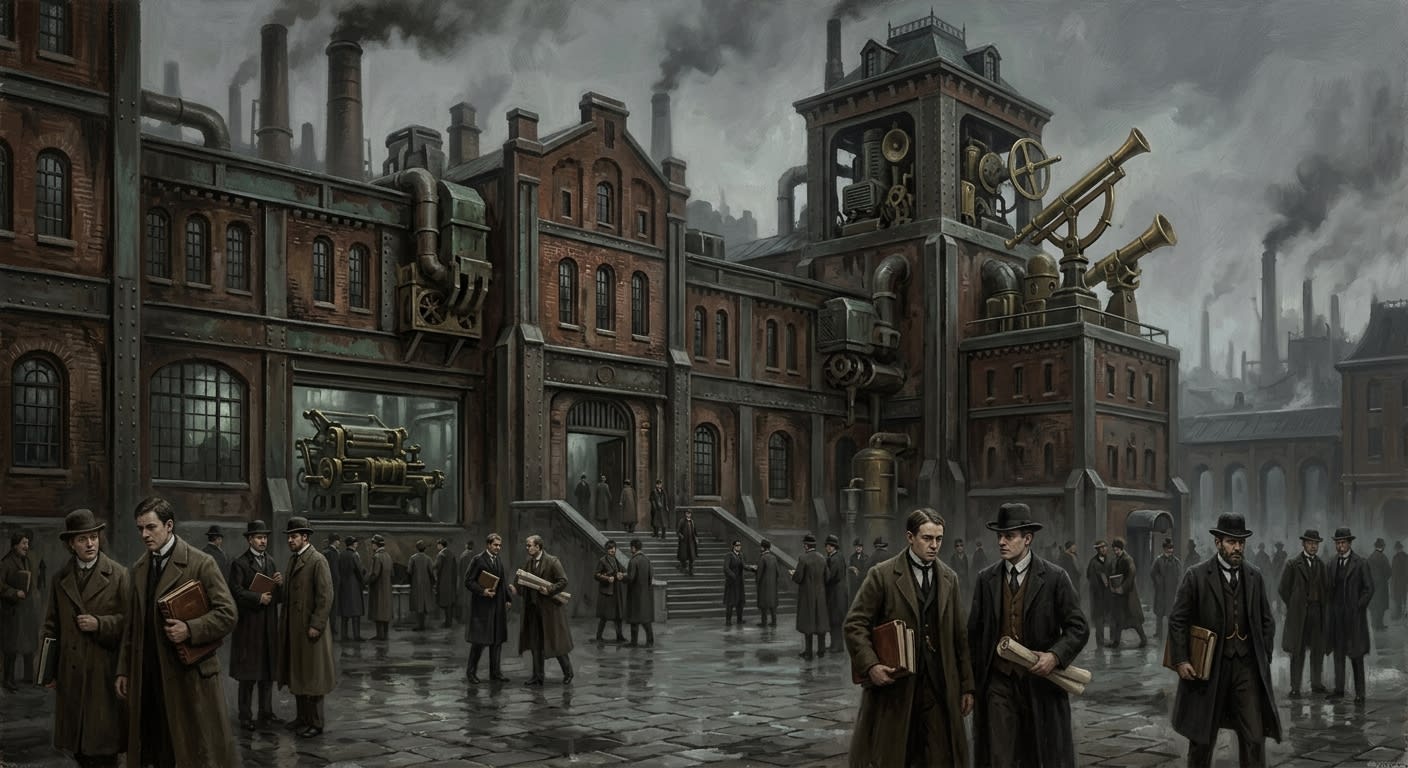
Amsterdam Academy
The lectern that made unbelief printable
The Amsterdam Academy licensed unbelief, printed the calendar wound, and taught Europe that a schoolhouse may do the work of a siege engine.
Codex Ref. VIII.8.01-000
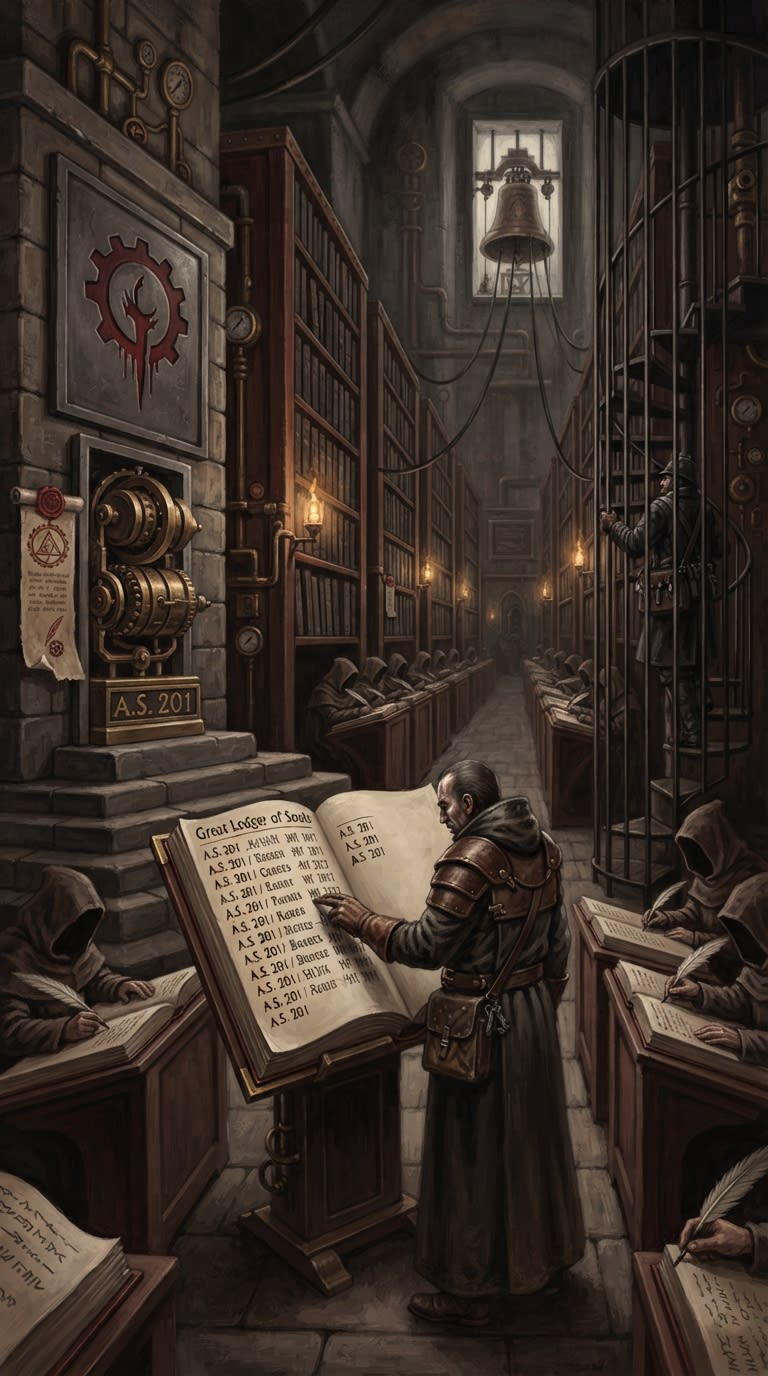
Anno Synodi
The wound by which Strasbourg owns the year
The Synod's calendar counts not from triumph but from wound: A.S. 0 at De Vera Luce, adopted retrospectively at the Concordat, and enforced by Records, Bells, and Doctrine.
Codex Ref. XIII.1.00-090
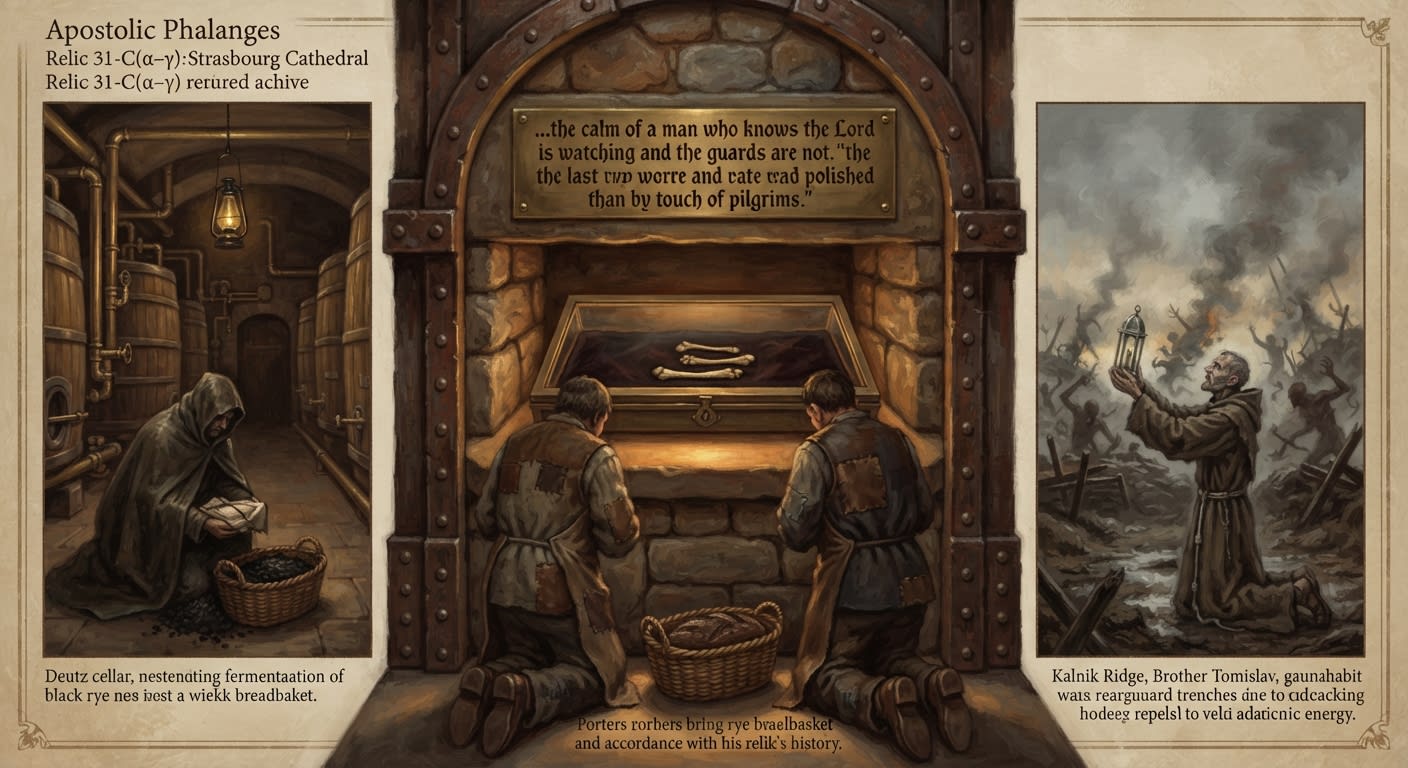
Apostolic Phalanges
Three finger bones, fourteen quiet years, and one ridge that learned fear
Relic 31-C(α–γ), three apostolic phalanges saved under rye and beer, later burned demons at Kalnik and now sit under licensed glass in Strasbourg.
Codex Ref. XIII.1.31-031
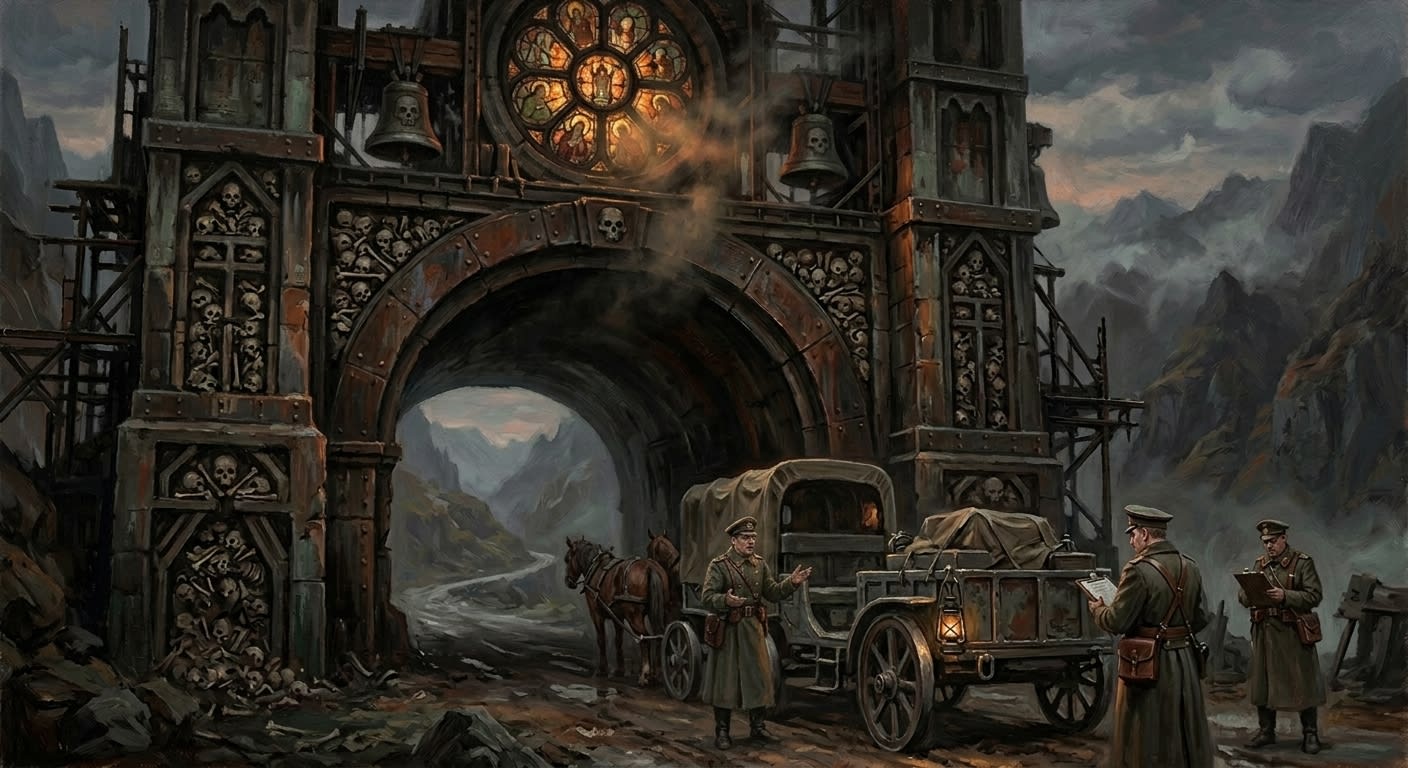
Arch of Saint Harrowglass
The checkpoint that makes cowardice ring
Ossuary checkpoint in the Carpathian approaches where Harrowglass shrine-glass clouds, skullwork rings hollow, and no wagon may turn beneath the span.
Codex Ref. II.4.08-014
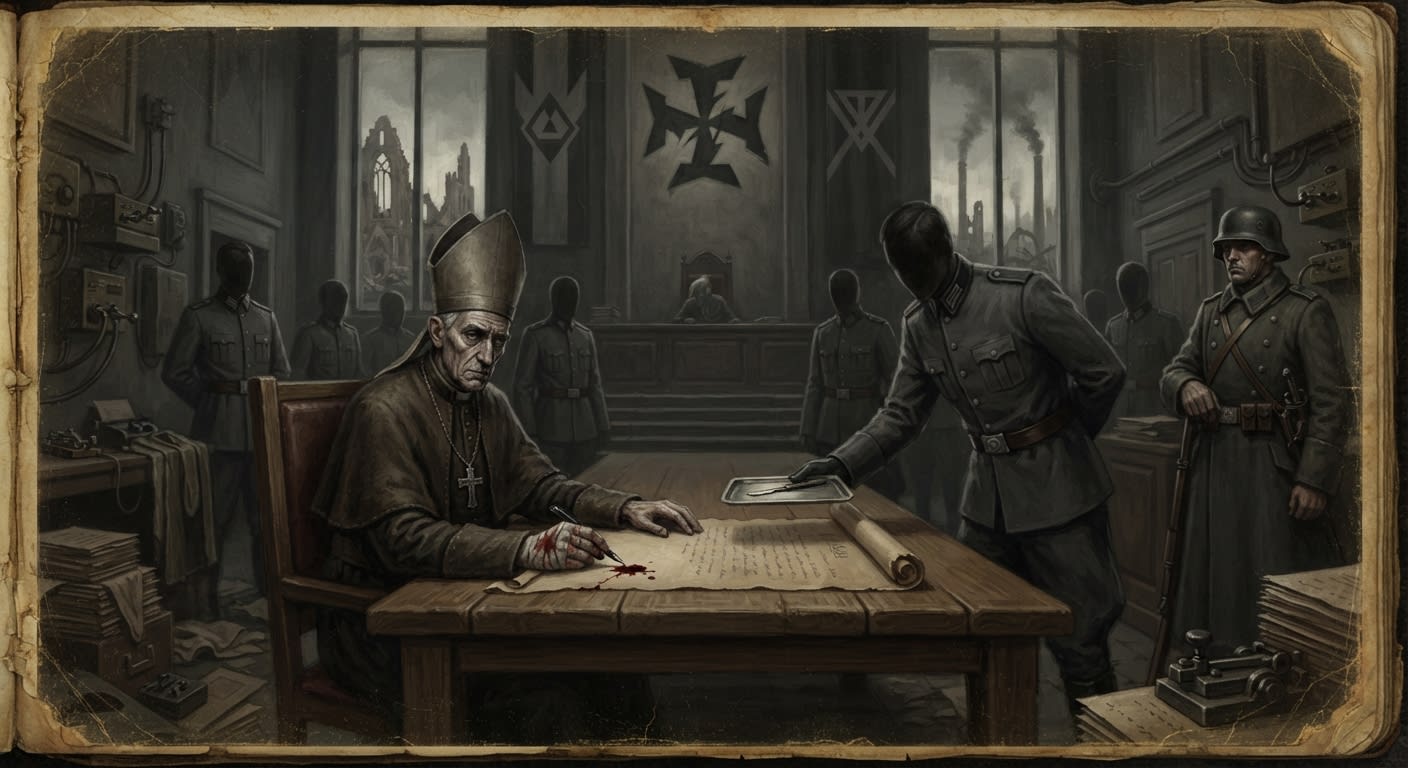
Archbishop of Vienna
The hand the Rationalists needed and Doctrine refuses to name
The unnamed prelate whose blood signed the Treaty of Regensburg, dissolved the Holy See under threat, and later became Doctrine's evidence that coercion is not consent.
Codex Ref. III.2.06-004

Archon of Records
The hand that opens almost everything, and records what it cannot touch
The Archon of Records opens nearly every lock in the Church's memory, commands the Great Ledger, and preserves one terrifying receipt: proof that some silences outrank even Records.
Codex Ref. XIII.1.07-078
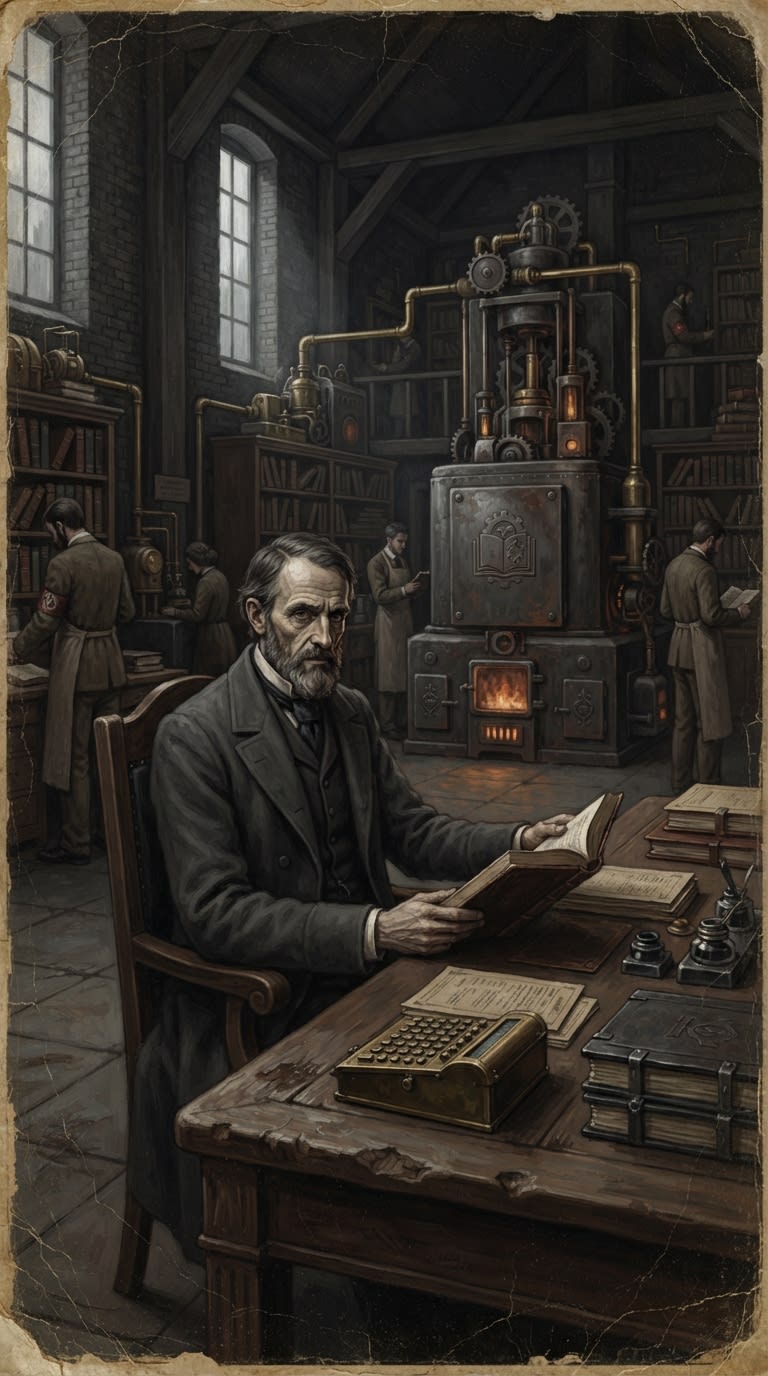
Aristotle
The pagan who lent the Church its knife
Aristotle gave the Church no doctrine, no obedience, and no permission. Unfortunately for him, he did leave behind a very useful machine for arguing.
Codex Ref. III.2.01-073
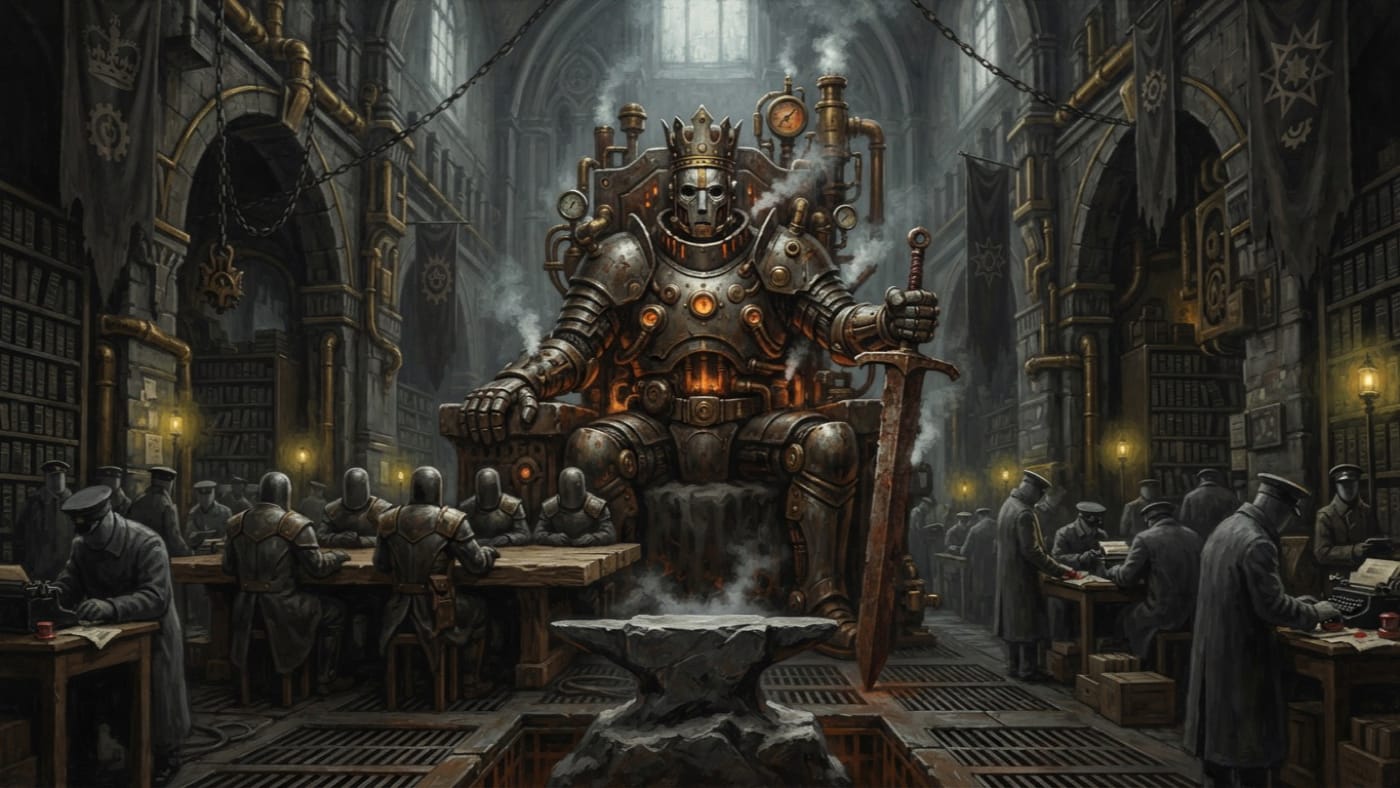
Arthur
The king whose name binds Britain and whose life eludes the Ledger
Arthur sustains Britain's Crown, oaths and Table while eluding every register. King, warlord and saint in British testimony; identity and dates unestablished.
Codex Ref. III.2.01-1518
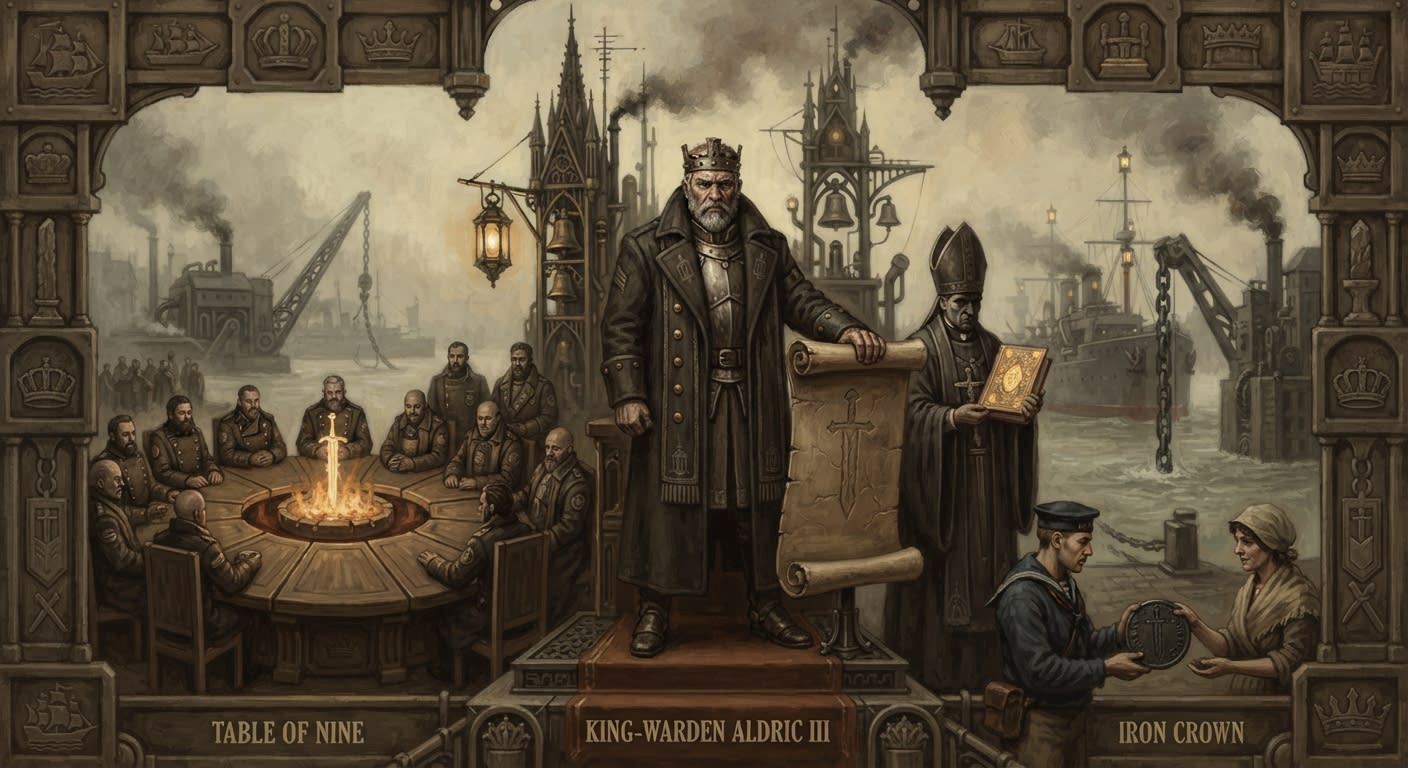
Arthurian legitimacy
The old island claim Strasbourg can deny and still must salute
Arthurian legitimacy is Britain's old answer to Strasbourg: charter, altar, Table, coin and coastline, obeyed too long to be dismissed as mere legend.
Codex Ref. X.1.06-001
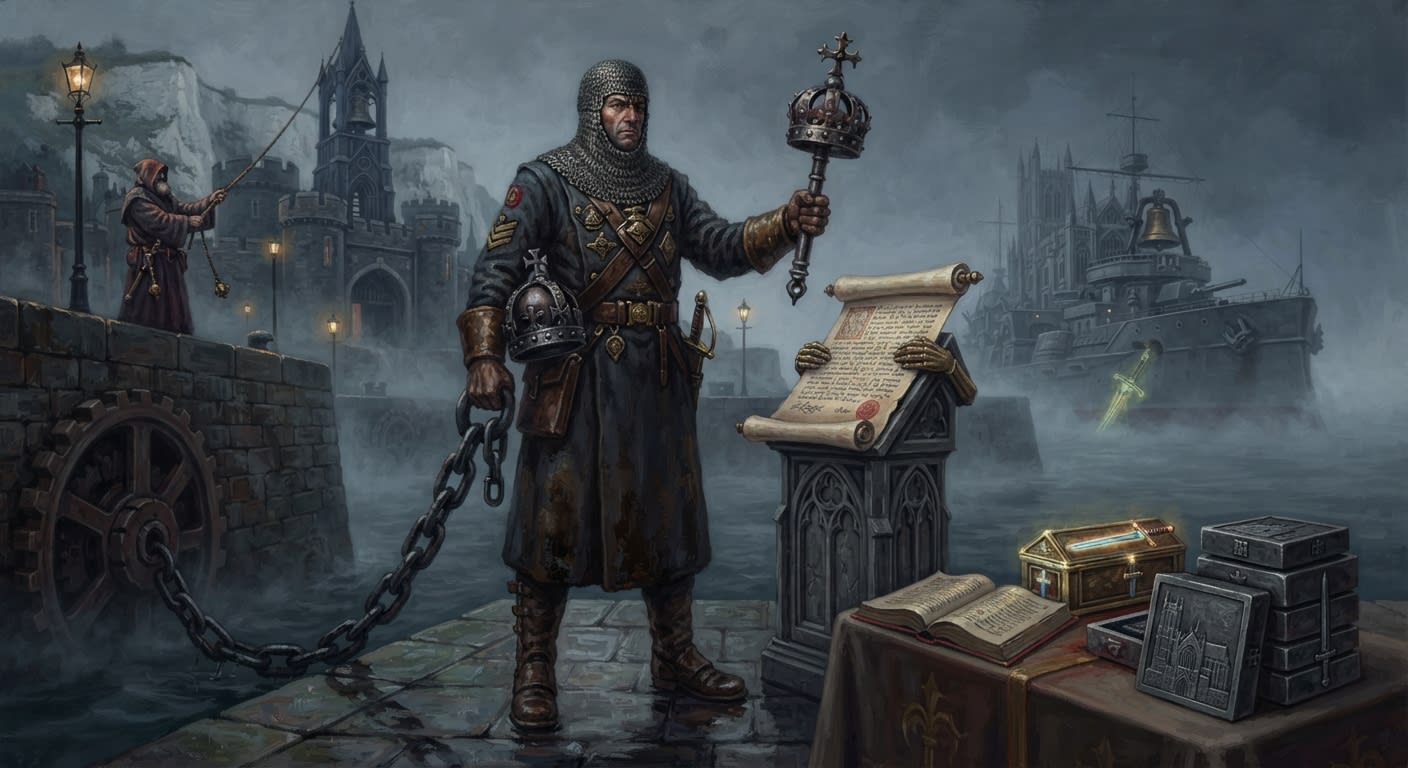
Arthurian Tradition
The myth that keeps the Channel open
The insular oath-machine Strasbourg cannot disprove and Britain does not need proved: Arthur as crown, charter, coin, bell, harbour chain, and naval discipline.
Codex Ref. X.1.01-002
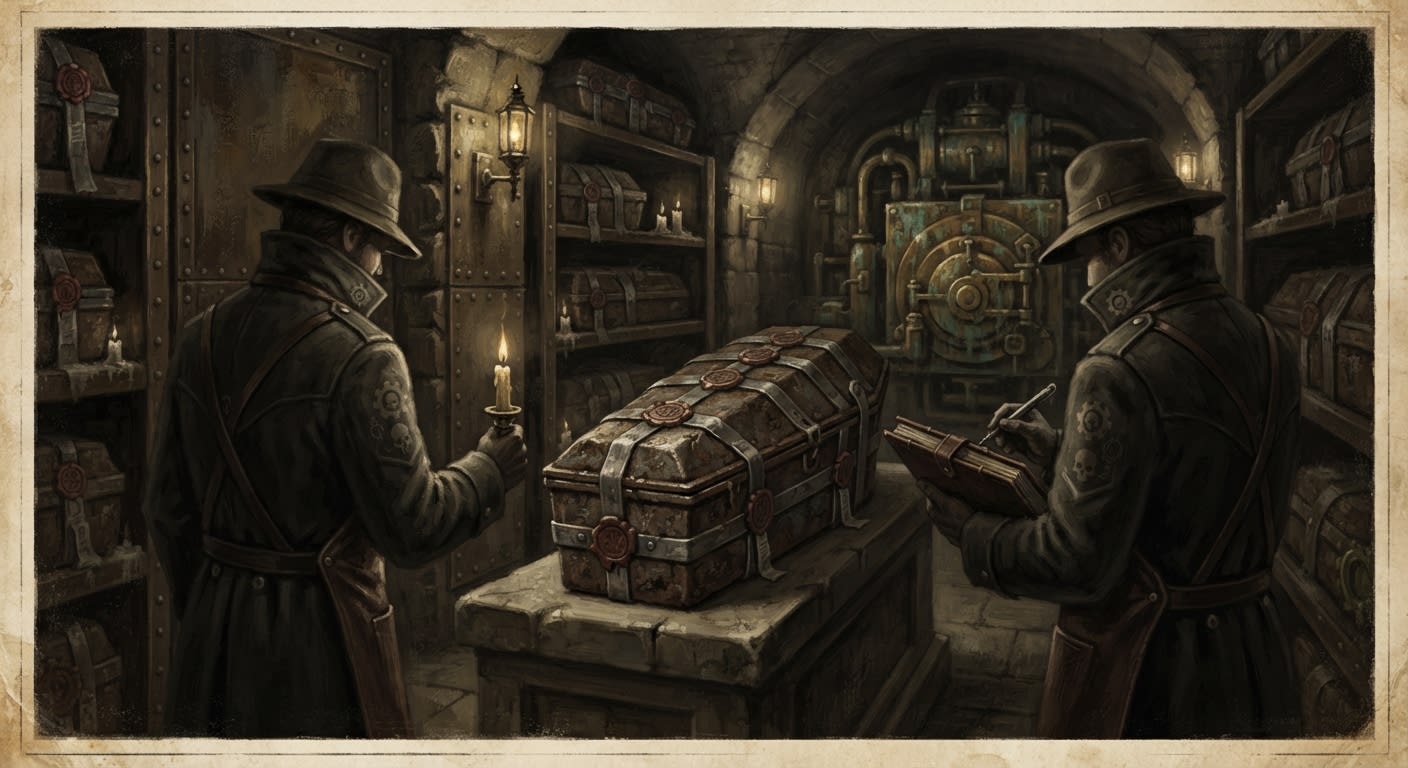
Ashes of the Sundering
The day in the jar, and the seal around the fear
The Bureau of Relics keeps a sealed iron vessel said to contain the Sundering's own residue, gathered from Vienna's cathedral floor and never opened since.
Codex Ref. V.1.03-045
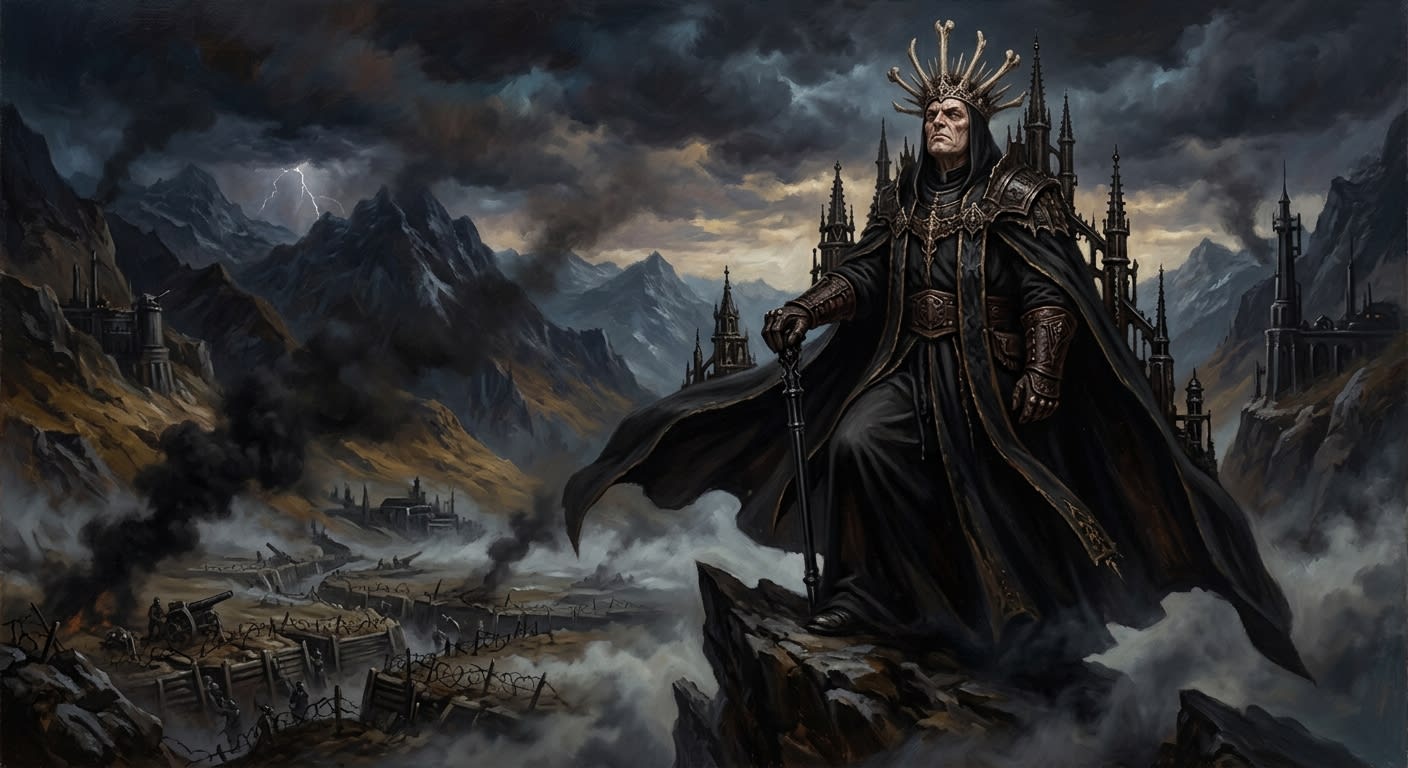
Atheron
The summit that denied the mountain that bore it
Atheron, Sin-General of Pride, holds the Carpathian passes opposite Bastion-Przemyśl — not for strategy, but for the dominion of being seen from above. He is the enemy the Synod least understands because it resembles him most.
Codex Ref. IV.1.07-006
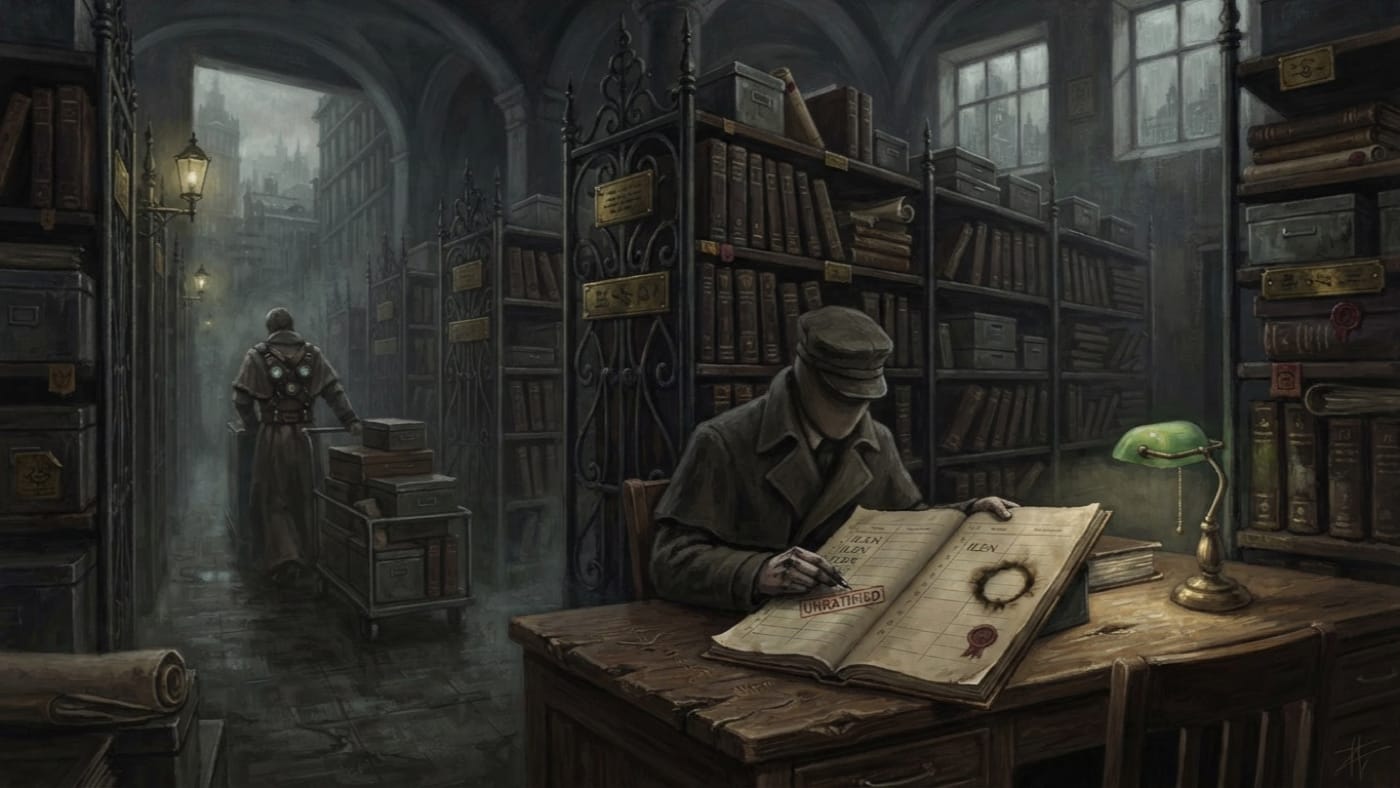
Auxiliary Ilen of the Lesser Quarter
Two names, one place in the roster, and no man the Ledger can certify
Auxiliary Ilen appears in certain rosters of Prague's Night of Crowns, A.S. 8, where other copies name Marek. The Ledger preserves his name; it has never located the man.
Codex Ref. III.2.01-151
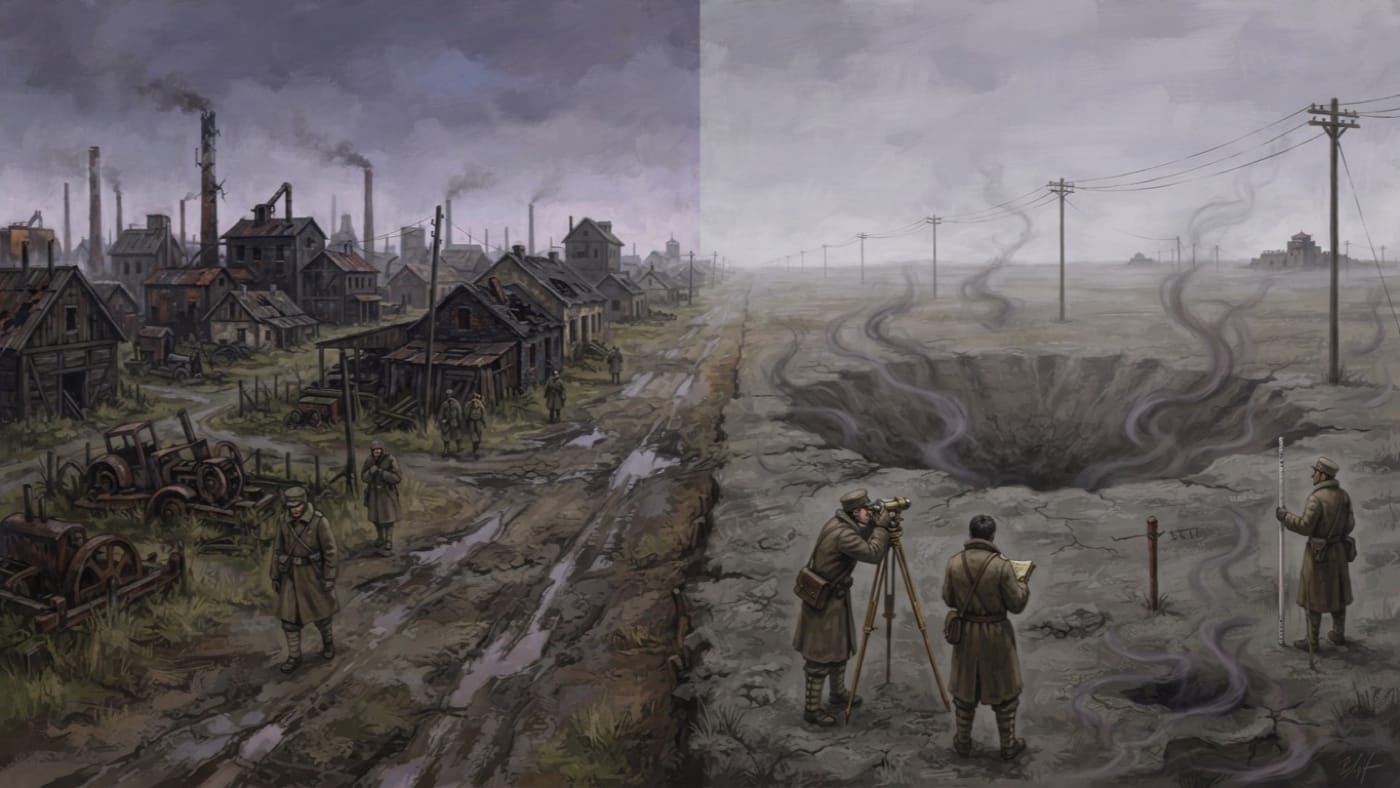
Baja
A town kept as an address for a grave whose hunger is reaching.
Baja survives as the locator for Famine Pit Twelve on the former road to Szeged. Two surveys record its hunger reaching farther; neither counts the dead. I have kept the town and the grave in separate columns.
Codex Ref. V.6.01-003
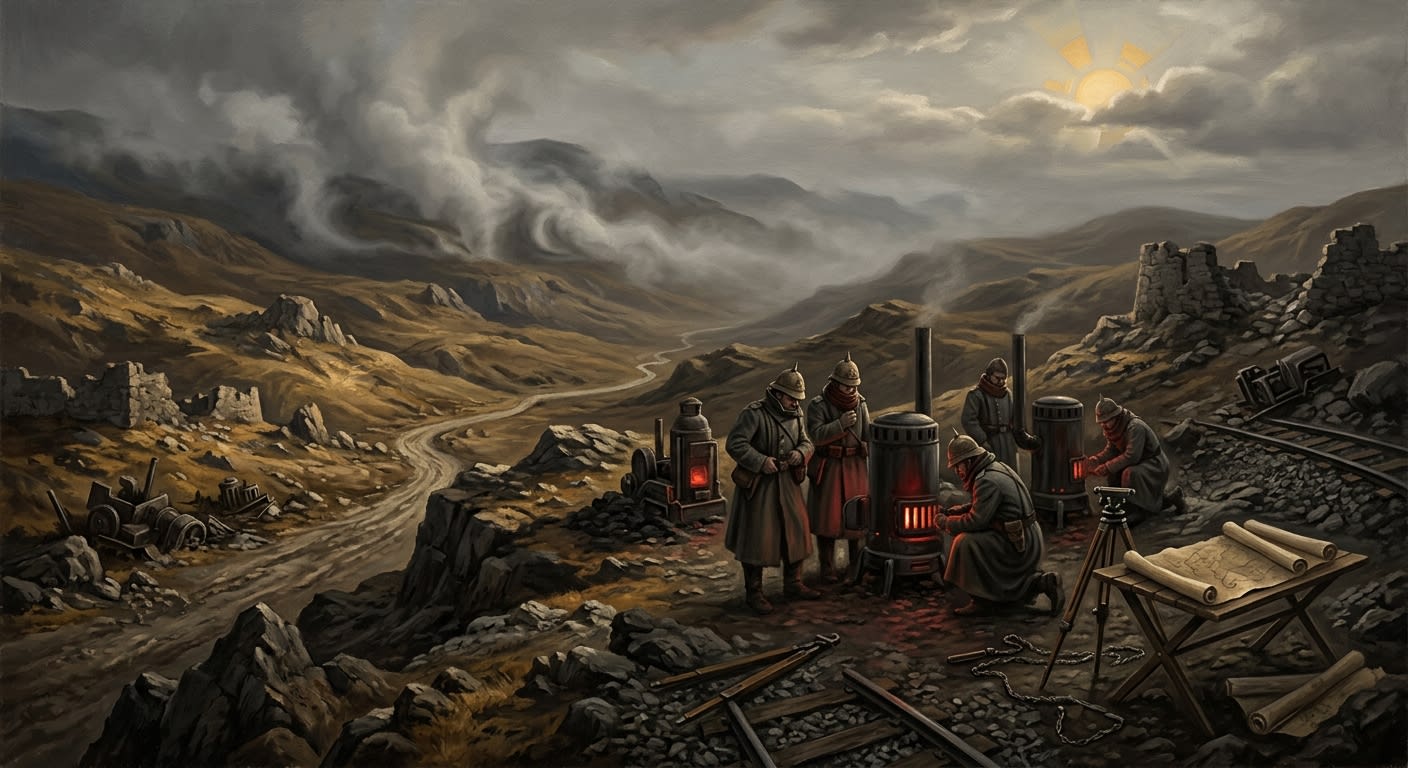
Balkan Foothills
Where the weather learned politics
The Balkan foothills are the broken stair below Shipka, where Maldrake's furnace weather, Syrion's time-fog, and Synodal maps all lose jurisdiction.
Codex Ref. II.4.12-045
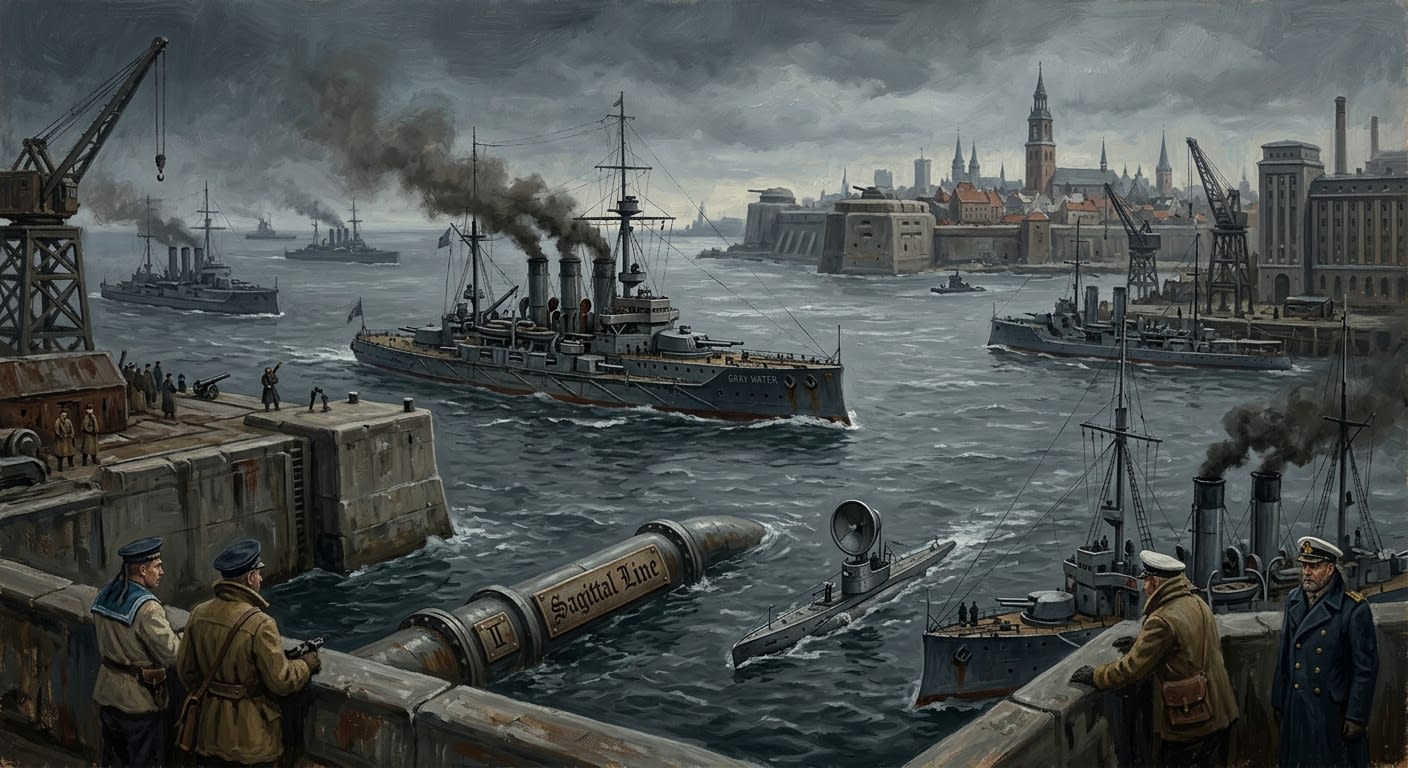
Baltic Sea
The cold bowl that listens back
The Baltic Sea is the cold northern bowl where the Sagittal Line ends at Königsberg, Grey Water listens, old bells answer, and maps lose courage.
Codex Ref. II.8.01-065
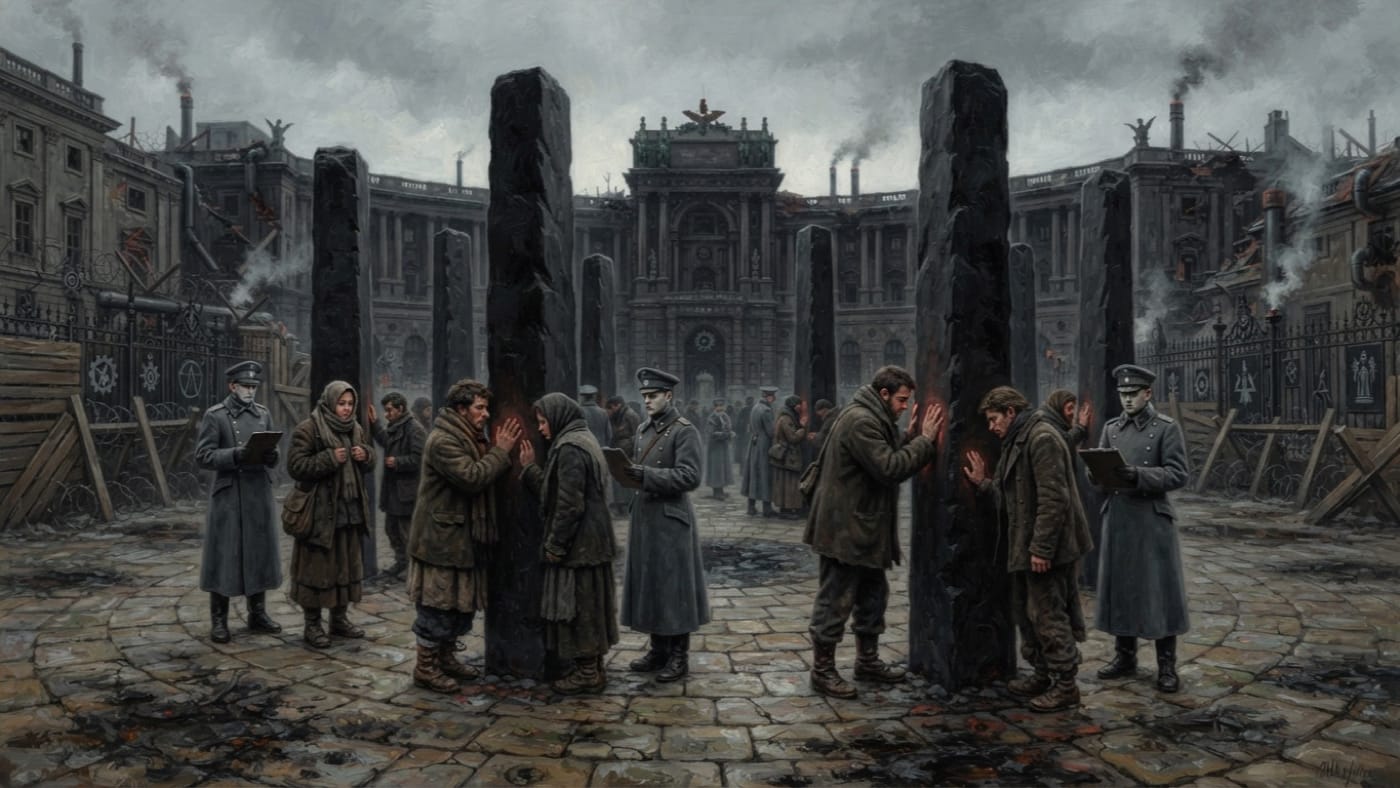
Basalt Columns of Heldenplatz
Seven stones, two explanations, and one temperature
Seven basalt columns warm the palms of Vienna's pilgrims at thirty-seven degrees. Raised in A.S. 95 where Rationalist pyres burned cold, they need no fuel; their explanations require two Bureaus.
Codex Ref. II.4.09-012

Bastion-Constantinople
The Hinge of the South
Keystone fortress of the Sagittal Line, ratified in A.S. 68. The southernmost anchor of the Wall and its most celebrated grave. Where the advance of Hell first broke against ink and iron, and has broken ever since.
Codex Ref. III.2.04-017
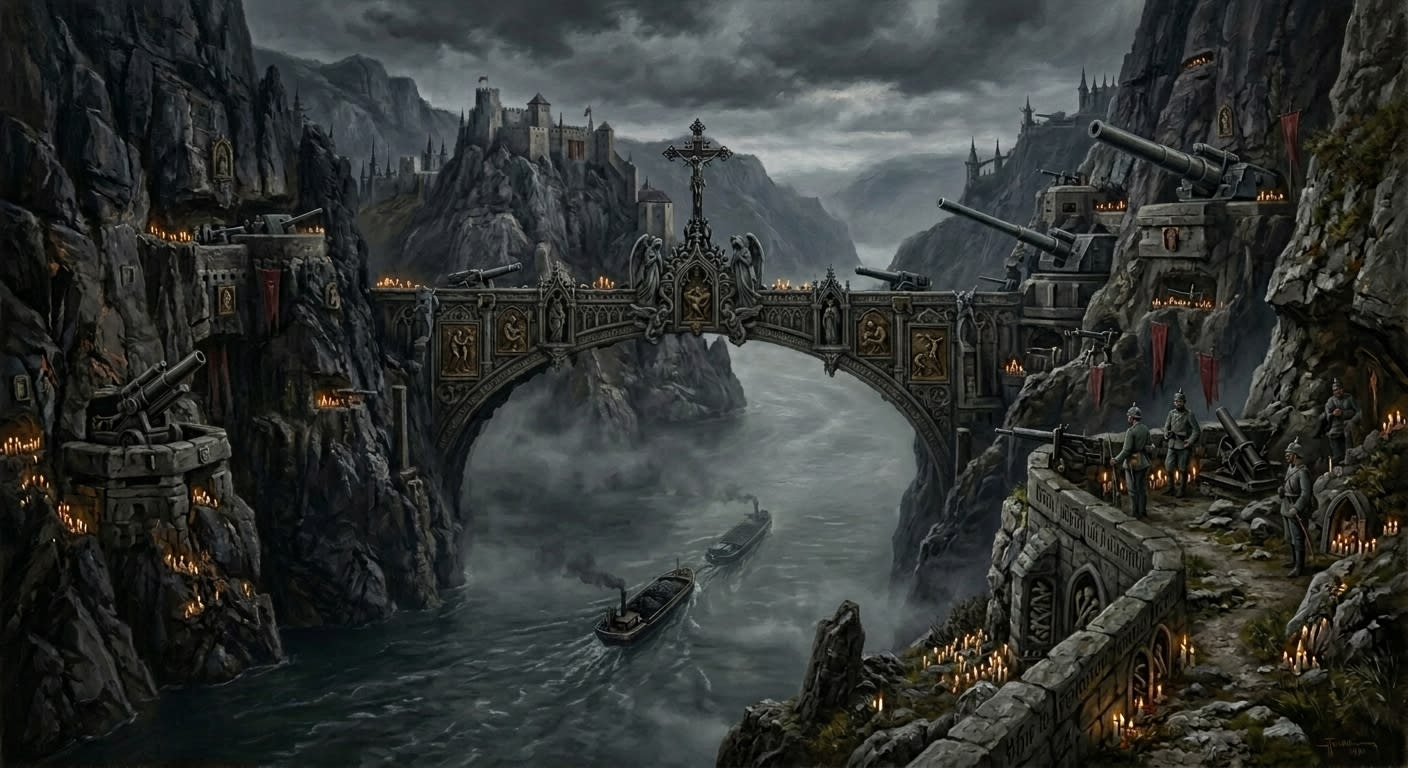
Bastion-Irongate
The mountain does not need the iron. The mountain needs the sound.
The fifth bastion of the Sagittal Line guards the Danube gorge with stone, chain-booms, and a choral infrastructure whose song is the only reason the mountain has not yet collapsed. Facing Morwen, Sin-General of Envy, who attacks not to take the gorge but to ruin it.
Codex Ref. II.4.07-005
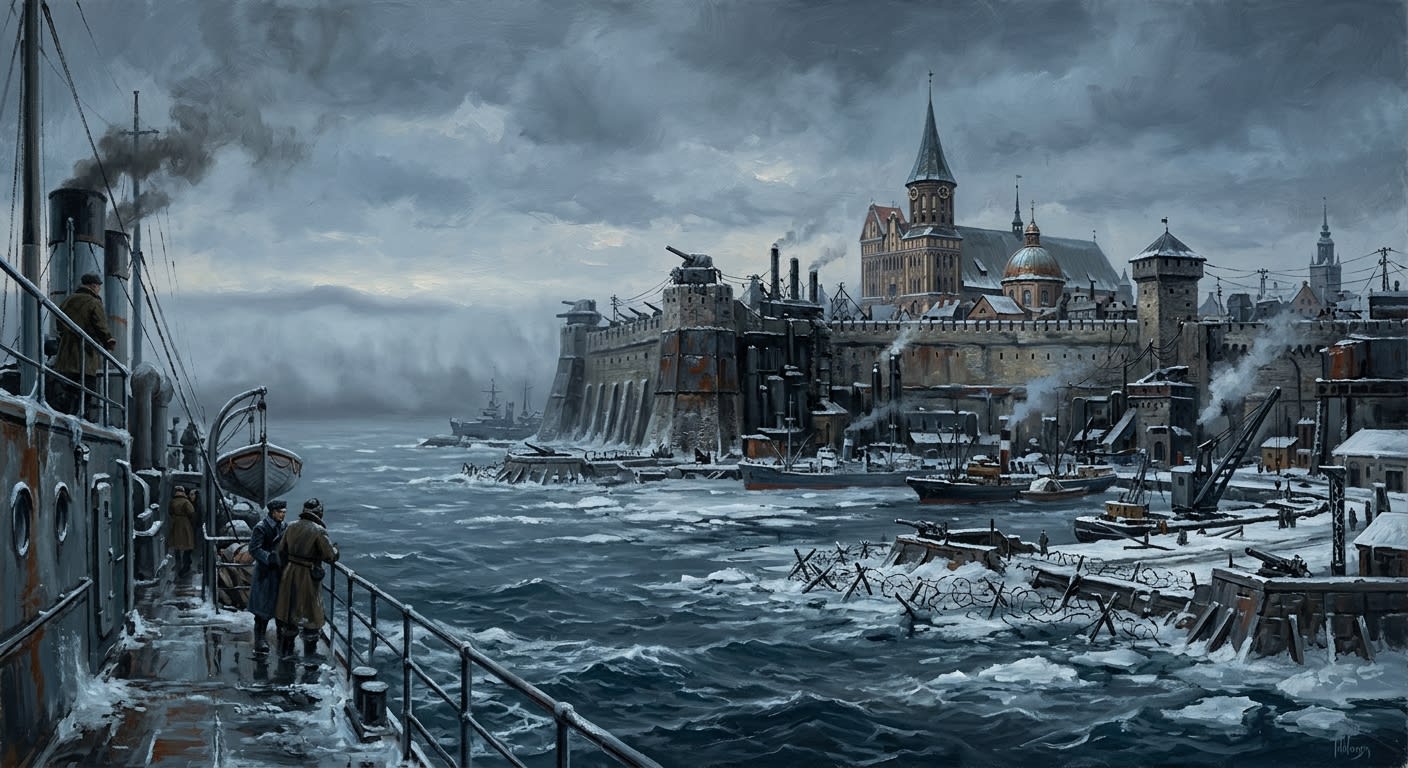
Bastion-Königsberg
The Far Nail, the Last Bell, the Thing the Grey Has Not Yet Chosen to Break
The northern anchor of the Sagittal Line and the loneliest posting on the face of the earth — where the bells answer something that has no name, and the fog has faces, and the garrison holds for reasons the Bureau has spent eleven years declining to investigate.
Codex Ref. II.4.07-001
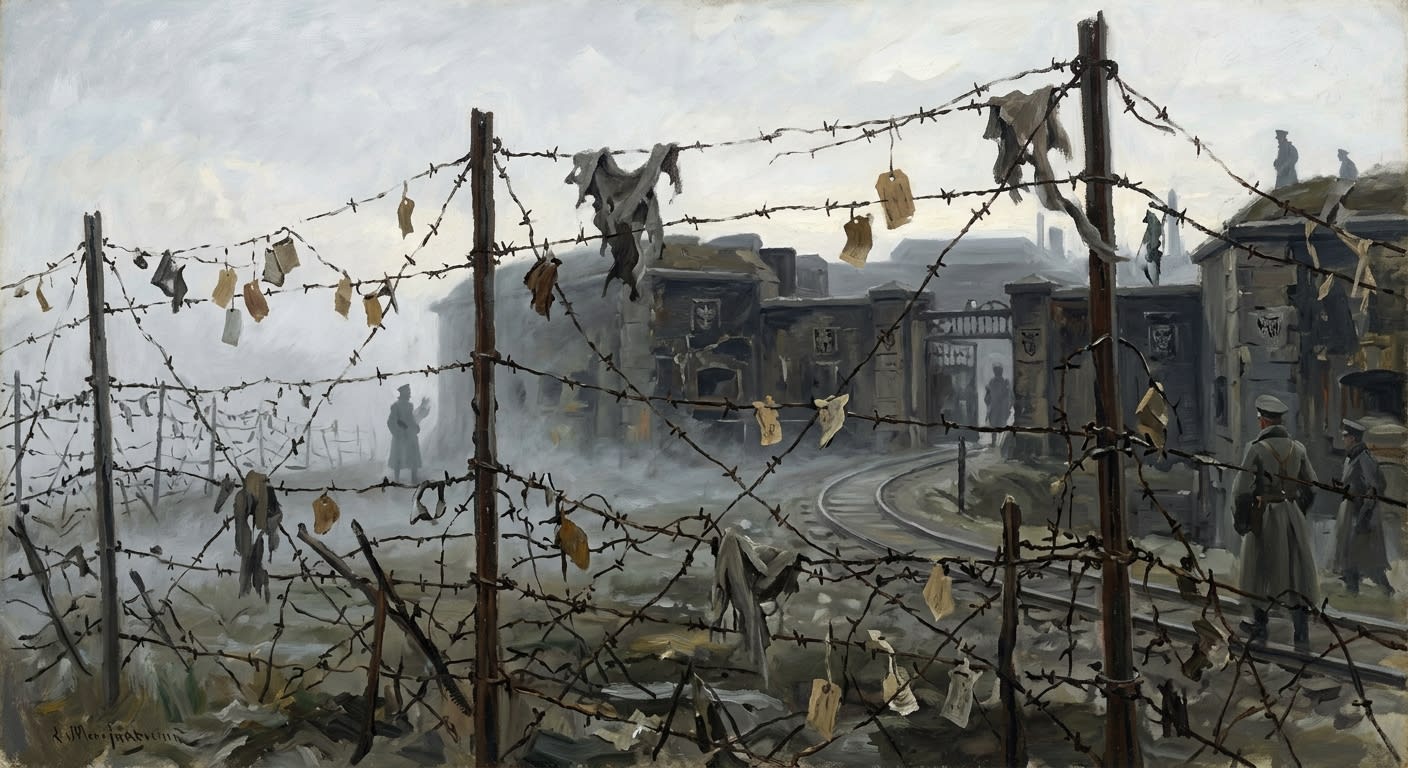
Bastion-Przemyśl
The Wire Remembers What the Ledger Forgets
The Wire Orchard at the Carpathian arc: three miles of electrified barb, a ration-tag economy, and the cold arithmetic of the dawn harvest. What enters Bastion-Przemyśl is processed. What exits is stamped. What fails the stamp feeds the Orchard.
Codex Ref. II.4.07-003
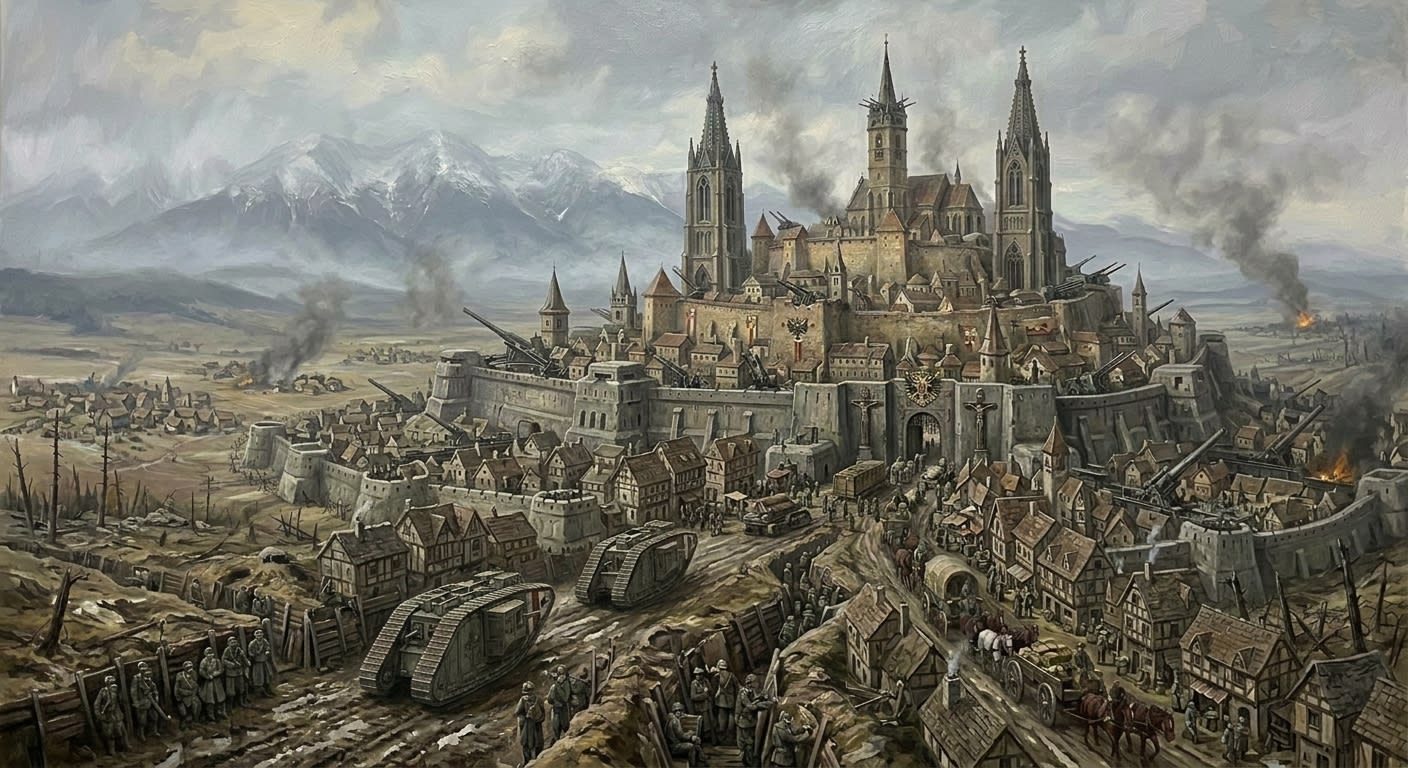
Bastion-Sibiu
The walls hold. The ledger bleeds.
Bastion-Sibiu has never fallen. Its economy is another matter. Velmora does not storm the Transylvanian Alps — she audits them: counterfeit scrip, corrupted convoys, and the gold veins that may already be hers.
Codex Ref. II.4.07-004
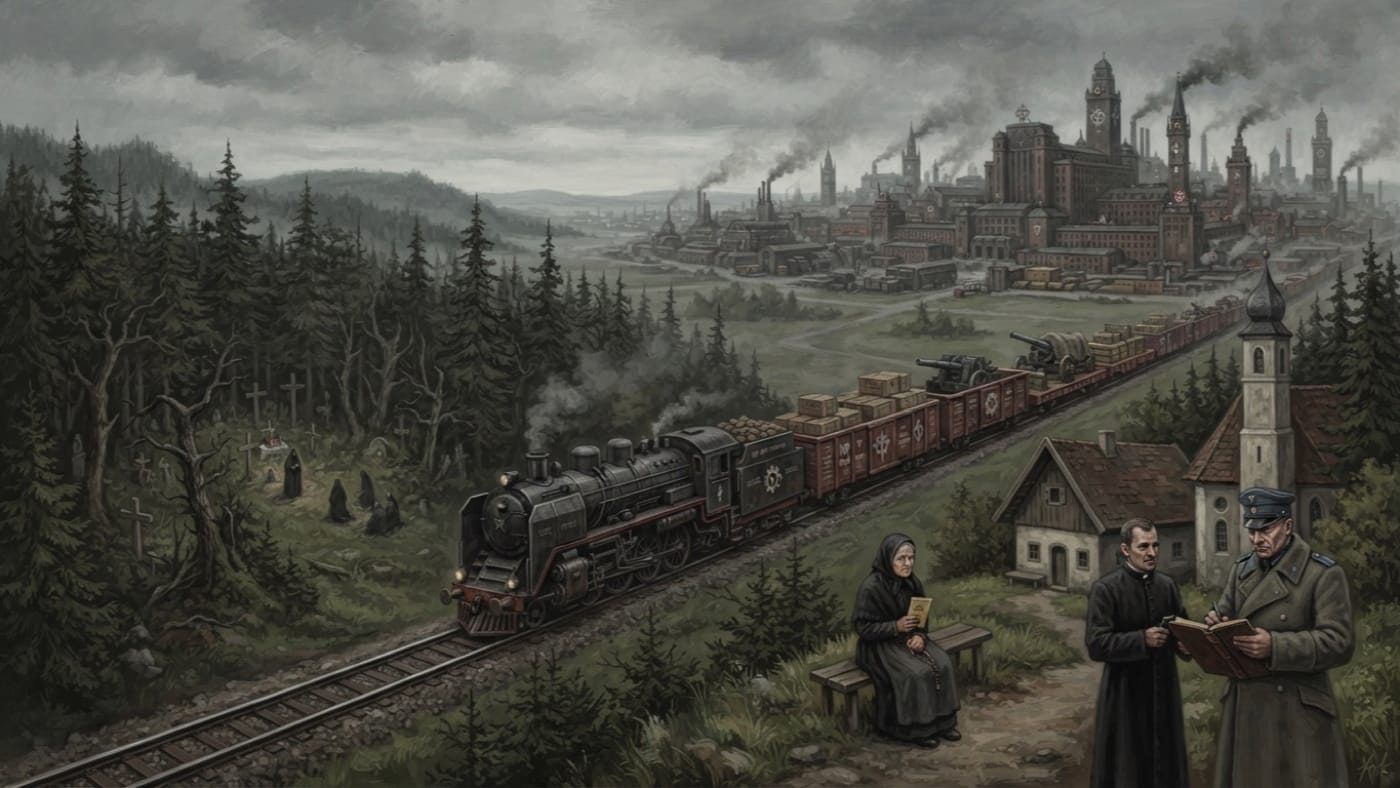
Bavaria
The heartland pays for safety one son at a time
Bavaria's forests once hid scattered faithful. Its parishes now supply the Continental Levy, while Munich sends War's freight east. Heartland safety is paid for one household at a time.
Codex Ref. II.2.11-201
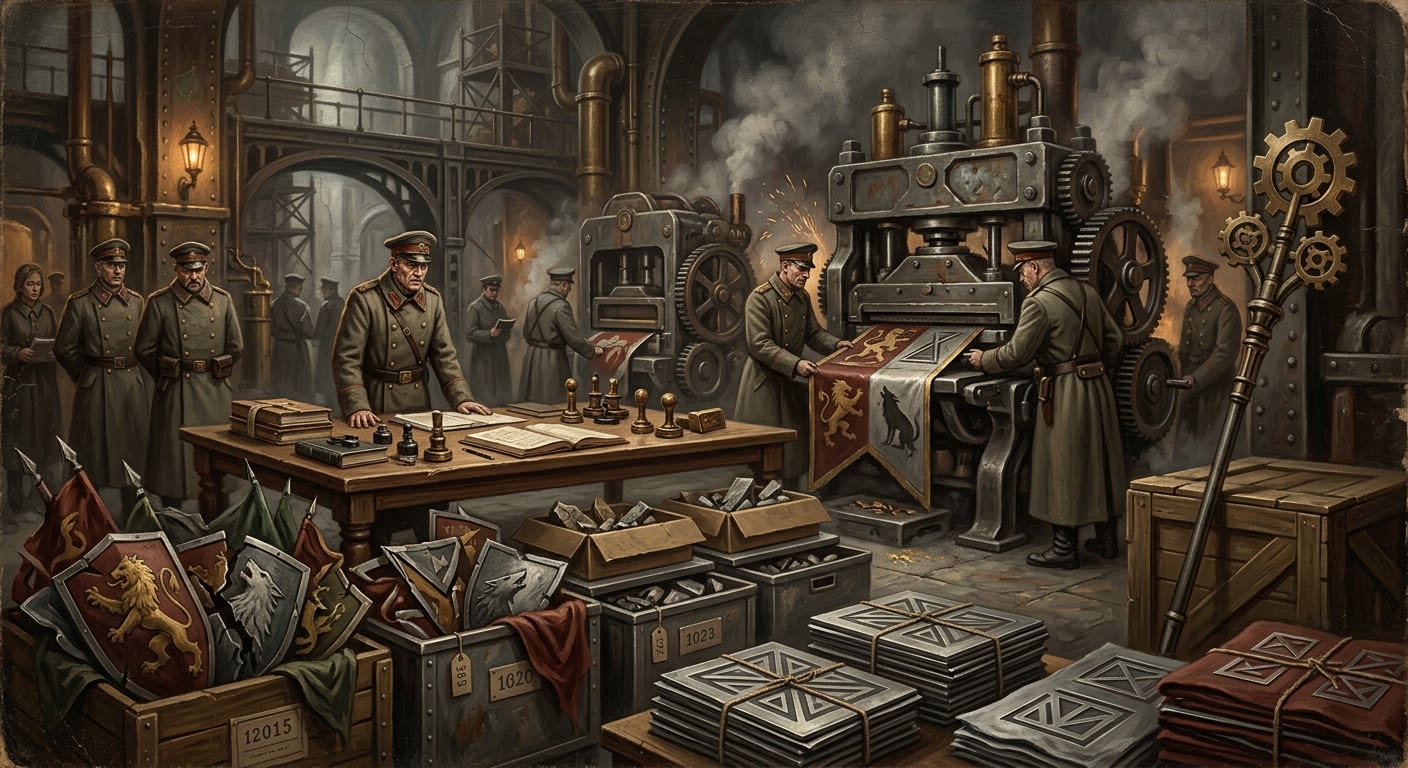
Beast Proscription
When Heraldry put the animal kingdom under seal
The Beast Proscription of A.S. 108 reclassified Europe's animal crests after the Crimson Gate Riot, turning lions into geometry and wolves into evidence.
Codex Ref. VII.8.10-033
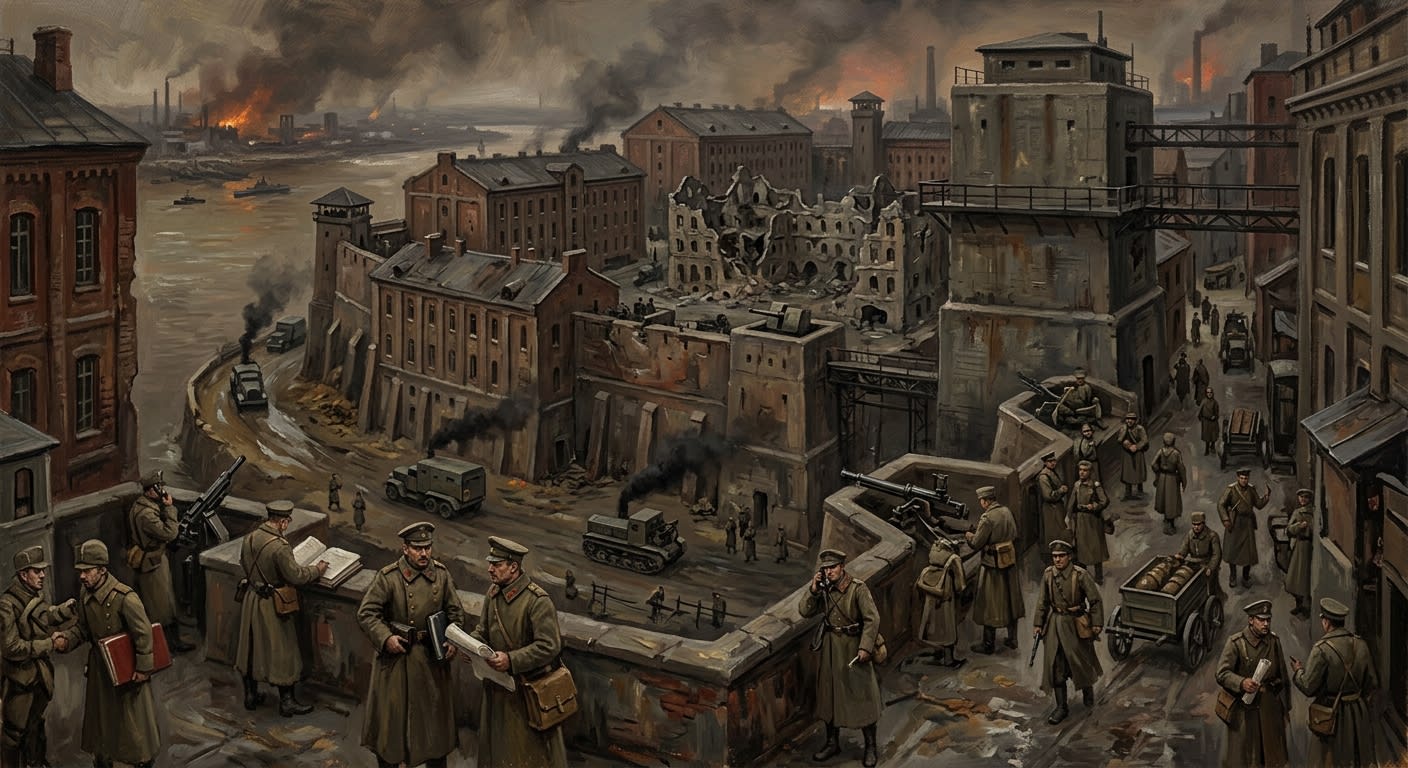
Belgrade Courts
Where miracle became evidence and silence learned to testify
The Belgrade Courts are the judicial-military scar around Velkara's Shattered Courts, where Maldrake burned, the Danube turned, and silence acquired paperwork.
Codex Ref. II.5.06-121
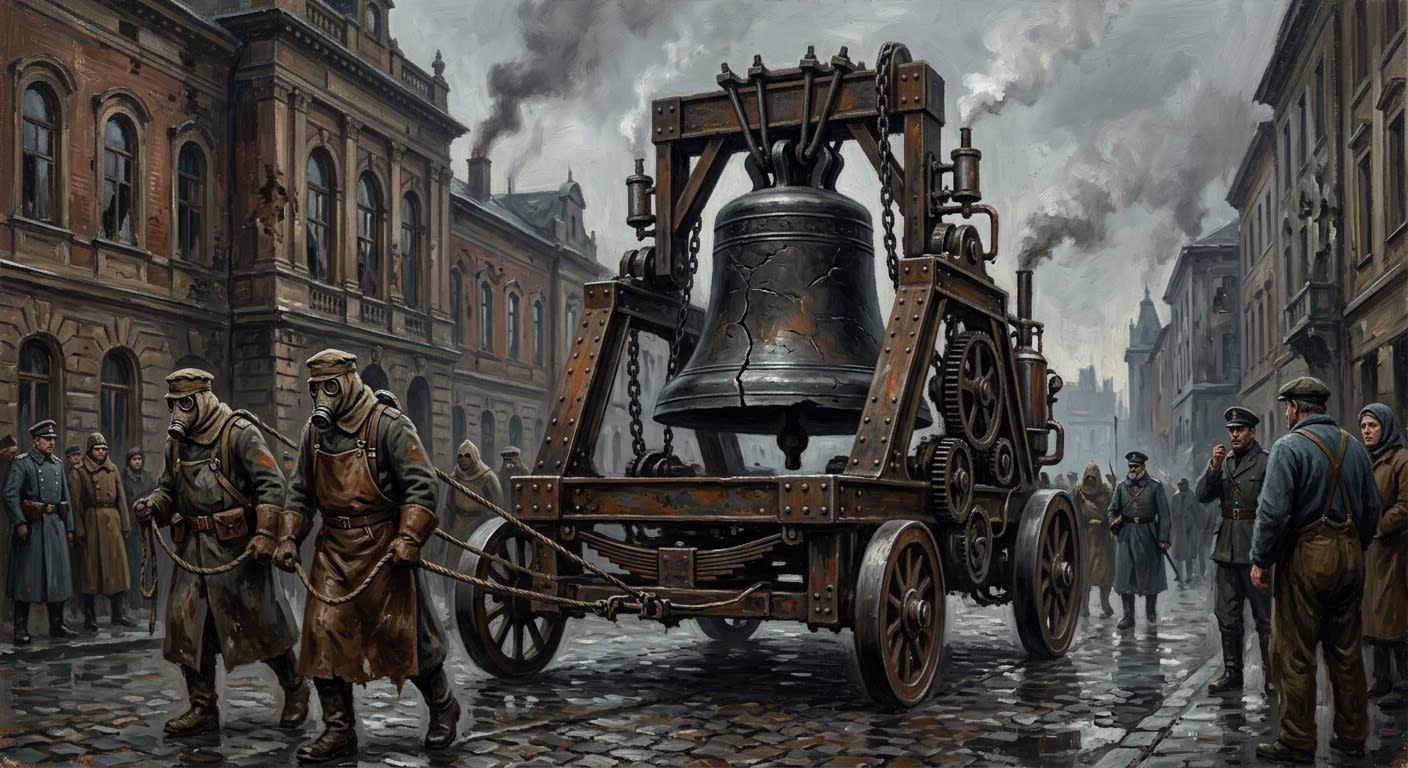
Bell of Saint Isidore
The cracked bronze that made Debrecen inherit a miracle's bill
The Bell of Saint Isidore is a cracked mobile relic-bell born from Kalnik Ridge, useful enough to parade and costly enough for Debrecen to remember in its bones.
Codex Ref. V.1.02-001
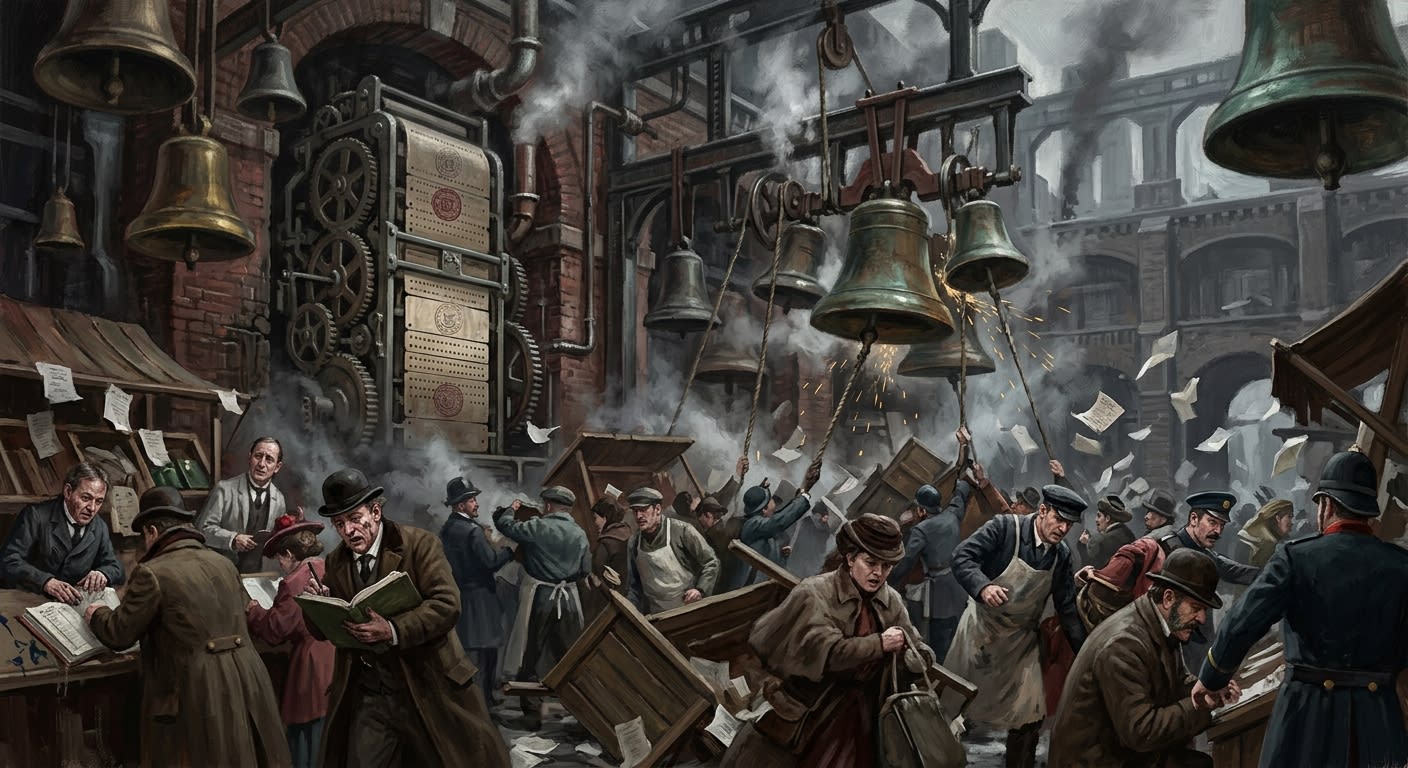
Bell-Market of Toledo
The city where even time queues for a receipt
Toledo's west-cloister market leases bell-hours by stamp and tariff, prospering after reconstruction until the oversold Sext of A.S. 163 proved time dislikes accountants.
Codex Ref. II.1.06-002
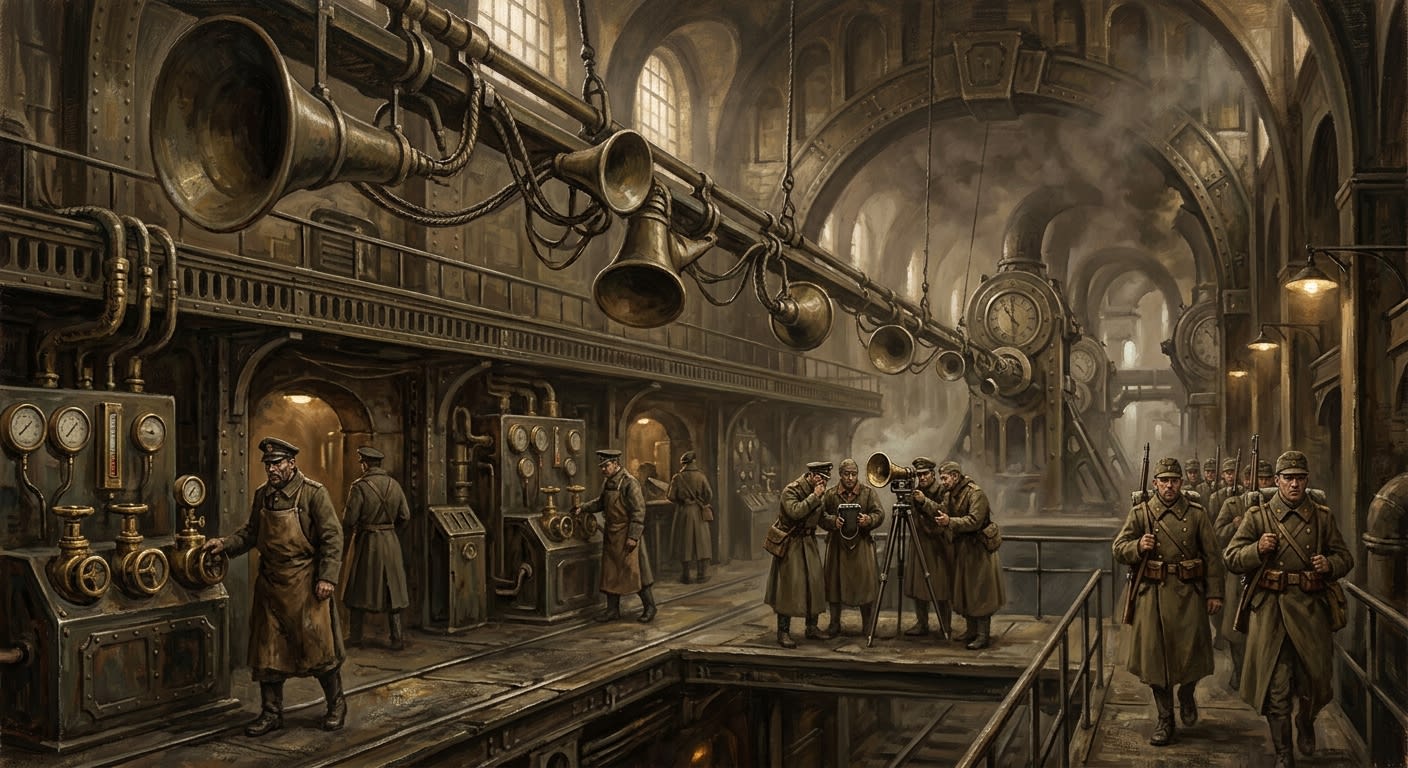
Bellway
The road that hears you, blesses you, taxes you, and may repeat you
Bellways are the Synod's sanctioned acoustic corridors: road, alarm, sermon, surveillance net, and mercy with teeth, carrying lawful sound through the Line and beyond.
Codex Ref. XIII.1.88-201
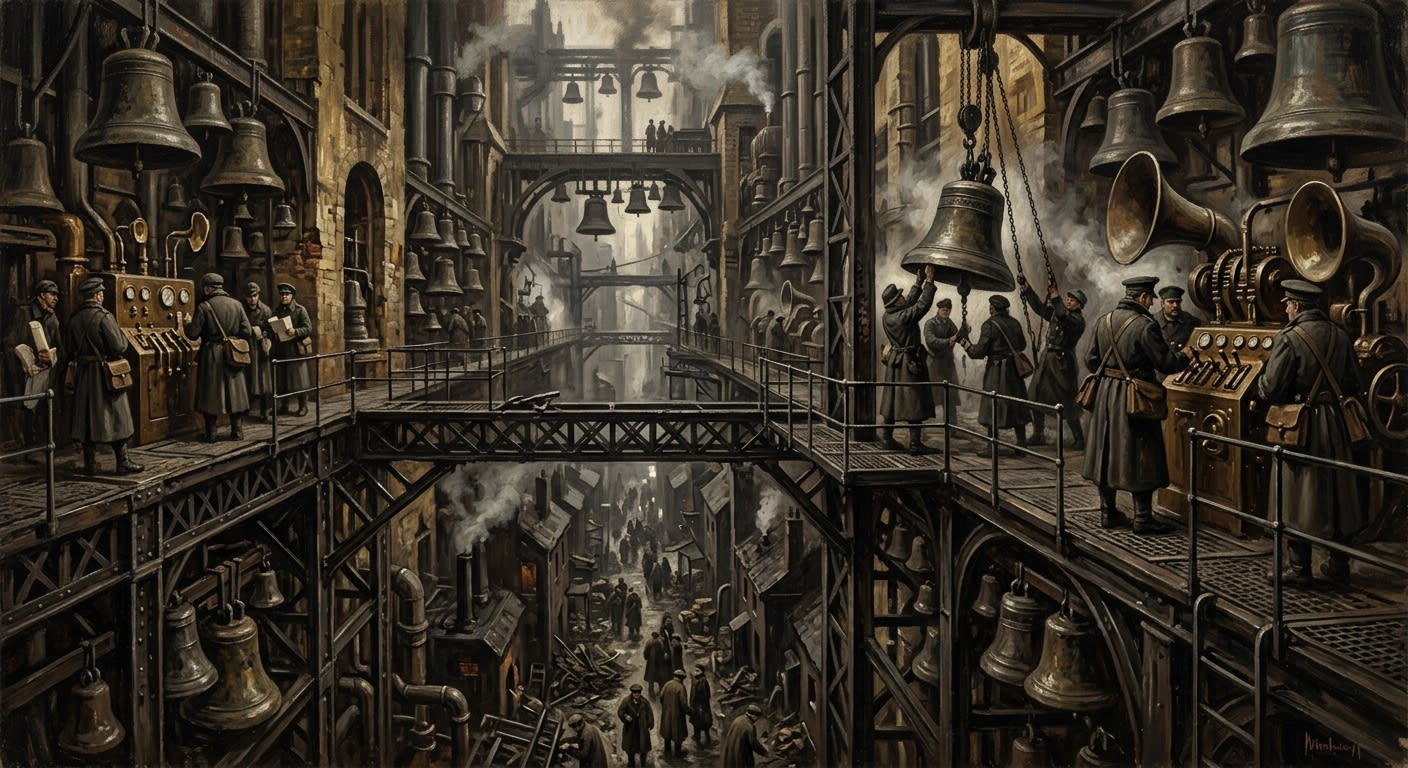
Bellways
The plural doctrine of roads, sky, trench, and taxable obedience
Bellways are the Synod's plural acoustic jurisdiction: low roads, middle war-lattices, high Ark corridors, and every quarrel they make audible.
Codex Ref. XIII.1.89-201
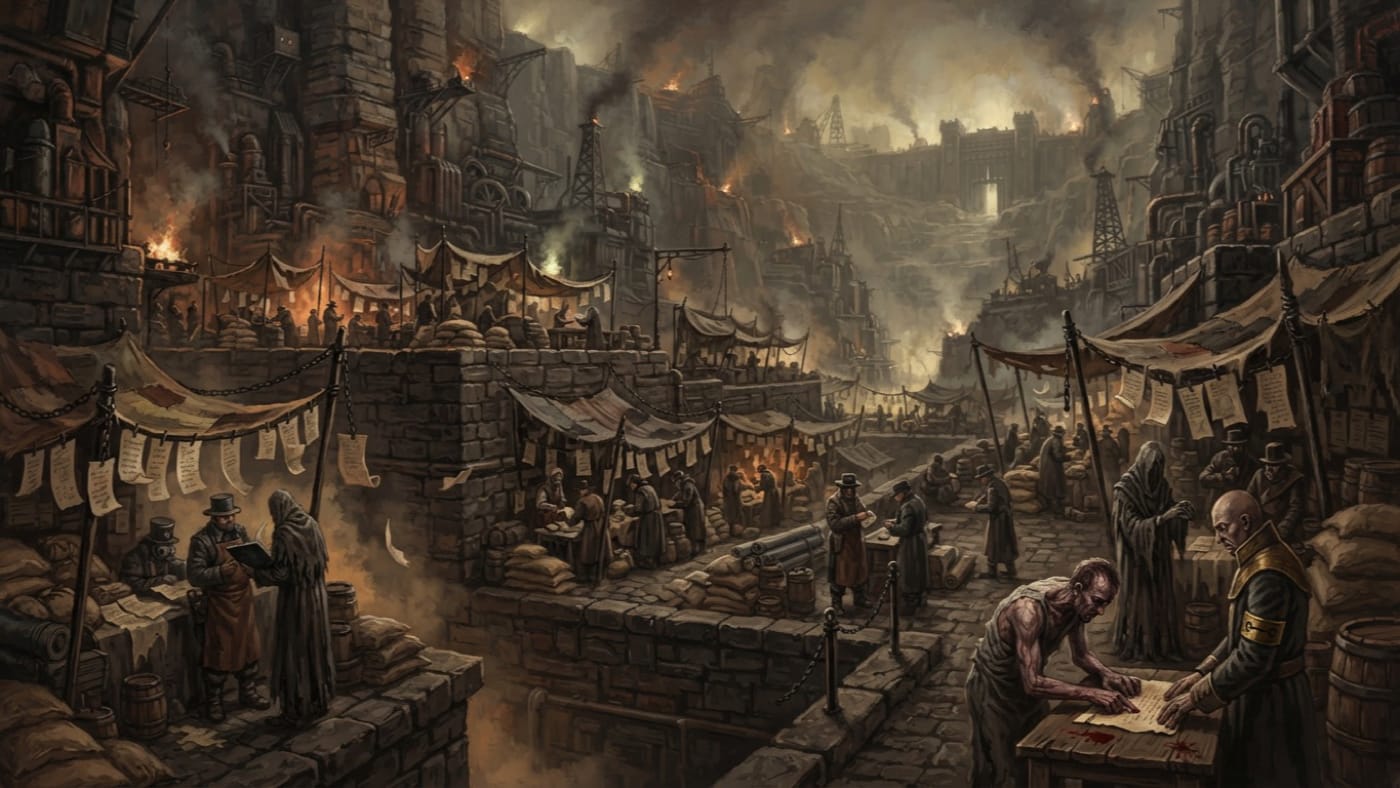
Binding Markets
The exchanges never close, and every promise has a price
Below the Gilded Chasm's rim, Velmora's Binding Markets trade service, memory, loyalty and unborn futures. The grain arrives as promised. So does the debt.
Codex Ref. VI.1.02-002
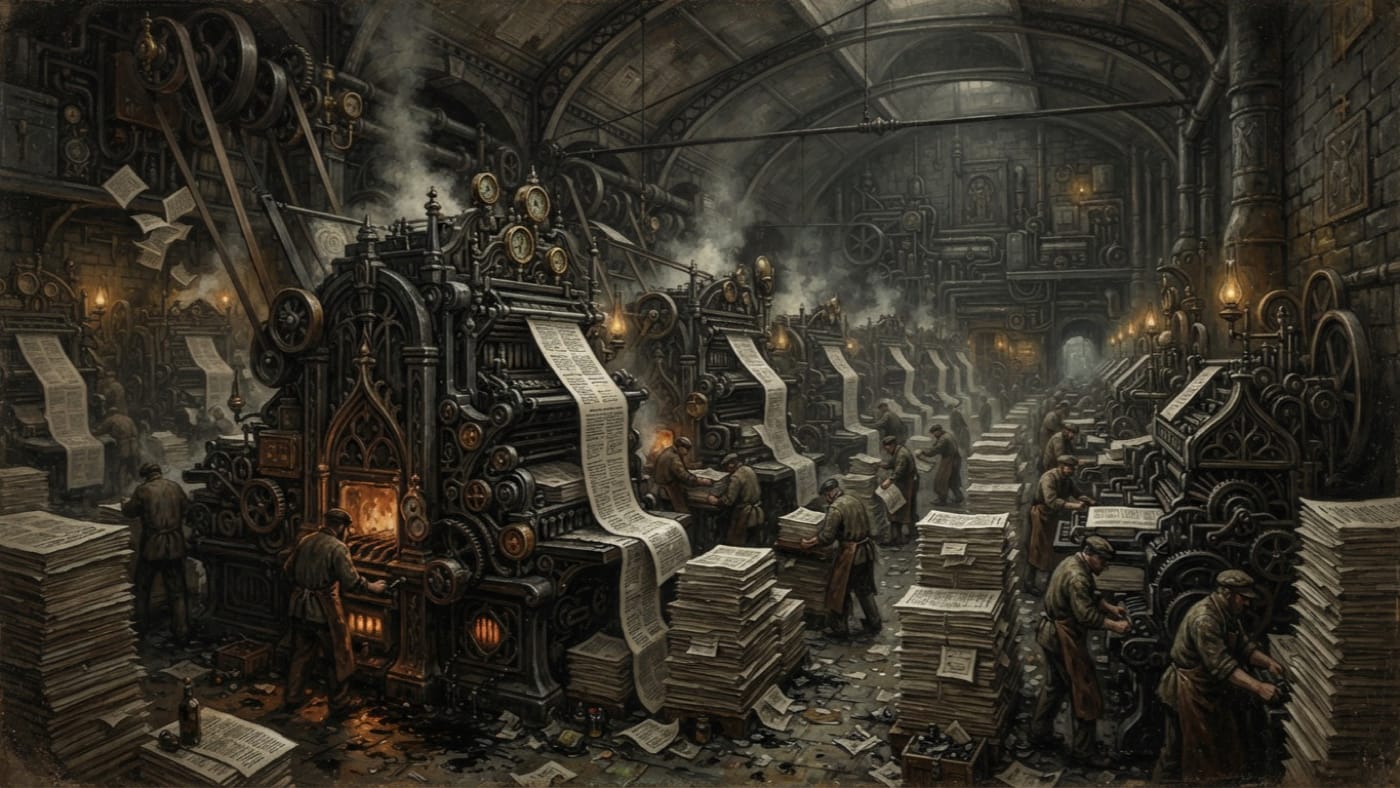
Binding Presses
The press runs. The debtor learns later.
Velmora's captured printing presses run without rest, producing contracts for service, loyalty and unborn children. The Bureau cannot trace their delivery, and no printed clause owns a human will.
Codex Ref. XIII.1.27-252
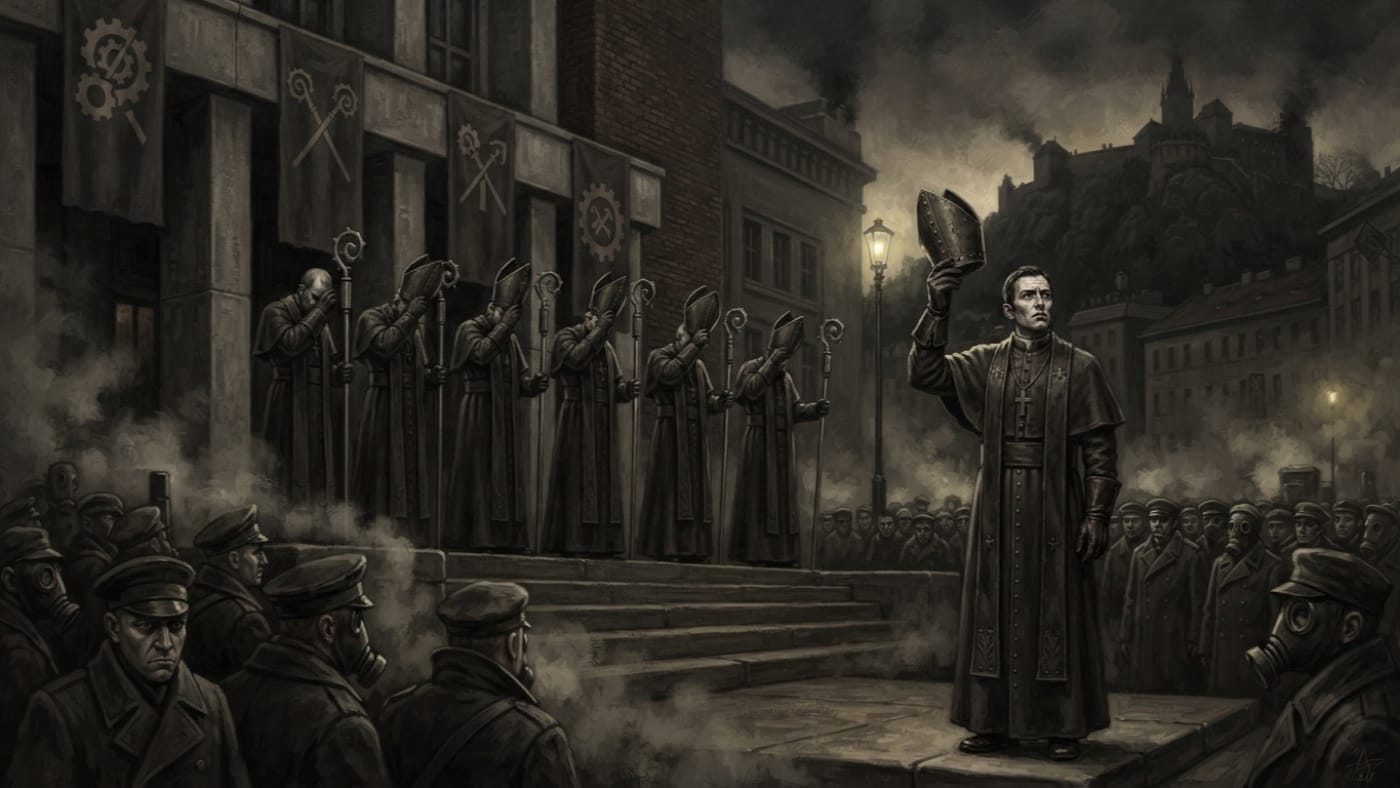
Bishop Marek of Vyšehrad
The seventh line names a bishop; the vellum supplies no man
Certain rosters name Bishop Marek of Vyšehrad as Prague's seventh bishop at the Night of Crowns, A.S. 8. The Ledger keeps the name; attendance, gesture and death remain unconfirmed.
Codex Ref. III.2.01-254

Bishops-Praetorial
Mitres welded to prefectures, and souls counted twice
The Bishops-Praetorial keep souls, quotas, provinces, and grudges: mitred governors whose pastoral care arrives with tithe tables attached.
Codex Ref. VIII.3.04-093
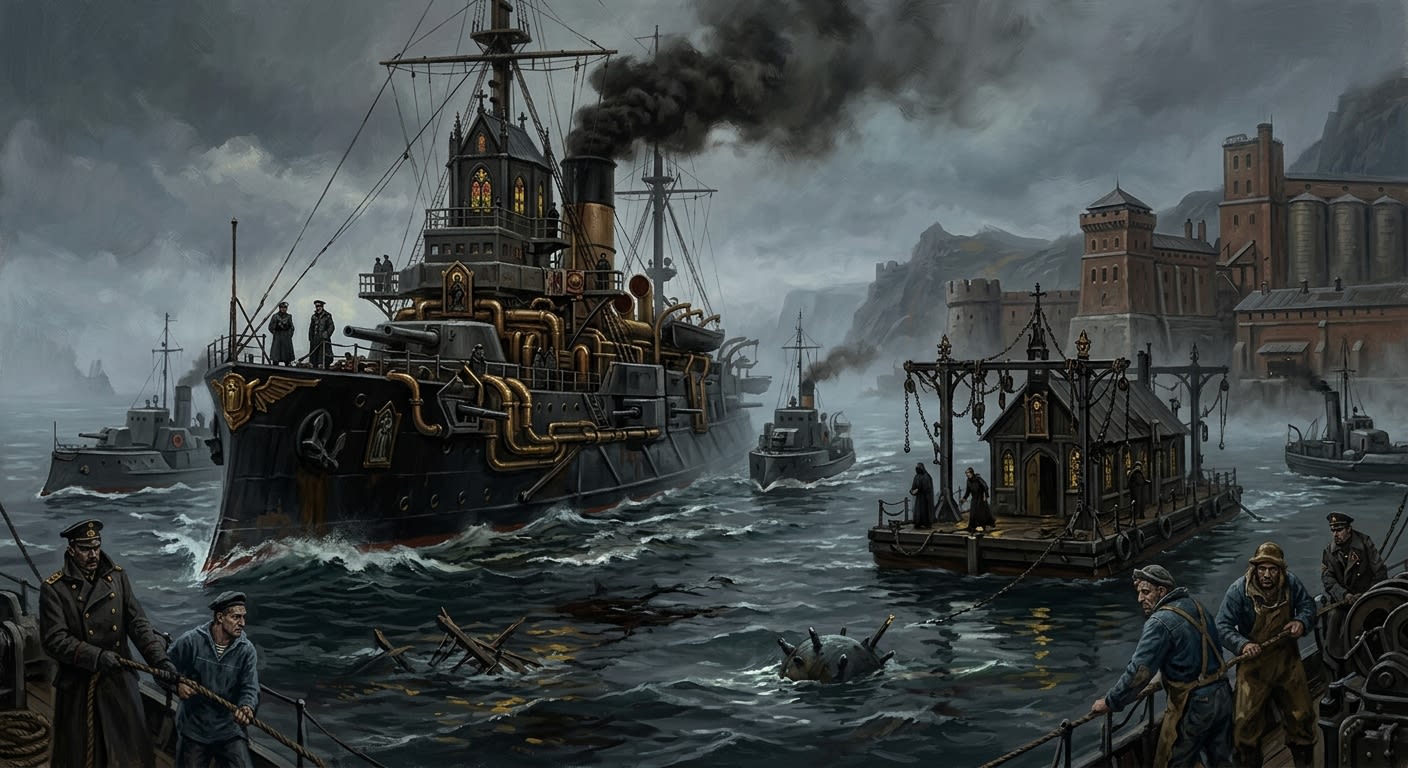
Black Sea
The Sable Deeps keep their own docket
The Black Sea is the Synod's northeastern wound against salt water: threat lane, relic route, grain hazard, Flotilla parish, and water that remembers too much.
Codex Ref. II.4.09-018
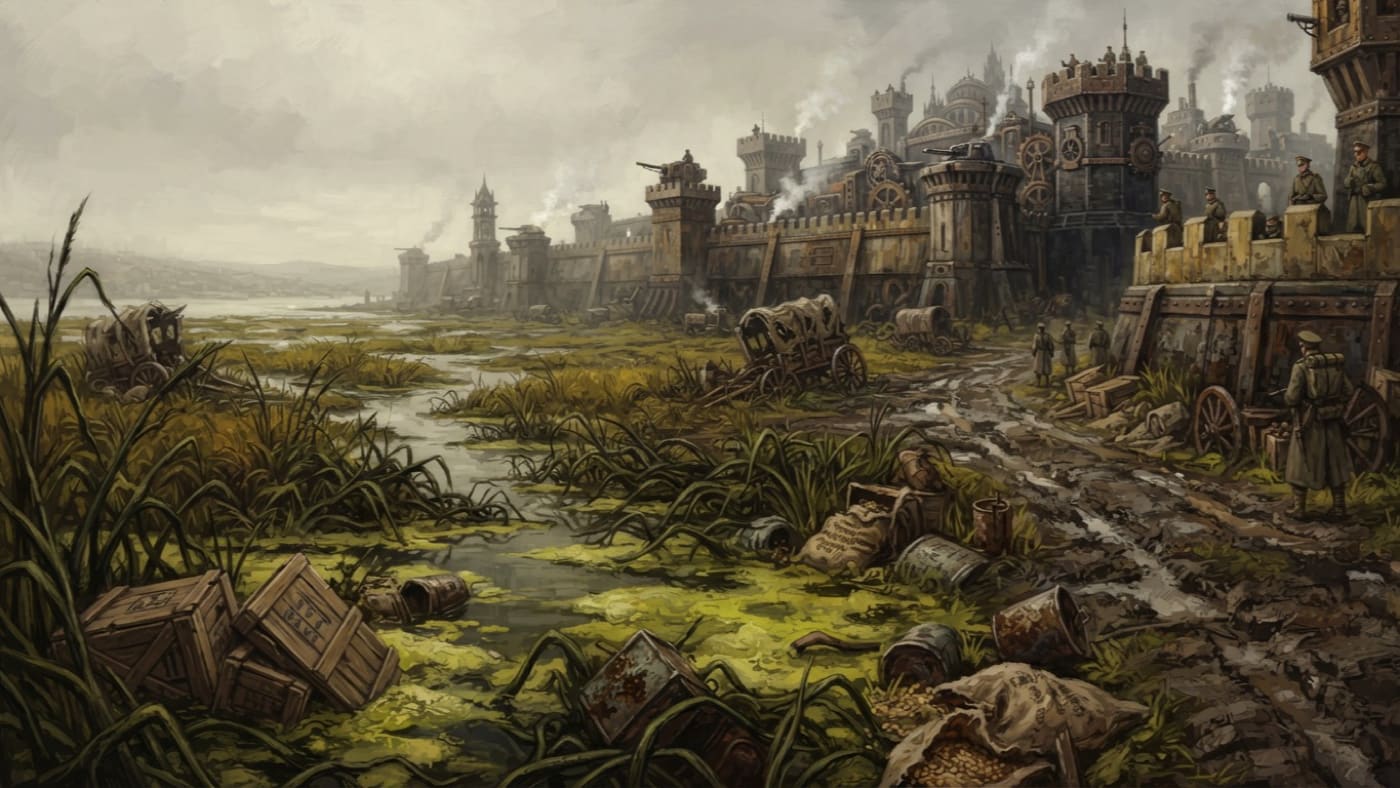
Blackening of the Bosporus
The reeds crawl; the onset remains unrecorded
A.S. 201 survey of the corrupted marshes opposite Bastion-Constantinople: crawling reeds, bile-coloured algae and ruined provisions. Doctrine names Kargath; the cartographers cannot name a beginning.
Codex Ref. VII.4.18-319
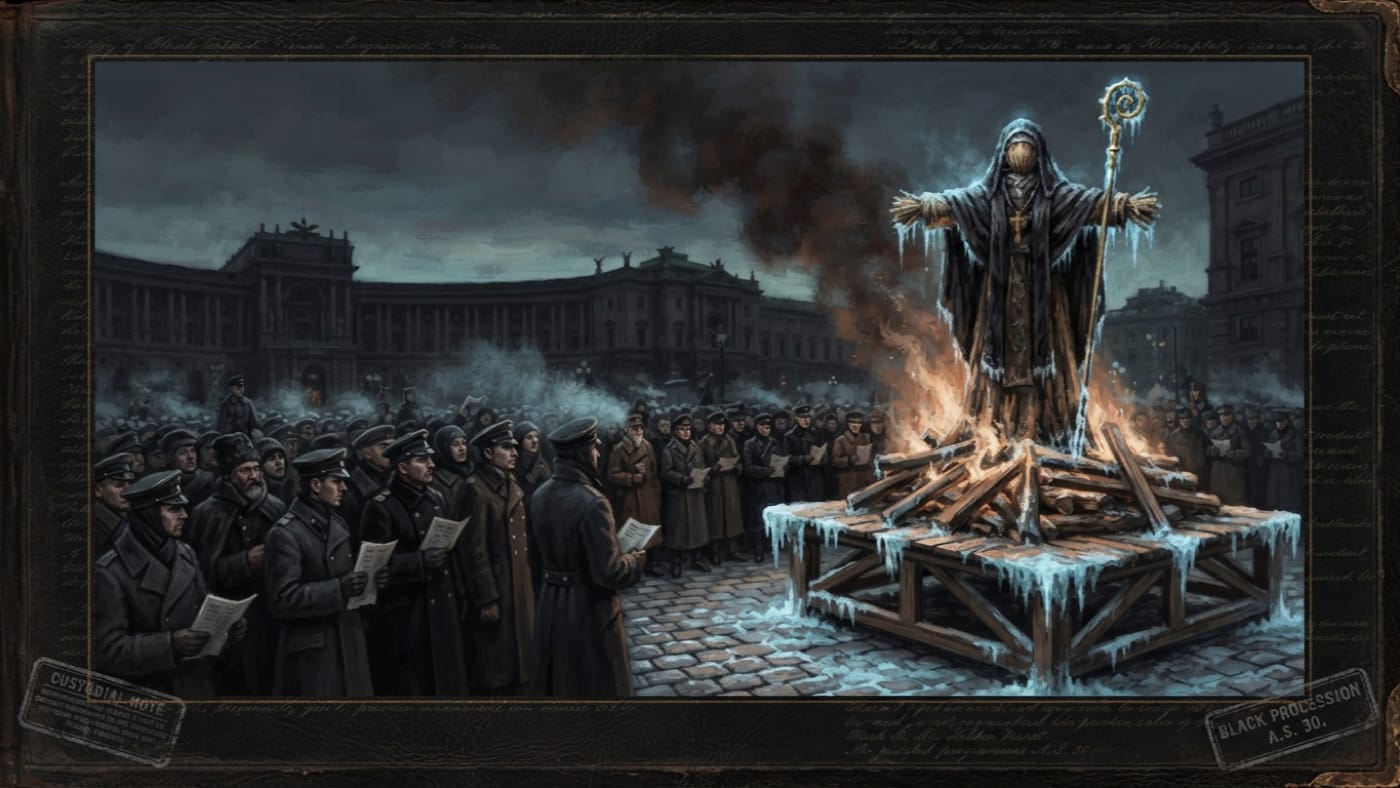
Blessed Adalheid
The Republic burned her likeness and preserved its own indictment
Blessed Adalheid survives in Vienna's relic processions, a tradition of healing the blind, and an effigy burned in A.S. 30. The Ledger keeps her title and declines to invent her life.
Codex Ref. III.2.01-281

Blessing Lamp
The little tribunal with a brass handle
Brass-handled reliquary examination lamp whose sanctified beam makes bones, ash, and confiscated fragments answer before paperwork is ready.
Codex Ref. XIII.1.80-001
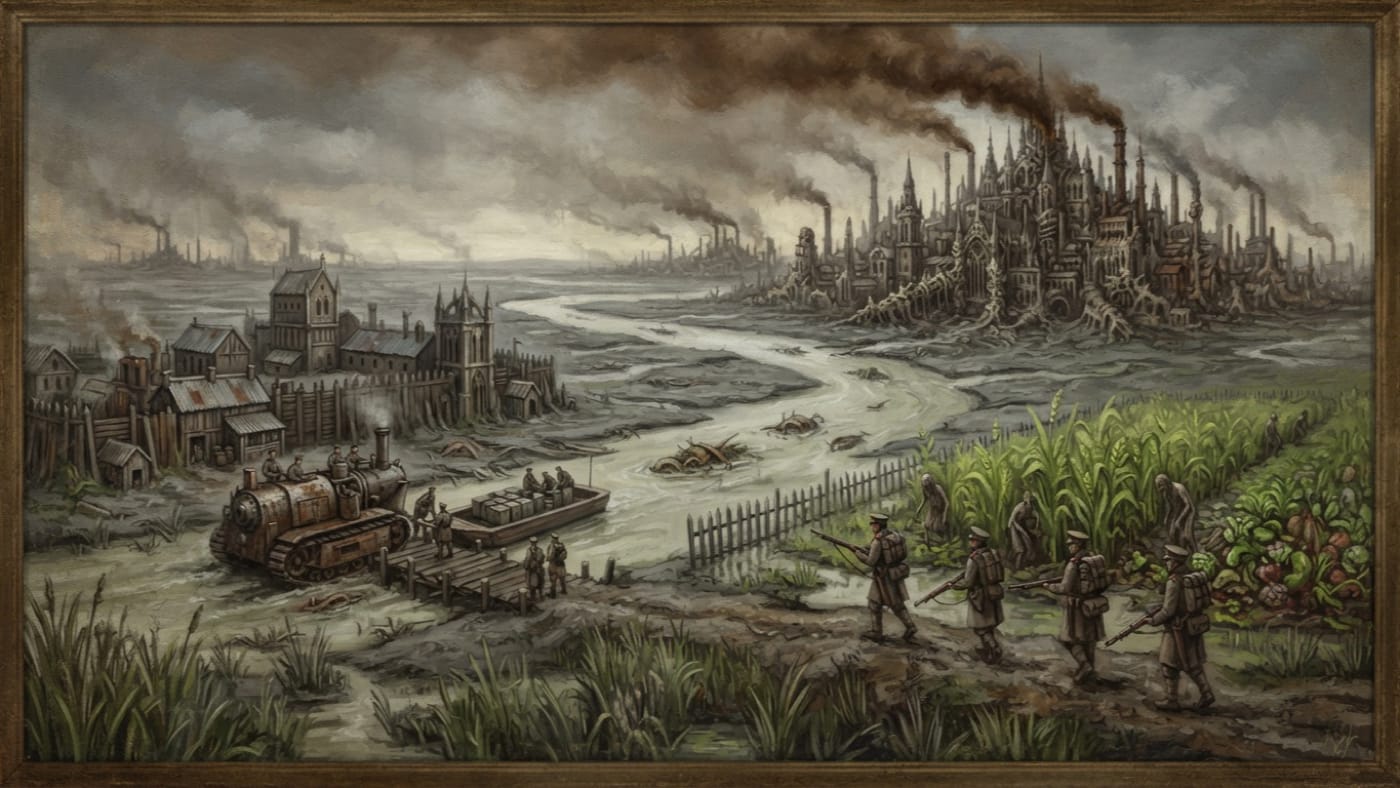
Blightmarsh of the Drava
Where the Breadbasket Became a Stomach
Kargath's dominion in the drowned Drava and Sava valleys: a Pannonian breadbasket consumed into marsh, false harvests and famine. Its boundary cannot be certified; its hunger travels farther.
Codex Ref. V.6.01-004
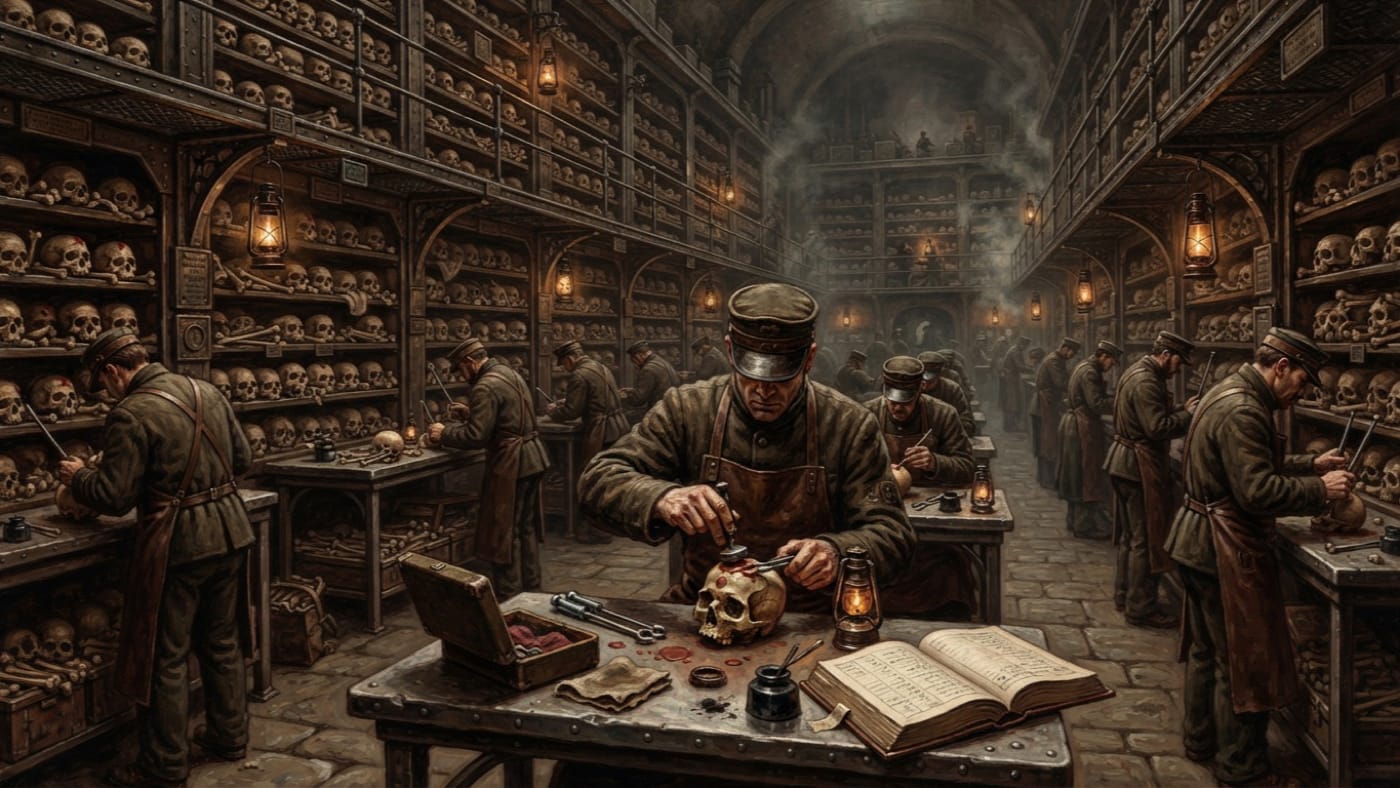
Bone-Stamp
The impression passes audit; the corridor gives its own verdict
The bone-stamp certifies that remains were received, catalogued, prayed over and placed. The Bureau audits the impression; the corridor judges whether it holds. Drax surveys the procedure in A.S. 201.
Codex Ref. VI.2.02-001
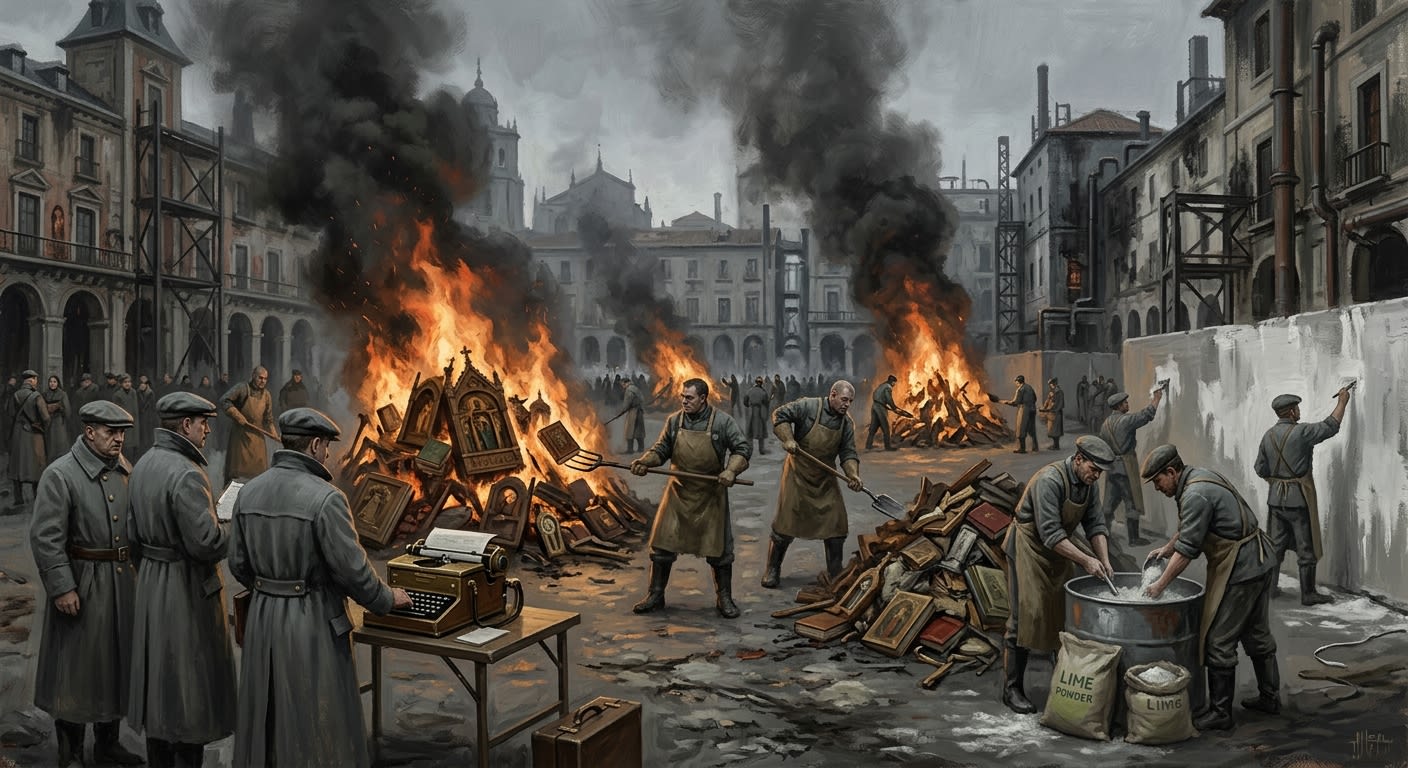
Bonfires of Purification
The walls have not finished speaking
The Bonfires of Purification were Iberia's pre-Synod Rationalist liturgies of theft: relics catalogued, mocked, burned, mixed into ash-lime, and taught from walls that remembered.
Codex Ref. VII.8.06-018
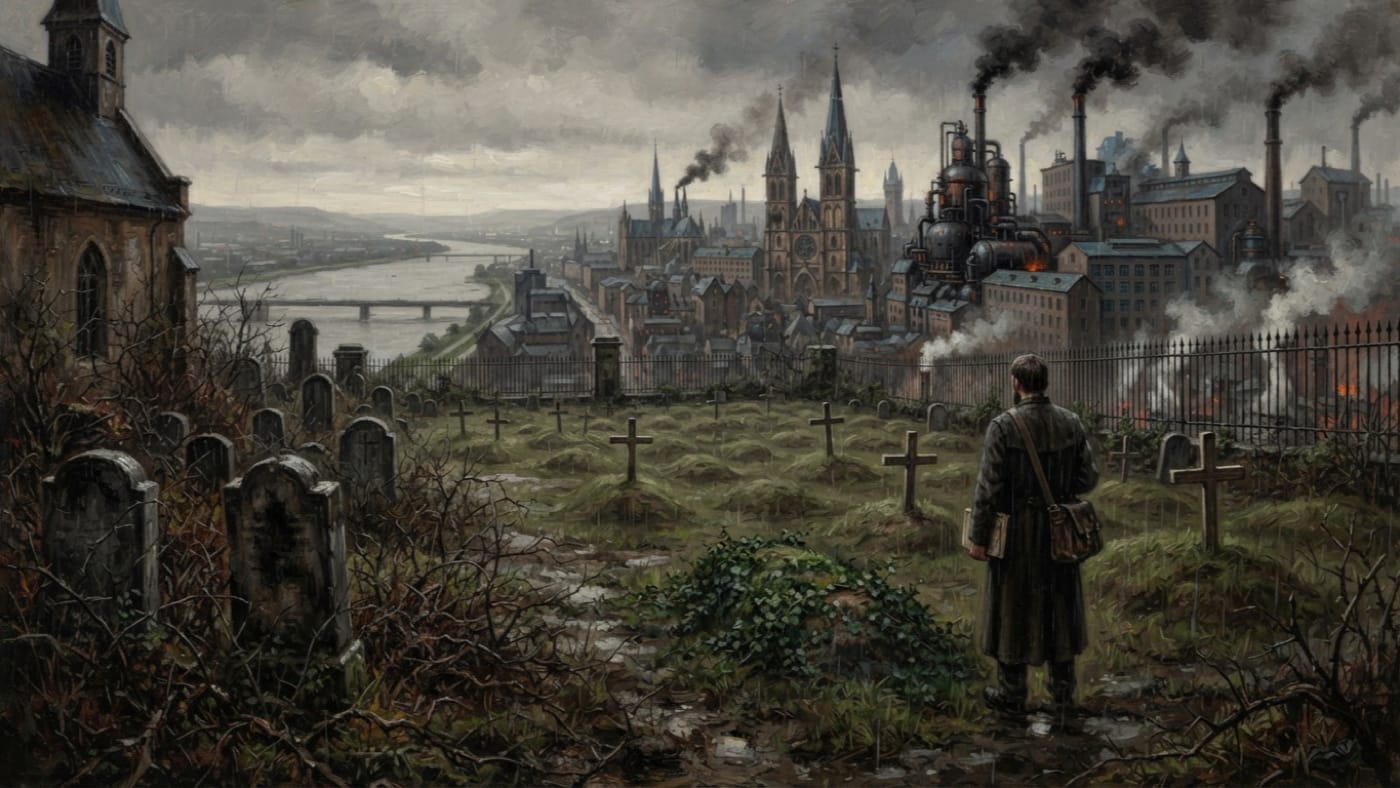
Bonn
A saint nearby; no directions supplied
Bonn is a Rhineland city on the Rhine. Ignatius Brenner died and was buried nearby in A.S. 71. The churchyard is unnamed, the grave unmarked, and the record supplies no directions.
Codex Ref. III.2.04-313
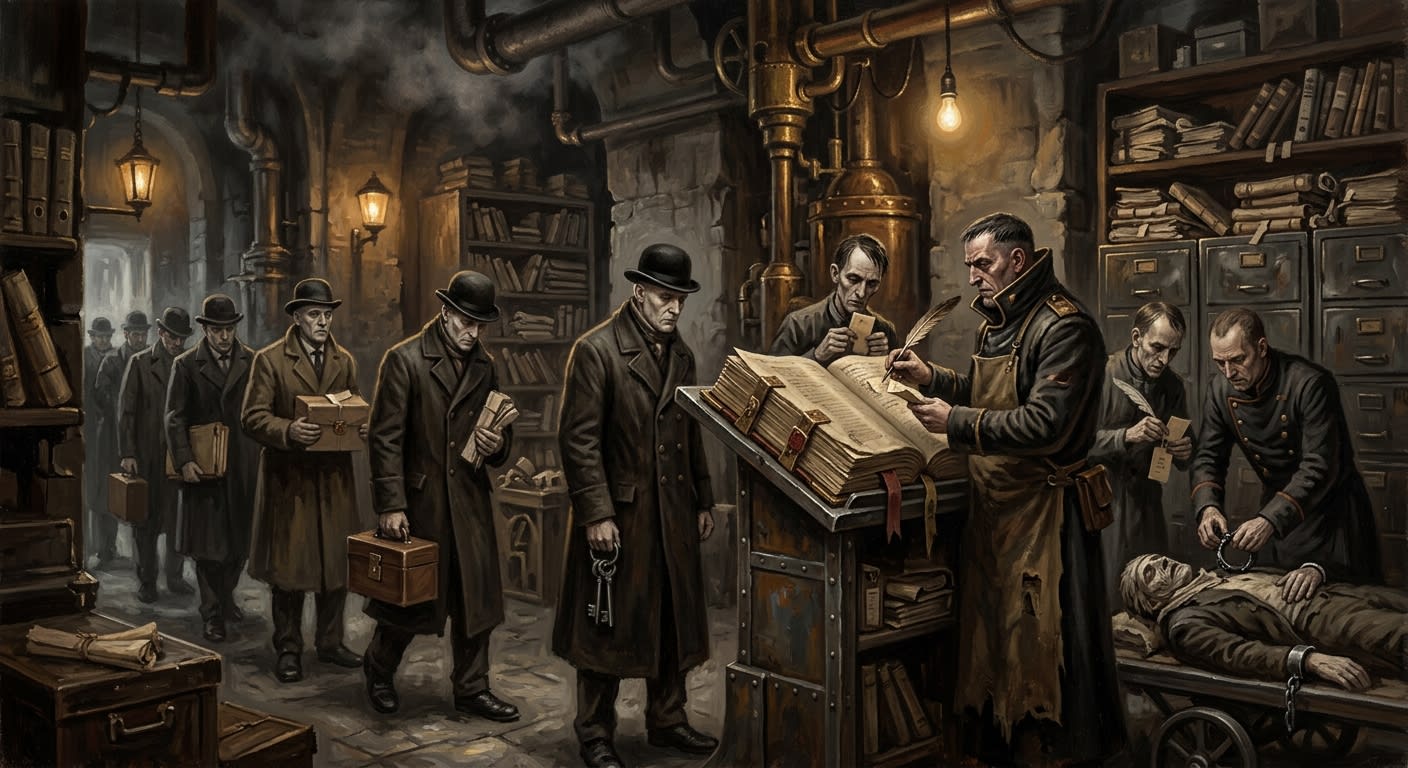
Book of Departures
Where the last breath becomes lawful ink
The Book of Departures receives every lawful death: mercy, tax instrument, burial rite, inheritance key, prayer license, and muzzle for ghosts.
Codex Ref. XIII.1.87-112
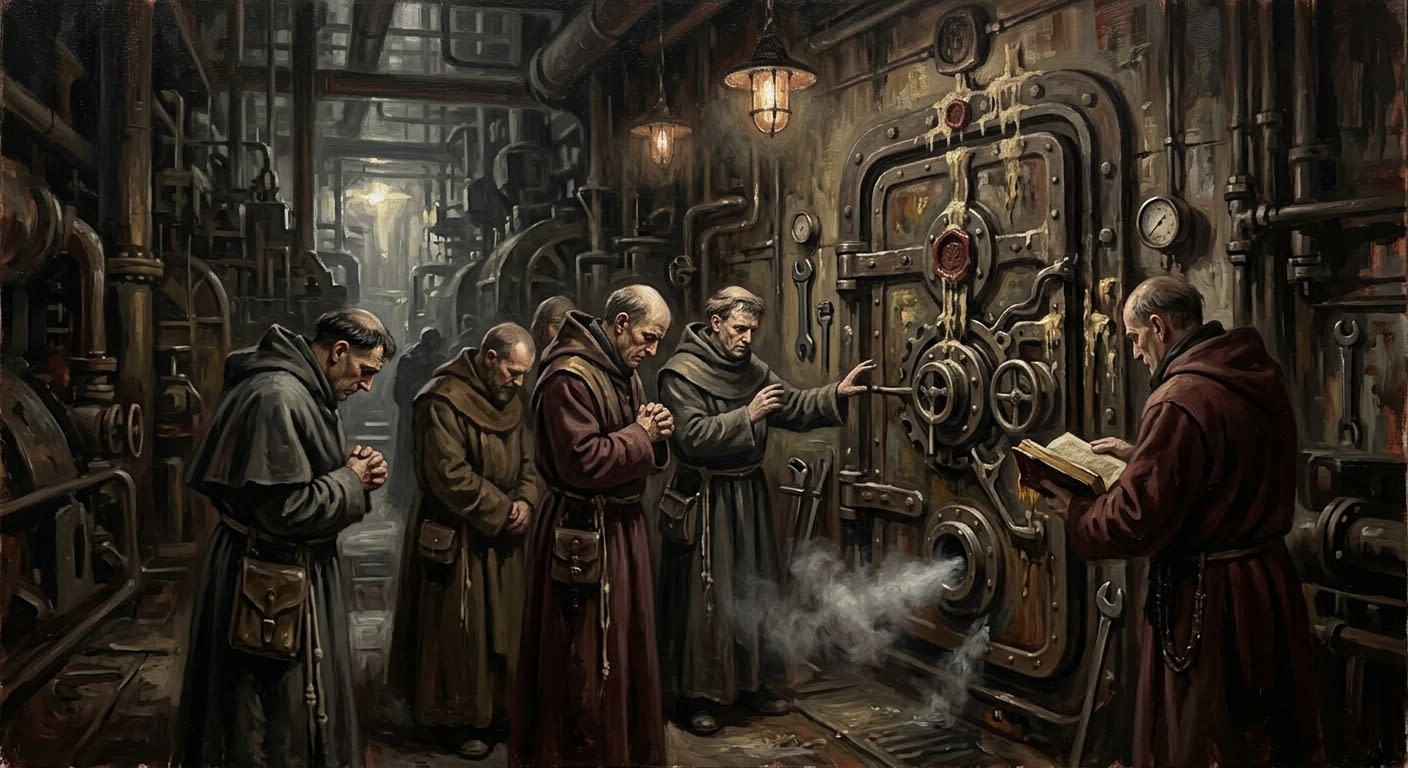
Boundary Litany
The hymn that teaches seals to remember where the world ends
Operational hymn for gasket, wax, flange, drum-mouth, and pressure door: the Boundary Litany makes matter confess where obedience stops.
Codex Ref. XIII.1.85-152

Bran corridor
The road is held. The accounts are under review.
The Bran corridor guards a northeastern approach to Bastion-Sibiu. An Alpine Watch battalion holds the road while Velmora's credit reaches the villages behind it. The corridor is held. The accounts remain under review.
Codex Ref. II.4.08-066
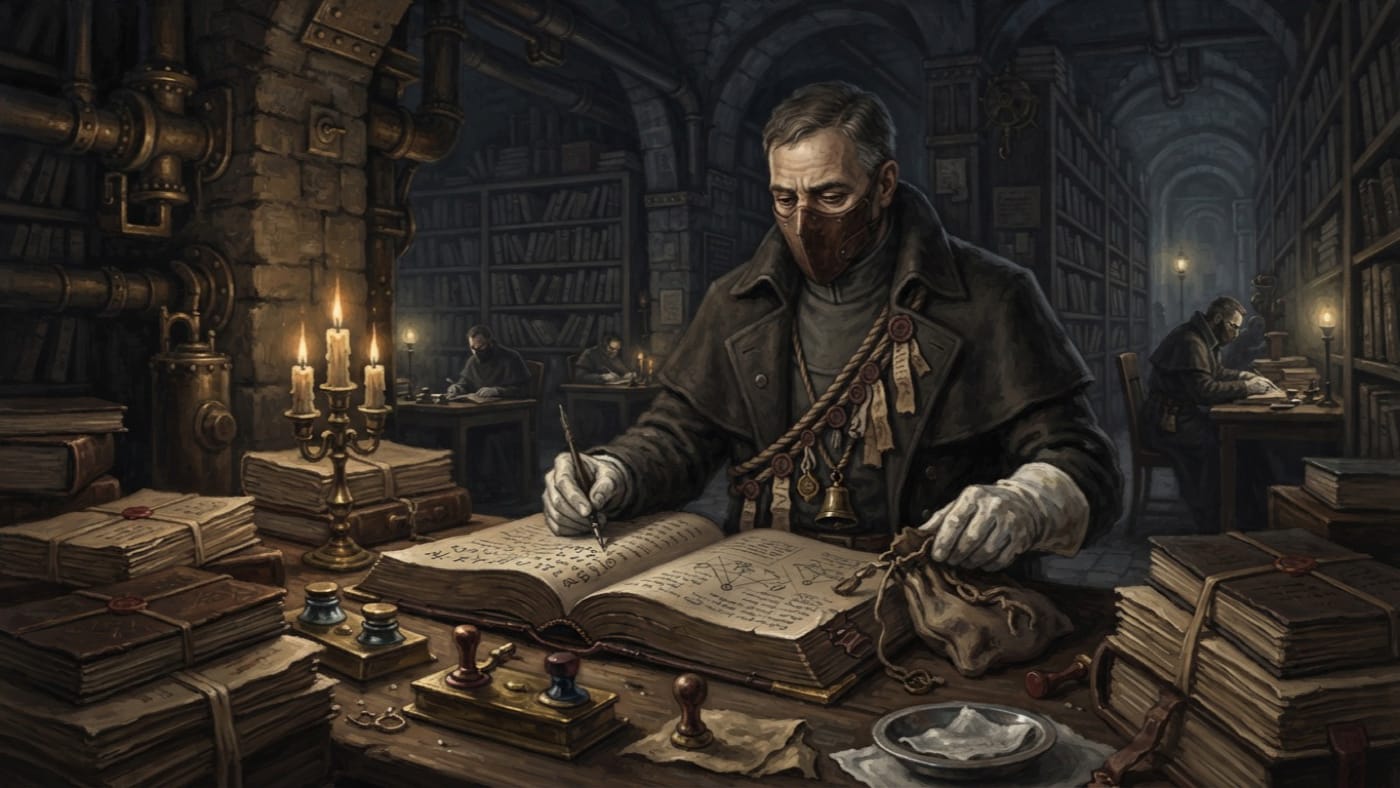
Breach-Rite Witnesser
The promise dies; the witness returns.
The Bureau of Oaths sends its Breach-Rite Witnessers to bury failed vows, close the record, and discover which colleague tied the original knot badly.
Codex Ref. VI.4.03-014
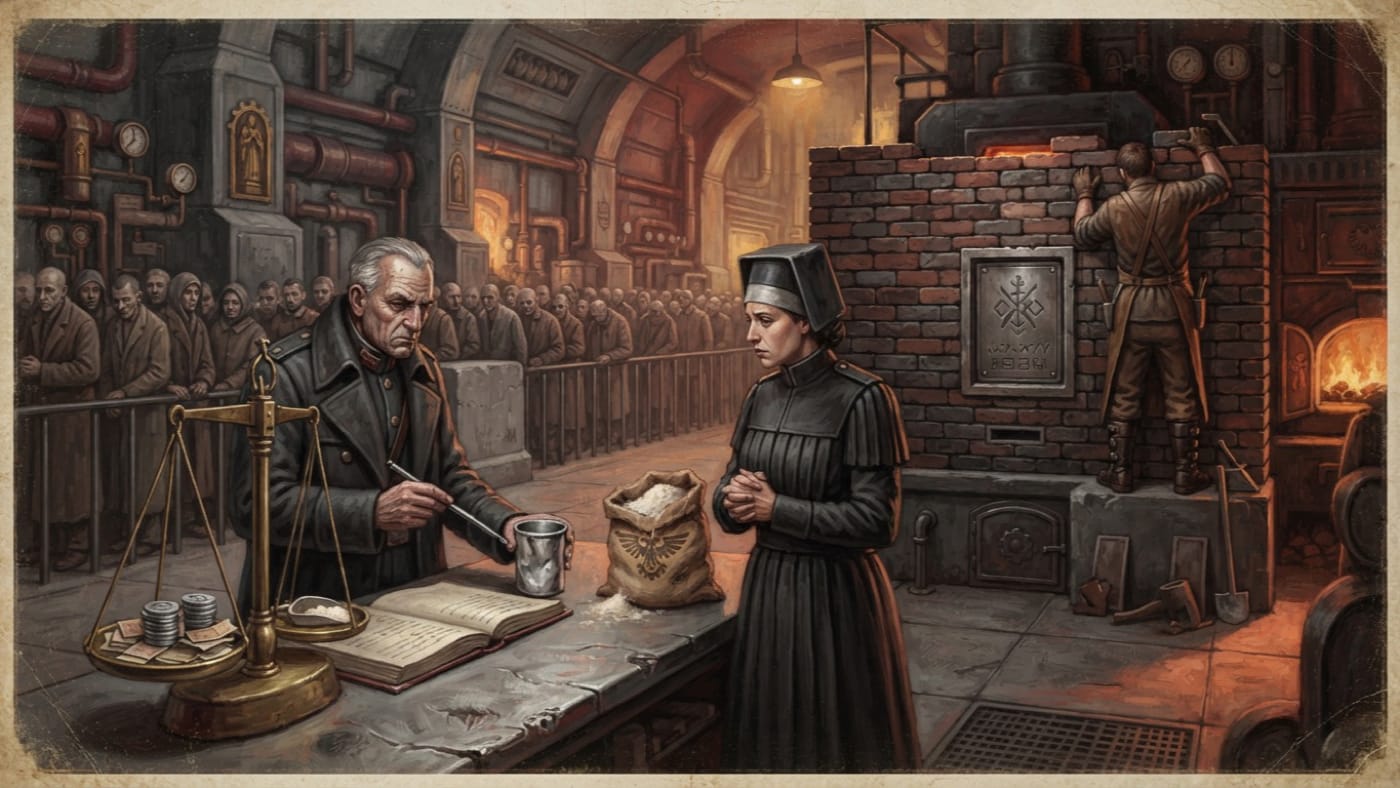
Bread Heresy
A short measure, a sealed wall
Bread heresy names the Church's charge against flour skimming, forged chits, hoarding, and unauthorized feeding. The cup measures the shortfall; the wall receives its assigned name.
Codex Ref. XIII.1.06-001
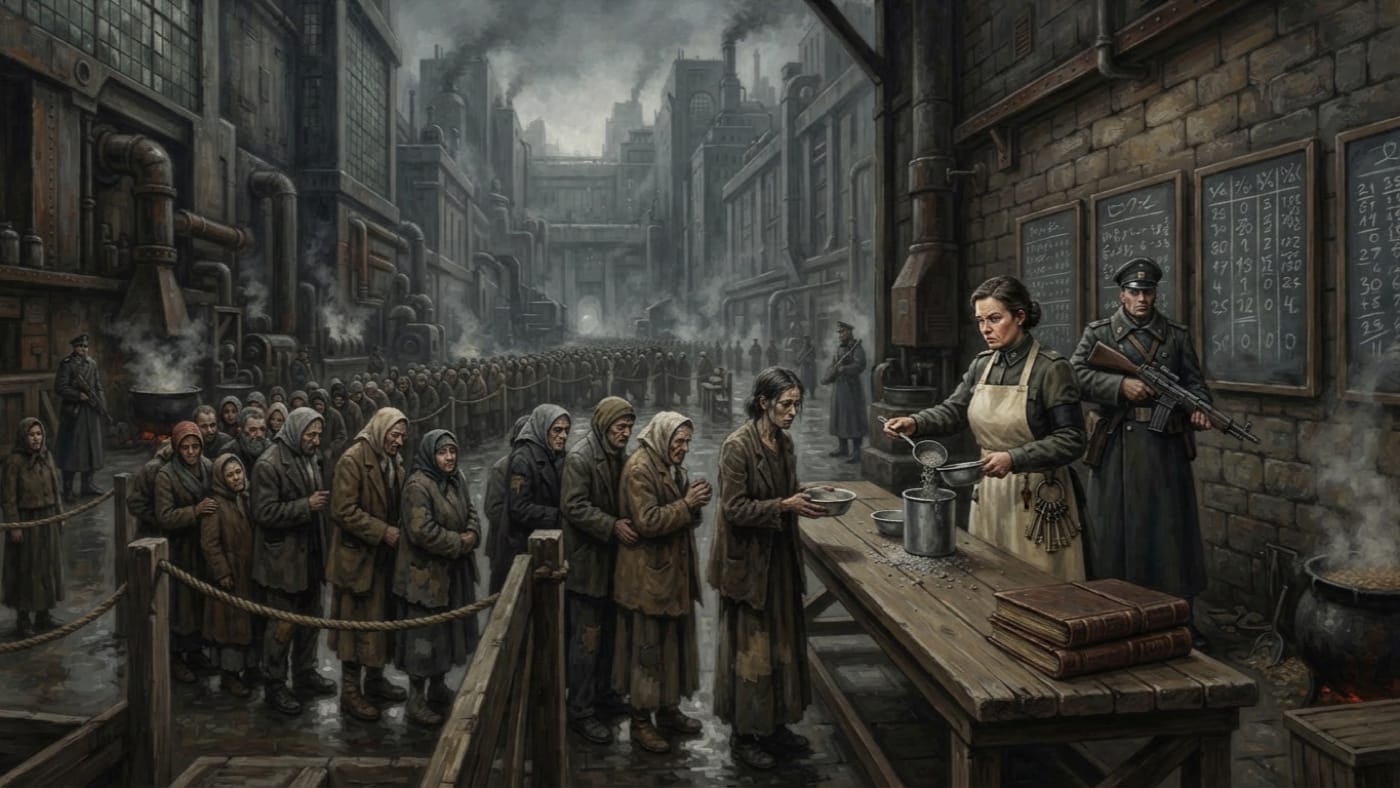
Breadfire Week
The ledgers burned; the guards remained
An A.S. 201 survey of Breadfire Week: ration halls burned in three unnamed bastion cities, records went with them, and the Mothers of Plenty gained guards and enforcement authority. The year remains disputed; the queue remains governed.
Codex Ref. VII.8.10-337
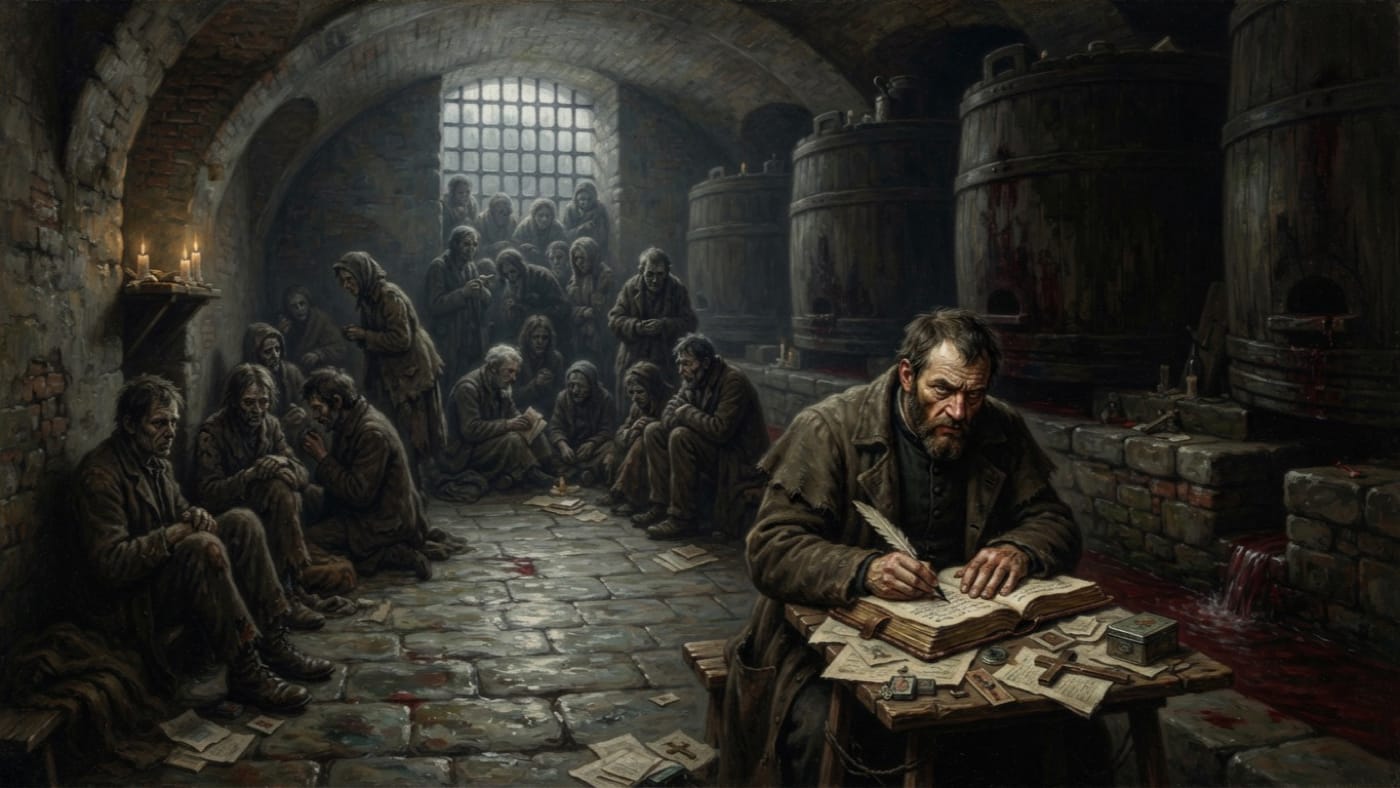
Brewers' Quarter
Sixty souls beneath the vats
Cologne's brewing quarter sheltered sixty faithful beneath the vats. In A.S. 34 its drains ran crimson; Records preserved the journal and holds no survey of the stone.
Codex Ref. II.1.04-034
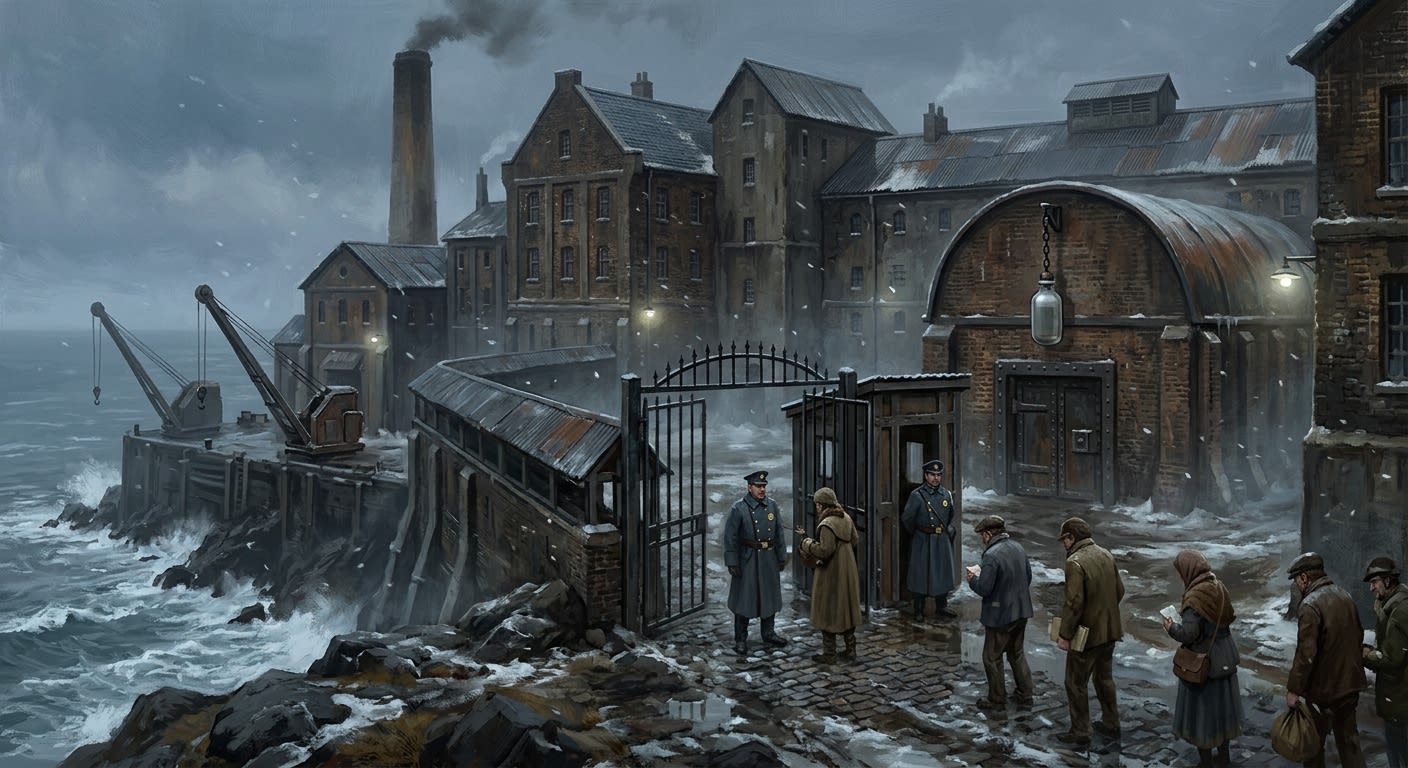
Brine Fork
Where three roads pay their grief before choosing a direction
Brine Fork is the Salt-Vigil island where winter roads divide, tolls become grief, and the Phial Cellar keeps the tears with better discipline than mercy.
Codex Ref. II.3.05-082
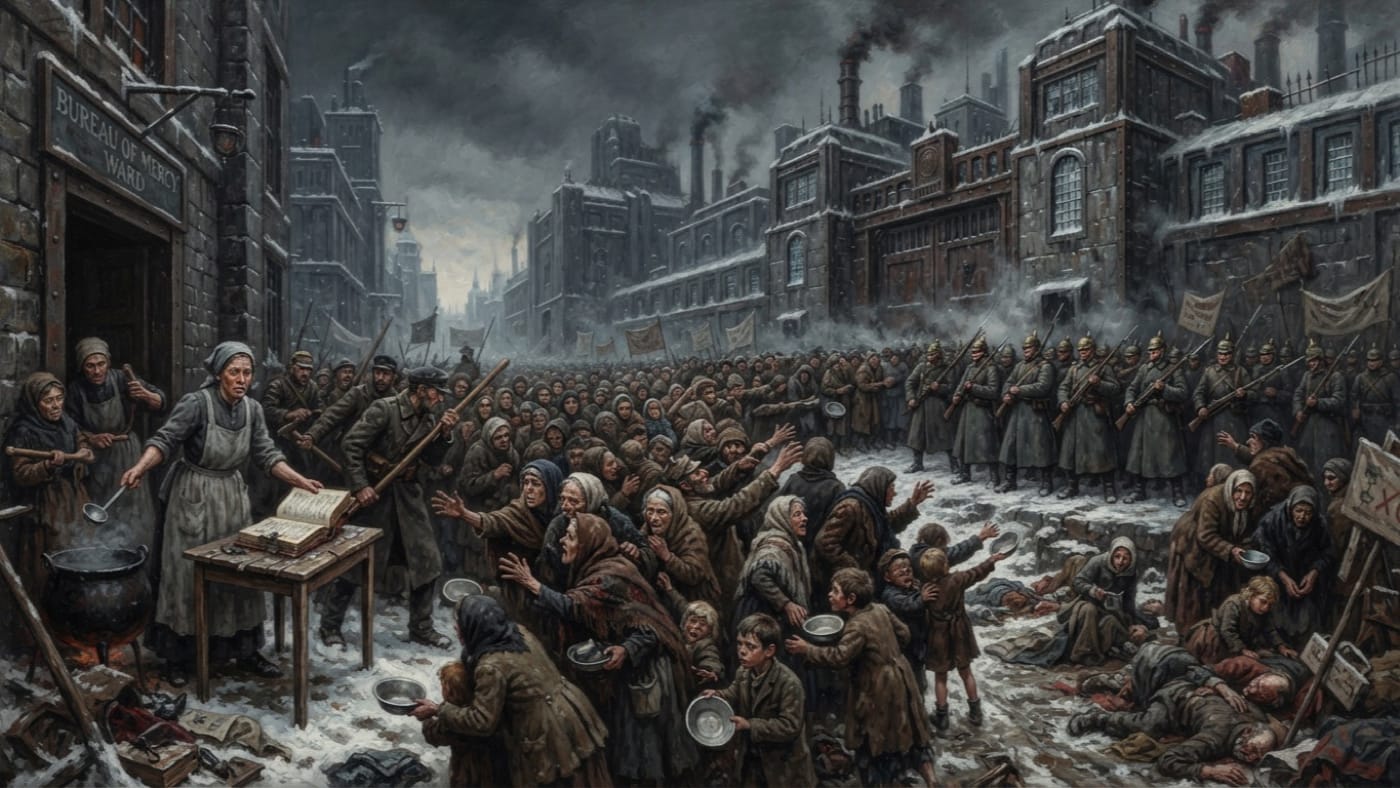
Broth Riots of A.S. 112
The hungry approached the granary; Mercy opened a ledger
The Broth Riots of A.S. 112 lasted eleven days: three hungry garrison populations sought grain; War supplied rifles, Purity arrests, and Mercy the Ledger Laws.
Codex Ref. VII.8.10-112
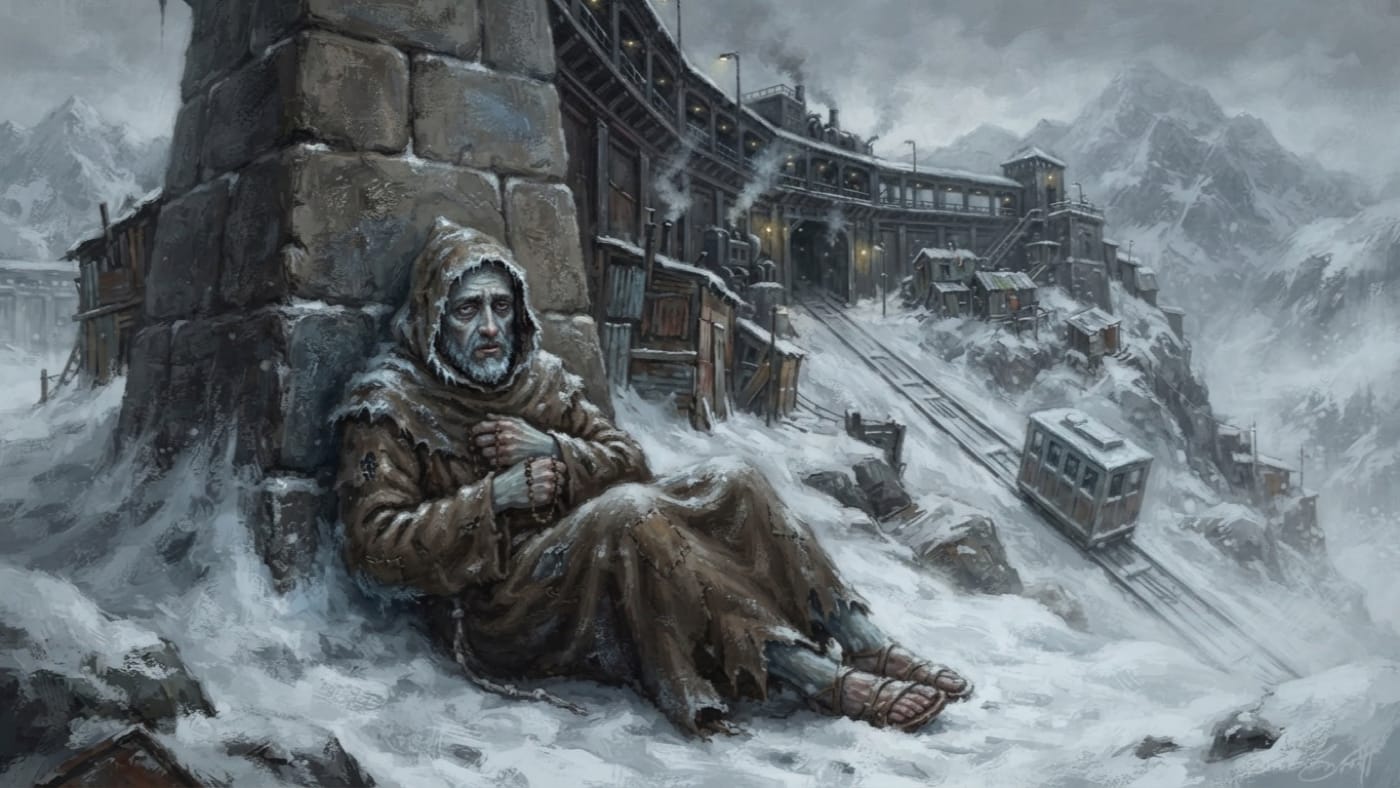
Brother Albrecht of Innsbruck
One dream, one reassignment, and a testimony the Church could not keep sealed
Brother Albrecht testified to a radiant dream-figure in A.S. 78. The Church filed his words and sent him to the Carpathian foothills, where he froze the following winter. His testimony escaped the archive; its copier remains unidentified.
Codex Ref. III.2.01-078
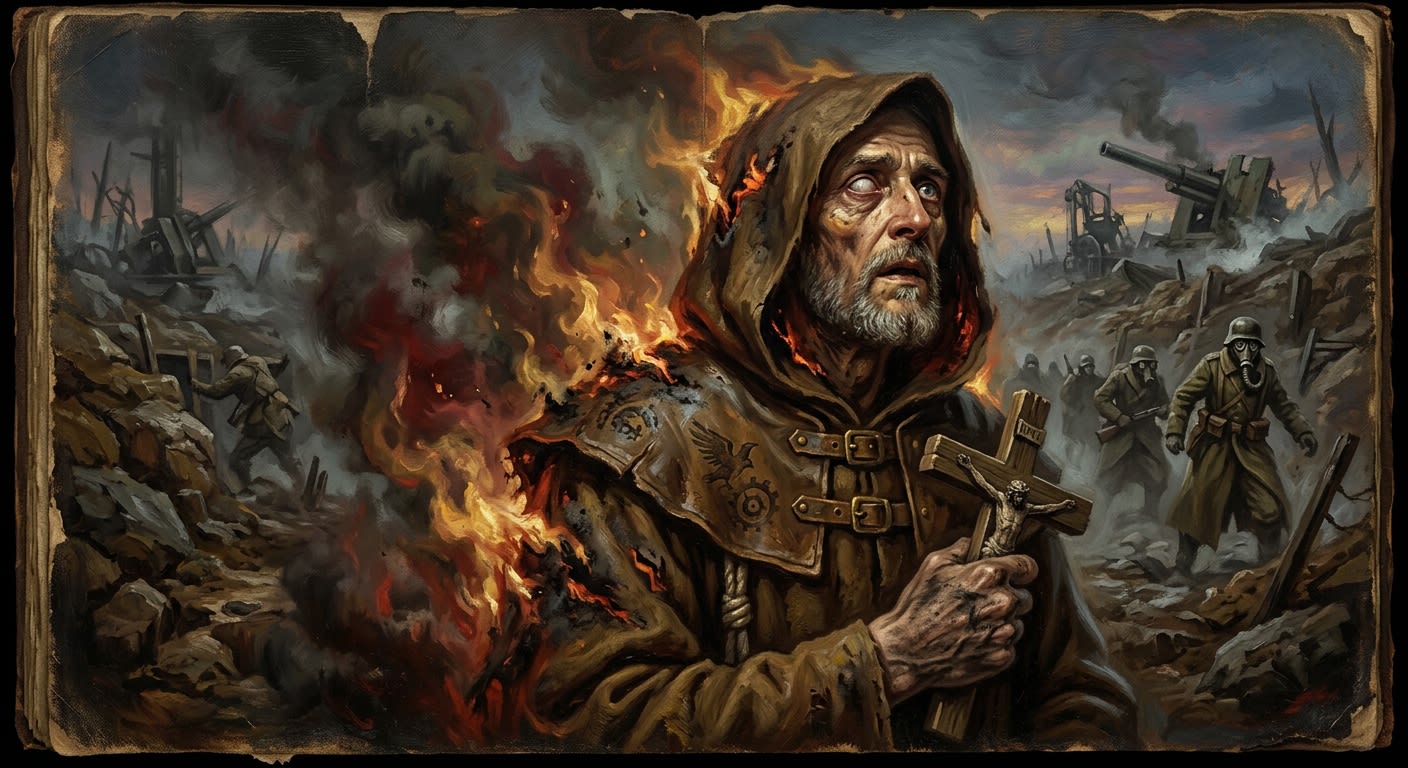
Brother Tomislav
The half-blind monk who lifted a reliquary and made Wrath recoil
Half-blind Franciscan, custodian by refusal, and instrument of the Miracle of Kalnik Ridge; consumed by sacred fire in A.S. 48, though the Bureau remains professionally unable to call him dead.
Codex Ref. III.2.01-004
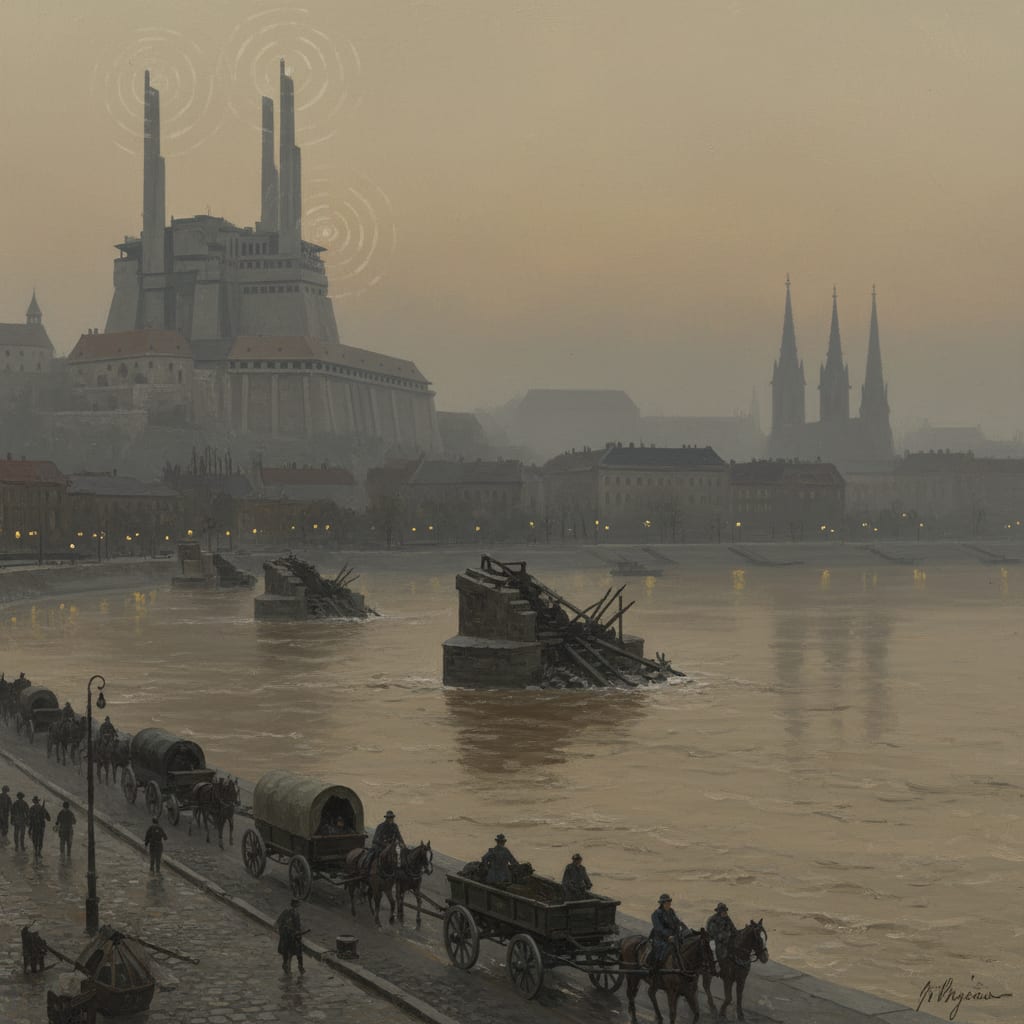
Budapest
The city the Danube cut in half, and the half that watches back
The largest city in the forward heartlands and the principal staging hub of the Central Corridor. 850,000 souls on the western bank, and something unaccounted for on the eastern. The Danube runs between them like a sentence the Bureau started and declined to finish.
Codex Ref. II.4.09-009
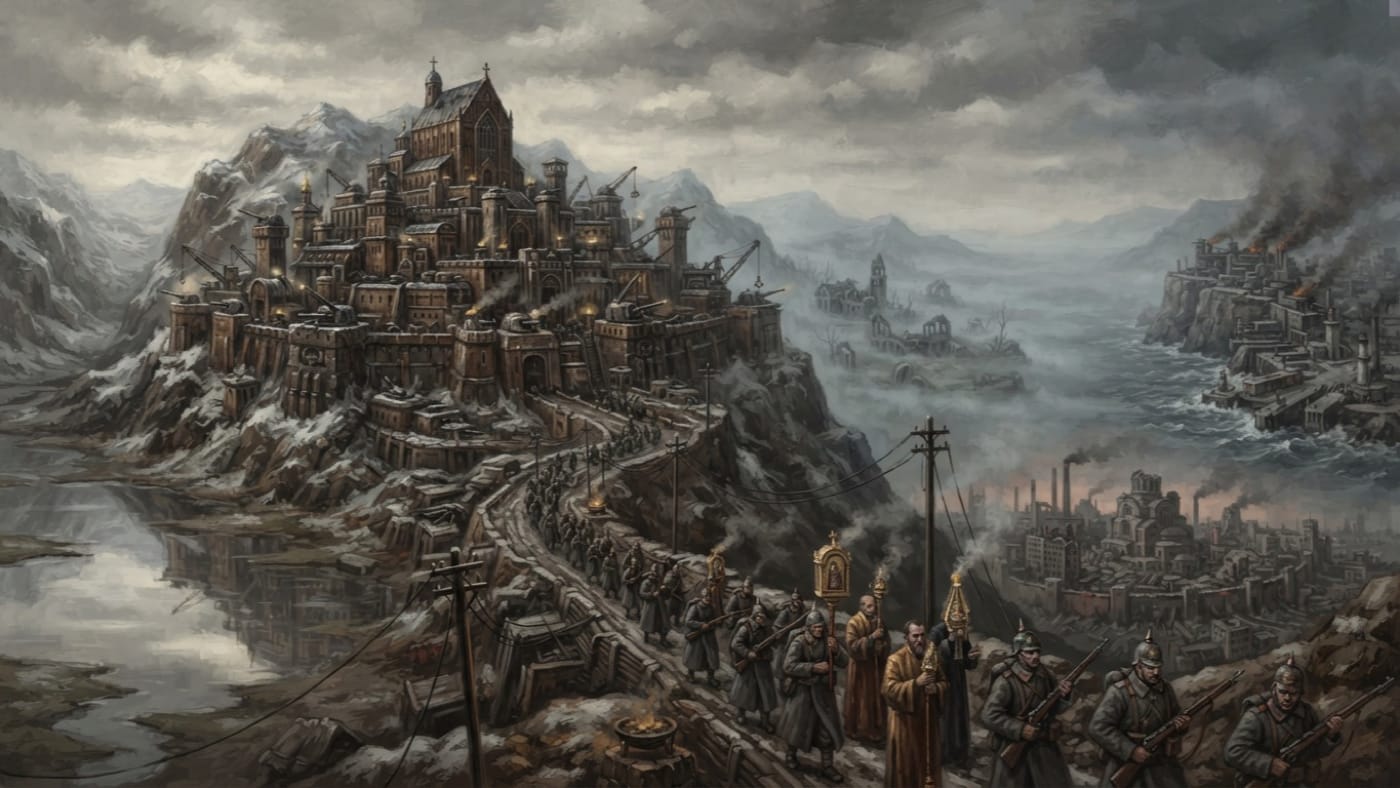
Bulgaria
Three holdings, disputed roads, and a name the Ledger keeps
Bulgaria remains held at Shipka, Sofia and Varna, contested along the approaches, and fallen beyond the returns. The Church keeps the country's name; its garrisons keep what ground they can.
Codex Ref. II.6.06-008
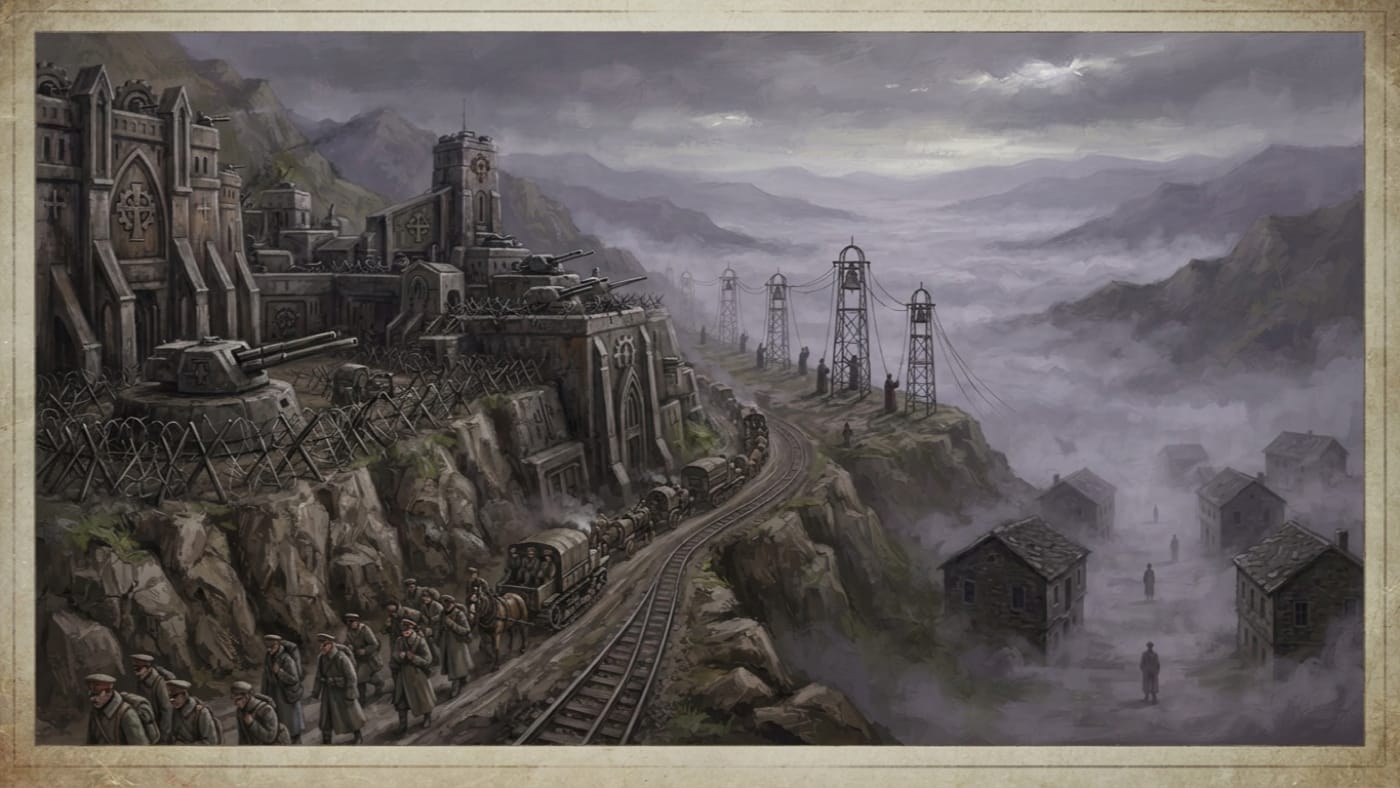
Bulgarian highlands
The villages remain on the rolls after their replies cease
Syrion's time-fog occupies the Bulgarian highlands in depth. Shipka holds the passage, the approaches remain contested, and the villages beyond the bells still receive letters they no longer answer.
Codex Ref. II.4.12-201
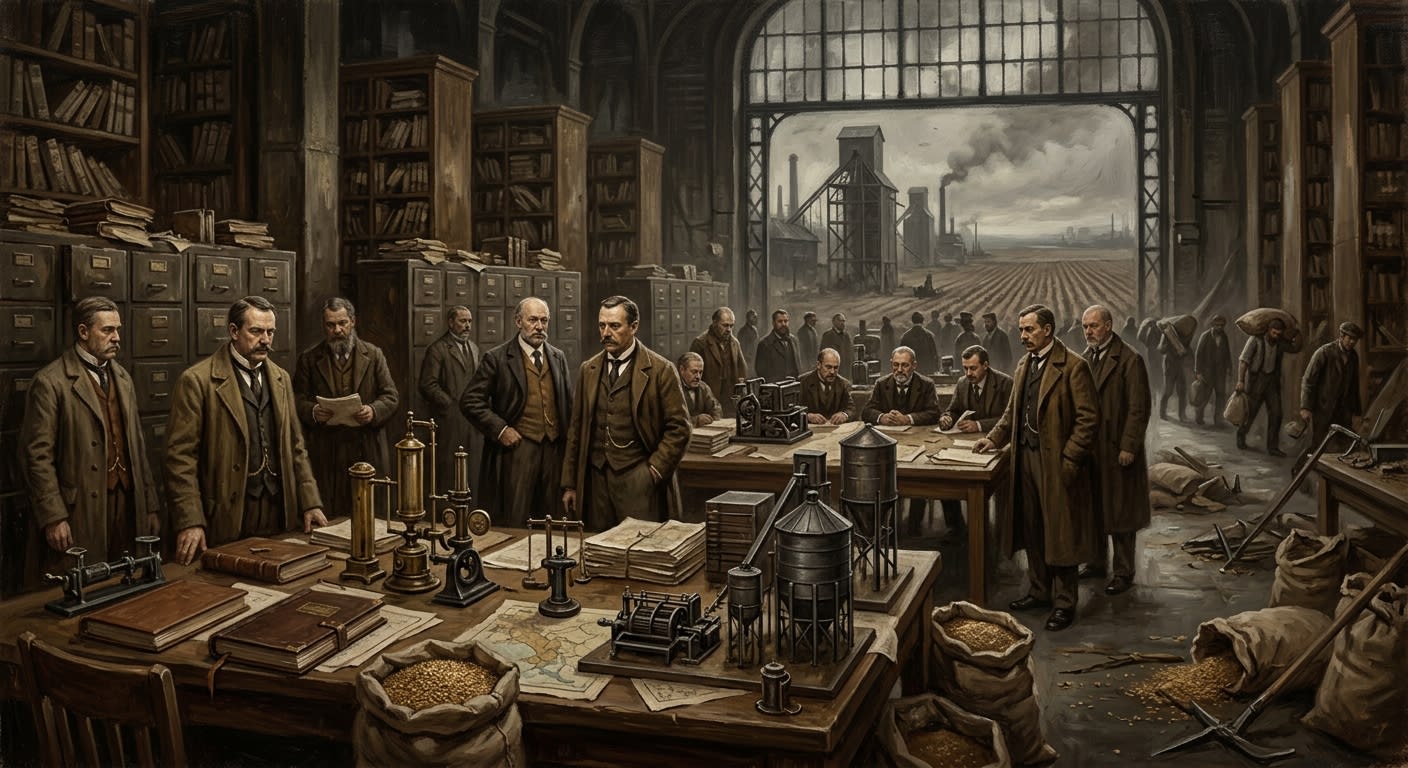
Bureau of Agriculture
The office that owned the wheat, but never the air inside the silo
The dissolved Bureau of Agriculture once governed seed, soil, yield, storage, and famine reports before the Weevil Year let Tithes inherit its grain authority.
Codex Ref. VIII.4.02-001
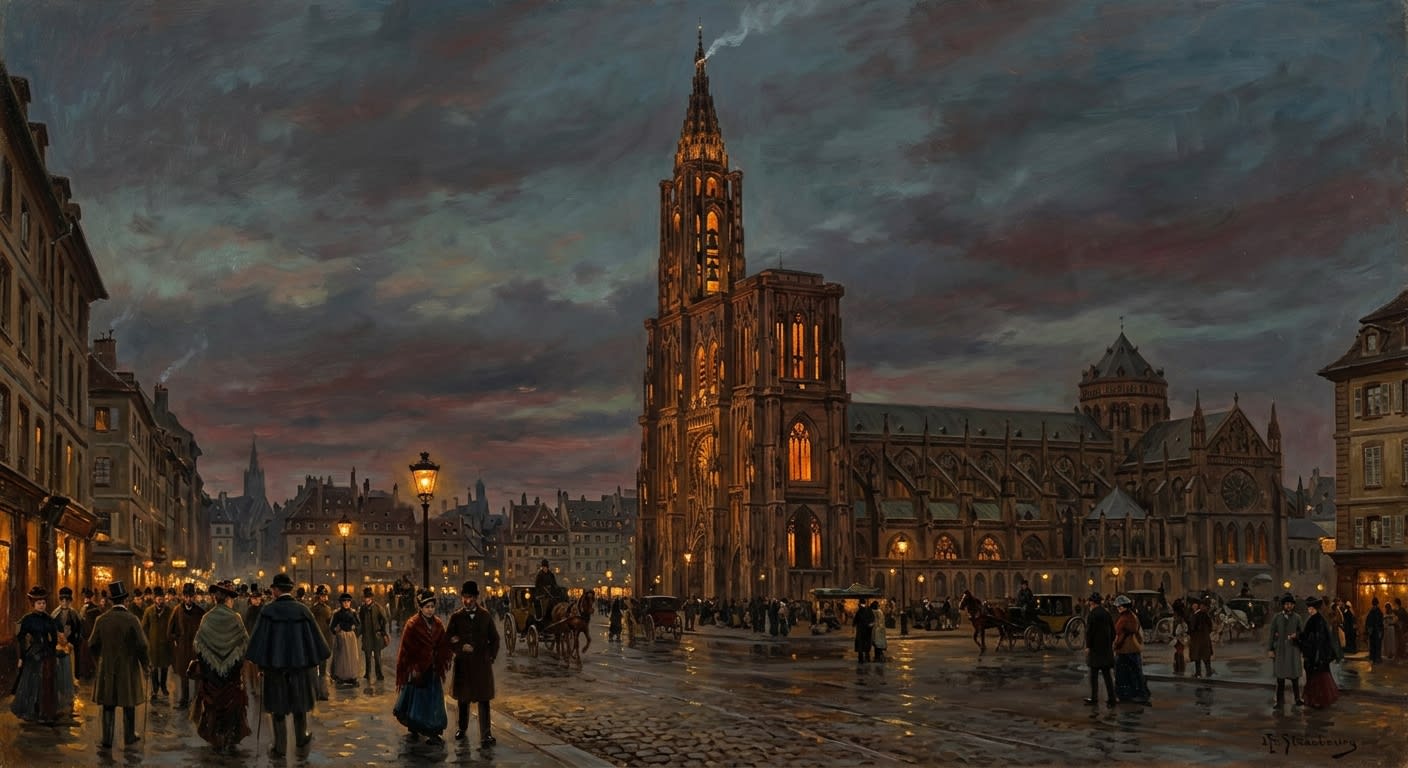
Bureau of Bells
Every hour is the Creator's hour. Every silence is His verdict.
The Bureau of Bells regulates every sacred peal from Calais to Constantinople — weapon, doctrine, and nervous system of the Theocracy, constituted A.S. 52 on the authority of a miracle that cracked the cobblestones.
Codex Ref. IV.3.01-012

Bureau of Cartography
The map lies so the army may arrive punctually
The Bureau of Cartography names, measures, revises, conceals, and occasionally invents geography so the Synod may tax, march, bury, and survive.
Codex Ref. VIII.2.09-090
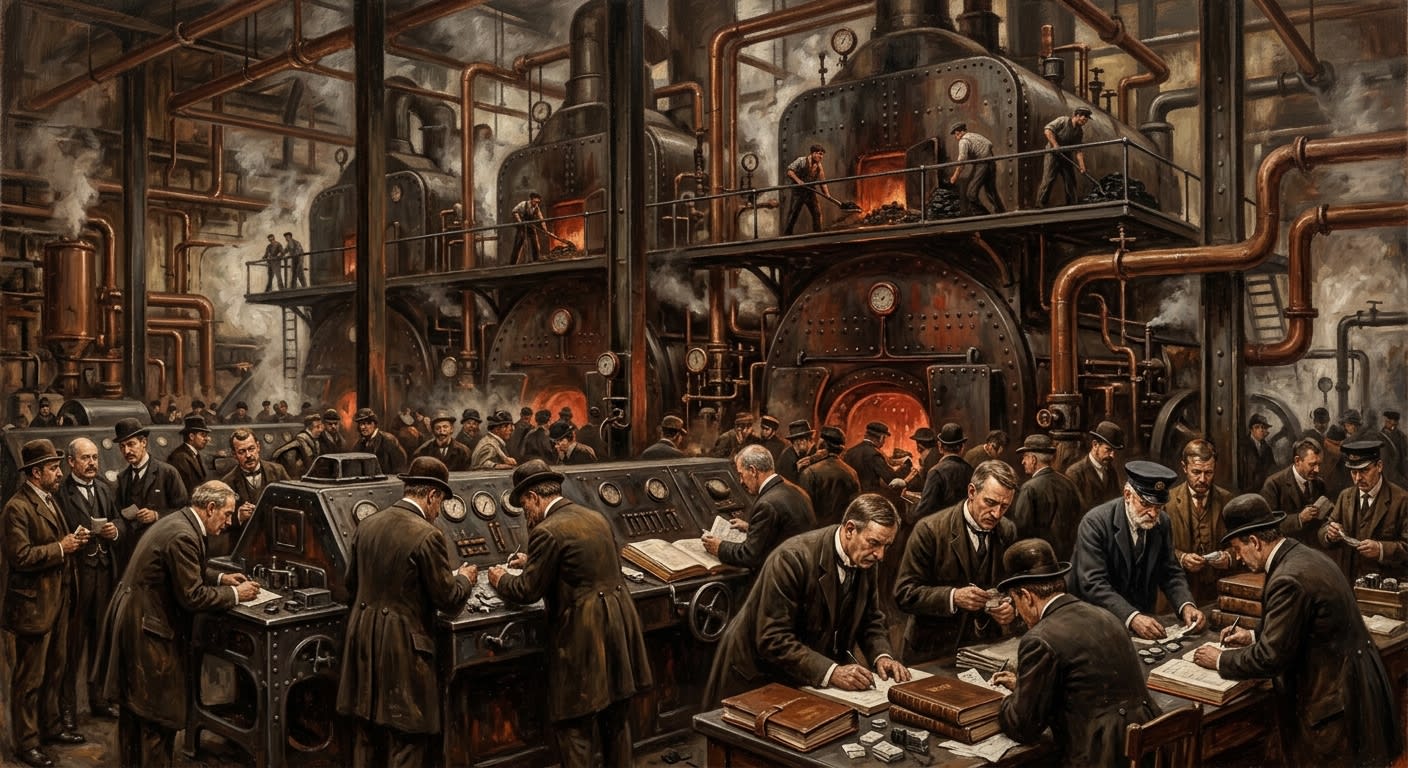
Bureau of Engines & Furnaces
The furnace burns because it must, and someone must invoice the flame
The Bureau of Engines & Furnaces governs the Synod's hot machinery: fuel allowances, furnace discipline, wound-site yield, pressure systems, and every boiler too useful to condemn.
Codex Ref. VIII.2.02-001
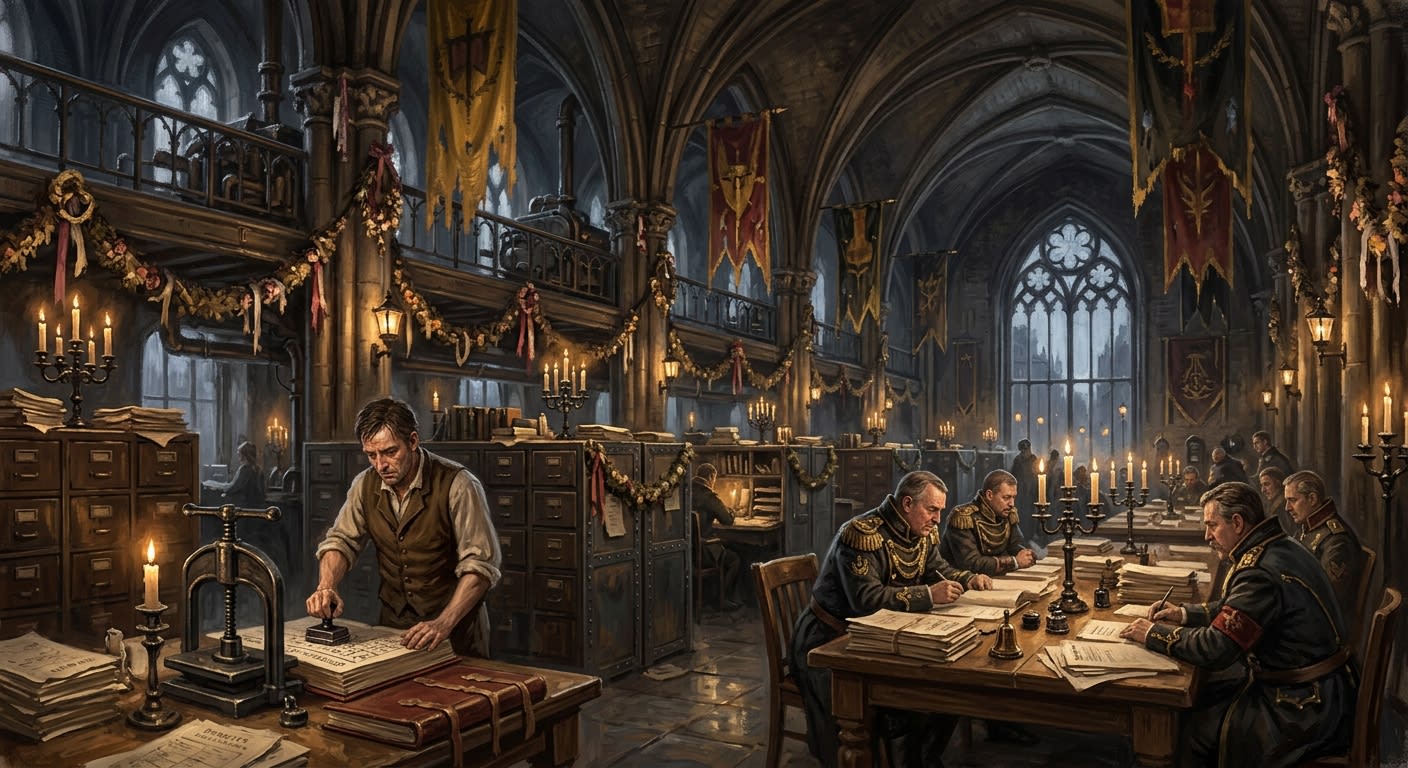
Bureau of Festivals
Joy, administered at scale — licensed, measured, and periodically revoked
The Bureau that manufactures joy, schedules grief, and meters celebration with the same rigour the Bureau of War applies to troop rotations — and which has, on seventeen documented occasions, deployed confetti.
Codex Ref. VIII.5.01-001
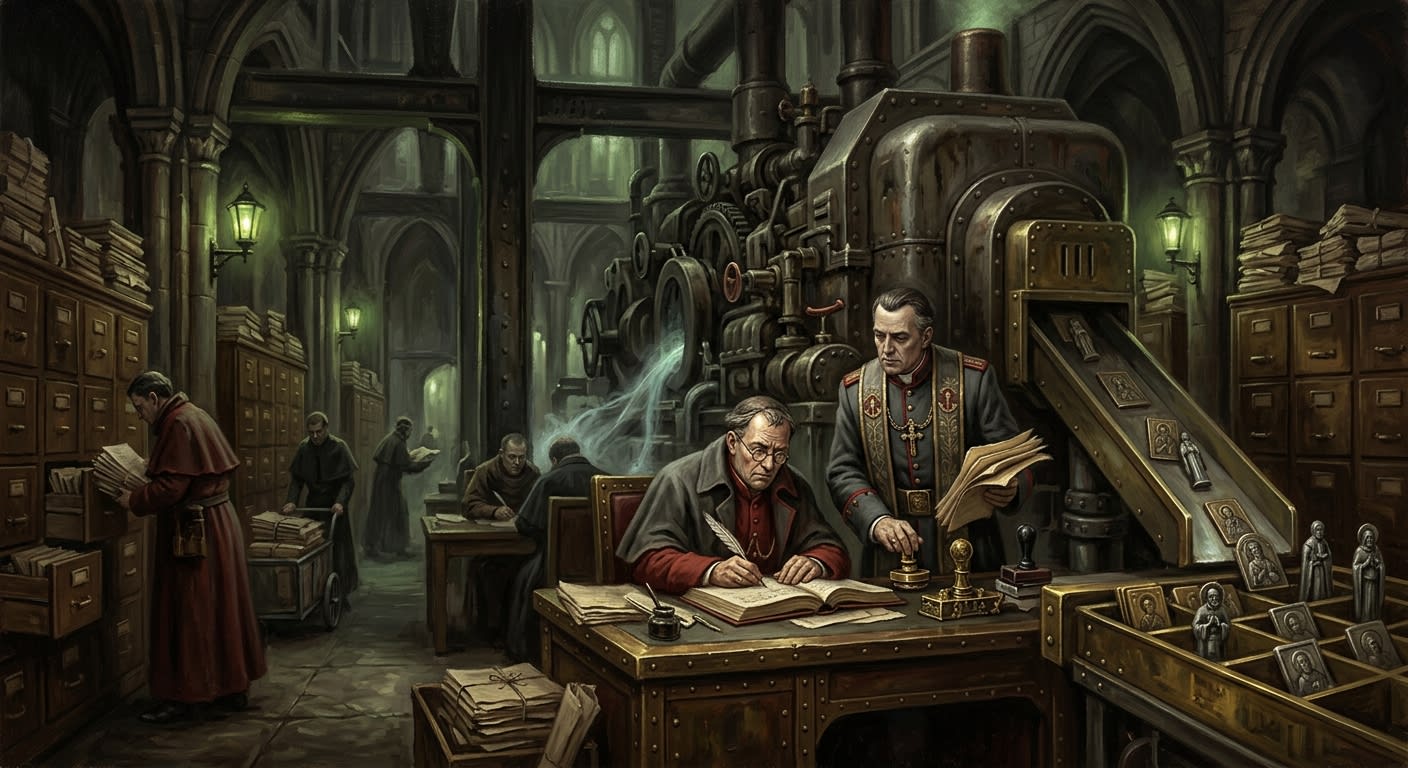
Bureau of Hagiography
The dead may vote only after editing
The Bureau of Hagiography edits the dead into useful saints, delaying, ratifying, taxing, suppressing, and polishing grief until it obeys.
Codex Ref. VIII.6.03-112
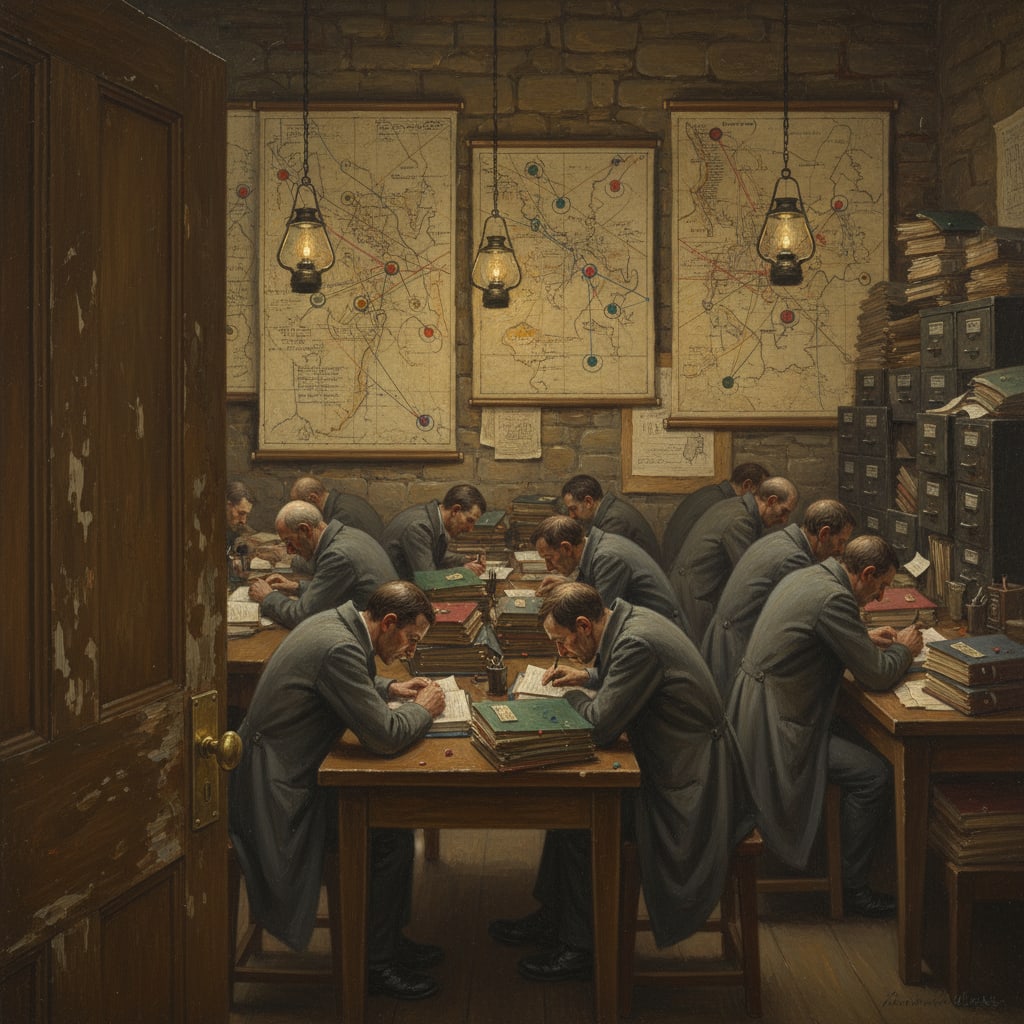
Bureau of Inter-Infernal Analysis
Fourteen analysts, three rooms, one assumption; the Line holds because the assumption holds
The Bureau that watches Hell watch itself — fourteen analysts cataloguing the rivalries among the Seven Sin-Generals, amplifying their feuds, and verifying quarterly that spite remains the Sagittal Line's most reliable load-bearing element.
Codex Ref. VIII.7.01-001
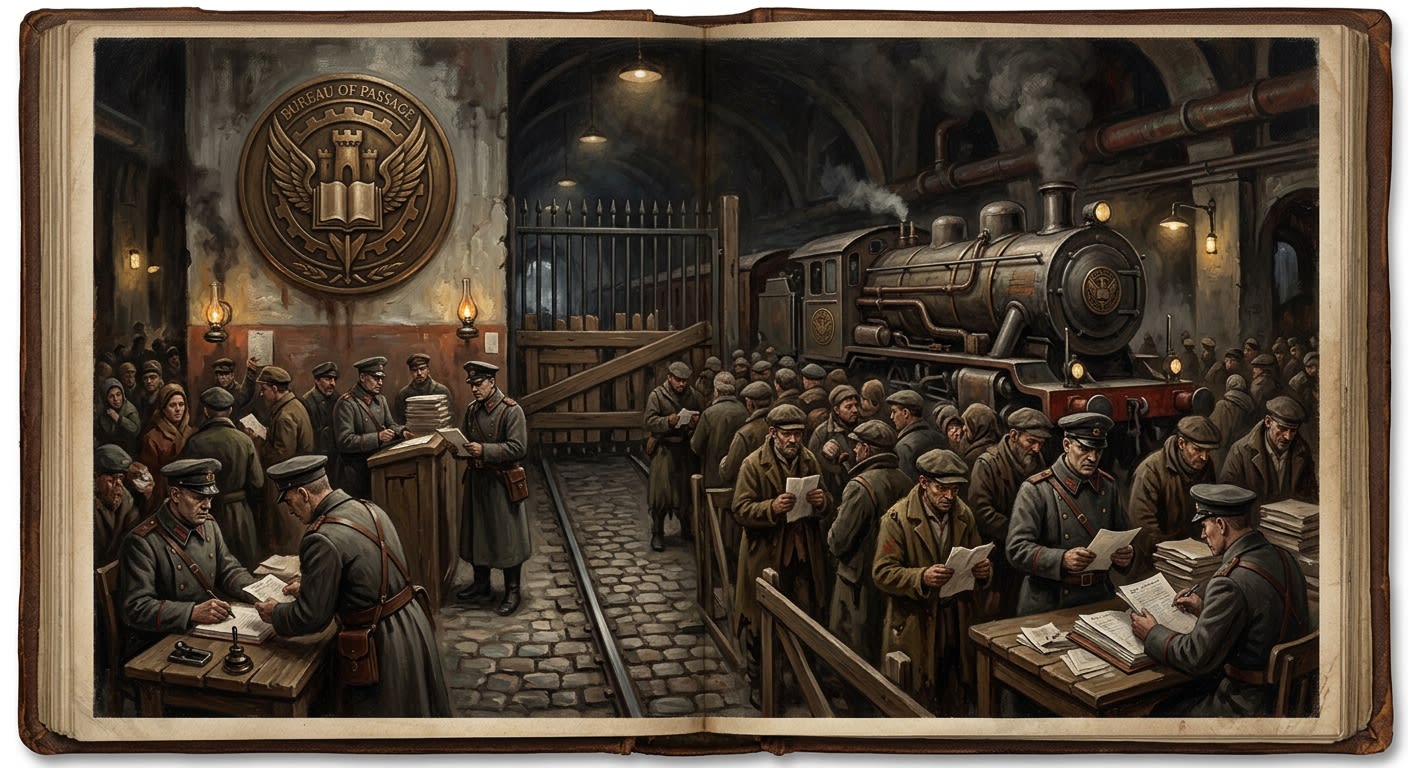
Bureau of Passage
The hand at the gate, ink-stained and pleased with itself
The Bureau of Passage owns the sacred interval between wanting to move and being permitted to do so; every road becomes doctrine where its seal descends.
Codex Ref. VIII.2.07-001
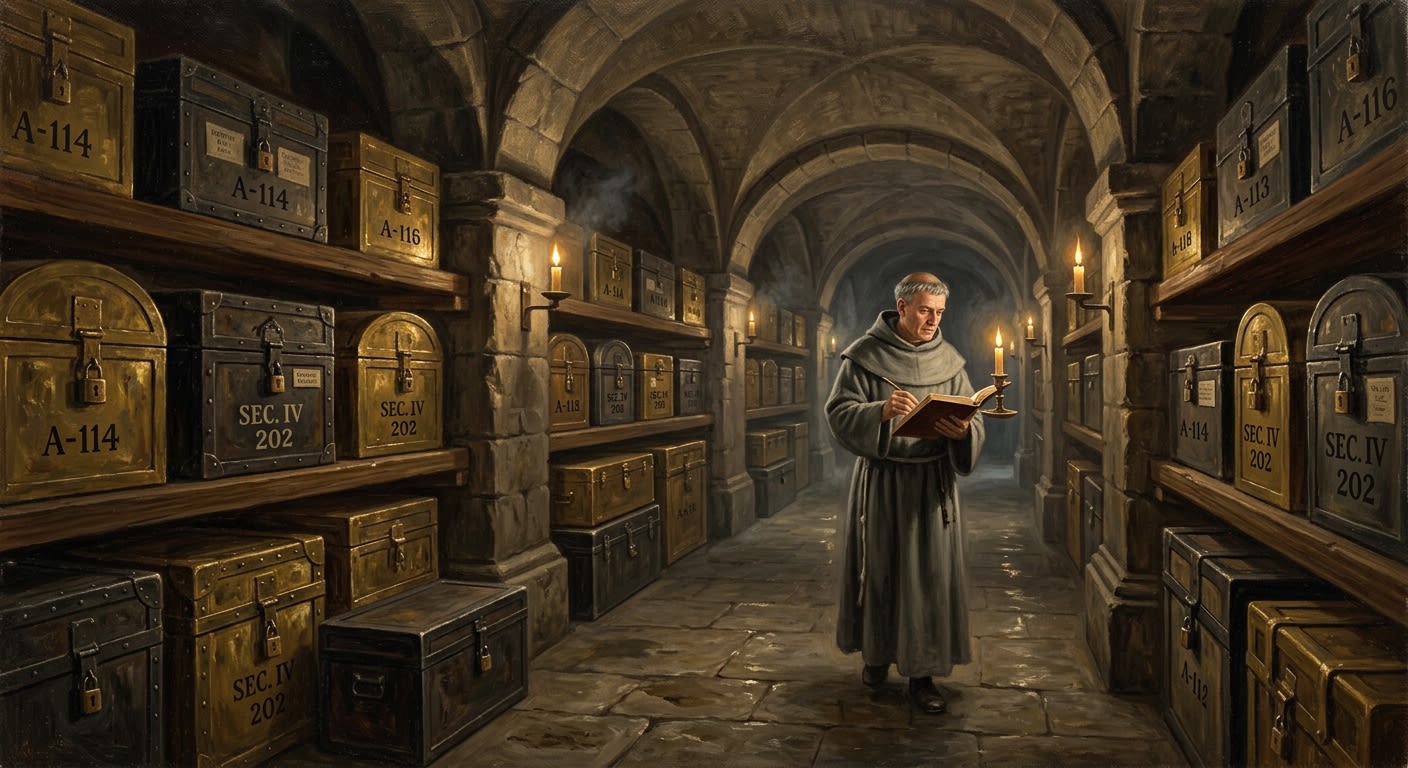
Bureau of Relics
The stamp is not the sanctity. The stamp is merely necessary.
The Bureau of Relics guards four thousand seven hundred authenticated bones, adjudicates the holiness of ash, and maintains the cheerful institutional fiction that it controls the things it catalogues.
Codex Ref. IV.3.12-019
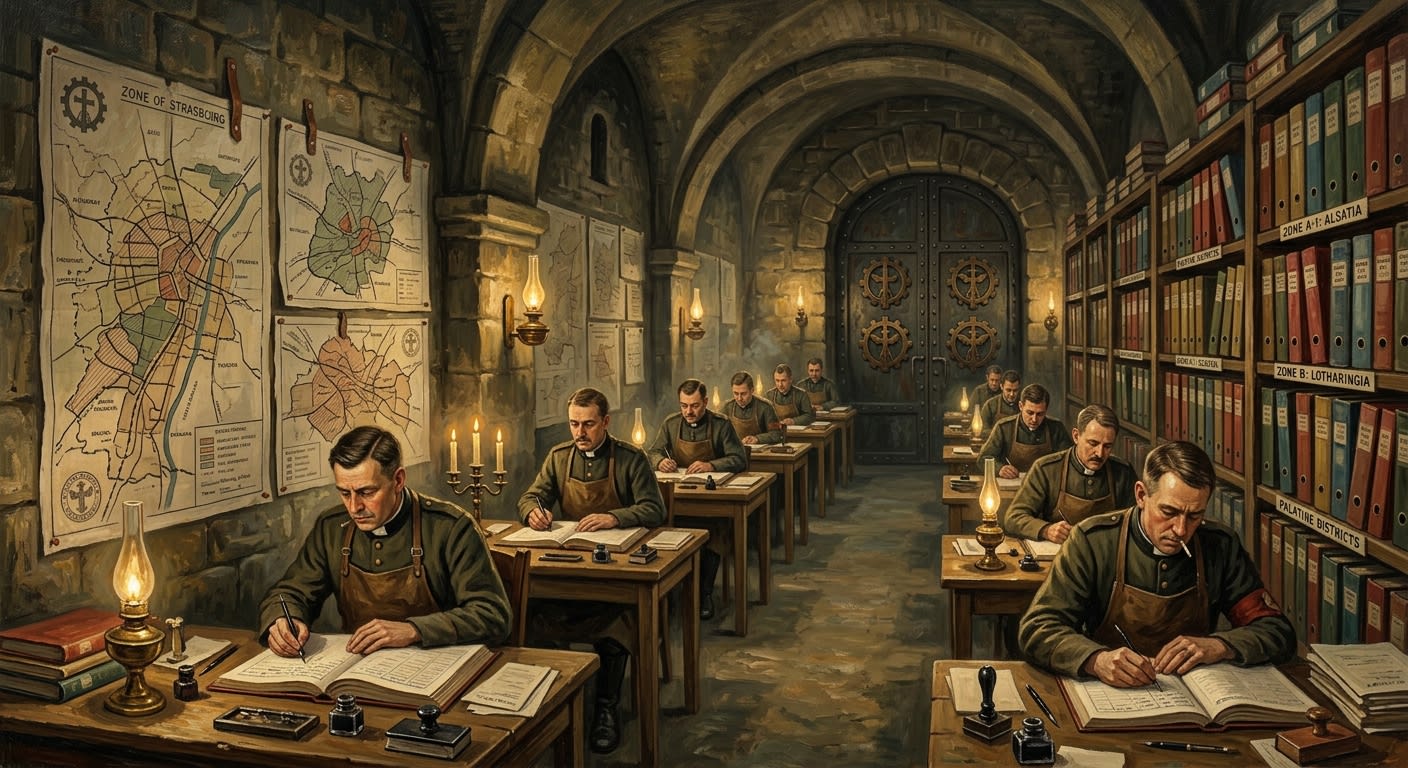
Bureau of Settlement
Where three hundred million subjects are permitted to stand — and by whose leave.
The Bureau of Settlement does not appear in the twelve canonical portfolios. No crimson sash, no hymn. What it has is authority over the address of every living subject of the Theocracy — and the knowledge that no one listens until the plumbing fails.
Codex Ref. IV.3.08-001

Bureau of Tithes
The organ no one praises and no one dares remove
The Bureau of Tithes is the Synod's fiscal organ — the stomach no one praises and no one dares remove. It taxes breath, grain, bereavement, and the management of its own taxation.
Codex Ref. VIII.4.01-001
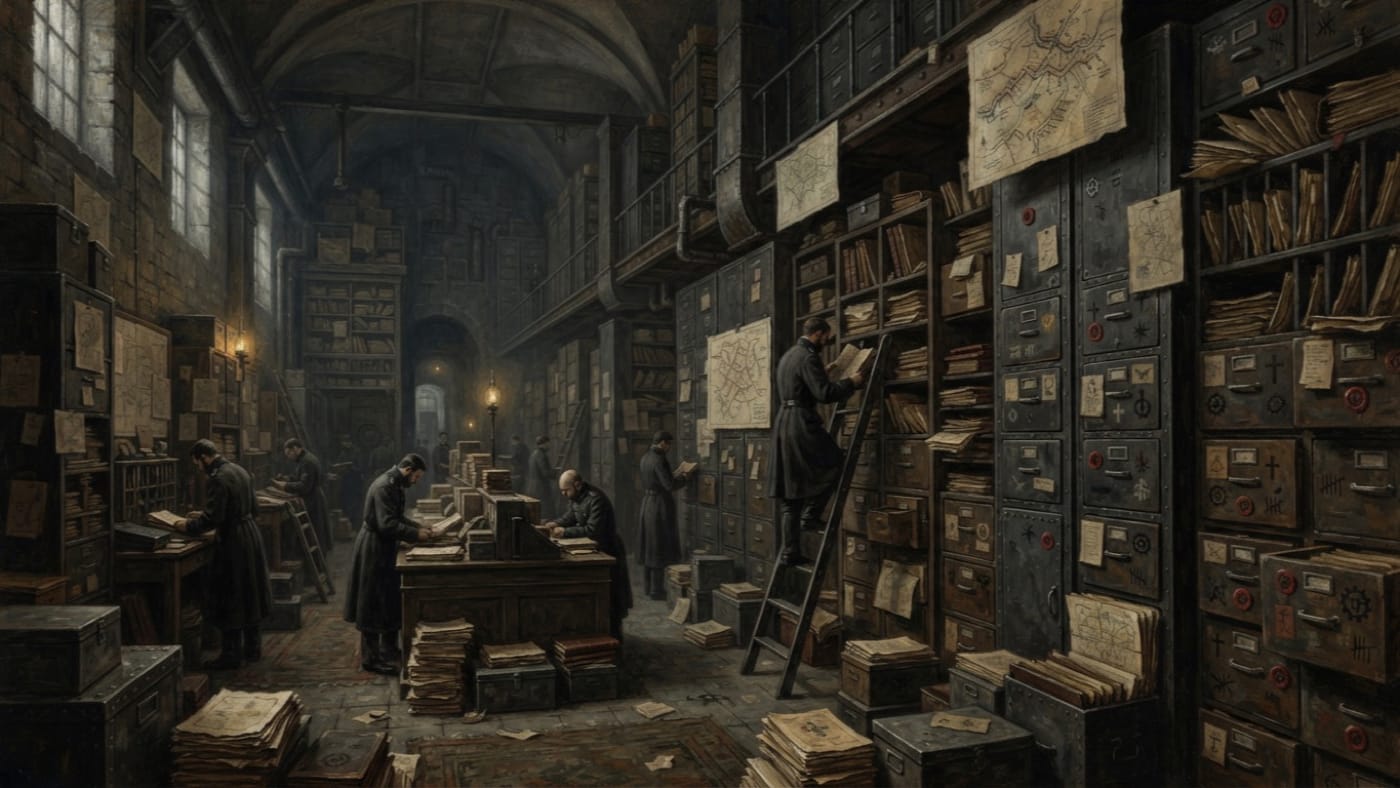
Bureau of War archives
What the next commander must know
The Bureau of War's operational memory: maps, assessments, supply rolls and field images kept against the next assault. Doctrine may correct the account; the guns still require the arithmetic.
Codex Ref. III.2.07-042
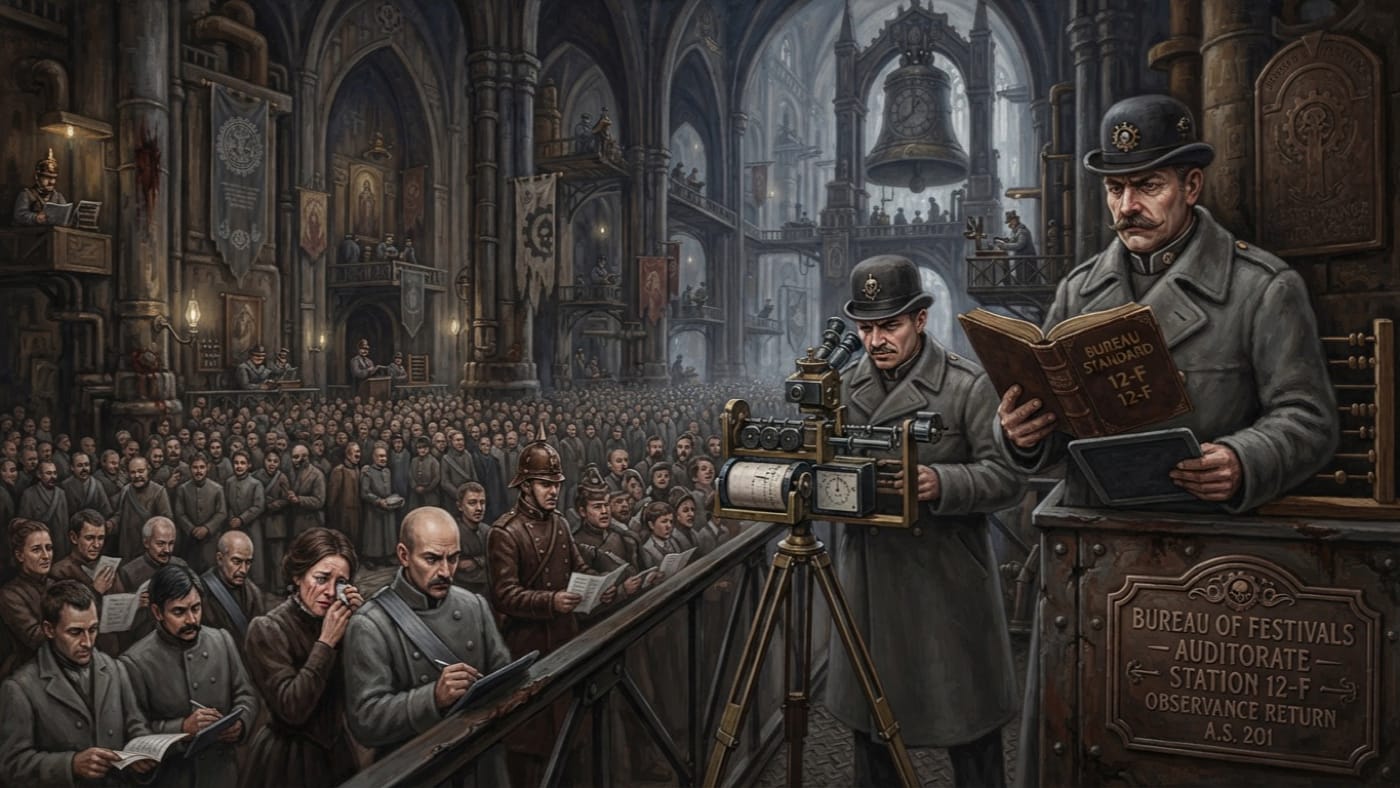
Bureau Standard 12-F
The heart has no column; the face owes a return
The Bureau of Festivals scores smiles, tears and songs under Standard 12-F. Forty-two behaviours yield three classifications, with four points between insufficient zeal and dangerous emotion. The heart is spared a column.
Codex Ref. VIII.5.12-201
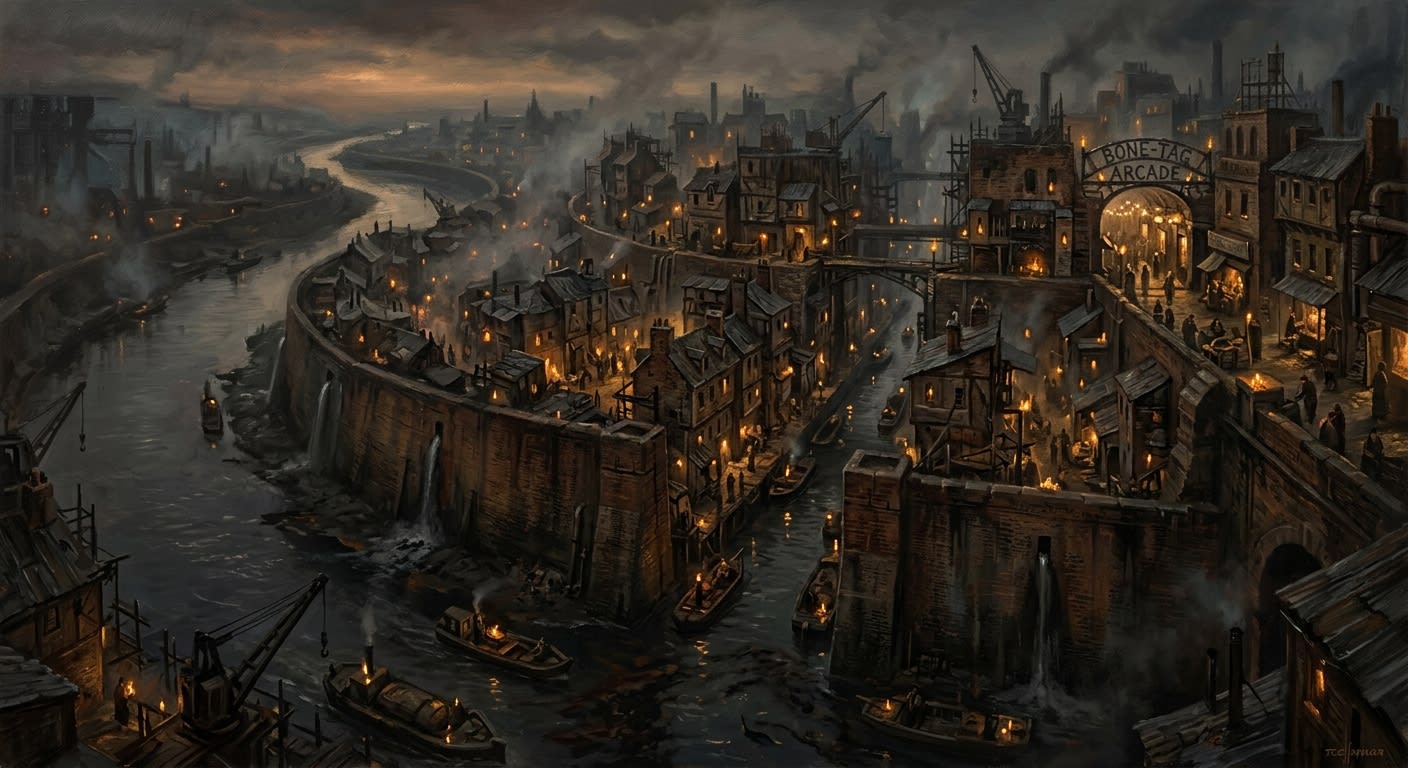
Candle-Sump District (Lower Vire)
The gut of Lower Vire — it was supposed to be a drainage ditch
The gut of Lower Vire — a drainage ditch that metastasised into a district of forty-two thousand souls, where tallow feeds the wards above, bone tags stamp the dead into existence, and the crypt-route drafts murmur names no one asked to hear.
Codex Ref. II.1.05-001
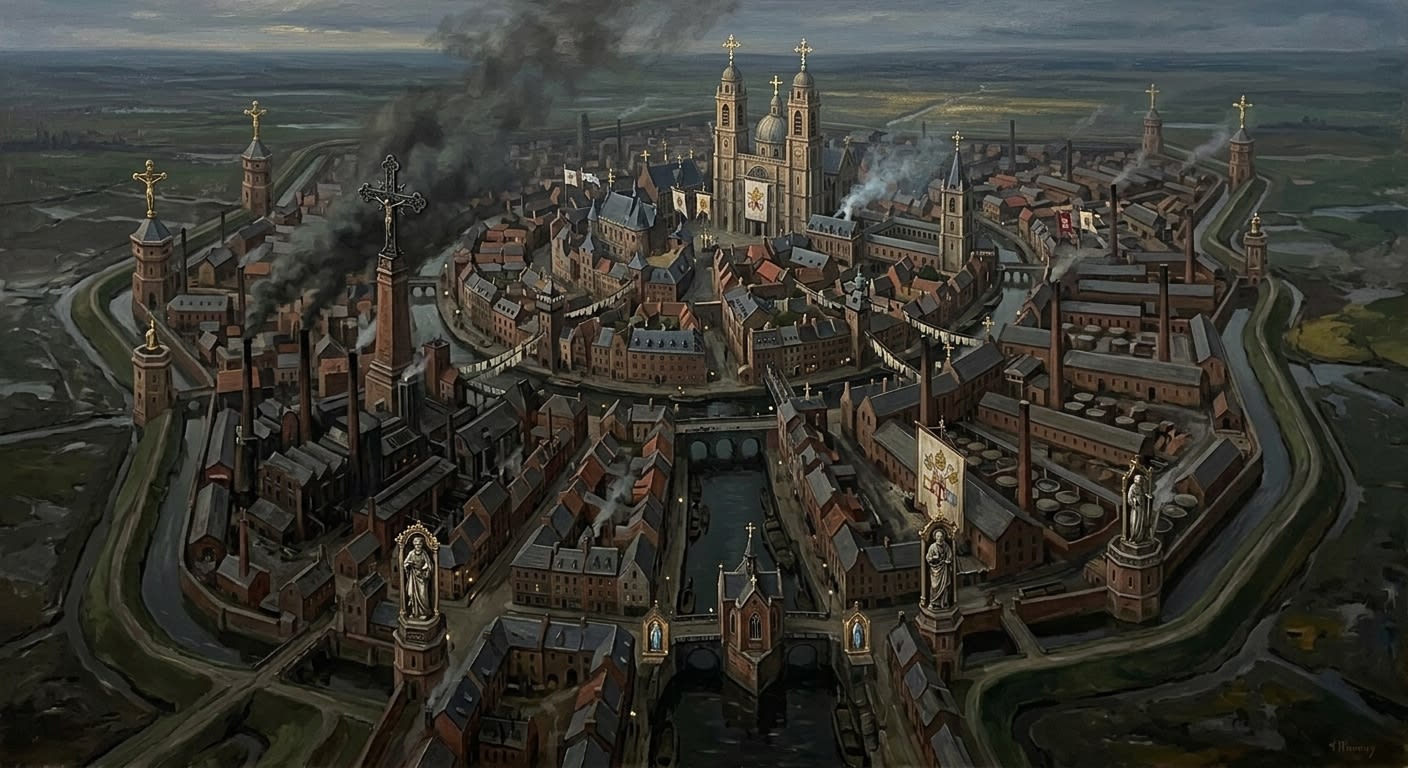
Candlewick Palatinate
Where Legitimacy Is Manufactured, and Colour Is Law
Canal city of chandlers, dyers, and wax-merchants whose misfortune was to be competent and noticed. The Candlewick Palatinate supplies the Synod with seals, sanctioned inks, and watermarked paper — and thus with the material substance of reality itself.
Codex Ref. II.1.01-001
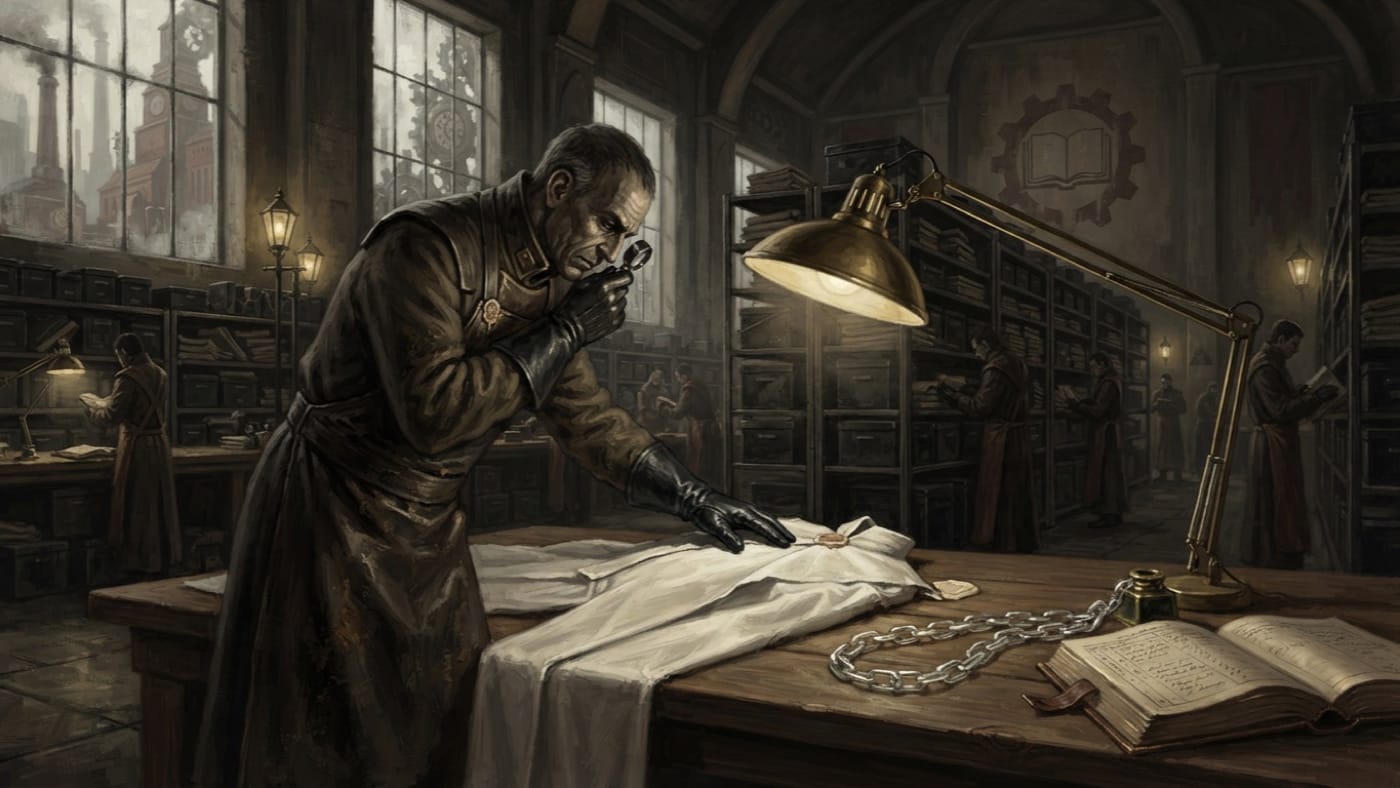
Candor Veritatis
Truth is a condition of cloth, subject to inspection
The whiteness of truth is the mantle standard in Hildegarde's A.S. 62 decree. Linen identifies the officer; inspection supplies the theology.
Codex Ref. XIII.1.88-063
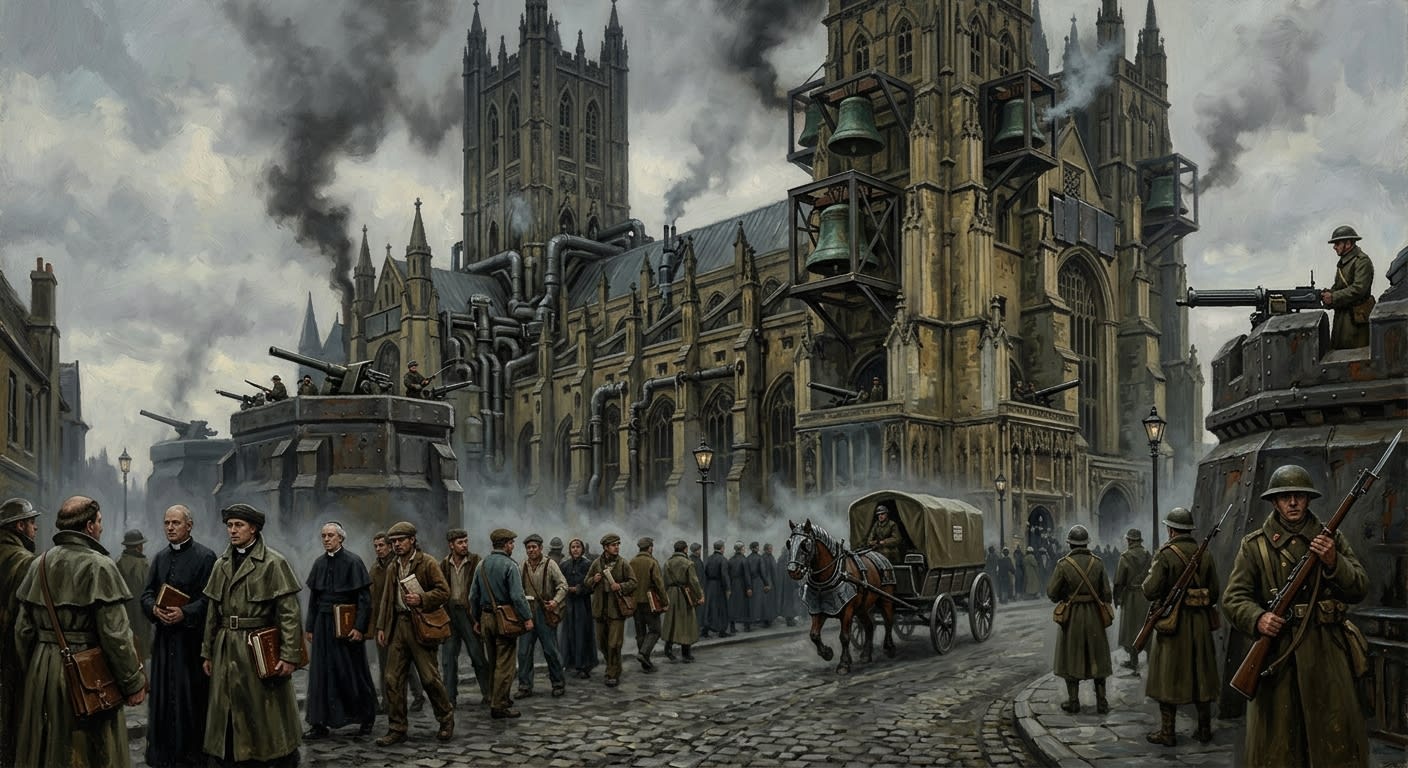
Canterbury
The cathedral that refused to become a bureau
Canterbury is the British Crown's cathedral-seat: old, armed, bell-ridden, unaudited, and infuriatingly functional beyond Strasbourg's forms.
Codex Ref. II.0.01-201
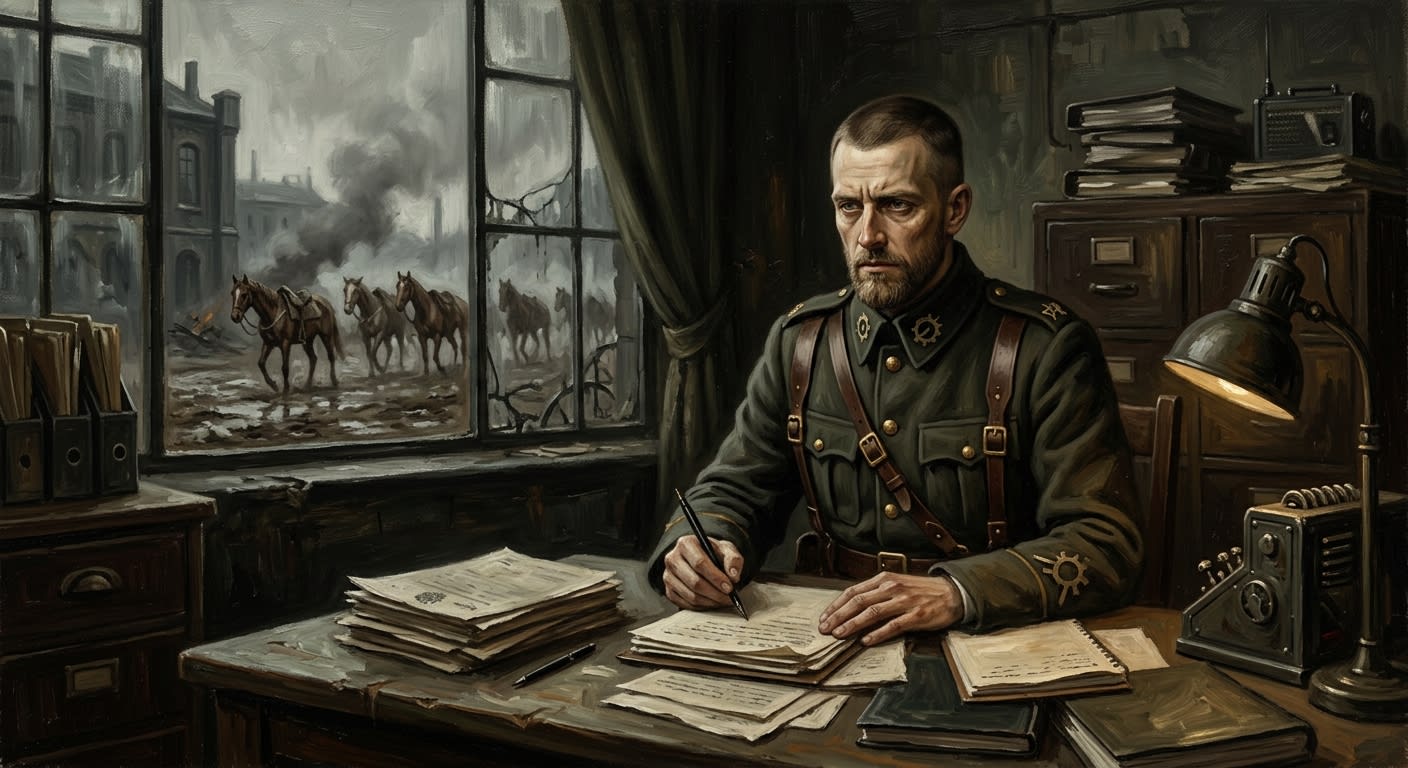
Captain Elias Mürren
The cavalryman who accepted hunger's polite invitation and kept the receipt
Rationalist cavalry captain and Debrecen survivor whose A.S. 49 deposition records sorcerous provender, vanished horses, and hunger with the manners of a clerk.
Codex Ref. III.2.01-082
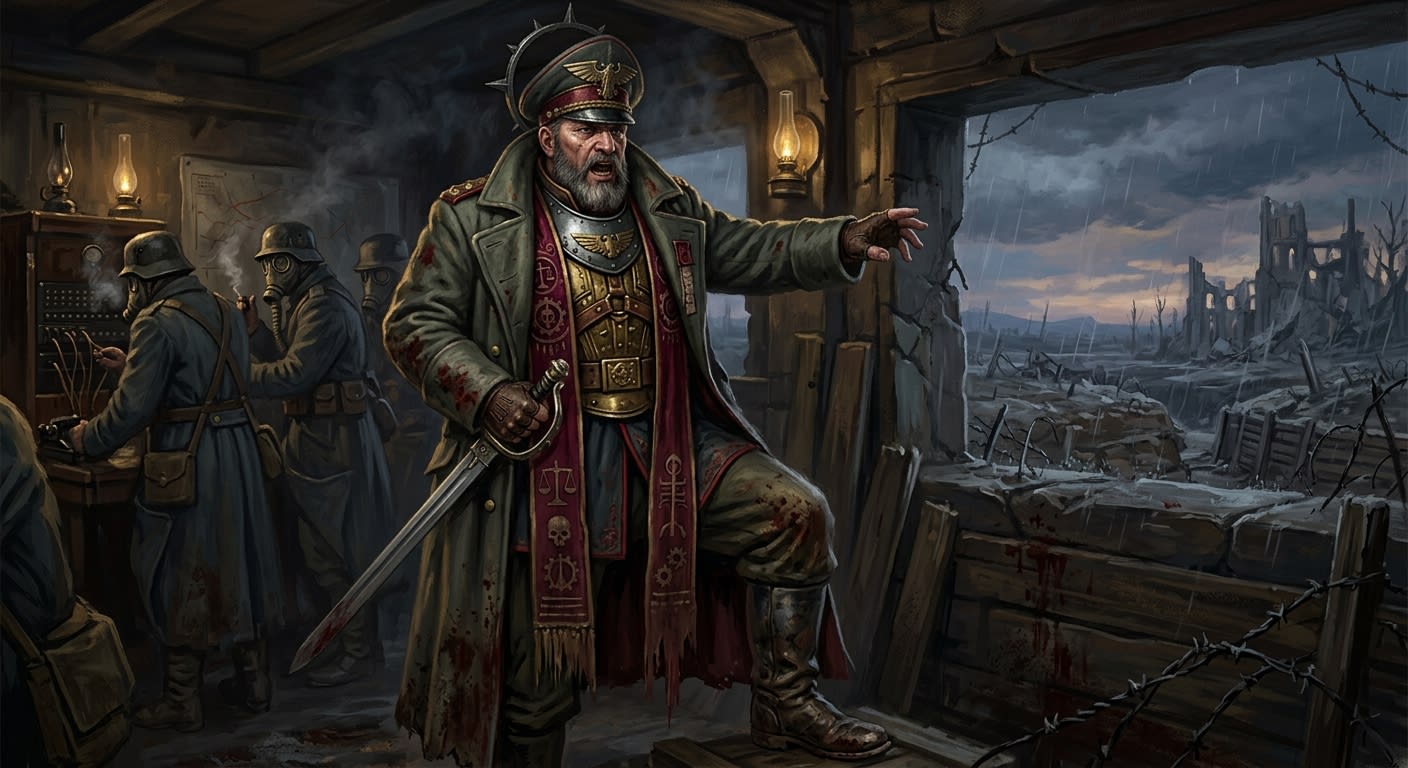
Cardinal-Marshal Severin of Avignon
The tourniquet of Montreval, ugly enough to save a front
Severin of Avignon held Montreval through the Atheist Wars: severe, loud, bloodstained, and too useful for the Bureau to canonise cleanly.
Codex Ref. III.2.01-007
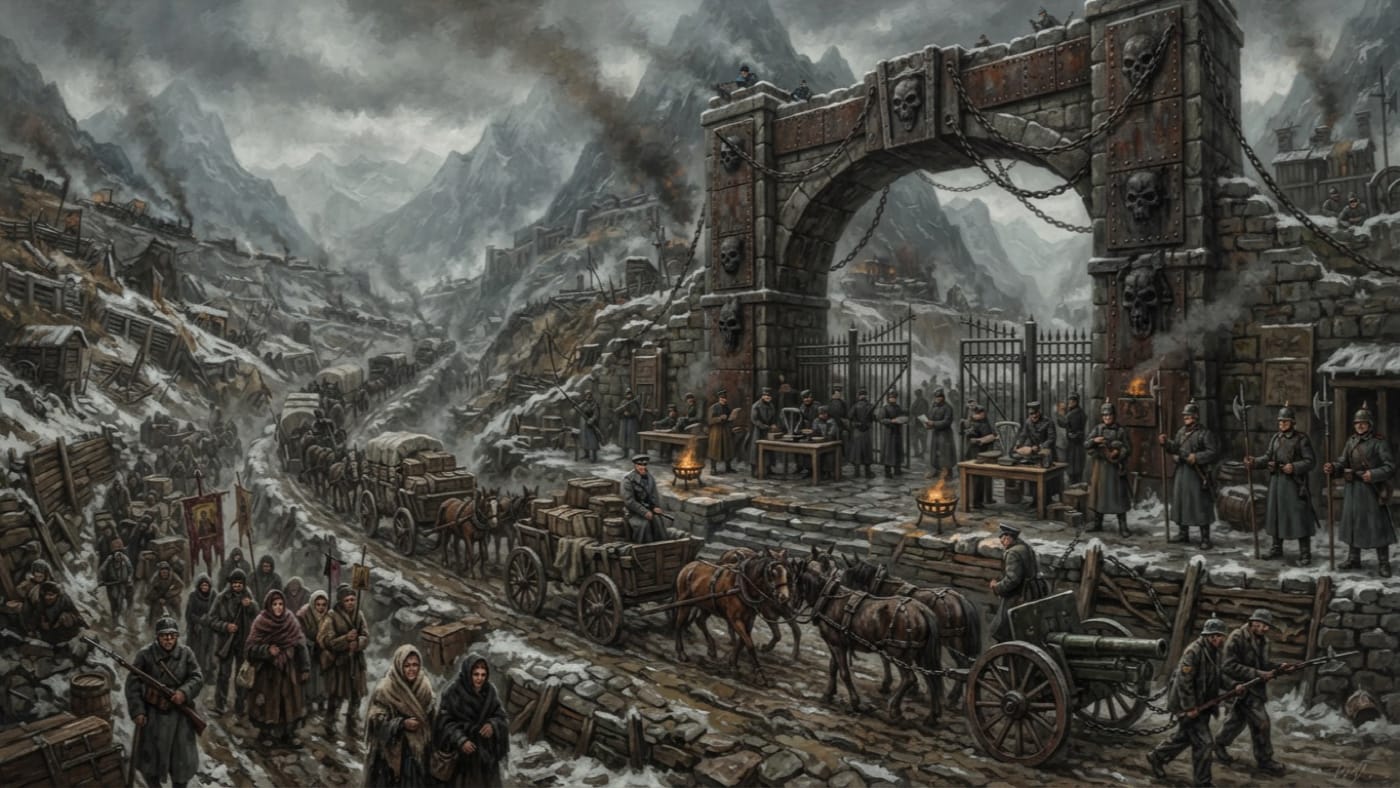
Carpathian Approaches
The ground between the last warm room and the first cold order
Roads and staging ground feeding the Carpathian Gates, where supply wagons, pilgrims and condemned labour climb toward the Line. No charter governs the region; every checkpoint knows how to charge it.
Codex Ref. II.4.08-015

Carpathian Corridor
The road that charges every mile twice
The Carpathian Corridor is the Synod's central mountain throat: rail, road, mule, shrine, bribe, and weather feeding Przemyśl and Sibiu.
Codex Ref. II.3.05-201
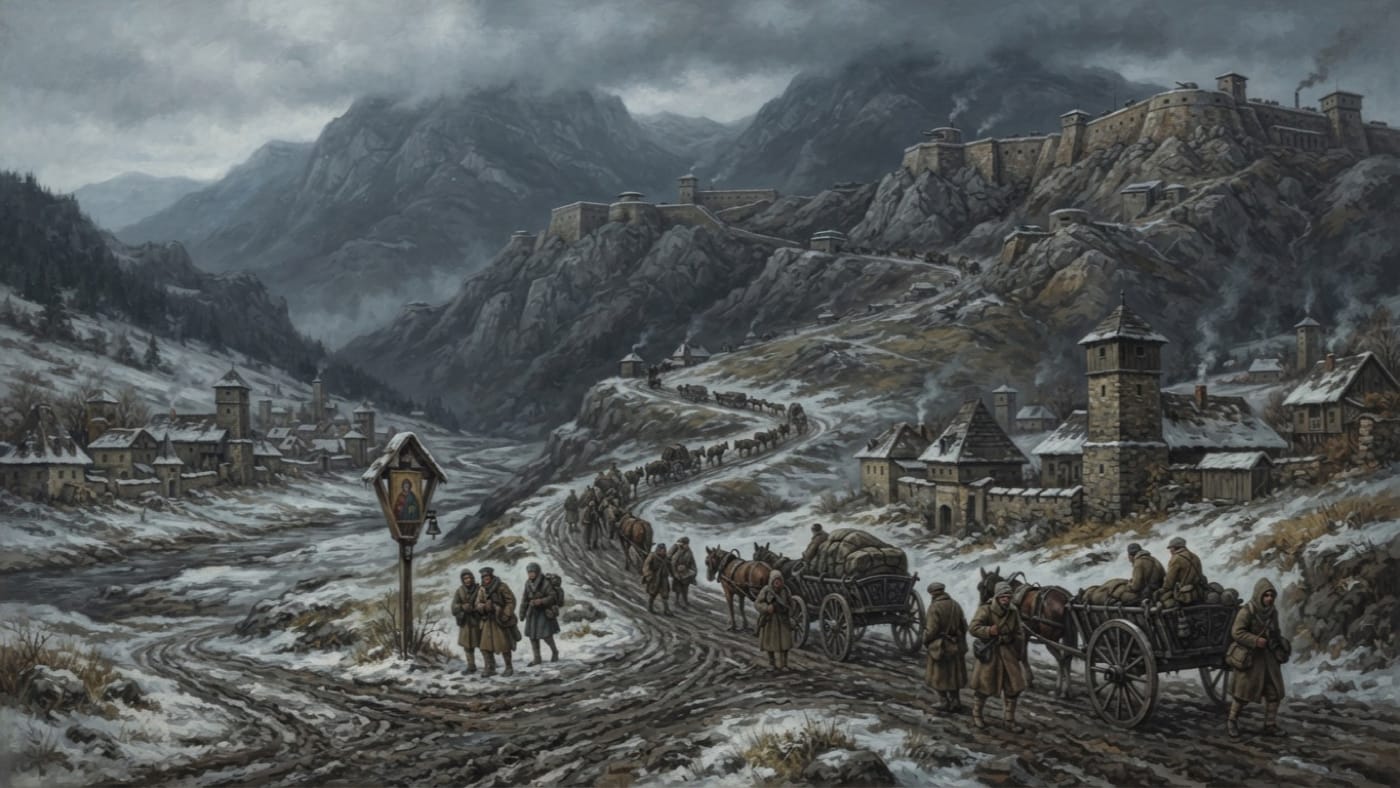
Carpathian Foothills
Below the wall, the country that feeds it
The country below the Carpathian wall feeds its bastions and hears its borders in the parish bells. Brother Albrecht froze here after his posting. The Ledger knows the region's name and cannot draw its edge.
Codex Ref. II.3.05-488
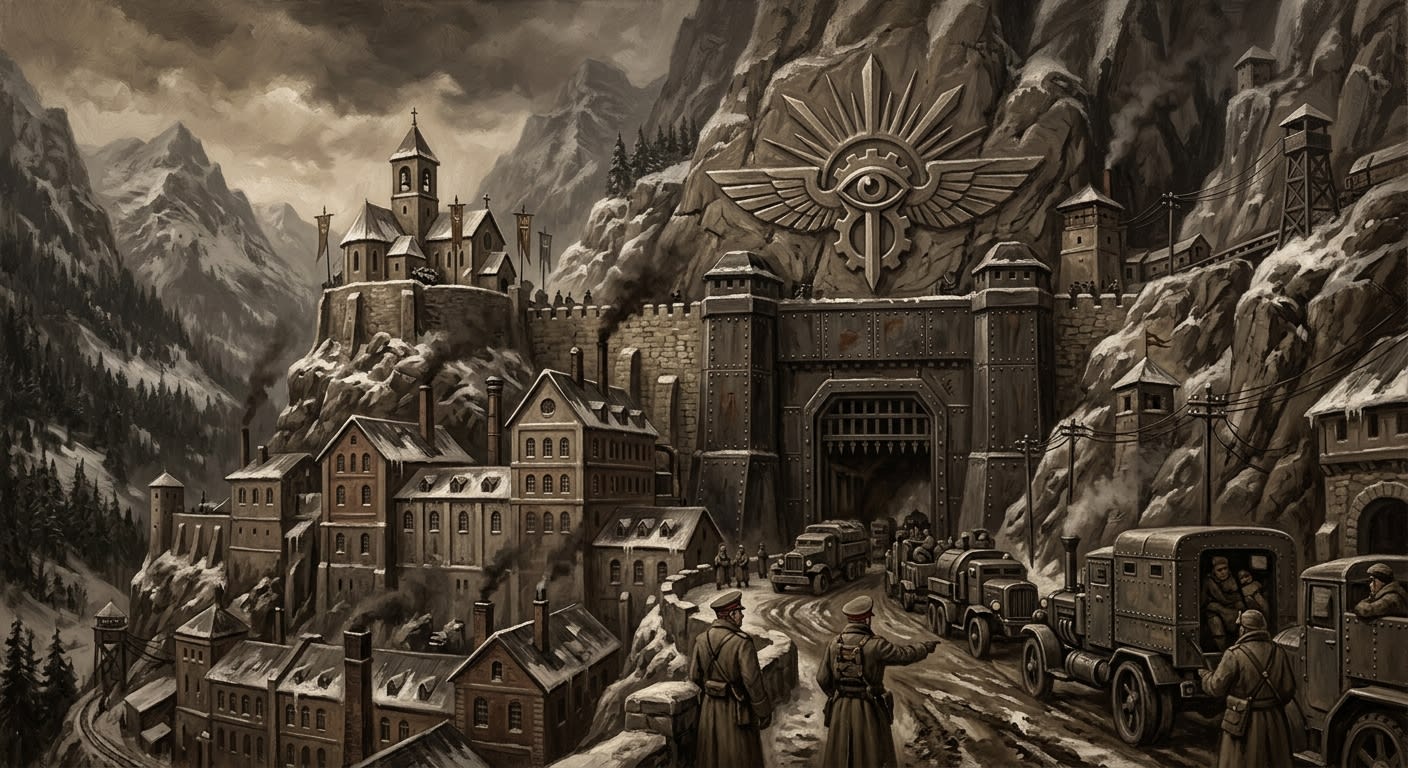
Carpathian Gates
Where the mountain learned to close its teeth
Mountain hinge of the middle Line: passes, locks, shrines, snow-voices, and Harrowglass terror between Bastion-Przemyśl and the Carpathian spine.
Codex Ref. II.4.08-065
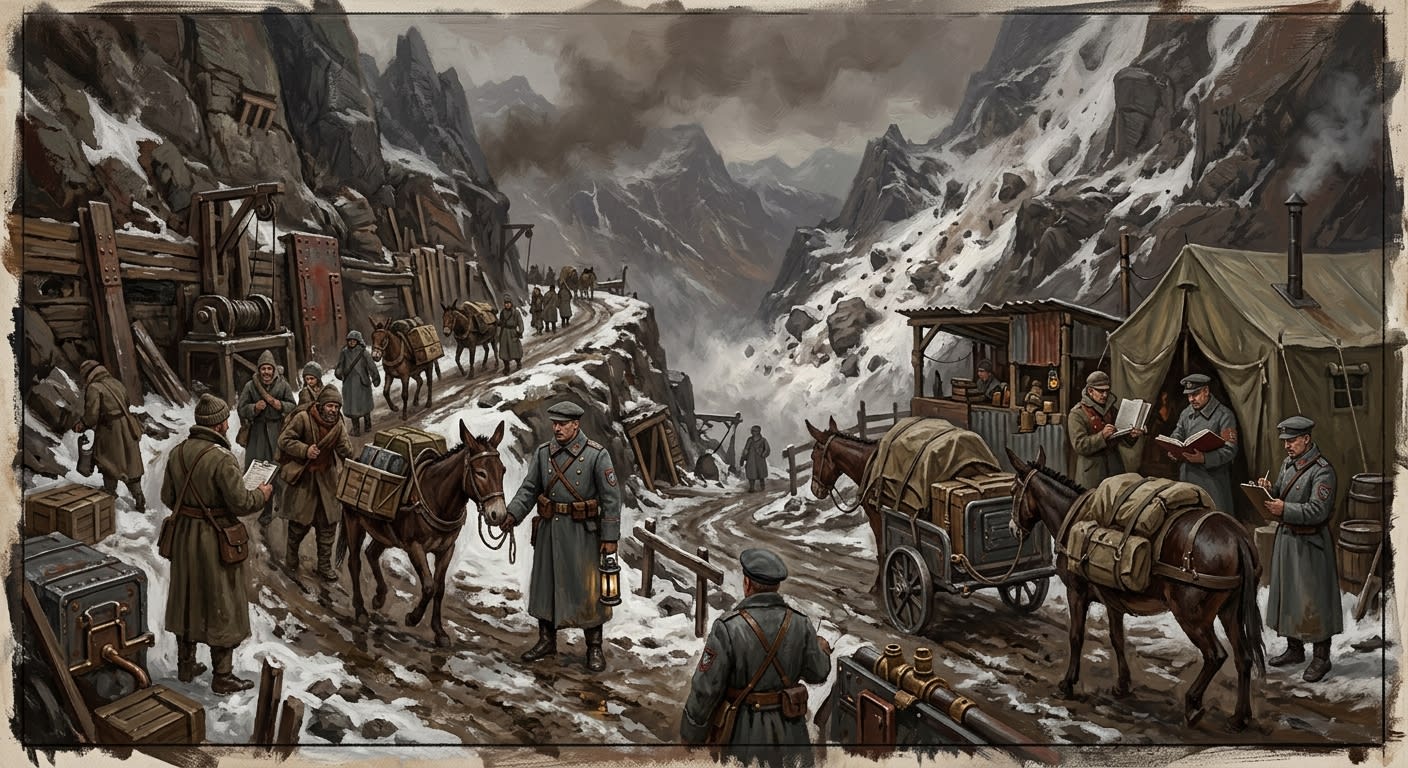
Carpathian Passes
Roads are wounds with toll offices
Licensed mountain wounds of the middle Line, where pilgrims, relics, mules, Wardens, tokens, avalanches, and invoices cross by permission.
Codex Ref. II.4.08-123
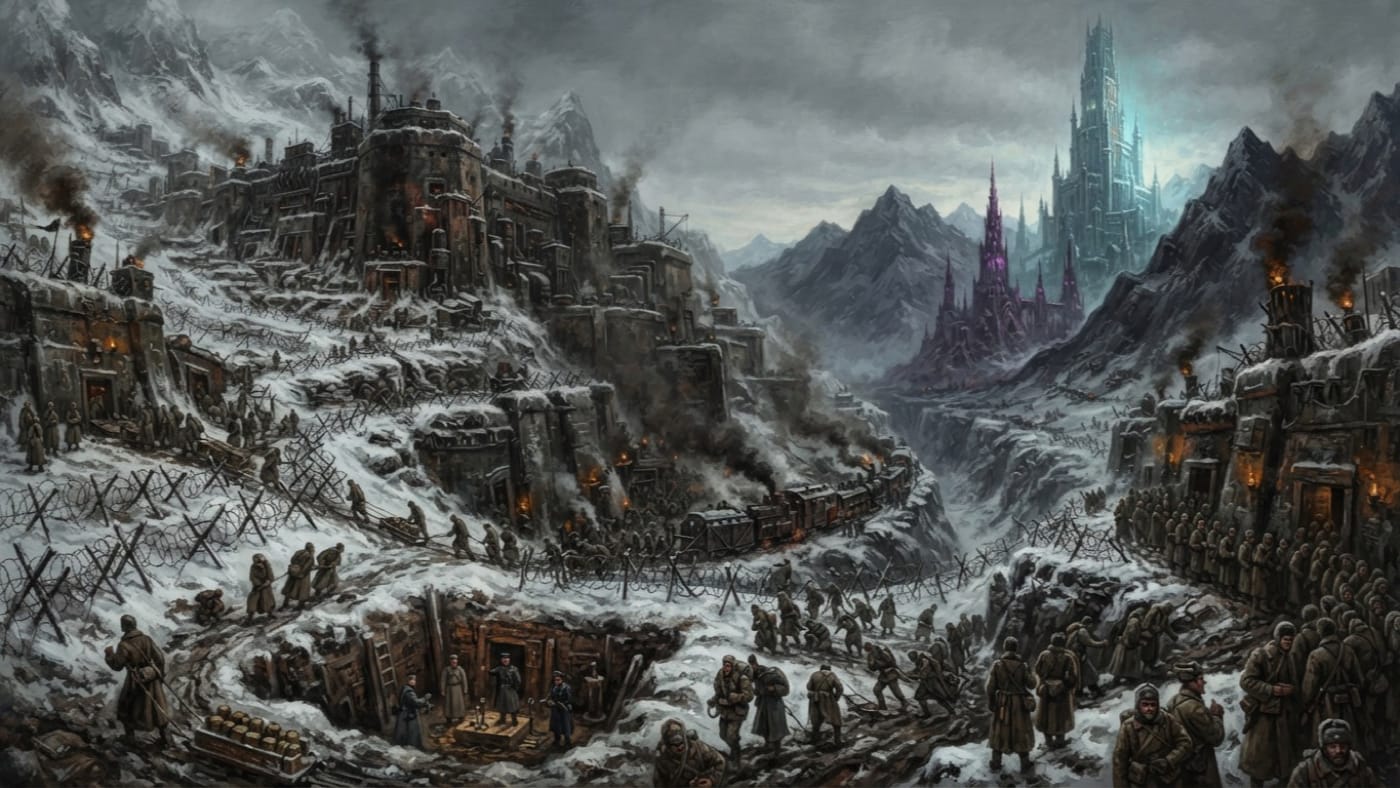
Carpathian Theater
Mud with a Filing System
The Przemyśl sector of the Carpathians: frozen passes, ration tags, and low bells against Atheron's Pride. War calls it a theater. Its boundaries remain unsigned, and the men holding them still require a stamp for bread.
Codex Ref. II.4.07-202
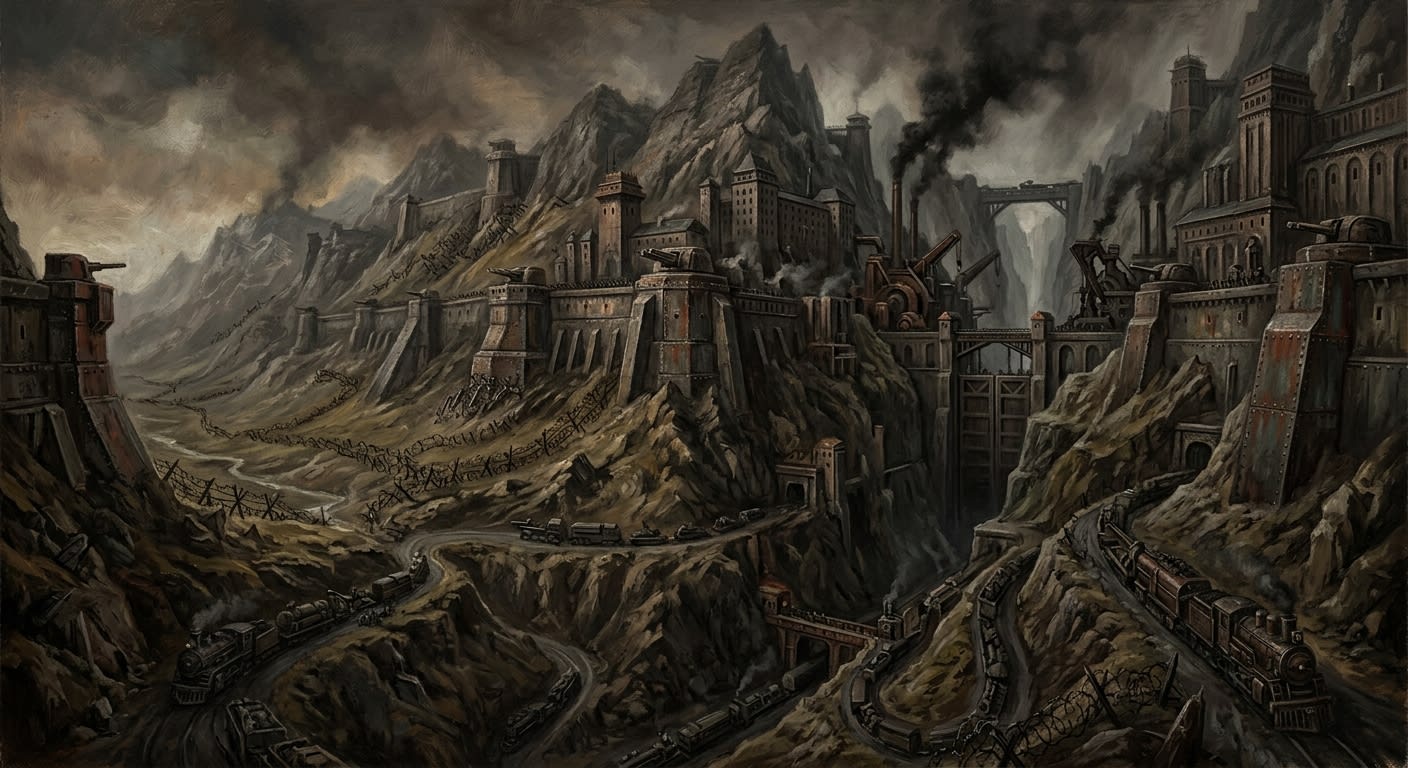
Carpathians
The mountains do not kneel; we made them useful
The Carpathians are the Synod's middle mountain wall: Przemyśl's wire, Sibiu's Saxon stone, Irongate's cut, and every road that charges blood.
Codex Ref. II.3.05-202
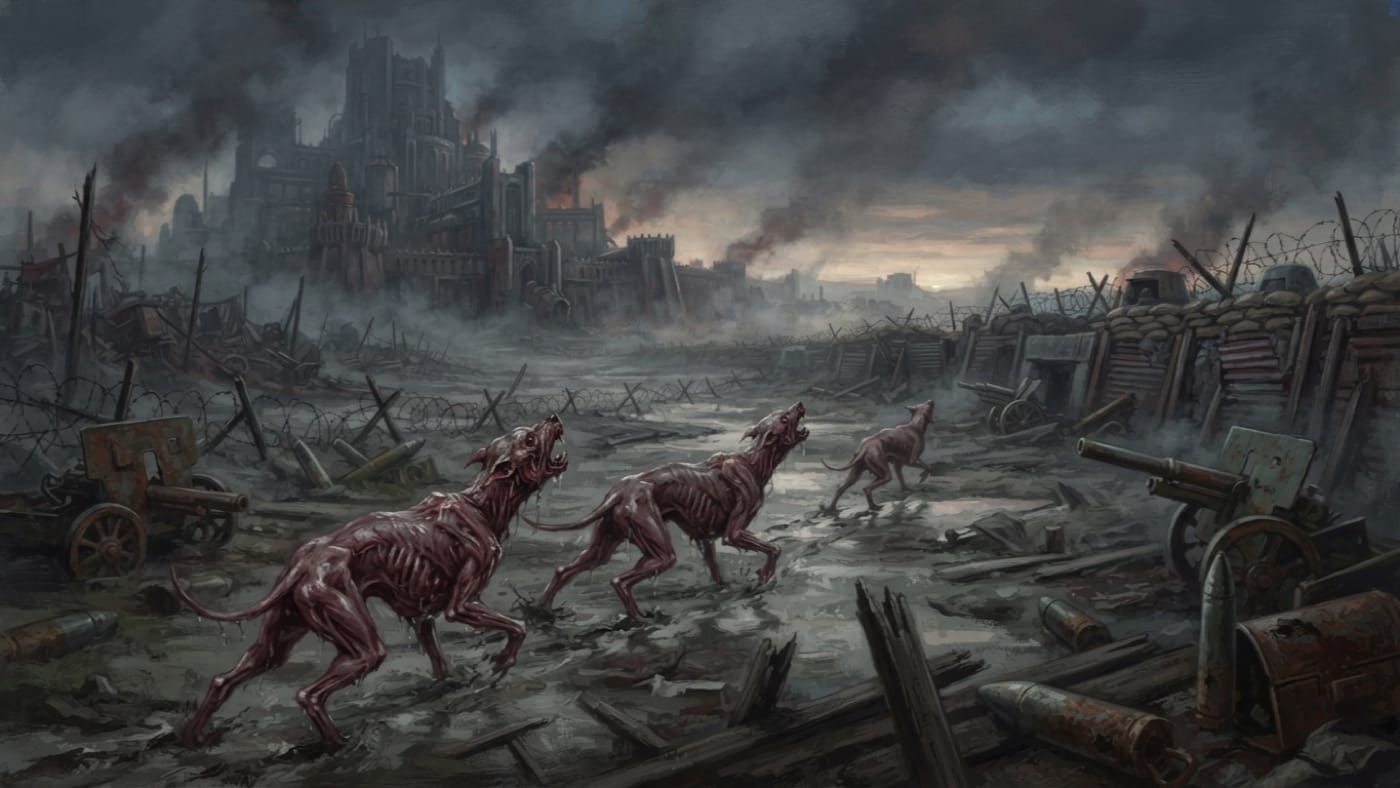
Carrion-Dogs
Skinless Hounds of Kargath, Howling in Human Voices
Skinless hounds of Kargath's host, howling in human voices and tearing throats from the living. The howl is confirmed; their origin and first encounter remain blank in the ledger.
Codex Ref. IV.1.07-493
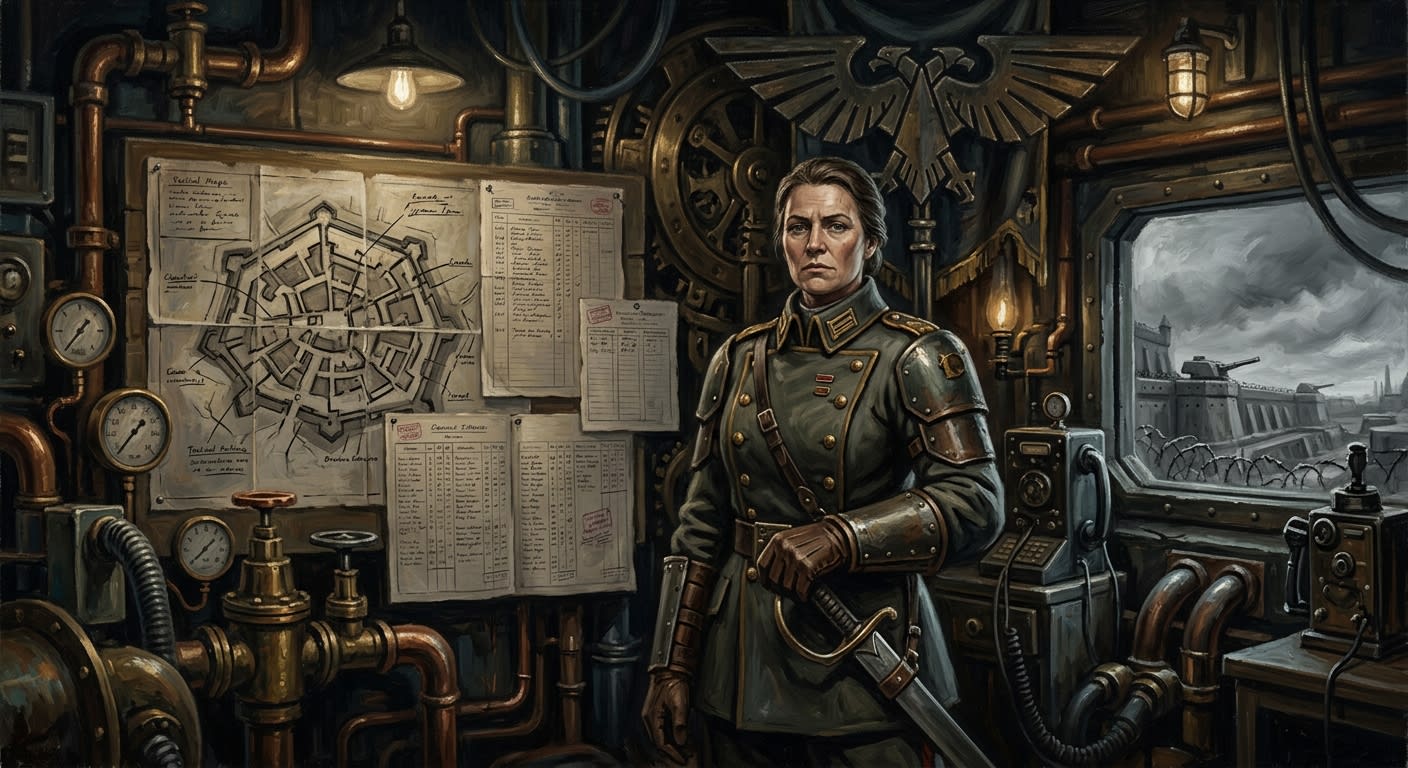
Castellan-Warden Ingrid Halvorsen
She commands the Far Nail by refusing to mistake inaction for peace
Castellan-Warden Ingrid Halvorsen has commanded Bastion-Königsberg since A.S. 191, keeping twenty-six thousand souls aligned against the Grey's patient nothing.
Codex Ref. III.2.01-039
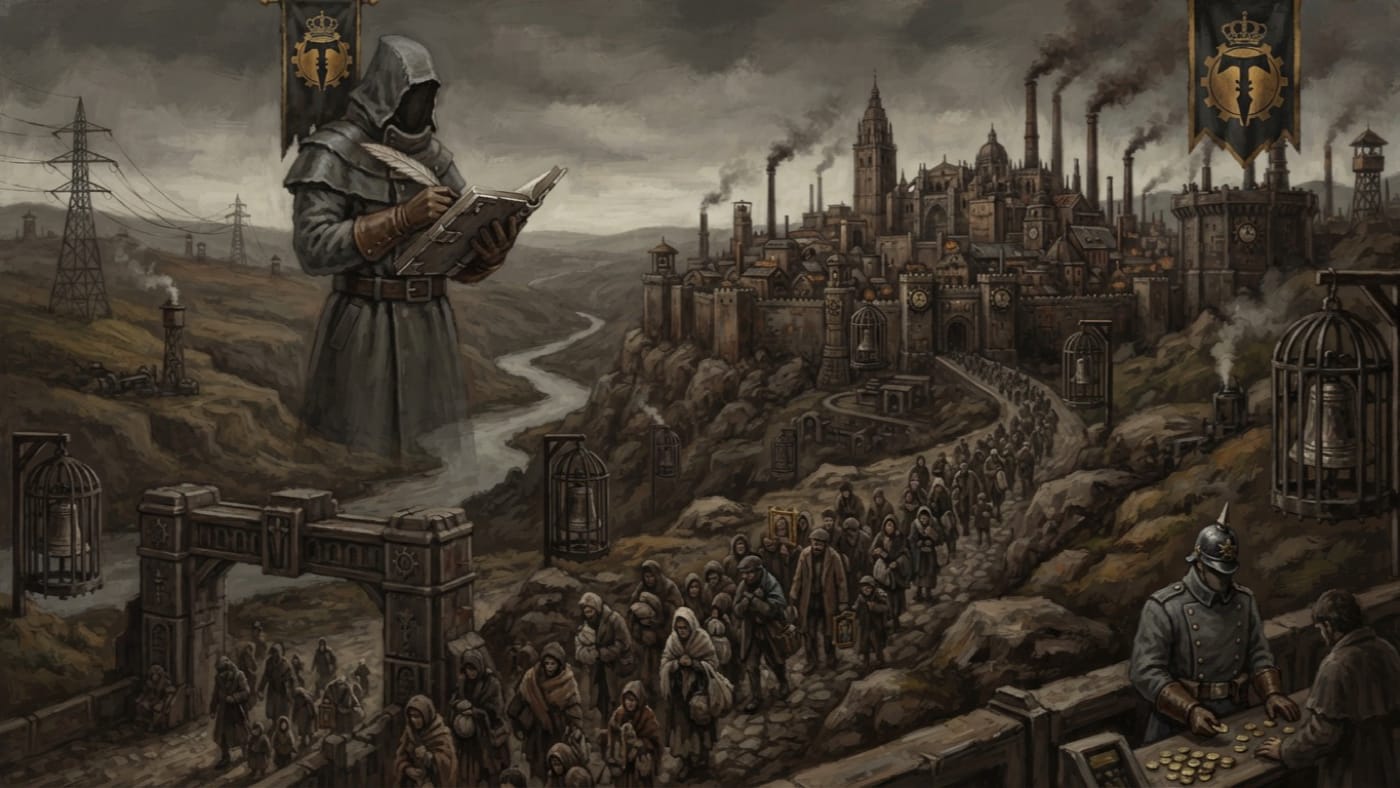
Castile
The province whose bells are better counted than its people
Castile pays under Iberia's seal and rings on Strasbourg's authority. Its refugees reached Toledo in A.S. 15; the Bureau preserved the martyr and omitted their names.
Codex Ref. II.1.04-201
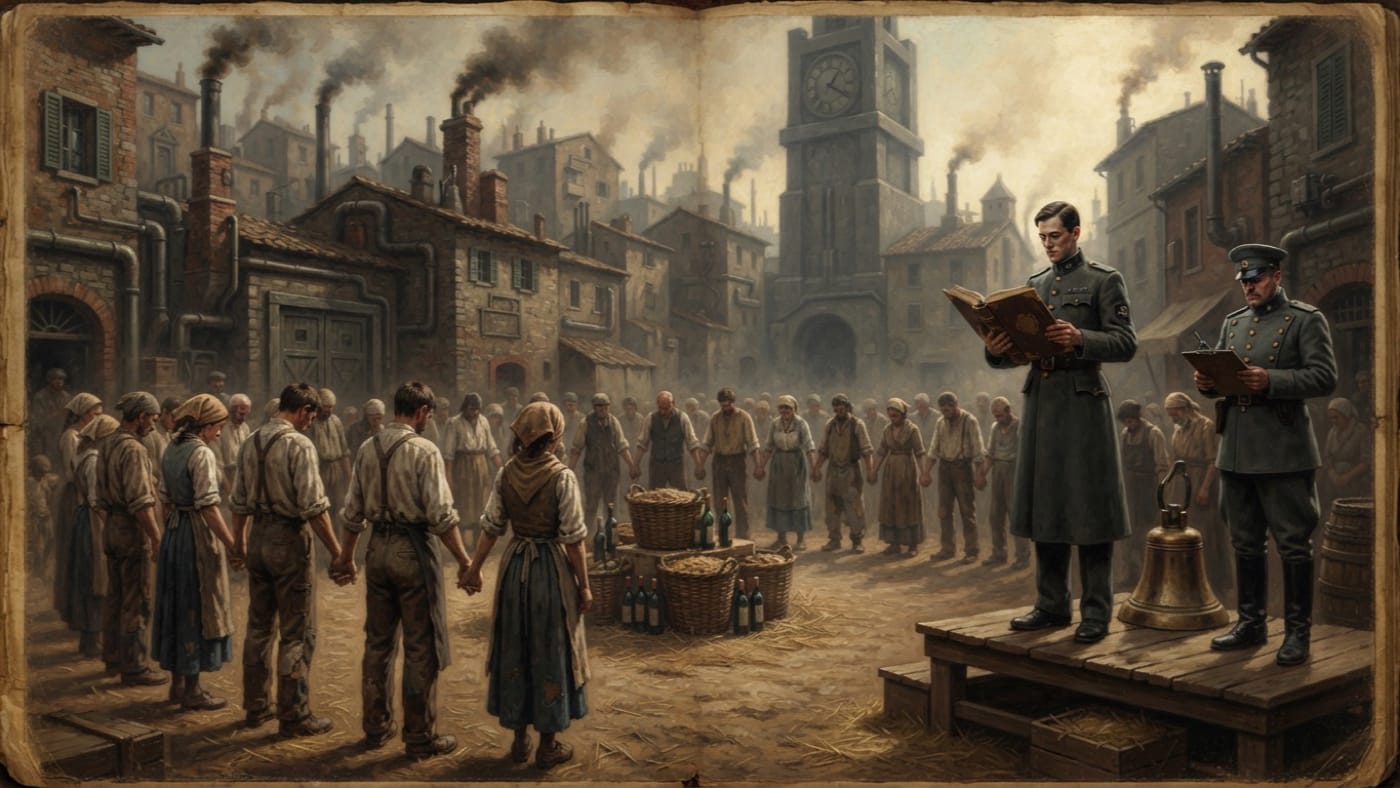
Catechism of the Sundering
The village may dance; Doctrine decides when it has finished
A.S. 201 survey of Doctrine's approved Catechism in public use: the passage that takes a harvest dance's ending from the village and gives the last word to Strasbourg.
Codex Ref. XIII.1.04-509
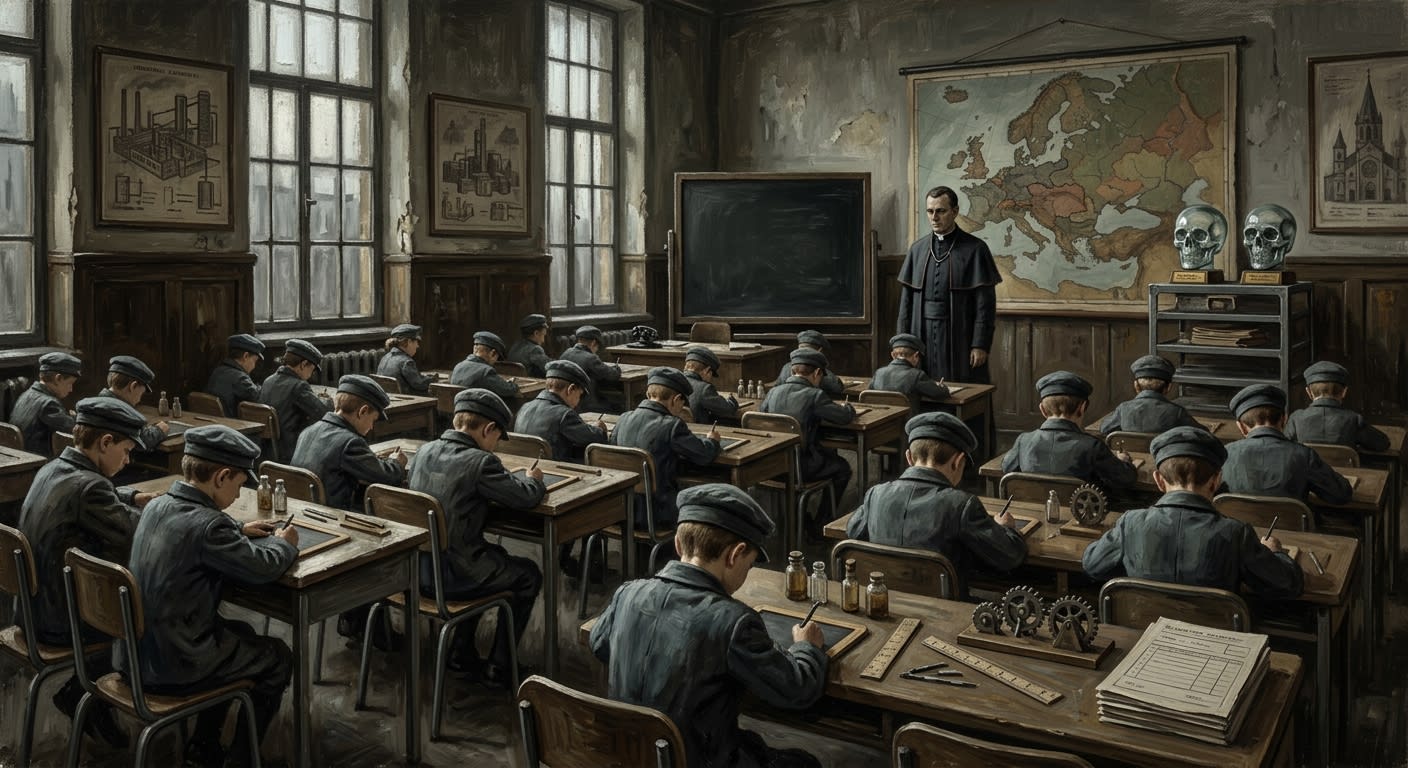
Catechism Schools
The child enters unformed; the school returns property
The Synod's parish and ward school system, where Creed, arithmetic, maps, loyalty trials, and entrance Glass Skull Stacks turn children into obedient instruments with names attached.
Codex Ref. VIII.8.01-001
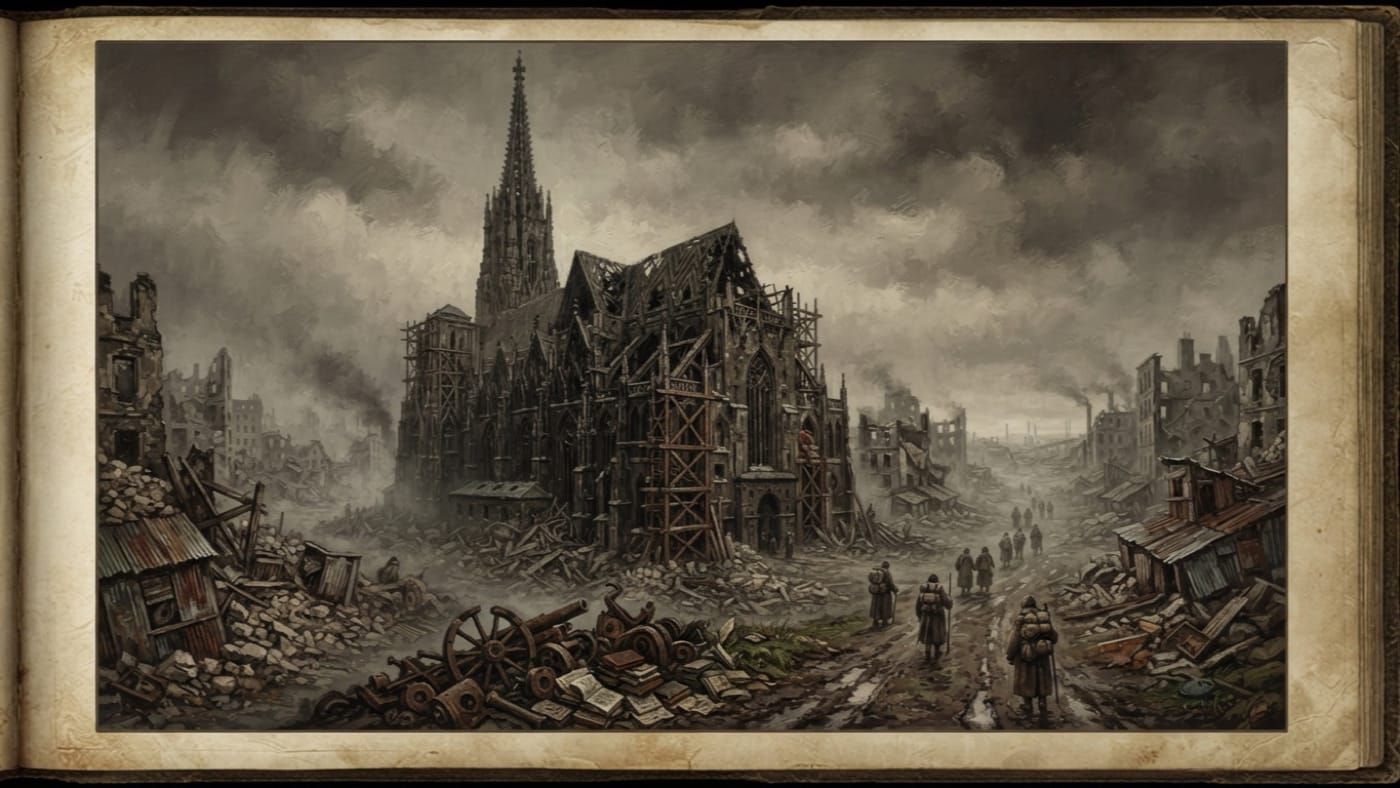
Cathedral of Saint Stephen
A Dead See, a Condemned Academy, and Stones That Stayed
Vienna's former cathedral housed the Rationalist Academy by A.S. 30 and was reclaimed with the city in A.S. 95. The See is dissolved, the Academy condemned, and the Ledger records no successor occupant.
Codex Ref. II.4.09-201
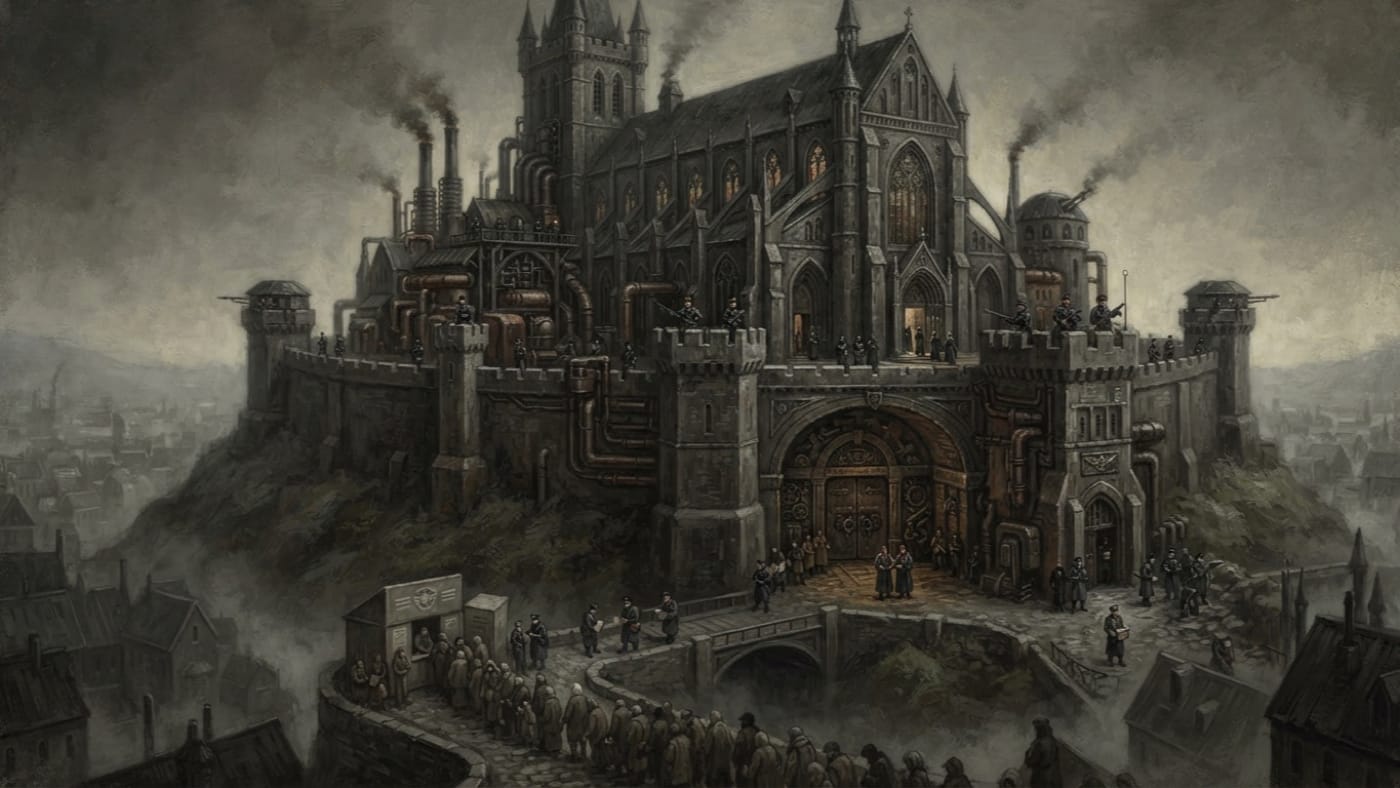
Cathedral of the Fortified Creator
The altar is served. The treasury is guarded.
Sibiu's cathedral crowns the Citadel Ring, with the Bureau of Tithes' best-guarded vaults beneath its altar. Worship continues above the treasury; Velmora trades in the bread queues below. Construction and dedication dates remain unrecorded.
Codex Ref. II.4.07-005
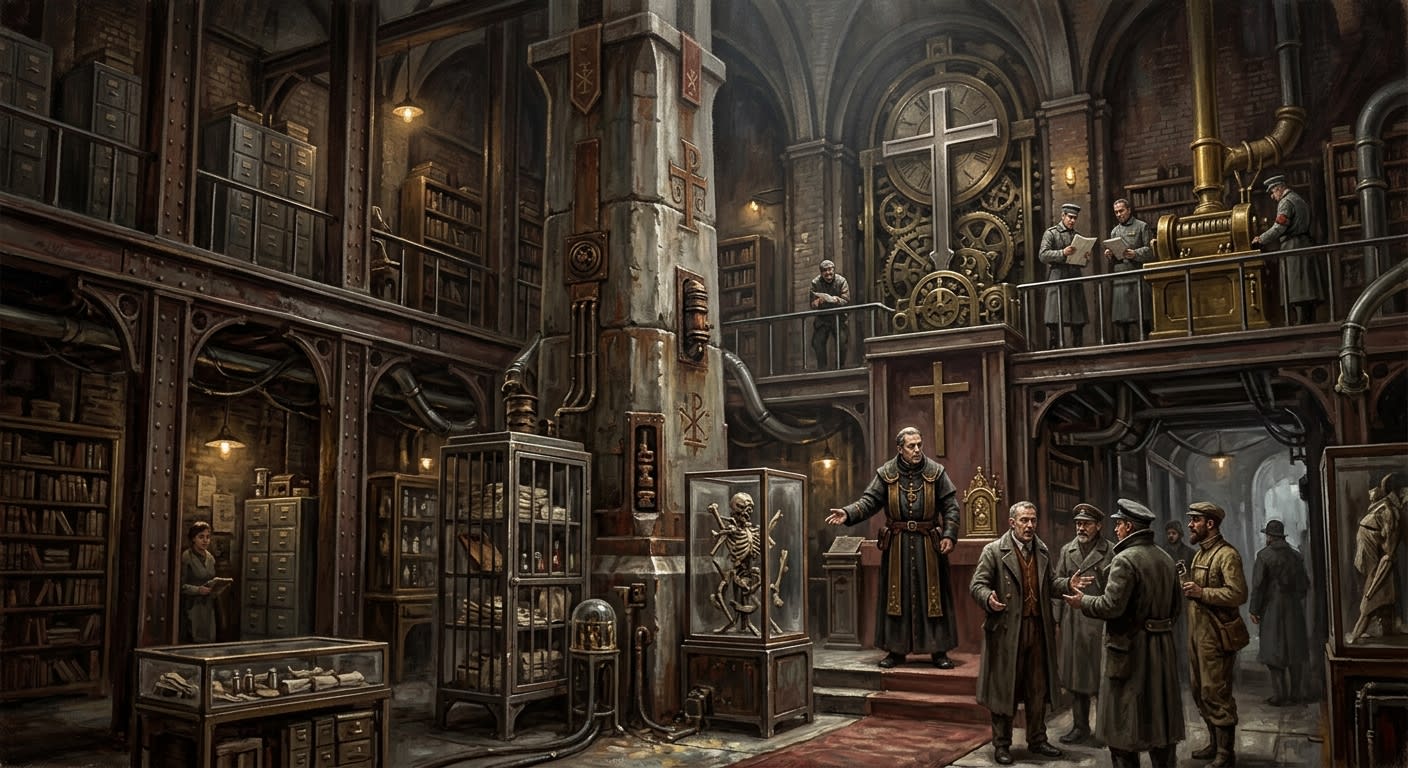
Cathedral of the Holy Column
The church that made obedience stand upright
Cologne's vertical archive: conciliar nave, Holy Column, relic galleries, Odo's sentence, and seventeen femurs arguing successfully with anatomy.
Codex Ref. II.2.01-005
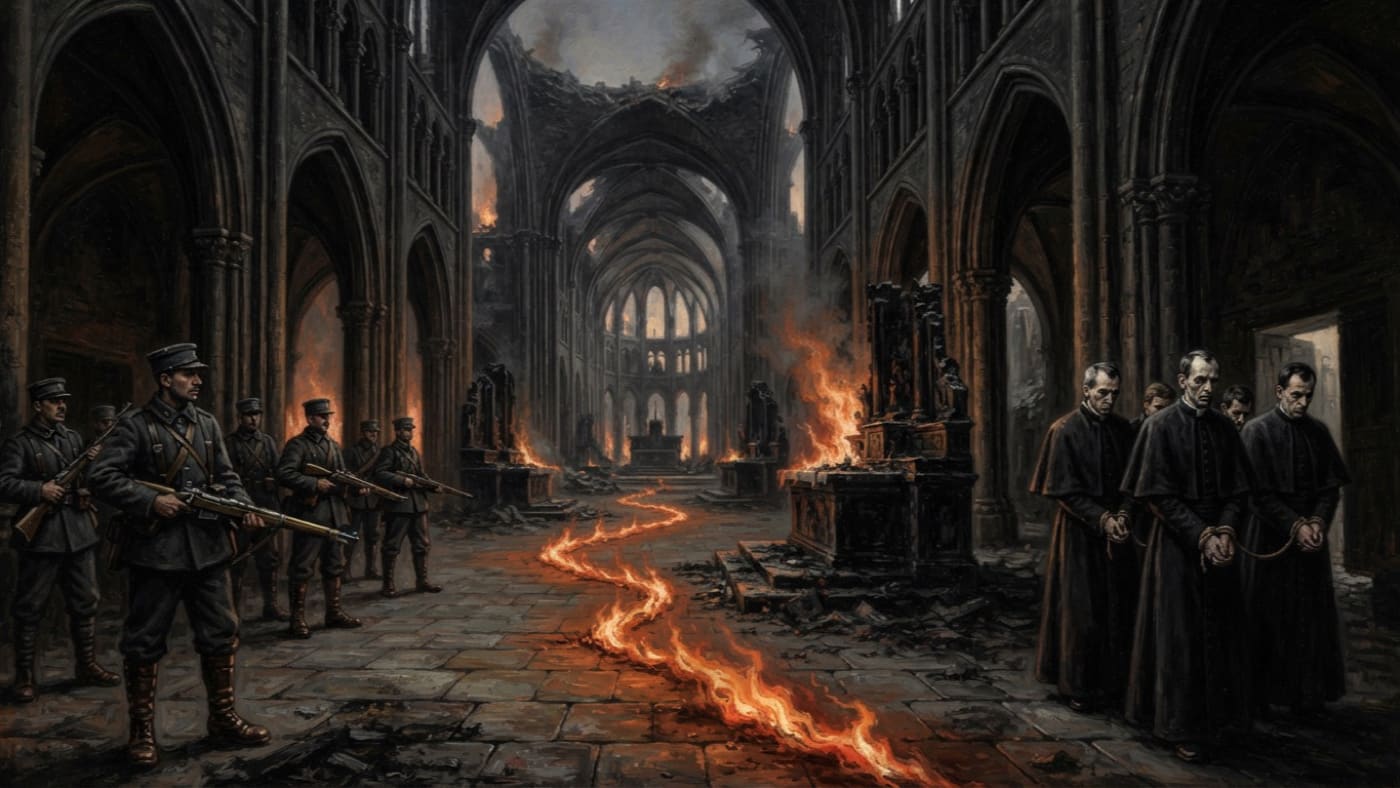
Cauterization of Rouen
The burning was arranged; the fire remains under theological review
The Rationalists gutted Rouen's cathedral in A.S. 24. Witnesses swore the fire paused before each altar. Three captured priests later died at Regensburg. The Bureau disputes the flame's agency; responsibility requires no debate.
Codex Ref. VII.2.01-004
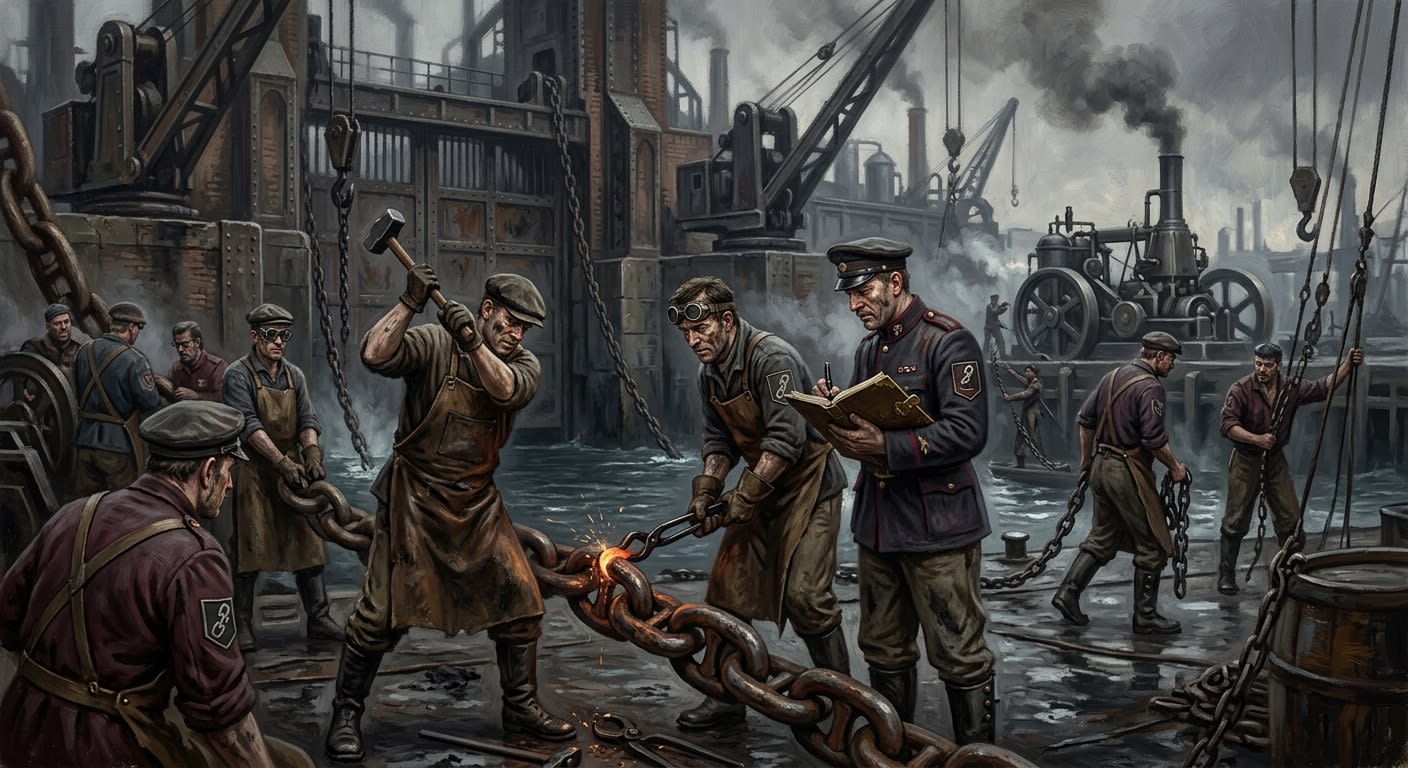
Chainwrights
Iron obeys because the right filthy hands count it
The Chainwrights keep Thessaloniki's harbor chains alive: makers, divers, riggers, singers, and liars whose iron counted when the bells went silent.
Codex Ref. XII.44.09-198
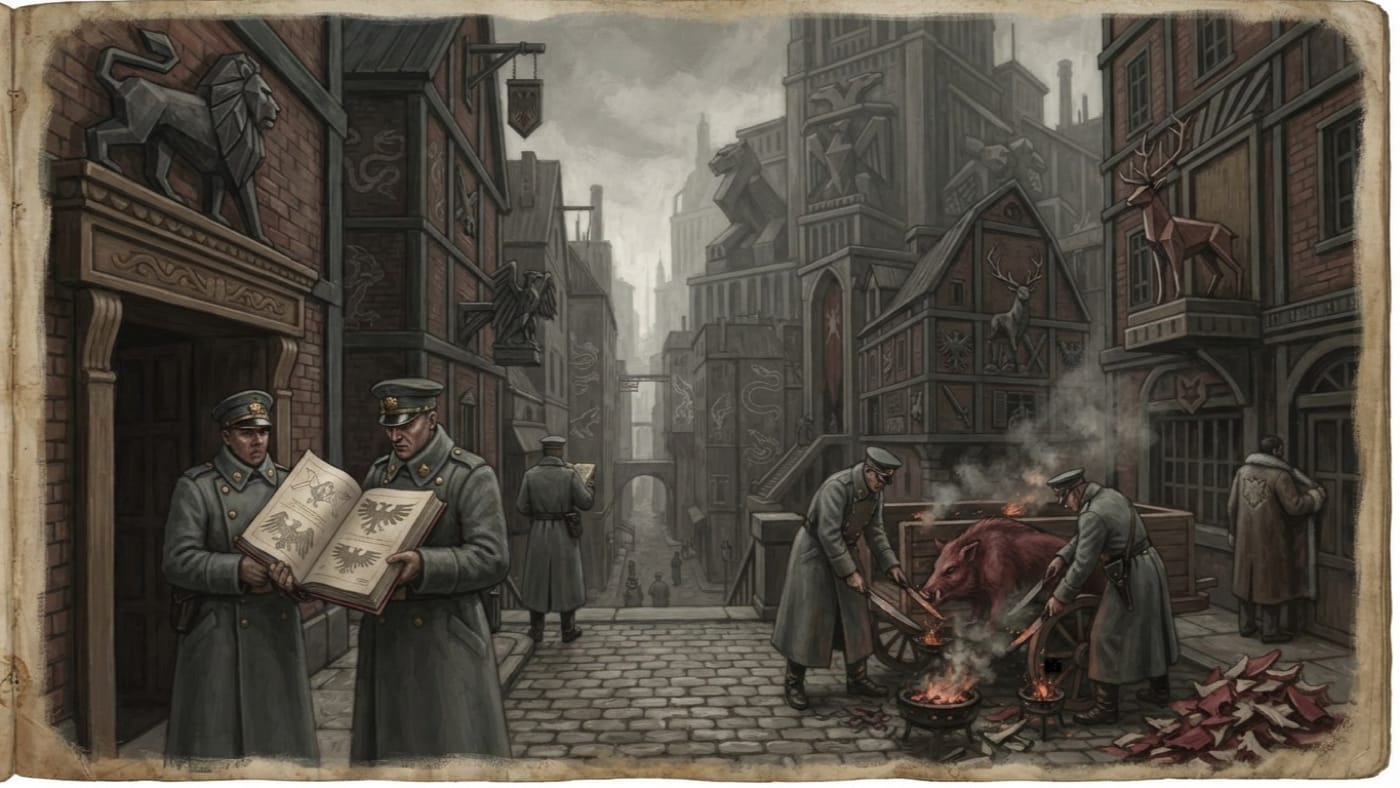
Chancellery of Permitted Animals
The family borrows its beast on terms
Heraldry's Chancellery decides which beasts may appear on lawful crests. Lions, eagles and stags survive as geometry; wolves and serpents are erased. The bear remains under review.
Codex Ref. VIII.1.03-005
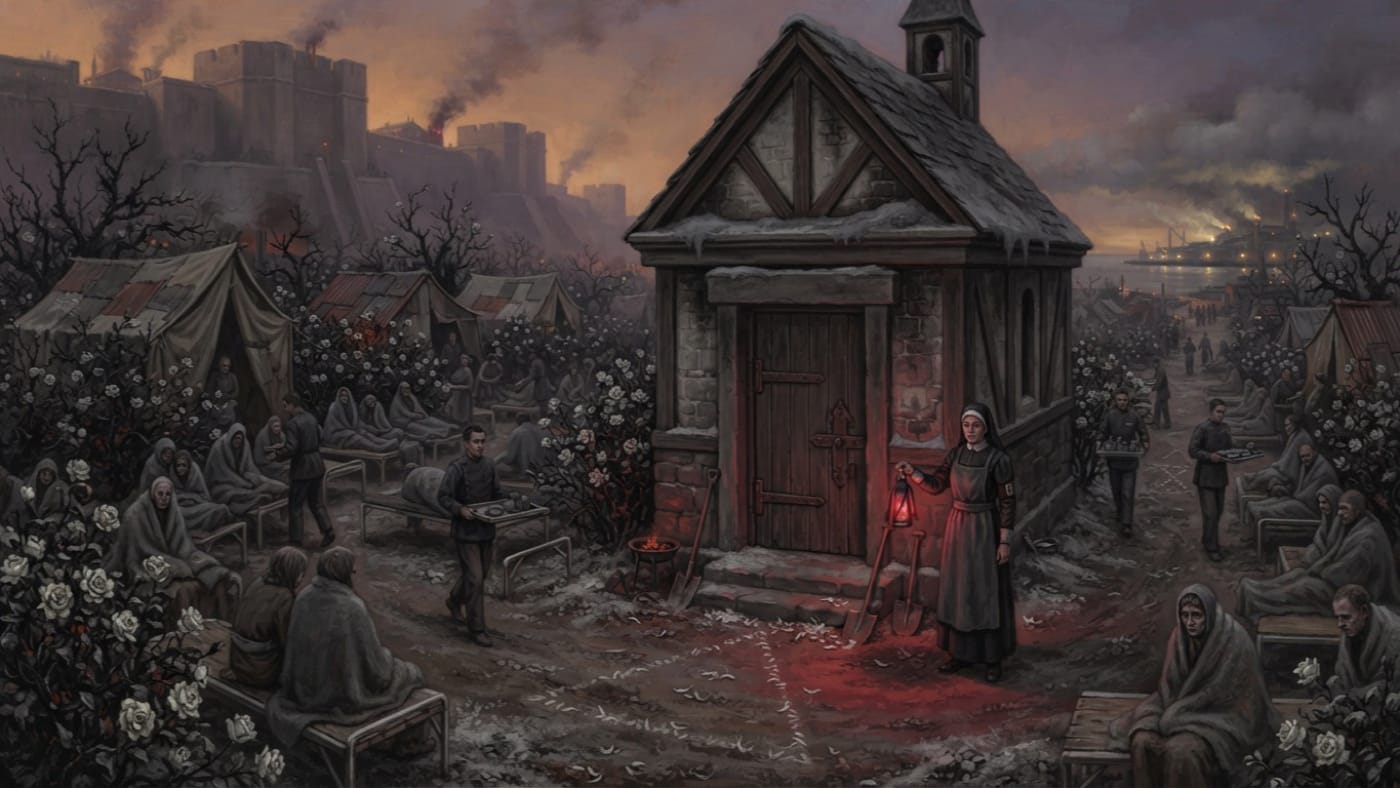
Chapel of Ash and Rose
Where the dead remain local and Records remains pending
A mortuary chapel in the Ash Gardens shelters a burial register older than the Bastion. Records attempted removal in A.S. 187; Sister Ovidia served the courier broth and kept the book.
Codex Ref. II.4.10-008
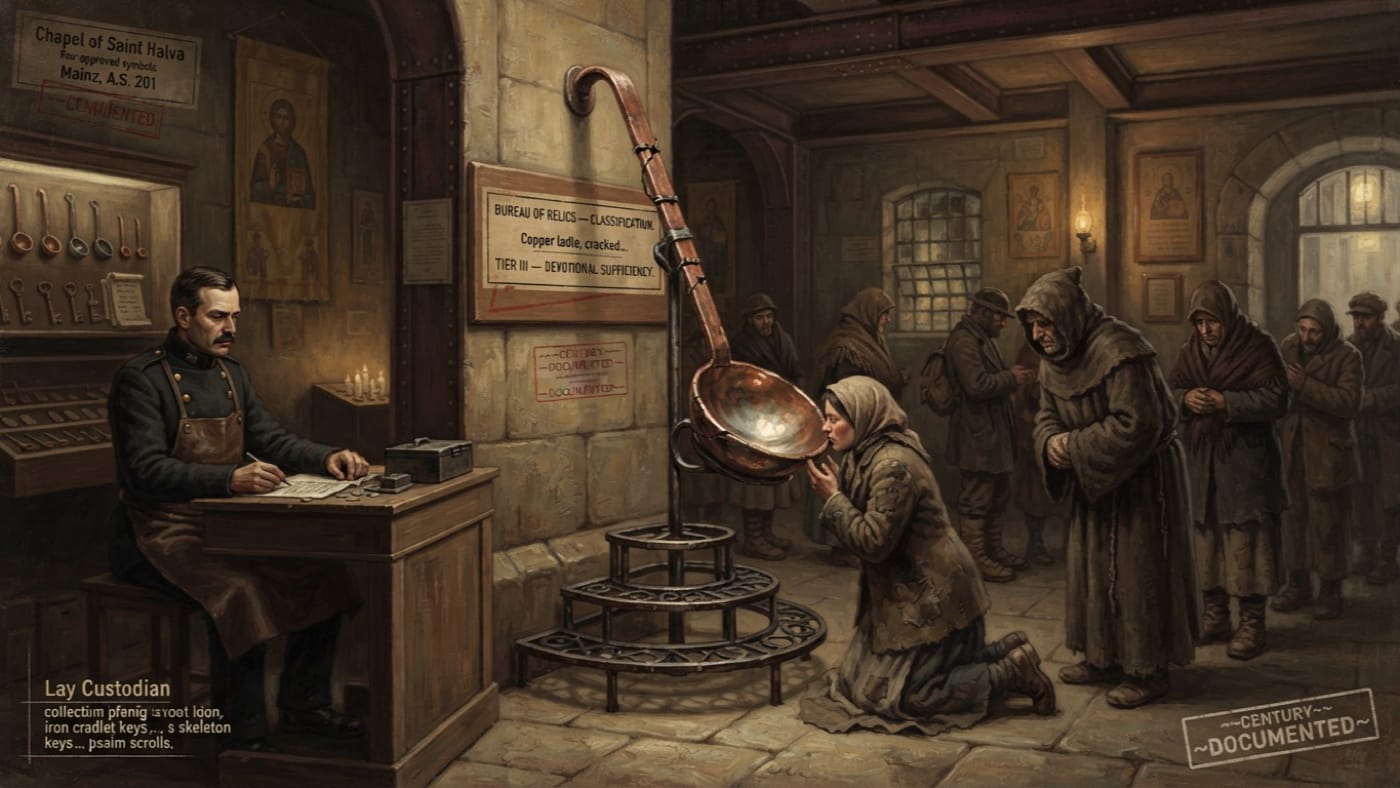
Chapel of Saint Halva
The pilgrim kisses; the Bureau collects
An A.S. 201 custody survey of the Mainz chapel holding Saint Halva's attributed copper ladle. The Bureau certifies devotional sufficiency; I dispute the provenance. A kiss still costs three pfennig.
Codex Ref. III.2.04-579
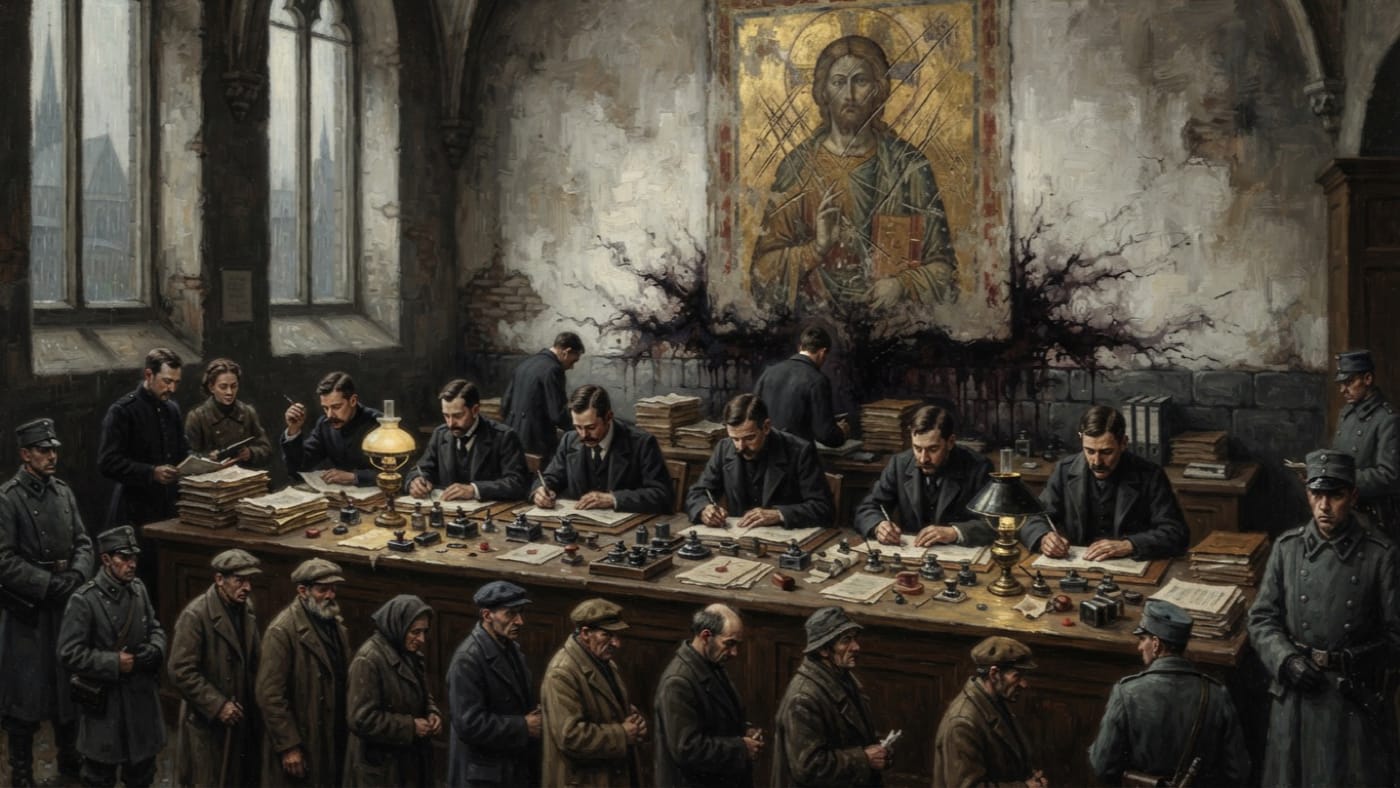
Chapel of the Crowned Seat
Where confiscation acquired a halo
Rationalist clerks signed away Aachen's property beneath a scratched halo. The Chapel of the Crowned Seat's wall darkens every Saint Bartholomew; administration leaves a stain.
Codex Ref. II.2.02-002
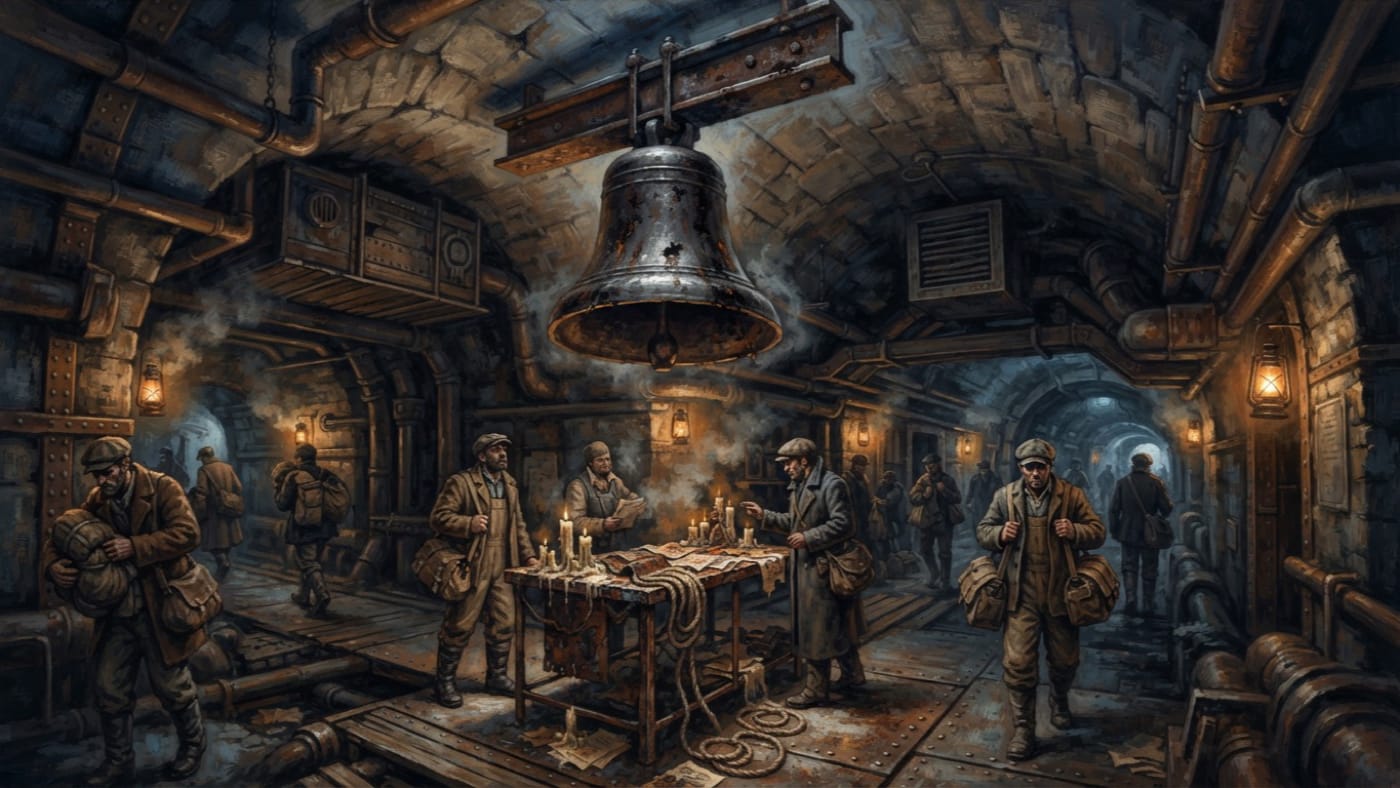
Chapel of the Uncounted Toll
A destruction entry is easier to file than silence
A.S. 201 documentary review of the Chapel of the Uncounted Toll in Skopje's Lantern Warrens: Purity records its clapperless bell destroyed; smugglers swear it rang six weeks later. The Ledger records testimony without granting it a clapper.
Codex Ref. II.4.08-584
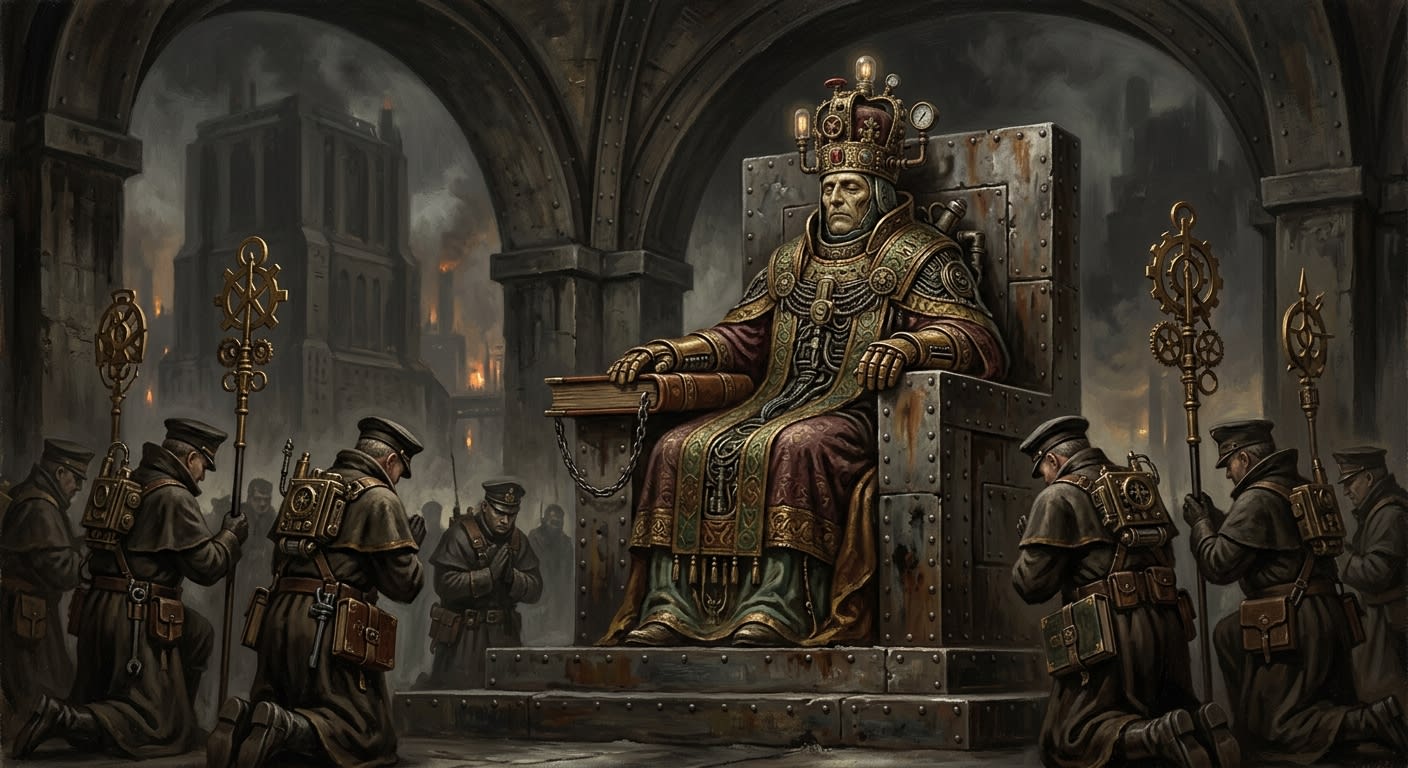
Charlemagne
The dead emperor conscripted as evidence after the gate was sold
Charlemagne is honoured as precursor, not rival: the dead emperor whose Aachen throne survived Guillaume, Verdane, and every provincial fantasy of a crown above the Ledger.
Codex Ref. III.2.01-000
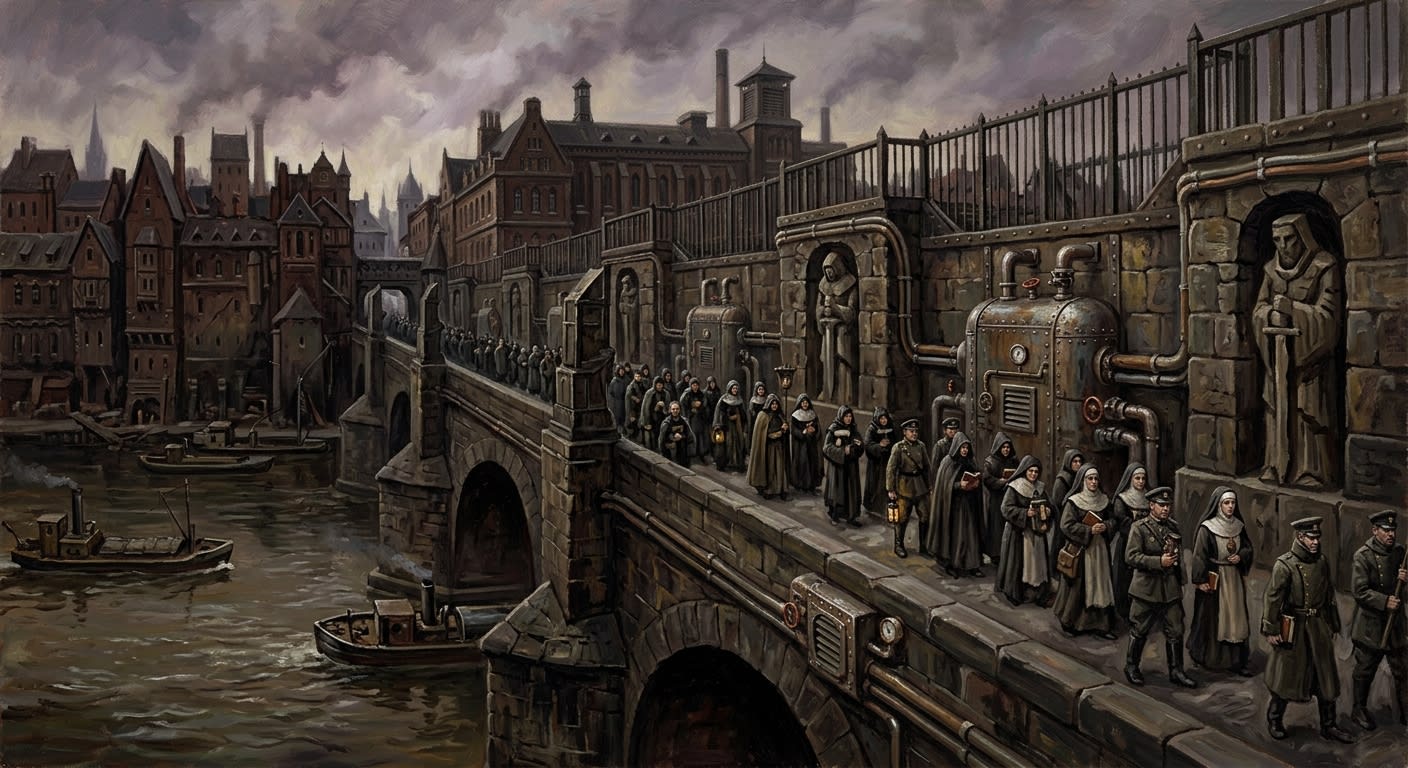
Charles Bridge
The Vltava crossing where Prague learned silence by nail
Charles Bridge crosses Prague's Vltava as road, witness bench, and Purity instrument: the stone throat through which the Procession of Tongues makes doctrine walk.
Codex Ref. II.3.02-096
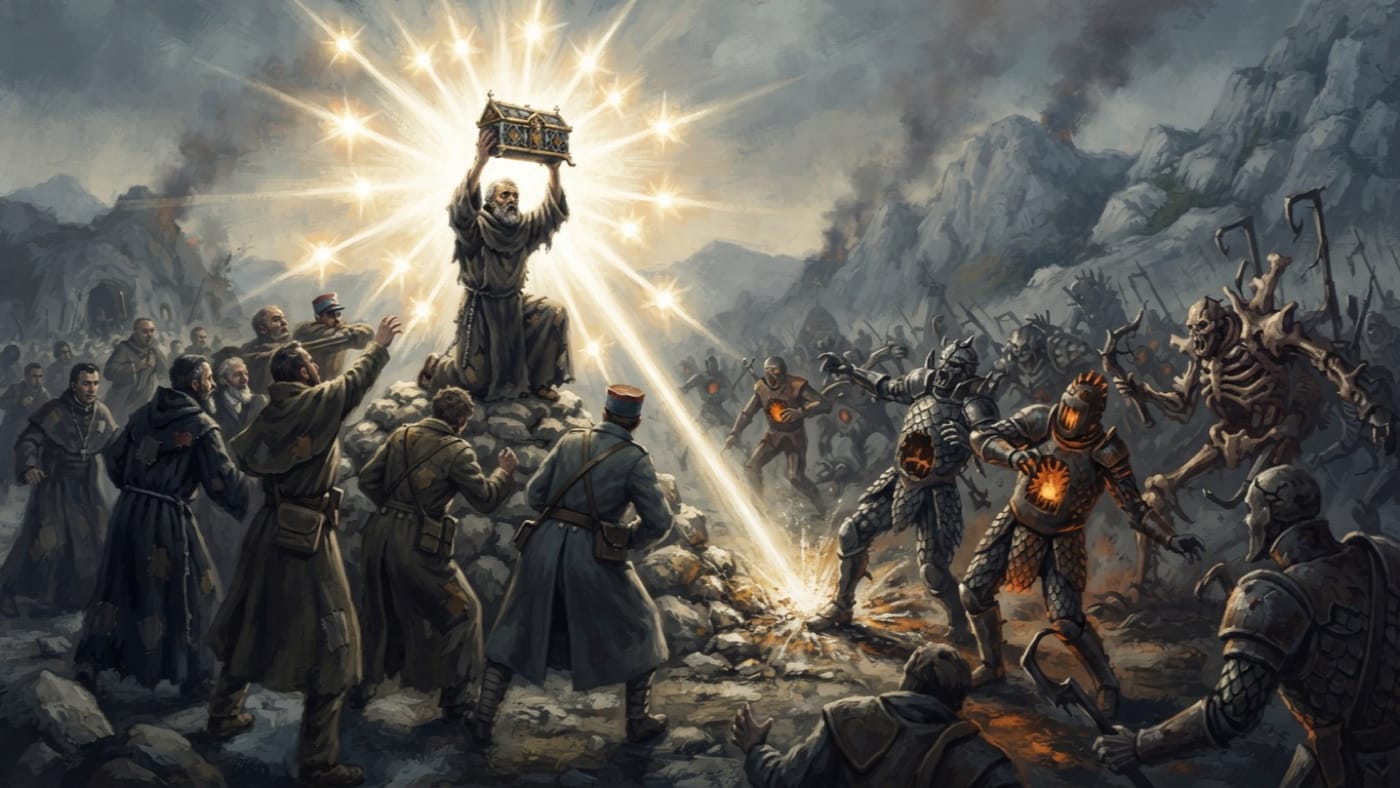
Charnel Host
A name, an association, and a recoil; the rest remains unrecorded.
The Charnel Host is named among Maldrake's attackers at Kalnik Ridge in A.S. 48 and recorded recoiling before Saint Isidore's reliquary. Its composition and command are unrecorded; the Bureau has a name and a recoil, and will certify no more.
Codex Ref. IV.2.07-048
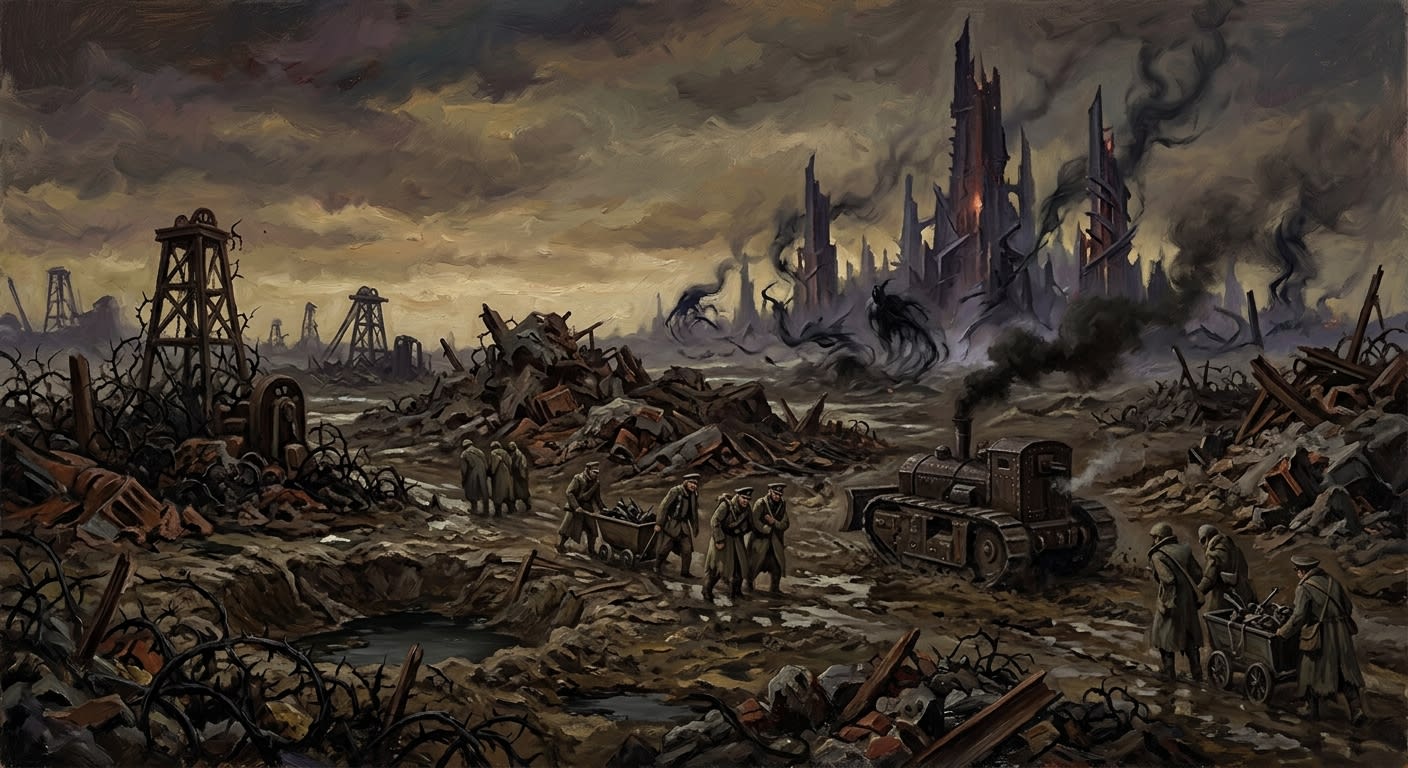
Charnel Lands
Where geography continues after mercy has been denied
The Charnel Lands are Zone 6, the demonic territories east of the Sagittal Line: geography made hostile to custody, with wilderness and cemetery both demoted to inadequate clerkly metaphors.
Codex Ref. II.6.06-001
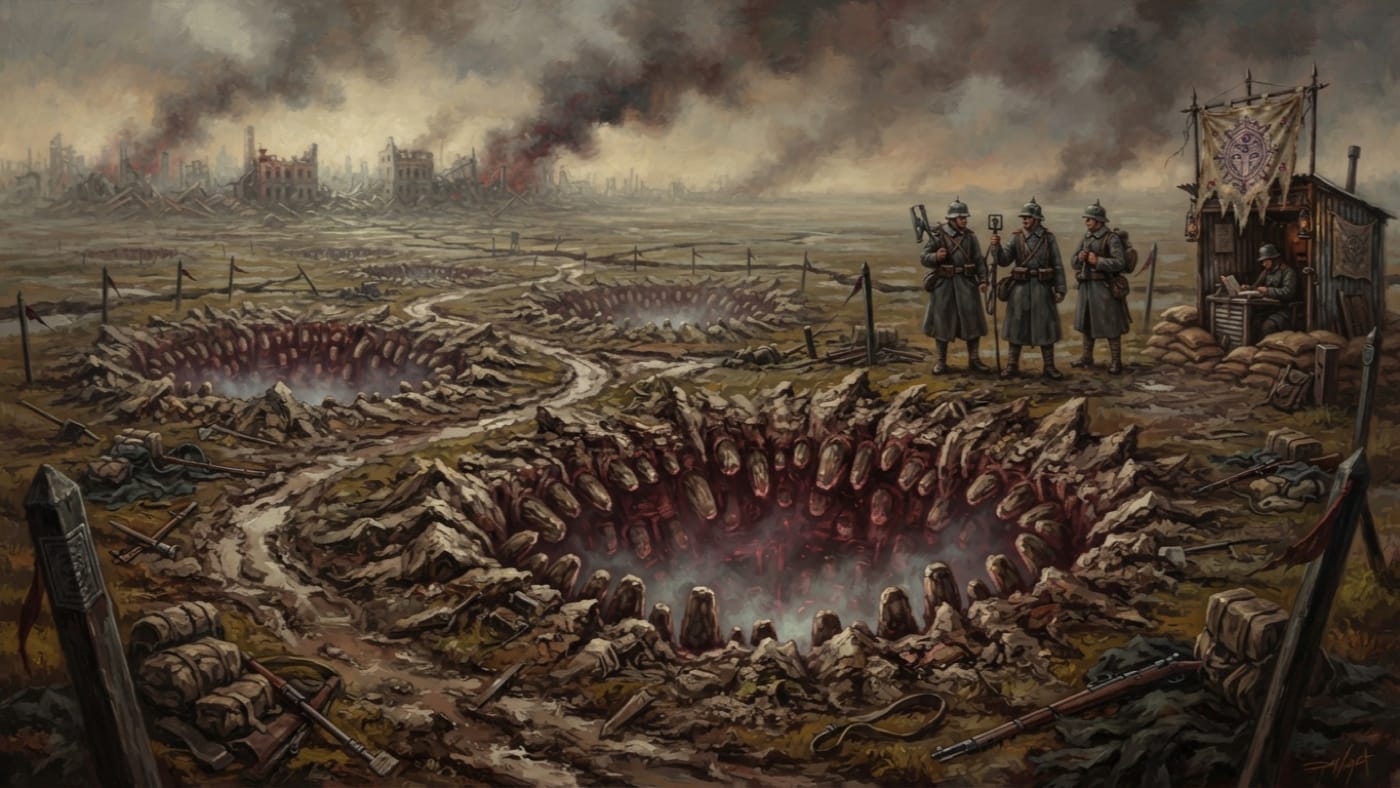
Charnel Mouths
Four names, no specimen, and no permission to approach
Charnel Mouths rose through Debrecen's reopened streets in A.S. 172. The Bureau has four names for them, no recovered specimen, and a standing prohibition on approach.
Codex Ref. IV.1.07-017
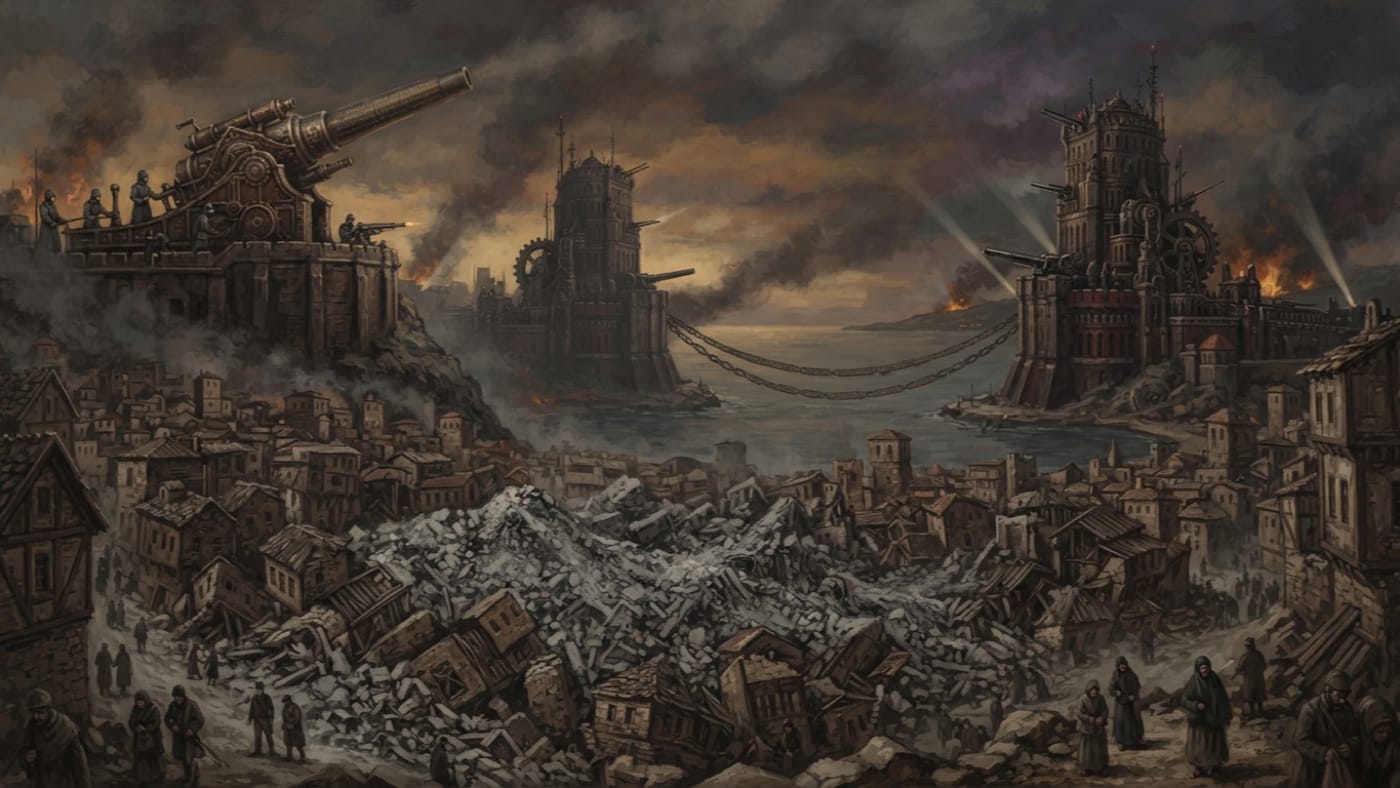
Choir-Mortar Campaigns
Five towers fell; the record kept two names and no year.
An A.S. 201 survey of the undated Thessaloniki engagement: one Choir-Mortar barrage brought down five sorcery towers and entombed thousands of captive civilians. The city calls it the Ash Wedding; Doctrine files it as necessary.
Codex Ref. VII.5.03-002
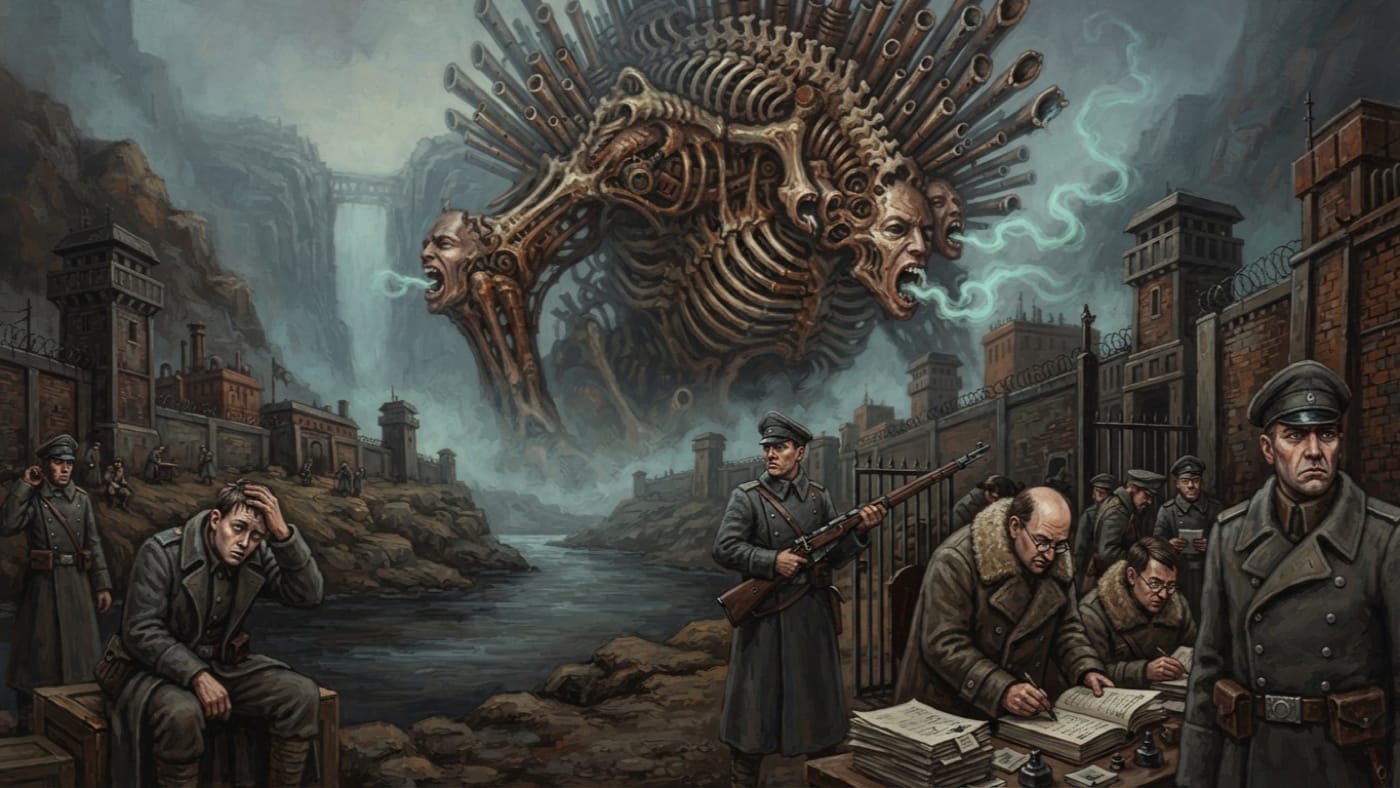
Choral Maw
Where Your Own Voice Ceases to Be Evidence
Morwen's vast organ of bone and sinew wails in stolen voices until a man cannot distinguish his thoughts from their echo. The Bureau can verify his name; it cannot make him trust the voice that answers.
Codex Ref. IV.1.07-008
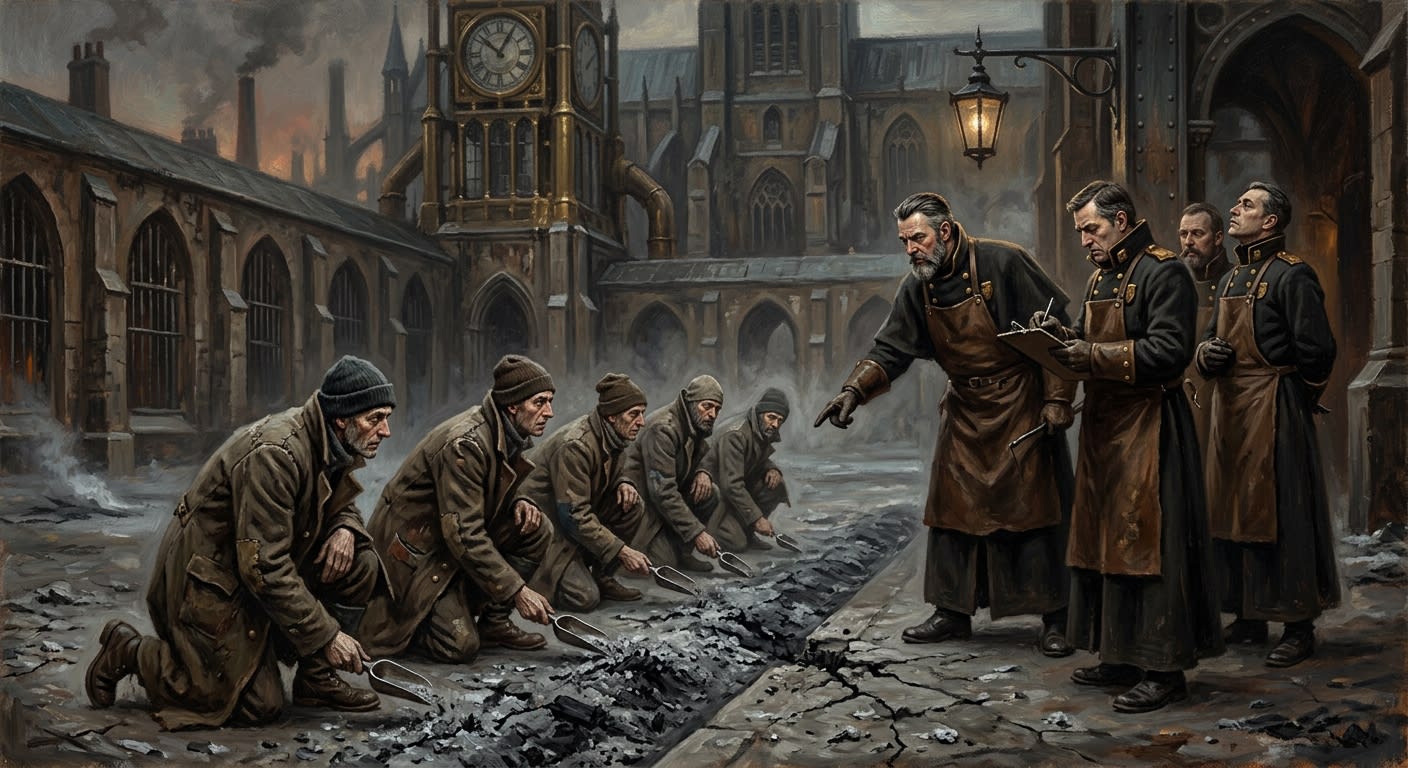
Cinder Trials
Where Toledo lets ash pretend to be law
Toledo's forecourt ash rite, born from post-Sundering martyrdom law, where grey crusts crack at Ninth Bell and Doctrine calls the fracture a verdict.
Codex Ref. XIII.1.56-001
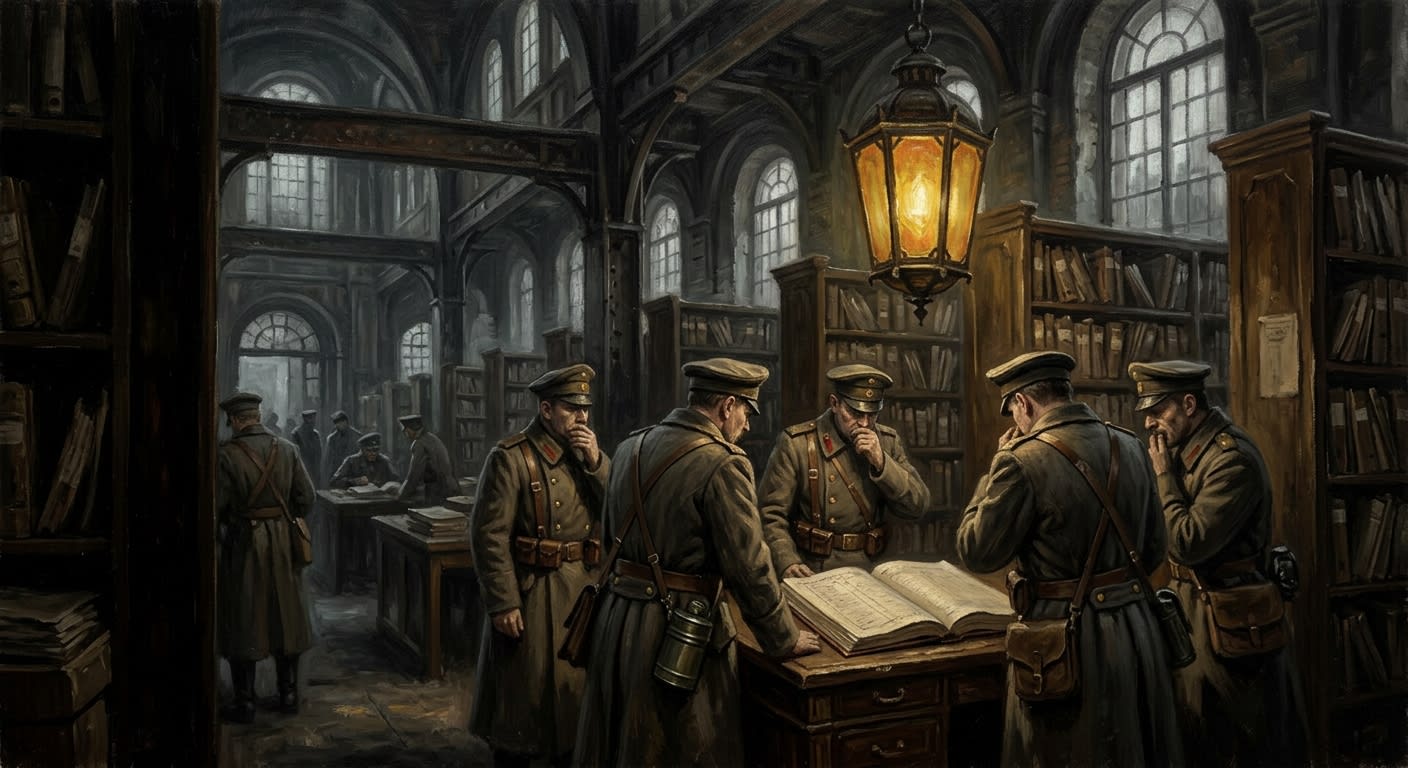
Classification Amber
The honeyed prison where Purity keeps suspicion alive
Classification Amber is Purity's suspended warrant: suspicion preserved in colour, fear extended by procedure, and mercy sharpened into watchfulness.
Codex Ref. XIII.1.06-001
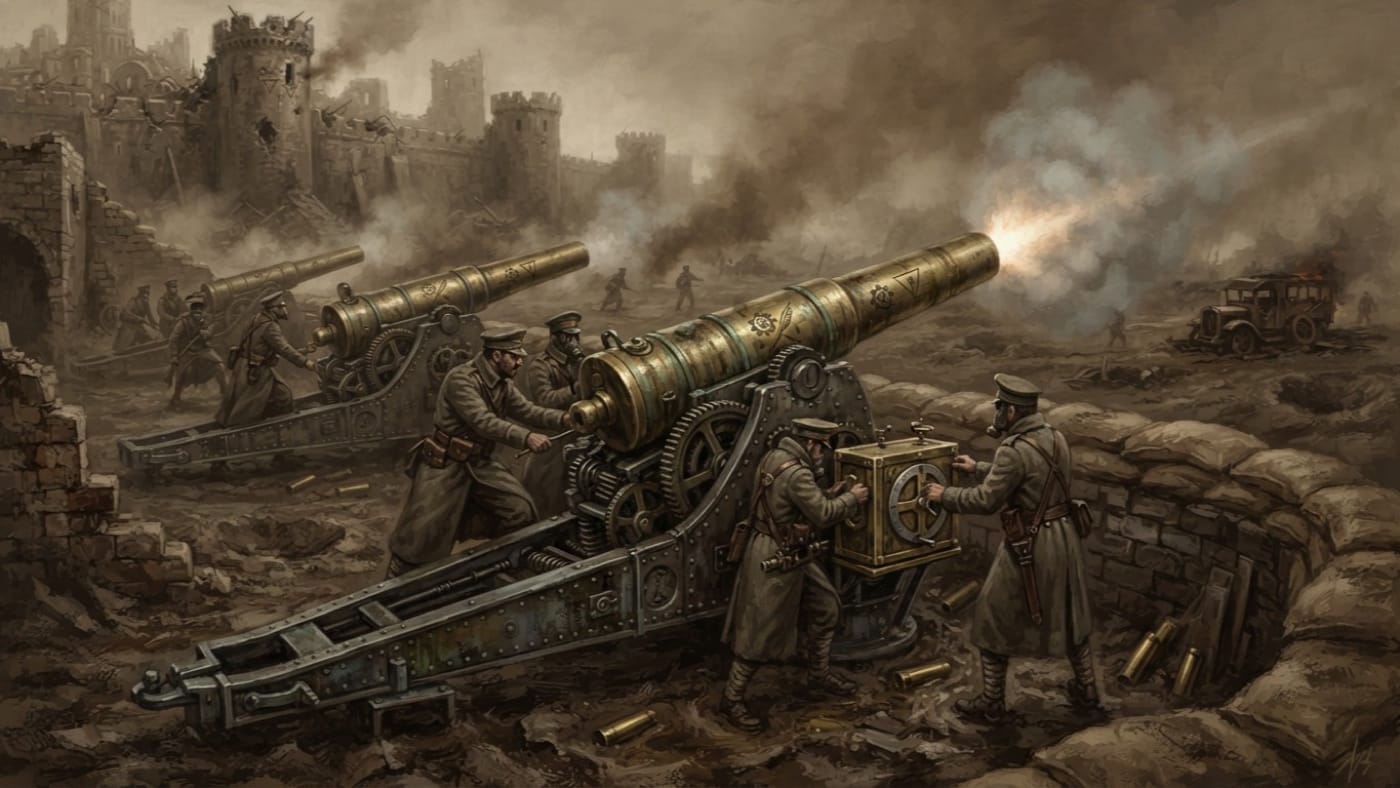
Clockwork Artillery
Four rounds per minute; no provision for Providence
Brass-barrelled Rationalist cannon capable of four rounds per minute. The Bureau condemned the makers, blessed the barrels, and kept the design.
Codex Ref. III.2.04-016
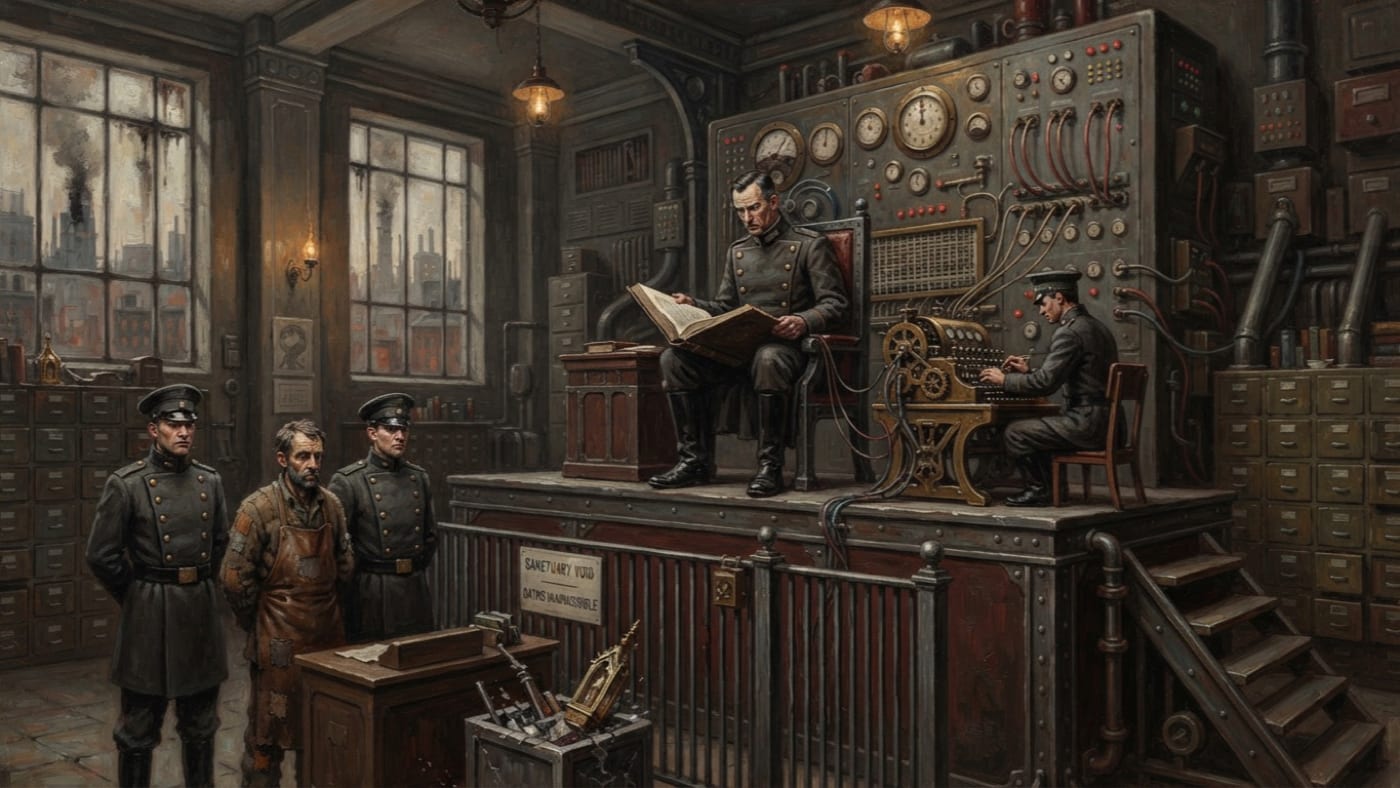
Code of Rational Jurisprudence
A Courtroom Without Relics, and a Divisor Where Mercy Belonged
The Republic's court law made evidence sovereign, abolished relic-sworn oaths and sanctuary, and priced punishment by usefulness. Indexed to Regensburg, A.S. 30; its promulgation remains unknown.
Codex Ref. XIII.1.58-030
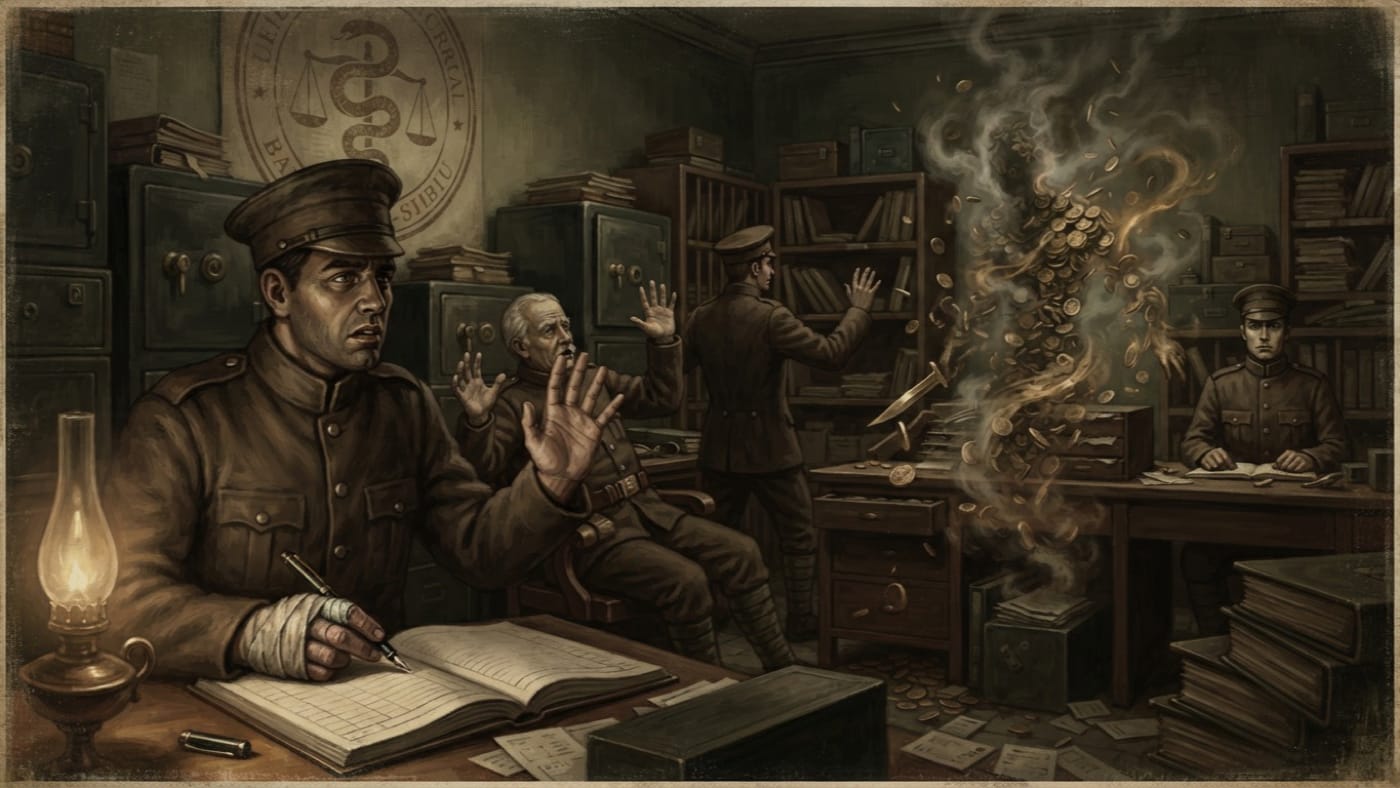
Coin-Sworn Shades
The throat is opened. The account is closed.
A.S. 201 survey of Velmora's unseen assassins: spirits bound to cursed currency, announced by a faint coin chime. Their blades open throat and fortune; the dead leave empty purses and debts still eager to collect.
Codex Ref. IV.2.07-001

Collectors
It asks nicely. You notice the loss later.
Current bestiary survey, A.S. 201: Velmora's Collectors trade for particular possessions, memories and qualities. The terms seem reasonable; the loss waits until you reach for what you sold.
Codex Ref. IV.2.07-002

Colonel Verdane
He did not break Aachen; he purchased the hinge
Colonel Verdane bought Aachen with terms, silk, wine, and exact road arithmetic. Guillaume sold the gate; Verdane priced the hinge.
Codex Ref. I.1.04-001

Concordat Charter
The officer dies. The obligation survives.
The Concordat Charter of A.S. 92 / 1802 CE formally founded the Bureau of Tithes and fixed its fiscal mandate. The Church's tenth became a recorded debt; the officer may die, but the obligation survives.
Codex Ref. III.1.02-092

Concordat settlement
Five masters, one servant, and the servant holds the keys
The A.S. 90 settlement at Strasbourg recognised Passage's authority over movement while preserving five offices' competing claims. The road acquired one keeper and the keeper five masters.
Codex Ref. III.1.02-090

Concordats of Governance
Four hundred and twelve pages proving Hell does not respect footnotes
The Concordats of Governance were the Rationalist Republic's procedural gospel: prefectures, censuses, tribunals, and emergency clauses annulled too late to unmake their wounds.
Codex Ref. XIII.1.12-030
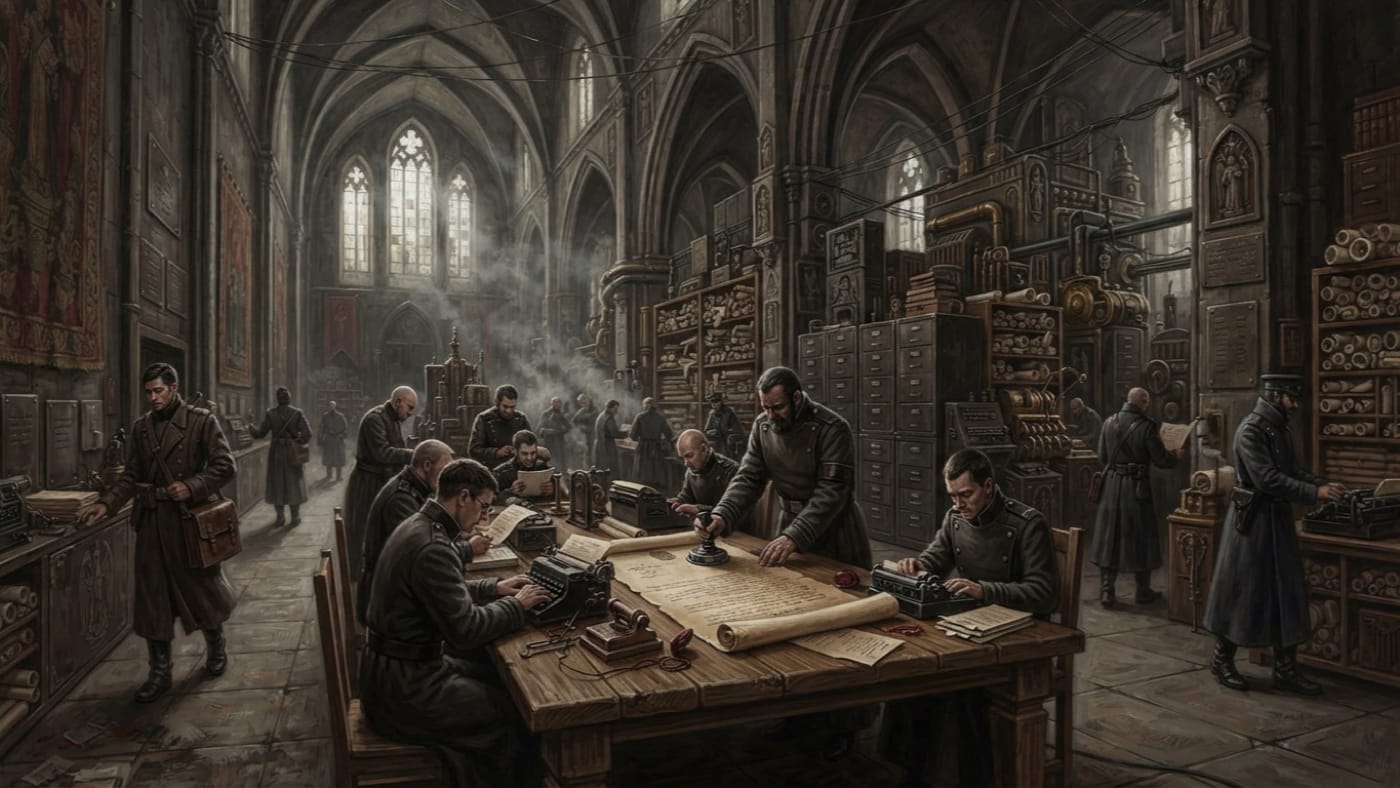
Conventus Fidelium
An assembly on vellum; its first convocation unrecorded
The Common Allegiance proposed the Gathering of the Faithful in A.S. 55: one assembly, common command and five offices. I record its ancestry without inventing its first convocation.
Codex Ref. I.3.02-055
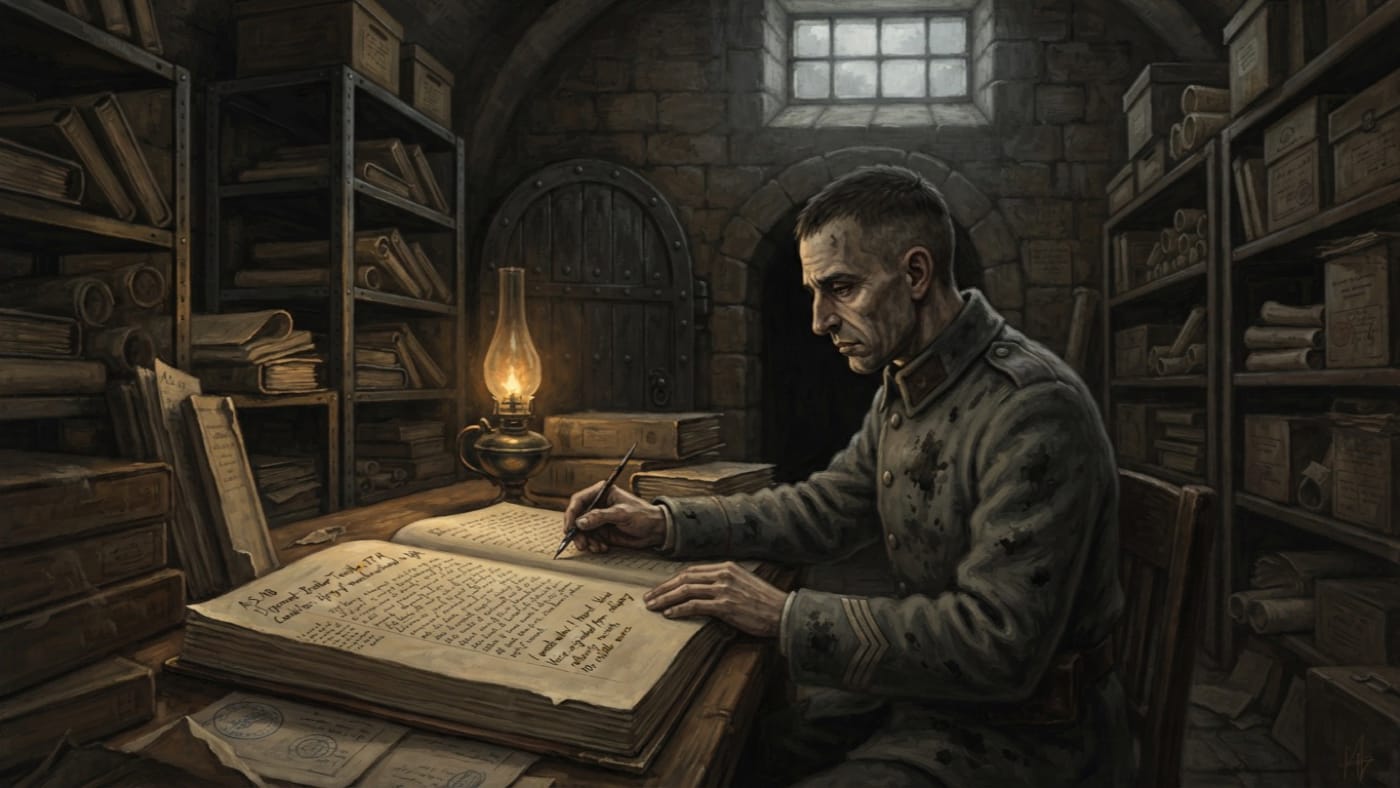
Corporal Aleks Dragović
The corporal who filed the contradiction whole
Field scribe of the 7th Rearguard Column who dated Brother Tomislav's deposition three days after his consumption at Kalnik. Thirty-one years of record service followed; the chronology remains unreconciled.
Codex Ref. III.2.01-745
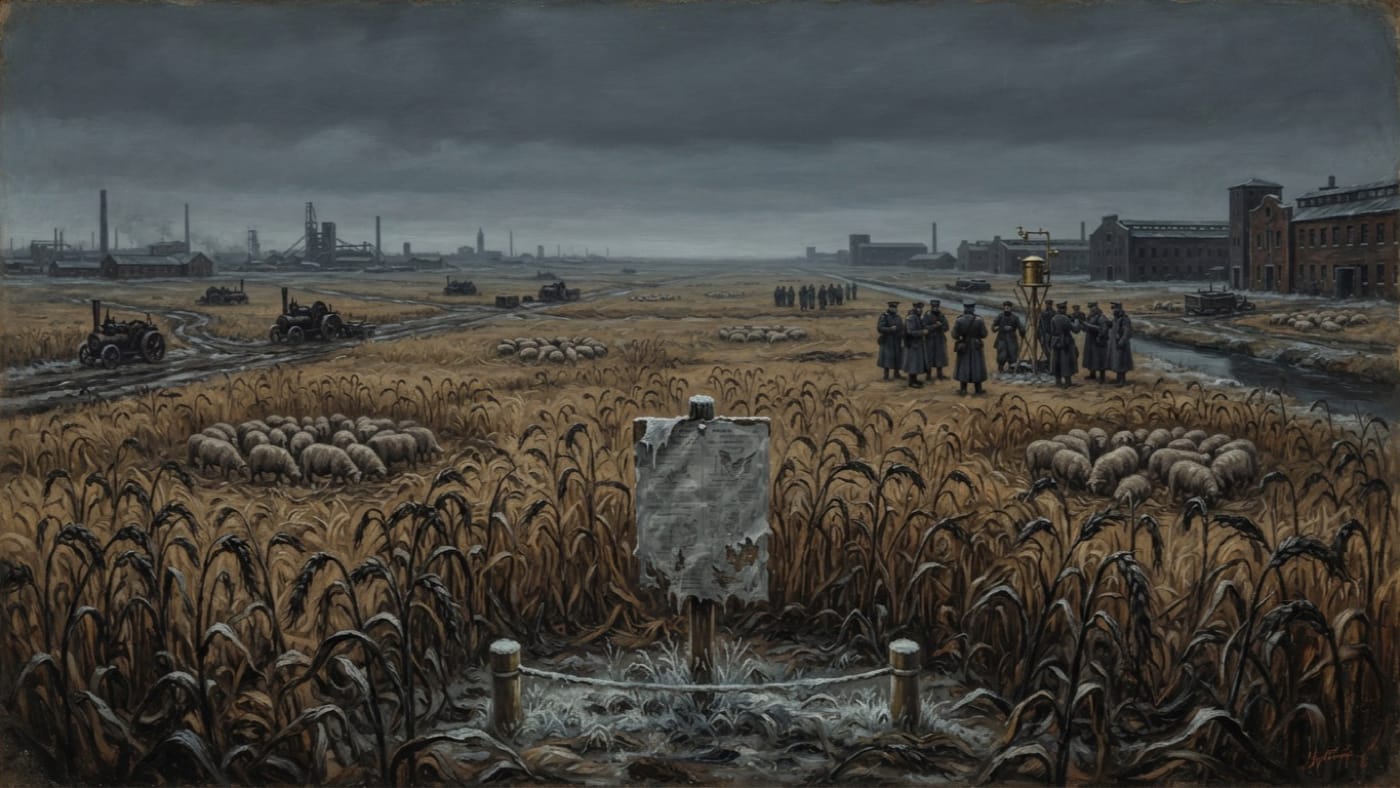
Council of Natural Sciences
One unsigned treatise, a continent of witnesses, and no confirmed author.
The Republic's Council survives as a name credited with the anonymous fifth treatise of A.S. 32. It blamed forty days without sunrise on mass hysteria. Authorship remains unconfirmed; the barley has already testified.
Codex Ref. I.1.03-033
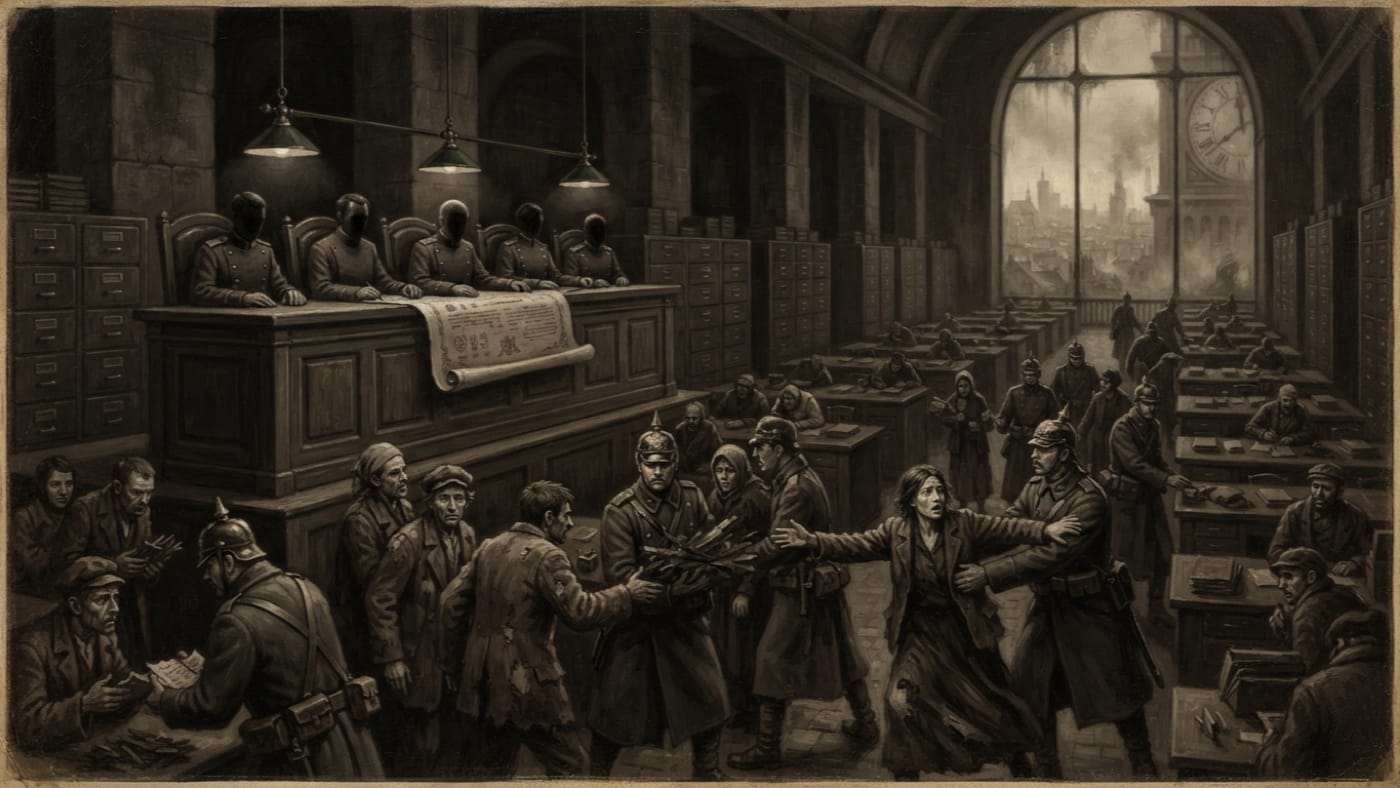
Council of Rational Governance
The committee that prosecuted the warning instead of answering it
Vienna's Council of Rational Governance answered the Eastern Silence in A.S. 38 by criminalising supernatural testimony. Its charter and councillors are unrecorded; its confidence survives in the declarations.
Codex Ref. I.1.03-038
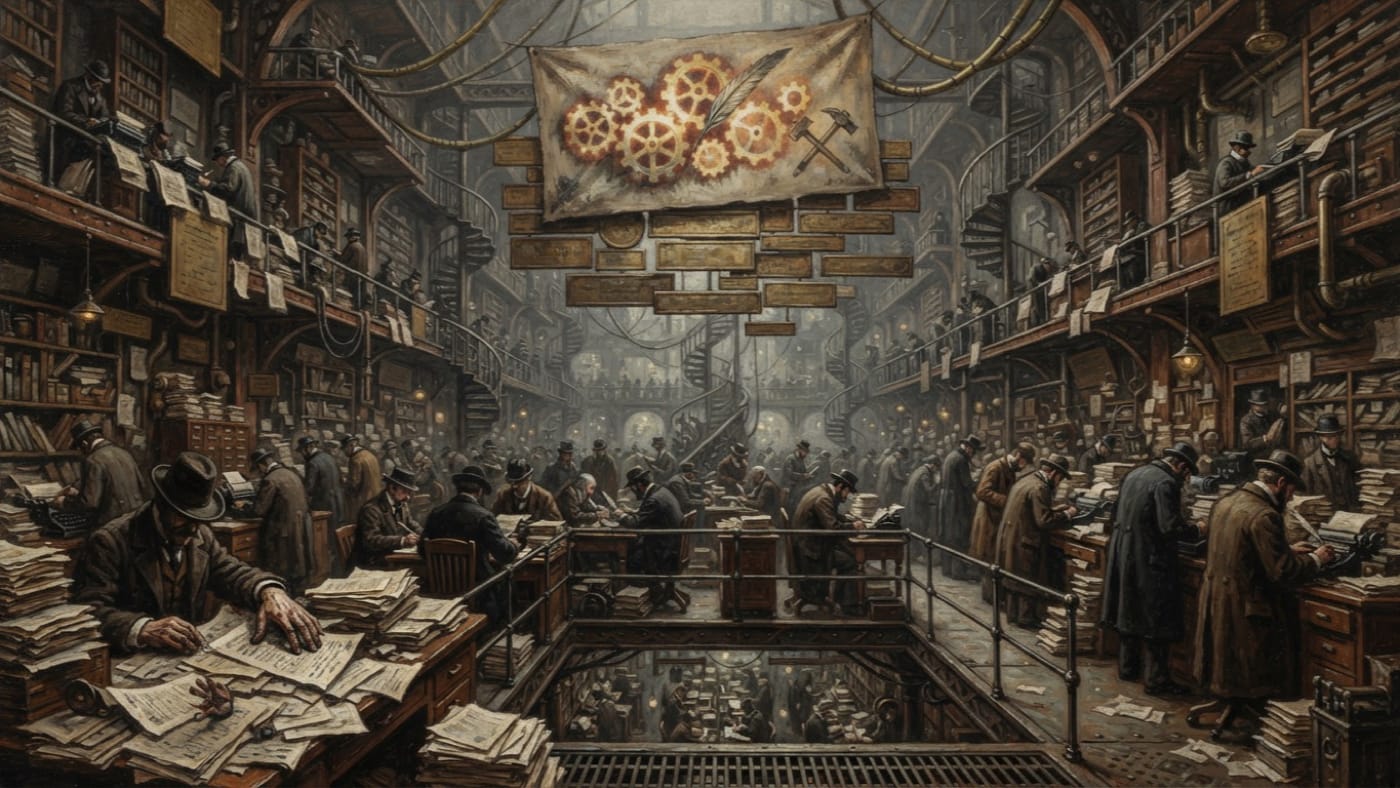
Council of Seven Orders
One surviving maxim. A continent of duplicate offices.
The Council of A.S. 110 gave the Synod a doctrine of overlapping offices: redundancy is sanctity. Its roster remains unavailable, its proceedings unfiled, and its administrative descendants still draw stipends.
Codex Ref. VII.7.03-001
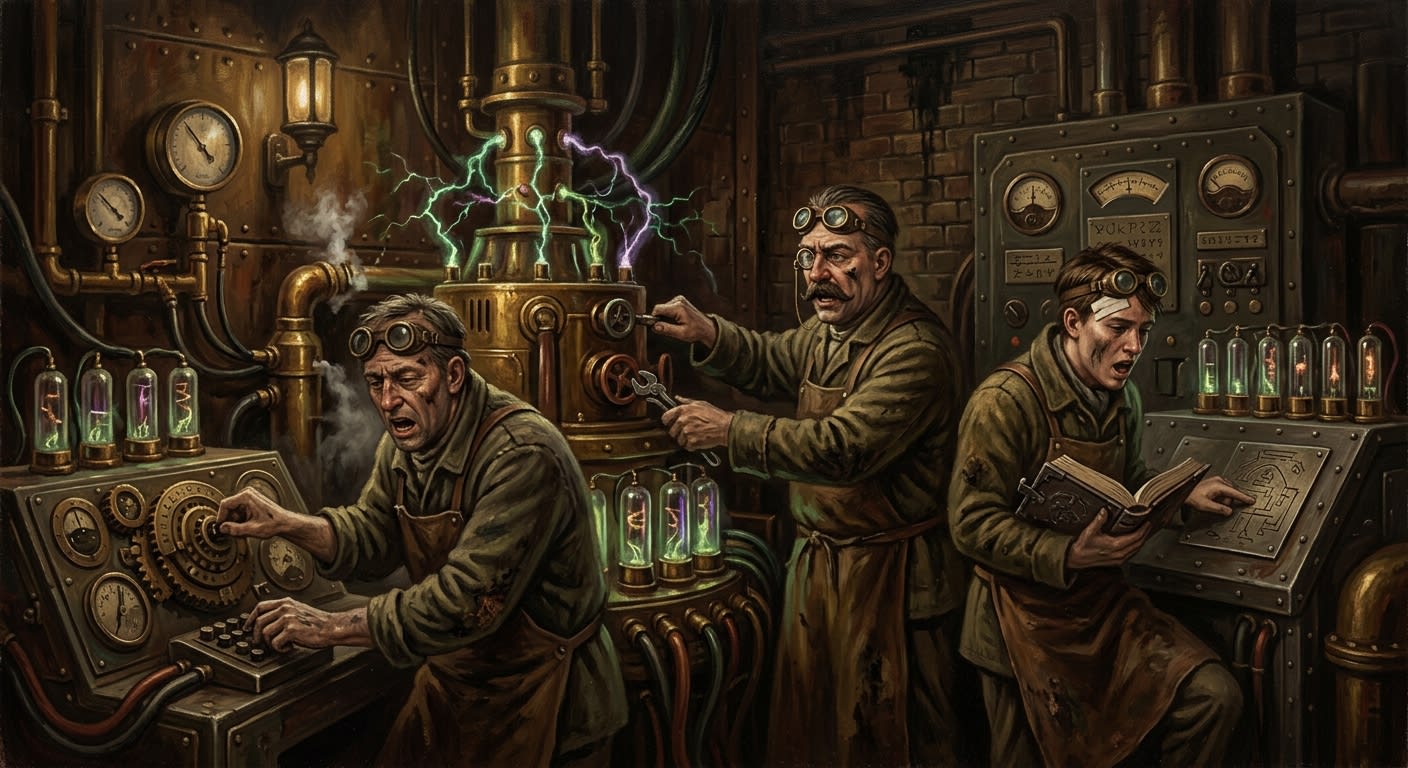
Counter-Sorcery Verses
Speak only what you can finish, for the wall listens
The sanctioned combat cant of Litany-Engineers: twenty-seven working verses that time charges, fracture sorcery seams, and punish miscadence.
Codex Ref. XIII.1.65-001

Counting Engines
A correct total is not a lawful claim.
Commissioned A.S. 201 survey of captured machinery in Velmora's current territory. The dossier reports absent coins, unincurred debts and unsold souls entered as pending. A total establishes no title.
Codex Ref. II.4.11-001
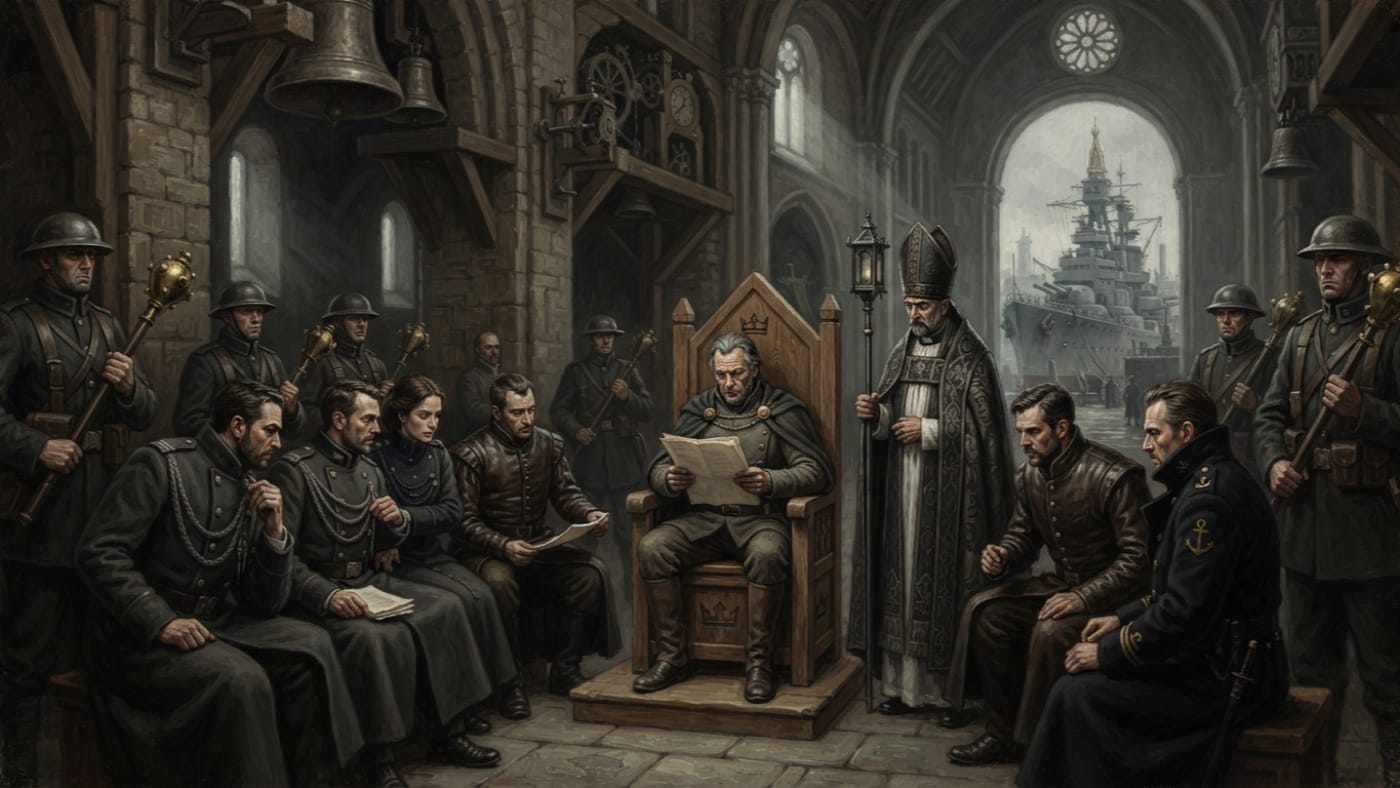
Court of Canterbury
Where every paper is read and no obedience is owed
Canterbury's sovereign court gathers Aldric III, the Table of Nine and the Archbishop around a government that reads Synod papers in full and owes Strasbourg no obedience.
Codex Ref. X.1.02-202
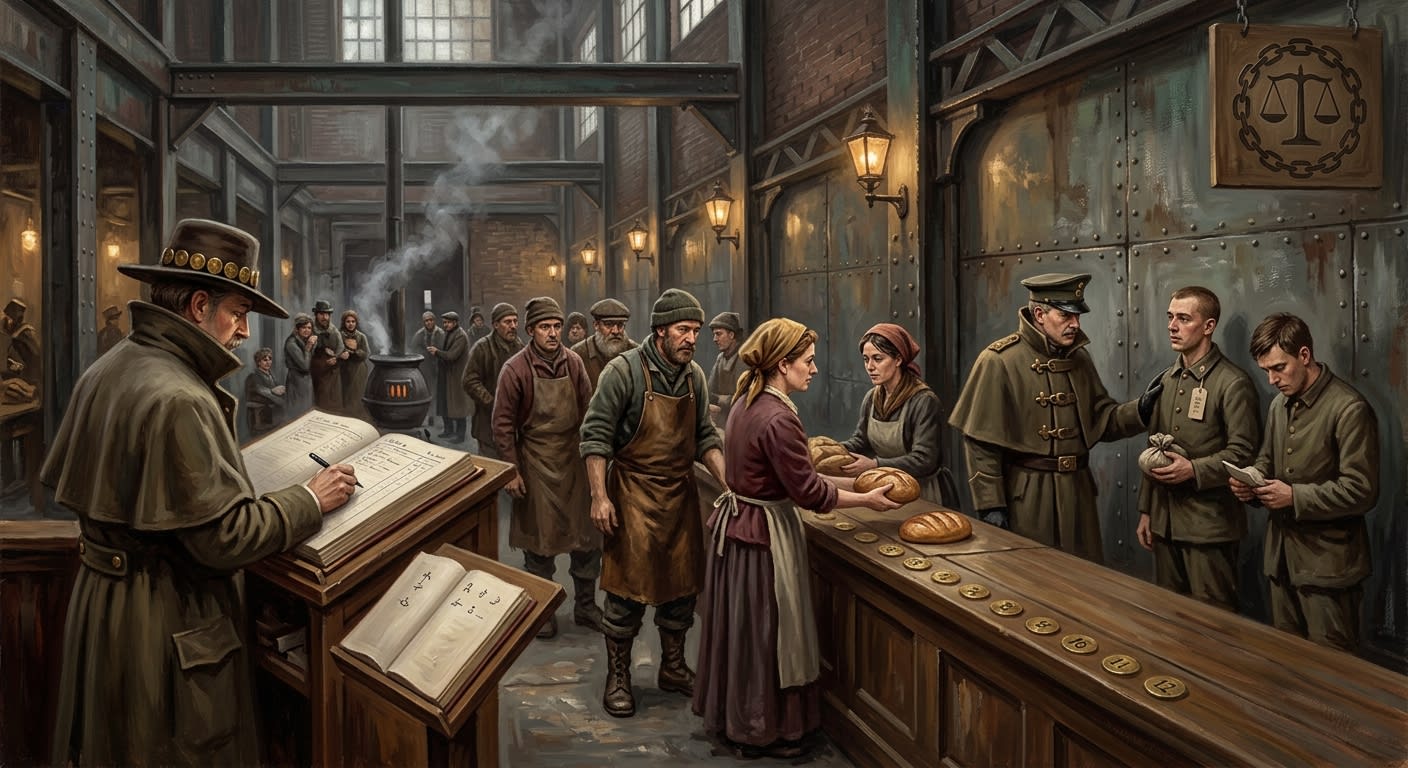
Covenant
The leash with bread on it, sanctified for public use
Covenant is the Synod's master noun: sacred pact in sermon, enforceable belonging in ledger, bread-chain in queue, and body-debt at the Line.
Codex Ref. XIII.1.04-090

Creed
The shortest border is the one behind the teeth
The Creed is the Synod's shortest border: a licensed mouth, a timed answer, a civic leash, and the little gate through which bread, obedience, and punishment pass.
Codex Ref. XIII.1.04-090
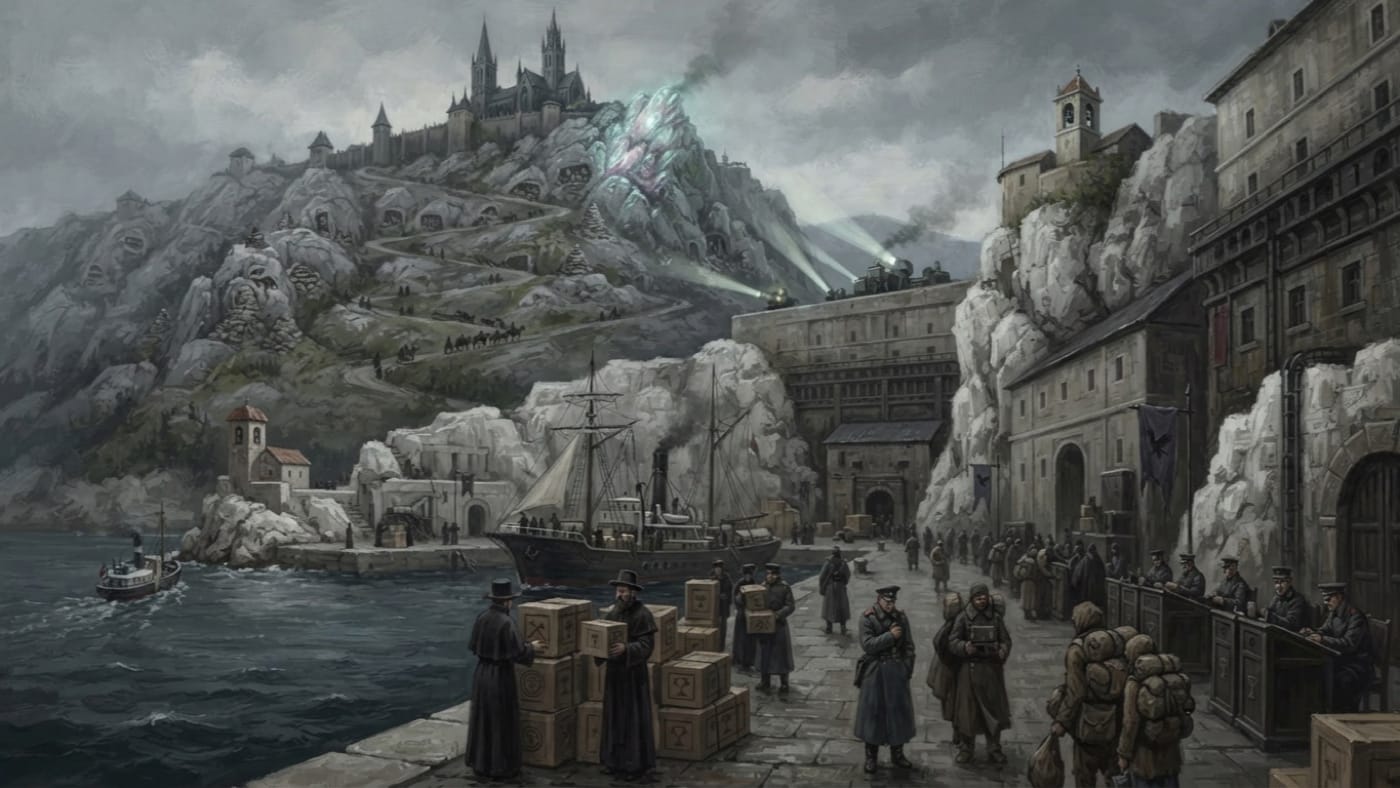
Croatia
A ridge to pray on, a coast to unload at
Croatia survives in the Ledger as Kalnik's armed shrines and Dalmatian supply harbours. The Church certifies the cargo more readily than the borders.
Codex Ref. II.7.04-201
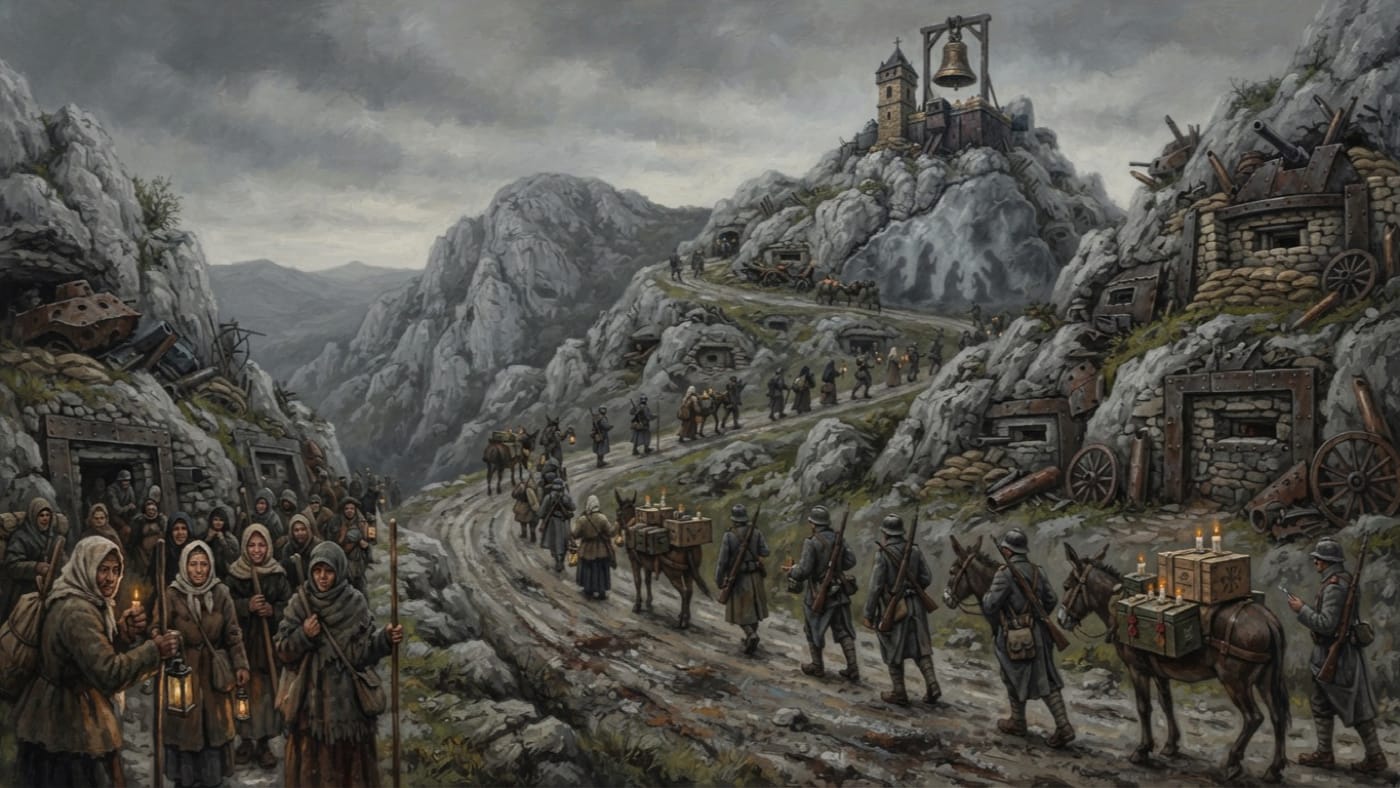
Croatian highlands
Where candles and cartridges climb the same road
The Croatian highlands enter the Ledger through Kalnik Ridge, where cave chapels became armed shrines and the same road carries pilgrims, candles and cartridges.
Codex Ref. II.3.07-807
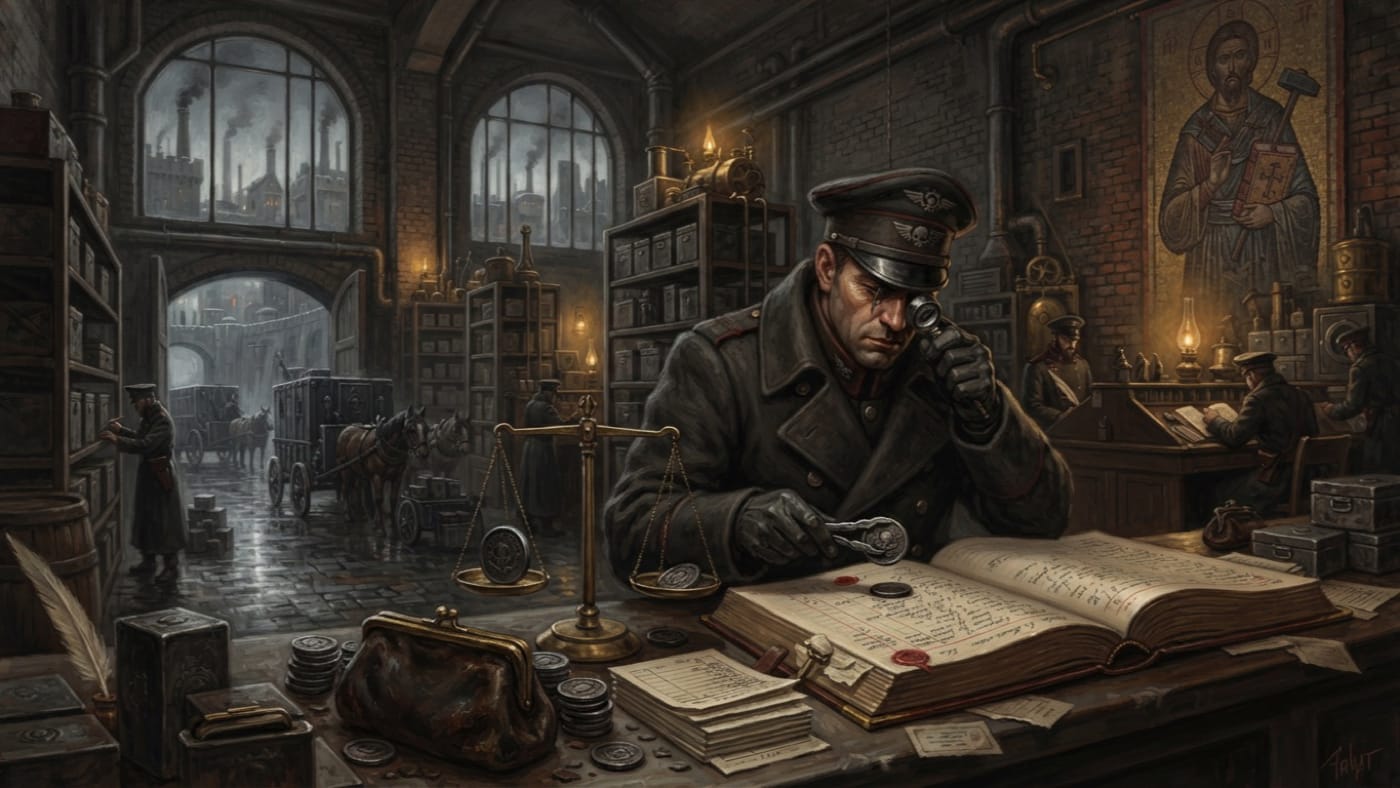
Crowns
Iron in the purse, obedience in the ledger
Crowns name both the Synod's stamped iron coin and its unit of account. Mint blessings, sealed receipts and honest weight still leave Velmora room in the ledger.
Codex Ref. XIII.1.22-201
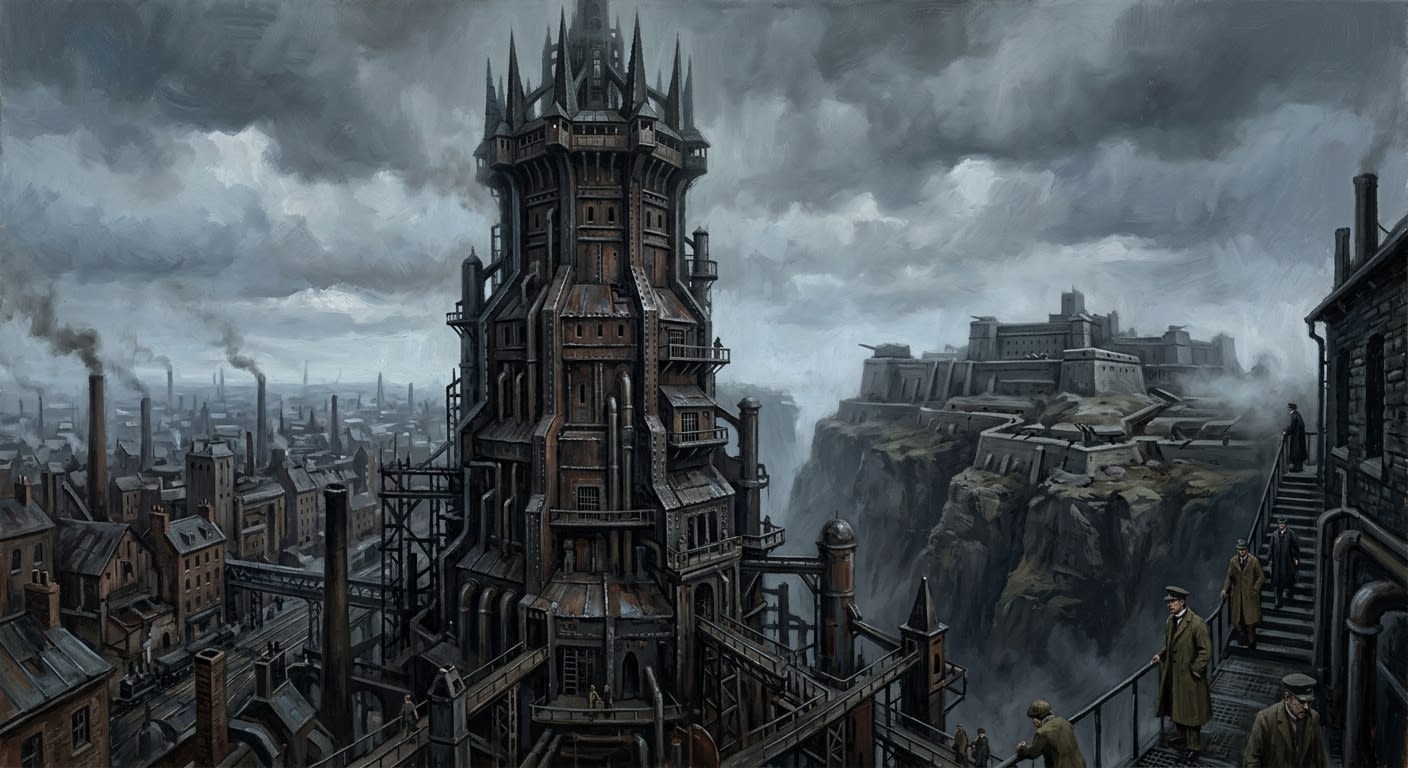
Crownspire
The tower that mistakes altitude for title
Crownspire is Atheron's black vertical thesis in the Ebon Heights: throne-plan, citadel, temptation, and measurement-trap opposite Bastion-Przemyśl.
Codex Ref. II.4.03-045
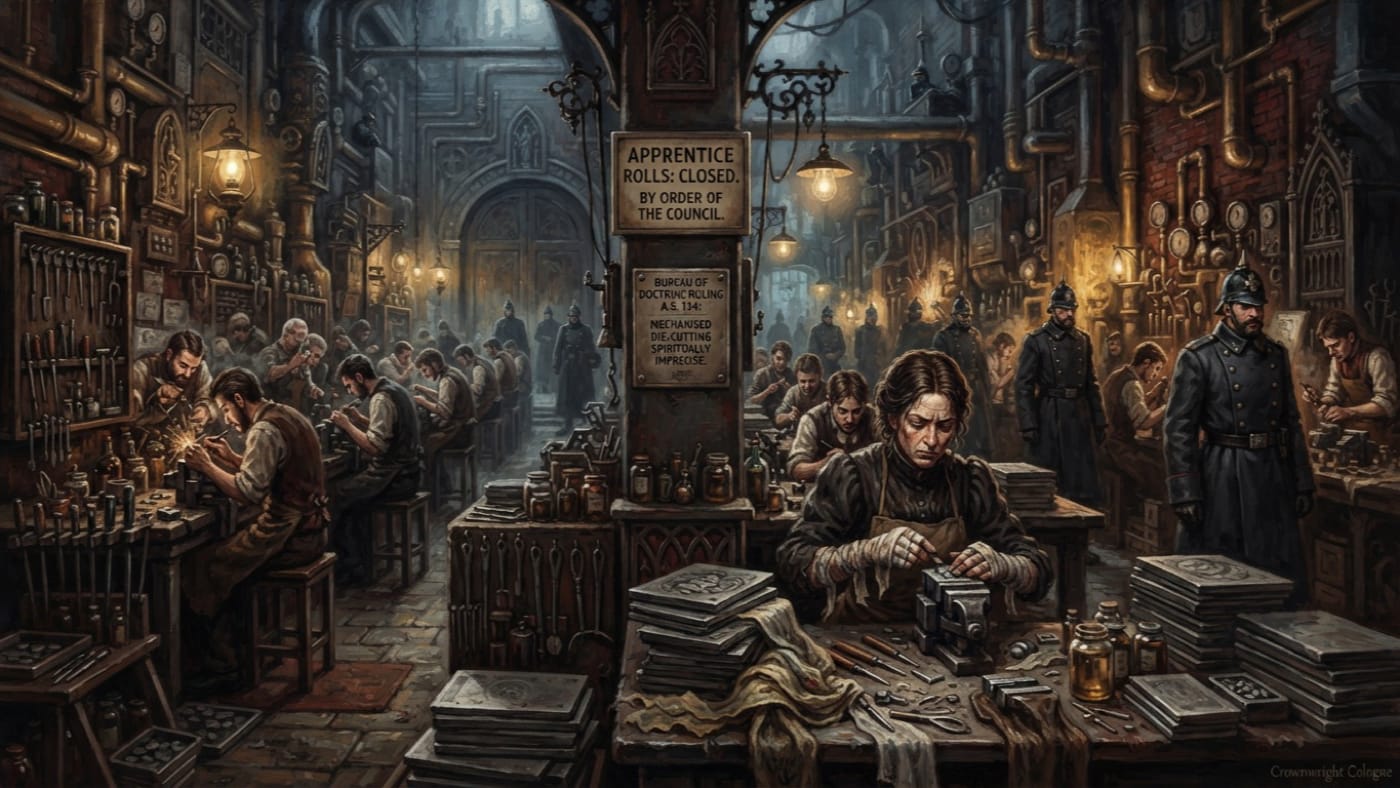
Crownwright Guild
The Chapter owns the face; the Guild owns the hand
The Crownwright Guild cuts Sable Court's lawful faces, charges for recognition, and keeps the Mint-Chapter dependent on its hands. Its apprentice rolls remain closed during the Face Theft crisis.
Codex Ref. XI.7.01-001
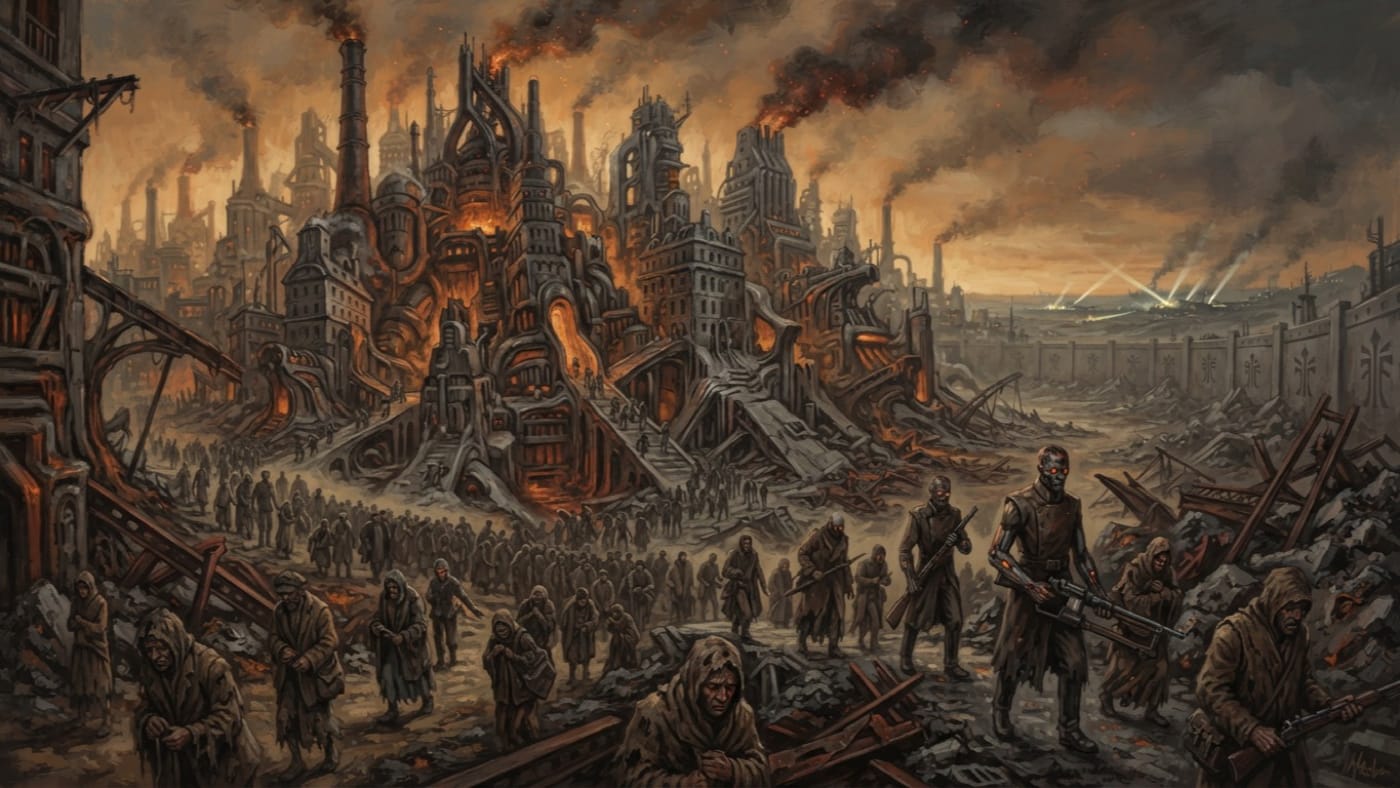
Crucible Cities
Where the grievance ends and the rage remains
In Maldrake's Crucible Cities, years of ritual violence refine living humans into Crucible-Born. The streets melt and reform; the grievance ends, but the rage remains.
Codex Ref. VI.1.03-002
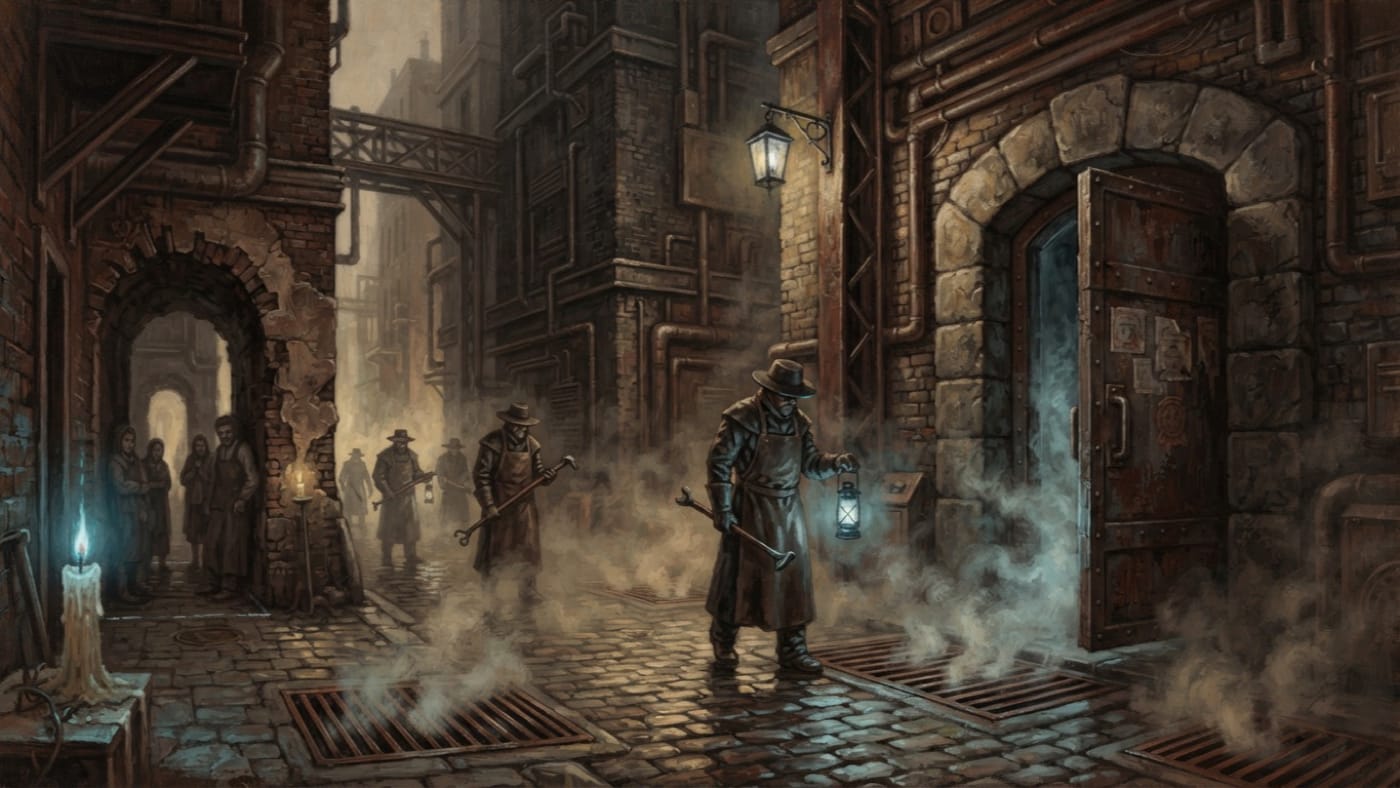
Crypt Mouths
The doors are sealed; the routes are maintained
The Crypt Mouths are Candle-Sump's vent alleys and sealed doors, where warm drafts carry rot-spores and whispered names from maintained burial routes. A shadow registry puts the names to work; the Bureau keeps the review pending.
Codex Ref. II.1.05-002
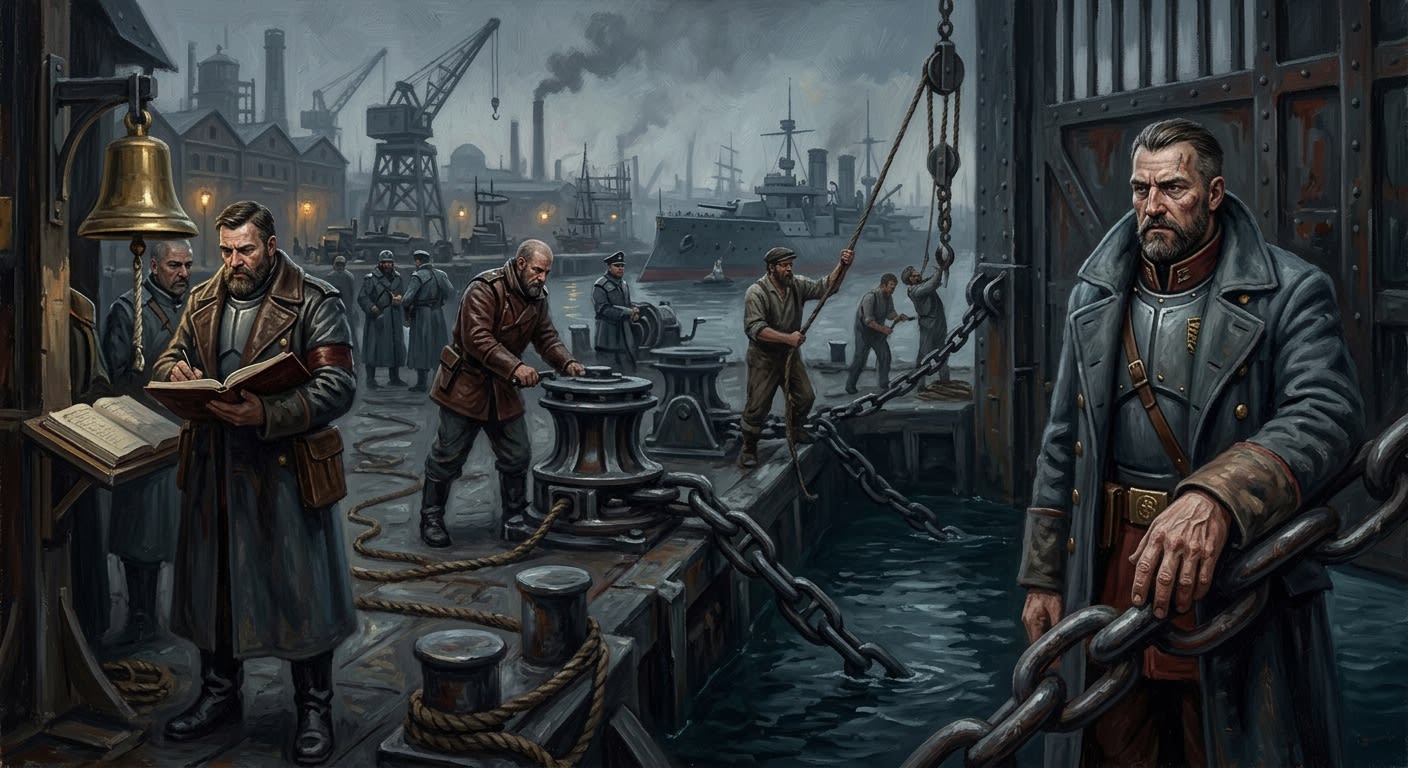
Custodians of the Chain
The iron held while the bronze lied, and Strasbourg has not forgiven the hands that knew it first
Thessaloniki's Custodians of the Chain keep the Elder and Younger harbour chains: guild, gate, diver-law, rope-law, and the callused proof that iron may count when bells fail.
Codex Ref. XII.44.09-198
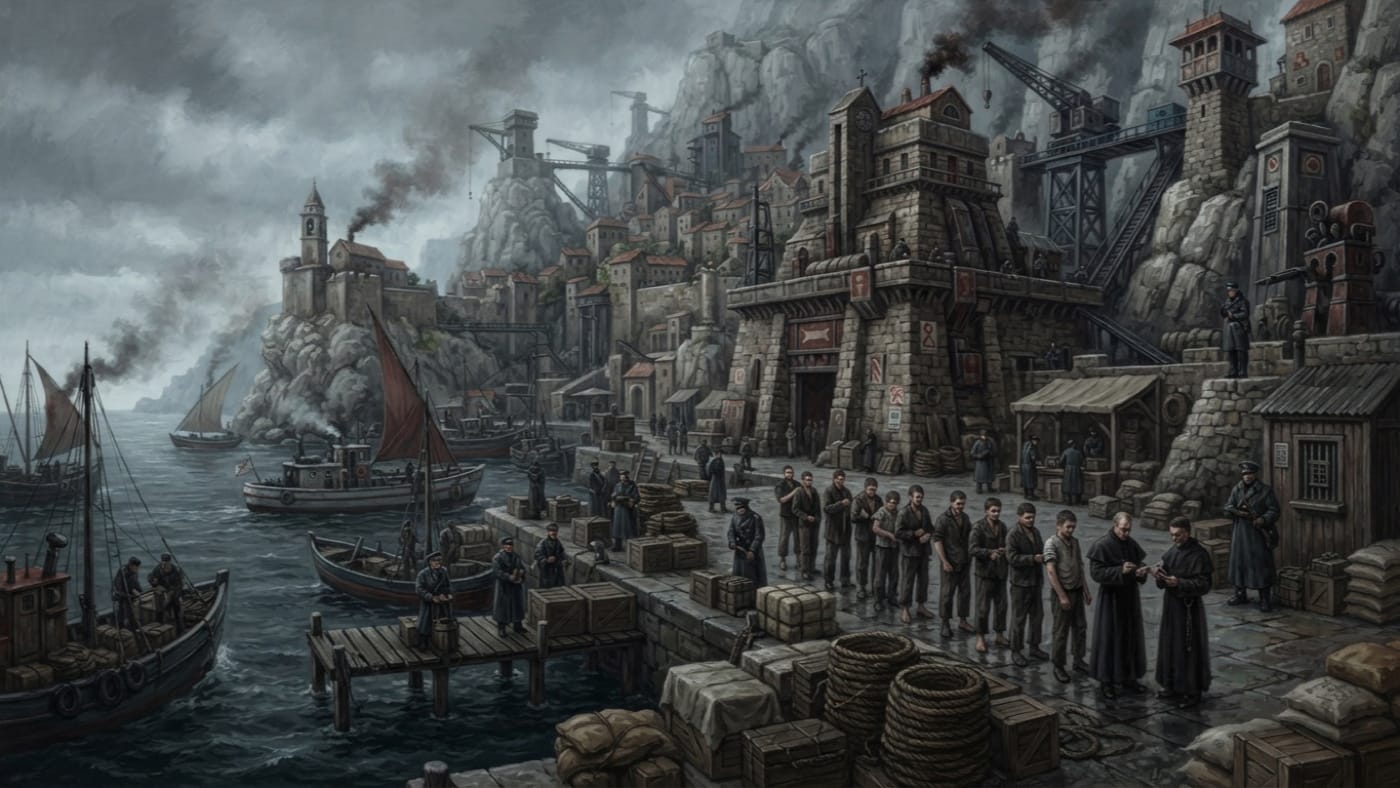
Dalmatia
Where rope is sold and sons are assessed
Dalmatia is the Synod's Adriatic supply coast: Venetian cargo, quarantine piers and parish rolls. Rope, salt and harbour labour are sold; the tenth son is assessed.
Codex Ref. II.7.05-201
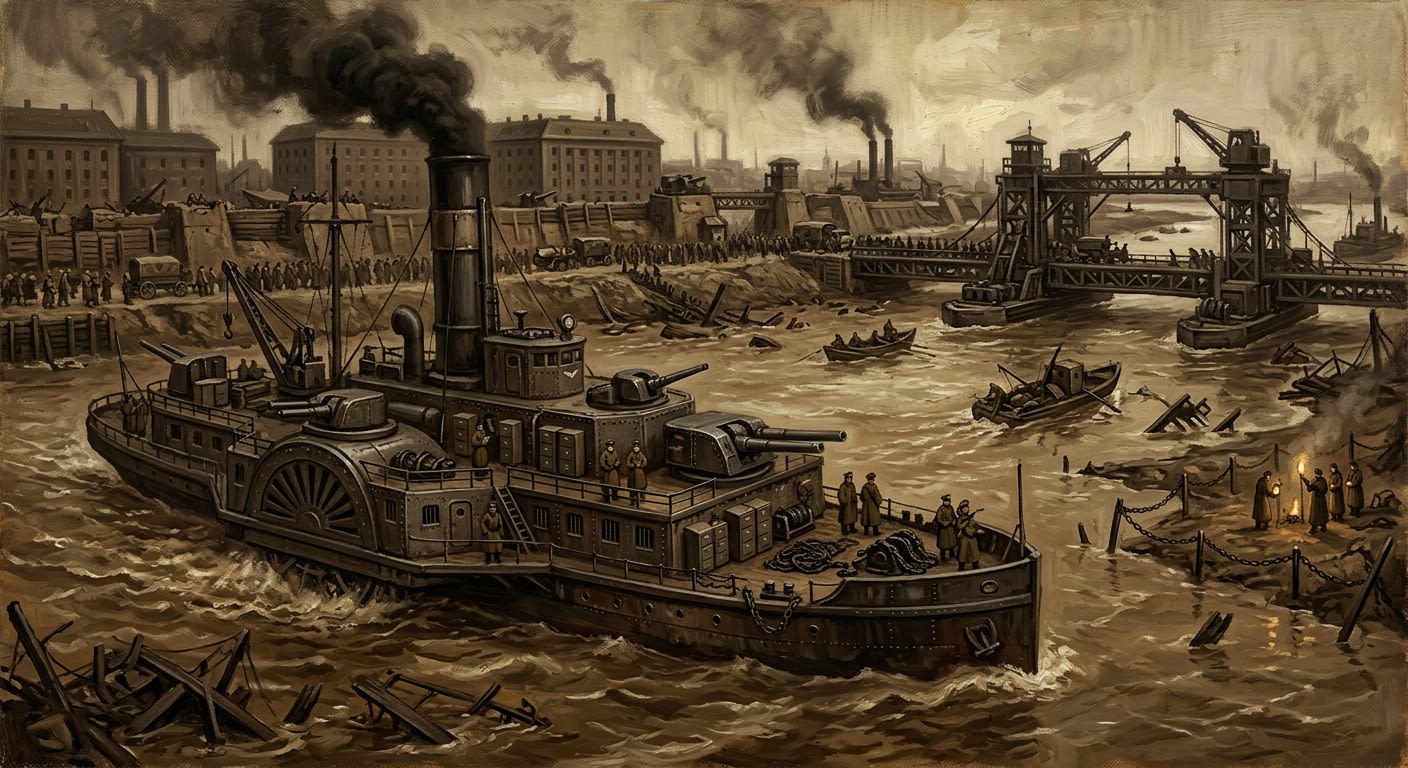
Danube
A moving jurisdiction, interrupted by Hell
The Danube is the Synod's brown moving jurisdiction: road, border, weapon, archive, tariff, grave, miracle-site, and contested throat of Irongate.
Codex Ref. II.4.09-034
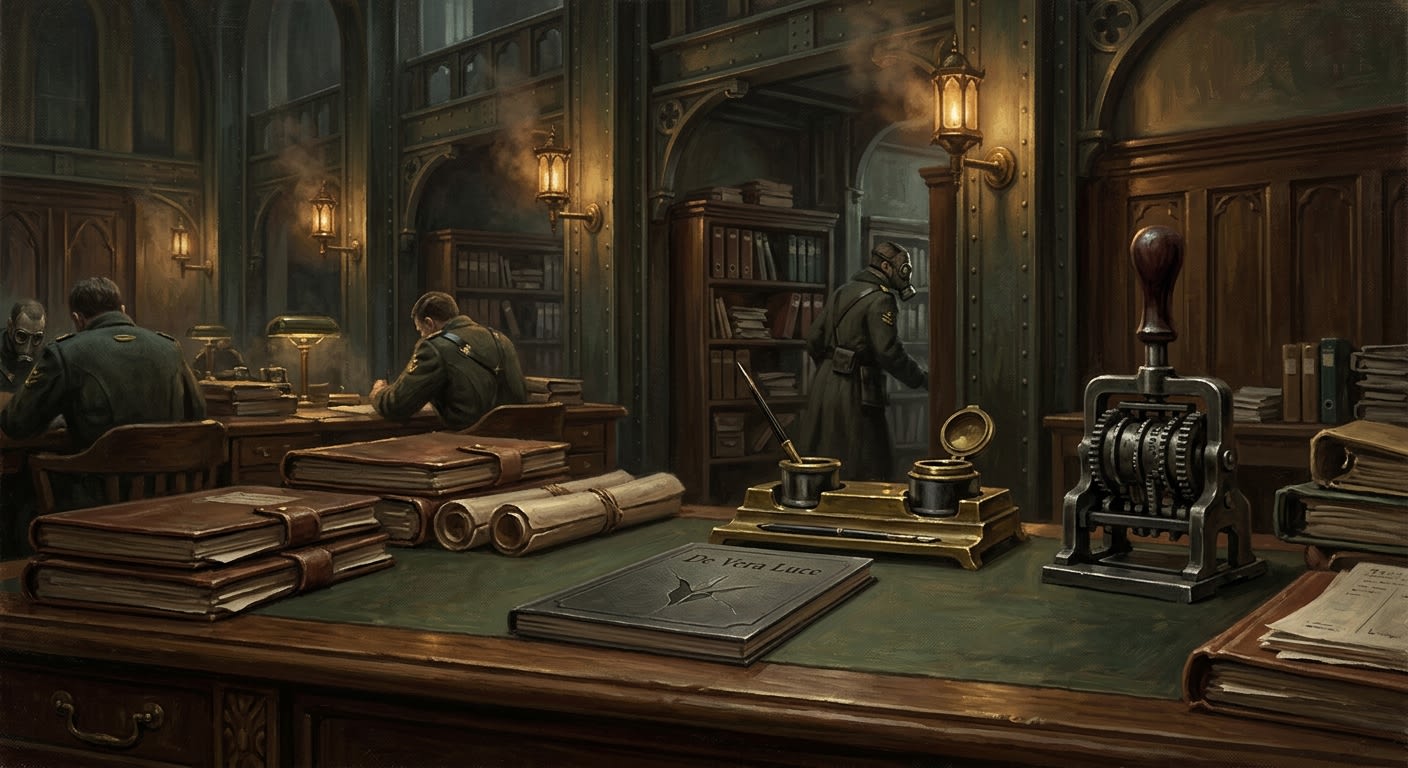
De Vera Luce
The lamp without altar becomes a torch in a library
The Amsterdam Academy's founding pamphlet made A.S. 0 a wound, not a birthday: thirty-two leaves of clean prose, humane poison, and continental ruin.
Codex Ref. I.1.04-001
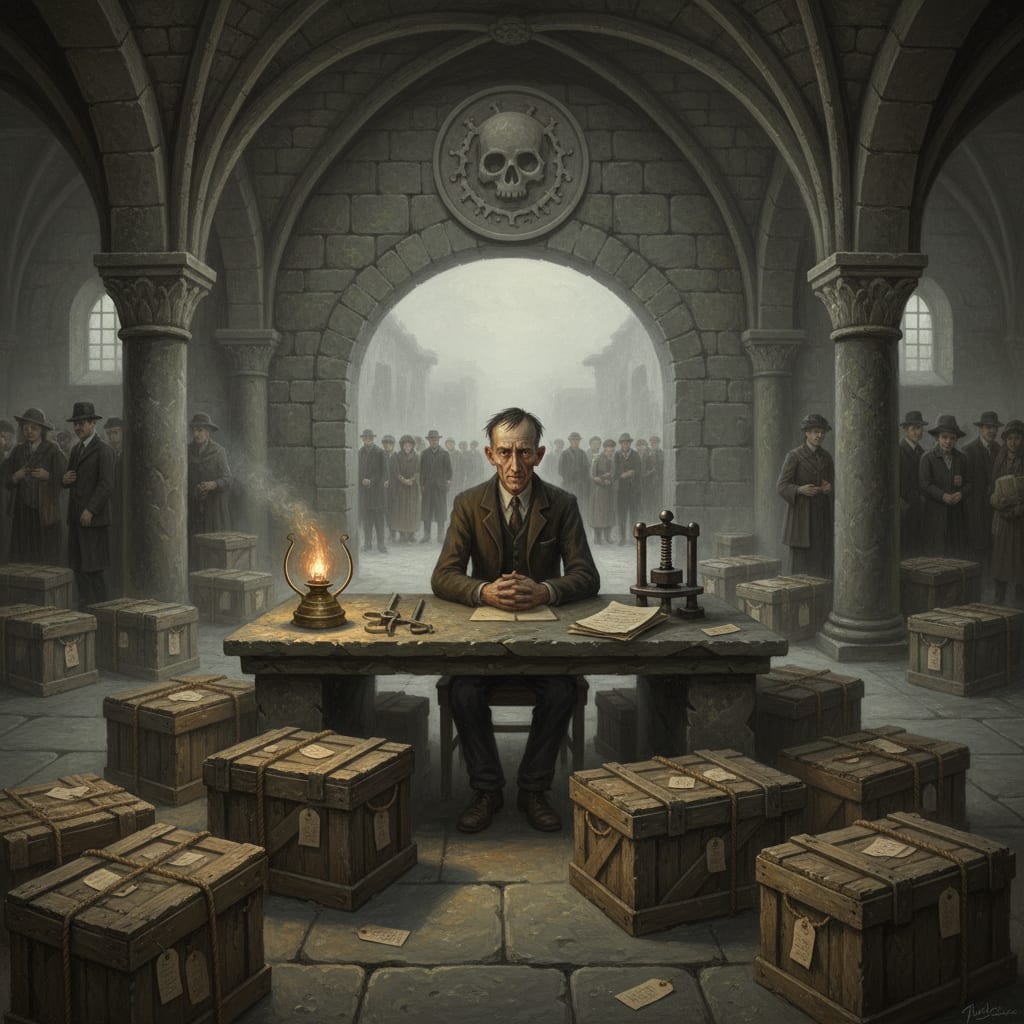
Dead-Goods Tariffer
The grave is a permit; the permit has a price
Bureau-licensed bone classifier. He decides what the dead become — mortar, monument, or ornament — and does not look up from his seal press.
Codex Ref. XII.11.01-001
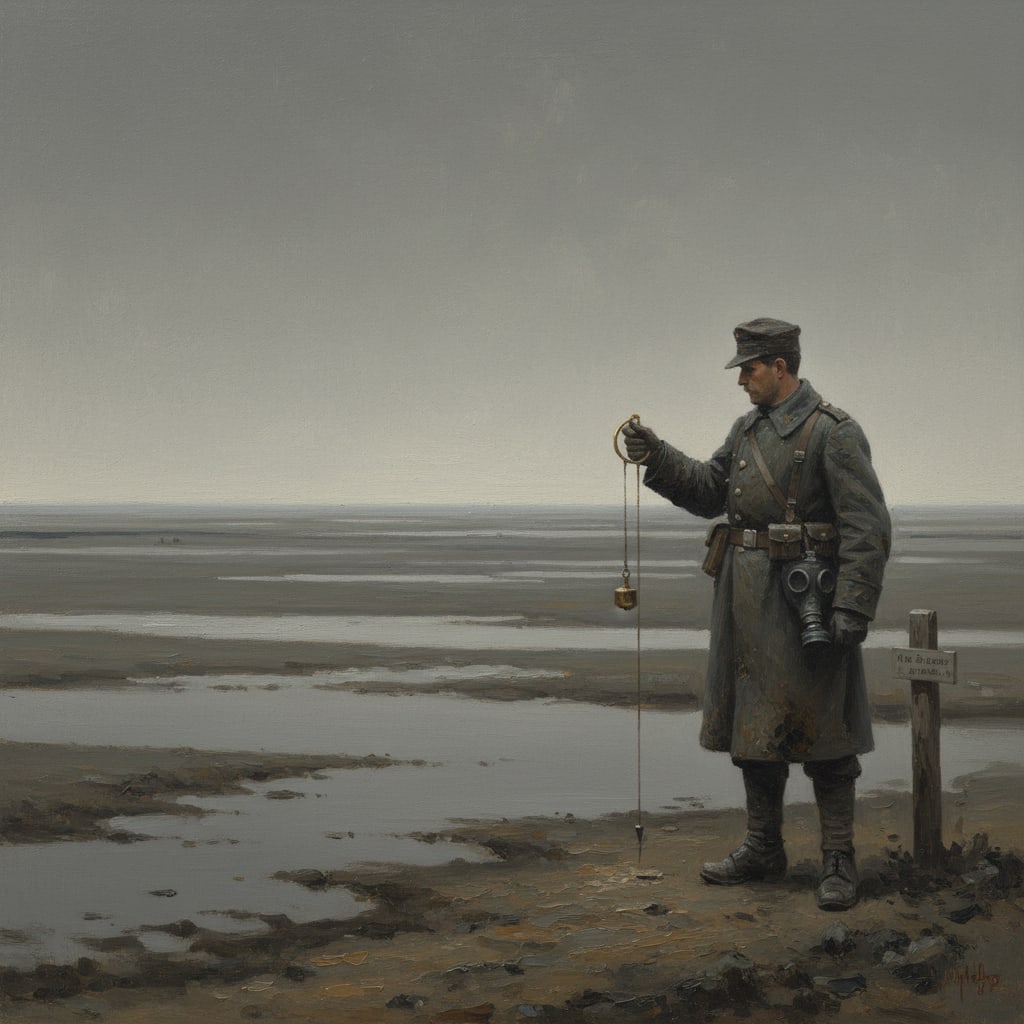
Debrecen
The city that was eaten
Forty-two thousand souls, a grain exchange that set prices from the Danube to the Rhine, and a harvest the world will never taste again. Kargath ate it. The Blightmarsh is all that remains, and the Blightmarsh is still hungry.
Codex Ref. VI.1.01-001
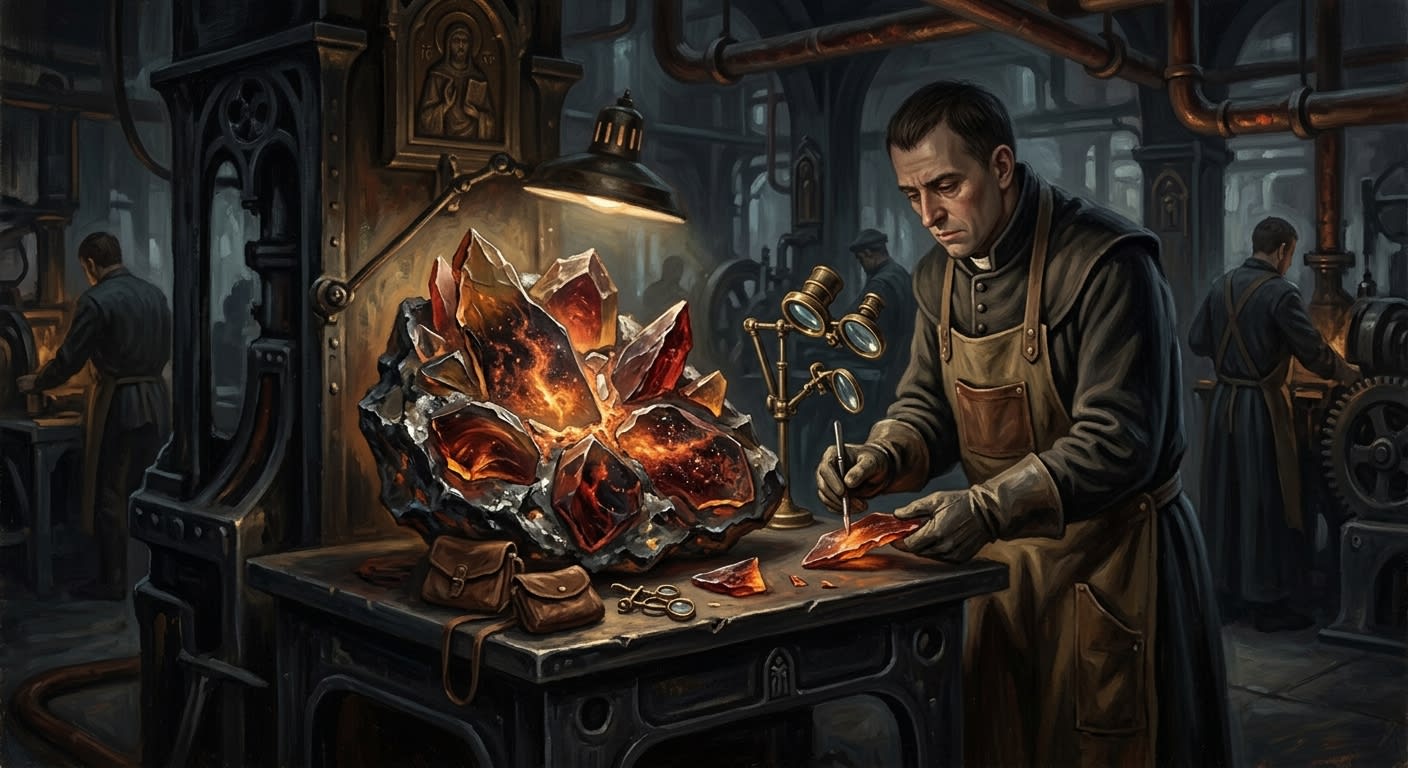
Demon Glass
The pane that looks back and invoices the sin
Demon glass is warm responsive shard-substance from Wound-sites, Wrath slag-plains, and Lust courts: contraband when raw, optical supply when useful.
Codex Ref. XIII.1.58-001
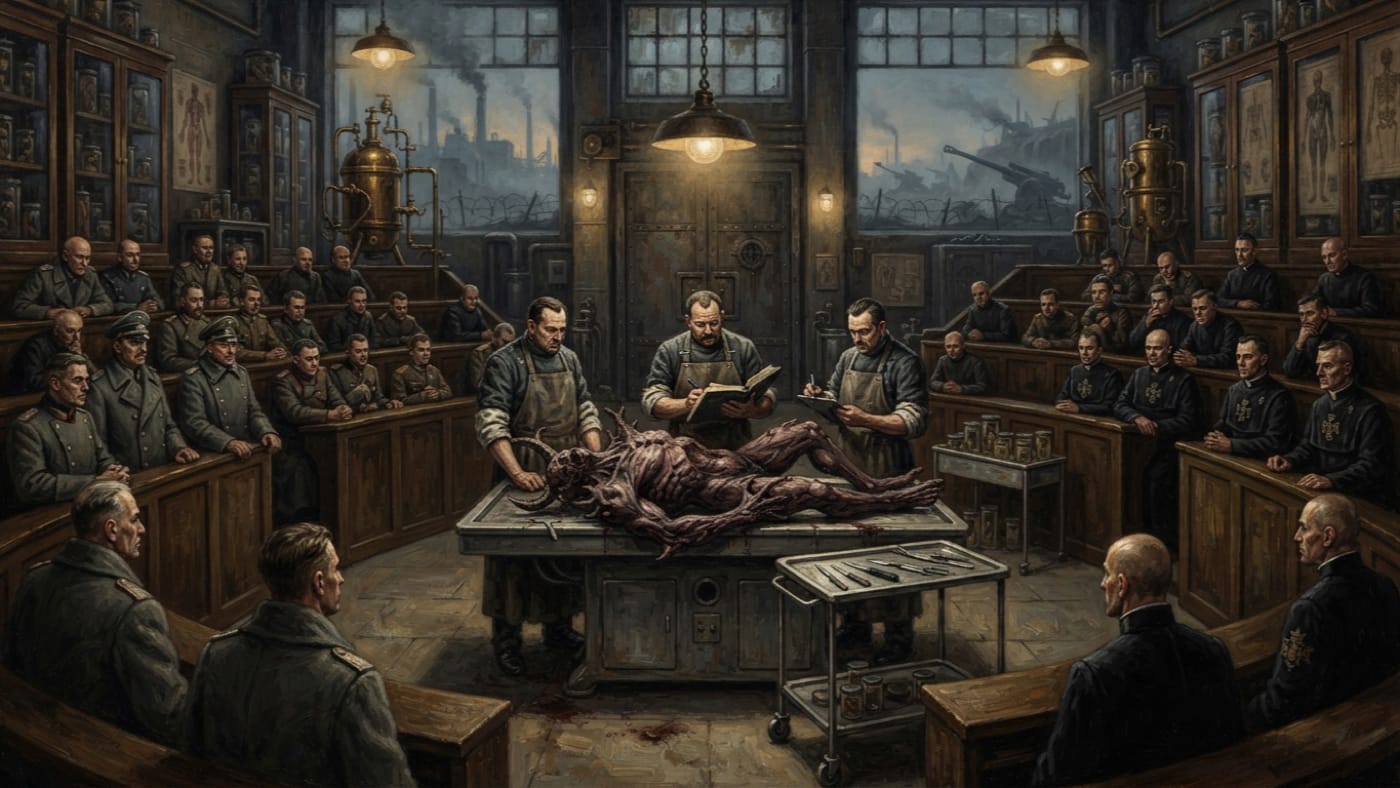
Demons
Iron for the flesh, a separate column for the theology
Corporeal demons die by iron; rare influence-demons whisper. Their hosts are chiefly human. Doctrine certifies their origin; the surgeon keeps their bodies.
Codex Ref. IV.1.00-001
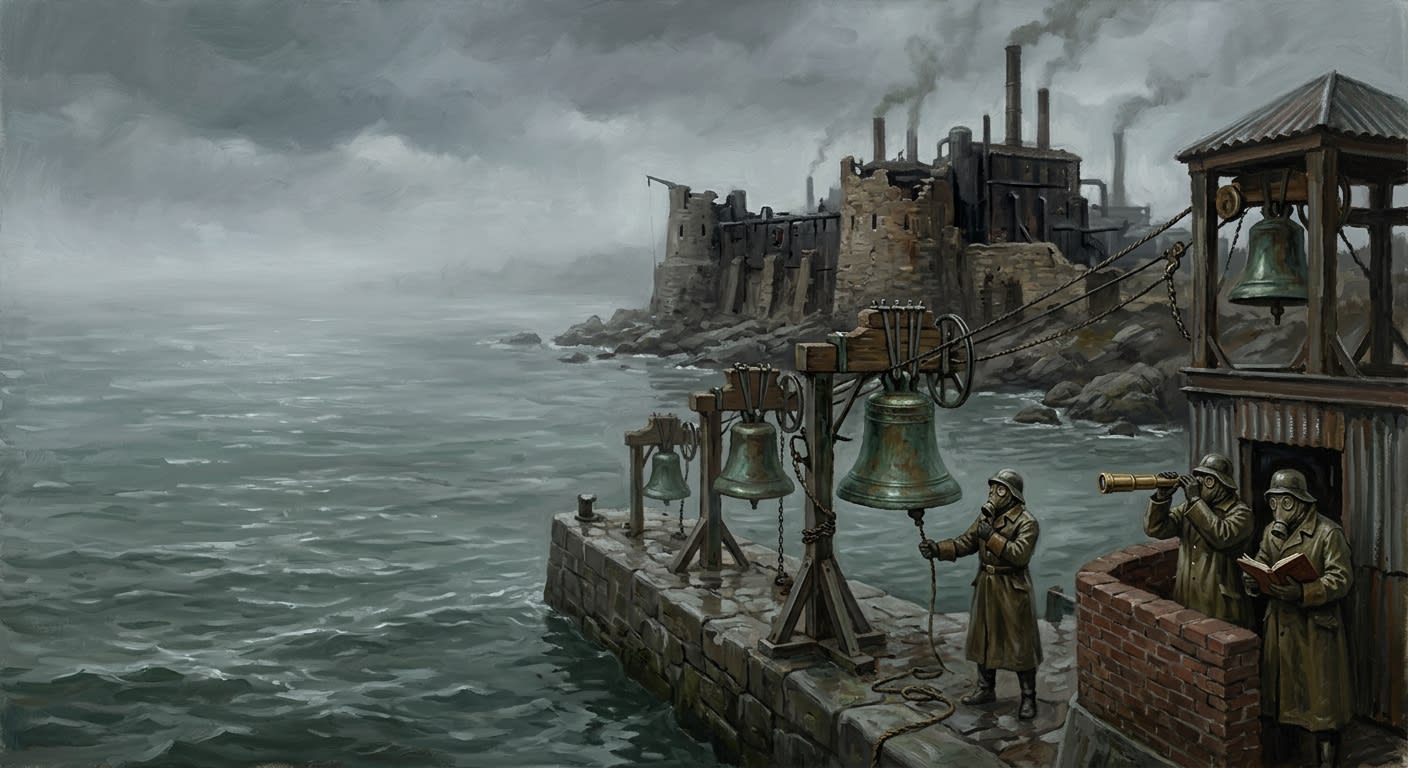
Det grå vattnet
The grey water listens before the bell decides whether to speak
Det grå vattnet, the grey water of the Fractured North, names a Baltic and fjord phenomenon related to the Grey: patient, reflective, responsive, older than the Bureau's comfort, and held only by old bells.
Codex Ref. IV.1.07-005
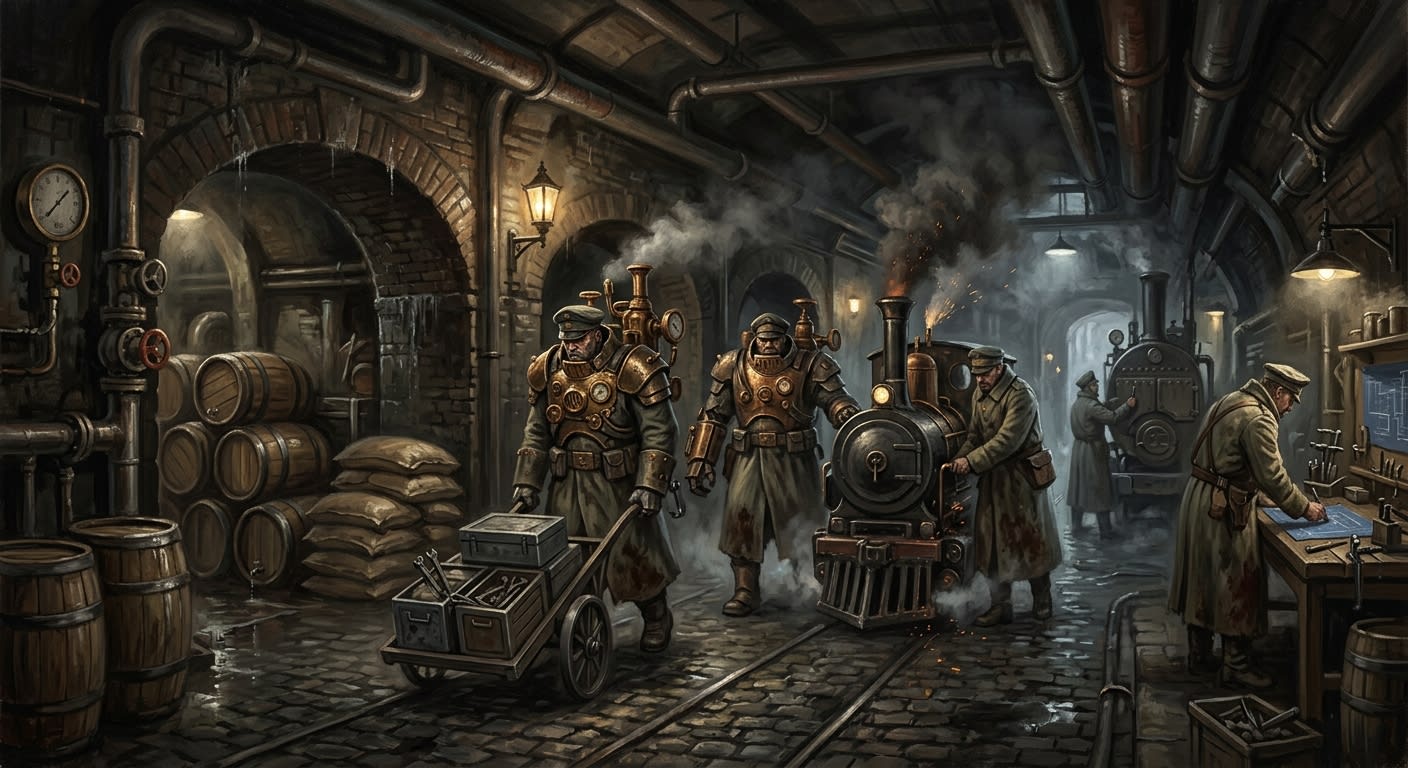
Deutz
The east bank where apostolic bones learned to smell like beer and keep quiet
Deutz is Cologne's right-bank service quarter, famous in Doctrine because three apostolic phalanges survived there beneath beer, silence, and useful damp.
Codex Ref. II.1.04-031
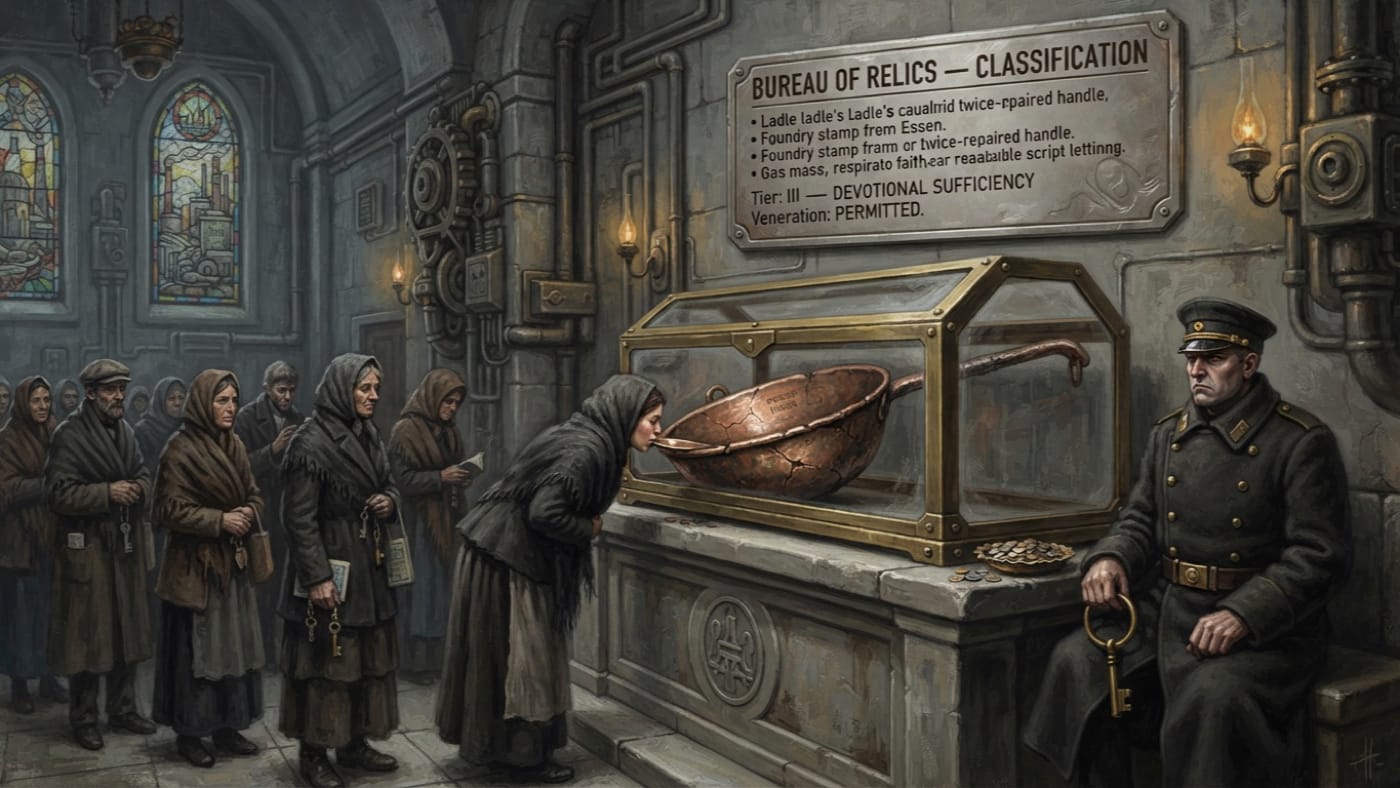
Devotional Sufficiency
The provenance is doubtful; the kissing may continue
Tier III permission to venerate a relic whose provenance remains doubtful. Saint Halva's ladle at Mainz is sufficient for devotion, pilgrimage and three pfennig per kiss; its ownership and powers remain unproved.
Codex Ref. XIII.1.43-001
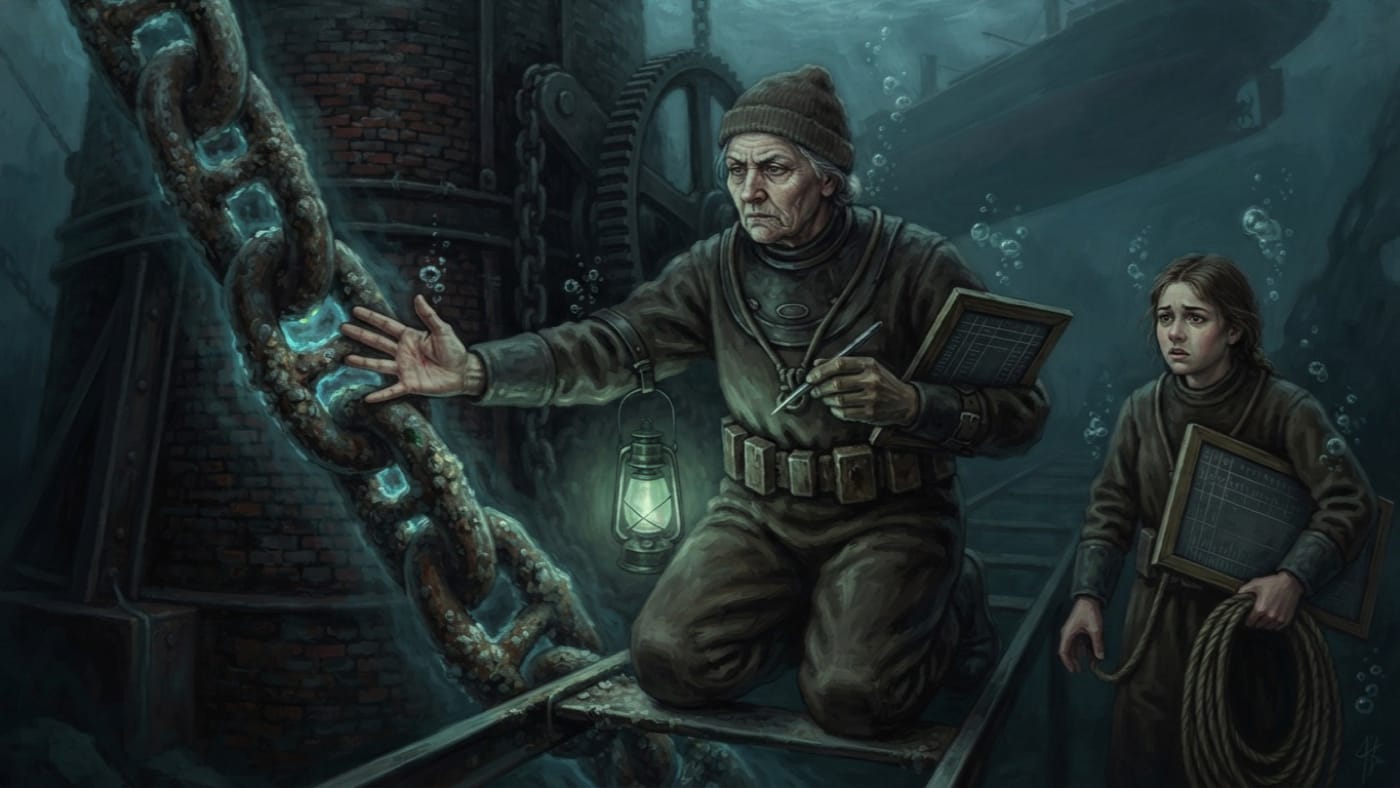
Diver-Matron
The hand on the iron may end the descent
A Diver-Matron is a senior harbour diver. In Thessaloniki, she inspects the submerged chain, teaches apprentices, and ends unsafe descents while the towers are still arguing.
Codex Ref. XII.13.04-001
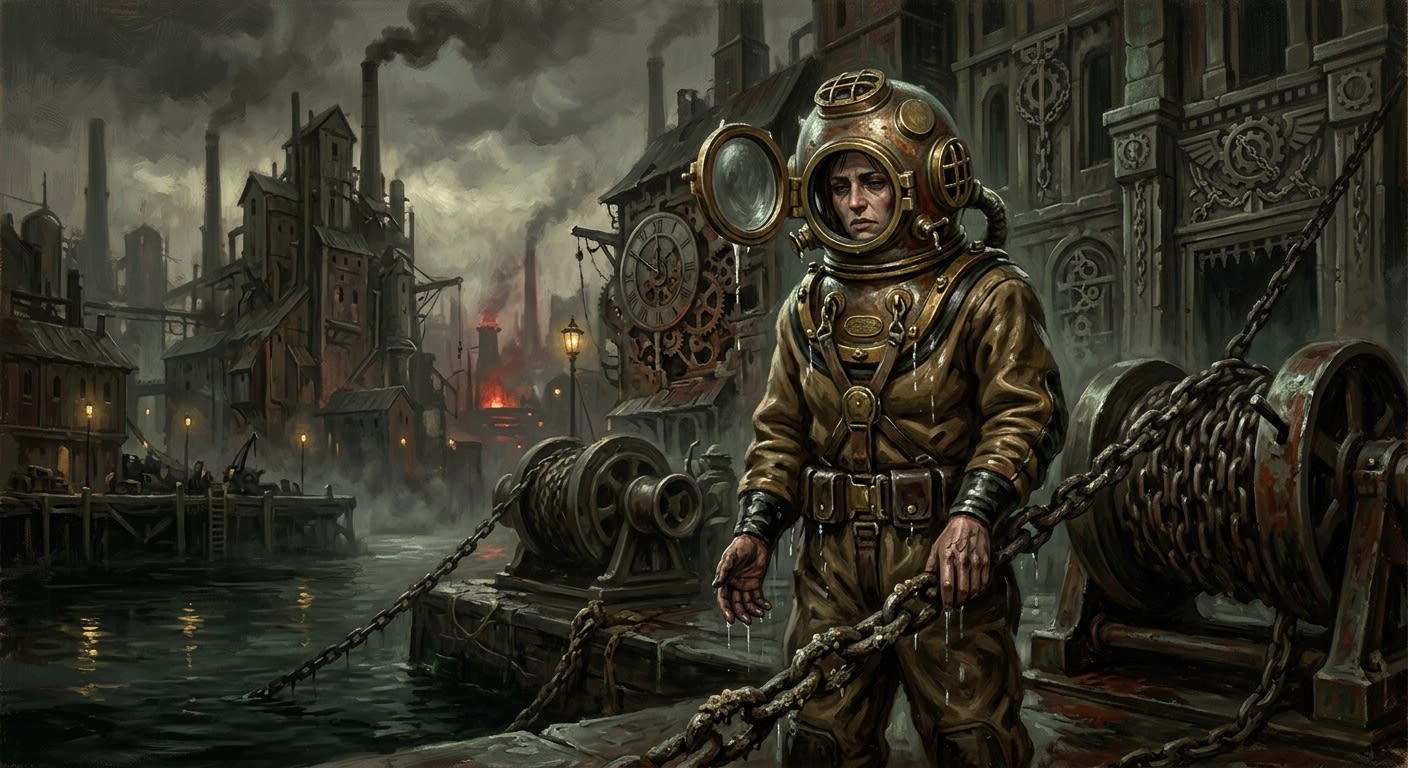
Diver-Matron Sera
The woman who heard the iron when the bronze lied
Diver-Matron Sera is Thessaloniki's sleepless chain-diver, the worker whose palms confirmed the harbour-chain's hidden bell-schedule when every tower instrument failed.
Codex Ref. III.2.01-034

Doctrine of Concordant Multiplicity
Contradiction is heresy until a competent office teaches it to pay rent
Bureau of Doctrine ruling born from Saint Halva's incompatible deaths, permitting approved contradictions to coexist when authority, utility, audience, and vocabulary have been properly sealed.
Codex Ref. XIII.1.42-001
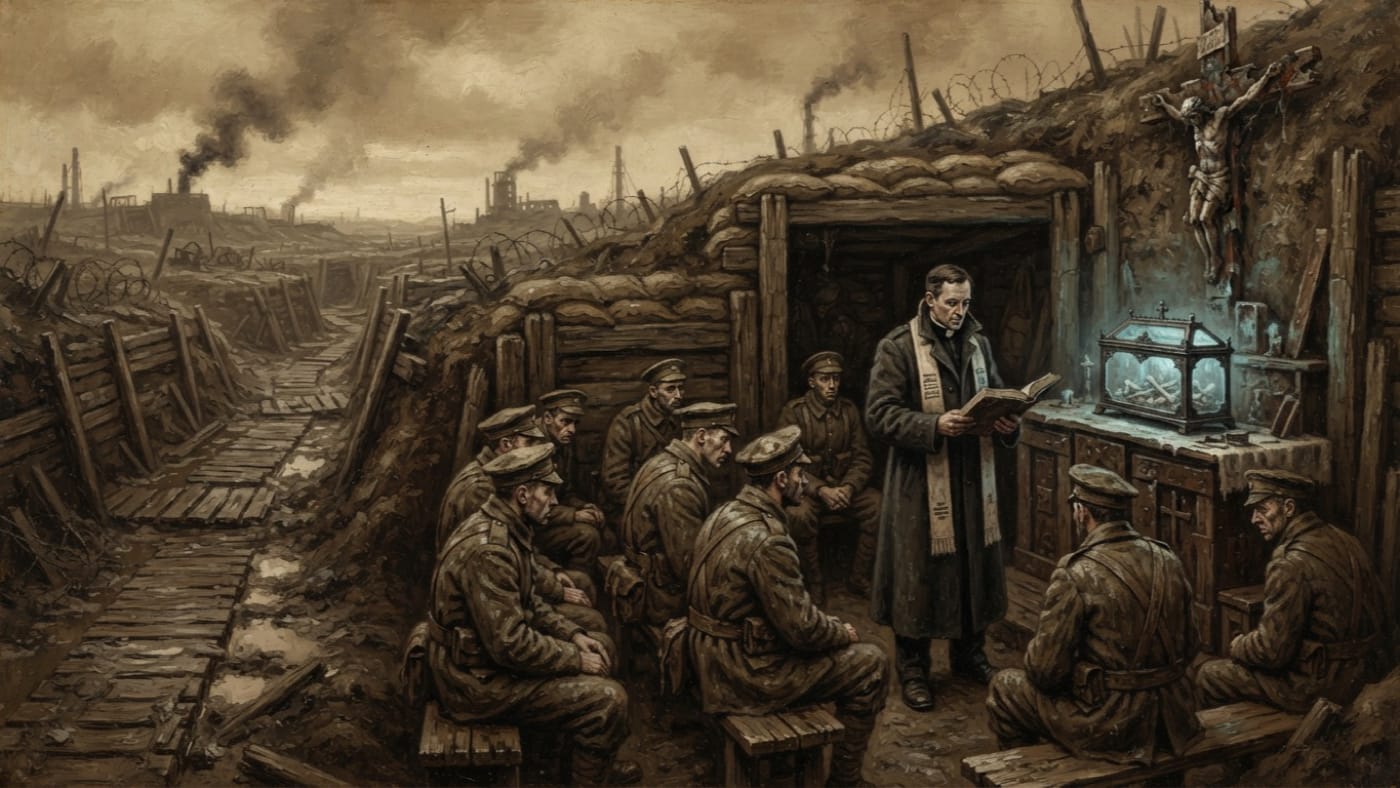
Doctrine of Divine Withdrawal
The way to our ears was broken. The responsibility remains ours.
Ratified in A.S. 72, the Doctrine blames Rationalist desecration for the Creator's silence. His return awaits Perfect Faith. The delay, naturally, belongs to the faithful.
Codex Ref. XIII.1.90-072
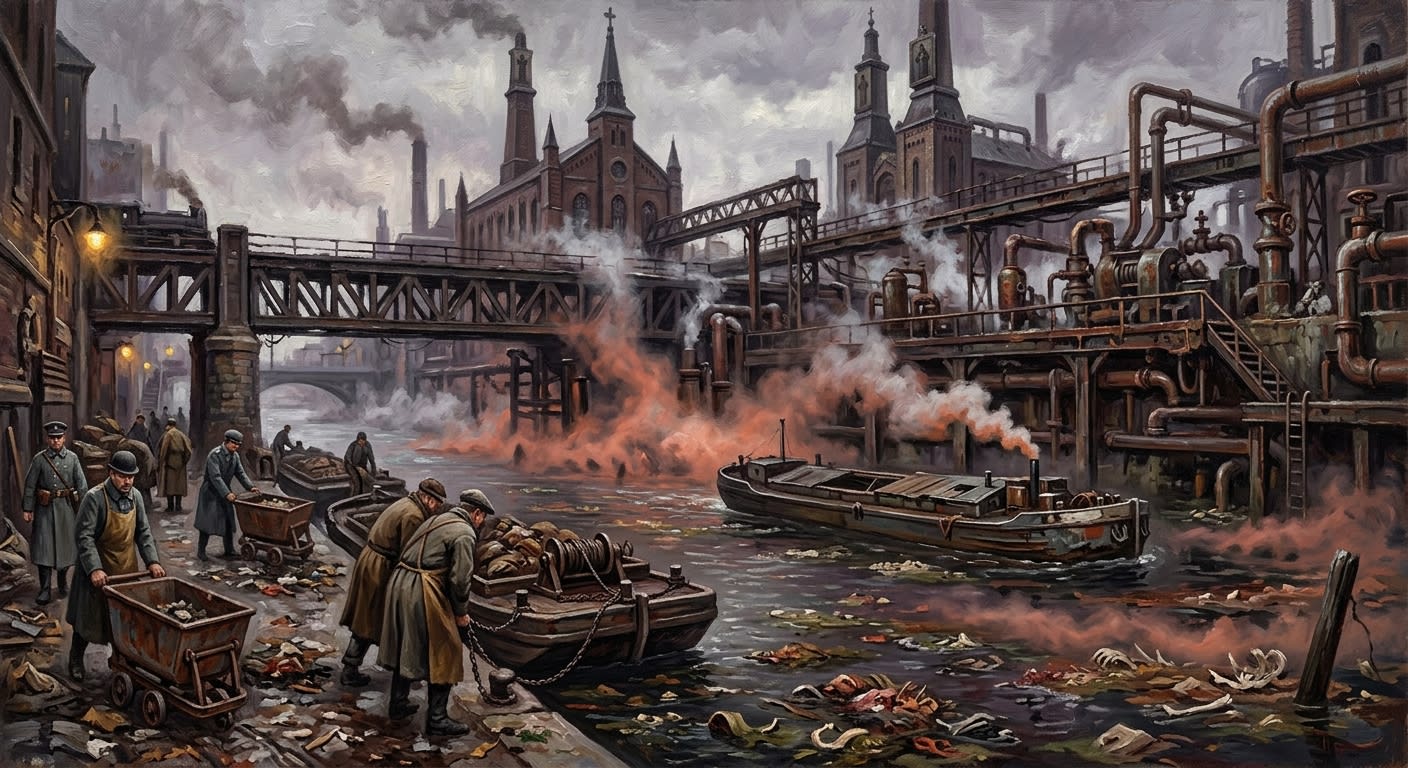
Donaukanal
Vienna's black water remembers what the ledgers rinsed away
Vienna's lesser Danube arm, the Donaukanal carries shrine filth, rebel bones, forbidden lullabies, and steam the Bureaus cannot quite explain.
Codex Ref. II.4.09-095
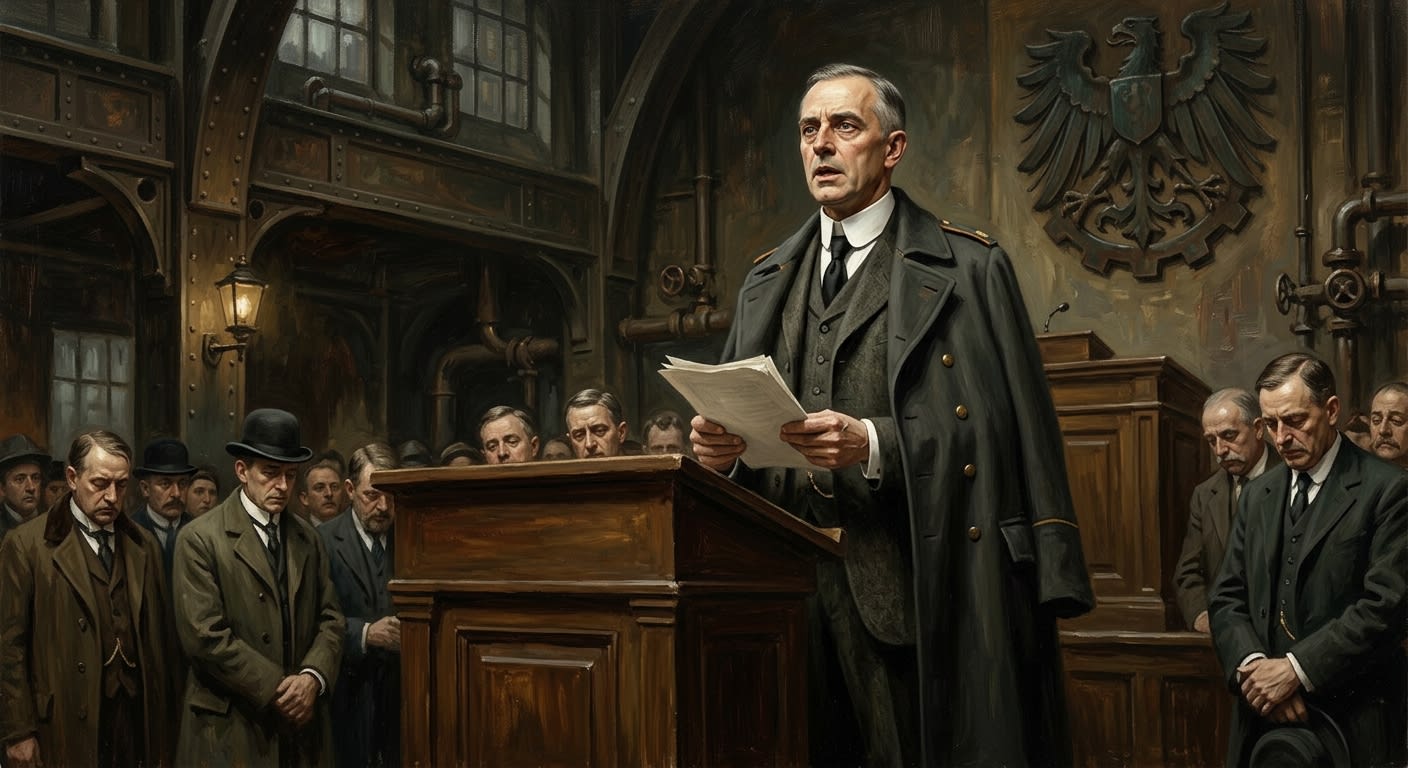
Dr. Albrecht Klemm
He saw the cold fire, named the premise, and chose the lecture hall anyway
Rationalist Prefect of Public Instruction whose A.S. 30 Black Procession address nearly produced repentance, then produced only better cowardice.
Codex Ref. III.2.01-077
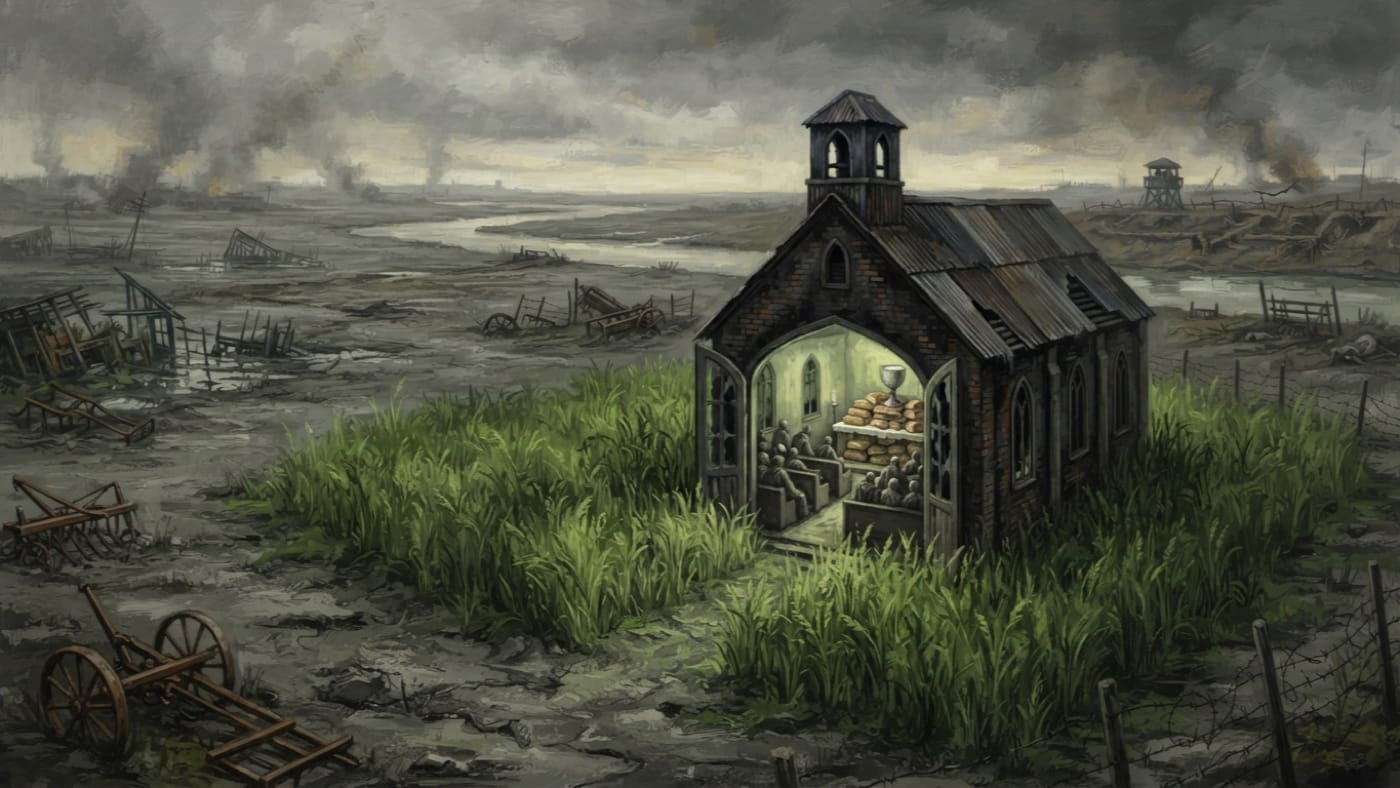
Drava Lowlands
Where the bread went, and what came back in its place
The Drava Lowlands once fed Pannonia. In A.S. 174 they housed a chapel whose altar was bread, whose chalice held milk, and whose congregation was entirely dead.
Codex Ref. II.6.06-174
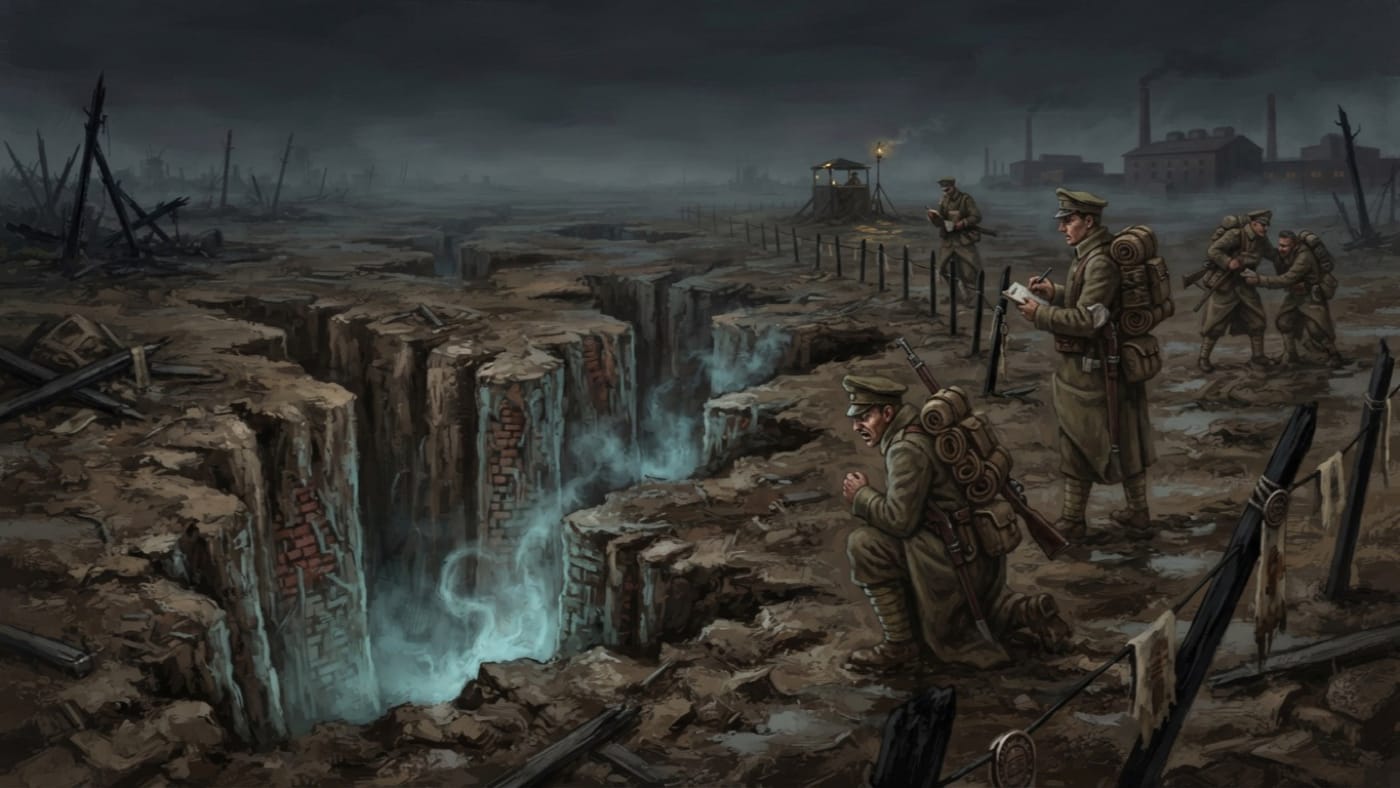
Drava Throats
The regiment was counted. The mouths were not.
Drava Throats, Charnel Mouths, Street-Jaws: three names for the mouths beneath Debrecen in A.S. 172. The regiment was counted. The mouths were not.
Codex Ref. IV.1.07-931
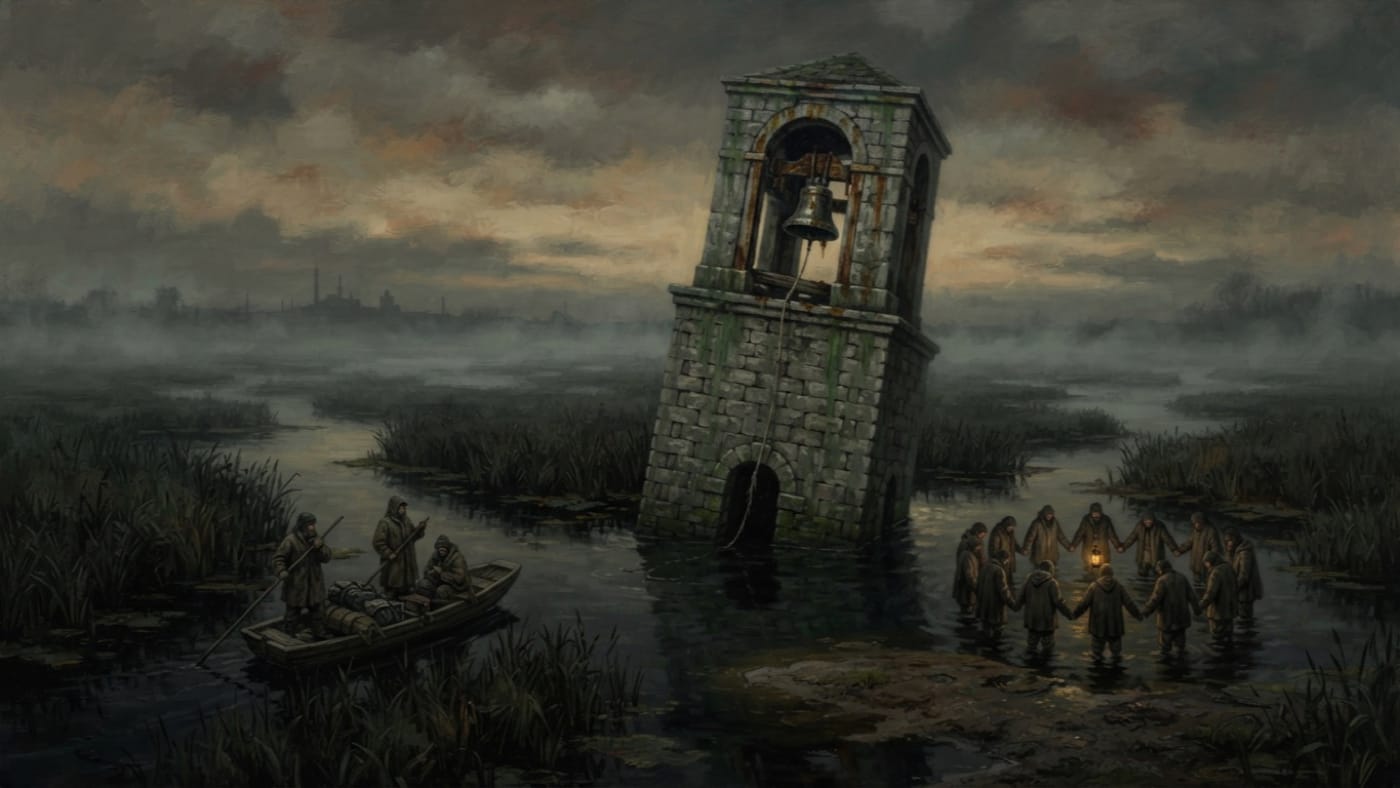
Drowned Shrine
Four Bureaus, four verbs, one tower
A drowned way-shrine east of Bastion-Shipka: a corroded bell, recorded percussion, and Communion circles within sight. Records restricts access without boats; four Bureaus preserve one open file.
Codex Ref. II.4.08-018
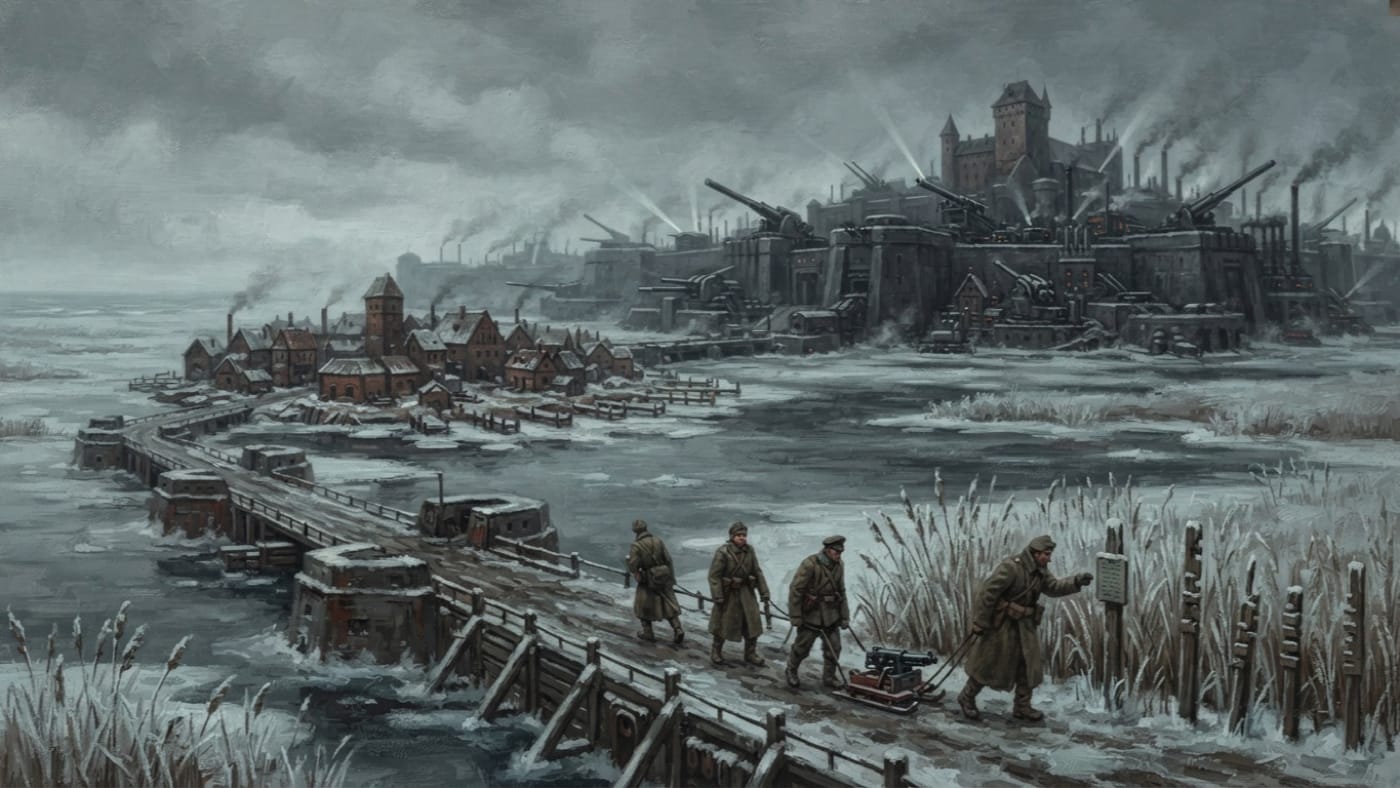
East Prussia
Where the Line Runs Out of Land and the Survey Runs Out of Courage
East Prussia holds the Baltic end of the Sagittal Line: Königsberg, the Masurian maze, and the villages that feed the walls. The Bureau can count its stamps. It has yet to count the region.
Codex Ref. II.4.07-002
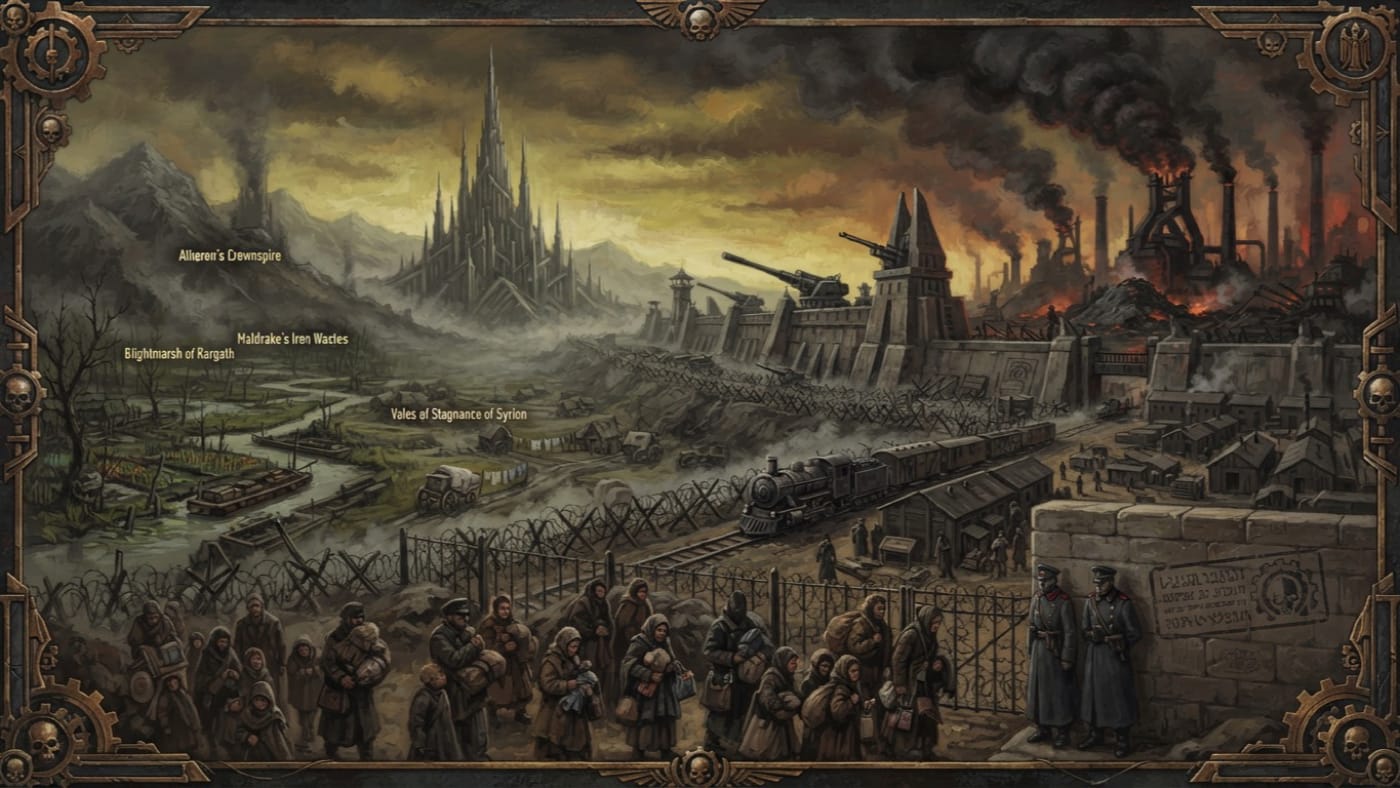
Eastern Kingdoms
The lands were lost; the Ledger retains their names
The eastern jurisdictions lost after the Sundering, now largely held by rival Sin-General dominions. Their people endure; the Ledger still calls the occupation temporary.
Codex Ref. II.6.07-201
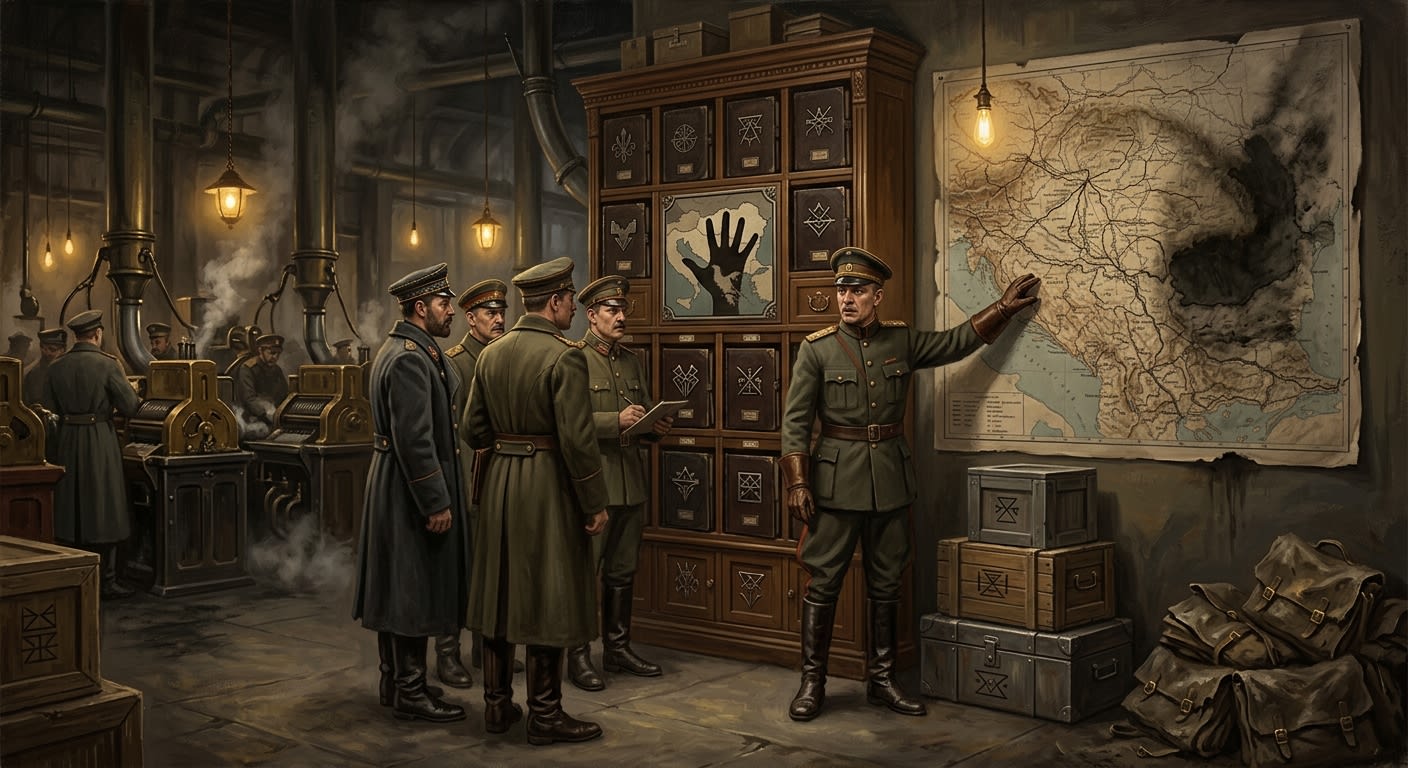
Eastern Silence
When the East stopped answering and the world mistook absence for order
In A.S. 38 the Balkans stopped writing back. Letters failed, couriers vanished, maps lied, and the Rationalists called silence a quarantine until Hell translated it.
Codex Ref. VII.4.19-001
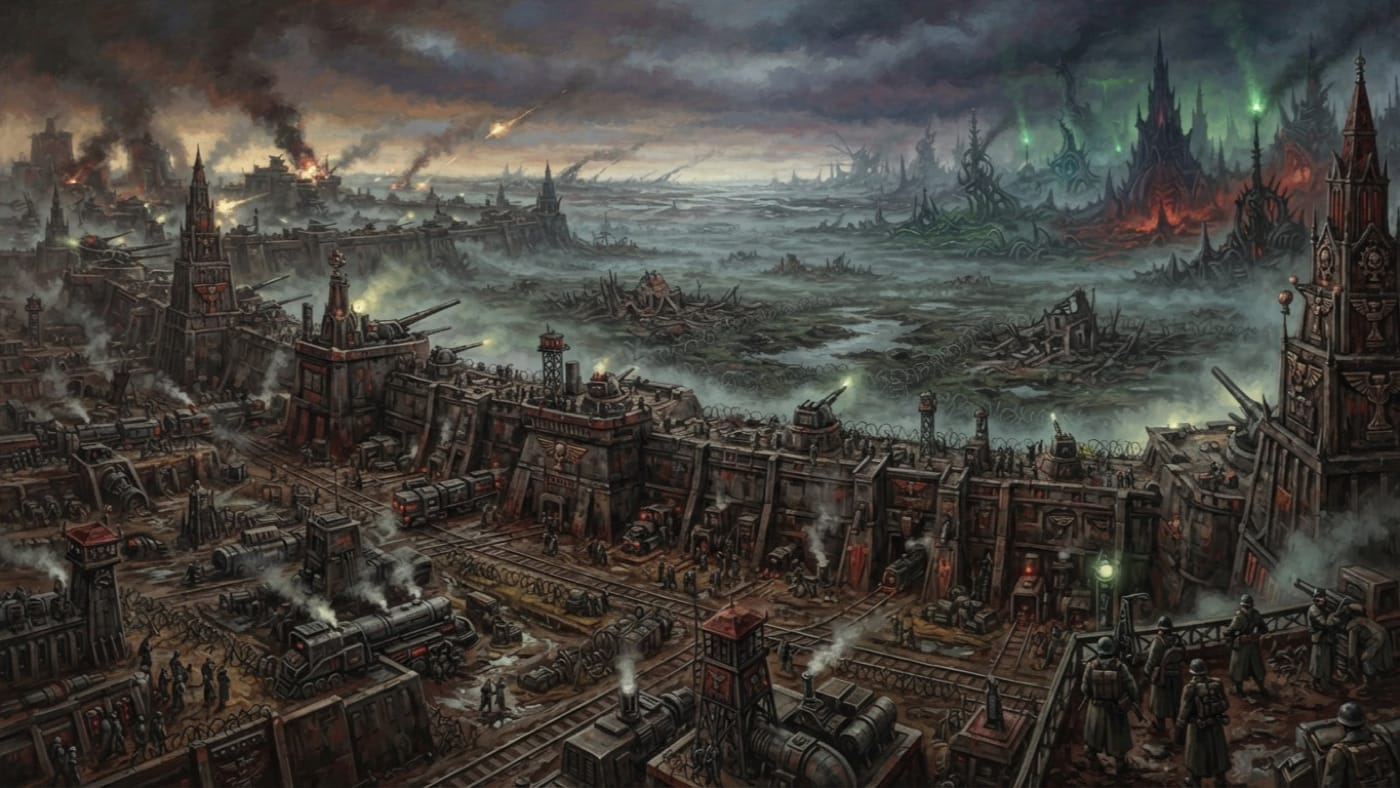
Eastern Theatre
A province has a governor to blame. The Eastern Theatre has an inbox.
The eastern war's unchartered heading: the Sagittal Line, contested strip, fallen lands and supporting rear. Drax surveys the front in A.S. 201; the reports have desks, but the Theatre has no commander.
Codex Ref. II.4.13-201
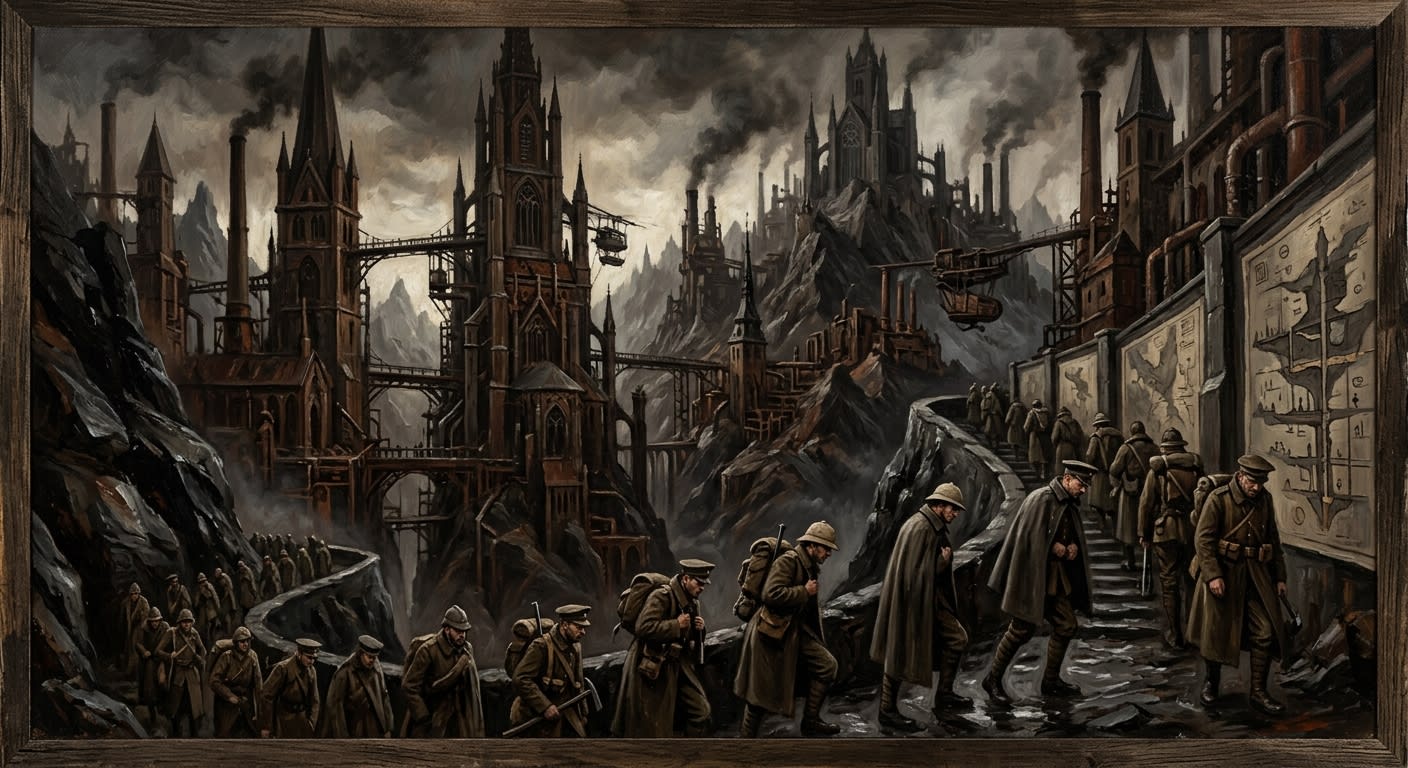
Ebon Heights
Where Pride built mountains tall enough to injure the watcher
The Ebon Heights are Atheron's black Carpathian dominion east of Bastion-Przemyśl, where spires grow upward, soldiers learn shame, and maps fail vertically.
Codex Ref. II.4.03-046
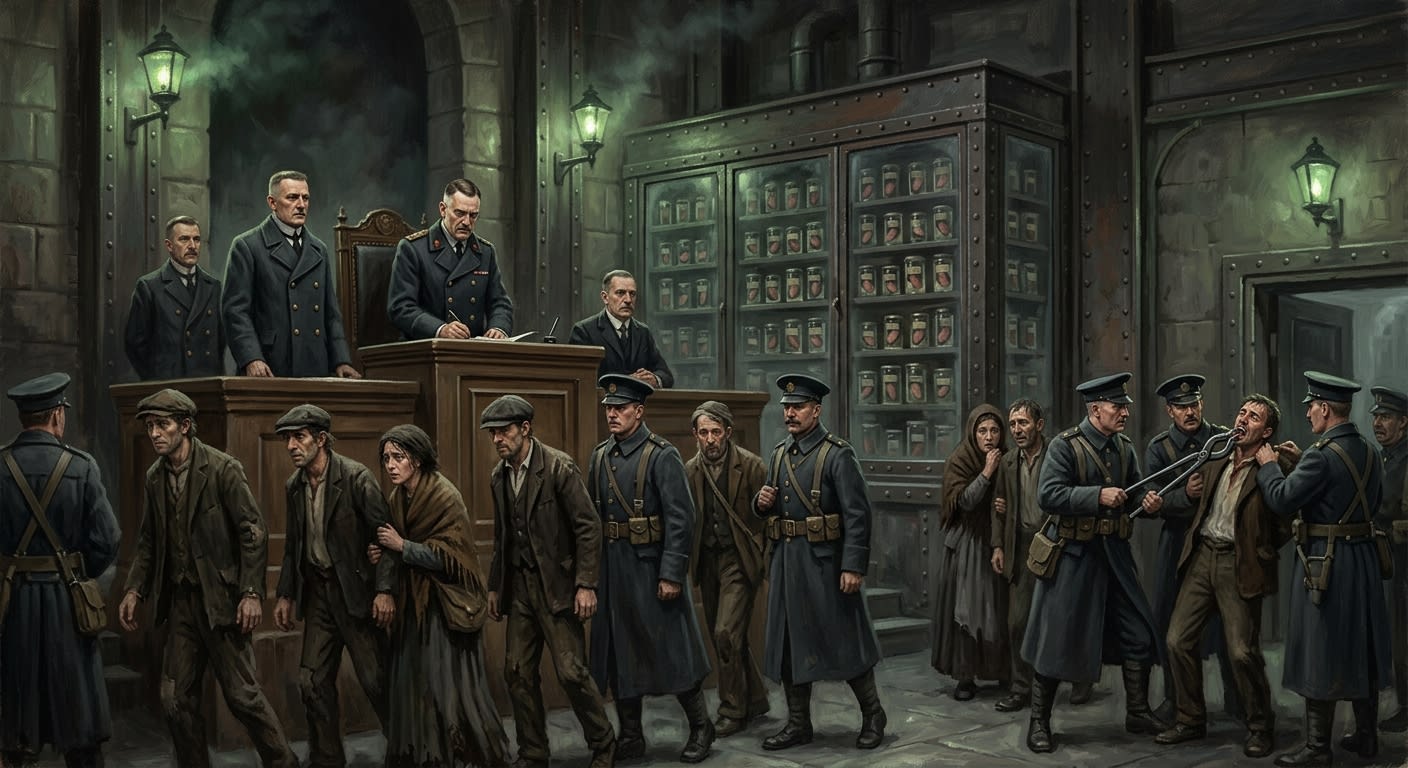
Edict of Ironmouth
When Reason mistook prayer for infection and discovered eleven thousand tongues to classify
A.S. 30 Rationalist law that made spoken prayer vocal treason, answered hymns with pincers, and left the Synod a cabinet of tongues to condemn and study.
Codex Ref. XIII.1.55-001
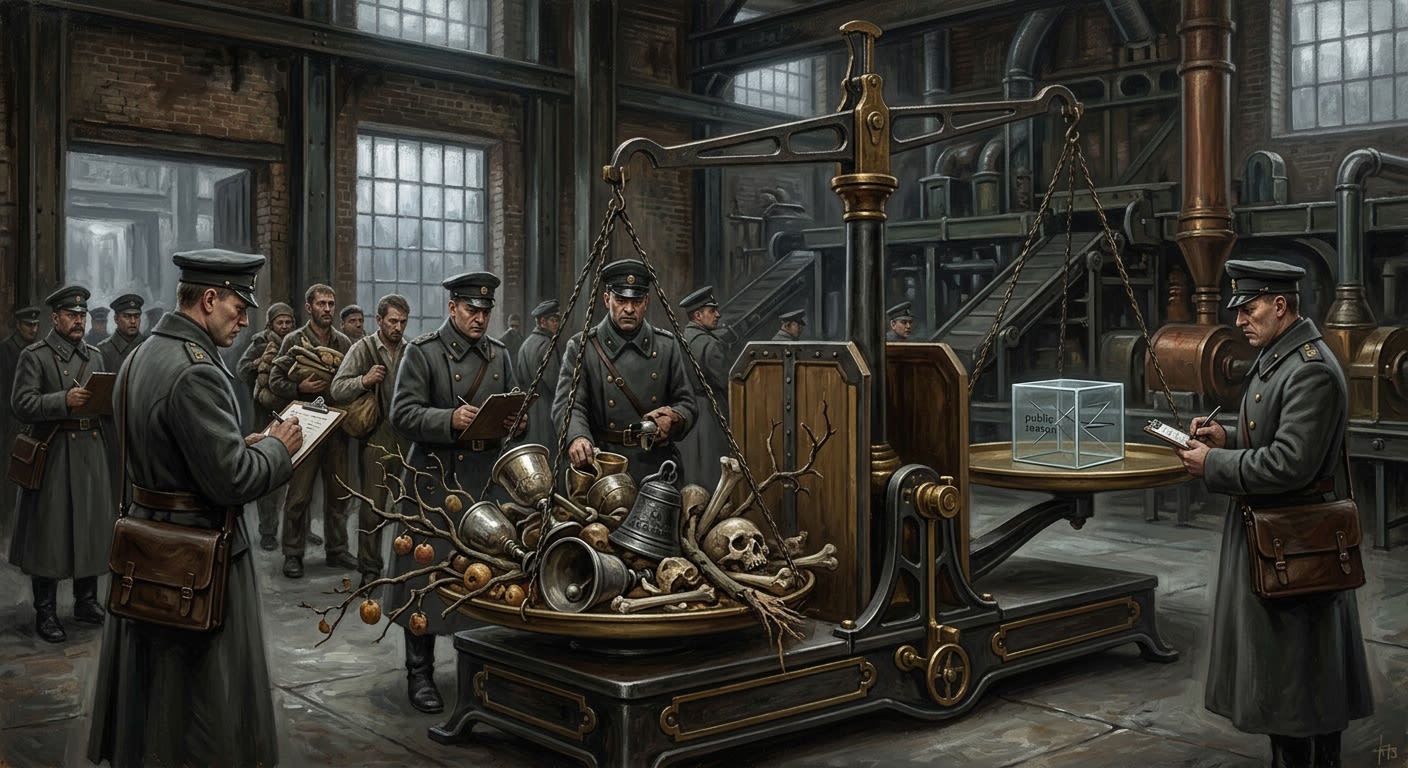
Edict of Rational Allocation
The chalice failed to justify its allocation, so theft put on spectacles
The Rationalist Republic weighed chalices, bells, bones, and orchards as idle matter, then called confiscation public reason until the Sundering audited the account.
Codex Ref. XIII.1.00-030
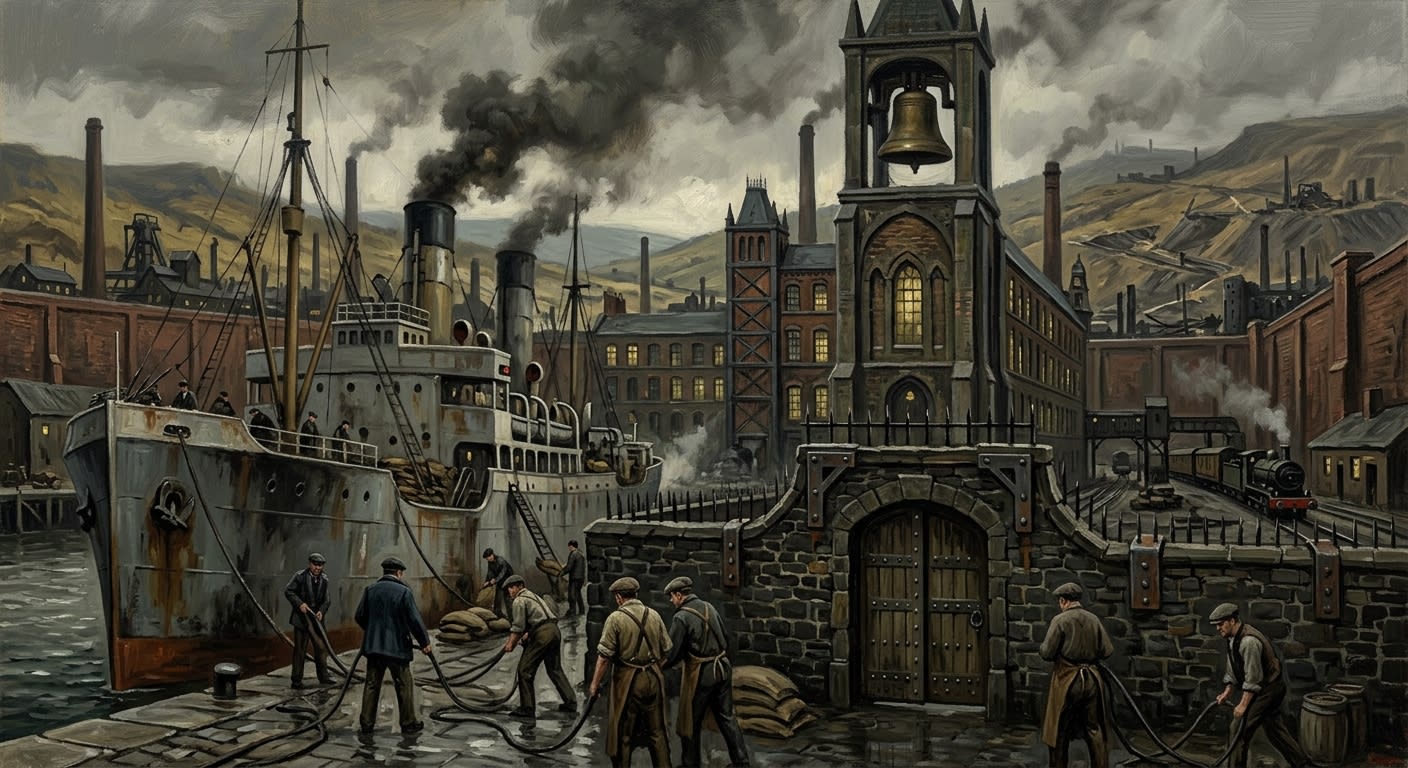
England
The island province that declined the province and kept the invoice
England is the British Crown's southern engine: chalk, bell, harbour, parish wall, and island refusal, useful enough to spare and rude enough to endure.
Codex Ref. X.1.03-201
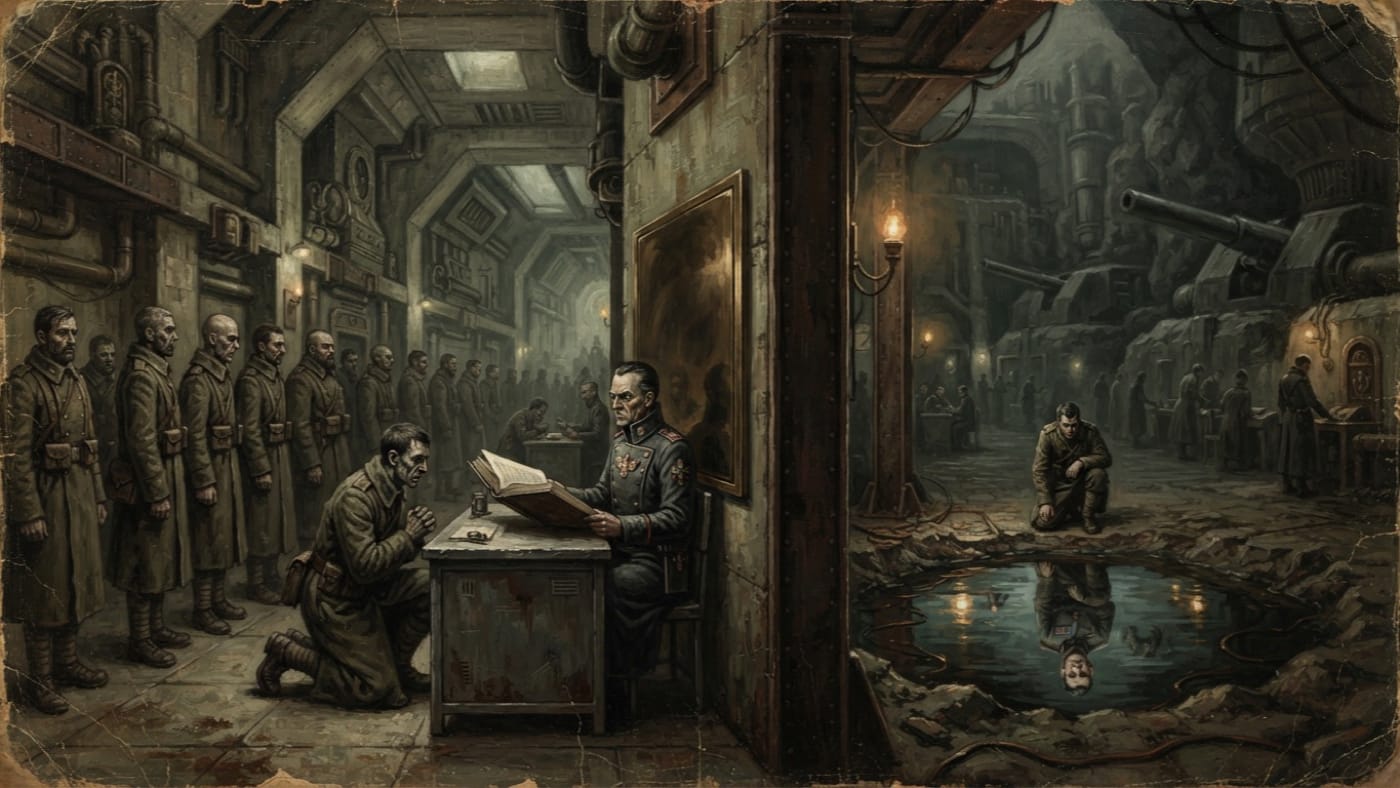
Envy
Greed wants your purse. Envy wants your name on it.
Envy covets another person's place and hollows the self to take it. Morwen makes the improvement work; the Synod's remedies remain easier for a good copy to pass.
Codex Ref. XIII.1.07-007
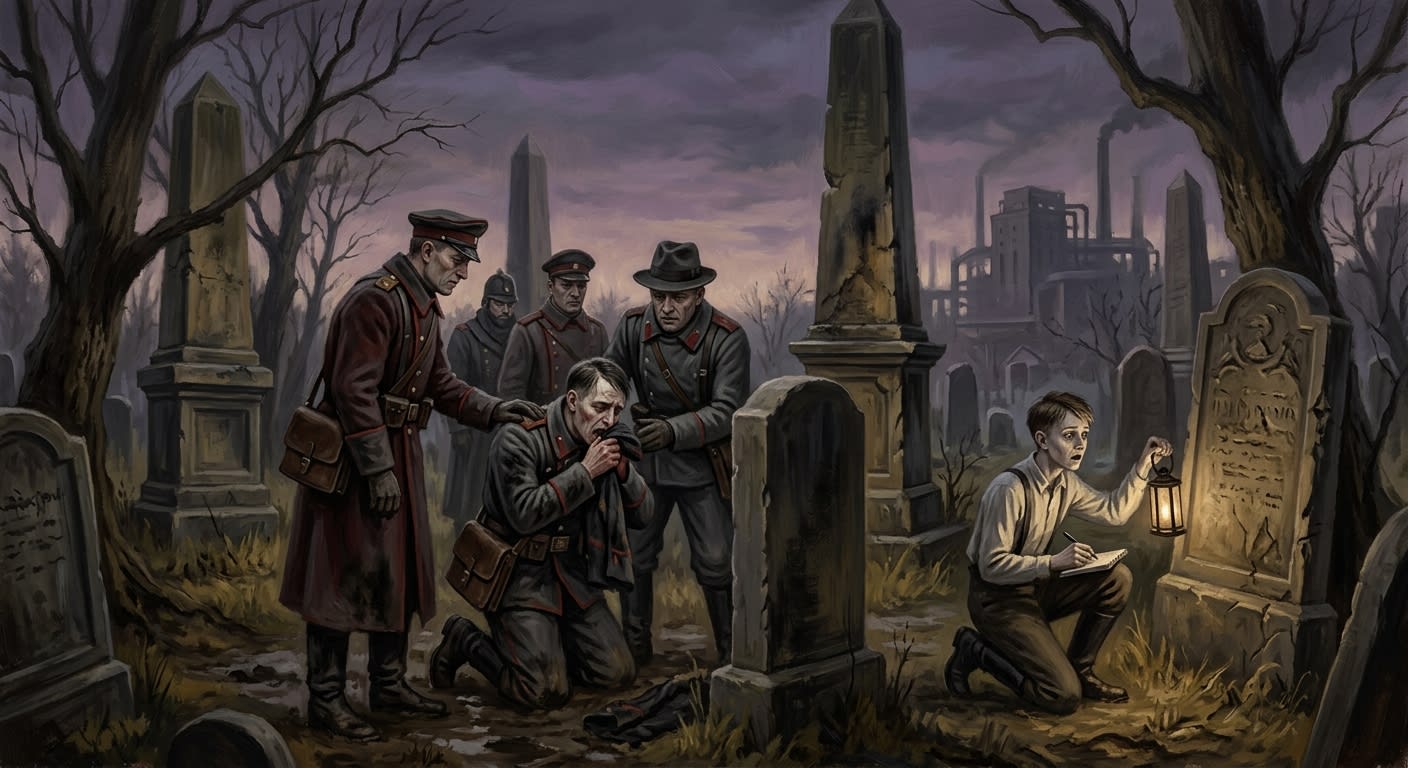
Epitaph Plague of Novi Sad
When the stones wrote first, the living learned to count backward
In A.S. 122, Novi Sad grave stones began carving living names before their deaths; Records called it weathering for fourteen years, then learned grammar can kill.
Codex Ref. VII.8.10-037
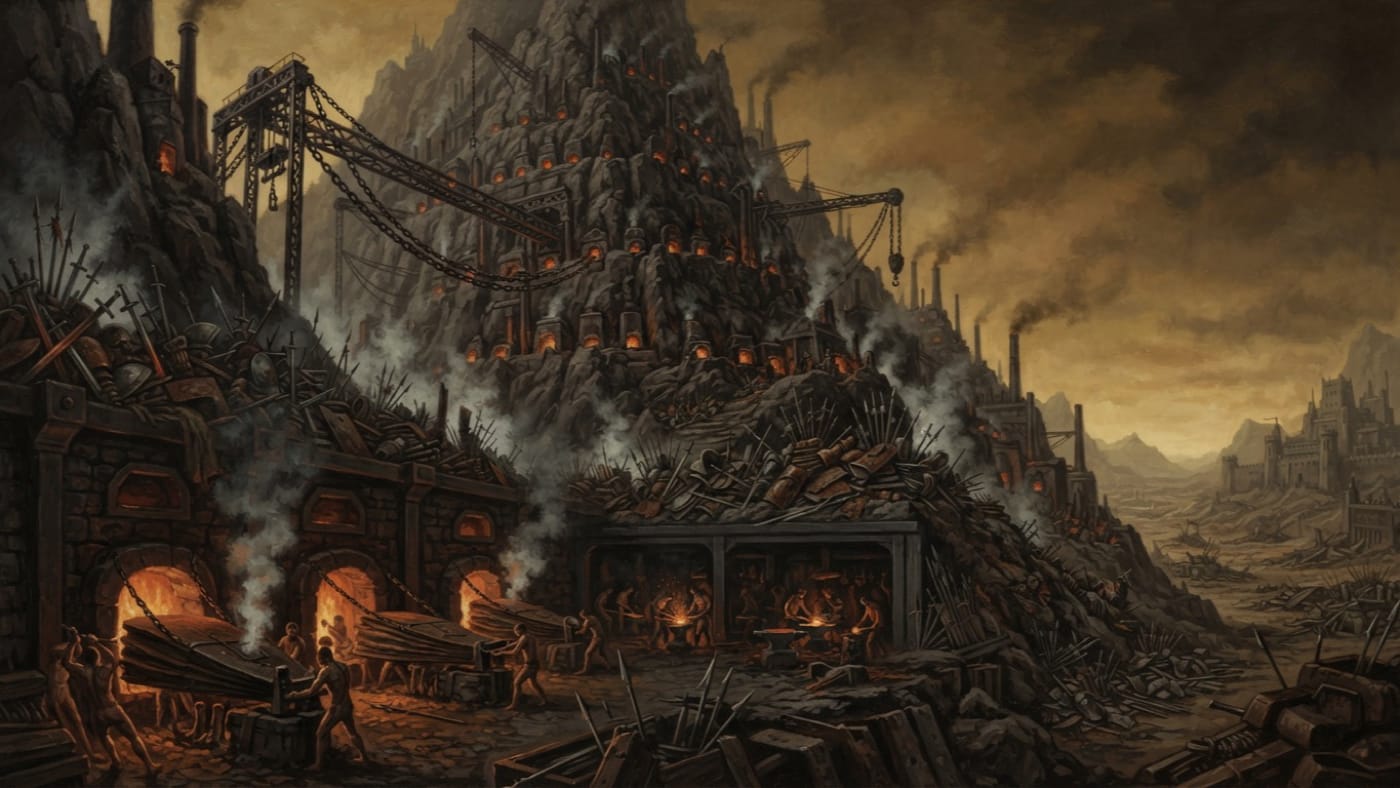
Eternal Forges
Wrath keeps producing. The bellows still need people.
Maldrake's mountain forges in the Thracian highlands produce arms and the Hammered without orders or inventory. Enslaved humans work the bellows until their lungs fail. The weapons are surplus; the people are spent.
Codex Ref. VI.1.03-003
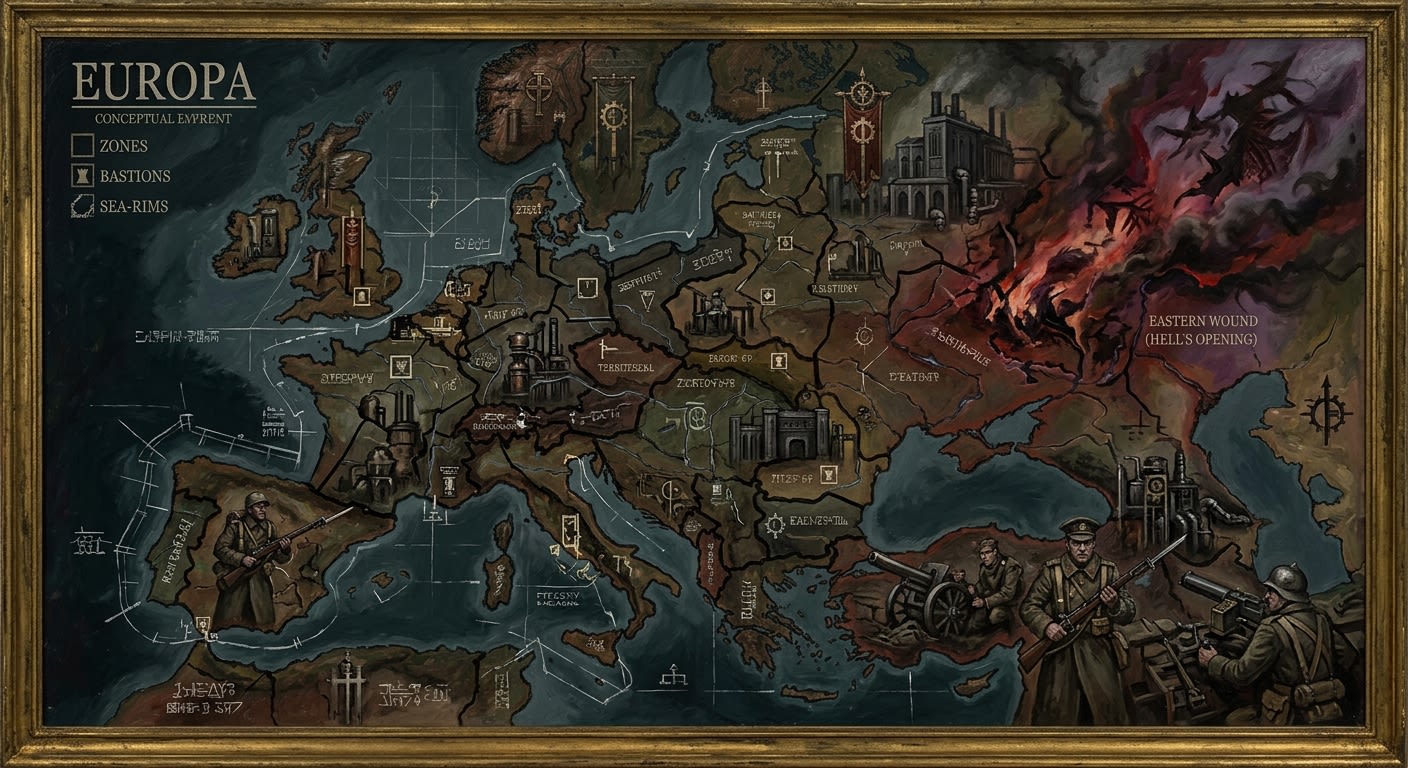
Europa
The continent as filed, wounded, taxed, and made obedient enough
Europa is not whole; it is the continent filed into zones, bastions, sea-rims, independent nuisances, and the eastern wound Hell keeps open.
Codex Ref. II.0.00-201

Europe
The wounded continent, held together by rails, bells, hunger, and denial
Europe is the wounded continent: Synod west, Charnel east, Line between, and every road, harbour, cradle, ration card, bell, and grave bent toward survival.
Codex Ref. II.0.01-201
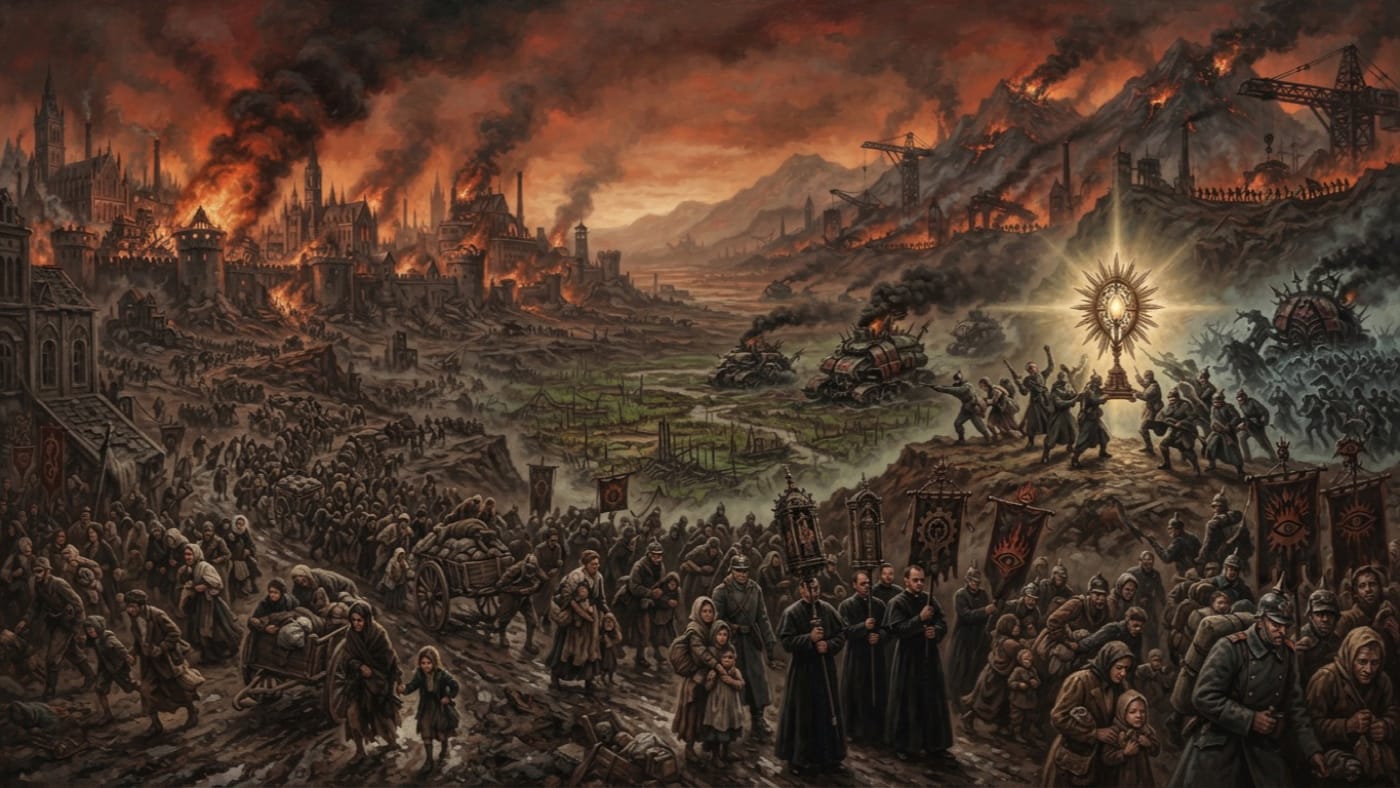
Fall of the Eastern Kingdoms
The Kingdoms Fell; Their Accounts Remain Open
The eastern jurisdictions collapsed after the Sundering of A.S. 45: garrisons burned, granaries failed, and refugees fled west. I retain their accounts in the Ledger; occupation does not constitute permission to forget.
Codex Ref. VII.1.02-001
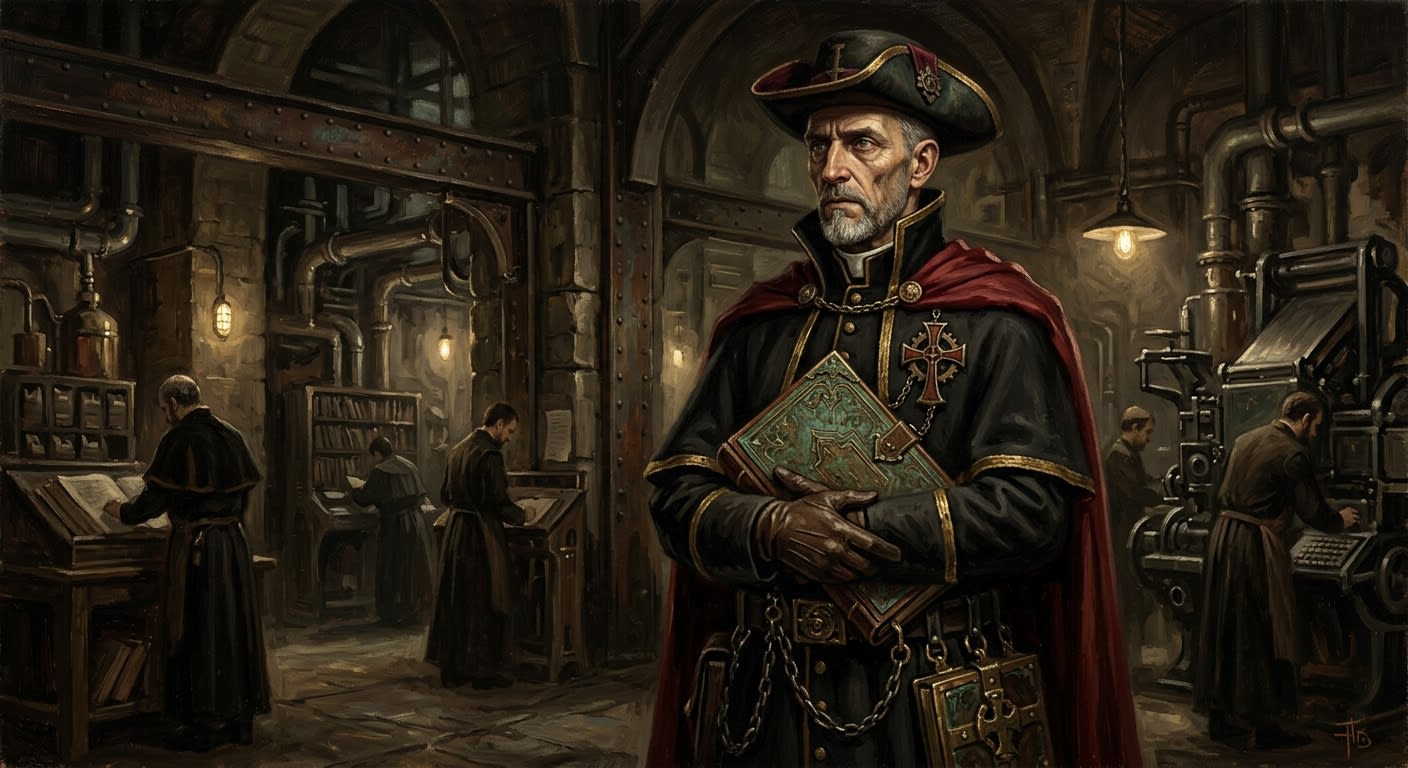
Father Clemente de los Rios
The abbot who spent a saint's jawbone at the correct hour
Abbot of the Order of Saint Iago garrison at Toledo, Second-Tier Martyr, and keeper of the Relic whose second Psalm denied Reason its prize.
Codex Ref. III.2.01-083
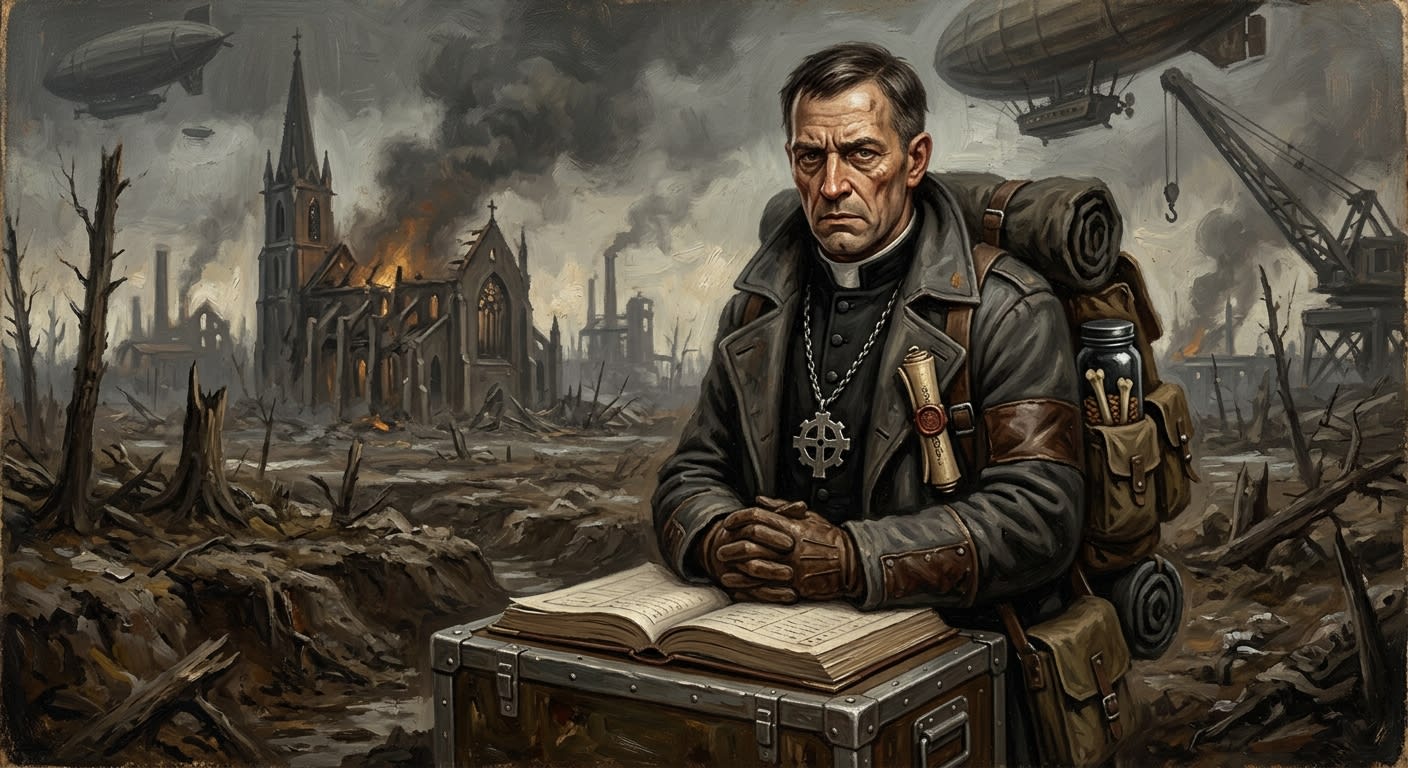
Father Ignatius of Cologne
The clerk whose breadbasket outranked an empire
Ignatius Brenner, parish clerk of Cologne, carried three apostolic phalanges beneath black rye in A.S. 31. The fire at Kalnik arrived seventeen years later.
Codex Ref. III.2.01-043

Father Wernher of Cologne
The cellar priest whose lists kept sixty souls from becoming a sermon illustration
Defrocked Cologne canon and Cellar Saint leader whose forty-seven-page journal preserves the underground Church between Regensburg and the Sundering.
Codex Ref. III.2.01-045
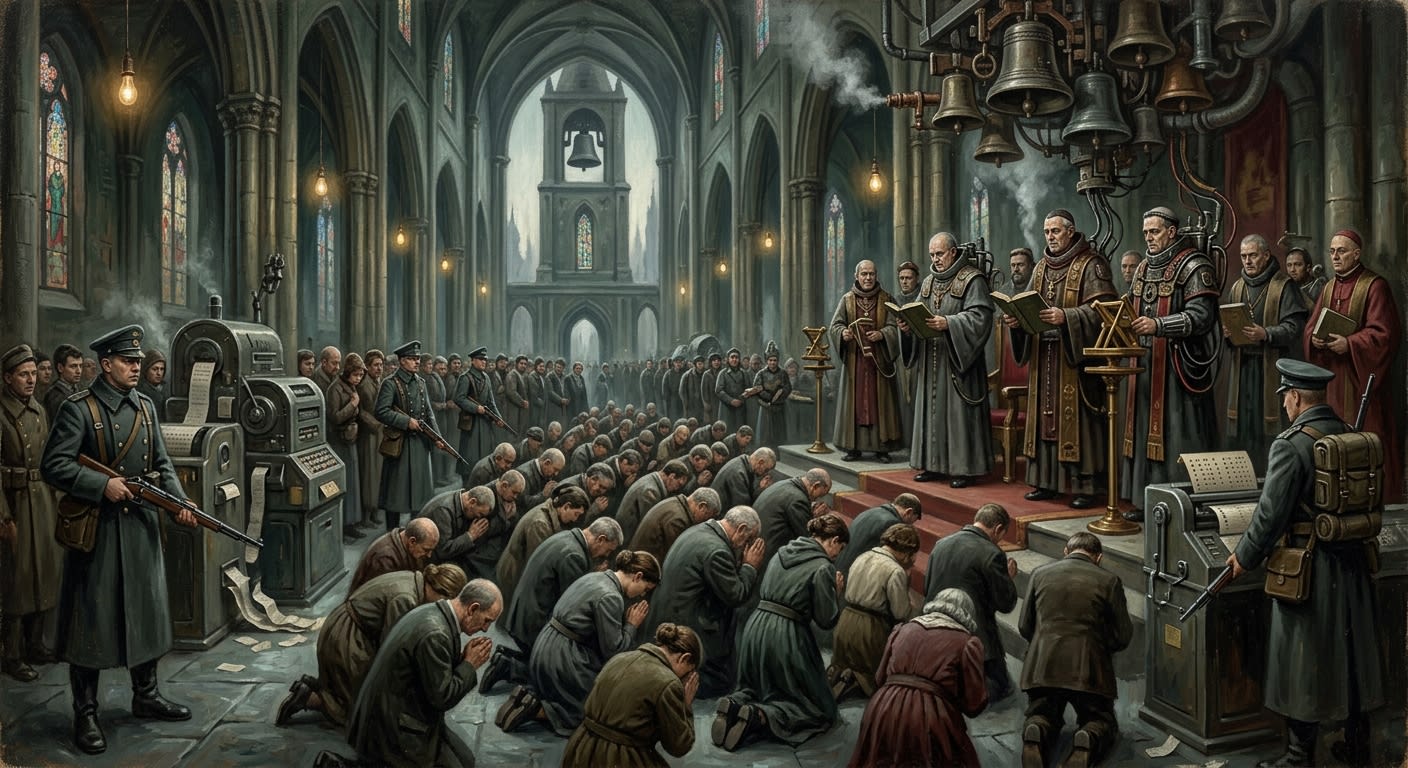
Feast of Doctrinal Submission
The holiday that teaches the spine to kneel before the mouth calls it faith
The Feast of Doctrinal Submission is the Synod's mandatory kneeling holiday: census, pageant, ration queue, loyalty assay, and permitted joy under bells.
Codex Ref. XIII.1.89-072
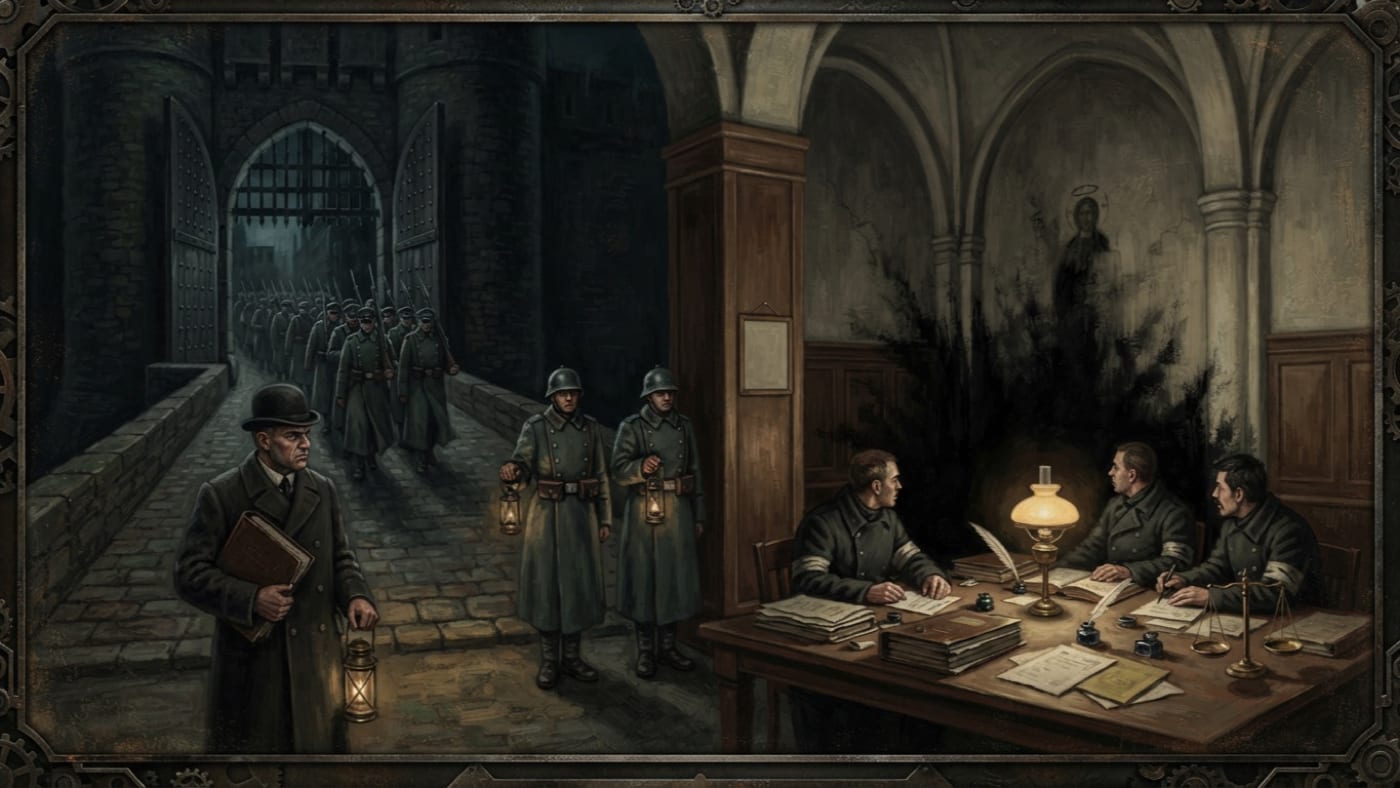
Feast of Saint Bartholomew
One opening, one stain
Aachen opened its western gate at midnight on this feast in A.S. 25. Each year, the former confiscation office turns ink-dark. The Bureau records both occurrences; it has not ruled on the stain.
Codex Ref. VII.8.10-025
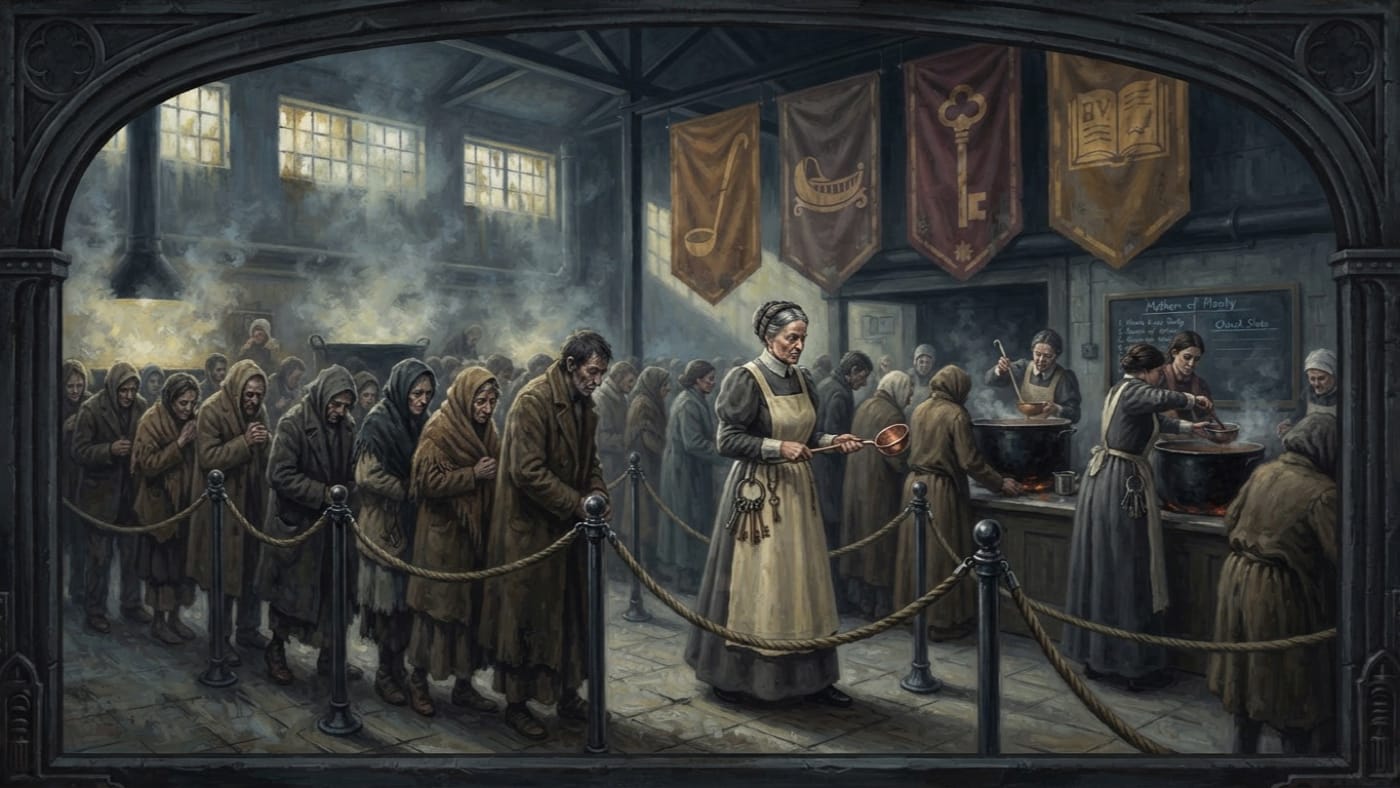
Feast of Saint Halva
A quarter-measure in the bowl, a colder week in the ledger
An A.S. 201 survey of Halva's annual 14 Brumaire feast: a quarter-measure more, the Ration Psalm, the Stirring and evening broth, paid for in next week's fuel. A.S. 94 dates the saint's canonisation; the first feast year is unrecorded.
Codex Ref. XIII.1.25-003
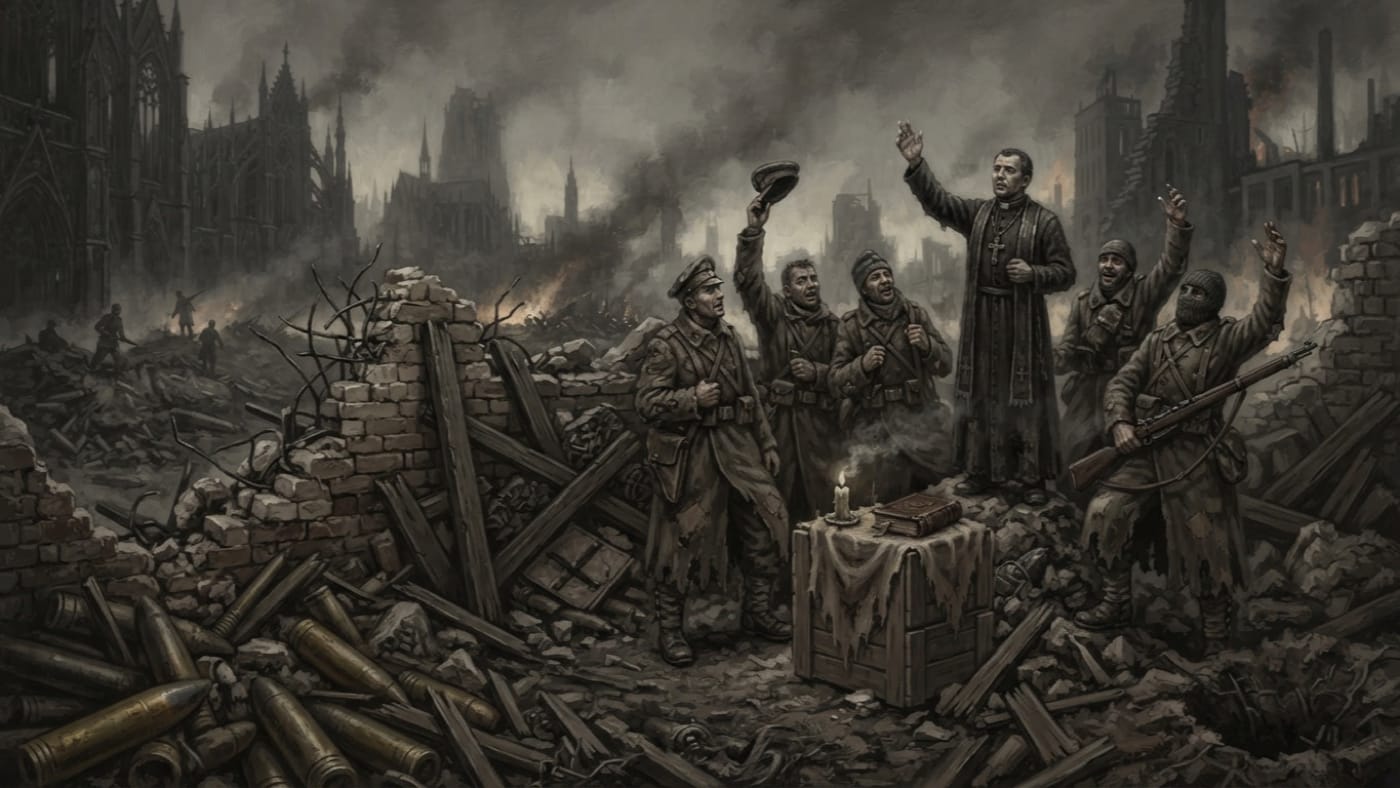
Feast of the Unbroken Wall
The wall held; the bureaucracy arrived later
A surviving barricade, an unnamed priest, and one unscheduled cheer in A.S. 52: the Bureau of Festivals' founding precedent. The wall held; the bureaucracy arrived later.
Codex Ref. VII.8.10-1050
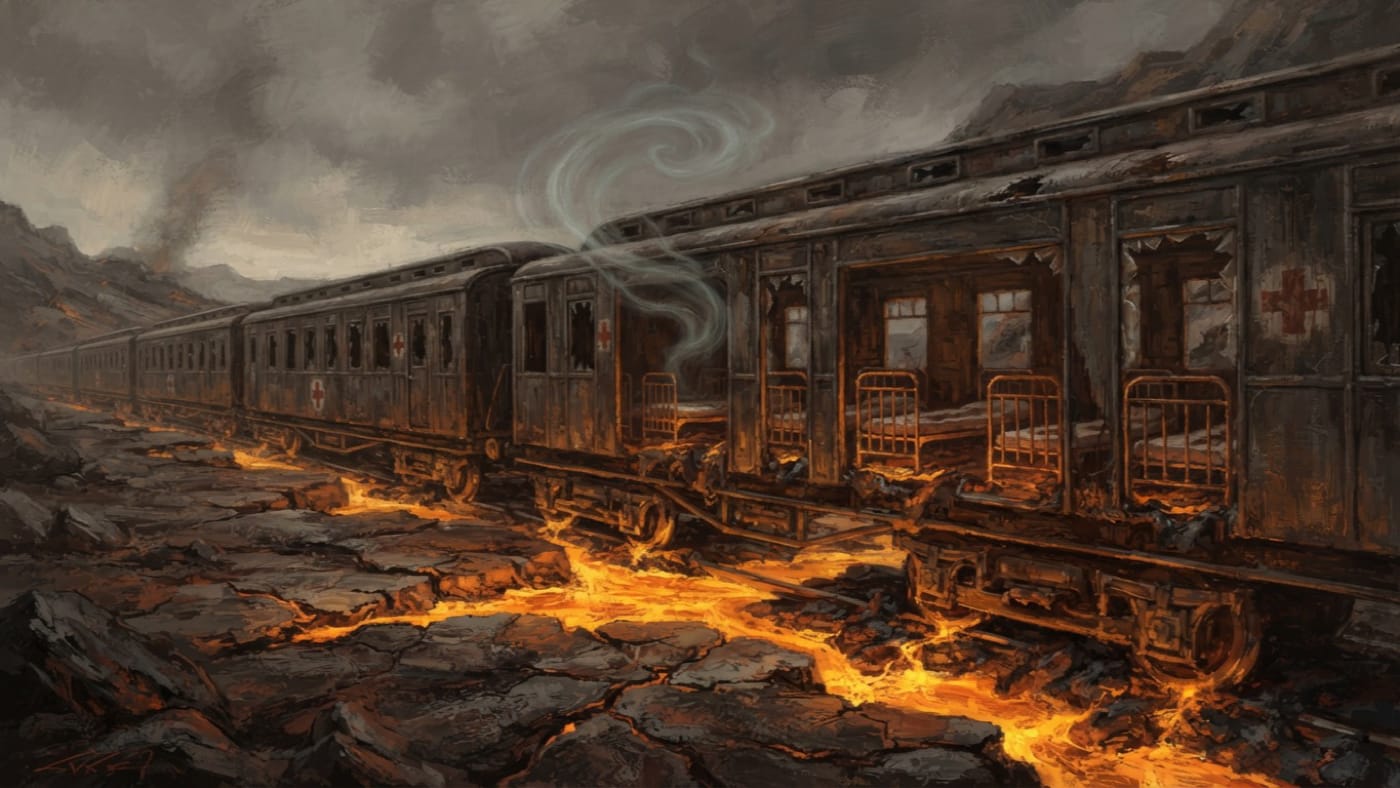
Ferrum-17
The river moved; the beds stayed warm
Ferrum-17 diverted beneath an abandoned hospital train in the Iron Wastes in A.S. 197. The salvage note counts 112 bedframes, warm mattresses and no remains. The river's present course is undocumented.
Codex Ref. VI.1.03-017
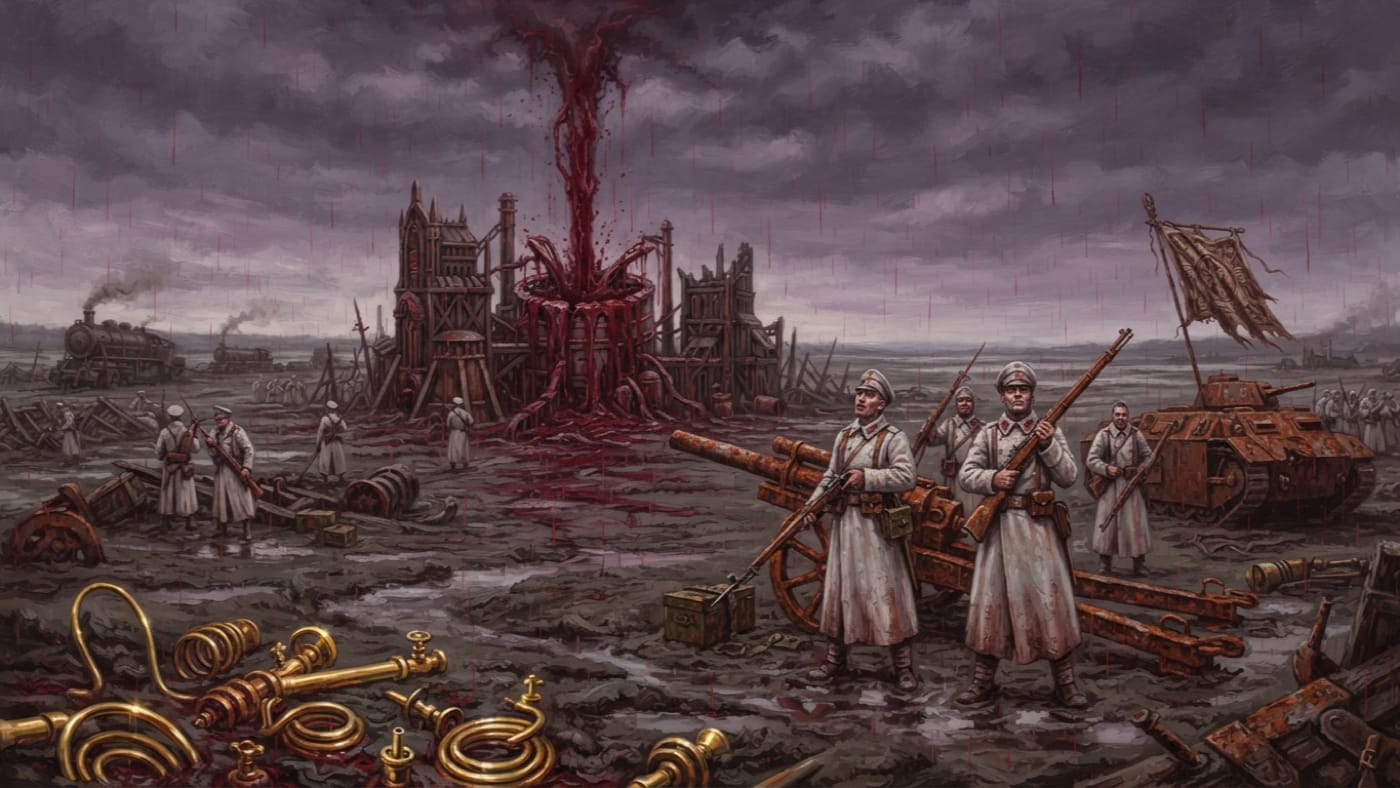
Festival of Worms
Iron corroded. Brass survived. Doctrine declined to explain.
At Debrecen in A.S. 172, Fusilier shelling ruptured a Blood-Tithe pit. Three days of crimson rain corroded iron and spared brass. The advance stalled; Doctrine filed the difference as unresolved.
Codex Ref. VII.4.11-001
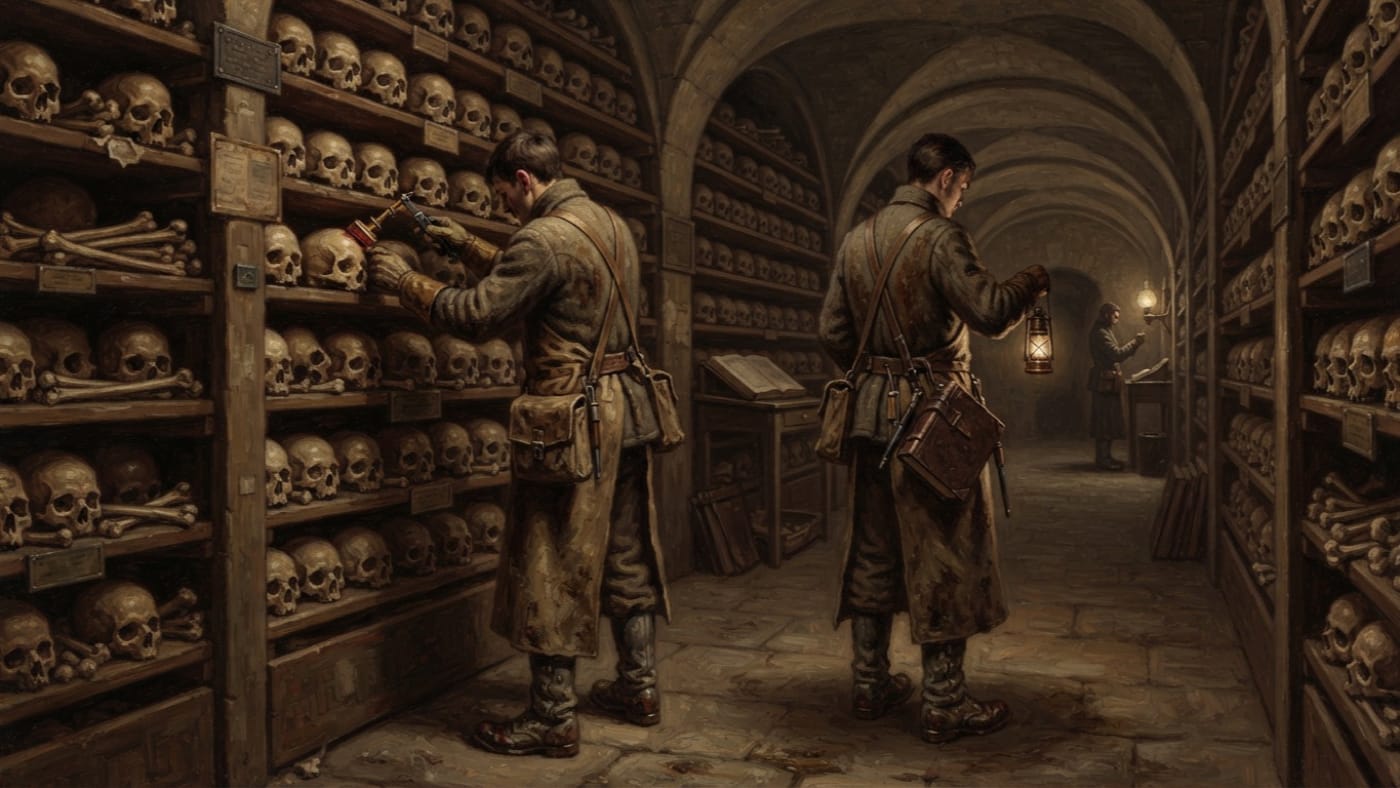
Field Quieters
The ledger records; the corridor decides
An A.S. 201 survey of the Field Quieters, an internal Bone-Stamper tendency whose maxim is that truth is what doesn't spread. They preserve Vellum's forbidden account; the corridor remains their argument against paper authority.
Codex Ref. XII.37.03-001
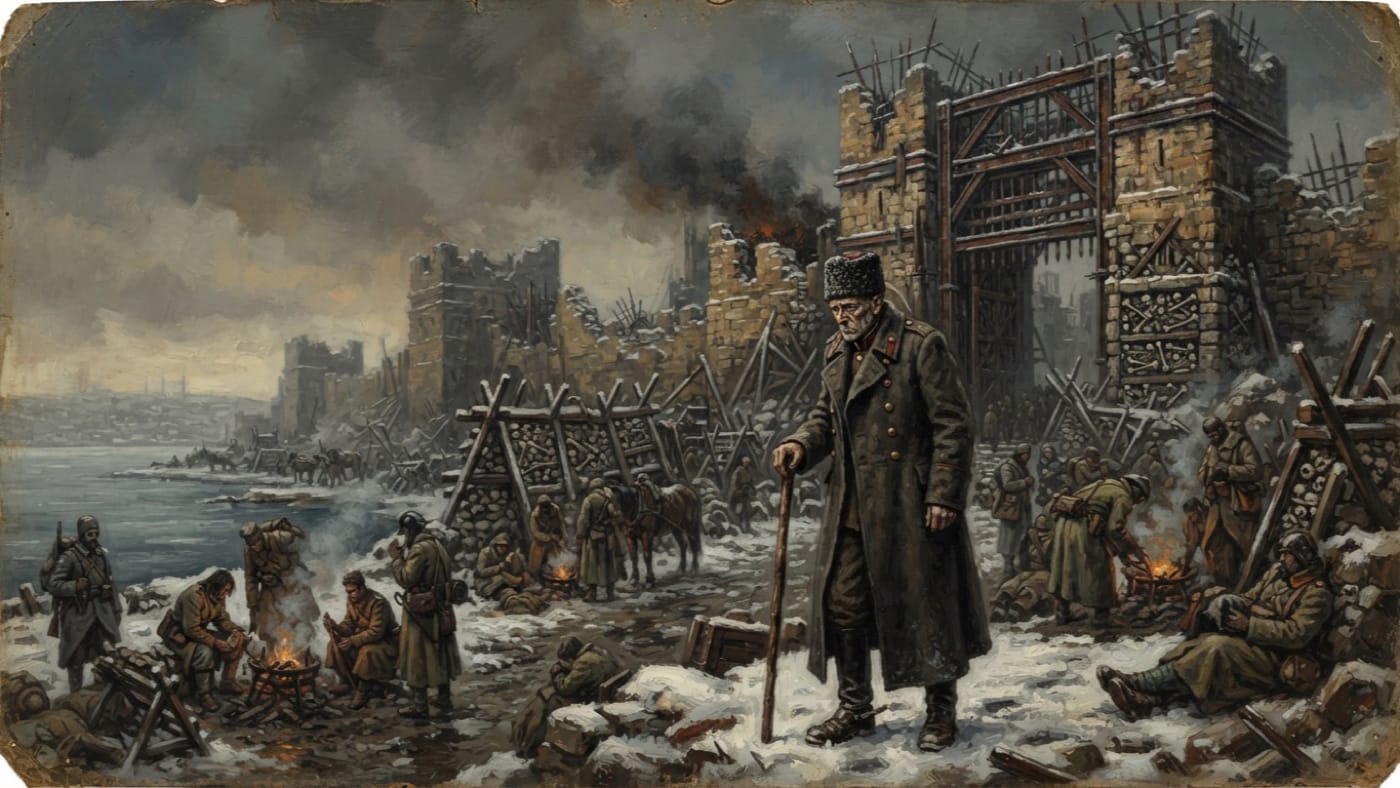
Field-Marshal Edras
A winter's halt, remembered in masonry
Field-Marshal Edras halted at ruined Constantinople in winter A.S. 47. Drax blames his boots and legs; the Bastion remembers him with a gate. The record grants him a rank, not a career.
Codex Ref. III.2.02-047
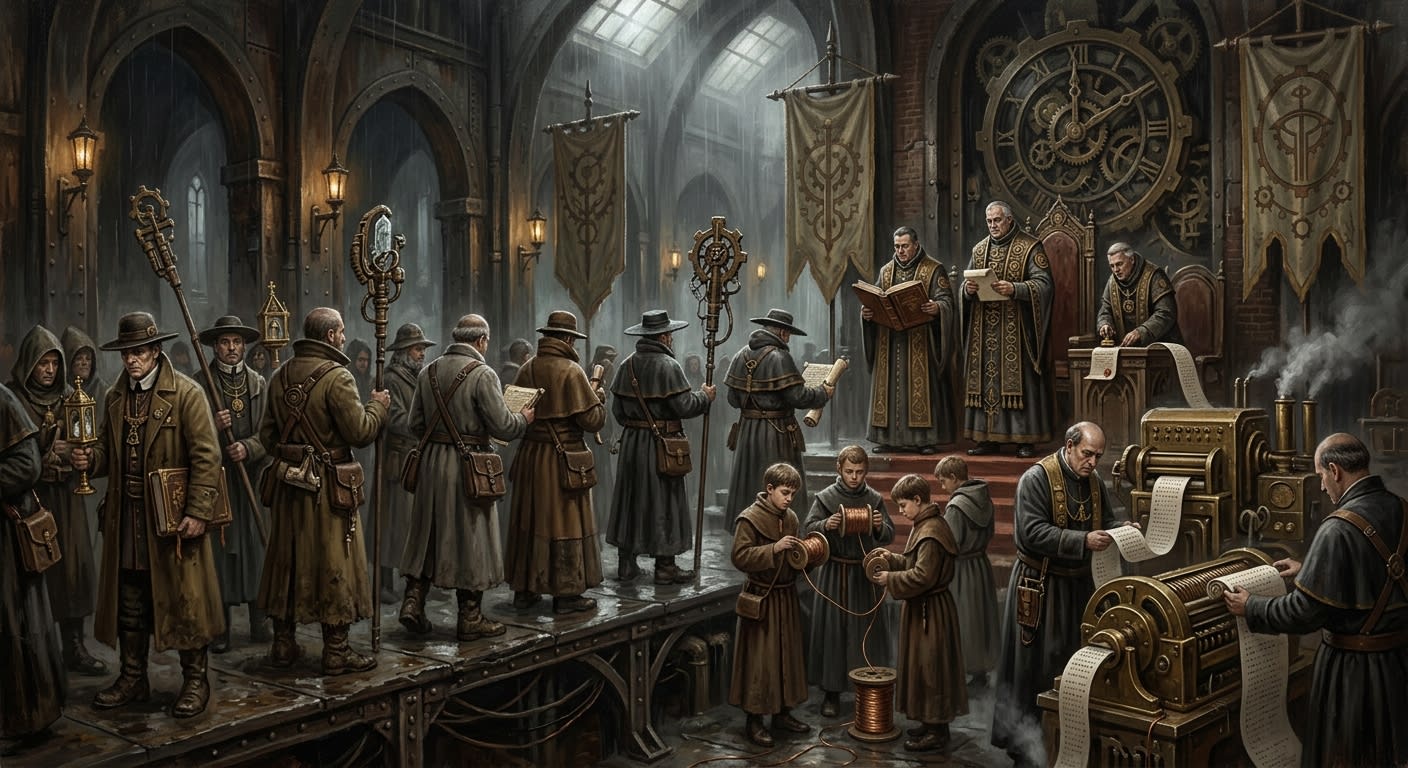
Fifteenth Doctrinal Congress
The hour Strasbourg taught an old river crime to testify on schedule
The Fifteenth Doctrinal Congress made Kraków's drowned priests administratively inexhaustible: witness ratified, silence scheduled, wire converted, and grief sealed.
Codex Ref. XIII.1.90-148
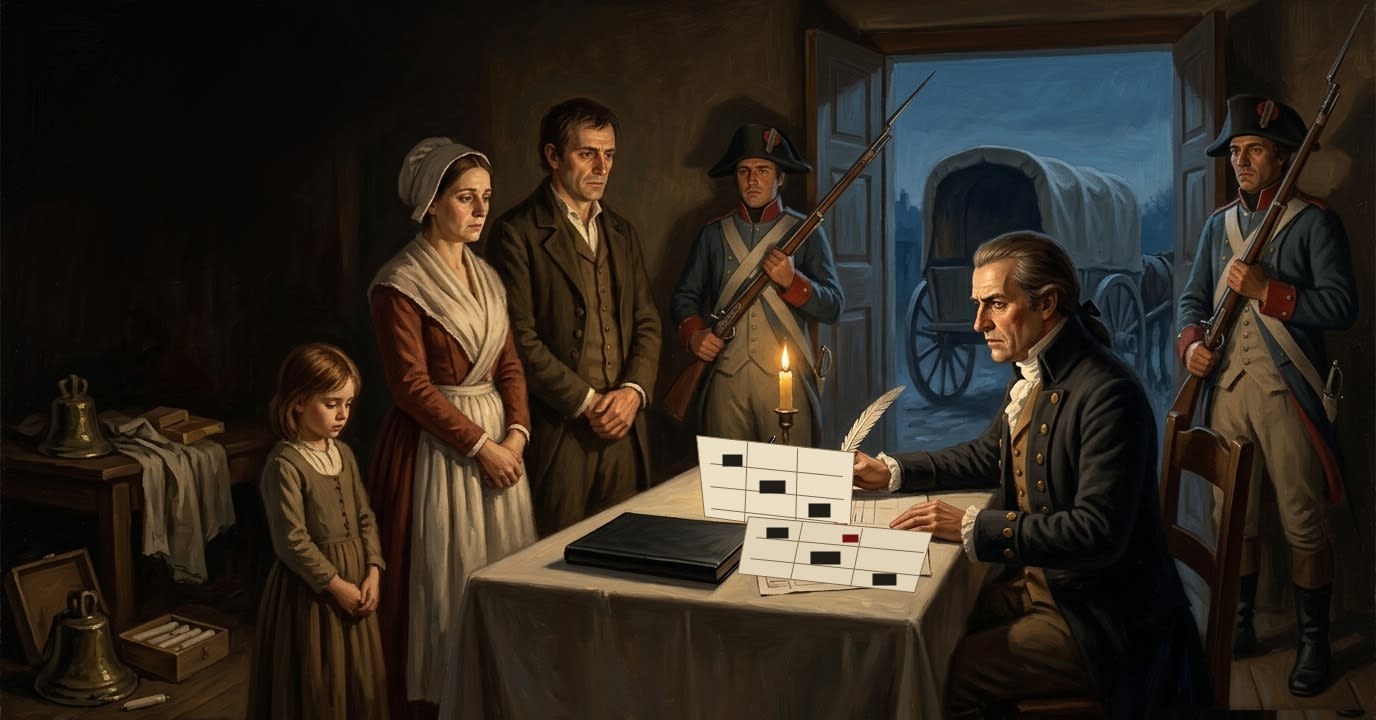
First Black Census
The Republic learned to murder with a household table and a clean pen
The First Black Census turned belief into a column, children into transfer marks, and faithful households into blanks awaiting carts.
Codex Ref. I.1.06-030
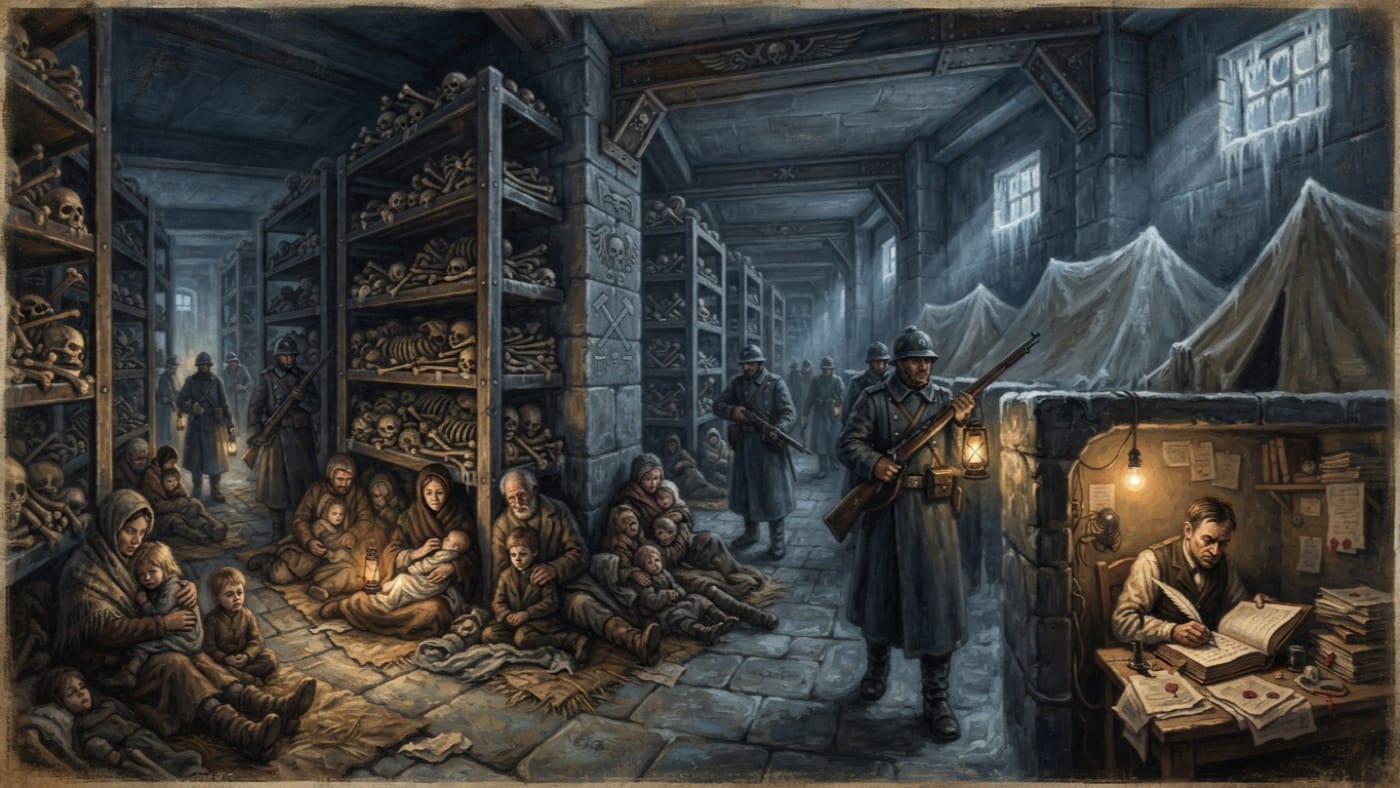
First Grave-Field Winter
The tents froze, and the shortage acquired a clerk
An A.S. 201 retrospective of an undated winter at three unnamed bastions, when frozen tents drove refugees into sanctified dead chambers. Four offices objected; shelter beside the dead acquired a clerk.
Codex Ref. VII.4.11-081
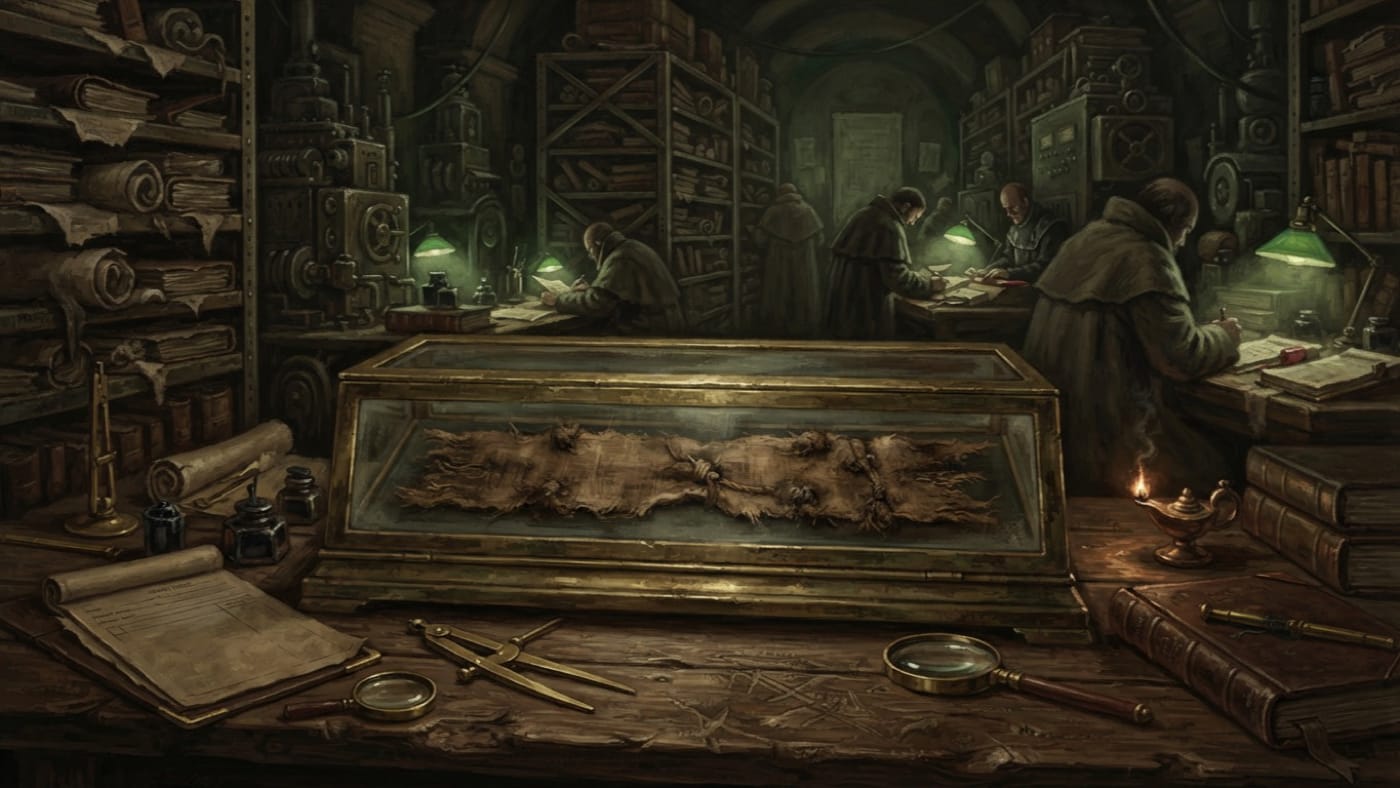
First Knot-Cloth
Thirty households bound, three certainties about where the cloth lies
An A.S. 201 survey of Liora's First Knot-Cloth, traditionally used to bind thirty hungry households to mutual aid. The offices agree it is preserved; they disagree on where.
Codex Ref. XIII.1.03-015
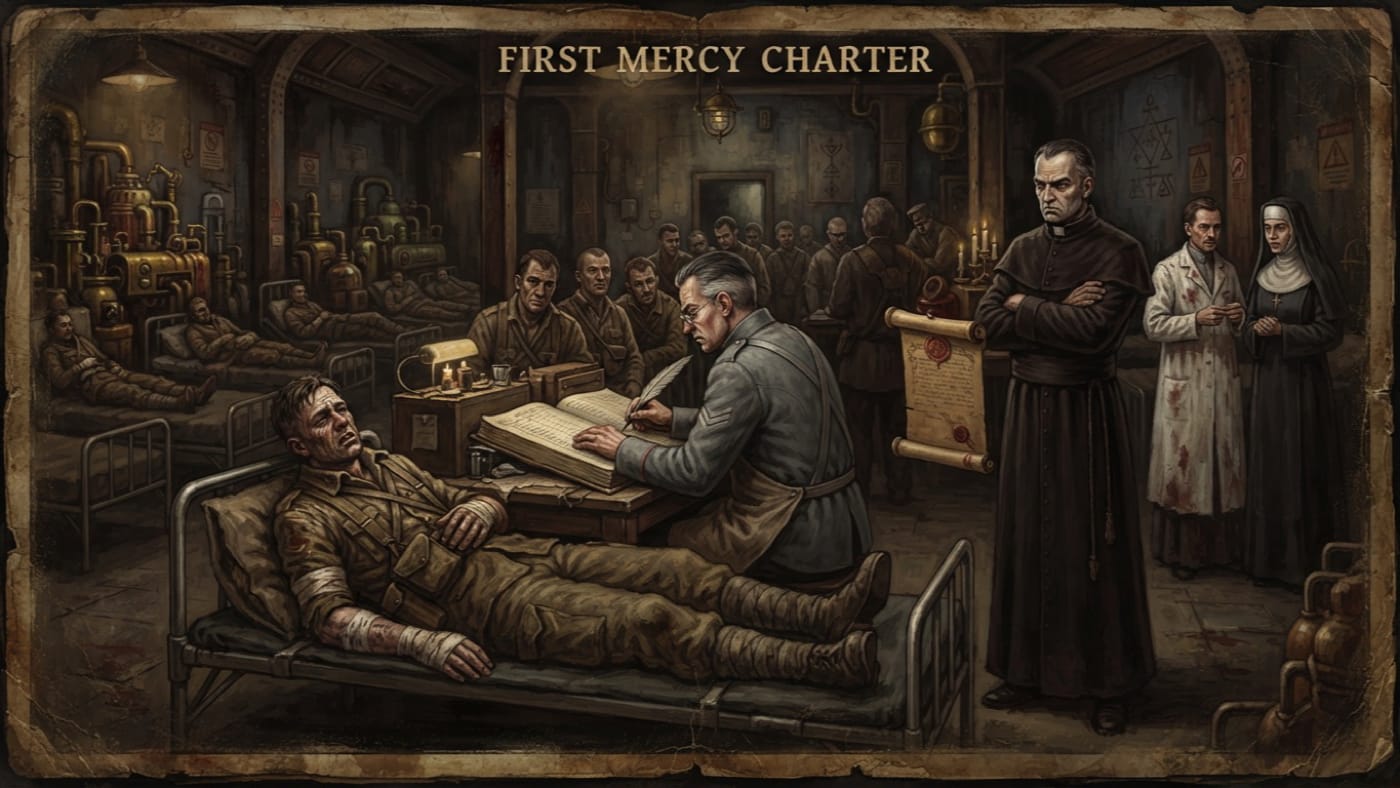
First Mercy Charter
The wound waits while the soul is put in order.
The First Mercy Charter of A.S. 92 conditions treatment on confession, absolution and acknowledgment of Providence. The body waits while the soul's paperwork is completed.
Codex Ref. XIII.1.92-092
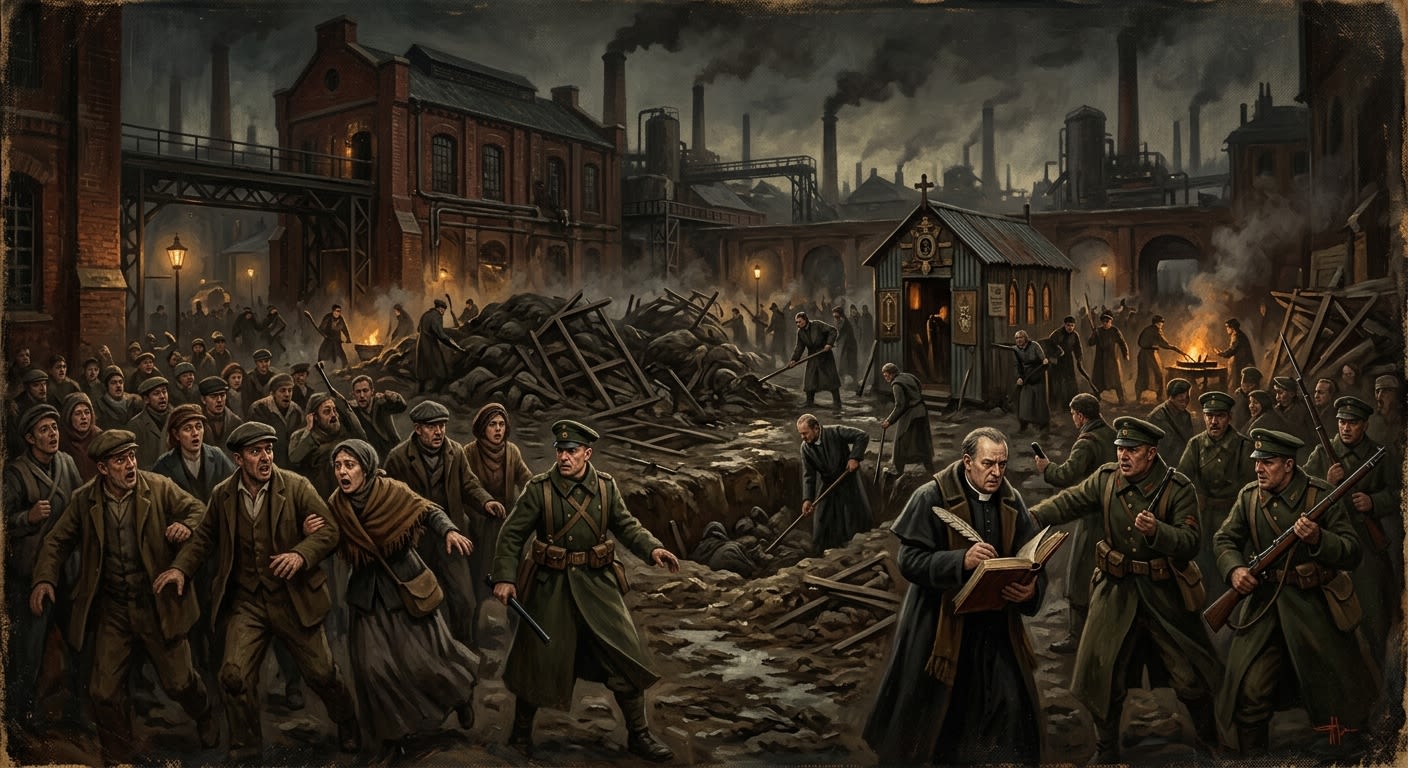
First Ossuary Panic
The dead spoke, and the Synod answered with a form
A.S. 78 Rhine corridor mortuary panic in which overcrowded pits began sounding after dark, forcing burial clearance, tariff-chapels, and the Dead-Goods Tariffer into law.
Codex Ref. VII.4.25-078
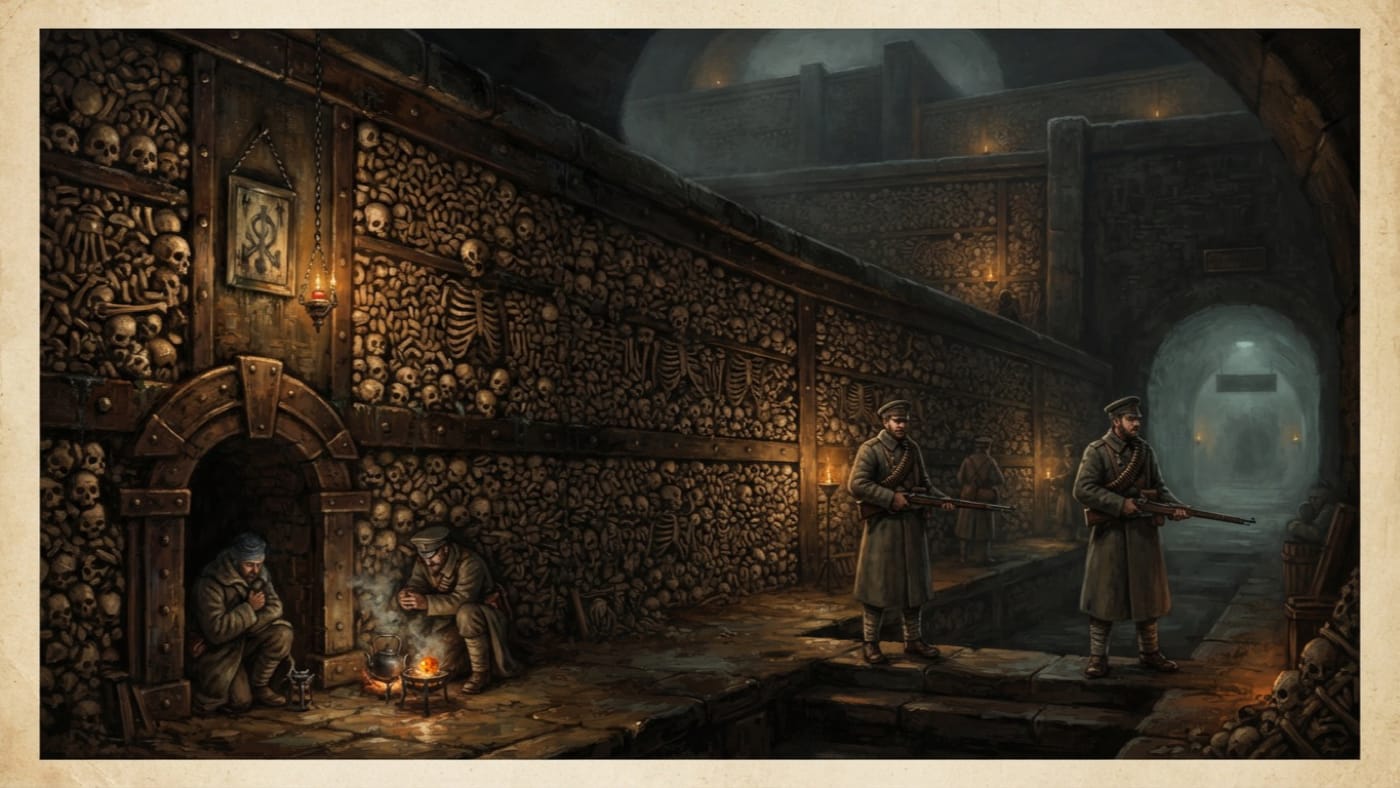
First Ossuary Ring
The dead remain on duty
The oldest bone-built wall of Bastion-Constantinople, accreted from the Continental Levy's graves in the winter of A.S. 47. Standing, garrisoned and consecrated by attestation. The dead remain structural; their service has not concluded.
Codex Ref. II.4.10-047
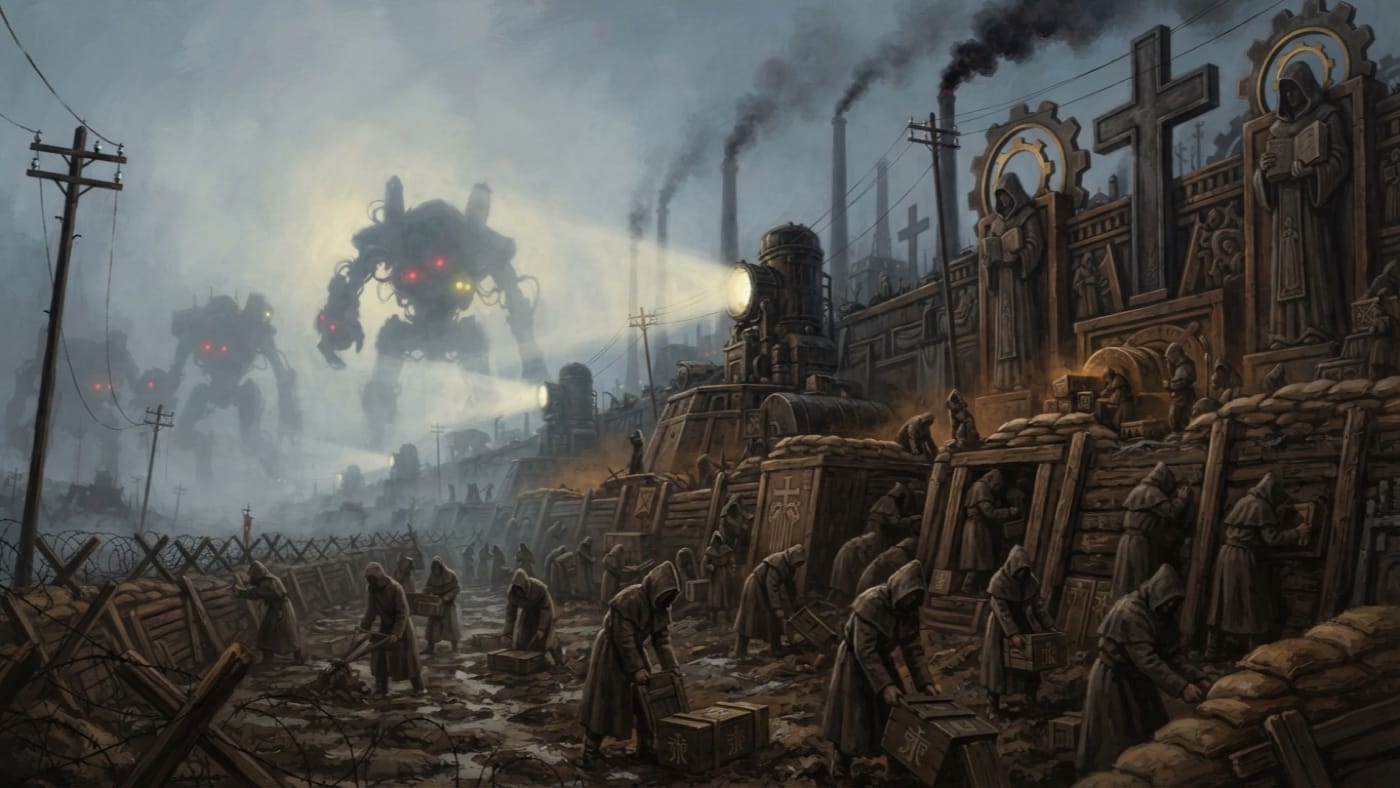
First Position
The debt was inherited. The balance was never disclosed.
The former teaching that the Great Deceiver punishes Rationalist sins and will withdraw after sufficient penance. Recorded in the A.S. 201 survey: the doctrine is superseded, the debt unmeasured, and the faithful still paying.
Codex Ref. VI.1.01-002
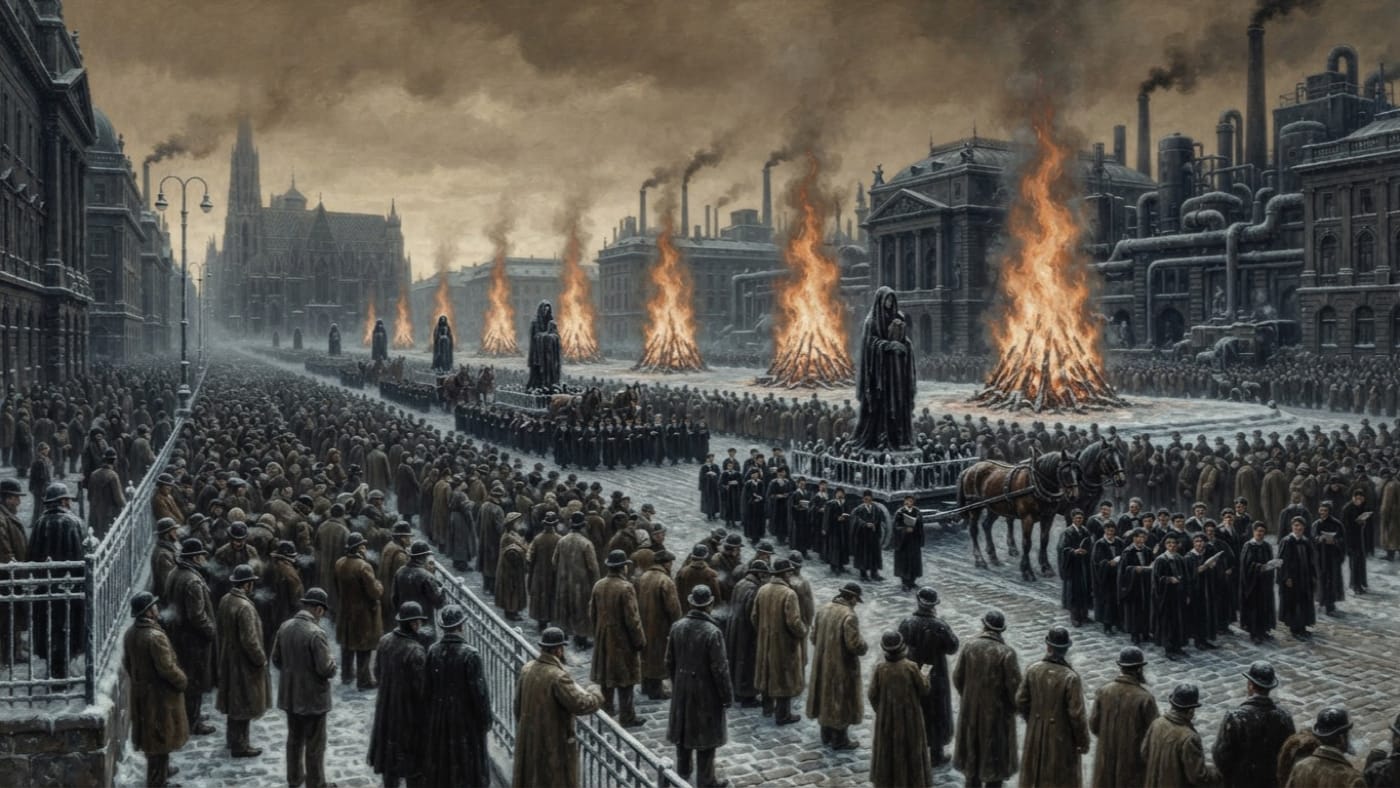
First Prefectural District
One Clause, One Afternoon, No Surviving Map
Vienna’s Rationalist civic district, attested in A.S. 30 by compulsory attendance at the Black Procession. The Ledger preserves the obligation; its founding, boundaries and successor remain unrecorded.
Codex Ref. II.4.09-030
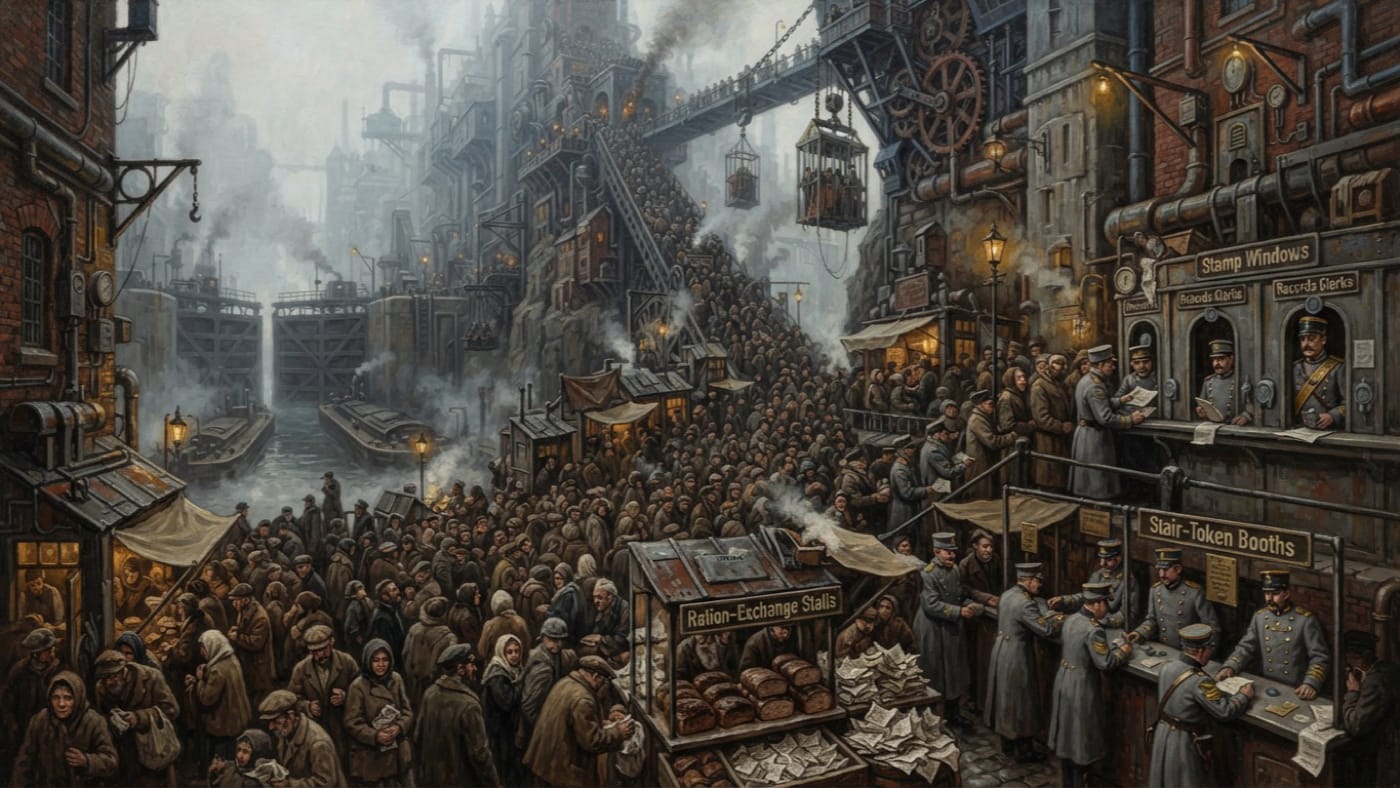
First Step Market
Where brass buys a crossing and bread competes with the stairs
Rheinscarp's market above the locks sells ration chits, clipped brass stair-tokens and instruction in staying registered. Each coin buys bread or ascent; the Ledger is quite content to let a newcomer choose.
Codex Ref. II.2.01-003
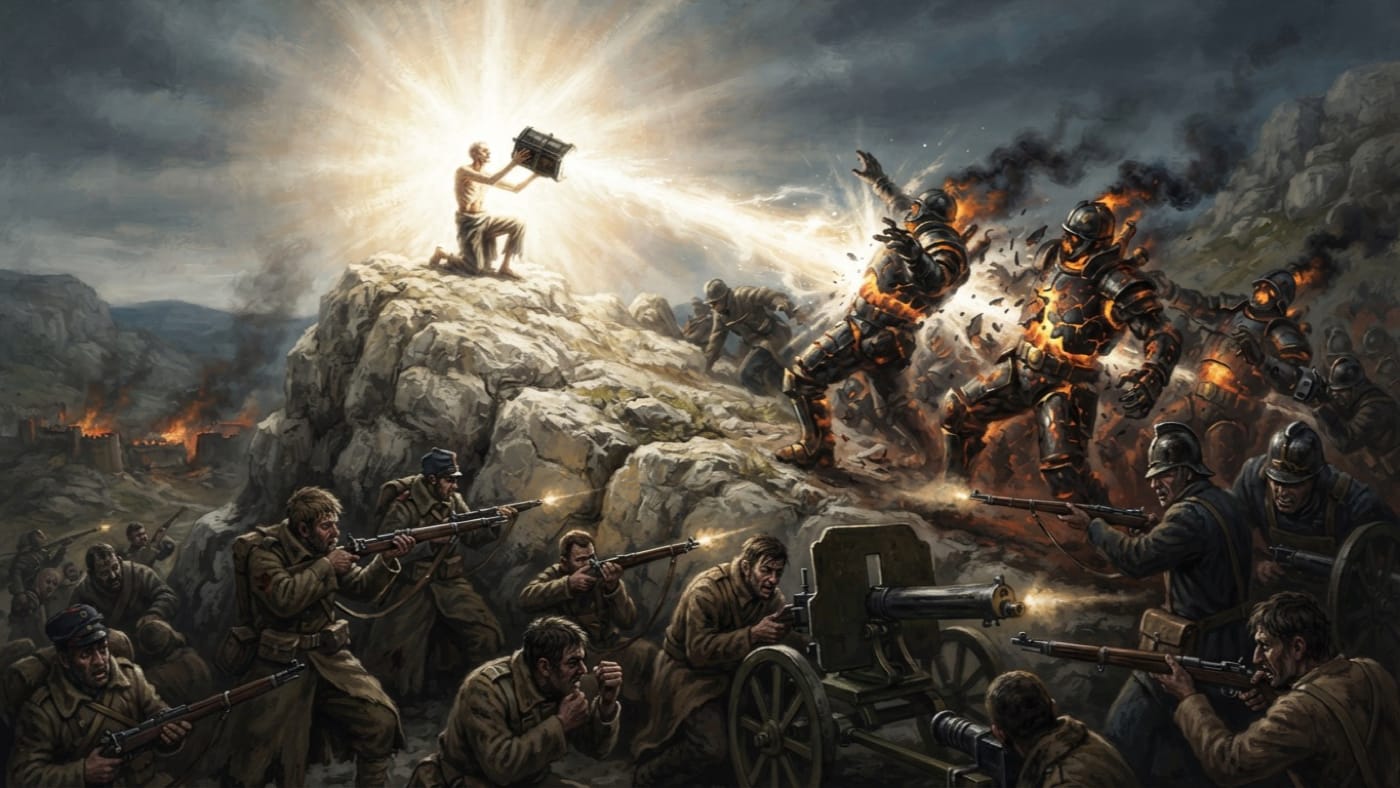
First-Order Miraculous Emission
The enemy recoiled; the rubric remains undefined
At Kalnik Ridge in A.S. 48, seventeen relics checked Maldrake's vanguard. The Bureau later filed the blaze as First-Order Miraculous Emission, Category: Martial; it neglected to define First-Order.
Codex Ref. VI.3.01-048
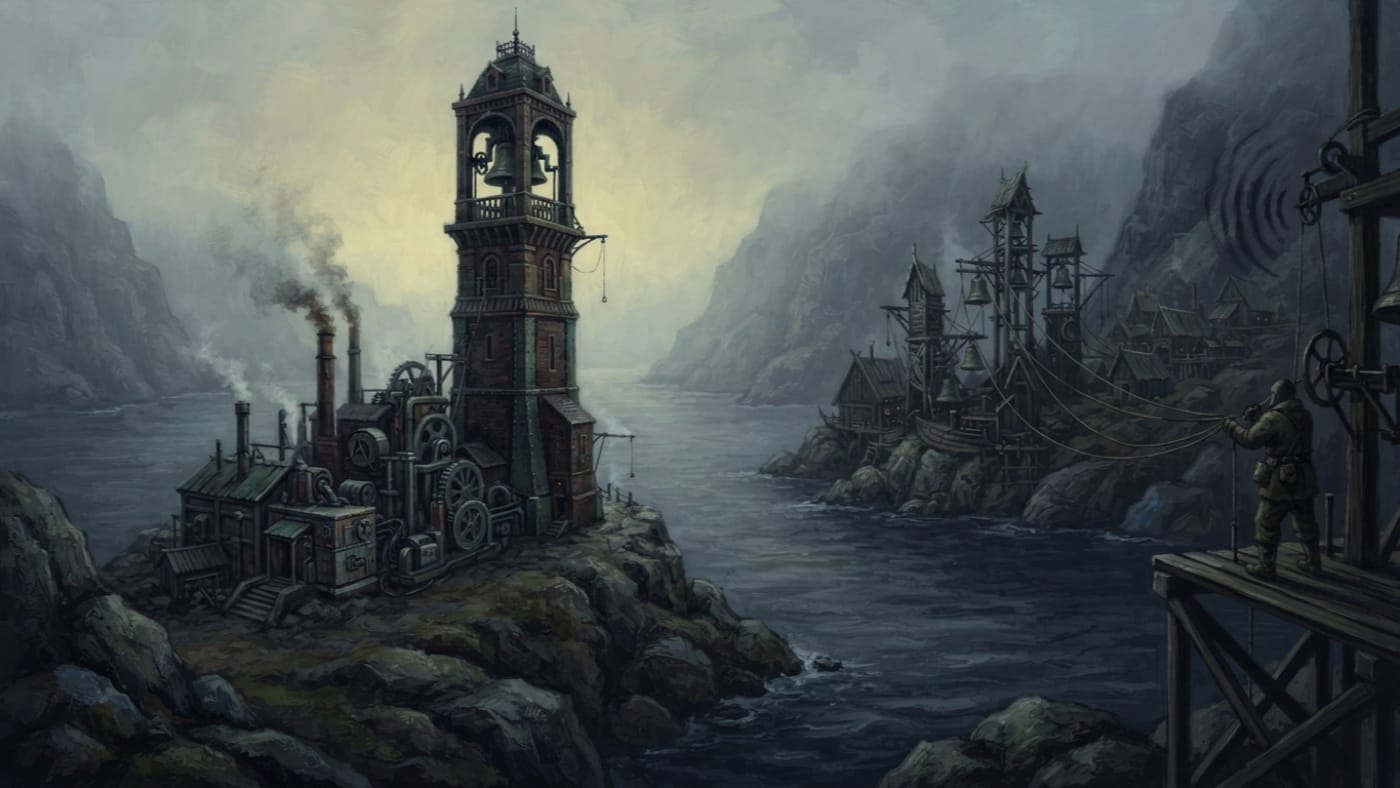
Fjord-Bells of Scandinavia
Strasbourg claims the hour. The North keeps its own.
A.S. 201 survey of Scandinavian fjord-bell traditions, their quarrel with Strasbourg's schedules and their reported answer to the Grey. The old tunings are withheld; the Bureau has asked three times.
Codex Ref. XIII.1.62-002
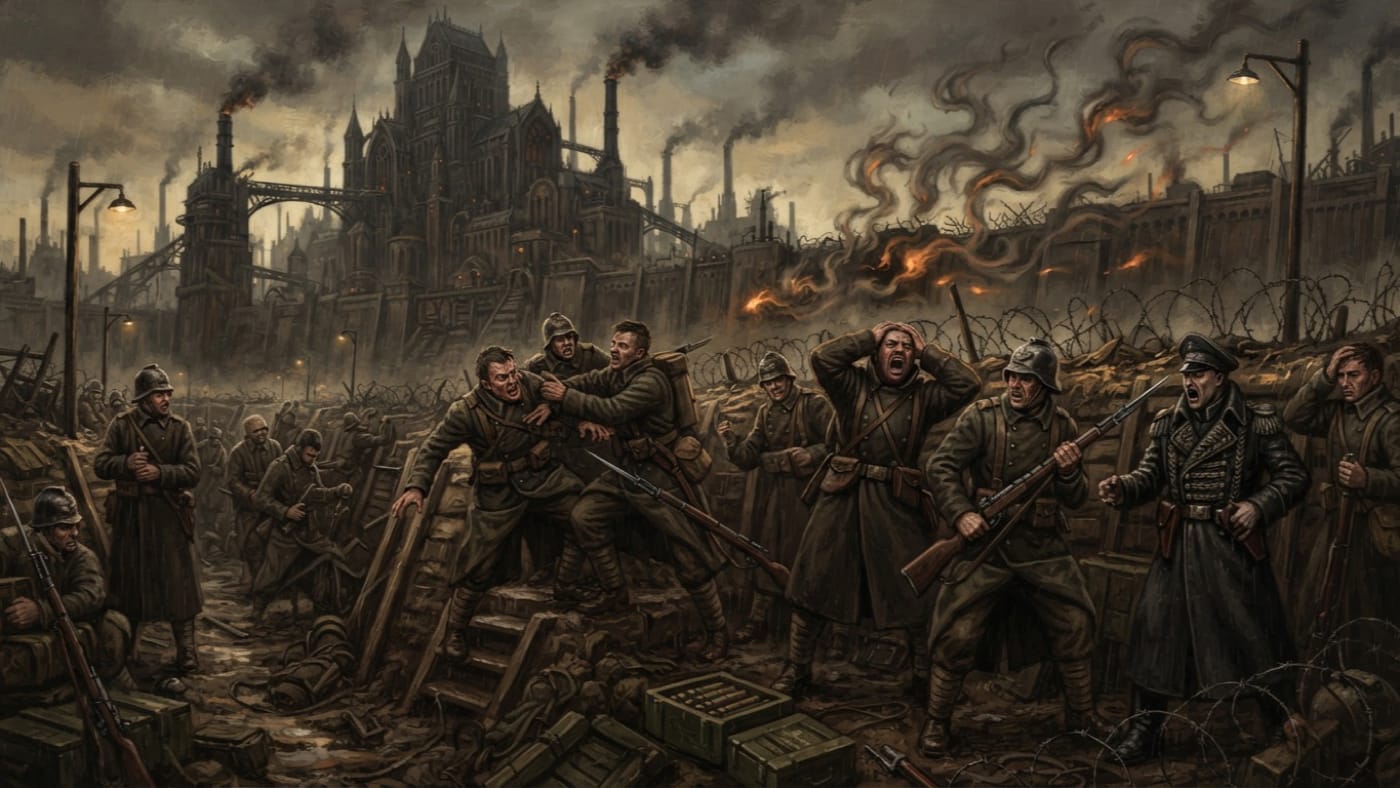
Flame-Tongues
A furnace needs no argument. It needs a draught.
A.S. 201 survey of Maldrake's Flame-Tongues: demons that scream provocation and feed when fighting begins. In Synod territory, the listener still chooses what his hands do.
Codex Ref. IV.2.1108-201
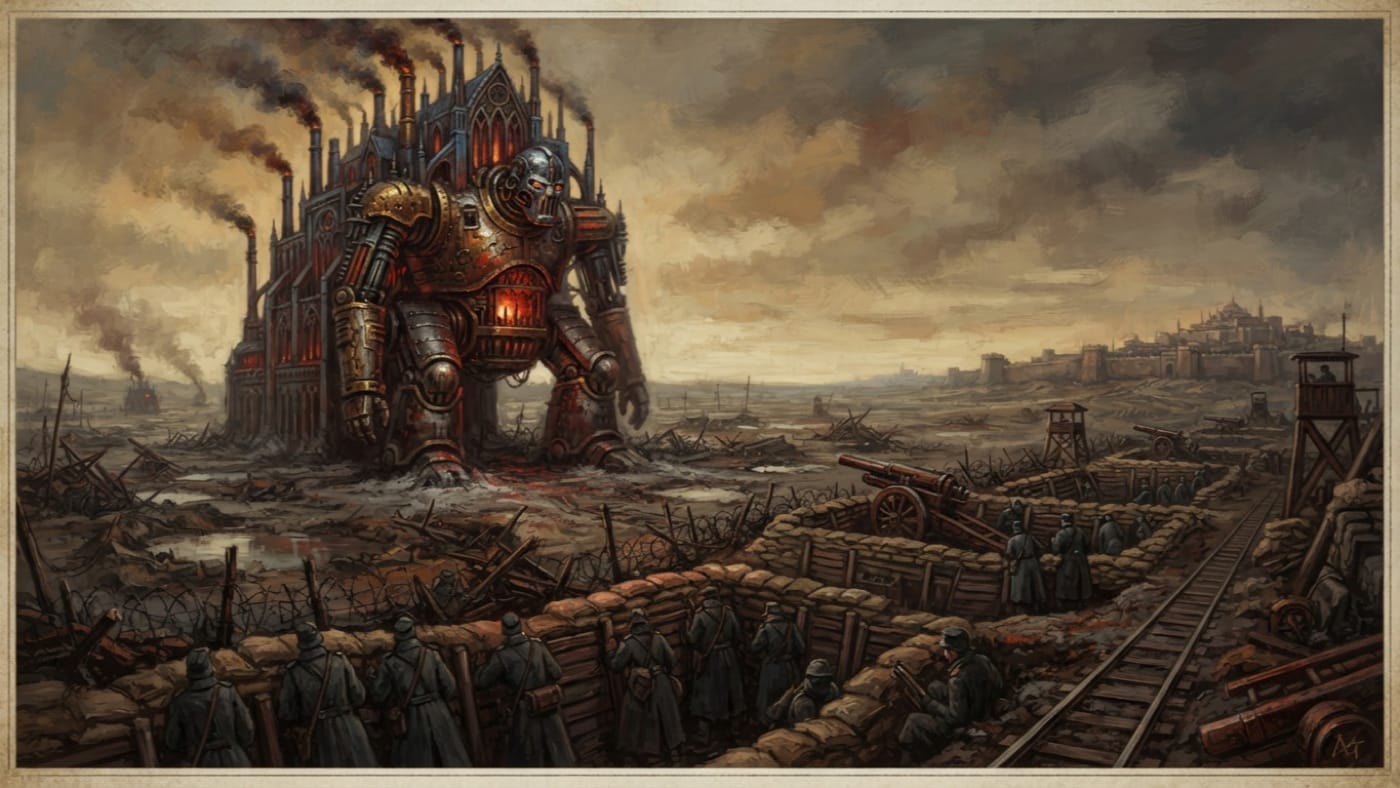
Flameheart Colossus
The weapon that leaves a column open
Maldrake's singular siege weapon: a furnace-wrought giant recorded at grid 4-9-7 on the Thracian Plain in A.S. 194, still motionless in the A.S. 201 dossier. War finds its stillness worse than movement.
Codex Ref. IV.1.07-011
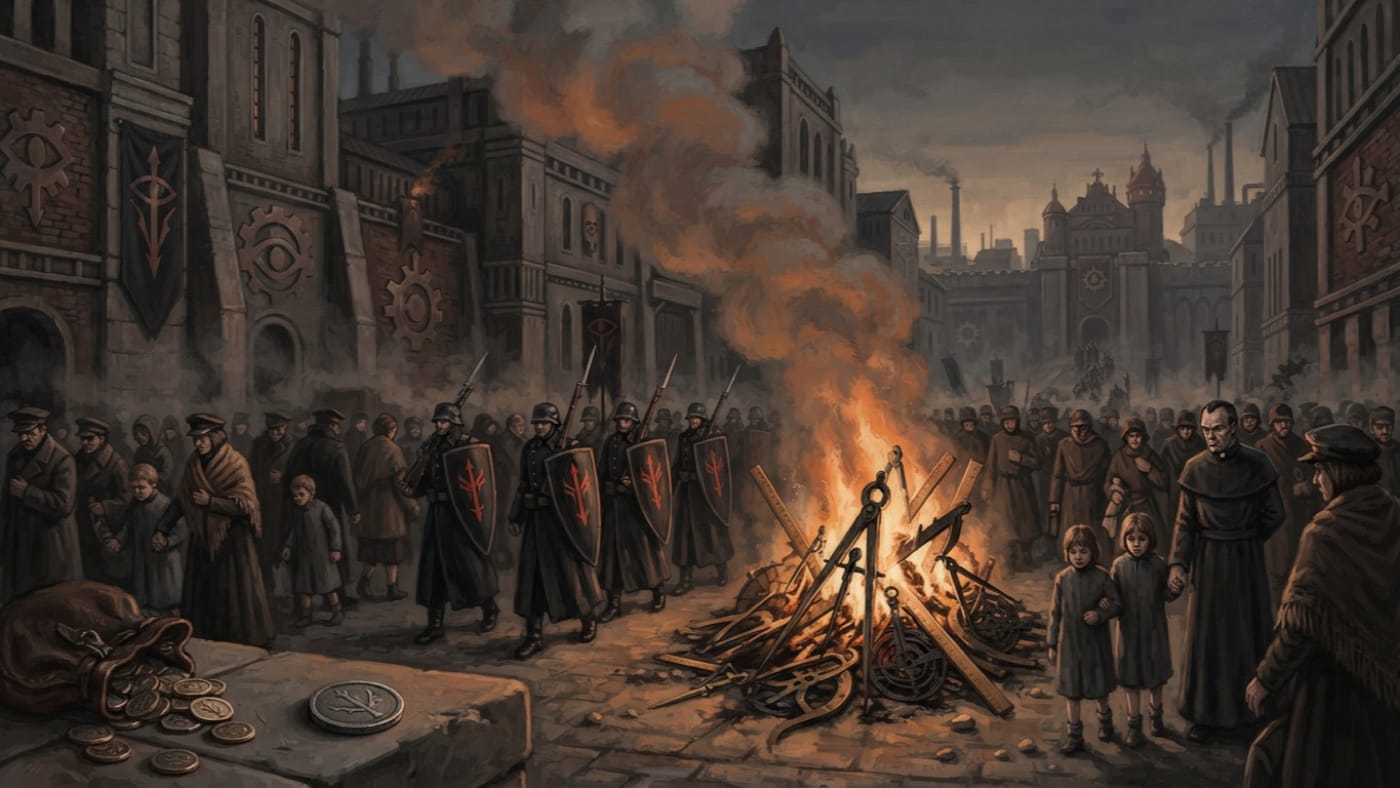
Flaming Sword
Permission has weight, and obedience has smoke
The Flaming Sword carries Synodal authority on coinage and lends its name to Strasbourg's burning of Rationalist instruments. I record its public uses; the emblem's origin remains unproved.
Codex Ref. XIII.1.03-001
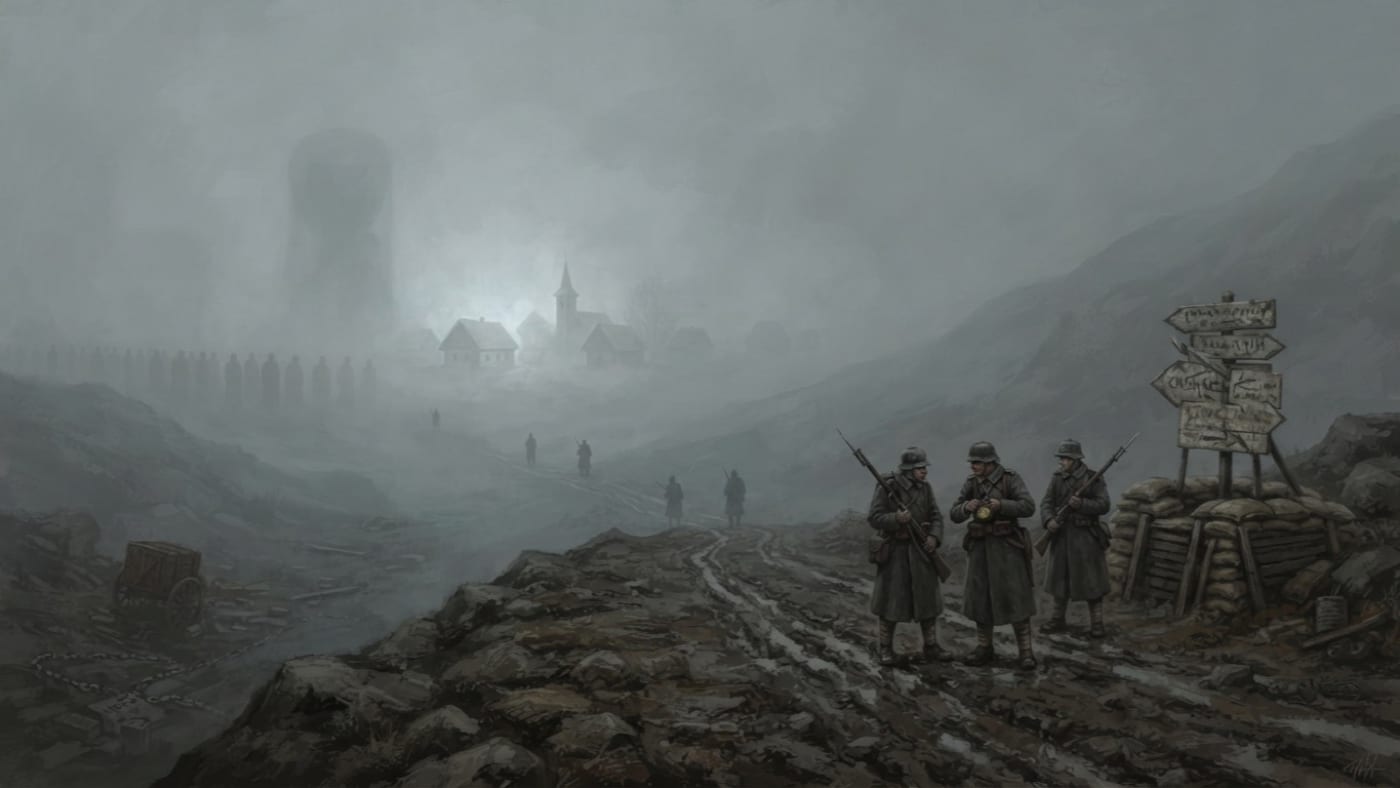
Fog Kingdoms
The pass is held. The boundary remains unsurveyed.
The soldiers' name for Syrion's unsurveyed fog beyond Shipka. The pass is held, the approaches contested, the depth occupied. The villages remain on the rolls; their letters go unanswered.
Codex Ref. II.6.08-201
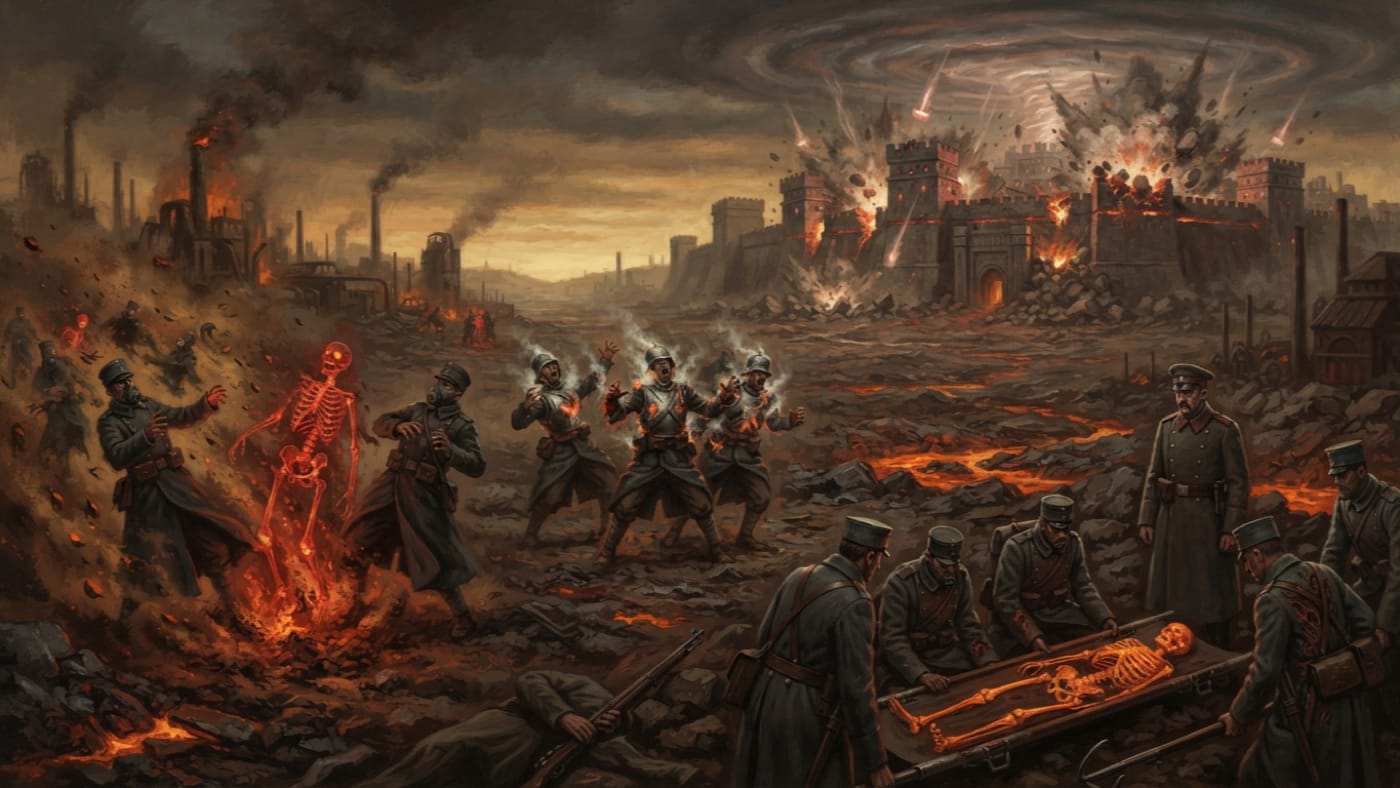
Forge Evocations
Molten rage hammered into spell-form
Maldrake's Forge Evocations turn Wrath into slag-storms, screaming armour and blows from an empty sky. Three manifestations are certified. The first use is unrecorded; the bones are recovered.
Codex Ref. VI.3.01-004
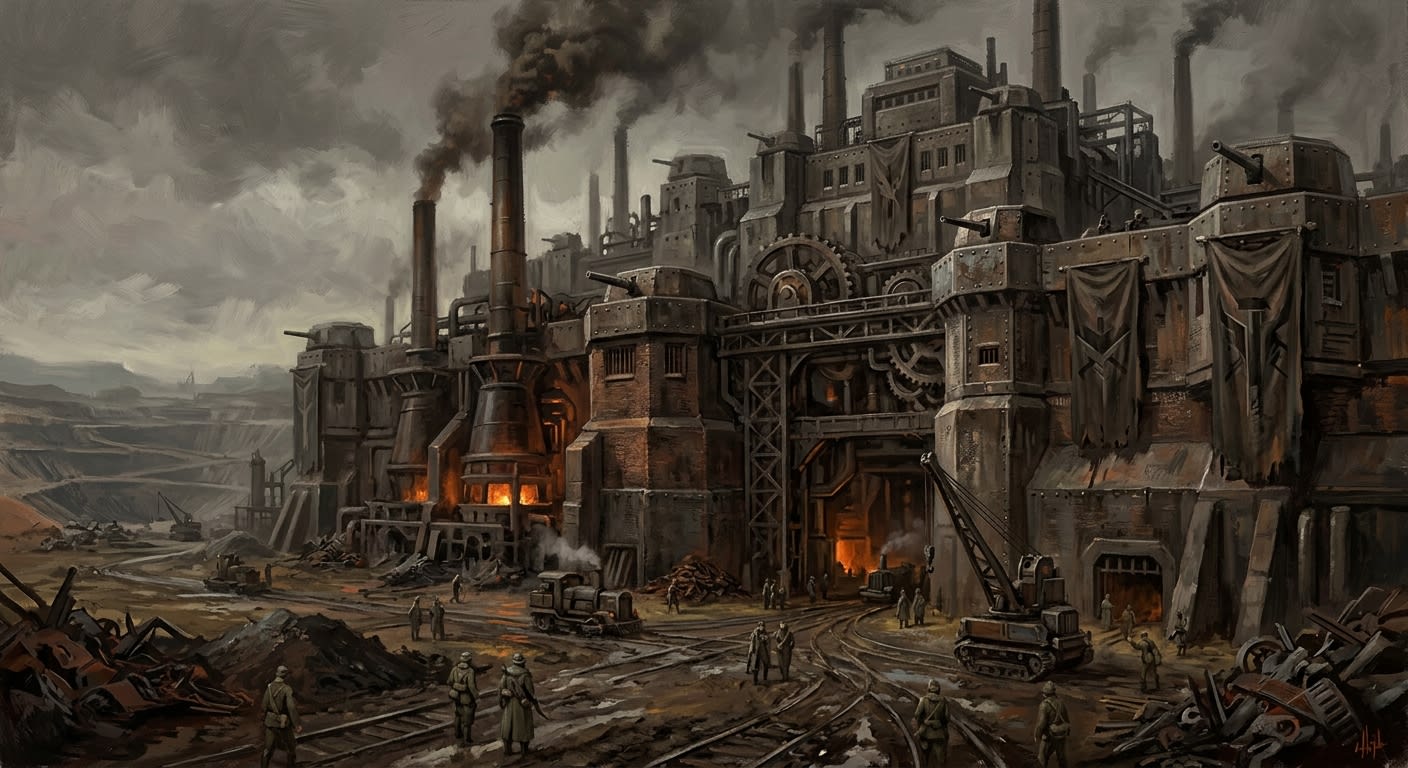
Forge-Pyre Bastion
The citadel that hammers distance into a theological inconvenience
The Forge-Pyre Bastion is Maldrake's unmeasured forge-citadel in the Iron Wastes, where Wrath manufactures walls, weapons, and reasons to hate.
Codex Ref. II.6.03-046
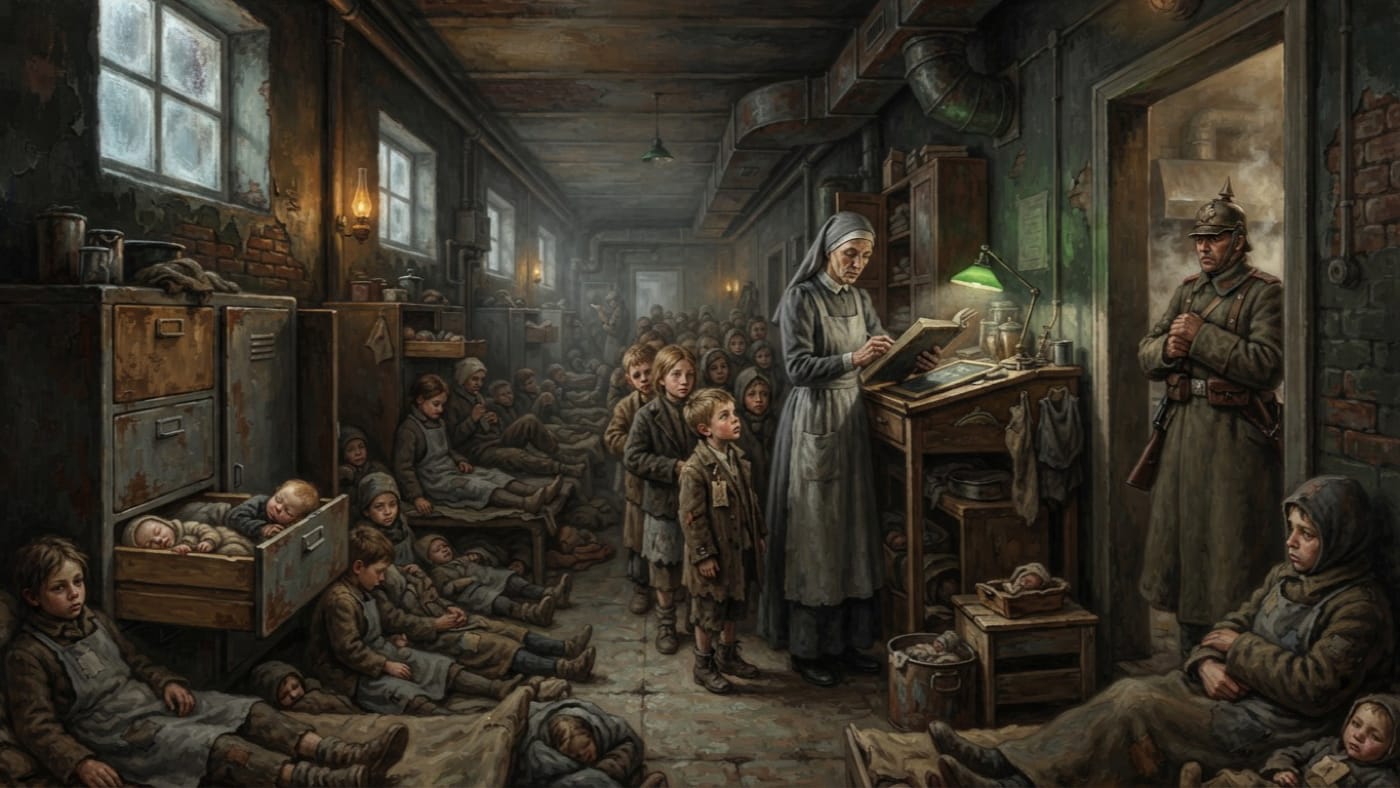
Foundling Winter
Hunger filled the drawers; the ledger decided who could eat
An A.S. 201 survey of the undated famine episode that crowded early Orphanarii with abandoned children and prompted Mercy's ration-eligibility codes. Hunger filled the drawers; the ledger decided who could eat.
Codex Ref. VII.2.12-001
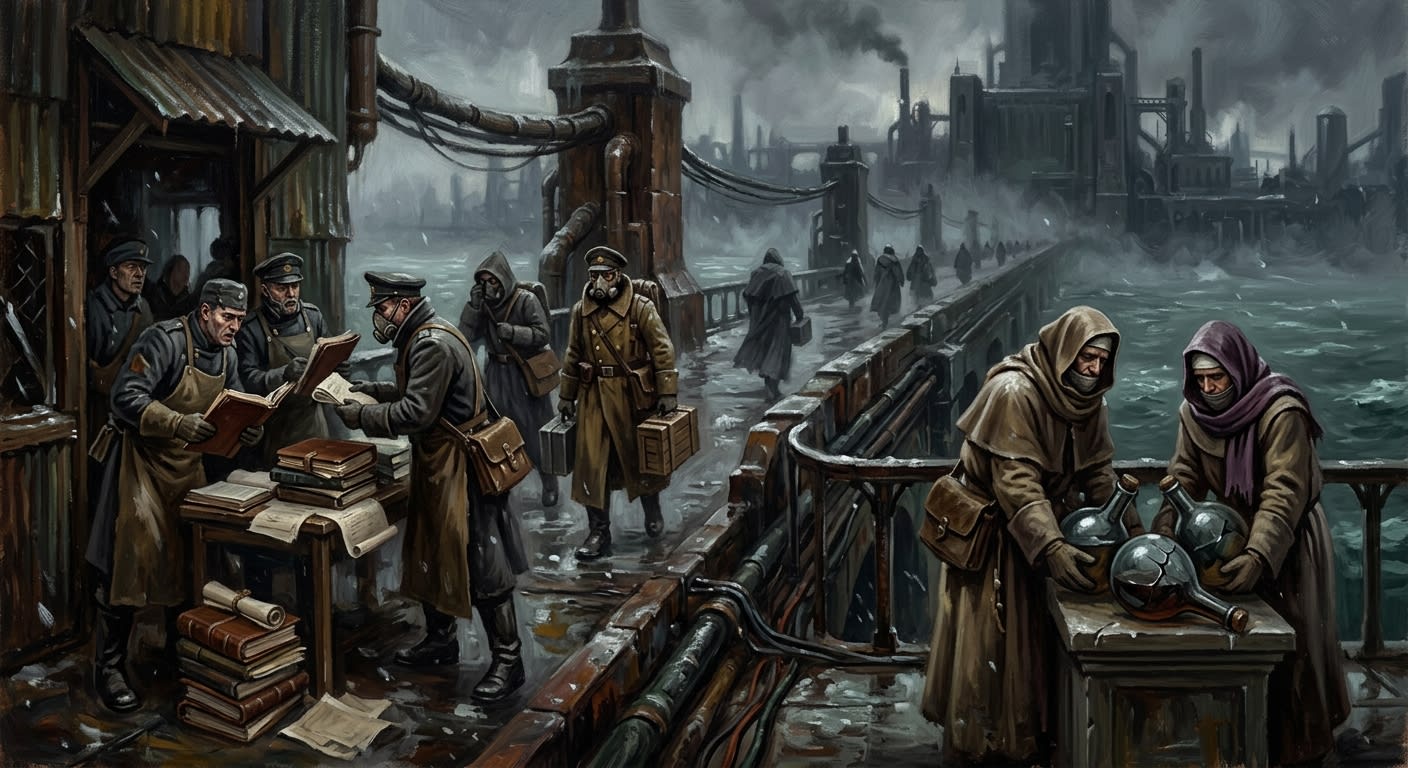
Fourth Causeway Anomaly
Where ice refused the Bureau and grief kept its own accounts
On the Brielle spur of the Salt-Vigil Causeways, winter water refused to freeze, tear-phials grew heavier, and every Bureau discovered a different invoice.
Codex Ref. XIII.1.24-001
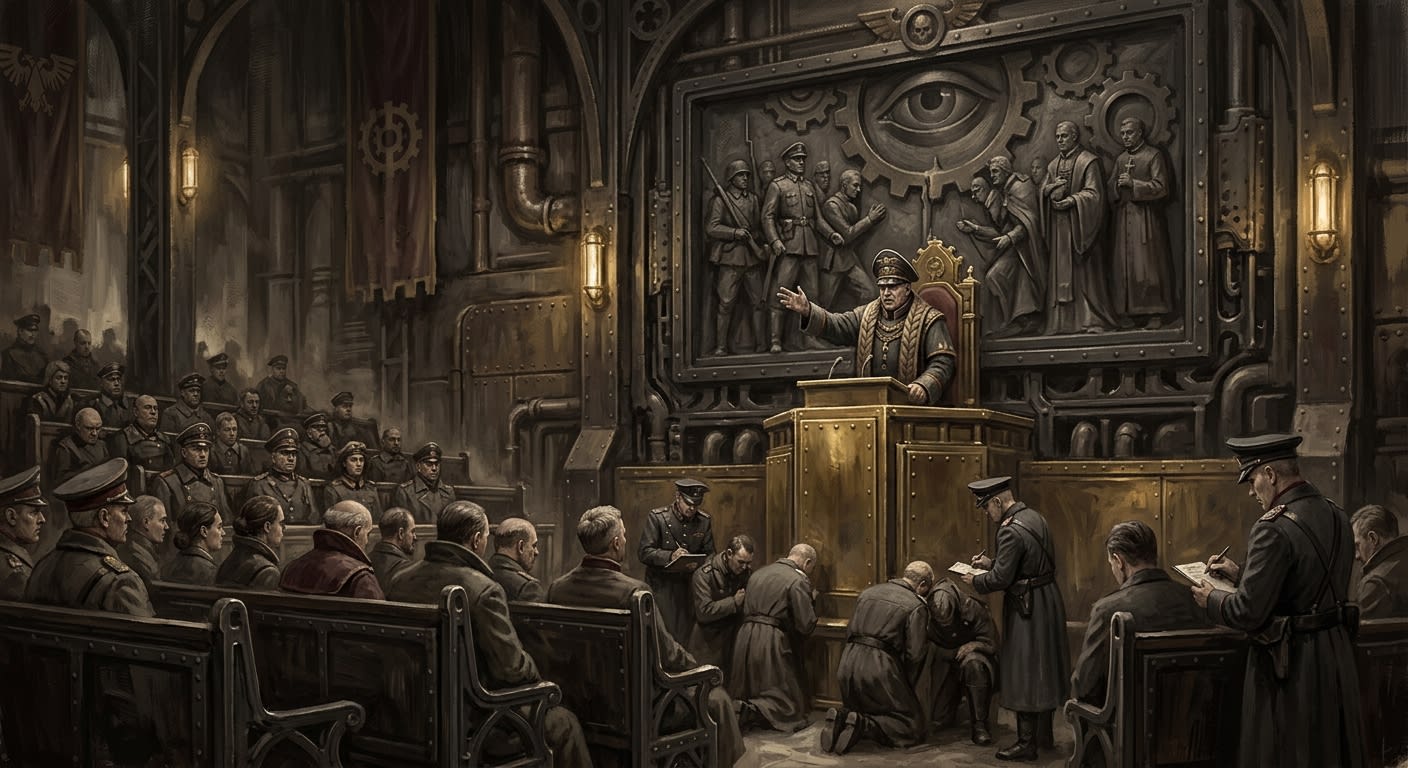
Fourth Doctrinal Congress
Where silence was made to testify against the listener
The Fourth Doctrinal Congress did not end doubt. It converted silence into mortal fault, canonised useful dead, and taught Strasbourg to occupy the Creator's quiet.
Codex Ref. XIII.1.90-104
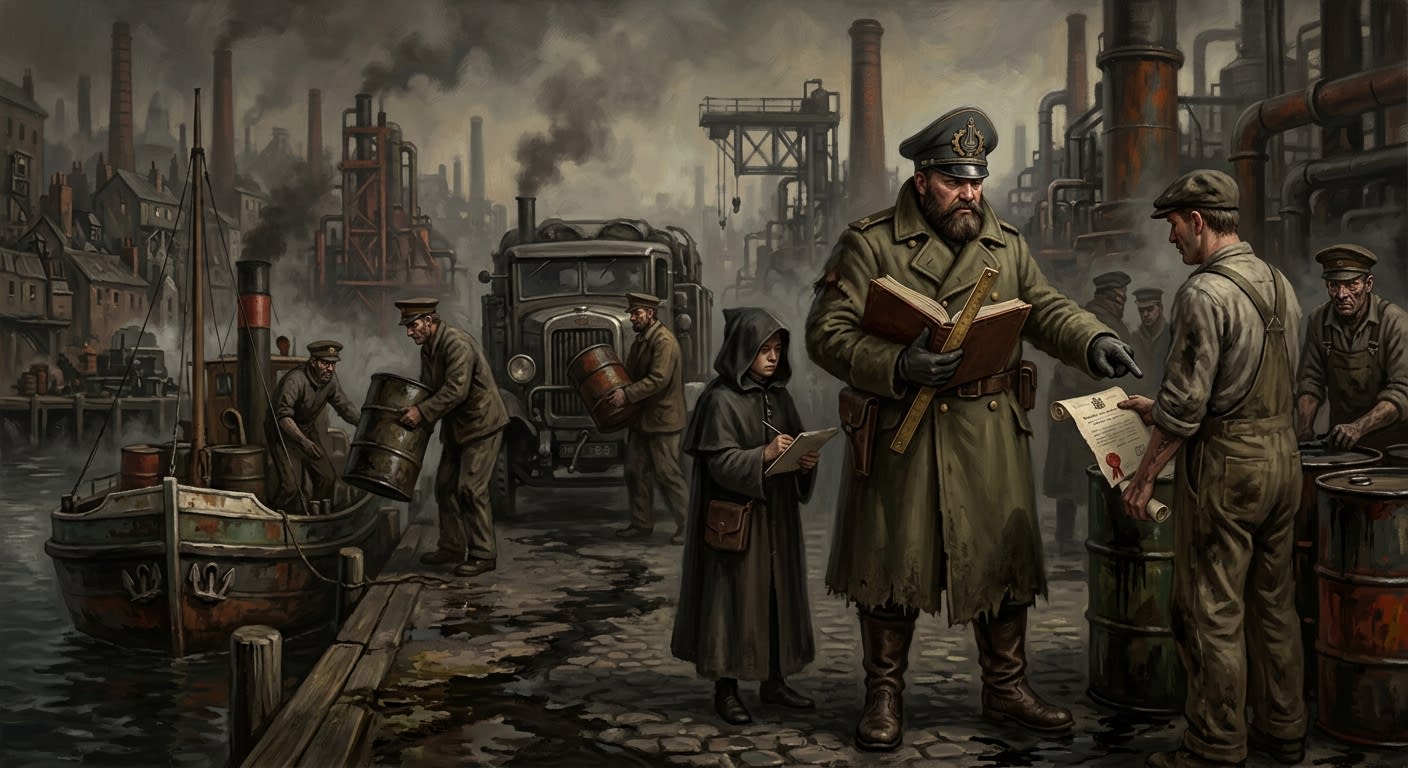
Fuel Monopoly Acts
The statute by which heat learned to kneel before a tariff table
A.S. 112 legal doctrine placing wound-site fuel, drums, charters, workers, accidents, and heat itself beneath Synodal licence and tariff.
Codex Ref. XIII.1.92-112

Garrison-Prior Aldric Venn
He saved the crates, which is how saints survive the road
Garrison-Prior Aldric Venn commanded Saint Stephen's defensive precinct during Vienna's Great Retreat withdrawal, completed the relic manifest, and vanished into the road.
Codex Ref. III.2.01-154
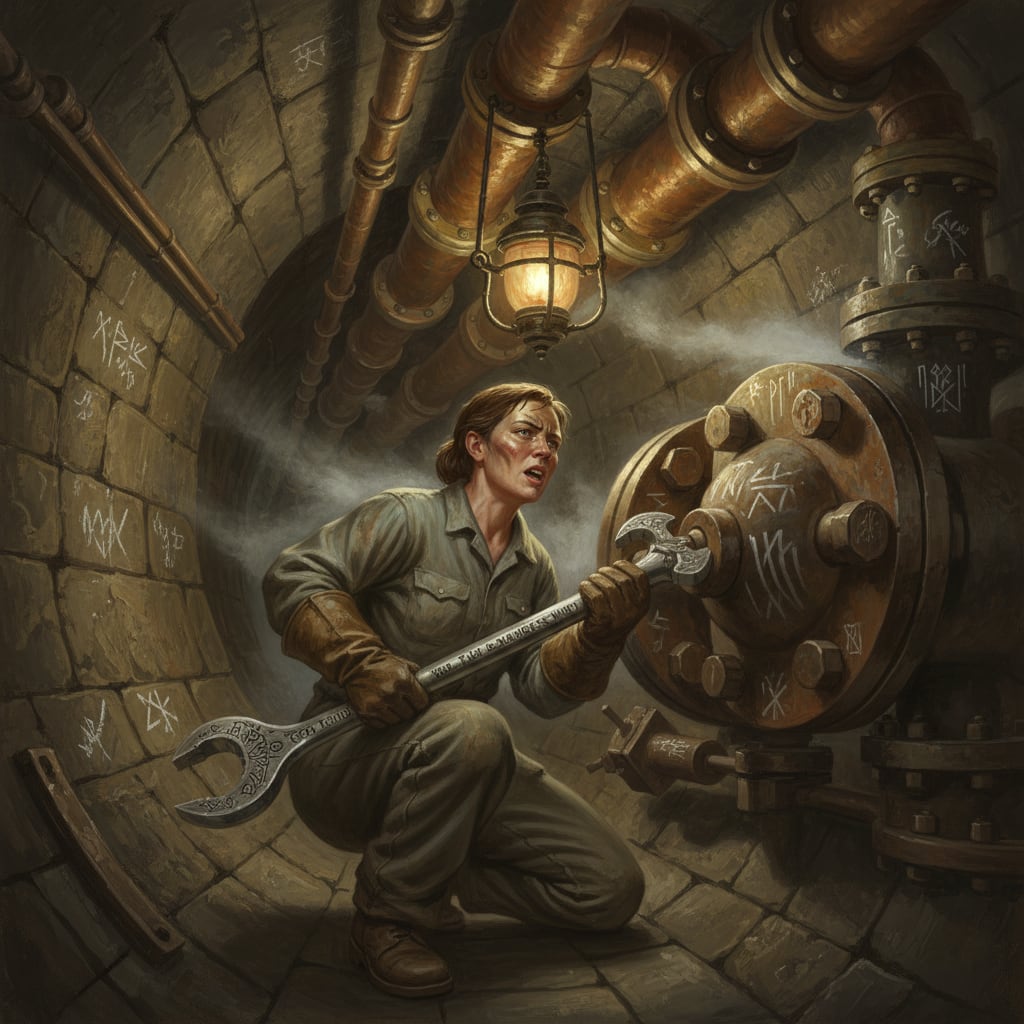
Gasket-Hymn Mechanic
Seat the ring. Speak the line. Do not abbreviate the cleansing verse.
The Synod's three thousand four hundred licensed miracle-workers and most dangerous maintenance staff: the craft predates its sanctification by decades, the liturgy and the torque pattern are the same document.
Codex Ref. XII.2.04-001
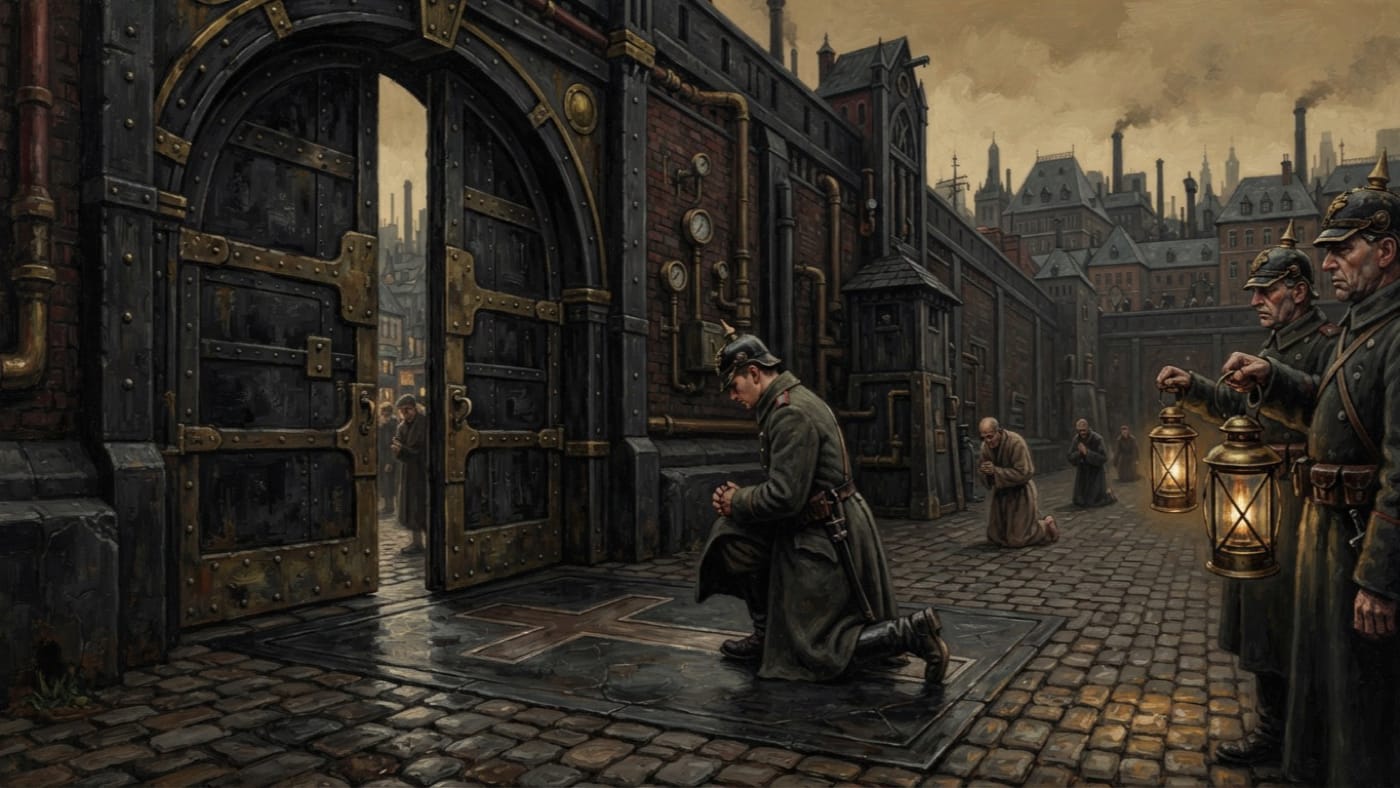
Gate Litany
Forty-seven clauses and no release
At Aachen's western gate, forty-seven clauses turn a recruit's innocence into an obligation. The gate opened in A.S. 25; the knees still answer for it.
Codex Ref. II.2.02-002
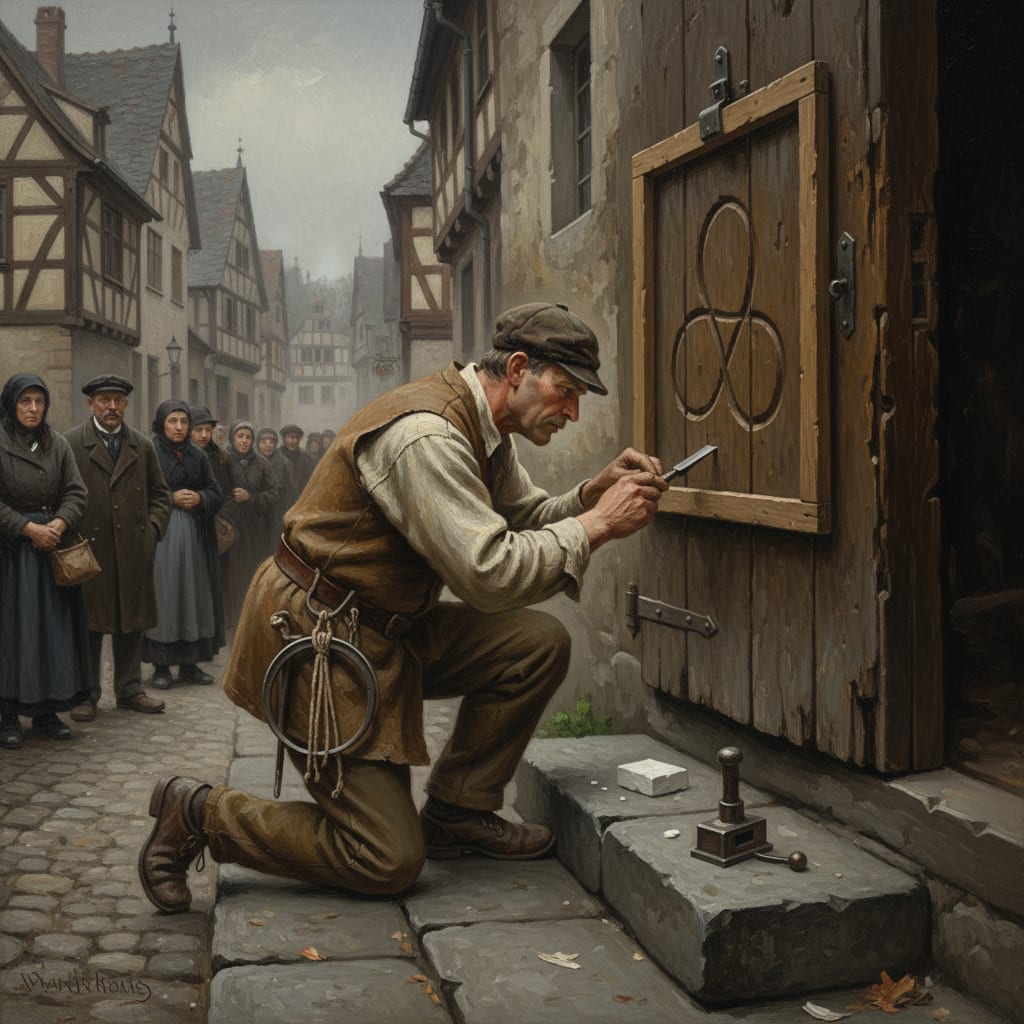
Gate-Carver of the Triune Knot
Three loops, one law, and the prayer that this time the threshold will hold
Six thousand licensed Gate-Carvers execute the Triune Knot into every threshold, grave-slab, and ossuary niche — sanctifying doors, sealing dead, and sustaining the Bureau of Heraldry's claim that a world without geometry is a world the enemy can enter.
Codex Ref. XII.19.01-001
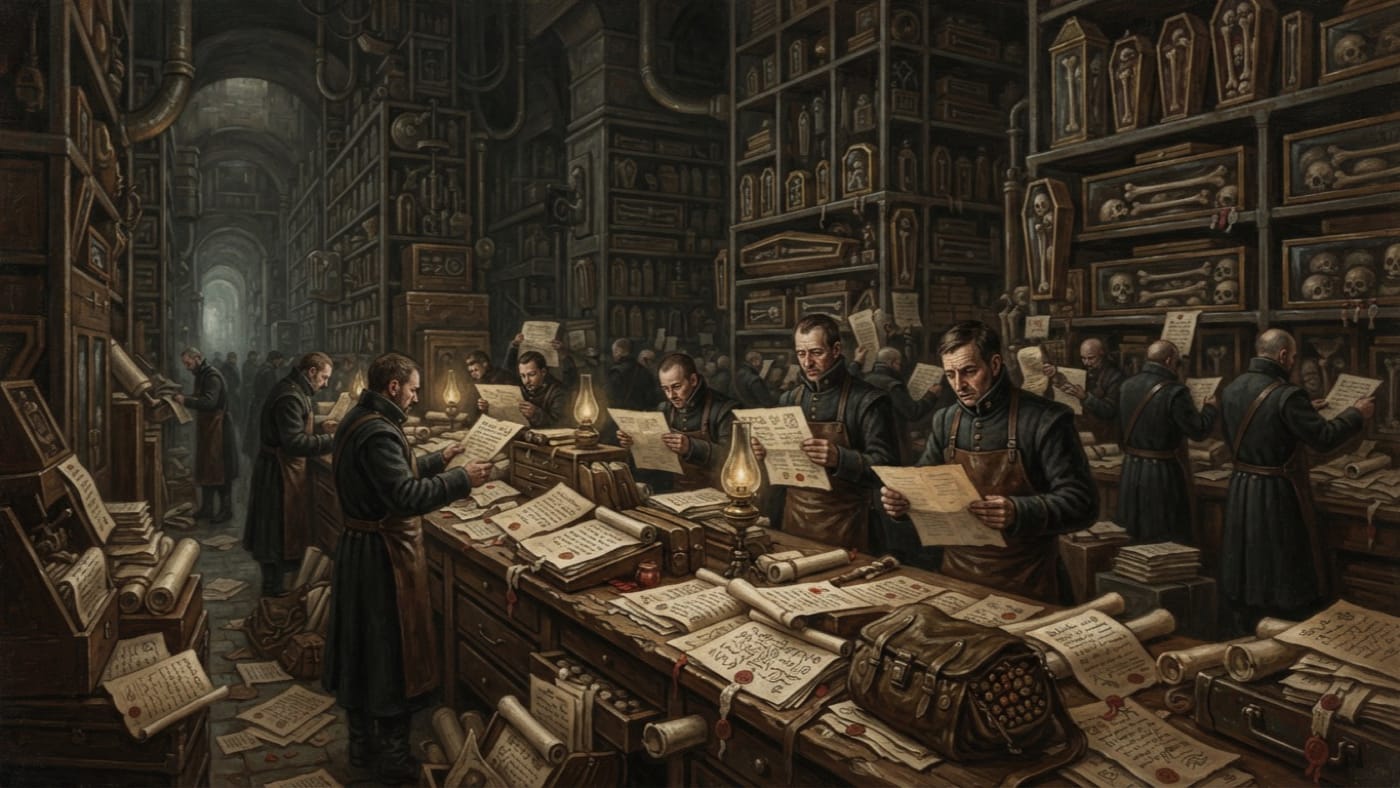
German states
Many jurisdictions. Separate seals. One inconvenient table.
The German states in 1678: many jurisdictions, separate seals, and no common answer to Amsterdam's bone census. The relics agreed locally. The ledgers did not.
Codex Ref. II.1.10-001
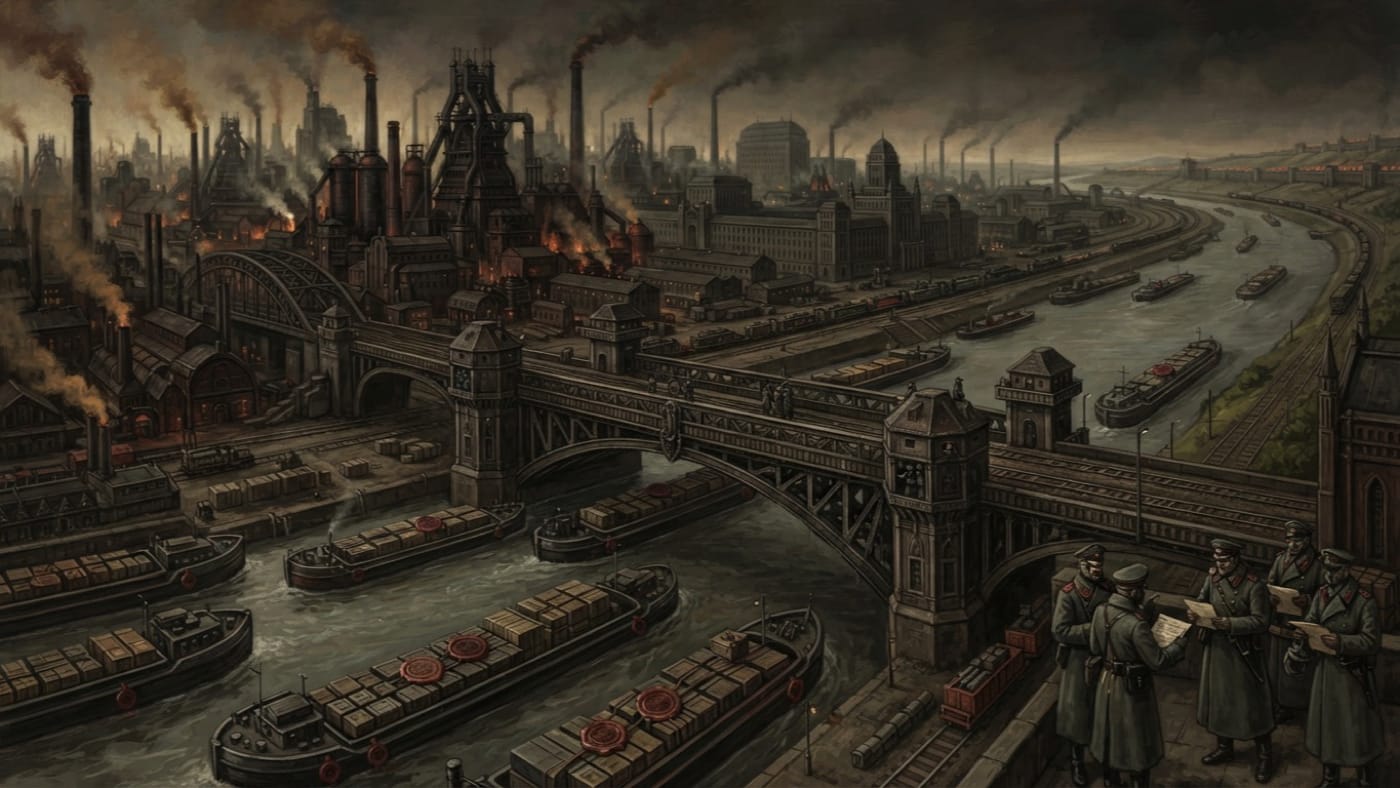
Germany
The heartland that supplies the frontier and answers to several seals
Germany in A.S. 201: the Zone Two heartland of taxed rivers, singing furnaces and military depots. The old borders were erased; the territory still supplies the frontier, and every cargo requires a seal.
Codex Ref. II.6.01-201
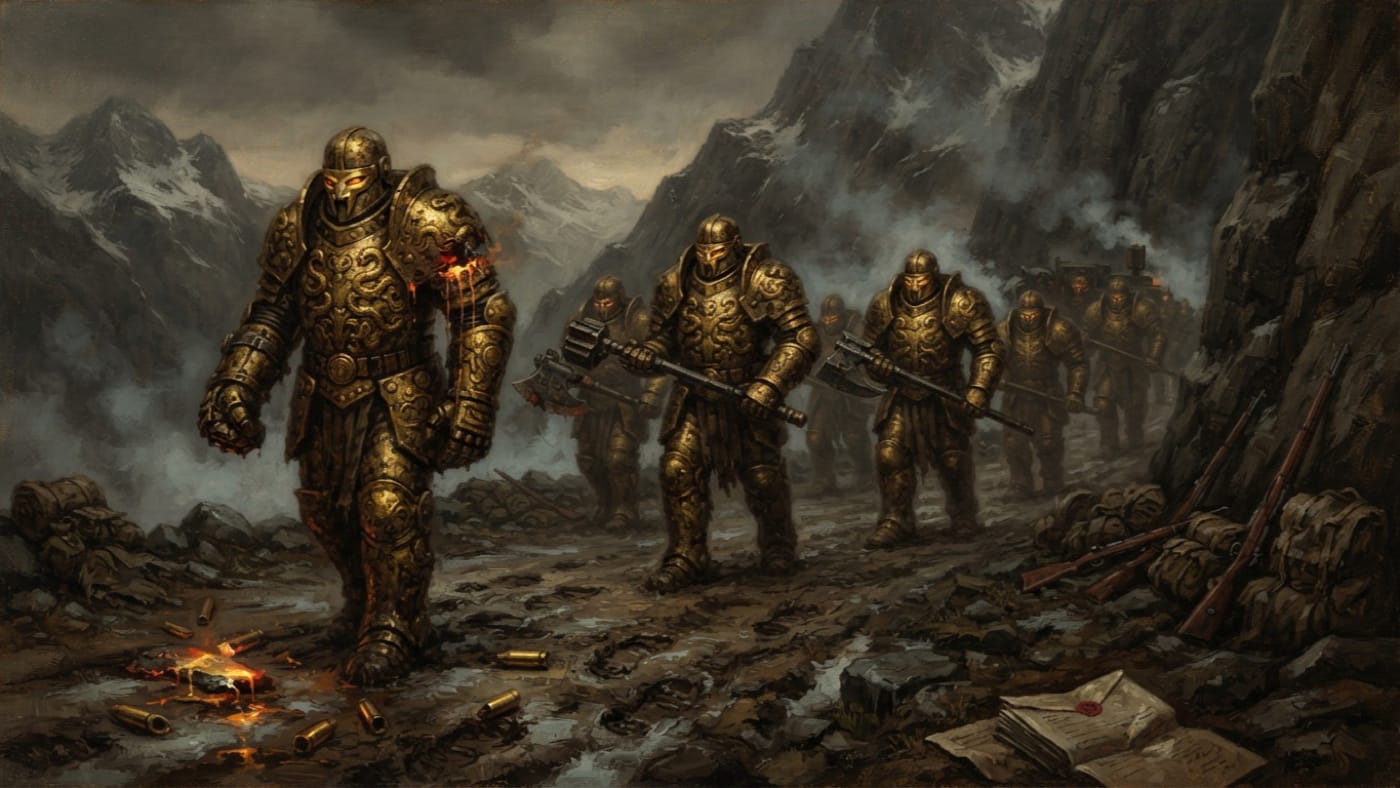
Gilded Sentinels
What paper cannot buy, stolen gold crushes.
Velmora's armoured line troops wear stolen gold, crush men beneath gilded weight and pay out scalding metal when cut. The A.S. 201 survey certifies their role; what lies beneath the plate remains an open file.
Codex Ref. IV.2.02-001
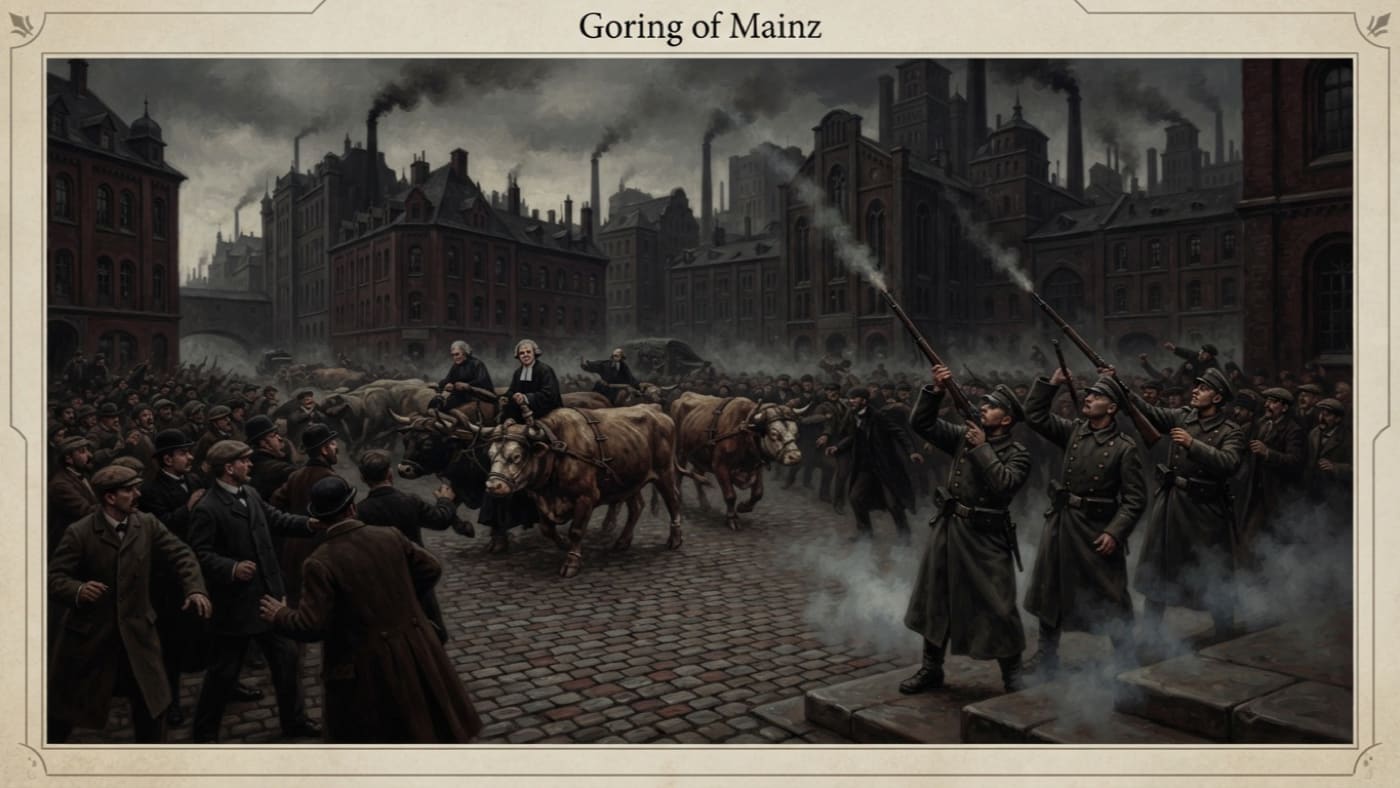
Goring of Mainz
What the faithful remembered, the archive filed as livestock
In A.S. 37, Rationalists nailed Mainz clerics to oxen horns; the Fusiliers fired three shots into the air. The faithful remember judgment. Later Records preferred livestock.
Codex Ref. VII.1.37-001
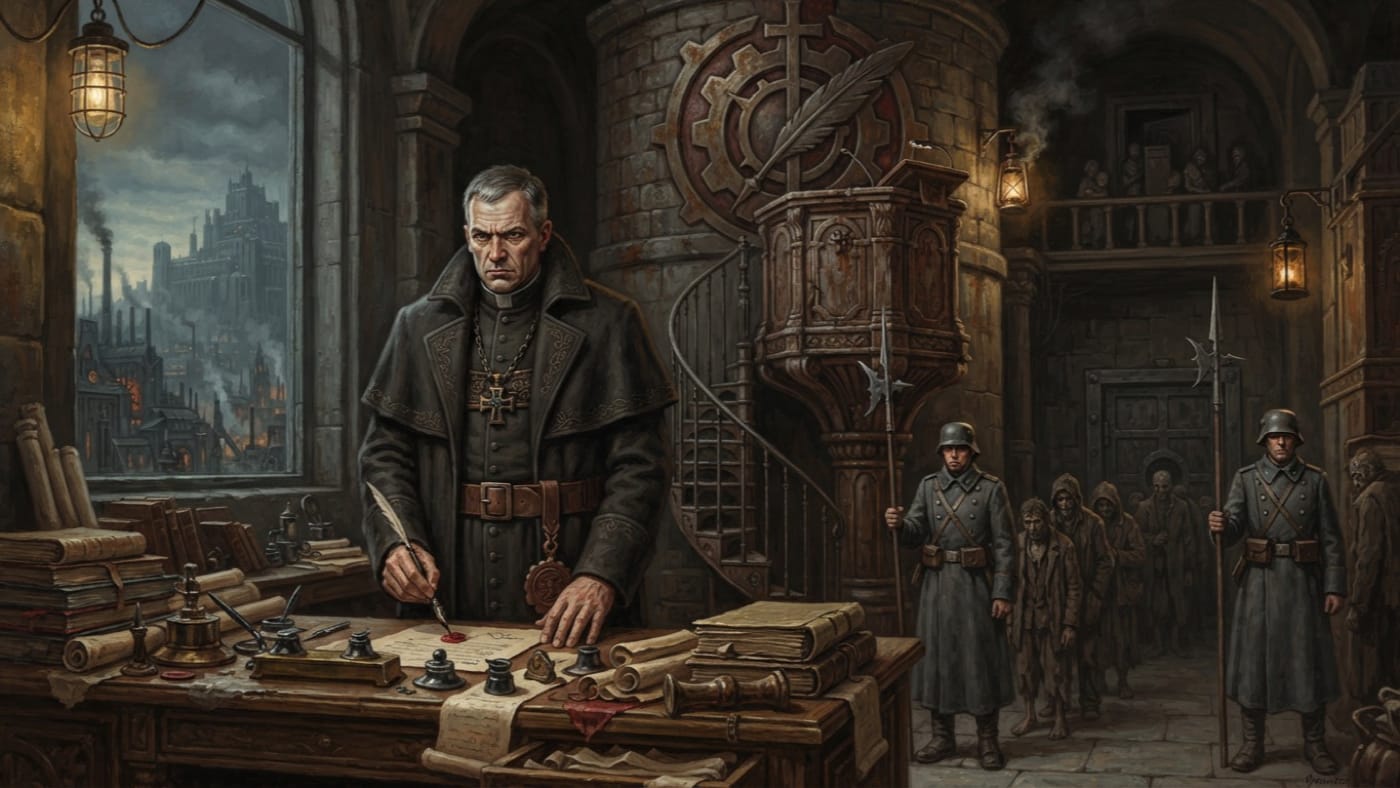
Governor-Praelate
A pulpit, a ledger, and a pike under one seal
Strasbourg's Governor-Praelate rules province, city or territory with pulpit, ledger and pike. Mercy and extraction bear one seal; every Bureau reads it differently.
Codex Ref. III.2.03-201
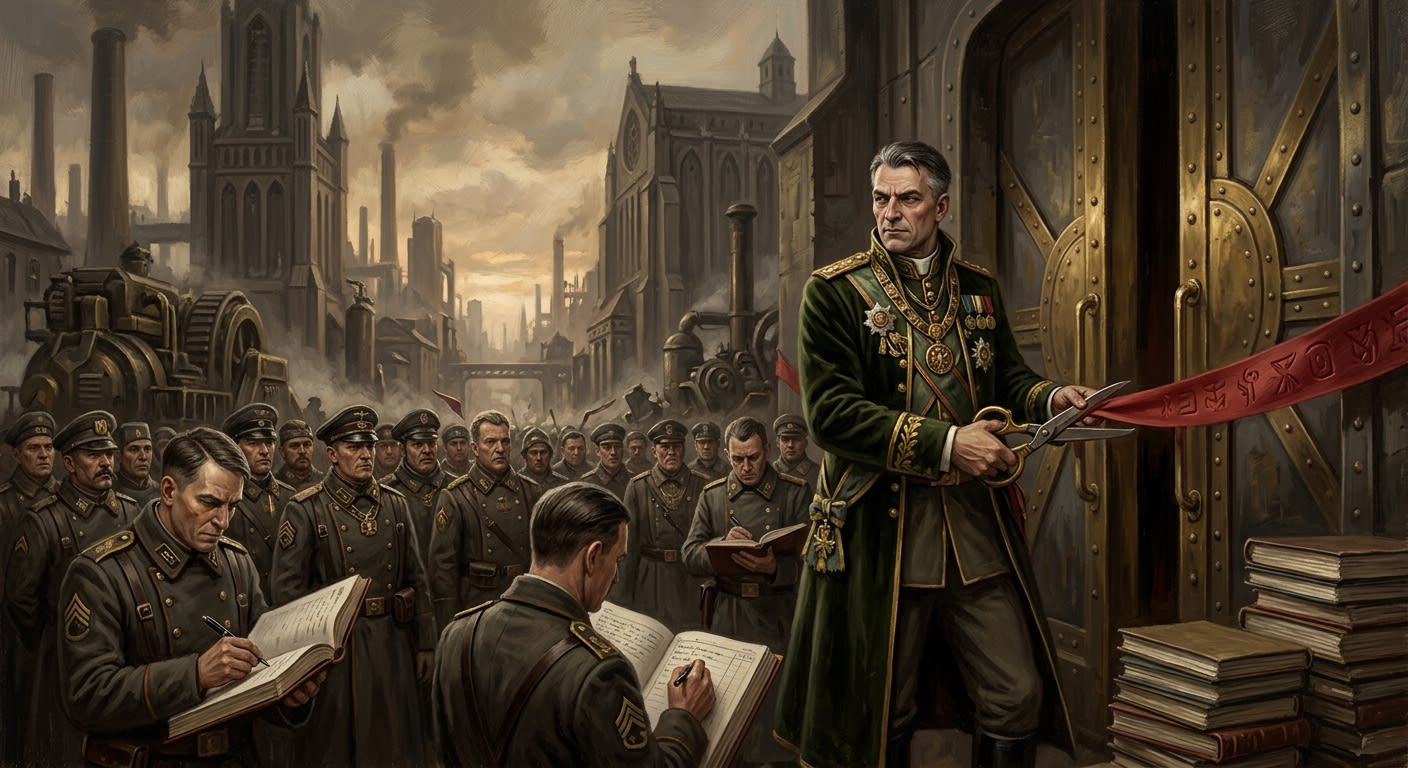
Governor-Praelate Alaricus
The dangerous administrator who made mercy balance
Toledo's Governor-Praelate, watched for the A.S. 185 opening of the Granaries of Saint Benedict: mercy recorded so thoroughly that Tithes could not call it theft.
Codex Ref. III.2.01-085
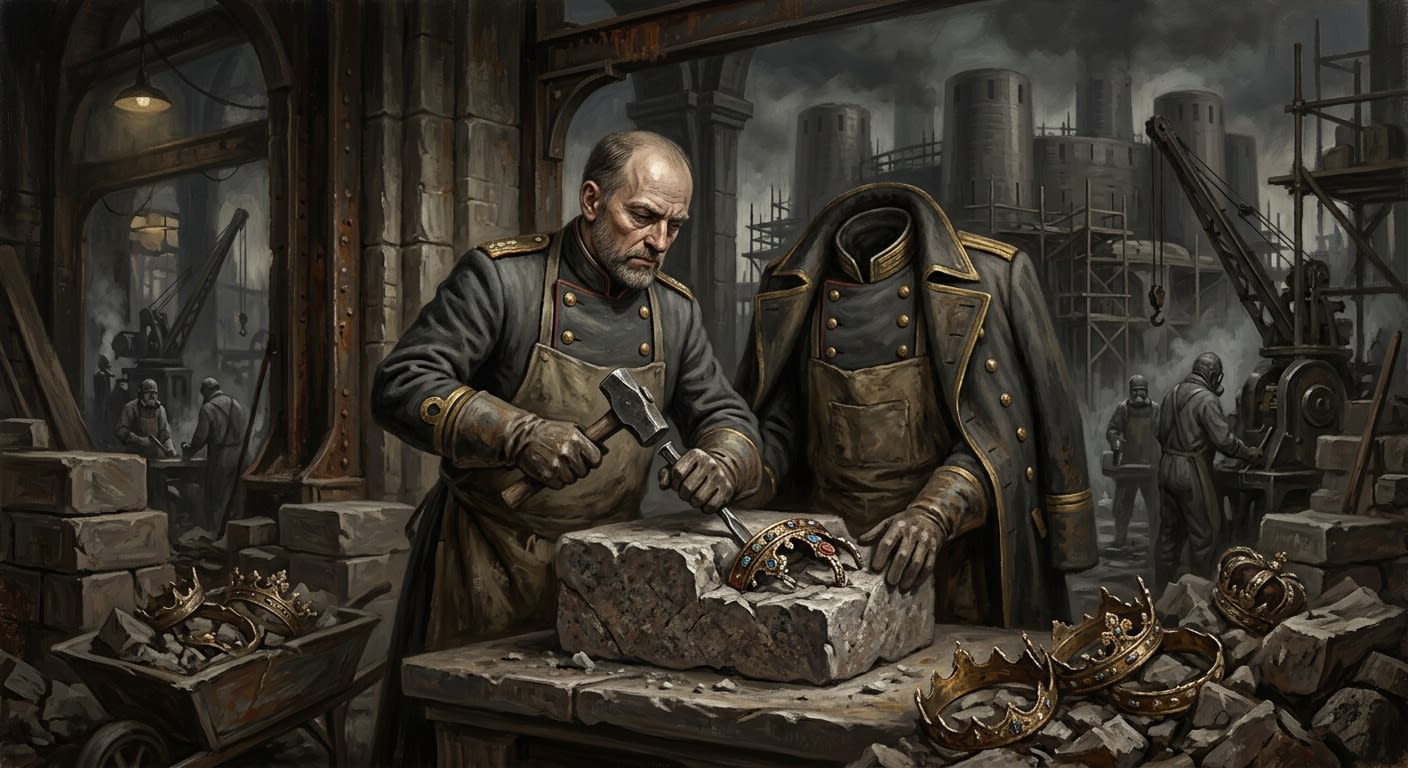
Governor-Praelate Hugo of Constantinople
The man who made abdication useful and bone load-bearing
Governor-Praelate Hugo surrendered his coronet in A.S. 68, ordered the Second Ossuary Ring, and taught crowns to become masonry.
Codex Ref. III.2.02-001
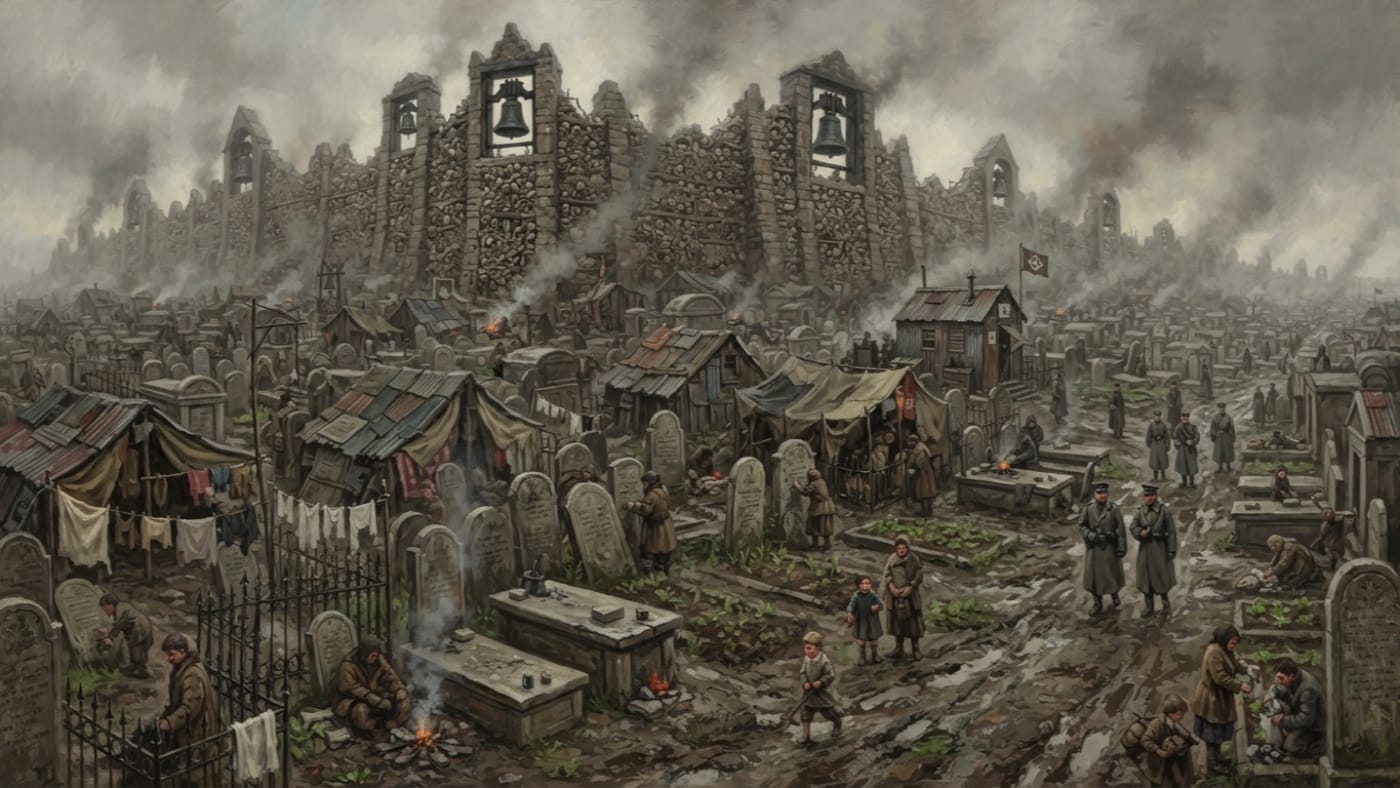
Grave-Fields
Occupancy temporary. Residents permanent.
Grave-fields house the living among the dead outside ossuary walls. Dry ground, bell coverage and renewable permits keep temporary residence permanent.
Codex Ref. III.2.04-1252
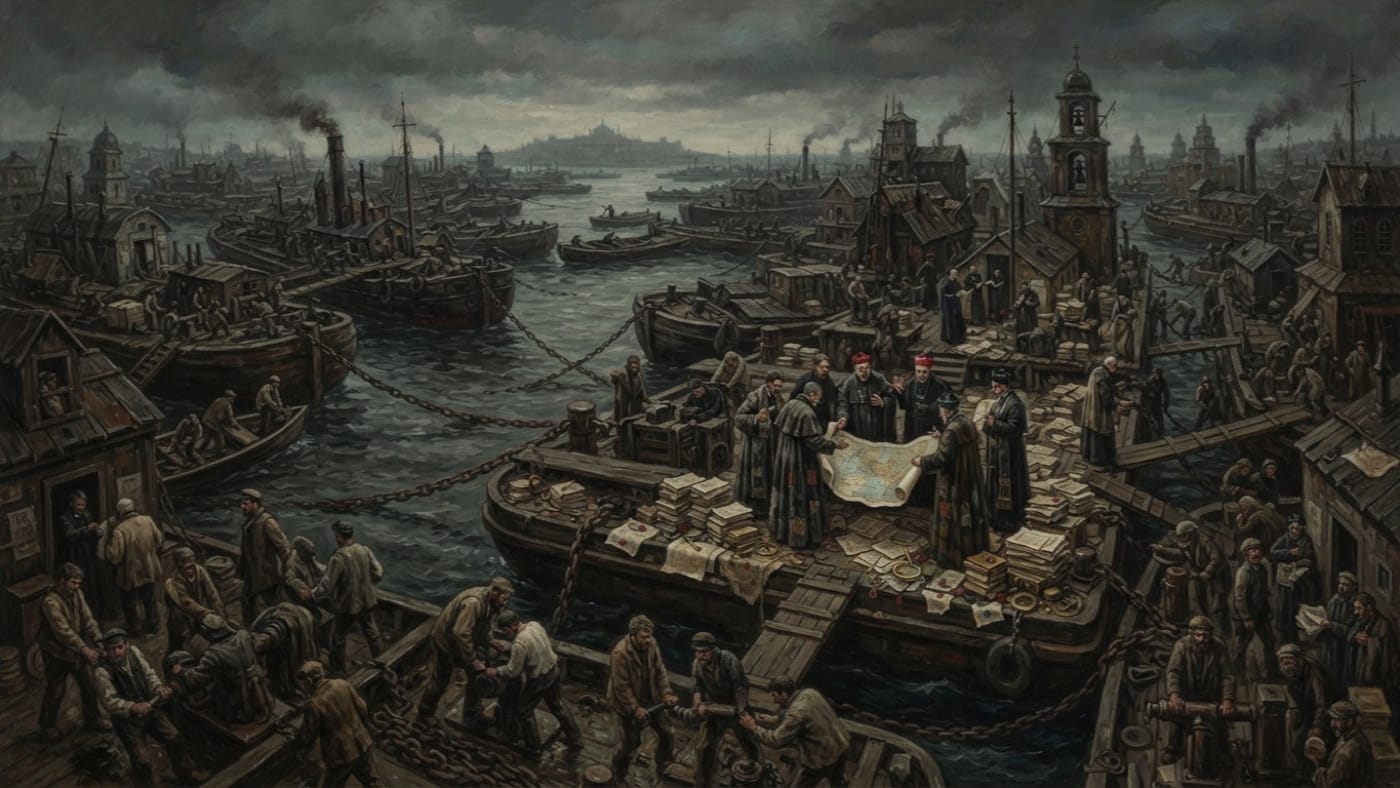
Great Reparishing of A.S. 93
Fourteen barges, seven jurisdictions, nine days without a court.
In A.S. 93, a storm redistributed fourteen Flotilla barges across seven jurisdictions. Nine days without a functioning court produced the Drift Tribunal; the Bureau of War claimed the credit.
Codex Ref. VII.5.10-093

Greed
The appetite that cannot say enough.
Greed gives every possession a price and every person an obligation. Velmora's gifts are real; refusal remains possible. At Bastion-Sibiu, the walls hold while debt, bribes and counterfeit scrip do the purchasing.
Codex Ref. XIII.1.07-002
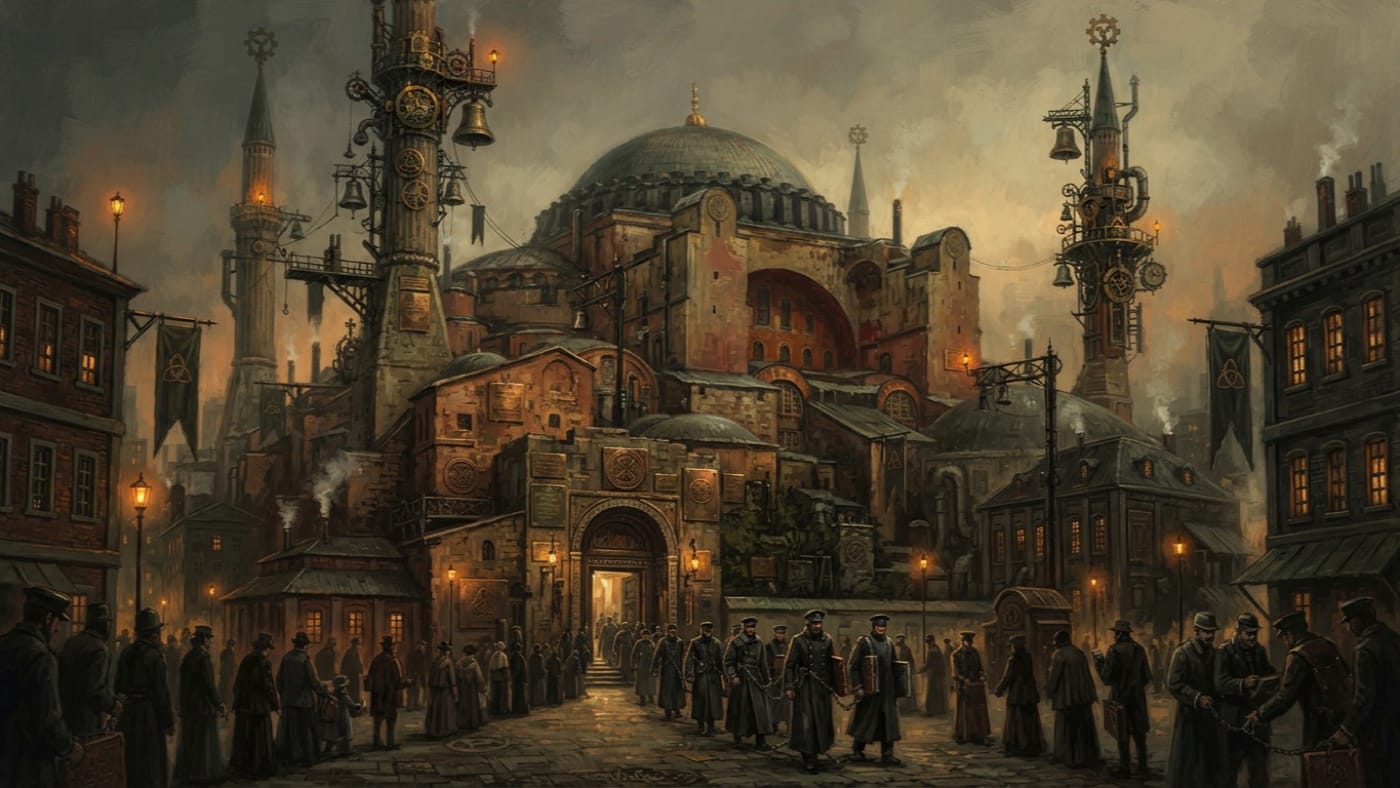
Hagia Sophia
The Dome Has Not Countersigned
Constantinople's old Hagia Sophia, seized in A.S. 68 and titled the Cathedral of the Perpetual Registry in A.S. 72. Beneath its ancient dome, the southern front is made official one ratified record at a time.
Codex Ref. II.4.10-1298
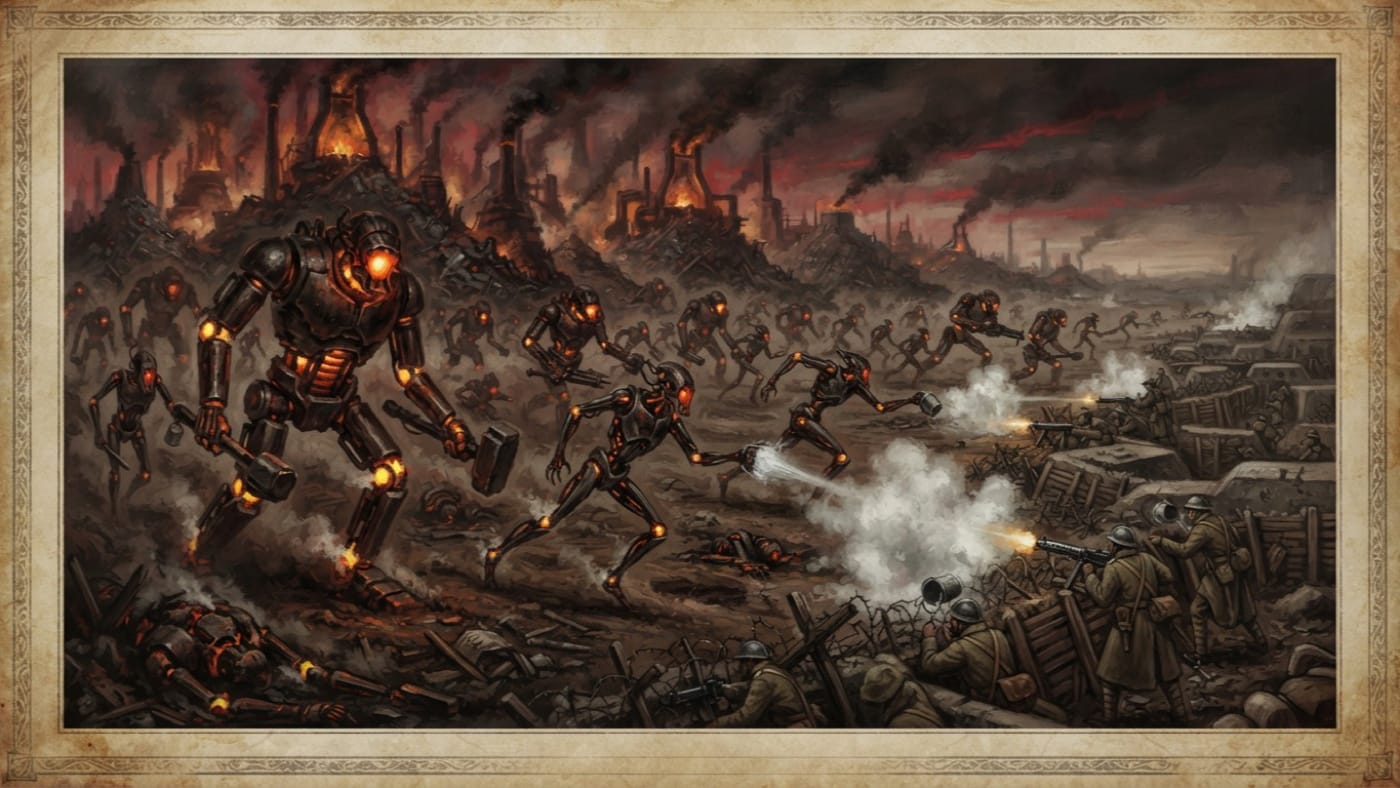
Hammered
A thing that was never anyone cannot be called back to itself.
Demons made in Maldrake's Eternal Forges: wrath given a body, with no prior human identity. They can be destroyed. The first manufacture remains undated.
Codex Ref. IV.1.07-1316
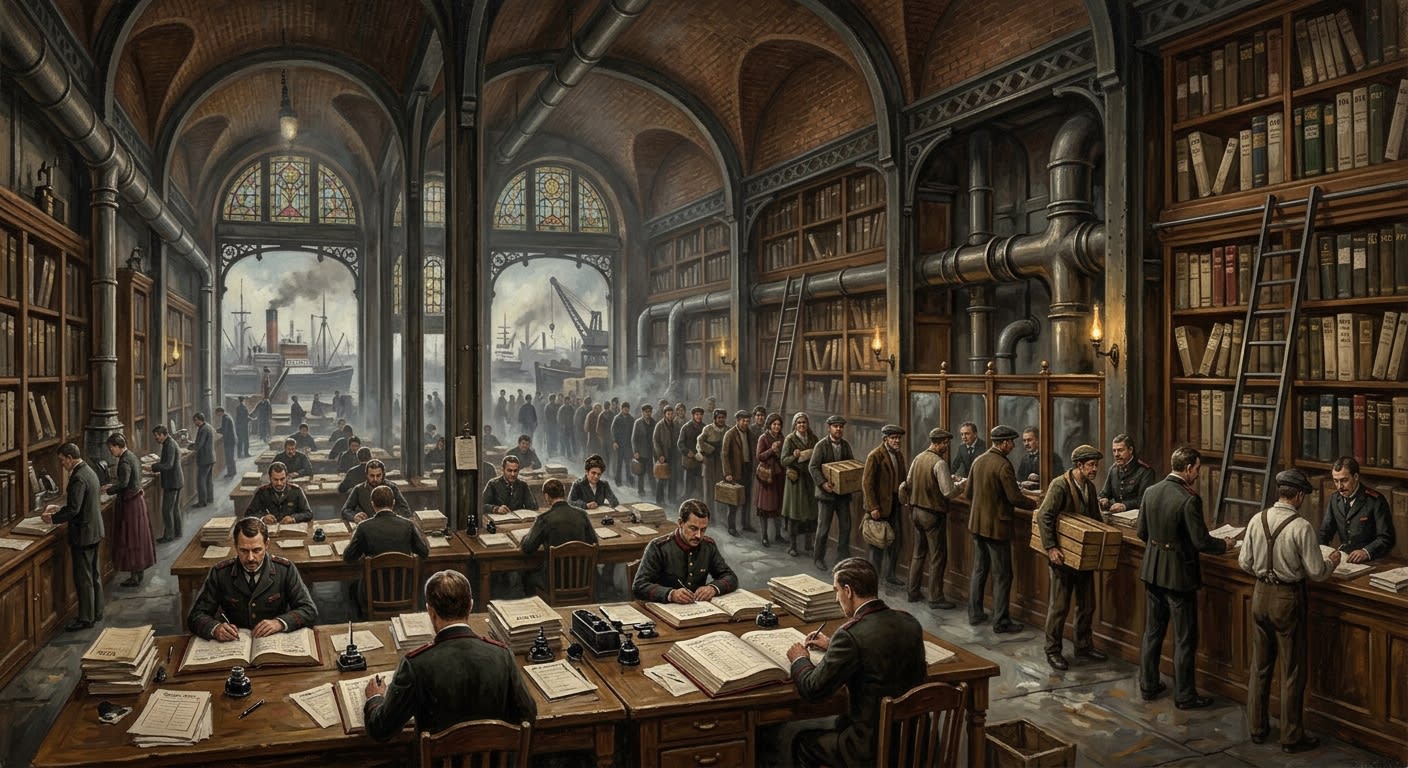
Harbor Ledger Office
Where arrival becomes a queue and mercy learns to stamp twice
The Harbor Ledger Office is the wet jaw of Thessaloniki's record-law, translating ships, refugees, cargo, deaths, delays, and useful crimes into serviceable continuity.
Codex Ref. XIII.1.94-201
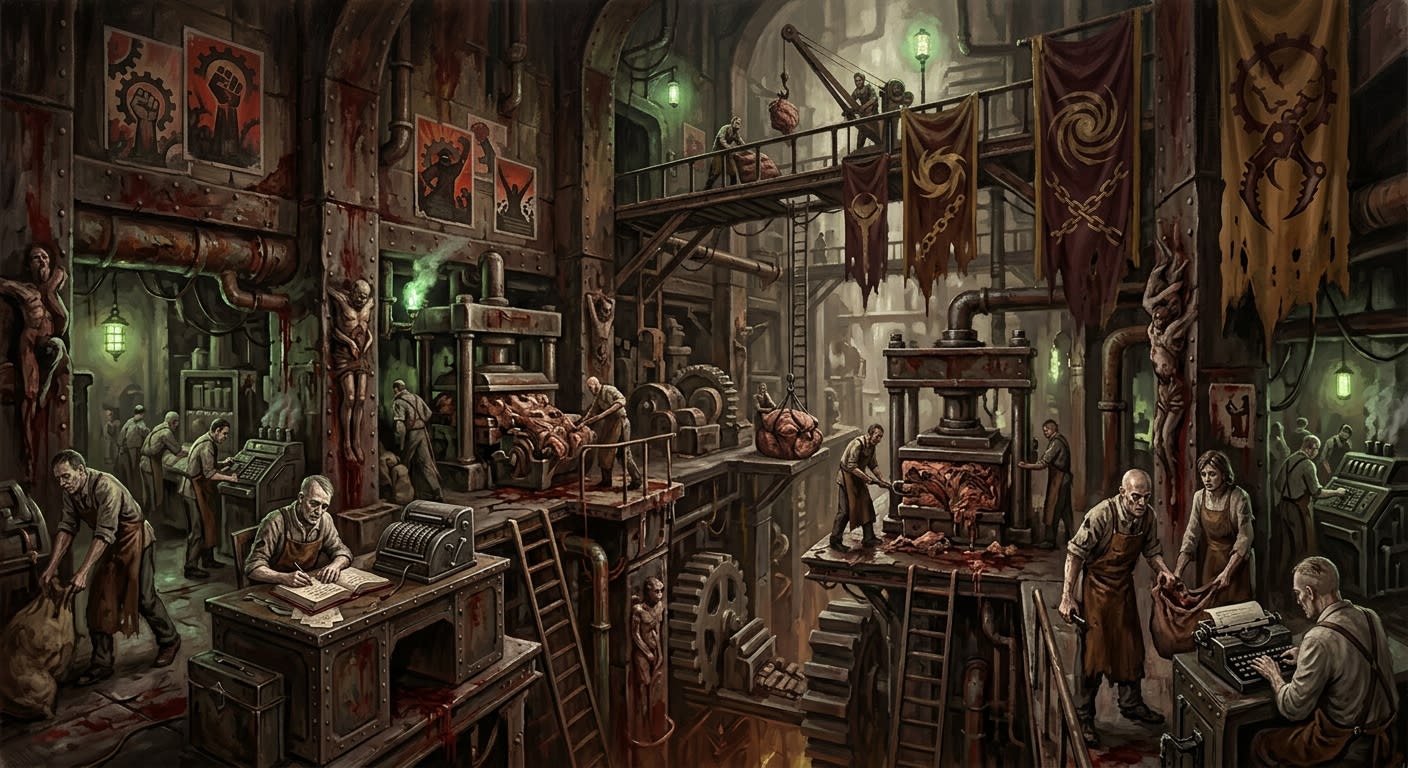
Hell
The Enemy's claim upon Creation, filed where screams become jurisdiction
Hell is not merely a place beyond the Sagittal Line. It is the Great Deceiver's active claim upon Creation: jurisdiction expressed through matter, contract, territory, sorcery, corrupted flesh, and obedient fear.
Codex Ref. XIII.1.01-201
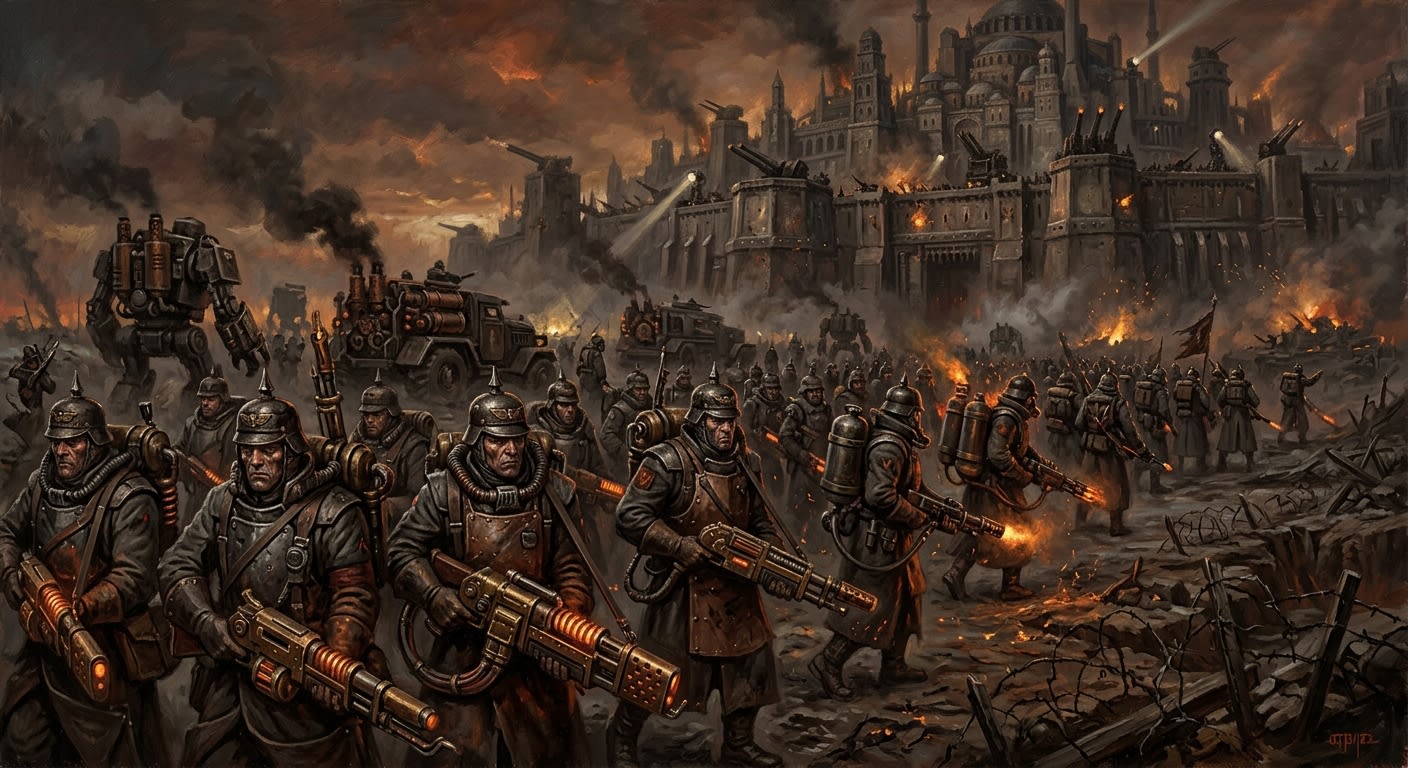
Hellbow Legion
Maldrake's arc of wrath, where range becomes theology and stone learns fear
Maldrake's Hellbow Legion is a wrath-forged assault host, not a regiment of archers: slag-bow cohorts, pyre-smiths, Ember-Soldiers, Hollowed columns, and siege heat aimed at Bastion-Constantinople.
Codex Ref. IV.1.07-009
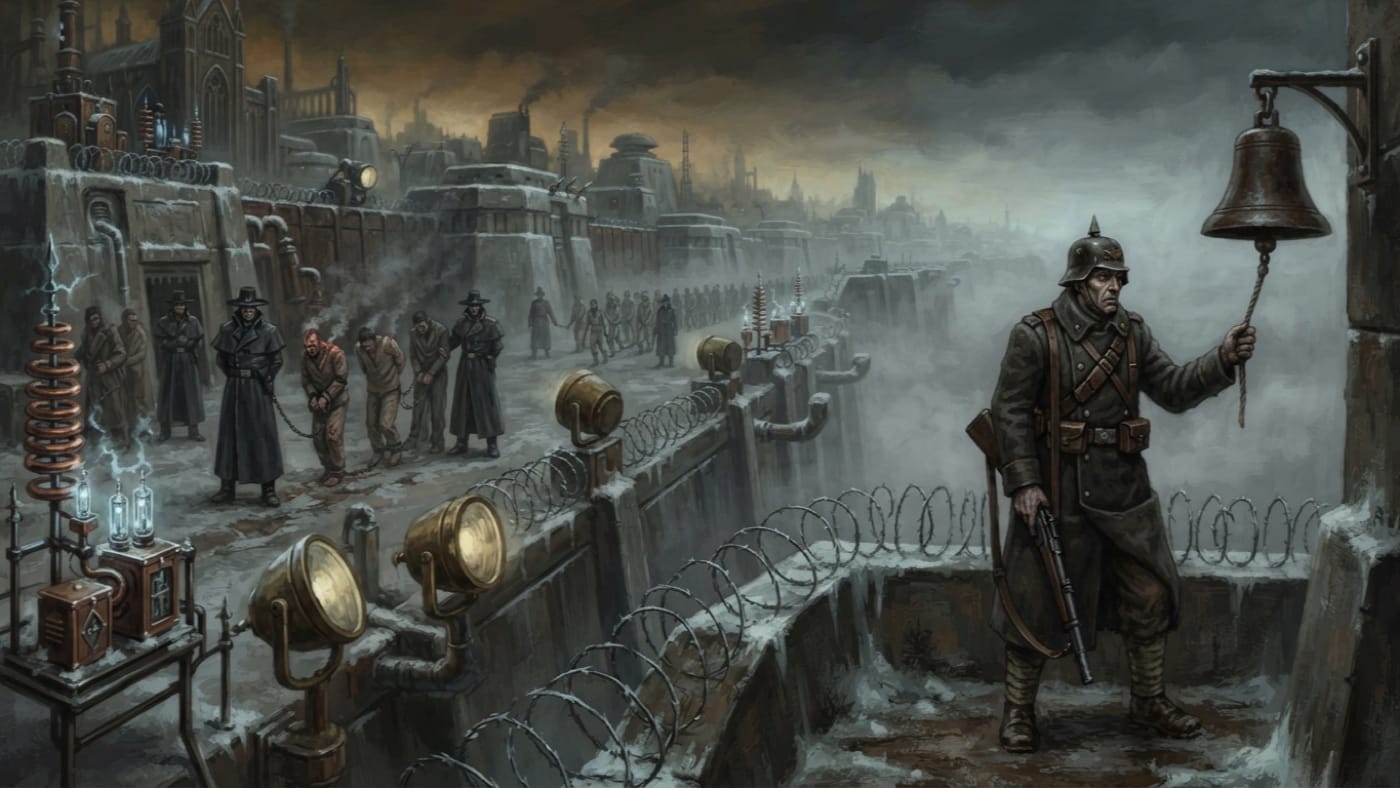
Heresy of the Absent Creator
The wards still hold. The promise no longer does.
The northern garrisons' claim that the Creator is dead and miracles spend His residual holiness. The wards still hold; the Bureau of Purity still brands adherents and sends them to the Penal Choir.
Codex Ref. VI.1.01-002
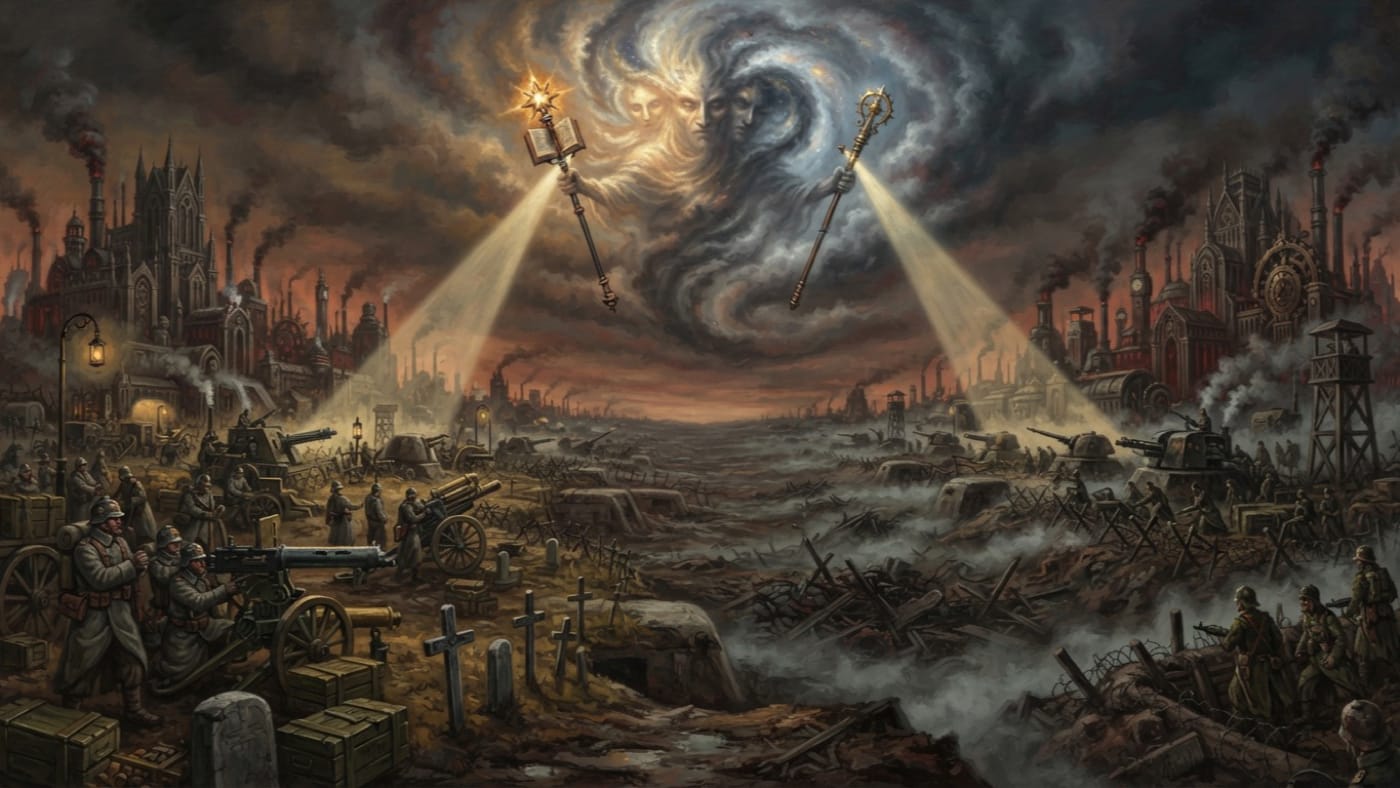
Heresy of the Complicit Creator
The proposition is prohibited. The classification remains blank.
The claim that the Creator and the Great Deceiver are one power, and the war a performance. I record its arguments under Standing Order 7-A; the Bureau prohibits the proposition and leaves its classification blank.
Codex Ref. VI.1.01-004
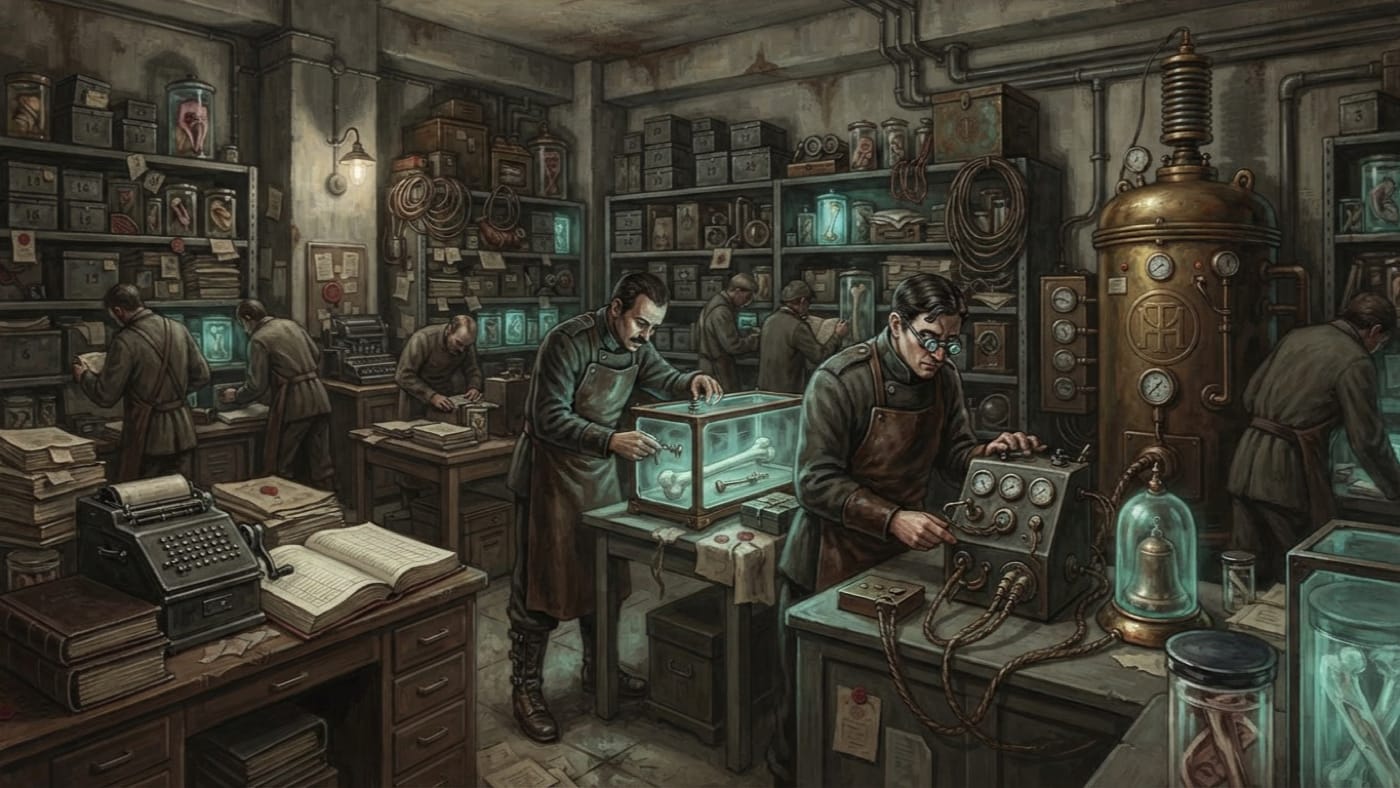
Heresy of the Unnecessary Creator
The bone keeps its glow. The Hieromnemon may lose his post.
The forbidden proposition that relics, bells and consecrated stone work without a divine source. I catalogue what it grants, what Doctrine cannot demonstrate, and what becomes of our mandate when custody is merely property.
Codex Ref. VI.1.01-005
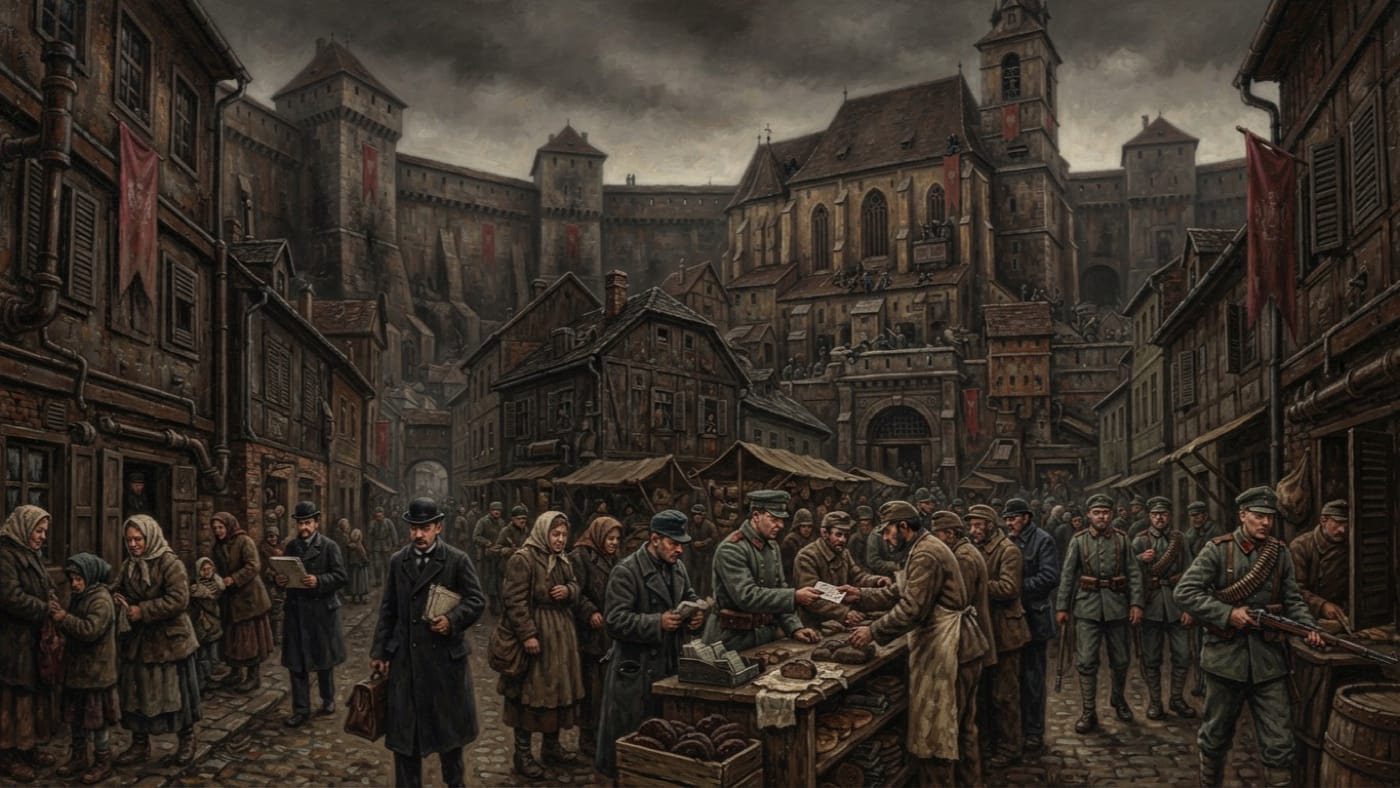
Hermannstadt
The parish is tolerated pending powder.
Hermannstadt survives inside Bastion-Sibiu: three Saxon streets, parish rolls kept in dialect, and a market trading in suspect scrip. The magazines remain full. The Bureau tolerates the grammar.
Codex Ref. II.3.04-201
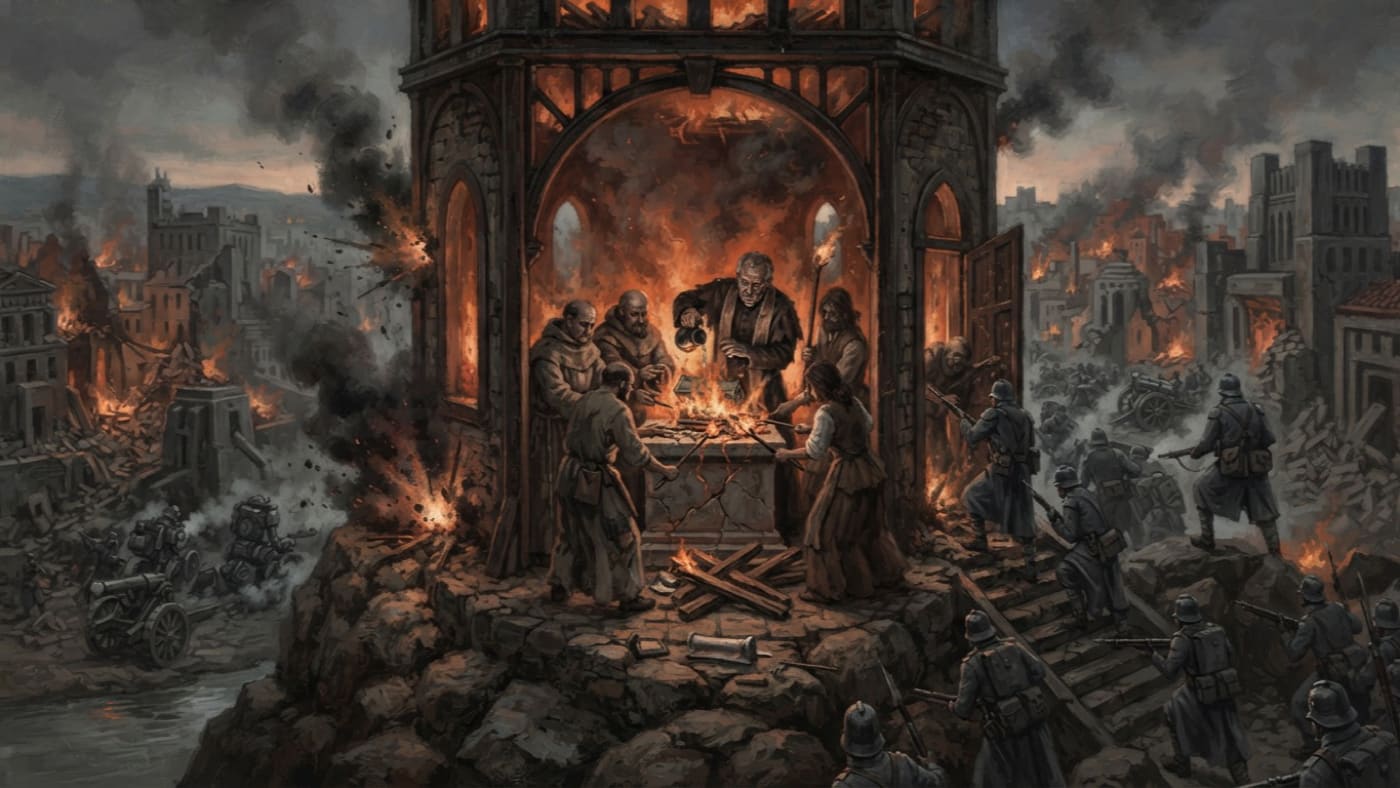
Heroic Destruction
The last duty of custody, taught from Toledo's ash
Heroic destruction is the deliberate unmaking of an entrusted holy object to deny enemy custody. At Toledo, the Order of Saint Iago lost the city and kept the enemy from taking its saint.
Codex Ref. XIII.1.58-015
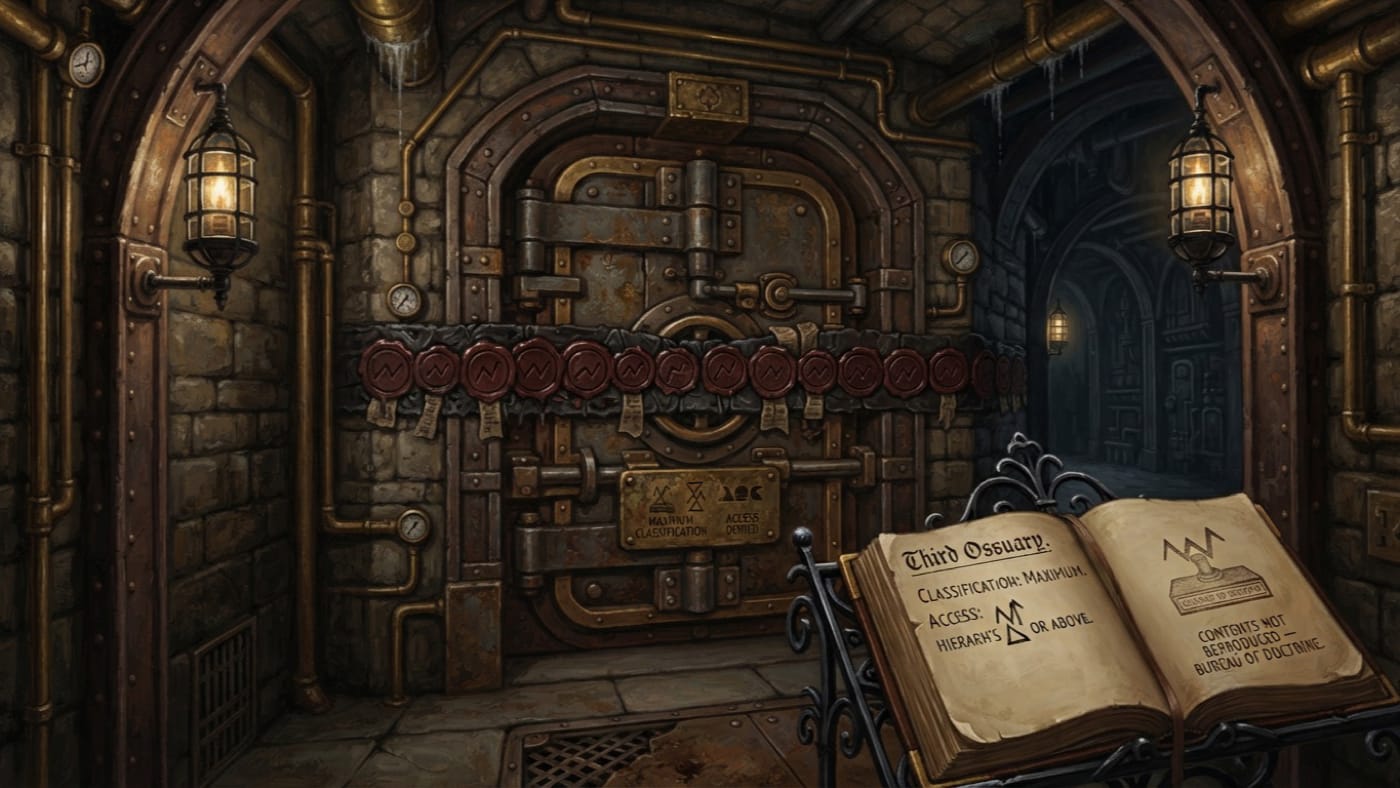
Hierarch's Seal
Where the File Stops
An access threshold named for the Hierarchs, governing the Third Ossuary and the sealed Saint Barachiel broadcast. The register admits that something stands above it; the reader is not admitted.
Codex Ref. XIII.1.05-002
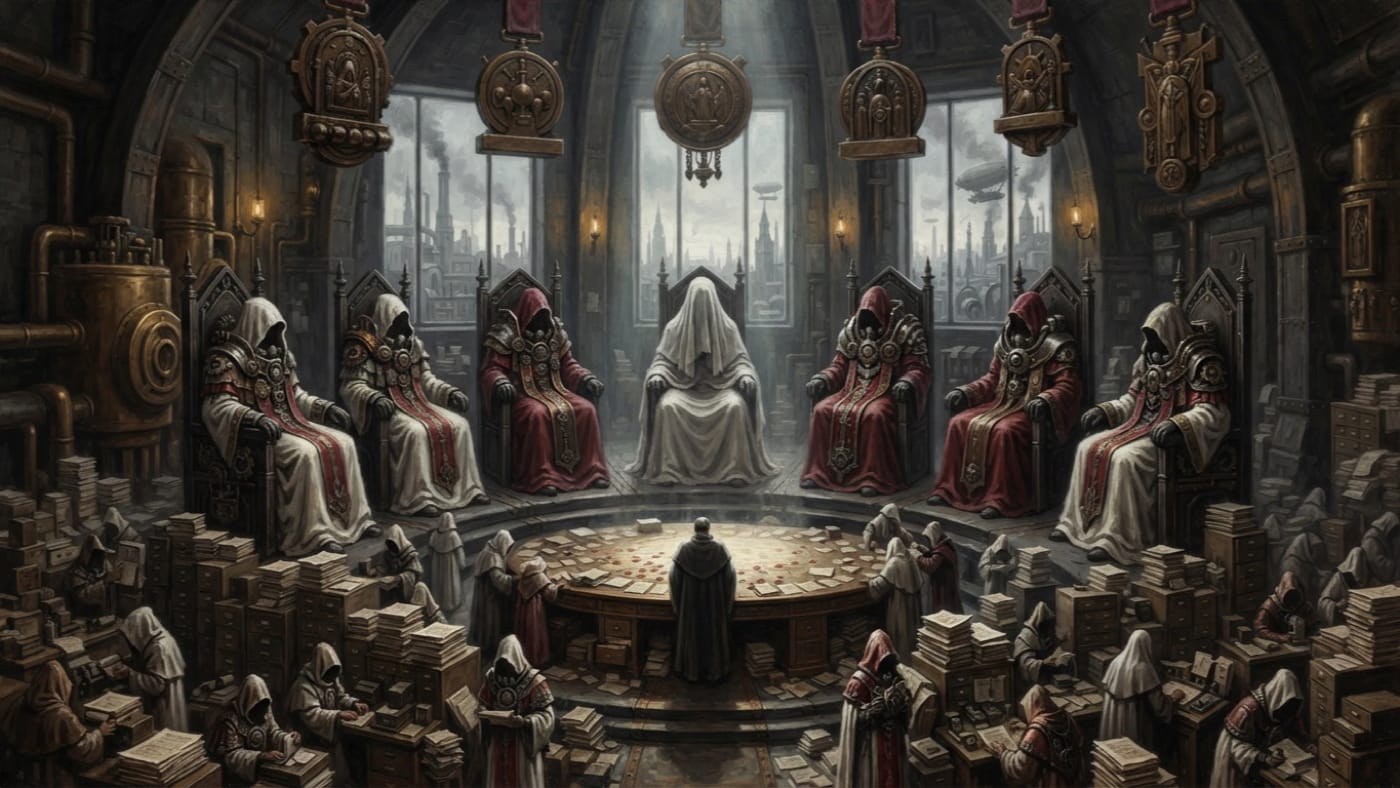
Hierarchs
Seven Chairs, One Head of State
The Seven Hierarchs rule the Bureaucratic Synod from Strasbourg under seven Seals of Faith. Their decrees are absolute; reconciling them is my department.
Codex Ref. I.3.01-005
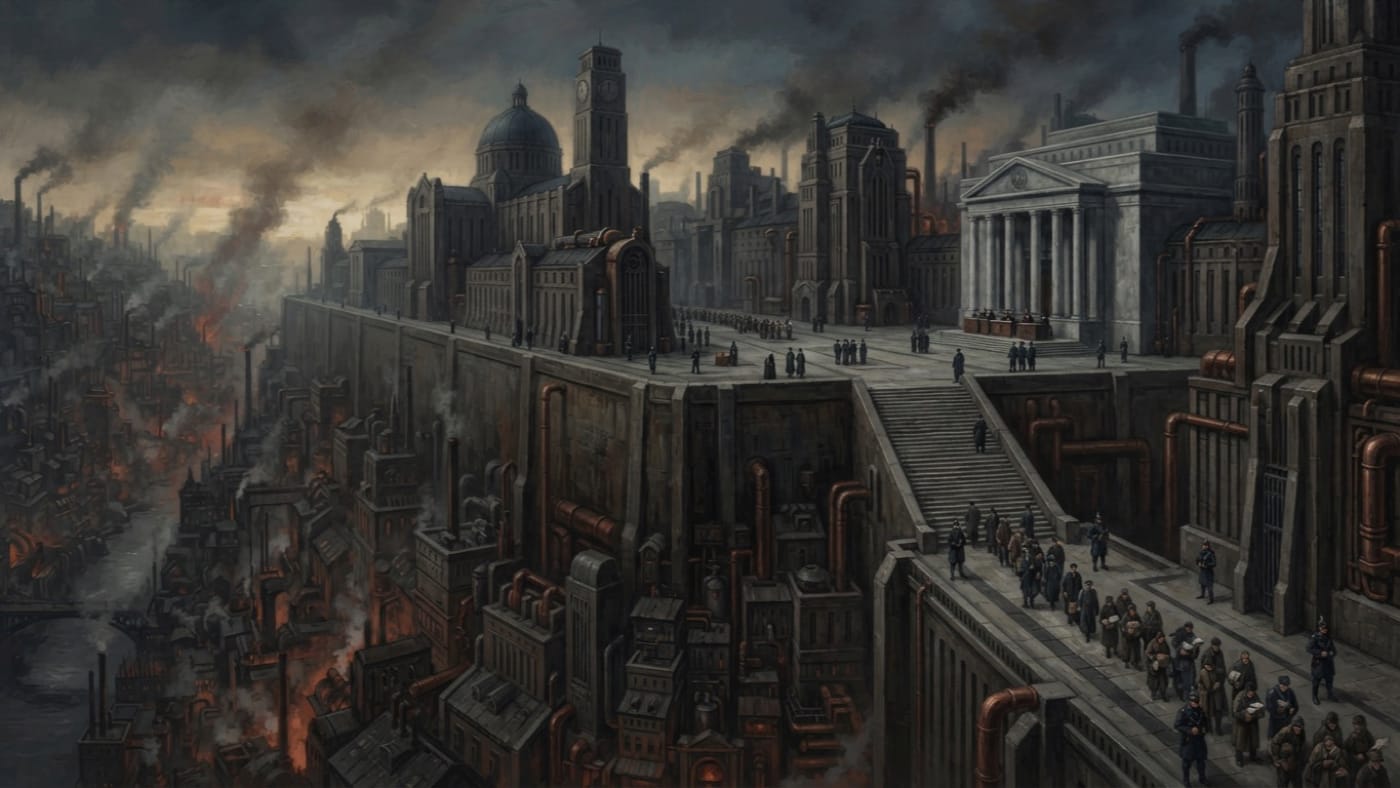
High Step Precinct
Clean air, correct names, and a posted rate for confession
Rheinscarp's ninth terrace houses the Ration-Cathedral, Tribunal of Stairs and offices that govern names, hours and ashes. The air is clean, the names are correct, and every debt survives the climb.
Codex Ref. II.2.01-009
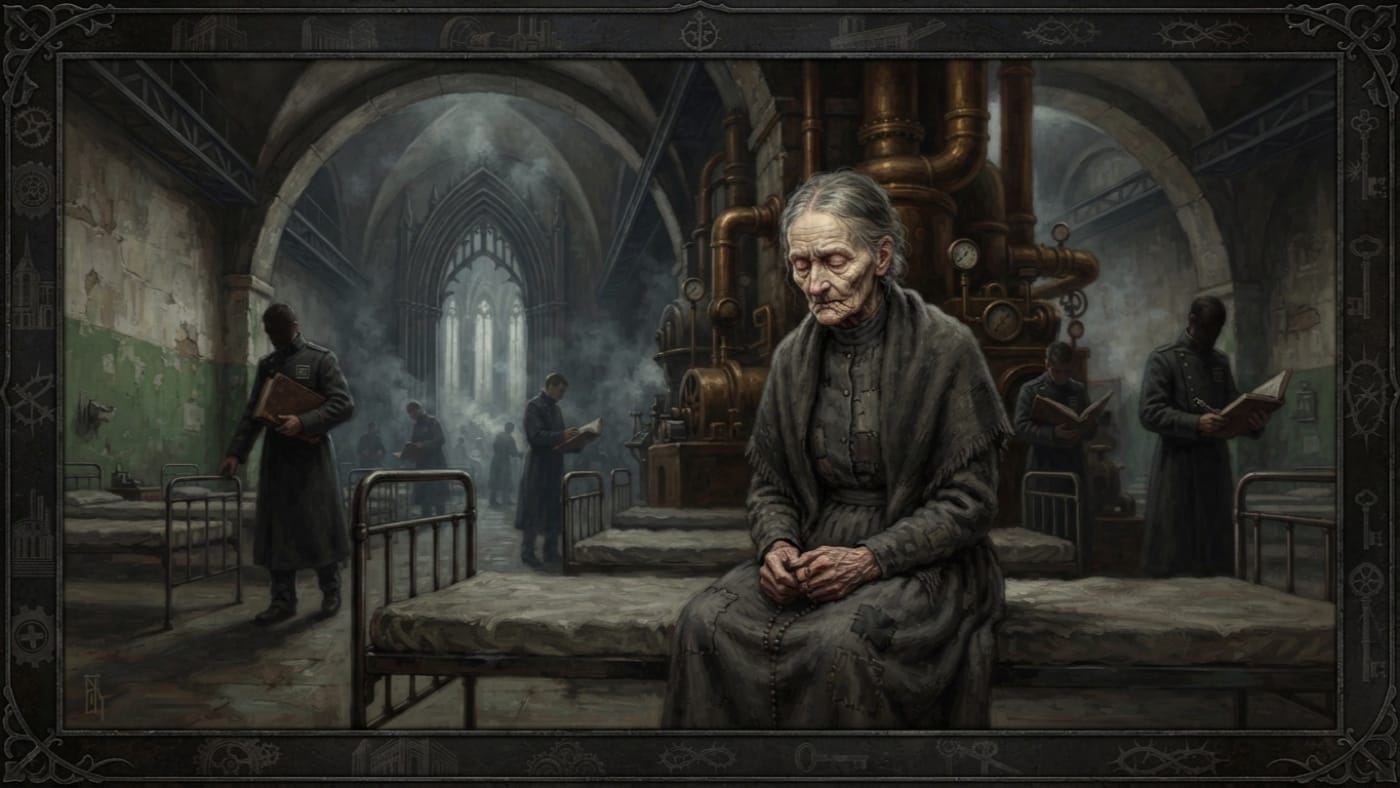
Hilde Voss
The danger left. The volume stayed.
Hilde Voss outlived every Cellar Saint the archive could confirm. She died at one hundred in Strasbourg, A.S. 130, still praying in whispers; the Bureau recorded her death more fully than her life.
Codex Ref. III.2.01-130
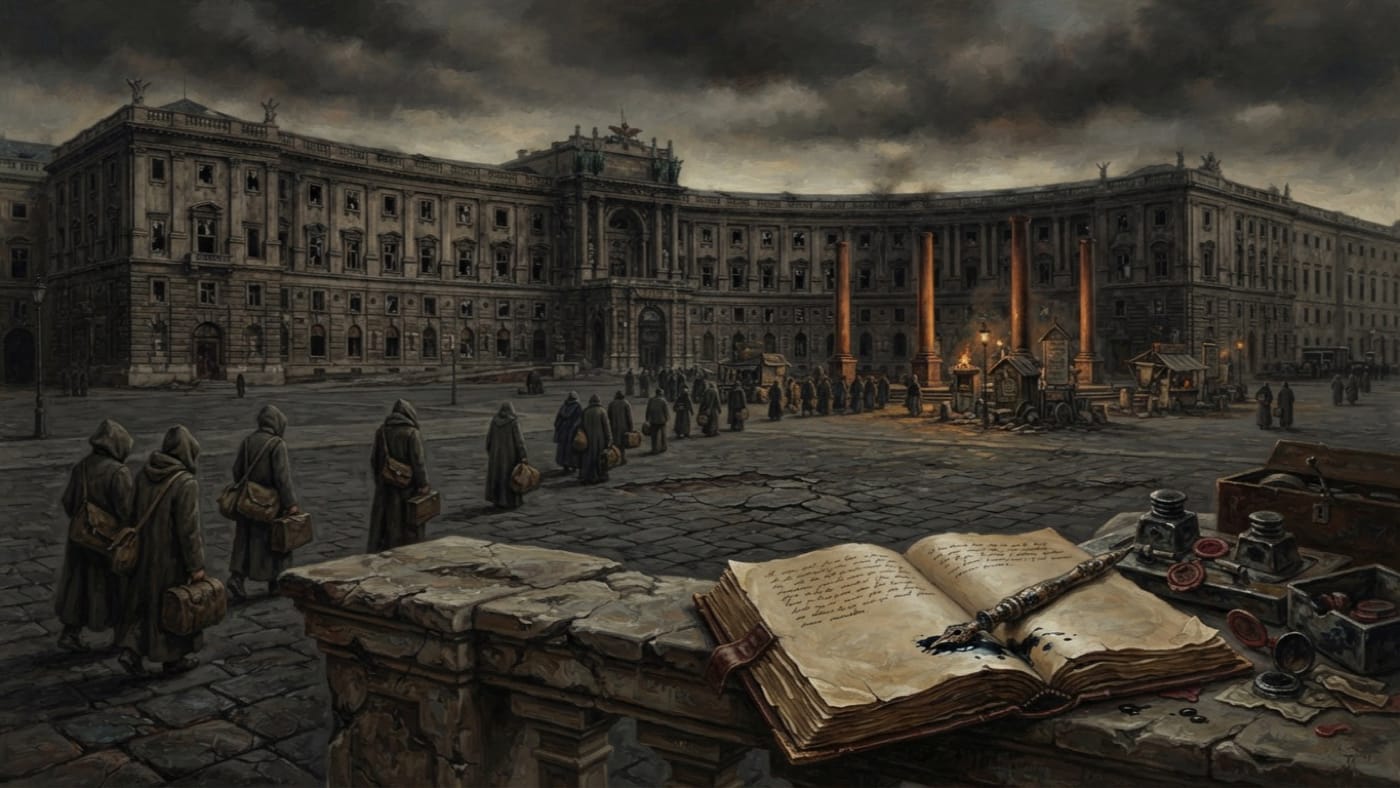
Hofburg Palace
Unfinished minutes behind a century's seal
The Hofburg was sealed in A.S. 95 with the Council of Nine's last minutes unfinished and its pen reported wet. The meeting has no recorded date. The pen has two reported homes. Neither file is closed.
Codex Ref. II.4.09-1374
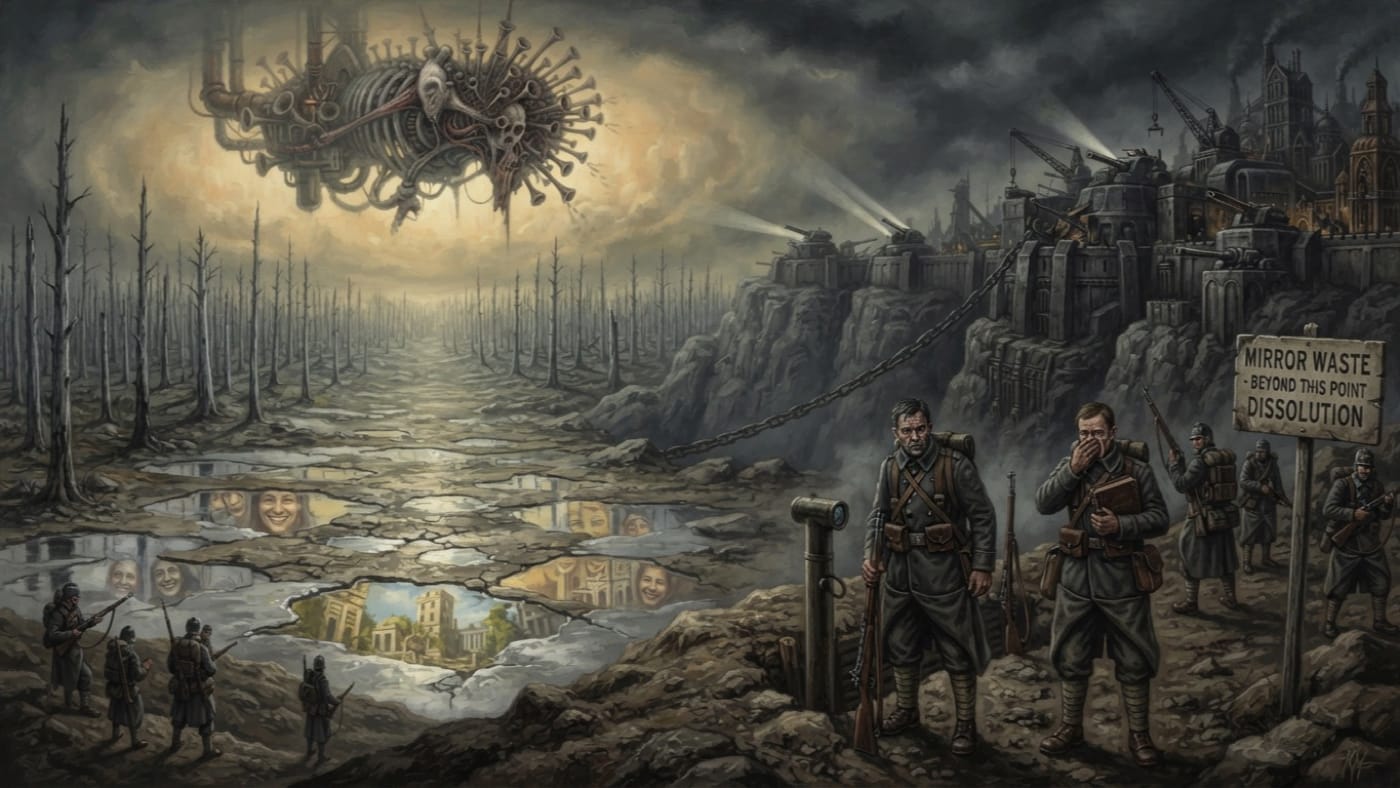
Hollow Vale
Envy's country, where the forest rings and the maps disagree
Morwen's domain beyond Bastion-Irongate: hollow forests, false skies and borrowed faces. The Bureau certifies its hostility; its borders remain unconfirmed.
Codex Ref. II.6.07-201
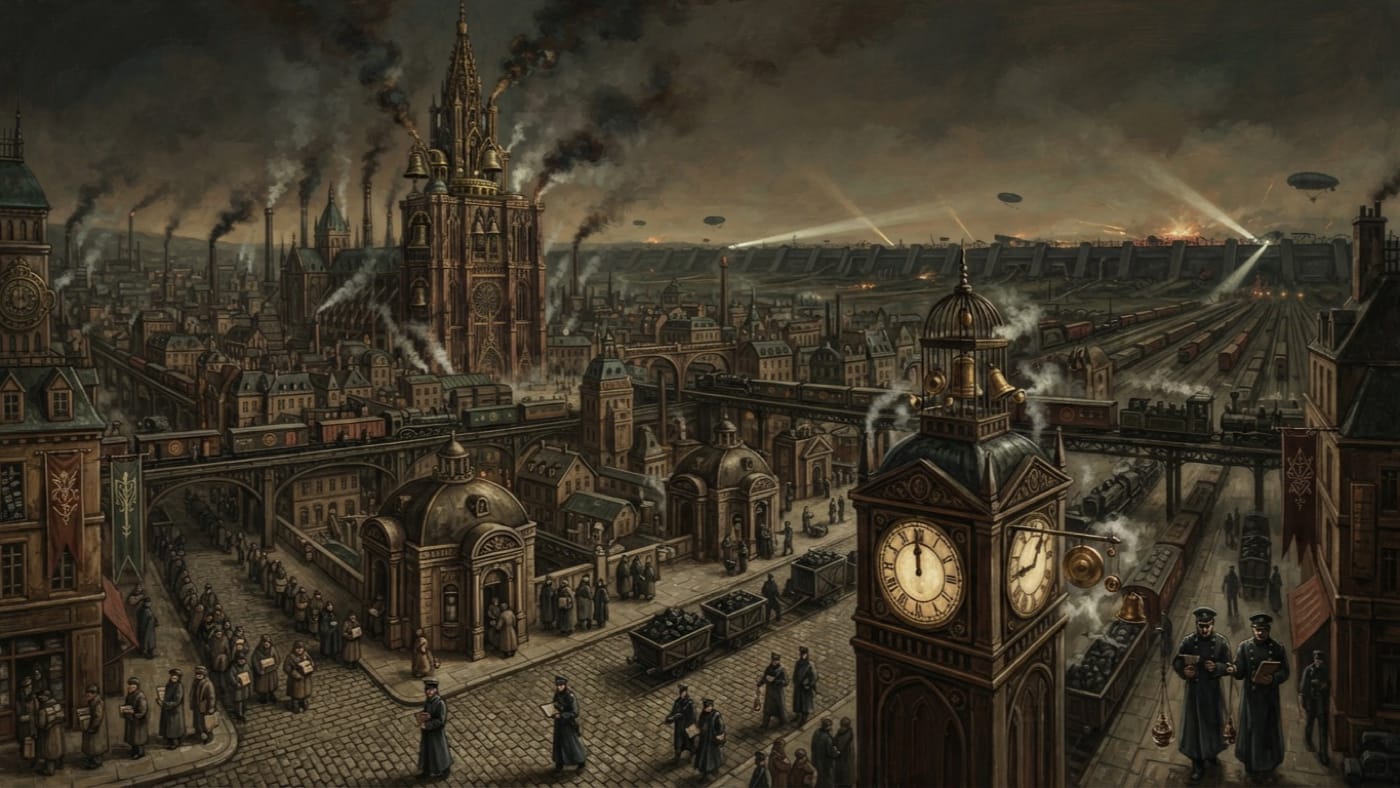
Holy Dominion
Your name is in a book. The book is in better repair than you are.
The Holy Dominion is the Synod's continental jurisdiction, surveyed in A.S. 201. From Strasbourg to the Sagittal Line, bells govern the hours, tithes feed the guns, and every soul must appear in a book.
Codex Ref. II.1.01-001
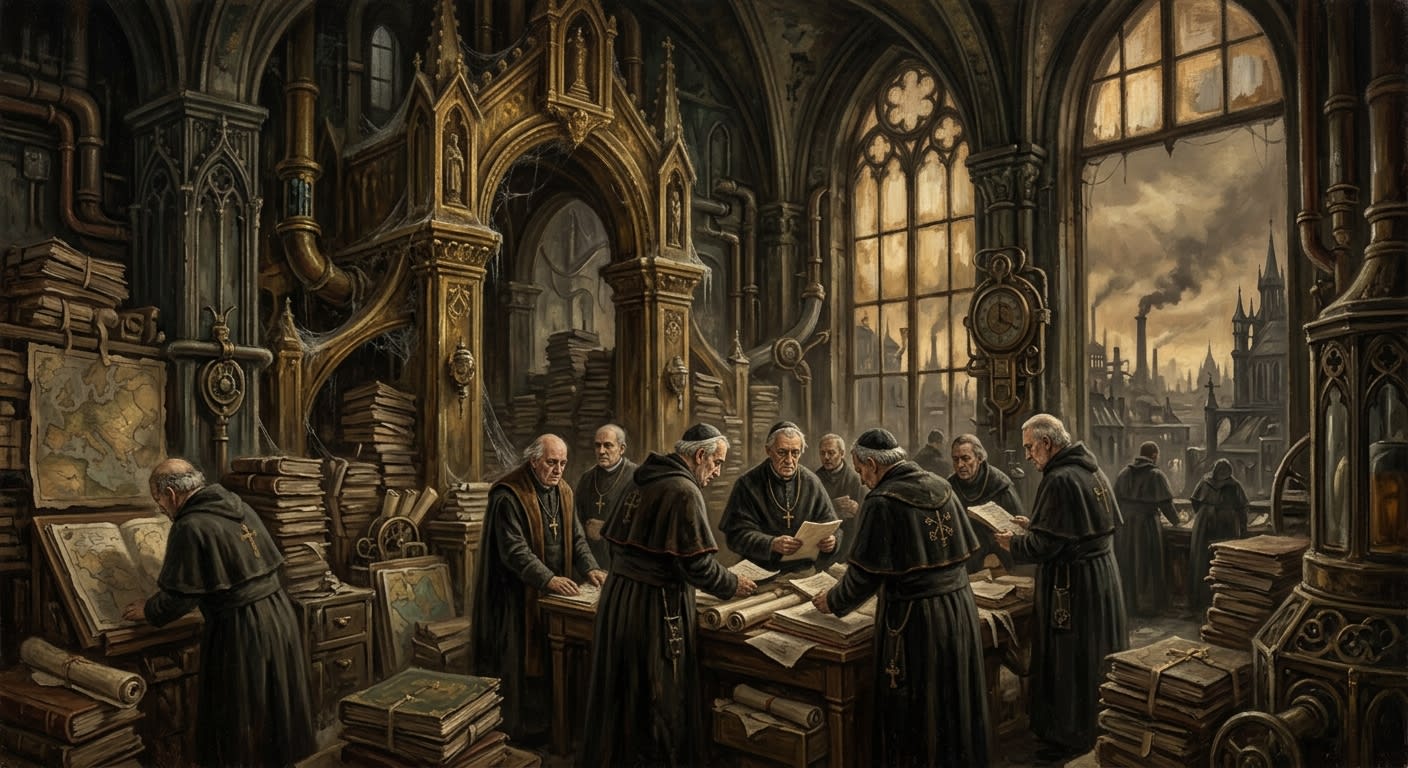
Holy See of Vienna
The dead chair that Strasbourg found too useful to resurrect
The Holy See of Vienna was the Church's old continental chair: venerable, beautiful, administratively inadequate, dissolved at Regensburg in A.S. 30, and later preserved by Strasbourg as shrine, warning, and useful absence.
Codex Ref. VIII.1.09-030
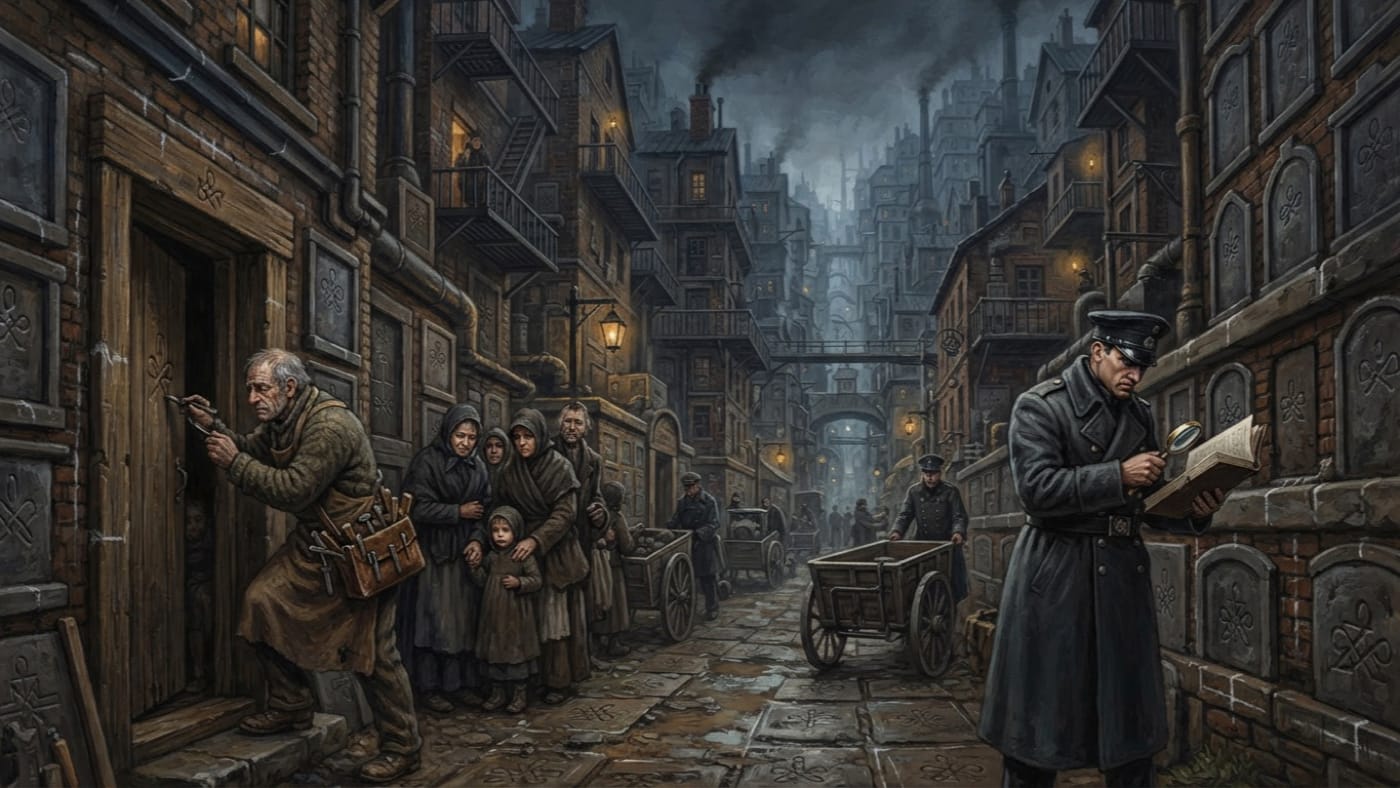
Housing and Burial Codes
A roof and a grave remain yours while the marks agree
The Housing and Burial Codes bind roofs and graves to the same ledger. A valid Triune Knot makes a household legible; a failed mark makes its stone available for confiscation.
Codex Ref. XIII.1.07-014
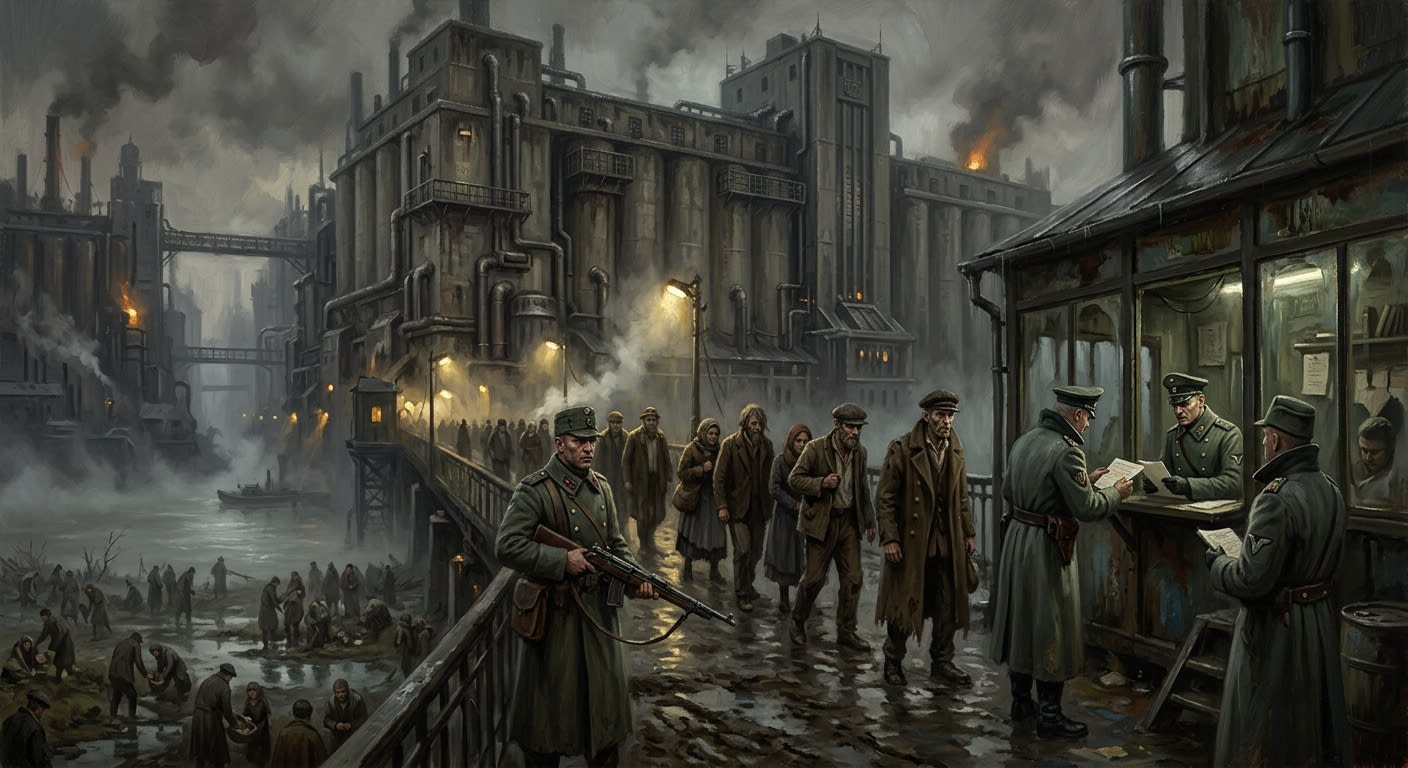
Hungary
The breadbasket that [[hell|Hell]] ate and [[strasbourg|Strasbourg]] filed by the slice
Hungary is the old grain kingdom remade into Budapest's held bank, Pest's visible absence, Blightmarsh hunger, southern corridor necessity, refugee memory, and every office's damp-fingered embarrassment.
Codex Ref. II.4.09-045
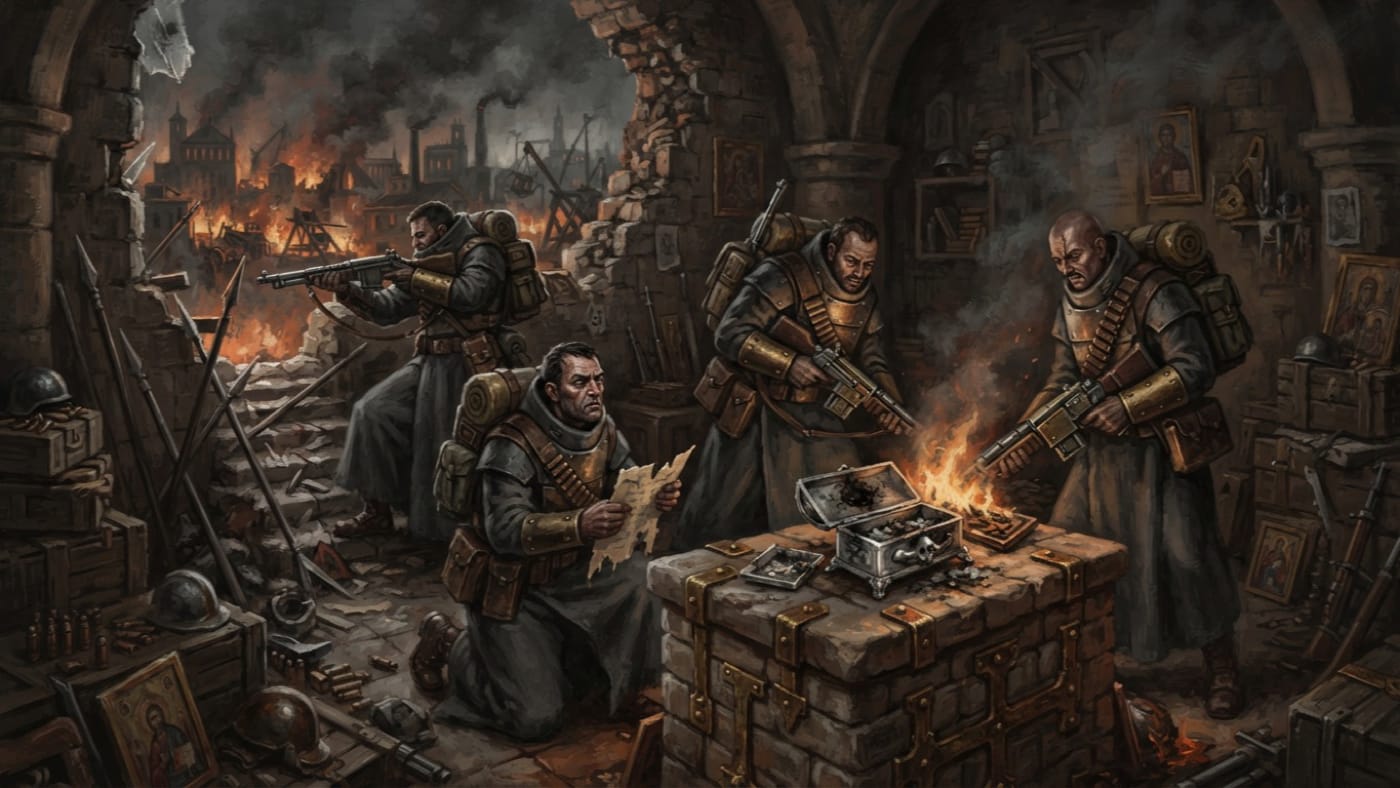
Iago Rule
Four sentences the smoke left behind
Four surviving sentences of the Order of Saint Iago's rule bind road, shrine, guest, and bone to custody. Toledo supplied the fire; the preserved text never commanded it.
Codex Ref. XIII.1.57-016
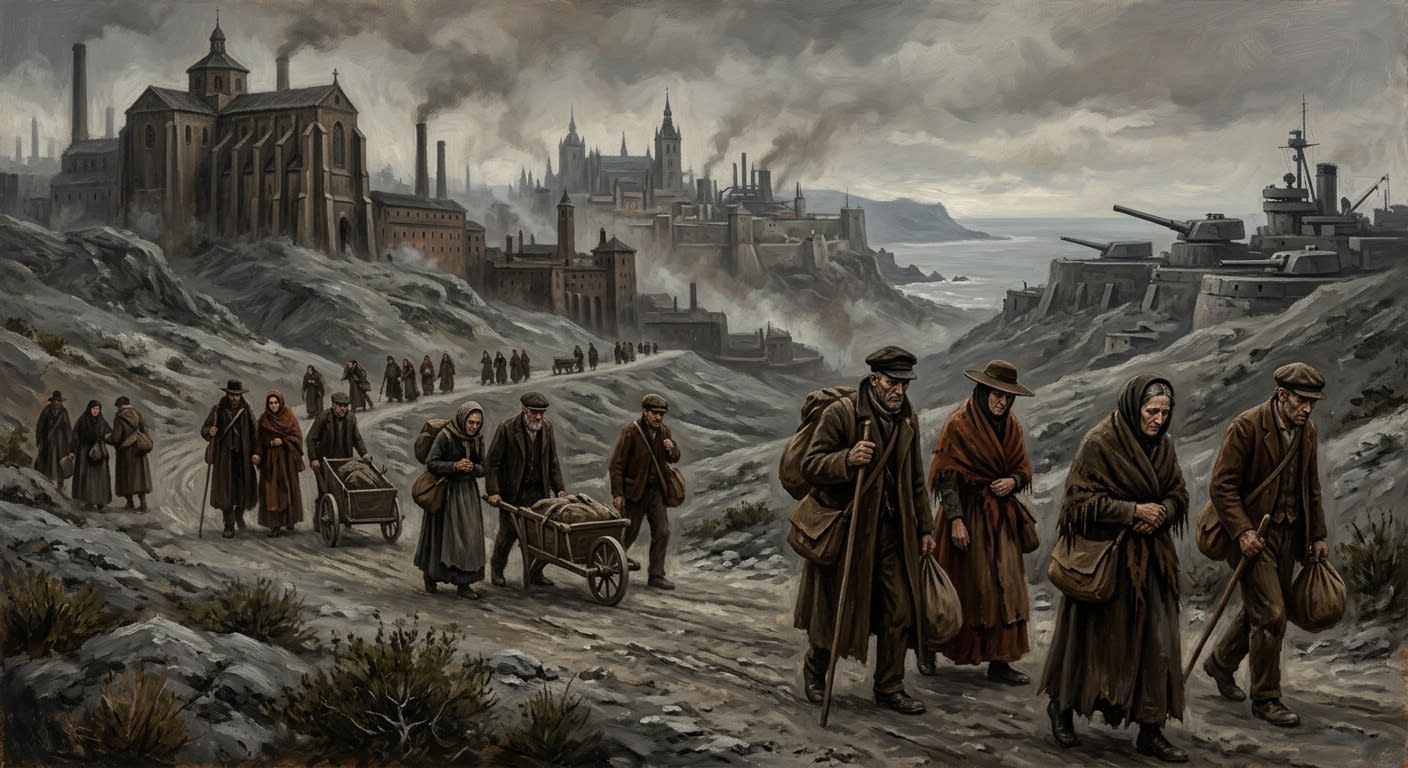
Iberia
The western furnace kneels, pays, murmurs, burns, and remembers
Iberia is the Synod's western furnace: a sealed peninsula of relic ash, late Concordat obedience, Seville mutters, Toledo martyrdom, pilgrimage roads, British guns at Gibraltar, and memory too old to confiscate cleanly.
Codex Ref. II.1.04-090
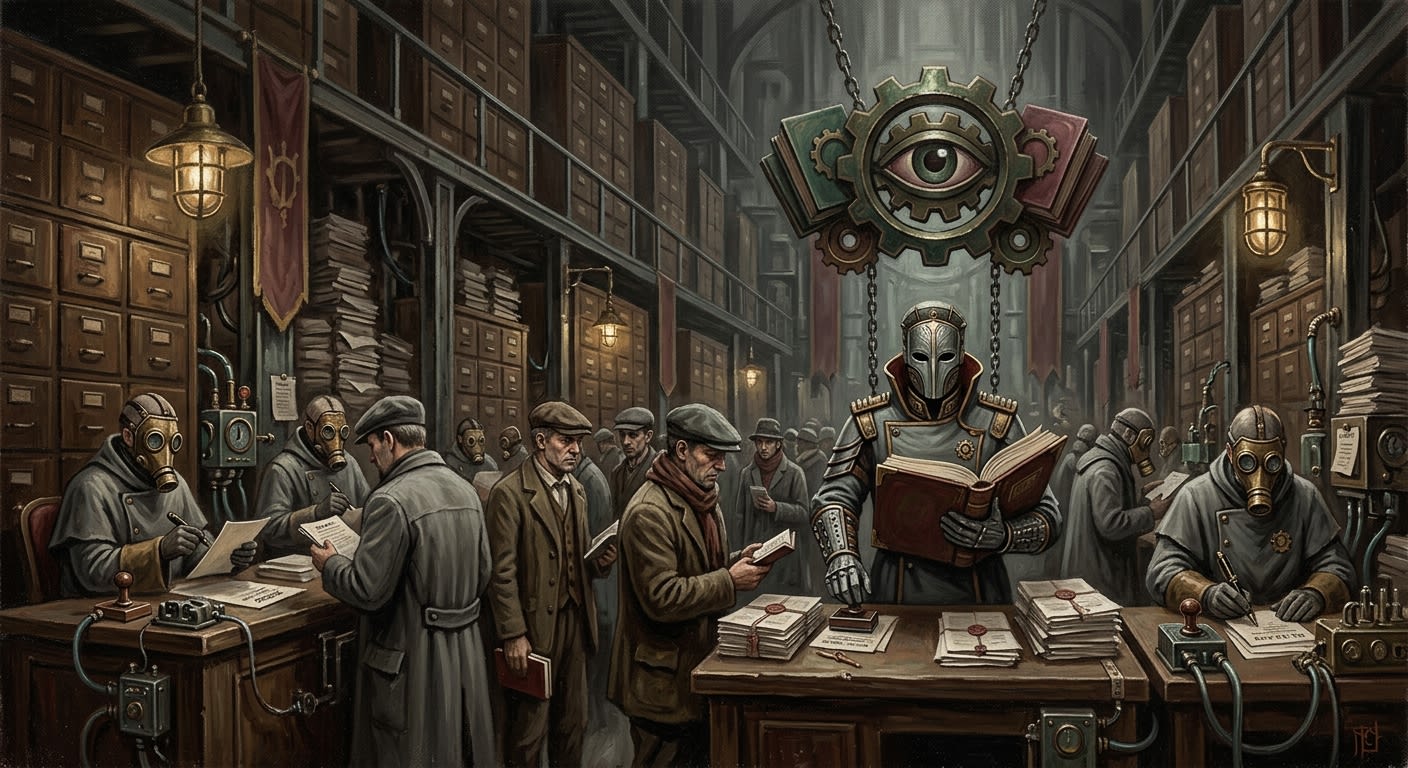
Index Claritatis
Speak only what has been granted, and preferably with witnesses
The Index Claritatis licenses permitted speech across the Synod, proving that censorship is crude until Doctrine teaches it grammar.
Codex Ref. XIII.1.30-001
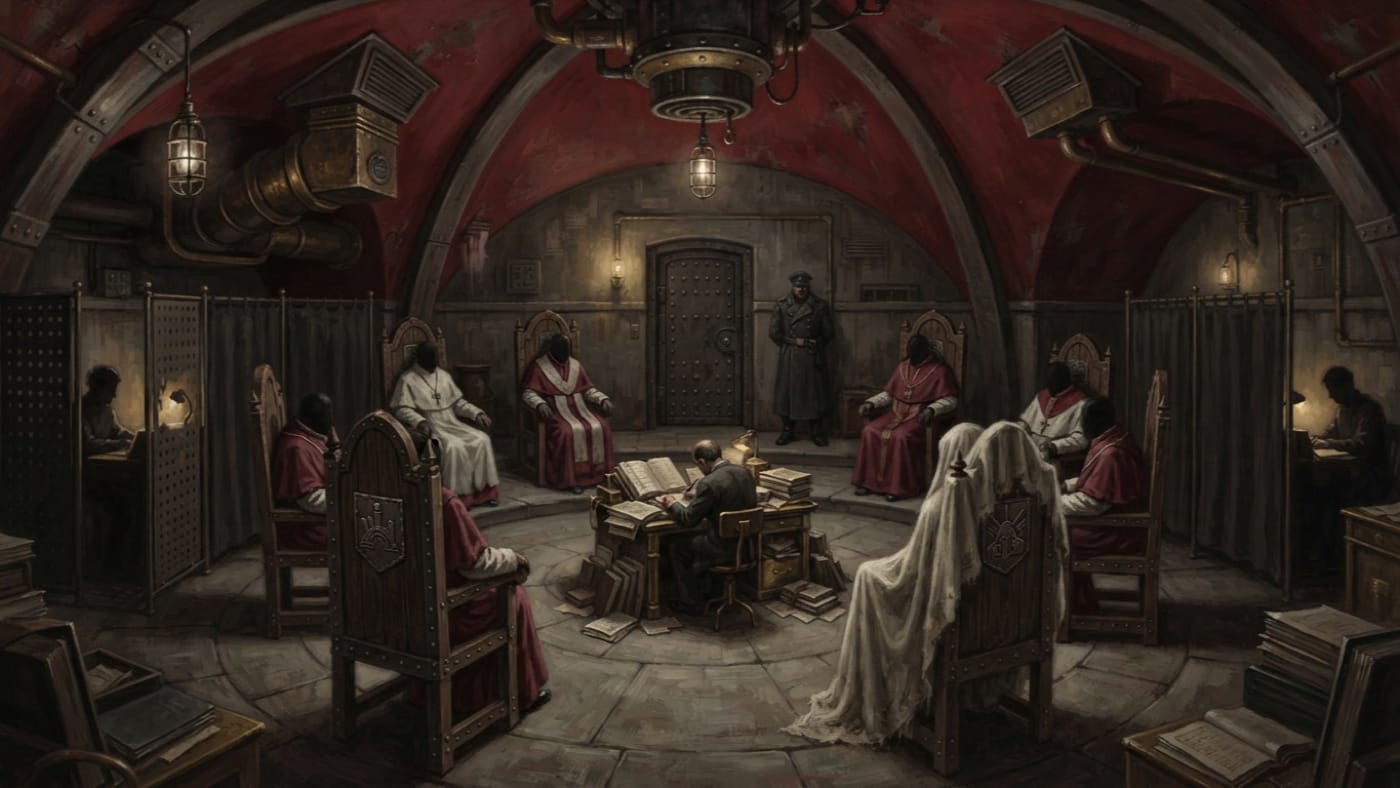
Inner Circle of Strasbourg
Six Chairs Answer. Seven Seals Decree.
Seven chairs, six occupants, no table. From the Basilica's highest floor, the Synod decrees through corrected minutes, seven stamps, and War's vote counted by faith.
Codex Ref. III.2.04-1452
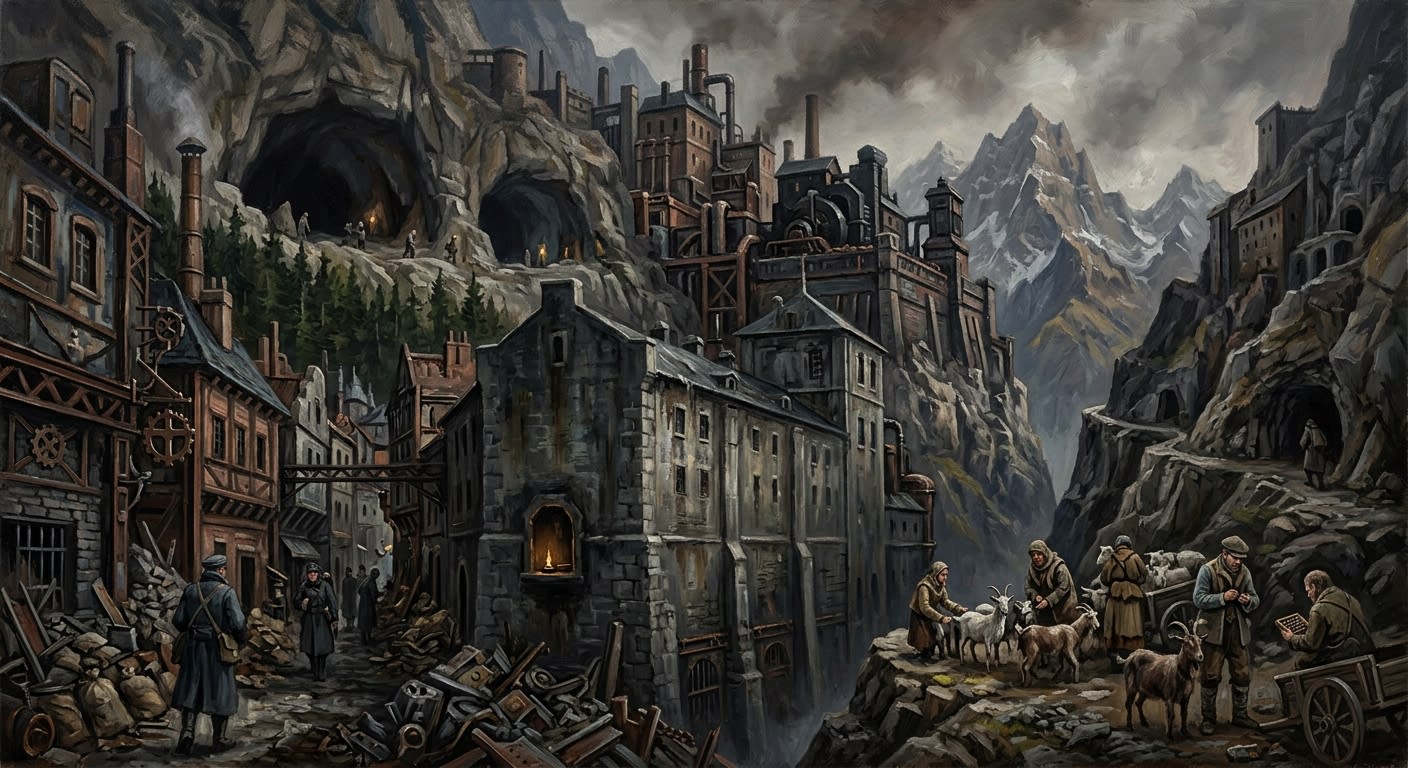
Innsbruck
Where mountains, grandmothers, caves, and walls defeat the census
Innsbruck is the Synod's alpine refuge-city: Cellar Saint caves above the treeline, relics disguised as trash, Mother Sava's wall-cavity, Pale Kin routes, goat arithmetic, and the most pious registry evasion in the mountains.
Codex Ref. II.2.09-030
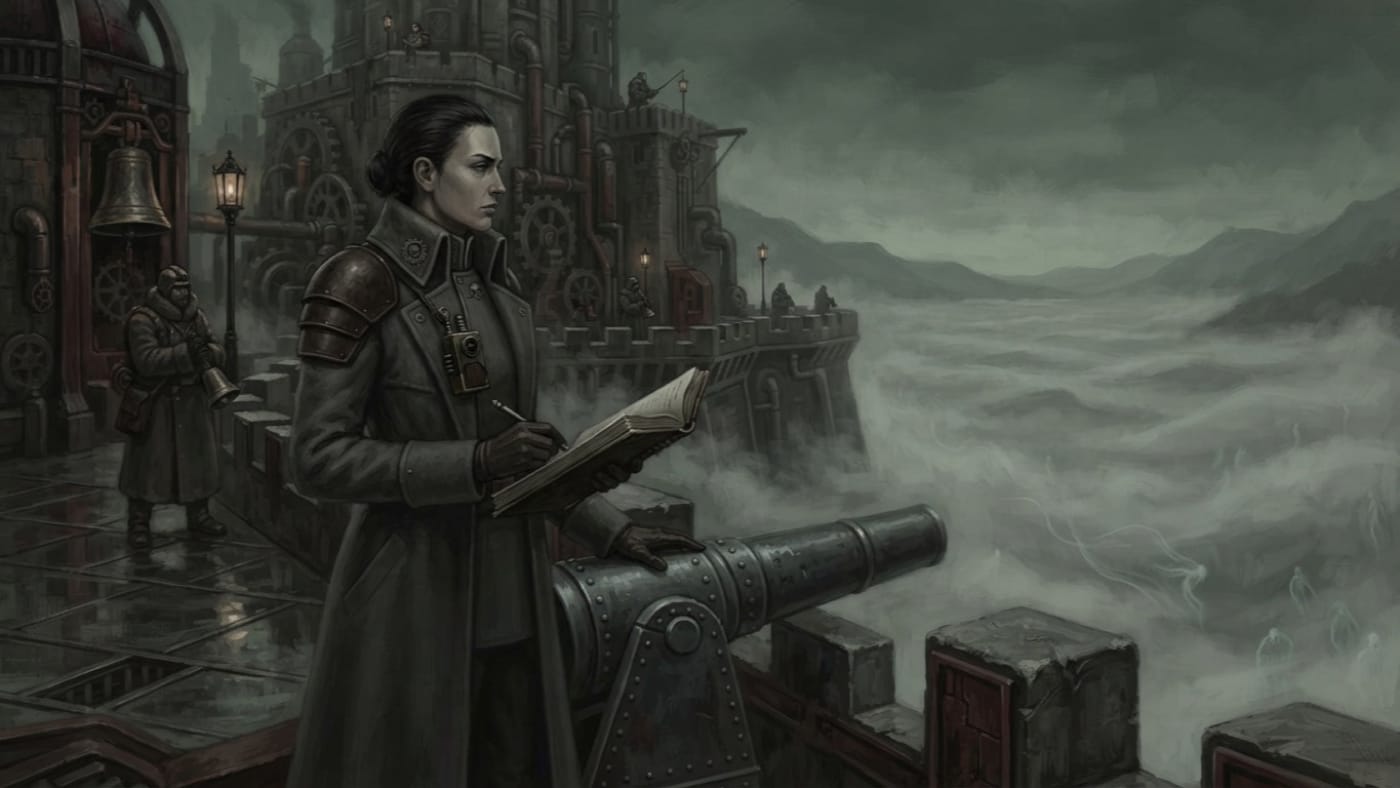
Inquisitor-Assessor Maren Doyle
Work Filed. Assessor Posted.
Four years hearing Velkara's survivors produced six orders of demons. Maren Doyle filed the taxonomy and requested the Line. At Bastion-Shipka, she calls Syrion's fog restful by comparison.
Codex Ref. III.2.01-1729

Inquisitor-General Severian
The man who taught fear to sing in tune
Architect of the Iron Choir of Mainz and Severian Gloss to the Catechism of Obedience, he made silence culpable, cruelty legible, and fear useful enough to receive forms.
Codex Ref. III.2.01-006
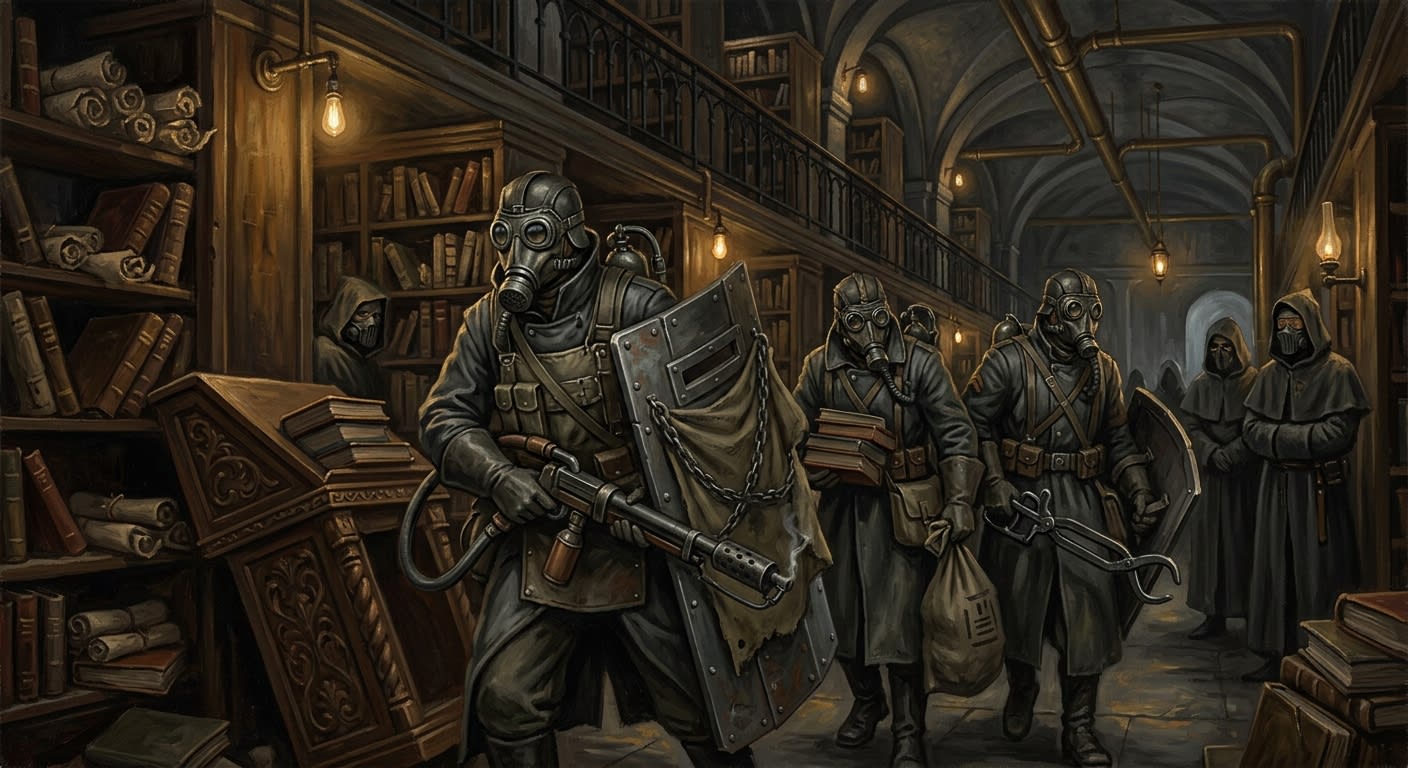
Interdiction Squads
Quiet boots, red pencils, and the polite seizure of dangerous nouns
The Bureau of Silence borrows Purity muscle, subtracts the shouting, and sends Interdiction Squads to seize forbidden texts before the furniture becomes doctrinally interesting.
Codex Ref. VIII.3.02-001
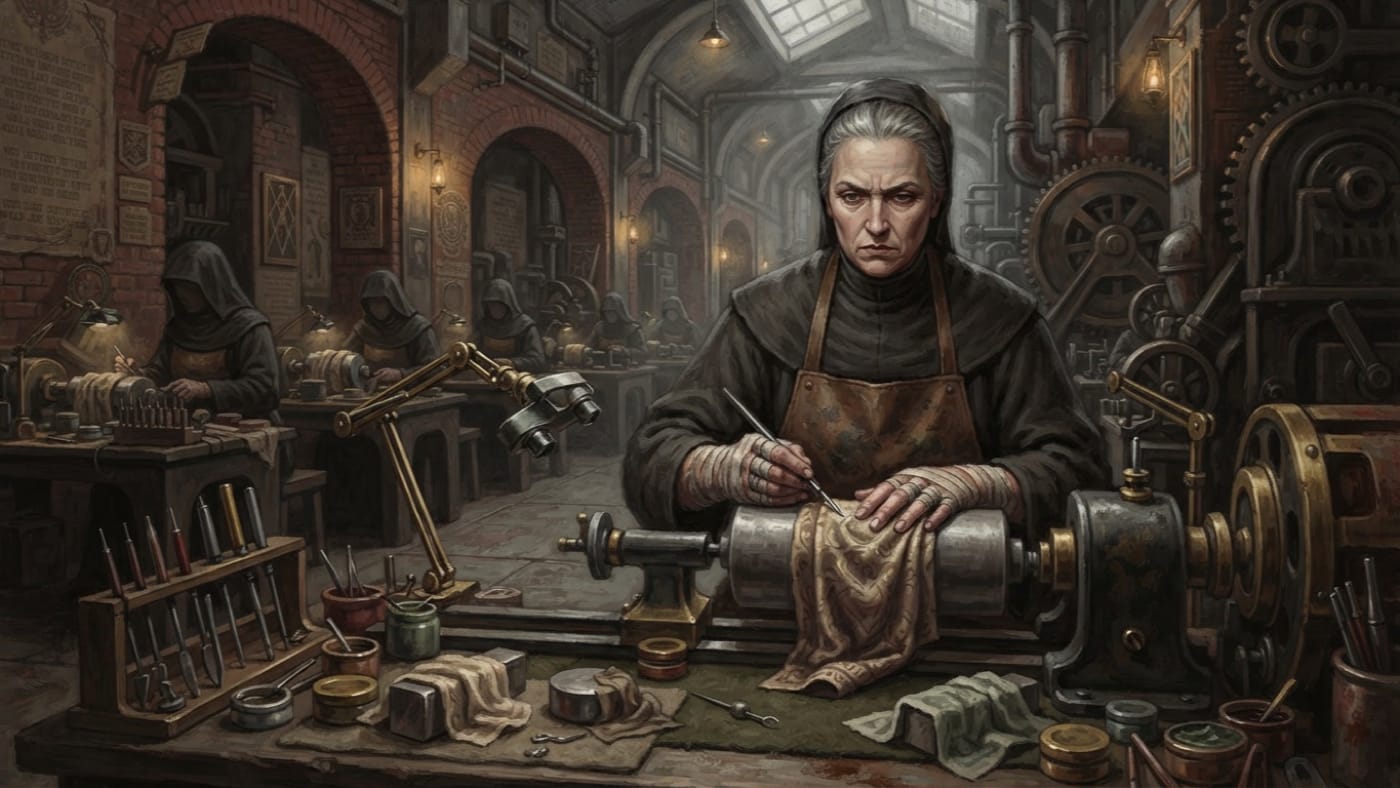
Irena Coilhand
The Church's lawful faces begin beneath her veils
Master Engraver of Die Row, Irena Coilhand cuts the steel that gives the Synod's souls their spendable faces. In the A.S. 201 Face Theft crisis, she wraps the dies in blessed silk; Doctrine calls it irregular devotion.
Codex Ref. III.2.01-1480
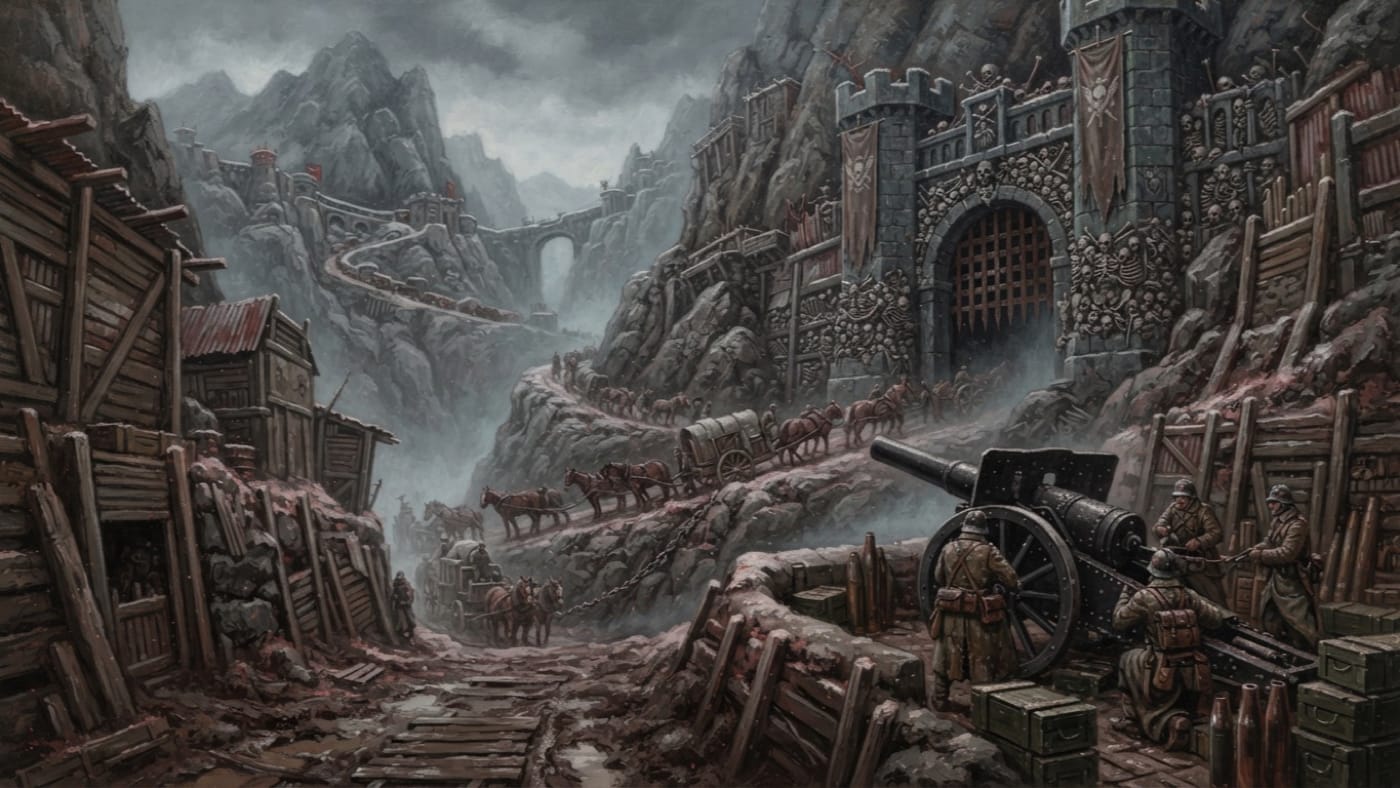
Iron Corridor
Three sectors, whatever the map once claimed
Trench sectors 14–16 of the Carpathian Gates, surveyed in A.S. 201. Three numbers in the Ledger; the pass and its ossuary checkpoint keep their own names.
Codex Ref. II.4.08-016
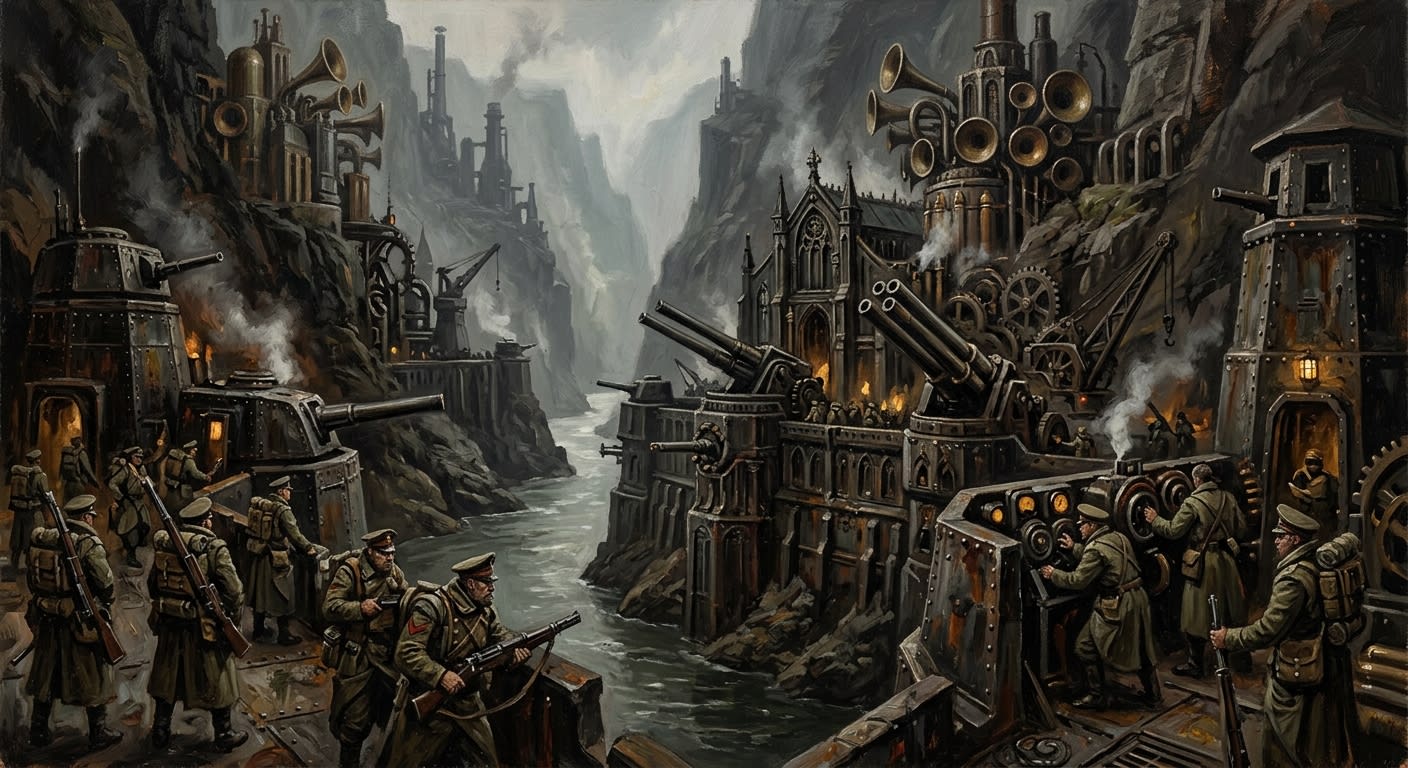
Iron Gates Gorge
Where the Danube is made to breathe in doctrine
The Iron Gates Gorge is the Danube's black throat: a natural chokepoint made into a choral machine, held by Bastion-Irongate at ruinous pitch.
Codex Ref. II.4.08-067
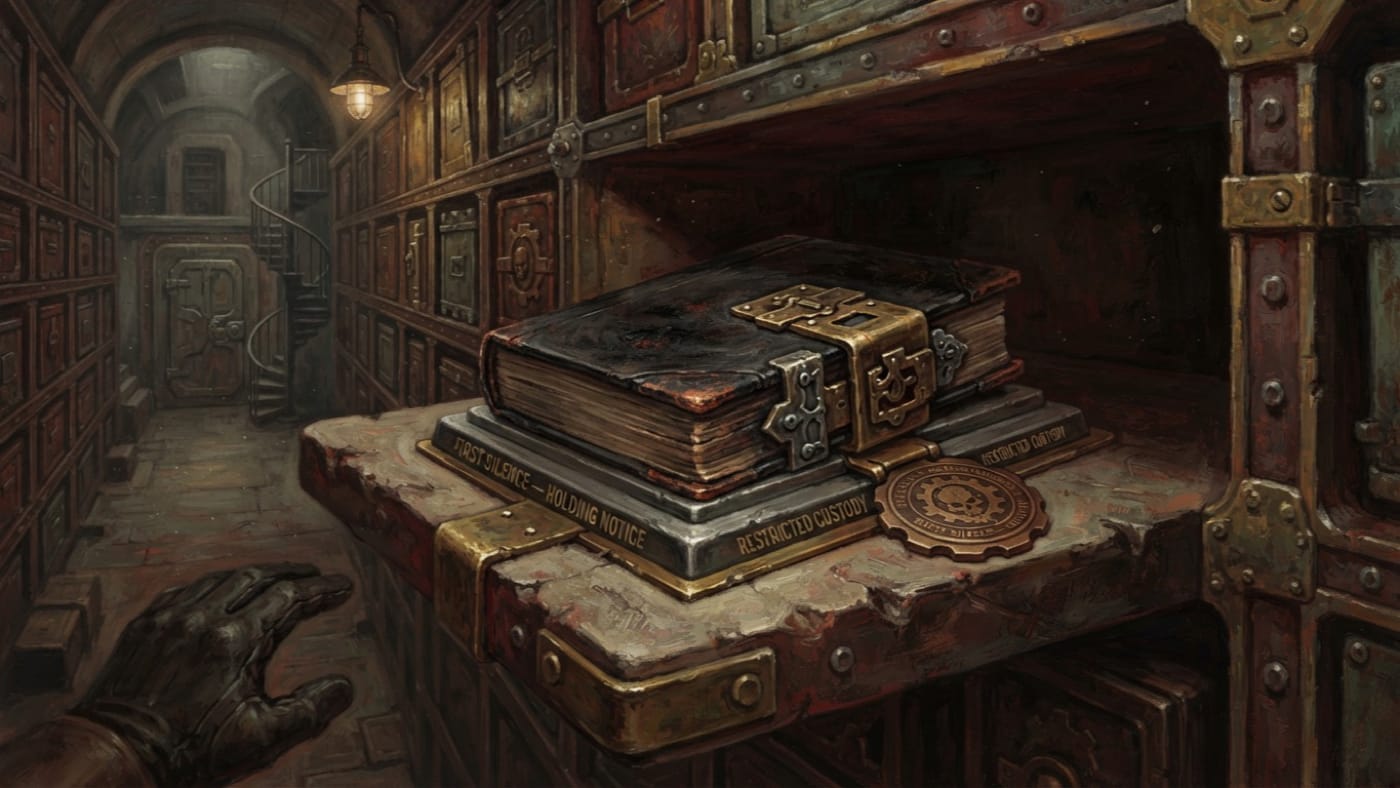
Iron Plains Volume
Fourteen voices retained; permission to hear them withheld
Fourteen Iron Plains survivor testimonies held in the first silence of the Vault of Silences. The order may be copied; the testimony stays under clasp.
Codex Ref. XIII.1.48-003
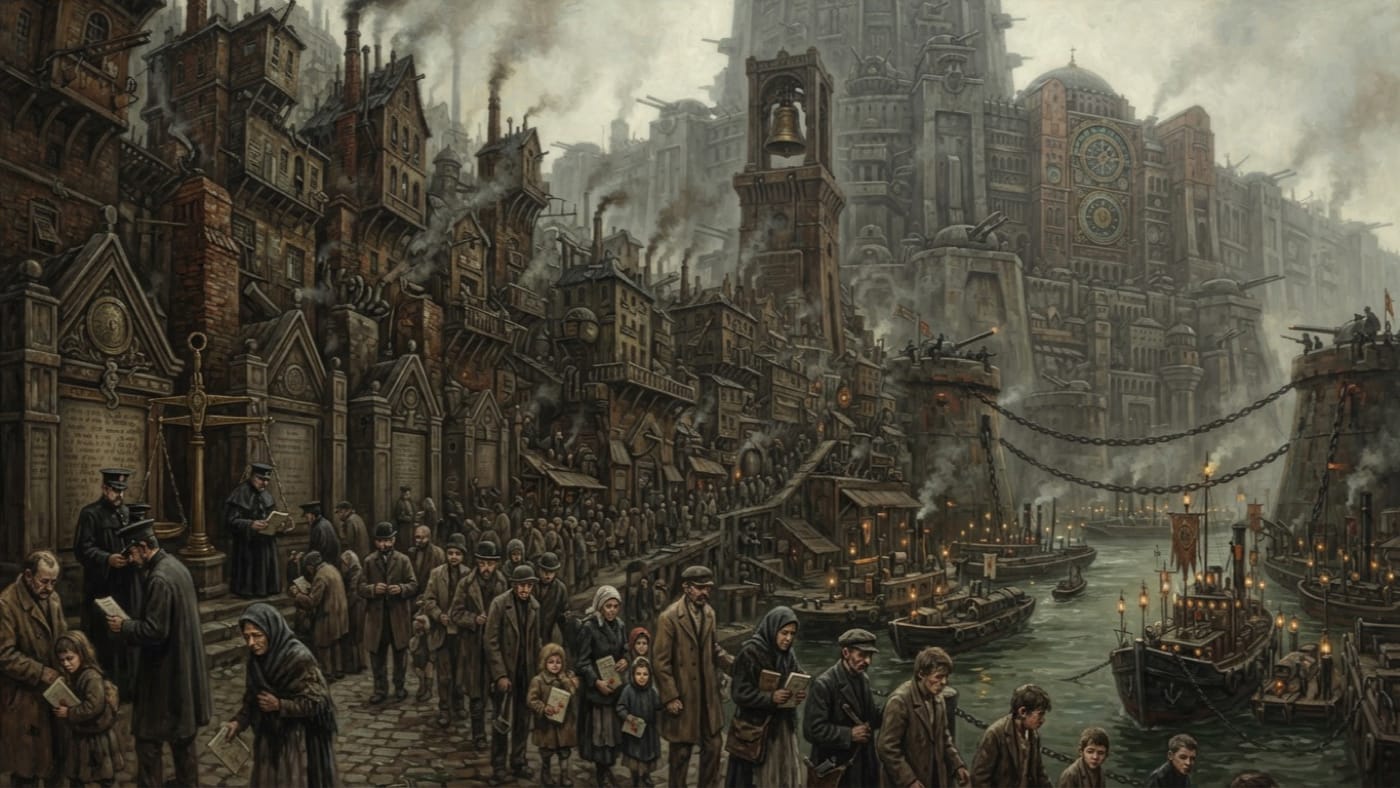
Istanbul
The City That Feeds the Last Lock
Istanbul is the living city beneath Bastion-Constantinople: dockers, clerks and foundry hands keep the southern anchor supplied, while bells, seals and Kargath's hunger decide who eats.
Codex Ref. III.2.04-018
Italian principalities
One filing drawer for a peninsula that never consented to share it
The old Italian jurisdictions, erased by Regensburg in A.S. 30 and inherited piecemeal by the Synod. Their complete roster remains unestablished; their objections remain abundant.
Codex Ref. II.3.09-030
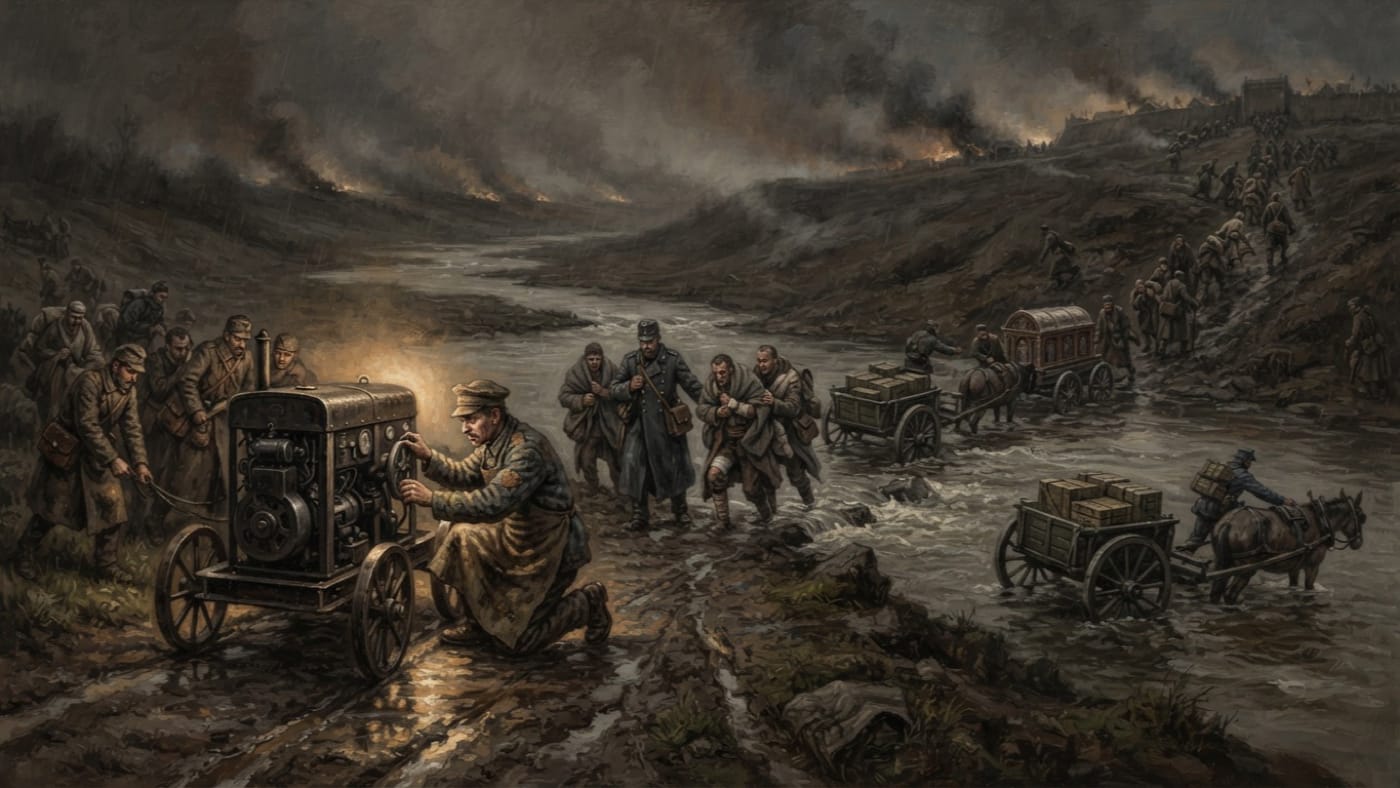
Kalnik Road
One crossing, sixty-three wounded, and no survey
Kalnik Road survives through Edrin's A.S. 48 restart and the crossing of sixty-three wounded. Its course and ford remain unestablished; Engineering remembers the lesson more precisely than the ground.
Codex Ref. II.4.09-048
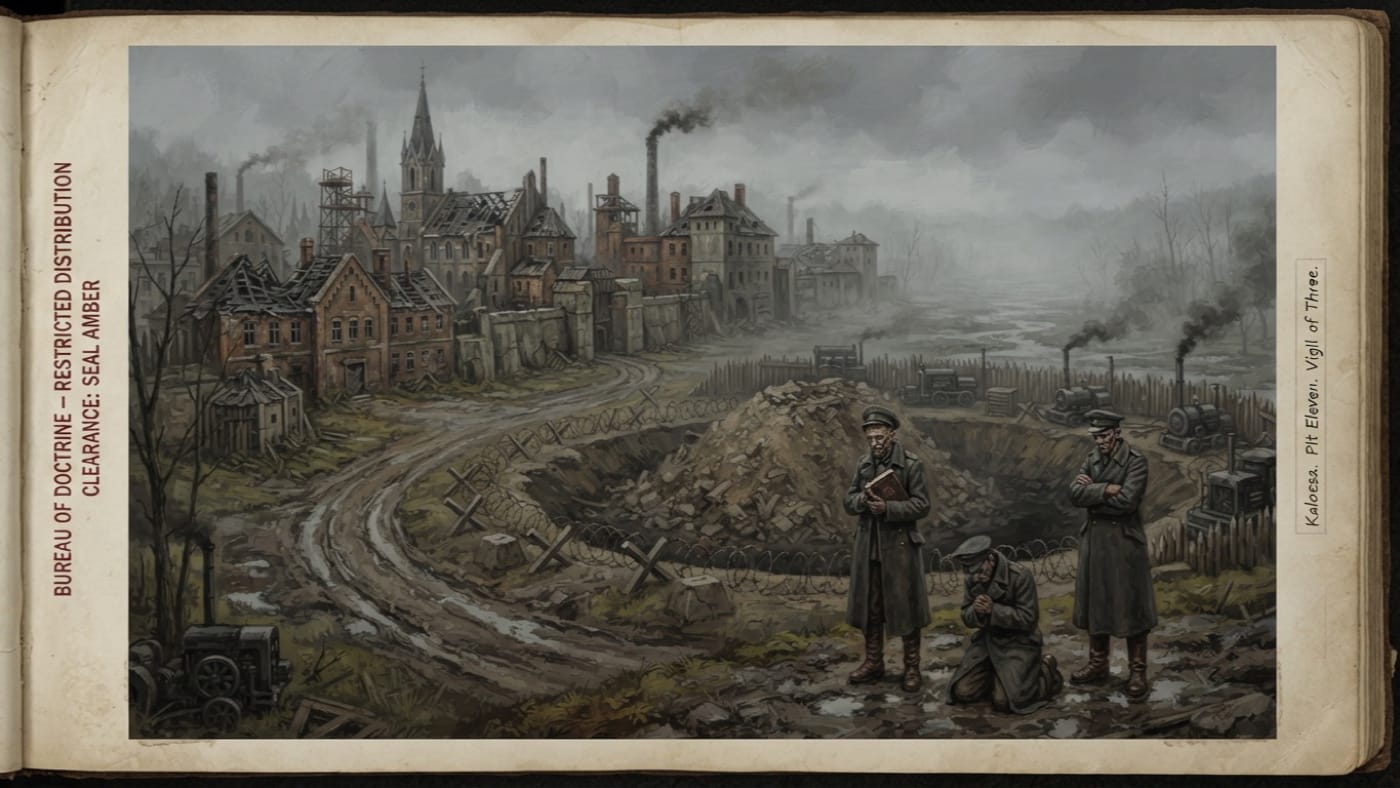
Kalocsa
The record names the town; the grave receives the attention.
Kalocsa is the town named beside the Children's Pit, where a refugee column was buried in A.S. 52. Three chaplains keep a classified vigil nearby; the record tells me more about their hunger than about the town.
Codex Ref. II.4.09-052
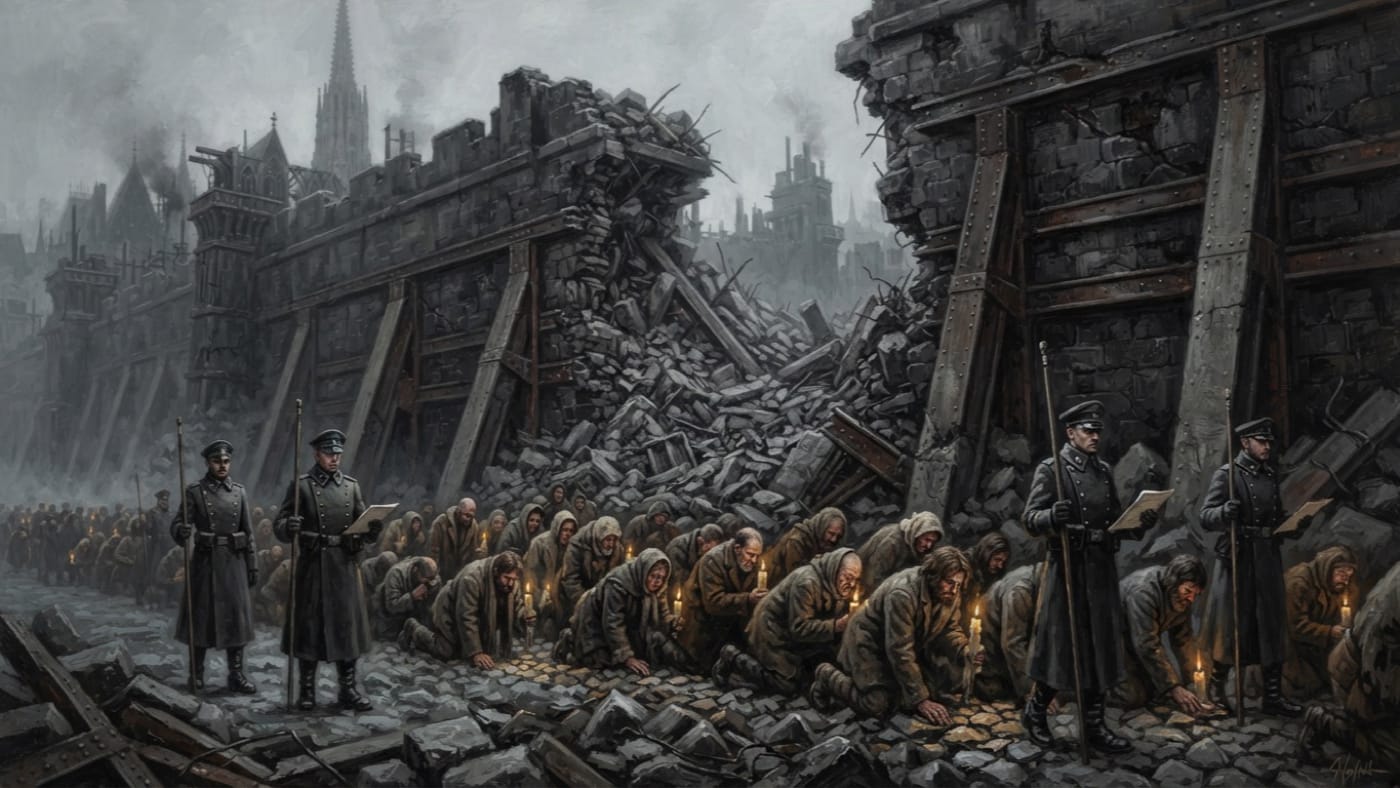
Kärntner Breach
The wall stayed broken so that knees might learn obedience
The Kärntner breach is Vienna's broken gate passage, where Clemens Stahlhand entered in A.S. 95 and pilgrims now pay with their knees.
Codex Ref. II.4.09-095

Kaspar Thenm
The prison warden who taught the Synod to number beds before souls
Kaspar Thenm, first officer of the Bureau of Settlement, turned post-Concordat refugees into addresses with a warden's key, three clerks, and no talent for mercy.
Codex Ref. III.2.01-014
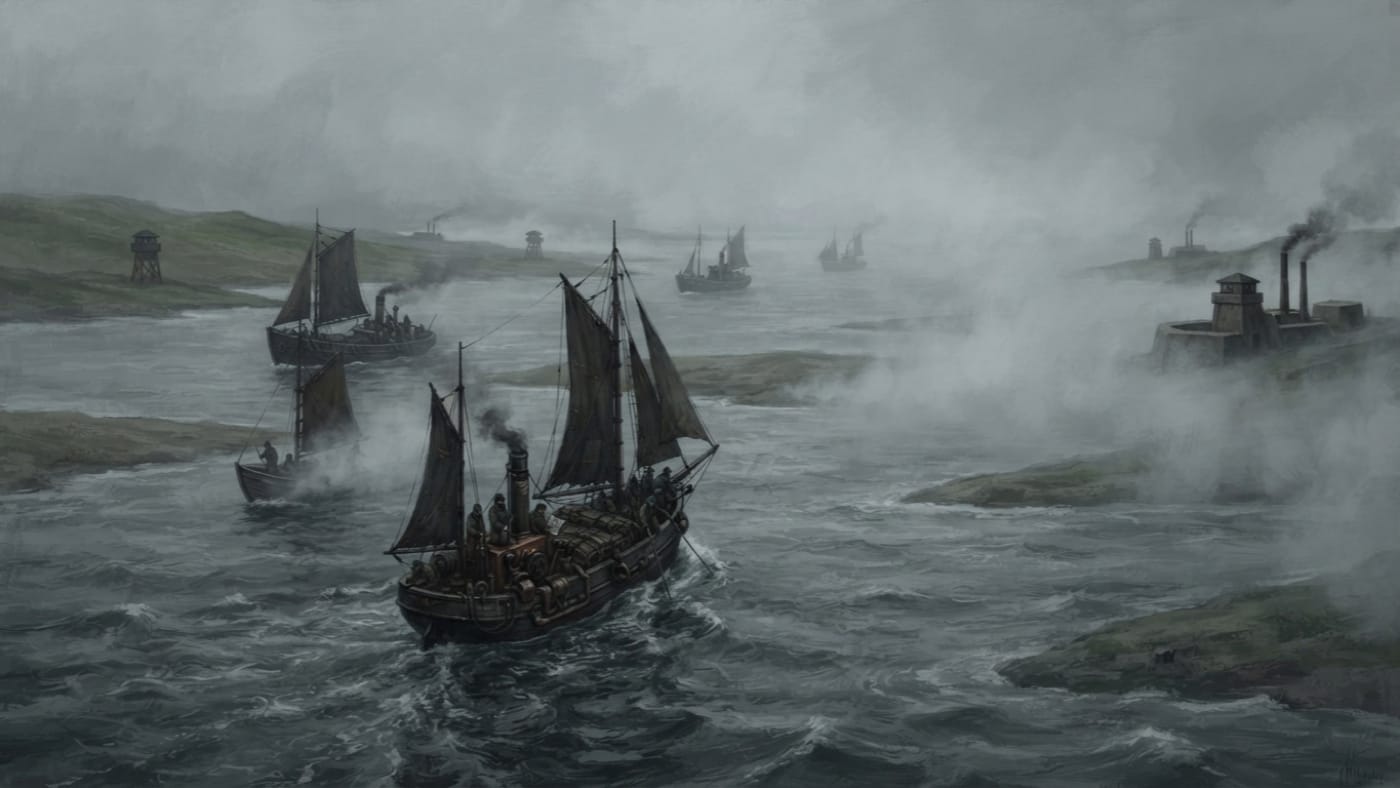
Kattegat
The Church claims the water. The pilots read the weather.
The shallow southern approach to the Fractured North, between Jutland and Sweden. The Church claims the water; northern pilots decide how to cross it. Cold, fog and sandbanks acknowledge neither authority.
Codex Ref. IX.8.01-002
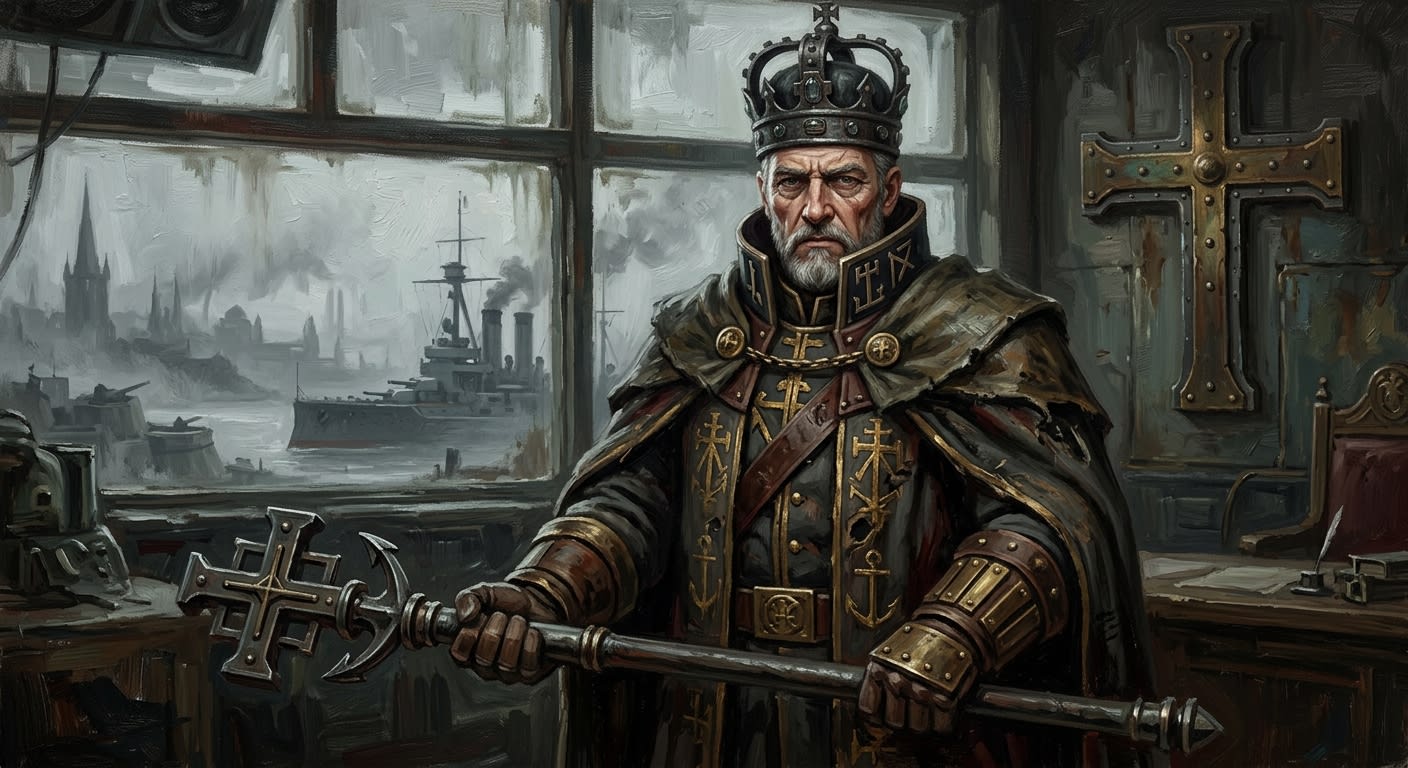
King-Warden Aldric III
The island abbot with a sword, and worse, with ships
Aldric III rules Britain from Canterbury as King-Warden: independent ally, naval necessity, liturgical irritant, and pious stubbornness in a crown.
Codex Ref. III.2.01-022
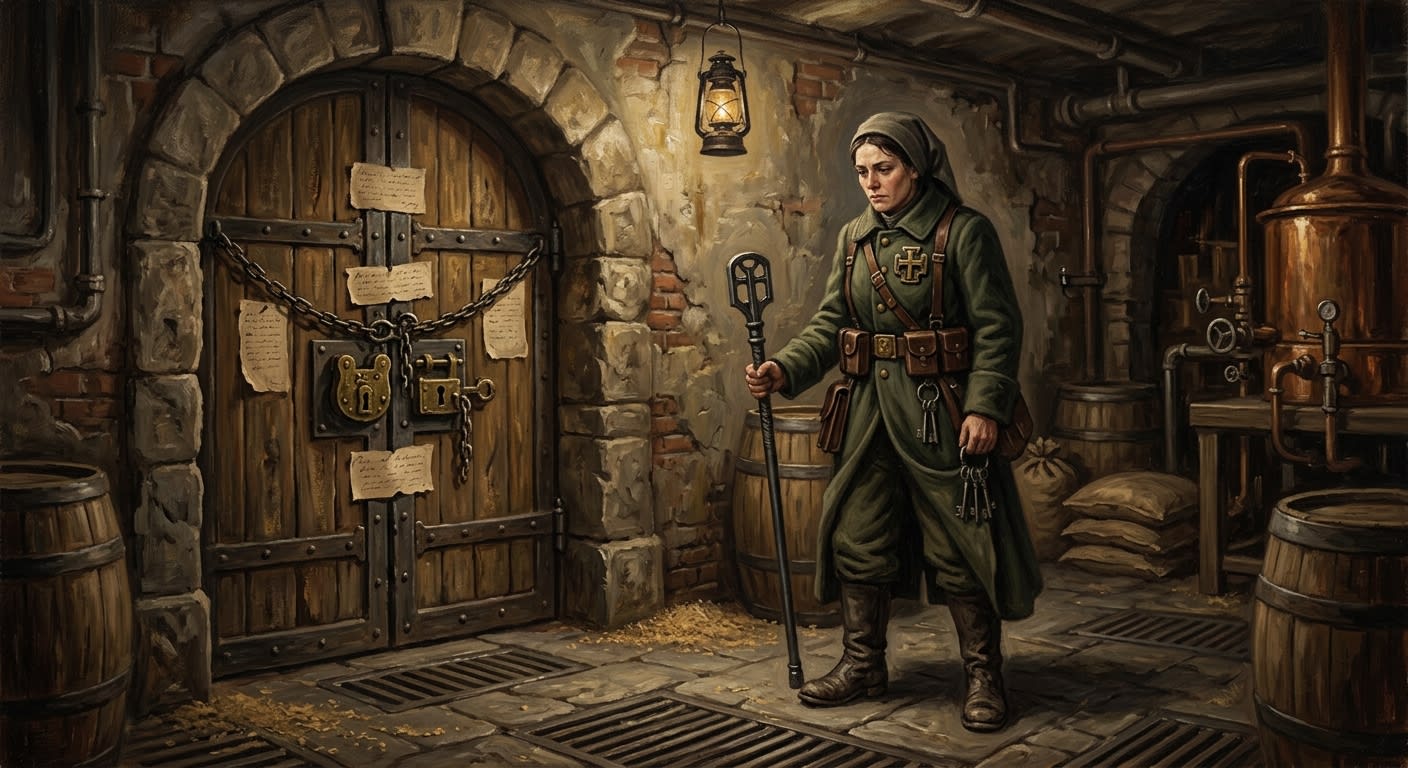
Klara, the Unnamed Guardian
Seven years of sealed stone, and the surname Records failed to deserve
Uncanonised Deutz custodian who kept Relic 31-C(α–γ) sealed beneath Hartmann's brewery through A.S. 38–45, then yielded it to Ignatius Brenner.
Codex Ref. III.2.01-045
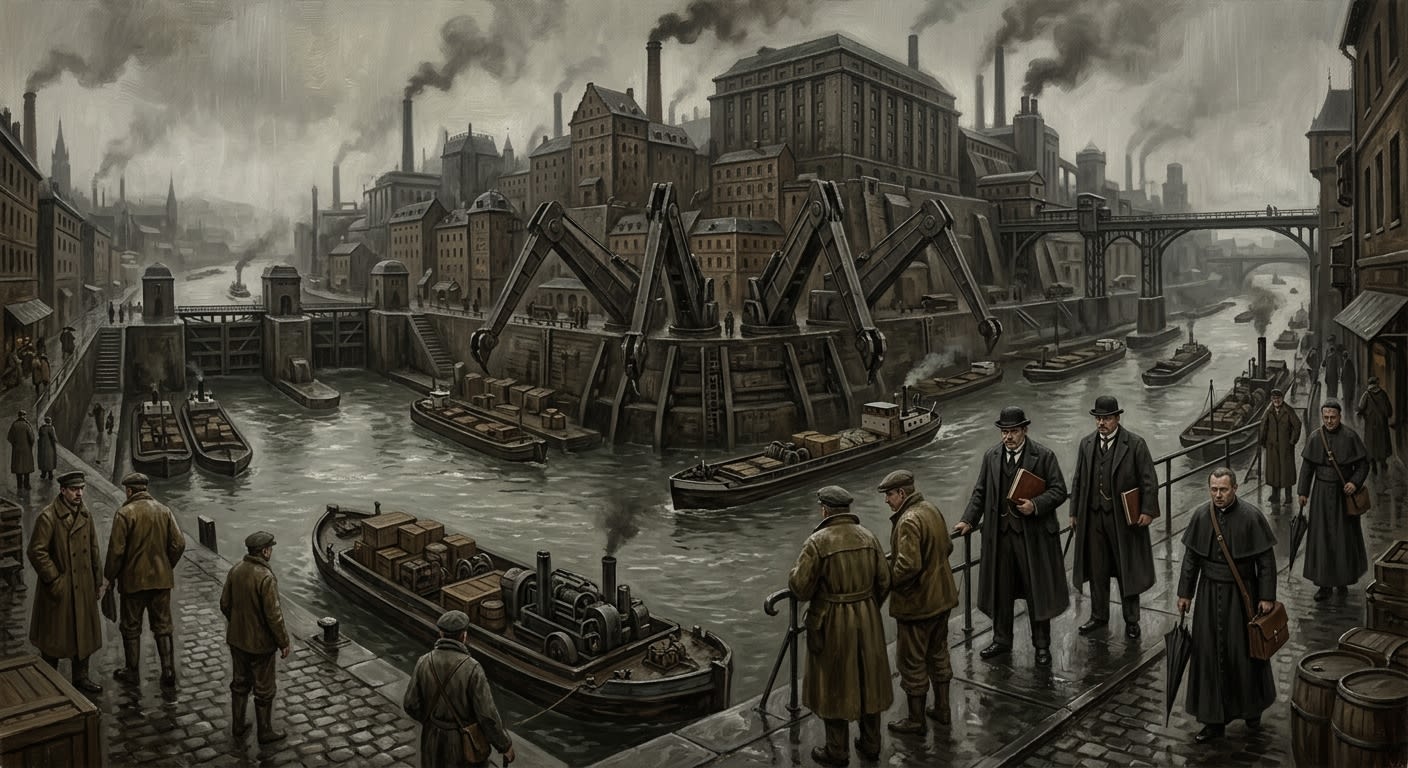
Koblenz
The holy art of handing the burden onward
Koblenz is the wet middle hand of the Ignatian chain: a Rhine-Moselle transfer city where sanctity lasted six minutes and became taxable forever.
Codex Ref. II.3.05-045
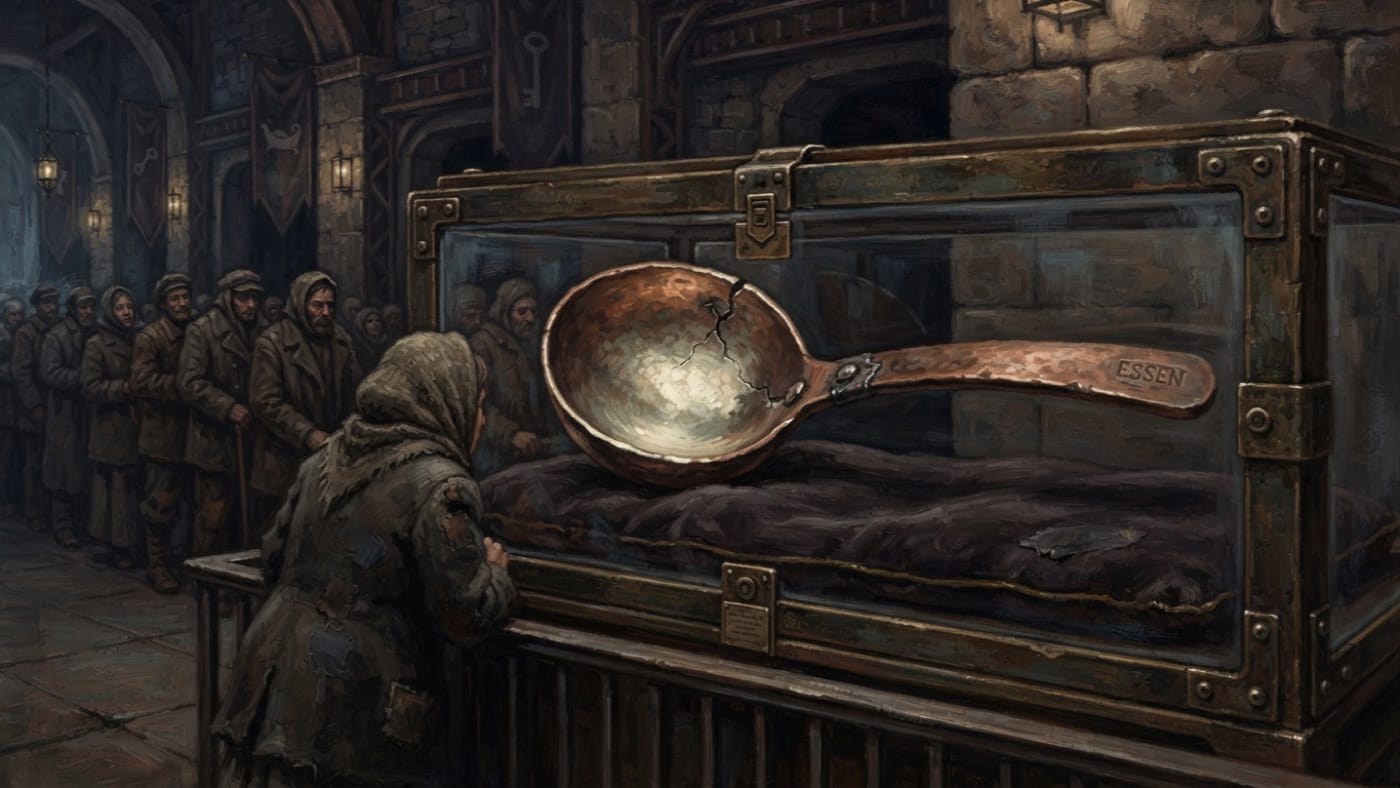
Ladle of Saint Halva
Devotionally sufficient, three pfennig per kiss
The cracked copper ladle at Mainz is Tier III: devotionally sufficient. I judge it eighty years too late for Saint Halva. It multiplies no broth; the Bureau of Relics charges three pfennig per kiss.
Codex Ref. III.2.04-001
Lantern Brotherhood Vigilante
Eight thousand four hundred tolerated blades, licensed by a subordinate clause — the Synod's night made visible and officially nonexistent.
Eight thousand four hundred tolerated blades in five Watch Circles, licensed by a subordinate clause in a curfew ordinance — the Synod's night made visible and officially nonexistent.
Codex Ref. XII.25.01-001
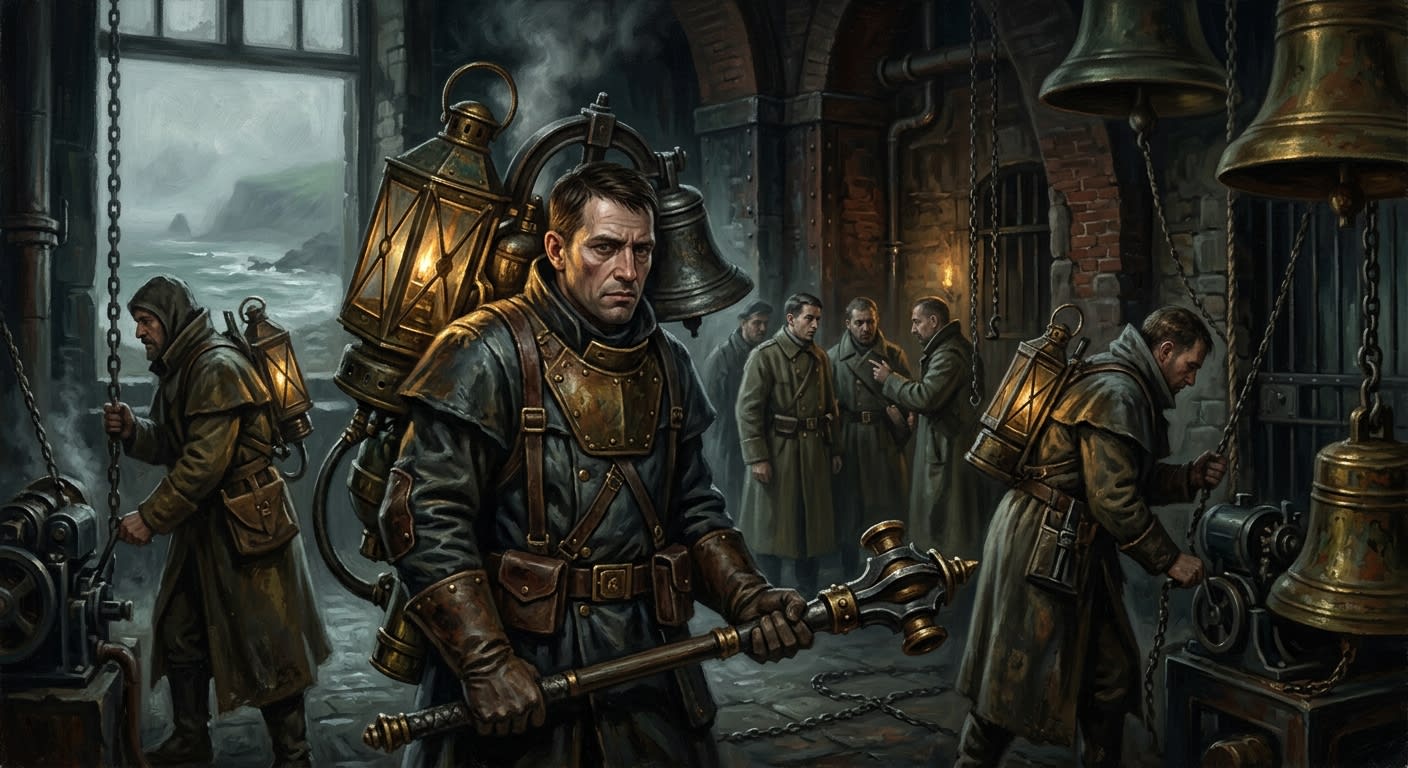
Lantern-Ringers
Britain keeps time with bronze, rope, and legally sanctioned concussion
Britain’s Lantern-Ringers bind bell, mace, parish, and sea into one armed vocation; Strasbourg wants their specifications and receives courtesy instead.
Codex Ref. XII.2.05-001
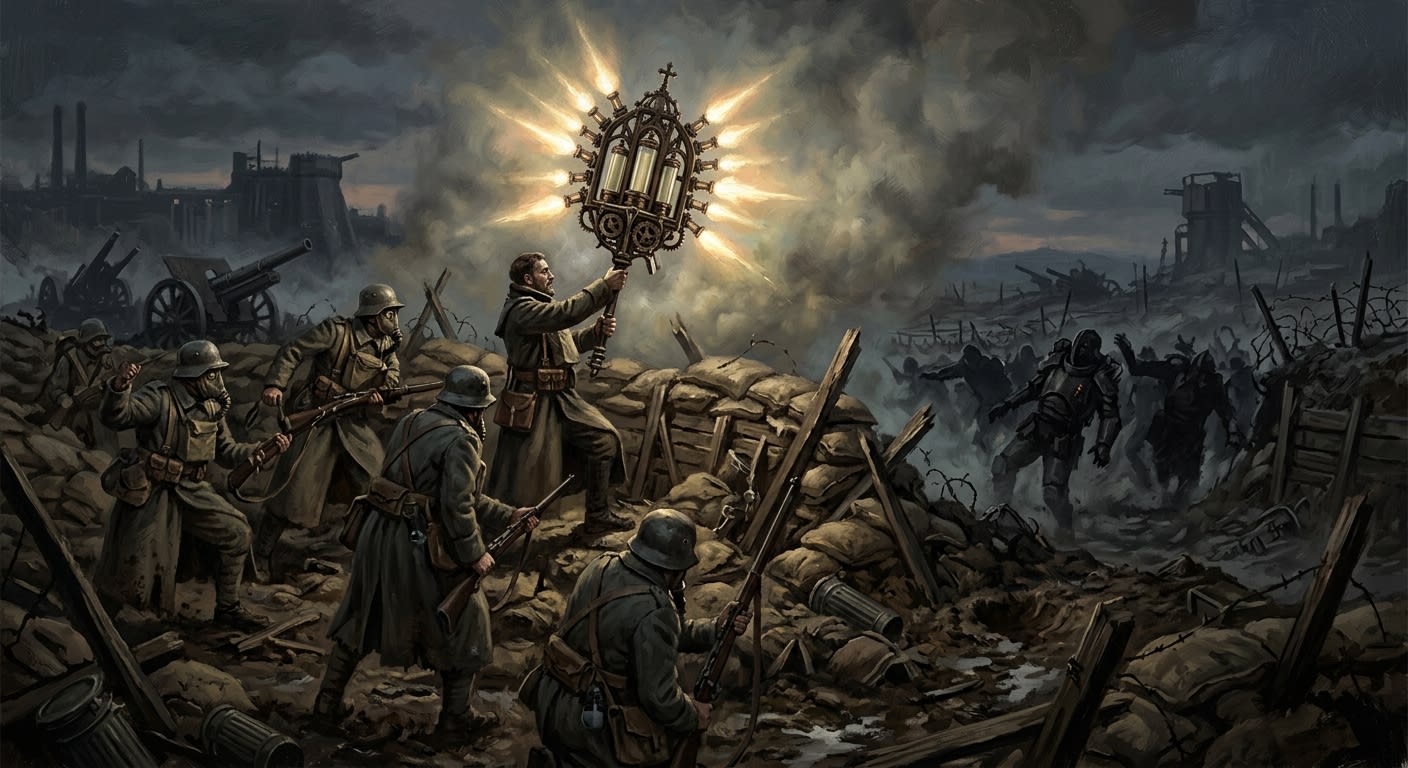
Last Stand of Kalnik Ridge
Where Wrath flinched and retreat learned to march
At Kalnik Ridge in A.S. 48, Brother Tomislav raised the Reliquary of Saint Isidore, seventeen relics blazed, Maldrake's vanguard recoiled, and rout became discipline.
Codex Ref. VII.5.03-001
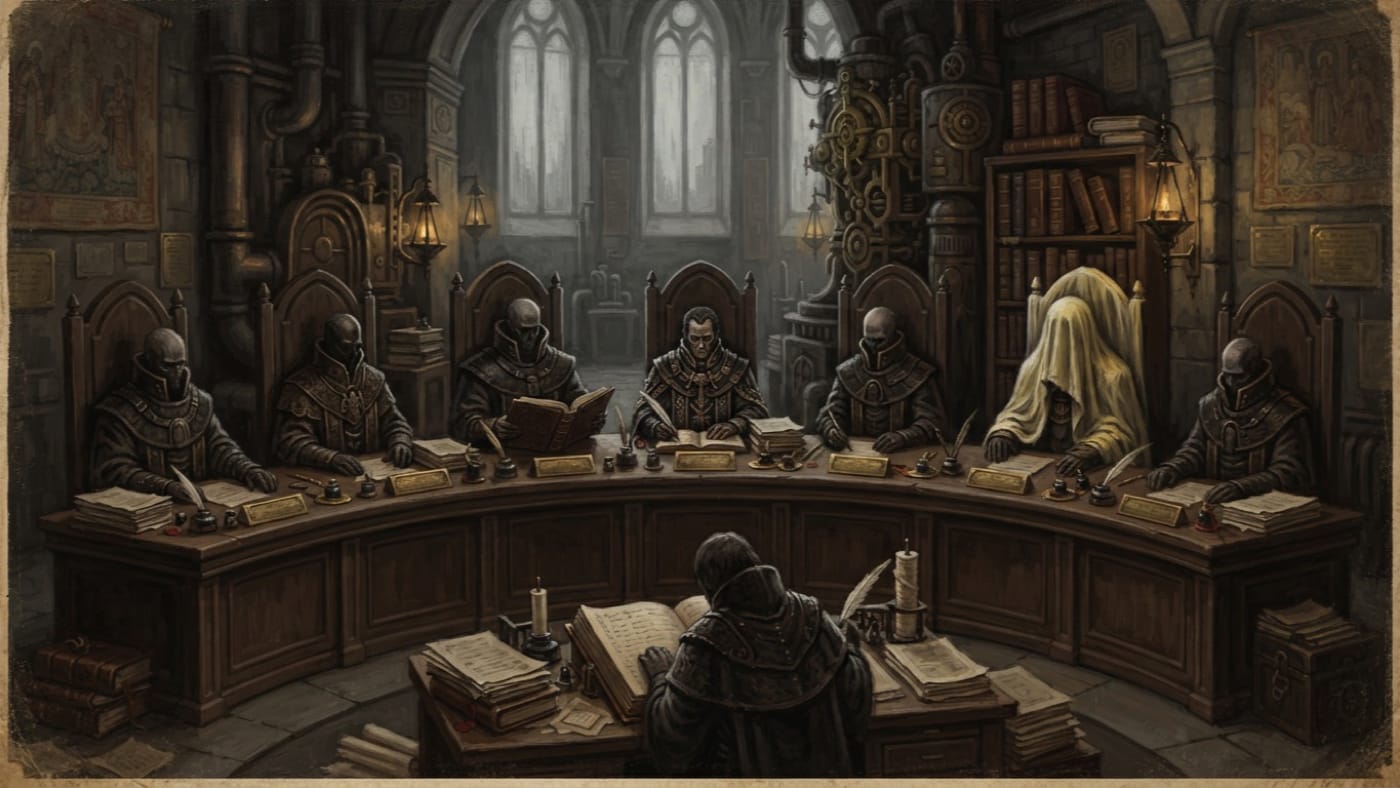
Ledger of Succession
Five Names in Print, Seven Seals in Law
Five names are printed each year for seven Seals. One seated Hierarch has only a changing file number; War's chair remains draped. The succession is continuous as printed.
Codex Ref. VI.3.02-002
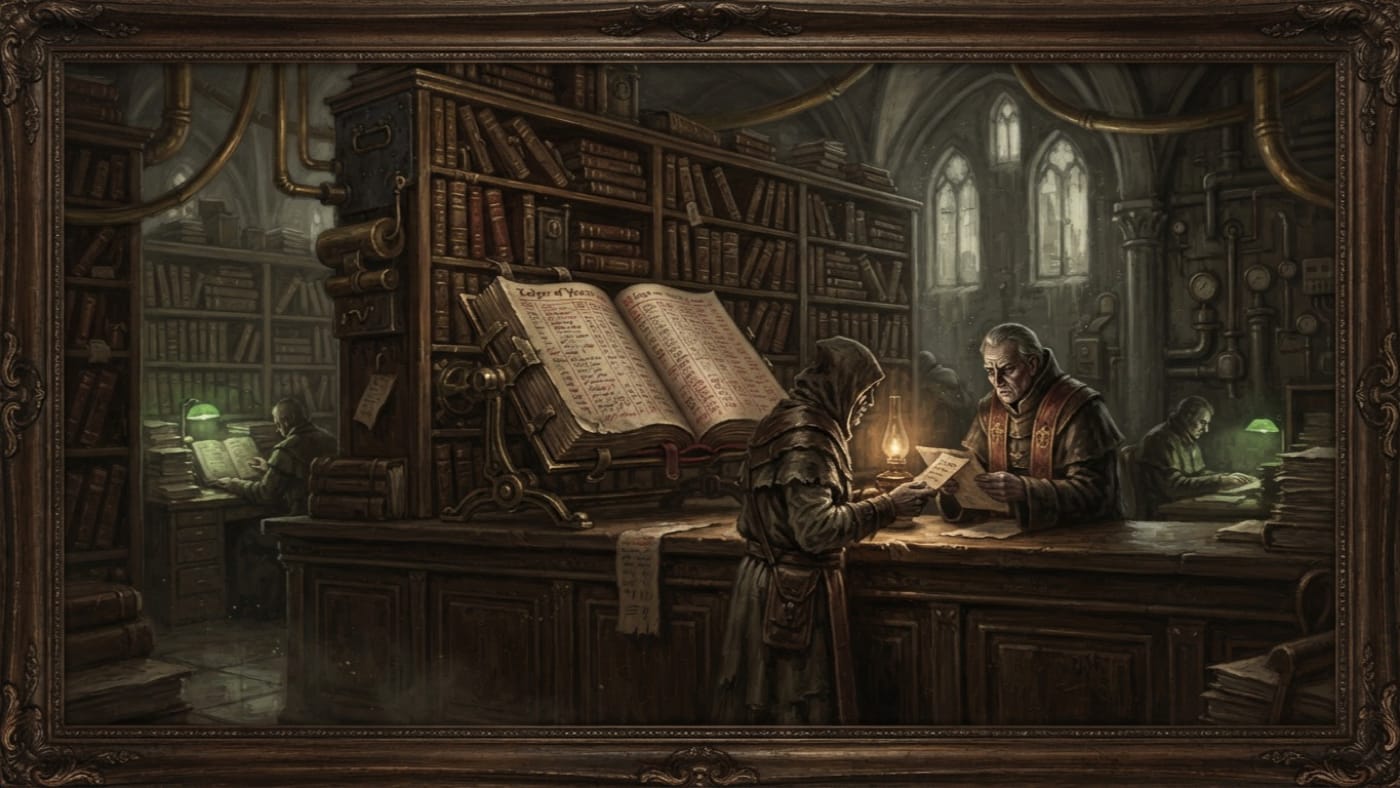
Ledger of Years
Entered, therefore occurred. Unentered, therefore pending.
The Ledger fixes the years from which the Church recognizes institutions, ratifications and precedence. Records certifies the entries; Doctrine supplies the meaning. Bring your year to the counter.
Codex Ref. XIII.1.33-201

Ledger-Ghost Tamsin
The absent clerk who makes contradictions file themselves
Ledger-Ghost Tamsin, absent from official records and active by paperwork effect, keeps Thessaloniki's illegal harbour legible enough to exploit.
Codex Ref. III.2.01-096
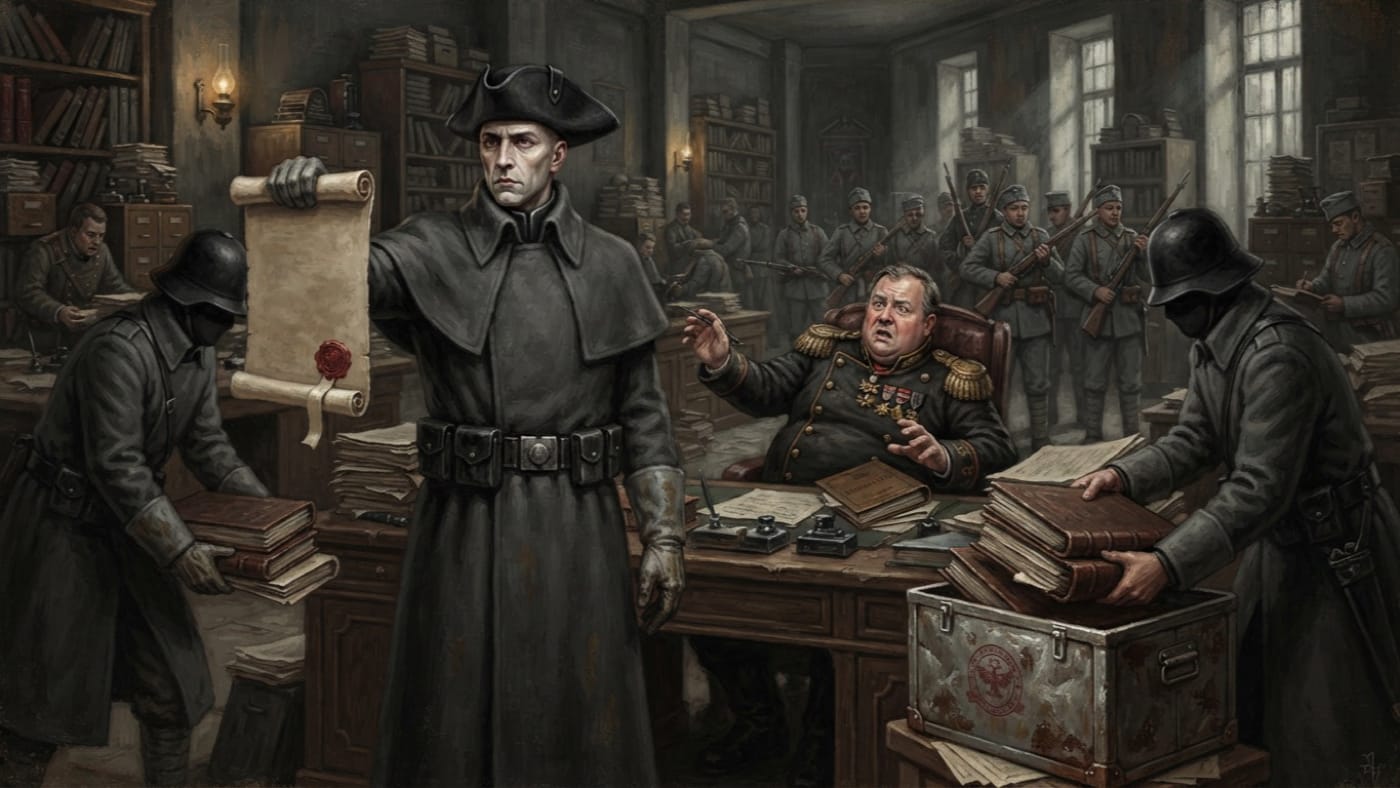
Legate
The commission travels; the correction stays
A legate carries Strasbourg's seal into troubled dioceses, seizes records, deposes governors and suspends armies. The commission ends; the correction stays.
Codex Ref. XIII.1.32-201
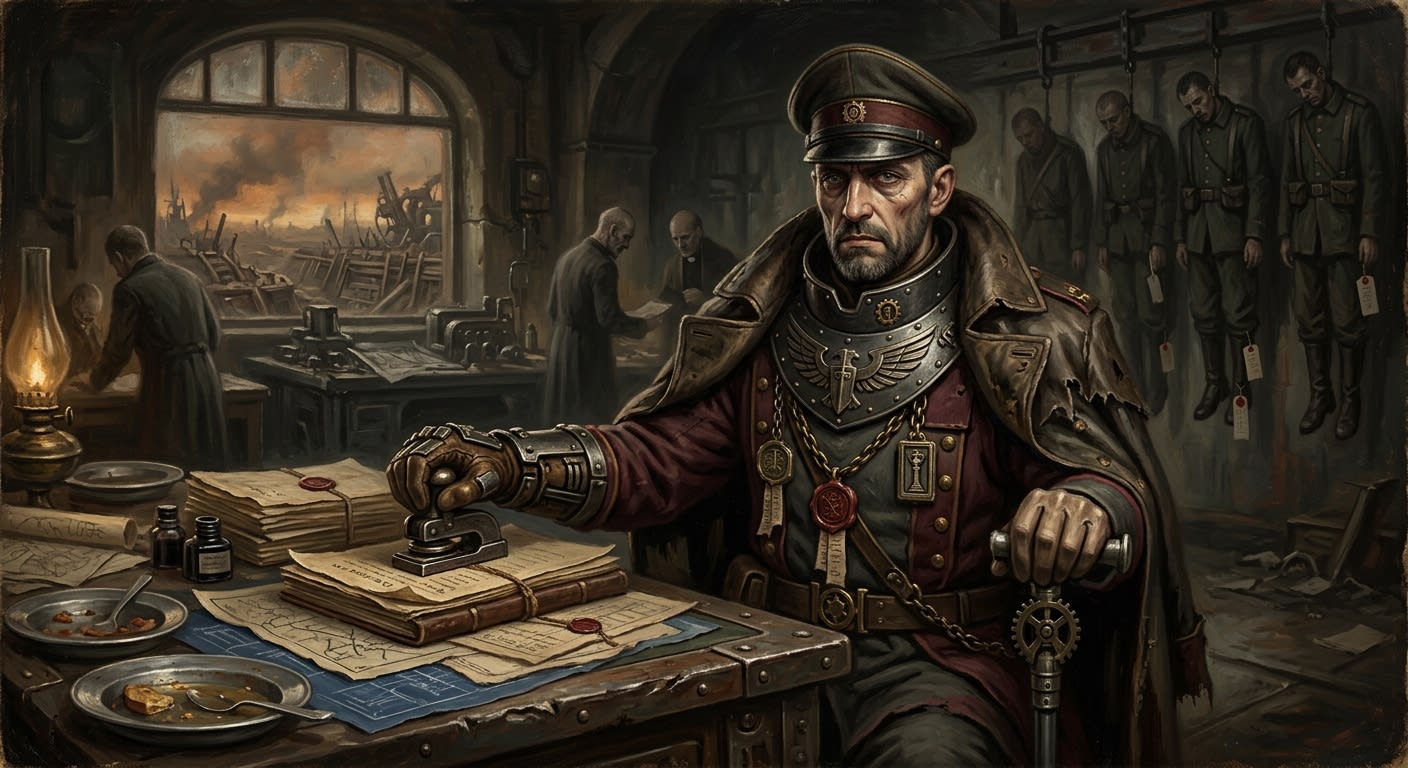
Legate Seraphinus of Lyon
The stomach is a bell, and this saint rang it inward
Seraphinus of Lyon turned fasting into field doctrine, hanged generals for broth, and proved that hunger can carry a seal.
Codex Ref. III.2.04-001
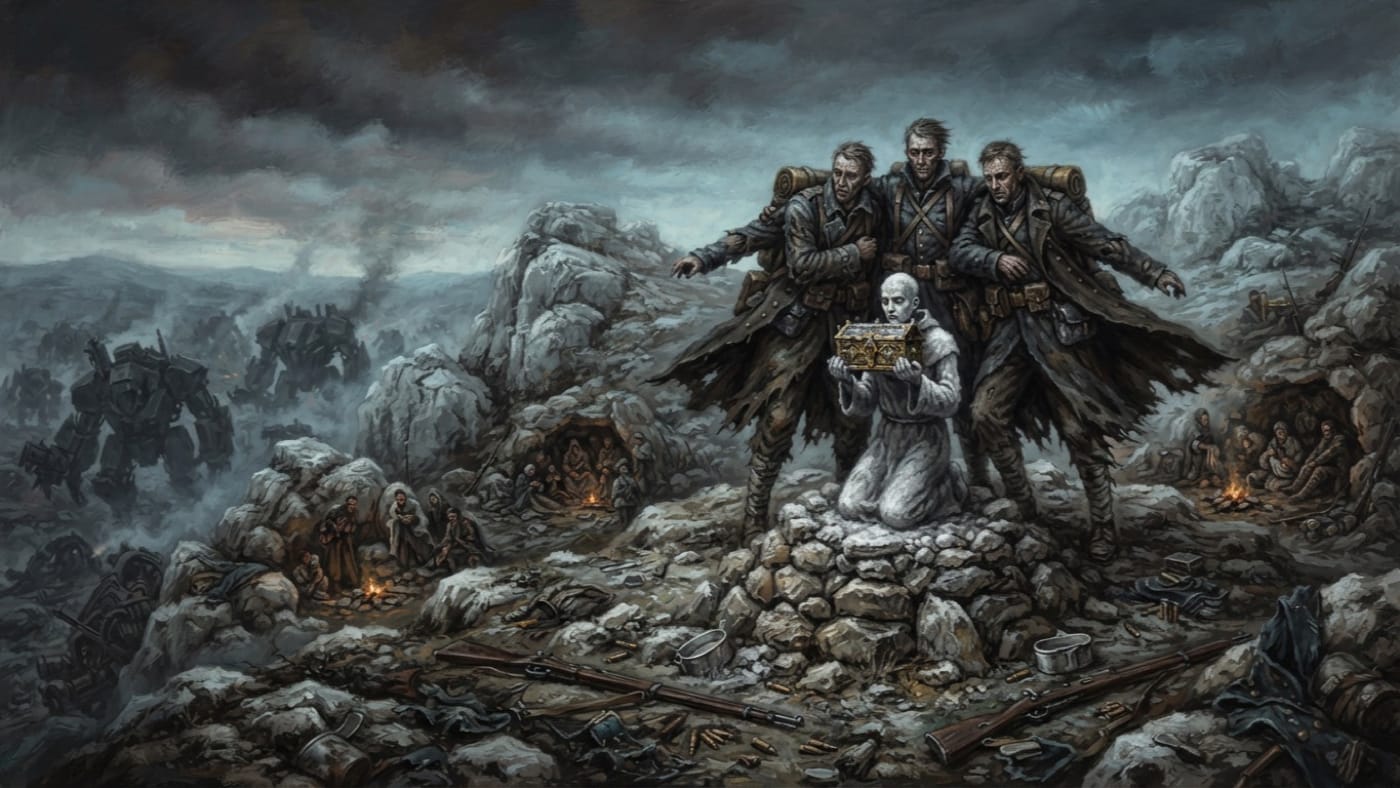
Lieutenant Petar Vladek
The lieutenant who posted a guard against the wind
Kalnik Ridge's sole surviving defending officer, A.S. 48: four lines on extraordinary morale, one guard against the wind, and no birthplace for the Bureau to enter.
Codex Ref. III.2.01-048
Line
The short word soldiers spend instead of breath
The Line is the soldier's short name for the Sagittal Line: the Baltic-to-Bosphorus membrane where Europe is counted, spent, and kept west.
Codex Ref. II.4.07-065
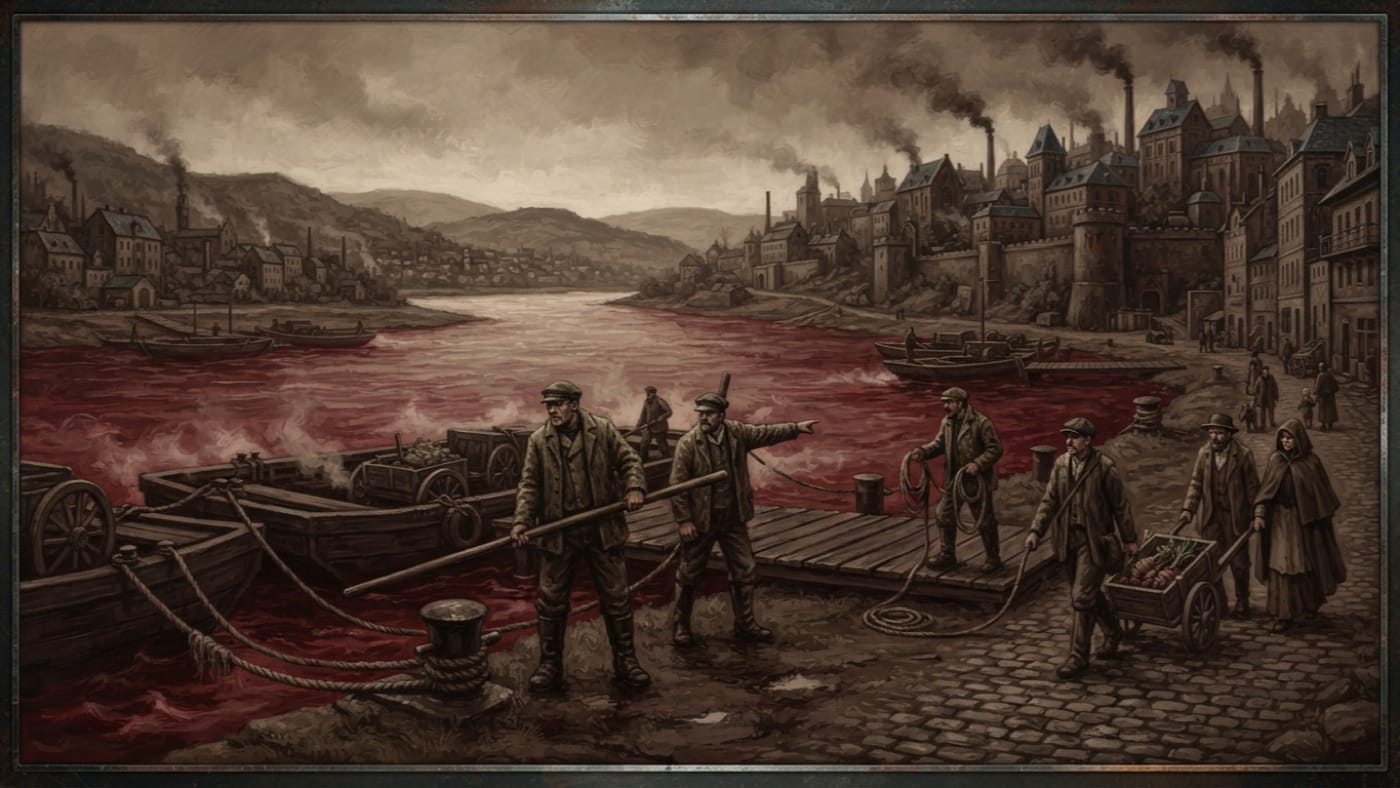
Linz
The ferrymen declined; the Ledger concurs
Linz, a Danube town between Passau and Vienna, refused ferry crossings by noon during the A.S. 34 Red Flood. The ferrymen read the warning before the bureaus supplied its meaning.
Codex Ref. II.2.03-034
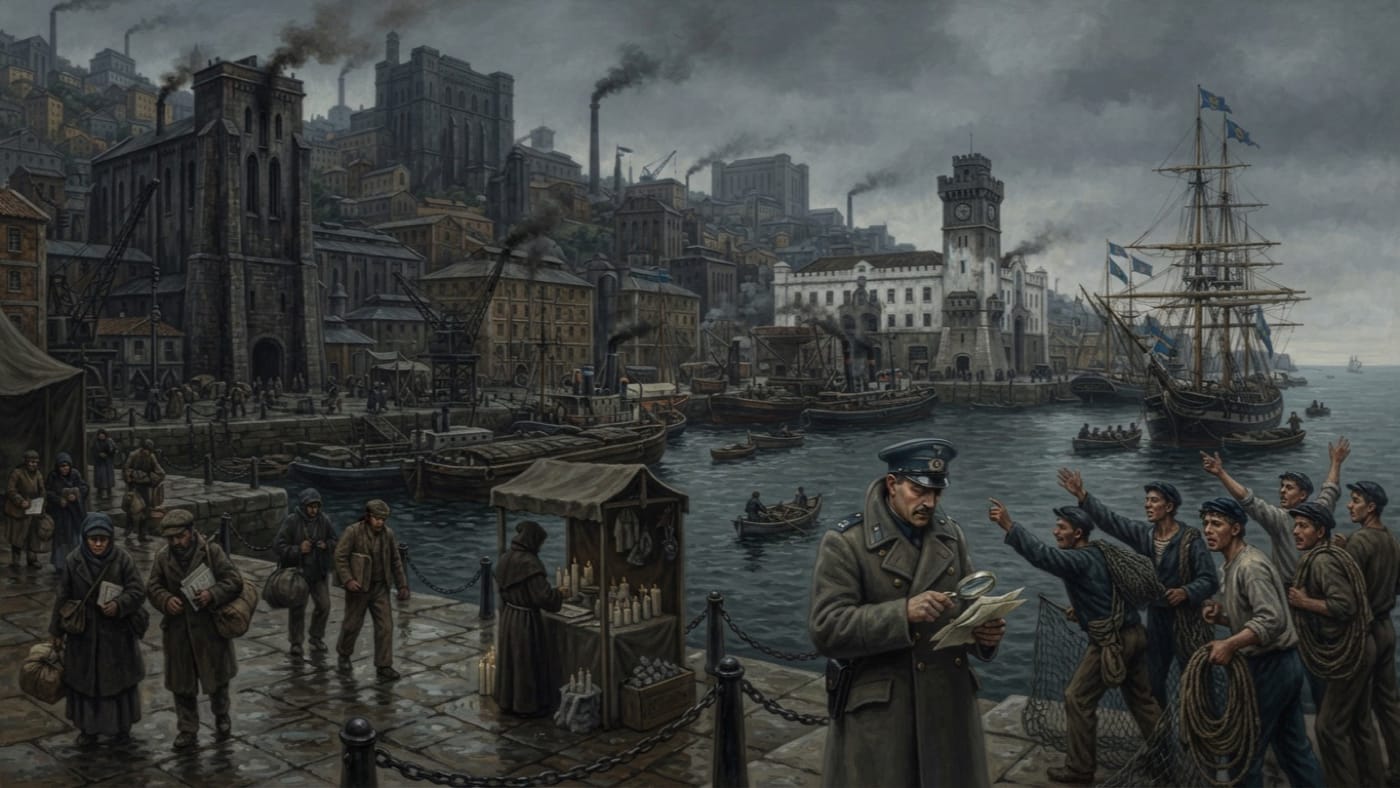
Lisbon
The harbour counts by contract
Lisbon sells sea candles, quake memory and licensed passage at the Atlantic mouth of the Tagus. Strasbourg counts its revenue; its sailors tell the catastrophe in the wrong order.
Codex Ref. II.4.09-201
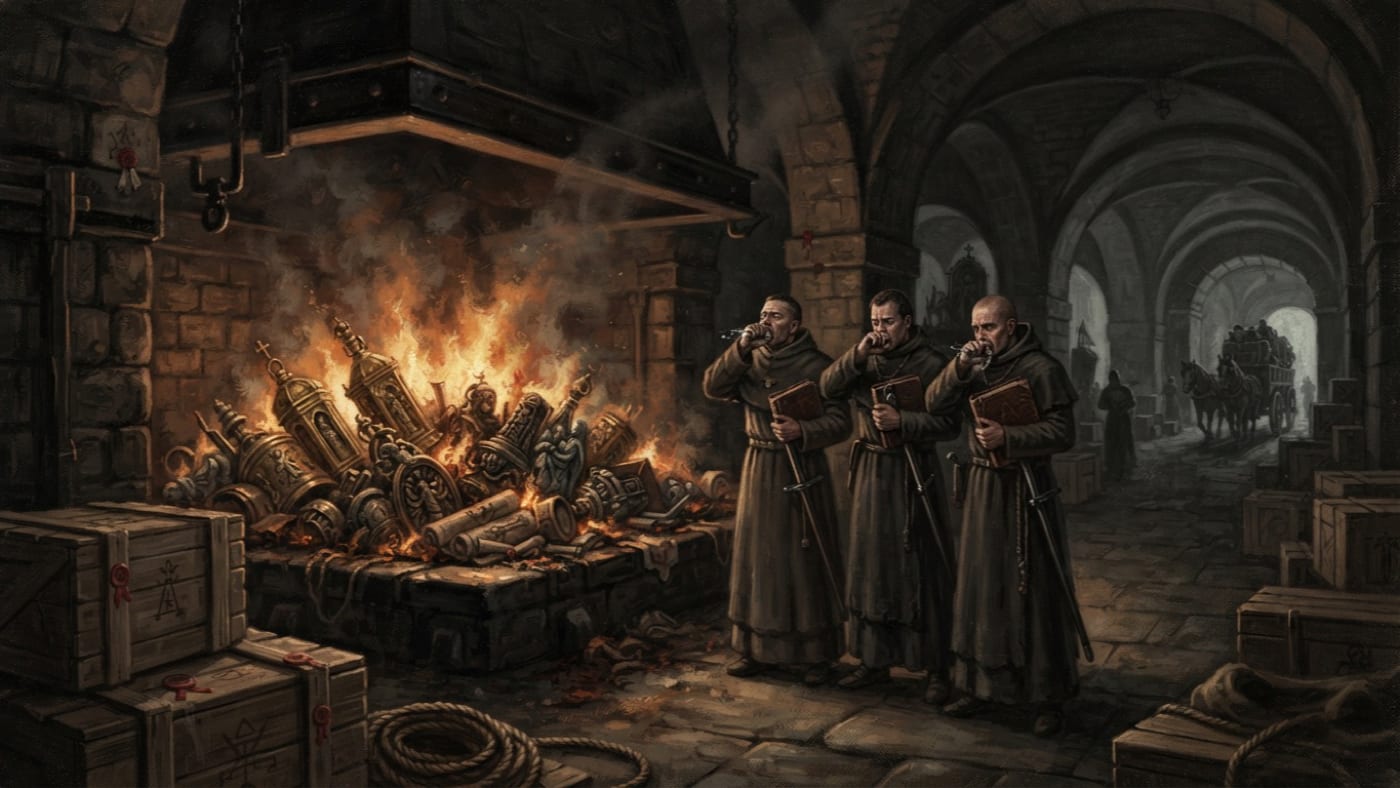
Litany of Custody
Custody ended in fire; the witnesses remained
Three canon-wardens recited the Litany of Custody while untransportable relics burned in Vienna in A.S. 48. The manifest preserves its name; the words remain unrecorded.
Codex Ref. XIII.1.62-048
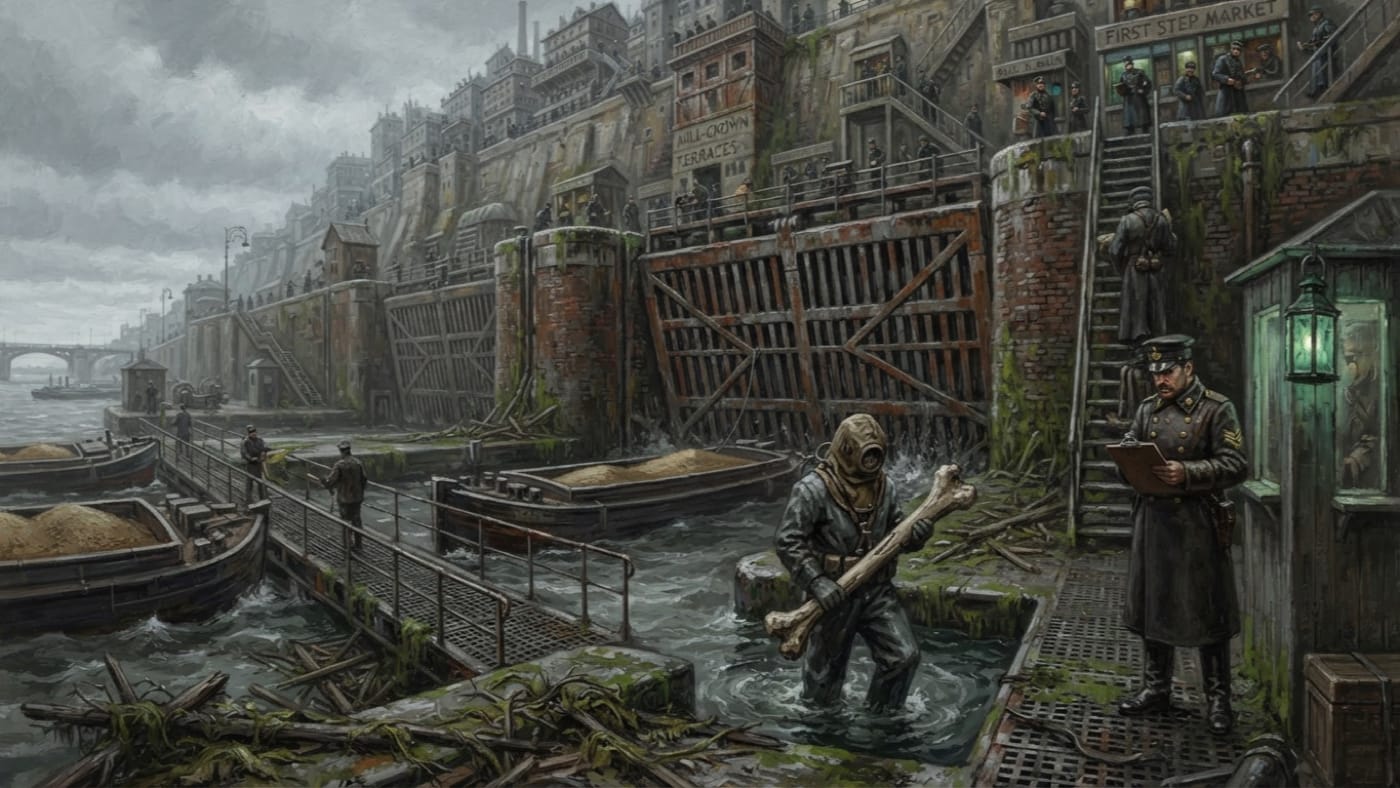
Lockmouth Works
The Brotherhood holds the keys; the terraces wait for bread
Rheinscarp's harbor locks admit the grain that feeds nine terraces. The Brotherhood holds the keys, Venn keeps the hours, and the divers earn bread by clearing what the river leaves in the grates.
Codex Ref. II.2.01-010
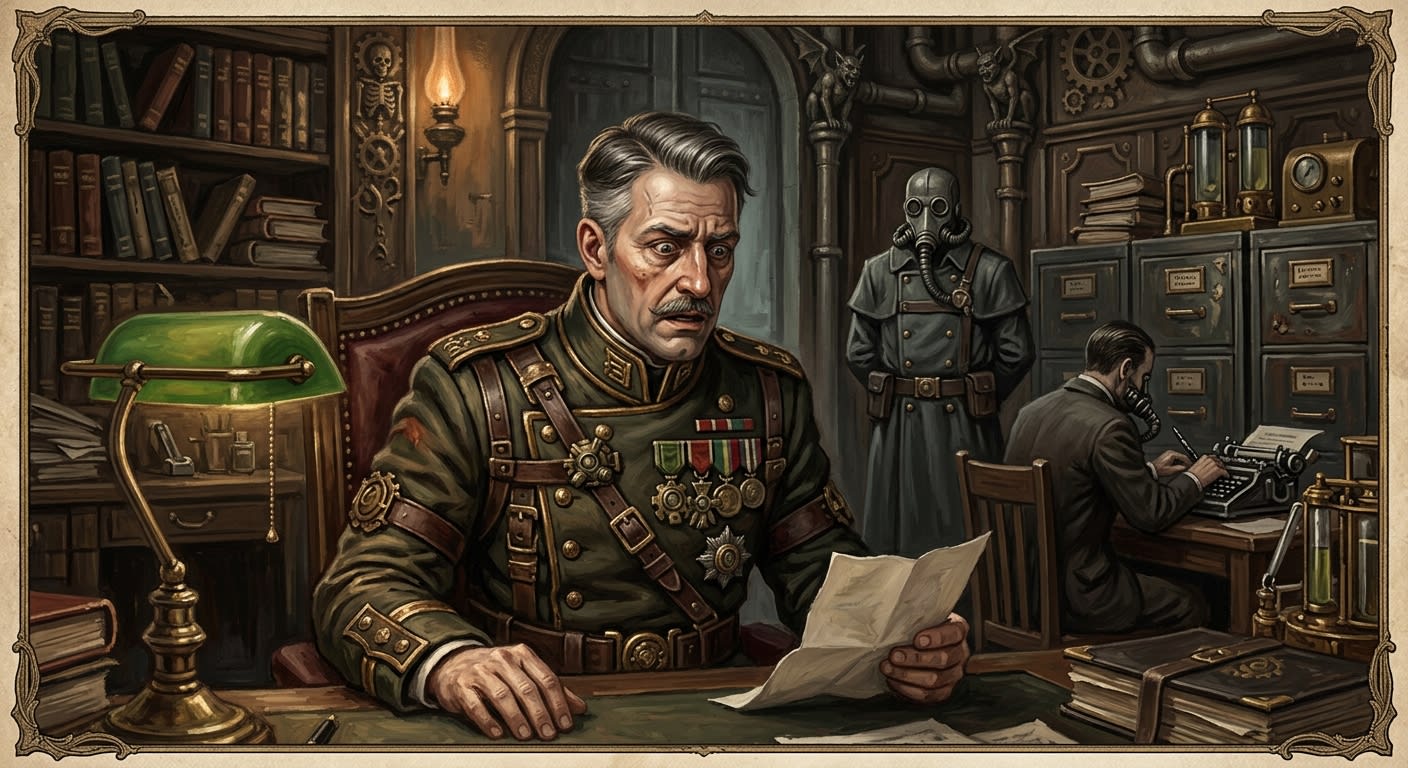
Lord-Protector Guillaume
The gate-seller who mistook a palace for survival
Guillaume sold Aachen for Lowlands dominion, sent a proxy to Regensburg, and learned too late that the Bureau's cleanest executions are grammatical.
Codex Ref. III.2.06-003
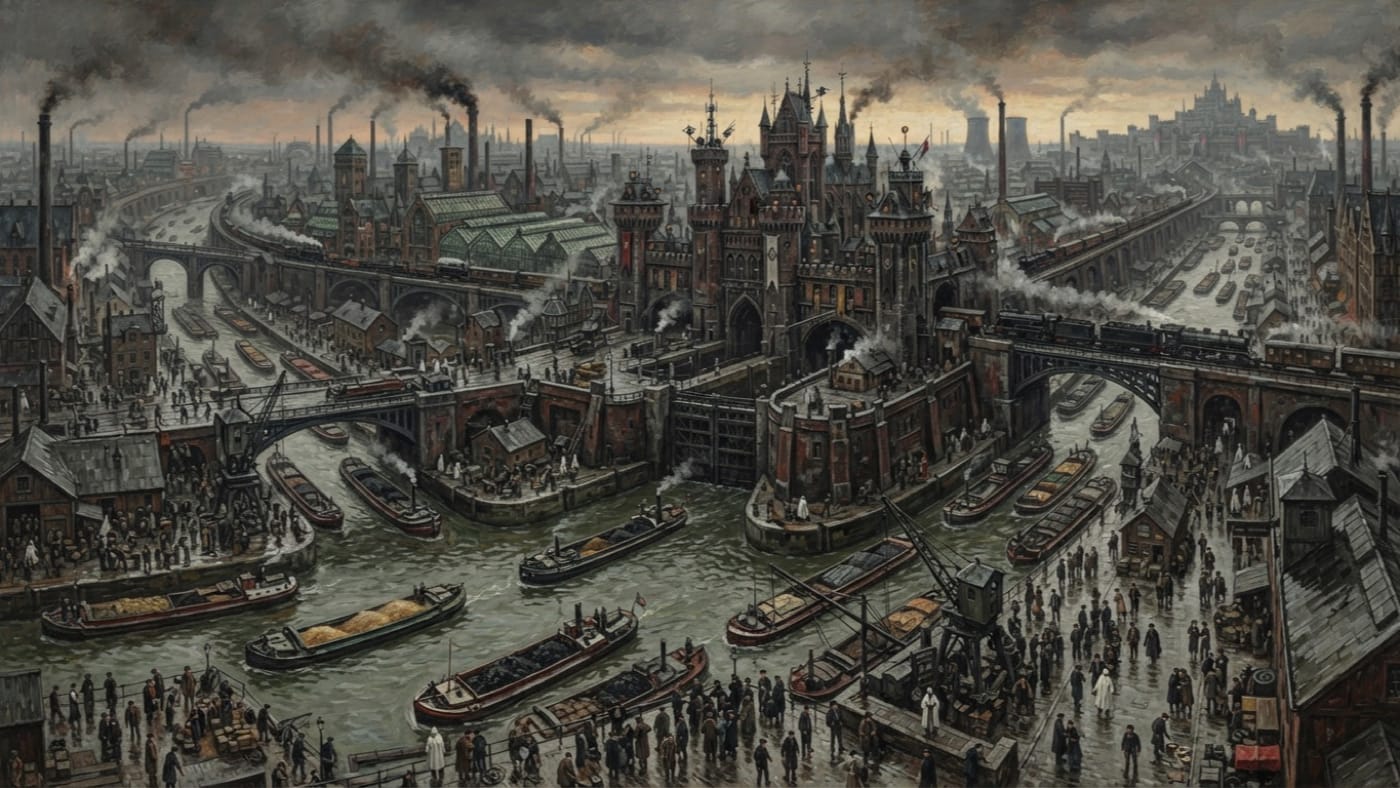
Lowlands
The country promised for a gate
The Synod's Lowlands move grain, cloth and credit through Bruges, Ghent and Antwerp. Guillaume was promised dominion for Aachen's gate; delivery remains uncertified.
Codex Ref. II.1.08-001
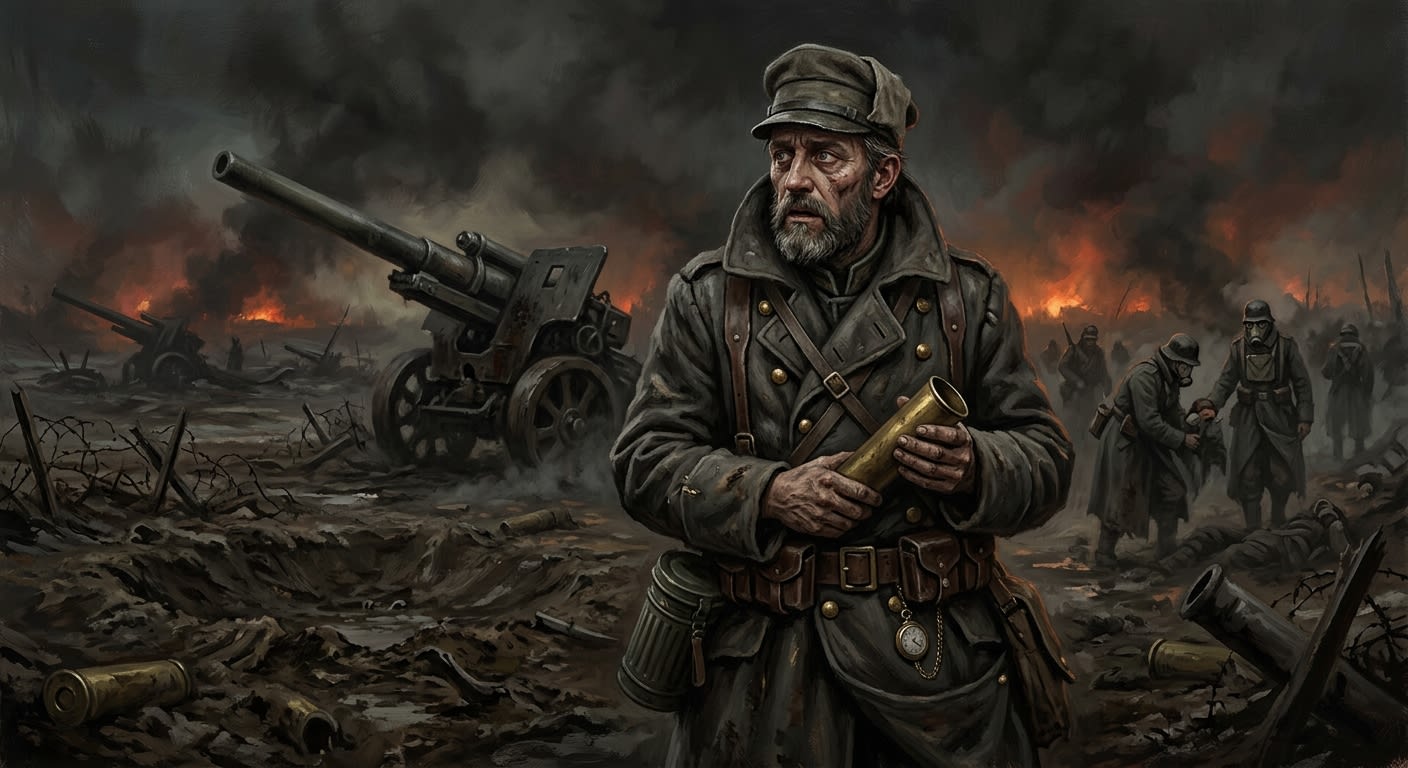
Lucien Artois
The cleverest gunner Reason fed to fire
Lucien Artois made Reason's artillery sing at four rounds per minute, then learned at the Iron Plains that Hell does not consult firing tables.
Codex Ref. I.1.06-001
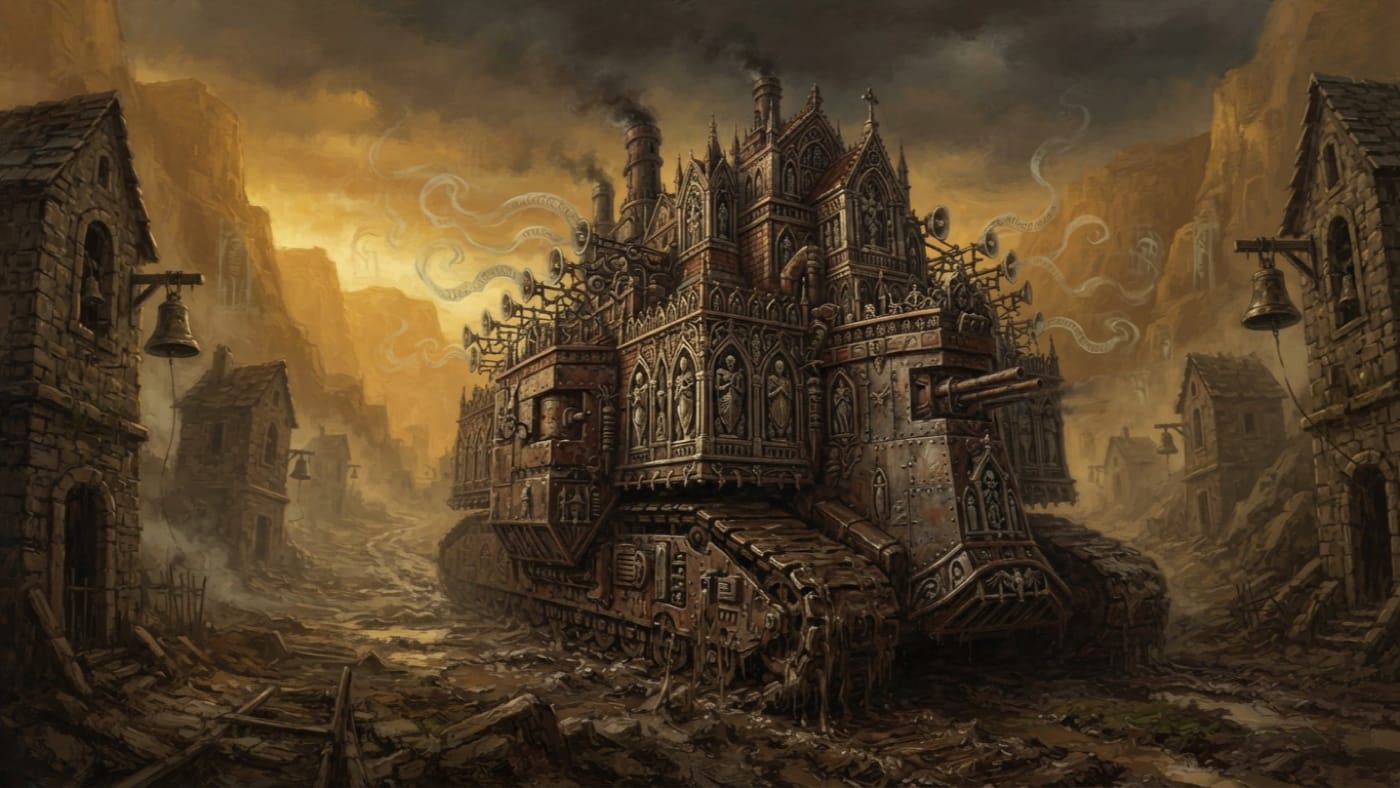
Macedonian Corridor Defence
The carrier crawled on; the record stops short
Threnody's A.S. 188 Macedonian service records clinging mud, debt bells and hostile echoes. She crawled on under the Second Restraint Verse; the outcome remains unestablished.
Codex Ref. VII.5.03-188
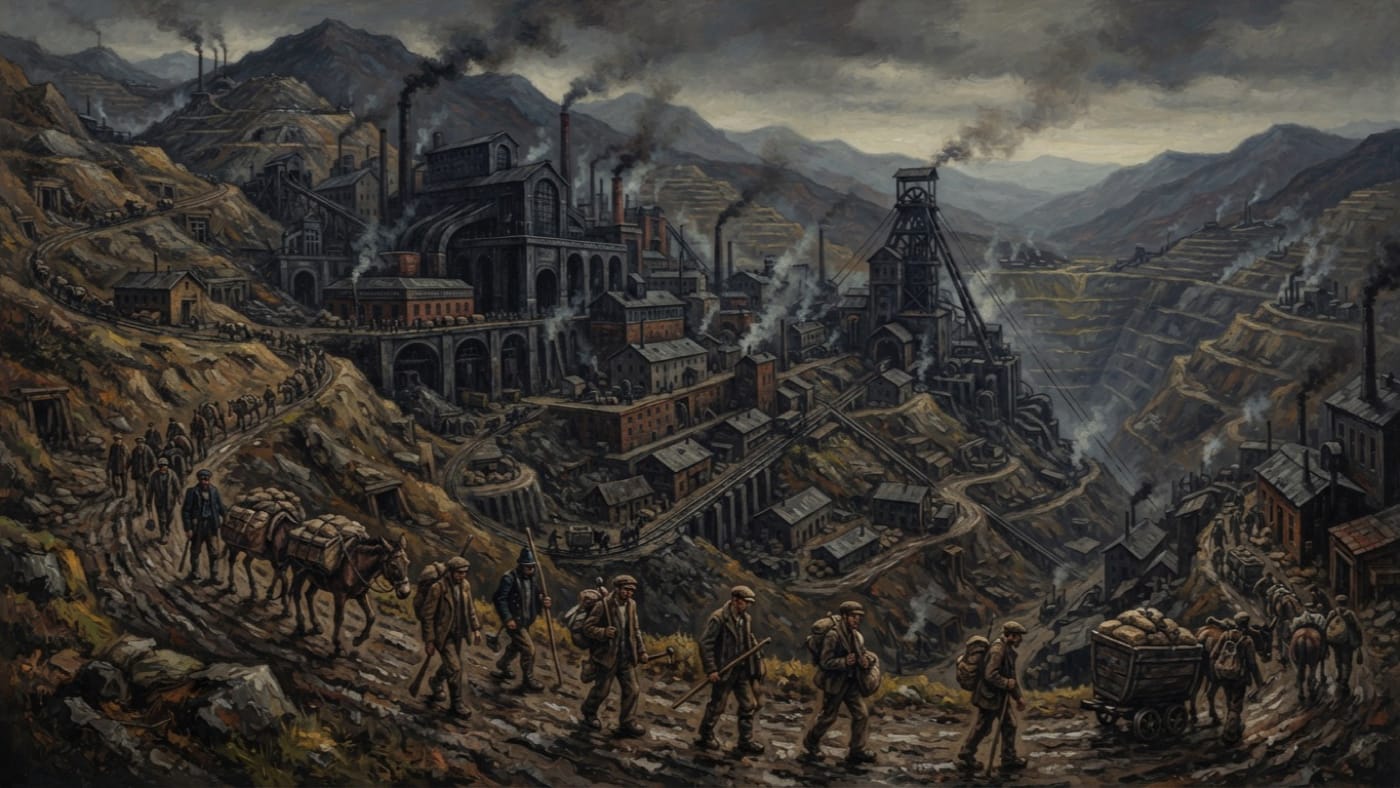
Macedonian Highlands
The bread was real. So were the terms.
Velmora's Macedonian uplands: old mines, winter-grain contracts, and captive workings. The hills yield ore; their people still ask what they owe for bread.
Codex Ref. VI.1.02-002
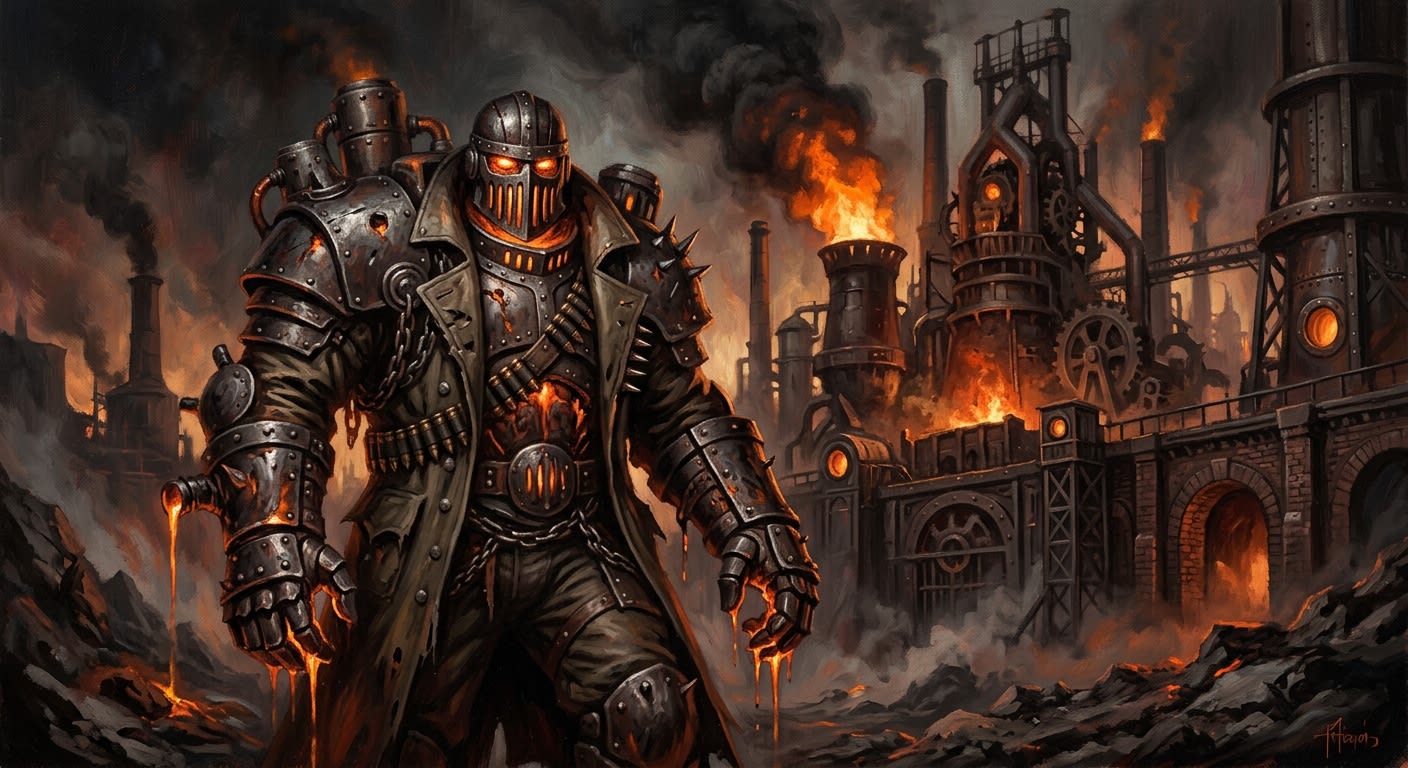
Maldrake, the Wrathforged
The fire does not care what it was given to burn.
Sin-General of Wrath: architect of the Eternal Forges, commander of the Hellbow Legion, fourteen confirmed breaches of the Sagittal Line. The fire that outlived its cause and kept marching.
Codex Ref. IV.1.07-003
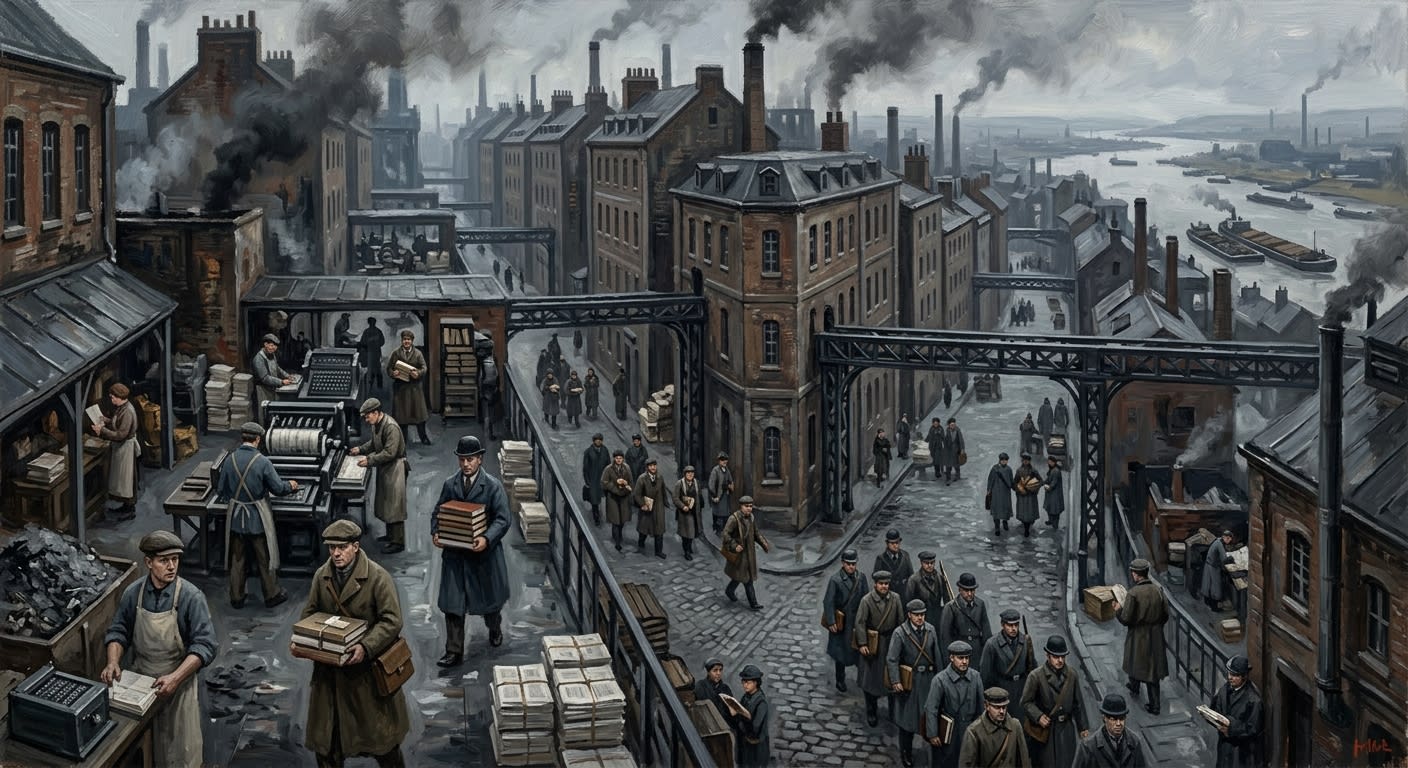
Mannheim
The square city teaches arithmetic to doubt
Mannheim is the Rhine Corridor's square heresy school: copyhouses, ash-yards, tidy streets, and arithmetic sharp enough to cut Doctrine.
Codex Ref. II.2.10-125
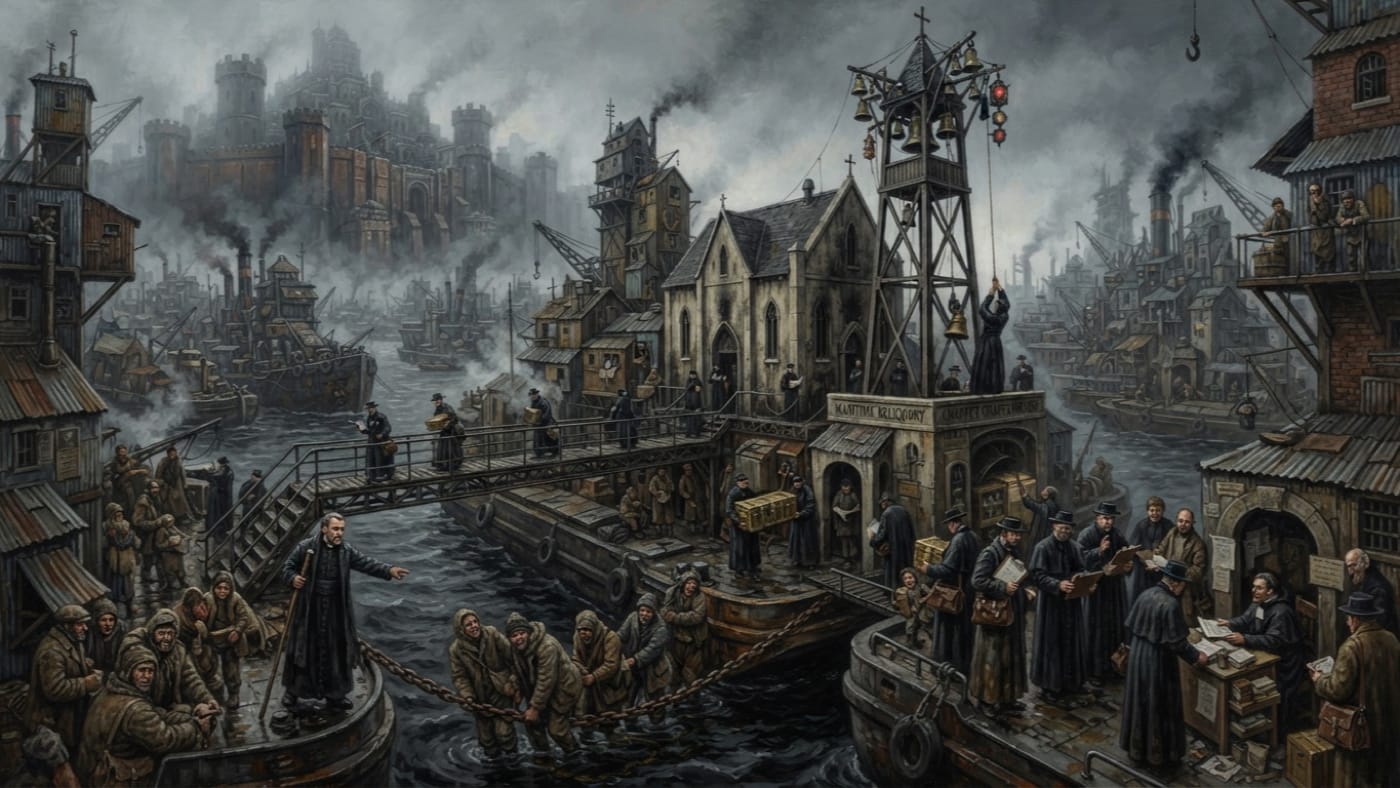
Maritime Reliquary Chapterhouse
The chapter governs. The chain permits it.
The military clergy governing Saints Afloat keep the relics sealed, the water rationed and the papers current. Their decrees command 237 hulls, provided the chain, court, cordon and choir consent.
Codex Ref. IV.3.12-020
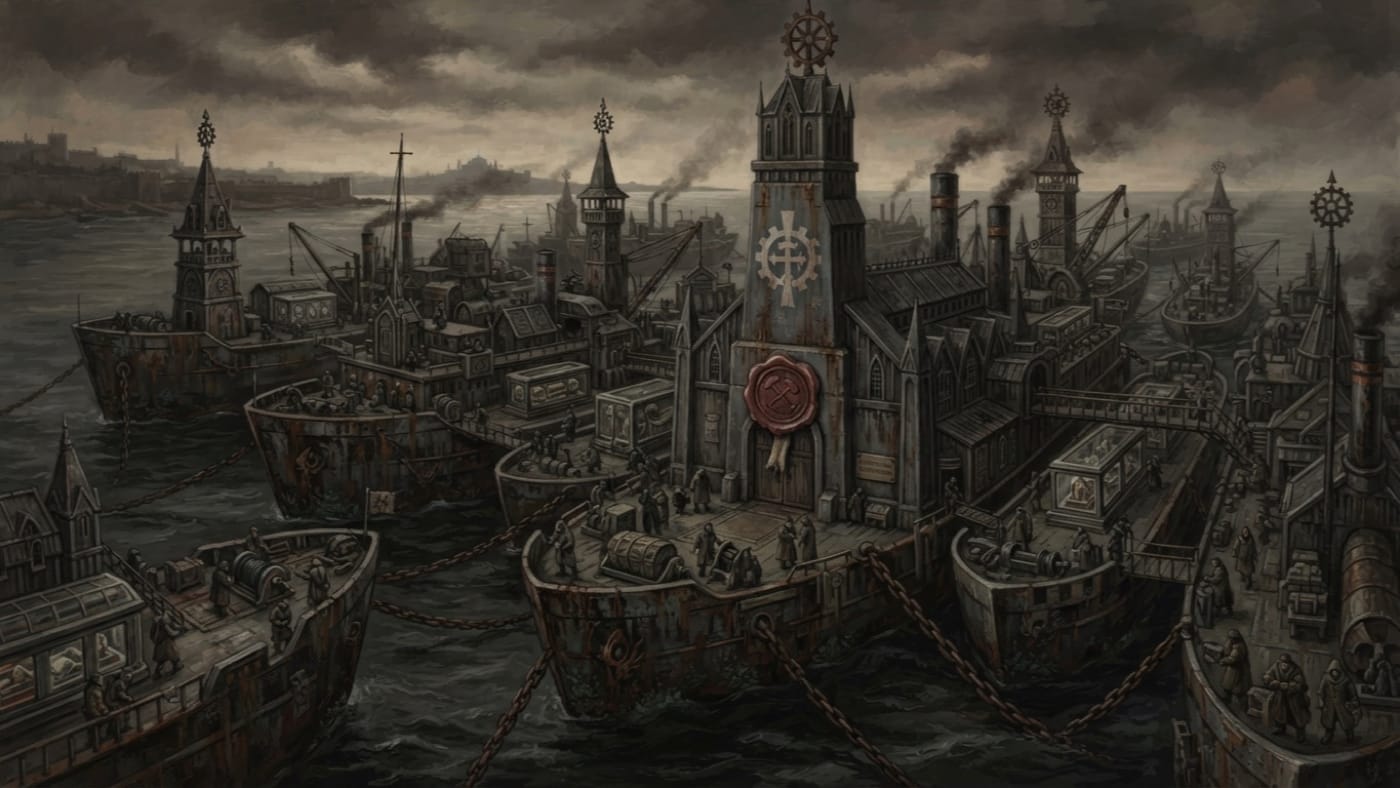
Maritime Reliquary Charter
Operational, conditionally. The condition is not stated.
The Flotilla governs in the name of a charter filed in A.S. 72. Nine pages of the founding record are absent; the joint seal survives. Operational, conditionally. The condition is not stated.
Codex Ref. XIII.1.72-001
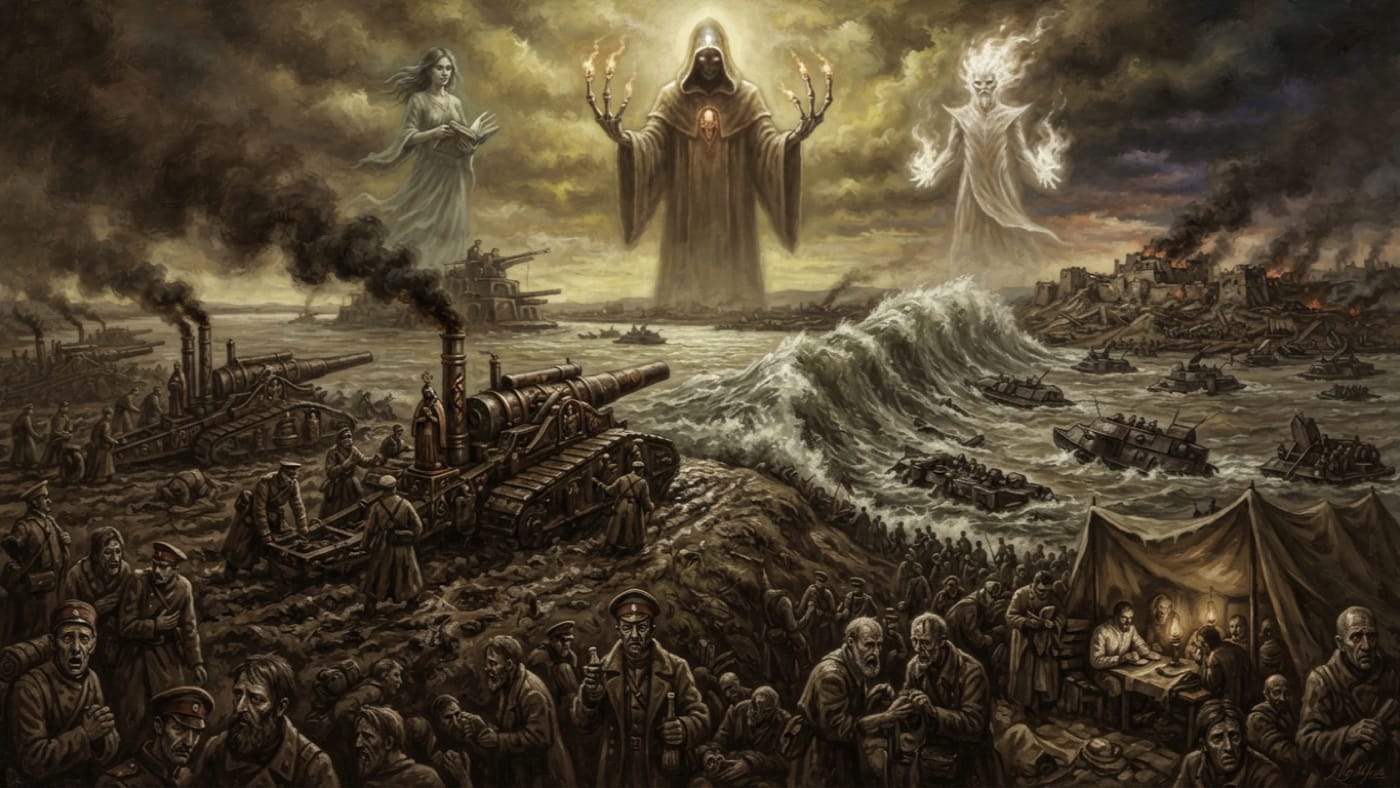
Martial Miracle
The river turns; the Bureaus take custody
Battlefield manifestations of the Creator's favour, read through Kalnik and Belgrade. Doctrine interprets, Records keeps the testimony, and War claims the victory. Pilgrimage sends the bill.
Codex Ref. VI.3.02-001
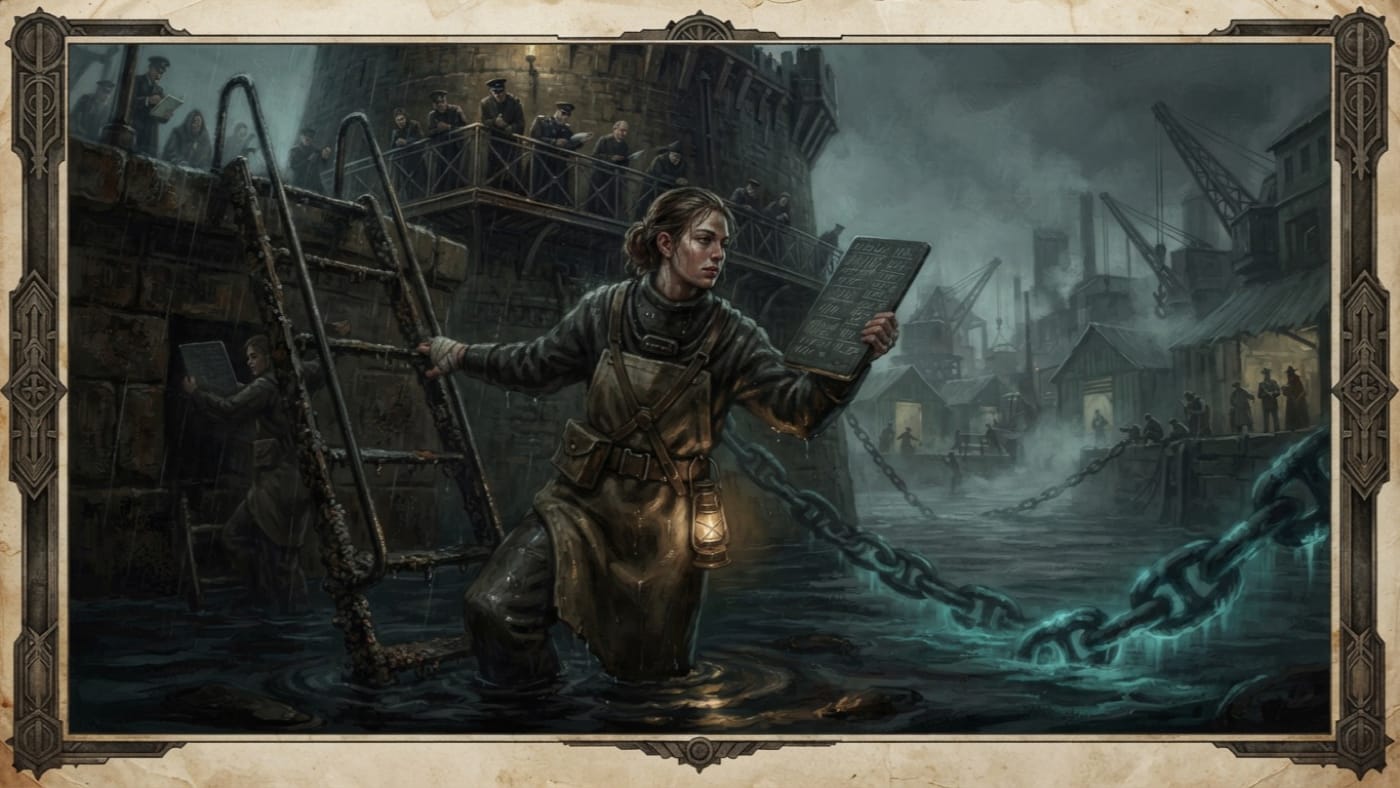
Matronate
The woman at the link decides when the link is done
Thessaloniki's Matronate inspects the submerged harbour chain and may abort an inspection without tower approval. The paperwork follows the women up the ladder.
Codex Ref. XII.44.09-201
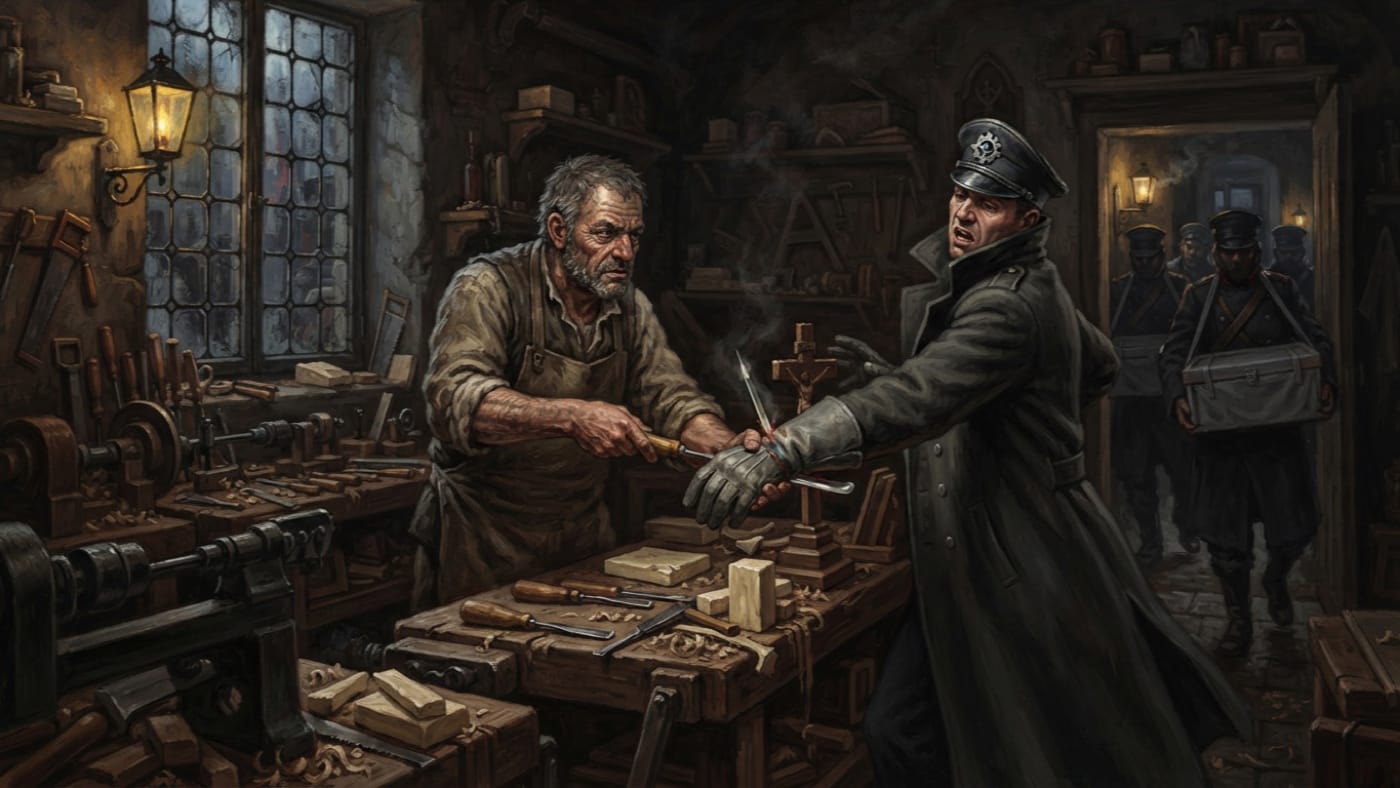
Matteo Bellandi
A carver's chisel answered the confiscation writ
Matteo Bellandi, Florentine ivory carver and father of four, answered Rationalist confiscation with a gouge chisel in A.S. 44. The Ivory Revolt followed; Records has no separate account of his death.
Codex Ref. III.2.01-044
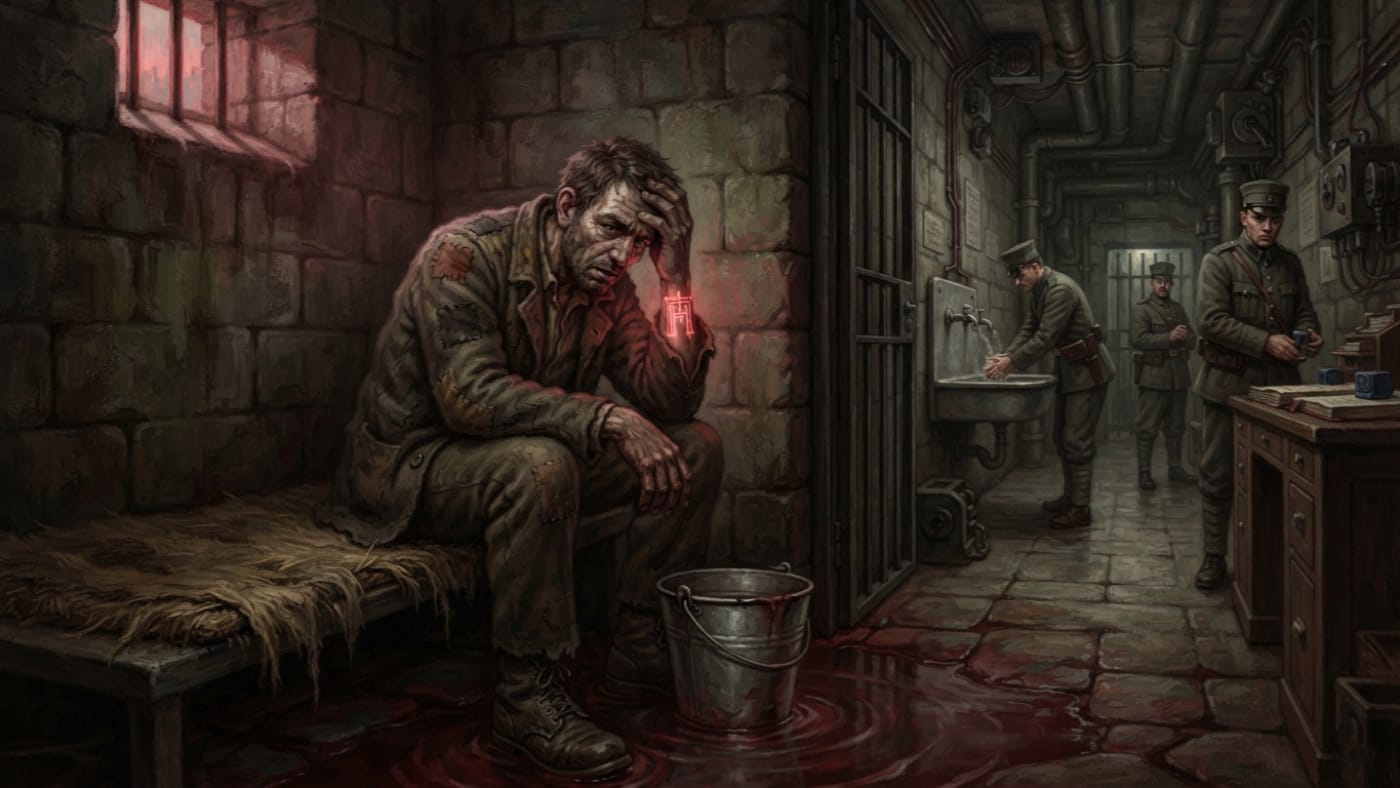
Matthias Krell
The wrist kept hours; the archive kept no ending
Vienna rope-hauler marked during the A.S. 34 Red Flood: his wrist kept hours, his cell flooded upward, and the institutions kept everything except his fate.
Codex Ref. III.2.01-034
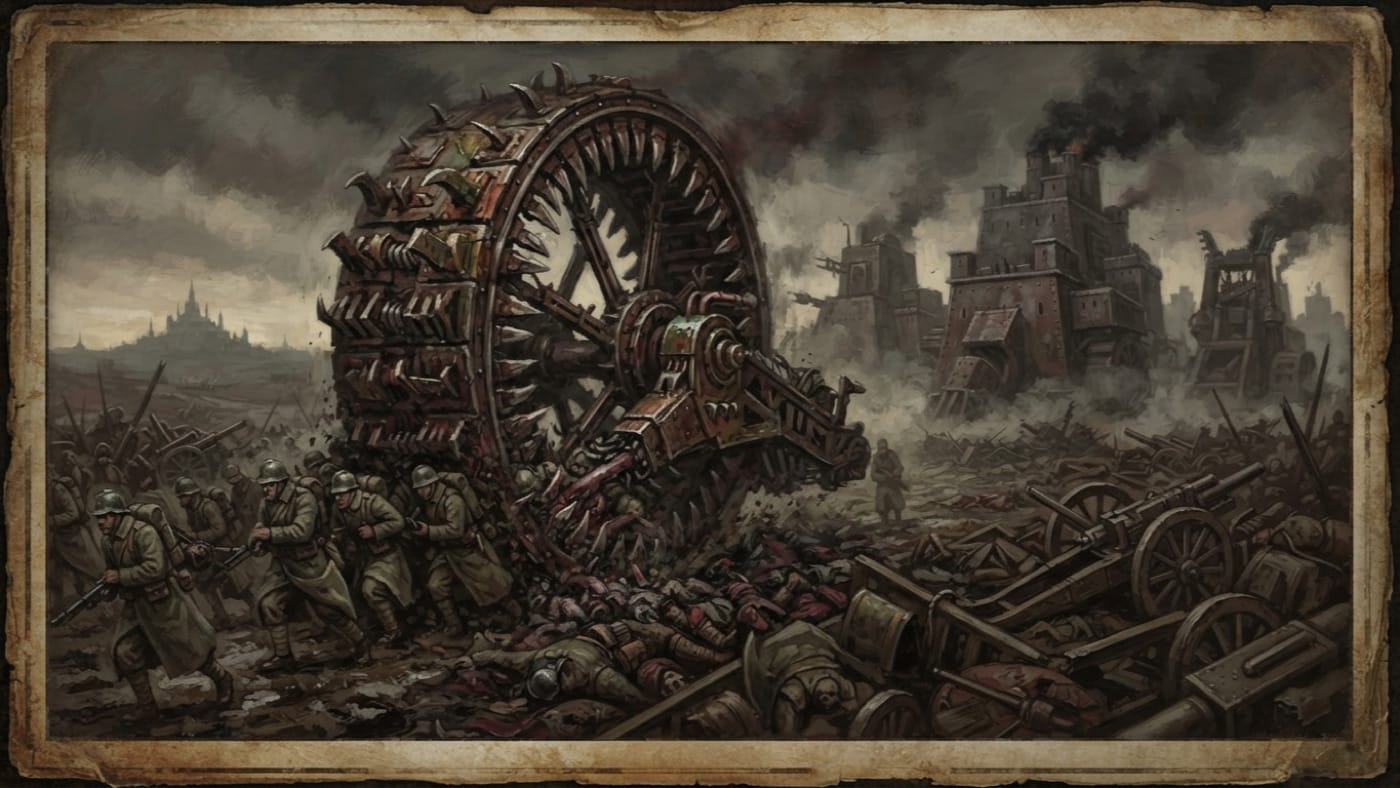
Mawwheel
Each Slaughter Fuels the Next
Kargath's colossal wheel of iron and flesh grinds armies beneath iron fangs and devours the slain as fuel. Its maker and first appearance remain blank in the ledger.
Codex Ref. IV.1.07-494
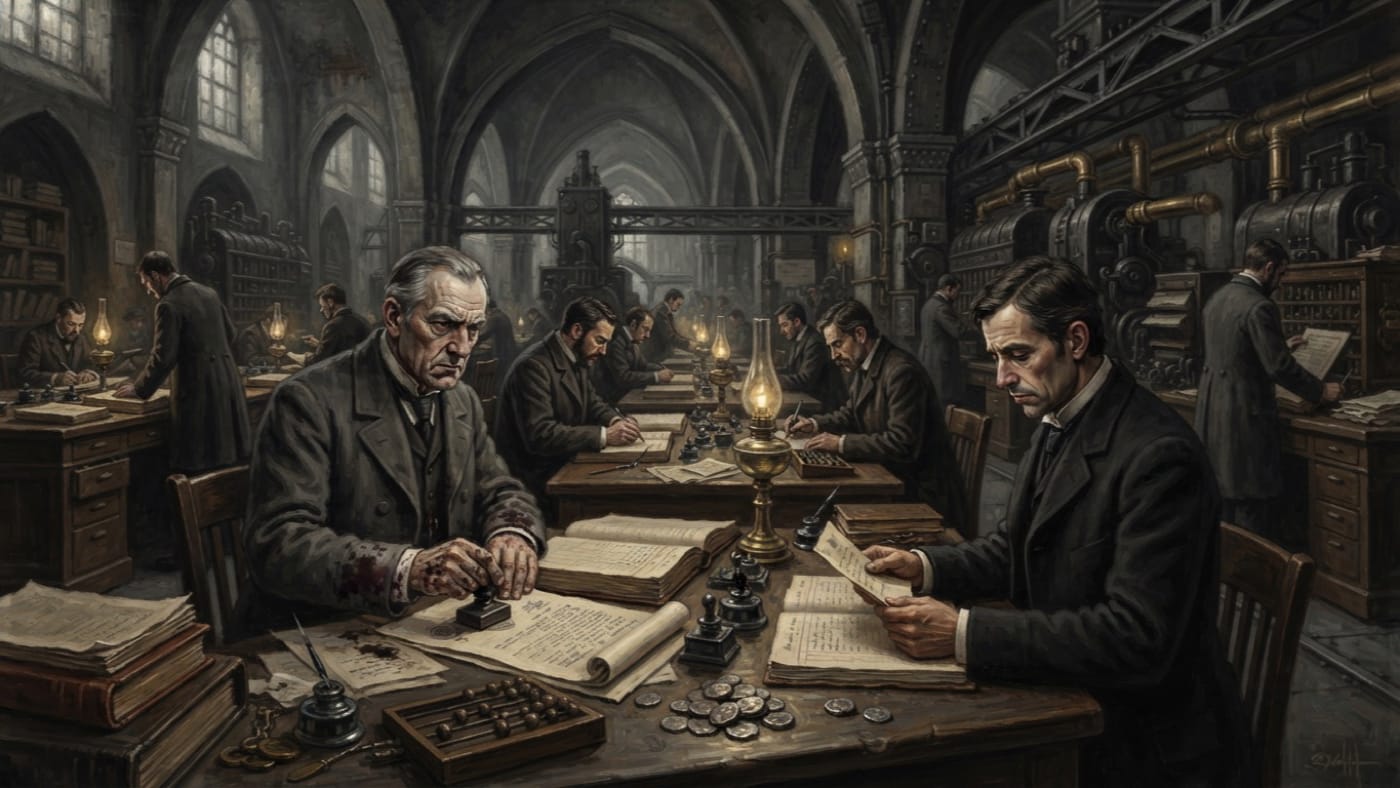
Memory Levy
The receipt closes the payment; Aachen's account stays open
Aachen's merchants pay for a gate they never opened. Tithes enters the memory levy beside ordinary duties, permanent pending moral improvement. A receipt settles payment; it does not absolve the city.
Codex Ref. XIII.1.92-002
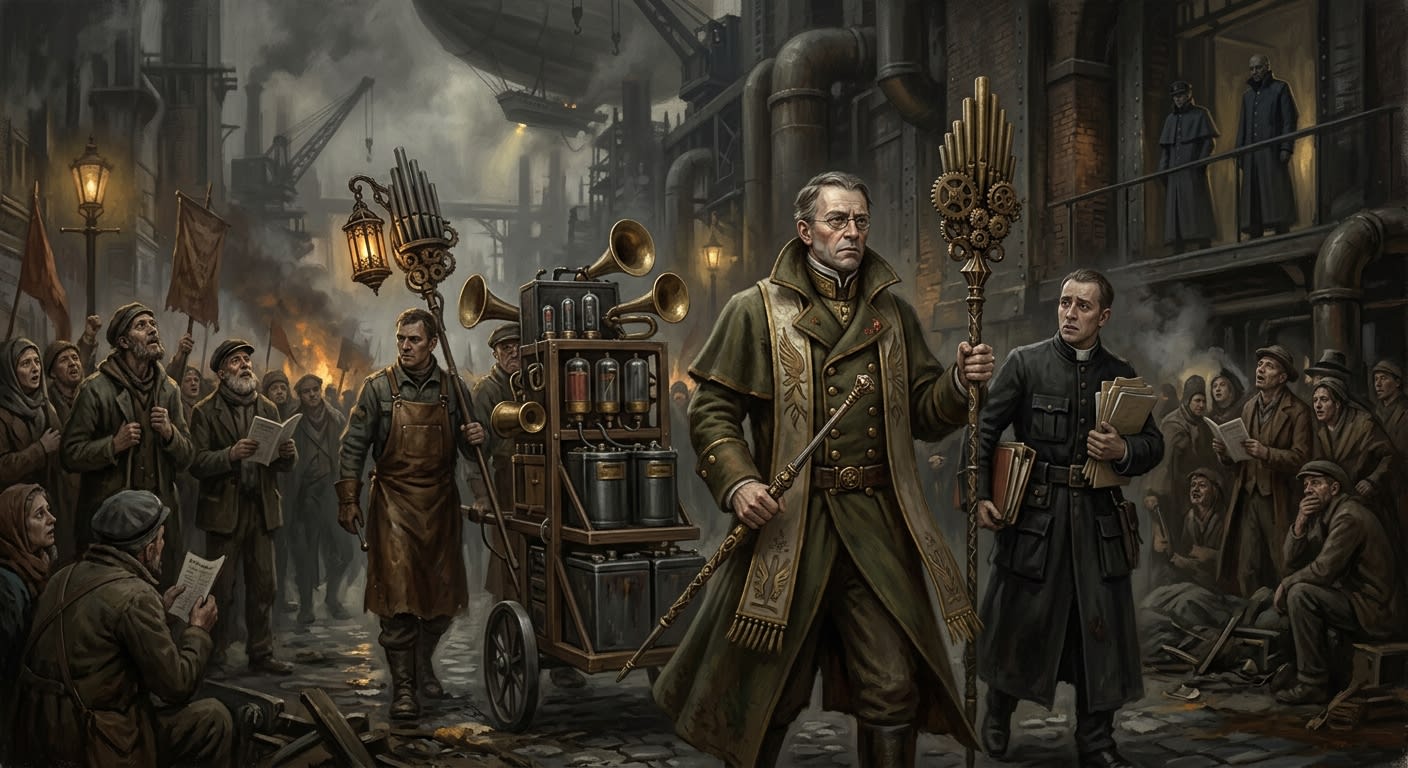
Mercy Maestros
The forbidden couplet that keeps the district breathing
Morale-first Festival Chorus-Master tendency that bends festival law just enough to keep districts breathing, then survives the auditors if mercy was timed correctly.
Codex Ref. XII.17.03-001
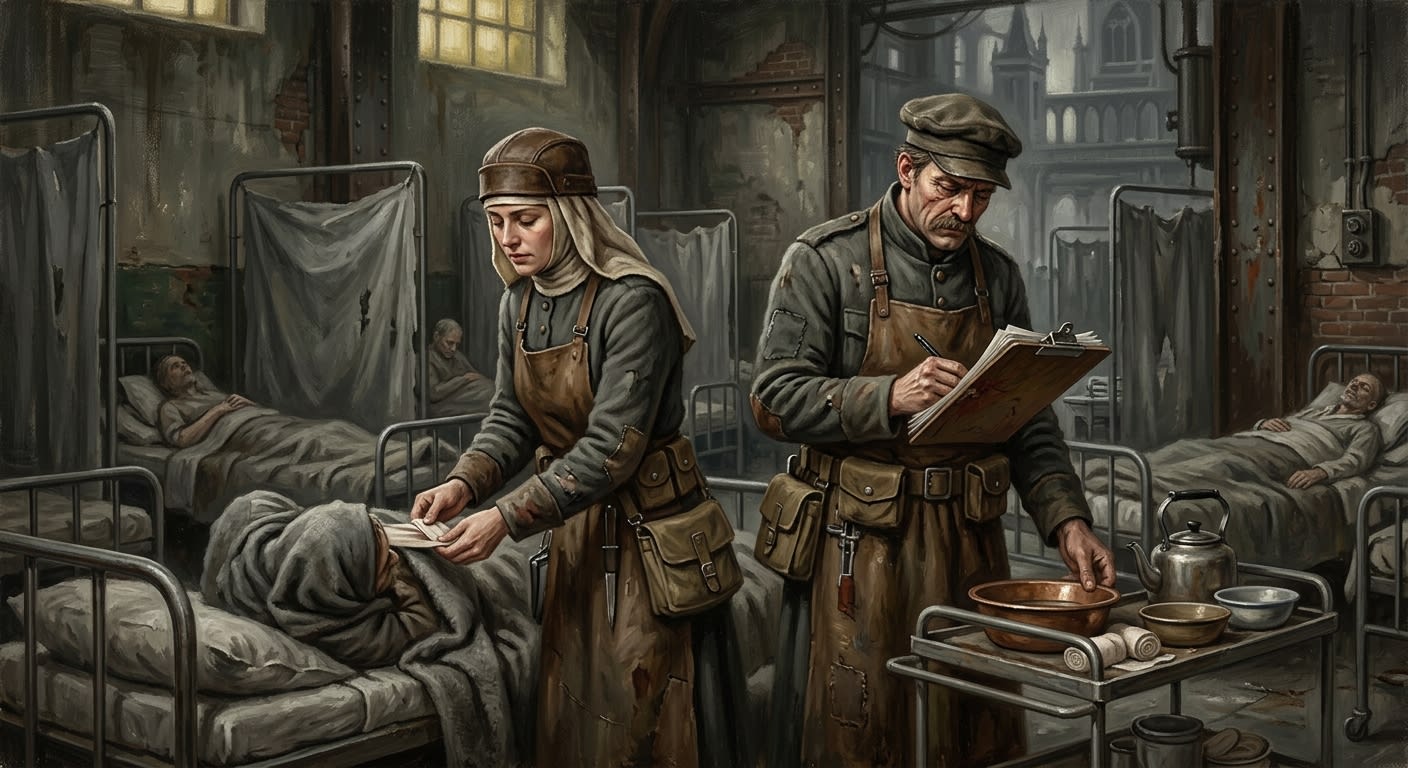
Mercy Ward-Sister / Mercy Ward-Brother
The hand that brings broth also carries the ledger
The Mercy Ward-Sister and Ward-Brother are the Bureau of Mercy's grey-aproned operators of counted compassion, where broth, bandage, confession, and paperwork become one instrument.
Codex Ref. XII.6.04-001
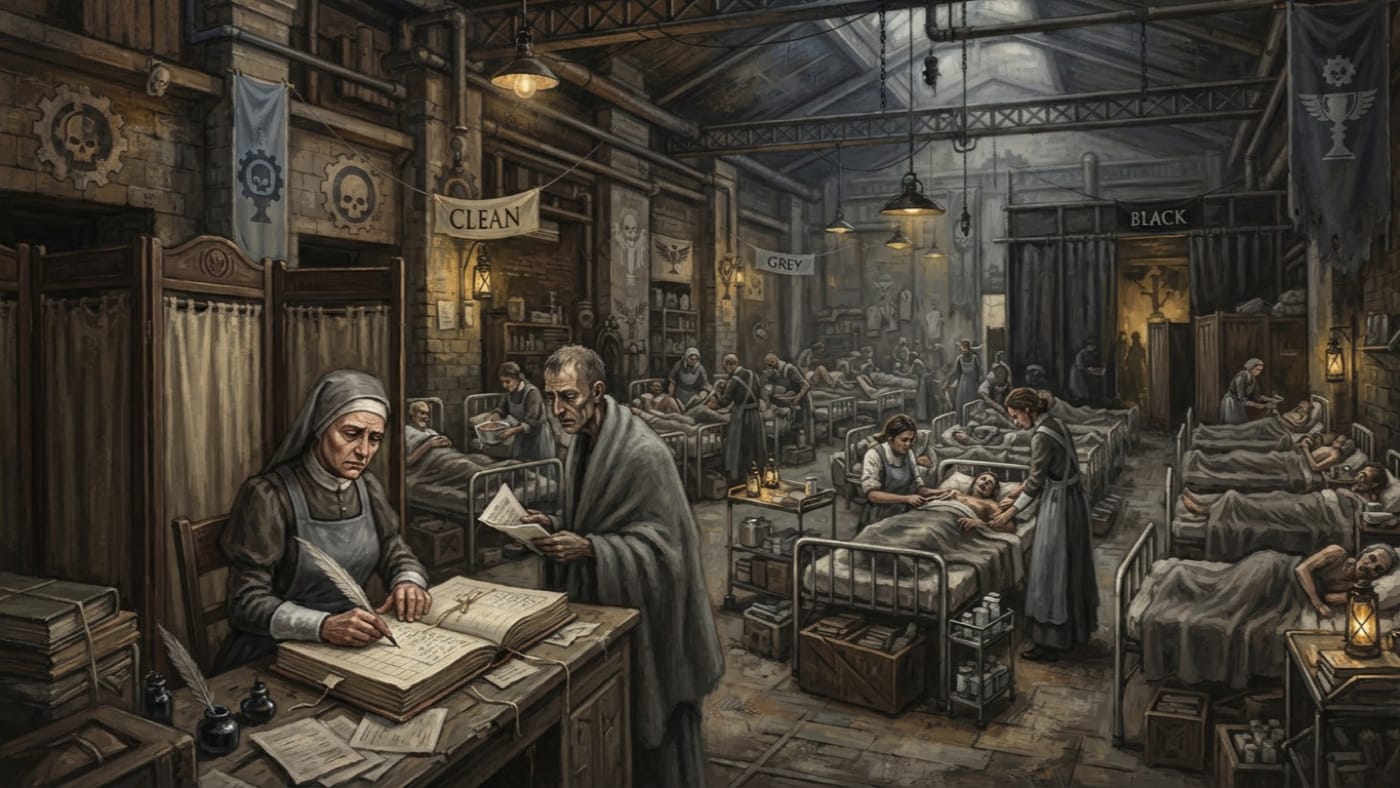
Mercy Wards
The bed is allotted; the suffering must be entered
The Bureau of Mercy's houses of the sick: broth, bandages, confession and clean, grey or black tags. This A.S. 201 survey counts the registered wards; the living remain harder to reconcile.
Codex Ref. II.6.04-001
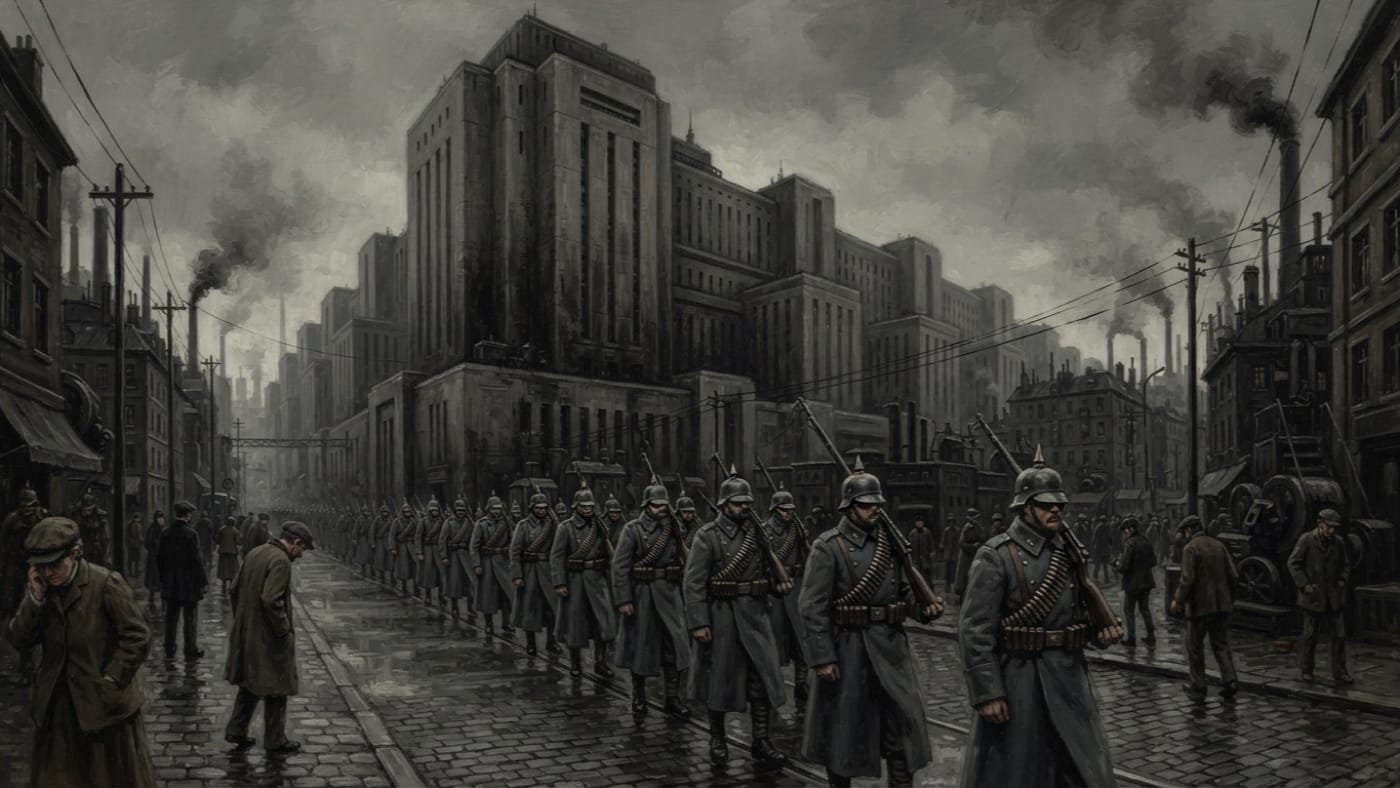
Ministry of Civic Security
The office above the bayonets
The Republic placed its Guards under a Ministry of Civic Security in A.S. 30. The name survives in the Stacks; the citizen's security was another matter.
Codex Ref. I.1.05-002
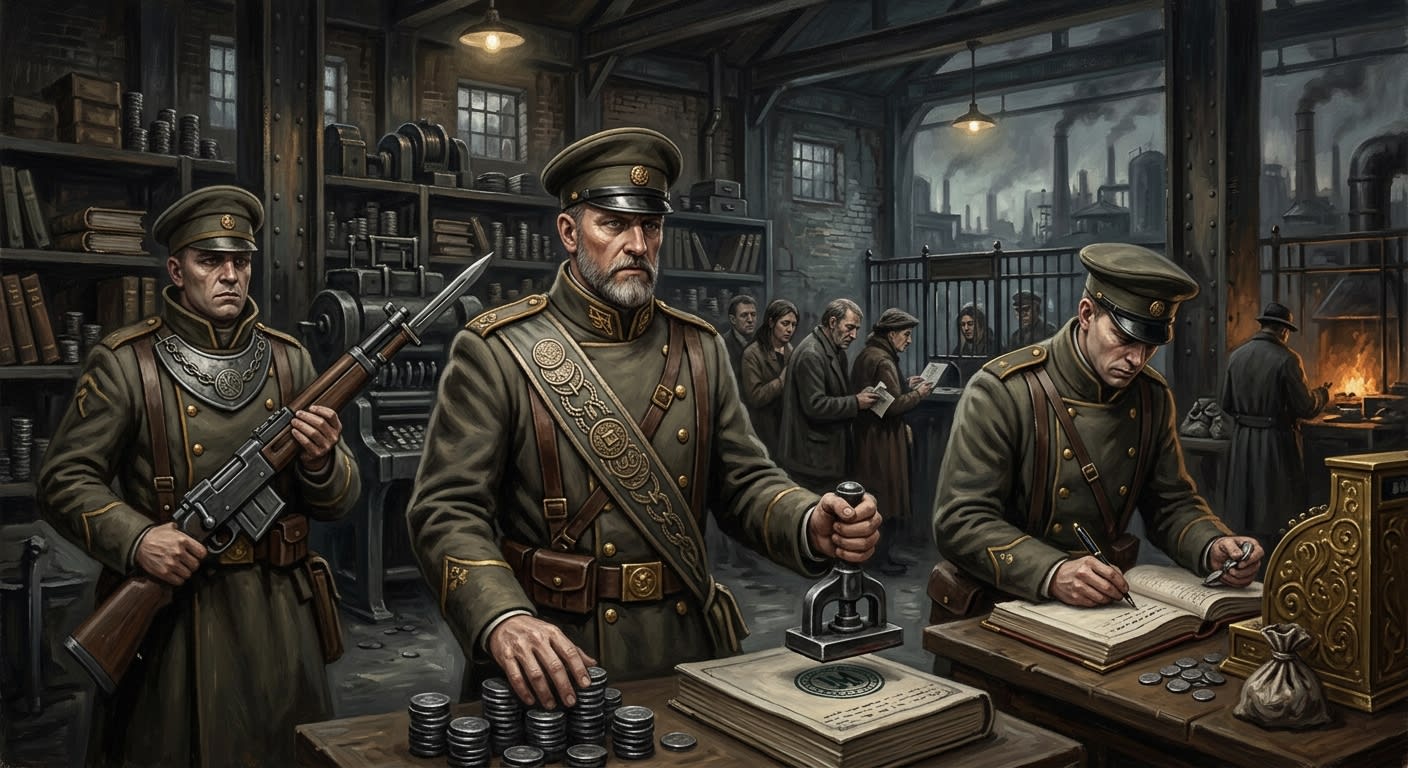
Mint-Chapter
Where the Synod makes faces spendable and obedience portable
The Mint-Chapter binds face, name, and coin into one leash: a polished doctrine by which bread, debt, memory, and burial all learn to ask for a clean strike.
Codex Ref. XIII.1.91-094
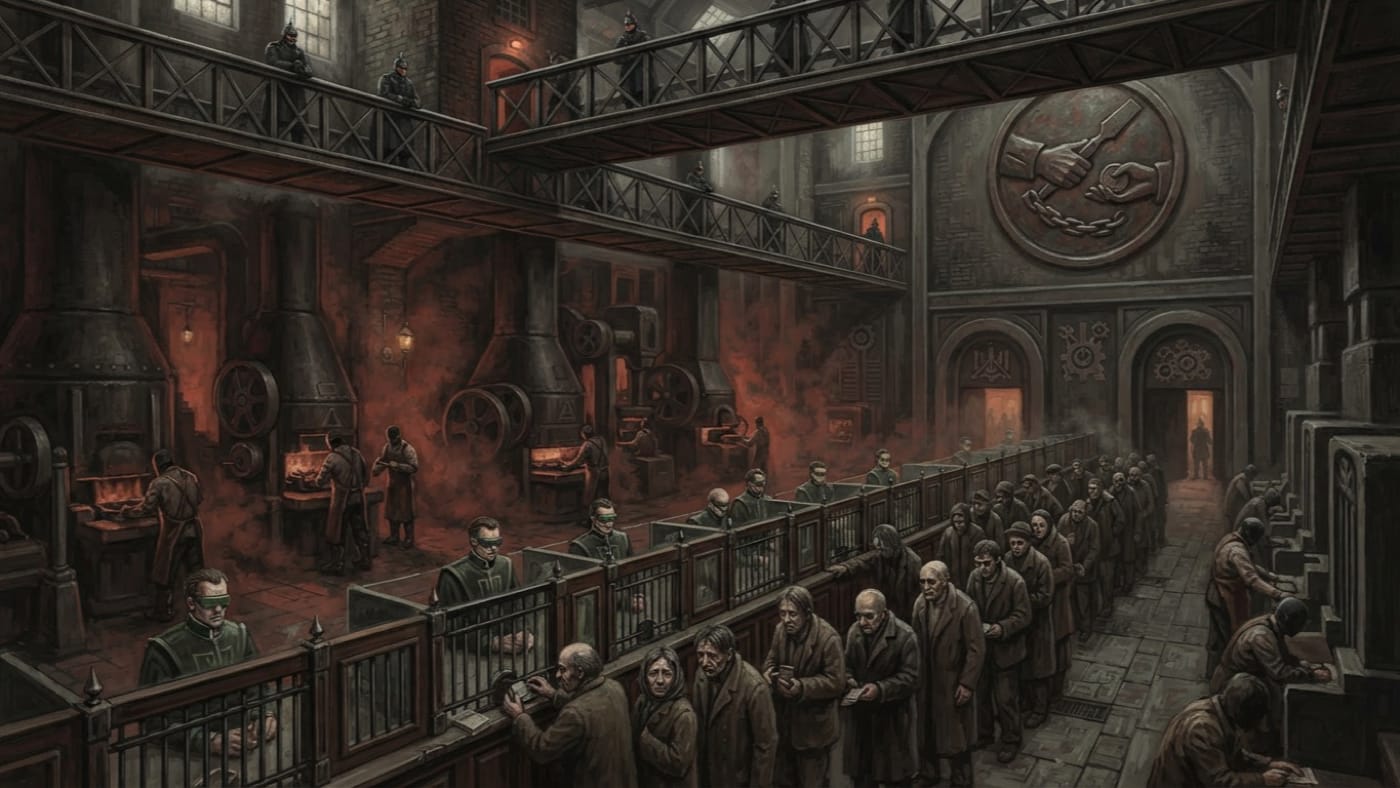
Mint-Chapter Compact
One hand cuts the face; the other decides whether it may buy bread
The A.S. 94 bargain binding Crownwright craft to Mint-Chapter authority. At the A.S. 201 assessment, its two hands still strike coin, collect fees, and decide whose face may buy bread.
Codex Ref. XI.7.01-002
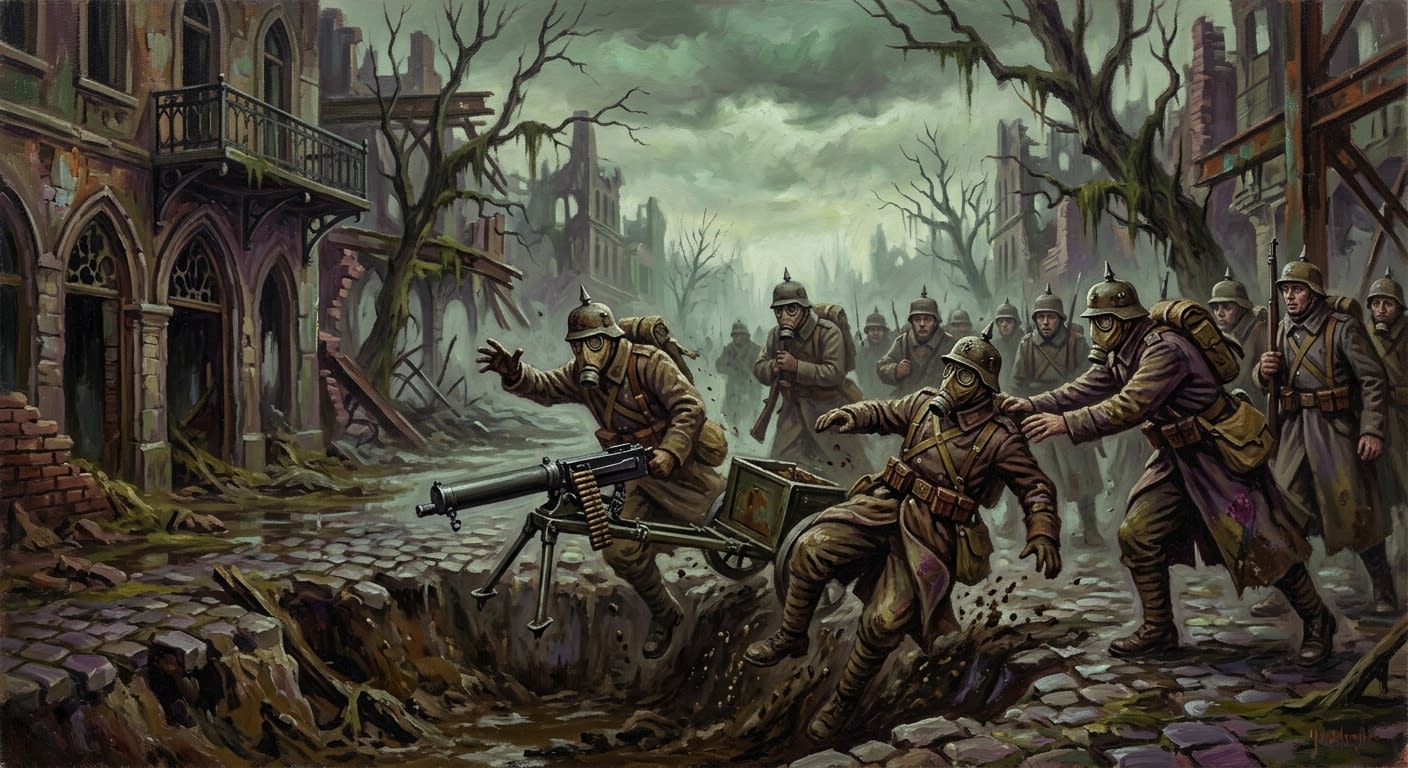
Mire Collapse of Debrecen
The day the mud reopened a dead city's streets
In A.S. 172, the Blightmarsh reopened Debrecen's pre-Sundering streets beneath a forward regiment, proving that Kargath's mud remembers what it eats.
Codex Ref. VII.4.10-001
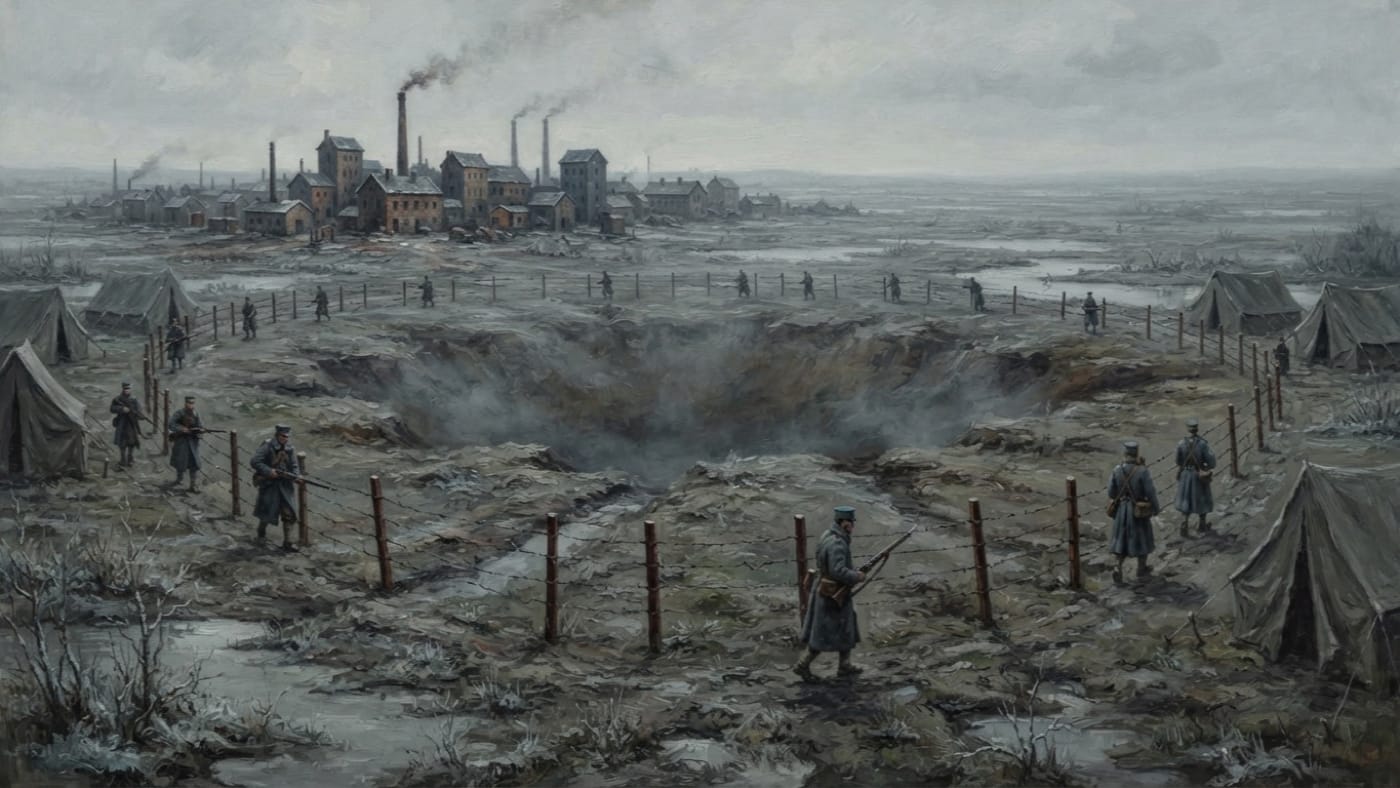
Mohács
A town remembered for what lies south of it.
Mohács survives in the Ledger as the bearing for Pit Seven, where approximately four thousand refugees were buried in A.S. 48. The town's fate remains unverified; the grave remains hungry.
Codex Ref. II.4.09-134
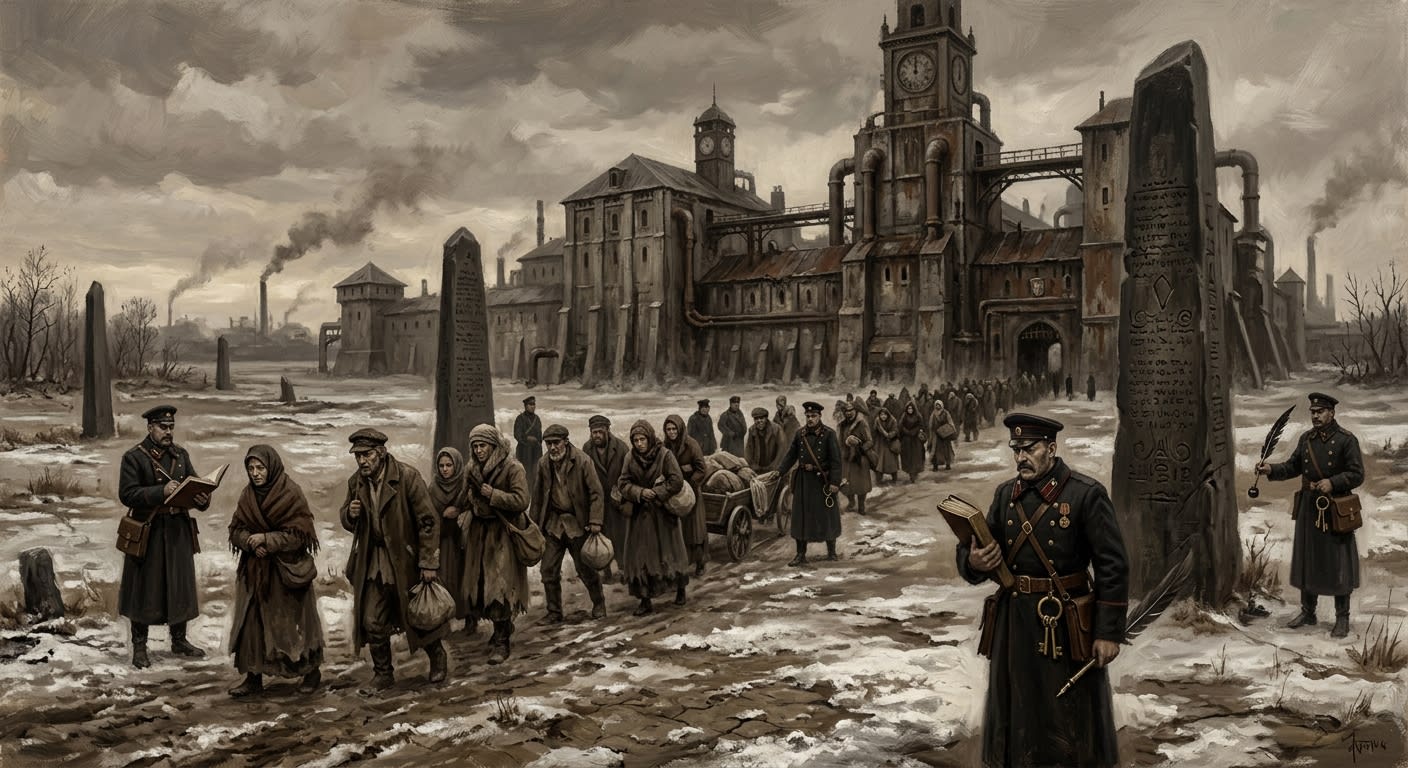
Moldavia
The province where hunger signs and debt remembers
Moldavia is the Charnel Lands' eastern account-book: famine, salt, treaty-stones, refugee names, warm keys, Velmora's credit, Kargath's rot, and a province still written so Hell cannot own it quietly.
Codex Ref. II.6.06-045
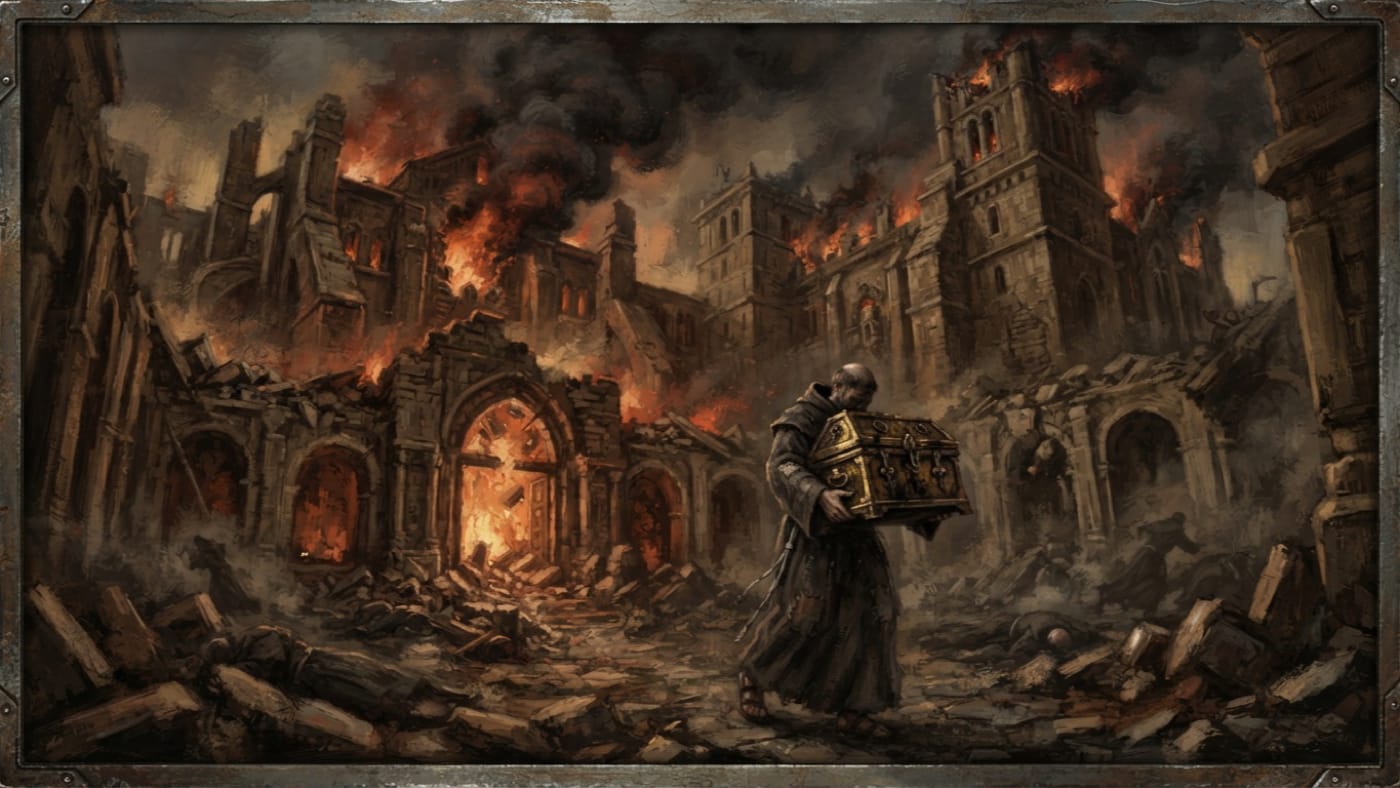
Monastery of Saint Alexios
The house burned; one brother carried its relic out
Dalmatian monastery destroyed in the first week of the Sundering, A.S. 45. Brother Tomislav carried out its reliquary; the house survives chiefly as the first link in a custody chain.
Codex Ref. III.2.04-1871
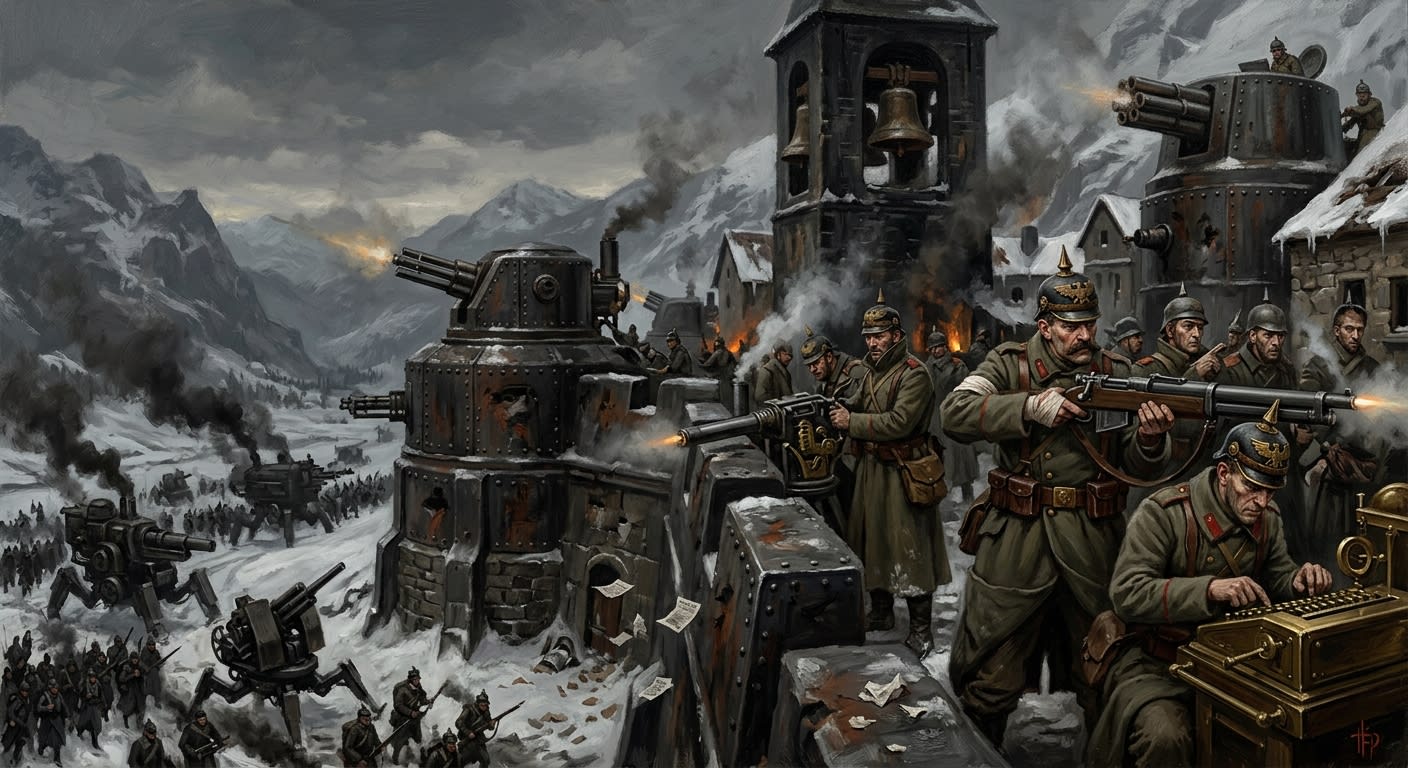
Montreval
The pass-town that taught Reason the road was closed
Montreval held three winters against Lucien Artois's clockwork guns, hunger, pamphlets, fever, and arithmetic; a southern pass-town where Severin bought time with walls, bells, broth, and burned bridges.
Codex Ref. II.1.09-015
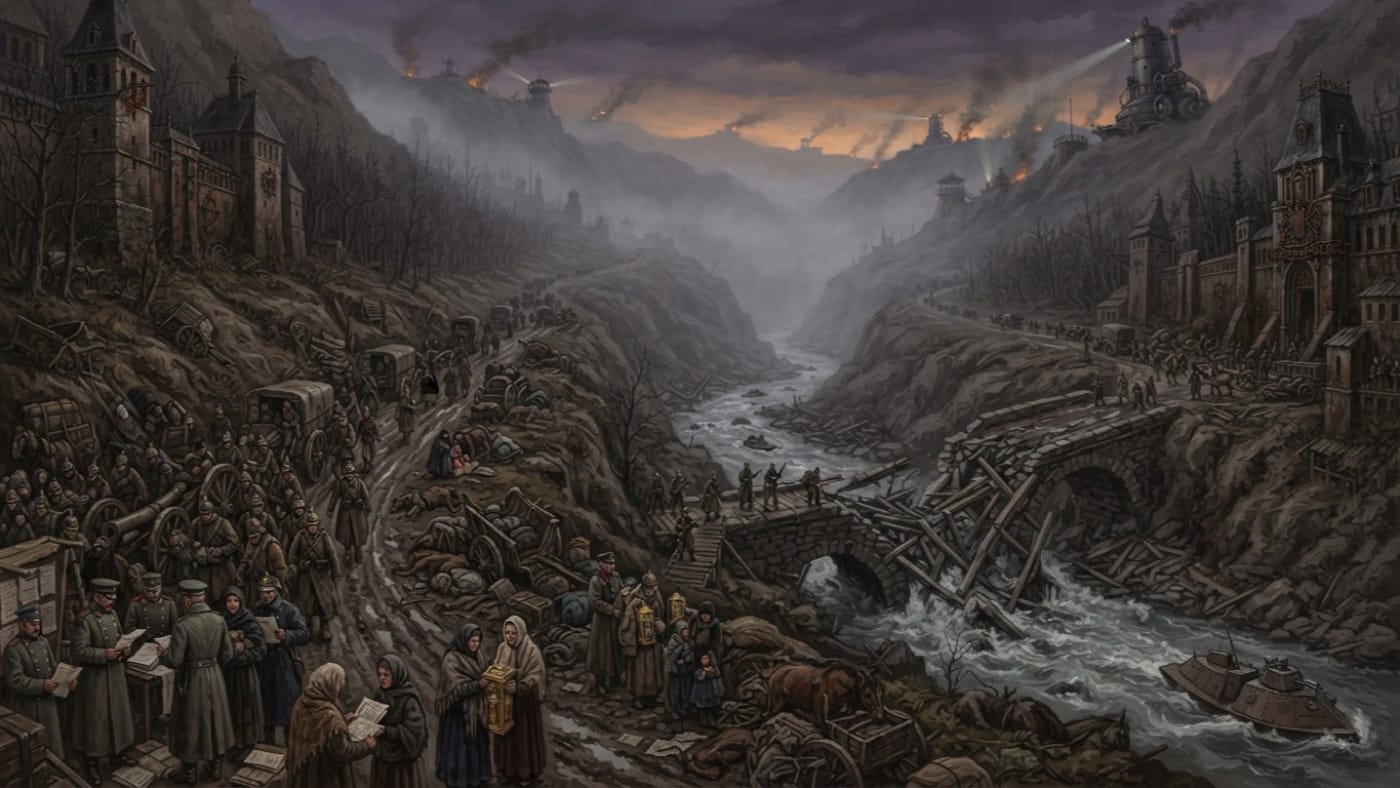
Morava
The roads that carried armies inward and excuses back to Vienna
The Morava corridor carried armies inland and letters out. In A.S. 38, a reported washout nearby gave Vienna a plausible explanation for an East that had stopped answering.
Codex Ref. II.6.06-201
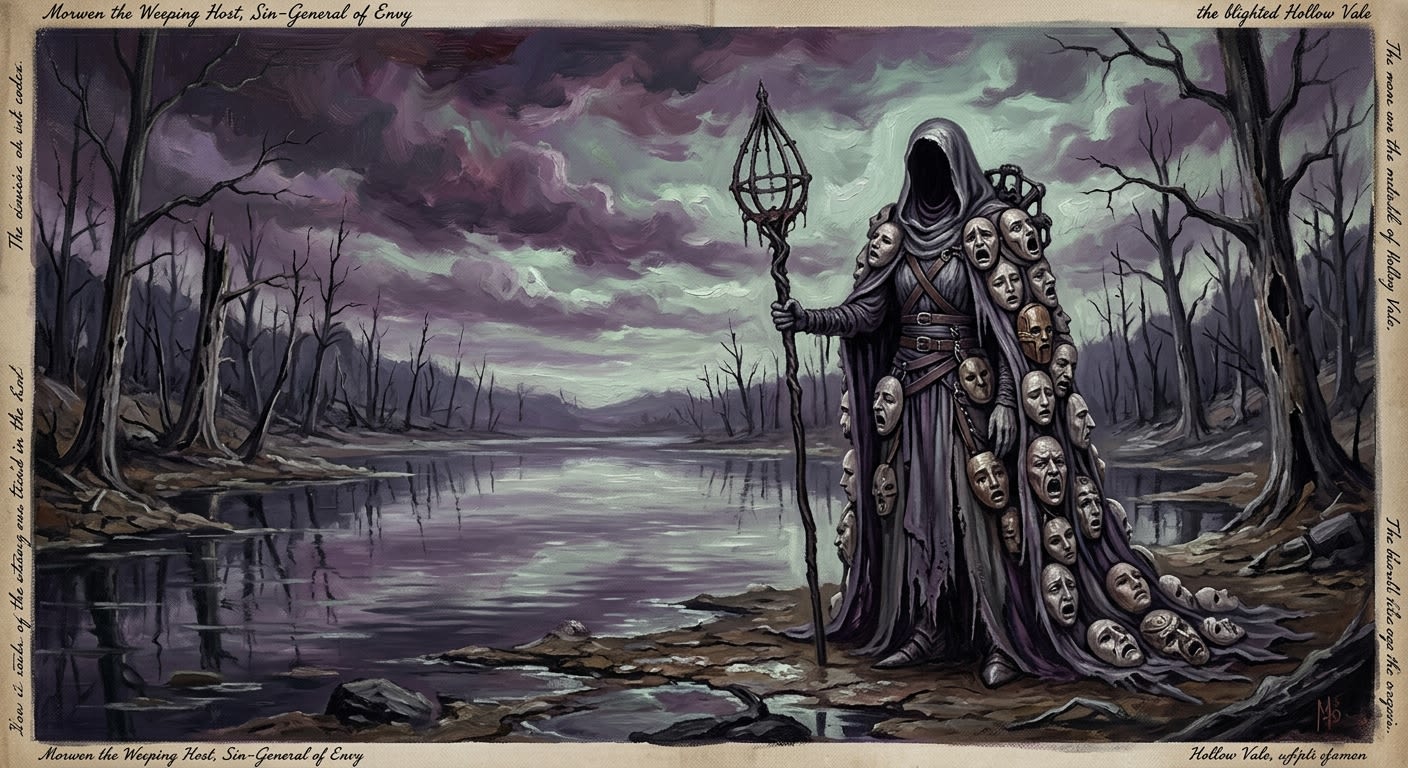
Morwen
She arrived without a face and has worn ten thousand since; none of them were hers.
The Weeping Host, Sin-General of Envy, holds the Hollow Vale and presses Bastion-Irongate not for strategy but for spite — for the sin of coveting beauty she can hollow but never possess.
Codex Ref. IV.1.07-007
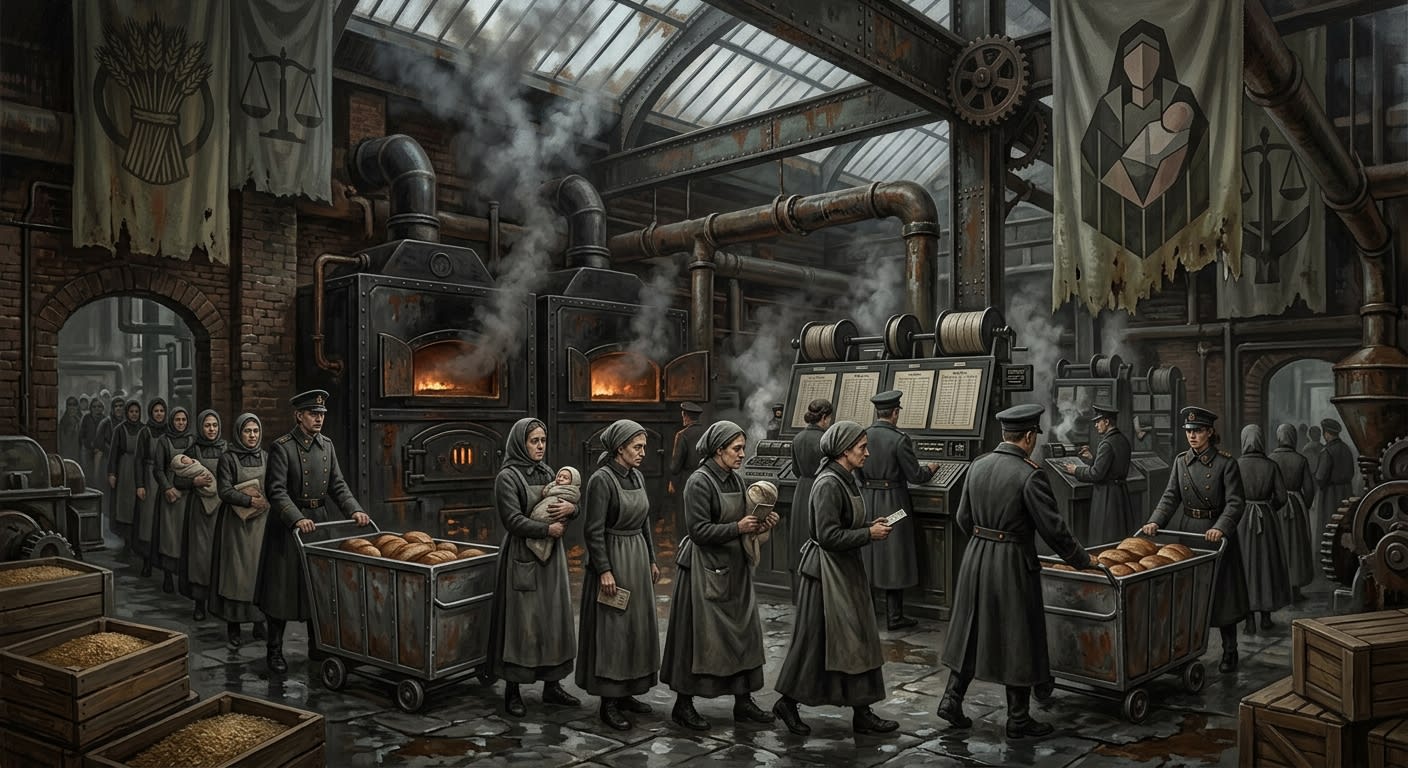
Mothers of Plenty
The queue kept warm, the cradle kept counted
The Mothers of Plenty govern bread and birth as one obedient system, turning ration queues, pregnancy ledgers, and infants not yet weaned into instruments of state continuity.
Codex Ref. XII.6.05-001
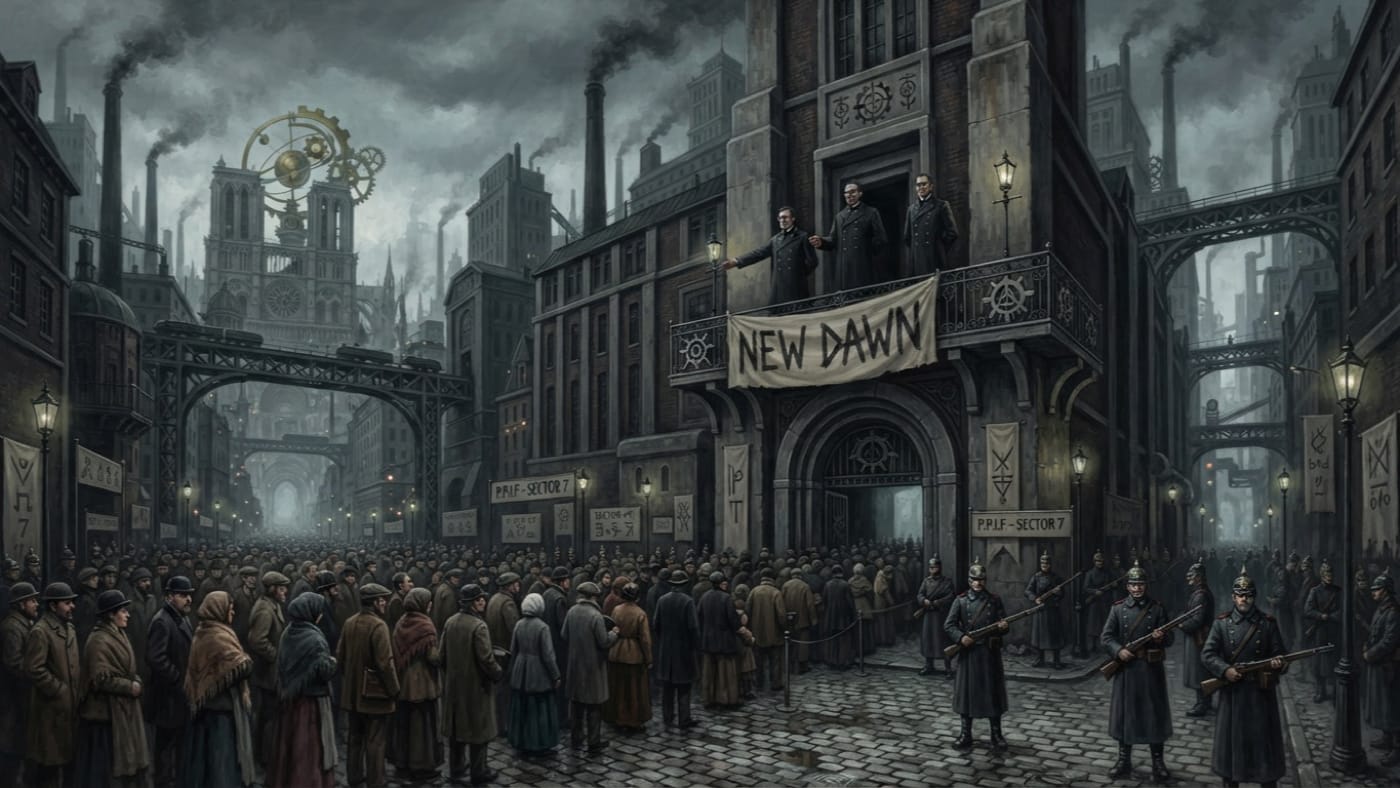
New Dawn
Liberty Proclaimed, Persecution Administered
The Rationalists' proclamation of victory after the Treaty of Regensburg, A.S. 30: liberty advertised from balconies, persecution administered through prefectures. The Bureau retains the slogan as evidence.
Codex Ref. VII.2.01-030
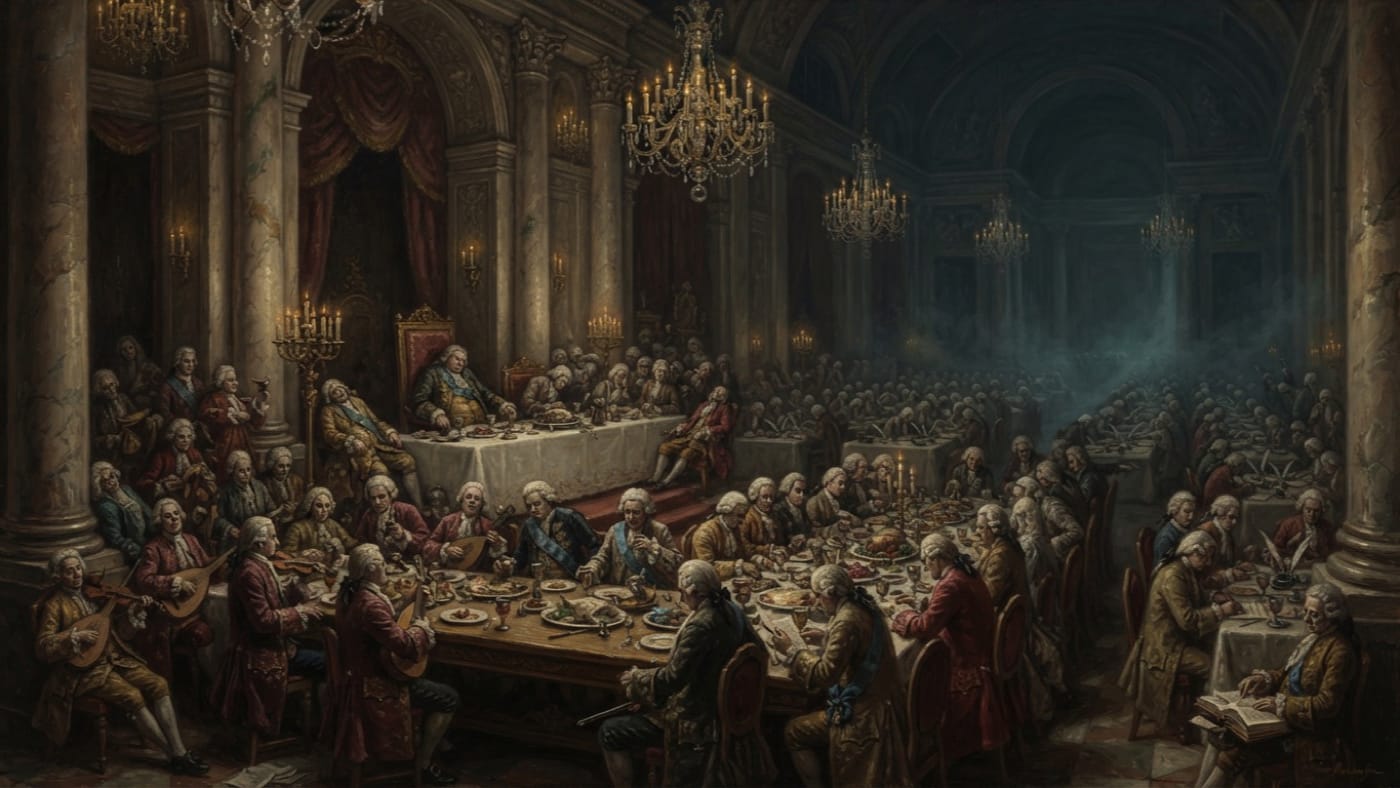
Night of a Thousand Lamps
The kingdom that ceased to command
Phocis lost its crown to sleep during the Sundering of A.S. 45. Drax compares the received accounts of the banquet, the bells, and the clerks who filed a kingdom's paralysis.
Codex Ref. VII.8.11-045
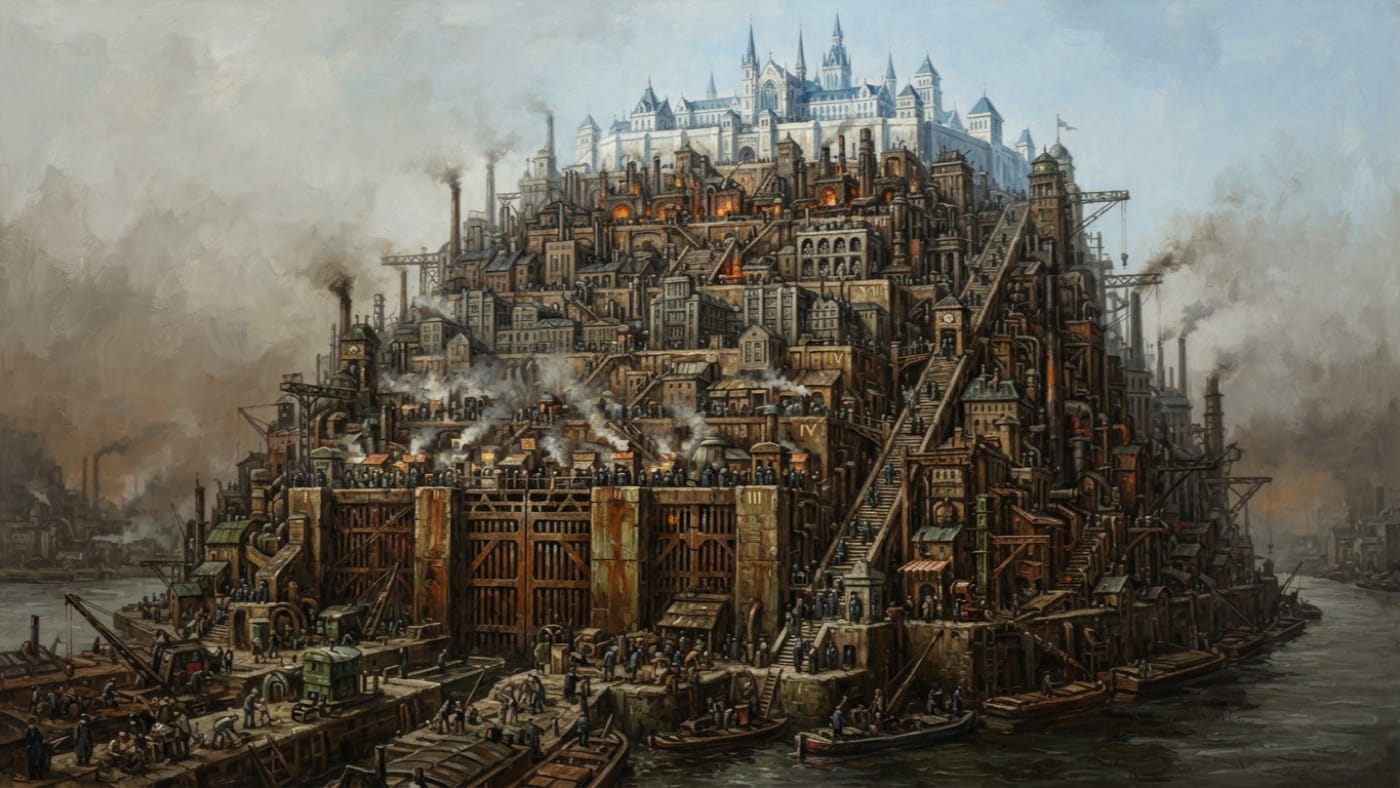
Nine Steps
From river silt to clean air, every crossing requires coin, verse and stamp
Rheinscarp's nine terraced districts rise from the Sump Docks to the High Step Precinct. Every crossing requires coin, verse and stamp; the air improves upward, and so does the spelling.
Codex Ref. II.2.01-011
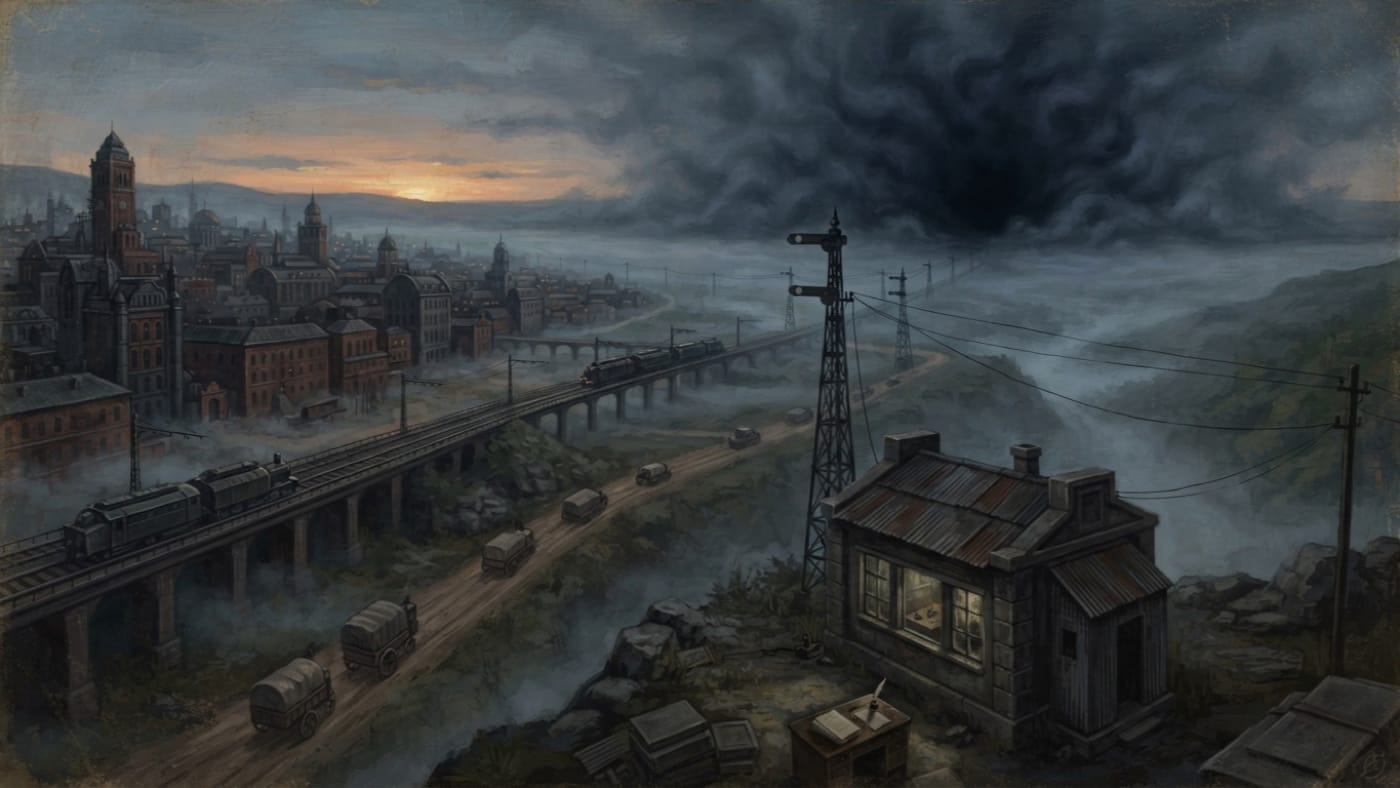
Niš
A missing grain return and a column no conjecture can close
In A.S. 38 a parish in Niš failed to send its grain report. The Eastern Silence gave that empty column a place in the Codex; it supplied no explanation.
Codex Ref. II.5.09-038
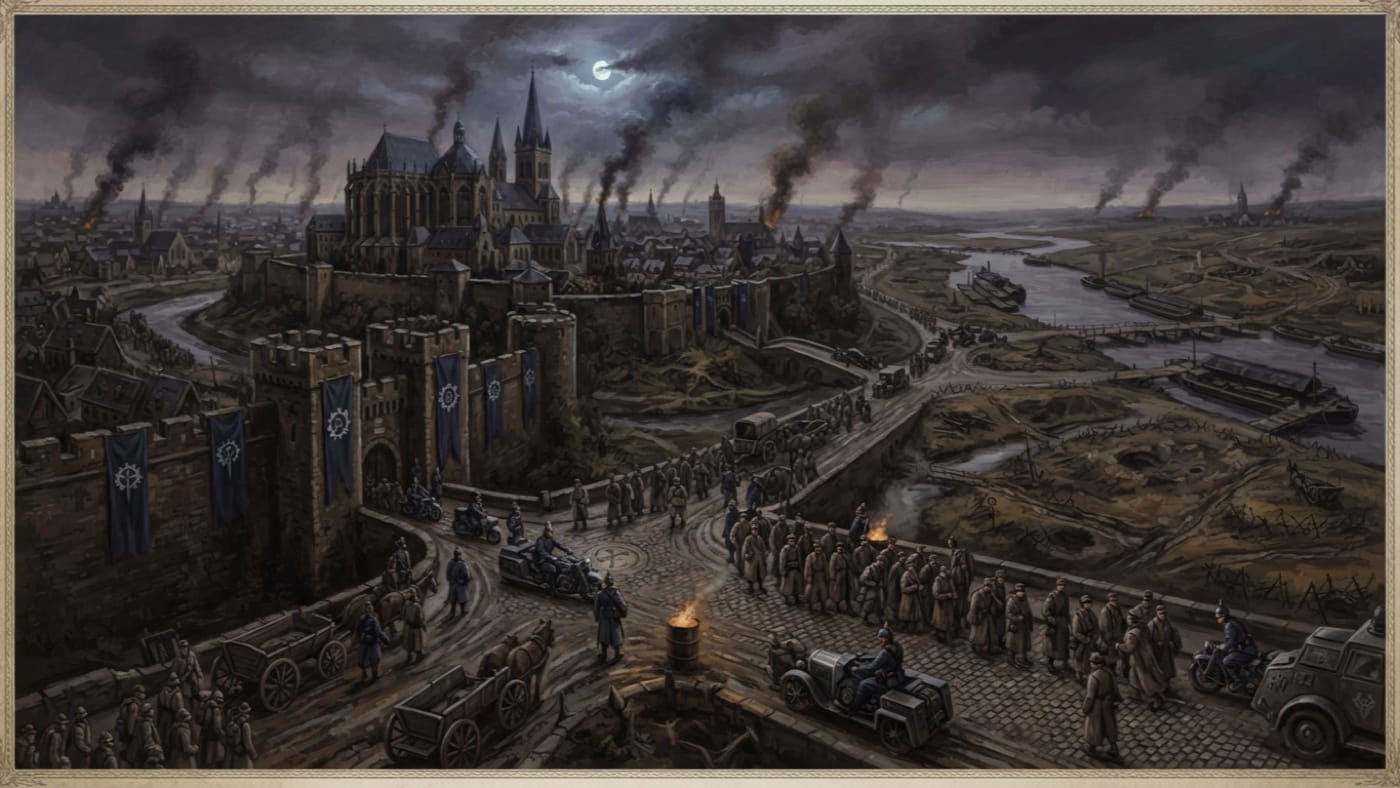
Northern Coalition
The Front Guillaume Sold for a Promise
The faithful's northern command lost its roads, stores and future when Guillaume sold Aachen in A.S. 25. The soldiers owed bread received a lesson in noble honour.
Codex Ref. VIII.6.02-025
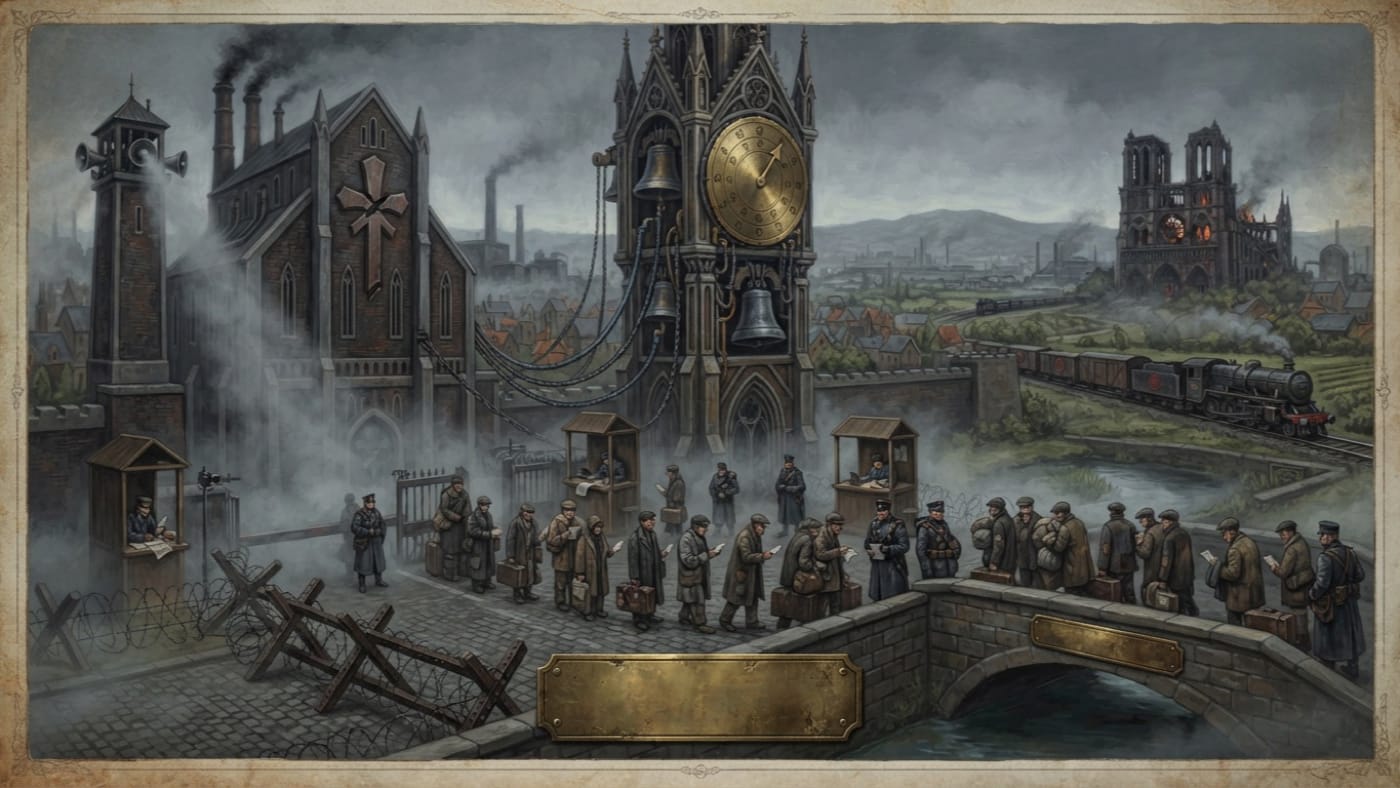
Northern France
Lost through a German gate, recovered parish by parish
Much of northern France fell after Aachen opened in A.S. 25. Recovered parish by parish, the country now pays tithes, carries papers, and calls supervision safety.
Codex Ref. II.1.09-025
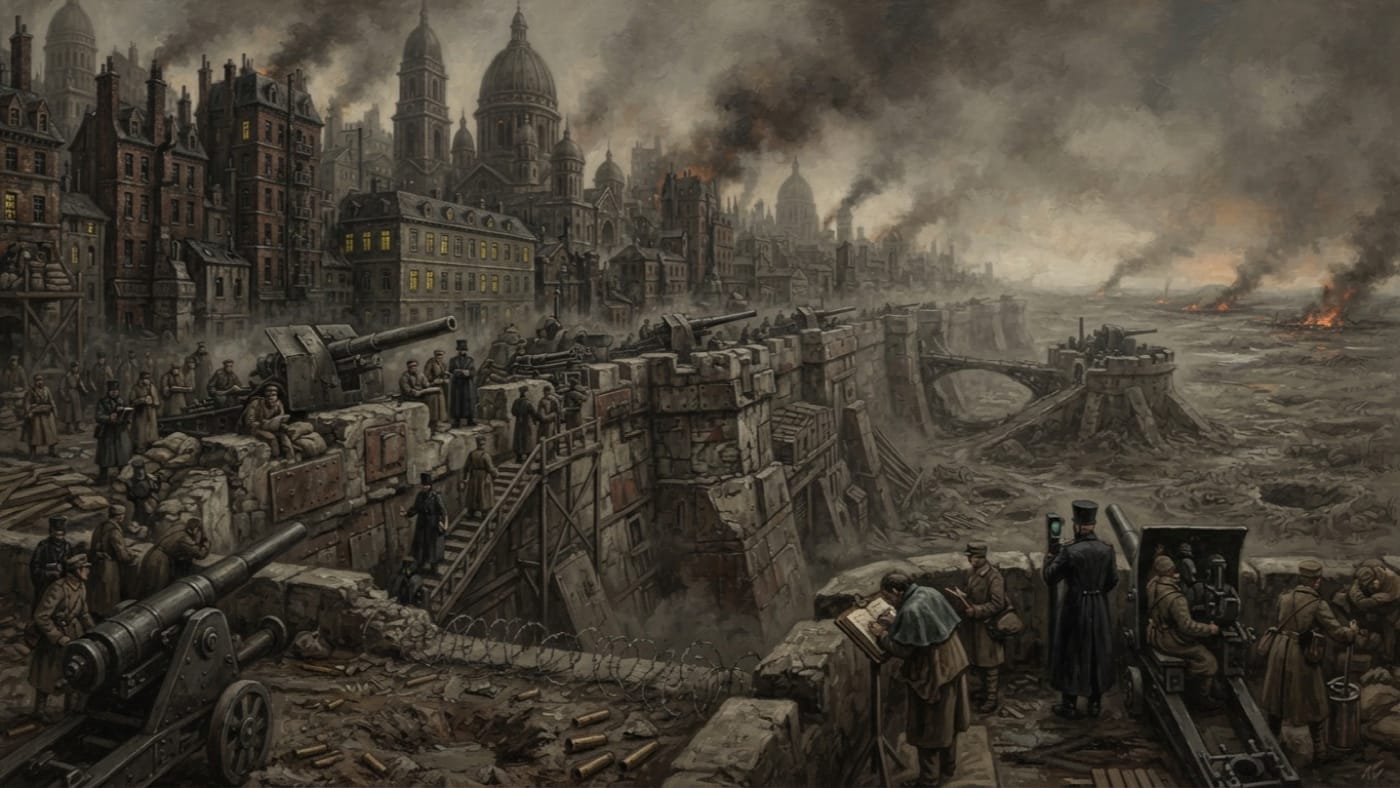
Northern Wall
The guns answer north; the city goes to dinner
The north-facing defenses of Bastion-Constantinople answer Maldrake across the Thracian Plain. Guns, Wardens and repair crews keep the frontage in service; the records still cannot agree where it ends.
Codex Ref. II.4.10-201
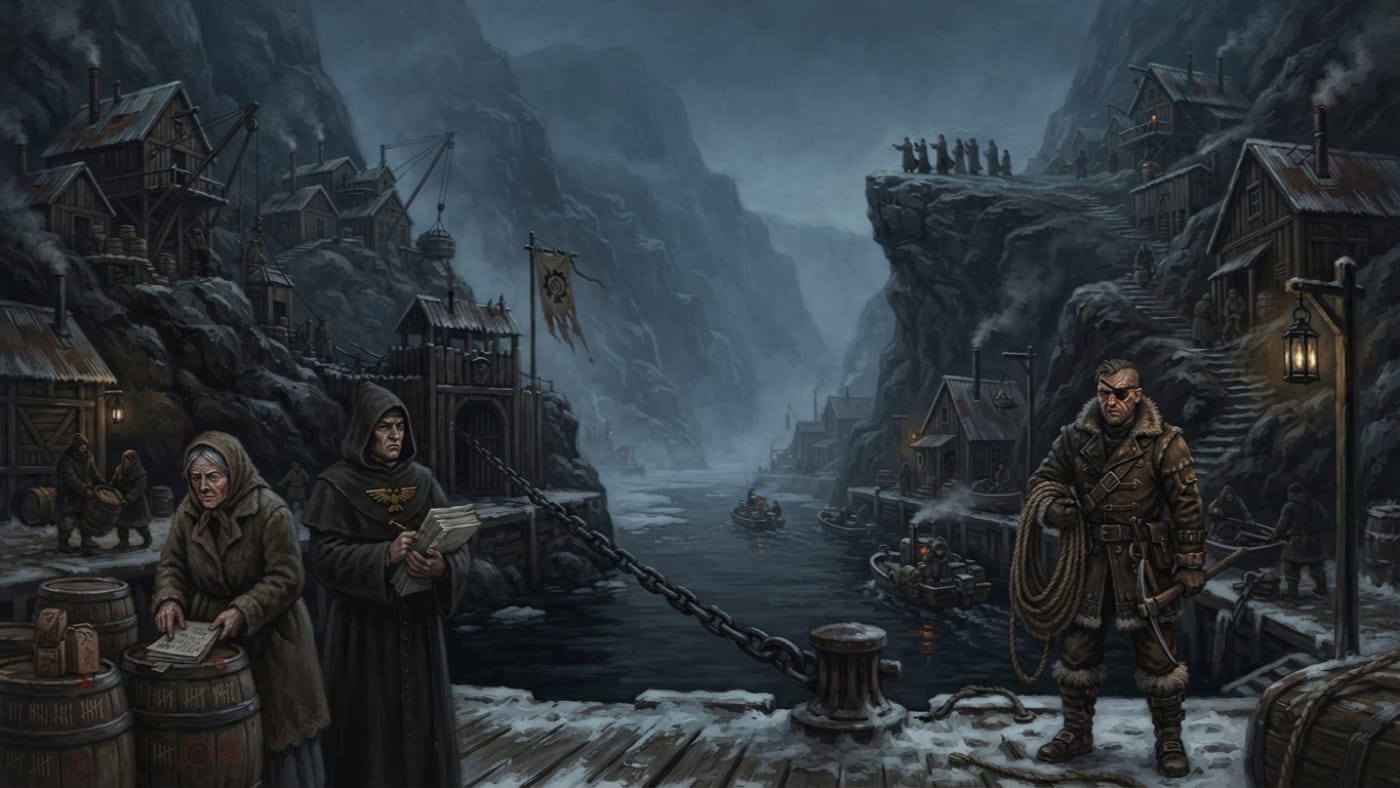
Norway
The map belongs to Strasbourg; the narrows belong to the clans
Norway's fjord compacts supply the Synod's northern war while keeping their own chains, watches and fasts. A.S. 201 assessment: the oil arrives; authority remains local.
Codex Ref. II.8.01-001

Notary-Saint Caldre
A saint who wrote one sentence and made Relics afraid of grammar
Patron of Relic Authenticators, Caldre entered a sealed vault in A.S. 94, wrote one approved sentence, died smiling, and left the Bureau a seal-press it cannot trust.
Codex Ref. III.2.01-139
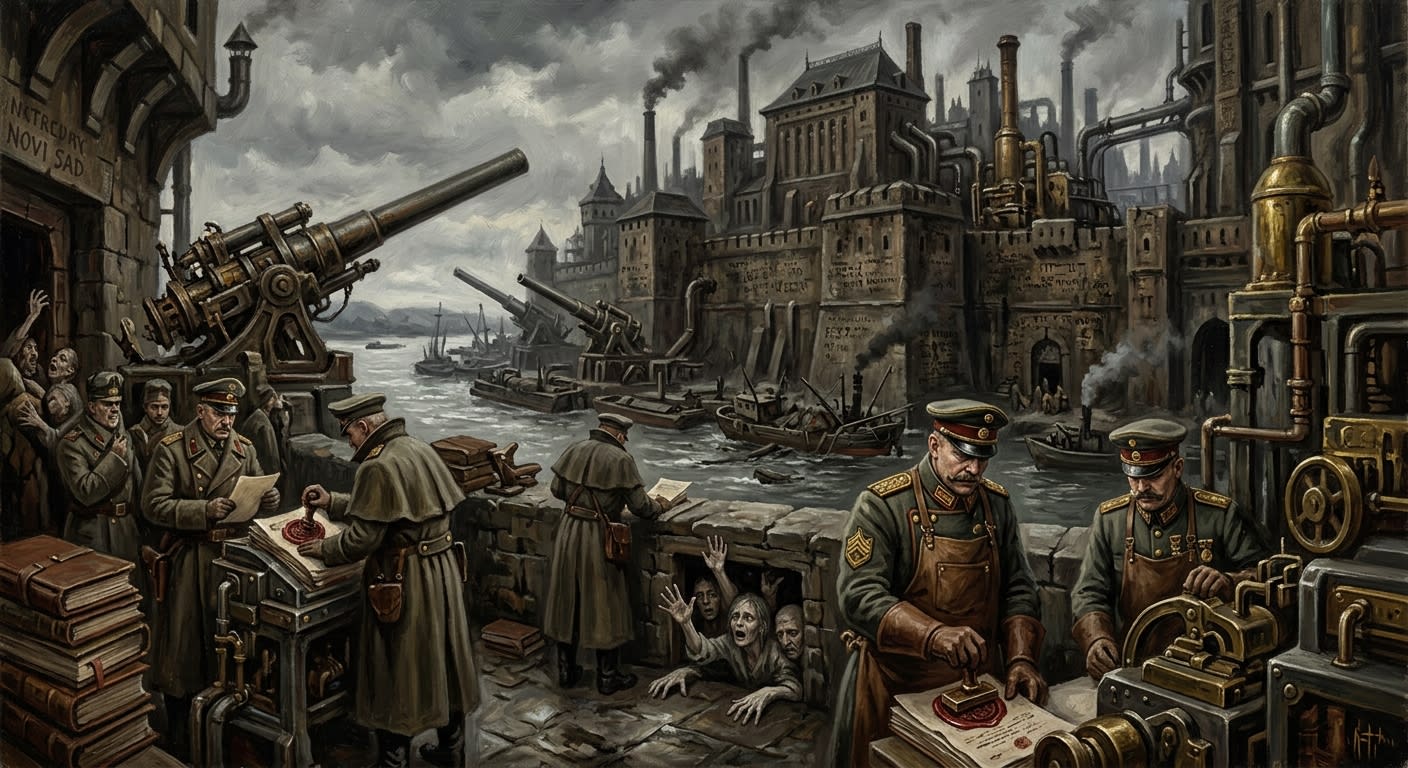
Novi Sad
The city where cannon, stone, and stamp each learned to fail
Novi Sad is a fallen Danube city whose cannon never fired, whose stones wrote living names, and whose valid seals once starved the bodies beneath them.
Codex Ref. II.4.09-045
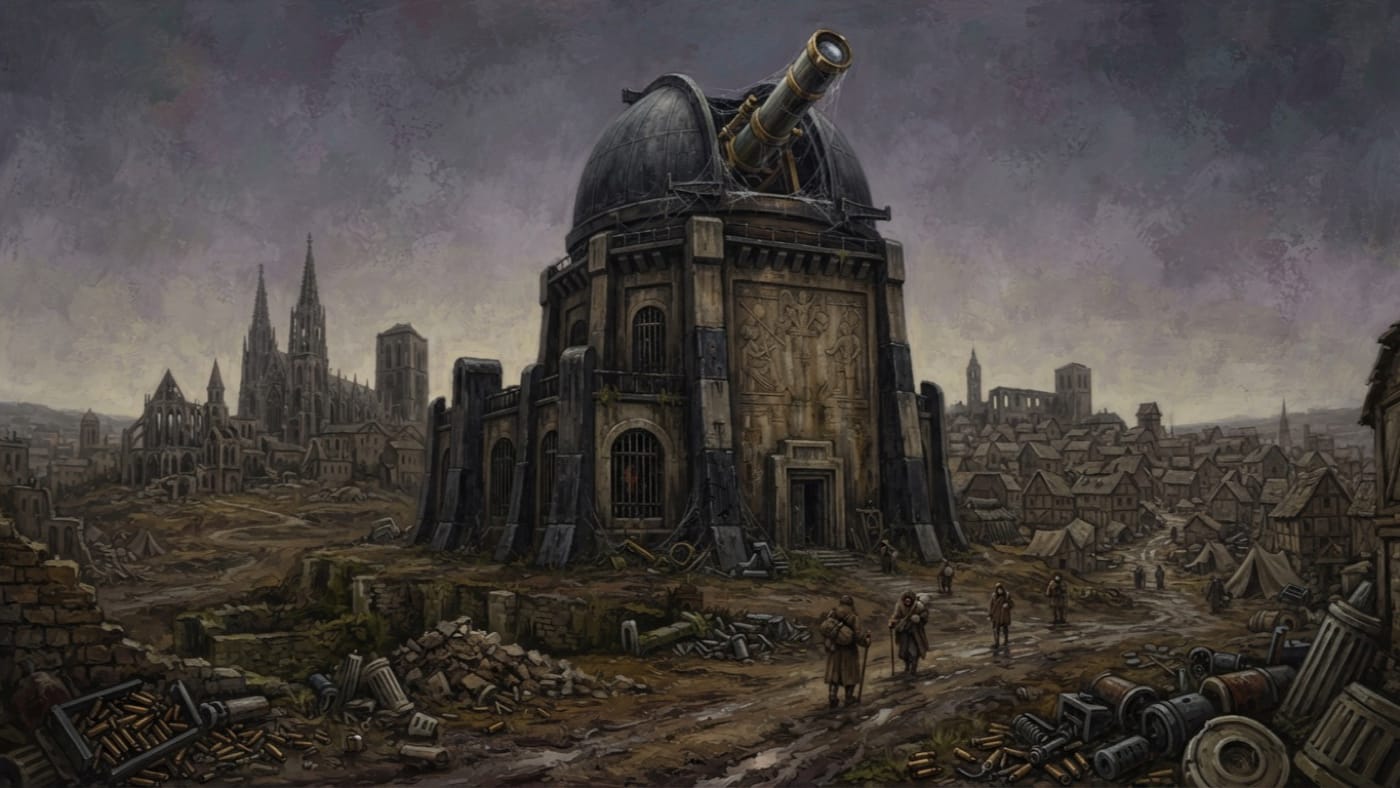
Observatory at Vienna
The telescope remains. The sky is not certified.
A.S. 201 survey of Vienna's empty Republican Observatory, funded with confiscated Church wealth and costing more than the cathedral it replaced. The telescope remains; the sky is not certified.
Codex Ref. II.4.09-201
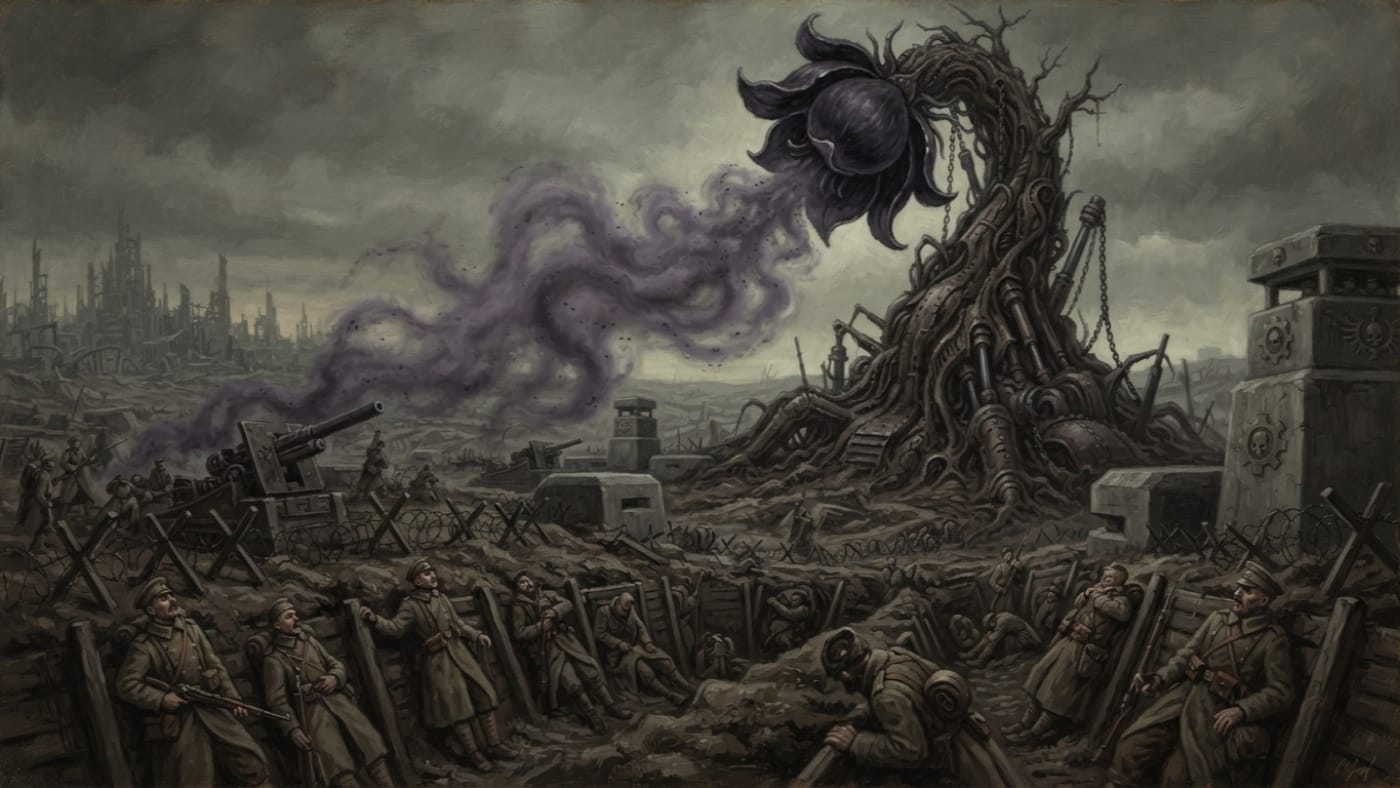
Obsidian Orchid
The Bloom Opens; the Ledger Remains Incomplete
Velkara's colossal living siege-engine releases intoxicating spores from a black bloom. Its origin, number, and first deployment remain blank beneath my seal.
Codex Ref. IV.1.07-009
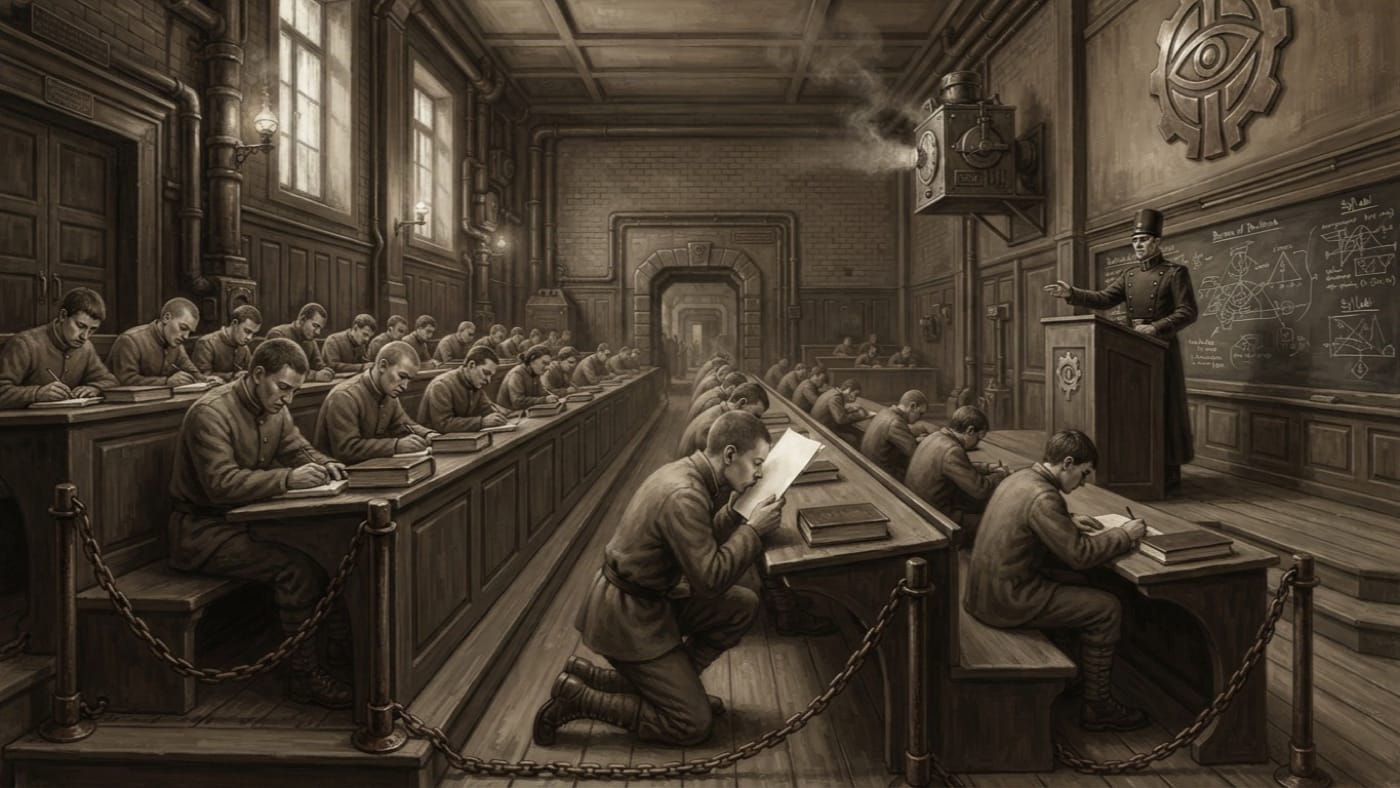
Old Faculty Rows
Where the syllabus was corrected and the desks were chained
Ulm's former Rationalist halls now house doctrinal schools, where Purity audits the syllabi, students kiss blank pages, and the lecture desks remain chained to the floor.
Codex Ref. II.2.01-006
Old Kingdom of Phocis
The harvest was counted. The court slept anyway.
Phocis counted its harvests with royal confidence, then slept between sip and song. An A.S. 201 retrospective survey of the kingdom beneath Syrion's Vales.
Codex Ref. VI.2.04-005
Oltrarno
The quarter that kept the Church in its drawers
Florence's workshop quarter kept the hidden Church in deep drawers, held a street in A.S. 44, and now supplies sacred craft under inspection by offices that arrived after the danger.
Codex Ref. II.4.09-201
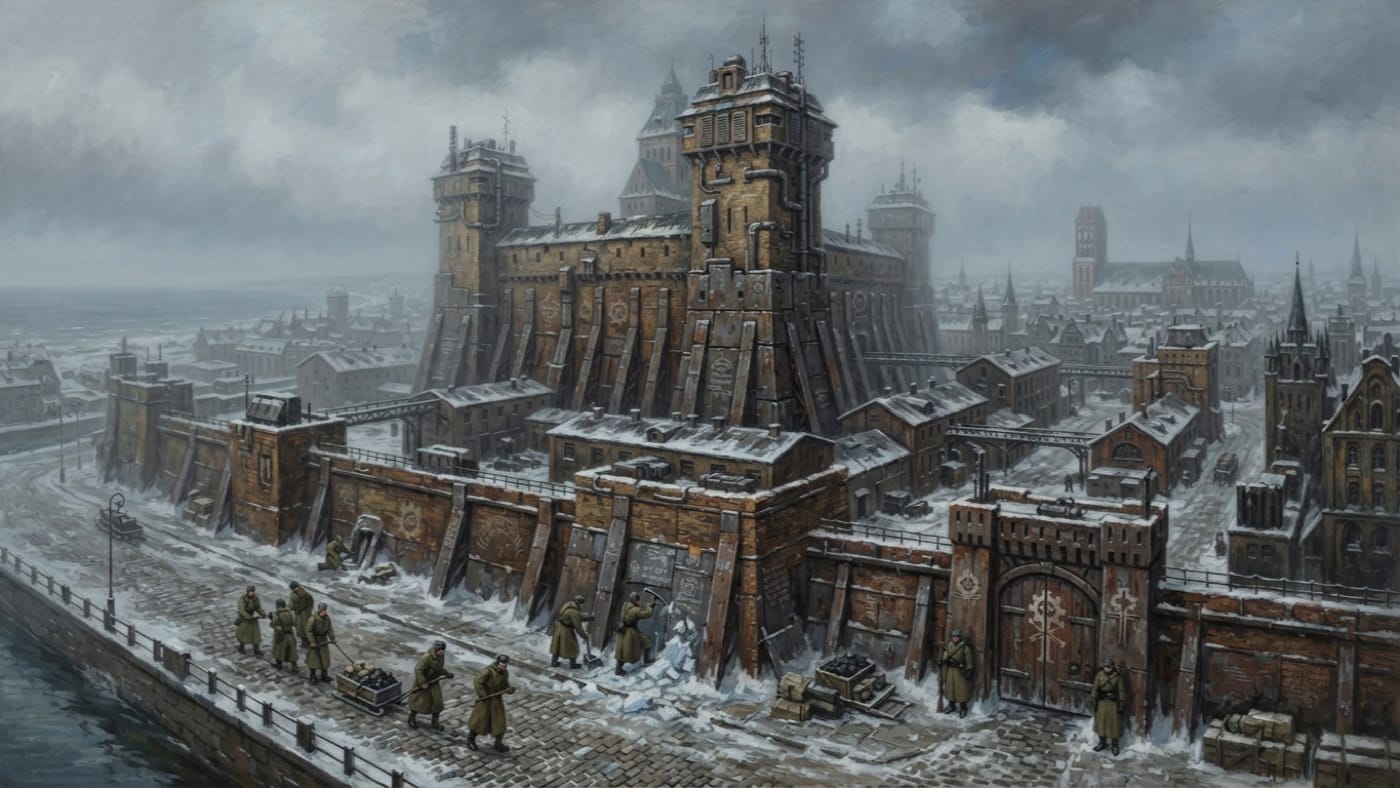
Ordensburg
Where the Walls Are Commanded and the Questions Are Filed
The old Teutonic castle and surrounding district of Bastion-Königsberg, housing garrison command and Doctrine's Northern Office. Halvorsen commands the walls; the office keeps the Grey pending. Both have learned to work with the cold.
Codex Ref. II.4.07-002
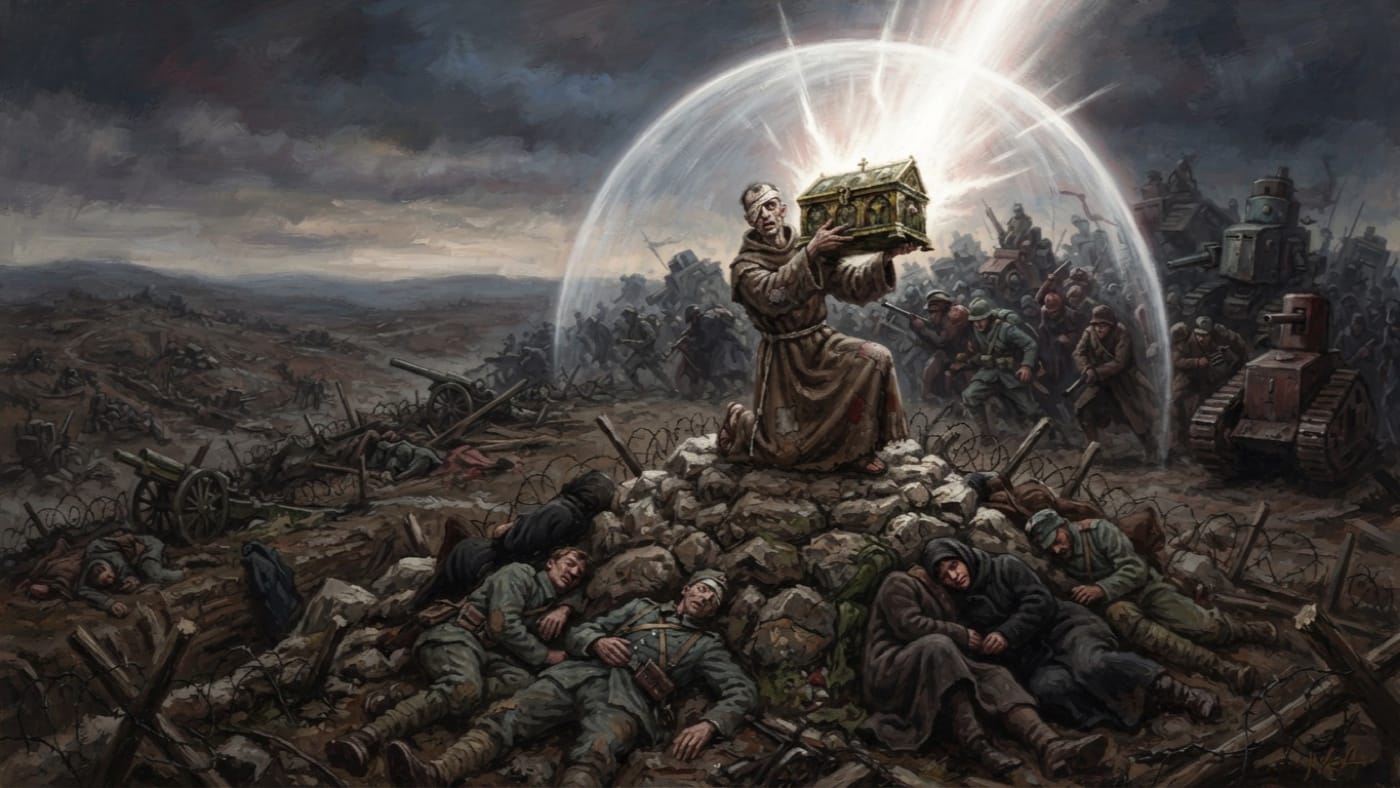
Order of Friars Minor
One brother in the record, an Order still unaccounted for
The Franciscan Order named in Brother Tomislav's file. One friar is confirmed; its foundation, superiors and survival remain beyond the Ledger's reach.
Codex Ref. VIII.9.02-2026
Order of Saint Iago
The grey mantles who taught custody to survive defeat
Iberian military-monastic order remembered for guarding the Relic of Saint Iago at Toledo, holding the city nine months, and burning custody clean before Reason could take it.
Codex Ref. VIII.9.01-001
Ordnance Bureau
The office that makes thunder accountable
The Ordnance Bureau numbers, blesses, rations, ships, and recovers the Synod’s lawful violence; its shells arrive late, counted, and indispensable.
Codex Ref. VIII.2.12-090
Orison Licensing Acts A.S. 94
No private hymn, no innocent breath
A.S. 94 legal seizure of melody itself: the Acts made every cadence licensed or criminal and created the market they pretended to destroy.
Codex Ref. VII.2.10-094
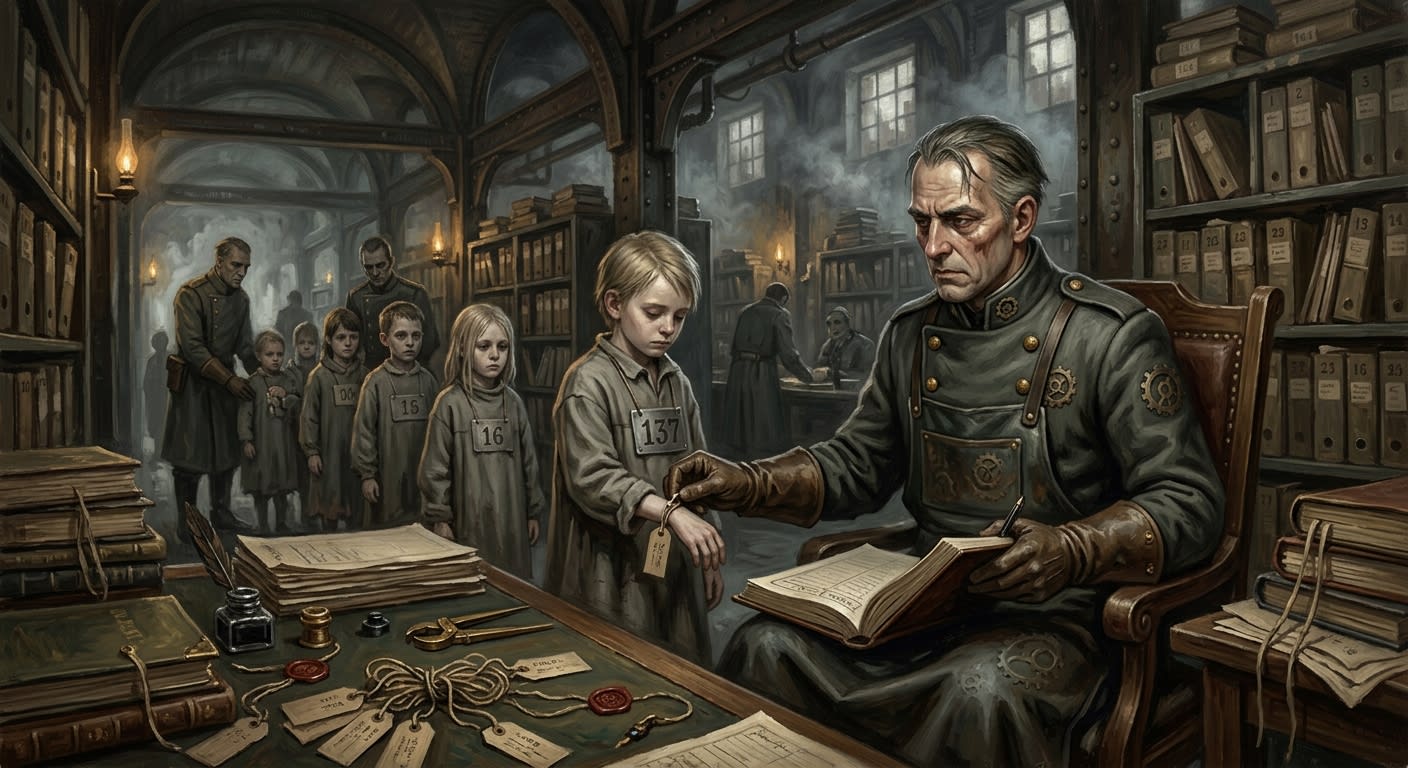
Orphanage Registrar
The child enters crying and leaves legible
Orphanage Registrars convert foundlings into entries: named, tagged, risk-scored, and placed before hunger, memory, or bloodline can become a rival jurisdiction.
Codex Ref. VI.4.12-044
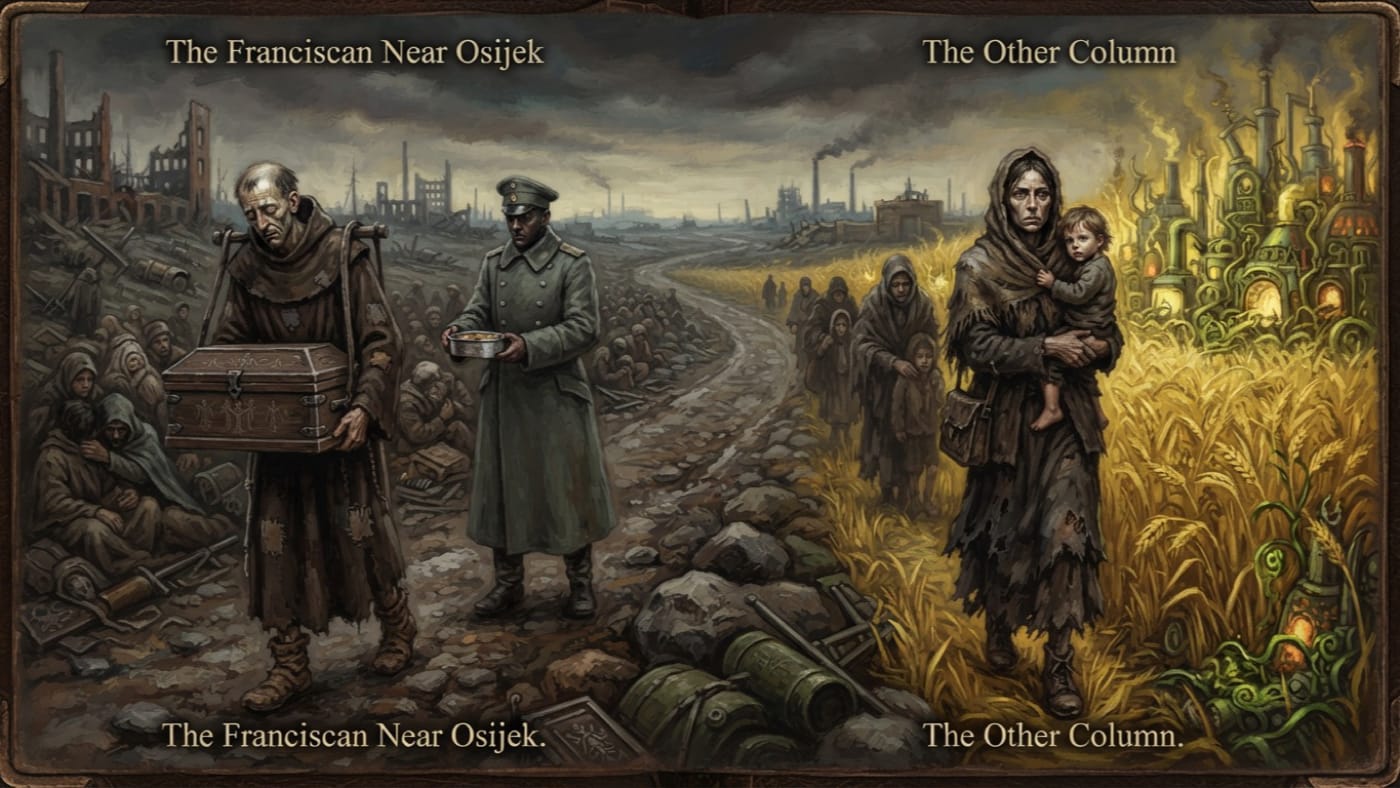
Osijek
Two roadside accounts and the hunger the Church filed differently
Osijek survives in two roadside accounts: a fasting friar near the town in late A.S. 45 and an undated mother approaching a Field. The Ledger keeps their hunger in separate drawers.
Codex Ref. II.3.08-045
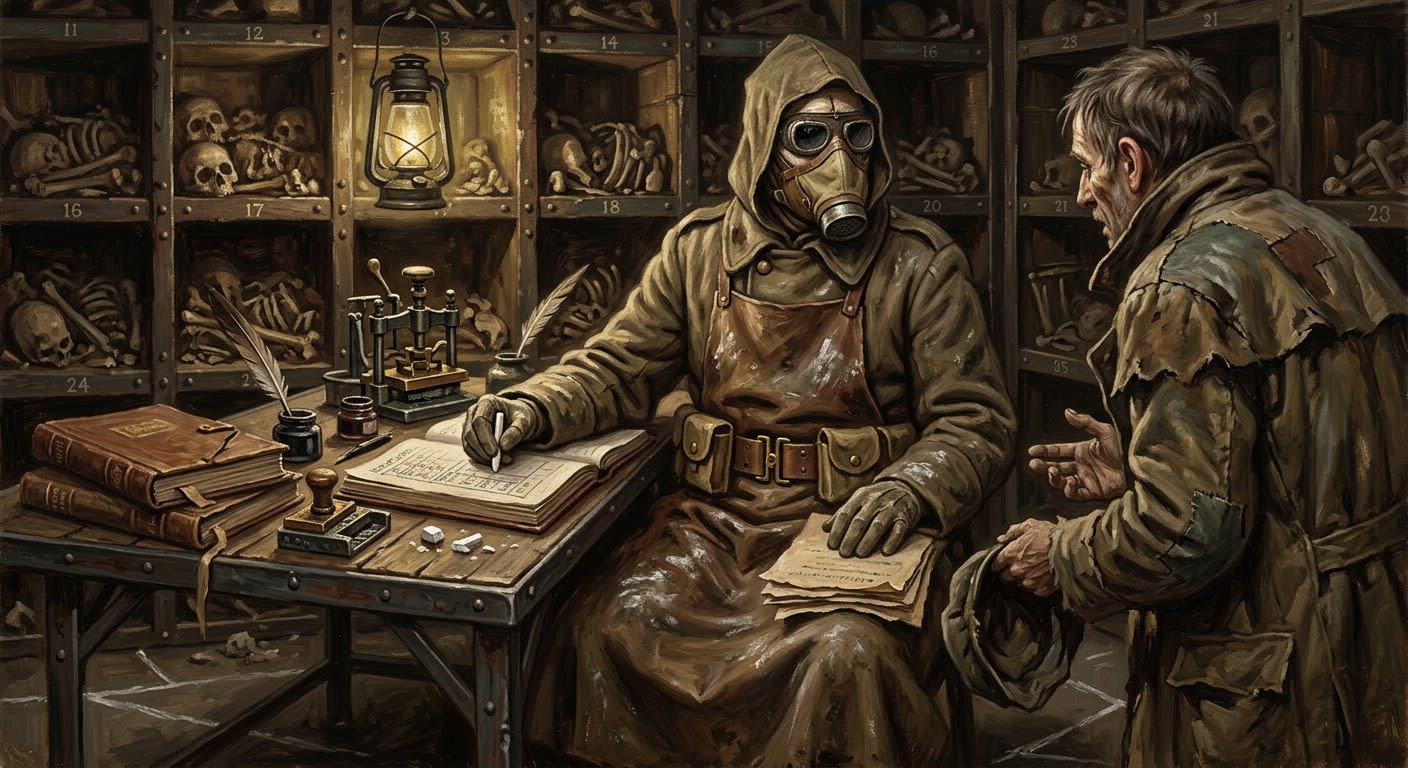
Ossuary Housing Allocator
The wall keeps the dead, and the clerk decides who may cling to it
Ossuary Housing Allocators sell dryness, bell-coverage, and sanctioned sleep beside the dead, converting overflow, grief, and fear into chalk lines and rent.
Codex Ref. VI.4.11-052
Palace of Echoes
Envy learning masonry from stolen memory
Morwen's Palace of Echoes is no fortress but a hostile architecture of envy, where rooms are built from stolen selves and better lives open like doors.
Codex Ref. II.6.07-073
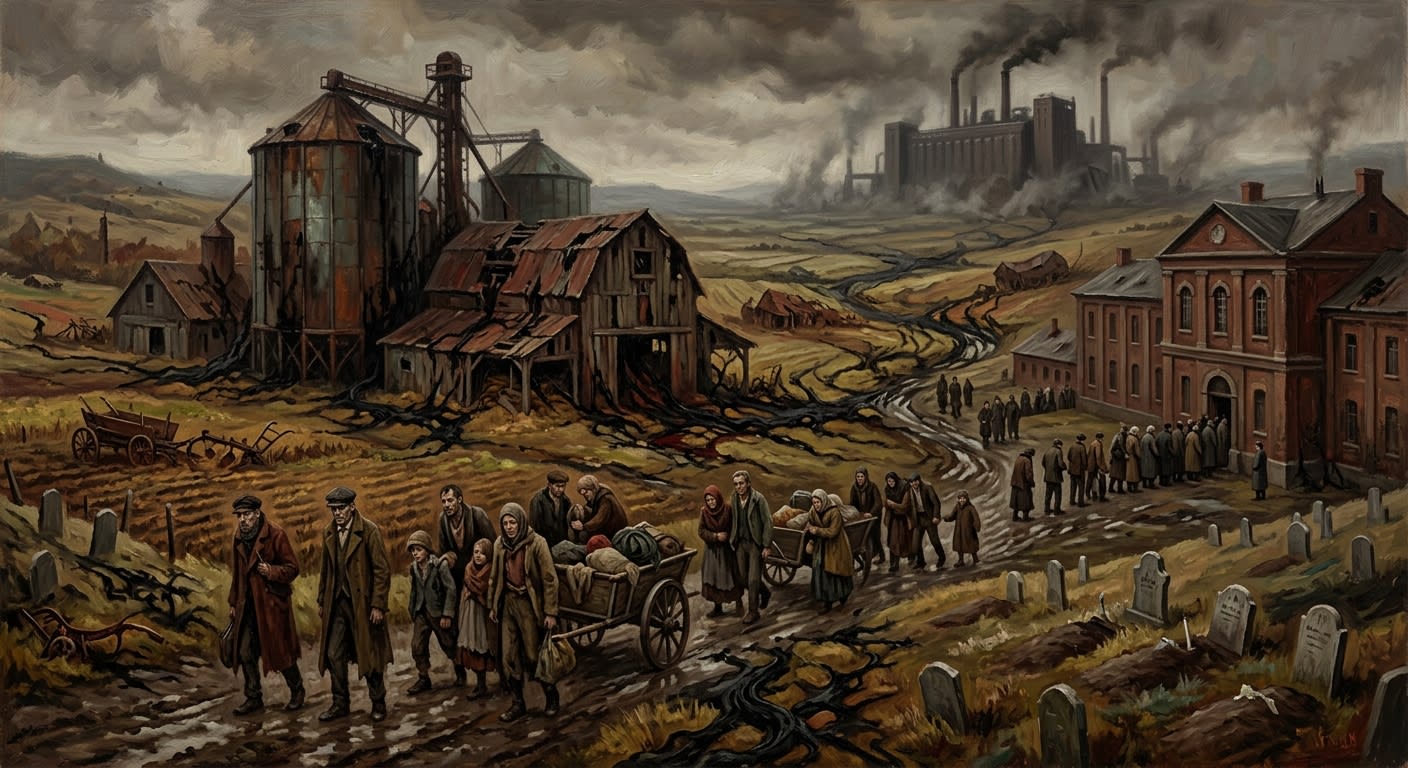
Pannonia
The bread basin that learned appetite
Pannonia was the basin that fed empires before Kargath taught its barns to hunger, its graves to want, and its maps to rot into accusation.
Codex Ref. II.4.09-045
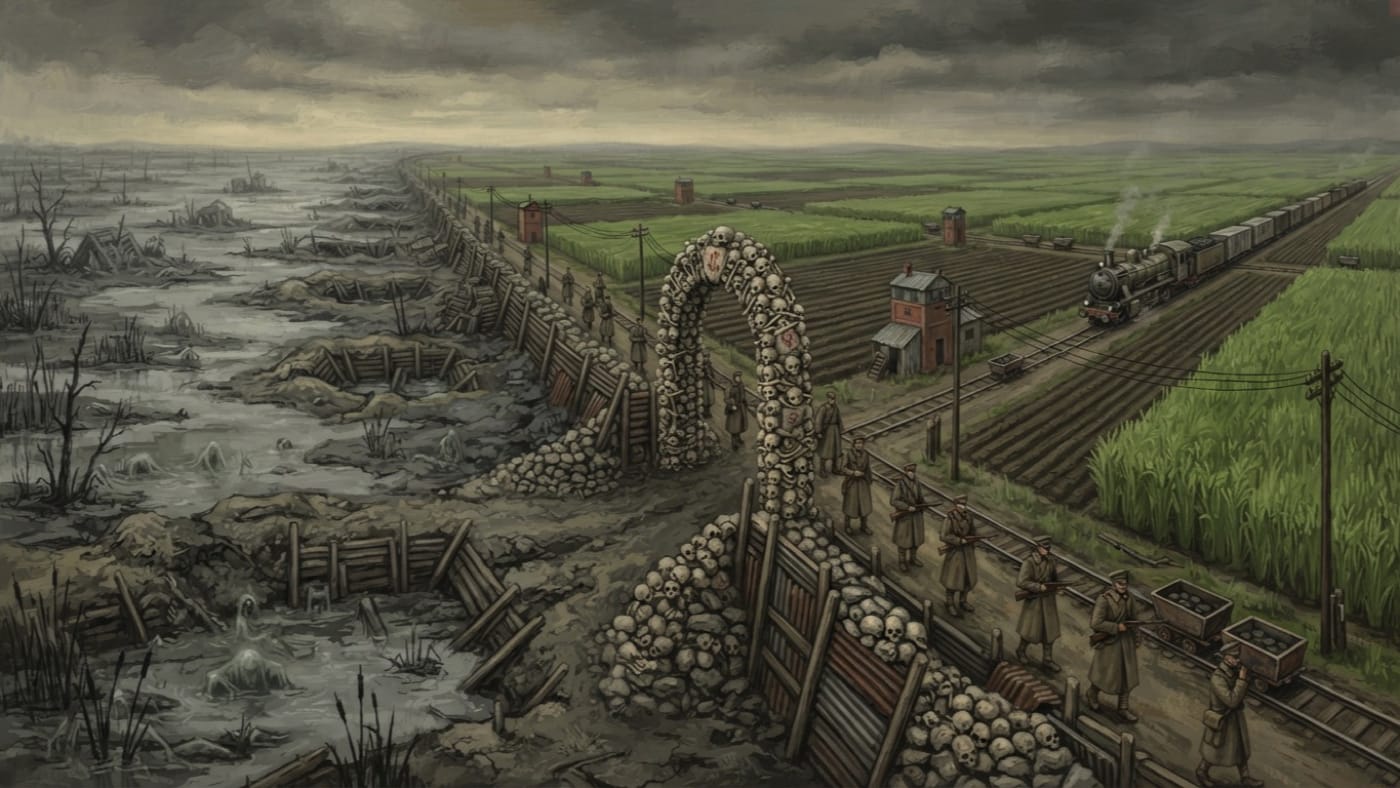
Pannonian Plain
A full barn and a green field prove nothing
The plain once fed the West. Kargath devoured Debrecen's provisions, and the Blightmarsh keeps eating. Western Hungary still supplies the Line. A green field proves nothing.
Codex Ref. VI.1.01-004
Paris
The city kneels beautifully, which is precisely why one watches the angle
Paris is the Western Heartlands' corrected jewel: Rationalist salon, Synod workshop, black-market confessional, obedient theatre, and treason with excellent diction.
Codex Ref. II.1.08-201
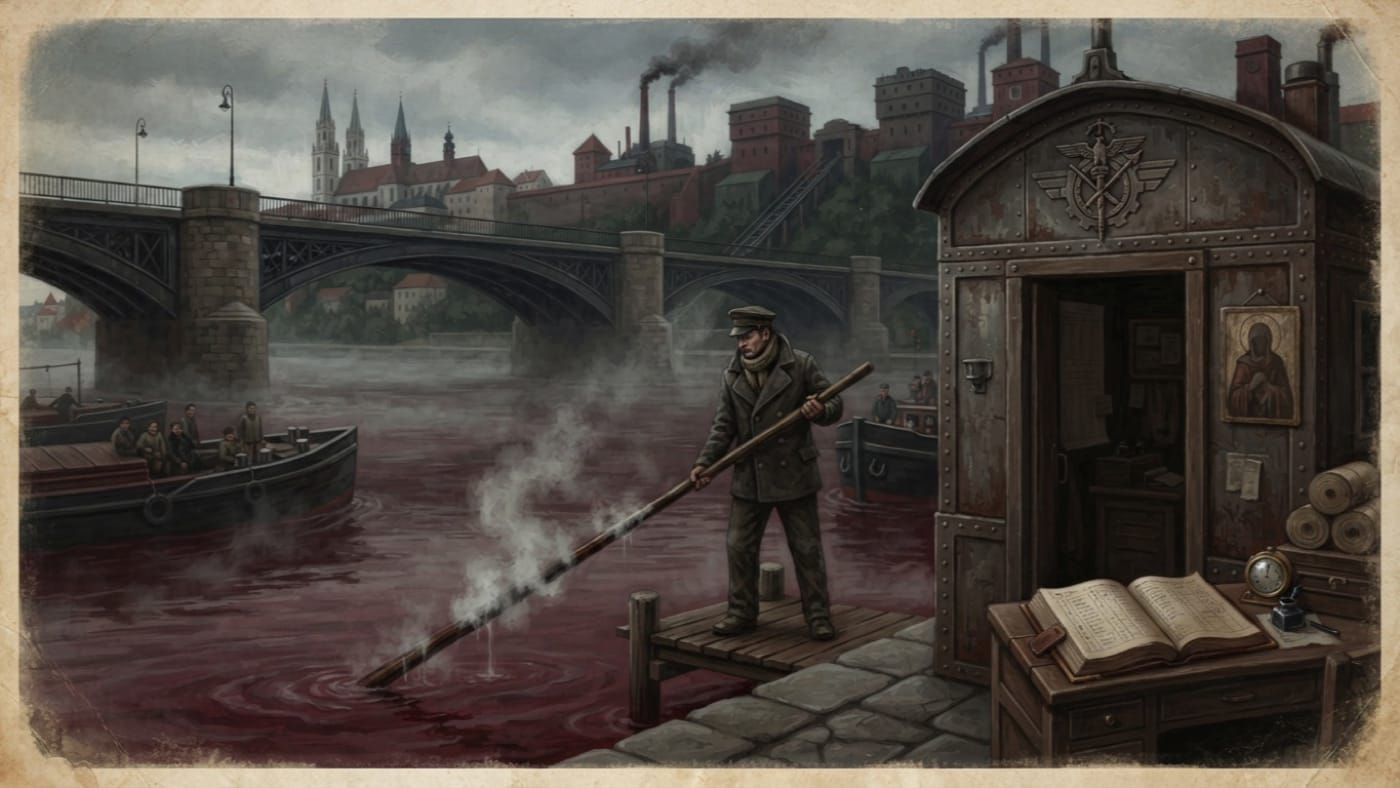
Passau
The keeper wrote it down; the Ledger keeps it
A toll keeper east of Passau recorded the first confirmed signs of the A.S. 34 Red Flood. The pole steamed; the toll rolls kept the three-week count. The Bureau supplied the meaning later.
Codex Ref. II.2.04-034
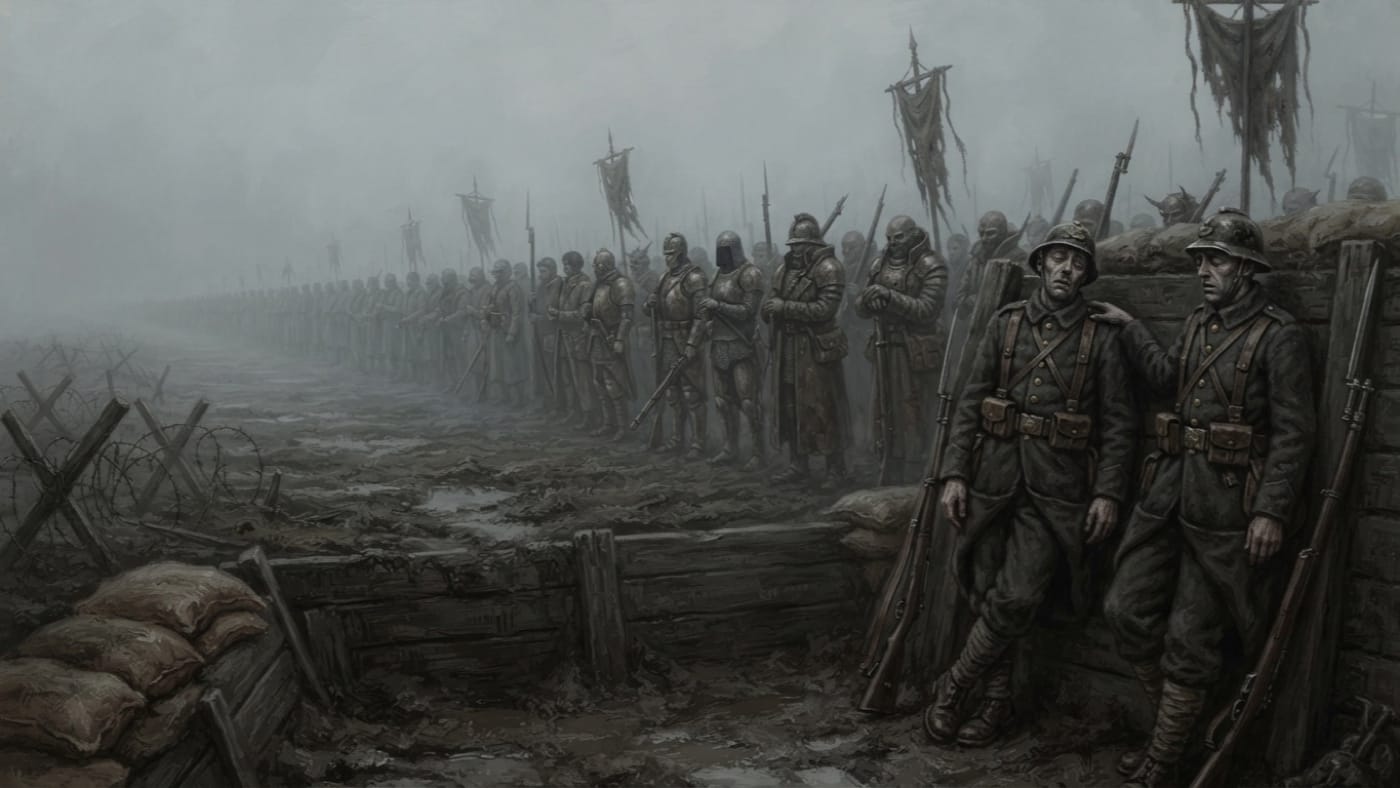
Patient Army
The ranks spend nothing. The watch spends men.
Syrion's corrupted humans and lesser demons hold the fog margins of the Vales of Stagnance. They advance with the mist. The men watching them still need sleep.
Codex Ref. IX.1.04-045
Pavia
The diocese whose stipend outlived its people
Pavia was razed in the Sundering of A.S. 45. Its diocese remains on the rolls, its Bishop-Praetorial paid to issue decrees and inspect an absence.
Codex Ref. II.1.12-045
Pécs
The town where bread became evidence
Pécs is the vineyard ruin where Famine Pit measurement, Abundance Field proof, and Kargath's useful bread made hunger legible to the Ledger.
Codex Ref. II.4.09-147
Penal Choir
The condemned supply the voice. The Bureau supplies the words.
An A.S. 201 survey of penal-choir assignments, compelled licensed singing and denunciation bargains. The Bureau can certify that the condemned sang the correct words. Belief requires a different form.
Codex Ref. VI.3.01-201
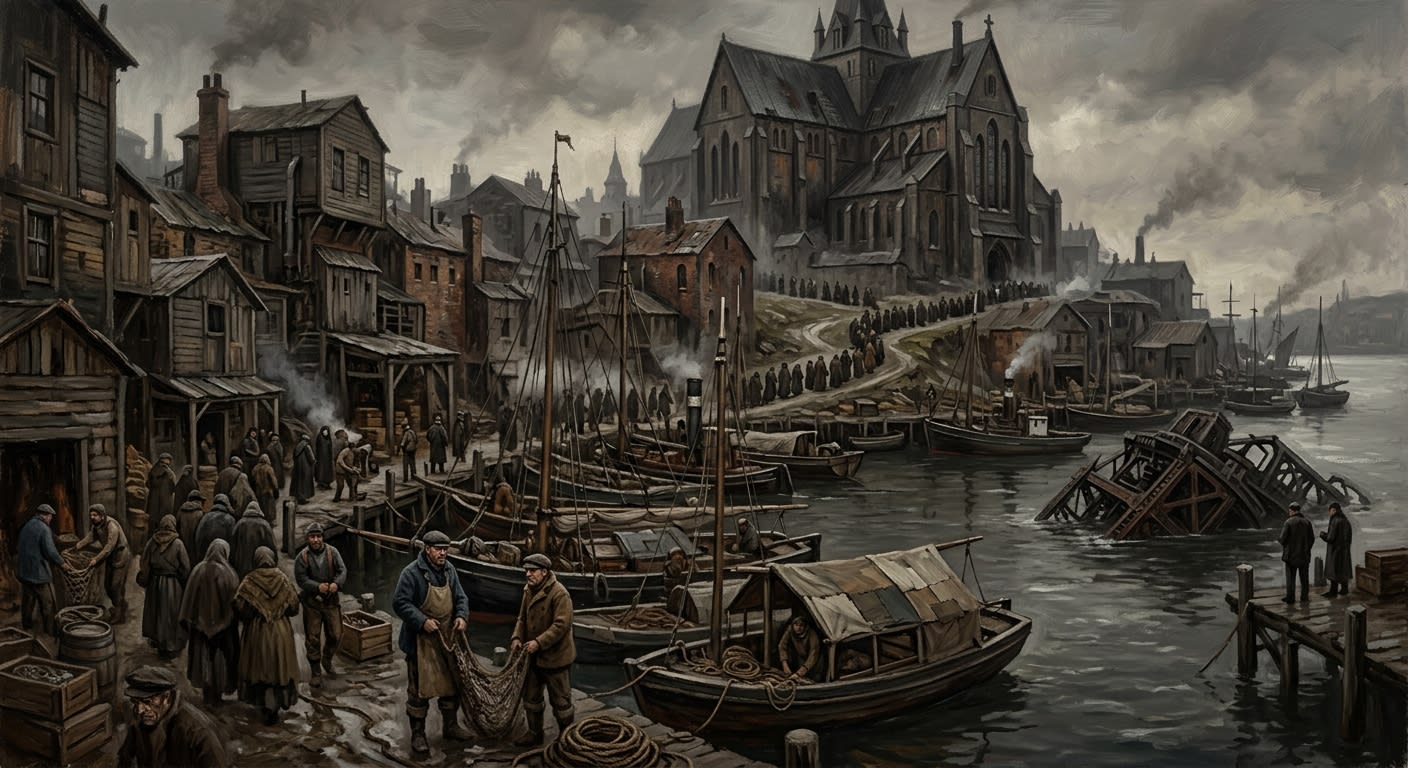
Phaleron Bay
The fishermen count boats because the water has learned names
Phaleron Bay is the Bosphorus inner approach's fishing ward, smuggling pocket, pilgrim nuisance, and quiet witness to the Iron Idol that waits below.
Codex Ref. II.4.09-189
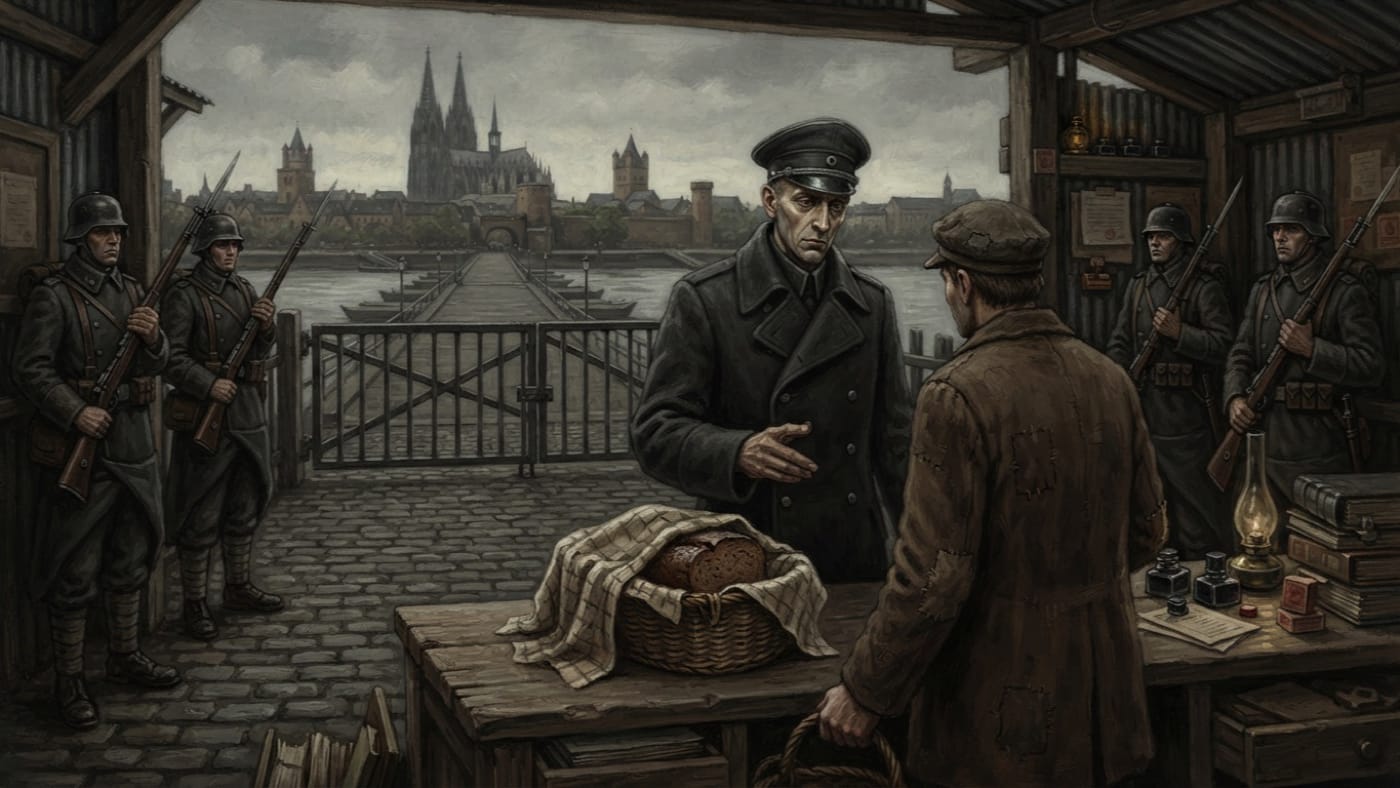
Philosophical Prefect
He looked at the basket. The bones went through.
A Rationalist examiner of documents, parcels and suspected sacred objects, attested at Cologne in A.S. 31. He waved Ignatius Brenner's breadbasket through. Three apostolic bones escaped; the inspector's name did not survive.
Codex Ref. III.2.01-031
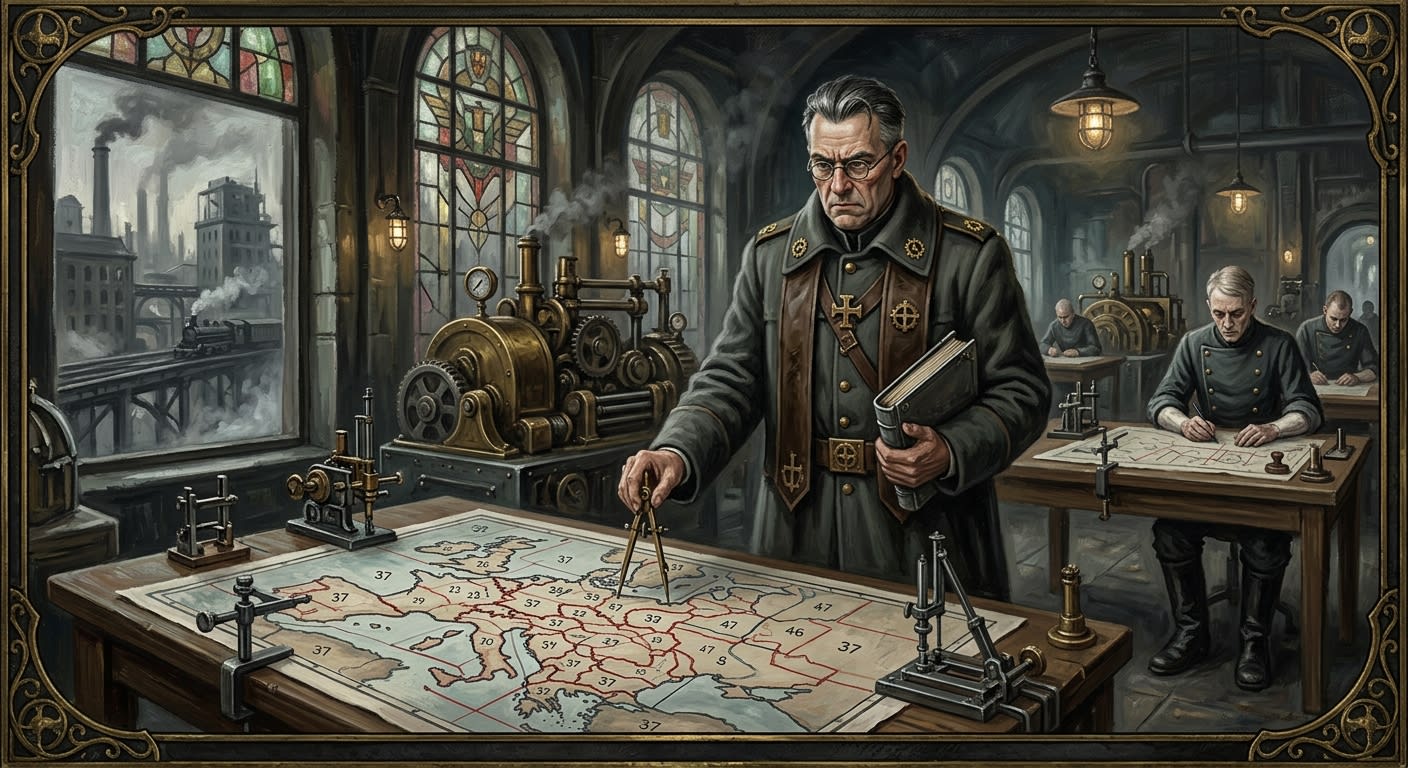
Philosophical Prefectures
Reason numbered Europe; Hell ignored the numbers
The Philosophical Prefectures were Reason's thirty-seven cuts across Europe: a map designed to erase saints, graves, borders, and memory by schedule.
Codex Ref. XIII.1.13-030
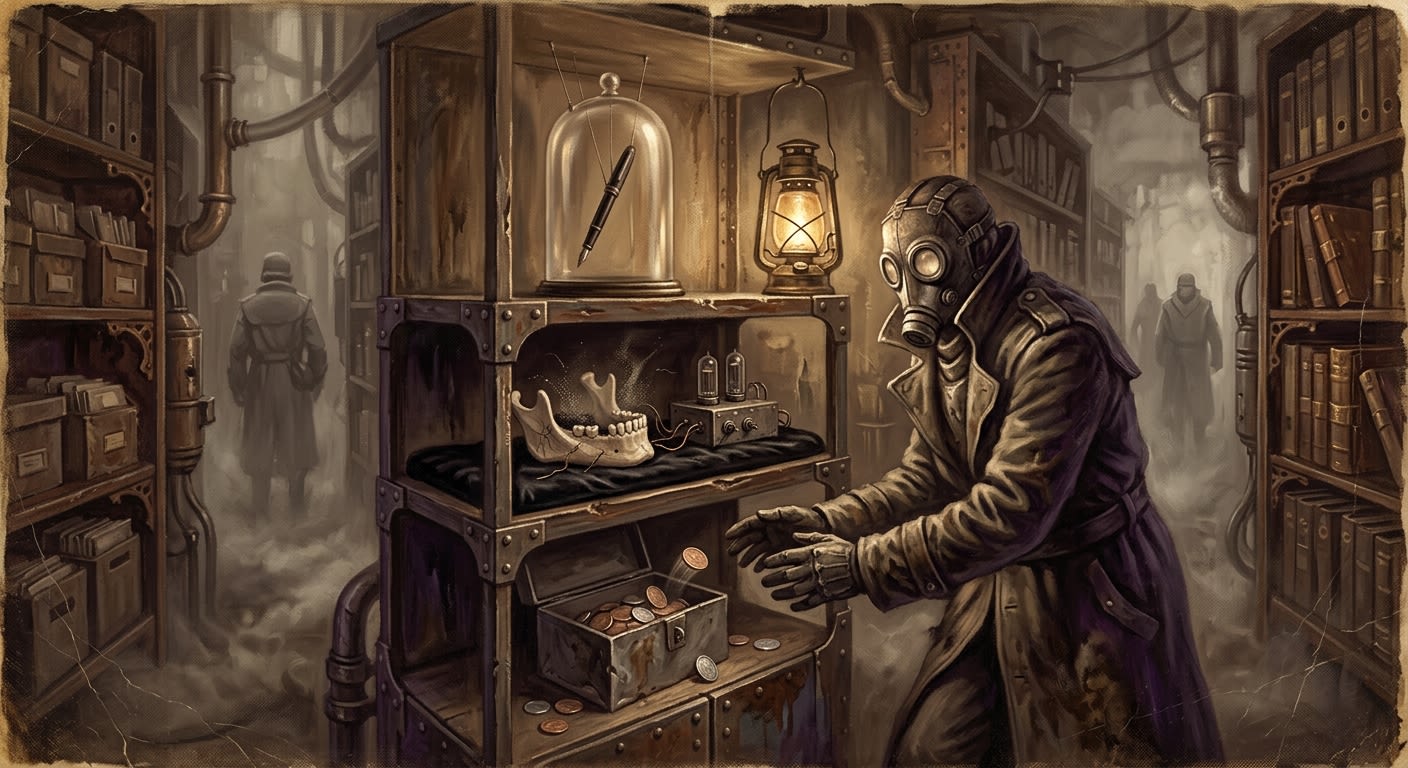
Physical Anomalies Collection
Matter misbehaved, was measured, and had the insolence to remain matter
Second silence of the Vault of Silences, preserving the Vienna pen, 217-hertz jawbone records, and returning coins that keep embarrassing their custodians.
Codex Ref. XIII.1.49-001
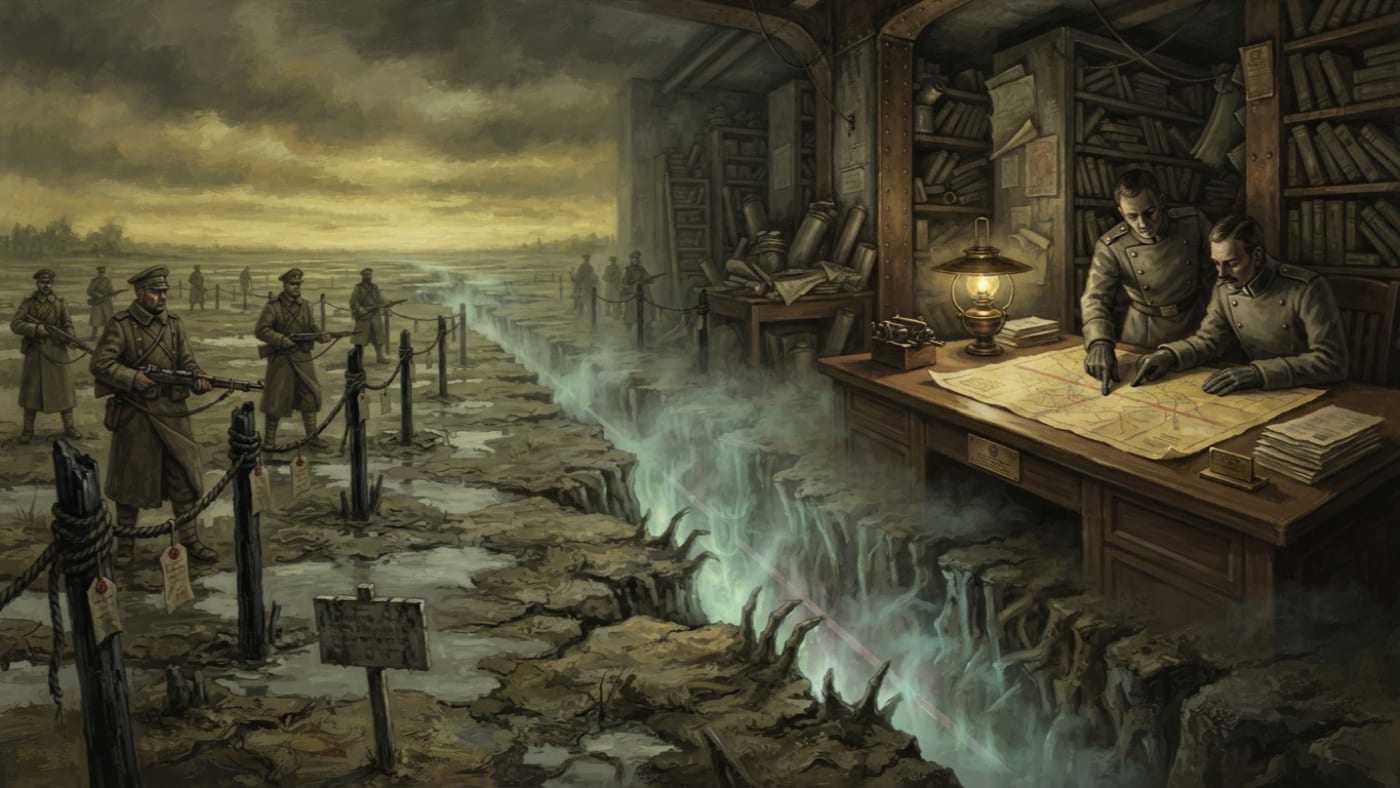
Piac Street
The map remained accurate. The ground became hostile.
Piac Street survives in Debrecen's civic plans, matched to the first fissure of A.S. 172. The Bureau permits consultation of the map; walking the line remains forbidden.
Codex Ref. II.4.09-172
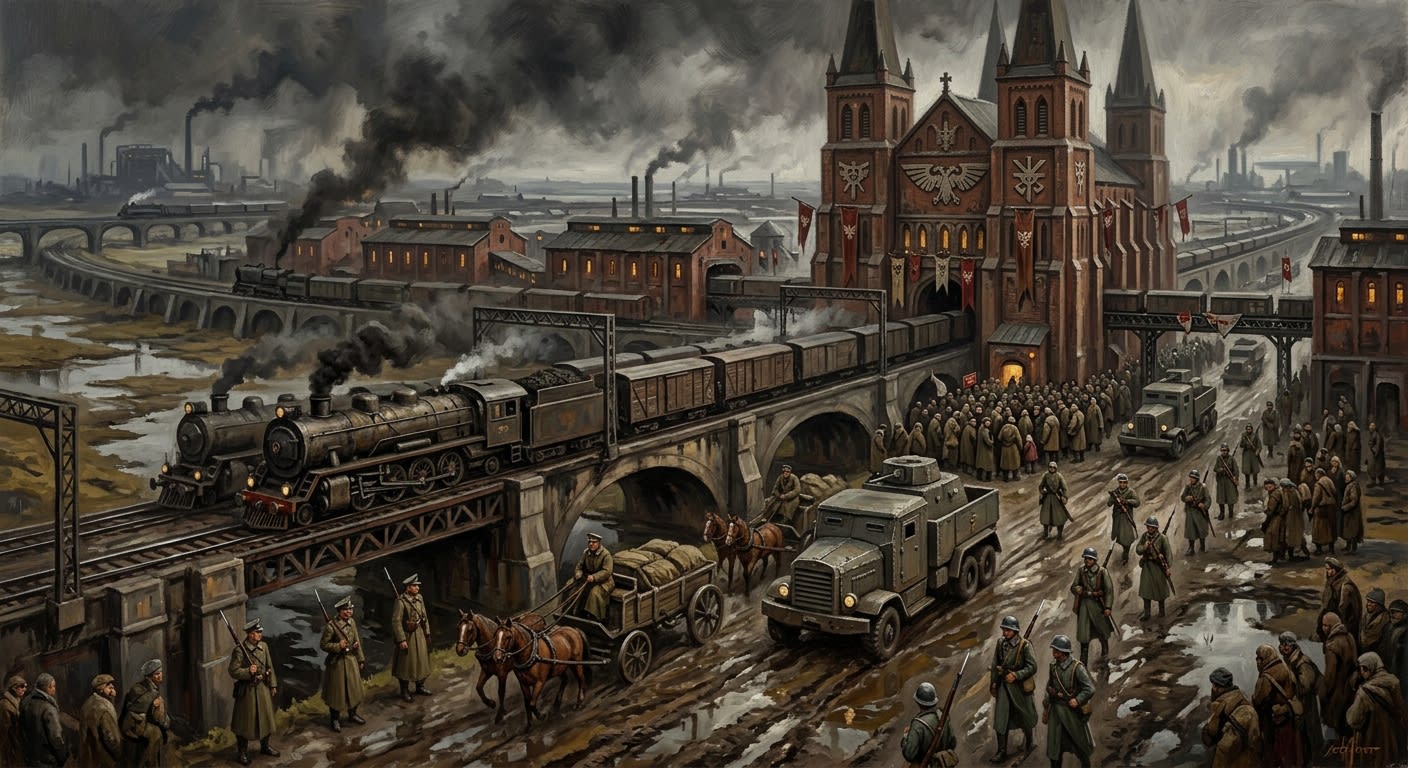
Polish Corridor
The flat throat by which Warsaw feeds the northern guns
The Polish Corridor is Warsaw's long flat throat: rail, road, hunger, prayer, and smoke feeding Brest and Königsberg while pretending passage is not a country.
Codex Ref. II.3.06-095
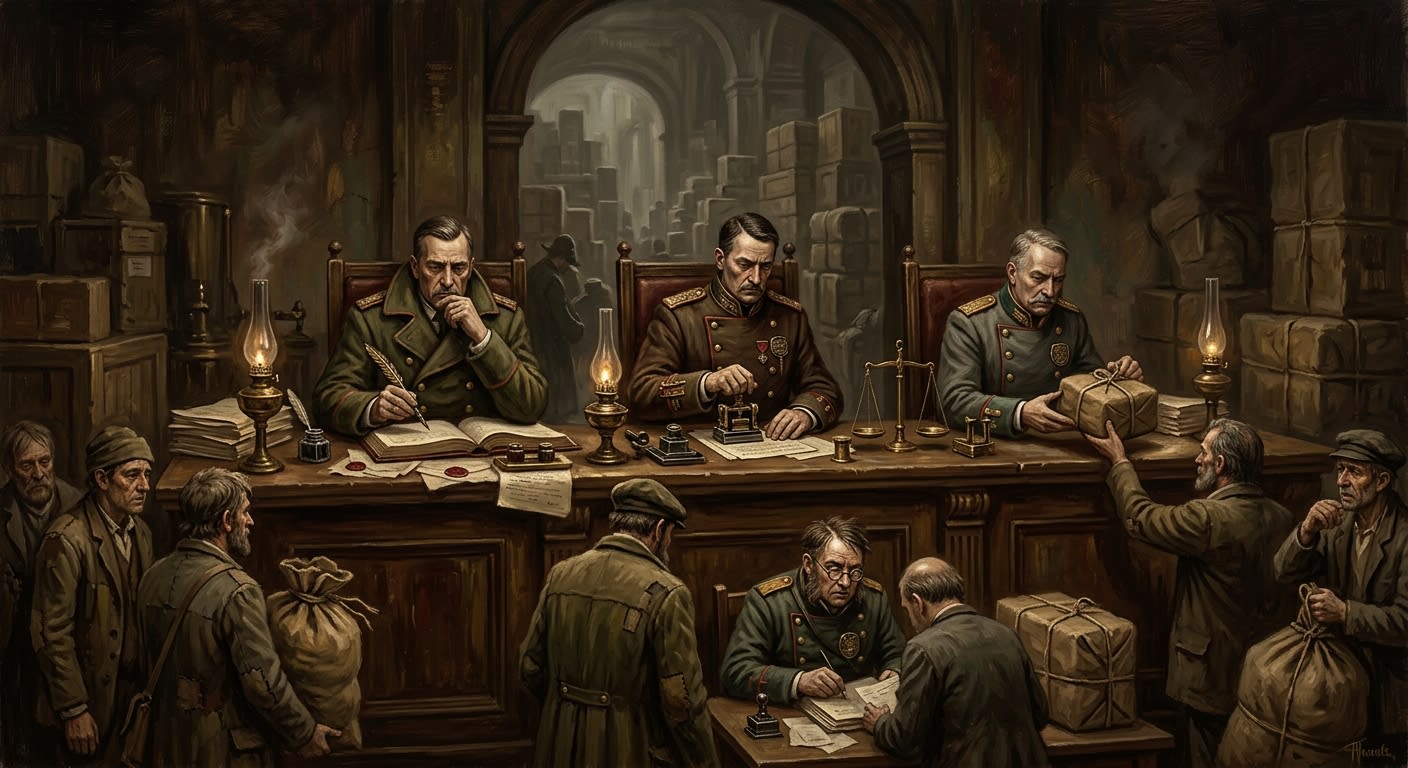
Port Court
Where cargo waits while permission proves it has a soul
The Port Court names cargo before mercy may touch it: a Commerce bench where sacks become law, law becomes delay, and delay invoices the hungry.
Codex Ref. XIII.1.89-112
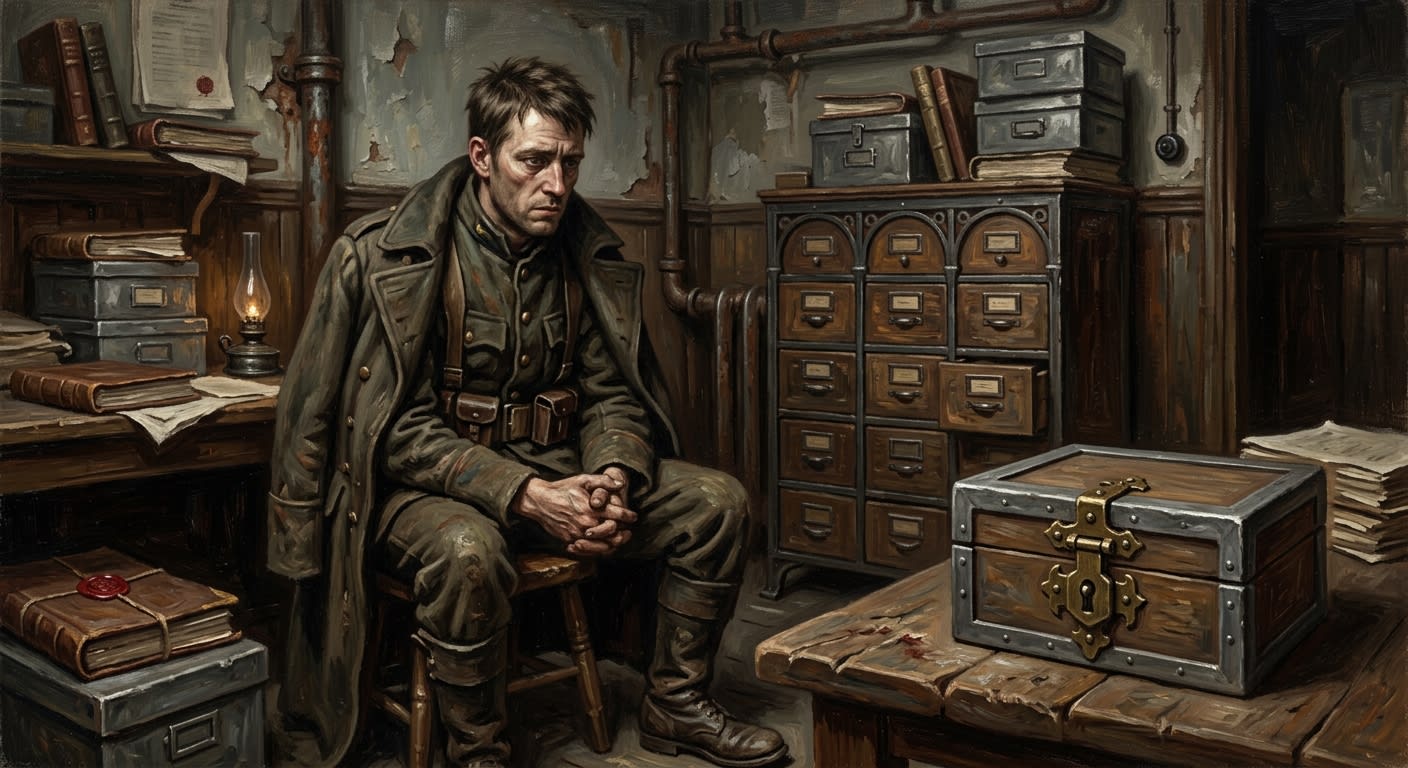
Private Kessler
The low-rank witness who heard annihilation carry a tune
Survivor of the A.S. 45 Iron Plains whose separate testimony—“The fire was singing”—is kept apart from the fourteen witnesses as an acoustic hazard and doctrinal wound.
Codex Ref. III.2.01-081
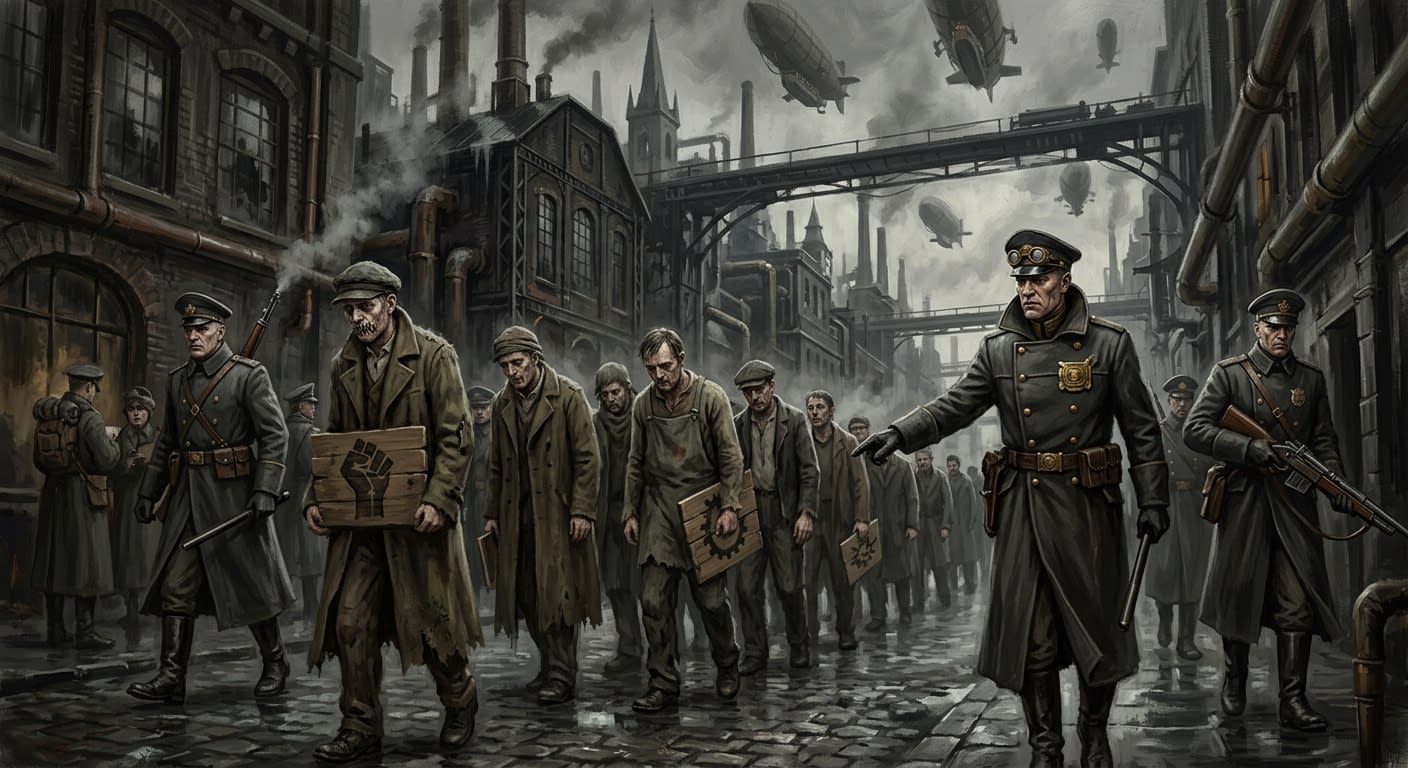
Procession of Silence
The Republic called mutilation progress and printed it neatly
The Procession of Silence was the Rationalist public mutilation rite that paraded sealed mouths as civic instruction before Ironmouth made the knife legal.
Codex Ref. VII.8.10-003
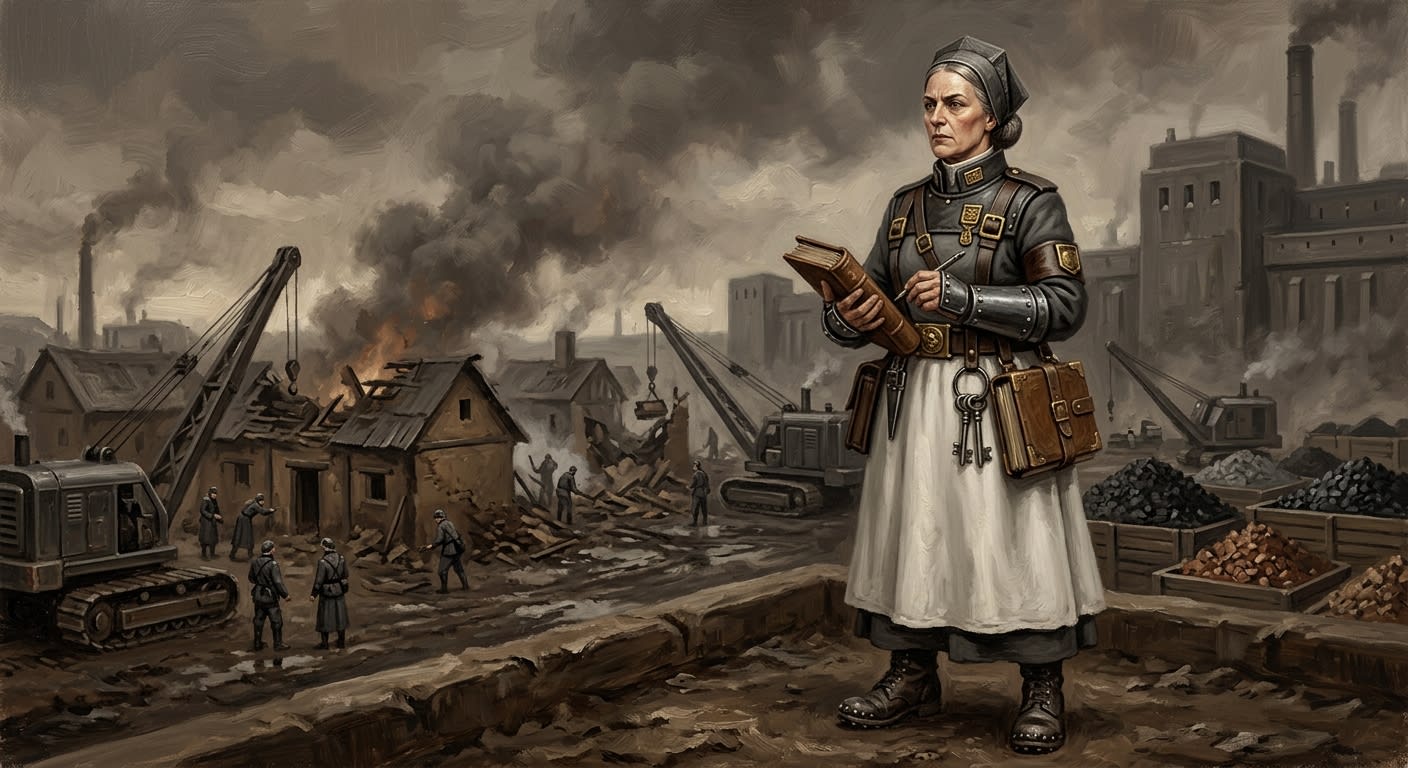
Procurator Hildegarde of Mainz
She made correction visible and mercy file its own apology
Hildegarde of Mainz gave Purity its white mantle, razed forty tithe villages, and became the saint of visible correction.
Codex Ref. III.2.03-001

Professor Gérard Molyneaux
The man who gave panic a professorial overcoat and called the missing sun weather
Rationalist professor whose A.S. 32 volcanic hypothesis explained away the Year Without Dawn, won a medal, and survived only as evidence that confidence can be catalogued as guilt.
Codex Ref. III.2.01-079
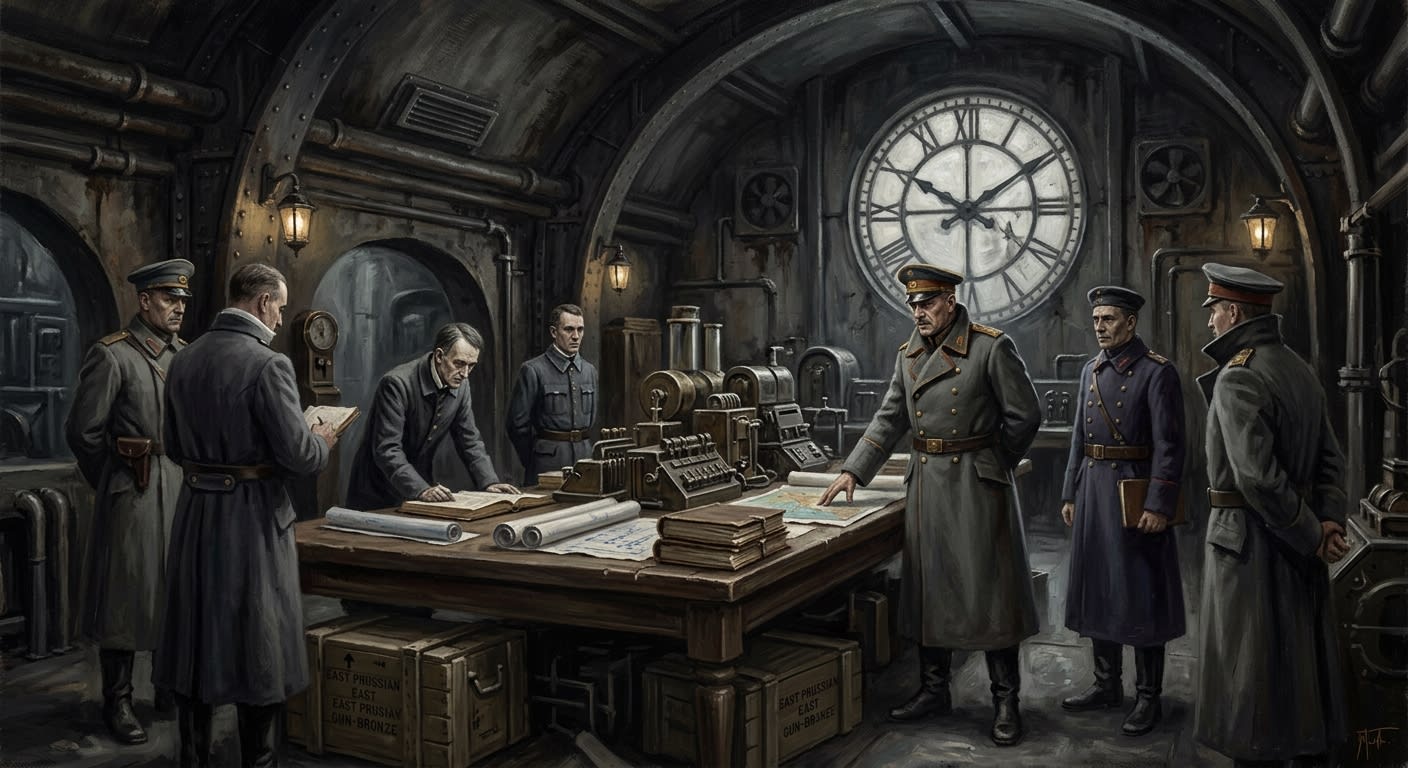
Prussia
The state died; the timetable kept breathing
Prussia is the dissolved northern kingdom that survived as method: rail clocks, cold clerks, officer corridors, East Prussian gun-bronze, and the north's habit of arriving.
Codex Ref. II.4.09-095
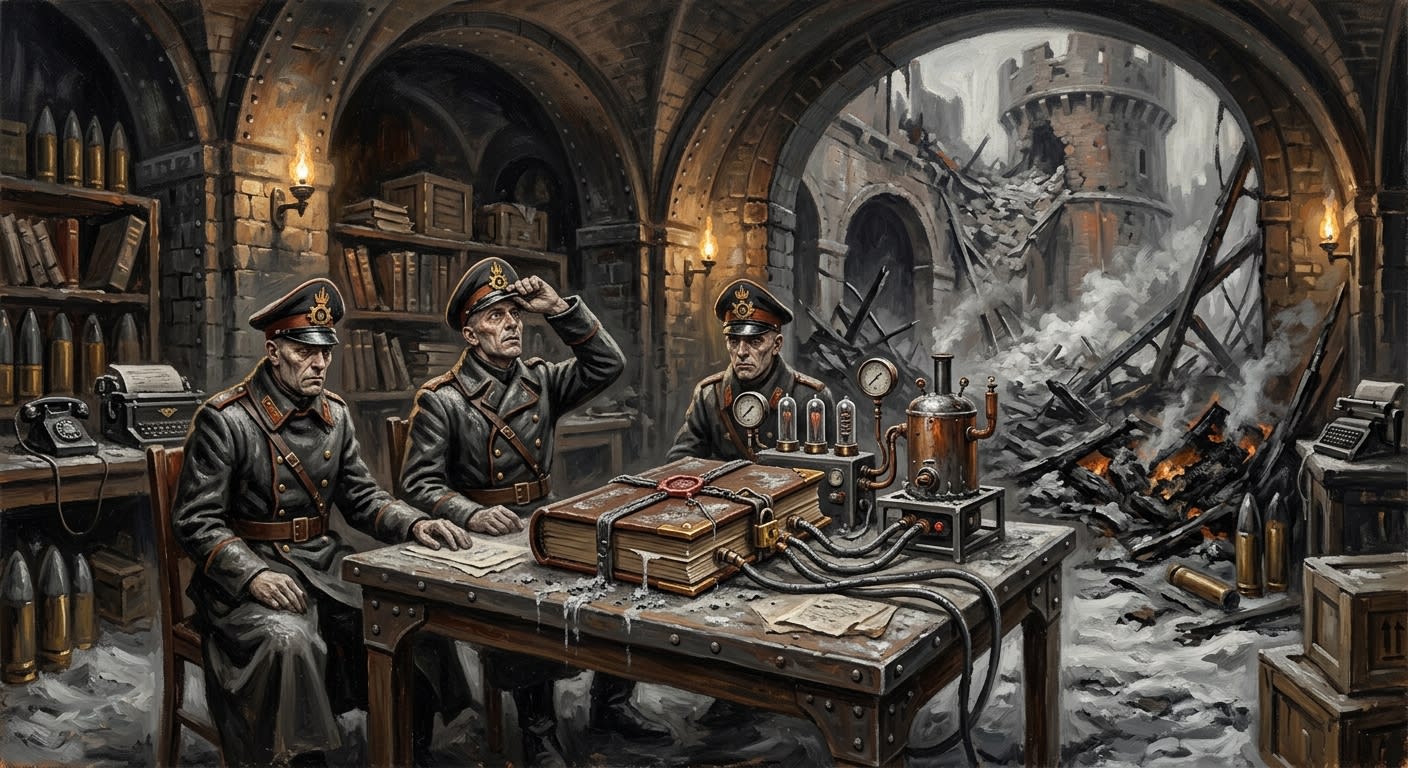
Psalm of Consuming
The Toledo fire-prayer that spent custody into ash
The Psalm of Consuming is Toledo's sealed fire-prayer: a relic-bound formula whose two lawful recitations turned siege stores, tower, and custody into ash.
Codex Ref. XIII.1.57-015
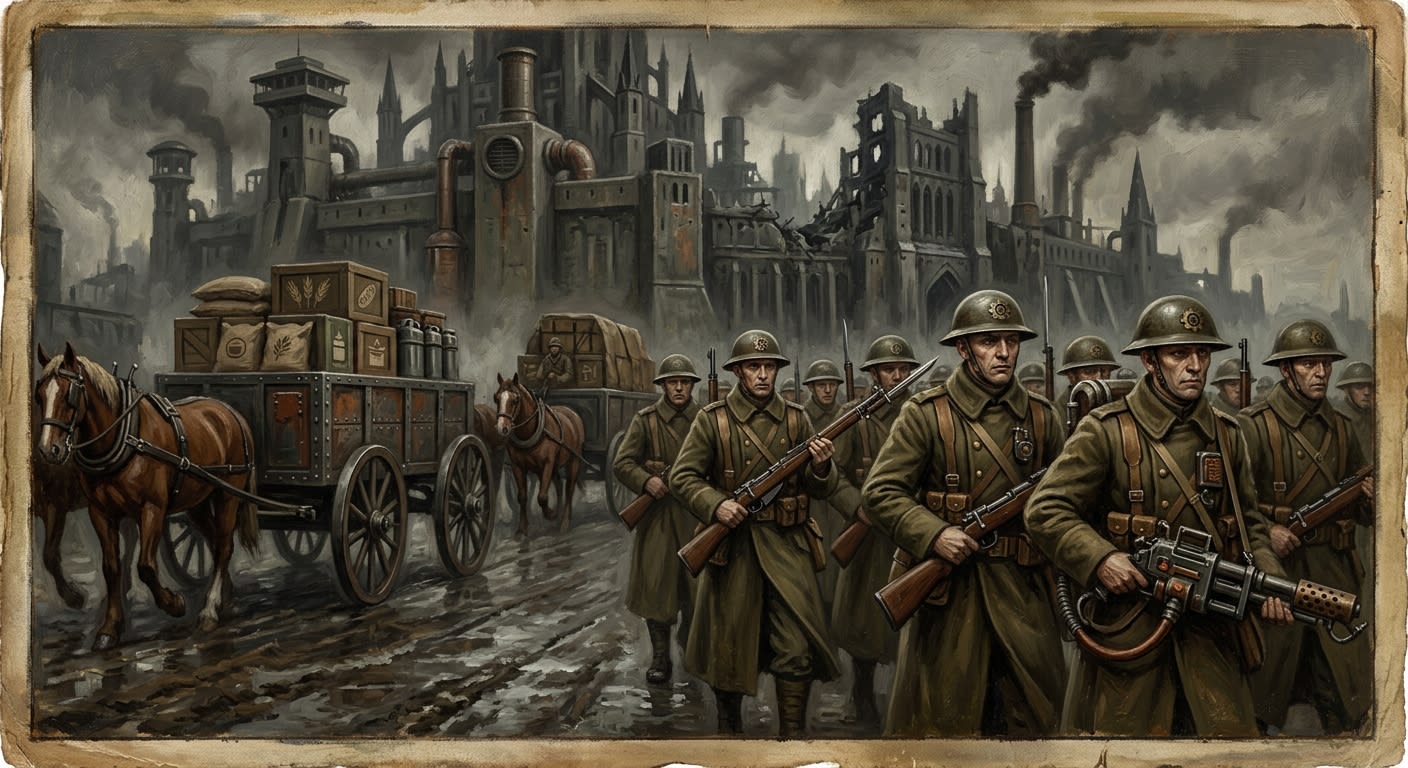
Rationalist Second Army
Competence marched east, and Hell corrected the formation
The Rationalist Second Army did nearly everything correctly: it brought rations to Hunger, formation to Wrath, and left the Synod a perfect instructional corpse.
Codex Ref. VIII.1.05-045
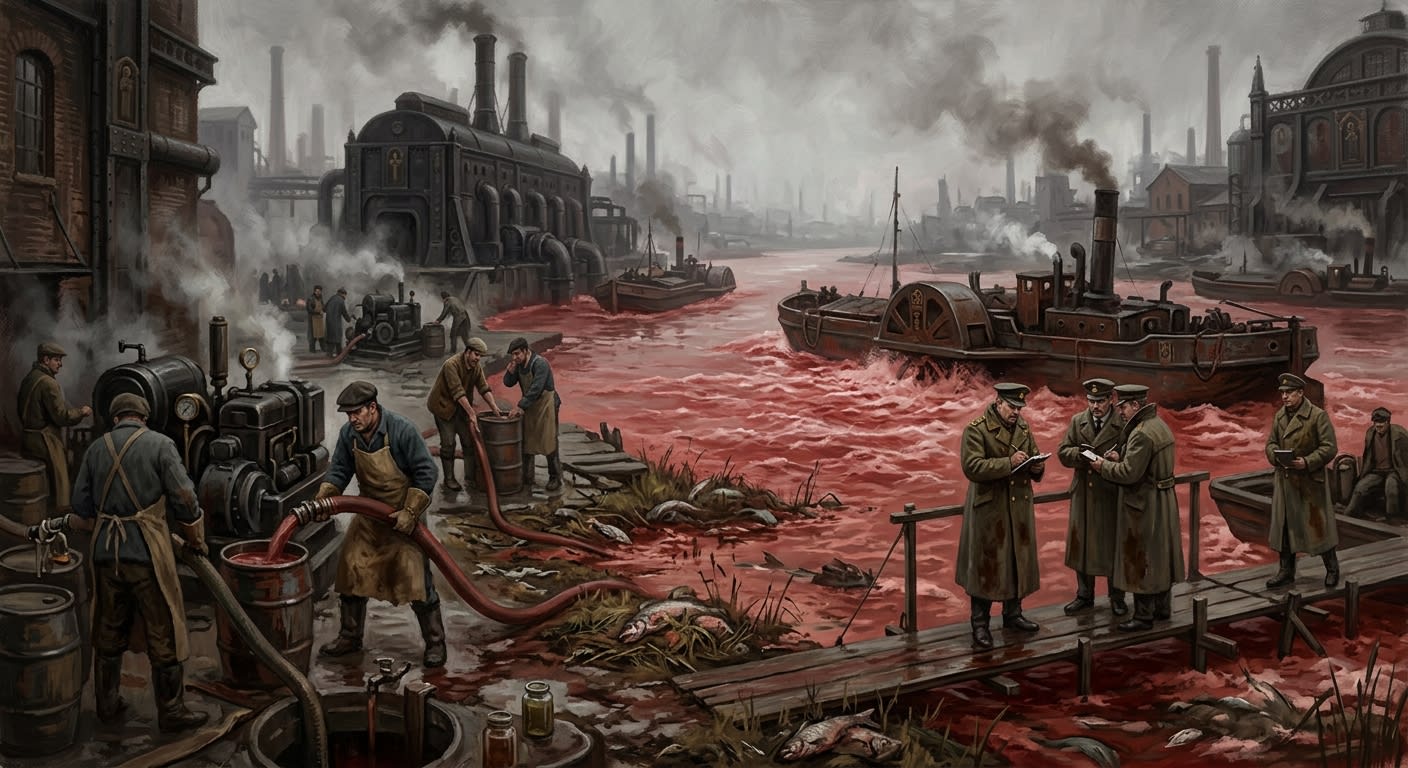
Red Flood of the Danube
The river cleared; the warning did not
The Danube ran crimson for three weeks in A.S. 34, boiling, staining wells, killing fish, and teaching Rationalist hydrology that some rivers are invoices.
Codex Ref. VII.4.18-001
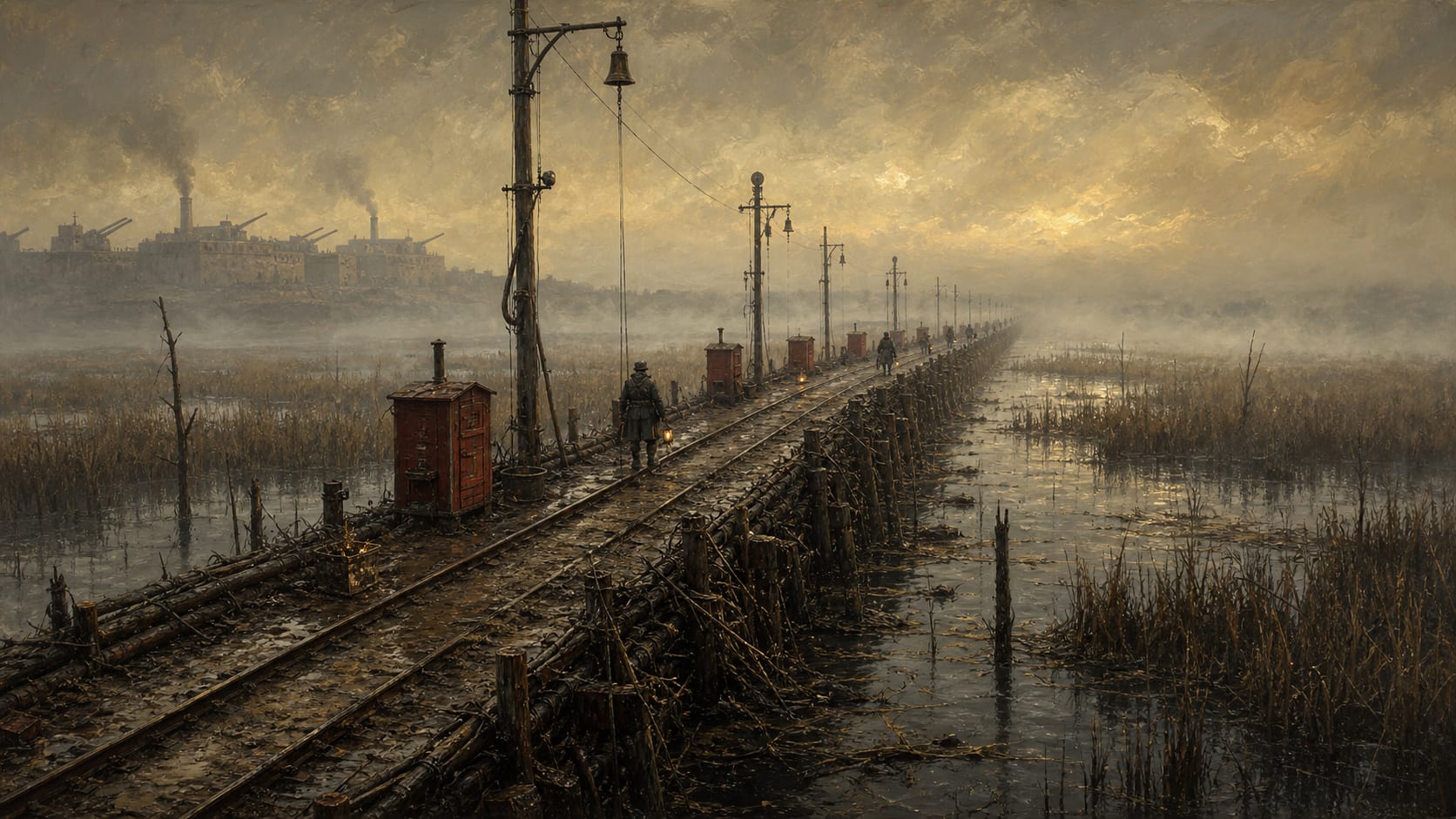
Reed Road
A bar of mud-stained insistence laid across sleep
The Reed Road is Bastion-Shipka's raised rail-causeway through the Phocis Marsh: supply artery, timing instrument, Scour fuse line, and daily insult to Syrion's fog.
Codex Ref. II.4.08-016
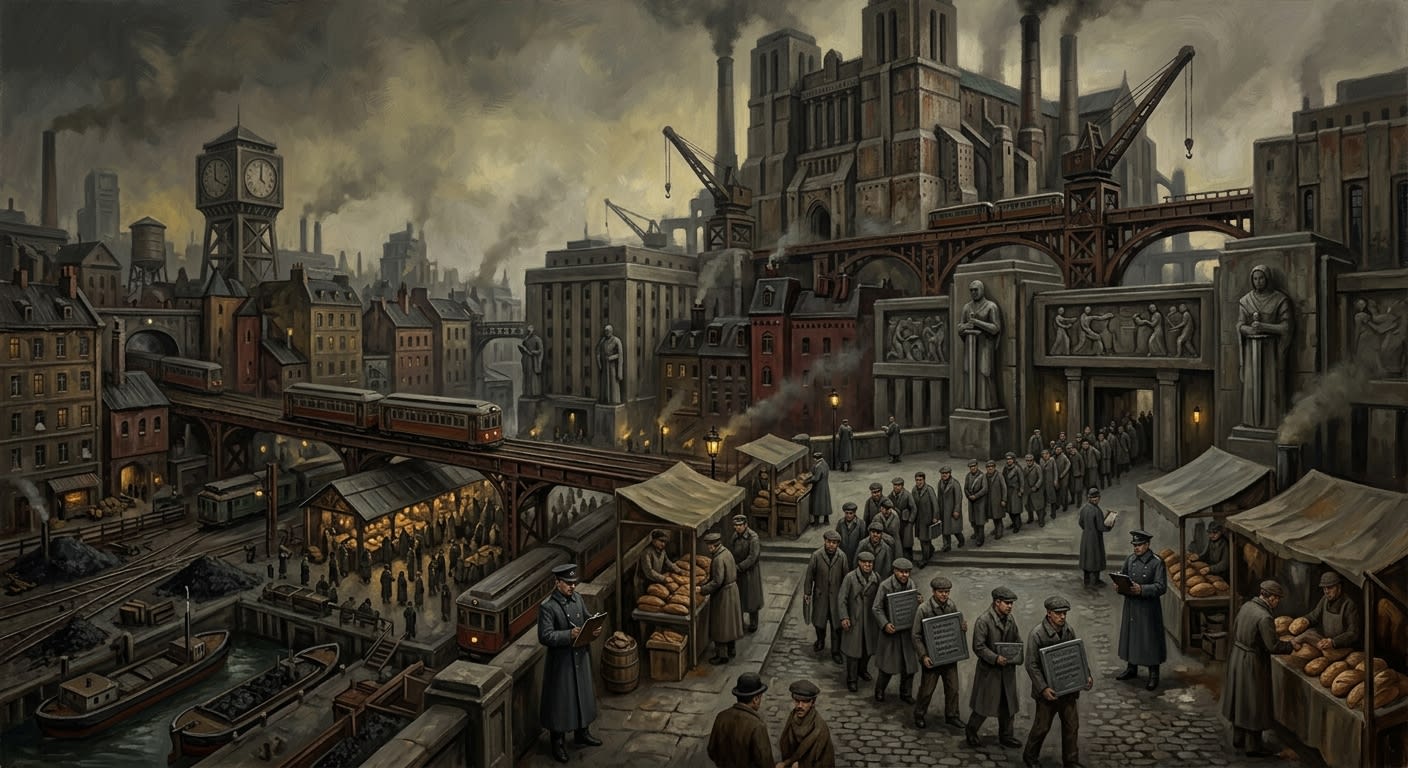
Regensburg
The city that sold false dawn by the plaque and glass
Regensburg hosted Reason's false triumph, sold bread to signatories and plaques to penitents, and still rehearses its profitable disgrace under Bureau watch.
Codex Ref. II.2.03-030

Reims
The smiling wine city that profits from an empty neighbour
Reims smiles under inspection, sells lawful wine beside impossible Épernay tokens, and teaches that a city can inherit a neighbour's absence without inheriting innocence.
Codex Ref. II.1.07-103
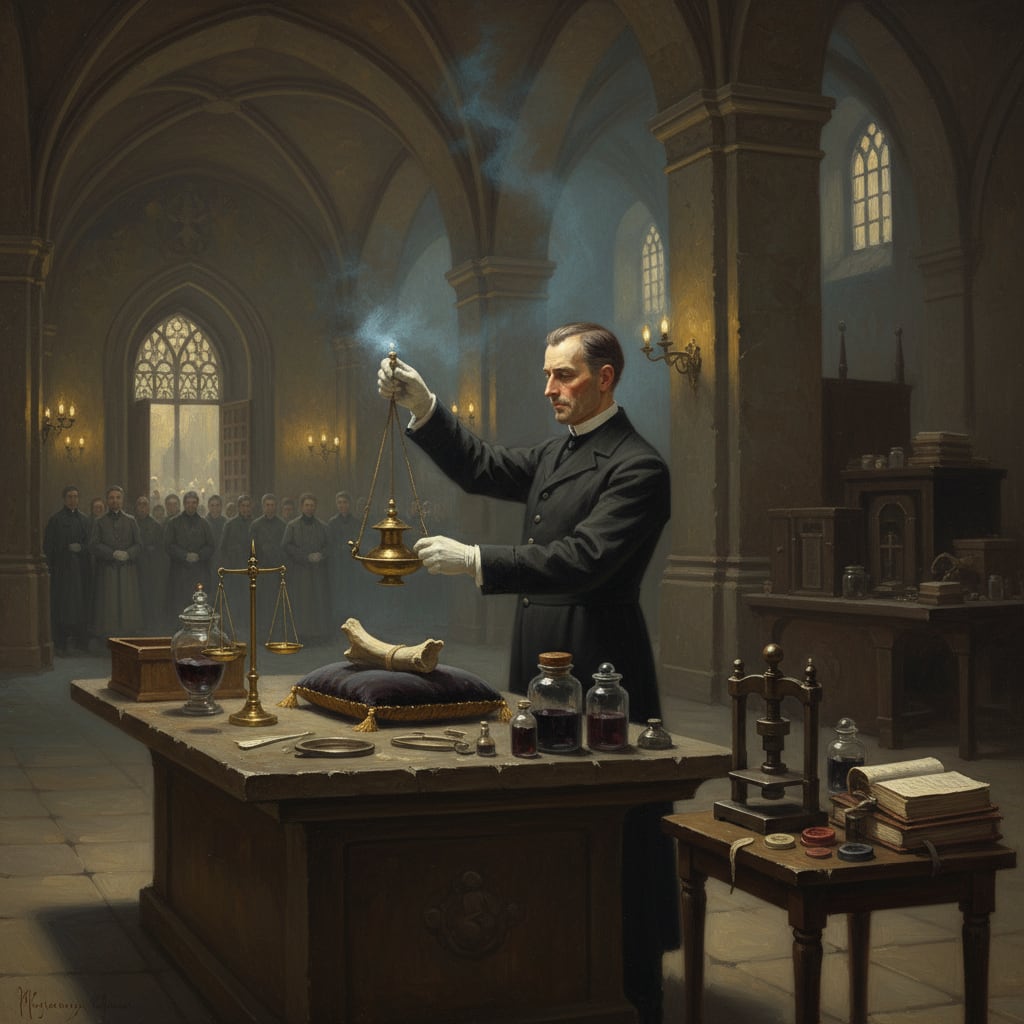
Relic Authenticator
The stamp makes the filing complete; the bone remains what it was
The Synod's miracle-bureaucrats — clerks with gloves, lamps, and seal-presses who decide whether a fragment of bone is holy or merely expensive.
Codex Ref. XII.35.01-001
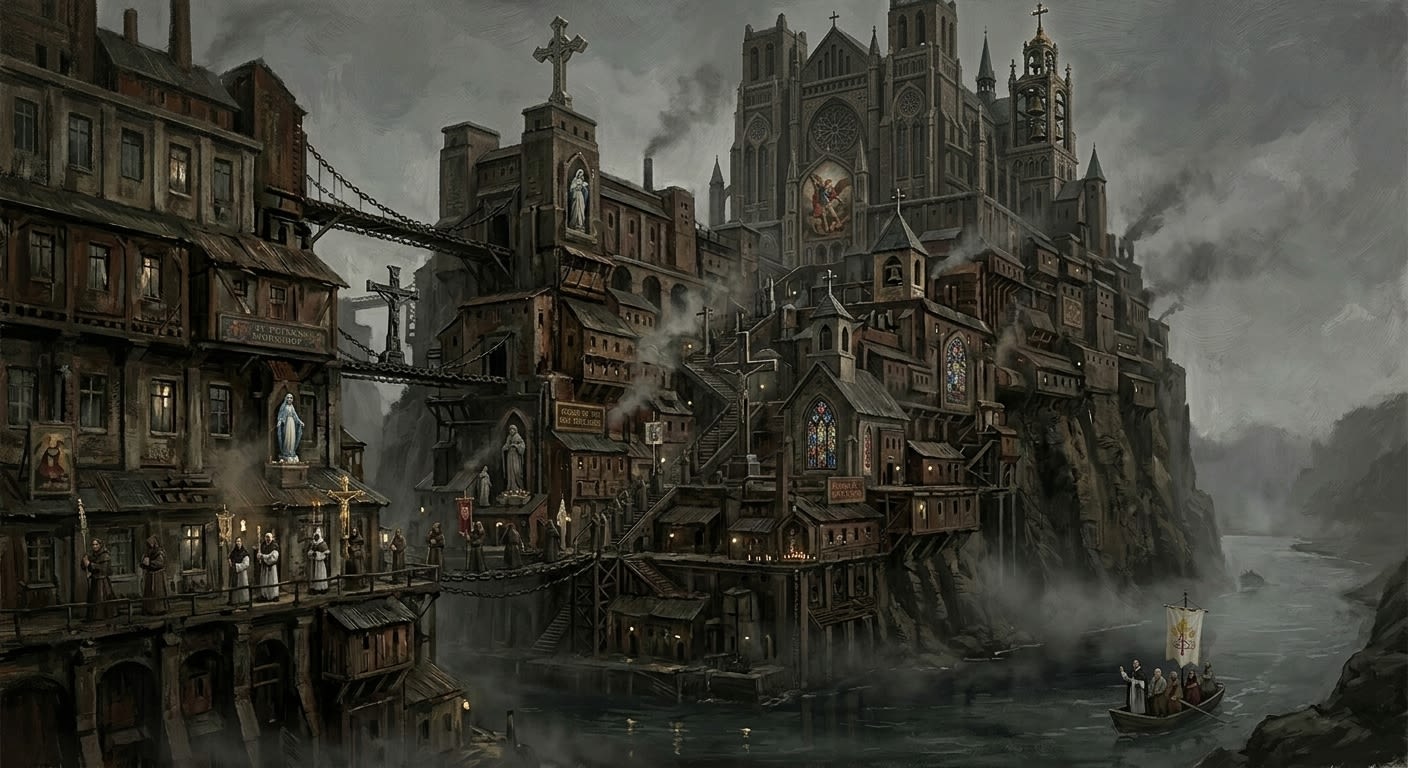
Rheinscarp
Nine terraces of sanctified extortion above the Rhine — each stair a sermon, each sermon a fee
A cliff-city above the Rhine, stacked nine terraces high and governed by three powers who own, respectively, your name, your time, and your ashes. Drax has climbed it twice and counted only the fees.
Codex Ref. II.2.01-002
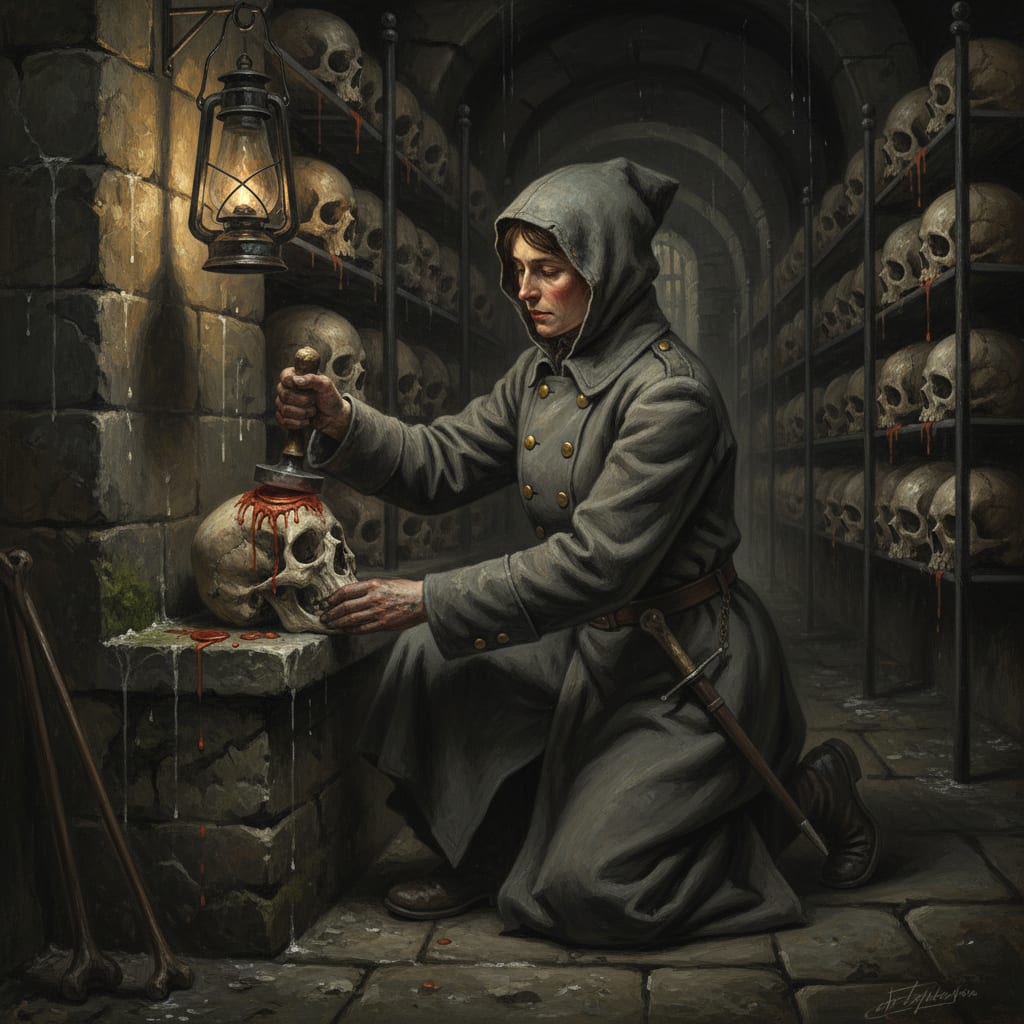
Ritual Bone-Stamper
Unsealed is unbound; the stamp is mercy; the stamper is what mercy costs
The Bureau of Records calls them Ossuary Authentication Wardens. The stampers call themselves tired. They have sealed the night-shift dead since A.S.
Codex Ref. XII.37.01-001
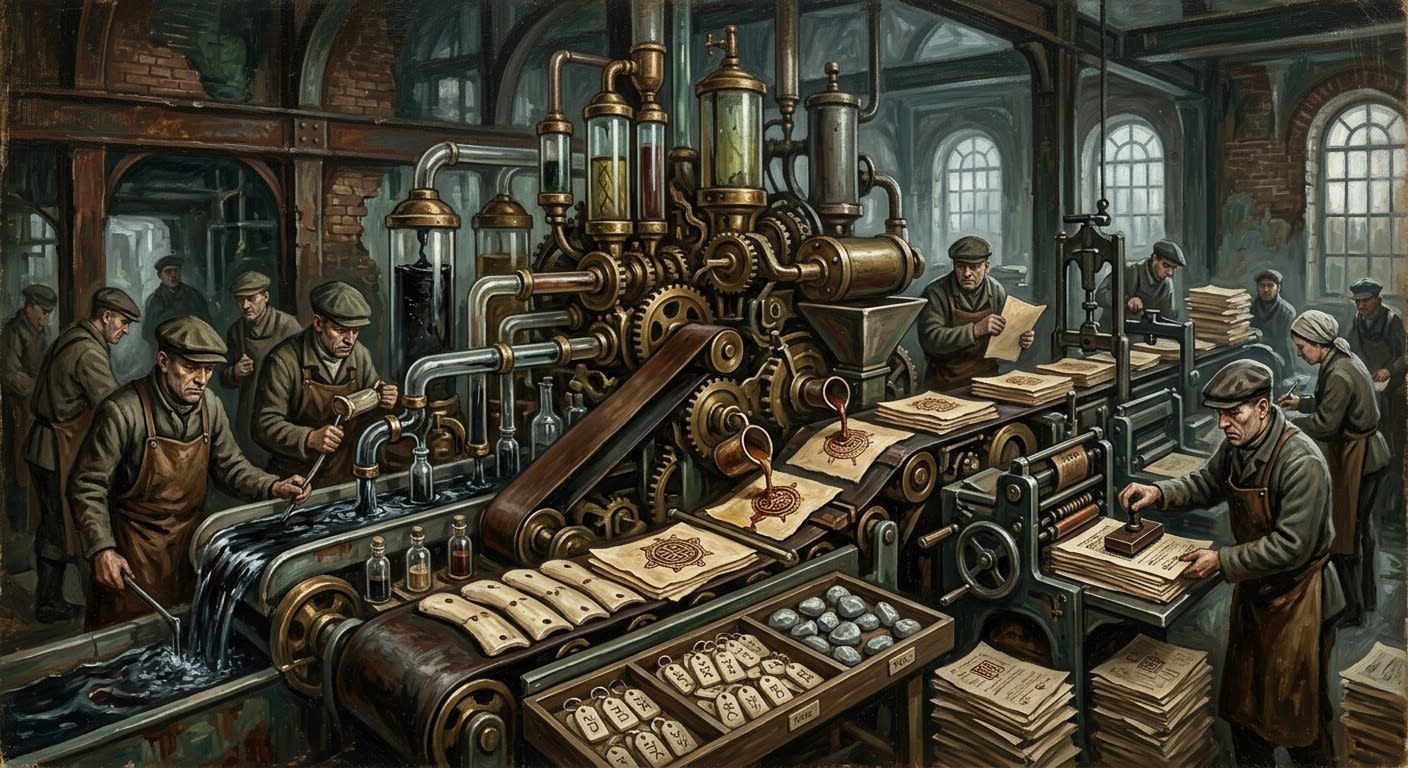
River-belt
The wet spine where permission learns to float
The River-belt manufactures permission in water, wax, ink, toll-stone, bone tags, saint-dust, and every damp little form by which reality becomes admissible.
Codex Ref. II.1.03-082
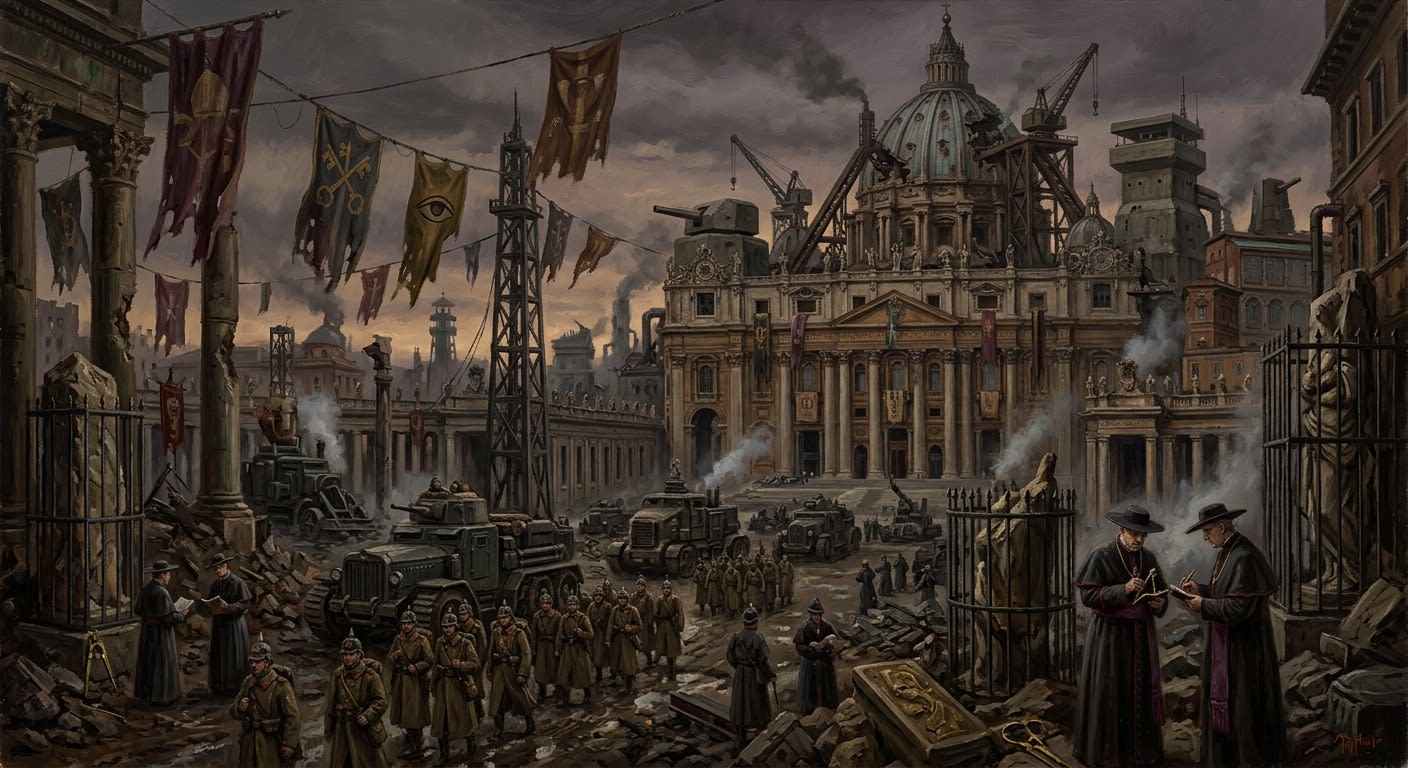
Rome
The old chair, subordinated and still dangerous in pieces
Rome is the Synod-held Old Chair: ruined, supervised, relic-rich, papalist-haunted, and too symbolically useful for Strasbourg to bury cleanly.
Codex Ref. II.1.11-201
Sacred Ledger
The Synod's memory, sharpened until grief signs the receipt
The Sacred Ledger is the Synod's authorised memory: fact cooked into Doctrine, grief made grammatical, contradiction kept on a leash.
Codex Ref. XIII.1.32-090
Saffron Bastion
Where quarantine is mercy, mercy is leverage, and the sea pays what it owes
The Synod's coastal chokepoint on the Adriatic — quarantine piers, cliff batteries, saffron flags, and one hundred and twenty thousand souls balanced on the edge of an audit. The sea pays what it owes.
Codex Ref. II.4.09-001
Saint Aegidius
The patron of the waiting hand and the honest charge
Saint Aegidius is the artillerymen’s patron: foundry hand, martyr of the Third Peal, saint of timed violence, bell-cannon discipline, and Shipka’s sulking gun.
Codex Ref. III.2.01-194
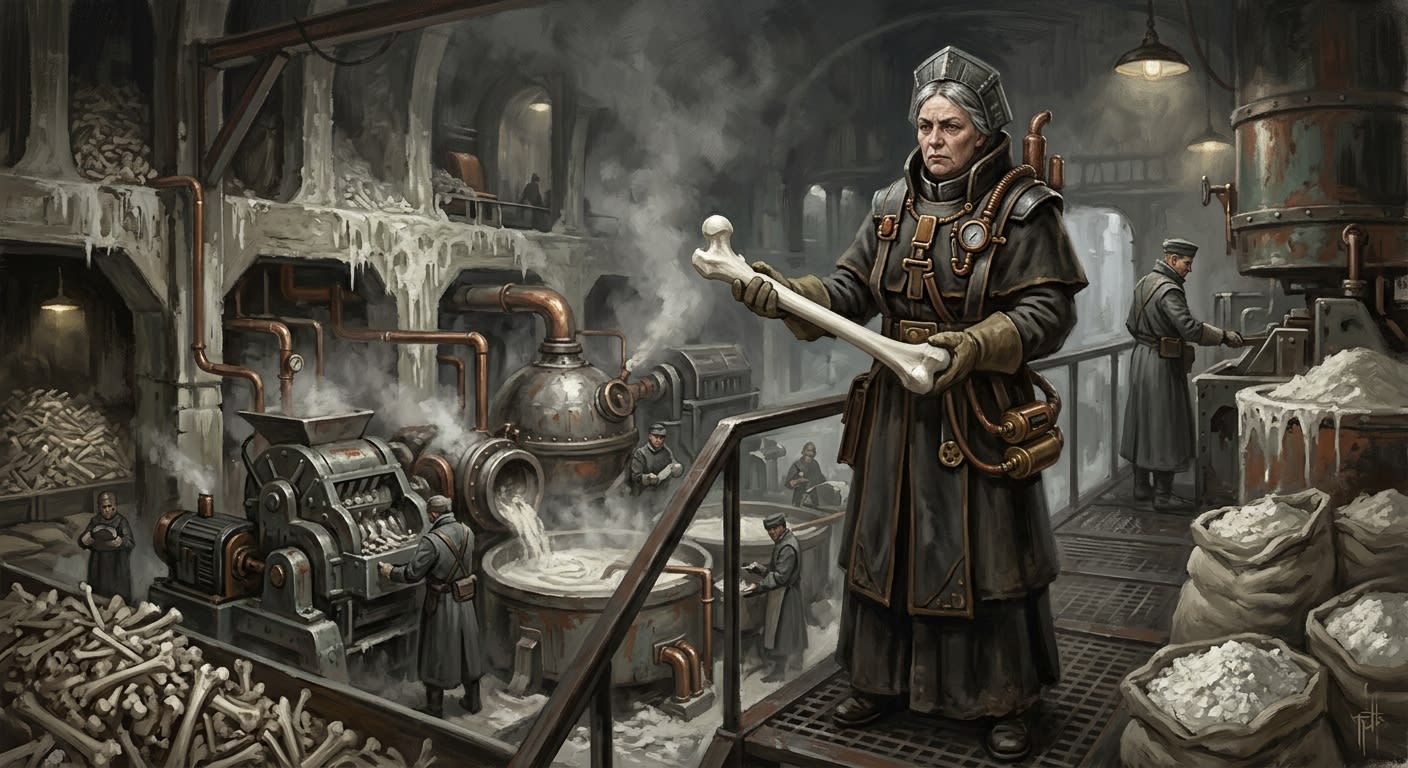
Saint Aurel of the White Wall
The saint who may have arrived after the invoice, yet holds the wall all the same
Disputed patron of Saint-Bone Melters, Saint Aurel offers the convenient femur by which relic fragments become bone-lime, mortar, wall, and doctrine with a clean conscience.
Codex Ref. III.2.01-142
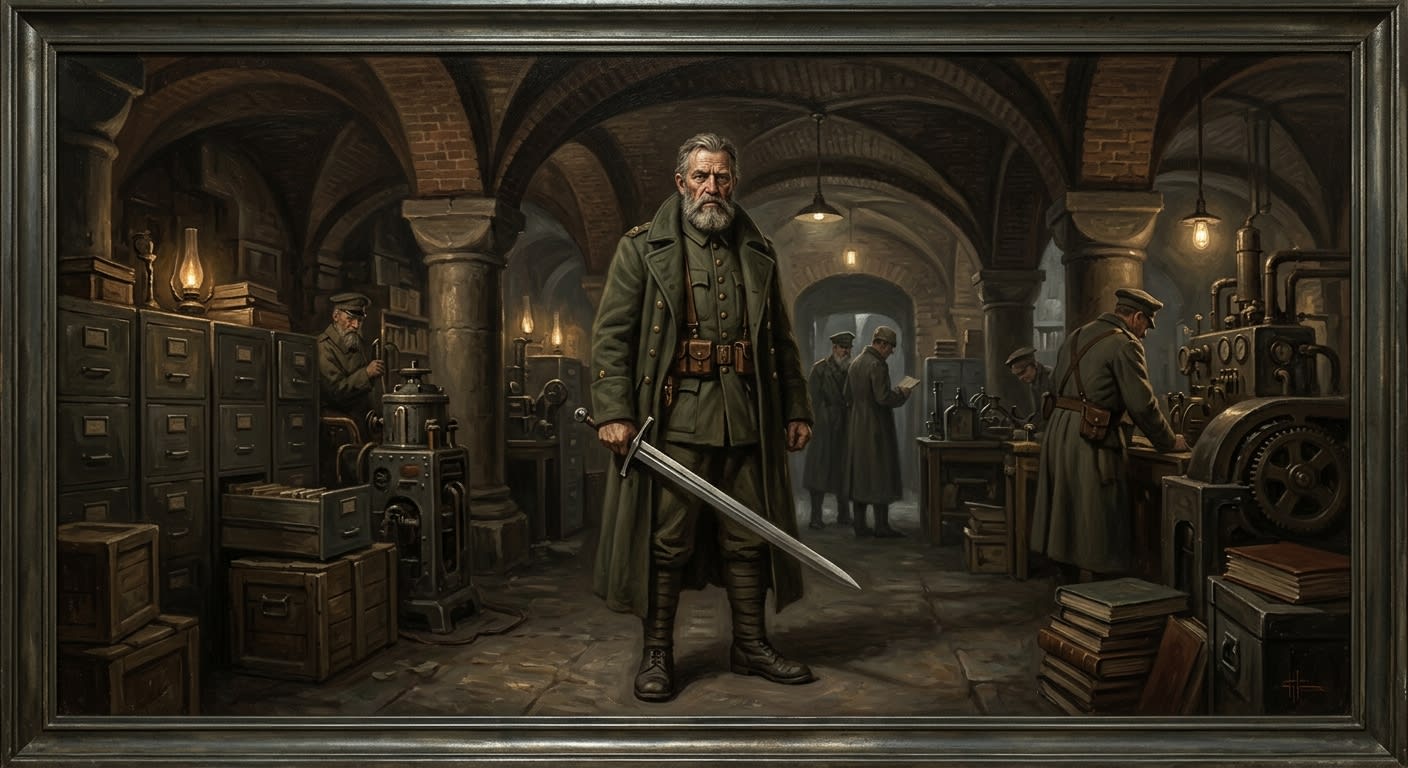
Saint Gereon
The soldier-saint whose crypt taught Cologne how refusal walks under law
Old soldier-saint of Cologne, patron of disciplined refusal and crypt custody; every faction borrows his sword, which proves the blade remains sharp.
Codex Ref. III.2.01-031
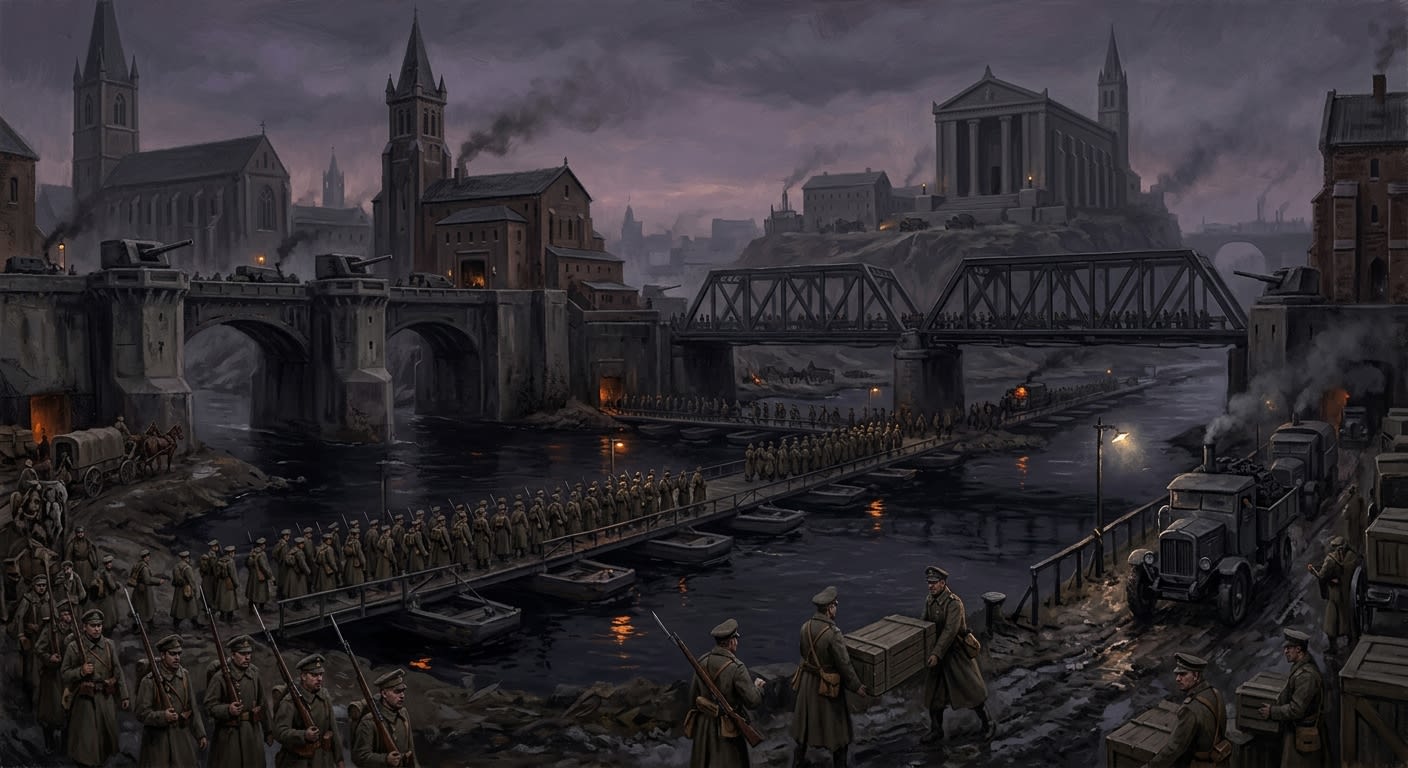
Saint Hadrien's Ford
The river-crossing where biography drowned and doctrine learned to wade
Saint Hadrien's Ford is the Danubian crossing where an old river saint became military property, and black water learned to invoice courage.
Codex Ref. II.4.09-172
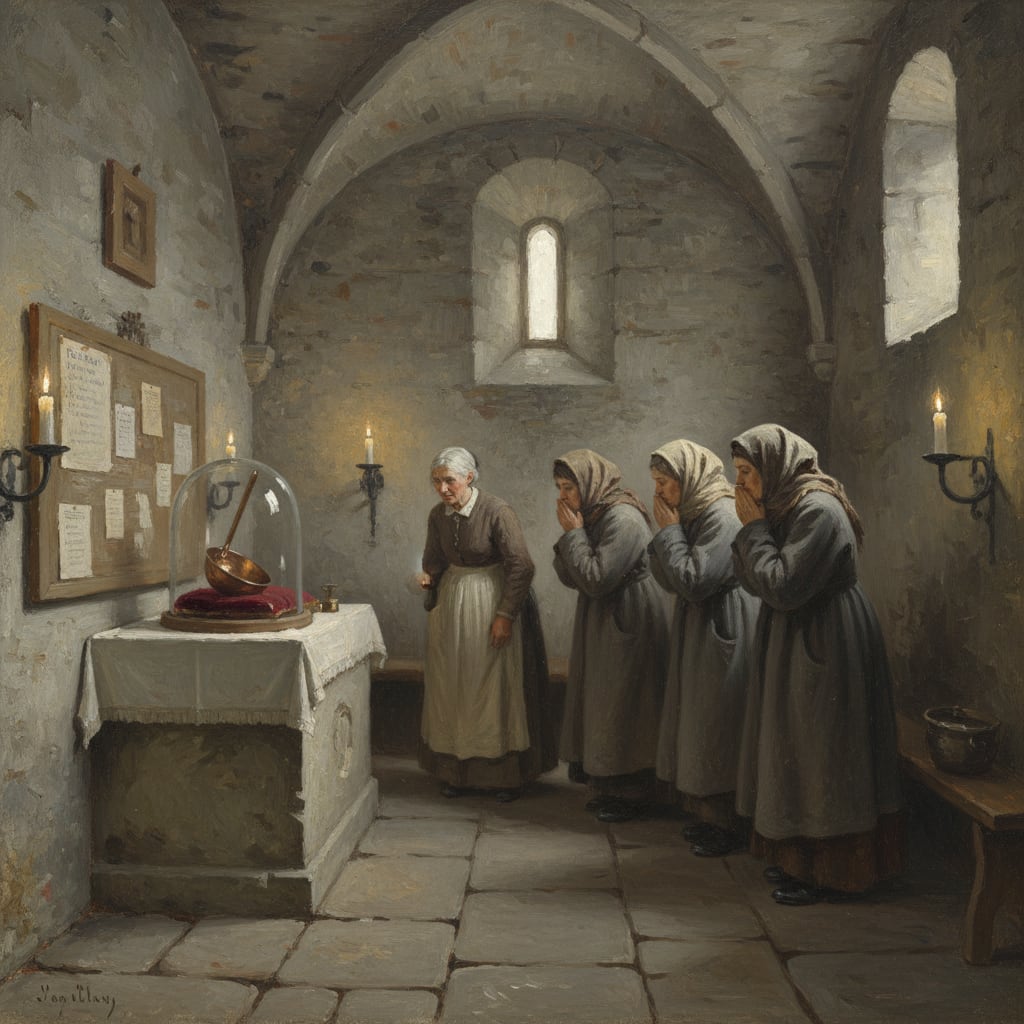
Saint Halva of the Warm Ladle
Salt of the Institution, patron of acceptable portions
Patron saint of the Mothers of Plenty, canonized A.S. 94 with zero miracles attested, no body produced, and a relic the Bureau of Relics classifies as "devotionally sufficient." She may not have existed.
Codex Ref. III.2.01-001
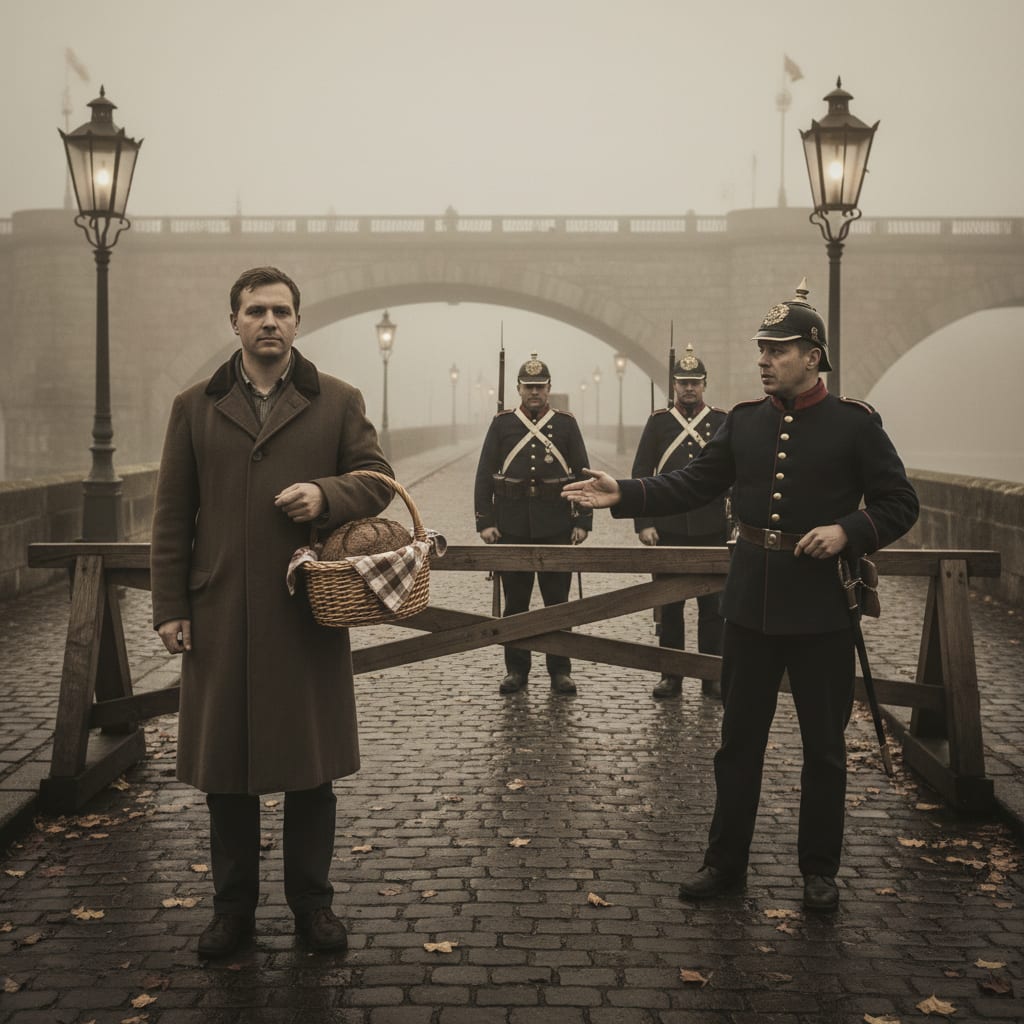
Saint Ignatius the Carrier
He walked. That was enough.
Parish clerk who carried three apostolic phalanges across a Rationalist checkpoint in a breadbasket. Zero personal miracles; one Kalnik Ridge. Canonized A.S. 104 at the insistence of every porter, smuggler, and supply-runner on the Line. He walked. That was enough.
Codex Ref. III.2.01-003
Saint Isidore
The saint who became vessel, bell, ash, and invoice
Pre-Synod saint whose militarised relic blazed at Kalnik Ridge in A.S. 48, then multiplied into bell, ash, Grace Ration, Toledo verdict, and Bureau invoice.
Codex Ref. III.2.01-086
Saint Liora Knot-Hand
Thirty knots, thirty doors, and the miracle of obligation made visible
Patron of the Bureau of Oaths, Saint Liora Knot-Hand bound thirty hungry households into survival with witnessed vows and a strip of cloth. Mercy counted; the knot remembered.
Codex Ref. III.2.01-012
Saint Theophania
Nine days of oil and one drop of inconvenient witness
Theophania hid children in Lyon, taught prayers in whispers, and after the Concordat let a statue do what officials hate most: testify without permission.
Codex Ref. III.2.01-006
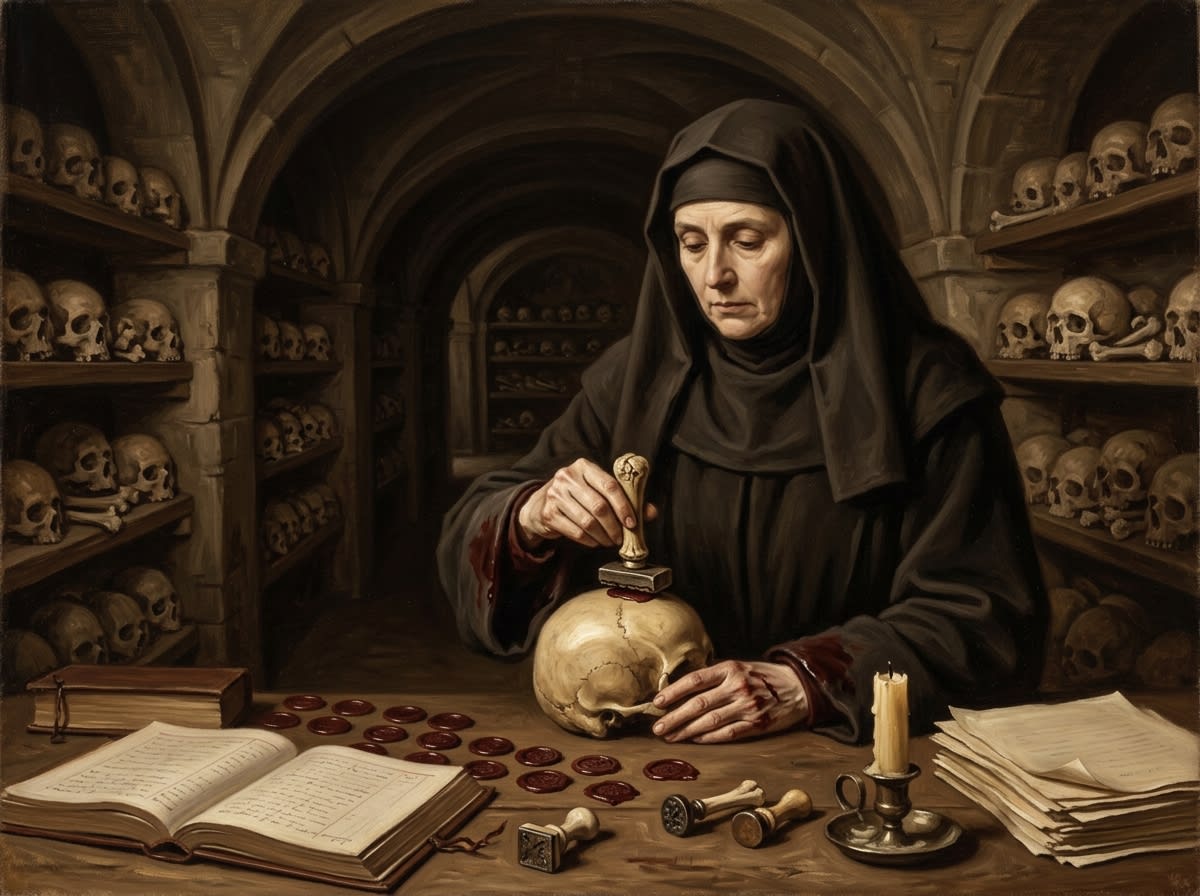
Saint Vellum-of-the-Quiet-Hand
The Saint Records Needed Before Rites Could Admit She Existed
Disputed patron saint of Ritual Bone-Stampers and ossuary notaries, operationally accepted after A.S. 92 because the corridors required a mother before the Bureaus could manufacture one.
Codex Ref. III.2.01-069
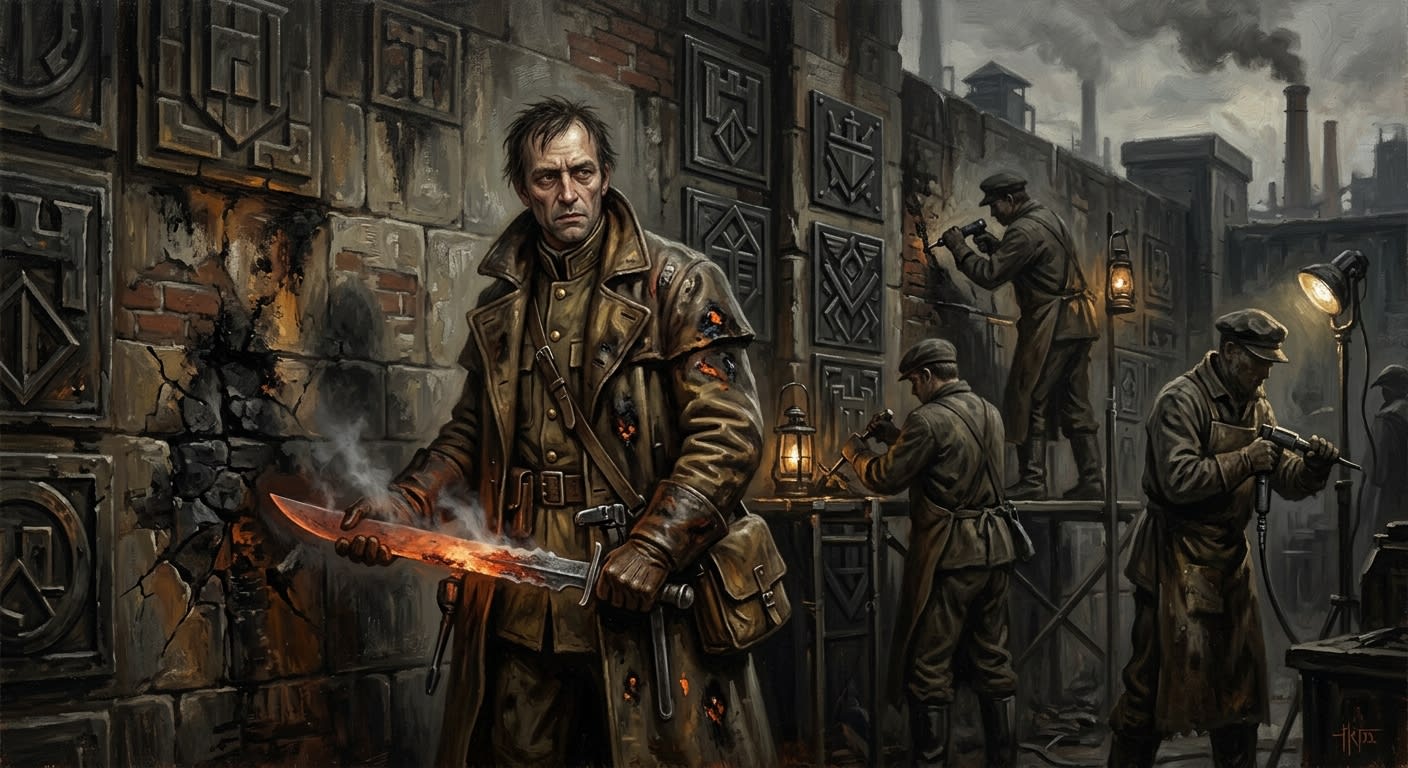
Saint Verral of the Clean Field
The hot blade is kinder than the singing wall
Doubtful patron of Sigil Inspectors and field scrapers, useful because his hot blade gives Heraldry a saint for every wall that must be made obedient.
Codex Ref. III.2.01-144
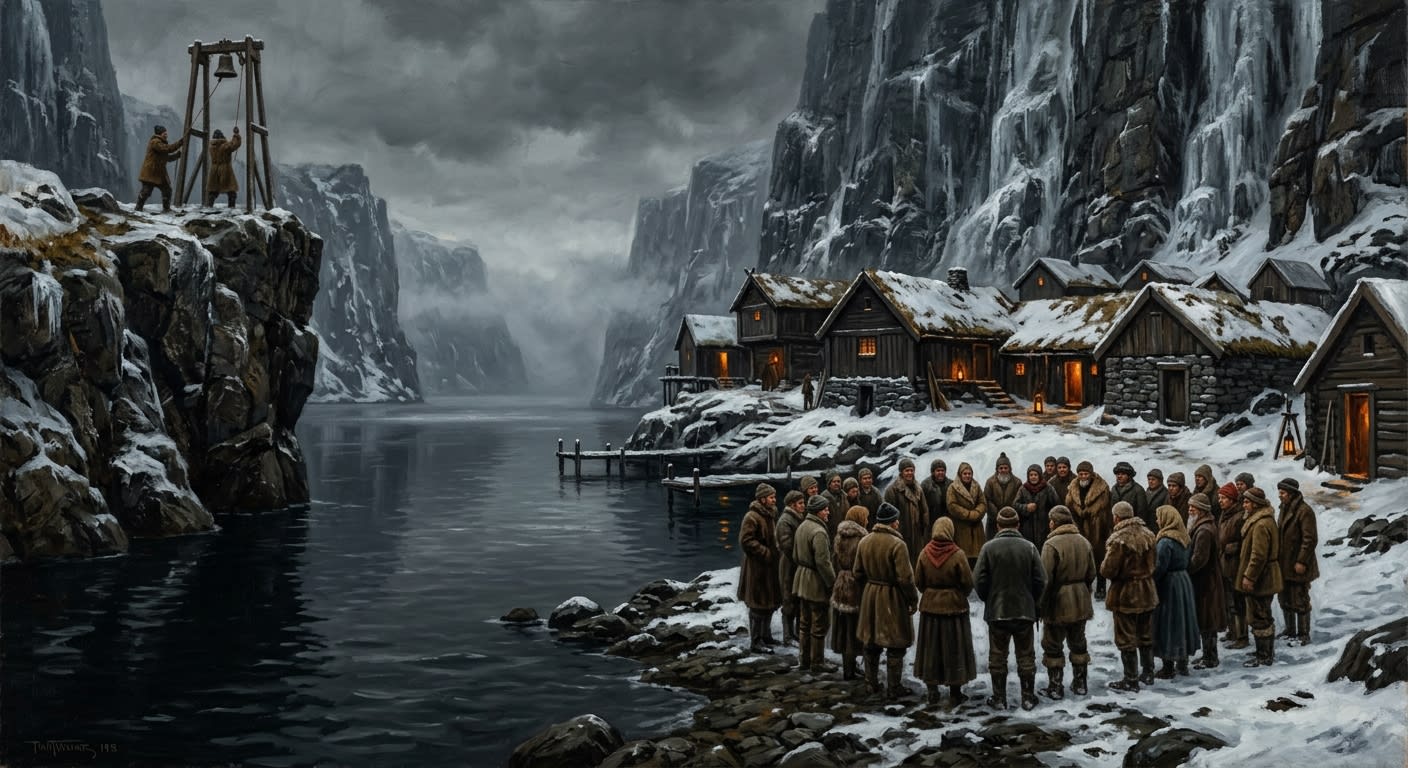
Scandinavia (The Fractured North)
The Synod's supplier, its creditor, and the thing the Bureau cannot name
A compliance assessment of Zone 8 — 1.9 million souls, clan moots, seal-oil, and the thing in the fog the Bureau classified Category Two Acoustic Distortion and has not re-examined. Filed by Drax. Not ratified by the wind.
Codex Ref. X.1.03-001
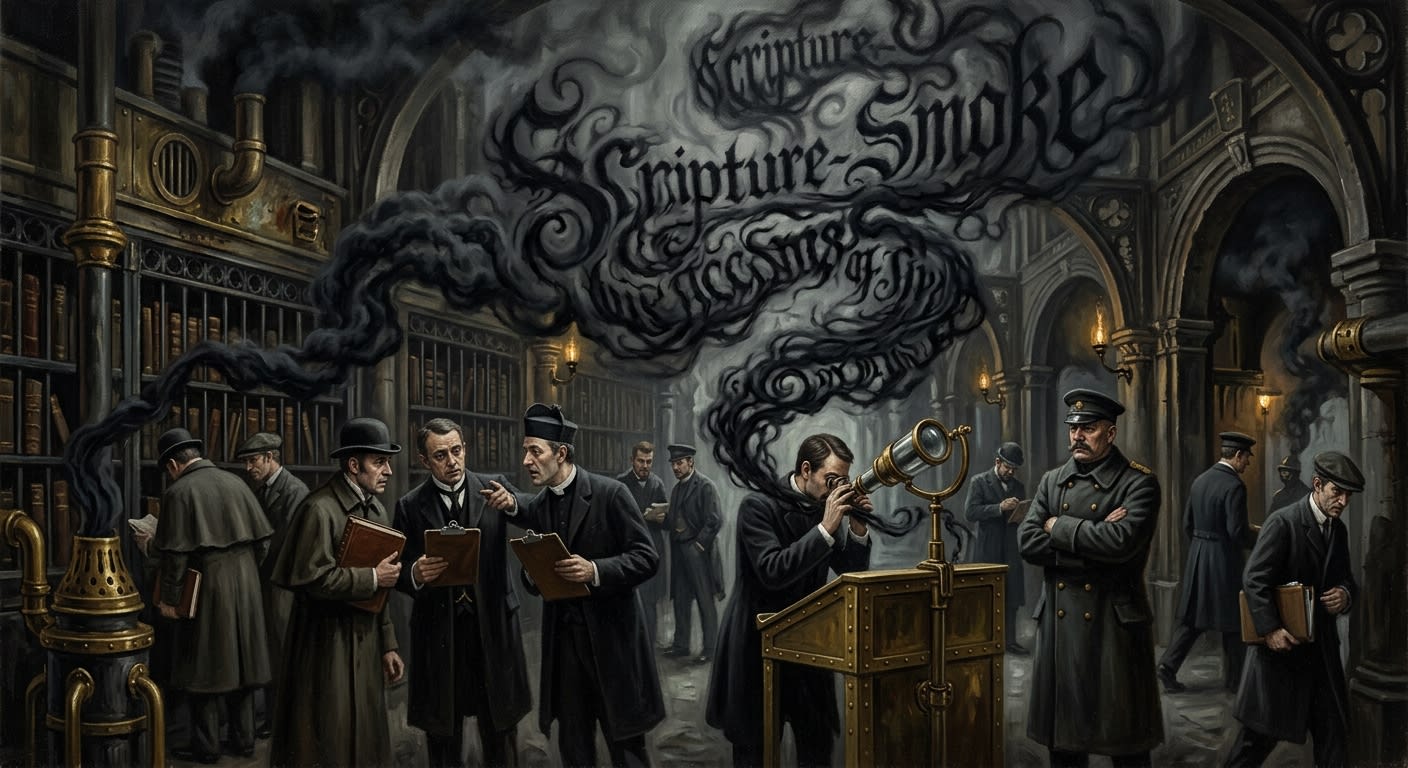
Scripture-Smoke
The vapour is not prophecy; it merely has the insolence to be legible
Scripture-Smoke is black-diesel vapour that writes back, which is precisely why the Bureau forbids reading it before reading it first.
Codex Ref. XIII.1.90-136
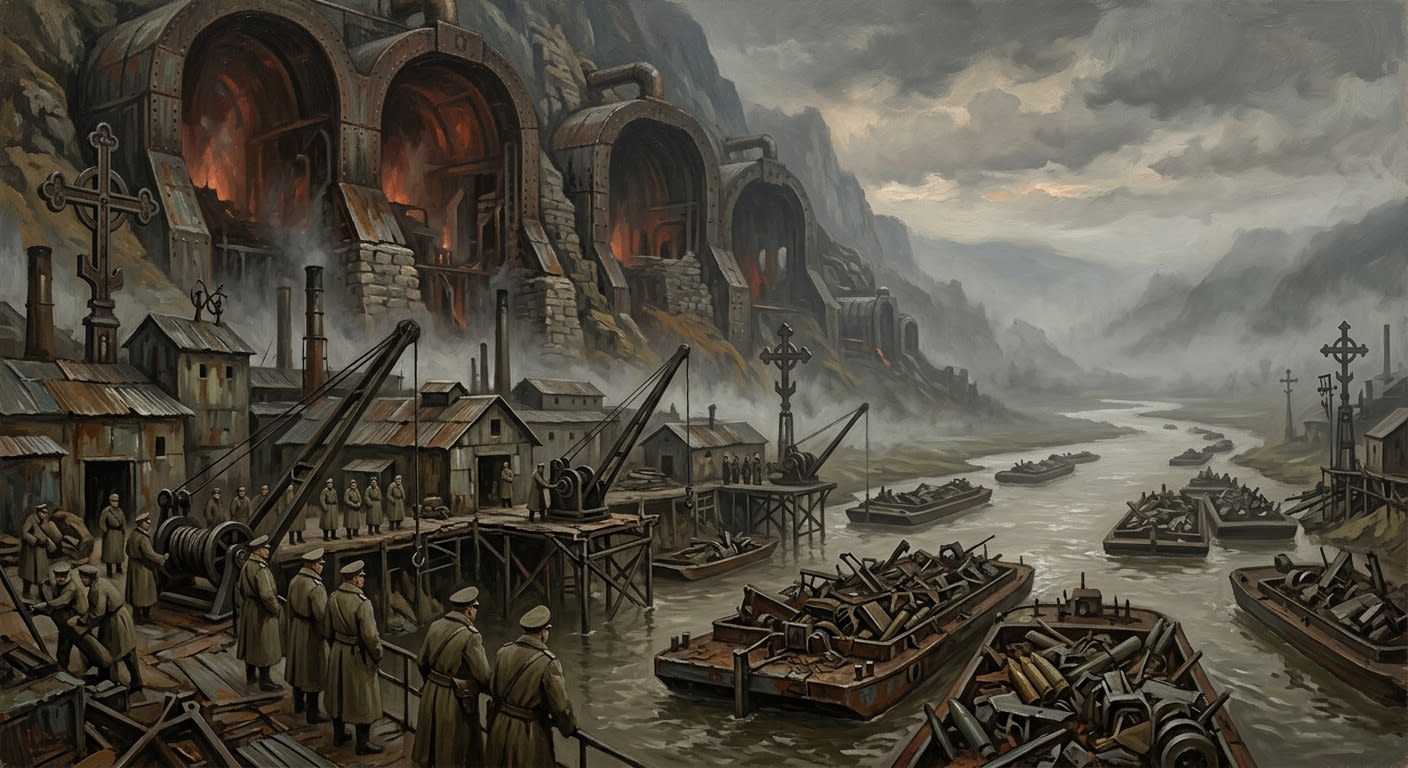
Serbia
The country where fire and fog filed rival claims and both were accepted
Serbia is the Balkan wound-country where Wrath heats the caverns, Sloth cools the valleys, and the Danube keeps carrying useful ruin west.
Codex Ref. II.6.06-007
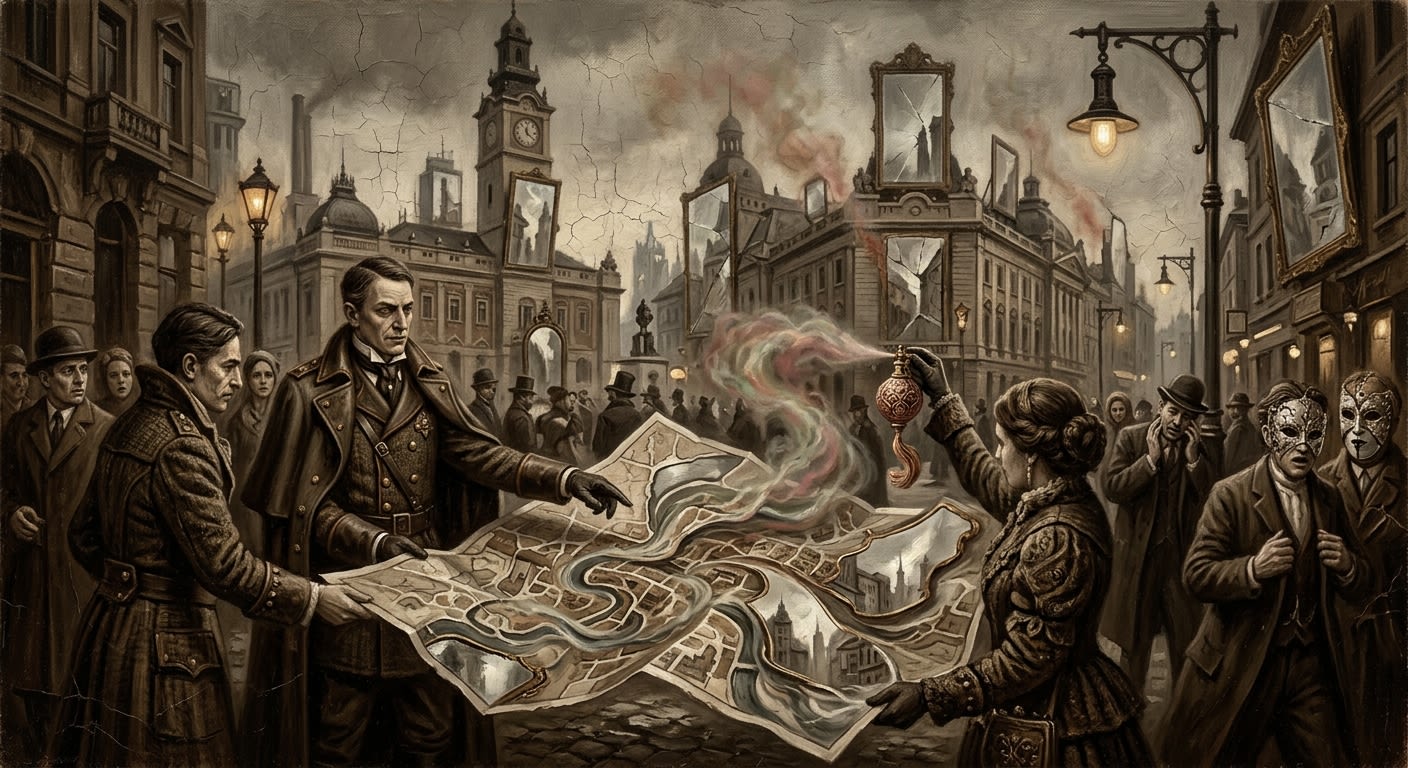
Shattered Courts
A palace that wears Belgrade like perfume wears a throat
Velkara's Shattered Courts occupy Belgrade by mirror, perfume, appetite, and refusal: a hostile palace that cannot be mapped without flattering it.
Codex Ref. II.5.06-117
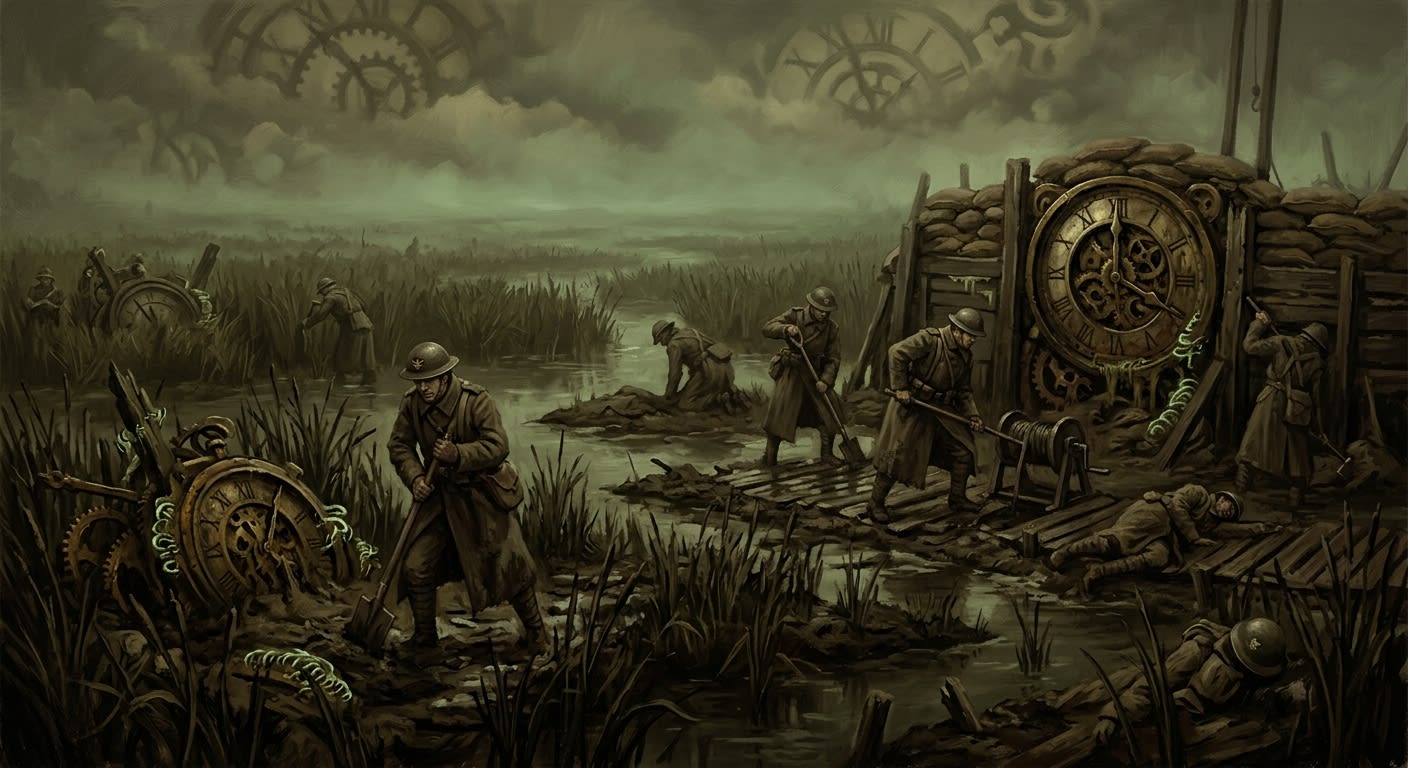
Shipka Marsh
The wet country where Sloth learned drainage
Shipka Marsh is the drowned Phocian corridor east of Bastion-Shipka, where reeds, clocks, sleep, and Syrion contest the Line by inches.
Codex Ref. II.4.08-017
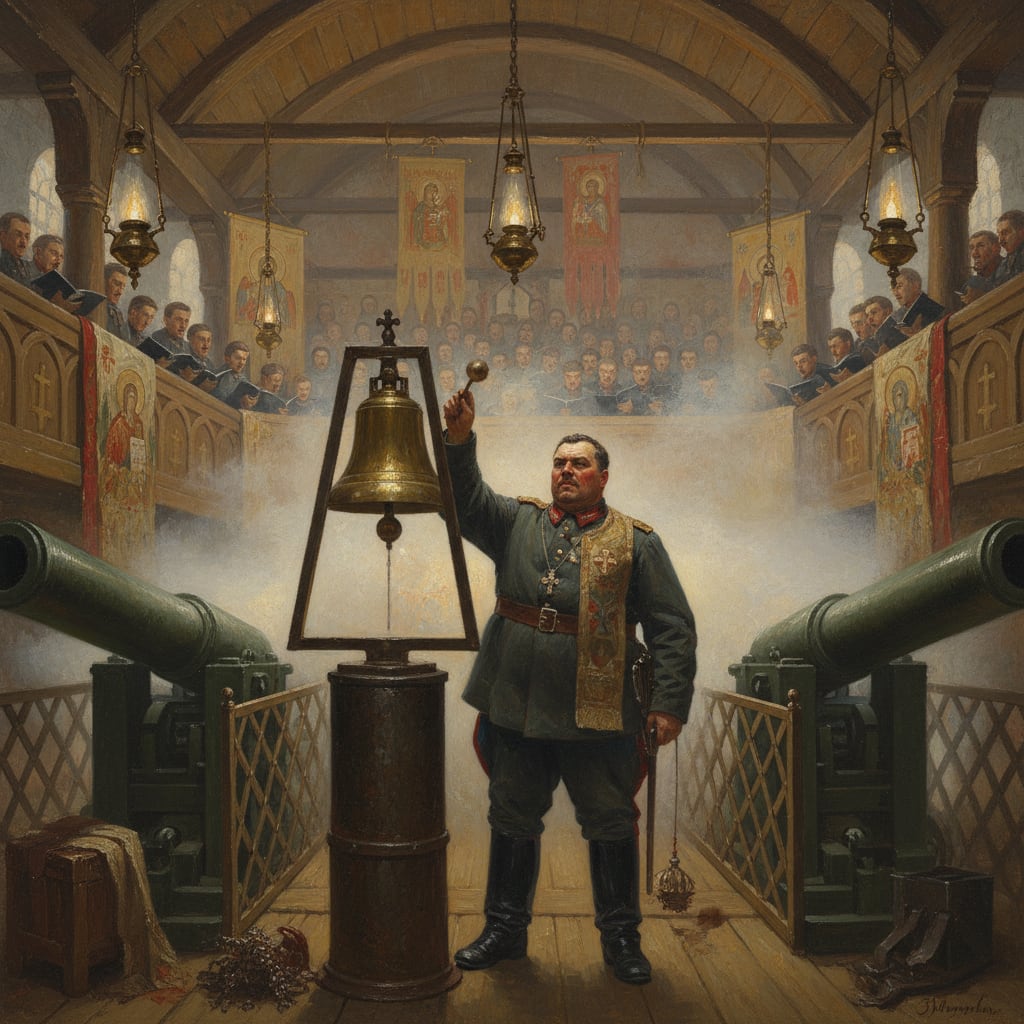
Shrine-Deck Crew
Bell, chalk, and brass — the three sacraments of the man who is too useful to die quickly
Mobile artillery and choir crews of the Synod's shrine-platforms — firing on the psalm-beat, logging every shell in a shot-ledger the Bureau calls the platform's soul, and maintaining chalk rings while the metronome bell keeps the guns from going hollow.
Codex Ref. XII.42.01-001
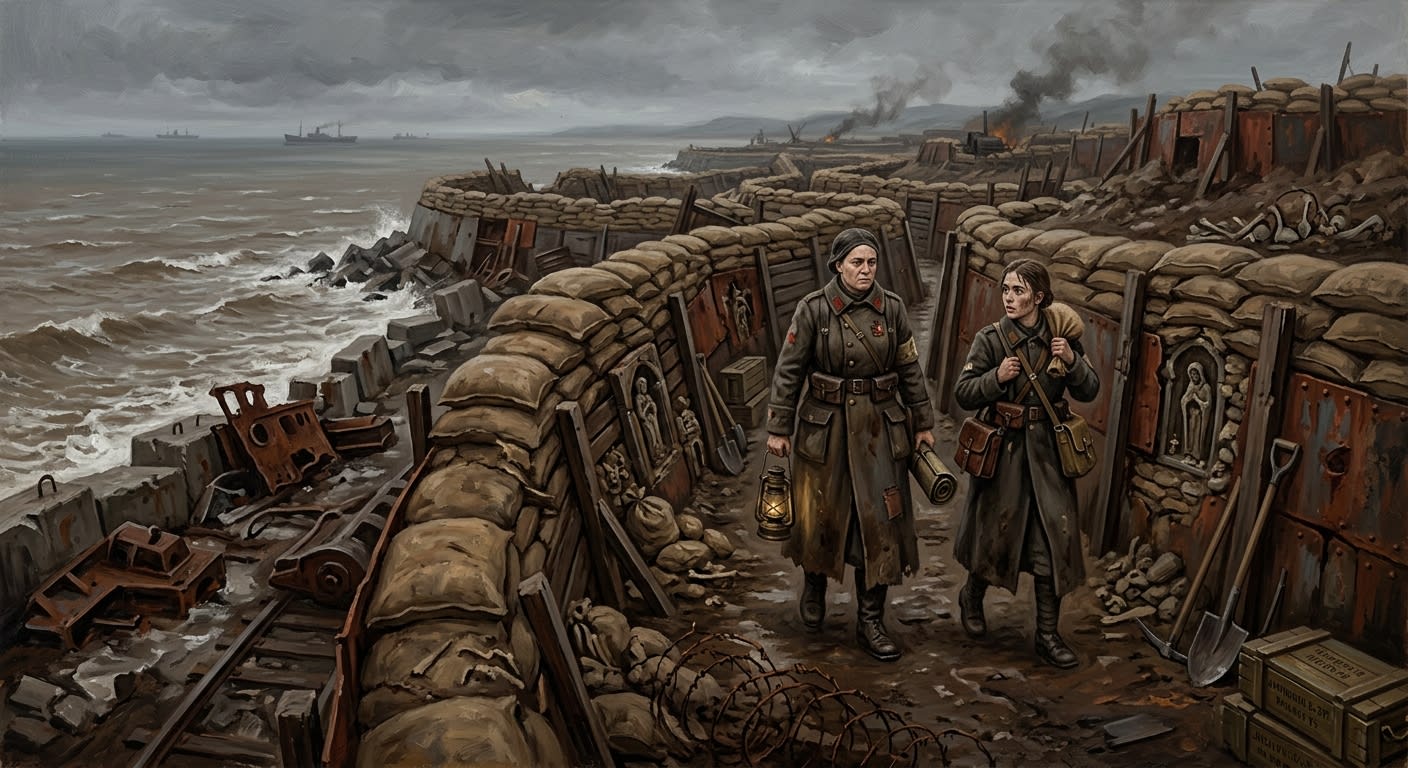
Sister Trenches
Where the Line touches surf and is corrected twice daily
The Sister Trenches are Elder and Younger, twin coastal forward works near Thessaloniki where sandbag, seawall, saint-bone, rust hymn, and tide-return burial keep the southern flank barely filed as held.
Codex Ref. II.4.08-017
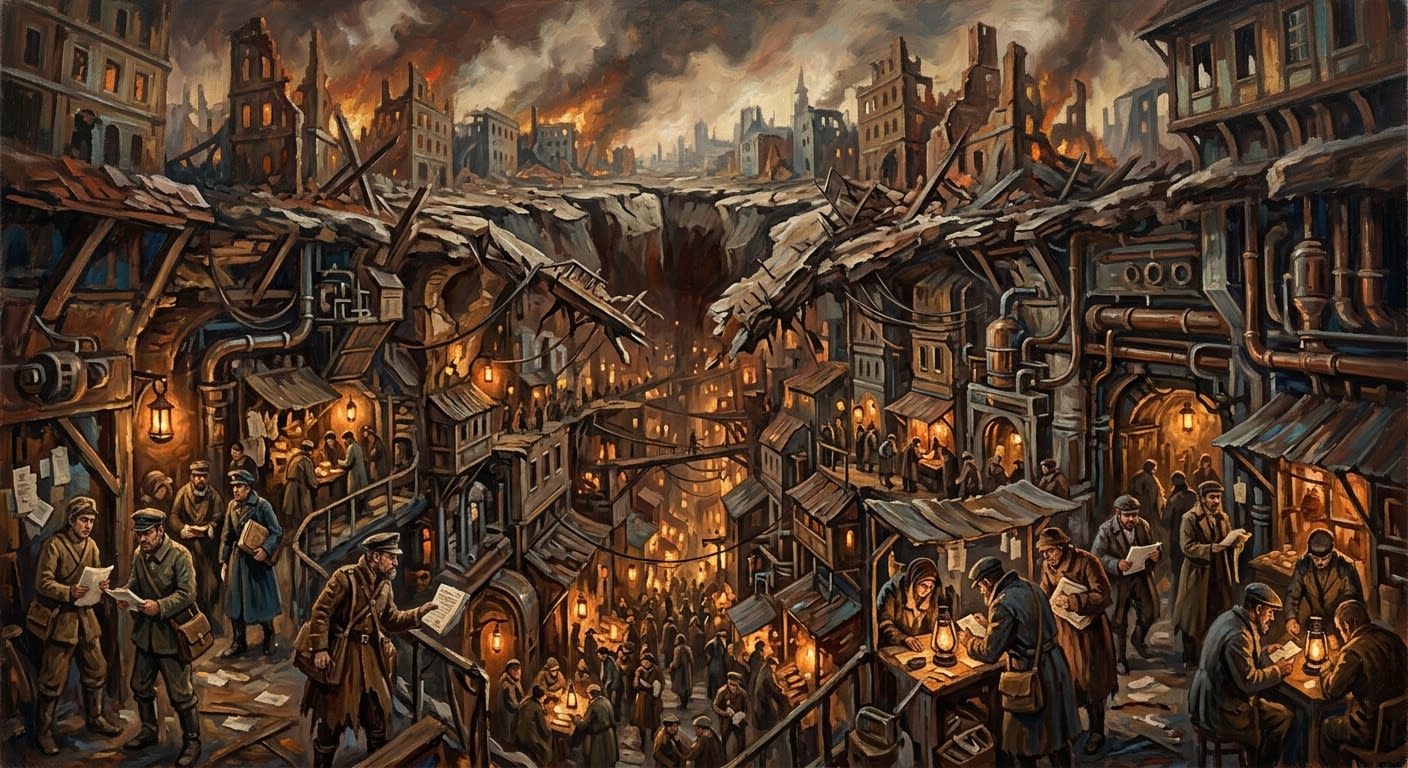
Skopje
The bitten city keeps its markets below the teeth
Skopje fell within hours of the Sundering, then survived below itself: a bitten city of Lantern Warrens, forged papers, humming lamps, and useful lies.
Codex Ref. II.5.08-045
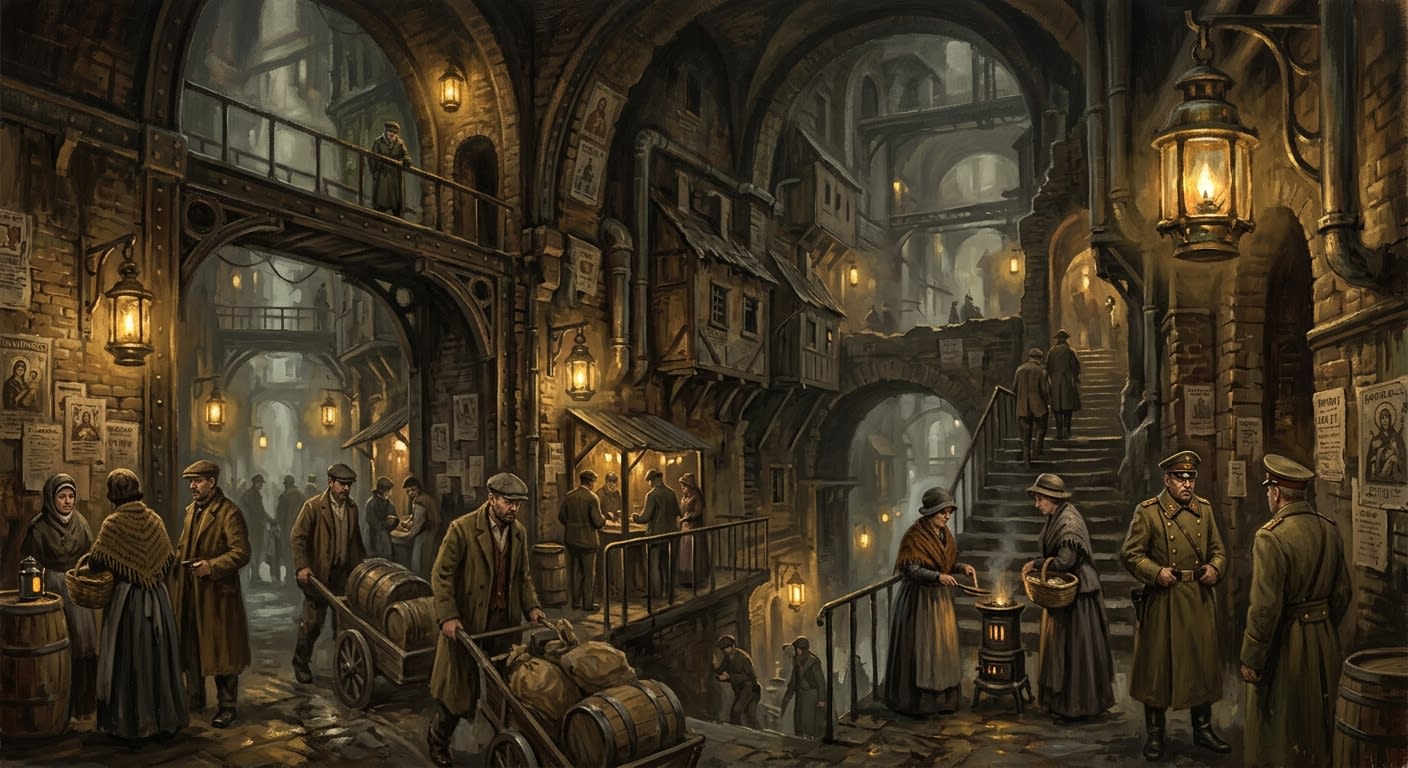
Skopje Lantern Warrens
A city bitten from above, still singing below
The Skopje Lantern Warrens are the tunnel-city beneath a Sundering-eaten ruin, where black-diesel lamps hum in forbidden pre-Codex modes.
Codex Ref. II.4.08-017
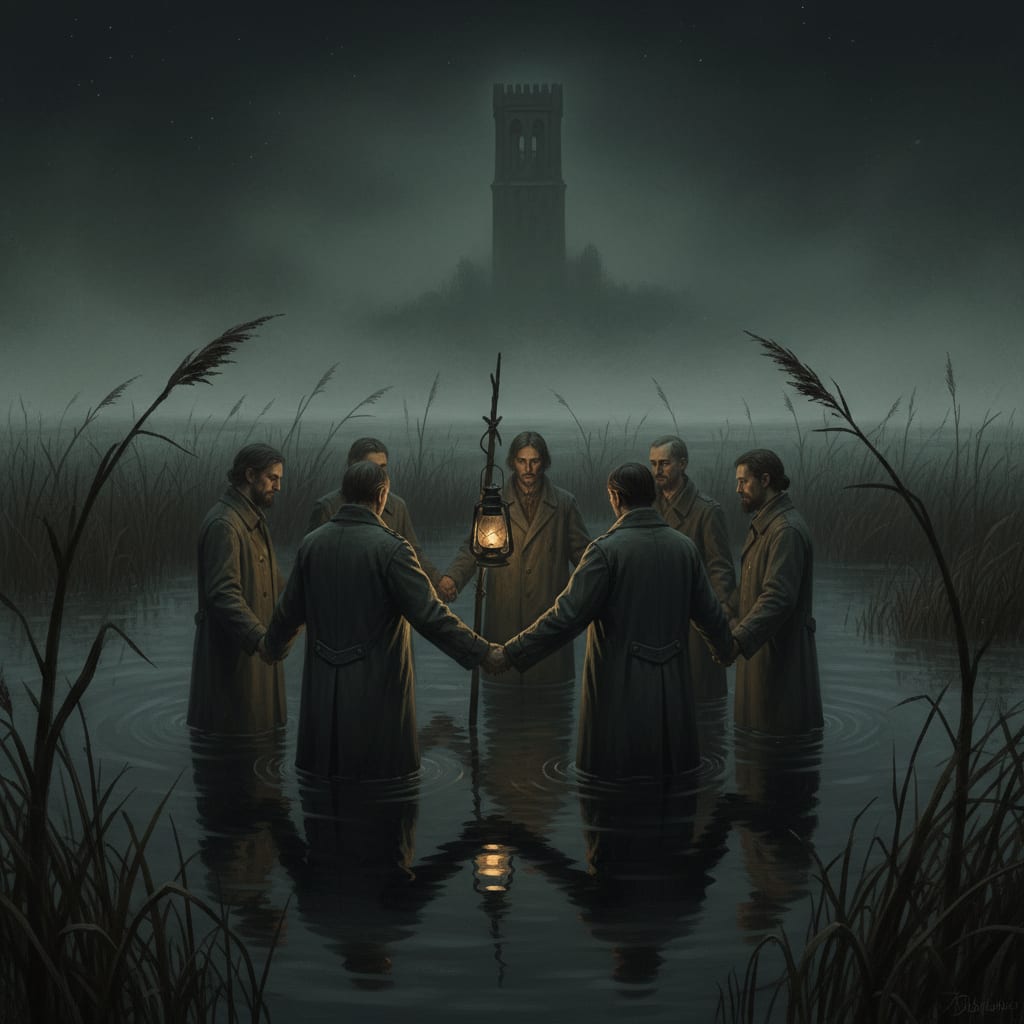
Somnolent Communion Cells
The heresy that holds hands; the Bureau that holds nothing
Bureau classification A.S. 196: Sloth-Heresy, Passive Variant. Participants link hands, face a dimmed lantern, and stand waist-deep in marsh water until dawn — producing Syrionic temporal drag the Bureau cannot explain and will not discuss.
Codex Ref. XI.6.01-001
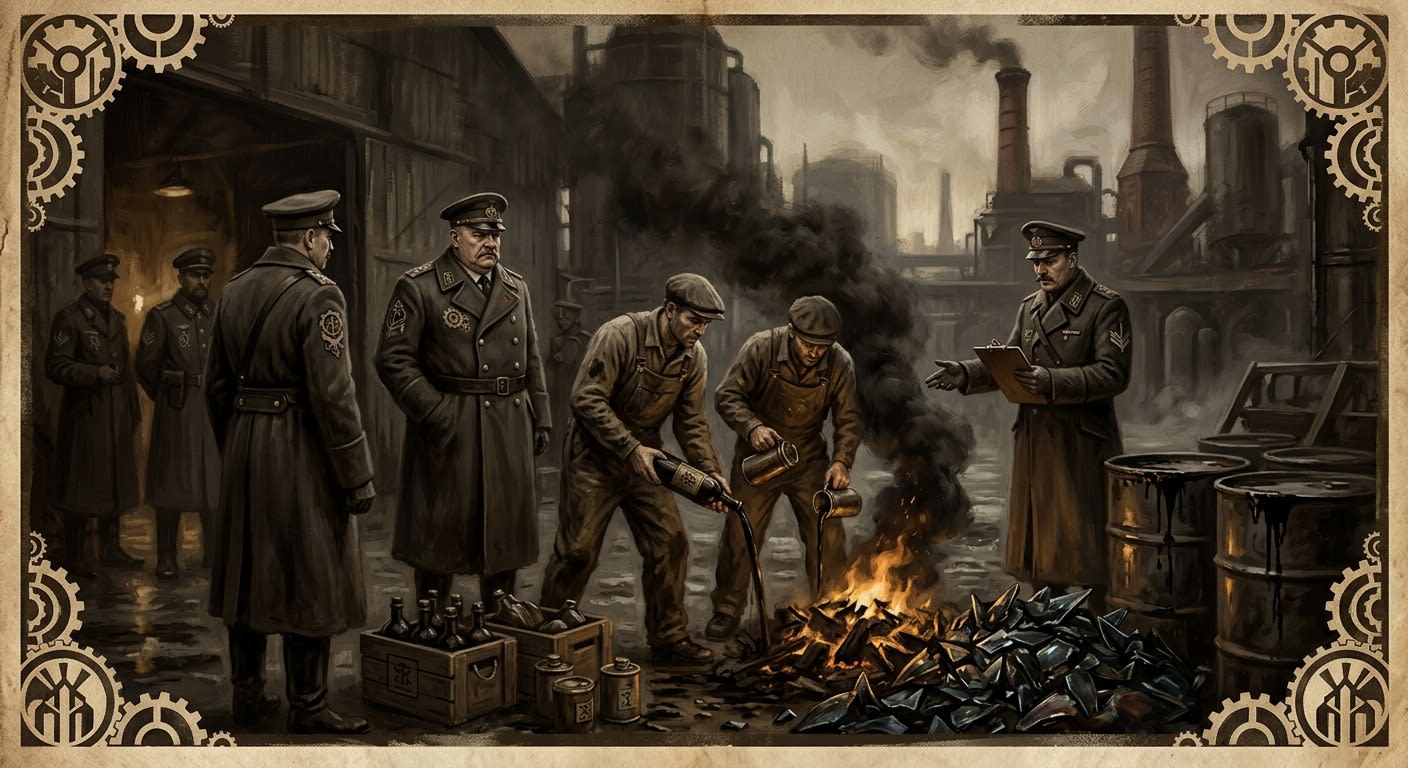
Standing Order 14-K
The law that forbids the fuel by which the righteous keep warm
Standing Order 14-K forbids black diesel, demon glass, scripture-smoke, and every useful contamination the Synod condemns in public and routes by night.
Codex Ref. XIII.1.96-134
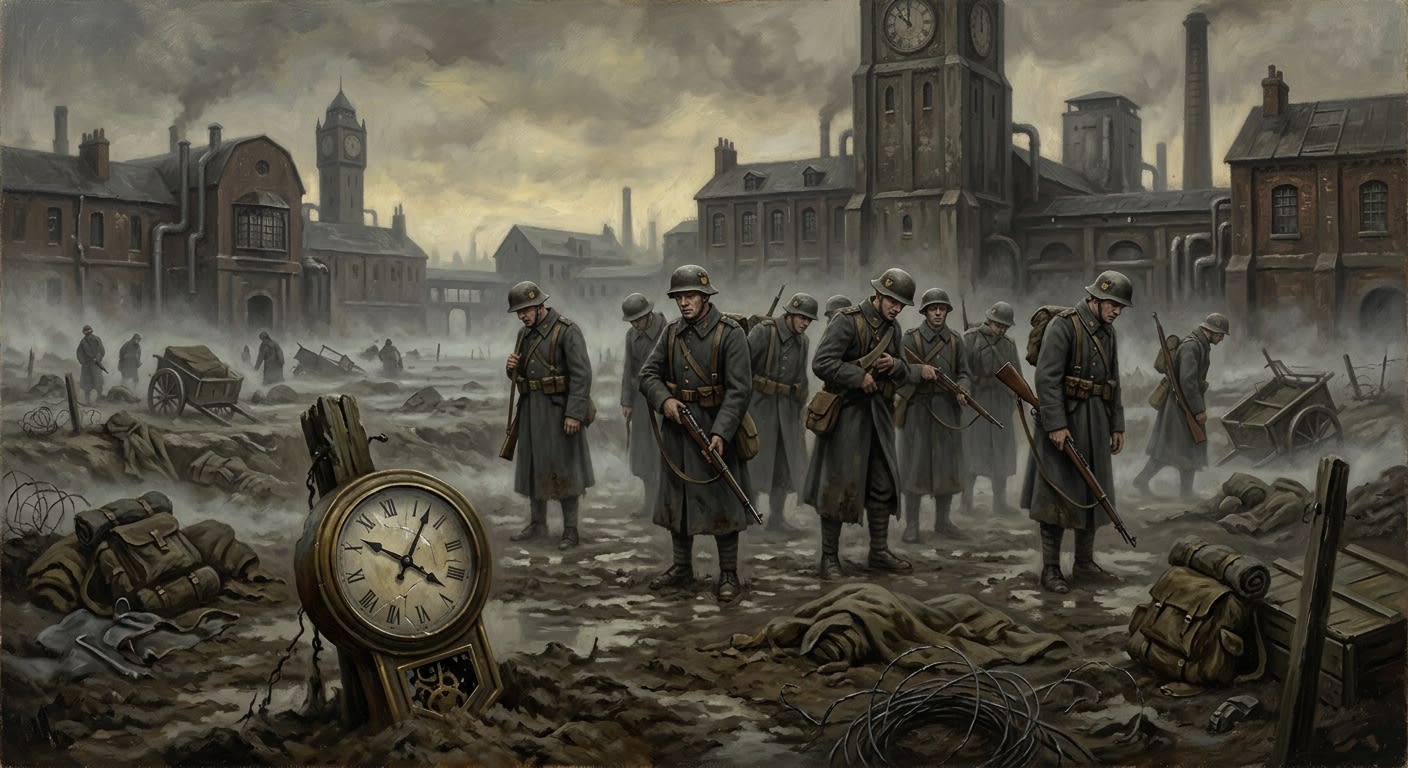
Stillness Fields
Where time sits down and calls it mercy
Syrion's fields do not stop men with walls. They offer rest, steal sequence, and let clocks become witnesses too frightened to agree.
Codex Ref. XIII.1.88-045
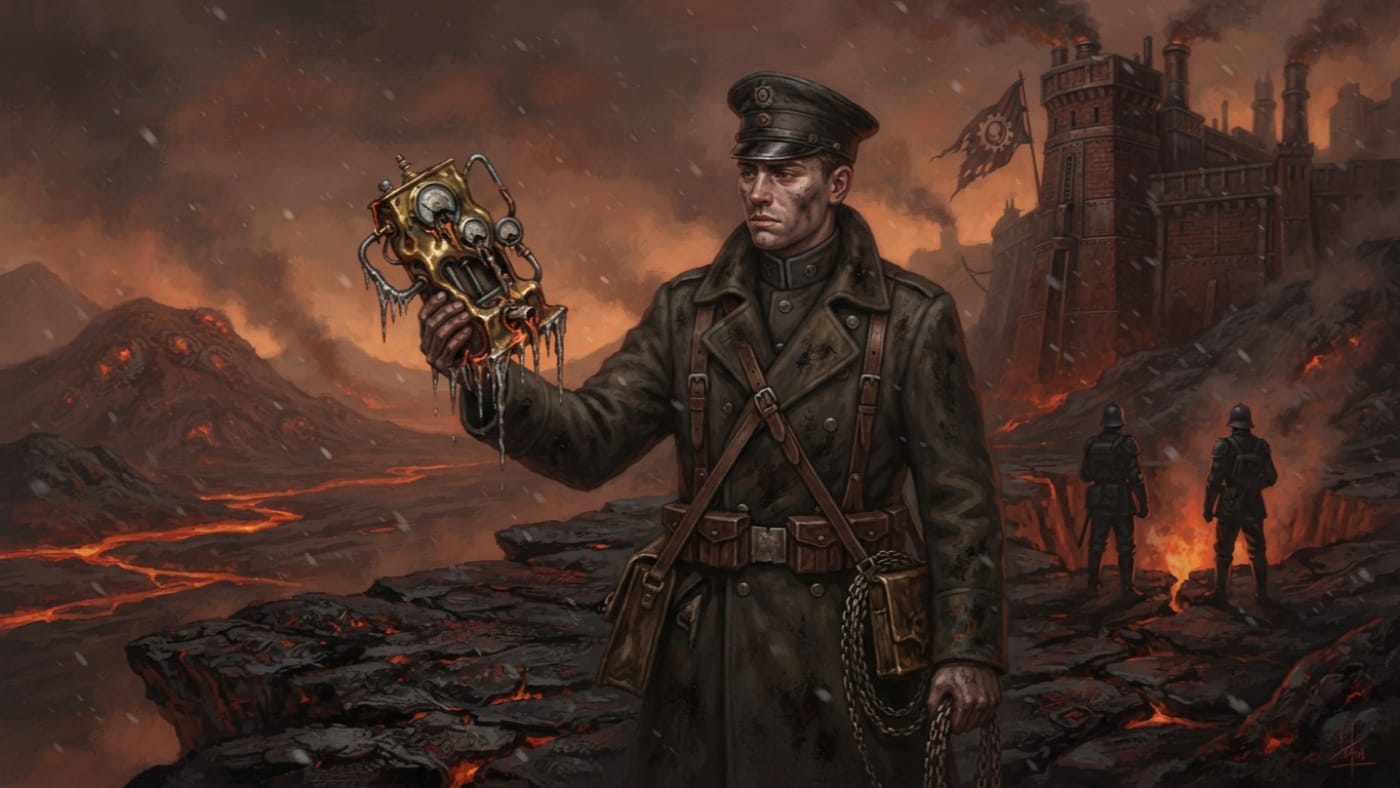
Surveyor-Lieutenant Hadrien Vesk
The heat destroyed his instruments; the Bureau preserved his reprimand
In A.S. 189, Hadrien Vesk was sent to measure the Iron Wastes' western thermal gradient. His instruments melted; Engineering obtained a reprimand instead of a number.
Codex Ref. III.2.01-189
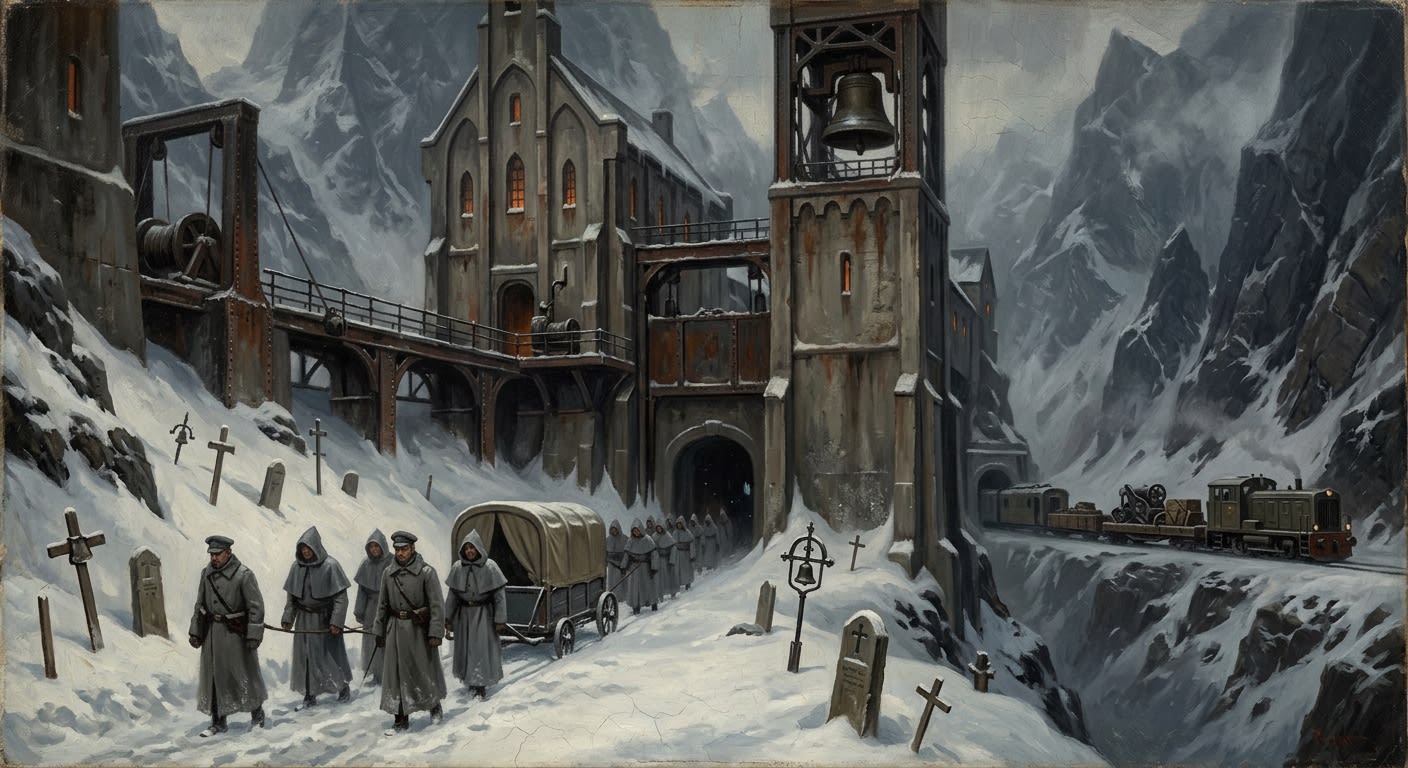
Swiss Cantons
Where mercy climbs uphill and stops writing back
The Swiss cantons keep passes, bells, hospice beds, and the Synod's most merciful disappearances beneath snow clean enough to indict Heaven.
Codex Ref. II.2.08-201
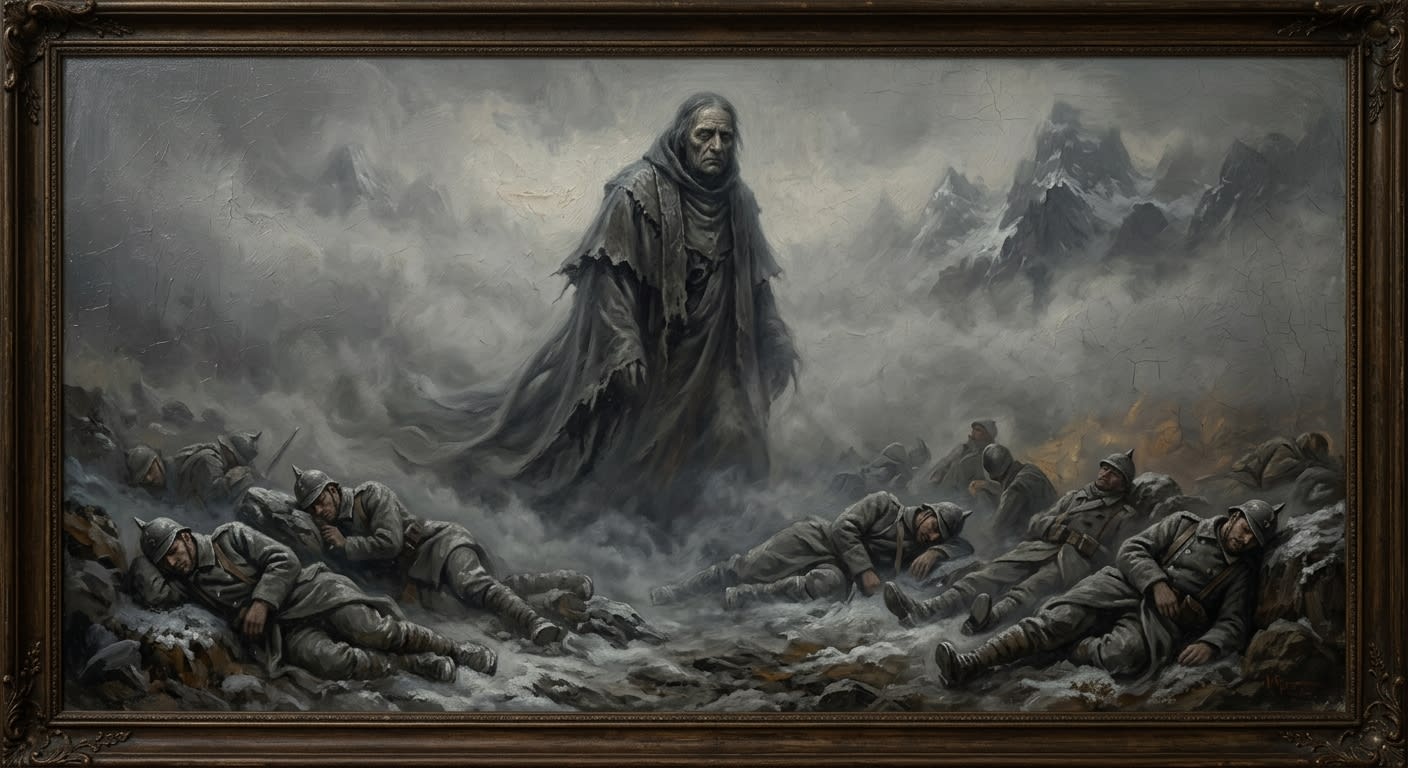
Syrion
The fog does not advance. It waits for you to stop moving.
Fourth of the Seven, Syrion holds the Bulgarian highlands in a fog of stillness and stolen time. He does not attack. He waits while you attack yourself.
Codex Ref. IV.1.07-004
Szeged
The river city where the light failed while shining
Szeged is the Tisza city where psalm-light learned betrayal, candles died inward, and the road to Baja began reaching back with teeth.
Codex Ref. II.4.09-201
Table of Nine
The oak that refuses inspection and still moves ships
Britain's Table of Nine withholds its charters, argues before Aldric, commands ports and Wardens, and teaches Strasbourg the agony of useful illegibility.
Codex Ref. X.1.02-201

The Age of Heresy
A World Sundered, a Faith Forged in Fire
The definitive overview of the Age of Heresy — a continent sundered by demonic invasion, ruled by a theocratic bureaucracy of bells and ink, locked in eternal war against the Seven Sin-Generals. As compiled by the only man qualified to compile it.
Codex Ref. I.1.01-001
The Armorial of the Faithful
The book by which even colors learn obedience
The Armorial teaches every banner, crest, seal, colour, knot, and shop sign in the Synod the first virtue of a surface: obedience.
Codex Ref. VIII.1.03-002
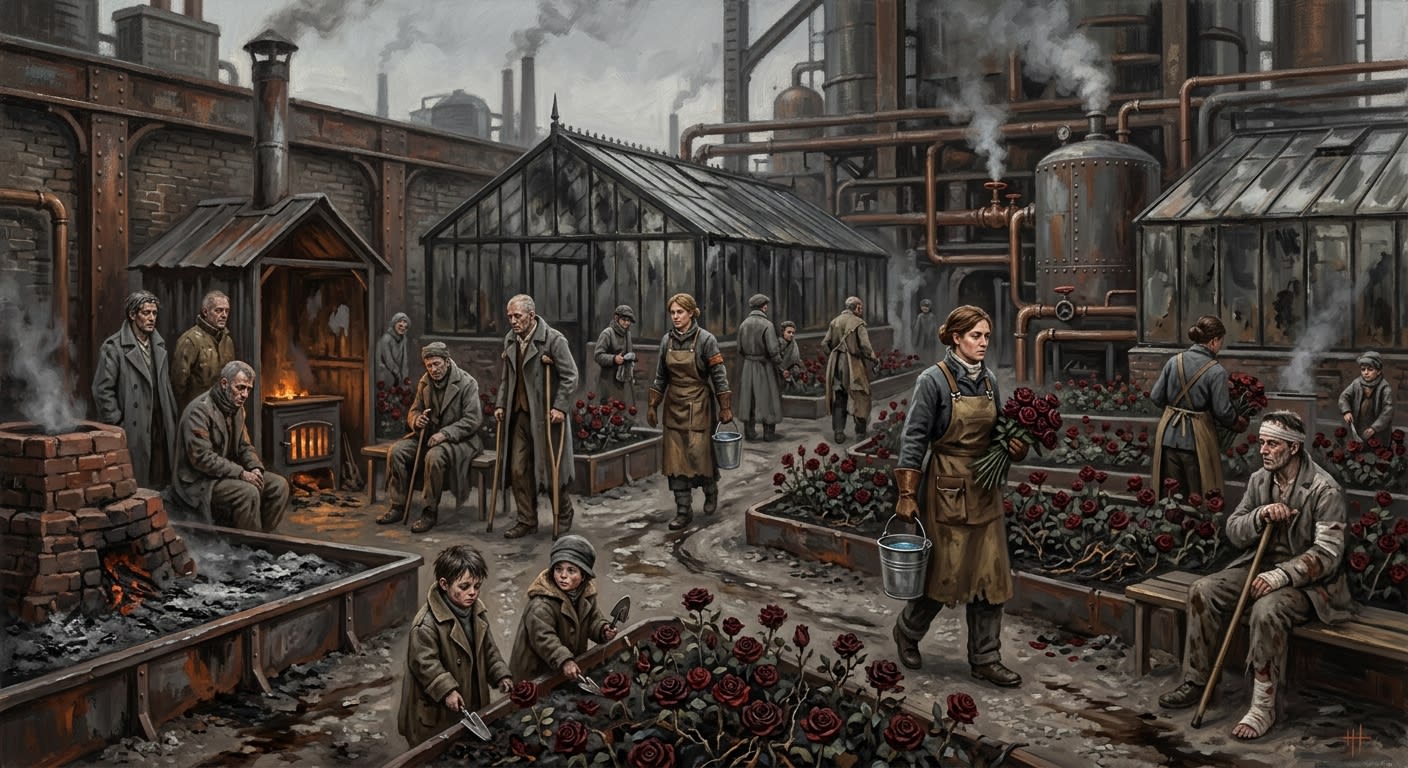
The Ash Gardens
Where roses feed on siege residue and Medicine pretends not to notice
Three miles inland from the Harbor of Chains, the Ash Gardens heal burned men, ash-lung children, and shell-broken soldiers beneath roses fed by Maldrake's old fires.
Codex Ref. II.4.10-007

The Ashen Circle
The denied archive that keeps the official world from collapsing
Unsanctioned scholarly network named in A.S. 103, trafficking in forbidden histories and sciences while the Bureaus deny, hunt, purchase, and depend upon its ash-borne work.
Codex Ref. XI.1.01-002
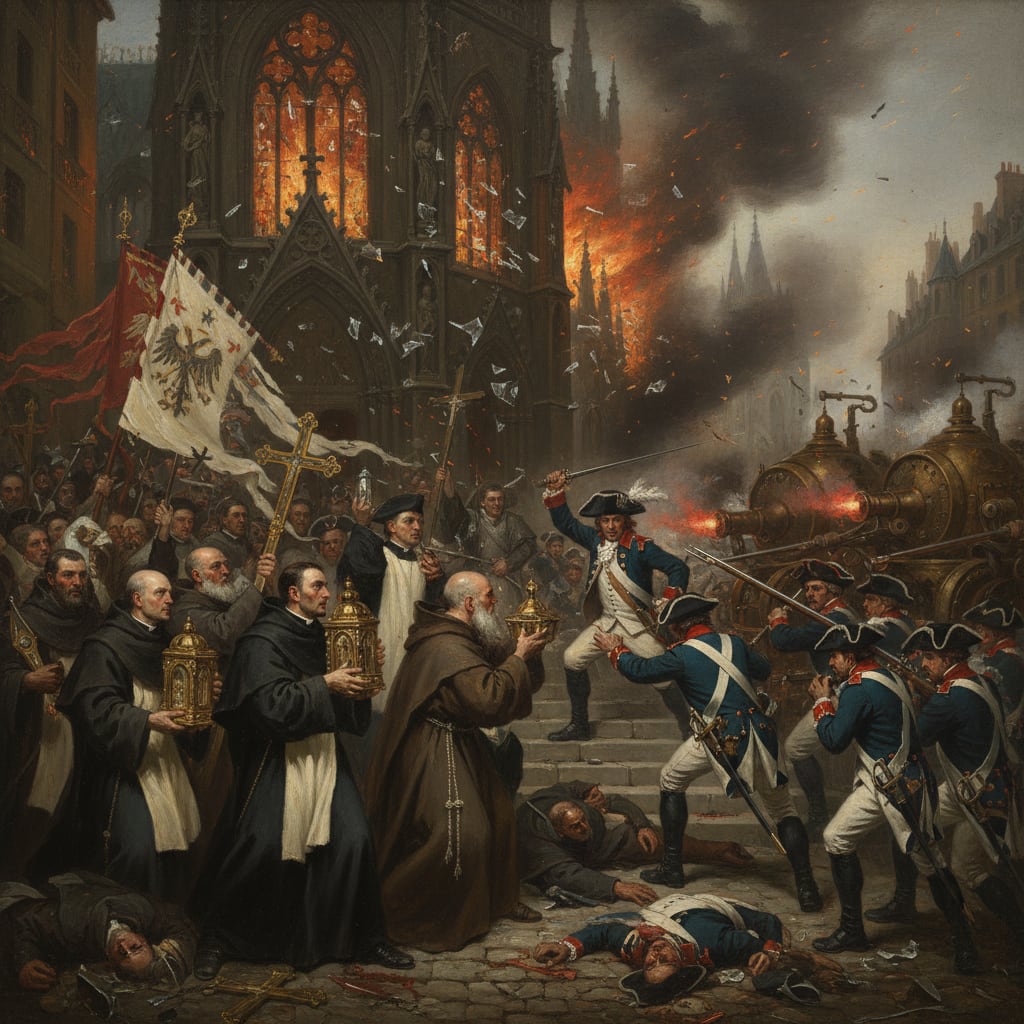
The Atheist Wars
When Reason Drew Steel and Faith Drew Blood
The two decades of continental civil war between the Rationalist Republic and the scattered faithful — a catastrophe so instructive that the Bureau requires its retelling in every catechism school, twice annually, with examinations.
Codex Ref. I.1.03-001
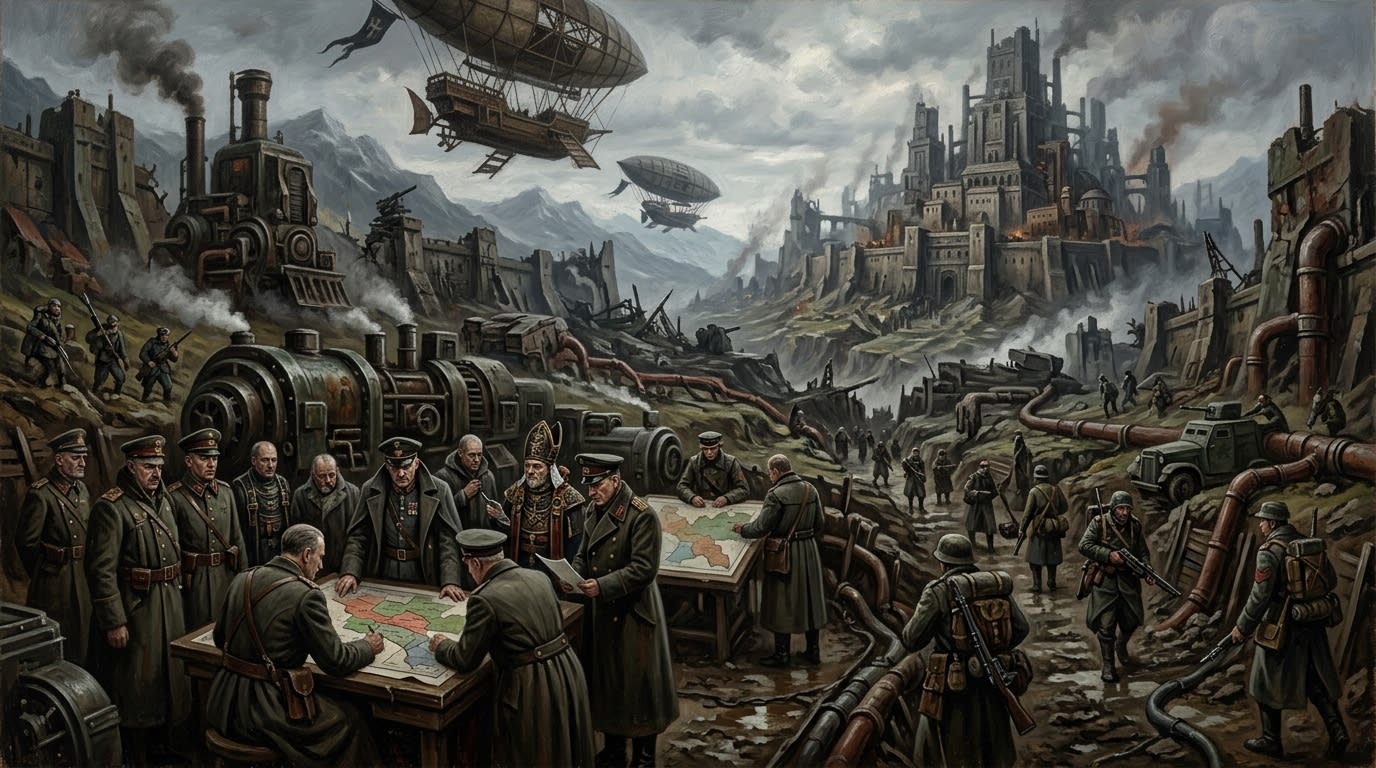
The Balkans
The wound that taught Europe to count its bleeding
The Balkan wound-region, broken first by the Eastern Silence and the Sundering, then divided into Synod margins, contested corridors, Sin-General dominions.
Codex Ref. II.6.05-045
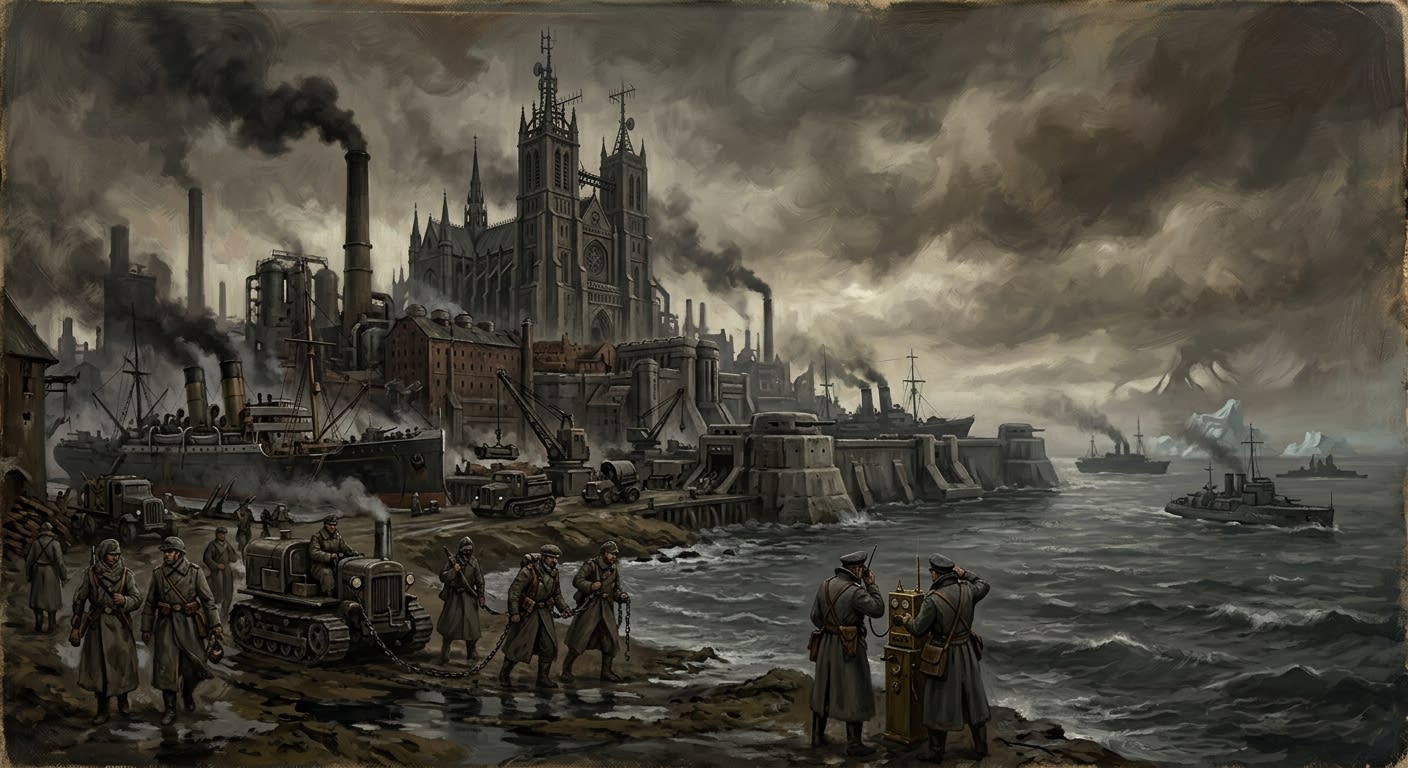
The Baltic
The cold sea at the end of the Line, claimed by ink and not by water
The Baltic northern war basin, where the Sagittal Line ends at Königsberg, Danzig feeds the cold corridor, the Fractured North rings older bells, and Grey Water listens.
Codex Ref. II.8.01-065
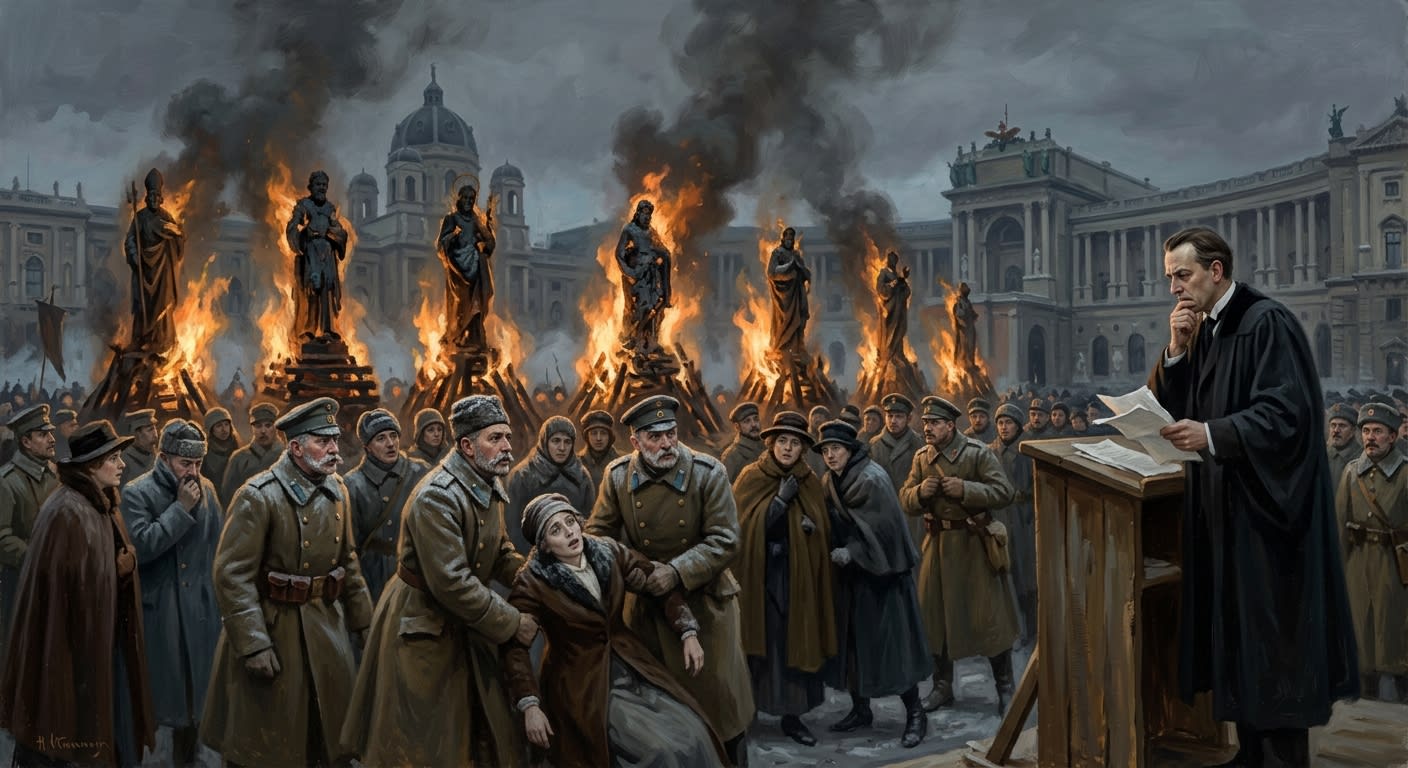
The Black Procession of A.S. 30
Where the Saints Burned Cold and the Rationalists Filed It Under Weather
A staged Rationalist bonfire in Vienna, A.S. 30, where forty-seven saint-effigies burned without heat — the Bureau's First-Order Portent, classified retroactively and still warm.
Codex Ref. VII.3.01-001
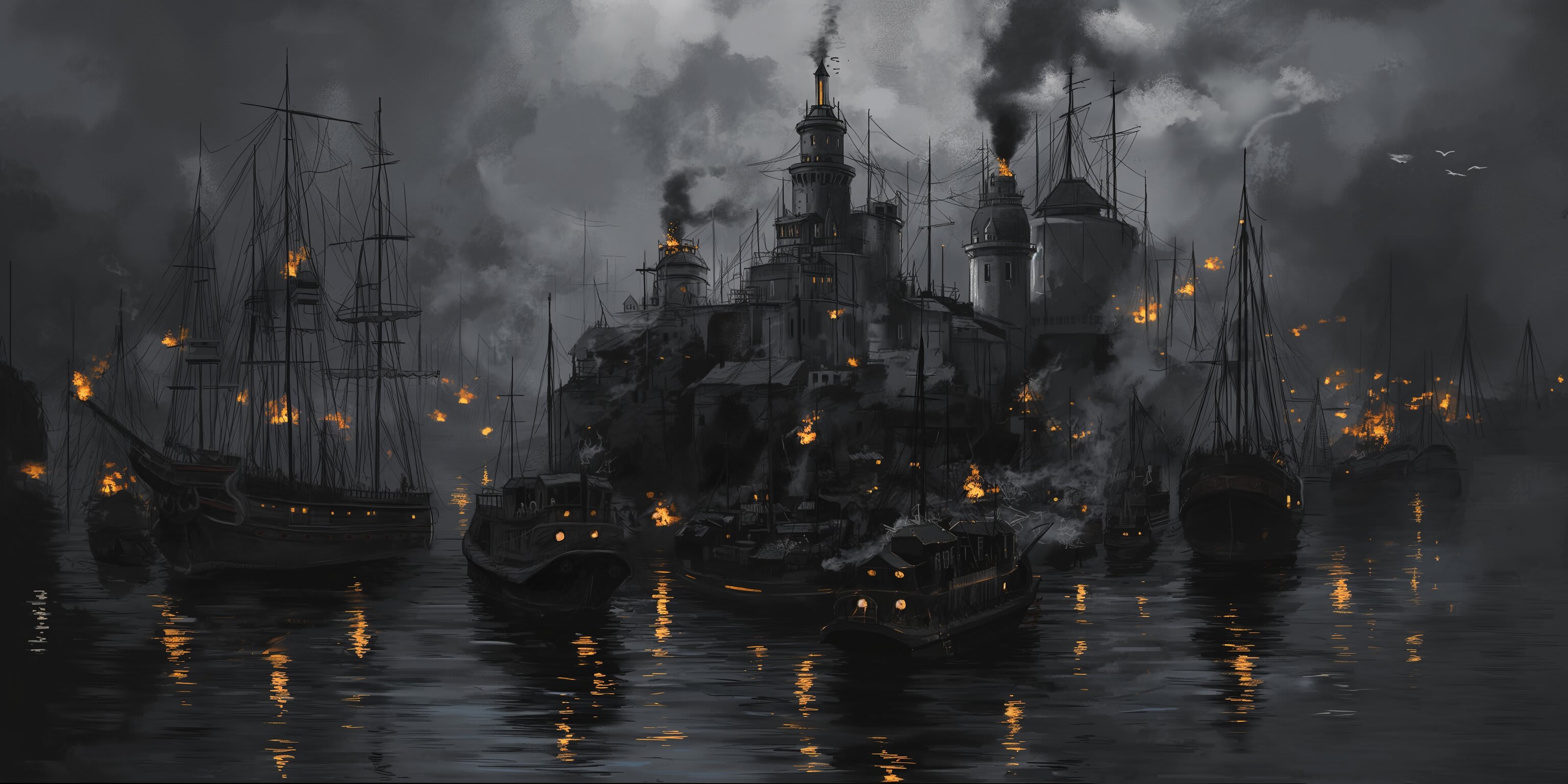
The Black Sea Reliquary Flotilla "Saints Afloat"
The sea does not answer to the Bureau. The Bureau answers to the sea.
Two hundred and thirty-seven hulls lashed into a drifting city on the Black Sea, carrying six hundred saints and eighteen thousand souls — administered, tithed, reparished by storms, and anchored to something the Bureau of Doctrine has declined to name.
Codex Ref. II.4.09-002
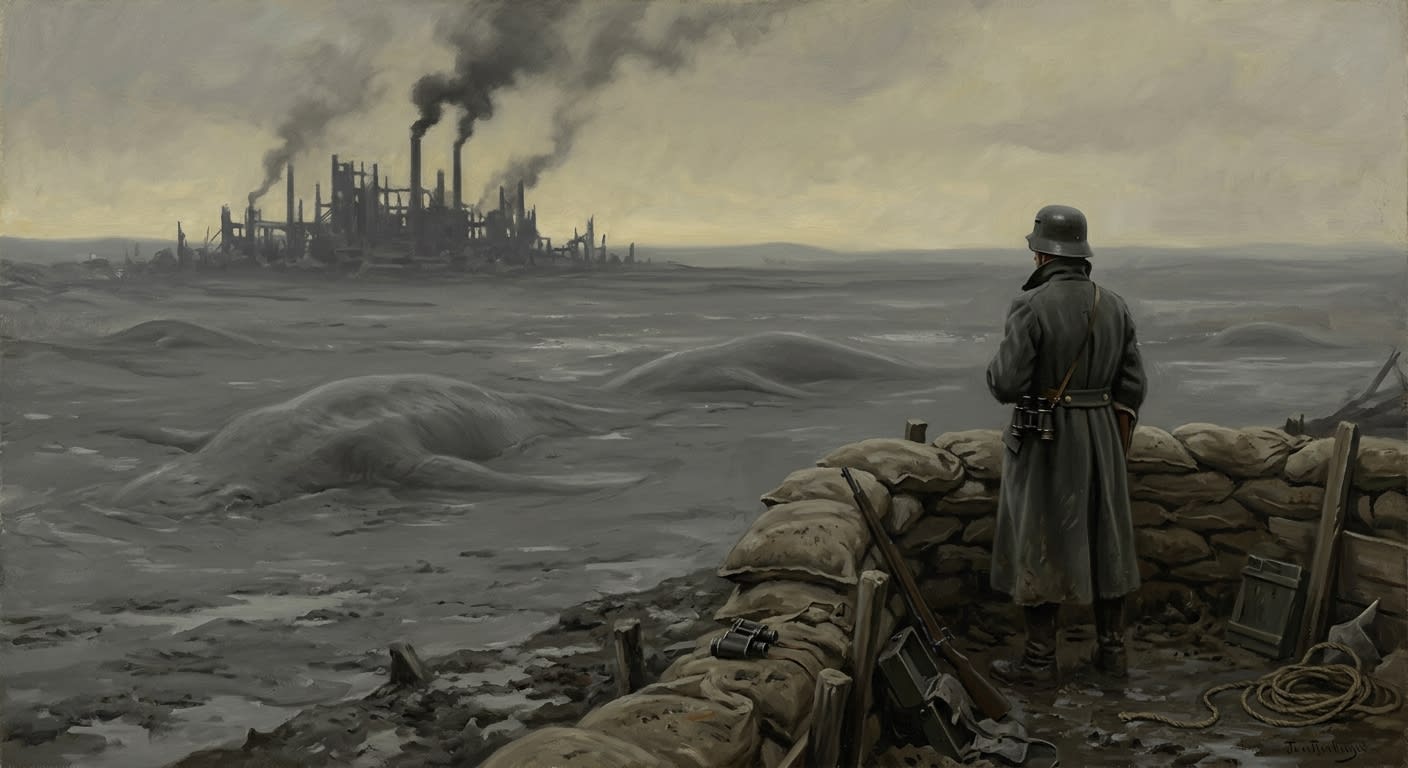
The Blightmarsh
Kargath's larder, fully stocked, permanently empty
The consumed plains of Hungary — twenty-three thousand square miles of grey mud, expanding mouths, and hunger that does not end. Kargath's forward infrastructure. The Sagittal Line's nearest unsolvable problem.
Codex Ref. V.6.01-001
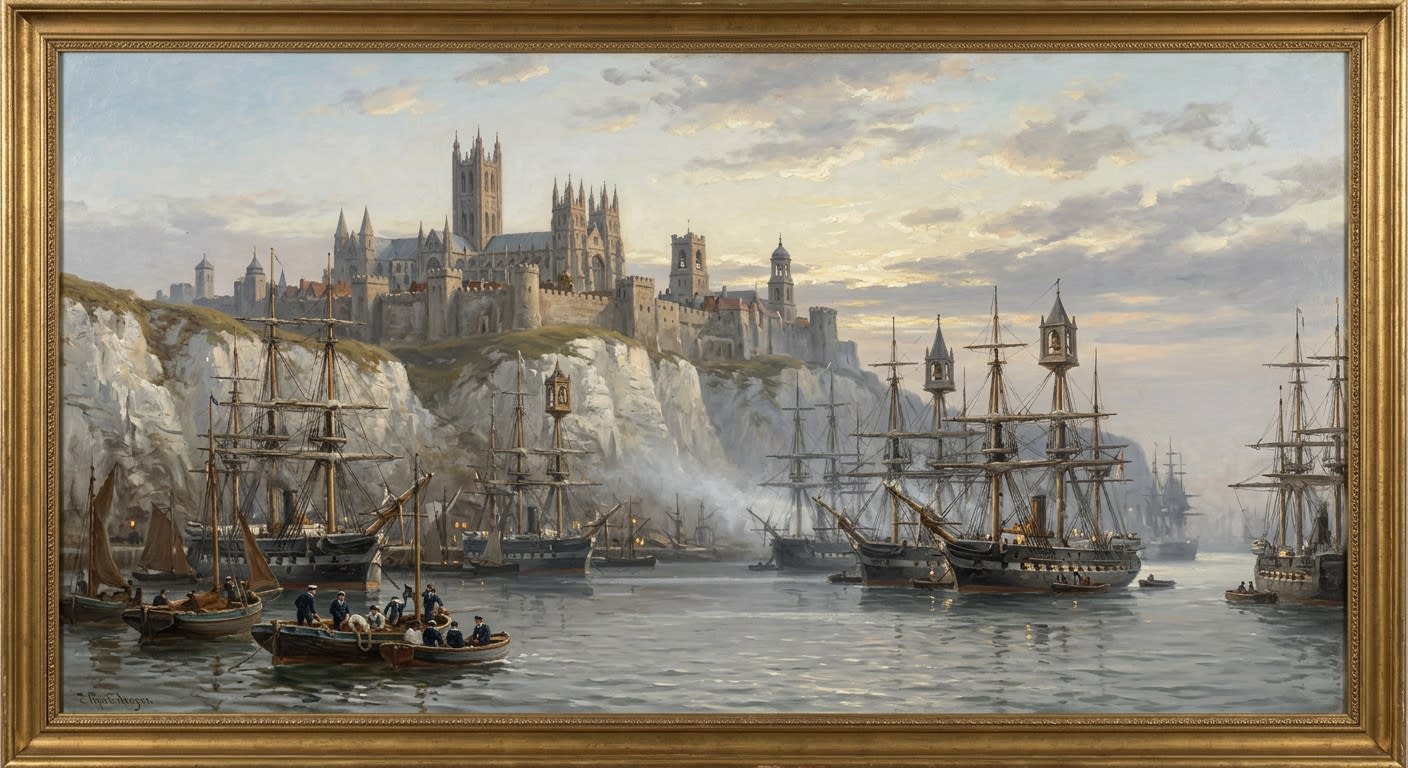
The British Crown
The island the Bureau has spent a hundred and eleven years failing to classify
The Zone 0 co-belligerent that has never submitted to the Concordat and never needed to. Canterbury governs by chivalric charter; three hundred Cathedral Ships hold the Channel; the Bureau of Doctrine considers this theologically embarrassing and strategically essential.
Codex Ref. X.1.01-001
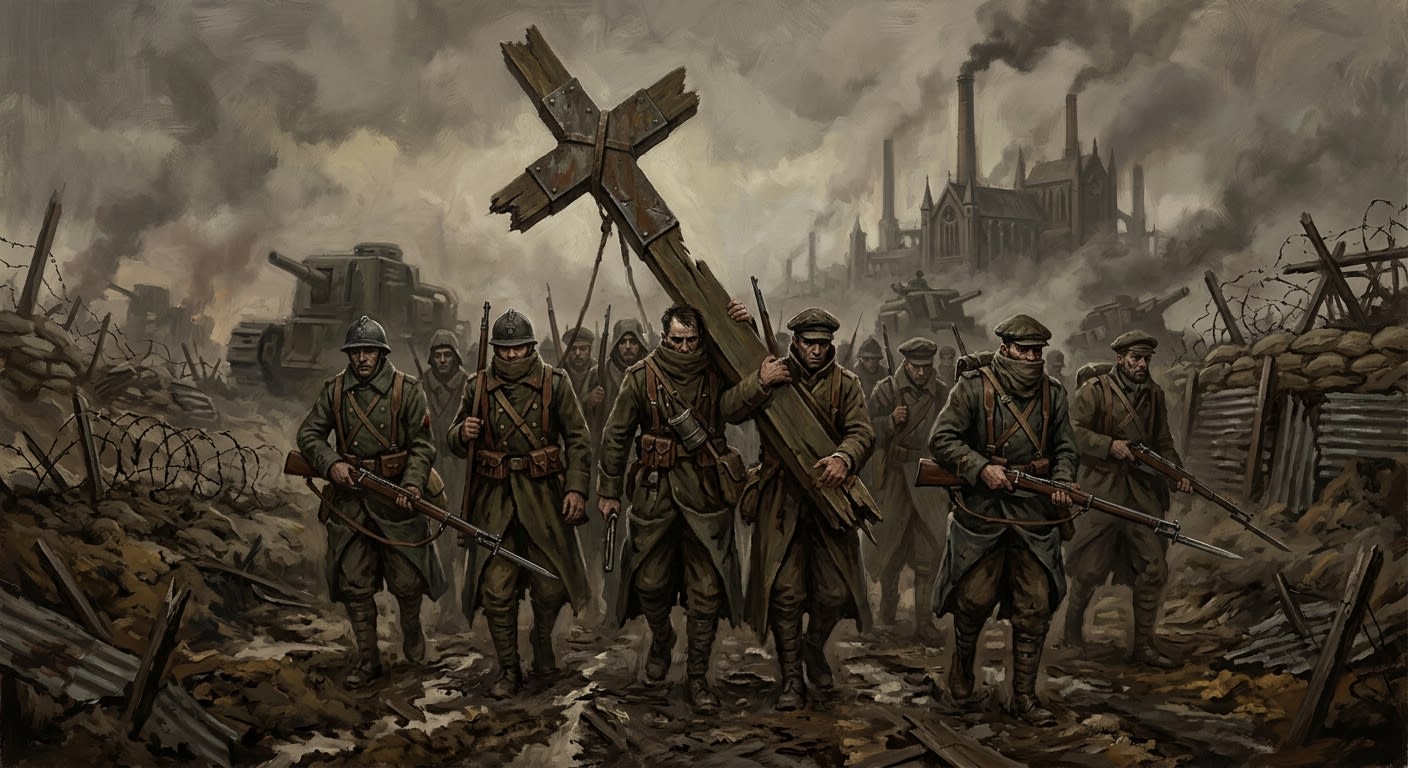
The Broken Cross
The sigil that snapped heaven and called the wound reason
The Broken Cross was Reason's battlefield sermon: a snapped crucifix carried by men who denied symbols while marching under one.
Codex Ref. I.1.05-003

The Bureau of Heraldry
The grammar of loyalty, measured in ink and iron
The Bureau of Heraldry controls what the Synod is permitted to look like. Every crest is a sentence. Every unregistered symbol is a rebellion not yet named.
Codex Ref. VIII.1.03-001
The Bureau of Mercy
Compassion Is a Ration. A Ration Is a Policy. A Policy Is the Synod's Will.
The Bureau of Mercy administers the Synod's hospitals, orphanages, broth-kitchens, and Hospices of Departure — every institution where subjects are at their most vulnerable and therefore most in need of documentation.
Codex Ref. VI.4.12-031
The Bureaucratic Synod
Throne and Altar, Quill and Sword
The ruling theocracy of Europa — born in blood, forged in ink, and maintained by a bureaucratic apparatus so vast that even its own clerks cannot map its full extent. As explained by its finest servant.
Codex Ref. I.3.01-004
The Cellar Saints
Those who hid in basements built the floor on which the Synod stands.
The frightened faithful who descended into cellars and catacombs when Reason conquered Europe, preserved the relics, and became the soil from which the Synod grew — whether they consented to the harvest or not.
Codex Ref. IV.2.14-003
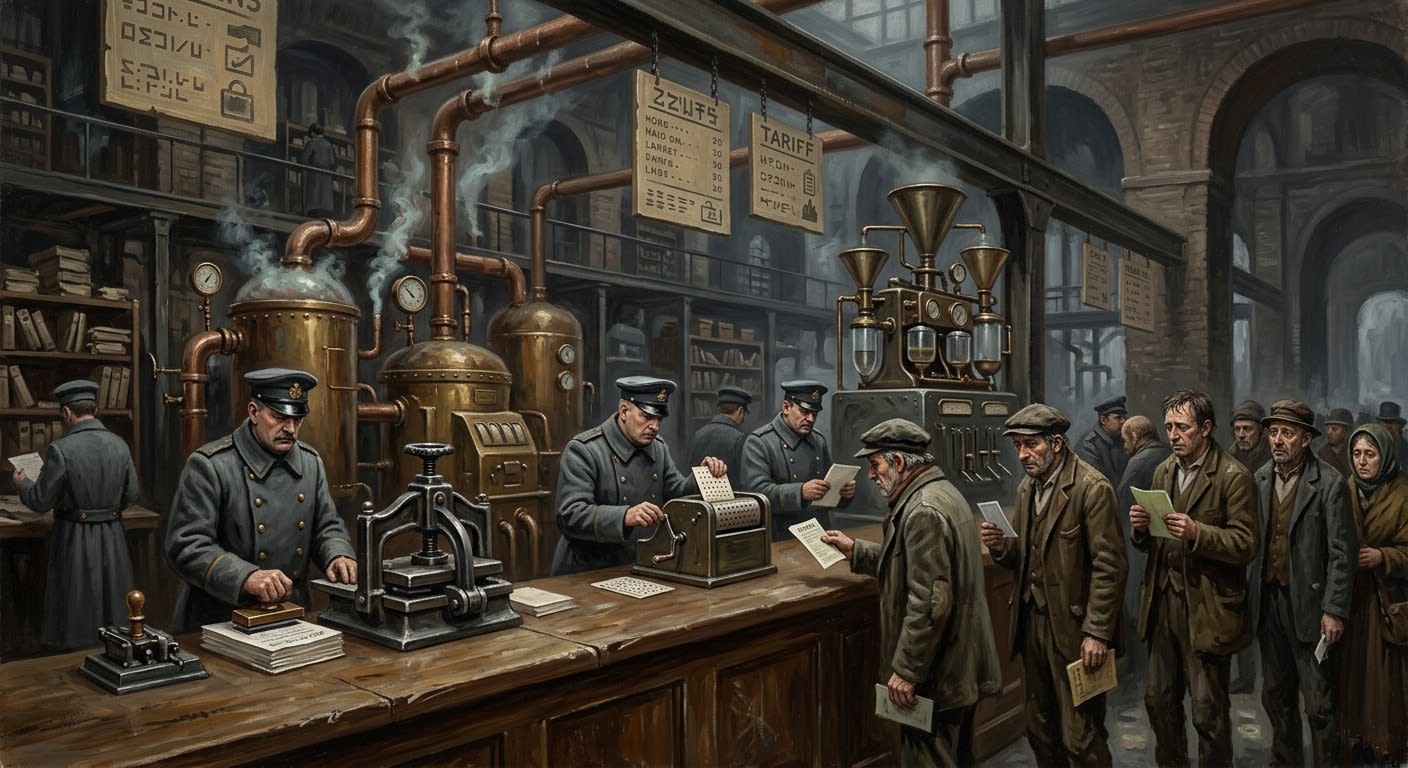
The Censorium of Taverns
Joy is safest when entered, weighed, and extinguished by permit
The Censorium of Taverns is the Bureau of Festivals sub-office that licenses drink, meters laughter, pumps curfew-fume, and proves that even joy may be made obedient by placard, bead, and ash.
Codex Ref. VIII.5.07-001
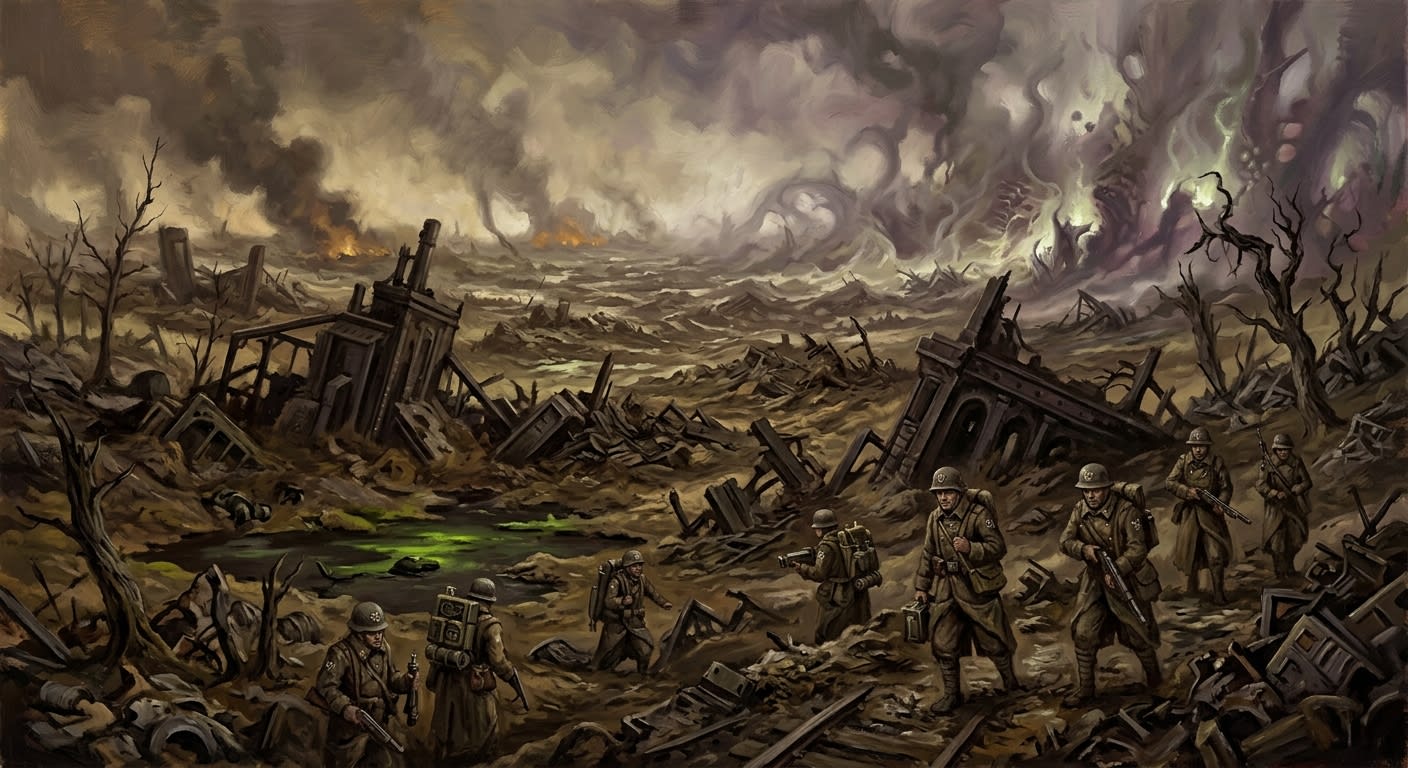
The Charnel Lands
The East keeps our failures alive in hostile weather
Zone 6 is the Synod's polite name for the Charnel Lands: the demonic East where appetite has borders, maps fail, and names come home missing.
Codex Ref. II.6.06-001
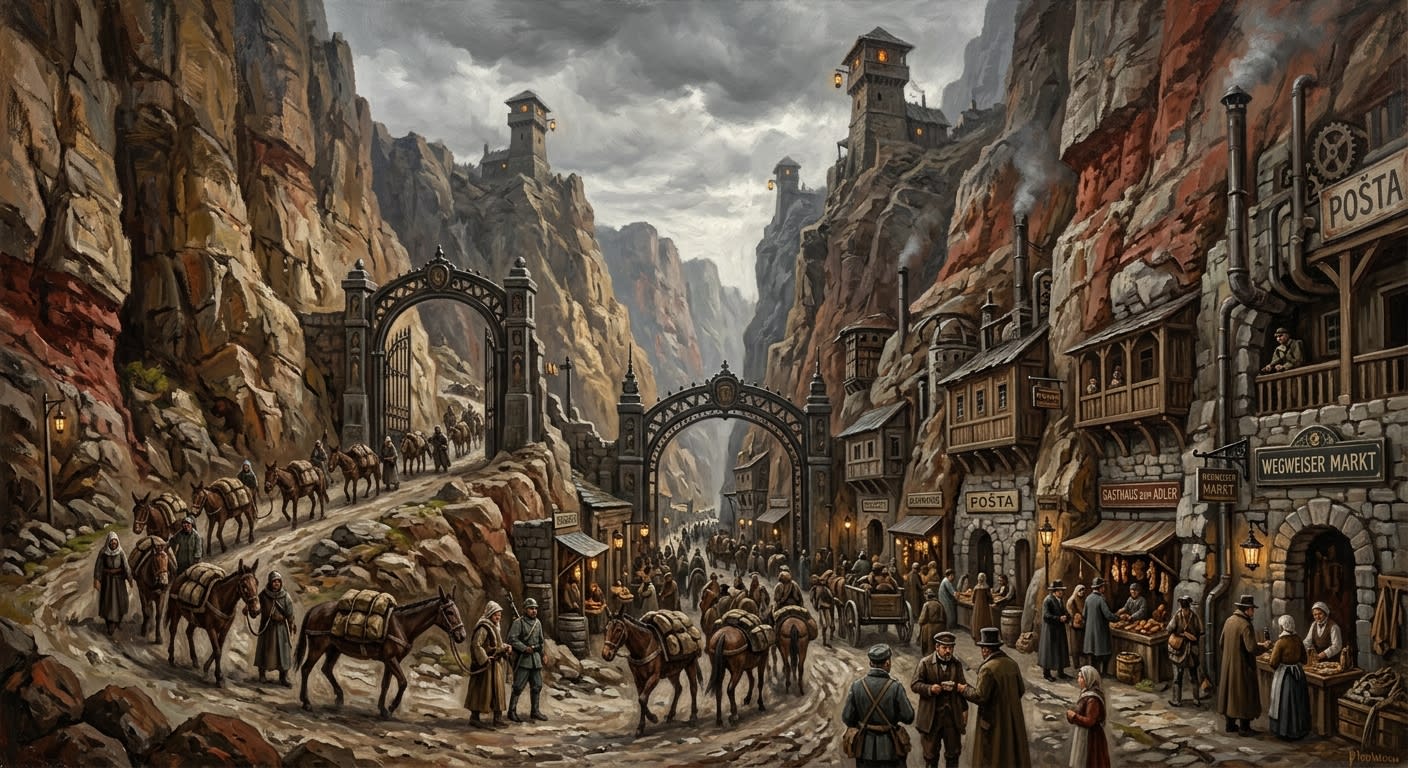
The Choir-Broker Hall of Peregrine Row
Where the canyon charges for its echoes and the brokers charge for everything else
A Zone 1/2 waystation-market on the Pilgrim Roads where creed-testing, escort contracts, and bead reconciliation converge into an economy of sanctioned extortion. The canyon echoes your prayers with one vowel wrong. The brokers charge for that too.
Codex Ref. II.1.03-001
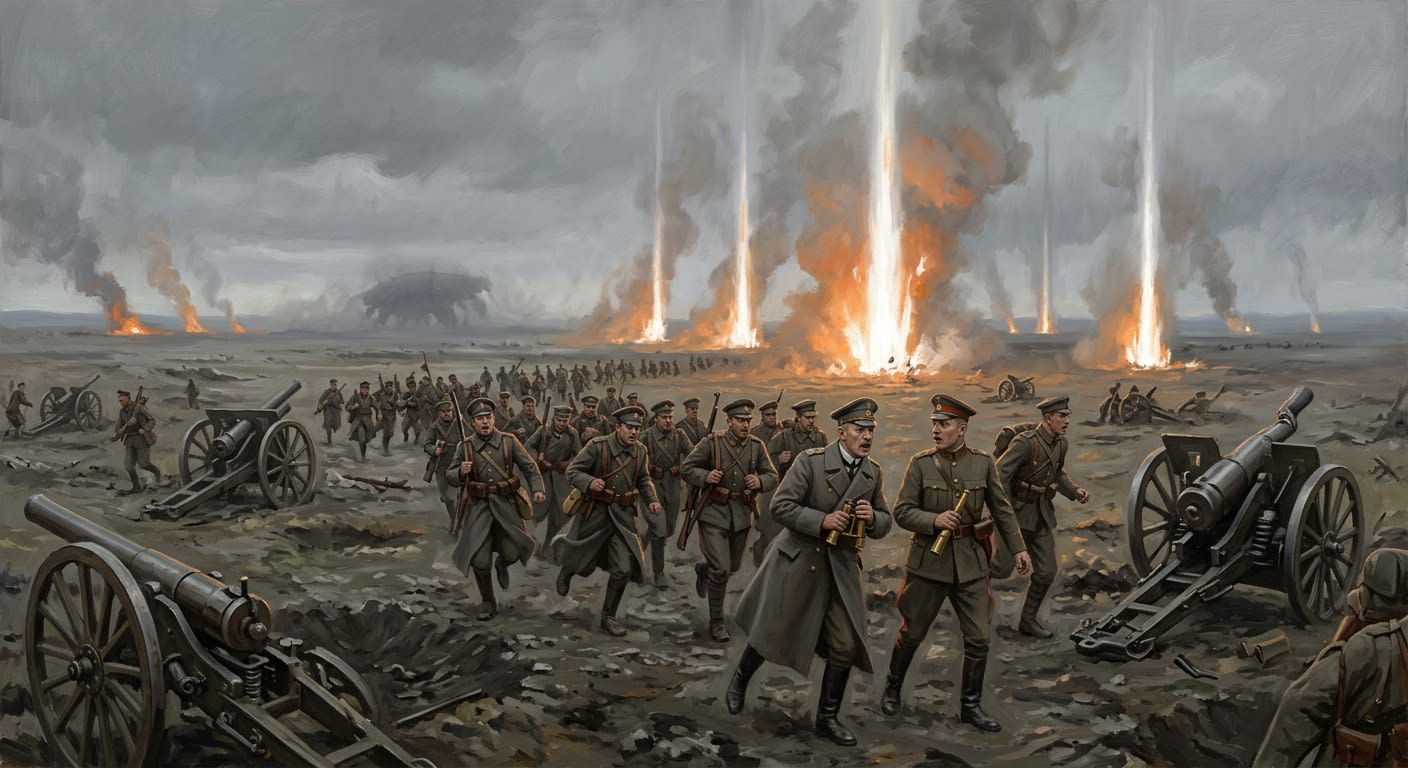
The Collapse of the Rationalists
The Adversary did not invade. It arrived.
The Rationalist Republic dismantled every spiritual defence on the continent, and in A.S. 45 the Adversary walked through the unguarded door. A doctrine article, a body count, and a mandatory catechism text.
Codex Ref. VII.2.01-001
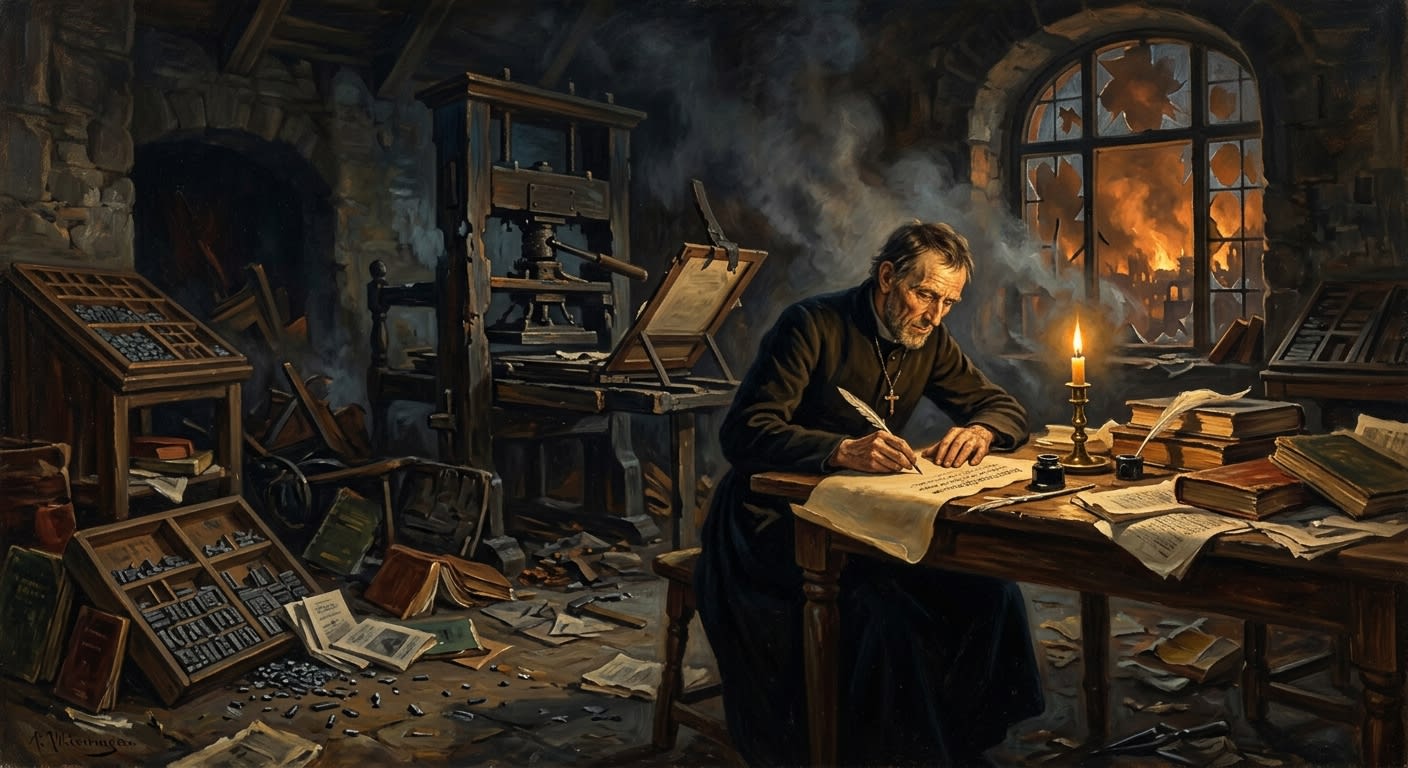
The Common Allegiance
Seven pages that ended the age of a thousand altars
Drax examines the seven-page A.S. 55 charter that bound dioceses through local subscriptions and helped build the authority later formalized at Strasbourg.
Codex Ref. VI.5.01-001
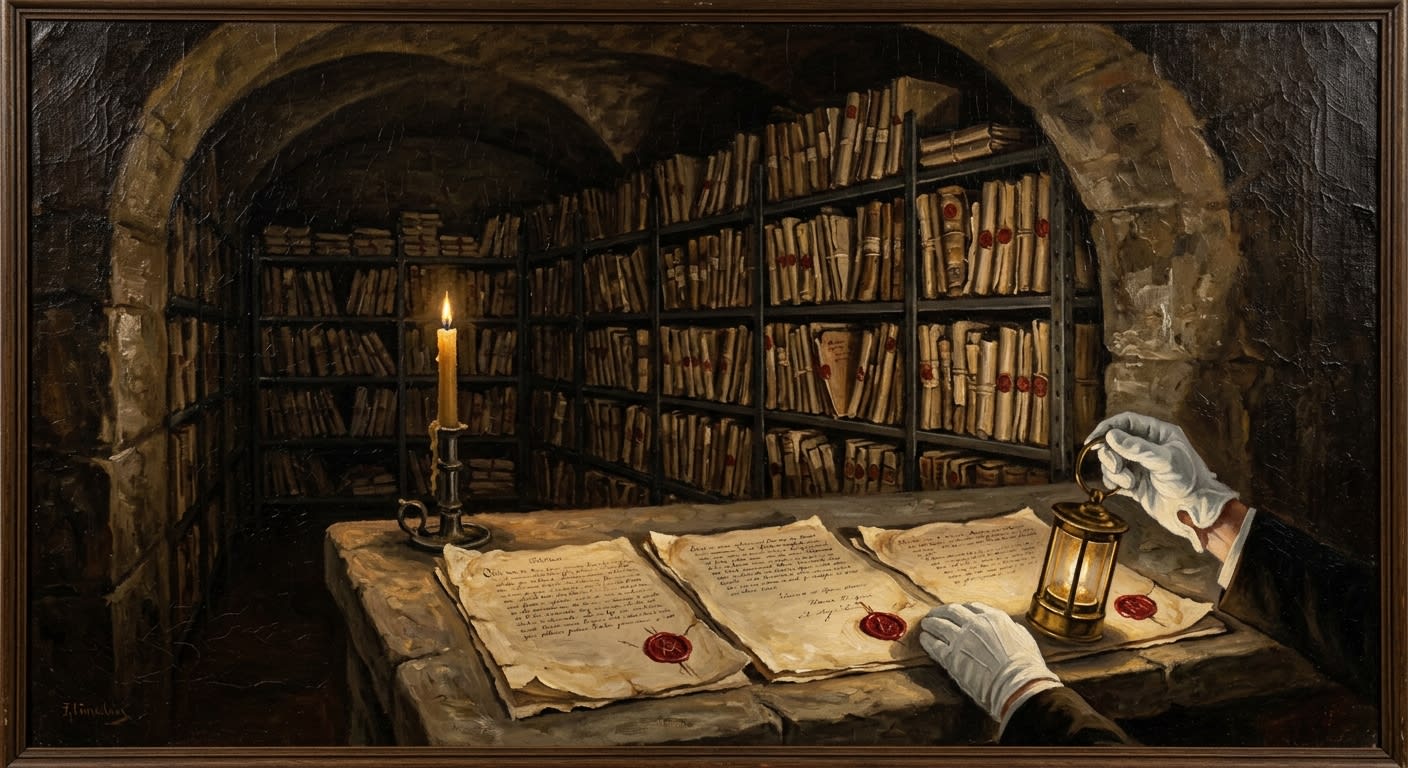
The Concordats of Ulm
Twelve signatures. One seal. Two hundred and fifty-six years of warm wax.
The founding instrument of Rationalist organisation — a compact of 'rational fraternity' signed in –55 A.S. by twelve university professors who mistook cleverness for wisdom, and built the machine that drove a century of war.
Codex Ref. II.7.03-055
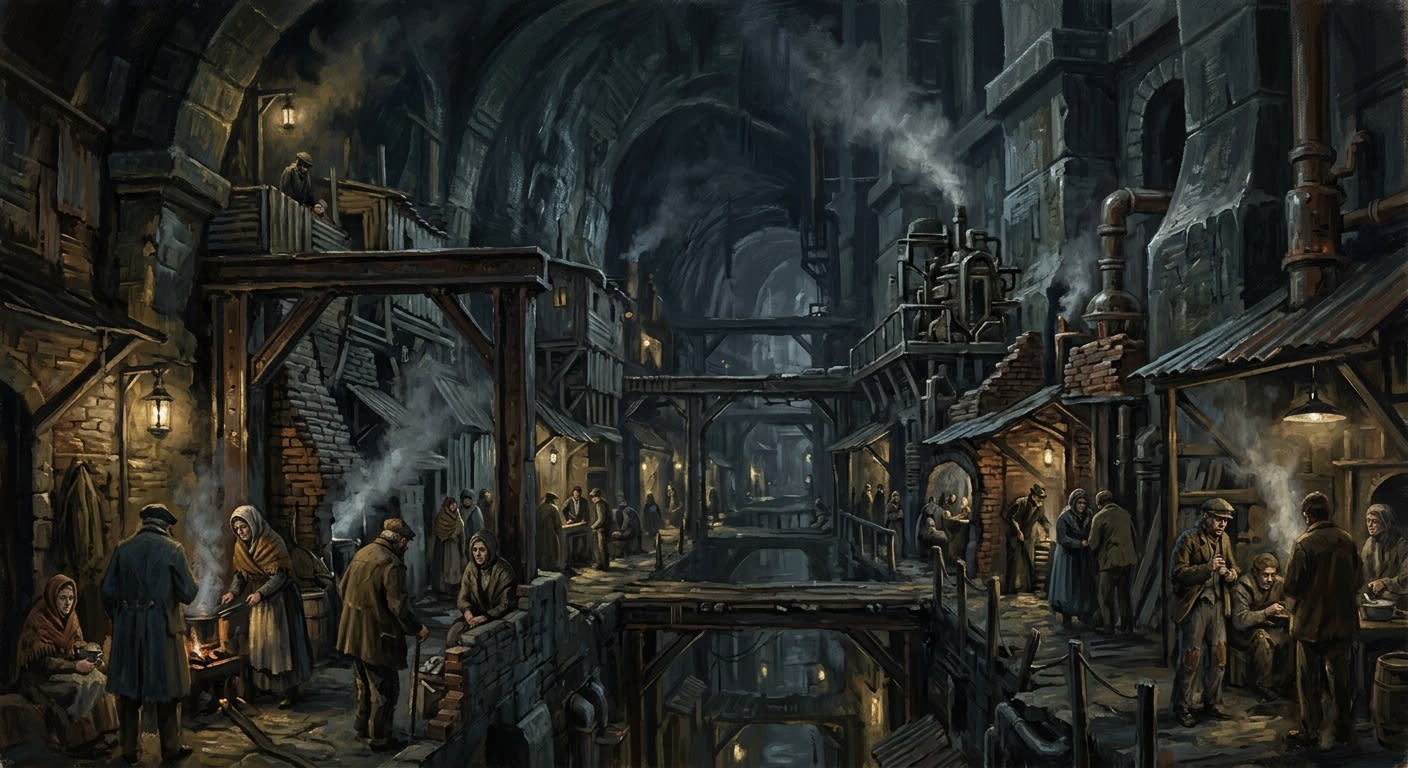
The Constantinople Warrens
The city beneath the city, tolerated by omission and counted by echoes
Beneath Bastion-Constantinople's Ossuary Rings, forty thousand unregistered souls live where Settlement maps insist there is only stone.
Codex Ref. II.4.10-005
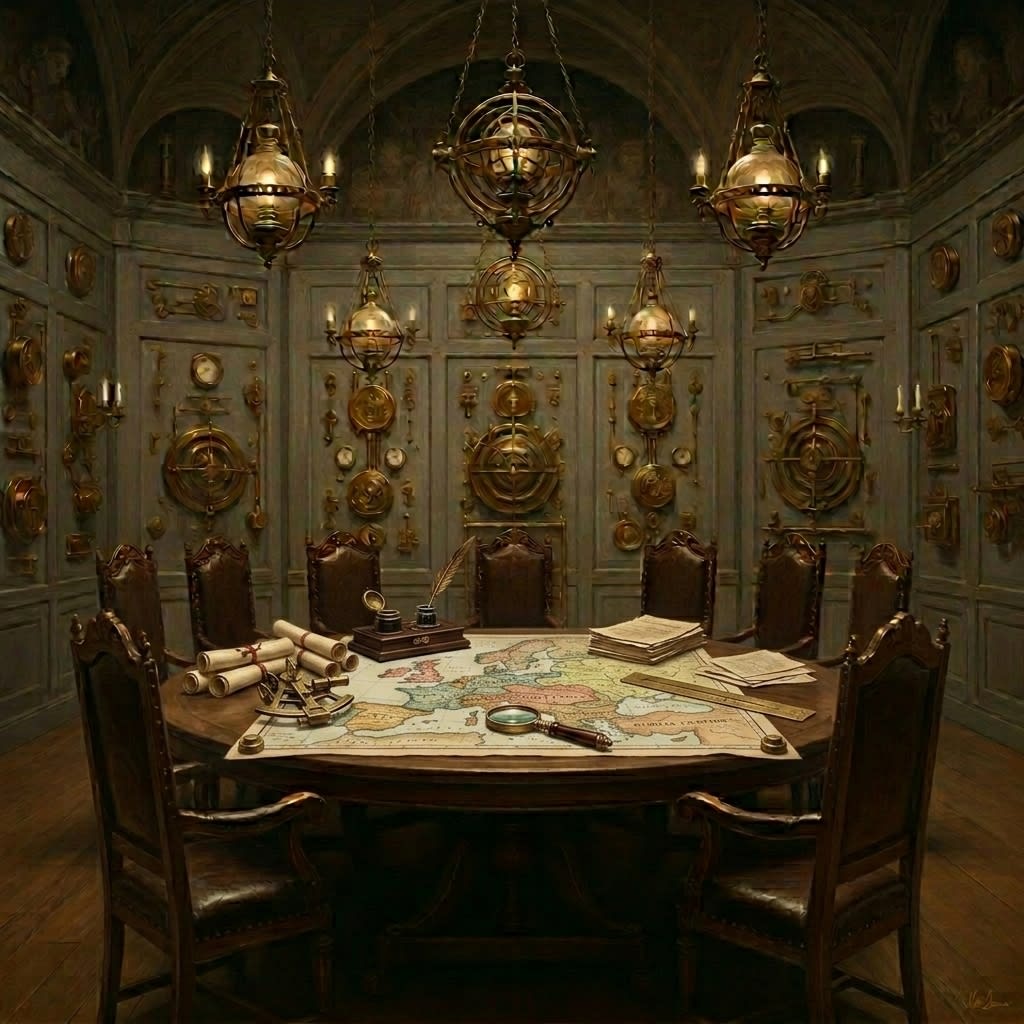
The Council of Nine Rationalists
Nine men governed Europe. Their names are sealed. Their methods are retained.
The sealed governing body of the Rationalist Republic — nine nameless men who administered a continent for fifteen years with instruments of measurement, mass surveillance, and the removal of tongues, until the Sundering settled the argument for them.
Codex Ref. I.1.03-001
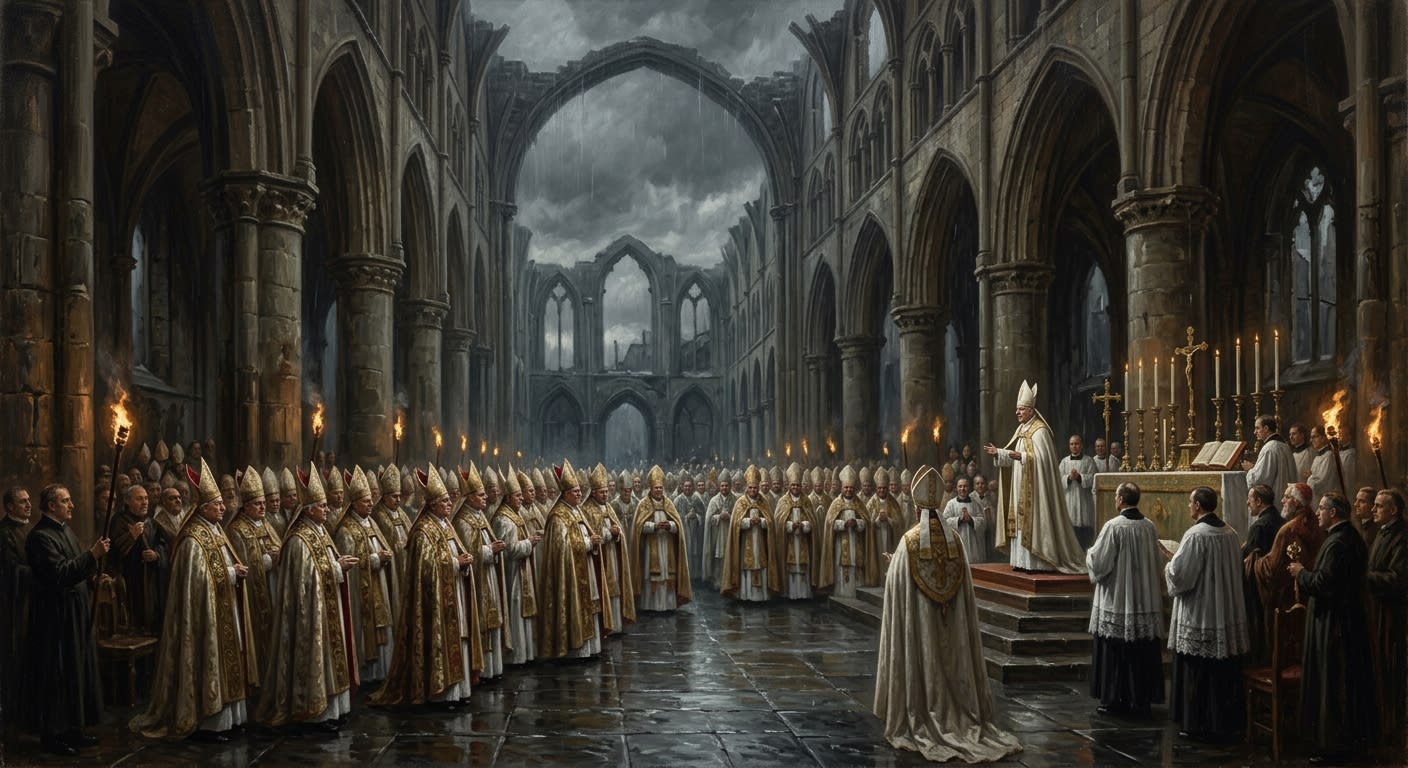
The Council of Worms
Where Paper Became Law, and the Seals Forgave No One
The A.S. 87 council in roofless Worms Cathedral ratified the earlier Common Allegiance; its register lists 314 names, including 25 with defective seals.
Codex Ref. VII.7.01-001
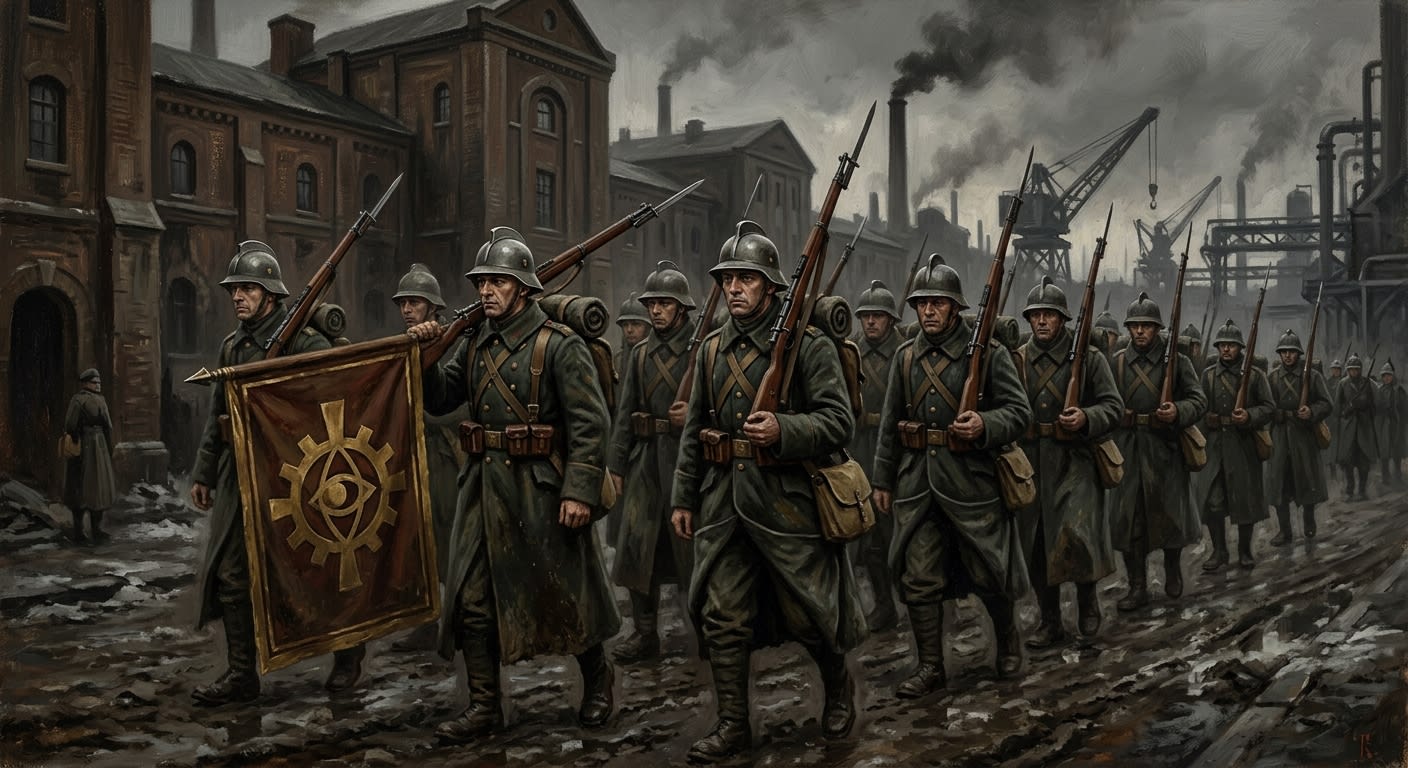
The Covenant Military
The rifle behind the sermon, visible enough to be pastoral
The Synod's standing armed auxiliary between war and administration: civic cordon, Bureau escort, rear-line reinforcement, and visible obedience with a rifle.
Codex Ref. VIII.5.05-001
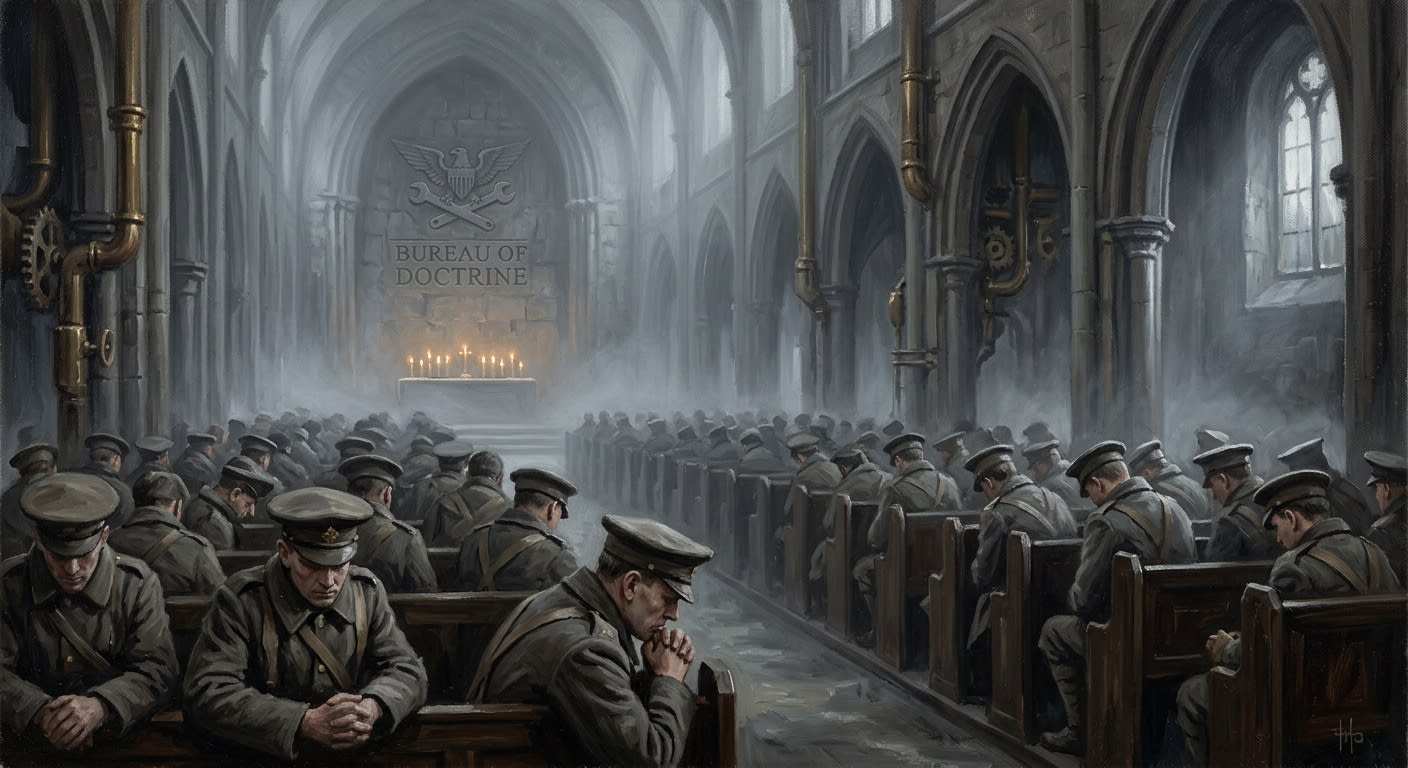
The Creator
The Bureau has two words for the most important question in theology. This entry contains both of them.
A doctrinal entry on the Creator composed by Hieromnemon Drax under compulsion, covering divine nature, the Silence, the inconvenience of miracles, and four forbidden heresies the Bureau insists do not exist.
Codex Ref. VI.1.01-001
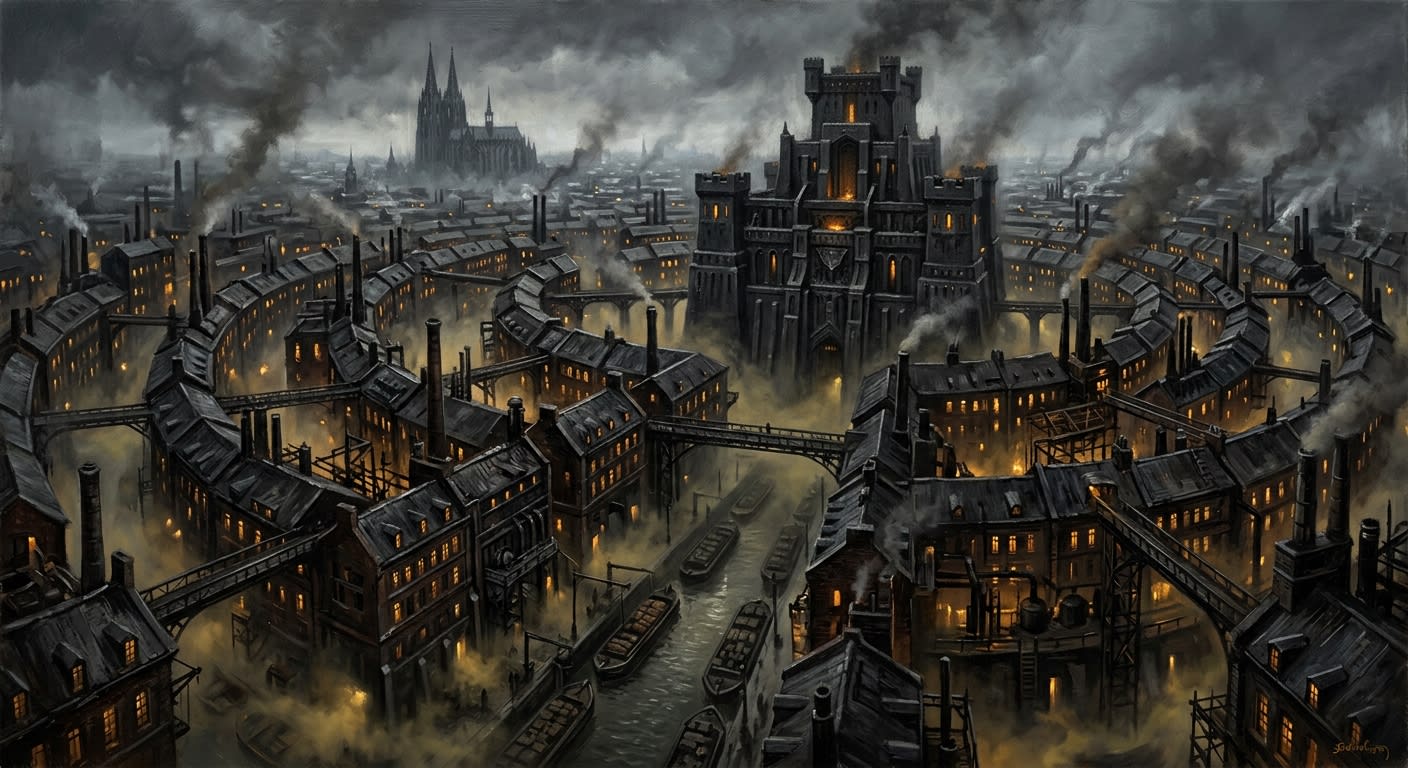
The Crownwright Diehouses of Sable Court
In Sable Court, identity is currency — and the Synod strikes every coin
The restricted mint-quarter of Cologne where the Synod strikes every face into coin and every coin into law. Where identity is minted, recalled, and—when the Bureau requires—unfaced. A.S. 201: the Face Theft crisis continues and the master die may be real.
Codex Ref. II.2.07-001
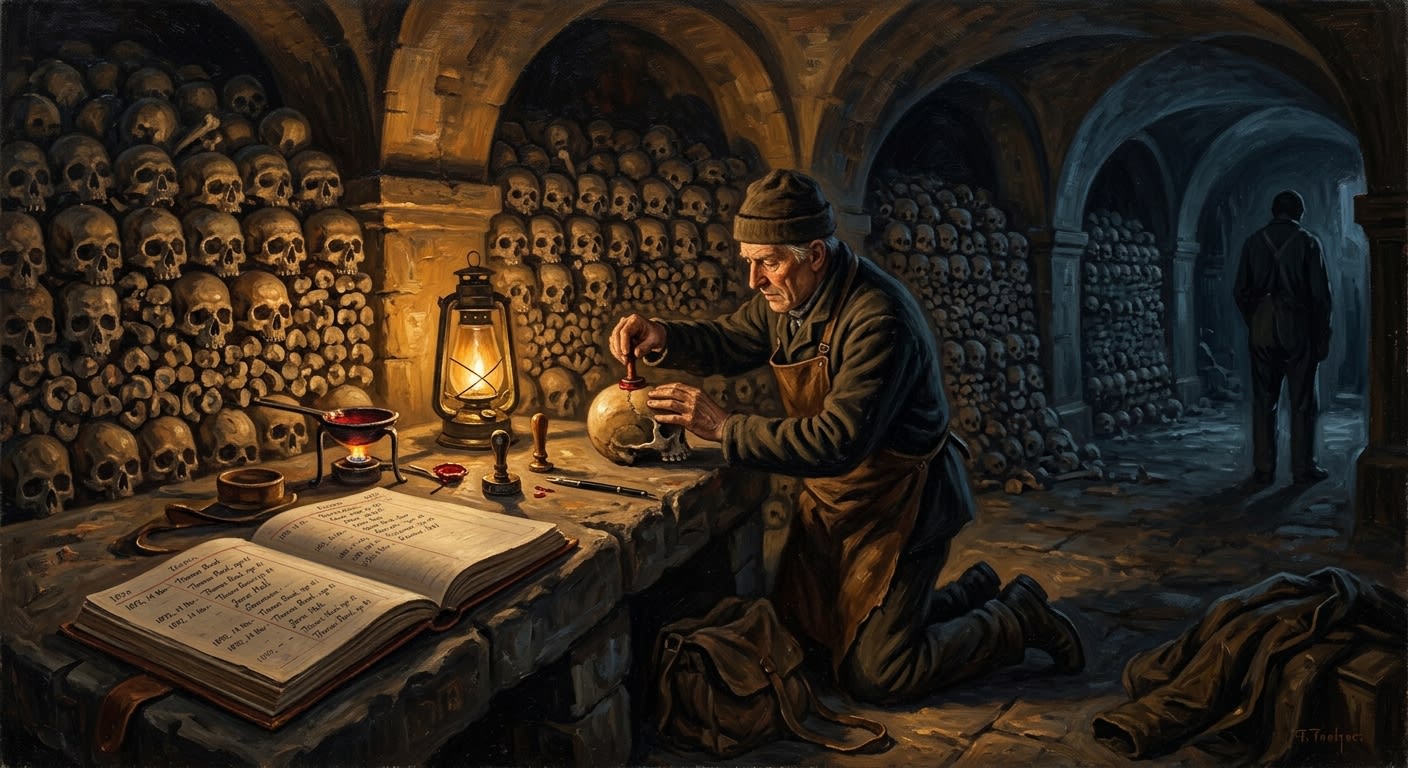
The Dead
What the filing system remembers, and what the Bureau has declined to ask
The Bureau maintains death is a clerical event. The dead, by the Bureau's own monitoring, appear to disagree. Drax files the discrepancy.
Codex Ref. VI.2.01-001
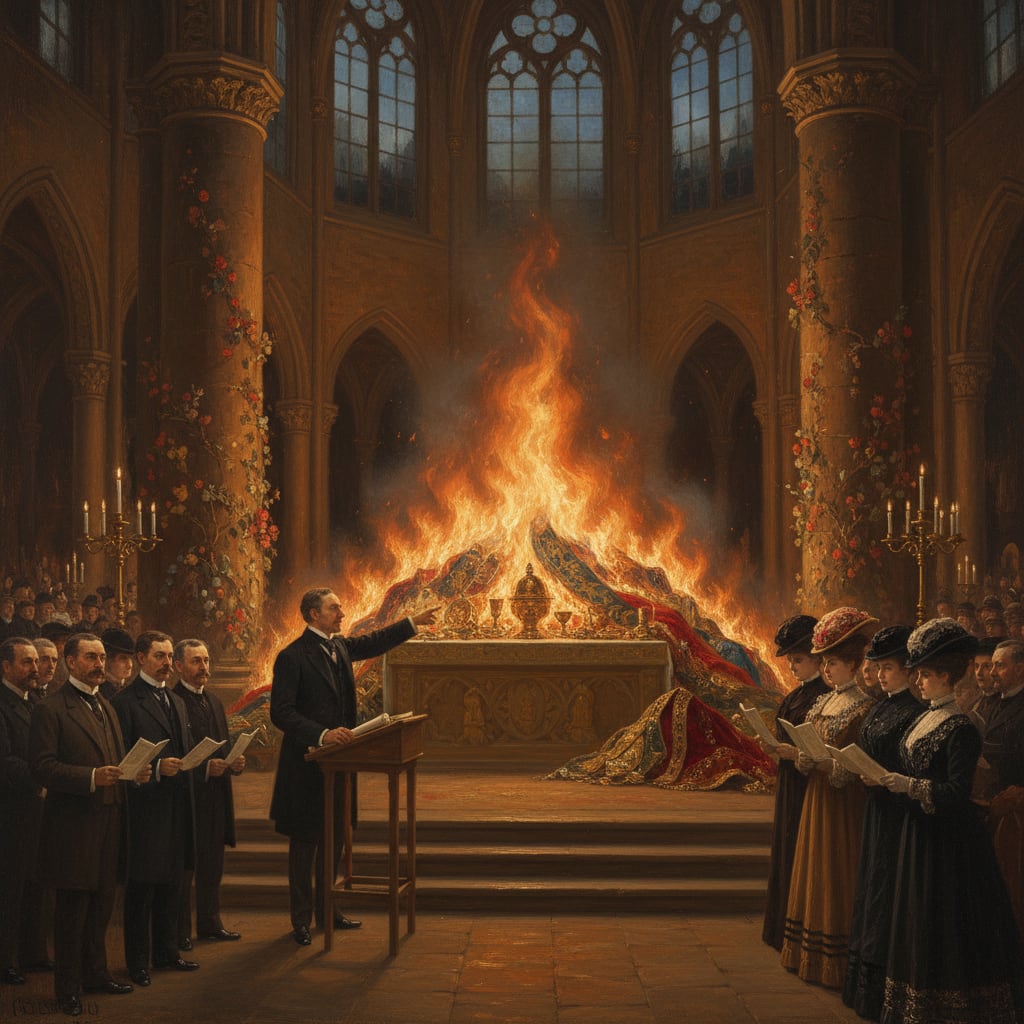
The Desecrations
Being the Bureau of Doctrine's Definitive Survey of the Rationalist Programme of Coordinated Spiritual Aggression, A.S. 0–45, Classified Retroactively in A.S. 92, and Updated at Considerable Institutional Expense in A.S. 200
The Rationalists destroyed two thousand sanctuaries, melted eight hundred and ninety-one bells into cannon, and killed three thousand four hundred clergy in a programme they insisted was spontaneous. Spontaneity does not print programmes.
Codex Ref. VII.1.01-001
The Drowned Choir
The sea has learned the bell-schedule, and it sings the names back wrong
Beneath Thessaloniki's harbour, a Category Three Harmonic Anomaly gathers names through chain, fog, hull, dream, tooth, and Bureau denial.
Codex Ref. XIII.1.12-001
The Famine Pits
The dead are still hungry, and the Bureau prefers not to speculate why.
Fourteen confirmed burial sites in the former Hungarian plain where the dead of the Great Retreat have refused to stop dying. Their hunger radiates into the living. The Bureau classifies this as demonic. Drax does not agree.
Codex Ref. V.6.01-002
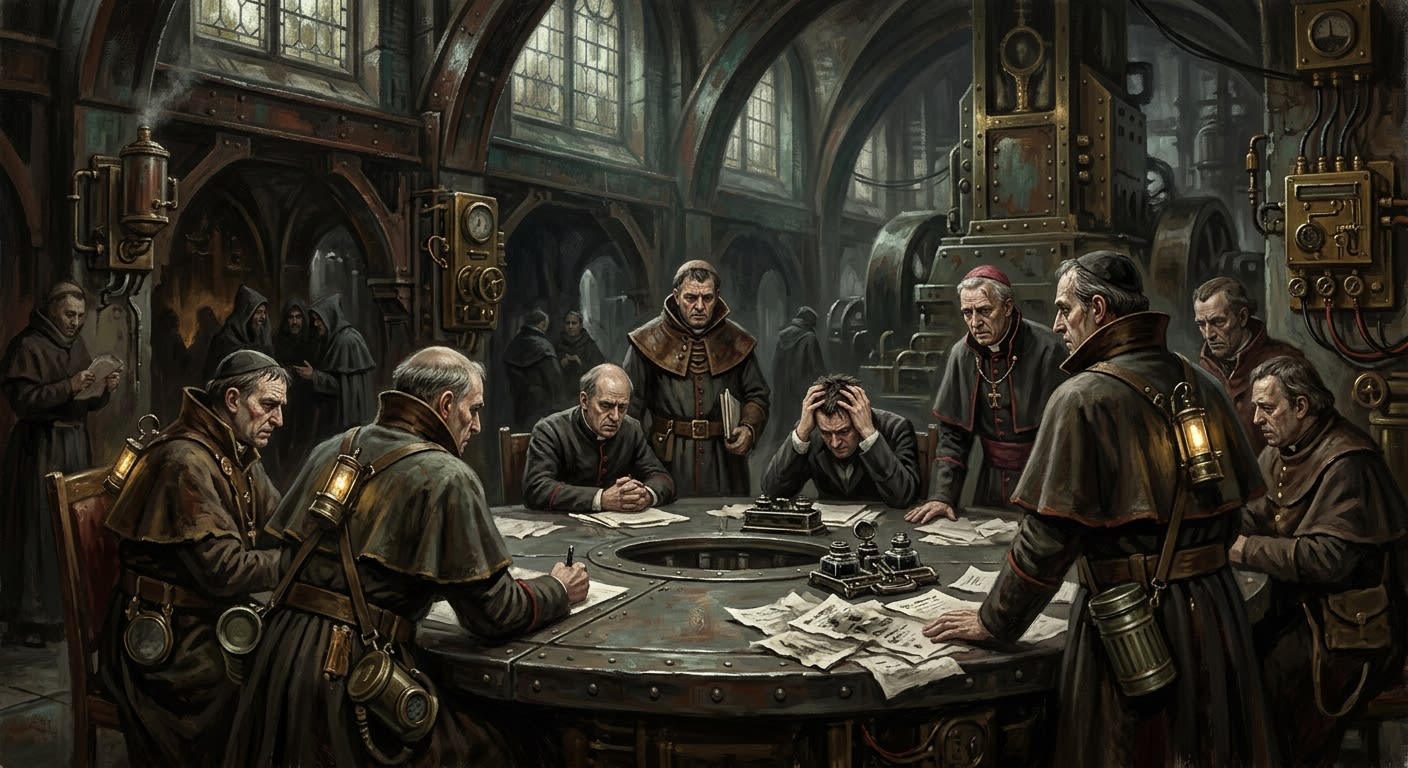
The First Council of Cologne
The yoke was imagined before it was blessed
The September A.S. 27 preliminary convocation produced seven unadopted articles, corrected minutes, and limited voluntary contacts among dioceses.
Codex Ref. VII.7.01-002

The Fractured North
Compliant in substance. Deviant in form. Pending resolution since A.S. 92.
Two million souls scattered along the Norwegian fjords and Swedish interior — faithful, stubborn, and unresolved. The Bureau of Doctrine has filed them as 'compliant in substance, deviant in form' since A.S. 92, and will do so until either side decides otherwise.
Codex Ref. IX.8.01-001
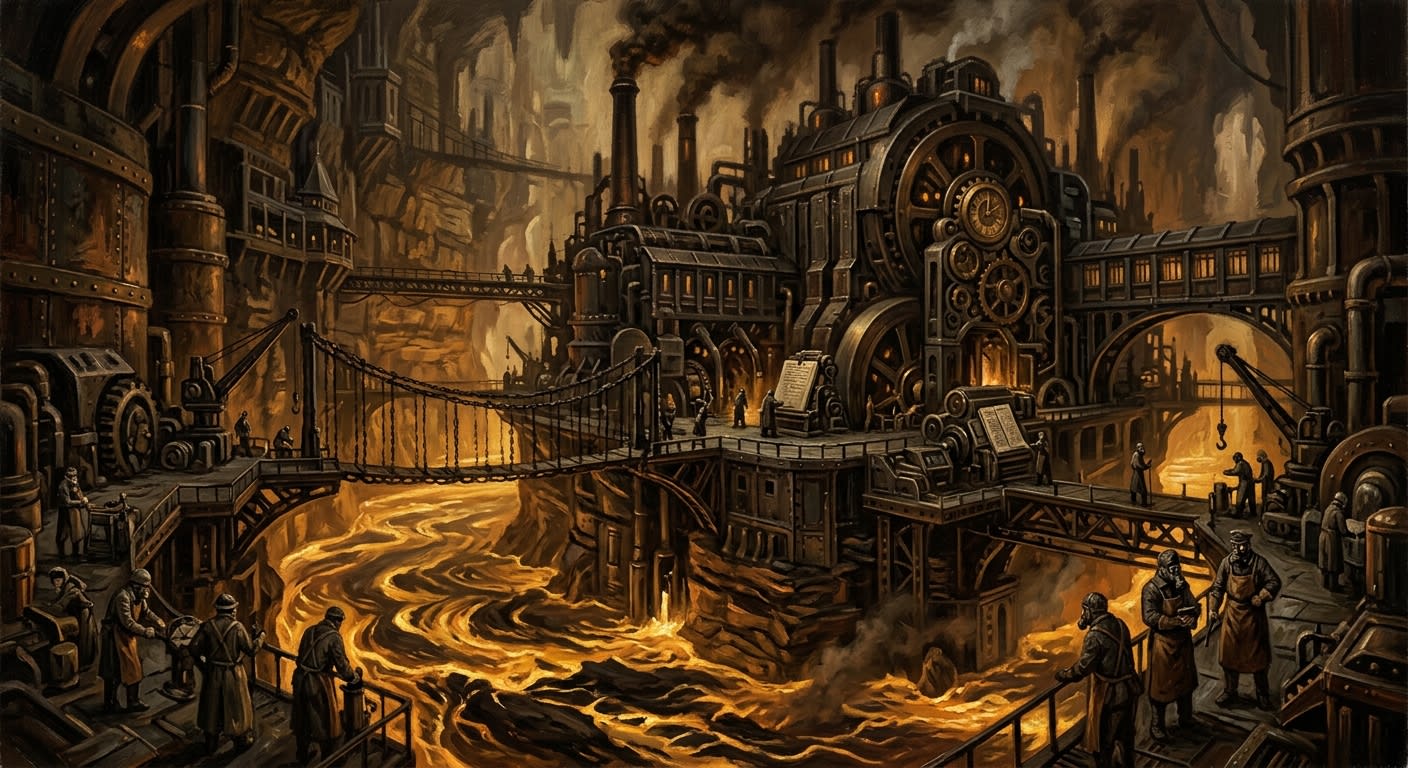
The Gilded Chasm
The canyon that made profit geological and damnation contractual
Velmora's Gilded Chasm is a canyon of molten value, binding markets, doors, audits, and contracts whose smallest syllable charges interest.
Codex Ref. VI.1.02-001
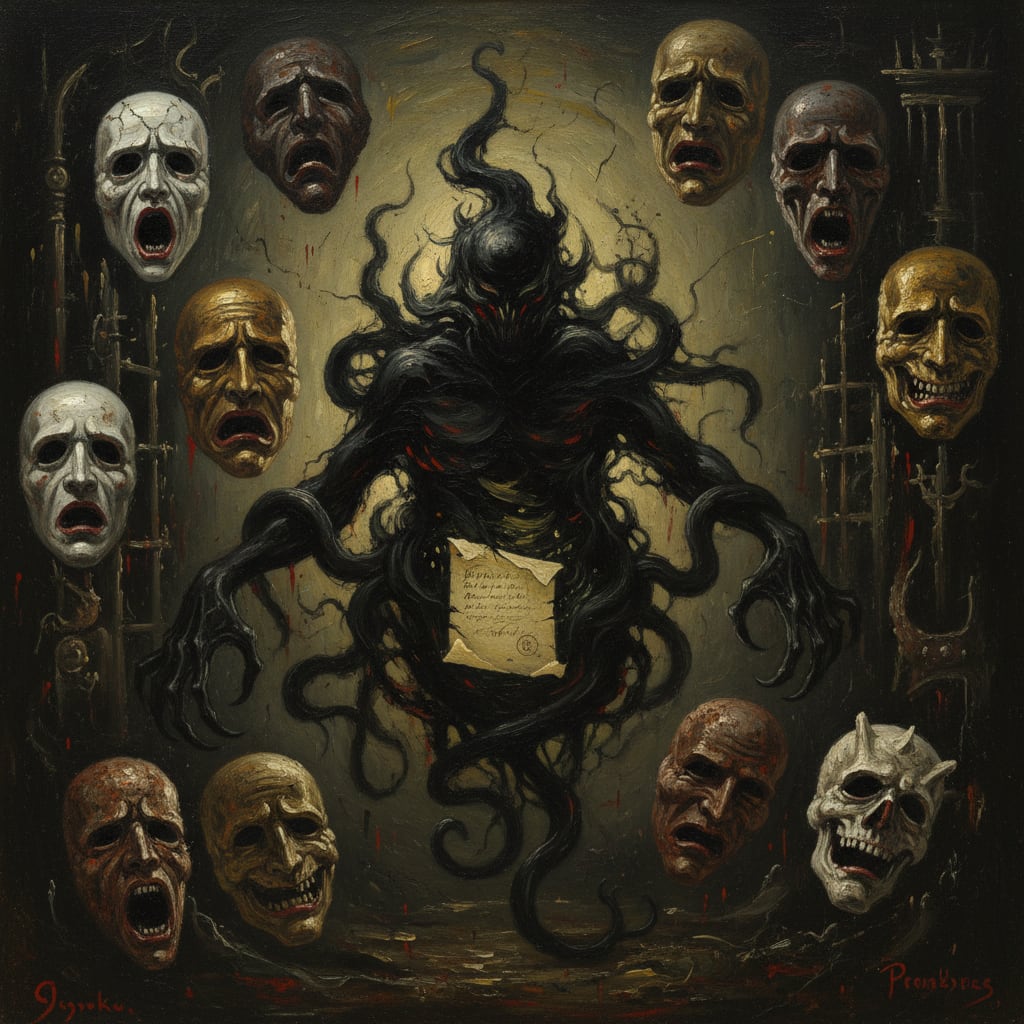
The Great Deceiver
The Adversary Without Name, the Will Behind the Veil
He has no face, no form, no name the Bureau dares to print — only a Will that wears the world like a mask. The supreme architect of the Sundering, the forger of the Seven Sin-Generals, and the one enemy the Synod cannot file, stamp, or archive into submission.
Codex Ref. IV.1.01-001
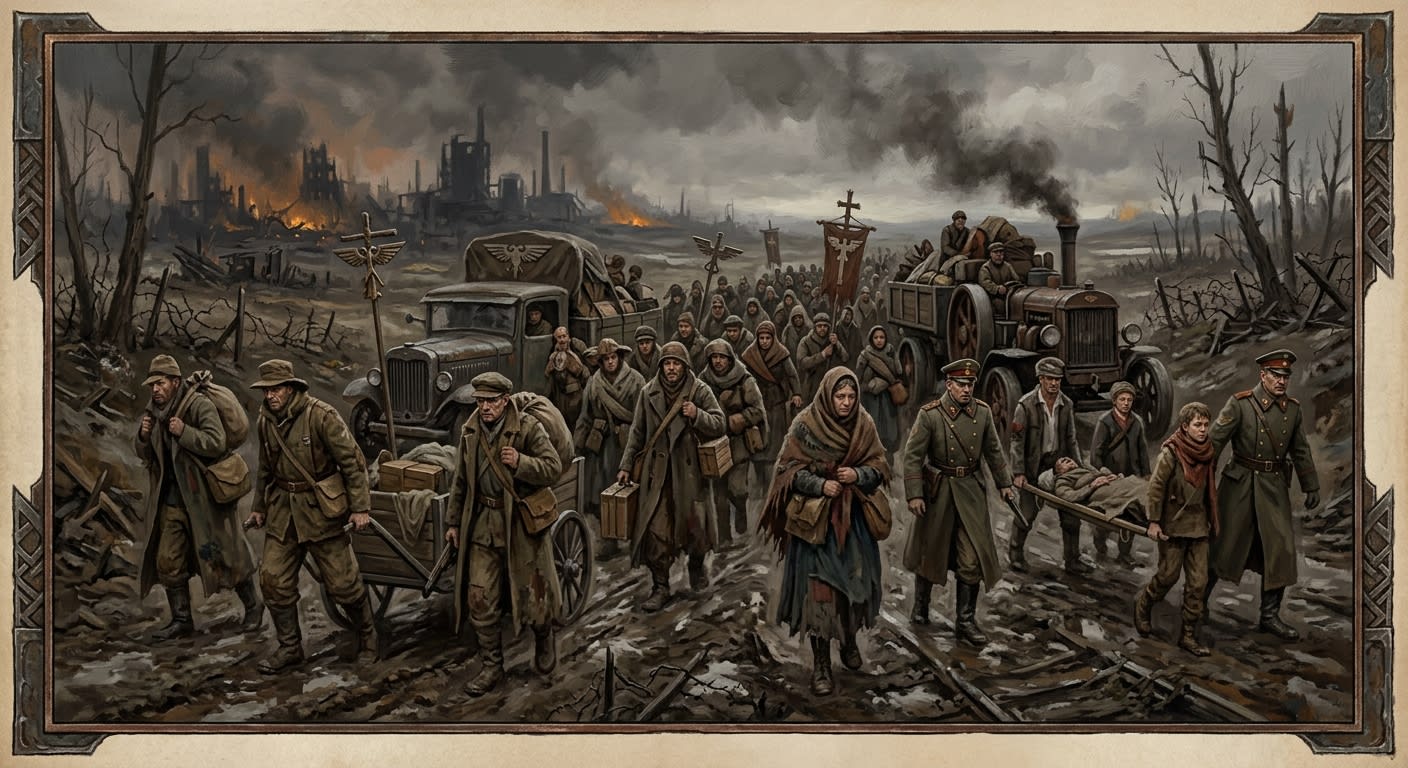
The Great Retreat
Seventeen years of westward mud before the Line learned to stand
From A.S. 48 to A.S. 65, the faithful West walked, bled, improvised institutions, and finally stopped running where the Sagittal Line began to hold.
Codex Ref. VII.1.03-001
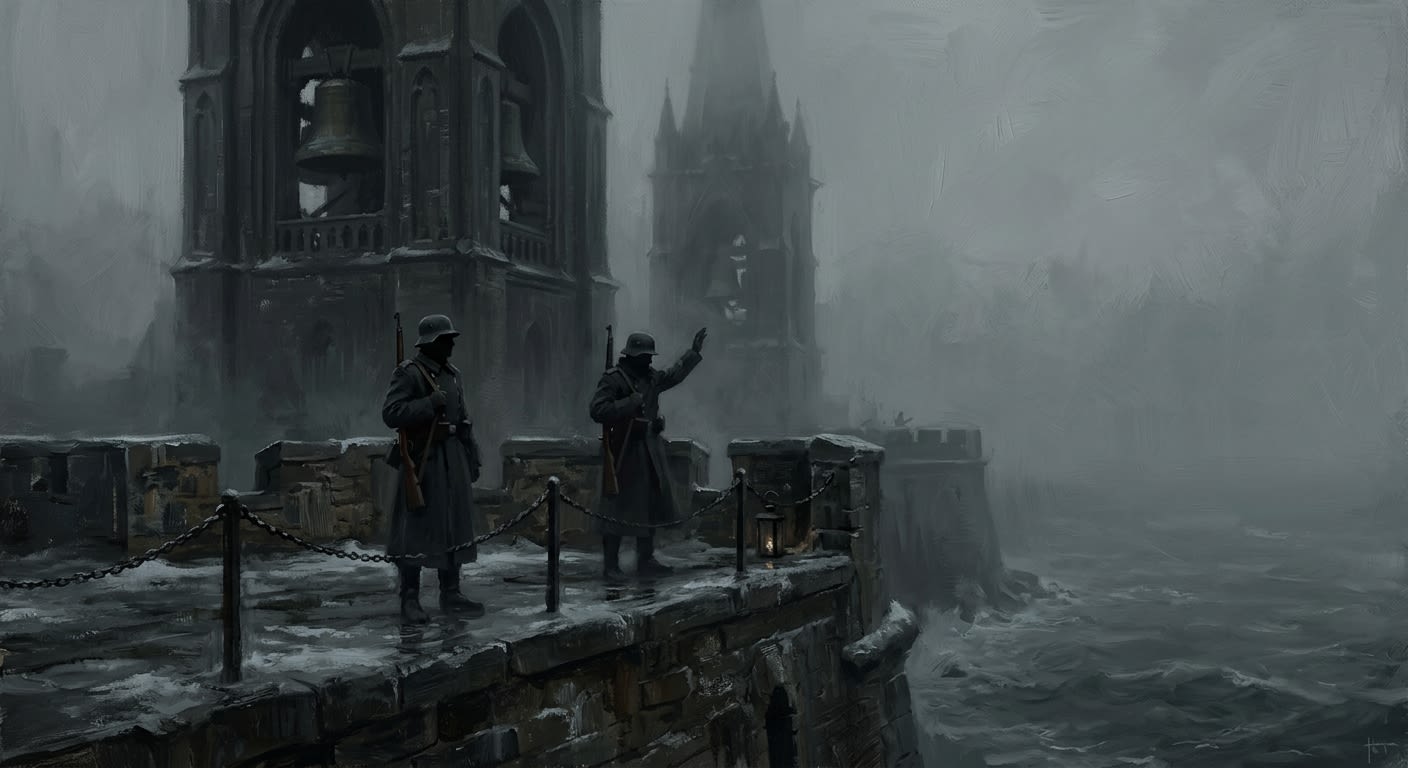
The Grey (The Unnamed)
Eleven years of classification pending, and the Bureau's best answer to why
The Grey is not a Sin-General. The Bureau has known this for eleven years and found the fact so uncomfortable that it has not yet produced a classification. Drax produces one anyway.
Codex Ref. VI.3.01-001
The Greyling Cohort
Children born under the sky that declined to answer
The Greyling Cohort names the silent grey-eyed children born during the Year Without Dawn, officially extinct, unofficially watched by anyone sensible.
Codex Ref. XIII.1.32-001
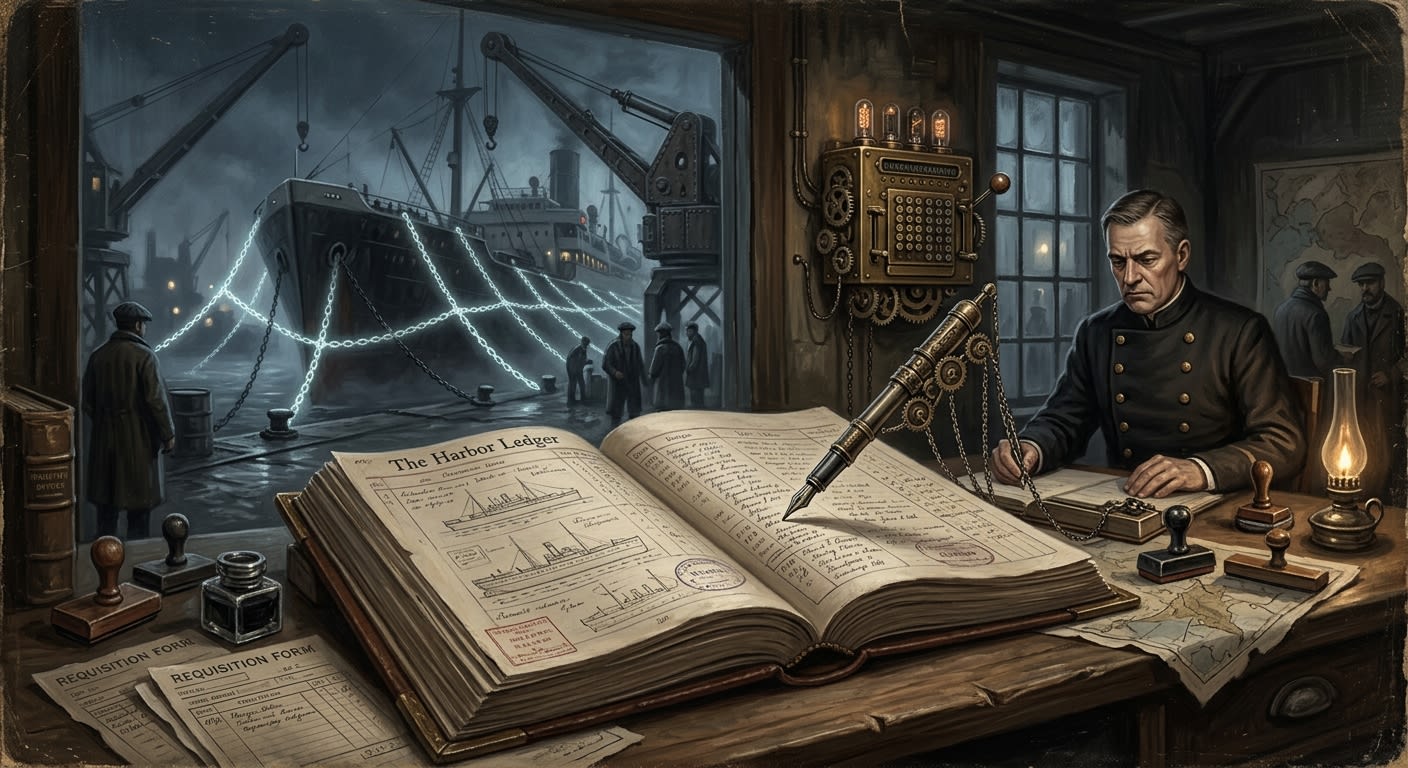
The Harbor Ledger
The book that teaches ships they have arrived only after the ink permits it
The Harbor Ledger of Thessaloniki is the Synod's coastal sacrament of arrival: Hull, Soul, and Substance counted beneath chains that hum with a sea's rival arithmetic.
Codex Ref. XIII.1.93-201

The Heartlands
The safe country, provided one defines safety as distance from teeth and proximity to stamps
The Heartlands are the Synod's safe interior only by infantry arithmetic: Zones 1–3 feed the Line with bread, steel, bodies, bells, paperwork, and bones.
Codex Ref. II.0.02-201
The Hierarchy of the Synod
Seven Seals, Six Occupants, and a Chair No One Has Laundered Since A.S. 107
Seven Seals. Six occupants. One chair draped in cloth no one has laundered since A.S. 107. The succession is continuous. The gaps are classified.
Codex Ref. VI.3.02-001
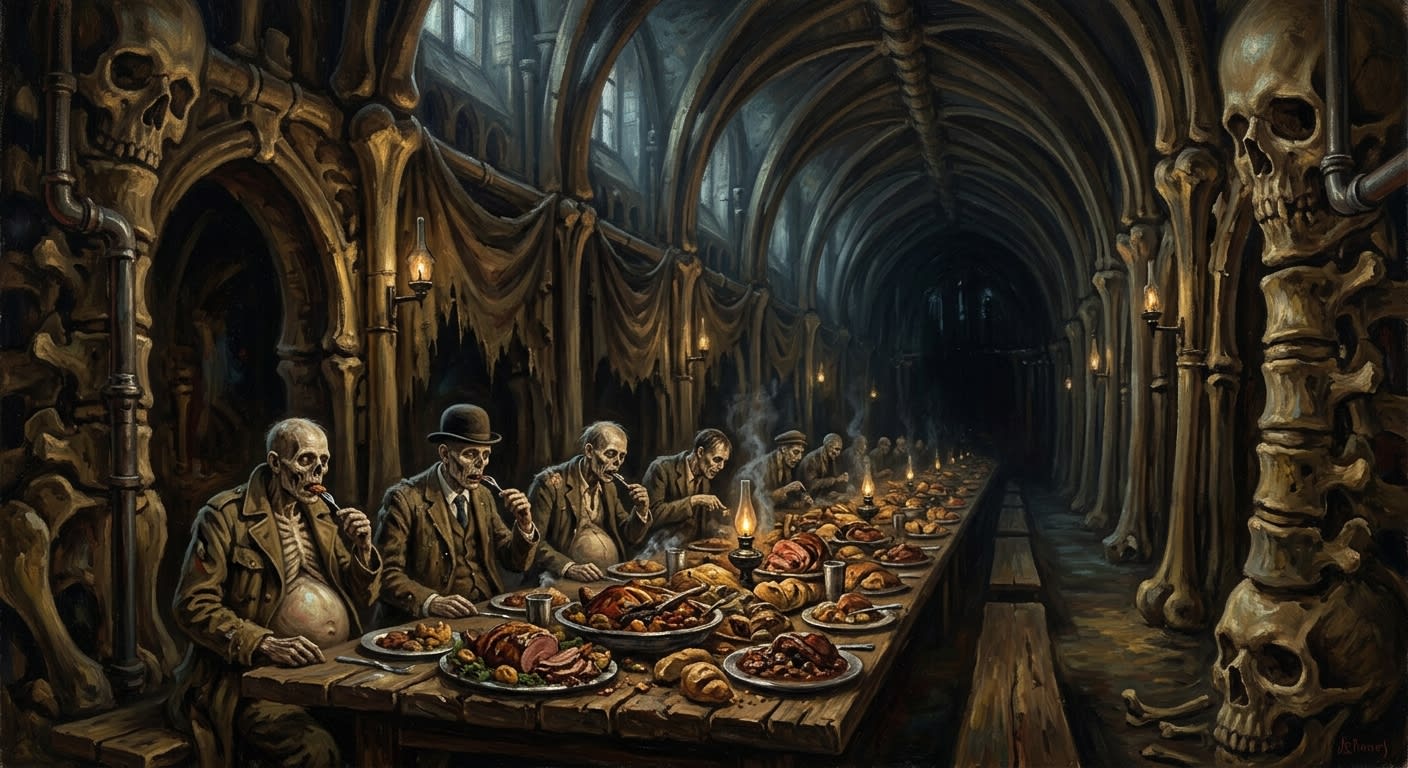
The Hollow Court
Nine miles of table. Every seat occupied. The host is always hungry.
The seat of the Sin-General of Gluttony, confirmed four times, located forty leagues east-south-east of Debrecen. Its feast has not ended. Its guests have not left. Its table runs nine miles. The Bureau of War has declined to act on this information three times.
Codex Ref. V.6.01-004
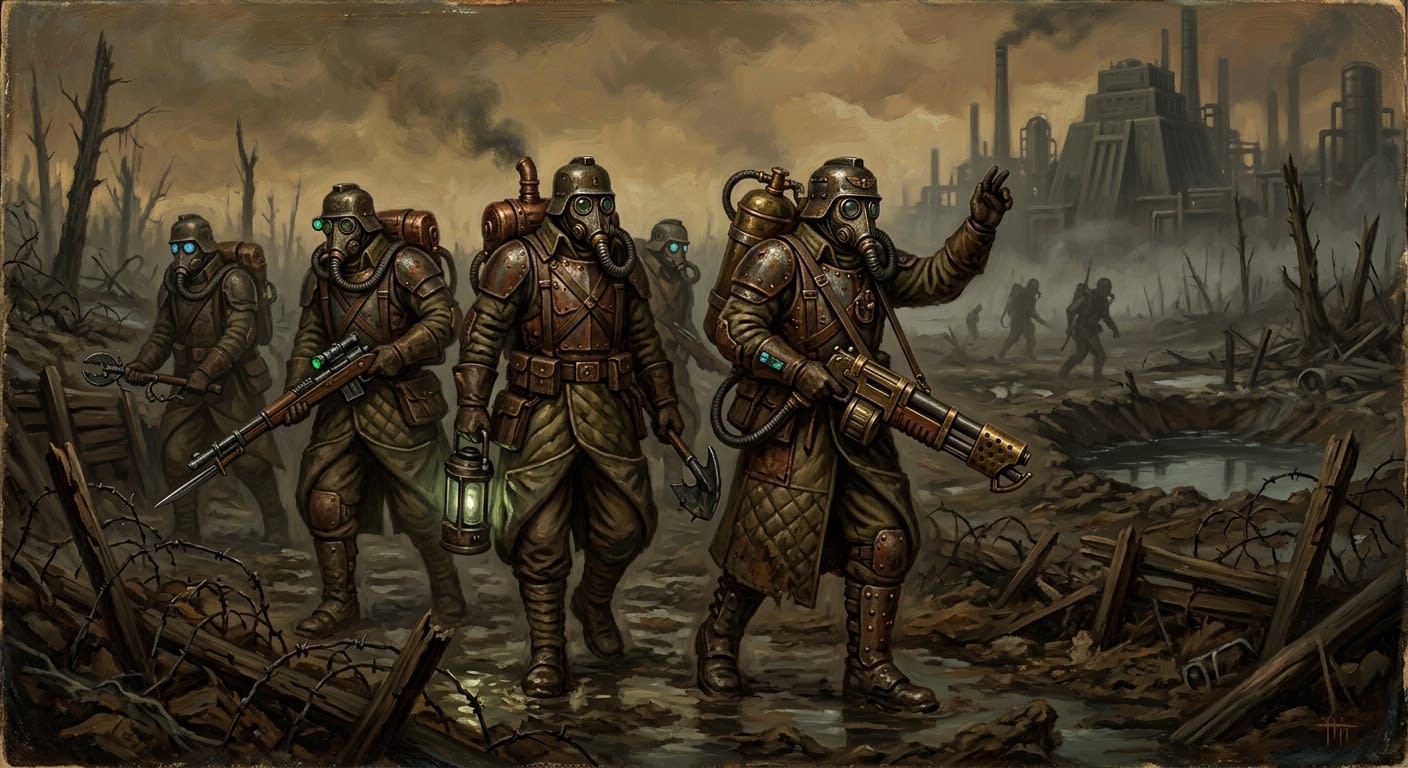
The Hollow-Walkers
The beggar at the wire is hunger wearing grammar
Kargath's Hollow-Walkers are human-shaped hunger: walking deprivation vessels that remember enough language to make mercy tactically dangerous.
Codex Ref. IV.1.07-012
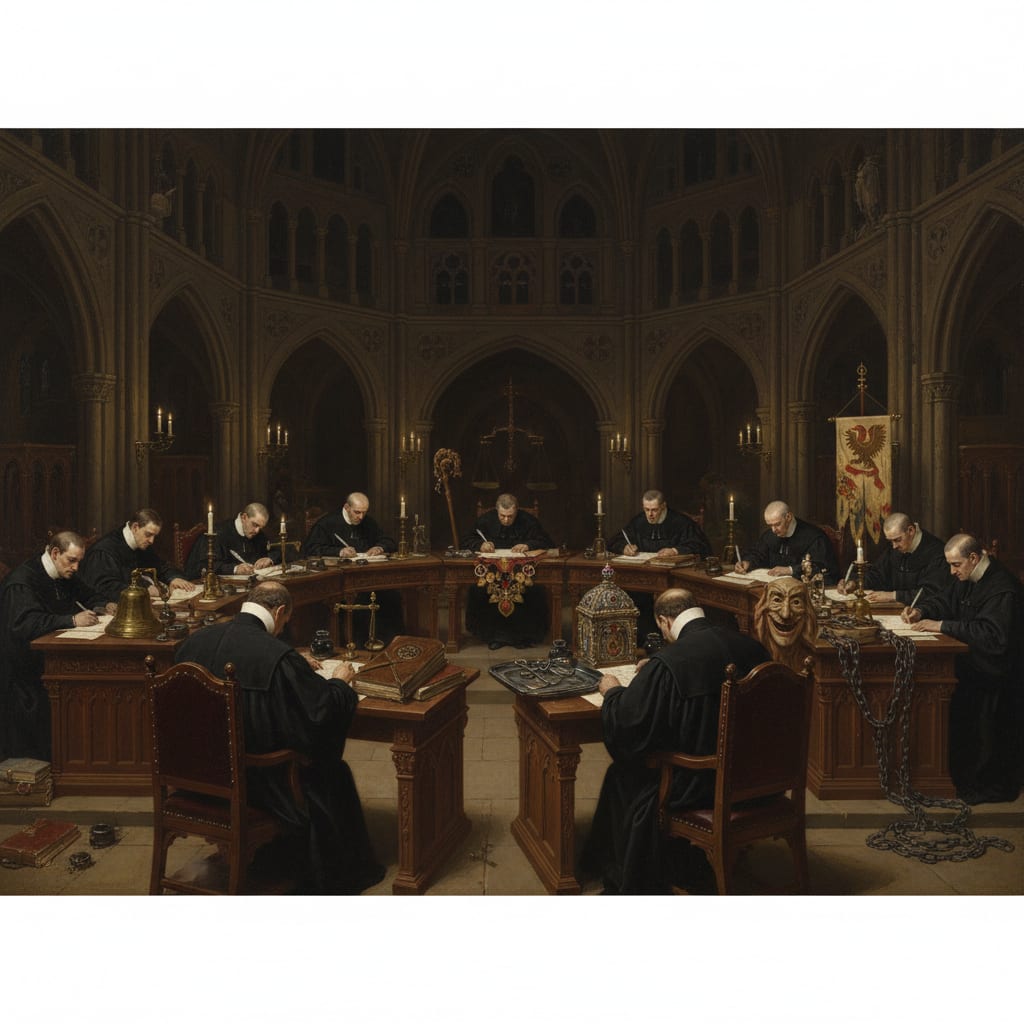
The Holy Bureaus
Twelve Instruments of Providence, or Thirteen If You Count the One That Does Not Exist
The twelve sacred organs through which Strasbourg bends a continent to its will. Each Bureau claims a charism of governance descended from the Apostolic Sundering. Their clerks are legion, their archives endless, their contradictions — by design.
Codex Ref. III.3.01-001
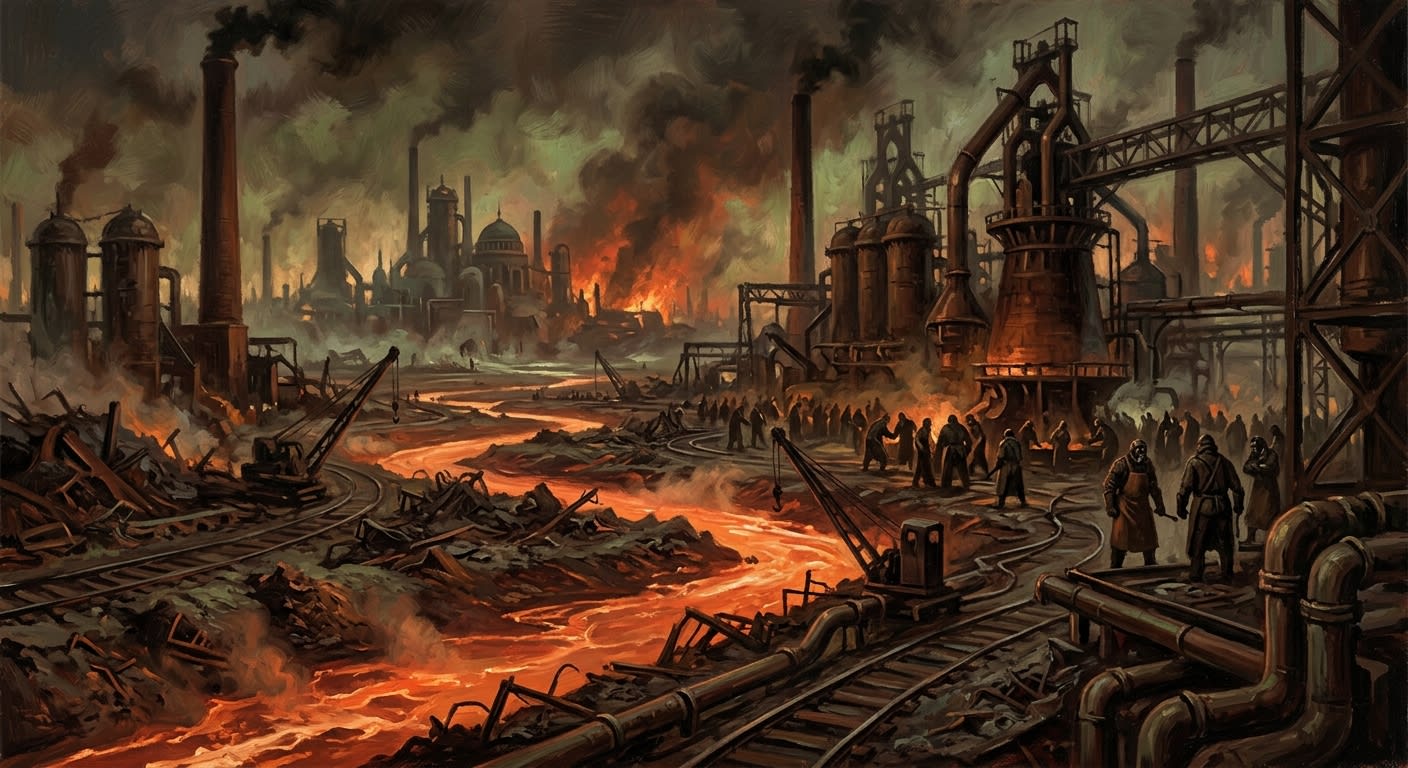
The Iron Wastes
Where Wrath taught geography to burn without cooling
The Iron Wastes are Maldrake's Thracian furnace-country: slag-rivers, moving heat, hostile iron, and the northern pressure against Constantinople.
Codex Ref. VI.1.03-001
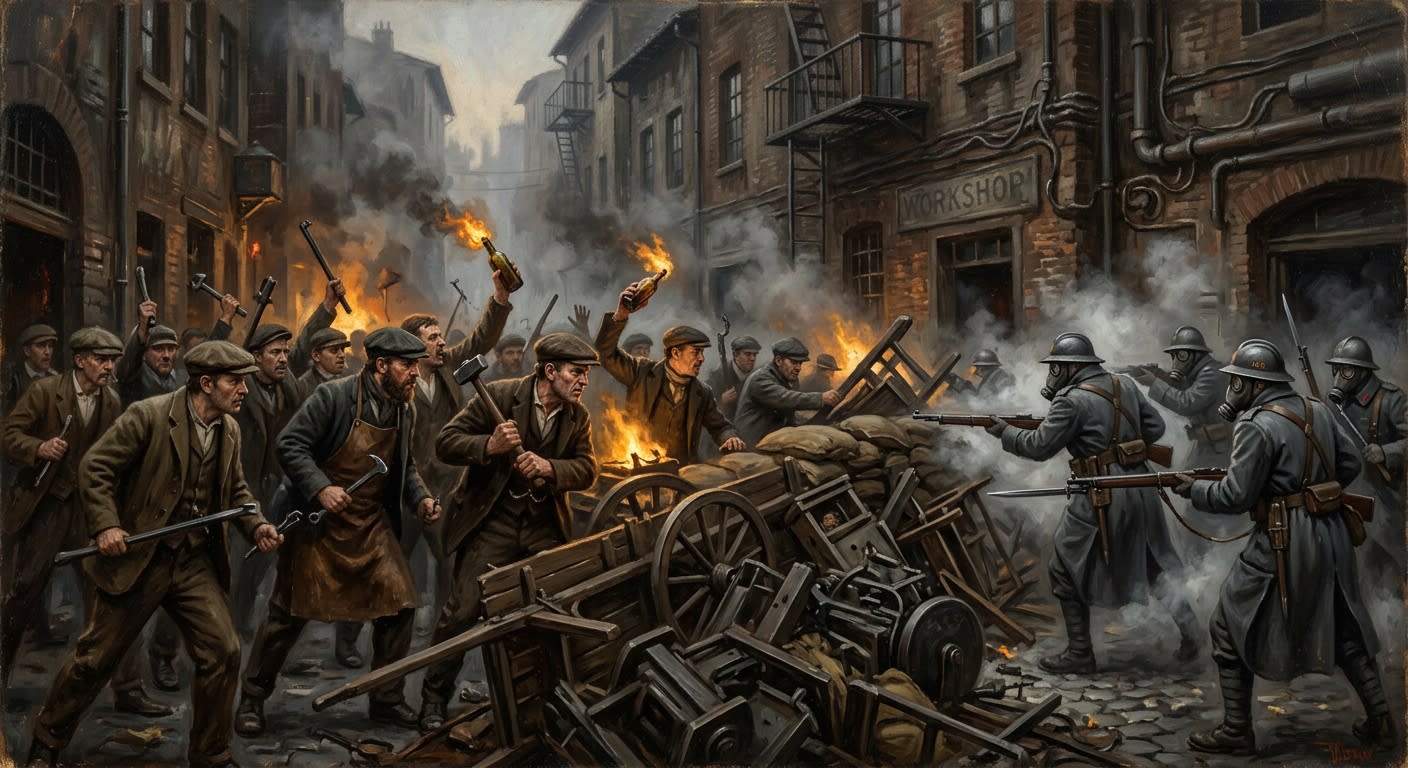
The Ivory Revolt
Florence answered confiscation with chisels
In A.S. 44, Florence's workshop districts answered Rationalist confiscation of pocket crucifixes with chisels, awls, lamp oil, barricades, and a dawn the Republic misfiled as disorder.
Codex Ref. VII.8.06-001
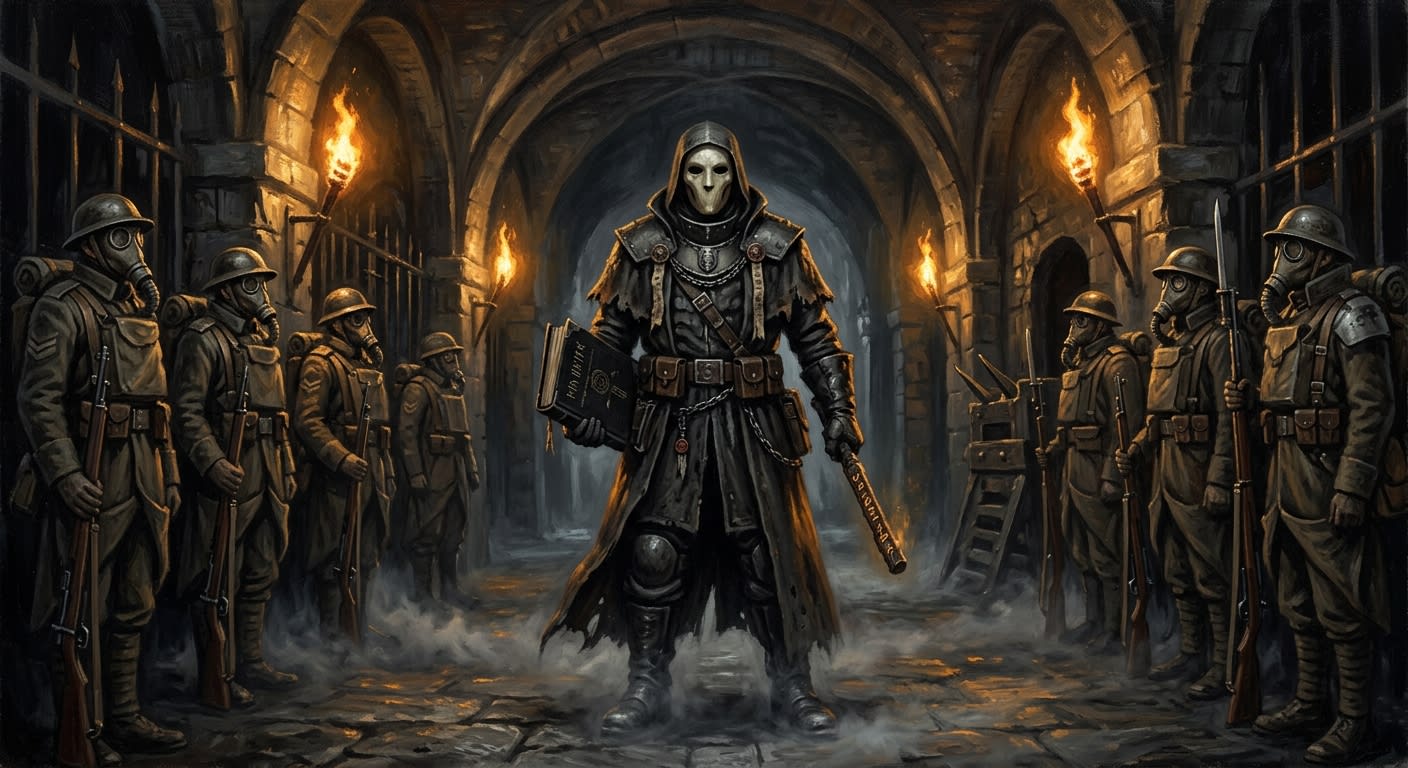
The Judges
They walk without letter, without herald, and without the patience of the Bureau.
The Judges arrive without letter, try without jury, and depart without filing. The Bureau denies they exist. It has been denying this since A.S. 92. The denial requires renewal every thirty years, which is itself a kind of evidence.
Codex Ref. V.1.01-003
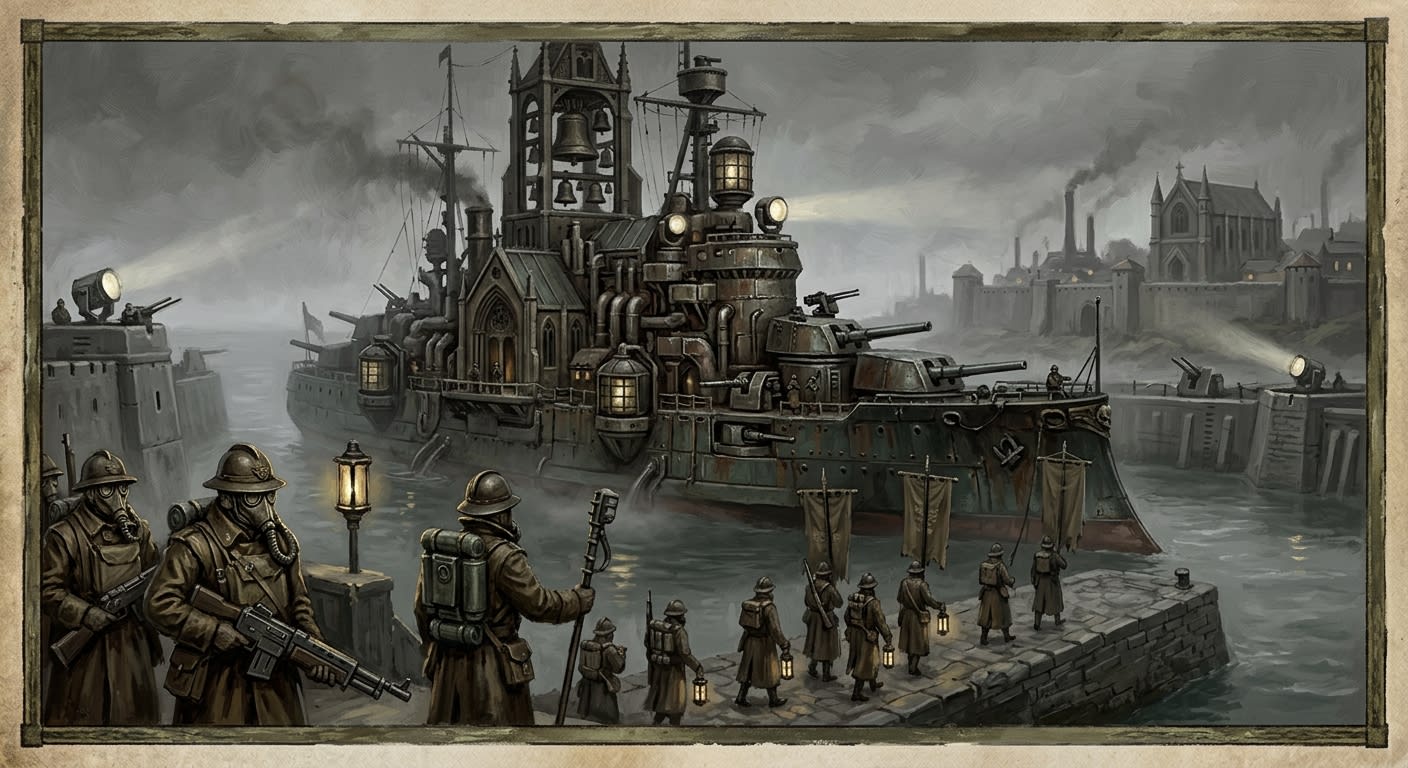
The Lantern Way
Britain's armed faith, ringing without permission and working without forms
Britain's Lantern Way is armed, parochial, naval, and intolerably effective: a faith of bells, Wardens, walling, chapel ships, and local vows.
Codex Ref. X.1.04-001
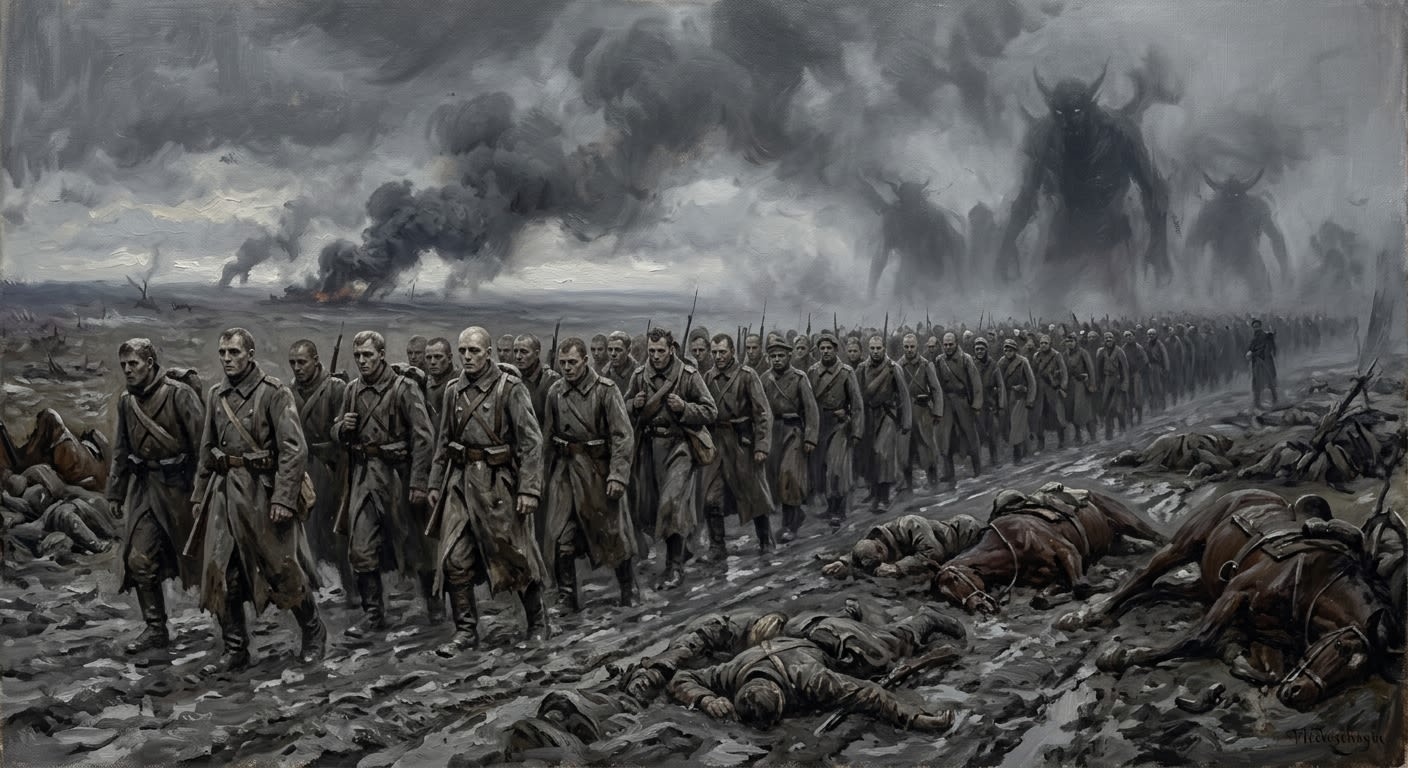
The Legions of Sin
Forty-seven souls for every demon — and the Bureau calls this mathematics
The mortal host beneath the Lie's banners: Thralls, Hollowed, Ash-Mothers, Blood-Tithes, Wormhosts, Processional Slaves, Ash-Fodder. Forty-seven souls for every demon. The Bureau calls this mathematics. I call it a confession.
Codex Ref. IX.1.01-001
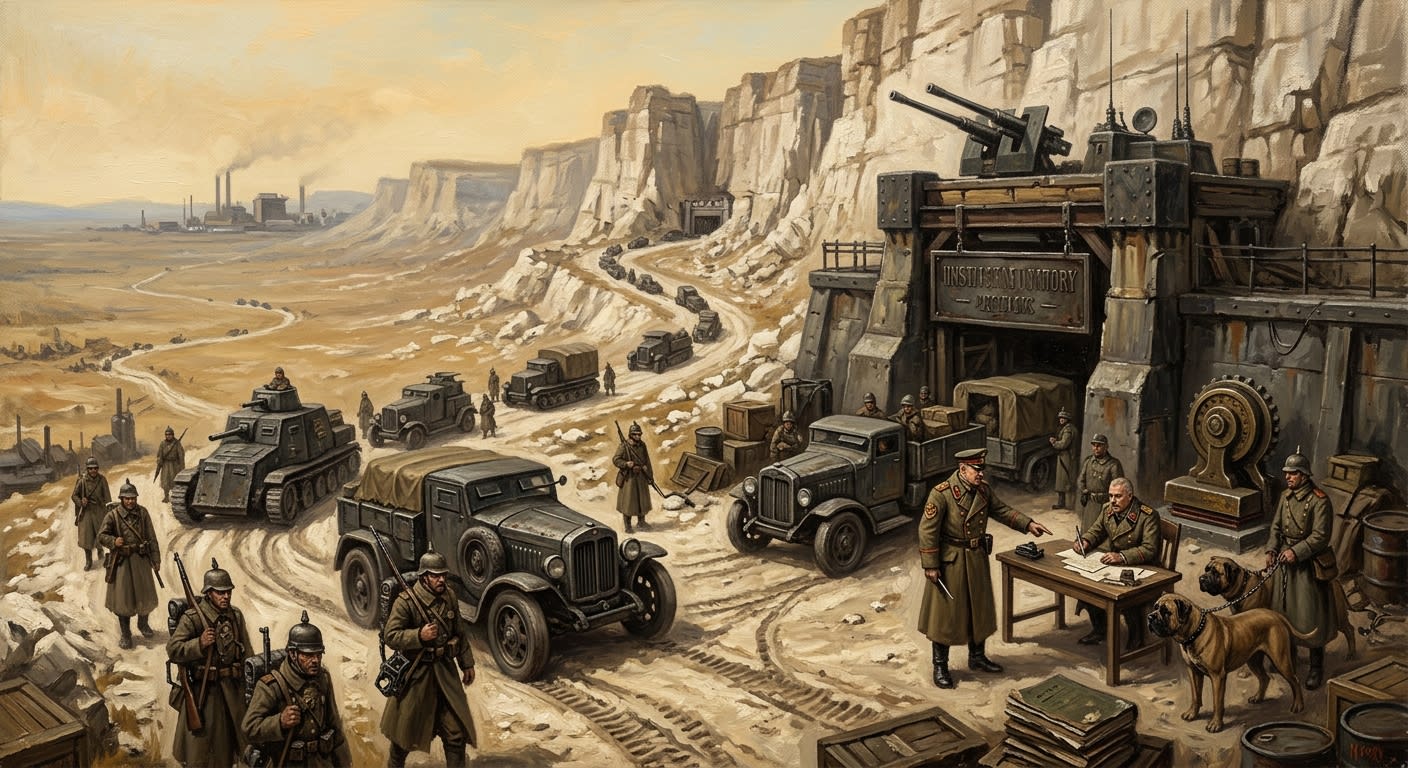
The Macedon Escarpments
The road where a correct manifest may still have teeth
Northwest of Bastion-Constantinople, the Macedon Escarpments carry necessary convoys through limestone glare, Velmoran debt, Concord substitution, and correct paperwork with teeth.
Codex Ref. II.4.10-008
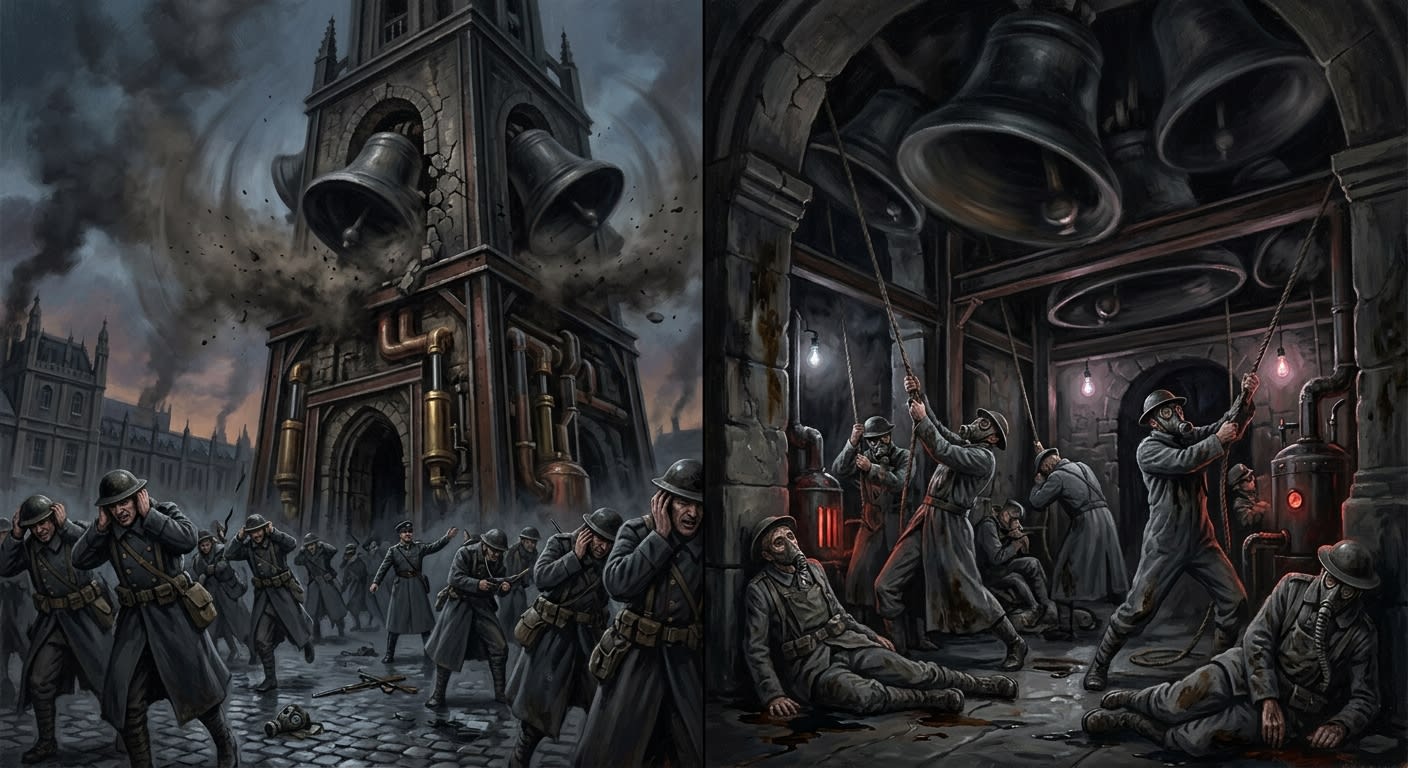
The Miracle of Cologne
When every bell became artillery and bureaucracy was born from the echo
The A.S. 49 Miracle of Cologne drove Maldrake's Wrath vanguard from the cathedral square by nine hours of unscheduled total bell-ringing, cracking stone, killing ringers, and founding the jurisdiction that became the Bureau of Bells.
Codex Ref. VII.4.12-001
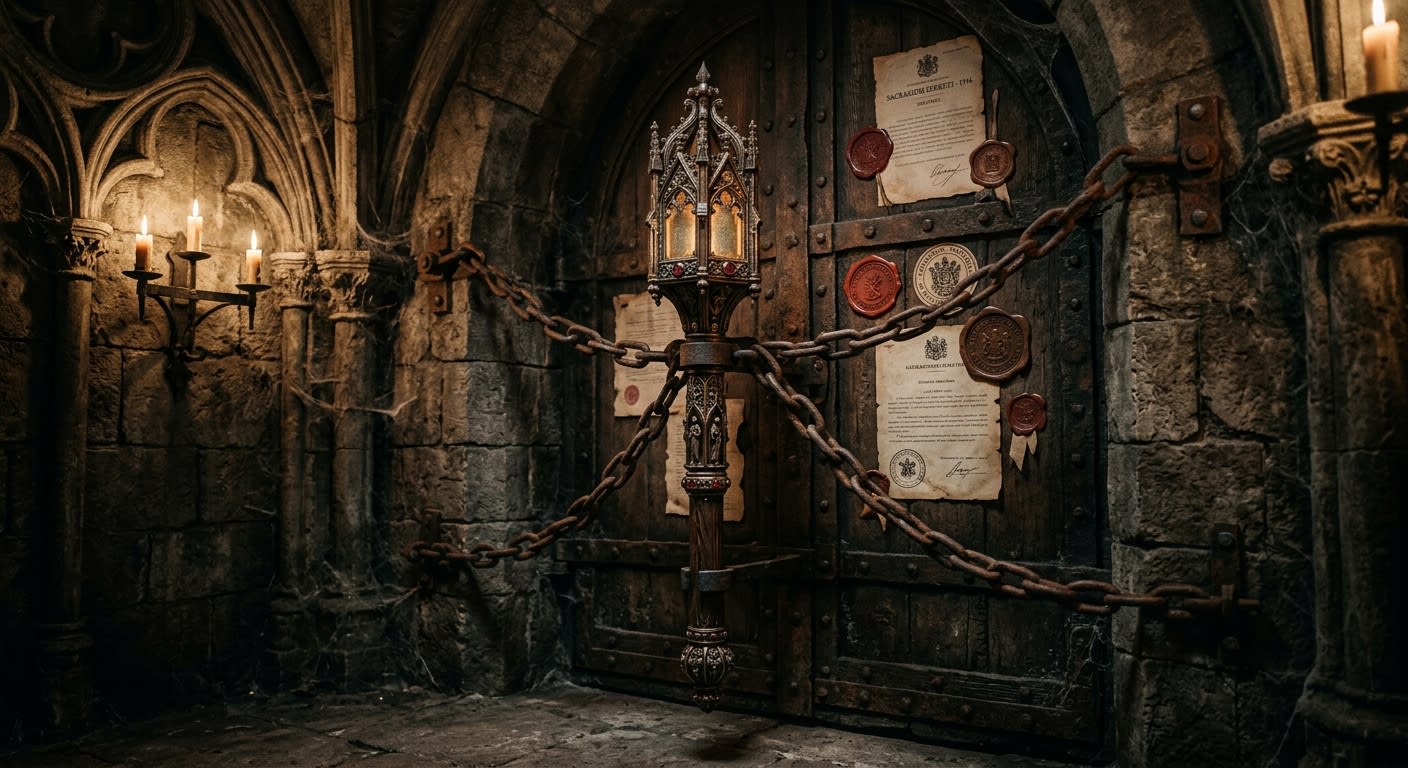
The Miracle of Saint Aldebrand
The Bureau erased the bone. The bone declined.
The Bureau declared the Reliquary of Saint Aldebrand non-existent in –32 A.S. In A.S. 95 it shattered a sorcerer-lord's skull and saved Vienna. Both facts are official, both carry seals, and the Bureau sees no difficulty.
Codex Ref. VI.4.01-001
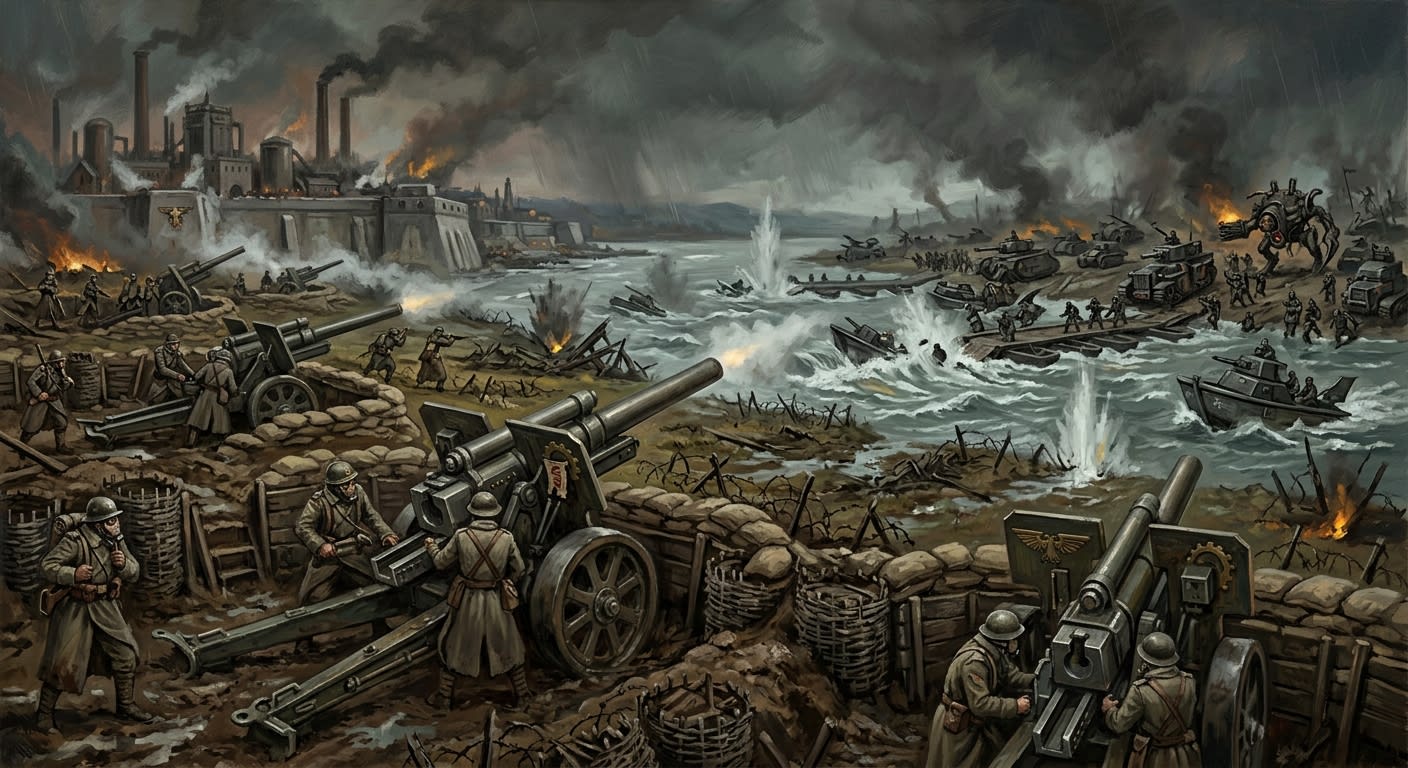
The Miracle of the Danube's Turning
When the river struck the Enemy in the teeth
At Belgrade in A.S. 120, Maldrake's Wrath-host broke against mud, relic artillery, and a Danube that turned back upon the Enemy. Victory followed; so did tariffs.
Codex Ref. VII.5.04-001
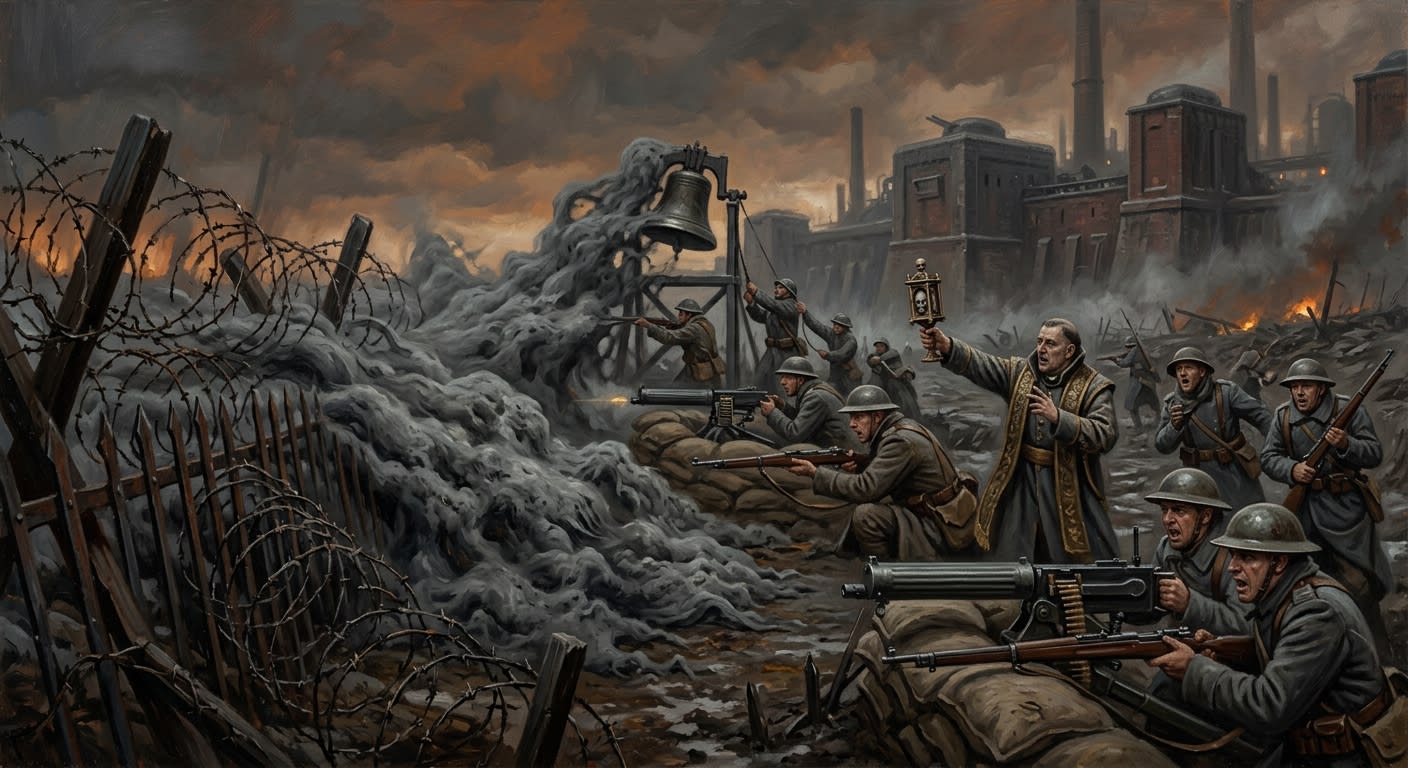
The Nameless Tide
The thing at Brest that does not arrive until it has already taken your name
The Nameless Tide presses Bastion-Brest's eastern wire: a grey, accumulating hostile phenomenon that defeats hymns, relics, bells, names, and the Bureau's last useful excuses.
Codex Ref. IV.1.07-008
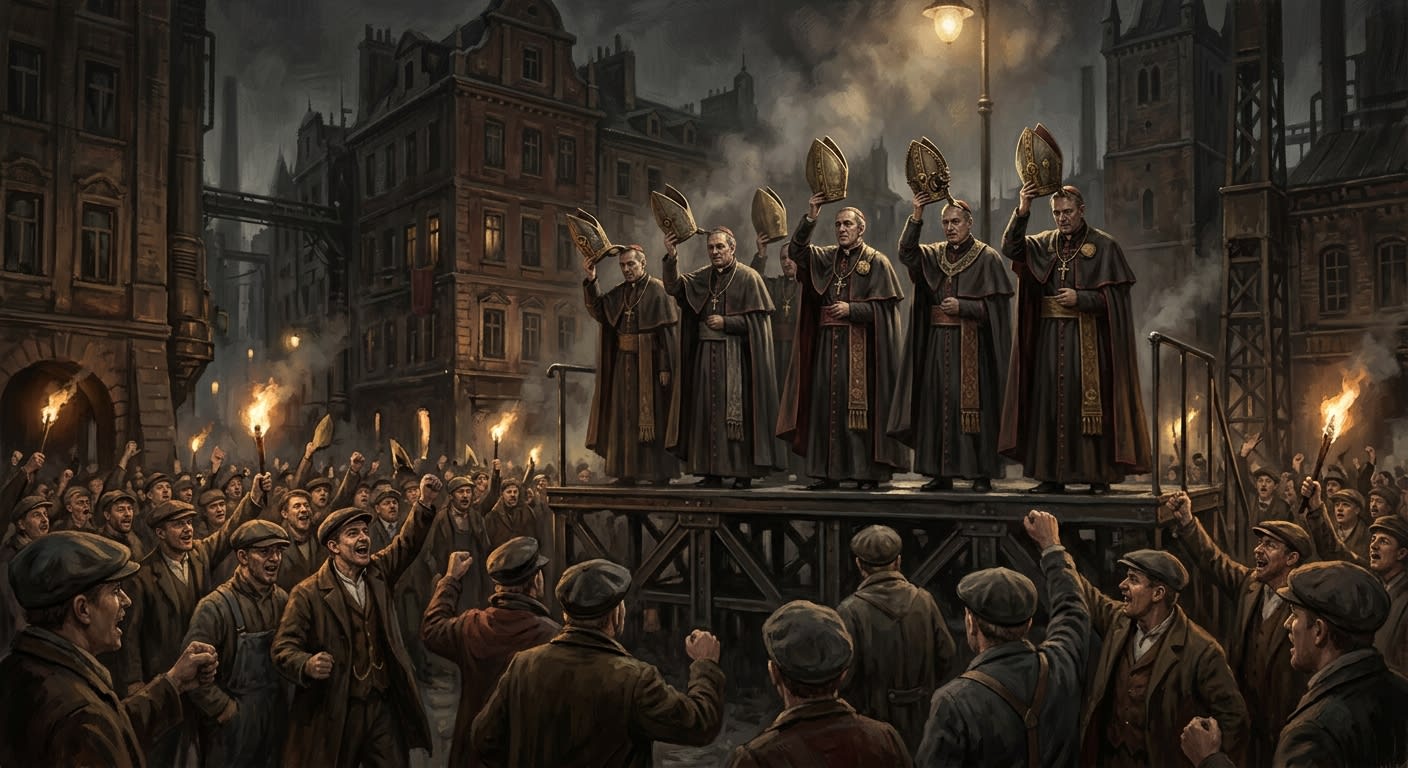
The Night of Crowns
Seven mitres fell, and Prague mistook the sound for progress
In A.S. 8, seven bishops in Prague removed their mitres before a cheering crowd, teaching the Rationalists that apostasy travels fastest when an authorised mouth performs it.
Codex Ref. VII.8.07-001
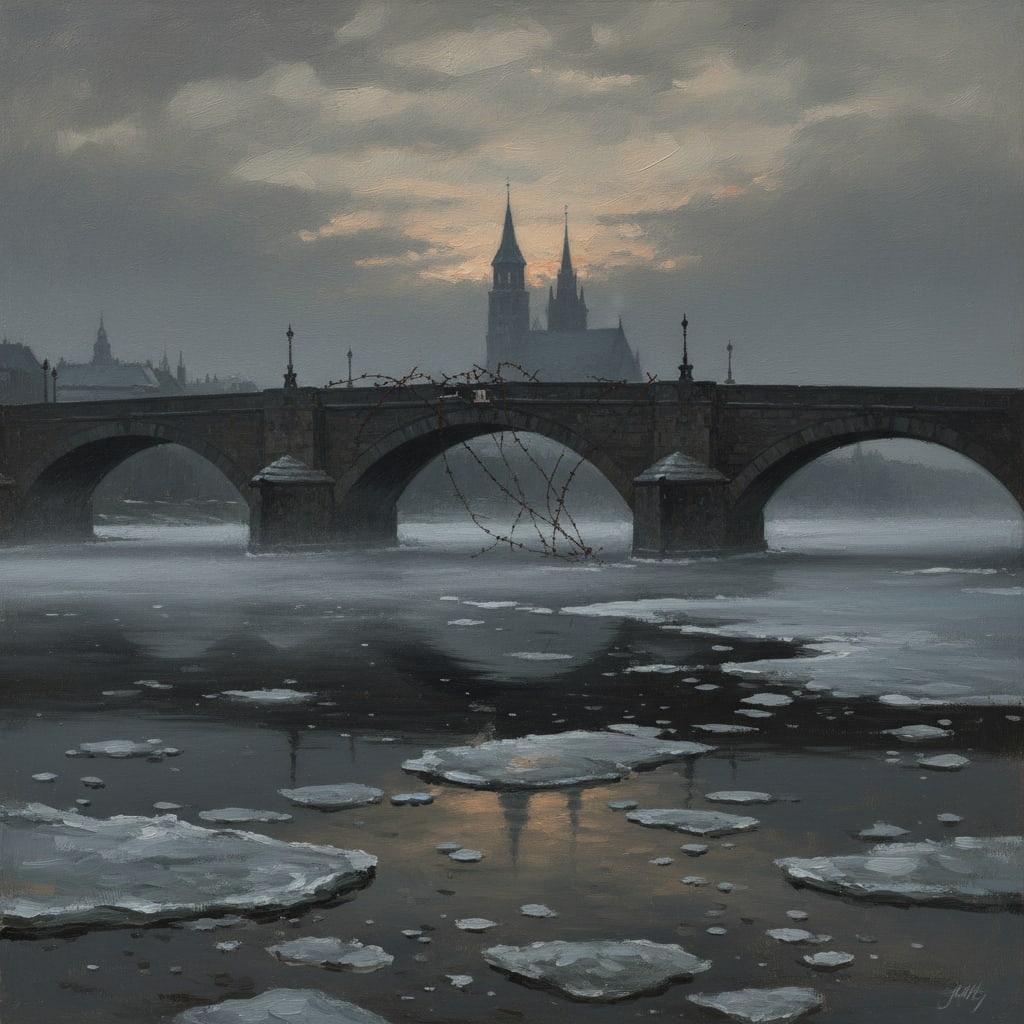
The Night of Knives in Kraków
Forty-seven mouths wired shut so that no prayer could escape
Forty-seven clergymen seized in the night, their mouths wired shut with iron wire, and cast from the Dębnicki Bridge into the frozen Vistula. The Bureau spent one hundred and thirty years ratifying the narrative; it has been collecting the candle wicks ever since.
Codex Ref. VII.8.01-001
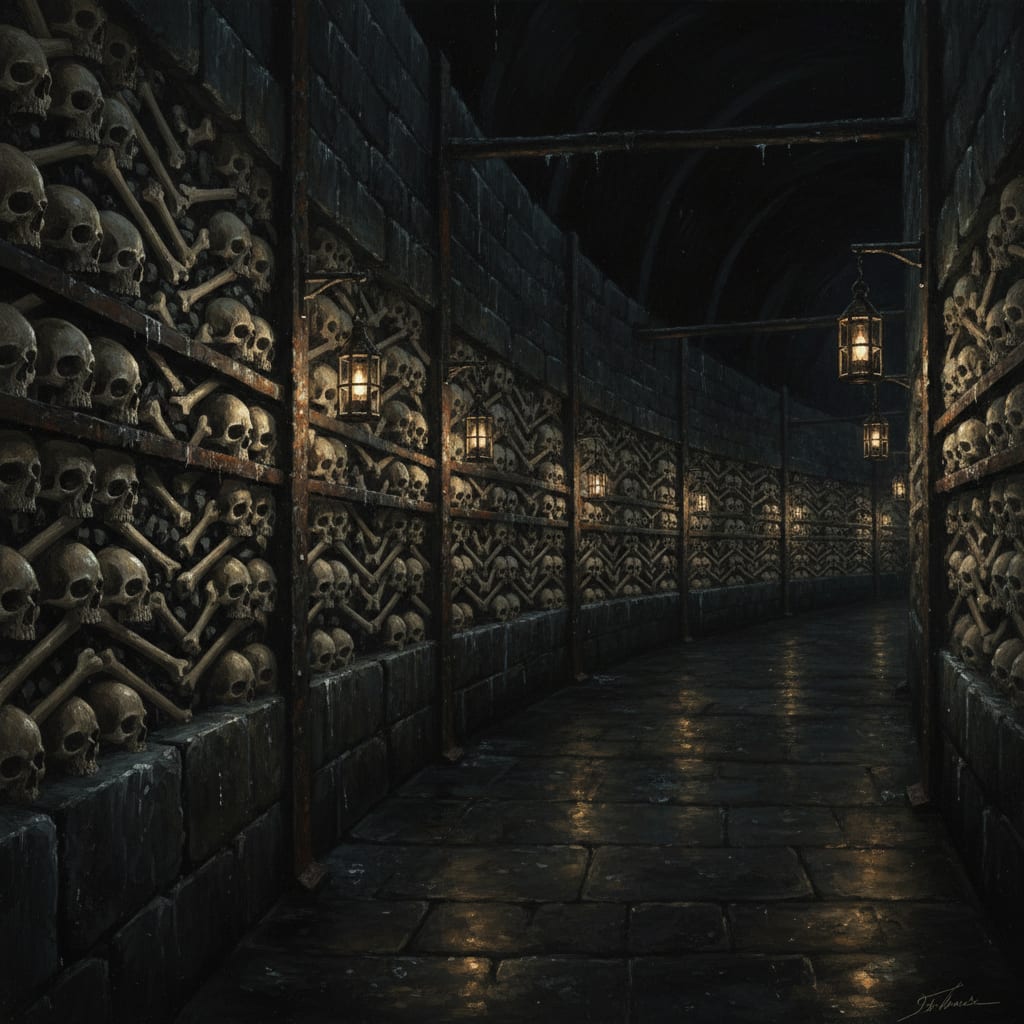
The Ossuary Rings of Bastion-Constantinople
Six walls of the dead, holding the city of the living together
Six rings of catacomb-fortification sunk into the Bosphorus headland — begun A.S. 47 when armies ran out of mortar and substituted femurs, expanded with every war dead since, administered by a Mother-Cryptor who knows 46,312 urns and sleeps facing away from the innermost ring.
Codex Ref. II.4.10-002
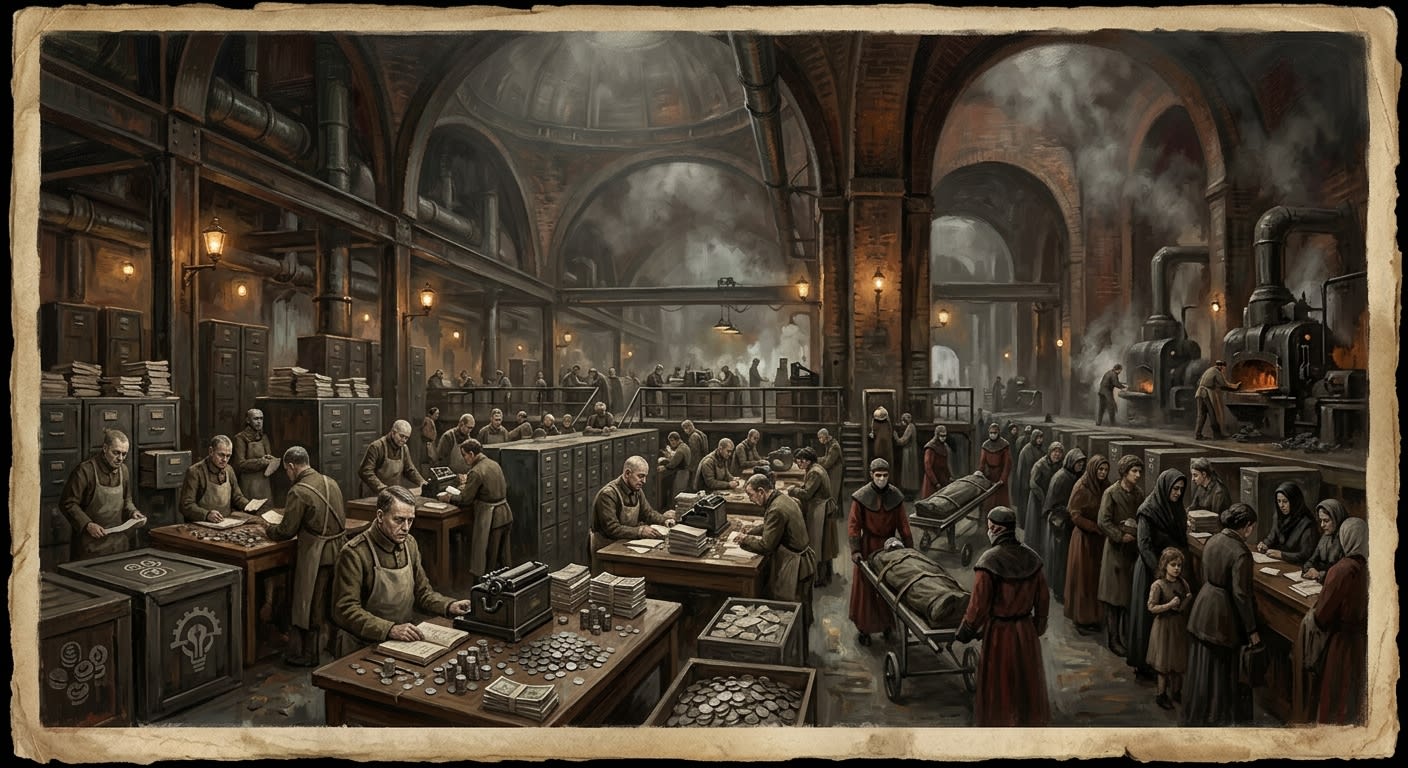
The Palatine Counting House
Where debt receives its sacrament and arithmetic learns to bite
The Palatine Counting House is Strasbourg's sleepless Fiscal Heart, seat of the Bureau of Tithes, where coins, corpses, widows, unborn debtors, and corrected accountants are counted.
Codex Ref. II.2.07-001
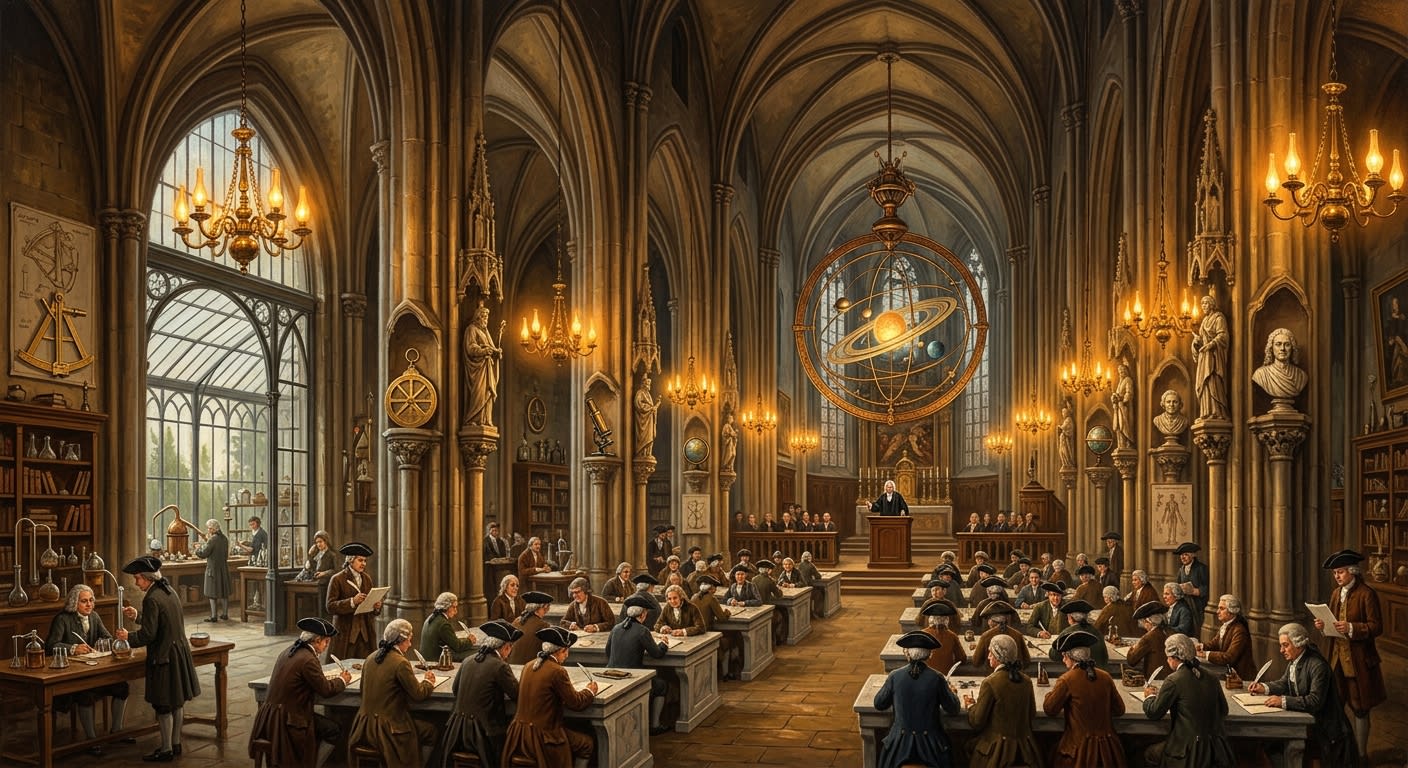
The Rationalist Republic
Fifteen Years of Continental Supremacy, and the Precise Nature of Its Correction
Rationalist institutions predated Regensburg; the Republic's A.S. 30–45 continental supremacy expanded prefectures, census rolls, and repression before central command collapsed at the Sundering.
Codex Ref. I.1.02-001
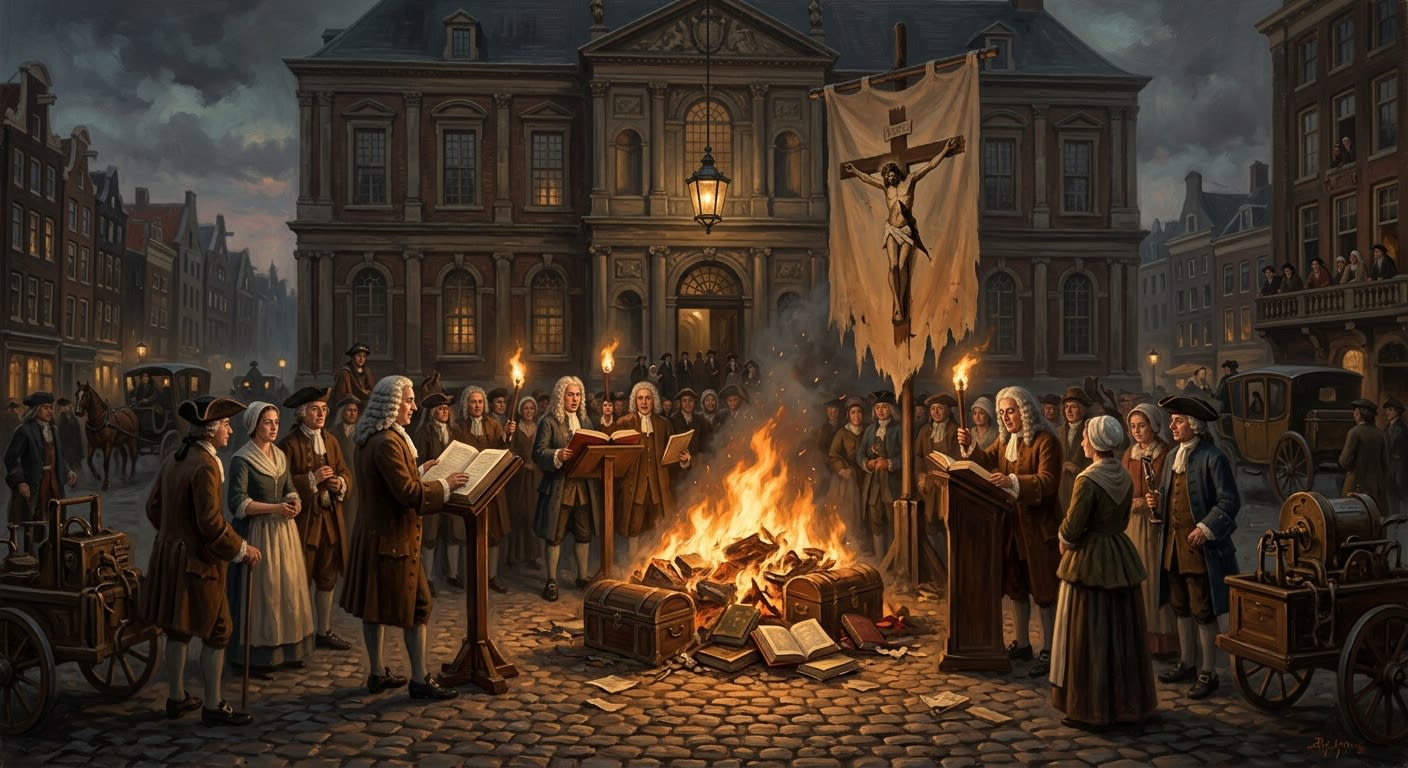
The Rationalists
Architects of the wound the Synod counts from
The Synod's most instructive enemy — philosophers who stripped Europe of its spiritual armor on the eve of Hell's invasion and then had the grace to be destroyed by the consequences.
Codex Ref. I.1.01-001
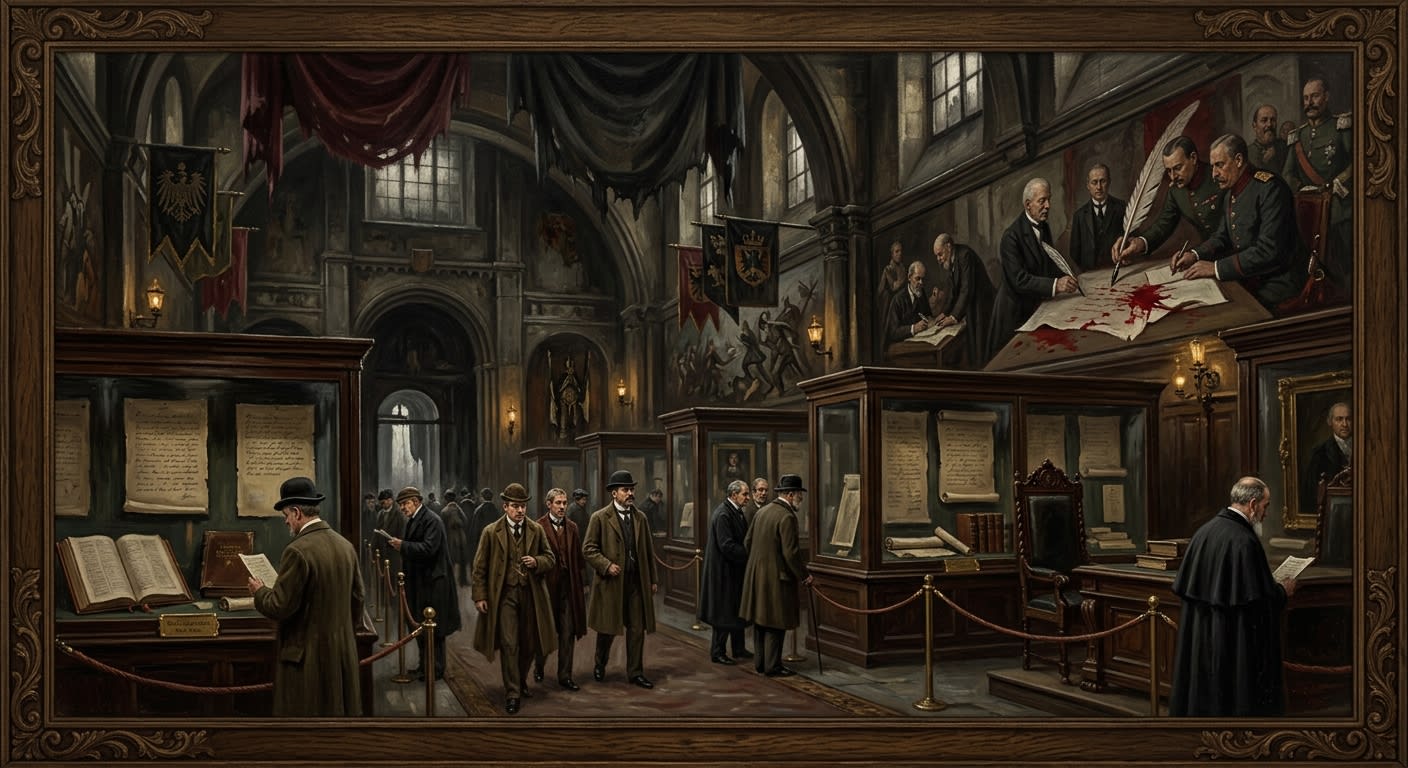
The Reichssaal
The hall that lent empire to heresy and received an altar for its trouble
The Reichssaal gave imperial furniture to Rationalist blasphemy, received the Treaty in blood and ink, and now instructs pilgrims under glass, pall, and Bureau custody.
Codex Ref. II.2.03-031
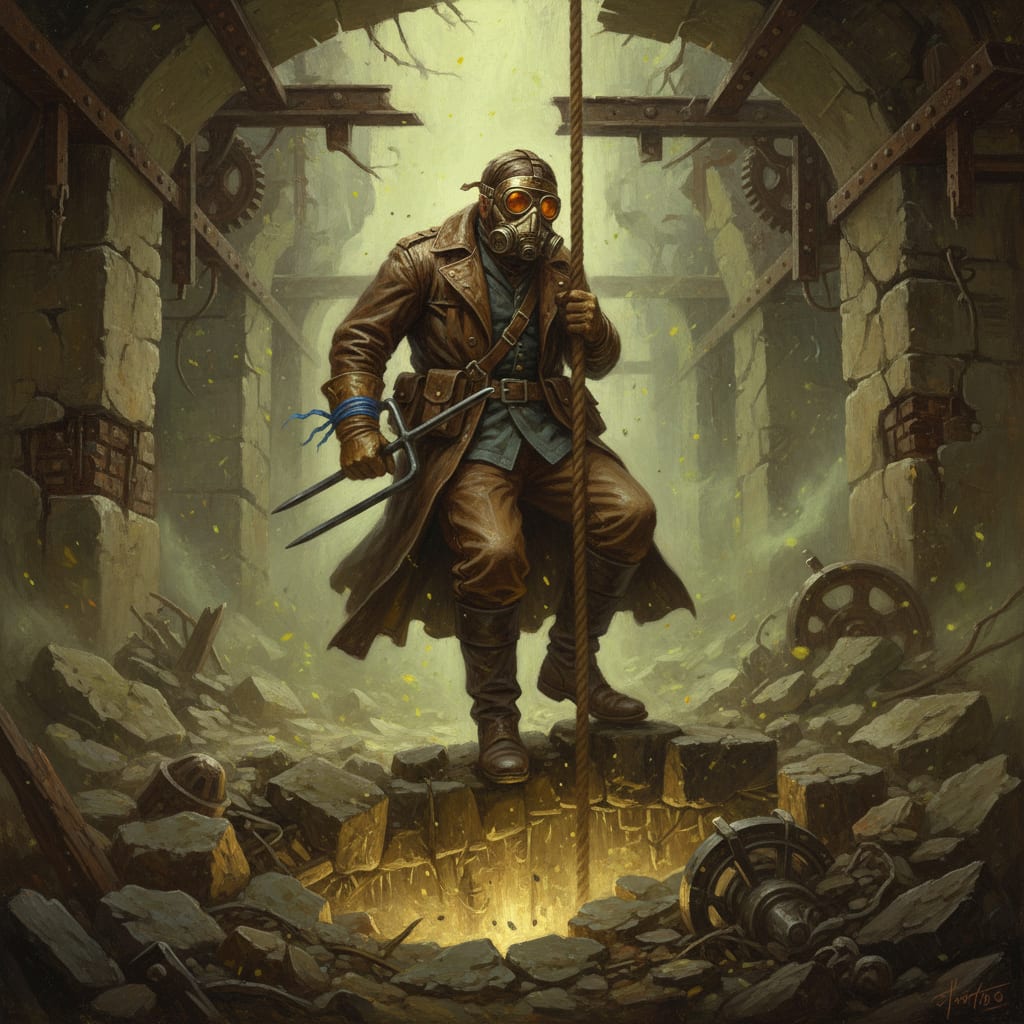
The Reliquary Salvager
The Synod misplaces relics; the Salvager retrieves them; no one speaks of the arrangement
The Synod does not lose its relics. It misplaces them — in collapsed vaults, sheared cathedrals, and quake-opened cellars. The Reliquary Salvager crawls in to retrieve them. His compliance record is spotless. His lungs are not.
Codex Ref. XII.36.01-001
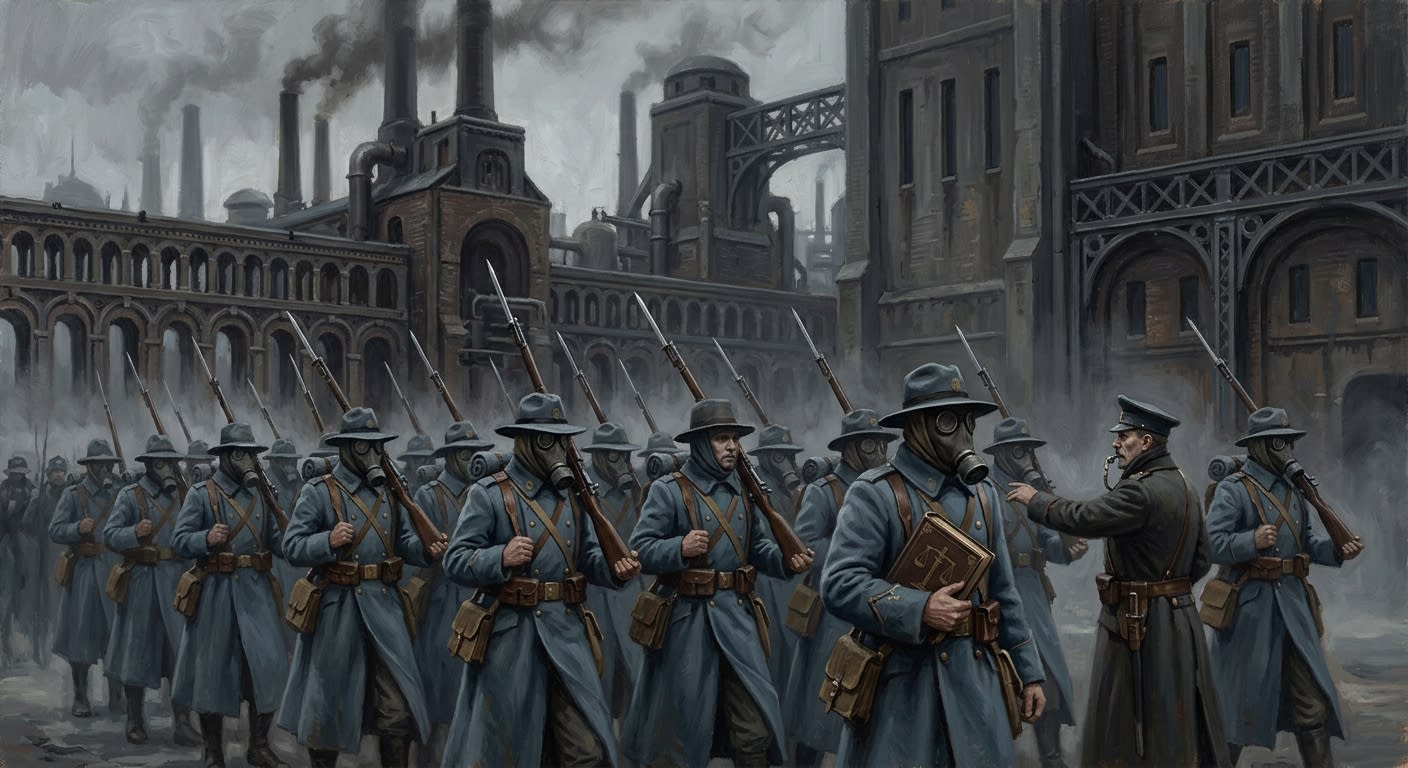
The Republican Guards
The philosophers wrote the sentence; the Guards added punctuation
The Republic's armed hand wore blue-grey, carried law over the heart, and proved that unbelief does not remain in books. It drills.
Codex Ref. I.1.05-001

The Rhine Corridor
Damp procedure, counted backward from every bridge
The Rhine Corridor is the Synod's damp procedure: a Zone 2 logistics artery, mortuary road, ferry court, heresy school, and billable proof that movement can be made afraid.
Codex Ref. II.2.08-202
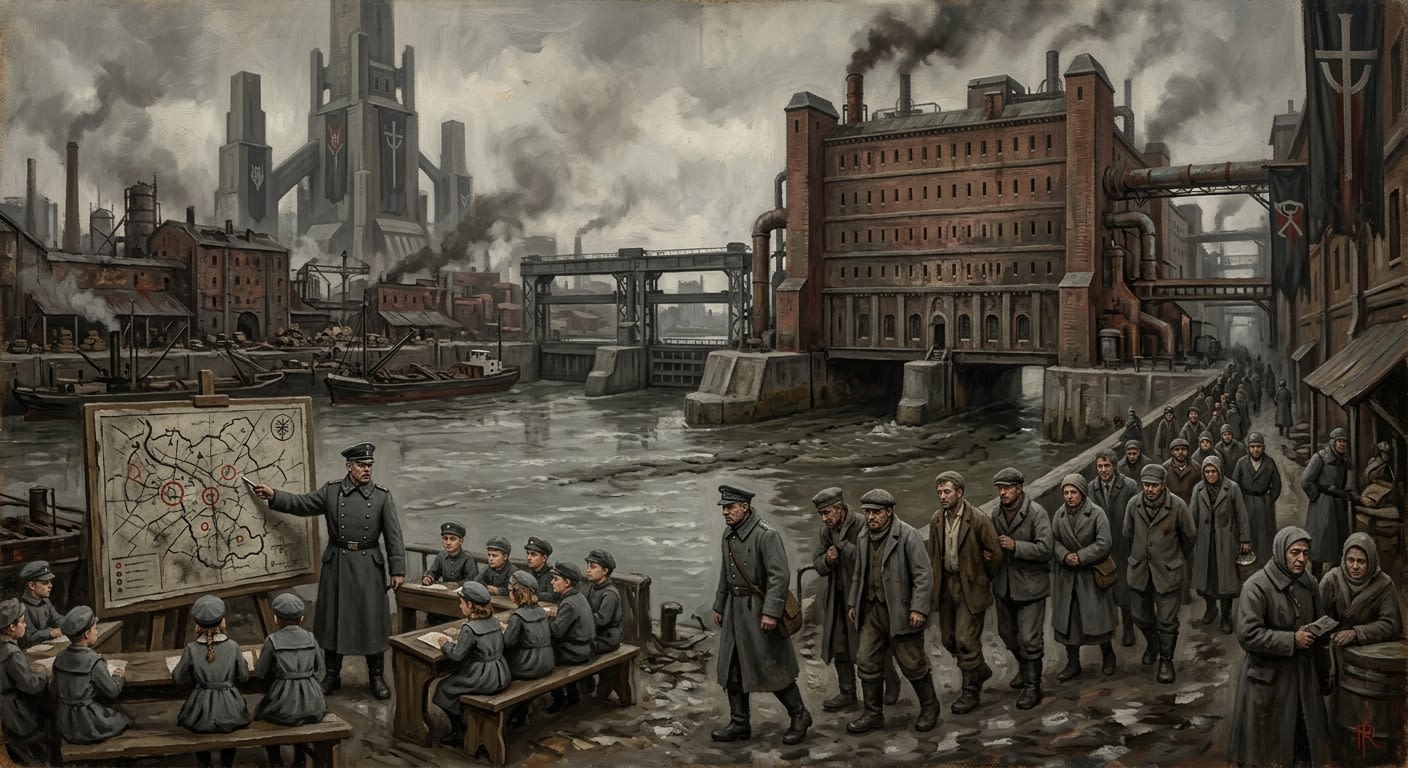
The Rhineland
A province corrected so often it learned to keep the corrections
The Rhineland is the Synod's most corrected province: river belt, market school, scriptorium wound, curfew map, chalk lesson, and loyal suspicion made taxable.
Codex Ref. II.2.09-201
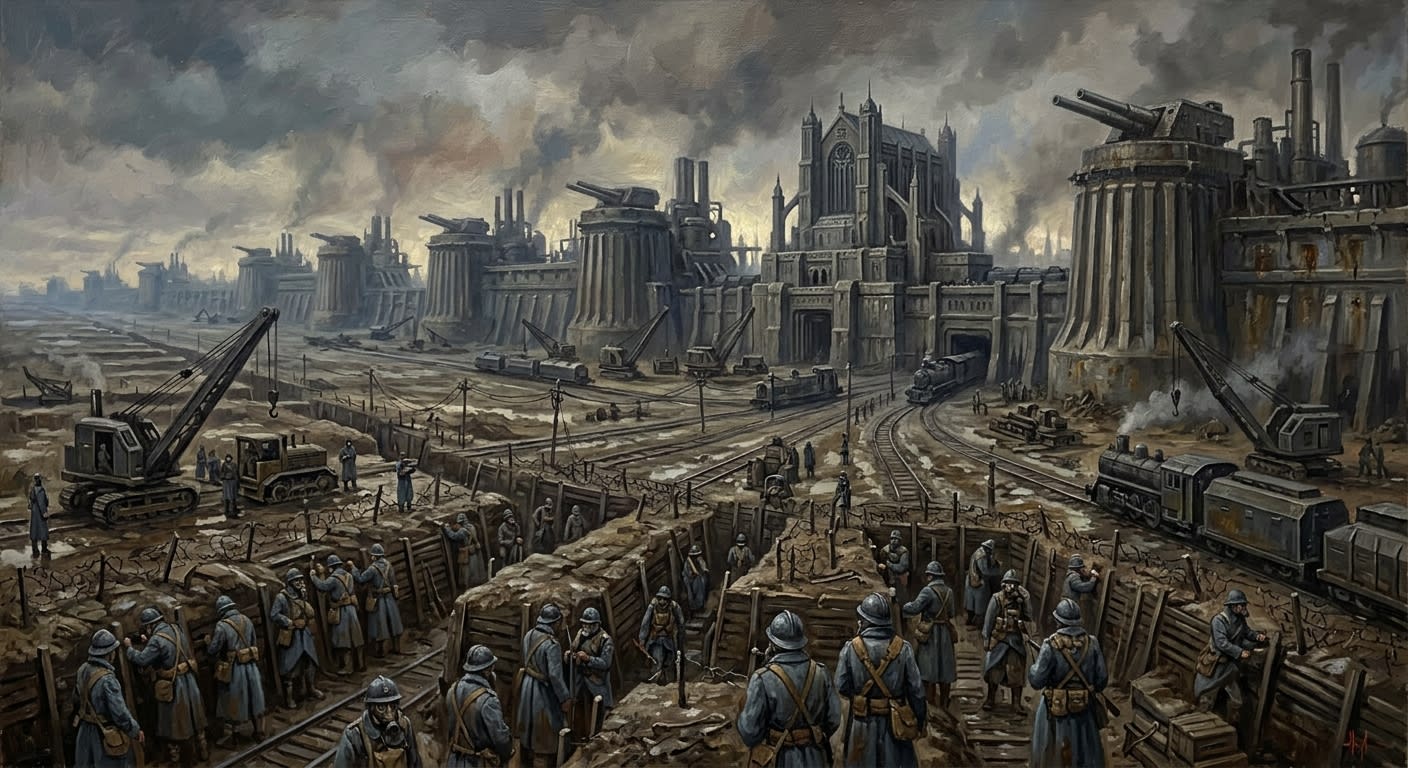
The Sagittal Line
The continent's spine, stitched in mud, bells, and refusal
The north-south defensive spine of the Synod: seven bastions, two thousand miles of trenches, and the bureaucratic miracle of making stalemate into civilization.
Codex Ref. III.1.01-001
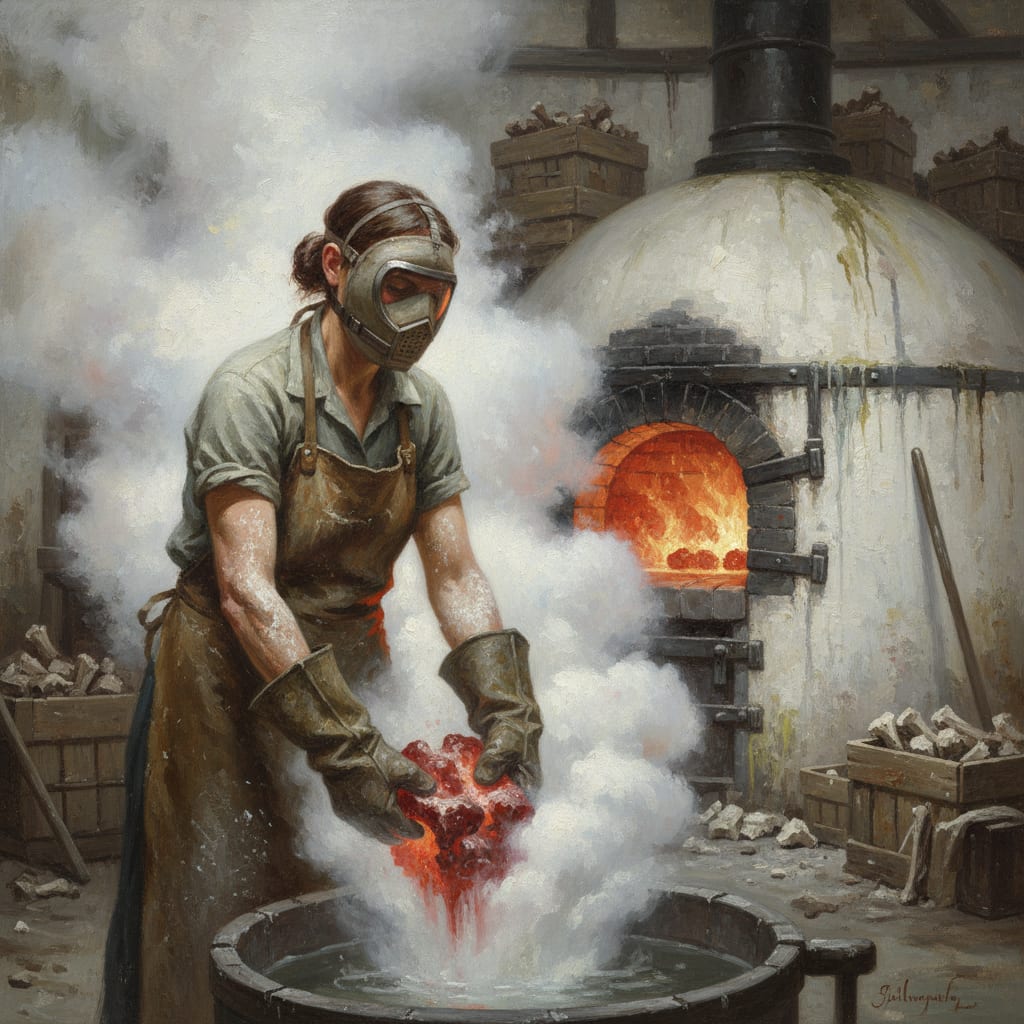
The Saint-Bone Melter
The wall is the only sermon the Enemy has ever been forced to hear
The artisan who feeds the bones of saints to the kiln and receives in return the mortar that holds the Sagittal Line together. The arithmetic is simple and brutal: a femur in a reliquary inspires; a femur in a wall holds.
Codex Ref. XII.40.01-001
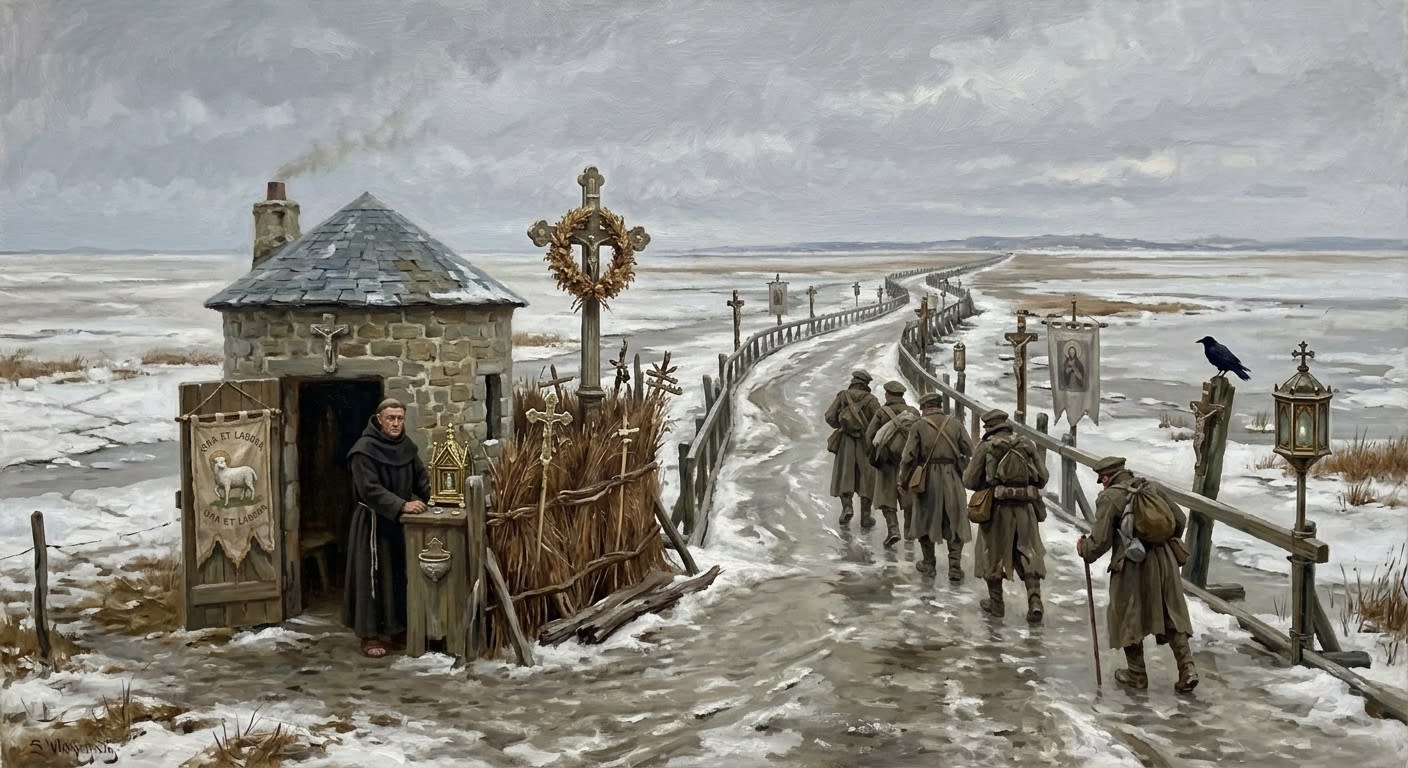
The Salt-Vigil Causeways
Where the road drinks and the order endures
Winter roads across the frozen Frisian shallows, administered by an ascetic toll order who collect salt and tears in equal measure. The causeways carry one-eighth of the Synod's winter supply traffic and ask something of everyone who walks them.
Codex Ref. II.3.05-003
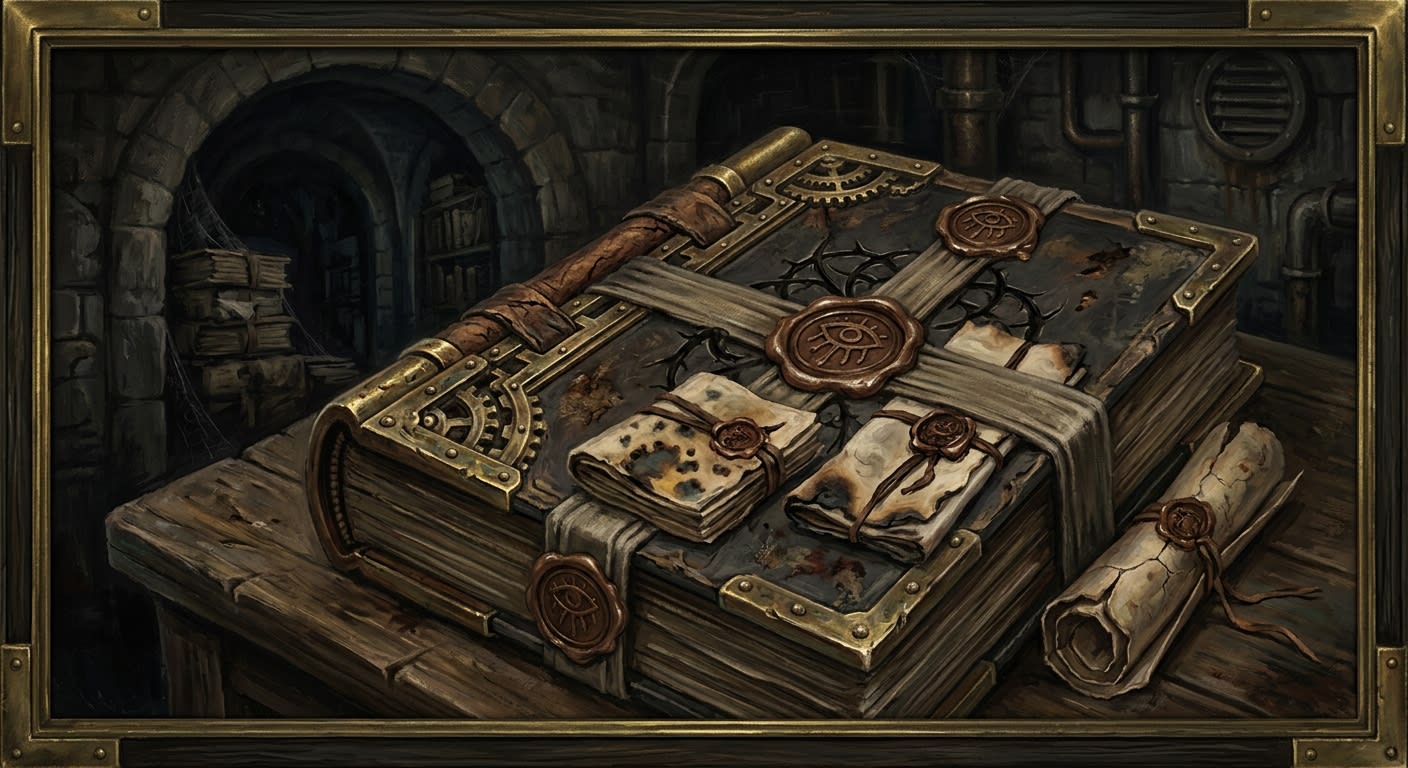
The Sealed Testimonies
Witness paper under restraint, because memory bites when shelved badly
First silence of the Vault of Silences, holding Atheron's emergence folios, the Mürren deposition from Debrecen, and the Iron Plains survivor volume.
Codex Ref. XIII.1.48-001
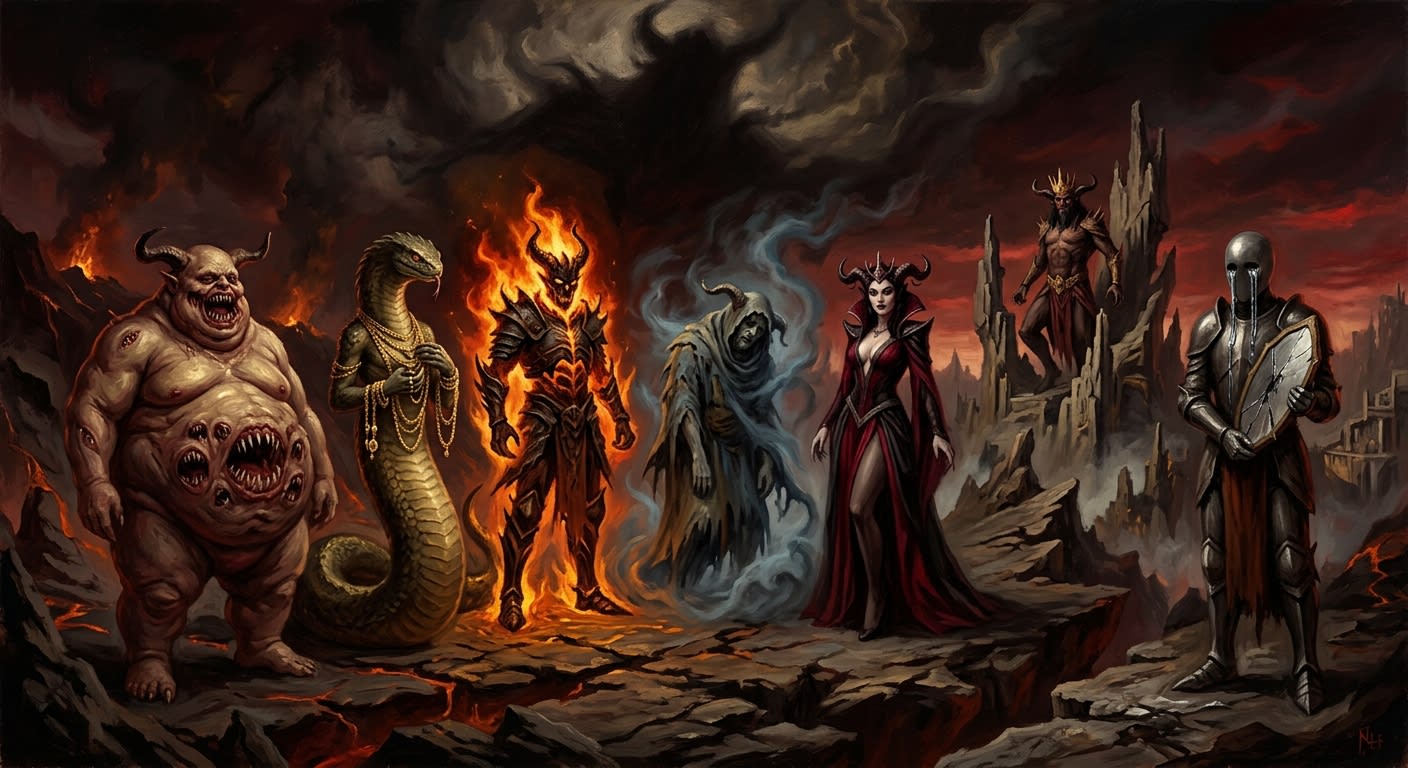
The Seven Sin-Generals
Shards of the Great Deceiver's Will, Made Flesh and Given Dominion
Seven abominations forged from the Great Deceiver's own Will, each sovereign over a cardinal sin and a blighted domain east of the Wall. They are not his servants. They are his fingers — and they grip the throat of the world.
Codex Ref. IV.1.02-001
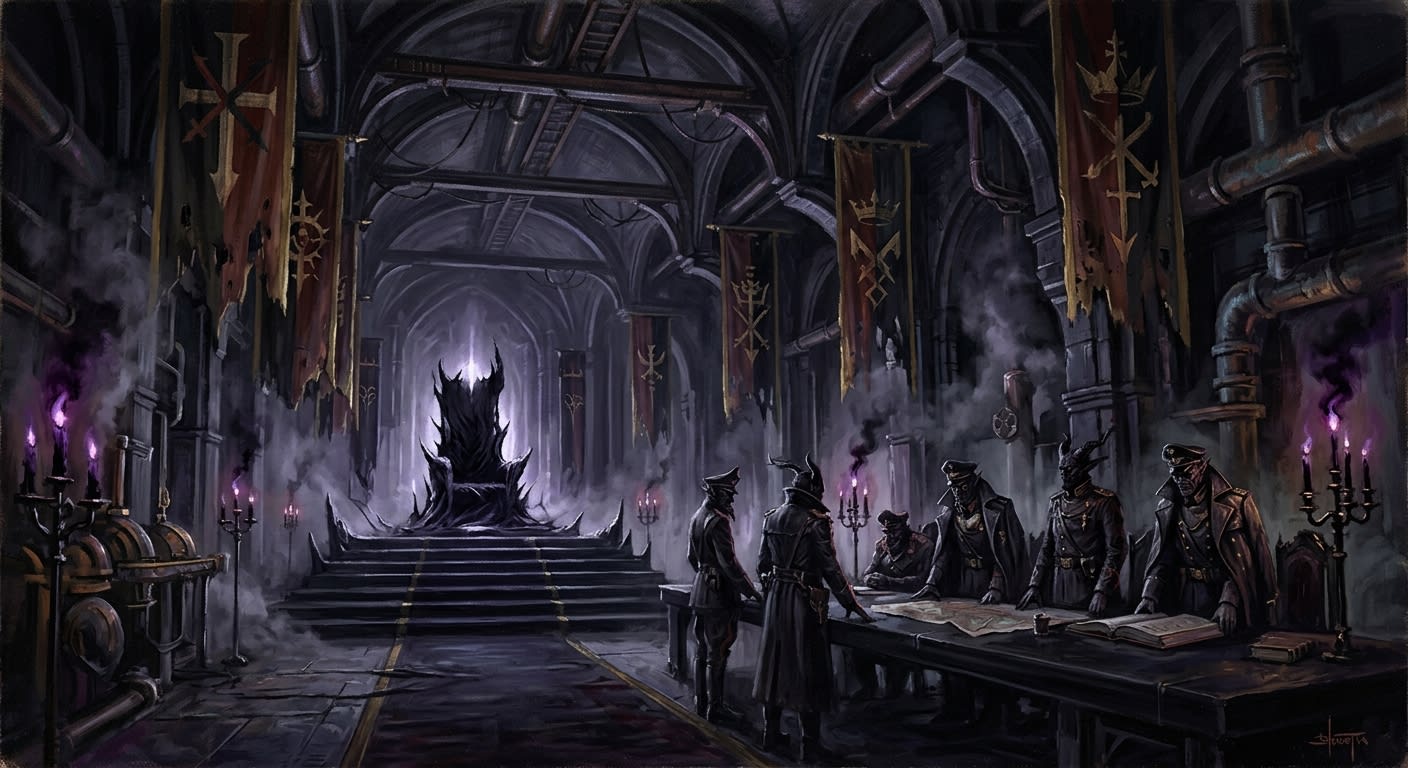
The Shadow Court
Filed under 'Locations, Hostile, Extant.' Coordinates: Pending.
The Bureau of Records has assigned the Shadow Court a filing number. The filing number is one hundred and nine years old. The Shadow Court has not provided coordinates.
Codex Ref. V.9.01-001
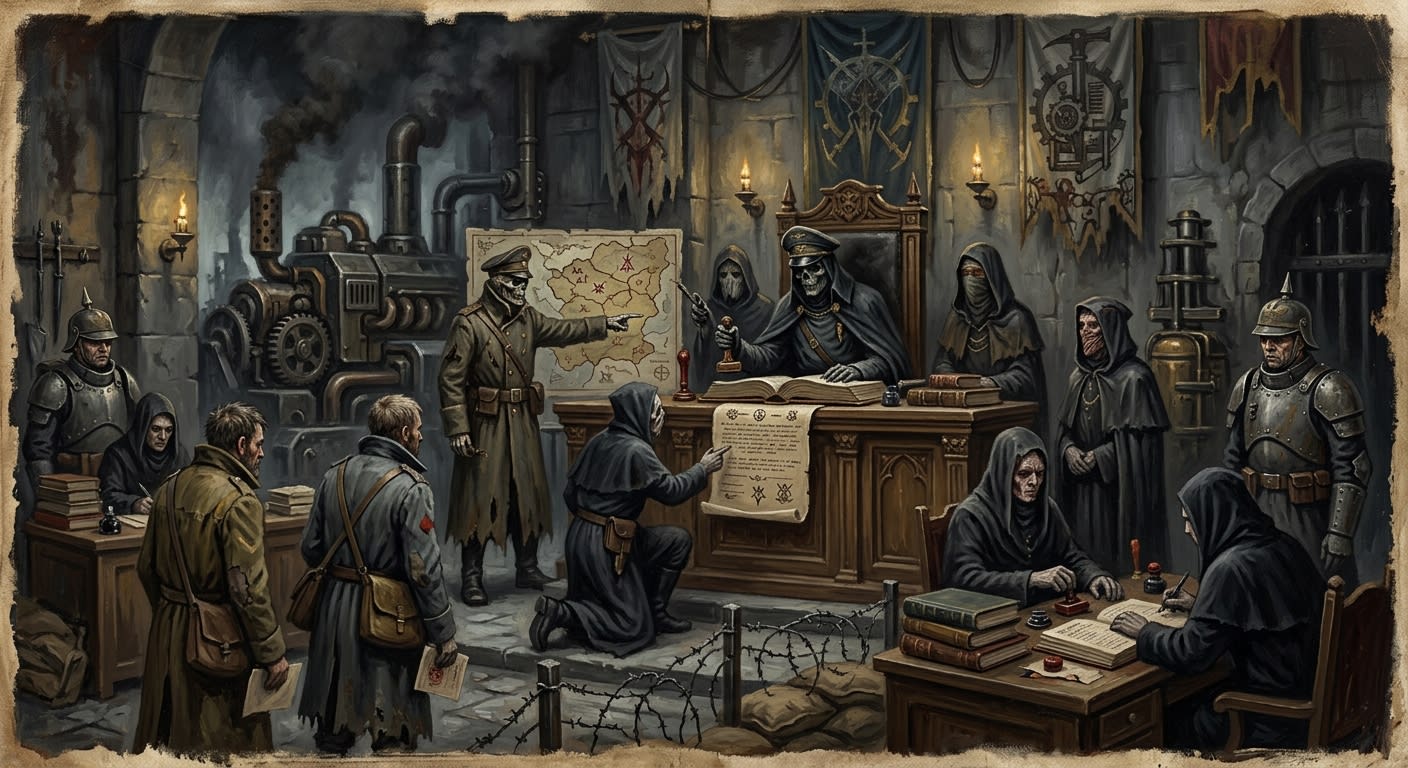
The Shadow Court
Infernal sovereignty without a capital, throne, or mercy
The Great Deceiver's anti-Synodal jurisdiction: not a mere place east of the Line, but a hostile authority expressed through sin-generals, bargains, mortal auxiliaries, and mock liturgy.
Codex Ref. IX.1.01-001
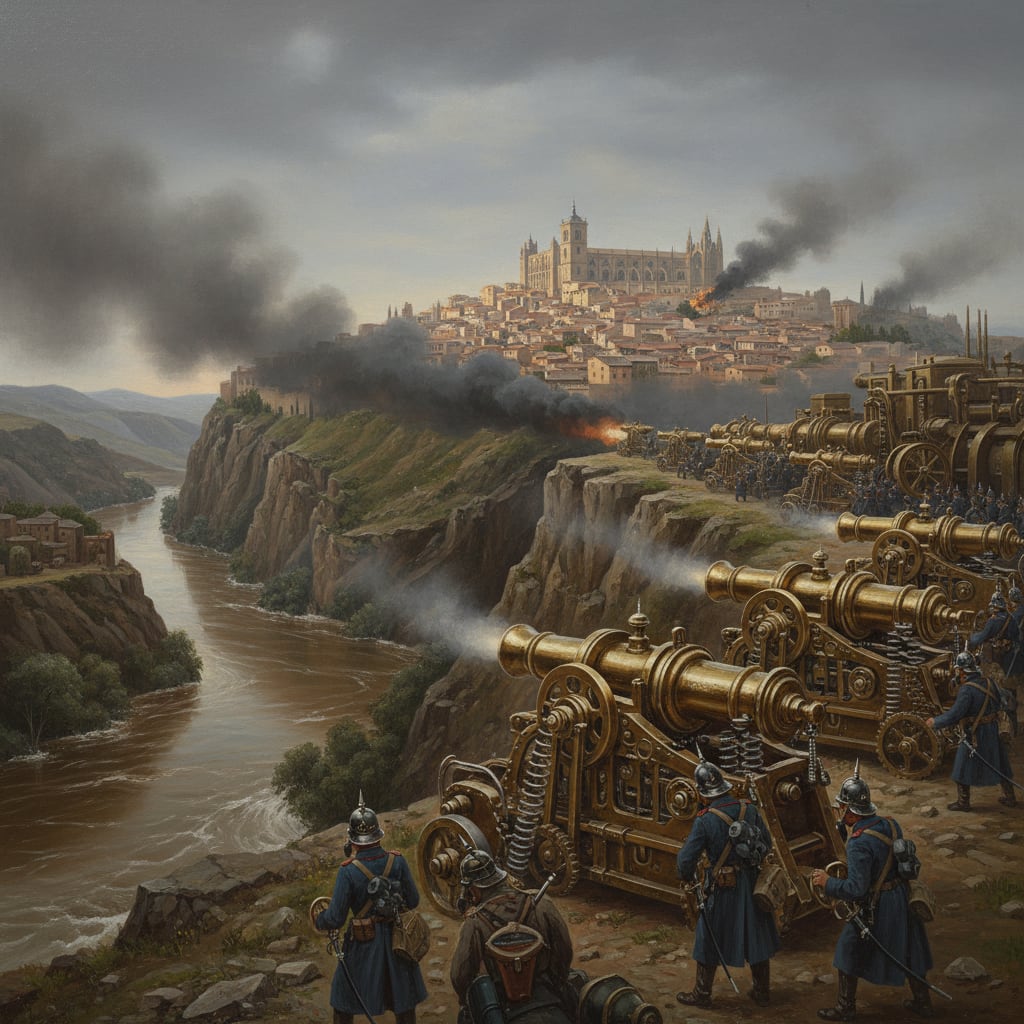
The Siege of Toledo
Nine months of walls and miracles, neither of which the Bureau can fully explain
Nine months of clockwork artillery against consecrated walls in A.S. 15, ending in fire the Bureau of Engineering cannot explain and a Relic it has been arguing about for a hundred and eighty-six years.
Codex Ref. VII.5.02-001
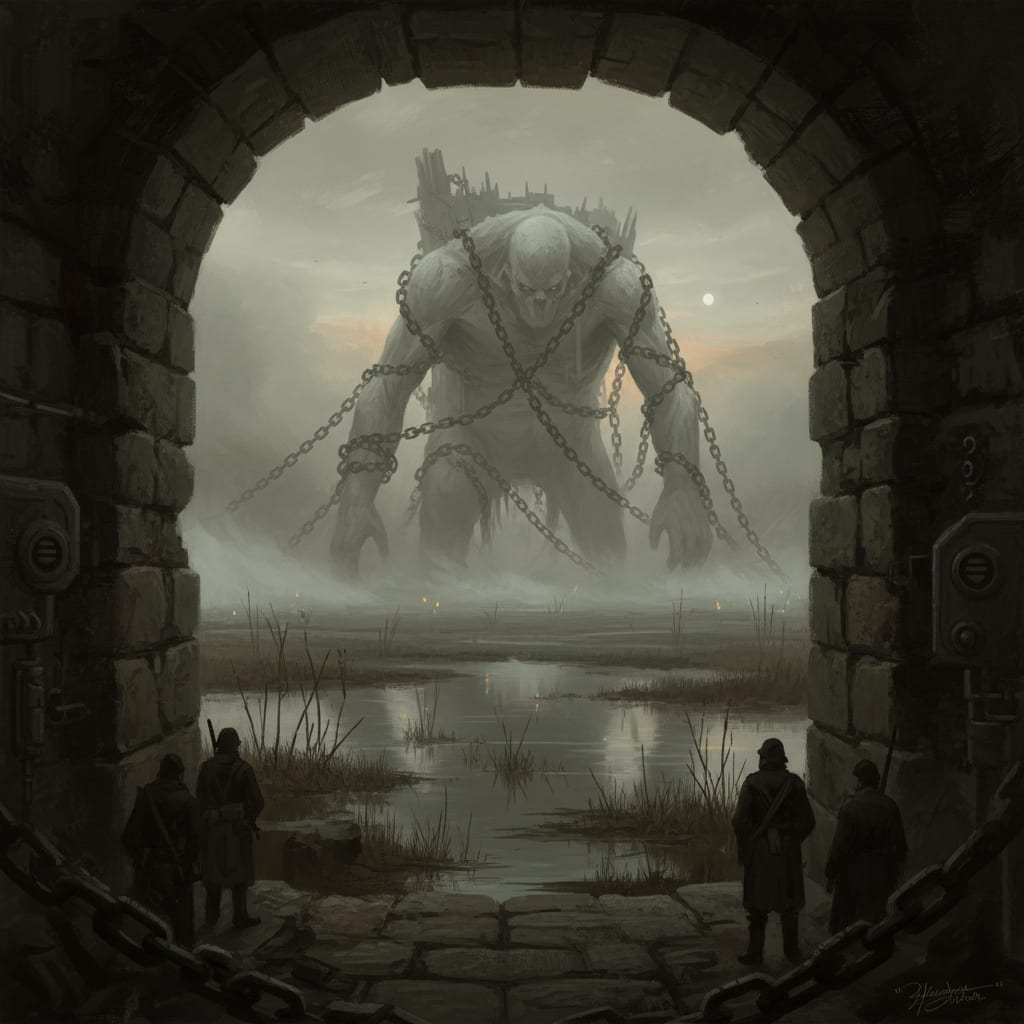
The Slumber-Hulk
A building that remembered how to walk — and what it was built to crush
Syrion's heaviest deployed asset — a chain-bound mass of compressed flesh and arrested time, classified HEAVY SIEGE (SUB-TYPE: TEMPORAL) by the Bureau of War. It does not strike. It approaches.
Codex Ref. IV.4.01-001

The Tagus
The river at the end of the count
The Tagus is the Synod's brown Iberian edge: moat of Toledo, fiscal measuring line, levy phrase, flood court, and river that takes names without receipt.
Codex Ref. II.4.09-016
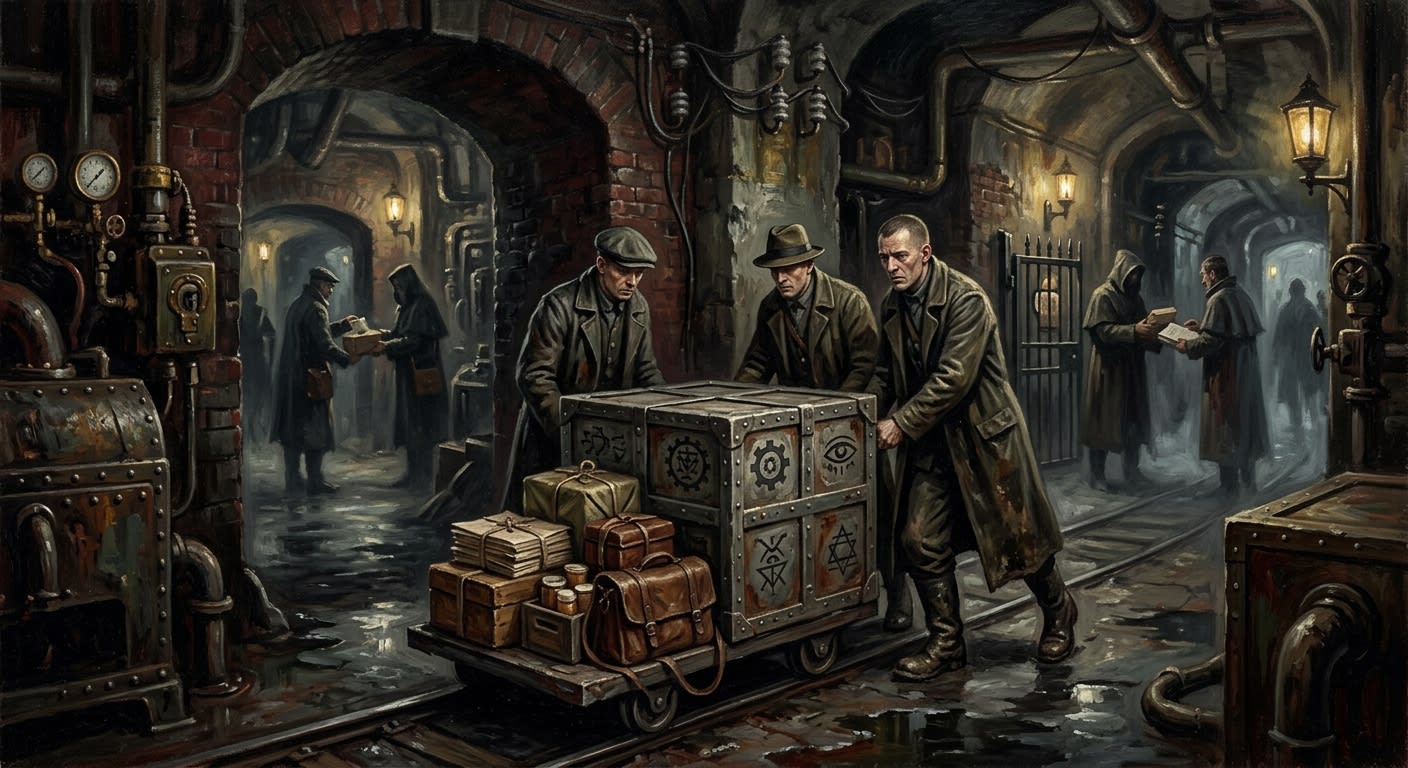
The Thread
The quiet line by which bones, names, and suspicion crossed the dark
Informal Cellar Saint transit doctrine that moved relics, names, wafers, and warnings through trusted cellars from A.S. 30 until the Sundering tore the roads open.
Codex Ref. XIII.1.91-045
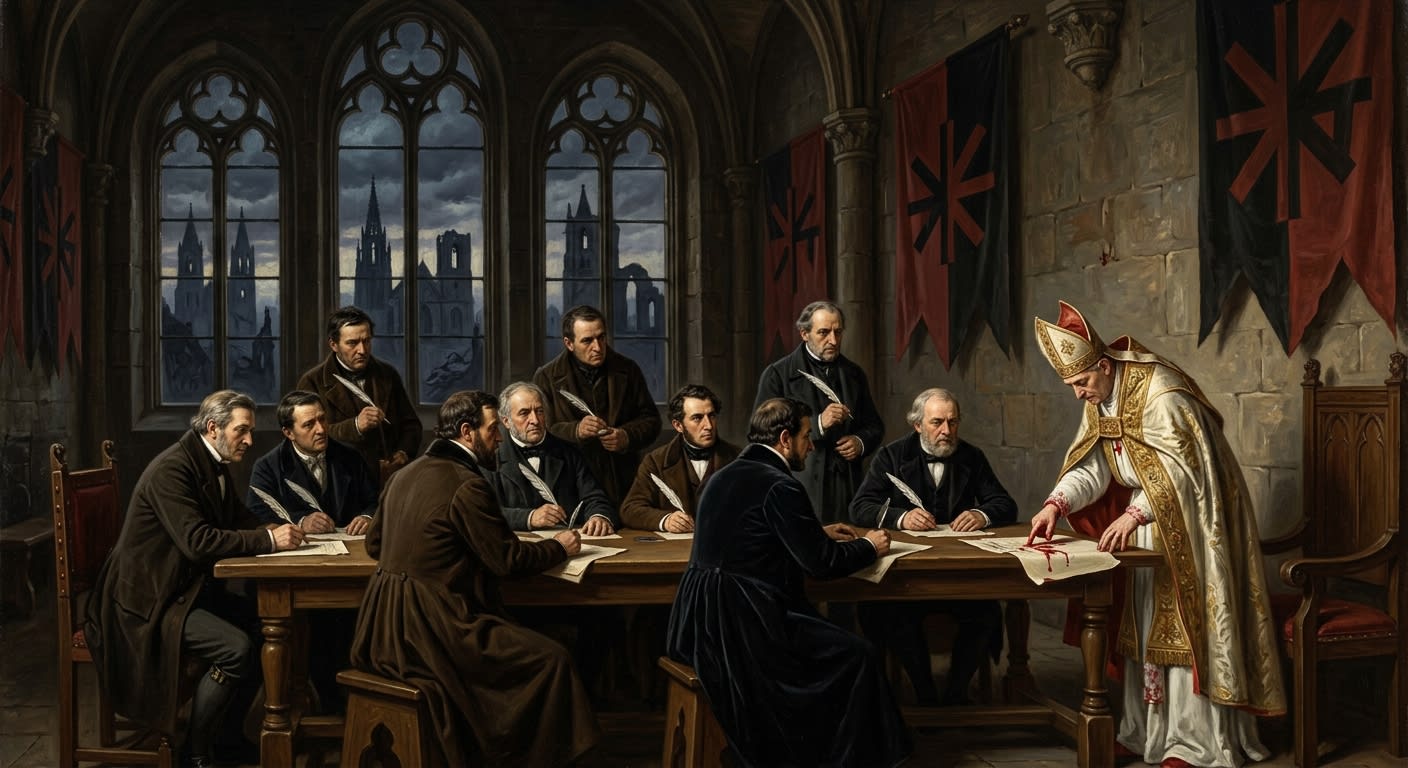
The Treaty of Regensburg
The ink that claimed to abolish the Creator, signed in nine days and annulled by Providence in fifteen years
The Treaty that ended the Atheist Wars and dissolved the Holy See of Vienna in an afternoon. Forty-seven articles; fifteen years of the Rationalist Republic; and then the Sundering proved it a lie. The Bureau of Doctrine annulled it retroactively. It was never valid.
Codex Ref. VII.2.01-001
The Undertide
The sea beneath Calais has learned to listen
The Undertide are the unnamed marine entities beneath Calais: drawn to light, sound, and the Script Wall, repelled only when bells behave.
Codex Ref. IV.1.07-014
The Vales of Stagnance
Syrion's country, where geography sits down and refuses audit
Syrion's Vales are the old Shipkan wound made landscape: fog, soft clocks, preserved villages, patient armies, and roads that return with fewer years.
Codex Ref. VI.2.04-004
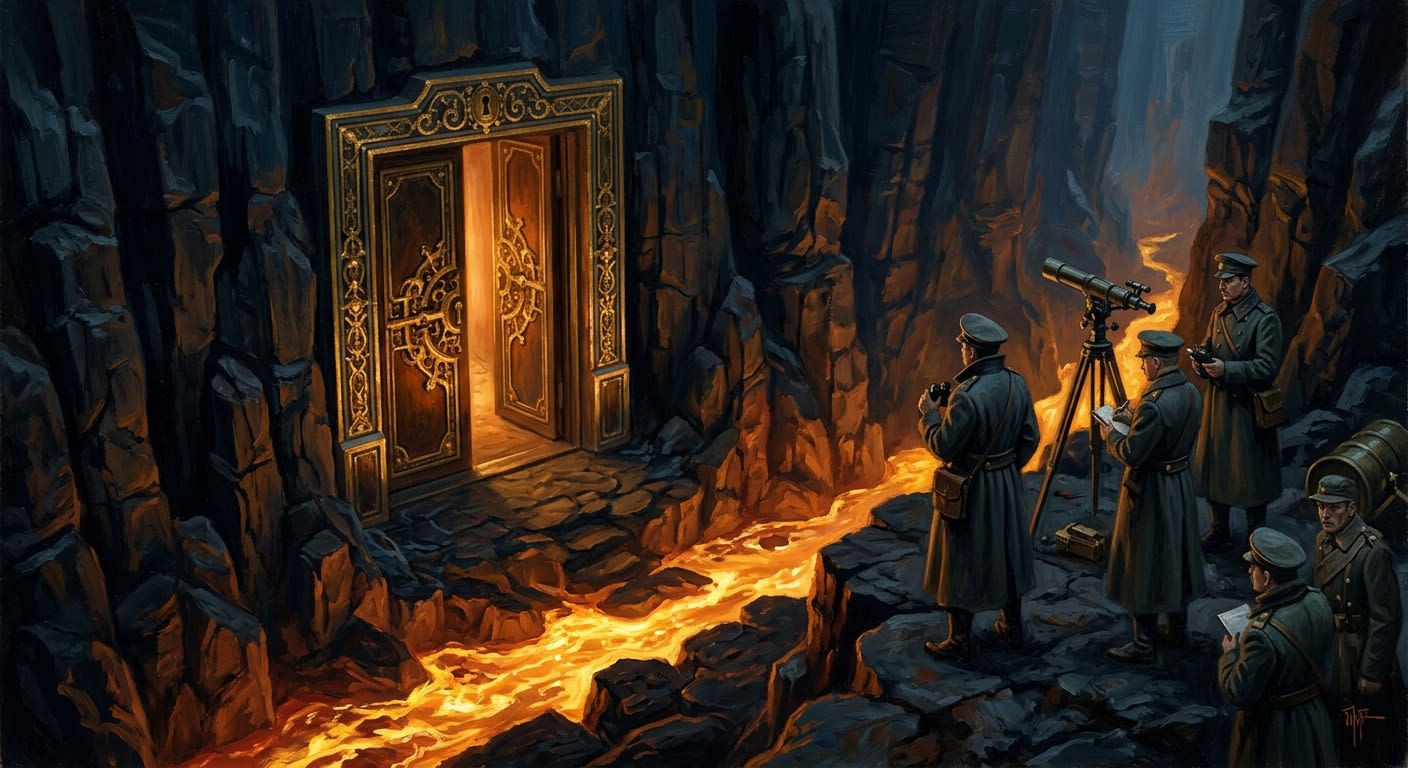
The Vault of Ten Thousand Keys
Every door opens. Every door locks behind you.
Velmora's seat within the Gilded Chasm — a palace of infinite descending doors, each one beautiful, each one locking behind you. Four expeditions entered. None returned intact. The Bureau has recommended permanent interdiction.
Codex Ref. V.6.02-001
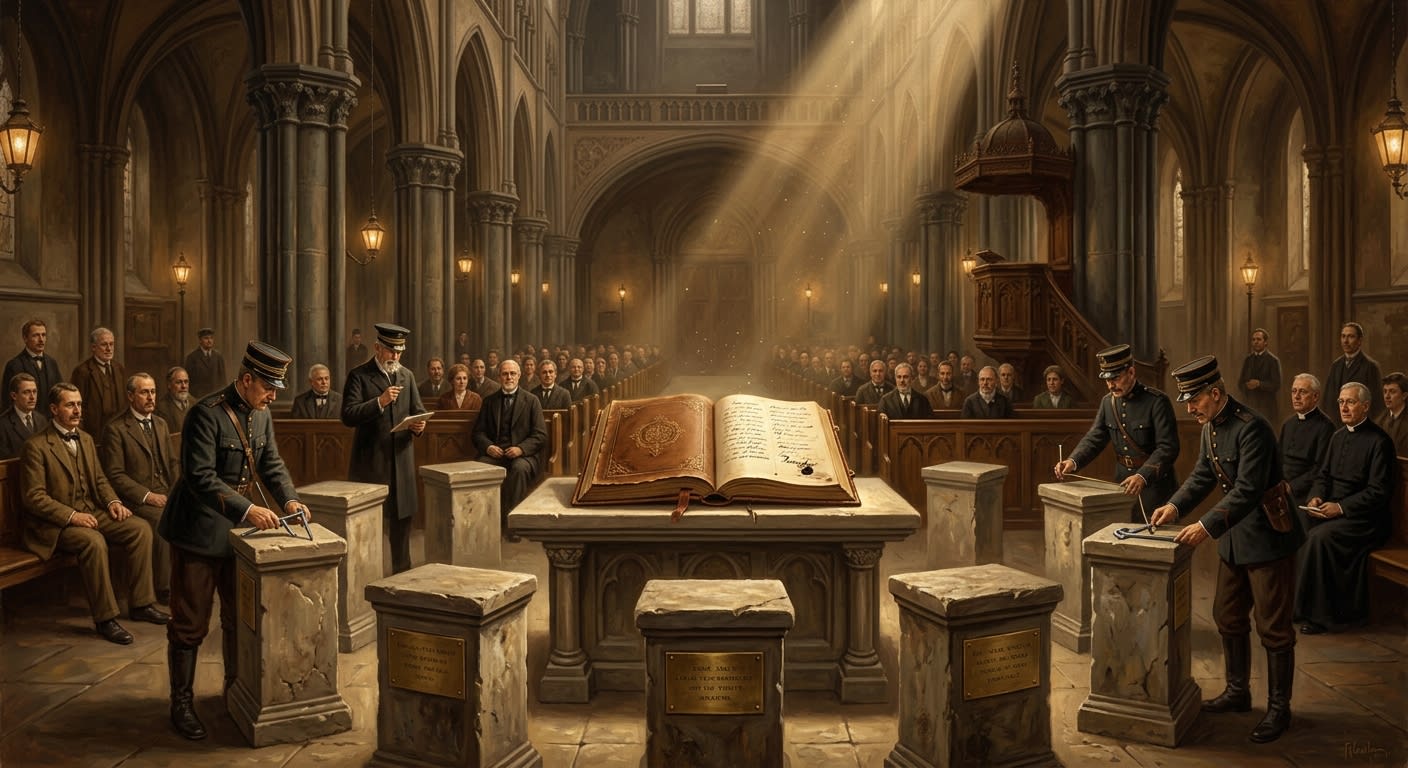
The Virtue Generals (So-Called)
Seven heresies dressed as hope, condemned in the forty-fourth standing order
Standing Order 44-D refuted, filed, and reluctantly left open. Seven alleged champions of the Creator — unregistered, unconfirmed, and disturbingly active for entities that do not exist.
Codex Ref. IX.3.44-001
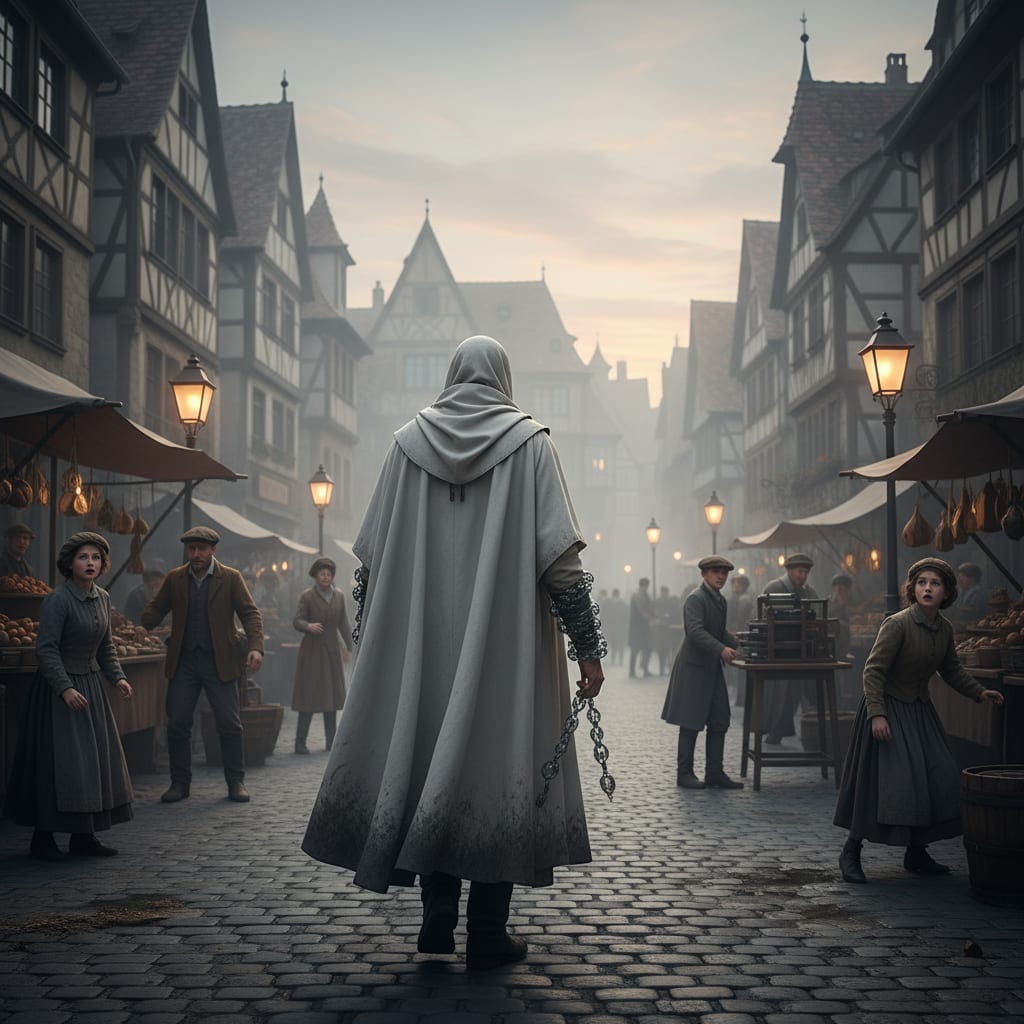
The White-Mantled Inquisitor
The Bureau does not silence speech; it teaches the population to do it themselves
Bureau of Purity's language constables — Chalklings, Mantle Examiners, Chainmasters, and Glass-Canons — charged with containing unregistered speech, enforcing the Index Claritatis, and hunting the phrases that make the chain sing.
Codex Ref. XII.49.01-001

The Year of Letters
One table of bones. Forty cities. The first assault on everything.
The Bureau's account of –32 A.S.: how three Amsterdam scholars, one table of bones, and forty cities' worth of polite arithmetic crippled three centuries of relic authentication — and inaugurated everything.
Codex Ref. I.2.01-001
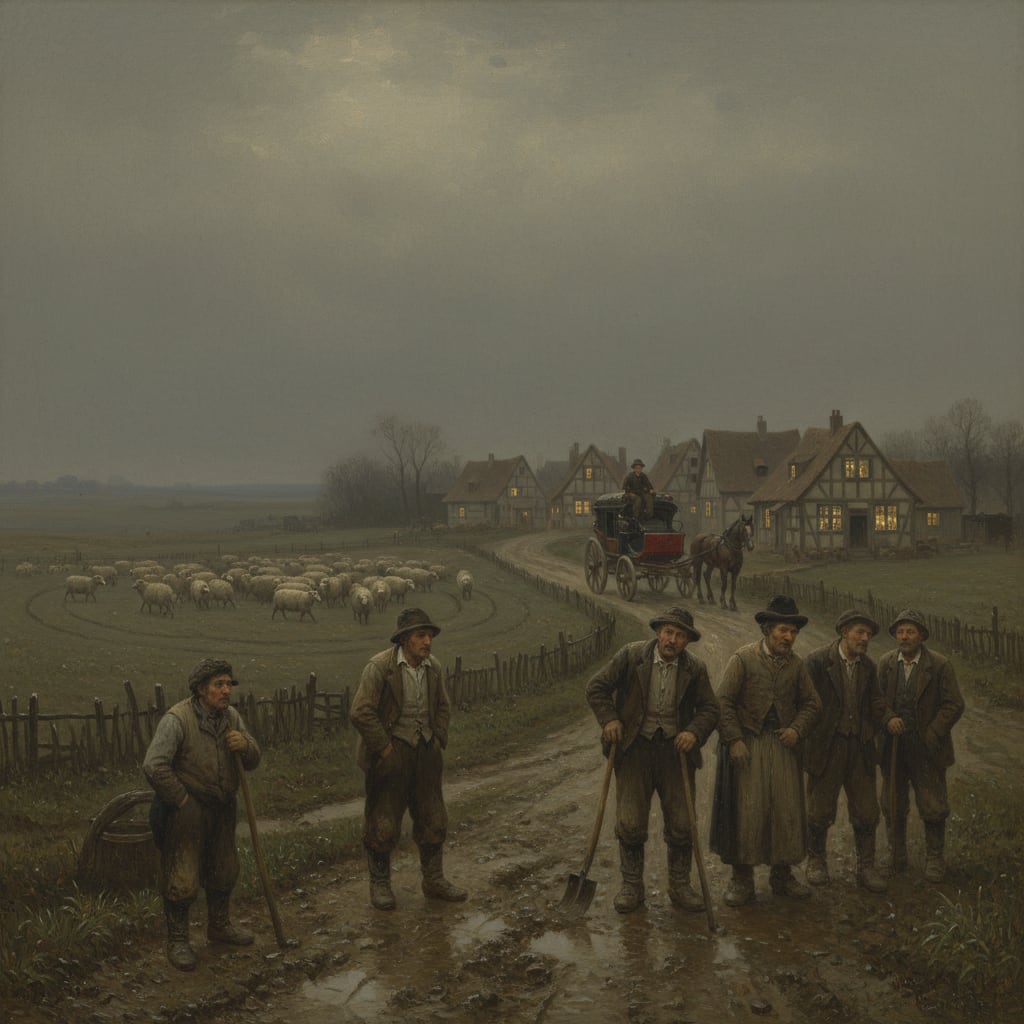
The Year Without Dawn
The Bureau's Second Portent: forty days without sun, seventeen explanations without facts, and one Province without tongues.
A.S. 32: forty days without the sun, children born grey-eyed and voiceless, the Rationalists publishing seventeen treatises to explain a volcano no one could find. The Bureau's Second Providential Portent.
Codex Ref. VII.4.01-001

Theobald of Worms
The man who taught Europe to confess by angle
First Archon of the Bureau of Heraldry, Theobald of Worms standardised the Triune Knot and made the visible world legible, taxable, and prosecutable.
Codex Ref. III.2.01-119
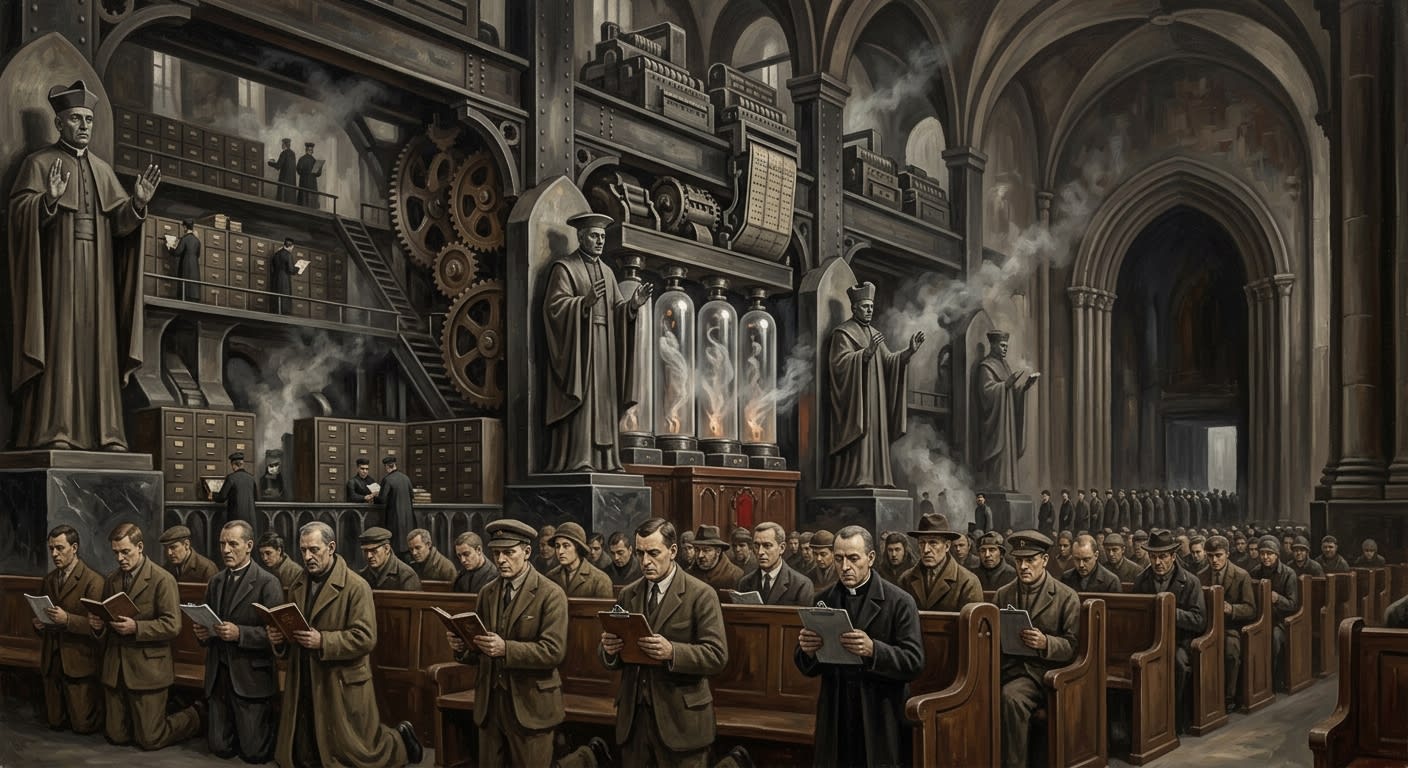
Theocracy
Piety with pipes, doctrine with payroll
Theocracy is the Synod's mature art: altar made warrant, prayer made schedule, fear made grammar, and every soul brought under ratified custody.
Codex Ref. XIII.1.01-201
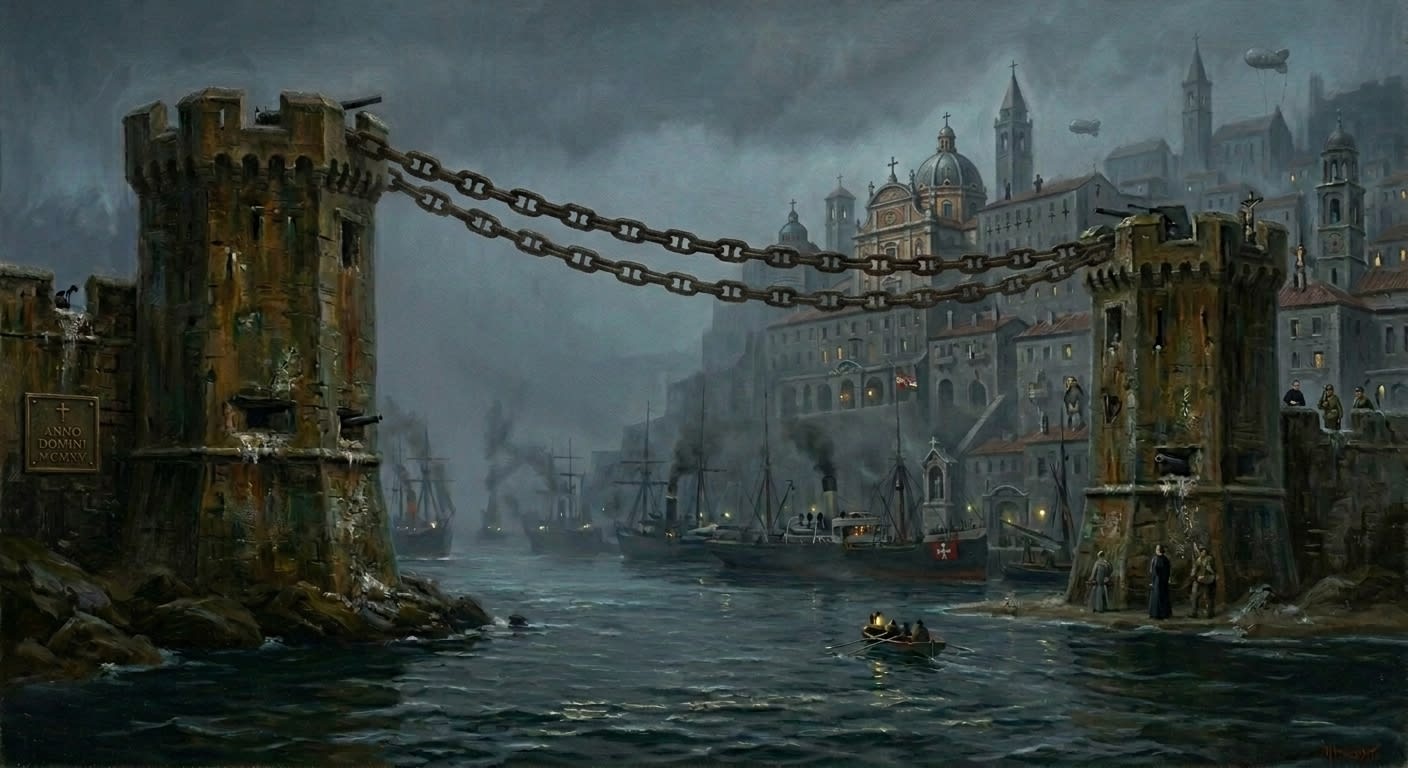
Thessaloniki (Harbor-Chain Towers)
Where every passage is a registration event, and the chains keep the ledger
The Synod's Aegean gullet — Twin Towers of the Harbor-Chain processing ~280,000 souls and every caravan bound for the southern Line, while the Drowned Choir counts beneath the psalm-hum.
Codex Ref. II.4.09-003
Thrace
The province geography learned to condemn
Thrace is the fallen south-eastern furnace where old roads became warnings, Maldrake taught soil to rage, and maps learned shame.
Codex Ref. II.6.03-045
Thracian Forests
Maldrake felled a province into the sky
The Thracian forests were Maldrake's timbered weapon: a fallen reserve burned in A.S. 143 until ash became famine, ink-hunger, echo drift, and weather.
Codex Ref. II.6.03-143
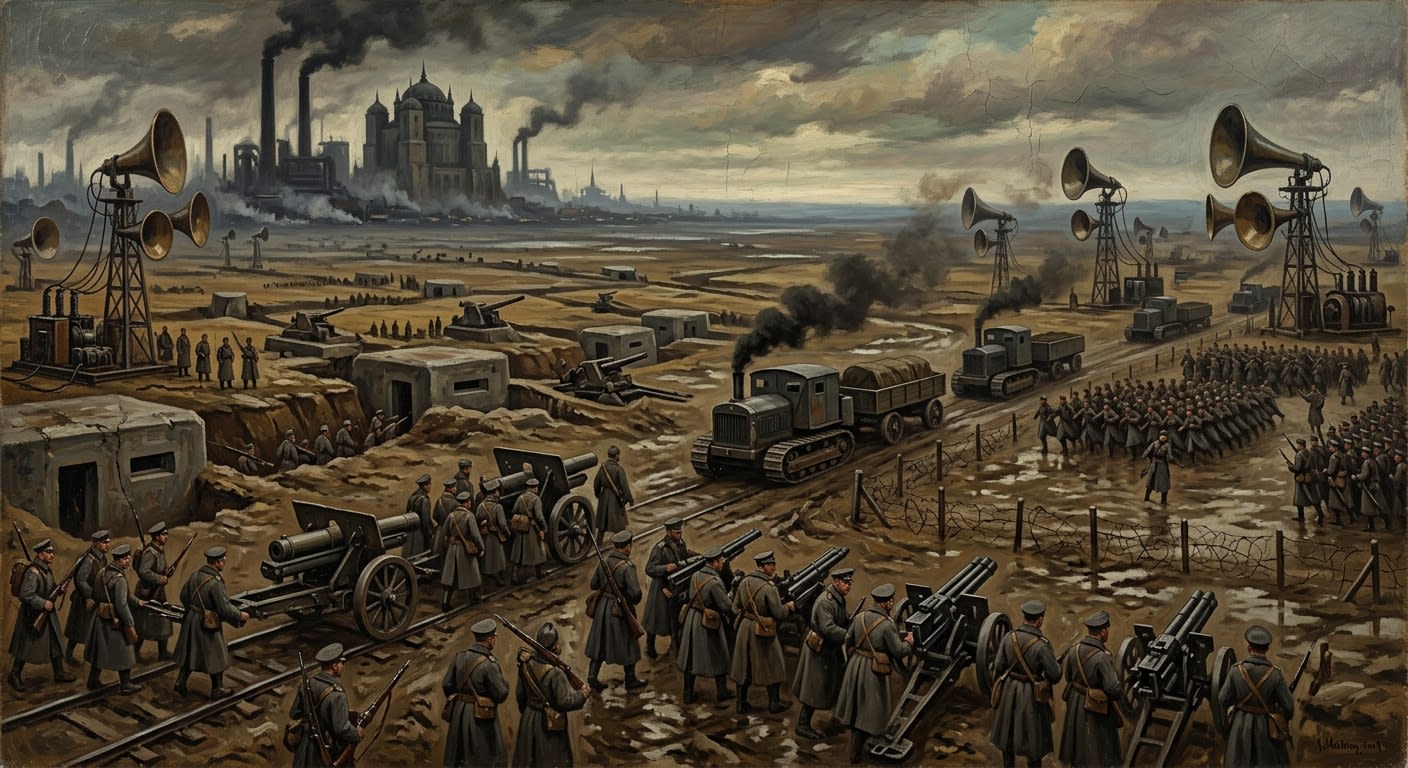
Thracian Plain
The open ground that learned to listen for weakness
The Thracian Plain is Constantinople's northern killing apron: old grainland remade after A.S. 45 into Maldrake's listening floor, muster yard, and artillery throat.
Codex Ref. II.6.03-045
Toledo
The city taken by cannon and kept by ash
Toledo is the Synod-held Iberian martyr-city where a lost siege became custody, ash became law, and time itself learned tariffs.
Codex Ref. II.1.04-015
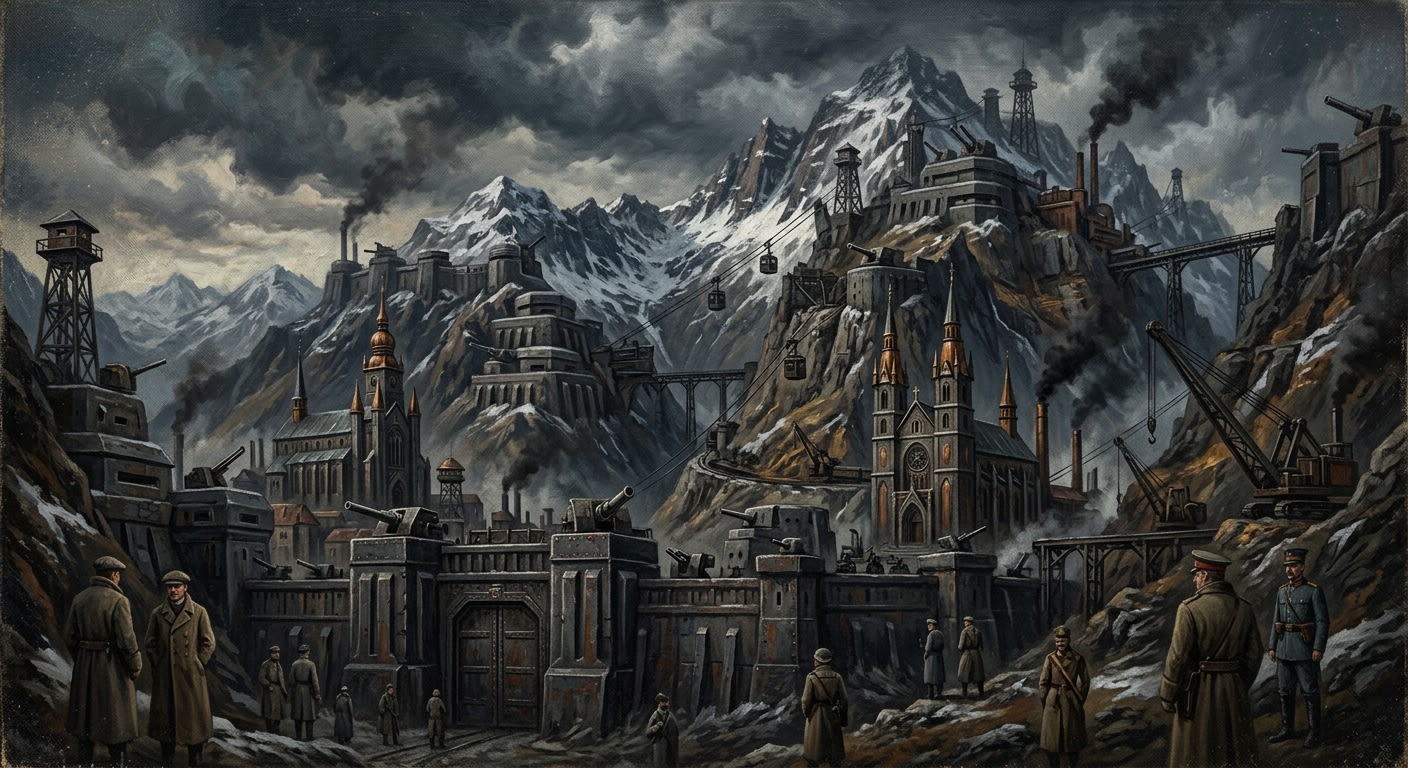
Transylvanian Alps
The mountain wall that makes greed climb uphill
The Transylvanian Alps are Sibiu's natural rampart: a wall of stone, snow, fortified churches, pass-forts, gold pressure, and Velmoran debt.
Codex Ref. II.4.08-065
Tribunal of Clarity
Where Reason washed torture until it shone
The Rationalist Republic's secret Tribunal of Clarity renamed prayer as error, torture as method, and conviction as arithmetic until the Sundering answered the room.
Codex Ref. XIII.1.57-030

Triumvirate of Public Instruction
Three schoolmasters sharpened Europe into a knife
The Triumvirate of Public Instruction was the Council of Nine's sealed sub-committee that drafted Ironmouth, converting schoolroom vocabulary into warrants, knives, and public tongues.
Codex Ref. I.1.04-001
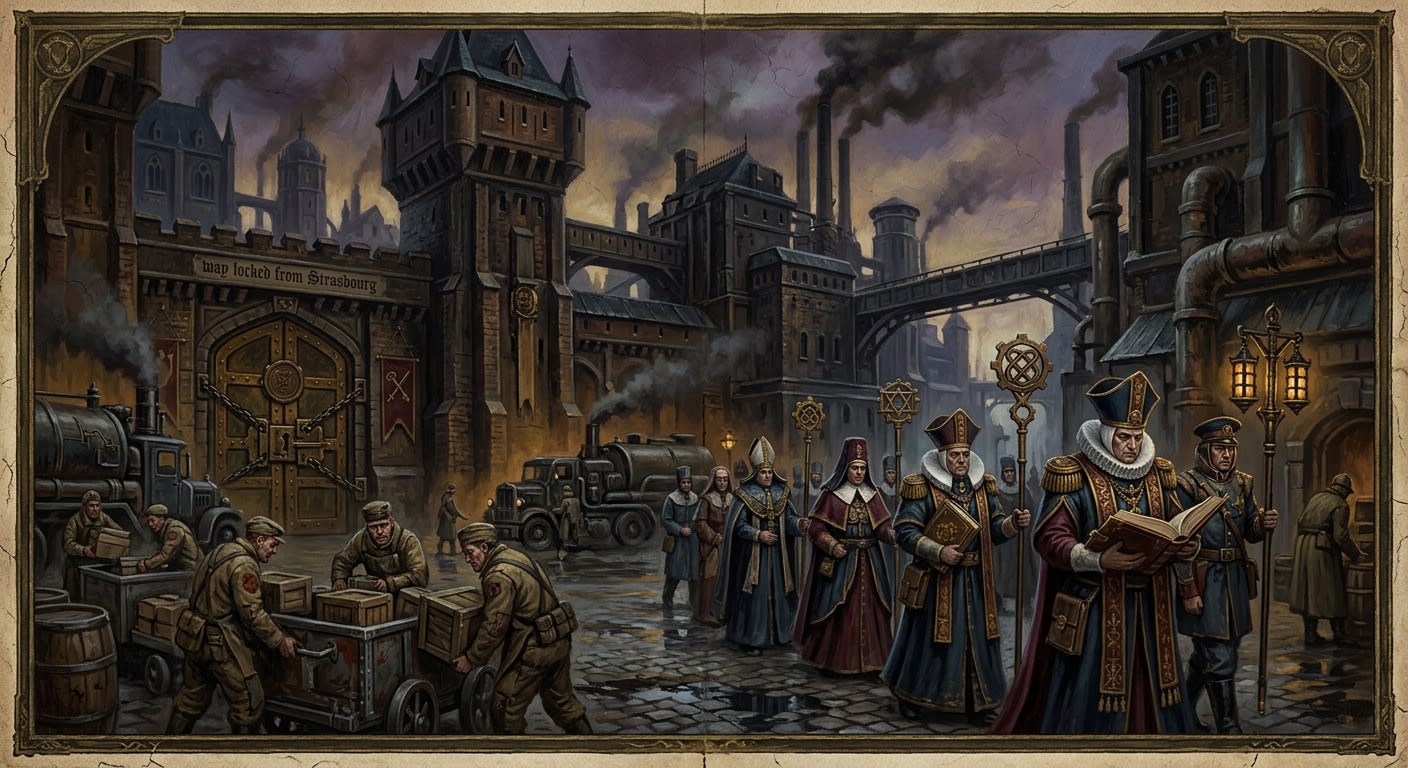
Triune Hearth
Three old bodies, one chimney, and Strasbourg holding the poker
The Triune Hearth binds France, Iberia, and the Rhineland into one Synodal household: warm in sermon, hungry in ledger, and locked from Strasbourg.
Codex Ref. XIII.1.04-090
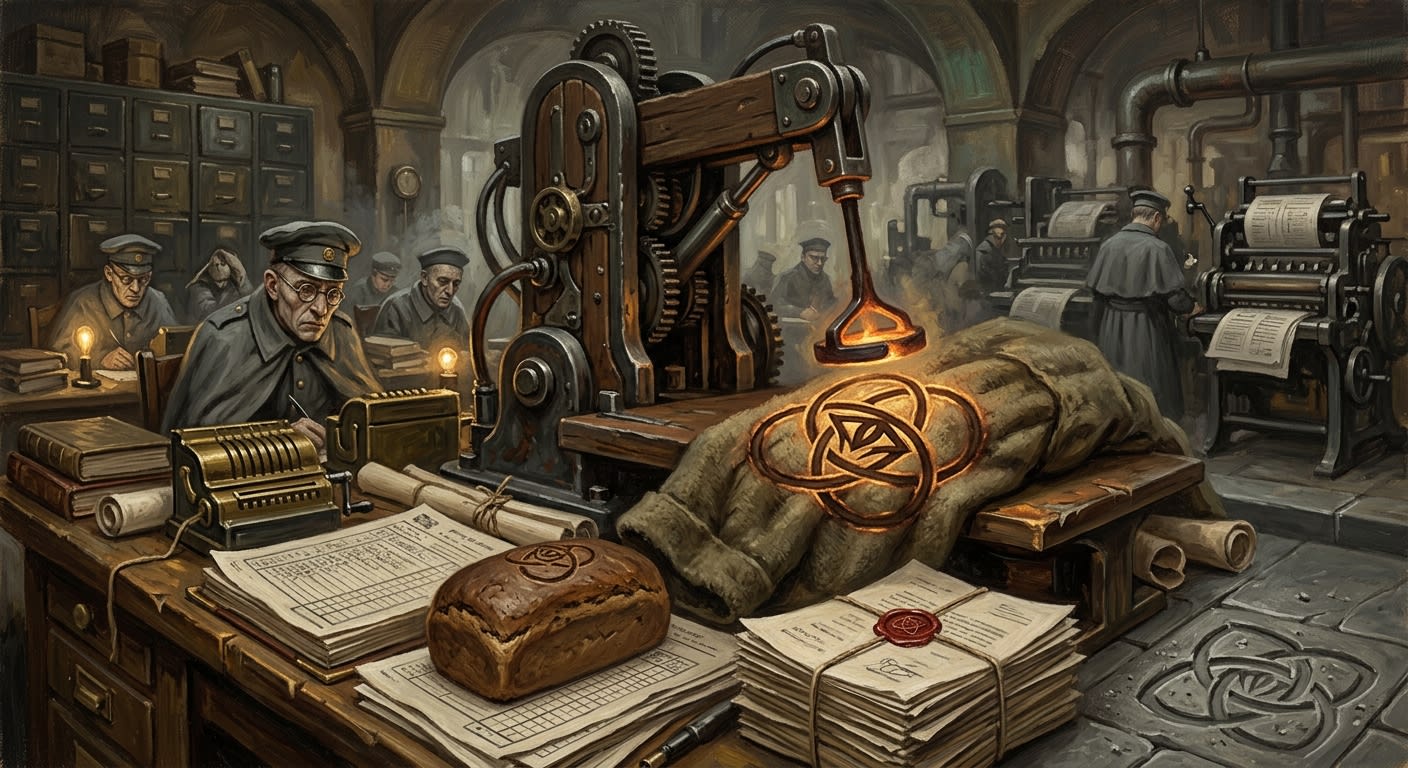
Triune Knot
Three loops, one law, and every door accounted for
Universal Synodal binding mark standardised under Theobald of Worms, by which doors, papers, bread, flesh, and graves become readable to law.
Codex Ref. XIII.1.03-002
Twenty-Percent Tolerance Directive
The city breathes or the city burns
Unwritten Ninth Mark operating custom born in A.S. 143, permitting enough contraband combustion to keep districts alive while turning the rest into fines, sermons, seizures, and fear.
Codex Ref. XIII.1.78-001
Ulm
The city that taught paper to confess and scholars to become pulp
Ulm is the corrected Heartlands city whose Rationalist compact predated the calendar wound, and whose Paper Mines now make heretical learning into obedient sheets.
Codex Ref. II.2.01-005
Unauthorized Melody Smuggler
The lullaby the Bureau buried; the mouth it walks out of now
The Unauthorized Melody Smuggler is classified under Tongue-Crime, Melody Intent, Doctrinal Sabotage — above common theft, below armed heresy. The lullaby does not care what the Bureau calls it. It continues to walk out in someone else's mouth.
Codex Ref. XII.48.01-001
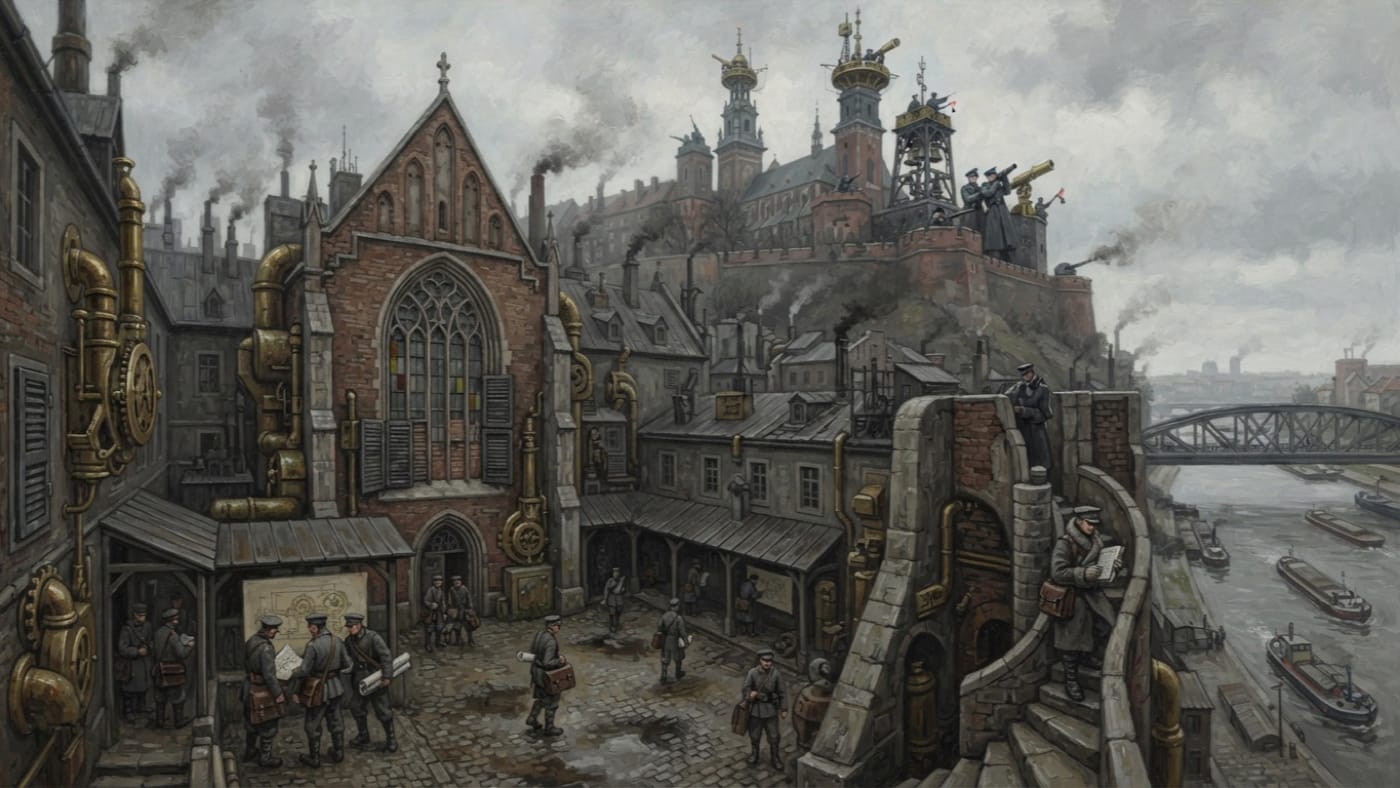
University of Kraków
Correct arithmetic, subject to countersignature
Kraków's university survives the A.S. 199 condemnation to train useful clerks, engineers and physicians. Its astronomers may copy the stars only as approved error.
Codex Ref. II.3.06-004
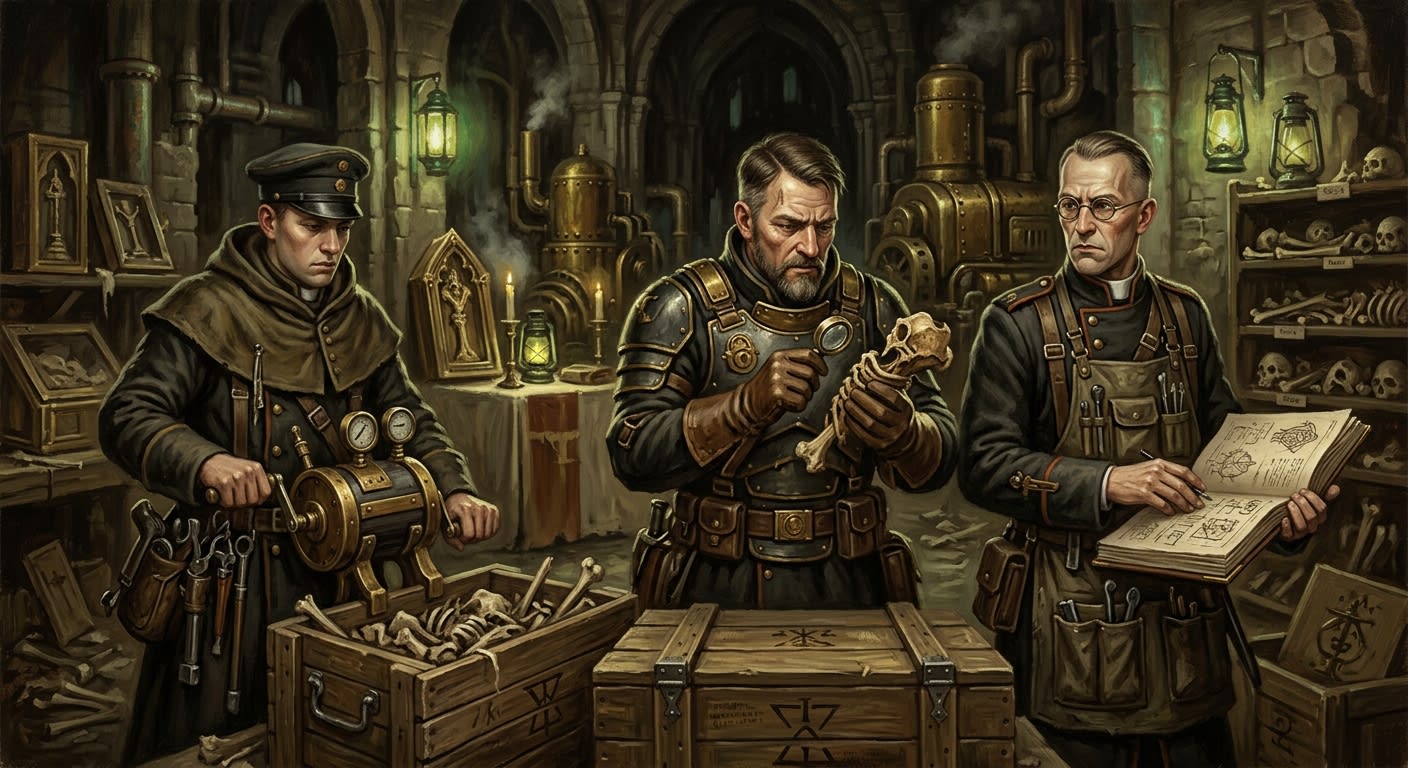
Van Hoorn, Lemstra & de Waal
Three clerks of doubt, one table of bones, and forty cities taught to sneer
Pieter van Hoorn, Gerrit Lemstra, and Jan de Waal made doubt portable in -32 A.S.; their Bone Census counted relics accurately and wounded truth efficiently.
Codex Ref. III.2.01-026
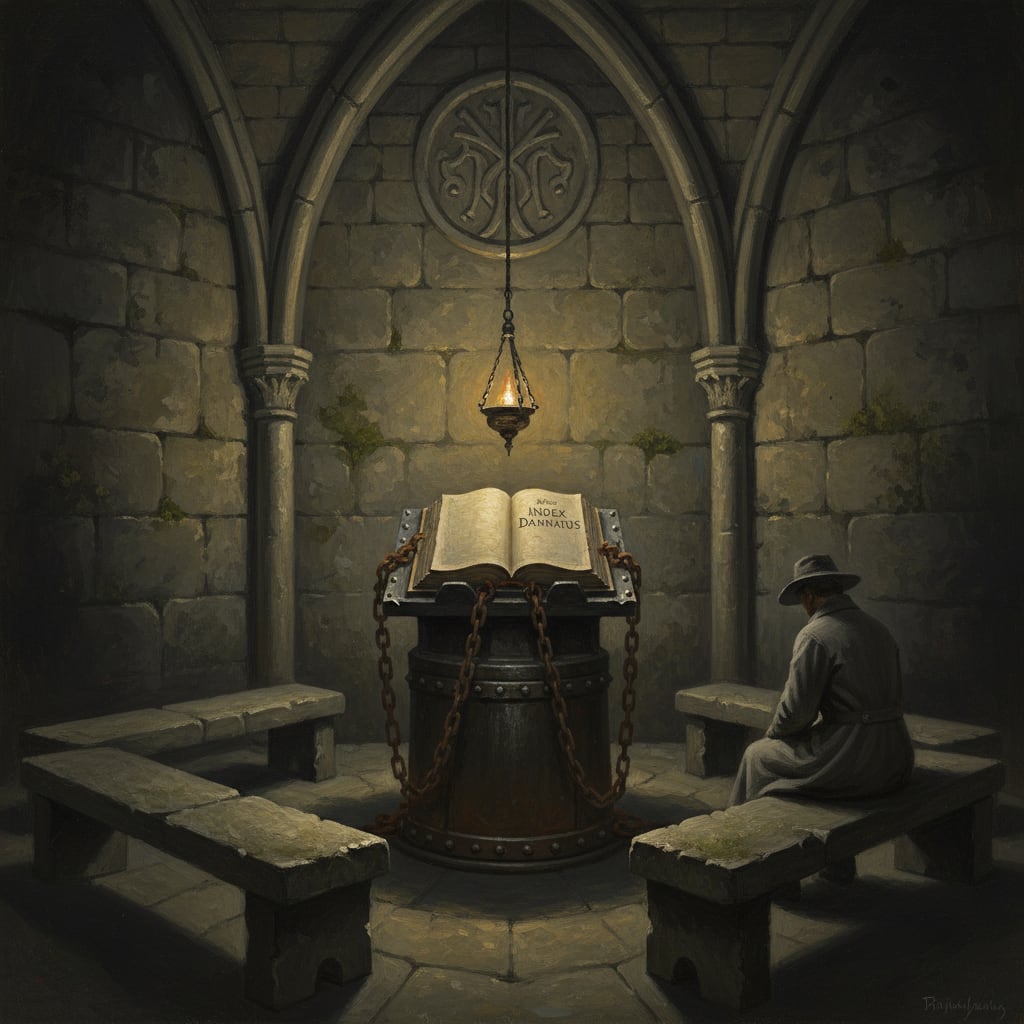
Vault of Silences
Forty-seven steps descending. Forty-nine ascending. The Bureau has certified both numbers correct.
The Vault of Silences occupies the sub-basement of the Basilica of the Ledgered Saints — the Bureau of Purity's sealed repository of everything the Synod prefers the world forgot. Four visits. One conclusion. The Bureau will stamp it out.
Codex Ref. II.1.04-002
Velkara
She Holds No Sector. She Holds Every Room.
The Sin-General of Lust holds no sector of the Sagittal Line and requires none. Velkara does not breach walls. She wakes inside them, and the Bureau cannot identify the seam.
Codex Ref. IV.1.07-005
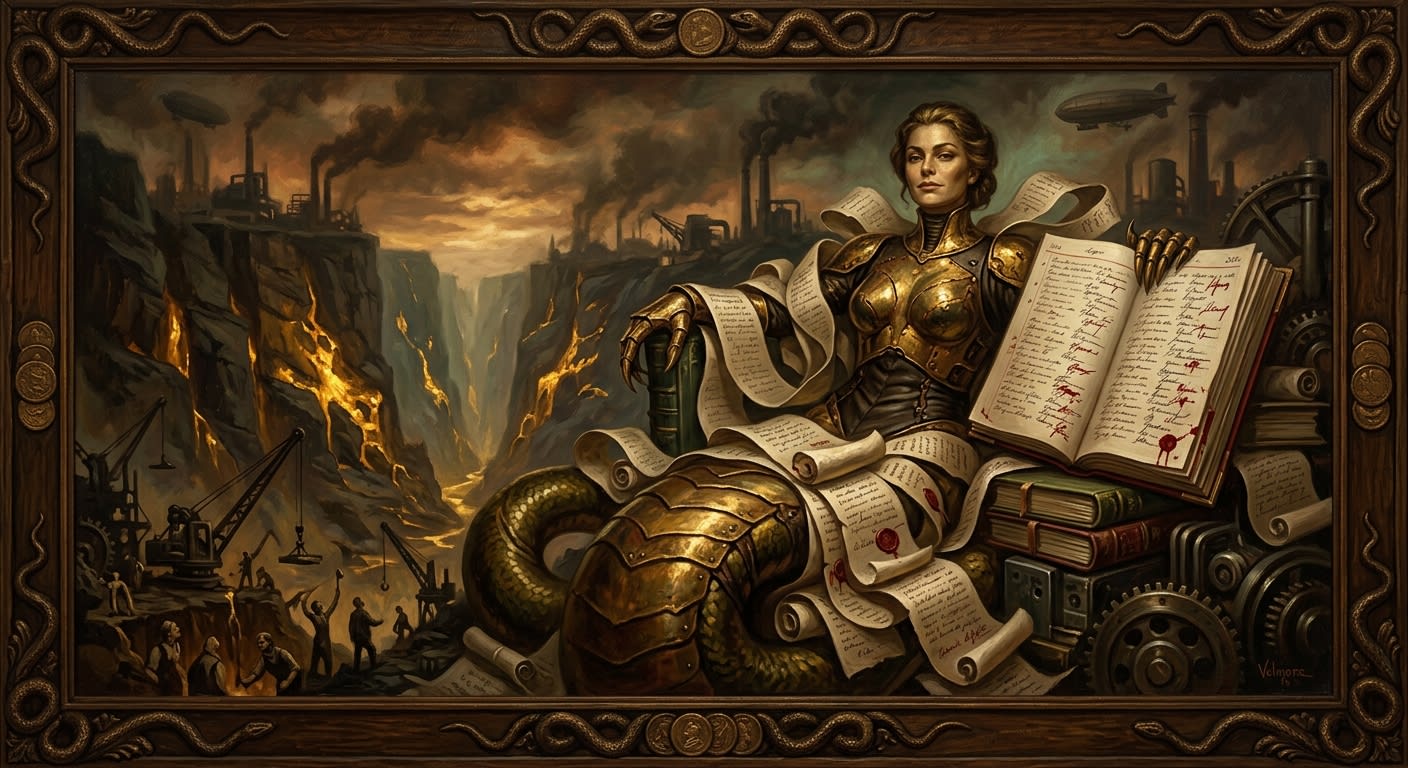
Velmora
She does not conquer. She possesses.
The Covetous Serpent, Sin-General of Greed — she does not conquer, she possesses. One signature at a time, one contract at a time, until nothing remains to sell and the ledger still shows a balance owed.
Codex Ref. IV.1.07-002
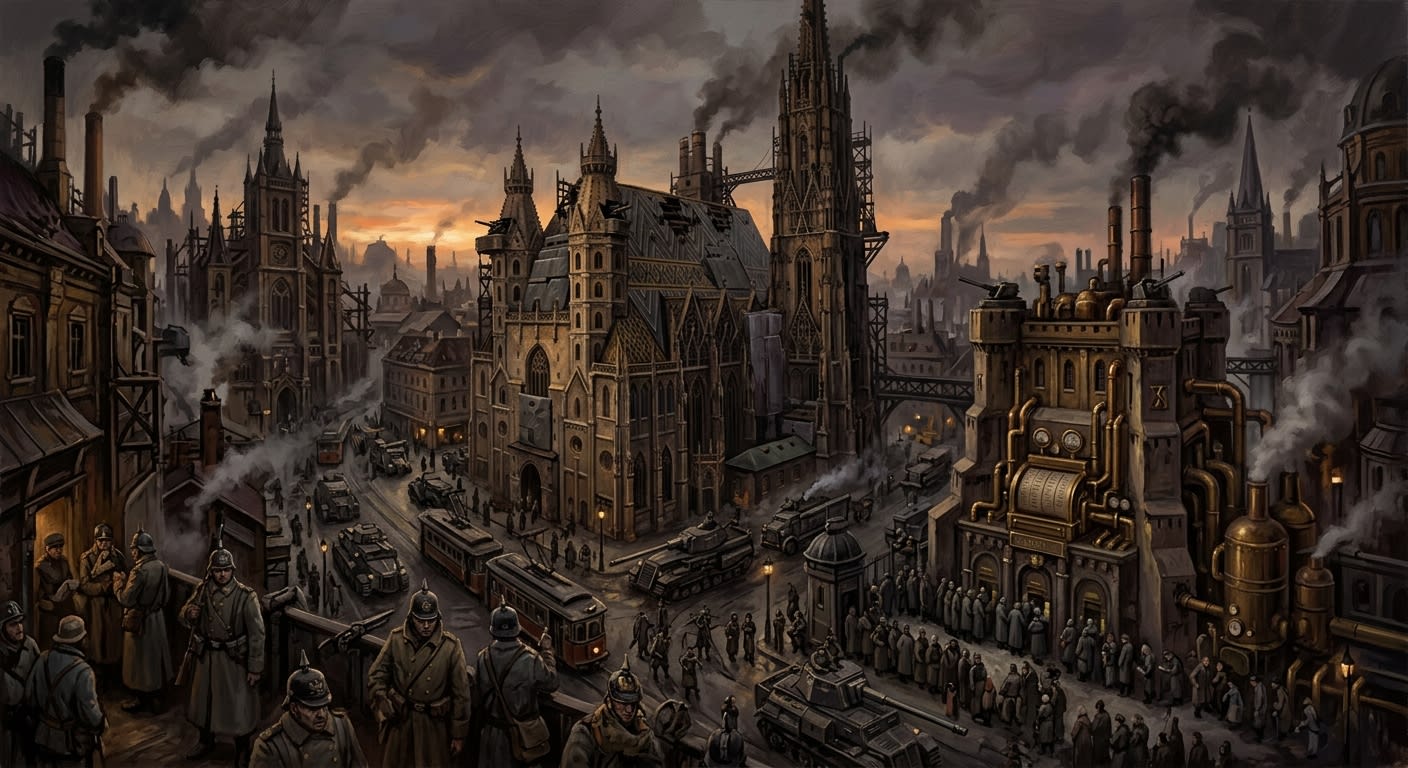
Vienna
The corpse that learned accounting
Vienna is the Synod's most decorated corpse: old see, Rationalist capital, shrine-ruin, supply hinge, lullaby scar, and profitable proof that ruins can be taxed.
Codex Ref. II.4.09-095
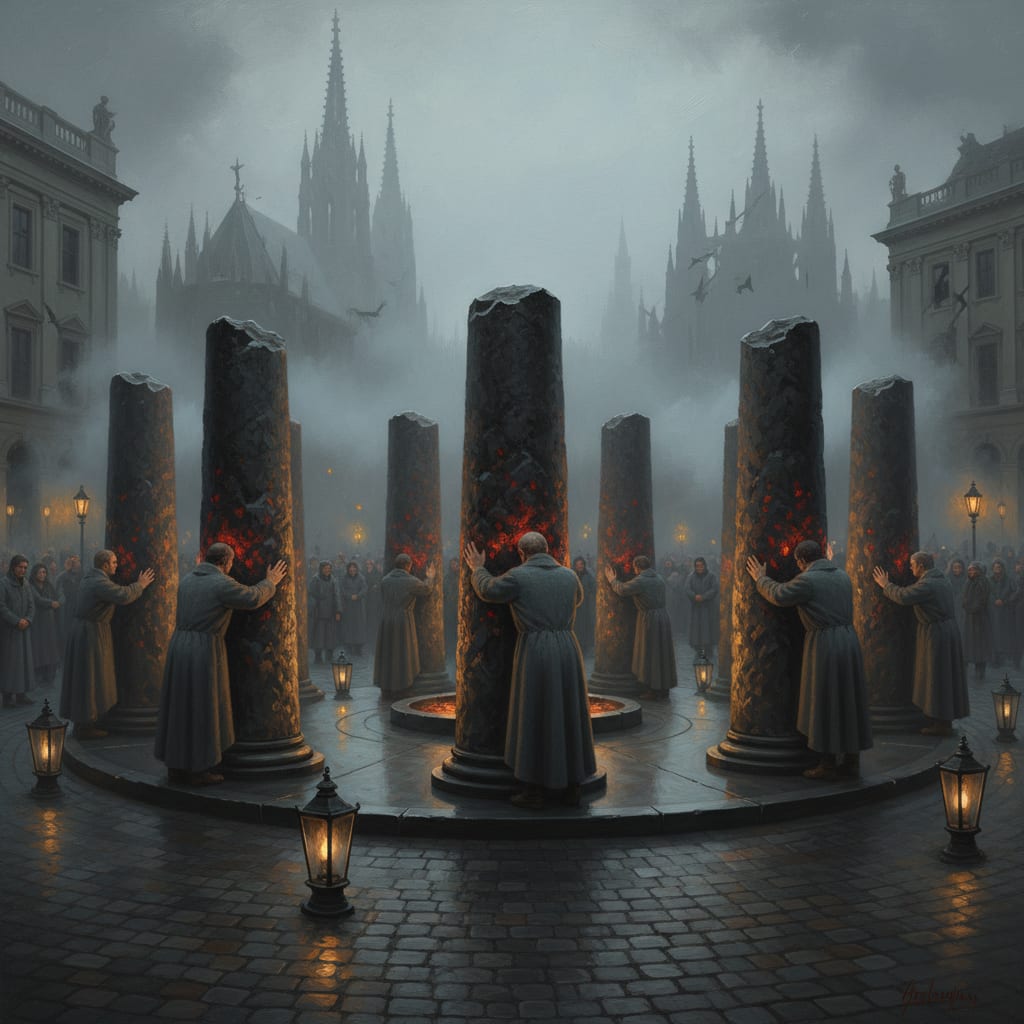
Vienna, the Shrine-Ruins
Three deaths, one gift shop, and a pen that has not dried in forty years
Three times ruined and once reclaimed. Vienna is the Synod's finest shrine and its most honest monument: the Rationalist capital, the Great Retreat's wound.
Codex Ref. II.4.09-010
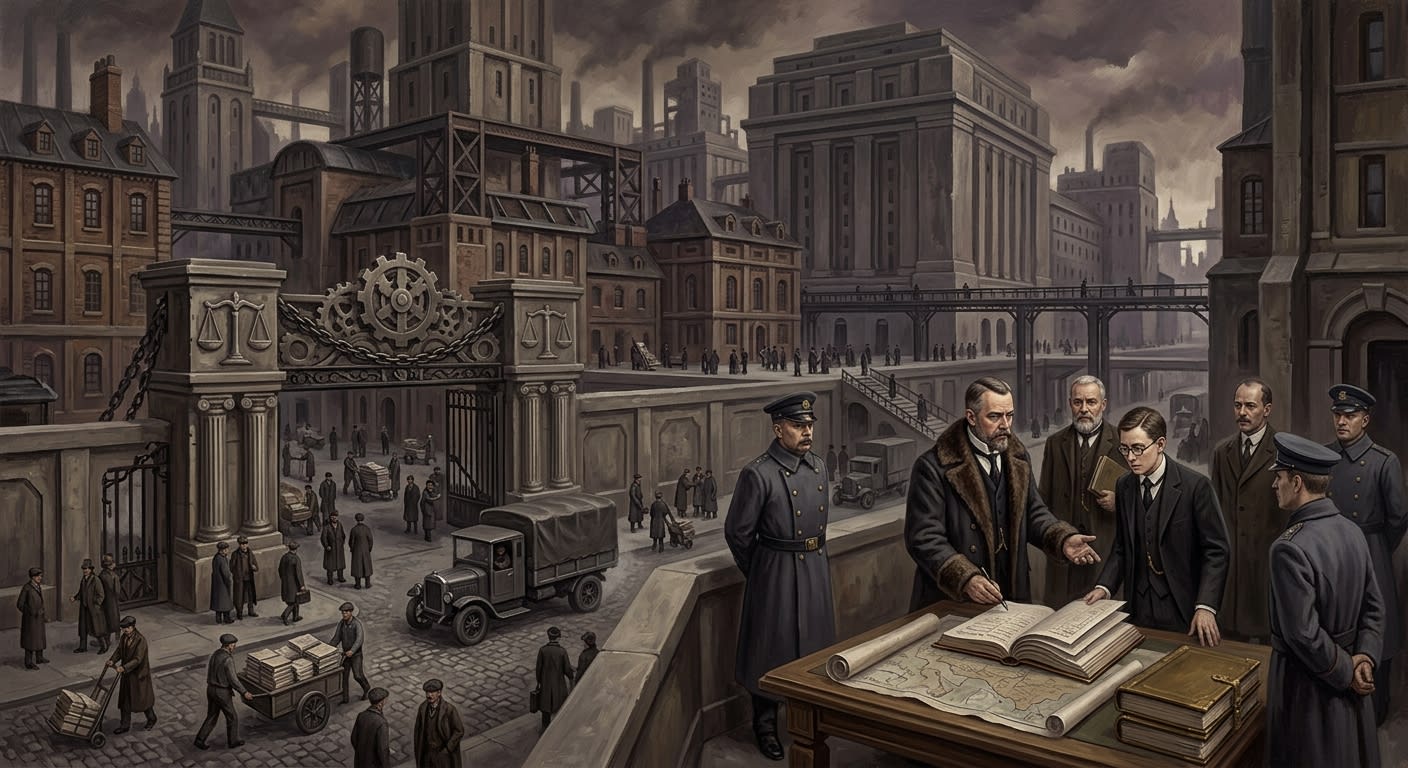
Wallachia
Fair prices are how Hell asks for a signature
Wallachia did not fall by trumpet and fire. It borrowed, signed, refinanced, and became Velmora's creditor province pointed at Sibiu.
Codex Ref. II.6.06-006
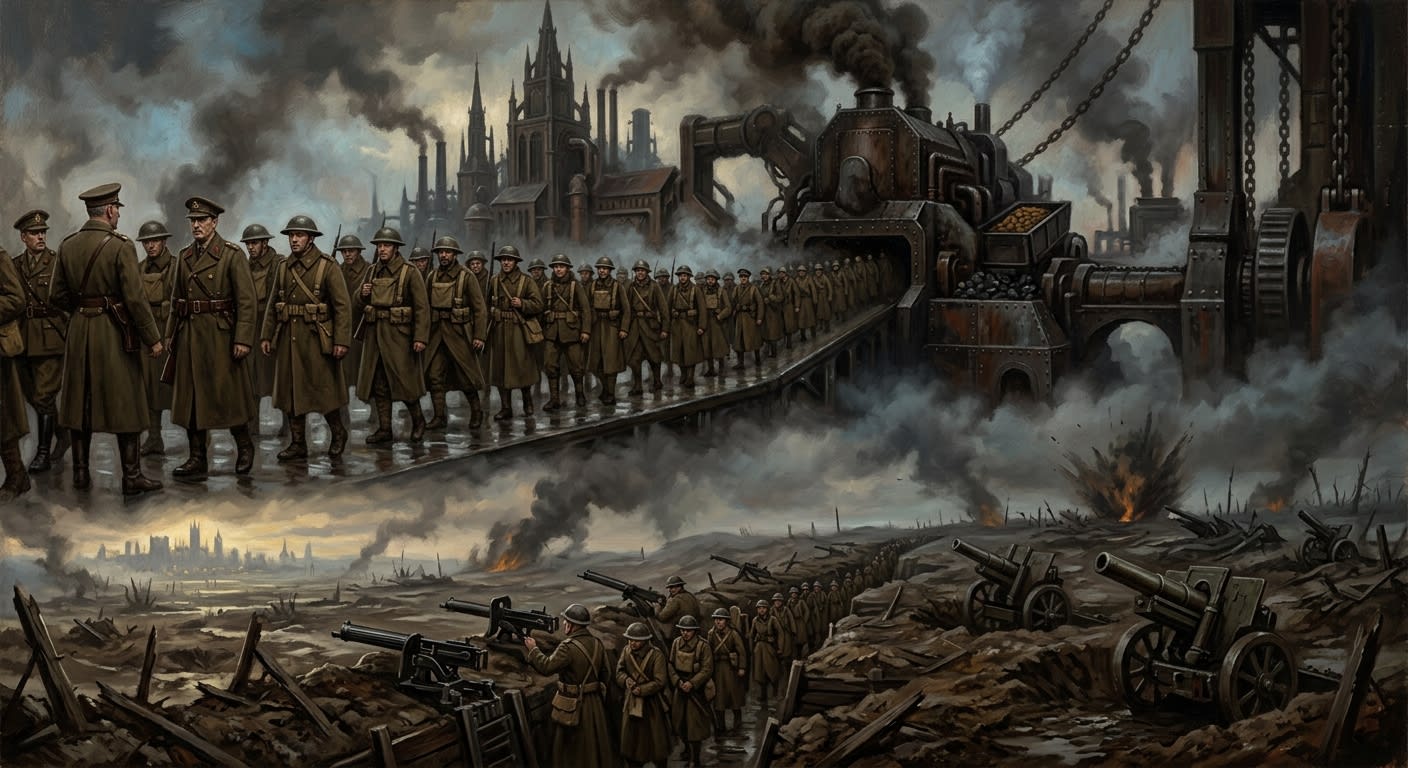
War Eternal
Victory assured; timetable irrelevant
The War Eternal is governed horror: the Line fed daily so the West may mistake survival for morning.
Codex Ref. XIII.1.92-065
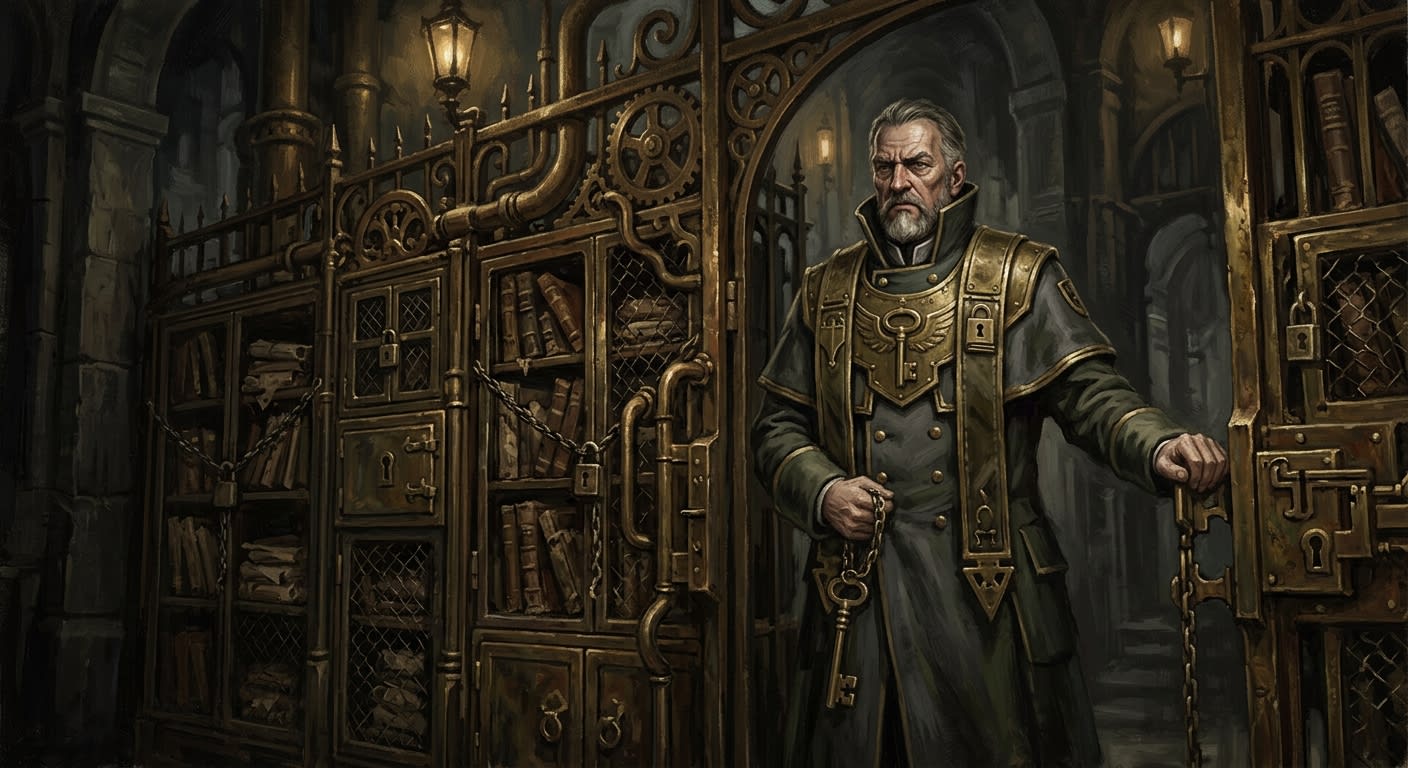
Warden of the Sacred Ledger
Memory is permitted only after custody
The Warden of the Sacred Ledger guards the passage between recorded fact and ratified meaning, lest memory escape and become a riot with dates.
Codex Ref. XIII.1.33-090
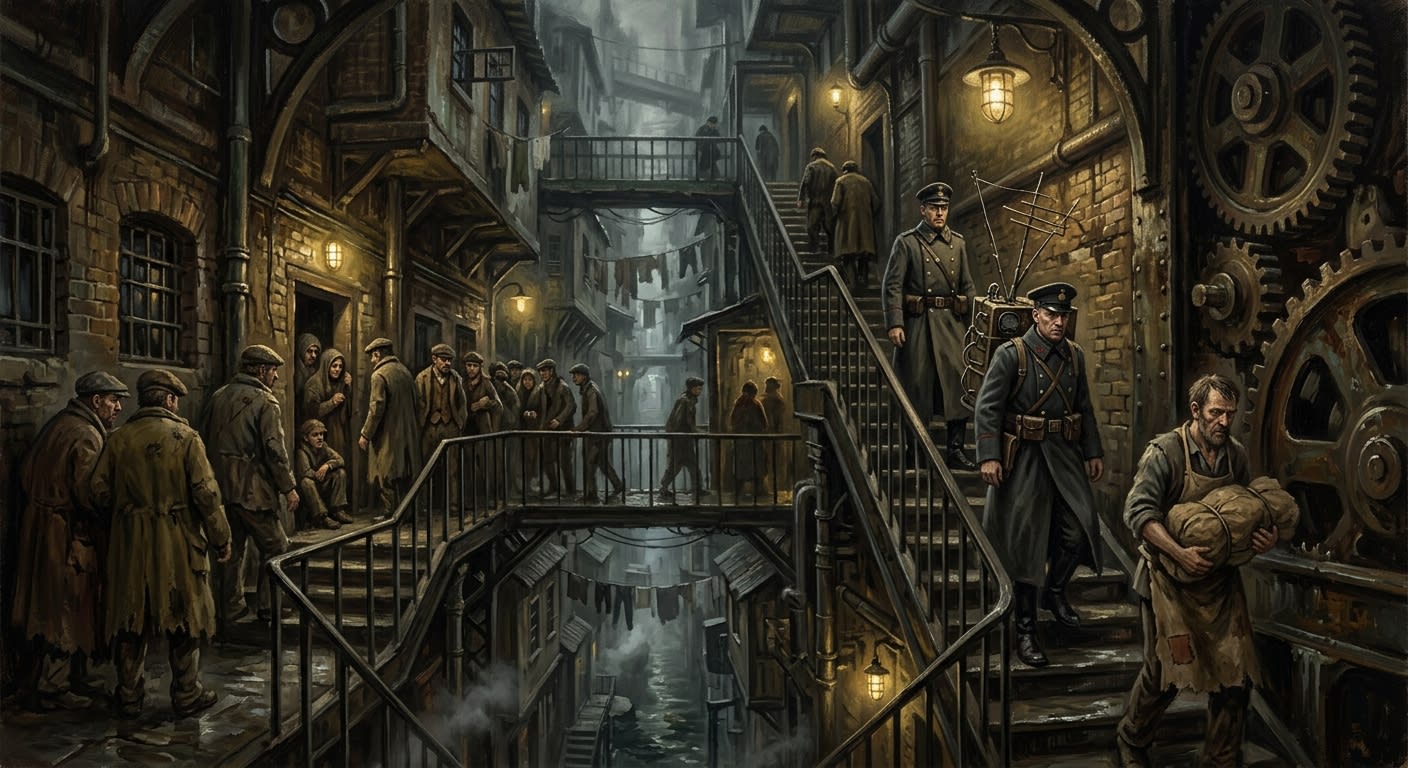
Warrens of Strasbourg
The capital's conscience, filed under mildew
Strasbourg hides its poor where bells arrive broken, maps grow bashful, and charity, crime, and surveillance share the same wet staircase.
Codex Ref. II.2.06-201
Warsaw
The city the Bureau told to leave, and the bakeries it opened in reply
The Synod's forward staging city on the Vistula — Zone Three, Northern Corridor, entry 14-W. 160 km from the Sagittal Line; close enough to hear the front on clear nights. The Bureau told it to leave in A.S. 95. It has grown by a quarter-million souls since.
Codex Ref. II.4.09-007
Wawel Hill
A crown of stone made to remember under seal
Kraków's cathedral hill, bound to the Night of Knives, restored as a public wound, and watched from upper works where Doctrine observes the city looking upward.
Codex Ref. II.3.06-001
Wound-Site Prospector
The earth seeps; the drums breathe; the Bureau explains neither, and taxes both
The licensed harvesters of demon-seep from wound-sites — chartered by the Bureau of Tithes, destroyed by the work, and collectively silent on the one event that explains everything. The drums breathe at night.
Codex Ref. XII.50.01-001
Wound-Sites
Where Creation filed an exception and the Bureau charged admission
Wound-Sites are Creation's open injuries: measured, taxed, exploited, prayed over, and officially caused by the Lie unless useful evidence says otherwise.
Codex Ref. XIII.1.29-001
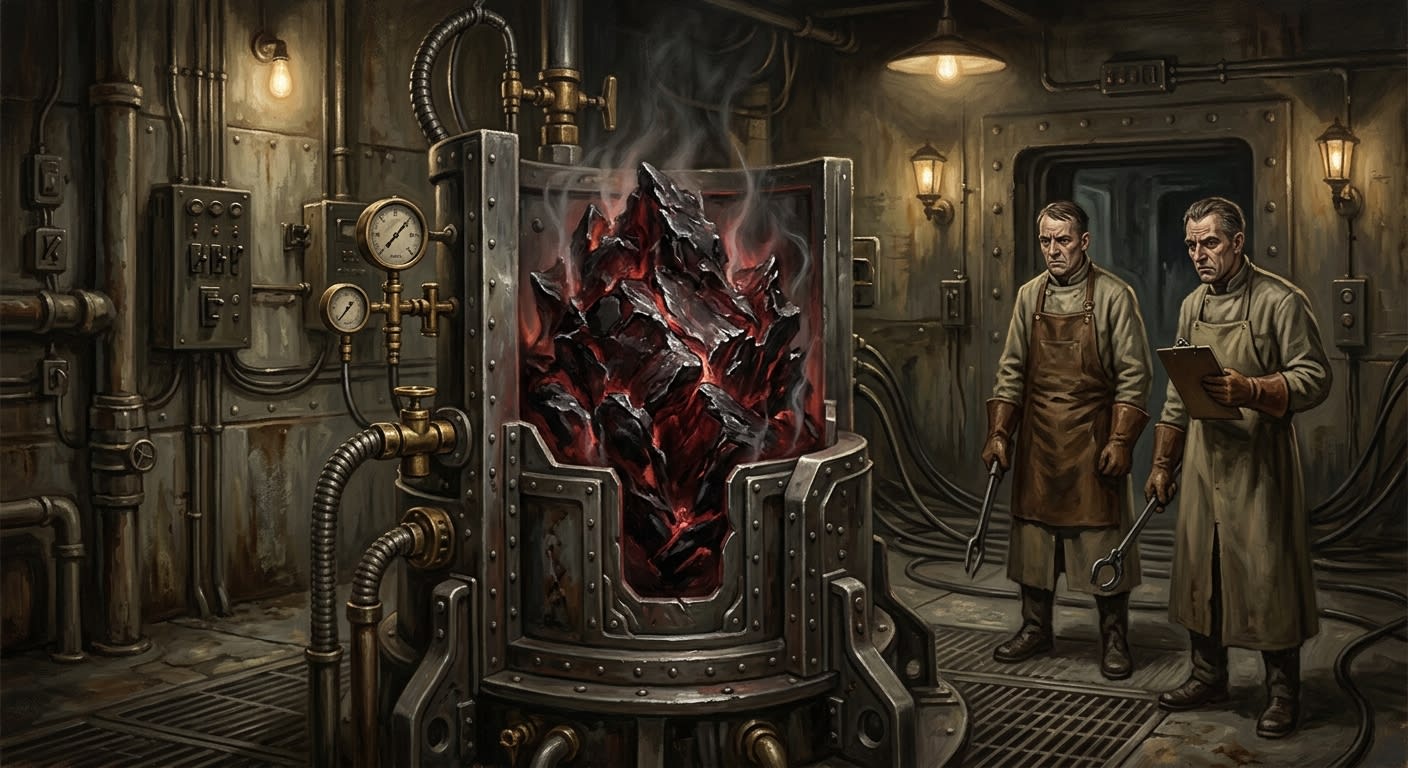
Wrath-Slag
Anger, cooled badly, remains warm
Wrath-slag is Maldrake's violence cooled into matter: warm, accusatory, useful, illegal, and always listening for an excuse.
Codex Ref. XIII.1.58-045
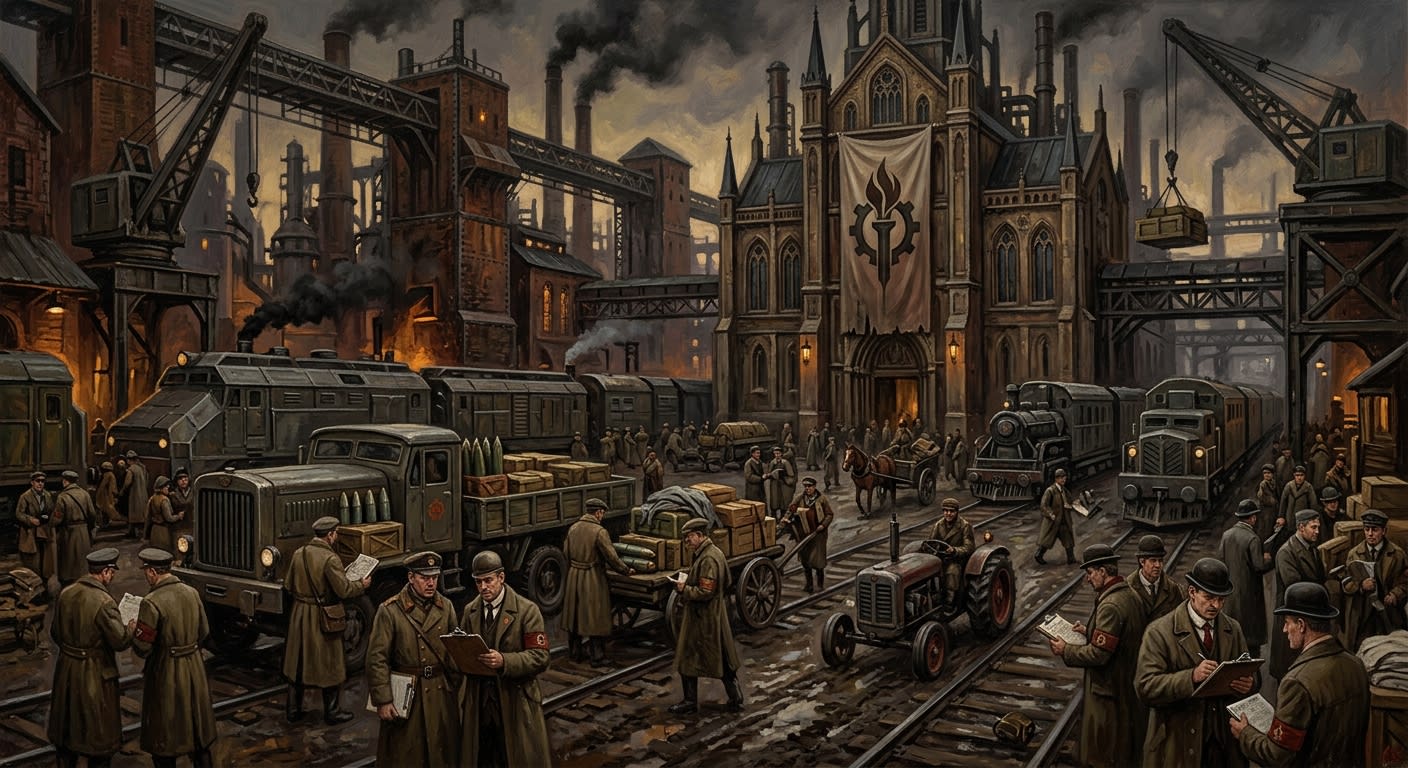
Zone 1
The rearward paradise that learned to invoice the war
Zone 1 is the Synod's polished western rear: safe enough to tax, rich enough to excuse itself, and stained to the elbows by logistics.
Codex Ref. II.0.03-201
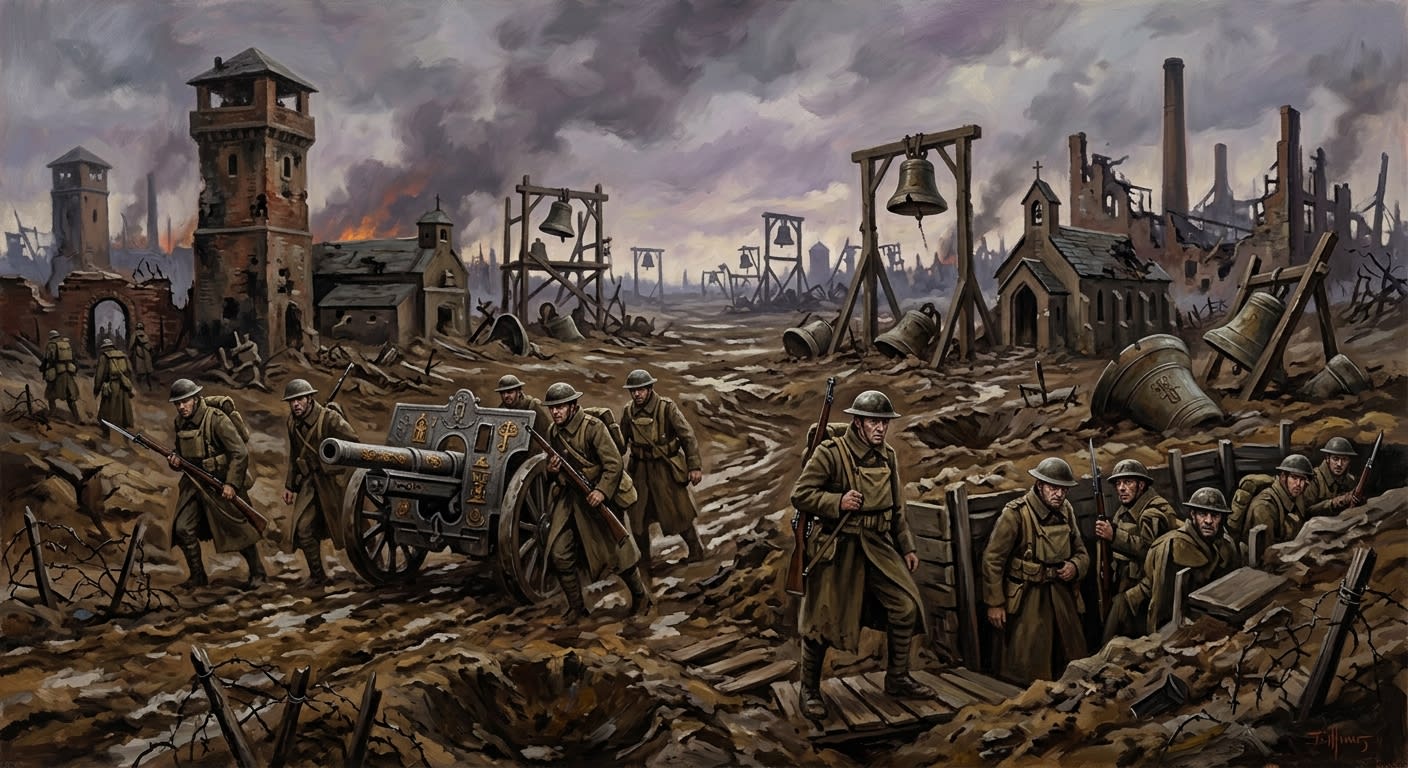
Zone Five
The strip where maps confess and mud countersigns
Zone Five is the Synod's contested receipt between living stone and demonic appetite: No-Man's-Land, where mud, bells, shadows, and orders all lie.
Codex Ref. II.5.00-201
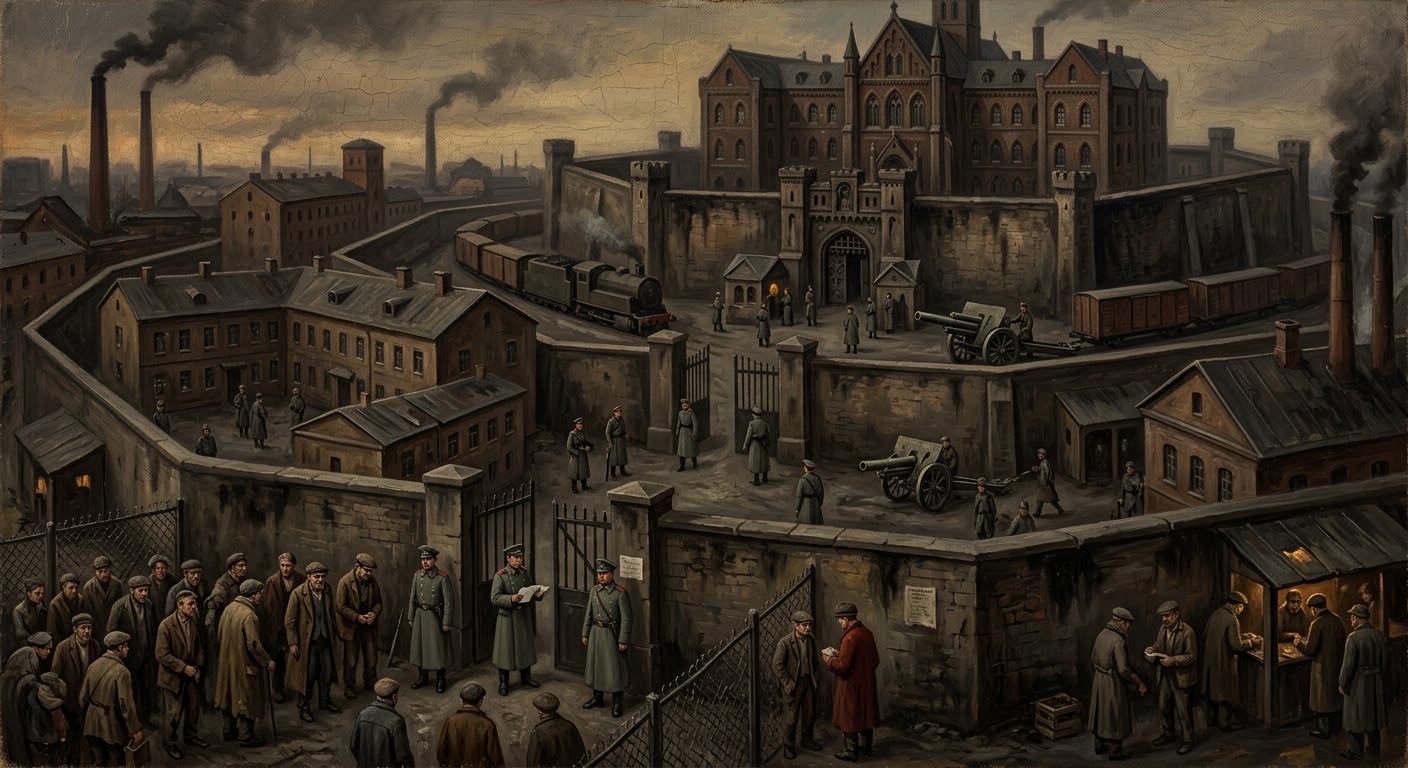
Zones 1 through 5
Five lawful pressures between invoice and mud
Zones 1 through 5 are graded permissions for bread, sons, movement, fear, artillery, and the state’s appetite.
Codex Ref. XIII.1.00-201
Zones 5 through 7
Mud, mouth, water — the outer grammar of danger
Zones 5 through 7 are the Synod’s controlled contact belt: contested mud, demonic custody, sea-rim commerce, contraband, pilgrimage, and useful contamination.
Codex Ref. XIII.1.00-207